Binance Square

Sheemm

image
Verificeret skaber
[Gold Standard Club] The finding Co-builder of Binance's Top Guild
Højfrekvent handlende
4.9 år
860 Følger
36.3K+ Følgere
24.8K+ Synes godt om
3.0K+ Delt
Opslag
·
--
LET'S DISCUSS THE VANARCHAIN AND $VANRYThe rapidly evolving landscape of Web3, Vanar Chain (VANRY) has emerged as a frontrunner by positioning itself as the world’s first “AI-native” Layer 1 blockchain. As of early 2026, the project has successfully transitioned from its origins in gaming and entertainment to become a foundational infrastructure for the “Intelligence Economy.” The following article provides a deep dive into the technology powering Vanar, its practical applications, and the role of its native token, VANRY. VANAR CHAIN: FUTURE OF AI AND WEB3 The blockchain industry has long struggled with the “Oracle Problem” and the “Storage Illusion” – the fact that most data is stored off-chain and requires fragile links to be useful. Vanar Chain solves this by embedding artificial intelligence and high-efficiency data storage directly into its core protocol. The Technology: The “Vanar Stack” Unlike traditional blockchains that act as simple ledgers, Vanar utilises a multi-layered architecture known as the Vanar Stack. This system is designed to handle data-intensive tasks that would typically crash or overprice other networks. Neutron (The Semantic Memory): This is Vanar’s breakthrough storage layer. It uses AI-powered compression to shrink files (like PDFs or legal deeds) by up to 500:1, storing them directly on-chain as “Seeds.” This ensures data is permanent, verifiable, and instantly accessible to AI. Kayon (The AI Reasoning Engine): Kayon is the “brain” of the chain. It allows smart contracts to read and “reason” over the data stored in Neutron. For example, a contract could automatically trigger a payment only after Kayon verifies the specific text within a digitized invoice stored on-chain. Efficiency & Scalability: Built on a Delegated Proof of Stake (dPoS) and Proof of Reputation (PoR) model, Vanar boasts sub-3-second block times and a fixed, ultra-low transaction fee of $0.0005. It is fully EVM-compatible, allowing Ethereum developers to migrate their apps instantly. REAL-WORLD USE CASES Vanar’s architecture isn’t just a technical flex; it is built for mass-market industries: AI & Autonomous Agents: Developers use Vanar to host “Pilot Agents” (AI assistants that can manage portfolios or execute complex DeFi swaps using natural language commands). Enterprise & PayFi: Major partners like Worldpay use Vanar to resolve transaction disputes by accessing immutable “data seeds” on-chain, reducing fraud and processing times. Gaming & Metaverse: Having evolved from the Virtua metaverse, Vanar remains a powerhouse for gaming. It supports massive on-chain economies where players earn $VANRY rewards in games like World of Dypians. Sustainability: Through Vanar ECO, the chain leverages Google Cloud’s carbon-neutral infrastructure and provides real-time energy tracking, making it the go-to choice for ESG-conscious brands. $VANRY: THE VANRY TOKEN The VANRY token is the lifeblood of this ecosystem. While many tokens serve only as a speculative asset, VANRY has been engineered with deep utility: TOKENOMICS & MARKET OUTLOOK As of January 2026, VANRY is trading at approximately $0.01, showing resilience following its high-profile rebranding and migration from the old TVK token. The introduction of the AI subscription model this quarter is expected to create a “buy-back and burn” effect, potentially reducing the circulating supply as demand for on-chain AI tools grows. COMPARISON WITH OTHER TECH & WHY VANAR MATTERS When comparing Vanar Chain (VANRY) to other titans in the sector like Bittensor (TAO) and Fetch.ai (FET/ASI), the primary distinction lies in their architectural purpose within the AI value chain. While Bittensor operates as a decentralised marketplace for machine-learning models (the “brains”) and Fetch.ai focuses on autonomous agents that perform specific tasks (the “workers”), Vanar positions itself as the foundation: the high-speed, AI-native Layer 1 infrastructure that hosts these applications. Vanar’s unique selling point in 2026 is its “all-in-one” stack; by integrating Neutron for data storage and Kayon for on-chain reasoning, it provides a seamless environment for consumer-facing AI apps that need to be fast, cheap, and capable of processing massive datasets without leaving the blockchain. Technically, Vanar offers a more accessible entry point for traditional developers and brands because it is fully EVM-compatible, allowing any Ethereum-based application to migrate and immediately utilise its AI tools. In contrast, Bittensor requires participation in specialized subnets with a steep technical curve, and Fetch.ai is deeply rooted in the Cosmos ecosystem for industrial automation. For investors, the VANRY token represents a “utility-plus” asset: it is not only used for standard gas fees (which are fixed at a microscopic $0.0005) but also serves as the primary currency for the new AI subscription models and data-burn mechanisms. This creates a direct correlation between the growth of AI usage on the network and the token’s deflationary pressure, a model that differs from the inflationary emission rewards found in many of its competitors. Vanar Chain is attempting to do for blockchain what the smartphone did for the internet: make it invisible, intelligent, and indispensable. By combining NVIDIA-powered AI infrastructure with a green, high-speed L1, Vanar is no longer just a “gaming chain”; it is the backbone of a new era of verifiable machine intelligence. So, I became a fan of VanarChain because it’s one of the few networks that clearly prioritizes real utility over noise. The focus on low-cost execution and scalable infrastructure feels practical, not speculative. What really stands out to me is how $VANRY connects the network, governance, and upcoming AI tools into one coherent system. Staking isn’t just passive—it actually contributes to security and decision-making. The move toward AI subscriptions shows long-term thinking beyond standard blockchain use cases. Overall, VanarChain feels built for staying power, not just a market cycle. @Vanar #vanar $VANRY #Vanar

LET'S DISCUSS THE VANARCHAIN AND $VANRY

The rapidly evolving landscape of Web3, Vanar Chain (VANRY) has emerged as a frontrunner by positioning itself as the world’s first “AI-native” Layer 1 blockchain. As of early 2026, the project has successfully transitioned from its origins in gaming and entertainment to become a foundational infrastructure for the “Intelligence Economy.”
The following article provides a deep dive into the technology powering Vanar, its practical applications, and the role of its native token, VANRY.
VANAR CHAIN: FUTURE OF AI AND WEB3
The blockchain industry has long struggled with the “Oracle Problem” and the “Storage Illusion” – the fact that most data is stored off-chain and requires fragile links to be useful. Vanar Chain solves this by embedding artificial intelligence and high-efficiency data storage directly into its core protocol.
The Technology: The “Vanar Stack”
Unlike traditional blockchains that act as simple ledgers, Vanar utilises a multi-layered architecture known as the Vanar Stack. This system is designed to handle data-intensive tasks that would typically crash or overprice other networks.
Neutron (The Semantic Memory): This is Vanar’s breakthrough storage layer. It uses AI-powered compression to shrink files (like PDFs or legal deeds) by up to 500:1, storing them directly on-chain as “Seeds.” This ensures data is permanent, verifiable, and instantly accessible to AI.
Kayon (The AI Reasoning Engine): Kayon is the “brain” of the chain. It allows smart contracts to read and “reason” over the data stored in Neutron. For example, a contract could automatically trigger a payment only after Kayon verifies the specific text within a digitized invoice stored on-chain.
Efficiency & Scalability: Built on a Delegated Proof of Stake (dPoS) and Proof of Reputation (PoR) model, Vanar boasts sub-3-second block times and a fixed, ultra-low transaction fee of $0.0005. It is fully EVM-compatible, allowing Ethereum developers to migrate their apps instantly.
REAL-WORLD USE CASES
Vanar’s architecture isn’t just a technical flex; it is built for mass-market industries:
AI & Autonomous Agents: Developers use Vanar to host “Pilot Agents” (AI assistants that can manage portfolios or execute complex DeFi swaps using natural language commands).
Enterprise & PayFi: Major partners like Worldpay use Vanar to resolve transaction disputes by accessing immutable “data seeds” on-chain, reducing fraud and processing times.
Gaming & Metaverse: Having evolved from the Virtua metaverse, Vanar remains a powerhouse for gaming. It supports massive on-chain economies where players earn $VANRY rewards in games like World of Dypians.
Sustainability: Through Vanar ECO, the chain leverages Google Cloud’s carbon-neutral infrastructure and provides real-time energy tracking, making it the go-to choice for ESG-conscious brands.
$VANRY : THE VANRY TOKEN
The VANRY token is the lifeblood of this ecosystem. While many tokens serve only as a speculative asset, VANRY has been engineered with deep utility:

TOKENOMICS & MARKET OUTLOOK
As of January 2026, VANRY is trading at approximately $0.01, showing resilience following its high-profile rebranding and migration from the old TVK token. The introduction of the AI subscription model this quarter is expected to create a “buy-back and burn” effect, potentially reducing the circulating supply as demand for on-chain AI tools grows.
COMPARISON WITH OTHER TECH & WHY VANAR MATTERS
When comparing Vanar Chain (VANRY) to other titans in the sector like Bittensor (TAO) and Fetch.ai (FET/ASI), the primary distinction lies in their architectural purpose within the AI value chain. While Bittensor operates as a decentralised marketplace for machine-learning models (the “brains”) and Fetch.ai focuses on autonomous agents that perform specific tasks (the “workers”), Vanar positions itself as the foundation: the high-speed, AI-native Layer 1 infrastructure that hosts these applications.
Vanar’s unique selling point in 2026 is its “all-in-one” stack; by integrating Neutron for data storage and Kayon for on-chain reasoning, it provides a seamless environment for consumer-facing AI apps that need to be fast, cheap, and capable of processing massive datasets without leaving the blockchain.
Technically, Vanar offers a more accessible entry point for traditional developers and brands because it is fully EVM-compatible, allowing any Ethereum-based application to migrate and immediately utilise its AI tools. In contrast, Bittensor requires participation in specialized subnets with a steep technical curve, and Fetch.ai is deeply rooted in the Cosmos ecosystem for industrial automation.
For investors, the VANRY token represents a “utility-plus” asset: it is not only used for standard gas fees (which are fixed at a microscopic $0.0005) but also serves as the primary currency for the new AI subscription models and data-burn mechanisms. This creates a direct correlation between the growth of AI usage on the network and the token’s deflationary pressure, a model that differs from the inflationary emission rewards found in many of its competitors.
Vanar Chain is attempting to do for blockchain what the smartphone did for the internet: make it invisible, intelligent, and indispensable. By combining NVIDIA-powered AI infrastructure with a green, high-speed L1, Vanar is no longer just a “gaming chain”; it is the backbone of a new era of verifiable machine intelligence.
So, I became a fan of VanarChain because it’s one of the few networks that clearly prioritizes real utility over noise.
The focus on low-cost execution and scalable infrastructure feels practical, not speculative.
What really stands out to me is how $VANRY connects the network, governance, and upcoming AI tools into one coherent system.
Staking isn’t just passive—it actually contributes to security and decision-making.
The move toward AI subscriptions shows long-term thinking beyond standard blockchain use cases.
Overall, VanarChain feels built for staying power, not just a market cycle.
@Vanarchain #vanar $VANRY #Vanar
·
--
#vanar $VANRY VanarChain stands out because it’s building a complete utility-driven ecosystem rather than chasing short-term hype. $VANRY isn’t just a gas token; it fuels transactions, secures the network through staking, enables governance, and soon unlocks access to AI tools. Everything connects into a single economic loop where usage actually matters. For me, that focus on execution, scalability, and real-world relevance is what gives VanarChain long-term credibility. That's why #vanar feels built around how people actually use technology, not just it's marketed. @Vanar
#vanar $VANRY VanarChain stands out because it’s building a complete utility-driven ecosystem rather than chasing short-term hype. $VANRY isn’t just a gas token; it fuels transactions, secures the network through staking, enables governance, and soon unlocks access to AI tools. Everything connects into a single economic loop where usage actually matters. For me, that focus on execution, scalability, and real-world relevance is what gives VanarChain long-term credibility. That's why #vanar feels built around how people actually use technology, not just it's marketed.
@Vanarchain
·
--
Walrus Protocol: Building the Data Layer Decentralization Actually Depends OnWhen I first started paying close attention to Walrus Protocol, it didn’t feel like another flashy infrastructure pitch. It felt quieter, more deliberate, almost stubbornly focused on a problem most people underestimate until it breaks everything else: data. In a world where blockchains promise decentralization but still lean on fragile storage assumptions, Walrus came across as an attempt to fix the foundation rather than decorate the roof. What pulled me in was the idea that data itself should be treated as a first-class citizen. Not an afterthought bolted onto a chain, not something temporarily hosted until costs spike or nodes disappear, but something designed to persist, scale, and remain verifiable over time. Walrus isn’t trying to be everything at once. It’s trying to make sure that when applications store data, that data actually stays available, intact, and trust-minimized. As I dug deeper, I began to see Walrus as less of a “storage protocol” and more of a coordination layer for data availability. The way it handles large objects, redundancy, and fault tolerance feels built for the real world, where nodes fail, networks fragment, and usage patterns are unpredictable. Instead of assuming perfect conditions, Walrus seems to assume chaos and designs around it. That mindset alone makes it stand out. The WAL token fits into this design in a way that feels refreshingly grounded. Rather than existing purely as a speculative asset, it plays an active role in aligning incentives across the network. Storage providers, validators, and users are all economically tied into the same system. When data is stored, verified, and served correctly, value flows. When it isn’t, penalties and inefficiencies appear. It’s a simple idea, but one that too many protocols complicate or ignore. What I find especially compelling is how Walrus positions itself for the next wave of applications. AI models, on-chain games, decentralized social platforms, and data-heavy dApps don’t just need cheap transactions. They need reliable access to massive datasets over long periods of time. Walrus feels built with that future in mind, where storage isn’t measured in kilobytes and short-term availability, but in durability and scale. There’s also something reassuring about the lack of noise. Walrus doesn’t scream for attention. It doesn’t rely on buzzwords to justify its existence. Instead, it focuses on execution, benchmarks, and architecture. For someone who’s watched countless infrastructure projects promise the world and quietly fade, that restraint feels like a strength, not a weakness. Over time, I’ve come to see Walrus Protocol as one of those projects that becomes obvious only in hindsight. It’s the kind of infrastructure people don’t talk about every day, but quietly depend on when things start to matter. And WAL, in that context, feels less like a token chasing narratives and more like a tool that makes the whole system work. If decentralization is going to mean anything beyond marketing, data has to be durable, accessible, and trust-minimized at scale. Walrus doesn’t claim to solve everything, but it tackles that core problem head-on. That’s why, for me, it feels less like a trend and more like a piece of long-term infrastructure the ecosystem will eventually grow around. @WalrusProtocol #walrus $WAL #Walrus

Walrus Protocol: Building the Data Layer Decentralization Actually Depends On

When I first started paying close attention to Walrus Protocol, it didn’t feel like another flashy infrastructure pitch. It felt quieter, more deliberate, almost stubbornly focused on a problem most people underestimate until it breaks everything else: data. In a world where blockchains promise decentralization but still lean on fragile storage assumptions, Walrus came across as an attempt to fix the foundation rather than decorate the roof.
What pulled me in was the idea that data itself should be treated as a first-class citizen. Not an afterthought bolted onto a chain, not something temporarily hosted until costs spike or nodes disappear, but something designed to persist, scale, and remain verifiable over time. Walrus isn’t trying to be everything at once. It’s trying to make sure that when applications store data, that data actually stays available, intact, and trust-minimized.
As I dug deeper, I began to see Walrus as less of a “storage protocol” and more of a coordination layer for data availability. The way it handles large objects, redundancy, and fault tolerance feels built for the real world, where nodes fail, networks fragment, and usage patterns are unpredictable. Instead of assuming perfect conditions, Walrus seems to assume chaos and designs around it. That mindset alone makes it stand out.
The WAL token fits into this design in a way that feels refreshingly grounded. Rather than existing purely as a speculative asset, it plays an active role in aligning incentives across the network. Storage providers, validators, and users are all economically tied into the same system. When data is stored, verified, and served correctly, value flows. When it isn’t, penalties and inefficiencies appear. It’s a simple idea, but one that too many protocols complicate or ignore.
What I find especially compelling is how Walrus positions itself for the next wave of applications. AI models, on-chain games, decentralized social platforms, and data-heavy dApps don’t just need cheap transactions. They need reliable access to massive datasets over long periods of time. Walrus feels built with that future in mind, where storage isn’t measured in kilobytes and short-term availability, but in durability and scale.
There’s also something reassuring about the lack of noise. Walrus doesn’t scream for attention. It doesn’t rely on buzzwords to justify its existence. Instead, it focuses on execution, benchmarks, and architecture. For someone who’s watched countless infrastructure projects promise the world and quietly fade, that restraint feels like a strength, not a weakness.
Over time, I’ve come to see Walrus Protocol as one of those projects that becomes obvious only in hindsight. It’s the kind of infrastructure people don’t talk about every day, but quietly depend on when things start to matter. And WAL, in that context, feels less like a token chasing narratives and more like a tool that makes the whole system work.
If decentralization is going to mean anything beyond marketing, data has to be durable, accessible, and trust-minimized at scale. Walrus doesn’t claim to solve everything, but it tackles that core problem head-on. That’s why, for me, it feels less like a trend and more like a piece of long-term infrastructure the ecosystem will eventually grow around.
@Walrus 🦭/acc #walrus $WAL #Walrus
·
--
$KITE {spot}(KITEUSDT) the market is seeing a strong bullish push, with KIITE hitting those 0.168 levels as it tests its previous January resistance. KITE Price Analysis (Updated) Current Price: 0.1683 (Trending Up) 24h Momentum: Up over 12%, breaking out from the 0.14 consolidation zone. Volume: Spike in trading activity to 47M, suggesting high buyer conviction. Market Drivers: Institutional Hype: Kite AI was just named a core partner for the upcoming Consensus Hong Kong "Institutional Onchain" forum. This has placed it at the center of the "agentic economy" narrative. Mainnet Roadmap: With the CEO confirming the Avalanche Mainnet launch for this quarter, traders are front-running the transition from testnet to live utility. Key Level: If KITE holds above $0.165, the next technical target is $0.198, which could mark a new multi-month high. #BinanceExplorers $ZRO $STG
$KITE
the market is seeing a strong bullish push, with KIITE hitting those 0.168 levels as it tests its previous January resistance.
KITE Price Analysis (Updated)
Current Price: 0.1683 (Trending Up)
24h Momentum: Up over 12%, breaking out from the 0.14 consolidation zone.
Volume: Spike in trading activity to 47M, suggesting high buyer conviction.
Market Drivers:
Institutional Hype: Kite AI was just named a core partner for the upcoming Consensus Hong Kong "Institutional Onchain" forum. This has placed it at the center of the "agentic economy" narrative.
Mainnet Roadmap: With the CEO confirming the Avalanche Mainnet launch for this quarter, traders are front-running the transition from testnet to live utility.
Key Level: If KITE holds above $0.165, the next technical target is $0.198, which could mark a new multi-month high.
#BinanceExplorers
$ZRO
$STG
·
--
$BANANAS31 {spot}(BANANAS31USDT) Banana For Scale is showing strong bullish momentum, currently trading at approximately 0.004568, reflecting a solid 6.4% to 24% gain over the last 24 hours depending on the exchange. Price Performance Snapshot: 24h Change: +6.41% to +24.39% (Breaking out of consolidation) Market Cap: 39.68M 24h Volume: 44.3M (High liquidity ratio indicating active trading) Circulating Supply: 10B (100% of max supply) The Breakout: After a week of sideways movement, BANANAS31 has cleared the 0.0045 resistance. Next Target: Bulls are eyeing the 0.005 level. A sustained close above this could spark a rally toward $0.0075. Support: Immediate support sits at 0.0041. If this holds, the "dip-buying" trend remains strong. Sentiment: Ranked #511 by market cap, the project continues to leverage its "meme-meets-AI" branding (bananaforscale.ai), maintaining high social engagement despite being 93% down from its 0.059 all-time high. Strategy: Watch the 0.0040 psychological barrier. A rejection there may lead to a retest of 0.0032. Would you like me to generate a 24-hour price chart for to visualize the breakout? #BinanceSquareFamily #BANANA31🔥🔥 $KITE $ZIL
$BANANAS31
Banana For Scale is showing strong bullish momentum, currently trading at approximately 0.004568, reflecting a solid 6.4% to 24% gain over the last 24 hours depending on the exchange.
Price Performance Snapshot:
24h Change: +6.41% to +24.39% (Breaking out of consolidation)
Market Cap: 39.68M
24h Volume: 44.3M (High liquidity ratio indicating active trading)
Circulating Supply: 10B (100% of max supply)
The Breakout: After a week of sideways movement, BANANAS31 has cleared the 0.0045 resistance.
Next Target: Bulls are eyeing the 0.005 level. A sustained close above this could spark a rally toward $0.0075.
Support: Immediate support sits at 0.0041. If this holds, the "dip-buying" trend remains strong.
Sentiment: Ranked #511 by market cap, the project continues to leverage its "meme-meets-AI" branding (bananaforscale.ai), maintaining high social engagement despite being 93% down from its 0.059 all-time high.
Strategy: Watch the 0.0040 psychological barrier. A rejection there may lead to a retest of 0.0032.
Would you like me to generate a 24-hour price chart for to visualize the breakout?
#BinanceSquareFamily
#BANANA31🔥🔥
$KITE
$ZIL
·
--
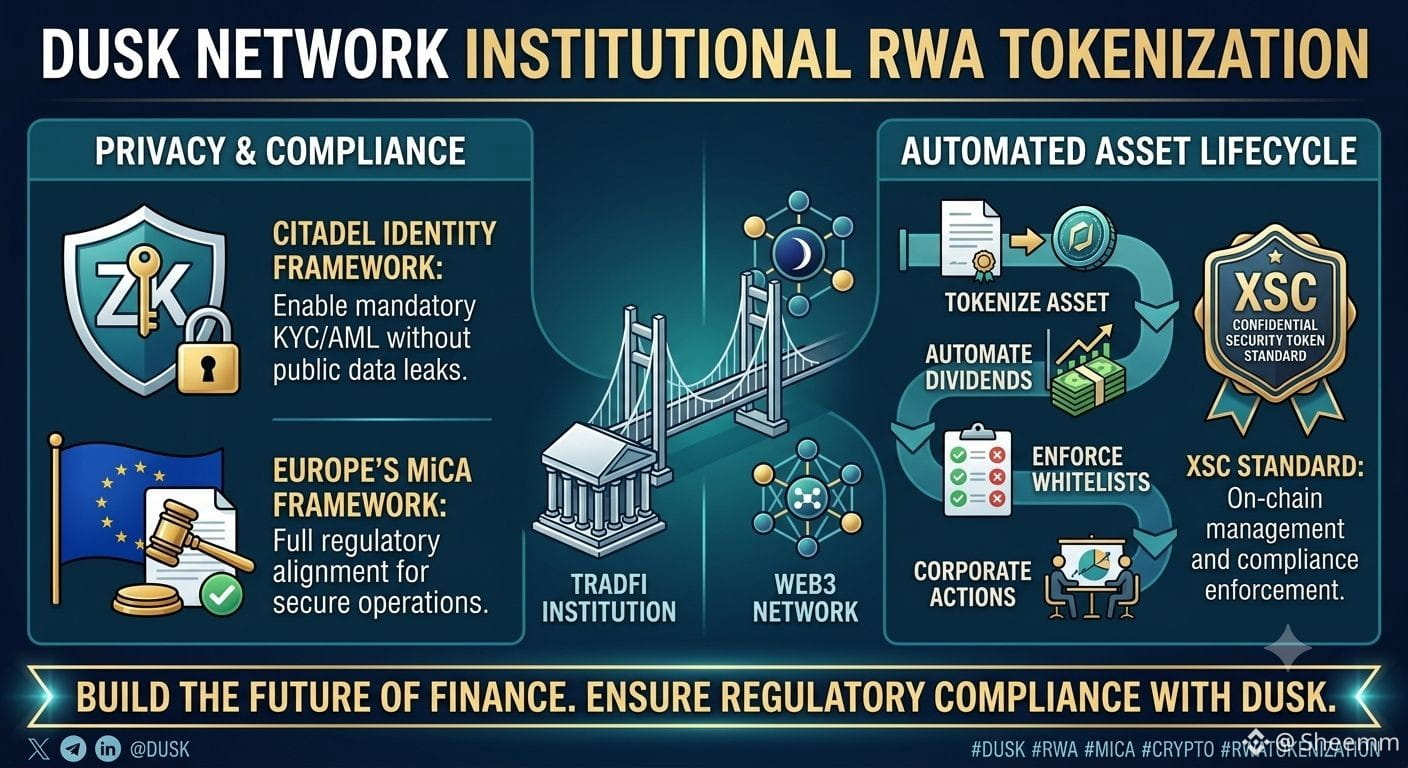
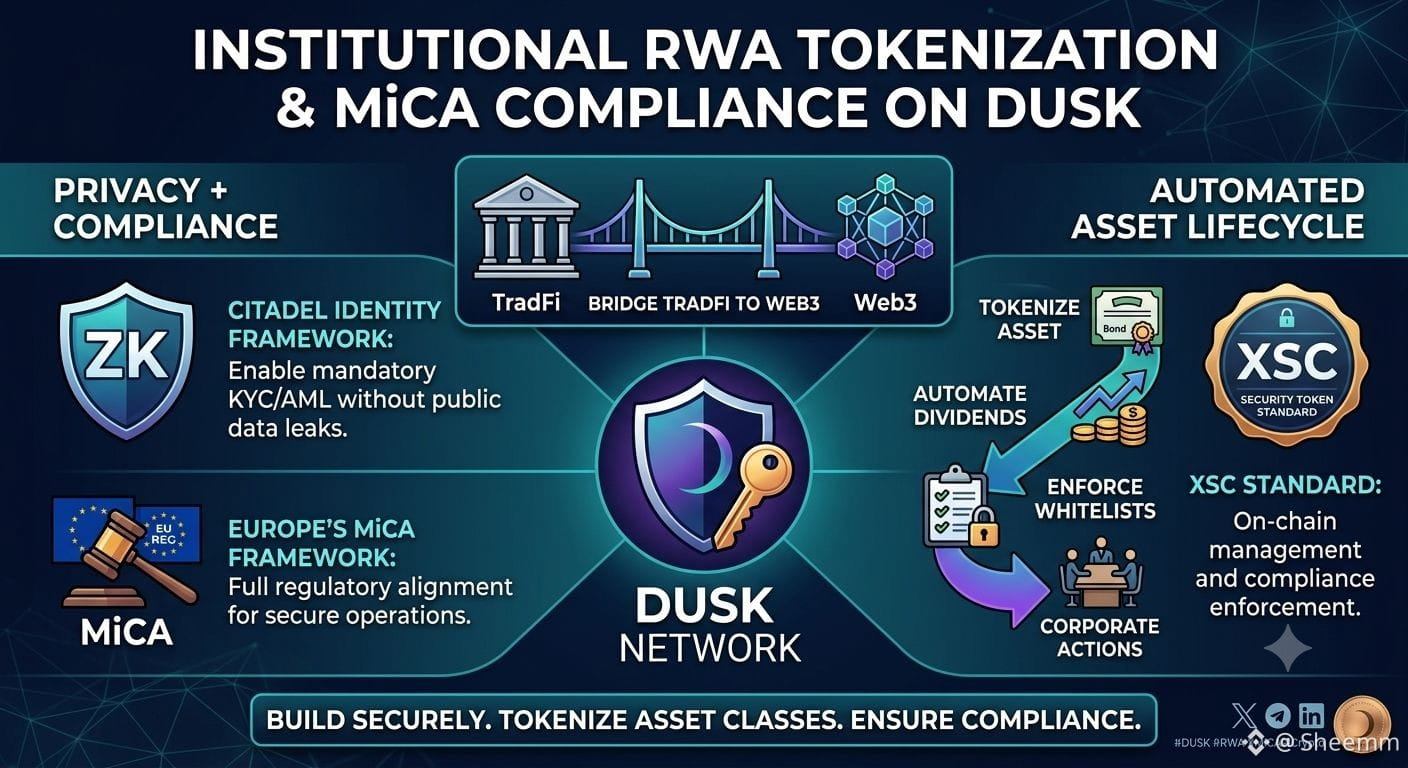
$DUSK {spot}(DUSKUSDT) is trading at 0.1049, showing a 9.05% recovery in the last 24 hours. Despite a 27% drop from its January peak of 0.32, the token is up 109% over 30 days. Key Analysis: The Floor: Strong support has formed at 0.082. Maintaining this level is crucial for a bullish reversal toward 0.13. Whale Sentiment: On-chain data reveals the top 100 wallets added 56M tokens during this dip, signaling institutional accumulation while retail exits. Fundamentals: The focus remains on the Mainnet launch and the NPEX partnership, aiming to tokenize €300M in assets. Summary: DUSK is cooling off after a massive rally. If it holds above $0.09, the "buy the dip" narrative remains intact for the RWA sector.@Dusk_Foundation #dusk #Write2Earn #BinanceSquareTalks $ASTR $F
$DUSK
is trading at 0.1049, showing a 9.05% recovery in the last 24 hours. Despite a 27% drop from its January peak of 0.32, the token is up 109% over 30 days.
Key Analysis:
The Floor: Strong support has formed at 0.082. Maintaining this level is crucial for a bullish reversal toward 0.13.
Whale Sentiment: On-chain data reveals the top 100 wallets added 56M tokens during this dip, signaling institutional accumulation while retail exits.
Fundamentals: The focus remains on the Mainnet launch and the NPEX partnership, aiming to tokenize €300M in assets.
Summary: DUSK is cooling off after a massive rally. If it holds above $0.09, the "buy the dip" narrative remains intact for the RWA sector.@Dusk
#dusk
#Write2Earn
#BinanceSquareTalks
$ASTR
$F
·
--
@Plasma Why Plasma XPL Is Built for Payments, Not Just Throughput Most blockchains talk about speed but Plasma XPL is clearly designed around payments that actually work at scale. Instead of chasing raw TPS numbers, Plasma XPL optimizes the full payment lifecycle fast finality predictable fees and smooth user experience. What stands out to me is how Plasma separates payment execution from congestion-heavy settlement layers. This allows micro-payments remittances and real-world transfers to move without the usual gas spikes or delays. For users and businesses, that reliability matters more than flashy benchmarks. Plasma XPL feels less like an experiment and more like infrastructure the kind built for everyday usage not just peak hype cycles. From my perspective, this approach shows a clear understanding of how people actually use blockchain day to day. I’m not looking for theoretical performance claims I care about systems that stay consistent under pressure, and Plasma XPL clearly prioritizes that reality. #plasma $XPL
@Plasma Why Plasma XPL Is Built for Payments, Not Just Throughput
Most blockchains talk about speed but Plasma XPL is clearly designed around payments that actually work at scale. Instead of chasing raw TPS numbers, Plasma XPL optimizes the full payment lifecycle fast finality predictable fees and smooth user experience.
What stands out to me is how Plasma separates payment execution from congestion-heavy settlement layers. This allows micro-payments remittances and real-world transfers to move without the usual gas spikes or delays. For users and businesses, that reliability matters more than flashy benchmarks.
Plasma XPL feels less like an experiment and more like infrastructure the kind built for everyday usage not just peak hype cycles.
From my perspective, this approach shows a clear understanding of how people actually use blockchain day to day. I’m not looking for theoretical performance claims I care about systems that stay consistent under pressure, and Plasma XPL clearly prioritizes that reality.
#plasma $XPL
·
--
The Meteoric Rise of USD1: A $5 Billion MilestoneAs of February 2026, USD1 (World Liberty Financial USD) has cemented itself as a top-tier stablecoin, reaching a market capitalization of $5.21 billion. Launched in early 2025 by World Liberty Financial (WLF)—a project closely tied to the Trump family—the token has transitioned from a new entrant to a major liquidity pillar in less than a year. The following chart illustrates this aggressive growth: Key Success Factors Institutional Backing: High-profile deals, including a $2 billion investment from the UAE’s MGX using USD1, have provided massive utility and trust. Low-Cost Efficiency: WLF’s zero-fee model for minting and redemptions has successfully courted high-volume traders who typically use USDT or USDC. Multi-Chain Reach: Utilizing Chainlink’s CCIP technology, USD1 maintains seamless liquidity across Ethereum, BNB Chain, and Solana. Regulatory Ambition: WLF is currently pursuing a U.S. national trust bank charter to bring the stablecoin under federal supervision. Current Outlook Despite its success, USD1 faces fresh scrutiny. In February 2026, the House Select Committee launched a probe into a $500 million investment from UAE-linked entities, citing potential national security concerns and conflicts of interest. Nevertheless, market demand remains high. With a 50% increase in supply over the last month alone, USD1 is quickly becoming the preferred "digital dollar" for both retail yield-seekers and institutional settlements. #USD1 #Binance

The Meteoric Rise of USD1: A $5 Billion Milestone

As of February 2026, USD1 (World Liberty Financial USD) has cemented itself as a top-tier stablecoin, reaching a market capitalization of $5.21 billion. Launched in early 2025 by World Liberty Financial (WLF)—a project closely tied to the Trump family—the token has transitioned from a new entrant to a major liquidity pillar in less than a year.
The following chart illustrates this aggressive growth:
Key Success Factors
Institutional Backing: High-profile deals, including a $2 billion investment from the UAE’s MGX using USD1, have provided massive utility and trust.
Low-Cost Efficiency: WLF’s zero-fee model for minting and redemptions has successfully courted high-volume traders who typically use USDT or USDC.
Multi-Chain Reach: Utilizing Chainlink’s CCIP technology, USD1 maintains seamless liquidity across Ethereum, BNB Chain, and Solana.
Regulatory Ambition: WLF is currently pursuing a U.S. national trust bank charter to bring the stablecoin under federal supervision.
Current Outlook
Despite its success, USD1 faces fresh scrutiny. In February 2026, the House Select Committee launched a probe into a $500 million investment from UAE-linked entities, citing potential national security concerns and conflicts of interest.
Nevertheless, market demand remains high. With a 50% increase in supply over the last month alone, USD1 is quickly becoming the preferred "digital dollar" for both retail yield-seekers and institutional settlements.
#USD1 #Binance
·
--
@Dusk_Foundation I’ve been following Dusk Foundation closely, and what excites me is how $DUSK powers a privacy-focused blockchain that actually works for real-world finance. I love that I can see a network balancing transparency and selective privacy, while staking and governance let me be part of its growth. For me, Dusk isn’t just a token—it’s a step toward a smarter, more secure decentralized future. #dusk $DUSK
@Dusk I’ve been following Dusk Foundation closely, and what excites me is how $DUSK powers a privacy-focused blockchain that actually works for real-world finance. I love that I can see a network balancing transparency and selective privacy, while staking and governance let me be part of its growth. For me, Dusk isn’t just a token—it’s a step toward a smarter, more secure decentralized future.
#dusk $DUSK
·
--
DUSK Network: Why I’m Watching This Privacy-Focused BlockchainWhether you’re a newcomer just stepping into crypto or an experienced participant who’s seen multiple market cycles, DUSK Network is one of those projects I’ve found genuinely worth watching and engaging with. When I first explored DUSK, what immediately struck me wasn’t hype or flashy marketing—it was clarity of purpose. DUSK Network addresses a problem that keeps surfacing in blockchain: how can we combine privacy with real-world compliance? Most networks choose one side. DUSK deliberately occupies the middle ground, and that balance makes it intriguing. At its core, DUSK is designed for confidential smart contracts and selective disclosure. This means users and institutions don’t need to expose all information on-chain but can still prove what’s necessary. As someone who’s seen both the advantages and pitfalls of full transparency I found this approach refreshing. Privacy and trust don’t have to be mutually exclusive they can coexist. For experienced participants, the appeal goes deeper. DUSK isn’t just about privacy for privacy’s sake it’s about making blockchain usable for regulated environments like finance tokenized securities, and compliant DeFi. It opens doors that many other chains simply can’t access. I’ve noticed that institutions are increasingly interested in networks like DUSK because they allow oversight without sacrificing confidentiality. The network’s architecture reflects its long-term vision. Confidential smart contracts, zero-knowledge proofs, and compliance-first design show a dedication to sustainability over hype. The DUSK token isn’t just a symbol it secures the network through staking, pays for transactions, and enables governance. I find it exciting to see a token with real utility growing as the ecosystem matures. I also appreciate how approachable the DUSK ecosystem feels. You don’t have to be a blockchain expert to understand why it matters, yet if you are technically inclined there’s plenty under the hood to explore. That balance makes DUSK accessible without being shallow—a rare combination. Watching the community grow has been encouraging too. Developers, validators, and early adopters are actively building, experimenting, and sharing insights. I’ve seen firsthand how a vibrant ecosystem can reinforce a project’s credibility and long-term potential. From a market perspective, DUSK’s trajectory is interesting. It’s not about sudden spikes but steady growth adoption and meaningful partnerships. Observing its integration into real-world use cases gives me confidence that it’s more than just another speculative token. I’ve also found myself revisiting DUSK regularly exploring updates, testnets, and developer tools. Each time I do, I discover subtle improvements that reinforce my belief in its direction. For me this is a project that rewards curiosity and persistence. In a space crowded with repetitive narratives DUSK Network stands out. It solves a real problem with precision vision, and patience. Whether you’re learning crypto basics or developing a long-term strategy I think DUSK is worth your attention. Watching it is smart but engaging with it and understanding its evolution has been even more rewarding for me personally. @Dusk_Foundation #dusk $DUSK #Dusk

DUSK Network: Why I’m Watching This Privacy-Focused Blockchain

Whether you’re a newcomer just stepping into crypto or an experienced participant who’s seen multiple market cycles, DUSK Network is one of those projects I’ve found genuinely worth watching and engaging with.
When I first explored DUSK, what immediately struck me wasn’t hype or flashy marketing—it was clarity of purpose. DUSK Network addresses a problem that keeps surfacing in blockchain: how can we combine privacy with real-world compliance? Most networks choose one side. DUSK deliberately occupies the middle ground, and that balance makes it intriguing.
At its core, DUSK is designed for confidential smart contracts and selective disclosure. This means users and institutions don’t need to expose all information on-chain but can still prove what’s necessary. As someone who’s seen both the advantages and pitfalls of full transparency I found this approach refreshing. Privacy and trust don’t have to be mutually exclusive they can coexist.
For experienced participants, the appeal goes deeper. DUSK isn’t just about privacy for privacy’s sake it’s about making blockchain usable for regulated environments like finance tokenized securities, and compliant DeFi. It opens doors that many other chains simply can’t access. I’ve noticed that institutions are increasingly interested in networks like DUSK because they allow oversight without sacrificing confidentiality.
The network’s architecture reflects its long-term vision. Confidential smart contracts, zero-knowledge proofs, and compliance-first design show a dedication to sustainability over hype. The DUSK token isn’t just a symbol it secures the network through staking, pays for transactions, and enables governance. I find it exciting to see a token with real utility growing as the ecosystem matures.
I also appreciate how approachable the DUSK ecosystem feels. You don’t have to be a blockchain expert to understand why it matters, yet if you are technically inclined there’s plenty under the hood to explore. That balance makes DUSK accessible without being shallow—a rare combination.
Watching the community grow has been encouraging too. Developers, validators, and early adopters are actively building, experimenting, and sharing insights. I’ve seen firsthand how a vibrant ecosystem can reinforce a project’s credibility and long-term potential.
From a market perspective, DUSK’s trajectory is interesting. It’s not about sudden spikes but steady growth adoption and meaningful partnerships. Observing its integration into real-world use cases gives me confidence that it’s more than just another speculative token.
I’ve also found myself revisiting DUSK regularly exploring updates, testnets, and developer tools. Each time I do, I discover subtle improvements that reinforce my belief in its direction. For me this is a project that rewards curiosity and persistence.
In a space crowded with repetitive narratives DUSK Network stands out. It solves a real problem with precision vision, and patience. Whether you’re learning crypto basics or developing a long-term strategy I think DUSK is worth your attention. Watching it is smart but engaging with it and understanding its evolution has been even more rewarding for me personally.
@Dusk #dusk $DUSK #Dusk
·
--
From Congestion to Clarity: How Plasma XPL Reimagines On-Chain Payments@Plasma The first time I tried sending a stablecoin payment during peak network hours, I remember staring at the screen wondering how something meant to be “instant” could feel so slow and uncertain. Fees were climbing, confirmations dragged on, and the simplicity that crypto once promised seemed buried under congestion. Experiences like that are what pushed me to look more closely at projects focused on execution rather than expansion and that’s how I ended up paying attention to Plasma XPL. What immediately resonated with me about Plasma XPL was its understanding of the real problem. On-chain payments don’t fail because users want too many features. They fail because networks become crowded, costs become unpredictable, and execution suffers. Plasma doesn’t try to patch those issues with surface-level fixes. Instead, it rethinks how on-chain payments should work when stablecoins are the primary medium of exchange. As stablecoins have grown into the backbone of crypto payments, the limitations of general-purpose blockchains have become more obvious. These networks are designed to handle everything at once—NFTs, DeFi, governance, experimentation—and payments end up competing for block space with activities that have very different requirements. From a user perspective, that competition shows up as delays, failed transactions, and inconsistent fees. Plasma XPL takes a different route by focusing directly on payment execution. What I find refreshing is how Plasma strips complexity down to essentials. The network is built to move value efficiently, not to juggle every possible use case. That focus allows transactions to flow smoothly even when demand increases. Instead of unpredictable congestion, Plasma aims for clarity clear costs, clear execution, and clear expectations for users moving stablecoins. From my perspective, this is exactly what on-chain payments need to scale beyond niche use. People sending money don’t want to think about gas optimization or network conditions. They want reliability. Plasma XPL feels designed with that mindset at its core. It treats payments not as an experimental feature, but as critical infrastructure that needs to perform consistently. Another thing that stands out to me is how Plasma aligns with real-world financial behavior. Stablecoin payments are already being used for remittances, settlements, and cross-border transfers. These are environments where delays and uncertainty aren’t just inconvenient they’re unacceptable. By optimizing execution specifically for these flows, Plasma positions itself as a practical layer rather than a speculative one. I’ve also noticed that Plasma’s approach changes how I think about blockchain design in general. Instead of chasing maximum composability or feature density, it prioritizes throughput and efficiency. That shift feels inevitable as crypto matures. Infrastructure that supports everyday financial activity needs to be boring in the best possible way fast, predictable, and dependable. Plasma XPL seems comfortable embracing that role. What gives me additional confidence is that Plasma doesn’t rely on dramatic narratives to justify its existence. Its value proposition is straightforward: make on-chain payments work the way users expect them to. In a space that often celebrates complexity, there’s something powerful about that simplicity. It suggests a long-term mindset rather than a short-term push for attention. As I’ve followed Plasma XPL more closely, it’s become clear that this isn’t about competing with every blockchain. It’s about doing one thing extremely well. Payments don’t need endless customization they need speed, low cost, and certainty. Plasma’s execution-first design feels like a direct response to the frustration many of us have experienced on congested networks. The transition from congestion to clarity isn’t just technical, it’s psychological. When users trust that a transaction will go through quickly and affordably, behavior changes. Payments become natural rather than stressful. That’s the kind of shift that enables real adoption, and it’s what I see Plasma XPL quietly working toward. In a market that’s still sorting signal from noise, Plasma XPL stands out to me not because it’s loud, but because it’s focused. It recognizes that on-chain payments don’t need to be reinvented they need to be refined. By centering execution and removing friction, Plasma offers a clearer path forward for stablecoin-based payments, and that clarity is exactly what the space has been missing. #Plasma $XPL #plasma

From Congestion to Clarity: How Plasma XPL Reimagines On-Chain Payments

@Plasma The first time I tried sending a stablecoin payment during peak network hours, I remember staring at the screen wondering how something meant to be “instant” could feel so slow and uncertain. Fees were climbing, confirmations dragged on, and the simplicity that crypto once promised seemed buried under congestion. Experiences like that are what pushed me to look more closely at projects focused on execution rather than expansion and that’s how I ended up paying attention to Plasma XPL.
What immediately resonated with me about Plasma XPL was its understanding of the real problem. On-chain payments don’t fail because users want too many features. They fail because networks become crowded, costs become unpredictable, and execution suffers. Plasma doesn’t try to patch those issues with surface-level fixes. Instead, it rethinks how on-chain payments should work when stablecoins are the primary medium of exchange.
As stablecoins have grown into the backbone of crypto payments, the limitations of general-purpose blockchains have become more obvious. These networks are designed to handle everything at once—NFTs, DeFi, governance, experimentation—and payments end up competing for block space with activities that have very different requirements. From a user perspective, that competition shows up as delays, failed transactions, and inconsistent fees. Plasma XPL takes a different route by focusing directly on payment execution.
What I find refreshing is how Plasma strips complexity down to essentials. The network is built to move value efficiently, not to juggle every possible use case. That focus allows transactions to flow smoothly even when demand increases. Instead of unpredictable congestion, Plasma aims for clarity clear costs, clear execution, and clear expectations for users moving stablecoins.
From my perspective, this is exactly what on-chain payments need to scale beyond niche use. People sending money don’t want to think about gas optimization or network conditions. They want reliability. Plasma XPL feels designed with that mindset at its core. It treats payments not as an experimental feature, but as critical infrastructure that needs to perform consistently.
Another thing that stands out to me is how Plasma aligns with real-world financial behavior. Stablecoin payments are already being used for remittances, settlements, and cross-border transfers. These are environments where delays and uncertainty aren’t just inconvenient they’re unacceptable. By optimizing execution specifically for these flows, Plasma positions itself as a practical layer rather than a speculative one.
I’ve also noticed that Plasma’s approach changes how I think about blockchain design in general. Instead of chasing maximum composability or feature density, it prioritizes throughput and efficiency. That shift feels inevitable as crypto matures. Infrastructure that supports everyday financial activity needs to be boring in the best possible way fast, predictable, and dependable. Plasma XPL seems comfortable embracing that role.
What gives me additional confidence is that Plasma doesn’t rely on dramatic narratives to justify its existence. Its value proposition is straightforward: make on-chain payments work the way users expect them to. In a space that often celebrates complexity, there’s something powerful about that simplicity. It suggests a long-term mindset rather than a short-term push for attention.
As I’ve followed Plasma XPL more closely, it’s become clear that this isn’t about competing with every blockchain. It’s about doing one thing extremely well. Payments don’t need endless customization they need speed, low cost, and certainty. Plasma’s execution-first design feels like a direct response to the frustration many of us have experienced on congested networks.
The transition from congestion to clarity isn’t just technical, it’s psychological. When users trust that a transaction will go through quickly and affordably, behavior changes. Payments become natural rather than stressful. That’s the kind of shift that enables real adoption, and it’s what I see Plasma XPL quietly working toward.
In a market that’s still sorting signal from noise, Plasma XPL stands out to me not because it’s loud, but because it’s focused. It recognizes that on-chain payments don’t need to be reinvented they need to be refined. By centering execution and removing friction, Plasma offers a clearer path forward for stablecoin-based payments, and that clarity is exactly what the space has been missing.
#Plasma $XPL #plasma
·
--
VanarChain & VANRY: Building a Fast, Secure, and Community-Driven FutureWhen I first came across VanarChain I was struck by its ambition. In a space crowded with blockchains that promise scalability low fees and high-speed transactions, VanarChain sets itself apart by combining performance with a strong focus on community governance. For someone like me who’s watched multiple networks rise and fall, this felt like a project built not just for hype, but for long-term impact. At its core VanarChain is designed to be scalable and efficient. It leverages a layered architecture that allows transactions to process quickly without sacrificing security. From my perspective that’s critical fast networks are nothing without trust and VanarChain seems to understand this balance well. The VANRY token is the lifeblood of this ecosystem. Its role goes beyond simple transactions: it powers staking, governance and participation in decentralized applications built on VanarChain. I’ve noticed that when a token has multiple real-world utilities, it tends to create a more engaged and invested community and VANRY appears to do exactly that. One of the aspects that excites me most is the governance model. VANRY holders are given a genuine voice in protocol decisions from network upgrades to community initiatives. This isn’t just theoretical being able to influence the ecosystem as a token holder is a rare feature that makes participation feel meaningful. For developers and innovators, VanarChain is also appealing. The platform is designed with interoperability and scalability in mind, enabling builders to create apps that can handle real-world demands. Watching new projects launch on the network has been fascinating for me because it’s a practical demonstration of the chain’s capabilities. I also appreciate how VanarChain balances decentralization with performance. Many high-speed chains compromise on security or decentralization; others are secure but painfully slow. VanarChain seems to have found a middle ground that supports both fast adoption and trustworthiness. The community aspect cannot be overstated. Active discussion forums, developer events, and incentive programs for VANRY holders all contribute to a sense of shared purpose. From my experience, projects that cultivate this type of community tend to survive and thrive, even when market conditions are tough. From a market perspective, VANRY has shown volatility but that’s expected for a token in active development and adoption. I’ve learned not to focus solely on price swings; the real value comes from observing network growth, real-world partnerships and usage of the VANRY token across applications. Looking ahead, I’m particularly interested in VanarChain’s roadmap. Layer upgrades cross-chain initiatives and ecosystem expansion all point toward a network that’s planning for scale and sustainability. For someone invested in understanding blockchain trends, this foresight is encouraging. I've come to the conclusion that VanarChain and VANRY are more than just a fast blockchain or a utility token. They represent a holistic ecosystem that values speed security, governance and community participation. Watching it unfold has been rewarding for me personally, and for anyone curious about scalable, community-driven blockchain solutions, I think it’s a project worth following closely. @Vanar #vanar $VANRY #Vanar

VanarChain & VANRY: Building a Fast, Secure, and Community-Driven Future

When I first came across VanarChain I was struck by its ambition. In a space crowded with blockchains that promise scalability low fees and high-speed transactions, VanarChain sets itself apart by combining performance with a strong focus on community governance. For someone like me who’s watched multiple networks rise and fall, this felt like a project built not just for hype, but for long-term impact.
At its core VanarChain is designed to be scalable and efficient. It leverages a layered architecture that allows transactions to process quickly without sacrificing security. From my perspective that’s critical fast networks are nothing without trust and VanarChain seems to understand this balance well.
The VANRY token is the lifeblood of this ecosystem. Its role goes beyond simple transactions: it powers staking, governance and participation in decentralized applications built on VanarChain. I’ve noticed that when a token has multiple real-world utilities, it tends to create a more engaged and invested community and VANRY appears to do exactly that.
One of the aspects that excites me most is the governance model. VANRY holders are given a genuine voice in protocol decisions from network upgrades to community initiatives. This isn’t just theoretical being able to influence the ecosystem as a token holder is a rare feature that makes participation feel meaningful.
For developers and innovators, VanarChain is also appealing. The platform is designed with interoperability and scalability in mind, enabling builders to create apps that can handle real-world demands. Watching new projects launch on the network has been fascinating for me because it’s a practical demonstration of the chain’s capabilities.
I also appreciate how VanarChain balances decentralization with performance. Many high-speed chains compromise on security or decentralization; others are secure but painfully slow. VanarChain seems to have found a middle ground that supports both fast adoption and trustworthiness.
The community aspect cannot be overstated. Active discussion forums, developer events, and incentive programs for VANRY holders all contribute to a sense of shared purpose. From my experience, projects that cultivate this type of community tend to survive and thrive, even when market conditions are tough.
From a market perspective, VANRY has shown volatility but that’s expected for a token in active development and adoption. I’ve learned not to focus solely on price swings; the real value comes from observing network growth, real-world partnerships and usage of the VANRY token across applications.
Looking ahead, I’m particularly interested in VanarChain’s roadmap. Layer upgrades cross-chain initiatives and ecosystem expansion all point toward a network that’s planning for scale and sustainability. For someone invested in understanding blockchain trends, this foresight is encouraging.
I've come to the conclusion that VanarChain and VANRY are more than just a fast blockchain or a utility token. They represent a holistic ecosystem that values speed security, governance and community participation. Watching it unfold has been rewarding for me personally, and for anyone curious about scalable, community-driven blockchain solutions, I think it’s a project worth following closely.
@Vanarchain #vanar $VANRY #Vanar
·
--
Why Plasma and XPL Became My Go-To for Stable TransfersThere was a time when sending stablecoins felt unnecessarily stressful. Even when the tech worked, the experience didn’t always feel reliable. Fees fluctuated, confirmations dragged on, and timing mattered more than it should have. Over time I started looking for something that simply did what it promised fast, cheap and dependable. That search eventually led me to Plasma. What immediately stood out to me about Plasma wasn’t marketing or hype but focus. The network is clearly built with one core mission in mind: making stablecoin transfers efficient at scale. Instead of trying to be everything at once Plasma optimizes for speed cost and reliability. And once you experience that consistency it’s hard to go back.I experimented with PLASMA and became a fan of It. Using Plasma feels refreshingly straightforward. Transactions settle quickly finality feels near-instant and the experience is smooth even during busy market conditions. There’s no second-guessing fees or waiting for confirmations to stack up. It just works and that reliability builds trust over time. XPL plays a crucial role in this ecosystem. It underpins the network’s operations, aligns incentives and supports the infrastructure that keeps Plasma running efficiently. Rather than being a speculative add-on XPL feels integrated into the network’s design. As usage grows its relevance becomes more obvious especially for those who interact with Plasma regularly. What I appreciate most is how Plasma removes friction from everyday crypto use. Stablecoin transfers should feel boring in the best way possible predictable fast and inexpensive. Plasma delivers that experience consistently. For me that’s what real adoption looks like: infrastructure you don’t have to think about because it performs exactly as expected. Over time I’ve noticed a shift in my own behavior. Whenever I need to move stables across borders or between wallets Plasma is now the first option I consider. Not because it’s trendy but because it’s proven itself reliable. That kind of trust isn’t built overnight it comes from repeated seamless experiences. In a space where complexity often overshadows usability, Plasma feels refreshingly practical. It focuses on a real problem and solves it well. As the demand for fast, low-cost stablecoin infrastructure continues to grow, I see Plasma and XPL quietly becoming essential pieces of that puzzle. For me, Plasma isn’t just another chain it’s infrastructure I actually use. And in crypto, that distinction matters more than anything else. @Plasma #Plasma $XPL #plasma

Why Plasma and XPL Became My Go-To for Stable Transfers

There was a time when sending stablecoins felt unnecessarily stressful. Even when the tech worked, the experience didn’t always feel reliable. Fees fluctuated, confirmations dragged on, and timing mattered more than it should have. Over time I started looking for something that simply did what it promised fast, cheap and dependable. That search eventually led me to Plasma.
What immediately stood out to me about Plasma wasn’t marketing or hype but focus. The network is clearly built with one core mission in mind: making stablecoin transfers efficient at scale. Instead of trying to be everything at once Plasma optimizes for speed cost and reliability. And once you experience that consistency it’s hard to go back.I experimented with PLASMA and became a fan of It.
Using Plasma feels refreshingly straightforward. Transactions settle quickly finality feels near-instant and the experience is smooth even during busy market conditions. There’s no second-guessing fees or waiting for confirmations to stack up. It just works and that reliability builds trust over time.
XPL plays a crucial role in this ecosystem. It underpins the network’s operations, aligns incentives and supports the infrastructure that keeps Plasma running efficiently. Rather than being a speculative add-on XPL feels integrated into the network’s design. As usage grows its relevance becomes more obvious especially for those who interact with Plasma regularly.

What I appreciate most is how Plasma removes friction from everyday crypto use. Stablecoin transfers should feel boring in the best way possible predictable fast and inexpensive. Plasma delivers that experience consistently. For me that’s what real adoption looks like: infrastructure you don’t have to think about because it performs exactly as expected.
Over time I’ve noticed a shift in my own behavior. Whenever I need to move stables across borders or between wallets Plasma is now the first option I consider. Not because it’s trendy but because it’s proven itself reliable. That kind of trust isn’t built overnight it comes from repeated seamless experiences.
In a space where complexity often overshadows usability, Plasma feels refreshingly practical. It focuses on a real problem and solves it well. As the demand for fast, low-cost stablecoin infrastructure continues to grow, I see Plasma and XPL quietly becoming essential pieces of that puzzle.
For me, Plasma isn’t just another chain it’s infrastructure I actually use. And in crypto, that distinction matters more than anything else.
@Plasma #Plasma $XPL #plasma
·
--
@WalrusProtocol Walrus Protocol completely changed the way I look at decentralized storage. Instead of treating storage as a boring backend problem, Walrus turns it into a programmable, verifiable layer that Web3 apps can actually rely on. Data isn’t just stored atit’s validated, chunked, replicated, and kept available through a decentralized network of node operators who are economically incentivized to do their job right. What really stands out to me is how Walrus balances performance with trust. Applications can store large files, dynamic data, or even AI datasets without depending on centralized servers. Developers get predictable access, users get censorship resistance, and the network stays resilient even under heavy load. This makes Walrus a strong fit for gaming, NFTs, AI, and data-heavy dApps. The incentive model ties everything together. Storage providers earn rewards for reliability and uptime, while users pay only for what they use. That alignment creates a sustainable ecosystem rather than short-term speculation. In my view, Walrus Protocol isn’t just infrastructure it’s a foundation for the next wave of decentralized applications that actually need scale, permanence, and trust to grow. $WAL #walrus
@Walrus 🦭/acc Walrus Protocol completely changed the way I look at decentralized storage. Instead of treating storage as a boring backend problem, Walrus turns it into a programmable, verifiable layer that Web3 apps can actually rely on. Data isn’t just stored atit’s validated, chunked, replicated, and kept available through a decentralized network of node operators who are economically incentivized to do their job right.
What really stands out to me is how Walrus balances performance with trust. Applications can store large files, dynamic data, or even AI datasets without depending on centralized servers. Developers get predictable access, users get censorship resistance, and the network stays resilient even under heavy load. This makes Walrus a strong fit for gaming, NFTs, AI, and data-heavy dApps.
The incentive model ties everything together. Storage providers earn rewards for reliability and uptime, while users pay only for what they use. That alignment creates a sustainable ecosystem rather than short-term speculation. In my view, Walrus Protocol isn’t just infrastructure it’s a foundation for the next wave of decentralized applications that actually need scale, permanence, and trust to grow.
$WAL #walrus
·
--
@Plasma #plasma $XPL PLASMA isn’t just another chain—it’s a rethink of how blockchains should feel to users. Fast finality, low fees, and a design that actually scales without sacrificing security. What stands out to me is the focus on real usage, not hype. If Web3 is going mainstream, infrastructure like PLASMA is what quietly makes it happen. Built for builders, smooth for users, and ready for growth.😸
@Plasma #plasma $XPL
PLASMA isn’t just another chain—it’s a rethink of how blockchains should feel to users. Fast finality, low fees, and a design that actually scales without sacrificing security. What stands out to me is the focus on real usage, not hype. If Web3 is going mainstream, infrastructure like PLASMA is what quietly makes it happen. Built for builders, smooth for users, and ready for growth.😸
·
--
#vanar $VANRY VanarChain is positioning itself as a scalable, high-performance blockchain with a strong focus on community governance. Built for speed without sacrificing security it supports real-world dApps and developer innovation. The VANRY token powers staking, governance and network utility, making VanarChain more than just infrastructure it’s a growing ecosystem worth watching as adoption expands. @Vanar #Vanar
#vanar $VANRY
VanarChain is positioning itself as a scalable, high-performance blockchain with a strong focus on community governance. Built for speed without sacrificing security it supports real-world dApps and developer innovation. The VANRY token powers staking, governance and network utility, making VanarChain more than just infrastructure it’s a growing ecosystem worth watching as adoption expands.
@Vanarchain #Vanar
·
--
@WalrusProtocol #walrus $WAL #Walrus As I explored Walrus Protocol, it became clear that this isn’t just another decentralized storage network it’s a rethink of how data should work in Web3. Walrus introduces programmable storage, where data isn’t passive but verifiable, responsive, and economically secured by the network. This matters as applications become more data-heavy, from AI training to DeFi and digital media. What stood out to me most is how Walrus aligns incentives: node operators are rewarded for integrity and availability, not just capacity. By treating data as a first-class asset rather than static files, Walrus builds a foundation for trustable, scalable, and user-owned data. In my view, this is the kind of infrastructure Web3 will quietly depend on as it matures secure beneath the surface, but essential to everything built on top.
@Walrus 🦭/acc #walrus $WAL #Walrus
As I explored Walrus Protocol, it became clear that this isn’t just another decentralized storage network it’s a rethink of how data should work in Web3. Walrus introduces programmable storage, where data isn’t passive but verifiable, responsive, and economically secured by the network. This matters as applications become more data-heavy, from AI training to DeFi and digital media. What stood out to me most is how Walrus aligns incentives: node operators are rewarded for integrity and availability, not just capacity. By treating data as a first-class asset rather than static files, Walrus builds a foundation for trustable, scalable, and user-owned data. In my view, this is the kind of infrastructure Web3 will quietly depend on as it matures secure beneath the surface, but essential to everything built on top.
·
--
#dusk $DUSK Dusk Foundation continues advancing privacy-focused blockchain tech with real-world compliance and confidential smart contracts. Recent developments highlight ecosystem growth, strategic partnerships, and increasing protocol adoption. Market sentiment remains cautiously bullish as utility and network use cases expand. Traders should watch key support and resistance zones for entry/exit signals, while long-term conviction depends on sustained developer activity and adoption. @Dusk_Foundation
#dusk $DUSK
Dusk Foundation continues advancing privacy-focused blockchain tech with real-world compliance and confidential smart contracts. Recent developments highlight ecosystem growth, strategic partnerships, and increasing protocol adoption. Market sentiment remains cautiously bullish as utility and network use cases expand. Traders should watch key support and resistance zones for entry/exit signals, while long-term conviction depends on sustained developer activity and adoption.
@Dusk
·
--
What is DUSK: Exploring the Twilight Blockchain Protocol for Privacy and ScalabilityExplore the DUSK Network's impact on privacy and scalability in the blockchain space. Since its inception in 2019, DUSK has tackled privacy challenges in financial transactions and asset transfers. The article delves into DUSK's unique technologies, like Segregated Byzantine Agreement and Secure Tunnel Switching, enhancing decentralized finance and confidentiality. Learn about DUSK's history, market trends, ecosystem applications, and community engagement to understand its role as a prominent privacy-centric blockchain solution. Purchase DUSK on Gate and be part of the evolving landscape of privacy-focused blockchain technology. DUSK Network was created in 2019 to address the need for privacy-preserving solutions in blockchain technology. It was born during the blockchain technology boom, aiming to provide secure and private transactions while maintaining transparency where needed. DUSK Network's launch brought new possibilities for privacy-conscious users and businesses in the blockchain industry. MILE STONES. 2019: Mainnet launch, introducing the Segregated Byzantine Agreement (SBA) consensus mechanism. 2020: Major upgrade introducing the Secure Tunnel Switching (STS) for private and secure streaming. 2021: Price reached an all-time high of $1.09 on December 30. 2025 Ecosystem expansion with various privacy-focused DApps and protocols. With the support of the DUSK Foundation DUSK Network continues to optimize its technology security and real-world applications. HOW DOES DUSK NETWORK OPERATE? Decentralized Control DUSK Network operates on a decentralized network of computers (nodes) worldwide, free from control by banks or governments. These nodes collaborate to validate transactions, ensuring system transparency and attack resistance, granting users greater autonomy and enhancing network resilience. Blockchain Core DUSK Network's blockchain is a public, immutable digital ledger recording every transaction. Transactions are grouped into blocks and linked through cryptographic hashes, forming a secure chain. Anyone can view the records, establishing trust without intermediaries. DUSK Network employs unique technologies like the Segregated Byzantine Agreement (SBA) consensus mechanism and Secure Tunnel Switching (STS) to enhance performance and privacy. Ensuring Fairness DUSK Network uses the Segregated Byzantine Agreement (SBA) consensus mechanism to validate transactions and prevent fraudulent activities like double-spending. Participants maintain network security through running nodes and are rewarded with DUSK tokens. Its innovations include a privacy-oriented consensus mechanism and fast, secure streaming capabilities. Secure Transactions DUSK Network uses public-private key cryptography to protect transactions: Private keys (like secret passwords) are used to sign transactions Public keys (like account numbers) are used to verify ownership This mechanism ensures fund security while maintaining transaction privacy. DUSK Network also incorporates additional privacy features through its STS technology. DUSK's MARKET PERFORMANCE Circulation Overview As of November 18, 2025, DUSK's circulating supply is 500,000,000 tokens, with a total supply of 500,000,000. The maximum supply is capped at 1,000,000,000 tokens. New tokens enter the market through block rewards defined in the protocol. Most newly issued DUSK is awarded to consensus participants, while a small portion is allocated to a technology development fund for long-term research and development. DUSK reached its all-time high of $1.09 on December 30, 2021. Its lowest price was $0.01113274, recorded on March 13, 2020. These fluctuations reflect market sentiment, adoption trends, and external factors affecting the cryptocurrency market. On-Chain Metrics Daily Transaction Volume: $270,928.76 (indicating network activity) Active Addresses: 19,199 (reflecting user engagement) DUSK Network Ecosystem Applications and Partnerships Core Use Cases DUSK Network's ecosystem supports various applications: Privacy-focused DeFi: Providing confidential financial services and transactions. Compliant Asset Tokenization: Enabling secure and regulatory-compliant digital asset issuance. Strategic Collaborations DUSK Network has established partnerships to enhance its technological capabilities and market influence. These partnerships lay a solid foundation for DUSK Network's ecosystem expansion DUSK Network Community Fan Enthusiasm DUSK Network's community shows vitality, with growing interest in its privacy-preserving blockchain technology. On X, posts and hashtags related to DUSK often gain traction, particularly when new features or partnerships are announced. Factors such as technological advancements and privacy-focused solutions ignite community enthusiasm. DUSK Network Future Roadmap Ecosystem Goals: Expand privacy-preserving DeFi applications and compliant asset tokenization platforms. Long-term Vision: Become a leading platform for privacy-focused and regulatory-compliant blockchain solutions. In short DUSK Network redefines digital currency through blockchain technology, offering privacy, security, and regulatory compliance. Its active community, rich resources, and focus on privacy-preserving solutions make it stand out in the cryptocurrency field. Despite facing challenges in adoption and competition, DUSK Network's innovative spirit and clear roadmap position it as an important player in the future of decentralized privacy technology. Whether you're a newcomer or an experienced player, DUSK Network is worth watching and participating in. @Dusk_Foundation #dusk $DUSK #Dusk

What is DUSK: Exploring the Twilight Blockchain Protocol for Privacy and Scalability

Explore the DUSK Network's impact on privacy and scalability in the blockchain space. Since its inception in 2019, DUSK has tackled privacy challenges in financial transactions and asset transfers. The article delves into DUSK's unique technologies, like Segregated Byzantine Agreement and Secure Tunnel Switching, enhancing decentralized finance and confidentiality. Learn about DUSK's history, market trends, ecosystem applications, and community engagement to understand its role as a prominent privacy-centric blockchain solution. Purchase DUSK on Gate and be part of the evolving landscape of privacy-focused blockchain technology.
DUSK Network was created in 2019 to address the need for privacy-preserving solutions in blockchain technology. It was born during the blockchain technology boom, aiming to provide secure and private transactions while maintaining transparency where needed.
DUSK Network's launch brought new possibilities for privacy-conscious users and businesses in the blockchain industry.
MILE STONES.
2019: Mainnet launch, introducing the Segregated Byzantine Agreement (SBA) consensus mechanism.
2020: Major upgrade introducing the Secure Tunnel Switching (STS) for private and secure streaming.
2021: Price reached an all-time high of $1.09 on December 30.
2025 Ecosystem expansion with various privacy-focused DApps and protocols.
With the support of the DUSK Foundation DUSK Network continues to optimize its technology security and real-world applications.
HOW DOES DUSK NETWORK OPERATE?
Decentralized Control
DUSK Network operates on a decentralized network of computers (nodes) worldwide, free from control by banks or governments. These nodes collaborate to validate transactions, ensuring system transparency and attack resistance, granting users greater autonomy and enhancing network resilience.
Blockchain Core
DUSK Network's blockchain is a public, immutable digital ledger recording every transaction. Transactions are grouped into blocks and linked through cryptographic hashes, forming a secure chain. Anyone can view the records, establishing trust without intermediaries.
DUSK Network employs unique technologies like the Segregated Byzantine Agreement (SBA) consensus mechanism and Secure Tunnel Switching (STS) to enhance performance and privacy.
Ensuring Fairness
DUSK Network uses the Segregated Byzantine Agreement (SBA) consensus mechanism to validate transactions and prevent fraudulent activities like double-spending. Participants maintain network security through running nodes and are rewarded with DUSK tokens.
Its innovations include a privacy-oriented consensus mechanism and fast, secure streaming capabilities.
Secure Transactions
DUSK Network uses public-private key cryptography to protect transactions:
Private keys (like secret passwords) are used to sign transactions
Public keys (like account numbers) are used to verify ownership
This mechanism ensures fund security while maintaining transaction privacy. DUSK Network also incorporates additional privacy features through its STS technology.
DUSK's MARKET PERFORMANCE
Circulation Overview
As of November 18, 2025, DUSK's circulating supply is 500,000,000 tokens, with a total supply of 500,000,000. The maximum supply is capped at 1,000,000,000 tokens.
New tokens enter the market through block rewards defined in the protocol. Most newly issued DUSK is awarded to consensus participants, while a small portion is allocated to a technology development fund for long-term research and development.
DUSK reached its all-time high of $1.09 on December 30, 2021.
Its lowest price was $0.01113274, recorded on March 13, 2020.
These fluctuations reflect market sentiment, adoption trends, and external factors affecting the cryptocurrency market.
On-Chain Metrics
Daily Transaction Volume: $270,928.76 (indicating network activity)
Active Addresses: 19,199 (reflecting user engagement)
DUSK Network Ecosystem Applications and Partnerships
Core Use Cases
DUSK Network's ecosystem supports various applications:
Privacy-focused DeFi: Providing confidential financial services and transactions.
Compliant Asset Tokenization: Enabling secure and regulatory-compliant digital asset issuance.
Strategic Collaborations
DUSK Network has established partnerships to enhance its technological capabilities and market influence. These partnerships lay a solid foundation for DUSK Network's ecosystem expansion
DUSK Network Community
Fan Enthusiasm
DUSK Network's community shows vitality, with growing interest in its privacy-preserving blockchain technology. On X, posts and hashtags related to DUSK often gain traction, particularly when new features or partnerships are announced. Factors such as technological advancements and privacy-focused solutions ignite community enthusiasm.
DUSK Network Future Roadmap
Ecosystem Goals: Expand privacy-preserving DeFi applications and compliant asset tokenization platforms.
Long-term Vision: Become a leading platform for privacy-focused and regulatory-compliant blockchain solutions.
In short DUSK Network redefines digital currency through blockchain technology, offering privacy, security, and regulatory compliance. Its active community, rich resources, and focus on privacy-preserving solutions make it stand out in the cryptocurrency field. Despite facing challenges in adoption and competition, DUSK Network's innovative spirit and clear roadmap position it as an important player in the future of decentralized privacy technology. Whether you're a newcomer or an experienced player, DUSK Network is worth watching and participating in.
@Dusk #dusk $DUSK #Dusk
·
--
#Binance❣️ has bought another 3,600 BTC for its SAFU fund, lifting the stash to 6,230 BTC as it races to convert roughly $1B in user‑protection reserves into Bitcoin within 30 days. Binance says it “completed the purchase of 3600 BTC for the SAFU Fund, amounting to 250M USD stablecoins,” and that its SAFU BTC address now holds 6,230 BTC as it works to finish the full $1B conversion window. The exchange first announced the pivot on Jan. 29, promising to move about $1B in SAFU reserves out of dollar‑pegged tokens into BTC and to top the fund back up to $1B if market moves drag its value below $800M. Binance frames the shift as a long‑term bet on Bitcoin as “the foundational asset of the crypto ecosystem,” even as BTC, ETH and SOL all trade lower amid a.
#Binance❣️ has bought another 3,600 BTC for its SAFU fund, lifting the stash to 6,230 BTC as it races to convert roughly $1B in user‑protection reserves into Bitcoin within 30 days.
Binance says it “completed the purchase of 3600 BTC for the SAFU Fund, amounting to 250M USD stablecoins,” and that its SAFU BTC address now holds 6,230 BTC as it works to finish the full $1B conversion window.
The exchange first announced the pivot on Jan. 29, promising to move about $1B in SAFU reserves out of dollar‑pegged tokens into BTC and to top the fund back up to $1B if market moves drag its value below $800M.
Binance frames the shift as a long‑term bet on Bitcoin as “the foundational asset of the crypto ecosystem,” even as BTC, ETH and SOL all trade lower amid a.
Log ind for at udforske mere indhold
Udforsk de seneste kryptonyheder
⚡️ Vær en del af de seneste debatter inden for krypto
💬 Interager med dine yndlingsskabere
👍 Nyd indhold, der interesserer dig
E-mail/telefonnummer
Sitemap
Cookie-præferencer
Vilkår og betingelser for platform