
AYAT_10
231 Posts

AYAT_10
59 Following
2.3K+ Followers
238 Liked
Posts
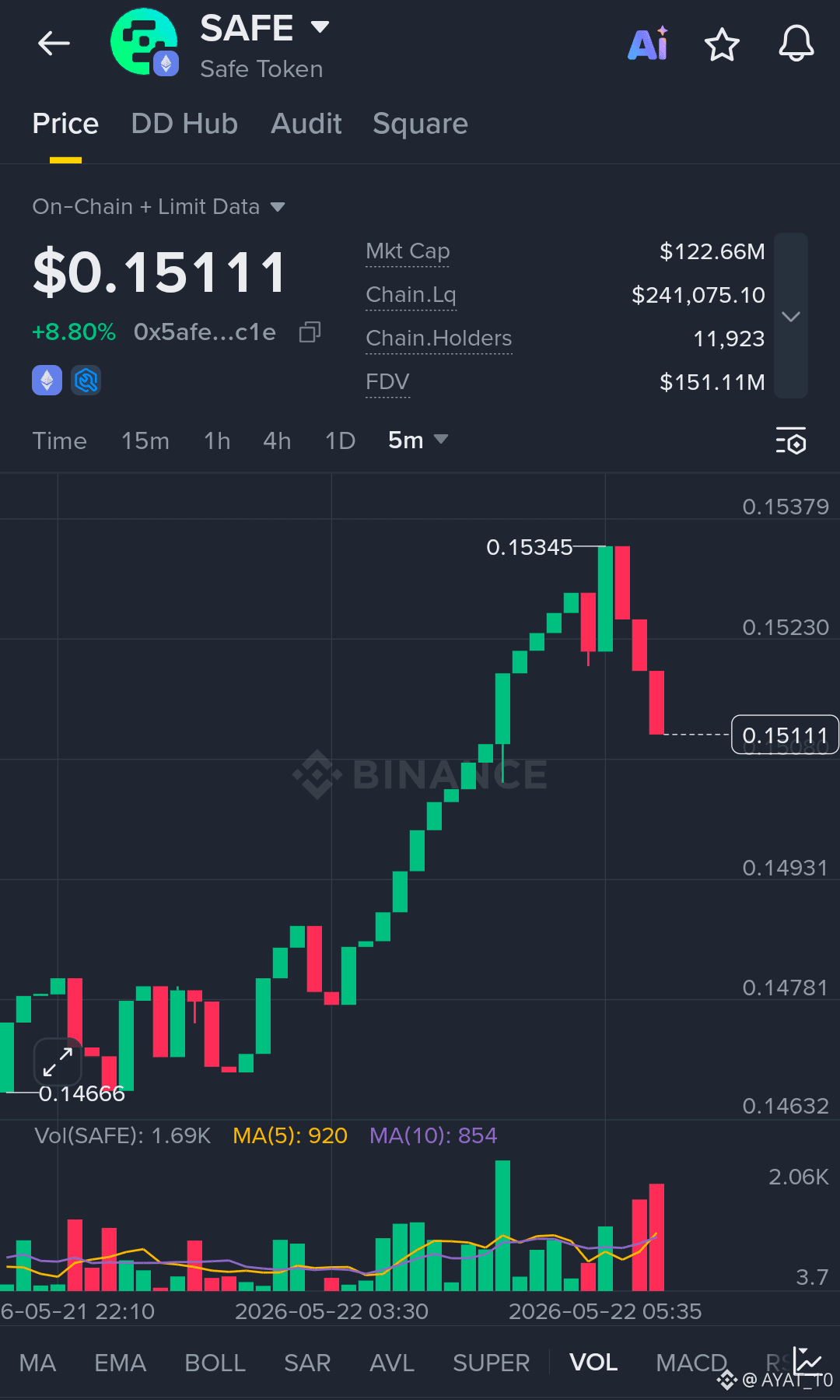
$SAFE trading near $0.1511 after an explosive push from the 0.1466 base. Buyers completely controlled momentum for hours before a healthy cooldown started near resistance. Volume expansion still suggests bulls are active.
If price stabilizes above 0.1500, another leg higher could arrive fast.
📍 Support Zones
• $0.1500
• $0.1488
📍 Resistance Zones
• $0.1523
• $0.1534
🎯 Next Targets
• $0.1548
• $0.1565
• $0.1590
⚠️ Invalidation
A break below $0.1485 may weaken bullish structure short term.
Market feeling: strong momentum with traders chasing continuation. $SAFE looks like one of those charts that can surprise late bears very quickly.
#SECPausesNewETFApplicationReview #OpenAIToConfidentiallyFileForIPO #MoonPayLaunchesBankTokenizedAssetPlatform #AtlantaFedGDPNowForecastsQ2GrowthAt4.3% #CFTCNHLSignPredictionMarketMOU
If price stabilizes above 0.1500, another leg higher could arrive fast.
📍 Support Zones
• $0.1500
• $0.1488
📍 Resistance Zones
• $0.1523
• $0.1534
🎯 Next Targets
• $0.1548
• $0.1565
• $0.1590
⚠️ Invalidation
A break below $0.1485 may weaken bullish structure short term.
Market feeling: strong momentum with traders chasing continuation. $SAFE looks like one of those charts that can surprise late bears very quickly.
#SECPausesNewETFApplicationReview #OpenAIToConfidentiallyFileForIPO #MoonPayLaunchesBankTokenizedAssetPlatform #AtlantaFedGDPNowForecastsQ2GrowthAt4.3% #CFTCNHLSignPredictionMarketMOU
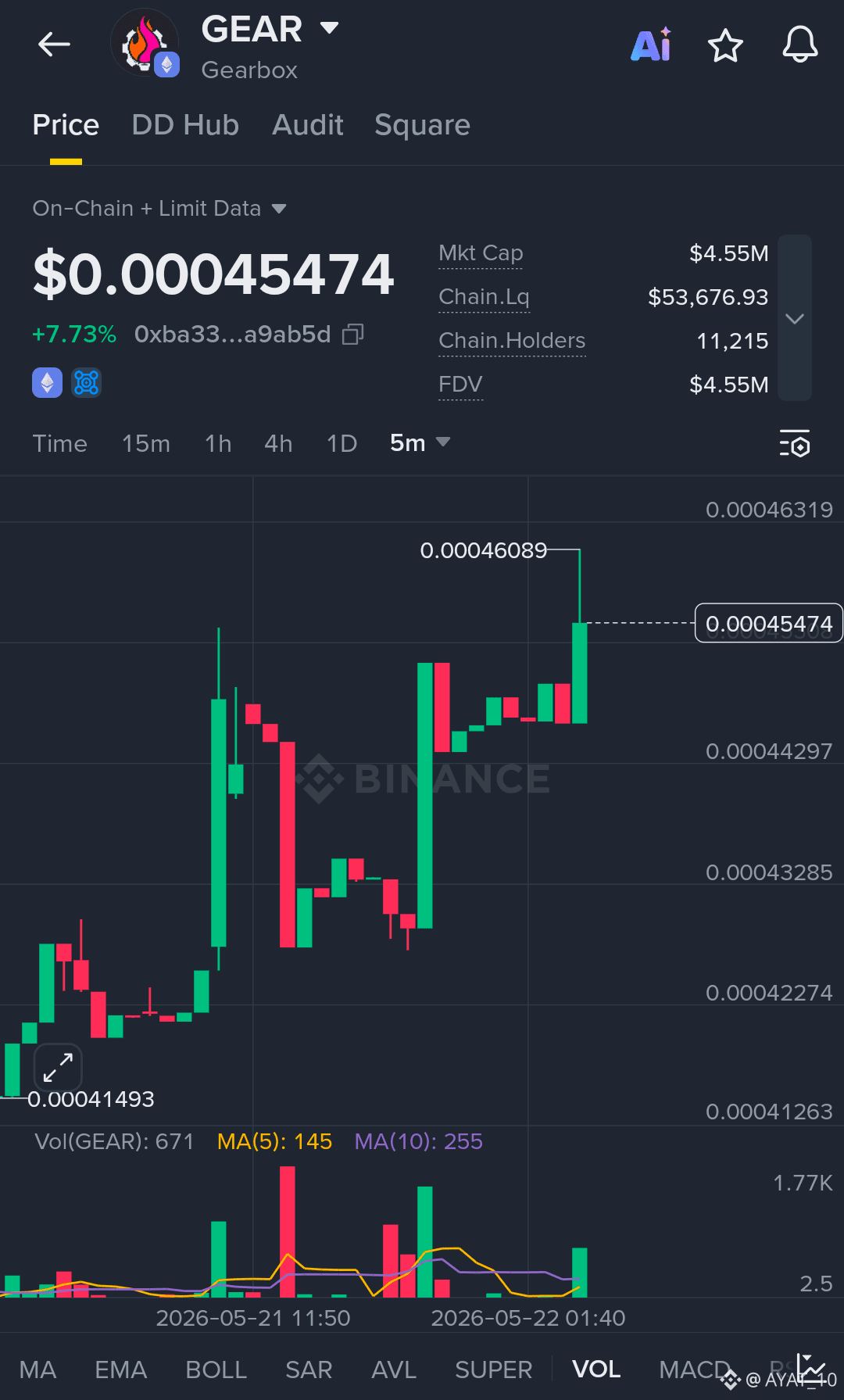
$GEAR trading around $0.00045474 after reclaiming key short term resistance with strong green candles and rising volume. The breakout above the consolidation range signals buyers are stepping in aggressively.
Low cap setups like this can move violently once momentum catches attention.
📍 Support Zones
• $0.0004470
• $0.0004390
📍 Resistance Zones
• $0.0004608
• $0.0004630
🎯 Next Targets
• $0.0004685
• $0.0004750
• $0.0004820
⚠️ Invalidation
Losing $0.0004390 could trigger fast profit taking.
Market feeling: early breakout energy with FOMO slowly entering. If buyers maintain volume, $GEAR may continue squeezing upward aggressively.
#SECPausesNewETFApplicationReview #OpenAIToConfidentiallyFileForIPO #AtlantaFedGDPNowForecastsQ2GrowthAt4.3% #AtlantaFedGDPNowForecastsQ2GrowthAt4.3% #CFTCNHLSignPredictionMarketMOU
Low cap setups like this can move violently once momentum catches attention.
📍 Support Zones
• $0.0004470
• $0.0004390
📍 Resistance Zones
• $0.0004608
• $0.0004630
🎯 Next Targets
• $0.0004685
• $0.0004750
• $0.0004820
⚠️ Invalidation
Losing $0.0004390 could trigger fast profit taking.
Market feeling: early breakout energy with FOMO slowly entering. If buyers maintain volume, $GEAR may continue squeezing upward aggressively.
#SECPausesNewETFApplicationReview #OpenAIToConfidentiallyFileForIPO #AtlantaFedGDPNowForecastsQ2GrowthAt4.3% #AtlantaFedGDPNowForecastsQ2GrowthAt4.3% #CFTCNHLSignPredictionMarketMOU
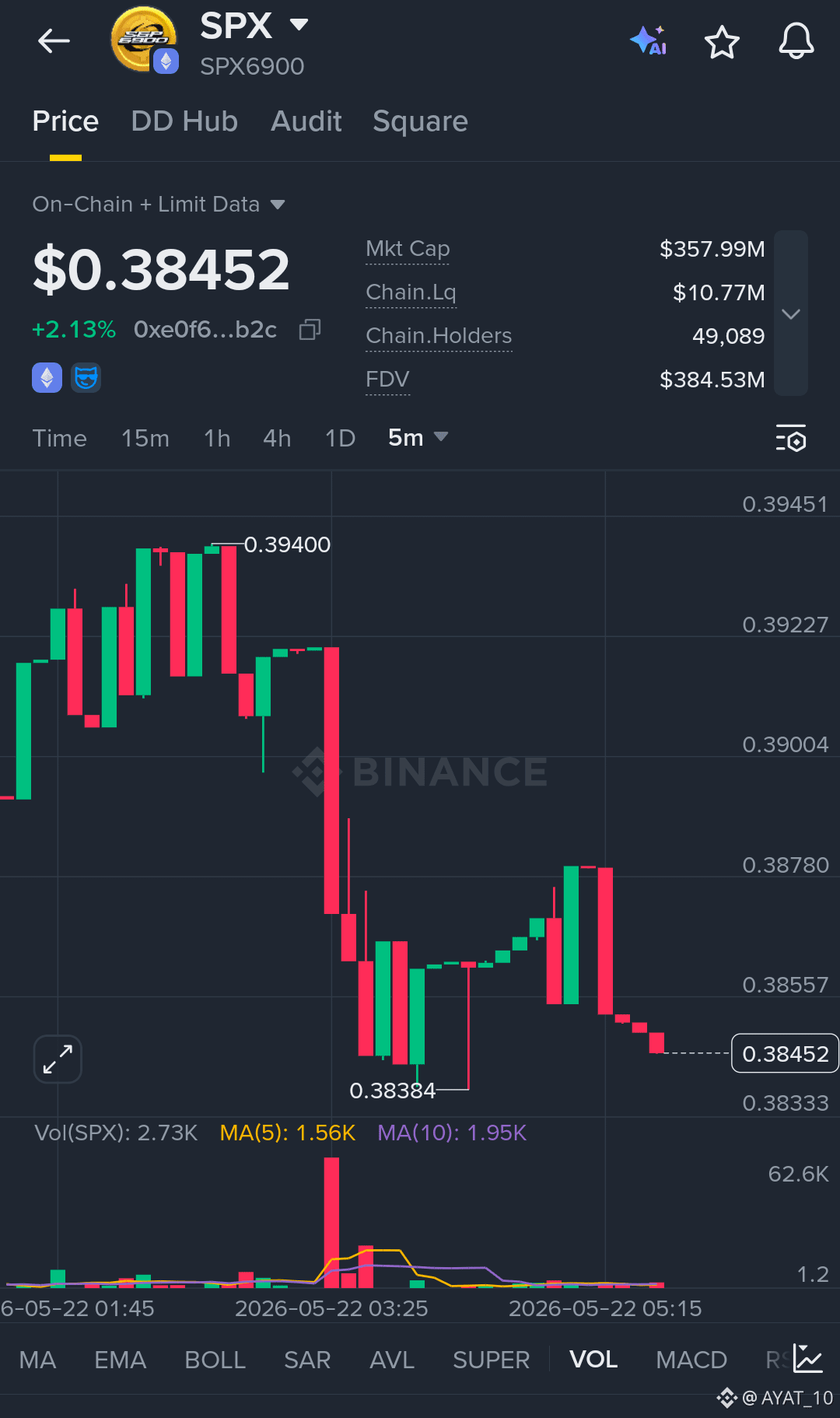
$SPX currently trading near $0.3845 with buyers defending the dip after a sharp liquidity sweep. The rejection from the 0.3838 zone shows hidden demand still active while weak hands continue getting shaken out.
Buyers need a clean reclaim above 0.3878 to unlock the next expansion move. Momentum still looks constructive as long as support holds.
📍 Support Zones
• $0.3838
• $0.3825
📍 Resistance Zones
• $0.3878
• $0.3940
🎯 Next Targets
• $0.3895
• $0.3920
• $0.3980
#SECPausesNewETFApplicationReview #OpenAIToConfidentiallyFileForIPO #AtlantaFedGDPNowForecastsQ2GrowthAt4.3% #CFTCNHLSignPredictionMarketMOU #VitalikButerinDetailsEthereumPrivacyUpgrades
Buyers need a clean reclaim above 0.3878 to unlock the next expansion move. Momentum still looks constructive as long as support holds.
📍 Support Zones
• $0.3838
• $0.3825
📍 Resistance Zones
• $0.3878
• $0.3940
🎯 Next Targets
• $0.3895
• $0.3920
• $0.3980
#SECPausesNewETFApplicationReview #OpenAIToConfidentiallyFileForIPO #AtlantaFedGDPNowForecastsQ2GrowthAt4.3% #CFTCNHLSignPredictionMarketMOU #VitalikButerinDetailsEthereumPrivacyUpgrades
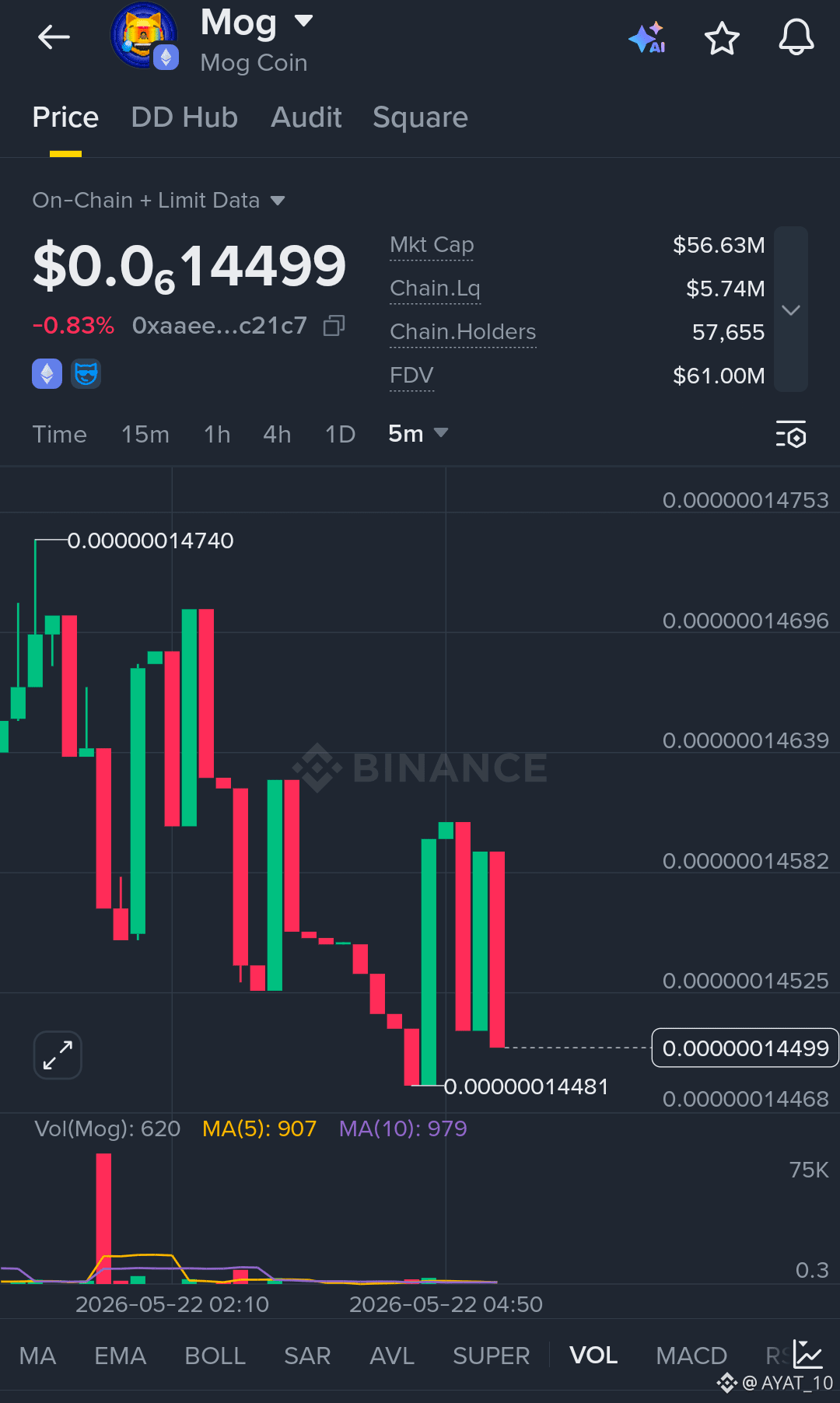
$MOG trading around 0.00000014499 after steady bearish pressure on the lower timeframe. Sellers are still controlling momentum, but the repeated defense near 0.00000014480 hints that buyers are trying to build a floor.
If volume returns, this can reverse aggressively in classic meme coin fashion.
📍 Support Zones
• 0.00000014480
• 0.00000014420
📍 Resistance Zones
• 0.00000014580
• 0.00000014740
🎯 Next Targets
• 0.00000014620
• 0.00000014750
• 0.00000014900
⚠️ Invalidation
Loss of 0.00000014420 may trigger another liquidity flush.
#SECPausesNewETFApplicationReview #OpenAIToConfidentiallyFileForIPO #MoonPayLaunchesBankTokenizedAssetPlatform #AtlantaFedGDPNowForecastsQ2GrowthAt4.3% #CFTCNHLSignPredictionMarketMOU
If volume returns, this can reverse aggressively in classic meme coin fashion.
📍 Support Zones
• 0.00000014480
• 0.00000014420
📍 Resistance Zones
• 0.00000014580
• 0.00000014740
🎯 Next Targets
• 0.00000014620
• 0.00000014750
• 0.00000014900
⚠️ Invalidation
Loss of 0.00000014420 may trigger another liquidity flush.
#SECPausesNewETFApplicationReview #OpenAIToConfidentiallyFileForIPO #MoonPayLaunchesBankTokenizedAssetPlatform #AtlantaFedGDPNowForecastsQ2GrowthAt4.3% #CFTCNHLSignPredictionMarketMOU
$PAL trading near $0.00759 after bouncing hard from the 0.00716 low. Buyers stepped in aggressively and price is now attempting to build higher lows on the 5m structure.
Momentum shifts bullish if bulls push above the recent spike high.
📍 Support Zones
• $0.00749
• $0.00732
📍 Resistance Zones
• $0.00770
• $0.00782
🎯 Next Targets
• $0.00795
• $0.00810
• $0.00845
⚠️ Invalidation
A drop below $0.00730 could weaken the recovery setup.
Market feeling: early reversal energy building while most traders still doubt the move. AI coins can move violently once momentum catches.
#SECPausesNewETFApplicationReview #OpenAIToConfidentiallyFileForIPO #MoonPayLaunchesBankTokenizedAssetPlatform #AtlantaFedGDPNowForecastsQ2GrowthAt4.3% #CFTCNHLSignPredictionMarketMOU
Momentum shifts bullish if bulls push above the recent spike high.
📍 Support Zones
• $0.00749
• $0.00732
📍 Resistance Zones
• $0.00770
• $0.00782
🎯 Next Targets
• $0.00795
• $0.00810
• $0.00845
⚠️ Invalidation
A drop below $0.00730 could weaken the recovery setup.
Market feeling: early reversal energy building while most traders still doubt the move. AI coins can move violently once momentum catches.
#SECPausesNewETFApplicationReview #OpenAIToConfidentiallyFileForIPO #MoonPayLaunchesBankTokenizedAssetPlatform #AtlantaFedGDPNowForecastsQ2GrowthAt4.3% #CFTCNHLSignPredictionMarketMOU
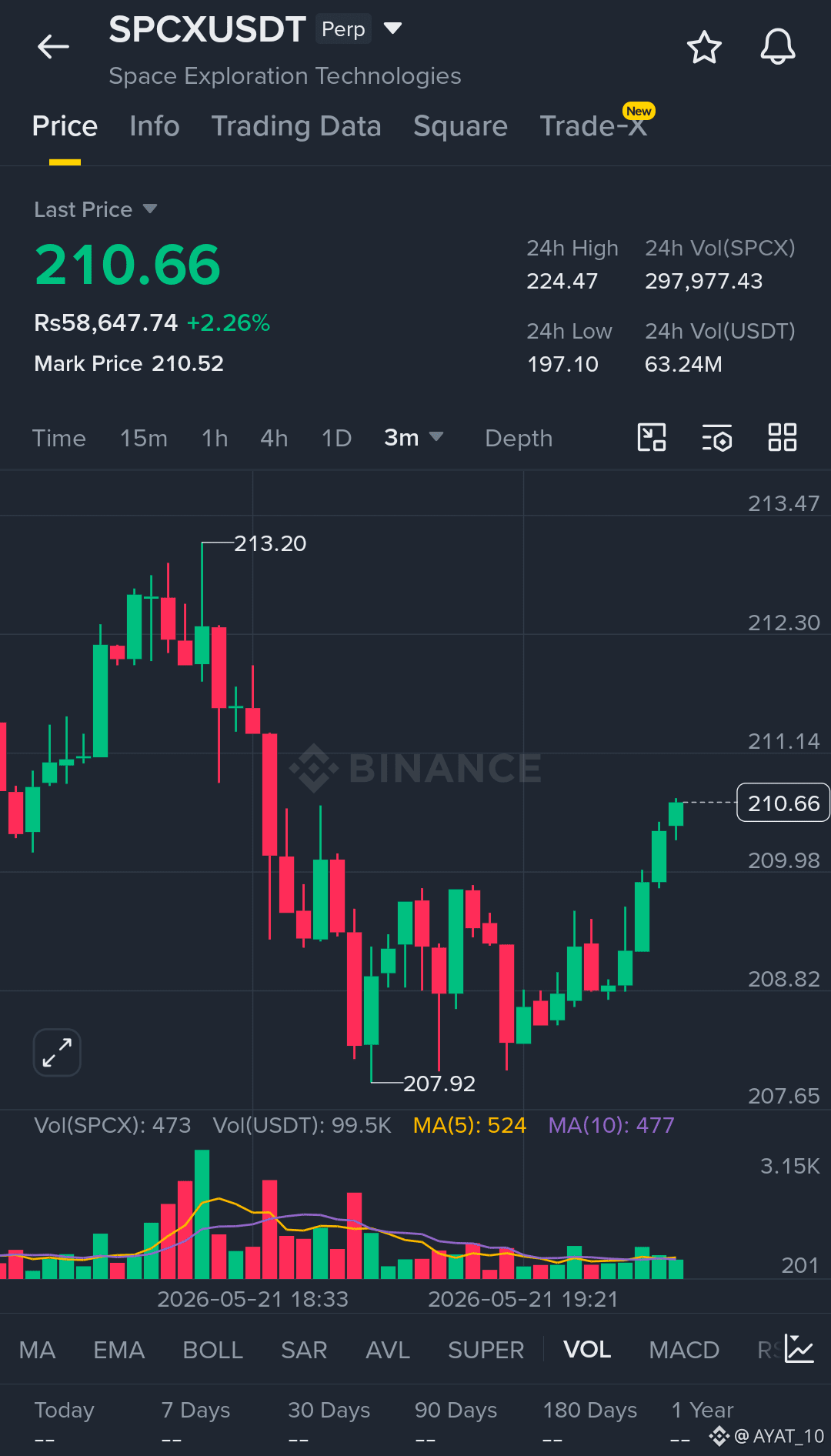
$SPCX looking ready for another leg up!
Strong recovery from 207.92 low and buyers are stepping back in with momentum. Bulls defended support beautifully and price is reclaiming short-term structure. 👀
📍 Support: 208.80 – 207.90
📍 Resistance: 213.20
🎯 Next Targets: 215.50 → 218.00 → 224.40
If volume keeps increasing, $SPCX could attempt a breakout toward daily highs fast. Volatility building.
#OpenAIToConfidentiallyFileForIPO #CFTCNHLSignPredictionMarketMOU #VitalikButerinDetailsEthereumPrivacyUpgrades #SecuritizePlansNasdaqSPACListing #SocieteGeneraleBlockchainSecuritiesSettlement
Strong recovery from 207.92 low and buyers are stepping back in with momentum. Bulls defended support beautifully and price is reclaiming short-term structure. 👀
📍 Support: 208.80 – 207.90
📍 Resistance: 213.20
🎯 Next Targets: 215.50 → 218.00 → 224.40
If volume keeps increasing, $SPCX could attempt a breakout toward daily highs fast. Volatility building.
#OpenAIToConfidentiallyFileForIPO #CFTCNHLSignPredictionMarketMOU #VitalikButerinDetailsEthereumPrivacyUpgrades #SecuritizePlansNasdaqSPACListing #SocieteGeneraleBlockchainSecuritiesSettlement
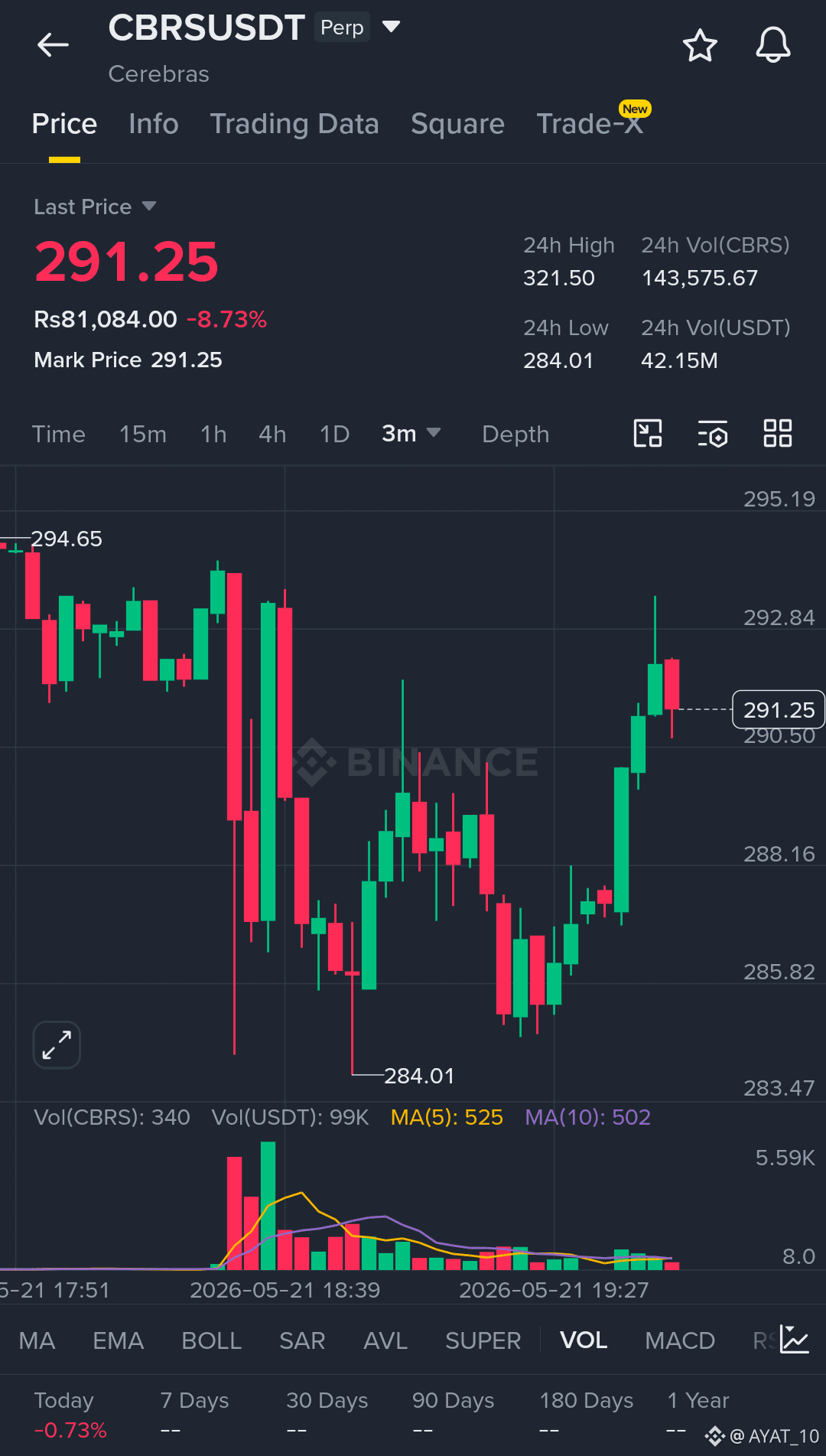
$CBRS showing aggressive recovery after heavy selloff!
Price bounced strongly from 284.01 and buyers pushed it back above intraday support zones. Momentum is returning but resistance still nearby. 👀
📍 Support: 288.20 – 285.80
📍 Resistance: 292.80 – 295.20
🎯 Next Targets: 298.00 → 305.00 → 321.50
A clean breakout above resistance could trigger a strong squeeze move. High volatility setup.
#OpenAIToConfidentiallyFileForIPO #CFTCNHLSignPredictionMarketMOU #VitalikButerinDetailsEthereumPrivacyUpgrades #SecuritizePlansNasdaqSPACListing SpaceXDiscloses$1.45BHoldingOfBTC#FedRateHikeProbability52%
Price bounced strongly from 284.01 and buyers pushed it back above intraday support zones. Momentum is returning but resistance still nearby. 👀
📍 Support: 288.20 – 285.80
📍 Resistance: 292.80 – 295.20
🎯 Next Targets: 298.00 → 305.00 → 321.50
A clean breakout above resistance could trigger a strong squeeze move. High volatility setup.
#OpenAIToConfidentiallyFileForIPO #CFTCNHLSignPredictionMarketMOU #VitalikButerinDetailsEthereumPrivacyUpgrades #SecuritizePlansNasdaqSPACListing SpaceXDiscloses$1.45BHoldingOfBTC#FedRateHikeProbability52%
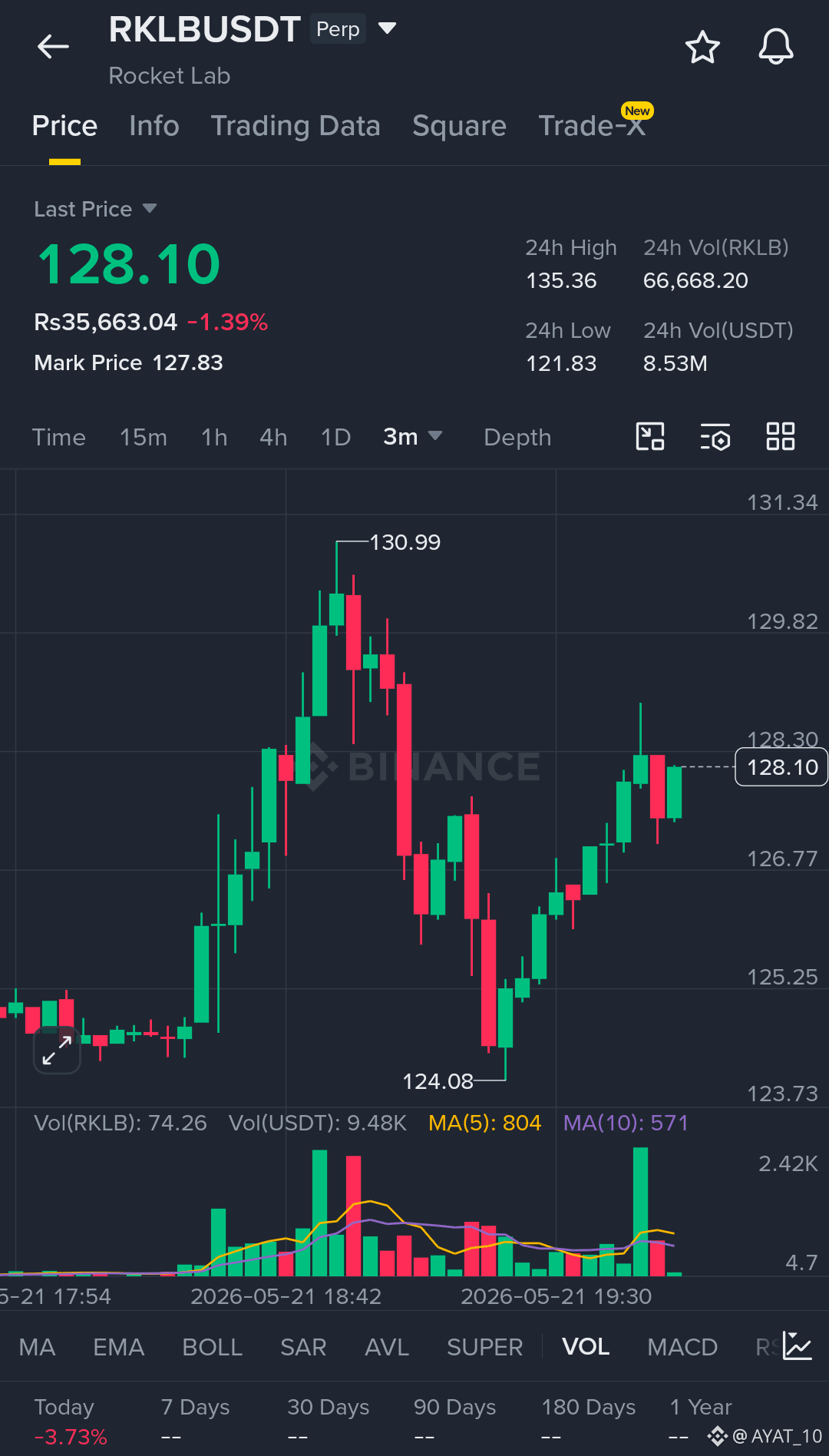
$RKLB bulls trying to reclaim momentum after sharp correction!
Strong bounce from 124.08 shows buyers are active again. Price is rebuilding structure and pushing toward key resistance. 👀
📍 Support: 126.70 – 125.20
📍 Resistance: 128.30 – 131.00
🎯 Next Targets: 133.50 → 135.30 → 140.00
If bulls break above 131 cleanly, $RKLB could accelerate quickly with momentum traders jumping in
#OpenAIToConfidentiallyFileForIPO #CFTCNHLSignPredictionMarketMOU #VitalikButerinDetailsEthereumPrivacyUpgrades #SecuritizePlansNasdaqSPACListing #FedRateHikeProbability52%
Strong bounce from 124.08 shows buyers are active again. Price is rebuilding structure and pushing toward key resistance. 👀
📍 Support: 126.70 – 125.20
📍 Resistance: 128.30 – 131.00
🎯 Next Targets: 133.50 → 135.30 → 140.00
If bulls break above 131 cleanly, $RKLB could accelerate quickly with momentum traders jumping in
#OpenAIToConfidentiallyFileForIPO #CFTCNHLSignPredictionMarketMOU #VitalikButerinDetailsEthereumPrivacyUpgrades #SecuritizePlansNasdaqSPACListing #FedRateHikeProbability52%
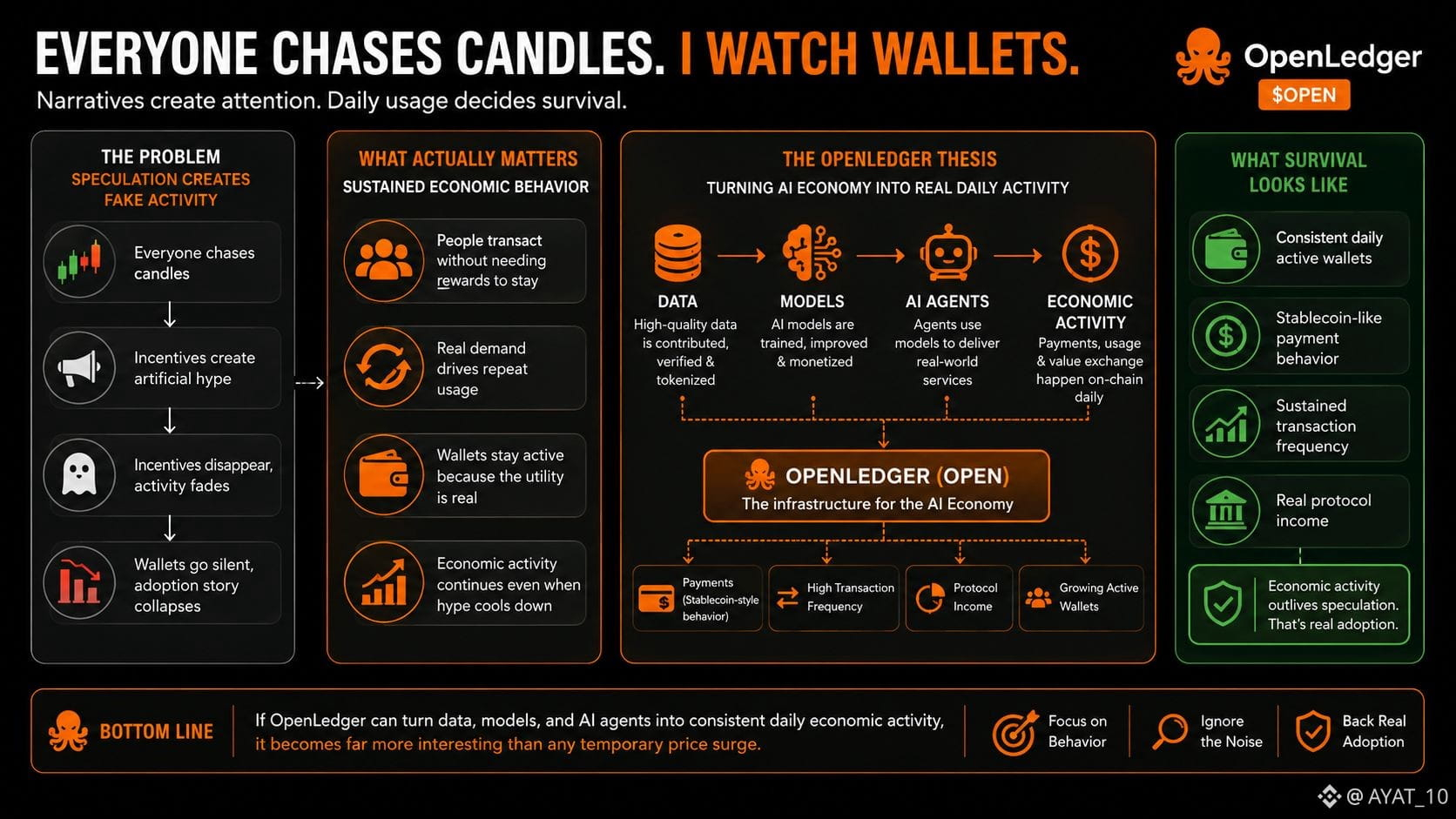
@OpenLedger Everyone keeps chasing candles while I keep watching wallets.
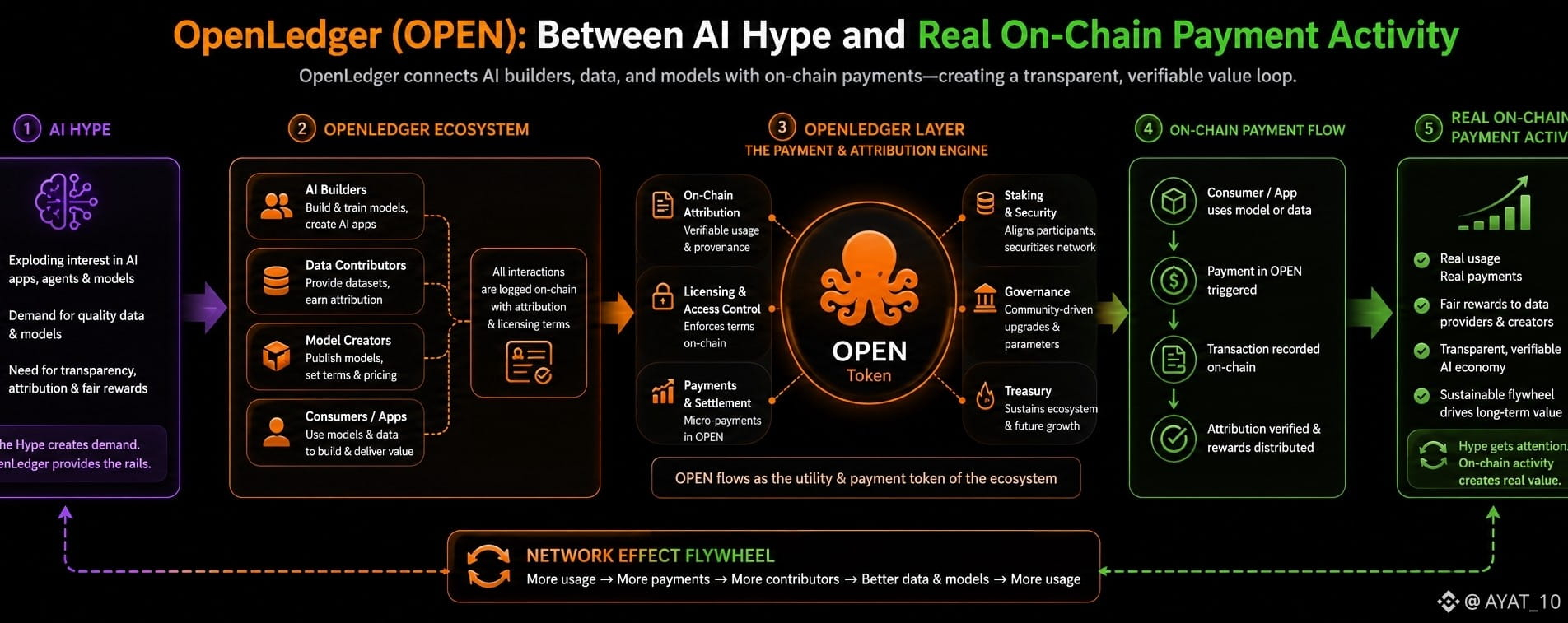
That’s why OpenLedger (OPEN) caught my attention differently. Most people see another AI blockchain narrative. I see a test of whether real economic behavior can survive after speculation cools down.
Crypto has a history of creating activity that looks massive until incentives disappear. Then the volume fades, wallets go silent, and the “adoption” story collapses overnight.
What matters is not excitement. It’s whether people continue transacting when nobody is rewarding them to stay.
If OpenLedger can turn data, models, and AI agents into consistent daily economic activity, that becomes far more interesting than any temporary price surge. Stablecoin-style payment behavior, transaction frequency, and protocol income reveal more truth than emotional market noise ever will.
Narratives create attention.
Daily usage decides survival.
@OpenLedger $OPEN #OpenLedger
That’s why OpenLedger (OPEN) caught my attention differently. Most people see another AI blockchain narrative. I see a test of whether real economic behavior can survive after speculation cools down.
Crypto has a history of creating activity that looks massive until incentives disappear. Then the volume fades, wallets go silent, and the “adoption” story collapses overnight.
What matters is not excitement. It’s whether people continue transacting when nobody is rewarding them to stay.
If OpenLedger can turn data, models, and AI agents into consistent daily economic activity, that becomes far more interesting than any temporary price surge. Stablecoin-style payment behavior, transaction frequency, and protocol income reveal more truth than emotional market noise ever will.
Narratives create attention.
Daily usage decides survival.
@OpenLedger $OPEN #OpenLedger
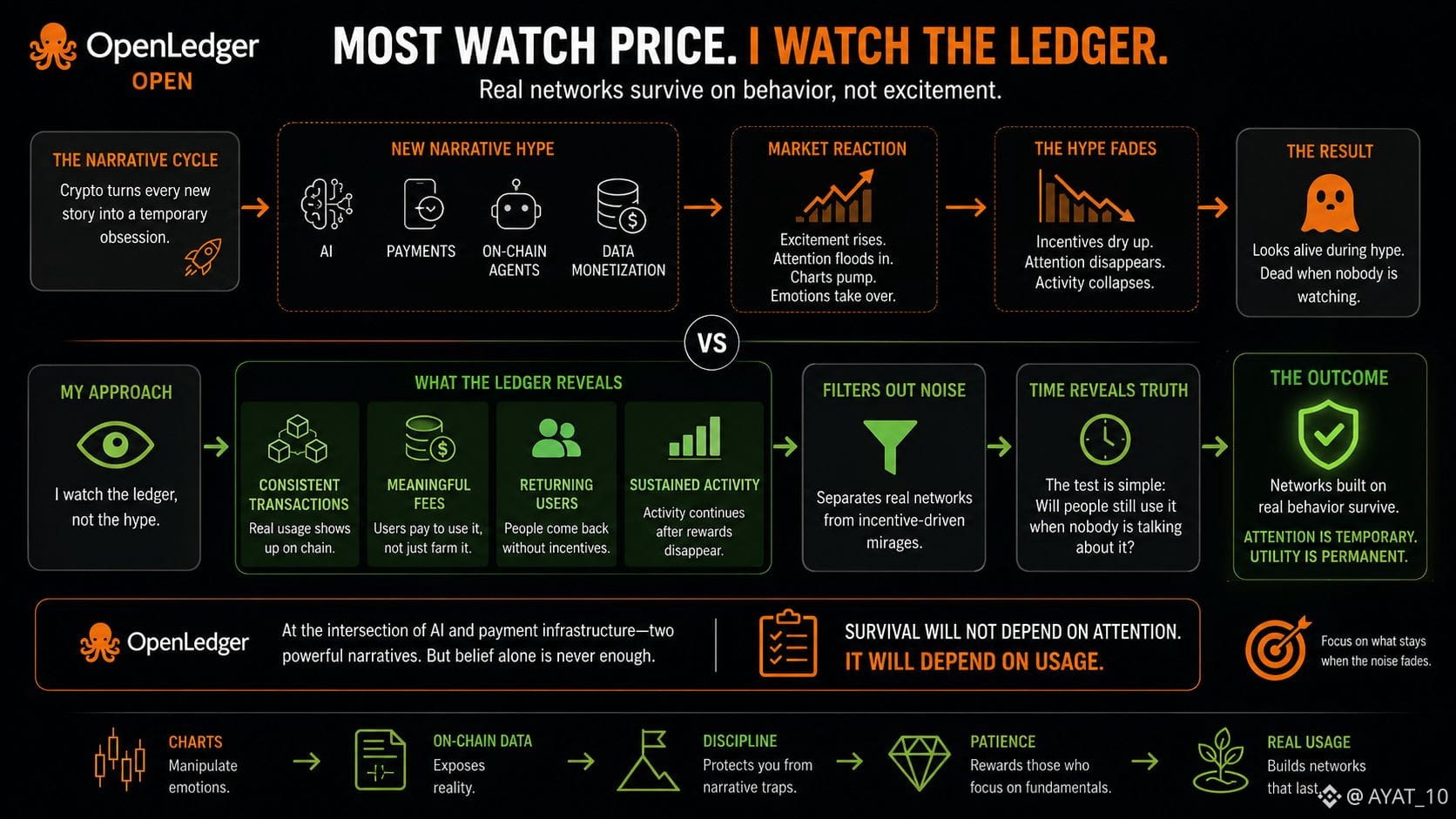
Most people watching @OpenLedger (OPEN) are focused on price movement. I am watching the ledger instead.
That difference matters.
Crypto has a habit of turning every new narrative into a temporary obsession. AI, payments, on chain agents, data monetization. The story sounds powerful, and honestly, that is exactly why I become more careful during moments like this.
Real networks survive on behavior, not excitement.
I want to see consistent transactions, meaningful fees, returning users, and activity that continues after incentives disappear. Too many chains look alive only because rewards are keeping the machine running. Once the hype fades, the activity fades with it.
OpenLedger is interesting because it sits at the intersection of AI and payment infrastructure, two narratives the market desperately wants to believe in right now. But belief alone is never enough.
I learned long ago that charts can manipulate emotions, while on chain data quietly exposes reality.
In the end, survival will not depend on attention.
It will depend on whether people still use the network when nobody is talking about it anymore.
@OpenLedger $OPEN #OpenLedger
That difference matters.
Crypto has a habit of turning every new narrative into a temporary obsession. AI, payments, on chain agents, data monetization. The story sounds powerful, and honestly, that is exactly why I become more careful during moments like this.
Real networks survive on behavior, not excitement.
I want to see consistent transactions, meaningful fees, returning users, and activity that continues after incentives disappear. Too many chains look alive only because rewards are keeping the machine running. Once the hype fades, the activity fades with it.
OpenLedger is interesting because it sits at the intersection of AI and payment infrastructure, two narratives the market desperately wants to believe in right now. But belief alone is never enough.
I learned long ago that charts can manipulate emotions, while on chain data quietly exposes reality.
In the end, survival will not depend on attention.
It will depend on whether people still use the network when nobody is talking about it anymore.
@OpenLedger $OPEN #OpenLedger
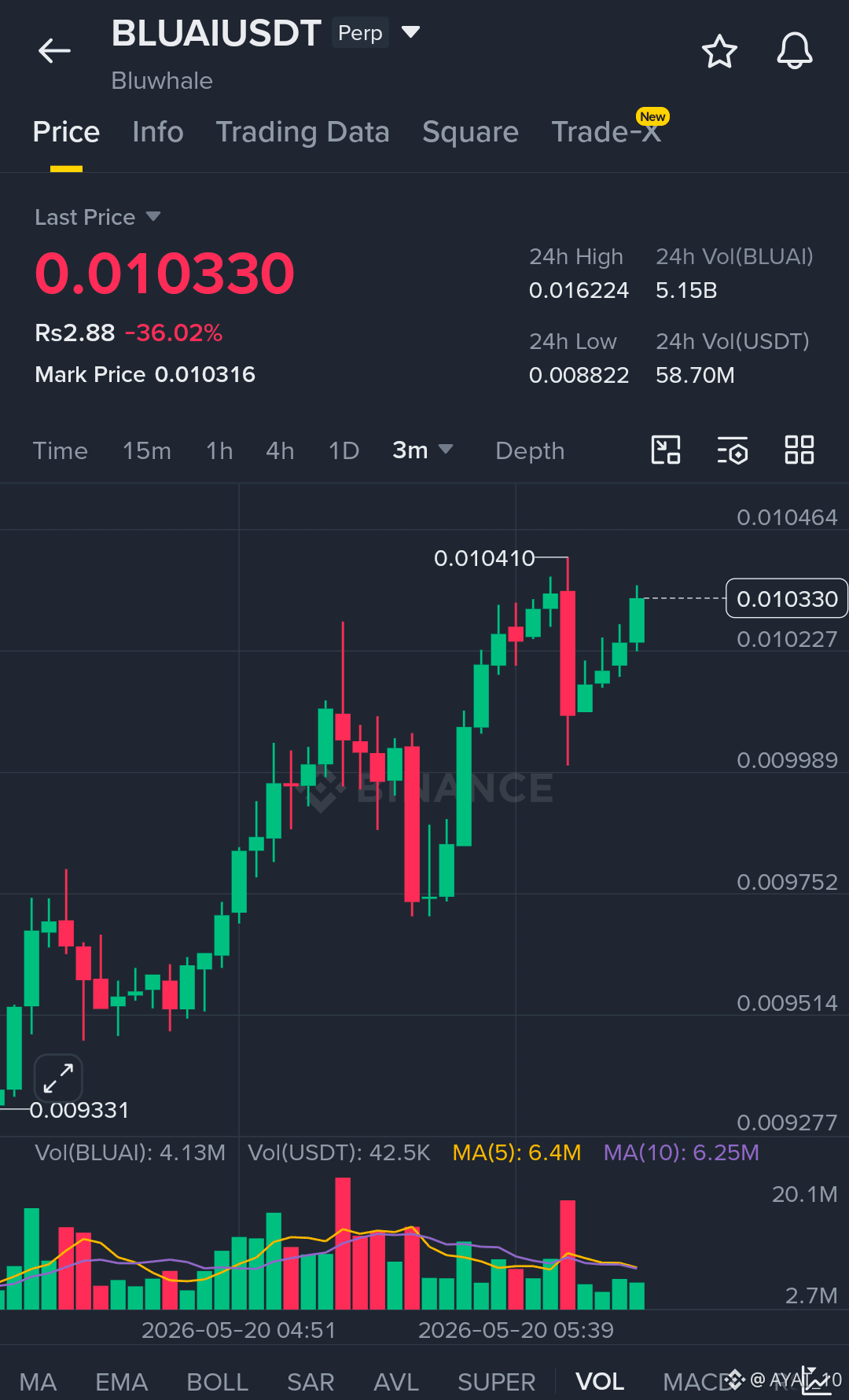
$BLUAI looking explosive after reclaiming 0.0100 zone. Bulls are stepping back in hard!
Support: 0.01000 — 0.00975
Major Support: 0.00933
Resistance: 0.01041
Next Targets: 0.01080 → 0.01150
Momentum is building with strong recovery candles after the dump. If volume keeps increasing, $BLUAI can squeeze fast toward upper liquidity zones.
#Trump'sIranAttackDelayed #PolymarketNasdaqPredictionMarketPartnership #CanaanNordicHeatRecoveryMining #USGOPSeeksPermanentCBDCBan #SolanaAIAgentEconomicImpact
Support: 0.01000 — 0.00975
Major Support: 0.00933
Resistance: 0.01041
Next Targets: 0.01080 → 0.01150
Momentum is building with strong recovery candles after the dump. If volume keeps increasing, $BLUAI can squeeze fast toward upper liquidity zones.
#Trump'sIranAttackDelayed #PolymarketNasdaqPredictionMarketPartnership #CanaanNordicHeatRecoveryMining #USGOPSeeksPermanentCBDCBan #SolanaAIAgentEconomicImpact
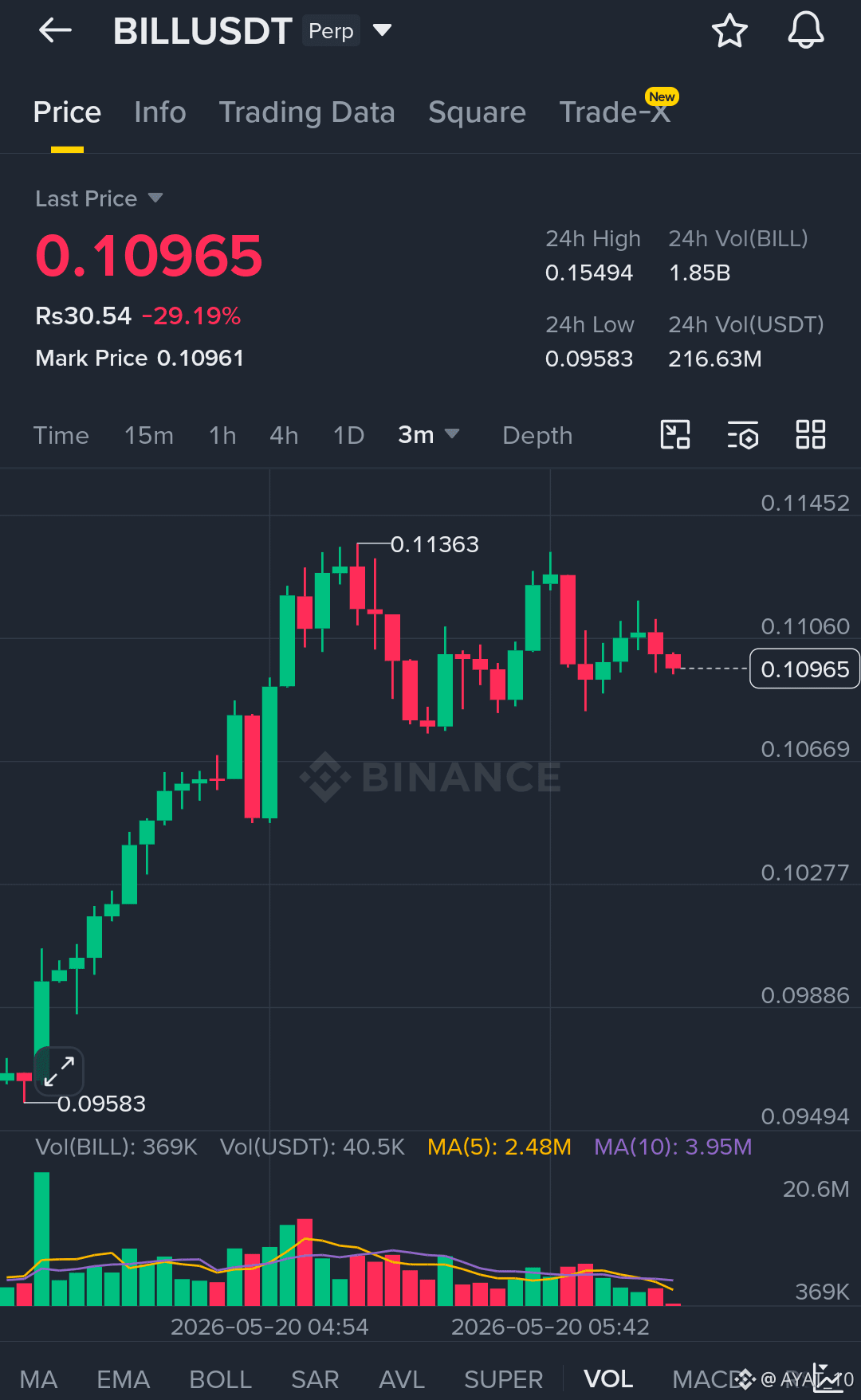
$BILL still holding bullish structure despite heavy volatility. Buyers defending dips aggressively!
Support: 0.1080 — 0.1067
Major Support: 0.1027
Resistance: 0.1136
Next Targets: 0.1160 → 0.1200
Price is consolidating under resistance. A clean breakout above 0.1136 could trigger another impulsive move upward.
#Trump'sIranAttackDelayed #PolymarketNasdaqPredictionMarketPartnership #CanaanNordicHeatRecoveryMining #USGOPSeeksPermanentCBDCBan #SolanaAIAgentEconomicImpact
Support: 0.1080 — 0.1067
Major Support: 0.1027
Resistance: 0.1136
Next Targets: 0.1160 → 0.1200
Price is consolidating under resistance. A clean breakout above 0.1136 could trigger another impulsive move upward.
#Trump'sIranAttackDelayed #PolymarketNasdaqPredictionMarketPartnership #CanaanNordicHeatRecoveryMining #USGOPSeeksPermanentCBDCBan #SolanaAIAgentEconomicImpact
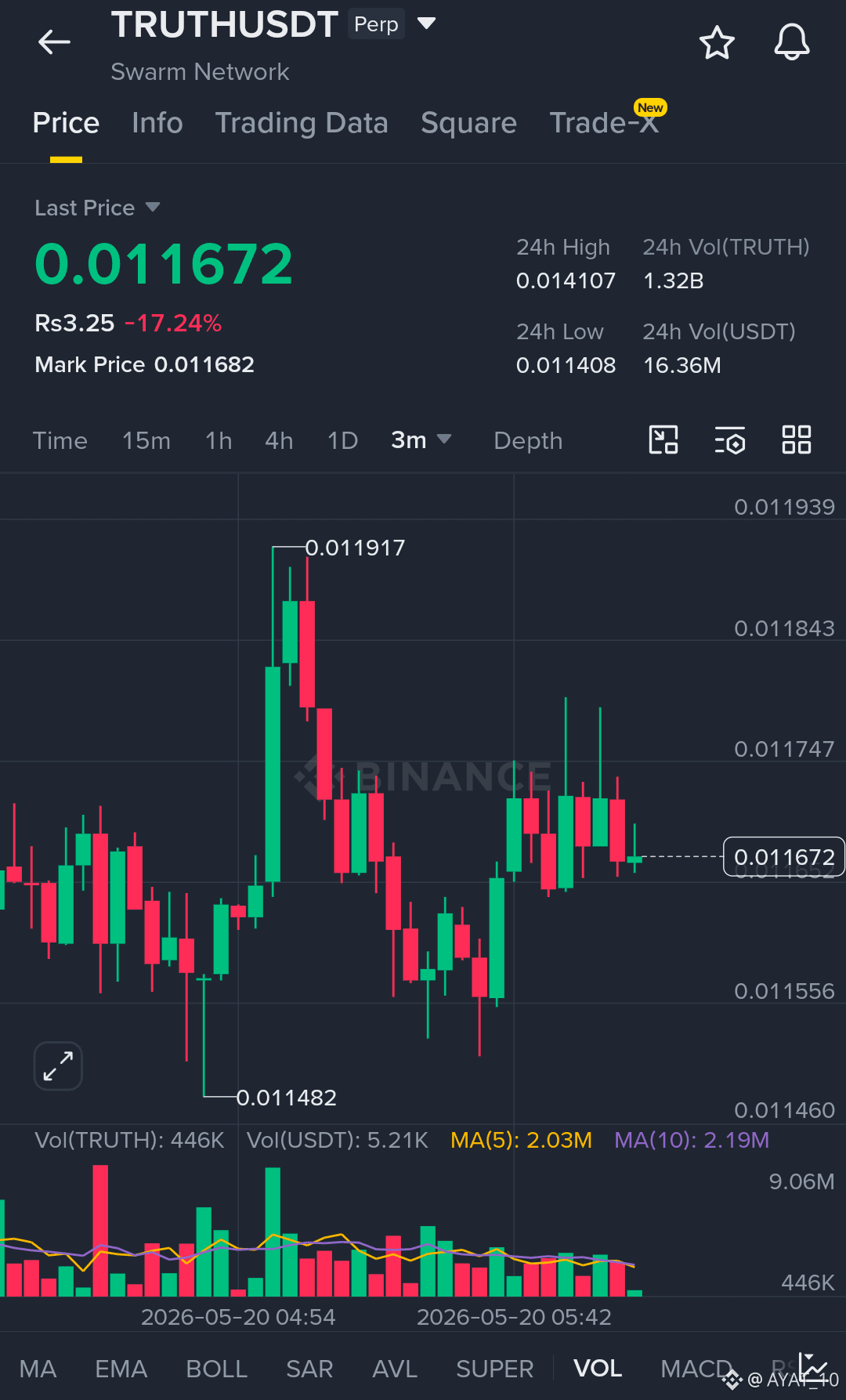
$TRUTH showing accumulation signs after sharp rejection from highs. Smart money watching this zone closely!
Support: 0.01155 — 0.01148
Resistance: 0.01175 → 0.01192
Next Targets: 0.01220 → 0.01280
Sideways consolidation after volatility usually leads to expansion. Watch for breakout candles with volume confirmation
#Trump'sIranAttackDelayed #PolymarketNasdaqPredictionMarketPartnership #CanaanNordicHeatRecoveryMining #USGOPSeeksPermanentCBDCBan #SolanaAIAgentEconomicImpact
Support: 0.01155 — 0.01148
Resistance: 0.01175 → 0.01192
Next Targets: 0.01220 → 0.01280
Sideways consolidation after volatility usually leads to expansion. Watch for breakout candles with volume confirmation
#Trump'sIranAttackDelayed #PolymarketNasdaqPredictionMarketPartnership #CanaanNordicHeatRecoveryMining #USGOPSeeksPermanentCBDCBan #SolanaAIAgentEconomicImpact
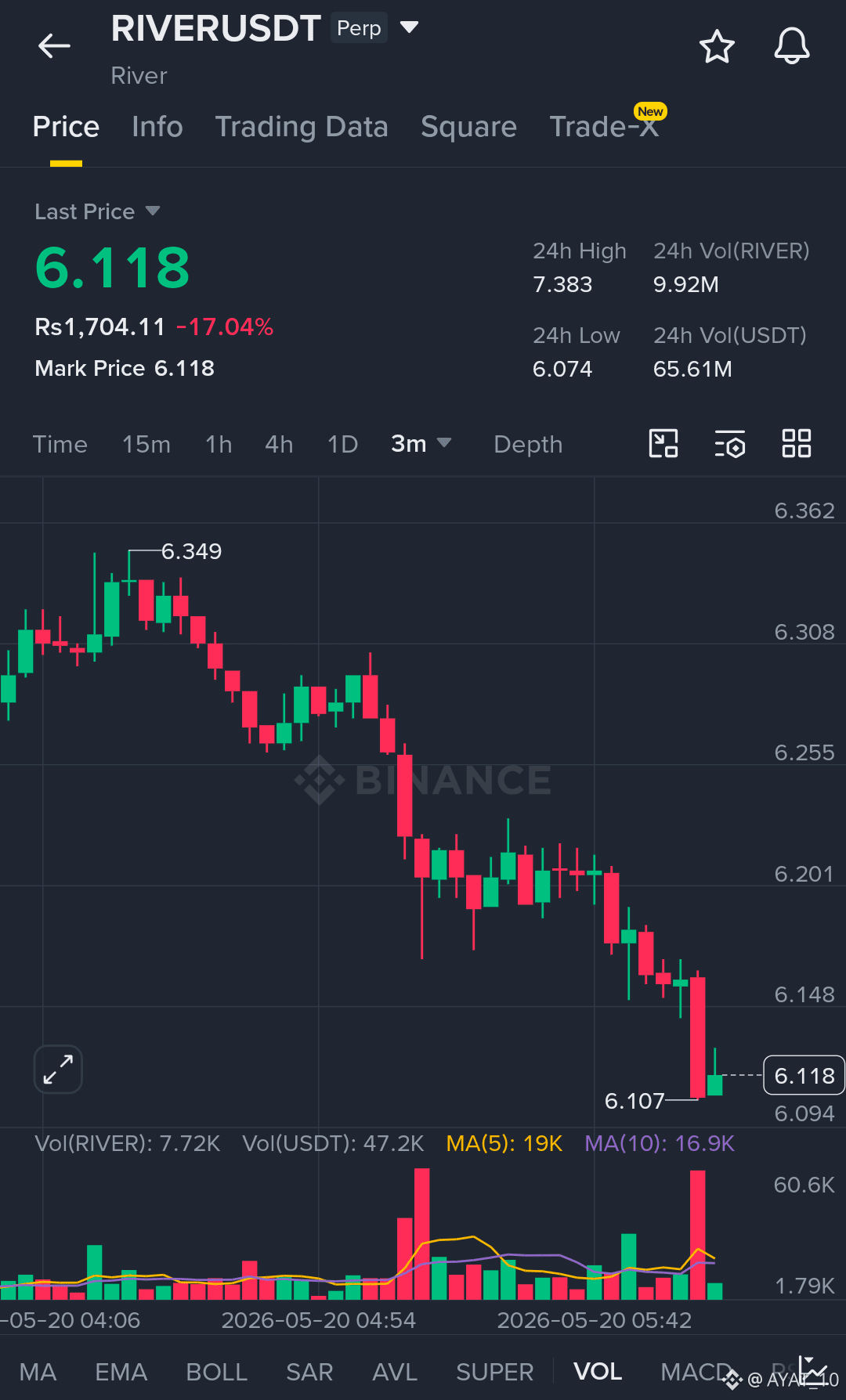
$RIVER under bearish pressure but nearing potential bounce area. Volatility incoming!
Support: 6.10 — 6.07
Major Support: 5.95
Resistance: 6.20 → 6.35
Next Targets: 6.50 → 6.80
If buyers reclaim 6.20 strongly, short squeeze potential becomes very interesting. Until then, caution near lower lows.
#Trump'sIranAttackDelayed #PolymarketNasdaqPredictionMarketPartnership #CanaanNordicHeatRecoveryMining #USGOPSeeksPermanentCBDCBan #SolanaAIAgentEconomicImpact
Support: 6.10 — 6.07
Major Support: 5.95
Resistance: 6.20 → 6.35
Next Targets: 6.50 → 6.80
If buyers reclaim 6.20 strongly, short squeeze potential becomes very interesting. Until then, caution near lower lows.
#Trump'sIranAttackDelayed #PolymarketNasdaqPredictionMarketPartnership #CanaanNordicHeatRecoveryMining #USGOPSeeksPermanentCBDCBan #SolanaAIAgentEconomicImpact
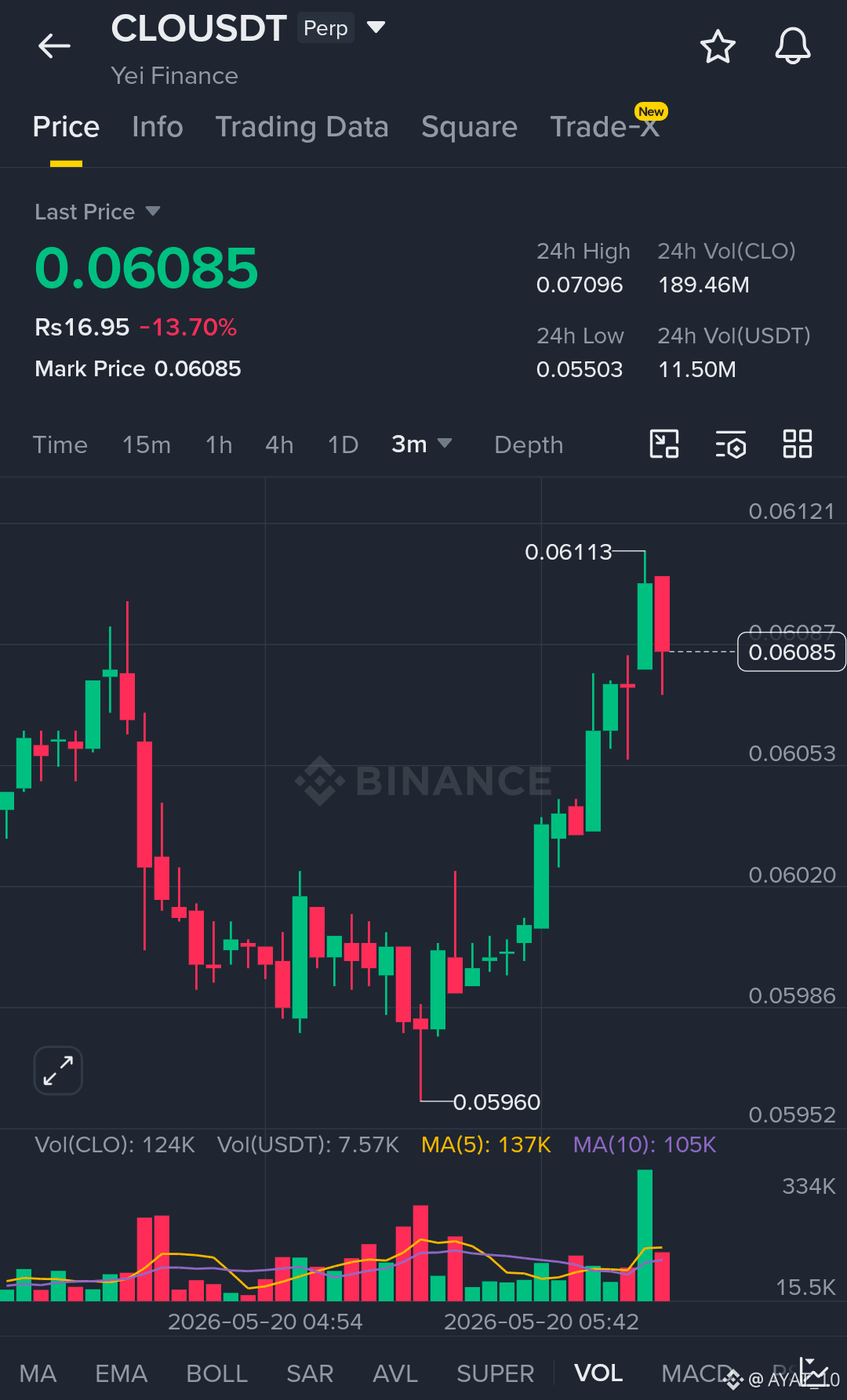
$CLO quietly building strength with steady higher lows. Momentum turning bullish again!
Support: 0.06020 — 0.05960
Resistance: 0.06113
Next Targets: 0.0620 → 0.0645
Strong recovery from local bottom and buyers are defending every dip. Breakout above 0.06113 could send $CLO flying.
#Trump'sIranAttackDelayed #PolymarketNasdaqPredictionMarketPartnership #CanaanNordicHeatRecoveryMining #USGOPSeeksPermanentCBDCBan #SolanaAIAgentEconomicImpact
Support: 0.06020 — 0.05960
Resistance: 0.06113
Next Targets: 0.0620 → 0.0645
Strong recovery from local bottom and buyers are defending every dip. Breakout above 0.06113 could send $CLO flying.
#Trump'sIranAttackDelayed #PolymarketNasdaqPredictionMarketPartnership #CanaanNordicHeatRecoveryMining #USGOPSeeksPermanentCBDCBan #SolanaAIAgentEconomicImpact
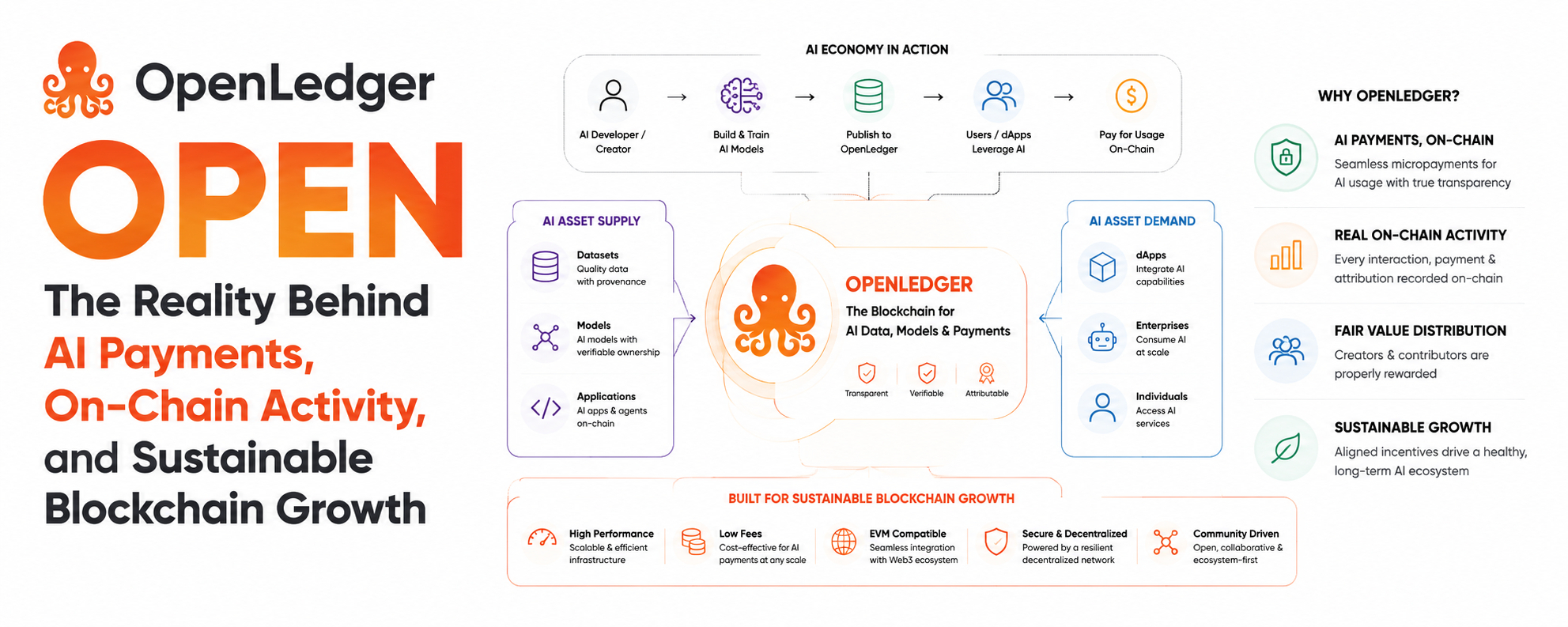
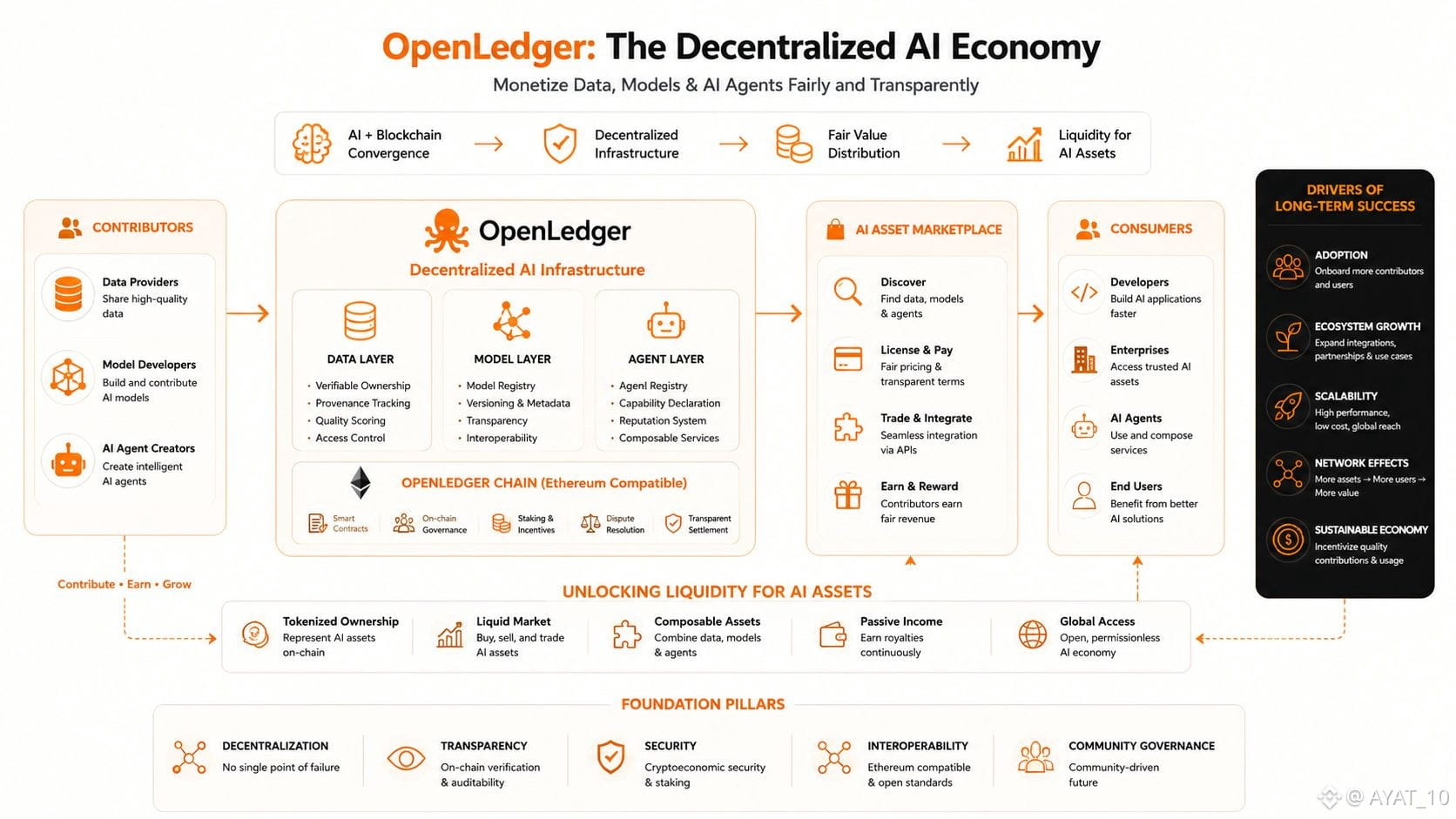
@OpenLedger is positioning itself at the intersection of AI and blockchain by creating an ecosystem where data, models, and AI agents can be monetized fairly and transparently. What stands out is its focus on decentralized AI infrastructure, Ethereum compatibility, and unlocking liquidity for AI assets. While the vision is ambitious, long-term success will depend on adoption, ecosystem growth, and scalability.
@OpenLedger #OpenLedger $OPEN
@OpenLedger #OpenLedger $OPEN
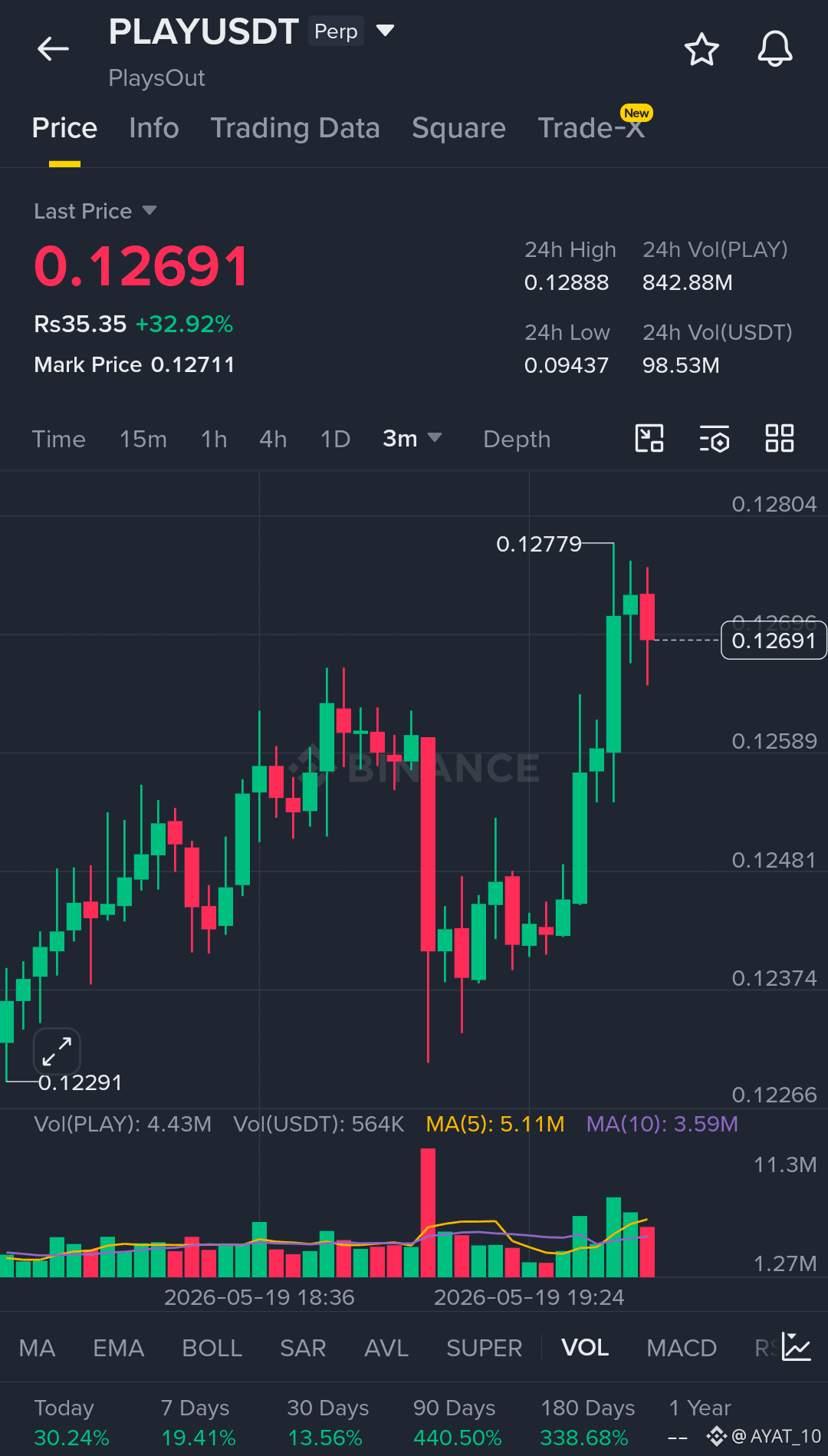
$PLAY USDT — Momentum Ignition Activated!
Strong bullish continuation after reclaiming the 0.1240 demand zone. Buyers are aggressively defending dips while volume keeps expanding near local highs.
🟢 Long $PLAY
📍 Support: 0.1250 – 0.1242
🚧 Resistance: 0.1278
🎯 Next Targets: 0.1295 → 0.1320 → 0.1350
The structure remains highly bullish on lower timeframes with consecutive higher lows forming. A clean breakout above 0.1278 could trigger another impulsive squeeze. As long as price holds above 0.1240, bulls stay firmly in control.
#Trump'sIranAttackDelayed #PolymarketNasdaqPredictionMarketPartnership #USGOPSeeksPermanentCBDCBan #SolanaAIAgentEconomicImpact #SpaceXEyes2TIPO
Strong bullish continuation after reclaiming the 0.1240 demand zone. Buyers are aggressively defending dips while volume keeps expanding near local highs.
🟢 Long $PLAY
📍 Support: 0.1250 – 0.1242
🚧 Resistance: 0.1278
🎯 Next Targets: 0.1295 → 0.1320 → 0.1350
The structure remains highly bullish on lower timeframes with consecutive higher lows forming. A clean breakout above 0.1278 could trigger another impulsive squeeze. As long as price holds above 0.1240, bulls stay firmly in control.
#Trump'sIranAttackDelayed #PolymarketNasdaqPredictionMarketPartnership #USGOPSeeksPermanentCBDCBan #SolanaAIAgentEconomicImpact #SpaceXEyes2TIPO
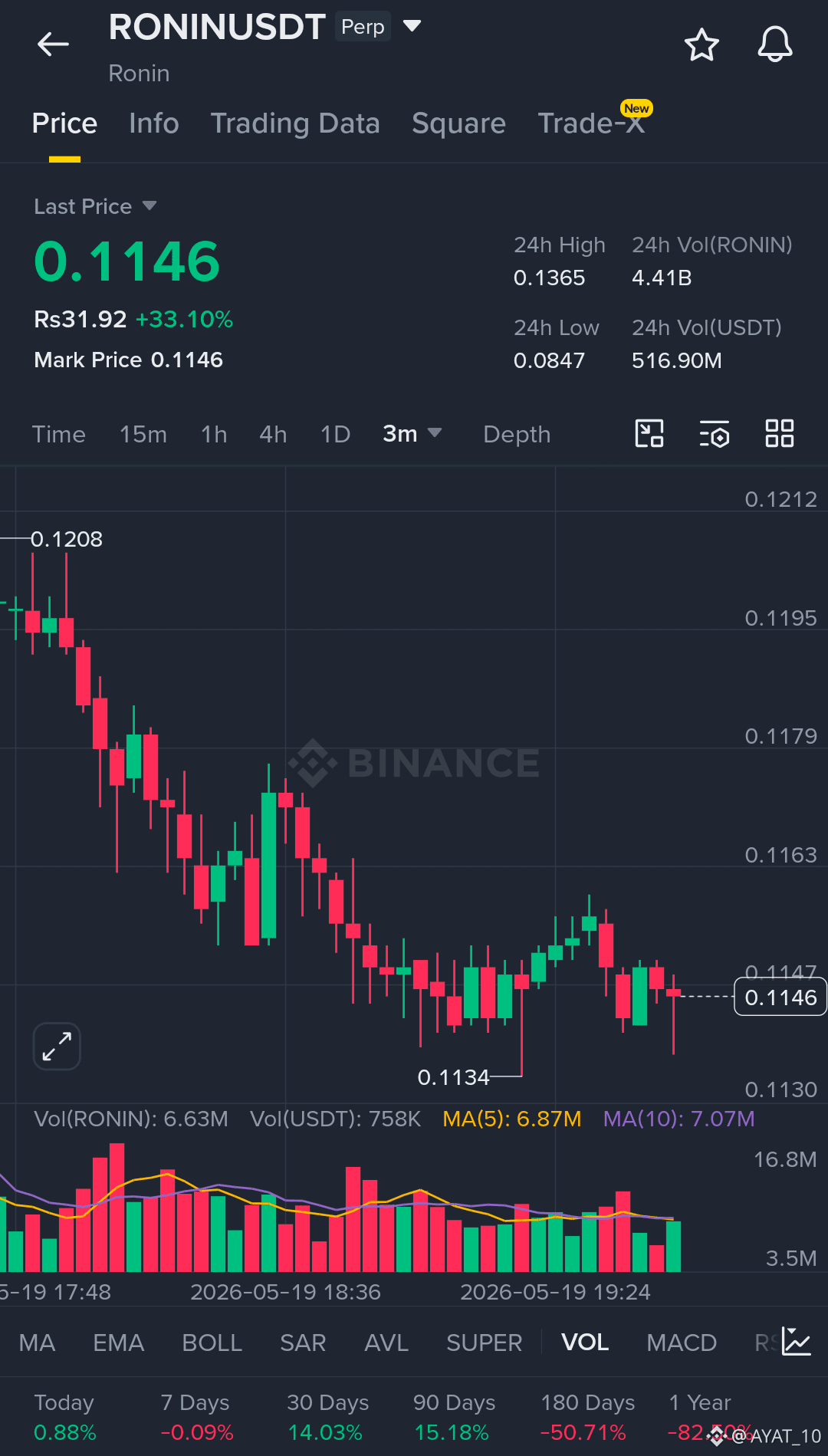
$RONIN USDT — Quiet Accumulation Before Expansion?
After a heavy sell-off, price is stabilizing around the 0.1134 support base. Sellers are weakening while candles show compression near local demand.
🟢 Long $RONIN
📍 Support: 0.1134 – 0.1128
🚧 Resistance: 0.1160
🎯 Next Targets: 0.1180 → 0.1205 → 0.1230
RONIN is attempting to build a reversal structure after prolonged downside pressure. Volume is flattening while buyers slowly absorb supply. A breakout above 0.1160 may ignite a fast recovery rally.
#Trump'sIranAttackDelayed #PolymarketNasdaqPredictionMarketPartnership #USGOPSeeksPermanentCBDCBan #SECTokenizedStockExemption #RussiaDumaCryptoMonitoringBill
After a heavy sell-off, price is stabilizing around the 0.1134 support base. Sellers are weakening while candles show compression near local demand.
🟢 Long $RONIN
📍 Support: 0.1134 – 0.1128
🚧 Resistance: 0.1160
🎯 Next Targets: 0.1180 → 0.1205 → 0.1230
RONIN is attempting to build a reversal structure after prolonged downside pressure. Volume is flattening while buyers slowly absorb supply. A breakout above 0.1160 may ignite a fast recovery rally.
#Trump'sIranAttackDelayed #PolymarketNasdaqPredictionMarketPartnership #USGOPSeeksPermanentCBDCBan #SECTokenizedStockExemption #RussiaDumaCryptoMonitoringBill
Log in to explore more content