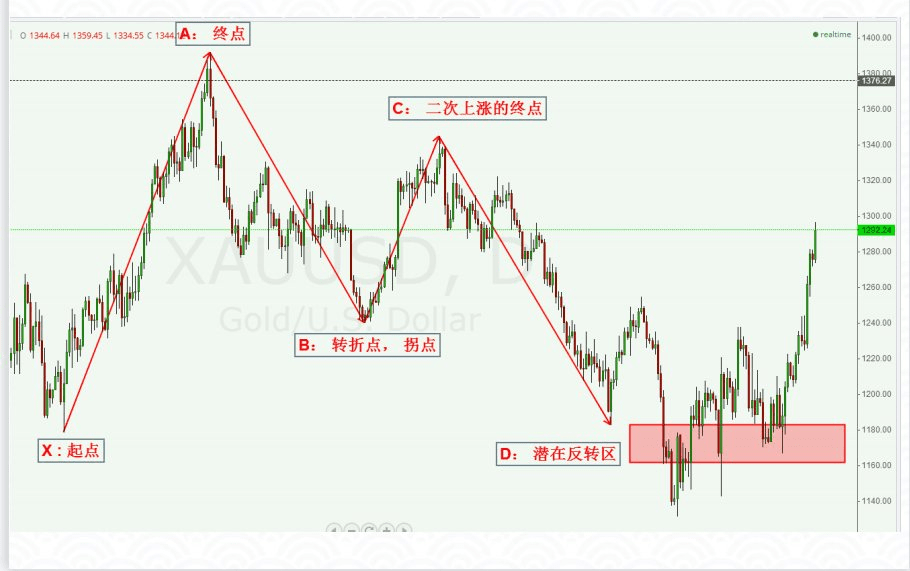
Yesterday I talked about structure and structural trading. This issue follows the previous one on how to read trends)
What is a trend?
One-sided rise—bull market
Unilateral decline - bear market
Sideways - volatility is compressed, limited, waiting for direction
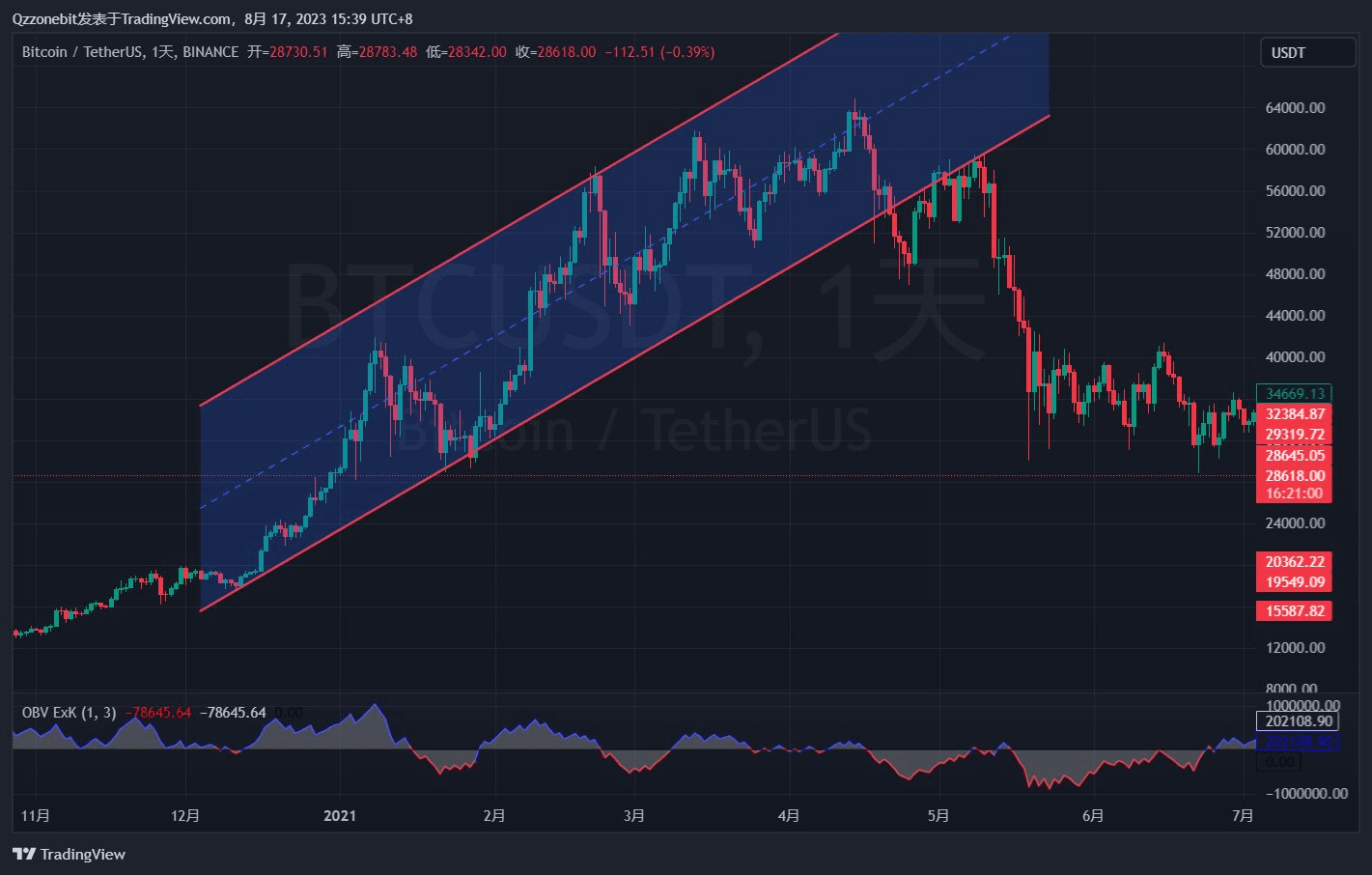
Unilateral Uptrend: Prices hit new highs and continue to make higher lows, creating higher highs and higher lows. Continuously making new highs and rising bottoms.
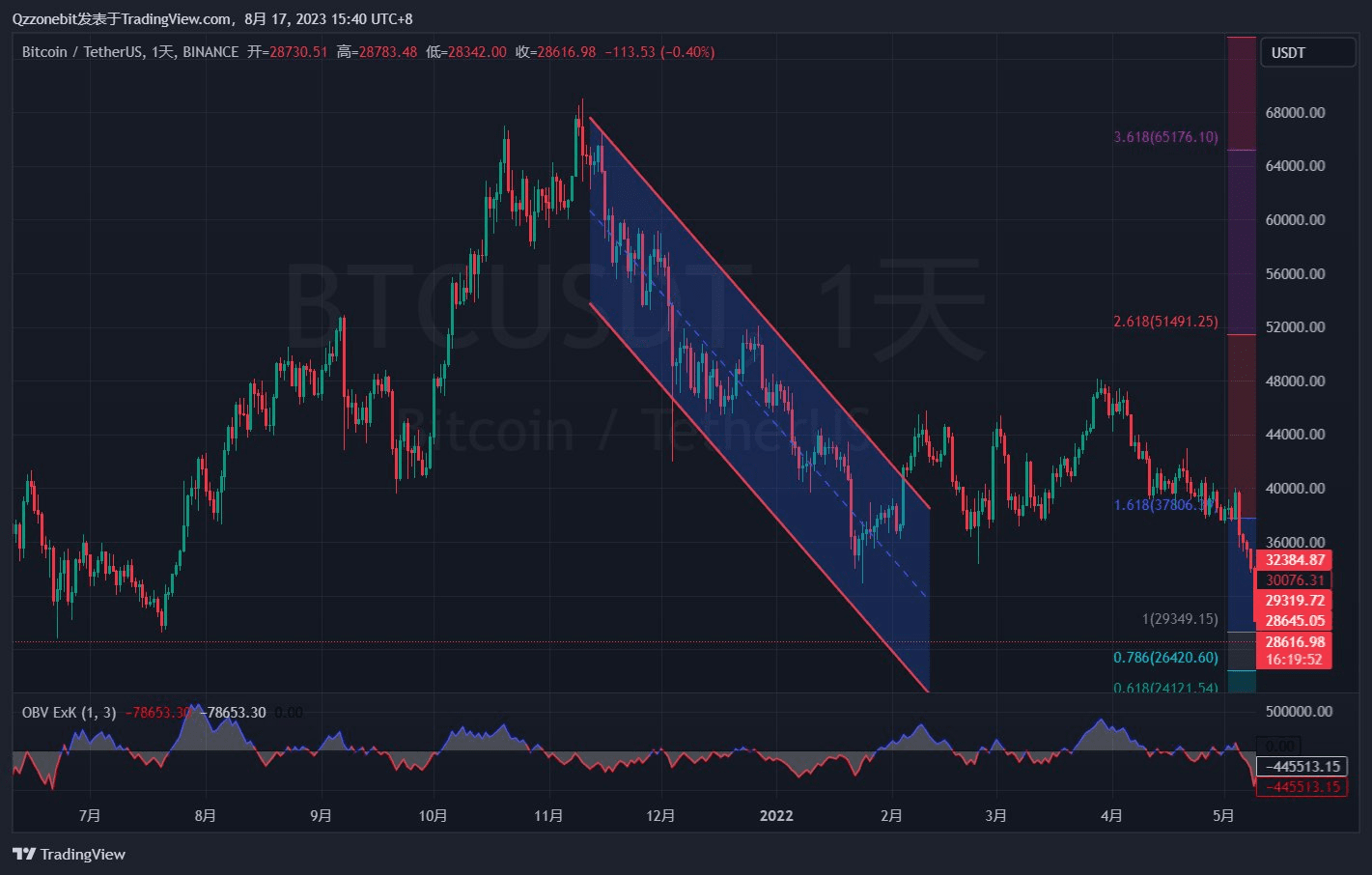
Unilateral decline: The price hits new lows, and the highs are always falling, creating lower lows and lower highs, forming a downward channel.
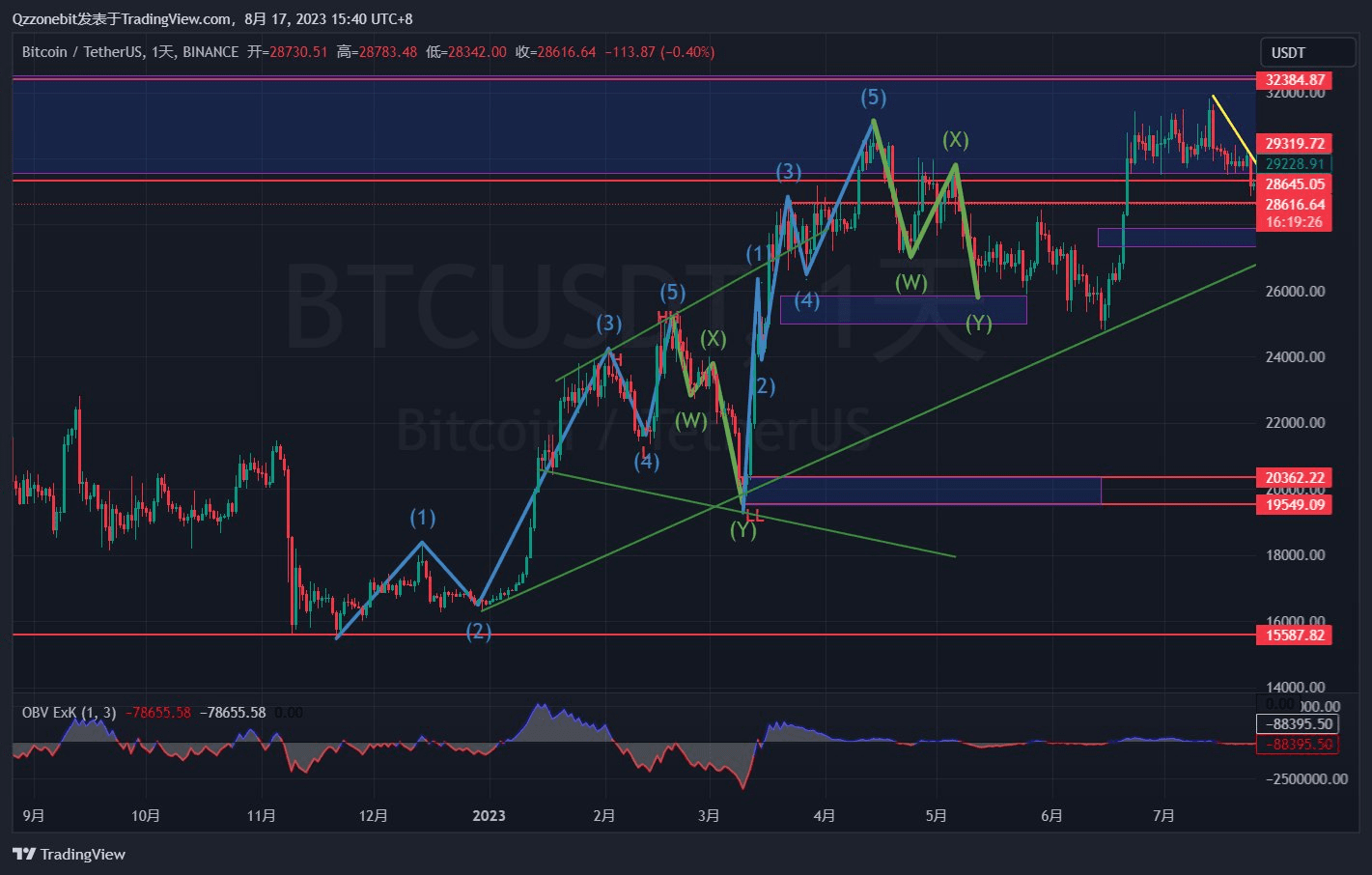
Shock: New highs and new lows fail to synchronize and are confined to a region, with triangles, rectangles, wedges and other geometric shapes appearing.
law:
1. Creating a new low or high point must be accompanied by a structural break somewhere.
2. Higher highs or lows, accompanied by a continuation of the trend
3. The occurrence of secondary highs or secondary lows indicates that the possibility of market continuation is reduced and the trend weakens.
4. There is no market that will always rise, and there is no market that will always fall.
5. Small cycles obey big cycles
6. Pay attention to the maintenance and destruction of geometric shapes such as channels
7. A decline in a rising market can be regarded as a retracement of an increase. Similarly, a rise in a falling market can also be regarded as a retracement of a decline. A healthy retracement generally does not exceed 61.8%.
The starting point of a rising market is point X: In this market, there is no point lower than point X. The end point of a rising market is point A: In this market, there is no point that is higher than point A. Turning point: point B : It is a phased retracement point of the XA market. After reaching point B, the market continues to resume the trend of XA, much like turning a corner at point B. Point C: the second rise after starting from point B. , must not exceed point A