
Bitcoin rarely gives comfort for long. When it’s falling, fear feels endless. When it stops falling, people expect it to chop sideways forever. That’s usually the wrong assumption.
Bitcoin’s volatility works both ways. During bearish phases, volatility punishes optimism. But once downside momentum fades and selling pressure dries up, the same volatility flips direction. A few green days are enough to change behavior. Not fundamentals. Not news. Behavior.
What happens next is almost mechanical.
Bear sentiment doesn’t disappear instantly, but it weakens. Shorts get cautious. Sellers hesitate. Then price starts moving just enough to trigger FOMO, not because people suddenly believe again, but because they’re afraid of missing the next leg.
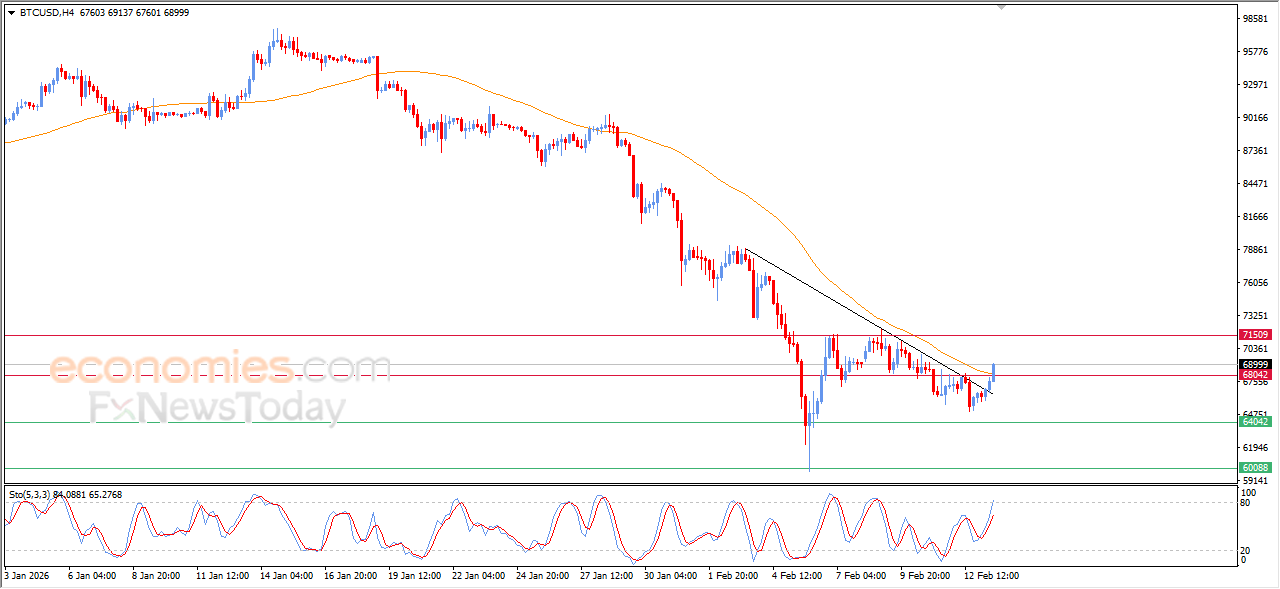
That’s why Bitcoin often doesn’t grind up slowly. It snaps upward.Sideways markets are emotionally exhausting, but they’re also transitional. They’re where fear slowly turns into boredom, and boredom turns into impatience. Once impatience sets in, volatility stops being the enemy and starts becoming fuel.
This isn’t new. It’s happened in every cycle. Bitcoin is one of the cleanest real-world models of investor psychology you can observe. Fear pushes price down harder than logic. FOMO pulls it up faster than conviction.
That’s why the most dangerous assumption isn’t that Bitcoin will crash.
It’s assuming that nothing will happen for a long time.
