
Muhammad Umer Arshad
362 Paylaşımlar

Muhammad Umer Arshad
Şikayət et
İstifadəçini blokla
here I provide everything I do every trade I do and I also provide trading singnals
Açıq ticarət

BARD sahibi
Yüksək tezlikli treyder
2.5 il
31 İzlənilir
52 İzləyicilər
359 Bəyəndi
Postlar
Portfel
Hamısı
Sitatlar
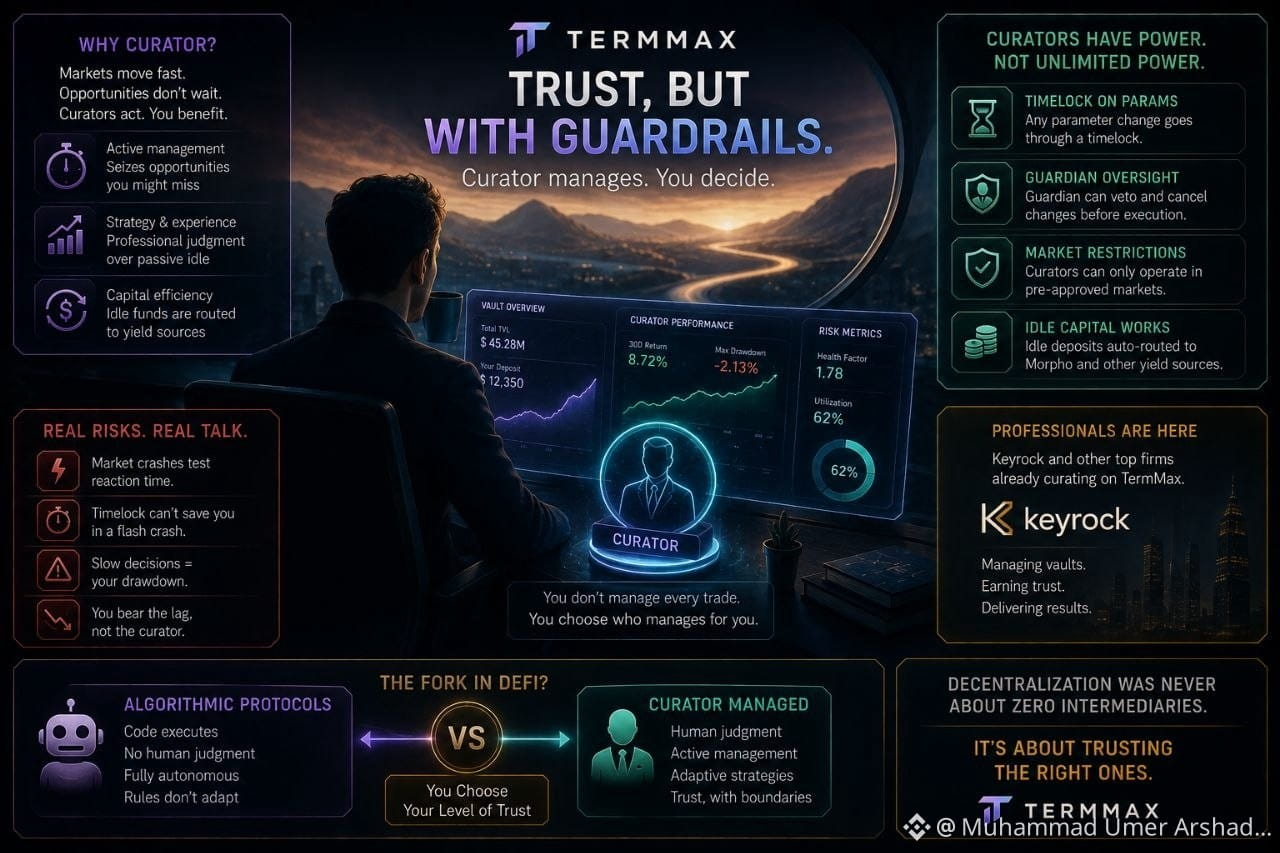
TermMax-a yenə də qazdım və bu gün məni kəsən Curator (Kürator) rolu oldu. DeFi-nin bütün təklifi vasitəçiləri kənarlaşdırmaqdır, amma burada vəsait idarəçiliyini yenidən bir insana qaytaran protokol var. Təfərrüatları oxumadan belə geri addım kimi hiss olundu.
Buna baxmayaraq sınadım. Bir vault-a depozit etdim və heç nəyə toxunmadan işləməsinə icazə verdim. Narahat edən mexanizm deyil, altındakı etimad sualı idi. Küratorun on-çeyn tarixçəsini açdım və dürüst desəm, çox hissəsini anlamaqda çətinlik çəkdim. Yalnız onların əvvəl pul itirib-itirmədiyini müəyyən edə bildim. Nəhayət bunun yaxşı olduğuna qərar verənə qədər bu qeyri-müəyyənliklə bir müddət oturdum.
Sonra başa düşdüm: bu, sadəcə depositor olmağın mənasıdır. Siz etimadı aradan götmürsünüz, başqasının mühakiməsinin hərəkətsiz oturmaqdan daha yaxşı işlədiyinə mərc edirsiniz.
Bunu bir az yüngülləşdirən şey, küratorların edə bilmədiyi şeylərə daha yaxından baxmaq oldu. Parametr dəyişiklikləri timelock (vaxt kilidi) vasitəsilə işə salınır. Guardian rolu müdaxilə edib dəyişikliklər qüvvəyə minməzdən əvvəl onları ləğv edə bilər. Küratorlar həm də əvvəlcədən təsdiqlənmiş bazarlarla məhdudlaşdırılıb, istədiyi hər şeyə sərbəst girə bilmirlər. Üstəlik, boş qalan depozitlər Morpho kimi gəlir mənbələrinə avtomatik yönləndirilir, beləliklə kapital eşləşdirilməsini gözləyərkən sadəcə ölü vəziyyətdə qalmır.
Yenə də bu təhlükəsizlik məhdudiyyətlərinin real böhran zamanı yetərli olub-olmaması ilə tam razı deyiləm. Timelock aktiv likvidasiya kaskadı ortasında çox kömək etmir. Kürator çox yavaş reaksiya versə, depositorlar kağız üzərində mövcud qorunmalardan asılı olmayaraq həmin gecikməni öz üzərlərinə götürür.
Keyrock kimi tanınmış adlar artıq burada kürator vault-ları işlədir, bu da ən azından mənim şübhələrimin tək mənə aid olmadığını göstərir.
Mənim qənaətim: Curator DeFi-nin əsl dönüş nöqtəsi ola bilər—bir tərəfdə saf alqoritmik protokollar, o biri tərəfdə insan tərəfindən idarə olunan xəzinələr. Mərkəzləşdirmənin məqsədi həmişə auditi mümkün olmayan vasitəçiləri çıxarmaq idi, vasitəçilərin özlərini yox. Mən bu mövqeyə hələlik belə düşürəm.
@termmax #TermMax #BinanceSquareTalks
TermMax-a yenə də qazdım və bu gün məni kəsən Curator (Kürator) rolu oldu. DeFi-nin bütün təklifi vasitəçiləri kənarlaşdırmaqdır, amma burada vəsait idarəçiliyini yenidən bir insana qaytaran protokol var. Təfərrüatları oxumadan belə geri addım kimi hiss olundu.
Buna baxmayaraq sınadım. Bir vault-a depozit etdim və heç nəyə toxunmadan işləməsinə icazə verdim. Narahat edən mexanizm deyil, altındakı etimad sualı idi. Küratorun on-çeyn tarixçəsini açdım və dürüst desəm, çox hissəsini anlamaqda çətinlik çəkdim. Yalnız onların əvvəl pul itirib-itirmədiyini müəyyən edə bildim. Nəhayət bunun yaxşı olduğuna qərar verənə qədər bu qeyri-müəyyənliklə bir müddət oturdum.
Sonra başa düşdüm: bu, sadəcə depositor olmağın mənasıdır. Siz etimadı aradan götmürsünüz, başqasının mühakiməsinin hərəkətsiz oturmaqdan daha yaxşı işlədiyinə mərc edirsiniz.
Bunu bir az yüngülləşdirən şey, küratorların edə bilmədiyi şeylərə daha yaxından baxmaq oldu. Parametr dəyişiklikləri timelock (vaxt kilidi) vasitəsilə işə salınır. Guardian rolu müdaxilə edib dəyişikliklər qüvvəyə minməzdən əvvəl onları ləğv edə bilər. Küratorlar həm də əvvəlcədən təsdiqlənmiş bazarlarla məhdudlaşdırılıb, istədiyi hər şeyə sərbəst girə bilmirlər. Üstəlik, boş qalan depozitlər Morpho kimi gəlir mənbələrinə avtomatik yönləndirilir, beləliklə kapital eşləşdirilməsini gözləyərkən sadəcə ölü vəziyyətdə qalmır.
Yenə də bu təhlükəsizlik məhdudiyyətlərinin real böhran zamanı yetərli olub-olmaması ilə tam razı deyiləm. Timelock aktiv likvidasiya kaskadı ortasında çox kömək etmir. Kürator çox yavaş reaksiya versə, depositorlar kağız üzərində mövcud qorunmalardan asılı olmayaraq həmin gecikməni öz üzərlərinə götürür.
Keyrock kimi tanınmış adlar artıq burada kürator vault-ları işlədir, bu da ən azından mənim şübhələrimin tək mənə aid olmadığını göstərir.
Mənim qənaətim: Curator DeFi-nin əsl dönüş nöqtəsi ola bilər—bir tərəfdə saf alqoritmik protokollar, o biri tərəfdə insan tərəfindən idarə olunan xəzinələr. Mərkəzləşdirmənin məqsədi həmişə auditi mümkün olmayan vasitəçiləri çıxarmaq idi, vasitəçilərin özlərini yox. Mən bu mövqeyə hələlik belə düşürəm.
@TermMax #TermMax #BinanceSquareTalks
Buna baxmayaraq sınadım. Bir vault-a depozit etdim və heç nəyə toxunmadan işləməsinə icazə verdim. Narahat edən mexanizm deyil, altındakı etimad sualı idi. Küratorun on-çeyn tarixçəsini açdım və dürüst desəm, çox hissəsini anlamaqda çətinlik çəkdim. Yalnız onların əvvəl pul itirib-itirmədiyini müəyyən edə bildim. Nəhayət bunun yaxşı olduğuna qərar verənə qədər bu qeyri-müəyyənliklə bir müddət oturdum.
Sonra başa düşdüm: bu, sadəcə depositor olmağın mənasıdır. Siz etimadı aradan götmürsünüz, başqasının mühakiməsinin hərəkətsiz oturmaqdan daha yaxşı işlədiyinə mərc edirsiniz.
Bunu bir az yüngülləşdirən şey, küratorların edə bilmədiyi şeylərə daha yaxından baxmaq oldu. Parametr dəyişiklikləri timelock (vaxt kilidi) vasitəsilə işə salınır. Guardian rolu müdaxilə edib dəyişikliklər qüvvəyə minməzdən əvvəl onları ləğv edə bilər. Küratorlar həm də əvvəlcədən təsdiqlənmiş bazarlarla məhdudlaşdırılıb, istədiyi hər şeyə sərbəst girə bilmirlər. Üstəlik, boş qalan depozitlər Morpho kimi gəlir mənbələrinə avtomatik yönləndirilir, beləliklə kapital eşləşdirilməsini gözləyərkən sadəcə ölü vəziyyətdə qalmır.
Yenə də bu təhlükəsizlik məhdudiyyətlərinin real böhran zamanı yetərli olub-olmaması ilə tam razı deyiləm. Timelock aktiv likvidasiya kaskadı ortasında çox kömək etmir. Kürator çox yavaş reaksiya versə, depositorlar kağız üzərində mövcud qorunmalardan asılı olmayaraq həmin gecikməni öz üzərlərinə götürür.
Keyrock kimi tanınmış adlar artıq burada kürator vault-ları işlədir, bu da ən azından mənim şübhələrimin tək mənə aid olmadığını göstərir.
Mənim qənaətim: Curator DeFi-nin əsl dönüş nöqtəsi ola bilər—bir tərəfdə saf alqoritmik protokollar, o biri tərəfdə insan tərəfindən idarə olunan xəzinələr. Mərkəzləşdirmənin məqsədi həmişə auditi mümkün olmayan vasitəçiləri çıxarmaq idi, vasitəçilərin özlərini yox. Mən bu mövqeyə hələlik belə düşürəm.
@TermMax #TermMax #BinanceSquareTalks
13
7
85
Doğrulanıb
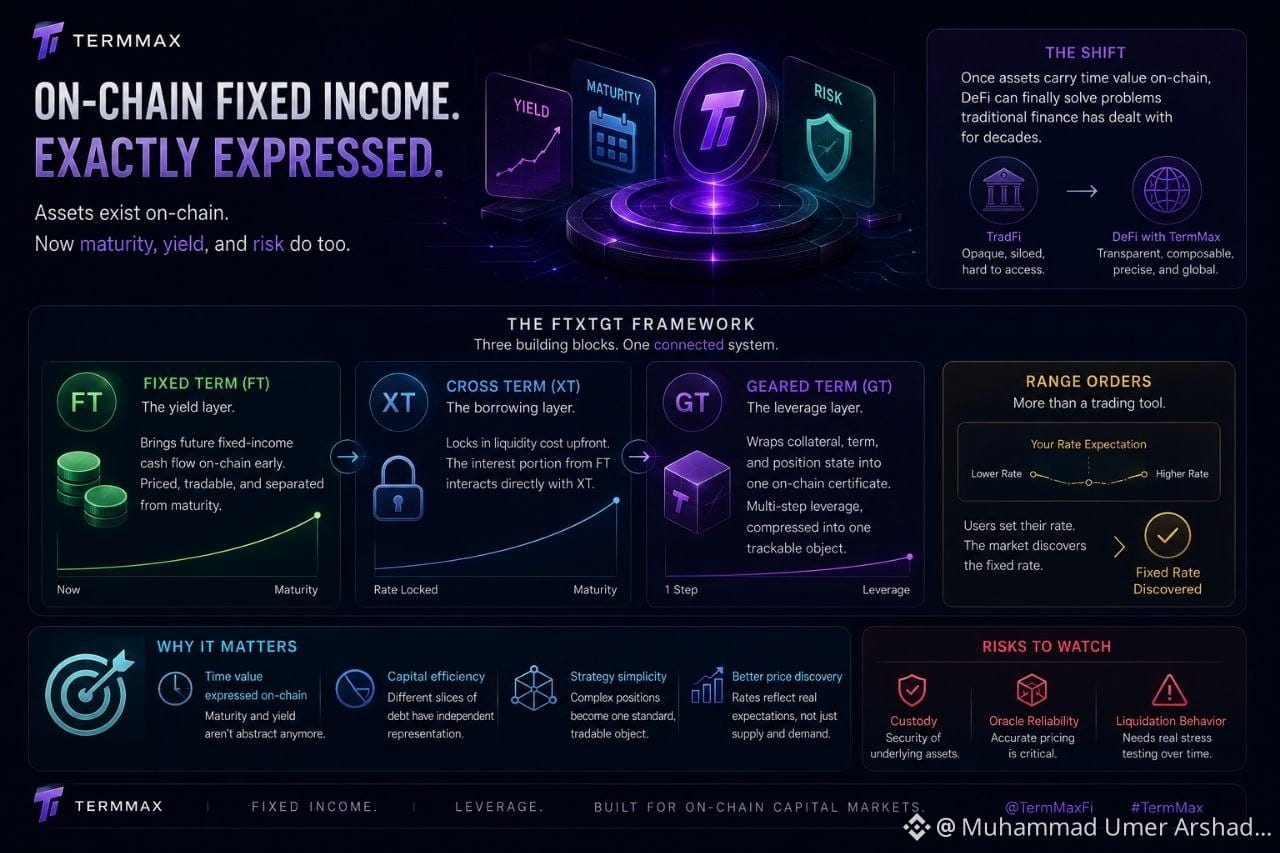
Keçən gecə TermMax qeydlərini vərəqləyirdim, əvvəlcə FT, XT və GT-nin əslində necə bir-biri ilə bağlandığını dəqiqləşdirməyə çalışırdım. Sonda bir müddət GT bölməsində ilişib qaldım; məni narahat edən tək bir sual vardı: əgər leverajlı (borc artırılmış) mövqe özü vahid, alınıb-satıla bilən obyektə standartlaşdırıla bilsə, mürəkkəb strategiyaların idarə edilməsi xeyli sadələşməzmi.
Məni daha da dərinə çəkən elə bu sual oldu. TermMax sadəcə DeFi-nin mövcud oyun planına əlavə olunmuş başqa bir kreditləşdirmə bazarı deyil. O, illərdir DeFi-nin səssizcə qaçdığı bir məsələni hədəfə alır: aktivlər on-çeyndə (on-chain) mövcuddur, amma bu aktivlərin arxasında duran yetkinlik (maturity), gəlir (yield) və risk, demək olar ki, heç vaxt real dəqiqliklə ifadə olunmur.
FT-ni anlamaq ən asan hissə oldu. O, gələcək sabit gəlirli (fixed-income) pul axınını erkən on-çeyndə gətirir; yetkinliyə qədər abstrakt bir vəd kimi kilidlənmək əvəzinə, vaxtından əvvəl qiymətlənir və ticarət edilə bilir. FT daxilindəki faiz hissəsi ayrılıb birbaşa XT ilə qarşılıqlı təsir edə bilər; eyni borcun müxtəlif dilimləri öz müstəqil təqdimatına malik olur.
GT isə həqiqətən məni özünə bağlayan hissə oldu. O, təminatı (collateral), müddəti (term) və mövqenin (position) vəziyyətini bir on-çeyn sertifikatında birləşdirir. Əvvəllər çoxpilləli əl ilə leveraj prosesini tələb edən iş, tək izlənə bilən obyektə sıxılır. Dizaynın bütün məntiqi mənim üçün məhz o anda tam oturdu.
Range Orders diqqətimi yenə başqa bir şəkildə dəyişdi—təkcə ticarət aləti kimi yox, həm də faiz dərəcəsinin (rate) kəşfi mexanizmi kimi. Əksər DeFi kreditləşdirməsində olduğu kimi, faiz dərəcələri təchizat və tələbdən passiv şəkildə dəyişməkdənsə, istifadəçilər öz faiz dərəcəsi gözləntilərini birbaşa ifadə edir və bazar oradan sabit dərəcəni tapır.
Qəyyumluq (custody), oracle-nun etibarlılığı və likvidasiya davranışı zamanla real stress-testlərə ehtiyac duyur. Amma əsas dönüş fərq edilir: on-çeyn aktivləri həqiqətən zaman dəyəri daşıya bildikdə, DeFi artıq onilliklərdir ənənəvi maliyyənin həll etdiyi problemlərə toxunmağa başlayır.
Buna görə də bu layihəni yaxından izləməyə dəyər.
@termmax #TermMax
Keçən gecə TermMax qeydlərini vərəqləyirdim, əvvəlcə FT, XT və GT-nin əslində necə bir-biri ilə bağlandığını dəqiqləşdirməyə çalışırdım. Sonda bir müddət GT bölməsində ilişib qaldım; məni narahat edən tək bir sual vardı: əgər leverajlı (borc artırılmış) mövqe özü vahid, alınıb-satıla bilən obyektə standartlaşdırıla bilsə, mürəkkəb strategiyaların idarə edilməsi xeyli sadələşməzmi.
Məni daha da dərinə çəkən elə bu sual oldu. TermMax sadəcə DeFi-nin mövcud oyun planına əlavə olunmuş başqa bir kreditləşdirmə bazarı deyil. O, illərdir DeFi-nin səssizcə qaçdığı bir məsələni hədəfə alır: aktivlər on-çeyndə (on-chain) mövcuddur, amma bu aktivlərin arxasında duran yetkinlik (maturity), gəlir (yield) və risk, demək olar ki, heç vaxt real dəqiqliklə ifadə olunmur.
FT-ni anlamaq ən asan hissə oldu. O, gələcək sabit gəlirli (fixed-income) pul axınını erkən on-çeyndə gətirir; yetkinliyə qədər abstrakt bir vəd kimi kilidlənmək əvəzinə, vaxtından əvvəl qiymətlənir və ticarət edilə bilir. FT daxilindəki faiz hissəsi ayrılıb birbaşa XT ilə qarşılıqlı təsir edə bilər; eyni borcun müxtəlif dilimləri öz müstəqil təqdimatına malik olur.
GT isə həqiqətən məni özünə bağlayan hissə oldu. O, təminatı (collateral), müddəti (term) və mövqenin (position) vəziyyətini bir on-çeyn sertifikatında birləşdirir. Əvvəllər çoxpilləli əl ilə leveraj prosesini tələb edən iş, tək izlənə bilən obyektə sıxılır. Dizaynın bütün məntiqi mənim üçün məhz o anda tam oturdu.
Range Orders diqqətimi yenə başqa bir şəkildə dəyişdi—təkcə ticarət aləti kimi yox, həm də faiz dərəcəsinin (rate) kəşfi mexanizmi kimi. Əksər DeFi kreditləşdirməsində olduğu kimi, faiz dərəcələri təchizat və tələbdən passiv şəkildə dəyişməkdənsə, istifadəçilər öz faiz dərəcəsi gözləntilərini birbaşa ifadə edir və bazar oradan sabit dərəcəni tapır.
Qəyyumluq (custody), oracle-nun etibarlılığı və likvidasiya davranışı zamanla real stress-testlərə ehtiyac duyur. Amma əsas dönüş fərq edilir: on-çeyn aktivləri həqiqətən zaman dəyəri daşıya bildikdə, DeFi artıq onilliklərdir ənənəvi maliyyənin həll etdiyi problemlərə toxunmağa başlayır.
Buna görə də bu layihəni yaxından izləməyə dəyər.
@TermMax #TermMax
Məni daha da dərinə çəkən elə bu sual oldu. TermMax sadəcə DeFi-nin mövcud oyun planına əlavə olunmuş başqa bir kreditləşdirmə bazarı deyil. O, illərdir DeFi-nin səssizcə qaçdığı bir məsələni hədəfə alır: aktivlər on-çeyndə (on-chain) mövcuddur, amma bu aktivlərin arxasında duran yetkinlik (maturity), gəlir (yield) və risk, demək olar ki, heç vaxt real dəqiqliklə ifadə olunmur.
FT-ni anlamaq ən asan hissə oldu. O, gələcək sabit gəlirli (fixed-income) pul axınını erkən on-çeyndə gətirir; yetkinliyə qədər abstrakt bir vəd kimi kilidlənmək əvəzinə, vaxtından əvvəl qiymətlənir və ticarət edilə bilir. FT daxilindəki faiz hissəsi ayrılıb birbaşa XT ilə qarşılıqlı təsir edə bilər; eyni borcun müxtəlif dilimləri öz müstəqil təqdimatına malik olur.
GT isə həqiqətən məni özünə bağlayan hissə oldu. O, təminatı (collateral), müddəti (term) və mövqenin (position) vəziyyətini bir on-çeyn sertifikatında birləşdirir. Əvvəllər çoxpilləli əl ilə leveraj prosesini tələb edən iş, tək izlənə bilən obyektə sıxılır. Dizaynın bütün məntiqi mənim üçün məhz o anda tam oturdu.
Range Orders diqqətimi yenə başqa bir şəkildə dəyişdi—təkcə ticarət aləti kimi yox, həm də faiz dərəcəsinin (rate) kəşfi mexanizmi kimi. Əksər DeFi kreditləşdirməsində olduğu kimi, faiz dərəcələri təchizat və tələbdən passiv şəkildə dəyişməkdənsə, istifadəçilər öz faiz dərəcəsi gözləntilərini birbaşa ifadə edir və bazar oradan sabit dərəcəni tapır.
Qəyyumluq (custody), oracle-nun etibarlılığı və likvidasiya davranışı zamanla real stress-testlərə ehtiyac duyur. Amma əsas dönüş fərq edilir: on-çeyn aktivləri həqiqətən zaman dəyəri daşıya bildikdə, DeFi artıq onilliklərdir ənənəvi maliyyənin həll etdiyi problemlərə toxunmağa başlayır.
Buna görə də bu layihəni yaxından izləməyə dəyər.
@TermMax #TermMax
2
86
Doğrulanıb
Bu həftə izləmədiyim bir ticarət qaçırdım, deyəsən sərt hərəkət edib. Növbəti hayp tsiklini qovmaq əvəzinə TermMax-ın TMX dizaynını həqiqətən oxumağa vaxt ayırdım və diqqətimi çəkən “idarəetmə (governance) tokeni” etiketi olmadı—onun altında nə qədər real funksiyanın dayandığı idi.
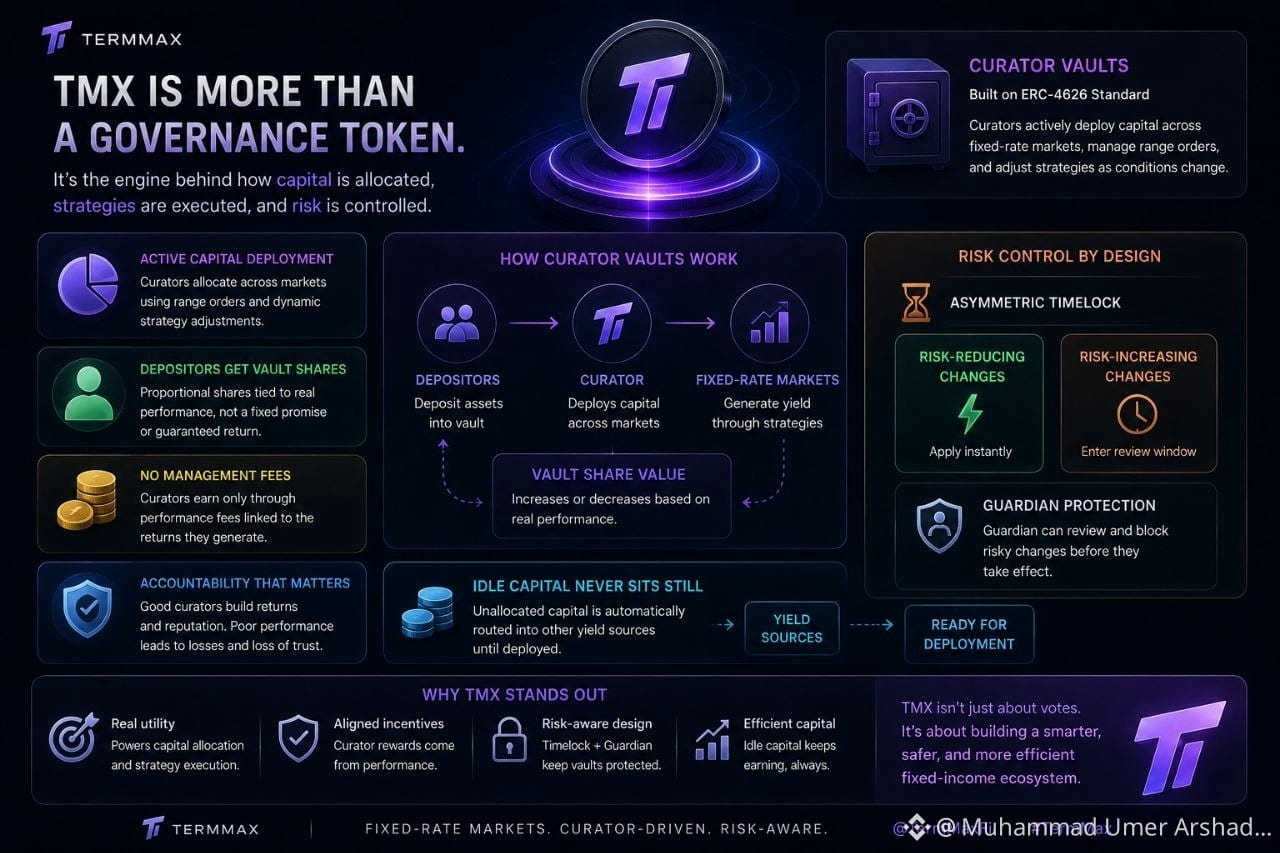
Anlamağa dəyər hissə Curator Vaults (Kuratör Vault-ları)dır. Bunlar sadəcə tokenə “əlavə edilmiş” sadə səsvermə hüquqları deyil. Vault-lar ERC-4626 standartındadır: kuratorlar aktiv şəkildə yatırılmış kapitalı müxtəlif sabit faizli bazarlar arasında yerləşdirir, range order-lar (müəyyən qiymət aralığında sifarişlər) işlədir və şərtlər dəyişdikcə strategiyanı tənzimləyirlər. Depozit qoyanlar faktiki performansa bağlanan proporsional vault payları alır—sabit bir vəd deyil.
Bunu tipik DeFi idarəetməsindən fərqləndirən şey, içərisində qurulmuş məsuliyyətdir. TermMax protokolun idarə olunması üçün komissiya tutmur; kuratorlar yalnız qazandıqları gəlirlə birbaşa bağlı performans komissiyaları vasitəsilə qazanır. Yaxşı kuratorlar mükafatlandırılır, zəif kuratorlar isə depozitlərini və nüfuzlarını itirir. Vault-un parametrlərindəki dəyişikliklər asimmetrik timelock vasitəsilə həyata keçirilir: risk azaldan dəyişikliklər dərhal tətbiq olunur, amma riski artıran hər şey baxış pəncərəsinə düşür; Guardian rolu isə təsir etməzdən əvvəl buna müdaxilə edib dayandıra bilər.
Yatan (idle) kapital da sadəcə ölü vəziyyətdə qalmır—uyğun bir mövqeyə uyğunlaşdırılmağı gözləyərkən avtomatik olaraq digər gəlir mənbələrinə yönləndirilir.
TMX-in tipik “idarəetmə tokeni” təklifindən daha çox diqqət çəkməsinin səbəbi budur. Bu, kapitalın necə ayrılmasına və riskin necə nəzərdən keçirilməsinə bağlıdır—sadəcə sonradan baş verən bir səsverməyə yox.
@termmax #TermMax
Bu həftə izləmədiyim bir ticarət qaçırdım, deyəsən sərt hərəkət edib. Növbəti hayp tsiklini qovmaq əvəzinə TermMax-ın TMX dizaynını həqiqətən oxumağa vaxt ayırdım və diqqətimi çəkən “idarəetmə (governance) tokeni” etiketi olmadı—onun altında nə qədər real funksiyanın dayandığı idi.
Anlamağa dəyər hissə Curator Vaults (Kuratör Vault-ları)dır. Bunlar sadəcə tokenə “əlavə edilmiş” sadə səsvermə hüquqları deyil. Vault-lar ERC-4626 standartındadır: kuratorlar aktiv şəkildə yatırılmış kapitalı müxtəlif sabit faizli bazarlar arasında yerləşdirir, range order-lar (müəyyən qiymət aralığında sifarişlər) işlədir və şərtlər dəyişdikcə strategiyanı tənzimləyirlər. Depozit qoyanlar faktiki performansa bağlanan proporsional vault payları alır—sabit bir vəd deyil.
Bunu tipik DeFi idarəetməsindən fərqləndirən şey, içərisində qurulmuş məsuliyyətdir. TermMax protokolun idarə olunması üçün komissiya tutmur; kuratorlar yalnız qazandıqları gəlirlə birbaşa bağlı performans komissiyaları vasitəsilə qazanır. Yaxşı kuratorlar mükafatlandırılır, zəif kuratorlar isə depozitlərini və nüfuzlarını itirir. Vault-un parametrlərindəki dəyişikliklər asimmetrik timelock vasitəsilə həyata keçirilir: risk azaldan dəyişikliklər dərhal tətbiq olunur, amma riski artıran hər şey baxış pəncərəsinə düşür; Guardian rolu isə təsir etməzdən əvvəl buna müdaxilə edib dayandıra bilər.
Yatan (idle) kapital da sadəcə ölü vəziyyətdə qalmır—uyğun bir mövqeyə uyğunlaşdırılmağı gözləyərkən avtomatik olaraq digər gəlir mənbələrinə yönləndirilir.
TMX-in tipik “idarəetmə tokeni” təklifindən daha çox diqqət çəkməsinin səbəbi budur. Bu, kapitalın necə ayrılmasına və riskin necə nəzərdən keçirilməsinə bağlıdır—sadəcə sonradan baş verən bir səsverməyə yox.
@TermMax #TermMax
Anlamağa dəyər hissə Curator Vaults (Kuratör Vault-ları)dır. Bunlar sadəcə tokenə “əlavə edilmiş” sadə səsvermə hüquqları deyil. Vault-lar ERC-4626 standartındadır: kuratorlar aktiv şəkildə yatırılmış kapitalı müxtəlif sabit faizli bazarlar arasında yerləşdirir, range order-lar (müəyyən qiymət aralığında sifarişlər) işlədir və şərtlər dəyişdikcə strategiyanı tənzimləyirlər. Depozit qoyanlar faktiki performansa bağlanan proporsional vault payları alır—sabit bir vəd deyil.
Bunu tipik DeFi idarəetməsindən fərqləndirən şey, içərisində qurulmuş məsuliyyətdir. TermMax protokolun idarə olunması üçün komissiya tutmur; kuratorlar yalnız qazandıqları gəlirlə birbaşa bağlı performans komissiyaları vasitəsilə qazanır. Yaxşı kuratorlar mükafatlandırılır, zəif kuratorlar isə depozitlərini və nüfuzlarını itirir. Vault-un parametrlərindəki dəyişikliklər asimmetrik timelock vasitəsilə həyata keçirilir: risk azaldan dəyişikliklər dərhal tətbiq olunur, amma riski artıran hər şey baxış pəncərəsinə düşür; Guardian rolu isə təsir etməzdən əvvəl buna müdaxilə edib dayandıra bilər.
Yatan (idle) kapital da sadəcə ölü vəziyyətdə qalmır—uyğun bir mövqeyə uyğunlaşdırılmağı gözləyərkən avtomatik olaraq digər gəlir mənbələrinə yönləndirilir.
TMX-in tipik “idarəetmə tokeni” təklifindən daha çox diqqət çəkməsinin səbəbi budur. Bu, kapitalın necə ayrılmasına və riskin necə nəzərdən keçirilməsinə bağlıdır—sadəcə sonradan baş verən bir səsverməyə yox.
@TermMax #TermMax
14
8
83
Doğrulanıb
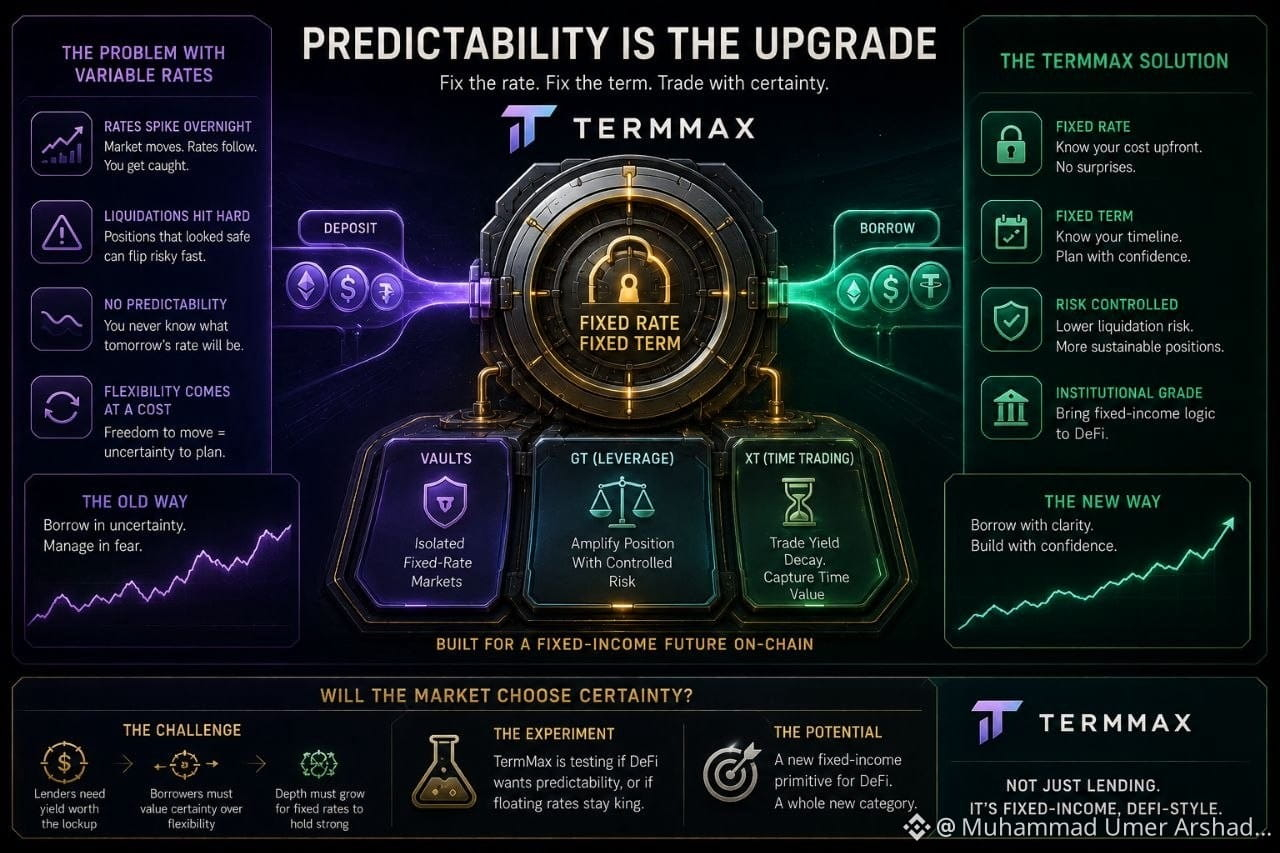
Layihə səhifələrini sürüşdürərkən TermMax-ə rast gəldim və diqqətimi cəlb edən odur ki, o, DeFi kreditləşməsində "dəyişən faiz dərəcəsi" probleminin ardınca birbaşa gəlir. Aave və ya Compound dövrünü yaşamış hər kəs bilir: bazar hərəkət edəndə faizlər gecə bir anda yüksəlir və likvidasiyalar adamı həmişə gözlənilməz tutur—hətta mövqeyinin təhlükəsiz olduğunu düşündüyündə belə. TermMax-in həlli sadədir: mövqe açan kimi həm dərəcə, həm də müddət kilidlənir. Birinci gündən etibarən dəqiq olaraq nə qədər borcunun olduğunu və tam olaraq nə vaxt ödəməli olduğunu bilirsən.
Kağız üzərində bu, möhkəm ideyadır. TermMax təkcə adi kreditləşmə etmir; üstəlik vault-lar qatır, GT vasitəsilə leverage tətbiq edir və XT ilə time-decay ticarəti də həyata keçirir—yəni ən azından ənənəvi maliyyədən sabit gəlir yanaşmasını onçeynə tam gətirməyə çalışır. Amma bu, real bir sual doğurur: belə bir əminlik DeFi-də uzunmüddətli perspektivdə ayaqda qala bilərmi? Sabit faizlər yalnız o zaman işləyir ki, hər iki tərəf buna “gəlsin”. Kreditorlar kilidlənmənin dəyərli olması üçün gəlir görməlidir, borcalanlar isə istənilən vaxt çıxmaq azadlığına deyil, həqiqətən sabit müddətə üstünlük verməlidir. Əgər kifayət qədər likvidlik yoxdursa, “sabit” sadəcə nazik likvidliyin üstündə oturan rəqəm olar.
Mən daim bu gərginliyə qayıdıram. DeFi-nin əsas cazibəsi sürət və çeviklikdir. Şərtləri və dərəcələri kilidləmək həmin instinklə ziddir—hətta o, real bir problemi həll etsə də. TermMax hazırda bütöv sektor üçün bu sınağı keçirir: istifadəçilərin proqnozlaşdırıla bilənliyi həqiqətən istədiyi, yoxsa floating (üzən) dərəcələrin default qalacağı—çünki insanlar variantın olmasını daha çox sevir.
Bunun real bir kateqoriyaya çevrilib-çevrilməyəcəyi və ya DeFi-də yalnız niş bir künc kimi qalacağı hələ də açıq sualdır və izləməyə dəyər.
@termmax #TermMax
Layihə səhifələrini sürüşdürərkən TermMax-ə rast gəldim və diqqətimi cəlb edən odur ki, o, DeFi kreditləşməsində "dəyişən faiz dərəcəsi" probleminin ardınca birbaşa gəlir. Aave və ya Compound dövrünü yaşamış hər kəs bilir: bazar hərəkət edəndə faizlər gecə bir anda yüksəlir və likvidasiyalar adamı həmişə gözlənilməz tutur—hətta mövqeyinin təhlükəsiz olduğunu düşündüyündə belə. TermMax-in həlli sadədir: mövqe açan kimi həm dərəcə, həm də müddət kilidlənir. Birinci gündən etibarən dəqiq olaraq nə qədər borcunun olduğunu və tam olaraq nə vaxt ödəməli olduğunu bilirsən.
Kağız üzərində bu, möhkəm ideyadır. TermMax təkcə adi kreditləşmə etmir; üstəlik vault-lar qatır, GT vasitəsilə leverage tətbiq edir və XT ilə time-decay ticarəti də həyata keçirir—yəni ən azından ənənəvi maliyyədən sabit gəlir yanaşmasını onçeynə tam gətirməyə çalışır. Amma bu, real bir sual doğurur: belə bir əminlik DeFi-də uzunmüddətli perspektivdə ayaqda qala bilərmi? Sabit faizlər yalnız o zaman işləyir ki, hər iki tərəf buna “gəlsin”. Kreditorlar kilidlənmənin dəyərli olması üçün gəlir görməlidir, borcalanlar isə istənilən vaxt çıxmaq azadlığına deyil, həqiqətən sabit müddətə üstünlük verməlidir. Əgər kifayət qədər likvidlik yoxdursa, “sabit” sadəcə nazik likvidliyin üstündə oturan rəqəm olar.
Mən daim bu gərginliyə qayıdıram. DeFi-nin əsas cazibəsi sürət və çeviklikdir. Şərtləri və dərəcələri kilidləmək həmin instinklə ziddir—hətta o, real bir problemi həll etsə də. TermMax hazırda bütöv sektor üçün bu sınağı keçirir: istifadəçilərin proqnozlaşdırıla bilənliyi həqiqətən istədiyi, yoxsa floating (üzən) dərəcələrin default qalacağı—çünki insanlar variantın olmasını daha çox sevir.
Bunun real bir kateqoriyaya çevrilib-çevrilməyəcəyi və ya DeFi-də yalnız niş bir künc kimi qalacağı hələ də açıq sualdır və izləməyə dəyər.
@TermMax #TermMax
Kağız üzərində bu, möhkəm ideyadır. TermMax təkcə adi kreditləşmə etmir; üstəlik vault-lar qatır, GT vasitəsilə leverage tətbiq edir və XT ilə time-decay ticarəti də həyata keçirir—yəni ən azından ənənəvi maliyyədən sabit gəlir yanaşmasını onçeynə tam gətirməyə çalışır. Amma bu, real bir sual doğurur: belə bir əminlik DeFi-də uzunmüddətli perspektivdə ayaqda qala bilərmi? Sabit faizlər yalnız o zaman işləyir ki, hər iki tərəf buna “gəlsin”. Kreditorlar kilidlənmənin dəyərli olması üçün gəlir görməlidir, borcalanlar isə istənilən vaxt çıxmaq azadlığına deyil, həqiqətən sabit müddətə üstünlük verməlidir. Əgər kifayət qədər likvidlik yoxdursa, “sabit” sadəcə nazik likvidliyin üstündə oturan rəqəm olar.
Mən daim bu gərginliyə qayıdıram. DeFi-nin əsas cazibəsi sürət və çeviklikdir. Şərtləri və dərəcələri kilidləmək həmin instinklə ziddir—hətta o, real bir problemi həll etsə də. TermMax hazırda bütöv sektor üçün bu sınağı keçirir: istifadəçilərin proqnozlaşdırıla bilənliyi həqiqətən istədiyi, yoxsa floating (üzən) dərəcələrin default qalacağı—çünki insanlar variantın olmasını daha çox sevir.
Bunun real bir kateqoriyaya çevrilib-çevrilməyəcəyi və ya DeFi-də yalnız niş bir künc kimi qalacağı hələ də açıq sualdır və izləməyə dəyər.
@TermMax #TermMax
10
9
116
DeFi-də üç il keçirdim və səbrimi əslində qıran tək şey aşağı gəlirli olmaq da deyil, öz pulumun nə vaxt mənə qayıdacağını bilməməkdir.
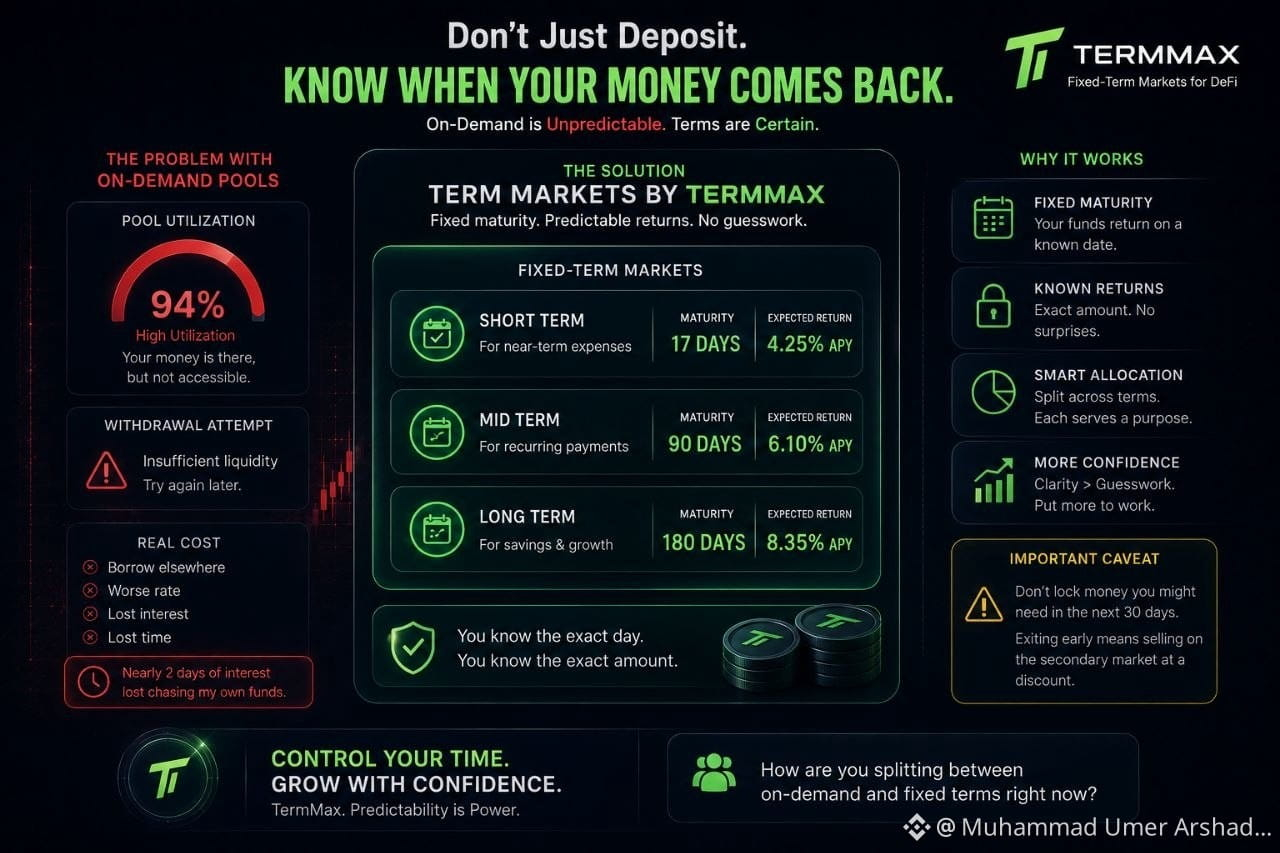
Keçən ay başıma gələn budur. Üzən faizli bir fond hovuzunda vəsaitlər saxlamışdım, onları 17-də çıxarıb texniki ödənişə yönəltməyi planlaşdırırdım. İki gün əvvəl çıxarmağa cəhd etdim və hovuzun 94% istifadədə olduğunu gördüm — demək olar ki, çıxarılacaq heç nə qalmamışdı. Pulum texniki olaraq orada idi, sadəcə əlçatan deyildi. Fərqi bağlamaq üçün başqa yerdən daha pis faizlə borc götürməli oldum. Öz vəsaitimi qovamaqla təxminən iki günün faizini itirdim.
O andan sonra mövqelərimi TermMax-ın sabit müddətli bazarları vasitəsilə idarə etməyə keçdim.
İstəyə görə (on-demand) işləyən hovuzlarla bağlı problem struktur xarakterlidir. Depozit qoyduğun an geri çəkilmən zəmanətli deyil; bu, həmin məqamda digər insanların həmin hovuzdan nə qədər borc götürməsindən tam asılıdır.
Term bazarları bu təxminləri aradan qaldırır. Hər bazarın əvvəlcədən bildirilmiş sabit yetkinlik (müddət) tarixi var. Siz vəsaitlərinizin dəqiq hansı gün geri qayıdacağını və dəqiq məbləği bilirsiniz. İndi depozitləri müddətlər üzrə bölürəm: yaxınmüddətli xərclər üçün qısa müddətli, dövri ödənişlər üçün orta müddətli, toxunulmamış qənaət kimi gördüyüm isə daha uzun müddətli. Hər “vedrə”nin bir işi var.
Mən əvvəlcə kilidli müddətlərə müqavimət göstərdim — əksər kripto istifadəçilər də belə edir; pulu kilidləmək çevikliyi itirmək kimi görünür. Amma əslində bunun əksi baş verdi. Hər hissənin nə vaxt geri dönəcəyini dəqiq bilmək, vəsaiti boş oturtmaqdansa daha böyük payı işlətməyimə özümü rahat hiss etdirdi.
Bir dəfə də təkrar etməyə dəyər bir məqam: 30 gün içində lazım ola biləcək pulu müddətli pozisiyaya qoymayın. Erkən çıxış ikincil bazarda endirimlə satmaq deməkdir.
Bəs siz hazırda on-demand və sabit müddətlər arasında necə bölürsünüz?
@termmax #TermMax
DeFi-də üç il keçirdim və səbrimi əslində qıran tək şey aşağı gəlirli olmaq da deyil, öz pulumun nə vaxt mənə qayıdacağını bilməməkdir.
Keçən ay başıma gələn budur. Üzən faizli bir fond hovuzunda vəsaitlər saxlamışdım, onları 17-də çıxarıb texniki ödənişə yönəltməyi planlaşdırırdım. İki gün əvvəl çıxarmağa cəhd etdim və hovuzun 94% istifadədə olduğunu gördüm — demək olar ki, çıxarılacaq heç nə qalmamışdı. Pulum texniki olaraq orada idi, sadəcə əlçatan deyildi. Fərqi bağlamaq üçün başqa yerdən daha pis faizlə borc götürməli oldum. Öz vəsaitimi qovamaqla təxminən iki günün faizini itirdim.
O andan sonra mövqelərimi TermMax-ın sabit müddətli bazarları vasitəsilə idarə etməyə keçdim.
İstəyə görə (on-demand) işləyən hovuzlarla bağlı problem struktur xarakterlidir. Depozit qoyduğun an geri çəkilmən zəmanətli deyil; bu, həmin məqamda digər insanların həmin hovuzdan nə qədər borc götürməsindən tam asılıdır.
Term bazarları bu təxminləri aradan qaldırır. Hər bazarın əvvəlcədən bildirilmiş sabit yetkinlik (müddət) tarixi var. Siz vəsaitlərinizin dəqiq hansı gün geri qayıdacağını və dəqiq məbləği bilirsiniz. İndi depozitləri müddətlər üzrə bölürəm: yaxınmüddətli xərclər üçün qısa müddətli, dövri ödənişlər üçün orta müddətli, toxunulmamış qənaət kimi gördüyüm isə daha uzun müddətli. Hər “vedrə”nin bir işi var.
Mən əvvəlcə kilidli müddətlərə müqavimət göstərdim — əksər kripto istifadəçilər də belə edir; pulu kilidləmək çevikliyi itirmək kimi görünür. Amma əslində bunun əksi baş verdi. Hər hissənin nə vaxt geri dönəcəyini dəqiq bilmək, vəsaiti boş oturtmaqdansa daha böyük payı işlətməyimə özümü rahat hiss etdirdi.
Bir dəfə də təkrar etməyə dəyər bir məqam: 30 gün içində lazım ola biləcək pulu müddətli pozisiyaya qoymayın. Erkən çıxış ikincil bazarda endirimlə satmaq deməkdir.
Bəs siz hazırda on-demand və sabit müddətlər arasında necə bölürsünüz?
@TermMax #TermMax
Keçən ay başıma gələn budur. Üzən faizli bir fond hovuzunda vəsaitlər saxlamışdım, onları 17-də çıxarıb texniki ödənişə yönəltməyi planlaşdırırdım. İki gün əvvəl çıxarmağa cəhd etdim və hovuzun 94% istifadədə olduğunu gördüm — demək olar ki, çıxarılacaq heç nə qalmamışdı. Pulum texniki olaraq orada idi, sadəcə əlçatan deyildi. Fərqi bağlamaq üçün başqa yerdən daha pis faizlə borc götürməli oldum. Öz vəsaitimi qovamaqla təxminən iki günün faizini itirdim.
O andan sonra mövqelərimi TermMax-ın sabit müddətli bazarları vasitəsilə idarə etməyə keçdim.
İstəyə görə (on-demand) işləyən hovuzlarla bağlı problem struktur xarakterlidir. Depozit qoyduğun an geri çəkilmən zəmanətli deyil; bu, həmin məqamda digər insanların həmin hovuzdan nə qədər borc götürməsindən tam asılıdır.
Term bazarları bu təxminləri aradan qaldırır. Hər bazarın əvvəlcədən bildirilmiş sabit yetkinlik (müddət) tarixi var. Siz vəsaitlərinizin dəqiq hansı gün geri qayıdacağını və dəqiq məbləği bilirsiniz. İndi depozitləri müddətlər üzrə bölürəm: yaxınmüddətli xərclər üçün qısa müddətli, dövri ödənişlər üçün orta müddətli, toxunulmamış qənaət kimi gördüyüm isə daha uzun müddətli. Hər “vedrə”nin bir işi var.
Mən əvvəlcə kilidli müddətlərə müqavimət göstərdim — əksər kripto istifadəçilər də belə edir; pulu kilidləmək çevikliyi itirmək kimi görünür. Amma əslində bunun əksi baş verdi. Hər hissənin nə vaxt geri dönəcəyini dəqiq bilmək, vəsaiti boş oturtmaqdansa daha böyük payı işlətməyimə özümü rahat hiss etdirdi.
Bir dəfə də təkrar etməyə dəyər bir məqam: 30 gün içində lazım ola biləcək pulu müddətli pozisiyaya qoymayın. Erkən çıxış ikincil bazarda endirimlə satmaq deməkdir.
Bəs siz hazırda on-demand və sabit müddətlər arasında necə bölürsünüz?
@TermMax #TermMax
5
8
91
Doğrulanıb
Bir gecə Babil’in beyannaməsini (whitepaper) gəzərkən bir rəqəmdə ilişib qaldım—trilyonlarla ölçülən bazar kapitallığı. İlk instinktim sadə idi: daha böyük aktiv daha təhlükəsiz stakerlik deməkdir, məsələ bağlandı. Amma tez bu fikirdən daşındım, çünki o, həqiqətən sual vermədiyim köhnə bir fərziyyəyə söykənirdi. Bölmə 2-ni düzgün oxumağım düşüncəm dəyişən məqam oldu.
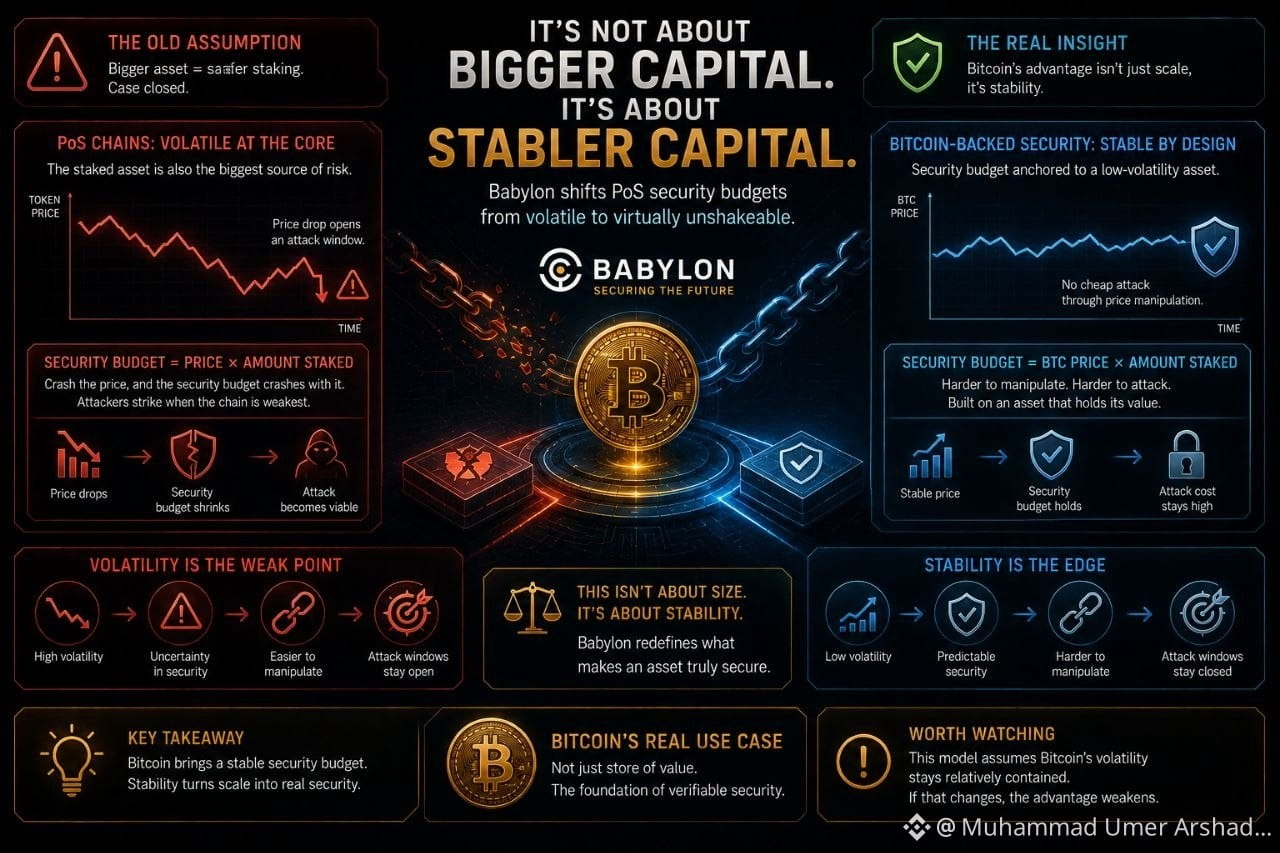
Mən həmişə Bitkoinin üstünlüyünün yalnız miqyas (scale) məsələsi olduğunu düşünmüşdüm. Amma məni bir cümlə tam dayandırdı: sənəddə deyilir ki, PoS zəncirinin təhlükəsizliyi staked aktivin bazar kapitallığının birbaşa funksiyasıdır və kəskin qiymət düşüşü real hücum üçün pəncərə açır.
Sonra məntiqi kağız üzərində işlədim. Təhlükəsizlik büdcəsi = staked aktivin qiyməti × stake edilmiş məbləğ. Yerli tokenin qiymətini çökdürsən, təhlükəsizlik büdcəsi də onunla birlikdə çökür və zəncir ən zəif olanda hücumçunun qapısı açılır. Bu, hər bir PoS zəncirinə “struktur” kimi daxil olmuş bir qüsurdur: staked aktiv həm də riskin ən böyük mənbəyidir. Bitkoinin nisbətən aşağı volatilliyi həmin kövrək tənliyə yerləşdirilmiş sabitləşdirici kimi işləyir.
Babylonun etdiyi şey daha böyük kapital gətirmək deyil—daha stabill kapital gətirməkdir. O, təhlükəsizlik büdcəsinin volatillik profilini “oynaq” edən yerli tоkəndən Bitkoinə doğru dəyişir. Hücumçular sadəcə qiymət düşüşünü gözləyərək hücumlarını ucuzlaşdırmağa bilməzlər, çünki əsas stake artıq asanlıqla manipulyasiya edilə bilən altkoin deyil.
Bu, büdcə ölçüsünü optimallaşdırmaq deyil; həqiqətən təhlükəsiz aktiv kimi nəyin sayıldığını yenidən müəyyənləşdirməkdir. Təkcə ölçü yetərli deyil—ölçü sabitliklə qoşalaşanda önəm kəsb edir. Bitkoin nəhayət, məhz bu xüsusiyyət ətrafında real bir istifadə halına sahib oldu.
Dürüstcə qeyd etməyə dəyər: bu modelin hamısı bir fərziyyəyə söykənir—Bitkoinin volatilliyinin gələcəkdə nisbətən məhdud qalması. Əgər bu dəyişsə və BTC yenə də volatild altkoin kimi davranmağa başlasa, bu üstünlük də onunla birlikdə zəifləyər. Hələ də bu fərziyyəni yaxından izləyirəm.
@babylonlabs_io #baby $BABY
Bir gecə Babil’in beyannaməsini (whitepaper) gəzərkən bir rəqəmdə ilişib qaldım—trilyonlarla ölçülən bazar kapitallığı. İlk instinktim sadə idi: daha böyük aktiv daha təhlükəsiz stakerlik deməkdir, məsələ bağlandı. Amma tez bu fikirdən daşındım, çünki o, həqiqətən sual vermədiyim köhnə bir fərziyyəyə söykənirdi. Bölmə 2-ni düzgün oxumağım düşüncəm dəyişən məqam oldu.
Mən həmişə Bitkoinin üstünlüyünün yalnız miqyas (scale) məsələsi olduğunu düşünmüşdüm. Amma məni bir cümlə tam dayandırdı: sənəddə deyilir ki, PoS zəncirinin təhlükəsizliyi staked aktivin bazar kapitallığının birbaşa funksiyasıdır və kəskin qiymət düşüşü real hücum üçün pəncərə açır.
Sonra məntiqi kağız üzərində işlədim. Təhlükəsizlik büdcəsi = staked aktivin qiyməti × stake edilmiş məbləğ. Yerli tokenin qiymətini çökdürsən, təhlükəsizlik büdcəsi də onunla birlikdə çökür və zəncir ən zəif olanda hücumçunun qapısı açılır. Bu, hər bir PoS zəncirinə “struktur” kimi daxil olmuş bir qüsurdur: staked aktiv həm də riskin ən böyük mənbəyidir. Bitkoinin nisbətən aşağı volatilliyi həmin kövrək tənliyə yerləşdirilmiş sabitləşdirici kimi işləyir.
Babylonun etdiyi şey daha böyük kapital gətirmək deyil—daha stabill kapital gətirməkdir. O, təhlükəsizlik büdcəsinin volatillik profilini “oynaq” edən yerli tоkəndən Bitkoinə doğru dəyişir. Hücumçular sadəcə qiymət düşüşünü gözləyərək hücumlarını ucuzlaşdırmağa bilməzlər, çünki əsas stake artıq asanlıqla manipulyasiya edilə bilən altkoin deyil.
Bu, büdcə ölçüsünü optimallaşdırmaq deyil; həqiqətən təhlükəsiz aktiv kimi nəyin sayıldığını yenidən müəyyənləşdirməkdir. Təkcə ölçü yetərli deyil—ölçü sabitliklə qoşalaşanda önəm kəsb edir. Bitkoin nəhayət, məhz bu xüsusiyyət ətrafında real bir istifadə halına sahib oldu.
Dürüstcə qeyd etməyə dəyər: bu modelin hamısı bir fərziyyəyə söykənir—Bitkoinin volatilliyinin gələcəkdə nisbətən məhdud qalması. Əgər bu dəyişsə və BTC yenə də volatild altkoin kimi davranmağa başlasa, bu üstünlük də onunla birlikdə zəifləyər. Hələ də bu fərziyyəni yaxından izləyirəm.
@BabylonLabs_io #baby $BABY
Mən həmişə Bitkoinin üstünlüyünün yalnız miqyas (scale) məsələsi olduğunu düşünmüşdüm. Amma məni bir cümlə tam dayandırdı: sənəddə deyilir ki, PoS zəncirinin təhlükəsizliyi staked aktivin bazar kapitallığının birbaşa funksiyasıdır və kəskin qiymət düşüşü real hücum üçün pəncərə açır.
Sonra məntiqi kağız üzərində işlədim. Təhlükəsizlik büdcəsi = staked aktivin qiyməti × stake edilmiş məbləğ. Yerli tokenin qiymətini çökdürsən, təhlükəsizlik büdcəsi də onunla birlikdə çökür və zəncir ən zəif olanda hücumçunun qapısı açılır. Bu, hər bir PoS zəncirinə “struktur” kimi daxil olmuş bir qüsurdur: staked aktiv həm də riskin ən böyük mənbəyidir. Bitkoinin nisbətən aşağı volatilliyi həmin kövrək tənliyə yerləşdirilmiş sabitləşdirici kimi işləyir.
Babylonun etdiyi şey daha böyük kapital gətirmək deyil—daha stabill kapital gətirməkdir. O, təhlükəsizlik büdcəsinin volatillik profilini “oynaq” edən yerli tоkəndən Bitkoinə doğru dəyişir. Hücumçular sadəcə qiymət düşüşünü gözləyərək hücumlarını ucuzlaşdırmağa bilməzlər, çünki əsas stake artıq asanlıqla manipulyasiya edilə bilən altkoin deyil.
Bu, büdcə ölçüsünü optimallaşdırmaq deyil; həqiqətən təhlükəsiz aktiv kimi nəyin sayıldığını yenidən müəyyənləşdirməkdir. Təkcə ölçü yetərli deyil—ölçü sabitliklə qoşalaşanda önəm kəsb edir. Bitkoin nəhayət, məhz bu xüsusiyyət ətrafında real bir istifadə halına sahib oldu.
Dürüstcə qeyd etməyə dəyər: bu modelin hamısı bir fərziyyəyə söykənir—Bitkoinin volatilliyinin gələcəkdə nisbətən məhdud qalması. Əgər bu dəyişsə və BTC yenə də volatild altkoin kimi davranmağa başlasa, bu üstünlük də onunla birlikdə zəifləyər. Hələ də bu fərziyyəni yaxından izləyirəm.
@BabylonLabs_io #baby $BABY
3
3
84
Ticarət edərkən məni həqiqi volatillikdən daha çox qorxudan bir şey var: dərin görünən, amma arxasında duran marketmeykerin demək olar ki, sursatı tükənmiş order kitabı. Tablolarda sitatlar bütünlüklə birdən-birə yox olur; vəziyyət gərginləşən kimi heç kim səthdən görünən kimi bunu qabaqcadan duymur.
Eyni nümunə indi mən Babylon’un Finality Provider-ləri barədə düşündüyüm tərzdə də tətbiq olunur.
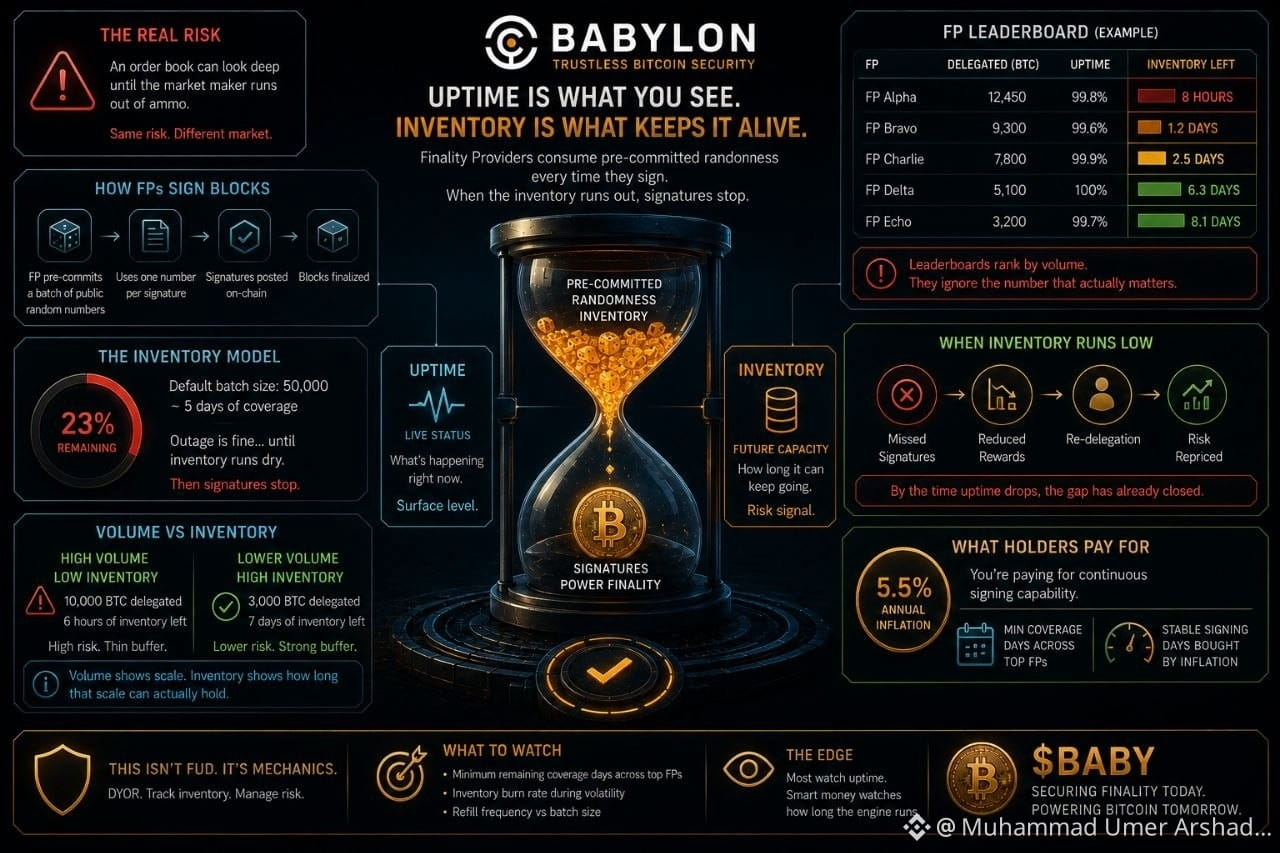
Hər dəfə bir FP blok imzalayanda, əvvəlcədən hazırlanmış, əvvəlcədən “sitifadə olunmaq üçün” razılaşdırılmış ictimai təsadüfi rəqəmlərdən ibarət partiyadan istifadə edir; on-the-fly yaranmır. Standart partiya ölçüsü 50,000-dir—təxminən beş günlük əhatə.
Bu inventar qalarkən qısa fasilə demək olar ki, önəm daşımır. Amma o tükənən kimi bir FP ACTIVE status göstərə bilər, amma imzaları sakitcə qaçıra bilər—sadəcə işləmək üçün artıq əhatə qalmadığına görə.
Yalnız uptime sizə hazırda nəyin baş verdiyini deyir. Qalan inventar isə nəyin qırılmağa nə qədər yaxın olduğunu göstərir.
İctimai leaderbordlar FPləri verilmiş delegasiya həcmi üzrə, real dəqiqliklə sıralayır, amma risk üçün əslində önəmli olan tək rəqəmi buraxır: ən yaxşı FP-lərin hər birinin qalan fasiləsiz imzalama gücü üçün neçə davamlı günə malik olması. 10,000 BTC idarə edən və inventarında altı saat qalan FP, əsl baxımdan, 3,000 BTC idarə edən və yeddi gün qalan FP-dən daha “incə”dir. Həcm təkbaşına bu boşluğu tamamilə gizlədir.
Ən üst FP-lərin inventarları azalırsa, ardıcıllıq adətən belə gedir: əvvəl imza qaçırmaları, sonra mükafatların azalması, ondan sonra redelegasiya və yalnız bundan sonra bazar $BABY ətrafındakı risk qiymətini əslində yenidən hesablamağa başlayır.
Dashboard-da uptime rəqəmləri görünən şəkildə düşməyə çatana qədər, bu məlumat boşluğu artıq sizin xeyrinizə bağlanıb.
BABY-nin illik inflyasiyası 5.5% olduğu halda, holder-lərin əslində ödədiyi şey davamlı imzalama imkanıdır. Uptime-dan daha faydalı metrik: ən üst FP-lər üzrə minimum qalan əhatə günləri və bu inflyasiyanın real olaraq neçə sabit imzalama gününü “almasına” dəqiq olaraq nə qədər qaldığıdır.
Delegasiya həcmi miqyası göstərir. İmzalama inventarı isə həmin miqyasın nə qədər müddətə dayana biləcəyini göstərir. DYOR.
@babylonlabs_io #baby
Ticarət edərkən məni həqiqi volatillikdən daha çox qorxudan bir şey var: dərin görünən, amma arxasında duran marketmeykerin demək olar ki, sursatı tükənmiş order kitabı. Tablolarda sitatlar bütünlüklə birdən-birə yox olur; vəziyyət gərginləşən kimi heç kim səthdən görünən kimi bunu qabaqcadan duymur.
Eyni nümunə indi mən Babylon’un Finality Provider-ləri barədə düşündüyüm tərzdə də tətbiq olunur.
Hər dəfə bir FP blok imzalayanda, əvvəlcədən hazırlanmış, əvvəlcədən “sitifadə olunmaq üçün” razılaşdırılmış ictimai təsadüfi rəqəmlərdən ibarət partiyadan istifadə edir; on-the-fly yaranmır. Standart partiya ölçüsü 50,000-dir—təxminən beş günlük əhatə.
Bu inventar qalarkən qısa fasilə demək olar ki, önəm daşımır. Amma o tükənən kimi bir FP ACTIVE status göstərə bilər, amma imzaları sakitcə qaçıra bilər—sadəcə işləmək üçün artıq əhatə qalmadığına görə.
Yalnız uptime sizə hazırda nəyin baş verdiyini deyir. Qalan inventar isə nəyin qırılmağa nə qədər yaxın olduğunu göstərir.
İctimai leaderbordlar FPləri verilmiş delegasiya həcmi üzrə, real dəqiqliklə sıralayır, amma risk üçün əslində önəmli olan tək rəqəmi buraxır: ən yaxşı FP-lərin hər birinin qalan fasiləsiz imzalama gücü üçün neçə davamlı günə malik olması. 10,000 BTC idarə edən və inventarında altı saat qalan FP, əsl baxımdan, 3,000 BTC idarə edən və yeddi gün qalan FP-dən daha “incə”dir. Həcm təkbaşına bu boşluğu tamamilə gizlədir.
Ən üst FP-lərin inventarları azalırsa, ardıcıllıq adətən belə gedir: əvvəl imza qaçırmaları, sonra mükafatların azalması, ondan sonra redelegasiya və yalnız bundan sonra bazar $BABY ətrafındakı risk qiymətini əslində yenidən hesablamağa başlayır.
Dashboard-da uptime rəqəmləri görünən şəkildə düşməyə çatana qədər, bu məlumat boşluğu artıq sizin xeyrinizə bağlanıb.
BABY-nin illik inflyasiyası 5.5% olduğu halda, holder-lərin əslində ödədiyi şey davamlı imzalama imkanıdır. Uptime-dan daha faydalı metrik: ən üst FP-lər üzrə minimum qalan əhatə günləri və bu inflyasiyanın real olaraq neçə sabit imzalama gününü “almasına” dəqiq olaraq nə qədər qaldığıdır.
Delegasiya həcmi miqyası göstərir. İmzalama inventarı isə həmin miqyasın nə qədər müddətə dayana biləcəyini göstərir. DYOR.
@BabylonLabs_io #baby
Eyni nümunə indi mən Babylon’un Finality Provider-ləri barədə düşündüyüm tərzdə də tətbiq olunur.
Hər dəfə bir FP blok imzalayanda, əvvəlcədən hazırlanmış, əvvəlcədən “sitifadə olunmaq üçün” razılaşdırılmış ictimai təsadüfi rəqəmlərdən ibarət partiyadan istifadə edir; on-the-fly yaranmır. Standart partiya ölçüsü 50,000-dir—təxminən beş günlük əhatə.
Bu inventar qalarkən qısa fasilə demək olar ki, önəm daşımır. Amma o tükənən kimi bir FP ACTIVE status göstərə bilər, amma imzaları sakitcə qaçıra bilər—sadəcə işləmək üçün artıq əhatə qalmadığına görə.
Yalnız uptime sizə hazırda nəyin baş verdiyini deyir. Qalan inventar isə nəyin qırılmağa nə qədər yaxın olduğunu göstərir.
İctimai leaderbordlar FPləri verilmiş delegasiya həcmi üzrə, real dəqiqliklə sıralayır, amma risk üçün əslində önəmli olan tək rəqəmi buraxır: ən yaxşı FP-lərin hər birinin qalan fasiləsiz imzalama gücü üçün neçə davamlı günə malik olması. 10,000 BTC idarə edən və inventarında altı saat qalan FP, əsl baxımdan, 3,000 BTC idarə edən və yeddi gün qalan FP-dən daha “incə”dir. Həcm təkbaşına bu boşluğu tamamilə gizlədir.
Ən üst FP-lərin inventarları azalırsa, ardıcıllıq adətən belə gedir: əvvəl imza qaçırmaları, sonra mükafatların azalması, ondan sonra redelegasiya və yalnız bundan sonra bazar $BABY ətrafındakı risk qiymətini əslində yenidən hesablamağa başlayır.
Dashboard-da uptime rəqəmləri görünən şəkildə düşməyə çatana qədər, bu məlumat boşluğu artıq sizin xeyrinizə bağlanıb.
BABY-nin illik inflyasiyası 5.5% olduğu halda, holder-lərin əslində ödədiyi şey davamlı imzalama imkanıdır. Uptime-dan daha faydalı metrik: ən üst FP-lər üzrə minimum qalan əhatə günləri və bu inflyasiyanın real olaraq neçə sabit imzalama gününü “almasına” dəqiq olaraq nə qədər qaldığıdır.
Delegasiya həcmi miqyası göstərir. İmzalama inventarı isə həmin miqyasın nə qədər müddətə dayana biləcəyini göstərir. DYOR.
@BabylonLabs_io #baby
2
80
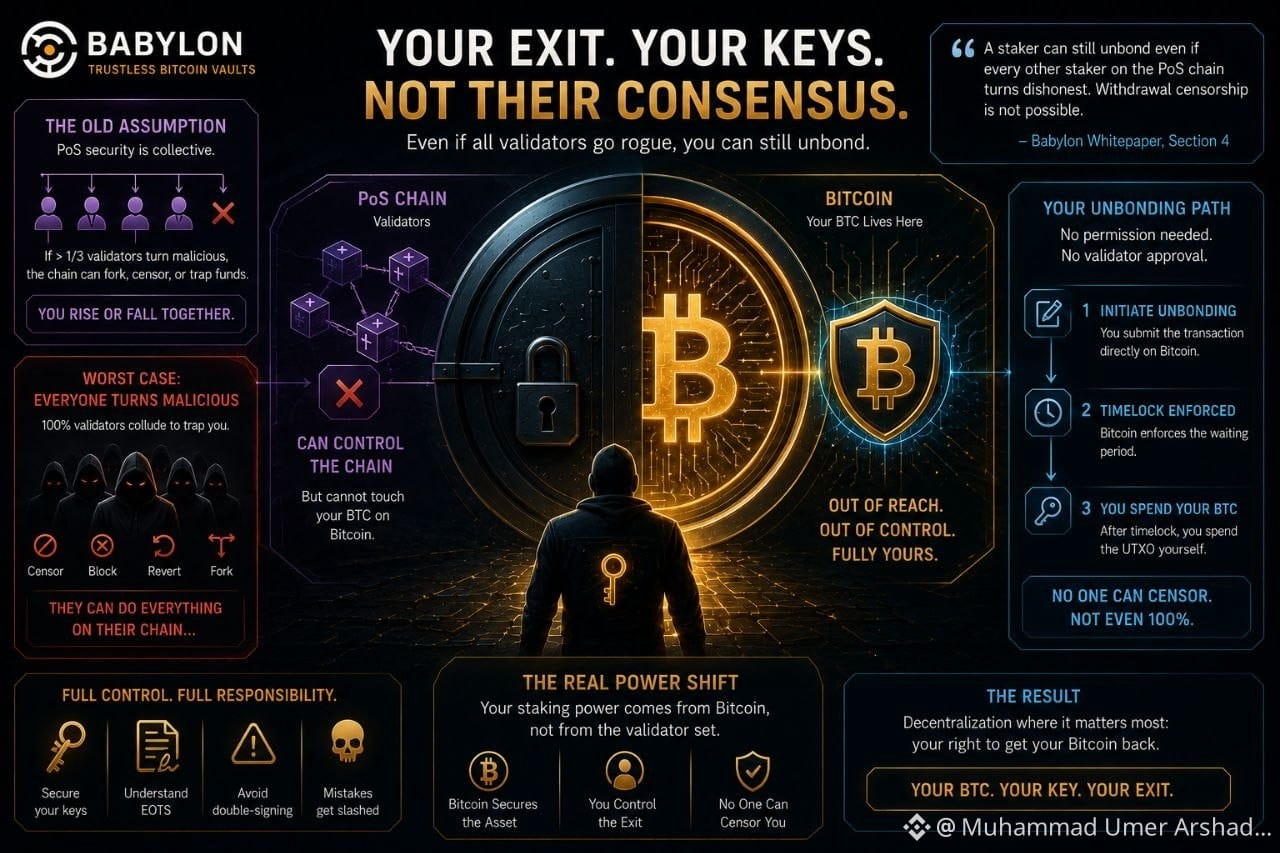
PoS təhlükəsizliyi ilə bağlı fərziyyəm həmişə kollektiv idi: təhlükəsizlik çoxluğun dürüst qalmasından asılıdır. Əgər bir üçüncü hissədən çox validator zərərli olarsa, zəncir parçalanır, stakerlər cərimələnir və ya birlikdə tələyə düşürülür; nəticələr isə hamıya təsir edir. Bu, stakingin necə işlədiyinə dair aşkar bir həqiqət kimi görünürdü—Babylonun whitepaperinin 4-cü bölməsindəki bir cümlə oxunu yarıda kəsənə qədər.
Mənə elə həmin ifadə ilişdi: “PoS zəncirindəki digər bütün stakerlər qeyri-dürüst olsa belə, staker yenə də unbond edə bilər. Çıxışın senzuraya alınması mümkün deyil.” İki dəfə oxuyun. “Əksər hallarda” demir; “mümkün deyil” deyir. Yəni hətta tamamilə pozulmuş validator qrupu, sizin çıxışınızı bloklamaqda yekdil olsa belə, BTC-nizi geri almağınızı dayandıra bilməz.
Bunun niyə işlədiyini anlamaq mənə bir az vaxt apardı. Fənd Babylonun PoS zəncirində etdiyində deyil—staking edilmiş aktivin əslində harada yaşadığındadır. Bu, PoS zəncirinin özündə deyil; Bitcoin üzərində yerləşir. Zərərli validator dəsti öz zəncirlərindəki hər bir tranzaksiyaya nəzarət edə bilər, amma Bitcoinin UTXO-larına heç bir təsir imkanları yoxdur. Unbond etmə prosesı birbaşa Bitcoin üzərində başlanır; PoS zəncirindən heç bir təsdiq tələb olunmur və istənilən məqamda ona ehtiyac yaranmır.
Bunu belə düşünün: kilidi elə bir vəziyyət kimi təsəvvür edin ki, ev sahibi kilid mexanizmini məhz Bitcoin-in üzərinə qaynaqla bərkidib və açarın yalnız sizdədir. Qonşularınız sizi içəridə saxlamaq üçün əlbir ola bilər, yenə də çıxıb gedəcəksiniz. Bu, kollektiv təhlükəsizliyin optimallaşdırılması deyil—fərdi stakerin gücünün əslində harada yerləşdiyini yenidən müəyyənləşdirməkdir; tamamilə qrup konsensusundan ayrı.
Amma güzəşt həqiqidir. Siz öz açarlarınız üçün məsuliyyət daşıyırsınız və EOTS-un əslində necə işlədiyini anlamalısınız. Açarnızı sızdırın və ya səhvən iki dəfə imza atın—cərimələnəcəksiniz, bundan asılı olmayaraq. Tam nəzarət, yanında tam məsuliyyət gətirir.
@babylonlabs_io #baby $BABY
PoS təhlükəsizliyi ilə bağlı fərziyyəm həmişə kollektiv idi: təhlükəsizlik çoxluğun dürüst qalmasından asılıdır. Əgər bir üçüncü hissədən çox validator zərərli olarsa, zəncir parçalanır, stakerlər cərimələnir və ya birlikdə tələyə düşürülür; nəticələr isə hamıya təsir edir. Bu, stakingin necə işlədiyinə dair aşkar bir həqiqət kimi görünürdü—Babylonun whitepaperinin 4-cü bölməsindəki bir cümlə oxunu yarıda kəsənə qədər.
Mənə elə həmin ifadə ilişdi: “PoS zəncirindəki digər bütün stakerlər qeyri-dürüst olsa belə, staker yenə də unbond edə bilər. Çıxışın senzuraya alınması mümkün deyil.” İki dəfə oxuyun. “Əksər hallarda” demir; “mümkün deyil” deyir. Yəni hətta tamamilə pozulmuş validator qrupu, sizin çıxışınızı bloklamaqda yekdil olsa belə, BTC-nizi geri almağınızı dayandıra bilməz.
Bunun niyə işlədiyini anlamaq mənə bir az vaxt apardı. Fənd Babylonun PoS zəncirində etdiyində deyil—staking edilmiş aktivin əslində harada yaşadığındadır. Bu, PoS zəncirinin özündə deyil; Bitcoin üzərində yerləşir. Zərərli validator dəsti öz zəncirlərindəki hər bir tranzaksiyaya nəzarət edə bilər, amma Bitcoinin UTXO-larına heç bir təsir imkanları yoxdur. Unbond etmə prosesı birbaşa Bitcoin üzərində başlanır; PoS zəncirindən heç bir təsdiq tələb olunmur və istənilən məqamda ona ehtiyac yaranmır.
Bunu belə düşünün: kilidi elə bir vəziyyət kimi təsəvvür edin ki, ev sahibi kilid mexanizmini məhz Bitcoin-in üzərinə qaynaqla bərkidib və açarın yalnız sizdədir. Qonşularınız sizi içəridə saxlamaq üçün əlbir ola bilər, yenə də çıxıb gedəcəksiniz. Bu, kollektiv təhlükəsizliyin optimallaşdırılması deyil—fərdi stakerin gücünün əslində harada yerləşdiyini yenidən müəyyənləşdirməkdir; tamamilə qrup konsensusundan ayrı.
Amma güzəşt həqiqidir. Siz öz açarlarınız üçün məsuliyyət daşıyırsınız və EOTS-un əslində necə işlədiyini anlamalısınız. Açarnızı sızdırın və ya səhvən iki dəfə imza atın—cərimələnəcəksiniz, bundan asılı olmayaraq. Tam nəzarət, yanında tam məsuliyyət gətirir.
@BabylonLabs_io #baby $BABY
Mənə elə həmin ifadə ilişdi: “PoS zəncirindəki digər bütün stakerlər qeyri-dürüst olsa belə, staker yenə də unbond edə bilər. Çıxışın senzuraya alınması mümkün deyil.” İki dəfə oxuyun. “Əksər hallarda” demir; “mümkün deyil” deyir. Yəni hətta tamamilə pozulmuş validator qrupu, sizin çıxışınızı bloklamaqda yekdil olsa belə, BTC-nizi geri almağınızı dayandıra bilməz.
Bunun niyə işlədiyini anlamaq mənə bir az vaxt apardı. Fənd Babylonun PoS zəncirində etdiyində deyil—staking edilmiş aktivin əslində harada yaşadığındadır. Bu, PoS zəncirinin özündə deyil; Bitcoin üzərində yerləşir. Zərərli validator dəsti öz zəncirlərindəki hər bir tranzaksiyaya nəzarət edə bilər, amma Bitcoinin UTXO-larına heç bir təsir imkanları yoxdur. Unbond etmə prosesı birbaşa Bitcoin üzərində başlanır; PoS zəncirindən heç bir təsdiq tələb olunmur və istənilən məqamda ona ehtiyac yaranmır.
Bunu belə düşünün: kilidi elə bir vəziyyət kimi təsəvvür edin ki, ev sahibi kilid mexanizmini məhz Bitcoin-in üzərinə qaynaqla bərkidib və açarın yalnız sizdədir. Qonşularınız sizi içəridə saxlamaq üçün əlbir ola bilər, yenə də çıxıb gedəcəksiniz. Bu, kollektiv təhlükəsizliyin optimallaşdırılması deyil—fərdi stakerin gücünün əslində harada yerləşdiyini yenidən müəyyənləşdirməkdir; tamamilə qrup konsensusundan ayrı.
Amma güzəşt həqiqidir. Siz öz açarlarınız üçün məsuliyyət daşıyırsınız və EOTS-un əslində necə işlədiyini anlamalısınız. Açarnızı sızdırın və ya səhvən iki dəfə imza atın—cərimələnəcəksiniz, bundan asılı olmayaraq. Tam nəzarət, yanında tam məsuliyyət gətirir.
@BabylonLabs_io #baby $BABY
7
2
85
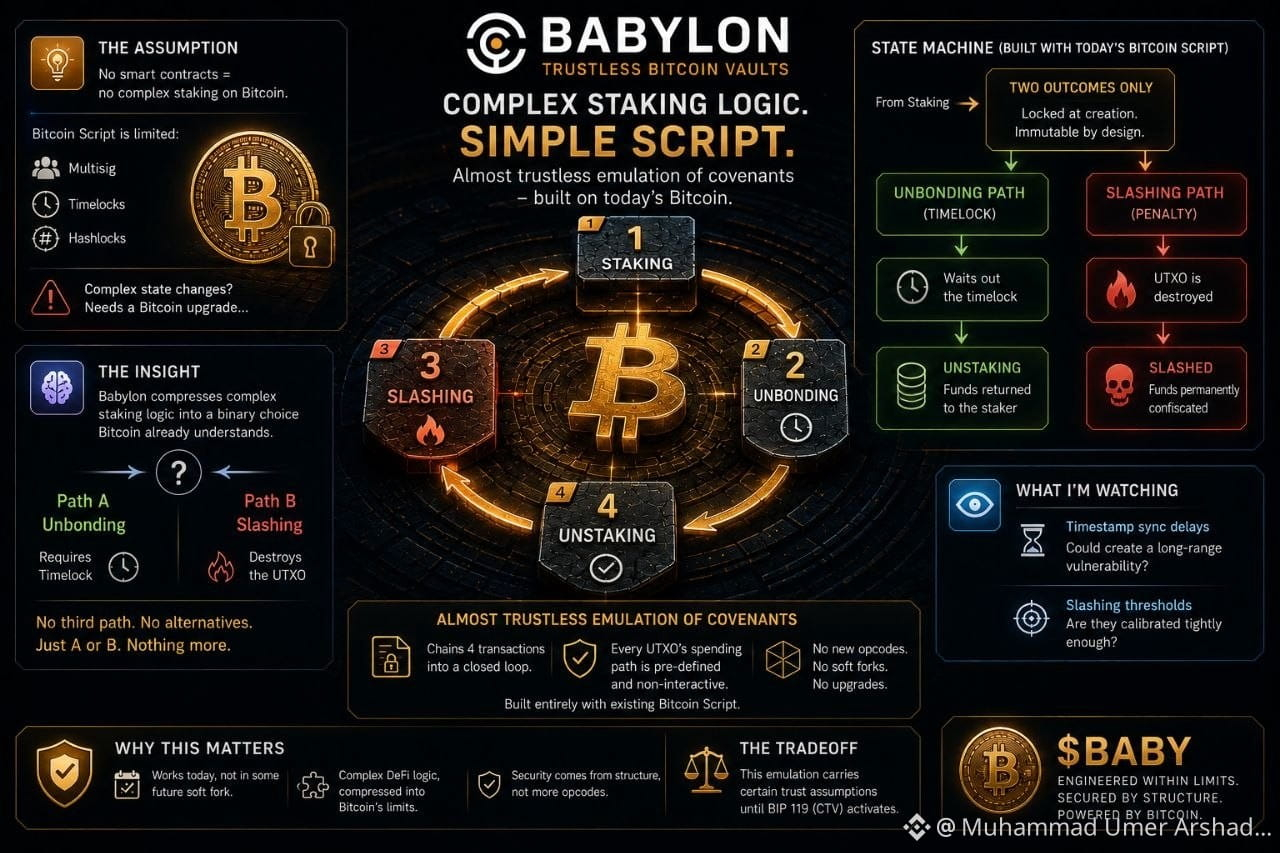
Yıllar boyunca varsayımım basitti: Akıllı sözleşme yoksa Bitcoin’de karma staking mantığı da yok. Bitcoin Script temel koşulları, multisig’i, timelock’ları, hashlock’ları yönetir—bu kadar. Bu yüzden Babylon’un stake etme, unbonding ve slashing durumları arasında geçiş yapabileceğini iddia ettiğinde ilk düşüncem, bunun çalışması için OP_CHECKTEMPLATEVERIFY gibi bir Bitcoin yükseltmesi gerekeceği oldu.
Sonra whitepaper’larının 7.1. Bölümünde, kendilerinin “kovenantların neredeyse tröstiz emülasyonu” dediği şeyi anlatan belirli bir cümleye rastladım. Bu ifade beni durdurdu ve durum makinesini gerçekten yeniden çizmeme neden oldu.
Meğerse Babylon, herhangi bir gelecekteki yükseltmeyi beklemiyor. Tamamen mevcut Bitcoin Script’in içinde çalışıyor; dört işlemi birbirine zincirleyerek staking, unbonding, slashing ve unstaking’i kapalı bir döngüye bağlıyor. Her bir UTXO’nun harcama yolu, tam olarak iki sonuca kilitli: timelock gerektiren unbonding veya onu doğrudan yok eden slashing. Başka bir şey mümkün değil. Üçüncü bir yol yok.
Bu, Bitcoin Script’in daha güçlü hâle gelmesi değil. Tersine, her kullanım senaryosunu Bitcoin’in sınırlı script yeteneklerinin hepsini kapsayacak kadar sıkıştırıyor. Buradaki asıl içgörü daha güçlü bir dil değil; dilin gerçek sınırları etrafında kurulan daha akıllı bir yapı. Karmaşık staking mantığı, Bitcoin’in zaten anlayabildiği ikili bir seçime indirgeniyor: yol A ya da yol B, başka bir şey değil.
Yine de takas konusunda dürüst olmakta fayda var. Bu emülasyon, BIP 119 gibi bir şey resmen devreye girene kadar belirli güven varsayımları taşıyor. Bu tasarımın canlı koşullarda, uzun süreli yıpratıcı/adversary baskı altında ayakta kalıp kalmayacağı ise hâlâ yakından izlediğim bir konu.
@babylonlabs_io #baby $BABY
Yıllar boyunca varsayımım basitti: Akıllı sözleşme yoksa Bitcoin’de karma staking mantığı da yok. Bitcoin Script temel koşulları, multisig’i, timelock’ları, hashlock’ları yönetir—bu kadar. Bu yüzden Babylon’un stake etme, unbonding ve slashing durumları arasında geçiş yapabileceğini iddia ettiğinde ilk düşüncem, bunun çalışması için OP_CHECKTEMPLATEVERIFY gibi bir Bitcoin yükseltmesi gerekeceği oldu.
Sonra whitepaper’larının 7.1. Bölümünde, kendilerinin “kovenantların neredeyse tröstiz emülasyonu” dediği şeyi anlatan belirli bir cümleye rastladım. Bu ifade beni durdurdu ve durum makinesini gerçekten yeniden çizmeme neden oldu.
Meğerse Babylon, herhangi bir gelecekteki yükseltmeyi beklemiyor. Tamamen mevcut Bitcoin Script’in içinde çalışıyor; dört işlemi birbirine zincirleyerek staking, unbonding, slashing ve unstaking’i kapalı bir döngüye bağlıyor. Her bir UTXO’nun harcama yolu, tam olarak iki sonuca kilitli: timelock gerektiren unbonding veya onu doğrudan yok eden slashing. Başka bir şey mümkün değil. Üçüncü bir yol yok.
Bu, Bitcoin Script’in daha güçlü hâle gelmesi değil. Tersine, her kullanım senaryosunu Bitcoin’in sınırlı script yeteneklerinin hepsini kapsayacak kadar sıkıştırıyor. Buradaki asıl içgörü daha güçlü bir dil değil; dilin gerçek sınırları etrafında kurulan daha akıllı bir yapı. Karmaşık staking mantığı, Bitcoin’in zaten anlayabildiği ikili bir seçime indirgeniyor: yol A ya da yol B, başka bir şey değil.
Yine de takas konusunda dürüst olmakta fayda var. Bu emülasyon, BIP 119 gibi bir şey resmen devreye girene kadar belirli güven varsayımları taşıyor. Bu tasarımın canlı koşullarda, uzun süreli yıpratıcı/adversary baskı altında ayakta kalıp kalmayacağı ise hâlâ yakından izlediğim bir konu.
@BabylonLabs_io #baby $BABY
Sonra whitepaper’larının 7.1. Bölümünde, kendilerinin “kovenantların neredeyse tröstiz emülasyonu” dediği şeyi anlatan belirli bir cümleye rastladım. Bu ifade beni durdurdu ve durum makinesini gerçekten yeniden çizmeme neden oldu.
Meğerse Babylon, herhangi bir gelecekteki yükseltmeyi beklemiyor. Tamamen mevcut Bitcoin Script’in içinde çalışıyor; dört işlemi birbirine zincirleyerek staking, unbonding, slashing ve unstaking’i kapalı bir döngüye bağlıyor. Her bir UTXO’nun harcama yolu, tam olarak iki sonuca kilitli: timelock gerektiren unbonding veya onu doğrudan yok eden slashing. Başka bir şey mümkün değil. Üçüncü bir yol yok.
Bu, Bitcoin Script’in daha güçlü hâle gelmesi değil. Tersine, her kullanım senaryosunu Bitcoin’in sınırlı script yeteneklerinin hepsini kapsayacak kadar sıkıştırıyor. Buradaki asıl içgörü daha güçlü bir dil değil; dilin gerçek sınırları etrafında kurulan daha akıllı bir yapı. Karmaşık staking mantığı, Bitcoin’in zaten anlayabildiği ikili bir seçime indirgeniyor: yol A ya da yol B, başka bir şey değil.
Yine de takas konusunda dürüst olmakta fayda var. Bu emülasyon, BIP 119 gibi bir şey resmen devreye girene kadar belirli güven varsayımları taşıyor. Bu tasarımın canlı koşullarda, uzun süreli yıpratıcı/adversary baskı altında ayakta kalıp kalmayacağı ise hâlâ yakından izlediğim bir konu.
@BabylonLabs_io #baby $BABY
6
4
102
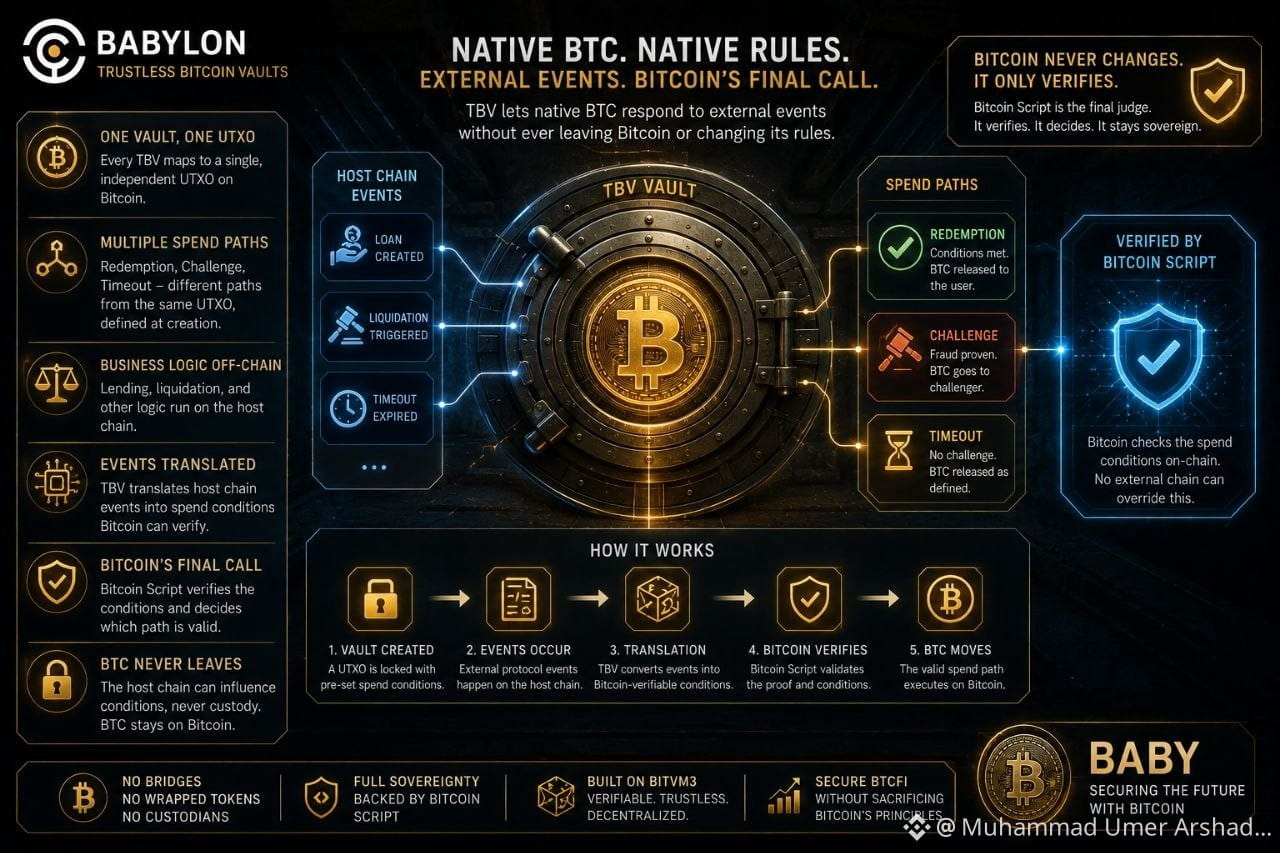
TBV-yə geri çəkilməyimi davam etdirən şey yeni bir BTCFi məhsulunun vədi deyildi; dizaynın nə qədərinin Bitkoinin özünün doğrulama qaydalarını dəyişməməsindən asılı olduğunu görmək idi. Bitkoin smart kontraktları icra etmir və hər hansı digər zəncir borcu və ya likvidasiyanı bitirdiyi üçün BTC-nin xərcləmə şərtlərini dəyişməyəcək. TBV-nin həll etdiyi əsas problem, bu sərhədi heç vaxt keçmədən, nativen BTC-nin kənardan doğrulanmış hadisələrə təhlükəsiz şəkildə reaksiya verməsinə imkan yaratmaqdır.
Bu dəfə whitepaper-in vault (anbar) diaqramlarını düzgün şəkildə yenidən gözdən keçirdim və hər yerdə eyni bir nümunə göründü. Hər bir vault eyni dərəcədə bir müstəqil UTXO-ya uyğun gəlir. Redemption (geri satınalma), Challenge (etiraz) və Timeout (vaxt aşımı) üç ayrı sistem deyil; hamısı həmin eyni UTXO-dan fərqli xərcləmə yollarıdır və vault yaradılan andan etibarən hamısı müəyyənləşir. Əsl biznes məntiqi host zəncirdə işləyir. TBV həmin host zəncir hadisələrini Bitcoin-in özünün sübut mexanizmi ilə yoxlaya biləcəyi xərcləmə şərtlərinə çevirir. Bundan sonra, yalnız Bitcoin script-i UTXO-nun ona ayrılmış yola uyğun gəlib-gəlmədiyini qərarlaşdırır. Heç bir məqamda host zənciri BTC-nin özünə nəzarət qazanmır; yalnız doğrulama şərtlərinə təsir edə bilər, aktivə yox.
O zaman “Trustless Bitcoin Vaults” ifadəsinin təkrarlanan vurğusu mənə nəhayət ki, aydın oldu. TBV BTC-ni yeni bir təhlükəsizlik modelinə köçürmür və Bitcoin-dən hər hansı xarici bir şeyə etibar etməsini istəmir. Bitcoin öz qaydaları ilə özünün son qərarını verməyə davam edir. Əvvəllər üçüncü tərəf mühakiməsinə bağlı olan şey indi protokol məntiqinə bağlıdır.
İrəli gedərkən, @babylonlabs_io və $BABY -i yaxından izləyirəm, amma növbəti tətbiq buraxılışı üçün deyil. Əslində uzunmüddətli önəmli olan budur: bu vault mexanizmi real stress altında necə dayanır—nəticədə, native BTC-nin təhlükəsiz şəkildə mürəkkəb on-çeyn sistemlərinə qoşula bildiyini, eyni zamanda Bitcoin-in öz qaydalarını heç vaxt bükmədiyini sübut edir.
#baby
TBV-yə geri çəkilməyimi davam etdirən şey yeni bir BTCFi məhsulunun vədi deyildi; dizaynın nə qədərinin Bitkoinin özünün doğrulama qaydalarını dəyişməməsindən asılı olduğunu görmək idi. Bitkoin smart kontraktları icra etmir və hər hansı digər zəncir borcu və ya likvidasiyanı bitirdiyi üçün BTC-nin xərcləmə şərtlərini dəyişməyəcək. TBV-nin həll etdiyi əsas problem, bu sərhədi heç vaxt keçmədən, nativen BTC-nin kənardan doğrulanmış hadisələrə təhlükəsiz şəkildə reaksiya verməsinə imkan yaratmaqdır.
Bu dəfə whitepaper-in vault (anbar) diaqramlarını düzgün şəkildə yenidən gözdən keçirdim və hər yerdə eyni bir nümunə göründü. Hər bir vault eyni dərəcədə bir müstəqil UTXO-ya uyğun gəlir. Redemption (geri satınalma), Challenge (etiraz) və Timeout (vaxt aşımı) üç ayrı sistem deyil; hamısı həmin eyni UTXO-dan fərqli xərcləmə yollarıdır və vault yaradılan andan etibarən hamısı müəyyənləşir. Əsl biznes məntiqi host zəncirdə işləyir. TBV həmin host zəncir hadisələrini Bitcoin-in özünün sübut mexanizmi ilə yoxlaya biləcəyi xərcləmə şərtlərinə çevirir. Bundan sonra, yalnız Bitcoin script-i UTXO-nun ona ayrılmış yola uyğun gəlib-gəlmədiyini qərarlaşdırır. Heç bir məqamda host zənciri BTC-nin özünə nəzarət qazanmır; yalnız doğrulama şərtlərinə təsir edə bilər, aktivə yox.
O zaman “Trustless Bitcoin Vaults” ifadəsinin təkrarlanan vurğusu mənə nəhayət ki, aydın oldu. TBV BTC-ni yeni bir təhlükəsizlik modelinə köçürmür və Bitcoin-dən hər hansı xarici bir şeyə etibar etməsini istəmir. Bitcoin öz qaydaları ilə özünün son qərarını verməyə davam edir. Əvvəllər üçüncü tərəf mühakiməsinə bağlı olan şey indi protokol məntiqinə bağlıdır.
İrəli gedərkən, @BabylonLabs_io və $BABY -i yaxından izləyirəm, amma növbəti tətbiq buraxılışı üçün deyil. Əslində uzunmüddətli önəmli olan budur: bu vault mexanizmi real stress altında necə dayanır—nəticədə, native BTC-nin təhlükəsiz şəkildə mürəkkəb on-çeyn sistemlərinə qoşula bildiyini, eyni zamanda Bitcoin-in öz qaydalarını heç vaxt bükmədiyini sübut edir.
#baby
Bu dəfə whitepaper-in vault (anbar) diaqramlarını düzgün şəkildə yenidən gözdən keçirdim və hər yerdə eyni bir nümunə göründü. Hər bir vault eyni dərəcədə bir müstəqil UTXO-ya uyğun gəlir. Redemption (geri satınalma), Challenge (etiraz) və Timeout (vaxt aşımı) üç ayrı sistem deyil; hamısı həmin eyni UTXO-dan fərqli xərcləmə yollarıdır və vault yaradılan andan etibarən hamısı müəyyənləşir. Əsl biznes məntiqi host zəncirdə işləyir. TBV həmin host zəncir hadisələrini Bitcoin-in özünün sübut mexanizmi ilə yoxlaya biləcəyi xərcləmə şərtlərinə çevirir. Bundan sonra, yalnız Bitcoin script-i UTXO-nun ona ayrılmış yola uyğun gəlib-gəlmədiyini qərarlaşdırır. Heç bir məqamda host zənciri BTC-nin özünə nəzarət qazanmır; yalnız doğrulama şərtlərinə təsir edə bilər, aktivə yox.
O zaman “Trustless Bitcoin Vaults” ifadəsinin təkrarlanan vurğusu mənə nəhayət ki, aydın oldu. TBV BTC-ni yeni bir təhlükəsizlik modelinə köçürmür və Bitcoin-dən hər hansı xarici bir şeyə etibar etməsini istəmir. Bitcoin öz qaydaları ilə özünün son qərarını verməyə davam edir. Əvvəllər üçüncü tərəf mühakiməsinə bağlı olan şey indi protokol məntiqinə bağlıdır.
İrəli gedərkən, @BabylonLabs_io və $BABY -i yaxından izləyirəm, amma növbəti tətbiq buraxılışı üçün deyil. Əslində uzunmüddətli önəmli olan budur: bu vault mexanizmi real stress altında necə dayanır—nəticədə, native BTC-nin təhlükəsiz şəkildə mürəkkəb on-çeyn sistemlərinə qoşula bildiyini, eyni zamanda Bitcoin-in öz qaydalarını heç vaxt bükmədiyini sübut edir.
#baby
9
5
117
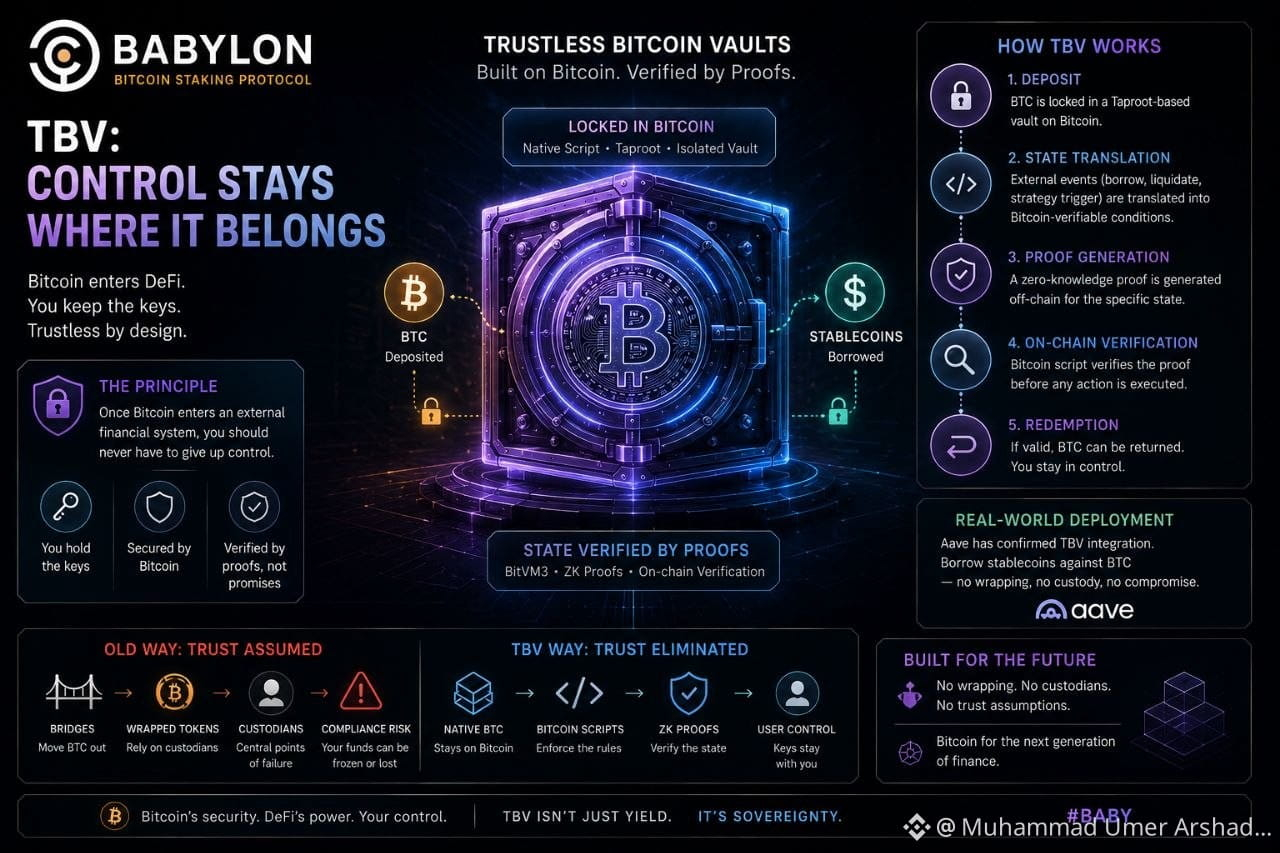
Keçən həftəsonu bir dostumla zəngdə idim, sadəcə hal-əhval tuturduq. O isə təsadüfi şəkildə dedi ki, @babylonlabs_io nömrəsindən Trustless Bitcoin Vaults-u oxuyurmuş. Mən bunu başqa bir gəlir (yield) məhsulu kimi qeydə aldım və söhbətə davam etdim. Bu həftə isə materialları düzgün şəkildə oxudum və ilk baxışım yanlışdır. Bu heç bir gəlir təklifi deyil.
TBV BTC-nin faiz/interest qazanmasını soruşmur. O, daha əsas bir şeyi soruşur: Bitcoin xarici maliyyə sisteminə daxil olduqdan sonra istifadəçi həqiqətən nəzarəti özündə saxlayırmı? Əvvəlki həllər körpülərə (bridges), wrapped token-lara və ya sizin adınıza vəziyyəti (state) sinxronlaşdıran kübar (custodian)lara söykənirdi. Daha çox funksionallıq, bəli, amma əlavə edilən hər funksiya üst-üstə başqa bir etibar (trust) fərziyyəsi də gətirirdi. TBV isə tamamilə fərqli yoldan gedir: BTC-ni Bitcoin-in öz skript və çıxış (output) strukturlarından istifadə edərək kilidləyir. Hər vault ayrıca təcrid olunub, heç nə birləşdirilmir.
Mənim ən çox anlamaqda çətinlik çəkdiyim hissə dövlətin (state) necə ötürüldüyü idi. Bitcoin-də ssudalanma (lending), likvidasiya (liquidation) və ya strategiya işə düşməsi üçün daxili anlayış yoxdur. Hər bir xarici hadisə Bitcoin skriptinin özünün yoxlaya bilməsi üçün nəyə isə çevrilməlidir. BitVM3 üzərində qurulan TBV hesablamanın çox hissəsini off-chain-ə köçürür və yalnız on-chain-də sıxlaşdırılmış (compressed) sübut nəticəsini yoxlayır. Geri qaytarma (redemption) hərəkət etməmişdən əvvəl yoxlanılan, konkret state hadisəsinə bağlı sıfır bilik (zero-knowledge) sübut tələb edir. Bu, həqiqəti gizlədən wrapped aktiv deyil.
Aave bu dəqiq mexanizmlə inteqrasiyanı artıq təsdiqləyib. İstifadəçilər BTC-yə qarşı stablecoin-ləri borclana bilərlər: bükmə (wrapping) yoxdur, açarların təhvil verilməsi yoxdur. Hal-hazırda ən aydın real dünya tətbiqi budur. Bunu daha böyük miqyasda genişləndirmək üçün səmərəlilik və təhlükəsizlik tərəfdən diqqətlə izləmək yenə də lazımdır, amma istiqamət doğrudur: BTC-nin mürəkkəb istifadə hallarına keçməsi, əvvəldən ehtiyac duymadığı etibarı miras almaq demək olmamalıdır.
#baby $BABY
Keçən həftəsonu bir dostumla zəngdə idim, sadəcə hal-əhval tuturduq. O isə təsadüfi şəkildə dedi ki, @BabylonLabs_io nömrəsindən Trustless Bitcoin Vaults-u oxuyurmuş. Mən bunu başqa bir gəlir (yield) məhsulu kimi qeydə aldım və söhbətə davam etdim. Bu həftə isə materialları düzgün şəkildə oxudum və ilk baxışım yanlışdır. Bu heç bir gəlir təklifi deyil.
TBV BTC-nin faiz/interest qazanmasını soruşmur. O, daha əsas bir şeyi soruşur: Bitcoin xarici maliyyə sisteminə daxil olduqdan sonra istifadəçi həqiqətən nəzarəti özündə saxlayırmı? Əvvəlki həllər körpülərə (bridges), wrapped token-lara və ya sizin adınıza vəziyyəti (state) sinxronlaşdıran kübar (custodian)lara söykənirdi. Daha çox funksionallıq, bəli, amma əlavə edilən hər funksiya üst-üstə başqa bir etibar (trust) fərziyyəsi də gətirirdi. TBV isə tamamilə fərqli yoldan gedir: BTC-ni Bitcoin-in öz skript və çıxış (output) strukturlarından istifadə edərək kilidləyir. Hər vault ayrıca təcrid olunub, heç nə birləşdirilmir.
Mənim ən çox anlamaqda çətinlik çəkdiyim hissə dövlətin (state) necə ötürüldüyü idi. Bitcoin-də ssudalanma (lending), likvidasiya (liquidation) və ya strategiya işə düşməsi üçün daxili anlayış yoxdur. Hər bir xarici hadisə Bitcoin skriptinin özünün yoxlaya bilməsi üçün nəyə isə çevrilməlidir. BitVM3 üzərində qurulan TBV hesablamanın çox hissəsini off-chain-ə köçürür və yalnız on-chain-də sıxlaşdırılmış (compressed) sübut nəticəsini yoxlayır. Geri qaytarma (redemption) hərəkət etməmişdən əvvəl yoxlanılan, konkret state hadisəsinə bağlı sıfır bilik (zero-knowledge) sübut tələb edir. Bu, həqiqəti gizlədən wrapped aktiv deyil.
Aave bu dəqiq mexanizmlə inteqrasiyanı artıq təsdiqləyib. İstifadəçilər BTC-yə qarşı stablecoin-ləri borclana bilərlər: bükmə (wrapping) yoxdur, açarların təhvil verilməsi yoxdur. Hal-hazırda ən aydın real dünya tətbiqi budur. Bunu daha böyük miqyasda genişləndirmək üçün səmərəlilik və təhlükəsizlik tərəfdən diqqətlə izləmək yenə də lazımdır, amma istiqamət doğrudur: BTC-nin mürəkkəb istifadə hallarına keçməsi, əvvəldən ehtiyac duymadığı etibarı miras almaq demək olmamalıdır.
#baby $BABY
TBV BTC-nin faiz/interest qazanmasını soruşmur. O, daha əsas bir şeyi soruşur: Bitcoin xarici maliyyə sisteminə daxil olduqdan sonra istifadəçi həqiqətən nəzarəti özündə saxlayırmı? Əvvəlki həllər körpülərə (bridges), wrapped token-lara və ya sizin adınıza vəziyyəti (state) sinxronlaşdıran kübar (custodian)lara söykənirdi. Daha çox funksionallıq, bəli, amma əlavə edilən hər funksiya üst-üstə başqa bir etibar (trust) fərziyyəsi də gətirirdi. TBV isə tamamilə fərqli yoldan gedir: BTC-ni Bitcoin-in öz skript və çıxış (output) strukturlarından istifadə edərək kilidləyir. Hər vault ayrıca təcrid olunub, heç nə birləşdirilmir.
Mənim ən çox anlamaqda çətinlik çəkdiyim hissə dövlətin (state) necə ötürüldüyü idi. Bitcoin-də ssudalanma (lending), likvidasiya (liquidation) və ya strategiya işə düşməsi üçün daxili anlayış yoxdur. Hər bir xarici hadisə Bitcoin skriptinin özünün yoxlaya bilməsi üçün nəyə isə çevrilməlidir. BitVM3 üzərində qurulan TBV hesablamanın çox hissəsini off-chain-ə köçürür və yalnız on-chain-də sıxlaşdırılmış (compressed) sübut nəticəsini yoxlayır. Geri qaytarma (redemption) hərəkət etməmişdən əvvəl yoxlanılan, konkret state hadisəsinə bağlı sıfır bilik (zero-knowledge) sübut tələb edir. Bu, həqiqəti gizlədən wrapped aktiv deyil.
Aave bu dəqiq mexanizmlə inteqrasiyanı artıq təsdiqləyib. İstifadəçilər BTC-yə qarşı stablecoin-ləri borclana bilərlər: bükmə (wrapping) yoxdur, açarların təhvil verilməsi yoxdur. Hal-hazırda ən aydın real dünya tətbiqi budur. Bunu daha böyük miqyasda genişləndirmək üçün səmərəlilik və təhlükəsizlik tərəfdən diqqətlə izləmək yenə də lazımdır, amma istiqamət doğrudur: BTC-nin mürəkkəb istifadə hallarına keçməsi, əvvəldən ehtiyac duymadığı etibarı miras almaq demək olmamalıdır.
#baby $BABY
1
2
129
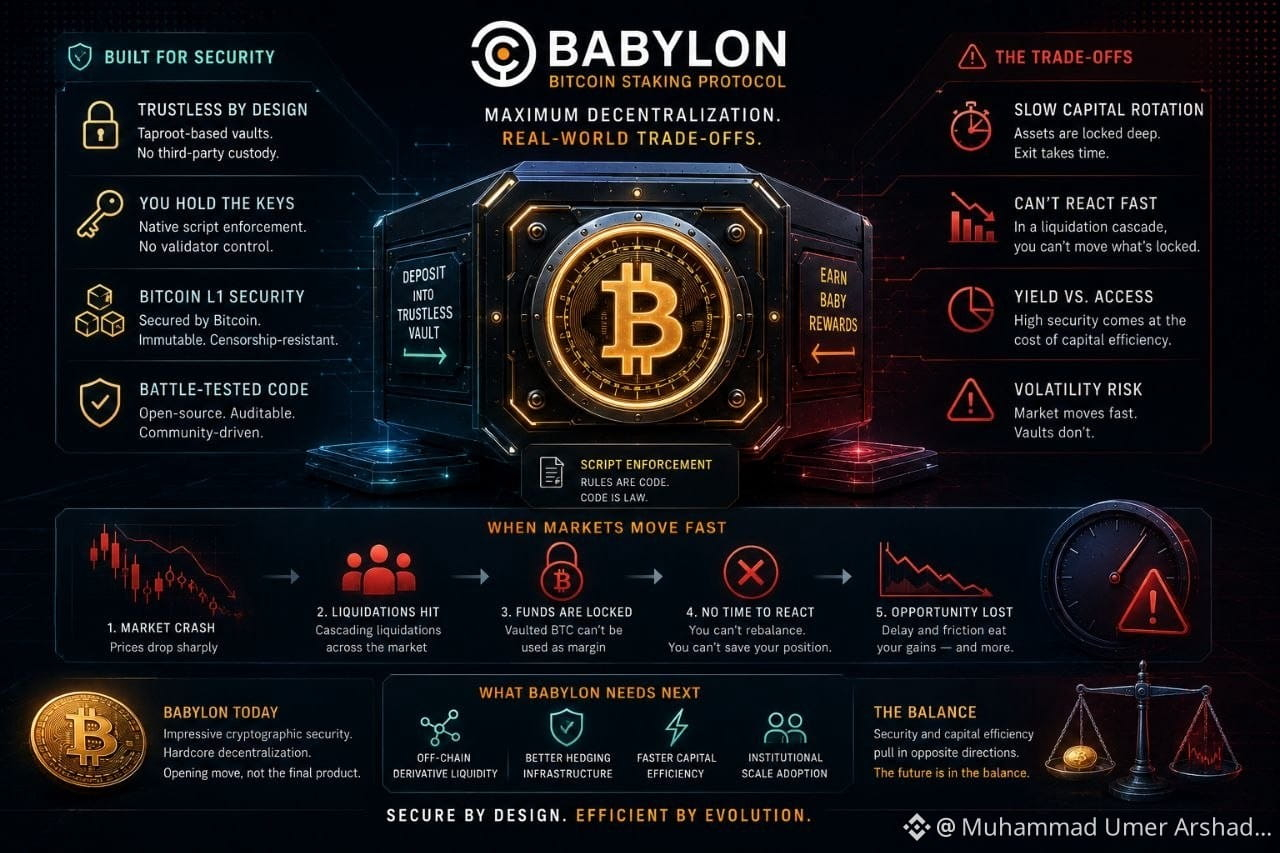
On il ərzində spot-perp arbitrajı ilə qaçmaq sənə bir şeyi öyrədir: soyuq saxlamada hərəkətsiz qalan BTC boşa çıxmış kapital kimi hiss olunur, amma cross-chain mapinq vasitəsilə gəlir ardınca qaçmaq çox adama bütün mövqelərini itirdib. Mən körpülərin (bridges) boşaldıldığını və multisig qurğularının bir gecəyə yoxa çıxdığını izləmişəm. Ona görə də nəhayət @babylonlabs_io üzərində ciddi şəkildə oturub araşdırmağa başlayanda şübhə ilə girdim. Tapdığım şey — dezentralizasiyaya həqiqətən sərt, qısayolsuz yanaşma idi. Mənim öz ticarət modellərimdən keçirdikdə isə gördüm ki, bu cür təhlükəsizlik real bir xərc bahasına gəlir.
Taproot-a əsaslanan trustless (üçüncü tərəfsiz) vault-a depozit qoymaq üçüncü tərəf qəyyumluğunu tamamilə aradan qaldırır. Heç bir validator açarlarını saxlamır, hər şey native script icrası üzərində işləyir. Bu hissə möhkəmdir. Amma bu həftə onu həddindən artıq volatillik ssenariləri ilə stress-test edəndə fərq tez üzə çıxdı. Bu dərəcədə dərin kilidləmə aktivlərin rotasiya sürətini qurban verir və marjanı aktiv şəkildə idarə edənlər üçün bu boşluq önəmlidir.
Təsəvvür et: gecə vaxtı kəskin likvidasiya kaskadı baş verir. Bu qədər sıx izolyasiya edilən aktivləri fövqəladə marjan kimi istifadə etmək üçün kifayət qədər tez çıxarmaq mümkün olmur. Bəlli olur ki, balansında vəsait var, amma əslində yenidən balanslamağa ehtiyac olanda onlara toxuna bilmirsən. Bu gecikmə və yaratdığı sürtünmə stakingin əvvəlcə verdiyi istənilən yield-i sakitcə silə bilər.
Buradakı kriptoqrafik təhlükəsizlik həqiqətən təsir edicidir, buna söz yoxdur. Amma canlı bazarlarda təhlükəsizlik və kapital səmərəliliyi əks istiqamətlərdə işləyir. $BABY-in ekosistemi miqyasda real institusional kapitalı açmaq üçün təkcə müdafiə kifayət deyil. Qarşı tərəf hedcləməni düzgün idarə etmək üçün uyğun olan off-chain törəmə (derivative) likvidlik də olmalıdır. Hazırkı vəziyyət bu, yekun məhsul deyil, sadəcə ilkin addım kimi görünür.
#baby $BABY
On il ərzində spot-perp arbitrajı ilə qaçmaq sənə bir şeyi öyrədir: soyuq saxlamada hərəkətsiz qalan BTC boşa çıxmış kapital kimi hiss olunur, amma cross-chain mapinq vasitəsilə gəlir ardınca qaçmaq çox adama bütün mövqelərini itirdib. Mən körpülərin (bridges) boşaldıldığını və multisig qurğularının bir gecəyə yoxa çıxdığını izləmişəm. Ona görə də nəhayət @BabylonLabs_io üzərində ciddi şəkildə oturub araşdırmağa başlayanda şübhə ilə girdim. Tapdığım şey — dezentralizasiyaya həqiqətən sərt, qısayolsuz yanaşma idi. Mənim öz ticarət modellərimdən keçirdikdə isə gördüm ki, bu cür təhlükəsizlik real bir xərc bahasına gəlir.
Taproot-a əsaslanan trustless (üçüncü tərəfsiz) vault-a depozit qoymaq üçüncü tərəf qəyyumluğunu tamamilə aradan qaldırır. Heç bir validator açarlarını saxlamır, hər şey native script icrası üzərində işləyir. Bu hissə möhkəmdir. Amma bu həftə onu həddindən artıq volatillik ssenariləri ilə stress-test edəndə fərq tez üzə çıxdı. Bu dərəcədə dərin kilidləmə aktivlərin rotasiya sürətini qurban verir və marjanı aktiv şəkildə idarə edənlər üçün bu boşluq önəmlidir.
Təsəvvür et: gecə vaxtı kəskin likvidasiya kaskadı baş verir. Bu qədər sıx izolyasiya edilən aktivləri fövqəladə marjan kimi istifadə etmək üçün kifayət qədər tez çıxarmaq mümkün olmur. Bəlli olur ki, balansında vəsait var, amma əslində yenidən balanslamağa ehtiyac olanda onlara toxuna bilmirsən. Bu gecikmə və yaratdığı sürtünmə stakingin əvvəlcə verdiyi istənilən yield-i sakitcə silə bilər.
Buradakı kriptoqrafik təhlükəsizlik həqiqətən təsir edicidir, buna söz yoxdur. Amma canlı bazarlarda təhlükəsizlik və kapital səmərəliliyi əks istiqamətlərdə işləyir. $BABY -in ekosistemi miqyasda real institusional kapitalı açmaq üçün təkcə müdafiə kifayət deyil. Qarşı tərəf hedcləməni düzgün idarə etmək üçün uyğun olan off-chain törəmə (derivative) likvidlik də olmalıdır. Hazırkı vəziyyət bu, yekun məhsul deyil, sadəcə ilkin addım kimi görünür.
#baby $BABY
Taproot-a əsaslanan trustless (üçüncü tərəfsiz) vault-a depozit qoymaq üçüncü tərəf qəyyumluğunu tamamilə aradan qaldırır. Heç bir validator açarlarını saxlamır, hər şey native script icrası üzərində işləyir. Bu hissə möhkəmdir. Amma bu həftə onu həddindən artıq volatillik ssenariləri ilə stress-test edəndə fərq tez üzə çıxdı. Bu dərəcədə dərin kilidləmə aktivlərin rotasiya sürətini qurban verir və marjanı aktiv şəkildə idarə edənlər üçün bu boşluq önəmlidir.
Təsəvvür et: gecə vaxtı kəskin likvidasiya kaskadı baş verir. Bu qədər sıx izolyasiya edilən aktivləri fövqəladə marjan kimi istifadə etmək üçün kifayət qədər tez çıxarmaq mümkün olmur. Bəlli olur ki, balansında vəsait var, amma əslində yenidən balanslamağa ehtiyac olanda onlara toxuna bilmirsən. Bu gecikmə və yaratdığı sürtünmə stakingin əvvəlcə verdiyi istənilən yield-i sakitcə silə bilər.
Buradakı kriptoqrafik təhlükəsizlik həqiqətən təsir edicidir, buna söz yoxdur. Amma canlı bazarlarda təhlükəsizlik və kapital səmərəliliyi əks istiqamətlərdə işləyir. $BABY -in ekosistemi miqyasda real institusional kapitalı açmaq üçün təkcə müdafiə kifayət deyil. Qarşı tərəf hedcləməni düzgün idarə etmək üçün uyğun olan off-chain törəmə (derivative) likvidlik də olmalıdır. Hazırkı vəziyyət bu, yekun məhsul deyil, sadəcə ilkin addım kimi görünür.
#baby $BABY
8
1
74
Binance-a 9 illik yubileyiniz mübarək! 🎉🕯️
0-dan 9 il ərzində tam leqendə çevrilmək... hansı səyahətdir! Bu tort mənim bütün fürsətlər, innovasiyalar və enerjilər üçün təşəkkür etməyimin kiçik bir yoludur.
Gəlin 10-cu ildə və sonrasında də birlikdə qurmağa davam edək!
Kimlər də qeyd edir? Binance komandasındansınızsa 💛 atın!
#BinanceTurns9 #BinanceSquareTG
Binance-a 9 illik yubileyiniz mübarək! 🎉🕯️
0-dan 9 il ərzində tam leqendə çevrilmək... hansı səyahətdir! Bu tort mənim bütün fürsətlər, innovasiyalar və enerjilər üçün təşəkkür etməyimin kiçik bir yoludur.
Gəlin 10-cu ildə və sonrasında də birlikdə qurmağa davam edək!
Kimlər də qeyd edir? Binance komandasındansınızsa 💛 atın!
#BinanceTurns9 #BinanceSquareTG
0-dan 9 il ərzində tam leqendə çevrilmək... hansı səyahətdir! Bu tort mənim bütün fürsətlər, innovasiyalar və enerjilər üçün təşəkkür etməyimin kiçik bir yoludur.
Gəlin 10-cu ildə və sonrasında də birlikdə qurmağa davam edək!
Kimlər də qeyd edir? Binance komandasındansınızsa 💛 atın!
#BinanceTurns9 #BinanceSquareTG

3
93
Qismən doğrudur
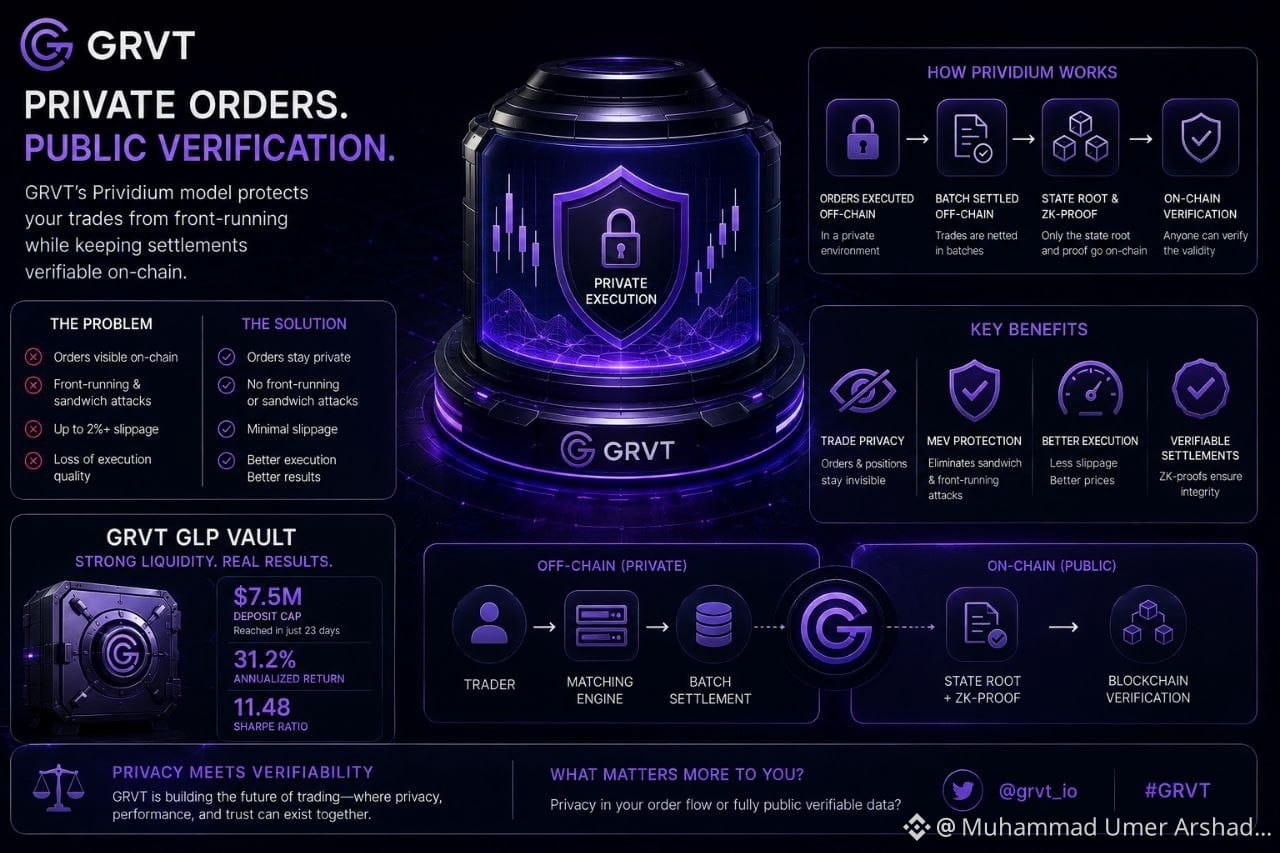
Keçən həftə ictimai order book-da ilişib qaldım, bir ticarətdə slippage səbəbilə təxminən 2%-ə yaxın itirdim. Məni həqiqətən GRVT-nin Prividium quruluşunu araşdırmağa vadar edən də elə bu oldu—sadəcə marketinq səhifəsinə baxmaq yox.
Model adi DEX fərziyyəsini tərsinə çevirir. Hər kəsin görə bildiyi və səni front-run edə bildiyi kimi bütün orderləri on-çeynə yaymaq əvəzinə, icra off-çeyn özəl mühitdə baş verir. Zəncirdə görünən yalnız state root və batch-in düzgün yekunlaşdığını təsdiqləyən sıfır bilik (zk) sübutudur. Mövqelərin və order detalların görünməz qalır; bu da sandwich botların və front-runer-ların güvəndiyi hücum səthinin böyük hissəsini kəsir. İdentifikasiya yoxlamaları və ticarətə aid olmayan məlumatlar da settlement ilə eyni boruya yığılmır—ayrıca saxlanılır.
Diqqətimi çəkən əsas məqam likvidlik rəqəmləri oldu. GRVT-nin GLP vault-ı 23 günə $7.5 milyonluq depozit limitinə çatdı; illikləşdirilmiş 31.2% gəlir gətirirdi və 11.48 Sharpe əmsalı vardı. Bu Sharpe rəqəmini iki dəfə yoxladım, çünki olduqca yüksəkdir, amma müxtəlif mənbələrdə də təsdiqləndi.
Amma keçidə—faydası və güzəştə—düz danışmağa dəyər. Məxfilik arxitekturası off-çeyn məlumatın operatorun əlində olmasını nəzərdə tutur. Tamamilə ictimai zəncirdə olduğu kimi hər ticarəti müstəqil şəkildə çıxarıb yoxlaya bilmirsiniz. Güvən operatorun qaydalara uyğun işləməsinə və zk-sübut sisteminin özünü doğrultmasına doğru sürüşür; bu, xamməl on-çeyn şəffaflığına əsaslanan güvəndən fərqli bir güvən növüdür.
GRVT-nin həqiqətən üzərində işlədiyi təkcə daha sürətli icra deyil. Bu, ictimai yoxlanıla bilərliklə ticarət məxfiliyi arasındakı sərhədin harada oturduğunu müəyyənləşdirmək və hər ikisinin bir-birini zəiflətmədən yanaşı mövcud olub-olmamasıdır.
Sizin üçün hansının önəmi daha çoxdur: order axınınızda məxfilik, yoxsa tam ictimai yoxlanıla bilən məlumat? İnsanların nə düşündüyünü bilmək istərdim.
@grvt_io #grvt $ARX $LAB
Keçən həftə ictimai order book-da ilişib qaldım, bir ticarətdə slippage səbəbilə təxminən 2%-ə yaxın itirdim. Məni həqiqətən GRVT-nin Prividium quruluşunu araşdırmağa vadar edən də elə bu oldu—sadəcə marketinq səhifəsinə baxmaq yox.
Model adi DEX fərziyyəsini tərsinə çevirir. Hər kəsin görə bildiyi və səni front-run edə bildiyi kimi bütün orderləri on-çeynə yaymaq əvəzinə, icra off-çeyn özəl mühitdə baş verir. Zəncirdə görünən yalnız state root və batch-in düzgün yekunlaşdığını təsdiqləyən sıfır bilik (zk) sübutudur. Mövqelərin və order detalların görünməz qalır; bu da sandwich botların və front-runer-ların güvəndiyi hücum səthinin böyük hissəsini kəsir. İdentifikasiya yoxlamaları və ticarətə aid olmayan məlumatlar da settlement ilə eyni boruya yığılmır—ayrıca saxlanılır.
Diqqətimi çəkən əsas məqam likvidlik rəqəmləri oldu. GRVT-nin GLP vault-ı 23 günə $7.5 milyonluq depozit limitinə çatdı; illikləşdirilmiş 31.2% gəlir gətirirdi və 11.48 Sharpe əmsalı vardı. Bu Sharpe rəqəmini iki dəfə yoxladım, çünki olduqca yüksəkdir, amma müxtəlif mənbələrdə də təsdiqləndi.
Amma keçidə—faydası və güzəştə—düz danışmağa dəyər. Məxfilik arxitekturası off-çeyn məlumatın operatorun əlində olmasını nəzərdə tutur. Tamamilə ictimai zəncirdə olduğu kimi hər ticarəti müstəqil şəkildə çıxarıb yoxlaya bilmirsiniz. Güvən operatorun qaydalara uyğun işləməsinə və zk-sübut sisteminin özünü doğrultmasına doğru sürüşür; bu, xamməl on-çeyn şəffaflığına əsaslanan güvəndən fərqli bir güvən növüdür.
GRVT-nin həqiqətən üzərində işlədiyi təkcə daha sürətli icra deyil. Bu, ictimai yoxlanıla bilərliklə ticarət məxfiliyi arasındakı sərhədin harada oturduğunu müəyyənləşdirmək və hər ikisinin bir-birini zəiflətmədən yanaşı mövcud olub-olmamasıdır.
Sizin üçün hansının önəmi daha çoxdur: order axınınızda məxfilik, yoxsa tam ictimai yoxlanıla bilən məlumat? İnsanların nə düşündüyünü bilmək istərdim.
@grvt_io #grvt $ARX $LAB
Model adi DEX fərziyyəsini tərsinə çevirir. Hər kəsin görə bildiyi və səni front-run edə bildiyi kimi bütün orderləri on-çeynə yaymaq əvəzinə, icra off-çeyn özəl mühitdə baş verir. Zəncirdə görünən yalnız state root və batch-in düzgün yekunlaşdığını təsdiqləyən sıfır bilik (zk) sübutudur. Mövqelərin və order detalların görünməz qalır; bu da sandwich botların və front-runer-ların güvəndiyi hücum səthinin böyük hissəsini kəsir. İdentifikasiya yoxlamaları və ticarətə aid olmayan məlumatlar da settlement ilə eyni boruya yığılmır—ayrıca saxlanılır.
Diqqətimi çəkən əsas məqam likvidlik rəqəmləri oldu. GRVT-nin GLP vault-ı 23 günə $7.5 milyonluq depozit limitinə çatdı; illikləşdirilmiş 31.2% gəlir gətirirdi və 11.48 Sharpe əmsalı vardı. Bu Sharpe rəqəmini iki dəfə yoxladım, çünki olduqca yüksəkdir, amma müxtəlif mənbələrdə də təsdiqləndi.
Amma keçidə—faydası və güzəştə—düz danışmağa dəyər. Məxfilik arxitekturası off-çeyn məlumatın operatorun əlində olmasını nəzərdə tutur. Tamamilə ictimai zəncirdə olduğu kimi hər ticarəti müstəqil şəkildə çıxarıb yoxlaya bilmirsiniz. Güvən operatorun qaydalara uyğun işləməsinə və zk-sübut sisteminin özünü doğrultmasına doğru sürüşür; bu, xamməl on-çeyn şəffaflığına əsaslanan güvəndən fərqli bir güvən növüdür.
GRVT-nin həqiqətən üzərində işlədiyi təkcə daha sürətli icra deyil. Bu, ictimai yoxlanıla bilərliklə ticarət məxfiliyi arasındakı sərhədin harada oturduğunu müəyyənləşdirmək və hər ikisinin bir-birini zəiflətmədən yanaşı mövcud olub-olmamasıdır.
Sizin üçün hansının önəmi daha çoxdur: order axınınızda məxfilik, yoxsa tam ictimai yoxlanıla bilən məlumat? İnsanların nə düşündüyünü bilmək istərdim.
@grvt_io #grvt $ARX $LAB
38
1
14
757
Doğrulanıb
GRVT-nin API qurulumunda məndə ilk növbədə diqqət çəkən detal var—order-book dərinliyi və ya icra sürətindən daha çox: açarın əslində nə etməyə icazə verildiyi sərhədi nə qədər dəqiq çəkir.
GRVT-də API açarı yaradan zaman ona Trade (Ticarət) icazəsini açıq şəkildə verməlisiniz və həmin açar onların sənədlərində sub_account_id kimi izlənən tək bir Trading Account-a (Ticarət Hesabına) məhdudlaşdırılıb. Sifariş vermək üçün yenə də Ethereum-un şəxsi açarınızdan ayrıca EIP-712 imzası tələb olunur. İki müxtəlif açar, iki müxtəlif iş.
Praktik olaraq bu o deməkdir ki, API açarı ilə işləyən avtomatlaşdırılmış strategiya ticarət edə bilər, amma çıxarış (withdrawal) və ya aktiv köçürməsi üçün heç bir yol yoxdur. Bu ayrımın ənənəvi kvant qurulumlarında da çox önəmli olduğunu görmüşəm—icra qatı ilə kapital qatı heç vaxt eyni sistem olmur. İcra qatı sıradan çıxsa və ya bir açar sızsa belə, zərər orada nəzarətdə qalır. GRVT də həmin sərhədi on-çeyn (on-chain) üzərində tətbiq edir.
Bu, onların ümumilikdə strukturlaşdırılmış Hybrid Exchange-i ilə də üst-üstə düşür. Of-çeyn uyğunlaşdırma (off-chain matching) sürəti həll edir, yəni sifariş yerləşdirmə mərkəzləşdirilmiş-birja gecikməsinə yaxınlaşa bilir. On-çeyn settlement isə real vəziyyət dəyişikliklərini (state changes) idarə edir, yəni ticarət sadəcə kimsənin daxili verilənlər bazasındakı bir sətir deyil. İcazələri bu qədər incə bölmək hər iki tərəfin daim bir-biri ilə güzəştə getmədən işləməsinə imkan verir.
GRVT-nin sanki hədəflədiyi şey, sadəcə başqa bir perp (fyuçers) platforması deyil. Daha ciddi kapital on-çeyn üzərində fəaliyyətə başlaydıqca, vəsaitləri kimlərin necə hərəkət etdirə bildiyi—dəqiq hansı şərtlərlə—məsələsində yenidən düşünülmüş yanaşmadır.
Bütün bunlar dizayn baxımından yeni başlayanlar üçün uyğun deyil. Və icazə arxitekturası kağız üzərində səliqəli görünür; real sınaq isə yüksək tezlikli strategiyalar sistemə prodakşnda (production) təzyiq edəndə onun ayaqda qalma-yaxın olmamasıdır.
@grvt_io #grvt $ARX $BILL
GRVT-nin API qurulumunda məndə ilk növbədə diqqət çəkən detal var—order-book dərinliyi və ya icra sürətindən daha çox: açarın əslində nə etməyə icazə verildiyi sərhədi nə qədər dəqiq çəkir.
GRVT-də API açarı yaradan zaman ona Trade (Ticarət) icazəsini açıq şəkildə verməlisiniz və həmin açar onların sənədlərində sub_account_id kimi izlənən tək bir Trading Account-a (Ticarət Hesabına) məhdudlaşdırılıb. Sifariş vermək üçün yenə də Ethereum-un şəxsi açarınızdan ayrıca EIP-712 imzası tələb olunur. İki müxtəlif açar, iki müxtəlif iş.
Praktik olaraq bu o deməkdir ki, API açarı ilə işləyən avtomatlaşdırılmış strategiya ticarət edə bilər, amma çıxarış (withdrawal) və ya aktiv köçürməsi üçün heç bir yol yoxdur. Bu ayrımın ənənəvi kvant qurulumlarında da çox önəmli olduğunu görmüşəm—icra qatı ilə kapital qatı heç vaxt eyni sistem olmur. İcra qatı sıradan çıxsa və ya bir açar sızsa belə, zərər orada nəzarətdə qalır. GRVT də həmin sərhədi on-çeyn (on-chain) üzərində tətbiq edir.
Bu, onların ümumilikdə strukturlaşdırılmış Hybrid Exchange-i ilə də üst-üstə düşür. Of-çeyn uyğunlaşdırma (off-chain matching) sürəti həll edir, yəni sifariş yerləşdirmə mərkəzləşdirilmiş-birja gecikməsinə yaxınlaşa bilir. On-çeyn settlement isə real vəziyyət dəyişikliklərini (state changes) idarə edir, yəni ticarət sadəcə kimsənin daxili verilənlər bazasındakı bir sətir deyil. İcazələri bu qədər incə bölmək hər iki tərəfin daim bir-biri ilə güzəştə getmədən işləməsinə imkan verir.
GRVT-nin sanki hədəflədiyi şey, sadəcə başqa bir perp (fyuçers) platforması deyil. Daha ciddi kapital on-çeyn üzərində fəaliyyətə başlaydıqca, vəsaitləri kimlərin necə hərəkət etdirə bildiyi—dəqiq hansı şərtlərlə—məsələsində yenidən düşünülmüş yanaşmadır.
Bütün bunlar dizayn baxımından yeni başlayanlar üçün uyğun deyil. Və icazə arxitekturası kağız üzərində səliqəli görünür; real sınaq isə yüksək tezlikli strategiyalar sistemə prodakşnda (production) təzyiq edəndə onun ayaqda qalma-yaxın olmamasıdır.
@grvt_io #grvt $ARX $BILL
GRVT-də API açarı yaradan zaman ona Trade (Ticarət) icazəsini açıq şəkildə verməlisiniz və həmin açar onların sənədlərində sub_account_id kimi izlənən tək bir Trading Account-a (Ticarət Hesabına) məhdudlaşdırılıb. Sifariş vermək üçün yenə də Ethereum-un şəxsi açarınızdan ayrıca EIP-712 imzası tələb olunur. İki müxtəlif açar, iki müxtəlif iş.
Praktik olaraq bu o deməkdir ki, API açarı ilə işləyən avtomatlaşdırılmış strategiya ticarət edə bilər, amma çıxarış (withdrawal) və ya aktiv köçürməsi üçün heç bir yol yoxdur. Bu ayrımın ənənəvi kvant qurulumlarında da çox önəmli olduğunu görmüşəm—icra qatı ilə kapital qatı heç vaxt eyni sistem olmur. İcra qatı sıradan çıxsa və ya bir açar sızsa belə, zərər orada nəzarətdə qalır. GRVT də həmin sərhədi on-çeyn (on-chain) üzərində tətbiq edir.
Bu, onların ümumilikdə strukturlaşdırılmış Hybrid Exchange-i ilə də üst-üstə düşür. Of-çeyn uyğunlaşdırma (off-chain matching) sürəti həll edir, yəni sifariş yerləşdirmə mərkəzləşdirilmiş-birja gecikməsinə yaxınlaşa bilir. On-çeyn settlement isə real vəziyyət dəyişikliklərini (state changes) idarə edir, yəni ticarət sadəcə kimsənin daxili verilənlər bazasındakı bir sətir deyil. İcazələri bu qədər incə bölmək hər iki tərəfin daim bir-biri ilə güzəştə getmədən işləməsinə imkan verir.
GRVT-nin sanki hədəflədiyi şey, sadəcə başqa bir perp (fyuçers) platforması deyil. Daha ciddi kapital on-çeyn üzərində fəaliyyətə başlaydıqca, vəsaitləri kimlərin necə hərəkət etdirə bildiyi—dəqiq hansı şərtlərlə—məsələsində yenidən düşünülmüş yanaşmadır.
Bütün bunlar dizayn baxımından yeni başlayanlar üçün uyğun deyil. Və icazə arxitekturası kağız üzərində səliqəli görünür; real sınaq isə yüksək tezlikli strategiyalar sistemə prodakşnda (production) təzyiq edəndə onun ayaqda qalma-yaxın olmamasıdır.
@grvt_io #grvt $ARX $BILL
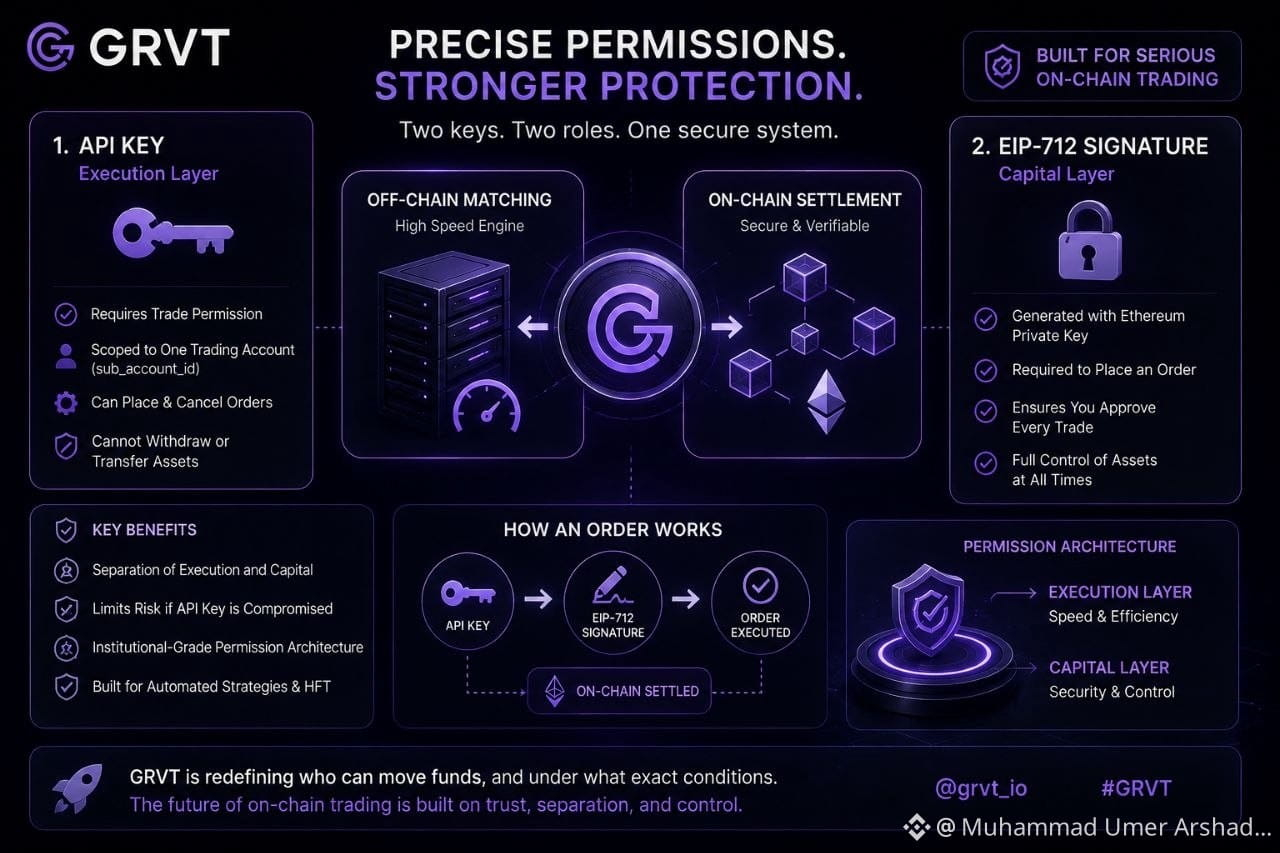
8
10
335
GRVT-nin sənədlərində mənim gözümdən qaçıb üstündən keçdiyim, amma sonra dəfələrlə geri qayıtdığım bir detal var. Hazırda bir çox ticarət protokolu hər şeyin üstünə “tamamilə mərkəzsizləşdirilmiş” ifadəsini yapışdırmaq üçün yarışır. GRVT isə əksini edir. Eyni nəfəsdə institut səviyyəli icranı, öz hesabına (self-custody) nəzarəti və uyğunluğu (compliance) danışır. İlk reaksiyam bunun sadəcə brendinq seçimi olduğuna bənzədi. Amma Hybrid Exchange modelini tipik DEX-lərin necə qurulduğu ilə həqiqətən müqayisə edəndən sonra başa düşdüm ki, onlar heç də eyni problemi həll etməyə çalışmırlar.
Ümumi fərziyyə budur ki, aktivlər sənin öz cüzdanında qalırsa, daha kobud ticarət təcrübəsi müəyyən qədər güzəşt kimi qəbul oluna bilər. Bu, təsadüfi istifadəçilər üçün yaxşı işləyir. Amma kimsə ciddi şəkildə ticarət etməyə başlayanda məsələ dağılıb. Çünki burada icra sürəti, likvidlik dərinliyi, risk idarəçiliyi və aktivlərin saxlanması (custody) bir yerdə işləməlidir; təkcə bunlardan bir-iki komponent deyil. Mərkəzləşdirilmiş birjalar icra tərəfini yaxşı edir, amma sizdən custody-ni təhvil verməyinizi istəyir. Saf on-çeyn ticarəti custody-ni qoruyur, amma adətən real ticarət yükü altında çətinlik çəkir. GRVT-nin yanaşması sistemin özünü bölməkdir: uyğunlaşma (matching), settlement və custody ayrı layerlər kimi idarə olunur; hər biri də yalnız öz qurulduğu işi görür.
Onların self-custody və təhlükəsizlik arxitekturasına dərindən baxanda bu daha aydın oldu. İstifadəçilər hər addımda aktivlərinə nəzarəti saxlayır, amma “tam on-çeyn” heç vaxt yekun məqsəd kimi qəbul edilməmişdi. Burada sürət və təhlükəsizlik qurban kimi təqdim edilmir — bu, layerlər boyunca dizayn qərarı kimi yayılmış bir məsələdir.
Diqqətimi çəkən məqam GRVT-nin daha çox DEX-ə, yoxsa daha çox CEX-ə meyl etməsi deyil. Əsas odur ki, əvvəldən qarşılıqlı olaraq bir-birini istisna etdiyi qəbul edilən iki yanaşmanı birləşdirməyə çalışır. Real həcmdə bunun nə dərəcədə işləyəcəyi hələ sübut olunmayıb, amma bu, ödəniş müqayisələrindən daha maraqlı bir sualdır.
@grvt_io #grvt $VELVET $CAP
GRVT-nin sənədlərində mənim gözümdən qaçıb üstündən keçdiyim, amma sonra dəfələrlə geri qayıtdığım bir detal var. Hazırda bir çox ticarət protokolu hər şeyin üstünə “tamamilə mərkəzsizləşdirilmiş” ifadəsini yapışdırmaq üçün yarışır. GRVT isə əksini edir. Eyni nəfəsdə institut səviyyəli icranı, öz hesabına (self-custody) nəzarəti və uyğunluğu (compliance) danışır. İlk reaksiyam bunun sadəcə brendinq seçimi olduğuna bənzədi. Amma Hybrid Exchange modelini tipik DEX-lərin necə qurulduğu ilə həqiqətən müqayisə edəndən sonra başa düşdüm ki, onlar heç də eyni problemi həll etməyə çalışmırlar.
Ümumi fərziyyə budur ki, aktivlər sənin öz cüzdanında qalırsa, daha kobud ticarət təcrübəsi müəyyən qədər güzəşt kimi qəbul oluna bilər. Bu, təsadüfi istifadəçilər üçün yaxşı işləyir. Amma kimsə ciddi şəkildə ticarət etməyə başlayanda məsələ dağılıb. Çünki burada icra sürəti, likvidlik dərinliyi, risk idarəçiliyi və aktivlərin saxlanması (custody) bir yerdə işləməlidir; təkcə bunlardan bir-iki komponent deyil. Mərkəzləşdirilmiş birjalar icra tərəfini yaxşı edir, amma sizdən custody-ni təhvil verməyinizi istəyir. Saf on-çeyn ticarəti custody-ni qoruyur, amma adətən real ticarət yükü altında çətinlik çəkir. GRVT-nin yanaşması sistemin özünü bölməkdir: uyğunlaşma (matching), settlement və custody ayrı layerlər kimi idarə olunur; hər biri də yalnız öz qurulduğu işi görür.
Onların self-custody və təhlükəsizlik arxitekturasına dərindən baxanda bu daha aydın oldu. İstifadəçilər hər addımda aktivlərinə nəzarəti saxlayır, amma “tam on-çeyn” heç vaxt yekun məqsəd kimi qəbul edilməmişdi. Burada sürət və təhlükəsizlik qurban kimi təqdim edilmir — bu, layerlər boyunca dizayn qərarı kimi yayılmış bir məsələdir.
Diqqətimi çəkən məqam GRVT-nin daha çox DEX-ə, yoxsa daha çox CEX-ə meyl etməsi deyil. Əsas odur ki, əvvəldən qarşılıqlı olaraq bir-birini istisna etdiyi qəbul edilən iki yanaşmanı birləşdirməyə çalışır. Real həcmdə bunun nə dərəcədə işləyəcəyi hələ sübut olunmayıb, amma bu, ödəniş müqayisələrindən daha maraqlı bir sualdır.
@grvt_io #grvt $VELVET $CAP
Ümumi fərziyyə budur ki, aktivlər sənin öz cüzdanında qalırsa, daha kobud ticarət təcrübəsi müəyyən qədər güzəşt kimi qəbul oluna bilər. Bu, təsadüfi istifadəçilər üçün yaxşı işləyir. Amma kimsə ciddi şəkildə ticarət etməyə başlayanda məsələ dağılıb. Çünki burada icra sürəti, likvidlik dərinliyi, risk idarəçiliyi və aktivlərin saxlanması (custody) bir yerdə işləməlidir; təkcə bunlardan bir-iki komponent deyil. Mərkəzləşdirilmiş birjalar icra tərəfini yaxşı edir, amma sizdən custody-ni təhvil verməyinizi istəyir. Saf on-çeyn ticarəti custody-ni qoruyur, amma adətən real ticarət yükü altında çətinlik çəkir. GRVT-nin yanaşması sistemin özünü bölməkdir: uyğunlaşma (matching), settlement və custody ayrı layerlər kimi idarə olunur; hər biri də yalnız öz qurulduğu işi görür.
Onların self-custody və təhlükəsizlik arxitekturasına dərindən baxanda bu daha aydın oldu. İstifadəçilər hər addımda aktivlərinə nəzarəti saxlayır, amma “tam on-çeyn” heç vaxt yekun məqsəd kimi qəbul edilməmişdi. Burada sürət və təhlükəsizlik qurban kimi təqdim edilmir — bu, layerlər boyunca dizayn qərarı kimi yayılmış bir məsələdir.
Diqqətimi çəkən məqam GRVT-nin daha çox DEX-ə, yoxsa daha çox CEX-ə meyl etməsi deyil. Əsas odur ki, əvvəldən qarşılıqlı olaraq bir-birini istisna etdiyi qəbul edilən iki yanaşmanı birləşdirməyə çalışır. Real həcmdə bunun nə dərəcədə işləyəcəyi hələ sübut olunmayıb, amma bu, ödəniş müqayisələrindən daha maraqlı bir sualdır.
@grvt_io #grvt $VELVET $CAP
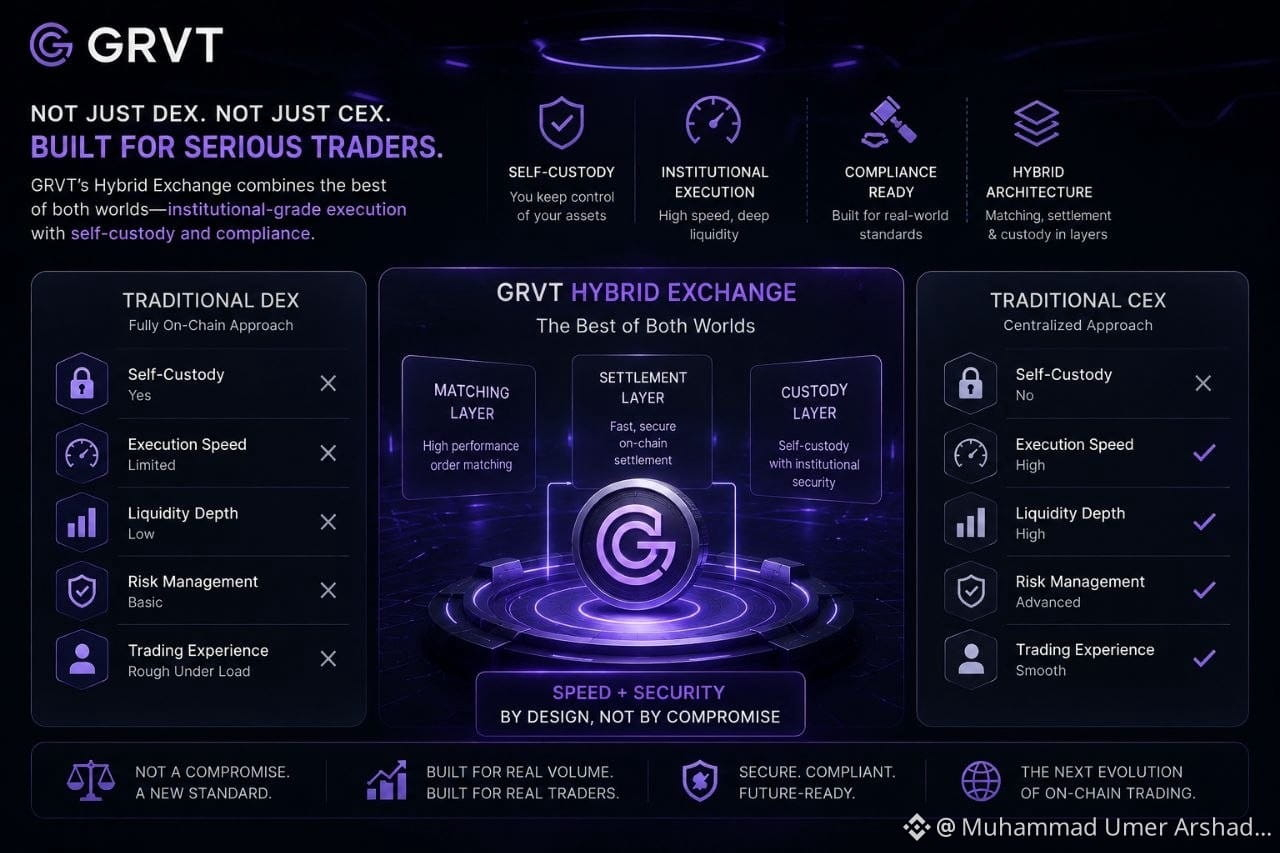
19
13
225
GRVT-nin siyahıyaalma tarixi iyulun 21-də yaxınlaşır və mübahisələr yenidən qızışır. Hamı eyni şeyi soruşur: xalqların qiyməti (point) əslində nə qədər dəyərli olacaq və airdrop gözləməyə dəyərmi—imkan xərci dəyərini nə dərəcədə qarşılayacaq? Ədalətli suallardır. Amma GRVT-nin keçən ilki rəqəmlərinə baxandan sonra məni daha çox narahat edən başqa bir şey var. Bu platforma həqiqətən öz ticarət gəlirini token-ə yönləndirə bilirmi, yoxsa kənarda sadəcə gözləyən kimi qalır.
Keçən il GRVT kumulyativ ticarət həcmi kimi 177 milyard dollar emal edib, pik TVL isə 98 milyon dollara toxunub. On-chain törəmələrdə bu rəqəmlər kiçik deyil. Platform açıq şəkildə real ticarət aktivliyini idarə edib. Amma təkcə həcm göstərir ki, insanlar gəlib. Bu, mükafatlar quruyanda token-in dəyəri saxlaya biləcəyini sübut etmir. Törəmə platformlarında təkrarlanan problem də elə budur. Mükafatlar yavaşlayanda həcm düşür—çox vaxt gözləniləndən daha tez.
Mənim izlədiyim budur: gəlir geri-alınmaları (revenue buybacks), rüsum (fee) sahibliyi və marja səmərəliliyi. GRVT-nin 1 milyard tokenlik sabit təklifi var, inflyasiya nəzərdə tutulmur. Sahiblər ticarət rüsumlarından pay və platform səviyyəsində faydalar almağa hazır vəziyyətdədir. Əgər geri-alınma həcmi real rüsum gəliri ilə birlikdə miqyaslansa və proses şəffaf qalsa, izləyə və yoxlaya biləcəyiniz real dəyər yolu ortaya çıxar. Əgər nəticədə yalnız siyahıyaalmadan sonra xalqların (points) geri alınmasına söykənsə, o 177 milyard dollarlıq həcm rəqəmi sadəcə marketinq göstəricisi kimi qalacaq.
GRVT həm də qızıla, xam neftə, səhifə (stock) perpetual-lara və RWA yield məhsullarına daxil olur. Sadəcə perp birjası olmaq istəmir—tam bir on-chain brokerliyə doğru qurur. Daha böyük imkan var, amma eyni zamanda məhsullar arasında likvidliyin nazikləşməsi üçün də daha çox yer yaranır.
İyulun 21-də qiymətə baxacağam, amma bu əsl siqnal deyil. Əsl siqnal—launch-dan sonra üzvi həcm, real rüsum gəliri, geri-alınmanın icrası və xalqlar dayandıqdan sonra istifadəçilərin qalmaqda davam edib-etməməsidir.
@grvt_io #Grvt
GRVT-nin siyahıyaalma tarixi iyulun 21-də yaxınlaşır və mübahisələr yenidən qızışır. Hamı eyni şeyi soruşur: xalqların qiyməti (point) əslində nə qədər dəyərli olacaq və airdrop gözləməyə dəyərmi—imkan xərci dəyərini nə dərəcədə qarşılayacaq? Ədalətli suallardır. Amma GRVT-nin keçən ilki rəqəmlərinə baxandan sonra məni daha çox narahat edən başqa bir şey var. Bu platforma həqiqətən öz ticarət gəlirini token-ə yönləndirə bilirmi, yoxsa kənarda sadəcə gözləyən kimi qalır.
Keçən il GRVT kumulyativ ticarət həcmi kimi 177 milyard dollar emal edib, pik TVL isə 98 milyon dollara toxunub. On-chain törəmələrdə bu rəqəmlər kiçik deyil. Platform açıq şəkildə real ticarət aktivliyini idarə edib. Amma təkcə həcm göstərir ki, insanlar gəlib. Bu, mükafatlar quruyanda token-in dəyəri saxlaya biləcəyini sübut etmir. Törəmə platformlarında təkrarlanan problem də elə budur. Mükafatlar yavaşlayanda həcm düşür—çox vaxt gözləniləndən daha tez.
Mənim izlədiyim budur: gəlir geri-alınmaları (revenue buybacks), rüsum (fee) sahibliyi və marja səmərəliliyi. GRVT-nin 1 milyard tokenlik sabit təklifi var, inflyasiya nəzərdə tutulmur. Sahiblər ticarət rüsumlarından pay və platform səviyyəsində faydalar almağa hazır vəziyyətdədir. Əgər geri-alınma həcmi real rüsum gəliri ilə birlikdə miqyaslansa və proses şəffaf qalsa, izləyə və yoxlaya biləcəyiniz real dəyər yolu ortaya çıxar. Əgər nəticədə yalnız siyahıyaalmadan sonra xalqların (points) geri alınmasına söykənsə, o 177 milyard dollarlıq həcm rəqəmi sadəcə marketinq göstəricisi kimi qalacaq.
GRVT həm də qızıla, xam neftə, səhifə (stock) perpetual-lara və RWA yield məhsullarına daxil olur. Sadəcə perp birjası olmaq istəmir—tam bir on-chain brokerliyə doğru qurur. Daha böyük imkan var, amma eyni zamanda məhsullar arasında likvidliyin nazikləşməsi üçün də daha çox yer yaranır.
İyulun 21-də qiymətə baxacağam, amma bu əsl siqnal deyil. Əsl siqnal—launch-dan sonra üzvi həcm, real rüsum gəliri, geri-alınmanın icrası və xalqlar dayandıqdan sonra istifadəçilərin qalmaqda davam edib-etməməsidir.
@grvt_io #Grvt
Keçən il GRVT kumulyativ ticarət həcmi kimi 177 milyard dollar emal edib, pik TVL isə 98 milyon dollara toxunub. On-chain törəmələrdə bu rəqəmlər kiçik deyil. Platform açıq şəkildə real ticarət aktivliyini idarə edib. Amma təkcə həcm göstərir ki, insanlar gəlib. Bu, mükafatlar quruyanda token-in dəyəri saxlaya biləcəyini sübut etmir. Törəmə platformlarında təkrarlanan problem də elə budur. Mükafatlar yavaşlayanda həcm düşür—çox vaxt gözləniləndən daha tez.
Mənim izlədiyim budur: gəlir geri-alınmaları (revenue buybacks), rüsum (fee) sahibliyi və marja səmərəliliyi. GRVT-nin 1 milyard tokenlik sabit təklifi var, inflyasiya nəzərdə tutulmur. Sahiblər ticarət rüsumlarından pay və platform səviyyəsində faydalar almağa hazır vəziyyətdədir. Əgər geri-alınma həcmi real rüsum gəliri ilə birlikdə miqyaslansa və proses şəffaf qalsa, izləyə və yoxlaya biləcəyiniz real dəyər yolu ortaya çıxar. Əgər nəticədə yalnız siyahıyaalmadan sonra xalqların (points) geri alınmasına söykənsə, o 177 milyard dollarlıq həcm rəqəmi sadəcə marketinq göstəricisi kimi qalacaq.
GRVT həm də qızıla, xam neftə, səhifə (stock) perpetual-lara və RWA yield məhsullarına daxil olur. Sadəcə perp birjası olmaq istəmir—tam bir on-chain brokerliyə doğru qurur. Daha böyük imkan var, amma eyni zamanda məhsullar arasında likvidliyin nazikləşməsi üçün də daha çox yer yaranır.
İyulun 21-də qiymətə baxacağam, amma bu əsl siqnal deyil. Əsl siqnal—launch-dan sonra üzvi həcm, real rüsum gəliri, geri-alınmanın icrası və xalqlar dayandıqdan sonra istifadəçilərin qalmaqda davam edib-etməməsidir.
@grvt_io #Grvt
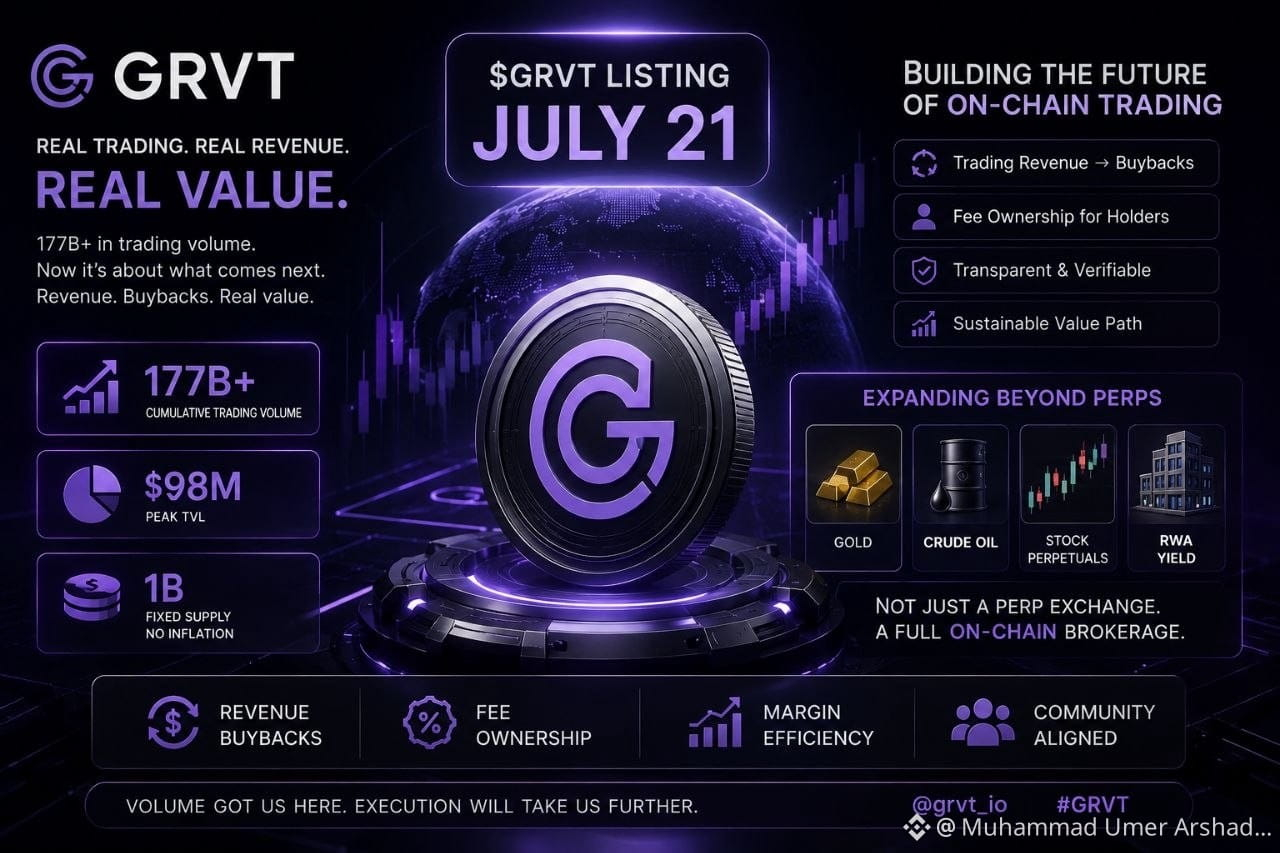
34
1
22
238
Doğrulanıb
GRVT-nin əslində nə qurduğunu başa düşmək mənə bir az vaxt apardı. Mən “Hybrid Exchange” ifadəsini hər dəfə yenidən oxuyanda bunu sadəcə başqa bir sürət oyunu kimi düşünürdüm. Amma belə deyil.
GRVT-nin cavablandırdığı əsas sual fərqlidir: ticarətin hansı hissələri ictimai olmalıdır, hansılar isə ifşa edildikdə aktiv şəkildə məsuliyyət (zəmanət/öhdəlik yükü)ə çevrilir.
Mən əvvəllər tam şəffaflığın həmişə on-çeyndə daha təhlükəsiz olduğunu düşünürdüm. Sonra yüksək tezlikli ticarətə daha diqqətlə baxdım. Əgər hər bir sifarişin detalları yerləşdirilmə ilə icra arasında hər kəsin görə bildiyi ictimai mühitdə qalırsa, bu, hədəfə çevrilir. Market-meykerlər bu ifşa riskini əvvəlcədən öz kotirovkalarına qiymət kimi daxil edir. Spredlər genişlənir. Niyə olduğunu anlamayan istifadəçilər bu xərci ödəyir.
GRVT sifariş məlumatlarını Prividium-un daxilində saxlayır — özəl icra mühiti. Nəticə isə sıfır-bilik (zero-knowledge) sübutları ilə on-çeyndə doğrulanır. Siz hər kəsin izlədiyi şəraitdə prosesin hər addımını açmadan nəticənin düzgün olduğunu sübut edirsiniz.
Bu fərq önəmlidir. Verifikasiya (yoxlama) ilə görünürlük (visibility) eyni şey deyil. GRVT bunu bilərəkdən ayırır.
Atlas yenilənməsi mənzərənin qalan hissəsini tamamlayır. İstifadəçilər öz aktivlərinə nəzarəti saxlayır. Platforma icra səmərəliliyini idarə edir. Kriptoqrafiya icranın dürüst (honest) olduğunu yoxlamaq üçün lazım olan doğrulamayı təmin edir. Platformanın reputasiyasına etibar etmək tələbi yoxdur. Bunun yerinə, sübut işi görür.
GRVT-nin arxitekturası birlikdə üç şeyi əhatə edir: Hybrid Exchange modeli vasitəsilə institusional səviyyəli ticarət sürəti; platformanın etibarlılığına əsaslanmayan aktiv təhlükəsizliyi; və bu ikisini pozmadan artan likvidlik əlaqəliliyi.
GRVT barədə oxuyanların çoxu “daha sürətli hibrid exchange”ə qədər dayanır. Bu çərçivə altında duran əsl dizayn qərarını qaçırır.
Sual heç vaxt təkcə sürət deyildi. Sual belə idi: sistemə hansı güclər/komponentlər məxsus olmalıdır və hansıları isə istifadəçi tərəfində qalmalıdır.
@grvt_io #grvt
GRVT-nin əslində nə qurduğunu başa düşmək mənə bir az vaxt apardı. Mən “Hybrid Exchange” ifadəsini hər dəfə yenidən oxuyanda bunu sadəcə başqa bir sürət oyunu kimi düşünürdüm. Amma belə deyil.
GRVT-nin cavablandırdığı əsas sual fərqlidir: ticarətin hansı hissələri ictimai olmalıdır, hansılar isə ifşa edildikdə aktiv şəkildə məsuliyyət (zəmanət/öhdəlik yükü)ə çevrilir.
Mən əvvəllər tam şəffaflığın həmişə on-çeyndə daha təhlükəsiz olduğunu düşünürdüm. Sonra yüksək tezlikli ticarətə daha diqqətlə baxdım. Əgər hər bir sifarişin detalları yerləşdirilmə ilə icra arasında hər kəsin görə bildiyi ictimai mühitdə qalırsa, bu, hədəfə çevrilir. Market-meykerlər bu ifşa riskini əvvəlcədən öz kotirovkalarına qiymət kimi daxil edir. Spredlər genişlənir. Niyə olduğunu anlamayan istifadəçilər bu xərci ödəyir.
GRVT sifariş məlumatlarını Prividium-un daxilində saxlayır — özəl icra mühiti. Nəticə isə sıfır-bilik (zero-knowledge) sübutları ilə on-çeyndə doğrulanır. Siz hər kəsin izlədiyi şəraitdə prosesin hər addımını açmadan nəticənin düzgün olduğunu sübut edirsiniz.
Bu fərq önəmlidir. Verifikasiya (yoxlama) ilə görünürlük (visibility) eyni şey deyil. GRVT bunu bilərəkdən ayırır.
Atlas yenilənməsi mənzərənin qalan hissəsini tamamlayır. İstifadəçilər öz aktivlərinə nəzarəti saxlayır. Platforma icra səmərəliliyini idarə edir. Kriptoqrafiya icranın dürüst (honest) olduğunu yoxlamaq üçün lazım olan doğrulamayı təmin edir. Platformanın reputasiyasına etibar etmək tələbi yoxdur. Bunun yerinə, sübut işi görür.
GRVT-nin arxitekturası birlikdə üç şeyi əhatə edir: Hybrid Exchange modeli vasitəsilə institusional səviyyəli ticarət sürəti; platformanın etibarlılığına əsaslanmayan aktiv təhlükəsizliyi; və bu ikisini pozmadan artan likvidlik əlaqəliliyi.
GRVT barədə oxuyanların çoxu “daha sürətli hibrid exchange”ə qədər dayanır. Bu çərçivə altında duran əsl dizayn qərarını qaçırır.
Sual heç vaxt təkcə sürət deyildi. Sual belə idi: sistemə hansı güclər/komponentlər məxsus olmalıdır və hansıları isə istifadəçi tərəfində qalmalıdır.
@grvt_io #grvt
GRVT-nin cavablandırdığı əsas sual fərqlidir: ticarətin hansı hissələri ictimai olmalıdır, hansılar isə ifşa edildikdə aktiv şəkildə məsuliyyət (zəmanət/öhdəlik yükü)ə çevrilir.
Mən əvvəllər tam şəffaflığın həmişə on-çeyndə daha təhlükəsiz olduğunu düşünürdüm. Sonra yüksək tezlikli ticarətə daha diqqətlə baxdım. Əgər hər bir sifarişin detalları yerləşdirilmə ilə icra arasında hər kəsin görə bildiyi ictimai mühitdə qalırsa, bu, hədəfə çevrilir. Market-meykerlər bu ifşa riskini əvvəlcədən öz kotirovkalarına qiymət kimi daxil edir. Spredlər genişlənir. Niyə olduğunu anlamayan istifadəçilər bu xərci ödəyir.
GRVT sifariş məlumatlarını Prividium-un daxilində saxlayır — özəl icra mühiti. Nəticə isə sıfır-bilik (zero-knowledge) sübutları ilə on-çeyndə doğrulanır. Siz hər kəsin izlədiyi şəraitdə prosesin hər addımını açmadan nəticənin düzgün olduğunu sübut edirsiniz.
Bu fərq önəmlidir. Verifikasiya (yoxlama) ilə görünürlük (visibility) eyni şey deyil. GRVT bunu bilərəkdən ayırır.
Atlas yenilənməsi mənzərənin qalan hissəsini tamamlayır. İstifadəçilər öz aktivlərinə nəzarəti saxlayır. Platforma icra səmərəliliyini idarə edir. Kriptoqrafiya icranın dürüst (honest) olduğunu yoxlamaq üçün lazım olan doğrulamayı təmin edir. Platformanın reputasiyasına etibar etmək tələbi yoxdur. Bunun yerinə, sübut işi görür.
GRVT-nin arxitekturası birlikdə üç şeyi əhatə edir: Hybrid Exchange modeli vasitəsilə institusional səviyyəli ticarət sürəti; platformanın etibarlılığına əsaslanmayan aktiv təhlükəsizliyi; və bu ikisini pozmadan artan likvidlik əlaqəliliyi.
GRVT barədə oxuyanların çoxu “daha sürətli hibrid exchange”ə qədər dayanır. Bu çərçivə altında duran əsl dizayn qərarını qaçırır.
Sual heç vaxt təkcə sürət deyildi. Sual belə idi: sistemə hansı güclər/komponentlər məxsus olmalıdır və hansıları isə istifadəçi tərəfində qalmalıdır.
@grvt_io #grvt
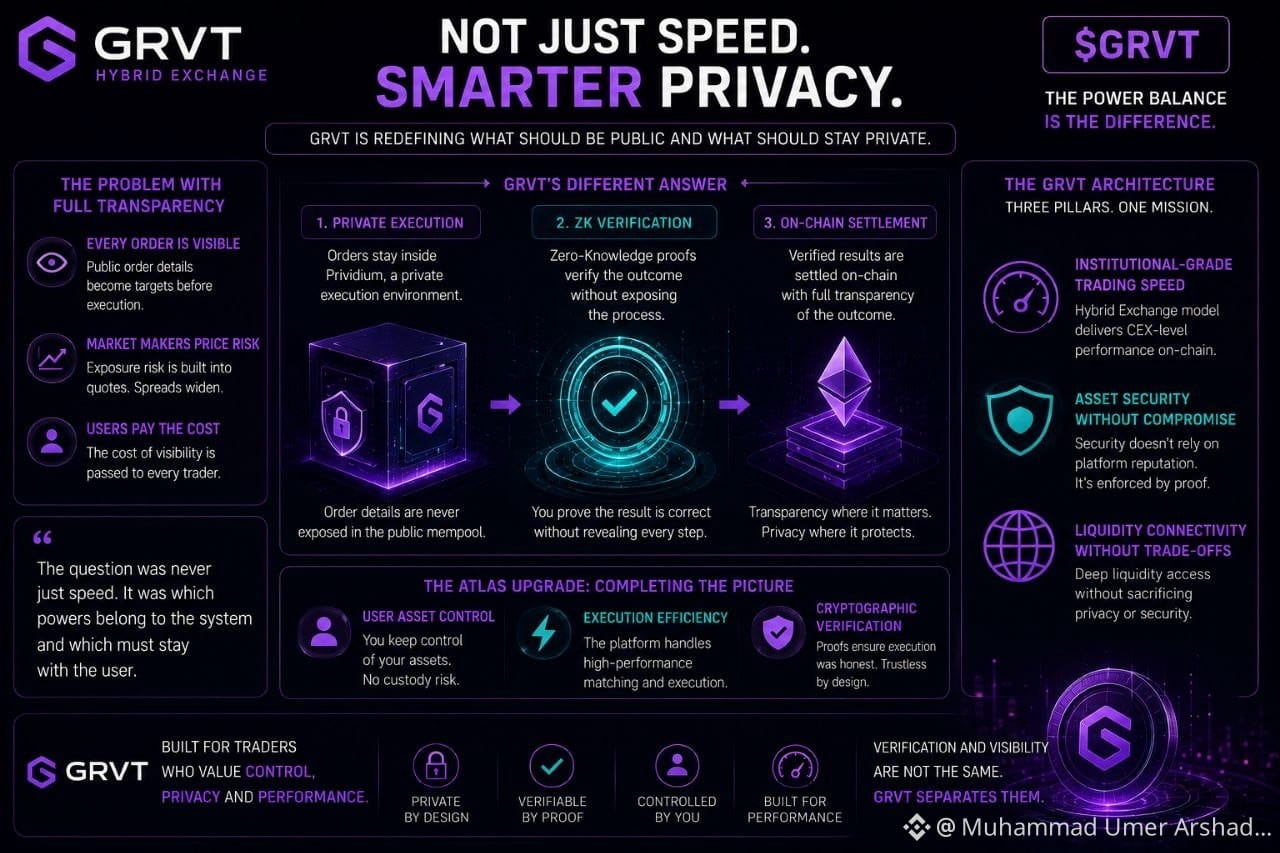
8
9
84
Doğrulanıb
Ticarət hesabının içində oturub qalan, işləməyən kapital məni həmişə narahat edib. Siz depozit qoyursunuz, ticarət edirsiniz və sonra vəsaitlər sadəcə gözləyir. Heç bir gəlir yoxdur, heç bir fayda yoxdur—eləcə oturur.
Məni GRVT-yə daha diqqətlə baxmağa vadar edən də bu oldu.
GRVT on-chain perpetual ticarət platforması kimi başladı. Amma diqqətimi çəkən onun getdiyi istiqamətdir: ticarət, gəlir və aktivlərin idarə edilməsi vahid hesab sisteminin içində. Aralarında körpü salmalı olduğunuz üç ayrı məhsul deyil. Kapitalın vahid hovuzu eyni anda bir neçə işi görür.
Ənənəvi maliyyədə institusional treydinq masaları belə işləyir. Tək marja çərçivəsi ticarət mövqelərini, likvidliyin idarə olunmasını və gəliri eyni vaxtda dəstəkləyir. On-chain məhsulların çoxu əsasən bir tətbiqdə ilişib qalıb—yalnız bir problemi həll edir. GRVT bu boşluğu bağlamağa çalışır.
Gözlənilməli xüsusi hissə gəlir inteqrasiyasıdır. GRVT Aave-dən gəlir mənbələri götürür və Centrifuge vasitəsilə institusional xəzinə gəlir məhsullarını gətirir. Ticarət hesabınızda oturan vəsaitlər artıq siz aktiv ticarət etmədiyiniz vaxtlarda da gəlir verə bilər. Bu, kapitalın səmərəliliyi ilə bağlı hesablamanı xeyli dəyişir.
Spot bazarın test mühiti isə əlavə bir qat qatır. İstifadəçilər platformalar arasında sıçramadan və ya bir neçə wallet-i idarə etmədən aktivləri saxlaya, ticarət edə və onları ayıra bilərlər.
İndi dürüst hissə. Narrativ asandır. İcra isə deyil.
Ticarəti və gəliri birləşdirən bir platforma müxtəlif funksiyalar arasında aktiv vəziyyətinin sinxronizasiyasını, mövqelər arasında riskin təcridini və bazar sürətləndikcə sistemin sabitliyini təmin etməlidir. Bunlar yalnız real təzyiq altında üzə çıxan çətin mühəndislik problemləridir.
Növbəti izlədiyim məsələ canlı ticarət həcmi, ilkin start dövründən sonra istifadəçi saxlama göstəricisi və sistemin eyni zamanda bir neçə aktiv funksiyası işə düşəndə stress altında necə performans göstərməsidir.
Bu məlumatlar gerçək hekayəni deyəcək.
#grvt @grvt_io
Ticarət hesabının içində oturub qalan, işləməyən kapital məni həmişə narahat edib. Siz depozit qoyursunuz, ticarət edirsiniz və sonra vəsaitlər sadəcə gözləyir. Heç bir gəlir yoxdur, heç bir fayda yoxdur—eləcə oturur.
Məni GRVT-yə daha diqqətlə baxmağa vadar edən də bu oldu.
GRVT on-chain perpetual ticarət platforması kimi başladı. Amma diqqətimi çəkən onun getdiyi istiqamətdir: ticarət, gəlir və aktivlərin idarə edilməsi vahid hesab sisteminin içində. Aralarında körpü salmalı olduğunuz üç ayrı məhsul deyil. Kapitalın vahid hovuzu eyni anda bir neçə işi görür.
Ənənəvi maliyyədə institusional treydinq masaları belə işləyir. Tək marja çərçivəsi ticarət mövqelərini, likvidliyin idarə olunmasını və gəliri eyni vaxtda dəstəkləyir. On-chain məhsulların çoxu əsasən bir tətbiqdə ilişib qalıb—yalnız bir problemi həll edir. GRVT bu boşluğu bağlamağa çalışır.
Gözlənilməli xüsusi hissə gəlir inteqrasiyasıdır. GRVT Aave-dən gəlir mənbələri götürür və Centrifuge vasitəsilə institusional xəzinə gəlir məhsullarını gətirir. Ticarət hesabınızda oturan vəsaitlər artıq siz aktiv ticarət etmədiyiniz vaxtlarda da gəlir verə bilər. Bu, kapitalın səmərəliliyi ilə bağlı hesablamanı xeyli dəyişir.
Spot bazarın test mühiti isə əlavə bir qat qatır. İstifadəçilər platformalar arasında sıçramadan və ya bir neçə wallet-i idarə etmədən aktivləri saxlaya, ticarət edə və onları ayıra bilərlər.
İndi dürüst hissə. Narrativ asandır. İcra isə deyil.
Ticarəti və gəliri birləşdirən bir platforma müxtəlif funksiyalar arasında aktiv vəziyyətinin sinxronizasiyasını, mövqelər arasında riskin təcridini və bazar sürətləndikcə sistemin sabitliyini təmin etməlidir. Bunlar yalnız real təzyiq altında üzə çıxan çətin mühəndislik problemləridir.
Növbəti izlədiyim məsələ canlı ticarət həcmi, ilkin start dövründən sonra istifadəçi saxlama göstəricisi və sistemin eyni zamanda bir neçə aktiv funksiyası işə düşəndə stress altında necə performans göstərməsidir.
Bu məlumatlar gerçək hekayəni deyəcək.
#grvt @grvt_io
Məni GRVT-yə daha diqqətlə baxmağa vadar edən də bu oldu.
GRVT on-chain perpetual ticarət platforması kimi başladı. Amma diqqətimi çəkən onun getdiyi istiqamətdir: ticarət, gəlir və aktivlərin idarə edilməsi vahid hesab sisteminin içində. Aralarında körpü salmalı olduğunuz üç ayrı məhsul deyil. Kapitalın vahid hovuzu eyni anda bir neçə işi görür.
Ənənəvi maliyyədə institusional treydinq masaları belə işləyir. Tək marja çərçivəsi ticarət mövqelərini, likvidliyin idarə olunmasını və gəliri eyni vaxtda dəstəkləyir. On-chain məhsulların çoxu əsasən bir tətbiqdə ilişib qalıb—yalnız bir problemi həll edir. GRVT bu boşluğu bağlamağa çalışır.
Gözlənilməli xüsusi hissə gəlir inteqrasiyasıdır. GRVT Aave-dən gəlir mənbələri götürür və Centrifuge vasitəsilə institusional xəzinə gəlir məhsullarını gətirir. Ticarət hesabınızda oturan vəsaitlər artıq siz aktiv ticarət etmədiyiniz vaxtlarda da gəlir verə bilər. Bu, kapitalın səmərəliliyi ilə bağlı hesablamanı xeyli dəyişir.
Spot bazarın test mühiti isə əlavə bir qat qatır. İstifadəçilər platformalar arasında sıçramadan və ya bir neçə wallet-i idarə etmədən aktivləri saxlaya, ticarət edə və onları ayıra bilərlər.
İndi dürüst hissə. Narrativ asandır. İcra isə deyil.
Ticarəti və gəliri birləşdirən bir platforma müxtəlif funksiyalar arasında aktiv vəziyyətinin sinxronizasiyasını, mövqelər arasında riskin təcridini və bazar sürətləndikcə sistemin sabitliyini təmin etməlidir. Bunlar yalnız real təzyiq altında üzə çıxan çətin mühəndislik problemləridir.
Növbəti izlədiyim məsələ canlı ticarət həcmi, ilkin start dövründən sonra istifadəçi saxlama göstəricisi və sistemin eyni zamanda bir neçə aktiv funksiyası işə düşəndə stress altında necə performans göstərməsidir.
Bu məlumatlar gerçək hekayəni deyəcək.
#grvt @grvt_io
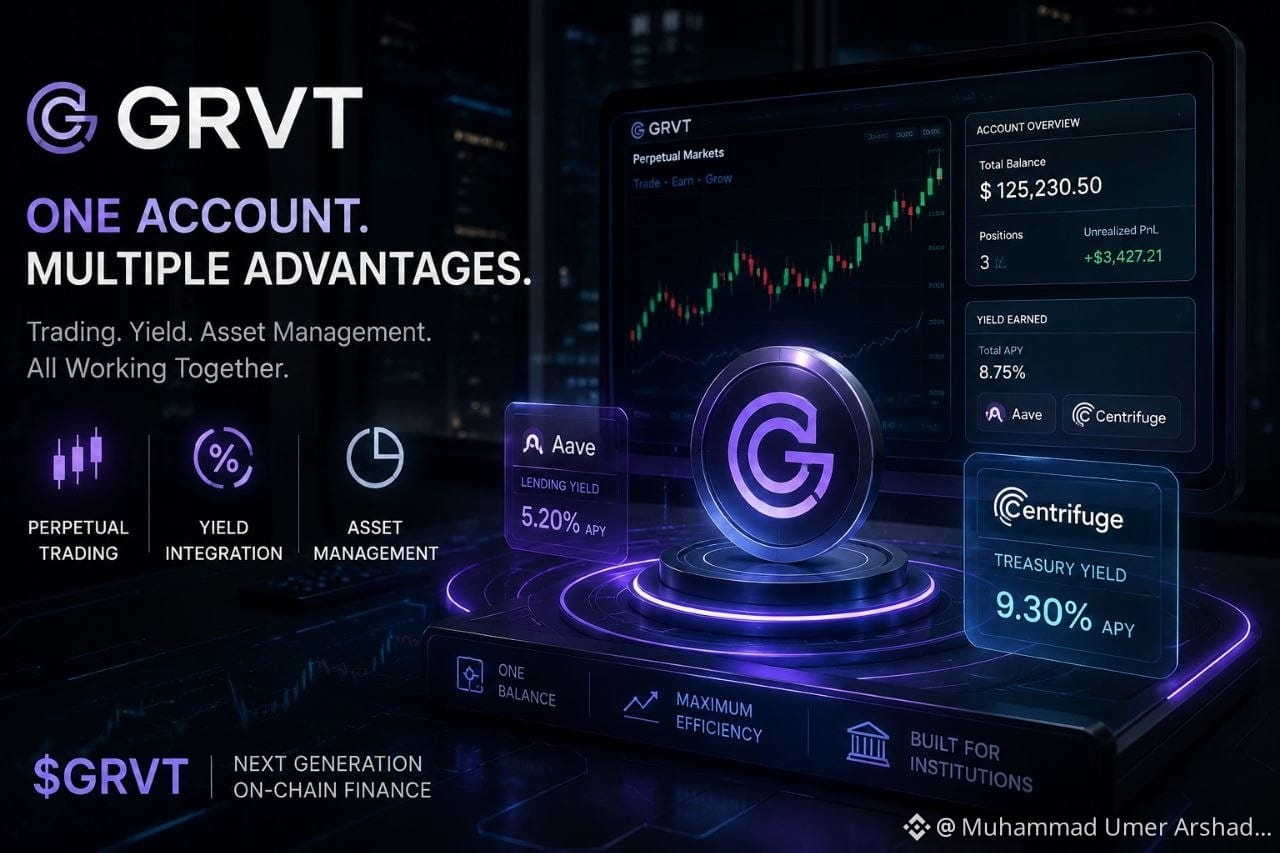
11
10
139
Buna görə yüksəliş tərəfindəyəm
Buna görə yüksəliş tərəfindəyəm

Details-Expert
·
--
$FOGO artıq özünü sübut edir və mən bunu yaxından izləyirəm. Tokenin rəsmi buraxılışı və Binance-da siyahıya alınması əhəmiyyətli etibarlılıq artırır. Məzmun yaradanları mükafatlandıran və güclü bir icma ekosistemi yaradan Creatorpad kampaniyası indi önə çıxır. @Fogo Official həqiqi iştirak və uzunmüddətli böyüməyə yönəlir, sadəcə həyəcan deyil. Mütləq izləməyə dəyər bir layihədir.
#fogo #bullish
#fogo #bullish

1
1
4
Daha çox kontent araşdırmaq üçün daxil olun
Binance Square-də qlobal kriptovalyuta istifadəçilərinə qoşulun
⚡️ Kriptovalyuta haqqında ən son və faydalı məlumatları əldə edin.
💬 Dünyanın ən böyük kriptovalyuta birjası tərəfindən etibar edilir.
👍 Doğrulanmış yaradıcılardan gələn real məlumatları kəşf edin.
E-poçt/Telefon nömrəsi
Trenddə olan mövzular
USAugustPPIRisesLessThanExpected
29,985 baxış
Müzakirə edir: 611
🚨 ABŞ AUG PPI: Gözləntidən Az Artır! Kripto üçün Boğa? 🚀
PPI +0.4% Ay üzrə (MoM) gözləndiyi kimi, amma KÖR PPI yalnız +0.2%—gözlənilən +0.3%-dən azdır, yəni soyuma var!
Nə deməkdir:
• Topdansatış inflyasiyası qorxulduğundan daha zəifdir
• Fed-in faiz artırımı ehtimalı indi 62% — amma daha yumşaq siqnallar gəlir
• Core PCE yeniləmələrinin aşağı istiqamətdə gözlənilir — boğa
• BTC adətən daha yumşaq PPI zamanı artım edir
Fed iclası 15–16 Sentyabr — bazar indi durğunluq gözləyir, yoxsa artırımı?
Q4 mitinqi üçün yaşıl işıqdır?
#Bitcoin #PPI #Fed #CryptoNews #BTC#usaugustppiriseslessthanexpected
True News
·1 bəyənmə
·1.3k baxış
SECApprovesNasdaqTexasCommodityTrustRule
19,183 baxış
Müzakirə edir: 466
ECBRaisesRatesSecondTimeTo2.5%
16,077 baxış
Müzakirə edir: 343