

Izree
30 Paylaşımlar

Izree
Şikayət et
İstifadəçini blokla
Açıq ticarət
Daimi treyder
2.3 il
7 İzlənilir
19 İzləyicilər
13 Bəyəndi
Postlar
Portfel
Hamısı
Sitatlar
·
--
Tərcüməyə bax
$ETH Ethereum (ETH) is showing strong signs of a rebound, trading around $1,794 with a notable 10% surge in the past 24 hours. This recovery comes amid a broader crypto market rally, suggesting renewed investor confidence. The recent price spike follows a dip to near $1,600, making the current rebound particularly significant. Analysts now eye resistance around $1,900, with bullish sentiment supported by increased trading volume and positive market indicators. In Pakistani Rupees, ETH rose from ₨443,000 to over ₨503,000 in just two days. This momentum could signal the start of a sustained upward trend if key levels hold and fundamentals align.
$ETH Ethereum (ETH) is showing strong signs of a rebound, trading around $1,794 with a notable 10% surge in the past 24 hours. This recovery comes amid a broader crypto market rally, suggesting renewed investor confidence. The recent price spike follows a dip to near $1,600, making the current rebound particularly significant. Analysts now eye resistance around $1,900, with bullish sentiment supported by increased trading volume and positive market indicators. In Pakistani Rupees, ETH rose from ₨443,000 to over ₨503,000 in just two days. This momentum could signal the start of a sustained upward trend if key levels hold and fundamentals align.
14
·
--
$ETH Ethereum (ETH) güçlü bir toparlanma belirtisi gösteriyor, son 24 saatte %10'luk dikkat çekici bir artışla yaklaşık 1,794$'dan işlem görüyor. Bu toparlanma, daha geniş bir kripto para piyasası rallisi sırasında gerçekleşiyor ve yenilenen yatırımcı güvenini öneriyor. Son fiyat artışı, 1,600$ civarına düşüşün ardından geldi ve mevcut toparlanmayı özellikle önemli kılıyor. Analistler şimdi 1,900$ civarındaki direnç seviyesine odaklanıyor, boğa hissiyatı artan işlem hacmi ve olumlu piyasa göstergeleri ile destekleniyor. Pakistan Rupisi cinsinden, ETH sadece iki günde ₨443,000'dan ₨503,000'a yükseldi. Bu momentum, ana seviyelerin korunması ve temel faktörlerin uyumlu olması durumunda sürdürülebilir bir yukarı yönlü trendin başlangıcını işaret edebilir.
$ETH Ethereum (ETH) güçlü bir toparlanma belirtisi gösteriyor, son 24 saatte %10'luk dikkat çekici bir artışla yaklaşık 1,794$'dan işlem görüyor. Bu toparlanma, daha geniş bir kripto para piyasası rallisi sırasında gerçekleşiyor ve yenilenen yatırımcı güvenini öneriyor. Son fiyat artışı, 1,600$ civarına düşüşün ardından geldi ve mevcut toparlanmayı özellikle önemli kılıyor. Analistler şimdi 1,900$ civarındaki direnç seviyesine odaklanıyor, boğa hissiyatı artan işlem hacmi ve olumlu piyasa göstergeleri ile destekleniyor. Pakistan Rupisi cinsinden, ETH sadece iki günde ₨443,000'dan ₨503,000'a yükseldi. Bu momentum, ana seviyelerin korunması ve temel faktörlerin uyumlu olması durumunda sürdürülebilir bir yukarı yönlü trendin başlangıcını işaret edebilir.
18
·
--
Tərcüməyə bax
$ETH Ethereum (ETH) is showing strong signs of a rebound, trading around $1,794 with a notable 10% surge in the past 24 hours. This recovery comes amid a broader crypto market rally, suggesting renewed investor confidence. The recent price spike follows a dip to near $1,600, making the current rebound particularly significant. Analysts now eye resistance around $1,900, with bullish sentiment supported by increased trading volume and positive market indicators. In Pakistani Rupees, ETH rose from ₨443,000 to over ₨503,000 in just two days. This momentum could signal the start of a sustained upward trend if key levels hold and fundamentals align.
$ETH Ethereum (ETH) is showing strong signs of a rebound, trading around $1,794 with a notable 10% surge in the past 24 hours. This recovery comes amid a broader crypto market rally, suggesting renewed investor confidence. The recent price spike follows a dip to near $1,600, making the current rebound particularly significant. Analysts now eye resistance around $1,900, with bullish sentiment supported by increased trading volume and positive market indicators. In Pakistani Rupees, ETH rose from ₨443,000 to over ₨503,000 in just two days. This momentum could signal the start of a sustained upward trend if key levels hold and fundamentals align.
5
·
--
Tərcüməyə bax
#MarketRebound A market rebound refers to a recovery in stock prices after a period of decline. It often follows corrections, crashes, or bearish trends, signaling renewed investor confidence. Rebounds can be driven by positive economic data, strong corporate earnings, government intervention, or improved investor sentiment. Short-term rebounds, called "dead cat bounces," may not lead to sustained growth, while long-term rebounds can mark the beginning of a new bull market. Timing a rebound is challenging, but recognizing key indicators—such as increased trading volume or breaking resistance levels—can help. Investors often view rebounds as opportunities to buy undervalued assets and capitalize on growth.
#MarketRebound A market rebound refers to a recovery in stock prices after a period of decline. It often follows corrections, crashes, or bearish trends, signaling renewed investor confidence. Rebounds can be driven by positive economic data, strong corporate earnings, government intervention, or improved investor sentiment. Short-term rebounds, called "dead cat bounces," may not lead to sustained growth, while long-term rebounds can mark the beginning of a new bull market. Timing a rebound is challenging, but recognizing key indicators—such as increased trading volume or breaking resistance levels—can help. Investors often view rebounds as opportunities to buy undervalued assets and capitalize on growth.
226
·
--
$BTC BTC Bitcoin üçün mükəmməl bir şəkildə tanınan ilk və ən məşhur kriptovalyutadır, 2009-cu ildə Satoshi Nakamoto adı ilə tanınan anonim bir şəxs və ya qrup tərəfindən yaradılmışdır. O, mərkəzləşdirilməmiş bir şəbəkədə blokçeyn texnologiyasını istifadə edərək fəaliyyət göstərir, bank kimi mərkəzi bir orqan olmadan birbaşa əməliyyatlara imkan tanıyır.
Bitcoin, 21 milyon sikkə ilə məhdud təchizatı və dəyər saxlama rolu səbəbindən tez-tez "rəqəmsal qızıl" kimi görülür. O, investisiya, pul köçürmələri üçün istifadə olunur və bəzən inflyasiyaya qarşı bir qoruma kimi də istifadə olunur. Onun qiyməti yüksək dərəcədə dalğalanır, bazar hissiyatı, tənzimləmələr, qəbul və makroiqtisadi tendensiyalardan təsirlənir. BTC bütün kripto bazarı üçün standart olaraq qalır.
$BTC BTC Bitcoin üçün mükəmməl bir şəkildə tanınan ilk və ən məşhur kriptovalyutadır, 2009-cu ildə Satoshi Nakamoto adı ilə tanınan anonim bir şəxs və ya qrup tərəfindən yaradılmışdır. O, mərkəzləşdirilməmiş bir şəbəkədə blokçeyn texnologiyasını istifadə edərək fəaliyyət göstərir, bank kimi mərkəzi bir orqan olmadan birbaşa əməliyyatlara imkan tanıyır.
Bitcoin, 21 milyon sikkə ilə məhdud təchizatı və dəyər saxlama rolu səbəbindən tez-tez "rəqəmsal qızıl" kimi görülür. O, investisiya, pul köçürmələri üçün istifadə olunur və bəzən inflyasiyaya qarşı bir qoruma kimi də istifadə olunur. Onun qiyməti yüksək dərəcədə dalğalanır, bazar hissiyatı, tənzimləmələr, qəbul və makroiqtisadi tendensiyalardan təsirlənir. BTC bütün kripto bazarı üçün standart olaraq qalır.
Bitcoin, 21 milyon sikkə ilə məhdud təchizatı və dəyər saxlama rolu səbəbindən tez-tez "rəqəmsal qızıl" kimi görülür. O, investisiya, pul köçürmələri üçün istifadə olunur və bəzən inflyasiyaya qarşı bir qoruma kimi də istifadə olunur. Onun qiyməti yüksək dərəcədə dalğalanır, bazar hissiyatı, tənzimləmələr, qəbul və makroiqtisadi tendensiyalardan təsirlənir. BTC bütün kripto bazarı üçün standart olaraq qalır.
530
·
--
Tərcüməyə bax
#USChinaTensions US-China tensions refer to the ongoing political, economic, and military rivalry between the United States and China. These tensions span several areas, including trade disputes, technology competition (e.g., TikTok, Huawei, semiconductor restrictions), military posturing in the South China Sea and Taiwan Strait, and differing views on human rights, cybersecurity, and global governance.
The relationship is complex—marked by interdependence but also deep mistrust. Recent flashpoints include U.S. support for Taiwan, sanctions on Chinese companies, and China's alignment with Russia. These tensions can impact global markets, supply chains, and geopolitical stability. Many nations are closely watching how this strategic rivalry unfolds.
#USChinaTensions US-China tensions refer to the ongoing political, economic, and military rivalry between the United States and China. These tensions span several areas, including trade disputes, technology competition (e.g., TikTok, Huawei, semiconductor restrictions), military posturing in the South China Sea and Taiwan Strait, and differing views on human rights, cybersecurity, and global governance.
The relationship is complex—marked by interdependence but also deep mistrust. Recent flashpoints include U.S. support for Taiwan, sanctions on Chinese companies, and China's alignment with Russia. These tensions can impact global markets, supply chains, and geopolitical stability. Many nations are closely watching how this strategic rivalry unfolds.
The relationship is complex—marked by interdependence but also deep mistrust. Recent flashpoints include U.S. support for Taiwan, sanctions on Chinese companies, and China's alignment with Russia. These tensions can impact global markets, supply chains, and geopolitical stability. Many nations are closely watching how this strategic rivalry unfolds.
4
·
--
Tərcüməyə bax
#BTCRebound BTCRebound refers to the recovery or upward movement in the price of Bitcoin (BTC) after a decline or bearish trend. This rebound often signals renewed investor confidence and market momentum, usually driven by positive news, increased adoption, or macroeconomic factors favoring cryptocurrencies. Traders watch for technical indicators like support levels, RSI, and volume to identify potential rebounds. BTC rebounds can be sharp and volatile, reflecting the overall sentiment of the crypto market. They offer opportunities for profit but also come with risks. Understanding the factors behind a BTC rebound is crucial for making informed decisions in the ever-changing crypto space.
#BTCRebound BTCRebound refers to the recovery or upward movement in the price of Bitcoin (BTC) after a decline or bearish trend. This rebound often signals renewed investor confidence and market momentum, usually driven by positive news, increased adoption, or macroeconomic factors favoring cryptocurrencies. Traders watch for technical indicators like support levels, RSI, and volume to identify potential rebounds. BTC rebounds can be sharp and volatile, reflecting the overall sentiment of the crypto market. They offer opportunities for profit but also come with risks. Understanding the factors behind a BTC rebound is crucial for making informed decisions in the ever-changing crypto space.
229
·
--
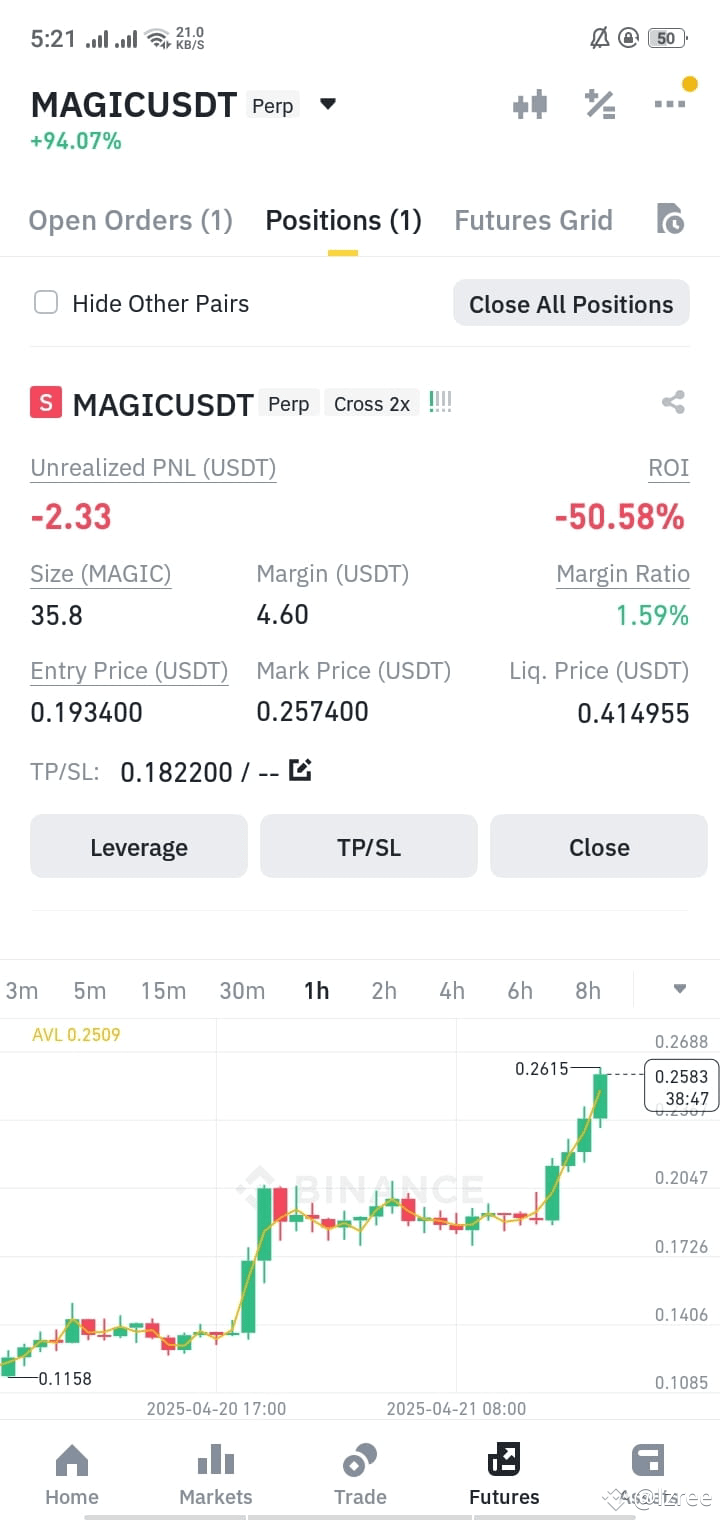
gerekir mi bekleyip ticareti kapatmalıyım? #MAGIC #writetoearn
gerekir mi bekleyip ticareti kapatmalıyım? #MAGIC #writetoearn
12
9
1
6.2k
·
--
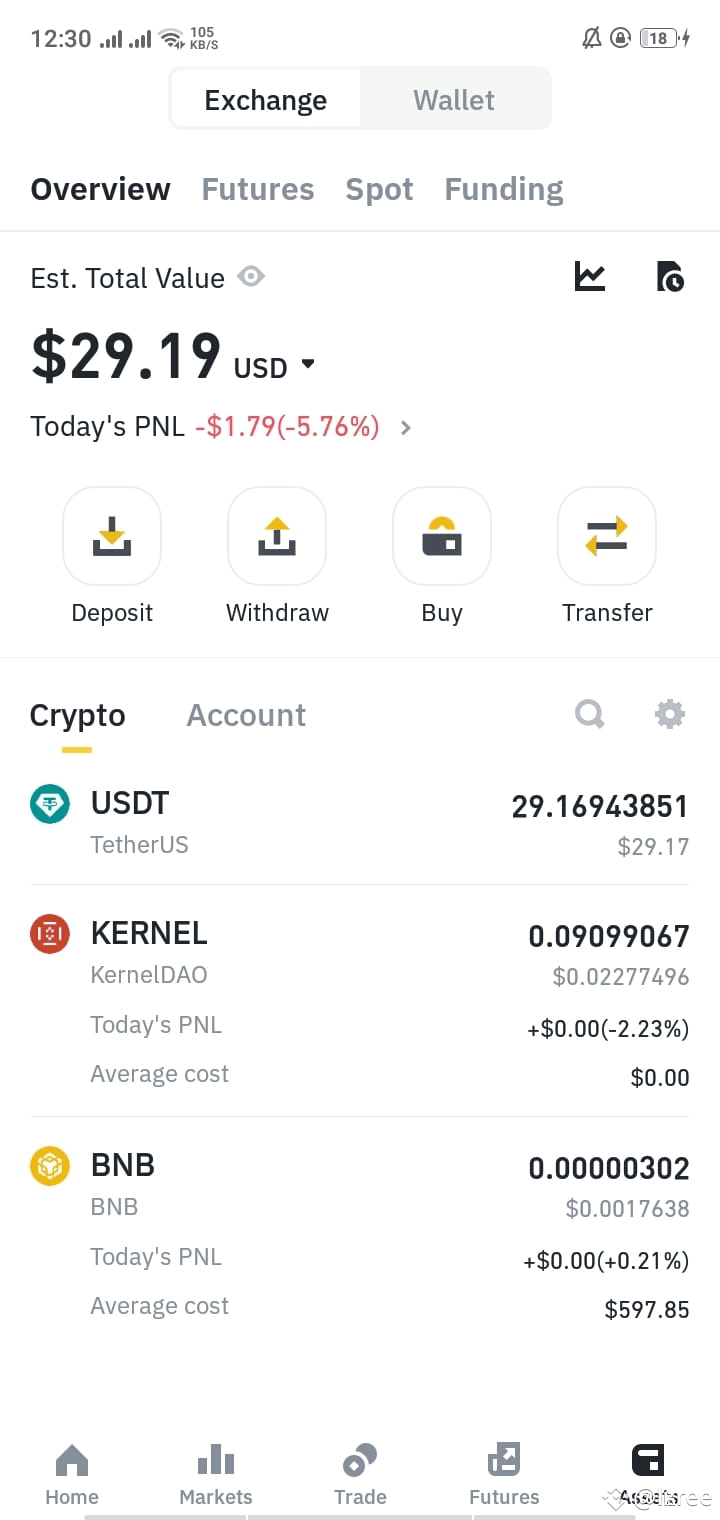
mütəxəssislər hansı pul birjasını almalı və ya satmalıyam gələcəkdə?#Write2Earn #Binance
mütəxəssislər hansı pul birjasını almalı və ya satmalıyam gələcəkdə?#Write2Earn #Binance
579
·
--
Azalma
537
·
--
Tərcüməyə bax
#DiversifyYourAssets
Diversifying your assets is a strategy aimed at reducing risk by spreading investments across different types of assets, industries, or regions. The idea is that by holding a variety of investments, poor performance in one area can be offset by better performance in another. This approach can be applied across different asset classes such as stocks, bonds, real estate, commodities, and cryptocurrencies, among others.
In practical terms, diversification can include:
1. Stocks & Bonds: A mix of both can balance growth potential and stability.
2. Real Estate: Investment in property or real estate funds offers a hedge against inflation and provides income.
3. Cryptocurrencies: Adding some exposure to digital assets like Bitcoin or Ethereum can provide growth opportunities.
4. Commodities: Investments in gold, silver, or oil can offer protection during economic downturns.
The key to effective diversification is ensuring that the assets are not highly correlated, so that market fluctuations impact them in different ways. It’s important to tailor your diversification strategy to your risk tolerance, investment goals, and time horizon.
#DiversifyYourAssets
Diversifying your assets is a strategy aimed at reducing risk by spreading investments across different types of assets, industries, or regions. The idea is that by holding a variety of investments, poor performance in one area can be offset by better performance in another. This approach can be applied across different asset classes such as stocks, bonds, real estate, commodities, and cryptocurrencies, among others.
In practical terms, diversification can include:
1. Stocks & Bonds: A mix of both can balance growth potential and stability.
2. Real Estate: Investment in property or real estate funds offers a hedge against inflation and provides income.
3. Cryptocurrencies: Adding some exposure to digital assets like Bitcoin or Ethereum can provide growth opportunities.
4. Commodities: Investments in gold, silver, or oil can offer protection during economic downturns.
The key to effective diversification is ensuring that the assets are not highly correlated, so that market fluctuations impact them in different ways. It’s important to tailor your diversification strategy to your risk tolerance, investment goals, and time horizon.
Diversifying your assets is a strategy aimed at reducing risk by spreading investments across different types of assets, industries, or regions. The idea is that by holding a variety of investments, poor performance in one area can be offset by better performance in another. This approach can be applied across different asset classes such as stocks, bonds, real estate, commodities, and cryptocurrencies, among others.
In practical terms, diversification can include:
1. Stocks & Bonds: A mix of both can balance growth potential and stability.
2. Real Estate: Investment in property or real estate funds offers a hedge against inflation and provides income.
3. Cryptocurrencies: Adding some exposure to digital assets like Bitcoin or Ethereum can provide growth opportunities.
4. Commodities: Investments in gold, silver, or oil can offer protection during economic downturns.
The key to effective diversification is ensuring that the assets are not highly correlated, so that market fluctuations impact them in different ways. It’s important to tailor your diversification strategy to your risk tolerance, investment goals, and time horizon.
7
·
--
Tərcüməyə bax
#MetaplanetBTCPurchase
It seems like you're asking about a "MetaPlanet BTC purchase," but the phrase is unclear. If you're referring to purchasing Bitcoin (BTC) through a platform called MetaPlanet or some other related term, it's important to clarify what MetaPlanet refers to, as I couldn't find any prominent platform or service by that exact name related to Bitcoin transactions.
If you meant something else, could you provide more details? I can then offer better guidance regarding purchasing Bitcoin or any related topics!
#MetaplanetBTCPurchase
It seems like you're asking about a "MetaPlanet BTC purchase," but the phrase is unclear. If you're referring to purchasing Bitcoin (BTC) through a platform called MetaPlanet or some other related term, it's important to clarify what MetaPlanet refers to, as I couldn't find any prominent platform or service by that exact name related to Bitcoin transactions.
If you meant something else, could you provide more details? I can then offer better guidance regarding purchasing Bitcoin or any related topics!
It seems like you're asking about a "MetaPlanet BTC purchase," but the phrase is unclear. If you're referring to purchasing Bitcoin (BTC) through a platform called MetaPlanet or some other related term, it's important to clarify what MetaPlanet refers to, as I couldn't find any prominent platform or service by that exact name related to Bitcoin transactions.
If you meant something else, could you provide more details? I can then offer better guidance regarding purchasing Bitcoin or any related topics!
49
·
--
Tərcüməyə bax
#PowellRemarks
Powell's remarks typically refer to comments made by Jerome Powell, the Chair of the Federal Reserve, during speeches or press conferences. These remarks are closely scrutinized as they offer insights into the Fed's stance on monetary policy, interest rates, inflation, and overall economic conditions. Powell's statements can influence financial markets, as investors react to potential shifts in the Fed’s policies. His remarks often address economic challenges such as employment, price stability, and the global economic landscape. Market participants closely follow Powell's words to gauge the likelihood of future actions, such as rate hikes or cuts, impacting investment decisions.
#PowellRemarks
Powell's remarks typically refer to comments made by Jerome Powell, the Chair of the Federal Reserve, during speeches or press conferences. These remarks are closely scrutinized as they offer insights into the Fed's stance on monetary policy, interest rates, inflation, and overall economic conditions. Powell's statements can influence financial markets, as investors react to potential shifts in the Fed’s policies. His remarks often address economic challenges such as employment, price stability, and the global economic landscape. Market participants closely follow Powell's words to gauge the likelihood of future actions, such as rate hikes or cuts, impacting investment decisions.
Powell's remarks typically refer to comments made by Jerome Powell, the Chair of the Federal Reserve, during speeches or press conferences. These remarks are closely scrutinized as they offer insights into the Fed's stance on monetary policy, interest rates, inflation, and overall economic conditions. Powell's statements can influence financial markets, as investors react to potential shifts in the Fed’s policies. His remarks often address economic challenges such as employment, price stability, and the global economic landscape. Market participants closely follow Powell's words to gauge the likelihood of future actions, such as rate hikes or cuts, impacting investment decisions.
1
·
--
Tərcüməyə bax
#RiskRewardRatio
Risk-Reward Ratio: The Key to Smarter Trading Decisions
The risk-reward ratio (RRR) is a fundamental concept in trading that helps you evaluate whether a trade is worth taking. It compares the potential loss (risk) to the potential gain (reward) of a trade. A good risk-reward ratio helps you make consistent, profitable decisions over time—even if not every trade wins.
How It Works:
Let’s say you're risking $100 on a trade and aiming to make $300. Your risk-reward ratio is:
Risk-Reward Ratio = Risk / Reward = 100 / 300 = 1:3
This means you’re risking $1 to potentially earn $3. Even if only 3 or 4 out of 10 trades are successful, you could still end up profitable.
Why It Matters:
Controls losses: It encourages smart trade setups and stops you from risking too much for small rewards.
Improves strategy: A high RRR allows you to have a lower win rate and still be profitable.
Promotes discipline: It forces you to define your stop-loss and take-profit levels before entering a trade.
Ideal Ratios: Many traders aim for a minimum of 1:2 or 1:3, meaning they risk $1 to make $2 or $3. However, the best ratio depends on your strategy, risk tolerance, and market conditions.
In short, mastering the risk-reward ratio is like knowing the odds before placing a bet. It won’t guarantee wins—but it will help you trade smarter, with a long-term edge.
#RiskRewardRatio
Risk-Reward Ratio: The Key to Smarter Trading Decisions
The risk-reward ratio (RRR) is a fundamental concept in trading that helps you evaluate whether a trade is worth taking. It compares the potential loss (risk) to the potential gain (reward) of a trade. A good risk-reward ratio helps you make consistent, profitable decisions over time—even if not every trade wins.
How It Works:
Let’s say you're risking $100 on a trade and aiming to make $300. Your risk-reward ratio is:
Risk-Reward Ratio = Risk / Reward = 100 / 300 = 1:3
This means you’re risking $1 to potentially earn $3. Even if only 3 or 4 out of 10 trades are successful, you could still end up profitable.
Why It Matters:
Controls losses: It encourages smart trade setups and stops you from risking too much for small rewards.
Improves strategy: A high RRR allows you to have a lower win rate and still be profitable.
Promotes discipline: It forces you to define your stop-loss and take-profit levels before entering a trade.
Ideal Ratios: Many traders aim for a minimum of 1:2 or 1:3, meaning they risk $1 to make $2 or $3. However, the best ratio depends on your strategy, risk tolerance, and market conditions.
In short, mastering the risk-reward ratio is like knowing the odds before placing a bet. It won’t guarantee wins—but it will help you trade smarter, with a long-term edge.
Risk-Reward Ratio: The Key to Smarter Trading Decisions
The risk-reward ratio (RRR) is a fundamental concept in trading that helps you evaluate whether a trade is worth taking. It compares the potential loss (risk) to the potential gain (reward) of a trade. A good risk-reward ratio helps you make consistent, profitable decisions over time—even if not every trade wins.
How It Works:
Let’s say you're risking $100 on a trade and aiming to make $300. Your risk-reward ratio is:
Risk-Reward Ratio = Risk / Reward = 100 / 300 = 1:3
This means you’re risking $1 to potentially earn $3. Even if only 3 or 4 out of 10 trades are successful, you could still end up profitable.
Why It Matters:
Controls losses: It encourages smart trade setups and stops you from risking too much for small rewards.
Improves strategy: A high RRR allows you to have a lower win rate and still be profitable.
Promotes discipline: It forces you to define your stop-loss and take-profit levels before entering a trade.
Ideal Ratios: Many traders aim for a minimum of 1:2 or 1:3, meaning they risk $1 to make $2 or $3. However, the best ratio depends on your strategy, risk tolerance, and market conditions.
In short, mastering the risk-reward ratio is like knowing the odds before placing a bet. It won’t guarantee wins—but it will help you trade smarter, with a long-term edge.
9
·
--
Tərcüməyə bax
#TradingPsychology
Trading Psychology: Mastering the Mental Game
Trading psychology refers to the emotional and mental state that influences a trader’s decision-making. While strategies, indicators, and charts are important, success in trading often comes down to mindset. The ability to stay calm, disciplined, and objective separates consistent traders from impulsive ones.
Here are key elements of strong trading psychology:
1. Discipline: Sticking to your trading plan—even when emotions run high—is crucial. Discipline prevents overtrading, revenge trading, or abandoning your strategy out of fear or greed.
2. Patience: Not every moment is a good time to trade. Waiting for the right setup instead of forcing a trade helps avoid unnecessary losses.
3. Emotional control: Emotions like fear, greed, anxiety, and FOMO (fear of missing out) can cloud judgment. Recognizing and managing these feelings helps keep decisions logical and focused.
4. Risk management mindset: Accepting that losses are part of the game and controlling position sizes helps reduce emotional pressure and prevent large drawdowns.
5. Confidence vs. arrogance: Confidence comes from experience and knowing your strategy works over time. Arrogance, on the other hand, can lead to risky behavior and major losses.
6. Continuous learning: Markets change. A strong trader adapts, learns from mistakes, and reviews trades with honesty and curiosity.
Ultimately, mastering trading psychology means mastering yourself. The charts may be unpredictable—but your reactions don’t have to be. A calm, focused mind is your most powerful trading tool.
#TradingPsychology
Trading Psychology: Mastering the Mental Game
Trading psychology refers to the emotional and mental state that influences a trader’s decision-making. While strategies, indicators, and charts are important, success in trading often comes down to mindset. The ability to stay calm, disciplined, and objective separates consistent traders from impulsive ones.
Here are key elements of strong trading psychology:
1. Discipline: Sticking to your trading plan—even when emotions run high—is crucial. Discipline prevents overtrading, revenge trading, or abandoning your strategy out of fear or greed.
2. Patience: Not every moment is a good time to trade. Waiting for the right setup instead of forcing a trade helps avoid unnecessary losses.
3. Emotional control: Emotions like fear, greed, anxiety, and FOMO (fear of missing out) can cloud judgment. Recognizing and managing these feelings helps keep decisions logical and focused.
4. Risk management mindset: Accepting that losses are part of the game and controlling position sizes helps reduce emotional pressure and prevent large drawdowns.
5. Confidence vs. arrogance: Confidence comes from experience and knowing your strategy works over time. Arrogance, on the other hand, can lead to risky behavior and major losses.
6. Continuous learning: Markets change. A strong trader adapts, learns from mistakes, and reviews trades with honesty and curiosity.
Ultimately, mastering trading psychology means mastering yourself. The charts may be unpredictable—but your reactions don’t have to be. A calm, focused mind is your most powerful trading tool.
Trading Psychology: Mastering the Mental Game
Trading psychology refers to the emotional and mental state that influences a trader’s decision-making. While strategies, indicators, and charts are important, success in trading often comes down to mindset. The ability to stay calm, disciplined, and objective separates consistent traders from impulsive ones.
Here are key elements of strong trading psychology:
1. Discipline: Sticking to your trading plan—even when emotions run high—is crucial. Discipline prevents overtrading, revenge trading, or abandoning your strategy out of fear or greed.
2. Patience: Not every moment is a good time to trade. Waiting for the right setup instead of forcing a trade helps avoid unnecessary losses.
3. Emotional control: Emotions like fear, greed, anxiety, and FOMO (fear of missing out) can cloud judgment. Recognizing and managing these feelings helps keep decisions logical and focused.
4. Risk management mindset: Accepting that losses are part of the game and controlling position sizes helps reduce emotional pressure and prevent large drawdowns.
5. Confidence vs. arrogance: Confidence comes from experience and knowing your strategy works over time. Arrogance, on the other hand, can lead to risky behavior and major losses.
6. Continuous learning: Markets change. A strong trader adapts, learns from mistakes, and reviews trades with honesty and curiosity.
Ultimately, mastering trading psychology means mastering yourself. The charts may be unpredictable—but your reactions don’t have to be. A calm, focused mind is your most powerful trading tool.
8
·
--
Tərcüməyə bax
#StaySAFU
Stay SAFU: Protecting Yourself in the Crypto World
"Stay SAFU" is a popular phrase in the crypto community, originally a meme that evolved into a serious reminder about security. It stands for Secure Asset Fund for Users, a reserve fund created by Binance to protect users in case of extreme situations like hacks. But beyond the fund, "Stay SAFU" is a mindset—being smart, cautious, and proactive in managing your crypto security.
Here’s how to truly “Stay SAFU”:
1. Trust, but verify: Always double-check websites, links, and apps. Scammers often imitate official platforms to steal your login info or funds.
2. Use SAFU-enabled platforms: Choose exchanges like Binance that offer extra layers of protection, including insurance-like funds, withdrawal whitelists, and real-time monitoring.
3. Control your keys: “Not your keys, not your crypto.” Consider storing assets in wallets where you hold the private keys, especially for long-term holdings.
4. Watch out for FOMO traps: Scammers prey on emotion. If a deal looks too good to be true—or is pushing urgency—it probably is.
5. Learn constantly: Crypto evolves fast. Staying SAFU means staying informed—follow credible sources, read platform updates, and know the latest scam tactics.
In short, to "Stay SAFU" is to stay alert, stay educated, and stay in control. It's more than just safety—it's how you thrive in the crypto space.
#StaySAFU
Stay SAFU: Protecting Yourself in the Crypto World
"Stay SAFU" is a popular phrase in the crypto community, originally a meme that evolved into a serious reminder about security. It stands for Secure Asset Fund for Users, a reserve fund created by Binance to protect users in case of extreme situations like hacks. But beyond the fund, "Stay SAFU" is a mindset—being smart, cautious, and proactive in managing your crypto security.
Here’s how to truly “Stay SAFU”:
1. Trust, but verify: Always double-check websites, links, and apps. Scammers often imitate official platforms to steal your login info or funds.
2. Use SAFU-enabled platforms: Choose exchanges like Binance that offer extra layers of protection, including insurance-like funds, withdrawal whitelists, and real-time monitoring.
3. Control your keys: “Not your keys, not your crypto.” Consider storing assets in wallets where you hold the private keys, especially for long-term holdings.
4. Watch out for FOMO traps: Scammers prey on emotion. If a deal looks too good to be true—or is pushing urgency—it probably is.
5. Learn constantly: Crypto evolves fast. Staying SAFU means staying informed—follow credible sources, read platform updates, and know the latest scam tactics.
In short, to "Stay SAFU" is to stay alert, stay educated, and stay in control. It's more than just safety—it's how you thrive in the crypto space.
Stay SAFU: Protecting Yourself in the Crypto World
"Stay SAFU" is a popular phrase in the crypto community, originally a meme that evolved into a serious reminder about security. It stands for Secure Asset Fund for Users, a reserve fund created by Binance to protect users in case of extreme situations like hacks. But beyond the fund, "Stay SAFU" is a mindset—being smart, cautious, and proactive in managing your crypto security.
Here’s how to truly “Stay SAFU”:
1. Trust, but verify: Always double-check websites, links, and apps. Scammers often imitate official platforms to steal your login info or funds.
2. Use SAFU-enabled platforms: Choose exchanges like Binance that offer extra layers of protection, including insurance-like funds, withdrawal whitelists, and real-time monitoring.
3. Control your keys: “Not your keys, not your crypto.” Consider storing assets in wallets where you hold the private keys, especially for long-term holdings.
4. Watch out for FOMO traps: Scammers prey on emotion. If a deal looks too good to be true—or is pushing urgency—it probably is.
5. Learn constantly: Crypto evolves fast. Staying SAFU means staying informed—follow credible sources, read platform updates, and know the latest scam tactics.
In short, to "Stay SAFU" is to stay alert, stay educated, and stay in control. It's more than just safety—it's how you thrive in the crypto space.
16
·
--
Tərcüməyə bax
#SecureYourAssets
Secure Your Assets: Smart Practices for Crypto Safety
In the fast-moving world of cryptocurrency, securing your assets is not just important—it's essential. With the decentralized nature of blockchain, once your funds are lost or stolen, they’re nearly impossible to recover. That’s why taking proactive steps to protect your digital assets is crucial.
1. Use Reputable Wallets: Store your crypto in trusted wallets. For large amounts, consider hardware wallets like Ledger or Trezor, which keep your keys offline and safe from hacks.
2. Enable Strong Security: Always use Two-Factor Authentication (2FA), a strong and unique password, and regularly update your credentials. Avoid reusing passwords across platforms.
3. Be Phishing-Aware: Hackers often use fake websites, emails, and messages to steal credentials. Always double-check URLs, never click unknown links, and use Binance’s anti-phishing code to verify official emails.
4. Keep Backup of Keys: Securely back up your seed phrases and private keys—ideally offline and in multiple secure locations. Never share them with anyone.
5. Whitelist Addresses: Platforms like Binance let you whitelist wallet addresses, ensuring withdrawals can only go to verified destinations.
6. Stay Updated: Follow official channels for updates and alerts. Scammers often exploit news gaps or outdated software.
7. Use SAFU Exchanges: Choose exchanges that offer extra protections, like Binance’s Secure Asset Fund for Users (SAFU), which acts as insurance for user funds in case of a breach.
By combining good digital habits with reliable tools and platforms, you significantly reduce your risk and take full control of your crypto journey. In crypto, security is ownership—protect it wisely.
#SecureYourAssets
Secure Your Assets: Smart Practices for Crypto Safety
In the fast-moving world of cryptocurrency, securing your assets is not just important—it's essential. With the decentralized nature of blockchain, once your funds are lost or stolen, they’re nearly impossible to recover. That’s why taking proactive steps to protect your digital assets is crucial.
1. Use Reputable Wallets: Store your crypto in trusted wallets. For large amounts, consider hardware wallets like Ledger or Trezor, which keep your keys offline and safe from hacks.
2. Enable Strong Security: Always use Two-Factor Authentication (2FA), a strong and unique password, and regularly update your credentials. Avoid reusing passwords across platforms.
3. Be Phishing-Aware: Hackers often use fake websites, emails, and messages to steal credentials. Always double-check URLs, never click unknown links, and use Binance’s anti-phishing code to verify official emails.
4. Keep Backup of Keys: Securely back up your seed phrases and private keys—ideally offline and in multiple secure locations. Never share them with anyone.
5. Whitelist Addresses: Platforms like Binance let you whitelist wallet addresses, ensuring withdrawals can only go to verified destinations.
6. Stay Updated: Follow official channels for updates and alerts. Scammers often exploit news gaps or outdated software.
7. Use SAFU Exchanges: Choose exchanges that offer extra protections, like Binance’s Secure Asset Fund for Users (SAFU), which acts as insurance for user funds in case of a breach.
By combining good digital habits with reliable tools and platforms, you significantly reduce your risk and take full control of your crypto journey. In crypto, security is ownership—protect it wisely.
Secure Your Assets: Smart Practices for Crypto Safety
In the fast-moving world of cryptocurrency, securing your assets is not just important—it's essential. With the decentralized nature of blockchain, once your funds are lost or stolen, they’re nearly impossible to recover. That’s why taking proactive steps to protect your digital assets is crucial.
1. Use Reputable Wallets: Store your crypto in trusted wallets. For large amounts, consider hardware wallets like Ledger or Trezor, which keep your keys offline and safe from hacks.
2. Enable Strong Security: Always use Two-Factor Authentication (2FA), a strong and unique password, and regularly update your credentials. Avoid reusing passwords across platforms.
3. Be Phishing-Aware: Hackers often use fake websites, emails, and messages to steal credentials. Always double-check URLs, never click unknown links, and use Binance’s anti-phishing code to verify official emails.
4. Keep Backup of Keys: Securely back up your seed phrases and private keys—ideally offline and in multiple secure locations. Never share them with anyone.
5. Whitelist Addresses: Platforms like Binance let you whitelist wallet addresses, ensuring withdrawals can only go to verified destinations.
6. Stay Updated: Follow official channels for updates and alerts. Scammers often exploit news gaps or outdated software.
7. Use SAFU Exchanges: Choose exchanges that offer extra protections, like Binance’s Secure Asset Fund for Users (SAFU), which acts as insurance for user funds in case of a breach.
By combining good digital habits with reliable tools and platforms, you significantly reduce your risk and take full control of your crypto journey. In crypto, security is ownership—protect it wisely.
1
·
--
Tərcüməyə bax
#BinanceSafetyInsights
Binance Safety Insights: Keeping Your Crypto Secure
Binance, one of the world’s largest cryptocurrency exchanges, places a strong emphasis on user security. With the increasing threats of hacks, scams, and phishing attacks in the crypto space, Binance has developed several safety measures to protect users and their funds.
1. Two-Factor Authentication (2FA): Binance strongly recommends enabling 2FA through Google Authenticator or SMS to add an extra layer of security during login and withdrawals.
2. Anti-Phishing Code: Users can create a custom code that appears in all official Binance emails, helping them identify and avoid phishing attempts.
3. Withdrawal Whitelist: This feature allows users to restrict withdrawals to a list of trusted wallet addresses, minimizing the risk of unauthorized access.
4. Real-Time Monitoring: Binance uses AI and advanced algorithms to detect suspicious behavior, such as unusual login locations or sudden changes in trading patterns, often locking accounts automatically for review.
5. SAFU Fund (Secure Asset Fund for Users): Binance allocates a portion of trading fees to a secure fund designed to reimburse users in the event of a major security breach
#BinanceSafetyInsights
Binance Safety Insights: Keeping Your Crypto Secure
Binance, one of the world’s largest cryptocurrency exchanges, places a strong emphasis on user security. With the increasing threats of hacks, scams, and phishing attacks in the crypto space, Binance has developed several safety measures to protect users and their funds.
1. Two-Factor Authentication (2FA): Binance strongly recommends enabling 2FA through Google Authenticator or SMS to add an extra layer of security during login and withdrawals.
2. Anti-Phishing Code: Users can create a custom code that appears in all official Binance emails, helping them identify and avoid phishing attempts.
3. Withdrawal Whitelist: This feature allows users to restrict withdrawals to a list of trusted wallet addresses, minimizing the risk of unauthorized access.
4. Real-Time Monitoring: Binance uses AI and advanced algorithms to detect suspicious behavior, such as unusual login locations or sudden changes in trading patterns, often locking accounts automatically for review.
5. SAFU Fund (Secure Asset Fund for Users): Binance allocates a portion of trading fees to a secure fund designed to reimburse users in the event of a major security breach
Binance Safety Insights: Keeping Your Crypto Secure
Binance, one of the world’s largest cryptocurrency exchanges, places a strong emphasis on user security. With the increasing threats of hacks, scams, and phishing attacks in the crypto space, Binance has developed several safety measures to protect users and their funds.
1. Two-Factor Authentication (2FA): Binance strongly recommends enabling 2FA through Google Authenticator or SMS to add an extra layer of security during login and withdrawals.
2. Anti-Phishing Code: Users can create a custom code that appears in all official Binance emails, helping them identify and avoid phishing attempts.
3. Withdrawal Whitelist: This feature allows users to restrict withdrawals to a list of trusted wallet addresses, minimizing the risk of unauthorized access.
4. Real-Time Monitoring: Binance uses AI and advanced algorithms to detect suspicious behavior, such as unusual login locations or sudden changes in trading patterns, often locking accounts automatically for review.
5. SAFU Fund (Secure Asset Fund for Users): Binance allocates a portion of trading fees to a secure fund designed to reimburse users in the event of a major security breach
177
·
--
#StopLossStrategies
Zərər Dayandırma Strategiyaları: Ticarətdə Risk İdarəetməsi üçün Əsas Alət
Zərər dayandırma strategiyaları, treyderlərin risk idarə etməsi və dalğalı bazarlarda kapitalı qoruması üçün istifadə etdiyi vacib alətlərdir. Zərər dayandırma, bir broker ilə müəyyən bir qiymətə çatdıqda bir təhlükəsizliyi satmaq üçün verilən bir əmrdır və bu, investorda bir mövqedə itkiləri məhdudlaşdırmağa kömək edir. Müxtəlif növ zərər dayandırma strategiyaları vardır ki, bunların hər biri fərqli ticarət üslublarına və risk toleranslarına uyğun gəlir.
Sabit zərər dayandırma, əvvəlcədən müəyyən edilmiş faiz və ya məbləğdir, adətən başlanğıc treyderlər tərəfindən sadəliyi üçün istifadə olunur. İzləyici zərər dayandırmaları qiymət hərəkəti ilə tənzimlənir və treyderlərin qazancı qorumasına imkan tanıyarkən, ticarətə böyümək üçün yer verir. Dalğalanmaya əsaslanan dayandırmalar bazar dalğalanmalarını nəzərə alır və aktivin nə qədər dalğalı olduğuna əsasən dayandırma məsafəsini müəyyən edir, daha uyğun bir yanaşma təqdim edir. Texniki zərər dayandırmaları strateji səviyyələrdə, məsələn, dəstəyin altında və ya müqavimətin üstündə yerləşdirilir, qrafik nümunələri və göstəricilərdən asılıdır.
Doğru zərər dayandırma strategiyasını seçmək treyderin məqsədlərindən, bazar şərtlərindən və ticarət olunan aktivdən asılıdır. Düzgün tətbiq edildikdə, bu strategiyalar yalnız böyük itkilərdən qorumaqla qalmır, həm də ticarət qərarlarında intizam və davamlılığı saxlamağa kömək edir.
#StopLossStrategies
Zərər Dayandırma Strategiyaları: Ticarətdə Risk İdarəetməsi üçün Əsas Alət
Zərər dayandırma strategiyaları, treyderlərin risk idarə etməsi və dalğalı bazarlarda kapitalı qoruması üçün istifadə etdiyi vacib alətlərdir. Zərər dayandırma, bir broker ilə müəyyən bir qiymətə çatdıqda bir təhlükəsizliyi satmaq üçün verilən bir əmrdır və bu, investorda bir mövqedə itkiləri məhdudlaşdırmağa kömək edir. Müxtəlif növ zərər dayandırma strategiyaları vardır ki, bunların hər biri fərqli ticarət üslublarına və risk toleranslarına uyğun gəlir.
Sabit zərər dayandırma, əvvəlcədən müəyyən edilmiş faiz və ya məbləğdir, adətən başlanğıc treyderlər tərəfindən sadəliyi üçün istifadə olunur. İzləyici zərər dayandırmaları qiymət hərəkəti ilə tənzimlənir və treyderlərin qazancı qorumasına imkan tanıyarkən, ticarətə böyümək üçün yer verir. Dalğalanmaya əsaslanan dayandırmalar bazar dalğalanmalarını nəzərə alır və aktivin nə qədər dalğalı olduğuna əsasən dayandırma məsafəsini müəyyən edir, daha uyğun bir yanaşma təqdim edir. Texniki zərər dayandırmaları strateji səviyyələrdə, məsələn, dəstəyin altında və ya müqavimətin üstündə yerləşdirilir, qrafik nümunələri və göstəricilərdən asılıdır.
Doğru zərər dayandırma strategiyasını seçmək treyderin məqsədlərindən, bazar şərtlərindən və ticarət olunan aktivdən asılıdır. Düzgün tətbiq edildikdə, bu strategiyalar yalnız böyük itkilərdən qorumaqla qalmır, həm də ticarət qərarlarında intizam və davamlılığı saxlamağa kömək edir.
Zərər Dayandırma Strategiyaları: Ticarətdə Risk İdarəetməsi üçün Əsas Alət
Zərər dayandırma strategiyaları, treyderlərin risk idarə etməsi və dalğalı bazarlarda kapitalı qoruması üçün istifadə etdiyi vacib alətlərdir. Zərər dayandırma, bir broker ilə müəyyən bir qiymətə çatdıqda bir təhlükəsizliyi satmaq üçün verilən bir əmrdır və bu, investorda bir mövqedə itkiləri məhdudlaşdırmağa kömək edir. Müxtəlif növ zərər dayandırma strategiyaları vardır ki, bunların hər biri fərqli ticarət üslublarına və risk toleranslarına uyğun gəlir.
Sabit zərər dayandırma, əvvəlcədən müəyyən edilmiş faiz və ya məbləğdir, adətən başlanğıc treyderlər tərəfindən sadəliyi üçün istifadə olunur. İzləyici zərər dayandırmaları qiymət hərəkəti ilə tənzimlənir və treyderlərin qazancı qorumasına imkan tanıyarkən, ticarətə böyümək üçün yer verir. Dalğalanmaya əsaslanan dayandırmalar bazar dalğalanmalarını nəzərə alır və aktivin nə qədər dalğalı olduğuna əsasən dayandırma məsafəsini müəyyən edir, daha uyğun bir yanaşma təqdim edir. Texniki zərər dayandırmaları strateji səviyyələrdə, məsələn, dəstəyin altında və ya müqavimətin üstündə yerləşdirilir, qrafik nümunələri və göstəricilərdən asılıdır.
Doğru zərər dayandırma strategiyasını seçmək treyderin məqsədlərindən, bazar şərtlərindən və ticarət olunan aktivdən asılıdır. Düzgün tətbiq edildikdə, bu strategiyalar yalnız böyük itkilərdən qorumaqla qalmır, həm də ticarət qərarlarında intizam və davamlılığı saxlamağa kömək edir.
137
Daha çox kontent araşdırmaq üçün daxil olun
Binance Square-də qlobal kriptovalyuta istifadəçilərinə qoşulun
⚡️ Kriptovalyuta haqqında ən son və faydalı məlumatları əldə edin.
💬 Dünyanın ən böyük kriptovalyuta birjası tərəfindən etibar edilir.
👍 Doğrulanmış yaradıcılardan gələn real məlumatları kəşf edin.
E-poçt/Telefon nömrəsi
Trenddə olan mövzular
EtherGains70.9%InQ3
30,631 baxış
Müzakirə edir: 436
Tarixdəki ən yaxşı üçüncü rüblərdən biri 💰
Sentyabr dünən axşam bağlandı və bununla da rüb başa çatdı. Rüb ərzində BTC 42% artıb — rekordlar içində ikinci ən yaxşı Q3. ETH isə ümumilikdə rekord qıran Q3 keçirdi, 70% artımla.
Qrafikə baxsaq, hər şey hələ də yaxşı görünür: dəstəyi saxlayırıq, amma ona daha tez-tez test etməyə məruz qalırıq. Üstəlik, ETF momentum zəifləyir — daxilolmalar tədricən azalır və dünən uzun bir müddətdən sonra ilk dəfə xaricə çıxışlar qeydə alınıb.
Bəli, tarixi olaraq oktyabr kriptolar üçün yaxşı ay olub — “Uptober” boş yerə deyil. Amma bu ay həm də ən qeyri-sabit aylardan biridir. Məsələn, ötən il biz yeni tarixi maksimuma (ATH) çatdıq və eyni zamanda ani “flash crash” yaşadıq.
🚀 Yüksək Dəqiqlikli Ticarətlər.
$BTC
$ETH
$SOL
#EtherGains70.9%InQ3 #DollarIndexHitsHighestSinceMay2025 #CFTCSubmitsTwoEventContractRulesToWhiteHouse #MicronBeatsEarningsLiftsGuidance
Knowledge is Power
·0 bəyənmə
·97 baxış
TreasuryLetsStatesFileStablecoinCertificationsEarly
406 baxış
Müzakirə edir: 17
US10YearYieldNears5.3%
67,651 baxış
Müzakirə edir: 641