
sanicityboy
6 Paylaşımlar

sanicityboy
Şikayət et
İstifadəçini blokla
Blockchain and web3 education , crypto market research and analysis
9 İzlənilir
0 İzləyicilər
2 Bəyəndi
Postlar
·
--
Tərcüməyə bax
CEX, DEX, DeFi & How Crypto Infrastructure Works
Understanding the Technology Powering Decentralized Finance.
The crypto ecosystem is built on interconnected technologies that make digital transactions, trading, and financial services possible without relying entirely on traditional institutions.
CEX (Centralized Exchange): Platforms operated by companies that allow users to buy, sell, and trade cryptocurrencies through centralized systems.
DEX (Decentralized Exchange): Blockchain-powered platforms that enable peer-to-peer crypto trading through smart contracts, giving users greater control over their assets.
DeFi (Decentralized Finance): An open financial ecosystem that uses blockchain technology and smart contracts to provide services such as lending, borrowing, staking, and trading without traditional intermediaries.
How Does Crypto Infrastructure Work?
Behind every crypto transaction is an infrastructure working together:
Blockchain: Records and verifies transactions.
Smart Contracts: Automate financial operations.
Wallets: Enable users to manage digital assets.
Oracles: Connect blockchain networks to real-world data.
Bridges: Connect different blockchain ecosystems.
The Bigger Picture
CEX provides accessibility, DEX enables decentralized trading, and DeFi creates new financial possibilities.
Together, they form the foundation of a new digital economy built around transparency, accessibility, and financial freedom.
Crypto is more than digital money; it is an entirely new financial infrastructure.


71
·
--
Tərcüməyə bax
Wallets, Private Keys, Public Keys & Seed Phrases: Understanding the Foundation of Crypto Ownership
The world of cryptocurrency is built on ownership, security, and control. At the heart of this ecosystem are four essential concepts: wallets, public keys, private keys, and seed phrases. Understanding how they work is fundamental to navigating Web3 safely and confidently.
1. Crypto Wallets: Your Gateway to Web3
A crypto wallet is a tool that allows you to manage your digital assets, interact with blockchain networks, and access decentralized applications (dApps). It doesn't physically store your cryptocurrency; instead, it manages the keys that prove ownership and authorize transactions.
2. Public Keys: Your Digital Identity
A public key is cryptographically linked to your private key. It helps generate your wallet address, which others can use to send you cryptocurrency. Think of it as your digital account number: you can share it without exposing your funds.
3. Private Keys: The Power of Ownership
Your private key is the secret that authorizes transactions and proves control over your assets. Anyone who gains access to it may gain control of your funds. It must remain confidential at all times.
4. Seed Phrases: Your Ultimate Recovery Key
A seed phrase is a sequence of 12 or 24 words used to recover a wallet and regenerate its keys. It serves as a critical backup if your device is lost, damaged, or inaccessible. Never share it or store it carelessly.
The Bigger Picture
In Web3, financial freedom comes with personal responsibility. There is no traditional password-reset button when you lose access to your wallet.
Remember: Your wallet connects you to Web3, your public key enables receiving, your private key grants control, and your seed phrase protects recovery.
True digital ownership begins with understanding how to protect it.
#blochain#digital#web3
_Sanicityboy
78
·
--
WEB1, WEB2 VƏ WEB3: İNTERNETİN TƏKAMÜLÜ
Oxumaqdan yaratmağa, nəhayət, sahib olmağa.
İnternet diqqətəlayiq dəyişikliklərə məruz qalaraq insanların məlumat əldə etmə, ünsiyyət qurma, məzmun yaratma və dəyər mübadiləsi üsullarını dəyişib. Bu təkamül üç nəsillə müəyyən olunur: Web1, Web2 və Web3.
1. Web1: Yalnız oxumaq üçün internet
1990-cı illərin əvvəllərində meydana çıxan Web1 istifadəçilərə statik veb-saytlar vasitəsilə məlumat əldə etmək imkanı yaratdı. Qarşılıqlı əlaqə məhdud idi və məzmunun böyük hissəsi veb-sayt sahibləri tərəfindən yayımlanır və idarə olunurdu.
Onun əsas məqsədi məlumatların əlçatanlığı idi.
2. Web2: Oxumaq və yazmaq üçün internet
Web2 interneti interaktiv ekosistemə çevirdi. İstifadəçilər Facebook, YouTube, Instagram və X kimi platformalar vasitəsilə məzmun yarada, fikirlərini bölüşə, ünsiyyət qura və icmalar formalaşdıra bildilər.
Lakin platformalar, istifadəçi məlumatları və rəqəmsal infrastruktur əsasən mərkəzləşdirilmiş şirkətlərin nəzarətində idi.
Onun əsas məqsədi iştirak və əlaqəlilik idi.
3. Web3: Oxumaq, yazmaq və sahib olmaq üçün internet
Web3 blokçeyn texnologiyası, mərkəzsizləşdirmə və rəqəmsal sahibliklə dəstəklənən yeni internet vizyonunu təqdim edir.
Kriptovalyutalar, NFT-lər, smart-kontraktlar və mərkəzsizləşdirilmiş tətbiqlər (dApp-lər) vasitəsilə istifadəçilər rəqəmsal aktivləri üzərində daha böyük nəzarət əldə edə və tamamilə mərkəzləşdirilmiş vasitəçilərdən asılı olmadan mərkəzsizləşdirilmiş ekosistemlərdə iştirak edə bilərlər.
Onun əsas məqsədi sahiblik və istifadəçilərin səlahiyyətlərinin artırılmasıdır.
Bu təkamül niyə vacibdir?
Web3 kriptovalyutadan daha geniş anlayışdır. O, mərkəzsizləşdirilmiş maliyyə (DeFi), rəqəmsal identifikasiya, real dünya aktivlərinin (RWA) tokenləşdirilməsi və rəqəmsal sahiblik sahələrində imkanlar yaradır.
Təhlükəsizlik, miqyaslana bilmə, tənzimləmə və tətbiqlə bağlı çətinliklər hələ də mövcud olsa da, onun potensialı innovasiyaları cəlb etməkdə davam edir.
Yekun fikirlər
İnternetin təkamülü rəqəmsal iştirakda əsaslı dəyişikliyi təmsil edir.
Web1 bizi məlumatlarla əlaqələndirdi. Web2 bizi insanlarla əlaqələndirdi. Web3 isə bizi sahibliklə əlaqələndirməyə çalışır.
#Web3 #Web2 #Web1 #Blockchain #InternetEvolution #DigitalOwnership
_Sanicityboy
75
·
--
Tərcüməyə bax
What Is Blockchain? Understanding Distributed Ledgers
Blockchain is one of the most important technologies powering the Web3 ecosystem. From Bitcoin and Ethereum to DeFi and NFTs, it is changing how people store, verify, and transfer digital value.
But what exactly is blockchain?
Blockchain is a distributed digital ledger that records transactions across a network of computers instead of relying entirely on one central authority.
It consists of connected blocks containing transaction data. Each block is cryptographically linked to the previous one, creating a chronological record that is difficult to alter without detection.
Understanding Distributed Ledgers
A Distributed Ledger Technology (DLT) is a shared database maintained by multiple network participants.
Unlike traditional databases controlled by a central administrator, distributed ledgers allow participants to verify and maintain shared records.
Blockchain is one form of DLT, but not every distributed ledger uses blockchain architecture.
How Does Blockchain Work?
The process is straightforward:
A user initiates a transaction.
The network receives and validates it.
Valid transactions are grouped into blocks.
Consensus establishes the accepted record.
The blockchain is updated.
Why Does It Matter?
Blockchain supports important Web3 innovations, including:
DeFi: Decentralized financial services.
NFTs: Verifiable digital ownership.
Smart Contracts: Automated digital agreements.
Tokenization: Representing assets digitally.
However, blockchain is not completely risk-free. Smart contract exploits, stolen private keys, and insecure bridges remain important security challenges.
Final Thoughts
Blockchain is more than cryptocurrency. It represents a new approach to digital ownership, transparency, and trust.
Understanding blockchain means understanding the foundation upon which much of Web3 is being built.
Learn the technology. Look beyond the speculation.
— Sanicityboy
#Blockchain #Web3 #CryptoEducation
134
·
--
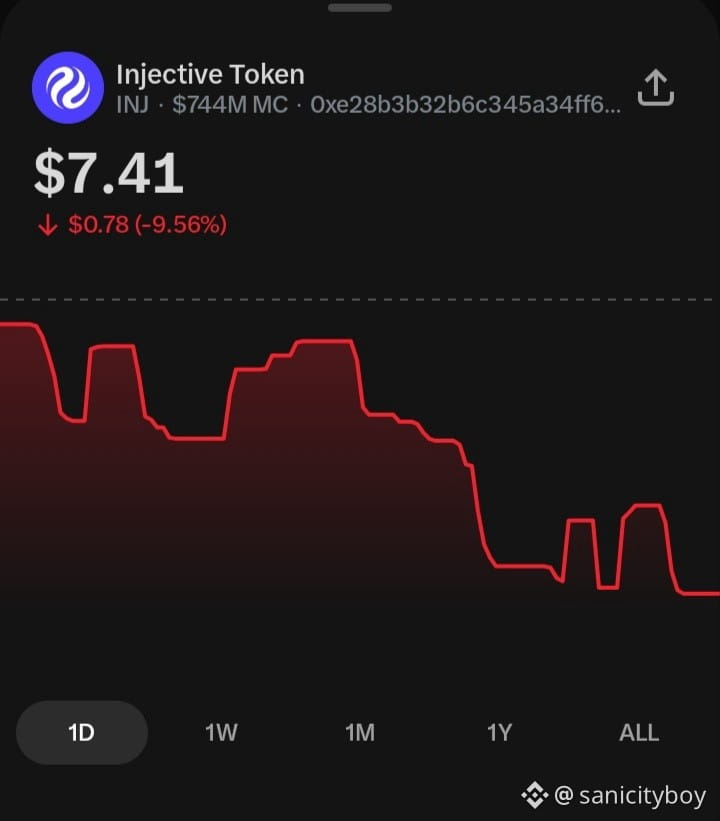
$INJ sahibləri, bəxtimiz gətirib 🤸
Səbir bəhrəsini verir, Hausa xalqı
$INJ sahibləri, bəxtimiz gətirib 🤸
Səbir bəhrəsini verir, Hausa xalqı
Səbir bəhrəsini verir, Hausa xalqı
440
Daha çox kontent araşdırmaq üçün daxil olun
Binance Square-də qlobal kriptovalyuta istifadəçilərinə qoşulun
⚡️ Kriptovalyuta haqqında ən son və faydalı məlumatları əldə edin.
💬 Dünyanın ən böyük kriptovalyuta birjası tərəfindən etibar edilir.
👍 Doğrulanmış yaradıcılardan gələn real məlumatları kəşf edin.
E-poçt/Telefon nömrəsi
Trenddə olan mövzular
A Packed Week of Earnings and Data Tests Markets
37,773 baxış
Müzakirə edir: 272
🚨🇺🇸 BAZARLAR ÜÇÜN GƏLƏN HƏFTƏ ÇOX GƏRGİN OLACAQ!
Bazarlar dekabrda Fed-in faiz artıracağını gözləyir və $BTC gələn həftə ciddi dəyişikliklər ola bilər.
Gözlənilənlər:
• Bazar ertəsi: Fed sədri Warsh çıxış edəcək
• Çərşənbə axşamı: ABŞ-da pərakəndə satışlar + $NVDA-nın gəlirləri
• Çərşənbə: FOMC-nin iclas protokolu
• Cümə axşamı: İşsizlik müavinəti üçün müraciətlər + Filadelfiya Fed indeksi
• Cümə: İstehlakçı əhval-ruhiyyəsi + Fed rəsmilərinin çıxışları
Daha bir mühüm həftə başlayarkən bütün diqqətlər $BTC üzərindədir.
#bitcoin
Mookie
·10 bəyənmə
·5.3k baxış
AnthropicIPOTestsInvestorAppetiteForAI
46,007 baxış
Müzakirə edir: 844
BitcoinExtendsLosingStreakToSixWeeks
7,273 baxış
Müzakirə edir: 209