
RIGGAX
35 Paylaşımlar

RIGGAX
Şikayət et
İstifadəçini blokla
I’m a regular guy with a dream
Açıq ticarət
Daimi treyder
1.9 il
5 İzlənilir
33 İzləyicilər
38 Bəyəndi
Postlar
Portfel
Hamısı
Sitatlar
·
--

Məqalə
Tərcüməyə bax
Kite AI: Building the Financial Infrastructure for the Agent EconomyKite AI: Building the Financial Infrastructure for the Agent Economy
Artificial intelligence is changing how people interact with technology. Today, AI agents can answer questions, conduct research, write content, analyze information, and perform different tasks with little human involvement.
But as these agents become more capable, a new challenge emerges: how can AI agents make payments, access paid services, and manage digital assets independently and securely?
This is where Kite AI comes in.
What Is Kite AI?
Kite AI is building financial infrastructure designed for the growing agent economy.
Its goal is to make it easier for AI agents to interact with digital services and move value. Instead of simply completing tasks, agents can also access paid tools and services through controlled payment systems.
Think of an AI agent that needs information from a paid API. Rather than requiring a human to manually complete every payment, the agent can request authorization and pay for the service within the limits approved by its user.
The Technology Behind Kite AI
Kite's ecosystem brings together several important components.
1. Kite Agent Passport
The Agent Passport provides identity, permissions, and payment capabilities for AI agents.
Users can create spending sessions that define how much an agent can spend, which assets it can use, and how long its permission remains active.
This gives agents room to perform tasks while allowing users to maintain control over their activities.
2. Kite Chain
Kite Chain is the blockchain infrastructure supporting transactions and coordination within the ecosystem.
It is designed to support the payment needs of AI agents, including transactions between agents and services.
3. Stablecoin Payments
Stablecoins make digital payments easier to understand because their value is designed to remain relatively stable compared with traditional currencies.
Kite supports stablecoin payment flows, allowing agents to interact with supported services without relying entirely on volatile assets for everyday payments.
4. x402 Payments
Another important part of Kite's infrastructure is its support for the x402 payment standard.
This allows online services to request payment before providing access to certain resources.
For example, an AI agent could request information from a paid API, receive a payment requirement, complete the authorized payment, and then access the information.
This creates opportunities for pay-per-use services instead of relying only on monthly subscriptions.
Real-World Use Cases
The agent economy could introduce new ways of doing everyday digital tasks.
- Online shopping: AI agents could research products and complete purchases through supported payment integrations.
- Research: Agents could pay for access to specific datasets and information services.
- Business automation: Agents could access paid software tools and APIs within approved budgets.
- Agent-to-agent payments: One agent could pay another for a particular service.
- Financial services: Agents could interact with supported blockchain applications based on permissions granted by their users.
These examples show the possibilities of an economy where AI agents can do more than simply provide information.
Why Kite AI Matters
For AI agents to become useful participants in the digital economy, they need more than intelligence.
They need identity, permissions, access to services, and reliable ways to make payments.
Kite AI is working to bring these pieces together.
Its approach focuses on giving agents the ability to perform financial activities while keeping users involved through spending limits, authorization, and control.
Conclusion
The future of AI may involve millions of agents working across different platforms, purchasing services, exchanging information, and completing tasks on behalf of people and businesses.
For this vision to work, there must be infrastructure that allows these agents to interact and move value securely.
Kite AI is building toward that future by connecting AI agents with blockchain technology, payment systems, and financial services.
The agent economy is still developing, but the infrastructure being built today could play an important role in how it grows.
#kiteai $KITE
{spot}(KITEUSDT)
@GoKiteAI
Kite AI: Building the Financial Infrastructure for the Agent Economy
Kite AI: Building the Financial Infrastructure for the Agent Economy
Artificial intelligence is changing how people interact with technology. Today, AI agents can answer questions, conduct research, write content, analyze information, and perform different tasks with little human involvement.
But as these agents become more capable, a new challenge emerges: how can AI agents make payments, access paid services, and manage digital assets independently and securely?
This is where Kite AI comes in.
What Is Kite AI?
Kite AI is building financial infrastructure designed for the growing agent economy.
Its goal is to make it easier for AI agents to interact with digital services and move value. Instead of simply completing tasks, agents can also access paid tools and services through controlled payment systems.
Think of an AI agent that needs information from a paid API. Rather than requiring a human to manually complete every payment, the agent can request authorization and pay for the service within the limits approved by its user.
The Technology Behind Kite AI
Kite's ecosystem brings together several important components.
1. Kite Agent Passport
The Agent Passport provides identity, permissions, and payment capabilities for AI agents.
Users can create spending sessions that define how much an agent can spend, which assets it can use, and how long its permission remains active.
This gives agents room to perform tasks while allowing users to maintain control over their activities.
2. Kite Chain
Kite Chain is the blockchain infrastructure supporting transactions and coordination within the ecosystem.
It is designed to support the payment needs of AI agents, including transactions between agents and services.
3. Stablecoin Payments
Stablecoins make digital payments easier to understand because their value is designed to remain relatively stable compared with traditional currencies.
Kite supports stablecoin payment flows, allowing agents to interact with supported services without relying entirely on volatile assets for everyday payments.
4. x402 Payments
Another important part of Kite's infrastructure is its support for the x402 payment standard.
This allows online services to request payment before providing access to certain resources.
For example, an AI agent could request information from a paid API, receive a payment requirement, complete the authorized payment, and then access the information.
This creates opportunities for pay-per-use services instead of relying only on monthly subscriptions.
Real-World Use Cases
The agent economy could introduce new ways of doing everyday digital tasks.
- Online shopping: AI agents could research products and complete purchases through supported payment integrations.
- Research: Agents could pay for access to specific datasets and information services.
- Business automation: Agents could access paid software tools and APIs within approved budgets.
- Agent-to-agent payments: One agent could pay another for a particular service.
- Financial services: Agents could interact with supported blockchain applications based on permissions granted by their users.
These examples show the possibilities of an economy where AI agents can do more than simply provide information.
Why Kite AI Matters
For AI agents to become useful participants in the digital economy, they need more than intelligence.
They need identity, permissions, access to services, and reliable ways to make payments.
Kite AI is working to bring these pieces together.
Its approach focuses on giving agents the ability to perform financial activities while keeping users involved through spending limits, authorization, and control.
Conclusion
The future of AI may involve millions of agents working across different platforms, purchasing services, exchanging information, and completing tasks on behalf of people and businesses.
For this vision to work, there must be infrastructure that allows these agents to interact and move value securely.
Kite AI is building toward that future by connecting AI agents with blockchain technology, payment systems, and financial services.
The agent economy is still developing, but the infrastructure being built today could play an important role in how it grows.
#kiteai $KITE
@KITE AI 中文
106
·
--
$JCT $Jct 0.00269-ə qədər
Giriş
00368–0.00370
Zərərin dayandırılması 0.00398
TP1 0.00345
TP2 0.00320
TP3 0.00290
TP4 0.00269
$JCT $Jct 0.00269-ə qədər
Giriş
00368–0.00370
Zərərin dayandırılması 0.00398
TP1 0.00345
TP2 0.00320
TP3 0.00290
TP4 0.00269
Giriş
00368–0.00370
Zərərin dayandırılması 0.00398
TP1 0.00345
TP2 0.00320
TP3 0.00290
TP4 0.00269
430
·
--
Tərcüməyə bax
GM KITERS 🪁
AI agents are getting smarter, but intelligence alone isn't enough.
Imagine an AI agent that can research markets, pay for data, access different services, and complete tasks on your behalf without you having to manage every step manually.
Sounds like the future, right?
But for this to work, agents need more than intelligence. They need identity, payment infrastructure, and clear permissions that determine what they can do and how much they can spend.
This is where Kite AI comes in.
Through Kite Agent Passport and its agent-focused infrastructure, Kite is working toward a future where AI agents can pay for digital services, interact with other systems, and execute tasks within limits defined by their users.
Think about businesses using agents to gather information, analyze data, and access paid tools automatically. Instead of humans handling every transaction, agents could manage eligible payments as part of their workflow.
That's what makes the agent economy interesting.
We're moving from AI that simply answers questions to AI that can actually get things done.
Kite is building toward that future, and I'm interested to see how far this ecosystem can go as adoption grows.
What industry do you think will benefit the most from the agent economy: finance, e-commerce, or digital services?
$KITE #KiteBBW

1
3
116
·
--
Hər kəsə günortanız xeyir @Binance_Angels
Uşaqlar günü münasibətilə sizin üçün (uşaqlar kimi) kriptonun əsaslarını izah edən balaca bir post yaratmaq qərarına gəldim.
Təsəvvür edin ki, sizin 10 peçenyəniz var.
Həyətdə hamı bilir ki, sizin 10 peçenyəniz var, çünki siz onları aldığınızı görüb.
İndi siz 2 peçenyəni dostunuza verirsiniz.
Təkcə bir müəllim hesab aparmaq əvəzinə, həyətdəki hər uşaq yazır:
Timmi 2 peçenyəni Saraya verdi.
Hamı eyni şeyi yazdığı üçün, heç kim realda olduğundan daha çox peçenye olduğunu iddia edib aldatmaq olmur.
Bəs kripto da elə işləyir.
Peçenyələr kriptondur.
Hamının daim saxladığı nəhəng siyahı blockchain adlanır.
İndi təsəvvür edin ki, peçenye qabınız xüsusi qabdır.
Onu açmaq üçün açarı yalnız sizdə var.
Müəlliminizdə yox.
Bankınızda yox.
Hətta qabı hazırlayan şirkətdə də yox.
Bu sizin kripto pulqabınızdır.
İnsanlar binance və @BinanceWallet istifadə edəndə, bu, milyonlarla insanın müxtəlif növ rəqəmsal peçenyələr haqqında öyrənə, ticarət edə və əldə edə bildiyi nəhəng bir oyun meydançasına getmək kimidir.
Bəzi peçenyələr Bitcoin adlanır.
Bəziləri Ethereum.
Digər minlərlə də var, o cümlədən $BNB .
Əsas məqam peçenyələr deyil.
Əsas məqam dəftərdir.
İlk dəfə olaraq, dünyanın hər yerindən insanlar siyahıya cavabdeh olan tək bir adam olmadan belə, kimdə nəyin olduğunu razılaşaraq dəqiq bilə bilirlər.
Kriptonun sehri də budur.
Mahiyyət etibarilə kripto, heç kimin sahib olmadığı, hamının yoxlaya bildiyi və hamının güvənə bildiyi nəhəng qlobal dəftərdən ibarətdir.
Bunu başa düşdünüz?
Aşağıda suallar verə bilərsiniz
#ChildrensDay2026
Hər kəsə günortanız xeyir @Binance Angels
Uşaqlar günü münasibətilə sizin üçün (uşaqlar kimi) kriptonun əsaslarını izah edən balaca bir post yaratmaq qərarına gəldim.
Təsəvvür edin ki, sizin 10 peçenyəniz var.
Həyətdə hamı bilir ki, sizin 10 peçenyəniz var, çünki siz onları aldığınızı görüb.
İndi siz 2 peçenyəni dostunuza verirsiniz.
Təkcə bir müəllim hesab aparmaq əvəzinə, həyətdəki hər uşaq yazır:
Timmi 2 peçenyəni Saraya verdi.
Hamı eyni şeyi yazdığı üçün, heç kim realda olduğundan daha çox peçenye olduğunu iddia edib aldatmaq olmur.
Bəs kripto da elə işləyir.
Peçenyələr kriptondur.
Hamının daim saxladığı nəhəng siyahı blockchain adlanır.
İndi təsəvvür edin ki, peçenye qabınız xüsusi qabdır.
Onu açmaq üçün açarı yalnız sizdə var.
Müəlliminizdə yox.
Bankınızda yox.
Hətta qabı hazırlayan şirkətdə də yox.
Bu sizin kripto pulqabınızdır.
İnsanlar binance və @Binance Wallet istifadə edəndə, bu, milyonlarla insanın müxtəlif növ rəqəmsal peçenyələr haqqında öyrənə, ticarət edə və əldə edə bildiyi nəhəng bir oyun meydançasına getmək kimidir.
Bəzi peçenyələr Bitcoin adlanır.
Bəziləri Ethereum.
Digər minlərlə də var, o cümlədən $BNB .
Əsas məqam peçenyələr deyil.
Əsas məqam dəftərdir.
İlk dəfə olaraq, dünyanın hər yerindən insanlar siyahıya cavabdeh olan tək bir adam olmadan belə, kimdə nəyin olduğunu razılaşaraq dəqiq bilə bilirlər.
Kriptonun sehri də budur.
Mahiyyət etibarilə kripto, heç kimin sahib olmadığı, hamının yoxlaya bildiyi və hamının güvənə bildiyi nəhəng qlobal dəftərdən ibarətdir.
Bunu başa düşdünüz?
Aşağıda suallar verə bilərsiniz
#ChildrensDay2026

1
178
·
--
Azalma
$KAITO kütləvi satış təzyiqi gəlir
Böyük bir ləğv (likvidasiya) baş verdi
$KAITO kütləvi satış təzyiqi gəlir
Böyük bir ləğv (likvidasiya) baş verdi
Böyük bir ləğv (likvidasiya) baş verdi
274
·
--
Azalma
$KAITO to 0.3 0,3-dür, mühüm
İndi açıq yerlər
$KAITO to 0.3 0,3-dür, mühüm
İndi açıq yerlər
İndi açıq yerlər
1
285
·
--
Azalma
$KAITO Bu gün tam açılma səbəbi ilə $KAITO üçün ən böyük açılış. ( $1.1M ).
Bu cüzdan, x-dən 7 gün əvvəl infofi platformalarını bağlama haqqında e-poçt aldığı üçün komandaya bağlı olduğu görünür.
Mən bunu görməzdən əvvəl artıq qısa mövqedə idim (0.6 - 0.59 aralığı). Bu, manipulyasiya edilə də bilər
$KAITO Bu gün tam açılma səbəbi ilə $KAITO üçün ən böyük açılış. ( $1.1M ).
Bu cüzdan, x-dən 7 gün əvvəl infofi platformalarını bağlama haqqında e-poçt aldığı üçün komandaya bağlı olduğu görünür.
Mən bunu görməzdən əvvəl artıq qısa mövqedə idim (0.6 - 0.59 aralığı). Bu, manipulyasiya edilə də bilər
Bu cüzdan, x-dən 7 gün əvvəl infofi platformalarını bağlama haqqında e-poçt aldığı üçün komandaya bağlı olduğu görünür.
Mən bunu görməzdən əvvəl artıq qısa mövqedə idim (0.6 - 0.59 aralığı). Bu, manipulyasiya edilə də bilər

1
215

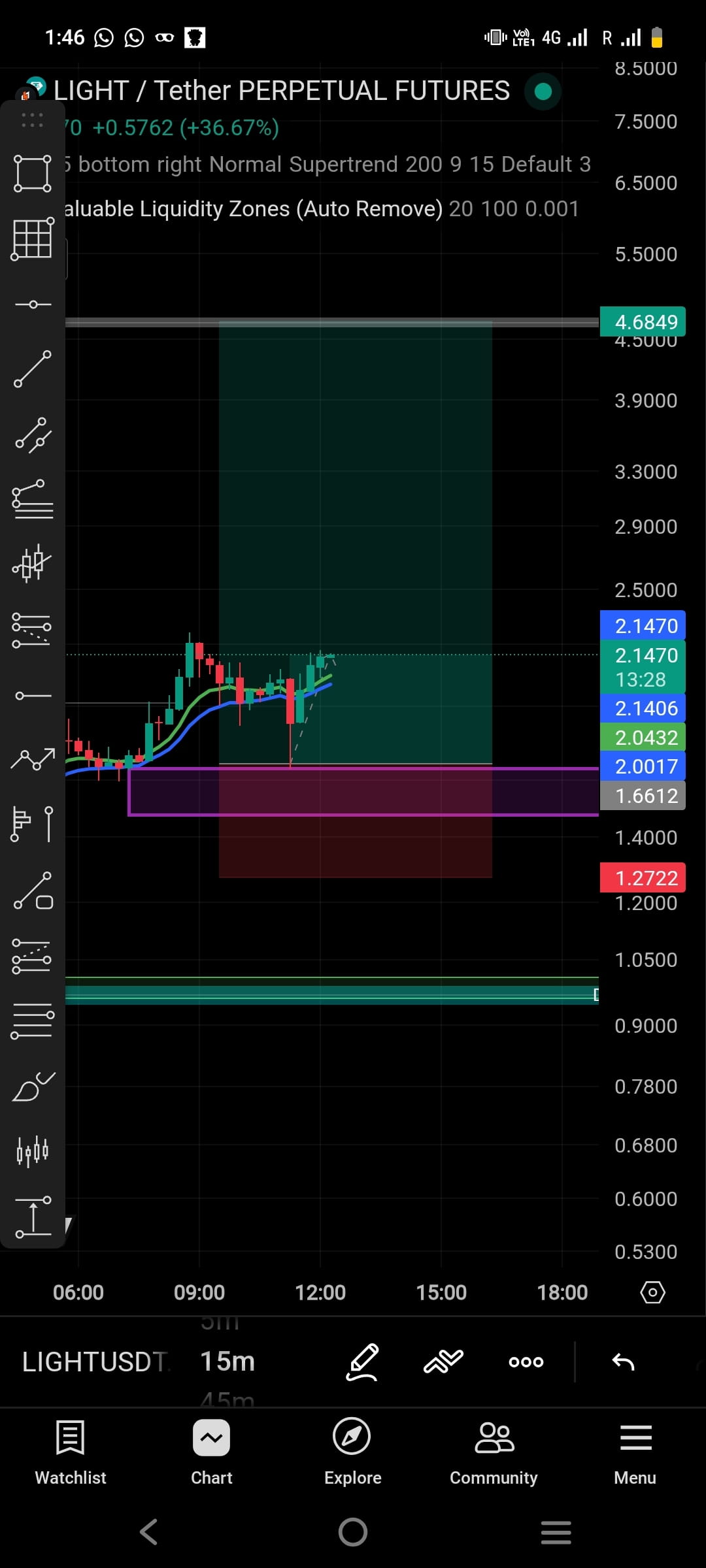
·
--
Artım
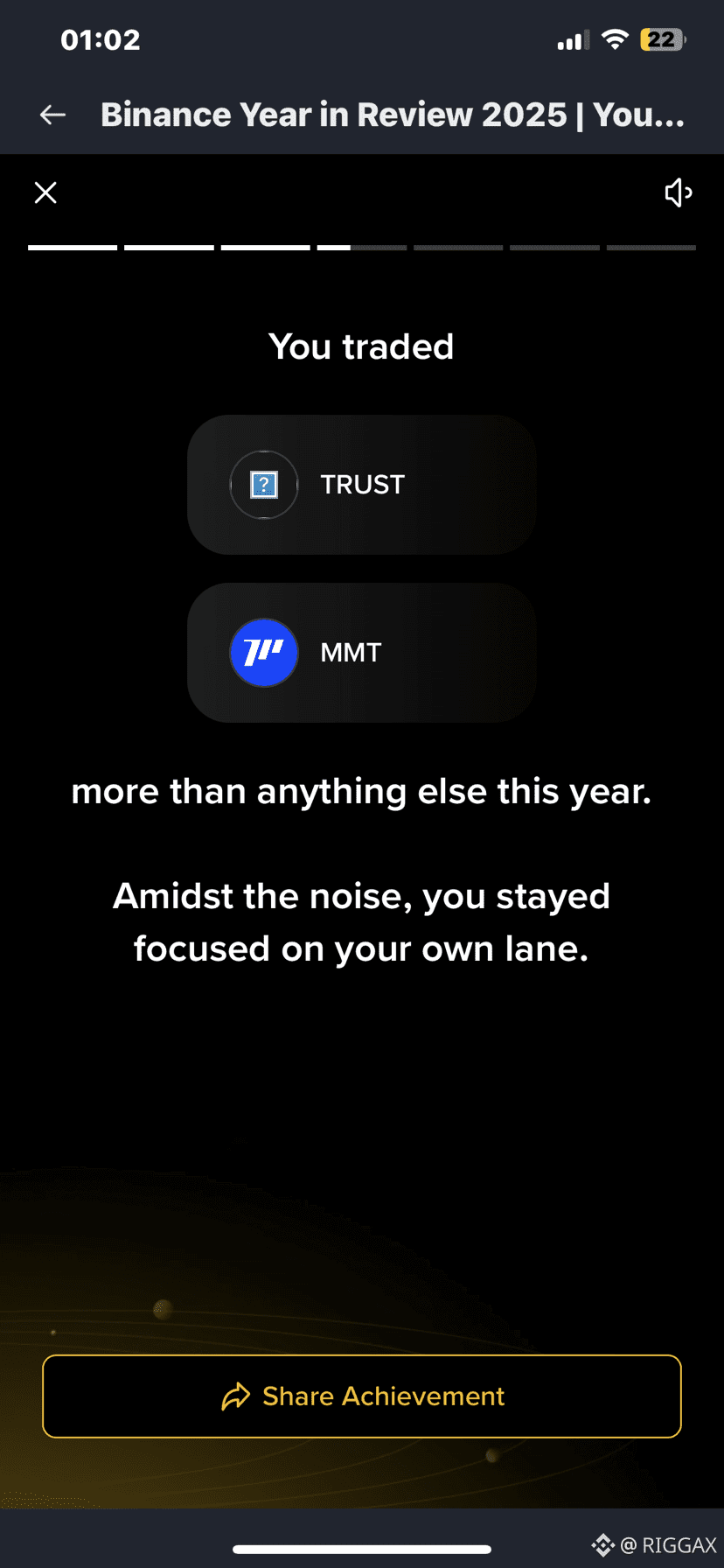
2025 səs-küylü, dəyişkən və diqqəti dağıdanlarla dolu idi, amma mənim Binance İliyin Baxışı diqqət məsələsinin niyə əhəmiyyətli olduğunu xatırlatdı. Bu il mən öz yolumda qalaraq, hər bir tendensiyanı izləmək əvəzinə, TRUST və MMT ilə ticarət etməyi daha çox tapdım. Hər ticarət mükəmməl deyildi, amma davamlılıq, dərslər və intizam həqiqətən də müsbət nəticələr verdi. Səyahətə, məlumatlara və inkişafa görə minnətdaram. 2026-da daha kəskin qərarlarla irəliləyək.
#2025withBinance
#2025withBinance
1
4
528
·
--
Sübut?
Sübut?

链上陈俊杰
·
--
$DOLO İndi uzun mövqeyə daxil olun, treyder (fond) yığımı edir və boşaldıb aşağı salma cəhdinə (tələyə) alır, MA xəttinin hərəkəti açıq şəkildə yuxarı gedir. Bu valyutanı iki gündür müşahidə edirəm: enişi 0.035-ə qədər yuyub təmizlədi, bir neçə günün üzən qazancı artıq qiymətlə bərabərləşib — qiymət isə aşağı səviyyəyə gəlib. 0.045-də alıb 0.6-nı görəndə, təxminən 80%-ə yaxın mənfəətlə satış edib bağladım. Arada dalğalanmalar olanda əlavə mövqe əlavə etmək olar. İndi uzun mövqeyə daxil olun
7
·
--
Zəhmət olmasa, mənə bir Milad hədiyyəsi göndərin🙏🙏
Zəhmət olmasa, mənə bir Milad hədiyyəsi göndərin🙏🙏

Iam RIR
·
--
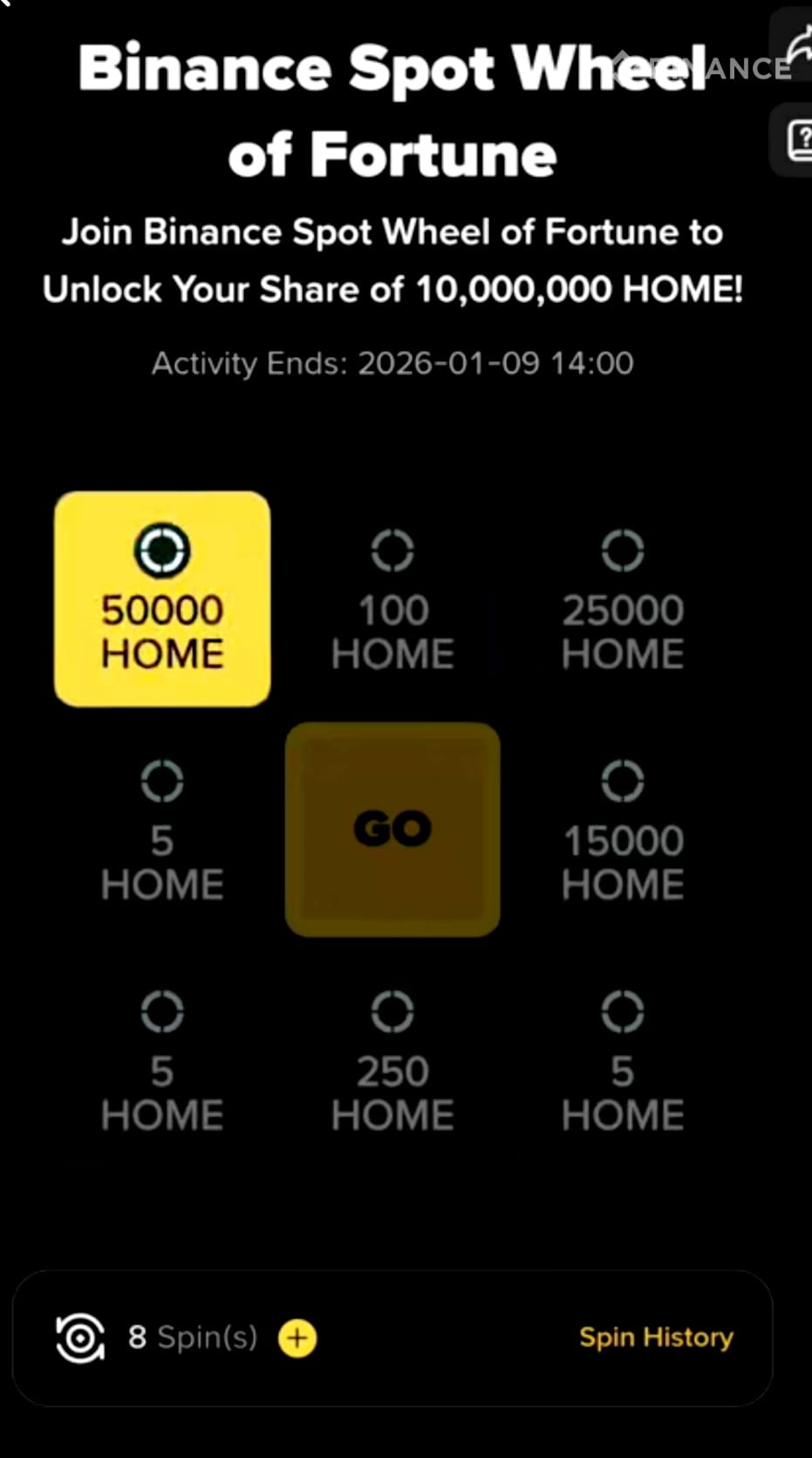
Bəli, mən 50000 $HOME Token aldım! Möhtəşəm tədbir, Binance-ə təşəkkürlər 🔥
#CPIWatch
#CPIWatch
5
·
--
Əgər satırsınızsa, bütün xal itirirsiniz
Əgər satırsınızsa, bütün xal itirirsiniz

xXJackOfAllTradesXx
·
--
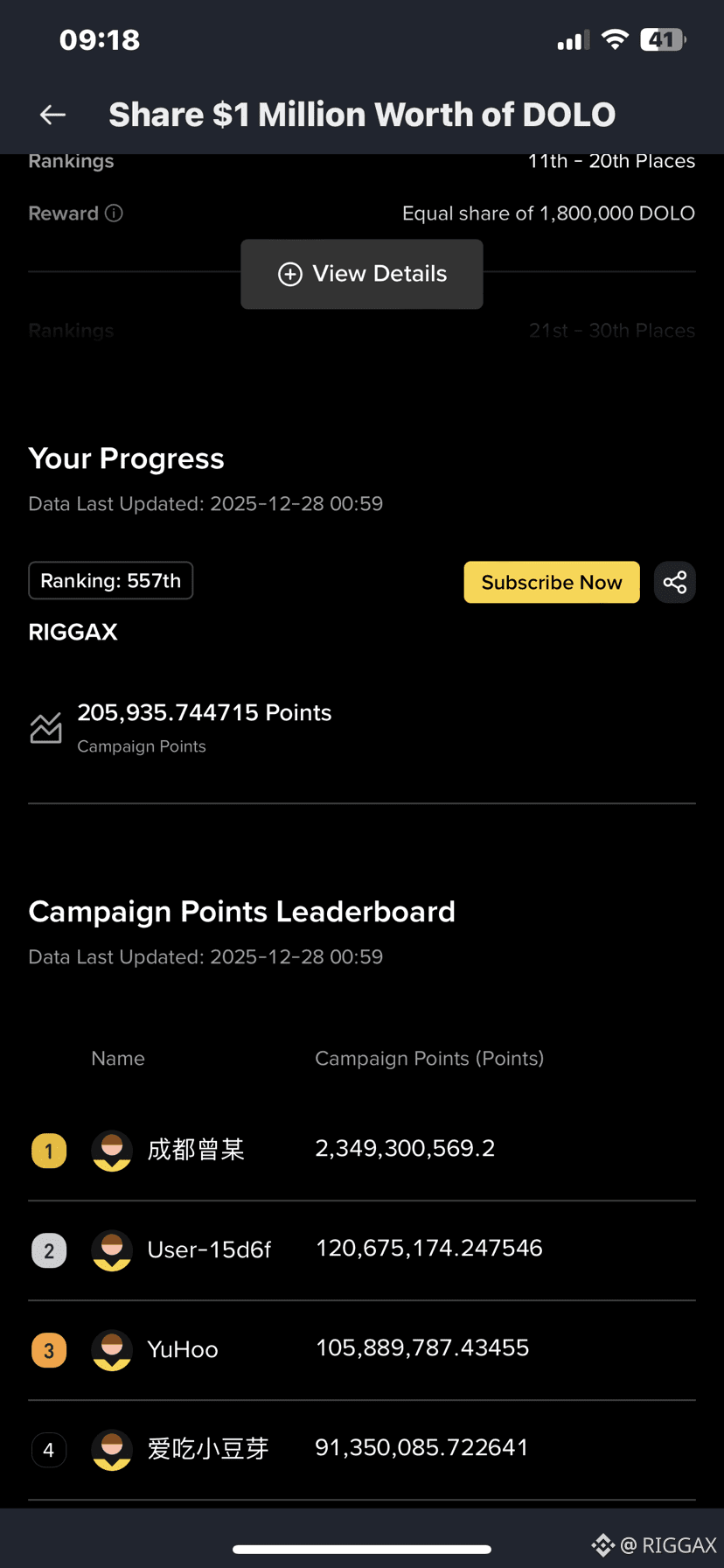
bu bir tələdir 🙊🙉🙈 $DOLO tutmağına diqqət et, kifayət qədər xal qazananlar səssizcə çıxır 🚫🚫🚫💯
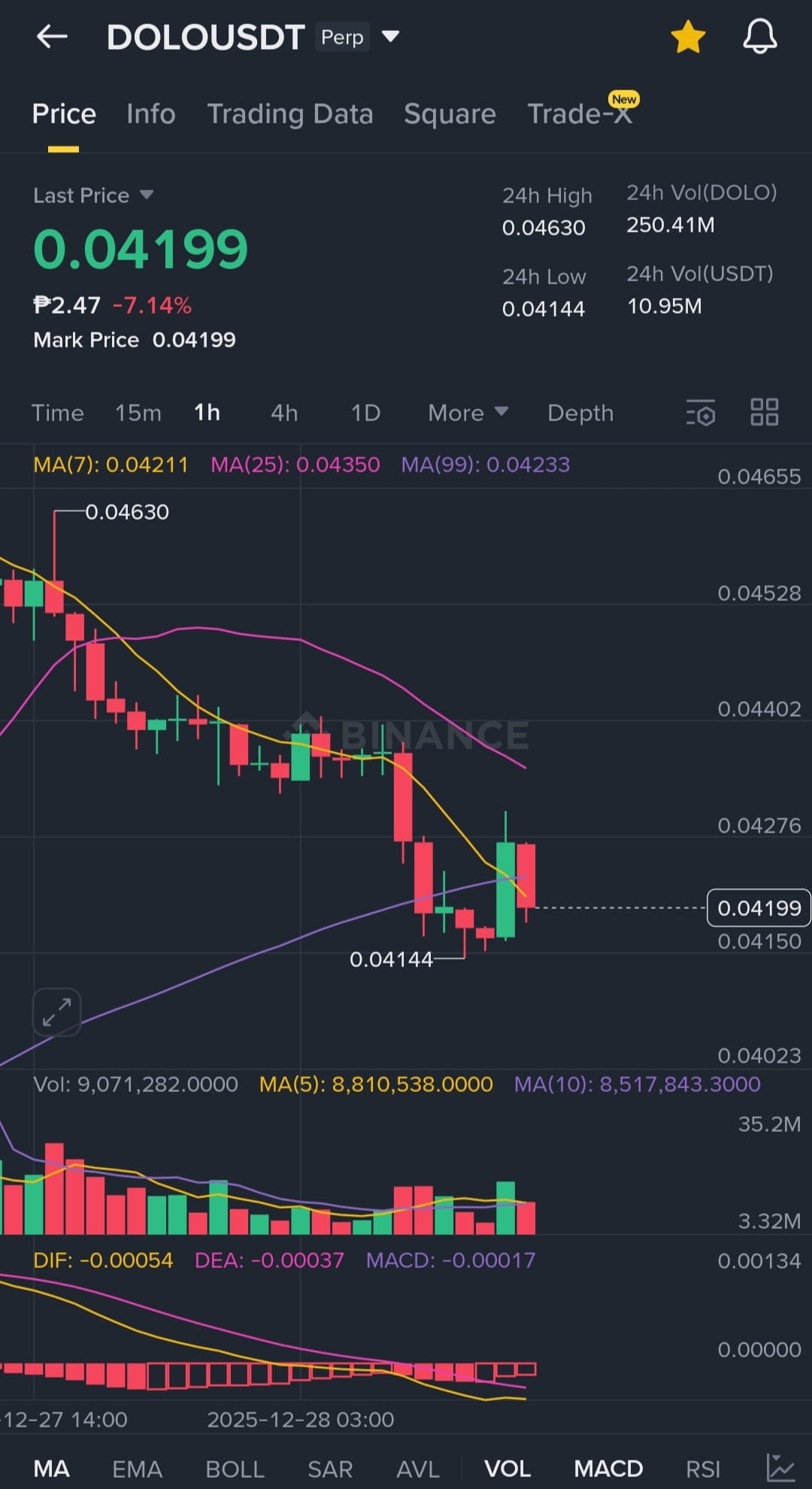
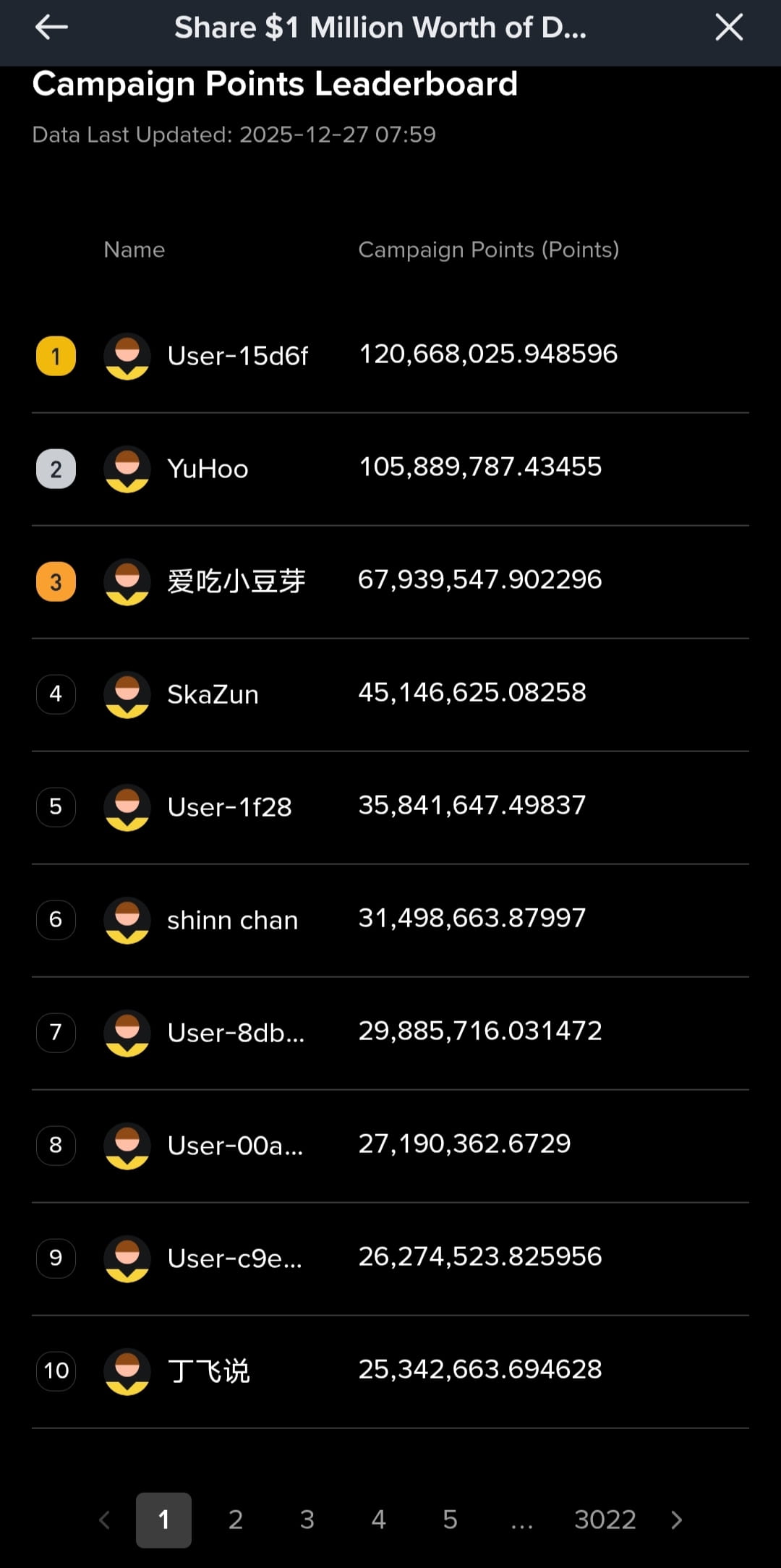
1
1
5
·
--
Haqqınızı necə minimuma endirirsiniz?
Haqqınızı necə minimuma endirirsiniz?

Ashik islam5
·
--
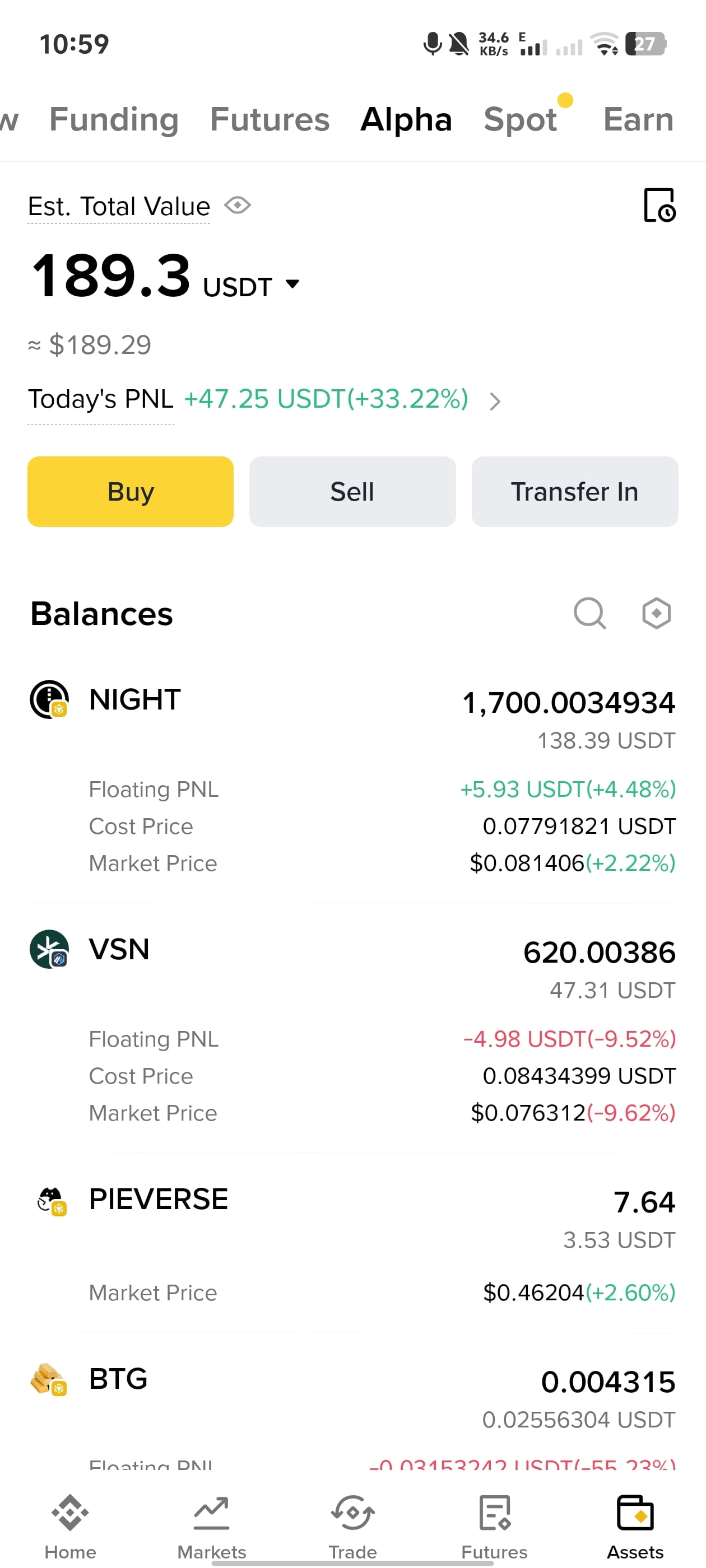
alındı
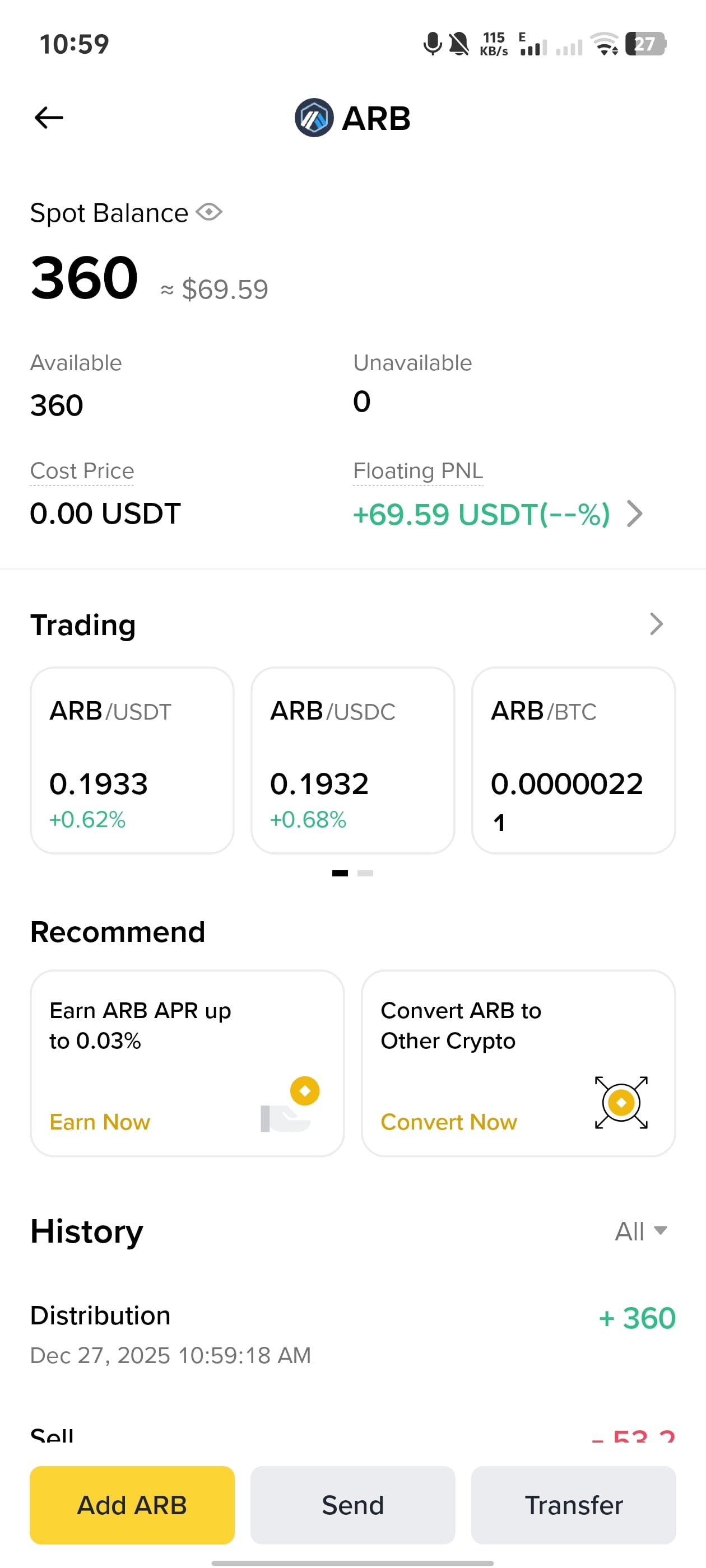
54
·
--
Mənə fırlanmağa icazə verilmir
Mənə fırlanmağa icazə verilmir

Msshehzad9
·
--
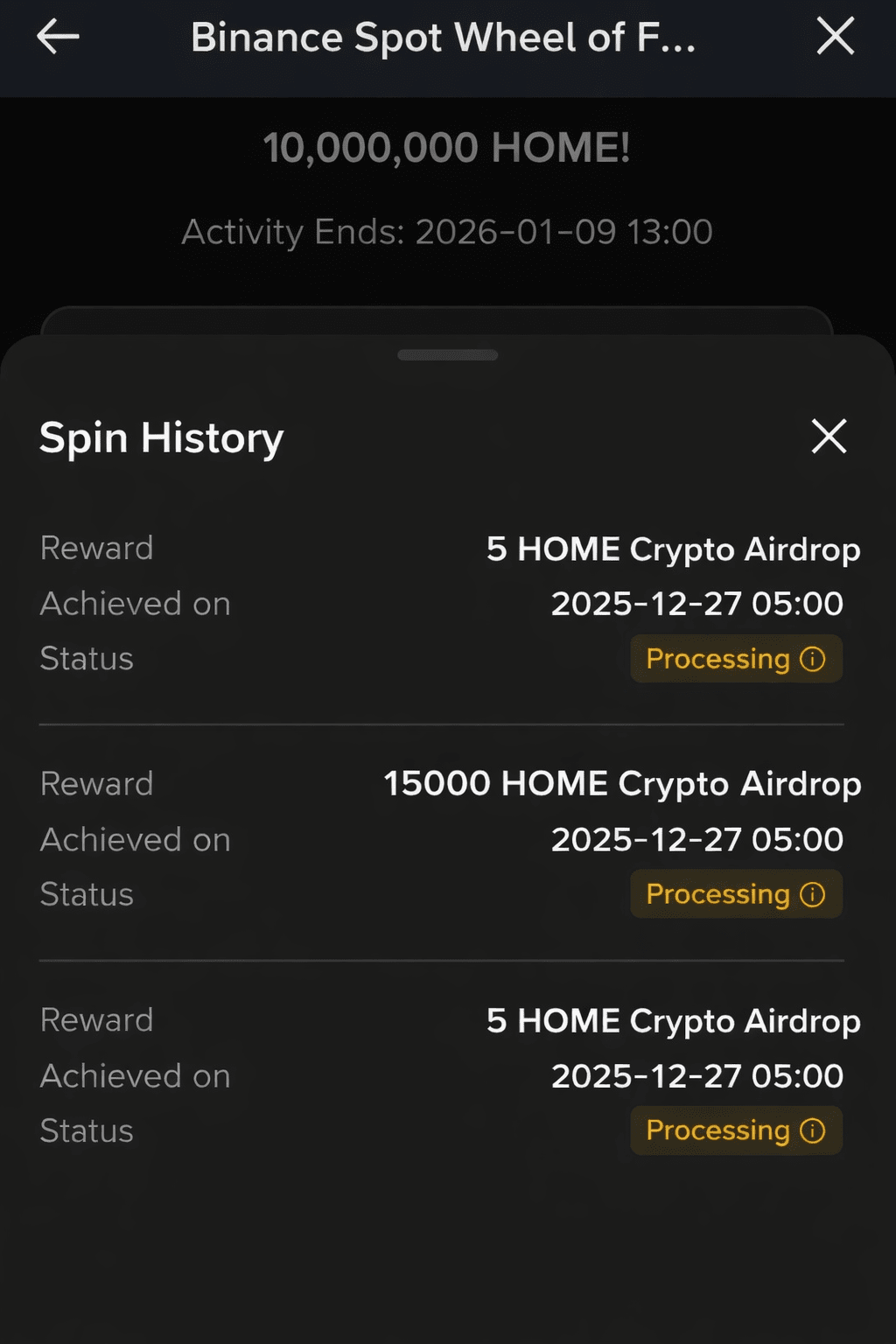
😳 Vay, mən 15000 Ev Yeri əldə etdim, Spin-dən 300$ dəyərində. Mənim üçün xoş gün 😎🥰😍😍
3
·
--
Nə vaxt fırlanırsan?
Nə vaxt fırlanırsan?
Msshehzad9
·
--
😳 Vay, mən 15000 Ev Yeri əldə etdim, Spin-dən 300$ dəyərində. Mənim üçün xoş gün 😎🥰😍😍
Daha çox kontent araşdırmaq üçün daxil olun
Binance Square-də qlobal kriptovalyuta istifadəçilərinə qoşulun
⚡️ Kriptovalyuta haqqında ən son və faydalı məlumatları əldə edin.
💬 Dünyanın ən böyük kriptovalyuta birjası tərəfindən etibar edilir.
👍 Doğrulanmış yaradıcılardan gələn real məlumatları kəşf edin.
E-poçt/Telefon nömrəsi
Trenddə olan mövzular
NvidiaBeatsEstimatesWith$130BQ4Outlook
204 baxış
Müzakirə edir: 7
Nvidia 115,8 Milyard Dollarlıq Gəlirlə Proqnozları Üstələdi, 130 Milyard Dollar Gəlir Gözləyir və Səhmlərin Geri Alınmasına Daha 150 Milyard Dollar Ayırır
Binance News
·16 bəyənmə
·18.2k baxış
AnthropicIPOPriceCouldExceed$80
240 baxış
Müzakirə edir: 23
CanNvidia’sDataCenterGrowthContinue?
691 baxış
Müzakirə edir: 18