
Optimisus
1.2k Paylaşımlar

Optimisus
Şikayət et
İstifadəçini blokla
Optimisus is a dubai-based read-to-earn media platform, covering crypto, NFT, blockchain, and Fintech news influencing the crypto industry

Level 1 Creator
31 İzlənilir
35.7K+ İzləyicilər
5.5K+ Bəyəndi
1 Nişanlar
Postlar
Hamısı
Sitatlar
·
--
Məqalə
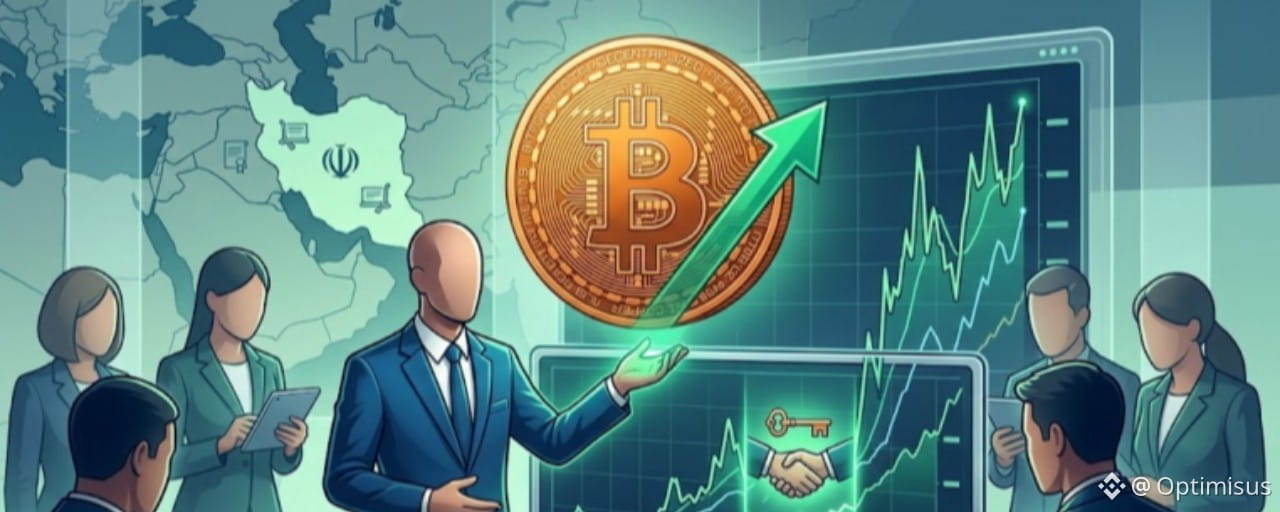
İran razılaşması fonunda bitkoin 66.000 dollara yüksəldi. Danışılmayan hissə budur15 iyun 2026-cı ildə ABŞ-İran sülh çərçivəsi bitkoini 66.000 ABŞ dollarından yuxarı qaldırdı. Brent markalı neft 4% ucuzlaşdı. Asiya səhmləri 5% yüksəldi. Hamının gözlədiyi ticarət kimi görünürdü. Standard Chartered 60.000 ABŞ dollarını dövrün ən aşağı səviyyəsi adlandırdı. Coinbase-in baş direktoru Brian Armstrong da bunu açıq şəkildə dedi. Amma Fear and Greed Index (Qorxu və Tamah Göstəricisi) 20 səviyyəsində qaldı. Əvvəlki beş həftə ərzində 4,8 milyard ABŞ dollarından çox vəsait bitkoin ETF-lərindən çıxarıldı. Bu konkret geosiyasi-ralli modelinin artıq bu il iki dəfə eyni şəkildə oynandığını izləyən analitiklər isə aydın sualı verirlər: bu fərqlidir, yoxsa eyni ticarət üçüncü dəfə geri çevrilir?
İran razılaşması fonunda bitkoin 66.000 dollara yüksəldi. Danışılmayan hissə budur
15 iyun 2026-cı ildə ABŞ-İran sülh çərçivəsi bitkoini 66.000 ABŞ dollarından yuxarı qaldırdı. Brent markalı neft 4% ucuzlaşdı. Asiya səhmləri 5% yüksəldi. Hamının gözlədiyi ticarət kimi görünürdü. Standard Chartered 60.000 ABŞ dollarını dövrün ən aşağı səviyyəsi adlandırdı. Coinbase-in baş direktoru Brian Armstrong da bunu açıq şəkildə dedi. Amma Fear and Greed Index (Qorxu və Tamah Göstəricisi) 20 səviyyəsində qaldı. Əvvəlki beş həftə ərzində 4,8 milyard ABŞ dollarından çox vəsait bitkoin ETF-lərindən çıxarıldı. Bu konkret geosiyasi-ralli modelinin artıq bu il iki dəfə eyni şəkildə oynandığını izləyən analitiklər isə aydın sualı verirlər: bu fərqlidir, yoxsa eyni ticarət üçüncü dəfə geri çevrilir?
225
·
--
Məqalə
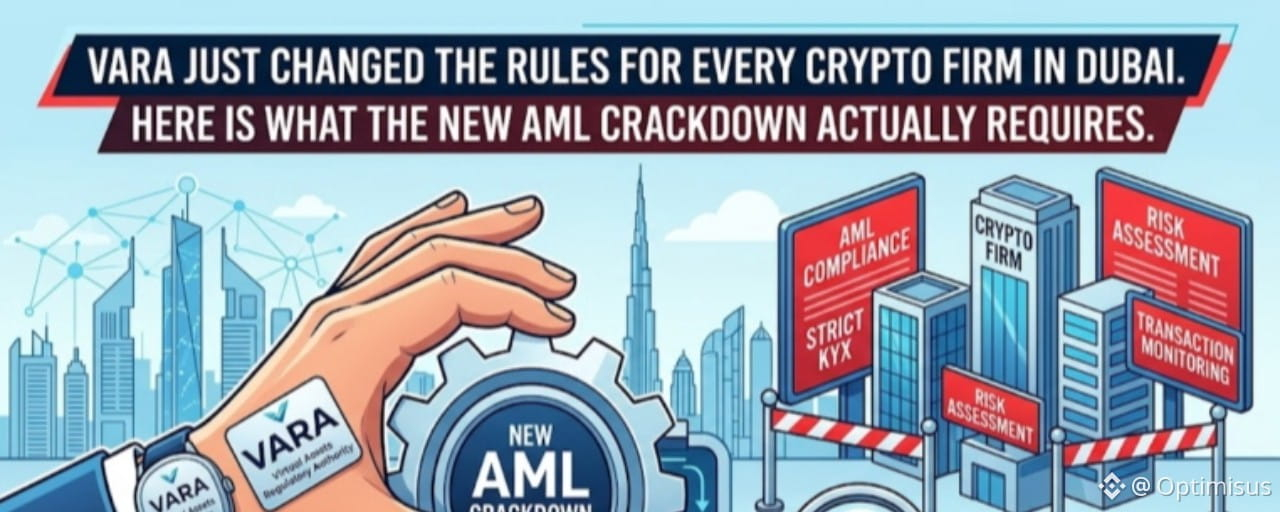
VARA Dubaydakı Hər Bir Kripto Şirkəti Üçün Qaydaları Dəyişdi. Yeni AML Sərt Məhdudiyyətlər Nədir12 iyun 2026-cı il tarixində Dubayın Virtual Aktivlərin Tənzimlənməsi üzrə Hakimiyyəti (VARA) əmiritdəki hər bir lisenziyalı kripto şirkətinə şamil edilən yeni AML (pulun yuyulmasına qarşı mübarizə) rəhbərliyini dərc edib. Rüblük risk icmalları. Real vaxtda FATF qara siyahısının yoxlanması. Uyğunsuzluqlar üzrə məsuliyyətin rəhbər şəxslərin üzərinə şəxsən qoyulması. Və sənayenin çoxunun diqqətdən kənarda qoyduğu AI ilə bağlı risklərə dair açıq xəbərdarlıq. Əgər siz VARA lisenziyasına sahibsinizsə və ya belə lisenziya barədə düşünürsünüzsə, dəyişən budur.
VARA Nəşr Etdiyi Nələr və Niyə Önəmlidir
VARA Dubaydakı Hər Bir Kripto Şirkəti Üçün Qaydaları Dəyişdi. Yeni AML Sərt Məhdudiyyətlər Nədir
12 iyun 2026-cı il tarixində Dubayın Virtual Aktivlərin Tənzimlənməsi üzrə Hakimiyyəti (VARA) əmiritdəki hər bir lisenziyalı kripto şirkətinə şamil edilən yeni AML (pulun yuyulmasına qarşı mübarizə) rəhbərliyini dərc edib. Rüblük risk icmalları. Real vaxtda FATF qara siyahısının yoxlanması. Uyğunsuzluqlar üzrə məsuliyyətin rəhbər şəxslərin üzərinə şəxsən qoyulması. Və sənayenin çoxunun diqqətdən kənarda qoyduğu AI ilə bağlı risklərə dair açıq xəbərdarlıq. Əgər siz VARA lisenziyasına sahibsinizsə və ya belə lisenziya barədə düşünürsünüzsə, dəyişən budur.
VARA Nəşr Etdiyi Nələr və Niyə Önəmlidir
VARA Nəşr Etdiyi Nələr və Niyə Önəmlidir
248
·
--
Elon Musk indi Bitkoyndan daha çox dəyərə malikdir $BTC
Elon Musk indi Bitkoyndan daha çox dəyərə malikdir $BTC
206
·
--
Doğrulanıb

Məqalə
Orbs institusional kripto ticarəti üçün on-çeyn icra infrastrukturu işə salırOrbs, inkişaf etmiş on-çeyn ticarətə fokuslanan mərkəzləşdirilməmiş Layer-3 blokçeyn infrastrukturu, bu gün Orbs Institutional-ı elan etdi. Bu yeni təklif ticarət stollarına, OTC şirkətlərinə, xəzinə qurumlarına, qəyyumlara (custodians) və maliyyə platformalarına onun on-çeyn icra infrastrukturuna birbaşa çıxış təqdim edir.
Bu buraxılış 2023-cü ildən bəri 30-dan çox mərkəzləşdirilməmiş birja (DEX) inteqrasiyası və 10-dan çox blokçeyn şəbəkəsi üzərində spot ticarət həcmi olaraq 2,5 milyard ABŞ dollarından çox emal etmiş texnologiyaya əsaslanır. Əvvəllər PancakeSwap, SushiSwap, QuickSwap və THENA daxil olmaqla aparıcı mərkəzləşdirilməmiş ticarət platformaları vasitəsilə əlçatan olan infrastruktur indi institusional bazar iştirakçılarına birbaşa təqdim olunur.
Orbs institusional kripto ticarəti üçün on-çeyn icra infrastrukturu işə salır
Orbs, inkişaf etmiş on-çeyn ticarətə fokuslanan mərkəzləşdirilməmiş Layer-3 blokçeyn infrastrukturu, bu gün Orbs Institutional-ı elan etdi. Bu yeni təklif ticarət stollarına, OTC şirkətlərinə, xəzinə qurumlarına, qəyyumlara (custodians) və maliyyə platformalarına onun on-çeyn icra infrastrukturuna birbaşa çıxış təqdim edir.
Bu buraxılış 2023-cü ildən bəri 30-dan çox mərkəzləşdirilməmiş birja (DEX) inteqrasiyası və 10-dan çox blokçeyn şəbəkəsi üzərində spot ticarət həcmi olaraq 2,5 milyard ABŞ dollarından çox emal etmiş texnologiyaya əsaslanır. Əvvəllər PancakeSwap, SushiSwap, QuickSwap və THENA daxil olmaqla aparıcı mərkəzləşdirilməmiş ticarət platformaları vasitəsilə əlçatan olan infrastruktur indi institusional bazar iştirakçılarına birbaşa təqdim olunur.
Bu buraxılış 2023-cü ildən bəri 30-dan çox mərkəzləşdirilməmiş birja (DEX) inteqrasiyası və 10-dan çox blokçeyn şəbəkəsi üzərində spot ticarət həcmi olaraq 2,5 milyard ABŞ dollarından çox emal etmiş texnologiyaya əsaslanır. Əvvəllər PancakeSwap, SushiSwap, QuickSwap və THENA daxil olmaqla aparıcı mərkəzləşdirilməmiş ticarət platformaları vasitəsilə əlçatan olan infrastruktur indi institusional bazar iştirakçılarına birbaşa təqdim olunur.
189
·
--
Doğrulanıb
Məqalə
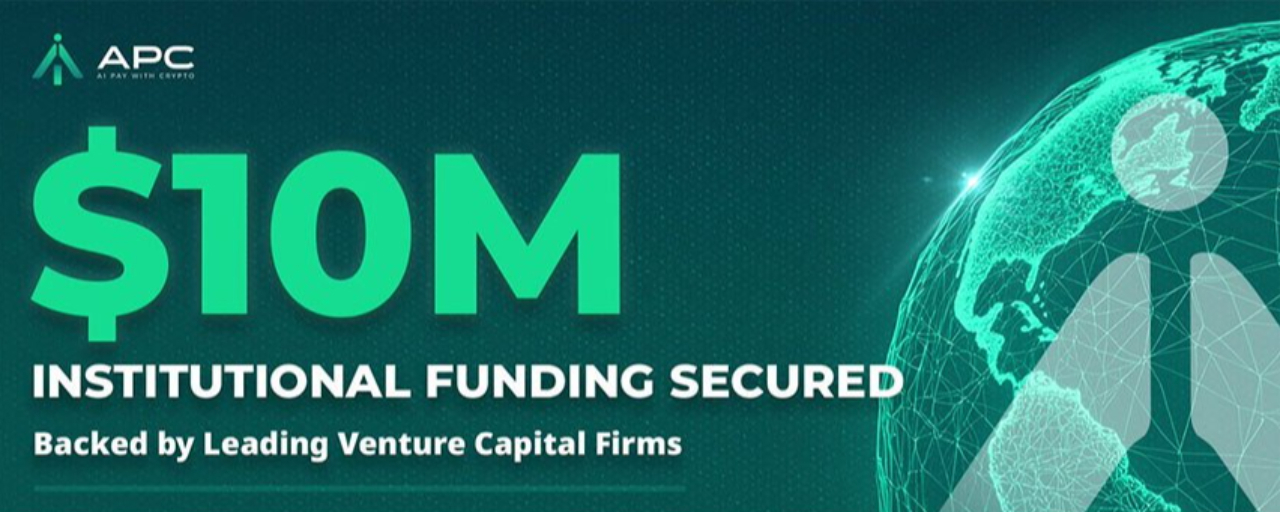
AIPayWithCrypto çoxsaylı institutların iştirakı ilə 10 milyon dollar maliyyələşdirmə təmin etdiAIPayWithCrypto rəsmi olaraq 10 milyon dollarlıq A Seriyası maliyyələşdirmə turunu bağlayıb. Tur Animoca Brands tərəfindən irəli sürülüb; sonrakı investisiyalar isə Titans Ventures, Castrum Capital, Adaverse və M2M Capital tərəfindən həyata keçirilib.
Kapital inyeksiyasından əlavə, bütün tərəflər dərin strateji razılığa gəliblər. Onlar birgə olaraq AI və ödənişin gələcək inteqrasiyasını quracaq, dəstəkləyici infrastrukturu təkmilləşdirəcək və qlobal istifadəçilərə və AI iqtisadi qurumlarına xidmət edəcəklər. Bundan sonra APC bazarda özünün tamamilə yeni AI-ödəniş ekosistemini təqdim edəcək və ödəniş sektorunda əsas rəqabət üstünlüyünü möhkəmləndirəcək.
AIPayWithCrypto çoxsaylı institutların iştirakı ilə 10 milyon dollar maliyyələşdirmə təmin etdi
AIPayWithCrypto rəsmi olaraq 10 milyon dollarlıq A Seriyası maliyyələşdirmə turunu bağlayıb. Tur Animoca Brands tərəfindən irəli sürülüb; sonrakı investisiyalar isə Titans Ventures, Castrum Capital, Adaverse və M2M Capital tərəfindən həyata keçirilib.
Kapital inyeksiyasından əlavə, bütün tərəflər dərin strateji razılığa gəliblər. Onlar birgə olaraq AI və ödənişin gələcək inteqrasiyasını quracaq, dəstəkləyici infrastrukturu təkmilləşdirəcək və qlobal istifadəçilərə və AI iqtisadi qurumlarına xidmət edəcəklər. Bundan sonra APC bazarda özünün tamamilə yeni AI-ödəniş ekosistemini təqdim edəcək və ödəniş sektorunda əsas rəqabət üstünlüyünü möhkəmləndirəcək.
Kapital inyeksiyasından əlavə, bütün tərəflər dərin strateji razılığa gəliblər. Onlar birgə olaraq AI və ödənişin gələcək inteqrasiyasını quracaq, dəstəkləyici infrastrukturu təkmilləşdirəcək və qlobal istifadəçilərə və AI iqtisadi qurumlarına xidmət edəcəklər. Bundan sonra APC bazarda özünün tamamilə yeni AI-ödəniş ekosistemini təqdim edəcək və ödəniş sektorunda əsas rəqabət üstünlüyünü möhkəmləndirəcək.
1
1
13
820
·
--
Bitcoin $BTC bu gün böyük bir dayanıqlılıq göstərir, $62,500–$64,000 zonasına sıx şəkildə konsolidasiya olunur. Pərakəndə bazar titrəsə də, arxa planda inanılmaz bir bullish divergence ortaya çıxır.
🔍 Nə Baş Verir?
Pərakəndə Qorxu Zirvəsi: Qorxu və Hirs İndeksi 10-a (Ekstremal Qorxu) enib. Tarixən, bu səviyyədəki panika adətən yerli makro dibin siqnalını verir, zirvə deyil.
Institusional Alışlar: Zəif əllər panikaya düşdükdə, nəhənglər meydana girir. Michael Saylor-un strategiyası bir daha 1,550 BTC toplayaraq dibi alıb (~$101M).
ETF Axınları Qayıdır: İyun ayının əvvəlindəki amansız axınlardan sonra, müsbət xalis axınlar nəhayət spot Bitcoin ETF-lərinə qayıdır, bu isə möhkəm bir qiymət döşəməsi qurmağa kömək edir.
📉 İzləniləcək Əsas Səviyyələr
Satıcılar aktiv şəkildə $64,000 yaxınlığında yuxarı impulsu məhdudlaşdırmağa çalışırlar. Əgər toroqlar bu zonanı təmiz şəkildə geri alıb orada saxlaya bilsələr, $65,000+ istiqamətinə sürətli bir davam gözləyin. Aşağıda, $60,000 son sərhəd olaraq qalır.
💡 Kvadrat Fikir: Bu, kapitulyasiya deyil—bu, böyük bir likvidlik dövriyyəsidir. Kütlə qorxu ilə satışa çıxanda və institutlar dibi alanda, ağıllı pullar adətən qalib gəlir.
Bu dibi alırsınız, yoxsa daha aşağı səviyyələri gözləyirsiniz? 👇
#BTC #Bitcoin #CryptoMarket #BinanceSquare #WhaleAlert
Bitcoin $BTC bu gün böyük bir dayanıqlılıq göstərir, $62,500–$64,000 zonasına sıx şəkildə konsolidasiya olunur. Pərakəndə bazar titrəsə də, arxa planda inanılmaz bir bullish divergence ortaya çıxır.
🔍 Nə Baş Verir?
Pərakəndə Qorxu Zirvəsi: Qorxu və Hirs İndeksi 10-a (Ekstremal Qorxu) enib. Tarixən, bu səviyyədəki panika adətən yerli makro dibin siqnalını verir, zirvə deyil.
Institusional Alışlar: Zəif əllər panikaya düşdükdə, nəhənglər meydana girir. Michael Saylor-un strategiyası bir daha 1,550 BTC toplayaraq dibi alıb (~$101M).
ETF Axınları Qayıdır: İyun ayının əvvəlindəki amansız axınlardan sonra, müsbət xalis axınlar nəhayət spot Bitcoin ETF-lərinə qayıdır, bu isə möhkəm bir qiymət döşəməsi qurmağa kömək edir.
📉 İzləniləcək Əsas Səviyyələr
Satıcılar aktiv şəkildə $64,000 yaxınlığında yuxarı impulsu məhdudlaşdırmağa çalışırlar. Əgər toroqlar bu zonanı təmiz şəkildə geri alıb orada saxlaya bilsələr, $65,000+ istiqamətinə sürətli bir davam gözləyin. Aşağıda, $60,000 son sərhəd olaraq qalır.
💡 Kvadrat Fikir: Bu, kapitulyasiya deyil—bu, böyük bir likvidlik dövriyyəsidir. Kütlə qorxu ilə satışa çıxanda və institutlar dibi alanda, ağıllı pullar adətən qalib gəlir.
Bu dibi alırsınız, yoxsa daha aşağı səviyyələri gözləyirsiniz? 👇
#BTC #Bitcoin #CryptoMarket #BinanceSquare #WhaleAlert
🔍 Nə Baş Verir?
Pərakəndə Qorxu Zirvəsi: Qorxu və Hirs İndeksi 10-a (Ekstremal Qorxu) enib. Tarixən, bu səviyyədəki panika adətən yerli makro dibin siqnalını verir, zirvə deyil.
Institusional Alışlar: Zəif əllər panikaya düşdükdə, nəhənglər meydana girir. Michael Saylor-un strategiyası bir daha 1,550 BTC toplayaraq dibi alıb (~$101M).
ETF Axınları Qayıdır: İyun ayının əvvəlindəki amansız axınlardan sonra, müsbət xalis axınlar nəhayət spot Bitcoin ETF-lərinə qayıdır, bu isə möhkəm bir qiymət döşəməsi qurmağa kömək edir.
📉 İzləniləcək Əsas Səviyyələr
Satıcılar aktiv şəkildə $64,000 yaxınlığında yuxarı impulsu məhdudlaşdırmağa çalışırlar. Əgər toroqlar bu zonanı təmiz şəkildə geri alıb orada saxlaya bilsələr, $65,000+ istiqamətinə sürətli bir davam gözləyin. Aşağıda, $60,000 son sərhəd olaraq qalır.
💡 Kvadrat Fikir: Bu, kapitulyasiya deyil—bu, böyük bir likvidlik dövriyyəsidir. Kütlə qorxu ilə satışa çıxanda və institutlar dibi alanda, ağıllı pullar adətən qalib gəlir.
Bu dibi alırsınız, yoxsa daha aşağı səviyyələri gözləyirsiniz? 👇
#BTC #Bitcoin #CryptoMarket #BinanceSquare #WhaleAlert
211
·
--
$BTC indi hər bir bull trapın bitdiyi dəqiq səviyyədə üzərindədir. $BTC -ü yenidən təxminən ~$53,000-a göndərəcək başqa bir ayı rədd cavabı görəcəyik?
$BTC indi hər bir bull trapın bitdiyi dəqiq səviyyədə üzərindədir. $BTC -ü yenidən təxminən ~$53,000-a göndərəcək başqa bir ayı rədd cavabı görəcəyik?
244
·
--
Doğrulanıb
Məqalə
Tutmaqdan Xərcləməyə: Niyə PayFi Növbəti 100x Nəsrə Çevrilə Bilər — Və Niyə XCP Bunu Edə BilərHər bir kripto dövrünün bir əsas partlayış nəsri var.
DeFi yield yaratdı. NFT-lər rəqəmsal mülkiyyət yaratdı. Meme coin-lər icma spekulyasiyası yaratdı. RWA real dünya aktivlərini on-chain gətirdi.
Amma növbəti böyük nəsr daha da böyük ola bilər:
PayFi — kripto ilə real dünya xərcləmələri arasındakı körpü.
İllərdir, kripto istifadəçiləri tutma, ticarət, staking və spekulyasiya edirlər. Amma növbəti milyard istifadəçi kriptoya ticarət cədvəlləri vasitəsilə daxil olmaya bilər. Onlar daha sadə bir yolla daxil ola bilərlər:
Ödəniş.
Buna görə PayFi vacibdir. PayFi sadəcə “kripto ilə ödəmək” deyil. Bu, ödəniş, maliyyə, stabilcoin-lər, ticarətçi hesablaşmaları, mükafatlar, real dünya əməliyyatları və ekosistem inkişafının birləşməsidir.
Tutmaqdan Xərcləməyə: Niyə PayFi Növbəti 100x Nəsrə Çevrilə Bilər — Və Niyə XCP Bunu Edə Bilər
Hər bir kripto dövrünün bir əsas partlayış nəsri var.
DeFi yield yaratdı. NFT-lər rəqəmsal mülkiyyət yaratdı. Meme coin-lər icma spekulyasiyası yaratdı. RWA real dünya aktivlərini on-chain gətirdi.
Amma növbəti böyük nəsr daha da böyük ola bilər:
PayFi — kripto ilə real dünya xərcləmələri arasındakı körpü.
İllərdir, kripto istifadəçiləri tutma, ticarət, staking və spekulyasiya edirlər. Amma növbəti milyard istifadəçi kriptoya ticarət cədvəlləri vasitəsilə daxil olmaya bilər. Onlar daha sadə bir yolla daxil ola bilərlər:
Ödəniş.
Buna görə PayFi vacibdir. PayFi sadəcə “kripto ilə ödəmək” deyil. Bu, ödəniş, maliyyə, stabilcoin-lər, ticarətçi hesablaşmaları, mükafatlar, real dünya əməliyyatları və ekosistem inkişafının birləşməsidir.
DeFi yield yaratdı. NFT-lər rəqəmsal mülkiyyət yaratdı. Meme coin-lər icma spekulyasiyası yaratdı. RWA real dünya aktivlərini on-chain gətirdi.
Amma növbəti böyük nəsr daha da böyük ola bilər:
PayFi — kripto ilə real dünya xərcləmələri arasındakı körpü.
İllərdir, kripto istifadəçiləri tutma, ticarət, staking və spekulyasiya edirlər. Amma növbəti milyard istifadəçi kriptoya ticarət cədvəlləri vasitəsilə daxil olmaya bilər. Onlar daha sadə bir yolla daxil ola bilərlər:
Ödəniş.
Buna görə PayFi vacibdir. PayFi sadəcə “kripto ilə ödəmək” deyil. Bu, ödəniş, maliyyə, stabilcoin-lər, ticarətçi hesablaşmaları, mükafatlar, real dünya əməliyyatları və ekosistem inkişafının birləşməsidir.
3
15
1.3k
·
--
Məqalə
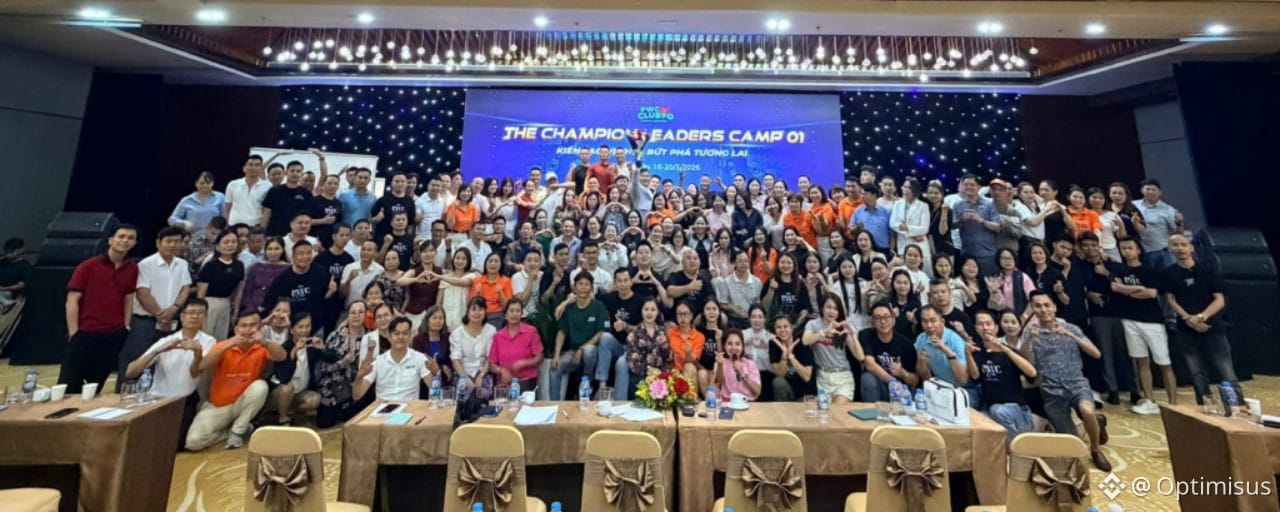
PWC CLUB Vyetnam Lider Düşərgəsi 2026 Sürətlə Bitdi: Vyetnam Rəsmi olaraq Tam Sürətə Daxil OlurÜç gün. Bir yüksək intensivlikdə toplanma. Bir liderlik sisteminin əsas yenilənməsi.
PWC CLUB Vyetnam Lider Düşərgəsi 2026 Ho Tram, Vyetnamda 18 Martdan 20 Mart 2026 tarixinə qədər uğurla keçirildi, müxtəlif bölgələrdən əsas liderləri, bazar qurucularını və şirkət nümayəndələrini güclü bir strateji, ekosistem inkişafı, komanda qurma, icra və növbəti break-out böyümə mərhələsinə doğru yol ətrafında bir araya gətirərək.
Bu adi bir görüş deyildi. Və bu, sadəcə bir təlim sessiyasından çox idi. Bu, PWC-nin Vyetnamdakı növbəti əsas break-out mərhələsindən əvvəl bir kollektiv yenidən sıralanma idi.
PWC CLUB Vyetnam Lider Düşərgəsi 2026 Sürətlə Bitdi: Vyetnam Rəsmi olaraq Tam Sürətə Daxil Olur
Üç gün. Bir yüksək intensivlikdə toplanma. Bir liderlik sisteminin əsas yenilənməsi.
PWC CLUB Vyetnam Lider Düşərgəsi 2026 Ho Tram, Vyetnamda 18 Martdan 20 Mart 2026 tarixinə qədər uğurla keçirildi, müxtəlif bölgələrdən əsas liderləri, bazar qurucularını və şirkət nümayəndələrini güclü bir strateji, ekosistem inkişafı, komanda qurma, icra və növbəti break-out böyümə mərhələsinə doğru yol ətrafında bir araya gətirərək.
Bu adi bir görüş deyildi. Və bu, sadəcə bir təlim sessiyasından çox idi. Bu, PWC-nin Vyetnamdakı növbəti əsas break-out mərhələsindən əvvəl bir kollektiv yenidən sıralanma idi.
PWC CLUB Vyetnam Lider Düşərgəsi 2026 Ho Tram, Vyetnamda 18 Martdan 20 Mart 2026 tarixinə qədər uğurla keçirildi, müxtəlif bölgələrdən əsas liderləri, bazar qurucularını və şirkət nümayəndələrini güclü bir strateji, ekosistem inkişafı, komanda qurma, icra və növbəti break-out böyümə mərhələsinə doğru yol ətrafında bir araya gətirərək.
Bu adi bir görüş deyildi. Və bu, sadəcə bir təlim sessiyasından çox idi. Bu, PWC-nin Vyetnamdakı növbəti əsas break-out mərhələsindən əvvəl bir kollektiv yenidən sıralanma idi.
2
716
·
--
Məqalə
Encrypt Solana-ya gəlir ki, Şifrələnmiş Kapital Bazarı gücləndirsinEncrypt FHE-ni Solana-ya gətirir ki, burada sürətli, tam gizli və kompozit tətbiqlər mümkün olsun.
Encrypt Solana-ya aydın bir vizionla gəlir: Şifrələnmiş Kapital Bazarı.
Solana blockchain inkişaf etdiriciləri üçün birinci ekosistemdir və dünyada ən çox istifadə olunan blockchain-dir. Bu, ən sürətli komandaların layihələrini təqdim etdiyi, müştəri məhsullarının ortaya çıxdığı və İnternet Kapital Bazarı real vaxtda yaradıldığı yerdir.
Encrypt yeni kriptovalyuta qabiliyyətini Solana ekosisteminə təqdim edir: Tam Homomorfik Şifrələmə (FHE). Bu, inkişaf etdiricilərə və qurumlara şifrələnmiş məlumatlar üzərində birbaşa hesablama aparmağa imkan tanıyır. Praktik baxımdan, bu, məlumatların gizli qalmasına imkan tanıyarkən tətbiq məntiqinin onchain yerinə yetirilməsinə imkan verir.
Encrypt Solana-ya gəlir ki, Şifrələnmiş Kapital Bazarı gücləndirsin
Encrypt FHE-ni Solana-ya gətirir ki, burada sürətli, tam gizli və kompozit tətbiqlər mümkün olsun.
Encrypt Solana-ya aydın bir vizionla gəlir: Şifrələnmiş Kapital Bazarı.
Solana blockchain inkişaf etdiriciləri üçün birinci ekosistemdir və dünyada ən çox istifadə olunan blockchain-dir. Bu, ən sürətli komandaların layihələrini təqdim etdiyi, müştəri məhsullarının ortaya çıxdığı və İnternet Kapital Bazarı real vaxtda yaradıldığı yerdir.
Encrypt yeni kriptovalyuta qabiliyyətini Solana ekosisteminə təqdim edir: Tam Homomorfik Şifrələmə (FHE). Bu, inkişaf etdiricilərə və qurumlara şifrələnmiş məlumatlar üzərində birbaşa hesablama aparmağa imkan tanıyır. Praktik baxımdan, bu, məlumatların gizli qalmasına imkan tanıyarkən tətbiq məntiqinin onchain yerinə yetirilməsinə imkan verir.
Encrypt Solana-ya aydın bir vizionla gəlir: Şifrələnmiş Kapital Bazarı.
Solana blockchain inkişaf etdiriciləri üçün birinci ekosistemdir və dünyada ən çox istifadə olunan blockchain-dir. Bu, ən sürətli komandaların layihələrini təqdim etdiyi, müştəri məhsullarının ortaya çıxdığı və İnternet Kapital Bazarı real vaxtda yaradıldığı yerdir.
Encrypt yeni kriptovalyuta qabiliyyətini Solana ekosisteminə təqdim edir: Tam Homomorfik Şifrələmə (FHE). Bu, inkişaf etdiricilərə və qurumlara şifrələnmiş məlumatlar üzərində birbaşa hesablama aparmağa imkan tanıyır. Praktik baxımdan, bu, məlumatların gizli qalmasına imkan tanıyarkən tətbiq məntiqinin onchain yerinə yetirilməsinə imkan verir.
272
·
--
Məqalə
İnteqrasiya, Canton Şəbəkəsinə birbaşa fiat körpüsü yaradır, gizliliyi qoruyan blokçeynİnteqrasiya, Canton Şəbəkəsinə birbaşa fiat körpüsü yaradır, gizliliyi qoruyan blokçeyn, Wall Street müəssisələri arasında geniş yayılmaqdadır.
Transak, tənzimlənmiş ödəniş infrastruktur təminatçısı, bu gün Canton Şəbəkəsi ilə inteqrasiya etdiyini açıqladı, bu yalnız ictimai, icazəsiz blokçeyn, institusional maliyyə üçün konfiqurasiya edilə bilən gizlilik ilə inşa edilmişdir.
İnteqrasiya, fiat əsaslı girişin Canton Şəbəkəsinin yerli istifadəçi tokeni olan Canton Coin (CC) ilə genişlənməsini təmin edir. İstifadəçilər və müəssisələr indi kredit kartları, bank köçürmələri və geniş çeşidli yerli ödəniş metodlarından istifadə edərək, Transak inteqrasiya olunmuş cüzdanlar və tətbiqlər vasitəsilə birbaşa Canton Coin əldə edə bilərlər. Şəbəkəyə problemsiz giriş təmin etməklə, inteqrasiya ənənəvi maliyyə ilə Canton-un sürətlə genişlənən ekosistemi arasındakı son qarşıdurma nöqtələrindən birini aradan qaldırır.
İnteqrasiya, Canton Şəbəkəsinə birbaşa fiat körpüsü yaradır, gizliliyi qoruyan blokçeyn
İnteqrasiya, Canton Şəbəkəsinə birbaşa fiat körpüsü yaradır, gizliliyi qoruyan blokçeyn, Wall Street müəssisələri arasında geniş yayılmaqdadır.
Transak, tənzimlənmiş ödəniş infrastruktur təminatçısı, bu gün Canton Şəbəkəsi ilə inteqrasiya etdiyini açıqladı, bu yalnız ictimai, icazəsiz blokçeyn, institusional maliyyə üçün konfiqurasiya edilə bilən gizlilik ilə inşa edilmişdir.
İnteqrasiya, fiat əsaslı girişin Canton Şəbəkəsinin yerli istifadəçi tokeni olan Canton Coin (CC) ilə genişlənməsini təmin edir. İstifadəçilər və müəssisələr indi kredit kartları, bank köçürmələri və geniş çeşidli yerli ödəniş metodlarından istifadə edərək, Transak inteqrasiya olunmuş cüzdanlar və tətbiqlər vasitəsilə birbaşa Canton Coin əldə edə bilərlər. Şəbəkəyə problemsiz giriş təmin etməklə, inteqrasiya ənənəvi maliyyə ilə Canton-un sürətlə genişlənən ekosistemi arasındakı son qarşıdurma nöqtələrindən birini aradan qaldırır.
Transak, tənzimlənmiş ödəniş infrastruktur təminatçısı, bu gün Canton Şəbəkəsi ilə inteqrasiya etdiyini açıqladı, bu yalnız ictimai, icazəsiz blokçeyn, institusional maliyyə üçün konfiqurasiya edilə bilən gizlilik ilə inşa edilmişdir.
İnteqrasiya, fiat əsaslı girişin Canton Şəbəkəsinin yerli istifadəçi tokeni olan Canton Coin (CC) ilə genişlənməsini təmin edir. İstifadəçilər və müəssisələr indi kredit kartları, bank köçürmələri və geniş çeşidli yerli ödəniş metodlarından istifadə edərək, Transak inteqrasiya olunmuş cüzdanlar və tətbiqlər vasitəsilə birbaşa Canton Coin əldə edə bilərlər. Şəbəkəyə problemsiz giriş təmin etməklə, inteqrasiya ənənəvi maliyyə ilə Canton-un sürətlə genişlənən ekosistemi arasındakı son qarşıdurma nöqtələrindən birini aradan qaldırır.
221
·
--
Məqalə
Lantern Finance ABŞ borcalanları üçün Bitcoin-a dəstəkli kredit dərəcəsini 8 faizə endirirLantern Finance, Inc. bu gün Bitcoin-a dəstəkli kredit faiz dərəcəsində əhəmiyyətli bir azalma elan etdi, illik faiz dərəcəsini 13%-dən 8%-ə endirdi bir illik kreditlər üçün. 2% ilkin ödəniş haqqı ilə birləşdirildikdə, bu dərəcə ABŞ-da institusional səviyyədə saxlanılan bir həll ilə dəstəklənən Bitcoin-a dəstəkli kreditlər üçün mövcud olan ən aşağı dərəcəni təqdim edir. Yeni dərəcə dərhal qüvvəyə minir.
Az azaldılması Lantern-in Bitcoin-a dəstəkli kreditlərini bazardakı ən əlçatanlardan biri halına gətirir, ABŞ-da kripto sahiblərinə Bitcoin tutumlarına qarşı likvidlik açmağa imkan tanıyır, satmadan, vergi hadisələrindən qaçaraq və əksər borcalanlar üçün tarixən əlçatan olmayan bir qiymətə uzunmüddətli artımı qoruyur.
Lantern Finance ABŞ borcalanları üçün Bitcoin-a dəstəkli kredit dərəcəsini 8 faizə endirir
Lantern Finance, Inc. bu gün Bitcoin-a dəstəkli kredit faiz dərəcəsində əhəmiyyətli bir azalma elan etdi, illik faiz dərəcəsini 13%-dən 8%-ə endirdi bir illik kreditlər üçün. 2% ilkin ödəniş haqqı ilə birləşdirildikdə, bu dərəcə ABŞ-da institusional səviyyədə saxlanılan bir həll ilə dəstəklənən Bitcoin-a dəstəkli kreditlər üçün mövcud olan ən aşağı dərəcəni təqdim edir. Yeni dərəcə dərhal qüvvəyə minir.
Az azaldılması Lantern-in Bitcoin-a dəstəkli kreditlərini bazardakı ən əlçatanlardan biri halına gətirir, ABŞ-da kripto sahiblərinə Bitcoin tutumlarına qarşı likvidlik açmağa imkan tanıyır, satmadan, vergi hadisələrindən qaçaraq və əksər borcalanlar üçün tarixən əlçatan olmayan bir qiymətə uzunmüddətli artımı qoruyur.
Az azaldılması Lantern-in Bitcoin-a dəstəkli kreditlərini bazardakı ən əlçatanlardan biri halına gətirir, ABŞ-da kripto sahiblərinə Bitcoin tutumlarına qarşı likvidlik açmağa imkan tanıyır, satmadan, vergi hadisələrindən qaçaraq və əksər borcalanlar üçün tarixən əlçatan olmayan bir qiymətə uzunmüddətli artımı qoruyur.
144
·
--
Artım
$BTC gələcək günlərdə $76k-a qədər artım axtarır
$BTC gələcək günlərdə $76k-a qədər artım axtarır
128
·
--
Məqalə
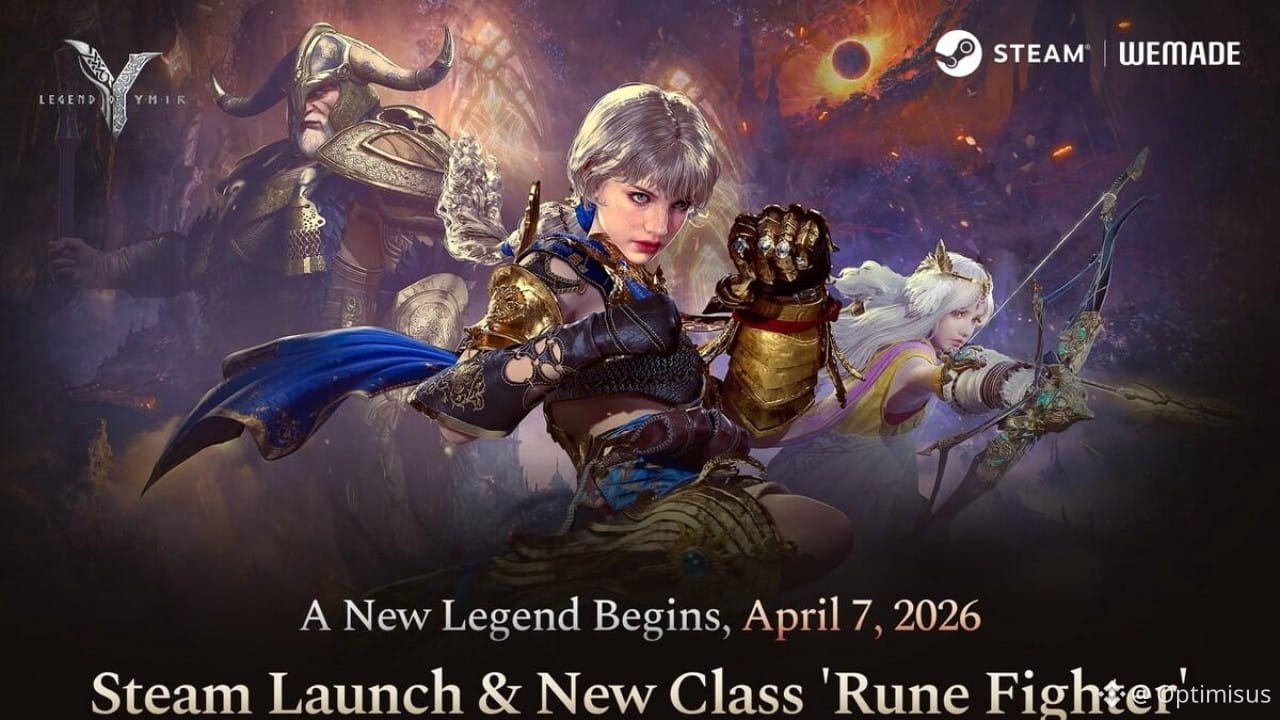
WEMADE-in YMIR əfsanəsi 7 aprel tarixində yeni döyüş sinfi ilə Steam-də buraxılırQlobal oyun inkişaf etdiricisi WEMADE, qlobal blokçeyn ekosistemi WEMIX-in ana şirkəti, öz əsas MMORPG-si olan YMIR əfsanəsinin çox gözlənilən qlobal versiyasının 7 aprel 2026-cı il tarixində saat 10:00 KST-də PC oyun platforması Steam-də rəsmi olaraq buraxılacağını elan edib.
Steam-dəki buraxılış YMIR-in əfsanəsi qlobal genişlənmə strategiyasının mühüm mərhələsini təmsil edir. Ənənəvi platforma məhdudiyyətlərini aşaraq, WEMADE dünya üzrə oyunçular üçün davamlı, uzunmüddətli istifadəçi bazası təmin etmək və əlçatanlığı artırmaq məqsədilə nəhəng Steam ekosistemindən istifadə etməyi hədəfləyir. Steam-in güclü qlobal infrastrukturundan yararlanaraq, bu addım yalnız bir platforma əlavə etmə deyil, eyni zamanda YMIR əfsanəsini önəmli qlobal PC franşizası olaraq qurmaq üçün daha geniş bir səylərin əsas komponentidir.
WEMADE-in YMIR əfsanəsi 7 aprel tarixində yeni döyüş sinfi ilə Steam-də buraxılır
Qlobal oyun inkişaf etdiricisi WEMADE, qlobal blokçeyn ekosistemi WEMIX-in ana şirkəti, öz əsas MMORPG-si olan YMIR əfsanəsinin çox gözlənilən qlobal versiyasının 7 aprel 2026-cı il tarixində saat 10:00 KST-də PC oyun platforması Steam-də rəsmi olaraq buraxılacağını elan edib.
Steam-dəki buraxılış YMIR-in əfsanəsi qlobal genişlənmə strategiyasının mühüm mərhələsini təmsil edir. Ənənəvi platforma məhdudiyyətlərini aşaraq, WEMADE dünya üzrə oyunçular üçün davamlı, uzunmüddətli istifadəçi bazası təmin etmək və əlçatanlığı artırmaq məqsədilə nəhəng Steam ekosistemindən istifadə etməyi hədəfləyir. Steam-in güclü qlobal infrastrukturundan yararlanaraq, bu addım yalnız bir platforma əlavə etmə deyil, eyni zamanda YMIR əfsanəsini önəmli qlobal PC franşizası olaraq qurmaq üçün daha geniş bir səylərin əsas komponentidir.
Steam-dəki buraxılış YMIR-in əfsanəsi qlobal genişlənmə strategiyasının mühüm mərhələsini təmsil edir. Ənənəvi platforma məhdudiyyətlərini aşaraq, WEMADE dünya üzrə oyunçular üçün davamlı, uzunmüddətli istifadəçi bazası təmin etmək və əlçatanlığı artırmaq məqsədilə nəhəng Steam ekosistemindən istifadə etməyi hədəfləyir. Steam-in güclü qlobal infrastrukturundan yararlanaraq, bu addım yalnız bir platforma əlavə etmə deyil, eyni zamanda YMIR əfsanəsini önəmli qlobal PC franşizası olaraq qurmaq üçün daha geniş bir səylərin əsas komponentidir.
194
·
--
Igra Network $59M Miqyasda Sübut Edilən Davamlı Auksion vasitəsilə IGRA İctimai Token Satışını Elan EdirZAP (Həvəsli Auksion Protokolu) IGRA token satışına şəffaf, on-chain qiymət aşkarlanmasını gətirir, eyni davamlı auksion mexanizmi ilə $59 milyon 17,000 iştirakçıdan 191 ölkə boyunca Aztec-in token buraxılışı zamanı işlənmişdir. Ümumi IGRA təchizatının 3.5 faizi $0.006 döşəmə qiyməti ilə ayrılmışdır və heç bir lockup cliff yoxdur.
Igra Labs ZAP (Həvəsli Auksion Protokolu) adlı IGRA idarəetmə və təhlükəsizlik tokeni üçün açıq auksionun başladığını elan edib. Auksion Igra Network-da 26 Mart 2026-da keçiriləcəkdir və şəbəkədə iKAS tutan bütün iştirakçılara açıqdır.
Igra Network $59M Miqyasda Sübut Edilən Davamlı Auksion vasitəsilə IGRA İctimai Token Satışını Elan Edir
ZAP (Həvəsli Auksion Protokolu) IGRA token satışına şəffaf, on-chain qiymət aşkarlanmasını gətirir, eyni davamlı auksion mexanizmi ilə $59 milyon 17,000 iştirakçıdan 191 ölkə boyunca Aztec-in token buraxılışı zamanı işlənmişdir. Ümumi IGRA təchizatının 3.5 faizi $0.006 döşəmə qiyməti ilə ayrılmışdır və heç bir lockup cliff yoxdur.
Igra Labs ZAP (Həvəsli Auksion Protokolu) adlı IGRA idarəetmə və təhlükəsizlik tokeni üçün açıq auksionun başladığını elan edib. Auksion Igra Network-da 26 Mart 2026-da keçiriləcəkdir və şəbəkədə iKAS tutan bütün iştirakçılara açıqdır.
Igra Labs ZAP (Həvəsli Auksion Protokolu) adlı IGRA idarəetmə və təhlükəsizlik tokeni üçün açıq auksionun başladığını elan edib. Auksion Igra Network-da 26 Mart 2026-da keçiriləcəkdir və şəbəkədə iKAS tutan bütün iştirakçılara açıqdır.
503
·
--
Məqalə
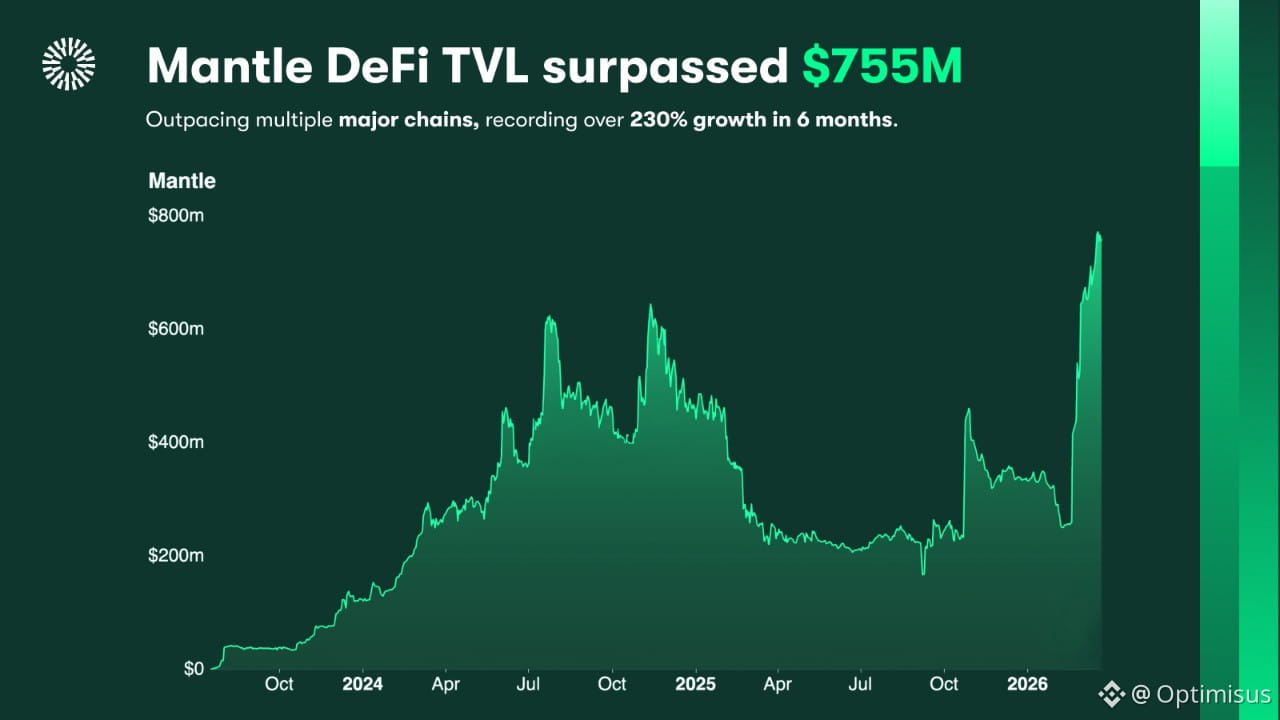
Mantle DeFi TVL Avalanche və Sui-ni keçdi, 6 Ayda $755M ilə +230% ArtımMantle, real dünya aktivləri üçün ən yüksək performanslı birinci dərəcəli paylama sistemi, ənənəvi maliyyə və on-chain likvidlik arasında əlaqə quraraq, bu gün DeFiLlama-ya görə cəmi $755 milyon DeFi TVL-i keçdiyini açıqladı. Bu mərhələ altı ay ərzində 230% artımı təmsil edir və Mantle-i cari bazar dövründə ən sürətlə böyüyən şəbəkələrdən biri kimi təsdiqləyir, eyni zamanda cəmi DeFi TVL-də Avalanche və Sui kimi bir neçə əsas Layer 1 zəncirlərini üstələyir.
Davamlılıq üzrə Masterclass
Bu mərhələnin xüsusilə əhəmiyyətli olmasının səbəbi, onun əldə edildiyi kontekstdir. 2025-ci ilin sentyabrında Mantle-in Cəmi Dəyəri (TVL) $160M-dan $200M-a qədər dəyişdi. Altı ay ərzində, illərin ən çətin və “soyuq” bazar dövrlərindən birində irəliləsələr də, ekosistem demək olar ki, 300%-lik artım sürətinə nail oldu.
Mantle DeFi TVL Avalanche və Sui-ni keçdi, 6 Ayda $755M ilə +230% Artım
Mantle, real dünya aktivləri üçün ən yüksək performanslı birinci dərəcəli paylama sistemi, ənənəvi maliyyə və on-chain likvidlik arasında əlaqə quraraq, bu gün DeFiLlama-ya görə cəmi $755 milyon DeFi TVL-i keçdiyini açıqladı. Bu mərhələ altı ay ərzində 230% artımı təmsil edir və Mantle-i cari bazar dövründə ən sürətlə böyüyən şəbəkələrdən biri kimi təsdiqləyir, eyni zamanda cəmi DeFi TVL-də Avalanche və Sui kimi bir neçə əsas Layer 1 zəncirlərini üstələyir.
Davamlılıq üzrə Masterclass
Bu mərhələnin xüsusilə əhəmiyyətli olmasının səbəbi, onun əldə edildiyi kontekstdir. 2025-ci ilin sentyabrında Mantle-in Cəmi Dəyəri (TVL) $160M-dan $200M-a qədər dəyişdi. Altı ay ərzində, illərin ən çətin və “soyuq” bazar dövrlərindən birində irəliləsələr də, ekosistem demək olar ki, 300%-lik artım sürətinə nail oldu.
Davamlılıq üzrə Masterclass
Bu mərhələnin xüsusilə əhəmiyyətli olmasının səbəbi, onun əldə edildiyi kontekstdir. 2025-ci ilin sentyabrında Mantle-in Cəmi Dəyəri (TVL) $160M-dan $200M-a qədər dəyişdi. Altı ay ərzində, illərin ən çətin və “soyuq” bazar dövrlərindən birində irəliləsələr də, ekosistem demək olar ki, 300%-lik artım sürətinə nail oldu.
308
·
--
Məqalə
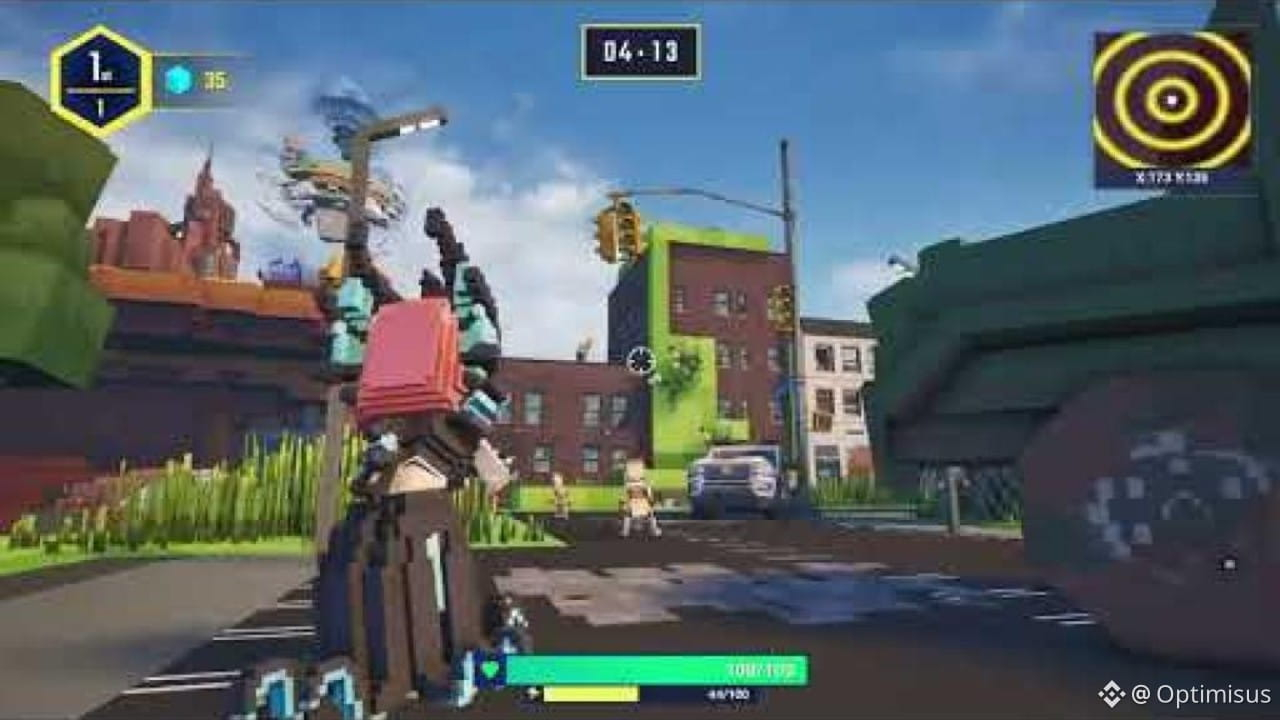
The Sandbox, Unreal Engine-də hazırlanmış The Sandbox NEXT mobil oyun testi üçün ön qeydiyyatı açır.The Sandbox, Animoca Brands-ın immersiv oyun platforması və törəmə şirkəti, bu gün The Sandbox NEXT-un oyun testi üçün ön qeydiyyatı açdı, bu franchise üçün mobil telefonda 40 milyon tarixi yükləmədən sonra köklərinə geri dönməsini qeyd edir. The Sandbox NEXT, The Sandbox üçün mühüm texniki dəyişiklik olan Unreal Engine ilə hazırlanmışdır. sandbox.game/next saytında pulsuz qeydiyyatdan keçin.
The Sandbox NEXT, oyunçuların öz kimliyini, irəliləməsini və The Sandbox oyun platformasındakı bütün voxel aktivlərini, o cümlədən UGC və markalı olanları daşıdığı bir çox oyunçulu çıxarma və sağ qalma mobil oyun təcrübəsi təqdim edir. The Sandbox NEXT, oyunçulara sıx və bacarıq tələb edən oyunu The Sandbox-un daha geniş oyunçu yönümlü ekosistemi ilə birləşdirən sürətli bir PvP təcrübəsi təqdim edir, burada brendli Avatarlardan (Snoop Dogg, Attack on Titan, Smiley, Steve Aoki, Paris Hilton, Smurf və s.) 56-dan çox kolleksiyadan olan oyunçu avatarları tək bir oyundan kənara çıxır.
The Sandbox, Unreal Engine-də hazırlanmış The Sandbox NEXT mobil oyun testi üçün ön qeydiyyatı açır.
The Sandbox, Animoca Brands-ın immersiv oyun platforması və törəmə şirkəti, bu gün The Sandbox NEXT-un oyun testi üçün ön qeydiyyatı açdı, bu franchise üçün mobil telefonda 40 milyon tarixi yükləmədən sonra köklərinə geri dönməsini qeyd edir. The Sandbox NEXT, The Sandbox üçün mühüm texniki dəyişiklik olan Unreal Engine ilə hazırlanmışdır. sandbox.game/next saytında pulsuz qeydiyyatdan keçin.
The Sandbox NEXT, oyunçuların öz kimliyini, irəliləməsini və The Sandbox oyun platformasındakı bütün voxel aktivlərini, o cümlədən UGC və markalı olanları daşıdığı bir çox oyunçulu çıxarma və sağ qalma mobil oyun təcrübəsi təqdim edir. The Sandbox NEXT, oyunçulara sıx və bacarıq tələb edən oyunu The Sandbox-un daha geniş oyunçu yönümlü ekosistemi ilə birləşdirən sürətli bir PvP təcrübəsi təqdim edir, burada brendli Avatarlardan (Snoop Dogg, Attack on Titan, Smiley, Steve Aoki, Paris Hilton, Smurf və s.) 56-dan çox kolleksiyadan olan oyunçu avatarları tək bir oyundan kənara çıxır.
The Sandbox NEXT, oyunçuların öz kimliyini, irəliləməsini və The Sandbox oyun platformasındakı bütün voxel aktivlərini, o cümlədən UGC və markalı olanları daşıdığı bir çox oyunçulu çıxarma və sağ qalma mobil oyun təcrübəsi təqdim edir. The Sandbox NEXT, oyunçulara sıx və bacarıq tələb edən oyunu The Sandbox-un daha geniş oyunçu yönümlü ekosistemi ilə birləşdirən sürətli bir PvP təcrübəsi təqdim edir, burada brendli Avatarlardan (Snoop Dogg, Attack on Titan, Smiley, Steve Aoki, Paris Hilton, Smurf və s.) 56-dan çox kolleksiyadan olan oyunçu avatarları tək bir oyundan kənara çıxır.
1
156
·
--
Məqalə
PayFi Supercycle-i düşündüyünüzdən daha yaxındır — Və bazarın əksəriyyəti hələ də mövqeyini almayıb.Son bir neçə il ərzində kripto eyni döngədə qalmışdır.
Yeni token.
Yeni hekayə.
Yeni həyəcan.
Eyni sual:
“N next?”
Amma ən böyük pul nadir hallarda artıq səsli olanları izləyən insanlar tərəfindən qazanılır.
Bu, insanların kütlə oyununun dəyişdiyini başa düşmədən əvvəl infrastruktur dəyişikliyini tutan insanlar tərəfindən edilir.
Məhz buna görə PayFi indi vacibdir.
Çünki bazarın əksəriyyəti hələ də qrafiklərə baxır, kriptonun növbəti partlayış mərhələsi üçün relslər artıq açıq görünüşdə inşa edilir: stabilcoinlər, on-chain hesablaşma, cüzdan-aid ödənişlər, sərhəd ödəniş hərəkəti və real dünya ticarət faydası. Bu artıq bir nəzəriyyə deyil. Bu “bəlkə bir gün” deyil. Rəqəmlər artıq bunu qışqırır. Visa stabilcoinlərin getdikcə daha çox əsas ödənişlərə inteqrasiya olunduğunu bildirir və hətta hər maliyyə institutunun stabilcoin strategiyasına sahib olmasını qeyd edir.
PayFi Supercycle-i düşündüyünüzdən daha yaxındır — Və bazarın əksəriyyəti hələ də mövqeyini almayıb.
Son bir neçə il ərzində kripto eyni döngədə qalmışdır.
Yeni token.
Yeni hekayə.
Yeni həyəcan.
Eyni sual:
“N next?”
Amma ən böyük pul nadir hallarda artıq səsli olanları izləyən insanlar tərəfindən qazanılır.
Bu, insanların kütlə oyununun dəyişdiyini başa düşmədən əvvəl infrastruktur dəyişikliyini tutan insanlar tərəfindən edilir.
Məhz buna görə PayFi indi vacibdir.
Çünki bazarın əksəriyyəti hələ də qrafiklərə baxır, kriptonun növbəti partlayış mərhələsi üçün relslər artıq açıq görünüşdə inşa edilir: stabilcoinlər, on-chain hesablaşma, cüzdan-aid ödənişlər, sərhəd ödəniş hərəkəti və real dünya ticarət faydası. Bu artıq bir nəzəriyyə deyil. Bu “bəlkə bir gün” deyil. Rəqəmlər artıq bunu qışqırır. Visa stabilcoinlərin getdikcə daha çox əsas ödənişlərə inteqrasiya olunduğunu bildirir və hətta hər maliyyə institutunun stabilcoin strategiyasına sahib olmasını qeyd edir.
Yeni token.
Yeni hekayə.
Yeni həyəcan.
Eyni sual:
“N next?”
Amma ən böyük pul nadir hallarda artıq səsli olanları izləyən insanlar tərəfindən qazanılır.
Bu, insanların kütlə oyununun dəyişdiyini başa düşmədən əvvəl infrastruktur dəyişikliyini tutan insanlar tərəfindən edilir.
Məhz buna görə PayFi indi vacibdir.
Çünki bazarın əksəriyyəti hələ də qrafiklərə baxır, kriptonun növbəti partlayış mərhələsi üçün relslər artıq açıq görünüşdə inşa edilir: stabilcoinlər, on-chain hesablaşma, cüzdan-aid ödənişlər, sərhəd ödəniş hərəkəti və real dünya ticarət faydası. Bu artıq bir nəzəriyyə deyil. Bu “bəlkə bir gün” deyil. Rəqəmlər artıq bunu qışqırır. Visa stabilcoinlərin getdikcə daha çox əsas ödənişlərə inteqrasiya olunduğunu bildirir və hətta hər maliyyə institutunun stabilcoin strategiyasına sahib olmasını qeyd edir.
225
·
--
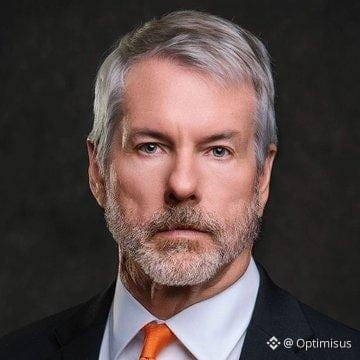
Strategiya hal-hazırda $6,100,000,000 reallaşmamış itkiyə malikdir Bitcoin investisiyasında, çünki $BTC $66k-a düşür.
Strategiya hal-hazırda $6,100,000,000 reallaşmamış itkiyə malikdir Bitcoin investisiyasında, çünki $BTC $66k-a düşür.
273
·
--
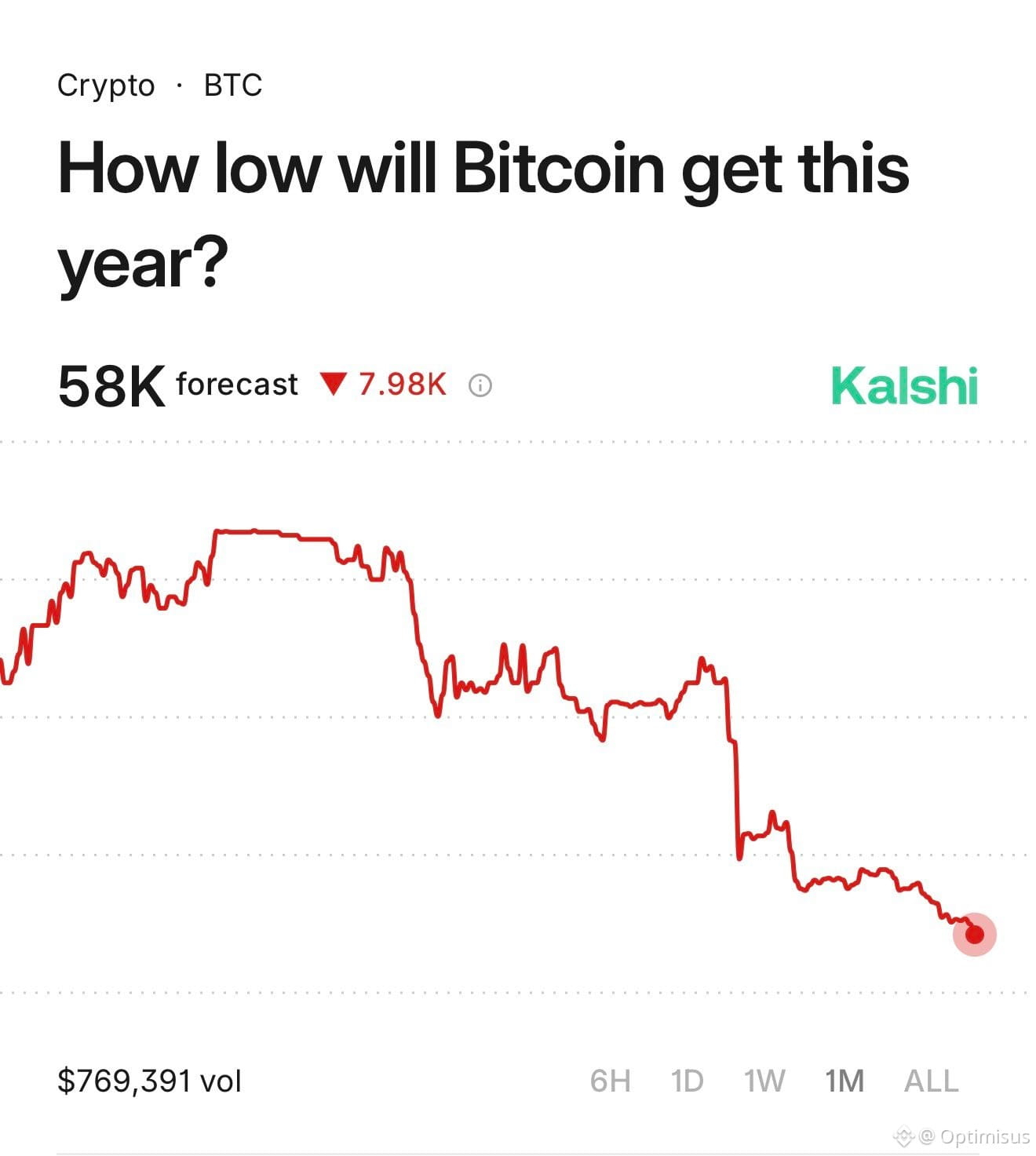
Analitiklər deyir ki, $BTC $58k minimuma düşəcək
Analitiklər deyir ki, $BTC $58k minimuma düşəcək
181
Daha çox kontent araşdırmaq üçün daxil olun
Binance Square-də qlobal kriptovalyuta istifadəçilərinə qoşulun
⚡️ Kriptovalyuta haqqında ən son və faydalı məlumatları əldə edin.
💬 Dünyanın ən böyük kriptovalyuta birjası tərəfindən etibar edilir.
👍 Doğrulanmış yaradıcılardan gələn real məlumatları kəşf edin.
E-poçt/Telefon nömrəsi
Trenddə olan mövzular
CPIWatch
86.7M baxış
Müzakirə edir: 502,293
Paylaşın və Trendləşən Hashtag Kampaniyamızda Trafik Mükafatı qazanın
✨Mövzu: CPI dərəcə artımına səbəb olacaqmı?
👉İştirak qaydası:
Həştəq #CPIWatch ilə qısa post və ya məqalə paylaşın
Aşağıdakı iki mövzudan biri əsasında kontent yaradın:
- Qeyri-kənd təsərrüfatı əmək haqqı hesabatı gözləntiləri üstələyir və CPI yaxındadır; Fed dərəcəni artıracaq, yoxsa saxlayacaq?
- Boğulu (bullish) yoxsa ayılı (bearish)? Fikrinizi paylaşın və bizim ticarət paylaşma widget-imizlə səhmlərinizi və ya qızıl ticarət/holdinqinizi nümayiş etdirin.
🚀Kampaniya dövrü:
- 2026-09-11 3:00 - 2026-09-12 9:00 UTC
🎁Mükafat:
- Yuxarıdakı qaydalara uyğun olan və 100-dən çox söz ehtiva edən ixtisaslı postlar nəzərdən keçiriləcək və 500-dən 3,000-ə qədər arası təsadüfi trafik artımı ala bilər. Postunuz seçilərsə, feed katibinizdən bildiriş alacaqsınız.
- Məqalənizin Binance Square Official-da təqdim olunması şansı qazanın
Postunuz üçün ideyalar lazımdır? Mövzu səhifəsinə keçin #CPIWatch or Square Guide on How to Post for Better Reach.
Binance Square Official
·506 bəyənmə
·1.2M baxış
BitcoinReboundsAbove$79KAfterCPI
869 baxış
Müzakirə edir: 87
BNBTops730USDT
9,547 baxış
Müzakirə edir: 482