
Ruoxi 若曦
1.2k Paylaşımlar

Ruoxi 若曦
Şikayət et
İstifadəçini blokla
365 İzlənilir
22.2K+ İzləyicilər
1.4K+ Bəyəndi
Postlar
Hamısı
Sitatlar
Canlı
·
--
Doğrulanıb
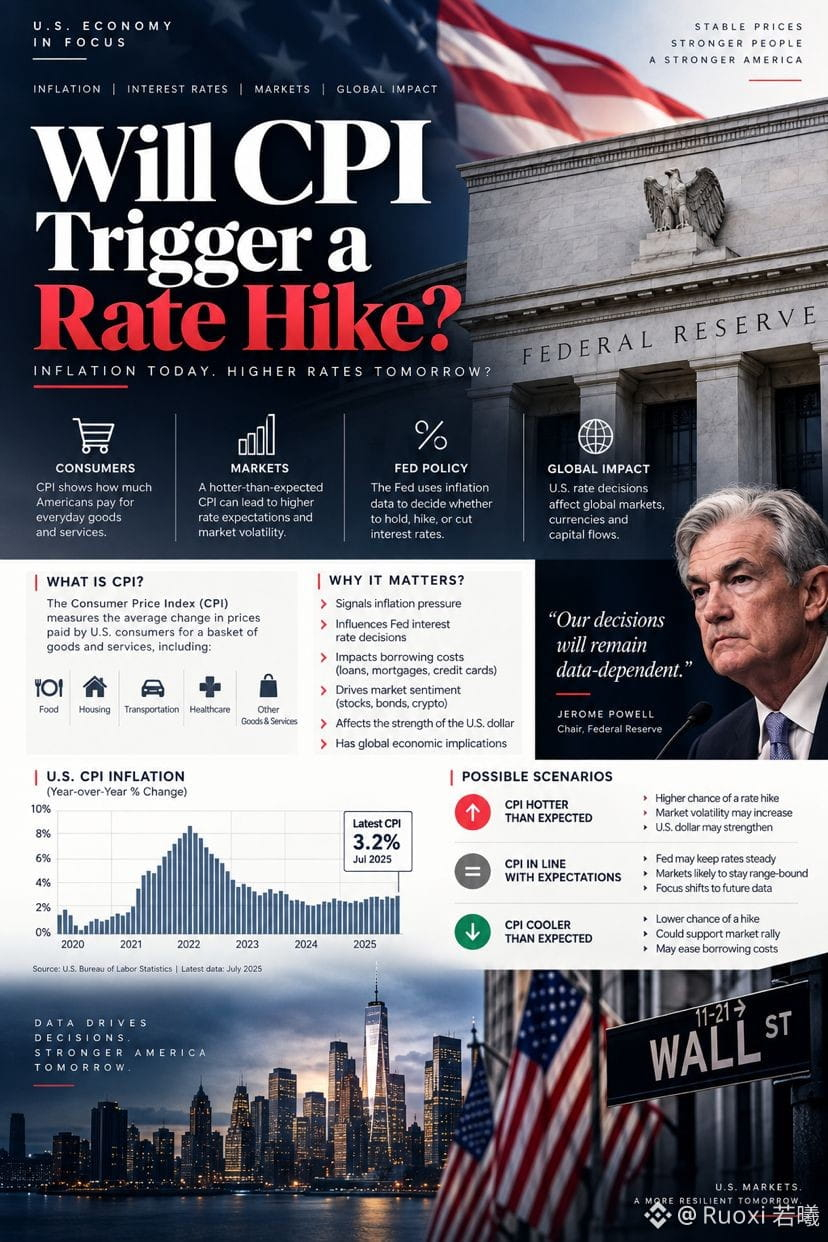
CPI qiymət artımı dərəcəsini artırmağa səbəb olacaq?
Bu quruluşu yaxından izləyirəm, çünki bu dəfə nəsə bir az fərqli kimi görünür.
İş yerləri ilə bağlı məlumatlar gözləniləndən daha güclü gəldi və indi hamı CPI-nin Fed-ə növbəti bəhanəsini verməsini, ya da diqqətli qalmaq üçün növbəti səbəbini ortaya qoymasını gözləyir.
Şəxsi olaraq, Fed-in hər hansı bir addımı tələsik atacağına inanmıram. Tək bir güclü göstərici bütöv mənzərəni dəyişmir, amma yapışqan inflyasiya bazarı yenidən narahat edə bilər.
Məni ən çox düşündürən CPI-dən sonrakı reaksiyadır. CPI-dən sonra bir neçə dəqiqə içində səhmlərin zərbə aldığını, gəlirlərin (yield) sıçradığını və qızılın sərt şəkildə rəqs etdiyini görə bilərik. Üstəlik, dürüst desəm, ilk hərəkət həmişə güvəndiyim hərəkət olmur.
Hazırda səhmlərdə ehtiyatlı mövqe tuturam və qızılı diqqətlə izləyirəm. Beş dəqiqə sonra geri dönən bir hərin ardınca qaçmaqdansa, ilk şamı qaçırmağı üstün tuturam.
Hə, mənim baxışım belədir.
Siz Fed-in artım edəcəyini, yoxsa saxlayacağını gözləyirsiniz? Bıkəran (bullish) yoxsa ayı (bearish)?
#CPIWatch
CPI qiymət artımı dərəcəsini artırmağa səbəb olacaq?
Bu quruluşu yaxından izləyirəm, çünki bu dəfə nəsə bir az fərqli kimi görünür.
İş yerləri ilə bağlı məlumatlar gözləniləndən daha güclü gəldi və indi hamı CPI-nin Fed-ə növbəti bəhanəsini verməsini, ya da diqqətli qalmaq üçün növbəti səbəbini ortaya qoymasını gözləyir.
Şəxsi olaraq, Fed-in hər hansı bir addımı tələsik atacağına inanmıram. Tək bir güclü göstərici bütöv mənzərəni dəyişmir, amma yapışqan inflyasiya bazarı yenidən narahat edə bilər.
Məni ən çox düşündürən CPI-dən sonrakı reaksiyadır. CPI-dən sonra bir neçə dəqiqə içində səhmlərin zərbə aldığını, gəlirlərin (yield) sıçradığını və qızılın sərt şəkildə rəqs etdiyini görə bilərik. Üstəlik, dürüst desəm, ilk hərəkət həmişə güvəndiyim hərəkət olmur.
Hazırda səhmlərdə ehtiyatlı mövqe tuturam və qızılı diqqətlə izləyirəm. Beş dəqiqə sonra geri dönən bir hərin ardınca qaçmaqdansa, ilk şamı qaçırmağı üstün tuturam.
Hə, mənim baxışım belədir.
Siz Fed-in artım edəcəyini, yoxsa saxlayacağını gözləyirsiniz? Bıkəran (bullish) yoxsa ayı (bearish)?
#CPIWatch
Bu quruluşu yaxından izləyirəm, çünki bu dəfə nəsə bir az fərqli kimi görünür.
İş yerləri ilə bağlı məlumatlar gözləniləndən daha güclü gəldi və indi hamı CPI-nin Fed-ə növbəti bəhanəsini verməsini, ya da diqqətli qalmaq üçün növbəti səbəbini ortaya qoymasını gözləyir.
Şəxsi olaraq, Fed-in hər hansı bir addımı tələsik atacağına inanmıram. Tək bir güclü göstərici bütöv mənzərəni dəyişmir, amma yapışqan inflyasiya bazarı yenidən narahat edə bilər.
Məni ən çox düşündürən CPI-dən sonrakı reaksiyadır. CPI-dən sonra bir neçə dəqiqə içində səhmlərin zərbə aldığını, gəlirlərin (yield) sıçradığını və qızılın sərt şəkildə rəqs etdiyini görə bilərik. Üstəlik, dürüst desəm, ilk hərəkət həmişə güvəndiyim hərəkət olmur.
Hazırda səhmlərdə ehtiyatlı mövqe tuturam və qızılı diqqətlə izləyirəm. Beş dəqiqə sonra geri dönən bir hərin ardınca qaçmaqdansa, ilk şamı qaçırmağı üstün tuturam.
Hə, mənim baxışım belədir.
Siz Fed-in artım edəcəyini, yoxsa saxlayacağını gözləyirsiniz? Bıkəran (bullish) yoxsa ayı (bearish)?
#CPIWatch
126
·
--
@termmax I DeFi-nin daha az “parlaq” tərəfinə baxmağa davam edirəm, çünki adətən ən çox məhz orada öyrənirəm. TermMax-ın bug bounty proqramı, hücumçu etməzdən əvvəl ciddi smart-kontrakt problemlərini tapmağa real dəyər qoyur.
Kritik bug üçün mükafat, birbaşa zərər görmüş vəsaitlərin 10%-i qədərdir; maksimum $50,000, minimum isə $10,000. Düşünürəm ki, bu, whitehat-ların erkən mərhələdə söz deməsi üçün mənalı stimul yaradır.
Diqqətimi çəkən məqam repeat-attack (təkrar-hücum) qaydasıdır. Əgər kontrakt pauza verilə və ya upgrade edilə bilərsə, yalnız ilkin hücum nəzərə alına bilər. Dayandırmaq mümkün deyilsə, təkrar istismardan yaranan yığımlı zərər qiymətləndirilə bilər. Bu, həqiqi bir istismarın necə inkişaf edə biləcəyinə daha çox bənzəyir.
TermMax sabit faizli borclanma və borcverməni, həmçinin konfiqurasiya edilə bilən AMM qiymət əyriləri ilə birləşdirir; yəni təhlükəsizlik məsələlərinə yüngül yanaşmaq olmaz. Bountydə həmçinin proof of concept tələb olunur və testlər canlı mainnet və ya ictimai testnet kodu əvəzinə yalnız local fork-lar üzərində aparılır.
Bununla belə, $50K bountydən avtomatik olaraq protokolun təhlükəsiz olacağı nəticə çıxarmaq olmaz. Bug-lar aşkar edilməmiş qala bilər və DeFi-də smart-kontraktlardan kənar çoxsaylı risklər də var.
Şəxsən mən bountydı bir təhlükəsizlik siqnalı kimi görürəm, zəmanət kimi deyil.
Güclü bug bounty TermMax-dan istifadə qərarınıza təsir edərmi?
#TermMax
$GALA
{spot}(GALAUSDT)
$BCH
{spot}(BCHUSDT)
@TermMax I DeFi-nin daha az “parlaq” tərəfinə baxmağa davam edirəm, çünki adətən ən çox məhz orada öyrənirəm. TermMax-ın bug bounty proqramı, hücumçu etməzdən əvvəl ciddi smart-kontrakt problemlərini tapmağa real dəyər qoyur.
Kritik bug üçün mükafat, birbaşa zərər görmüş vəsaitlərin 10%-i qədərdir; maksimum $50,000, minimum isə $10,000. Düşünürəm ki, bu, whitehat-ların erkən mərhələdə söz deməsi üçün mənalı stimul yaradır.
Diqqətimi çəkən məqam repeat-attack (təkrar-hücum) qaydasıdır. Əgər kontrakt pauza verilə və ya upgrade edilə bilərsə, yalnız ilkin hücum nəzərə alına bilər. Dayandırmaq mümkün deyilsə, təkrar istismardan yaranan yığımlı zərər qiymətləndirilə bilər. Bu, həqiqi bir istismarın necə inkişaf edə biləcəyinə daha çox bənzəyir.
TermMax sabit faizli borclanma və borcverməni, həmçinin konfiqurasiya edilə bilən AMM qiymət əyriləri ilə birləşdirir; yəni təhlükəsizlik məsələlərinə yüngül yanaşmaq olmaz. Bountydə həmçinin proof of concept tələb olunur və testlər canlı mainnet və ya ictimai testnet kodu əvəzinə yalnız local fork-lar üzərində aparılır.
Bununla belə, $50K bountydən avtomatik olaraq protokolun təhlükəsiz olacağı nəticə çıxarmaq olmaz. Bug-lar aşkar edilməmiş qala bilər və DeFi-də smart-kontraktlardan kənar çoxsaylı risklər də var.
Şəxsən mən bountydı bir təhlükəsizlik siqnalı kimi görürəm, zəmanət kimi deyil.
Güclü bug bounty TermMax-dan istifadə qərarınıza təsir edərmi?
#TermMax
$GALA
$BCH
Kritik bug üçün mükafat, birbaşa zərər görmüş vəsaitlərin 10%-i qədərdir; maksimum $50,000, minimum isə $10,000. Düşünürəm ki, bu, whitehat-ların erkən mərhələdə söz deməsi üçün mənalı stimul yaradır.
Diqqətimi çəkən məqam repeat-attack (təkrar-hücum) qaydasıdır. Əgər kontrakt pauza verilə və ya upgrade edilə bilərsə, yalnız ilkin hücum nəzərə alına bilər. Dayandırmaq mümkün deyilsə, təkrar istismardan yaranan yığımlı zərər qiymətləndirilə bilər. Bu, həqiqi bir istismarın necə inkişaf edə biləcəyinə daha çox bənzəyir.
TermMax sabit faizli borclanma və borcverməni, həmçinin konfiqurasiya edilə bilən AMM qiymət əyriləri ilə birləşdirir; yəni təhlükəsizlik məsələlərinə yüngül yanaşmaq olmaz. Bountydə həmçinin proof of concept tələb olunur və testlər canlı mainnet və ya ictimai testnet kodu əvəzinə yalnız local fork-lar üzərində aparılır.
Bununla belə, $50K bountydən avtomatik olaraq protokolun təhlükəsiz olacağı nəticə çıxarmaq olmaz. Bug-lar aşkar edilməmiş qala bilər və DeFi-də smart-kontraktlardan kənar çoxsaylı risklər də var.
Şəxsən mən bountydı bir təhlükəsizlik siqnalı kimi görürəm, zəmanət kimi deyil.
Güclü bug bounty TermMax-dan istifadə qərarınıza təsir edərmi?
#TermMax
$GALA
$BCH
Bounty Hunt 🟠
100%
Treasure Hunt 🟣
0%
4 Səslər • Səsvermə bağlanıb
1
1
460
·
--
Qismən doğrudur
@termmax TermMax’in XP bölgüsünü okuduğum anda diqqətimi çəkən ilk şey bu oldu: çoxaldıcı hər bir mövqe üçün eyni deyil.
Vault depozitləri 30x XP alır, FT holdings 15x, GT holdings isə borc aktivinin dəyərinə əsasən 2x XP alır. Həmçinin, istinad edilən istifadəçilərin XP-nin 10%-i həcmində bir referral komponenti də var; bunun içində referral bonusun özü daxil deyil.
Dürüstcə desəm, mən bunu sadəcə “100 transaksiya et” tipli kampaniyadan daha çox bəyəndim.
Bu, həvəsləndirmə sistemini TermMax daxilindəki müxtəlif rollarla əlaqələndirir.
Və bu rollar həqiqətən önəmlidir, çünki TermMax sabit şərtlər ətrafında kreditləşdirmə və borc verməni strukturlaşdırmaq üçün Fixed-Rate Tokens və Gearing Tokens kimi alətlərdən istifadə edir.
Bununla belə, 30x kağız üzərində həyəcanlı görünə bilər, amma çox sayda istifadəçi eyni strategiyaya yığışsa, təsiri az qala bilər.
Mənim izləyəcəyim hissə budur.
Sizcə, çoxaldıcıya əsaslanan XP daha yaxşı istifadəçilər yaradır, yoxsa eyni airdrop üçün daha çox rəqabət sadəcə artırır?
#TermMax
$ACE
{spot}(ACEUSDT)
$ONG
{spot}(ONGUSDT)
@TermMax TermMax’in XP bölgüsünü okuduğum anda diqqətimi çəkən ilk şey bu oldu: çoxaldıcı hər bir mövqe üçün eyni deyil.
Vault depozitləri 30x XP alır, FT holdings 15x, GT holdings isə borc aktivinin dəyərinə əsasən 2x XP alır. Həmçinin, istinad edilən istifadəçilərin XP-nin 10%-i həcmində bir referral komponenti də var; bunun içində referral bonusun özü daxil deyil.
Dürüstcə desəm, mən bunu sadəcə “100 transaksiya et” tipli kampaniyadan daha çox bəyəndim.
Bu, həvəsləndirmə sistemini TermMax daxilindəki müxtəlif rollarla əlaqələndirir.
Və bu rollar həqiqətən önəmlidir, çünki TermMax sabit şərtlər ətrafında kreditləşdirmə və borc verməni strukturlaşdırmaq üçün Fixed-Rate Tokens və Gearing Tokens kimi alətlərdən istifadə edir.
Bununla belə, 30x kağız üzərində həyəcanlı görünə bilər, amma çox sayda istifadəçi eyni strategiyaya yığışsa, təsiri az qala bilər.
Mənim izləyəcəyim hissə budur.
Sizcə, çoxaldıcıya əsaslanan XP daha yaxşı istifadəçilər yaradır, yoxsa eyni airdrop üçün daha çox rəqabət sadəcə artırır?
#TermMax
$ACE
$ONG
Vault depozitləri 30x XP alır, FT holdings 15x, GT holdings isə borc aktivinin dəyərinə əsasən 2x XP alır. Həmçinin, istinad edilən istifadəçilərin XP-nin 10%-i həcmində bir referral komponenti də var; bunun içində referral bonusun özü daxil deyil.
Dürüstcə desəm, mən bunu sadəcə “100 transaksiya et” tipli kampaniyadan daha çox bəyəndim.
Bu, həvəsləndirmə sistemini TermMax daxilindəki müxtəlif rollarla əlaqələndirir.
Və bu rollar həqiqətən önəmlidir, çünki TermMax sabit şərtlər ətrafında kreditləşdirmə və borc verməni strukturlaşdırmaq üçün Fixed-Rate Tokens və Gearing Tokens kimi alətlərdən istifadə edir.
Bununla belə, 30x kağız üzərində həyəcanlı görünə bilər, amma çox sayda istifadəçi eyni strategiyaya yığışsa, təsiri az qala bilər.
Mənim izləyəcəyim hissə budur.
Sizcə, çoxaldıcıya əsaslanan XP daha yaxşı istifadəçilər yaradır, yoxsa eyni airdrop üçün daha çox rəqabət sadəcə artırır?
#TermMax
$ACE
$ONG
Bullish Token Volatility 🟢
73%
Bearish Token Volatility 🔴
27%
11 Səslər • Səsvermə bağlanıb
3
866
·
--
@termmax İndi DeFi protokollarına bir az fərqli şəkildə baxıram.
TermMax-da “DeFiSafety PQR” üzrə 93% bal diqqətimi çəkdi, amma 93%-ü “təhlükəsizdir, iş bitdi, davam et” kimi görmürəm. Açığı, bunu daha dərindən baxmaq üçün bir səbəb kimi görürəm. Bu bal kodu, sənədləşdirməni, testləri, təhlükəsizliyi, admin nəzarətlərini və oraklları əhatə edir.
TermMax Code & Team üzrə 100% toplayıb,
Security üzrə 94%, Admin Controls üzrə 97% və Oracles üzrə 100%.
Testlər 89%-ə gəlib, sənədləşdirmə isə 70% olub. Sonuncu rəqəm isə mənim daha yaxşı anlamaq istədiyim hissədir.
Düşünürəm ki, təhlükəsizlik skorları belə istifadə olunmalıdır.
Yaşıl işarə kimi yox, araşdırma üçün başlanğıc nöqtə kimi.
TermMax həmçinin unit testləri, fuzzing, mutation testing və integration testing-i də təsvir edir.
Amma DeFi-də smart-contract riski heç vaxt tamamilə yox olmur.
Ona görə də 93%-ə maraqla baxıram, kor-koranə etibar etmirəm.
Kreditləşdirmə, borclanma və struktur məhsullar üzrə işləyən bir protokol üçün təhlükəsizlik əlavə funksiya deyil — oyunun bütün hissəsidir.
93% PQR bal DeFi protokoluna dair baxışınızı dəyişərdimi?
#TermMax
$CLO
{future}(CLOUSDT)
$ACE
{spot}(ACEUSDT)
@TermMax İndi DeFi protokollarına bir az fərqli şəkildə baxıram.
TermMax-da “DeFiSafety PQR” üzrə 93% bal diqqətimi çəkdi, amma 93%-ü “təhlükəsizdir, iş bitdi, davam et” kimi görmürəm. Açığı, bunu daha dərindən baxmaq üçün bir səbəb kimi görürəm. Bu bal kodu, sənədləşdirməni, testləri, təhlükəsizliyi, admin nəzarətlərini və oraklları əhatə edir.
TermMax Code & Team üzrə 100% toplayıb,
Security üzrə 94%, Admin Controls üzrə 97% və Oracles üzrə 100%.
Testlər 89%-ə gəlib, sənədləşdirmə isə 70% olub. Sonuncu rəqəm isə mənim daha yaxşı anlamaq istədiyim hissədir.
Düşünürəm ki, təhlükəsizlik skorları belə istifadə olunmalıdır.
Yaşıl işarə kimi yox, araşdırma üçün başlanğıc nöqtə kimi.
TermMax həmçinin unit testləri, fuzzing, mutation testing və integration testing-i də təsvir edir.
Amma DeFi-də smart-contract riski heç vaxt tamamilə yox olmur.
Ona görə də 93%-ə maraqla baxıram, kor-koranə etibar etmirəm.
Kreditləşdirmə, borclanma və struktur məhsullar üzrə işləyən bir protokol üçün təhlükəsizlik əlavə funksiya deyil — oyunun bütün hissəsidir.
93% PQR bal DeFi protokoluna dair baxışınızı dəyişərdimi?
#TermMax
$CLO
$ACE
TermMax-da “DeFiSafety PQR” üzrə 93% bal diqqətimi çəkdi, amma 93%-ü “təhlükəsizdir, iş bitdi, davam et” kimi görmürəm. Açığı, bunu daha dərindən baxmaq üçün bir səbəb kimi görürəm. Bu bal kodu, sənədləşdirməni, testləri, təhlükəsizliyi, admin nəzarətlərini və oraklları əhatə edir.
TermMax Code & Team üzrə 100% toplayıb,
Security üzrə 94%, Admin Controls üzrə 97% və Oracles üzrə 100%.
Testlər 89%-ə gəlib, sənədləşdirmə isə 70% olub. Sonuncu rəqəm isə mənim daha yaxşı anlamaq istədiyim hissədir.
Düşünürəm ki, təhlükəsizlik skorları belə istifadə olunmalıdır.
Yaşıl işarə kimi yox, araşdırma üçün başlanğıc nöqtə kimi.
TermMax həmçinin unit testləri, fuzzing, mutation testing və integration testing-i də təsvir edir.
Amma DeFi-də smart-contract riski heç vaxt tamamilə yox olmur.
Ona görə də 93%-ə maraqla baxıram, kor-koranə etibar etmirəm.
Kreditləşdirmə, borclanma və struktur məhsullar üzrə işləyən bir protokol üçün təhlükəsizlik əlavə funksiya deyil — oyunun bütün hissəsidir.
93% PQR bal DeFi protokoluna dair baxışınızı dəyişərdimi?
#TermMax
$CLO
$ACE
Bullish Volatile 🟢
67%
Bearish Volatile 🔴
33%
3 Səslər • Səsvermə bağlanıb
340
·
--
Doğrulanıb
Tərcüməyə bax
@termmax I keep looking at the liquidation side of DeFi, because that’s where many lending ideas get tested for real.
A protocol can offer attractive rates, but what happens when the market suddenly moves 30%?
TermMax has an interesting answer: physical delivery. In certain liquidation situations, collateral can be delivered to lenders instead of relying only on selling assets into a thin market. The design is also intended to make collateral such as lower-liquidity assets and some RWAs more workable.
I think this is one of the less flashy parts of TermMax, but probably one of the more important ones.
If liquidity disappears during a sharp move, simply saying “liquidate it” doesn’t guarantee the lender gets a fair recovery.
But physical delivery isn’t a magic shield either. The collateral itself can still lose value.
Would you trust physical delivery more than a traditional market liquidation during extreme volatility?
#TermMax
$GPS
{spot}(GPSUSDT)
$TUT
{spot}(TUTUSDT)
@TermMax I keep looking at the liquidation side of DeFi, because that’s where many lending ideas get tested for real.
A protocol can offer attractive rates, but what happens when the market suddenly moves 30%?
TermMax has an interesting answer: physical delivery. In certain liquidation situations, collateral can be delivered to lenders instead of relying only on selling assets into a thin market. The design is also intended to make collateral such as lower-liquidity assets and some RWAs more workable.
I think this is one of the less flashy parts of TermMax, but probably one of the more important ones.
If liquidity disappears during a sharp move, simply saying “liquidate it” doesn’t guarantee the lender gets a fair recovery.
But physical delivery isn’t a magic shield either. The collateral itself can still lose value.
Would you trust physical delivery more than a traditional market liquidation during extreme volatility?
#TermMax
$GPS
$TUT
A protocol can offer attractive rates, but what happens when the market suddenly moves 30%?
TermMax has an interesting answer: physical delivery. In certain liquidation situations, collateral can be delivered to lenders instead of relying only on selling assets into a thin market. The design is also intended to make collateral such as lower-liquidity assets and some RWAs more workable.
I think this is one of the less flashy parts of TermMax, but probably one of the more important ones.
If liquidity disappears during a sharp move, simply saying “liquidate it” doesn’t guarantee the lender gets a fair recovery.
But physical delivery isn’t a magic shield either. The collateral itself can still lose value.
Would you trust physical delivery more than a traditional market liquidation during extreme volatility?
#TermMax
$GPS
$TUT
Bullish volatility 🟢
33%
Bearish volatility 🔴
67%
12 Səslər • Səsvermə bağlanıb
1.3k
·
--
@Dusk_Foundation Mən AI + kripto söhbətinə baxıb dururam və nəyinsə çatışdığını hiss edirəm. Hər kəs agentlərin kod yaratmasından, tapşırıqları icra etməsindən və daha sürətli hərəkət etməsindən danışır. Amma çox az adam soruşur ki, agent köhnəlmiş bir spesifikasiyaya əməl edəndə nə olur—hansı ki, artıq köhnəldiyi heç kim yadına da salmırdı.
Pituitary Dusk-un bu daha səssiz problemi həll etmək cəhdidir. Hər bir faylı təkbaşına bir şey kimi yox, spesifikasiyalar, sənədlər (documentation), qərarlar və kod arasındakı əlaqəni izləyir. O, spesifikasiyaları axtara, onları müqayisə edə, köhnəlmiş sənədləri tapa və təsirin nə olduğunu dəyərləndirə bilər.
Doğrusu, mənim daha maraqlı gördüyüm AI alətlərinin növü elə budur. İnkişaf etdiricilərə (developers) kodu necə yazacaqlarını deyən növbəti chatbot deyil—bu, inkişaf etdiricilərə layihənin orijinal niyyətini itirməməyə kömək edən bir sistemdir. Xüsusilə maliyyə infrastrukturunda, məxfilik və uyğunluq (compliance) hətta tətbiqin (application) əsas məntiqinin bir hissəsi ola bilər.
Amma burada başqa bir risk də var. Çoxlu avtomat xəbərdarlıqlar səs-küyə (noise) çevrilə bilər və komandalar zamanla onları görməməzlikdən gəlməyə başlayar. Alət öz siqnallarının faydalı olduğunu sübut etməlidir.
Bəs AI kodumuzun daha çoxunu yazacaqsa, kodun riayət etməli olduğu qaydaları yadda saxlamaq üçün daha yaxşı sistemlər qurmamalıyıq?
#dusk $DUSK
$PORTAL
{spot}(PORTALUSDT)
$DOLO
{spot}(DOLOUSDT)
@Dusk Mən AI + kripto söhbətinə baxıb dururam və nəyinsə çatışdığını hiss edirəm. Hər kəs agentlərin kod yaratmasından, tapşırıqları icra etməsindən və daha sürətli hərəkət etməsindən danışır. Amma çox az adam soruşur ki, agent köhnəlmiş bir spesifikasiyaya əməl edəndə nə olur—hansı ki, artıq köhnəldiyi heç kim yadına da salmırdı.
Pituitary Dusk-un bu daha səssiz problemi həll etmək cəhdidir. Hər bir faylı təkbaşına bir şey kimi yox, spesifikasiyalar, sənədlər (documentation), qərarlar və kod arasındakı əlaqəni izləyir. O, spesifikasiyaları axtara, onları müqayisə edə, köhnəlmiş sənədləri tapa və təsirin nə olduğunu dəyərləndirə bilər.
Doğrusu, mənim daha maraqlı gördüyüm AI alətlərinin növü elə budur. İnkişaf etdiricilərə (developers) kodu necə yazacaqlarını deyən növbəti chatbot deyil—bu, inkişaf etdiricilərə layihənin orijinal niyyətini itirməməyə kömək edən bir sistemdir. Xüsusilə maliyyə infrastrukturunda, məxfilik və uyğunluq (compliance) hətta tətbiqin (application) əsas məntiqinin bir hissəsi ola bilər.
Amma burada başqa bir risk də var. Çoxlu avtomat xəbərdarlıqlar səs-küyə (noise) çevrilə bilər və komandalar zamanla onları görməməzlikdən gəlməyə başlayar. Alət öz siqnallarının faydalı olduğunu sübut etməlidir.
Bəs AI kodumuzun daha çoxunu yazacaqsa, kodun riayət etməli olduğu qaydaları yadda saxlamaq üçün daha yaxşı sistemlər qurmamalıyıq?
#dusk $DUSK
$PORTAL
$DOLO
Pituitary Dusk-un bu daha səssiz problemi həll etmək cəhdidir. Hər bir faylı təkbaşına bir şey kimi yox, spesifikasiyalar, sənədlər (documentation), qərarlar və kod arasındakı əlaqəni izləyir. O, spesifikasiyaları axtara, onları müqayisə edə, köhnəlmiş sənədləri tapa və təsirin nə olduğunu dəyərləndirə bilər.
Doğrusu, mənim daha maraqlı gördüyüm AI alətlərinin növü elə budur. İnkişaf etdiricilərə (developers) kodu necə yazacaqlarını deyən növbəti chatbot deyil—bu, inkişaf etdiricilərə layihənin orijinal niyyətini itirməməyə kömək edən bir sistemdir. Xüsusilə maliyyə infrastrukturunda, məxfilik və uyğunluq (compliance) hətta tətbiqin (application) əsas məntiqinin bir hissəsi ola bilər.
Amma burada başqa bir risk də var. Çoxlu avtomat xəbərdarlıqlar səs-küyə (noise) çevrilə bilər və komandalar zamanla onları görməməzlikdən gəlməyə başlayar. Alət öz siqnallarının faydalı olduğunu sübut etməlidir.
Bəs AI kodumuzun daha çoxunu yazacaqsa, kodun riayət etməli olduğu qaydaları yadda saxlamaq üçün daha yaxşı sistemlər qurmamalıyıq?
#dusk $DUSK
$PORTAL
$DOLO
Bullish Time 🟢
100%
Bearish Time 🔴
0%
3 Səslər • Səsvermə bağlanıb
296
·
--
Doğrulanıb
@Dusk_Foundation One thing I noticed while reading Dusk’s docs smart contracts are becoming part of the network’s economics, not just its applications.
Dusk’s Economic Protocol allows smart contracts to charge fees, pay gas and operate autonomously. That sounds like a small technical improvement until you think about how financial applications actually work. A contract can have its own economic behavior instead of depending on every user to manage each step manually.
Then Stake Abstraction adds another layer.
A contract can participate in staking, handle unstaking and receive staking rewards. So the contract isn’t simply executing financial logic — it can also manage part of the network economics around that logic. That’s where I think things get pretty interesting.
this could make staking infrastructure much more composable. But composability always brings another question — who controls the contract, and what happens if the code has a bug?
Dusk can provide the infrastructure, but application-level risk still belongs to developers and users.
Would you use a smart contract that automatically stakes and manages your DUSK?
#dusk $DUSK
$COW
{spot}(COWUSDT)
$HEMI
{spot}(HEMIUSDT)
@Dusk One thing I noticed while reading Dusk’s docs smart contracts are becoming part of the network’s economics, not just its applications.
Dusk’s Economic Protocol allows smart contracts to charge fees, pay gas and operate autonomously. That sounds like a small technical improvement until you think about how financial applications actually work. A contract can have its own economic behavior instead of depending on every user to manage each step manually.
Then Stake Abstraction adds another layer.
A contract can participate in staking, handle unstaking and receive staking rewards. So the contract isn’t simply executing financial logic — it can also manage part of the network economics around that logic. That’s where I think things get pretty interesting.
this could make staking infrastructure much more composable. But composability always brings another question — who controls the contract, and what happens if the code has a bug?
Dusk can provide the infrastructure, but application-level risk still belongs to developers and users.
Would you use a smart contract that automatically stakes and manages your DUSK?
#dusk $DUSK
$COW
$HEMI
Dusk’s Economic Protocol allows smart contracts to charge fees, pay gas and operate autonomously. That sounds like a small technical improvement until you think about how financial applications actually work. A contract can have its own economic behavior instead of depending on every user to manage each step manually.
Then Stake Abstraction adds another layer.
A contract can participate in staking, handle unstaking and receive staking rewards. So the contract isn’t simply executing financial logic — it can also manage part of the network economics around that logic. That’s where I think things get pretty interesting.
this could make staking infrastructure much more composable. But composability always brings another question — who controls the contract, and what happens if the code has a bug?
Dusk can provide the infrastructure, but application-level risk still belongs to developers and users.
Would you use a smart contract that automatically stakes and manages your DUSK?
#dusk $DUSK
$COW
$HEMI
Buying Bullish 🟢
80%
Selling Bearish 🔴
20%
5 Səslər • Səsvermə bağlanıb
4
1
642
·
--
@Dusk_Foundation Qaranlıqda daim baxdığım bir şey var və ekosistem hekayəsi indi daha fərqli hiss olunur.
Mənim diqqətimi çəkən təkcə məxfilik tərəfi deyil. Dusk tənzimlənən maliyyə ətrafında bir neçə komponent qurur: DuskVM və DuskEVM-dən başlayaraq identifikasiya, settlement və asset (aktiv) iş axınlarına qədər. Bu, şəbəkəni bir tək məhsuldan daha çox infrastruktur kimi hiss etdirir.
İndi Dusk sənədlərində Chainlink, NPEX, Quantoz və Cordial Systems kimi adlarla inteqrasiyalar göstərilir; bunların hər biri maliyyənin fərqli bir hissəsinə toxunur. Chainlink CCIP vasitəsilə cross-chain mesajlaşma və məlumatı gətirir, NPEX isə tənzimlənən real dünya aktivləri və qiymətli kağızlar fəaliyyəti ilə birbaşa əlaqə qurur.
Məncə Dusk burada maraqlı olur. Maliyyə institutları adətən sadəcə daha sürətli və ya ucuz olduğuna görə başqa bir blokçeynə ehtiyac duymur. Onlar məxfilik, uyğunluq (compliance), settlement və interoperabilitinin birlikdə işləməsini istəyir — hər şeyi tamamilə qapalı bir sistemə məcbur etmədən.
Amma hələ də böyük bir sual var: sənəddəki inteqrasiyalar davamlı qəbul (adoption) ilə eyni deyil. Dusk bu ekosistemin tərəfdaşlıqlardan kənara böyüyə biləcəyini sübut etmək üçün real istifadəçilərə, real aktiv həcmə və
real tətbiqlərə ehtiyac duyur.
Yenə də gördüklərimdən belə görünür ki, istiqamət getdikcə daha aydın olur. Dusk əvvəlcə “relsləri” (infrastruktur komponentlərini) qurur və tətbiqlərin sonradan gəlməsinə imkan yaradır.
Sizcə, bu infrastruktur-əvvəl yanaşması həqiqətən də daha çox tənzimlənmiş aktivləri on-çeynə (on-chain) gətirə bilər?
#dusk $DUSK
$ACE
{spot}(ACEUSDT)
$HEI
{spot}(HEIUSDT)
@Dusk Qaranlıqda daim baxdığım bir şey var və ekosistem hekayəsi indi daha fərqli hiss olunur.
Mənim diqqətimi çəkən təkcə məxfilik tərəfi deyil. Dusk tənzimlənən maliyyə ətrafında bir neçə komponent qurur: DuskVM və DuskEVM-dən başlayaraq identifikasiya, settlement və asset (aktiv) iş axınlarına qədər. Bu, şəbəkəni bir tək məhsuldan daha çox infrastruktur kimi hiss etdirir.
İndi Dusk sənədlərində Chainlink, NPEX, Quantoz və Cordial Systems kimi adlarla inteqrasiyalar göstərilir; bunların hər biri maliyyənin fərqli bir hissəsinə toxunur. Chainlink CCIP vasitəsilə cross-chain mesajlaşma və məlumatı gətirir, NPEX isə tənzimlənən real dünya aktivləri və qiymətli kağızlar fəaliyyəti ilə birbaşa əlaqə qurur.
Məncə Dusk burada maraqlı olur. Maliyyə institutları adətən sadəcə daha sürətli və ya ucuz olduğuna görə başqa bir blokçeynə ehtiyac duymur. Onlar məxfilik, uyğunluq (compliance), settlement və interoperabilitinin birlikdə işləməsini istəyir — hər şeyi tamamilə qapalı bir sistemə məcbur etmədən.
Amma hələ də böyük bir sual var: sənəddəki inteqrasiyalar davamlı qəbul (adoption) ilə eyni deyil. Dusk bu ekosistemin tərəfdaşlıqlardan kənara böyüyə biləcəyini sübut etmək üçün real istifadəçilərə, real aktiv həcmə və
real tətbiqlərə ehtiyac duyur.
Yenə də gördüklərimdən belə görünür ki, istiqamət getdikcə daha aydın olur. Dusk əvvəlcə “relsləri” (infrastruktur komponentlərini) qurur və tətbiqlərin sonradan gəlməsinə imkan yaradır.
Sizcə, bu infrastruktur-əvvəl yanaşması həqiqətən də daha çox tənzimlənmiş aktivləri on-çeynə (on-chain) gətirə bilər?
#dusk $DUSK
$ACE
$HEI
Mənim diqqətimi çəkən təkcə məxfilik tərəfi deyil. Dusk tənzimlənən maliyyə ətrafında bir neçə komponent qurur: DuskVM və DuskEVM-dən başlayaraq identifikasiya, settlement və asset (aktiv) iş axınlarına qədər. Bu, şəbəkəni bir tək məhsuldan daha çox infrastruktur kimi hiss etdirir.
İndi Dusk sənədlərində Chainlink, NPEX, Quantoz və Cordial Systems kimi adlarla inteqrasiyalar göstərilir; bunların hər biri maliyyənin fərqli bir hissəsinə toxunur. Chainlink CCIP vasitəsilə cross-chain mesajlaşma və məlumatı gətirir, NPEX isə tənzimlənən real dünya aktivləri və qiymətli kağızlar fəaliyyəti ilə birbaşa əlaqə qurur.
Məncə Dusk burada maraqlı olur. Maliyyə institutları adətən sadəcə daha sürətli və ya ucuz olduğuna görə başqa bir blokçeynə ehtiyac duymur. Onlar məxfilik, uyğunluq (compliance), settlement və interoperabilitinin birlikdə işləməsini istəyir — hər şeyi tamamilə qapalı bir sistemə məcbur etmədən.
Amma hələ də böyük bir sual var: sənəddəki inteqrasiyalar davamlı qəbul (adoption) ilə eyni deyil. Dusk bu ekosistemin tərəfdaşlıqlardan kənara böyüyə biləcəyini sübut etmək üçün real istifadəçilərə, real aktiv həcmə və
real tətbiqlərə ehtiyac duyur.
Yenə də gördüklərimdən belə görünür ki, istiqamət getdikcə daha aydın olur. Dusk əvvəlcə “relsləri” (infrastruktur komponentlərini) qurur və tətbiqlərin sonradan gəlməsinə imkan yaradır.
Sizcə, bu infrastruktur-əvvəl yanaşması həqiqətən də daha çox tənzimlənmiş aktivləri on-çeynə (on-chain) gətirə bilər?
#dusk $DUSK
$ACE
$HEI
Buying Time Long 🟢
0%
Selling Time Short 🔴
0%
Hold and Wait 🟠
0%
0 Səslər • Səsvermə bağlanıb
1
254
·
--
@Dusk_Foundation Bir şeyi hər gün DUSK-a baxıb özümə bir sual verirəm: Bitcoin bazarın əsas göstəricisi olaraq qalarkən daha kiçik L1 diqqət qazanmağa başlaya bilərmi?
Diqqətimi çəkən Dusk-ın istiqamətidir. O, Bitcoin-i əvəz etməyə çalışmır. Regulyasiya olunan maliyyə, məxfilik, seçmə açıqlama və onçeyn (on-chain) hesablaşma əsasında qurulur. Bu, tamamilə fərqli bir mərcdir.
Ən maraqlı tərəf Moonlight ilə Phoenix-in kombinasiyasıdır. Biri əməliyyatları ictimai saxlayır, digəri isə qorunan (shielded) köçürmələri dəstəkləyir. Mənə görə bu, tam şəffaflığın hər zaman lazım olmadığı maliyyə tətbiqləri üçün daha praktik görünür.
DuskEVM isə tərtibatçılara tanış Solidity/EVM yolu verir. Məncə bu önəmlidir, çünki yaxşı infrastruktur sadəcə güclü narrativlə yox, həm də qurucularla (builders) ayağa qalxır.
Amma bunu hələ təsdiqlənmiş bir trend dəyişikliyi kimi adlandırmazdım. CMC DUSK-u təxminən $0.06 göstərir və təxminən $30M bazar kapitallaşmasına malikdir; yəni likvidlik və qəbul (adoption) real risklər olaraq qalır.
Yenə də, sadə bir mülahizə ilə düşünürəm: Bitcoin yavaşlayanda DUSK öz gücünü saxlaya bilsə, o zaman daha yaxından diqqət yetirməyə başlayardım.
Sizcə DUSK Bitcoin-dən fərqli olaraq hərəkət etməyə erkən əlamətlər göstərir?
#dusk $DUSK
$AKE
{future}(AKEUSDT)
$ACU
{future}(ACUUSDT)
@Dusk Bir şeyi hər gün DUSK-a baxıb özümə bir sual verirəm: Bitcoin bazarın əsas göstəricisi olaraq qalarkən daha kiçik L1 diqqət qazanmağa başlaya bilərmi?
Diqqətimi çəkən Dusk-ın istiqamətidir. O, Bitcoin-i əvəz etməyə çalışmır. Regulyasiya olunan maliyyə, məxfilik, seçmə açıqlama və onçeyn (on-chain) hesablaşma əsasında qurulur. Bu, tamamilə fərqli bir mərcdir.
Ən maraqlı tərəf Moonlight ilə Phoenix-in kombinasiyasıdır. Biri əməliyyatları ictimai saxlayır, digəri isə qorunan (shielded) köçürmələri dəstəkləyir. Mənə görə bu, tam şəffaflığın hər zaman lazım olmadığı maliyyə tətbiqləri üçün daha praktik görünür.
DuskEVM isə tərtibatçılara tanış Solidity/EVM yolu verir. Məncə bu önəmlidir, çünki yaxşı infrastruktur sadəcə güclü narrativlə yox, həm də qurucularla (builders) ayağa qalxır.
Amma bunu hələ təsdiqlənmiş bir trend dəyişikliyi kimi adlandırmazdım. CMC DUSK-u təxminən $0.06 göstərir və təxminən $30M bazar kapitallaşmasına malikdir; yəni likvidlik və qəbul (adoption) real risklər olaraq qalır.
Yenə də, sadə bir mülahizə ilə düşünürəm: Bitcoin yavaşlayanda DUSK öz gücünü saxlaya bilsə, o zaman daha yaxından diqqət yetirməyə başlayardım.
Sizcə DUSK Bitcoin-dən fərqli olaraq hərəkət etməyə erkən əlamətlər göstərir?
#dusk $DUSK
$AKE
$ACU
Diqqətimi çəkən Dusk-ın istiqamətidir. O, Bitcoin-i əvəz etməyə çalışmır. Regulyasiya olunan maliyyə, məxfilik, seçmə açıqlama və onçeyn (on-chain) hesablaşma əsasında qurulur. Bu, tamamilə fərqli bir mərcdir.
Ən maraqlı tərəf Moonlight ilə Phoenix-in kombinasiyasıdır. Biri əməliyyatları ictimai saxlayır, digəri isə qorunan (shielded) köçürmələri dəstəkləyir. Mənə görə bu, tam şəffaflığın hər zaman lazım olmadığı maliyyə tətbiqləri üçün daha praktik görünür.
DuskEVM isə tərtibatçılara tanış Solidity/EVM yolu verir. Məncə bu önəmlidir, çünki yaxşı infrastruktur sadəcə güclü narrativlə yox, həm də qurucularla (builders) ayağa qalxır.
Amma bunu hələ təsdiqlənmiş bir trend dəyişikliyi kimi adlandırmazdım. CMC DUSK-u təxminən $0.06 göstərir və təxminən $30M bazar kapitallaşmasına malikdir; yəni likvidlik və qəbul (adoption) real risklər olaraq qalır.
Yenə də, sadə bir mülahizə ilə düşünürəm: Bitcoin yavaşlayanda DUSK öz gücünü saxlaya bilsə, o zaman daha yaxından diqqət yetirməyə başlayardım.
Sizcə DUSK Bitcoin-dən fərqli olaraq hərəkət etməyə erkən əlamətlər göstərir?
#dusk $DUSK
$AKE
$ACU
Buying Long 🟢
64%
Selling Short 🔴
36%
11 Səslər • Səsvermə bağlanıb
1
1
270
·
--
Tərcüməyə bax
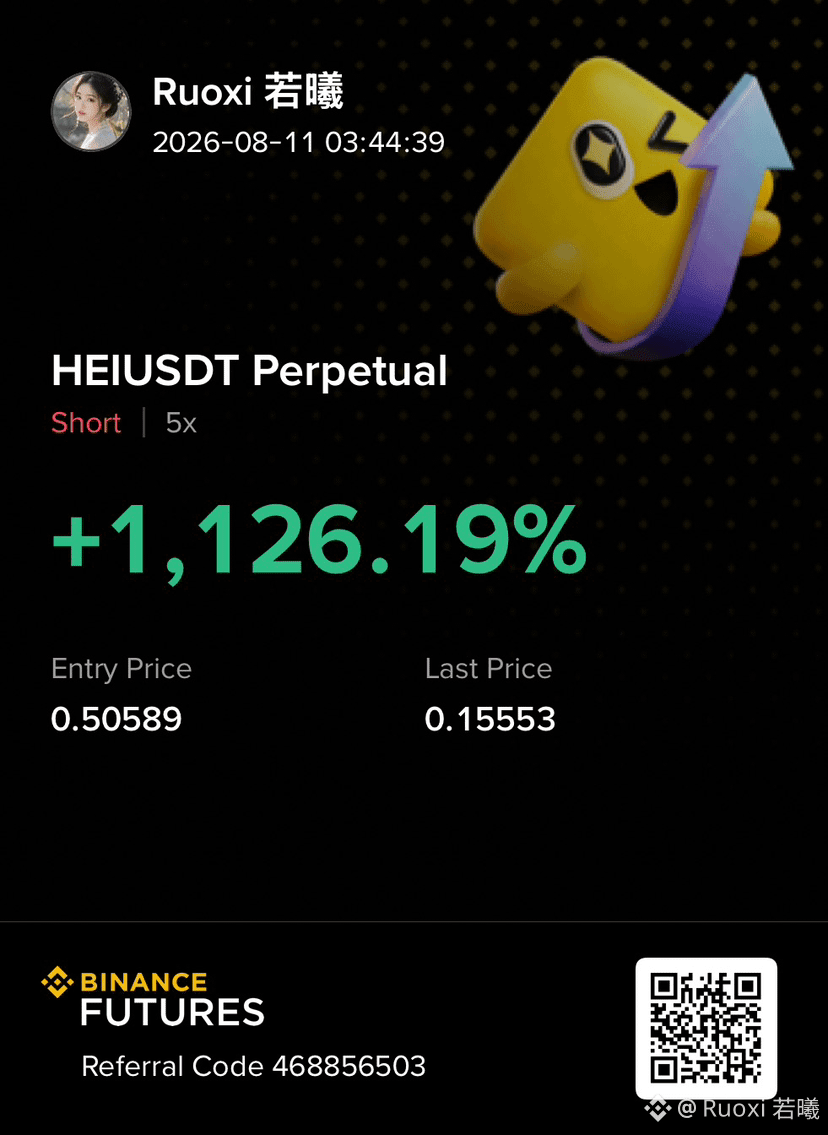
$HEI is going great 🔥
The trade is moving nicely, but I’m still keeping it simple no chasing, no overconfidence.
What I like most right now is the momentum. If $HEI can maintain this strength and keep building higher levels with healthy volume, the setup could remain interesting.
For me, the key is patience. Let the chart confirm the move instead of forcing an entry.
Good trade so far. Let’s see how $HEI handles the next move. 👀📈
$HEI is going great 🔥
The trade is moving nicely, but I’m still keeping it simple no chasing, no overconfidence.
What I like most right now is the momentum. If $HEI can maintain this strength and keep building higher levels with healthy volume, the setup could remain interesting.
For me, the key is patience. Let the chart confirm the move instead of forcing an entry.
Good trade so far. Let’s see how $HEI handles the next move. 👀📈
The trade is moving nicely, but I’m still keeping it simple no chasing, no overconfidence.
What I like most right now is the momentum. If $HEI can maintain this strength and keep building higher levels with healthy volume, the setup could remain interesting.
For me, the key is patience. Let the chart confirm the move instead of forcing an entry.
Good trade so far. Let’s see how $HEI handles the next move. 👀📈
301
·
--
@babylonlabs_io Babylon’un 2025-ci ilin Q4 Founders Call sessiyasından sonra diqqətimi çəkən bir şey oldu: söhbətin nə qədər dəyişdiyini.
Bir il əvvəl, insanların çoxu Bitcoin staking-dən danışırdı. İndi isə komanda, wrapped asset-lərdən istifadə etmədən və ya self-custody (öz nəzarətində saxlayıcılıq) imkanından imtina etmədən, Bitcoin-in DeFi-də həqiqətən istifadəyə yararlı olmasına fokuslanır. Düşünürəm ki, bu dəyişiklik bir çox insanın anladığından daha böyükdür.
Diqqətimi çəkən məsələ Trustless Bitcoin Vaults (etibarsız Bitcoin Vault-lar) oldu.
İdeya gözlənilmədən sadə səslənir. Sizin BTC-niz nəzarətinizin altında qalır, eyni zamanda kreditləşdirmə və digər DeFi ssenariləri üçün girov rolunu oynayır. Əgər Babylon bunu yaxşı çatdırsa, Bitcoin sahiblərinin on-chain maliyyəyə (onlayn zəncir üzərində maliyyə) girməməsinin ən böyük səbəblərindən birini aradan qaldıra bilər.
Mənə həm də xoş gəldi ki, təsisçilər hər şeyin mükəmməl olduğunu iddia etmirdilər.
Onlar BABY token-nin satış təzyiqindən (sell pressure), tokenin utility-sini (istifadə dəyərini) artırmaqdan və həqiqi məhsulların tokenomics-i ələ keçirməyə çalışmazdan əvvəl niyə dəyər yaratmalı olduğunu açıq şəkildə müzakirə etdilər. Düzünü desəm, bu daha çətin yoldur və uğur reklam və açıqlamalardan yox, qəbul (adoption) səviyyəsindən asılı olacaq.
Gördüyümə əsasən, Babylon Bitcoin-i orijinal fəlsəfəsinə sadiq saxlamaq istəyir və ona daha praktik istifadə imkanı verir.
Bu iddialı məqsəddir, amma icra hər şeydir. Əgər istifadəçi təcrübəsi (user experience) kifayət qədər sadə deyilsə, hətta ən yaxşı texnologiya belə önə çıxmaqda çətinlik çəkə bilər.
Sizcə Trustless Bitcoin Vaults nəhayət daha çox Bitcoin-in DeFi-yə gəlməsinə səbəb olan xüsusiyyət ola bilər?
#baby $BABY
$HOME
{spot}(HOMEUSDT)
$BLESS
{future}(BLESSUSDT)
@BabylonLabs_io Babylon’un 2025-ci ilin Q4 Founders Call sessiyasından sonra diqqətimi çəkən bir şey oldu: söhbətin nə qədər dəyişdiyini.
Bir il əvvəl, insanların çoxu Bitcoin staking-dən danışırdı. İndi isə komanda, wrapped asset-lərdən istifadə etmədən və ya self-custody (öz nəzarətində saxlayıcılıq) imkanından imtina etmədən, Bitcoin-in DeFi-də həqiqətən istifadəyə yararlı olmasına fokuslanır. Düşünürəm ki, bu dəyişiklik bir çox insanın anladığından daha böyükdür.
Diqqətimi çəkən məsələ Trustless Bitcoin Vaults (etibarsız Bitcoin Vault-lar) oldu.
İdeya gözlənilmədən sadə səslənir. Sizin BTC-niz nəzarətinizin altında qalır, eyni zamanda kreditləşdirmə və digər DeFi ssenariləri üçün girov rolunu oynayır. Əgər Babylon bunu yaxşı çatdırsa, Bitcoin sahiblərinin on-chain maliyyəyə (onlayn zəncir üzərində maliyyə) girməməsinin ən böyük səbəblərindən birini aradan qaldıra bilər.
Mənə həm də xoş gəldi ki, təsisçilər hər şeyin mükəmməl olduğunu iddia etmirdilər.
Onlar BABY token-nin satış təzyiqindən (sell pressure), tokenin utility-sini (istifadə dəyərini) artırmaqdan və həqiqi məhsulların tokenomics-i ələ keçirməyə çalışmazdan əvvəl niyə dəyər yaratmalı olduğunu açıq şəkildə müzakirə etdilər. Düzünü desəm, bu daha çətin yoldur və uğur reklam və açıqlamalardan yox, qəbul (adoption) səviyyəsindən asılı olacaq.
Gördüyümə əsasən, Babylon Bitcoin-i orijinal fəlsəfəsinə sadiq saxlamaq istəyir və ona daha praktik istifadə imkanı verir.
Bu iddialı məqsəddir, amma icra hər şeydir. Əgər istifadəçi təcrübəsi (user experience) kifayət qədər sadə deyilsə, hətta ən yaxşı texnologiya belə önə çıxmaqda çətinlik çəkə bilər.
Sizcə Trustless Bitcoin Vaults nəhayət daha çox Bitcoin-in DeFi-yə gəlməsinə səbəb olan xüsusiyyət ola bilər?
#baby $BABY
$HOME
$BLESS
Bir il əvvəl, insanların çoxu Bitcoin staking-dən danışırdı. İndi isə komanda, wrapped asset-lərdən istifadə etmədən və ya self-custody (öz nəzarətində saxlayıcılıq) imkanından imtina etmədən, Bitcoin-in DeFi-də həqiqətən istifadəyə yararlı olmasına fokuslanır. Düşünürəm ki, bu dəyişiklik bir çox insanın anladığından daha böyükdür.
Diqqətimi çəkən məsələ Trustless Bitcoin Vaults (etibarsız Bitcoin Vault-lar) oldu.
İdeya gözlənilmədən sadə səslənir. Sizin BTC-niz nəzarətinizin altında qalır, eyni zamanda kreditləşdirmə və digər DeFi ssenariləri üçün girov rolunu oynayır. Əgər Babylon bunu yaxşı çatdırsa, Bitcoin sahiblərinin on-chain maliyyəyə (onlayn zəncir üzərində maliyyə) girməməsinin ən böyük səbəblərindən birini aradan qaldıra bilər.
Mənə həm də xoş gəldi ki, təsisçilər hər şeyin mükəmməl olduğunu iddia etmirdilər.
Onlar BABY token-nin satış təzyiqindən (sell pressure), tokenin utility-sini (istifadə dəyərini) artırmaqdan və həqiqi məhsulların tokenomics-i ələ keçirməyə çalışmazdan əvvəl niyə dəyər yaratmalı olduğunu açıq şəkildə müzakirə etdilər. Düzünü desəm, bu daha çətin yoldur və uğur reklam və açıqlamalardan yox, qəbul (adoption) səviyyəsindən asılı olacaq.
Gördüyümə əsasən, Babylon Bitcoin-i orijinal fəlsəfəsinə sadiq saxlamaq istəyir və ona daha praktik istifadə imkanı verir.
Bu iddialı məqsəddir, amma icra hər şeydir. Əgər istifadəçi təcrübəsi (user experience) kifayət qədər sadə deyilsə, hətta ən yaxşı texnologiya belə önə çıxmaqda çətinlik çəkə bilər.
Sizcə Trustless Bitcoin Vaults nəhayət daha çox Bitcoin-in DeFi-yə gəlməsinə səbəb olan xüsusiyyət ola bilər?
#baby $BABY
$HOME
$BLESS
Bullish Buying 🟢
100%
Bearish Selling 🔴
0%
1 Səslər • Səsvermə bağlanıb
1
142
·
--
@babylonlabs_io Bitcoinə baxıb durmadan düşünürəm: DeFi-də ondan istifadə etmək niyə həmişə nəyisə qurban verməklə nəticələnib.
Babylon-un sənədlərini oxumaq həmin baxışı bir az dəyişdi. Public Testnet ilə yerli (native) BTC Trustless Bitcoin Vault daxilində kilidlənə və Aave v4 vasitəsilə təminat (collateral) kimi istifadə oluna bilər. Bitcoin-iniz bükülmür (wrapped) və heç bir səlahiyyətli qəyyuma (custodian) verilmədən qalır; dürüst desəm, bu, Bitcoin-in ilkin ruhuna daha çox yaxındır.
Düşünürəm ki, bu, BTCFi üçün önəmli bir addımdır. Yenə də bu, yalnız testnetdir və peg-in prosesi, təsdiqləmə vaxtı və likvidasiya davranışı real bazar təzyiqi altında özünü sübut etməlidir ki, mən tam etibar edim.
Əgər Bitcoin yerli formada qala bilsə və eyni zamanda likvidlik açılıb- istifadə oluna bilsə, insanların gözlədiyindən daha böyük bir dəyişiklik ola bilər.
Siz native BTC-yə qarşı borc götürərdiniz, yoxsa sadəcə onu saxlamağı üstün tutardınız?
#baby $BABY
$1000SATS
{spot}(1000SATSUSDT)
$IDOL
{future}(IDOLUSDT)
@BabylonLabs_io Bitcoinə baxıb durmadan düşünürəm: DeFi-də ondan istifadə etmək niyə həmişə nəyisə qurban verməklə nəticələnib.
Babylon-un sənədlərini oxumaq həmin baxışı bir az dəyişdi. Public Testnet ilə yerli (native) BTC Trustless Bitcoin Vault daxilində kilidlənə və Aave v4 vasitəsilə təminat (collateral) kimi istifadə oluna bilər. Bitcoin-iniz bükülmür (wrapped) və heç bir səlahiyyətli qəyyuma (custodian) verilmədən qalır; dürüst desəm, bu, Bitcoin-in ilkin ruhuna daha çox yaxındır.
Düşünürəm ki, bu, BTCFi üçün önəmli bir addımdır. Yenə də bu, yalnız testnetdir və peg-in prosesi, təsdiqləmə vaxtı və likvidasiya davranışı real bazar təzyiqi altında özünü sübut etməlidir ki, mən tam etibar edim.
Əgər Bitcoin yerli formada qala bilsə və eyni zamanda likvidlik açılıb- istifadə oluna bilsə, insanların gözlədiyindən daha böyük bir dəyişiklik ola bilər.
Siz native BTC-yə qarşı borc götürərdiniz, yoxsa sadəcə onu saxlamağı üstün tutardınız?
#baby $BABY
$1000SATS
$IDOL
Babylon-un sənədlərini oxumaq həmin baxışı bir az dəyişdi. Public Testnet ilə yerli (native) BTC Trustless Bitcoin Vault daxilində kilidlənə və Aave v4 vasitəsilə təminat (collateral) kimi istifadə oluna bilər. Bitcoin-iniz bükülmür (wrapped) və heç bir səlahiyyətli qəyyuma (custodian) verilmədən qalır; dürüst desəm, bu, Bitcoin-in ilkin ruhuna daha çox yaxındır.
Düşünürəm ki, bu, BTCFi üçün önəmli bir addımdır. Yenə də bu, yalnız testnetdir və peg-in prosesi, təsdiqləmə vaxtı və likvidasiya davranışı real bazar təzyiqi altında özünü sübut etməlidir ki, mən tam etibar edim.
Əgər Bitcoin yerli formada qala bilsə və eyni zamanda likvidlik açılıb- istifadə oluna bilsə, insanların gözlədiyindən daha böyük bir dəyişiklik ola bilər.
Siz native BTC-yə qarşı borc götürərdiniz, yoxsa sadəcə onu saxlamağı üstün tutardınız?
#baby $BABY
$1000SATS
$IDOL
Bullish Buying 🟢
83%
Bearish Selling 🔴
17%
6 Səslər • Səsvermə bağlanıb
1
242
·
--
@babylonlabs_io TBV-ni wrapped BTC və körpülərlə müqayisə edərkən beynimdə bir fikir dönüb durdu: bəlkə də səhv problemi həll edirik.
Bitcoin-i hər yerə daşımaq əvəzinə, daha yaxşı həllin onu artıq ən güclü təhlükəsizliyə malik olduğu yerdə saxlamaq olduğu ortaya çıxırsa nə olar?
Elə buna görə də mənə Babylon-un TBV-si fərqli gəldi. Bu, sikkələri saxlayan mərkəzləşdirilmiş qəyyumdan və ya geri alışın (redemption) idarə olunmasını həyata keçirən körpü federasiyasından asılı deyil. Bitcoin öz zəncirində qalır, kriptoqrafik sübutlar isə onu Ethereum-a əsaslanan fəaliyyətlə əlaqələndirir.
Yenə də məhdudiyyətlər görürəm. Əlavə gözləmə vaxtı ideal deyil və texnologiya ənənəvi wrapping üsullarından daha yenidir, ona görə də mənimsənilmə vaxt tələb edəcək.
Fikir: BTC-m ilə mənim aramda qəyyumluğun daha bir qatını əlavə etməkdənsə, bir az daha uzun gözləməyə üstünlük verərdim.
Bu gün seçim etməli olsaydınız, qəyyuma, körpüyə, yoxsa minimal etibar tələb edən vault-a (etibar-minimizləşdirilmiş kassaya) inanardınız?
#baby $BABY
$AXTIB
{spot}(AXTIBUSDT)
$SNXXB
{spot}(SNXXBUSDT)
@BabylonLabs_io TBV-ni wrapped BTC və körpülərlə müqayisə edərkən beynimdə bir fikir dönüb durdu: bəlkə də səhv problemi həll edirik.
Bitcoin-i hər yerə daşımaq əvəzinə, daha yaxşı həllin onu artıq ən güclü təhlükəsizliyə malik olduğu yerdə saxlamaq olduğu ortaya çıxırsa nə olar?
Elə buna görə də mənə Babylon-un TBV-si fərqli gəldi. Bu, sikkələri saxlayan mərkəzləşdirilmiş qəyyumdan və ya geri alışın (redemption) idarə olunmasını həyata keçirən körpü federasiyasından asılı deyil. Bitcoin öz zəncirində qalır, kriptoqrafik sübutlar isə onu Ethereum-a əsaslanan fəaliyyətlə əlaqələndirir.
Yenə də məhdudiyyətlər görürəm. Əlavə gözləmə vaxtı ideal deyil və texnologiya ənənəvi wrapping üsullarından daha yenidir, ona görə də mənimsənilmə vaxt tələb edəcək.
Fikir: BTC-m ilə mənim aramda qəyyumluğun daha bir qatını əlavə etməkdənsə, bir az daha uzun gözləməyə üstünlük verərdim.
Bu gün seçim etməli olsaydınız, qəyyuma, körpüyə, yoxsa minimal etibar tələb edən vault-a (etibar-minimizləşdirilmiş kassaya) inanardınız?
#baby $BABY
$AXTIB
$SNXXB
Bitcoin-i hər yerə daşımaq əvəzinə, daha yaxşı həllin onu artıq ən güclü təhlükəsizliyə malik olduğu yerdə saxlamaq olduğu ortaya çıxırsa nə olar?
Elə buna görə də mənə Babylon-un TBV-si fərqli gəldi. Bu, sikkələri saxlayan mərkəzləşdirilmiş qəyyumdan və ya geri alışın (redemption) idarə olunmasını həyata keçirən körpü federasiyasından asılı deyil. Bitcoin öz zəncirində qalır, kriptoqrafik sübutlar isə onu Ethereum-a əsaslanan fəaliyyətlə əlaqələndirir.
Yenə də məhdudiyyətlər görürəm. Əlavə gözləmə vaxtı ideal deyil və texnologiya ənənəvi wrapping üsullarından daha yenidir, ona görə də mənimsənilmə vaxt tələb edəcək.
Fikir: BTC-m ilə mənim aramda qəyyumluğun daha bir qatını əlavə etməkdənsə, bir az daha uzun gözləməyə üstünlük verərdim.
Bu gün seçim etməli olsaydınız, qəyyuma, körpüyə, yoxsa minimal etibar tələb edən vault-a (etibar-minimizləşdirilmiş kassaya) inanardınız?
#baby $BABY
$AXTIB
$SNXXB
Bullish Zone 🟢
100%
Bearish Zone 🔴
0%
2 Səslər • Səsvermə bağlanıb
5
1
113
·
--
Doğrulanıb
@babylonlabs_io I keep looking at Bitcoin DeFi, and one thing keeps bothering me.
Bitcoin is the biggest asset in crypto, yet only around 1% of BTC is used in DeFi. That’s not because people don’t want yield. Most holders simply don’t want to hand their coins to a bridge, custodian, or wrapped token. From what I’ve seen, security always comes first.
Babylon’s Trustless Bitcoin Vaults TBV feel like a different approach. Instead of moving BTC away from Bitcoin, TBV lets you lock your native BTC inside a self-controlled Taproot vault while Ethereum applications recognize it as collateral. No wrapped BTC. No bridge holding your funds. The trust shifts toward cryptography and the Bitcoin/Ethereum networks rather than a company.
I think that’s the real innovation here. Bitcoin doesn’t stop being Bitcoin just because you want to borrow against it or use it in DeFi. It stays on its own chain while the protocol proves what happened across chains through cryptographic verification. That’s a huge mindset shift compared to the models we’ve used for years.
That said, it’s still early. TBV is running on Bitcoin Signet and Ethereum testnet today, and the design is more complex than simply wrapping BTC. Like any new protocol, real-world adoption, security reviews, and developer integration will matter just as much as the technology itself.
Babylon already showed that self-custodial Bitcoin staking can work. If TBV delivers on the same philosophy for Bitcoin-backed DeFi, I think it could unlock a completely different future for BTC.
Would you trust cryptography over a custodian when putting your Bitcoin to work in DeFi?
#baby $BABY
$GRVT
{alpha}(560x46f2564e0fa8248d15125e7e54173cfbdef91be7)
$SNXXB
{spot}(SNXXBUSDT)
@BabylonLabs_io I keep looking at Bitcoin DeFi, and one thing keeps bothering me.
Bitcoin is the biggest asset in crypto, yet only around 1% of BTC is used in DeFi. That’s not because people don’t want yield. Most holders simply don’t want to hand their coins to a bridge, custodian, or wrapped token. From what I’ve seen, security always comes first.
Babylon’s Trustless Bitcoin Vaults TBV feel like a different approach. Instead of moving BTC away from Bitcoin, TBV lets you lock your native BTC inside a self-controlled Taproot vault while Ethereum applications recognize it as collateral. No wrapped BTC. No bridge holding your funds. The trust shifts toward cryptography and the Bitcoin/Ethereum networks rather than a company.
I think that’s the real innovation here. Bitcoin doesn’t stop being Bitcoin just because you want to borrow against it or use it in DeFi. It stays on its own chain while the protocol proves what happened across chains through cryptographic verification. That’s a huge mindset shift compared to the models we’ve used for years.
That said, it’s still early. TBV is running on Bitcoin Signet and Ethereum testnet today, and the design is more complex than simply wrapping BTC. Like any new protocol, real-world adoption, security reviews, and developer integration will matter just as much as the technology itself.
Babylon already showed that self-custodial Bitcoin staking can work. If TBV delivers on the same philosophy for Bitcoin-backed DeFi, I think it could unlock a completely different future for BTC.
Would you trust cryptography over a custodian when putting your Bitcoin to work in DeFi?
#baby $BABY
$GRVT
$SNXXB
Bitcoin is the biggest asset in crypto, yet only around 1% of BTC is used in DeFi. That’s not because people don’t want yield. Most holders simply don’t want to hand their coins to a bridge, custodian, or wrapped token. From what I’ve seen, security always comes first.
Babylon’s Trustless Bitcoin Vaults TBV feel like a different approach. Instead of moving BTC away from Bitcoin, TBV lets you lock your native BTC inside a self-controlled Taproot vault while Ethereum applications recognize it as collateral. No wrapped BTC. No bridge holding your funds. The trust shifts toward cryptography and the Bitcoin/Ethereum networks rather than a company.
I think that’s the real innovation here. Bitcoin doesn’t stop being Bitcoin just because you want to borrow against it or use it in DeFi. It stays on its own chain while the protocol proves what happened across chains through cryptographic verification. That’s a huge mindset shift compared to the models we’ve used for years.
That said, it’s still early. TBV is running on Bitcoin Signet and Ethereum testnet today, and the design is more complex than simply wrapping BTC. Like any new protocol, real-world adoption, security reviews, and developer integration will matter just as much as the technology itself.
Babylon already showed that self-custodial Bitcoin staking can work. If TBV delivers on the same philosophy for Bitcoin-backed DeFi, I think it could unlock a completely different future for BTC.
Would you trust cryptography over a custodian when putting your Bitcoin to work in DeFi?
#baby $BABY
$GRVT
$SNXXB
Bullish Time Zone 🟢
50%
Bearish Time Zone 🔴
0%
Unpredictable Zone 🟠
50%
2 Səslər • Səsvermə bağlanıb
2
183
·
--
Doğrulanıb
@babylonlabs_io Bitcoin-i DeFi-yə gətirməyə çalışan layihələrə tez-tez baxıram və dürüst deyim ki, əksəriyyəti ya tokenlərin “wrap” edilmiş versiyalarına, ya da açarları əlində saxlayan kimsəyə əsaslanır. Bu mənə heç vaxt real cavab kimi görünmürdü.
Babylon-un Aave v4 inteqrasiyası isə fərqli hiss olunur.
Sənin BTC-n isə Trustless Bitcoin Vault daxilində Bitcoin-in özündə kilidlənmiş qalır, Aave v4 isə kilidli BTC-ni xüsusi adapter vasitəsilə girov kimi tanıyır. Sən Bitcoin-i bridj etmədən və ya wrap etmədən aktiv borc götürə bilərsən—məncə bu, olduqca əhəmiyyətli bir dəyişiklikdir. Gözlədiyimdən daha təmiz bir dizayndır.
Yadıma tez-tez gələn bir fikir də budur: bu, Bitcoin-in “hərəkət etməsi” barədə deyil. Bitcoin eyni yerdə—düz öz yerində—qalarkən onu faydalı etmək haqqındadır. Sənədlərdə gördüyümə görə, vault xüsusilə Aave tətbiqi üçün yaradılır və daxili uçot tokeni (vaultBTC) yalnız protokol daxilində girovu təmsil edir; bu, ticarət edilə bilən wrapped BTC tokeni deyil.
Əlbəttə, ehtiyatlı qalardım. İnteqrasiya ictimai testnet vasitəsilə mərhələli şəkildə yayılır, borc götürmə hələ də likvidasiya riski daşıyır və hər yeni kreditləşdirmə modeli real bazar şərtlərində özünü sübut etmək üçün zaman tələb edir. Hətta güclü dizaynlar da gözlənilməz “edge case”lərdən immun deyil.
Məncə Babylon illərdir bir çox BTC sahibinin danışdığı problemi həll etməyə çalışır: özünə-kastodiyanı (self-custody) vermədən Bitcoin-i DeFi-də istifadə etmək.
Bitcoin heç vaxt Bitcoin şəbəkəsindən çıxmalı olmasa, sən native BTC-yə qarşı borc götürərdin?
#baby $BABY
$COTI
{spot}(COTIUSDT)
$UAI
{future}(UAIUSDT)
@BabylonLabs_io Bitcoin-i DeFi-yə gətirməyə çalışan layihələrə tez-tez baxıram və dürüst deyim ki, əksəriyyəti ya tokenlərin “wrap” edilmiş versiyalarına, ya da açarları əlində saxlayan kimsəyə əsaslanır. Bu mənə heç vaxt real cavab kimi görünmürdü.
Babylon-un Aave v4 inteqrasiyası isə fərqli hiss olunur.
Sənin BTC-n isə Trustless Bitcoin Vault daxilində Bitcoin-in özündə kilidlənmiş qalır, Aave v4 isə kilidli BTC-ni xüsusi adapter vasitəsilə girov kimi tanıyır. Sən Bitcoin-i bridj etmədən və ya wrap etmədən aktiv borc götürə bilərsən—məncə bu, olduqca əhəmiyyətli bir dəyişiklikdir. Gözlədiyimdən daha təmiz bir dizayndır.
Yadıma tez-tez gələn bir fikir də budur: bu, Bitcoin-in “hərəkət etməsi” barədə deyil. Bitcoin eyni yerdə—düz öz yerində—qalarkən onu faydalı etmək haqqındadır. Sənədlərdə gördüyümə görə, vault xüsusilə Aave tətbiqi üçün yaradılır və daxili uçot tokeni (vaultBTC) yalnız protokol daxilində girovu təmsil edir; bu, ticarət edilə bilən wrapped BTC tokeni deyil.
Əlbəttə, ehtiyatlı qalardım. İnteqrasiya ictimai testnet vasitəsilə mərhələli şəkildə yayılır, borc götürmə hələ də likvidasiya riski daşıyır və hər yeni kreditləşdirmə modeli real bazar şərtlərində özünü sübut etmək üçün zaman tələb edir. Hətta güclü dizaynlar da gözlənilməz “edge case”lərdən immun deyil.
Məncə Babylon illərdir bir çox BTC sahibinin danışdığı problemi həll etməyə çalışır: özünə-kastodiyanı (self-custody) vermədən Bitcoin-i DeFi-də istifadə etmək.
Bitcoin heç vaxt Bitcoin şəbəkəsindən çıxmalı olmasa, sən native BTC-yə qarşı borc götürərdin?
#baby $BABY
$COTI
$UAI
Babylon-un Aave v4 inteqrasiyası isə fərqli hiss olunur.
Sənin BTC-n isə Trustless Bitcoin Vault daxilində Bitcoin-in özündə kilidlənmiş qalır, Aave v4 isə kilidli BTC-ni xüsusi adapter vasitəsilə girov kimi tanıyır. Sən Bitcoin-i bridj etmədən və ya wrap etmədən aktiv borc götürə bilərsən—məncə bu, olduqca əhəmiyyətli bir dəyişiklikdir. Gözlədiyimdən daha təmiz bir dizayndır.
Yadıma tez-tez gələn bir fikir də budur: bu, Bitcoin-in “hərəkət etməsi” barədə deyil. Bitcoin eyni yerdə—düz öz yerində—qalarkən onu faydalı etmək haqqındadır. Sənədlərdə gördüyümə görə, vault xüsusilə Aave tətbiqi üçün yaradılır və daxili uçot tokeni (vaultBTC) yalnız protokol daxilində girovu təmsil edir; bu, ticarət edilə bilən wrapped BTC tokeni deyil.
Əlbəttə, ehtiyatlı qalardım. İnteqrasiya ictimai testnet vasitəsilə mərhələli şəkildə yayılır, borc götürmə hələ də likvidasiya riski daşıyır və hər yeni kreditləşdirmə modeli real bazar şərtlərində özünü sübut etmək üçün zaman tələb edir. Hətta güclü dizaynlar da gözlənilməz “edge case”lərdən immun deyil.
Məncə Babylon illərdir bir çox BTC sahibinin danışdığı problemi həll etməyə çalışır: özünə-kastodiyanı (self-custody) vermədən Bitcoin-i DeFi-də istifadə etmək.
Bitcoin heç vaxt Bitcoin şəbəkəsindən çıxmalı olmasa, sən native BTC-yə qarşı borc götürərdin?
#baby $BABY
$COTI
$UAI
Bullish Buying 🟢
33%
Bearish Selling 🔴
67%
6 Səslər • Səsvermə bağlanıb
2
612
·
--
@babylonlabs_io Bu günlərdə airdroplara yanaşmanı fərqli düşünürəm.
Uzun müddət belə hesab edirdim ki, airdrop iddia etmək sadəcə bir cüzdanı qoşmaq və tokenləri gözləməkdən ibarətdir. Sonra bir müddət Babylon-un sənədlərini oxudum və diqqətimi çəkən kiçik bir məqam oldu.
BABY airdroppunu almaq üçün uyğun istifadəçilər Airdrop Şərtlərini və Məxfilik Siyasətini qəbul etməli və bunu BABY cüzdanları ilə kriptoqrafik mesaj imzalayaraq qəbul etdiklərini sübut etməlidirlər. Bu nə blokçeyn əməliyyatıdır, nə də qaz (gas) ödənişidir. Bu sadəcə, iddia etməzdən əvvəl qaydaları başa düşdüyünüzü təsdiqləyən cüzdan imzasıdır.
Mən bu yanaşmanı həqiqətən bəyənirəm, çünki hər bir iştirakçının eyni şərtlərlə razılaşdığını aydın şəkildə qeyd edən bir iz yaradır. Babylon, PoS zəncirləri üçün öz-özünə saxlanılan (self-custodial) BTC staking vasitəsilə Bitcoin-ə bağlı təhlükəsizlik yaratmağa çalışır, ona görə də şəffaf iddia prosesi bu fəlsəfə ilə uyğun gəlir.
Bununla belə, aklımda bir fikir qalır. Çox adamlar “Qəbul et” düyməsini bircə sətir belə oxumadan klikləyir. Uyğunluq, regional məhdudiyyətlər və ya məlumatların işlənməsi sonradan önəm kəsərsə, bu vərdiş asanlıqla problemə çevrilə bilər. Məncə, şərtləri oxumağa iki dəqiqə sərf etmək iddia etməyə tələsməkdən daha dəyərli ola bilər.
İmzaladığınızdan əvvəl bir airdrop’un Şərtlərini & Məxfilik Siyasətini oxuyursunuz, yoxsa prosesə adətən inanıb “Qəbul et” klikləyirsiniz?
#baby $BABY
$ESP $BABYSHARK
{spot}(ESPUSDT)
{alpha}(560x777bf78ad4546b61607a17bf4a1977dbbea98c28)
@BabylonLabs_io Bu günlərdə airdroplara yanaşmanı fərqli düşünürəm.
Uzun müddət belə hesab edirdim ki, airdrop iddia etmək sadəcə bir cüzdanı qoşmaq və tokenləri gözləməkdən ibarətdir. Sonra bir müddət Babylon-un sənədlərini oxudum və diqqətimi çəkən kiçik bir məqam oldu.
BABY airdroppunu almaq üçün uyğun istifadəçilər Airdrop Şərtlərini və Məxfilik Siyasətini qəbul etməli və bunu BABY cüzdanları ilə kriptoqrafik mesaj imzalayaraq qəbul etdiklərini sübut etməlidirlər. Bu nə blokçeyn əməliyyatıdır, nə də qaz (gas) ödənişidir. Bu sadəcə, iddia etməzdən əvvəl qaydaları başa düşdüyünüzü təsdiqləyən cüzdan imzasıdır.
Mən bu yanaşmanı həqiqətən bəyənirəm, çünki hər bir iştirakçının eyni şərtlərlə razılaşdığını aydın şəkildə qeyd edən bir iz yaradır. Babylon, PoS zəncirləri üçün öz-özünə saxlanılan (self-custodial) BTC staking vasitəsilə Bitcoin-ə bağlı təhlükəsizlik yaratmağa çalışır, ona görə də şəffaf iddia prosesi bu fəlsəfə ilə uyğun gəlir.
Bununla belə, aklımda bir fikir qalır. Çox adamlar “Qəbul et” düyməsini bircə sətir belə oxumadan klikləyir. Uyğunluq, regional məhdudiyyətlər və ya məlumatların işlənməsi sonradan önəm kəsərsə, bu vərdiş asanlıqla problemə çevrilə bilər. Məncə, şərtləri oxumağa iki dəqiqə sərf etmək iddia etməyə tələsməkdən daha dəyərli ola bilər.
İmzaladığınızdan əvvəl bir airdrop’un Şərtlərini & Məxfilik Siyasətini oxuyursunuz, yoxsa prosesə adətən inanıb “Qəbul et” klikləyirsiniz?
#baby $BABY
$ESP $BABYSHARK
Uzun müddət belə hesab edirdim ki, airdrop iddia etmək sadəcə bir cüzdanı qoşmaq və tokenləri gözləməkdən ibarətdir. Sonra bir müddət Babylon-un sənədlərini oxudum və diqqətimi çəkən kiçik bir məqam oldu.
BABY airdroppunu almaq üçün uyğun istifadəçilər Airdrop Şərtlərini və Məxfilik Siyasətini qəbul etməli və bunu BABY cüzdanları ilə kriptoqrafik mesaj imzalayaraq qəbul etdiklərini sübut etməlidirlər. Bu nə blokçeyn əməliyyatıdır, nə də qaz (gas) ödənişidir. Bu sadəcə, iddia etməzdən əvvəl qaydaları başa düşdüyünüzü təsdiqləyən cüzdan imzasıdır.
Mən bu yanaşmanı həqiqətən bəyənirəm, çünki hər bir iştirakçının eyni şərtlərlə razılaşdığını aydın şəkildə qeyd edən bir iz yaradır. Babylon, PoS zəncirləri üçün öz-özünə saxlanılan (self-custodial) BTC staking vasitəsilə Bitcoin-ə bağlı təhlükəsizlik yaratmağa çalışır, ona görə də şəffaf iddia prosesi bu fəlsəfə ilə uyğun gəlir.
Bununla belə, aklımda bir fikir qalır. Çox adamlar “Qəbul et” düyməsini bircə sətir belə oxumadan klikləyir. Uyğunluq, regional məhdudiyyətlər və ya məlumatların işlənməsi sonradan önəm kəsərsə, bu vərdiş asanlıqla problemə çevrilə bilər. Məncə, şərtləri oxumağa iki dəqiqə sərf etmək iddia etməyə tələsməkdən daha dəyərli ola bilər.
İmzaladığınızdan əvvəl bir airdrop’un Şərtlərini & Məxfilik Siyasətini oxuyursunuz, yoxsa prosesə adətən inanıb “Qəbul et” klikləyirsiniz?
#baby $BABY
$ESP $BABYSHARK
Buying long 🟢 💯
50%
Selling Short 🔴 💯
50%
4 Səslər • Səsvermə bağlanıb
1
1
223
·
--
🎙️ Bitcoin tezliklə istiqamətə qovuşur, Tony qayıdır.
Sonlandı
03 saat 05 dəqiqə 18 san
8.4k
19
34
·
--
@babylonlabs_io Babylon Genesis-də stablecoin-lərin real istifadə tapma tərzini izlədiyimi bir şey var və Noble USDC gözlədiyimdən daha faydalı görünür.
Əvvəllər sadəcə vəsaiti park etmək üçün başqa bir yol olduğunu düşünürdüm. Babylon sənədlərini oxuyandan sonra gördüm ki, ekosistemdə çox az sürtünmə ilə rahat şəkildə hərəkət etməyə kömək edir. Tower DEX-də Noble USDC-ni dəyişə (swap) bilər, Eureka vasitəsilə Arbitrum kimi dəstəklənən şəbəkələrə körpüləyə (bridge) bilər və lazım olduqda Union və Axelar kimi digər körpülərdən də istifadə edə bilərsiniz.
Ağlıma tez-tez qayıdan bir fikir var: stabil likvidlik tez-tez sadəcə göz oxşayan funksiyalardan daha çox önəm daşıyır. Babylon Genesis-də Noble USDC-yə sahib olan kimi BABY staking-ə çıxış daha asan olur və cBABY, eBABY və milkBABY kimi likvid staking seçimlərini ekosistemdə qalaraq araşdırmaq mümkün olur; yəni şəbəkələri daim dəyişməyə ehtiyac qalmır.
Bununla belə, mükəmməl olduğunu deməzdim. Babylon-un ekosistemi hələ yenidir, ona görə mövcud tətbiqlər və likvidlik artır, amma hələ daha çox yayğın (etibarlı) zəncirlərin səviyyəsinə çatmayıb. Daha böyük məbləğlər köçürməzdən əvvəl həmişə bunu nəzərə alıram.
Məncə, bu, istifadəçi təcrübəsini səssizcə yaxşılaşdıran infrastruktur növüdür. Bu əsas başlıq (headline) deyil, amma Bitcoin-məxsus təhlükəsizliklə qorunan DeFi-nin ətrafındakı hər şeyi bir az daha əlaqəli hiss etdirir.
Bu gün Babylon Genesis-də Noble USDC olsaydı, əvvəl dəyişərdiniz (swap), köçürərdiniz (bridge), yoxsa staking edərdiniz?
#baby $BABY
$EUL
{spot}(EULUSDT)
$DIA
{spot}(DIAUSDT)
@BabylonLabs_io Babylon Genesis-də stablecoin-lərin real istifadə tapma tərzini izlədiyimi bir şey var və Noble USDC gözlədiyimdən daha faydalı görünür.
Əvvəllər sadəcə vəsaiti park etmək üçün başqa bir yol olduğunu düşünürdüm. Babylon sənədlərini oxuyandan sonra gördüm ki, ekosistemdə çox az sürtünmə ilə rahat şəkildə hərəkət etməyə kömək edir. Tower DEX-də Noble USDC-ni dəyişə (swap) bilər, Eureka vasitəsilə Arbitrum kimi dəstəklənən şəbəkələrə körpüləyə (bridge) bilər və lazım olduqda Union və Axelar kimi digər körpülərdən də istifadə edə bilərsiniz.
Ağlıma tez-tez qayıdan bir fikir var: stabil likvidlik tez-tez sadəcə göz oxşayan funksiyalardan daha çox önəm daşıyır. Babylon Genesis-də Noble USDC-yə sahib olan kimi BABY staking-ə çıxış daha asan olur və cBABY, eBABY və milkBABY kimi likvid staking seçimlərini ekosistemdə qalaraq araşdırmaq mümkün olur; yəni şəbəkələri daim dəyişməyə ehtiyac qalmır.
Bununla belə, mükəmməl olduğunu deməzdim. Babylon-un ekosistemi hələ yenidir, ona görə mövcud tətbiqlər və likvidlik artır, amma hələ daha çox yayğın (etibarlı) zəncirlərin səviyyəsinə çatmayıb. Daha böyük məbləğlər köçürməzdən əvvəl həmişə bunu nəzərə alıram.
Məncə, bu, istifadəçi təcrübəsini səssizcə yaxşılaşdıran infrastruktur növüdür. Bu əsas başlıq (headline) deyil, amma Bitcoin-məxsus təhlükəsizliklə qorunan DeFi-nin ətrafındakı hər şeyi bir az daha əlaqəli hiss etdirir.
Bu gün Babylon Genesis-də Noble USDC olsaydı, əvvəl dəyişərdiniz (swap), köçürərdiniz (bridge), yoxsa staking edərdiniz?
#baby $BABY
$EUL
$DIA
Əvvəllər sadəcə vəsaiti park etmək üçün başqa bir yol olduğunu düşünürdüm. Babylon sənədlərini oxuyandan sonra gördüm ki, ekosistemdə çox az sürtünmə ilə rahat şəkildə hərəkət etməyə kömək edir. Tower DEX-də Noble USDC-ni dəyişə (swap) bilər, Eureka vasitəsilə Arbitrum kimi dəstəklənən şəbəkələrə körpüləyə (bridge) bilər və lazım olduqda Union və Axelar kimi digər körpülərdən də istifadə edə bilərsiniz.
Ağlıma tez-tez qayıdan bir fikir var: stabil likvidlik tez-tez sadəcə göz oxşayan funksiyalardan daha çox önəm daşıyır. Babylon Genesis-də Noble USDC-yə sahib olan kimi BABY staking-ə çıxış daha asan olur və cBABY, eBABY və milkBABY kimi likvid staking seçimlərini ekosistemdə qalaraq araşdırmaq mümkün olur; yəni şəbəkələri daim dəyişməyə ehtiyac qalmır.
Bununla belə, mükəmməl olduğunu deməzdim. Babylon-un ekosistemi hələ yenidir, ona görə mövcud tətbiqlər və likvidlik artır, amma hələ daha çox yayğın (etibarlı) zəncirlərin səviyyəsinə çatmayıb. Daha böyük məbləğlər köçürməzdən əvvəl həmişə bunu nəzərə alıram.
Məncə, bu, istifadəçi təcrübəsini səssizcə yaxşılaşdıran infrastruktur növüdür. Bu əsas başlıq (headline) deyil, amma Bitcoin-məxsus təhlükəsizliklə qorunan DeFi-nin ətrafındakı hər şeyi bir az daha əlaqəli hiss etdirir.
Bu gün Babylon Genesis-də Noble USDC olsaydı, əvvəl dəyişərdiniz (swap), köçürərdiniz (bridge), yoxsa staking edərdiniz?
#baby $BABY
$EUL
$DIA
Bullish Time 🟢
67%
Bearish Time 🔴
33%
6 Səslər • Səsvermə bağlanıb
1
726
Daha çox kontent araşdırmaq üçün daxil olun
Binance Square-də qlobal kriptovalyuta istifadəçilərinə qoşulun
⚡️ Kriptovalyuta haqqında ən son və faydalı məlumatları əldə edin.
💬 Dünyanın ən böyük kriptovalyuta birjası tərəfindən etibar edilir.
👍 Doğrulanmış yaradıcılardan gələn real məlumatları kəşf edin.
E-poçt/Telefon nömrəsi
Trenddə olan mövzular
BTCBreaks80K
7,608 baxış
Müzakirə edir: 2
Bitcoin Dirəyi Sındırdı, $81,000 Hədəfini Yenidən Qazandı 😱
Bitcoin (BTC) bazarda böyük bir həyəcan dalğası yaratdı, $81,000 səddini aşaraq 2026-cı ilin yanvarından bəri ən yüksək səviyyəyə çatdı. Bu hərəkət, orta müddətli konsolidasiya mərhələsindən əhəmiyyətli bir bərpa deməkdir.
Əsas Bazar Vurğuları
Cari Qiymət: $81,591.61.
Gündəlik Yüksək: $82,850.00.
Psixoloji Maneə: Bir neçə ay ərzində müəyyən bir diapazonda ticarət etdikdən sonra, $80,000-dan yuxarı çıxış analitiklər tərəfindən bazar momentinin "qəti dəyişməsi" kimi qiymətləndirilir.
Texniki Dəstək: SuperTrend (10,3) göstəricisi hal-hazırda dəstəyi $75,520 səviyyəsində yerləşdirir, bu da bu yüksəliş hərəkətini dəstəkləyən güclü bir bullish trend xəttini göstərir.
Nəyi Yüksəldir?
Bir neçə makroiqtisadi və institusional amil qiymətin bu səviyyələrə yüksəlməsinə səbəb olub:
Geosiyasi De-eskalasiya: Yaxın Şərq münaqişələrində potensial de-eskalasiyaya dair xəbərlər, qlobal bazarlarda riskə açıq hissiyatı artırdı, bu da Bitcoin kimi yüksək likvid aktivlərdən faydalandı.
Institusional Güvən: Strateji firmalar və iri banklar (Goldman Sachs və Morgan Stanley daxil olmaqla) Bitcoin ilə bağlı xidmətlərini genişləndirməyə davam edir, eyni zamanda MicroStrategy-nin 818,000 BTC-dən çox olan saxlanılması institusional güvəni təmin edir.
Tənzimləyici İnkişaf: ABŞ-da stabilcoin qanunvericiliyi və Avropada MiCA təsdiqlərinə dair müsbət siqnallar, investorların ilin əvvəlindən bəri gözlədiyi aydınlığı təmin edir.
"Şok" Faktoru: Nə Sonra?
Bazar indi $82,000-dan $83,000-a qədər olan müqavimət zonasını yaxından izləyir. Bu səviyyədən yuxarıda təmiz bir gündəlik bağlanma, $90,000 psixoloji hədəfinə doğru bir qaçışın qapılarını aça bilər. Lakin, Relative Strength Index-in ehtimal olunan həddən artıq alınıb-alınmadığı ilə, bəzi treyderlər $80,000 dəstəyinə qısa bir soyuma dövrü və ya yenidən test etməyə hazırlıq görürlər.
Analitik Qeydi: Saylor Satışı xəbərlərinin (Strategy Inc-in dividendlər üçün kiçik bir hissə satmağı qeyd etdiyi) sürətli mənimsənilməsi, mövcud "dibi satın al" həvəsinin son dərəcə güclü qaldığını göstərir.$BTC #BTCbreaks #btcbreakout #BTCBreaks80K
Yawar Abbas 1
·0 bəyənmə
·90 baxış
比特币突破8万
1,757 baxış
Müzakirə edir: 29
ZcashSpotETFTops$230MMonthlyInflow
0 baxış
Müzakirə edir: 2