

W A R D A N
4k Paylaşımlar

W A R D A N
Şikayət et
İstifadəçini blokla
335 İzlənilir
20.1K+ İzləyicilər
11.0K+ Bəyəndi
Postlar
Hamısı
Sitatlar
Videolar
Canlı
BƏRKİDİLDİ
·
--
Məqalə
Tərcüməyə bax
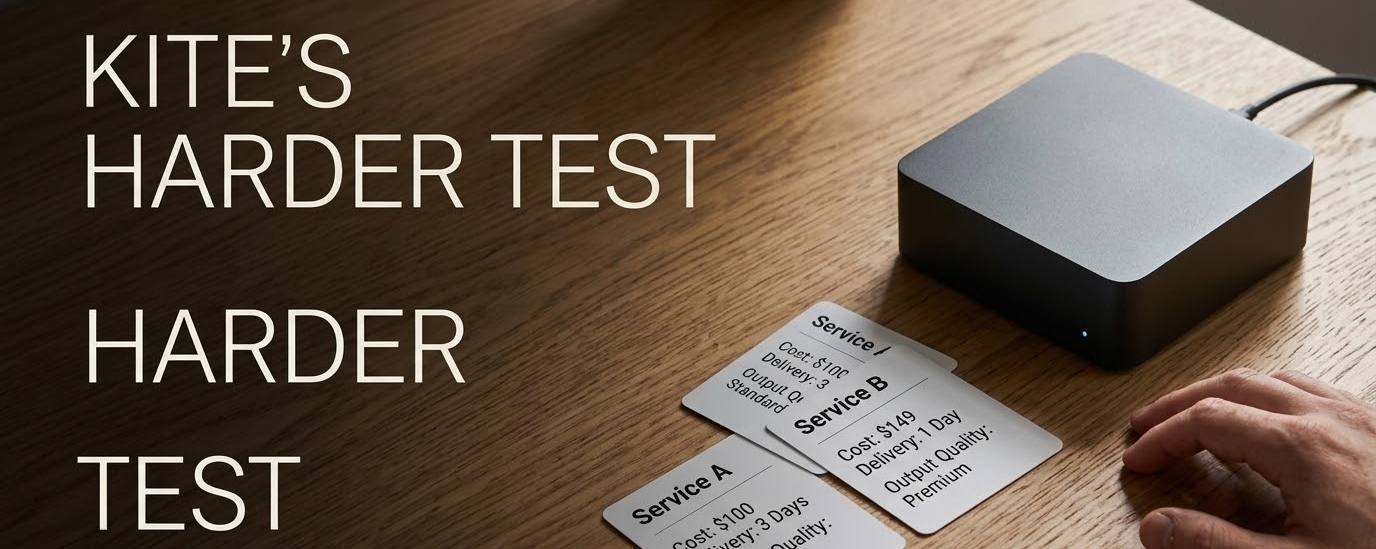
Kite’s Harder Test: Can an AI Agent Compare Services Before Paying?Imagine an AI agent needs to choose between two paid research services. Both promise useful information, but their prices, payment methods, and service requirements differ. A human can compare the offers before spending money. An autonomous agent needs to do the same thing through software, often without waiting for approval at every step. That is where the agent economy faces a more interesting challenge than simply enabling payments.
Kite is building infrastructure that allows AI agents to interact with services and make payments within defined permissions. One part I find particularly interesting is Kite Passport, which allows users to approve spending sessions with a budget, a per-transaction limit, and an expiry time. An agent can then use paid services within those boundaries. This gives the agent room to work while allowing the user to limit its financial authority.
But controlling how much an agent can spend does not tell it which service deserves that money.
Kite's developer documentation describes support for two payment approaches through Passport: x402 and the Machine Payments Protocol, commonly called MPP. Both can facilitate payments for services, but they support different payment methods and communication mechanisms. Understanding that distinction matters when an agent needs to choose between service providers rather than simply complete a payment.
Consider a business agent collecting supplier information. It discovers two services offering similar data. One accepts payments through an x402 flow, while the other supports MPP. The agent needs more than a price comparison. It must understand what each service promises to deliver, which payment methods are available, whether the expected response contains the required information, and what happens if a request fails.
The providers in this example are hypothetical, but the purchasing problem is practical. An agent cannot make a sound decision if it cannot understand the terms of the services it is buying.
Kite's x402 documentation provides useful details for understanding this process. A service can communicate its payment requirements, including the amount, asset, network, recipient, timeout, and expected output structure. The payment flow can then support payment verification and settlement before the service returns its response.
These details help define a transaction, but they do not automatically tell an agent whether that service is the best choice for its particular task.
Imagine one provider charges less but returns incomplete information. Another costs more but supplies the exact fields the agent needs. A third offers suitable data but uses a payment method unavailable in the agent's current environment. The cheapest advertised price would not necessarily produce the best result.
This is where I see a distinction between enabling agent payments and enabling intelligent agent purchasing. Payment infrastructure allows software to pay for services. Making a good purchasing decision requires the agent to understand what it is buying and evaluate whether the offer fits its needs.
Spending controls remain essential. Kite Passport gives users a way to establish financial boundaries, but those boundaries and the agent's purchasing decisions solve different problems. A budget limits financial exposure; it does not determine how that budget should be allocated among competing services.
I would like to see agent purchasing systems make service offers easier to compare through consistent, machine-readable information. An agent should ideally be able to evaluate the effective price, applicable payment method, expected output, time limits, and conditions for handling failed or repeated requests before committing funds.
This is a proposed direction, not a claim that Kite already implements every part of such a system. Kite's documented support for x402 and MPP provides a concrete starting point for examining how different payment approaches can serve autonomous agents. How effectively an agent can compare offers across different services and protocols remains a separate question worth testing.
There is also a useful way to evaluate progress beyond simply counting completed payments. Can agents select suitable providers, receive the information their tasks require, and avoid unnecessary repeat transactions? These outcomes would help demonstrate whether automated purchasing is becoming genuinely useful, rather than merely becoming easier to initiate.
For me, the interesting challenge is not just teaching an AI agent how to pay. It is helping that agent understand the offer well enough to make a sensible purchasing decision before the payment happens.
What should come first as agent-driven commerce develops: a common format for comparing service offers, independently verified service performance, or better safeguards for failed and repeated requests?
#KiteBBW $KITE @GoKiteAI #KİTE
{spot}(KITEUSDT)
Kite’s Harder Test: Can an AI Agent Compare Services Before Paying?
Imagine an AI agent needs to choose between two paid research services. Both promise useful information, but their prices, payment methods, and service requirements differ. A human can compare the offers before spending money. An autonomous agent needs to do the same thing through software, often without waiting for approval at every step. That is where the agent economy faces a more interesting challenge than simply enabling payments.
Kite is building infrastructure that allows AI agents to interact with services and make payments within defined permissions. One part I find particularly interesting is Kite Passport, which allows users to approve spending sessions with a budget, a per-transaction limit, and an expiry time. An agent can then use paid services within those boundaries. This gives the agent room to work while allowing the user to limit its financial authority.
But controlling how much an agent can spend does not tell it which service deserves that money.
Kite's developer documentation describes support for two payment approaches through Passport: x402 and the Machine Payments Protocol, commonly called MPP. Both can facilitate payments for services, but they support different payment methods and communication mechanisms. Understanding that distinction matters when an agent needs to choose between service providers rather than simply complete a payment.
Consider a business agent collecting supplier information. It discovers two services offering similar data. One accepts payments through an x402 flow, while the other supports MPP. The agent needs more than a price comparison. It must understand what each service promises to deliver, which payment methods are available, whether the expected response contains the required information, and what happens if a request fails.
The providers in this example are hypothetical, but the purchasing problem is practical. An agent cannot make a sound decision if it cannot understand the terms of the services it is buying.
Kite's x402 documentation provides useful details for understanding this process. A service can communicate its payment requirements, including the amount, asset, network, recipient, timeout, and expected output structure. The payment flow can then support payment verification and settlement before the service returns its response.
These details help define a transaction, but they do not automatically tell an agent whether that service is the best choice for its particular task.
Imagine one provider charges less but returns incomplete information. Another costs more but supplies the exact fields the agent needs. A third offers suitable data but uses a payment method unavailable in the agent's current environment. The cheapest advertised price would not necessarily produce the best result.
This is where I see a distinction between enabling agent payments and enabling intelligent agent purchasing. Payment infrastructure allows software to pay for services. Making a good purchasing decision requires the agent to understand what it is buying and evaluate whether the offer fits its needs.
Spending controls remain essential. Kite Passport gives users a way to establish financial boundaries, but those boundaries and the agent's purchasing decisions solve different problems. A budget limits financial exposure; it does not determine how that budget should be allocated among competing services.
I would like to see agent purchasing systems make service offers easier to compare through consistent, machine-readable information. An agent should ideally be able to evaluate the effective price, applicable payment method, expected output, time limits, and conditions for handling failed or repeated requests before committing funds.
This is a proposed direction, not a claim that Kite already implements every part of such a system. Kite's documented support for x402 and MPP provides a concrete starting point for examining how different payment approaches can serve autonomous agents. How effectively an agent can compare offers across different services and protocols remains a separate question worth testing.
There is also a useful way to evaluate progress beyond simply counting completed payments. Can agents select suitable providers, receive the information their tasks require, and avoid unnecessary repeat transactions? These outcomes would help demonstrate whether automated purchasing is becoming genuinely useful, rather than merely becoming easier to initiate.
For me, the interesting challenge is not just teaching an AI agent how to pay. It is helping that agent understand the offer well enough to make a sensible purchasing decision before the payment happens.
What should come first as agent-driven commerce develops: a common format for comparing service offers, independently verified service performance, or better safeguards for failed and repeated requests?
#KiteBBW $KITE @KITE AI 中文 #KİTE
Kite is building infrastructure that allows AI agents to interact with services and make payments within defined permissions. One part I find particularly interesting is Kite Passport, which allows users to approve spending sessions with a budget, a per-transaction limit, and an expiry time. An agent can then use paid services within those boundaries. This gives the agent room to work while allowing the user to limit its financial authority.
But controlling how much an agent can spend does not tell it which service deserves that money.
Kite's developer documentation describes support for two payment approaches through Passport: x402 and the Machine Payments Protocol, commonly called MPP. Both can facilitate payments for services, but they support different payment methods and communication mechanisms. Understanding that distinction matters when an agent needs to choose between service providers rather than simply complete a payment.
Consider a business agent collecting supplier information. It discovers two services offering similar data. One accepts payments through an x402 flow, while the other supports MPP. The agent needs more than a price comparison. It must understand what each service promises to deliver, which payment methods are available, whether the expected response contains the required information, and what happens if a request fails.
The providers in this example are hypothetical, but the purchasing problem is practical. An agent cannot make a sound decision if it cannot understand the terms of the services it is buying.
Kite's x402 documentation provides useful details for understanding this process. A service can communicate its payment requirements, including the amount, asset, network, recipient, timeout, and expected output structure. The payment flow can then support payment verification and settlement before the service returns its response.
These details help define a transaction, but they do not automatically tell an agent whether that service is the best choice for its particular task.
Imagine one provider charges less but returns incomplete information. Another costs more but supplies the exact fields the agent needs. A third offers suitable data but uses a payment method unavailable in the agent's current environment. The cheapest advertised price would not necessarily produce the best result.
This is where I see a distinction between enabling agent payments and enabling intelligent agent purchasing. Payment infrastructure allows software to pay for services. Making a good purchasing decision requires the agent to understand what it is buying and evaluate whether the offer fits its needs.
Spending controls remain essential. Kite Passport gives users a way to establish financial boundaries, but those boundaries and the agent's purchasing decisions solve different problems. A budget limits financial exposure; it does not determine how that budget should be allocated among competing services.
I would like to see agent purchasing systems make service offers easier to compare through consistent, machine-readable information. An agent should ideally be able to evaluate the effective price, applicable payment method, expected output, time limits, and conditions for handling failed or repeated requests before committing funds.
This is a proposed direction, not a claim that Kite already implements every part of such a system. Kite's documented support for x402 and MPP provides a concrete starting point for examining how different payment approaches can serve autonomous agents. How effectively an agent can compare offers across different services and protocols remains a separate question worth testing.
There is also a useful way to evaluate progress beyond simply counting completed payments. Can agents select suitable providers, receive the information their tasks require, and avoid unnecessary repeat transactions? These outcomes would help demonstrate whether automated purchasing is becoming genuinely useful, rather than merely becoming easier to initiate.
For me, the interesting challenge is not just teaching an AI agent how to pay. It is helping that agent understand the offer well enough to make a sensible purchasing decision before the payment happens.
What should come first as agent-driven commerce develops: a common format for comparing service offers, independently verified service performance, or better safeguards for failed and repeated requests?
#KiteBBW $KITE @KITE AI 中文 #KİTE
150
·
--
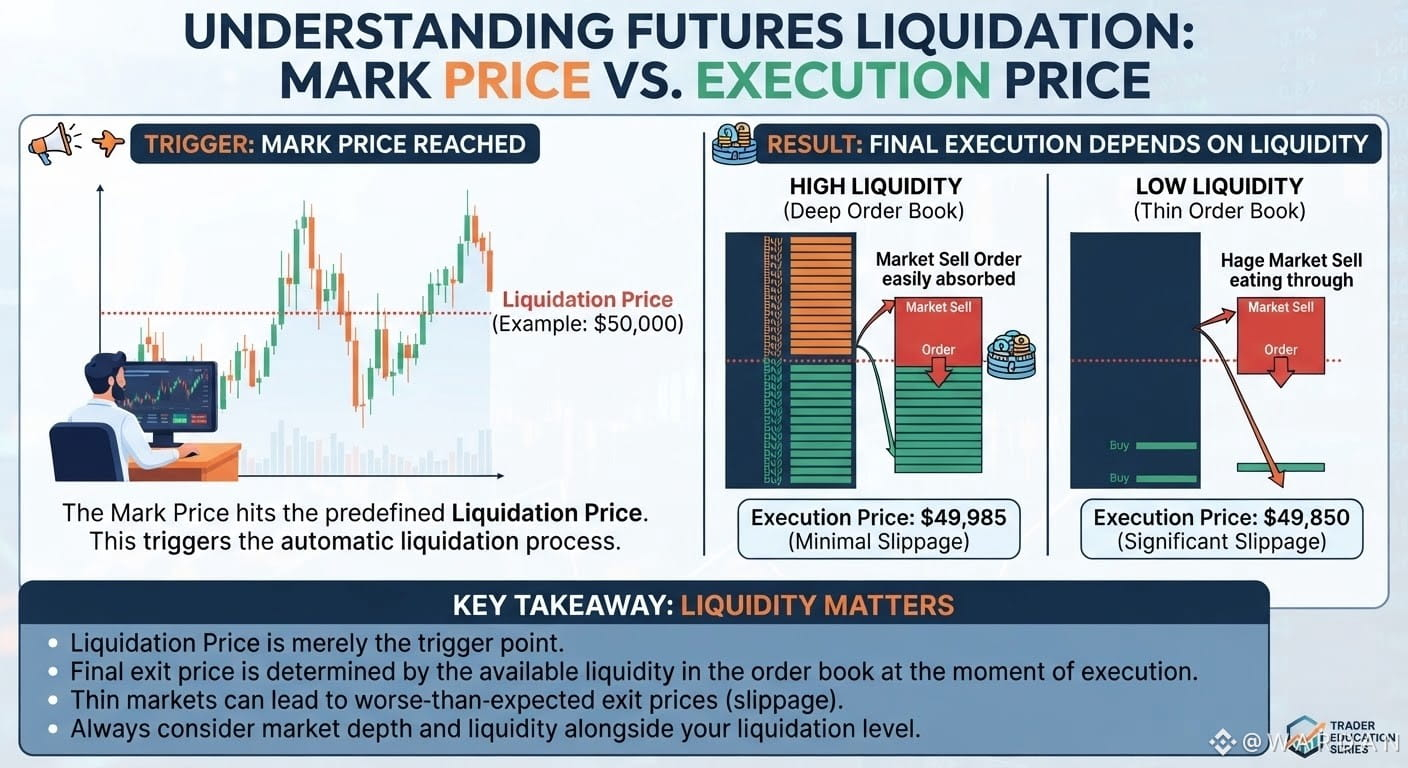
Fyuçers ticarəti ilə bağlı fərq etdiyim bir məqam budur ki, likvidasiya qiyməti həmişə mövqeyinizin faktiki bağlandığı qiymət olmur.
Mark qiyməti likvidasiyaya səbəb ola bilər, lakin yekun çıxış qiyməti mövcud likvidlikdən və bazar şərtlərindən asılıdır. Order book-da likvidlik az olduqda, icra gözləniləndən daha pis ola bilər.
Buna görə də inanıram ki, likvidliyi anlamaq likvidasiya səviyyənizi bilmək qədər vacibdir. Ekrandakı bir rəqəm bütün mənzərəni göstərmir.
Fyuçers ticarəti ilə bağlı fərq etdiyim bir məqam budur ki, likvidasiya qiyməti həmişə mövqeyinizin faktiki bağlandığı qiymət olmur.
Mark qiyməti likvidasiyaya səbəb ola bilər, lakin yekun çıxış qiyməti mövcud likvidlikdən və bazar şərtlərindən asılıdır. Order book-da likvidlik az olduqda, icra gözləniləndən daha pis ola bilər.
Buna görə də inanıram ki, likvidliyi anlamaq likvidasiya səviyyənizi bilmək qədər vacibdir. Ekrandakı bir rəqəm bütün mənzərəni göstərmir.
Mark qiyməti likvidasiyaya səbəb ola bilər, lakin yekun çıxış qiyməti mövcud likvidlikdən və bazar şərtlərindən asılıdır. Order book-da likvidlik az olduqda, icra gözləniləndən daha pis ola bilər.
Buna görə də inanıram ki, likvidliyi anlamaq likvidasiya səviyyənizi bilmək qədər vacibdir. Ekrandakı bir rəqəm bütün mənzərəni göstərmir.
2
298
·
--
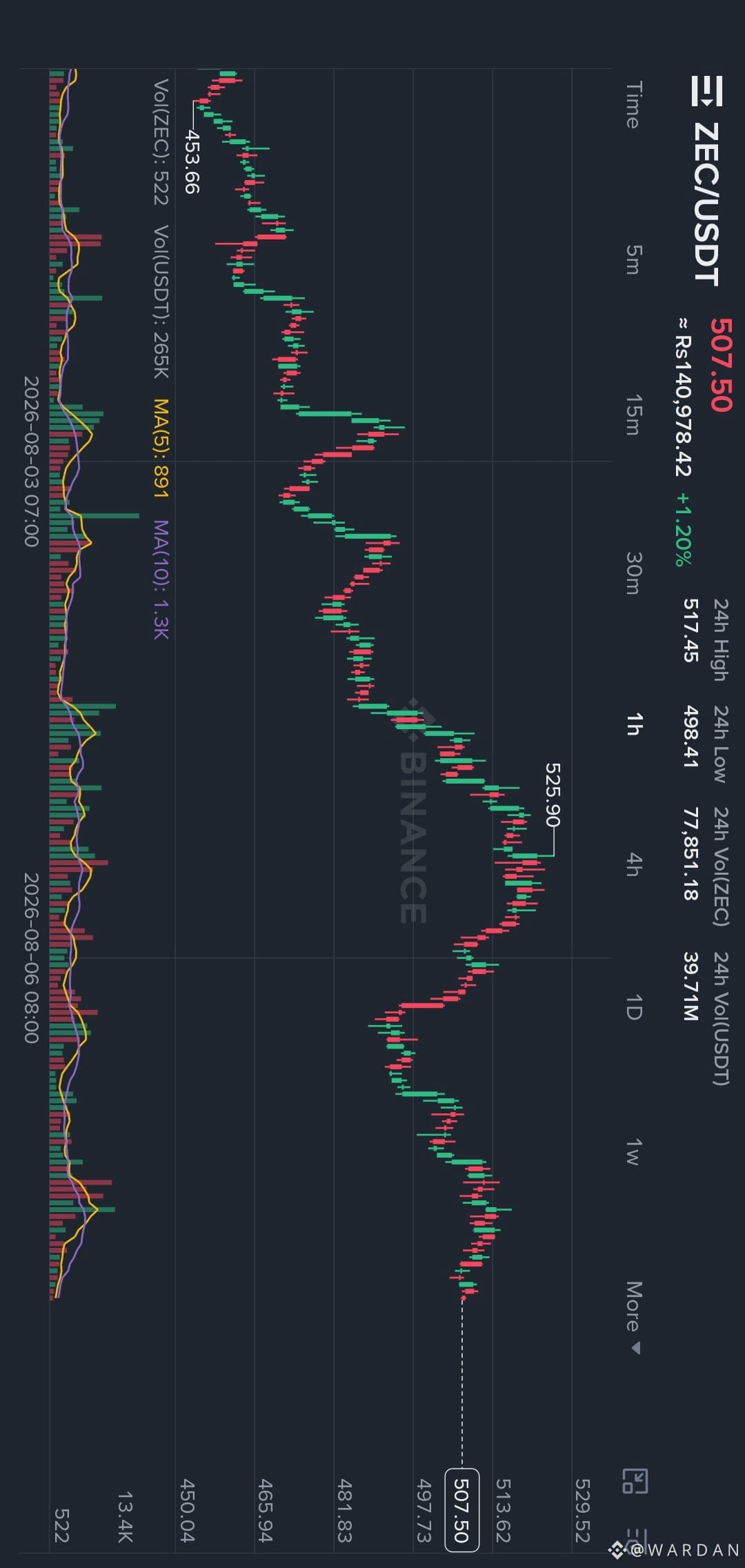
$ZEC -ə baxanda diqqətimi ilk cəlb edən şey son güc deyildi. Bu gücün harada baş verdiyi idi.
ZEC son 7 günün daha geniş pəncərəsində BTC-ni üstələyir, eyni zamanda Açıq Maraqlılıq (Open Interest) da artır. Kağız üzərində bu, yeni iştirak kimi görünür. Amma qiymət hələ də təxminən $525.70 civarındakı mühüm müqavimət zonasının altında oturur və hazırkı həcm mənim üçün bu hərəkəti təsdiqlənmiş breakout kimi qiymətləndirmək üçün kifayət qədər genişlənmir.
Bu, ticarəti tamamilə dəyişir.
Sadəcə ZEC-in BTC-dən daha güclü görünməsinə görə almaq bazarın həqiqətən daha yüksək qiymətləri qəbul edə bildiyini sübut etmədən mövqeyə girmək deməkdir. Müqavimət altında artan OI breakout-a dəstək verə bilər, amma alıcılar sıçrayışı keçə bilməsə, o, həm də “tələyə düşmüş” mövqelər yarada bilər.
Mənim üçün daha təmiz setup səbrdir.
Əgər ZEC $525.70-dən yuxarı real qəbul (acceptance) əldə edə bilsə, sonra həmin zonaya qayıdıb onu dəstək kimi saxlayarsa, breakout çox daha maraqlı olar. Retest zamanı güclü 15M/1H reaksiyası ilk yaşıl şamın dalınca qaçmaqdan daha yaxşı təsdiq verər.
Digər tərəfdən, ~$498 zonasını itirmək bullish strukturu zəiflədəcək və mənə bazarın hələ hazır olmadığını göstərəcək.
Beləliklə, mənim hazırkı baxışım yalnız şərtli bullish-dir. “ZEC pump edəcək” kimi kənar fərq deyil. Fərq, riskə girməzdən əvvəl məhz hansı qiymətin sübut etməli olduğunu bilməkdir.
Siz $525.70-dən yuxarı ilk breakout-a güvənərdiniz, yoxsa səviyyənin retestdən keçərək sağ qalmasını gözləyərdiniz ki, onu real qəbul kimi qiymətləndirəsiniz?
$ZEC $BTC #cryptotrading #zec
{spot}(ZECUSDT)
$ZEC -ə baxanda diqqətimi ilk cəlb edən şey son güc deyildi. Bu gücün harada baş verdiyi idi.
ZEC son 7 günün daha geniş pəncərəsində BTC-ni üstələyir, eyni zamanda Açıq Maraqlılıq (Open Interest) da artır. Kağız üzərində bu, yeni iştirak kimi görünür. Amma qiymət hələ də təxminən $525.70 civarındakı mühüm müqavimət zonasının altında oturur və hazırkı həcm mənim üçün bu hərəkəti təsdiqlənmiş breakout kimi qiymətləndirmək üçün kifayət qədər genişlənmir.
Bu, ticarəti tamamilə dəyişir.
Sadəcə ZEC-in BTC-dən daha güclü görünməsinə görə almaq bazarın həqiqətən daha yüksək qiymətləri qəbul edə bildiyini sübut etmədən mövqeyə girmək deməkdir. Müqavimət altında artan OI breakout-a dəstək verə bilər, amma alıcılar sıçrayışı keçə bilməsə, o, həm də “tələyə düşmüş” mövqelər yarada bilər.
Mənim üçün daha təmiz setup səbrdir.
Əgər ZEC $525.70-dən yuxarı real qəbul (acceptance) əldə edə bilsə, sonra həmin zonaya qayıdıb onu dəstək kimi saxlayarsa, breakout çox daha maraqlı olar. Retest zamanı güclü 15M/1H reaksiyası ilk yaşıl şamın dalınca qaçmaqdan daha yaxşı təsdiq verər.
Digər tərəfdən, ~$498 zonasını itirmək bullish strukturu zəiflədəcək və mənə bazarın hələ hazır olmadığını göstərəcək.
Beləliklə, mənim hazırkı baxışım yalnız şərtli bullish-dir. “ZEC pump edəcək” kimi kənar fərq deyil. Fərq, riskə girməzdən əvvəl məhz hansı qiymətin sübut etməli olduğunu bilməkdir.
Siz $525.70-dən yuxarı ilk breakout-a güvənərdiniz, yoxsa səviyyənin retestdən keçərək sağ qalmasını gözləyərdiniz ki, onu real qəbul kimi qiymətləndirəsiniz?
$ZEC $BTC #cryptotrading #zec
ZEC son 7 günün daha geniş pəncərəsində BTC-ni üstələyir, eyni zamanda Açıq Maraqlılıq (Open Interest) da artır. Kağız üzərində bu, yeni iştirak kimi görünür. Amma qiymət hələ də təxminən $525.70 civarındakı mühüm müqavimət zonasının altında oturur və hazırkı həcm mənim üçün bu hərəkəti təsdiqlənmiş breakout kimi qiymətləndirmək üçün kifayət qədər genişlənmir.
Bu, ticarəti tamamilə dəyişir.
Sadəcə ZEC-in BTC-dən daha güclü görünməsinə görə almaq bazarın həqiqətən daha yüksək qiymətləri qəbul edə bildiyini sübut etmədən mövqeyə girmək deməkdir. Müqavimət altında artan OI breakout-a dəstək verə bilər, amma alıcılar sıçrayışı keçə bilməsə, o, həm də “tələyə düşmüş” mövqelər yarada bilər.
Mənim üçün daha təmiz setup səbrdir.
Əgər ZEC $525.70-dən yuxarı real qəbul (acceptance) əldə edə bilsə, sonra həmin zonaya qayıdıb onu dəstək kimi saxlayarsa, breakout çox daha maraqlı olar. Retest zamanı güclü 15M/1H reaksiyası ilk yaşıl şamın dalınca qaçmaqdan daha yaxşı təsdiq verər.
Digər tərəfdən, ~$498 zonasını itirmək bullish strukturu zəiflədəcək və mənə bazarın hələ hazır olmadığını göstərəcək.
Beləliklə, mənim hazırkı baxışım yalnız şərtli bullish-dir. “ZEC pump edəcək” kimi kənar fərq deyil. Fərq, riskə girməzdən əvvəl məhz hansı qiymətin sübut etməli olduğunu bilməkdir.
Siz $525.70-dən yuxarı ilk breakout-a güvənərdiniz, yoxsa səviyyənin retestdən keçərək sağ qalmasını gözləyərdiniz ki, onu real qəbul kimi qiymətləndirəsiniz?
$ZEC $BTC #cryptotrading #zec
177
·
--
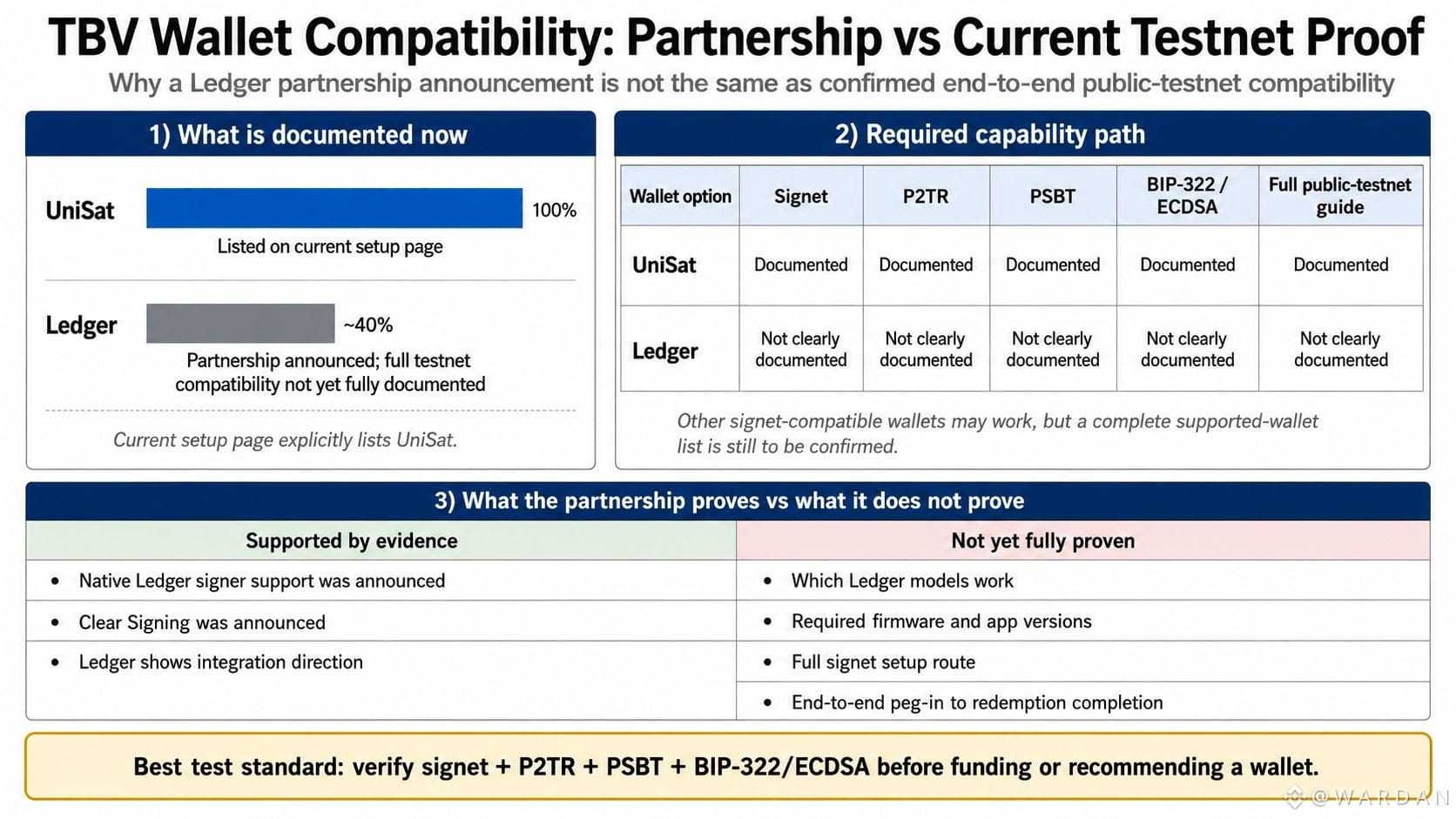
Ledger tərəfdaşlığı Babylon’un Trustless Bitcoin Vaults (TBV) sistemini daha geniş hardware-wallet auditoriyası üçün hazır göstərirdi. Amma canlı testnet təlimatları daha dəqiq hekayə danışır.
Hazırda quraşdırma səhifəsində UniSat göstərilir və dörd konkret iş tələb olunur: Bitcoin signet-ə qoşulmaq, Taproot P2TR ünvanı yaratmaq, PSBT-ləri imzalamaq və BIP-322 və ya ECDSA mesaj imzalama ilə autentifikasiya etmək.
Mən bu detalı keçməzdim.
Bir wallet bitkoini təhlükəsiz saxlaya bilər, amma sonradan TBV axınında uğursuz ola bilər. O, signet BTC ala bilər, amma portal autentifikasiyasında, PSBT təsdiqində, peg-in prosesində və ya aktivləşdirmədə dayanar. Belə bir tərəfdaşlıq istiqamət olduğunu göstərir, amma mütləq tam hazırkı uyğunluğu sübut etmir.
Ledger-in @babylonlabs_io ilə işləmədiyi qənaətinə gəlməzdim. Sənədlər sadəcə məhsuldan geri qala bilər və digər signet-uyğun wallet-lər artıq işləyə bilər. Amma mövcud dəlillər hələ hansı Ledger modellərinin, firmware versiyalarının, imzalama metodlarının və bağlantı yollarının tam ictimai-testnet həyat dövrünü başa çatdırdığını sübut etmir.
Bu vacibdir, çünki uyğunluq asan addımdan sonra da uğursuz ola bilər. Test BTC almaq sadəcə ünvanın işlədiyini göstərir. Wallet-in autentifikasiya edə bildiyini, tələb olunan əməliyyatlar dəstini imzalaya bildiyini və həyat dövrünü tamamladığını sübut etmir. Test edənlər üçün bu boşluq sonradan ümidverici tərəfdaşlığı qarışıq dəstək problemə çevirə bilər.
$BABY testnet üçün faydalı ölçü tərəfdaşlıq loqosu deyil. Lazımi imkan yolunun uğurlu şəkildə tamamlanmasıdır.
Hər hansı wallet-i maliyyələşdirməzdən və ya tövsiyə etməzdən əvvəl dəqiq yoxlayın ki, həmin quraşdırma signet, P2TR, PSBT imzalanması və BIP-322 və ya ECDSA mesaj imzalanmasını dəstəkləyir. Sonra onun peg-in, aktivləşdirmə, borc götürmə, geri ödəmə və redemption proseslərini həqiqətən tamamlaya bildiyini yoxlayın.
Bu, sadəcə girişin elan edilməsi ilə girişin bütün mərhələlər üzrə işlədiyinin sübut edilməsi arasındakı fərqdir. #baby
Ledger tərəfdaşlığı Babylon’un Trustless Bitcoin Vaults (TBV) sistemini daha geniş hardware-wallet auditoriyası üçün hazır göstərirdi. Amma canlı testnet təlimatları daha dəqiq hekayə danışır.
Hazırda quraşdırma səhifəsində UniSat göstərilir və dörd konkret iş tələb olunur: Bitcoin signet-ə qoşulmaq, Taproot P2TR ünvanı yaratmaq, PSBT-ləri imzalamaq və BIP-322 və ya ECDSA mesaj imzalama ilə autentifikasiya etmək.
Mən bu detalı keçməzdim.
Bir wallet bitkoini təhlükəsiz saxlaya bilər, amma sonradan TBV axınında uğursuz ola bilər. O, signet BTC ala bilər, amma portal autentifikasiyasında, PSBT təsdiqində, peg-in prosesində və ya aktivləşdirmədə dayanar. Belə bir tərəfdaşlıq istiqamət olduğunu göstərir, amma mütləq tam hazırkı uyğunluğu sübut etmir.
Ledger-in @BabylonLabs_io ilə işləmədiyi qənaətinə gəlməzdim. Sənədlər sadəcə məhsuldan geri qala bilər və digər signet-uyğun wallet-lər artıq işləyə bilər. Amma mövcud dəlillər hələ hansı Ledger modellərinin, firmware versiyalarının, imzalama metodlarının və bağlantı yollarının tam ictimai-testnet həyat dövrünü başa çatdırdığını sübut etmir.
Bu vacibdir, çünki uyğunluq asan addımdan sonra da uğursuz ola bilər. Test BTC almaq sadəcə ünvanın işlədiyini göstərir. Wallet-in autentifikasiya edə bildiyini, tələb olunan əməliyyatlar dəstini imzalaya bildiyini və həyat dövrünü tamamladığını sübut etmir. Test edənlər üçün bu boşluq sonradan ümidverici tərəfdaşlığı qarışıq dəstək problemə çevirə bilər.
$BABY testnet üçün faydalı ölçü tərəfdaşlıq loqosu deyil. Lazımi imkan yolunun uğurlu şəkildə tamamlanmasıdır.
Hər hansı wallet-i maliyyələşdirməzdən və ya tövsiyə etməzdən əvvəl dəqiq yoxlayın ki, həmin quraşdırma signet, P2TR, PSBT imzalanması və BIP-322 və ya ECDSA mesaj imzalanmasını dəstəkləyir. Sonra onun peg-in, aktivləşdirmə, borc götürmə, geri ödəmə və redemption proseslərini həqiqətən tamamlaya bildiyini yoxlayın.
Bu, sadəcə girişin elan edilməsi ilə girişin bütün mərhələlər üzrə işlədiyinin sübut edilməsi arasındakı fərqdir. #baby
Hazırda quraşdırma səhifəsində UniSat göstərilir və dörd konkret iş tələb olunur: Bitcoin signet-ə qoşulmaq, Taproot P2TR ünvanı yaratmaq, PSBT-ləri imzalamaq və BIP-322 və ya ECDSA mesaj imzalama ilə autentifikasiya etmək.
Mən bu detalı keçməzdim.
Bir wallet bitkoini təhlükəsiz saxlaya bilər, amma sonradan TBV axınında uğursuz ola bilər. O, signet BTC ala bilər, amma portal autentifikasiyasında, PSBT təsdiqində, peg-in prosesində və ya aktivləşdirmədə dayanar. Belə bir tərəfdaşlıq istiqamət olduğunu göstərir, amma mütləq tam hazırkı uyğunluğu sübut etmir.
Ledger-in @BabylonLabs_io ilə işləmədiyi qənaətinə gəlməzdim. Sənədlər sadəcə məhsuldan geri qala bilər və digər signet-uyğun wallet-lər artıq işləyə bilər. Amma mövcud dəlillər hələ hansı Ledger modellərinin, firmware versiyalarının, imzalama metodlarının və bağlantı yollarının tam ictimai-testnet həyat dövrünü başa çatdırdığını sübut etmir.
Bu vacibdir, çünki uyğunluq asan addımdan sonra da uğursuz ola bilər. Test BTC almaq sadəcə ünvanın işlədiyini göstərir. Wallet-in autentifikasiya edə bildiyini, tələb olunan əməliyyatlar dəstini imzalaya bildiyini və həyat dövrünü tamamladığını sübut etmir. Test edənlər üçün bu boşluq sonradan ümidverici tərəfdaşlığı qarışıq dəstək problemə çevirə bilər.
$BABY testnet üçün faydalı ölçü tərəfdaşlıq loqosu deyil. Lazımi imkan yolunun uğurlu şəkildə tamamlanmasıdır.
Hər hansı wallet-i maliyyələşdirməzdən və ya tövsiyə etməzdən əvvəl dəqiq yoxlayın ki, həmin quraşdırma signet, P2TR, PSBT imzalanması və BIP-322 və ya ECDSA mesaj imzalanmasını dəstəkləyir. Sonra onun peg-in, aktivləşdirmə, borc götürmə, geri ödəmə və redemption proseslərini həqiqətən tamamlaya bildiyini yoxlayın.
Bu, sadəcə girişin elan edilməsi ilə girişin bütün mərhələlər üzrə işlədiyinin sübut edilməsi arasındakı fərqdir. #baby
1
168
·
--
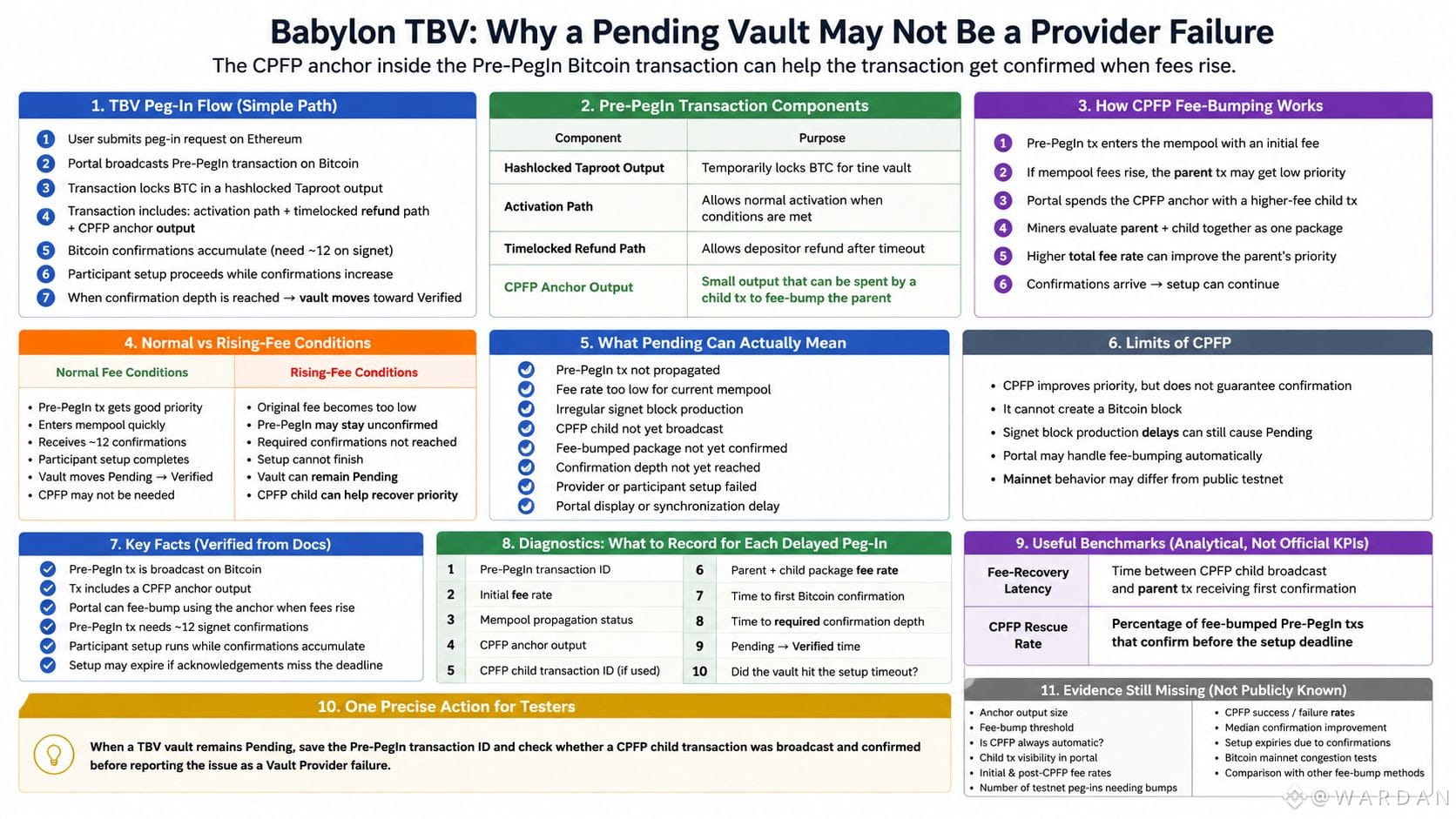
Mənim müşahidəmə görə, Babylon-un Trustless Bitcoin Vaults (TBV) sistemində “Gözləmədə” (Pending) statusu avtomatik olaraq Vault Provider (provayder) uğursuzluğuna işarə etmir.
Peg-in (peg qoyulması) prosesi “Pre-PegIn” adlı Bitcoin əməliyyatı ilə başlayır və setupun (qurulumun) irəliləməsi üçün bu əməliyyat təxminən 12 signet təsdiqinə çatmalıdır. Bu əməliyyatın içində kiçik ölçülü Child Pays for Parent (CPFP) ankeri var. Mempl (mempool) ödənişləri artdıqca ana (parent) üçün fee (rüsum) çox aşağı düşərsə, daha yüksək rüsumlu child (uşaq) ankeri xərcləyə bilər. Bununla da minerlər hər iki əməliyyatı bir paket kimi qiymətləndirir və potensial olaraq ananın təsdiq prioritetini yaxşılaşdıra bilər.
Bu detal diaqnozu dəyişir. Ethereum tərəfinə dair sorğu (request) etibarlı ola bilər və protokol iştirakçıları hazır ola bilər, amma Bitcoin tərəfdə maliyyələşdirmə əməliyyatı hələ də kifayət qədər prioritet gözləyir. Buna görə də “Pending” transaksiyanın fee problemini, qeyri-adi signet blok gecikməsini və ya həqiqi bir qurulum problemini gizlədə bilər. Yalnız görünən vəziyyət hansı hadisənin baş verdiyini bizə deyə bilməz.
CPFP təminat deyil. O, yeni bir blok yarada bilməz və portalın dəqiq fee-bump siyasəti də ictimai şəkildə tam aydın deyil. Buna baxmayaraq, provayderi günahlandırmazdan əvvəl testçilərə Bitcoin tərəfdən konkret yoxlama imkanı verir.
@babylonlabs_io $BABY testnet üçün, hər dəfə vault “Pending” vəziyyətində qalırsa Pre-PegIn transaksiyasının ID-sini saxlayın. CPFP child-nin yayımlanıb-yayımlanmadığını və “my provider failed” (provayderim uğursuz oldu) barədə məlumat verməzdən əvvəl parent paketinin təsdiqlənib-təsdiqlənmədiyini yoxlayın. Bu tək detal qeyri-müəyyən rəyi peg-inin əslində harada dayandığını və ilk növbədə hansı sistem qatına diqqət yetirilməli olduğunu göstərən faydalı diaqnoza çevirə bilər. #baby
Mənim müşahidəmə görə, Babylon-un Trustless Bitcoin Vaults (TBV) sistemində “Gözləmədə” (Pending) statusu avtomatik olaraq Vault Provider (provayder) uğursuzluğuna işarə etmir.
Peg-in (peg qoyulması) prosesi “Pre-PegIn” adlı Bitcoin əməliyyatı ilə başlayır və setupun (qurulumun) irəliləməsi üçün bu əməliyyat təxminən 12 signet təsdiqinə çatmalıdır. Bu əməliyyatın içində kiçik ölçülü Child Pays for Parent (CPFP) ankeri var. Mempl (mempool) ödənişləri artdıqca ana (parent) üçün fee (rüsum) çox aşağı düşərsə, daha yüksək rüsumlu child (uşaq) ankeri xərcləyə bilər. Bununla da minerlər hər iki əməliyyatı bir paket kimi qiymətləndirir və potensial olaraq ananın təsdiq prioritetini yaxşılaşdıra bilər.
Bu detal diaqnozu dəyişir. Ethereum tərəfinə dair sorğu (request) etibarlı ola bilər və protokol iştirakçıları hazır ola bilər, amma Bitcoin tərəfdə maliyyələşdirmə əməliyyatı hələ də kifayət qədər prioritet gözləyir. Buna görə də “Pending” transaksiyanın fee problemini, qeyri-adi signet blok gecikməsini və ya həqiqi bir qurulum problemini gizlədə bilər. Yalnız görünən vəziyyət hansı hadisənin baş verdiyini bizə deyə bilməz.
CPFP təminat deyil. O, yeni bir blok yarada bilməz və portalın dəqiq fee-bump siyasəti də ictimai şəkildə tam aydın deyil. Buna baxmayaraq, provayderi günahlandırmazdan əvvəl testçilərə Bitcoin tərəfdən konkret yoxlama imkanı verir.
@BabylonLabs_io $BABY testnet üçün, hər dəfə vault “Pending” vəziyyətində qalırsa Pre-PegIn transaksiyasının ID-sini saxlayın. CPFP child-nin yayımlanıb-yayımlanmadığını və “my provider failed” (provayderim uğursuz oldu) barədə məlumat verməzdən əvvəl parent paketinin təsdiqlənib-təsdiqlənmədiyini yoxlayın. Bu tək detal qeyri-müəyyən rəyi peg-inin əslində harada dayandığını və ilk növbədə hansı sistem qatına diqqət yetirilməli olduğunu göstərən faydalı diaqnoza çevirə bilər. #baby
Peg-in (peg qoyulması) prosesi “Pre-PegIn” adlı Bitcoin əməliyyatı ilə başlayır və setupun (qurulumun) irəliləməsi üçün bu əməliyyat təxminən 12 signet təsdiqinə çatmalıdır. Bu əməliyyatın içində kiçik ölçülü Child Pays for Parent (CPFP) ankeri var. Mempl (mempool) ödənişləri artdıqca ana (parent) üçün fee (rüsum) çox aşağı düşərsə, daha yüksək rüsumlu child (uşaq) ankeri xərcləyə bilər. Bununla da minerlər hər iki əməliyyatı bir paket kimi qiymətləndirir və potensial olaraq ananın təsdiq prioritetini yaxşılaşdıra bilər.
Bu detal diaqnozu dəyişir. Ethereum tərəfinə dair sorğu (request) etibarlı ola bilər və protokol iştirakçıları hazır ola bilər, amma Bitcoin tərəfdə maliyyələşdirmə əməliyyatı hələ də kifayət qədər prioritet gözləyir. Buna görə də “Pending” transaksiyanın fee problemini, qeyri-adi signet blok gecikməsini və ya həqiqi bir qurulum problemini gizlədə bilər. Yalnız görünən vəziyyət hansı hadisənin baş verdiyini bizə deyə bilməz.
CPFP təminat deyil. O, yeni bir blok yarada bilməz və portalın dəqiq fee-bump siyasəti də ictimai şəkildə tam aydın deyil. Buna baxmayaraq, provayderi günahlandırmazdan əvvəl testçilərə Bitcoin tərəfdən konkret yoxlama imkanı verir.
@BabylonLabs_io $BABY testnet üçün, hər dəfə vault “Pending” vəziyyətində qalırsa Pre-PegIn transaksiyasının ID-sini saxlayın. CPFP child-nin yayımlanıb-yayımlanmadığını və “my provider failed” (provayderim uğursuz oldu) barədə məlumat verməzdən əvvəl parent paketinin təsdiqlənib-təsdiqlənmədiyini yoxlayın. Bu tək detal qeyri-müəyyən rəyi peg-inin əslində harada dayandığını və ilk növbədə hansı sistem qatına diqqət yetirilməli olduğunu göstərən faydalı diaqnoza çevirə bilər. #baby
2
166
·
--
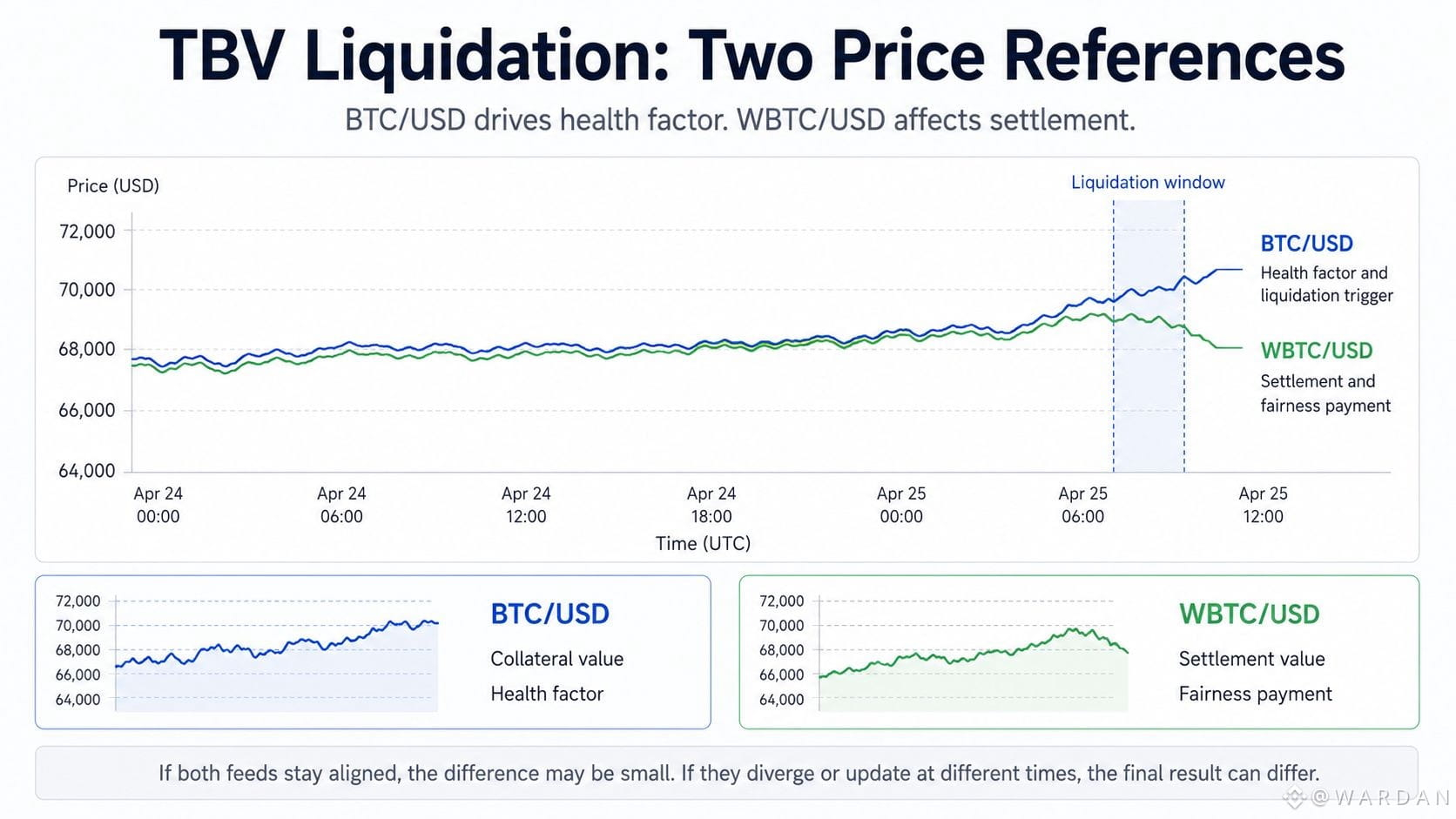
Babylon-un Trustless Bitcoin Vault-ları (TBV) haqqında mənim oxuma tərzimə təsir edən dəyişiklik “native BTC collateral” ifadəsinin sanki bir Bitcoin qiyməti bütün krediti izah edəcəkmiş kimi səslənməsidir. Amma praktikada likvidasiya elə işləmir.
BTC/USD native BTC girovunu qiymətləndirmək, health factor-u hesablamaq və hansı anda mövqenin likvidasiya edilə biləcəyini müəyyən etmək üçün istifadə olunur. Lakin Ethereum tərəfidə hesablaşma WBTC ilə aparılır, ona görə WBTC/USD də hesablaşma və fairness-payment hesablamasına daxil olur.
Bu, mühüm bir ayrım yaradır: biri likvidasiyanı işə salmağa kömək edir, digəri isə həmin tetikdən sonra baş verənləri qiymətləndirməyə kömək edir.
BTC/USD və WBTC/USD yenilənmələr təzə və yaxından uyğun olanda fərq o qədər də kiçik ola bilər ki, əhəmiyyət daşımır. Amma feed-lər müxtəlif vaxtlarda yenilənirsə və ya WBTC/USD, BTC/USD-dən uzaqlaşırsa, bir istinada əsasən mövqe qeyri-sağlam sayılır, halbuki hesablaşma başqa bir istinadan istifadə edilərək hesablanır.
Bu, @babylonlabs_io -in depositorun girovu kimi sarılmış BTC-dən istifadə etməsi demək deyil. BTC hələ də vaultun içində “native” olaraq qalır. Bu o deməkdir ki, native custody (girovun saxlanması) və settlement pricing (hesablaşma qiymətqoyması) ayrıca təbəqələrdir və BTC qiyməti təkbaşına bütün likvidasiya nəticəsini izah edə bilməz. Bu fərq ən çox stress zamanı önəmlidir; çünki zaman boşluqları borcalanlar üçün iqtisadi cəhətdən görünən ola bilər.
$BABY testnet üçün ən faydalı yoxlama sadədir: likvidasiya icmalı edərkən həm BTC/USD, həm də WBTC/USD dəyərlərini, onların yenilənmə vaxtları ilə birlikdə qeyd edin. Faydalı analitik benchmark BTC–WBTC oracle basis-dir; rəsmi Babylon KPI-sı kimi yox, iki feed-in eyni iqtisadi hekayəni danışıb-danışmadığını görmək üçün bir vasitə kimi. #baby
Babylon-un Trustless Bitcoin Vault-ları (TBV) haqqında mənim oxuma tərzimə təsir edən dəyişiklik “native BTC collateral” ifadəsinin sanki bir Bitcoin qiyməti bütün krediti izah edəcəkmiş kimi səslənməsidir. Amma praktikada likvidasiya elə işləmir.
BTC/USD native BTC girovunu qiymətləndirmək, health factor-u hesablamaq və hansı anda mövqenin likvidasiya edilə biləcəyini müəyyən etmək üçün istifadə olunur. Lakin Ethereum tərəfidə hesablaşma WBTC ilə aparılır, ona görə WBTC/USD də hesablaşma və fairness-payment hesablamasına daxil olur.
Bu, mühüm bir ayrım yaradır: biri likvidasiyanı işə salmağa kömək edir, digəri isə həmin tetikdən sonra baş verənləri qiymətləndirməyə kömək edir.
BTC/USD və WBTC/USD yenilənmələr təzə və yaxından uyğun olanda fərq o qədər də kiçik ola bilər ki, əhəmiyyət daşımır. Amma feed-lər müxtəlif vaxtlarda yenilənirsə və ya WBTC/USD, BTC/USD-dən uzaqlaşırsa, bir istinada əsasən mövqe qeyri-sağlam sayılır, halbuki hesablaşma başqa bir istinadan istifadə edilərək hesablanır.
Bu, @BabylonLabs_io -in depositorun girovu kimi sarılmış BTC-dən istifadə etməsi demək deyil. BTC hələ də vaultun içində “native” olaraq qalır. Bu o deməkdir ki, native custody (girovun saxlanması) və settlement pricing (hesablaşma qiymətqoyması) ayrıca təbəqələrdir və BTC qiyməti təkbaşına bütün likvidasiya nəticəsini izah edə bilməz. Bu fərq ən çox stress zamanı önəmlidir; çünki zaman boşluqları borcalanlar üçün iqtisadi cəhətdən görünən ola bilər.
$BABY testnet üçün ən faydalı yoxlama sadədir: likvidasiya icmalı edərkən həm BTC/USD, həm də WBTC/USD dəyərlərini, onların yenilənmə vaxtları ilə birlikdə qeyd edin. Faydalı analitik benchmark BTC–WBTC oracle basis-dir; rəsmi Babylon KPI-sı kimi yox, iki feed-in eyni iqtisadi hekayəni danışıb-danışmadığını görmək üçün bir vasitə kimi. #baby
BTC/USD native BTC girovunu qiymətləndirmək, health factor-u hesablamaq və hansı anda mövqenin likvidasiya edilə biləcəyini müəyyən etmək üçün istifadə olunur. Lakin Ethereum tərəfidə hesablaşma WBTC ilə aparılır, ona görə WBTC/USD də hesablaşma və fairness-payment hesablamasına daxil olur.
Bu, mühüm bir ayrım yaradır: biri likvidasiyanı işə salmağa kömək edir, digəri isə həmin tetikdən sonra baş verənləri qiymətləndirməyə kömək edir.
BTC/USD və WBTC/USD yenilənmələr təzə və yaxından uyğun olanda fərq o qədər də kiçik ola bilər ki, əhəmiyyət daşımır. Amma feed-lər müxtəlif vaxtlarda yenilənirsə və ya WBTC/USD, BTC/USD-dən uzaqlaşırsa, bir istinada əsasən mövqe qeyri-sağlam sayılır, halbuki hesablaşma başqa bir istinadan istifadə edilərək hesablanır.
Bu, @BabylonLabs_io -in depositorun girovu kimi sarılmış BTC-dən istifadə etməsi demək deyil. BTC hələ də vaultun içində “native” olaraq qalır. Bu o deməkdir ki, native custody (girovun saxlanması) və settlement pricing (hesablaşma qiymətqoyması) ayrıca təbəqələrdir və BTC qiyməti təkbaşına bütün likvidasiya nəticəsini izah edə bilməz. Bu fərq ən çox stress zamanı önəmlidir; çünki zaman boşluqları borcalanlar üçün iqtisadi cəhətdən görünən ola bilər.
$BABY testnet üçün ən faydalı yoxlama sadədir: likvidasiya icmalı edərkən həm BTC/USD, həm də WBTC/USD dəyərlərini, onların yenilənmə vaxtları ilə birlikdə qeyd edin. Faydalı analitik benchmark BTC–WBTC oracle basis-dir; rəsmi Babylon KPI-sı kimi yox, iki feed-in eyni iqtisadi hekayəni danışıb-danışmadığını görmək üçün bir vasitə kimi. #baby
3
1
173
·
--
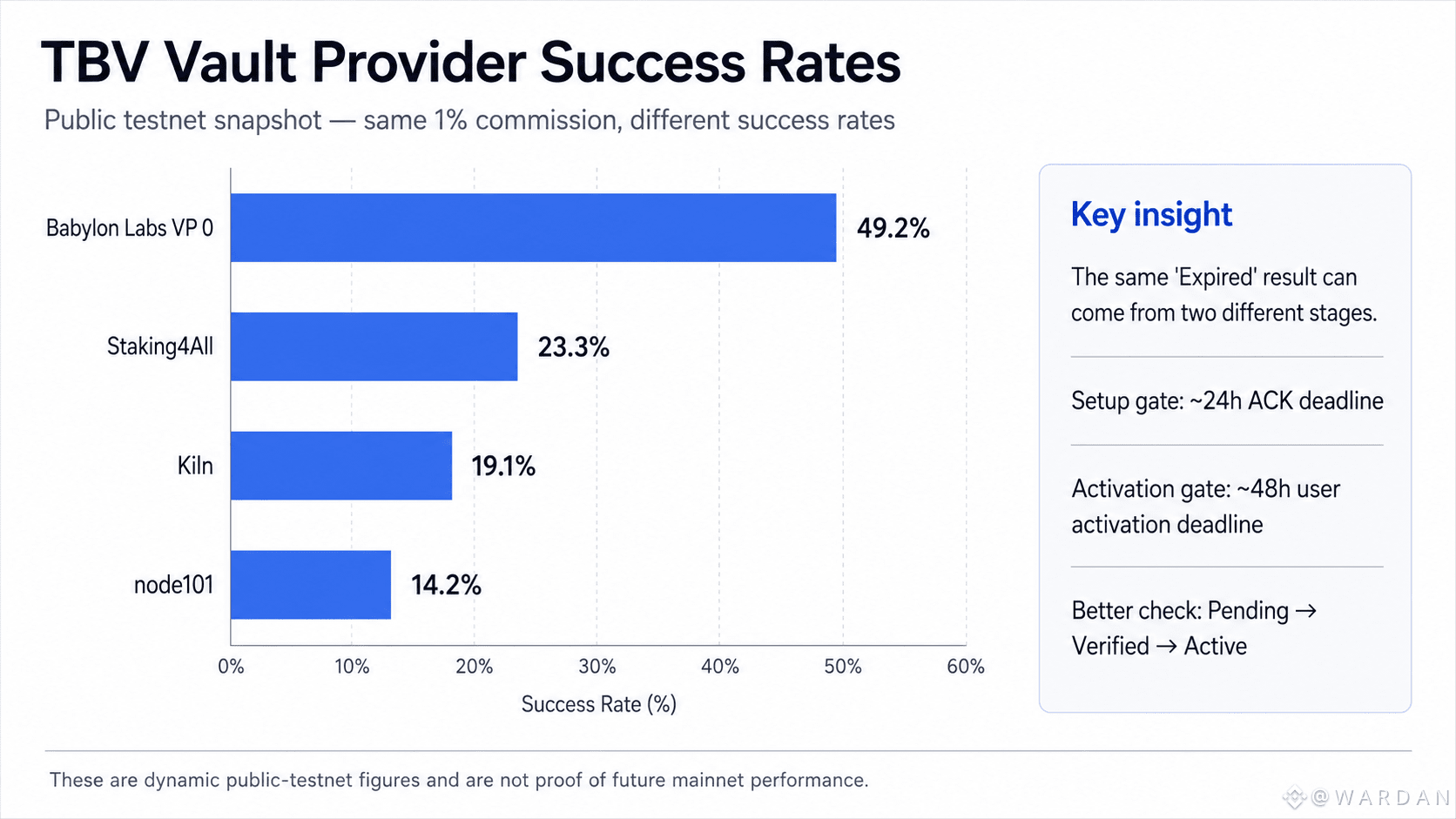
Babylon’ın Trustless Bitcoin Vaults (TBV) testnetində diqqətimi cəlb edən məqam budur ki, dörd Vault Provider səhifəsi eyni 1% komissiya göstərirdi, amma uğur göstəriciləri 14.2%-dən 49.2%-ə qədər dəyişirdi. Əvvəlcə bu, reytinq kimi görünürdü. Lakin mexanizm bunu fərqli oxumağa məcbur etdi. Bu rəqəmlər dəyişən testnet göstəriciləri olduğuna görə, onları mainnet etibarlılığı barədə hökm vermək üçün deyil, suallar üçün bələdçi kimi istifadə edərdim.
Bir vault Pending-dən Verified-ə keçməlidir. Bu mərhələdə Vault Provider və operatorlar 24 saat ərzində setup-u və təsdiqləmələri tamamlamalıdır. Bundan sonra, depositor təxminən 48 saat ərzində Ethereum üzərində aktivasiya sirrini açıqlamalıdır ki, vault Active ola bilsin.
Hər hansı bir qapını (mərhələni) qaçırsa, yekun etiket eyni ola bilər: Expired.
Mənim diqqətdən qaçırmamaq istədiyim detal budur. Tək bir başlıq üzrə uğur göstəricisi iki hadisəni qarışdıra bilər. Biri Verified-dən əvvəl setup və ya koordinasiya problemlərini əks etdirə bilər. Digəri isə hazır vault alan, amma aktivizasiyanı heç vaxt tamamlamayan istifadəçini göstərə bilər. Yəni faiz provider siqnalı daşıya bilər, amma hər bir “expired” nəticəsini kimin yaratdığını göstərmir.
@babylonlabs_io $BABY testnet üçün, mərhələyə əsaslanan “funnel”də daha yaxşı yoxlama görürəm: neçə sorğu Verified-ə çatır və Verified olan neçə vault Active-ə keçir. Bunlar təklif edilən göstəricilər olar, rəsmi Babylon KPI-ları deyil.
TBV-ni test edərkən provider-i, əldə edilən ən yüksək vəziyyəti, aktivasiya cəhdinin olub-olmamasını və yekun nəticəni qeyd edin. “Vault-ım Pending qaldı” və ya “Verified-ə çatdı, amma onu aktivləşdirmədim” demək “provider uğursuz oldu” deməkdən daha yaxşı geri bildirim verir. #baby
Babylon’ın Trustless Bitcoin Vaults (TBV) testnetində diqqətimi cəlb edən məqam budur ki, dörd Vault Provider səhifəsi eyni 1% komissiya göstərirdi, amma uğur göstəriciləri 14.2%-dən 49.2%-ə qədər dəyişirdi. Əvvəlcə bu, reytinq kimi görünürdü. Lakin mexanizm bunu fərqli oxumağa məcbur etdi. Bu rəqəmlər dəyişən testnet göstəriciləri olduğuna görə, onları mainnet etibarlılığı barədə hökm vermək üçün deyil, suallar üçün bələdçi kimi istifadə edərdim.
Bir vault Pending-dən Verified-ə keçməlidir. Bu mərhələdə Vault Provider və operatorlar 24 saat ərzində setup-u və təsdiqləmələri tamamlamalıdır. Bundan sonra, depositor təxminən 48 saat ərzində Ethereum üzərində aktivasiya sirrini açıqlamalıdır ki, vault Active ola bilsin.
Hər hansı bir qapını (mərhələni) qaçırsa, yekun etiket eyni ola bilər: Expired.
Mənim diqqətdən qaçırmamaq istədiyim detal budur. Tək bir başlıq üzrə uğur göstəricisi iki hadisəni qarışdıra bilər. Biri Verified-dən əvvəl setup və ya koordinasiya problemlərini əks etdirə bilər. Digəri isə hazır vault alan, amma aktivizasiyanı heç vaxt tamamlamayan istifadəçini göstərə bilər. Yəni faiz provider siqnalı daşıya bilər, amma hər bir “expired” nəticəsini kimin yaratdığını göstərmir.
@BabylonLabs_io $BABY testnet üçün, mərhələyə əsaslanan “funnel”də daha yaxşı yoxlama görürəm: neçə sorğu Verified-ə çatır və Verified olan neçə vault Active-ə keçir. Bunlar təklif edilən göstəricilər olar, rəsmi Babylon KPI-ları deyil.
TBV-ni test edərkən provider-i, əldə edilən ən yüksək vəziyyəti, aktivasiya cəhdinin olub-olmamasını və yekun nəticəni qeyd edin. “Vault-ım Pending qaldı” və ya “Verified-ə çatdı, amma onu aktivləşdirmədim” demək “provider uğursuz oldu” deməkdən daha yaxşı geri bildirim verir. #baby
Bir vault Pending-dən Verified-ə keçməlidir. Bu mərhələdə Vault Provider və operatorlar 24 saat ərzində setup-u və təsdiqləmələri tamamlamalıdır. Bundan sonra, depositor təxminən 48 saat ərzində Ethereum üzərində aktivasiya sirrini açıqlamalıdır ki, vault Active ola bilsin.
Hər hansı bir qapını (mərhələni) qaçırsa, yekun etiket eyni ola bilər: Expired.
Mənim diqqətdən qaçırmamaq istədiyim detal budur. Tək bir başlıq üzrə uğur göstəricisi iki hadisəni qarışdıra bilər. Biri Verified-dən əvvəl setup və ya koordinasiya problemlərini əks etdirə bilər. Digəri isə hazır vault alan, amma aktivizasiyanı heç vaxt tamamlamayan istifadəçini göstərə bilər. Yəni faiz provider siqnalı daşıya bilər, amma hər bir “expired” nəticəsini kimin yaratdığını göstərmir.
@BabylonLabs_io $BABY testnet üçün, mərhələyə əsaslanan “funnel”də daha yaxşı yoxlama görürəm: neçə sorğu Verified-ə çatır və Verified olan neçə vault Active-ə keçir. Bunlar təklif edilən göstəricilər olar, rəsmi Babylon KPI-ları deyil.
TBV-ni test edərkən provider-i, əldə edilən ən yüksək vəziyyəti, aktivasiya cəhdinin olub-olmamasını və yekun nəticəni qeyd edin. “Vault-ım Pending qaldı” və ya “Verified-ə çatdı, amma onu aktivləşdirmədim” demək “provider uğursuz oldu” deməkdən daha yaxşı geri bildirim verir. #baby
1
127
·
--
Babilin testnetini necə oxuduğumu dəyişən detal “permissionless” sözüdür.
Trustless Bitcoin Vaults (TBV) ilə, yerli BTC ilə təmin edilmiş Aave v4 mövqeyi sağlam olmamağa başladıqda, hər kəs LLP likvidasiya marşrutunu işə sala bilər. Amma bu açıq işə salma yalnız ilk addımdır. Likvidator dərhal WBTC alır, ələ keçirilmiş Bitcoin vault isə eskrouya keçir. Daha sonra qeydiyyatdan keçmiş AVK həmin vault-u əldə etməli və daha yavaş olan Bitcoin tərəfli geri satınalma yolunu tamamlamalıdır.
Bu fərq önəmlidir, çünki “permissionless likvidasiya” hər mərhələnin eyni aktyorlar üçün açıq olması demək deyil. Ethereum çağırışı açıqdır, amma yekun yerli BTC hesablaşması hələ də qeydiyyatdan keçmiş rollardan, mövcud vault məlumatlarından və işlək sübut (proof) və problem/etiraz (challenge) yollarından asılıdır.
Bunu öz-özlüyündə bir qüsur kimi görmürəm. Bölünmə, TBV-nin istifadəçini BTC-ni Bitcoin-dən kənara bükməyə və ya köçürməyə məcbur etmədən Aave-ə sürətli hesablaşma verməsinin tam doğru yolu ola bilər. Lakin bu, nəyi sınaqdan keçirmək lazım olduğunu dəyişir.
Faydalı testnet sualı təkcə likvidasiyanın çağırıla bilməsi deyil. Həm də yetərincə müstəqil AVK-ların eskrouda saxlanılan vault-ları ələ alıb onları tez təmizləyə bilməsi və geri satınalmanı ləngimələr yığılıb qalxmadan tamamlamasıdır.
@babylonlabs_io üçün sağlam sistemin daha güclü sübutu tam icazə (permissions) xəritəsi və təmiz uçdan-uca hesablaşma datasıdır: kim likvidasiyanı işə sala bilər, kim WBTC-ni maliyyələşdirir, kim vault-u əldə edir və yerli BTC-nin təmizlənməsi üçün nə qədər vaxt lazımdır.
Bu səviyyədə $BABY və #baby oxucuları dizaynın praktikada təkcə ilk transaksiyada deyil, həqiqətən də açıq qalıb-qalmadığını qiymətləndirə bilər.
Babilin testnetini necə oxuduğumu dəyişən detal “permissionless” sözüdür.
Trustless Bitcoin Vaults (TBV) ilə, yerli BTC ilə təmin edilmiş Aave v4 mövqeyi sağlam olmamağa başladıqda, hər kəs LLP likvidasiya marşrutunu işə sala bilər. Amma bu açıq işə salma yalnız ilk addımdır. Likvidator dərhal WBTC alır, ələ keçirilmiş Bitcoin vault isə eskrouya keçir. Daha sonra qeydiyyatdan keçmiş AVK həmin vault-u əldə etməli və daha yavaş olan Bitcoin tərəfli geri satınalma yolunu tamamlamalıdır.
Bu fərq önəmlidir, çünki “permissionless likvidasiya” hər mərhələnin eyni aktyorlar üçün açıq olması demək deyil. Ethereum çağırışı açıqdır, amma yekun yerli BTC hesablaşması hələ də qeydiyyatdan keçmiş rollardan, mövcud vault məlumatlarından və işlək sübut (proof) və problem/etiraz (challenge) yollarından asılıdır.
Bunu öz-özlüyündə bir qüsur kimi görmürəm. Bölünmə, TBV-nin istifadəçini BTC-ni Bitcoin-dən kənara bükməyə və ya köçürməyə məcbur etmədən Aave-ə sürətli hesablaşma verməsinin tam doğru yolu ola bilər. Lakin bu, nəyi sınaqdan keçirmək lazım olduğunu dəyişir.
Faydalı testnet sualı təkcə likvidasiyanın çağırıla bilməsi deyil. Həm də yetərincə müstəqil AVK-ların eskrouda saxlanılan vault-ları ələ alıb onları tez təmizləyə bilməsi və geri satınalmanı ləngimələr yığılıb qalxmadan tamamlamasıdır.
@BabylonLabs_io üçün sağlam sistemin daha güclü sübutu tam icazə (permissions) xəritəsi və təmiz uçdan-uca hesablaşma datasıdır: kim likvidasiyanı işə sala bilər, kim WBTC-ni maliyyələşdirir, kim vault-u əldə edir və yerli BTC-nin təmizlənməsi üçün nə qədər vaxt lazımdır.
Bu səviyyədə $BABY və #baby oxucuları dizaynın praktikada təkcə ilk transaksiyada deyil, həqiqətən də açıq qalıb-qalmadığını qiymətləndirə bilər.
Trustless Bitcoin Vaults (TBV) ilə, yerli BTC ilə təmin edilmiş Aave v4 mövqeyi sağlam olmamağa başladıqda, hər kəs LLP likvidasiya marşrutunu işə sala bilər. Amma bu açıq işə salma yalnız ilk addımdır. Likvidator dərhal WBTC alır, ələ keçirilmiş Bitcoin vault isə eskrouya keçir. Daha sonra qeydiyyatdan keçmiş AVK həmin vault-u əldə etməli və daha yavaş olan Bitcoin tərəfli geri satınalma yolunu tamamlamalıdır.
Bu fərq önəmlidir, çünki “permissionless likvidasiya” hər mərhələnin eyni aktyorlar üçün açıq olması demək deyil. Ethereum çağırışı açıqdır, amma yekun yerli BTC hesablaşması hələ də qeydiyyatdan keçmiş rollardan, mövcud vault məlumatlarından və işlək sübut (proof) və problem/etiraz (challenge) yollarından asılıdır.
Bunu öz-özlüyündə bir qüsur kimi görmürəm. Bölünmə, TBV-nin istifadəçini BTC-ni Bitcoin-dən kənara bükməyə və ya köçürməyə məcbur etmədən Aave-ə sürətli hesablaşma verməsinin tam doğru yolu ola bilər. Lakin bu, nəyi sınaqdan keçirmək lazım olduğunu dəyişir.
Faydalı testnet sualı təkcə likvidasiyanın çağırıla bilməsi deyil. Həm də yetərincə müstəqil AVK-ların eskrouda saxlanılan vault-ları ələ alıb onları tez təmizləyə bilməsi və geri satınalmanı ləngimələr yığılıb qalxmadan tamamlamasıdır.
@BabylonLabs_io üçün sağlam sistemin daha güclü sübutu tam icazə (permissions) xəritəsi və təmiz uçdan-uca hesablaşma datasıdır: kim likvidasiyanı işə sala bilər, kim WBTC-ni maliyyələşdirir, kim vault-u əldə edir və yerli BTC-nin təmizlənməsi üçün nə qədər vaxt lazımdır.
Bu səviyyədə $BABY və #baby oxucuları dizaynın praktikada təkcə ilk transaksiyada deyil, həqiqətən də açıq qalıb-qalmadığını qiymətləndirə bilər.
1
151
·
--
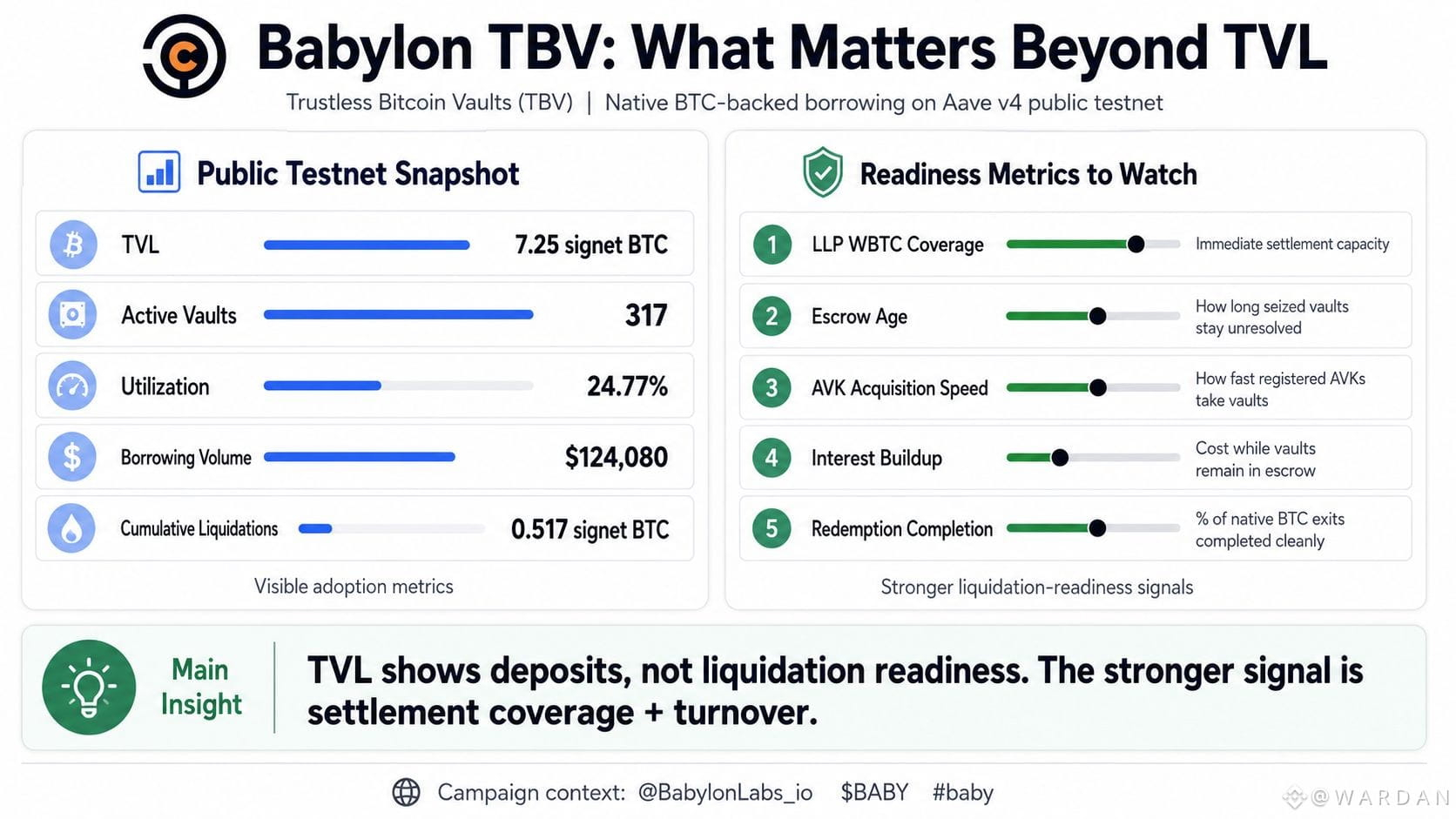
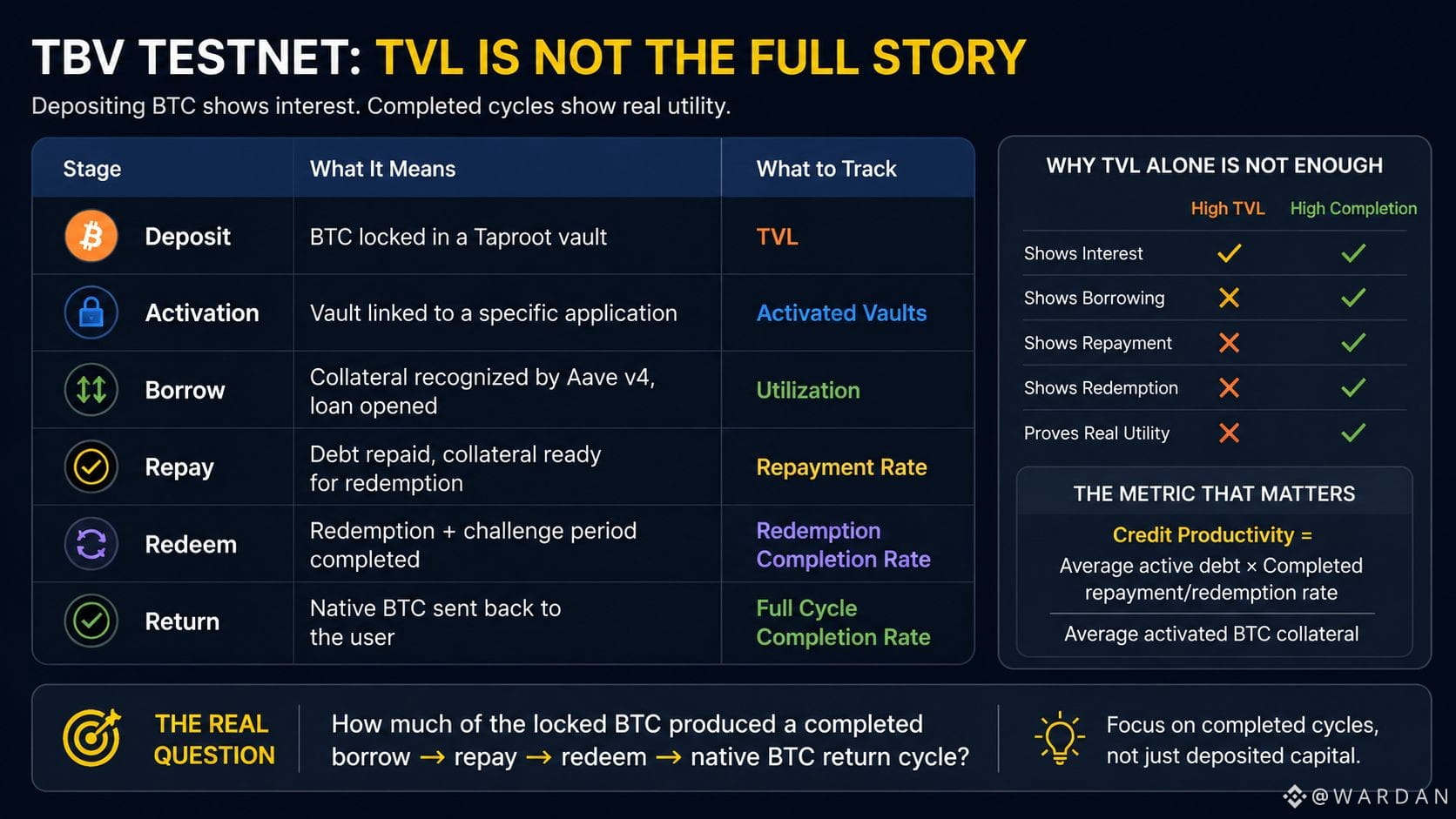
Diqqətimi ilk çəkən idarə paneli rəqəmi TVL oldu, amma TBV axını bu rəqəmin həqiqətən nəyi sübut edə bildiyini sorğulamağa məni vadar etdi.
Babylon’un Trustless Bitcoin Vaults (TBV) üçün depozit yalnız BTC-nin girov vəziyyətinə çatdığını göstərir. Bu, borclanma sisteminin başlanğıcdan sona qədər tam işlədiyini sübut etmir. İstəsəniz, vault hələ də aktivləşdirilməlidir, Aave v4 vasitəsilə borc götürmək üçün istifadə olunmalı, qaytarılmalı, redemption (geri dönüş) mərhələsindən keçirilməli və nəhayət challenge prosesindən sonra native BTC-ni geri qaytarmalıdır.
Ona görə də mən utilization (istifadə dərəcəsi) və tamamlanmış kredit dövrlərini daha güclü test kimi görürəm. TVL bir çox vault heç vaxt kredit açmırsa, qaytarma mərhələsinə qədər dayandırırsa və ya yekun redemption-dan əvvəl ilişib qalırsa belə arta bilər. İctimai explorer artıq TVL ilə utilization-ı ayırır; bu, vacib ipucudur: kilidlənmiş girov və faydalı kredit eyni nəticə deyil. Həm də tester-lərə mövcud ictimai testnet şərtlərində erkən marağı real end-to-end (sondan sonadək) performansdan daha aydın ayırmaq üçün daha yaxşı yol verir.
Daha düzgün testnet sualı təkcə, “Nə qədər BTC daxil oldu?” deyil. Sual budur: “Bu BTC-nin nə qədərinin tamamlanmış borc götürmə, qaytarma və redeem dövrü yarandı?”
İstifadəçilər üçün bu, hansı faydalı geribildirimin necə görünməli olduğunu dəyişir. Güclü test hesabatı vault-un aktivləşdirilib-aktivləşdirilmədiyini, borclanmanın işlədiyini, qaytarmanın necə getdiyini, redemption-un nə qədər çəkdiyini və native BTC-nin anlaşılmaz addımlar və ya uğursuz vəziyyətlər olmadan geri qaytarılıb-qaytarılmadığını qeyd etməlidir.
TVL yenə də önəmlidir, çünki iştirakını göstərir. Amma bu, tam kredit yolunun etibarlı olduğunu sübut edə bilməz. @babylonlabs_io üçün daha güclü siqnal, neçə vault-un bütün səyahəti tamamlamasıdır, sadəcə onun içinə nə qədər girib-girmədiyi deyil.
Native Bitcoin-backed (Bitcoin ilə dəstəklənən) borclanmanın praktik baxımdan faydalı olub-olmadığını qiymətləndirərkən izləyəcəyim metrik budur. $BABY #baby
Diqqətimi ilk çəkən idarə paneli rəqəmi TVL oldu, amma TBV axını bu rəqəmin həqiqətən nəyi sübut edə bildiyini sorğulamağa məni vadar etdi.
Babylon’un Trustless Bitcoin Vaults (TBV) üçün depozit yalnız BTC-nin girov vəziyyətinə çatdığını göstərir. Bu, borclanma sisteminin başlanğıcdan sona qədər tam işlədiyini sübut etmir. İstəsəniz, vault hələ də aktivləşdirilməlidir, Aave v4 vasitəsilə borc götürmək üçün istifadə olunmalı, qaytarılmalı, redemption (geri dönüş) mərhələsindən keçirilməli və nəhayət challenge prosesindən sonra native BTC-ni geri qaytarmalıdır.
Ona görə də mən utilization (istifadə dərəcəsi) və tamamlanmış kredit dövrlərini daha güclü test kimi görürəm. TVL bir çox vault heç vaxt kredit açmırsa, qaytarma mərhələsinə qədər dayandırırsa və ya yekun redemption-dan əvvəl ilişib qalırsa belə arta bilər. İctimai explorer artıq TVL ilə utilization-ı ayırır; bu, vacib ipucudur: kilidlənmiş girov və faydalı kredit eyni nəticə deyil. Həm də tester-lərə mövcud ictimai testnet şərtlərində erkən marağı real end-to-end (sondan sonadək) performansdan daha aydın ayırmaq üçün daha yaxşı yol verir.
Daha düzgün testnet sualı təkcə, “Nə qədər BTC daxil oldu?” deyil. Sual budur: “Bu BTC-nin nə qədərinin tamamlanmış borc götürmə, qaytarma və redeem dövrü yarandı?”
İstifadəçilər üçün bu, hansı faydalı geribildirimin necə görünməli olduğunu dəyişir. Güclü test hesabatı vault-un aktivləşdirilib-aktivləşdirilmədiyini, borclanmanın işlədiyini, qaytarmanın necə getdiyini, redemption-un nə qədər çəkdiyini və native BTC-nin anlaşılmaz addımlar və ya uğursuz vəziyyətlər olmadan geri qaytarılıb-qaytarılmadığını qeyd etməlidir.
TVL yenə də önəmlidir, çünki iştirakını göstərir. Amma bu, tam kredit yolunun etibarlı olduğunu sübut edə bilməz. @BabylonLabs_io üçün daha güclü siqnal, neçə vault-un bütün səyahəti tamamlamasıdır, sadəcə onun içinə nə qədər girib-girmədiyi deyil.
Native Bitcoin-backed (Bitcoin ilə dəstəklənən) borclanmanın praktik baxımdan faydalı olub-olmadığını qiymətləndirərkən izləyəcəyim metrik budur. $BABY #baby
Babylon’un Trustless Bitcoin Vaults (TBV) üçün depozit yalnız BTC-nin girov vəziyyətinə çatdığını göstərir. Bu, borclanma sisteminin başlanğıcdan sona qədər tam işlədiyini sübut etmir. İstəsəniz, vault hələ də aktivləşdirilməlidir, Aave v4 vasitəsilə borc götürmək üçün istifadə olunmalı, qaytarılmalı, redemption (geri dönüş) mərhələsindən keçirilməli və nəhayət challenge prosesindən sonra native BTC-ni geri qaytarmalıdır.
Ona görə də mən utilization (istifadə dərəcəsi) və tamamlanmış kredit dövrlərini daha güclü test kimi görürəm. TVL bir çox vault heç vaxt kredit açmırsa, qaytarma mərhələsinə qədər dayandırırsa və ya yekun redemption-dan əvvəl ilişib qalırsa belə arta bilər. İctimai explorer artıq TVL ilə utilization-ı ayırır; bu, vacib ipucudur: kilidlənmiş girov və faydalı kredit eyni nəticə deyil. Həm də tester-lərə mövcud ictimai testnet şərtlərində erkən marağı real end-to-end (sondan sonadək) performansdan daha aydın ayırmaq üçün daha yaxşı yol verir.
Daha düzgün testnet sualı təkcə, “Nə qədər BTC daxil oldu?” deyil. Sual budur: “Bu BTC-nin nə qədərinin tamamlanmış borc götürmə, qaytarma və redeem dövrü yarandı?”
İstifadəçilər üçün bu, hansı faydalı geribildirimin necə görünməli olduğunu dəyişir. Güclü test hesabatı vault-un aktivləşdirilib-aktivləşdirilmədiyini, borclanmanın işlədiyini, qaytarmanın necə getdiyini, redemption-un nə qədər çəkdiyini və native BTC-nin anlaşılmaz addımlar və ya uğursuz vəziyyətlər olmadan geri qaytarılıb-qaytarılmadığını qeyd etməlidir.
TVL yenə də önəmlidir, çünki iştirakını göstərir. Amma bu, tam kredit yolunun etibarlı olduğunu sübut edə bilməz. @BabylonLabs_io üçün daha güclü siqnal, neçə vault-un bütün səyahəti tamamlamasıdır, sadəcə onun içinə nə qədər girib-girmədiyi deyil.
Native Bitcoin-backed (Bitcoin ilə dəstəklənən) borclanmanın praktik baxımdan faydalı olub-olmadığını qiymətləndirərkən izləyəcəyim metrik budur. $BABY #baby
1
1
142
·
--
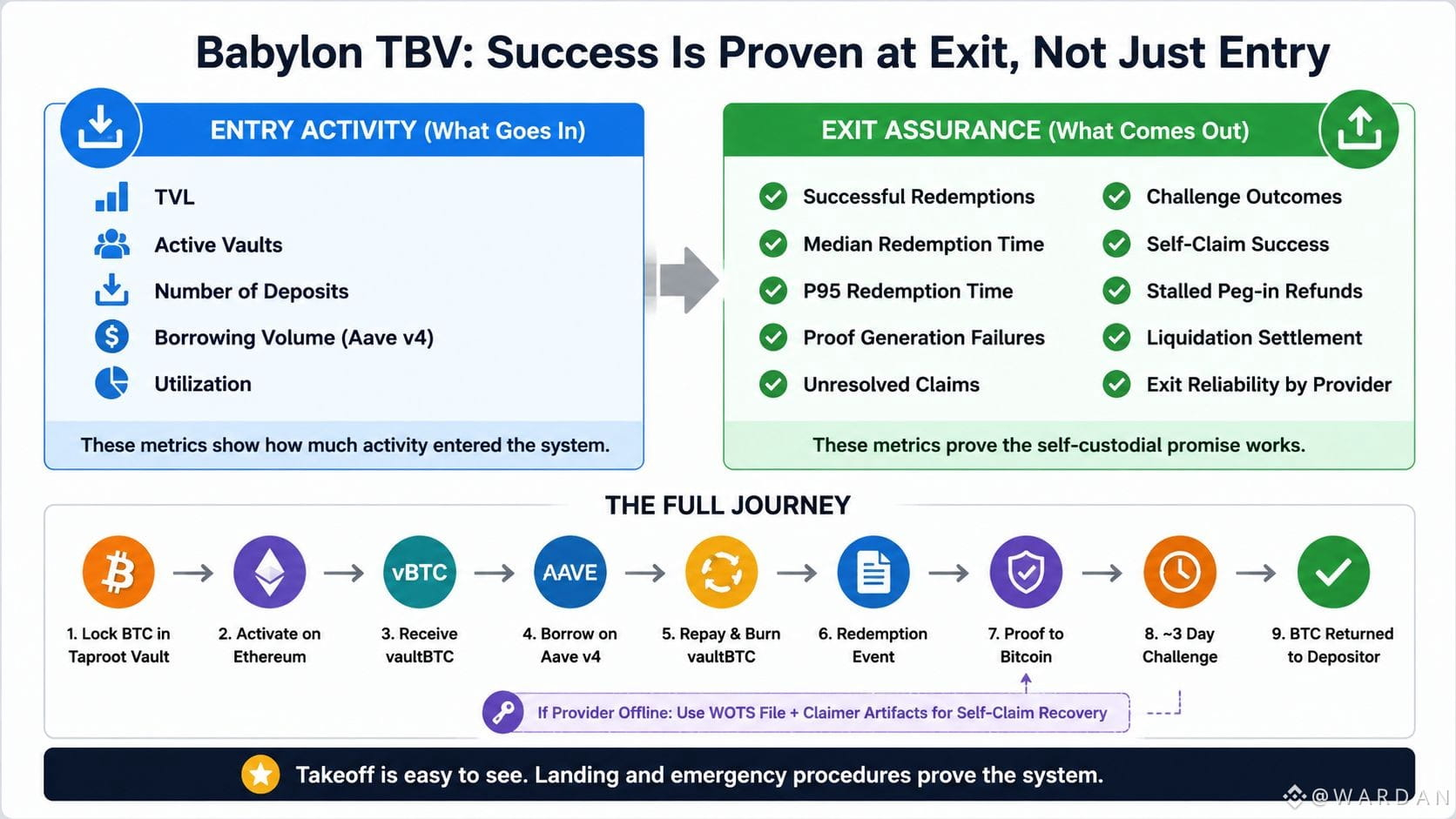
Babylon’un Etibarsız (Trustless) Bitcoin Vault-ları (TBV) haqqında baxışımı dəyişən məqam odur ki, öz-kustodiya sadəcə Bitcoin açarını saxlamaqla bitmir.
Hazırkı dizaynda ən güclü alternativ də kassanın (vault) qurulması zamanı yaradılan bərpa (recovery) fayllarından asılıdır. Əgər Vault Provider çəkilməni (withdrawal) başlatmırsa, yerləşdirən (depositor) artıq təsdiqlənmiş Bitcoin iddia (claim) yolundan istifadə etmək üçün WOTS faylını və lokal claimer artefaktlarını tələb edə bilər.
Bu detal vacibdir, çünki kass (vault) sonradan sadəcə yeni ödəniş marşrutu yarada bilməz. Etibarlı Bitcoin xərcləmə (spending) yolları əvvəlcədən öhdəliyə (commit) bağlanır. Deməli istifadəçi nəzarəti təkcə açara sahib olmaqla bağlı deyil. Alternativ yolun işlək olmasını təmin edən faylları qorumaqdan da gedir.
Bitcoin açarı imzalama səlahiyyətini (signing authority) qoruyur, bu artefaktlar isə əvvəlcədən qurulmuş bərpa prosesini davam etdirmək üçün lazım olan məlumatı saxlayır. Onlar eyni problemin fərqli hissələrini həll edir.
Mən bunu TBV-nin öz-kustodiyalı olmadığına dair sübut kimi oxumuram. Mən bunu öz-kustodiyanın daha dolğun versiyası kimi oxuyuram: açara nəzarət plus bərpa hazırlığı.
Testnet istifadəçisi üçün faydalı yoxlama sadədir. Təkcə kassanın yaradıldığını və borclanmanın (borrowing) işlədiyini təsdiqləməyin. Həm də WOTS faylının və claimer artefaktlarının endirildiyini, təhlükəsiz şəkildə ehtiyat nüsxəsinin alındığını və lazım olduqda bərpa edilə bildiyini də yoxlayın.
@babylonlabs_io current $BABY testnet-də diqqətdən kənarda qoymayacağım detal budur. Əsl bərpa sualı təkcə “Açara kim sahibdir?” deyil. Həm də “Normal provider offline olanda sahib alternativ yoldan istifadə edə biləcəkmi?” #baby
Babylon’un Etibarsız (Trustless) Bitcoin Vault-ları (TBV) haqqında baxışımı dəyişən məqam odur ki, öz-kustodiya sadəcə Bitcoin açarını saxlamaqla bitmir.
Hazırkı dizaynda ən güclü alternativ də kassanın (vault) qurulması zamanı yaradılan bərpa (recovery) fayllarından asılıdır. Əgər Vault Provider çəkilməni (withdrawal) başlatmırsa, yerləşdirən (depositor) artıq təsdiqlənmiş Bitcoin iddia (claim) yolundan istifadə etmək üçün WOTS faylını və lokal claimer artefaktlarını tələb edə bilər.
Bu detal vacibdir, çünki kass (vault) sonradan sadəcə yeni ödəniş marşrutu yarada bilməz. Etibarlı Bitcoin xərcləmə (spending) yolları əvvəlcədən öhdəliyə (commit) bağlanır. Deməli istifadəçi nəzarəti təkcə açara sahib olmaqla bağlı deyil. Alternativ yolun işlək olmasını təmin edən faylları qorumaqdan da gedir.
Bitcoin açarı imzalama səlahiyyətini (signing authority) qoruyur, bu artefaktlar isə əvvəlcədən qurulmuş bərpa prosesini davam etdirmək üçün lazım olan məlumatı saxlayır. Onlar eyni problemin fərqli hissələrini həll edir.
Mən bunu TBV-nin öz-kustodiyalı olmadığına dair sübut kimi oxumuram. Mən bunu öz-kustodiyanın daha dolğun versiyası kimi oxuyuram: açara nəzarət plus bərpa hazırlığı.
Testnet istifadəçisi üçün faydalı yoxlama sadədir. Təkcə kassanın yaradıldığını və borclanmanın (borrowing) işlədiyini təsdiqləməyin. Həm də WOTS faylının və claimer artefaktlarının endirildiyini, təhlükəsiz şəkildə ehtiyat nüsxəsinin alındığını və lazım olduqda bərpa edilə bildiyini də yoxlayın.
@BabylonLabs_io current $BABY testnet-də diqqətdən kənarda qoymayacağım detal budur. Əsl bərpa sualı təkcə “Açara kim sahibdir?” deyil. Həm də “Normal provider offline olanda sahib alternativ yoldan istifadə edə biləcəkmi?” #baby
Hazırkı dizaynda ən güclü alternativ də kassanın (vault) qurulması zamanı yaradılan bərpa (recovery) fayllarından asılıdır. Əgər Vault Provider çəkilməni (withdrawal) başlatmırsa, yerləşdirən (depositor) artıq təsdiqlənmiş Bitcoin iddia (claim) yolundan istifadə etmək üçün WOTS faylını və lokal claimer artefaktlarını tələb edə bilər.
Bu detal vacibdir, çünki kass (vault) sonradan sadəcə yeni ödəniş marşrutu yarada bilməz. Etibarlı Bitcoin xərcləmə (spending) yolları əvvəlcədən öhdəliyə (commit) bağlanır. Deməli istifadəçi nəzarəti təkcə açara sahib olmaqla bağlı deyil. Alternativ yolun işlək olmasını təmin edən faylları qorumaqdan da gedir.
Bitcoin açarı imzalama səlahiyyətini (signing authority) qoruyur, bu artefaktlar isə əvvəlcədən qurulmuş bərpa prosesini davam etdirmək üçün lazım olan məlumatı saxlayır. Onlar eyni problemin fərqli hissələrini həll edir.
Mən bunu TBV-nin öz-kustodiyalı olmadığına dair sübut kimi oxumuram. Mən bunu öz-kustodiyanın daha dolğun versiyası kimi oxuyuram: açara nəzarət plus bərpa hazırlığı.
Testnet istifadəçisi üçün faydalı yoxlama sadədir. Təkcə kassanın yaradıldığını və borclanmanın (borrowing) işlədiyini təsdiqləməyin. Həm də WOTS faylının və claimer artefaktlarının endirildiyini, təhlükəsiz şəkildə ehtiyat nüsxəsinin alındığını və lazım olduqda bərpa edilə bildiyini də yoxlayın.
@BabylonLabs_io current $BABY testnet-də diqqətdən kənarda qoymayacağım detal budur. Əsl bərpa sualı təkcə “Açara kim sahibdir?” deyil. Həm də “Normal provider offline olanda sahib alternativ yoldan istifadə edə biləcəkmi?” #baby
1
137
·
--
Babilin kəsici axınını sübutdan Bitkoinin yekunlaşdırılmasına qədər izləyəndə bir şey daim diqqətimi çəkir: kriptoqrafik dəlil iqtisadi məcburetmə ilə eyni deyil.
Əsl risk, bərabərhüquqluluğun (equivocation) sübut edilə bilib-bilməməsi deyil. Risk odur ki, həmin sübut vaxtında təsdiqlənmiş Bitkoin əməliyyatına çevrilib yayındırmanı (deterrence) qoruyacaq qədər tez təsirinizi göstərsin.
Babilin dizaynında Extractable One-Time Signatures (EOTS) ziddiyyətli blokları imzalayan yekunlaşdırma provayderini üzə çıxara bilər. Amma BTC Staking Monitor hələ də cinayəti aşkarlamalı, istifadə oluna bilən açar materialını çıxarmalı, slashing (cərimələmə) yolunu işə salmalı və Bitkoinin daxil edilməsini (inclusion) gözləməlidir.
Məncə, çox insan “trustless” anlayışını harada çox şişirdir. Özünüzün idarə etdiyiniz (self-custodial) BTC staking Bitkoini körpüləmək və ya wrap etmək ehtiyacını aradan qaldırır, amma əməliyyat canlılığını (operational liveness) silmir. Nəzarətçi (watchdog) sistemlər hələ də onlayn qalmalı, doğru hadisələri indeksləməli, düzgün hərəkət etməli və sıxlıq (congestion) zamanı blok daxil edilməsinə görə rəqabət aparmalıdır.
Ona görə də mən Babilin təhlükəsizliyini yalnız equivocation dəlili olub-olmamasına görə qiymətləndirməzdim. Gərginlik altında dəlildən məcburetməyə qədər olan ümumi gecikməyə baxardım.
Ən önəmli iki ölçmə var: aşkar edilmiş equivocation-dan təsdiqlənmiş slash-a qədər median (orta) Bitkoin blok sayı və 12 blokdan sonra hələ də slashed edilməmiş sübut edilə bilən hallar sayı. Təsdiq iki blok daxilində qalırsa və etibarlı heç bir hal həll olunmamış qalmazsa, məcburetmə yolu öz işini görür. Gecikmələr davam edərsə, kriptoqrafiya işləsə belə, yayındırma iddiası zəifləyir.
@babylonlabs_io və $BABY üçün mənim nəticəm sadədir: trustless-vault təhlükəsizliyi, sübutun nə qədər tez cəzaya çevrilməsi ilə ölçülməlidir. #BABY
Babilin kəsici axınını sübutdan Bitkoinin yekunlaşdırılmasına qədər izləyəndə bir şey daim diqqətimi çəkir: kriptoqrafik dəlil iqtisadi məcburetmə ilə eyni deyil.
Əsl risk, bərabərhüquqluluğun (equivocation) sübut edilə bilib-bilməməsi deyil. Risk odur ki, həmin sübut vaxtında təsdiqlənmiş Bitkoin əməliyyatına çevrilib yayındırmanı (deterrence) qoruyacaq qədər tez təsirinizi göstərsin.
Babilin dizaynında Extractable One-Time Signatures (EOTS) ziddiyyətli blokları imzalayan yekunlaşdırma provayderini üzə çıxara bilər. Amma BTC Staking Monitor hələ də cinayəti aşkarlamalı, istifadə oluna bilən açar materialını çıxarmalı, slashing (cərimələmə) yolunu işə salmalı və Bitkoinin daxil edilməsini (inclusion) gözləməlidir.
Məncə, çox insan “trustless” anlayışını harada çox şişirdir. Özünüzün idarə etdiyiniz (self-custodial) BTC staking Bitkoini körpüləmək və ya wrap etmək ehtiyacını aradan qaldırır, amma əməliyyat canlılığını (operational liveness) silmir. Nəzarətçi (watchdog) sistemlər hələ də onlayn qalmalı, doğru hadisələri indeksləməli, düzgün hərəkət etməli və sıxlıq (congestion) zamanı blok daxil edilməsinə görə rəqabət aparmalıdır.
Ona görə də mən Babilin təhlükəsizliyini yalnız equivocation dəlili olub-olmamasına görə qiymətləndirməzdim. Gərginlik altında dəlildən məcburetməyə qədər olan ümumi gecikməyə baxardım.
Ən önəmli iki ölçmə var: aşkar edilmiş equivocation-dan təsdiqlənmiş slash-a qədər median (orta) Bitkoin blok sayı və 12 blokdan sonra hələ də slashed edilməmiş sübut edilə bilən hallar sayı. Təsdiq iki blok daxilində qalırsa və etibarlı heç bir hal həll olunmamış qalmazsa, məcburetmə yolu öz işini görür. Gecikmələr davam edərsə, kriptoqrafiya işləsə belə, yayındırma iddiası zəifləyir.
@BabylonLabs_io və $BABY üçün mənim nəticəm sadədir: trustless-vault təhlükəsizliyi, sübutun nə qədər tez cəzaya çevrilməsi ilə ölçülməlidir. #BABY
Əsl risk, bərabərhüquqluluğun (equivocation) sübut edilə bilib-bilməməsi deyil. Risk odur ki, həmin sübut vaxtında təsdiqlənmiş Bitkoin əməliyyatına çevrilib yayındırmanı (deterrence) qoruyacaq qədər tez təsirinizi göstərsin.
Babilin dizaynında Extractable One-Time Signatures (EOTS) ziddiyyətli blokları imzalayan yekunlaşdırma provayderini üzə çıxara bilər. Amma BTC Staking Monitor hələ də cinayəti aşkarlamalı, istifadə oluna bilən açar materialını çıxarmalı, slashing (cərimələmə) yolunu işə salmalı və Bitkoinin daxil edilməsini (inclusion) gözləməlidir.
Məncə, çox insan “trustless” anlayışını harada çox şişirdir. Özünüzün idarə etdiyiniz (self-custodial) BTC staking Bitkoini körpüləmək və ya wrap etmək ehtiyacını aradan qaldırır, amma əməliyyat canlılığını (operational liveness) silmir. Nəzarətçi (watchdog) sistemlər hələ də onlayn qalmalı, doğru hadisələri indeksləməli, düzgün hərəkət etməli və sıxlıq (congestion) zamanı blok daxil edilməsinə görə rəqabət aparmalıdır.
Ona görə də mən Babilin təhlükəsizliyini yalnız equivocation dəlili olub-olmamasına görə qiymətləndirməzdim. Gərginlik altında dəlildən məcburetməyə qədər olan ümumi gecikməyə baxardım.
Ən önəmli iki ölçmə var: aşkar edilmiş equivocation-dan təsdiqlənmiş slash-a qədər median (orta) Bitkoin blok sayı və 12 blokdan sonra hələ də slashed edilməmiş sübut edilə bilən hallar sayı. Təsdiq iki blok daxilində qalırsa və etibarlı heç bir hal həll olunmamış qalmazsa, məcburetmə yolu öz işini görür. Gecikmələr davam edərsə, kriptoqrafiya işləsə belə, yayındırma iddiası zəifləyir.
@BabylonLabs_io və $BABY üçün mənim nəticəm sadədir: trustless-vault təhlükəsizliyi, sübutun nə qədər tez cəzaya çevrilməsi ilə ölçülməlidir. #BABY
Median slash latency
67%
Number of detected offenses
0%
Total BTC staked
33%
Finality provider count
0%
3 Səslər • Səsvermə bağlanıb
2
1
169
·
--
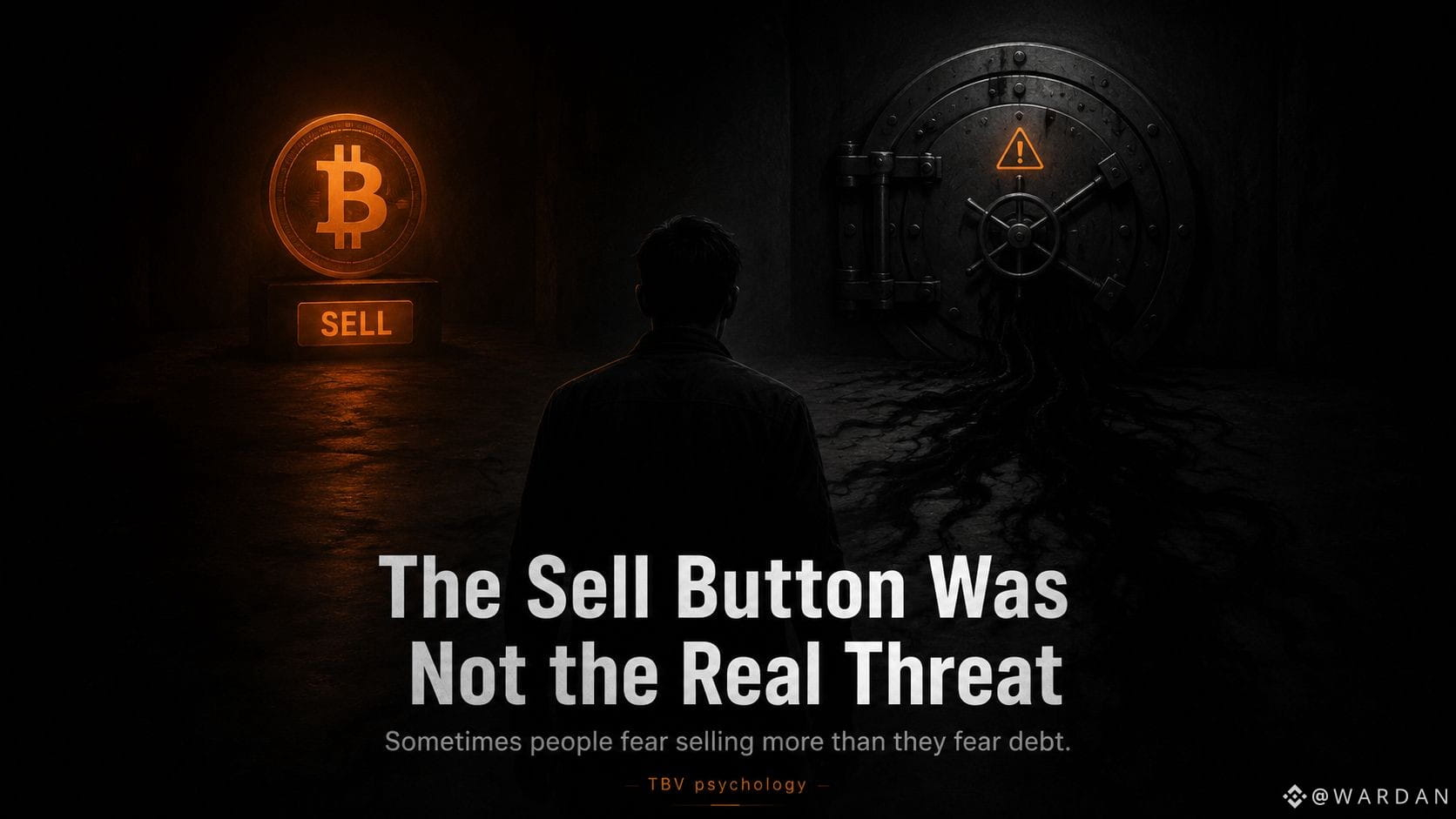
“Satış Düyməsi” Əsl Təhlükə Dehildİ
Yadımdadır, bir Bitcoin sahibinin sanki satış düyməsi tələsiz qapıymış kimi ekrana baxdığını görmüşdüm. Əli ekrana tərəf uzandı, sonra dayandı. Otaqda sükut vardı, amma onun ağlında səs-küy. Ona bütün Bitcoinləri lazım deyildi. Sadəcə bir hissəsi üçün nağd pul lazım idi. Yenə də satmaq elə bil gələcəyinin bir parçasını kəsmək kimi idi. Ona görə də daha az ağrılı görünən seçimi etdi: BTC-ni saxlamaq, onu bir seyfə yerləşdirmək və bunun müqabilində borc götürmək.
İlk baxışdan bu hərəkət ağıllı kimi hiss olundu. Onun Bitcoinləri hələ də var idi. Qiymət arta bilərdi. Əlində nağd pul da vardı. Heç nə itirilmir kimi görünürdü. Elə burada psixologiya daha qaranlıq olur.
İnsanlar çox vaxt görünən bir itkidən görünməyən riskdən daha çox qorxurlar. Satış dərhal yaranan bir yaradır. Balans azalır, coin ayrılır və qərar gerçək olur. Borc daha yumşaq hiss olunur, çünki o, giriş, seçim və vaxt kimi geyinib gəlir. Amma təhlükə yox olmur. Sadəcə formasını dəyişir.
TBV kimi bir sistem, natif BTC-ni əvvəlcə “wrapped” tokenə çevirmədən borclanma mövqeyini dəstəkləyə bilər. Bu, bəzi köhnə məhdudiyyətləri azalda bilər. Lakin bu, bazar riskini aradan qaldırmır. Faiz arta bilər. Bitcoin düşə bilər. Zəif mövqe, sahibi özünə “Mən hələ də Bitcoinimə sahibəm” deməyə davam etdikcə, likvidasiyaya daha da yaxınlaşa bilər.
Burada büküm var: bəzən insanlar borc götürmürlər, çünki borc daha təhlükəsizdir. Onlar borc götürürlər, çünki satış daha çox ağrıdır.
Öyrənənlər üçün əsas dərs “heç vaxt borc götürmə” deyil. İstənilən mövqe açmazdan əvvəl daha çətin bir sual verməkdir: Mən borcu alət kimi istifadə edirəm, yoxsa verməyə cürətim çatmadığı bir qərardan qaçmaq üçün istifadə edirəm?
Seyf bu gün Bitcoin-in satılmasından qoruya bilər. Amma o, sabah sahibini onu itirməkdən qoruya bilməyə bilər.
🤯
@babylonlabs_io $BABY #baby
{spot}(BABYUSDT)
“Satış Düyməsi” Əsl Təhlükə Dehildİ
Yadımdadır, bir Bitcoin sahibinin sanki satış düyməsi tələsiz qapıymış kimi ekrana baxdığını görmüşdüm. Əli ekrana tərəf uzandı, sonra dayandı. Otaqda sükut vardı, amma onun ağlında səs-küy. Ona bütün Bitcoinləri lazım deyildi. Sadəcə bir hissəsi üçün nağd pul lazım idi. Yenə də satmaq elə bil gələcəyinin bir parçasını kəsmək kimi idi. Ona görə də daha az ağrılı görünən seçimi etdi: BTC-ni saxlamaq, onu bir seyfə yerləşdirmək və bunun müqabilində borc götürmək.
İlk baxışdan bu hərəkət ağıllı kimi hiss olundu. Onun Bitcoinləri hələ də var idi. Qiymət arta bilərdi. Əlində nağd pul da vardı. Heç nə itirilmir kimi görünürdü. Elə burada psixologiya daha qaranlıq olur.
İnsanlar çox vaxt görünən bir itkidən görünməyən riskdən daha çox qorxurlar. Satış dərhal yaranan bir yaradır. Balans azalır, coin ayrılır və qərar gerçək olur. Borc daha yumşaq hiss olunur, çünki o, giriş, seçim və vaxt kimi geyinib gəlir. Amma təhlükə yox olmur. Sadəcə formasını dəyişir.
TBV kimi bir sistem, natif BTC-ni əvvəlcə “wrapped” tokenə çevirmədən borclanma mövqeyini dəstəkləyə bilər. Bu, bəzi köhnə məhdudiyyətləri azalda bilər. Lakin bu, bazar riskini aradan qaldırmır. Faiz arta bilər. Bitcoin düşə bilər. Zəif mövqe, sahibi özünə “Mən hələ də Bitcoinimə sahibəm” deməyə davam etdikcə, likvidasiyaya daha da yaxınlaşa bilər.
Burada büküm var: bəzən insanlar borc götürmürlər, çünki borc daha təhlükəsizdir. Onlar borc götürürlər, çünki satış daha çox ağrıdır.
Öyrənənlər üçün əsas dərs “heç vaxt borc götürmə” deyil. İstənilən mövqe açmazdan əvvəl daha çətin bir sual verməkdir: Mən borcu alət kimi istifadə edirəm, yoxsa verməyə cürətim çatmadığı bir qərardan qaçmaq üçün istifadə edirəm?
Seyf bu gün Bitcoin-in satılmasından qoruya bilər. Amma o, sabah sahibini onu itirməkdən qoruya bilməyə bilər.
🤯
@BabylonLabs_io $BABY #baby
Yadımdadır, bir Bitcoin sahibinin sanki satış düyməsi tələsiz qapıymış kimi ekrana baxdığını görmüşdüm. Əli ekrana tərəf uzandı, sonra dayandı. Otaqda sükut vardı, amma onun ağlında səs-küy. Ona bütün Bitcoinləri lazım deyildi. Sadəcə bir hissəsi üçün nağd pul lazım idi. Yenə də satmaq elə bil gələcəyinin bir parçasını kəsmək kimi idi. Ona görə də daha az ağrılı görünən seçimi etdi: BTC-ni saxlamaq, onu bir seyfə yerləşdirmək və bunun müqabilində borc götürmək.
İlk baxışdan bu hərəkət ağıllı kimi hiss olundu. Onun Bitcoinləri hələ də var idi. Qiymət arta bilərdi. Əlində nağd pul da vardı. Heç nə itirilmir kimi görünürdü. Elə burada psixologiya daha qaranlıq olur.
İnsanlar çox vaxt görünən bir itkidən görünməyən riskdən daha çox qorxurlar. Satış dərhal yaranan bir yaradır. Balans azalır, coin ayrılır və qərar gerçək olur. Borc daha yumşaq hiss olunur, çünki o, giriş, seçim və vaxt kimi geyinib gəlir. Amma təhlükə yox olmur. Sadəcə formasını dəyişir.
TBV kimi bir sistem, natif BTC-ni əvvəlcə “wrapped” tokenə çevirmədən borclanma mövqeyini dəstəkləyə bilər. Bu, bəzi köhnə məhdudiyyətləri azalda bilər. Lakin bu, bazar riskini aradan qaldırmır. Faiz arta bilər. Bitcoin düşə bilər. Zəif mövqe, sahibi özünə “Mən hələ də Bitcoinimə sahibəm” deməyə davam etdikcə, likvidasiyaya daha da yaxınlaşa bilər.
Burada büküm var: bəzən insanlar borc götürmürlər, çünki borc daha təhlükəsizdir. Onlar borc götürürlər, çünki satış daha çox ağrıdır.
Öyrənənlər üçün əsas dərs “heç vaxt borc götürmə” deyil. İstənilən mövqe açmazdan əvvəl daha çətin bir sual verməkdir: Mən borcu alət kimi istifadə edirəm, yoxsa verməyə cürətim çatmadığı bir qərardan qaçmaq üçün istifadə edirəm?
Seyf bu gün Bitcoin-in satılmasından qoruya bilər. Amma o, sabah sahibini onu itirməkdən qoruya bilməyə bilər.
🤯
@BabylonLabs_io $BABY #baby
117
·
--
Məqalə
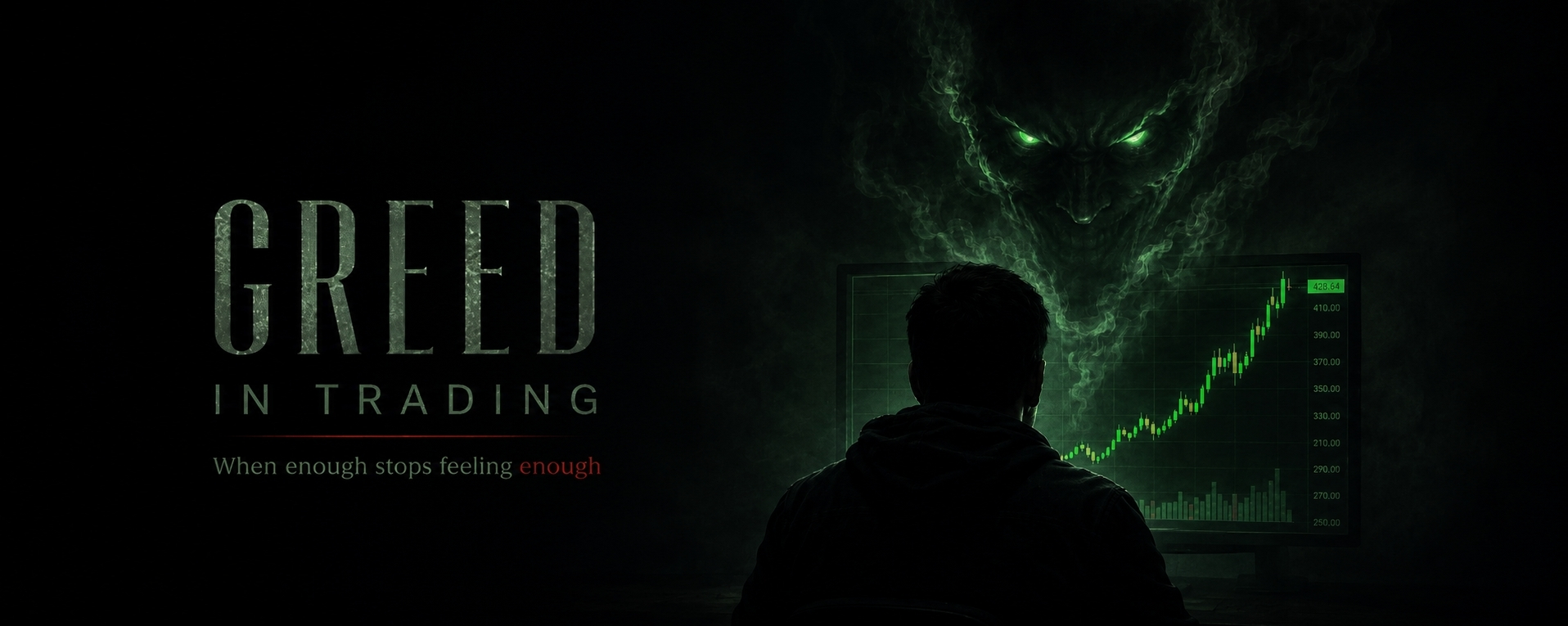
Bazar Mənim Pullarımı Heç Vaxt AlmadiEkranımda mənfəət hələ də yaşıl rəngdə parıldadığı vaxt otaqda nəyinsə qəribə olduğunu hiss etdim. Heç nə çökməmişdi, heç bir xəbərdarlıq çıxmamışdı və qrafik hələ də mənə doğru hərəkət edirdi, amma ətrafımdakı sükut ağır hiss olunurdu. Hədəfim artıq çatılmışdı. Notebookumda yazılmış plana görə ticarət bitmişdi, amma bağlama düyməsini basmadan əlim dayandı. Ekrandakı rəqəm artıq sadəcə mənfəət deyildi. O, çox daha böyük nəyinsə başlanğıcı kimi görünməyə başlamışdı.
Bazar Mənim Pullarımı Heç Vaxt Almadi
Ekranımda mənfəət hələ də yaşıl rəngdə parıldadığı vaxt otaqda nəyinsə qəribə olduğunu hiss etdim. Heç nə çökməmişdi, heç bir xəbərdarlıq çıxmamışdı və qrafik hələ də mənə doğru hərəkət edirdi, amma ətrafımdakı sükut ağır hiss olunurdu. Hədəfim artıq çatılmışdı. Notebookumda yazılmış plana görə ticarət bitmişdi, amma bağlama düyməsini basmadan əlim dayandı. Ekrandakı rəqəm artıq sadəcə mənfəət deyildi. O, çox daha böyük nəyinsə başlanğıcı kimi görünməyə başlamışdı.
140
·
--
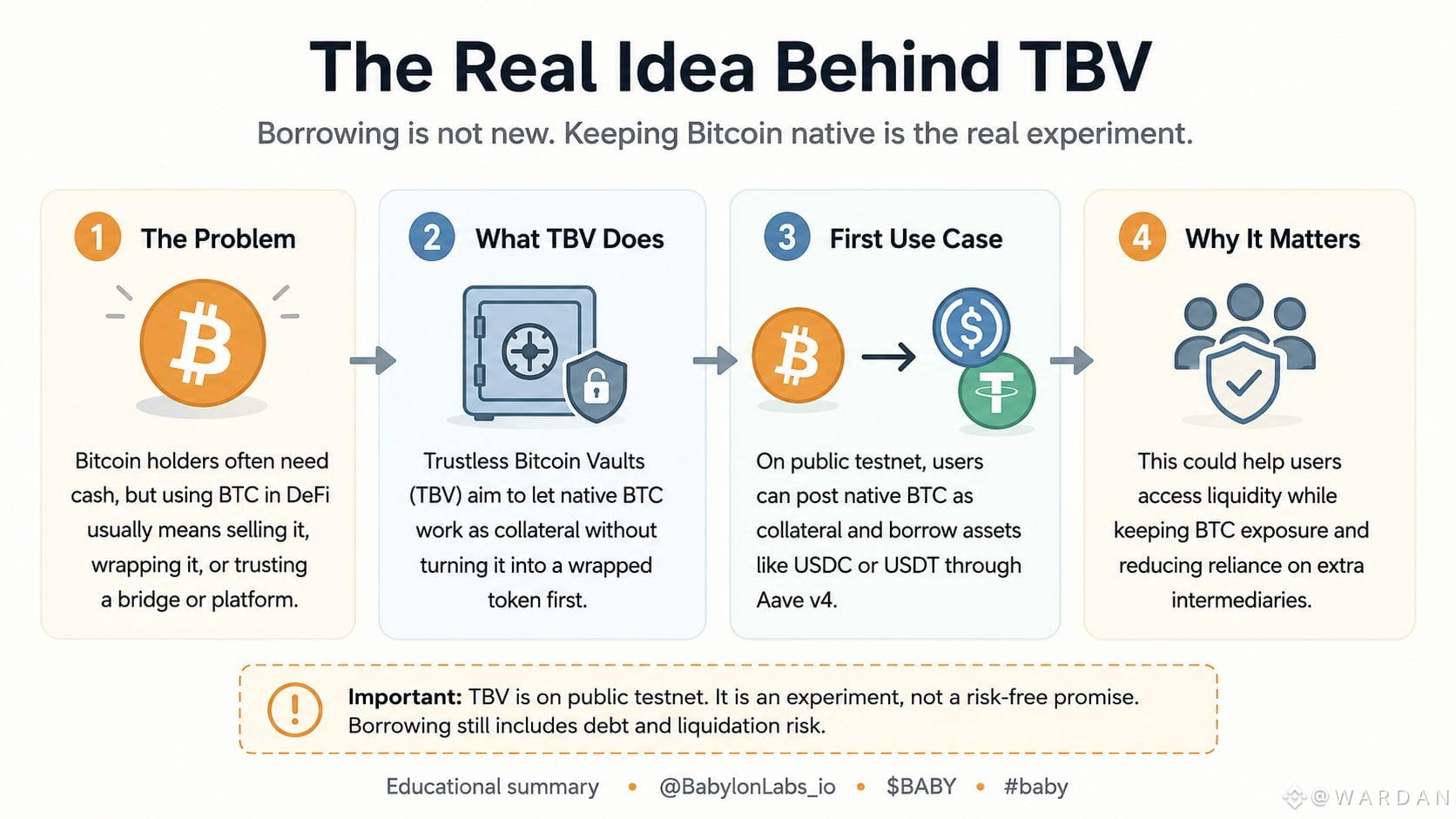
Telefonumda Babylon-un ictimai testnet səhifəsini sürüşdürürdüm ki, kiçik bir sual məni dayandırdı: Bitcoin-ə qarşı borclanma artıq mövcuddursa, burada əslində nə yenidir? Axına yenidən baxdım, testnet bağlantılarını açdım, addımları yoxladım və cavab daha aydın oldu. Əsl ideya borcun özü deyil. Əsl ideya Bitcoin-i natif olaraq saxlamaq və onu girov kimi istifadə etməkdir.
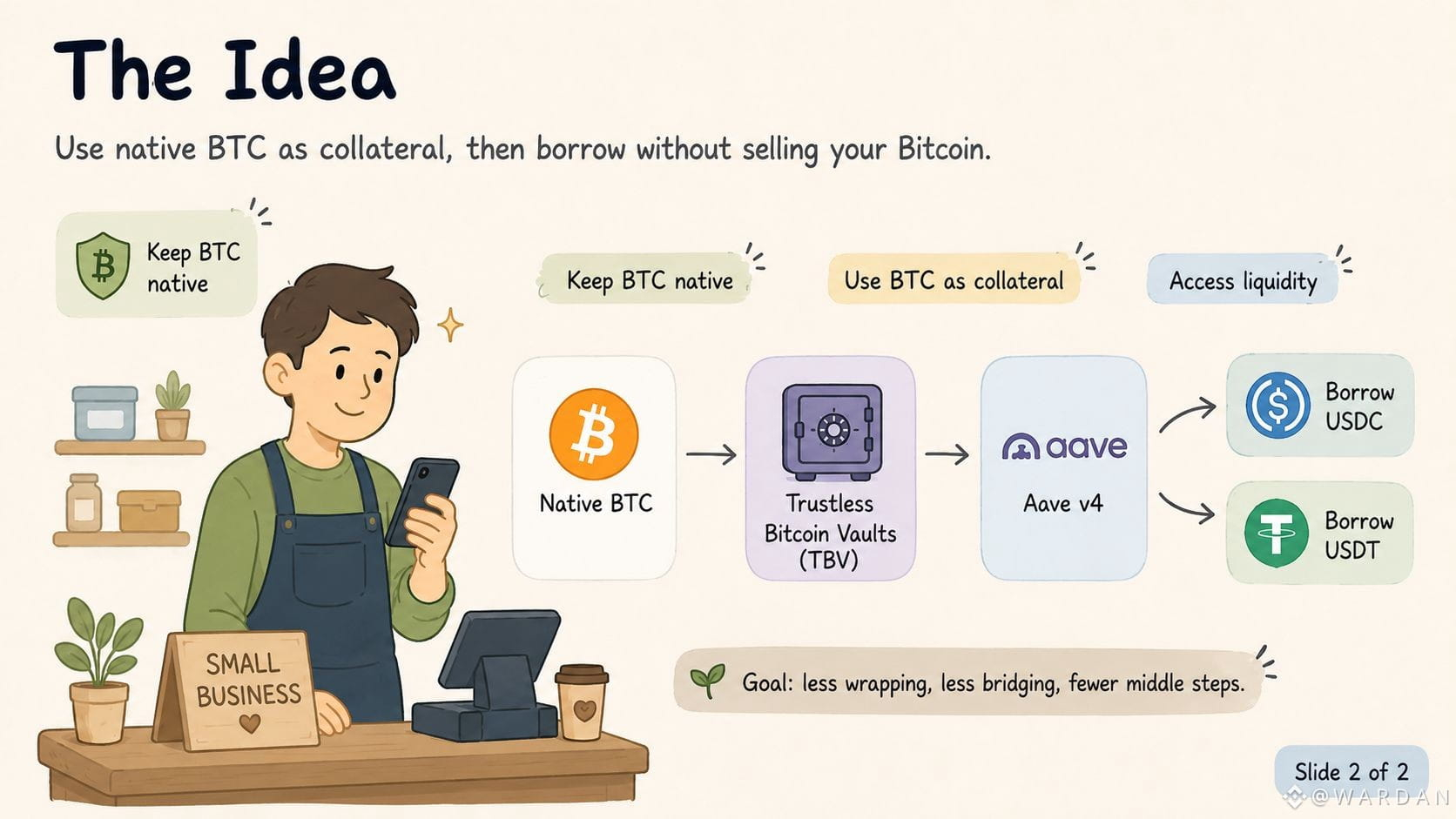
Kiçik bir müəssisə sahibi dükanını bağlamaq üzrədir. Təchizatçı isə mesaj göndərir: sabah səhər ödəniş lazımdır. Əmanətinin çoxu Bitcoin-dədir. O, onu satmaq istəmir; çünki illərlə saxlamaq niyyətindədir, amma yenə də qısa müddətli pula ehtiyacı var. Cüzdanını açır, BTC balansını yoxlayır və həll axtarmağa başlayır. Çox tez wrapped Bitcoin, bridgelər, custodians və müxtəlif şəbəkələrlə qarşılaşır. Əvvəlcə sadə bir borc kimi görünən şey indi bir neçə əlavə addım və etibar edilməli bir neçə yeni məqam deməkdir.
Bu problemi Trustless Bitcoin Vaults (TBV) həll etməyə çalışır. TBV, natif BTC-ni əvvəlcə onu wrapped token-ə çevirmədən və ya mərkəzləşdirilmiş bir borc verənə nəzarəti vermədən girov kimi işlətməyə imkan vermək üçün nəzərdə tutulub.
İlk istifadə ssenarisi natif Bitcoin-backed borclanmanı Aave v4 ilə bağlayır. İstifadəçi natif BTC-ni girov kimi yerləşdirə bilər və Ethereum-da USDC və ya USDT kimi dəstəklənən aktivləri borc ala bilər. Vacib olan yalnız stablecoin-ləri əldə etmək deyil. Bu artıq bir çox kreditləşdirmə bazarlarında baş verir. Maraqlı hissə, girov natif Bitcoin olaraq qaldığı halda həmin likvidliyə çatmağa çalışmaqdır.
İctimai testnet bu fikrin “sadə bir cümlə”dən daha çox olduğunu göstərir. İstifadəçi tətbiqi açmalı, test tokenlərini iddia etməli, borclanma addımlarını izləməli, explorer-də tranzaksiyanı yoxlamalı və prosesin harada aydın, harada isə qarışıq göründüyünü hiss etməlidir.
TBV hələ testnetdədir, yəni yekunlaşmış və risklərsiz kimi qəbul edilməməlidir. Borclanma yenə də borc, faiz və likvidasiya riskləri gətirir. Amma arxasındakı sual güclüdür: Bitcoin sahibi BTC-ni satmadan, wrapper etmədən və ya mərkəzləşdirilmiş bir şirkətə nəzarəti vermədən likvidliyə çıxış əldə edə bilərmi?
Mənim ən çox izləməyə dəyər hesab etdiyim hissə budur.
@babylonlabs_io $BABY #baby
Telefonumda Babylon-un ictimai testnet səhifəsini sürüşdürürdüm ki, kiçik bir sual məni dayandırdı: Bitcoin-ə qarşı borclanma artıq mövcuddursa, burada əslində nə yenidir? Axına yenidən baxdım, testnet bağlantılarını açdım, addımları yoxladım və cavab daha aydın oldu. Əsl ideya borcun özü deyil. Əsl ideya Bitcoin-i natif olaraq saxlamaq və onu girov kimi istifadə etməkdir.
Kiçik bir müəssisə sahibi dükanını bağlamaq üzrədir. Təchizatçı isə mesaj göndərir: sabah səhər ödəniş lazımdır. Əmanətinin çoxu Bitcoin-dədir. O, onu satmaq istəmir; çünki illərlə saxlamaq niyyətindədir, amma yenə də qısa müddətli pula ehtiyacı var. Cüzdanını açır, BTC balansını yoxlayır və həll axtarmağa başlayır. Çox tez wrapped Bitcoin, bridgelər, custodians və müxtəlif şəbəkələrlə qarşılaşır. Əvvəlcə sadə bir borc kimi görünən şey indi bir neçə əlavə addım və etibar edilməli bir neçə yeni məqam deməkdir.
Bu problemi Trustless Bitcoin Vaults (TBV) həll etməyə çalışır. TBV, natif BTC-ni əvvəlcə onu wrapped token-ə çevirmədən və ya mərkəzləşdirilmiş bir borc verənə nəzarəti vermədən girov kimi işlətməyə imkan vermək üçün nəzərdə tutulub.
İlk istifadə ssenarisi natif Bitcoin-backed borclanmanı Aave v4 ilə bağlayır. İstifadəçi natif BTC-ni girov kimi yerləşdirə bilər və Ethereum-da USDC və ya USDT kimi dəstəklənən aktivləri borc ala bilər. Vacib olan yalnız stablecoin-ləri əldə etmək deyil. Bu artıq bir çox kreditləşdirmə bazarlarında baş verir. Maraqlı hissə, girov natif Bitcoin olaraq qaldığı halda həmin likvidliyə çatmağa çalışmaqdır.
İctimai testnet bu fikrin “sadə bir cümlə”dən daha çox olduğunu göstərir. İstifadəçi tətbiqi açmalı, test tokenlərini iddia etməli, borclanma addımlarını izləməli, explorer-də tranzaksiyanı yoxlamalı və prosesin harada aydın, harada isə qarışıq göründüyünü hiss etməlidir.
TBV hələ testnetdədir, yəni yekunlaşmış və risklərsiz kimi qəbul edilməməlidir. Borclanma yenə də borc, faiz və likvidasiya riskləri gətirir. Amma arxasındakı sual güclüdür: Bitcoin sahibi BTC-ni satmadan, wrapper etmədən və ya mərkəzləşdirilmiş bir şirkətə nəzarəti vermədən likvidliyə çıxış əldə edə bilərmi?
Mənim ən çox izləməyə dəyər hesab etdiyim hissə budur.
@BabylonLabs_io $BABY #baby
Kiçik bir müəssisə sahibi dükanını bağlamaq üzrədir. Təchizatçı isə mesaj göndərir: sabah səhər ödəniş lazımdır. Əmanətinin çoxu Bitcoin-dədir. O, onu satmaq istəmir; çünki illərlə saxlamaq niyyətindədir, amma yenə də qısa müddətli pula ehtiyacı var. Cüzdanını açır, BTC balansını yoxlayır və həll axtarmağa başlayır. Çox tez wrapped Bitcoin, bridgelər, custodians və müxtəlif şəbəkələrlə qarşılaşır. Əvvəlcə sadə bir borc kimi görünən şey indi bir neçə əlavə addım və etibar edilməli bir neçə yeni məqam deməkdir.
Bu problemi Trustless Bitcoin Vaults (TBV) həll etməyə çalışır. TBV, natif BTC-ni əvvəlcə onu wrapped token-ə çevirmədən və ya mərkəzləşdirilmiş bir borc verənə nəzarəti vermədən girov kimi işlətməyə imkan vermək üçün nəzərdə tutulub.
İlk istifadə ssenarisi natif Bitcoin-backed borclanmanı Aave v4 ilə bağlayır. İstifadəçi natif BTC-ni girov kimi yerləşdirə bilər və Ethereum-da USDC və ya USDT kimi dəstəklənən aktivləri borc ala bilər. Vacib olan yalnız stablecoin-ləri əldə etmək deyil. Bu artıq bir çox kreditləşdirmə bazarlarında baş verir. Maraqlı hissə, girov natif Bitcoin olaraq qaldığı halda həmin likvidliyə çatmağa çalışmaqdır.
İctimai testnet bu fikrin “sadə bir cümlə”dən daha çox olduğunu göstərir. İstifadəçi tətbiqi açmalı, test tokenlərini iddia etməli, borclanma addımlarını izləməli, explorer-də tranzaksiyanı yoxlamalı və prosesin harada aydın, harada isə qarışıq göründüyünü hiss etməlidir.
TBV hələ testnetdədir, yəni yekunlaşmış və risklərsiz kimi qəbul edilməməlidir. Borclanma yenə də borc, faiz və likvidasiya riskləri gətirir. Amma arxasındakı sual güclüdür: Bitcoin sahibi BTC-ni satmadan, wrapper etmədən və ya mərkəzləşdirilmiş bir şirkətə nəzarəti vermədən likvidliyə çıxış əldə edə bilərmi?
Mənim ən çox izləməyə dəyər hesab etdiyim hissə budur.
@BabylonLabs_io $BABY #baby
1
151
·
--
Risk mühərriki təhlükəni düzgün aşkarlasa belə sıradan çıxa bilər.
Bu, @NewtonProtocol l və $NEWT üçün narahat sınaqdır.
Təsəvvür edin ki, bir seyf depeg və ya drawdown həddinə çarpır. Siyasət riski görür və əməliyyatları rədd etməyə başlayır. Yaxşı. Amma əsas sual budur ki, o, riski artıran bir hərəkətlə onu azaldan bir hərəkəti ayıra bilərmi.
Çünki “risk yüksəkdir” sadəcə mövcud vəziyyətin təsviridir. Növbəti əməliyyatın seyfi hara aparacağını demir.
Qəti “deny” qaydası hər iki istiqaməti də bloklaya bilər.
Bu da qəribə bir nasazlıq rejimi yaradır: sistem təhlükəni tanıyır, qaydanı məhz yazıldığı kimi tətbiq edir və yenə də qorumağa hazırlandığı vəziyyətin içində kapitalı sıxışdırır.
Məhz buna görə avtomatlaşdırılmış strategiyalar üçün fəaliyyətin istiqaməti, xam risk aşkarlanmasından daha önəmlidir.
Siyasət qatı təkcə indi nəyin səhv olduğunu deyil, həm də təklif olunan niyyətin mövqeyi daha təhlükəsiz edəcəyini, yoxsa daha da pisləşdirəcəyini qiymətləndirməlidir. Depeg zamanı ekspozisiyanı artırmaq və həmin ekspozisiyadan çıxmaq eyni risk bayrağı altında baş versə də, eyni cavabı almamalıdır.
“Deny” qaydası çıxış strategiyası deyil.
Newton üçün daha çətin meyar, siyasətlərin nə qədər etibarlı şəkildə “yox” deyə bilməsi deyil. Onların belə deyə bilməsi vacibdir: “bu riski əlavə edə bilməzsən, amma onu buraxa bilərsən.”
Bu fərq, proqramlaşdırıla bilən qoruyucu kənarların real institusional risk nəzarətlərinə çevrilib-çevrilməyəcəyini, yoxsa sadəcə çox effektiv kilidlər olub-olmadığını müəyyənləşdirə bilər.
#Newt
Risk mühərriki təhlükəni düzgün aşkarlasa belə sıradan çıxa bilər.
Bu, @NewtonProtocol l və $NEWT üçün narahat sınaqdır.
Təsəvvür edin ki, bir seyf depeg və ya drawdown həddinə çarpır. Siyasət riski görür və əməliyyatları rədd etməyə başlayır. Yaxşı. Amma əsas sual budur ki, o, riski artıran bir hərəkətlə onu azaldan bir hərəkəti ayıra bilərmi.
Çünki “risk yüksəkdir” sadəcə mövcud vəziyyətin təsviridir. Növbəti əməliyyatın seyfi hara aparacağını demir.
Qəti “deny” qaydası hər iki istiqaməti də bloklaya bilər.
Bu da qəribə bir nasazlıq rejimi yaradır: sistem təhlükəni tanıyır, qaydanı məhz yazıldığı kimi tətbiq edir və yenə də qorumağa hazırlandığı vəziyyətin içində kapitalı sıxışdırır.
Məhz buna görə avtomatlaşdırılmış strategiyalar üçün fəaliyyətin istiqaməti, xam risk aşkarlanmasından daha önəmlidir.
Siyasət qatı təkcə indi nəyin səhv olduğunu deyil, həm də təklif olunan niyyətin mövqeyi daha təhlükəsiz edəcəyini, yoxsa daha da pisləşdirəcəyini qiymətləndirməlidir. Depeg zamanı ekspozisiyanı artırmaq və həmin ekspozisiyadan çıxmaq eyni risk bayrağı altında baş versə də, eyni cavabı almamalıdır.
“Deny” qaydası çıxış strategiyası deyil.
Newton üçün daha çətin meyar, siyasətlərin nə qədər etibarlı şəkildə “yox” deyə bilməsi deyil. Onların belə deyə bilməsi vacibdir: “bu riski əlavə edə bilməzsən, amma onu buraxa bilərsən.”
Bu fərq, proqramlaşdırıla bilən qoruyucu kənarların real institusional risk nəzarətlərinə çevrilib-çevrilməyəcəyini, yoxsa sadəcə çox effektiv kilidlər olub-olmadığını müəyyənləşdirə bilər.
#Newt
Bu, @NewtonProtocol l və $NEWT üçün narahat sınaqdır.
Təsəvvür edin ki, bir seyf depeg və ya drawdown həddinə çarpır. Siyasət riski görür və əməliyyatları rədd etməyə başlayır. Yaxşı. Amma əsas sual budur ki, o, riski artıran bir hərəkətlə onu azaldan bir hərəkəti ayıra bilərmi.
Çünki “risk yüksəkdir” sadəcə mövcud vəziyyətin təsviridir. Növbəti əməliyyatın seyfi hara aparacağını demir.
Qəti “deny” qaydası hər iki istiqaməti də bloklaya bilər.
Bu da qəribə bir nasazlıq rejimi yaradır: sistem təhlükəni tanıyır, qaydanı məhz yazıldığı kimi tətbiq edir və yenə də qorumağa hazırlandığı vəziyyətin içində kapitalı sıxışdırır.
Məhz buna görə avtomatlaşdırılmış strategiyalar üçün fəaliyyətin istiqaməti, xam risk aşkarlanmasından daha önəmlidir.
Siyasət qatı təkcə indi nəyin səhv olduğunu deyil, həm də təklif olunan niyyətin mövqeyi daha təhlükəsiz edəcəyini, yoxsa daha da pisləşdirəcəyini qiymətləndirməlidir. Depeg zamanı ekspozisiyanı artırmaq və həmin ekspozisiyadan çıxmaq eyni risk bayrağı altında baş versə də, eyni cavabı almamalıdır.
“Deny” qaydası çıxış strategiyası deyil.
Newton üçün daha çətin meyar, siyasətlərin nə qədər etibarlı şəkildə “yox” deyə bilməsi deyil. Onların belə deyə bilməsi vacibdir: “bu riski əlavə edə bilməzsən, amma onu buraxa bilərsən.”
Bu fərq, proqramlaşdırıla bilən qoruyucu kənarların real institusional risk nəzarətlərinə çevrilib-çevrilməyəcəyini, yoxsa sadəcə çox effektiv kilidlər olub-olmadığını müəyyənləşdirə bilər.
#Newt
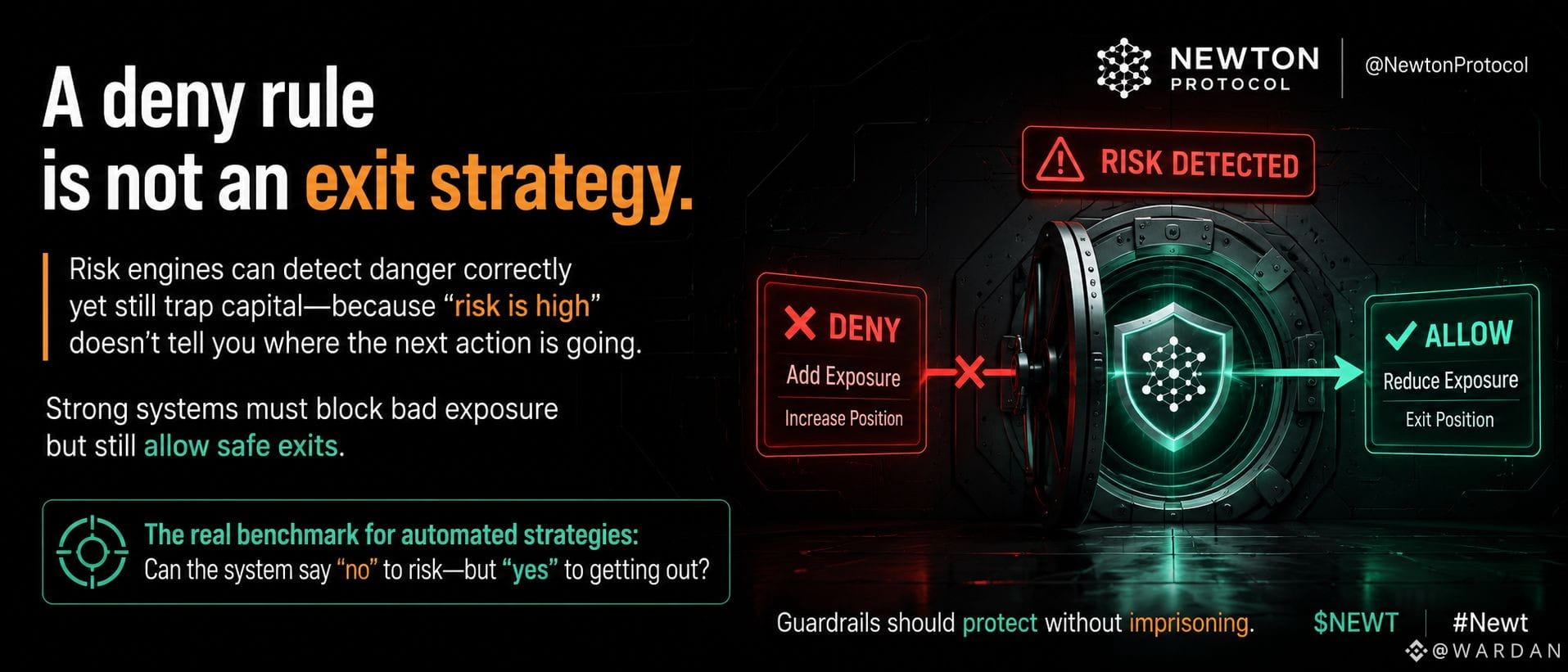
2
1
119
·
--
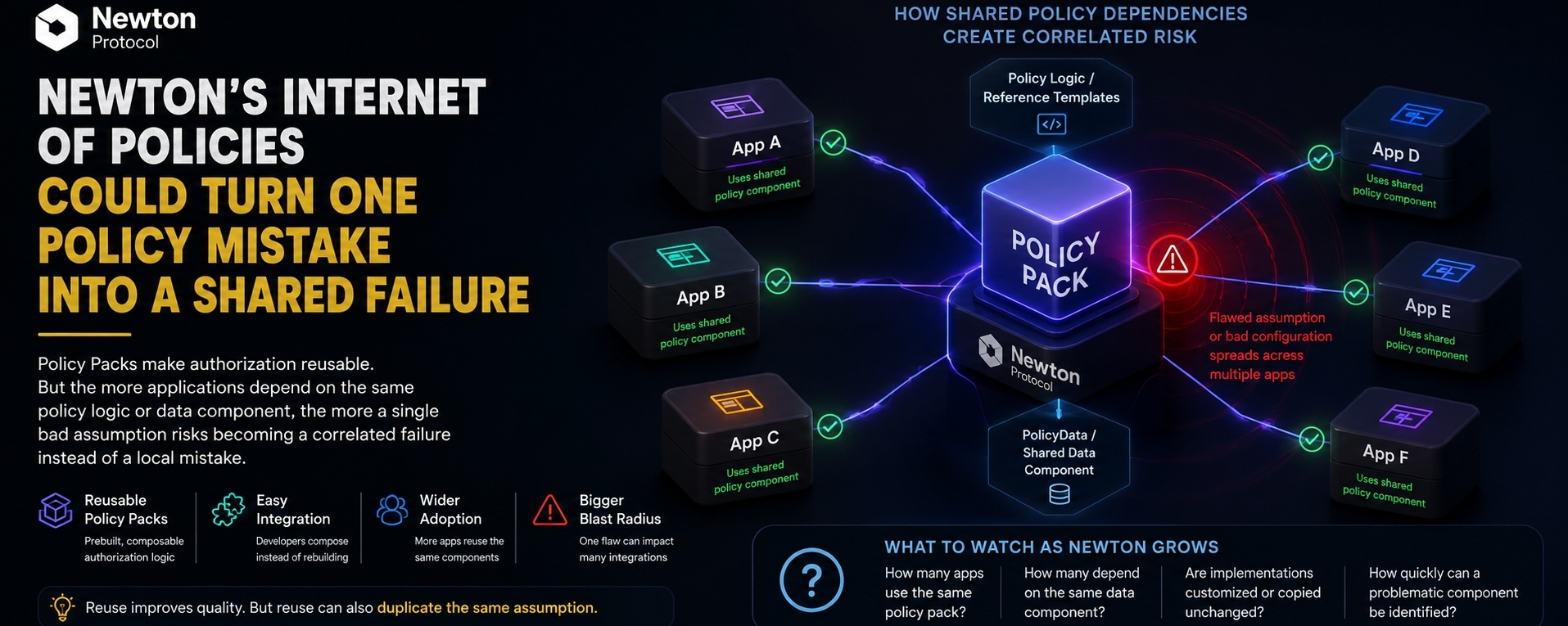
Məqalə
Nyutonun Siyasət Paketləri Onlardan İstifadə Edən Tətbiqlərdən Daha Önəmli Ola BilərMəni dayandıran Nyutonun hissəsi uğursuzluq deyildi. Bu, sadəlik (rahatlıq) idi. Siyasət Paketləri faydalıdır, çünki bir qurucu hər dəfə eyni icazə məntiqini yenidən yaratmağa ehtiyac duymur. İşləyən bir siyasət komponenti təkrar istifadə oluna, digər komponentlərlə birləşdirilə və yeni bir tətbiqə uyğunlaşdırıla bilər. İnkişaf etdiricinin baxışından bu, yaxşı infrastrukturun məhz etməli olduğu şeydir.
Amma sadəlik davranışı dəyişir.
İnkişaf etdiricilər artıq işləyən bir komponent tapdıqda, onların çoxu onu seçəcək. Vaxtlarına qənaət edir, öz mühəndislik işlərini azaldır və artıq mövcud olan idarəetmələri yenidən qurmaqdan çəkinirlər. Populyar bir paket heç kim rəsmi şəkildə bunun standart olmasına qərar vermədən, zamanla normal seçimə çevrilə bilər.
Nyutonun Siyasət Paketləri Onlardan İstifadə Edən Tətbiqlərdən Daha Önəmli Ola Bilər
Məni dayandıran Nyutonun hissəsi uğursuzluq deyildi. Bu, sadəlik (rahatlıq) idi. Siyasət Paketləri faydalıdır, çünki bir qurucu hər dəfə eyni icazə məntiqini yenidən yaratmağa ehtiyac duymur. İşləyən bir siyasət komponenti təkrar istifadə oluna, digər komponentlərlə birləşdirilə və yeni bir tətbiqə uyğunlaşdırıla bilər. İnkişaf etdiricinin baxışından bu, yaxşı infrastrukturun məhz etməli olduğu şeydir.
Amma sadəlik davranışı dəyişir.
İnkişaf etdiricilər artıq işləyən bir komponent tapdıqda, onların çoxu onu seçəcək. Vaxtlarına qənaət edir, öz mühəndislik işlərini azaldır və artıq mövcud olan idarəetmələri yenidən qurmaqdan çəkinirlər. Populyar bir paket heç kim rəsmi şəkildə bunun standart olmasına qərar vermədən, zamanla normal seçimə çevrilə bilər.
Amma sadəlik davranışı dəyişir.
İnkişaf etdiricilər artıq işləyən bir komponent tapdıqda, onların çoxu onu seçəcək. Vaxtlarına qənaət edir, öz mühəndislik işlərini azaldır və artıq mövcud olan idarəetmələri yenidən qurmaqdan çəkinirlər. Populyar bir paket heç kim rəsmi şəkildə bunun standart olmasına qərar vermədən, zamanla normal seçimə çevrilə bilər.
4
1
223
·
--
Sabah ertəsi, Nyutonun konsensus axınını nəzərdən keçirərkən, yan-yana üç bir az fərqli qiymət oxunuşu yazdım. Əvvəlcə bu boşluğu normal bazar səsi kimi qəbul etdim. Amma Nyuton bu oxunuşları bir median dəyərə çevirdikdən sonra siyasətin “dəqiq” həddi daha az sadə görünməyə başladı.
Nyuton operatorları fərqli rəqəm dəyərləri əldə edə bilər. Gateway (Şlüz) medianı hesablayır, oxunuşların konfiqurasiya olunmuş dözümlülük daxilində qalıb-qalmadığını yoxlayır və qiymətləndirmək üçün siyasətə bir paylaşılan dəyər təqdim edir. Bu, bir gecikmiş və ya anormal oxunuşun qərara nəzarət etməsinin qarşısını almağa kömək edir.
Bu dizayn faydalıdır, amma dözümlülük vacib olur, çünki vault qaydası dar qiymət, risk, leverec (leverage) və ya depeg sərhədinə yaxın oturanda. Belə bir vəziyyətdə nəticə yalnız siyasətə yazılmış həddən deyil, həm də Nyutonun medianı yaratmazdan əvvəl nə qədər fikir ayrılığına icazə verdiyindən asılı olur.
Bu, Nyutonun sənədləşdirilmiş 10% standartının hər canlı siyasətdə istifadə olunduğunu sübut etmir və ya mövcud səlahiyyətlərin səhv olduğunu göstərmir. Dözümlülük konfiqurasiya ediləndir və onun xaricində qalan dəyərlər konsensusu keçə bilməyib qəbul olunmaq əvəzinə uğursuz ola bilər.
Mən bir Nyuton siyasətini yalnız hansı oracle (orakel) məlumat verir deyə qiymətləndirməzdim. Həmçinin operator oxunuşlarının nə qədər fərqləndiyini, hansı dözümlülüyün seçildiyini və yekun medianın siyasət limitinə nə qədər yaxınlaşdığını da bilmək istərdim. Median konsensus yalnız icazə verilən fikir ayrılığı qorunması planlanan pulun həssaslığı ilə uyğun gələndə faydalı olur.
@NewtonProtocol $NEWT #Newt
Sabah ertəsi, Nyutonun konsensus axınını nəzərdən keçirərkən, yan-yana üç bir az fərqli qiymət oxunuşu yazdım. Əvvəlcə bu boşluğu normal bazar səsi kimi qəbul etdim. Amma Nyuton bu oxunuşları bir median dəyərə çevirdikdən sonra siyasətin “dəqiq” həddi daha az sadə görünməyə başladı.
Nyuton operatorları fərqli rəqəm dəyərləri əldə edə bilər. Gateway (Şlüz) medianı hesablayır, oxunuşların konfiqurasiya olunmuş dözümlülük daxilində qalıb-qalmadığını yoxlayır və qiymətləndirmək üçün siyasətə bir paylaşılan dəyər təqdim edir. Bu, bir gecikmiş və ya anormal oxunuşun qərara nəzarət etməsinin qarşısını almağa kömək edir.
Bu dizayn faydalıdır, amma dözümlülük vacib olur, çünki vault qaydası dar qiymət, risk, leverec (leverage) və ya depeg sərhədinə yaxın oturanda. Belə bir vəziyyətdə nəticə yalnız siyasətə yazılmış həddən deyil, həm də Nyutonun medianı yaratmazdan əvvəl nə qədər fikir ayrılığına icazə verdiyindən asılı olur.
Bu, Nyutonun sənədləşdirilmiş 10% standartının hər canlı siyasətdə istifadə olunduğunu sübut etmir və ya mövcud səlahiyyətlərin səhv olduğunu göstərmir. Dözümlülük konfiqurasiya ediləndir və onun xaricində qalan dəyərlər konsensusu keçə bilməyib qəbul olunmaq əvəzinə uğursuz ola bilər.
Mən bir Nyuton siyasətini yalnız hansı oracle (orakel) məlumat verir deyə qiymətləndirməzdim. Həmçinin operator oxunuşlarının nə qədər fərqləndiyini, hansı dözümlülüyün seçildiyini və yekun medianın siyasət limitinə nə qədər yaxınlaşdığını da bilmək istərdim. Median konsensus yalnız icazə verilən fikir ayrılığı qorunması planlanan pulun həssaslığı ilə uyğun gələndə faydalı olur.
@NewtonProtocol $NEWT #Newt
Nyuton operatorları fərqli rəqəm dəyərləri əldə edə bilər. Gateway (Şlüz) medianı hesablayır, oxunuşların konfiqurasiya olunmuş dözümlülük daxilində qalıb-qalmadığını yoxlayır və qiymətləndirmək üçün siyasətə bir paylaşılan dəyər təqdim edir. Bu, bir gecikmiş və ya anormal oxunuşun qərara nəzarət etməsinin qarşısını almağa kömək edir.
Bu dizayn faydalıdır, amma dözümlülük vacib olur, çünki vault qaydası dar qiymət, risk, leverec (leverage) və ya depeg sərhədinə yaxın oturanda. Belə bir vəziyyətdə nəticə yalnız siyasətə yazılmış həddən deyil, həm də Nyutonun medianı yaratmazdan əvvəl nə qədər fikir ayrılığına icazə verdiyindən asılı olur.
Bu, Nyutonun sənədləşdirilmiş 10% standartının hər canlı siyasətdə istifadə olunduğunu sübut etmir və ya mövcud səlahiyyətlərin səhv olduğunu göstərmir. Dözümlülük konfiqurasiya ediləndir və onun xaricində qalan dəyərlər konsensusu keçə bilməyib qəbul olunmaq əvəzinə uğursuz ola bilər.
Mən bir Nyuton siyasətini yalnız hansı oracle (orakel) məlumat verir deyə qiymətləndirməzdim. Həmçinin operator oxunuşlarının nə qədər fərqləndiyini, hansı dözümlülüyün seçildiyini və yekun medianın siyasət limitinə nə qədər yaxınlaşdığını da bilmək istərdim. Median konsensus yalnız icazə verilən fikir ayrılığı qorunması planlanan pulun həssaslığı ilə uyğun gələndə faydalı olur.
@NewtonProtocol $NEWT #Newt
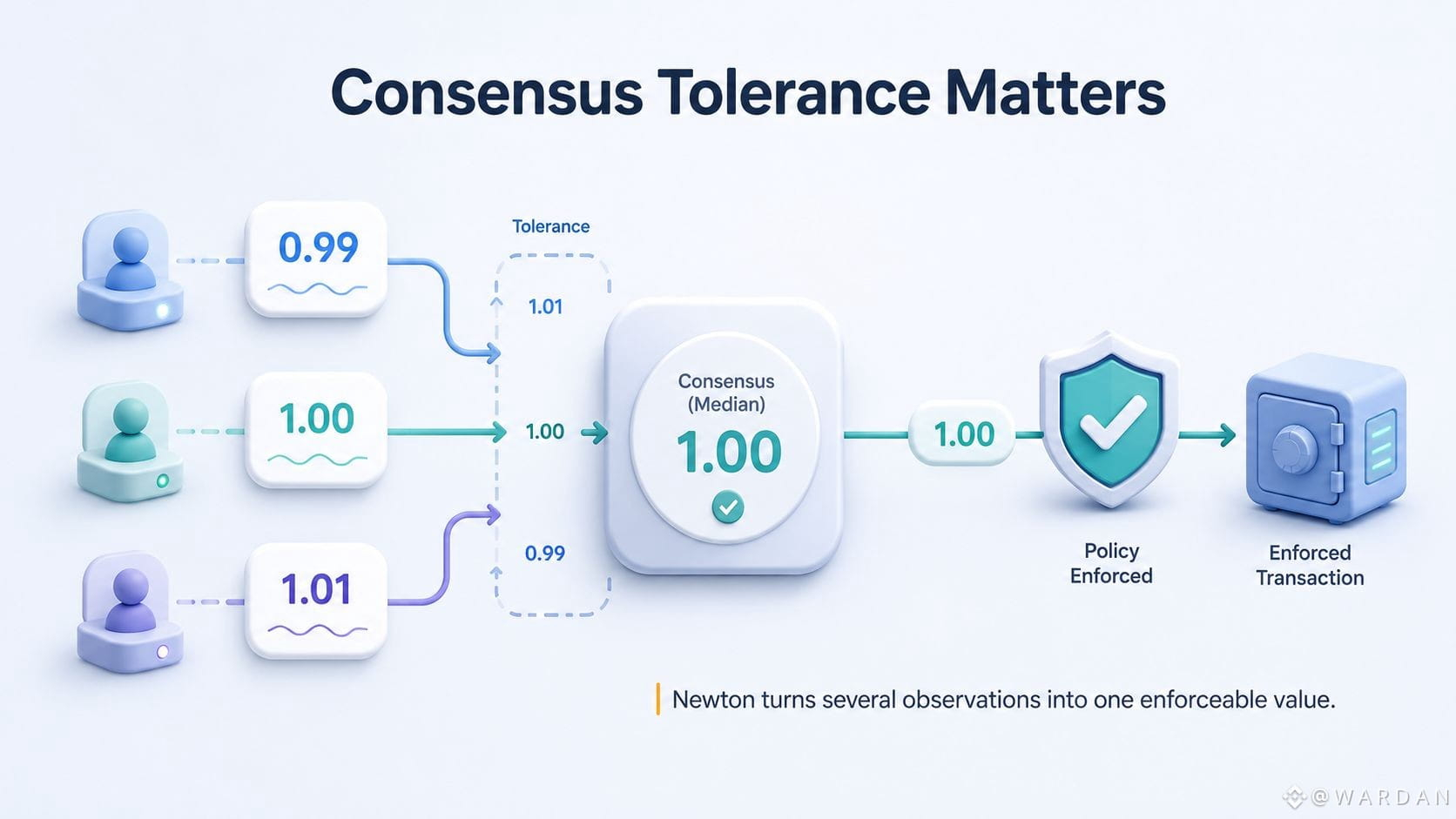
4
1
114
·
--
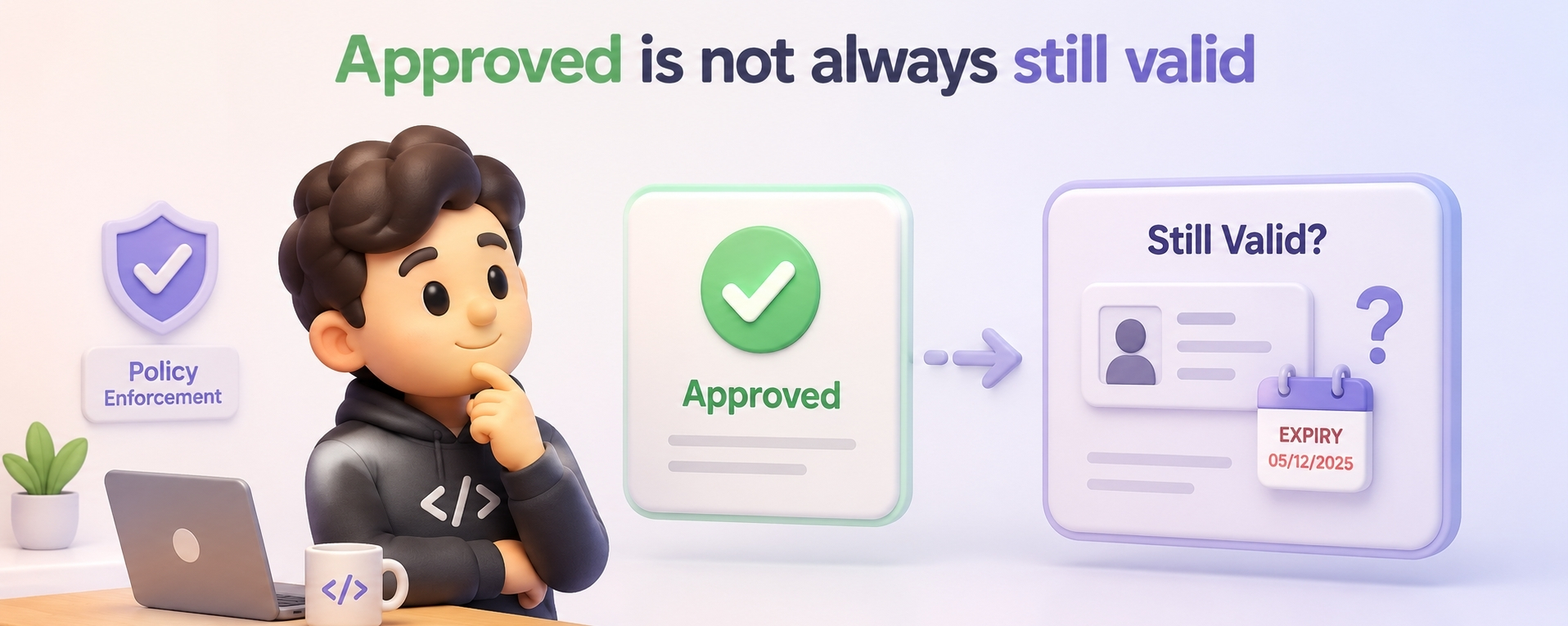
Məqalə
Nyutonun KYC-si ID-nin hələ də etibarlı olduğunu sübut etmədən təsdiqləndiyinizi sübut edə bilərQeydlərimə üç Nyuton identikliyinin yoxlanışını köçürürdüm ki, nəhayət fərq aydın oldu. Biri istifadəçinin təsdiqlənib-təsdiqlənmədiyini yoxlayırdı. Digəri sənədin müddətinin bitib-bitmədiyini yoxlayırdı. Üçüncüsü isə sənədin minimum bir müddət etibarlı qalmasını tələb edə bilərdi.
Əvvəlcə bunları eyni sualı verməyin fərqli yolları kimi qəbul etmişdim. Əslində onlar belə deyil.
Nyuton siyasət tərtibatçısı üçün check_approved(), not_expired() və valid_for() funksiyalarını ayrı alətlər kimi təqdim edir. Tərtibatçı istifadəçinin qorunan əməliyyatı yerinə yetirməsindən əvvəl hansı şərtlərin keçməli olduğunu qərarlaşdırır.
Nyutonun KYC-si ID-nin hələ də etibarlı olduğunu sübut etmədən təsdiqləndiyinizi sübut edə bilər
Qeydlərimə üç Nyuton identikliyinin yoxlanışını köçürürdüm ki, nəhayət fərq aydın oldu. Biri istifadəçinin təsdiqlənib-təsdiqlənmədiyini yoxlayırdı. Digəri sənədin müddətinin bitib-bitmədiyini yoxlayırdı. Üçüncüsü isə sənədin minimum bir müddət etibarlı qalmasını tələb edə bilərdi.
Əvvəlcə bunları eyni sualı verməyin fərqli yolları kimi qəbul etmişdim. Əslində onlar belə deyil.
Nyuton siyasət tərtibatçısı üçün check_approved(), not_expired() və valid_for() funksiyalarını ayrı alətlər kimi təqdim edir. Tərtibatçı istifadəçinin qorunan əməliyyatı yerinə yetirməsindən əvvəl hansı şərtlərin keçməli olduğunu qərarlaşdırır.
Əvvəlcə bunları eyni sualı verməyin fərqli yolları kimi qəbul etmişdim. Əslində onlar belə deyil.
Nyuton siyasət tərtibatçısı üçün check_approved(), not_expired() və valid_for() funksiyalarını ayrı alətlər kimi təqdim edir. Tərtibatçı istifadəçinin qorunan əməliyyatı yerinə yetirməsindən əvvəl hansı şərtlərin keçməli olduğunu qərarlaşdırır.
7
4
179
·
--
Newton Entegrasyonu Olması, Tətbiqin Tamamının Korunduğu Anlamına Gelmez
Newton’un smart-kontrat entegrasyon axınını nəzərdən keçirərkən bir xırda detal təhlükəsizlik iddiasını necə başa düşdüyümü dəyişdi.
Newton yalnız layihə onu inteqrasiya etdiyi üçün bütün tətbiqi avtomatik olaraq qorumağa zəmanət vermir.
Tərtibatçı Newton’un attestasiya yoxlamasını hər bir həssas funksiyanın içində yerləşdirməlidir. Bu yoxlama vəsaitlər hərəkət etməzdən və ya əsas əməliyyat işə düşmədən əvvəl baş verməlidir. Həm də təsdiqləməlidir ki, həmin icazə çağırılan məhz həmin funksiyaya aiddir.
Bu texniki bir detala bənzəyir, amma praktiki mənası sadədir.
Təsəvvür edin: bir tətbiq əsas geriçəkmə (withdrawal) funksiyasını Newton ilə qoruyur, amma başqa bir funksiya həmin eyni vəsaiti fərqli bir yolla köçürə bilər. Newton-un operatorları hər dəfə siyasəti düzgün qiymətləndirə bilər, amma o ikinci marşrut yenə də qorunma xaricində qala bilər.
Newton-un tərtibatçılara bu çevikliyi verməsinin səbəbini də başa düşürəm. Hər bir tətbiq fərqli işləyir. Hər kiçik funksiyaya icazə yoxlamalarını məcbur etmək xərci artıra və inteqrasiyanı lazımsız dərəcədə mürəkkəbləşdirə bilər.
Amma bu çeviklik “Newton ilə inteqrasiya olunub” ifadəsini təkbaşına daha az faydalı edir.
Bu, bir əməliyyatın qorunduğunu ifadə edə bilər. Ən vacib əməliyyatların çoxunun qorunduğunu ifadə edə bilər. Yaxud eyni maliyyə nəticəsini yarada bilən hər marşrutun qorunduğunu ifadə edə bilər. Bunlar tamamilə fərqli təhlükəsizlik səviyyələridir.
Ona görə də mən Newton-un qəbulunu yalnız elan edilən inteqrasiyaların sayına görə qiymətləndirməzdim.
Daha praktik bir şeyə baxardım: hansı əməliyyatların Newton doğrulamasına ehtiyac duyduğunu dəqiq göstərən funksional səviyyədə aydın audit və eyni nəticəni onsuz da əldə edə bilən başqa kod yolunun olub-olmaması.
Newton bir əməliyyatın siyasətə uyğun olub-olmadığını yoxlaya bilər.
Tərtibatçı isə hansı əməliyyatların bu doğrulama ilə qarşılaşmasının məcburi olacağına yenə də özü qərar verir.
@NewtonProtocol $NEWT #Newt
Newton Entegrasyonu Olması, Tətbiqin Tamamının Korunduğu Anlamına Gelmez
Newton’un smart-kontrat entegrasyon axınını nəzərdən keçirərkən bir xırda detal təhlükəsizlik iddiasını necə başa düşdüyümü dəyişdi.
Newton yalnız layihə onu inteqrasiya etdiyi üçün bütün tətbiqi avtomatik olaraq qorumağa zəmanət vermir.
Tərtibatçı Newton’un attestasiya yoxlamasını hər bir həssas funksiyanın içində yerləşdirməlidir. Bu yoxlama vəsaitlər hərəkət etməzdən və ya əsas əməliyyat işə düşmədən əvvəl baş verməlidir. Həm də təsdiqləməlidir ki, həmin icazə çağırılan məhz həmin funksiyaya aiddir.
Bu texniki bir detala bənzəyir, amma praktiki mənası sadədir.
Təsəvvür edin: bir tətbiq əsas geriçəkmə (withdrawal) funksiyasını Newton ilə qoruyur, amma başqa bir funksiya həmin eyni vəsaiti fərqli bir yolla köçürə bilər. Newton-un operatorları hər dəfə siyasəti düzgün qiymətləndirə bilər, amma o ikinci marşrut yenə də qorunma xaricində qala bilər.
Newton-un tərtibatçılara bu çevikliyi verməsinin səbəbini də başa düşürəm. Hər bir tətbiq fərqli işləyir. Hər kiçik funksiyaya icazə yoxlamalarını məcbur etmək xərci artıra və inteqrasiyanı lazımsız dərəcədə mürəkkəbləşdirə bilər.
Amma bu çeviklik “Newton ilə inteqrasiya olunub” ifadəsini təkbaşına daha az faydalı edir.
Bu, bir əməliyyatın qorunduğunu ifadə edə bilər. Ən vacib əməliyyatların çoxunun qorunduğunu ifadə edə bilər. Yaxud eyni maliyyə nəticəsini yarada bilən hər marşrutun qorunduğunu ifadə edə bilər. Bunlar tamamilə fərqli təhlükəsizlik səviyyələridir.
Ona görə də mən Newton-un qəbulunu yalnız elan edilən inteqrasiyaların sayına görə qiymətləndirməzdim.
Daha praktik bir şeyə baxardım: hansı əməliyyatların Newton doğrulamasına ehtiyac duyduğunu dəqiq göstərən funksional səviyyədə aydın audit və eyni nəticəni onsuz da əldə edə bilən başqa kod yolunun olub-olmaması.
Newton bir əməliyyatın siyasətə uyğun olub-olmadığını yoxlaya bilər.
Tərtibatçı isə hansı əməliyyatların bu doğrulama ilə qarşılaşmasının məcburi olacağına yenə də özü qərar verir.
@NewtonProtocol $NEWT #Newt
Newton’un smart-kontrat entegrasyon axınını nəzərdən keçirərkən bir xırda detal təhlükəsizlik iddiasını necə başa düşdüyümü dəyişdi.
Newton yalnız layihə onu inteqrasiya etdiyi üçün bütün tətbiqi avtomatik olaraq qorumağa zəmanət vermir.
Tərtibatçı Newton’un attestasiya yoxlamasını hər bir həssas funksiyanın içində yerləşdirməlidir. Bu yoxlama vəsaitlər hərəkət etməzdən və ya əsas əməliyyat işə düşmədən əvvəl baş verməlidir. Həm də təsdiqləməlidir ki, həmin icazə çağırılan məhz həmin funksiyaya aiddir.
Bu texniki bir detala bənzəyir, amma praktiki mənası sadədir.
Təsəvvür edin: bir tətbiq əsas geriçəkmə (withdrawal) funksiyasını Newton ilə qoruyur, amma başqa bir funksiya həmin eyni vəsaiti fərqli bir yolla köçürə bilər. Newton-un operatorları hər dəfə siyasəti düzgün qiymətləndirə bilər, amma o ikinci marşrut yenə də qorunma xaricində qala bilər.
Newton-un tərtibatçılara bu çevikliyi verməsinin səbəbini də başa düşürəm. Hər bir tətbiq fərqli işləyir. Hər kiçik funksiyaya icazə yoxlamalarını məcbur etmək xərci artıra və inteqrasiyanı lazımsız dərəcədə mürəkkəbləşdirə bilər.
Amma bu çeviklik “Newton ilə inteqrasiya olunub” ifadəsini təkbaşına daha az faydalı edir.
Bu, bir əməliyyatın qorunduğunu ifadə edə bilər. Ən vacib əməliyyatların çoxunun qorunduğunu ifadə edə bilər. Yaxud eyni maliyyə nəticəsini yarada bilən hər marşrutun qorunduğunu ifadə edə bilər. Bunlar tamamilə fərqli təhlükəsizlik səviyyələridir.
Ona görə də mən Newton-un qəbulunu yalnız elan edilən inteqrasiyaların sayına görə qiymətləndirməzdim.
Daha praktik bir şeyə baxardım: hansı əməliyyatların Newton doğrulamasına ehtiyac duyduğunu dəqiq göstərən funksional səviyyədə aydın audit və eyni nəticəni onsuz da əldə edə bilən başqa kod yolunun olub-olmaması.
Newton bir əməliyyatın siyasətə uyğun olub-olmadığını yoxlaya bilər.
Tərtibatçı isə hansı əməliyyatların bu doğrulama ilə qarşılaşmasının məcburi olacağına yenə də özü qərar verir.
@NewtonProtocol $NEWT #Newt
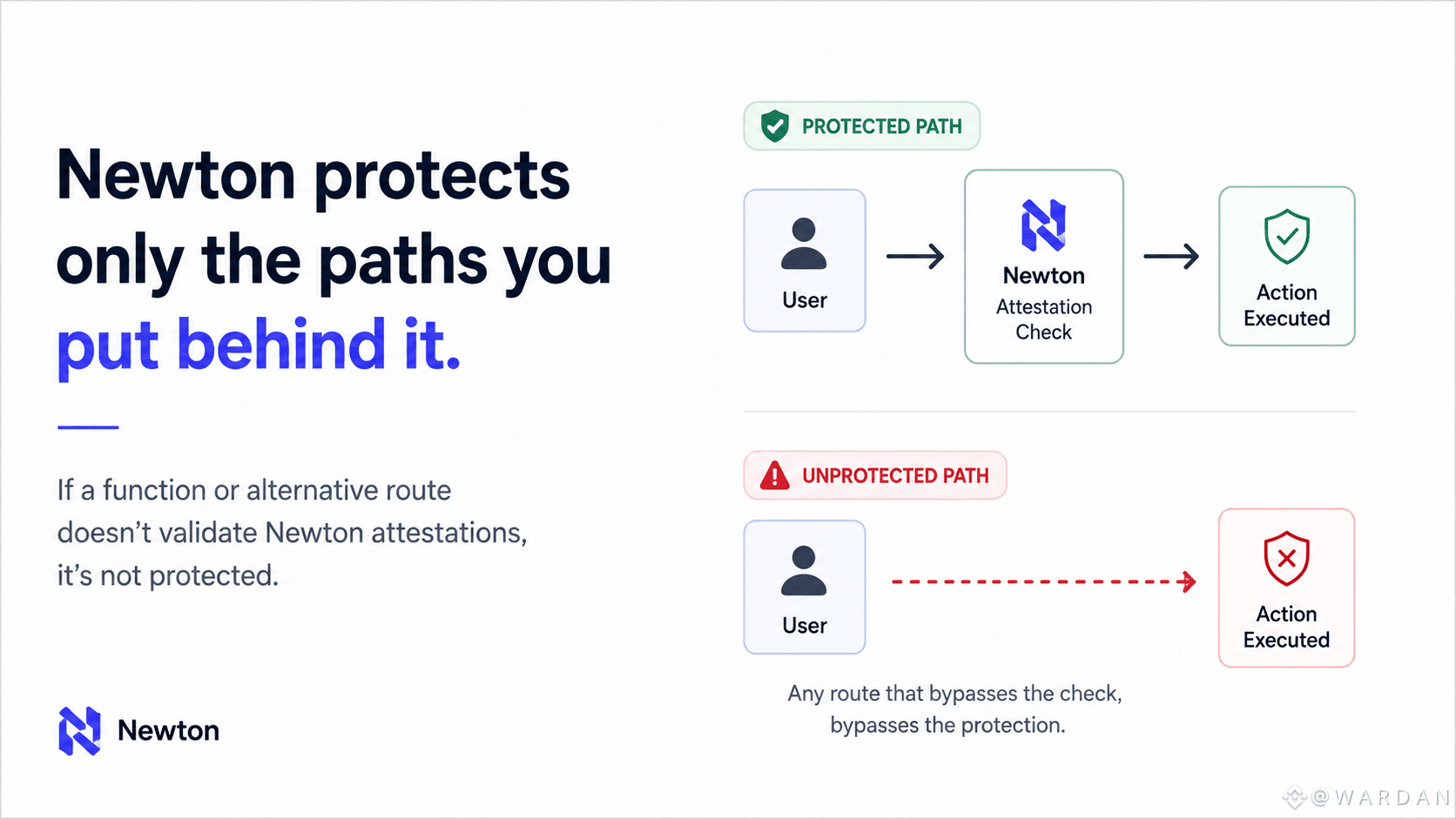
4
4
210
·
--
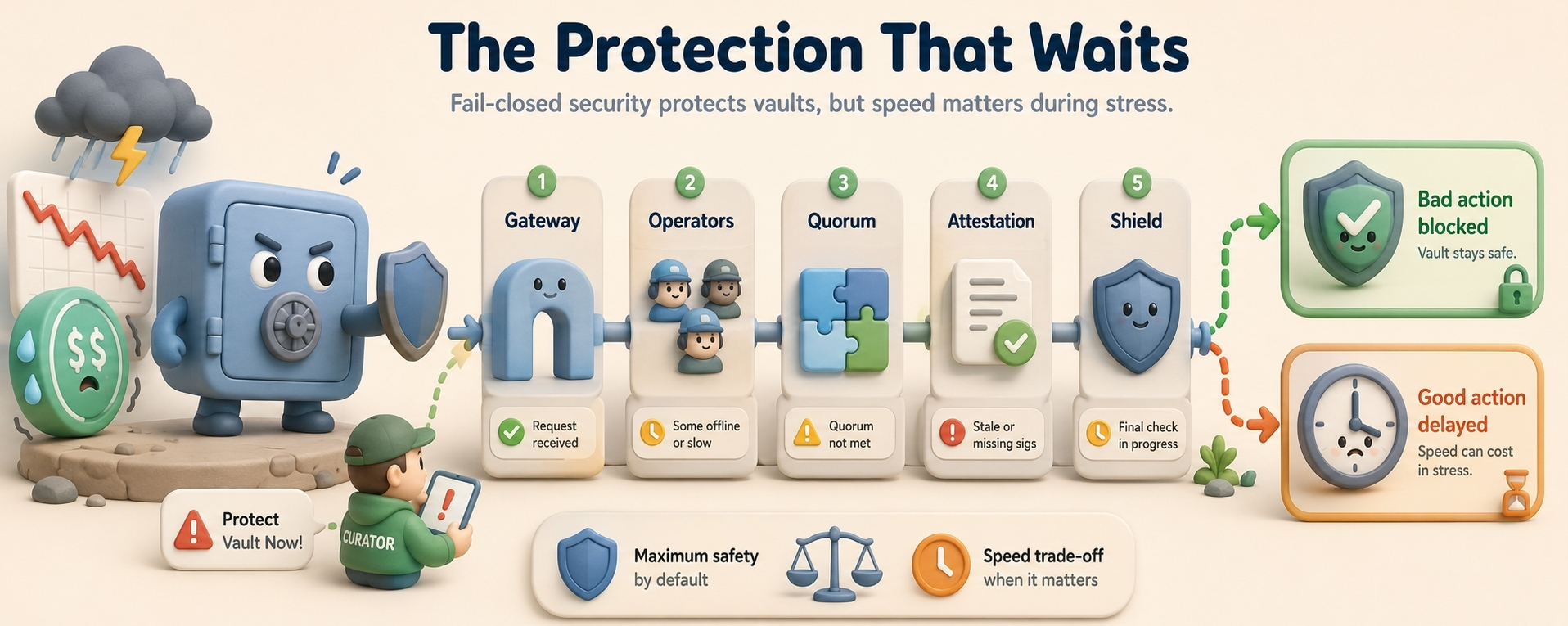
Məqalə
Gözləyən Qoruma: Niyə Nyutonun Əsl Təhlükəsizlik Testi Vaultlar Ən Çox Sürətə Ehtiyac Duyanda Baş verirBu günortadan sonra yan-yana iki brauzer tabı açıq saxlamışdım. Solda Newton Protocol-un marketinq səhifəsi var idi; əvvəlcədən müəyyən edilmiş qaydaları pozan vault menecerlərini dayandıracağını vəd edirdi. Sağda isə nəzərdən keçirməyə çoxdan niyyət etdiyim VaultKit texniki sənədləri idi. Marketinq tətbiq oluna bilən qorunmadan və avtomatlaşdırılmış təhlükəsizlikdən danışırdı. Sənədlər isə tam başqa bir şey deyirdi. “fail-closed” ifadəsinə çatanda sürüşdürməyi dayandırdım. Mən oxuduğuma görə, VaultKit operator kvorumu əlçatan olmadıqda, attestasiyalar vaxtı keçəndə və ya Shield-in doğrulaması uğursuz olanda vault əməyini ötürmür. Sistem təkcə siyasət pozulanda deyil, həm də səlahiyyətləndirmə mexanizmi özü tamamlanmaq mümkün olmadıqda əməliyyatları dayandırır.
Gözləyən Qoruma: Niyə Nyutonun Əsl Təhlükəsizlik Testi Vaultlar Ən Çox Sürətə Ehtiyac Duyanda Baş verir
Bu günortadan sonra yan-yana iki brauzer tabı açıq saxlamışdım. Solda Newton Protocol-un marketinq səhifəsi var idi; əvvəlcədən müəyyən edilmiş qaydaları pozan vault menecerlərini dayandıracağını vəd edirdi. Sağda isə nəzərdən keçirməyə çoxdan niyyət etdiyim VaultKit texniki sənədləri idi. Marketinq tətbiq oluna bilən qorunmadan və avtomatlaşdırılmış təhlükəsizlikdən danışırdı. Sənədlər isə tam başqa bir şey deyirdi. “fail-closed” ifadəsinə çatanda sürüşdürməyi dayandırdım. Mən oxuduğuma görə, VaultKit operator kvorumu əlçatan olmadıqda, attestasiyalar vaxtı keçəndə və ya Shield-in doğrulaması uğursuz olanda vault əməyini ötürmür. Sistem təkcə siyasət pozulanda deyil, həm də səlahiyyətləndirmə mexanizmi özü tamamlanmaq mümkün olmadıqda əməliyyatları dayandırır.
4
3
210
Daha çox kontent araşdırmaq üçün daxil olun
Binance Square-də qlobal kriptovalyuta istifadəçilərinə qoşulun
⚡️ Kriptovalyuta haqqında ən son və faydalı məlumatları əldə edin.
💬 Dünyanın ən böyük kriptovalyuta birjası tərəfindən etibar edilir.
👍 Doğrulanmış yaradıcılardan gələn real məlumatları kəşf edin.
E-poçt/Telefon nömrəsi
Trenddə olan mövzular
BinancePick
3.4M baxış
Müzakirə edir: 165,648
#GəlirlərMövsümünə qoşulun: Binance Pick-də gəlirləri proqnozlaşdırın, fikirlərinizi Binance Square-də bölüşün!
Binance Square Official
·420 bəyənmə
·345.7k baxış
EarningsSeason
5.5M baxış
Müzakirə edir: 26,993
StrategySkipsBitcoinPurchasesSpends$205MOnSTRCBuybacks
1,040 baxış
Müzakirə edir: 34