

ChainSector
49 Paylaşımlar

ChainSector
Şikayət et
İstifadəçini blokla
BP-C65692134790
21 İzlənilir
25 İzləyicilər
64 Bəyəndi
Postlar
Hamısı
Sitatlar
·
--
Tərcüməyə bax
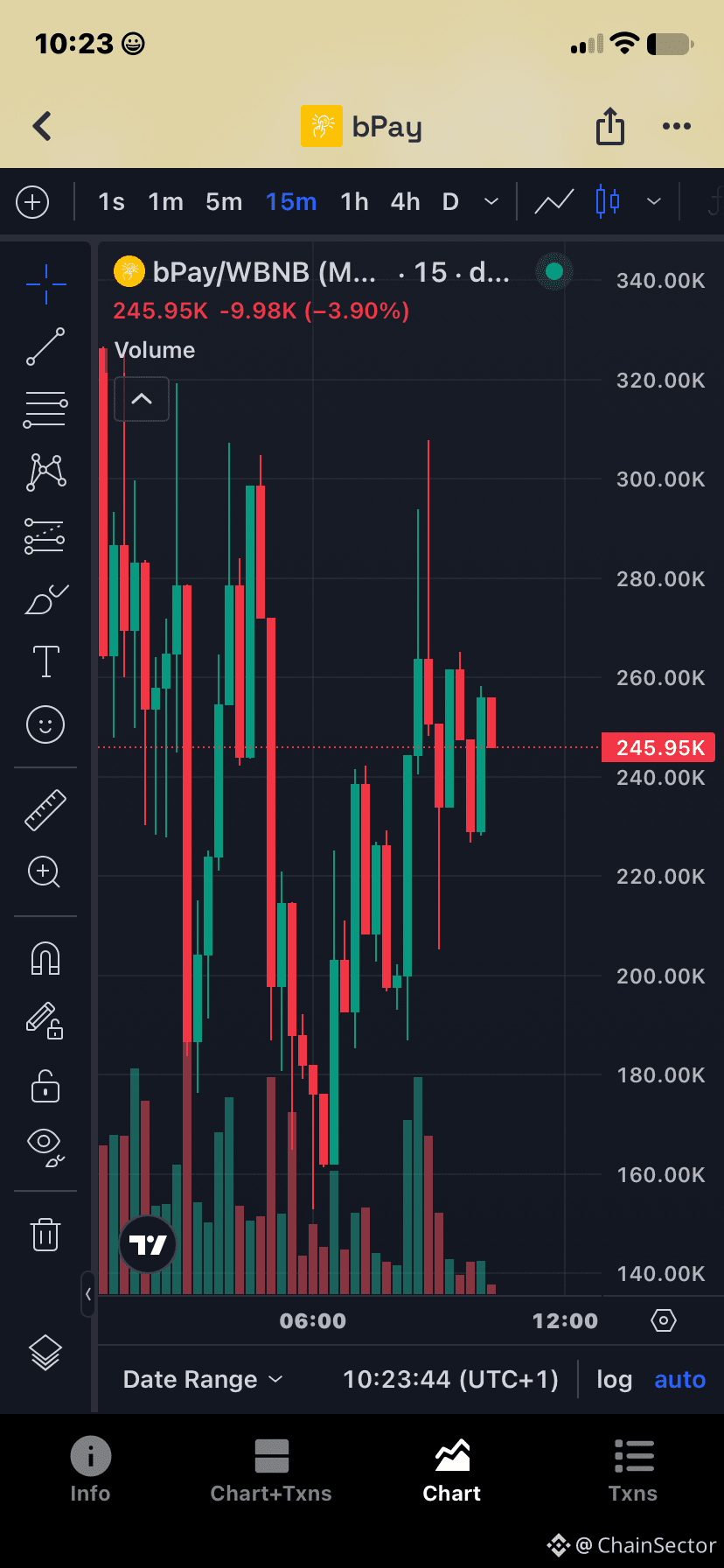
I’ve been taking a closer look at bPay on BNB Chain.
What caught my attention is the project itself, so I’m exploring the details and checking everything before interacting. If you’re researching bPay too, make sure to verify the contract address and do your own research.
CA: 0xb13003bf44de426dd2a3aae3df9c3400de0a7777
Code: BP-C65692134790
#bPay
I’ve been taking a closer look at bPay on BNB Chain.
What caught my attention is the project itself, so I’m exploring the details and checking everything before interacting. If you’re researching bPay too, make sure to verify the contract address and do your own research.
CA: 0xb13003bf44de426dd2a3aae3df9c3400de0a7777
Code: BP-C65692134790
#bPay
What caught my attention is the project itself, so I’m exploring the details and checking everything before interacting. If you’re researching bPay too, make sure to verify the contract address and do your own research.
CA: 0xb13003bf44de426dd2a3aae3df9c3400de0a7777
Code: BP-C65692134790
#bPay
59
·
--
Tərcüməyə bax
A New Way for EVM Products to Reach TON Users
The latest STON.fi integration example isn't just another cross-chain swap demo.
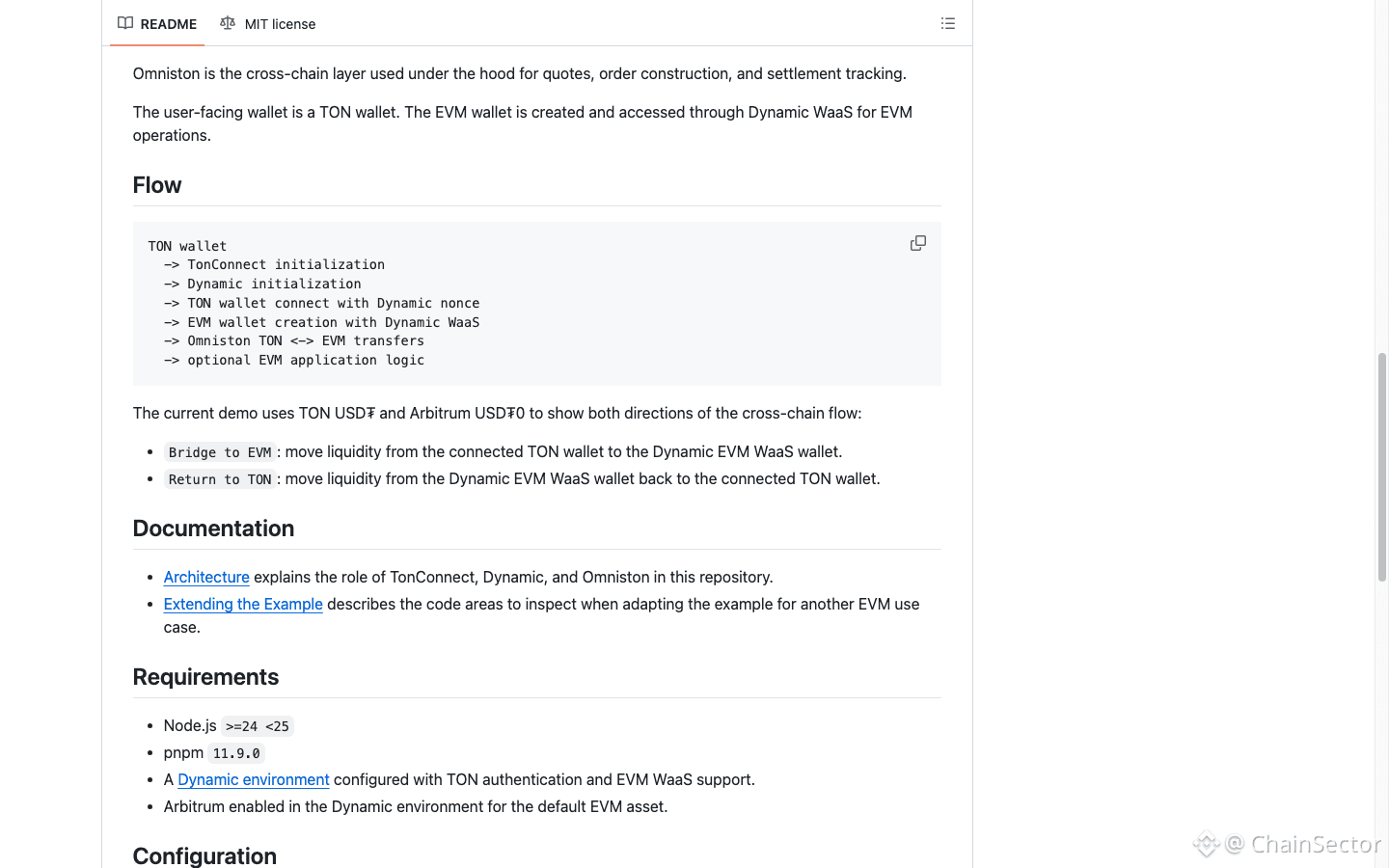
It's a Telegram Mini App architecture showing how an EVM-native product can become accessible to TON users.
The example combines:
TonConnect → TON wallet
Dynamic → embedded EVM wallet
Omniston → cross-chain execution
The example route is:
TON USDT ↔ Arbitrum USDT0
Why does that matter?
Because an EVM-native product doesn't necessarily need to rebuild itself as a TON-native application just to serve TON users.
The cross-chain layer can sit between the two ecosystems.
And putting the experience inside a Telegram Mini App makes the whole flow even more interesting.
For builders, I think the open-source part is the biggest takeaway.
Instead of just reading about the architecture, developers can inspect the implementation and use it as a reference for their own TON ↔ EVM Mini App.
That's a much more practical starting point.
[GitHub example](https://github.com/ston-fi/omniston-ton-evm-miniapp-example?utm_source=chatgpt.com)
A New Way for EVM Products to Reach TON Users
The latest STON.fi integration example isn't just another cross-chain swap demo.
It's a Telegram Mini App architecture showing how an EVM-native product can become accessible to TON users.
The example combines:
TonConnect → TON wallet
Dynamic → embedded EVM wallet
Omniston → cross-chain execution
The example route is:
TON USDT ↔ Arbitrum USDT0
Why does that matter?
Because an EVM-native product doesn't necessarily need to rebuild itself as a TON-native application just to serve TON users.
The cross-chain layer can sit between the two ecosystems.
And putting the experience inside a Telegram Mini App makes the whole flow even more interesting.
For builders, I think the open-source part is the biggest takeaway.
Instead of just reading about the architecture, developers can inspect the implementation and use it as a reference for their own TON ↔ EVM Mini App.
That's a much more practical starting point.
GitHub example
The latest STON.fi integration example isn't just another cross-chain swap demo.
It's a Telegram Mini App architecture showing how an EVM-native product can become accessible to TON users.
The example combines:
TonConnect → TON wallet
Dynamic → embedded EVM wallet
Omniston → cross-chain execution
The example route is:
TON USDT ↔ Arbitrum USDT0
Why does that matter?
Because an EVM-native product doesn't necessarily need to rebuild itself as a TON-native application just to serve TON users.
The cross-chain layer can sit between the two ecosystems.
And putting the experience inside a Telegram Mini App makes the whole flow even more interesting.
For builders, I think the open-source part is the biggest takeaway.
Instead of just reading about the architecture, developers can inspect the implementation and use it as a reference for their own TON ↔ EVM Mini App.
That's a much more practical starting point.
GitHub example
68
·
--
Tərcüməyə bax
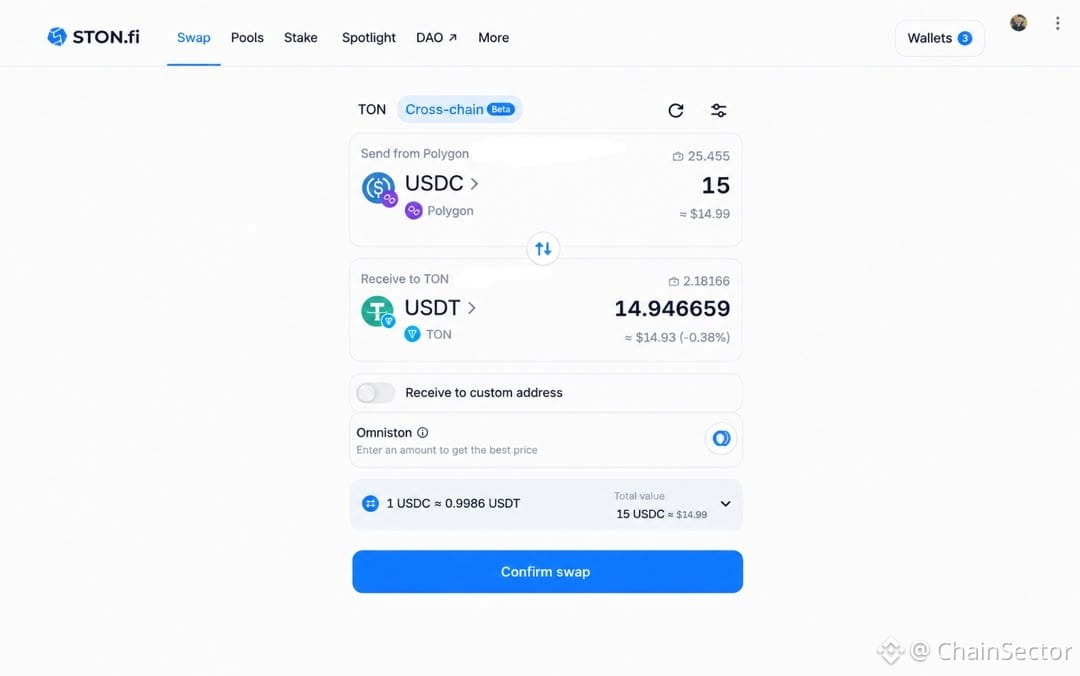
5 Things I Check Before a Polygon Cross-Chain Swap
Cross-chain swaps can make moving assets between networks much simpler.
But I still don't like going straight from selecting a token to pressing confirm.
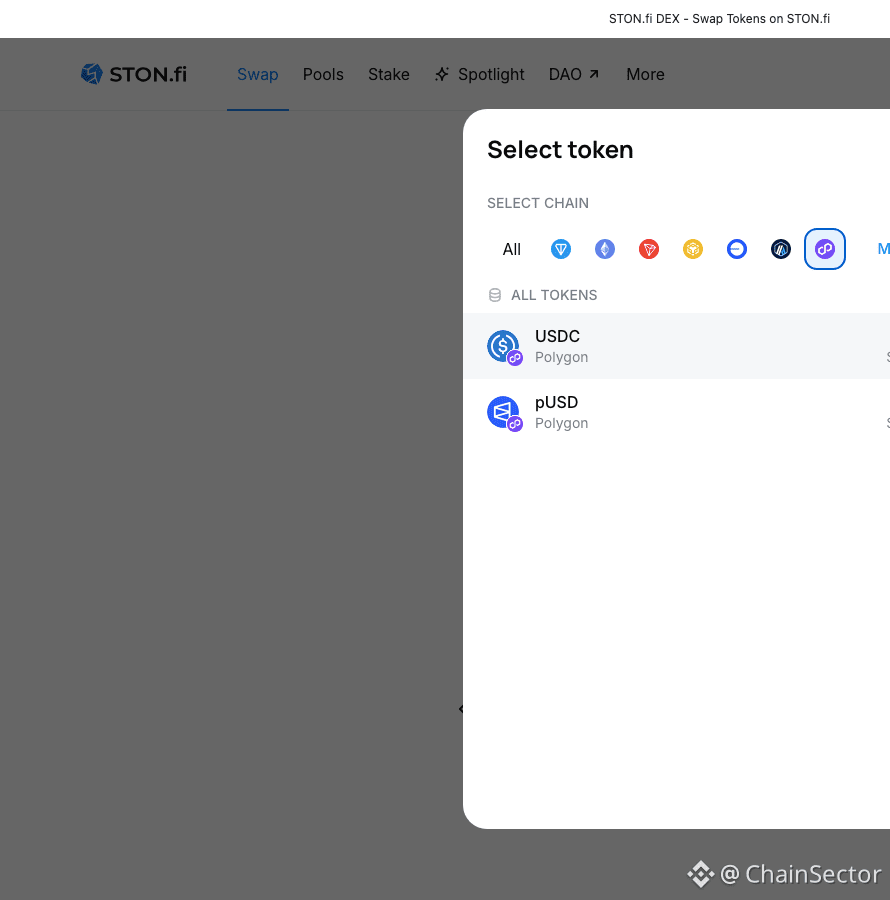
When looking at a USDC on Polygon → USDT on TON route, these are the five things I check.
1. Source network
First, I confirm that the USDC I'm using is actually on Polygon.
I check the token + network, not just the token name.
2. Destination
Next, I confirm where I want the asset to arrive.
USDC on Polygon → USDT on TON
Both networks should be obvious before I continue.
3. Expected output
Then I check the quote.
I want to know what I'm expected to receive and what transaction or fee information is being displayed.
4. Final review
Before confirmation, I go through the transaction one more time.
Source.
Destination.
Expected output.
Fees.
Transaction details.
5. Don't rush
The fact that a cross-chain swap looks simple doesn't mean I should skip the checks.
The interface should make the process easier, but I still want to understand what I'm confirming.
My quick checklist:
Source network ✓
Destination ✓
Expected output ✓
Fees/details ✓
Final review ✓
A few seconds of checking can make a big difference.
If you want to explore the route yourself:
5 Things I Check Before a Polygon Cross-Chain Swap
Cross-chain swaps can make moving assets between networks much simpler.
But I still don't like going straight from selecting a token to pressing confirm.
When looking at a USDC on Polygon → USDT on TON route, these are the five things I check.
1. Source network
First, I confirm that the USDC I'm using is actually on Polygon.
I check the token + network, not just the token name.
2. Destination
Next, I confirm where I want the asset to arrive.
USDC on Polygon → USDT on TON
Both networks should be obvious before I continue.
3. Expected output
Then I check the quote.
I want to know what I'm expected to receive and what transaction or fee information is being displayed.
4. Final review
Before confirmation, I go through the transaction one more time.
Source.
Destination.
Expected output.
Fees.
Transaction details.
5. Don't rush
The fact that a cross-chain swap looks simple doesn't mean I should skip the checks.
The interface should make the process easier, but I still want to understand what I'm confirming.
My quick checklist:
Source network ✓
Destination ✓
Expected output ✓
Fees/details ✓
Final review ✓
A few seconds of checking can make a big difference.
If you want to explore the route yourself:
Cross-chain swaps can make moving assets between networks much simpler.
But I still don't like going straight from selecting a token to pressing confirm.
When looking at a USDC on Polygon → USDT on TON route, these are the five things I check.
1. Source network
First, I confirm that the USDC I'm using is actually on Polygon.
I check the token + network, not just the token name.
2. Destination
Next, I confirm where I want the asset to arrive.
USDC on Polygon → USDT on TON
Both networks should be obvious before I continue.
3. Expected output
Then I check the quote.
I want to know what I'm expected to receive and what transaction or fee information is being displayed.
4. Final review
Before confirmation, I go through the transaction one more time.
Source.
Destination.
Expected output.
Fees.
Transaction details.
5. Don't rush
The fact that a cross-chain swap looks simple doesn't mean I should skip the checks.
The interface should make the process easier, but I still want to understand what I'm confirming.
My quick checklist:
Source network ✓
Destination ✓
Expected output ✓
Fees/details ✓
Final review ✓
A few seconds of checking can make a big difference.
If you want to explore the route yourself:
68
·
--
Artım
STON.fi-da müqavilə ünvanı ilə TON tokenini necə dəyişmək olar
Hər TON tokenini adını sadəcə axtararaq tapmaq asan deyil.
Əgər mən artıq rəsmi müqavilə ünvanını bilsəm, onu birbaşa STON.fi-da istifadə edə bilərəm.
Mən bu prosesi izləyirəm:
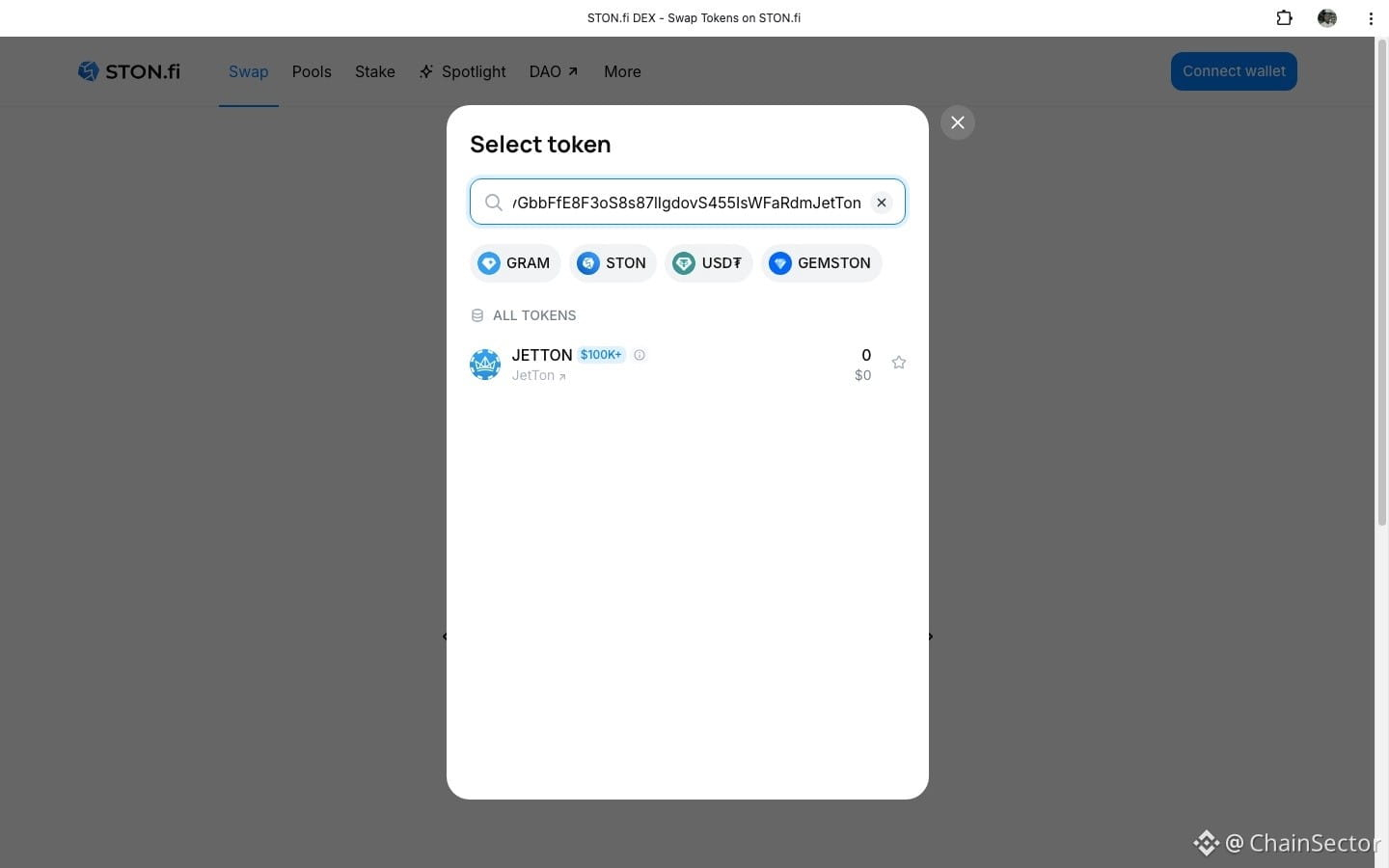
1. Ston_fi-i açın.
2. Token seçicisini açın.
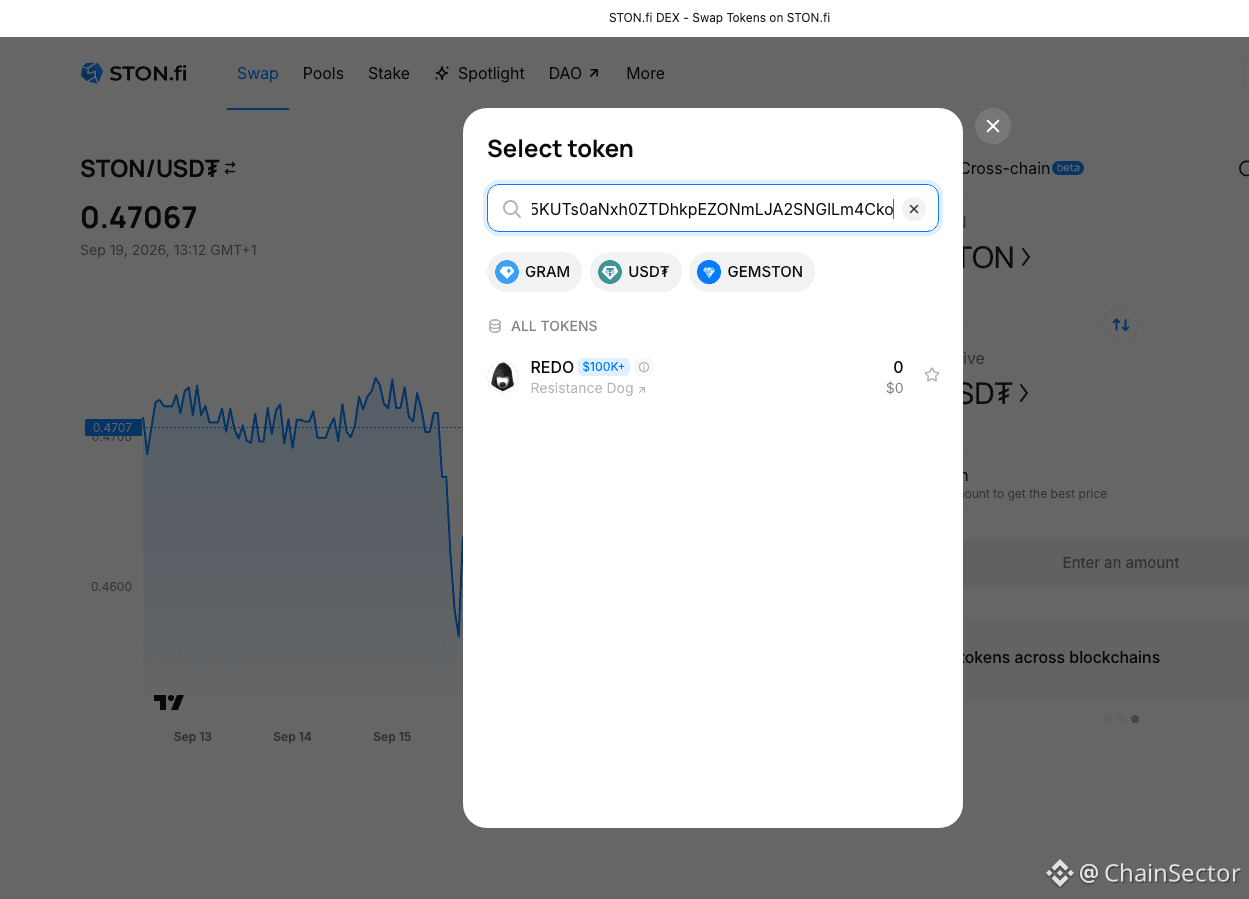
3. Tokenin rəsmi müqavilə ünvanını axtarış sahəsinə yapışdırın.
4. Aşkar edilən adı, simvolu və onluqları yoxlayın.
5. Tokeni import edin.
6. Məbləği daxil edin və təsdiq etməzdən əvvəl swap detalları ilə tanış olun.
STON.fi-nin mövcud sənədləri xüsusilə rəsmi müqavilə ünvanının yoxlanılmasını tövsiyə edir, çünki scam (aldadıcı) tokenlər məşhur token adlarını kopyalaya bilər.
Mən bunu əsla atlamazdım.
Mənə tanış ad və ya loqo yetərli deyil, xüsusən də tanımadığım tokenlə işləyəndə.
Onu ilə əlaqə qurmazdan əvvəl müqavilə → token məlumatları → swap detalları təsdiqlənməlidir.
STON.fi-də həmçinin bəzi riskli tokenlər üçün interfeys bayraqları var: Fake, Honeypot və Taxable kateqoriyaları.
Yəni daha az tanış TON tokenini dəyişmək istəyirsinizsə, müqavilə ünvanı yalnız adla axtarmaqdan daha dəqiq başlanğıc nöqtəsi ola bilər.
@ston_fi
STON.fi-da müqavilə ünvanı ilə TON tokenini necə dəyişmək olar
Hər TON tokenini adını sadəcə axtararaq tapmaq asan deyil.
Əgər mən artıq rəsmi müqavilə ünvanını bilsəm, onu birbaşa STON.fi-da istifadə edə bilərəm.
Mən bu prosesi izləyirəm:
1. Ston_fi-i açın.
2. Token seçicisini açın.
3. Tokenin rəsmi müqavilə ünvanını axtarış sahəsinə yapışdırın.
4. Aşkar edilən adı, simvolu və onluqları yoxlayın.
5. Tokeni import edin.
6. Məbləği daxil edin və təsdiq etməzdən əvvəl swap detalları ilə tanış olun.
STON.fi-nin mövcud sənədləri xüsusilə rəsmi müqavilə ünvanının yoxlanılmasını tövsiyə edir, çünki scam (aldadıcı) tokenlər məşhur token adlarını kopyalaya bilər.
Mən bunu əsla atlamazdım.
Mənə tanış ad və ya loqo yetərli deyil, xüsusən də tanımadığım tokenlə işləyəndə.
Onu ilə əlaqə qurmazdan əvvəl müqavilə → token məlumatları → swap detalları təsdiqlənməlidir.
STON.fi-də həmçinin bəzi riskli tokenlər üçün interfeys bayraqları var: Fake, Honeypot və Taxable kateqoriyaları.
Yəni daha az tanış TON tokenini dəyişmək istəyirsinizsə, müqavilə ünvanı yalnız adla axtarmaqdan daha dəqiq başlanğıc nöqtəsi ola bilər.
@ston_fi
Hər TON tokenini adını sadəcə axtararaq tapmaq asan deyil.
Əgər mən artıq rəsmi müqavilə ünvanını bilsəm, onu birbaşa STON.fi-da istifadə edə bilərəm.
Mən bu prosesi izləyirəm:
1. Ston_fi-i açın.
2. Token seçicisini açın.
3. Tokenin rəsmi müqavilə ünvanını axtarış sahəsinə yapışdırın.
4. Aşkar edilən adı, simvolu və onluqları yoxlayın.
5. Tokeni import edin.
6. Məbləği daxil edin və təsdiq etməzdən əvvəl swap detalları ilə tanış olun.
STON.fi-nin mövcud sənədləri xüsusilə rəsmi müqavilə ünvanının yoxlanılmasını tövsiyə edir, çünki scam (aldadıcı) tokenlər məşhur token adlarını kopyalaya bilər.
Mən bunu əsla atlamazdım.
Mənə tanış ad və ya loqo yetərli deyil, xüsusən də tanımadığım tokenlə işləyəndə.
Onu ilə əlaqə qurmazdan əvvəl müqavilə → token məlumatları → swap detalları təsdiqlənməlidir.
STON.fi-də həmçinin bəzi riskli tokenlər üçün interfeys bayraqları var: Fake, Honeypot və Taxable kateqoriyaları.
Yəni daha az tanış TON tokenini dəyişmək istəyirsinizsə, müqavilə ünvanı yalnız adla axtarmaqdan daha dəqiq başlanğıc nöqtəsi ola bilər.
@ston_fi
138
·
--
Tərcüməyə bax
How to Swap USDT on TON to USDT on Ethereum
If you have USDT on TON and need USDT on Ethereum, you can use STON.fi's cross-chain swap flow.
The process is:
USDT (TON) → USDT (Ethereum)
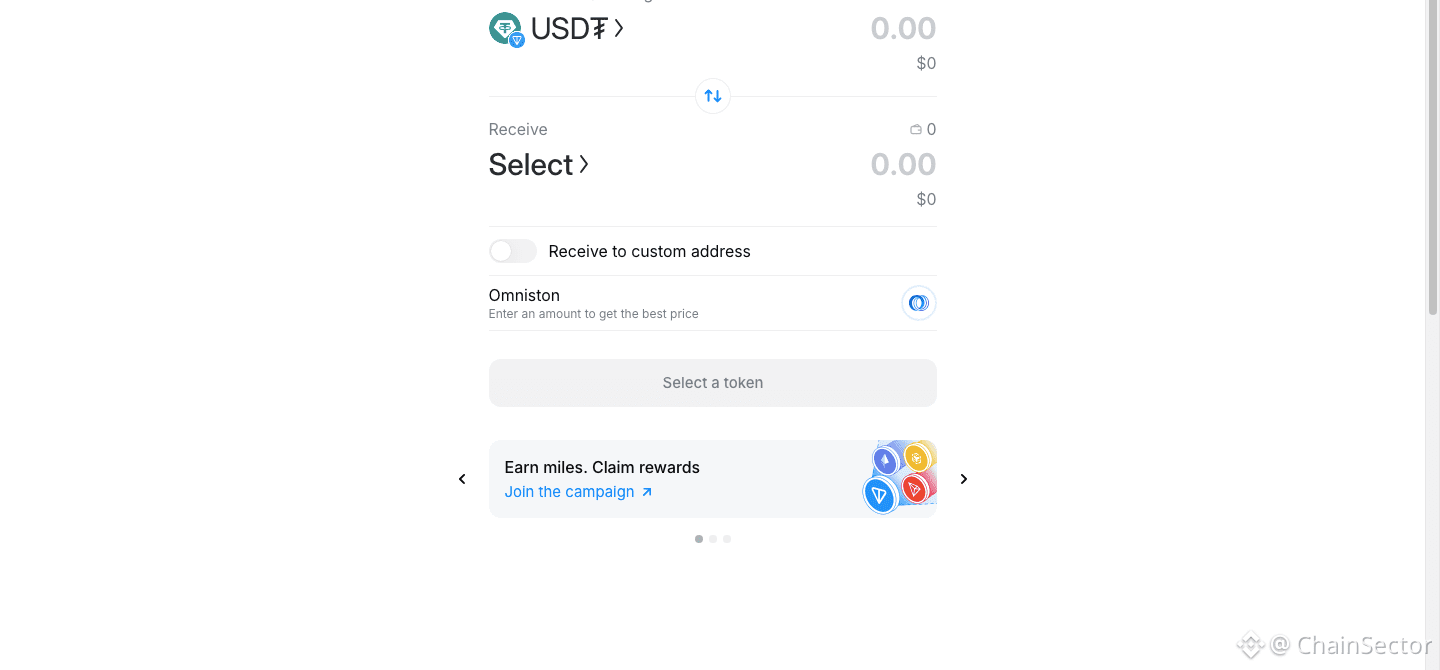
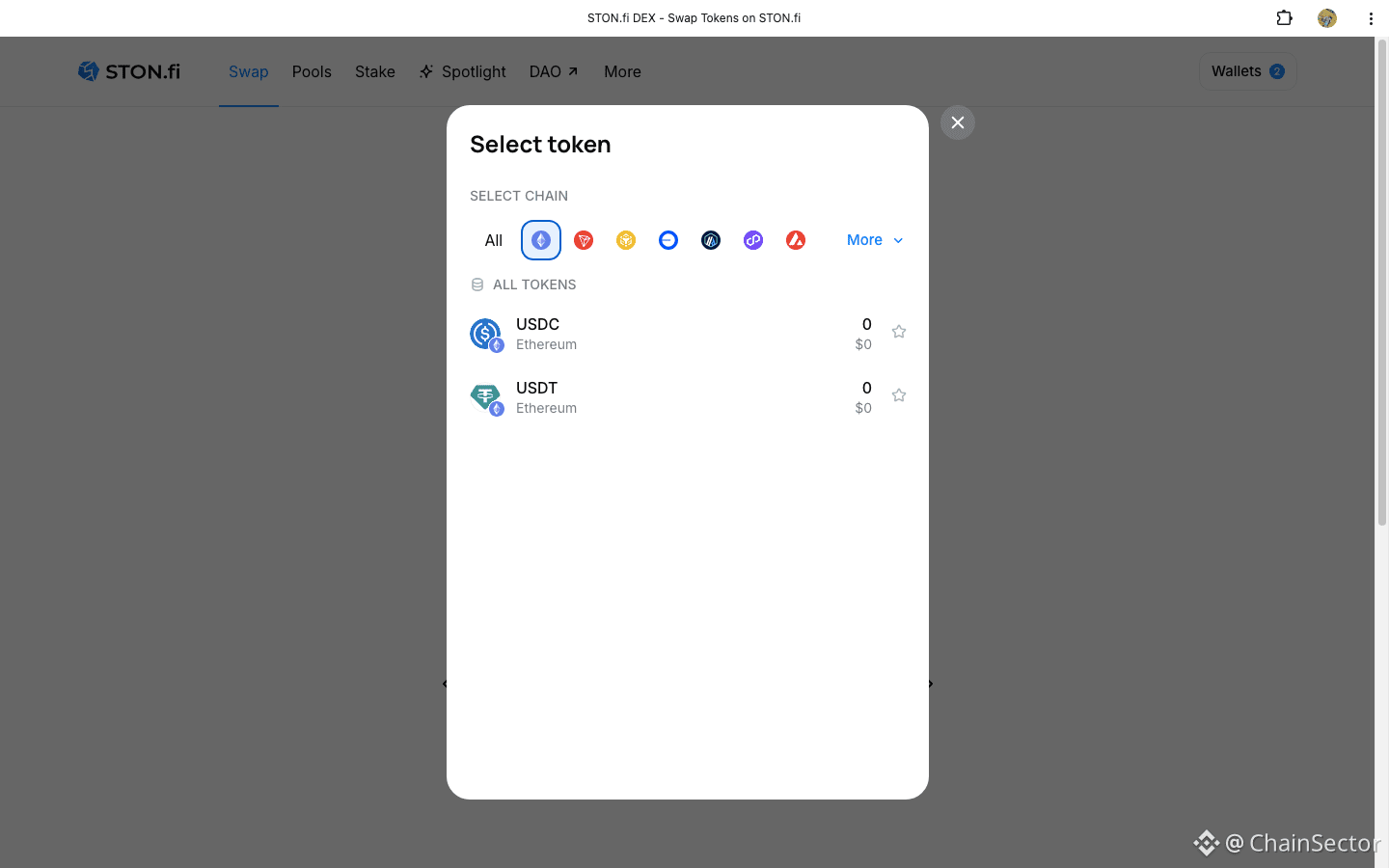
Open the STON.fi cross-chain interface and select USDT on TON as the asset you're sending.
Then select Ethereum as the destination network and USDT as the receiving asset.
Before confirming, check the actual receive amount, fees, route and other swap details.
STON.fi's current cross-chain interface supports Ethereum alongside TON and several other networks, with Omniston handling the cross-chain execution layer.
The important thing is not to treat the two USDTs as if they're on the same network.
USDT on TON ≠ USDT on Ethereum.
The network selection on the receiving side is therefore something I would always verify before confirming.
How to Swap USDT on TON to USDT on Ethereum
If you have USDT on TON and need USDT on Ethereum, you can use STON.fi's cross-chain swap flow.
The process is:
USDT (TON) → USDT (Ethereum)
Open the STON.fi cross-chain interface and select USDT on TON as the asset you're sending.
Then select Ethereum as the destination network and USDT as the receiving asset.
Before confirming, check the actual receive amount, fees, route and other swap details.
STON.fi's current cross-chain interface supports Ethereum alongside TON and several other networks, with Omniston handling the cross-chain execution layer.
The important thing is not to treat the two USDTs as if they're on the same network.
USDT on TON ≠ USDT on Ethereum.
The network selection on the receiving side is therefore something I would always verify before confirming.
If you have USDT on TON and need USDT on Ethereum, you can use STON.fi's cross-chain swap flow.
The process is:
USDT (TON) → USDT (Ethereum)
Open the STON.fi cross-chain interface and select USDT on TON as the asset you're sending.
Then select Ethereum as the destination network and USDT as the receiving asset.
Before confirming, check the actual receive amount, fees, route and other swap details.
STON.fi's current cross-chain interface supports Ethereum alongside TON and several other networks, with Omniston handling the cross-chain execution layer.
The important thing is not to treat the two USDTs as if they're on the same network.
USDT on TON ≠ USDT on Ethereum.
The network selection on the receiving side is therefore something I would always verify before confirming.

86
·
--
Tərcüməyə bax
I stopped looking at the amount alone before swapping
When I use a DEX now, I don't immediately press Confirm after seeing the expected amount
.
I check a few other things first.
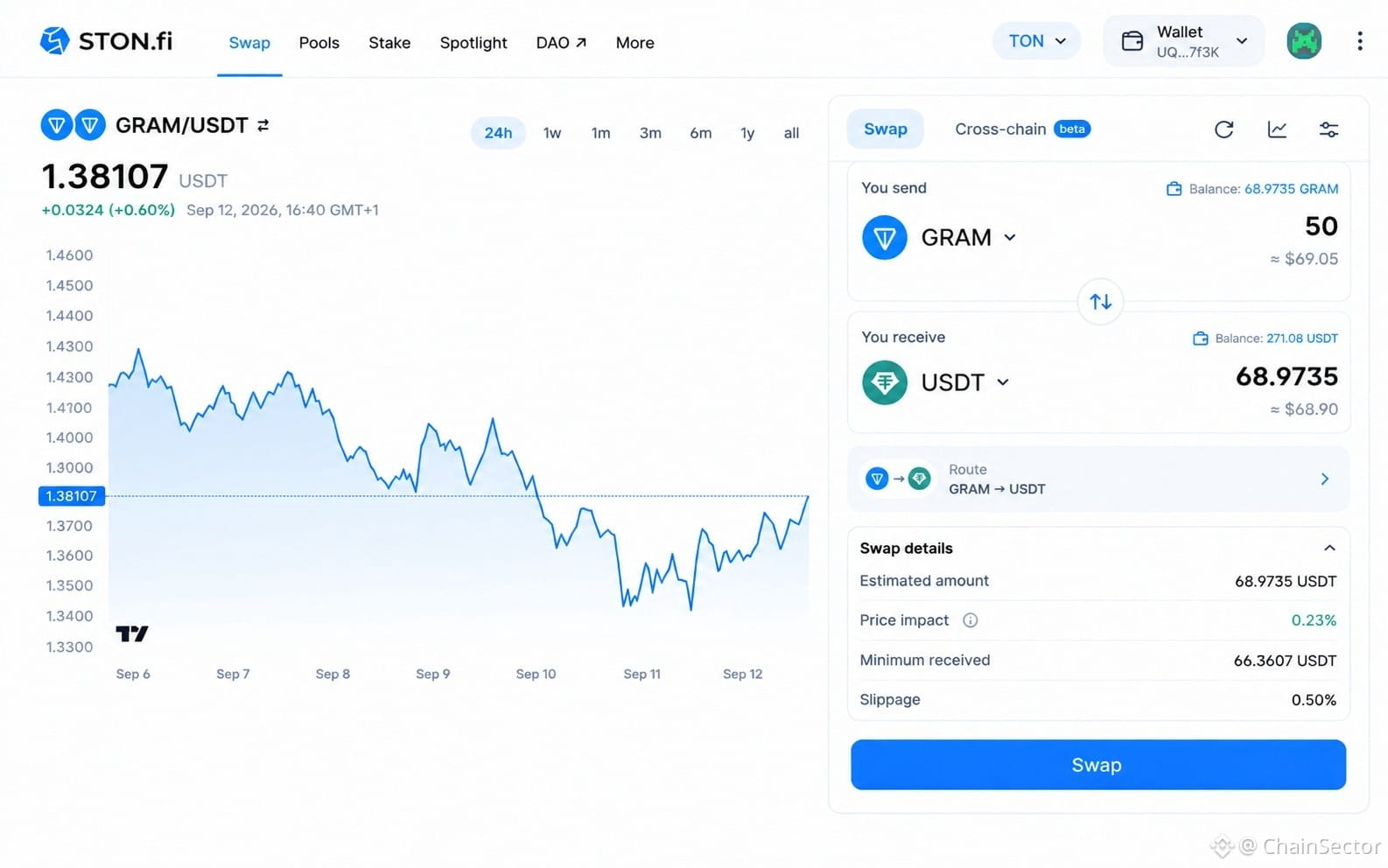
On STON.fi, my quick routine is:
1. Estimated Amount
What am I expected to receive?
2. Price Impact
How much could my own trade affect the execution price?
3. Minimum Received
What's the minimum amount shown before I confirm?
4. Slippage
What execution movement am I allowing?
I don't think these numbers should be treated individually.
Looking at them together gives me a much better picture of the swap I'm about to execute.
That's now my habit:
Don't just look at what you're getting. Look at the conditions under which you're getting it.
I stopped looking at the amount alone before swapping
When I use a DEX now, I don't immediately press Confirm after seeing the expected amount
.
I check a few other things first.
On STON.fi, my quick routine is:
1. Estimated Amount
What am I expected to receive?
2. Price Impact
How much could my own trade affect the execution price?
3. Minimum Received
What's the minimum amount shown before I confirm?
4. Slippage
What execution movement am I allowing?
I don't think these numbers should be treated individually.
Looking at them together gives me a much better picture of the swap I'm about to execute.
That's now my habit:
Don't just look at what you're getting. Look at the conditions under which you're getting it.
When I use a DEX now, I don't immediately press Confirm after seeing the expected amount
.
I check a few other things first.
On STON.fi, my quick routine is:
1. Estimated Amount
What am I expected to receive?
2. Price Impact
How much could my own trade affect the execution price?
3. Minimum Received
What's the minimum amount shown before I confirm?
4. Slippage
What execution movement am I allowing?
I don't think these numbers should be treated individually.
Looking at them together gives me a much better picture of the swap I'm about to execute.
That's now my habit:
Don't just look at what you're getting. Look at the conditions under which you're getting it.
217
·
--
Tərcüməyə bax
I Tried Looking at Cross-Chain Swaps From the User Side
When a new chain gets added to a cross-chain system, it's easy to focus on the announcement and forget about the actual user experience.
So I looked at it differently.
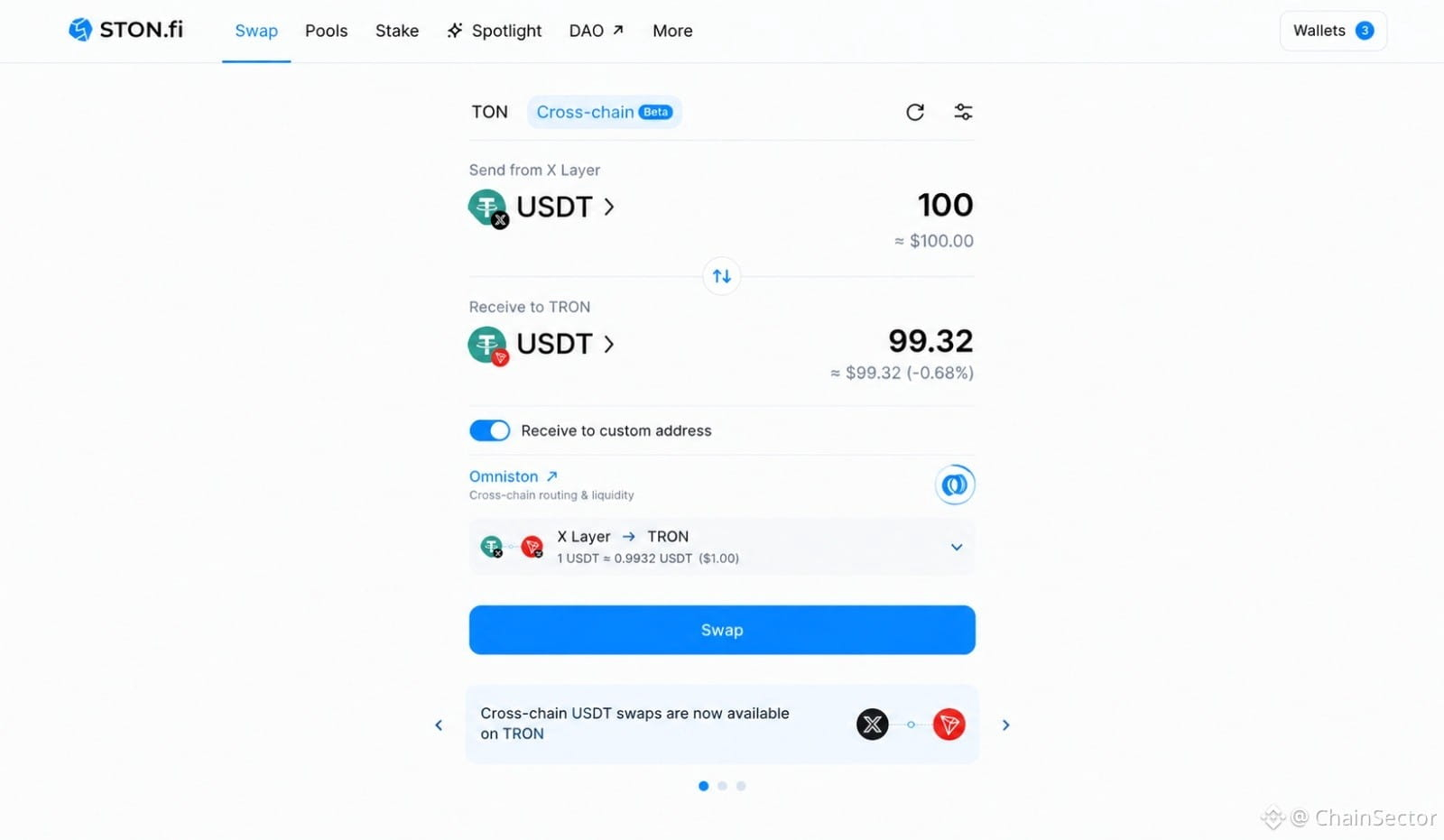
I wanted to see what it feels like to move USDT from X Layer to TRON through STON.fi.
The interesting part is that Omniston is working underneath the interface.
Instead of manually figuring out how to connect the two networks, the user gets a single swap flow where the route and expected output can be reviewed before confirming.
That's the part I think matters as more networks get connected.
More chains shouldn't necessarily mean more complexity for users.
Ideally, it should mean more destinations from the same simple interface.
That's the direction STON.fi appears to be pushing with Omniston.
Try the cross-chain swap:
STON.fi Cross-Chain Swap
I Tried Looking at Cross-Chain Swaps From the User Side
When a new chain gets added to a cross-chain system, it's easy to focus on the announcement and forget about the actual user experience.
So I looked at it differently.
I wanted to see what it feels like to move USDT from X Layer to TRON through STON.fi.
The interesting part is that Omniston is working underneath the interface.
Instead of manually figuring out how to connect the two networks, the user gets a single swap flow where the route and expected output can be reviewed before confirming.
That's the part I think matters as more networks get connected.
More chains shouldn't necessarily mean more complexity for users.
Ideally, it should mean more destinations from the same simple interface.
That's the direction STON.fi appears to be pushing with Omniston.
Try the cross-chain swap:
STON.fi Cross-Chain Swap
When a new chain gets added to a cross-chain system, it's easy to focus on the announcement and forget about the actual user experience.
So I looked at it differently.
I wanted to see what it feels like to move USDT from X Layer to TRON through STON.fi.
The interesting part is that Omniston is working underneath the interface.
Instead of manually figuring out how to connect the two networks, the user gets a single swap flow where the route and expected output can be reviewed before confirming.
That's the part I think matters as more networks get connected.
More chains shouldn't necessarily mean more complexity for users.
Ideally, it should mean more destinations from the same simple interface.
That's the direction STON.fi appears to be pushing with Omniston.
Try the cross-chain swap:
STON.fi Cross-Chain Swap
69
·
--
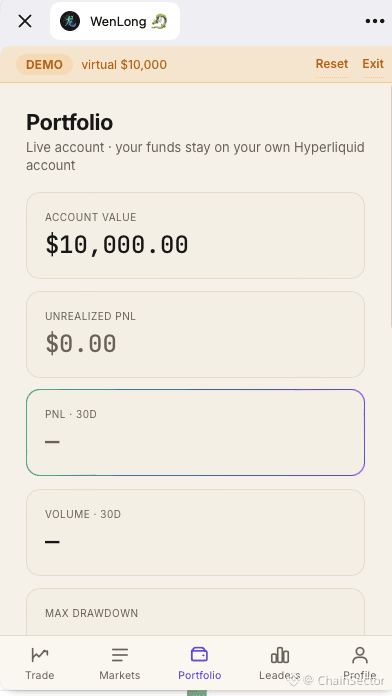
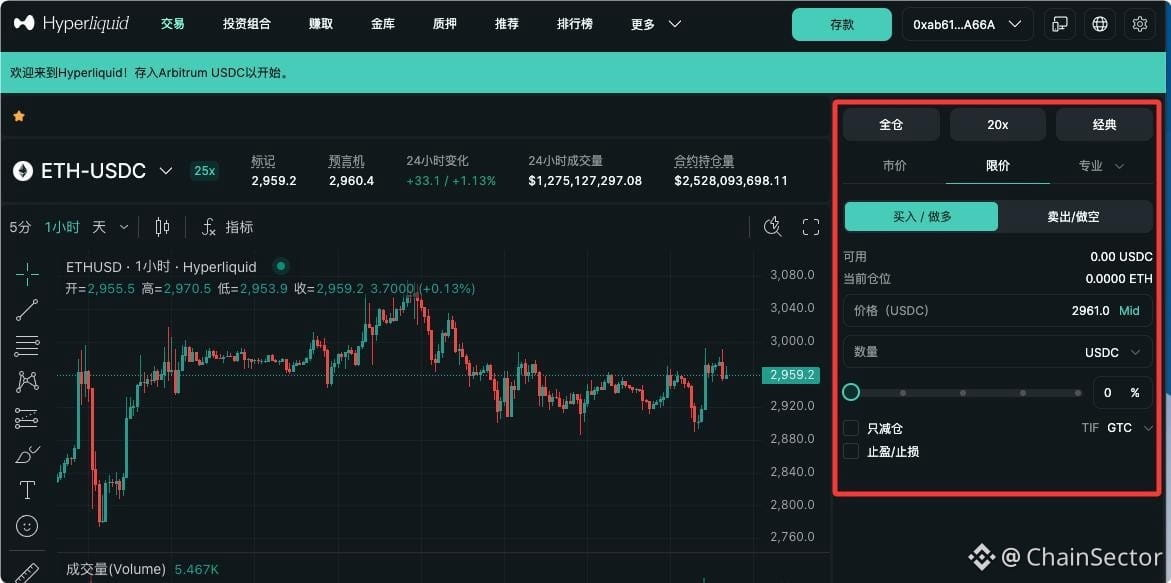
Telegram daxilində WenLong-a baxdım, məhz UX məni özünə çəkdi
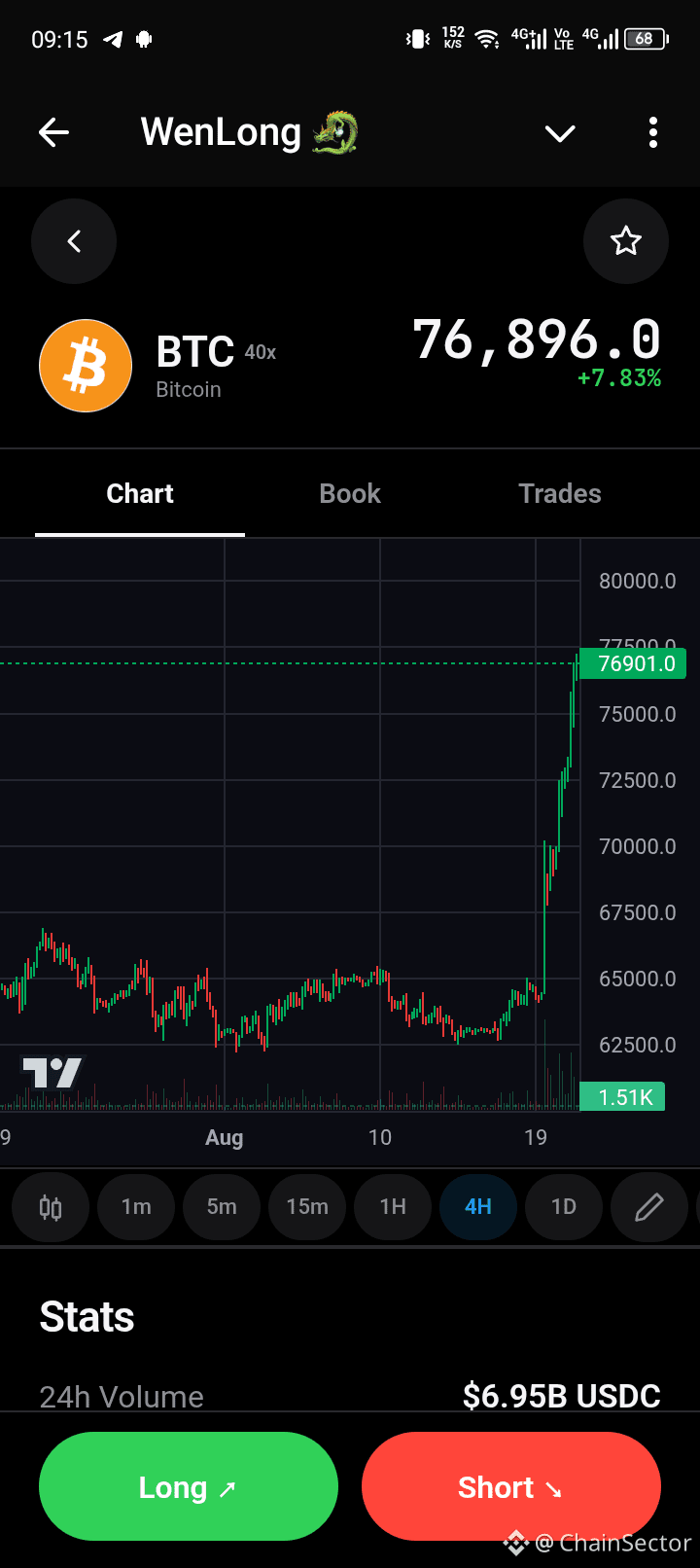
Mən WenLong ilə qarşılaşdım və elanı sadəcə yenidən paylaşmaq əvəzinə, interfeysi araşdırmaq qərarına gəldim.
İlk gördüyünüz şey, əgər siz əvvəllər dönərli (perpetual) ticarət platformasından istifadə etmisinizsə, çox tanışdır:
📊 Qrafik
💰 Bazar qiyməti
📈 Mövqe haqqında məlumat
⚡ Leverage
🟢 Long / 🔴 Short
Amma məni daha çox maraqlandıran o sadə ekrandan arxada dayanan infrastruktur idi.
WenLong Hyperliquid perpetual ticarəti Telegram-a gətirir, və vəsait axını TON ekosistemindən başlaya bilər. WenLong-un öz saytı təcrübəni belə təsvir edir: TON-dan maliyyələşən Telegram-native Hyperliquid terminalı.
Elə burada cross-chain infrastrukturu vacib olur.
İstifadəçi mütləq düşünmək istəmir:
TON → bridge → hədəf şəbəkə → swap → depozit → Hyperliquid
O sadəcə başlanğıc aktivindən tətbiqə keçmək istəyir.
Omniston burda maraqlıdır, çünki o, tətbiqlərin inteqrasiya edə biləcəyi likvidlik toplama və yönləndirmə (routing) infrastrukturu təmin edir—tam likvidlik-yönləndirmə qatını özləri qurmağa ehtiyac qalmır.
Bu, məni DeFi UX-in hara doğru getdiyi barədə düşünməyə vadar etdi.
İnfrastruktur daha da mürəkkəbləşə bilər, amma interfeys sadələşə bilər.
Və dürüst desəm, məncə bu yaxşı şeydir.
Orta istifadəçi əməliyyat zamanı iştirak edən hər şəbəkəni başa düşməyə məcbur olmamalıdır ki, sadəcə tətbiqdən istifadə etsin.
Mürəkkəblik altında qala bilər.
Təcrübə sadə qala bilər.
WenLong-u araşdırarkən diqqətimi çəkən də məhz bu oldu.
Leverage deyil.
Abstraksiya.
@ston_fi
DYOR. Leverage ilə ticarət böyük risk daşıyır.
Telegram daxilində WenLong-a baxdım, məhz UX məni özünə çəkdi
Mən WenLong ilə qarşılaşdım və elanı sadəcə yenidən paylaşmaq əvəzinə, interfeysi araşdırmaq qərarına gəldim.
İlk gördüyünüz şey, əgər siz əvvəllər dönərli (perpetual) ticarət platformasından istifadə etmisinizsə, çox tanışdır:
📊 Qrafik
💰 Bazar qiyməti
📈 Mövqe haqqında məlumat
⚡ Leverage
🟢 Long / 🔴 Short
Amma məni daha çox maraqlandıran o sadə ekrandan arxada dayanan infrastruktur idi.
WenLong Hyperliquid perpetual ticarəti Telegram-a gətirir, və vəsait axını TON ekosistemindən başlaya bilər. WenLong-un öz saytı təcrübəni belə təsvir edir: TON-dan maliyyələşən Telegram-native Hyperliquid terminalı.
Elə burada cross-chain infrastrukturu vacib olur.
İstifadəçi mütləq düşünmək istəmir:
TON → bridge → hədəf şəbəkə → swap → depozit → Hyperliquid
O sadəcə başlanğıc aktivindən tətbiqə keçmək istəyir.
Omniston burda maraqlıdır, çünki o, tətbiqlərin inteqrasiya edə biləcəyi likvidlik toplama və yönləndirmə (routing) infrastrukturu təmin edir—tam likvidlik-yönləndirmə qatını özləri qurmağa ehtiyac qalmır.
Bu, məni DeFi UX-in hara doğru getdiyi barədə düşünməyə vadar etdi.
İnfrastruktur daha da mürəkkəbləşə bilər, amma interfeys sadələşə bilər.
Və dürüst desəm, məncə bu yaxşı şeydir.
Orta istifadəçi əməliyyat zamanı iştirak edən hər şəbəkəni başa düşməyə məcbur olmamalıdır ki, sadəcə tətbiqdən istifadə etsin.
Mürəkkəblik altında qala bilər.
Təcrübə sadə qala bilər.
WenLong-u araşdırarkən diqqətimi çəkən də məhz bu oldu.
Leverage deyil.
Abstraksiya.
@ston_fi
DYOR. Leverage ilə ticarət böyük risk daşıyır.
Mən WenLong ilə qarşılaşdım və elanı sadəcə yenidən paylaşmaq əvəzinə, interfeysi araşdırmaq qərarına gəldim.
İlk gördüyünüz şey, əgər siz əvvəllər dönərli (perpetual) ticarət platformasından istifadə etmisinizsə, çox tanışdır:
📊 Qrafik
💰 Bazar qiyməti
📈 Mövqe haqqında məlumat
⚡ Leverage
🟢 Long / 🔴 Short
Amma məni daha çox maraqlandıran o sadə ekrandan arxada dayanan infrastruktur idi.
WenLong Hyperliquid perpetual ticarəti Telegram-a gətirir, və vəsait axını TON ekosistemindən başlaya bilər. WenLong-un öz saytı təcrübəni belə təsvir edir: TON-dan maliyyələşən Telegram-native Hyperliquid terminalı.
Elə burada cross-chain infrastrukturu vacib olur.
İstifadəçi mütləq düşünmək istəmir:
TON → bridge → hədəf şəbəkə → swap → depozit → Hyperliquid
O sadəcə başlanğıc aktivindən tətbiqə keçmək istəyir.
Omniston burda maraqlıdır, çünki o, tətbiqlərin inteqrasiya edə biləcəyi likvidlik toplama və yönləndirmə (routing) infrastrukturu təmin edir—tam likvidlik-yönləndirmə qatını özləri qurmağa ehtiyac qalmır.
Bu, məni DeFi UX-in hara doğru getdiyi barədə düşünməyə vadar etdi.
İnfrastruktur daha da mürəkkəbləşə bilər, amma interfeys sadələşə bilər.
Və dürüst desəm, məncə bu yaxşı şeydir.
Orta istifadəçi əməliyyat zamanı iştirak edən hər şəbəkəni başa düşməyə məcbur olmamalıdır ki, sadəcə tətbiqdən istifadə etsin.
Mürəkkəblik altında qala bilər.
Təcrübə sadə qala bilər.
WenLong-u araşdırarkən diqqətimi çəkən də məhz bu oldu.
Leverage deyil.
Abstraksiya.
@ston_fi
DYOR. Leverage ilə ticarət böyük risk daşıyır.
1
108
·
--
STON.fi DeFi simulyatorunu real vəsaitdən istifadə etməzdən əvvəl sınadım
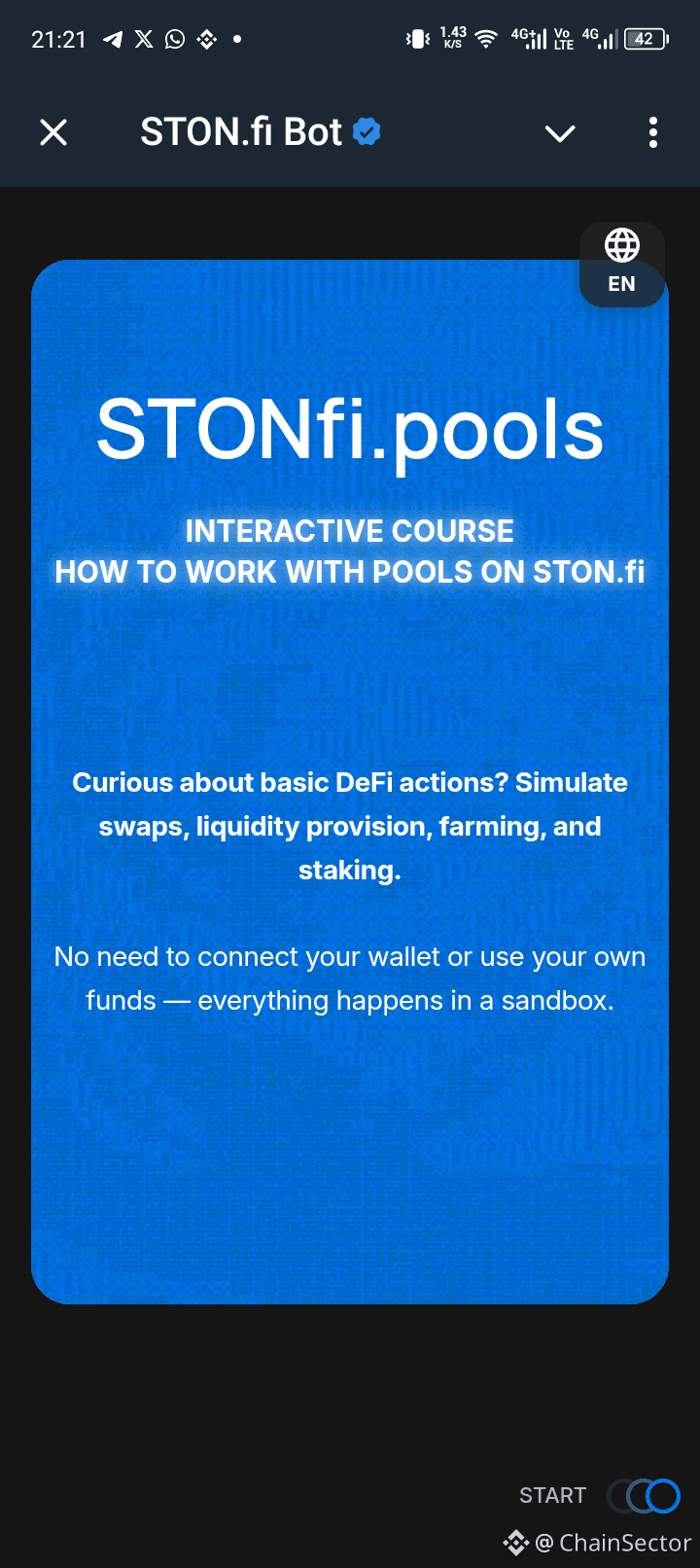
Bir müddət əvvəl STONfi.pools interaktiv kursu ilə rastlaşdım və onu yoxlamağa qərar verdim.
Məni maraqlandıran səbəb olduqca sadə idi:
Pul kisabımı qoşmağa ehtiyac yox idi.
Hər şey simulyatorun daxilində baş verir, ona görə də öz vəsaitlərimdən istifadə etmədən prosesi araşdıra bildim.
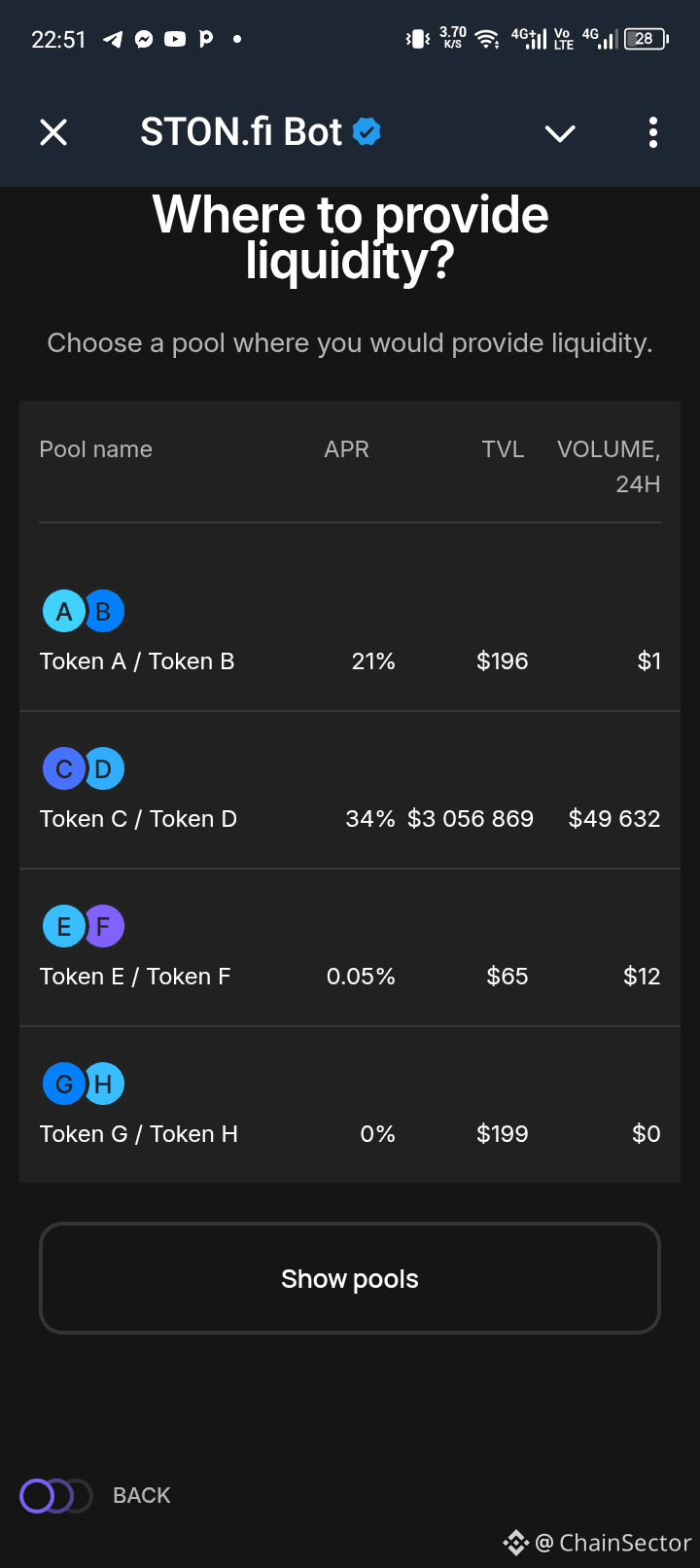
Kurs sizə bunları məşq etməyə imkan verir:
• Svaplar
• Likvidlik vermək
• Fermerlik
• Staking
Bu yanaşmanı faydalı tapdım, çünki DeFi-i həqiqətən interfeysdə görəndən sonra hissi çox fərqli ola bilər.
Məsələn, likvidlik hovuzunun nə olduğunu başa düşmək olar, amma ilk dəfə konkret düymələri və addımları görəndə yenə də tərəddüd edə bilərsən.
Simulyator bu prosesi öyrəşmək üçün bir mühit yaradır.
Bəs səhv etsən?
Heç nə itirməmiş olacaqsan.
Sadəcə yenidən cəhd edə bilərsən.
Əlbəttə, real vəsaitdən istifadə etməzdən əvvəl yenə də düzgün araşdırma aparardım. Simulyator real DeFi ilə bağlı riskləri aradan qaldırmır.
Amma öyrənmə vasitəsi kimi, fikrin məntiqli olduğunu düşünürəm:
Pulunu arxasına qoymazdan əvvəl prosesi ilə rahatlaş.
@ston_fi
STON.fi DeFi simulyatorunu real vəsaitdən istifadə etməzdən əvvəl sınadım
Bir müddət əvvəl STONfi.pools interaktiv kursu ilə rastlaşdım və onu yoxlamağa qərar verdim.
Məni maraqlandıran səbəb olduqca sadə idi:
Pul kisabımı qoşmağa ehtiyac yox idi.
Hər şey simulyatorun daxilində baş verir, ona görə də öz vəsaitlərimdən istifadə etmədən prosesi araşdıra bildim.
Kurs sizə bunları məşq etməyə imkan verir:
• Svaplar
• Likvidlik vermək
• Fermerlik
• Staking
Bu yanaşmanı faydalı tapdım, çünki DeFi-i həqiqətən interfeysdə görəndən sonra hissi çox fərqli ola bilər.
Məsələn, likvidlik hovuzunun nə olduğunu başa düşmək olar, amma ilk dəfə konkret düymələri və addımları görəndə yenə də tərəddüd edə bilərsən.
Simulyator bu prosesi öyrəşmək üçün bir mühit yaradır.
Bəs səhv etsən?
Heç nə itirməmiş olacaqsan.
Sadəcə yenidən cəhd edə bilərsən.
Əlbəttə, real vəsaitdən istifadə etməzdən əvvəl yenə də düzgün araşdırma aparardım. Simulyator real DeFi ilə bağlı riskləri aradan qaldırmır.
Amma öyrənmə vasitəsi kimi, fikrin məntiqli olduğunu düşünürəm:
Pulunu arxasına qoymazdan əvvəl prosesi ilə rahatlaş.
@ston_fi
Bir müddət əvvəl STONfi.pools interaktiv kursu ilə rastlaşdım və onu yoxlamağa qərar verdim.
Məni maraqlandıran səbəb olduqca sadə idi:
Pul kisabımı qoşmağa ehtiyac yox idi.
Hər şey simulyatorun daxilində baş verir, ona görə də öz vəsaitlərimdən istifadə etmədən prosesi araşdıra bildim.
Kurs sizə bunları məşq etməyə imkan verir:
• Svaplar
• Likvidlik vermək
• Fermerlik
• Staking
Bu yanaşmanı faydalı tapdım, çünki DeFi-i həqiqətən interfeysdə görəndən sonra hissi çox fərqli ola bilər.
Məsələn, likvidlik hovuzunun nə olduğunu başa düşmək olar, amma ilk dəfə konkret düymələri və addımları görəndə yenə də tərəddüd edə bilərsən.
Simulyator bu prosesi öyrəşmək üçün bir mühit yaradır.
Bəs səhv etsən?
Heç nə itirməmiş olacaqsan.
Sadəcə yenidən cəhd edə bilərsən.
Əlbəttə, real vəsaitdən istifadə etməzdən əvvəl yenə də düzgün araşdırma aparardım. Simulyator real DeFi ilə bağlı riskləri aradan qaldırmır.
Amma öyrənmə vasitəsi kimi, fikrin məntiqli olduğunu düşünürəm:
Pulunu arxasına qoymazdan əvvəl prosesi ilə rahatlaş.
@ston_fi
1
75
·
--
Bu STON.fi xüsusiyyəti onu sınadıqdan sonra daha çox məna kəsb edir
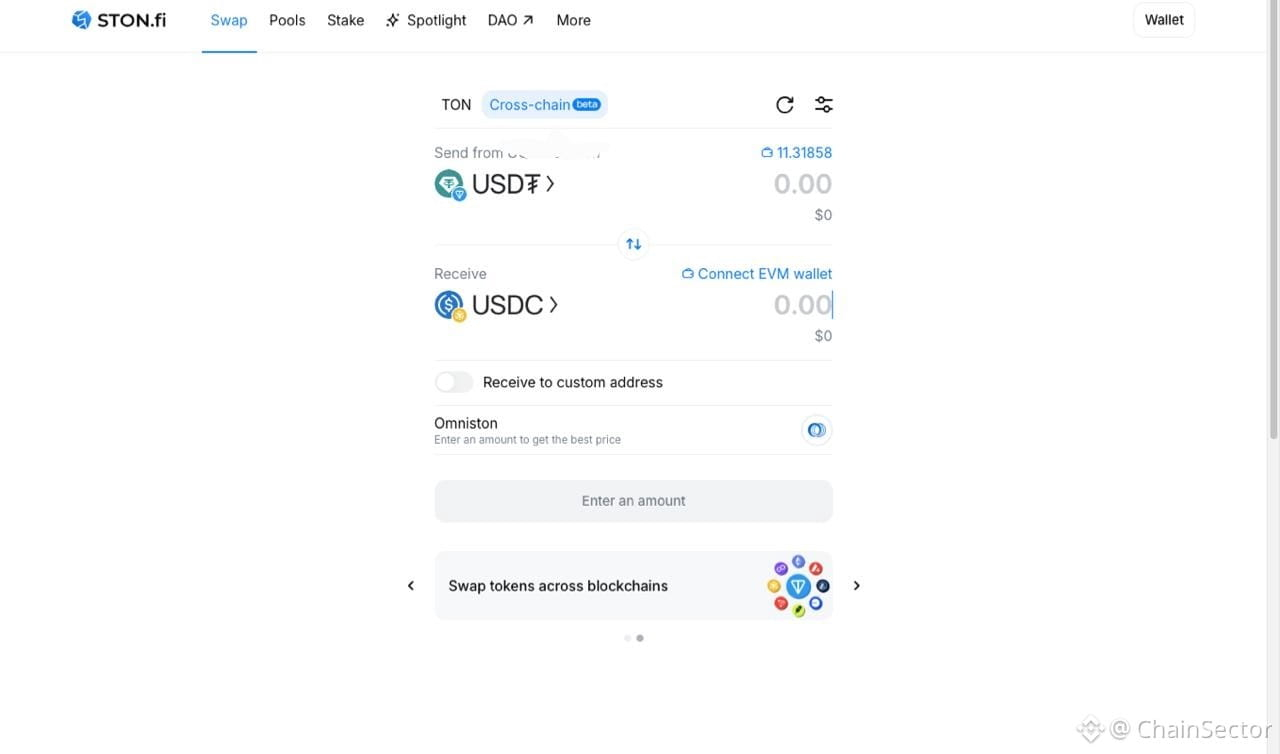
Bu gün STON.fi-nin yeni custom-address (xüsusi ünvan) seçimini sınaqdan keçirdim.
Dəyişmə (swap) zamanı hər iki tərəfdə cüzdanı qoşmaq yerinə, mənbə cüzdanımı qoşulu saxladım və təyinat (destination) kimi başqa bir cüzdan daxil etdim.
Bu o deməkdir ki, bir cüzdandan swap edə bilərsiniz və alınan (nəticə) tokenlər başqa yerə göndərilə bilər.
Məncə, treydinq və saxlama cüzdanlarını ayırdığınız halda və ya sadəcə çıxışı başqa bir ünvana göndərməyiniz lazım olanda bu faydalıdır.
Yalnız son yoxlamanı bir az yavaşlatmaq lazımdır. Siz özünüz təyinat ünvanını daxil edəndə, təsdiqləmədən əvvəl ünvanın və şəbəkənin düzgün olduğuna əmin olun.
Kiçik xüsusiyyətdir, amma faydalıdır.
@ston_fi
#STONfi #TON #CrossChain
Bu STON.fi xüsusiyyəti onu sınadıqdan sonra daha çox məna kəsb edir
Bu gün STON.fi-nin yeni custom-address (xüsusi ünvan) seçimini sınaqdan keçirdim.
Dəyişmə (swap) zamanı hər iki tərəfdə cüzdanı qoşmaq yerinə, mənbə cüzdanımı qoşulu saxladım və təyinat (destination) kimi başqa bir cüzdan daxil etdim.
Bu o deməkdir ki, bir cüzdandan swap edə bilərsiniz və alınan (nəticə) tokenlər başqa yerə göndərilə bilər.
Məncə, treydinq və saxlama cüzdanlarını ayırdığınız halda və ya sadəcə çıxışı başqa bir ünvana göndərməyiniz lazım olanda bu faydalıdır.
Yalnız son yoxlamanı bir az yavaşlatmaq lazımdır. Siz özünüz təyinat ünvanını daxil edəndə, təsdiqləmədən əvvəl ünvanın və şəbəkənin düzgün olduğuna əmin olun.
Kiçik xüsusiyyətdir, amma faydalıdır.
@ston_fi
#STONfi #TON #CrossChain
Bu gün STON.fi-nin yeni custom-address (xüsusi ünvan) seçimini sınaqdan keçirdim.
Dəyişmə (swap) zamanı hər iki tərəfdə cüzdanı qoşmaq yerinə, mənbə cüzdanımı qoşulu saxladım və təyinat (destination) kimi başqa bir cüzdan daxil etdim.
Bu o deməkdir ki, bir cüzdandan swap edə bilərsiniz və alınan (nəticə) tokenlər başqa yerə göndərilə bilər.
Məncə, treydinq və saxlama cüzdanlarını ayırdığınız halda və ya sadəcə çıxışı başqa bir ünvana göndərməyiniz lazım olanda bu faydalıdır.
Yalnız son yoxlamanı bir az yavaşlatmaq lazımdır. Siz özünüz təyinat ünvanını daxil edəndə, təsdiqləmədən əvvəl ünvanın və şəbəkənin düzgün olduğuna əmin olun.
Kiçik xüsusiyyətdir, amma faydalıdır.
@ston_fi
#STONfi #TON #CrossChain
1
77
·
--
STON.fi-nin Yeni Üç DeFi Alətini Likvidlik Hovuzlarına Baxmazdan Əvvəl Test Etdim
Likvidlik hovuzlarına baxanda ilk instinkt olaraq adətən APR-i müqayisə etmək olur.
Bu dəfə isə əvvəlcə STON.fi-nin üç yeni DeFi alətini yavaş-yavaş yoxlamağa qərar verdim.
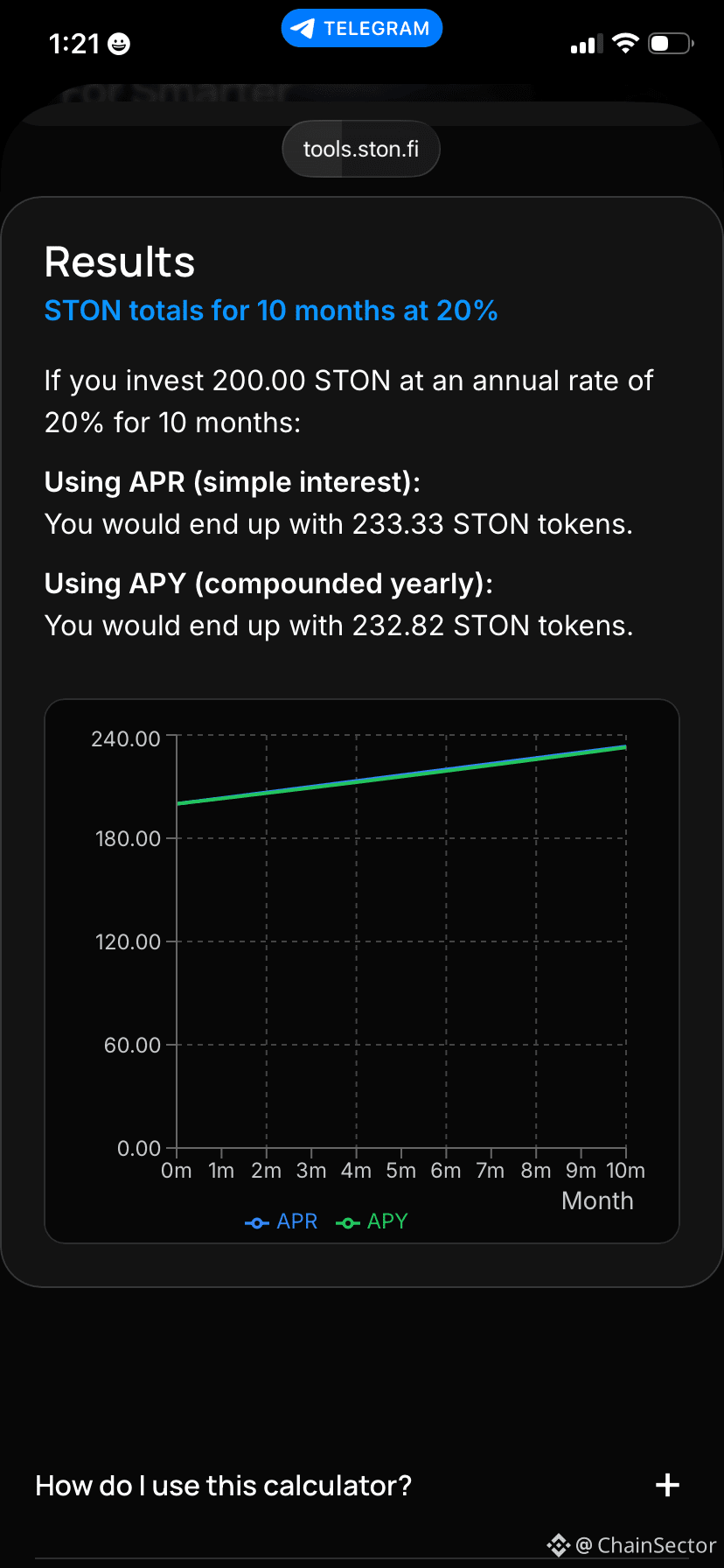
Əvvəlcə APR Kalkulyatorundan başladım; müxtəlif ssenarilərin proqnozlaşdırılan gəlirlərə necə təsir etdiyini görmək üçün depozit məbləğlərini, APR dəyərlərini və investisiya müddətini dəyişdim.
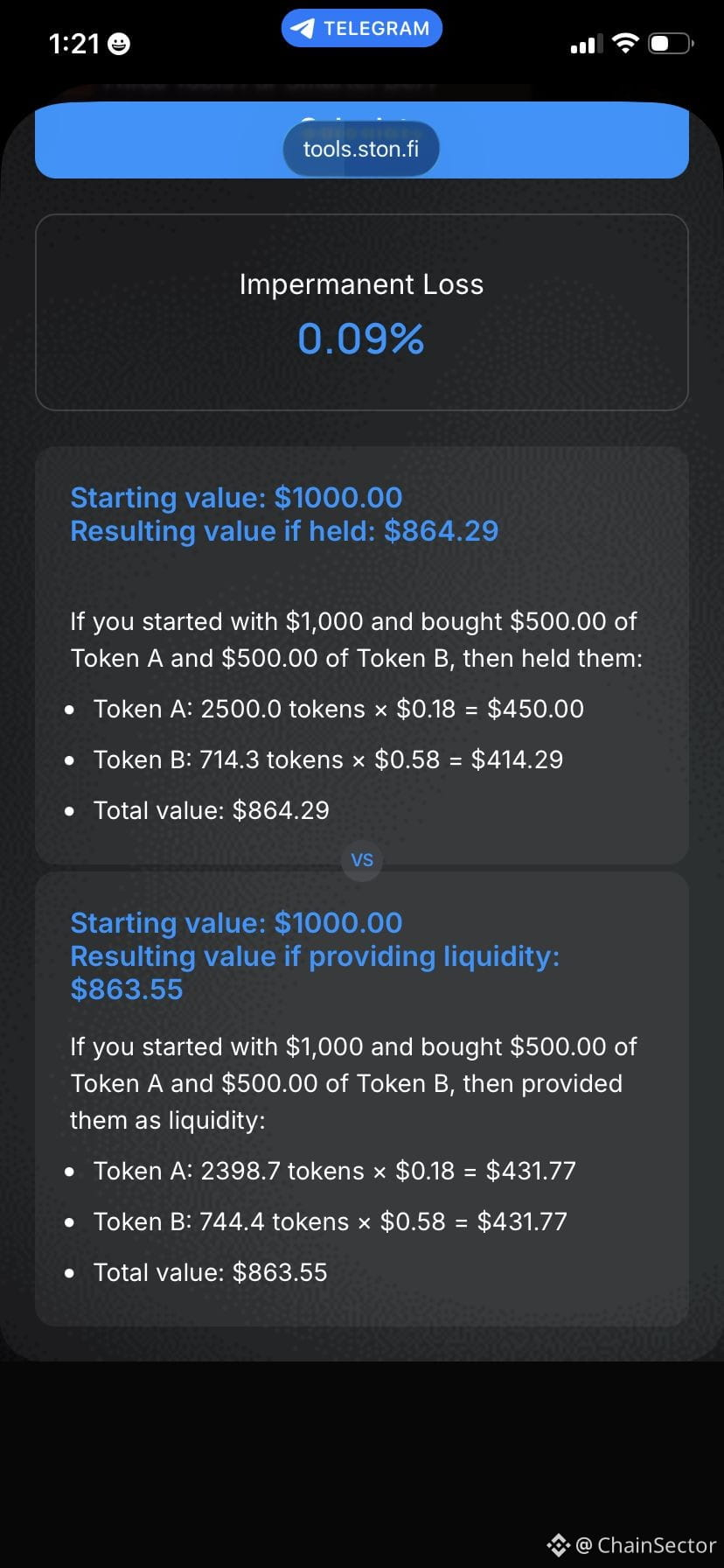
Sonra İmpermanent Loss Kalkulyatoruna keçdim.
Ən faydalı gördüyüm təkcə impermanent loss faizinin özü deyildi; sadəcə aktivləri saxlamaqla onları likvidlik kimi təmin etmək arasındakı müqayisə idi.
Hər iki nəticəni birlikdə görmək konsepti xeyli asan başa düşməyə kömək etdi.
Nəhayət, STON.fi Pools Updates kanalına qoşuldum.
Hər gün müxtəlif hovuzları açmaq əvəzinə, bu kanal məni müntəzəm APR yeniləmələri ilə daim məlumatlı saxlayır.
Üç alətdən birlikdə istifadə etdikdən sonra artıq onları ayrı-ayrı funksiyalar kimi düşünmürəm.
Likvidlik imkanlarını dəyərləndirməzdən əvvəl mənim öz prosesiminin bir hissəsinə çevrildilər.
Bunlar investisiya məsləhəti deyil, amma şübhəsiz ki, daha məlumatlı qərarlar vermək üçün faydalıdır.
@ston_fi
#STONfi #TON #DeFi
STON.fi-nin Yeni Üç DeFi Alətini Likvidlik Hovuzlarına Baxmazdan Əvvəl Test Etdim
Likvidlik hovuzlarına baxanda ilk instinkt olaraq adətən APR-i müqayisə etmək olur.
Bu dəfə isə əvvəlcə STON.fi-nin üç yeni DeFi alətini yavaş-yavaş yoxlamağa qərar verdim.
Əvvəlcə APR Kalkulyatorundan başladım; müxtəlif ssenarilərin proqnozlaşdırılan gəlirlərə necə təsir etdiyini görmək üçün depozit məbləğlərini, APR dəyərlərini və investisiya müddətini dəyişdim.
Sonra İmpermanent Loss Kalkulyatoruna keçdim.
Ən faydalı gördüyüm təkcə impermanent loss faizinin özü deyildi; sadəcə aktivləri saxlamaqla onları likvidlik kimi təmin etmək arasındakı müqayisə idi.
Hər iki nəticəni birlikdə görmək konsepti xeyli asan başa düşməyə kömək etdi.
Nəhayət, STON.fi Pools Updates kanalına qoşuldum.
Hər gün müxtəlif hovuzları açmaq əvəzinə, bu kanal məni müntəzəm APR yeniləmələri ilə daim məlumatlı saxlayır.
Üç alətdən birlikdə istifadə etdikdən sonra artıq onları ayrı-ayrı funksiyalar kimi düşünmürəm.
Likvidlik imkanlarını dəyərləndirməzdən əvvəl mənim öz prosesiminin bir hissəsinə çevrildilər.
Bunlar investisiya məsləhəti deyil, amma şübhəsiz ki, daha məlumatlı qərarlar vermək üçün faydalıdır.
@ston_fi
#STONfi #TON #DeFi
Likvidlik hovuzlarına baxanda ilk instinkt olaraq adətən APR-i müqayisə etmək olur.
Bu dəfə isə əvvəlcə STON.fi-nin üç yeni DeFi alətini yavaş-yavaş yoxlamağa qərar verdim.
Əvvəlcə APR Kalkulyatorundan başladım; müxtəlif ssenarilərin proqnozlaşdırılan gəlirlərə necə təsir etdiyini görmək üçün depozit məbləğlərini, APR dəyərlərini və investisiya müddətini dəyişdim.
Sonra İmpermanent Loss Kalkulyatoruna keçdim.
Ən faydalı gördüyüm təkcə impermanent loss faizinin özü deyildi; sadəcə aktivləri saxlamaqla onları likvidlik kimi təmin etmək arasındakı müqayisə idi.
Hər iki nəticəni birlikdə görmək konsepti xeyli asan başa düşməyə kömək etdi.
Nəhayət, STON.fi Pools Updates kanalına qoşuldum.
Hər gün müxtəlif hovuzları açmaq əvəzinə, bu kanal məni müntəzəm APR yeniləmələri ilə daim məlumatlı saxlayır.
Üç alətdən birlikdə istifadə etdikdən sonra artıq onları ayrı-ayrı funksiyalar kimi düşünmürəm.
Likvidlik imkanlarını dəyərləndirməzdən əvvəl mənim öz prosesiminin bir hissəsinə çevrildilər.
Bunlar investisiya məsləhəti deyil, amma şübhəsiz ki, daha məlumatlı qərarlar vermək üçün faydalıdır.
@ston_fi
#STONfi #TON #DeFi
2
58
·
--
Bu gün STON.fi üzərində iki likvidlik hovuzunu müqayisə etdim ki, sadəcə aralarındakı fərqləri görüm.
Bu, dərhal birini seçmək barədə deyildi.
Məqsəd platformada müxtəlif layihələrin necə göründüyünü öyrənmək və interfeysə daha çox bələd olmaq idi.
Bəzən bir neçə dəqiqə əlavə vaxt ayırıb araşdırmaq, tələsmədən birbaşa əməliyyata girməkdən daha çox şey öyrədir.
Bu gün STON.fi üzərində iki likvidlik hovuzunu müqayisə etdim ki, sadəcə aralarındakı fərqləri görüm.
Bu, dərhal birini seçmək barədə deyildi.
Məqsəd platformada müxtəlif layihələrin necə göründüyünü öyrənmək və interfeysə daha çox bələd olmaq idi.
Bəzən bir neçə dəqiqə əlavə vaxt ayırıb araşdırmaq, tələsmədən birbaşa əməliyyata girməkdən daha çox şey öyrədir.
Bu, dərhal birini seçmək barədə deyildi.
Məqsəd platformada müxtəlif layihələrin necə göründüyünü öyrənmək və interfeysə daha çox bələd olmaq idi.
Bəzən bir neçə dəqiqə əlavə vaxt ayırıb araşdırmaq, tələsmədən birbaşa əməliyyata girməkdən daha çox şey öyrədir.
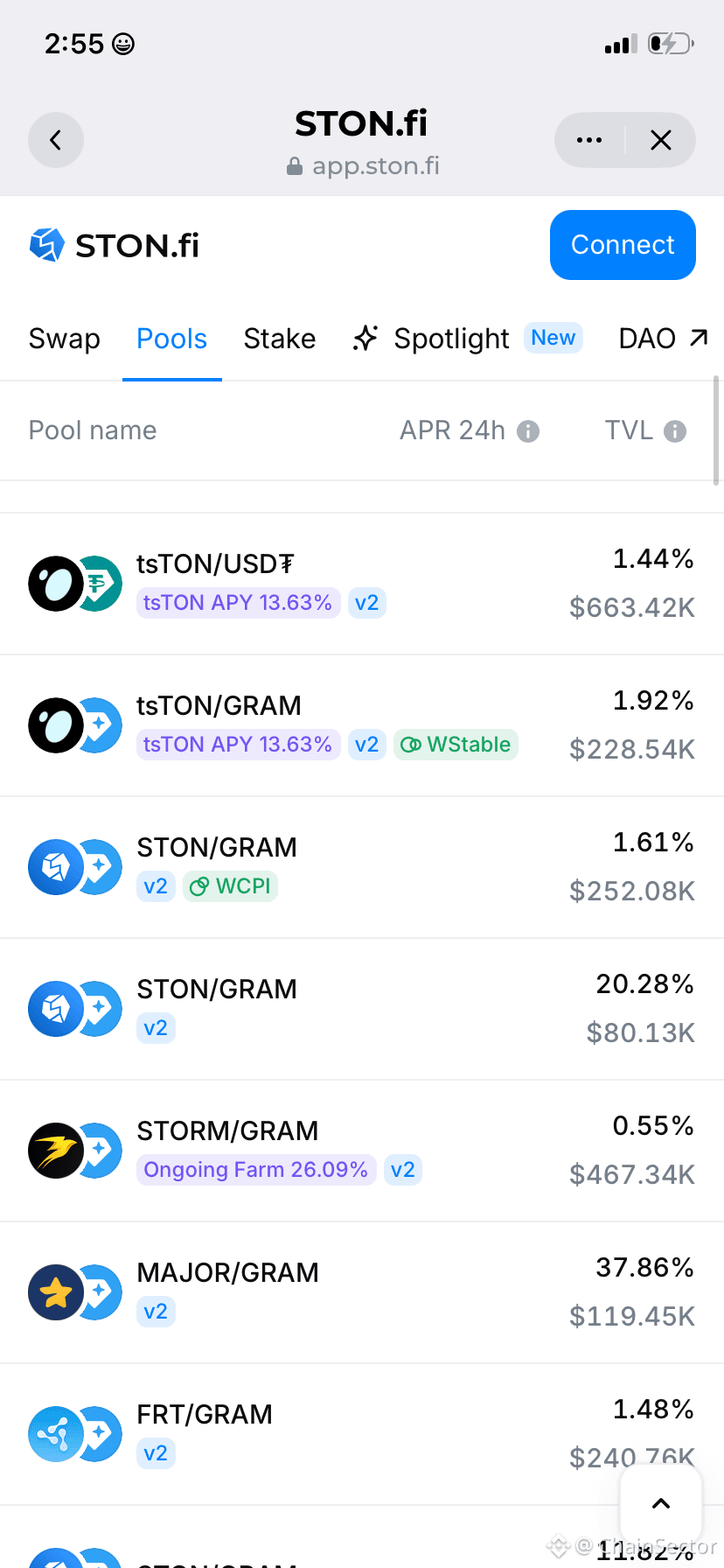
2
167
·
--
Bu gün STON.fi-də hovuzları bir neçə dəqiqə araşdırmağa başladım və gözlədiyimdən daha çox vaxt orada qaldım.
Diqqətimi çəkən bir məqam da bəzi aktivlərin müxtəlif hovuz birləşmələrində təkrar-təkrar görünməsi oldu.
Bu, sadə bir baxış seansını kiçik bir ekosistem kəşfi məşğələsinə çevirdi.
Bəzən DEX-də ən maraqlı şeylər əvvəlcə axtarmadığın şeylər olur.
Bu gün STON.fi-də hovuzları bir neçə dəqiqə araşdırmağa başladım və gözlədiyimdən daha çox vaxt orada qaldım.
Diqqətimi çəkən bir məqam da bəzi aktivlərin müxtəlif hovuz birləşmələrində təkrar-təkrar görünməsi oldu.
Bu, sadə bir baxış seansını kiçik bir ekosistem kəşfi məşğələsinə çevirdi.
Bəzən DEX-də ən maraqlı şeylər əvvəlcə axtarmadığın şeylər olur.
Diqqətimi çəkən bir məqam da bəzi aktivlərin müxtəlif hovuz birləşmələrində təkrar-təkrar görünməsi oldu.
Bu, sadə bir baxış seansını kiçik bir ekosistem kəşfi məşğələsinə çevirdi.
Bəzən DEX-də ən maraqlı şeylər əvvəlcə axtarmadığın şeylər olur.
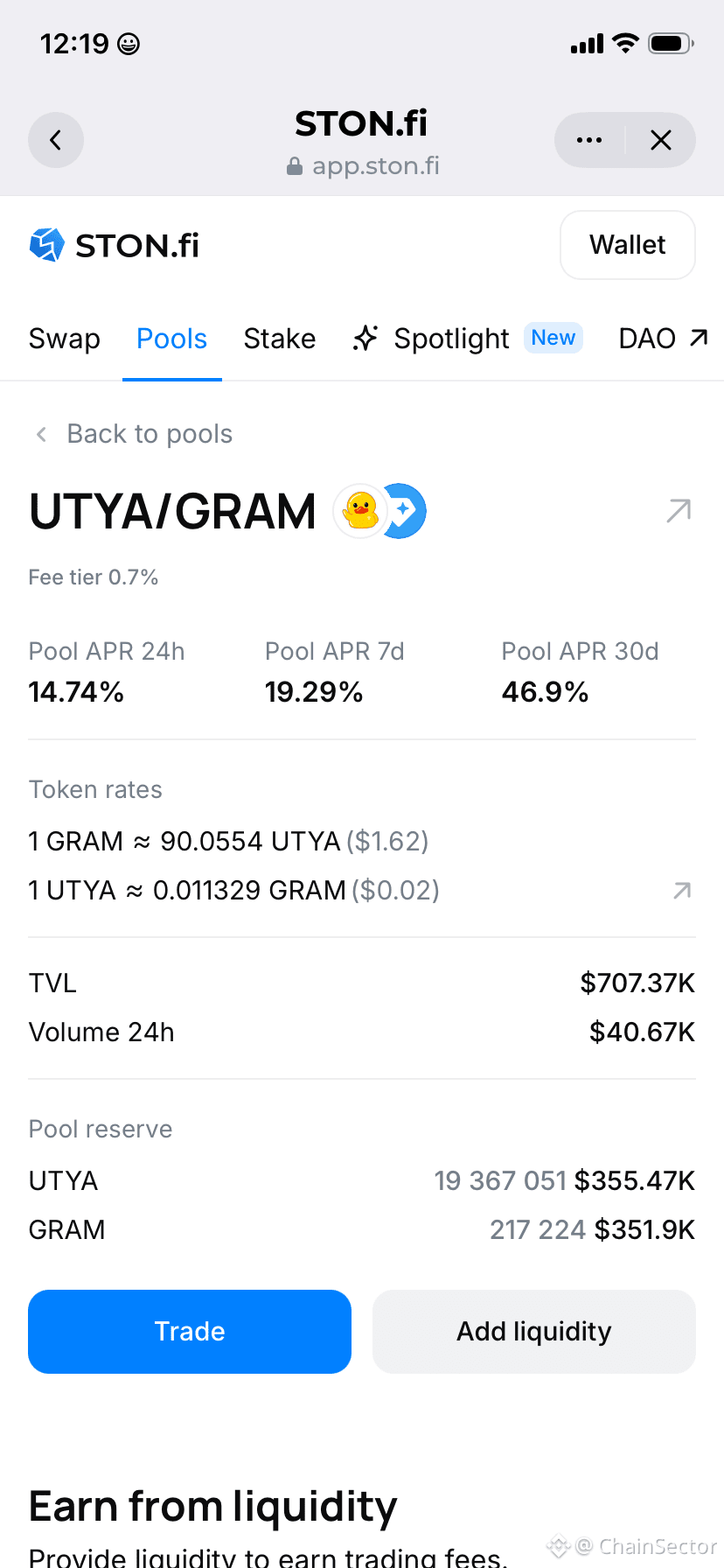
2
108
·
--
Ston_fi-də müxtəlif aktivləri araşdırmaq mənə anladır ki, DEX daxilində kəşf etmək hər zaman məqsədli hiss yaratmır.
Bəzən sadəcə sadə bir mübadilə (swap) etmək üçün interfeysi açırsan və əvvəlcə axtarmadığın tamamilə fərqli tokenlər və fəaliyyətə diqqət yetirirsən.
Bu kiçik dəyişiklik maraqlıdır, çünki platformanı sadəcə bir alətdən daha çox kəşfiyyat mühiti kimi göstərir.
Hətta aktiv şəkildə araşdırmırsansa belə, onunla qarşılıqlı əlaqədə olmaqla ekosistem haqqında yenə də nəsə öyrənirsən.
İlk dəfə istifadə etməyə başlayanda bunu gözləmirdim.
Ston_fi-də müxtəlif aktivləri araşdırmaq mənə anladır ki, DEX daxilində kəşf etmək hər zaman məqsədli hiss yaratmır.
Bəzən sadəcə sadə bir mübadilə (swap) etmək üçün interfeysi açırsan və əvvəlcə axtarmadığın tamamilə fərqli tokenlər və fəaliyyətə diqqət yetirirsən.
Bu kiçik dəyişiklik maraqlıdır, çünki platformanı sadəcə bir alətdən daha çox kəşfiyyat mühiti kimi göstərir.
Hətta aktiv şəkildə araşdırmırsansa belə, onunla qarşılıqlı əlaqədə olmaqla ekosistem haqqında yenə də nəsə öyrənirsən.
İlk dəfə istifadə etməyə başlayanda bunu gözləmirdim.
Bəzən sadəcə sadə bir mübadilə (swap) etmək üçün interfeysi açırsan və əvvəlcə axtarmadığın tamamilə fərqli tokenlər və fəaliyyətə diqqət yetirirsən.
Bu kiçik dəyişiklik maraqlıdır, çünki platformanı sadəcə bir alətdən daha çox kəşfiyyat mühiti kimi göstərir.
Hətta aktiv şəkildə araşdırmırsansa belə, onunla qarşılıqlı əlaqədə olmaqla ekosistem haqqında yenə də nəsə öyrənirsən.
İlk dəfə istifadə etməyə başlayanda bunu gözləmirdim.
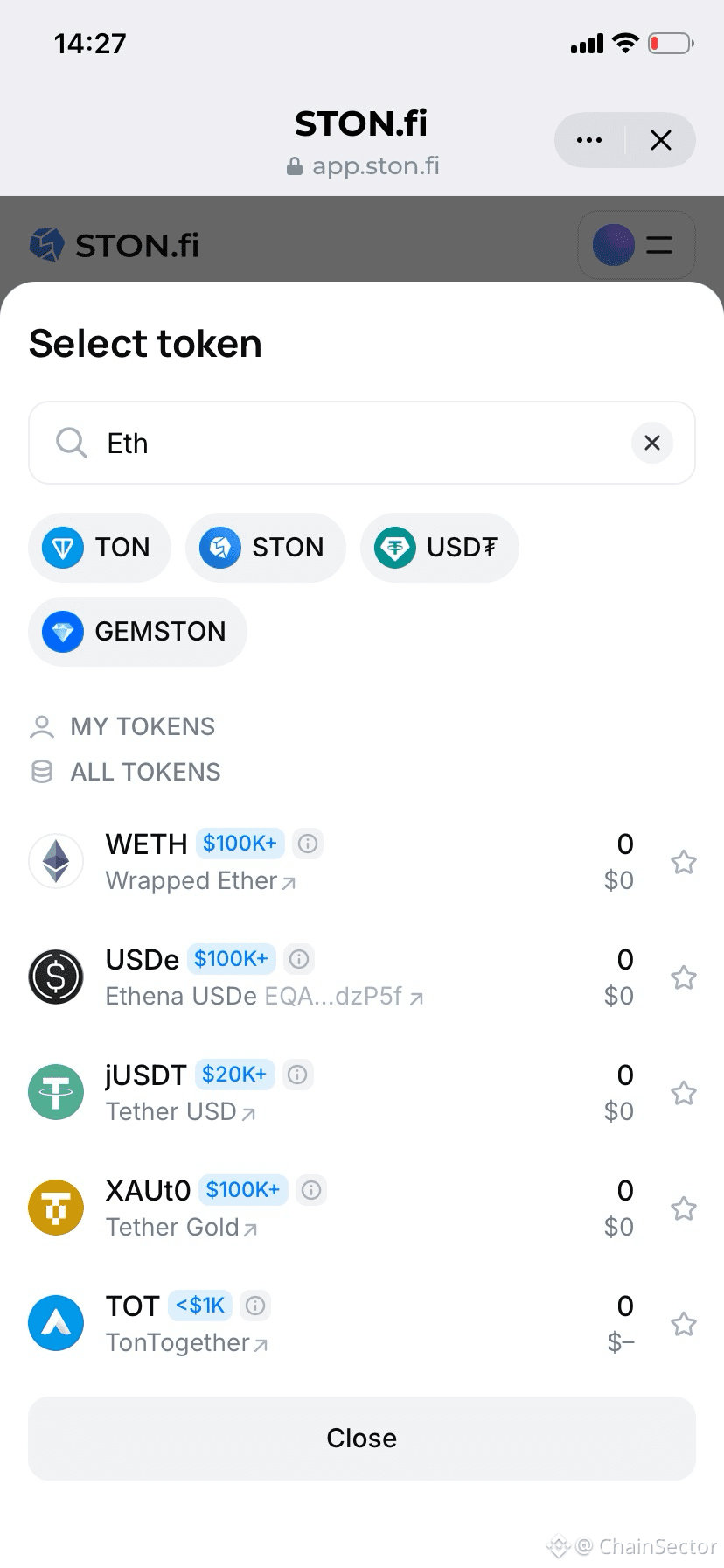
1
118
·
--
Artım
Tokenların Arxasında Olan İcmalar
STON.fi-də aktivləri araşdırarkən gözləmədiyim bir şey, onların arxasındakı icmalardan nə qədər öyrənəcəyim oldu.
Hər token fərqli bir auditoriya cəlb edir.
Bu fərqlilikləri izləmək, TON ekosistemini araşdırmağın gözlənilməz bir maraqlı hissəsi oldu.
Hər dərs qrafiklərdən gəlmir.
Bəzən bu, layihələri yaradan və dəstəkləyən insanlardan gəlir.
Tokenların Arxasında Olan İcmalar
STON.fi-də aktivləri araşdırarkən gözləmədiyim bir şey, onların arxasındakı icmalardan nə qədər öyrənəcəyim oldu.
Hər token fərqli bir auditoriya cəlb edir.
Bu fərqlilikləri izləmək, TON ekosistemini araşdırmağın gözlənilməz bir maraqlı hissəsi oldu.
Hər dərs qrafiklərdən gəlmir.
Bəzən bu, layihələri yaradan və dəstəkləyən insanlardan gəlir.
STON.fi-də aktivləri araşdırarkən gözləmədiyim bir şey, onların arxasındakı icmalardan nə qədər öyrənəcəyim oldu.
Hər token fərqli bir auditoriya cəlb edir.
Bu fərqlilikləri izləmək, TON ekosistemini araşdırmağın gözlənilməz bir maraqlı hissəsi oldu.
Hər dərs qrafiklərdən gəlmir.
Bəzən bu, layihələri yaradan və dəstəkləyən insanlardan gəlir.
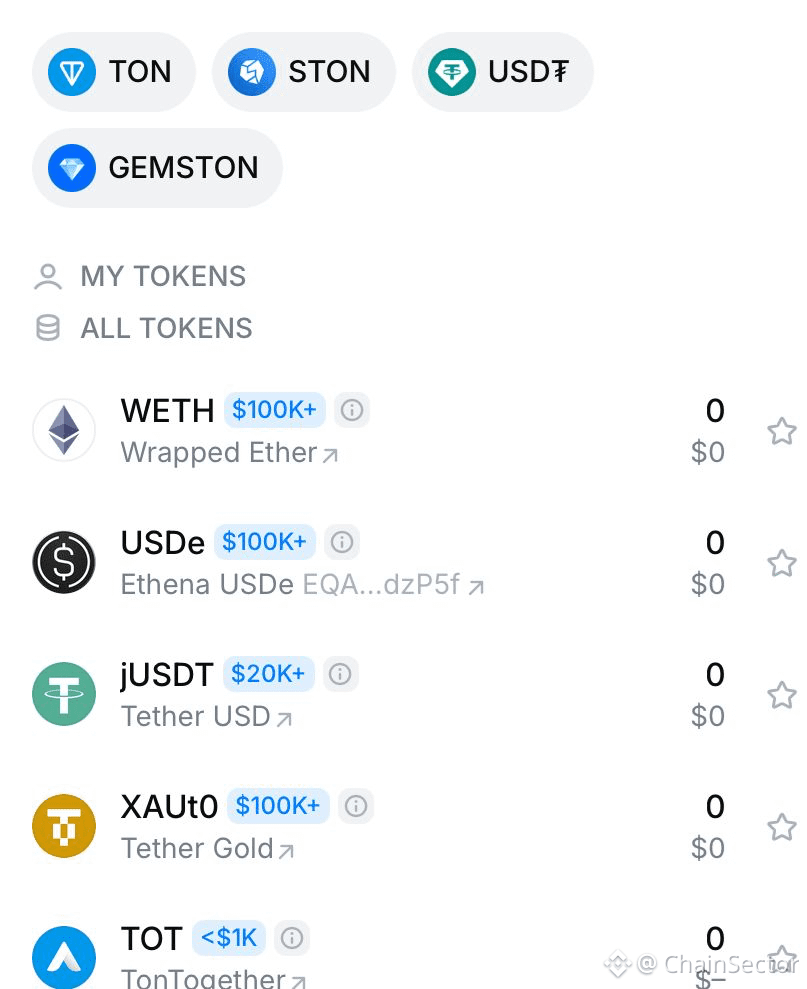
1
85
·
--
Artım
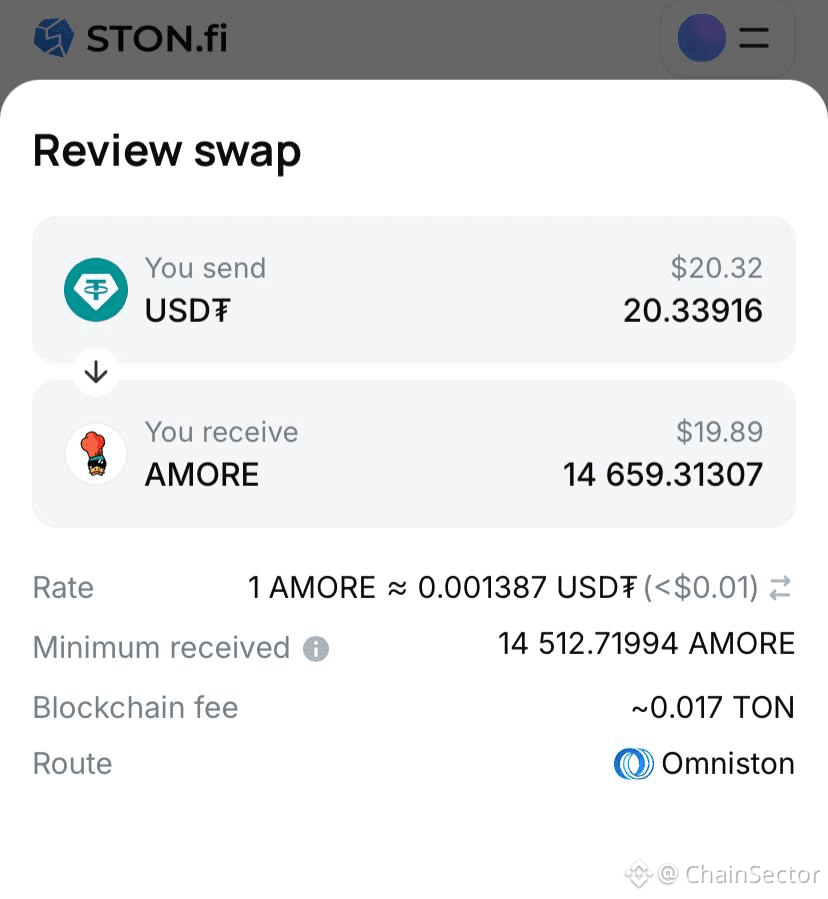
STON.fi-də gəzməyi sevdiyim bir şey, bəzən gözlənilməz kəşflərə yol açmasıdır.
Bir aktiv axtarmağa başlayırsan.
Bir neçə dəqiqə sonra daha əvvəl rastlaşmadığın layihələr haqqında oxuyursan.
Bu, böyüyən ekosistemlərin az bilinən faydalarından biridir.
Kəşf etmək, təcrübənin bir hissəsinə çevrilir.
Həqiqətən də, fərqli icmaların TON-da nələr qurduğunu öyrənmək, əməliyyatların özündən daha maraqlıdır.
STON.fi-də gəzməyi sevdiyim bir şey, bəzən gözlənilməz kəşflərə yol açmasıdır.
Bir aktiv axtarmağa başlayırsan.
Bir neçə dəqiqə sonra daha əvvəl rastlaşmadığın layihələr haqqında oxuyursan.
Bu, böyüyən ekosistemlərin az bilinən faydalarından biridir.
Kəşf etmək, təcrübənin bir hissəsinə çevrilir.
Həqiqətən də, fərqli icmaların TON-da nələr qurduğunu öyrənmək, əməliyyatların özündən daha maraqlıdır.
Bir aktiv axtarmağa başlayırsan.
Bir neçə dəqiqə sonra daha əvvəl rastlaşmadığın layihələr haqqında oxuyursan.
Bu, böyüyən ekosistemlərin az bilinən faydalarından biridir.
Kəşf etmək, təcrübənin bir hissəsinə çevrilir.
Həqiqətən də, fərqli icmaların TON-da nələr qurduğunu öyrənmək, əməliyyatların özündən daha maraqlıdır.
1
169
·
--
Artım
STON.fi-dan dəfələrlə istifadə edərkən gözləmədiyim bir şey:
Təkrar qarşılıqlı əlaqənin zamanla ehtiyatı necə azaltdığı.
İlk vaxtlar hər bir addımı təsdiqləmədən əvvəl diqqətlə yoxlayırdım.
İndi isə çoxlu qarşılıqlı axın daha rahat və proqnozlaşdırıla bilən görünür.
STON.fi-dan dəfələrlə istifadə edərkən gözləmədiyim bir şey:
Təkrar qarşılıqlı əlaqənin zamanla ehtiyatı necə azaltdığı.
İlk vaxtlar hər bir addımı təsdiqləmədən əvvəl diqqətlə yoxlayırdım.
İndi isə çoxlu qarşılıqlı axın daha rahat və proqnozlaşdırıla bilən görünür.
Təkrar qarşılıqlı əlaqənin zamanla ehtiyatı necə azaltdığı.
İlk vaxtlar hər bir addımı təsdiqləmədən əvvəl diqqətlə yoxlayırdım.
İndi isə çoxlu qarşılıqlı axın daha rahat və proqnozlaşdırıla bilən görünür.
1
253
·
--
Artım
STON.fi ətrafında daha çox vaxt sərf edərkən gözləmədiyim bir şey:
Naviqasiyanın nə qədər hamar dəyişməsi ümumi olaraq qarşılıqlı əlaqə hissini nə qədər yaxşılaşdırır.
İlk əvvəl buna demək olar ki, fikir vermirdim.
Amma təkrar istifadələr mənə platformada daha sadə hərəkətlərin tərəddüdü düşündüyümdən xeyli çox azaltdığını anladıb.
STON.fi ətrafında daha çox vaxt sərf edərkən gözləmədiyim bir şey:
Naviqasiyanın nə qədər hamar dəyişməsi ümumi olaraq qarşılıqlı əlaqə hissini nə qədər yaxşılaşdırır.
İlk əvvəl buna demək olar ki, fikir vermirdim.
Amma təkrar istifadələr mənə platformada daha sadə hərəkətlərin tərəddüdü düşündüyümdən xeyli çox azaltdığını anladıb.
Naviqasiyanın nə qədər hamar dəyişməsi ümumi olaraq qarşılıqlı əlaqə hissini nə qədər yaxşılaşdırır.
İlk əvvəl buna demək olar ki, fikir vermirdim.
Amma təkrar istifadələr mənə platformada daha sadə hərəkətlərin tərəddüdü düşündüyümdən xeyli çox azaltdığını anladıb.
1
175
·
--
Artım
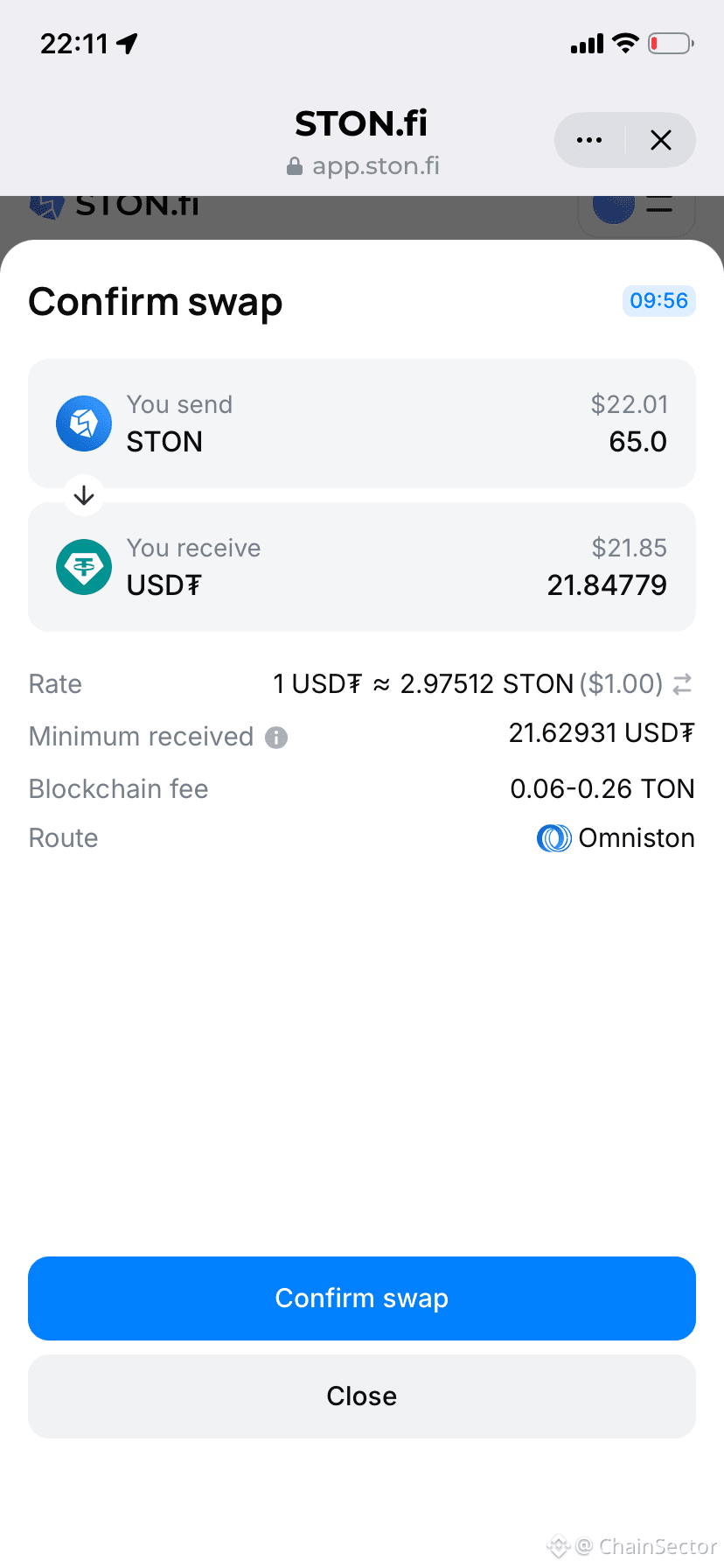
STON.fi-dən daha müntəzəm istifadə edərkən gözləmədiyim bir şey:
Kiçik interfeys detalları ümumi qarşılıqlı təsirə necə təsir edir.
İlk əvvəl, dizayn axını və məlumatların yerləşdirilməsi kimi şeyləri demək olar ki, hiss etmirdim.
Amma zamanla, daha təmiz qarşılıqlı təsir bu təcrübəni gözlədiyimdən daha rahat hiss etdirməyə başladı.
STON.fi-dən daha müntəzəm istifadə edərkən gözləmədiyim bir şey:
Kiçik interfeys detalları ümumi qarşılıqlı təsirə necə təsir edir.
İlk əvvəl, dizayn axını və məlumatların yerləşdirilməsi kimi şeyləri demək olar ki, hiss etmirdim.
Amma zamanla, daha təmiz qarşılıqlı təsir bu təcrübəni gözlədiyimdən daha rahat hiss etdirməyə başladı.
Kiçik interfeys detalları ümumi qarşılıqlı təsirə necə təsir edir.
İlk əvvəl, dizayn axını və məlumatların yerləşdirilməsi kimi şeyləri demək olar ki, hiss etmirdim.
Amma zamanla, daha təmiz qarşılıqlı təsir bu təcrübəni gözlədiyimdən daha rahat hiss etdirməyə başladı.
1
149
·
--
STON.fi-ni daha ardıcıl istifadə etdikdən sonra bəyəndiyim bir şey:
İnteraksiya axını daha tanış olduqca daha hamar hiss olunmağa başlayır.
Kiçik istifadə rahatlığı detalları ilk ziyarət zamanı olduğundan daha çox əhəmiyyət kəsb edir.
STON.fi-ni daha ardıcıl istifadə etdikdən sonra bəyəndiyim bir şey:
İnteraksiya axını daha tanış olduqca daha hamar hiss olunmağa başlayır.
Kiçik istifadə rahatlığı detalları ilk ziyarət zamanı olduğundan daha çox əhəmiyyət kəsb edir.
İnteraksiya axını daha tanış olduqca daha hamar hiss olunmağa başlayır.
Kiçik istifadə rahatlığı detalları ilk ziyarət zamanı olduğundan daha çox əhəmiyyət kəsb edir.
1
147
Daha çox kontent araşdırmaq üçün daxil olun
Binance Square-də qlobal kriptovalyuta istifadəçilərinə qoşulun
⚡️ Kriptovalyuta haqqında ən son və faydalı məlumatları əldə edin.
💬 Dünyanın ən böyük kriptovalyuta birjası tərəfindən etibar edilir.
👍 Doğrulanmış yaradıcılardan gələn real məlumatları kəşf edin.
E-poçt/Telefon nömrəsi
Trenddə olan mövzular
ZcashETFPostsFirstWeeklyOutflow$93.6M
41,243 baxış
Müzakirə edir: 135
ZCASH ETF YENİLƏNMƏSİ
Zcash-in ETF-i avqustda istifadəyə verildikdən sonra ilk dəfə həftəlik xalis çıxış qeydə alıb.
İnvestorlar $ZEC $1,300-ə doğru enərkən $93,6M vəsait çıxarıb. Grayscale-in ZCSH-i iki həftə əvvəl $98,2M cəlb etmişdi, lakin SoSoValue-ə görə sentyabrın 22-dən bəri heç bir günlük xalis daxilolma qeydə alınmayıb.
ZEC oktyabrın 3-də təxminən $1,308 səviyyəsində idi; həftə ərzində təxminən 17,5% düşüb və son $1,690 pikindən təxminən 23% aşağıdır.
$ZEC
Vicky-143
·3 bəyənmə
·4.2k baxış
GreekPoliceBustCryptoScamRingArrest17
100,670 baxış
Müzakirə edir: 796
BitcoinRejectedAt$87K
133,799 baxış
Müzakirə edir: 193