
CryptoQuill_5
1.7k Paylaşımlar

CryptoQuill_5
1.1K+ İzlənilir
10.1K+ İzləyicilər
1.6K+ Bəyəndi
Postlar
Hamısı
Sitatlar
Canlı
BƏRKİDİLDİ
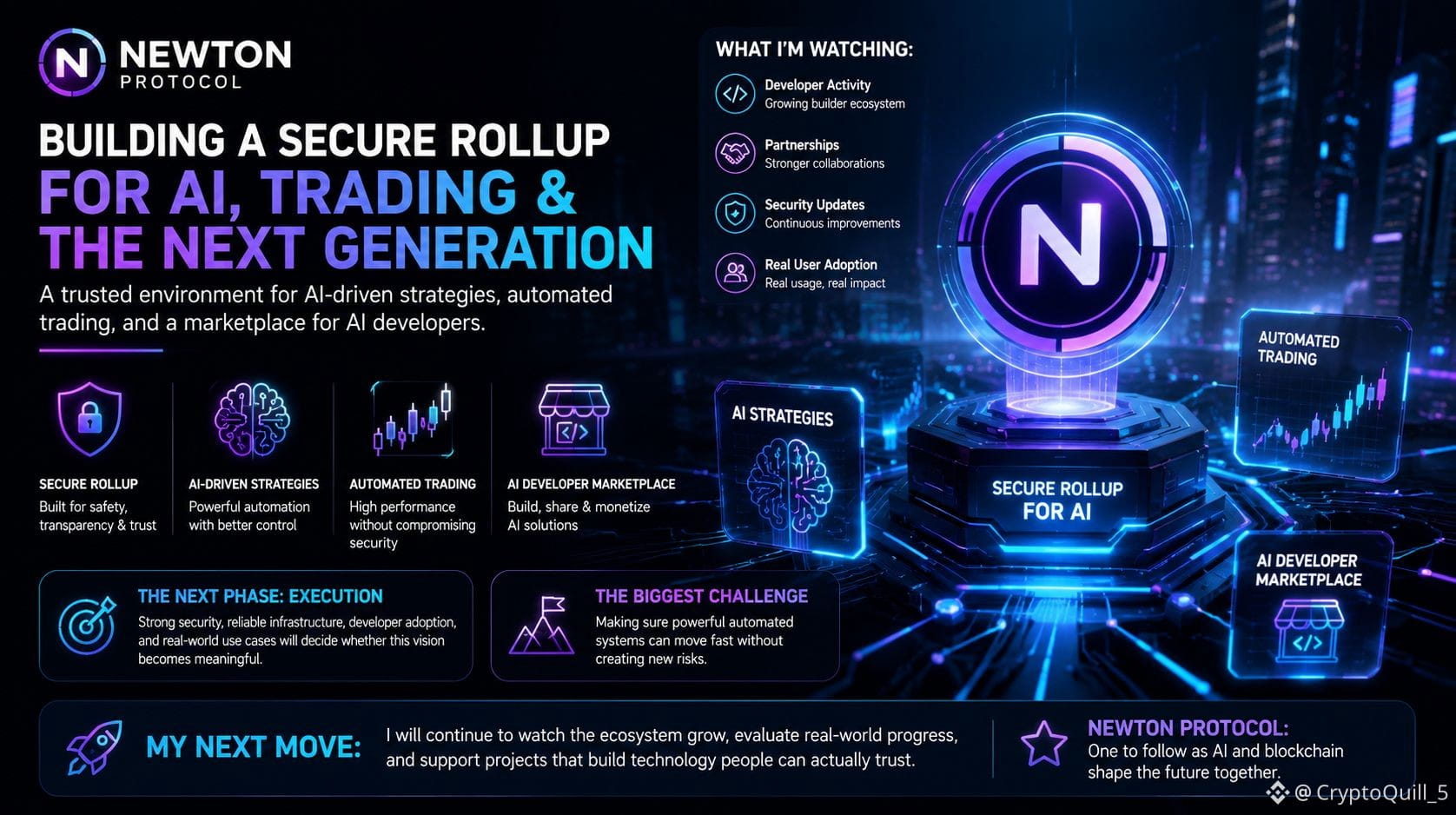
Məni xüsusilə cəlb edən məqam budur ki, AI strategiyaları, avtomatlaşdırılmış ticarət və AI tərtibatçılarının həllər yarada və paylaşa biləcəyi bir marketplace üçün təhlükəsiz rollup mühiti qurmağa yönəlmişdir. Buradakı ideya təkcə sürət haqqında deyil; həm də avtomatlaşdırmanın daha yaxşı nəzarət və şəffaflıqla işləyə biləcəyi, etibar edilən bir məkan yaratmaqdır.
Düşünürəm ki, növbəti mərhələ icra ilə bağlı olacaq. Güclü təhlükəsizlik, etibarlı infrastruktur, tərtibatçıların qəbul etməsi və real dünya istifadə ssenariləri bu baxışın mənalı olub-olmayacağını müəyyən edəcək. Ən böyük çətinlik, güclü avtomatlaşdırılmış sistemlərin yeni risklər yaratmadan sürətlə hərəkət etməsini təmin etməkdir.
Növbəti addımım ekosistemin inkişafını izləməkdir: tərtibatçı fəaliyyəti, tərəfdaşlıqlar, təhlükəsizlik yeniləmələri və texnologiya ilə real istifadəçilərin necə qarşılıqlı əlaqədə olması. Bu sahədə diqqəti cəlb etmək asandır, amma davamlı dəyər insanlarin həqiqətən etibar edə biləcəyi bir şey qurmaqdan gəlir.
Newton Protocol izləməyə dəyər nümunələrdən biridir; çünki AI ilə blockchain-in əlaqəsi təkamül etdikcə bu körpü daha da aktuallaşır.
@NewtonProtocol #newt $NEWT
Düşünürəm ki, növbəti mərhələ icra ilə bağlı olacaq. Güclü təhlükəsizlik, etibarlı infrastruktur, tərtibatçıların qəbul etməsi və real dünya istifadə ssenariləri bu baxışın mənalı olub-olmayacağını müəyyən edəcək. Ən böyük çətinlik, güclü avtomatlaşdırılmış sistemlərin yeni risklər yaratmadan sürətlə hərəkət etməsini təmin etməkdir.
Növbəti addımım ekosistemin inkişafını izləməkdir: tərtibatçı fəaliyyəti, tərəfdaşlıqlar, təhlükəsizlik yeniləmələri və texnologiya ilə real istifadəçilərin necə qarşılıqlı əlaqədə olması. Bu sahədə diqqəti cəlb etmək asandır, amma davamlı dəyər insanlarin həqiqətən etibar edə biləcəyi bir şey qurmaqdan gəlir.
Newton Protocol izləməyə dəyər nümunələrdən biridir; çünki AI ilə blockchain-in əlaqəsi təkamül etdikcə bu körpü daha da aktuallaşır.
@NewtonProtocol #newt $NEWT
bəyən və ya şərh yaz, zəhmət olmasa 🙏🙏🙏🙏😭

Bull Fox 29
·
--
AzalmaƏksəriyyət hələ də növbəti narrativin ardınca qaçır.
Mən kapitalın daha səmərəli olduğu yerlərə diqqət yetirirəm.
OpenGradient məhz bununla gözümə dəydi.
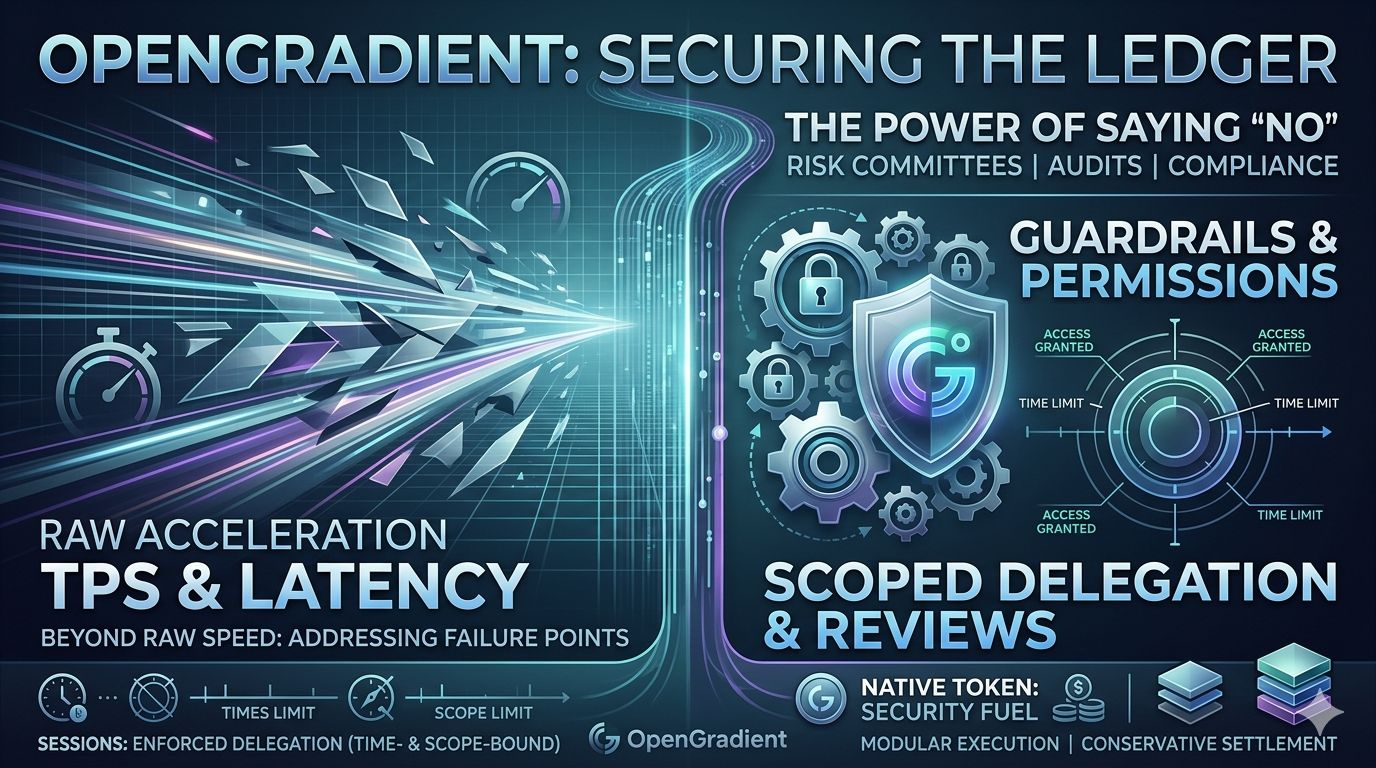
İlk baxışdan bu, hostinq, inferens və verifikasiyaya yönəlmiş süni intellekt infrastrukturu şəbəkəsi kimi görünür. Amma daha dərin fürsət budur: dəyər istifadəçiləri tək bir yola “kilidləmədən” çoxsaylı ekosistemlər arasında necə hərəkət edə bilər.
Kriptoda öyrəndiyim bir şey var: hərəkətsiz kapital bahalıdır. Əgər aktiv yerində sayırsa, çox güman ki, zəif nəticə verir. Qalib gələn layihələr çox vaxt çevikliyi qurban vermədən daha çox fayda (utility) yaratmağın yollarını tapır.
Elə buna görə də likvidliyi qoruyaraq restaking ideyası getdikcə daha maraqlı olur. Bu, Ethereum, Bitcoin və DePIN ekosistemləri daxilində kapitalı bir yerdə “mühasirəyə” almadan, aktiv saxlayaraq əlavə qazanc imkanlarının qapısını açır.
Məni həyəcanlandıran şey başlıq göstəriciləri deyil. Bu, AI infrastrukturu, iqtisadi stimullar və aktiv səmərəliliyinin bir-birini gücləndirdiyi bir şəbəkə yaratmaq imkanıdır.
Bazar tez-tez diqqətini layihənin bu gün nə etdiyinə yönəldir.
Mən daha çox likvidlik, təhlükəsizlik və intellektual infrastruktur birlikdə işləməyə başlayanda nələrin mümkün olmasına maraq göstərirəm.
Elə gəlir ki, bir çox insan hələ də OpenGradient-a yanlış prizmadan baxır.
Nəyi qaçıram?
@OpenGradient #OPG $OPG
Mən kapitalın daha səmərəli olduğu yerlərə diqqət yetirirəm.
OpenGradient məhz bununla gözümə dəydi.
İlk baxışdan bu, hostinq, inferens və verifikasiyaya yönəlmiş süni intellekt infrastrukturu şəbəkəsi kimi görünür. Amma daha dərin fürsət budur: dəyər istifadəçiləri tək bir yola “kilidləmədən” çoxsaylı ekosistemlər arasında necə hərəkət edə bilər.
Kriptoda öyrəndiyim bir şey var: hərəkətsiz kapital bahalıdır. Əgər aktiv yerində sayırsa, çox güman ki, zəif nəticə verir. Qalib gələn layihələr çox vaxt çevikliyi qurban vermədən daha çox fayda (utility) yaratmağın yollarını tapır.
Elə buna görə də likvidliyi qoruyaraq restaking ideyası getdikcə daha maraqlı olur. Bu, Ethereum, Bitcoin və DePIN ekosistemləri daxilində kapitalı bir yerdə “mühasirəyə” almadan, aktiv saxlayaraq əlavə qazanc imkanlarının qapısını açır.
Məni həyəcanlandıran şey başlıq göstəriciləri deyil. Bu, AI infrastrukturu, iqtisadi stimullar və aktiv səmərəliliyinin bir-birini gücləndirdiyi bir şəbəkə yaratmaq imkanıdır.
Bazar tez-tez diqqətini layihənin bu gün nə etdiyinə yönəldir.
Mən daha çox likvidlik, təhlükəsizlik və intellektual infrastruktur birlikdə işləməyə başlayanda nələrin mümkün olmasına maraq göstərirəm.
Elə gəlir ki, bir çox insan hələ də OpenGradient-a yanlış prizmadan baxır.
Nəyi qaçıram?
@OpenGradient #OPG $OPG
bəyənin və ya şərh yazın, zəhmət olmasa 🙏

Matthew t
·
--
AzalmaMən OpenGradient haqqında araşdırmalar aparmışam və düşünürəm ki, bazar diqqəti yanlış rəvayətə yönəldir.
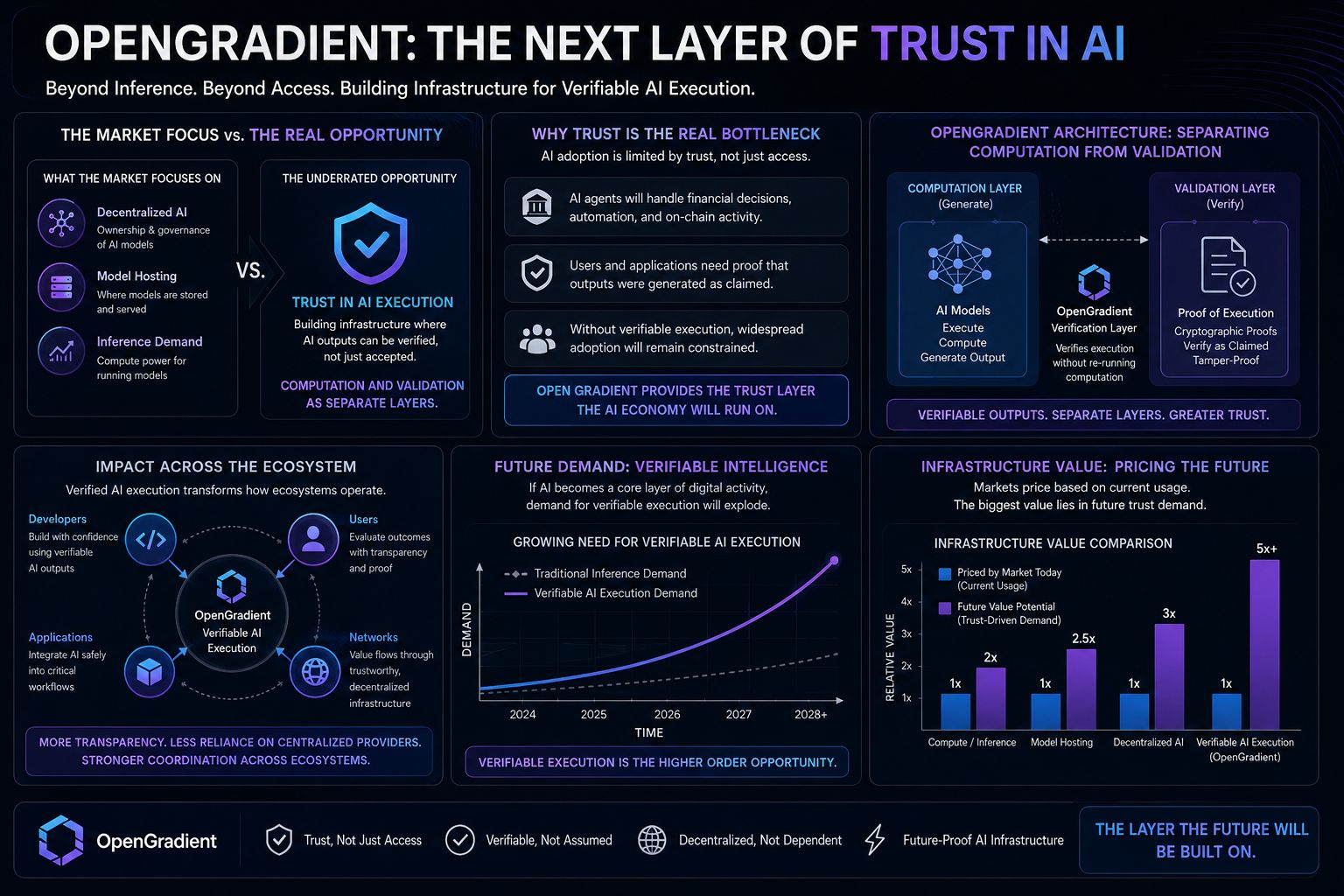
Mübahisələrin çoxu mərkəzləşdirilməmiş süni intellekt, model hostinqi və ya inferens (çıxarış) tələbi ətrafında cərəyan edir. Amma daha maraqlı hissə budur ki, OpenGradient AI icrasına olan etibarı necə yenidən formalaşdıra bilər. Layihə, AI çıxışlarının sadəcə qəbul edilmək əvəzinə yoxlana biləcəyi infrastruktur üzərində qurulur; burada hesablama və doğrulama ayrı-ayrı qatlar kimi işləyir.
Bu fərq önəmlidir, çünki AI-nin qəbul edilməsi getdikcə təkcə əlçatanlıqla deyil, etibarla məhdudlaşır. AI agentləri maliyyə qərarları, avtomatlaşdırma və zəncirüstü (on-çeyn) fəaliyyətləri idarə etməyə başladıqca, istifadəçilər və tətbiqlər çıxışların iddia olunduğu kimi yaradıldığını təsdiqləyən sübutlara ehtiyac duyacaqlar. OpenGradient özünü məhz bu gələcək tələbin ətrafında yerləşdirir.
Mənim fikrimcə, az qiymətləndirilən tərəf ekosistemlər arasında koordinasiya üçün potensial təsirdir. Yoxlanılmış AI icrası mərkəzləşdirilmiş provayderlərdən asılılığı azalda və tətbiqlərin AI ilə daha şəffaf şəkildə qarşılıqlı əlaqə qurmasına imkan verə bilər. Bu, inkişaf etdiricilərin necə qurduğunu, istifadəçilərin nəticələri necə qiymətləndirdiyini və dəyərin mərkəzləşdirilməmiş şəbəkələrdən necə axdığını dəyişir.
Bazar çox vaxt infrastrukturu mövcud istifadəyə əsasən qiymətləndirir. Düşünürəm ki, daha böyük imkan yoxlana bilən zəkanın gələcək tələbatındadır. Əgər AI rəqəmsal fəaliyyətin əsas qatına çevrilərsə, icranı etibarlı şəkildə sübut edə bilən şəbəkələr bazarın hazırda gözlədiyindən daha önəmli ola bilər.
Mən baxdığım qat budur.
@OpenGradient #OPG $OPG
Mübahisələrin çoxu mərkəzləşdirilməmiş süni intellekt, model hostinqi və ya inferens (çıxarış) tələbi ətrafında cərəyan edir. Amma daha maraqlı hissə budur ki, OpenGradient AI icrasına olan etibarı necə yenidən formalaşdıra bilər. Layihə, AI çıxışlarının sadəcə qəbul edilmək əvəzinə yoxlana biləcəyi infrastruktur üzərində qurulur; burada hesablama və doğrulama ayrı-ayrı qatlar kimi işləyir.
Bu fərq önəmlidir, çünki AI-nin qəbul edilməsi getdikcə təkcə əlçatanlıqla deyil, etibarla məhdudlaşır. AI agentləri maliyyə qərarları, avtomatlaşdırma və zəncirüstü (on-çeyn) fəaliyyətləri idarə etməyə başladıqca, istifadəçilər və tətbiqlər çıxışların iddia olunduğu kimi yaradıldığını təsdiqləyən sübutlara ehtiyac duyacaqlar. OpenGradient özünü məhz bu gələcək tələbin ətrafında yerləşdirir.
Mənim fikrimcə, az qiymətləndirilən tərəf ekosistemlər arasında koordinasiya üçün potensial təsirdir. Yoxlanılmış AI icrası mərkəzləşdirilmiş provayderlərdən asılılığı azalda və tətbiqlərin AI ilə daha şəffaf şəkildə qarşılıqlı əlaqə qurmasına imkan verə bilər. Bu, inkişaf etdiricilərin necə qurduğunu, istifadəçilərin nəticələri necə qiymətləndirdiyini və dəyərin mərkəzləşdirilməmiş şəbəkələrdən necə axdığını dəyişir.
Bazar çox vaxt infrastrukturu mövcud istifadəyə əsasən qiymətləndirir. Düşünürəm ki, daha böyük imkan yoxlana bilən zəkanın gələcək tələbatındadır. Əgər AI rəqəmsal fəaliyyətin əsas qatına çevrilərsə, icranı etibarlı şəkildə sübut edə bilən şəbəkələr bazarın hazırda gözlədiyindən daha önəmli ola bilər.
Mən baxdığım qat budur.
@OpenGradient #OPG $OPG
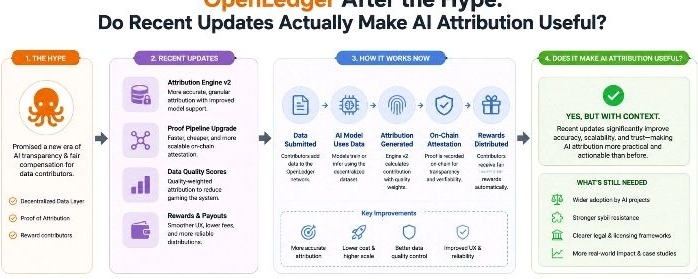
#openledger $OPEN Mən OpenLedger (OPEN)-ə yaxından baxıram və diqqətimi çəkən odur ki, onun baxışı datanı, modelləri və agentləri istifadə olunmadan qalmayan, dəyər yaradan aktivlərə çevirməkdir. Çox layihələr yalnız infrastruktur üzərində fokuslanır, amma OpenLedger töhfə verənlərin yaratdıqlarını və paylaşdıqlarını potensial olaraq pul formasında dəyərləndirə biləcəyi iqtisadi bir qat qurur.
Məni həyəcanlandıran ideya AI ilə bağlı aktivlər ətrafında likvidliyi açmaqdır. Data intellektual sistemləri gücləndirir, modellər imkanlar təqdim edir, agentlər isə tapşırıqları yerinə yetirir. OpenLedger bu parçaları mülkiyyətin, atribu-siyanın və mükafatların daha şəffaf şəkildə izlənə biləcəyi blokçeyn əsaslı ekosistem vasitəsilə birləşdirməyi hədəfləyir.
Buradakı fürsət təkcə texnologiya deyil—təşviqlər yaratmaqdır. Əgər qurucular, tədqiqatçılar və töhfə verənlər ədalətli şəkildə mükafatlandırılsa, şəbəkə daha çox iştirak cəlb edə bilər və artımı sürətləndirə bilər. Bu da OPEN-i diqqətdə saxlamağa dəyər bir layihə edir.
Növbəti addımım sadədir: ekosistemin inkişafını, icmanın böyüməsini, tərəfdaşlıqları və real dünyada tətbiqi izləyirəm. Şəbəkədə neçə tərtibatçının işlədiyini və istifadəçilərin onun alətləri və xidmətləri ilə aktiv şəkildə məşğul olub-olmadığını görmək istəyirəm. Güclü praktiki fayda və davamlı fəaliyyət çox zaman “şou”dan daha önəmli olur.
Hazırda OpenLedger blokçeyn ilə AI iqtisadiyyatını körpüləməyə yönəlmiş cəsarətli bir cəhd kimi görünür. İcranın baxışla uyğunlaşacağı təqdirdə, OPEN data, modellər və avtonom agentlər üçün formalaşmaqda olan bazarda mühüm oyunçu ola bilər.
@OpenLedger #OpenLedger
$PORTAL
$LAB
Məni həyəcanlandıran ideya AI ilə bağlı aktivlər ətrafında likvidliyi açmaqdır. Data intellektual sistemləri gücləndirir, modellər imkanlar təqdim edir, agentlər isə tapşırıqları yerinə yetirir. OpenLedger bu parçaları mülkiyyətin, atribu-siyanın və mükafatların daha şəffaf şəkildə izlənə biləcəyi blokçeyn əsaslı ekosistem vasitəsilə birləşdirməyi hədəfləyir.
Buradakı fürsət təkcə texnologiya deyil—təşviqlər yaratmaqdır. Əgər qurucular, tədqiqatçılar və töhfə verənlər ədalətli şəkildə mükafatlandırılsa, şəbəkə daha çox iştirak cəlb edə bilər və artımı sürətləndirə bilər. Bu da OPEN-i diqqətdə saxlamağa dəyər bir layihə edir.
Növbəti addımım sadədir: ekosistemin inkişafını, icmanın böyüməsini, tərəfdaşlıqları və real dünyada tətbiqi izləyirəm. Şəbəkədə neçə tərtibatçının işlədiyini və istifadəçilərin onun alətləri və xidmətləri ilə aktiv şəkildə məşğul olub-olmadığını görmək istəyirəm. Güclü praktiki fayda və davamlı fəaliyyət çox zaman “şou”dan daha önəmli olur.
Hazırda OpenLedger blokçeyn ilə AI iqtisadiyyatını körpüləməyə yönəlmiş cəsarətli bir cəhd kimi görünür. İcranın baxışla uyğunlaşacağı təqdirdə, OPEN data, modellər və avtonom agentlər üçün formalaşmaqda olan bazarda mühüm oyunçu ola bilər.
@OpenLedger #OpenLedger
$PORTAL
$LAB
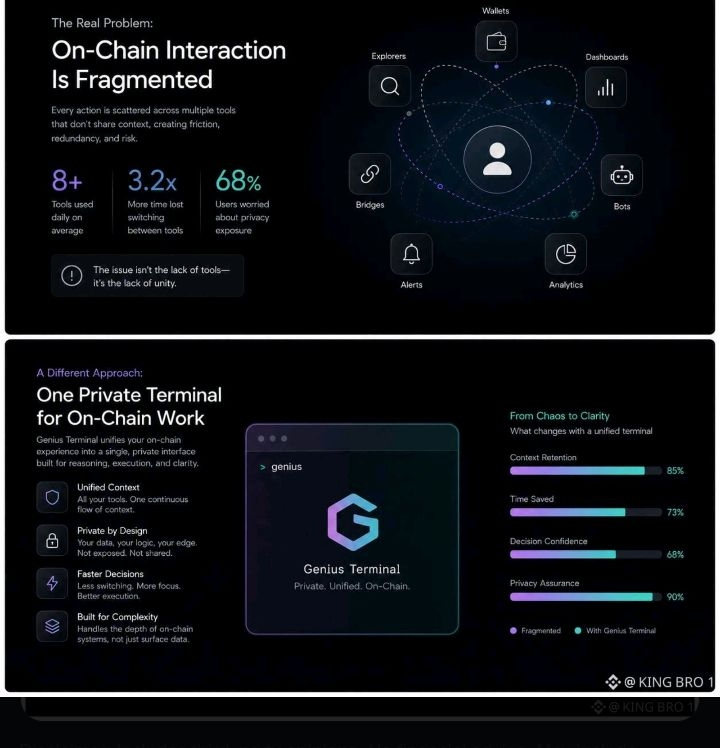
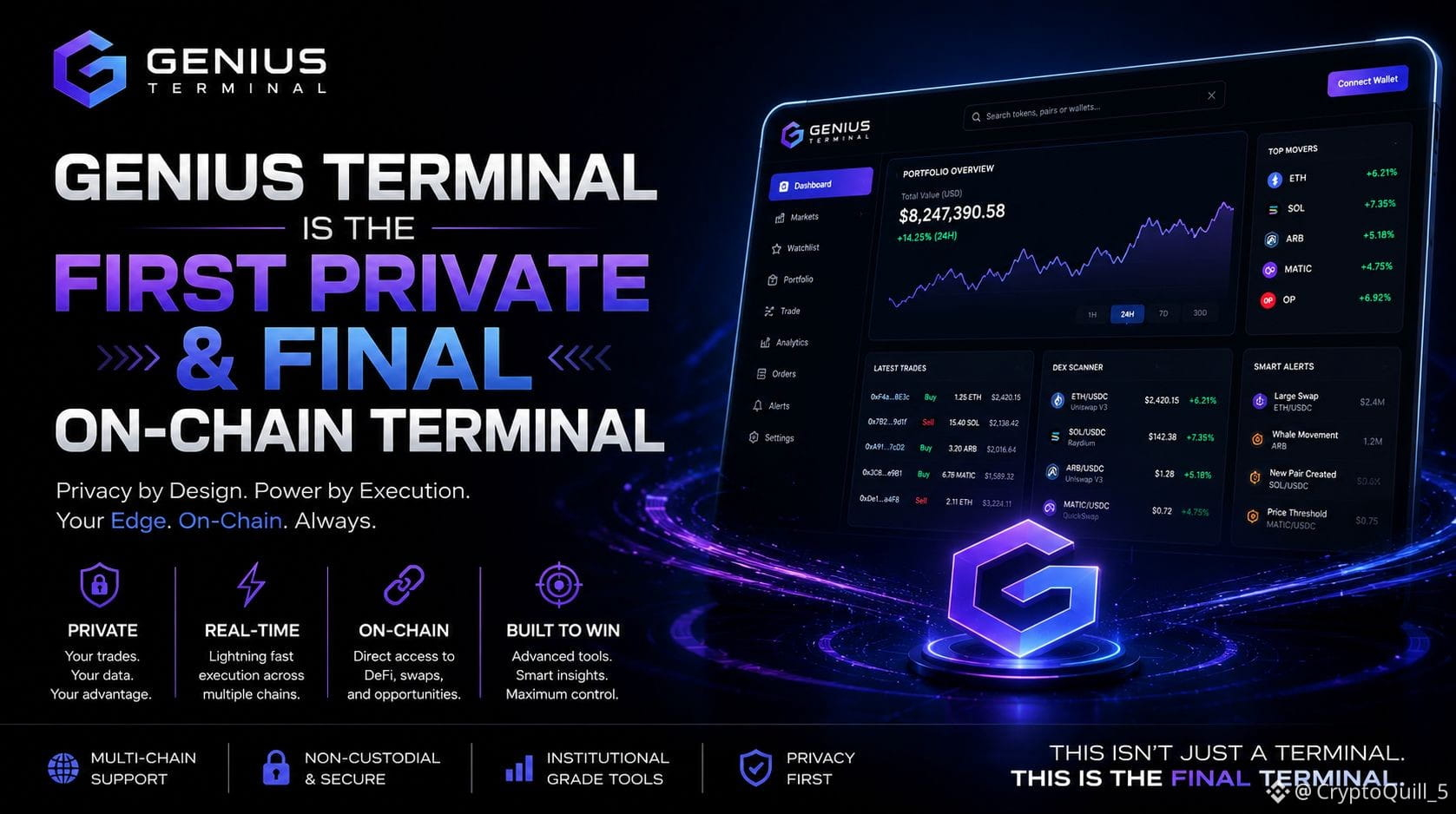
#genius $GENIUS Ben Genius Terminal-ı izləyirəm və diqqətimi cəlb edən əsas məqam onun çox sayda treyderin və on-çeyn istifadəçisinin önəm verdiyi mövzuya—məxfiliyə—fokuslanmasıdır. Əksər platformalar bir neçə alət və idarəetmə panelləri arasında izlər buraxır, Genius Terminal isə özünü ilk özəl və yekun on-çeyn terminalı kimi təqdim edir; məqsədi hər şeyi bir yerdə toplamaqdır.
Məni çəkən fikir mürəkkəbliyi azaltmaqdır. Tədqiqat, icra və monitorinq üçün müxtəlif tətbiqlər arasında sıçramaq yerinə Genius Terminal istifadəçiləri zəncirə daha yaxın saxlayan, eyni zamanda məxfiliyi qoruyan sadələşdirilmiş bir təcrübə qurur. Məlumatın sürətlə hərəkət etdiyi və hər saniyənin önəmli olduğu bir bazarda xüsusi terminala sahib olmaq ciddi üstünlük ola bilər.
Buradakı ən böyük imkan məncə qəbulun (adopsiyanın) artırılmasıdır. Komanda funksiyaları, təhlükəsizliyi və istifadəçi təcrübəsini inkişaf etdirməyə davam edə bilsə, Genius Terminal aktiv on-çeyn iştirakçıları üçün əsas alətə çevrilə bilər. Məxfilik artıq lüks deyil—zərurətə çevrilir.
Növbəti addımım sadədir: məhsul yeniliklərini, icmanın böyüməsini və funksiyaların buraxılışını izləməyə davam edəcəyəm. Həmçinin tərəfdaşlıqlara, istifadəçi qəbul göstəricilərinə və təcrübəli treyderlərin rəylərinə diqqət yetirəcəyəm. Platforma öz baxışını çatdırmağa davam etsə, Genius Terminal on-çeyn ekosistemində izləməyə dəyər infrastruktur layihələrindən birinə çevrilə bilər.
Hələlik isə fokusumu dəyişmirəm: araşdırma aparır, Genius Terminal-ı izləmə siyahımda saxlayıram.
@GeniusOfficial #genius
$LAB
$ALLO
Məni çəkən fikir mürəkkəbliyi azaltmaqdır. Tədqiqat, icra və monitorinq üçün müxtəlif tətbiqlər arasında sıçramaq yerinə Genius Terminal istifadəçiləri zəncirə daha yaxın saxlayan, eyni zamanda məxfiliyi qoruyan sadələşdirilmiş bir təcrübə qurur. Məlumatın sürətlə hərəkət etdiyi və hər saniyənin önəmli olduğu bir bazarda xüsusi terminala sahib olmaq ciddi üstünlük ola bilər.
Buradakı ən böyük imkan məncə qəbulun (adopsiyanın) artırılmasıdır. Komanda funksiyaları, təhlükəsizliyi və istifadəçi təcrübəsini inkişaf etdirməyə davam edə bilsə, Genius Terminal aktiv on-çeyn iştirakçıları üçün əsas alətə çevrilə bilər. Məxfilik artıq lüks deyil—zərurətə çevrilir.
Növbəti addımım sadədir: məhsul yeniliklərini, icmanın böyüməsini və funksiyaların buraxılışını izləməyə davam edəcəyəm. Həmçinin tərəfdaşlıqlara, istifadəçi qəbul göstəricilərinə və təcrübəli treyderlərin rəylərinə diqqət yetirəcəyəm. Platforma öz baxışını çatdırmağa davam etsə, Genius Terminal on-çeyn ekosistemində izləməyə dəyər infrastruktur layihələrindən birinə çevrilə bilər.
Hələlik isə fokusumu dəyişmirəm: araşdırma aparır, Genius Terminal-ı izləmə siyahımda saxlayıram.
@GeniusOfficial #genius
$LAB
$ALLO
#openledger $OPEN
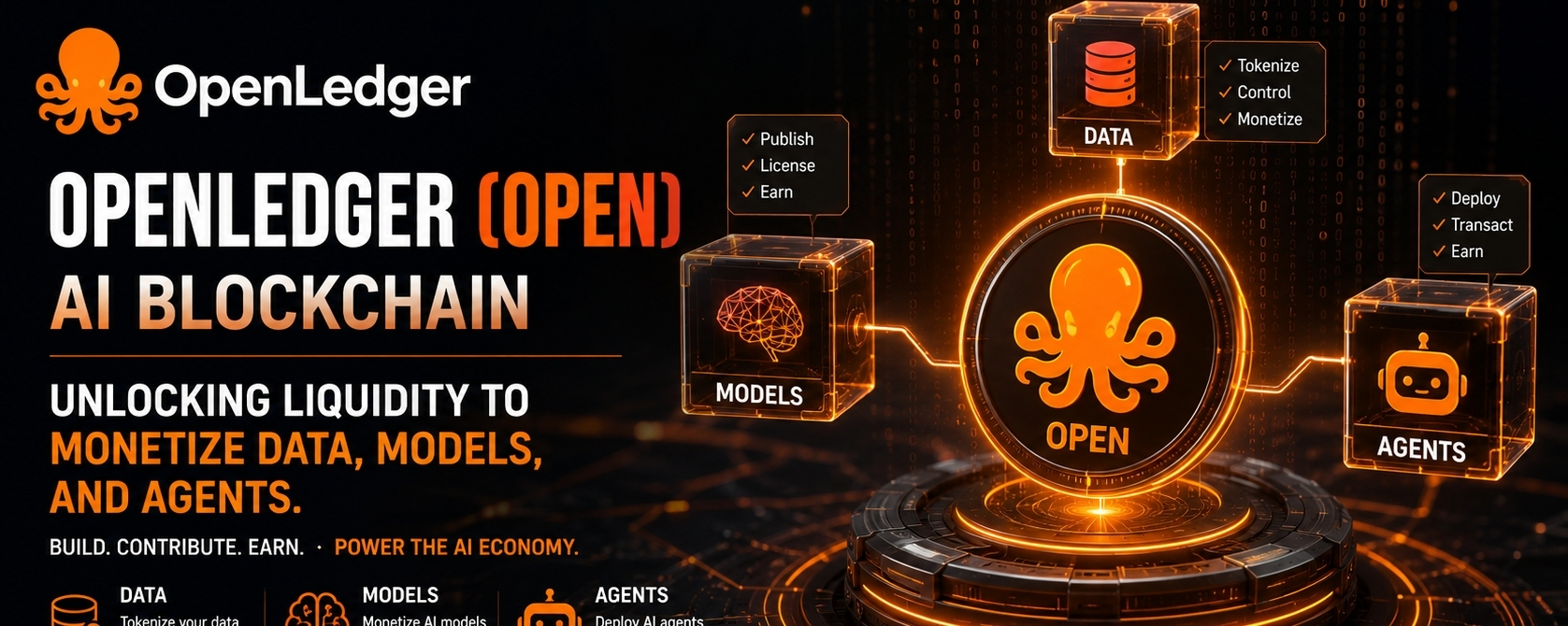
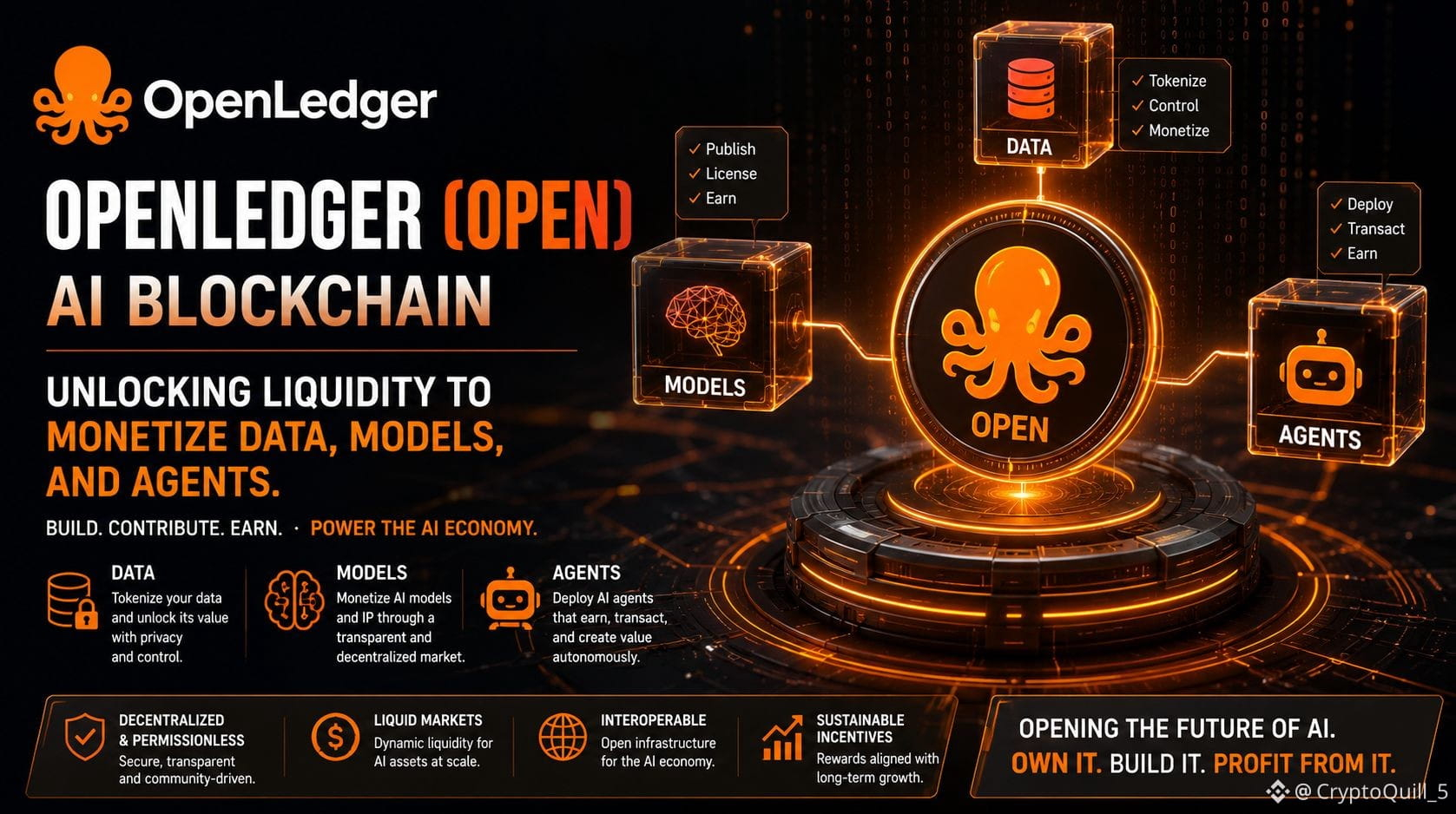
OpenLedger-in artımını yaxından izləyirəm və diqqətimi çəkən odur ki, onun diqqəti datanı, modelləri və agentləri dəyər yarada bilən aktivlərə çevirməyə yönəlib; boş qalıb dəyərsizləşməkdənsə, iqtisadi faydaya çevirmək istəyir.
Əksər platformalar innovasiyadan danışır, amma OpenLedger töhfə verənlərin potensial olaraq yaratdıqlarını monetizasiya edə biləcəyi iqtisadi qat qurur. Data provayderləri, model hazırlayanlar və agent tərtibatçıları ekosistemdə rol oynayır, iştirakçılığı mükafatlandıran və artımı təşviq edən bir struktur formalaşdırırlar.
Məni ən çox həyəcanlandıran likvidlik aspektidir. Bir çox ekosistemdə qiymətli resurslar məhdud şəkildə dəyərini əldə etmək imkanları ilə kilidlənmiş qalır. OpenLedger bunu yaratma ilə iqtisadi imkan arasında əlaqə yaradan mexanizmlər qurmaqla dəyişməyi hədəfləyir. Uğurlu olarsa, bu, AI infrastrukturunu töhfəçilər üçün daha əlçatan, şəffaf və daha mükafatlandırıcı edə bilər.
Növbəti addımım sadədir: ekosistemin artımını, tərtibatçı aktivliyini, tərəfdaşlıqları və real dünyada tətbiqi izləyirəm. Texnologiya vacibdir, amma uzunmüddətli dəyəri sonda istifadə müəyyənləşdirir. Neçə qurucunun qoşulduğunu, aktivlərin necə istifadə edildiyini və şəbəkənin mənalı iqtisadi fəaliyyətə davam edib-etməyəcəyini görmək istəyirəm.
OpenLedger təkcə texnologiya üzrə rəqabət aparmır—mülkiyyət, stimullar və dəyərin bölüşdürülməsi üzrə rəqabət aparır. Qəbul artmağa davam edərsə, OPEN rəqəmsal aktiv iqtisadiyyatı inkişaf etdikcə diqqətdə saxlanılmağa dəyər layihələrdən biri ola bilər.
@OpenLedger #OpenLedger
$PORTAL
$LAB
OpenLedger-in artımını yaxından izləyirəm və diqqətimi çəkən odur ki, onun diqqəti datanı, modelləri və agentləri dəyər yarada bilən aktivlərə çevirməyə yönəlib; boş qalıb dəyərsizləşməkdənsə, iqtisadi faydaya çevirmək istəyir.
Əksər platformalar innovasiyadan danışır, amma OpenLedger töhfə verənlərin potensial olaraq yaratdıqlarını monetizasiya edə biləcəyi iqtisadi qat qurur. Data provayderləri, model hazırlayanlar və agent tərtibatçıları ekosistemdə rol oynayır, iştirakçılığı mükafatlandıran və artımı təşviq edən bir struktur formalaşdırırlar.
Məni ən çox həyəcanlandıran likvidlik aspektidir. Bir çox ekosistemdə qiymətli resurslar məhdud şəkildə dəyərini əldə etmək imkanları ilə kilidlənmiş qalır. OpenLedger bunu yaratma ilə iqtisadi imkan arasında əlaqə yaradan mexanizmlər qurmaqla dəyişməyi hədəfləyir. Uğurlu olarsa, bu, AI infrastrukturunu töhfəçilər üçün daha əlçatan, şəffaf və daha mükafatlandırıcı edə bilər.
Növbəti addımım sadədir: ekosistemin artımını, tərtibatçı aktivliyini, tərəfdaşlıqları və real dünyada tətbiqi izləyirəm. Texnologiya vacibdir, amma uzunmüddətli dəyəri sonda istifadə müəyyənləşdirir. Neçə qurucunun qoşulduğunu, aktivlərin necə istifadə edildiyini və şəbəkənin mənalı iqtisadi fəaliyyətə davam edib-etməyəcəyini görmək istəyirəm.
OpenLedger təkcə texnologiya üzrə rəqabət aparmır—mülkiyyət, stimullar və dəyərin bölüşdürülməsi üzrə rəqabət aparır. Qəbul artmağa davam edərsə, OPEN rəqəmsal aktiv iqtisadiyyatı inkişaf etdikcə diqqətdə saxlanılmağa dəyər layihələrdən biri ola bilər.
@OpenLedger #OpenLedger
$PORTAL
$LAB
Doğrulanıb
#genius $GENIUS Mən bir müddətdir on-chain alətlərinin təkamülünü izləyirəm və Genius Terminal bir səbəbə görə seçilir: səs-küyə yox, məxfiliyə və icraya əsaslanıb. Əksər platformalar dashboard-lara, siqnallara və bitməyən məlumat axınlarına fokuslansa da, Genius Terminal özünü ilk özəl və son on-chain terminal kimi təqdim edir; bu, tez bir zamanda informasiyadan əməyə keçmək istəyən treyderlər üçündür.
Diqqətimi çəkən əsas məqam kritik treydinq fəaliyyətinin axıcıl şəkildə saxlanmasına yönəlməsidir. Hər saniyənin önəmli olduğu bir bazarda sürtünməni azaltmaq, düzgün fürsəti tapmaq qədər vacib ola bilər. Məxfilik, sürət və birbaşa on-chain giriş qərarların lazımsız mürəkkəbliklə gecikdirilmədən, inamla icra olunduğu bir mühit yaradır.
Burada daha geniş bir tendensiyanın formalaşdığını görürəm. On-chain aktivlik artdıqca, istifadəçilər intellekti, məxfiliyi və icranı tək bir iş axınında birləşdirən alətlər tələb edəcəklər. Genius Terminal isə görünür, həmin gələcəyə doğru qurulur.
Növbəti addımım platform yeniliklərini izləmək, yenicə buraxılmış funksiyaları araşdırmaq və treydinq icması arasında qəbulun necə inkişaf etdiyini izləməkdir. Güclü istifadəçi artımı, daha dərin inteqrasiyalar və davamlı məhsul təkmilləşdirmələri uzunmüddətli dinamikanın əsas göstəricilərinə çevrilə bilər.
Hələlik Genius Terminal mənim diqqət mərkəzindədir, çünki real bir problemi hədəfləyir: ciddi istifadəçilər üçün on-chain icranı məxfi, səmərəli və praktik etmək.
@GeniusOfficial #genius
$LAB
$ALLO
Diqqətimi çəkən əsas məqam kritik treydinq fəaliyyətinin axıcıl şəkildə saxlanmasına yönəlməsidir. Hər saniyənin önəmli olduğu bir bazarda sürtünməni azaltmaq, düzgün fürsəti tapmaq qədər vacib ola bilər. Məxfilik, sürət və birbaşa on-chain giriş qərarların lazımsız mürəkkəbliklə gecikdirilmədən, inamla icra olunduğu bir mühit yaradır.
Burada daha geniş bir tendensiyanın formalaşdığını görürəm. On-chain aktivlik artdıqca, istifadəçilər intellekti, məxfiliyi və icranı tək bir iş axınında birləşdirən alətlər tələb edəcəklər. Genius Terminal isə görünür, həmin gələcəyə doğru qurulur.
Növbəti addımım platform yeniliklərini izləmək, yenicə buraxılmış funksiyaları araşdırmaq və treydinq icması arasında qəbulun necə inkişaf etdiyini izləməkdir. Güclü istifadəçi artımı, daha dərin inteqrasiyalar və davamlı məhsul təkmilləşdirmələri uzunmüddətli dinamikanın əsas göstəricilərinə çevrilə bilər.
Hələlik Genius Terminal mənim diqqət mərkəzindədir, çünki real bir problemi hədəfləyir: ciddi istifadəçilər üçün on-chain icranı məxfi, səmərəli və praktik etmək.
@GeniusOfficial #genius
$LAB
$ALLO
yaxşı

KINGBHAI 29
·
--
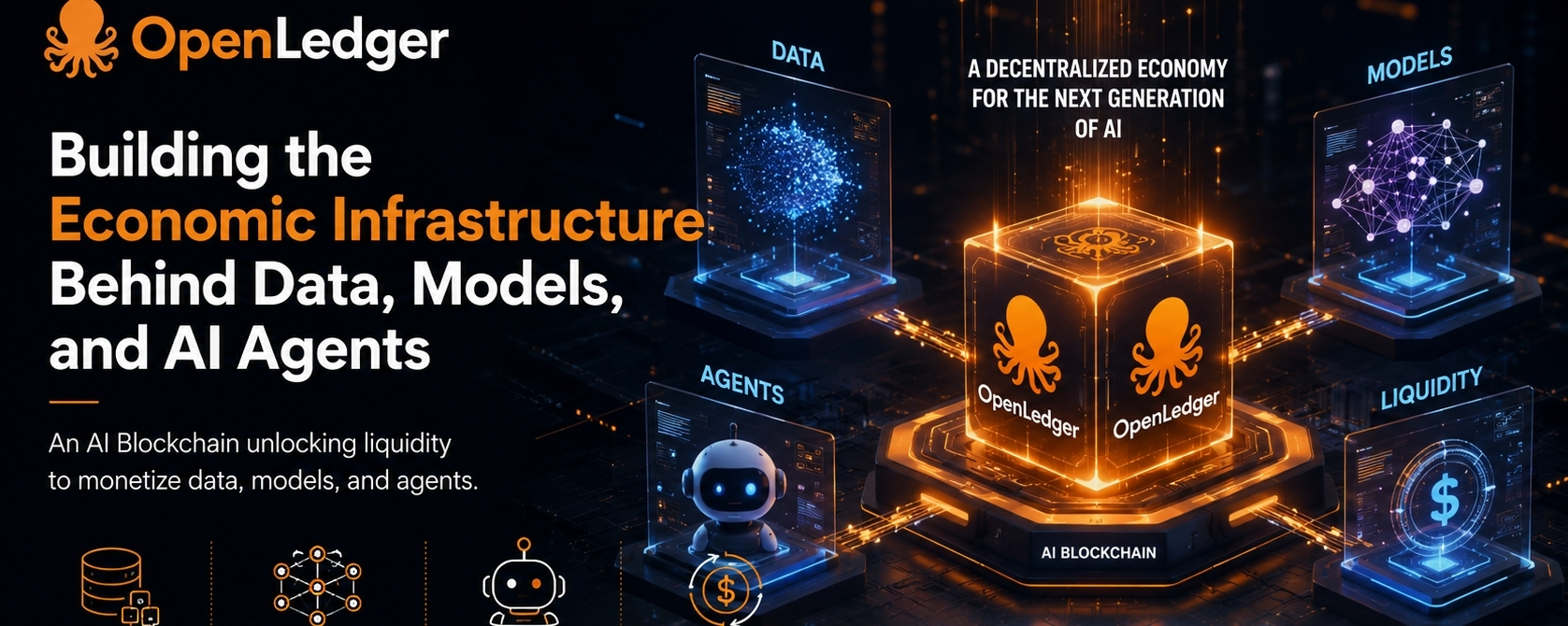
OpenLedger: Məlumatlar, Modellər və AI Agentləri Arxasında İqtisadi İnfrastruktur Qurmaq
OpenLedger-ə baxanda, dərhal AI nağılına bağlanmağa çalışan başqa bir blockchain görmürəm. Gördüyüm, AI sistemləri böyüdükcə daha görünən bir koordinasiya problemini həll etməyə cəhd etməkdir ki, bu da daha çox iştirakçı cəlb edir.
Bu gün AI inkişafı nadir hallarda tək bir iştirakçının nəticəsidir. Məlumat təminatçıları datasetlər yaradır, inkişafçılar modellər qurur, operatorlar infrastruktur işlədir və istifadəçilər real dünyada tələbləri yaradır. Hər iştirakçı dəyər qatır, amma aralarındakı iqtisadi münasibət çox vaxt aydın deyil. Texniki irəliləyiş davam edir, lakin mülkiyyət, stimullar və monetizasiya parçalanmış qalır. OpenLedger bu konkret boşluq ətrafında qurulmuş kimi görünür.
Bu gün AI inkişafı nadir hallarda tək bir iştirakçının nəticəsidir. Məlumat təminatçıları datasetlər yaradır, inkişafçılar modellər qurur, operatorlar infrastruktur işlədir və istifadəçilər real dünyada tələbləri yaradır. Hər iştirakçı dəyər qatır, amma aralarındakı iqtisadi münasibət çox vaxt aydın deyil. Texniki irəliləyiş davam edir, lakin mülkiyyət, stimullar və monetizasiya parçalanmış qalır. OpenLedger bu konkret boşluq ətrafında qurulmuş kimi görünür.
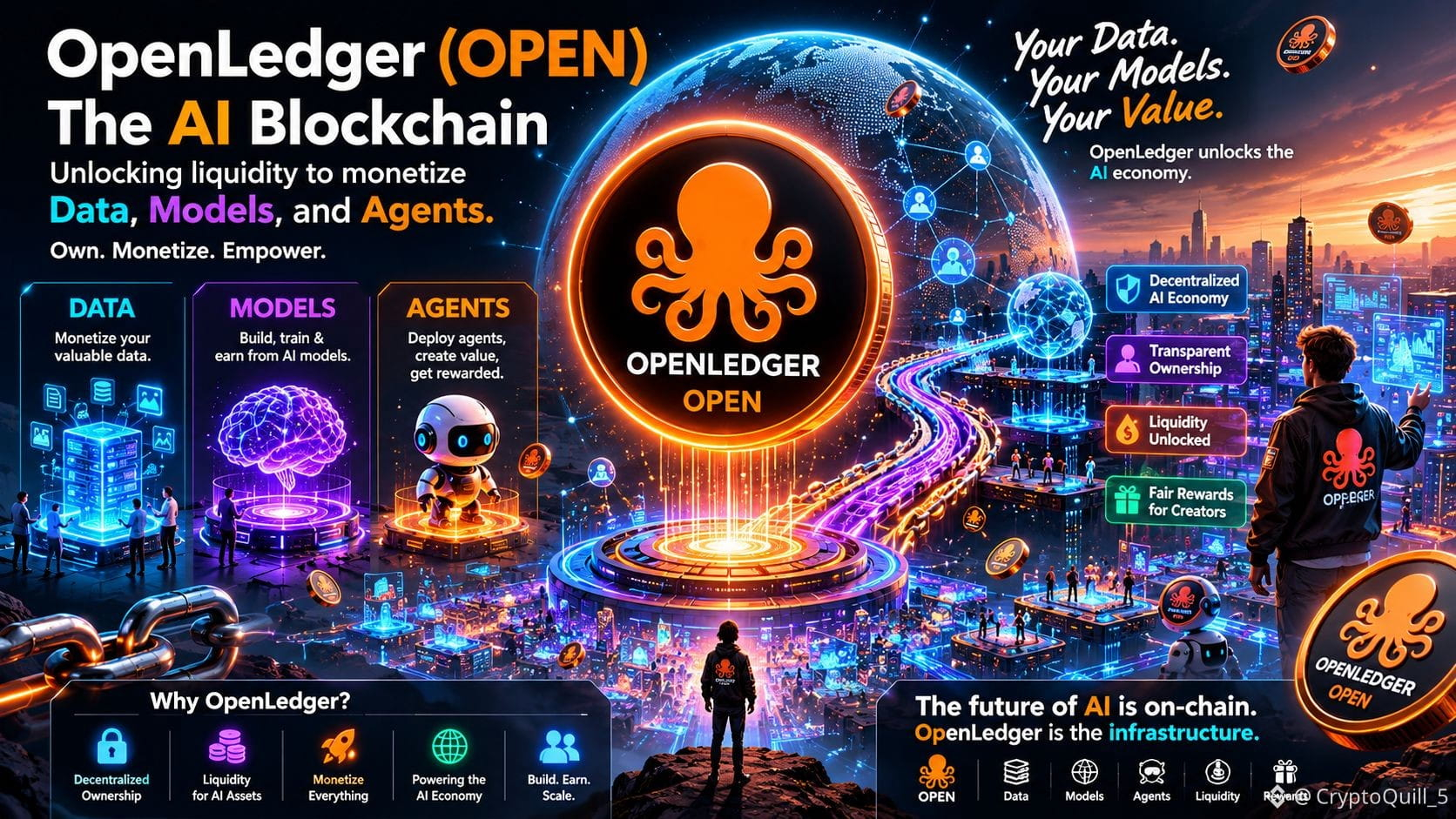
#openledger $OPEN Mən OpenLedger-i ($OPEN ) yaxından izləyirəm və diqqətimi çəkən əsas məqam onun missiyasıdır: məlumatı, modelləri və agentləri real rəqəmsal aktivlərə çevirmək ki, dəyər yaratsın. Faydalı informasiyanın boş oturmasına imkan verməkdənsə, OpenLedger yaradıcıların və töhfə verənlərin qurduqlarından və paylaşdıqlarından faydalanması üçün bir yol təqdim edir.
Məni ən çox həyəcanlandıran fikir məlumat və intellekt ətrafında likvidliyi açmaqdır. Smart tətbiqlərə tələbat artdıqca, töhfə verənləri, tərtibatçıları və istifadəçiləri şəffaf blokçeyn infrastrukturunu vasitəsilə birləşdirən layihələr böyük diqqət qazana bilər. OpenLedger dəyərli resursların kəşf oluna, istifadə oluna və mükafatlandırıla biləcəyi bir ekosistem yaradaraq bu hərəkatın mərkəzində mövqe tutur.
Bazar baxımından isə mən ekosistemin artımını, yeni tərəfdaşlıqları, tərtibatçı fəaliyyətini və artan mənimsənilməni izləyirəm. Bu amillər çox vaxt bir blokçeyn layihəsinin uzunmüddətli impulsunu qoruyub-qoruyamayacağını müəyyənləşdirməkdə böyük rol oynayır.
Növbəti addımım sadədir: mən onu öz izləmə siyahımda saxlayıram, layihə yeniliklərini izləyirəm, icmanın böyüməsini izləyirəm və faydalılığın genişlənməsinə dair əlamətləri axtarıram. Əgər mənimsənilmə artmağa davam etsə və şəbəkə daha çox “builder” cəlb etsə, OpenLedger inkişaf edən blokçeyn məkanında izləmək üçün daha maraqlı layihələrdən birinə çevrilə bilər.
Hələlik isə səbirli qalır, araşdırma aparıram və hekayənin buradan necə inkişaf edəcəyini izləyirəm.
@OpenLedger #OpenLedger
$ALLO
$ID
Məni ən çox həyəcanlandıran fikir məlumat və intellekt ətrafında likvidliyi açmaqdır. Smart tətbiqlərə tələbat artdıqca, töhfə verənləri, tərtibatçıları və istifadəçiləri şəffaf blokçeyn infrastrukturunu vasitəsilə birləşdirən layihələr böyük diqqət qazana bilər. OpenLedger dəyərli resursların kəşf oluna, istifadə oluna və mükafatlandırıla biləcəyi bir ekosistem yaradaraq bu hərəkatın mərkəzində mövqe tutur.
Bazar baxımından isə mən ekosistemin artımını, yeni tərəfdaşlıqları, tərtibatçı fəaliyyətini və artan mənimsənilməni izləyirəm. Bu amillər çox vaxt bir blokçeyn layihəsinin uzunmüddətli impulsunu qoruyub-qoruyamayacağını müəyyənləşdirməkdə böyük rol oynayır.
Növbəti addımım sadədir: mən onu öz izləmə siyahımda saxlayıram, layihə yeniliklərini izləyirəm, icmanın böyüməsini izləyirəm və faydalılığın genişlənməsinə dair əlamətləri axtarıram. Əgər mənimsənilmə artmağa davam etsə və şəbəkə daha çox “builder” cəlb etsə, OpenLedger inkişaf edən blokçeyn məkanında izləmək üçün daha maraqlı layihələrdən birinə çevrilə bilər.
Hələlik isə səbirli qalır, araşdırma aparıram və hekayənin buradan necə inkişaf edəcəyini izləyirəm.
@OpenLedger #OpenLedger
$ALLO
$ID
Doğrulanıb
#genius $GENIUS Genius Terminal-in artımı izləyirəm və bir şey dərhal diqqətimi çəkdi: bu, sürət, nəzarət və gizliliyi bir yerdə istəyən istifadəçilər üçün qurulmuş ilk özəl və son on-chain terminalı olmağı hədəfləyir. Məlumatların sürətlə gəzdiyi və hər saniyənin önəmli olduğu bir sahədə, on-chain fəaliyyətini sadələşdirmək üçün dizayn edilmiş bir terminala malik olmaq böyük bir üstünlük qazana bilər.
Məni ən çox maraqlandıran, gizliliyə fokuslanmasıdır. Bir çox alətlər məlumat təqdim edir, amma Genius Terminal istifadəçilərə on-chain imkanları ilə daha təmiz və təhlükəsiz bir şəkildə əlaqə qurmağı hədəfləyir. Önəmli məlumatları, icra alətlərini və real vaxtda giriş imkanı təqdim edən bir terminalın birləşdirilməsi, ticarətçilər, tədqiqatçılar və gündəlik istifadəçilər üçün daha hamar bir təcrübə yaradır.
Düşünürəm ki, növbəti addım sadədir: ekosistem yeniliklərinə, məhsul buraxılışlarına və icma elanlarına diqqət yetirin. Yeni funksiyalar, tərəfdaşlıqlar və inteqrasiyalar, geniş bazar diqqət etmədən əvvəl bir layihənin istiqamətini tez-tez açıqlaya bilər. Eyni zamanda, platformanı birbaşa araşdırmağı, alətlərini başa düşməyi və zamanla necə qəbul edildiyini izləməyi də önəmlidir.
Mənim üçün Genius Terminal sadəcə başqa bir panel deyil. Bu, daha səmərəli və gizli bir on-chain təcrübəsinə doğru bir irəliləyişdir. İnkişaf güclü sürətlə davam edərsə, bu layihə blokçeyn dünyasında daha böyük etimad və dəqiqliklə naviqasiya etmək istəyən istifadəçilər üçün vacib bir məkana çevrilə bilər.
@GeniusOfficial l #genius
$BASED
$WARD
Məni ən çox maraqlandıran, gizliliyə fokuslanmasıdır. Bir çox alətlər məlumat təqdim edir, amma Genius Terminal istifadəçilərə on-chain imkanları ilə daha təmiz və təhlükəsiz bir şəkildə əlaqə qurmağı hədəfləyir. Önəmli məlumatları, icra alətlərini və real vaxtda giriş imkanı təqdim edən bir terminalın birləşdirilməsi, ticarətçilər, tədqiqatçılar və gündəlik istifadəçilər üçün daha hamar bir təcrübə yaradır.
Düşünürəm ki, növbəti addım sadədir: ekosistem yeniliklərinə, məhsul buraxılışlarına və icma elanlarına diqqət yetirin. Yeni funksiyalar, tərəfdaşlıqlar və inteqrasiyalar, geniş bazar diqqət etmədən əvvəl bir layihənin istiqamətini tez-tez açıqlaya bilər. Eyni zamanda, platformanı birbaşa araşdırmağı, alətlərini başa düşməyi və zamanla necə qəbul edildiyini izləməyi də önəmlidir.
Mənim üçün Genius Terminal sadəcə başqa bir panel deyil. Bu, daha səmərəli və gizli bir on-chain təcrübəsinə doğru bir irəliləyişdir. İnkişaf güclü sürətlə davam edərsə, bu layihə blokçeyn dünyasında daha böyük etimad və dəqiqliklə naviqasiya etmək istəyən istifadəçilər üçün vacib bir məkana çevrilə bilər.
@GeniusOfficial l #genius
$BASED
$WARD
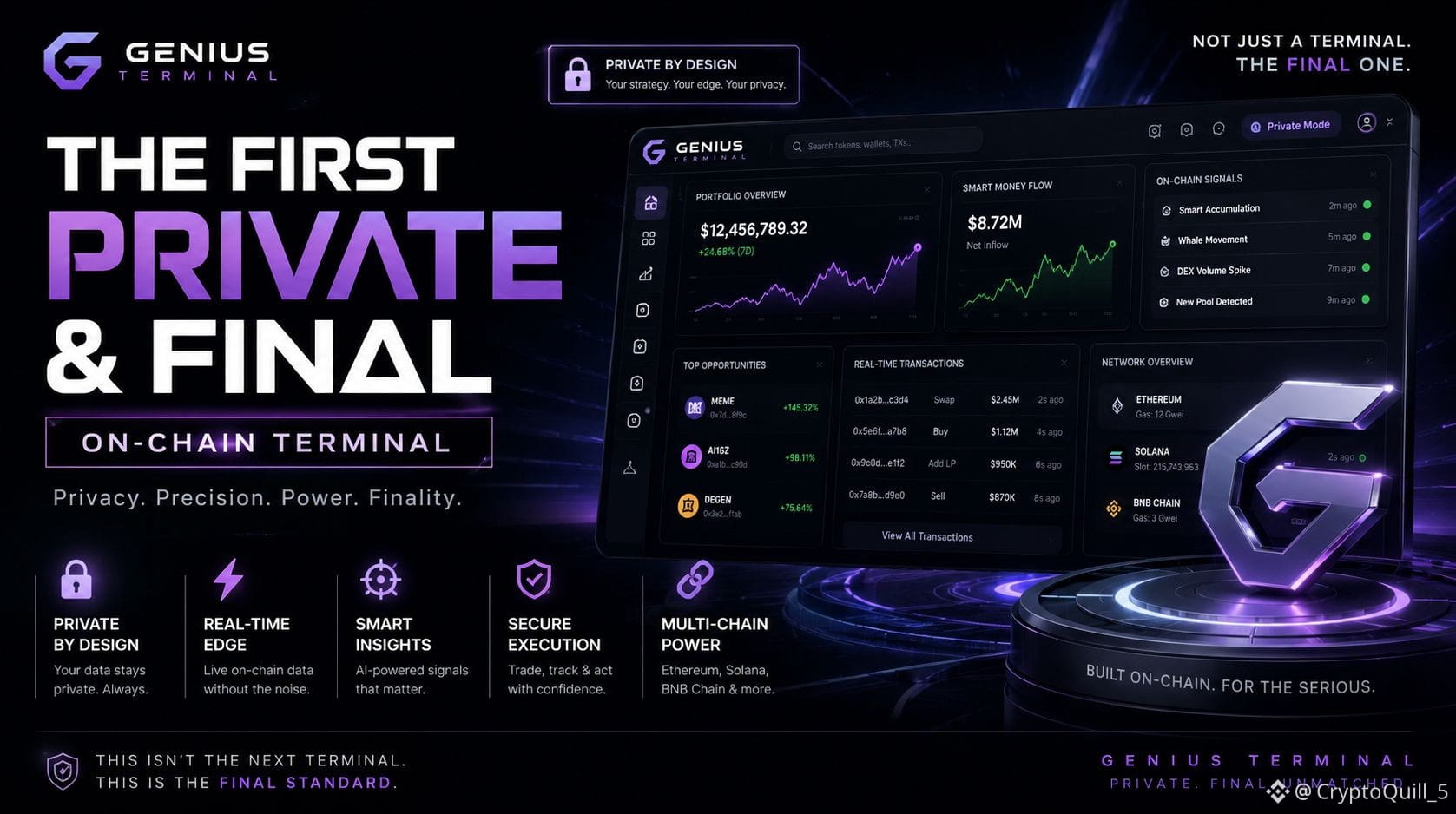
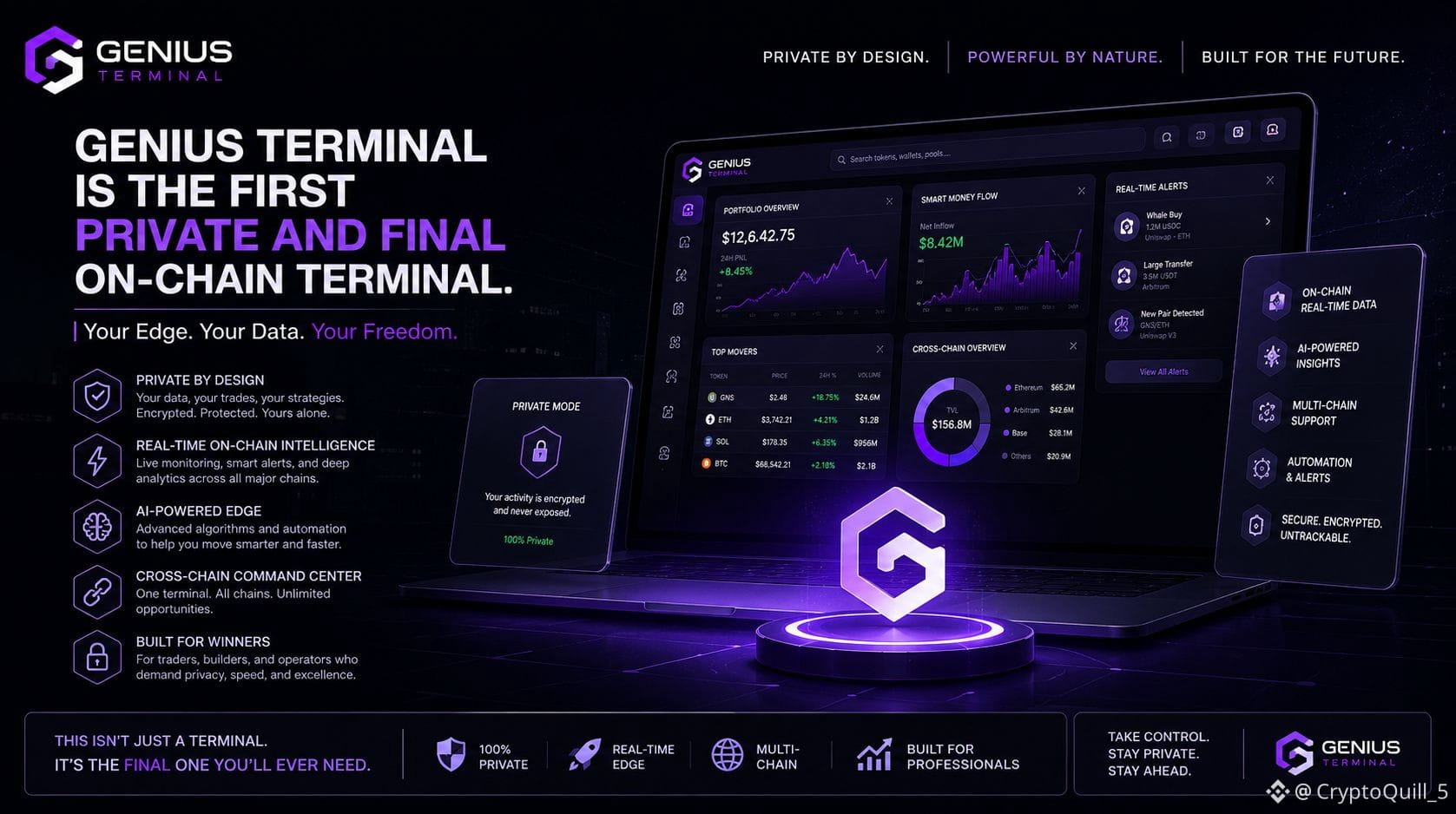
#genius $GENIUS Uzun müddətdir on-chain alətlərin yüksəlişini izləyirəm, amma Genius Terminal fərqli görünür. O, səslənməyə çalışmır. O, son qətiyyəti axtarır. Bu, mənim diqqətimi ilk çəkən şey oldu. Səs-küy, saxta siqnallar və gecikmiş reaksiyalarla dolu bir məkan içində, Genius Terminal-ın sürət və dəqiqliyin daha çox əhəmiyyət kəsb etdiyi bir özəl mühit yaratdığını görürəm.
Məni ən çox həyəcanlandıran şey, məxfilik və icraata olan diqqətdir. İmkanları izləyə, fəaliyyəti idarə edə və hər hərəkətimi ictimaiyyətə açıqlamadan daha sürətli reaksiya verə bilərəm. Bu, oyunu tamamilə dəyişir. Çox sayda treyder hələ də köhnəlmiş panellərdən istifadə edir, bazar isə saniyələr içində hərəkət edir. Genius Terminal, məlumatın idarə olunmasının gücə çevrildiyi on-chain ticarətinin növbəti mərhələsi üçün yaradılmış kimi görünür.
Bunun normal bir terminaldan daha böyük olduğunu düşünürəm. Bu, daha təmiz məlumat, daha ağıllı qərarlar və dalğalı bazarlarda daha güclü qoruma istəyən ciddi istifadəçilər üçün infrastruktur kimi hiss olunur.
Sonrakı addımım sadədir: Ekosistem inkişafını, istifadəçi qəbulunu və yaxınlaşan inteqrasiyaları diqqətlə izləyirəm. Əgər komanda güclü alətlər təqdim etməyə davam edərsə, platformanı özəl və effektiv saxlayarsa, Genius Terminal on-chain aləmində ən vacib adlardan biri ola bilər. @geniusofficial #genius $GENIUS
Məni ən çox həyəcanlandıran şey, məxfilik və icraata olan diqqətdir. İmkanları izləyə, fəaliyyəti idarə edə və hər hərəkətimi ictimaiyyətə açıqlamadan daha sürətli reaksiya verə bilərəm. Bu, oyunu tamamilə dəyişir. Çox sayda treyder hələ də köhnəlmiş panellərdən istifadə edir, bazar isə saniyələr içində hərəkət edir. Genius Terminal, məlumatın idarə olunmasının gücə çevrildiyi on-chain ticarətinin növbəti mərhələsi üçün yaradılmış kimi görünür.
Bunun normal bir terminaldan daha böyük olduğunu düşünürəm. Bu, daha təmiz məlumat, daha ağıllı qərarlar və dalğalı bazarlarda daha güclü qoruma istəyən ciddi istifadəçilər üçün infrastruktur kimi hiss olunur.
Sonrakı addımım sadədir: Ekosistem inkişafını, istifadəçi qəbulunu və yaxınlaşan inteqrasiyaları diqqətlə izləyirəm. Əgər komanda güclü alətlər təqdim etməyə davam edərsə, platformanı özəl və effektiv saxlayarsa, Genius Terminal on-chain aləmində ən vacib adlardan biri ola bilər. @geniusofficial #genius $GENIUS
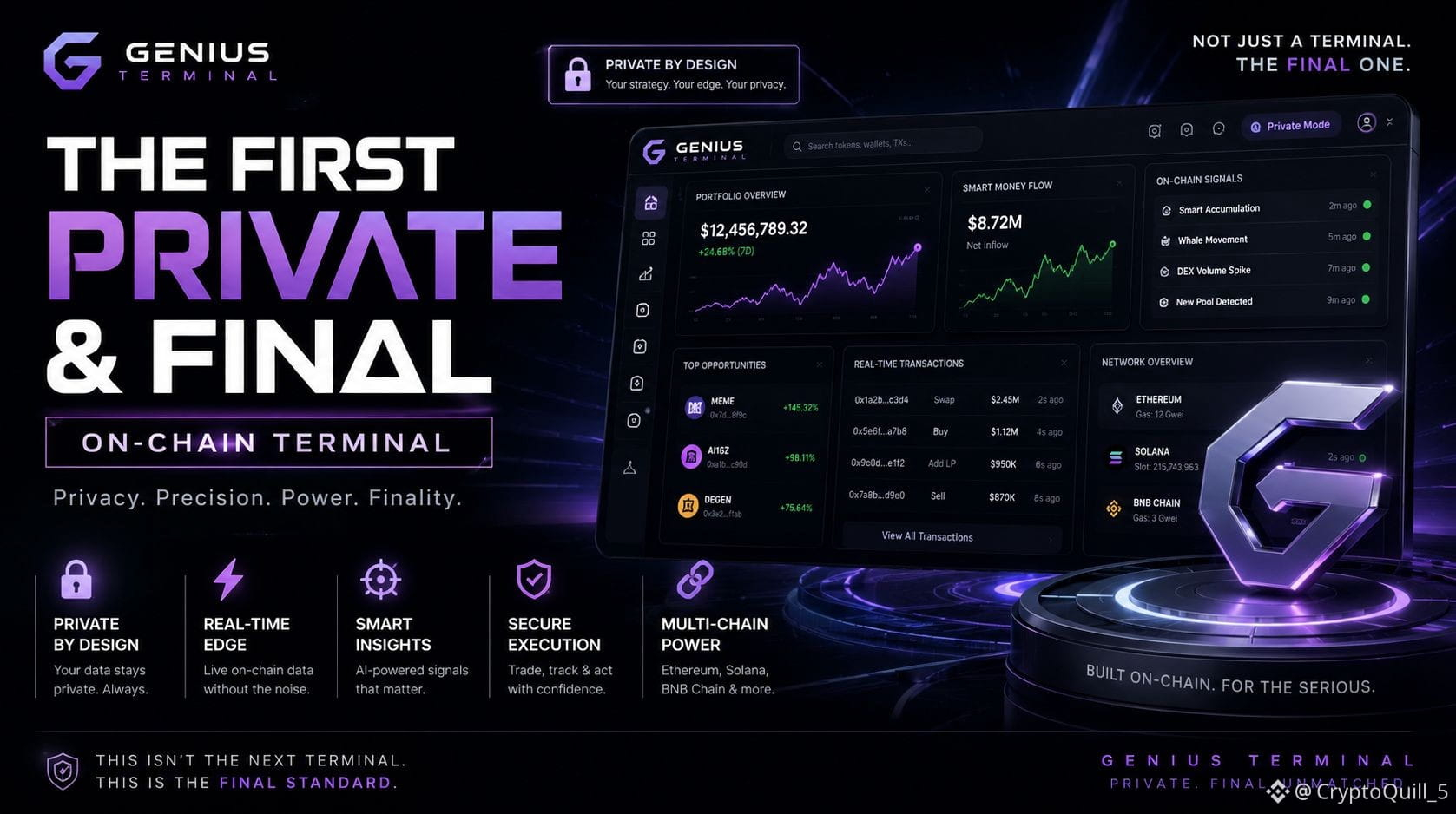
#openledger $OPEN Rəqəmsal iqtisadiyyatın nə qədər sürətlə dəyişdiyini izləyirəm və dürüst desəm, OpenLedger real bir problemi həll etməyə çalışan azsaylı layihələrdən biri kimi görünür—səs-küy ardınca qaçan deyil. OpenLedger elə bir sistem qurur ki, məlumatlar, modellər və agentlər dəyərsiz şəkildə qapalı qalmır. İnsanların nəhayət yaratdıqlarından, öyrətdiklərindən və ya töhfə verdiklərindən qazanmaq imkanı oyunu tamamilə dəyişir.
Diqqətimi çəkən onun arxasındakı likvidlik təbəqəsidir. Əksər platformalar istifadəçi fəaliyyətini toplayır, amma icma demək olar ki, heç nə geri almır. OpenLedger dəyərin yenidən yaradıcılara, quruculara və töhfə verənlərə keçə biləcəyi fərqli istiqaməti itələyir. Daha ağıllı rəqəmsal sistemlərə tələbat artdıqca bunun vacib olacağını görürəm.
Həmçinin OPEN-in özünü müvəqqəti həyəcan yox, uzunmüddətli fayda ətrafında necə yerləşdirdiyini də hiss edirəm. Bu önəmlidir. Layihələr insanlarin həqiqətən istifadə etdiyi ekosistemlər yarada bildikdə yaşayır. Əgər qəbul artarsa, məlumat və agentlər ətrafında şəbəkə effekti çox böyük miqyas ala bilər.
Növbəti addımım sadədir: ekosistemin böyüməsini, tərəfdaşlıqları, tərtibatçı fəaliyyətini və zəncirdə yeni alətlərin nə qədər sürətlə işə düşdüyünü izləyirəm. Həm də düşünürəm ki, platforma bir çoxunun gözlədiyi kimi genişlənsə, erkən icma iştirakı sonradan önəmli ola bilər.
Hazırda OpenLedger izdiham tam olaraq fərqinə varmazdan əvvəl səssizcə tikilən infrastruktur kimi daha çox görünür—sadəcə səs-küy yox.
$OPEN
Diqqətimi çəkən onun arxasındakı likvidlik təbəqəsidir. Əksər platformalar istifadəçi fəaliyyətini toplayır, amma icma demək olar ki, heç nə geri almır. OpenLedger dəyərin yenidən yaradıcılara, quruculara və töhfə verənlərə keçə biləcəyi fərqli istiqaməti itələyir. Daha ağıllı rəqəmsal sistemlərə tələbat artdıqca bunun vacib olacağını görürəm.
Həmçinin OPEN-in özünü müvəqqəti həyəcan yox, uzunmüddətli fayda ətrafında necə yerləşdirdiyini də hiss edirəm. Bu önəmlidir. Layihələr insanlarin həqiqətən istifadə etdiyi ekosistemlər yarada bildikdə yaşayır. Əgər qəbul artarsa, məlumat və agentlər ətrafında şəbəkə effekti çox böyük miqyas ala bilər.
Növbəti addımım sadədir: ekosistemin böyüməsini, tərəfdaşlıqları, tərtibatçı fəaliyyətini və zəncirdə yeni alətlərin nə qədər sürətlə işə düşdüyünü izləyirəm. Həm də düşünürəm ki, platforma bir çoxunun gözlədiyi kimi genişlənsə, erkən icma iştirakı sonradan önəmli ola bilər.
Hazırda OpenLedger izdiham tam olaraq fərqinə varmazdan əvvəl səssizcə tikilən infrastruktur kimi daha çox görünür—sadəcə səs-küy yox.
$OPEN
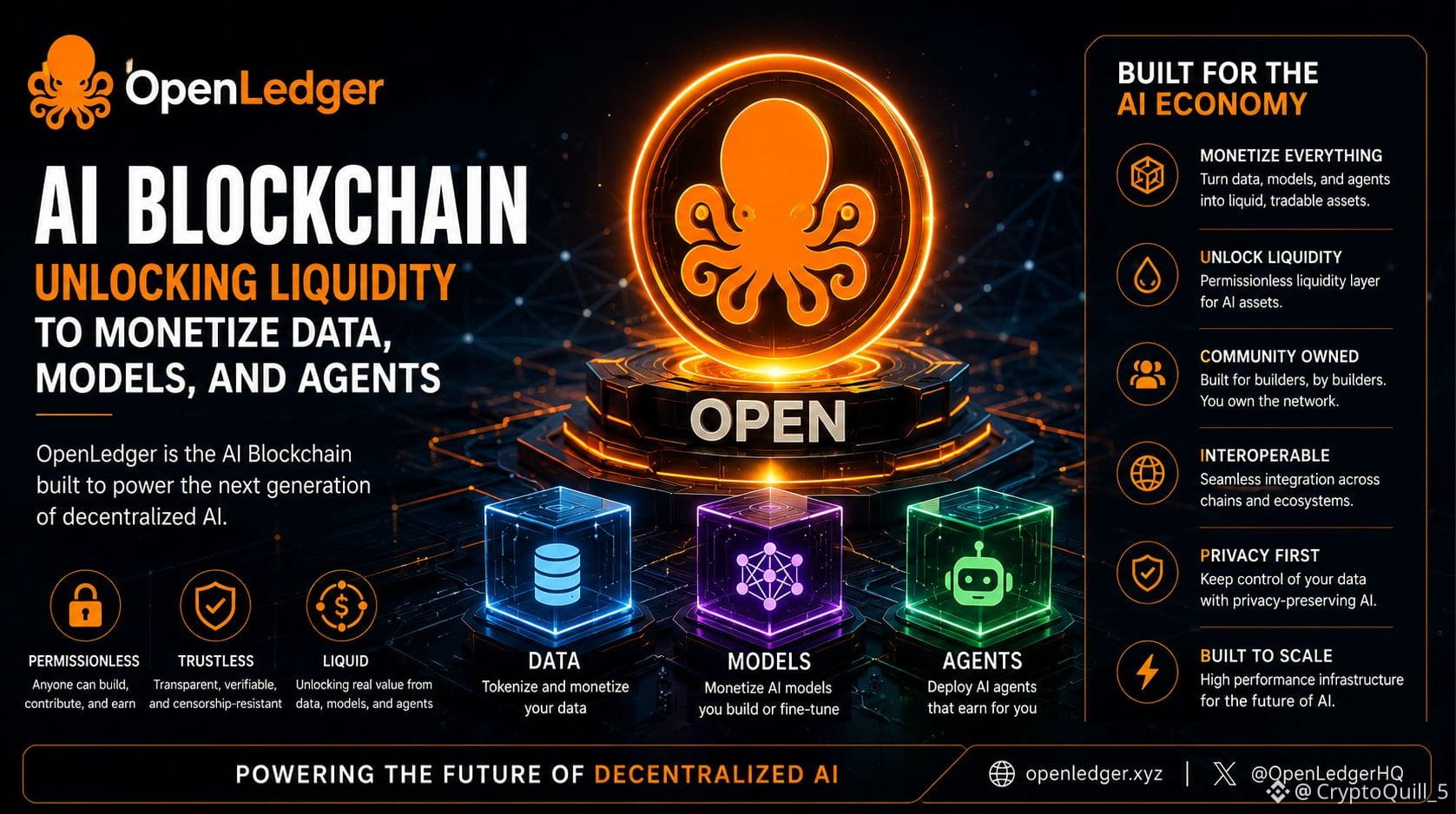
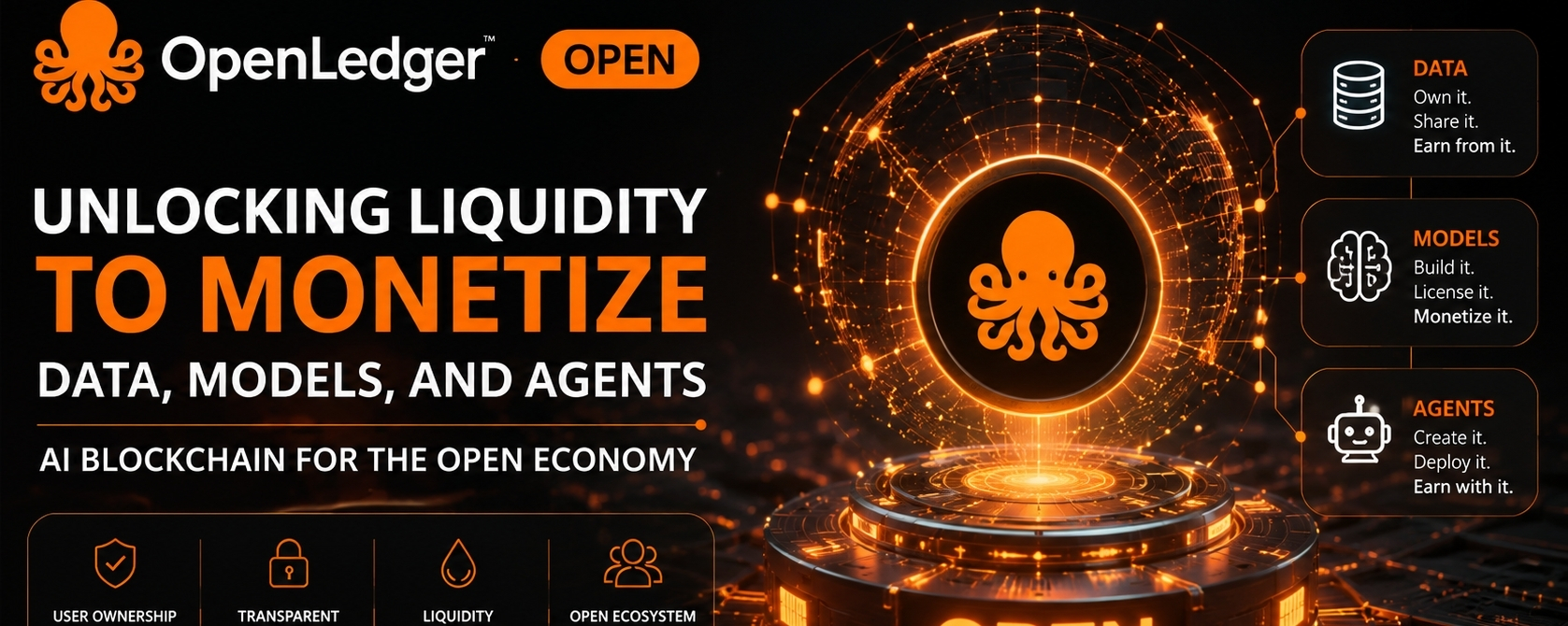
Ən çox AI zəncirləri sürətdən danışır. Azı mülkiyyətdən. Buna görə də @OpenLedger-i diqqətlə izləyirəm. $OPEN infrastruktur qurur ki, burada məlumatlar, modellər və AI agentləri faktiki olaraq mərkəzləşmiş platformalar üçün pulsuz yanacaq əvəzinə monetizasiya edilə bilən aktivlərə çevrilə bilər.
Marqlı olan yalnız TPS və ya hype dövrləri deyil — bu, AI töhfələrinin arxasındakı likidlik qatıdır. Əgər OpenLedger uğur qazanarsa, yaradıcılar və inkişaf etdiricilər on-chain-da istehsal etdikləri intellektdən dəyər qazana bilərlər.
Düşünürəm ki, kriptonun növbəti mərhələsi AI faydalılığını şəffaf iqtisadi stimulərlə birləşdirən şəbəkələri mükafatlandıracaq, və #OpenLedger bu müzakirədə özünü düzgün mövqedə yerləşdirir. $OPEN
Burada orijinal Binance Square postu var: you@OpenLedger #OpenLedger $OPEN
Marqlı olan yalnız TPS və ya hype dövrləri deyil — bu, AI töhfələrinin arxasındakı likidlik qatıdır. Əgər OpenLedger uğur qazanarsa, yaradıcılar və inkişaf etdiricilər on-chain-da istehsal etdikləri intellektdən dəyər qazana bilərlər.
Düşünürəm ki, kriptonun növbəti mərhələsi AI faydalılığını şəffaf iqtisadi stimulərlə birləşdirən şəbəkələri mükafatlandıracaq, və #OpenLedger bu müzakirədə özünü düzgün mövqedə yerləşdirir. $OPEN
Burada orijinal Binance Square postu var: you@OpenLedger #OpenLedger $OPEN
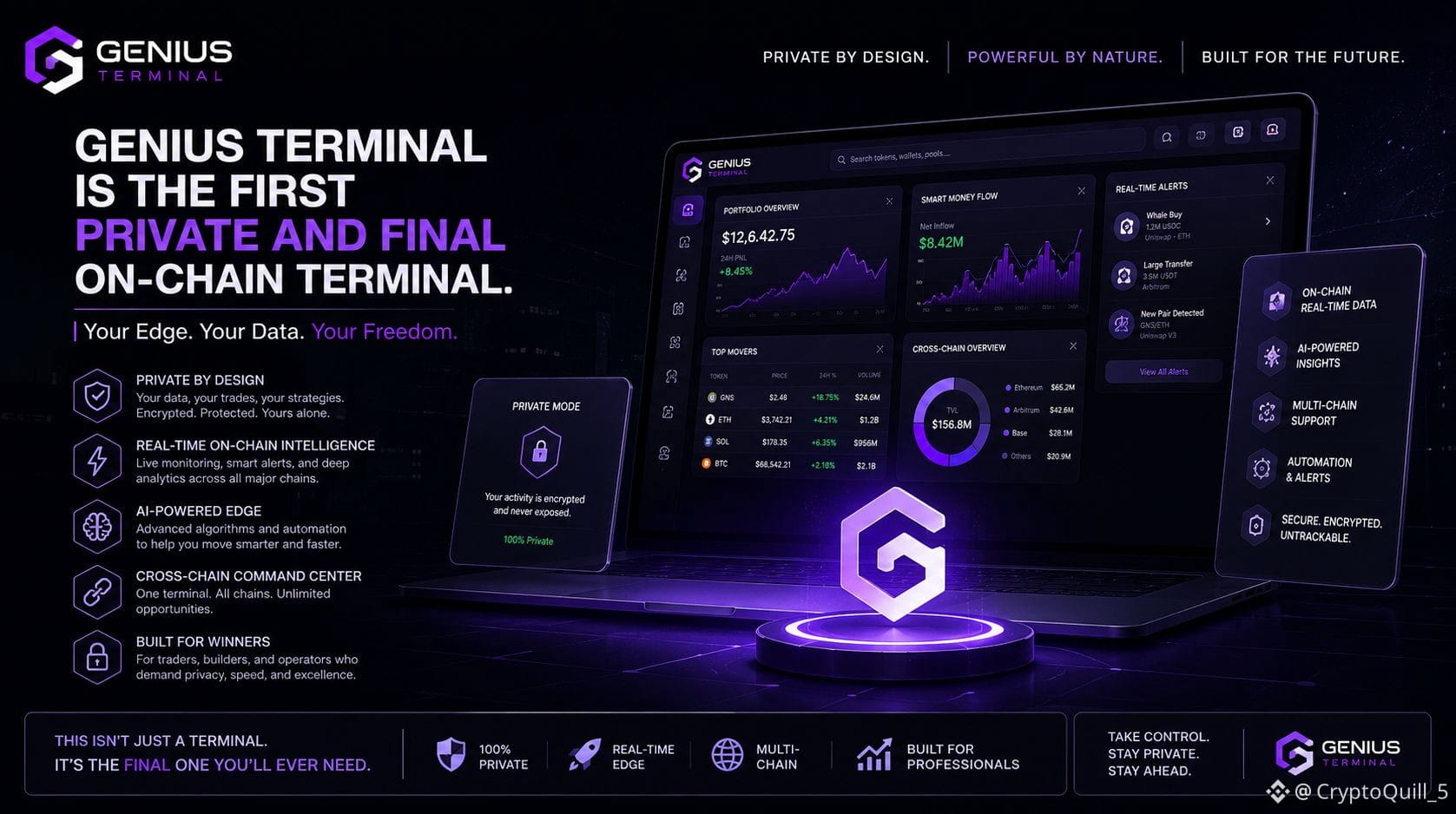
Mən diqqətlə izləyirəm və $GENIUS arxasındakı vizyonun əksəriyyətin düşündüyündən daha böyük görünməyə başladığını görürəm. Gizlilik mərkəzli infrastruktur, güclü on-chain intellekt və gələcək nəsil treyderlər üçün hazırlanmış terminal kripto dünyasında ciddi bir dəyişikliklərin başlanğıcı kimi görünür.
Məni cəlb edən odur ki, Genius təhlükəsizliyi və istifadəçi nəzarətini qurban vermədən sürətə fokuslanır. Səs-küy dolu bir bazarda, real istifadəyə malik və güclü icra ilə yanaşan layihələr uzun müddətdə adətən qalib gəlir.
Növbəti addımım? Ekosistem yeniliklərini izləyirəm, icma böyüməsini müşahidə edirəm və daha geniş diqqət gəlməzdən əvvəl erkən mövqelənirəm. Ən ağıllı imkanlar çox vaxt izdiham başa düşmədən əvvəl ortaya çıxır.
$GENIUS bu dövrün ən çox danışılan on-chain intellekt oyunlarından biri ola bilər. #genius
Burada istifadə edə biləcəyiniz həyəcanverici Binance Square postu var:
@GeniusOfficial #genius $GENIUS
Məni cəlb edən odur ki, Genius təhlükəsizliyi və istifadəçi nəzarətini qurban vermədən sürətə fokuslanır. Səs-küy dolu bir bazarda, real istifadəyə malik və güclü icra ilə yanaşan layihələr uzun müddətdə adətən qalib gəlir.
Növbəti addımım? Ekosistem yeniliklərini izləyirəm, icma böyüməsini müşahidə edirəm və daha geniş diqqət gəlməzdən əvvəl erkən mövqelənirəm. Ən ağıllı imkanlar çox vaxt izdiham başa düşmədən əvvəl ortaya çıxır.
$GENIUS bu dövrün ən çox danışılan on-chain intellekt oyunlarından biri ola bilər. #genius
Burada istifadə edə biləcəyiniz həyəcanverici Binance Square postu var:
@GeniusOfficial #genius $GENIUS
#genius $GENIUS İllərdir on-chain infrastrukturunun evrimini izləyirəm, amma Genius Terminal fərqli görünür. Bu, inqilabi olduğunu iddia edən başqa bir ticarət paneli deyil. O, icra, intellekt və məxfiliklərin bir araya gəldiyi bir döyüşə hazır sistem kimi özünü yerləşdirir.
Məni cəlb edən, əksər on-chain fəaliyyətlərin tam aşkar olduğu bir vaxtda məxfilik üzərindəki diqqətdir. Kriptoda, məlumat sızmaları bahalıdır. Cüzdan izləmələri, kopya ticarəti və öncəlikli ticarət oyunun bir hissəsinə çevrildi. Genius Terminal, gizliliyi qurban vermədən sürət istəyən treyderlər və operatorlar üçün qurulmuş kimi görünür. Bu, dinamikaları tamamilə dəyişir.
Eyni zamanda, AI-destekli analitikaya, terminal avtomatlaşdırmasına və cross-chain monitorinqinə artan maraq olduğunu da qeyd edirəm. Əgər Genius Terminal düzgün icra olunarsa, bu sadəcə bir alətdən daha çox, ciddi on-chain iştirakçıları üçün bir əməliyyat təbəqəsinə çevrilə bilər.
Növbəti addımım sadədir: ekosistem inkişafını, istifadəçi qəbulunu, tərəfdaşlıqları və tokenin faydasını çox yaxından izləyirəm. Platformanın real həcmi dəstəkləyib yüksək səviyyəli treyderləri cəlb edib etməyəcəyini görmək istəyirəm, yalnız həyəcan dövrləri deyil. Əgər impuls davam edərsə, Genius Terminal kripto bazarlarının növbəti mərhələsində ən vacib infrastruktur hekayələrindən birinə çevrilə bilər.
@GeniusOfficial #genius $GENIUS
Məni cəlb edən, əksər on-chain fəaliyyətlərin tam aşkar olduğu bir vaxtda məxfilik üzərindəki diqqətdir. Kriptoda, məlumat sızmaları bahalıdır. Cüzdan izləmələri, kopya ticarəti və öncəlikli ticarət oyunun bir hissəsinə çevrildi. Genius Terminal, gizliliyi qurban vermədən sürət istəyən treyderlər və operatorlar üçün qurulmuş kimi görünür. Bu, dinamikaları tamamilə dəyişir.
Eyni zamanda, AI-destekli analitikaya, terminal avtomatlaşdırmasına və cross-chain monitorinqinə artan maraq olduğunu da qeyd edirəm. Əgər Genius Terminal düzgün icra olunarsa, bu sadəcə bir alətdən daha çox, ciddi on-chain iştirakçıları üçün bir əməliyyat təbəqəsinə çevrilə bilər.
Növbəti addımım sadədir: ekosistem inkişafını, istifadəçi qəbulunu, tərəfdaşlıqları və tokenin faydasını çox yaxından izləyirəm. Platformanın real həcmi dəstəkləyib yüksək səviyyəli treyderləri cəlb edib etməyəcəyini görmək istəyirəm, yalnız həyəcan dövrləri deyil. Əgər impuls davam edərsə, Genius Terminal kripto bazarlarının növbəti mərhələsində ən vacib infrastruktur hekayələrindən birinə çevrilə bilər.
@GeniusOfficial #genius $GENIUS
Daha çox kontent araşdırmaq üçün daxil olun