
CryptoFrontNews
17.9k Paylaşımlar

CryptoFrontNews
 Square Verified+
Şikayət et
İstifadəçini blokla
CryptoFrontNews (CFN) delivers the latest in cryptocurrency with real-time updates, expert analyses, and in-depth articles on digital currencies and blockchain.
4 İzlənilir
12.8K+ İzləyicilər
19.1K+ Bəyəndi
Postlar
Məqalə
Tərcüməyə bax
Ondo Finance Becomes World’s Largest Tokenization PlatformOndo Finance surpasses $4 billion in tokenized real-world assets, ranking #1 out of 203 platforms tracked by RWA.xyz, with 484 tokenized assets and more than 565,000 holders
GREENWICH, Conn., Nov. 5, 2026 /PRNewswire/ -- Ondo Finance, the leading tokenizer of institutional-grade financial products, today announced it has become the largest tokenization platform in the world, according to the same RWA.xyz data.Tokenized real-world assets (RWAs) have become one of the fastest-growing corners within global finance. More than $39 billion in RWAs (which exclude stablecoins) are now held onchain, up from roughly $4 billion at the start of 2025, according to RWA.xyz.
The current market capitalization of Ondo tokenized products now exceeds $4 across 484 distinct real-world assets, ranking first among the 203 tokenization platforms RWA.xyz tracks and accounting for roughly 10% of all non-stablecoin tokenized value. Ondo Finance also tokenizes more assets than any other top-ten platform, and Ondo tokenized products reach more than 565,000 RWA holders onchain.
Over the past year, demand has spread well beyond tokenized Treasuries. Investors are moving onchain for tokenized equities, funds and other assets they can access, trade and use around the clock. Ondo Finance has been intentional in its growth with that shift. It has built one of the widest technology platforms in the market and opened access to investors around the world outside the U.S. Through Ondo Global Markets, those investors can hold tokens providing economic exposure to U.S. stocks and ETFs directly in their own wallets across multiple blockchains.
"Becoming the largest tokenization platform in the world is a milestone for Ondo, and it's a clear signal of where the market is headed," said Ian De Bode, Acting CEO and President of Ondo Finance. "We built Ondo to bring the world's most trusted financial assets onchain in a form that institutions and everyday investors alike can hold directly. Crossing $4 billion with more than half a million holders shows that Ondo tokenized products are at the center of innovation and high-quality tokenized assets are real, global and accelerating."
A milestone built across the full suite
The #1 ranking reflects growth across Ondo's entire tokenized product suite, including tokenized U.S. Treasuries, tokenized U.S. stocks and ETFs, and Ondo's broader institutional offerings. Ondo is the only platform ranked in the top two for both tokenized Treasuries and tokenized stocks. This week, Ondo Intelligent Portfolios also crossed $50 million, making it the largest onchain portfolio product on the market.
Momentum across 2026
The ranking caps a year of rapid expansion for Ondo tokenized assets:
Tokenized Treasuries: USDY is now the largest tokenized Treasuries product in the world, and Ondo has three products among the top 11, with a market capitalization of more than $3 billion, roughly a fifth of the $14.2 billion tokenized Treasuries market.
Tokenized stocks and ETFs: Ondo Global Markets became the largest tokenized stock issuer within 48 hours of its September 2025 launch and now offers more than 430 tokenized U.S. stocks and ETFs across Ethereum, Solana and BSC, with more than $900 million in tokenized value.
Multichain reach: Ondo tokenized products are available across 10 blockchains. Beyond Ethereum, investors hold more than $500 million in Ondo tokenized assets on Solana and Stellar, and nearly $500 million on BSC. Solana now hosts a greater variety of Ondo tokenized assets than any other network, at 485.
About Ondo Finance
Ondo Finance is a blockchain-based technology company focused on tokenizing real-world assets and bringing institutional-quality financial products onchain. By bridging traditional finance and decentralized infrastructure, Ondo aims to make capital markets more accessible, transparent, and efficient. For more information about Ondo Global Markets, please visit ondo.finance/global-markets.
Disclaimer
[*] The tokenized assets referenced herein (including (i) the tokenized stocks, tokenized ETFs and tokenized ADRs now known as Ondo Stocks, and formerly known as Ondo tokenized stocks and ETFs, or as Ondo Global Markets tokens, (collectively, the "Ondo Stocks") and (ii) USDY tokens (collectively, the "Tokens") have not been registered under the US Securities Act of 1933, as amended (the "Act") or the securities or financial instrument laws of any other jurisdiction. The Tokens may not be offered or sold in the United States or to US persons unless registered under the Act or an exemption from the registration requirements thereof is available. In certain jurisdictions, including the United Kingdom, Switzerland and Singapore, the Ondo Stocks and USDY tokens are offered and sold only to qualified investors or professional clients, as the case may be (or that jurisdiction's analogue thereof). Other jurisdiction-based prohibitions and restrictions apply. The issuer of the Tokens is not registered as an investment company under the US Investment Company Act of 1940, as amended, or as an Alternative Investment Fund or Undertaking for Collective Investment in Transferable Securities in the EEA, or under the securities or financial instrument laws of any other jurisdiction.
Ondo Stocks provide their holders with economic exposure to the value of their underlying assets, including the value of dividends (less applicable tax withholdings). However, Ondo Stocks are not themselves stocks, ETFs or ADRs and the Ondo Stocks do not provide their holders with rights to hold or receive their respective underlying assets. Similarly, USDY tokens provide their holders with economic exposure to short-term US treasuries, but USDY tokens are not themselves US treasuries and do not provide their holders with rights to hold or receive any US treasuries.
In the EEA/EU, a base prospectus relating to the Tokens has been approved by the Financial Market Authority Liechtenstein (FMA) and notified, at the issuer's request, to certain EEA Member States (the "Relevant EEA States"), making many Ondo Stocks available to both professional and retail investors, though certain Ondo Stocks are only available to professional investors in the EEA/EU. The prospectus is published at app.ondo.finance at each applicable Token's webpage. The approval of the prospectus should not be understood as an endorsement of the Tokens. Investors residing in the EU/EEA should read the prospectus, and the relevant final terms and KID for each applicable Token, before investing in order to fully understand the potential risks and rewards associated with the decision to invest. This notice is a marketing communication and does not constitute a prospectus.
Certain Ondo Stocks (referred to in the UAE as "Digital Securities") have been admitted to trading on Nest Exchange Limited, a Multilateral Trading Facility for Digital Assets operated by Binance in the Abu Dhabi Global Market ("ADGM"), authorised by the Financial Services Regulatory Authority (the "FSRA"). Such Digital Securities are available for trading by those investors eligible for a Binance account. The ADGM FSRA has no responsibility for reviewing or verifying any documents in connection with the admission to trading of such Digital Securities in the ADGM. The FSRA has not approved the documents in connection with the admission to trading nor taken steps to verify the information set out in it and has no responsibility for it. No offer of securities is being made in ADGM. Prospective purchasers of such Digital Securities admitted to trading should conduct their own due diligence on such Digital Securities.
In the United Kingdom, the communications herein may be deemed a financial promotion pursuant to Section 21 of the Financial Services and Markets Act 2000. To the extent that any such finding is made, the communications herein are only intended for, and directed at, investment professionals as defined in article 19 of the Financial Services and Markets Act 2000 (Financial Promotions) Order 2005 (the "FPO") who have experience of interacting with the Ondo Stocks and USDY tokens; high net worth companies as defined in article 49 of the FPO, and/or any other persons to whom lawful communication is permitted. Any person not falling within these categories is not permitted to act upon anything within the communications herein, and shall not be entitled to rely upon their contents. Ondo Global Markets (BVI) Limited will not enter into arrangements with such persons concerning Ondo Stocks and USDY tokens as a result of this or any other communication.
The Tokens are issued by Ondo Global Markets (BVI) Limited, a British Virgin Islands business company. OUSG tokens are issued by Ondo I LP, a Delaware (USA) limited partnership (the "Fund"). Ondo Finance Inc., a Delaware (USA) corporation, provides tokenization services to, and is an equity holder of, Ondo Global Markets (BVI) Limited.
The communications herein are only intended for eligible purchasers of, or for actual or potential business relationships or technical integrations with respect to the Tokens. Nothing herein constitutes any offer to sell, or any solicitation of an offer to buy, any Tokens. Nothing herein constitutes investment, legal, tax or financial advice. Acquiring the Tokens involves risks. A holder of the Tokens may incur losses, including total loss of their purchase price. Past performance is not an indication of future results. Investors are responsible for conducting their own research, investigation, verification, checks or consultation for professional or investment advice.
The communications herein may contain forward-looking statements, including, but not limited to, statements regarding future financial performance, business strategies, or expectations for the growth or development of Ondo Finance, Ondo Global Markets (BVI) Limited, or any of their respective affiliates (each, an "Applicable Entity"). These statements are based on management's current expectations, estimates, projections, and beliefs, and are subject to a number of risks, uncertainties, and assumptions that could cause actual results to differ materially from those anticipated. Forward-looking statements can be identified by the use of terminology such as "may," "will," "should," "expect," "intend," "plan," "anticipate," "believe," "estimate," "predict," "potential," "continue," or the negative of these terms or other similar expressions. Factors that could cause actual results to differ materially from those contemplated by the forward-looking statements include, but are not limited to, the following: economic, competitive, legal, governmental, and technological factors affecting the operations, markets, products, services, or prices of any Applicable Entity. No Applicable Entity undertakes any obligation to update or revise any forward-looking statements, whether as a result of new information, future events, or otherwise, except as required by law.
Additional terms and restrictions apply. See docs.ondo.finance/legal/terms-of-service, docs.ondo.finance/ondo-stocks, ondo.finance/stocks, app.ondo.finance and (as applicable) the Token offering documents for details.
Ondo Finance Becomes World’s Largest Tokenization Platform
Ondo Finance surpasses $4 billion in tokenized real-world assets, ranking #1 out of 203 platforms tracked by RWA.xyz, with 484 tokenized assets and more than 565,000 holders
GREENWICH, Conn., Nov. 5, 2026 /PRNewswire/ -- Ondo Finance, the leading tokenizer of institutional-grade financial products, today announced it has become the largest tokenization platform in the world, according to the same RWA.xyz data.Tokenized real-world assets (RWAs) have become one of the fastest-growing corners within global finance. More than $39 billion in RWAs (which exclude stablecoins) are now held onchain, up from roughly $4 billion at the start of 2025, according to RWA.xyz.
The current market capitalization of Ondo tokenized products now exceeds $4 across 484 distinct real-world assets, ranking first among the 203 tokenization platforms RWA.xyz tracks and accounting for roughly 10% of all non-stablecoin tokenized value. Ondo Finance also tokenizes more assets than any other top-ten platform, and Ondo tokenized products reach more than 565,000 RWA holders onchain.
Over the past year, demand has spread well beyond tokenized Treasuries. Investors are moving onchain for tokenized equities, funds and other assets they can access, trade and use around the clock. Ondo Finance has been intentional in its growth with that shift. It has built one of the widest technology platforms in the market and opened access to investors around the world outside the U.S. Through Ondo Global Markets, those investors can hold tokens providing economic exposure to U.S. stocks and ETFs directly in their own wallets across multiple blockchains.
"Becoming the largest tokenization platform in the world is a milestone for Ondo, and it's a clear signal of where the market is headed," said Ian De Bode, Acting CEO and President of Ondo Finance. "We built Ondo to bring the world's most trusted financial assets onchain in a form that institutions and everyday investors alike can hold directly. Crossing $4 billion with more than half a million holders shows that Ondo tokenized products are at the center of innovation and high-quality tokenized assets are real, global and accelerating."
A milestone built across the full suite
The #1 ranking reflects growth across Ondo's entire tokenized product suite, including tokenized U.S. Treasuries, tokenized U.S. stocks and ETFs, and Ondo's broader institutional offerings. Ondo is the only platform ranked in the top two for both tokenized Treasuries and tokenized stocks. This week, Ondo Intelligent Portfolios also crossed $50 million, making it the largest onchain portfolio product on the market.
Momentum across 2026
The ranking caps a year of rapid expansion for Ondo tokenized assets:
Tokenized Treasuries: USDY is now the largest tokenized Treasuries product in the world, and Ondo has three products among the top 11, with a market capitalization of more than $3 billion, roughly a fifth of the $14.2 billion tokenized Treasuries market.
Tokenized stocks and ETFs: Ondo Global Markets became the largest tokenized stock issuer within 48 hours of its September 2025 launch and now offers more than 430 tokenized U.S. stocks and ETFs across Ethereum, Solana and BSC, with more than $900 million in tokenized value.
Multichain reach: Ondo tokenized products are available across 10 blockchains. Beyond Ethereum, investors hold more than $500 million in Ondo tokenized assets on Solana and Stellar, and nearly $500 million on BSC. Solana now hosts a greater variety of Ondo tokenized assets than any other network, at 485.
About Ondo Finance
Ondo Finance is a blockchain-based technology company focused on tokenizing real-world assets and bringing institutional-quality financial products onchain. By bridging traditional finance and decentralized infrastructure, Ondo aims to make capital markets more accessible, transparent, and efficient. For more information about Ondo Global Markets, please visit ondo.finance/global-markets.
Disclaimer
[*] The tokenized assets referenced herein (including (i) the tokenized stocks, tokenized ETFs and tokenized ADRs now known as Ondo Stocks, and formerly known as Ondo tokenized stocks and ETFs, or as Ondo Global Markets tokens, (collectively, the "Ondo Stocks") and (ii) USDY tokens (collectively, the "Tokens") have not been registered under the US Securities Act of 1933, as amended (the "Act") or the securities or financial instrument laws of any other jurisdiction. The Tokens may not be offered or sold in the United States or to US persons unless registered under the Act or an exemption from the registration requirements thereof is available. In certain jurisdictions, including the United Kingdom, Switzerland and Singapore, the Ondo Stocks and USDY tokens are offered and sold only to qualified investors or professional clients, as the case may be (or that jurisdiction's analogue thereof). Other jurisdiction-based prohibitions and restrictions apply. The issuer of the Tokens is not registered as an investment company under the US Investment Company Act of 1940, as amended, or as an Alternative Investment Fund or Undertaking for Collective Investment in Transferable Securities in the EEA, or under the securities or financial instrument laws of any other jurisdiction.
Ondo Stocks provide their holders with economic exposure to the value of their underlying assets, including the value of dividends (less applicable tax withholdings). However, Ondo Stocks are not themselves stocks, ETFs or ADRs and the Ondo Stocks do not provide their holders with rights to hold or receive their respective underlying assets. Similarly, USDY tokens provide their holders with economic exposure to short-term US treasuries, but USDY tokens are not themselves US treasuries and do not provide their holders with rights to hold or receive any US treasuries.
In the EEA/EU, a base prospectus relating to the Tokens has been approved by the Financial Market Authority Liechtenstein (FMA) and notified, at the issuer's request, to certain EEA Member States (the "Relevant EEA States"), making many Ondo Stocks available to both professional and retail investors, though certain Ondo Stocks are only available to professional investors in the EEA/EU. The prospectus is published at app.ondo.finance at each applicable Token's webpage. The approval of the prospectus should not be understood as an endorsement of the Tokens. Investors residing in the EU/EEA should read the prospectus, and the relevant final terms and KID for each applicable Token, before investing in order to fully understand the potential risks and rewards associated with the decision to invest. This notice is a marketing communication and does not constitute a prospectus.
Certain Ondo Stocks (referred to in the UAE as "Digital Securities") have been admitted to trading on Nest Exchange Limited, a Multilateral Trading Facility for Digital Assets operated by Binance in the Abu Dhabi Global Market ("ADGM"), authorised by the Financial Services Regulatory Authority (the "FSRA"). Such Digital Securities are available for trading by those investors eligible for a Binance account. The ADGM FSRA has no responsibility for reviewing or verifying any documents in connection with the admission to trading of such Digital Securities in the ADGM. The FSRA has not approved the documents in connection with the admission to trading nor taken steps to verify the information set out in it and has no responsibility for it. No offer of securities is being made in ADGM. Prospective purchasers of such Digital Securities admitted to trading should conduct their own due diligence on such Digital Securities.
In the United Kingdom, the communications herein may be deemed a financial promotion pursuant to Section 21 of the Financial Services and Markets Act 2000. To the extent that any such finding is made, the communications herein are only intended for, and directed at, investment professionals as defined in article 19 of the Financial Services and Markets Act 2000 (Financial Promotions) Order 2005 (the "FPO") who have experience of interacting with the Ondo Stocks and USDY tokens; high net worth companies as defined in article 49 of the FPO, and/or any other persons to whom lawful communication is permitted. Any person not falling within these categories is not permitted to act upon anything within the communications herein, and shall not be entitled to rely upon their contents. Ondo Global Markets (BVI) Limited will not enter into arrangements with such persons concerning Ondo Stocks and USDY tokens as a result of this or any other communication.
The Tokens are issued by Ondo Global Markets (BVI) Limited, a British Virgin Islands business company. OUSG tokens are issued by Ondo I LP, a Delaware (USA) limited partnership (the "Fund"). Ondo Finance Inc., a Delaware (USA) corporation, provides tokenization services to, and is an equity holder of, Ondo Global Markets (BVI) Limited.
The communications herein are only intended for eligible purchasers of, or for actual or potential business relationships or technical integrations with respect to the Tokens. Nothing herein constitutes any offer to sell, or any solicitation of an offer to buy, any Tokens. Nothing herein constitutes investment, legal, tax or financial advice. Acquiring the Tokens involves risks. A holder of the Tokens may incur losses, including total loss of their purchase price. Past performance is not an indication of future results. Investors are responsible for conducting their own research, investigation, verification, checks or consultation for professional or investment advice.
The communications herein may contain forward-looking statements, including, but not limited to, statements regarding future financial performance, business strategies, or expectations for the growth or development of Ondo Finance, Ondo Global Markets (BVI) Limited, or any of their respective affiliates (each, an "Applicable Entity"). These statements are based on management's current expectations, estimates, projections, and beliefs, and are subject to a number of risks, uncertainties, and assumptions that could cause actual results to differ materially from those anticipated. Forward-looking statements can be identified by the use of terminology such as "may," "will," "should," "expect," "intend," "plan," "anticipate," "believe," "estimate," "predict," "potential," "continue," or the negative of these terms or other similar expressions. Factors that could cause actual results to differ materially from those contemplated by the forward-looking statements include, but are not limited to, the following: economic, competitive, legal, governmental, and technological factors affecting the operations, markets, products, services, or prices of any Applicable Entity. No Applicable Entity undertakes any obligation to update or revise any forward-looking statements, whether as a result of new information, future events, or otherwise, except as required by law.
Additional terms and restrictions apply. See docs.ondo.finance/legal/terms-of-service, docs.ondo.finance/ondo-stocks, ondo.finance/stocks, app.ondo.finance and (as applicable) the Token offering documents for details.
14

Məqalə
Tərcüməyə bax
Hong Kong Passes Crypto Tax Reporting Law With 2027 StartUnder CARF, crypto-asset service providers must collect transaction information from 2027, with automatic exchanges beginning in 2028.
Updated CRS rules take effect in 2028, expanding coverage to digital financial products, while information exchanges begin in 2029.
Hong Kong’s Inland Revenue Department will issue guidance and provide technical support to help businesses meet the new reporting requirements.
Hong Kong’s Legislative Council passed a new crypto tax reporting law on November 4. The measure implements the OECD’s Crypto-Asset Reporting Framework and requires relevant service providers to collect transaction data from 2027. The city plans automatic exchanges of crypto tax information with partner jurisdictions from 2028 under the new framework.
https://twitter.com/WuBlockchain/status/2117930750469357944?s=20
Crypto Providers Face New Reporting Duties
The law implements two standards developed by the Organisation for Economic Co-operation and Development. One is the Crypto-Asset Reporting Framework, known as CARF.
Under CARF, service providers must collect information specified by the framework from 2027. The Inland Revenue Department will use that information for annual exchanges with partner jurisdictions starting in 2028.
The OECD published CARF in 2023 as digital asset markets expanded. The framework provides for automatic exchanges of tax information on crypto-asset transactions. Hong Kong will conduct exchanges reciprocally, subject to data confidentiality and security.
Updated CRS Rules Begin in 2028
The legislation also updates Hong Kong’s Common Reporting Standard, which governs annual exchanges of financial account information. The amended CRS will take effect in 2028. It extends coverage to digital financial products and strengthens reporting and due diligence requirements.
However, exchanges under the updated standard will begin in 2029. The Inland Revenue Department will automatically share financial account information with suitable partner jurisdictions under the revised rules.
Hong Kong has exchanged financial account information with partner jurisdictions annually since 2018 under the existing CRS. The government said the system helps tax authorities detect and combat tax evasion.
Christopher Hui Sets Out Implementation Support
Financial Services and the Treasury Secretary Christopher Hui said the law supports international tax transparency. He also cited efforts to combat cross-border tax evasion. Hui said alignment with international standards helps maintain Hong Kong’s standing as an international financial and commercial center.
He added that the changes would reinforce confidence among crypto-asset service providers and financial institutions. Digital asset users operating or investing in Hong Kong are also included.
To help businesses prepare, the Inland Revenue Department will issue guidance and has established a dedicated team. The team will provide technical support and respond to industry questions about the new requirements.
Hong Kong Passes Crypto Tax Reporting Law With 2027 Start
Under CARF, crypto-asset service providers must collect transaction information from 2027, with automatic exchanges beginning in 2028.
Updated CRS rules take effect in 2028, expanding coverage to digital financial products, while information exchanges begin in 2029.
Hong Kong’s Inland Revenue Department will issue guidance and provide technical support to help businesses meet the new reporting requirements.
Hong Kong’s Legislative Council passed a new crypto tax reporting law on November 4. The measure implements the OECD’s Crypto-Asset Reporting Framework and requires relevant service providers to collect transaction data from 2027. The city plans automatic exchanges of crypto tax information with partner jurisdictions from 2028 under the new framework.
https://twitter.com/WuBlockchain/status/2117930750469357944?s=20
Crypto Providers Face New Reporting Duties
The law implements two standards developed by the Organisation for Economic Co-operation and Development. One is the Crypto-Asset Reporting Framework, known as CARF.
Under CARF, service providers must collect information specified by the framework from 2027. The Inland Revenue Department will use that information for annual exchanges with partner jurisdictions starting in 2028.
The OECD published CARF in 2023 as digital asset markets expanded. The framework provides for automatic exchanges of tax information on crypto-asset transactions. Hong Kong will conduct exchanges reciprocally, subject to data confidentiality and security.
Updated CRS Rules Begin in 2028
The legislation also updates Hong Kong’s Common Reporting Standard, which governs annual exchanges of financial account information. The amended CRS will take effect in 2028. It extends coverage to digital financial products and strengthens reporting and due diligence requirements.
However, exchanges under the updated standard will begin in 2029. The Inland Revenue Department will automatically share financial account information with suitable partner jurisdictions under the revised rules.
Hong Kong has exchanged financial account information with partner jurisdictions annually since 2018 under the existing CRS. The government said the system helps tax authorities detect and combat tax evasion.
Christopher Hui Sets Out Implementation Support
Financial Services and the Treasury Secretary Christopher Hui said the law supports international tax transparency. He also cited efforts to combat cross-border tax evasion. Hui said alignment with international standards helps maintain Hong Kong’s standing as an international financial and commercial center.
He added that the changes would reinforce confidence among crypto-asset service providers and financial institutions. Digital asset users operating or investing in Hong Kong are also included.
To help businesses prepare, the Inland Revenue Department will issue guidance and has established a dedicated team. The team will provide technical support and respond to industry questions about the new requirements.
36
Məqalə
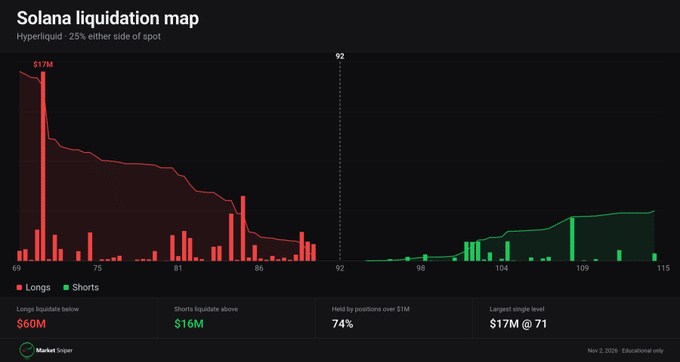
SOL $92 səviyyəsini sınaqdan keçirərkən Solana-da likvidasiya təzyiqi artırSOL-un spot qiymətindən aşağıda təxminən 60 milyon dollarlıq long mövqelərin likvidasiyası, spot qiymətindən yuxarıda isə potensial short mövqelərin 16 milyon dollarlıq likvidasiyası gözlənilir.
Market Sniper Pro-nun rəqəmlərinə görə, iri mövqelər 88% long olaraq qalır, kiçik hesablar isə 59% yüksəliş gözləntisi nümayiş etdirir.
SOL-un RSI göstəricisi 27.57-dən aşağıdır, MACD göstəricisi isə mənfi trenddədir; bu da eniş sürətini bir daha təsdiqləyir.
Leverecli mövqelər, zəifləyən impuls və diqqətin aşağı istiqamətli risklərə yönəlməsi Solana-da likvidasiya təzyiqini artırır və bazarı gərgin saxlayır.
SOL $92 səviyyəsini sınaqdan keçirərkən Solana-da likvidasiya təzyiqi artır
SOL-un spot qiymətindən aşağıda təxminən 60 milyon dollarlıq long mövqelərin likvidasiyası, spot qiymətindən yuxarıda isə potensial short mövqelərin 16 milyon dollarlıq likvidasiyası gözlənilir.
Market Sniper Pro-nun rəqəmlərinə görə, iri mövqelər 88% long olaraq qalır, kiçik hesablar isə 59% yüksəliş gözləntisi nümayiş etdirir.
SOL-un RSI göstəricisi 27.57-dən aşağıdır, MACD göstəricisi isə mənfi trenddədir; bu da eniş sürətini bir daha təsdiqləyir.
Leverecli mövqelər, zəifləyən impuls və diqqətin aşağı istiqamətli risklərə yönəlməsi Solana-da likvidasiya təzyiqini artırır və bazarı gərgin saxlayır.
186
Məqalə
USDC-nin həcmi 73,3 milyard dollara çatarkən Circle-ın gəlirləri 17% artıbCircle-ın ehtiyatlardan əldə etdiyi gəlir 8% azalaraq 658 milyon dollara düşüb, digər gəlirlər isə 627% artaraq 207 milyon dollara çatıb. Bu məbləğin 182 milyon dolları ARC-ın ilkin satışından əldə olunub.
İşçi sayının 5% azaldılmasına baxmayaraq, xalis mənfəət 5% artaraq 226 milyon dollara, düzəliş edilmiş EBITDA isə 85% artaraq 317 milyon dollara çatıb.
Circle Arc-ın açıq əsas şəbəkəsini istifadəyə verib və Tazapay-i almaq barədə razılığa gəlib, eyni zamanda Samsung Wallet və Visa Direct vasitəsilə USDC ödəniş inteqrasiyalarını genişləndirib.
Circle 2026-cı ilin üçüncü rübündə gəlirlərinin və ehtiyatlardan əldə olunan gəlirinin illik müqayisədə 17% artaraq 865 milyon dollara çatdığını, dövriyyədəki USDC-nin orta həcminin isə 73,3 milyard dollara yüksəldiyini bildirib. Şirkət həmçinin 226 milyon dollar xalis mənfəət və 317 milyon dollar düzəliş edilmiş EBITDA qeydə alıb. Nəticələr işçi sayının azaldıldığı rübü, Arc-ın istifadəyə verilməsini və Tazapay-in planlaşdırılan satın alınmasını əhatə edib.
USDC-nin həcmi 73,3 milyard dollara çatarkən Circle-ın gəlirləri 17% artıb
Circle-ın ehtiyatlardan əldə etdiyi gəlir 8% azalaraq 658 milyon dollara düşüb, digər gəlirlər isə 627% artaraq 207 milyon dollara çatıb. Bu məbləğin 182 milyon dolları ARC-ın ilkin satışından əldə olunub.
İşçi sayının 5% azaldılmasına baxmayaraq, xalis mənfəət 5% artaraq 226 milyon dollara, düzəliş edilmiş EBITDA isə 85% artaraq 317 milyon dollara çatıb.
Circle Arc-ın açıq əsas şəbəkəsini istifadəyə verib və Tazapay-i almaq barədə razılığa gəlib, eyni zamanda Samsung Wallet və Visa Direct vasitəsilə USDC ödəniş inteqrasiyalarını genişləndirib.
Circle 2026-cı ilin üçüncü rübündə gəlirlərinin və ehtiyatlardan əldə olunan gəlirinin illik müqayisədə 17% artaraq 865 milyon dollara çatdığını, dövriyyədəki USDC-nin orta həcminin isə 73,3 milyard dollara yüksəldiyini bildirib. Şirkət həmçinin 226 milyon dollar xalis mənfəət və 317 milyon dollar düzəliş edilmiş EBITDA qeydə alıb. Nəticələr işçi sayının azaldıldığı rübü, Arc-ın istifadəyə verilməsini və Tazapay-in planlaşdırılan satın alınmasını əhatə edib.
406

Məqalə
Tərcüməyə bax
IPX Plans to Bring ‘minicoin’ Payments to LINE FRIENDS Online and Offline Stores, Expanding IP Ex...Seoul, South Korea, November 5th, 2026, Chainwire
With phased rollout targeted for the first half of 2027, the service is expected to connect LINE FRIENDS’ online and offline commerce with the Web3 ecosystem, offering customers in Korea and abroad an additional payment option for purchasing physical products with minicoin
Digital IP entertainment company IPX (formerly LINE FRIENDS) plans to introduce a payment service using ‘minicoin’ at LINE FRIENDS online and offline stores. The service is intended to make digital asset payments a seamless extension of the fan experience, linking fans’ engagement with character IP to the point of purchase and connecting IPX’s online and offline commerce with a Web3-based digital ecosystem.
For more than a decade, IPX has brought its character IPs to life through products, content, and pop-ups, extending these experiences across online and offline channels worldwide. Building on its expertise in IP and retail, the introduction of this service presents a new digital IP commerce model that integrates digital asset payment technology into IP merchandise purchases.
Minicoin is a utility coin developed and issued by Mini Labs under an official license granted by IPX to use its globally popular ‘minini’ character IP. Its blockchain-based ecosystem seeks to transparently record activities generated through interactions between IP and fans, including creation, consumption, and transactions, and link them to registration and settlement processes.
The minicoin payment service is planned for phased rollout across LINE FRIENDS stores in Korea and abroad, with a rollout targeted for the first half of 2027. The service is expected to offer international visitors and overseas fans additional payment options. K-POP SQUARE, which opened in the heart of Seoul’s Hongdae district in June 2025, welcomed over one million visitors in its first year, approximately 80% of whom were international fans from more than 90 countries. As digital assets gain traction as payment methods worldwide, the service is expected to see strong demand.
“This service rollout marks an important step toward using digital assets to purchase physical merchandise, beyond trading and use within specific platforms,” said an IPX official. “We believe that the value of IP can grow further as it expands beyond connecting with fans through content and products to finding new ways to engage with them across the digital IP ecosystem. We will continue to explore new IP business opportunities that connect IP, fans, and commerce together in this evolving landscape.”
About IPX (F.K.A. LINE FRIENDS)
IPX is the new corporate name of LINE FRIENDS, a global character brand that started with original characters including BROWN, CONY, and SALLY, created for use as stickers for the leading mobile messenger app LINE and its 200 million active users worldwide. IPX has announced a new business strategy that it would accelerate the global expansion of its IP businesses by diversifying its IP portfolios targeting all ages and advancing its digital and retail business. IPX provides diverse IP experiences including BT21(BTS), ZO&FRIENDS(G-DRAGON), minini, and JOGUMAN. It has also carried out its IP-based business by partnering with global companies including Netflix (original animated series) and HoYoverse (Genshin Impact) to win the hearts of over 50 million Millennials and Generation Z worldwide. IPX currently operates in 18 markets worldwide, including Seoul, New York, LA, Tokyo, and Shanghai, and operates on 8 online sales platforms.
ContactsManager
Jiwoo Hong
Burson
jiwoo.hong@bursonglobal.com
Sr. Director
Hanna Park
Burson
hanna.park@bursonglobal.com
IPX Plans to Bring ‘minicoin’ Payments to LINE FRIENDS Online and Offline Stores, Expanding IP Ex...
Seoul, South Korea, November 5th, 2026, Chainwire
With phased rollout targeted for the first half of 2027, the service is expected to connect LINE FRIENDS’ online and offline commerce with the Web3 ecosystem, offering customers in Korea and abroad an additional payment option for purchasing physical products with minicoin
Digital IP entertainment company IPX (formerly LINE FRIENDS) plans to introduce a payment service using ‘minicoin’ at LINE FRIENDS online and offline stores. The service is intended to make digital asset payments a seamless extension of the fan experience, linking fans’ engagement with character IP to the point of purchase and connecting IPX’s online and offline commerce with a Web3-based digital ecosystem.
For more than a decade, IPX has brought its character IPs to life through products, content, and pop-ups, extending these experiences across online and offline channels worldwide. Building on its expertise in IP and retail, the introduction of this service presents a new digital IP commerce model that integrates digital asset payment technology into IP merchandise purchases.
Minicoin is a utility coin developed and issued by Mini Labs under an official license granted by IPX to use its globally popular ‘minini’ character IP. Its blockchain-based ecosystem seeks to transparently record activities generated through interactions between IP and fans, including creation, consumption, and transactions, and link them to registration and settlement processes.
The minicoin payment service is planned for phased rollout across LINE FRIENDS stores in Korea and abroad, with a rollout targeted for the first half of 2027. The service is expected to offer international visitors and overseas fans additional payment options. K-POP SQUARE, which opened in the heart of Seoul’s Hongdae district in June 2025, welcomed over one million visitors in its first year, approximately 80% of whom were international fans from more than 90 countries. As digital assets gain traction as payment methods worldwide, the service is expected to see strong demand.
“This service rollout marks an important step toward using digital assets to purchase physical merchandise, beyond trading and use within specific platforms,” said an IPX official. “We believe that the value of IP can grow further as it expands beyond connecting with fans through content and products to finding new ways to engage with them across the digital IP ecosystem. We will continue to explore new IP business opportunities that connect IP, fans, and commerce together in this evolving landscape.”
About IPX (F.K.A. LINE FRIENDS)
IPX is the new corporate name of LINE FRIENDS, a global character brand that started with original characters including BROWN, CONY, and SALLY, created for use as stickers for the leading mobile messenger app LINE and its 200 million active users worldwide. IPX has announced a new business strategy that it would accelerate the global expansion of its IP businesses by diversifying its IP portfolios targeting all ages and advancing its digital and retail business. IPX provides diverse IP experiences including BT21(BTS), ZO&FRIENDS(G-DRAGON), minini, and JOGUMAN. It has also carried out its IP-based business by partnering with global companies including Netflix (original animated series) and HoYoverse (Genshin Impact) to win the hearts of over 50 million Millennials and Generation Z worldwide. IPX currently operates in 18 markets worldwide, including Seoul, New York, LA, Tokyo, and Shanghai, and operates on 8 online sales platforms.
ContactsManager
Jiwoo Hong
Burson
jiwoo.hong@bursonglobal.com
Sr. Director
Hanna Park
Burson
hanna.park@bursonglobal.com
61
Məqalə
Tərcüməyə bax
Three Altcoins Flash Buy Signals as TOTAL3 Market RecoversAnalyst identifies buy signals for SUI, AAVE and LINK, with upside targets of $1.11, $146 and $12.71, respectively.
TOTAL3 gained 0.09% to $753.89 billion after falling from about $840 billion in October; $760 billion is immediate resistance.
TOTAL3’s RSI climbed to 56.19 and MACD turned bullish, but a break below $740 billion could expose support near $730 billion.
Three altcoins have recorded fresh buy signals on their three-day charts as the wider market attempts to recover from its October decline. Analyst Ali Charts identified Sui, Aave and Chainlink as rebound candidates, while TOTAL3 reached $753.89 billion. However, each token faces resistance levels that must be cleared during the latest market update.
Ali Charts Identifies Three Altcoin Buy Signals
According to Ali Charts, Sui is showing a TD Sequential buy signal on the three-day chart. The analyst identified $0.90 as immediate resistance. A break above it could put $1.11 in view, followed by the setup resistance trendline near $1.20.
https://twitter.com/alicharts/status/2117896915035795885?a=rxC-9IMZ_NcHcniFzgg&s=20
Aave has also produced a three-day TD Sequential buy signal. Ali Charts said stronger buying pressure could support a rebound toward $146. A move above that level could bring the setup resistance trendline near $176 into focus.
Chainlink completes the group with its own three-day buy signal. The analyst highlighted $11.30 as LINK’s key resistance. A break above it could open a path toward $12.71, followed by the setup resistance trendline around $14. Ali Charts said prices must confirm the signals for all three assets.
TOTAL3 Rebounds From Early November Lows
The altcoin market capitalization has also begun recovering. TOTAL3, which excludes Bitcoin and Ethereum, stood at $753.89 billion on the latest four-hour candle. It gained approximately $684.77 million, or 0.09%.
Source: TradingView
The candle opened at $753.2 billion, reached $754.07 billion and recorded a low of $753.2 billion. Trading volume stood at $118.41 billion. However, TOTAL3 fell from roughly $840 billion in early October toward $735 billion in early November.
The $740 billion area represents immediate support, while $760 billion is the first major resistance. A break above $760 billion could expose $780 billion and then $800 billion. Conversely, losing $740 billion could bring $730 billion into view.
RSI and MACD Readings Improve
The Relative Strength Index stood at 56.19, above its signal average of 48.21. It has moved above the neutral 50 level but remains below overbought territory.
The Moving Average Convergence Divergence indicator has also turned bullish. Its histogram reached approximately $2 billion, while the MACD line stood at $1.03 billion. The signal line remained at negative $974.86 million.
Three Altcoins Flash Buy Signals as TOTAL3 Market Recovers
Analyst identifies buy signals for SUI, AAVE and LINK, with upside targets of $1.11, $146 and $12.71, respectively.
TOTAL3 gained 0.09% to $753.89 billion after falling from about $840 billion in October; $760 billion is immediate resistance.
TOTAL3’s RSI climbed to 56.19 and MACD turned bullish, but a break below $740 billion could expose support near $730 billion.
Three altcoins have recorded fresh buy signals on their three-day charts as the wider market attempts to recover from its October decline. Analyst Ali Charts identified Sui, Aave and Chainlink as rebound candidates, while TOTAL3 reached $753.89 billion. However, each token faces resistance levels that must be cleared during the latest market update.
Ali Charts Identifies Three Altcoin Buy Signals
According to Ali Charts, Sui is showing a TD Sequential buy signal on the three-day chart. The analyst identified $0.90 as immediate resistance. A break above it could put $1.11 in view, followed by the setup resistance trendline near $1.20.
https://twitter.com/alicharts/status/2117896915035795885?a=rxC-9IMZ_NcHcniFzgg&s=20
Aave has also produced a three-day TD Sequential buy signal. Ali Charts said stronger buying pressure could support a rebound toward $146. A move above that level could bring the setup resistance trendline near $176 into focus.
Chainlink completes the group with its own three-day buy signal. The analyst highlighted $11.30 as LINK’s key resistance. A break above it could open a path toward $12.71, followed by the setup resistance trendline around $14. Ali Charts said prices must confirm the signals for all three assets.
TOTAL3 Rebounds From Early November Lows
The altcoin market capitalization has also begun recovering. TOTAL3, which excludes Bitcoin and Ethereum, stood at $753.89 billion on the latest four-hour candle. It gained approximately $684.77 million, or 0.09%.
Source: TradingView
The candle opened at $753.2 billion, reached $754.07 billion and recorded a low of $753.2 billion. Trading volume stood at $118.41 billion. However, TOTAL3 fell from roughly $840 billion in early October toward $735 billion in early November.
The $740 billion area represents immediate support, while $760 billion is the first major resistance. A break above $760 billion could expose $780 billion and then $800 billion. Conversely, losing $740 billion could bring $730 billion into view.
RSI and MACD Readings Improve
The Relative Strength Index stood at 56.19, above its signal average of 48.21. It has moved above the neutral 50 level but remains below overbought territory.
The Moving Average Convergence Divergence indicator has also turned bullish. Its histogram reached approximately $2 billion, while the MACD line stood at $1.03 billion. The signal line remained at negative $974.86 million.
152
Məqalə
Tərcüməyə bax
House Democrats Weigh New Crypto Bill (CLARITY Act) With Expanded SEC OversightThe proposal could revive Waters’ protections, including customer fund segregation, 24-hour withdrawals and monthly proof-of-reserves reports.
Democrats are considering a larger SEC role and more limited CFTC authority, reversing the House-passed CLARITY Act’s approach.
The bill remains under discussion for the next Congress in January 2027, with no finalized draft, agreement or legislative timetable.
House Democrats are discussing a broader crypto market structure bill that could expand SEC oversight and revive rejected investor protections. The proposal would build on Maxine Waters’ 2025 Crypto Investor and Consumer Bill of Rights amendment. Journalist Eleanor Terrett reported that discussions involve provisions from earlier House and Senate negotiations.
Democrats Seek to Expand Waters’ Crypto Protections
According to Terrett, three industry sources familiar with discussions involving Democratic staffers described the proposal. Lawmakers have not introduced a new bill. Waters proposed her investor protections during the House debate over the CLARITY Act in 2025.
Her amendment included customer fund segregation, 24-hour withdrawal processing, and monthly proof-of-reserves reports from auditors. It also sought protection against front-running and round-the-clock customer support. However, the House did not adopt those provisions.
The broader proposal could also incorporate measures Senate Democrats negotiated with Republicans before September’s failed cloture vote. The legislation needed 60 votes to advance toward debate.
Proposal Could Shift SEC and CFTC Responsibilities
The discussions include giving the Securities and Exchange Commission a larger role in crypto market supervision. Meanwhile, the Commodity Futures Trading Commission could receive more limited authority.
That approach differs from the House-passed CLARITY Act, which assigned the CFTC primary jurisdiction over digital commodities and intermediaries. Democrats are also considering additional ethics restrictions involving President Donald Trump and other federal officials.
Waters previously proposed the Stop TRUMP in Crypto Act, which sought limits on certain digital-asset transactions involving lawmakers and relatives. Republicans have reportedly dismissed the latest effort as a “messaging bill.” No complete draft or finalized agreement on oversight and ethics provisions has emerged.
Next Congress Faces Renewed Crypto Legislation Debate
The discussions concern legislation for the next Congress, beginning in January 2027. The supplied report also identifies November 3 election victories as part of the political backdrop. Ripple CEO Brad Garlinghouse said pro-crypto candidates won across both parties. He called for clear rules developed in the United States.
Ripple Chief Legal Officer Stuart Alderoty also urged bipartisan cooperation on digital-asset regulation. However, lawmakers have not announced a timetable for the proposed bill. The CLARITY Act also lacks a scheduled Senate vote.
House Democrats Weigh New Crypto Bill (CLARITY Act) With Expanded SEC Oversight
The proposal could revive Waters’ protections, including customer fund segregation, 24-hour withdrawals and monthly proof-of-reserves reports.
Democrats are considering a larger SEC role and more limited CFTC authority, reversing the House-passed CLARITY Act’s approach.
The bill remains under discussion for the next Congress in January 2027, with no finalized draft, agreement or legislative timetable.
House Democrats are discussing a broader crypto market structure bill that could expand SEC oversight and revive rejected investor protections. The proposal would build on Maxine Waters’ 2025 Crypto Investor and Consumer Bill of Rights amendment. Journalist Eleanor Terrett reported that discussions involve provisions from earlier House and Senate negotiations.
Democrats Seek to Expand Waters’ Crypto Protections
According to Terrett, three industry sources familiar with discussions involving Democratic staffers described the proposal. Lawmakers have not introduced a new bill. Waters proposed her investor protections during the House debate over the CLARITY Act in 2025.
Her amendment included customer fund segregation, 24-hour withdrawal processing, and monthly proof-of-reserves reports from auditors. It also sought protection against front-running and round-the-clock customer support. However, the House did not adopt those provisions.
The broader proposal could also incorporate measures Senate Democrats negotiated with Republicans before September’s failed cloture vote. The legislation needed 60 votes to advance toward debate.
Proposal Could Shift SEC and CFTC Responsibilities
The discussions include giving the Securities and Exchange Commission a larger role in crypto market supervision. Meanwhile, the Commodity Futures Trading Commission could receive more limited authority.
That approach differs from the House-passed CLARITY Act, which assigned the CFTC primary jurisdiction over digital commodities and intermediaries. Democrats are also considering additional ethics restrictions involving President Donald Trump and other federal officials.
Waters previously proposed the Stop TRUMP in Crypto Act, which sought limits on certain digital-asset transactions involving lawmakers and relatives. Republicans have reportedly dismissed the latest effort as a “messaging bill.” No complete draft or finalized agreement on oversight and ethics provisions has emerged.
Next Congress Faces Renewed Crypto Legislation Debate
The discussions concern legislation for the next Congress, beginning in January 2027. The supplied report also identifies November 3 election victories as part of the political backdrop. Ripple CEO Brad Garlinghouse said pro-crypto candidates won across both parties. He called for clear rules developed in the United States.
Ripple Chief Legal Officer Stuart Alderoty also urged bipartisan cooperation on digital-asset regulation. However, lawmakers have not announced a timetable for the proposed bill. The CLARITY Act also lacks a scheduled Senate vote.
141
Məqalə
Tərcüməyə bax
Bitcoin Holds $80K as Traders Test Key Cost-Basis Levels, Says CryptoQuantGlassnode reports trading volume remains above its August low, while short-term holders transferred 28,690 BTC in profit to exchanges within 24 hours.
Bitcoin is testing Darkfost's $80,800 volume-weighted realized price, a key break-even level for invested capital.
CryptoQuant warns that holding above the Trader Realized Price could support recovery, while a failed reclaim may turn the level into resistance and expose BTC to further downside.
Bitcoin is holding above $80,000 despite fresh profit-taking by short-term holders following its recent rally. Glassnode says trading volume remains above its August low, even after the latest market pullback. Meanwhile, Darkfost, Doctor Profit, and CryptoQuant are monitoring key cost-basis levels that could determine whether recent buyers defend their positions.
Trading Activity Holds Above August's Low
Glassnode said Bitcoin trading volume had fallen to its lowest level since 2023 before a spike in August. However, volume has remained above that low despite BTC's recent pullback. The data points to continued trading interest after months of limited activity.
Darkfost reported that short-term holders sent 28,690 BTC in profit to exchanges over 24 hours. The transfers came as Bitcoin rallied above $80,000. Despite the selling, BTC closed the day above $80,000 and its 21-day and 50-day exponential moving averages.
https://twitter.com/Darkfost_Coc/status/2118236266835661192?a=AMABAKW7EaKD0sd2Y6c&s=20
Bitcoin Tests Two Important Cost-Basis Levels
Darkfost also placed Bitcoin's volume-weighted realized price near $80,800. This measure weights acquired supply by its dollar volume and estimates the average break-even price of invested capital. Bitcoin is now trading near that level, where holders' positions move between unrealized profit and loss.
https://twitter.com/Darkfost_Coc/status/2118085438745256399?a=618uO-FeSxHVWlmvJlY&s=20
CryptoQuant separately said BTC is testing the Trader Realized Price. The metric tracks the average acquisition price of coins last moved between one and three months ago. CryptoQuant said the level can act as support when price holds above it. If BTC falls below and fails to reclaim it, recent buyers could move into losses, turning the level into resistance.
https://twitter.com/cryptoquant_com/status/2117903607433478375?a=xJpbVOz21rKThnibdGo&s=20
Analysts Watch for a Stronger Reclaim
Doctor Profit identified “Level 2” as the next area to watch after panic selling linked to a hack. The analyst said a break followed by a reclaim, confirmed by daily closes above the level, would suggest buyers had absorbed the selling and were regaining control. A brief touch alone would not meet that condition.
Source: Doctor Profit
CryptoQuant likewise said the market's reaction to the Trader Realized Price matters more than treating it as a guaranteed bottom. A sustained hold could show recent participants' cost basis remains support. A failed reclaim could instead expose Bitcoin to further downside pressure.
Bitcoin Holds $80K as Traders Test Key Cost-Basis Levels, Says CryptoQuant
Glassnode reports trading volume remains above its August low, while short-term holders transferred 28,690 BTC in profit to exchanges within 24 hours.
Bitcoin is testing Darkfost's $80,800 volume-weighted realized price, a key break-even level for invested capital.
CryptoQuant warns that holding above the Trader Realized Price could support recovery, while a failed reclaim may turn the level into resistance and expose BTC to further downside.
Bitcoin is holding above $80,000 despite fresh profit-taking by short-term holders following its recent rally. Glassnode says trading volume remains above its August low, even after the latest market pullback. Meanwhile, Darkfost, Doctor Profit, and CryptoQuant are monitoring key cost-basis levels that could determine whether recent buyers defend their positions.
Trading Activity Holds Above August's Low
Glassnode said Bitcoin trading volume had fallen to its lowest level since 2023 before a spike in August. However, volume has remained above that low despite BTC's recent pullback. The data points to continued trading interest after months of limited activity.
Darkfost reported that short-term holders sent 28,690 BTC in profit to exchanges over 24 hours. The transfers came as Bitcoin rallied above $80,000. Despite the selling, BTC closed the day above $80,000 and its 21-day and 50-day exponential moving averages.
https://twitter.com/Darkfost_Coc/status/2118236266835661192?a=AMABAKW7EaKD0sd2Y6c&s=20
Bitcoin Tests Two Important Cost-Basis Levels
Darkfost also placed Bitcoin's volume-weighted realized price near $80,800. This measure weights acquired supply by its dollar volume and estimates the average break-even price of invested capital. Bitcoin is now trading near that level, where holders' positions move between unrealized profit and loss.
https://twitter.com/Darkfost_Coc/status/2118085438745256399?a=618uO-FeSxHVWlmvJlY&s=20
CryptoQuant separately said BTC is testing the Trader Realized Price. The metric tracks the average acquisition price of coins last moved between one and three months ago. CryptoQuant said the level can act as support when price holds above it. If BTC falls below and fails to reclaim it, recent buyers could move into losses, turning the level into resistance.
https://twitter.com/cryptoquant_com/status/2117903607433478375?a=xJpbVOz21rKThnibdGo&s=20
Analysts Watch for a Stronger Reclaim
Doctor Profit identified “Level 2” as the next area to watch after panic selling linked to a hack. The analyst said a break followed by a reclaim, confirmed by daily closes above the level, would suggest buyers had absorbed the selling and were regaining control. A brief touch alone would not meet that condition.
Source: Doctor Profit
CryptoQuant likewise said the market's reaction to the Trader Realized Price matters more than treating it as a guaranteed bottom. A sustained hold could show recent participants' cost basis remains support. A failed reclaim could instead expose Bitcoin to further downside pressure.
147
Məqalə
U.S. Bank USBDC-ni sınaqdan keçirərkən Stellar-da tokenizasiya artırX Finance Bull-un paylaşdığı rəqəmlərə görə, Stellar-da tokenləşdirilmiş özəl kapital bazarı 30 gün ərzində 57.05% artaraq 26.9 milyon dollara çatıb.
Aktiv strategiyalar və ABŞ Xəzinədarlığının borcu Stellar-ın bildirilən real dünya aktivlərinin dəyərinin təxminən 70%-ni təşkil edir.
U.S. Bank Stellar-da USBDC ilə canlı ödəniş pilotunu başa çatdıraraq transsərhəd köçürmələri və stabilkoinlərə dair əsas nəzarət mexanizmlərini sınaqdan keçirib.
Özəl kapital genişləndikcə və iri qurumlar blokçeyn ödənişlərini sınaqdan keçirdikcə Stellar-da tokenizasiya sürət qazanır. U.S. Bank şəbəkədən istifadə edərək stabilkoinlərlə canlı pilotu başa çatdırıb.
U.S. Bank USBDC-ni sınaqdan keçirərkən Stellar-da tokenizasiya artır
X Finance Bull-un paylaşdığı rəqəmlərə görə, Stellar-da tokenləşdirilmiş özəl kapital bazarı 30 gün ərzində 57.05% artaraq 26.9 milyon dollara çatıb.
Aktiv strategiyalar və ABŞ Xəzinədarlığının borcu Stellar-ın bildirilən real dünya aktivlərinin dəyərinin təxminən 70%-ni təşkil edir.
U.S. Bank Stellar-da USBDC ilə canlı ödəniş pilotunu başa çatdıraraq transsərhəd köçürmələri və stabilkoinlərə dair əsas nəzarət mexanizmlərini sınaqdan keçirib.
Özəl kapital genişləndikcə və iri qurumlar blokçeyn ödənişlərini sınaqdan keçirdikcə Stellar-da tokenizasiya sürət qazanır. U.S. Bank şəbəkədən istifadə edərək stabilkoinlərlə canlı pilotu başa çatdırıb.
264
Məqalə
Tərcüməyə bax
Justin Sun Seeks Sanctions Over World Liberty’s UAE TiesJustin Sun is seeking sanctions over World Liberty Financial's alleged failure to disclose its UAE citizenship in an initial court filing.
World Liberty amended its ownership disclosure after an August hearing, identifying 22 members across Florida, Delaware, Puerto Rico and the UAE.
Sun plans to refile his lawsuit in California state court after the sanctions motion is resolved, following the dispute over frozen $45 million WLFI tokens.
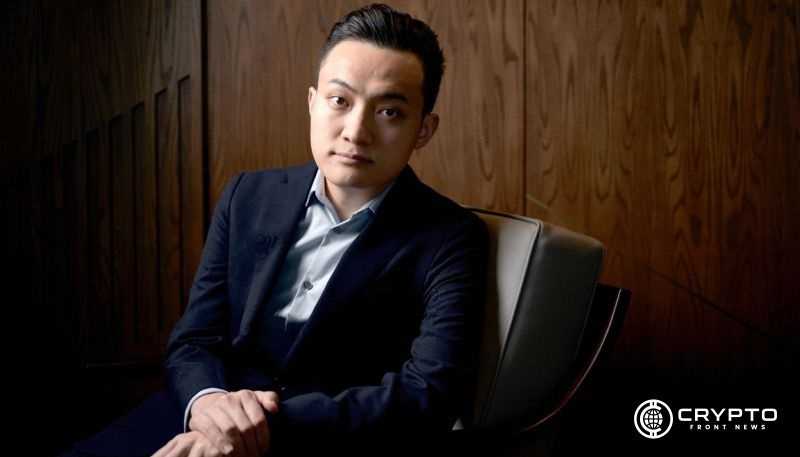
Tron founder Justin Sun is seeking sanctions against Trump-linked World Liberty Financial and its lawyers, accusing them of hiding the company’s United Arab Emirates citizenship from a California federal court. Sun announced the motion on November 3, months into his lawsuit over frozen WLFI tokens.
Sun Challenges World Liberty’s Disclosure
Sun said he agreed to buy $30 million in WLFI tokens in November 2024, later raising his investment to $45 million. He described himself as one of World Liberty’s earliest and largest investors.
In April, Sun sued the company, alleging fraud and the unlawful freezing of his tokens. His purchase agreement allowed claims in California state or federal court, and he chose federal court. Sun said federal diversity rules require parties to have different citizenship.
A company takes on the citizenship of its owners for this purpose. World Liberty’s initial disclosure listed only itself and Florida as its sole citizenship. Its lawyers certified they knew of no other owners requiring disclosure, Sun said.
UAE Ownership Appeared After August Hearing
World Liberty sought private arbitration, but Sun opposed the request. He said his lawyers spent months and hundreds of thousands of dollars fighting it.
At an August hearing, the court ruled that some claims should remain in open court and others go to arbitration. Less than a week later, World Liberty amended its disclosure, identifying 22 members in its ownership chain.
The revised filing listed Florida, Delaware, Puerto Rico, and the UAE, according to Sun. World Liberty now argues that the federal court lacks jurisdiction because both sides include foreign parties.
Sun Plans to Refile in California
Sun said World Liberty’s lawyers claimed they learned about the UAE citizenship only after filing the original disclosure. He argued that either they failed to check properly or the company gave them incomplete information. He said World Liberty refused to explain the omission.
His motion seeks sanctions against the company and its lawyers over what he calls a misleading court filing. Sun cited World Liberty’s public description of itself as an American, tax-paying corporation that was not organized offshore.
World Liberty countersued Sun in May, calling his claims a “meritless PR stunt.” The company previously defended freezing his tokens and could not be reached for comment on the latest allegations. Sun said he will refile in California state court after the sanctions motion is resolved.
Justin Sun Seeks Sanctions Over World Liberty’s UAE Ties
Justin Sun is seeking sanctions over World Liberty Financial's alleged failure to disclose its UAE citizenship in an initial court filing.
World Liberty amended its ownership disclosure after an August hearing, identifying 22 members across Florida, Delaware, Puerto Rico and the UAE.
Sun plans to refile his lawsuit in California state court after the sanctions motion is resolved, following the dispute over frozen $45 million WLFI tokens.
Tron founder Justin Sun is seeking sanctions against Trump-linked World Liberty Financial and its lawyers, accusing them of hiding the company’s United Arab Emirates citizenship from a California federal court. Sun announced the motion on November 3, months into his lawsuit over frozen WLFI tokens.
Sun Challenges World Liberty’s Disclosure
Sun said he agreed to buy $30 million in WLFI tokens in November 2024, later raising his investment to $45 million. He described himself as one of World Liberty’s earliest and largest investors.
In April, Sun sued the company, alleging fraud and the unlawful freezing of his tokens. His purchase agreement allowed claims in California state or federal court, and he chose federal court. Sun said federal diversity rules require parties to have different citizenship.
A company takes on the citizenship of its owners for this purpose. World Liberty’s initial disclosure listed only itself and Florida as its sole citizenship. Its lawyers certified they knew of no other owners requiring disclosure, Sun said.
UAE Ownership Appeared After August Hearing
World Liberty sought private arbitration, but Sun opposed the request. He said his lawyers spent months and hundreds of thousands of dollars fighting it.
At an August hearing, the court ruled that some claims should remain in open court and others go to arbitration. Less than a week later, World Liberty amended its disclosure, identifying 22 members in its ownership chain.
The revised filing listed Florida, Delaware, Puerto Rico, and the UAE, according to Sun. World Liberty now argues that the federal court lacks jurisdiction because both sides include foreign parties.
Sun Plans to Refile in California
Sun said World Liberty’s lawyers claimed they learned about the UAE citizenship only after filing the original disclosure. He argued that either they failed to check properly or the company gave them incomplete information. He said World Liberty refused to explain the omission.
His motion seeks sanctions against the company and its lawyers over what he calls a misleading court filing. Sun cited World Liberty’s public description of itself as an American, tax-paying corporation that was not organized offshore.
World Liberty countersued Sun in May, calling his claims a “meritless PR stunt.” The company previously defended freezing his tokens and could not be reached for comment on the latest allegations. Sun said he will refile in California state court after the sanctions motion is resolved.
72
Məqalə
Grayscale-ə görə, Binance-ə qarşı 6 milyard dollarlıq haker hücumu kriptovalyutaların saxlanması ilə bağlı riskləri üzə çıxarırBinance təsirə məruz qalan aktivlərin 95%-ni bərpa etdiyini bildirir. Qalan 5%-i isə bərpası daha çox vaxt tələb edən, likvidliyi aşağı tokenlər təşkil edir.
Tether və Circle təxminən 2,9 milyard dolları donduraraq oğurlanmış vəsaitlərin 45%-ni geri qaytardı, Binance isə itkiləri öz üzərinə götürdü.
Grayscale investorların müdafiəsini gücləndirməyin yolları kimi institusional saxlama üzrə təhlükəsizlik tədbirlərini, o cümlədən aktivlərin ayrı saxlanmasını, oflayn saxlama üsullarını, çoximzalı pul kisələrini və sığortanı vurğulayır.
Binance-ə qarşı 6 milyard dollarlıq haker hücumu kriptovalyuta təhlükəsizliyinə diqqəti yenidən artırıb, baxmayaraq ki, Binance müştərilərin itkiləri öz üzərinə götürməyəcəyini bildirir. Grayscale-in araşdırma rəhbəri Zach Pandl Şimali Koreyaya aid edilən 19 oktyabr hücumunun institusional saxlama məsələsinin əhəmiyyətini vurğuladığını deyib. Binance təsirə məruz qalan aktivlərin 95%-ni bərpa edib, stabilkoin emitentləri isə təxminən 2,9 milyard dolları dondurub.
Grayscale-ə görə, Binance-ə qarşı 6 milyard dollarlıq haker hücumu kriptovalyutaların saxlanması ilə bağlı riskləri üzə çıxarır
Binance təsirə məruz qalan aktivlərin 95%-ni bərpa etdiyini bildirir. Qalan 5%-i isə bərpası daha çox vaxt tələb edən, likvidliyi aşağı tokenlər təşkil edir.
Tether və Circle təxminən 2,9 milyard dolları donduraraq oğurlanmış vəsaitlərin 45%-ni geri qaytardı, Binance isə itkiləri öz üzərinə götürdü.
Grayscale investorların müdafiəsini gücləndirməyin yolları kimi institusional saxlama üzrə təhlükəsizlik tədbirlərini, o cümlədən aktivlərin ayrı saxlanmasını, oflayn saxlama üsullarını, çoximzalı pul kisələrini və sığortanı vurğulayır.
Binance-ə qarşı 6 milyard dollarlıq haker hücumu kriptovalyuta təhlükəsizliyinə diqqəti yenidən artırıb, baxmayaraq ki, Binance müştərilərin itkiləri öz üzərinə götürməyəcəyini bildirir. Grayscale-in araşdırma rəhbəri Zach Pandl Şimali Koreyaya aid edilən 19 oktyabr hücumunun institusional saxlama məsələsinin əhəmiyyətini vurğuladığını deyib. Binance təsirə məruz qalan aktivlərin 95%-ni bərpa edib, stabilkoin emitentləri isə təxminən 2,9 milyard dolları dondurub.
429
Məqalə
Ripple Standard Chartered ilə RLUSD-nin saxlanması xidmətini genişləndirirRipple-ın 1 milyard XRP eskrou vəsaitini buraxdığına dair məlumat bu məbləğin hamısının dövriyyəyə daxil olduğu və ya kriptovalyuta birjalarına çatdığı demək deyil.
Standard Chartered uyğun qurumlara bank təminatlı aktiv qorunmasına çıxış imkanı yaratmaqla, tənzimlənən DIFC filialı vasitəsilə RLUSD-nin saxlanması xidmətini istifadəyə verib.
Ripple, Standard Chartered və LMAX institusional ticarət xidmətlərində uyğun RLUSD aktivləri üçün girov razılaşması hazırlayırlar.
Ripple XRP eskrou vəsaitlərinin buraxılışını idarə edib stabilkoin xidmətlərini genişləndirdikcə, RLUSD-nin saxlanması institusional dəstək qazanır. Standard Chartered bu xidmətə dəstək təqdim edib, ayrıca girov razılaşmasının hazırlanması isə davam edir.
Ripple Standard Chartered ilə RLUSD-nin saxlanması xidmətini genişləndirir
Ripple-ın 1 milyard XRP eskrou vəsaitini buraxdığına dair məlumat bu məbləğin hamısının dövriyyəyə daxil olduğu və ya kriptovalyuta birjalarına çatdığı demək deyil.
Standard Chartered uyğun qurumlara bank təminatlı aktiv qorunmasına çıxış imkanı yaratmaqla, tənzimlənən DIFC filialı vasitəsilə RLUSD-nin saxlanması xidmətini istifadəyə verib.
Ripple, Standard Chartered və LMAX institusional ticarət xidmətlərində uyğun RLUSD aktivləri üçün girov razılaşması hazırlayırlar.
Ripple XRP eskrou vəsaitlərinin buraxılışını idarə edib stabilkoin xidmətlərini genişləndirdikcə, RLUSD-nin saxlanması institusional dəstək qazanır. Standard Chartered bu xidmətə dəstək təqdim edib, ayrıca girov razılaşmasının hazırlanması isə davam edir.
1
469
Məqalə
Tərcüməyə bax
CFTC Opens U.S. Markets to Individual Stock PerpetualsQualifying CFTC-registered exchanges can now offer equity perpetual futures, provided they also meet SEC registration requirements for security futures.
Chairman Michael Selig says the move expands access to risk-management and price-discovery tools while reducing reliance on offshore platforms.
The development follows years of regulatory uncertainty, with CFTC-SEC cooperation providing a clearer framework for equity perpetual trading.
U.S. traders can now access perpetual futures tied to individual stocks through qualifying regulated exchanges. CFTC Chairman Michael S. Selig announced the development, ending years of regulatory uncertainty surrounding equity perpetuals. The contracts can trade on designated markets also registered with the SEC as notice-registered national securities exchanges for security futures products.
https://twitter.com/EleanorTerrett/status/2117619881419956623?a=ccx2IVUVbEZaYWc6N0s&s=20
CFTC Opens Trading Under Joint Regulatory Oversight
Selig said equity perpetual futures, also known as Equity Perps, can begin trading for the first time on qualifying CFTC-registered exchanges. These venues must also hold the required SEC registration to trade security futures products.
Journalist Eleanor Terrett reported that the CFTC approved the first perpetual futures contracts linked to individual stocks. The approval allows qualifying U.S.-regulated exchanges to offer the products under CFTC and SEC oversight.
Previously, regulatory uncertainty kept equity perpetual futures outside established U.S. market structures. However, the new arrangement provides a route for these contracts to enter regulated markets.
Selig Cites Risk Management and Market Access
Selig said perpetual futures have become widely sought tools for risk management and price discovery. He added that U.S. traders should access these products within the CFTC's regulatory framework.
According to the chairman, bringing Equity Perps into regulated markets could reduce the need for American investors to use offshore, often unregulated platforms. His statement emphasized access under applicable law and existing regulatory protections.
The announcement also addresses the long-running jurisdictional uncertainty surrounding security futures and equity perpetual contracts. Selig said the products had remained in a regulatory “no man's land” because of limited coordination between agencies.
CFTC and SEC Address Years of Regulatory Uncertainty
Selig linked the development to the Commodity Futures Modernization Act of 2000 and the CFTC-SEC Memorandum of Understanding. Both provide the foundation for cooperation between the agencies on these products.
He said the CFTC and SEC had moved beyond an era of regulatory disputes. The agencies now seek to provide clearer rules and a defined path for innovative financial products.
SEC Chairman Paul S. Atkins previously described the regulatory situation as a “no man's land,” Terrett reported. The latest announcement brings individual-stock perpetual futures into qualifying U.S. exchanges under joint oversight.
Selig said the approach aims to keep these products within established regulatory protections rather than leaving U.S. participants dependent on offshore venues.
CFTC Opens U.S. Markets to Individual Stock Perpetuals
Qualifying CFTC-registered exchanges can now offer equity perpetual futures, provided they also meet SEC registration requirements for security futures.
Chairman Michael Selig says the move expands access to risk-management and price-discovery tools while reducing reliance on offshore platforms.
The development follows years of regulatory uncertainty, with CFTC-SEC cooperation providing a clearer framework for equity perpetual trading.
U.S. traders can now access perpetual futures tied to individual stocks through qualifying regulated exchanges. CFTC Chairman Michael S. Selig announced the development, ending years of regulatory uncertainty surrounding equity perpetuals. The contracts can trade on designated markets also registered with the SEC as notice-registered national securities exchanges for security futures products.
https://twitter.com/EleanorTerrett/status/2117619881419956623?a=ccx2IVUVbEZaYWc6N0s&s=20
CFTC Opens Trading Under Joint Regulatory Oversight
Selig said equity perpetual futures, also known as Equity Perps, can begin trading for the first time on qualifying CFTC-registered exchanges. These venues must also hold the required SEC registration to trade security futures products.
Journalist Eleanor Terrett reported that the CFTC approved the first perpetual futures contracts linked to individual stocks. The approval allows qualifying U.S.-regulated exchanges to offer the products under CFTC and SEC oversight.
Previously, regulatory uncertainty kept equity perpetual futures outside established U.S. market structures. However, the new arrangement provides a route for these contracts to enter regulated markets.
Selig Cites Risk Management and Market Access
Selig said perpetual futures have become widely sought tools for risk management and price discovery. He added that U.S. traders should access these products within the CFTC's regulatory framework.
According to the chairman, bringing Equity Perps into regulated markets could reduce the need for American investors to use offshore, often unregulated platforms. His statement emphasized access under applicable law and existing regulatory protections.
The announcement also addresses the long-running jurisdictional uncertainty surrounding security futures and equity perpetual contracts. Selig said the products had remained in a regulatory “no man's land” because of limited coordination between agencies.
CFTC and SEC Address Years of Regulatory Uncertainty
Selig linked the development to the Commodity Futures Modernization Act of 2000 and the CFTC-SEC Memorandum of Understanding. Both provide the foundation for cooperation between the agencies on these products.
He said the CFTC and SEC had moved beyond an era of regulatory disputes. The agencies now seek to provide clearer rules and a defined path for innovative financial products.
SEC Chairman Paul S. Atkins previously described the regulatory situation as a “no man's land,” Terrett reported. The latest announcement brings individual-stock perpetual futures into qualifying U.S. exchanges under joint oversight.
Selig said the approach aims to keep these products within established regulatory protections rather than leaving U.S. participants dependent on offshore venues.
259
Məqalə
Tərcüməyə bax
NEAR Mobile Hits #1 in Finance App Rankings and Charts Across 38 Countries as NEAR Ecosystem Gain...Escaldes-Engordany, Andorra, November 4th, 2026, Chainwire
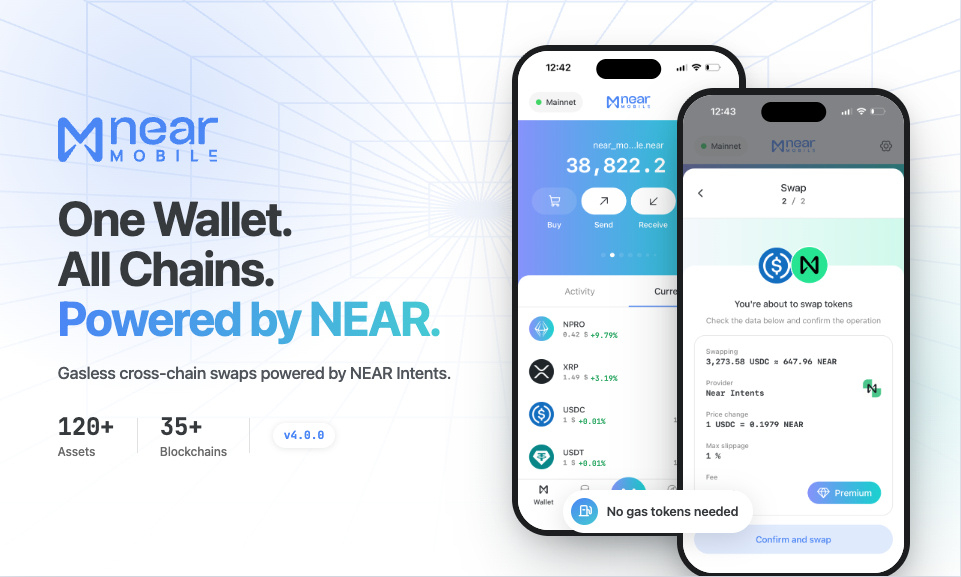
With over 1 million downloads, the NEAR ecosystem's largest mobile wallet expands its global reach while launching gasless cross-chain swaps across 120+ assets and 35+ blockchains powered by NEAR Intents.
NEAR Mobile is gaining international traction, appearing in App Store rankings across 38 countries over a recent 31-day period, according to app ranking data from Toplify.
The self-custodial wallet reached #1 in Finance in Serbia, #2 in Hungary, and #4 in Moldova and Oman, highlighting its growing visibility across international markets. NEAR Mobile also recently reached #7 in Finance in Finland and Nigeria.
These milestones come amid growing attention around the NEAR ecosystem and its chain abstraction infrastructure. NEAR Intents, the protocol powering cross-chain execution across the ecosystem, has surpassed $33 billion in cumulative volume across 35 blockchains.
With more than one million downloads, NEAR Mobile is the largest mobile wallet in the NEAR ecosystem and continues to expand its capabilities with version 4.0.0, introducing a gasless experience designed to make blockchain interactions significantly simpler.
From Global Adoption to a Gasless Multichain Experience
As NEAR Mobile expands its international reach, its latest update addresses one of crypto's biggest usability challenges: gas fees.
Traditionally, users interacting with multiple blockchains must maintain different native tokens to pay transaction fees, even when they already hold the assets they want to transfer or swap.
With version 4.0.0, NEAR Mobile sponsors relayer fees for supported transactions, enabling users to swap and move assets across supported networks without needing to hold NEAR or maintain native gas tokens across different blockchains.
Powered by NEAR Intents, NEAR Mobile provides access to more than 120 assets across 35+ blockchains, combining cross-chain execution, unified balances, staking and self-custodial asset management in a single mobile interface.
One Wallet. All Chains. Powered by NEAR.
Unified Balances Across 35+ Blockchains
Beyond removing gas complexity, NEAR Mobile addresses another major challenge in crypto: fragmented liquidity.
A user holding USDC across Ethereum, Base, BNB Chain and TRON traditionally has separate balances that may require manual bridging and network switching to use together.
Through NEAR Intents, NEAR Mobile can present supported liquidity from multiple networks as a unified balance, allowing users to send or swap aggregated assets without manually bridging funds first.
Cross-chain swaps can settle in seconds, bringing the experience closer to using a single financial account rather than navigating multiple independent blockchains.
By abstracting networks, bridges and gas tokens, NEAR Mobile makes NEAR's chain abstraction technology accessible to everyday users.
The Largest Mobile Wallet in the NEAR Ecosystem
With over one million downloads and growing visibility across international Finance App Store rankings, NEAR Mobile has established itself as a leading consumer application within the NEAR ecosystem.
Available on both iOS and Android, the self-custodial NEAR wallet allows users to create and manage NEAR accounts, send and receive assets, stake NEAR and access multichain functionality directly from their phones.
NEAR Mobile supports onboarding through Google, Apple ID or email, combining a familiar mobile experience with self-custody and on-chain account recovery.
Experienced users can alternatively create or import wallets using a traditional mnemonic phrase.
The wallet also provides NEAR staking and access to NPRO staking, currently offering up to 8.58% APY.
As NEAR's chain abstraction ecosystem continues expanding, NEAR Mobile aims to make its infrastructure accessible through an intuitive consumer-facing application.
NEAR Mobile at a Glance
1M+ downloads
App Store rankings across 38 countries in a recent 31-day period
#1 Finance in Serbia, #2 Hungary, #4 Moldova and Oman
120+ assets across 35+ blockchains
Gasless transactions for supported actions
Cross-chain swaps powered by NEAR Intents
Unified multichain balances
NEAR and NPRO staking
Google, Apple ID, email and mnemonic onboarding
On-chain account recovery and self-custody
Available on iOS and Android
About NEAR Mobile
NEAR Mobile is the largest self-custodial mobile wallet in the NEAR ecosystem, with more than 1 million downloads across iOS and Android.
Powered by NEAR Intents, the wallet enables users to manage NEAR, stake assets and access more than 120 tokens across 35+ blockchains through gasless cross-chain functionality and unified balances.
Its mission is to make NEAR's chain abstraction infrastructure accessible to everyone by removing the complexity of networks, bridges and gas tokens.
One Wallet. All Chains. Powered by NEAR.
ContactNEAR Mobile
Ferran Prat
Peersyst Technology Global SL
fprat@peersyst.com
NEAR Mobile Hits #1 in Finance App Rankings and Charts Across 38 Countries as NEAR Ecosystem Gain...
Escaldes-Engordany, Andorra, November 4th, 2026, Chainwire
With over 1 million downloads, the NEAR ecosystem's largest mobile wallet expands its global reach while launching gasless cross-chain swaps across 120+ assets and 35+ blockchains powered by NEAR Intents.
NEAR Mobile is gaining international traction, appearing in App Store rankings across 38 countries over a recent 31-day period, according to app ranking data from Toplify.
The self-custodial wallet reached #1 in Finance in Serbia, #2 in Hungary, and #4 in Moldova and Oman, highlighting its growing visibility across international markets. NEAR Mobile also recently reached #7 in Finance in Finland and Nigeria.
These milestones come amid growing attention around the NEAR ecosystem and its chain abstraction infrastructure. NEAR Intents, the protocol powering cross-chain execution across the ecosystem, has surpassed $33 billion in cumulative volume across 35 blockchains.
With more than one million downloads, NEAR Mobile is the largest mobile wallet in the NEAR ecosystem and continues to expand its capabilities with version 4.0.0, introducing a gasless experience designed to make blockchain interactions significantly simpler.
From Global Adoption to a Gasless Multichain Experience
As NEAR Mobile expands its international reach, its latest update addresses one of crypto's biggest usability challenges: gas fees.
Traditionally, users interacting with multiple blockchains must maintain different native tokens to pay transaction fees, even when they already hold the assets they want to transfer or swap.
With version 4.0.0, NEAR Mobile sponsors relayer fees for supported transactions, enabling users to swap and move assets across supported networks without needing to hold NEAR or maintain native gas tokens across different blockchains.
Powered by NEAR Intents, NEAR Mobile provides access to more than 120 assets across 35+ blockchains, combining cross-chain execution, unified balances, staking and self-custodial asset management in a single mobile interface.
One Wallet. All Chains. Powered by NEAR.
Unified Balances Across 35+ Blockchains
Beyond removing gas complexity, NEAR Mobile addresses another major challenge in crypto: fragmented liquidity.
A user holding USDC across Ethereum, Base, BNB Chain and TRON traditionally has separate balances that may require manual bridging and network switching to use together.
Through NEAR Intents, NEAR Mobile can present supported liquidity from multiple networks as a unified balance, allowing users to send or swap aggregated assets without manually bridging funds first.
Cross-chain swaps can settle in seconds, bringing the experience closer to using a single financial account rather than navigating multiple independent blockchains.
By abstracting networks, bridges and gas tokens, NEAR Mobile makes NEAR's chain abstraction technology accessible to everyday users.
The Largest Mobile Wallet in the NEAR Ecosystem
With over one million downloads and growing visibility across international Finance App Store rankings, NEAR Mobile has established itself as a leading consumer application within the NEAR ecosystem.
Available on both iOS and Android, the self-custodial NEAR wallet allows users to create and manage NEAR accounts, send and receive assets, stake NEAR and access multichain functionality directly from their phones.
NEAR Mobile supports onboarding through Google, Apple ID or email, combining a familiar mobile experience with self-custody and on-chain account recovery.
Experienced users can alternatively create or import wallets using a traditional mnemonic phrase.
The wallet also provides NEAR staking and access to NPRO staking, currently offering up to 8.58% APY.
As NEAR's chain abstraction ecosystem continues expanding, NEAR Mobile aims to make its infrastructure accessible through an intuitive consumer-facing application.
NEAR Mobile at a Glance
1M+ downloads
App Store rankings across 38 countries in a recent 31-day period
#1 Finance in Serbia, #2 Hungary, #4 Moldova and Oman
120+ assets across 35+ blockchains
Gasless transactions for supported actions
Cross-chain swaps powered by NEAR Intents
Unified multichain balances
NEAR and NPRO staking
Google, Apple ID, email and mnemonic onboarding
On-chain account recovery and self-custody
Available on iOS and Android
About NEAR Mobile
NEAR Mobile is the largest self-custodial mobile wallet in the NEAR ecosystem, with more than 1 million downloads across iOS and Android.
Powered by NEAR Intents, the wallet enables users to manage NEAR, stake assets and access more than 120 tokens across 35+ blockchains through gasless cross-chain functionality and unified balances.
Its mission is to make NEAR's chain abstraction infrastructure accessible to everyone by removing the complexity of networks, bridges and gas tokens.
One Wallet. All Chains. Powered by NEAR.
ContactNEAR Mobile
Ferran Prat
Peersyst Technology Global SL
fprat@peersyst.com
50
Məqalə
Tərcüməyə bax
Crypto Liquidity Dries Up Further as Stablecoin Supply FallsStablecoin capitalization declined $17 billion, or 6%, from April's $280 billion to $263 billion, its lowest level in over a year.
Binance's 90-day average stablecoin capitalization fell 20% from $51 billion to $34 billion, with the platform hack contributing to the contraction.
USDT and USDC remain the largest stablecoin pools at approximately $175 billion and $65 billion, while continued supply growth could support broader crypto liquidity.
Stablecoin market capitalization has fallen to its lowest level in over a year, analyst Darkfost reported. Total supply declined $17 billion since April, while Binance recorded a sharper contraction after a platform hack. Historical data, however, shows USDT and USDC remain the largest stablecoin pools alongside Bitcoin’s long-term price movements.
Stablecoin Market Cap Drops to $263 Billion
Darkfost said total stablecoin capitalization fell from about $280 billion in April to $263 billion. The $17 billion decline represents a 6% drop over six months.
Binance accounts for 70% of stablecoin supply held on exchanges. Its 90-day moving average market capitalization fell 20%, from $51 billion to $34 billion. Darkfost linked part of the decline to a platform hack, which saw about $3 billion in stablecoins extracted.
However, the analyst said Binance's stablecoin capitalization had been falling for more than a year. The wider market has followed the same direction. Darkfost attributed the trend mainly to weak demand and limited incoming liquidity.
The analyst also pointed to geopolitical and economic events, as well as repeated crypto exploits. These developments may make investors more cautious about holding crypto assets. Darkfost said liquidity needs to return to prevent recent market gains from reversing.
USDT and USDC Lead Stablecoin Supply
The historical chart tracks USDT, USDC, DAI and FDUSD alongside Bitcoin. USDT grew from about $15 billion to nearly $180 billion at its peak. It currently is around $180 billion, although recent data shows a slight retreat toward $175 billion.
Source: Coinglass
USDC rose from below $10 billion to roughly $60 billion to $70 billion. It now stands near $65 billion. DAI generally remains below $10 billion, while FDUSD holds a smaller market share.
Stablecoin Growth and Bitcoin Price Movements
Bitcoin climbed from approximately $30,000 to peaks above $120,000 before several corrections. Periods of expanding stablecoin capitalization broadly coincided with stronger BTC performance. However, new stablecoin issuance does not automatically create immediate buying pressure.
The chart analysis identifies sustained USDT and USDC growth as potential support for Bitcoin and altcoins. However, prolonged stagnation or contraction could reflect weaker liquidity and speculative demand.
Crypto Liquidity Dries Up Further as Stablecoin Supply Falls
Stablecoin capitalization declined $17 billion, or 6%, from April's $280 billion to $263 billion, its lowest level in over a year.
Binance's 90-day average stablecoin capitalization fell 20% from $51 billion to $34 billion, with the platform hack contributing to the contraction.
USDT and USDC remain the largest stablecoin pools at approximately $175 billion and $65 billion, while continued supply growth could support broader crypto liquidity.
Stablecoin market capitalization has fallen to its lowest level in over a year, analyst Darkfost reported. Total supply declined $17 billion since April, while Binance recorded a sharper contraction after a platform hack. Historical data, however, shows USDT and USDC remain the largest stablecoin pools alongside Bitcoin’s long-term price movements.
Stablecoin Market Cap Drops to $263 Billion
Darkfost said total stablecoin capitalization fell from about $280 billion in April to $263 billion. The $17 billion decline represents a 6% drop over six months.
Binance accounts for 70% of stablecoin supply held on exchanges. Its 90-day moving average market capitalization fell 20%, from $51 billion to $34 billion. Darkfost linked part of the decline to a platform hack, which saw about $3 billion in stablecoins extracted.
However, the analyst said Binance's stablecoin capitalization had been falling for more than a year. The wider market has followed the same direction. Darkfost attributed the trend mainly to weak demand and limited incoming liquidity.
The analyst also pointed to geopolitical and economic events, as well as repeated crypto exploits. These developments may make investors more cautious about holding crypto assets. Darkfost said liquidity needs to return to prevent recent market gains from reversing.
USDT and USDC Lead Stablecoin Supply
The historical chart tracks USDT, USDC, DAI and FDUSD alongside Bitcoin. USDT grew from about $15 billion to nearly $180 billion at its peak. It currently is around $180 billion, although recent data shows a slight retreat toward $175 billion.
Source: Coinglass
USDC rose from below $10 billion to roughly $60 billion to $70 billion. It now stands near $65 billion. DAI generally remains below $10 billion, while FDUSD holds a smaller market share.
Stablecoin Growth and Bitcoin Price Movements
Bitcoin climbed from approximately $30,000 to peaks above $120,000 before several corrections. Periods of expanding stablecoin capitalization broadly coincided with stronger BTC performance. However, new stablecoin issuance does not automatically create immediate buying pressure.
The chart analysis identifies sustained USDT and USDC growth as potential support for Bitcoin and altcoins. However, prolonged stagnation or contraction could reflect weaker liquidity and speculative demand.
275
Məqalə
Tərcüməyə bax
XRP Wallets Hit 2026 High as Traders Watch Breakout LevelsSantiment reports 2,147 wallets holding at least one million XRP, an increase of 28 in 10 days, suggesting continued large-holder accumulation.
Ali Charts identifies a four-hour Bollinger Band breakout following the tightest squeeze since August, potentially signaling a major price move.
XRP trades near $1.275, with resistance at $1.35 and potential recovery targets at $1.47 and $1.55, while daily active addresses decline to 29,400.
XRP’s large-holder count has climbed to its highest level this year, even as the token trades below its 200-day moving average. Santiment Intelligence reported 2,147 wallets holding at least one million XRP, while analyst Ali Charts pointed to a four-hour Bollinger Band breakout. Price data through November 4, 2026, places XRP near $1.275.
Million-Token XRP Wallets Reach a 2026 High
Santiment said the number of wallets holding at least one million XRP increased by 28 over 10 days. Eighteen wallets joined the million-token group during the latest three days. The total now stands at 2,147, the highest count recorded in 2026.
The analytics firm said large holders often maintain longer investment horizons than short-term traders. It added that the rising wallet count during price weakness suggests large balances are growing. Santiment identified $1.20 to $1.25 as an important holding range. It said keeping the wallet count above 2,140 would support that longer-term setup.
For stronger confirmation, Santiment pointed to a recovery above $1.30, followed by $1.40. It said continued growth in large-wallet numbers alongside those price gains would provide stronger evidence of accumulation.
Analyst Points to a Bollinger Band Breakout
Meanwhile, Ali Charts said XRP recorded its tightest Bollinger Band squeeze since August on the four-hour chart. The analyst noted that price had moved above the upper band.
https://twitter.com/alicharts/status/2117598323578204163?a=zQQTDhwbNXhrXlIhrl4&s=20
The previous squeeze of similar scale preceded a rally of nearly 71% in three days. Ali Charts said another major price move could be starting. However, the analyst did not provide a specific price target for the latest setup.
XRP Holds Near $1.27 as Network Activity Falls
XRP traded around $1.275 on November 4 after months of volatility. The token initially traded between $1.40 and $1.45 before falling to about $1.00 in early August. A late-August recovery lifted it toward $1.60, but momentum faded as prices declined through October.
Source: Santiment
The 50-day moving average stood near $1.27, while the 200-day average sat around $1.35. XRP remained slightly above the shorter average but below the longer one. The chart places immediate support near $1.27 and resistance at $1.35. A sustained move above resistance could put $1.47 in focus.
Daily active addresses peaked near 938,000 in late August, alongside the price rally. The latest reading fell to approximately 29,400. However, total XRP holders continued rising, reaching about 8.29 million despite weaker prices. The chart identifies $1.55 as another potential recovery level beyond $1.47.
XRP Wallets Hit 2026 High as Traders Watch Breakout Levels
Santiment reports 2,147 wallets holding at least one million XRP, an increase of 28 in 10 days, suggesting continued large-holder accumulation.
Ali Charts identifies a four-hour Bollinger Band breakout following the tightest squeeze since August, potentially signaling a major price move.
XRP trades near $1.275, with resistance at $1.35 and potential recovery targets at $1.47 and $1.55, while daily active addresses decline to 29,400.
XRP’s large-holder count has climbed to its highest level this year, even as the token trades below its 200-day moving average. Santiment Intelligence reported 2,147 wallets holding at least one million XRP, while analyst Ali Charts pointed to a four-hour Bollinger Band breakout. Price data through November 4, 2026, places XRP near $1.275.
Million-Token XRP Wallets Reach a 2026 High
Santiment said the number of wallets holding at least one million XRP increased by 28 over 10 days. Eighteen wallets joined the million-token group during the latest three days. The total now stands at 2,147, the highest count recorded in 2026.
The analytics firm said large holders often maintain longer investment horizons than short-term traders. It added that the rising wallet count during price weakness suggests large balances are growing. Santiment identified $1.20 to $1.25 as an important holding range. It said keeping the wallet count above 2,140 would support that longer-term setup.
For stronger confirmation, Santiment pointed to a recovery above $1.30, followed by $1.40. It said continued growth in large-wallet numbers alongside those price gains would provide stronger evidence of accumulation.
Analyst Points to a Bollinger Band Breakout
Meanwhile, Ali Charts said XRP recorded its tightest Bollinger Band squeeze since August on the four-hour chart. The analyst noted that price had moved above the upper band.
https://twitter.com/alicharts/status/2117598323578204163?a=zQQTDhwbNXhrXlIhrl4&s=20
The previous squeeze of similar scale preceded a rally of nearly 71% in three days. Ali Charts said another major price move could be starting. However, the analyst did not provide a specific price target for the latest setup.
XRP Holds Near $1.27 as Network Activity Falls
XRP traded around $1.275 on November 4 after months of volatility. The token initially traded between $1.40 and $1.45 before falling to about $1.00 in early August. A late-August recovery lifted it toward $1.60, but momentum faded as prices declined through October.
Source: Santiment
The 50-day moving average stood near $1.27, while the 200-day average sat around $1.35. XRP remained slightly above the shorter average but below the longer one. The chart places immediate support near $1.27 and resistance at $1.35. A sustained move above resistance could put $1.47 in focus.
Daily active addresses peaked near 938,000 in late August, alongside the price rally. The latest reading fell to approximately 29,400. However, total XRP holders continued rising, reaching about 8.29 million despite weaker prices. The chart identifies $1.55 as another potential recovery level beyond $1.47.
461
Məqalə
Tərcüməyə bax
Analyst Maps Rebound Targets for Three Major AltcoinsEthereum fell 22.64%, with analyst identifying $2,500 and $2,700 as potential recovery targets.
Solana dropped 27.31%, with $90 as key support and potential upside targets at $105 and $120; Cardano's targets stand at $0.2268 and $0.2677.
TOTAL3 gained 1.45% to $744.47 billion, with improving RSI and MACD momentum but resistance remaining at $760 billion and $780 billion.
Three major altcoins have suffered steep losses, but their three-day charts show potential buy signals, according to analyst Ali Charts. Ethereum, Solana, and Cardano each have recovery targets for a possible rebound. Meanwhile, TOTAL3, which tracks the crypto market excluding Bitcoin and Ethereum, gained 1.45% on November 4, 2026.
Analyst Identifies Three Altcoin Rebound Targets
Ethereum dropped 22.64%, from $2,806 to $2,171. However, the indicator flashed a TD Sequential buy signal on the three-day chart. Ali Charts said the correction could be nearing its end. If buying pressure increases, ETH could rebound to $2,500. A break above that level would put the resistance trendline near $2,700 in focus.
https://twitter.com/alicharts/status/2117754981088649688?a=IqJ4QEeOdRWURMgGEfI&s=20
Solana fell 27.31%, from $124.89 to $90.78. Its three-day chart is forming a TD Sequential buy signal. The signal needs to complete, with $90 holding as support. If it does, Ali Charts sees $105 as a target, followed by the resistance trendline near $120.
Cardano fell 35.41% from $0.2822 to $0.1823. However, its three-day chart displayed a fresh 9 and a Sequential 13 buy signal. Ali Charts is watching $0.2268 if buyers return. A break above it would put the resistance trendline near $0.2677 in focus.
TOTAL3 Shows Early Recovery Across Market
TOTAL3 stood at $744.47 billion after gaining $10.65 billion, or 1.45%, on the four-hour candle. Volume reached $312.95 billion as capitalization consolidated between $740 billion and $750 billion.
Source: TradingView
The broader trend remains bearish. TOTAL3 fell from $845 billion in early October, slipping below $820 billion around October 7. It later lost $800 billion and $780 billion. A sell-off around October 29 then pushed capitalization toward $750 billion.
RSI and MACD Show Improving Momentum
The RSI recovered to 48.86, above its average of 38.89, but remained below the neutral 50 level. The MACD line stood at negative $3.76 billion, above the signal line at negative $4.34 billion. The histogram turned positive at $579.7 million, while both lines remained below zero.
Immediate support is between $740 billion and $750 billion. Resistance is at $760 billion and $780 billion. A break above $780 billion could open the way to $800 billion. However, losing $740 billion could expose $720 billion.
Analyst Maps Rebound Targets for Three Major Altcoins
Ethereum fell 22.64%, with analyst identifying $2,500 and $2,700 as potential recovery targets.
Solana dropped 27.31%, with $90 as key support and potential upside targets at $105 and $120; Cardano's targets stand at $0.2268 and $0.2677.
TOTAL3 gained 1.45% to $744.47 billion, with improving RSI and MACD momentum but resistance remaining at $760 billion and $780 billion.
Three major altcoins have suffered steep losses, but their three-day charts show potential buy signals, according to analyst Ali Charts. Ethereum, Solana, and Cardano each have recovery targets for a possible rebound. Meanwhile, TOTAL3, which tracks the crypto market excluding Bitcoin and Ethereum, gained 1.45% on November 4, 2026.
Analyst Identifies Three Altcoin Rebound Targets
Ethereum dropped 22.64%, from $2,806 to $2,171. However, the indicator flashed a TD Sequential buy signal on the three-day chart. Ali Charts said the correction could be nearing its end. If buying pressure increases, ETH could rebound to $2,500. A break above that level would put the resistance trendline near $2,700 in focus.
https://twitter.com/alicharts/status/2117754981088649688?a=IqJ4QEeOdRWURMgGEfI&s=20
Solana fell 27.31%, from $124.89 to $90.78. Its three-day chart is forming a TD Sequential buy signal. The signal needs to complete, with $90 holding as support. If it does, Ali Charts sees $105 as a target, followed by the resistance trendline near $120.
Cardano fell 35.41% from $0.2822 to $0.1823. However, its three-day chart displayed a fresh 9 and a Sequential 13 buy signal. Ali Charts is watching $0.2268 if buyers return. A break above it would put the resistance trendline near $0.2677 in focus.
TOTAL3 Shows Early Recovery Across Market
TOTAL3 stood at $744.47 billion after gaining $10.65 billion, or 1.45%, on the four-hour candle. Volume reached $312.95 billion as capitalization consolidated between $740 billion and $750 billion.
Source: TradingView
The broader trend remains bearish. TOTAL3 fell from $845 billion in early October, slipping below $820 billion around October 7. It later lost $800 billion and $780 billion. A sell-off around October 29 then pushed capitalization toward $750 billion.
RSI and MACD Show Improving Momentum
The RSI recovered to 48.86, above its average of 38.89, but remained below the neutral 50 level. The MACD line stood at negative $3.76 billion, above the signal line at negative $4.34 billion. The histogram turned positive at $579.7 million, while both lines remained below zero.
Immediate support is between $740 billion and $750 billion. Resistance is at $760 billion and $780 billion. A break above $780 billion could open the way to $800 billion. However, losing $740 billion could expose $720 billion.
689
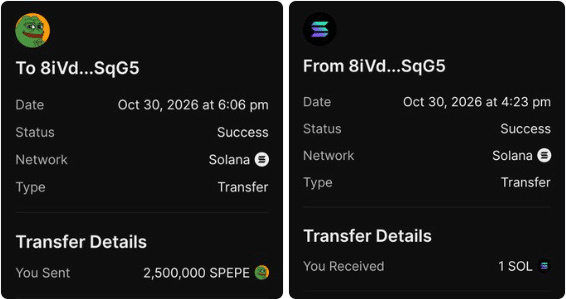
Məqalə
SPEPE-nin ilkin satışı 1,000X iddiasına görə diqqət mərkəzindədirBitcoin Professor hər 1 SOL müqabilində 2,5 milyon SPEPE təklif edir; töhfələr 0,5 SOL-dan 50 SOL-a qədər dəyişir.
Solana qəbzləri göstərir ki, 2,5 milyon SPEPE köçürülməzdən əvvəl 1 SOL daxil olub, lakin bu, birbaşa alış olduğunu təsdiqləmir.
1,000X gəlir proqnozunda başlanğıc qiymətləndirməsi, hədəf bazar kapitallaşması və ya vəd edilən gəlir üçün müddət göstərilmir.
Solana qəbzlərində reklam edilən token bölgüsünə uyğun köçürmələr aşkarlandıqdan sonra SPEPE-nin ilkin satışının təşviqi diqqət çəkib. Bu köçürmələrin təkliflə əlaqəsi təsdiqlənməyib.
SPEPE-nin ilkin satışı 1,000X iddiasına görə diqqət mərkəzindədir
Bitcoin Professor hər 1 SOL müqabilində 2,5 milyon SPEPE təklif edir; töhfələr 0,5 SOL-dan 50 SOL-a qədər dəyişir.
Solana qəbzləri göstərir ki, 2,5 milyon SPEPE köçürülməzdən əvvəl 1 SOL daxil olub, lakin bu, birbaşa alış olduğunu təsdiqləmir.
1,000X gəlir proqnozunda başlanğıc qiymətləndirməsi, hədəf bazar kapitallaşması və ya vəd edilən gəlir üçün müddət göstərilmir.
Solana qəbzlərində reklam edilən token bölgüsünə uyğun köçürmələr aşkarlandıqdan sonra SPEPE-nin ilkin satışının təşviqi diqqət çəkib. Bu köçürmələrin təkliflə əlaqəsi təsdiqlənməyib.
300
Məqalə
Pudgy Penguins qlobal tərəfdaşlıqlarla pərakəndə satış əhatəsini genişləndirirPudgy Penguins Asiyada LINE FRIENDS mağazaları, 330 Kung Fu Tea məntəqəsi və Walmart-ın New York Comic Con stendi vasitəsilə pərakəndə satış şəbəkəsini genişləndirdi.
PENGU SoFi-də əlçatan oldu, The Huddle isə NFT sahiblərinin və pərəstişkarlarının əlaqə saxlaması və sahibliklərini təsdiqləməsi üçün platforma kimi istifadəyə verildi.
Oktyabr ayındakı yeniliklərə qlobal icma görüşləri, yeni məhsullar, Pudgy World yenilikləri, GIPHY-də 120 milyard baxış və Vibes TCG buraxılışları daxil idi.
Pudgy Penguins 2026-cı ilin oktyabr ayı ərzində pərakəndə satış şəbəkəsini və beynəlxalq icmasını genişləndirərək Asiya və ABŞ-da tərəfdaşlıqlar qurdu. Layihə həmçinin yeni icma veb-saytını təqdim etdi, məhsullarının satış nöqtələrində nümayişini təmin etdi və PENGU tokeninə çıxışı genişləndirdi. Aylıq icmalda pərakəndə satış sövdələşmələri, qlobal tədbirlər, yaradıcıların fəaliyyəti və NFT ekosistemindəki yeniliklər vurğulandı.
Pudgy Penguins qlobal tərəfdaşlıqlarla pərakəndə satış əhatəsini genişləndirir
Pudgy Penguins Asiyada LINE FRIENDS mağazaları, 330 Kung Fu Tea məntəqəsi və Walmart-ın New York Comic Con stendi vasitəsilə pərakəndə satış şəbəkəsini genişləndirdi.
PENGU SoFi-də əlçatan oldu, The Huddle isə NFT sahiblərinin və pərəstişkarlarının əlaqə saxlaması və sahibliklərini təsdiqləməsi üçün platforma kimi istifadəyə verildi.
Oktyabr ayındakı yeniliklərə qlobal icma görüşləri, yeni məhsullar, Pudgy World yenilikləri, GIPHY-də 120 milyard baxış və Vibes TCG buraxılışları daxil idi.
Pudgy Penguins 2026-cı ilin oktyabr ayı ərzində pərakəndə satış şəbəkəsini və beynəlxalq icmasını genişləndirərək Asiya və ABŞ-da tərəfdaşlıqlar qurdu. Layihə həmçinin yeni icma veb-saytını təqdim etdi, məhsullarının satış nöqtələrində nümayişini təmin etdi və PENGU tokeninə çıxışı genişləndirdi. Aylıq icmalda pərakəndə satış sövdələşmələri, qlobal tədbirlər, yaradıcıların fəaliyyəti və NFT ekosistemindəki yeniliklər vurğulandı.
1
440
Məqalə
Tərcüməyə bax
Bitcoin Holds $76K as Binance Outflows Reach $3.64 Billion, Says QCPBinance recorded $3.64 billion in net outflows after processing $4.65 billion in withdrawals following the reported $6.3 billion exploit.
U.S. spot Bitcoin ETFs recorded $643.2 million in daily outflows on Friday, while October withdrawals reached approximately $516 million.
QCP identified 76,000-76,600 as Bitcoin's key support and 79,500-80,500 as resistance, with lower levels near $73,100 if support fails.
Bitcoin defended the $76,000 support range after last week's $6.3 billion Binance exploit triggered heavy withdrawals and market losses. According to QCP, BTC dropped to $76,141 on Friday, its lowest level since September 17. Meanwhile, Binance recorded $3.64 billion in net outflows as withdrawals resumed across 15 networks.
https://twitter.com/WuBlockchain/status/2117208764634054887?a=QQa4odAbL4PddjA0ef8&s=20
Binance Outflows Reach $3.64 Billion After Exploit
Attackers stole approximately $6.3 billion from Binance on Thursday, including 18,270 BTC. Bitcoin subsequently fell below $80,000, but the 76,000–76,600 support range held for the fourth time.
Binance reopened withdrawals in phases on Sunday. The exchange processed $4.65 billion in withdrawals against $1.01 billion in deposits. Consequently, net outflows reached $3.64 billion, representing approximately 2.1% of its assets.
Binance said it had covered 95% of the stolen funds. However, its full proof of reserves was delayed until Tuesday. The attacker still holds the stolen Bitcoin and has divided it into smaller 1,000 BTC and 100 BTC transfers.
Bitcoin ETFs Record $643 Million in Outflows
Institutional demand also weakened following the exploit. U.S. spot Bitcoin ETFs recorded $643.2 million in outflows on Friday. Weekly outflows reached approximately $202 million, while October ended with net withdrawals of roughly $516 million.
QCP also highlighted declining ETF basis-trade returns. Galaxy estimates that the strategy currently earns approximately 4.8%, just 0.6 percentage points above Treasury bills.
Meanwhile, Strategy made no Bitcoin purchases last week but repurchased $204.9 million in STRC. Shareholders approved daily STRC dividends with 99.3% support. MSCI's November 11 decision on Strategy remains another institutional market event.
QCP Identifies Bitcoin's Next Price Levels
Bitcoin traded near $78,500 during Tuesday's Asian session after October closed 7.3% lower. QCP identified 76,000–76,600 as support and 79,500–80,500 as resistance.
Beyond crypto, Brent crude settled at $117.63 Friday before easing to $109.66. Meanwhile, markets faced Tuesday's midterms, Binance's reserve disclosure, a Bank of England rate decision, and Friday's payrolls report.
QCP noted that a daily close above $79,500 would recover lost ground. However, breaking $76,000 could expose the 50-week average near $75,700 and 200-day average around $73,100.
Bitcoin Holds $76K as Binance Outflows Reach $3.64 Billion, Says QCP
Binance recorded $3.64 billion in net outflows after processing $4.65 billion in withdrawals following the reported $6.3 billion exploit.
U.S. spot Bitcoin ETFs recorded $643.2 million in daily outflows on Friday, while October withdrawals reached approximately $516 million.
QCP identified 76,000-76,600 as Bitcoin's key support and 79,500-80,500 as resistance, with lower levels near $73,100 if support fails.
Bitcoin defended the $76,000 support range after last week's $6.3 billion Binance exploit triggered heavy withdrawals and market losses. According to QCP, BTC dropped to $76,141 on Friday, its lowest level since September 17. Meanwhile, Binance recorded $3.64 billion in net outflows as withdrawals resumed across 15 networks.
https://twitter.com/WuBlockchain/status/2117208764634054887?a=QQa4odAbL4PddjA0ef8&s=20
Binance Outflows Reach $3.64 Billion After Exploit
Attackers stole approximately $6.3 billion from Binance on Thursday, including 18,270 BTC. Bitcoin subsequently fell below $80,000, but the 76,000–76,600 support range held for the fourth time.
Binance reopened withdrawals in phases on Sunday. The exchange processed $4.65 billion in withdrawals against $1.01 billion in deposits. Consequently, net outflows reached $3.64 billion, representing approximately 2.1% of its assets.
Binance said it had covered 95% of the stolen funds. However, its full proof of reserves was delayed until Tuesday. The attacker still holds the stolen Bitcoin and has divided it into smaller 1,000 BTC and 100 BTC transfers.
Bitcoin ETFs Record $643 Million in Outflows
Institutional demand also weakened following the exploit. U.S. spot Bitcoin ETFs recorded $643.2 million in outflows on Friday. Weekly outflows reached approximately $202 million, while October ended with net withdrawals of roughly $516 million.
QCP also highlighted declining ETF basis-trade returns. Galaxy estimates that the strategy currently earns approximately 4.8%, just 0.6 percentage points above Treasury bills.
Meanwhile, Strategy made no Bitcoin purchases last week but repurchased $204.9 million in STRC. Shareholders approved daily STRC dividends with 99.3% support. MSCI's November 11 decision on Strategy remains another institutional market event.
QCP Identifies Bitcoin's Next Price Levels
Bitcoin traded near $78,500 during Tuesday's Asian session after October closed 7.3% lower. QCP identified 76,000–76,600 as support and 79,500–80,500 as resistance.
Beyond crypto, Brent crude settled at $117.63 Friday before easing to $109.66. Meanwhile, markets faced Tuesday's midterms, Binance's reserve disclosure, a Bank of England rate decision, and Friday's payrolls report.
QCP noted that a daily close above $79,500 would recover lost ground. However, breaking $76,000 could expose the 50-week average near $75,700 and 200-day average around $73,100.
282
Daha çox kontent araşdırmaq üçün daxil olun
Binance Square-də qlobal kriptovalyuta istifadəçilərinə qoşulun
⚡️ Kriptovalyuta haqqında ən son və faydalı məlumatları əldə edin.
💬 Dünyanın ən böyük kriptovalyuta birjası tərəfindən etibar edilir.
👍 Doğrulanmış yaradıcılardan gələn real məlumatları kəşf edin.
E-poçt/Telefon nömrəsi
Trenddə olan mövzular
BinanceReopensWithdrawalsForMoreAssets
768,778 baxış
Müzakirə edir: 4,260
Təhlükəsizlik insidenti | Bərpa ilə bağlı 8-ci yeniləmə: Daha çox aktiv üzrə çıxarışlar bərpa ediləcək (2026-11-05)
Binance Announcement
·338 bəyənmə
·1.4M baxış
Binance98PercentReplenished
140,456 baxış
Müzakirə edir: 1,646
USStocksSlipandCryptoMarketUnderBroadPressure
313 baxış
Müzakirə edir: 92