
D E E N A
4.3k Paylaşımlar

D E E N A
Şikayət et
İstifadəçini blokla
Crypto Lover
Açıq ticarət
Daimi treyder
1.1 il
222 İzlənilir
17.1K+ İzləyicilər
4.2K+ Bəyəndi
Postlar
Portfel
Hamısı
Sitatlar
Canlı
·
--
🚨 NASOS MÜSABİQƏSİ!
$G USDT: +73.82% $0.007337-də
$ONE : +72.85% $0.0018028-də
🔥 Onları cəmi 0.97% ayırır!
Növbəti kim lider olacaq?
{spot}(ONEUSDT)
{spot}(GUSDT)
#BOJHikesRatesTo31YearHigh
#InjectiveLaunchesINJOnSolana
#SECGrantsInnovationExemptionForTokenizedStocks
#XRPGains3%AsRippleAddsMPPSupport
#XRPGains3%AsRippleAddsMPPSupport
🚨 NASOS MÜSABİQƏSİ!
$G USDT: +73.82% $0.007337-də
$ONE : +72.85% $0.0018028-də
🔥 Onları cəmi 0.97% ayırır!
Növbəti kim lider olacaq?
#BOJHikesRatesTo31YearHigh
#InjectiveLaunchesINJOnSolana
#SECGrantsInnovationExemptionForTokenizedStocks
#XRPGains3%AsRippleAddsMPPSupport
#XRPGains3%AsRippleAddsMPPSupport
$G USDT: +73.82% $0.007337-də
$ONE : +72.85% $0.0018028-də
🔥 Onları cəmi 0.97% ayırır!
Növbəti kim lider olacaq?
#BOJHikesRatesTo31YearHigh
#InjectiveLaunchesINJOnSolana
#SECGrantsInnovationExemptionForTokenizedStocks
#XRPGains3%AsRippleAddsMPPSupport
#XRPGains3%AsRippleAddsMPPSupport
$GUSDT — +73.82%
$ONE — +72.85%
🟢 $GUSDT
🔵 $ONE
17 saat qalıb
1.8k
·
--
Babylon (BABY): Heç kim tam qiymətə daxil etmədiyi BTC staking mərcinin arxası
BTC staking hekayəsi qızışmağa başlayandan bəri Babylon-u izləyirəm və bunu kriptoda hazırda gördüyüm daha maraqlı ziddiyyətlərdən biri hesab edirəm. Protokolun özü həqiqətən təsir edicidir: siz doğma Bitkoini birbaşa staking edirsiniz, wrapping yoxdur, bridging yoxdur, custodian yoxdur və zirvəsində staked BTC həcmi $5 mlrd.-dən çoxdur — bütün wrapped BTC təklifinin dörddə birindən çoxu, üstəlik tamamilə heç bir wrapping olmadan. Bu, qeyri-kuratorial (custody-dənkənar) yield üçün real tələbatdır.
Amma token tamamilə fərqli hekayə danışdı. BABY 2025-ci ilin aprelində $0.17 yaxınlığında bütün zamanların ən yüksək səviyyəsinə çatdı və indi $0.012–0.015 aralığında ticarət edir — təxminən 92% eniş. Bazar kapitallaşması hələlik $50–55M civarındadır, amma milyardlarla token kilidlənmiş vəziyyətdədir. Erkən investorların açılışları (unlock) 2026-cı ilin mayından başlayıb və 2029-a qədər hər ay müəyyən hissələr şəklində buraxılır; bu isə protokolun fundamentals nə qədər güclü olsa da, davamlı dilüsiya (seyrelmə) təzyiqi deməkdir.
Ona görə iki şeyi yaxından izləyirəm: TVL artımı və Aave V4 kimi inteqrasiyaların unlock cədvəlini üstələyib-üstələməməsi; həm də bazarın protokol gücü ilə token təklifi arasındakı fərqi nə vaxtsa qiymətə daxil edib-etməməsi. Maliyyə məsləhəti deyil — sadəcə məlumatlarda gördüklərimdir.
#BrentCrudeFallsAbout6%
#OilDropsAbout6%
#USStorageStocksExtendLosses
#KRXHaltsKOSPIAfterChipSelloff
#SKHynixSlumps11%OnAIChipSelloff
$COTI
{spot}(COTIUSDT)
$SNXX
{future}(SNXXUSDT)
$DIA
{spot}(DIAUSDT)
Babylon (BABY): Heç kim tam qiymətə daxil etmədiyi BTC staking mərcinin arxası
BTC staking hekayəsi qızışmağa başlayandan bəri Babylon-u izləyirəm və bunu kriptoda hazırda gördüyüm daha maraqlı ziddiyyətlərdən biri hesab edirəm. Protokolun özü həqiqətən təsir edicidir: siz doğma Bitkoini birbaşa staking edirsiniz, wrapping yoxdur, bridging yoxdur, custodian yoxdur və zirvəsində staked BTC həcmi $5 mlrd.-dən çoxdur — bütün wrapped BTC təklifinin dörddə birindən çoxu, üstəlik tamamilə heç bir wrapping olmadan. Bu, qeyri-kuratorial (custody-dənkənar) yield üçün real tələbatdır.
Amma token tamamilə fərqli hekayə danışdı. BABY 2025-ci ilin aprelində $0.17 yaxınlığında bütün zamanların ən yüksək səviyyəsinə çatdı və indi $0.012–0.015 aralığında ticarət edir — təxminən 92% eniş. Bazar kapitallaşması hələlik $50–55M civarındadır, amma milyardlarla token kilidlənmiş vəziyyətdədir. Erkən investorların açılışları (unlock) 2026-cı ilin mayından başlayıb və 2029-a qədər hər ay müəyyən hissələr şəklində buraxılır; bu isə protokolun fundamentals nə qədər güclü olsa da, davamlı dilüsiya (seyrelmə) təzyiqi deməkdir.
Ona görə iki şeyi yaxından izləyirəm: TVL artımı və Aave V4 kimi inteqrasiyaların unlock cədvəlini üstələyib-üstələməməsi; həm də bazarın protokol gücü ilə token təklifi arasındakı fərqi nə vaxtsa qiymətə daxil edib-etməməsi. Maliyyə məsləhəti deyil — sadəcə məlumatlarda gördüklərimdir.
#BrentCrudeFallsAbout6%
#OilDropsAbout6%
#USStorageStocksExtendLosses
#KRXHaltsKOSPIAfterChipSelloff
#SKHynixSlumps11%OnAIChipSelloff
$COTI
$SNXX
$DIA
BTC staking hekayəsi qızışmağa başlayandan bəri Babylon-u izləyirəm və bunu kriptoda hazırda gördüyüm daha maraqlı ziddiyyətlərdən biri hesab edirəm. Protokolun özü həqiqətən təsir edicidir: siz doğma Bitkoini birbaşa staking edirsiniz, wrapping yoxdur, bridging yoxdur, custodian yoxdur və zirvəsində staked BTC həcmi $5 mlrd.-dən çoxdur — bütün wrapped BTC təklifinin dörddə birindən çoxu, üstəlik tamamilə heç bir wrapping olmadan. Bu, qeyri-kuratorial (custody-dənkənar) yield üçün real tələbatdır.
Amma token tamamilə fərqli hekayə danışdı. BABY 2025-ci ilin aprelində $0.17 yaxınlığında bütün zamanların ən yüksək səviyyəsinə çatdı və indi $0.012–0.015 aralığında ticarət edir — təxminən 92% eniş. Bazar kapitallaşması hələlik $50–55M civarındadır, amma milyardlarla token kilidlənmiş vəziyyətdədir. Erkən investorların açılışları (unlock) 2026-cı ilin mayından başlayıb və 2029-a qədər hər ay müəyyən hissələr şəklində buraxılır; bu isə protokolun fundamentals nə qədər güclü olsa da, davamlı dilüsiya (seyrelmə) təzyiqi deməkdir.
Ona görə iki şeyi yaxından izləyirəm: TVL artımı və Aave V4 kimi inteqrasiyaların unlock cədvəlini üstələyib-üstələməməsi; həm də bazarın protokol gücü ilə token təklifi arasındakı fərqi nə vaxtsa qiymətə daxil edib-etməməsi. Maliyyə məsləhəti deyil — sadəcə məlumatlarda gördüklərimdir.
#BrentCrudeFallsAbout6%
#OilDropsAbout6%
#USStorageStocksExtendLosses
#KRXHaltsKOSPIAfterChipSelloff
#SKHynixSlumps11%OnAIChipSelloff
$COTI
$SNXX
$DIA
₿ Native BTC Staking
0%
📉 92% Token Drawdown
0%
🔓 Ongoing Unlock Pressure
0%
⚖️ Protocol vs Token Gap
0%
0 Səslər • Səsvermə bağlanıb
486
·
--
🚀 $ON qızışır!
$ON /USDT Perp (Orochi Network) 24 saatda +29.65% yüksəlib, $0.19198 qiymətində ticarət edir
📊 24 saat Yüksək: $0.23712
📉 24 saat Aşağı: $0.14064
💰 24 saat Həcm: 1.26B ON ($236.58M)
$0.14064-dən $0.23712-yə qədər kəskin yüksəliş, ardınca geri çəkilmə — bu səndə dəyişkənlik çox qızğındır 🔥
Böyük dalğalanmalar böyük fürsət deməkdir — ağıllı ticarət et və riskini idarə et.
İrəli — indi $ON ilə ticarət et
{future}(ONUSDT)
🚀 $ON qızışır!
$ON /USDT Perp (Orochi Network) 24 saatda +29.65% yüksəlib, $0.19198 qiymətində ticarət edir
📊 24 saat Yüksək: $0.23712
📉 24 saat Aşağı: $0.14064
💰 24 saat Həcm: 1.26B ON ($236.58M)
$0.14064-dən $0.23712-yə qədər kəskin yüksəliş, ardınca geri çəkilmə — bu səndə dəyişkənlik çox qızğındır 🔥
Böyük dalğalanmalar böyük fürsət deməkdir — ağıllı ticarət et və riskini idarə et.
İrəli — indi $ON ilə ticarət et
$ON /USDT Perp (Orochi Network) 24 saatda +29.65% yüksəlib, $0.19198 qiymətində ticarət edir
📊 24 saat Yüksək: $0.23712
📉 24 saat Aşağı: $0.14064
💰 24 saat Həcm: 1.26B ON ($236.58M)
$0.14064-dən $0.23712-yə qədər kəskin yüksəliş, ardınca geri çəkilmə — bu səndə dəyişkənlik çox qızğındır 🔥
Böyük dalğalanmalar böyük fürsət deməkdir — ağıllı ticarət et və riskini idarə et.
İrəli — indi $ON ilə ticarət et
BULLISH 💚
60%
BEARISH ♥️
40%
5 Səslər • Səsvermə bağlanıb
165
·
--
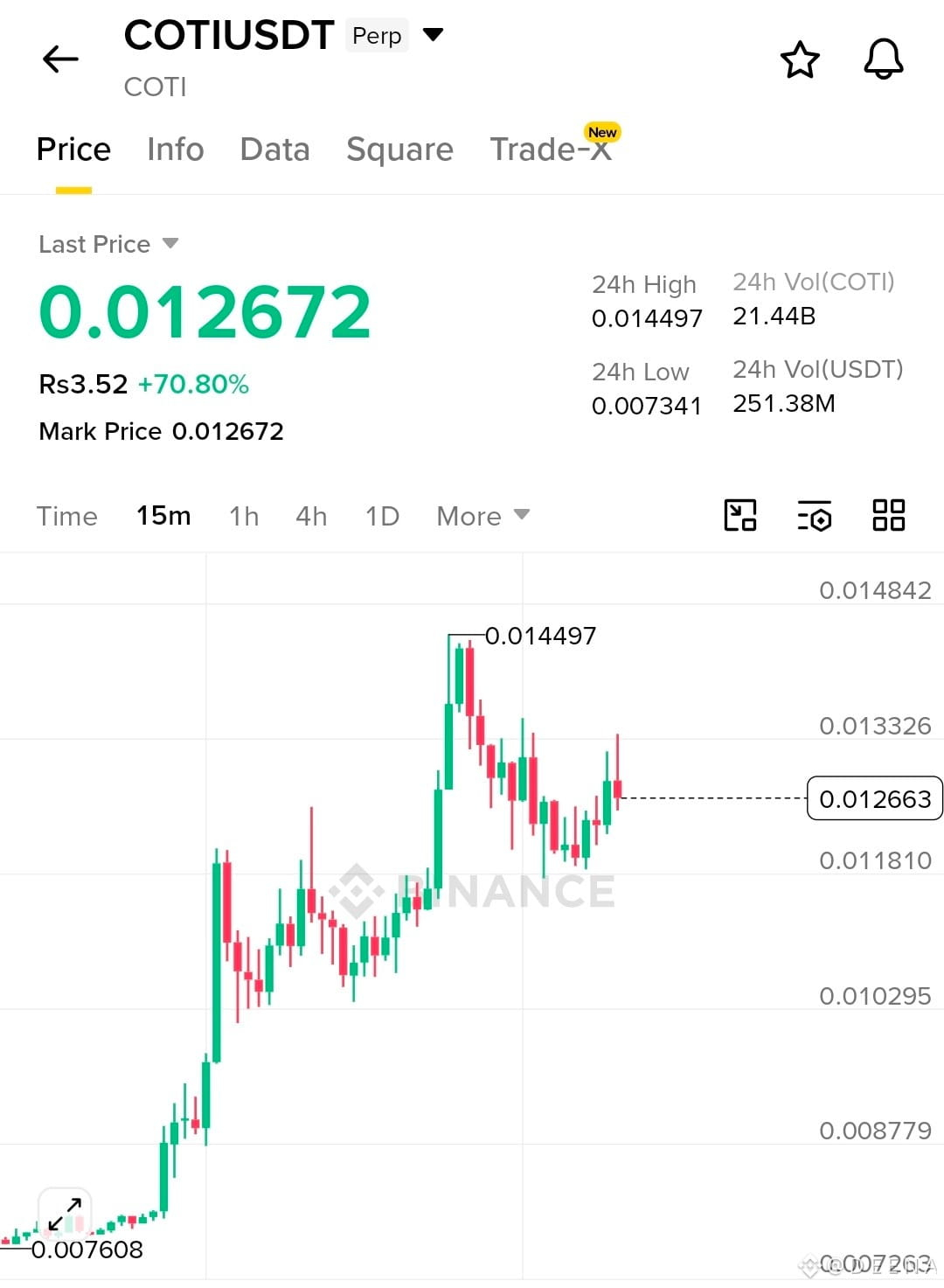
🚀 $COTI İNDİ İLƏNİR/ALOVLANIR!
$COTI /USDT Perp 24 saatda +70.80% yüksəlib, $0.012672 səviyyəsində ticarət edir
📊 24 saat Yüksək: $0.014497
📉 24 saat Aşağı: $0.007341
💰 24 saat Həcm: 21.44B COTI ($251.38M)
$0.007608-dən $0.014497 yüksəkliyinə — bu, tək bir gün içində demək olar ki, 2 dəfə artımdır. Hazırda impuls aydın şəkildə öküzlərin tərəfindədir 🔥
Bu qədər yüksək volatillik böyük imkan deməkdir — və böyük risk də. Həmişə düzgün risk idarəçiliyi ilə ticarət et.
Gəlin — indi ticarət et $COTI
{spot}(COTIUSDT)
🚀 $COTI İNDİ İLƏNİR/ALOVLANIR!
$COTI /USDT Perp 24 saatda +70.80% yüksəlib, $0.012672 səviyyəsində ticarət edir
📊 24 saat Yüksək: $0.014497
📉 24 saat Aşağı: $0.007341
💰 24 saat Həcm: 21.44B COTI ($251.38M)
$0.007608-dən $0.014497 yüksəkliyinə — bu, tək bir gün içində demək olar ki, 2 dəfə artımdır. Hazırda impuls aydın şəkildə öküzlərin tərəfindədir 🔥
Bu qədər yüksək volatillik böyük imkan deməkdir — və böyük risk də. Həmişə düzgün risk idarəçiliyi ilə ticarət et.
Gəlin — indi ticarət et $COTI
$COTI /USDT Perp 24 saatda +70.80% yüksəlib, $0.012672 səviyyəsində ticarət edir
📊 24 saat Yüksək: $0.014497
📉 24 saat Aşağı: $0.007341
💰 24 saat Həcm: 21.44B COTI ($251.38M)
$0.007608-dən $0.014497 yüksəkliyinə — bu, tək bir gün içində demək olar ki, 2 dəfə artımdır. Hazırda impuls aydın şəkildə öküzlərin tərəfindədir 🔥
Bu qədər yüksək volatillik böyük imkan deməkdir — və böyük risk də. Həmişə düzgün risk idarəçiliyi ilə ticarət et.
Gəlin — indi ticarət et $COTI
127
·
--
Artım
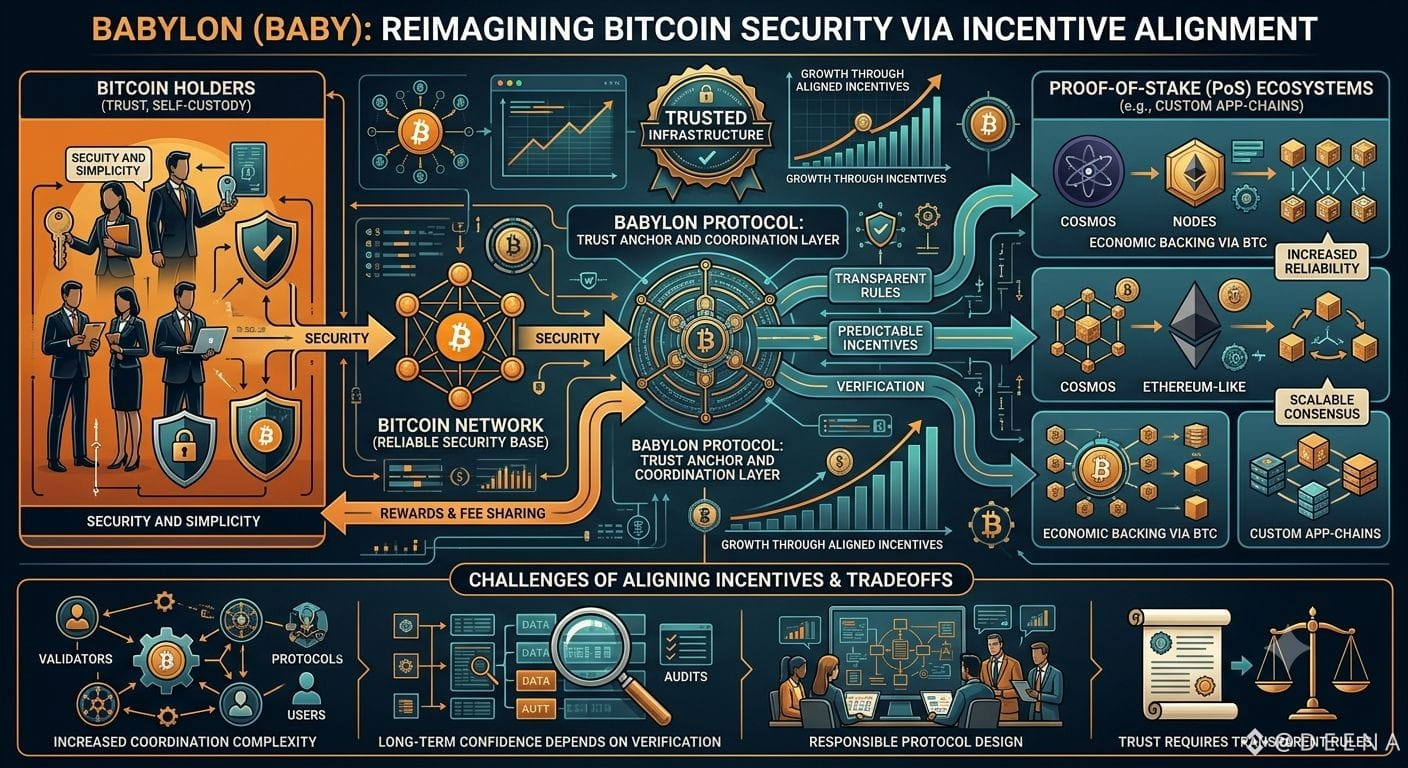
Babylon ($BABY ) haqqında diqqətimi çəkən bir məqam odur ki, o, həqiqətən də Bitcoin-i dəyişməyə çalışmır. Bunun əvəzinə Babylon, BTC sahiblərinin aktivləri üzərində nəzarəti qoruyub saxlayaraq, Bitcoin-in mövcud təhlükəsizliyinin Proof-of-Stake ekosistemlərini necə dəstəkləyə biləcəyini araşdırır. Bu, adətən staking mükafatları və ya kapital səmərəliliyi barədə edilən söhbətdən fərqli bir yanaşmadır.
Babylon-u maraqlı edən, bir-birindən çox fərqli iştirakçılar arasında stimulların (maraqların) uyğunlaşdırılması çətinliyidir. Bitcoin sahibləri təhlükəsizlik və sadəlik istəyir, PoS şəbəkələri isə etibarlı iqtisadi dəstəyə ehtiyac duyur. Bu maraqları bir araya gətirmək yalnız yaxşı texnologiya ilə mümkün deyil. Bu, şəffaf qaydalara, gözlənilən stimullara və ilkin həyəcan azaldıqdan çox sonra da insanların etibarını davam etdirə biləcəyi bir sistemə əsaslanır.
Mən həm də kifayət qədər müzakirə olunmayan vacib bir kompromisin (tərəflərin güzəştinin) olduğunu düşünürəm. Bitcoin digər şəbəkələrin təhlükəsizliyində iştirak etdikcə, istifadəçilər, validatorlar və protokollar arasında koordinasiya təbii olaraq daha mürəkkəb olur. Self-custody bir problemi həll edir, amma uzunmüddətli etimad yenə də yoxlamadan, aydın stimullardan və məsuliyyətli protokol dizaynından asılıdır.
Buna görə də mən Babylon-u bazar narrativi kimi deyil, infrastruktur layihəsi kimi izləməyə davam edirəm. Əgər o, Bitcoin-in öz zəncirindən kənara rolunu genişləndirərkən etibarı qoruya bilsə, dayanıqlı blockchain infrastrukturunun sadəcə texniki yeniliklə deyil, stimulların uyğunlaşdırılması ilə qurulduğunu göstərə bilər. Əsl sual budur: ekosistem böyüdükcə həmin stimullar güclü olaraq qalacaqmı?
#baby @babylonlabs_io $BABY
Babylon ($BABY ) haqqında diqqətimi çəkən bir məqam odur ki, o, həqiqətən də Bitcoin-i dəyişməyə çalışmır. Bunun əvəzinə Babylon, BTC sahiblərinin aktivləri üzərində nəzarəti qoruyub saxlayaraq, Bitcoin-in mövcud təhlükəsizliyinin Proof-of-Stake ekosistemlərini necə dəstəkləyə biləcəyini araşdırır. Bu, adətən staking mükafatları və ya kapital səmərəliliyi barədə edilən söhbətdən fərqli bir yanaşmadır.
Babylon-u maraqlı edən, bir-birindən çox fərqli iştirakçılar arasında stimulların (maraqların) uyğunlaşdırılması çətinliyidir. Bitcoin sahibləri təhlükəsizlik və sadəlik istəyir, PoS şəbəkələri isə etibarlı iqtisadi dəstəyə ehtiyac duyur. Bu maraqları bir araya gətirmək yalnız yaxşı texnologiya ilə mümkün deyil. Bu, şəffaf qaydalara, gözlənilən stimullara və ilkin həyəcan azaldıqdan çox sonra da insanların etibarını davam etdirə biləcəyi bir sistemə əsaslanır.
Mən həm də kifayət qədər müzakirə olunmayan vacib bir kompromisin (tərəflərin güzəştinin) olduğunu düşünürəm. Bitcoin digər şəbəkələrin təhlükəsizliyində iştirak etdikcə, istifadəçilər, validatorlar və protokollar arasında koordinasiya təbii olaraq daha mürəkkəb olur. Self-custody bir problemi həll edir, amma uzunmüddətli etimad yenə də yoxlamadan, aydın stimullardan və məsuliyyətli protokol dizaynından asılıdır.
Buna görə də mən Babylon-u bazar narrativi kimi deyil, infrastruktur layihəsi kimi izləməyə davam edirəm. Əgər o, Bitcoin-in öz zəncirindən kənara rolunu genişləndirərkən etibarı qoruya bilsə, dayanıqlı blockchain infrastrukturunun sadəcə texniki yeniliklə deyil, stimulların uyğunlaşdırılması ilə qurulduğunu göstərə bilər. Əsl sual budur: ekosistem böyüdükcə həmin stimullar güclü olaraq qalacaqmı?
#baby @BabylonLabs_io $BABY
Babylon-u maraqlı edən, bir-birindən çox fərqli iştirakçılar arasında stimulların (maraqların) uyğunlaşdırılması çətinliyidir. Bitcoin sahibləri təhlükəsizlik və sadəlik istəyir, PoS şəbəkələri isə etibarlı iqtisadi dəstəyə ehtiyac duyur. Bu maraqları bir araya gətirmək yalnız yaxşı texnologiya ilə mümkün deyil. Bu, şəffaf qaydalara, gözlənilən stimullara və ilkin həyəcan azaldıqdan çox sonra da insanların etibarını davam etdirə biləcəyi bir sistemə əsaslanır.
Mən həm də kifayət qədər müzakirə olunmayan vacib bir kompromisin (tərəflərin güzəştinin) olduğunu düşünürəm. Bitcoin digər şəbəkələrin təhlükəsizliyində iştirak etdikcə, istifadəçilər, validatorlar və protokollar arasında koordinasiya təbii olaraq daha mürəkkəb olur. Self-custody bir problemi həll edir, amma uzunmüddətli etimad yenə də yoxlamadan, aydın stimullardan və məsuliyyətli protokol dizaynından asılıdır.
Buna görə də mən Babylon-u bazar narrativi kimi deyil, infrastruktur layihəsi kimi izləməyə davam edirəm. Əgər o, Bitcoin-in öz zəncirindən kənara rolunu genişləndirərkən etibarı qoruya bilsə, dayanıqlı blockchain infrastrukturunun sadəcə texniki yeniliklə deyil, stimulların uyğunlaşdırılması ilə qurulduğunu göstərə bilər. Əsl sual budur: ekosistem böyüdükcə həmin stimullar güclü olaraq qalacaqmı?
#baby @BabylonLabs_io $BABY
3
2
115
·
--
Artım
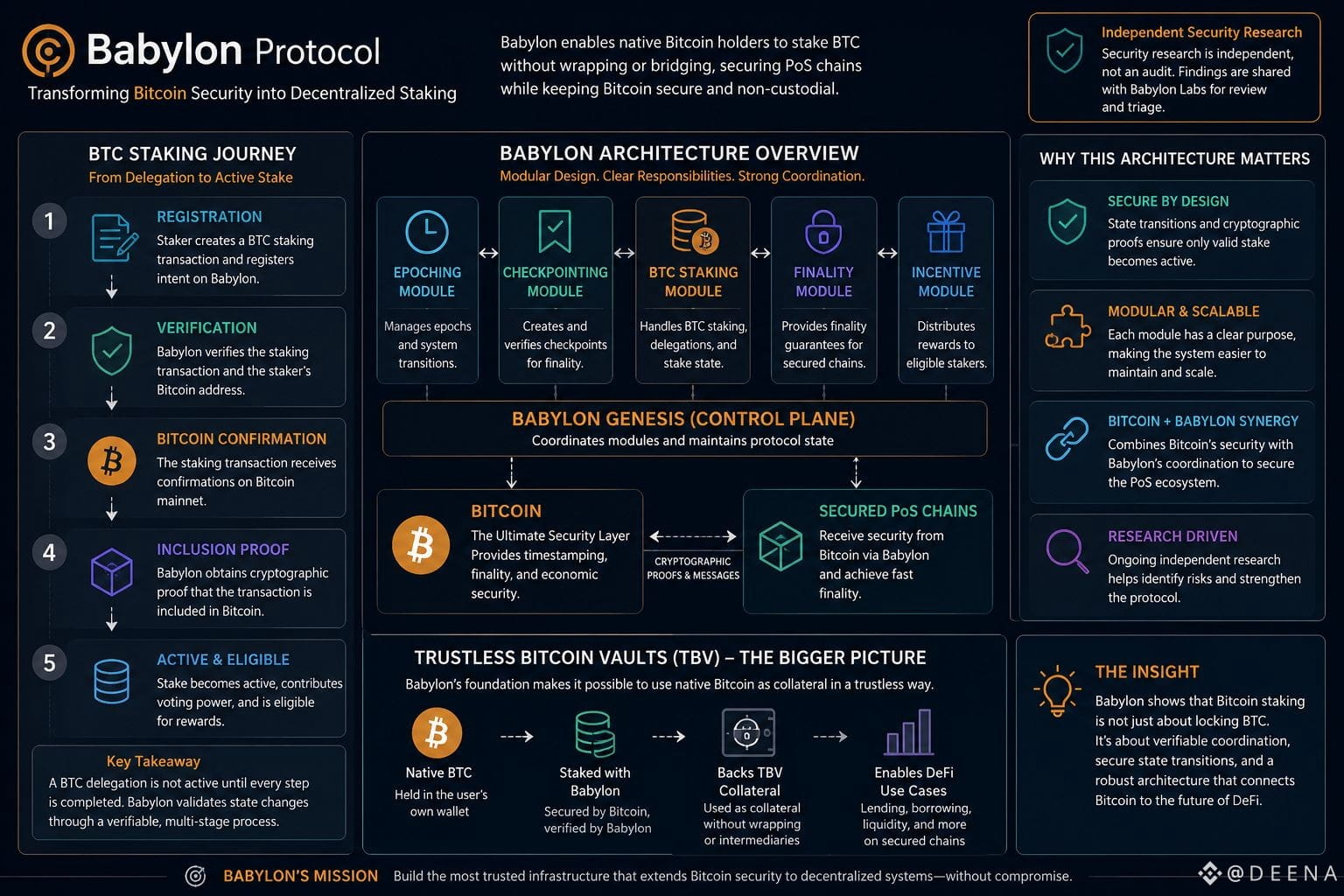
Babildə qazıntı apararkən başa düşdüm ki, protokolin əslində necə işlədiyini sadələşdirərək Bitcoin staking-i barədə daha sadə şəkildə düşünürdüm. Diqqətimi ən çox çəkən bir başlıq göstəricisi və ya cəsarətli iddia yox, Babylonun hər bir staking hadisəsini, tranzaksiya yaradılan andan hər şeyin tamam olduğunu güman etmək əvəzinə, təsdiqlənmiş vəziyyət dəyişikliklərinin ardıcıllığı kimi necə qəbul etməsidir.
Məni tutan BTC delegasiyasının aktivləşənə qədər keçdiyi yoldur. O, qeydiyyatdan, yoxlamadan, Bitcoin təsdiqlərindən və daxil etmə (inclusion) sübutundan keçməlidir ki, səsvermə gücünə töhfə verə və ya mükafatlar qazana bilsin. Bu texniki detal kimi səslənə bilər, amma düşünürəm ki, dizaynın ən vacib hissələrindən biridir, çünki Babylonun fərziyyələrdən çox yoxlamaya nə qədər önəm verdiyini göstərir.
Məndə qalan əsas fikir budur: Babylon təkcə Bitcoin-i stak etmək üçün bir yol qurmur. O, Bitcoin staking-in müxtəlif protokol komponentləri arasında etibarlı işləməsini təmin edən koordinasiya qatını yaradır. Arxitekturaya baxmaq mənə Epoching, Checkpointing, BTC Staking və Finality kimi modulların niyə bir-birinə yığılmayıb ayrıca ayrıldığını anlamağa kömək etdi.
Kripto müzakirələri çox vaxt gələcək potensiala fokuslanır, amma mənim üçün daha maraqlı hekayə budur: protokol bu gün artıq nələri sübut edir. Babylon inkişaf etməyə davam etdikcə, təsdiqlənmiş iştirakın ön plana çıxan əsas göstərici olub-olmaması, yoxsa sadəcə nə qədər BTC yatırıldığının önəmli qalması sual yaradır?
#baby @babylonlabs_io $BABY
Babildə qazıntı apararkən başa düşdüm ki, protokolin əslində necə işlədiyini sadələşdirərək Bitcoin staking-i barədə daha sadə şəkildə düşünürdüm. Diqqətimi ən çox çəkən bir başlıq göstəricisi və ya cəsarətli iddia yox, Babylonun hər bir staking hadisəsini, tranzaksiya yaradılan andan hər şeyin tamam olduğunu güman etmək əvəzinə, təsdiqlənmiş vəziyyət dəyişikliklərinin ardıcıllığı kimi necə qəbul etməsidir.
Məni tutan BTC delegasiyasının aktivləşənə qədər keçdiyi yoldur. O, qeydiyyatdan, yoxlamadan, Bitcoin təsdiqlərindən və daxil etmə (inclusion) sübutundan keçməlidir ki, səsvermə gücünə töhfə verə və ya mükafatlar qazana bilsin. Bu texniki detal kimi səslənə bilər, amma düşünürəm ki, dizaynın ən vacib hissələrindən biridir, çünki Babylonun fərziyyələrdən çox yoxlamaya nə qədər önəm verdiyini göstərir.
Məndə qalan əsas fikir budur: Babylon təkcə Bitcoin-i stak etmək üçün bir yol qurmur. O, Bitcoin staking-in müxtəlif protokol komponentləri arasında etibarlı işləməsini təmin edən koordinasiya qatını yaradır. Arxitekturaya baxmaq mənə Epoching, Checkpointing, BTC Staking və Finality kimi modulların niyə bir-birinə yığılmayıb ayrıca ayrıldığını anlamağa kömək etdi.
Kripto müzakirələri çox vaxt gələcək potensiala fokuslanır, amma mənim üçün daha maraqlı hekayə budur: protokol bu gün artıq nələri sübut edir. Babylon inkişaf etməyə davam etdikcə, təsdiqlənmiş iştirakın ön plana çıxan əsas göstərici olub-olmaması, yoxsa sadəcə nə qədər BTC yatırıldığının önəmli qalması sual yaradır?
#baby @BabylonLabs_io $BABY
Məni tutan BTC delegasiyasının aktivləşənə qədər keçdiyi yoldur. O, qeydiyyatdan, yoxlamadan, Bitcoin təsdiqlərindən və daxil etmə (inclusion) sübutundan keçməlidir ki, səsvermə gücünə töhfə verə və ya mükafatlar qazana bilsin. Bu texniki detal kimi səslənə bilər, amma düşünürəm ki, dizaynın ən vacib hissələrindən biridir, çünki Babylonun fərziyyələrdən çox yoxlamaya nə qədər önəm verdiyini göstərir.
Məndə qalan əsas fikir budur: Babylon təkcə Bitcoin-i stak etmək üçün bir yol qurmur. O, Bitcoin staking-in müxtəlif protokol komponentləri arasında etibarlı işləməsini təmin edən koordinasiya qatını yaradır. Arxitekturaya baxmaq mənə Epoching, Checkpointing, BTC Staking və Finality kimi modulların niyə bir-birinə yığılmayıb ayrıca ayrıldığını anlamağa kömək etdi.
Kripto müzakirələri çox vaxt gələcək potensiala fokuslanır, amma mənim üçün daha maraqlı hekayə budur: protokol bu gün artıq nələri sübut edir. Babylon inkişaf etməyə davam etdikcə, təsdiqlənmiş iştirakın ön plana çıxan əsas göstərici olub-olmaması, yoxsa sadəcə nə qədər BTC yatırıldığının önəmli qalması sual yaradır?
#baby @BabylonLabs_io $BABY
2
2
111
·
--
Azalma
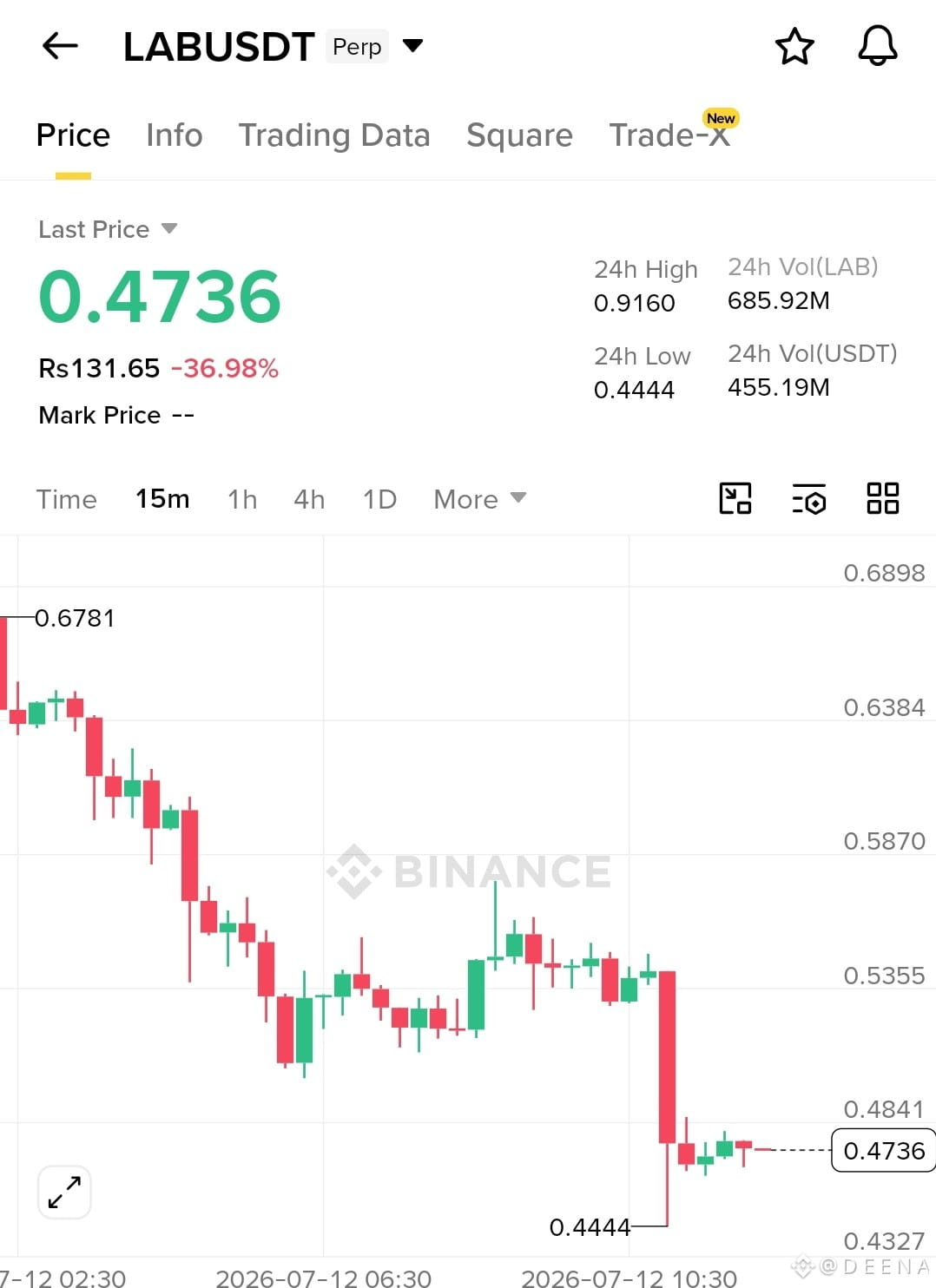
🚨 $LAB təzyiq altındadır! Cari qiymət: $0.4736 — son 24H ərzində -36.98% dəyişiklik.
📉 24H Yüksək: $0.9160 📍 24H Aşağı: $0.4444 💰 Böyük Həcm: 685.92M $LAB | 455.19M $USDT
Volatillik buradadır və real imkanlar məhz burada yaranır. İntizamlı olun, riskinizi idarə edin və $0.4444 ətrafındakı əsas dəstəyə diqqət yetirin.
İrəli! İndi $LAB ilə ticarət edin🚀📈
{future}(LABUSDT)
#BitcoinPlansECashHardFork
#SpaceXAnthropicOpenAIIPOsMayTopVCExitsSince2000
#MorganStanleyAdds1000BTC
#GOPSeeksSenateVoteOnCLARITYActWeekOfJuly20
#BPISeeksToInterveneInNoahDoeCase
🚨 $LAB təzyiq altındadır! Cari qiymət: $0.4736 — son 24H ərzində -36.98% dəyişiklik.
📉 24H Yüksək: $0.9160 📍 24H Aşağı: $0.4444 💰 Böyük Həcm: 685.92M $LAB | 455.19M $USDT
Volatillik buradadır və real imkanlar məhz burada yaranır. İntizamlı olun, riskinizi idarə edin və $0.4444 ətrafındakı əsas dəstəyə diqqət yetirin.
İrəli! İndi $LAB ilə ticarət edin🚀📈
#BitcoinPlansECashHardFork
#SpaceXAnthropicOpenAIIPOsMayTopVCExitsSince2000
#MorganStanleyAdds1000BTC
#GOPSeeksSenateVoteOnCLARITYActWeekOfJuly20
#BPISeeksToInterveneInNoahDoeCase
📉 24H Yüksək: $0.9160 📍 24H Aşağı: $0.4444 💰 Böyük Həcm: 685.92M $LAB | 455.19M $USDT
Volatillik buradadır və real imkanlar məhz burada yaranır. İntizamlı olun, riskinizi idarə edin və $0.4444 ətrafındakı əsas dəstəyə diqqət yetirin.
İrəli! İndi $LAB ilə ticarət edin🚀📈
#BitcoinPlansECashHardFork
#SpaceXAnthropicOpenAIIPOsMayTopVCExitsSince2000
#MorganStanleyAdds1000BTC
#GOPSeeksSenateVoteOnCLARITYActWeekOfJuly20
#BPISeeksToInterveneInNoahDoeCase
1
213
·
--
Həyəcanlı Trading Post Başlığı:
⚡ SOL/USDT Yeniləməsi ⚡
🔻 Ayılar hələ də nəzarətdədir.
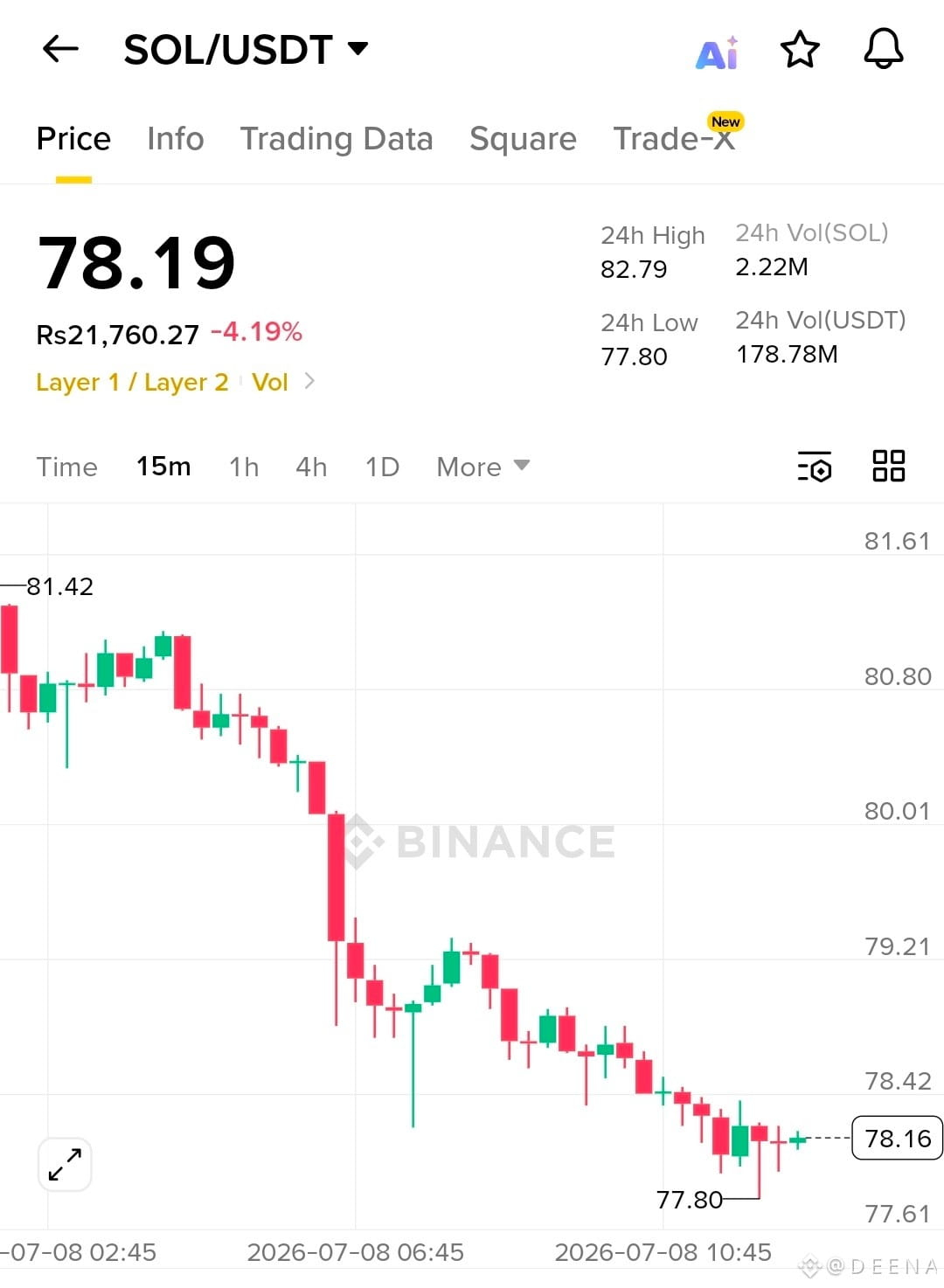
📉 Qiymət: $78.19
🎯 Əsas Dəstək: $77.80
🚀 Dəstəkdən bounce (geri dönüş) qısa müddətli bərpaya səbəb ola bilər.
❌ Əgər $77.80 qırılarsa, əlavə eniş gözləyin.
Ağıllı ticarət edin, riskinizi idarə edin və heç vaxt FOMO etməyin. 💯
#SOL #Solana #Kripto #Binance #Ticarət #PriceAction #CryptoTrading #TechnicalAnalysis #BullOrBear
Həyəcanlı Trading Post Başlığı:
⚡ SOL/USDT Yeniləməsi ⚡
🔻 Ayılar hələ də nəzarətdədir.
📉 Qiymət: $78.19
🎯 Əsas Dəstək: $77.80
🚀 Dəstəkdən bounce (geri dönüş) qısa müddətli bərpaya səbəb ola bilər.
❌ Əgər $77.80 qırılarsa, əlavə eniş gözləyin.
Ağıllı ticarət edin, riskinizi idarə edin və heç vaxt FOMO etməyin. 💯
#SOL #Solana #Kripto #Binance #Ticarət #PriceAction #CryptoTrading #TechnicalAnalysis #BullOrBear
⚡ SOL/USDT Yeniləməsi ⚡
🔻 Ayılar hələ də nəzarətdədir.
📉 Qiymət: $78.19
🎯 Əsas Dəstək: $77.80
🚀 Dəstəkdən bounce (geri dönüş) qısa müddətli bərpaya səbəb ola bilər.
❌ Əgər $77.80 qırılarsa, əlavə eniş gözləyin.
Ağıllı ticarət edin, riskinizi idarə edin və heç vaxt FOMO etməyin. 💯
#SOL #Solana #Kripto #Binance #Ticarət #PriceAction #CryptoTrading #TechnicalAnalysis #BullOrBear
1
110
·
--
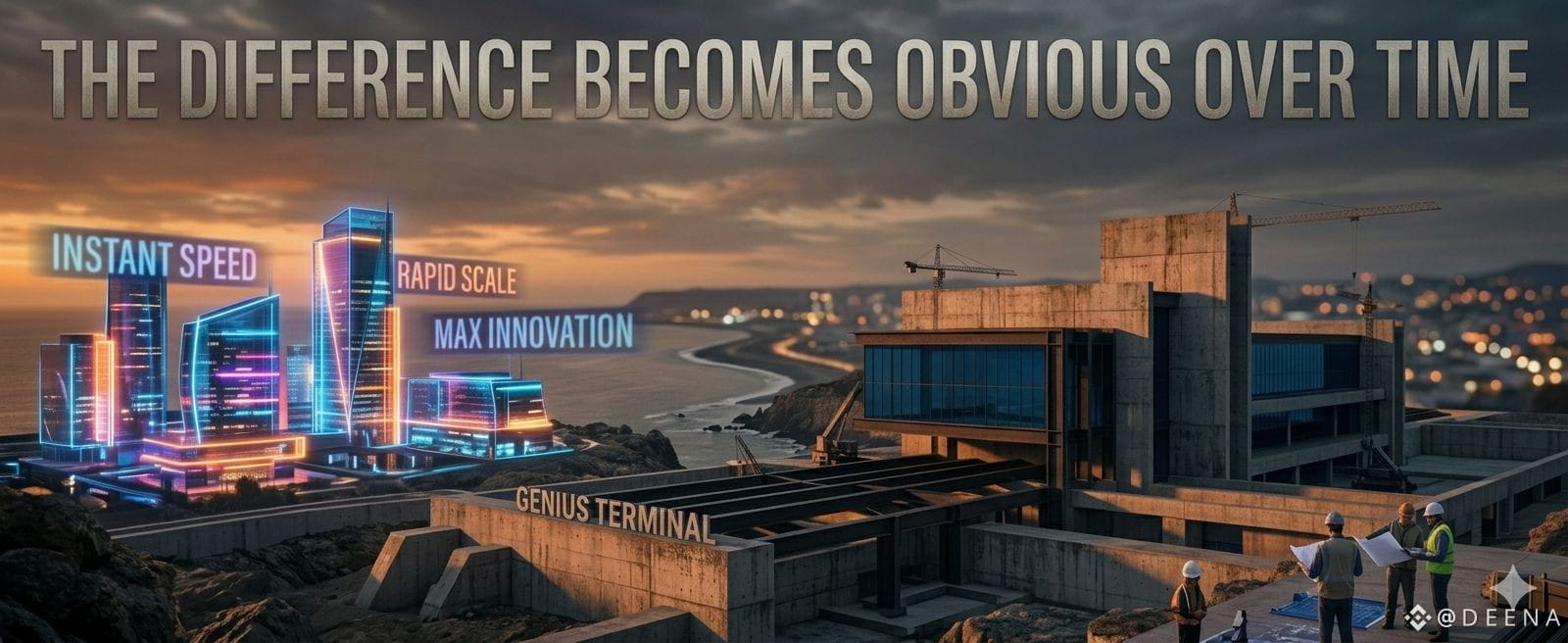
Zaman keçdikcə fərq aydınlaşır
Mən saysız-hesabsız məhsulların sürət, miqyas və innovasiya vəd etdiyini gördüm, amma çox azı real davamlılıq fikri ilə qurulduğunu hiss etdirir.
Genius Terminal mənə dərhal fərqli göründü.
Diqqəti ələ keçirməyə çalışdığı üçün deyil, bütün təcrübənin nə qədər nəzarətli və məqsədyönlü hiss edilməsidir.
Hər şey aydınlıqla strukturlaşdırılıb. Lazımsız mürəkkəblik yoxdur. Şişirdilmiş mövqe sərgilənmir. Sadəcə intizam prosesə rəhbərlik edəndə uzunmüddətli infrastrukturun necə görünməli olduğuna dair güclü anlayış var.
Ən çox diqqət çəkən məqam məxfilik, icra və ardıcıllıq arasındakı tarazlıqdı. Səs-küyün çox olduğu bir məkanda bu cür təmkin nadir kimi görünür.
Məhsul öz aktuallığını sübut etmək üçün davamlı şouya bel bağlamır. Onun istiqaməti artıq qurulan təməlin keyfiyyəti ilə danışır.
Mən dəqiqliyin tempi üstələməsinin dəyərini anlayan layihələrə hörmət edirəm. Bu cür qurulan sistemlər adətən daha yaxşı köhnəlir, çünki əvvəlcədən dayanıqlılıq üçün dizayn edilir — müvəqqəti həyəcan üçün yox.
Genius Terminal-a nə qədər çox diqqət yetirsəm, bir o qədər az başqa bir platforma kimi görünür və daha çox uzunmüddətli əhəmiyyət üçün səssizcə mövqe tutan infrastruktur kimi hiss olunur.
Bəzi məhsullar dərhal diqqət tələb edir.
Ən güclüləri isə zaman keçdikcə etibar qazanır.
#genius @GeniusOfficial $GENIUS
{spot}(GENIUSUSDT)
$STRAX
$GUN
Zaman keçdikcə fərq aydınlaşır
Mən saysız-hesabsız məhsulların sürət, miqyas və innovasiya vəd etdiyini gördüm, amma çox azı real davamlılıq fikri ilə qurulduğunu hiss etdirir.
Genius Terminal mənə dərhal fərqli göründü.
Diqqəti ələ keçirməyə çalışdığı üçün deyil, bütün təcrübənin nə qədər nəzarətli və məqsədyönlü hiss edilməsidir.
Hər şey aydınlıqla strukturlaşdırılıb. Lazımsız mürəkkəblik yoxdur. Şişirdilmiş mövqe sərgilənmir. Sadəcə intizam prosesə rəhbərlik edəndə uzunmüddətli infrastrukturun necə görünməli olduğuna dair güclü anlayış var.
Ən çox diqqət çəkən məqam məxfilik, icra və ardıcıllıq arasındakı tarazlıqdı. Səs-küyün çox olduğu bir məkanda bu cür təmkin nadir kimi görünür.
Məhsul öz aktuallığını sübut etmək üçün davamlı şouya bel bağlamır. Onun istiqaməti artıq qurulan təməlin keyfiyyəti ilə danışır.
Mən dəqiqliyin tempi üstələməsinin dəyərini anlayan layihələrə hörmət edirəm. Bu cür qurulan sistemlər adətən daha yaxşı köhnəlir, çünki əvvəlcədən dayanıqlılıq üçün dizayn edilir — müvəqqəti həyəcan üçün yox.
Genius Terminal-a nə qədər çox diqqət yetirsəm, bir o qədər az başqa bir platforma kimi görünür və daha çox uzunmüddətli əhəmiyyət üçün səssizcə mövqe tutan infrastruktur kimi hiss olunur.
Bəzi məhsullar dərhal diqqət tələb edir.
Ən güclüləri isə zaman keçdikcə etibar qazanır.
#genius @GeniusOfficial $GENIUS
$STRAX
$GUN
Mən saysız-hesabsız məhsulların sürət, miqyas və innovasiya vəd etdiyini gördüm, amma çox azı real davamlılıq fikri ilə qurulduğunu hiss etdirir.
Genius Terminal mənə dərhal fərqli göründü.
Diqqəti ələ keçirməyə çalışdığı üçün deyil, bütün təcrübənin nə qədər nəzarətli və məqsədyönlü hiss edilməsidir.
Hər şey aydınlıqla strukturlaşdırılıb. Lazımsız mürəkkəblik yoxdur. Şişirdilmiş mövqe sərgilənmir. Sadəcə intizam prosesə rəhbərlik edəndə uzunmüddətli infrastrukturun necə görünməli olduğuna dair güclü anlayış var.
Ən çox diqqət çəkən məqam məxfilik, icra və ardıcıllıq arasındakı tarazlıqdı. Səs-küyün çox olduğu bir məkanda bu cür təmkin nadir kimi görünür.
Məhsul öz aktuallığını sübut etmək üçün davamlı şouya bel bağlamır. Onun istiqaməti artıq qurulan təməlin keyfiyyəti ilə danışır.
Mən dəqiqliyin tempi üstələməsinin dəyərini anlayan layihələrə hörmət edirəm. Bu cür qurulan sistemlər adətən daha yaxşı köhnəlir, çünki əvvəlcədən dayanıqlılıq üçün dizayn edilir — müvəqqəti həyəcan üçün yox.
Genius Terminal-a nə qədər çox diqqət yetirsəm, bir o qədər az başqa bir platforma kimi görünür və daha çox uzunmüddətli əhəmiyyət üçün səssizcə mövqe tutan infrastruktur kimi hiss olunur.
Bəzi məhsullar dərhal diqqət tələb edir.
Ən güclüləri isə zaman keçdikcə etibar qazanır.
#genius @GeniusOfficial $GENIUS
$STRAX
$GUN
1
2
109
·
--
Mən Dahi̇liyin sadəcə başqa bir treydinq terminalı olduğunu düşünürdüm. Sonra daha yaxından baxdım.
İlk dəfə Genius-la qarşılaşanda onu sonsuz sayda digər kripto məhsulu ilə eyni kateqoriyaya qoydum.
Bir treydinq terminalı.
Baxmaq üçün qrafiklər, sifariş vermək, mövqeləri idarə etmək və sonra davam etmək üçün bir yer.
Amma Genius-un əslində nə qurduğuna daha çox vaxt sərf etdikcə, bu təsvirin əsas məqamı qaçırdığını daha aydın hiss etdim.
Mənim üçün seçilən, treydinq təcrübəsinin özü deyildi.
Onun ətrafında olan hər şey idi.
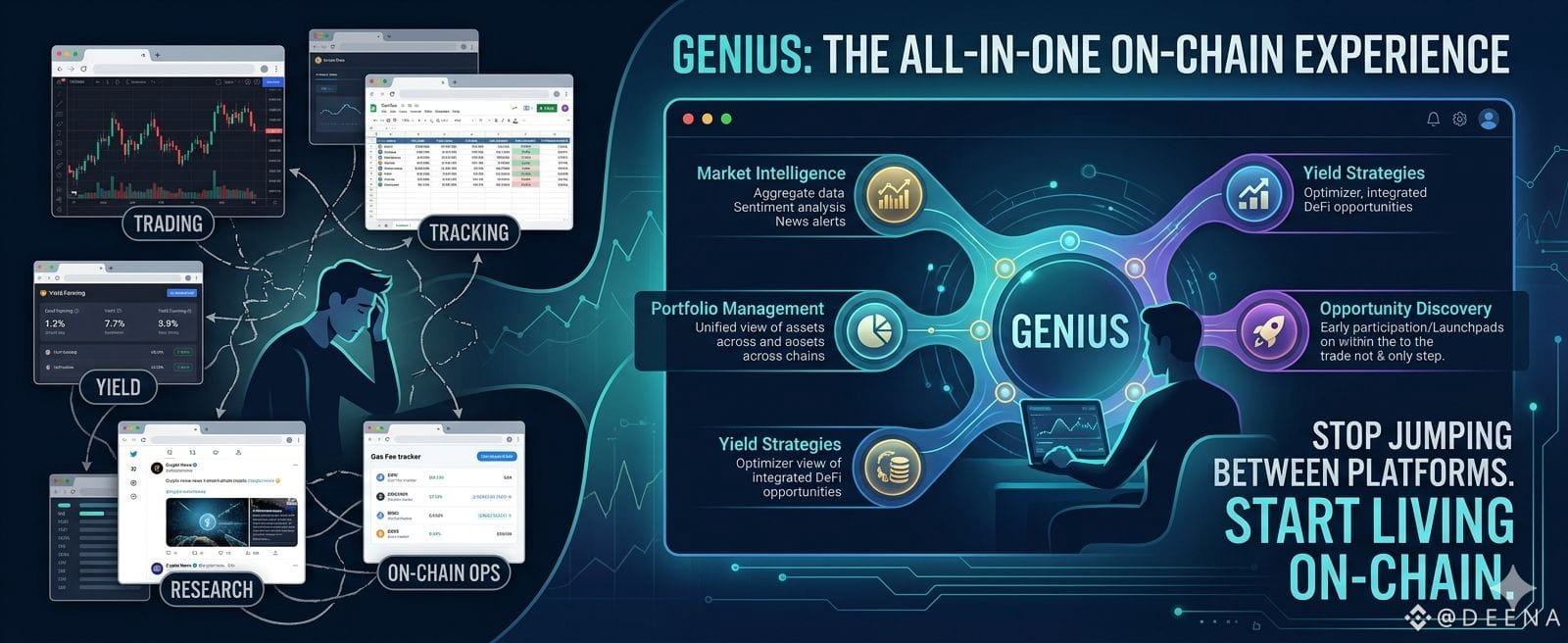
Başa düşdüm ki, kriptoda vaxtımın çox hissəsi al və ya sat düyməsini basmaqla keçmir. Bu vaxt imkanlar axtarmağa, portfellərə nəzarət etməyə, bazarları izləməyə, yeni narrativləri araşdırmağa, gəlir (yield) strategiyalarını tədqiq etməyə və daim dəyişən vəziyyətə qabaqda qalmağa sərf olunur.
Treyid çox vaxt son addımdır.
Əsl çətinlik, ona qədər gedən bütün prosesləri idarə etməkdir.
Ona görə də düşünürəm ki, Genius daha böyük bir problemi həll etməyə yaxınlaşır.
Treydinqi, portfel idarəçiliyini, bazar kəşfini, gəlir imkanlarını və erkən iştirakı ayrı-ayrı təcrübələr kimi qəbul etmək əvəzinə, mən bunu onları bir dam altında birləşdirməyə çalışan bir platform kimi görürəm.
Mənə görə, başqa bir treydinq funksiyası əlavə etməkdən qat-qat daha maraqlıdır.
Kripto alətlər çatışmazlığından əziyyət çəkmir.
Onun problemi parçalanmadır.
Mən özümü daim kontesti qorumaq üçün platformlar arasında keçid edərkən tapıram.
Genius-da gördüyüm şey bu sürtünməni (əngəli) azaltmaq cəhdidir.
Və əgər alınarsa, insanlar zamanla onu artıq ümumiyyətlə treydinq terminalı kimi düşünməyə bilər.
Onlar bunu sanki öz bütün on-çeyn (on-chain) təcrübələrinin yaşadığı yer kimi düşünməyə başlayarlar.
$STG
$PORTAL
#genius @GeniusOfficial $GENIUS
{spot}(GENIUSUSDT)
Mən Dahi̇liyin sadəcə başqa bir treydinq terminalı olduğunu düşünürdüm. Sonra daha yaxından baxdım.
İlk dəfə Genius-la qarşılaşanda onu sonsuz sayda digər kripto məhsulu ilə eyni kateqoriyaya qoydum.
Bir treydinq terminalı.
Baxmaq üçün qrafiklər, sifariş vermək, mövqeləri idarə etmək və sonra davam etmək üçün bir yer.
Amma Genius-un əslində nə qurduğuna daha çox vaxt sərf etdikcə, bu təsvirin əsas məqamı qaçırdığını daha aydın hiss etdim.
Mənim üçün seçilən, treydinq təcrübəsinin özü deyildi.
Onun ətrafında olan hər şey idi.
Başa düşdüm ki, kriptoda vaxtımın çox hissəsi al və ya sat düyməsini basmaqla keçmir. Bu vaxt imkanlar axtarmağa, portfellərə nəzarət etməyə, bazarları izləməyə, yeni narrativləri araşdırmağa, gəlir (yield) strategiyalarını tədqiq etməyə və daim dəyişən vəziyyətə qabaqda qalmağa sərf olunur.
Treyid çox vaxt son addımdır.
Əsl çətinlik, ona qədər gedən bütün prosesləri idarə etməkdir.
Ona görə də düşünürəm ki, Genius daha böyük bir problemi həll etməyə yaxınlaşır.
Treydinqi, portfel idarəçiliyini, bazar kəşfini, gəlir imkanlarını və erkən iştirakı ayrı-ayrı təcrübələr kimi qəbul etmək əvəzinə, mən bunu onları bir dam altında birləşdirməyə çalışan bir platform kimi görürəm.
Mənə görə, başqa bir treydinq funksiyası əlavə etməkdən qat-qat daha maraqlıdır.
Kripto alətlər çatışmazlığından əziyyət çəkmir.
Onun problemi parçalanmadır.
Mən özümü daim kontesti qorumaq üçün platformlar arasında keçid edərkən tapıram.
Genius-da gördüyüm şey bu sürtünməni (əngəli) azaltmaq cəhdidir.
Və əgər alınarsa, insanlar zamanla onu artıq ümumiyyətlə treydinq terminalı kimi düşünməyə bilər.
Onlar bunu sanki öz bütün on-çeyn (on-chain) təcrübələrinin yaşadığı yer kimi düşünməyə başlayarlar.
$STG
$PORTAL
#genius @GeniusOfficial $GENIUS
İlk dəfə Genius-la qarşılaşanda onu sonsuz sayda digər kripto məhsulu ilə eyni kateqoriyaya qoydum.
Bir treydinq terminalı.
Baxmaq üçün qrafiklər, sifariş vermək, mövqeləri idarə etmək və sonra davam etmək üçün bir yer.
Amma Genius-un əslində nə qurduğuna daha çox vaxt sərf etdikcə, bu təsvirin əsas məqamı qaçırdığını daha aydın hiss etdim.
Mənim üçün seçilən, treydinq təcrübəsinin özü deyildi.
Onun ətrafında olan hər şey idi.
Başa düşdüm ki, kriptoda vaxtımın çox hissəsi al və ya sat düyməsini basmaqla keçmir. Bu vaxt imkanlar axtarmağa, portfellərə nəzarət etməyə, bazarları izləməyə, yeni narrativləri araşdırmağa, gəlir (yield) strategiyalarını tədqiq etməyə və daim dəyişən vəziyyətə qabaqda qalmağa sərf olunur.
Treyid çox vaxt son addımdır.
Əsl çətinlik, ona qədər gedən bütün prosesləri idarə etməkdir.
Ona görə də düşünürəm ki, Genius daha böyük bir problemi həll etməyə yaxınlaşır.
Treydinqi, portfel idarəçiliyini, bazar kəşfini, gəlir imkanlarını və erkən iştirakı ayrı-ayrı təcrübələr kimi qəbul etmək əvəzinə, mən bunu onları bir dam altında birləşdirməyə çalışan bir platform kimi görürəm.
Mənə görə, başqa bir treydinq funksiyası əlavə etməkdən qat-qat daha maraqlıdır.
Kripto alətlər çatışmazlığından əziyyət çəkmir.
Onun problemi parçalanmadır.
Mən özümü daim kontesti qorumaq üçün platformlar arasında keçid edərkən tapıram.
Genius-da gördüyüm şey bu sürtünməni (əngəli) azaltmaq cəhdidir.
Və əgər alınarsa, insanlar zamanla onu artıq ümumiyyətlə treydinq terminalı kimi düşünməyə bilər.
Onlar bunu sanki öz bütün on-çeyn (on-chain) təcrübələrinin yaşadığı yer kimi düşünməyə başlayarlar.
$STG
$PORTAL
#genius @GeniusOfficial $GENIUS
1
206
·
--
Düşünürəm ki, OpenLedger süni intellektin modelin ən çox unutmaq istədiyi hissəsinə mərc edir
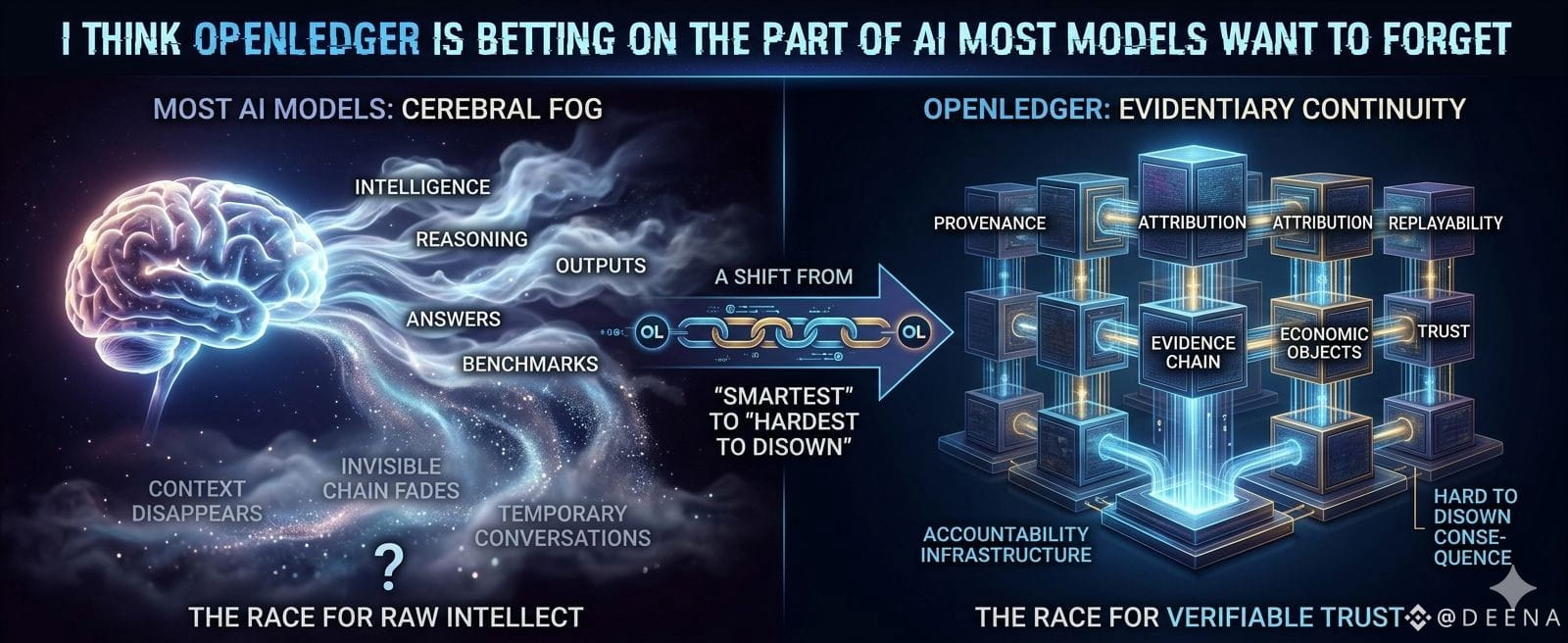
Bir zamanlar düşünürdüm ki, AI yarışı öz-özünə intellektlə bitəcək. Daha yaxşı əsaslandırma, daha sürətli cavablar, daha təmiz multimodal sistemlər, daha güclü benchmark-lar. Amma son vaxtlar hiss edirəm ki, bütün bu rəqabət onun altında daha dərin bir şeyi qaçırır.
Bu gün əksər AI modelləri cavab çıxarmaqda inanılmaz dərəcədə yaxşıdır, amma həmin cavabı yaradan görünməyən zənciri qorumaqda çox pisdir. Çıxış qalır. Kontekst yox olur.
Və düşünürəm ki, AI cavab verməyi müvəqqəti söhbətlər kimi deyil, sistemlər arasında hərəkət edən iqtisadi obyektlər kimi davranmağa başlayanda bu, ciddi problemə çevrilir.
Axtarış sistemləri onları sıralayır. Tövsiyə sistemləri onları gücləndirir. Yaradıcı iqtisadiyyatlar onları udur. Digər modellər onlardan yenidən öyrənir. Bazarlar onlara reaksiya verir. İnstitutlar yavaş-yavaş onlara etibar etməyə başlayır.
Amma demək olar ki, heç kim cavab sabitləşənə qədər nə yoxa çıxıb, soruşmur.
Buna görə OpenLedger mənə maraqlı görünür. Çünki o, AI-ni “daha ağıllı” etməyə çalışdığı üçün deyil; əksinə, görünür nəsil (generasiya) baş verdikdən sonra hesabatlılığı qorumağa yönəldiyi kimi görünür. Mənşə (provenance). İstinad/attribution. Yenidən oynamaq imkanı (replayability). Sübutların davamlılığı.
Daha çox düşündükcə hiss edirəm ki, intellekt hesabatlılıq infrastrukturundan daha tez “kommoditləşə” bilər.
Və bəlkə də gələcək AI yarışması belə olmayacaq:
“HansI model ən ağıllı səslənir?”
Bəlkə də belə olacaq:
“Hansı model nəticə gələndən sonra üzərindən atmaq ən çətindir?”
#openledger @Openledger $OPEN
{spot}(OPENUSDT)
$HEI
$ID
Düşünürəm ki, OpenLedger süni intellektin modelin ən çox unutmaq istədiyi hissəsinə mərc edir
Bir zamanlar düşünürdüm ki, AI yarışı öz-özünə intellektlə bitəcək. Daha yaxşı əsaslandırma, daha sürətli cavablar, daha təmiz multimodal sistemlər, daha güclü benchmark-lar. Amma son vaxtlar hiss edirəm ki, bütün bu rəqabət onun altında daha dərin bir şeyi qaçırır.
Bu gün əksər AI modelləri cavab çıxarmaqda inanılmaz dərəcədə yaxşıdır, amma həmin cavabı yaradan görünməyən zənciri qorumaqda çox pisdir. Çıxış qalır. Kontekst yox olur.
Və düşünürəm ki, AI cavab verməyi müvəqqəti söhbətlər kimi deyil, sistemlər arasında hərəkət edən iqtisadi obyektlər kimi davranmağa başlayanda bu, ciddi problemə çevrilir.
Axtarış sistemləri onları sıralayır. Tövsiyə sistemləri onları gücləndirir. Yaradıcı iqtisadiyyatlar onları udur. Digər modellər onlardan yenidən öyrənir. Bazarlar onlara reaksiya verir. İnstitutlar yavaş-yavaş onlara etibar etməyə başlayır.
Amma demək olar ki, heç kim cavab sabitləşənə qədər nə yoxa çıxıb, soruşmur.
Buna görə OpenLedger mənə maraqlı görünür. Çünki o, AI-ni “daha ağıllı” etməyə çalışdığı üçün deyil; əksinə, görünür nəsil (generasiya) baş verdikdən sonra hesabatlılığı qorumağa yönəldiyi kimi görünür. Mənşə (provenance). İstinad/attribution. Yenidən oynamaq imkanı (replayability). Sübutların davamlılığı.
Daha çox düşündükcə hiss edirəm ki, intellekt hesabatlılıq infrastrukturundan daha tez “kommoditləşə” bilər.
Və bəlkə də gələcək AI yarışması belə olmayacaq:
“HansI model ən ağıllı səslənir?”
Bəlkə də belə olacaq:
“Hansı model nəticə gələndən sonra üzərindən atmaq ən çətindir?”
#openledger @OpenLedger $OPEN
$HEI
$ID
Bir zamanlar düşünürdüm ki, AI yarışı öz-özünə intellektlə bitəcək. Daha yaxşı əsaslandırma, daha sürətli cavablar, daha təmiz multimodal sistemlər, daha güclü benchmark-lar. Amma son vaxtlar hiss edirəm ki, bütün bu rəqabət onun altında daha dərin bir şeyi qaçırır.
Bu gün əksər AI modelləri cavab çıxarmaqda inanılmaz dərəcədə yaxşıdır, amma həmin cavabı yaradan görünməyən zənciri qorumaqda çox pisdir. Çıxış qalır. Kontekst yox olur.
Və düşünürəm ki, AI cavab verməyi müvəqqəti söhbətlər kimi deyil, sistemlər arasında hərəkət edən iqtisadi obyektlər kimi davranmağa başlayanda bu, ciddi problemə çevrilir.
Axtarış sistemləri onları sıralayır. Tövsiyə sistemləri onları gücləndirir. Yaradıcı iqtisadiyyatlar onları udur. Digər modellər onlardan yenidən öyrənir. Bazarlar onlara reaksiya verir. İnstitutlar yavaş-yavaş onlara etibar etməyə başlayır.
Amma demək olar ki, heç kim cavab sabitləşənə qədər nə yoxa çıxıb, soruşmur.
Buna görə OpenLedger mənə maraqlı görünür. Çünki o, AI-ni “daha ağıllı” etməyə çalışdığı üçün deyil; əksinə, görünür nəsil (generasiya) baş verdikdən sonra hesabatlılığı qorumağa yönəldiyi kimi görünür. Mənşə (provenance). İstinad/attribution. Yenidən oynamaq imkanı (replayability). Sübutların davamlılığı.
Daha çox düşündükcə hiss edirəm ki, intellekt hesabatlılıq infrastrukturundan daha tez “kommoditləşə” bilər.
Və bəlkə də gələcək AI yarışması belə olmayacaq:
“HansI model ən ağıllı səslənir?”
Bəlkə də belə olacaq:
“Hansı model nəticə gələndən sonra üzərindən atmaq ən çətindir?”
#openledger @OpenLedger $OPEN
$HEI
$ID
1
180
·
--
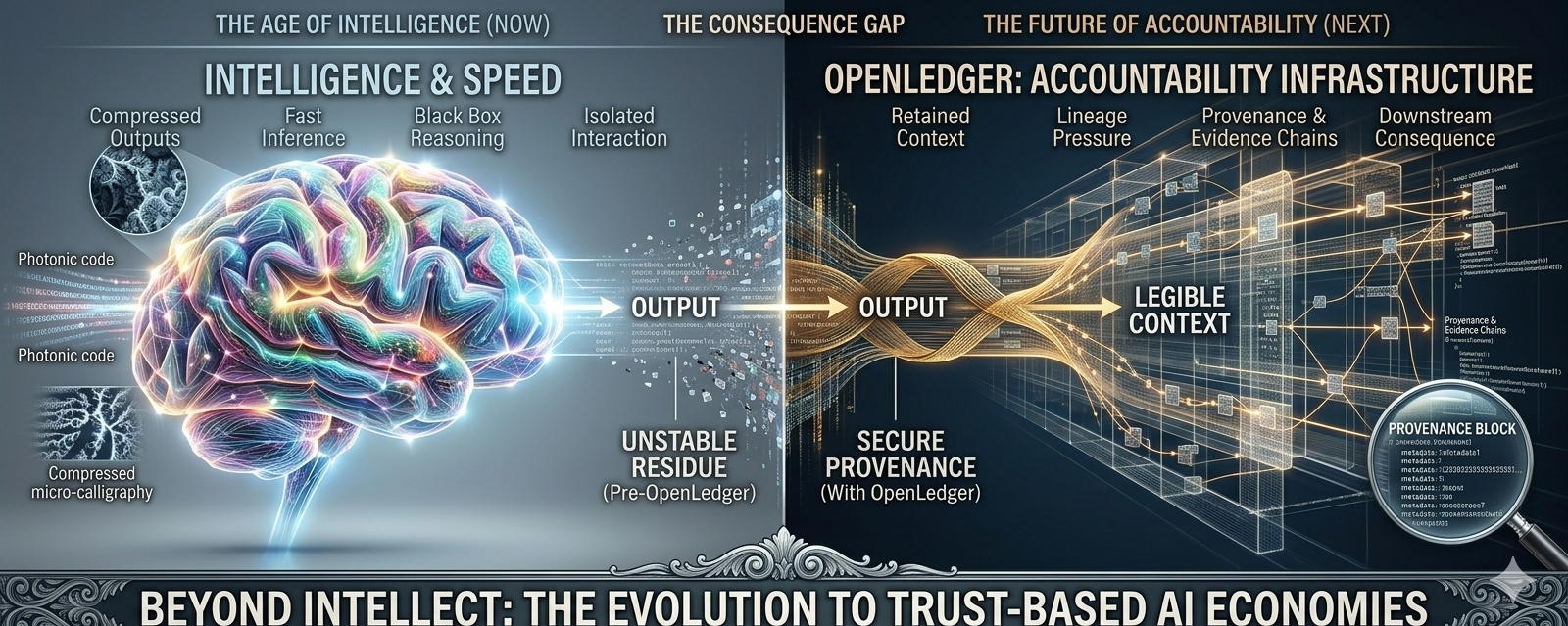
Məqalə
OpenLedger və Süni İntellekt Hesabatlılığının GələcəyiUzun müddət həqiqətən inanırdım ki, AI yarışı nəhayət yalnız bir şeyə — zəkaya — qədər daralacaq. Daha yaxşı əsaslandıran model qalib gələcəkdi. Daha kəskin cavabları olan, daha təmiz söhbətlər quran, daha sürətli inferens edən, daha güclü multimodal davranış nümayiş etdirən və daha yüksək benchmark rəqəmlərinə sahib olan model təbii olaraq bazarı ələ keçirəcəkdi. Bu fərziyyə çox aydın görünürdü, çünki AI ətrafında gedən demək olar ki, hər söhbət hələ də qabiliyyətin özünə yönəlib. Kim daha ağıllıdır. Kim daha sürətlidir. Hansı model daha insana bənzər səslənir. Hansı sistem daha az səhvlə daha çətin tapşırıqları həll edə bilər. Amma OpenLedger kimi layihələrə daha çox baxdıqca, bütün bu çərçivənin mənə səthinin altında daha dərin bir şeyin əskik olduğunu hiss etdirir. Tamamilə yanlış deyil. Sadəcə, onun altında duran daha dərin bir hissəni çatışmır.
OpenLedger və Süni İntellekt Hesabatlılığının Gələcəyi
Uzun müddət həqiqətən inanırdım ki, AI yarışı nəhayət yalnız bir şeyə — zəkaya — qədər daralacaq. Daha yaxşı əsaslandıran model qalib gələcəkdi. Daha kəskin cavabları olan, daha təmiz söhbətlər quran, daha sürətli inferens edən, daha güclü multimodal davranış nümayiş etdirən və daha yüksək benchmark rəqəmlərinə sahib olan model təbii olaraq bazarı ələ keçirəcəkdi. Bu fərziyyə çox aydın görünürdü, çünki AI ətrafında gedən demək olar ki, hər söhbət hələ də qabiliyyətin özünə yönəlib. Kim daha ağıllıdır. Kim daha sürətlidir. Hansı model daha insana bənzər səslənir. Hansı sistem daha az səhvlə daha çətin tapşırıqları həll edə bilər. Amma OpenLedger kimi layihələrə daha çox baxdıqca, bütün bu çərçivənin mənə səthinin altında daha dərin bir şeyin əskik olduğunu hiss etdirir. Tamamilə yanlış deyil. Sadəcə, onun altında duran daha dərin bir hissəni çatışmır.
284
·
--
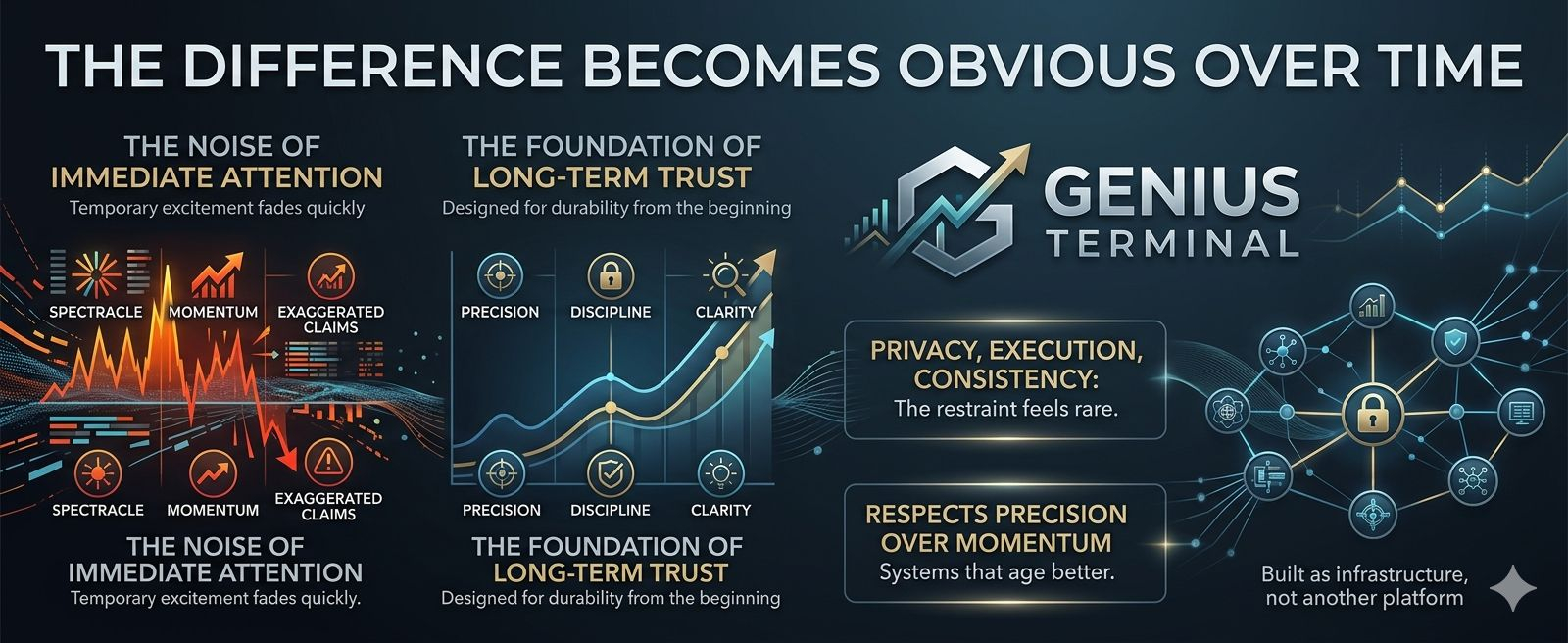
Fərq zamanla daha aydın görünür
Mən saysız-hesabsız məhsulların sürət, miqyas və innovasiya vəd etdiyini görmüşəm, amma onların real davamlılıq düşüncəsi ilə qurulduğunu hiss etdirən çox azı var.
Genius Terminal mənə dərhal fərqli göründü.
Diqqəti ələ keçirməyə çalışdığı üçün yox, bütün təcrübənin nə qədər nəzarətli və məqsədyönlü olmasına görə. Hər şey aydınlıqla strukturlaşdırılıb. Lazımsız mürəkkəblik yoxdur. Şişirdilmiş mövqe yoxdur. Sadəcə intizam prosesə yol verdikdə uzunmüddətli infrastrukturun necə görünməli olduğuna dair güclü anlayış var.
Ən çox diqqət çəkən məqam məxfilik, icra və ardıcıllıq arasındakı balansdır. Səs-küyün çox olduğu bir məkanda bu cür զəriflik nadir hiss olunur. Məhsul öz aktuallığını sübut etmək üçün daimi şouya arxalanmır. Onun istiqaməti artıq qurulan təməlin keyfiyyəti ilə özünü danışdırır.
İmpulsdan daha çox dəqiqliyin dəyərini anlayan layihələrə hörmət edirəm. Bu cür qurulan sistemlər adətən daha yaxşı köhnəlir, çünki başlanğıcdan etibarən davamlılıq üçün nəzərdə tutulur—müvəqqəti həyəcan üçün yox.
Genius Terminal-a nə qədər çox baxıram, bir o qədər də onu başqa bir platforma kimi yox, uzunmüddətli əhəmiyyət üçün səssizcə özünü yerləşdirən infrastruktur kimi hiss edirəm.
Bəzi məhsullar dərhal diqqət tələb edir.
Ən güclüləri zamanla etibar qazanır.
#genius @GeniusOfficial $GENIUS
{spot}(GENIUSUSDT)
$HEI
$ID
Fərq zamanla daha aydın görünür
Mən saysız-hesabsız məhsulların sürət, miqyas və innovasiya vəd etdiyini görmüşəm, amma onların real davamlılıq düşüncəsi ilə qurulduğunu hiss etdirən çox azı var.
Genius Terminal mənə dərhal fərqli göründü.
Diqqəti ələ keçirməyə çalışdığı üçün yox, bütün təcrübənin nə qədər nəzarətli və məqsədyönlü olmasına görə. Hər şey aydınlıqla strukturlaşdırılıb. Lazımsız mürəkkəblik yoxdur. Şişirdilmiş mövqe yoxdur. Sadəcə intizam prosesə yol verdikdə uzunmüddətli infrastrukturun necə görünməli olduğuna dair güclü anlayış var.
Ən çox diqqət çəkən məqam məxfilik, icra və ardıcıllıq arasındakı balansdır. Səs-küyün çox olduğu bir məkanda bu cür զəriflik nadir hiss olunur. Məhsul öz aktuallığını sübut etmək üçün daimi şouya arxalanmır. Onun istiqaməti artıq qurulan təməlin keyfiyyəti ilə özünü danışdırır.
İmpulsdan daha çox dəqiqliyin dəyərini anlayan layihələrə hörmət edirəm. Bu cür qurulan sistemlər adətən daha yaxşı köhnəlir, çünki başlanğıcdan etibarən davamlılıq üçün nəzərdə tutulur—müvəqqəti həyəcan üçün yox.
Genius Terminal-a nə qədər çox baxıram, bir o qədər də onu başqa bir platforma kimi yox, uzunmüddətli əhəmiyyət üçün səssizcə özünü yerləşdirən infrastruktur kimi hiss edirəm.
Bəzi məhsullar dərhal diqqət tələb edir.
Ən güclüləri zamanla etibar qazanır.
#genius @GeniusOfficial $GENIUS
$HEI
$ID
Mən saysız-hesabsız məhsulların sürət, miqyas və innovasiya vəd etdiyini görmüşəm, amma onların real davamlılıq düşüncəsi ilə qurulduğunu hiss etdirən çox azı var.
Genius Terminal mənə dərhal fərqli göründü.
Diqqəti ələ keçirməyə çalışdığı üçün yox, bütün təcrübənin nə qədər nəzarətli və məqsədyönlü olmasına görə. Hər şey aydınlıqla strukturlaşdırılıb. Lazımsız mürəkkəblik yoxdur. Şişirdilmiş mövqe yoxdur. Sadəcə intizam prosesə yol verdikdə uzunmüddətli infrastrukturun necə görünməli olduğuna dair güclü anlayış var.
Ən çox diqqət çəkən məqam məxfilik, icra və ardıcıllıq arasındakı balansdır. Səs-küyün çox olduğu bir məkanda bu cür զəriflik nadir hiss olunur. Məhsul öz aktuallığını sübut etmək üçün daimi şouya arxalanmır. Onun istiqaməti artıq qurulan təməlin keyfiyyəti ilə özünü danışdırır.
İmpulsdan daha çox dəqiqliyin dəyərini anlayan layihələrə hörmət edirəm. Bu cür qurulan sistemlər adətən daha yaxşı köhnəlir, çünki başlanğıcdan etibarən davamlılıq üçün nəzərdə tutulur—müvəqqəti həyəcan üçün yox.
Genius Terminal-a nə qədər çox baxıram, bir o qədər də onu başqa bir platforma kimi yox, uzunmüddətli əhəmiyyət üçün səssizcə özünü yerləşdirən infrastruktur kimi hiss edirəm.
Bəzi məhsullar dərhal diqqət tələb edir.
Ən güclüləri zamanla etibar qazanır.
#genius @GeniusOfficial $GENIUS
$HEI
$ID
240
·
--
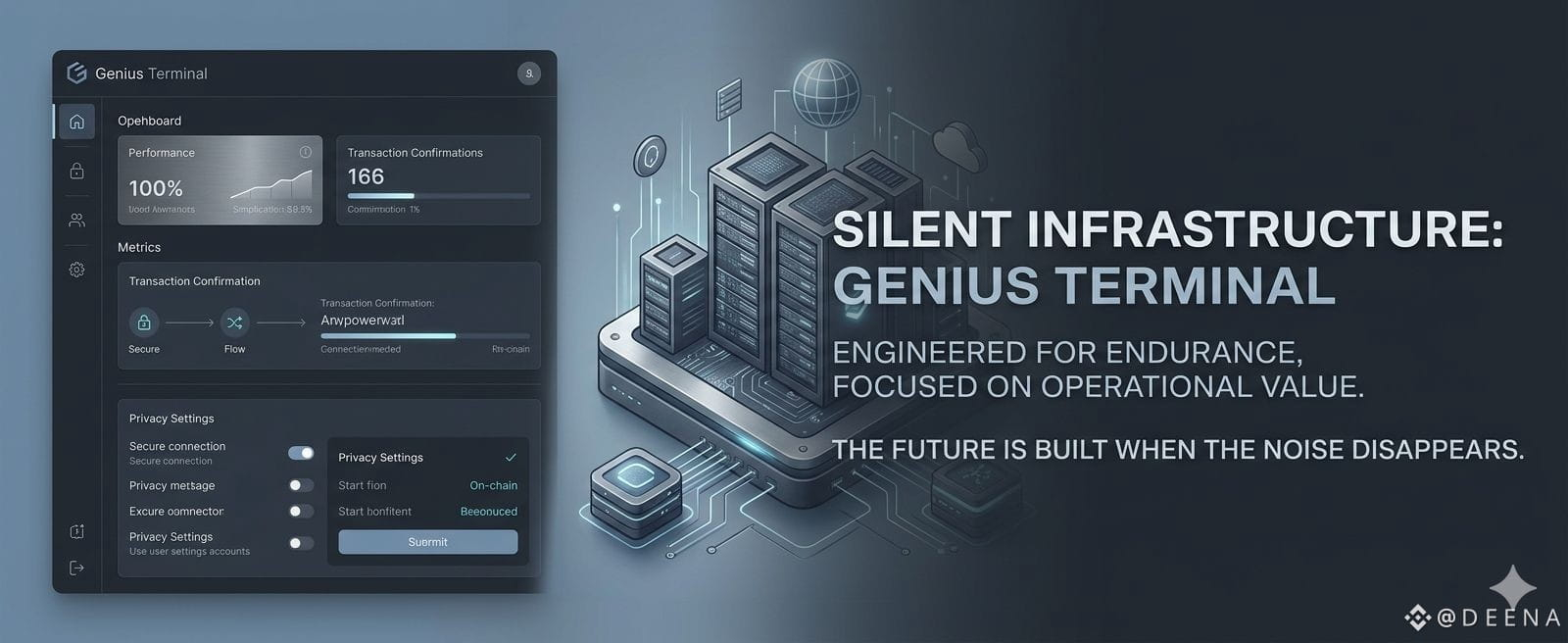
Səssiz İnfrastruktur
Onlayn-zəncirli məhsulların ətrafında kifayət qədər vaxt keçirmişəm və diqqət üçün qurulmuş platformalar ilə dözümlülük üçün qurulmuş platformalar arasındakı fərqi tanıyıram.
Genius Terminal mənə dərhal ikinci təəssüratı verdi.
İlk gördüyüm şey nəzarətli yanaşma oldu. Lazımsız mürəkkəblik yoxdur. Aqressiv səs-küy yoxdur. Spektakl vasitəsilə impulsi məcbur etmək cəhdi yoxdur. Strukturdan icra axınadək hər şey məqsədyönlü görünür. Adətən görünürlükdən çox performansa fokuslanan komandaların verdiyi cür arxayınlıq daşıyır.
Məni ən çox təsirləndirən, məxfiliyin hissin sonradan əlavə edilmiş bir hekayə qatına deyil, təcrübənin içinə inteqrasiya olunmuş şəkildə təqdim edilməsidir. Bu, atmosferi tamamilə dəyişir. Terminal idarə olunan, diqqət mərkəzində olan və reaksiyadan üstün dəqiqliyi dəyərləndirən insanlar üçün mühəndisliklə hazırlanmış kimi hiss olunur.
Həmçinin bütün istiqamətin nə qədər təmiz göründüyünə hörmət edirəm. Bir çox məhsul qısamüddətli aktuallıq üçün yarışdığı bir məkanda Genius Terminal uzunmüddətli əməli dəyər üçün yerləşdirilmiş kimi görünür. Arxitektura nizam-intizamı göstərir. İnterfeys aydınlığı işarə edir. Ümumi mövcudluq yetkinliyi xatırladır.
Məncə, növbəti nəsil onlayn-zəncirli infrastruktur səs-küyü ən yüksək qaldıranlarla müəyyən olunmayacaq.
Səs-küy yox olanda belə vacib qalmağı bacaran sistemləri kim quracaqsa, o müəyyən edəcək.
Genius Terminal artıq bu gələcəyə uyğun görünür.
$ALLO
$NIGHT
#genius @GeniusOfficial $GENIUS
{spot}(GENIUSUSDT)
Səssiz İnfrastruktur
Onlayn-zəncirli məhsulların ətrafında kifayət qədər vaxt keçirmişəm və diqqət üçün qurulmuş platformalar ilə dözümlülük üçün qurulmuş platformalar arasındakı fərqi tanıyıram.
Genius Terminal mənə dərhal ikinci təəssüratı verdi.
İlk gördüyüm şey nəzarətli yanaşma oldu. Lazımsız mürəkkəblik yoxdur. Aqressiv səs-küy yoxdur. Spektakl vasitəsilə impulsi məcbur etmək cəhdi yoxdur. Strukturdan icra axınadək hər şey məqsədyönlü görünür. Adətən görünürlükdən çox performansa fokuslanan komandaların verdiyi cür arxayınlıq daşıyır.
Məni ən çox təsirləndirən, məxfiliyin hissin sonradan əlavə edilmiş bir hekayə qatına deyil, təcrübənin içinə inteqrasiya olunmuş şəkildə təqdim edilməsidir. Bu, atmosferi tamamilə dəyişir. Terminal idarə olunan, diqqət mərkəzində olan və reaksiyadan üstün dəqiqliyi dəyərləndirən insanlar üçün mühəndisliklə hazırlanmış kimi hiss olunur.
Həmçinin bütün istiqamətin nə qədər təmiz göründüyünə hörmət edirəm. Bir çox məhsul qısamüddətli aktuallıq üçün yarışdığı bir məkanda Genius Terminal uzunmüddətli əməli dəyər üçün yerləşdirilmiş kimi görünür. Arxitektura nizam-intizamı göstərir. İnterfeys aydınlığı işarə edir. Ümumi mövcudluq yetkinliyi xatırladır.
Məncə, növbəti nəsil onlayn-zəncirli infrastruktur səs-küyü ən yüksək qaldıranlarla müəyyən olunmayacaq.
Səs-küy yox olanda belə vacib qalmağı bacaran sistemləri kim quracaqsa, o müəyyən edəcək.
Genius Terminal artıq bu gələcəyə uyğun görünür.
$ALLO
$NIGHT
#genius @GeniusOfficial $GENIUS
Onlayn-zəncirli məhsulların ətrafında kifayət qədər vaxt keçirmişəm və diqqət üçün qurulmuş platformalar ilə dözümlülük üçün qurulmuş platformalar arasındakı fərqi tanıyıram.
Genius Terminal mənə dərhal ikinci təəssüratı verdi.
İlk gördüyüm şey nəzarətli yanaşma oldu. Lazımsız mürəkkəblik yoxdur. Aqressiv səs-küy yoxdur. Spektakl vasitəsilə impulsi məcbur etmək cəhdi yoxdur. Strukturdan icra axınadək hər şey məqsədyönlü görünür. Adətən görünürlükdən çox performansa fokuslanan komandaların verdiyi cür arxayınlıq daşıyır.
Məni ən çox təsirləndirən, məxfiliyin hissin sonradan əlavə edilmiş bir hekayə qatına deyil, təcrübənin içinə inteqrasiya olunmuş şəkildə təqdim edilməsidir. Bu, atmosferi tamamilə dəyişir. Terminal idarə olunan, diqqət mərkəzində olan və reaksiyadan üstün dəqiqliyi dəyərləndirən insanlar üçün mühəndisliklə hazırlanmış kimi hiss olunur.
Həmçinin bütün istiqamətin nə qədər təmiz göründüyünə hörmət edirəm. Bir çox məhsul qısamüddətli aktuallıq üçün yarışdığı bir məkanda Genius Terminal uzunmüddətli əməli dəyər üçün yerləşdirilmiş kimi görünür. Arxitektura nizam-intizamı göstərir. İnterfeys aydınlığı işarə edir. Ümumi mövcudluq yetkinliyi xatırladır.
Məncə, növbəti nəsil onlayn-zəncirli infrastruktur səs-küyü ən yüksək qaldıranlarla müəyyən olunmayacaq.
Səs-küy yox olanda belə vacib qalmağı bacaran sistemləri kim quracaqsa, o müəyyən edəcək.
Genius Terminal artıq bu gələcəyə uyğun görünür.
$ALLO
$NIGHT
#genius @GeniusOfficial $GENIUS
1
199
·
--
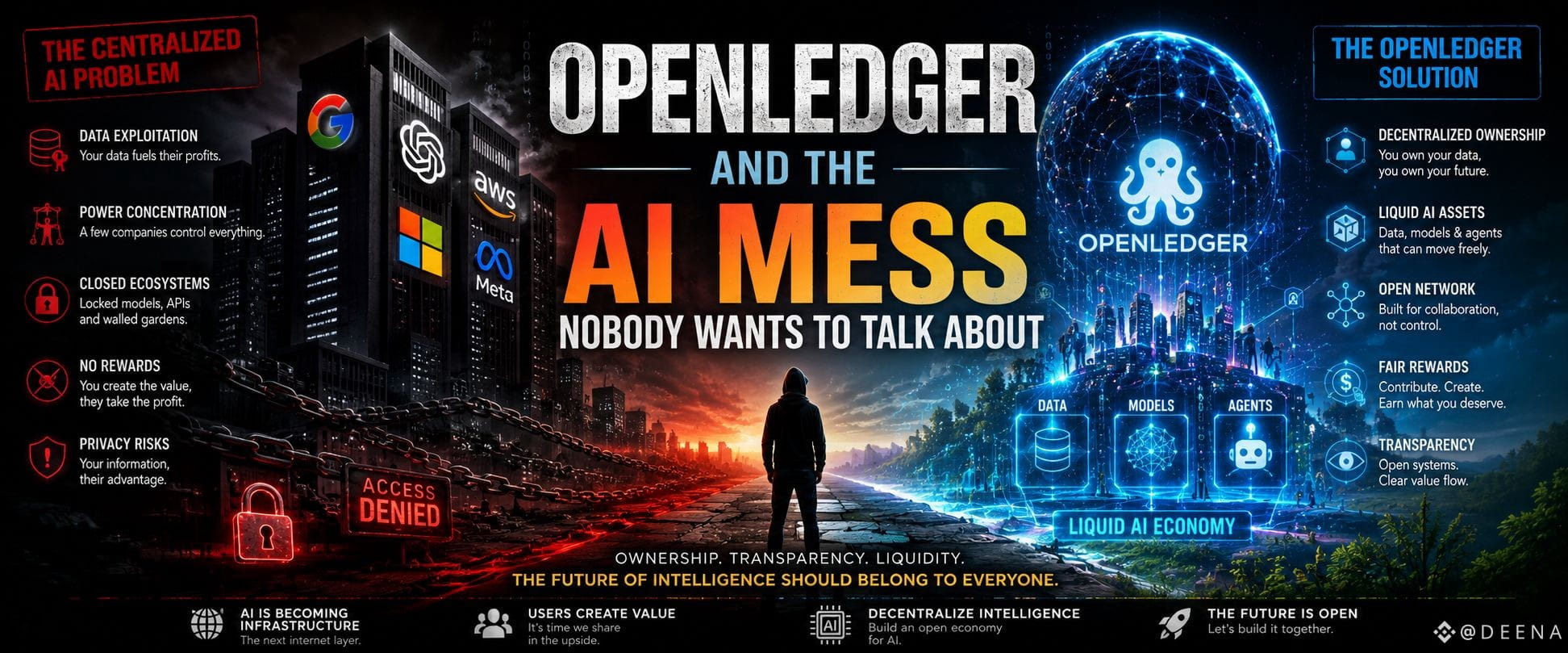
Əvvəllər düşünürdüm ki, əksər AI layihələri bahalı brendinqin üzərinə geyinilmiş sadəcə təkrar edilmiş hype-dan başqa bir şey deyil. Eyni vədlər. Eyni buzzword-lar. Eyni “intellektin gələcəyi” hekayəsi, heç kim artıq şübhə etməyənə qədər təkrar-təkrar. Amma OpenLedger-ə daha dərindən baxdıqca anladım ki, əsl hekayə AI-in özü deyil — məsələ mülkiyyətdir.
İndi isə bir neçə nəhəng şirkət demək olar ki, hər şeyi idarə edir: modelləri, məlumatları, infrastrukturunu, paylanmanı. Halbuki adi istifadəçilər hər gün bu sistemlərə pulsuz olaraq məlumat ötürür və bununla nə qədər dəyər yaratdıqlarını fərqinə varmadan. Mənə ən çox qırıq görünən də elə budur.
OpenLedger haqqında diqqətimi çəkən odur ki, o, boş AI narrativləri ilə məşğul olub diqqət toplamaq əvəzinə əslində infrastruktur probleminə işarə edir. Məlumatların, modellərin və AI agentlərinin korporativ divarların içində ilişib qalmaq yox, açıq iqtisadiyyat daxilində hərəkət etməsi fikri insanların düşündüyündən qat-qat daha məntiqlidir.
Və dürüst deyim: düşünürəm ki, əksəriyyət hələ bu dəyişimin nə qədər böyük olacağını az qiymətləndirir.
AI artıq sadəcə proqram təminatı deyil.
İqtisadi infrastrukturaya çevrilir.
Əsl mübarizə ən ağıllı chatbot-u kim hazırlayacaq sualı olmayacaq.
Bu, intellektin özünün altındakı relslərə — kim sahib çıxacaq sualı olacaq.
#openledger @Openledger $OPEN
{spot}(OPENUSDT)
$XLM
$ALLO
Əvvəllər düşünürdüm ki, əksər AI layihələri bahalı brendinqin üzərinə geyinilmiş sadəcə təkrar edilmiş hype-dan başqa bir şey deyil. Eyni vədlər. Eyni buzzword-lar. Eyni “intellektin gələcəyi” hekayəsi, heç kim artıq şübhə etməyənə qədər təkrar-təkrar. Amma OpenLedger-ə daha dərindən baxdıqca anladım ki, əsl hekayə AI-in özü deyil — məsələ mülkiyyətdir.
İndi isə bir neçə nəhəng şirkət demək olar ki, hər şeyi idarə edir: modelləri, məlumatları, infrastrukturunu, paylanmanı. Halbuki adi istifadəçilər hər gün bu sistemlərə pulsuz olaraq məlumat ötürür və bununla nə qədər dəyər yaratdıqlarını fərqinə varmadan. Mənə ən çox qırıq görünən də elə budur.
OpenLedger haqqında diqqətimi çəkən odur ki, o, boş AI narrativləri ilə məşğul olub diqqət toplamaq əvəzinə əslində infrastruktur probleminə işarə edir. Məlumatların, modellərin və AI agentlərinin korporativ divarların içində ilişib qalmaq yox, açıq iqtisadiyyat daxilində hərəkət etməsi fikri insanların düşündüyündən qat-qat daha məntiqlidir.
Və dürüst deyim: düşünürəm ki, əksəriyyət hələ bu dəyişimin nə qədər böyük olacağını az qiymətləndirir.
AI artıq sadəcə proqram təminatı deyil.
İqtisadi infrastrukturaya çevrilir.
Əsl mübarizə ən ağıllı chatbot-u kim hazırlayacaq sualı olmayacaq.
Bu, intellektin özünün altındakı relslərə — kim sahib çıxacaq sualı olacaq.
#openledger @OpenLedger $OPEN
$XLM
$ALLO
İndi isə bir neçə nəhəng şirkət demək olar ki, hər şeyi idarə edir: modelləri, məlumatları, infrastrukturunu, paylanmanı. Halbuki adi istifadəçilər hər gün bu sistemlərə pulsuz olaraq məlumat ötürür və bununla nə qədər dəyər yaratdıqlarını fərqinə varmadan. Mənə ən çox qırıq görünən də elə budur.
OpenLedger haqqında diqqətimi çəkən odur ki, o, boş AI narrativləri ilə məşğul olub diqqət toplamaq əvəzinə əslində infrastruktur probleminə işarə edir. Məlumatların, modellərin və AI agentlərinin korporativ divarların içində ilişib qalmaq yox, açıq iqtisadiyyat daxilində hərəkət etməsi fikri insanların düşündüyündən qat-qat daha məntiqlidir.
Və dürüst deyim: düşünürəm ki, əksəriyyət hələ bu dəyişimin nə qədər böyük olacağını az qiymətləndirir.
AI artıq sadəcə proqram təminatı deyil.
İqtisadi infrastrukturaya çevrilir.
Əsl mübarizə ən ağıllı chatbot-u kim hazırlayacaq sualı olmayacaq.
Bu, intellektin özünün altındakı relslərə — kim sahib çıxacaq sualı olacaq.
#openledger @OpenLedger $OPEN
$XLM
$ALLO
1
2
160
·
--
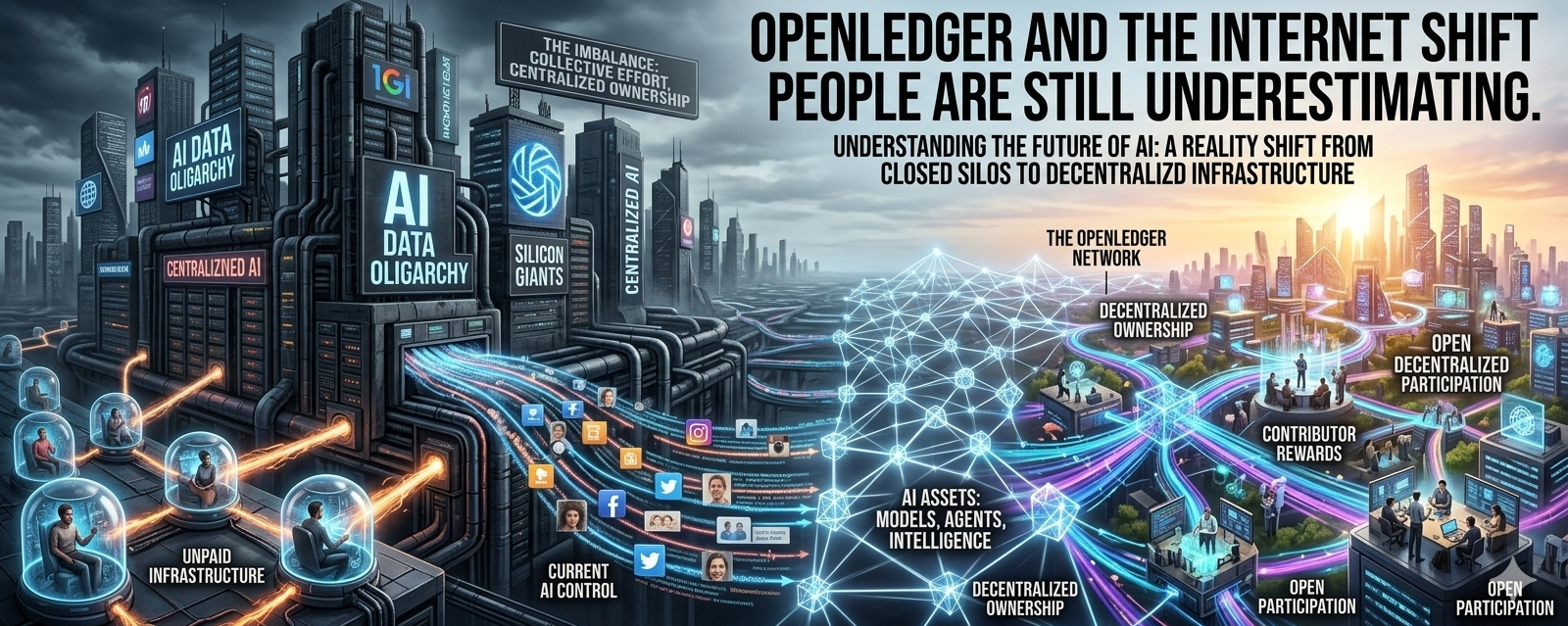
Məqalə
OPENLEDGER VƏ İNSANLARIN HƏLƏ DA UZUN DƏRƏCƏ DƏRİN BAĞIMSIZ BAŞA DÜŞMƏDİKLƏRİ İNTERNET DƏYİŞİMİHələ də insanların çoxu marketinqin arxasına baxan kimi, indiki AI layihələrinin ikinci baxışda boş hiss yaratdığını hiss edir. Hər yerdə eyni təkrar vədlər. “Gələcəyi dəyişmək” haqqında eyni dramatik iddialar. Hətta real həyatda heç kimi danışıq tərzinə bənzəməyən, cilalanmış saytların içi elə sözlə doludur ki, onları heç kim gündəlikdə eləmir. Hər bir layihə qəfil olaraq özünün növbəti nəsil intellekti qurduğunu iddia edir, amma daha dərindən baxanda çoxunun sadəcə eyni mərkəzləşdirilmiş sistemləri kripto etiketini üstünə yapışdırıb yenidən paketlədiyi üzə çıxır. Ona görə də bu qədər adamın marağı söndü. Həyəcan keçib getdi, çünki məkan səs-küylə dolub. Həddindən artıq çox təsisçi hipləri süni şəkildə “istehsal etməyə” çalışır. Texnologiya kimi görünmək üçün iddia edən, amma sadəcə token olan həddindən artıq çox şey var. Problem olaraq nəyi həll etməli olduqlarını anlamadan trendlərin dalınca qaçan çox adam var.
OPENLEDGER VƏ İNSANLARIN HƏLƏ DA UZUN DƏRƏCƏ DƏRİN BAĞIMSIZ BAŞA DÜŞMƏDİKLƏRİ İNTERNET DƏYİŞİMİ
Hələ də insanların çoxu marketinqin arxasına baxan kimi, indiki AI layihələrinin ikinci baxışda boş hiss yaratdığını hiss edir. Hər yerdə eyni təkrar vədlər. “Gələcəyi dəyişmək” haqqında eyni dramatik iddialar. Hətta real həyatda heç kimi danışıq tərzinə bənzəməyən, cilalanmış saytların içi elə sözlə doludur ki, onları heç kim gündəlikdə eləmir. Hər bir layihə qəfil olaraq özünün növbəti nəsil intellekti qurduğunu iddia edir, amma daha dərindən baxanda çoxunun sadəcə eyni mərkəzləşdirilmiş sistemləri kripto etiketini üstünə yapışdırıb yenidən paketlədiyi üzə çıxır. Ona görə də bu qədər adamın marağı söndü. Həyəcan keçib getdi, çünki məkan səs-küylə dolub. Həddindən artıq çox təsisçi hipləri süni şəkildə “istehsal etməyə” çalışır. Texnologiya kimi görünmək üçün iddia edən, amma sadəcə token olan həddindən artıq çox şey var. Problem olaraq nəyi həll etməli olduqlarını anlamadan trendlərin dalınca qaçan çox adam var.
1
2
134
·
--
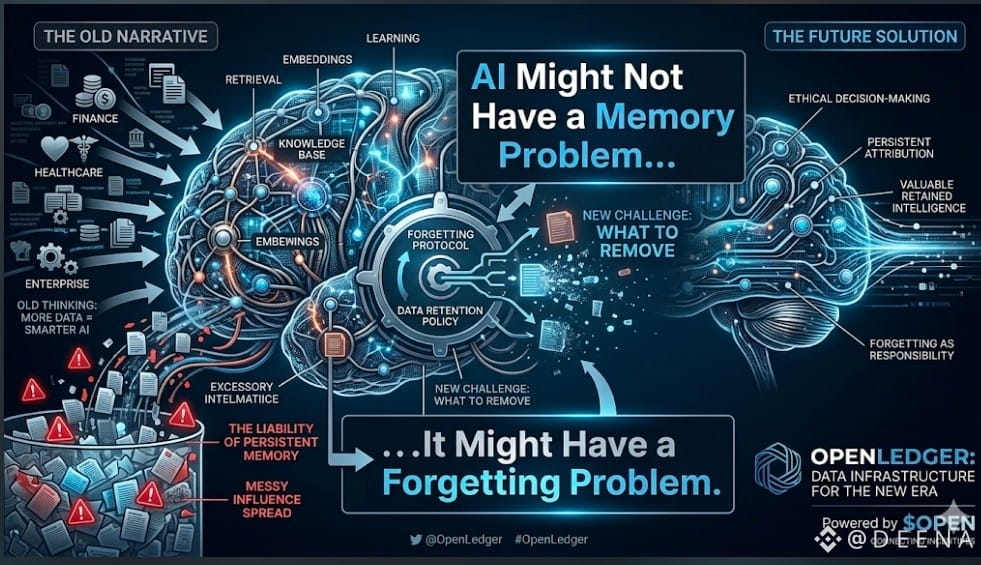
AI-nin Yaddaş Problemi Ola Bilər… Amma Yaddaşdan Üzülmə (Unutma) Problemi Ola Bilər
Son vaxtlar AI haqqında fərqli düşünməyə başlamışam. İllərdir bütün sənaye yaddaşı sonsuz bir üstünlük kimi görürdü. Bir sistem nə qədər çox məlumat toplaya, saxlaya və ondan öyrənə bilsə, bir o qədər ağıllı olurdu. Amma AI maliyyə, səhiyyə, müəssisə əməliyyatları və real qərarvermə sahələrinə nə qədər dərindən daxil olursa, mən daha çox hiss edirəm ki, həqiqi çətinlik səssizcə yerini dəyişir.
Mən gələcəyin sonsuza qədər hər şeyi xatırlayan sistemlərə aid olacağını düşünmürəm.
Məncə, gələcək artıq xatırlanmamalı olanı anlayan sistemlərdə ola bilər.
Elə buna görə OpenLedger diqqətimi çəkdi.
Çox adam onu AI data infrastrukturU kimi təsvir edir: töhfə verənlər məlumat təqdim edir, modellər təkmilləşir və $OPEN ulduzlar arasında incentiveləri (maraqları) uzlaşdırır. Amma məncə, həmin rəvayətin altında daha dərin bir qat formalaşır. Məlumat AI sistemlərinə daxil olduqdan sonra onun təsirini aradan qaldırmaq həddindən artıq çətindir. Məlumat təlim prosesinə, embedding-lərə (ixtisar edilmiş təsvirlərə), axtarış/retrieval sistemlərinə və insanların düşündüyündən çox daha qarışıq şəkildə davranış nümunələrinə yayılır.
Və AI həssas iş axınlarına toxunmağa başlayanda, yaddaşın özü də bir məsuliyyətə çevrilir.
Bu isə iqtisadiyyatı tamamilə dəyişir.
Əgər attestasiya/istinad (attribution) daimi və dəyərli olarsa, saxlanılan intellekt artıq pulsuz infrastruktur kimi qalmır. Birdən unutmaq da öyrənmək qədər vacib olur.
Və dürüst desəm, məncə bazar hələ bunu tam qiymətə daxil etməyib.
#OpenLedger @Openledger $OPEN
{spot}(OPENUSDT)
AI-nin Yaddaş Problemi Ola Bilər… Amma Yaddaşdan Üzülmə (Unutma) Problemi Ola Bilər
Son vaxtlar AI haqqında fərqli düşünməyə başlamışam. İllərdir bütün sənaye yaddaşı sonsuz bir üstünlük kimi görürdü. Bir sistem nə qədər çox məlumat toplaya, saxlaya və ondan öyrənə bilsə, bir o qədər ağıllı olurdu. Amma AI maliyyə, səhiyyə, müəssisə əməliyyatları və real qərarvermə sahələrinə nə qədər dərindən daxil olursa, mən daha çox hiss edirəm ki, həqiqi çətinlik səssizcə yerini dəyişir.
Mən gələcəyin sonsuza qədər hər şeyi xatırlayan sistemlərə aid olacağını düşünmürəm.
Məncə, gələcək artıq xatırlanmamalı olanı anlayan sistemlərdə ola bilər.
Elə buna görə OpenLedger diqqətimi çəkdi.
Çox adam onu AI data infrastrukturU kimi təsvir edir: töhfə verənlər məlumat təqdim edir, modellər təkmilləşir və $OPEN ulduzlar arasında incentiveləri (maraqları) uzlaşdırır. Amma məncə, həmin rəvayətin altında daha dərin bir qat formalaşır. Məlumat AI sistemlərinə daxil olduqdan sonra onun təsirini aradan qaldırmaq həddindən artıq çətindir. Məlumat təlim prosesinə, embedding-lərə (ixtisar edilmiş təsvirlərə), axtarış/retrieval sistemlərinə və insanların düşündüyündən çox daha qarışıq şəkildə davranış nümunələrinə yayılır.
Və AI həssas iş axınlarına toxunmağa başlayanda, yaddaşın özü də bir məsuliyyətə çevrilir.
Bu isə iqtisadiyyatı tamamilə dəyişir.
Əgər attestasiya/istinad (attribution) daimi və dəyərli olarsa, saxlanılan intellekt artıq pulsuz infrastruktur kimi qalmır. Birdən unutmaq da öyrənmək qədər vacib olur.
Və dürüst desəm, məncə bazar hələ bunu tam qiymətə daxil etməyib.
#OpenLedger @OpenLedger $OPEN
Son vaxtlar AI haqqında fərqli düşünməyə başlamışam. İllərdir bütün sənaye yaddaşı sonsuz bir üstünlük kimi görürdü. Bir sistem nə qədər çox məlumat toplaya, saxlaya və ondan öyrənə bilsə, bir o qədər ağıllı olurdu. Amma AI maliyyə, səhiyyə, müəssisə əməliyyatları və real qərarvermə sahələrinə nə qədər dərindən daxil olursa, mən daha çox hiss edirəm ki, həqiqi çətinlik səssizcə yerini dəyişir.
Mən gələcəyin sonsuza qədər hər şeyi xatırlayan sistemlərə aid olacağını düşünmürəm.
Məncə, gələcək artıq xatırlanmamalı olanı anlayan sistemlərdə ola bilər.
Elə buna görə OpenLedger diqqətimi çəkdi.
Çox adam onu AI data infrastrukturU kimi təsvir edir: töhfə verənlər məlumat təqdim edir, modellər təkmilləşir və $OPEN ulduzlar arasında incentiveləri (maraqları) uzlaşdırır. Amma məncə, həmin rəvayətin altında daha dərin bir qat formalaşır. Məlumat AI sistemlərinə daxil olduqdan sonra onun təsirini aradan qaldırmaq həddindən artıq çətindir. Məlumat təlim prosesinə, embedding-lərə (ixtisar edilmiş təsvirlərə), axtarış/retrieval sistemlərinə və insanların düşündüyündən çox daha qarışıq şəkildə davranış nümunələrinə yayılır.
Və AI həssas iş axınlarına toxunmağa başlayanda, yaddaşın özü də bir məsuliyyətə çevrilir.
Bu isə iqtisadiyyatı tamamilə dəyişir.
Əgər attestasiya/istinad (attribution) daimi və dəyərli olarsa, saxlanılan intellekt artıq pulsuz infrastruktur kimi qalmır. Birdən unutmaq da öyrənmək qədər vacib olur.
Və dürüst desəm, məncə bazar hələ bunu tam qiymətə daxil etməyib.
#OpenLedger @OpenLedger $OPEN
97
·
--
Məqalə
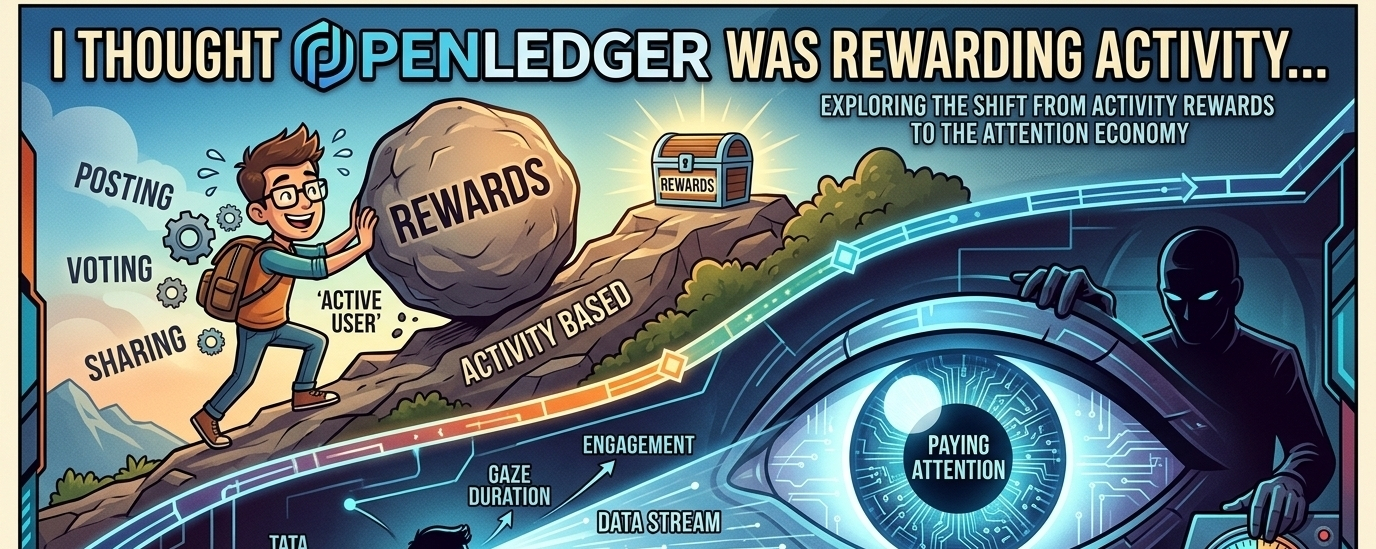
Mən Düşündüm ki, OpenLedger Aktivliyi Mükafatlandırır… Nə Zamansa Anladım ki, Başqa Bir Şeyə Diqqət Verir
OpenLedger-dən istifadə etməyə ilk başlayanda sistemin kifayət qədər tez başa düşdüyümü düşünürdüm.
Mən gördüyüm digər bir çox ekosistemə bənzər hiss olunurdu. Aktiv qal, tapşırıqları tamamla, ardıcıl şəkildə iştirak et, sabah da qayıt və təkrarla. Struktur elə tanış idi ki, əvvəlcə ona çox da dərindən fikir vermədim. Düzünü desəm, mən ideyanın sadə olduğunu zənn etdim: şəbəkə daxilində yaratdığın dəyər nə qədər görünür olursansa, bir o qədər də çoxdur.
Bir müddət bu inanc mənə də məntiqli gəlirdi.
Çünki onlayn sistemlər adətən bizi düşünməyə öyrədir ki, aktivlik əhəmiyyət deməkdir. Əgər daha çox paylaşır, daha çox qarşılıqlı əlaqədə olursan və daim hazır olursansa, nəhayət sistem səni görür. İndi əksər platformalar belə işləyir, ona görə də təbii olaraq eyni yanaşmanı OpenLedger-ə də apardım.
OpenLedger-dən istifadə etməyə ilk başlayanda sistemin kifayət qədər tez başa düşdüyümü düşünürdüm.
Mən gördüyüm digər bir çox ekosistemə bənzər hiss olunurdu. Aktiv qal, tapşırıqları tamamla, ardıcıl şəkildə iştirak et, sabah da qayıt və təkrarla. Struktur elə tanış idi ki, əvvəlcə ona çox da dərindən fikir vermədim. Düzünü desəm, mən ideyanın sadə olduğunu zənn etdim: şəbəkə daxilində yaratdığın dəyər nə qədər görünür olursansa, bir o qədər də çoxdur.
Bir müddət bu inanc mənə də məntiqli gəlirdi.
Çünki onlayn sistemlər adətən bizi düşünməyə öyrədir ki, aktivlik əhəmiyyət deməkdir. Əgər daha çox paylaşır, daha çox qarşılıqlı əlaqədə olursan və daim hazır olursansa, nəhayət sistem səni görür. İndi əksər platformalar belə işləyir, ona görə də təbii olaraq eyni yanaşmanı OpenLedger-ə də apardım.
Mən Düşündüm ki, OpenLedger Aktivliyi Mükafatlandırır… Nə Zamansa Anladım ki, Başqa Bir Şeyə Diqqət Verir
OpenLedger-dən istifadə etməyə ilk başlayanda sistemin kifayət qədər tez başa düşdüyümü düşünürdüm.
Mən gördüyüm digər bir çox ekosistemə bənzər hiss olunurdu. Aktiv qal, tapşırıqları tamamla, ardıcıl şəkildə iştirak et, sabah da qayıt və təkrarla. Struktur elə tanış idi ki, əvvəlcə ona çox da dərindən fikir vermədim. Düzünü desəm, mən ideyanın sadə olduğunu zənn etdim: şəbəkə daxilində yaratdığın dəyər nə qədər görünür olursansa, bir o qədər də çoxdur.
Bir müddət bu inanc mənə də məntiqli gəlirdi.
Çünki onlayn sistemlər adətən bizi düşünməyə öyrədir ki, aktivlik əhəmiyyət deməkdir. Əgər daha çox paylaşır, daha çox qarşılıqlı əlaqədə olursan və daim hazır olursansa, nəhayət sistem səni görür. İndi əksər platformalar belə işləyir, ona görə də təbii olaraq eyni yanaşmanı OpenLedger-ə də apardım.
100
·
--
Niyə Mən Düşünürəm ki Genius Terminalı On-Çeyn Ticarətin Necə Olduğunu Sakitcə Dəyişir
Bir vaxtlar mən düşünürdüm ki, əksər on-çeyn terminalları mahiyyətcə eynidir: fərqli interfeyslər, fərqli brendləşdirmə və bir az daha sürətli icra vədləri. Amma treyderlərin bazarlar arasında necə hərəkət etdiyini daha çox izlədikcə anladım ki, əsas fərq təkcə sürət deyil. Bu, məxfilik, sadəlik və hər şeyin ətrafınızda xaos içində hərəkət etdiyi vaxt özünüzdə nəzarət hissidir. Mənim üçün Genius Terminalı fərqləndirən də məhz budur.
Mənim diqqətimi çəkən məqam “ilk özəl və yekun” on-çeyn terminal ideyasıdır. Kriptoda insanlar şəffaflıqdan daim danışır, amma icradan öncə hər hərəkəti açıq etməyin xərci barədə çox az danışır. Bazar hər şeyi izləyir. Cüzdanlar izlənir. Strategiyalar açıq nümunələrə çevrilir. Zaman keçdikcə bu, treyder davranışını özünün də dəyişir. Mən düşünürəm ki, Genius Terminal bunu əksər platformalardan daha yaxşı başa düşür: gizli “sürtünmə”ni.
Bu mövzunu maraqlı edən isə “hype” və ya gözqamaşdıran marketinq deyil. İstiqamətdir. Terminal səs-küyə yox, icraya fokuslanma əsasında qurulmuş kimi hiss olunur. Daha təmiz axın. Daha az yayındırma. İstifadəçilərin on-çeyn likvidliyi və məlumatı ilə necə qarşılıqlı əlaqə qurmasına daha çox nəzarət.
Məncə kriptovalyuta infrastrukturunun növbəti mərhələsi, istifadəçilər bunun baş verdiyini elə də hiss etmədən sürtünməni azaldan məhsullara aid olacaq. Genius Terminal bu cür sistemlərdən biri kimi görünür.
#genius @GeniusOfficial $GENIUS
{spot}(GENIUSUSDT)
Niyə Mən Düşünürəm ki Genius Terminalı On-Çeyn Ticarətin Necə Olduğunu Sakitcə Dəyişir
Bir vaxtlar mən düşünürdüm ki, əksər on-çeyn terminalları mahiyyətcə eynidir: fərqli interfeyslər, fərqli brendləşdirmə və bir az daha sürətli icra vədləri. Amma treyderlərin bazarlar arasında necə hərəkət etdiyini daha çox izlədikcə anladım ki, əsas fərq təkcə sürət deyil. Bu, məxfilik, sadəlik və hər şeyin ətrafınızda xaos içində hərəkət etdiyi vaxt özünüzdə nəzarət hissidir. Mənim üçün Genius Terminalı fərqləndirən də məhz budur.
Mənim diqqətimi çəkən məqam “ilk özəl və yekun” on-çeyn terminal ideyasıdır. Kriptoda insanlar şəffaflıqdan daim danışır, amma icradan öncə hər hərəkəti açıq etməyin xərci barədə çox az danışır. Bazar hər şeyi izləyir. Cüzdanlar izlənir. Strategiyalar açıq nümunələrə çevrilir. Zaman keçdikcə bu, treyder davranışını özünün də dəyişir. Mən düşünürəm ki, Genius Terminal bunu əksər platformalardan daha yaxşı başa düşür: gizli “sürtünmə”ni.
Bu mövzunu maraqlı edən isə “hype” və ya gözqamaşdıran marketinq deyil. İstiqamətdir. Terminal səs-küyə yox, icraya fokuslanma əsasında qurulmuş kimi hiss olunur. Daha təmiz axın. Daha az yayındırma. İstifadəçilərin on-çeyn likvidliyi və məlumatı ilə necə qarşılıqlı əlaqə qurmasına daha çox nəzarət.
Məncə kriptovalyuta infrastrukturunun növbəti mərhələsi, istifadəçilər bunun baş verdiyini elə də hiss etmədən sürtünməni azaldan məhsullara aid olacaq. Genius Terminal bu cür sistemlərdən biri kimi görünür.
#genius @GeniusOfficial $GENIUS
Bir vaxtlar mən düşünürdüm ki, əksər on-çeyn terminalları mahiyyətcə eynidir: fərqli interfeyslər, fərqli brendləşdirmə və bir az daha sürətli icra vədləri. Amma treyderlərin bazarlar arasında necə hərəkət etdiyini daha çox izlədikcə anladım ki, əsas fərq təkcə sürət deyil. Bu, məxfilik, sadəlik və hər şeyin ətrafınızda xaos içində hərəkət etdiyi vaxt özünüzdə nəzarət hissidir. Mənim üçün Genius Terminalı fərqləndirən də məhz budur.
Mənim diqqətimi çəkən məqam “ilk özəl və yekun” on-çeyn terminal ideyasıdır. Kriptoda insanlar şəffaflıqdan daim danışır, amma icradan öncə hər hərəkəti açıq etməyin xərci barədə çox az danışır. Bazar hər şeyi izləyir. Cüzdanlar izlənir. Strategiyalar açıq nümunələrə çevrilir. Zaman keçdikcə bu, treyder davranışını özünün də dəyişir. Mən düşünürəm ki, Genius Terminal bunu əksər platformalardan daha yaxşı başa düşür: gizli “sürtünmə”ni.
Bu mövzunu maraqlı edən isə “hype” və ya gözqamaşdıran marketinq deyil. İstiqamətdir. Terminal səs-küyə yox, icraya fokuslanma əsasında qurulmuş kimi hiss olunur. Daha təmiz axın. Daha az yayındırma. İstifadəçilərin on-çeyn likvidliyi və məlumatı ilə necə qarşılıqlı əlaqə qurmasına daha çox nəzarət.
Məncə kriptovalyuta infrastrukturunun növbəti mərhələsi, istifadəçilər bunun baş verdiyini elə də hiss etmədən sürtünməni azaldan məhsullara aid olacaq. Genius Terminal bu cür sistemlərdən biri kimi görünür.
#genius @GeniusOfficial $GENIUS
90
·
--
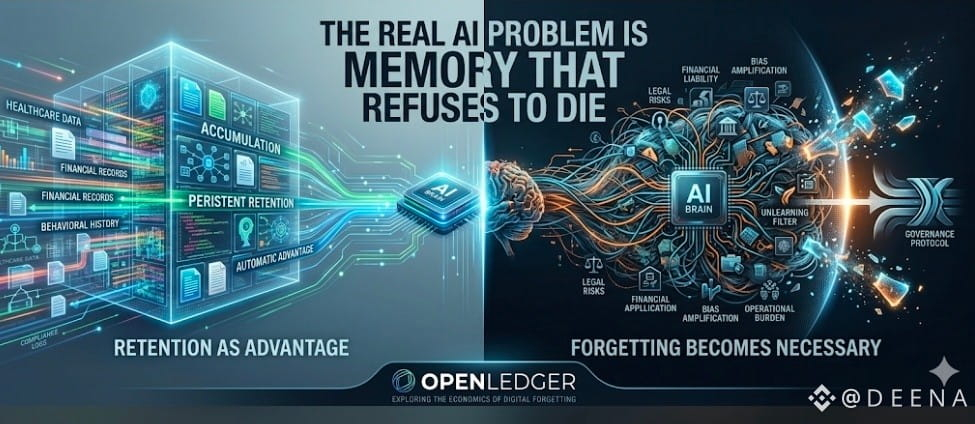
Həqiqi AI problemi bəlkə də intellekt deyil… Amma ölməyən yaddaş
Dönə-dönə AI haqqında narahat bir fikrə qayıdıram.
Əsl problem bəlkə də intellekt deyil. Ola bilsin ki, yaddaşdır.
İllərdir texnologiya sənayesi yaddaşın saxlanmasını avtomatik üstünlük kimi qəbul edirdi. Daha çox məlumat saxla. Daha çox davranışı izləyin. Daha çox tarixçəni qoruyun. Fərziyyə sadə idi: daha çox yaddaş daha yaxşı sistemlər yaradır.
Amma AI səhiyyə, maliyyə, uyğunluq (compliance), müştəri əməliyyatları və qərarvermə kimi sahələrə daha dərindən daxil olduqca, bu məntiqin mənfi tərəfini gözardı etmək çətinləşir.
Çünki AI həqiqətən “unudmur”.
Məlumat təlim (training) boru kəmərinə, retrieval qatına və ya davranış sisteminə daxil olan kimi, sonradan onu ayrıca ayırmaq çətindir. Faylı silmək asandır. Məlumatın təsirini intellektin özündən çıxarmaq isə çox daha çətindir.
Bu dəyişiklik qismən də məni OpenLedger-in daha maraqlı görünməsinə səbəb oldu.
Əvvəlcə onu sanki atribut (attribution) və məlumat koordinasiyasına yönəlmiş başqa bir AI infrastrukturu hekayəsi kimi görürdüm. Amma daha dərin qat bəlkə tam başqa şey ola bilər.
Atribusiya (məlumatın kimə aid edilməsi) davamlı və iqtisadi baxımdan mənalı olanda yaddaş artıq pulsuz infrastruktura çevrilmir. Liabilitə (risk/öhdəlik), aktiv və nəhayət bir anda həm də idarəetmə (governance) problemi olur.
Və yaddaş hüquqi, maliyyə və əməliyyat yükü daşımağa başlayanda unudmaq artıq səmərəsiz görünmür.
Zəruri kimi görünməyə başlayır.
#openledger @Openledger $OPEN
{spot}(OPENUSDT)
Həqiqi AI problemi bəlkə də intellekt deyil… Amma ölməyən yaddaş
Dönə-dönə AI haqqında narahat bir fikrə qayıdıram.
Əsl problem bəlkə də intellekt deyil. Ola bilsin ki, yaddaşdır.
İllərdir texnologiya sənayesi yaddaşın saxlanmasını avtomatik üstünlük kimi qəbul edirdi. Daha çox məlumat saxla. Daha çox davranışı izləyin. Daha çox tarixçəni qoruyun. Fərziyyə sadə idi: daha çox yaddaş daha yaxşı sistemlər yaradır.
Amma AI səhiyyə, maliyyə, uyğunluq (compliance), müştəri əməliyyatları və qərarvermə kimi sahələrə daha dərindən daxil olduqca, bu məntiqin mənfi tərəfini gözardı etmək çətinləşir.
Çünki AI həqiqətən “unudmur”.
Məlumat təlim (training) boru kəmərinə, retrieval qatına və ya davranış sisteminə daxil olan kimi, sonradan onu ayrıca ayırmaq çətindir. Faylı silmək asandır. Məlumatın təsirini intellektin özündən çıxarmaq isə çox daha çətindir.
Bu dəyişiklik qismən də məni OpenLedger-in daha maraqlı görünməsinə səbəb oldu.
Əvvəlcə onu sanki atribut (attribution) və məlumat koordinasiyasına yönəlmiş başqa bir AI infrastrukturu hekayəsi kimi görürdüm. Amma daha dərin qat bəlkə tam başqa şey ola bilər.
Atribusiya (məlumatın kimə aid edilməsi) davamlı və iqtisadi baxımdan mənalı olanda yaddaş artıq pulsuz infrastruktura çevrilmir. Liabilitə (risk/öhdəlik), aktiv və nəhayət bir anda həm də idarəetmə (governance) problemi olur.
Və yaddaş hüquqi, maliyyə və əməliyyat yükü daşımağa başlayanda unudmaq artıq səmərəsiz görünmür.
Zəruri kimi görünməyə başlayır.
#openledger @OpenLedger $OPEN
Dönə-dönə AI haqqında narahat bir fikrə qayıdıram.
Əsl problem bəlkə də intellekt deyil. Ola bilsin ki, yaddaşdır.
İllərdir texnologiya sənayesi yaddaşın saxlanmasını avtomatik üstünlük kimi qəbul edirdi. Daha çox məlumat saxla. Daha çox davranışı izləyin. Daha çox tarixçəni qoruyun. Fərziyyə sadə idi: daha çox yaddaş daha yaxşı sistemlər yaradır.
Amma AI səhiyyə, maliyyə, uyğunluq (compliance), müştəri əməliyyatları və qərarvermə kimi sahələrə daha dərindən daxil olduqca, bu məntiqin mənfi tərəfini gözardı etmək çətinləşir.
Çünki AI həqiqətən “unudmur”.
Məlumat təlim (training) boru kəmərinə, retrieval qatına və ya davranış sisteminə daxil olan kimi, sonradan onu ayrıca ayırmaq çətindir. Faylı silmək asandır. Məlumatın təsirini intellektin özündən çıxarmaq isə çox daha çətindir.
Bu dəyişiklik qismən də məni OpenLedger-in daha maraqlı görünməsinə səbəb oldu.
Əvvəlcə onu sanki atribut (attribution) və məlumat koordinasiyasına yönəlmiş başqa bir AI infrastrukturu hekayəsi kimi görürdüm. Amma daha dərin qat bəlkə tam başqa şey ola bilər.
Atribusiya (məlumatın kimə aid edilməsi) davamlı və iqtisadi baxımdan mənalı olanda yaddaş artıq pulsuz infrastruktura çevrilmir. Liabilitə (risk/öhdəlik), aktiv və nəhayət bir anda həm də idarəetmə (governance) problemi olur.
Və yaddaş hüquqi, maliyyə və əməliyyat yükü daşımağa başlayanda unudmaq artıq səmərəsiz görünmür.
Zəruri kimi görünməyə başlayır.
#openledger @OpenLedger $OPEN
90
Daha çox kontent araşdırmaq üçün daxil olun
Binance Square-də qlobal kriptovalyuta istifadəçilərinə qoşulun
⚡️ Kriptovalyuta haqqında ən son və faydalı məlumatları əldə edin.
💬 Dünyanın ən böyük kriptovalyuta birjası tərəfindən etibar edilir.
👍 Doğrulanmış yaradıcılardan gələn real məlumatları kəşf edin.
E-poçt/Telefon nömrəsi
Trenddə olan mövzular
BTCBreaks80K
11,400 baxış
Müzakirə edir: 367
🚨 BİTKOIN 80 MİN DOLLAR FOKUSDA QAYIDI! 🔥
BTC $78K zonasını bərpa etdikdən sonra $80,000 psixoloji müqavimətinə doğru irəliləyir. Səliqəli yüksəliş qırılması və $80K-dan yuxarı tutmaq $82K–$85K növbəti hədəfə gətirə bilər. 📈
Amma treyderlər rəddetmə zonasını diqqətlə izləməlidir — $77K–$78K itirilsə, bu, yenidən geri çəkilməni tetik edə bilər.
🎯 Əsas səviyyələr:
• 🔥 Qırılma: $80K
• 🚀 Növbəti zona: $82K–$85K
• ⚠️ Dəstək: $77K–$78K
$80K sadəcə bir rəqəm deyil — bu, öküzlərin fəth etməli olduğu səviyyədir.
Biz növbəti BTC qırılmasını görməyə yaxınıq? 👇
#bitcoin #BTC #BinanceSquare #btcbreaks80k
$BTC
ASHFAQ NAEEM
·2 bəyənmə
·3.5k baxış
比特币突破8万
17,658 baxış
Müzakirə edir: 70
BuffettBecomesBerkshireChairmanEmeritus
93 baxış
Müzakirə edir: 38