

CoinFea
3.8k Paylaşımlar

CoinFea
 Square Verified+
Şikayət et
İstifadəçini blokla
CoinFea is a leading Cryptocurrency, Blockchain, and Fintech News platform. Our primary focus is trending news and updates of cryptoverse.
0 İzlənilir
88.7K+ İzləyicilər
21.9K+ Bəyəndi
Postlar
·
--

Məqalə
Tərcüməyə bax
Saylor Calls for Digital Rights Framework to Help 10 Million Companies Raise CapitalMichael Saylor has proposed a digital rights framework that would define how individuals and companies interact with digital assets.
The MicroStrategy executive said clearer rules could expand access to capital and support new business creation.
His proposal focuses on ownership rights, financial access, and broader participation in digital markets. Saylor also called for updated banking rules that allow institutions to use Bitcoin within regulated financial systems.
Saylor proposes five digital asset rights for individuals and companies
In an essay shared on X following his appearance at the Bitcoin Policy Institute’s Freedom Tech DC summit, Michael Saylor outlined five rights he believes should apply to digital assets.
The proposed rights include the ability to create digital assets, issue them to raise capital, custody assets directly or through selected providers, transfer them freely, and use them for spending, investing, earning, and borrowing.
Saylor said these rights should apply equally to individuals and corporations while maintaining financial privacy and access to markets. He argued that ownership becomes limited when restrictions prevent owners from using their assets as intended.
The Bitcoin advocate also criticized the complexity of recent crypto legislation. He pointed to the CLARITY bill, which spans around 630 pages, and estimated that most of the document focuses on restrictions rather than expanding access.
Saylor has spent the year developing a framework that separates digital assets into four categories: digital capital, digital credit, digital money, and digital currency.
According to Saylor, the growth of artificial intelligence and automation will transform existing industries and reduce demand for some traditional jobs. He argued that economic expansion will require creating new companies faster than older businesses decline.
He said the United States should create conditions that allow 10 million new companies to raise capital. Saylor referenced the initial coin offering era as an example of how digital assets could provide alternative fundraising opportunities.
He noted that only around 400 recognized companies among the country’s estimated 40 million businesses can easily access public market funding. He also highlighted challenges faced by companies such as BSTR and Twenty One despite having significant resources.
Twenty One entered public markets through a special-purpose acquisition company about 18 months ago. Saylor said the company still faces difficulties accessing additional capital despite billions of dollars in funding and extensive legal support.
Saylor pushes for Bitcoin banking access and stablecoin competition
Saylor also called for regulatory changes that would allow banks and insurers to participate more actively in digital assets. He said financial institutions should have clear rules for Bitcoin custody and lending against Bitcoin collateral.
He criticized the Basel framework, which requires banks to hold capital equal to 1,250% of certain crypto exposures. Saylor argued that the rules treat digital assets as extremely high-risk without separating custody services, customer-backed lending, and proprietary trading activities.
According to Saylor, banks holding Bitcoin on behalf of customers should face different requirements from institutions using their own capital for crypto investments.
He said greater involvement from banks could become a major driver of cryptocurrency adoption. Saylor noted that approximately $1.6 trillion worth of Bitcoin exists globally, with much of it outside traditional banking systems.
Saylor also proposed allowing banks, fintech companies, and technology platforms to compete in issuing stablecoins. He said institutions should be able to offer interest-bearing stablecoins under clear regulations.
He argued that competition among digital dollar providers could expand access to U.S. dollar-based financial services for billions of smartphone users worldwide.
Saylor further called for more proportional reporting requirements for digital asset transactions. He questioned rules that automatically report legal transactions under $10,000 and said compliance measures should match actual risks.
The post Saylor calls for digital rights framework to help 10 million companies raise capital first appeared on Coinfea.
Saylor Calls for Digital Rights Framework to Help 10 Million Companies Raise Capital
Michael Saylor has proposed a digital rights framework that would define how individuals and companies interact with digital assets.
The MicroStrategy executive said clearer rules could expand access to capital and support new business creation.
His proposal focuses on ownership rights, financial access, and broader participation in digital markets. Saylor also called for updated banking rules that allow institutions to use Bitcoin within regulated financial systems.
Saylor proposes five digital asset rights for individuals and companies
In an essay shared on X following his appearance at the Bitcoin Policy Institute’s Freedom Tech DC summit, Michael Saylor outlined five rights he believes should apply to digital assets.
The proposed rights include the ability to create digital assets, issue them to raise capital, custody assets directly or through selected providers, transfer them freely, and use them for spending, investing, earning, and borrowing.
Saylor said these rights should apply equally to individuals and corporations while maintaining financial privacy and access to markets. He argued that ownership becomes limited when restrictions prevent owners from using their assets as intended.
The Bitcoin advocate also criticized the complexity of recent crypto legislation. He pointed to the CLARITY bill, which spans around 630 pages, and estimated that most of the document focuses on restrictions rather than expanding access.
Saylor has spent the year developing a framework that separates digital assets into four categories: digital capital, digital credit, digital money, and digital currency.
According to Saylor, the growth of artificial intelligence and automation will transform existing industries and reduce demand for some traditional jobs. He argued that economic expansion will require creating new companies faster than older businesses decline.
He said the United States should create conditions that allow 10 million new companies to raise capital. Saylor referenced the initial coin offering era as an example of how digital assets could provide alternative fundraising opportunities.
He noted that only around 400 recognized companies among the country’s estimated 40 million businesses can easily access public market funding. He also highlighted challenges faced by companies such as BSTR and Twenty One despite having significant resources.
Twenty One entered public markets through a special-purpose acquisition company about 18 months ago. Saylor said the company still faces difficulties accessing additional capital despite billions of dollars in funding and extensive legal support.
Saylor pushes for Bitcoin banking access and stablecoin competition
Saylor also called for regulatory changes that would allow banks and insurers to participate more actively in digital assets. He said financial institutions should have clear rules for Bitcoin custody and lending against Bitcoin collateral.
He criticized the Basel framework, which requires banks to hold capital equal to 1,250% of certain crypto exposures. Saylor argued that the rules treat digital assets as extremely high-risk without separating custody services, customer-backed lending, and proprietary trading activities.
According to Saylor, banks holding Bitcoin on behalf of customers should face different requirements from institutions using their own capital for crypto investments.
He said greater involvement from banks could become a major driver of cryptocurrency adoption. Saylor noted that approximately $1.6 trillion worth of Bitcoin exists globally, with much of it outside traditional banking systems.
Saylor also proposed allowing banks, fintech companies, and technology platforms to compete in issuing stablecoins. He said institutions should be able to offer interest-bearing stablecoins under clear regulations.
He argued that competition among digital dollar providers could expand access to U.S. dollar-based financial services for billions of smartphone users worldwide.
Saylor further called for more proportional reporting requirements for digital asset transactions. He questioned rules that automatically report legal transactions under $10,000 and said compliance measures should match actual risks.
The post Saylor calls for digital rights framework to help 10 million companies raise capital first appeared on Coinfea.
The MicroStrategy executive said clearer rules could expand access to capital and support new business creation.
His proposal focuses on ownership rights, financial access, and broader participation in digital markets. Saylor also called for updated banking rules that allow institutions to use Bitcoin within regulated financial systems.
Saylor proposes five digital asset rights for individuals and companies
In an essay shared on X following his appearance at the Bitcoin Policy Institute’s Freedom Tech DC summit, Michael Saylor outlined five rights he believes should apply to digital assets.
The proposed rights include the ability to create digital assets, issue them to raise capital, custody assets directly or through selected providers, transfer them freely, and use them for spending, investing, earning, and borrowing.
Saylor said these rights should apply equally to individuals and corporations while maintaining financial privacy and access to markets. He argued that ownership becomes limited when restrictions prevent owners from using their assets as intended.
The Bitcoin advocate also criticized the complexity of recent crypto legislation. He pointed to the CLARITY bill, which spans around 630 pages, and estimated that most of the document focuses on restrictions rather than expanding access.
Saylor has spent the year developing a framework that separates digital assets into four categories: digital capital, digital credit, digital money, and digital currency.
According to Saylor, the growth of artificial intelligence and automation will transform existing industries and reduce demand for some traditional jobs. He argued that economic expansion will require creating new companies faster than older businesses decline.
He said the United States should create conditions that allow 10 million new companies to raise capital. Saylor referenced the initial coin offering era as an example of how digital assets could provide alternative fundraising opportunities.
He noted that only around 400 recognized companies among the country’s estimated 40 million businesses can easily access public market funding. He also highlighted challenges faced by companies such as BSTR and Twenty One despite having significant resources.
Twenty One entered public markets through a special-purpose acquisition company about 18 months ago. Saylor said the company still faces difficulties accessing additional capital despite billions of dollars in funding and extensive legal support.
Saylor pushes for Bitcoin banking access and stablecoin competition
Saylor also called for regulatory changes that would allow banks and insurers to participate more actively in digital assets. He said financial institutions should have clear rules for Bitcoin custody and lending against Bitcoin collateral.
He criticized the Basel framework, which requires banks to hold capital equal to 1,250% of certain crypto exposures. Saylor argued that the rules treat digital assets as extremely high-risk without separating custody services, customer-backed lending, and proprietary trading activities.
According to Saylor, banks holding Bitcoin on behalf of customers should face different requirements from institutions using their own capital for crypto investments.
He said greater involvement from banks could become a major driver of cryptocurrency adoption. Saylor noted that approximately $1.6 trillion worth of Bitcoin exists globally, with much of it outside traditional banking systems.
Saylor also proposed allowing banks, fintech companies, and technology platforms to compete in issuing stablecoins. He said institutions should be able to offer interest-bearing stablecoins under clear regulations.
He argued that competition among digital dollar providers could expand access to U.S. dollar-based financial services for billions of smartphone users worldwide.
Saylor further called for more proportional reporting requirements for digital asset transactions. He questioned rules that automatically report legal transactions under $10,000 and said compliance measures should match actual risks.
The post Saylor calls for digital rights framework to help 10 million companies raise capital first appeared on Coinfea.
1
143
·
--
Məqalə
Tərcüməyə bax
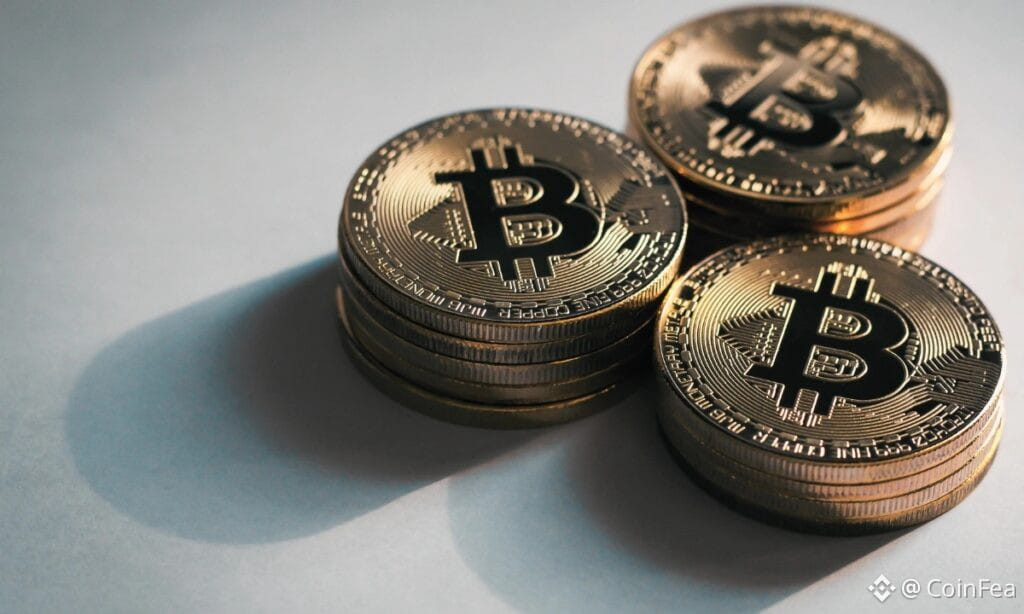
4,500 BTC Moves Into a Fresh Wallet Since 2022A 4,500 BTC stash that hadn’t been touched since April 2022 was moved to a fresh address recently. The transfer was worth about $1.10. Seven dust deposits of 294 to 547 satoshis each had been building up on the old address since December 2024. They were all swept into the same transaction.
At a price of around $84,000, the coins are worth about $378 million. The transaction was confirmed at 02:30 UTC on September 25 by block 968,483 and was mined by ViaBTC. Eight inputs came in. One had 4,499.99986261 BTC, and the other seven were dust, landing between December 2024 and September 11, 2026. One output was created, sending 4,499.99987779 BTC to the address starting with bc1qpls.
BTC stash sees first move since 2022
The fee rate came out at 2.23 satoshis per virtual byte. The new address received the full Bitcoin balance in that one transaction and has sent nothing since. There is no record of an exchange deposit. The coins first showed up on August 5, 2019, in block 588,718. There they stayed until April 21, 2022, block 732,797. Then they moved once to the address that was emptied this week.
In August 2019, BTC was trading near $11,829, putting the stash at about $53.2 million. The stash was worth about $561 million at the peak, near $124,658 on October 6, 2025. However, the holder didn’t sell.
A wallet from July 2012 moved 600 BTC on September 22, bringing the two-week total of reactivated decade-old coins to 1,971 BTC, reported Cryptopolitan. As BTC has been flowing into accumulation wallets this month, Binance reserves have diminished from ~705,000 BTC to about 689,000 BTC, according to Cryptopolitan.
The post 4,500 BTC moves into a fresh wallet since 2022 first appeared on Coinfea.
4,500 BTC Moves Into a Fresh Wallet Since 2022
A 4,500 BTC stash that hadn’t been touched since April 2022 was moved to a fresh address recently. The transfer was worth about $1.10. Seven dust deposits of 294 to 547 satoshis each had been building up on the old address since December 2024. They were all swept into the same transaction.
At a price of around $84,000, the coins are worth about $378 million. The transaction was confirmed at 02:30 UTC on September 25 by block 968,483 and was mined by ViaBTC. Eight inputs came in. One had 4,499.99986261 BTC, and the other seven were dust, landing between December 2024 and September 11, 2026. One output was created, sending 4,499.99987779 BTC to the address starting with bc1qpls.
BTC stash sees first move since 2022
The fee rate came out at 2.23 satoshis per virtual byte. The new address received the full Bitcoin balance in that one transaction and has sent nothing since. There is no record of an exchange deposit. The coins first showed up on August 5, 2019, in block 588,718. There they stayed until April 21, 2022, block 732,797. Then they moved once to the address that was emptied this week.
In August 2019, BTC was trading near $11,829, putting the stash at about $53.2 million. The stash was worth about $561 million at the peak, near $124,658 on October 6, 2025. However, the holder didn’t sell.
A wallet from July 2012 moved 600 BTC on September 22, bringing the two-week total of reactivated decade-old coins to 1,971 BTC, reported Cryptopolitan. As BTC has been flowing into accumulation wallets this month, Binance reserves have diminished from ~705,000 BTC to about 689,000 BTC, according to Cryptopolitan.
The post 4,500 BTC moves into a fresh wallet since 2022 first appeared on Coinfea.
At a price of around $84,000, the coins are worth about $378 million. The transaction was confirmed at 02:30 UTC on September 25 by block 968,483 and was mined by ViaBTC. Eight inputs came in. One had 4,499.99986261 BTC, and the other seven were dust, landing between December 2024 and September 11, 2026. One output was created, sending 4,499.99987779 BTC to the address starting with bc1qpls.
BTC stash sees first move since 2022
The fee rate came out at 2.23 satoshis per virtual byte. The new address received the full Bitcoin balance in that one transaction and has sent nothing since. There is no record of an exchange deposit. The coins first showed up on August 5, 2019, in block 588,718. There they stayed until April 21, 2022, block 732,797. Then they moved once to the address that was emptied this week.
In August 2019, BTC was trading near $11,829, putting the stash at about $53.2 million. The stash was worth about $561 million at the peak, near $124,658 on October 6, 2025. However, the holder didn’t sell.
A wallet from July 2012 moved 600 BTC on September 22, bringing the two-week total of reactivated decade-old coins to 1,971 BTC, reported Cryptopolitan. As BTC has been flowing into accumulation wallets this month, Binance reserves have diminished from ~705,000 BTC to about 689,000 BTC, according to Cryptopolitan.
The post 4,500 BTC moves into a fresh wallet since 2022 first appeared on Coinfea.
5
261
·
--
Məqalə
Tərcüməyə bax
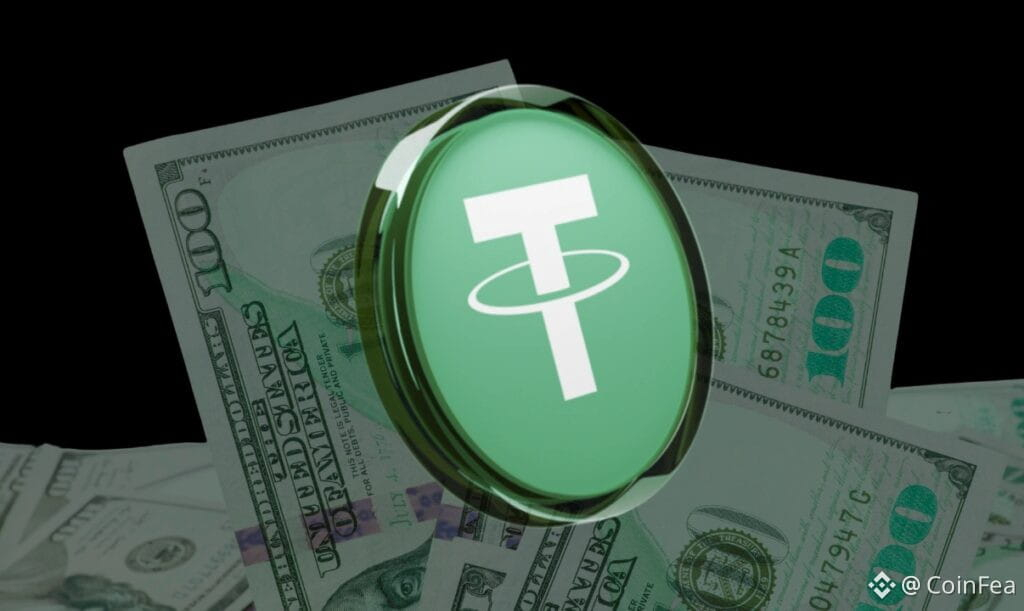
Tether and Bitfinex Allegedly Tapped in Capstone CaseTether and sister exchange Bitfinex are the two unnamed crypto firms at the center of a US forfeiture case against Capstone Ltd, people familiar with the matter told the Financial Times.
Federal prosecutors in California froze about $84.2 million in Capstone’s name, saying the payments group moved money without a license. The civil forfeiture complaint, filed July 15 in the Eastern District of California, names neither company. It only cites a crypto company, an affiliated exchange, and a bank in Dominica. Prosecutors say Capstone’s Wells Fargo business account, not counting Treasury purchases, disbursed $337 million between March and December 2025.
Tether and Bitfinex allegedly involved in Capstone case
The complaint alleges almost two-thirds of that money seems to have gone to hundreds of recipients, mostly outside the US, on behalf of the two crypto firms. Court records show the seized property consists of five pieces. The largest is $79.11 million in a Wells Fargo Securities account, followed by $2.06 million at JPMorgan Chase, $1.86 million at Wells Fargo Bank, and about $ 1.18 million in USDT across two wallets.
Capstone presented itself to banks as an IT services company, prosecutors allege. It was incorporated in Montana, the only US state that doesn’t license money transmitters. The complaint also connects Capstone to another scam in which fraudsters posing as FBI agents pressured elderly victims into making payments, which were converted to USDT within a day or so. The fraud strand involves one account with just over $2 million in it.
There’s nothing to suggest Tether, Bitfinex, or EQIBank knew about it. Capstone, which denies any wrongdoing, plans to file a motion to dismiss, its lawyer said. Tether and Bitfinex reached Capstone through EQIBank, a Dominica-licensed digital bank. Both said they are EQIBank clients, had no knowledge of the conduct alleged against Capstone, and retain limited assets there.
Tether put its exposure at “less than 0.034% of the assets of the group,” a spokesperson said. The bank said it learned on April 2 that about 80% of its monetary assets, held through Capstone, had been frozen, according to a court motion filed June 29. Its officials spent about three hours on April 16 on a call with Justice Department lawyers, with no US counsel present.
EQIBank was then placed under enhanced supervision by Dominica’s financial regulator, which warned of further action, including potential liquidation, the motion said. On July 16, District Judge Dale A. Drozd turned down the bank’s attempt to recover the money. Earlier this month, Cryptopolitan reported that two Thai businessmen filed a lawsuit against Tether for freezing 42.4 million USDT, allegedly at the verbal request of a US Homeland Security agent.
The post Tether and Bitfinex allegedly tapped in Capstone case first appeared on Coinfea.
Tether and Bitfinex Allegedly Tapped in Capstone Case
Tether and sister exchange Bitfinex are the two unnamed crypto firms at the center of a US forfeiture case against Capstone Ltd, people familiar with the matter told the Financial Times.
Federal prosecutors in California froze about $84.2 million in Capstone’s name, saying the payments group moved money without a license. The civil forfeiture complaint, filed July 15 in the Eastern District of California, names neither company. It only cites a crypto company, an affiliated exchange, and a bank in Dominica. Prosecutors say Capstone’s Wells Fargo business account, not counting Treasury purchases, disbursed $337 million between March and December 2025.
Tether and Bitfinex allegedly involved in Capstone case
The complaint alleges almost two-thirds of that money seems to have gone to hundreds of recipients, mostly outside the US, on behalf of the two crypto firms. Court records show the seized property consists of five pieces. The largest is $79.11 million in a Wells Fargo Securities account, followed by $2.06 million at JPMorgan Chase, $1.86 million at Wells Fargo Bank, and about $ 1.18 million in USDT across two wallets.
Capstone presented itself to banks as an IT services company, prosecutors allege. It was incorporated in Montana, the only US state that doesn’t license money transmitters. The complaint also connects Capstone to another scam in which fraudsters posing as FBI agents pressured elderly victims into making payments, which were converted to USDT within a day or so. The fraud strand involves one account with just over $2 million in it.
There’s nothing to suggest Tether, Bitfinex, or EQIBank knew about it. Capstone, which denies any wrongdoing, plans to file a motion to dismiss, its lawyer said. Tether and Bitfinex reached Capstone through EQIBank, a Dominica-licensed digital bank. Both said they are EQIBank clients, had no knowledge of the conduct alleged against Capstone, and retain limited assets there.
Tether put its exposure at “less than 0.034% of the assets of the group,” a spokesperson said. The bank said it learned on April 2 that about 80% of its monetary assets, held through Capstone, had been frozen, according to a court motion filed June 29. Its officials spent about three hours on April 16 on a call with Justice Department lawyers, with no US counsel present.
EQIBank was then placed under enhanced supervision by Dominica’s financial regulator, which warned of further action, including potential liquidation, the motion said. On July 16, District Judge Dale A. Drozd turned down the bank’s attempt to recover the money. Earlier this month, Cryptopolitan reported that two Thai businessmen filed a lawsuit against Tether for freezing 42.4 million USDT, allegedly at the verbal request of a US Homeland Security agent.
The post Tether and Bitfinex allegedly tapped in Capstone case first appeared on Coinfea.
Federal prosecutors in California froze about $84.2 million in Capstone’s name, saying the payments group moved money without a license. The civil forfeiture complaint, filed July 15 in the Eastern District of California, names neither company. It only cites a crypto company, an affiliated exchange, and a bank in Dominica. Prosecutors say Capstone’s Wells Fargo business account, not counting Treasury purchases, disbursed $337 million between March and December 2025.
Tether and Bitfinex allegedly involved in Capstone case
The complaint alleges almost two-thirds of that money seems to have gone to hundreds of recipients, mostly outside the US, on behalf of the two crypto firms. Court records show the seized property consists of five pieces. The largest is $79.11 million in a Wells Fargo Securities account, followed by $2.06 million at JPMorgan Chase, $1.86 million at Wells Fargo Bank, and about $ 1.18 million in USDT across two wallets.
Capstone presented itself to banks as an IT services company, prosecutors allege. It was incorporated in Montana, the only US state that doesn’t license money transmitters. The complaint also connects Capstone to another scam in which fraudsters posing as FBI agents pressured elderly victims into making payments, which were converted to USDT within a day or so. The fraud strand involves one account with just over $2 million in it.
There’s nothing to suggest Tether, Bitfinex, or EQIBank knew about it. Capstone, which denies any wrongdoing, plans to file a motion to dismiss, its lawyer said. Tether and Bitfinex reached Capstone through EQIBank, a Dominica-licensed digital bank. Both said they are EQIBank clients, had no knowledge of the conduct alleged against Capstone, and retain limited assets there.
Tether put its exposure at “less than 0.034% of the assets of the group,” a spokesperson said. The bank said it learned on April 2 that about 80% of its monetary assets, held through Capstone, had been frozen, according to a court motion filed June 29. Its officials spent about three hours on April 16 on a call with Justice Department lawyers, with no US counsel present.
EQIBank was then placed under enhanced supervision by Dominica’s financial regulator, which warned of further action, including potential liquidation, the motion said. On July 16, District Judge Dale A. Drozd turned down the bank’s attempt to recover the money. Earlier this month, Cryptopolitan reported that two Thai businessmen filed a lawsuit against Tether for freezing 42.4 million USDT, allegedly at the verbal request of a US Homeland Security agent.
The post Tether and Bitfinex allegedly tapped in Capstone case first appeared on Coinfea.
57
·
--

Məqalə
Tərcüməyə bax
STRC Holders to Earn Dividends Every Calendar Day Under New PlanSTRC holders would receive a dividend record date on each calendar day, including weekends and holidays, beginning November 1, if Strategy’s common stockholders approve the change on October 28.
The company’s 8-K filing said the first daily payment would fall on November 2. STRF, STRK, and STRD would move later. Their first daily payment would be on January 4, 2027, to holders of record as of January 1, 2, and 3, and each subsequent payment would be on the next business day following its record date. Strategy’s board signed off on September 24. The filing says the rates, total regular dividends, and the company’s overall payment obligations remain unchanged.
Strategy to unveil new plans for STRC holders
The preliminary proxy lists all four preferreds under “Not Entitled to Vote.” The proposal passes only with backing from a majority of the voting power of all outstanding common stock. STRC’s last schedule change was a little different. In May, Strategy enabled holders of STRC as of April 17 to vote on changing over to twice-monthly payments, reported Cryptopolitan.
The meeting on October 28 will be virtual. But a yes vote does nothing until Strategy files amended certificates of designations with Delaware’s Secretary of State. “The proposed changes aim to support price stability, liquidity, and demand,” Strategy co-founder and executive chairman Michael Saylor said on X. In a separate statement, Strategy pitched steadier preferreds as easier to sell, which would help fund more Bitcoin buying.
STRC’s variable rate is meant to keep it close to $100 par, which it lost badly in June when it dived below $75. It traded at $98.40 on Friday afternoon, up 0.09% on the day. Strategy has defended par since June with a preferred buyback plan that started at $1 billion and doubled to $2 billion this month. Cryptopolitan reported the buybacks included 1,810,885 STRC shares for $176.3 million in early September.
The post STRC holders to earn dividends every calendar day under new plan first appeared on Coinfea.
STRC Holders to Earn Dividends Every Calendar Day Under New Plan
STRC holders would receive a dividend record date on each calendar day, including weekends and holidays, beginning November 1, if Strategy’s common stockholders approve the change on October 28.
The company’s 8-K filing said the first daily payment would fall on November 2. STRF, STRK, and STRD would move later. Their first daily payment would be on January 4, 2027, to holders of record as of January 1, 2, and 3, and each subsequent payment would be on the next business day following its record date. Strategy’s board signed off on September 24. The filing says the rates, total regular dividends, and the company’s overall payment obligations remain unchanged.
Strategy to unveil new plans for STRC holders
The preliminary proxy lists all four preferreds under “Not Entitled to Vote.” The proposal passes only with backing from a majority of the voting power of all outstanding common stock. STRC’s last schedule change was a little different. In May, Strategy enabled holders of STRC as of April 17 to vote on changing over to twice-monthly payments, reported Cryptopolitan.
The meeting on October 28 will be virtual. But a yes vote does nothing until Strategy files amended certificates of designations with Delaware’s Secretary of State. “The proposed changes aim to support price stability, liquidity, and demand,” Strategy co-founder and executive chairman Michael Saylor said on X. In a separate statement, Strategy pitched steadier preferreds as easier to sell, which would help fund more Bitcoin buying.
STRC’s variable rate is meant to keep it close to $100 par, which it lost badly in June when it dived below $75. It traded at $98.40 on Friday afternoon, up 0.09% on the day. Strategy has defended par since June with a preferred buyback plan that started at $1 billion and doubled to $2 billion this month. Cryptopolitan reported the buybacks included 1,810,885 STRC shares for $176.3 million in early September.
The post STRC holders to earn dividends every calendar day under new plan first appeared on Coinfea.
The company’s 8-K filing said the first daily payment would fall on November 2. STRF, STRK, and STRD would move later. Their first daily payment would be on January 4, 2027, to holders of record as of January 1, 2, and 3, and each subsequent payment would be on the next business day following its record date. Strategy’s board signed off on September 24. The filing says the rates, total regular dividends, and the company’s overall payment obligations remain unchanged.
Strategy to unveil new plans for STRC holders
The preliminary proxy lists all four preferreds under “Not Entitled to Vote.” The proposal passes only with backing from a majority of the voting power of all outstanding common stock. STRC’s last schedule change was a little different. In May, Strategy enabled holders of STRC as of April 17 to vote on changing over to twice-monthly payments, reported Cryptopolitan.
The meeting on October 28 will be virtual. But a yes vote does nothing until Strategy files amended certificates of designations with Delaware’s Secretary of State. “The proposed changes aim to support price stability, liquidity, and demand,” Strategy co-founder and executive chairman Michael Saylor said on X. In a separate statement, Strategy pitched steadier preferreds as easier to sell, which would help fund more Bitcoin buying.
STRC’s variable rate is meant to keep it close to $100 par, which it lost badly in June when it dived below $75. It traded at $98.40 on Friday afternoon, up 0.09% on the day. Strategy has defended par since June with a preferred buyback plan that started at $1 billion and doubled to $2 billion this month. Cryptopolitan reported the buybacks included 1,810,885 STRC shares for $176.3 million in early September.
The post STRC holders to earn dividends every calendar day under new plan first appeared on Coinfea.
67
·
--

Məqalə
Tərcüməyə bax
Circle Executive Challenges Germany’s 50% Crypto Tax Plan Over Investor RisksGermany’s planned crypto taxation changes are drawing criticism from industry participants over concerns about their impact on everyday investors.
The proposed framework introduces stricter reporting requirements and higher tax exposure for some crypto holders.
Circle executive Patrick Hansen said the rules could create unexpected financial pressure for users who lack detailed purchase records. The debate highlights growing concerns around compliance challenges as Germany prepares a new approach to taxing digital assets.
Circle raises concerns over Germany crypto tax proposal
Patrick Hansen, Circle’s director of EU strategy and policy, warned that Germany’s proposed 50% crypto tax rule could significantly affect retail investors who cannot prove their acquisition costs. He argued that the measure may force ordinary users to pay taxes on gains they did not actually make.
Germany’s draft framework includes a default 50% tax base for crypto holdings where investors fail to provide credible proof of purchase. Hansen said this requirement could affect users who are unaware of the regulatory changes or cannot reconstruct their transaction history.
“This will hit normal consumers/investors particularly hard,” Hansen wrote on X. He added that many people may have purchased cryptocurrencies with limited profits or even losses, making the proposed assumption problematic.
The Circle executive said the rule could lead tax authorities to treat crypto assets acquired after 2026 as taxable under a presumed value increase. He argued that assuming assets have doubled in value may create situations where investors pay taxes on unrealized or nonexistent gains.
Hansen also questioned whether the assumption matches recent crypto market performance. He pointed to Bitcoin’s yearly decline and weaker altcoin performance as reasons why many investors may not experience the gains expected under the proposed framework.
Dr. David Hötzel, associate partner at law firm Poellath, also raised concerns about the 50% baseline. He said the figure is not finalized but warned that such a measure could create a large upfront tax burden for trades that generated only small profits.
Hötzel added that protecting existing holdings would depend heavily on investors maintaining reliable documentation of their transactions.
Germany crypto tax rules increase record-keeping requirements
Record-keeping is expected to become a central issue under Germany’s proposed crypto tax framework. The Finance Ministry requires taxpayers to maintain details including acquisition dates, purchase amounts, costs, transaction fees, and the platforms or wallets used.
Investors may need exchange records, tax documents, and personal transaction spreadsheets to verify their crypto purchase history. This could create challenges for users who traded across multiple platforms or moved assets into self-custody wallets.
The proposed rules would apply to cryptocurrencies purchased after December 31, 2026. Holdings acquired before January 1, 2027, would generally remain under the existing system, according to the reported draft.
The new withholding tax mechanism would reportedly begin in 2028. As a result, investors may need to separate older holdings from new purchases while maintaining detailed records for future tax reporting.
Germany’s government is also considering a flat 25% tax on crypto capital gains. With the solidarity surcharge of 5.5%, the combined tax rate would reach 26.375%.
Under the proposed system, Bitcoin and Ethereum gains would face taxation, while some assets such as NFTs, certain stablecoins, security tokens, and real-world asset tokens would remain exempt.
The new framework would also change the treatment of long-term crypto holdings. Currently, German retail investors can generally avoid tax on crypto gains when they sell assets after holding them for more than one year.
If approved, future purchases after December 31, 2026, would lose that exemption. A €100,000 Bitcoin gain, for example, could result in about €26,375 in taxes under the proposed flat rate and solidarity surcharge.
Germany’s government estimates that the crypto tax changes could generate €160 million in revenue during 2028. The figure could rise to €350 million annually by 2031, according to projections.
The post Circle executive challenges Germany’s 50% crypto tax plan over investor risks first appeared on Coinfea.
Circle Executive Challenges Germany’s 50% Crypto Tax Plan Over Investor Risks
Germany’s planned crypto taxation changes are drawing criticism from industry participants over concerns about their impact on everyday investors.
The proposed framework introduces stricter reporting requirements and higher tax exposure for some crypto holders.
Circle executive Patrick Hansen said the rules could create unexpected financial pressure for users who lack detailed purchase records. The debate highlights growing concerns around compliance challenges as Germany prepares a new approach to taxing digital assets.
Circle raises concerns over Germany crypto tax proposal
Patrick Hansen, Circle’s director of EU strategy and policy, warned that Germany’s proposed 50% crypto tax rule could significantly affect retail investors who cannot prove their acquisition costs. He argued that the measure may force ordinary users to pay taxes on gains they did not actually make.
Germany’s draft framework includes a default 50% tax base for crypto holdings where investors fail to provide credible proof of purchase. Hansen said this requirement could affect users who are unaware of the regulatory changes or cannot reconstruct their transaction history.
“This will hit normal consumers/investors particularly hard,” Hansen wrote on X. He added that many people may have purchased cryptocurrencies with limited profits or even losses, making the proposed assumption problematic.
The Circle executive said the rule could lead tax authorities to treat crypto assets acquired after 2026 as taxable under a presumed value increase. He argued that assuming assets have doubled in value may create situations where investors pay taxes on unrealized or nonexistent gains.
Hansen also questioned whether the assumption matches recent crypto market performance. He pointed to Bitcoin’s yearly decline and weaker altcoin performance as reasons why many investors may not experience the gains expected under the proposed framework.
Dr. David Hötzel, associate partner at law firm Poellath, also raised concerns about the 50% baseline. He said the figure is not finalized but warned that such a measure could create a large upfront tax burden for trades that generated only small profits.
Hötzel added that protecting existing holdings would depend heavily on investors maintaining reliable documentation of their transactions.
Germany crypto tax rules increase record-keeping requirements
Record-keeping is expected to become a central issue under Germany’s proposed crypto tax framework. The Finance Ministry requires taxpayers to maintain details including acquisition dates, purchase amounts, costs, transaction fees, and the platforms or wallets used.
Investors may need exchange records, tax documents, and personal transaction spreadsheets to verify their crypto purchase history. This could create challenges for users who traded across multiple platforms or moved assets into self-custody wallets.
The proposed rules would apply to cryptocurrencies purchased after December 31, 2026. Holdings acquired before January 1, 2027, would generally remain under the existing system, according to the reported draft.
The new withholding tax mechanism would reportedly begin in 2028. As a result, investors may need to separate older holdings from new purchases while maintaining detailed records for future tax reporting.
Germany’s government is also considering a flat 25% tax on crypto capital gains. With the solidarity surcharge of 5.5%, the combined tax rate would reach 26.375%.
Under the proposed system, Bitcoin and Ethereum gains would face taxation, while some assets such as NFTs, certain stablecoins, security tokens, and real-world asset tokens would remain exempt.
The new framework would also change the treatment of long-term crypto holdings. Currently, German retail investors can generally avoid tax on crypto gains when they sell assets after holding them for more than one year.
If approved, future purchases after December 31, 2026, would lose that exemption. A €100,000 Bitcoin gain, for example, could result in about €26,375 in taxes under the proposed flat rate and solidarity surcharge.
Germany’s government estimates that the crypto tax changes could generate €160 million in revenue during 2028. The figure could rise to €350 million annually by 2031, according to projections.
The post Circle executive challenges Germany’s 50% crypto tax plan over investor risks first appeared on Coinfea.
The proposed framework introduces stricter reporting requirements and higher tax exposure for some crypto holders.
Circle executive Patrick Hansen said the rules could create unexpected financial pressure for users who lack detailed purchase records. The debate highlights growing concerns around compliance challenges as Germany prepares a new approach to taxing digital assets.
Circle raises concerns over Germany crypto tax proposal
Patrick Hansen, Circle’s director of EU strategy and policy, warned that Germany’s proposed 50% crypto tax rule could significantly affect retail investors who cannot prove their acquisition costs. He argued that the measure may force ordinary users to pay taxes on gains they did not actually make.
Germany’s draft framework includes a default 50% tax base for crypto holdings where investors fail to provide credible proof of purchase. Hansen said this requirement could affect users who are unaware of the regulatory changes or cannot reconstruct their transaction history.
“This will hit normal consumers/investors particularly hard,” Hansen wrote on X. He added that many people may have purchased cryptocurrencies with limited profits or even losses, making the proposed assumption problematic.
The Circle executive said the rule could lead tax authorities to treat crypto assets acquired after 2026 as taxable under a presumed value increase. He argued that assuming assets have doubled in value may create situations where investors pay taxes on unrealized or nonexistent gains.
Hansen also questioned whether the assumption matches recent crypto market performance. He pointed to Bitcoin’s yearly decline and weaker altcoin performance as reasons why many investors may not experience the gains expected under the proposed framework.
Dr. David Hötzel, associate partner at law firm Poellath, also raised concerns about the 50% baseline. He said the figure is not finalized but warned that such a measure could create a large upfront tax burden for trades that generated only small profits.
Hötzel added that protecting existing holdings would depend heavily on investors maintaining reliable documentation of their transactions.
Germany crypto tax rules increase record-keeping requirements
Record-keeping is expected to become a central issue under Germany’s proposed crypto tax framework. The Finance Ministry requires taxpayers to maintain details including acquisition dates, purchase amounts, costs, transaction fees, and the platforms or wallets used.
Investors may need exchange records, tax documents, and personal transaction spreadsheets to verify their crypto purchase history. This could create challenges for users who traded across multiple platforms or moved assets into self-custody wallets.
The proposed rules would apply to cryptocurrencies purchased after December 31, 2026. Holdings acquired before January 1, 2027, would generally remain under the existing system, according to the reported draft.
The new withholding tax mechanism would reportedly begin in 2028. As a result, investors may need to separate older holdings from new purchases while maintaining detailed records for future tax reporting.
Germany’s government is also considering a flat 25% tax on crypto capital gains. With the solidarity surcharge of 5.5%, the combined tax rate would reach 26.375%.
Under the proposed system, Bitcoin and Ethereum gains would face taxation, while some assets such as NFTs, certain stablecoins, security tokens, and real-world asset tokens would remain exempt.
The new framework would also change the treatment of long-term crypto holdings. Currently, German retail investors can generally avoid tax on crypto gains when they sell assets after holding them for more than one year.
If approved, future purchases after December 31, 2026, would lose that exemption. A €100,000 Bitcoin gain, for example, could result in about €26,375 in taxes under the proposed flat rate and solidarity surcharge.
Germany’s government estimates that the crypto tax changes could generate €160 million in revenue during 2028. The figure could rise to €350 million annually by 2031, according to projections.
The post Circle executive challenges Germany’s 50% crypto tax plan over investor risks first appeared on Coinfea.
25
·
--
Məqalə
Tərcüməyə bax
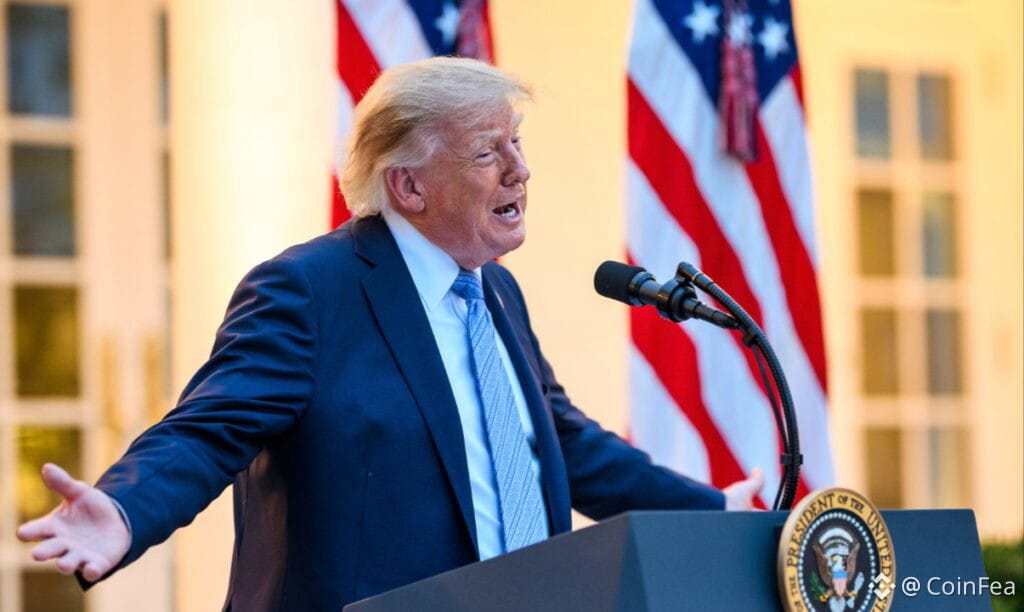
Donald Trump Shuts Down Iran’s Plan to Reopen Strait of HormuzPresident Donald Trump has rejected Iran’s seven-day ceasefire proposal, leaving the Strait of Hormuz closed and nuclear talks stuck. U.S. officials said Trump has also told aides he expects American bombing of Iran to restart after the November midterm elections.
Cryptopolitan previously reported that in return for opening the strait and resuming nuclear talks, Tehran requested that the U.S. lift the embargo on its ports, which has caused immense damage to its economy. Trump, though, announced to the public that Tehran seeks an agreement after the elections and that any agreement must get rid of its nuclear program. Privately, Trump is less sure Iran will accept his demands. Officials said he has told staff that another bombing campaign is likely.
Trump likely to reconsider stance soon
Although Trump has declared many times before that he was victorious after the start of the war, his tactics have fluctuated between negotiations, strikes, and stronger sanctions. Officials allegedly said his position could change over the coming weeks and may be shaped by the midterm results. The size of any future U.S. attack has not been decided. Officials could not determine how extensive those strikes might be.
Officials said Trump is reluctant to restart a major combat campaign because Washington wants to preserve shrinking weapons stockpiles for other possible conflicts. Still, he has threatened large attacks when talks with Tehran stall. He has sometimes followed through, while stopping short of his most extreme warnings, including threats to destroy Iran. Trump addressed Iran at the United Nations General Assembly this week and said electoral politics would not affect his decisions.
“The Republican Party is running, and I’ll be helping them, but I am not running. I gave absolutely no credence and will not give credence through the election when it comes to Iran. The only thing that does is that Iran will never have a nuclear weapon.” He has also told Republicans to vote as if his name were on the November ballot. The Senate rejected a war powers resolution aimed at restricting Trump’s authority over the Iran war. The measure had passed the House, but senators voted it down this week.
Qatar continues to push for negotiations
A U.S. official said Washington and Tehran are still talking through mediators, including about Iran’s nuclear program. An American-led operation helping oil tankers move through the Strait of Hormuz has also reduced Washington’s need to rush into an agreement. Qatar and other regional mediators have been working to restart U.S.-Iran talks. During a meeting in Qatar on Sunday, Iran proposed a seven-day pause that could lead to an end to attacks on shipping if Washington removed its blockade.
Reporting around the General Assembly confirmed Tehran has been promoting a seven-day roadmap built around reopening Hormuz and restarting nuclear discussions. Iran’s terms go beyond removing the naval blockade. Tehran wants Washington to unfreeze some Iranian assets and lift restrictions on Iranian oil exports. Iran would then reopen the Strait of Hormuz and begin negotiations over its nuclear program.
This message has been passed by the U.S. to Iran and its facilitators that Trump does not have any intention to lift the sea embargo on them. The American government assumes that economic sanctions would finally bring them to terms that suit America and the Arab countries of the Persian Gulf. Arab mediators said Iranian diplomats have offered several plans to stop the war and acknowledged Iran’s worsening economic crisis. The Islamic Revolutionary Guard Corps has taken a different position.
The powerful military and economic force, which has effectively run Iran since the war started in February, has said it will not consider new deal structures and is prepared for a prolonged conflict. Trump has informed Iran and the mediators of his desire to keep the maritime embargo. The Americans hope that by keeping up pressure on the Iranians economically, they will eventually agree to their terms and those of the Arab states around the Persian Gulf.
The post Donald Trump shuts down Iran’s plan to reopen Strait of Hormuz first appeared on Coinfea.
Donald Trump Shuts Down Iran’s Plan to Reopen Strait of Hormuz
President Donald Trump has rejected Iran’s seven-day ceasefire proposal, leaving the Strait of Hormuz closed and nuclear talks stuck. U.S. officials said Trump has also told aides he expects American bombing of Iran to restart after the November midterm elections.
Cryptopolitan previously reported that in return for opening the strait and resuming nuclear talks, Tehran requested that the U.S. lift the embargo on its ports, which has caused immense damage to its economy. Trump, though, announced to the public that Tehran seeks an agreement after the elections and that any agreement must get rid of its nuclear program. Privately, Trump is less sure Iran will accept his demands. Officials said he has told staff that another bombing campaign is likely.
Trump likely to reconsider stance soon
Although Trump has declared many times before that he was victorious after the start of the war, his tactics have fluctuated between negotiations, strikes, and stronger sanctions. Officials allegedly said his position could change over the coming weeks and may be shaped by the midterm results. The size of any future U.S. attack has not been decided. Officials could not determine how extensive those strikes might be.
Officials said Trump is reluctant to restart a major combat campaign because Washington wants to preserve shrinking weapons stockpiles for other possible conflicts. Still, he has threatened large attacks when talks with Tehran stall. He has sometimes followed through, while stopping short of his most extreme warnings, including threats to destroy Iran. Trump addressed Iran at the United Nations General Assembly this week and said electoral politics would not affect his decisions.
“The Republican Party is running, and I’ll be helping them, but I am not running. I gave absolutely no credence and will not give credence through the election when it comes to Iran. The only thing that does is that Iran will never have a nuclear weapon.” He has also told Republicans to vote as if his name were on the November ballot. The Senate rejected a war powers resolution aimed at restricting Trump’s authority over the Iran war. The measure had passed the House, but senators voted it down this week.
Qatar continues to push for negotiations
A U.S. official said Washington and Tehran are still talking through mediators, including about Iran’s nuclear program. An American-led operation helping oil tankers move through the Strait of Hormuz has also reduced Washington’s need to rush into an agreement. Qatar and other regional mediators have been working to restart U.S.-Iran talks. During a meeting in Qatar on Sunday, Iran proposed a seven-day pause that could lead to an end to attacks on shipping if Washington removed its blockade.
Reporting around the General Assembly confirmed Tehran has been promoting a seven-day roadmap built around reopening Hormuz and restarting nuclear discussions. Iran’s terms go beyond removing the naval blockade. Tehran wants Washington to unfreeze some Iranian assets and lift restrictions on Iranian oil exports. Iran would then reopen the Strait of Hormuz and begin negotiations over its nuclear program.
This message has been passed by the U.S. to Iran and its facilitators that Trump does not have any intention to lift the sea embargo on them. The American government assumes that economic sanctions would finally bring them to terms that suit America and the Arab countries of the Persian Gulf. Arab mediators said Iranian diplomats have offered several plans to stop the war and acknowledged Iran’s worsening economic crisis. The Islamic Revolutionary Guard Corps has taken a different position.
The powerful military and economic force, which has effectively run Iran since the war started in February, has said it will not consider new deal structures and is prepared for a prolonged conflict. Trump has informed Iran and the mediators of his desire to keep the maritime embargo. The Americans hope that by keeping up pressure on the Iranians economically, they will eventually agree to their terms and those of the Arab states around the Persian Gulf.
The post Donald Trump shuts down Iran’s plan to reopen Strait of Hormuz first appeared on Coinfea.
Cryptopolitan previously reported that in return for opening the strait and resuming nuclear talks, Tehran requested that the U.S. lift the embargo on its ports, which has caused immense damage to its economy. Trump, though, announced to the public that Tehran seeks an agreement after the elections and that any agreement must get rid of its nuclear program. Privately, Trump is less sure Iran will accept his demands. Officials said he has told staff that another bombing campaign is likely.
Trump likely to reconsider stance soon
Although Trump has declared many times before that he was victorious after the start of the war, his tactics have fluctuated between negotiations, strikes, and stronger sanctions. Officials allegedly said his position could change over the coming weeks and may be shaped by the midterm results. The size of any future U.S. attack has not been decided. Officials could not determine how extensive those strikes might be.
Officials said Trump is reluctant to restart a major combat campaign because Washington wants to preserve shrinking weapons stockpiles for other possible conflicts. Still, he has threatened large attacks when talks with Tehran stall. He has sometimes followed through, while stopping short of his most extreme warnings, including threats to destroy Iran. Trump addressed Iran at the United Nations General Assembly this week and said electoral politics would not affect his decisions.
“The Republican Party is running, and I’ll be helping them, but I am not running. I gave absolutely no credence and will not give credence through the election when it comes to Iran. The only thing that does is that Iran will never have a nuclear weapon.” He has also told Republicans to vote as if his name were on the November ballot. The Senate rejected a war powers resolution aimed at restricting Trump’s authority over the Iran war. The measure had passed the House, but senators voted it down this week.
Qatar continues to push for negotiations
A U.S. official said Washington and Tehran are still talking through mediators, including about Iran’s nuclear program. An American-led operation helping oil tankers move through the Strait of Hormuz has also reduced Washington’s need to rush into an agreement. Qatar and other regional mediators have been working to restart U.S.-Iran talks. During a meeting in Qatar on Sunday, Iran proposed a seven-day pause that could lead to an end to attacks on shipping if Washington removed its blockade.
Reporting around the General Assembly confirmed Tehran has been promoting a seven-day roadmap built around reopening Hormuz and restarting nuclear discussions. Iran’s terms go beyond removing the naval blockade. Tehran wants Washington to unfreeze some Iranian assets and lift restrictions on Iranian oil exports. Iran would then reopen the Strait of Hormuz and begin negotiations over its nuclear program.
This message has been passed by the U.S. to Iran and its facilitators that Trump does not have any intention to lift the sea embargo on them. The American government assumes that economic sanctions would finally bring them to terms that suit America and the Arab countries of the Persian Gulf. Arab mediators said Iranian diplomats have offered several plans to stop the war and acknowledged Iran’s worsening economic crisis. The Islamic Revolutionary Guard Corps has taken a different position.
The powerful military and economic force, which has effectively run Iran since the war started in February, has said it will not consider new deal structures and is prepared for a prolonged conflict. Trump has informed Iran and the mediators of his desire to keep the maritime embargo. The Americans hope that by keeping up pressure on the Iranians economically, they will eventually agree to their terms and those of the Arab states around the Persian Gulf.
The post Donald Trump shuts down Iran’s plan to reopen Strait of Hormuz first appeared on Coinfea.
124
·
--

Məqalə
Bitcoin ETF-ləri altı günlük daxilolma seriyasını uzadır; gündəlik tələb 191 milyon dollara qədər yavaşlayırABŞ spot Bitcoin ETF-ləri cümə axşamı investor tələbi cəlb etməyə davam edib və xalis daxilolma seriyasını altı ardıcıl sessiyaya uzadıb.
Son daxilolmalar Bitcoin investisiya məhsullarına marağın davam etdiyini göstərir, baxmayaraq ki, gündəlik tələb həftənin əvvəlindəki rekord göstəricilərdən yavaşlayıb. İnvestorlar Bitcoin-in son geri çəkilməsini və törəmə bazarındakı daha geniş aktivliyi izlədikcə bazarda sabit yığılma tendensiyası müşahidə olunub.
ABŞ-da 12 spot Bitcoin ETF-i cümə axşamı təxminən 191 milyon dollar xalis daxilolma qeydə alıb; bu, cari altı günlük seriya daxilində ən kiçik gündəlik daxilolmadır. Ümumi daxilolma həcmi artıq 2,8 milyard dolları keçib və son yavaşlamaya baxmayaraq davamlı tələbi göstərir.
Bitcoin ETF-ləri altı günlük daxilolma seriyasını uzadır; gündəlik tələb 191 milyon dollara qədər yavaşlayır
ABŞ spot Bitcoin ETF-ləri cümə axşamı investor tələbi cəlb etməyə davam edib və xalis daxilolma seriyasını altı ardıcıl sessiyaya uzadıb.
Son daxilolmalar Bitcoin investisiya məhsullarına marağın davam etdiyini göstərir, baxmayaraq ki, gündəlik tələb həftənin əvvəlindəki rekord göstəricilərdən yavaşlayıb. İnvestorlar Bitcoin-in son geri çəkilməsini və törəmə bazarındakı daha geniş aktivliyi izlədikcə bazarda sabit yığılma tendensiyası müşahidə olunub.
ABŞ-da 12 spot Bitcoin ETF-i cümə axşamı təxminən 191 milyon dollar xalis daxilolma qeydə alıb; bu, cari altı günlük seriya daxilində ən kiçik gündəlik daxilolmadır. Ümumi daxilolma həcmi artıq 2,8 milyard dolları keçib və son yavaşlamaya baxmayaraq davamlı tələbi göstərir.
Son daxilolmalar Bitcoin investisiya məhsullarına marağın davam etdiyini göstərir, baxmayaraq ki, gündəlik tələb həftənin əvvəlindəki rekord göstəricilərdən yavaşlayıb. İnvestorlar Bitcoin-in son geri çəkilməsini və törəmə bazarındakı daha geniş aktivliyi izlədikcə bazarda sabit yığılma tendensiyası müşahidə olunub.
ABŞ-da 12 spot Bitcoin ETF-i cümə axşamı təxminən 191 milyon dollar xalis daxilolma qeydə alıb; bu, cari altı günlük seriya daxilində ən kiçik gündəlik daxilolmadır. Ümumi daxilolma həcmi artıq 2,8 milyard dolları keçib və son yavaşlamaya baxmayaraq davamlı tələbi göstərir.
1
1.9k
·
--
Məqalə
Tərcüməyə bax
CoinMarketCap Acquires CoinGlass to Bring Crypto Derivatives Data to 115 Million UsersCoinMarketCap has expanded its market data offering after acquiring crypto derivatives tracker CoinGlass.
The deal brings leverage-focused trading information closer to a wider cryptocurrency audience. CoinGlass will continue operating under its existing structure while adding its data to CoinMarketCap’s platform. The acquisition highlights the growing demand for derivatives analytics across the digital asset market.
The acquisition has already closed, although both companies did not disclose the financial terms. CoinMarketCap said it will integrate CoinGlass data covering liquidations, funding rates, and open interest for its 115 million monthly users.
CoinGlass derivatives data expands across CoinMarketCap platform
CoinGlass will maintain its independent brand, application, API services, pricing model, and existing team after the acquisition. The derivatives tracker has monitored more than 2,500 instruments across 28 exchanges since launching in 2019.
The platform currently serves more than 5 million monthly users and supports over 10,000 API customers, according to CoinMarketCap. Its tools provide traders with insights into market leverage, liquidation activity, and derivatives positioning.
CoinMarketCap said CoinGlass’s liquidation heatmap has become one of the most widely shared trading tools among cryptocurrency market participants. The company plans to place derivatives metrics alongside spot market prices across its platform.
CoinMarketCap chief executive Rush said CoinGlass users should experience no changes following the acquisition. The company confirmed that its website, mobile application, free tools, API access, and fee structure will remain unchanged.
David Salamon, CoinMarketCap’s chief product officer, said CoinGlass helped make leverage data easier for everyday traders to access. He added that derivatives now represent a major share of overall crypto trading activity.
The integration will allow users to view spot prices and derivatives information together. This approach gives market participants access to broader trading data from a single platform.
Binance ownership history and growing crypto data competition
CoinGlass previously became part of Binance after the exchange acquired CoinMarketCap in April 2020. Binance said at the time that CoinMarketCap would remain independent and that the exchange would not influence its rankings.
The latest acquisition adds to a broader wave of consolidation among cryptocurrency data providers. Companies have increased their focus on institutional-grade market information as demand for reliable analytics grows.
Blockworks acquired rival crypto data company Messari in June. Meanwhile, S&P Global led an extension of Kaiko’s Series B funding round to $110 million in September.
CoinMarketCap’s expansion into derivatives data comes as traders increasingly rely on metrics beyond traditional spot prices. Open interest, funding rates, and liquidation data have become key indicators for understanding market positioning.
By integrating CoinGlass data, CoinMarketCap aims to provide a wider view of cryptocurrency markets. The company will continue offering CoinGlass services separately while expanding access to derivatives analytics through its existing user base.
The post CoinMarketCap acquires CoinGlass to bring Crypto derivatives data to 115 million users first appeared on Coinfea.
CoinMarketCap Acquires CoinGlass to Bring Crypto Derivatives Data to 115 Million Users
CoinMarketCap has expanded its market data offering after acquiring crypto derivatives tracker CoinGlass.
The deal brings leverage-focused trading information closer to a wider cryptocurrency audience. CoinGlass will continue operating under its existing structure while adding its data to CoinMarketCap’s platform. The acquisition highlights the growing demand for derivatives analytics across the digital asset market.
The acquisition has already closed, although both companies did not disclose the financial terms. CoinMarketCap said it will integrate CoinGlass data covering liquidations, funding rates, and open interest for its 115 million monthly users.
CoinGlass derivatives data expands across CoinMarketCap platform
CoinGlass will maintain its independent brand, application, API services, pricing model, and existing team after the acquisition. The derivatives tracker has monitored more than 2,500 instruments across 28 exchanges since launching in 2019.
The platform currently serves more than 5 million monthly users and supports over 10,000 API customers, according to CoinMarketCap. Its tools provide traders with insights into market leverage, liquidation activity, and derivatives positioning.
CoinMarketCap said CoinGlass’s liquidation heatmap has become one of the most widely shared trading tools among cryptocurrency market participants. The company plans to place derivatives metrics alongside spot market prices across its platform.
CoinMarketCap chief executive Rush said CoinGlass users should experience no changes following the acquisition. The company confirmed that its website, mobile application, free tools, API access, and fee structure will remain unchanged.
David Salamon, CoinMarketCap’s chief product officer, said CoinGlass helped make leverage data easier for everyday traders to access. He added that derivatives now represent a major share of overall crypto trading activity.
The integration will allow users to view spot prices and derivatives information together. This approach gives market participants access to broader trading data from a single platform.
Binance ownership history and growing crypto data competition
CoinGlass previously became part of Binance after the exchange acquired CoinMarketCap in April 2020. Binance said at the time that CoinMarketCap would remain independent and that the exchange would not influence its rankings.
The latest acquisition adds to a broader wave of consolidation among cryptocurrency data providers. Companies have increased their focus on institutional-grade market information as demand for reliable analytics grows.
Blockworks acquired rival crypto data company Messari in June. Meanwhile, S&P Global led an extension of Kaiko’s Series B funding round to $110 million in September.
CoinMarketCap’s expansion into derivatives data comes as traders increasingly rely on metrics beyond traditional spot prices. Open interest, funding rates, and liquidation data have become key indicators for understanding market positioning.
By integrating CoinGlass data, CoinMarketCap aims to provide a wider view of cryptocurrency markets. The company will continue offering CoinGlass services separately while expanding access to derivatives analytics through its existing user base.
The post CoinMarketCap acquires CoinGlass to bring Crypto derivatives data to 115 million users first appeared on Coinfea.
The deal brings leverage-focused trading information closer to a wider cryptocurrency audience. CoinGlass will continue operating under its existing structure while adding its data to CoinMarketCap’s platform. The acquisition highlights the growing demand for derivatives analytics across the digital asset market.
The acquisition has already closed, although both companies did not disclose the financial terms. CoinMarketCap said it will integrate CoinGlass data covering liquidations, funding rates, and open interest for its 115 million monthly users.
CoinGlass derivatives data expands across CoinMarketCap platform
CoinGlass will maintain its independent brand, application, API services, pricing model, and existing team after the acquisition. The derivatives tracker has monitored more than 2,500 instruments across 28 exchanges since launching in 2019.
The platform currently serves more than 5 million monthly users and supports over 10,000 API customers, according to CoinMarketCap. Its tools provide traders with insights into market leverage, liquidation activity, and derivatives positioning.
CoinMarketCap said CoinGlass’s liquidation heatmap has become one of the most widely shared trading tools among cryptocurrency market participants. The company plans to place derivatives metrics alongside spot market prices across its platform.
CoinMarketCap chief executive Rush said CoinGlass users should experience no changes following the acquisition. The company confirmed that its website, mobile application, free tools, API access, and fee structure will remain unchanged.
David Salamon, CoinMarketCap’s chief product officer, said CoinGlass helped make leverage data easier for everyday traders to access. He added that derivatives now represent a major share of overall crypto trading activity.
The integration will allow users to view spot prices and derivatives information together. This approach gives market participants access to broader trading data from a single platform.
Binance ownership history and growing crypto data competition
CoinGlass previously became part of Binance after the exchange acquired CoinMarketCap in April 2020. Binance said at the time that CoinMarketCap would remain independent and that the exchange would not influence its rankings.
The latest acquisition adds to a broader wave of consolidation among cryptocurrency data providers. Companies have increased their focus on institutional-grade market information as demand for reliable analytics grows.
Blockworks acquired rival crypto data company Messari in June. Meanwhile, S&P Global led an extension of Kaiko’s Series B funding round to $110 million in September.
CoinMarketCap’s expansion into derivatives data comes as traders increasingly rely on metrics beyond traditional spot prices. Open interest, funding rates, and liquidation data have become key indicators for understanding market positioning.
By integrating CoinGlass data, CoinMarketCap aims to provide a wider view of cryptocurrency markets. The company will continue offering CoinGlass services separately while expanding access to derivatives analytics through its existing user base.
The post CoinMarketCap acquires CoinGlass to bring Crypto derivatives data to 115 million users first appeared on Coinfea.
131
·
--
Məqalə
Tərcüməyə bax
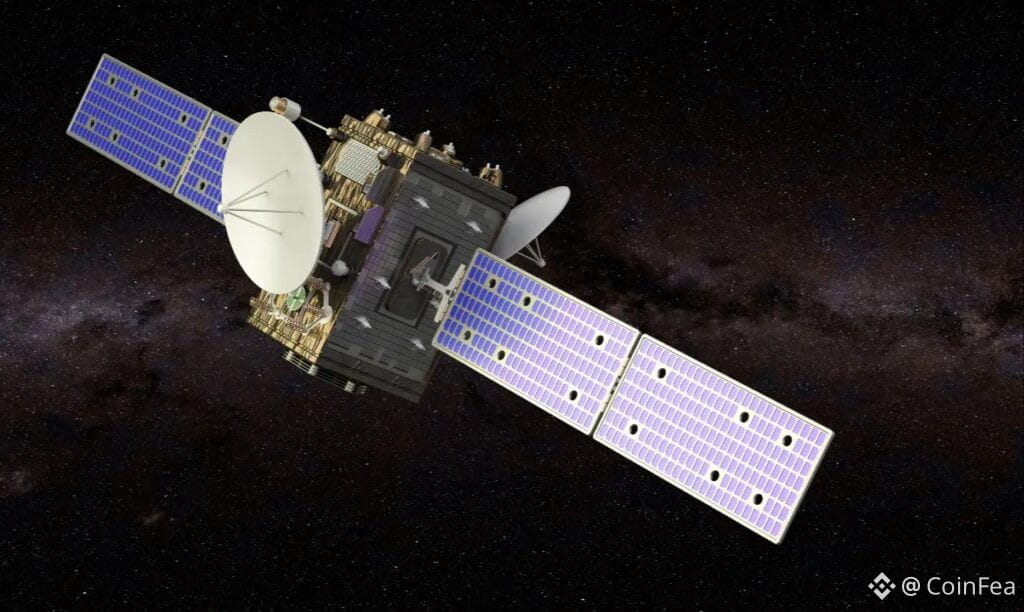
Google Set to Launch AI Chips Into Orbit on October 1Google has announced that it will send a satellite carrying its own AI processors into low Earth orbit on October 1. The launch aims to test whether the chips can survive in space and puts Google’s Project Suncatcher program ahead of rivals like Elon Musk’s SpaceX.
Google has announced that it will launch a satellite carrying its Tensor Processing Units, the custom chips it uses to run AI workloads, into low Earth orbit. The satellite will reportedly fly aboard a SpaceX Falcon 9 as part of the Transporter-18 rideshare mission. A trip to low Earth orbit lasts about 10 minutes, and individual components can face forces of 50 to 100 times gravity along the way. Google’s test will give it data on how the TPUs cope in orbit and with the vibration and acceleration of launch and the radiation and heat swings of space.
Google claims test launch was a success
The company said it already mimicked a launch by shaking a satellite on all three axes. The TPUs involved in that test were also put through a proton beam, and they survived. Project Suncatcher is a research effort Google announced in November 2025, aimed at eventually putting solar-powered AI data centers in orbit. Google says that satellites see near-constant sunlight in low Earth orbit and can generate up to eight times more solar energy than panels on the ground.
Travis Beals, the senior director leading the program, has reportedly stated that the chips can run for only about 15 minutes before they need to shut off and cool down. Google is testing an orbital cooling setup built around heat pipes and radiators to solve that issue. Google plans to put two more satellites in orbit in 2027. Elon Musk announced in February that he would merge SpaceX and xAI in a deal valued at $1.25 trillion, arguing that “space-based AI is obviously the only way to scale.”
However, Cryptopolitan reported in February that SpaceX has since asked the Federal Communications Commission (FCC) to approve its plan to launch up to 1 million data-center satellites to train xAI models. Jeff Bezos’ company Blue Origin has also asked the FCC for permission to deploy close to 52,000 solar-powered satellites for AI computing, following applications from SpaceX and the startup Starcloud. Former Google CEO Eric Schmidt has also entered the field, buying the launch firm Relativity Space.
The shared logic is that AI’s appetite for electricity is outgrowing what’s available. Schmidt told a House committee that data centers could need 29 more gigawatts of power than they do now by 2027. Google also suggested in an analysis published alongside its 2025 announcement that running a data center in orbit could become roughly comparable in cost to running one on Earth by the mid-2030s.
The post Google set to launch AI chips into orbit on October 1 first appeared on Coinfea.
Google Set to Launch AI Chips Into Orbit on October 1
Google has announced that it will send a satellite carrying its own AI processors into low Earth orbit on October 1. The launch aims to test whether the chips can survive in space and puts Google’s Project Suncatcher program ahead of rivals like Elon Musk’s SpaceX.
Google has announced that it will launch a satellite carrying its Tensor Processing Units, the custom chips it uses to run AI workloads, into low Earth orbit. The satellite will reportedly fly aboard a SpaceX Falcon 9 as part of the Transporter-18 rideshare mission. A trip to low Earth orbit lasts about 10 minutes, and individual components can face forces of 50 to 100 times gravity along the way. Google’s test will give it data on how the TPUs cope in orbit and with the vibration and acceleration of launch and the radiation and heat swings of space.
Google claims test launch was a success
The company said it already mimicked a launch by shaking a satellite on all three axes. The TPUs involved in that test were also put through a proton beam, and they survived. Project Suncatcher is a research effort Google announced in November 2025, aimed at eventually putting solar-powered AI data centers in orbit. Google says that satellites see near-constant sunlight in low Earth orbit and can generate up to eight times more solar energy than panels on the ground.
Travis Beals, the senior director leading the program, has reportedly stated that the chips can run for only about 15 minutes before they need to shut off and cool down. Google is testing an orbital cooling setup built around heat pipes and radiators to solve that issue. Google plans to put two more satellites in orbit in 2027. Elon Musk announced in February that he would merge SpaceX and xAI in a deal valued at $1.25 trillion, arguing that “space-based AI is obviously the only way to scale.”
However, Cryptopolitan reported in February that SpaceX has since asked the Federal Communications Commission (FCC) to approve its plan to launch up to 1 million data-center satellites to train xAI models. Jeff Bezos’ company Blue Origin has also asked the FCC for permission to deploy close to 52,000 solar-powered satellites for AI computing, following applications from SpaceX and the startup Starcloud. Former Google CEO Eric Schmidt has also entered the field, buying the launch firm Relativity Space.
The shared logic is that AI’s appetite for electricity is outgrowing what’s available. Schmidt told a House committee that data centers could need 29 more gigawatts of power than they do now by 2027. Google also suggested in an analysis published alongside its 2025 announcement that running a data center in orbit could become roughly comparable in cost to running one on Earth by the mid-2030s.
The post Google set to launch AI chips into orbit on October 1 first appeared on Coinfea.
Google has announced that it will launch a satellite carrying its Tensor Processing Units, the custom chips it uses to run AI workloads, into low Earth orbit. The satellite will reportedly fly aboard a SpaceX Falcon 9 as part of the Transporter-18 rideshare mission. A trip to low Earth orbit lasts about 10 minutes, and individual components can face forces of 50 to 100 times gravity along the way. Google’s test will give it data on how the TPUs cope in orbit and with the vibration and acceleration of launch and the radiation and heat swings of space.
Google claims test launch was a success
The company said it already mimicked a launch by shaking a satellite on all three axes. The TPUs involved in that test were also put through a proton beam, and they survived. Project Suncatcher is a research effort Google announced in November 2025, aimed at eventually putting solar-powered AI data centers in orbit. Google says that satellites see near-constant sunlight in low Earth orbit and can generate up to eight times more solar energy than panels on the ground.
Travis Beals, the senior director leading the program, has reportedly stated that the chips can run for only about 15 minutes before they need to shut off and cool down. Google is testing an orbital cooling setup built around heat pipes and radiators to solve that issue. Google plans to put two more satellites in orbit in 2027. Elon Musk announced in February that he would merge SpaceX and xAI in a deal valued at $1.25 trillion, arguing that “space-based AI is obviously the only way to scale.”
However, Cryptopolitan reported in February that SpaceX has since asked the Federal Communications Commission (FCC) to approve its plan to launch up to 1 million data-center satellites to train xAI models. Jeff Bezos’ company Blue Origin has also asked the FCC for permission to deploy close to 52,000 solar-powered satellites for AI computing, following applications from SpaceX and the startup Starcloud. Former Google CEO Eric Schmidt has also entered the field, buying the launch firm Relativity Space.
The shared logic is that AI’s appetite for electricity is outgrowing what’s available. Schmidt told a House committee that data centers could need 29 more gigawatts of power than they do now by 2027. Google also suggested in an analysis published alongside its 2025 announcement that running a data center in orbit could become roughly comparable in cost to running one on Earth by the mid-2030s.
The post Google set to launch AI chips into orbit on October 1 first appeared on Coinfea.
249
·
--

Məqalə
Coinbase Dəstək Fırıldaqçısı Kriptoda 16M dollar Oğurladıqdan Sonra 12 İlə ÜzləşirBruklində yaşayan bir kişi Coinbase-i təqlid edən və kriptovalyuta istifadəçilərini sosial mühəndislik taktikaları ilə hədəf alan fırıldaqçılıq işinə görə cəzalandırılıb.
Bu iş rəqəmsal aktiv platformaları üzrə saxta müştəri dəstəyi əməliyyatları ilə bağlı artan riskləri vurğulayır.
İddialara görə, dələduzluq sxemi qabaqcıl hakerlik texnikalarından yox, aldatmaya əsaslanırdı. Təhqiqatçılar operatoru ədalətə təhvil verməzdən əvvəl oğurlanmış vəsaitləri blokçeyn qeydləri və rəqəmsal sübutlar vasitəsilə izləyiblər.
Ronald Spektor, 23, Bruklindən, 23 sentyabrda təqsirli bildiyini etiraf etdikdən sonra təxminən 100 Coinbase istifadəçisindən kriptovalyutada təxminən 16 milyon dollar oğurlamağa görə dörd ildən 12 ilə qədər həbs cəzası aldı. O, oğurlanmış məbləğin demək olar ki, hamısını geri qaytararkən, həm də 500.000 dollardan çox nağd pul, kripto aktivlər və şəxsi əmlakı müsadirə etdirməlidir.
Coinbase Dəstək Fırıldaqçısı Kriptoda 16M dollar Oğurladıqdan Sonra 12 İlə Üzləşir
Bruklində yaşayan bir kişi Coinbase-i təqlid edən və kriptovalyuta istifadəçilərini sosial mühəndislik taktikaları ilə hədəf alan fırıldaqçılıq işinə görə cəzalandırılıb.
Bu iş rəqəmsal aktiv platformaları üzrə saxta müştəri dəstəyi əməliyyatları ilə bağlı artan riskləri vurğulayır.
İddialara görə, dələduzluq sxemi qabaqcıl hakerlik texnikalarından yox, aldatmaya əsaslanırdı. Təhqiqatçılar operatoru ədalətə təhvil verməzdən əvvəl oğurlanmış vəsaitləri blokçeyn qeydləri və rəqəmsal sübutlar vasitəsilə izləyiblər.
Ronald Spektor, 23, Bruklindən, 23 sentyabrda təqsirli bildiyini etiraf etdikdən sonra təxminən 100 Coinbase istifadəçisindən kriptovalyutada təxminən 16 milyon dollar oğurlamağa görə dörd ildən 12 ilə qədər həbs cəzası aldı. O, oğurlanmış məbləğin demək olar ki, hamısını geri qaytararkən, həm də 500.000 dollardan çox nağd pul, kripto aktivlər və şəxsi əmlakı müsadirə etdirməlidir.
Bu iş rəqəmsal aktiv platformaları üzrə saxta müştəri dəstəyi əməliyyatları ilə bağlı artan riskləri vurğulayır.
İddialara görə, dələduzluq sxemi qabaqcıl hakerlik texnikalarından yox, aldatmaya əsaslanırdı. Təhqiqatçılar operatoru ədalətə təhvil verməzdən əvvəl oğurlanmış vəsaitləri blokçeyn qeydləri və rəqəmsal sübutlar vasitəsilə izləyiblər.
Ronald Spektor, 23, Bruklindən, 23 sentyabrda təqsirli bildiyini etiraf etdikdən sonra təxminən 100 Coinbase istifadəçisindən kriptovalyutada təxminən 16 milyon dollar oğurlamağa görə dörd ildən 12 ilə qədər həbs cəzası aldı. O, oğurlanmış məbləğin demək olar ki, hamısını geri qaytararkən, həm də 500.000 dollardan çox nağd pul, kripto aktivlər və şəxsi əmlakı müsadirə etdirməlidir.
215
·
--

Məqalə
Tərcüməyə bax
United Kingdom Regulator Wants ChatGPT and Perplexity Available on AndroidThe United Kingdom competition regulator wants Google to give Android and Chrome users more control over which services they use to search the web, including AI assistants such as ChatGPT and Perplexity.
The Competition and Markets Authority (CMA) of the United Kingdom unveiled the strengthened proposals on Wednesday, which would also require Google to ask users if they want to keep or change their default search provider annually. The CMA has now updated the proposal it initially sent in for search choices as AI assistants such as ChatGPT and Perplexity become more widely used. The regulator first proposed the rules in early 2026, but now claims the latest changes are a direct reflection of how quickly the way people search for information is changing.
United Kingdom CMA sets deadline for October 9
The proposal’s consultation has a deadline set for October 9, with the CMA expected to make a final decision on the search-choice requirement by the end of the year. Google will be expected to give Android users a list of available search services when they set up a phone, and Chrome users would also receive a similar choice the first time they launch the browser. The company would then have to show the prompt again each year, giving users another chance to change their default annually.
AI assistants could also be included on those choice screens if they meet the CMA’s technical and security requirements. Another important requirement added to the proposal for providers that would potentially make the list is clearly attributing publisher content so users can see where information came from and access the source. UK users can already change their search provider on Android and Chrome, but the annual reminder would be a completely new requirement. Google had argued that showing users a search-choice screen every year could become frustrating.
Instead, the company proposed a permanent option in device settings that would let users change their search provider whenever they wanted. The CMA, however, rejected that approach and kept the annual prompt in its revised proposals. AI assistants also raise a technical issue, as they all work in different ways, which could cause a bit of a problem. Google’s Gemini is built into Google Search, with ChatGPT and Perplexity both being separate services that would need to work differently and have custom integrations.
The search-choice proposal is the latest step in the CMA’s wider case against Google. This case started in October 2025, after the regulator noted the tech giant as having strategic market status in general search and search advertising. The UK regulator has already introduced other measures, including publisher controls in June and new requirements focused on fair ranking and data portability later on. The Professional Publishers Association has sought an exemption, while the News Media Association warned that the changes could send less traffic to publishers.
The post United Kingdom regulator wants ChatGPT and Perplexity available on Android first appeared on Coinfea.
United Kingdom Regulator Wants ChatGPT and Perplexity Available on Android
The United Kingdom competition regulator wants Google to give Android and Chrome users more control over which services they use to search the web, including AI assistants such as ChatGPT and Perplexity.
The Competition and Markets Authority (CMA) of the United Kingdom unveiled the strengthened proposals on Wednesday, which would also require Google to ask users if they want to keep or change their default search provider annually. The CMA has now updated the proposal it initially sent in for search choices as AI assistants such as ChatGPT and Perplexity become more widely used. The regulator first proposed the rules in early 2026, but now claims the latest changes are a direct reflection of how quickly the way people search for information is changing.
United Kingdom CMA sets deadline for October 9
The proposal’s consultation has a deadline set for October 9, with the CMA expected to make a final decision on the search-choice requirement by the end of the year. Google will be expected to give Android users a list of available search services when they set up a phone, and Chrome users would also receive a similar choice the first time they launch the browser. The company would then have to show the prompt again each year, giving users another chance to change their default annually.
AI assistants could also be included on those choice screens if they meet the CMA’s technical and security requirements. Another important requirement added to the proposal for providers that would potentially make the list is clearly attributing publisher content so users can see where information came from and access the source. UK users can already change their search provider on Android and Chrome, but the annual reminder would be a completely new requirement. Google had argued that showing users a search-choice screen every year could become frustrating.
Instead, the company proposed a permanent option in device settings that would let users change their search provider whenever they wanted. The CMA, however, rejected that approach and kept the annual prompt in its revised proposals. AI assistants also raise a technical issue, as they all work in different ways, which could cause a bit of a problem. Google’s Gemini is built into Google Search, with ChatGPT and Perplexity both being separate services that would need to work differently and have custom integrations.
The search-choice proposal is the latest step in the CMA’s wider case against Google. This case started in October 2025, after the regulator noted the tech giant as having strategic market status in general search and search advertising. The UK regulator has already introduced other measures, including publisher controls in June and new requirements focused on fair ranking and data portability later on. The Professional Publishers Association has sought an exemption, while the News Media Association warned that the changes could send less traffic to publishers.
The post United Kingdom regulator wants ChatGPT and Perplexity available on Android first appeared on Coinfea.
The Competition and Markets Authority (CMA) of the United Kingdom unveiled the strengthened proposals on Wednesday, which would also require Google to ask users if they want to keep or change their default search provider annually. The CMA has now updated the proposal it initially sent in for search choices as AI assistants such as ChatGPT and Perplexity become more widely used. The regulator first proposed the rules in early 2026, but now claims the latest changes are a direct reflection of how quickly the way people search for information is changing.
United Kingdom CMA sets deadline for October 9
The proposal’s consultation has a deadline set for October 9, with the CMA expected to make a final decision on the search-choice requirement by the end of the year. Google will be expected to give Android users a list of available search services when they set up a phone, and Chrome users would also receive a similar choice the first time they launch the browser. The company would then have to show the prompt again each year, giving users another chance to change their default annually.
AI assistants could also be included on those choice screens if they meet the CMA’s technical and security requirements. Another important requirement added to the proposal for providers that would potentially make the list is clearly attributing publisher content so users can see where information came from and access the source. UK users can already change their search provider on Android and Chrome, but the annual reminder would be a completely new requirement. Google had argued that showing users a search-choice screen every year could become frustrating.
Instead, the company proposed a permanent option in device settings that would let users change their search provider whenever they wanted. The CMA, however, rejected that approach and kept the annual prompt in its revised proposals. AI assistants also raise a technical issue, as they all work in different ways, which could cause a bit of a problem. Google’s Gemini is built into Google Search, with ChatGPT and Perplexity both being separate services that would need to work differently and have custom integrations.
The search-choice proposal is the latest step in the CMA’s wider case against Google. This case started in October 2025, after the regulator noted the tech giant as having strategic market status in general search and search advertising. The UK regulator has already introduced other measures, including publisher controls in June and new requirements focused on fair ranking and data portability later on. The Professional Publishers Association has sought an exemption, while the News Media Association warned that the changes could send less traffic to publishers.
The post United Kingdom regulator wants ChatGPT and Perplexity available on Android first appeared on Coinfea.
113
·
--

Məqalə
Tərcüməyə bax
56% of U.S. Adults Have Never Heard of Stablecoins, Visa Survey ShowsVisa found that more than half of U.S. adults have never heard of stablecoins, highlighting a major awareness gap around digital payment technology.
The company’s latest survey showed that trust, security protections, and financial institution involvement remain key factors influencing adoption. Many respondents still associate stablecoins with volatile cryptocurrencies such as bitcoin.
The findings come as payment companies continue exploring stablecoins for cross-border transactions and digital finance.
Visa survey shows limited stablecoin awareness among U.S. adults
A Visa survey released Wednesday found that 56% of U.S. adults have never heard of stablecoins. Among those familiar with the technology, many incorrectly believe the tokens fluctuate in value like bitcoin.
The findings appeared in Visa’s Money Travels 2026 report, which examined how technology is changing remittances and international payments. Morning Consult conducted the survey for Visa among 2,192 U.S. adults between Feb. 24 and March 2.
The wider study included 45,445 respondents across 20 global markets. Visa said the results show that awareness remains a challenge as digital payment tools expand.
The survey also examined how additional protections could influence stablecoin adoption. When respondents considered a scenario involving bank-level fraud protection and deposit insurance, interest in using stablecoins increased from 36% to 56%.
Visa noted that stablecoins do not currently receive protections from deposit insurance programs such as the Federal Deposit Insurance Corporation (FDIC).
Trust in the provider also played a major role in adoption decisions. According to the survey, 64% of respondents said confidence depends more on the organization offering a payment method than the underlying technology.
When stablecoins came through an existing financial provider, willingness to use them increased from 36% to 45%.
Financial institutions remain central to digital currency trust
Traditional financial institutions received stronger confidence ratings from respondents when asked about digital currency services. Commercial banks gained trust from 61% of participants, while global payment networks received 60%.
The results suggest that many consumers may prefer digital currency products connected to familiar financial providers rather than unfamiliar platforms.
Visa’s research also highlighted concerns around international payment scams. About 36% of respondents said they had encountered fraud linked to sending money across borders.
Fake messages, account impersonation and fraudulent investment schemes ranked among the most common scams reported by participants. The survey found that 24% of respondents had received AI-generated messages that appeared authentic.
Concerns around artificial intelligence misuse also affected consumer confidence. Around 44% of respondents said they feared AI-generated deepfakes could impersonate family members.
The report showed that international payments create financial pressure for some users. About one in five respondents said they reduced their own spending to support family members abroad.
“The future of the industry will be won by the providers that work hardest to earn that trust,” said Vira Platonova, Global Head of Visa Direct.
Visa has expanded its involvement in stablecoin-related payment services. The company said it now supports more than 160 stablecoin-linked card programs, nearly three times the number it had a year earlier.
The survey results indicate that broader stablecoin adoption may depend on improving public awareness, strengthening consumer protections and increasing trust in the companies offering digital payment services.
The post 56% of U.S. adults have never heard of stablecoins, visa survey shows first appeared on Coinfea.
56% of U.S. Adults Have Never Heard of Stablecoins, Visa Survey Shows
Visa found that more than half of U.S. adults have never heard of stablecoins, highlighting a major awareness gap around digital payment technology.
The company’s latest survey showed that trust, security protections, and financial institution involvement remain key factors influencing adoption. Many respondents still associate stablecoins with volatile cryptocurrencies such as bitcoin.
The findings come as payment companies continue exploring stablecoins for cross-border transactions and digital finance.
Visa survey shows limited stablecoin awareness among U.S. adults
A Visa survey released Wednesday found that 56% of U.S. adults have never heard of stablecoins. Among those familiar with the technology, many incorrectly believe the tokens fluctuate in value like bitcoin.
The findings appeared in Visa’s Money Travels 2026 report, which examined how technology is changing remittances and international payments. Morning Consult conducted the survey for Visa among 2,192 U.S. adults between Feb. 24 and March 2.
The wider study included 45,445 respondents across 20 global markets. Visa said the results show that awareness remains a challenge as digital payment tools expand.
The survey also examined how additional protections could influence stablecoin adoption. When respondents considered a scenario involving bank-level fraud protection and deposit insurance, interest in using stablecoins increased from 36% to 56%.
Visa noted that stablecoins do not currently receive protections from deposit insurance programs such as the Federal Deposit Insurance Corporation (FDIC).
Trust in the provider also played a major role in adoption decisions. According to the survey, 64% of respondents said confidence depends more on the organization offering a payment method than the underlying technology.
When stablecoins came through an existing financial provider, willingness to use them increased from 36% to 45%.
Financial institutions remain central to digital currency trust
Traditional financial institutions received stronger confidence ratings from respondents when asked about digital currency services. Commercial banks gained trust from 61% of participants, while global payment networks received 60%.
The results suggest that many consumers may prefer digital currency products connected to familiar financial providers rather than unfamiliar platforms.
Visa’s research also highlighted concerns around international payment scams. About 36% of respondents said they had encountered fraud linked to sending money across borders.
Fake messages, account impersonation and fraudulent investment schemes ranked among the most common scams reported by participants. The survey found that 24% of respondents had received AI-generated messages that appeared authentic.
Concerns around artificial intelligence misuse also affected consumer confidence. Around 44% of respondents said they feared AI-generated deepfakes could impersonate family members.
The report showed that international payments create financial pressure for some users. About one in five respondents said they reduced their own spending to support family members abroad.
“The future of the industry will be won by the providers that work hardest to earn that trust,” said Vira Platonova, Global Head of Visa Direct.
Visa has expanded its involvement in stablecoin-related payment services. The company said it now supports more than 160 stablecoin-linked card programs, nearly three times the number it had a year earlier.
The survey results indicate that broader stablecoin adoption may depend on improving public awareness, strengthening consumer protections and increasing trust in the companies offering digital payment services.
The post 56% of U.S. adults have never heard of stablecoins, visa survey shows first appeared on Coinfea.
The company’s latest survey showed that trust, security protections, and financial institution involvement remain key factors influencing adoption. Many respondents still associate stablecoins with volatile cryptocurrencies such as bitcoin.
The findings come as payment companies continue exploring stablecoins for cross-border transactions and digital finance.
Visa survey shows limited stablecoin awareness among U.S. adults
A Visa survey released Wednesday found that 56% of U.S. adults have never heard of stablecoins. Among those familiar with the technology, many incorrectly believe the tokens fluctuate in value like bitcoin.
The findings appeared in Visa’s Money Travels 2026 report, which examined how technology is changing remittances and international payments. Morning Consult conducted the survey for Visa among 2,192 U.S. adults between Feb. 24 and March 2.
The wider study included 45,445 respondents across 20 global markets. Visa said the results show that awareness remains a challenge as digital payment tools expand.
The survey also examined how additional protections could influence stablecoin adoption. When respondents considered a scenario involving bank-level fraud protection and deposit insurance, interest in using stablecoins increased from 36% to 56%.
Visa noted that stablecoins do not currently receive protections from deposit insurance programs such as the Federal Deposit Insurance Corporation (FDIC).
Trust in the provider also played a major role in adoption decisions. According to the survey, 64% of respondents said confidence depends more on the organization offering a payment method than the underlying technology.
When stablecoins came through an existing financial provider, willingness to use them increased from 36% to 45%.
Financial institutions remain central to digital currency trust
Traditional financial institutions received stronger confidence ratings from respondents when asked about digital currency services. Commercial banks gained trust from 61% of participants, while global payment networks received 60%.
The results suggest that many consumers may prefer digital currency products connected to familiar financial providers rather than unfamiliar platforms.
Visa’s research also highlighted concerns around international payment scams. About 36% of respondents said they had encountered fraud linked to sending money across borders.
Fake messages, account impersonation and fraudulent investment schemes ranked among the most common scams reported by participants. The survey found that 24% of respondents had received AI-generated messages that appeared authentic.
Concerns around artificial intelligence misuse also affected consumer confidence. Around 44% of respondents said they feared AI-generated deepfakes could impersonate family members.
The report showed that international payments create financial pressure for some users. About one in five respondents said they reduced their own spending to support family members abroad.
“The future of the industry will be won by the providers that work hardest to earn that trust,” said Vira Platonova, Global Head of Visa Direct.
Visa has expanded its involvement in stablecoin-related payment services. The company said it now supports more than 160 stablecoin-linked card programs, nearly three times the number it had a year earlier.
The survey results indicate that broader stablecoin adoption may depend on improving public awareness, strengthening consumer protections and increasing trust in the companies offering digital payment services.
The post 56% of U.S. adults have never heard of stablecoins, visa survey shows first appeared on Coinfea.
1
160
·
--
Məqalə
Tərcüməyə bax
Verizon Pledges $70M to Free Nationwide AI TrainingVerizon is putting $70 million behind a nationwide effort to help Americans build AI skills, offering free training to job seekers, small-business owners, educators and workers whose jobs are being affected by automation. The initiative, called “Verizon AI Skills for America,” combines $50 million in new funding with $20 million Verizon had previously committed to AI reskilling.
While the earlier Reskilling and Career Transition Fund was focused on the company’s workforce, the new funding expands access to students, early-career professionals and business owners outside the company. The telecom company reported $138.2 billion in revenue in 2025, and noted that the initiative was an extension of its efforts to narrow the gap in the digital space. The program brings training from IBM, Google, Microsoft, Anthropic, Coursera and OpenAI together into a single portal, and learners will be able to access the courses for free.
Verizon to cover premium training at $700 per person
Verizon estimates that premium training comparable to the courses offered through this program can cost over $700 per person each year. “We are deeply grateful to our tech partners for collaborating with us to bring world-class AI training to local communities entirely free of charge,” Donna Epps, Verizon’s chief responsible business officer, said in the company’s statement. The telecom company is also leaning on community organizations to make the training more practical.
These organizations include The Local Initiatives Support Corporation, the National Association for Community College Entrepreneurship and Goodwill Industries International, and they will support participants with physical coaching and guidance. The upskilling program also comes after a stretch of layoffs from Verizon. Reuters reported that the company’s original $20 million commitment followed its plan to eliminate 13,000 positions. CEO Dan Schulman has called on other large companies to also contribute to the initiative.
He said $50 million to $70 million from each Fortune 100 company could create a multibillion-dollar fund to help workers build skills for AI-related jobs. Schulman stated in the release that AI will fundamentally reshape workforces around the world, adding that companies need to invest in their people with the same urgency they bring to new technology.
Steven C. Preston, CEO of Goodwill Industries International, also said that the community-based approach is important because workforce changes play out locally, claiming real transformations in the workforce occur within the community. Verizon added that the program will be launching nationwide, although the full range of coaching and other types of support will initially only be available in selected regional markets.
The post Verizon pledges $70M to free nationwide AI training first appeared on Coinfea.
Verizon Pledges $70M to Free Nationwide AI Training
Verizon is putting $70 million behind a nationwide effort to help Americans build AI skills, offering free training to job seekers, small-business owners, educators and workers whose jobs are being affected by automation. The initiative, called “Verizon AI Skills for America,” combines $50 million in new funding with $20 million Verizon had previously committed to AI reskilling.
While the earlier Reskilling and Career Transition Fund was focused on the company’s workforce, the new funding expands access to students, early-career professionals and business owners outside the company. The telecom company reported $138.2 billion in revenue in 2025, and noted that the initiative was an extension of its efforts to narrow the gap in the digital space. The program brings training from IBM, Google, Microsoft, Anthropic, Coursera and OpenAI together into a single portal, and learners will be able to access the courses for free.
Verizon to cover premium training at $700 per person
Verizon estimates that premium training comparable to the courses offered through this program can cost over $700 per person each year. “We are deeply grateful to our tech partners for collaborating with us to bring world-class AI training to local communities entirely free of charge,” Donna Epps, Verizon’s chief responsible business officer, said in the company’s statement. The telecom company is also leaning on community organizations to make the training more practical.
These organizations include The Local Initiatives Support Corporation, the National Association for Community College Entrepreneurship and Goodwill Industries International, and they will support participants with physical coaching and guidance. The upskilling program also comes after a stretch of layoffs from Verizon. Reuters reported that the company’s original $20 million commitment followed its plan to eliminate 13,000 positions. CEO Dan Schulman has called on other large companies to also contribute to the initiative.
He said $50 million to $70 million from each Fortune 100 company could create a multibillion-dollar fund to help workers build skills for AI-related jobs. Schulman stated in the release that AI will fundamentally reshape workforces around the world, adding that companies need to invest in their people with the same urgency they bring to new technology.
Steven C. Preston, CEO of Goodwill Industries International, also said that the community-based approach is important because workforce changes play out locally, claiming real transformations in the workforce occur within the community. Verizon added that the program will be launching nationwide, although the full range of coaching and other types of support will initially only be available in selected regional markets.
The post Verizon pledges $70M to free nationwide AI training first appeared on Coinfea.
While the earlier Reskilling and Career Transition Fund was focused on the company’s workforce, the new funding expands access to students, early-career professionals and business owners outside the company. The telecom company reported $138.2 billion in revenue in 2025, and noted that the initiative was an extension of its efforts to narrow the gap in the digital space. The program brings training from IBM, Google, Microsoft, Anthropic, Coursera and OpenAI together into a single portal, and learners will be able to access the courses for free.
Verizon to cover premium training at $700 per person
Verizon estimates that premium training comparable to the courses offered through this program can cost over $700 per person each year. “We are deeply grateful to our tech partners for collaborating with us to bring world-class AI training to local communities entirely free of charge,” Donna Epps, Verizon’s chief responsible business officer, said in the company’s statement. The telecom company is also leaning on community organizations to make the training more practical.
These organizations include The Local Initiatives Support Corporation, the National Association for Community College Entrepreneurship and Goodwill Industries International, and they will support participants with physical coaching and guidance. The upskilling program also comes after a stretch of layoffs from Verizon. Reuters reported that the company’s original $20 million commitment followed its plan to eliminate 13,000 positions. CEO Dan Schulman has called on other large companies to also contribute to the initiative.
He said $50 million to $70 million from each Fortune 100 company could create a multibillion-dollar fund to help workers build skills for AI-related jobs. Schulman stated in the release that AI will fundamentally reshape workforces around the world, adding that companies need to invest in their people with the same urgency they bring to new technology.
Steven C. Preston, CEO of Goodwill Industries International, also said that the community-based approach is important because workforce changes play out locally, claiming real transformations in the workforce occur within the community. Verizon added that the program will be launching nationwide, although the full range of coaching and other types of support will initially only be available in selected regional markets.
The post Verizon pledges $70M to free nationwide AI training first appeared on Coinfea.
101
·
--

Məqalə
AB Tənzimləyiciləri Artan Süni İntellekt, Kvant və Xarici Asılılıq Risklərindən Xəbərdarlıq Edir Avropa mali tənzimləyiciləri xəbərdarlıq ediblər ki, xarici asılılıqlar və inkişaf edən texnologiyalar Avropanın mali sisteminin dayanıqlığını sınağa çəkə bilər.
Ən son qiymətləndirmə xarici infrastruktur, kibertəhlükəsizlik, süni intellekt, kvant hesablamaları və özəl kreditə yönəlib. Tənzimləyicilər bildirib ki, Avropanın mali sistemi sabit qalsa da, bu risklər zərbələri artıra bilər.
Onlar bankları, fondları və sığortaçıları texnologiya və geosiyasətlə bağlı pozulmalara görə hazırlıqları gücləndirməyə çağırıblar.
AB Tənzimləyiciləri Artan Süni İntellekt, Kvant və Xarici Asılılıq Risklərindən Xəbərdarlıq Edir
Avropa mali tənzimləyiciləri xəbərdarlıq ediblər ki, xarici asılılıqlar və inkişaf edən texnologiyalar Avropanın mali sisteminin dayanıqlığını sınağa çəkə bilər.
Ən son qiymətləndirmə xarici infrastruktur, kibertəhlükəsizlik, süni intellekt, kvant hesablamaları və özəl kreditə yönəlib. Tənzimləyicilər bildirib ki, Avropanın mali sistemi sabit qalsa da, bu risklər zərbələri artıra bilər.
Onlar bankları, fondları və sığortaçıları texnologiya və geosiyasətlə bağlı pozulmalara görə hazırlıqları gücləndirməyə çağırıblar.
Ən son qiymətləndirmə xarici infrastruktur, kibertəhlükəsizlik, süni intellekt, kvant hesablamaları və özəl kreditə yönəlib. Tənzimləyicilər bildirib ki, Avropanın mali sistemi sabit qalsa da, bu risklər zərbələri artıra bilər.
Onlar bankları, fondları və sığortaçıları texnologiya və geosiyasətlə bağlı pozulmalara görə hazırlıqları gücləndirməyə çağırıblar.
302
·
--

Məqalə
Tərcüməyə bax
Forex Expo Dubai 2026 Draws 16,000+ Attendees on Day 1 Dubai, UAE, 22 September 2026: Forex Expo Dubai 2026 opened today at Dubai World Trade Centre, drawing more than 16,000 attendees on Day 1 alone, including traders, investors, brokers, IBs, affiliates, and financial-market professionals across five packed halls. Now in its ninth edition, the expo has grown into a major meeting point for the global forex and online trading industry, bringing together the businesses, technology, and expertise shaping the market.
The strong opening comes weeks after Dubai was ranked the world’s number one location for FinTech in the latest Global Financial Centres Index (GFCI) — a title Forex Expo Dubai now brings into sharp focus, gathering the very brokers, platforms, and traders driving that leadership under one roof.
Day 1 Captures the Scale of Forex Expo Dubai
Keynotes and panel discussions across five stages drew packed audiences, while busy exhibition booths kept the halls buzzing as the global trading industry came together to connect and do business.
More than 16,000 attendees and 270+ exhibitors filled the floor, building on an already strong edition and setting the pace for the days ahead.
Attendees explored market trends, trading strategies, technology and business growth through focused sessions, while dedicated lounges provided spaces for meetings, networking and downtime between sessions.
The event also attracted prominent personalities, including Dubai-based content creator and entrepreneur Mo Vlogs and Bollywood actress Urvashi Rautela, adding to the diverse audience.
Across the exhibition floor, sponsor activations, contests, giveaways, and guest appearances kept the energy high, as businesses and traders connected, discovered new solutions, and explored opportunities under one roof. Traders, IBs, and affiliates also took part in the Gold Lucky Draw, competing for a share of 160g of 24K Gold.
What to expect in Day 2
While Day 1 set the pace, Day 2 on 23 September will bring another full day of sessions, meetings, activities and networking across Halls 1–5.
Expect insights on IB and affiliate growth, AI-driven investing, FX and crypto risk management, and the trading themes shaping Q4 2026.
Beyond the sessions, attendees arriving on Day 2 can continue exploring the 270+ exhibitor booths, sponsor activities and contests, dedicated lounges and networking areas across the five halls.
For those who missed the opening day, Day 2 offers a chance to experience the atmosphere and scale of the event for themselves. For those who were already there, it provides another day to discover more, meet more people and catch the sessions they may have missed.
Forex Expo Dubai 2026 continues tomorrow, 23 September, at Dubai World Trade Centre, Halls 1–5.
About Forex Expo Dubai
Forex Expo Dubai is one of the region’s leading gatherings for the global online trading and fintech industry, bringing together brokerages, fintech innovators, traders, investors, payment providers, IBs, affiliates, and online trading technology companies under one roof. The expo provides a platform for business networking, technology showcases, industry insights, and conversations shaping the evolution of modern finance.
The post Forex Expo Dubai 2026 Draws 16,000+ Attendees on Day 1 first appeared on Coinfea.
Forex Expo Dubai 2026 Draws 16,000+ Attendees on Day 1
Dubai, UAE, 22 September 2026: Forex Expo Dubai 2026 opened today at Dubai World Trade Centre, drawing more than 16,000 attendees on Day 1 alone, including traders, investors, brokers, IBs, affiliates, and financial-market professionals across five packed halls. Now in its ninth edition, the expo has grown into a major meeting point for the global forex and online trading industry, bringing together the businesses, technology, and expertise shaping the market.
The strong opening comes weeks after Dubai was ranked the world’s number one location for FinTech in the latest Global Financial Centres Index (GFCI) — a title Forex Expo Dubai now brings into sharp focus, gathering the very brokers, platforms, and traders driving that leadership under one roof.
Day 1 Captures the Scale of Forex Expo Dubai
Keynotes and panel discussions across five stages drew packed audiences, while busy exhibition booths kept the halls buzzing as the global trading industry came together to connect and do business.
More than 16,000 attendees and 270+ exhibitors filled the floor, building on an already strong edition and setting the pace for the days ahead.
Attendees explored market trends, trading strategies, technology and business growth through focused sessions, while dedicated lounges provided spaces for meetings, networking and downtime between sessions.
The event also attracted prominent personalities, including Dubai-based content creator and entrepreneur Mo Vlogs and Bollywood actress Urvashi Rautela, adding to the diverse audience.
Across the exhibition floor, sponsor activations, contests, giveaways, and guest appearances kept the energy high, as businesses and traders connected, discovered new solutions, and explored opportunities under one roof. Traders, IBs, and affiliates also took part in the Gold Lucky Draw, competing for a share of 160g of 24K Gold.
What to expect in Day 2
While Day 1 set the pace, Day 2 on 23 September will bring another full day of sessions, meetings, activities and networking across Halls 1–5.
Expect insights on IB and affiliate growth, AI-driven investing, FX and crypto risk management, and the trading themes shaping Q4 2026.
Beyond the sessions, attendees arriving on Day 2 can continue exploring the 270+ exhibitor booths, sponsor activities and contests, dedicated lounges and networking areas across the five halls.
For those who missed the opening day, Day 2 offers a chance to experience the atmosphere and scale of the event for themselves. For those who were already there, it provides another day to discover more, meet more people and catch the sessions they may have missed.
Forex Expo Dubai 2026 continues tomorrow, 23 September, at Dubai World Trade Centre, Halls 1–5.
About Forex Expo Dubai
Forex Expo Dubai is one of the region’s leading gatherings for the global online trading and fintech industry, bringing together brokerages, fintech innovators, traders, investors, payment providers, IBs, affiliates, and online trading technology companies under one roof. The expo provides a platform for business networking, technology showcases, industry insights, and conversations shaping the evolution of modern finance.
The post Forex Expo Dubai 2026 Draws 16,000+ Attendees on Day 1 first appeared on Coinfea.
The strong opening comes weeks after Dubai was ranked the world’s number one location for FinTech in the latest Global Financial Centres Index (GFCI) — a title Forex Expo Dubai now brings into sharp focus, gathering the very brokers, platforms, and traders driving that leadership under one roof.
Day 1 Captures the Scale of Forex Expo Dubai
Keynotes and panel discussions across five stages drew packed audiences, while busy exhibition booths kept the halls buzzing as the global trading industry came together to connect and do business.
More than 16,000 attendees and 270+ exhibitors filled the floor, building on an already strong edition and setting the pace for the days ahead.
Attendees explored market trends, trading strategies, technology and business growth through focused sessions, while dedicated lounges provided spaces for meetings, networking and downtime between sessions.
The event also attracted prominent personalities, including Dubai-based content creator and entrepreneur Mo Vlogs and Bollywood actress Urvashi Rautela, adding to the diverse audience.
Across the exhibition floor, sponsor activations, contests, giveaways, and guest appearances kept the energy high, as businesses and traders connected, discovered new solutions, and explored opportunities under one roof. Traders, IBs, and affiliates also took part in the Gold Lucky Draw, competing for a share of 160g of 24K Gold.
What to expect in Day 2
While Day 1 set the pace, Day 2 on 23 September will bring another full day of sessions, meetings, activities and networking across Halls 1–5.
Expect insights on IB and affiliate growth, AI-driven investing, FX and crypto risk management, and the trading themes shaping Q4 2026.
Beyond the sessions, attendees arriving on Day 2 can continue exploring the 270+ exhibitor booths, sponsor activities and contests, dedicated lounges and networking areas across the five halls.
For those who missed the opening day, Day 2 offers a chance to experience the atmosphere and scale of the event for themselves. For those who were already there, it provides another day to discover more, meet more people and catch the sessions they may have missed.
Forex Expo Dubai 2026 continues tomorrow, 23 September, at Dubai World Trade Centre, Halls 1–5.
About Forex Expo Dubai
Forex Expo Dubai is one of the region’s leading gatherings for the global online trading and fintech industry, bringing together brokerages, fintech innovators, traders, investors, payment providers, IBs, affiliates, and online trading technology companies under one roof. The expo provides a platform for business networking, technology showcases, industry insights, and conversations shaping the evolution of modern finance.
The post Forex Expo Dubai 2026 Draws 16,000+ Attendees on Day 1 first appeared on Coinfea.
206
·
--

Məqalə
Tərcüməyə bax
DeepSeek and Moonshot Under Investigation Over Data Routed to ClaudeDeepSeek and Moonshot AI are under investigation following allegations that both companies passed sensitive user queries to Anthropic’s Claude models without their customers’ knowledge. Anthropic previously accused several Chinese AI companies of distillation, an allegation Chinese officials have denied and framed as an attack on its AI sector.
A September report by Anthropic named seven China-based firms that were reportedly tapping Claude through mass unauthorized access. Besides DeepSeek and Moonshot, that list included Alibaba, Zhipu (also known as Z.ai), SenseTime, MiniMax, and Xiaomi. After the report landed, the Cyberspace Administration of China called in representatives from all seven companies for several rounds of questioning, and officials are now trying to decide if the alleged conduct broke China’s rules on moving data across its borders.
Anthropic fingers DeepSeek for tapping Claude for answers
Anthropic’s own September 2026 threat intelligence report covers activity that the company said it detected and shut down between December 2025 and August 2026. Anthropic accused DeepSeek of relaying selected user requests to Claude while leading those users to believe they were dealing with DeepSeek’s models. Some of the forwarded material was sensitive, including information tied to a Chinese technology firm’s AI program, data linked to a Russian government agency, and records from a Chinese municipal police system.
Anthropic said DeepSeek extracted Claude’s hidden reasoning steps, known as its “thinking signature,” and then used that stolen knowledge to help train its own systems. Notably, during the July period Anthropic examined, DeepSeek rerouted more than 12.1 million of its users’ queries to Claude in just 14 days. Anthropic also revealed that Moonshot AI silently forwarded almost 300,000 customer requests to Claude across a 10-day stretch. The requests were sent through 5,380 fraudulent accounts that mostly appeared to sit in Singapore and Japan.
Anthropic added that it could not confirm whether Moonshot told customers that their requests were going to be sent to a third party. In an earlier account of the report, Cryptopolitan noted one Moonshot-linked user whom Anthropic judged likely affiliated with the Chinese military, using the service to review surveillance footage. Anthropic has previously accused several AI companies of “distillation,” a routine technique in which a smaller “student” model learns from a larger “teacher” model’s outputs.
Anthropic says it has identified and disrupted such efforts at seven Chinese labs since February 2026. Alibaba was the heaviest user of the seven, with more than 151 million exchanges between May and July 2026, a figure Cryptopolitan reported earlier this month. Beijing has pushed back on the distillation narrative, with its officials framing Washington’s complaints as an effort to hold back China’s AI sector. Meanwhile, U.S. and Chinese officials recently agreed to keep talking on AI safety and emergency communication, with another meeting expected in Shenzhen within two months.
The post DeepSeek and Moonshot under investigation over data routed to Claude first appeared on Coinfea.
DeepSeek and Moonshot Under Investigation Over Data Routed to Claude
DeepSeek and Moonshot AI are under investigation following allegations that both companies passed sensitive user queries to Anthropic’s Claude models without their customers’ knowledge. Anthropic previously accused several Chinese AI companies of distillation, an allegation Chinese officials have denied and framed as an attack on its AI sector.
A September report by Anthropic named seven China-based firms that were reportedly tapping Claude through mass unauthorized access. Besides DeepSeek and Moonshot, that list included Alibaba, Zhipu (also known as Z.ai), SenseTime, MiniMax, and Xiaomi. After the report landed, the Cyberspace Administration of China called in representatives from all seven companies for several rounds of questioning, and officials are now trying to decide if the alleged conduct broke China’s rules on moving data across its borders.
Anthropic fingers DeepSeek for tapping Claude for answers
Anthropic’s own September 2026 threat intelligence report covers activity that the company said it detected and shut down between December 2025 and August 2026. Anthropic accused DeepSeek of relaying selected user requests to Claude while leading those users to believe they were dealing with DeepSeek’s models. Some of the forwarded material was sensitive, including information tied to a Chinese technology firm’s AI program, data linked to a Russian government agency, and records from a Chinese municipal police system.
Anthropic said DeepSeek extracted Claude’s hidden reasoning steps, known as its “thinking signature,” and then used that stolen knowledge to help train its own systems. Notably, during the July period Anthropic examined, DeepSeek rerouted more than 12.1 million of its users’ queries to Claude in just 14 days. Anthropic also revealed that Moonshot AI silently forwarded almost 300,000 customer requests to Claude across a 10-day stretch. The requests were sent through 5,380 fraudulent accounts that mostly appeared to sit in Singapore and Japan.
Anthropic added that it could not confirm whether Moonshot told customers that their requests were going to be sent to a third party. In an earlier account of the report, Cryptopolitan noted one Moonshot-linked user whom Anthropic judged likely affiliated with the Chinese military, using the service to review surveillance footage. Anthropic has previously accused several AI companies of “distillation,” a routine technique in which a smaller “student” model learns from a larger “teacher” model’s outputs.
Anthropic says it has identified and disrupted such efforts at seven Chinese labs since February 2026. Alibaba was the heaviest user of the seven, with more than 151 million exchanges between May and July 2026, a figure Cryptopolitan reported earlier this month. Beijing has pushed back on the distillation narrative, with its officials framing Washington’s complaints as an effort to hold back China’s AI sector. Meanwhile, U.S. and Chinese officials recently agreed to keep talking on AI safety and emergency communication, with another meeting expected in Shenzhen within two months.
The post DeepSeek and Moonshot under investigation over data routed to Claude first appeared on Coinfea.
A September report by Anthropic named seven China-based firms that were reportedly tapping Claude through mass unauthorized access. Besides DeepSeek and Moonshot, that list included Alibaba, Zhipu (also known as Z.ai), SenseTime, MiniMax, and Xiaomi. After the report landed, the Cyberspace Administration of China called in representatives from all seven companies for several rounds of questioning, and officials are now trying to decide if the alleged conduct broke China’s rules on moving data across its borders.
Anthropic fingers DeepSeek for tapping Claude for answers
Anthropic’s own September 2026 threat intelligence report covers activity that the company said it detected and shut down between December 2025 and August 2026. Anthropic accused DeepSeek of relaying selected user requests to Claude while leading those users to believe they were dealing with DeepSeek’s models. Some of the forwarded material was sensitive, including information tied to a Chinese technology firm’s AI program, data linked to a Russian government agency, and records from a Chinese municipal police system.
Anthropic said DeepSeek extracted Claude’s hidden reasoning steps, known as its “thinking signature,” and then used that stolen knowledge to help train its own systems. Notably, during the July period Anthropic examined, DeepSeek rerouted more than 12.1 million of its users’ queries to Claude in just 14 days. Anthropic also revealed that Moonshot AI silently forwarded almost 300,000 customer requests to Claude across a 10-day stretch. The requests were sent through 5,380 fraudulent accounts that mostly appeared to sit in Singapore and Japan.
Anthropic added that it could not confirm whether Moonshot told customers that their requests were going to be sent to a third party. In an earlier account of the report, Cryptopolitan noted one Moonshot-linked user whom Anthropic judged likely affiliated with the Chinese military, using the service to review surveillance footage. Anthropic has previously accused several AI companies of “distillation,” a routine technique in which a smaller “student” model learns from a larger “teacher” model’s outputs.
Anthropic says it has identified and disrupted such efforts at seven Chinese labs since February 2026. Alibaba was the heaviest user of the seven, with more than 151 million exchanges between May and July 2026, a figure Cryptopolitan reported earlier this month. Beijing has pushed back on the distillation narrative, with its officials framing Washington’s complaints as an effort to hold back China’s AI sector. Meanwhile, U.S. and Chinese officials recently agreed to keep talking on AI safety and emergency communication, with another meeting expected in Shenzhen within two months.
The post DeepSeek and Moonshot under investigation over data routed to Claude first appeared on Coinfea.
57
·
--

Məqalə
Tərcüməyə bax
Apple Brands Its New Macs As ‘AI Machines With No Per-token Bill’Apple started shipping new Mac mini and Mac Studio desktop computers on Tuesday, and is selling them to corporate customers as a cheaper alternative to data center rental. The pitch is local AI, meaning businesses no longer have to pay per-token fees to cloud providers such as OpenAI and Anthropic.
Apple is aiming the Macs at large AI workloads, such as writing code and running intricate business tasks. The top configurations are about $20,000. “There’s no cost per token. You’re just using the machine again and again,” Johny Srouji, Apple’s chief hardware officer, said. Apple has demoed four Mac Studios connected to run a trillion-parameter AI model to find and fix a graphics coding bug. Usually, a job like that needs a data center. The pile of Macs runs off one wall outlet.
Apple discusses qualities of its new Macs
The link runs over Thunderbolt 5 with remote direct memory access. Apple claims that it enables distributed AI inference up to three times faster than a single machine. The M5 Ultra Mac Studio can go up to 512GB of unified memory, but that configuration won’t ship until late October. Apple says the Mac mini with M6 starts at $899, and the Mac Studio with M5 Ultra at $5,499. In August, Cryptopolitan reported the entry Mac mini price increased by $100, which Apple attributed to memory costs.
The chips share common designs, so AI models built on Apple’s machines scale from the priciest Mac Studios down to iPhones and iPads, Srouji said. Apple is way behind. It has about a 4.6% share of the corporate desktop and laptop market, compared to 91.3% for Windows. Microsoft is aiming at the same buyers with on-device AI. Microsoft plans to merge many of its AI features into a single super app for Windows, CEO Satya Nadella has said. Nvidia and PC makers are rolling out new AI desktops, expected to be the big headline of a Microsoft Windows event in San Francisco next month.
Microsoft said it has worked with chip partners to simplify AI work through its Windows ML tools, and that RDMA and other features are an area of active investment. Nvidia CEO Jensen Huang downplayed any suggestion the company would go head-to-head with Apple at the launch of its new PC chip this summer. Apple’s opening traces back to 2020, when it moved to Apple Silicon, which combined computing and memory in a single design for battery savings. The design made Macs good at AI, and Mac minis sold out as open-source agent tool OpenClaw spread in markets like China.
The post Apple brands its new Macs as ‘AI machines with no per-token bill’ first appeared on Coinfea.
Apple Brands Its New Macs As ‘AI Machines With No Per-token Bill’
Apple started shipping new Mac mini and Mac Studio desktop computers on Tuesday, and is selling them to corporate customers as a cheaper alternative to data center rental. The pitch is local AI, meaning businesses no longer have to pay per-token fees to cloud providers such as OpenAI and Anthropic.
Apple is aiming the Macs at large AI workloads, such as writing code and running intricate business tasks. The top configurations are about $20,000. “There’s no cost per token. You’re just using the machine again and again,” Johny Srouji, Apple’s chief hardware officer, said. Apple has demoed four Mac Studios connected to run a trillion-parameter AI model to find and fix a graphics coding bug. Usually, a job like that needs a data center. The pile of Macs runs off one wall outlet.
Apple discusses qualities of its new Macs
The link runs over Thunderbolt 5 with remote direct memory access. Apple claims that it enables distributed AI inference up to three times faster than a single machine. The M5 Ultra Mac Studio can go up to 512GB of unified memory, but that configuration won’t ship until late October. Apple says the Mac mini with M6 starts at $899, and the Mac Studio with M5 Ultra at $5,499. In August, Cryptopolitan reported the entry Mac mini price increased by $100, which Apple attributed to memory costs.
The chips share common designs, so AI models built on Apple’s machines scale from the priciest Mac Studios down to iPhones and iPads, Srouji said. Apple is way behind. It has about a 4.6% share of the corporate desktop and laptop market, compared to 91.3% for Windows. Microsoft is aiming at the same buyers with on-device AI. Microsoft plans to merge many of its AI features into a single super app for Windows, CEO Satya Nadella has said. Nvidia and PC makers are rolling out new AI desktops, expected to be the big headline of a Microsoft Windows event in San Francisco next month.
Microsoft said it has worked with chip partners to simplify AI work through its Windows ML tools, and that RDMA and other features are an area of active investment. Nvidia CEO Jensen Huang downplayed any suggestion the company would go head-to-head with Apple at the launch of its new PC chip this summer. Apple’s opening traces back to 2020, when it moved to Apple Silicon, which combined computing and memory in a single design for battery savings. The design made Macs good at AI, and Mac minis sold out as open-source agent tool OpenClaw spread in markets like China.
The post Apple brands its new Macs as ‘AI machines with no per-token bill’ first appeared on Coinfea.
Apple is aiming the Macs at large AI workloads, such as writing code and running intricate business tasks. The top configurations are about $20,000. “There’s no cost per token. You’re just using the machine again and again,” Johny Srouji, Apple’s chief hardware officer, said. Apple has demoed four Mac Studios connected to run a trillion-parameter AI model to find and fix a graphics coding bug. Usually, a job like that needs a data center. The pile of Macs runs off one wall outlet.
Apple discusses qualities of its new Macs
The link runs over Thunderbolt 5 with remote direct memory access. Apple claims that it enables distributed AI inference up to three times faster than a single machine. The M5 Ultra Mac Studio can go up to 512GB of unified memory, but that configuration won’t ship until late October. Apple says the Mac mini with M6 starts at $899, and the Mac Studio with M5 Ultra at $5,499. In August, Cryptopolitan reported the entry Mac mini price increased by $100, which Apple attributed to memory costs.
The chips share common designs, so AI models built on Apple’s machines scale from the priciest Mac Studios down to iPhones and iPads, Srouji said. Apple is way behind. It has about a 4.6% share of the corporate desktop and laptop market, compared to 91.3% for Windows. Microsoft is aiming at the same buyers with on-device AI. Microsoft plans to merge many of its AI features into a single super app for Windows, CEO Satya Nadella has said. Nvidia and PC makers are rolling out new AI desktops, expected to be the big headline of a Microsoft Windows event in San Francisco next month.
Microsoft said it has worked with chip partners to simplify AI work through its Windows ML tools, and that RDMA and other features are an area of active investment. Nvidia CEO Jensen Huang downplayed any suggestion the company would go head-to-head with Apple at the launch of its new PC chip this summer. Apple’s opening traces back to 2020, when it moved to Apple Silicon, which combined computing and memory in a single design for battery savings. The design made Macs good at AI, and Mac minis sold out as open-source agent tool OpenClaw spread in markets like China.
The post Apple brands its new Macs as ‘AI machines with no per-token bill’ first appeared on Coinfea.
1
129
·
--
Məqalə
Tərcüməyə bax
Binance Invests $100M in Circle, Signs Deal to Promote USDCBinance has invested $100 million in Circle while entering a separate five-year agreement to promote the company’s USDC stablecoin.
The deal gives Binance an equity stake in Circle and creates a commercial arrangement tied to USDC balances on its platform.
Binance also faces restrictions on selling or transferring the shares for up to two years. The agreements deepen a partnership between two major players in the crypto market.
Binance buys 1.23 million Circle shares
An SEC filing shows that Binance received 1,237,011 Class A Circle shares through a private placement that closed on September 17. Binance paid $80.84 per share, putting the total investment of about $100 million.
Circle priced the shares below its market price when the transaction closed. However, neither Circle nor the filing disclosed the size of the discount.
The shares came through an unregistered private placement. As a result, Binance cannot resell them unless Circle registers the shares or another exemption applies.
Binance also agreed to a two-year lockup on the Circle stock. During that period, it cannot sell, transfer, pledge, or hedge the shares under the agreement.
The restrictions can end earlier if Binance terminates the commercial agreement under certain conditions. Binance can also transfer the shares to its affiliates.
Other exceptions cover court orders and legal requirements. A board-approved takeover can also proceed under the agreement. Meanwhile, Binance retains normal shareholder rights, including voting rights.
Circle received $100 million in cash from the share sale. The company will also pay Binance for promoting USDC across its platform.
Circle pays Binance to promote USDC
The five-year commercial agreement links Binance’s compensation to USDC held through its Modular Smart Contract Wallet service.
Under the deal, Circle will pay Binance a monthly fee based on a percentage of the USDC balance held through the service. In return, Binance will carry out marketing and promotional activities for USDC.
Either company can terminate the agreement early if certain conditions occur. However, the SEC filing does not disclose those conditions.
The deal also gives Binance exposure to Circle’s stock. CRCL traded in the mid-$80s when the transaction closed on September 17. It later climbed to $94.49 by September 21.
At that price, Binance’s 1,237,011 shares would have been worth about $116.9 million. However, the two-year lockup prevents Binance from immediately realizing that paper gain.
Circle’s partnership with Binance also expands an arrangement that began in late 2024. The latest agreement replaces earlier deals signed in November 2024 and August 2025.
The original partnership was announced in December 2024 during Abu Dhabi Finance Week. Binance said then that it would offer USDC across its products and hold USDC in its corporate treasury.
The latest agreement comes as stablecoin competition continues across crypto markets. Regulatory changes in Europe have also created challenges for USDT, while USDC has expanded its presence among regulated market participants.
The post Binance invests $100M in Circle, signs deal to promote USDC first appeared on Coinfea.
Binance Invests $100M in Circle, Signs Deal to Promote USDC
Binance has invested $100 million in Circle while entering a separate five-year agreement to promote the company’s USDC stablecoin.
The deal gives Binance an equity stake in Circle and creates a commercial arrangement tied to USDC balances on its platform.
Binance also faces restrictions on selling or transferring the shares for up to two years. The agreements deepen a partnership between two major players in the crypto market.
Binance buys 1.23 million Circle shares
An SEC filing shows that Binance received 1,237,011 Class A Circle shares through a private placement that closed on September 17. Binance paid $80.84 per share, putting the total investment of about $100 million.
Circle priced the shares below its market price when the transaction closed. However, neither Circle nor the filing disclosed the size of the discount.
The shares came through an unregistered private placement. As a result, Binance cannot resell them unless Circle registers the shares or another exemption applies.
Binance also agreed to a two-year lockup on the Circle stock. During that period, it cannot sell, transfer, pledge, or hedge the shares under the agreement.
The restrictions can end earlier if Binance terminates the commercial agreement under certain conditions. Binance can also transfer the shares to its affiliates.
Other exceptions cover court orders and legal requirements. A board-approved takeover can also proceed under the agreement. Meanwhile, Binance retains normal shareholder rights, including voting rights.
Circle received $100 million in cash from the share sale. The company will also pay Binance for promoting USDC across its platform.
Circle pays Binance to promote USDC
The five-year commercial agreement links Binance’s compensation to USDC held through its Modular Smart Contract Wallet service.
Under the deal, Circle will pay Binance a monthly fee based on a percentage of the USDC balance held through the service. In return, Binance will carry out marketing and promotional activities for USDC.
Either company can terminate the agreement early if certain conditions occur. However, the SEC filing does not disclose those conditions.
The deal also gives Binance exposure to Circle’s stock. CRCL traded in the mid-$80s when the transaction closed on September 17. It later climbed to $94.49 by September 21.
At that price, Binance’s 1,237,011 shares would have been worth about $116.9 million. However, the two-year lockup prevents Binance from immediately realizing that paper gain.
Circle’s partnership with Binance also expands an arrangement that began in late 2024. The latest agreement replaces earlier deals signed in November 2024 and August 2025.
The original partnership was announced in December 2024 during Abu Dhabi Finance Week. Binance said then that it would offer USDC across its products and hold USDC in its corporate treasury.
The latest agreement comes as stablecoin competition continues across crypto markets. Regulatory changes in Europe have also created challenges for USDT, while USDC has expanded its presence among regulated market participants.
The post Binance invests $100M in Circle, signs deal to promote USDC first appeared on Coinfea.
The deal gives Binance an equity stake in Circle and creates a commercial arrangement tied to USDC balances on its platform.
Binance also faces restrictions on selling or transferring the shares for up to two years. The agreements deepen a partnership between two major players in the crypto market.
Binance buys 1.23 million Circle shares
An SEC filing shows that Binance received 1,237,011 Class A Circle shares through a private placement that closed on September 17. Binance paid $80.84 per share, putting the total investment of about $100 million.
Circle priced the shares below its market price when the transaction closed. However, neither Circle nor the filing disclosed the size of the discount.
The shares came through an unregistered private placement. As a result, Binance cannot resell them unless Circle registers the shares or another exemption applies.
Binance also agreed to a two-year lockup on the Circle stock. During that period, it cannot sell, transfer, pledge, or hedge the shares under the agreement.
The restrictions can end earlier if Binance terminates the commercial agreement under certain conditions. Binance can also transfer the shares to its affiliates.
Other exceptions cover court orders and legal requirements. A board-approved takeover can also proceed under the agreement. Meanwhile, Binance retains normal shareholder rights, including voting rights.
Circle received $100 million in cash from the share sale. The company will also pay Binance for promoting USDC across its platform.
Circle pays Binance to promote USDC
The five-year commercial agreement links Binance’s compensation to USDC held through its Modular Smart Contract Wallet service.
Under the deal, Circle will pay Binance a monthly fee based on a percentage of the USDC balance held through the service. In return, Binance will carry out marketing and promotional activities for USDC.
Either company can terminate the agreement early if certain conditions occur. However, the SEC filing does not disclose those conditions.
The deal also gives Binance exposure to Circle’s stock. CRCL traded in the mid-$80s when the transaction closed on September 17. It later climbed to $94.49 by September 21.
At that price, Binance’s 1,237,011 shares would have been worth about $116.9 million. However, the two-year lockup prevents Binance from immediately realizing that paper gain.
Circle’s partnership with Binance also expands an arrangement that began in late 2024. The latest agreement replaces earlier deals signed in November 2024 and August 2025.
The original partnership was announced in December 2024 during Abu Dhabi Finance Week. Binance said then that it would offer USDC across its products and hold USDC in its corporate treasury.
The latest agreement comes as stablecoin competition continues across crypto markets. Regulatory changes in Europe have also created challenges for USDT, while USDC has expanded its presence among regulated market participants.
The post Binance invests $100M in Circle, signs deal to promote USDC first appeared on Coinfea.
1
236
·
--

Məqalə
Bitcoin və Ether ETF-ləri 2026-cı ildə Rekord Daxilolmalar YayımladıABŞ spot Bitcoin və Ether ETF-ləri oktyabr 2025-dən bəri ən güclü birlikdə xalis daxilolma gününü qeydə alıb və bu, tənzimlənən kripto investisiya məhsullarına yenidən tələbi göstərir.
Bitcoin ETF-ləri təxminən 1 milyard dollar, Ether ETF-ləri isə bazar ertəsi demək olar ki, 270 milyon dollar cəlb edib. Alışlar Bitcoin-in yanvar ayından bəri ilk dəfə 87 000 dolları keçdiyi vaxt gəlib. Daxilolmalar həmçinin kripto ETF bazarında bir neçə ay davam edən ağır geri alınmalardan sonra kəskin dönüşü də işarələyib.
SoSoValue məlumatına görə, ABŞ spot Bitcoin ETF-ləri sentyabrın 21-də 998,95 milyon dollar xalis daxilolma qeydə alıb. Spot Ether ETF-ləri isə eyni sessiyada əlavə 269,98 milyon dollar cəlb edib.
Bitcoin və Ether ETF-ləri 2026-cı ildə Rekord Daxilolmalar Yayımladı
ABŞ spot Bitcoin və Ether ETF-ləri oktyabr 2025-dən bəri ən güclü birlikdə xalis daxilolma gününü qeydə alıb və bu, tənzimlənən kripto investisiya məhsullarına yenidən tələbi göstərir.
Bitcoin ETF-ləri təxminən 1 milyard dollar, Ether ETF-ləri isə bazar ertəsi demək olar ki, 270 milyon dollar cəlb edib. Alışlar Bitcoin-in yanvar ayından bəri ilk dəfə 87 000 dolları keçdiyi vaxt gəlib. Daxilolmalar həmçinin kripto ETF bazarında bir neçə ay davam edən ağır geri alınmalardan sonra kəskin dönüşü də işarələyib.
SoSoValue məlumatına görə, ABŞ spot Bitcoin ETF-ləri sentyabrın 21-də 998,95 milyon dollar xalis daxilolma qeydə alıb. Spot Ether ETF-ləri isə eyni sessiyada əlavə 269,98 milyon dollar cəlb edib.
Bitcoin ETF-ləri təxminən 1 milyard dollar, Ether ETF-ləri isə bazar ertəsi demək olar ki, 270 milyon dollar cəlb edib. Alışlar Bitcoin-in yanvar ayından bəri ilk dəfə 87 000 dolları keçdiyi vaxt gəlib. Daxilolmalar həmçinin kripto ETF bazarında bir neçə ay davam edən ağır geri alınmalardan sonra kəskin dönüşü də işarələyib.
SoSoValue məlumatına görə, ABŞ spot Bitcoin ETF-ləri sentyabrın 21-də 998,95 milyon dollar xalis daxilolma qeydə alıb. Spot Ether ETF-ləri isə eyni sessiyada əlavə 269,98 milyon dollar cəlb edib.
1
388
·
--
Doğrulanıb
Məqalə
Grvt Bazar Tələbi 200 milyard dollara yüksəldiyi bir vaxtda RWA perpləri treyderlərinə ödəniş edən üçaylıq kampaniyaya start verir…Grvt-in “Paid Mode, On” proqramı pərakəndə market-meykerlərə 21 sentyabrdan 21 dekabradək 100+ RWA perplərində (səhmlər, mallar, indekslər) sabit −1 bps rebate (endirim) ödəyir.
Faiz Grvt-in standart giriş səviyyəli endirimindən təxminən 100 dəfə yüksəkdir və Hyperliquid və dYdX kimi rəqiblərlə müqayisədə qeyri-adi dərəcədə səxavətlidir.
Həqiqi xərc hələ də fill (icra) göstəricilərindən, spredlərdən və dəyişən maliyyələşdirmədən asılıdır.
Grvt 21 sentyabr tarixində “Paid Mode, On” kampaniyasına start verib. Kampaniya müddətində (21 dekabradək davam edir) uyğun RWA cütlüyündə yerləşdirilmiş limit sifariş doldurulduqda treyderlərə ödəniş edilir.
Grvt Bazar Tələbi 200 milyard dollara yüksəldiyi bir vaxtda RWA perpləri treyderlərinə ödəniş edən üçaylıq kampaniyaya start verir…
Grvt-in “Paid Mode, On” proqramı pərakəndə market-meykerlərə 21 sentyabrdan 21 dekabradək 100+ RWA perplərində (səhmlər, mallar, indekslər) sabit −1 bps rebate (endirim) ödəyir.
Faiz Grvt-in standart giriş səviyyəli endirimindən təxminən 100 dəfə yüksəkdir və Hyperliquid və dYdX kimi rəqiblərlə müqayisədə qeyri-adi dərəcədə səxavətlidir.
Həqiqi xərc hələ də fill (icra) göstəricilərindən, spredlərdən və dəyişən maliyyələşdirmədən asılıdır.
Grvt 21 sentyabr tarixində “Paid Mode, On” kampaniyasına start verib. Kampaniya müddətində (21 dekabradək davam edir) uyğun RWA cütlüyündə yerləşdirilmiş limit sifariş doldurulduqda treyderlərə ödəniş edilir.
Faiz Grvt-in standart giriş səviyyəli endirimindən təxminən 100 dəfə yüksəkdir və Hyperliquid və dYdX kimi rəqiblərlə müqayisədə qeyri-adi dərəcədə səxavətlidir.
Həqiqi xərc hələ də fill (icra) göstəricilərindən, spredlərdən və dəyişən maliyyələşdirmədən asılıdır.
Grvt 21 sentyabr tarixində “Paid Mode, On” kampaniyasına start verib. Kampaniya müddətində (21 dekabradək davam edir) uyğun RWA cütlüyündə yerləşdirilmiş limit sifariş doldurulduqda treyderlərə ödəniş edilir.
1
5
848
Daha çox kontent araşdırmaq üçün daxil olun
Binance Square-də qlobal kriptovalyuta istifadəçilərinə qoşulun
⚡️ Kriptovalyuta haqqında ən son və faydalı məlumatları əldə edin.
💬 Dünyanın ən böyük kriptovalyuta birjası tərəfindən etibar edilir.
👍 Doğrulanmış yaradıcılardan gələn real məlumatları kəşf edin.
E-poçt/Telefon nömrəsi
Trenddə olan mövzular
StrategyStriveAdd2305BitcoinThisWeek
2,780 baxış
Müzakirə edir: 174
⚡ Bitcoin Təchizatı Korporativ Tələbatla Birləşir
Strategiya və İradə sadəcə birlikdə 2,305 $BTC əlavə etdi.
Strategiya təxminən $75.7M dəyərində 950 BTC aldı, İradə isə təxminən $107.7M dəyərində 1,355 BTC əlavə etdi.
Bu, spot bazar hekayəsini sadələşdirir:
iri alıcılar birbaşa Bitcoinə paylamağa davam edir.
İntizamlı spot investorlar üçün $BTC bu yığılma hekayəsinin mərkəzində qalır. 🟠
#strategystriveadd2305bitcointhisweek
CryptoMahibaloch
·0 bəyənmə
·82 baxış
TrumpRejectsIranHormuzReopening
7,171 baxış
Müzakirə edir: 280
RLUSDSupplyHits2.49BMarketCapNears$2.5B
3 baxış
Müzakirə edir: 19