
0xMohamed 1
542 Paylaşımlar

0xMohamed 1
Şikayət et
İstifadəçini blokla
Web3 Community Manager | Content Creator | Crypto Project Ambassador linktr.ee/0xmohamed
0 İzlənilir
30 İzləyicilər
60 Bəyəndi
Postlar
·
--
Tərcüməyə bax
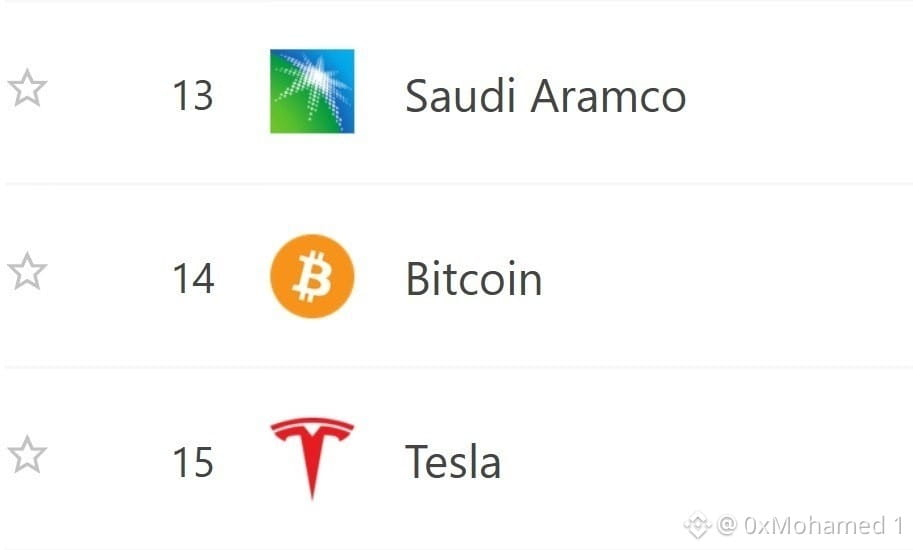
Bitcoin surpasses Tesla in market cap $BTC has overtaken Tesla in market capitalization, moving up to the 14th-largest asset by market value worldwide. The milestone highlights Bitcoin’s growing position among the world’s largest financial assets. #BTC continues to climb the global market-cap rankings.
Bitcoin surpasses Tesla in market cap $BTC has overtaken Tesla in market capitalization, moving up to the 14th-largest asset by market value worldwide. The milestone highlights Bitcoin’s growing position among the world’s largest financial assets. #BTC continues to climb the global market-cap rankings.
·
--
Tərcüməyə bax
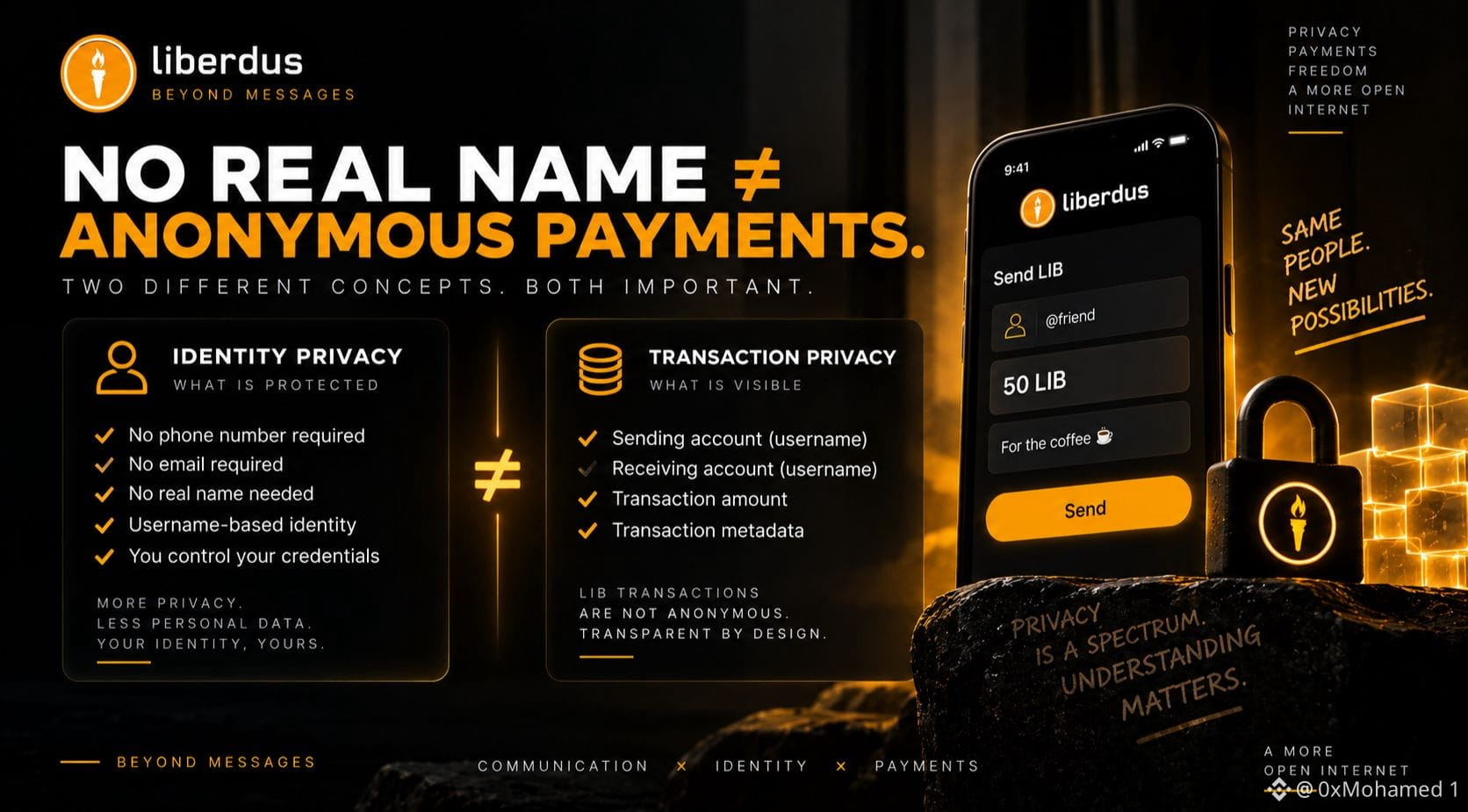
No real name ≠ anonymous payments. That distinction matters. With @Liberdus , you can create an account without a phone number or email, and your username can be mapped to a wallet address. But LIB transactions are not anonymous. The project’s own documentation says transaction metadata can include the sending account, receiving account and amount. So there are two different concepts, identity privacy ≠ transaction privacy. And honestly, this is the kind of distinction more Web3 conversations should make. Because privacy isn't about throwing the word anonymous everywhere. It's about understanding exactly what is protected and what isn't. Where do you draw the line between identity privacy and transaction privacy? #Liberdus #XRP $XRP
No real name ≠ anonymous payments. That distinction matters. With @Liberdus , you can create an account without a phone number or email, and your username can be mapped to a wallet address. But LIB transactions are not anonymous. The project’s own documentation says transaction metadata can include the sending account, receiving account and amount. So there are two different concepts, identity privacy ≠ transaction privacy. And honestly, this is the kind of distinction more Web3 conversations should make. Because privacy isn't about throwing the word anonymous everywhere. It's about understanding exactly what is protected and what isn't. Where do you draw the line between identity privacy and transaction privacy? #Liberdus #XRP $XRP
22
·
--
Tərcüməyə bax
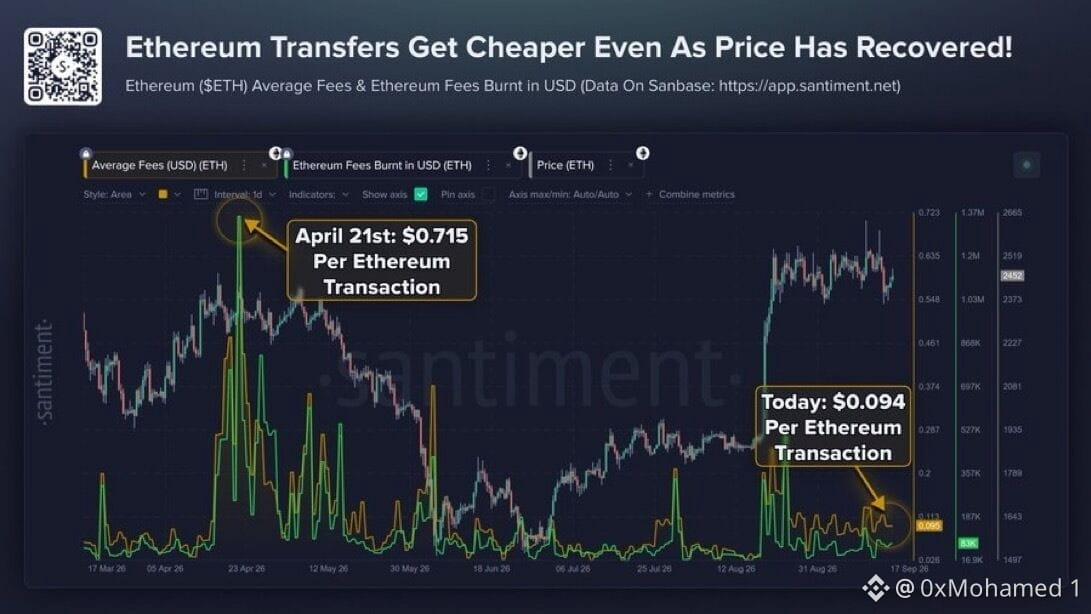
Ethereum transaction fees have plunged 87% from April’s $0.72 peak to just $0.095 today, even as $ETH trades higher. #ETH
Ethereum transaction fees have plunged 87% from April’s $0.72 peak to just $0.095 today, even as $ETH trades higher. #ETH
56
·
--
Tərcüməyə bax
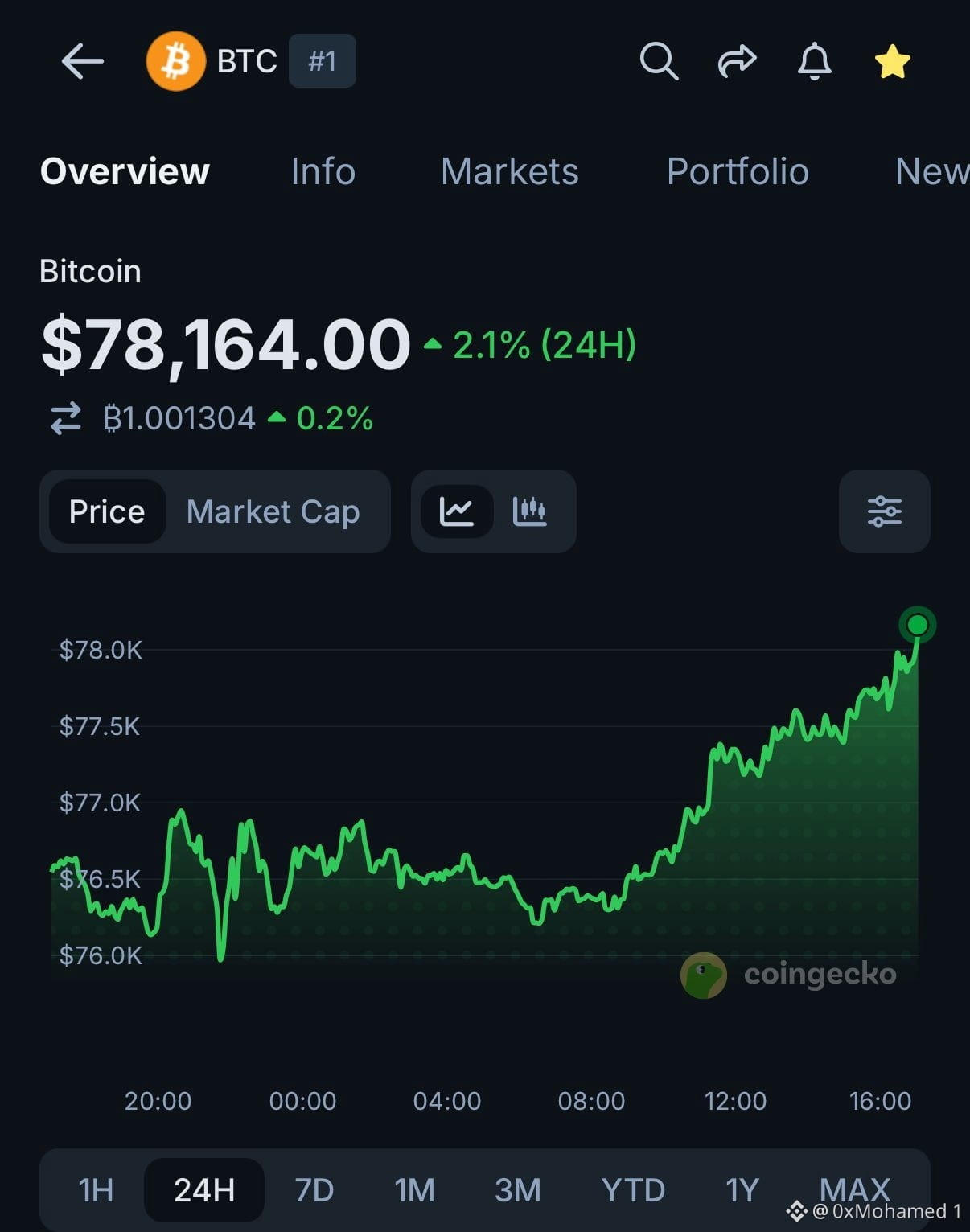
Bitcoin reclaims $78,000. Will it hit $80,000 before the week ends? #BTC $BTC
Bitcoin reclaims $78,000. Will it hit $80,000 before the week ends? #BTC $BTC
68
·
--
Tərcüməyə bax
Aave to launch an RWA lending market on Avalanche, letting institutions borrow stablecoins against tokenized assets. $AVAX $AAVE #AVAX #aave
Aave to launch an RWA lending market on Avalanche, letting institutions borrow stablecoins against tokenized assets. $AVAX $AAVE #AVAX #aave

64
·
--
Tərcüməyə bax
Zcash holders vote to cut block times from 75 to 25 seconds and retain the network’s Bitcoin-style halving schedule. #ZEC $ZEC
Zcash holders vote to cut block times from 75 to 25 seconds and retain the network’s Bitcoin-style halving schedule. #ZEC $ZEC
7
·
--
Tərcüməyə bax
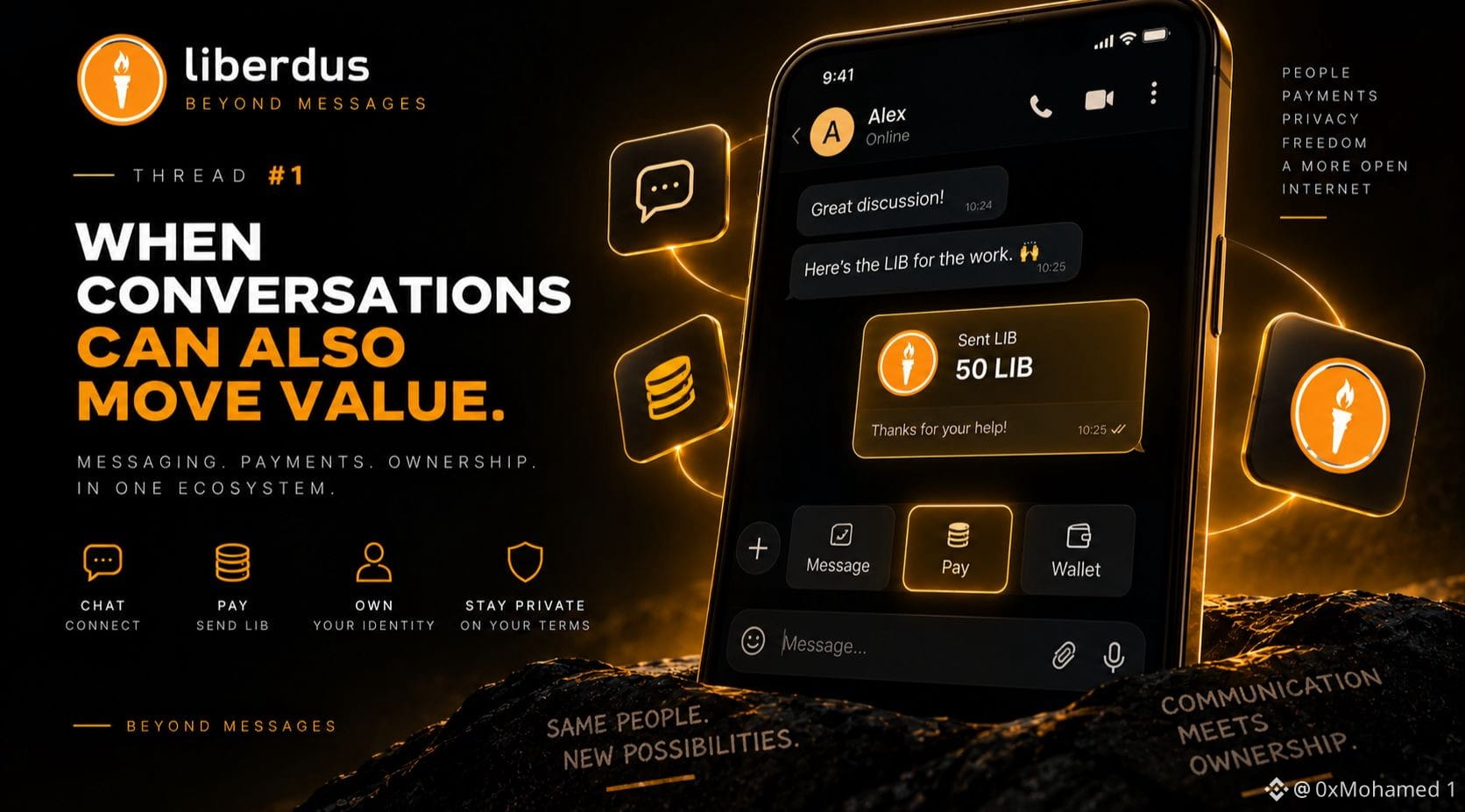
Understand Liberdus Most messaging apps separate conversation from payments. One app for chatting. Another for sending money. Another wallet to manage crypto. Liberdus takes a different approach. What happens when messaging and payments exist in the same ecosystem? Liberdus has a built-in wallet that lets users send and receive LIB directly inside the app. So payments aren't treated as a completely separate experience. They can happen alongside communication. For example, when you're already chatting with someone, you can open the payment option, enter the amount, optionally add a memo, review the transaction and confirm it. The transaction then appears in the conversation. You can also send LIB directly from the wallet. The recipient can be specified using: → their username → a QR code → or a wallet address The transaction can also include an optional memo. Why does this matter? Because a username can serve as more than a way to find someone. Liberdus documents that usernames can be used for both messaging and payments, and are mapped to wallet addresses. That creates an interesting model, Identity → Communication → Payment instead of treating each as a completely separate layer. Your conversation can become the starting point for an interaction that also includes value transfer. But there's an important privacy detail. LIB transactions are not anonymous. Liberdus says transaction metadata can include the sending account, receiving account and amount. So no phone number ≠ anonymous transactions. That's an important distinction. And that's what makes this architecture interesting to me. It's not simply about adding a wallet to a messaging app. It's about asking what should communication + identity + payments look like when they're designed together? The bigger Web3 question, if messaging and payments can share the same identity layer does the wallet become part of how we communicate online? That's a conversation worth having. #Liberdus #AVAX $AVAX
Understand Liberdus Most messaging apps separate conversation from payments. One app for chatting. Another for sending money. Another wallet to manage crypto. Liberdus takes a different approach. What happens when messaging and payments exist in the same ecosystem? Liberdus has a built-in wallet that lets users send and receive LIB directly inside the app. So payments aren't treated as a completely separate experience. They can happen alongside communication. For example, when you're already chatting with someone, you can open the payment option, enter the amount, optionally add a memo, review the transaction and confirm it. The transaction then appears in the conversation. You can also send LIB directly from the wallet. The recipient can be specified using: → their username → a QR code → or a wallet address The transaction can also include an optional memo. Why does this matter? Because a username can serve as more than a way to find someone. Liberdus documents that usernames can be used for both messaging and payments, and are mapped to wallet addresses. That creates an interesting model, Identity → Communication → Payment instead of treating each as a completely separate layer. Your conversation can become the starting point for an interaction that also includes value transfer. But there's an important privacy detail. LIB transactions are not anonymous. Liberdus says transaction metadata can include the sending account, receiving account and amount. So no phone number ≠ anonymous transactions. That's an important distinction. And that's what makes this architecture interesting to me. It's not simply about adding a wallet to a messaging app. It's about asking what should communication + identity + payments look like when they're designed together? The bigger Web3 question, if messaging and payments can share the same identity layer does the wallet become part of how we communicate online? That's a conversation worth having. #Liberdus #AVAX $AVAX
61
·
--
Tərcüməyə bax
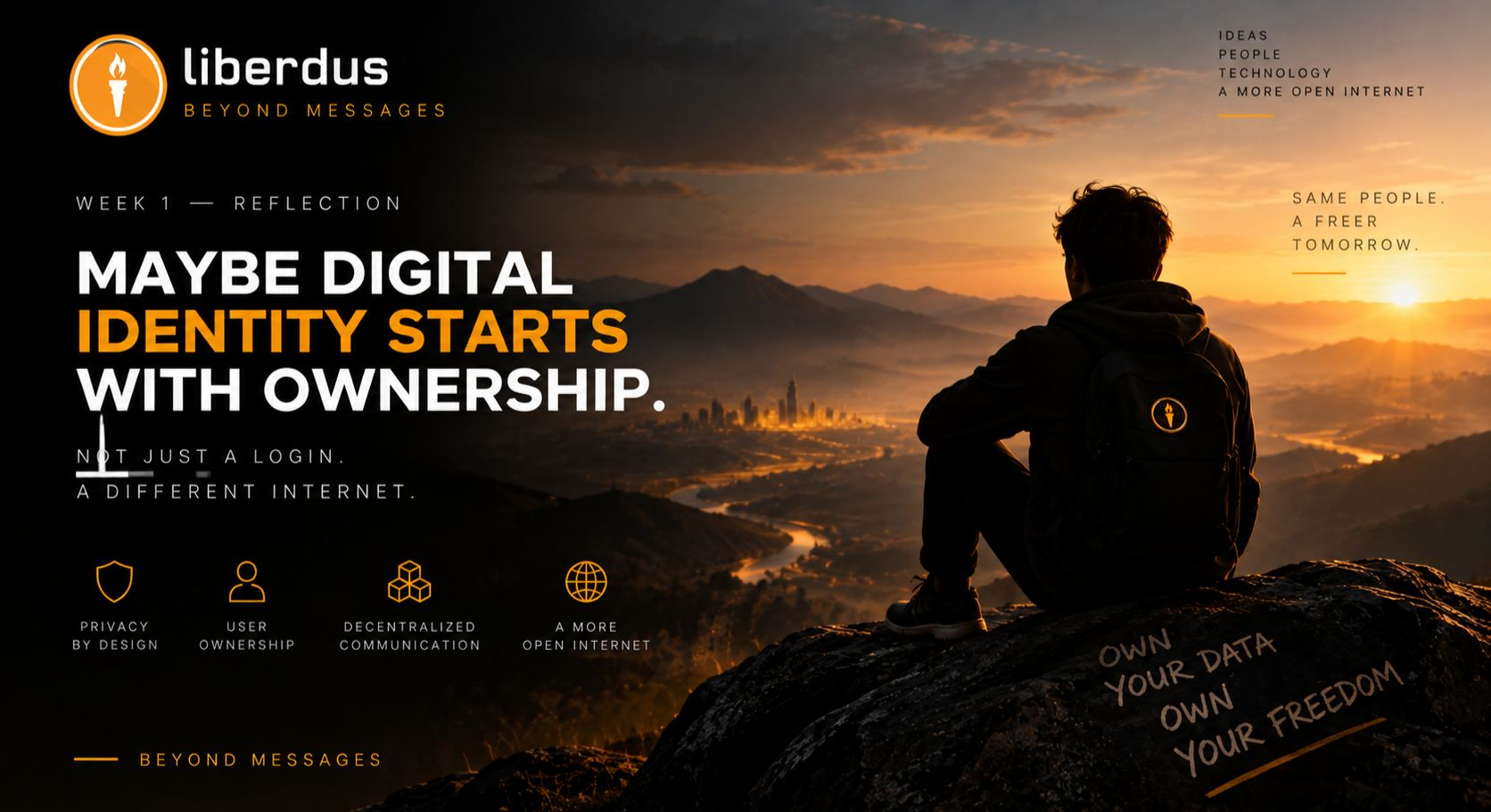
The more I learn about digital identity, the less I think it should be about identification. We’ve built the internet around usernames, emails, phone numbers and accounts. But we rarely stop to ask who actually controls the identity behind all of this? That question is becoming more important as Web3 evolves. Maybe digital ownership isn't only about owning assets. Maybe it starts with owning how you exist online. #Liberdus @Liberdus #BTC $BTC
The more I learn about digital identity, the less I think it should be about identification. We’ve built the internet around usernames, emails, phone numbers and accounts. But we rarely stop to ask who actually controls the identity behind all of this? That question is becoming more important as Web3 evolves. Maybe digital ownership isn't only about owning assets. Maybe it starts with owning how you exist online. #Liberdus @Liberdus #BTC $BTC
38
·
--
Tərcüməyə bax
Standard Chartered sees 70x upside for Arbitrum’s $ARB by 2030. The bank initiated coverage with a $10 target, citing tokenized assets and Robinhood Chain growth as key catalysts, with Arbitrum’s monthly revenue projected to reach about $5 million in September. #ARB
Standard Chartered sees 70x upside for Arbitrum’s $ARB by 2030. The bank initiated coverage with a $10 target, citing tokenized assets and Robinhood Chain growth as key catalysts, with Arbitrum’s monthly revenue projected to reach about $5 million in September. #ARB

46
·
--
Tərcüməyə bax
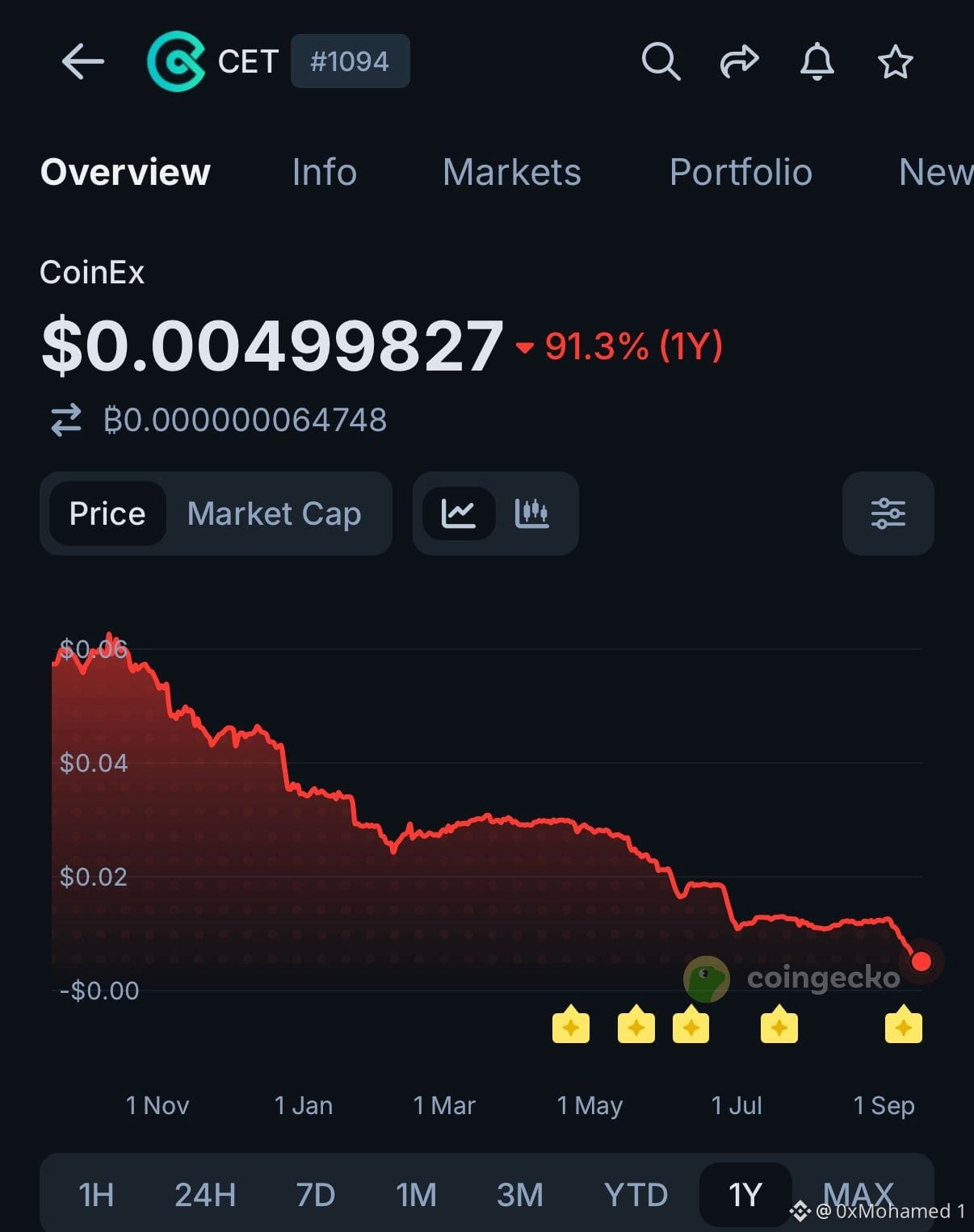
Crypto exchange CoinEx to shut down after 9 years, citing low liquidity and rising compliance costs. Its native token, $CET , is down 91.3% over the past year. #CET
Crypto exchange CoinEx to shut down after 9 years, citing low liquidity and rising compliance costs. Its native token, $CET , is down 91.3% over the past year. #CET
62
·
--
Tərcüməyə bax
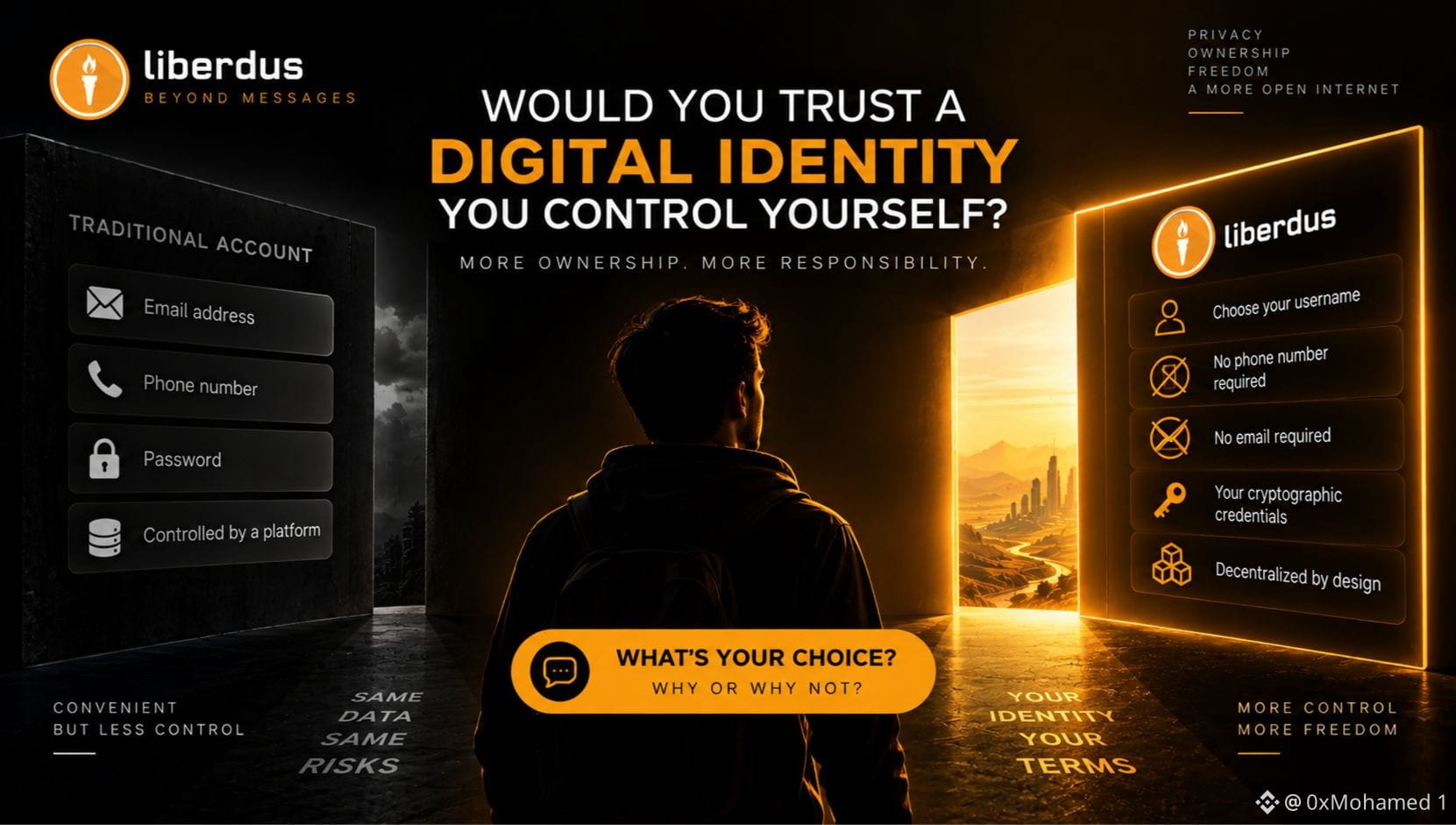
Would you trust a digital identity you control yourself? No phone number, no email required, no central account recovery. Instead, your account is tied to cryptographic credentials you control. More ownership sounds great. But it also means more responsibility. Would you choose that model over the traditional email + password system? Why or why not? #Liberdus @Liberdus #XRP $XRP
Would you trust a digital identity you control yourself? No phone number, no email required, no central account recovery. Instead, your account is tied to cryptographic credentials you control. More ownership sounds great. But it also means more responsibility. Would you choose that model over the traditional email + password system? Why or why not? #Liberdus @Liberdus #XRP $XRP
46
·
--
Tərcüməyə bax
BitMine Immersion purchases another 27,180 Ethereum, now holds over 5.96M $ETH . #ETH
BitMine Immersion purchases another 27,180 Ethereum, now holds over 5.96M $ETH . #ETH
55
·
--
Tərcüməyə bax
Chainlink is rallying hard:
$LINK closed at $11.74, up 35.4% over 30 days.
Meanwhile, $ETH is up 36.9% over the same period and sits at its highest since January 2026.
@Chainlink #LINK #ETH @Ethereum
Chainlink is rallying hard:
$LINK closed at $11.74, up 35.4% over 30 days.
Meanwhile, $ETH is up 36.9% over the same period and sits at its highest since January 2026.
@Chainlink #LINK #ETH @Ethereum
$LINK closed at $11.74, up 35.4% over 30 days.
Meanwhile, $ETH is up 36.9% over the same period and sits at its highest since January 2026.
@Chainlink #LINK #ETH @Ethereum
151
·
--
Tərcüməyə bax
Multicoin Capital says Hyperliquid is one of its largest positions after reassessing $HYPE
. Multicoin’s Spencer Applebaum said Hyperliquid’s perpetual markets reaching centralized-exchange-level liquidity, alongside builder codes and HIP-3, showed the protocol had found genuine product-market fit. #HYPE
Multicoin Capital says Hyperliquid is one of its largest positions after reassessing $HYPE
. Multicoin’s Spencer Applebaum said Hyperliquid’s perpetual markets reaching centralized-exchange-level liquidity, alongside builder codes and HIP-3, showed the protocol had found genuine product-market fit. #HYPE
. Multicoin’s Spencer Applebaum said Hyperliquid’s perpetual markets reaching centralized-exchange-level liquidity, alongside builder codes and HIP-3, showed the protocol had found genuine product-market fit. #HYPE
37
·
--
Tərcüməyə bax
$250,000,000
$USDC
just minted at USDC Treasury. #USDC
$250,000,000
$USDC
just minted at USDC Treasury. #USDC
$USDC
just minted at USDC Treasury. #USDC
39
·
--
Tərcüməyə bax
Arthur Hayes: nations will stick with gold Arthur Hayes told Bitcoin Magazine that sovereign nations are unlikely to use Bitcoin as a reserve asset, arguing they will continue to rely on gold instead. They don't know how to use computers. Hayes’ view highlights a key hurdle for Bitcoin’s adoption at the sovereign level: infrastructure, familiarity, and operational complexity. Gold remains the asset governments understand best, while Bitcoin requires a very different technological framework. $BTC #BTC
Arthur Hayes: nations will stick with gold Arthur Hayes told Bitcoin Magazine that sovereign nations are unlikely to use Bitcoin as a reserve asset, arguing they will continue to rely on gold instead. They don't know how to use computers. Hayes’ view highlights a key hurdle for Bitcoin’s adoption at the sovereign level: infrastructure, familiarity, and operational complexity. Gold remains the asset governments understand best, while Bitcoin requires a very different technological framework. $BTC #BTC

32
·
--
Tərcüməyə bax
Solana recorded more than 263,000 new token launches on Sept. 9 its highest-ever daily total, according to Solscan data. #SOL $SOL
Solana recorded more than 263,000 new token launches on Sept. 9 its highest-ever daily total, according to Solscan data. #SOL $SOL

27
·
--
Tərcüməyə bax
How to open a Liberdus account on the app. 1/ What if creating a messaging account didn't require your phone number or email? Let's actually look at how Liberdus handles it. No theory, just the process. 2/ Open Liberdus, from the home screen, select: create Account that's where the process begins. 3/ Choose your username, you don't need to provide a phone number or email during account creation. Your username becomes the identifier you use within the platform. 4/ Then comes the interesting part. Liberdus generates your account keys. The account is cryptographically secured, with quantum-resistant cryptography used by the platform. 5/ Once the keys are generated, your account appears on the dashboard. No traditional signup flow built around: enter your phone number or verify your email. Instead, the account is built around cryptographic credentials. 6/ And there's another useful detail: You can create multiple Liberdus accounts on the same device. Each account is independent and has its own private key and wallet address. 7/ So the interesting part isn't simply: Liberdus doesn't ask for your phone number. It's the architecture behind that choice. Your account doesn't have to start with a real-world identifier. It can start with a cryptographic identity. 8/ That's a very different way of thinking about digital accounts. And it raises a bigger question, #liberdus #Privacy $ONDO
How to open a Liberdus account on the app. 1/ What if creating a messaging account didn't require your phone number or email? Let's actually look at how Liberdus handles it. No theory, just the process. 2/ Open Liberdus, from the home screen, select: create Account that's where the process begins. 3/ Choose your username, you don't need to provide a phone number or email during account creation. Your username becomes the identifier you use within the platform. 4/ Then comes the interesting part. Liberdus generates your account keys. The account is cryptographically secured, with quantum-resistant cryptography used by the platform. 5/ Once the keys are generated, your account appears on the dashboard. No traditional signup flow built around: enter your phone number or verify your email. Instead, the account is built around cryptographic credentials. 6/ And there's another useful detail: You can create multiple Liberdus accounts on the same device. Each account is independent and has its own private key and wallet address. 7/ So the interesting part isn't simply: Liberdus doesn't ask for your phone number. It's the architecture behind that choice. Your account doesn't have to start with a real-world identifier. It can start with a cryptographic identity. 8/ That's a very different way of thinking about digital accounts. And it raises a bigger question, #liberdus #Privacy $ONDO


42
·
--
Tərcüməyə bax
Chainlink added 91,100 $LINK worth $1.06 million, to its strategic reserve, bringing the total to 5.86 million $LINK valued at $67.24 million. #LINK
Chainlink added 91,100 $LINK worth $1.06 million, to its strategic reserve, bringing the total to 5.86 million $LINK valued at $67.24 million. #LINK

44
·
--
Tərcüməyə bax
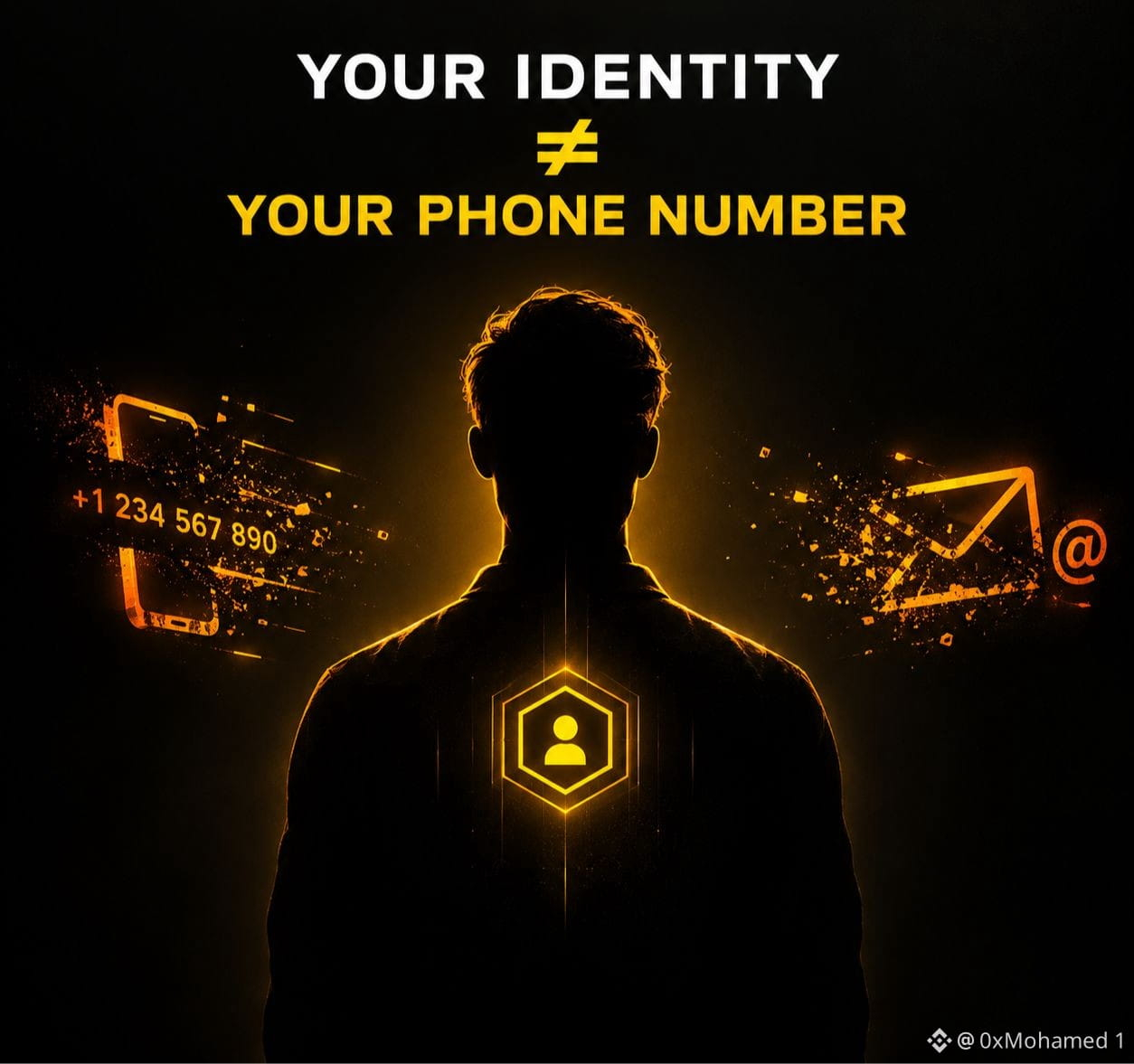
Understand that your phone number isn't your identity. Your phone number isn't your identity. Yet most digital services treat it like one. You give them a number, they give you an account. But there's a deeper question: Who actually controls that identity? Think about what happens when you create a typical online account. Email Phone number Password Sometimes even government-issued ID Your identity becomes tied to identifiers controlled outside the platform. That's convenient, but convenience and ownership aren't the same thing. If your account depends on an identifier you don't control, losing access to that identifier can become a problem. Web3 approaches identity differently. Instead of making an email address or phone number the foundation of your account, you can use cryptographic keys and wallet-based identities. The important shift is identity → something you can control cryptographically. Liberdus takes this approach for its accounts. According to its current documentation, you can create an account by choosing a username without providing a phone number or email. The username is mapped to your Liberdus wallet address. That doesn't magically solve digital identity. It simply changes the architecture. Instead of asking: Which phone number belongs to this user? the system can ask: Which cryptographic account controls this identity? That's a very different model. And that's where things get interesting. Because digital identity isn't just about logging in. It's about control, portability, privacy and ownership. The real question isn't can I create an account? It's xhat actually belongs to me when I create one? #Liberdus @Liberdus #PI $PI
Understand that your phone number isn't your identity. Your phone number isn't your identity. Yet most digital services treat it like one. You give them a number, they give you an account. But there's a deeper question: Who actually controls that identity? Think about what happens when you create a typical online account. Email Phone number Password Sometimes even government-issued ID Your identity becomes tied to identifiers controlled outside the platform. That's convenient, but convenience and ownership aren't the same thing. If your account depends on an identifier you don't control, losing access to that identifier can become a problem. Web3 approaches identity differently. Instead of making an email address or phone number the foundation of your account, you can use cryptographic keys and wallet-based identities. The important shift is identity → something you can control cryptographically. Liberdus takes this approach for its accounts. According to its current documentation, you can create an account by choosing a username without providing a phone number or email. The username is mapped to your Liberdus wallet address. That doesn't magically solve digital identity. It simply changes the architecture. Instead of asking: Which phone number belongs to this user? the system can ask: Which cryptographic account controls this identity? That's a very different model. And that's where things get interesting. Because digital identity isn't just about logging in. It's about control, portability, privacy and ownership. The real question isn't can I create an account? It's xhat actually belongs to me when I create one? #Liberdus @Liberdus #PI $PI
50
Daha çox kontent araşdırmaq üçün daxil olun
Binance Square-də qlobal kriptovalyuta istifadəçilərinə qoşulun
⚡️ Kriptovalyuta haqqında ən son və faydalı məlumatları əldə edin.
💬 Dünyanın ən böyük kriptovalyuta birjası tərəfindən etibar edilir.
👍 Doğrulanmış yaradıcılardan gələn real məlumatları kəşf edin.
E-poçt/Telefon nömrəsi
Trenddə olan mövzular
HKCompletesFirstHKDStablecoinUseCase
7,025 baxış
Müzakirə edir: 270
#hkcompletesfirsthkdstablecoinusecase
🇭🇰 Yenə başqa sabitkoin gözləyirsiniz? 🤯 Honq Konq HKDAP ilə rəqəmsal aktivlərin investisiyası üçün ilk istifadə halını yenicə başa çatdırdı: bu, Honq Konq dolları (HKD) ilə dəstəklənən və Honq Konqda tənzimlənən, Standard Chartered tərəfindən də örtülən (dəstəklənən) stabilkoin.
Görəsən, bizdə kağız pullarının sayına bənzər çoxlu sayda sabitkoin olan bir dünya tərəfə gedirik? Hər bir ölkə öz koinini buraxsa, tamamilə xaos olar! 🌀 Təsəvvür edin: USD-dən HKD-yə, sonra EUR-a keçmək — amma stabilkoinlər vasitəsilə.
Treyderlər nə etməlidir?
💵 Kağız pulu izləyin: regional sabitkoinlərin likvidliyə necə təsir etdiyini izləyin.
💵 Likvidliyi qoruyun: sürətli ticarət üçün USDT/USDC kimi əsas sabitkoinlərə sadiq qalın.
💵 Hazır olun: tənzimlənən sabitkoinlər — istəsək də, istəməsək də — gələcək.
Maliyyə məsləhəti deyil! 🚫
Zəhmət olmasa davam edin
$BTC
$ETH
$BNB
#HongKongCrypto #stablecoin #HKDAP
Shamika Metting
·1 bəyənmə
·750 baxış
VietnamPlansFirstCryptoLicensesIn2026
5,290 baxış
Müzakirə edir: 178
BTCBreaks80K
209,165 baxış
Müzakirə edir: 3,378