
CFSMentore
44 Paylaşımlar

CFSMentore
Şikayət et
İstifadəçini blokla
03255573676
Açıq ticarət
Daimi treyder
3.8 il
14 İzlənilir
81 İzləyicilər
118 Bəyəndi
Postlar
Portfel
Hamısı
Sitatlar
BƏRKİDİLDİ
·
--
Artım
2
24
BƏRKİDİLDİ
·
--
#analysisreport #Professionchoic #CandleStickPatterns
yalnızca təhsil məqsədi üçün validBoss və choch
#analysisreport #Professionchoic #CandleStickPatterns
yalnızca təhsil məqsədi üçün validBoss və choch
yalnızca təhsil məqsədi üçün validBoss və choch


3
340
·
--
Artım
1
12



·
--
Artım
Tərcüməyə bax

1
23
·
--
Artım
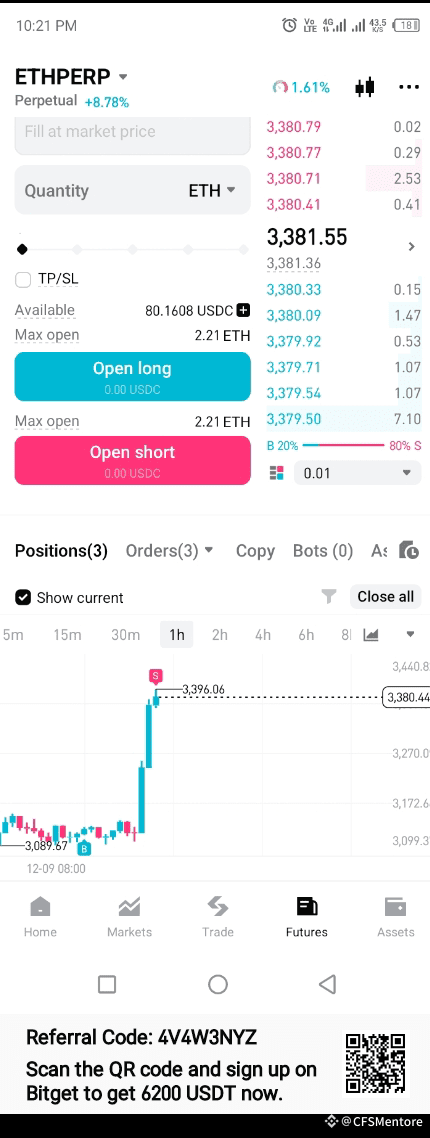
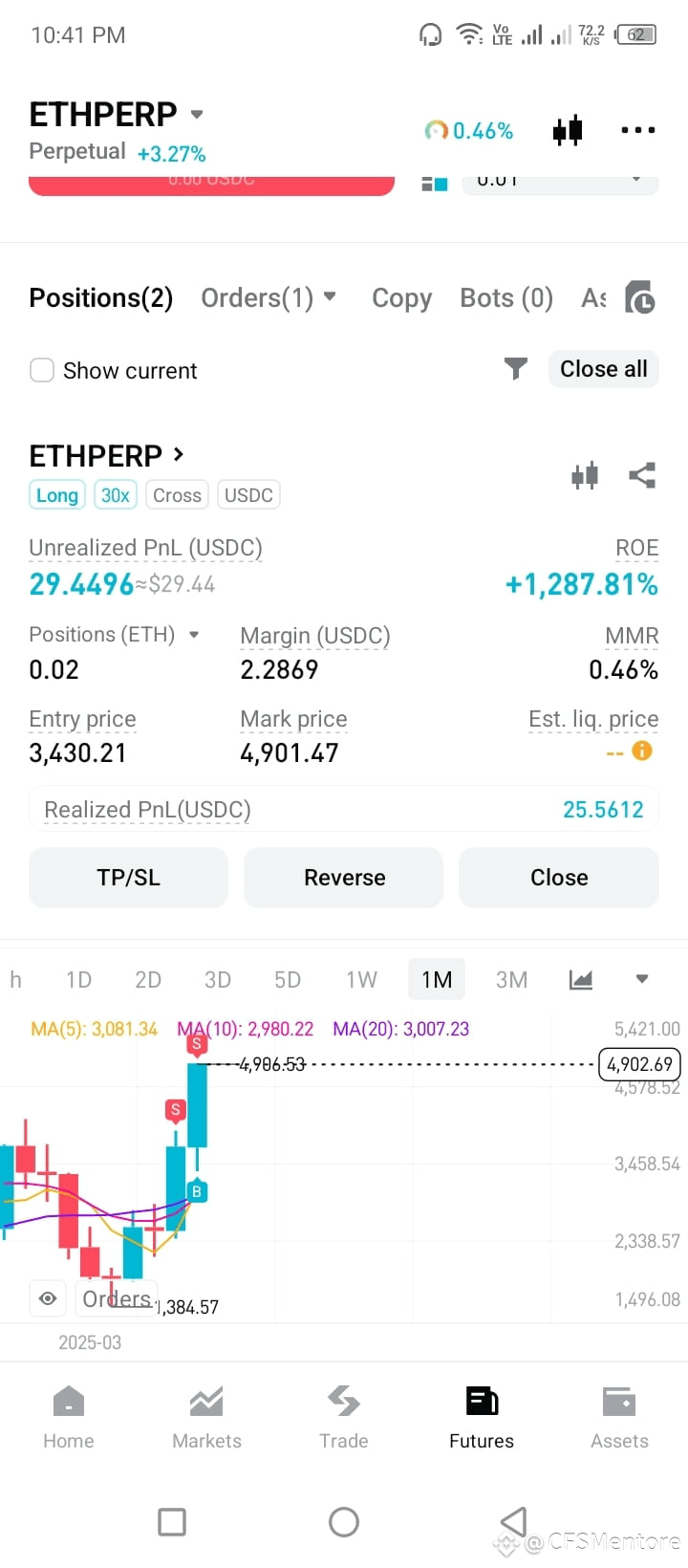
#ETHInstitutionalFlows
Bu, aşağıdan alıp yukarıdan satma denir 😎.
4$'lik ticaret neredeyse 54$ kar, 25$ rezervasyon yapıldı ve ayrıca 29$+ $ETH
#ETHInstitutionalFlows
Bu, aşağıdan alıp yukarıdan satma denir 😎.
4$'lik ticaret neredeyse 54$ kar, 25$ rezervasyon yapıldı ve ayrıca 29$+ $ETH
Bu, aşağıdan alıp yukarıdan satma denir 😎.
4$'lik ticaret neredeyse 54$ kar, 25$ rezervasyon yapıldı ve ayrıca 29$+ $ETH
3
199
·
--
Tərcüməyə bax
how can I become binance Angels
how can I become binance Angels


Binance Angels
·
--
ArtımBNB anınızı paylaşarak 500$ değerinde BNB ödülünden bir pay kazanma şansını yakalayın!
Katılmanın yolları:
🔸 @Binance_Angels'ı Square'de takip edin
🔸 Bu gönderiyi beğenin ve paylaşın
🔸 Fotoğrafınızı veya hikayenizi anket aracılığıyla gönderin: click here
Gerçekçilik kazanır. Yaratıcılık önemlidir. BNB hikayeniz kendisi için konuşsun.
Katılmanın yolları:
🔸 @Binance_Angels'ı Square'de takip edin
🔸 Bu gönderiyi beğenin ve paylaşın
🔸 Fotoğrafınızı veya hikayenizi anket aracılığıyla gönderin: click here
Gerçekçilik kazanır. Yaratıcılık önemlidir. BNB hikayeniz kendisi için konuşsun.

1
14
·
--
Artım
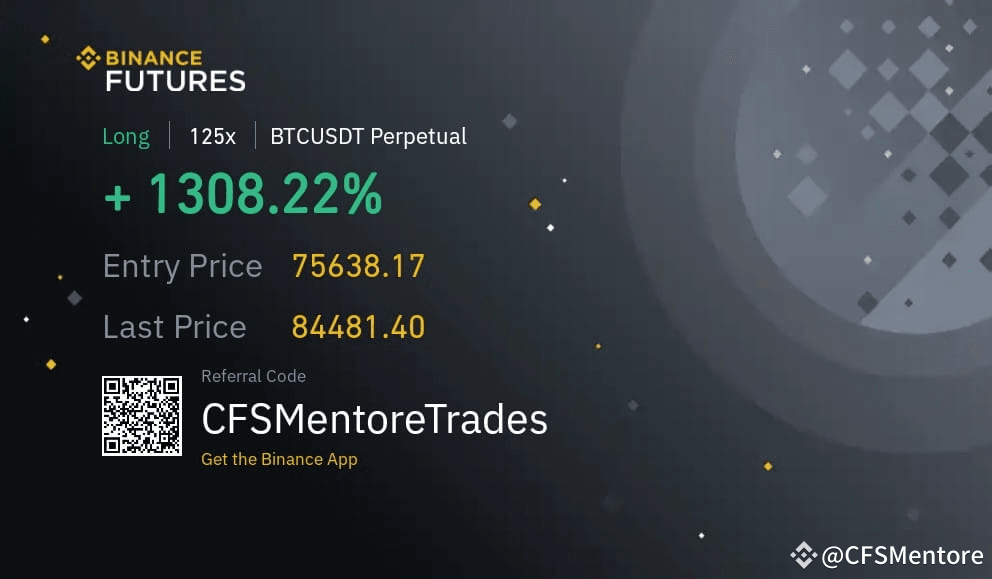
#USElectronicsTariffs $BTC ticarət gedir 👑 həmişə kraldır
#USElectronicsTariffs $BTC ticarət gedir 👑 həmişə kraldır
4
3
7
4.6k
·
--
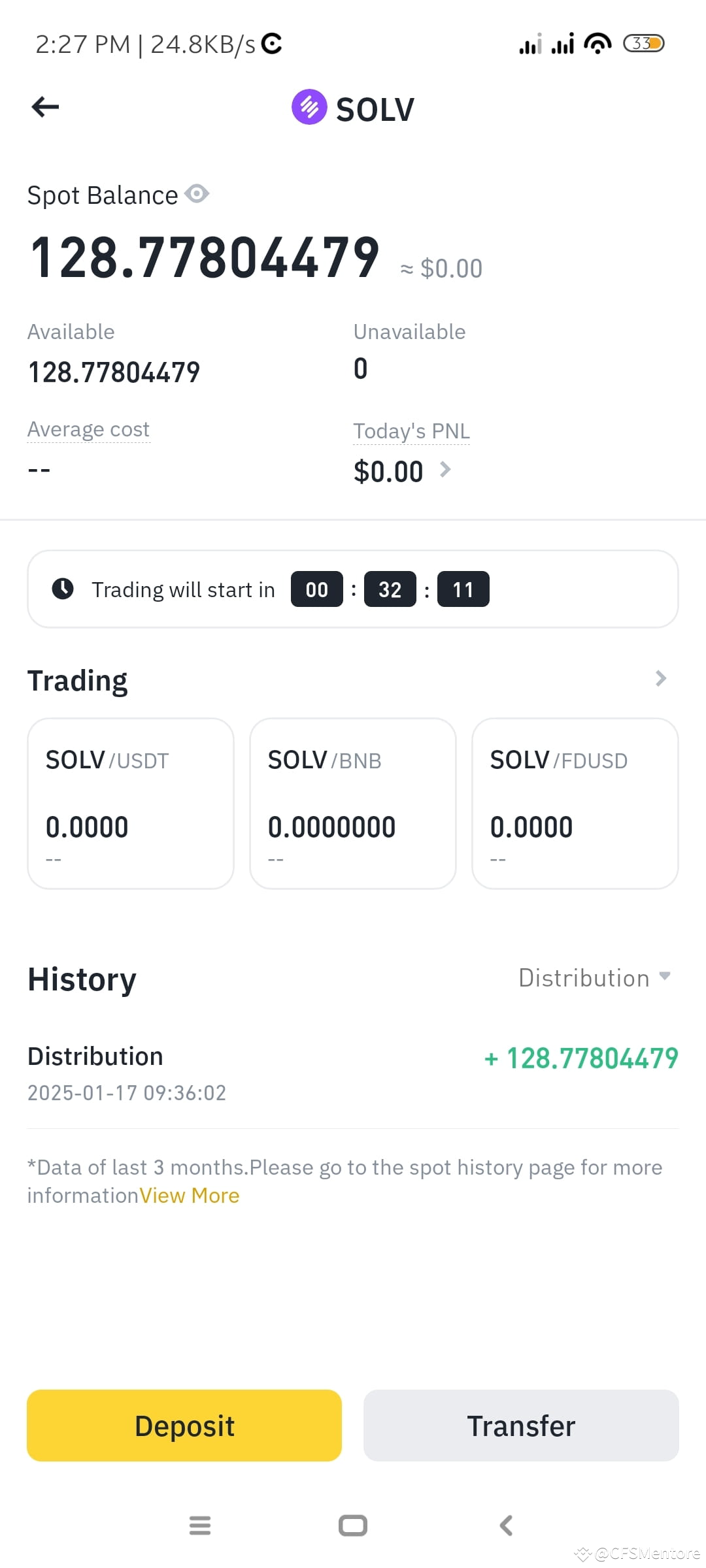
$SOLV solv binance mega drop-da distribution tamamlandı.
qiymət 0.3$-dan 0.5$-ə qədər gözlənilir
uğurlar
$SOLV solv binance mega drop-da distribution tamamlandı.
qiymət 0.3$-dan 0.5$-ə qədər gözlənilir
uğurlar
qiymət 0.3$-dan 0.5$-ə qədər gözlənilir
uğurlar
3
4
7
6.8k
·
--
Tərcüməyə bax
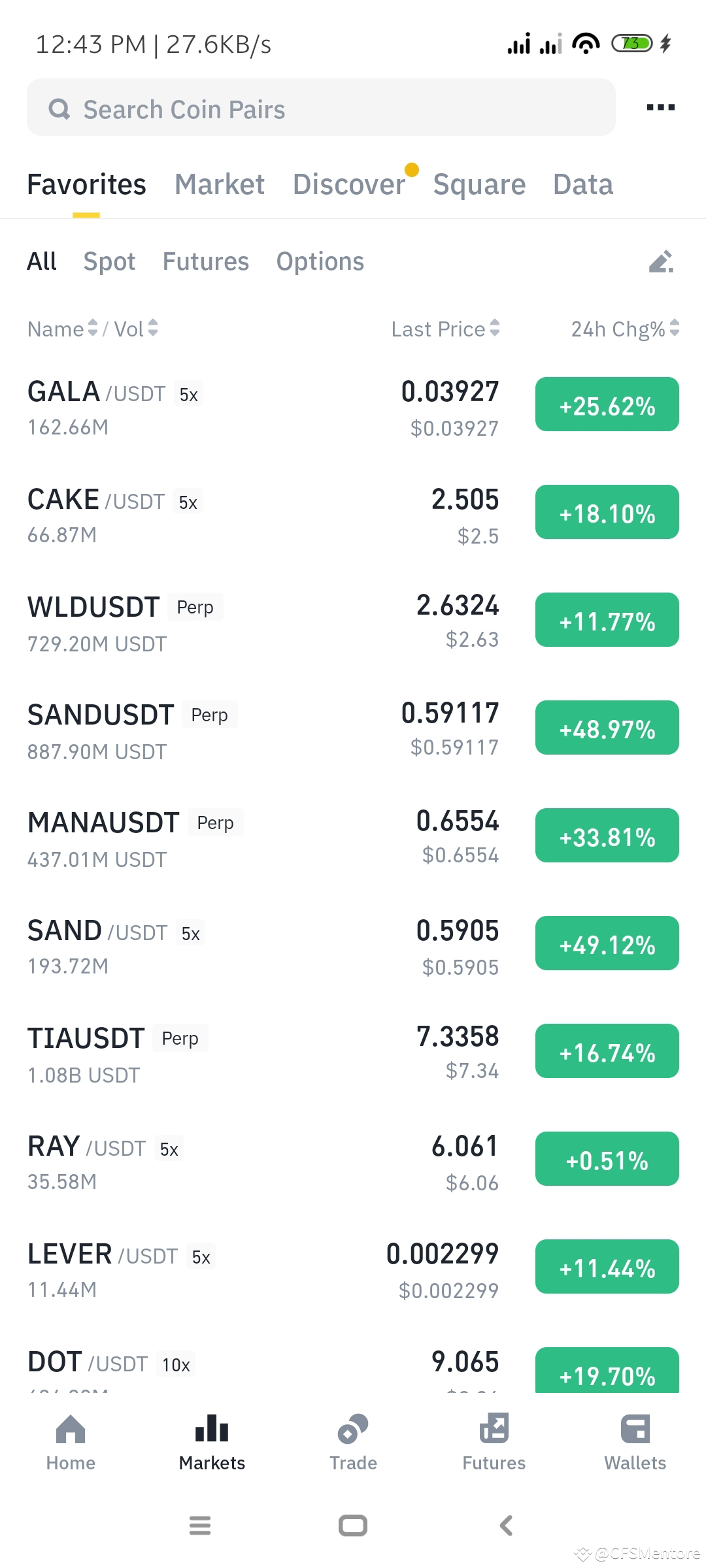
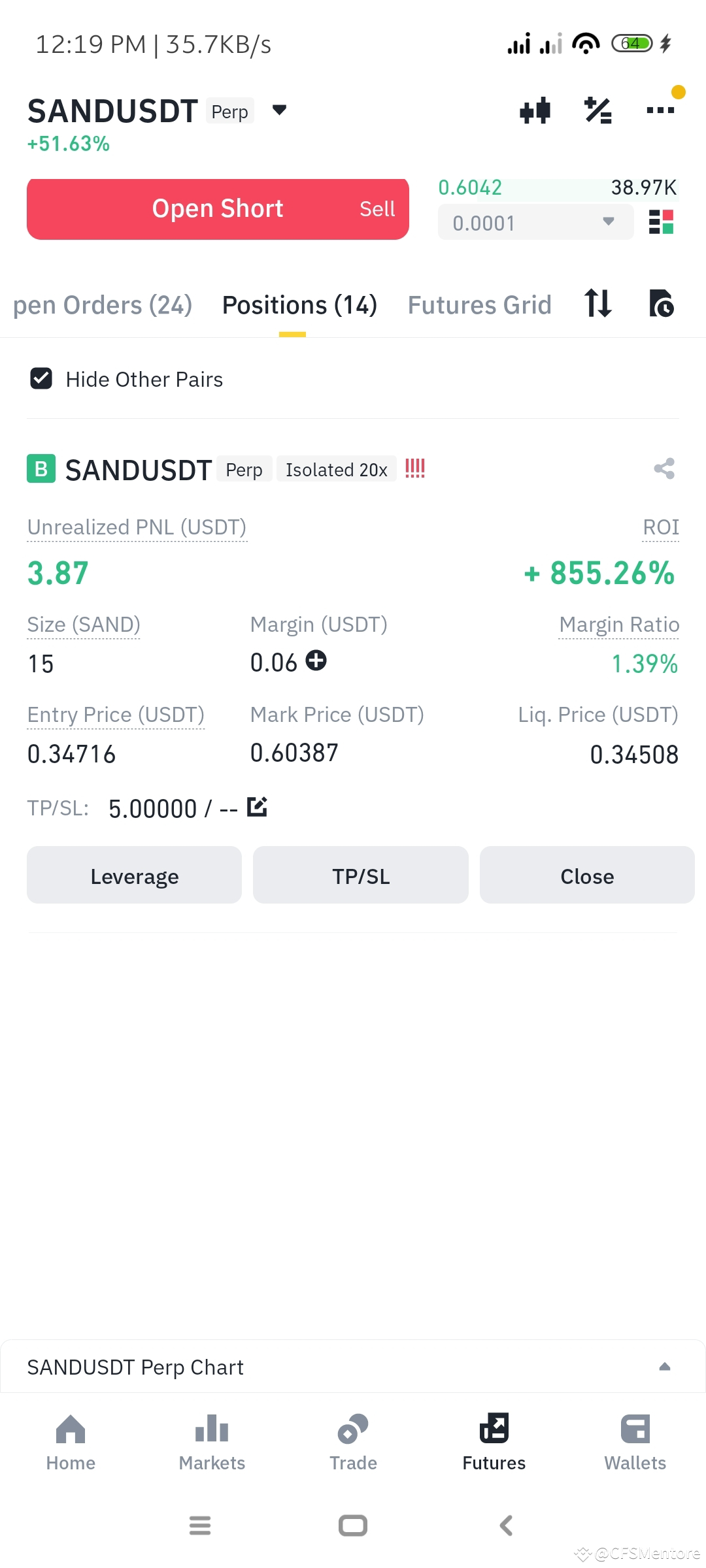
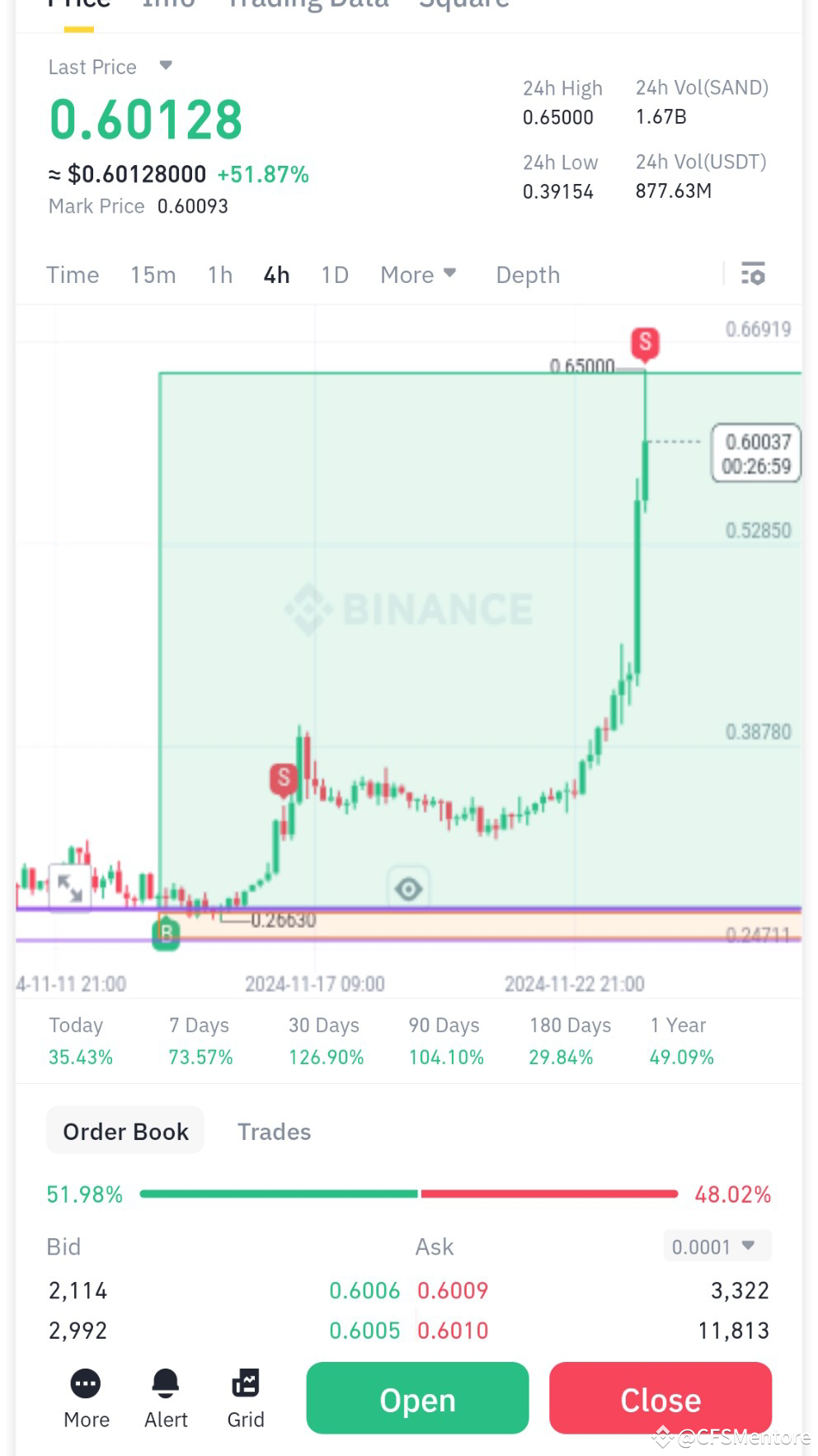
$SAND just *uck trade😊😘😘😘
buy low sell high #EyesOnBTC $SAND
book all trades but small bit hold for enjoying
$SAND just *uck trade😊😘😘😘
buy low sell high #EyesOnBTC $SAND
book all trades but small bit hold for enjoying
buy low sell high #EyesOnBTC $SAND
book all trades but small bit hold for enjoying
1
3
376

·
--
Tərcüməyə bax
We are excited to announce an upcoming Square Audio Live session with Ye Zhang, co-founder of @Scroll , on Binance Square!
🗓 Date: Oct 17, 2024
⏰ Time: 14:00 PM UTC
🎉 $1000 in Giveaways!
➡️ Save the Date!
Discover how Scroll is leveraging innovative scaling designs and zero-knowledge proofs to create a new layer on Ethereum. This is your chance to learn directly from one of the visionaries behind the project.
Don't miss out! Follow the Binance Square Official account to get a reminder about the event 🔔

1
6
·
--

Məqalə
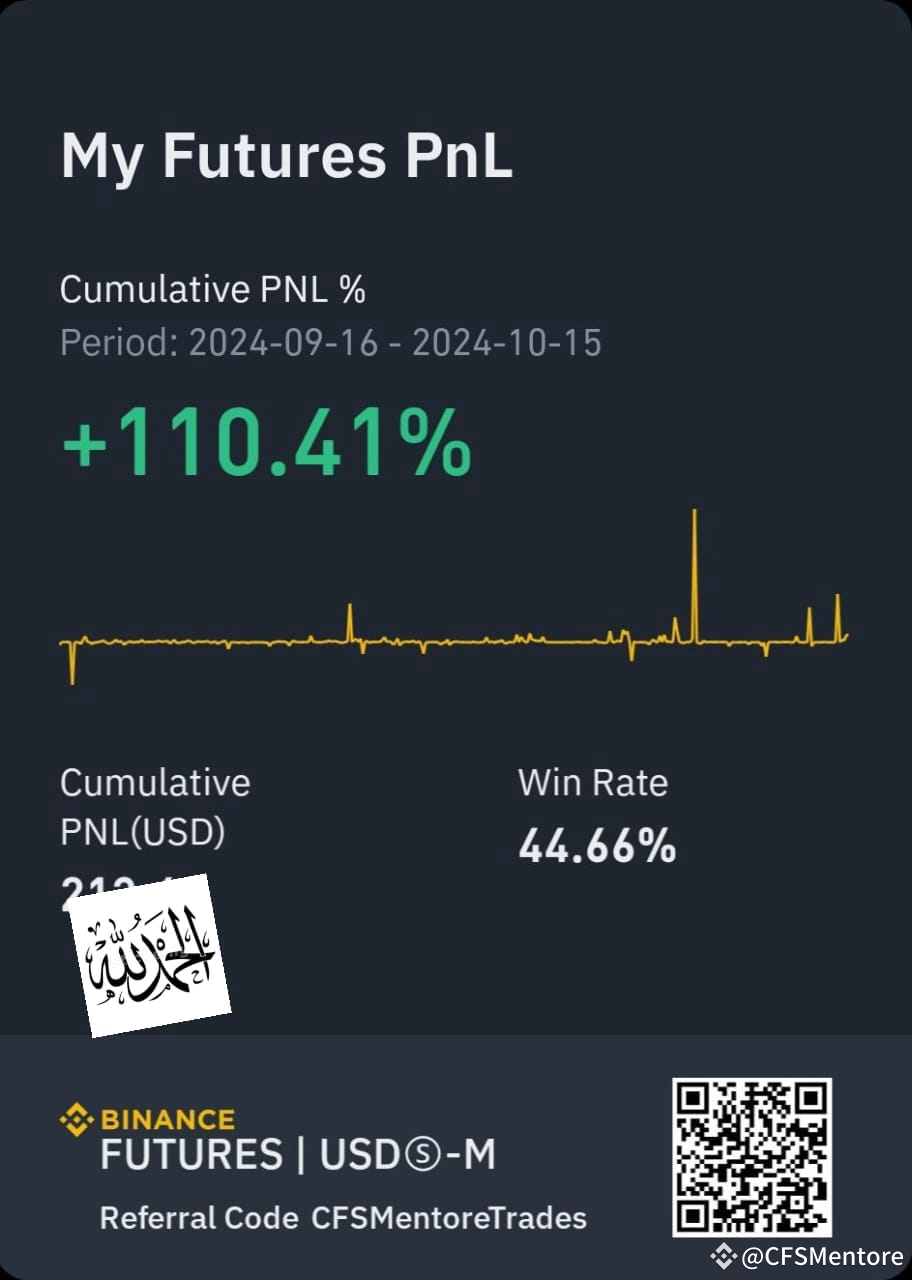
gündə 10$_20$ necə qazanmaq olar, futures ticarəti üçün 10 vacib məqam.Gəlin fərz edək ki, bizdə $100 var
1. Biz yalnız maksimum leverage-i 5x-dən 6x-ə qədər götürürük. 6x-dən daha çoxundan uzaq durun
2. Margin yetərli deyil; məsələn $1 deməkdir ki, 6x ilə biz $6 məbləğ ilə istənilən coin-də ticarət edə bilərik, yəni $1 sərmayə qoyaraq
3. Stop loss dəstək səviyyələrindən bir az aşağıda olmalıdır.
4. Əgər coin sabitdirsə, məsələn $BTC $ETH kimi, ticarətinizi orta qiymətə gətirin. Əgər siz eth-i alırsınız (long) və eth 2400-dür, sonra 2200-ə düşürsə, yenə 2200-də long edin; orta qiymətiniz 2400-dən 2300 olacaq və yarım ticarətinizi 2310-da bağlayın. Bu sizə qazanc gətirəcək. Xahiş edirəm bunu yalnız stable coin-lərlə edin.
gündə 10$_20$ necə qazanmaq olar, futures ticarəti üçün 10 vacib məqam.
Gəlin fərz edək ki, bizdə $100 var
1. Biz yalnız maksimum leverage-i 5x-dən 6x-ə qədər götürürük. 6x-dən daha çoxundan uzaq durun
2. Margin yetərli deyil; məsələn $1 deməkdir ki, 6x ilə biz $6 məbləğ ilə istənilən coin-də ticarət edə bilərik, yəni $1 sərmayə qoyaraq
3. Stop loss dəstək səviyyələrindən bir az aşağıda olmalıdır.
4. Əgər coin sabitdirsə, məsələn $BTC $ETH kimi, ticarətinizi orta qiymətə gətirin. Əgər siz eth-i alırsınız (long) və eth 2400-dür, sonra 2200-ə düşürsə, yenə 2200-də long edin; orta qiymətiniz 2400-dən 2300 olacaq və yarım ticarətinizi 2310-da bağlayın. Bu sizə qazanc gətirəcək. Xahiş edirəm bunu yalnız stable coin-lərlə edin.
1
1
3
12
·
--

Məqalə
Tərcüməyə bax
Top Exit Points to Exit a Trade Like a Pro in just 30 MinutesWhen it comes to trading, knowing when to exit a trade is just as crucial as knowing when to enter. A great entry can quickly turn into a loss if you don’t manage your exit properly. If you're serious about improving your trading game, here are five professional exit strategies you can learn in just 3 minutes! Before proceeding further, search us on X /Twitter to get daily profitable Signals 🥂
1. Profit Target Exit
One of the most straightforward exit points is setting a profit target before you enter a trade. This means deciding on a price where you’ll close the trade once it’s hit. Using technical indicators like support and resistance levels, Fibonacci retracements, or moving averages can help you determine where to place this target.
Tip: Always set your profit target at a realistic level, relative to the risk you’re taking.
2. Time-Based Exit
Sometimes, it’s best to exit based on time rather than price movement. If you’ve entered a trade expecting a quick profit but the market isn’t moving in your favor, it may be wise to exit after a predetermined time period. This avoids having your capital tied up unnecessarily in slow or stagnant trades.
Tip: Use a time-based exit if you're a day trader or scalper, where speed and capital efficiency are key.
3. Trailing Stop Loss
A trailing stop is a dynamic exit strategy. Unlike a fixed stop loss, the trailing stop moves with the market price, locking in profits as the price moves in your favor. When the market turns against you, the trailing stop is triggered, and your position is closed, securing any gains you made.
Tip: Adjust the trailing distance based on the volatility of the asset you’re trading. More volatile assets may require a wider trailing stop.
4. Technical Indicator-Based Exit
Many traders rely on technical indicators such as the Relative Strength Index (RSI) or Moving Average Convergence Divergence (MACD) to determine their exit points. For example, an RSI value that indicates overbought conditions might signal a good time to close a trade, especially if the price is at resistance.
Tip: Always double-check signals from indicators with broader market trends or news to avoid being faked out.
5. Breakout/Breakdown Exit
Exiting on breakouts or breakdowns is another strategy employed by pros. When a price breaks out of a key level (support or resistance), you can ride the momentum and exit as soon as the price shows signs of stalling or reversing. This method is ideal for trend traders or those using momentum strategies.
Tip: Always be cautious of false breakouts. Set your stop-loss just below the breakout level to minimize risk.
Final Thoughts:
Exiting a trade professionally involves a balance of discipline, analysis, and sometimes instinct. By using these exit strategies, you can ensure that you're locking in profits or cutting losses in a way that minimizes emotional decision-making. Practice these techniques, and you'll be exiting trades like a pro in no time!
Top Exit Points to Exit a Trade Like a Pro in just 30 Minutes
When it comes to trading, knowing when to exit a trade is just as crucial as knowing when to enter. A great entry can quickly turn into a loss if you don’t manage your exit properly. If you're serious about improving your trading game, here are five professional exit strategies you can learn in just 3 minutes! Before proceeding further, search us on X /Twitter to get daily profitable Signals 🥂
1. Profit Target Exit
One of the most straightforward exit points is setting a profit target before you enter a trade. This means deciding on a price where you’ll close the trade once it’s hit. Using technical indicators like support and resistance levels, Fibonacci retracements, or moving averages can help you determine where to place this target.
Tip: Always set your profit target at a realistic level, relative to the risk you’re taking.
2. Time-Based Exit
Sometimes, it’s best to exit based on time rather than price movement. If you’ve entered a trade expecting a quick profit but the market isn’t moving in your favor, it may be wise to exit after a predetermined time period. This avoids having your capital tied up unnecessarily in slow or stagnant trades.
Tip: Use a time-based exit if you're a day trader or scalper, where speed and capital efficiency are key.
3. Trailing Stop Loss
A trailing stop is a dynamic exit strategy. Unlike a fixed stop loss, the trailing stop moves with the market price, locking in profits as the price moves in your favor. When the market turns against you, the trailing stop is triggered, and your position is closed, securing any gains you made.
Tip: Adjust the trailing distance based on the volatility of the asset you’re trading. More volatile assets may require a wider trailing stop.
4. Technical Indicator-Based Exit
Many traders rely on technical indicators such as the Relative Strength Index (RSI) or Moving Average Convergence Divergence (MACD) to determine their exit points. For example, an RSI value that indicates overbought conditions might signal a good time to close a trade, especially if the price is at resistance.
Tip: Always double-check signals from indicators with broader market trends or news to avoid being faked out.
5. Breakout/Breakdown Exit
Exiting on breakouts or breakdowns is another strategy employed by pros. When a price breaks out of a key level (support or resistance), you can ride the momentum and exit as soon as the price shows signs of stalling or reversing. This method is ideal for trend traders or those using momentum strategies.
Tip: Always be cautious of false breakouts. Set your stop-loss just below the breakout level to minimize risk.
Final Thoughts:
Exiting a trade professionally involves a balance of discipline, analysis, and sometimes instinct. By using these exit strategies, you can ensure that you're locking in profits or cutting losses in a way that minimizes emotional decision-making. Practice these techniques, and you'll be exiting trades like a pro in no time!
3
14
Daha çox kontent araşdırmaq üçün daxil olun
Binance Square-də qlobal kriptovalyuta istifadəçilərinə qoşulun
⚡️ Kriptovalyuta haqqında ən son və faydalı məlumatları əldə edin.
💬 Dünyanın ən böyük kriptovalyuta birjası tərəfindən etibar edilir.
👍 Doğrulanmış yaradıcılardan gələn real məlumatları kəşf edin.
E-poçt/Telefon nömrəsi
Trenddə olan mövzular
IsAnthropic’s$1.5TMarketCapJustified?
24,093 baxış
Müzakirə edir: 125
Anthropic Nasdaq-da rekord debütündə 105 dollardan açılmağa hazırlaşır
Binance News
·12 bəyənmə
·17.1k baxış
13FInstitutionsBitcoinSpotETPHoldingsHitRecord
1,164 baxış
Müzakirə edir: 27
BTCRemainsUnderPressureAfterHawkishFOMCMinutes
297,698 baxış
Müzakirə edir: 2,233