

YohannaOlva 1
131 Paylaşımlar

YohannaOlva 1
Şikayət et
İstifadəçini blokla
Verified BS creator || KOL || TG~ @YohannaOlva56 24/7 Dm me
0 İzlənilir
8 İzləyicilər
32 Bəyəndi
Postlar
Tərcüməyə bax
A Shielded Coin Is Not A Shielded App 🪙
The trade people are making right now is buying an asset that can be held quietly, and the numbers behind it are real, with $ZEC crossing 30% of its supply in the shielded pool this year against 8% in early 2024.
That answers one question, which is how to hold value without publishing a balance, and it answers nothing about everything else a person or a company does.
On $SOL the open part is not the coin, it is the activity. The order, the position, the payroll run, the model being queried, all of it has to be handed to a program in readable form before anything happens.
So an asset you can hold quietly does not help the fund that cannot show its book, the company that cannot show its salaries, or the AI app that cannot show its inputs.
Arcium is built one level below the asset. Any computation is split into fragments across a cluster of nodes, no single node holds a readable copy, and the correct answer still comes back.
That answer settles on Solana as an ordinary public transaction, so the DeFi app stays auditable while the inputs never were.
Mainnet Alpha has run that way since February 2, with fifteen teams building on it.
Buying a sealed asset and owning the layer every sealed app runs on are two different trades, and only one of them gets bigger as more things move onchain.
#DeFi #Solana
A Shielded Coin Is Not A Shielded App 🪙
The trade people are making right now is buying an asset that can be held quietly, and the numbers behind it are real, with $ZEC crossing 30% of its supply in the shielded pool this year against 8% in early 2024.
That answers one question, which is how to hold value without publishing a balance, and it answers nothing about everything else a person or a company does.
On $SOL the open part is not the coin, it is the activity. The order, the position, the payroll run, the model being queried, all of it has to be handed to a program in readable form before anything happens.
So an asset you can hold quietly does not help the fund that cannot show its book, the company that cannot show its salaries, or the AI app that cannot show its inputs.
Arcium is built one level below the asset. Any computation is split into fragments across a cluster of nodes, no single node holds a readable copy, and the correct answer still comes back.
That answer settles on Solana as an ordinary public transaction, so the DeFi app stays auditable while the inputs never were.
Mainnet Alpha has run that way since February 2, with fifteen teams building on it.
Buying a sealed asset and owning the layer every sealed app runs on are two different trades, and only one of them gets bigger as more things move onchain.
#DeFi #Solana
The trade people are making right now is buying an asset that can be held quietly, and the numbers behind it are real, with $ZEC crossing 30% of its supply in the shielded pool this year against 8% in early 2024.
That answers one question, which is how to hold value without publishing a balance, and it answers nothing about everything else a person or a company does.
On $SOL the open part is not the coin, it is the activity. The order, the position, the payroll run, the model being queried, all of it has to be handed to a program in readable form before anything happens.
So an asset you can hold quietly does not help the fund that cannot show its book, the company that cannot show its salaries, or the AI app that cannot show its inputs.
Arcium is built one level below the asset. Any computation is split into fragments across a cluster of nodes, no single node holds a readable copy, and the correct answer still comes back.
That answer settles on Solana as an ordinary public transaction, so the DeFi app stays auditable while the inputs never were.
Mainnet Alpha has run that way since February 2, with fifteen teams building on it.
Buying a sealed asset and owning the layer every sealed app runs on are two different trades, and only one of them gets bigger as more things move onchain.
#DeFi #Solana
63
Tərcüməyə bax
Basecamp Could Unlock Sui’s Finance Era 💧
Onchain finance has plenty of conferences where people discuss what might eventually work. $SUI Basecamp is shaping up as a place where the market can watch financial infrastructure operate live.
DeepBook’s new application runs on an onchain order book that has already supported more than $20 billion in Sui trading volume.
At Basecamp, the Trading Arena will put real-time trading directly in front of attendees through the Hudi competition. I like this approach because markets expose weaknesses quickly.
Liquidity, execution and settlement either hold up when traders arrive or they do not. Sui is letting the technology face that pressure while ecosystem teams demonstrate what they have built on top of it.
The official Basecamp programme also promises product reveals and a closer look at the infrastructure carrying finance onchain.
That creates a potentially important moment for the network.
Sui has already built fast settlement, native liquidity infrastructure and gasless stablecoin transfers. Basecamp can connect those pieces into one understandable financial thesis and show how capital moves through the ecosystem in practice.
If the event delivers meaningful launches alongside live demonstrations, Sui could leave Singapore with a much stronger identity as a serious financial network.
I’m bullish because Basecamp has the potential to showcase an ecosystem that is ready to compete for traders, builders and global liquidity now.
#Altcoin Season# #DeFi
Basecamp Could Unlock Sui’s Finance Era 💧
Onchain finance has plenty of conferences where people discuss what might eventually work. $SUI Basecamp is shaping up as a place where the market can watch financial infrastructure operate live.
DeepBook’s new application runs on an onchain order book that has already supported more than $20 billion in Sui trading volume.
At Basecamp, the Trading Arena will put real-time trading directly in front of attendees through the Hudi competition. I like this approach because markets expose weaknesses quickly.
Liquidity, execution and settlement either hold up when traders arrive or they do not. Sui is letting the technology face that pressure while ecosystem teams demonstrate what they have built on top of it.
The official Basecamp programme also promises product reveals and a closer look at the infrastructure carrying finance onchain.
That creates a potentially important moment for the network.
Sui has already built fast settlement, native liquidity infrastructure and gasless stablecoin transfers. Basecamp can connect those pieces into one understandable financial thesis and show how capital moves through the ecosystem in practice.
If the event delivers meaningful launches alongside live demonstrations, Sui could leave Singapore with a much stronger identity as a serious financial network.
I’m bullish because Basecamp has the potential to showcase an ecosystem that is ready to compete for traders, builders and global liquidity now.
#Altcoin Season# #DeFi
Onchain finance has plenty of conferences where people discuss what might eventually work. $SUI Basecamp is shaping up as a place where the market can watch financial infrastructure operate live.
DeepBook’s new application runs on an onchain order book that has already supported more than $20 billion in Sui trading volume.
At Basecamp, the Trading Arena will put real-time trading directly in front of attendees through the Hudi competition. I like this approach because markets expose weaknesses quickly.
Liquidity, execution and settlement either hold up when traders arrive or they do not. Sui is letting the technology face that pressure while ecosystem teams demonstrate what they have built on top of it.
The official Basecamp programme also promises product reveals and a closer look at the infrastructure carrying finance onchain.
That creates a potentially important moment for the network.
Sui has already built fast settlement, native liquidity infrastructure and gasless stablecoin transfers. Basecamp can connect those pieces into one understandable financial thesis and show how capital moves through the ecosystem in practice.
If the event delivers meaningful launches alongside live demonstrations, Sui could leave Singapore with a much stronger identity as a serious financial network.
I’m bullish because Basecamp has the potential to showcase an ecosystem that is ready to compete for traders, builders and global liquidity now.
#Altcoin Season# #DeFi
74
Tərcüməyə bax
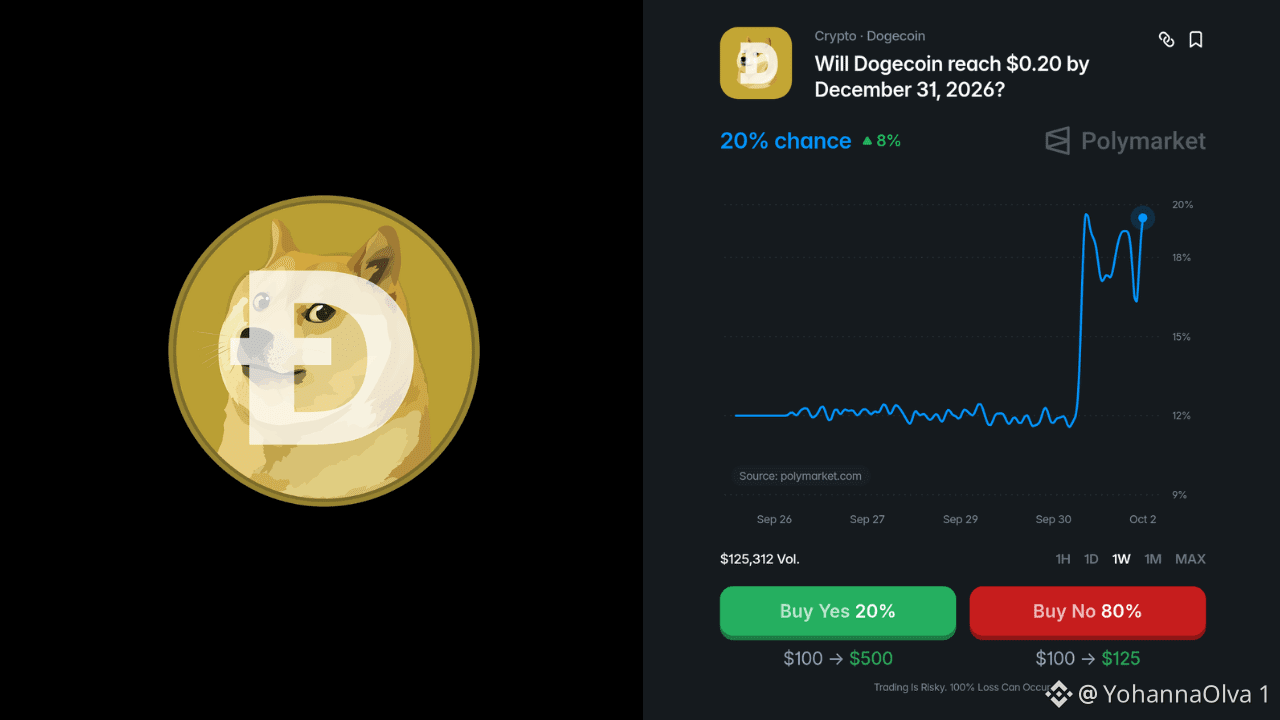
$DOGE touches $0.20 this year? 🐶
I'm taking YES.
The crowd isn't with me either. The screenshot has only 20% pricing that outcome before December 31.
But DOGE doesn't need to stay above $0.20 for this market. Under Polymarket's rules, it needs to print a qualifying Binance one-minute candle with a high of $0.20 or above before the deadline.
That's an important distinction.
One violent meme rotation could be enough.
And here's my favorite part: at the screenshot price, $100 represents a $500 gross payout if YES resolves correctly.
I'm effectively looking at a 5x payout on an event I personally think has a better shot than the market is giving it.
There is already $125K+ behind the market too, so this isn't some completely untouched prediction.
Polymarket gives me a cleaner way to express this particular DOGE thesis than simply buying more DOGE and needing sustained price appreciation.
What’s funny is that among many other tokens, DOGE could be used for the trade itself.
#Altcoin Season#
$DOGE touches $0.20 this year? 🐶
I'm taking YES.
The crowd isn't with me either. The screenshot has only 20% pricing that outcome before December 31.
But DOGE doesn't need to stay above $0.20 for this market. Under Polymarket's rules, it needs to print a qualifying Binance one-minute candle with a high of $0.20 or above before the deadline.
That's an important distinction.
One violent meme rotation could be enough.
And here's my favorite part: at the screenshot price, $100 represents a $500 gross payout if YES resolves correctly.
I'm effectively looking at a 5x payout on an event I personally think has a better shot than the market is giving it.
There is already $125K+ behind the market too, so this isn't some completely untouched prediction.
Polymarket gives me a cleaner way to express this particular DOGE thesis than simply buying more DOGE and needing sustained price appreciation.
What’s funny is that among many other tokens, DOGE could be used for the trade itself.
#Altcoin Season#
I'm taking YES.
The crowd isn't with me either. The screenshot has only 20% pricing that outcome before December 31.
But DOGE doesn't need to stay above $0.20 for this market. Under Polymarket's rules, it needs to print a qualifying Binance one-minute candle with a high of $0.20 or above before the deadline.
That's an important distinction.
One violent meme rotation could be enough.
And here's my favorite part: at the screenshot price, $100 represents a $500 gross payout if YES resolves correctly.
I'm effectively looking at a 5x payout on an event I personally think has a better shot than the market is giving it.
There is already $125K+ behind the market too, so this isn't some completely untouched prediction.
Polymarket gives me a cleaner way to express this particular DOGE thesis than simply buying more DOGE and needing sustained price appreciation.
What’s funny is that among many other tokens, DOGE could be used for the trade itself.
#Altcoin Season#
82
Tərcüməyə bax
The Trading Session Is A Human Convention 🌙
$LINK and $ONDO both exist to bring offchain things onchain, facts in one case and real-world assets in the other. Neither changes the fact that the venue those assets came from closes at four.
The clearest demonstration of what that gap creates came from a GME meme token launched on Bankr and paired against real GameStop stock on Robinhood Chain.
Approximately $18M in meme token volume and $30M in stock token volume moved overnight, while conventional markets were shut. With a limited float tokenized onchain, GME traded onchain at roughly $200 against a real-world price of roughly $21.
The resolution is the part that matters.
Arbitrageurs bought real GameStop shares offchain and brought them onchain to close the gap, materially increasing the tokenized float. Onchain demand caused real-world equity purchases. That is the causal direction worth sitting with, and most people would have guessed it ran the other way.
Those figures describe one event rather than ongoing performance, and a dislocation that size needs a thin float to exist at all. It is market structure, not a strategy.
The structural point survives the caveats. A market that never closes and a market that shuts every evening cannot stay in agreement, and something has to move to reconcile them.
#RWA #DeFi
The Trading Session Is A Human Convention 🌙
$LINK and $ONDO both exist to bring offchain things onchain, facts in one case and real-world assets in the other. Neither changes the fact that the venue those assets came from closes at four.
The clearest demonstration of what that gap creates came from a GME meme token launched on Bankr and paired against real GameStop stock on Robinhood Chain.
Approximately $18M in meme token volume and $30M in stock token volume moved overnight, while conventional markets were shut. With a limited float tokenized onchain, GME traded onchain at roughly $200 against a real-world price of roughly $21.
The resolution is the part that matters.
Arbitrageurs bought real GameStop shares offchain and brought them onchain to close the gap, materially increasing the tokenized float. Onchain demand caused real-world equity purchases. That is the causal direction worth sitting with, and most people would have guessed it ran the other way.
Those figures describe one event rather than ongoing performance, and a dislocation that size needs a thin float to exist at all. It is market structure, not a strategy.
The structural point survives the caveats. A market that never closes and a market that shuts every evening cannot stay in agreement, and something has to move to reconcile them.
#RWA #DeFi
$LINK and $ONDO both exist to bring offchain things onchain, facts in one case and real-world assets in the other. Neither changes the fact that the venue those assets came from closes at four.
The clearest demonstration of what that gap creates came from a GME meme token launched on Bankr and paired against real GameStop stock on Robinhood Chain.
Approximately $18M in meme token volume and $30M in stock token volume moved overnight, while conventional markets were shut. With a limited float tokenized onchain, GME traded onchain at roughly $200 against a real-world price of roughly $21.
The resolution is the part that matters.
Arbitrageurs bought real GameStop shares offchain and brought them onchain to close the gap, materially increasing the tokenized float. Onchain demand caused real-world equity purchases. That is the causal direction worth sitting with, and most people would have guessed it ran the other way.
Those figures describe one event rather than ongoing performance, and a dislocation that size needs a thin float to exist at all. It is market structure, not a strategy.
The structural point survives the caveats. A market that never closes and a market that shuts every evening cannot stay in agreement, and something has to move to reconcile them.
#RWA #DeFi
77
Tərcüməyə bax
Follow The Apps, Then Data 🌐
Something I've noticed about crypto infrastructure:
Every time applications become more sophisticated, their data requirements explode.
More users → more history
More chains → more sources
More assets → more calculations
More automation → more consequences
That's why I think Space and Time is positioned in an interesting part of the stack.
$SUI and other high-throughput ecosystems can keep pushing execution forward, while Space and Time focuses on giving applications access to large datasets and verifiable computation over them.
Those aren't competing jobs.
They're complementary infrastructure.
The front end of crypto keeps getting faster.
The backend has to evolve with it.
#Altcoin Season#
Follow The Apps, Then Data 🌐
Something I've noticed about crypto infrastructure:
Every time applications become more sophisticated, their data requirements explode.
More users → more history
More chains → more sources
More assets → more calculations
More automation → more consequences
That's why I think Space and Time is positioned in an interesting part of the stack.
$SUI and other high-throughput ecosystems can keep pushing execution forward, while Space and Time focuses on giving applications access to large datasets and verifiable computation over them.
Those aren't competing jobs.
They're complementary infrastructure.
The front end of crypto keeps getting faster.
The backend has to evolve with it.
#Altcoin Season#
Something I've noticed about crypto infrastructure:
Every time applications become more sophisticated, their data requirements explode.
More users → more history
More chains → more sources
More assets → more calculations
More automation → more consequences
That's why I think Space and Time is positioned in an interesting part of the stack.
$SUI and other high-throughput ecosystems can keep pushing execution forward, while Space and Time focuses on giving applications access to large datasets and verifiable computation over them.
Those aren't competing jobs.
They're complementary infrastructure.
The front end of crypto keeps getting faster.
The backend has to evolve with it.
#Altcoin Season#
71
Tərcüməyə bax
Privacy Is Becoming Payment Infrastructure 🔐
$ZEC and $VFY now sit inside a much bigger conversation about how digital payments can be private and auditable.
On September 29, the Bank of Italy published research into privacy-enhancing technologies for payment systems.
Zero-knowledge proofs were specifically included alongside tools for selective oversight.
This is important.
Privacy is gradually moving from a crypto subculture into the design conversation around institutional payments.
The challenge is no longer choosing between total exposure and zero accountability.
A payment application can generate a ZK proof confirming that its required conditions were met without publishing the private transaction data underneath. The privacy properties come from that application and its proving system.
zkVerify independently checks whether the submitted proof is cryptographically valid.
This checking step sounds minor until banks, payment networks and regulated applications begin producing proofs continuously.
Each one needs reliable verification before another system can use the result.
A specialised verification network turns that repeated cryptographic work into shared infrastructure, with VFY providing access to the checking layer.
I see the Bank of Italy paper as another sign that selective disclosure is moving closer to real financial architecture.
The systems verifying those proofs could become just as important as the systems generating them.
#Privacy #Altcoin Season#
Privacy Is Becoming Payment Infrastructure 🔐
$ZEC and $VFY now sit inside a much bigger conversation about how digital payments can be private and auditable.
On September 29, the Bank of Italy published research into privacy-enhancing technologies for payment systems.
Zero-knowledge proofs were specifically included alongside tools for selective oversight.
This is important.
Privacy is gradually moving from a crypto subculture into the design conversation around institutional payments.
The challenge is no longer choosing between total exposure and zero accountability.
A payment application can generate a ZK proof confirming that its required conditions were met without publishing the private transaction data underneath. The privacy properties come from that application and its proving system.
zkVerify independently checks whether the submitted proof is cryptographically valid.
This checking step sounds minor until banks, payment networks and regulated applications begin producing proofs continuously.
Each one needs reliable verification before another system can use the result.
A specialised verification network turns that repeated cryptographic work into shared infrastructure, with VFY providing access to the checking layer.
I see the Bank of Italy paper as another sign that selective disclosure is moving closer to real financial architecture.
The systems verifying those proofs could become just as important as the systems generating them.
#Privacy #Altcoin Season#
$ZEC and $VFY now sit inside a much bigger conversation about how digital payments can be private and auditable.
On September 29, the Bank of Italy published research into privacy-enhancing technologies for payment systems.
Zero-knowledge proofs were specifically included alongside tools for selective oversight.
This is important.
Privacy is gradually moving from a crypto subculture into the design conversation around institutional payments.
The challenge is no longer choosing between total exposure and zero accountability.
A payment application can generate a ZK proof confirming that its required conditions were met without publishing the private transaction data underneath. The privacy properties come from that application and its proving system.
zkVerify independently checks whether the submitted proof is cryptographically valid.
This checking step sounds minor until banks, payment networks and regulated applications begin producing proofs continuously.
Each one needs reliable verification before another system can use the result.
A specialised verification network turns that repeated cryptographic work into shared infrastructure, with VFY providing access to the checking layer.
I see the Bank of Italy paper as another sign that selective disclosure is moving closer to real financial architecture.
The systems verifying those proofs could become just as important as the systems generating them.
#Privacy #Altcoin Season#
Əksər blokçeynlər texnologiya ilə başlayır. Midnight isə səlahiyyətlə (agency) başlayır. 🕊️
Midnight-un məxfiliyi anonimlik sikkələrindən fərqli şəkildə müzakirə etməsinin praktik bir səbəbi var.
Onun elan olunmuş missiyası əməliyyatları gizlətməkdən daha genişdir.
Layihə bu fikri üç azadlıq ətrafında təşkil edir: məhdudiyyətsiz assosiasiya, icazəsiz kommersiya və senzurasız ifadə.
Bu isə onu ilk növbədə $BTC-ni maraqlı edən orijinal dəyərlərə gözlənilmədən yaxınlaşdırır.
Fərq blokçeyn klasterlərinin indi fəaliyyət göstərdiyi dünyadadır.
İnsanlar, bizneslər və avtonom agentlər hər bir məlumat parçasını avtomatik olaraq həmin işə qarışanların hamısına vermədən institutlar, tətbiqlər və qaydalarla qarşılıqlı əlaqə saxlamalıdır.
Midnight-un cavabı isə həmin iştirakçılara qərar vermək imkanı verməkdir: nə ictimai olsun, nə məxfi qalsın və nəyin hələ də yoxlana biləcəyi.
Kriptoqrafiya bunun necə həyata keçirildiyidir.
Əsl məhsul tezisi səlahiyyətdir (agency).
Məncə, bu fərq önəmlidir, çünki məxfilik gizlədiləcək nəsə sahib olmaq barədə olmağı dayandırıb, ilk növbədə kiminsə işinin olub-olmamasına qərar vermək barədə düşünüləndə daha asan başa düşülür.
#Privacy #Web3
Əksər blokçeynlər texnologiya ilə başlayır. Midnight isə səlahiyyətlə (agency) başlayır. 🕊️
Midnight-un məxfiliyi anonimlik sikkələrindən fərqli şəkildə müzakirə etməsinin praktik bir səbəbi var.
Onun elan olunmuş missiyası əməliyyatları gizlətməkdən daha genişdir.
Layihə bu fikri üç azadlıq ətrafında təşkil edir: məhdudiyyətsiz assosiasiya, icazəsiz kommersiya və senzurasız ifadə.
Bu isə onu ilk növbədə $BTC-ni maraqlı edən orijinal dəyərlərə gözlənilmədən yaxınlaşdırır.
Fərq blokçeyn klasterlərinin indi fəaliyyət göstərdiyi dünyadadır.
İnsanlar, bizneslər və avtonom agentlər hər bir məlumat parçasını avtomatik olaraq həmin işə qarışanların hamısına vermədən institutlar, tətbiqlər və qaydalarla qarşılıqlı əlaqə saxlamalıdır.
Midnight-un cavabı isə həmin iştirakçılara qərar vermək imkanı verməkdir: nə ictimai olsun, nə məxfi qalsın və nəyin hələ də yoxlana biləcəyi.
Kriptoqrafiya bunun necə həyata keçirildiyidir.
Əsl məhsul tezisi səlahiyyətdir (agency).
Məncə, bu fərq önəmlidir, çünki məxfilik gizlədiləcək nəsə sahib olmaq barədə olmağı dayandırıb, ilk növbədə kiminsə işinin olub-olmamasına qərar vermək barədə düşünüləndə daha asan başa düşülür.
#Privacy #Web3
Midnight-un məxfiliyi anonimlik sikkələrindən fərqli şəkildə müzakirə etməsinin praktik bir səbəbi var.
Onun elan olunmuş missiyası əməliyyatları gizlətməkdən daha genişdir.
Layihə bu fikri üç azadlıq ətrafında təşkil edir: məhdudiyyətsiz assosiasiya, icazəsiz kommersiya və senzurasız ifadə.
Bu isə onu ilk növbədə $BTC-ni maraqlı edən orijinal dəyərlərə gözlənilmədən yaxınlaşdırır.
Fərq blokçeyn klasterlərinin indi fəaliyyət göstərdiyi dünyadadır.
İnsanlar, bizneslər və avtonom agentlər hər bir məlumat parçasını avtomatik olaraq həmin işə qarışanların hamısına vermədən institutlar, tətbiqlər və qaydalarla qarşılıqlı əlaqə saxlamalıdır.
Midnight-un cavabı isə həmin iştirakçılara qərar vermək imkanı verməkdir: nə ictimai olsun, nə məxfi qalsın və nəyin hələ də yoxlana biləcəyi.
Kriptoqrafiya bunun necə həyata keçirildiyidir.
Əsl məhsul tezisi səlahiyyətdir (agency).
Məncə, bu fərq önəmlidir, çünki məxfilik gizlədiləcək nəsə sahib olmaq barədə olmağı dayandırıb, ilk növbədə kiminsə işinin olub-olmamasına qərar vermək barədə düşünüləndə daha asan başa düşülür.
#Privacy #Web3
87
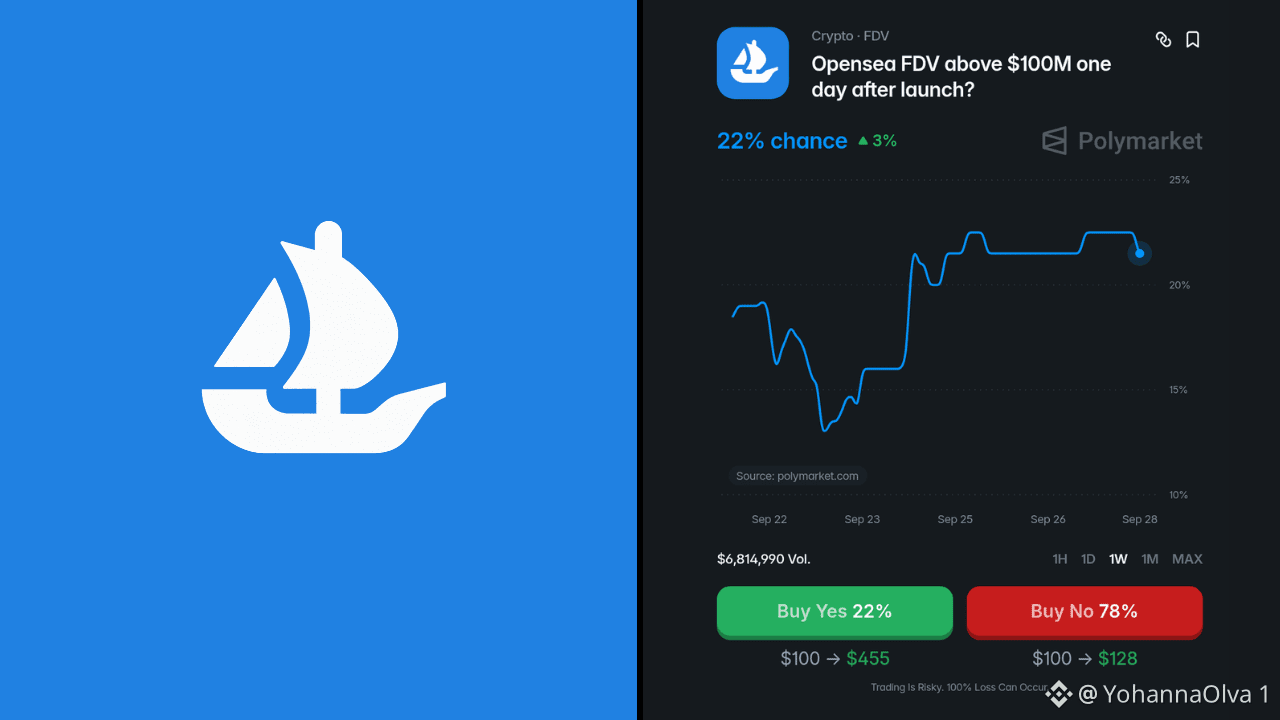
Bir proqnozda 6,8M həcmdə 👀
Polymarket'i açıq saxlamağı məhz belə aktivlik mənə “əsaslandırır”.
Sual budur: OpenSea-nın FDV-si təqdimatdan bir gün sonra 100M$-ı keçəcəkmi və treyderlər hazırda yalnız YES üçün 22% ehtimal verirlər.
Aşağı ehtimal daha çox risk deməkdir, amma həm də çox daha böyük potensial ödəniş yaradır.
💰 YES üçün 100$ → düzgün çıxsa təxminən 455$.
Bu, 4,5 dəfədən də çoxdur.
Polymarket-də bəyəndiyim odur ki, növbəti hansınınsa çıxacağına nəsə alıb sonra bazarın investisiyamın yaxşı olub-olmadığına qərar verməsini gözləməli deyiləm.
Mən hadisəni birbaşa ticarət edə bilərəm.
Üstəlik çıxışımı (exit) yenə də özüm idarə edirəm.
Əgər OpenSea hype sürətlənər və bu 22% ehtimal 30%-ə, 40%-a və hətta daha yuxarıya doğru hərəkət etməyə başlayarsa, bazar nəticəni hələ həll etməmişdən əvvəl mövqeyi potensial olaraq sata bilərəm.
Bu, kriptoda fürsət axtarmağın tamamilə başqa bir yoludur.
Bir $HYPE mövqeyinin dəyər qazanmasına güvənmək əvəzinə, Polymarket mənə növbəti setup üçün araşdırmaq biləcəyi minlərlə hadisə və dəyişən ehtimallar təqdim edir.
#Altcoin Season#
Bir proqnozda 6,8M həcmdə 👀
Polymarket'i açıq saxlamağı məhz belə aktivlik mənə “əsaslandırır”.
Sual budur: OpenSea-nın FDV-si təqdimatdan bir gün sonra 100M$-ı keçəcəkmi və treyderlər hazırda yalnız YES üçün 22% ehtimal verirlər.
Aşağı ehtimal daha çox risk deməkdir, amma həm də çox daha böyük potensial ödəniş yaradır.
💰 YES üçün 100$ → düzgün çıxsa təxminən 455$.
Bu, 4,5 dəfədən də çoxdur.
Polymarket-də bəyəndiyim odur ki, növbəti hansınınsa çıxacağına nəsə alıb sonra bazarın investisiyamın yaxşı olub-olmadığına qərar verməsini gözləməli deyiləm.
Mən hadisəni birbaşa ticarət edə bilərəm.
Üstəlik çıxışımı (exit) yenə də özüm idarə edirəm.
Əgər OpenSea hype sürətlənər və bu 22% ehtimal 30%-ə, 40%-a və hətta daha yuxarıya doğru hərəkət etməyə başlayarsa, bazar nəticəni hələ həll etməmişdən əvvəl mövqeyi potensial olaraq sata bilərəm.
Bu, kriptoda fürsət axtarmağın tamamilə başqa bir yoludur.
Bir $HYPE mövqeyinin dəyər qazanmasına güvənmək əvəzinə, Polymarket mənə növbəti setup üçün araşdırmaq biləcəyi minlərlə hadisə və dəyişən ehtimallar təqdim edir.
#Altcoin Season#
Polymarket'i açıq saxlamağı məhz belə aktivlik mənə “əsaslandırır”.
Sual budur: OpenSea-nın FDV-si təqdimatdan bir gün sonra 100M$-ı keçəcəkmi və treyderlər hazırda yalnız YES üçün 22% ehtimal verirlər.
Aşağı ehtimal daha çox risk deməkdir, amma həm də çox daha böyük potensial ödəniş yaradır.
💰 YES üçün 100$ → düzgün çıxsa təxminən 455$.
Bu, 4,5 dəfədən də çoxdur.
Polymarket-də bəyəndiyim odur ki, növbəti hansınınsa çıxacağına nəsə alıb sonra bazarın investisiyamın yaxşı olub-olmadığına qərar verməsini gözləməli deyiləm.
Mən hadisəni birbaşa ticarət edə bilərəm.
Üstəlik çıxışımı (exit) yenə də özüm idarə edirəm.
Əgər OpenSea hype sürətlənər və bu 22% ehtimal 30%-ə, 40%-a və hətta daha yuxarıya doğru hərəkət etməyə başlayarsa, bazar nəticəni hələ həll etməmişdən əvvəl mövqeyi potensial olaraq sata bilərəm.
Bu, kriptoda fürsət axtarmağın tamamilə başqa bir yoludur.
Bir $HYPE mövqeyinin dəyər qazanmasına güvənmək əvəzinə, Polymarket mənə növbəti setup üçün araşdırmaq biləcəyi minlərlə hadisə və dəyişən ehtimallar təqdim edir.
#Altcoin Season#
124
Web3 hadisələrin gücünü az qiymətləndirir 🔥
$SOL və $INJ ətrafındakı icmalar kripto mədəniyyətinin sərhədləri asanlıqla keçə bildiyini göstərir, amma insanları eyni şəhərə gətirmək yalnız ilk addımdır.
İnsanlar IRL (real həyatda) görüşəndə, onların ətrafındakı detallər bir-biri ilə əslində nə qədər vaxt keçirə bilmələrini müəyyənləşdirir.
Yaxşı qonaqpərvərlik bir təcrübə ilə bağlı planlamanı azaldır, beləliklə insanlar və söhbətlər onun mərkəzində qalır.
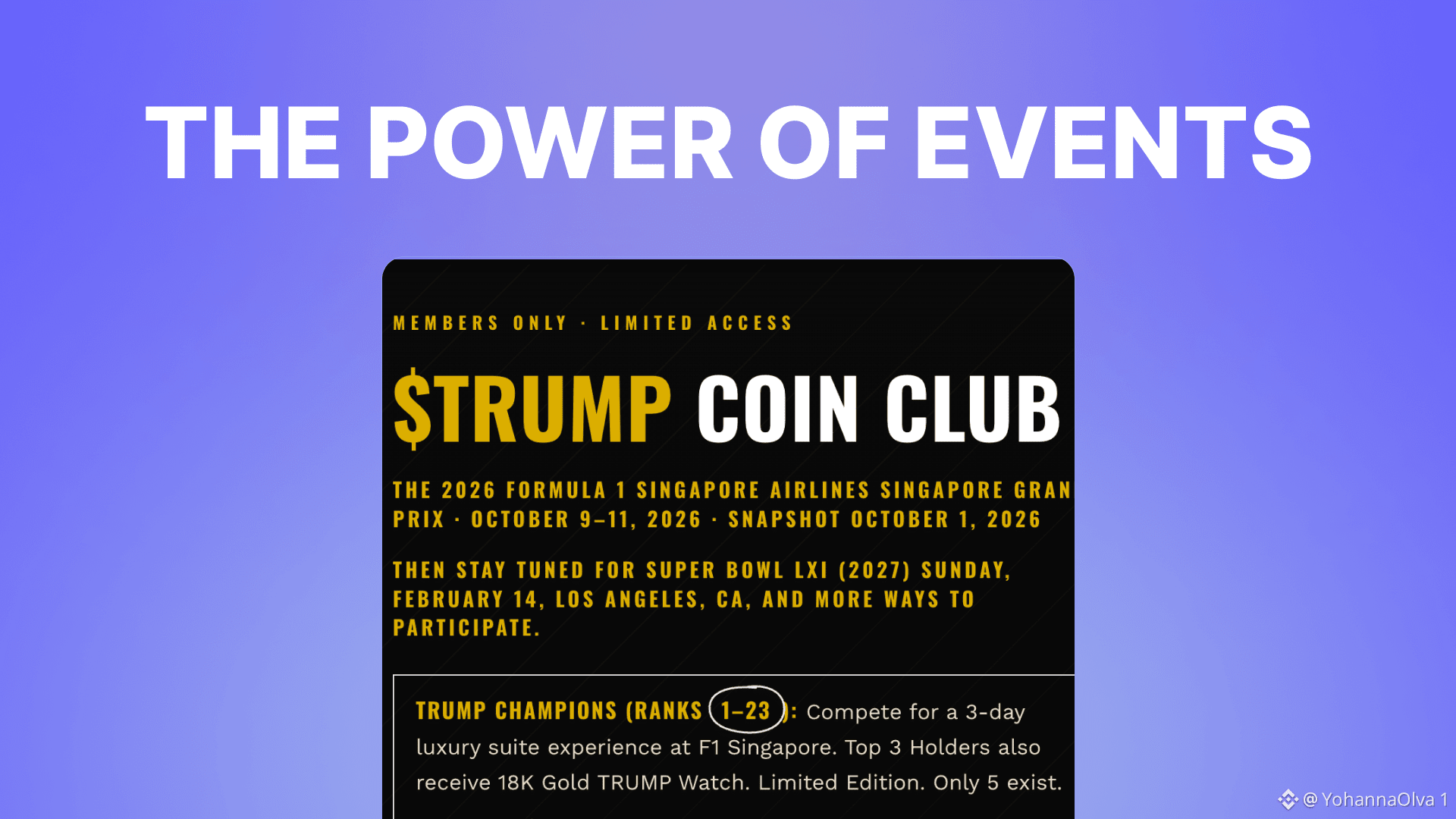
Mənim üçün planlaşdırılan $Trump Coin Club Singapore təcrübəsini maraqlı edən də budur.
Onun üç günlük formatına otel yerləşməsi, şəxsi yerüstü nəqliyyat və yeməklər daxil olmaqla gözlənilir—mövcudluğa bağlıdır.
Bu detallar əməliyyat xarakterli səslənə bilər, amma iştirakçıların hər bir hissəni özləri təşkil etməklə məşğul olmaq yox, təcrübəyə diqqət ayırıb-ayırmamasını müəyyənləşdirir.
İmo (fikrimcə) ən güclü qonaqpərvərlik elə o cürdür ki, insanlar əlaqə qurmağın ətrafında artıq hər şey işlədiyi üçün onu barədə demək olar ki, düşünməyə belə ehtiyac qalmır 🌏
#Altcoin Season#
Web3 hadisələrin gücünü az qiymətləndirir 🔥
$SOL və $INJ ətrafındakı icmalar kripto mədəniyyətinin sərhədləri asanlıqla keçə bildiyini göstərir, amma insanları eyni şəhərə gətirmək yalnız ilk addımdır.
İnsanlar IRL (real həyatda) görüşəndə, onların ətrafındakı detallər bir-biri ilə əslində nə qədər vaxt keçirə bilmələrini müəyyənləşdirir.
Yaxşı qonaqpərvərlik bir təcrübə ilə bağlı planlamanı azaldır, beləliklə insanlar və söhbətlər onun mərkəzində qalır.
Mənim üçün planlaşdırılan $Trump Coin Club Singapore təcrübəsini maraqlı edən də budur.
Onun üç günlük formatına otel yerləşməsi, şəxsi yerüstü nəqliyyat və yeməklər daxil olmaqla gözlənilir—mövcudluğa bağlıdır.
Bu detallar əməliyyat xarakterli səslənə bilər, amma iştirakçıların hər bir hissəni özləri təşkil etməklə məşğul olmaq yox, təcrübəyə diqqət ayırıb-ayırmamasını müəyyənləşdirir.
İmo (fikrimcə) ən güclü qonaqpərvərlik elə o cürdür ki, insanlar əlaqə qurmağın ətrafında artıq hər şey işlədiyi üçün onu barədə demək olar ki, düşünməyə belə ehtiyac qalmır 🌏
#Altcoin Season#
$SOL və $INJ ətrafındakı icmalar kripto mədəniyyətinin sərhədləri asanlıqla keçə bildiyini göstərir, amma insanları eyni şəhərə gətirmək yalnız ilk addımdır.
İnsanlar IRL (real həyatda) görüşəndə, onların ətrafındakı detallər bir-biri ilə əslində nə qədər vaxt keçirə bilmələrini müəyyənləşdirir.
Yaxşı qonaqpərvərlik bir təcrübə ilə bağlı planlamanı azaldır, beləliklə insanlar və söhbətlər onun mərkəzində qalır.
Mənim üçün planlaşdırılan $Trump Coin Club Singapore təcrübəsini maraqlı edən də budur.
Onun üç günlük formatına otel yerləşməsi, şəxsi yerüstü nəqliyyat və yeməklər daxil olmaqla gözlənilir—mövcudluğa bağlıdır.
Bu detallar əməliyyat xarakterli səslənə bilər, amma iştirakçıların hər bir hissəni özləri təşkil etməklə məşğul olmaq yox, təcrübəyə diqqət ayırıb-ayırmamasını müəyyənləşdirir.
İmo (fikrimcə) ən güclü qonaqpərvərlik elə o cürdür ki, insanlar əlaqə qurmağın ətrafında artıq hər şey işlədiyi üçün onu barədə demək olar ki, düşünməyə belə ehtiyac qalmır 🌏
#Altcoin Season#
2
223
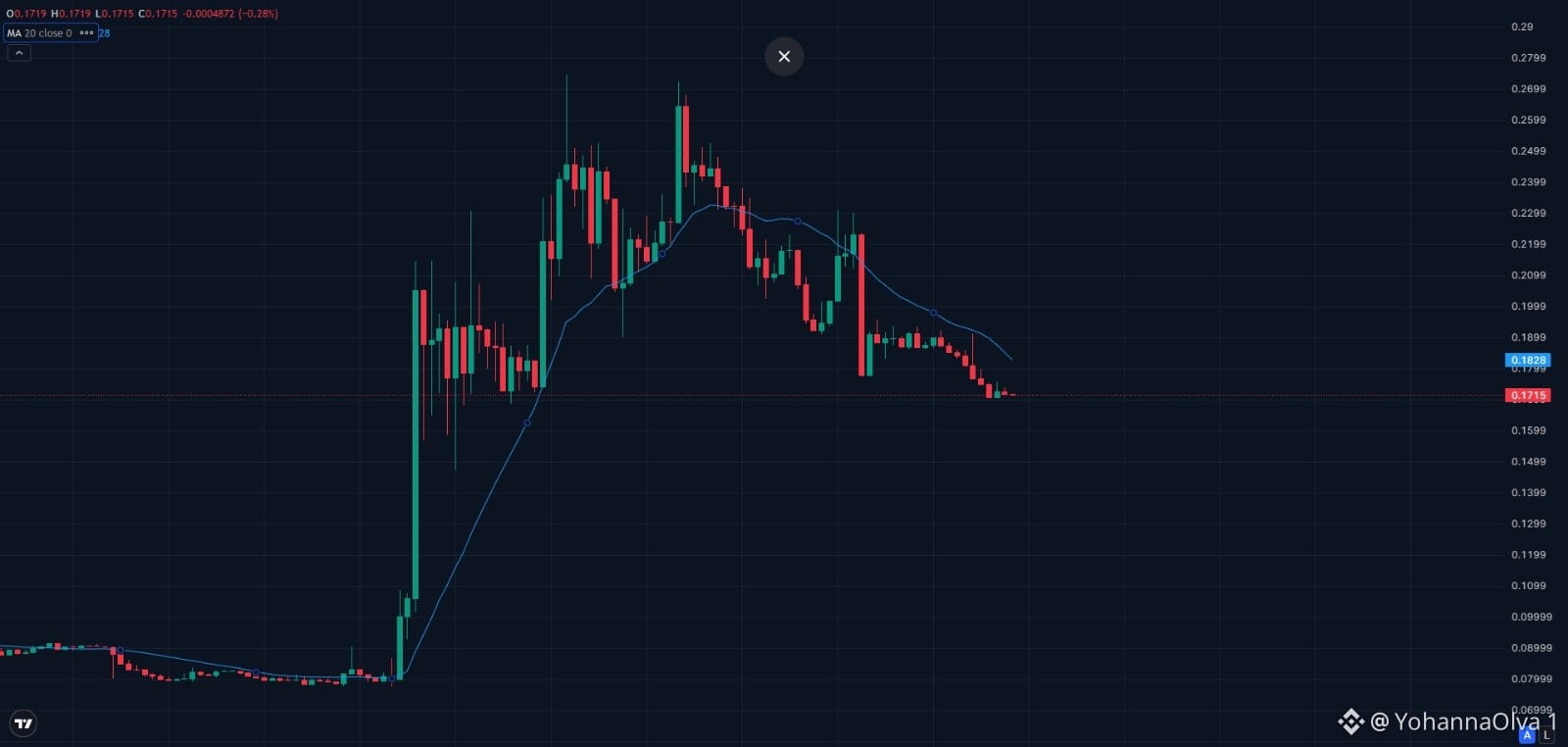
**$SYN Potensial Bull Flag qurur 🚩**
$LINK infrastruktur aktivlərinin böyük bir genişlənmədən sonra kəskin şəkildə konsolidasiya edə biləcəyini və daha sonra növbəti istiqamətini seçmədən əvvəl necə davrandığını göstərir.
$SYN artıq həmin tip davam quruluşunu formalaşdıra bilər.
Qiymət konsolidasiyaya girməzdən əvvəl təxminən $0.08-dən $0.24-dən yuxarıya qədər yüksəlib.
Bu kombinasiya potensial bull flag-ə bənzəyir: güclü ilkin hərəkət, nizamlı geri çəkilmə və qiymət dəstəyə yaxınlaşdıqca iştirakın azalması.
İndiki dəstək zonası təxminən $0.165–$0.170 arasındadır.
$0.190-dən yuxarı bərpa ilk bullish təsdiq verər, $0.208 yaxınlığındakı 20 günlük hərəkətli ortalamanı geri almaq isə setup-u xeyli gücləndirər.
Diqqət edilməli yüksəliş səviyyələri:
🎯 $0.208
🎯 $0.220
🎯 $0.240
\#TechnicalAnalysis #Altcoin Season#
**$SYN Potensial Bull Flag qurur 🚩**
$LINK infrastruktur aktivlərinin böyük bir genişlənmədən sonra kəskin şəkildə konsolidasiya edə biləcəyini və daha sonra növbəti istiqamətini seçmədən əvvəl necə davrandığını göstərir.
$SYN artıq həmin tip davam quruluşunu formalaşdıra bilər.
Qiymət konsolidasiyaya girməzdən əvvəl təxminən $0.08-dən $0.24-dən yuxarıya qədər yüksəlib.
Bu kombinasiya potensial bull flag-ə bənzəyir: güclü ilkin hərəkət, nizamlı geri çəkilmə və qiymət dəstəyə yaxınlaşdıqca iştirakın azalması.
İndiki dəstək zonası təxminən $0.165–$0.170 arasındadır.
$0.190-dən yuxarı bərpa ilk bullish təsdiq verər, $0.208 yaxınlığındakı 20 günlük hərəkətli ortalamanı geri almaq isə setup-u xeyli gücləndirər.
Diqqət edilməli yüksəliş səviyyələri:
🎯 $0.208
🎯 $0.220
🎯 $0.240
\#TechnicalAnalysis #Altcoin Season#
$LINK infrastruktur aktivlərinin böyük bir genişlənmədən sonra kəskin şəkildə konsolidasiya edə biləcəyini və daha sonra növbəti istiqamətini seçmədən əvvəl necə davrandığını göstərir.
$SYN artıq həmin tip davam quruluşunu formalaşdıra bilər.
Qiymət konsolidasiyaya girməzdən əvvəl təxminən $0.08-dən $0.24-dən yuxarıya qədər yüksəlib.
Bu kombinasiya potensial bull flag-ə bənzəyir: güclü ilkin hərəkət, nizamlı geri çəkilmə və qiymət dəstəyə yaxınlaşdıqca iştirakın azalması.
İndiki dəstək zonası təxminən $0.165–$0.170 arasındadır.
$0.190-dən yuxarı bərpa ilk bullish təsdiq verər, $0.208 yaxınlığındakı 20 günlük hərəkətli ortalamanı geri almaq isə setup-u xeyli gücləndirər.
Diqqət edilməli yüksəliş səviyyələri:
🎯 $0.208
🎯 $0.220
🎯 $0.240
\#TechnicalAnalysis #Altcoin Season#
1
165
Tərcüməyə bax
The Best Yield Doesn't Sit Still 🌐
That's something people miss when they compare DeFi vaults by APY.
The opportunity can move.
One lending market gets crowded and its spread compresses.
Another chain suddenly has cheaper borrowing.
A Pendle market reprices.
A redemption dislocation opens somewhere else.
Theoriq's AlphaVault is built around that reality rather than treating one protocol as a permanent home for capital.
Its strategy universe has included Aave, Morpho and Euler deployments across multiple environments, with capital moving toward relative-value, credit-spread and term-yield opportunities when the risk-adjusted economics justify it.
That makes me think differently about ecosystems like $SUI and $NEAR too.
More chains don't only mean fragmented liquidity.
They create fragmented pricing.
And fragmented pricing can become opportunity if the infrastructure can compare venues, move efficiently and understand the extra risk introduced by crossing between them.
The edge isn't finding the protocol with the biggest number today.
It's recognizing when today's best opportunity stops being tomorrow's.
#Altcoin Season#
The Best Yield Doesn't Sit Still 🌐
That's something people miss when they compare DeFi vaults by APY.
The opportunity can move.
One lending market gets crowded and its spread compresses.
Another chain suddenly has cheaper borrowing.
A Pendle market reprices.
A redemption dislocation opens somewhere else.
Theoriq's AlphaVault is built around that reality rather than treating one protocol as a permanent home for capital.
Its strategy universe has included Aave, Morpho and Euler deployments across multiple environments, with capital moving toward relative-value, credit-spread and term-yield opportunities when the risk-adjusted economics justify it.
That makes me think differently about ecosystems like $SUI and $NEAR too.
More chains don't only mean fragmented liquidity.
They create fragmented pricing.
And fragmented pricing can become opportunity if the infrastructure can compare venues, move efficiently and understand the extra risk introduced by crossing between them.
The edge isn't finding the protocol with the biggest number today.
It's recognizing when today's best opportunity stops being tomorrow's.
#Altcoin Season#
That's something people miss when they compare DeFi vaults by APY.
The opportunity can move.
One lending market gets crowded and its spread compresses.
Another chain suddenly has cheaper borrowing.
A Pendle market reprices.
A redemption dislocation opens somewhere else.
Theoriq's AlphaVault is built around that reality rather than treating one protocol as a permanent home for capital.
Its strategy universe has included Aave, Morpho and Euler deployments across multiple environments, with capital moving toward relative-value, credit-spread and term-yield opportunities when the risk-adjusted economics justify it.
That makes me think differently about ecosystems like $SUI and $NEAR too.
More chains don't only mean fragmented liquidity.
They create fragmented pricing.
And fragmented pricing can become opportunity if the infrastructure can compare venues, move efficiently and understand the extra risk introduced by crossing between them.
The edge isn't finding the protocol with the biggest number today.
It's recognizing when today's best opportunity stops being tomorrow's.
#Altcoin Season#
92
İnternet İnsanlıq Üçün Sübuta Ehtiyac Duyur 🧍
$VFY və $WLD internetin növbəti böyük tıxaclarından birinin yaxınında yerləşir.
AI agentləri formaları göndərə, hesab yarada və ictimai xidmətləri insan hücumçuların heç vaxt edə bilmədiyi miqyasda aşındıra bilər. Bu qaçılmazdır və ciddi problemlərə yol açacaq.
Böyük platformalar xüsusi müdafiələr qura bilər, amma kiçik bizneslər və dövlət saytları nadir hallarda eyni resurslara malik olur.
CAPTCHAlar artıq insanlar üçün əsəbidir, amma maşınlar üçün getdikcə daha idarəolunan olur.
Gələcək saytlar sorğunun həqiqi və uyğun bir şəxsdən gəldiyini göstərən kriptoqrafik sübuta ehtiyac duya bilər.
Məxfiliyi qoruyan bir identifikasiya sistemi insanlığı təsdiqləyən, amma istifadəçinin adını və ya şəxsiyyət sənədini açıqlamayan ZK sübutu yarada bilər. Etimadnamə və məxfilik həmin identifikasiya sistemindən gələcək.
zkVerify nəticədə alınan sübutun kriptoqrafik olaraq etibarlı olub-olmadığını müstəqil yoxlaya bilər.
Sayt istifadəyə yararlı nəticə alacaq və həssas əməliyyatları təsdiqlənmiş istifadəçilərlə məhdudlaşdıra biləcək.
Bir təsdiqlənmiş şəxs bir tətbiq, iddia və ya hesab ala bilər; təşkilat şəxsi sənədlərdən başqa bir verilənlər bazası toplamaq məcburiyyətində qalmır.
Bu da VFY rolunu çox daha asan başa düşülən edir.
Əgər sübuta əsaslanan giriş geniş yayılarsa, saytlar həmin sübutları yoxlamaq üçün etibarlı bir yer tapmalı olacaq.
Düşünürəm ki, insanın təsdiqi həsr olunmuş Zero Knowledge infrastrukturuna olan real dünyadakı ən böyük tələbat mənbələrindən biri ola bilər.
#AI #Privacy
İnternet İnsanlıq Üçün Sübuta Ehtiyac Duyur 🧍
$VFY və $WLD internetin növbəti böyük tıxaclarından birinin yaxınında yerləşir.
AI agentləri formaları göndərə, hesab yarada və ictimai xidmətləri insan hücumçuların heç vaxt edə bilmədiyi miqyasda aşındıra bilər. Bu qaçılmazdır və ciddi problemlərə yol açacaq.
Böyük platformalar xüsusi müdafiələr qura bilər, amma kiçik bizneslər və dövlət saytları nadir hallarda eyni resurslara malik olur.
CAPTCHAlar artıq insanlar üçün əsəbidir, amma maşınlar üçün getdikcə daha idarəolunan olur.
Gələcək saytlar sorğunun həqiqi və uyğun bir şəxsdən gəldiyini göstərən kriptoqrafik sübuta ehtiyac duya bilər.
Məxfiliyi qoruyan bir identifikasiya sistemi insanlığı təsdiqləyən, amma istifadəçinin adını və ya şəxsiyyət sənədini açıqlamayan ZK sübutu yarada bilər. Etimadnamə və məxfilik həmin identifikasiya sistemindən gələcək.
zkVerify nəticədə alınan sübutun kriptoqrafik olaraq etibarlı olub-olmadığını müstəqil yoxlaya bilər.
Sayt istifadəyə yararlı nəticə alacaq və həssas əməliyyatları təsdiqlənmiş istifadəçilərlə məhdudlaşdıra biləcək.
Bir təsdiqlənmiş şəxs bir tətbiq, iddia və ya hesab ala bilər; təşkilat şəxsi sənədlərdən başqa bir verilənlər bazası toplamaq məcburiyyətində qalmır.
Bu da VFY rolunu çox daha asan başa düşülən edir.
Əgər sübuta əsaslanan giriş geniş yayılarsa, saytlar həmin sübutları yoxlamaq üçün etibarlı bir yer tapmalı olacaq.
Düşünürəm ki, insanın təsdiqi həsr olunmuş Zero Knowledge infrastrukturuna olan real dünyadakı ən böyük tələbat mənbələrindən biri ola bilər.
#AI #Privacy
$VFY və $WLD internetin növbəti böyük tıxaclarından birinin yaxınında yerləşir.
AI agentləri formaları göndərə, hesab yarada və ictimai xidmətləri insan hücumçuların heç vaxt edə bilmədiyi miqyasda aşındıra bilər. Bu qaçılmazdır və ciddi problemlərə yol açacaq.
Böyük platformalar xüsusi müdafiələr qura bilər, amma kiçik bizneslər və dövlət saytları nadir hallarda eyni resurslara malik olur.
CAPTCHAlar artıq insanlar üçün əsəbidir, amma maşınlar üçün getdikcə daha idarəolunan olur.
Gələcək saytlar sorğunun həqiqi və uyğun bir şəxsdən gəldiyini göstərən kriptoqrafik sübuta ehtiyac duya bilər.
Məxfiliyi qoruyan bir identifikasiya sistemi insanlığı təsdiqləyən, amma istifadəçinin adını və ya şəxsiyyət sənədini açıqlamayan ZK sübutu yarada bilər. Etimadnamə və məxfilik həmin identifikasiya sistemindən gələcək.
zkVerify nəticədə alınan sübutun kriptoqrafik olaraq etibarlı olub-olmadığını müstəqil yoxlaya bilər.
Sayt istifadəyə yararlı nəticə alacaq və həssas əməliyyatları təsdiqlənmiş istifadəçilərlə məhdudlaşdıra biləcək.
Bir təsdiqlənmiş şəxs bir tətbiq, iddia və ya hesab ala bilər; təşkilat şəxsi sənədlərdən başqa bir verilənlər bazası toplamaq məcburiyyətində qalmır.
Bu da VFY rolunu çox daha asan başa düşülən edir.
Əgər sübuta əsaslanan giriş geniş yayılarsa, saytlar həmin sübutları yoxlamaq üçün etibarlı bir yer tapmalı olacaq.
Düşünürəm ki, insanın təsdiqi həsr olunmuş Zero Knowledge infrastrukturuna olan real dünyadakı ən böyük tələbat mənbələrindən biri ola bilər.
#AI #Privacy
1
1
292
Tərcüməyə bax
Three Venues. One Borrower. Now What? 🔐
Here's where institutional crypto credit gets messy.
A borrower might hold collateral on a centralized exchange, another position in DeFi and something else sitting with a custodian.
Each venue can show its own balance.
But the lender needs the whole picture.
Space and Time's Virtual Vault approach is designed around bringing those separate sources into one verifiable collateral view rather than making the lender reconcile different versions manually.
That's the piece I think gets overlooked.
The problem isn't always missing data.
Sometimes you have plenty of data and none of it agrees cleanly.
As liquidity spreads across ecosystems like $AVAX , that fragmentation isn't disappearing.
Credit infrastructure needs to work around it.
One borrower shouldn't create five different versions of reality.
#Altcoin Season#
Three Venues. One Borrower. Now What? 🔐
Here's where institutional crypto credit gets messy.
A borrower might hold collateral on a centralized exchange, another position in DeFi and something else sitting with a custodian.
Each venue can show its own balance.
But the lender needs the whole picture.
Space and Time's Virtual Vault approach is designed around bringing those separate sources into one verifiable collateral view rather than making the lender reconcile different versions manually.
That's the piece I think gets overlooked.
The problem isn't always missing data.
Sometimes you have plenty of data and none of it agrees cleanly.
As liquidity spreads across ecosystems like $AVAX , that fragmentation isn't disappearing.
Credit infrastructure needs to work around it.
One borrower shouldn't create five different versions of reality.
#Altcoin Season#
Here's where institutional crypto credit gets messy.
A borrower might hold collateral on a centralized exchange, another position in DeFi and something else sitting with a custodian.
Each venue can show its own balance.
But the lender needs the whole picture.
Space and Time's Virtual Vault approach is designed around bringing those separate sources into one verifiable collateral view rather than making the lender reconcile different versions manually.
That's the piece I think gets overlooked.
The problem isn't always missing data.
Sometimes you have plenty of data and none of it agrees cleanly.
As liquidity spreads across ecosystems like $AVAX , that fragmentation isn't disappearing.
Credit infrastructure needs to work around it.
One borrower shouldn't create five different versions of reality.
#Altcoin Season#
63
Tərcüməyə bax
Pairing Memes Against Stocks Changes Everything 🧬
$ONDO helped make tokenized assets understandable to a much wider crypto audience.
Now $ZORA is exploring what happens when those assets become the foundation for entirely new markets.
Most launchpads let users create another token against the same default currency.
Custom Pairs break that pattern.
A creator can launch a token against a meme, crypto major or tokenized stock, creating a market around the relationship between two different narratives.
Zora CEO Dee Goens believes this could become a breakout phenomenon for crypto, and I understand why.
The mobile app now lets users
- Create Custom Pairs in a few clicks
- Choose what their token trades against
- Access crosschain trading across Solana, BNB Chain, Robinhood Chain and Base
I think this is the kind of market behaviour that could only emerge in crypto.
Custom Pairs turn speculation into a creative medium. The stranger and more culturally relevant the pairing, the more interesting the market becomes.
Dee is pursuing the format hard, and Zora has already placed it at the centre of its mobile expansion.
This could become much larger than another token-launch feature.
#RWA #Altcoin Season#
Pairing Memes Against Stocks Changes Everything 🧬
$ONDO helped make tokenized assets understandable to a much wider crypto audience.
Now $ZORA is exploring what happens when those assets become the foundation for entirely new markets.
Most launchpads let users create another token against the same default currency.
Custom Pairs break that pattern.
A creator can launch a token against a meme, crypto major or tokenized stock, creating a market around the relationship between two different narratives.
Zora CEO Dee Goens believes this could become a breakout phenomenon for crypto, and I understand why.
The mobile app now lets users
- Create Custom Pairs in a few clicks
- Choose what their token trades against
- Access crosschain trading across Solana, BNB Chain, Robinhood Chain and Base
I think this is the kind of market behaviour that could only emerge in crypto.
Custom Pairs turn speculation into a creative medium. The stranger and more culturally relevant the pairing, the more interesting the market becomes.
Dee is pursuing the format hard, and Zora has already placed it at the centre of its mobile expansion.
This could become much larger than another token-launch feature.
#RWA #Altcoin Season#
$ONDO helped make tokenized assets understandable to a much wider crypto audience.
Now $ZORA is exploring what happens when those assets become the foundation for entirely new markets.
Most launchpads let users create another token against the same default currency.
Custom Pairs break that pattern.
A creator can launch a token against a meme, crypto major or tokenized stock, creating a market around the relationship between two different narratives.
Zora CEO Dee Goens believes this could become a breakout phenomenon for crypto, and I understand why.
The mobile app now lets users
- Create Custom Pairs in a few clicks
- Choose what their token trades against
- Access crosschain trading across Solana, BNB Chain, Robinhood Chain and Base
I think this is the kind of market behaviour that could only emerge in crypto.
Custom Pairs turn speculation into a creative medium. The stranger and more culturally relevant the pairing, the more interesting the market becomes.
Dee is pursuing the format hard, and Zora has already placed it at the centre of its mobile expansion.
This could become much larger than another token-launch feature.
#RWA #Altcoin Season#
61
Tərcüməyə bax
Options Are Crypto’s Next Major Market 🌊
$AAVE showed that a major financial category such as lending could become a foundational part of DeFi. $SYN targets another established category through Hypercall: options.
Listed options represent roughly 50 trillion USD in annual notional volume globally, yet onchain options still lack a clear category leader.
Perpetuals already proved that traders want derivatives onchain. Options expand what those traders can express through strikes, expiries and structured payoffs.
Hypercall approaches that opportunity with equity-linked markets, fractional sizing and trading outside traditional market hours.
It is built on Hyperliquid, giving the product access to an active derivatives ecosystem instead of starting from an empty market.
That is why I see Hypercall as more than another trading interface. It is targeting a financial category that crypto has barely captured.
For SYN, even a small share of that migration could make product adoption increasingly relevant to the wider thesis.
#Altcoin Season#
Options Are Crypto’s Next Major Market 🌊
$AAVE showed that a major financial category such as lending could become a foundational part of DeFi. $SYN targets another established category through Hypercall: options.
Listed options represent roughly 50 trillion USD in annual notional volume globally, yet onchain options still lack a clear category leader.
Perpetuals already proved that traders want derivatives onchain. Options expand what those traders can express through strikes, expiries and structured payoffs.
Hypercall approaches that opportunity with equity-linked markets, fractional sizing and trading outside traditional market hours.
It is built on Hyperliquid, giving the product access to an active derivatives ecosystem instead of starting from an empty market.
That is why I see Hypercall as more than another trading interface. It is targeting a financial category that crypto has barely captured.
For SYN, even a small share of that migration could make product adoption increasingly relevant to the wider thesis.
#Altcoin Season#
$AAVE showed that a major financial category such as lending could become a foundational part of DeFi. $SYN targets another established category through Hypercall: options.
Listed options represent roughly 50 trillion USD in annual notional volume globally, yet onchain options still lack a clear category leader.
Perpetuals already proved that traders want derivatives onchain. Options expand what those traders can express through strikes, expiries and structured payoffs.
Hypercall approaches that opportunity with equity-linked markets, fractional sizing and trading outside traditional market hours.
It is built on Hyperliquid, giving the product access to an active derivatives ecosystem instead of starting from an empty market.
That is why I see Hypercall as more than another trading interface. It is targeting a financial category that crypto has barely captured.
For SYN, even a small share of that migration could make product adoption increasingly relevant to the wider thesis.
#Altcoin Season#
65
$B3 10x hesablamanın hekayəsinə erkən keçə bilər 👀
BlackRock AI infrastrukturu daha geniş müzakirələrə çıxarıb.
Onların son araşdırması bildirir ki, hesablama gücünə dair iddialar zamanla tokenləşdirilə, ticarətə çıxarıla və proqramlaşdırıla bilən settlement üçün istifadə oluna bilər; halbuki $VVV Venice vasitəsilə AI inference-a çıxış üçün kripto-native bir yol təqdim edir.
Düşünürəm ki, $B3 bu ideyaların üst-üstə düşdüyü başlanğıc nöqtəsindədir.
Sadəcə hesablamaya çıxışın ticarəti deyil, həm də fiziki GPU-nun özünü məhsuldar infrastruktur halına gətirməkdir.
B3IQ artıq alıcılara NVIDIA sistemlərinə sahib olmağa imkan verir, B3 isə tikintini, hostinqi və kommersiya tələbatını üzərinə götürür.
Seçilmiş maşınlarda:
• Alıcılar təxminən 30% ilkin ödənişlə başlaya bilər.
• Maşın qalan ödəniş ödənilənədək qazanc gətirə bilər.
• Sahiblər, B3-nin şəbəkə payından sonra reallaşdırılan ümumi gəlirin 85%-ni saxlayırlar.
Hesablamanın özü maliyyə aktivinə çevrilməyə başlayarsa, bu model daha da maraqlı görünür.
VVV AI hesablamasının istifadəsinə məruz qalma verir.
B3 onu istehsal edən maşınlara sahiblik ətrafında qurulur.
BlackRock-un hesablamanın tokenləşdirilə bilən infrastruktur olacağı fikri doğrudursa, B3IQ artıq bu bazarın altında yatan fiziki aktiv ətrafında qurulur.
Mənim üçün, B3 tezisinin məhz daha da böyüməyə başladığı yer budur 🔥
#Altcoin Season# #DePIN
$B3 10x hesablamanın hekayəsinə erkən keçə bilər 👀
BlackRock AI infrastrukturu daha geniş müzakirələrə çıxarıb.
Onların son araşdırması bildirir ki, hesablama gücünə dair iddialar zamanla tokenləşdirilə, ticarətə çıxarıla və proqramlaşdırıla bilən settlement üçün istifadə oluna bilər; halbuki $VVV Venice vasitəsilə AI inference-a çıxış üçün kripto-native bir yol təqdim edir.
Düşünürəm ki, $B3 bu ideyaların üst-üstə düşdüyü başlanğıc nöqtəsindədir.
Sadəcə hesablamaya çıxışın ticarəti deyil, həm də fiziki GPU-nun özünü məhsuldar infrastruktur halına gətirməkdir.
B3IQ artıq alıcılara NVIDIA sistemlərinə sahib olmağa imkan verir, B3 isə tikintini, hostinqi və kommersiya tələbatını üzərinə götürür.
Seçilmiş maşınlarda:
• Alıcılar təxminən 30% ilkin ödənişlə başlaya bilər.
• Maşın qalan ödəniş ödənilənədək qazanc gətirə bilər.
• Sahiblər, B3-nin şəbəkə payından sonra reallaşdırılan ümumi gəlirin 85%-ni saxlayırlar.
Hesablamanın özü maliyyə aktivinə çevrilməyə başlayarsa, bu model daha da maraqlı görünür.
VVV AI hesablamasının istifadəsinə məruz qalma verir.
B3 onu istehsal edən maşınlara sahiblik ətrafında qurulur.
BlackRock-un hesablamanın tokenləşdirilə bilən infrastruktur olacağı fikri doğrudursa, B3IQ artıq bu bazarın altında yatan fiziki aktiv ətrafında qurulur.
Mənim üçün, B3 tezisinin məhz daha da böyüməyə başladığı yer budur 🔥
#Altcoin Season# #DePIN
BlackRock AI infrastrukturu daha geniş müzakirələrə çıxarıb.
Onların son araşdırması bildirir ki, hesablama gücünə dair iddialar zamanla tokenləşdirilə, ticarətə çıxarıla və proqramlaşdırıla bilən settlement üçün istifadə oluna bilər; halbuki $VVV Venice vasitəsilə AI inference-a çıxış üçün kripto-native bir yol təqdim edir.
Düşünürəm ki, $B3 bu ideyaların üst-üstə düşdüyü başlanğıc nöqtəsindədir.
Sadəcə hesablamaya çıxışın ticarəti deyil, həm də fiziki GPU-nun özünü məhsuldar infrastruktur halına gətirməkdir.
B3IQ artıq alıcılara NVIDIA sistemlərinə sahib olmağa imkan verir, B3 isə tikintini, hostinqi və kommersiya tələbatını üzərinə götürür.
Seçilmiş maşınlarda:
• Alıcılar təxminən 30% ilkin ödənişlə başlaya bilər.
• Maşın qalan ödəniş ödənilənədək qazanc gətirə bilər.
• Sahiblər, B3-nin şəbəkə payından sonra reallaşdırılan ümumi gəlirin 85%-ni saxlayırlar.
Hesablamanın özü maliyyə aktivinə çevrilməyə başlayarsa, bu model daha da maraqlı görünür.
VVV AI hesablamasının istifadəsinə məruz qalma verir.
B3 onu istehsal edən maşınlara sahiblik ətrafında qurulur.
BlackRock-un hesablamanın tokenləşdirilə bilən infrastruktur olacağı fikri doğrudursa, B3IQ artıq bu bazarın altında yatan fiziki aktiv ətrafında qurulur.
Mənim üçün, B3 tezisinin məhz daha da böyüməyə başladığı yer budur 🔥
#Altcoin Season# #DePIN

57
İndi Tokenləri Sahiblərə Vest edə bilərsiniz 💎
$JUP və Ethena bu bazara göstərdi ki, paylama dizaynı kiminsə qalacağını müəyyən edir. $BNKR sahibliyin qazandığı şey olduğu bir versiyanı sınaqdan keçirir.
Arbitrum və Arc-da yenilik: bir “launch” tokenləri birbaşa sahiblərə vested edə bilər—komandaya deyil—həmçinin kotirovka tokenində, baza tokenində və ya hər ikisində haqları sahiblərə yönləndirmək üçün ikinci seçim var. Hər ikisi platforma tərəfindən idarə olunmaqdan çox, müqavilənin içində yazılıb.
Məni maraqlandıran, onun nəyi mükafatlandırdığıdır.
Əksər token paylamaları gəlişi (arrivalı) ödəniş kimi verir. Airdrops erkən olmağı mükafatlandırır, points aktivliyi, amma heç biri bir il sonra hələ də orada olan kiməsə pul ödəmir. Sahiblərə yığılan bir vest bu məntiqi tamamilə tərsinə çevirir.
Qarşı arqumenti də deməyə dəyər, çünki bu, ən aydın olandır.
İnsanlara qalsınlar deyə pul vermək onları qalmağa səbəb etmir. Lojallığa hədəflənmiş emissiyalar yenə də kiməsə zərər verəcək dərəcədə seyrelir, və əsas cazibəsi özündən daha çoxunu almaq olan bir tokenin dairəvi problemi var—bu sənaye artıq iki dəfə eyni döngəni yaşayıb.
Reallıqla qarşılaşanda sağ qalacaq versiya, ödənişin təklifdən (supply) yox, rüsum (fee) gəlirindən gələn versiyadır; buna görə də sahiblərə haqların yönləndirilməsi variantı ikisindən daha maraqlıdır.
Burada status önəmlidir. Bunlar eksperimentaldır, iki zəncirdə canlıdır; Base və Robinhood Chain isə yalnız mümkün kimi təsvir olunur.
Qınamadan əvvəl bunun arxasında real həcm olan bir “launch”ın bir dəfə belə istifadə edildiyini görmək istəyirəm və sonra ödədiyi sahiblərin həqiqətən qalıb-qalmadığını.
#Arbitrum #Altcoin Season#
İndi Tokenləri Sahiblərə Vest edə bilərsiniz 💎
$JUP və Ethena bu bazara göstərdi ki, paylama dizaynı kiminsə qalacağını müəyyən edir. $BNKR sahibliyin qazandığı şey olduğu bir versiyanı sınaqdan keçirir.
Arbitrum və Arc-da yenilik: bir “launch” tokenləri birbaşa sahiblərə vested edə bilər—komandaya deyil—həmçinin kotirovka tokenində, baza tokenində və ya hər ikisində haqları sahiblərə yönləndirmək üçün ikinci seçim var. Hər ikisi platforma tərəfindən idarə olunmaqdan çox, müqavilənin içində yazılıb.
Məni maraqlandıran, onun nəyi mükafatlandırdığıdır.
Əksər token paylamaları gəlişi (arrivalı) ödəniş kimi verir. Airdrops erkən olmağı mükafatlandırır, points aktivliyi, amma heç biri bir il sonra hələ də orada olan kiməsə pul ödəmir. Sahiblərə yığılan bir vest bu məntiqi tamamilə tərsinə çevirir.
Qarşı arqumenti də deməyə dəyər, çünki bu, ən aydın olandır.
İnsanlara qalsınlar deyə pul vermək onları qalmağa səbəb etmir. Lojallığa hədəflənmiş emissiyalar yenə də kiməsə zərər verəcək dərəcədə seyrelir, və əsas cazibəsi özündən daha çoxunu almaq olan bir tokenin dairəvi problemi var—bu sənaye artıq iki dəfə eyni döngəni yaşayıb.
Reallıqla qarşılaşanda sağ qalacaq versiya, ödənişin təklifdən (supply) yox, rüsum (fee) gəlirindən gələn versiyadır; buna görə də sahiblərə haqların yönləndirilməsi variantı ikisindən daha maraqlıdır.
Burada status önəmlidir. Bunlar eksperimentaldır, iki zəncirdə canlıdır; Base və Robinhood Chain isə yalnız mümkün kimi təsvir olunur.
Qınamadan əvvəl bunun arxasında real həcm olan bir “launch”ın bir dəfə belə istifadə edildiyini görmək istəyirəm və sonra ödədiyi sahiblərin həqiqətən qalıb-qalmadığını.
#Arbitrum #Altcoin Season#
$JUP və Ethena bu bazara göstərdi ki, paylama dizaynı kiminsə qalacağını müəyyən edir. $BNKR sahibliyin qazandığı şey olduğu bir versiyanı sınaqdan keçirir.
Arbitrum və Arc-da yenilik: bir “launch” tokenləri birbaşa sahiblərə vested edə bilər—komandaya deyil—həmçinin kotirovka tokenində, baza tokenində və ya hər ikisində haqları sahiblərə yönləndirmək üçün ikinci seçim var. Hər ikisi platforma tərəfindən idarə olunmaqdan çox, müqavilənin içində yazılıb.
Məni maraqlandıran, onun nəyi mükafatlandırdığıdır.
Əksər token paylamaları gəlişi (arrivalı) ödəniş kimi verir. Airdrops erkən olmağı mükafatlandırır, points aktivliyi, amma heç biri bir il sonra hələ də orada olan kiməsə pul ödəmir. Sahiblərə yığılan bir vest bu məntiqi tamamilə tərsinə çevirir.
Qarşı arqumenti də deməyə dəyər, çünki bu, ən aydın olandır.
İnsanlara qalsınlar deyə pul vermək onları qalmağa səbəb etmir. Lojallığa hədəflənmiş emissiyalar yenə də kiməsə zərər verəcək dərəcədə seyrelir, və əsas cazibəsi özündən daha çoxunu almaq olan bir tokenin dairəvi problemi var—bu sənaye artıq iki dəfə eyni döngəni yaşayıb.
Reallıqla qarşılaşanda sağ qalacaq versiya, ödənişin təklifdən (supply) yox, rüsum (fee) gəlirindən gələn versiyadır; buna görə də sahiblərə haqların yönləndirilməsi variantı ikisindən daha maraqlıdır.
Burada status önəmlidir. Bunlar eksperimentaldır, iki zəncirdə canlıdır; Base və Robinhood Chain isə yalnız mümkün kimi təsvir olunur.
Qınamadan əvvəl bunun arxasında real həcm olan bir “launch”ın bir dəfə belə istifadə edildiyini görmək istəyirəm və sonra ödədiyi sahiblərin həqiqətən qalıb-qalmadığını.
#Arbitrum #Altcoin Season#
93
Tərcüməyə bax
Injective might surprise everyone with an 8x 👀
The market is already rewarding two of the clearest narratives across onchain finance with $HYPE becoming a major trading infrastructure bet, while $ONDO made institutional tokenization one of the strongest RWA themes.
I think Injective sits where those narratives begin to overlap, with equities and RWAs trading onchain alongside infrastructure designed for American financial markets.
An 8x sounds aggressive, I know but still, the version of Injective trading today is materially different from the one that reached its previous ATH.
Its position in the U.S. has developed across several fronts:
• Injective is the first L1 to have an SEC-registered transfer agent.
• INJ futures are live on Bitnomial’s CFTC-regulated U.S. exchange.
• Canary Capital has filed for a staked INJ ETF.
Those developments do not guarantee institutional adoption or price appreciation, but they give Injective an actual pathway across tokenization, onchain markets, and regulated access.
For me, the American angle is becoming a major part of the Injective thesis 🔥
#Macro Insights#
Injective might surprise everyone with an 8x 👀
The market is already rewarding two of the clearest narratives across onchain finance with $HYPE becoming a major trading infrastructure bet, while $ONDO made institutional tokenization one of the strongest RWA themes.
I think Injective sits where those narratives begin to overlap, with equities and RWAs trading onchain alongside infrastructure designed for American financial markets.
An 8x sounds aggressive, I know but still, the version of Injective trading today is materially different from the one that reached its previous ATH.
Its position in the U.S. has developed across several fronts:
• Injective is the first L1 to have an SEC-registered transfer agent.
• INJ futures are live on Bitnomial’s CFTC-regulated U.S. exchange.
• Canary Capital has filed for a staked INJ ETF.
Those developments do not guarantee institutional adoption or price appreciation, but they give Injective an actual pathway across tokenization, onchain markets, and regulated access.
For me, the American angle is becoming a major part of the Injective thesis 🔥
#Macro Insights#
The market is already rewarding two of the clearest narratives across onchain finance with $HYPE becoming a major trading infrastructure bet, while $ONDO made institutional tokenization one of the strongest RWA themes.
I think Injective sits where those narratives begin to overlap, with equities and RWAs trading onchain alongside infrastructure designed for American financial markets.
An 8x sounds aggressive, I know but still, the version of Injective trading today is materially different from the one that reached its previous ATH.
Its position in the U.S. has developed across several fronts:
• Injective is the first L1 to have an SEC-registered transfer agent.
• INJ futures are live on Bitnomial’s CFTC-regulated U.S. exchange.
• Canary Capital has filed for a staked INJ ETF.
Those developments do not guarantee institutional adoption or price appreciation, but they give Injective an actual pathway across tokenization, onchain markets, and regulated access.
For me, the American angle is becoming a major part of the Injective thesis 🔥
#Macro Insights#
49
Tərcüməyə bax
$516M market cap for this story? 🟢
$ONDO owns a lot of the tokenized asset conversation on CMC. $RENDER brings the AI compute and infrastructure crowd that cares about what machines can actually use. Pyth connects both through the part nobody can skip: market data.
The Nasdaq Basic update makes that clearer.
Pyth has been approved as an external distributor to offer Nasdaq Basic, Nasdaq’s real-time quote and trade product for U.S. equities, through its Data Marketplace.
This gives Pyth stronger positioning inside the institutional market-data conversation.
The token chart already started reacting, with PYTH up over 8% in 24H and volume up more than 23%.
But the larger setup is still the product-to-market-cap gap.
3,500+ market feeds.
138+ first-party publishers.
1,901 equity feeds.
45 live Pyth Indices.
$10.4M ARR in August.
$2.9M gross new ARR.
$723.77B in August RWA perp volume priced by Pyth.
Now Nasdaq Basic enters the marketplace narrative.
At around $516M market cap, PYTH still looks like the market is pricing an oracle ticker while the product is moving toward a market-data business.
That is exactly the kind of gap I want to watch 📈
#Altcoin Season# #Trading
$516M market cap for this story? 🟢
$ONDO owns a lot of the tokenized asset conversation on CMC. $RENDER brings the AI compute and infrastructure crowd that cares about what machines can actually use. Pyth connects both through the part nobody can skip: market data.
The Nasdaq Basic update makes that clearer.
Pyth has been approved as an external distributor to offer Nasdaq Basic, Nasdaq’s real-time quote and trade product for U.S. equities, through its Data Marketplace.
This gives Pyth stronger positioning inside the institutional market-data conversation.
The token chart already started reacting, with PYTH up over 8% in 24H and volume up more than 23%.
But the larger setup is still the product-to-market-cap gap.
3,500+ market feeds.
138+ first-party publishers.
1,901 equity feeds.
45 live Pyth Indices.
$10.4M ARR in August.
$2.9M gross new ARR.
$723.77B in August RWA perp volume priced by Pyth.
Now Nasdaq Basic enters the marketplace narrative.
At around $516M market cap, PYTH still looks like the market is pricing an oracle ticker while the product is moving toward a market-data business.
That is exactly the kind of gap I want to watch 📈
#Altcoin Season# #Trading
$ONDO owns a lot of the tokenized asset conversation on CMC. $RENDER brings the AI compute and infrastructure crowd that cares about what machines can actually use. Pyth connects both through the part nobody can skip: market data.
The Nasdaq Basic update makes that clearer.
Pyth has been approved as an external distributor to offer Nasdaq Basic, Nasdaq’s real-time quote and trade product for U.S. equities, through its Data Marketplace.
This gives Pyth stronger positioning inside the institutional market-data conversation.
The token chart already started reacting, with PYTH up over 8% in 24H and volume up more than 23%.
But the larger setup is still the product-to-market-cap gap.
3,500+ market feeds.
138+ first-party publishers.
1,901 equity feeds.
45 live Pyth Indices.
$10.4M ARR in August.
$2.9M gross new ARR.
$723.77B in August RWA perp volume priced by Pyth.
Now Nasdaq Basic enters the marketplace narrative.
At around $516M market cap, PYTH still looks like the market is pricing an oracle ticker while the product is moving toward a market-data business.
That is exactly the kind of gap I want to watch 📈
#Altcoin Season# #Trading
48
Tərcüməyə bax
Basecamp Could Reprice Sui’s Finance Thesis 🔥
$SUI has spent many years now building the foundations. Even its co-founder says the next reveal will unleash the full power of Sui’s financial composability.
That is a massive claim.
The ambition is to make Sui the best place in the world to put capital to work.
The foundations are already visible across DeepBook’s native liquidity, gasless stablecoin transfers and Hashi becoming the Bitcoin collateral layer.
Basecamp is where those separate pieces could finally become one connected financial system.
If capital can trade, borrow, settle and move across Sui without fragmented infrastructure, the network becomes much harder to value as just another Layer 1.
I’m watching this super closely, because composability is where good technology becomes an actual financial economy.
Sui has set the expectations extremely high.
Now Basecamp needs to show the market why.
#Altcoin Season# #DeFi
Basecamp Could Reprice Sui’s Finance Thesis 🔥
$SUI has spent many years now building the foundations. Even its co-founder says the next reveal will unleash the full power of Sui’s financial composability.
That is a massive claim.
The ambition is to make Sui the best place in the world to put capital to work.
The foundations are already visible across DeepBook’s native liquidity, gasless stablecoin transfers and Hashi becoming the Bitcoin collateral layer.
Basecamp is where those separate pieces could finally become one connected financial system.
If capital can trade, borrow, settle and move across Sui without fragmented infrastructure, the network becomes much harder to value as just another Layer 1.
I’m watching this super closely, because composability is where good technology becomes an actual financial economy.
Sui has set the expectations extremely high.
Now Basecamp needs to show the market why.
#Altcoin Season# #DeFi
$SUI has spent many years now building the foundations. Even its co-founder says the next reveal will unleash the full power of Sui’s financial composability.
That is a massive claim.
The ambition is to make Sui the best place in the world to put capital to work.
The foundations are already visible across DeepBook’s native liquidity, gasless stablecoin transfers and Hashi becoming the Bitcoin collateral layer.
Basecamp is where those separate pieces could finally become one connected financial system.
If capital can trade, borrow, settle and move across Sui without fragmented infrastructure, the network becomes much harder to value as just another Layer 1.
I’m watching this super closely, because composability is where good technology becomes an actual financial economy.
Sui has set the expectations extremely high.
Now Basecamp needs to show the market why.
#Altcoin Season# #DeFi
74
Daha çox kontent araşdırmaq üçün daxil olun
Binance Square-də qlobal kriptovalyuta istifadəçilərinə qoşulun
⚡️ Kriptovalyuta haqqında ən son və faydalı məlumatları əldə edin.
💬 Dünyanın ən böyük kriptovalyuta birjası tərəfindən etibar edilir.
👍 Doğrulanmış yaradıcılardan gələn real məlumatları kəşf edin.
E-poçt/Telefon nömrəsi
Trenddə olan mövzular
BinanceLaunchesBinanceIntelligence
738,389 baxış
Müzakirə edir: 4,602
🧠 Təcrübəli investisiya fondu kimi treydinq etmək? İndi süni intellekt bunu sənin üçün pulsuz edir! 🤖📈
Wilsontrader97
·11 bəyənmə
·12.7k baxış
RussiaRegistersFirstCryptoExchanges
0 baxış
Müzakirə edir: 0
BTCFallsBelow$84K
31,009 baxış
Müzakirə edir: 110