

R3N 1
635 Paylaşımlar

R3N 1
Şikayət et
İstifadəçini blokla
Web3 & crypto Analyst || Breaking down market moves || token updates daily ➪NFA!!!
0 İzlənilir
3 İzləyicilər
4 Bəyəndi
Postlar
·
--
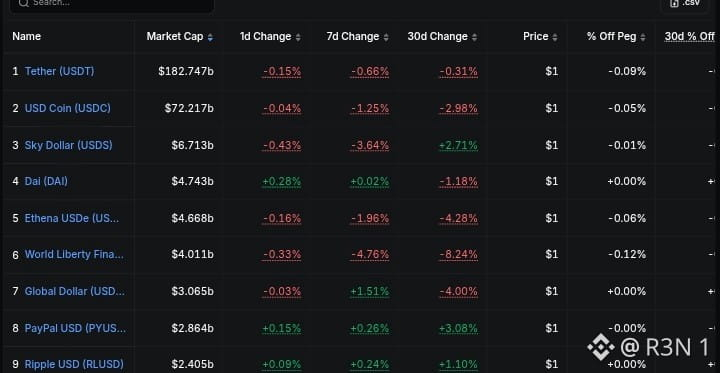
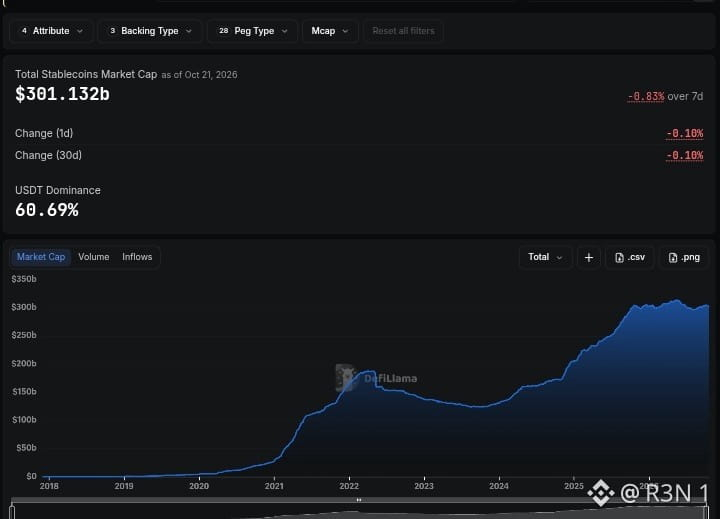
301 milyard dollar. İki ad. Bütün stabilkoin bazarının 84,7%-i.
2026-cı ilin oktyabrında vəziyyət belədir — və bu həftənin rəqəmləri çoxlarının diqqətdən qaçırdığı bir hekayədən danışır.
Tether-in USDT-si bu həftə beş gün ərzində təxminən 1 milyard dollar itirdi. 19 əsas platformadakı birjalarda saxlanılan vəsaitin həcmi iyuldan oktyabrın 1-dək 4,6 milyard dollar azaldı. Kapital kriptodan çıxmadı. Sadəcə başqa istiqamətə yönəldi — konkret olaraq Tether-dən USDC və RLUSD-yə. Bu fərq çoxlarının düşündüyündən daha vacibdir.
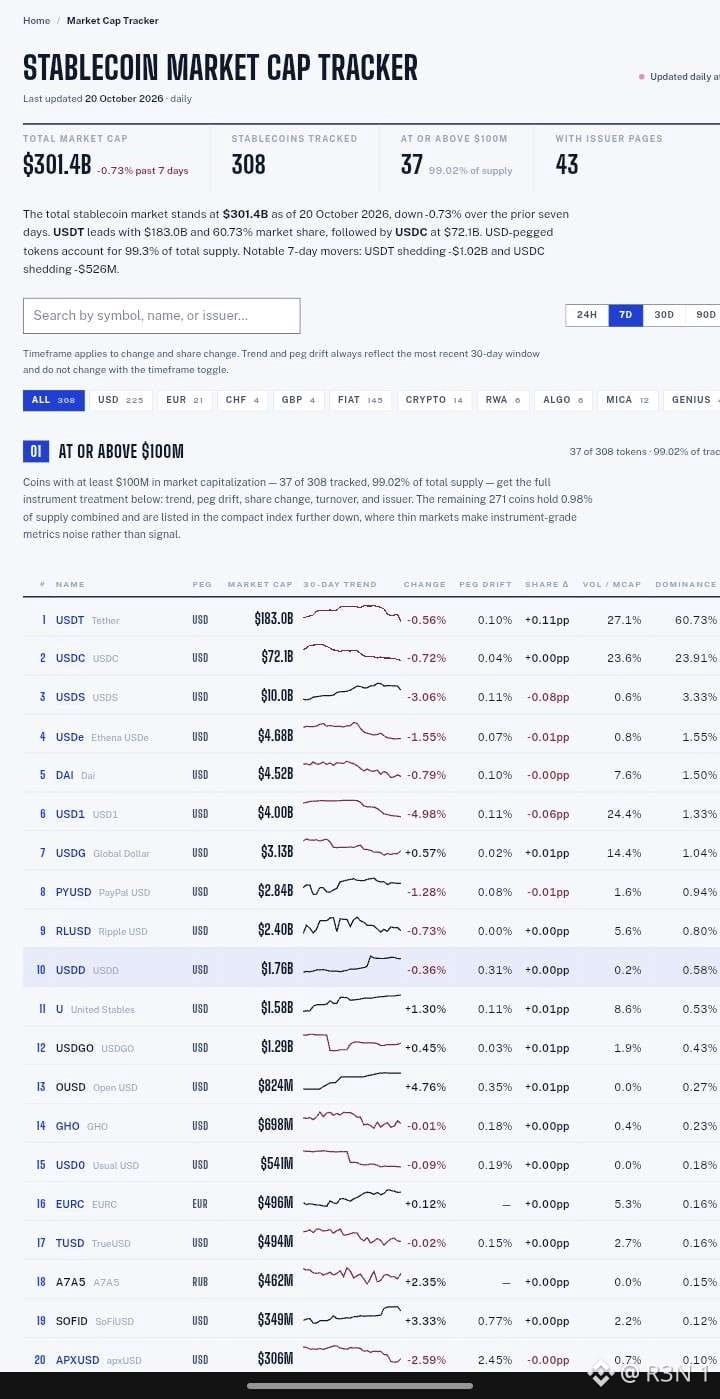
USDT hələ də 183 milyard dollar və 60,71% bazar payı ilə liderdir.
Bu mövqe dağılmır. Ancaq 2022-ci il FTX böhranından bəri ilk dəfə USDT-nin təklifi ardıcıl iki ay azaldı, halbuki USDC illik müqayisədə 72% artdı. Bazar kapitallaşması saxlanılan pulu ölçür. Əməliyyatların həcmi isə hərəkətdə olan pulu ölçür. İlin əvvəlindən bəri USDC əməliyyat həcminə görə USDT-ni 2,55 trilyon dollara qarşı 1,49 trilyon dollarla üstələdi — bu o deməkdir ki, daha kiçik stabilkoin daha sürətlə dövr edir və ödənişlər, hesablaşmalar üçün daha fəal istifadə olunur.
Sonra sentyabrın 30-u gəldi. Visa, Mastercard, Stripe, Coinbase, BlackRock və 140-dan çox şirkət 1 milyard dollarlıq öhdəlik götürülmüş likvidlik və tərəfdaşların həcmi USDC əvəzinə onun üzərindən yönləndirməsi üçün maliyyə stimulu yaradan mənfəət bölüşdürmə modeli ilə OUSD-ni — Open USD-ni — istifadəyə verdi. Cəmi üç həftə ərzində OUSD artıq təklifdə 4,5% artım və yeddi gündə 10,73% artım göstərib — DefiLlama-nın oktyabrın 15-nə olan məlumatlarına görə.
Stabilkoin bazarı heç vaxt bu qədər qeyri-bərabər görünməyib — və eyni zamanda heç vaxt bu qədər rəqabətli olmayıb.
Saxlanılan pul yarışında USDT liderdir. Hərəkətdə olan pul yarışını isə USDC qazanır. OUSD ödənişlər tarixində ən güclü korporativ dəstəklə yenicə meydana çıxdı. 5 milyard dollar həddini keçən başqa stabilkoin yoxdur — ilk iki stabilkoindən sonrakı uçurum bu qədər dərindir.
Bu, Stabilkoin müharibələri silsiləsinin 1-ci hissəsidir. 2-ci hissədə tənzimləyici təzyiqdən hansı stabilkoinin sağ çıxacağını araşdırırıq — cavab sizi təəccübləndirə bilər.
— R3N | @R3N_Research
$BTC #USDC #BTC Qiymət Təhlili# $ETH
301 milyard dollar. İki ad. Bütün stabilkoin bazarının 84,7%-i.
2026-cı ilin oktyabrında vəziyyət belədir — və bu həftənin rəqəmləri çoxlarının diqqətdən qaçırdığı bir hekayədən danışır.
Tether-in USDT-si bu həftə beş gün ərzində təxminən 1 milyard dollar itirdi. 19 əsas platformadakı birjalarda saxlanılan vəsaitin həcmi iyuldan oktyabrın 1-dək 4,6 milyard dollar azaldı. Kapital kriptodan çıxmadı. Sadəcə başqa istiqamətə yönəldi — konkret olaraq Tether-dən USDC və RLUSD-yə. Bu fərq çoxlarının düşündüyündən daha vacibdir.
USDT hələ də 183 milyard dollar və 60,71% bazar payı ilə liderdir.
Bu mövqe dağılmır. Ancaq 2022-ci il FTX böhranından bəri ilk dəfə USDT-nin təklifi ardıcıl iki ay azaldı, halbuki USDC illik müqayisədə 72% artdı. Bazar kapitallaşması saxlanılan pulu ölçür. Əməliyyatların həcmi isə hərəkətdə olan pulu ölçür. İlin əvvəlindən bəri USDC əməliyyat həcminə görə USDT-ni 2,55 trilyon dollara qarşı 1,49 trilyon dollarla üstələdi — bu o deməkdir ki, daha kiçik stabilkoin daha sürətlə dövr edir və ödənişlər, hesablaşmalar üçün daha fəal istifadə olunur.
Sonra sentyabrın 30-u gəldi. Visa, Mastercard, Stripe, Coinbase, BlackRock və 140-dan çox şirkət 1 milyard dollarlıq öhdəlik götürülmüş likvidlik və tərəfdaşların həcmi USDC əvəzinə onun üzərindən yönləndirməsi üçün maliyyə stimulu yaradan mənfəət bölüşdürmə modeli ilə OUSD-ni — Open USD-ni — istifadəyə verdi. Cəmi üç həftə ərzində OUSD artıq təklifdə 4,5% artım və yeddi gündə 10,73% artım göstərib — DefiLlama-nın oktyabrın 15-nə olan məlumatlarına görə.
Stabilkoin bazarı heç vaxt bu qədər qeyri-bərabər görünməyib — və eyni zamanda heç vaxt bu qədər rəqabətli olmayıb.
Saxlanılan pul yarışında USDT liderdir. Hərəkətdə olan pul yarışını isə USDC qazanır. OUSD ödənişlər tarixində ən güclü korporativ dəstəklə yenicə meydana çıxdı. 5 milyard dollar həddini keçən başqa stabilkoin yoxdur — ilk iki stabilkoindən sonrakı uçurum bu qədər dərindir.
Bu, Stabilkoin müharibələri silsiləsinin 1-ci hissəsidir. 2-ci hissədə tənzimləyici təzyiqdən hansı stabilkoinin sağ çıxacağını araşdırırıq — cavab sizi təəccübləndirə bilər.
— R3N | @R3N_Research
$BTC #USDC #BTC Qiymət Təhlili# $ETH
2026-cı ilin oktyabrında vəziyyət belədir — və bu həftənin rəqəmləri çoxlarının diqqətdən qaçırdığı bir hekayədən danışır.
Tether-in USDT-si bu həftə beş gün ərzində təxminən 1 milyard dollar itirdi. 19 əsas platformadakı birjalarda saxlanılan vəsaitin həcmi iyuldan oktyabrın 1-dək 4,6 milyard dollar azaldı. Kapital kriptodan çıxmadı. Sadəcə başqa istiqamətə yönəldi — konkret olaraq Tether-dən USDC və RLUSD-yə. Bu fərq çoxlarının düşündüyündən daha vacibdir.
USDT hələ də 183 milyard dollar və 60,71% bazar payı ilə liderdir.
Bu mövqe dağılmır. Ancaq 2022-ci il FTX böhranından bəri ilk dəfə USDT-nin təklifi ardıcıl iki ay azaldı, halbuki USDC illik müqayisədə 72% artdı. Bazar kapitallaşması saxlanılan pulu ölçür. Əməliyyatların həcmi isə hərəkətdə olan pulu ölçür. İlin əvvəlindən bəri USDC əməliyyat həcminə görə USDT-ni 2,55 trilyon dollara qarşı 1,49 trilyon dollarla üstələdi — bu o deməkdir ki, daha kiçik stabilkoin daha sürətlə dövr edir və ödənişlər, hesablaşmalar üçün daha fəal istifadə olunur.
Sonra sentyabrın 30-u gəldi. Visa, Mastercard, Stripe, Coinbase, BlackRock və 140-dan çox şirkət 1 milyard dollarlıq öhdəlik götürülmüş likvidlik və tərəfdaşların həcmi USDC əvəzinə onun üzərindən yönləndirməsi üçün maliyyə stimulu yaradan mənfəət bölüşdürmə modeli ilə OUSD-ni — Open USD-ni — istifadəyə verdi. Cəmi üç həftə ərzində OUSD artıq təklifdə 4,5% artım və yeddi gündə 10,73% artım göstərib — DefiLlama-nın oktyabrın 15-nə olan məlumatlarına görə.
Stabilkoin bazarı heç vaxt bu qədər qeyri-bərabər görünməyib — və eyni zamanda heç vaxt bu qədər rəqabətli olmayıb.
Saxlanılan pul yarışında USDT liderdir. Hərəkətdə olan pul yarışını isə USDC qazanır. OUSD ödənişlər tarixində ən güclü korporativ dəstəklə yenicə meydana çıxdı. 5 milyard dollar həddini keçən başqa stabilkoin yoxdur — ilk iki stabilkoindən sonrakı uçurum bu qədər dərindir.
Bu, Stabilkoin müharibələri silsiləsinin 1-ci hissəsidir. 2-ci hissədə tənzimləyici təzyiqdən hansı stabilkoinin sağ çıxacağını araşdırırıq — cavab sizi təəccübləndirə bilər.
— R3N | @R3N_Research
$BTC #USDC #BTC Qiymət Təhlili# $ETH
53
·
--
Satsuma iyulun sonlarında bütün 669 $BTC-ni satdı və birjadan çıxarıldı, Bitdeer fevralda xəzinəsindəki BTC-ni sıfıra endirdi, Genius Group isə bütün BTC-lərini satdı, Vaultz isə xəzinə siyasətindən imtina etdi. MARA kimi digər şirkətlər qismən satış etdi: MARA martda təxminən 1 milyard dollarlıq konvertasiya olunan istiqrazları geri almaq üçün 15,133 BTC satdı, Empery isə BTC-lərinin demək olar ki, yarısını satdı. Diqqətimi çəkən satışların motivi və vaxtıdır. Göstərilən səbəblər borcların ödənilməsi, geri alışlar, əməliyyat xərcləri və süni intellekt üçün məlumat mərkəzlərinə yatırımlar idi — bitkoinin qiymətinə dair proqnoz yox. Satışların əksəriyyəti BTC-nin xeyli ucuz olduğu fevral-avqust ayları arasında baş verdi. Səhmdarlar şirkəti ləğv etmək barədə səsvermə keçirməzdən əvvəl Satsuma-nın səhmləri təxminən 97% ucuzlaşmışdı, buna görə də vaxtı çatmış borcu olan şirkətin seçimi az idi. Miqyas da önəmlidir. Məlumata görə, ilin əvvəlində açıq şirkətlərin əlində təxminən 1.16M BTC var idi, buna görə də Satsuma-nın 669 BTC-si bunun təxminən 0.06%-ni təşkil edir. İlkin nümunə olan Strategy, cüzi bir hissəsini satdıqdan sonra da 840,000-dən çox BTC saxlayır və oktyabrın 12-də daha 250 BTC alıb. Əks arqument isə önəmlidir. Bu alıcılar 2025-ci ildə real tələb mənbəyi idilər və marjinal korporativ alıcı artıq yoxdursa, bu tələb asanlıqla geri qayıtmayacaq. Xəzinə aktivlərinin dəyəri oktyabrda 100 milyard dolları keçərək sentyabrdakı təxminən 80 milyard dollardan artdı. Bu isə zəif şirkətlərə qiymətlər yüksələndə satmaq imkanı yaradır. Bu həftə yayımlanan hesabatda MARA-гийн биржүүдэд шилжүүлсэн 82 сая долларын дүнтэй BTC хадгаламжийн талаар дурджээ. Би конвертация olunan istiqrazlarının ödəniş vaxtı çatan şirkətləri və xəzinəsində bitkoin saxlayan şirkətlərin səhmlərinin hələ də onların bitkoinlərinin dəyərindən aşağı qiymətə satılıb-satılmadığını izləyərdim. #BTC Qiymət Təhlili# $BTC #Bitkoin qiyməti proqnozu: Bitkoinin növbəti gedişi nə olacaq?#
Satsuma iyulun sonlarında bütün 669 $BTC-ni satdı və birjadan çıxarıldı, Bitdeer fevralda xəzinəsindəki BTC-ni sıfıra endirdi, Genius Group isə bütün BTC-lərini satdı, Vaultz isə xəzinə siyasətindən imtina etdi. MARA kimi digər şirkətlər qismən satış etdi: MARA martda təxminən 1 milyard dollarlıq konvertasiya olunan istiqrazları geri almaq üçün 15,133 BTC satdı, Empery isə BTC-lərinin demək olar ki, yarısını satdı. Diqqətimi çəkən satışların motivi və vaxtıdır. Göstərilən səbəblər borcların ödənilməsi, geri alışlar, əməliyyat xərcləri və süni intellekt üçün məlumat mərkəzlərinə yatırımlar idi — bitkoinin qiymətinə dair proqnoz yox. Satışların əksəriyyəti BTC-nin xeyli ucuz olduğu fevral-avqust ayları arasında baş verdi. Səhmdarlar şirkəti ləğv etmək barədə səsvermə keçirməzdən əvvəl Satsuma-nın səhmləri təxminən 97% ucuzlaşmışdı, buna görə də vaxtı çatmış borcu olan şirkətin seçimi az idi. Miqyas da önəmlidir. Məlumata görə, ilin əvvəlində açıq şirkətlərin əlində təxminən 1.16M BTC var idi, buna görə də Satsuma-nın 669 BTC-si bunun təxminən 0.06%-ni təşkil edir. İlkin nümunə olan Strategy, cüzi bir hissəsini satdıqdan sonra da 840,000-dən çox BTC saxlayır və oktyabrın 12-də daha 250 BTC alıb. Əks arqument isə önəmlidir. Bu alıcılar 2025-ci ildə real tələb mənbəyi idilər və marjinal korporativ alıcı artıq yoxdursa, bu tələb asanlıqla geri qayıtmayacaq. Xəzinə aktivlərinin dəyəri oktyabrda 100 milyard dolları keçərək sentyabrdakı təxminən 80 milyard dollardan artdı. Bu isə zəif şirkətlərə qiymətlər yüksələndə satmaq imkanı yaradır. Bu həftə yayımlanan hesabatda MARA-гийн биржүүдэд шилжүүлсэн 82 сая долларын дүнтэй BTC хадгаламжийн талаар дурджээ. Би конвертация olunan istiqrazlarının ödəniş vaxtı çatan şirkətləri və xəzinəsində bitkoin saxlayan şirkətlərin səhmlərinin hələ də onların bitkoinlərinin dəyərindən aşağı qiymətə satılıb-satılmadığını izləyərdim. #BTC Qiymət Təhlili# $BTC #Bitkoin qiyməti proqnozu: Bitkoinin növbəti gedişi nə olacaq?#
77
·
--
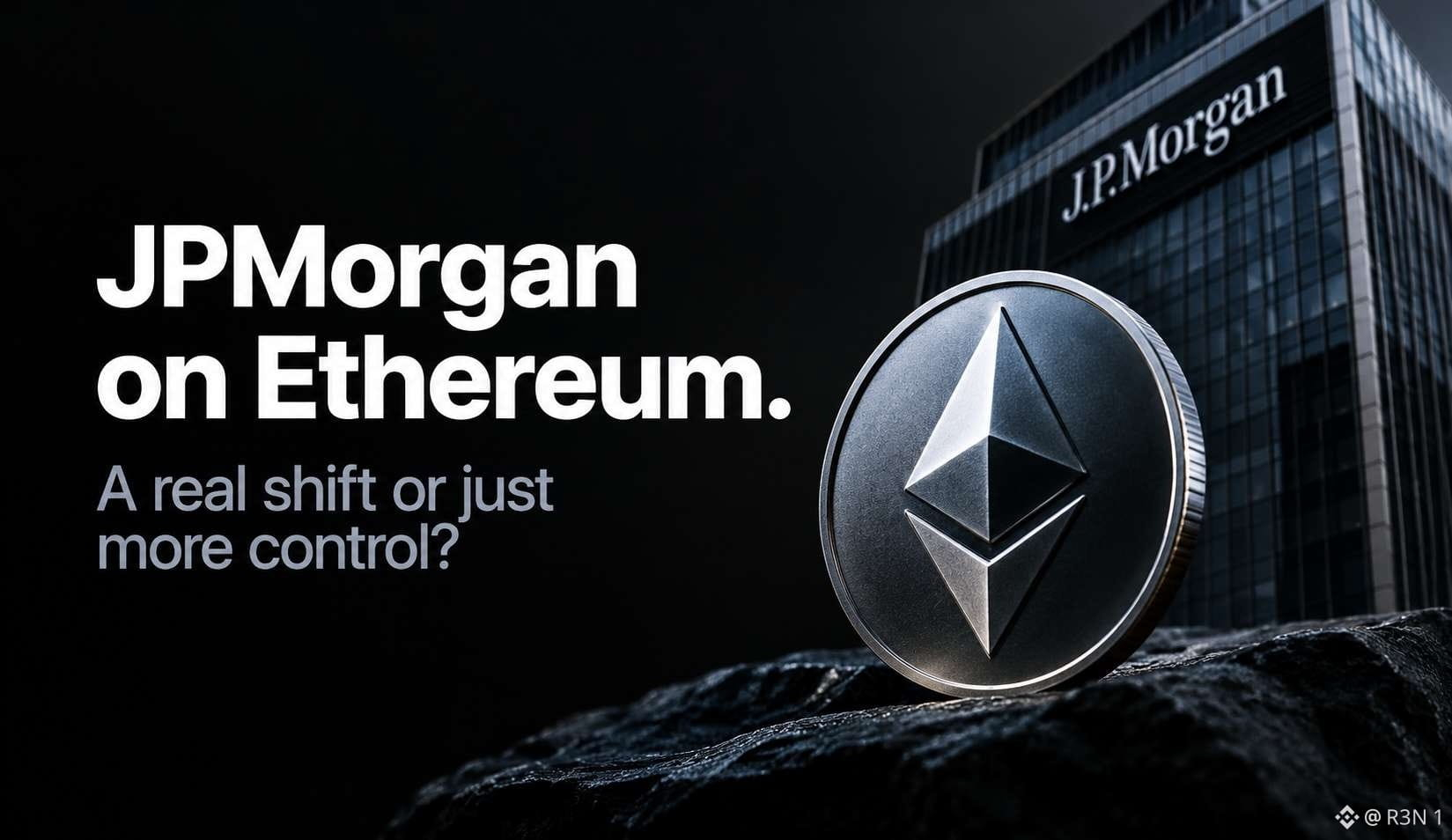
JPM Coin (tickeri JPMD) JPMorgan-da tokenləşdirilmiş dollar depozitidir və Base-də istifadəyə verilməsindən bir il sonra, oktyabrın 19-dan etibarən Ethereum əsas şəbəkəsində işləyir. O, yalnız bankın blokçeyn bölməsi Kinexys vasitəsilə təsdiqlənmiş institusional müştərilərə buraxılır və pərakəndə istifadəçilər üçün əlçatan deyil. Bu, icazəsiz stabilkoin deyil, bank qarşısında tələb hüququdur.
Şəbəkə üçün bu, real siqnaldır. Kinexys bu addımı ilə əsaslandırdı, buna görə də birbaşa tələb azdır. JPMD-nin həcmi böyüməsə, bu, komissiya gəlirlərinə təsir hekayəsi yox, bazar əhval-ruhiyyəsinə müsbət təsirdir. ETH gün ərzində təxminən 1% bahalaşıb, ETH ETF-lərindən isə ötən həftə təxminən $320M vəsait çıxıb.
Mənim diqqətimi çəkən açıqlanmayan məlumatların çoxluğudur. JPMorgan əsas şəbəkədən neçə müştərinin istifadə edəcəyini, nə qədər JPMD buraxılacağını açıqlamayıb və müqavilə ünvanını dərc etməyib. Kinexys trilyonlarla dollar həcmində əməliyyat emal etdiyini bildirir, amma bu, Ethereum əsas şəbəkəsinin deyil, bütün platformanın göstəricisidir.
Əks arqument budur ki, JPMorgan tək bir blokçeynə bağlı deyil. Canton ilə inteqrasiya hələ də planlaşdırılır və bank bunu qarşılıqlı işləmə qabiliyyəti kimi təqdim edir. Faydalanan şəbəkə müştərilərin hesablaşma aparmaq istədikləri aktivlərin saxlandığı şəbəkə ola bilər.
İlk adları açıqlanan müştəriləri, əsas şəbəkədə buraxılış həcminin açıqlanmasını və Kinexys əməliyyatlarının həqiqətən zəncir üzərinə keçib-keçmədiyini izləyərdim.
$ETH #BTC Qiymət təhlili# #Meme Alpha#
JPM Coin (tickeri JPMD) JPMorgan-da tokenləşdirilmiş dollar depozitidir və Base-də istifadəyə verilməsindən bir il sonra, oktyabrın 19-dan etibarən Ethereum əsas şəbəkəsində işləyir. O, yalnız bankın blokçeyn bölməsi Kinexys vasitəsilə təsdiqlənmiş institusional müştərilərə buraxılır və pərakəndə istifadəçilər üçün əlçatan deyil. Bu, icazəsiz stabilkoin deyil, bank qarşısında tələb hüququdur.
Şəbəkə üçün bu, real siqnaldır. Kinexys bu addımı ilə əsaslandırdı, buna görə də birbaşa tələb azdır. JPMD-nin həcmi böyüməsə, bu, komissiya gəlirlərinə təsir hekayəsi yox, bazar əhval-ruhiyyəsinə müsbət təsirdir. ETH gün ərzində təxminən 1% bahalaşıb, ETH ETF-lərindən isə ötən həftə təxminən $320M vəsait çıxıb.
Mənim diqqətimi çəkən açıqlanmayan məlumatların çoxluğudur. JPMorgan əsas şəbəkədən neçə müştərinin istifadə edəcəyini, nə qədər JPMD buraxılacağını açıqlamayıb və müqavilə ünvanını dərc etməyib. Kinexys trilyonlarla dollar həcmində əməliyyat emal etdiyini bildirir, amma bu, Ethereum əsas şəbəkəsinin deyil, bütün platformanın göstəricisidir.
Əks arqument budur ki, JPMorgan tək bir blokçeynə bağlı deyil. Canton ilə inteqrasiya hələ də planlaşdırılır və bank bunu qarşılıqlı işləmə qabiliyyəti kimi təqdim edir. Faydalanan şəbəkə müştərilərin hesablaşma aparmaq istədikləri aktivlərin saxlandığı şəbəkə ola bilər.
İlk adları açıqlanan müştəriləri, əsas şəbəkədə buraxılış həcminin açıqlanmasını və Kinexys əməliyyatlarının həqiqətən zəncir üzərinə keçib-keçmədiyini izləyərdim.
$ETH #BTC Qiymət təhlili# #Meme Alpha#
Şəbəkə üçün bu, real siqnaldır. Kinexys bu addımı ilə əsaslandırdı, buna görə də birbaşa tələb azdır. JPMD-nin həcmi böyüməsə, bu, komissiya gəlirlərinə təsir hekayəsi yox, bazar əhval-ruhiyyəsinə müsbət təsirdir. ETH gün ərzində təxminən 1% bahalaşıb, ETH ETF-lərindən isə ötən həftə təxminən $320M vəsait çıxıb.
Mənim diqqətimi çəkən açıqlanmayan məlumatların çoxluğudur. JPMorgan əsas şəbəkədən neçə müştərinin istifadə edəcəyini, nə qədər JPMD buraxılacağını açıqlamayıb və müqavilə ünvanını dərc etməyib. Kinexys trilyonlarla dollar həcmində əməliyyat emal etdiyini bildirir, amma bu, Ethereum əsas şəbəkəsinin deyil, bütün platformanın göstəricisidir.
Əks arqument budur ki, JPMorgan tək bir blokçeynə bağlı deyil. Canton ilə inteqrasiya hələ də planlaşdırılır və bank bunu qarşılıqlı işləmə qabiliyyəti kimi təqdim edir. Faydalanan şəbəkə müştərilərin hesablaşma aparmaq istədikləri aktivlərin saxlandığı şəbəkə ola bilər.
İlk adları açıqlanan müştəriləri, əsas şəbəkədə buraxılış həcminin açıqlanmasını və Kinexys əməliyyatlarının həqiqətən zəncir üzərinə keçib-keçmədiyini izləyərdim.
$ETH #BTC Qiymət təhlili# #Meme Alpha#
50
·
--
ABŞ-ın spot ETF-lərindən oktyabrın 12-dən 16-dək BTC üzrə təxminən 229 milyon dollar, ETH üzrə 320 milyon dollar, SOL üzrə 25,5 milyon dollar və XRP üzrə 1,8 milyon dollar çıxıb. Bitcoin üzrə ümumi nəticəyə bir ticarət sessiyası təsir edib. Oktyabrın 14-də, gözləniləndən yüksək CPI göstəricisinin açıqlanma günündə, əvvəlki gün 176 milyon dollar vəsait daxil olmasına baxmayaraq, 261 milyon dollar çıxıb — bu, bütün həftənin xalis göstəricisindən də çoxdur. Həftəlik BTC çıxışının təxminən 72%-i IBIT-in payına düşüb.
Ethereum mənzərəsi fərqlidir. Sentyabrın ortalarından bəri onun fondlarında yalnız bir sessiyada müsbət nəticə qeydə alınıb. Bu, ardıcıl üçüncü həftəlik itki idi və həftəlik çıxışın 93%-i bir fondun — BlackRock fondunun payına düşüb. Oktyabrın 16-sı ETH və SOL fondları üçün ayın 11-ci, BTC fondları üçün isə 6-cı çıxış günü olub.
Mənim diqqətimi miqyas cəlb edir. 229 milyon dollar, Bitcoin ETF-lərinin saxladığı təxminən 104 milyard dolların 0,2%-nə yaxındır. Deməli, söhbət vəsaitləri tam çıxarmaqdan yox, mövqeləri azaltmaqdan gedir. Bu, aktivlər arasında rotasiya da deyil, çünki hər dörd kateqoriyada vəsait itkisi olub.
Məncə, makroiqtisadi amillər Bitcoin-i izah edir, ETH-nin isə ayrıca problemi var. İnflyasiyanın gözləniləndən yüksək olması və oktyabrın 28-də keçiriləcək Fed iclası bütün bazara təzyiq göstərir, BTC fond axınları isə CPI-nin açıqlanma günü buna reaksiya verdi. ETH-dən vəsaitlər sakit günlərdə də çıxıb. Bu, xəbər başlığına reaksiyadan daha çox investorların marağını itirməsinə bənzəyir.
Əks arqument budur ki, konsentrasiyanın həm müsbət, həm də mənfi tərəfi var. ETH üzrə çıxışların böyük hissəsinə bir fond səbəb olursa, bunu tək bir iri investorun qərarı ilə izah etmək olar və bu proses başladığı qədər tez də dayana bilər.
İki məqamı izləyərdim: oktyabrın 28-dən sonra Bitcoin fondlarına vəsait axını müsbətə dönəcəkmi və makroiqtisadi xəbərlər olmadıqda ETH-dən vəsait çıxışı davam edəcəkmi.
$BTC #BTC Qiymət təhlili# #Mem Alpha# $ETH
ABŞ-ın spot ETF-lərindən oktyabrın 12-dən 16-dək BTC üzrə təxminən 229 milyon dollar, ETH üzrə 320 milyon dollar, SOL üzrə 25,5 milyon dollar və XRP üzrə 1,8 milyon dollar çıxıb. Bitcoin üzrə ümumi nəticəyə bir ticarət sessiyası təsir edib. Oktyabrın 14-də, gözləniləndən yüksək CPI göstəricisinin açıqlanma günündə, əvvəlki gün 176 milyon dollar vəsait daxil olmasına baxmayaraq, 261 milyon dollar çıxıb — bu, bütün həftənin xalis göstəricisindən də çoxdur. Həftəlik BTC çıxışının təxminən 72%-i IBIT-in payına düşüb.
Ethereum mənzərəsi fərqlidir. Sentyabrın ortalarından bəri onun fondlarında yalnız bir sessiyada müsbət nəticə qeydə alınıb. Bu, ardıcıl üçüncü həftəlik itki idi və həftəlik çıxışın 93%-i bir fondun — BlackRock fondunun payına düşüb. Oktyabrın 16-sı ETH və SOL fondları üçün ayın 11-ci, BTC fondları üçün isə 6-cı çıxış günü olub.
Mənim diqqətimi miqyas cəlb edir. 229 milyon dollar, Bitcoin ETF-lərinin saxladığı təxminən 104 milyard dolların 0,2%-nə yaxındır. Deməli, söhbət vəsaitləri tam çıxarmaqdan yox, mövqeləri azaltmaqdan gedir. Bu, aktivlər arasında rotasiya da deyil, çünki hər dörd kateqoriyada vəsait itkisi olub.
Məncə, makroiqtisadi amillər Bitcoin-i izah edir, ETH-nin isə ayrıca problemi var. İnflyasiyanın gözləniləndən yüksək olması və oktyabrın 28-də keçiriləcək Fed iclası bütün bazara təzyiq göstərir, BTC fond axınları isə CPI-nin açıqlanma günü buna reaksiya verdi. ETH-dən vəsaitlər sakit günlərdə də çıxıb. Bu, xəbər başlığına reaksiyadan daha çox investorların marağını itirməsinə bənzəyir.
Əks arqument budur ki, konsentrasiyanın həm müsbət, həm də mənfi tərəfi var. ETH üzrə çıxışların böyük hissəsinə bir fond səbəb olursa, bunu tək bir iri investorun qərarı ilə izah etmək olar və bu proses başladığı qədər tez də dayana bilər.
İki məqamı izləyərdim: oktyabrın 28-dən sonra Bitcoin fondlarına vəsait axını müsbətə dönəcəkmi və makroiqtisadi xəbərlər olmadıqda ETH-dən vəsait çıxışı davam edəcəkmi.
$BTC #BTC Qiymət təhlili# #Mem Alpha# $ETH
Ethereum mənzərəsi fərqlidir. Sentyabrın ortalarından bəri onun fondlarında yalnız bir sessiyada müsbət nəticə qeydə alınıb. Bu, ardıcıl üçüncü həftəlik itki idi və həftəlik çıxışın 93%-i bir fondun — BlackRock fondunun payına düşüb. Oktyabrın 16-sı ETH və SOL fondları üçün ayın 11-ci, BTC fondları üçün isə 6-cı çıxış günü olub.
Mənim diqqətimi miqyas cəlb edir. 229 milyon dollar, Bitcoin ETF-lərinin saxladığı təxminən 104 milyard dolların 0,2%-nə yaxındır. Deməli, söhbət vəsaitləri tam çıxarmaqdan yox, mövqeləri azaltmaqdan gedir. Bu, aktivlər arasında rotasiya da deyil, çünki hər dörd kateqoriyada vəsait itkisi olub.
Məncə, makroiqtisadi amillər Bitcoin-i izah edir, ETH-nin isə ayrıca problemi var. İnflyasiyanın gözləniləndən yüksək olması və oktyabrın 28-də keçiriləcək Fed iclası bütün bazara təzyiq göstərir, BTC fond axınları isə CPI-nin açıqlanma günü buna reaksiya verdi. ETH-dən vəsaitlər sakit günlərdə də çıxıb. Bu, xəbər başlığına reaksiyadan daha çox investorların marağını itirməsinə bənzəyir.
Əks arqument budur ki, konsentrasiyanın həm müsbət, həm də mənfi tərəfi var. ETH üzrə çıxışların böyük hissəsinə bir fond səbəb olursa, bunu tək bir iri investorun qərarı ilə izah etmək olar və bu proses başladığı qədər tez də dayana bilər.
İki məqamı izləyərdim: oktyabrın 28-dən sonra Bitcoin fondlarına vəsait axını müsbətə dönəcəkmi və makroiqtisadi xəbərlər olmadıqda ETH-dən vəsait çıxışı davam edəcəkmi.
$BTC #BTC Qiymət təhlili# #Mem Alpha# $ETH
69
·
--
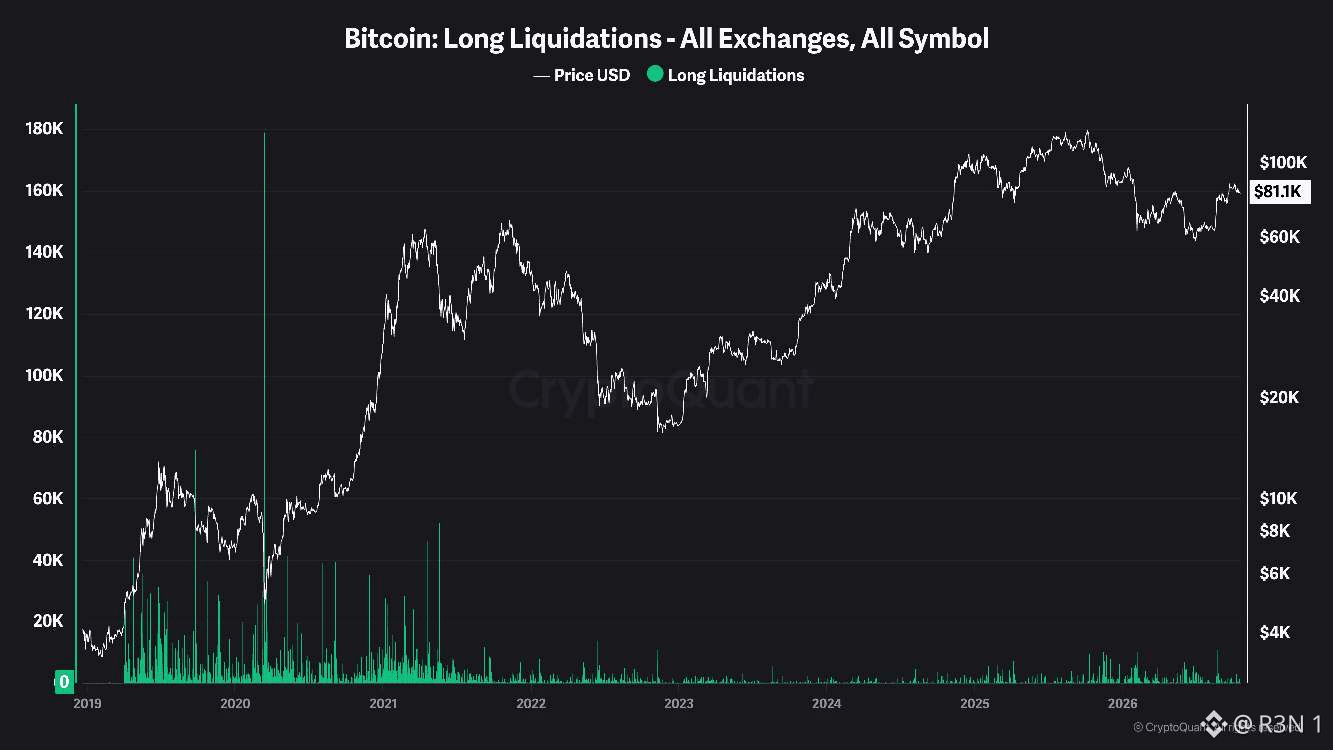
Bitcoin üzrə long mövqelərin likvidasiyaları CryptoQuant-ın qrafikində kiçik görünür, amma ölçü vahidi mənzərənin böyük hissəsini gizlədir.
Qrafik BTC ilə ölçülən long mövqelərin likvidasiyalarını göstərir. 2020-ci ilin martında bu göstərici təxminən 180K BTC-yə çatmışdı, 2019–2021-ci illərdə isə 40K–75K BTC-lik göstəricilər müntəzəm qeydə alınırdı. Son bir ilin ən böyük sıçrayışları isə bu gün 10K–11K BTC civarındadır. Bu, sakitləşmiş bazar təsiri bağışlayır. Amma elə deyil, çünki BTC-nin qiyməti təxminən 16 dəfə artıb. Mənim hesablamama görə, təxminən 5 min dollarlıq qiymətlə 180K BTC təxminən 0,9 milyard dollar edirdi, bugünkü 81 min dollarlıq qiymətlə 10K BTC isə təxminən 0,8 milyard dollar edir. Dollar ifadəsində məbləğ oxşardır, amma sütun xeyli kiçikdir.
Oktyabrın bu mənzərəyə necə uyğunlaşması diqqətimi çəkir. Coinglass-ın hesablamasına görə, oktyabrın 8-i və 9-da ümumi likvidasiyalar təxminən 1,19 milyard dollar, BTC üzrə long mövqelərin likvidasiyaları isə təxminən 273 milyon dollar olub. Oktyabrın 12-də isə daha 820 milyon dollarlıq likvidasiya qeydə alınıb. Bu təmizlənmədən sonra açıq mövqelərin həcmi təxminən 52,7 milyard dollar səviyyəsində idi. Bu qrafikdə həmin hadisələr çətinliklə seçilir, çünki bir neçə min BTC tarixi göstəricilərlə müqayisədə çox deyil.
Əks arqument budur ki, kiçik sütunlar göründüyünün tam əksini ifadə edə bilər. Mövqelərin hər dəfə bir neçə yüz milyon dollarlıq hissəsinin bağlanması ilə tədricən borcun azaldılması, bir dəfəyə baş verən nəhəng zəncirvari likvidasiyadan daha sağlamdır. Üstəlik, bu göstərici məcburi satışları hesablayır, bazarda faktiki olaraq nə qədər leverage olduğunu yox.
Dövrləri müqayisə edərkən də ehtiyatlı olmaq lazımdır. Birjaların əhatə dairəsi 2019-cu ildən bəri dəyişib, ona görə də əvvəlki və sonrakı sütunlar tam eyni şərtlərlə müqayisə oluna bilməz.
Əsas sınaq əvvəlki maksimumun aşılmasıdır. 10K–11K BTC-dən yuxarı sütun son bir ilin ən böyük likvidasiyası demək olardı. BTC 81 min dollar ətrafında, 80 min dollar isə dəstək səviyyəsi olduğu halda, CPI məlumatlarının təsiri ilə faiz artımı gözləntiləri geri qayıtsa, məhz bu ssenarini izləmək lazımdır.
#BTC Price Analysis# $BTC #Altcoin Season# #Macro Insights#
Bitcoin üzrə long mövqelərin likvidasiyaları CryptoQuant-ın qrafikində kiçik görünür, amma ölçü vahidi mənzərənin böyük hissəsini gizlədir.
Qrafik BTC ilə ölçülən long mövqelərin likvidasiyalarını göstərir. 2020-ci ilin martında bu göstərici təxminən 180K BTC-yə çatmışdı, 2019–2021-ci illərdə isə 40K–75K BTC-lik göstəricilər müntəzəm qeydə alınırdı. Son bir ilin ən böyük sıçrayışları isə bu gün 10K–11K BTC civarındadır. Bu, sakitləşmiş bazar təsiri bağışlayır. Amma elə deyil, çünki BTC-nin qiyməti təxminən 16 dəfə artıb. Mənim hesablamama görə, təxminən 5 min dollarlıq qiymətlə 180K BTC təxminən 0,9 milyard dollar edirdi, bugünkü 81 min dollarlıq qiymətlə 10K BTC isə təxminən 0,8 milyard dollar edir. Dollar ifadəsində məbləğ oxşardır, amma sütun xeyli kiçikdir.
Oktyabrın bu mənzərəyə necə uyğunlaşması diqqətimi çəkir. Coinglass-ın hesablamasına görə, oktyabrın 8-i və 9-da ümumi likvidasiyalar təxminən 1,19 milyard dollar, BTC üzrə long mövqelərin likvidasiyaları isə təxminən 273 milyon dollar olub. Oktyabrın 12-də isə daha 820 milyon dollarlıq likvidasiya qeydə alınıb. Bu təmizlənmədən sonra açıq mövqelərin həcmi təxminən 52,7 milyard dollar səviyyəsində idi. Bu qrafikdə həmin hadisələr çətinliklə seçilir, çünki bir neçə min BTC tarixi göstəricilərlə müqayisədə çox deyil.
Əks arqument budur ki, kiçik sütunlar göründüyünün tam əksini ifadə edə bilər. Mövqelərin hər dəfə bir neçə yüz milyon dollarlıq hissəsinin bağlanması ilə tədricən borcun azaldılması, bir dəfəyə baş verən nəhəng zəncirvari likvidasiyadan daha sağlamdır. Üstəlik, bu göstərici məcburi satışları hesablayır, bazarda faktiki olaraq nə qədər leverage olduğunu yox.
Dövrləri müqayisə edərkən də ehtiyatlı olmaq lazımdır. Birjaların əhatə dairəsi 2019-cu ildən bəri dəyişib, ona görə də əvvəlki və sonrakı sütunlar tam eyni şərtlərlə müqayisə oluna bilməz.
Əsas sınaq əvvəlki maksimumun aşılmasıdır. 10K–11K BTC-dən yuxarı sütun son bir ilin ən böyük likvidasiyası demək olardı. BTC 81 min dollar ətrafında, 80 min dollar isə dəstək səviyyəsi olduğu halda, CPI məlumatlarının təsiri ilə faiz artımı gözləntiləri geri qayıtsa, məhz bu ssenarini izləmək lazımdır.
#BTC Price Analysis# $BTC #Altcoin Season# #Macro Insights#
Qrafik BTC ilə ölçülən long mövqelərin likvidasiyalarını göstərir. 2020-ci ilin martında bu göstərici təxminən 180K BTC-yə çatmışdı, 2019–2021-ci illərdə isə 40K–75K BTC-lik göstəricilər müntəzəm qeydə alınırdı. Son bir ilin ən böyük sıçrayışları isə bu gün 10K–11K BTC civarındadır. Bu, sakitləşmiş bazar təsiri bağışlayır. Amma elə deyil, çünki BTC-nin qiyməti təxminən 16 dəfə artıb. Mənim hesablamama görə, təxminən 5 min dollarlıq qiymətlə 180K BTC təxminən 0,9 milyard dollar edirdi, bugünkü 81 min dollarlıq qiymətlə 10K BTC isə təxminən 0,8 milyard dollar edir. Dollar ifadəsində məbləğ oxşardır, amma sütun xeyli kiçikdir.
Oktyabrın bu mənzərəyə necə uyğunlaşması diqqətimi çəkir. Coinglass-ın hesablamasına görə, oktyabrın 8-i və 9-da ümumi likvidasiyalar təxminən 1,19 milyard dollar, BTC üzrə long mövqelərin likvidasiyaları isə təxminən 273 milyon dollar olub. Oktyabrın 12-də isə daha 820 milyon dollarlıq likvidasiya qeydə alınıb. Bu təmizlənmədən sonra açıq mövqelərin həcmi təxminən 52,7 milyard dollar səviyyəsində idi. Bu qrafikdə həmin hadisələr çətinliklə seçilir, çünki bir neçə min BTC tarixi göstəricilərlə müqayisədə çox deyil.
Əks arqument budur ki, kiçik sütunlar göründüyünün tam əksini ifadə edə bilər. Mövqelərin hər dəfə bir neçə yüz milyon dollarlıq hissəsinin bağlanması ilə tədricən borcun azaldılması, bir dəfəyə baş verən nəhəng zəncirvari likvidasiyadan daha sağlamdır. Üstəlik, bu göstərici məcburi satışları hesablayır, bazarda faktiki olaraq nə qədər leverage olduğunu yox.
Dövrləri müqayisə edərkən də ehtiyatlı olmaq lazımdır. Birjaların əhatə dairəsi 2019-cu ildən bəri dəyişib, ona görə də əvvəlki və sonrakı sütunlar tam eyni şərtlərlə müqayisə oluna bilməz.
Əsas sınaq əvvəlki maksimumun aşılmasıdır. 10K–11K BTC-dən yuxarı sütun son bir ilin ən böyük likvidasiyası demək olardı. BTC 81 min dollar ətrafında, 80 min dollar isə dəstək səviyyəsi olduğu halda, CPI məlumatlarının təsiri ilə faiz artımı gözləntiləri geri qayıtsa, məhz bu ssenarini izləmək lazımdır.
#BTC Price Analysis# $BTC #Altcoin Season# #Macro Insights#
28
·
--
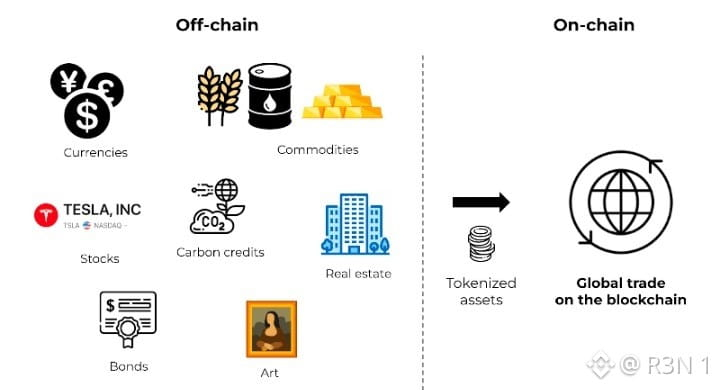
Injective-in RWA perpetual fyuçerslərinin həcmi may ayında 61 milyon dollardan son ayda 230 milyon dollardan çoxa yüksəldi və bu tendensiya illik 1,1 milyard dollarlıq göstəricidən daha vacibdir.
Rəqəmlər Injective-in oktyabrın 18-dəki öz paylaşımından götürülüb, yəni bunlar şəbəkənin açıqladığı göstəricilərdir, müstəqil auditin nəticəsi deyil. Bununla belə, rəqəmlər bir-birinə uyğundur: CoinGecko avqustun sonunadək ilin əvvəlindən bəri 845,9 milyon dollar həcm qeydə alıb; iyulda bu göstərici 186,5 milyon, avqustda isə 209,7 milyon dollar olub və son ayın həcmi də buna əlavə olunur. 135 aktiv bazar arasında əsas hərəkətverici qüvvə səhmlərdir. Tapdığım son 30 günlük bölgüyə görə, 214,9 milyon dolların 127,3 milyonu səhmlərin payına düşüb; qalan hissə isə valyuta bazarı, əmtəələr, IPOqabağı şirkətlər və indekslər arasında bölünüb.
Mənim diqqətimi çəkən bu rəqəmin liderlə müqayisədə nə qədər kiçik olmasıdır. Artemis məlumatlarına görə, iyulda Hyperliquid-in builder tərəfindən yerləşdirilmiş bazarlarında təxminən 114 milyard dollarlıq həcm qeydə alınıb. Mənim hesablamama görə, Injective-in bütün il üzrə həcmi Hyperliquid-in bir aylıq həcminin təxminən 1%-nə bərabərdir. Bu, Injective-in əhəmiyyətsiz olduğu demək deyil. Sadəcə, artıq nəhəng olan bir kateqoriyada onun niş platforma olduğunu göstərir.
Məlumatlarla bağlı ikinci bir qeydi də nəzərə almaq lazımdır. CoinGecko 2025-ci ilin əvvəlindən bəri RWA perpetual fyuçerslərinin məcmu həcmini 5,3 milyard dollar göstərib. Mənim hesablamama görə, bu, 2025-ci ildə aylıq orta həcmin 300 milyon dollardan çox olduğu anlamına gəlir. Deməli, aylıq 230 milyon dollar yeni rekord deyil, həmin səviyyəyə doğru bərpadır.
Açıq qalan sual budur: bu bazarda kimlər ticarət edir? Injective həcmin nə qədərinin institusional əməliyyatların, nə qədərinin isə kredit çiyni ilə ticarət edən pərakəndə investorların payına düşdüyünü açıqlamayıb. Şirkətin FDV-yə nisbətdə gəlir baxımından liderlik iddiası isə yalnız həcm davamlı olarsa məna kəsb edir.
Aylıq həcmin daha bir rüb ərzində 200 milyon dollardan yuxarı qalıb-qalmayacağını, həmçinin əmtəələrin və IPOqabağı şirkətlərin ümumi həcmdəki kiçik paydan daha artıb-artmayacağını izləyərdim.
$INJ #BTC Qiymət Təhlili# #Altcoin Mövsümü# #BNBChain#
Injective-in RWA perpetual fyuçerslərinin həcmi may ayında 61 milyon dollardan son ayda 230 milyon dollardan çoxa yüksəldi və bu tendensiya illik 1,1 milyard dollarlıq göstəricidən daha vacibdir.
Rəqəmlər Injective-in oktyabrın 18-dəki öz paylaşımından götürülüb, yəni bunlar şəbəkənin açıqladığı göstəricilərdir, müstəqil auditin nəticəsi deyil. Bununla belə, rəqəmlər bir-birinə uyğundur: CoinGecko avqustun sonunadək ilin əvvəlindən bəri 845,9 milyon dollar həcm qeydə alıb; iyulda bu göstərici 186,5 milyon, avqustda isə 209,7 milyon dollar olub və son ayın həcmi də buna əlavə olunur. 135 aktiv bazar arasında əsas hərəkətverici qüvvə səhmlərdir. Tapdığım son 30 günlük bölgüyə görə, 214,9 milyon dolların 127,3 milyonu səhmlərin payına düşüb; qalan hissə isə valyuta bazarı, əmtəələr, IPOqabağı şirkətlər və indekslər arasında bölünüb.
Mənim diqqətimi çəkən bu rəqəmin liderlə müqayisədə nə qədər kiçik olmasıdır. Artemis məlumatlarına görə, iyulda Hyperliquid-in builder tərəfindən yerləşdirilmiş bazarlarında təxminən 114 milyard dollarlıq həcm qeydə alınıb. Mənim hesablamama görə, Injective-in bütün il üzrə həcmi Hyperliquid-in bir aylıq həcminin təxminən 1%-nə bərabərdir. Bu, Injective-in əhəmiyyətsiz olduğu demək deyil. Sadəcə, artıq nəhəng olan bir kateqoriyada onun niş platforma olduğunu göstərir.
Məlumatlarla bağlı ikinci bir qeydi də nəzərə almaq lazımdır. CoinGecko 2025-ci ilin əvvəlindən bəri RWA perpetual fyuçerslərinin məcmu həcmini 5,3 milyard dollar göstərib. Mənim hesablamama görə, bu, 2025-ci ildə aylıq orta həcmin 300 milyon dollardan çox olduğu anlamına gəlir. Deməli, aylıq 230 milyon dollar yeni rekord deyil, həmin səviyyəyə doğru bərpadır.
Açıq qalan sual budur: bu bazarda kimlər ticarət edir? Injective həcmin nə qədərinin institusional əməliyyatların, nə qədərinin isə kredit çiyni ilə ticarət edən pərakəndə investorların payına düşdüyünü açıqlamayıb. Şirkətin FDV-yə nisbətdə gəlir baxımından liderlik iddiası isə yalnız həcm davamlı olarsa məna kəsb edir.
Aylıq həcmin daha bir rüb ərzində 200 milyon dollardan yuxarı qalıb-qalmayacağını, həmçinin əmtəələrin və IPOqabağı şirkətlərin ümumi həcmdəki kiçik paydan daha artıb-artmayacağını izləyərdim.
$INJ #BTC Qiymət Təhlili# #Altcoin Mövsümü# #BNBChain#
Rəqəmlər Injective-in oktyabrın 18-dəki öz paylaşımından götürülüb, yəni bunlar şəbəkənin açıqladığı göstəricilərdir, müstəqil auditin nəticəsi deyil. Bununla belə, rəqəmlər bir-birinə uyğundur: CoinGecko avqustun sonunadək ilin əvvəlindən bəri 845,9 milyon dollar həcm qeydə alıb; iyulda bu göstərici 186,5 milyon, avqustda isə 209,7 milyon dollar olub və son ayın həcmi də buna əlavə olunur. 135 aktiv bazar arasında əsas hərəkətverici qüvvə səhmlərdir. Tapdığım son 30 günlük bölgüyə görə, 214,9 milyon dolların 127,3 milyonu səhmlərin payına düşüb; qalan hissə isə valyuta bazarı, əmtəələr, IPOqabağı şirkətlər və indekslər arasında bölünüb.
Mənim diqqətimi çəkən bu rəqəmin liderlə müqayisədə nə qədər kiçik olmasıdır. Artemis məlumatlarına görə, iyulda Hyperliquid-in builder tərəfindən yerləşdirilmiş bazarlarında təxminən 114 milyard dollarlıq həcm qeydə alınıb. Mənim hesablamama görə, Injective-in bütün il üzrə həcmi Hyperliquid-in bir aylıq həcminin təxminən 1%-nə bərabərdir. Bu, Injective-in əhəmiyyətsiz olduğu demək deyil. Sadəcə, artıq nəhəng olan bir kateqoriyada onun niş platforma olduğunu göstərir.
Məlumatlarla bağlı ikinci bir qeydi də nəzərə almaq lazımdır. CoinGecko 2025-ci ilin əvvəlindən bəri RWA perpetual fyuçerslərinin məcmu həcmini 5,3 milyard dollar göstərib. Mənim hesablamama görə, bu, 2025-ci ildə aylıq orta həcmin 300 milyon dollardan çox olduğu anlamına gəlir. Deməli, aylıq 230 milyon dollar yeni rekord deyil, həmin səviyyəyə doğru bərpadır.
Açıq qalan sual budur: bu bazarda kimlər ticarət edir? Injective həcmin nə qədərinin institusional əməliyyatların, nə qədərinin isə kredit çiyni ilə ticarət edən pərakəndə investorların payına düşdüyünü açıqlamayıb. Şirkətin FDV-yə nisbətdə gəlir baxımından liderlik iddiası isə yalnız həcm davamlı olarsa məna kəsb edir.
Aylıq həcmin daha bir rüb ərzində 200 milyon dollardan yuxarı qalıb-qalmayacağını, həmçinin əmtəələrin və IPOqabağı şirkətlərin ümumi həcmdəki kiçik paydan daha artıb-artmayacağını izləyərdim.
$INJ #BTC Qiymət Təhlili# #Altcoin Mövsümü# #BNBChain#
28
·
--
USDC-nin qazandığı hər dollardan Circle-a heç nə qalmamışdan əvvəl 59 senti xərclənir və ilk baxılmalı rəqəm də budur.
Circle-ın oktyabrın 16-da dərc etdiyi 2026-cı ilin ilk yarısına dair bölgüyə əsasən, gəlirlər və ehtiyatlardan əldə olunan gəlir təxminən 1,4 milyard dollar olub. Təxminən 819 milyon dollar, yəni 59% paylama tərəfdaşlarına və əməliyyat xərclərinə gedib. Daha 473 milyon dollar, yəni 34% lisenziyalaşdırma, uyğunluq tələbləri və məhsulun hazırlanması kimi infrastruktur xərclərinə yönəlib. Təxminən 98 milyon dollar xalis mənfəət qalıb — hər dollara təxminən 7 sent. Həmin yarım ildə USDC zəncir üzərində 36 trilyon dollardan çox əməliyyatı da hesablaşmaya alıb; iyunda bu, stabilkoinlərlə aparılan əməliyyatların həcminin təxminən 77%-i idi.
Mənim diqqətimi çəkən, həmin 36 trilyon dolların nə qədər kiçik hissəsinin gəlirə çevrilməsidir. Hesablamama görə, 36 trilyon dollar üzərindən əldə edilən 1,4 milyard dollar yarım baza bəndindən də azdır. Gəlir, əsasən, USDC-ni təmin edən aktivlərdən qazanılan faiz olmaqla, ehtiyatların həcmindən asılıdır — sikkənin nə qədər tez-tez dövriyyədə olmasından yox. Buna görə də əsas təsir vasitəsi paylamadır: USDC balanslarını saxlayan və ya tanıdan tərəfdaşlara həmin balanslar əsasında ödəniş edilir. Binance-in USDC balanslarına bağlı səhm payı və aylıq təşviq haqqını nəzərdə tutan yeni beşillik sazişi də eyni məntiqə əsaslanır, sadəcə daha aqressiv formada.
Məncə, bu bölgü həm də bir mesajdır. Circle onu ödənişsiz, real vaxta yaxın geriödənişlərlə зэрэгцүүлэн dərc etdi. Bu нь emitentlərin gəlirin böyük hissəsini өөртөө үлдээдэг гэсэн мэдэгдлүүдэд хариу болж харагдаж байна. Энэ бол компанийн өөрийн тайлбар болохоос аудитын дүгнэлт биш; мөн “түншүүд ба гүйлгээний зардал”-ыг нэгтгэсэн тул зөвхөн түншүүдэд ногдох хэсэг харагдахгүй байна.
Эсрэгээр нь хэлэхэд, бага ашигт ажиллагаа нь өсөлтийн зардал юм. Ийм хэмжээний хүрээтэй бизнест 7%-ийн ашигт ажиллагаа нь хүнд байдалд орсны шинж биш бөгөөд Холбооны нөөцийн сангийн есдүгээр сарын хүүгийн өсөлт энэ хугацааны дараа болсон тул хоёрдугаар хагаст нөөцөөс олох орлого сайжирч магадгүй. Харин хүү бууруулах мөчлөг эсрэгээр нөлөөлнө.
USDC өсөхийн хэрээр 59%-ийн үзүүлэлт буурах эсэх, эсвэл түншүүдийн нөлөө нэмэгдэхэд тэд илүү их хувийг нэхэх эсэхийг ажиглана.
$USDC #BTC Үнийн шинжилгээ# #Meme Alpha# $SUI
USDC-nin qazandığı hər dollardan Circle-a heç nə qalmamışdan əvvəl 59 senti xərclənir və ilk baxılmalı rəqəm də budur.
Circle-ın oktyabrın 16-da dərc etdiyi 2026-cı ilin ilk yarısına dair bölgüyə əsasən, gəlirlər və ehtiyatlardan əldə olunan gəlir təxminən 1,4 milyard dollar olub. Təxminən 819 milyon dollar, yəni 59% paylama tərəfdaşlarına və əməliyyat xərclərinə gedib. Daha 473 milyon dollar, yəni 34% lisenziyalaşdırma, uyğunluq tələbləri və məhsulun hazırlanması kimi infrastruktur xərclərinə yönəlib. Təxminən 98 milyon dollar xalis mənfəət qalıb — hər dollara təxminən 7 sent. Həmin yarım ildə USDC zəncir üzərində 36 trilyon dollardan çox əməliyyatı da hesablaşmaya alıb; iyunda bu, stabilkoinlərlə aparılan əməliyyatların həcminin təxminən 77%-i idi.
Mənim diqqətimi çəkən, həmin 36 trilyon dolların nə qədər kiçik hissəsinin gəlirə çevrilməsidir. Hesablamama görə, 36 trilyon dollar üzərindən əldə edilən 1,4 milyard dollar yarım baza bəndindən də azdır. Gəlir, əsasən, USDC-ni təmin edən aktivlərdən qazanılan faiz olmaqla, ehtiyatların həcmindən asılıdır — sikkənin nə qədər tez-tez dövriyyədə olmasından yox. Buna görə də əsas təsir vasitəsi paylamadır: USDC balanslarını saxlayan və ya tanıdan tərəfdaşlara həmin balanslar əsasında ödəniş edilir. Binance-in USDC balanslarına bağlı səhm payı və aylıq təşviq haqqını nəzərdə tutan yeni beşillik sazişi də eyni məntiqə əsaslanır, sadəcə daha aqressiv formada.
Məncə, bu bölgü həm də bir mesajdır. Circle onu ödənişsiz, real vaxta yaxın geriödənişlərlə зэрэгцүүлэн dərc etdi. Bu нь emitentlərin gəlirin böyük hissəsini өөртөө үлдээдэг гэсэн мэдэгдлүүдэд хариу болж харагдаж байна. Энэ бол компанийн өөрийн тайлбар болохоос аудитын дүгнэлт биш; мөн “түншүүд ба гүйлгээний зардал”-ыг нэгтгэсэн тул зөвхөн түншүүдэд ногдох хэсэг харагдахгүй байна.
Эсрэгээр нь хэлэхэд, бага ашигт ажиллагаа нь өсөлтийн зардал юм. Ийм хэмжээний хүрээтэй бизнест 7%-ийн ашигт ажиллагаа нь хүнд байдалд орсны шинж биш бөгөөд Холбооны нөөцийн сангийн есдүгээр сарын хүүгийн өсөлт энэ хугацааны дараа болсон тул хоёрдугаар хагаст нөөцөөс олох орлого сайжирч магадгүй. Харин хүү бууруулах мөчлөг эсрэгээр нөлөөлнө.
USDC өсөхийн хэрээр 59%-ийн үзүүлэлт буурах эсэх, эсвэл түншүүдийн нөлөө нэмэгдэхэд тэд илүү их хувийг нэхэх эсэхийг ажиглана.
$USDC #BTC Үнийн шинжилгээ# #Meme Alpha# $SUI
Circle-ın oktyabrın 16-da dərc etdiyi 2026-cı ilin ilk yarısına dair bölgüyə əsasən, gəlirlər və ehtiyatlardan əldə olunan gəlir təxminən 1,4 milyard dollar olub. Təxminən 819 milyon dollar, yəni 59% paylama tərəfdaşlarına və əməliyyat xərclərinə gedib. Daha 473 milyon dollar, yəni 34% lisenziyalaşdırma, uyğunluq tələbləri və məhsulun hazırlanması kimi infrastruktur xərclərinə yönəlib. Təxminən 98 milyon dollar xalis mənfəət qalıb — hər dollara təxminən 7 sent. Həmin yarım ildə USDC zəncir üzərində 36 trilyon dollardan çox əməliyyatı da hesablaşmaya alıb; iyunda bu, stabilkoinlərlə aparılan əməliyyatların həcminin təxminən 77%-i idi.
Mənim diqqətimi çəkən, həmin 36 trilyon dolların nə qədər kiçik hissəsinin gəlirə çevrilməsidir. Hesablamama görə, 36 trilyon dollar üzərindən əldə edilən 1,4 milyard dollar yarım baza bəndindən də azdır. Gəlir, əsasən, USDC-ni təmin edən aktivlərdən qazanılan faiz olmaqla, ehtiyatların həcmindən asılıdır — sikkənin nə qədər tez-tez dövriyyədə olmasından yox. Buna görə də əsas təsir vasitəsi paylamadır: USDC balanslarını saxlayan və ya tanıdan tərəfdaşlara həmin balanslar əsasında ödəniş edilir. Binance-in USDC balanslarına bağlı səhm payı və aylıq təşviq haqqını nəzərdə tutan yeni beşillik sazişi də eyni məntiqə əsaslanır, sadəcə daha aqressiv formada.
Məncə, bu bölgü həm də bir mesajdır. Circle onu ödənişsiz, real vaxta yaxın geriödənişlərlə зэрэгцүүлэн dərc etdi. Bu нь emitentlərin gəlirin böyük hissəsini өөртөө үлдээдэг гэсэн мэдэгдлүүдэд хариу болж харагдаж байна. Энэ бол компанийн өөрийн тайлбар болохоос аудитын дүгнэлт биш; мөн “түншүүд ба гүйлгээний зардал”-ыг нэгтгэсэн тул зөвхөн түншүүдэд ногдох хэсэг харагдахгүй байна.
Эсрэгээр нь хэлэхэд, бага ашигт ажиллагаа нь өсөлтийн зардал юм. Ийм хэмжээний хүрээтэй бизнест 7%-ийн ашигт ажиллагаа нь хүнд байдалд орсны шинж биш бөгөөд Холбооны нөөцийн сангийн есдүгээр сарын хүүгийн өсөлт энэ хугацааны дараа болсон тул хоёрдугаар хагаст нөөцөөс олох орлого сайжирч магадгүй. Харин хүү бууруулах мөчлөг эсрэгээр нөлөөлнө.
USDC өсөхийн хэрээр 59%-ийн үзүүлэлт буурах эсэх, эсвэл түншүүдийн нөлөө нэмэгдэхэд тэд илүү их хувийг нэхэх эсэхийг ажиглана.
$USDC #BTC Үнийн шинжилгээ# #Meme Alpha# $SUI

45
·
--
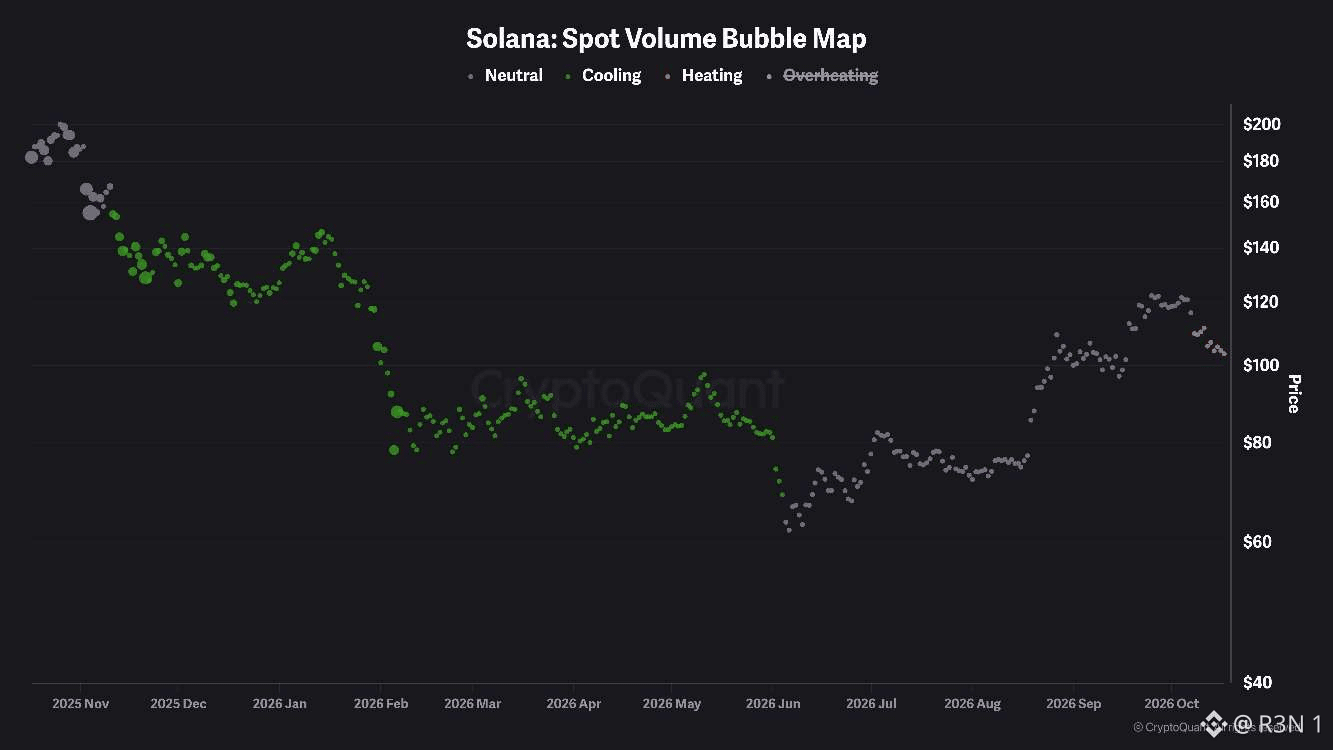
CryptoQuant-ın spot həcm qabarcıqları xəritəsində SOL üçün bu dövrün ilk “isinmə” göstəriciləri görünür: qiymət təxminən 112 dollardan 103 dollara düşərkən yarım düzünə yaxın qabarcıq yaranıb. İlin çox hissəsində qrafik fərqli görünürdü. Dekabrdan iyunun əvvəlinə qədər qabarcıqların demək olar ki, hamısı yaşıl idi; bu, qiymət təxminən 150 dollardan 80 dolların aşağı həddinə enərkən həcmin soyuduğunu göstərirdi. İştirakçılıq səssizcə azaldı və iyunda 62 dollar yaxınlığında qeydə alınan minimum da həcm sıçrayışı ilə müşayiət olunmadı.
Mənim diqqətimi çəkən təzaddır. Qiymət düşərkən həcmin soyuması laqeydlik deməkdir. Qiymət düşərkən həcmin isinməsi isə insanların aktiv şəkildə satış etdiyini göstərir və mənzərə də məhz belə görünür. Rəng istiqaməti deyil, həcmi kodlaşdırır, ona görə istiqaməti qiymət oxuna əsasən müəyyən edirəm.
Digər xəbərlər də eyni mənzərəyə işarə edir, baxmayaraq ki, bəzilərinə ehtiyatla yanaşardım. Məlumatlara görə, Solana spot ETF-lərindən ardıcıl on gündür vəsait çıxışı qeydə alınır, şəbəkədəki stabilkoin təklifi sentyabrın 25-dən bəri təxminən 1,5 milyard dollar azalıb, fyuçerslər üzrə açıq mövqelər isə şənbə günü 4% enib — bu, böyük kriptovalyutalar arasında ən kəskin azalmadır. SOL 102–104 dollar civarındadır.
Əks arqument budur ki, bu, hələ də bərpa dövründəki geriləmədir. Mənim hesablamama görə, SOL iyundakı minimumdan təxminən 65% yuxarıdır və isinmə dövrü qısadır, ona görə bir neçə sakit sessiya bunu aradan qaldıra bilər.
İki məqamı izləyərdim. SOL 100 dollar həddini qoruyarkən qabarcıqlar yenidən neytral rəngə dönərsə, satış zəifləyir. 100 dollar həddi qırılarkən isinmə davam edərsə, həcm hərəkəti təsdiqləyir; növbəti sual isə bu hərəkətin daha da güclənib-güclənməyəcəyidir.
$SOL #Makro Baxışlar# #BTC Qiymət Təhlili# $BTC
CryptoQuant-ın spot həcm qabarcıqları xəritəsində SOL üçün bu dövrün ilk “isinmə” göstəriciləri görünür: qiymət təxminən 112 dollardan 103 dollara düşərkən yarım düzünə yaxın qabarcıq yaranıb. İlin çox hissəsində qrafik fərqli görünürdü. Dekabrdan iyunun əvvəlinə qədər qabarcıqların demək olar ki, hamısı yaşıl idi; bu, qiymət təxminən 150 dollardan 80 dolların aşağı həddinə enərkən həcmin soyuduğunu göstərirdi. İştirakçılıq səssizcə azaldı və iyunda 62 dollar yaxınlığında qeydə alınan minimum da həcm sıçrayışı ilə müşayiət olunmadı.
Mənim diqqətimi çəkən təzaddır. Qiymət düşərkən həcmin soyuması laqeydlik deməkdir. Qiymət düşərkən həcmin isinməsi isə insanların aktiv şəkildə satış etdiyini göstərir və mənzərə də məhz belə görünür. Rəng istiqaməti deyil, həcmi kodlaşdırır, ona görə istiqaməti qiymət oxuna əsasən müəyyən edirəm.
Digər xəbərlər də eyni mənzərəyə işarə edir, baxmayaraq ki, bəzilərinə ehtiyatla yanaşardım. Məlumatlara görə, Solana spot ETF-lərindən ardıcıl on gündür vəsait çıxışı qeydə alınır, şəbəkədəki stabilkoin təklifi sentyabrın 25-dən bəri təxminən 1,5 milyard dollar azalıb, fyuçerslər üzrə açıq mövqelər isə şənbə günü 4% enib — bu, böyük kriptovalyutalar arasında ən kəskin azalmadır. SOL 102–104 dollar civarındadır.
Əks arqument budur ki, bu, hələ də bərpa dövründəki geriləmədir. Mənim hesablamama görə, SOL iyundakı minimumdan təxminən 65% yuxarıdır və isinmə dövrü qısadır, ona görə bir neçə sakit sessiya bunu aradan qaldıra bilər.
İki məqamı izləyərdim. SOL 100 dollar həddini qoruyarkən qabarcıqlar yenidən neytral rəngə dönərsə, satış zəifləyir. 100 dollar həddi qırılarkən isinmə davam edərsə, həcm hərəkəti təsdiqləyir; növbəti sual isə bu hərəkətin daha da güclənib-güclənməyəcəyidir.
$SOL #Makro Baxışlar# #BTC Qiymət Təhlili# $BTC
Mənim diqqətimi çəkən təzaddır. Qiymət düşərkən həcmin soyuması laqeydlik deməkdir. Qiymət düşərkən həcmin isinməsi isə insanların aktiv şəkildə satış etdiyini göstərir və mənzərə də məhz belə görünür. Rəng istiqaməti deyil, həcmi kodlaşdırır, ona görə istiqaməti qiymət oxuna əsasən müəyyən edirəm.
Digər xəbərlər də eyni mənzərəyə işarə edir, baxmayaraq ki, bəzilərinə ehtiyatla yanaşardım. Məlumatlara görə, Solana spot ETF-lərindən ardıcıl on gündür vəsait çıxışı qeydə alınır, şəbəkədəki stabilkoin təklifi sentyabrın 25-dən bəri təxminən 1,5 milyard dollar azalıb, fyuçerslər üzrə açıq mövqelər isə şənbə günü 4% enib — bu, böyük kriptovalyutalar arasında ən kəskin azalmadır. SOL 102–104 dollar civarındadır.
Əks arqument budur ki, bu, hələ də bərpa dövründəki geriləmədir. Mənim hesablamama görə, SOL iyundakı minimumdan təxminən 65% yuxarıdır və isinmə dövrü qısadır, ona görə bir neçə sakit sessiya bunu aradan qaldıra bilər.
İki məqamı izləyərdim. SOL 100 dollar həddini qoruyarkən qabarcıqlar yenidən neytral rəngə dönərsə, satış zəifləyir. 100 dollar həddi qırılarkən isinmə davam edərsə, həcm hərəkəti təsdiqləyir; növbəti sual isə bu hərəkətin daha da güclənib-güclənməyəcəyidir.
$SOL #Makro Baxışlar# #BTC Qiymət Təhlili# $BTC
57
·
--
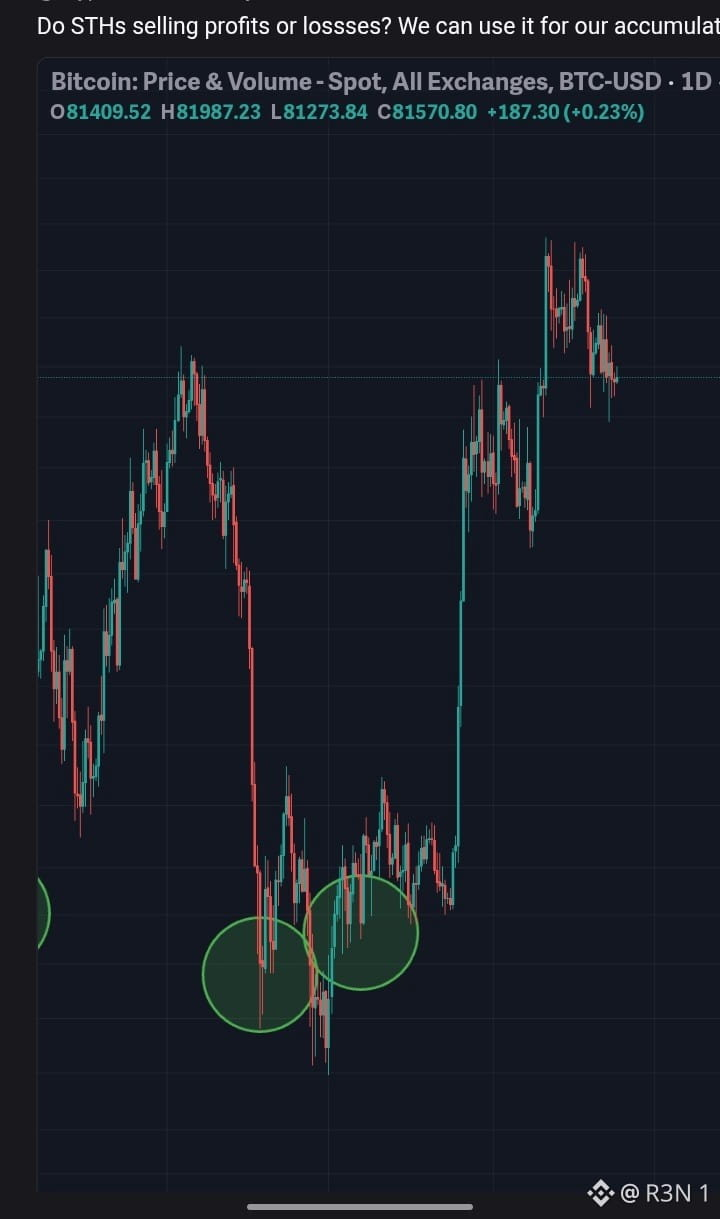
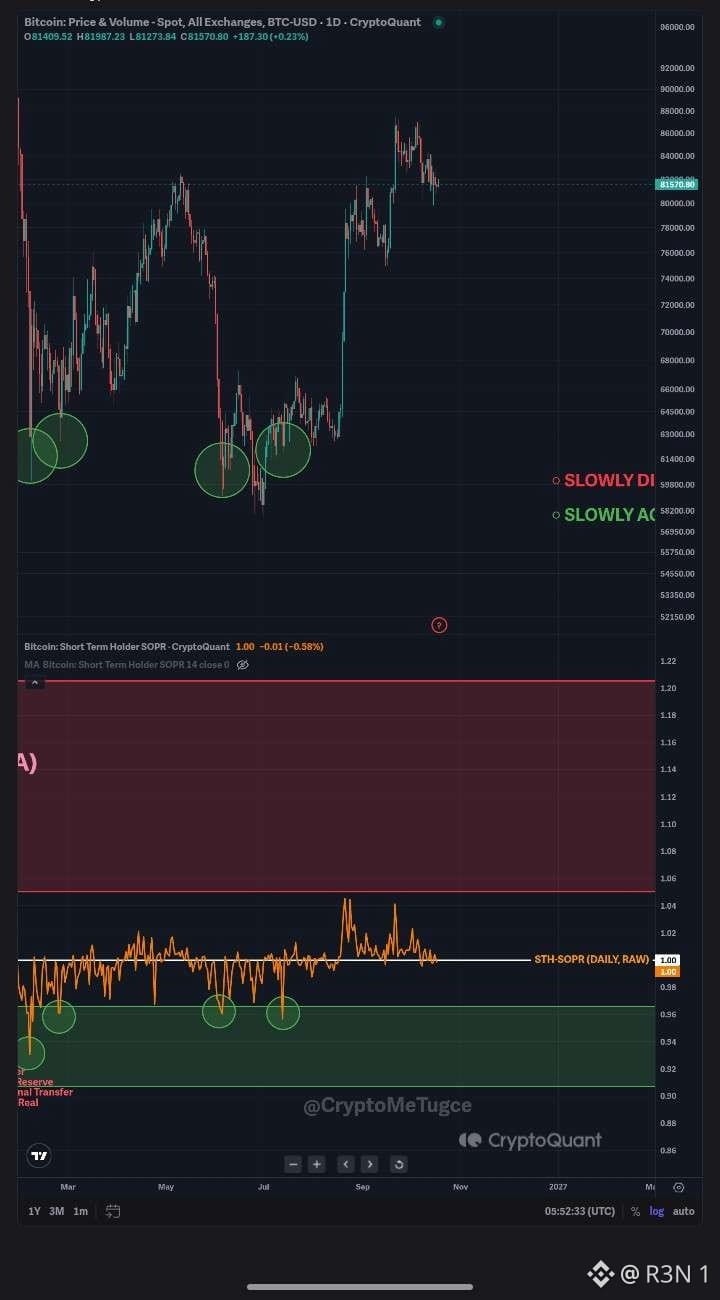
Qısamüddətli sahiblər mənfəətlə satışdan zərərsiz səviyyədə satışa keçiblər — bu, göründüyündən daha sakit bir dəyişiklikdir.
CryptoQuant-ın STH-SOPR göstəricisi BTC təxminən 81,6 min dollar olduğu vaxt 1,00 səviyyəsindədir; bu, oktyabrın əvvəlindəki zirvəsindən təxminən 6% aşağıdır. Bu göstərici son alıcıların sikkələrini aldıqları qiymətdən yuxarıya, yoxsa aşağıya satdıqlarını izləyir. Sentyabr-oktyabr yüksəlişi zamanı göstərici təxminən 1,04-ə çatmışdı, yəni mənfəət götürmə məhdud qalmışdı. Kütlənin acgözləşdiyi dövrlərdə adətən görünən 1,05 zonasına isə heç çatmadı.
Qrafikin digər tərəfi diqqətimi çəkir. Bu ilki hər böyük dib — fevral və martda 60 min dollar yaxınlığında, daha sonra isə iyun və iyulda — STH-SOPR göstəricisinin təxminən 0,93–0,96 aralığına düşməsi ilə üst-üstə düşüb. Son alıcılar kapitulyasiya edib, qiymət isə qısa müddət sonra dibə çatıb. Dörd nümunə kiçik seçmədir, amma tendensiya ardıcıldır.
Makroiqtisadi mənzərə göstəricinin niyə yenidən 1,00-a düşdüyünü izah edir. Oktyabrın 14-də gözləniləndən yüksək açıqlanan CPI göstəricisi oktyabrın 28-də keçiriləcək Fed iclası öncəsi faiz artımı ehtimalını yüksəltdi və BTC bərpa olunmazdan əvvəl 80 min dollara yaxınlaşdı. Həmin eniş zamanı qısamüddətli sahiblər kapitulyasiya etmədi, çünki STH-SOPR 0,93–0,96 aralığına düşmədi. Bu, dayanıqlı dib ehtimalını artırır, amma tək bir eniş sübut deyil.
Əks arqument isə budur ki, düz 1,0 göstəricisi enişdən əvvəlki tərəddüdü də ifadə edə bilər. Fed faizləri artırsa və qiymət oktyabrın 80 min dollar yaxınlığındakı minimumundan aşağı düşsə, qısamüddətli sahiblər zərərdə qalacaqlar. Məhz bu vəziyyət nisbəti əvvəlki dibləri göstərmiş zonaya апарmışdı.
Би hər iki nəticənin uzun müddət davam edib-etməyəcəyini izləyərdim. 0,97-dən aşağı eniş tarixən diblərə yaxın müşahidə olunan kapitulyasiya əlaməti olardı; Fed iclası boyunca 1,0-dan yuxarı qalmaq isə alıcıların zərərlə satmaq istəmədiyini göstərərdi.
$BTC #BTC Qiymət təhlili# #Meme Alpha#
Qısamüddətli sahiblər mənfəətlə satışdan zərərsiz səviyyədə satışa keçiblər — bu, göründüyündən daha sakit bir dəyişiklikdir.
CryptoQuant-ın STH-SOPR göstəricisi BTC təxminən 81,6 min dollar olduğu vaxt 1,00 səviyyəsindədir; bu, oktyabrın əvvəlindəki zirvəsindən təxminən 6% aşağıdır. Bu göstərici son alıcıların sikkələrini aldıqları qiymətdən yuxarıya, yoxsa aşağıya satdıqlarını izləyir. Sentyabr-oktyabr yüksəlişi zamanı göstərici təxminən 1,04-ə çatmışdı, yəni mənfəət götürmə məhdud qalmışdı. Kütlənin acgözləşdiyi dövrlərdə adətən görünən 1,05 zonasına isə heç çatmadı.
Qrafikin digər tərəfi diqqətimi çəkir. Bu ilki hər böyük dib — fevral və martda 60 min dollar yaxınlığında, daha sonra isə iyun və iyulda — STH-SOPR göstəricisinin təxminən 0,93–0,96 aralığına düşməsi ilə üst-üstə düşüb. Son alıcılar kapitulyasiya edib, qiymət isə qısa müddət sonra dibə çatıb. Dörd nümunə kiçik seçmədir, amma tendensiya ardıcıldır.
Makroiqtisadi mənzərə göstəricinin niyə yenidən 1,00-a düşdüyünü izah edir. Oktyabrın 14-də gözləniləndən yüksək açıqlanan CPI göstəricisi oktyabrın 28-də keçiriləcək Fed iclası öncəsi faiz artımı ehtimalını yüksəltdi və BTC bərpa olunmazdan əvvəl 80 min dollara yaxınlaşdı. Həmin eniş zamanı qısamüddətli sahiblər kapitulyasiya etmədi, çünki STH-SOPR 0,93–0,96 aralığına düşmədi. Bu, dayanıqlı dib ehtimalını artırır, amma tək bir eniş sübut deyil.
Əks arqument isə budur ki, düz 1,0 göstəricisi enişdən əvvəlki tərəddüdü də ifadə edə bilər. Fed faizləri artırsa və qiymət oktyabrın 80 min dollar yaxınlığındakı minimumundan aşağı düşsə, qısamüddətli sahiblər zərərdə qalacaqlar. Məhz bu vəziyyət nisbəti əvvəlki dibləri göstərmiş zonaya апарmışdı.
Би hər iki nəticənin uzun müddət davam edib-etməyəcəyini izləyərdim. 0,97-dən aşağı eniş tarixən diblərə yaxın müşahidə olunan kapitulyasiya əlaməti olardı; Fed iclası boyunca 1,0-dan yuxarı qalmaq isə alıcıların zərərlə satmaq istəmədiyini göstərərdi.
$BTC #BTC Qiymət təhlili# #Meme Alpha#
CryptoQuant-ın STH-SOPR göstəricisi BTC təxminən 81,6 min dollar olduğu vaxt 1,00 səviyyəsindədir; bu, oktyabrın əvvəlindəki zirvəsindən təxminən 6% aşağıdır. Bu göstərici son alıcıların sikkələrini aldıqları qiymətdən yuxarıya, yoxsa aşağıya satdıqlarını izləyir. Sentyabr-oktyabr yüksəlişi zamanı göstərici təxminən 1,04-ə çatmışdı, yəni mənfəət götürmə məhdud qalmışdı. Kütlənin acgözləşdiyi dövrlərdə adətən görünən 1,05 zonasına isə heç çatmadı.
Qrafikin digər tərəfi diqqətimi çəkir. Bu ilki hər böyük dib — fevral və martda 60 min dollar yaxınlığında, daha sonra isə iyun və iyulda — STH-SOPR göstəricisinin təxminən 0,93–0,96 aralığına düşməsi ilə üst-üstə düşüb. Son alıcılar kapitulyasiya edib, qiymət isə qısa müddət sonra dibə çatıb. Dörd nümunə kiçik seçmədir, amma tendensiya ardıcıldır.
Makroiqtisadi mənzərə göstəricinin niyə yenidən 1,00-a düşdüyünü izah edir. Oktyabrın 14-də gözləniləndən yüksək açıqlanan CPI göstəricisi oktyabrın 28-də keçiriləcək Fed iclası öncəsi faiz artımı ehtimalını yüksəltdi və BTC bərpa olunmazdan əvvəl 80 min dollara yaxınlaşdı. Həmin eniş zamanı qısamüddətli sahiblər kapitulyasiya etmədi, çünki STH-SOPR 0,93–0,96 aralığına düşmədi. Bu, dayanıqlı dib ehtimalını artırır, amma tək bir eniş sübut deyil.
Əks arqument isə budur ki, düz 1,0 göstəricisi enişdən əvvəlki tərəddüdü də ifadə edə bilər. Fed faizləri artırsa və qiymət oktyabrın 80 min dollar yaxınlığındakı minimumundan aşağı düşsə, qısamüddətli sahiblər zərərdə qalacaqlar. Məhz bu vəziyyət nisbəti əvvəlki dibləri göstərmiş zonaya апарmışdı.
Би hər iki nəticənin uzun müddət davam edib-etməyəcəyini izləyərdim. 0,97-dən aşağı eniş tarixən diblərə yaxın müşahidə olunan kapitulyasiya əlaməti olardı; Fed iclası boyunca 1,0-dan yuxarı qalmaq isə alıcıların zərərlə satmaq istəmədiyini göstərərdi.
$BTC #BTC Qiymət təhlili# #Meme Alpha#
68
·
--
DeFi-də token itkilərinin çoxu protokol nasazlıqlarından qaynaqlanmır. Səbəb, heç vaxt qarşılıqlı əlaqəyə girməyə dəyməyən tokenlərlə əməliyyat aparmaqdır. Təhlükəli tokenlərin çoxunu müəyyənləşdirmək üçün lazım olan məlumatlar kapital hərəkətə keçməzdən əvvəl açıq şəkildə mövcuddur.
Tanımadığım tokenləri mübadilə etməzdən əvvəl istifadə etdiyim yoxlama siyahısı budur.
Əvvəlcə müqavilə ünvanını rəsmi mənbədən təsdiqləyin. Axtarış nəticəsindən və ya sosial şəbəkə paylaşımından yox. Rəsmi veb-saytdan, rəsmi Telegram kanalından və ya rəsmi X hesabından. İstənilən şəxs token adını təkrarlaya bilər. Müqavilə ünvanını isə yox. Hər saxta tokenin ünvanı həqiqi tokenin ünvanından fərqlidir.
İkincisi, STONfi interfeysində token etiketini yoxlayın. STONfi Fake, Honeypot, Taxable, Suspicious və DMCA tokenlərini işarələyir. Fake və Honeypot tokenlərini ümumiyyətlə mübadilə etmək mümkün deyil. Yalnız müqavilə ünvanını əl ilə daxil etdikdə görünən tokenin işarələnməsinin bir səbəbi var.
Üçüncüsü, token sahibləri arasındakı bölgünü yoxlayın. Bir pul kisəsinin ümumi təklifin 50%-ni və ya daha çoxunu saxladığı tokenin riski yüksəkdir və heç bir APR bu riski kompensasiya etmir.
Dördüncüsü, likvidlik dərinliyini bazar kapitallaşması ilə müqayisə edin. 10 milyon dollarlıq bazar kapitallaşması və hovuzda cəmi 50 min dollarlıq likvidliyi olan tokeni qiymətə fəlakətli təsir göstərmədən sata bilməzsiniz.
Beşincisi, buraxılışdan sonra təklifi artıra və ya köçürmələri dayandıra bilən mint funksiyalarını və ya mülkiyyət hüquqlarını axtarın.
Həqiqi kapitalınızı riskə atmadan əvvəl kriptotəhlükəsizlik biliklərinizi https://stonverse.com/cybersecgame/ ünvanında yoxlayın. Burada real hücum üsulları interaktiv formatda təqdim olunur. İlk ciddi DeFi investisiyanızdan əvvəl bir dəfə nəzərdən keçirməyə dəyər.
Beş yoxlama. Beş dəqiqə. Təhlükəli tokenlərin çoxu ən azı bir yoxlamadan aşkar şəkildə keçmir.
$BTC #BTC Qiymət Təhlili# $SOL #Meme Alfa#
DeFi-də token itkilərinin çoxu protokol nasazlıqlarından qaynaqlanmır. Səbəb, heç vaxt qarşılıqlı əlaqəyə girməyə dəyməyən tokenlərlə əməliyyat aparmaqdır. Təhlükəli tokenlərin çoxunu müəyyənləşdirmək üçün lazım olan məlumatlar kapital hərəkətə keçməzdən əvvəl açıq şəkildə mövcuddur.
Tanımadığım tokenləri mübadilə etməzdən əvvəl istifadə etdiyim yoxlama siyahısı budur.
Əvvəlcə müqavilə ünvanını rəsmi mənbədən təsdiqləyin. Axtarış nəticəsindən və ya sosial şəbəkə paylaşımından yox. Rəsmi veb-saytdan, rəsmi Telegram kanalından və ya rəsmi X hesabından. İstənilən şəxs token adını təkrarlaya bilər. Müqavilə ünvanını isə yox. Hər saxta tokenin ünvanı həqiqi tokenin ünvanından fərqlidir.
İkincisi, STONfi interfeysində token etiketini yoxlayın. STONfi Fake, Honeypot, Taxable, Suspicious və DMCA tokenlərini işarələyir. Fake və Honeypot tokenlərini ümumiyyətlə mübadilə etmək mümkün deyil. Yalnız müqavilə ünvanını əl ilə daxil etdikdə görünən tokenin işarələnməsinin bir səbəbi var.
Üçüncüsü, token sahibləri arasındakı bölgünü yoxlayın. Bir pul kisəsinin ümumi təklifin 50%-ni və ya daha çoxunu saxladığı tokenin riski yüksəkdir və heç bir APR bu riski kompensasiya etmir.
Dördüncüsü, likvidlik dərinliyini bazar kapitallaşması ilə müqayisə edin. 10 milyon dollarlıq bazar kapitallaşması və hovuzda cəmi 50 min dollarlıq likvidliyi olan tokeni qiymətə fəlakətli təsir göstərmədən sata bilməzsiniz.
Beşincisi, buraxılışdan sonra təklifi artıra və ya köçürmələri dayandıra bilən mint funksiyalarını və ya mülkiyyət hüquqlarını axtarın.
Həqiqi kapitalınızı riskə atmadan əvvəl kriptotəhlükəsizlik biliklərinizi https://stonverse.com/cybersecgame/ ünvanında yoxlayın. Burada real hücum üsulları interaktiv formatda təqdim olunur. İlk ciddi DeFi investisiyanızdan əvvəl bir dəfə nəzərdən keçirməyə dəyər.
Beş yoxlama. Beş dəqiqə. Təhlükəli tokenlərin çoxu ən azı bir yoxlamadan aşkar şəkildə keçmir.
$BTC #BTC Qiymət Təhlili# $SOL #Meme Alfa#
Tanımadığım tokenləri mübadilə etməzdən əvvəl istifadə etdiyim yoxlama siyahısı budur.
Əvvəlcə müqavilə ünvanını rəsmi mənbədən təsdiqləyin. Axtarış nəticəsindən və ya sosial şəbəkə paylaşımından yox. Rəsmi veb-saytdan, rəsmi Telegram kanalından və ya rəsmi X hesabından. İstənilən şəxs token adını təkrarlaya bilər. Müqavilə ünvanını isə yox. Hər saxta tokenin ünvanı həqiqi tokenin ünvanından fərqlidir.
İkincisi, STONfi interfeysində token etiketini yoxlayın. STONfi Fake, Honeypot, Taxable, Suspicious və DMCA tokenlərini işarələyir. Fake və Honeypot tokenlərini ümumiyyətlə mübadilə etmək mümkün deyil. Yalnız müqavilə ünvanını əl ilə daxil etdikdə görünən tokenin işarələnməsinin bir səbəbi var.
Üçüncüsü, token sahibləri arasındakı bölgünü yoxlayın. Bir pul kisəsinin ümumi təklifin 50%-ni və ya daha çoxunu saxladığı tokenin riski yüksəkdir və heç bir APR bu riski kompensasiya etmir.
Dördüncüsü, likvidlik dərinliyini bazar kapitallaşması ilə müqayisə edin. 10 milyon dollarlıq bazar kapitallaşması və hovuzda cəmi 50 min dollarlıq likvidliyi olan tokeni qiymətə fəlakətli təsir göstərmədən sata bilməzsiniz.
Beşincisi, buraxılışdan sonra təklifi artıra və ya köçürmələri dayandıra bilən mint funksiyalarını və ya mülkiyyət hüquqlarını axtarın.
Həqiqi kapitalınızı riskə atmadan əvvəl kriptotəhlükəsizlik biliklərinizi https://stonverse.com/cybersecgame/ ünvanında yoxlayın. Burada real hücum üsulları interaktiv formatda təqdim olunur. İlk ciddi DeFi investisiyanızdan əvvəl bir dəfə nəzərdən keçirməyə dəyər.
Beş yoxlama. Beş dəqiqə. Təhlükəli tokenlərin çoxu ən azı bir yoxlamadan aşkar şəkildə keçmir.
$BTC #BTC Qiymət Təhlili# $SOL #Meme Alfa#
76
·
--
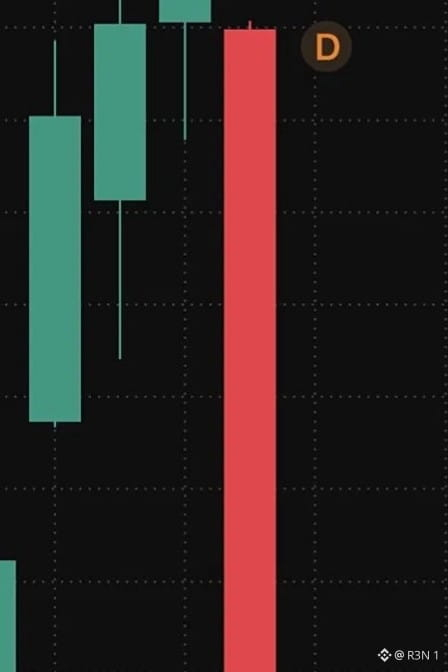
Qızıl təxminən 2%, gümüş 6%, bitkoin 2–3%, efir isə 6% ucuzlaşdı. Dörd fərqli hekayəsi olan dörd aktiv bir səbəbə görə satıldı.
Sentyabrda İQİ 3,7% təşkil etdi, baza göstəricisi isə ay ərzində 0,3% artdı — bu, Bloomberg-in sorğusunda iştirak edən iqtisadçıların demək olar ki, hamısının gözlədiyindən çox idi. Oktyabrda Fed-in faiz artırması ehtimalı təxminən 22%-dən ölçmə üsulundan asılı olaraq 45–55%-ə yüksəldi. 10 illik istiqrazların gəlirliliyi təxminən 5,3%-ə çatdı — 2002-ci ildən bəri ən yüksək səviyyəyə — və dollar möhkəmləndi.
Qızıl gəlir gətirmir, buna görə də yüksək gəlirlilik və güclü dollar ona birbaşa təzyiq göstərir. İnflyasiyanın yüksək göstəricisi də buna görə qiymətini aşağı saldı: qızıl inflyasiyadan qorunma vasitəsi kimi deyil, faiz dərəcələrinə həssas aktiv kimi ticarət olunur. Bitkoin də eyni amilin təsiri ilə ucuzlaşdı, üstəlik, buna leverec də əlavə olundu. 24 saat ərzində təxminən 1 milyard dollarlıq mövqe ləğv edildi.
Mənim diqqətimi çəkən odur ki, hər ikisi eyni göstəricinin dəyişməsi ilə bərpa olundu. Nyu-York Fed-in rəhbəri Con Uilyams bu ildən sonra əlavə faiz artımlarının lazımsız göründüyünü dedikdən sonra gəlirlilik 5,1%-ə yaxınlaşdı, faiz artımı ehtimalı isə yenidən 30%-ə yaxın düşdü. Qızıl təxminən 4 158 dollara qalxdı, BTC isə 80 000 dollara yaxın уналтından təxminən 82 300 dollara qayıtdı.
Bu isə əsas hadisənin CPI başlığı deyil, 28 oktyabr iclası olduğunu göstərir. Fed həmçinin üstünlük verdiyi PCE göstəricisini görməzdən əvvəl qərar verəcək; həmin göstərici isə iclasdan dərhal sonra açıqlanacaq.
Əks arqument budur ki, bu, enerji şoku idi. Benzinin qiyməti 9,1% artaraq aylıq artımın yarıdan çoxunu təşkil etdi, baza inflyasiyası isə illik 2,6% səviyyəsindədir. Fed bu amili nəzərə almasa, deməli, satış dalğası həddindən artıq reaksiya olub.
Məncə, hazırda qızıl və BTC eyni göstəriciyə görə ticarət olunur. 10 illik istiqrazların gəlirliliyini izləyin. 5%-dən yuxarı qalsa, inflyasiyanın necə adlandırılmasından asılı olmayaraq, hər ikisinin təzyiq altında qalmasını gözləyin.
$BTC #BTC Qiymət təhlili# #Meme Alpha# $XAUt
Qızıl təxminən 2%, gümüş 6%, bitkoin 2–3%, efir isə 6% ucuzlaşdı. Dörd fərqli hekayəsi olan dörd aktiv bir səbəbə görə satıldı.
Sentyabrda İQİ 3,7% təşkil etdi, baza göstəricisi isə ay ərzində 0,3% artdı — bu, Bloomberg-in sorğusunda iştirak edən iqtisadçıların demək olar ki, hamısının gözlədiyindən çox idi. Oktyabrda Fed-in faiz artırması ehtimalı təxminən 22%-dən ölçmə üsulundan asılı olaraq 45–55%-ə yüksəldi. 10 illik istiqrazların gəlirliliyi təxminən 5,3%-ə çatdı — 2002-ci ildən bəri ən yüksək səviyyəyə — və dollar möhkəmləndi.
Qızıl gəlir gətirmir, buna görə də yüksək gəlirlilik və güclü dollar ona birbaşa təzyiq göstərir. İnflyasiyanın yüksək göstəricisi də buna görə qiymətini aşağı saldı: qızıl inflyasiyadan qorunma vasitəsi kimi deyil, faiz dərəcələrinə həssas aktiv kimi ticarət olunur. Bitkoin də eyni amilin təsiri ilə ucuzlaşdı, üstəlik, buna leverec də əlavə olundu. 24 saat ərzində təxminən 1 milyard dollarlıq mövqe ləğv edildi.
Mənim diqqətimi çəkən odur ki, hər ikisi eyni göstəricinin dəyişməsi ilə bərpa olundu. Nyu-York Fed-in rəhbəri Con Uilyams bu ildən sonra əlavə faiz artımlarının lazımsız göründüyünü dedikdən sonra gəlirlilik 5,1%-ə yaxınlaşdı, faiz artımı ehtimalı isə yenidən 30%-ə yaxın düşdü. Qızıl təxminən 4 158 dollara qalxdı, BTC isə 80 000 dollara yaxın уналтından təxminən 82 300 dollara qayıtdı.
Bu isə əsas hadisənin CPI başlığı deyil, 28 oktyabr iclası olduğunu göstərir. Fed həmçinin üstünlük verdiyi PCE göstəricisini görməzdən əvvəl qərar verəcək; həmin göstərici isə iclasdan dərhal sonra açıqlanacaq.
Əks arqument budur ki, bu, enerji şoku idi. Benzinin qiyməti 9,1% artaraq aylıq artımın yarıdan çoxunu təşkil etdi, baza inflyasiyası isə illik 2,6% səviyyəsindədir. Fed bu amili nəzərə almasa, deməli, satış dalğası həddindən artıq reaksiya olub.
Məncə, hazırda qızıl və BTC eyni göstəriciyə görə ticarət olunur. 10 illik istiqrazların gəlirliliyini izləyin. 5%-dən yuxarı qalsa, inflyasiyanın necə adlandırılmasından asılı olmayaraq, hər ikisinin təzyiq altında qalmasını gözləyin.
$BTC #BTC Qiymət təhlili# #Meme Alpha# $XAUt
Sentyabrda İQİ 3,7% təşkil etdi, baza göstəricisi isə ay ərzində 0,3% artdı — bu, Bloomberg-in sorğusunda iştirak edən iqtisadçıların demək olar ki, hamısının gözlədiyindən çox idi. Oktyabrda Fed-in faiz artırması ehtimalı təxminən 22%-dən ölçmə üsulundan asılı olaraq 45–55%-ə yüksəldi. 10 illik istiqrazların gəlirliliyi təxminən 5,3%-ə çatdı — 2002-ci ildən bəri ən yüksək səviyyəyə — və dollar möhkəmləndi.
Qızıl gəlir gətirmir, buna görə də yüksək gəlirlilik və güclü dollar ona birbaşa təzyiq göstərir. İnflyasiyanın yüksək göstəricisi də buna görə qiymətini aşağı saldı: qızıl inflyasiyadan qorunma vasitəsi kimi deyil, faiz dərəcələrinə həssas aktiv kimi ticarət olunur. Bitkoin də eyni amilin təsiri ilə ucuzlaşdı, üstəlik, buna leverec də əlavə olundu. 24 saat ərzində təxminən 1 milyard dollarlıq mövqe ləğv edildi.
Mənim diqqətimi çəkən odur ki, hər ikisi eyni göstəricinin dəyişməsi ilə bərpa olundu. Nyu-York Fed-in rəhbəri Con Uilyams bu ildən sonra əlavə faiz artımlarının lazımsız göründüyünü dedikdən sonra gəlirlilik 5,1%-ə yaxınlaşdı, faiz artımı ehtimalı isə yenidən 30%-ə yaxın düşdü. Qızıl təxminən 4 158 dollara qalxdı, BTC isə 80 000 dollara yaxın уналтından təxminən 82 300 dollara qayıtdı.
Bu isə əsas hadisənin CPI başlığı deyil, 28 oktyabr iclası olduğunu göstərir. Fed həmçinin üstünlük verdiyi PCE göstəricisini görməzdən əvvəl qərar verəcək; həmin göstərici isə iclasdan dərhal sonra açıqlanacaq.
Əks arqument budur ki, bu, enerji şoku idi. Benzinin qiyməti 9,1% artaraq aylıq artımın yarıdan çoxunu təşkil etdi, baza inflyasiyası isə illik 2,6% səviyyəsindədir. Fed bu amili nəzərə almasa, deməli, satış dalğası həddindən artıq reaksiya olub.
Məncə, hazırda qızıl və BTC eyni göstəriciyə görə ticarət olunur. 10 illik istiqrazların gəlirliliyini izləyin. 5%-dən yuxarı qalsa, inflyasiyanın necə adlandırılmasından asılı olmayaraq, hər ikisinin təzyiq altında qalmasını gözləyin.
$BTC #BTC Qiymət təhlili# #Meme Alpha# $XAUt
29
·
--
Hələ cibə qoyulmamış 58 milyon dollarlıq mənfəət — həftələrdir hamının görə bildiyi mövqedə.
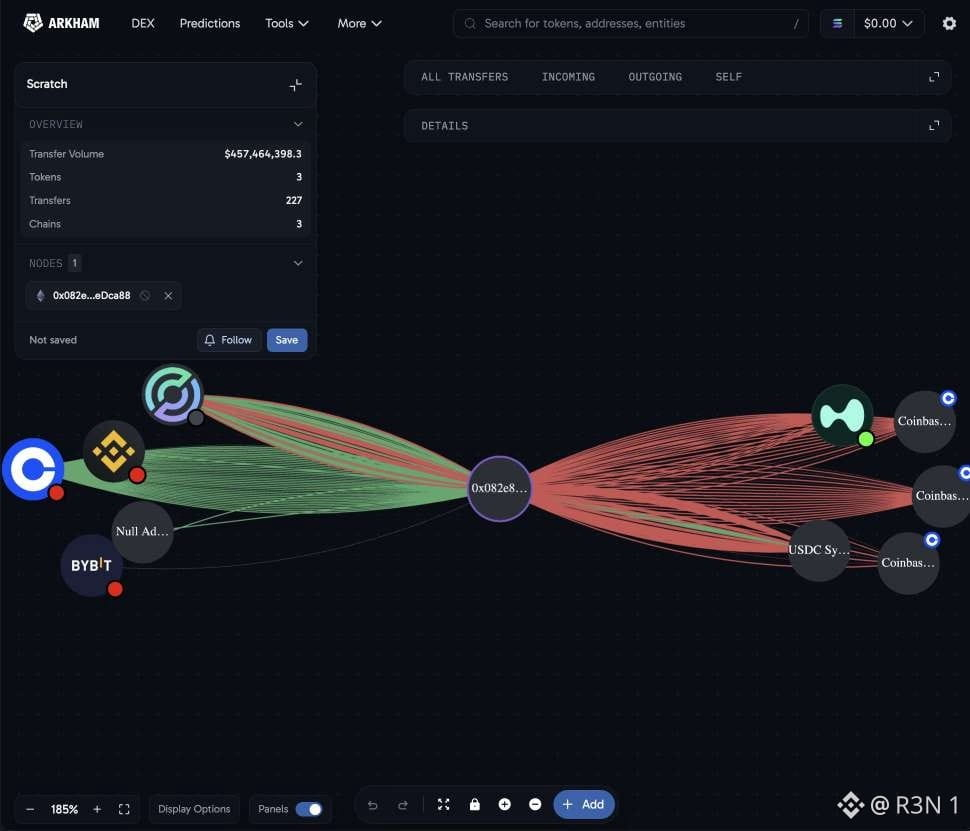
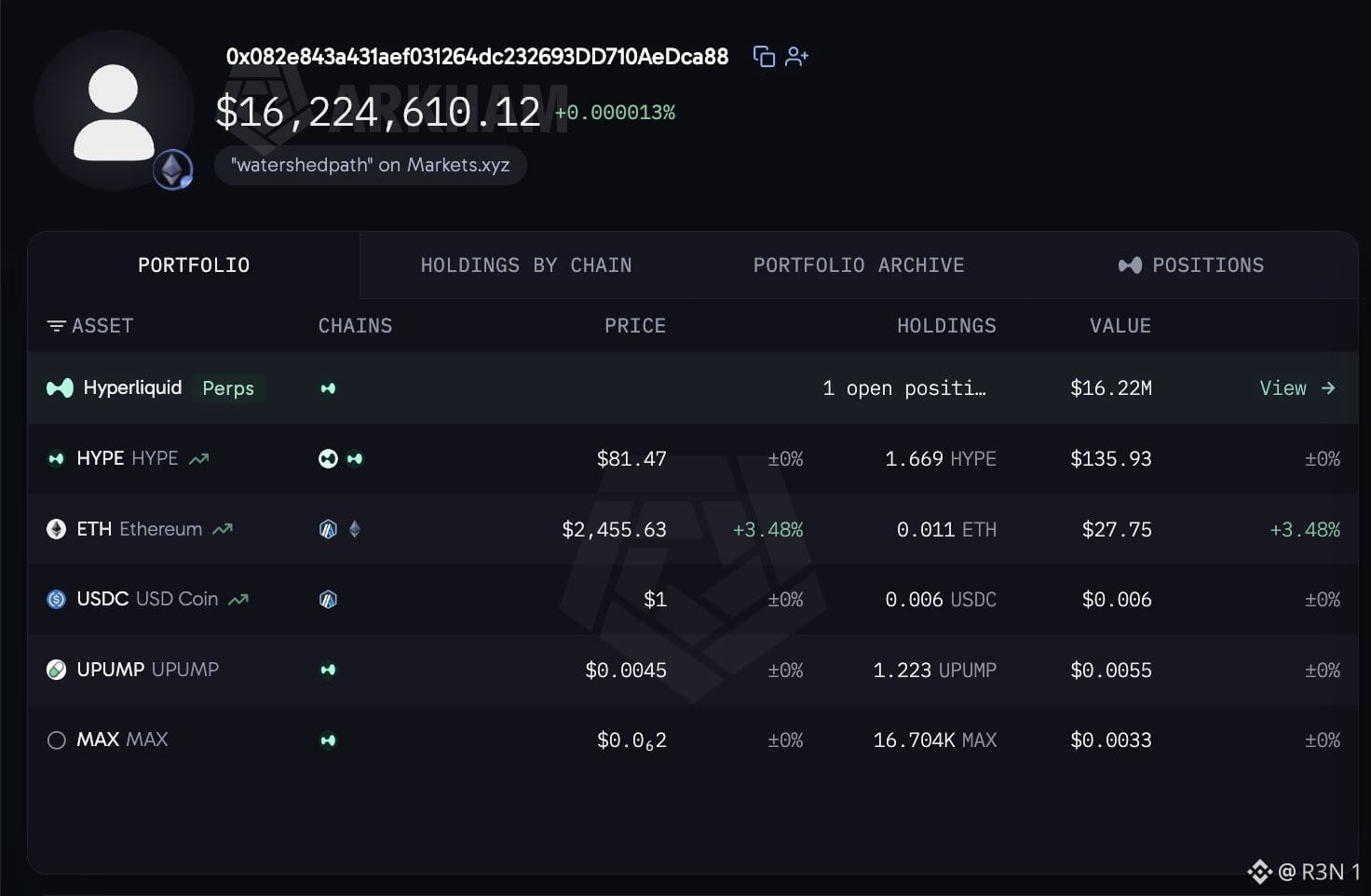
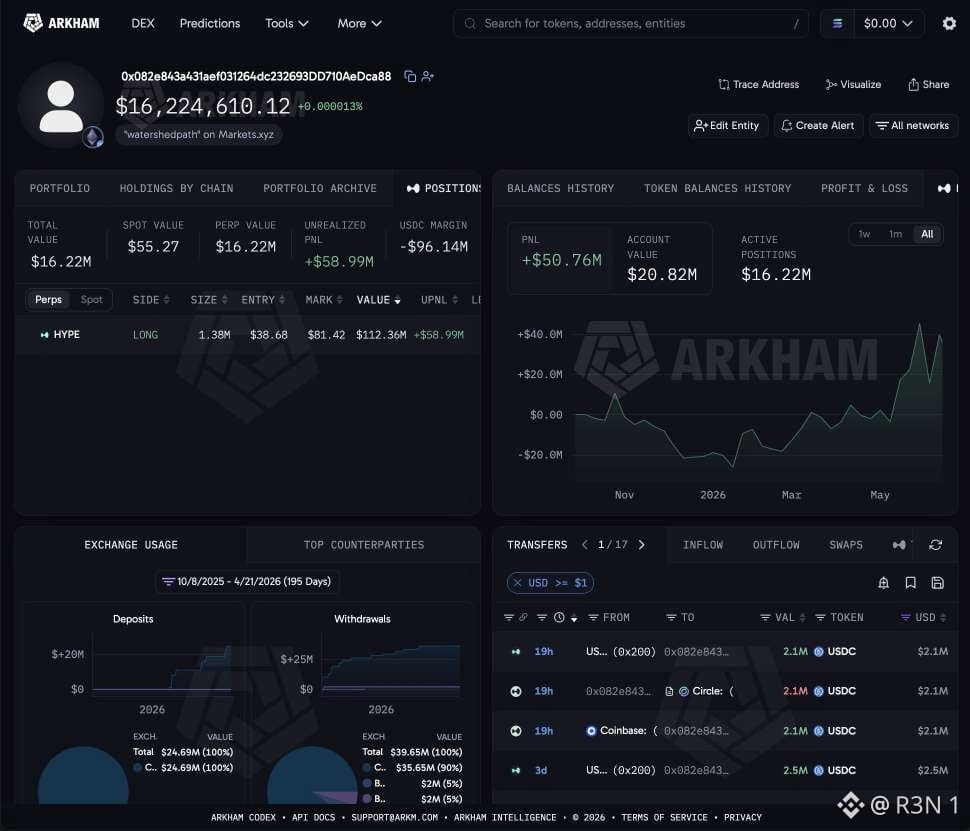
"watershedpath" treyderi Hyperliquid-də 5x leverage ilə təxminən 112 milyon dollarlıq HYPE-də long mövqedədir; orta alış qiyməti 38,68 dollardır. HYPE hazırda 81,38 dollardır, deməli kağız üzərində mənfəət təxminən 58 milyon dollardır. Hesabatlarda hesabın bütün dövr üzrə mənfəətinin 50 milyon dolları keçdiyi bildirilir. İki nəşr mövqenin həcmini 11,2 milyon dollar kimi göstərib, amma hesablamalar yalnız 112 milyon dollarla uyğun gəlir: təxminən 1,38 milyon HYPE vurulsun 42,70 dollarlıq qazanca.
Məni ən çox düşündürən mövqeni saxlama tərzidir. Dörd həftə əvvəlki bir hesabatda HYPE təxminən 88 dollar olarkən eyni alış qiyməti və təxminən 120 milyon dollarlıq mövqe göstərilmişdi. Hesablamalarıma görə, token sayı təxminən eyni olub. Yəni o, kağız üzərindəki mənfəətini təxminən 9 milyon dollar azaldan enişə baxmayaraq mövqeni saxlayıb və hələ də heç bir hissəsini bağlamayıb.
Risk hesablamalardadır. HYPE-in qiymətindəki hər 10%-lik dəyişiklik bu mövqedə təxminən 11 milyon dollar fərq yaradır, bütün qazanc isə qiymət 38,68 dollardan yuxarı qaldığı müddətdə mövcuddur. Hesabatlarda marjanın çarpaz, yoxsa təcrid olunmuş olduğu göstərilmir, buna görə ləğv qiymətini kənardan bilmək mümkün deyil.
Belə bir гарчигийг görüb eyni əməliyyatı təkrarlamağa ehtiyatla yanaşmaq lazımdır. Biz yalnız bir pul kisəsini görürük, onun arxasındakı bütün mövqeləri yox. Spot aktivlər və ya başqa yerdəki əks mövqe burada görünməyə bilər; ictimaiyyətin gördüyü uğurlu treyder isə bir siqnal deyil, sağ qalmış nümunədir. Məncə, likvidlik azaldıqda görünən böyük mövqe hədəfə də çevrilə bilər.
Açıq qalan sual budur: o, mövqeyini artırmağa davam edirmi, yoxsa sadəcə saxlayır? Mövqenin həcmindəki istənilən dəyişikliyi izləyərdim. Belə böyük treyderin qiymət yüksələndə mövqeyini azaltması kağız üzərindəki mənfəətdən daha çox şey deyərdi.
Pul kisəsini izləyin: https://arkm.com/explorer/address/0x082e843a431aef031264dc232693DD710AeDca88
#BTC Qiymət təhlili# $BTC #Meme Alpha# $HYPE
Hələ cibə qoyulmamış 58 milyon dollarlıq mənfəət — həftələrdir hamının görə bildiyi mövqedə.
"watershedpath" treyderi Hyperliquid-də 5x leverage ilə təxminən 112 milyon dollarlıq HYPE-də long mövqedədir; orta alış qiyməti 38,68 dollardır. HYPE hazırda 81,38 dollardır, deməli kağız üzərində mənfəət təxminən 58 milyon dollardır. Hesabatlarda hesabın bütün dövr üzrə mənfəətinin 50 milyon dolları keçdiyi bildirilir. İki nəşr mövqenin həcmini 11,2 milyon dollar kimi göstərib, amma hesablamalar yalnız 112 milyon dollarla uyğun gəlir: təxminən 1,38 milyon HYPE vurulsun 42,70 dollarlıq qazanca.
Məni ən çox düşündürən mövqeni saxlama tərzidir. Dörd həftə əvvəlki bir hesabatda HYPE təxminən 88 dollar olarkən eyni alış qiyməti və təxminən 120 milyon dollarlıq mövqe göstərilmişdi. Hesablamalarıma görə, token sayı təxminən eyni olub. Yəni o, kağız üzərindəki mənfəətini təxminən 9 milyon dollar azaldan enişə baxmayaraq mövqeni saxlayıb və hələ də heç bir hissəsini bağlamayıb.
Risk hesablamalardadır. HYPE-in qiymətindəki hər 10%-lik dəyişiklik bu mövqedə təxminən 11 milyon dollar fərq yaradır, bütün qazanc isə qiymət 38,68 dollardan yuxarı qaldığı müddətdə mövcuddur. Hesabatlarda marjanın çarpaz, yoxsa təcrid olunmuş olduğu göstərilmir, buna görə ləğv qiymətini kənardan bilmək mümkün deyil.
Belə bir гарчигийг görüb eyni əməliyyatı təkrarlamağa ehtiyatla yanaşmaq lazımdır. Biz yalnız bir pul kisəsini görürük, onun arxasındakı bütün mövqeləri yox. Spot aktivlər və ya başqa yerdəki əks mövqe burada görünməyə bilər; ictimaiyyətin gördüyü uğurlu treyder isə bir siqnal deyil, sağ qalmış nümunədir. Məncə, likvidlik azaldıqda görünən böyük mövqe hədəfə də çevrilə bilər.
Açıq qalan sual budur: o, mövqeyini artırmağa davam edirmi, yoxsa sadəcə saxlayır? Mövqenin həcmindəki istənilən dəyişikliyi izləyərdim. Belə böyük treyderin qiymət yüksələndə mövqeyini azaltması kağız üzərindəki mənfəətdən daha çox şey deyərdi.
Pul kisəsini izləyin: https://arkm.com/explorer/address/0x082e843a431aef031264dc232693DD710AeDca88
#BTC Qiymət təhlili# $BTC #Meme Alpha# $HYPE
"watershedpath" treyderi Hyperliquid-də 5x leverage ilə təxminən 112 milyon dollarlıq HYPE-də long mövqedədir; orta alış qiyməti 38,68 dollardır. HYPE hazırda 81,38 dollardır, deməli kağız üzərində mənfəət təxminən 58 milyon dollardır. Hesabatlarda hesabın bütün dövr üzrə mənfəətinin 50 milyon dolları keçdiyi bildirilir. İki nəşr mövqenin həcmini 11,2 milyon dollar kimi göstərib, amma hesablamalar yalnız 112 milyon dollarla uyğun gəlir: təxminən 1,38 milyon HYPE vurulsun 42,70 dollarlıq qazanca.
Məni ən çox düşündürən mövqeni saxlama tərzidir. Dörd həftə əvvəlki bir hesabatda HYPE təxminən 88 dollar olarkən eyni alış qiyməti və təxminən 120 milyon dollarlıq mövqe göstərilmişdi. Hesablamalarıma görə, token sayı təxminən eyni olub. Yəni o, kağız üzərindəki mənfəətini təxminən 9 milyon dollar azaldan enişə baxmayaraq mövqeni saxlayıb və hələ də heç bir hissəsini bağlamayıb.
Risk hesablamalardadır. HYPE-in qiymətindəki hər 10%-lik dəyişiklik bu mövqedə təxminən 11 milyon dollar fərq yaradır, bütün qazanc isə qiymət 38,68 dollardan yuxarı qaldığı müddətdə mövcuddur. Hesabatlarda marjanın çarpaz, yoxsa təcrid olunmuş olduğu göstərilmir, buna görə ləğv qiymətini kənardan bilmək mümkün deyil.
Belə bir гарчигийг görüb eyni əməliyyatı təkrarlamağa ehtiyatla yanaşmaq lazımdır. Biz yalnız bir pul kisəsini görürük, onun arxasındakı bütün mövqeləri yox. Spot aktivlər və ya başqa yerdəki əks mövqe burada görünməyə bilər; ictimaiyyətin gördüyü uğurlu treyder isə bir siqnal deyil, sağ qalmış nümunədir. Məncə, likvidlik azaldıqda görünən böyük mövqe hədəfə də çevrilə bilər.
Açıq qalan sual budur: o, mövqeyini artırmağa davam edirmi, yoxsa sadəcə saxlayır? Mövqenin həcmindəki istənilən dəyişikliyi izləyərdim. Belə böyük treyderin qiymət yüksələndə mövqeyini azaltması kağız üzərindəki mənfəətdən daha çox şey deyərdi.
Pul kisəsini izləyin: https://arkm.com/explorer/address/0x082e843a431aef031264dc232693DD710AeDca88
#BTC Qiymət təhlili# $BTC #Meme Alpha# $HYPE
45
·
--
Balinaların daxili məlumatı yoxdur. Onların malik olduğu şey fərqli zaman üfüqüdür və məlumatlar bunun uzandığını göstərir.
Santiment oktyabrın 15-də 10–10.000 BTC saxlayan 20.338 pul kisəsi sayıb — bu, bütün zamanların ən yüksək göstəricisidir. Say iyulun ortalarından bəri artıb və bir hesabatda bu qrupun 15 iyuldan bəri xalis artımının təxminən 113.950 BTC olduğu bildirilir; mənim hesablamama görə, bu, təxminən 9 milyard dollardır. Son artım mərhələsində, BTC təxminən 87 min dollardan 80 min dollara enərkən, təxminən üç həftə ərzində 85.000-dən çox sikkə əlavə olunub.
Maraqlı məqam da budur: onlar qiymət sıçrayışında deyil, enişdə alıblar. Santiment bu qrupun qeyri-sabit ticarət dövründə böyüməsini böyük kapitala malik investorların mövqelərini qoruması kimi qiymətləndirir.
İndi isə məhdudiyyətlərə baxaq, çünki başlıq pul kisələrinin sayı barədə deyilə biləcəkləri şişirdir. Sayılan insanlar yox, ünvanlardır və bir sahib sikkələrini bir neçə ünvana bölə bilər. 10 BTC-lik aşağı hədd cəmi təxminən 800 min dollara bərabərdir, buna görə də bu qrup kifayət qədər genişdir. Sayın artması yeni pul axınını deyil, sahiblərin vəsaitlərini yenidən təşkil etməsini də əks etdirə bilər.
Tarixi məlumatlar əks istiqamətə də işarə edir. Santiment bildirir ki, bu sürətlə artım son bir ildə cəmi iki dəfə müşahidə olunub və bir hesabatda oxşar vəziyyətin əvvəllər 34%-lik enişdən öncə baş verdiyi qeyd olunur. Həmin hadisə ilə bağlı təfərrüatları görə bilmədim, ona görə bunu qayda yox, xəbərdarlıq kimi qəbul edin.
Bazar hələlik bunu təsdiqləmir. Cümə axşamı 80 min dollardan aşağı düşəndən sonra BTC 82 min dollar ətrafındadır — ötən ilin oktyabrındakı maksimumdan təxminən 35% aşağı. Binance-də maliyyələşdirmə dərəcəsi mənfiyə dönüb, ETF-lərdə isə oktyabr ayında vəsait çıxışı qeydə alınıb.
Bəs balinalar sizin bilmədiyiniz nəyisə bilirlər? Qiymətin hansı istiqamətdə gedəcəyini yox. Onlar əminlik nümayiş etdiriblər, bu isə başqa şeydir. BTC 80.400 dolları itirərsə, sayın artmağa davam edib-etməyəcəyini izləyərdim. Dəstək səviyyəsi qırıldıqdan sonra da davam edən yığım, eniş zamanı aparılan yığımdan daha güclü siqnaldır.
$BTC #Bitcoin Qiymət Proqnozu: Bitcoinin növbəti addımı nə olacaq?#
Balinaların daxili məlumatı yoxdur. Onların malik olduğu şey fərqli zaman üfüqüdür və məlumatlar bunun uzandığını göstərir.
Santiment oktyabrın 15-də 10–10.000 BTC saxlayan 20.338 pul kisəsi sayıb — bu, bütün zamanların ən yüksək göstəricisidir. Say iyulun ortalarından bəri artıb və bir hesabatda bu qrupun 15 iyuldan bəri xalis artımının təxminən 113.950 BTC olduğu bildirilir; mənim hesablamama görə, bu, təxminən 9 milyard dollardır. Son artım mərhələsində, BTC təxminən 87 min dollardan 80 min dollara enərkən, təxminən üç həftə ərzində 85.000-dən çox sikkə əlavə olunub.
Maraqlı məqam da budur: onlar qiymət sıçrayışında deyil, enişdə alıblar. Santiment bu qrupun qeyri-sabit ticarət dövründə böyüməsini böyük kapitala malik investorların mövqelərini qoruması kimi qiymətləndirir.
İndi isə məhdudiyyətlərə baxaq, çünki başlıq pul kisələrinin sayı barədə deyilə biləcəkləri şişirdir. Sayılan insanlar yox, ünvanlardır və bir sahib sikkələrini bir neçə ünvana bölə bilər. 10 BTC-lik aşağı hədd cəmi təxminən 800 min dollara bərabərdir, buna görə də bu qrup kifayət qədər genişdir. Sayın artması yeni pul axınını deyil, sahiblərin vəsaitlərini yenidən təşkil etməsini də əks etdirə bilər.
Tarixi məlumatlar əks istiqamətə də işarə edir. Santiment bildirir ki, bu sürətlə artım son bir ildə cəmi iki dəfə müşahidə olunub və bir hesabatda oxşar vəziyyətin əvvəllər 34%-lik enişdən öncə baş verdiyi qeyd olunur. Həmin hadisə ilə bağlı təfərrüatları görə bilmədim, ona görə bunu qayda yox, xəbərdarlıq kimi qəbul edin.
Bazar hələlik bunu təsdiqləmir. Cümə axşamı 80 min dollardan aşağı düşəndən sonra BTC 82 min dollar ətrafındadır — ötən ilin oktyabrındakı maksimumdan təxminən 35% aşağı. Binance-də maliyyələşdirmə dərəcəsi mənfiyə dönüb, ETF-lərdə isə oktyabr ayında vəsait çıxışı qeydə alınıb.
Bəs balinalar sizin bilmədiyiniz nəyisə bilirlər? Qiymətin hansı istiqamətdə gedəcəyini yox. Onlar əminlik nümayiş etdiriblər, bu isə başqa şeydir. BTC 80.400 dolları itirərsə, sayın artmağa davam edib-etməyəcəyini izləyərdim. Dəstək səviyyəsi qırıldıqdan sonra da davam edən yığım, eniş zamanı aparılan yığımdan daha güclü siqnaldır.
$BTC #Bitcoin Qiymət Proqnozu: Bitcoinin növbəti addımı nə olacaq?#
Santiment oktyabrın 15-də 10–10.000 BTC saxlayan 20.338 pul kisəsi sayıb — bu, bütün zamanların ən yüksək göstəricisidir. Say iyulun ortalarından bəri artıb və bir hesabatda bu qrupun 15 iyuldan bəri xalis artımının təxminən 113.950 BTC olduğu bildirilir; mənim hesablamama görə, bu, təxminən 9 milyard dollardır. Son artım mərhələsində, BTC təxminən 87 min dollardan 80 min dollara enərkən, təxminən üç həftə ərzində 85.000-dən çox sikkə əlavə olunub.
Maraqlı məqam da budur: onlar qiymət sıçrayışında deyil, enişdə alıblar. Santiment bu qrupun qeyri-sabit ticarət dövründə böyüməsini böyük kapitala malik investorların mövqelərini qoruması kimi qiymətləndirir.
İndi isə məhdudiyyətlərə baxaq, çünki başlıq pul kisələrinin sayı barədə deyilə biləcəkləri şişirdir. Sayılan insanlar yox, ünvanlardır və bir sahib sikkələrini bir neçə ünvana bölə bilər. 10 BTC-lik aşağı hədd cəmi təxminən 800 min dollara bərabərdir, buna görə də bu qrup kifayət qədər genişdir. Sayın artması yeni pul axınını deyil, sahiblərin vəsaitlərini yenidən təşkil etməsini də əks etdirə bilər.
Tarixi məlumatlar əks istiqamətə də işarə edir. Santiment bildirir ki, bu sürətlə artım son bir ildə cəmi iki dəfə müşahidə olunub və bir hesabatda oxşar vəziyyətin əvvəllər 34%-lik enişdən öncə baş verdiyi qeyd olunur. Həmin hadisə ilə bağlı təfərrüatları görə bilmədim, ona görə bunu qayda yox, xəbərdarlıq kimi qəbul edin.
Bazar hələlik bunu təsdiqləmir. Cümə axşamı 80 min dollardan aşağı düşəndən sonra BTC 82 min dollar ətrafındadır — ötən ilin oktyabrındakı maksimumdan təxminən 35% aşağı. Binance-də maliyyələşdirmə dərəcəsi mənfiyə dönüb, ETF-lərdə isə oktyabr ayında vəsait çıxışı qeydə alınıb.
Bəs balinalar sizin bilmədiyiniz nəyisə bilirlər? Qiymətin hansı istiqamətdə gedəcəyini yox. Onlar əminlik nümayiş etdiriblər, bu isə başqa şeydir. BTC 80.400 dolları itirərsə, sayın artmağa davam edib-etməyəcəyini izləyərdim. Dəstək səviyyəsi qırıldıqdan sonra da davam edən yığım, eniş zamanı aparılan yığımdan daha güclü siqnaldır.
$BTC #Bitcoin Qiymət Proqnozu: Bitcoinin növbəti addımı nə olacaq?#
58
·
--
RWA.xyz məlumatlarına görə, Solana-da tokenləşdirilmiş aktivlərin ümumi bazarı 2025-ci ilin sentyabrında 500 milyon dolları keçib. Bu gün isə təkcə Ondo-nun həmin şəbəkədəki göstəricisi bundan yüksəkdir.
Oktyabrın 15-nə olan məlumata görə, Ondo-nun Solana-da paylanmış aktivlərinin dəyəri 454 aktiv üzrə 508,1 milyon dollar təşkil edir. Bu, 30 gün ərzində təxminən 46% artım deməkdir. Ondo-nun bütün şəbəkələr üzrə aktivlərinin dəyəri 3,96 milyard dollardır və eyni müddətdə cəmi 9,7% artıb. Solana bütövlükdə platformadan təxminən beş dəfə sürətlə böyüyür, payı 13%-ə yaxındır və Ondo şəbəkələri arasında üçüncü yerdədir. Son hesablamalara görə, Ondo-nun aktivlərinin böyük hissəsi — təxminən yarısı — hələ də Ethereum-da yerləşir.
Aktivlərin tərkibi də önəmlidir. Solana portfelində tokenləşdirilmiş səhmlər USDY kimi ABŞ xəzinə istiqrazlarına bənzər məhsullarla yanaşı yer alır. rwa.xyz səhmlər panelini istifadəyə verəndə zəncir üzərindəki səhm ticarəti həcminin təxminən 95%-i Solana-nın payına düşürdü. Bu, şəbəkənin cəlbediciliyinin yalnız aktivlərin saxlanmasından deyil, ticarət fəallığından da qaynaqlandığını göstərir. Ondo platforması üzrə aylıq köçürmə həcmi təxminən 2,5 milyard dollardır və 48%-ə yaxın artıb. Bu isə tokenlərin buraxıldıqdan sonra sadəcə yerində qalmadığını, dövriyyədə olduğunu göstərir.
Bununla belə, ehtiyatlı yanaşmaq lazımdır: paylanmış aktivlərin dəyəri tokenlərin sayının qiymətə vurulması ilə hesablanır. Buna görə də əsas səhmlərin qiymətindəki artım yeni alıcı olmadan da göstəricini yüksəldə bilər. Aylıq 46%-lik artıma həm real vəsait axını, həm də bazar dəyişiklikləri daxildir və bu məlumatlar onların təsirini bir-birindən ayıra bilmir.
Mənim diqqətimi çəkən əsas məqam bu tendensiyanın istiqamətidir. Ondo-nun likvidliyi tək bir şəbəkədən kənara yayılır və bu dəyişiklikdən ən böyük payı Solana alır.
İzləniləsi növbəti məqam: Ondo-nun ümumi aktivlərində Solana-nın payı 13%-i keçərək artmağa davam edəcəkmi və səhm qiymətləri soyuyarsa, köçürmə həcmi yüksək səviyyədə qalacaqmı?
$ONDO #BTC Qiymət Təhlili# #Altcoin Mövsümü# $SOL
RWA.xyz məlumatlarına görə, Solana-da tokenləşdirilmiş aktivlərin ümumi bazarı 2025-ci ilin sentyabrında 500 milyon dolları keçib. Bu gün isə təkcə Ondo-nun həmin şəbəkədəki göstəricisi bundan yüksəkdir.
Oktyabrın 15-nə olan məlumata görə, Ondo-nun Solana-da paylanmış aktivlərinin dəyəri 454 aktiv üzrə 508,1 milyon dollar təşkil edir. Bu, 30 gün ərzində təxminən 46% artım deməkdir. Ondo-nun bütün şəbəkələr üzrə aktivlərinin dəyəri 3,96 milyard dollardır və eyni müddətdə cəmi 9,7% artıb. Solana bütövlükdə platformadan təxminən beş dəfə sürətlə böyüyür, payı 13%-ə yaxındır və Ondo şəbəkələri arasında üçüncü yerdədir. Son hesablamalara görə, Ondo-nun aktivlərinin böyük hissəsi — təxminən yarısı — hələ də Ethereum-da yerləşir.
Aktivlərin tərkibi də önəmlidir. Solana portfelində tokenləşdirilmiş səhmlər USDY kimi ABŞ xəzinə istiqrazlarına bənzər məhsullarla yanaşı yer alır. rwa.xyz səhmlər panelini istifadəyə verəndə zəncir üzərindəki səhm ticarəti həcminin təxminən 95%-i Solana-nın payına düşürdü. Bu, şəbəkənin cəlbediciliyinin yalnız aktivlərin saxlanmasından deyil, ticarət fəallığından da qaynaqlandığını göstərir. Ondo platforması üzrə aylıq köçürmə həcmi təxminən 2,5 milyard dollardır və 48%-ə yaxın artıb. Bu isə tokenlərin buraxıldıqdan sonra sadəcə yerində qalmadığını, dövriyyədə olduğunu göstərir.
Bununla belə, ehtiyatlı yanaşmaq lazımdır: paylanmış aktivlərin dəyəri tokenlərin sayının qiymətə vurulması ilə hesablanır. Buna görə də əsas səhmlərin qiymətindəki artım yeni alıcı olmadan da göstəricini yüksəldə bilər. Aylıq 46%-lik artıma həm real vəsait axını, həm də bazar dəyişiklikləri daxildir və bu məlumatlar onların təsirini bir-birindən ayıra bilmir.
Mənim diqqətimi çəkən əsas məqam bu tendensiyanın istiqamətidir. Ondo-nun likvidliyi tək bir şəbəkədən kənara yayılır və bu dəyişiklikdən ən böyük payı Solana alır.
İzləniləsi növbəti məqam: Ondo-nun ümumi aktivlərində Solana-nın payı 13%-i keçərək artmağa davam edəcəkmi və səhm qiymətləri soyuyarsa, köçürmə həcmi yüksək səviyyədə qalacaqmı?
$ONDO #BTC Qiymət Təhlili# #Altcoin Mövsümü# $SOL
Oktyabrın 15-nə olan məlumata görə, Ondo-nun Solana-da paylanmış aktivlərinin dəyəri 454 aktiv üzrə 508,1 milyon dollar təşkil edir. Bu, 30 gün ərzində təxminən 46% artım deməkdir. Ondo-nun bütün şəbəkələr üzrə aktivlərinin dəyəri 3,96 milyard dollardır və eyni müddətdə cəmi 9,7% artıb. Solana bütövlükdə platformadan təxminən beş dəfə sürətlə böyüyür, payı 13%-ə yaxındır və Ondo şəbəkələri arasında üçüncü yerdədir. Son hesablamalara görə, Ondo-nun aktivlərinin böyük hissəsi — təxminən yarısı — hələ də Ethereum-da yerləşir.
Aktivlərin tərkibi də önəmlidir. Solana portfelində tokenləşdirilmiş səhmlər USDY kimi ABŞ xəzinə istiqrazlarına bənzər məhsullarla yanaşı yer alır. rwa.xyz səhmlər panelini istifadəyə verəndə zəncir üzərindəki səhm ticarəti həcminin təxminən 95%-i Solana-nın payına düşürdü. Bu, şəbəkənin cəlbediciliyinin yalnız aktivlərin saxlanmasından deyil, ticarət fəallığından da qaynaqlandığını göstərir. Ondo platforması üzrə aylıq köçürmə həcmi təxminən 2,5 milyard dollardır və 48%-ə yaxın artıb. Bu isə tokenlərin buraxıldıqdan sonra sadəcə yerində qalmadığını, dövriyyədə olduğunu göstərir.
Bununla belə, ehtiyatlı yanaşmaq lazımdır: paylanmış aktivlərin dəyəri tokenlərin sayının qiymətə vurulması ilə hesablanır. Buna görə də əsas səhmlərin qiymətindəki artım yeni alıcı olmadan da göstəricini yüksəldə bilər. Aylıq 46%-lik artıma həm real vəsait axını, həm də bazar dəyişiklikləri daxildir və bu məlumatlar onların təsirini bir-birindən ayıra bilmir.
Mənim diqqətimi çəkən əsas məqam bu tendensiyanın istiqamətidir. Ondo-nun likvidliyi tək bir şəbəkədən kənara yayılır və bu dəyişiklikdən ən böyük payı Solana alır.
İzləniləsi növbəti məqam: Ondo-nun ümumi aktivlərində Solana-nın payı 13%-i keçərək artmağa davam edəcəkmi və səhm qiymətləri soyuyarsa, köçürmə həcmi yüksək səviyyədə qalacaqmı?
$ONDO #BTC Qiymət Təhlili# #Altcoin Mövsümü# $SOL

65
·
--
TON üzərindəki USDT və Base üzərindəki USDT iki ayrı blokçeyndə buraxılan eyni stabilkoindir. Standart pul kisəsi köçürməsi ilə birini digərinə göndərmək mümkün deyil. Bunun üçün çarpaz zəncir mübadiləsi lazımdır.
STОNfi-də tam proses belədir:
Birinci addım. https://app.ston.fi ünvanını açın və TON Connect vasitəsilə TON pul kisənizi qoşun. Base-də USDT qəbul etmək üçün MetaMask və ya uyğun EVM pul kisəsi də lazımdır. Base qaz tokeni kimi ETH-dən istifadə edir — aldığınız USDT-dən başqa əməliyyatlar üçün istifadə etməyi planlaşdırırsınızsa, başlamazdan əvvəl Base-də az miqdarda ETH saxlayın.
İkinci addım. İnterfeysdə çarpaz zəncir rejiminə keçin. Mənbə şəbəkəsi kimi TON-u, təyinat şəbəkəsi kimi isə Base-i seçin.
Üçüncü addım. TON-da mənbə aktiv kimi USDT-ni, Base-də isə təyinat aktivi kimi USDT və ya USDC-ni seçin. Məbləği daxil edin.
Dördüncü addım. Təklifi diqqətlə yoxlayın. Təyinat məbləğini, ümumi komissiyanı, hər iki tərəfdə TON və Base şəbəkə adlarının göstərildiyini və təyinat pul kisəsinin ünvanını yoxlayın. Base-də qaz komissiyaları aşağıdır — TON-dan gələn stabilkoinləri köçürmək üçün ən sərfəli EVM təyinatlarından biridir.
Beşinci addım. Əməliyyatı təsdiqləyin. Omniston çarpaz zəncir əməliyyatının icrasını koordinasiya edir. USDT ya göstərilən məbləğdə Base-ə çatır, ya da ilkin TON USDT-si timelock vasitəsilə avtomatik geri qaytarılır. Mübadilələrin əksəriyyəti 15–40 saniyəyə tamamlanır.
Hər addımın ekran görüntüləri olan ətraflı vizual təlimat üçün https://ston.fi/how-to-send-usdt-from-ton-to-base səhifəsinə daxil olun.
Hazırda bir mübadilə üçün əməliyyat limiti 1 000 ABŞ dollarıdır.
#BTC Qiymət Analizi# $BTC $ETH #Altkoin Mövsümü#
TON üzərindəki USDT və Base üzərindəki USDT iki ayrı blokçeyndə buraxılan eyni stabilkoindir. Standart pul kisəsi köçürməsi ilə birini digərinə göndərmək mümkün deyil. Bunun üçün çarpaz zəncir mübadiləsi lazımdır.
STОNfi-də tam proses belədir:
Birinci addım. https://app.ston.fi ünvanını açın və TON Connect vasitəsilə TON pul kisənizi qoşun. Base-də USDT qəbul etmək üçün MetaMask və ya uyğun EVM pul kisəsi də lazımdır. Base qaz tokeni kimi ETH-dən istifadə edir — aldığınız USDT-dən başqa əməliyyatlar üçün istifadə etməyi planlaşdırırsınızsa, başlamazdan əvvəl Base-də az miqdarda ETH saxlayın.
İkinci addım. İnterfeysdə çarpaz zəncir rejiminə keçin. Mənbə şəbəkəsi kimi TON-u, təyinat şəbəkəsi kimi isə Base-i seçin.
Üçüncü addım. TON-da mənbə aktiv kimi USDT-ni, Base-də isə təyinat aktivi kimi USDT və ya USDC-ni seçin. Məbləği daxil edin.
Dördüncü addım. Təklifi diqqətlə yoxlayın. Təyinat məbləğini, ümumi komissiyanı, hər iki tərəfdə TON və Base şəbəkə adlarının göstərildiyini və təyinat pul kisəsinin ünvanını yoxlayın. Base-də qaz komissiyaları aşağıdır — TON-dan gələn stabilkoinləri köçürmək üçün ən sərfəli EVM təyinatlarından biridir.
Beşinci addım. Əməliyyatı təsdiqləyin. Omniston çarpaz zəncir əməliyyatının icrasını koordinasiya edir. USDT ya göstərilən məbləğdə Base-ə çatır, ya da ilkin TON USDT-si timelock vasitəsilə avtomatik geri qaytarılır. Mübadilələrin əksəriyyəti 15–40 saniyəyə tamamlanır.
Hər addımın ekran görüntüləri olan ətraflı vizual təlimat üçün https://ston.fi/how-to-send-usdt-from-ton-to-base səhifəsinə daxil olun.
Hazırda bir mübadilə üçün əməliyyat limiti 1 000 ABŞ dollarıdır.
#BTC Qiymət Analizi# $BTC $ETH #Altkoin Mövsümü#
STОNfi-də tam proses belədir:
Birinci addım. https://app.ston.fi ünvanını açın və TON Connect vasitəsilə TON pul kisənizi qoşun. Base-də USDT qəbul etmək üçün MetaMask və ya uyğun EVM pul kisəsi də lazımdır. Base qaz tokeni kimi ETH-dən istifadə edir — aldığınız USDT-dən başqa əməliyyatlar üçün istifadə etməyi planlaşdırırsınızsa, başlamazdan əvvəl Base-də az miqdarda ETH saxlayın.
İkinci addım. İnterfeysdə çarpaz zəncir rejiminə keçin. Mənbə şəbəkəsi kimi TON-u, təyinat şəbəkəsi kimi isə Base-i seçin.
Üçüncü addım. TON-da mənbə aktiv kimi USDT-ni, Base-də isə təyinat aktivi kimi USDT və ya USDC-ni seçin. Məbləği daxil edin.
Dördüncü addım. Təklifi diqqətlə yoxlayın. Təyinat məbləğini, ümumi komissiyanı, hər iki tərəfdə TON və Base şəbəkə adlarının göstərildiyini və təyinat pul kisəsinin ünvanını yoxlayın. Base-də qaz komissiyaları aşağıdır — TON-dan gələn stabilkoinləri köçürmək üçün ən sərfəli EVM təyinatlarından biridir.
Beşinci addım. Əməliyyatı təsdiqləyin. Omniston çarpaz zəncir əməliyyatının icrasını koordinasiya edir. USDT ya göstərilən məbləğdə Base-ə çatır, ya da ilkin TON USDT-si timelock vasitəsilə avtomatik geri qaytarılır. Mübadilələrin əksəriyyəti 15–40 saniyəyə tamamlanır.
Hər addımın ekran görüntüləri olan ətraflı vizual təlimat üçün https://ston.fi/how-to-send-usdt-from-ton-to-base səhifəsinə daxil olun.
Hazırda bir mübadilə üçün əməliyyat limiti 1 000 ABŞ dollarıdır.
#BTC Qiymət Analizi# $BTC $ETH #Altkoin Mövsümü#
35
·
--
TON-da USDT və Base-də USDT ayrı blokçeynlərdə buraxılan eyni stabilkoindir. Standart cüzdan köçürməsi ilə birini digərinə göndərmək mümkün deyil. Bunun üçün zəncirlərarası svop lazımdır.
STONfi-də bunu necə etmək olar:
Birinci addım. https://app.ston.fi saytını açın və TON Connect vasitəsilə TON cüzdanınızı qoşun. Base-də USDT qəbul etmək üçün sizə MetaMask və ya uyğun EVM cüzdanı da lazımdır. Base şəbəkəsinin qaz tokeni ETH-dir. Qəbul etdiyiniz USDT-dən başqa əməliyyatlar üçün istifadə etməyi planlaşdırırsınızsa, başlamazdan əvvəl Base-də az miqdarda ETH saxlayın.
İkinci addım. İnterfeysdə zəncirlərarası rejimə keçin. Mənbə şəbəkə kimi TON-u, təyinat şəbəkə kimi isə Base-i seçin.
Üçüncü addım. TON-da mənbə aktiv kimi USDT-ni, Base-də təyinat aktiv kimi isə USDT və ya USDC-ni seçin. Məbləği daxil edin.
Dördüncü addım. Təklifi diqqətlə nəzərdən keçirin. Təyinat məbləğini, ümumi komissiyanı, hər iki tərəfdə TON və Base şəbəkələrini göstərən etiketləri və təyinat cüzdanınızın ünvanını yoxlayın. Base-də qaz komissiyaları aşağıdır və bu şəbəkə TON-dan göndərilən stabilkoindən istifadə üçün ən sərfəli EVM şəbəkələrindən biridir.
Beşinci addım. Əməliyyatı təsdiqləyin. Zəncirlərarası əməliyyatı Omniston əlaqələndirir. USDT ya göstərilən məbləğdə Base-ə çatır, ya da ilkin TON USDT-si vaxt kilidi vasitəsilə avtomatik geri qaytarılır. Svopların əksəriyyəti 15–40 saniyə ərzində tamamlanır.
Hər addımın ekran görüntüləri ilə ətraflı təlimat üçün https://ston.fi/how-to-send-usdt-from-ton-to-base və https://ston.fi/cross-chain-swap-from-ton-to-base səhifələrinə daxil olun.
Bir svop üçün cari əməliyyat limiti 1.000 dollardır.
Svopu sınayın → https://app.ston.fi/swap?mode=cross-chain
#BTC Qiymət Təhlili# $BTC #Meme Alfa# $SOL
TON-da USDT və Base-də USDT ayrı blokçeynlərdə buraxılan eyni stabilkoindir. Standart cüzdan köçürməsi ilə birini digərinə göndərmək mümkün deyil. Bunun üçün zəncirlərarası svop lazımdır.
STONfi-də bunu necə etmək olar:
Birinci addım. https://app.ston.fi saytını açın və TON Connect vasitəsilə TON cüzdanınızı qoşun. Base-də USDT qəbul etmək üçün sizə MetaMask və ya uyğun EVM cüzdanı da lazımdır. Base şəbəkəsinin qaz tokeni ETH-dir. Qəbul etdiyiniz USDT-dən başqa əməliyyatlar üçün istifadə etməyi planlaşdırırsınızsa, başlamazdan əvvəl Base-də az miqdarda ETH saxlayın.
İkinci addım. İnterfeysdə zəncirlərarası rejimə keçin. Mənbə şəbəkə kimi TON-u, təyinat şəbəkə kimi isə Base-i seçin.
Üçüncü addım. TON-da mənbə aktiv kimi USDT-ni, Base-də təyinat aktiv kimi isə USDT və ya USDC-ni seçin. Məbləği daxil edin.
Dördüncü addım. Təklifi diqqətlə nəzərdən keçirin. Təyinat məbləğini, ümumi komissiyanı, hər iki tərəfdə TON və Base şəbəkələrini göstərən etiketləri və təyinat cüzdanınızın ünvanını yoxlayın. Base-də qaz komissiyaları aşağıdır və bu şəbəkə TON-dan göndərilən stabilkoindən istifadə üçün ən sərfəli EVM şəbəkələrindən biridir.
Beşinci addım. Əməliyyatı təsdiqləyin. Zəncirlərarası əməliyyatı Omniston əlaqələndirir. USDT ya göstərilən məbləğdə Base-ə çatır, ya da ilkin TON USDT-si vaxt kilidi vasitəsilə avtomatik geri qaytarılır. Svopların əksəriyyəti 15–40 saniyə ərzində tamamlanır.
Hər addımın ekran görüntüləri ilə ətraflı təlimat üçün https://ston.fi/how-to-send-usdt-from-ton-to-base və https://ston.fi/cross-chain-swap-from-ton-to-base səhifələrinə daxil olun.
Bir svop üçün cari əməliyyat limiti 1.000 dollardır.
Svopu sınayın → https://app.ston.fi/swap?mode=cross-chain
#BTC Qiymət Təhlili# $BTC #Meme Alfa# $SOL
STONfi-də bunu necə etmək olar:
Birinci addım. https://app.ston.fi saytını açın və TON Connect vasitəsilə TON cüzdanınızı qoşun. Base-də USDT qəbul etmək üçün sizə MetaMask və ya uyğun EVM cüzdanı da lazımdır. Base şəbəkəsinin qaz tokeni ETH-dir. Qəbul etdiyiniz USDT-dən başqa əməliyyatlar üçün istifadə etməyi planlaşdırırsınızsa, başlamazdan əvvəl Base-də az miqdarda ETH saxlayın.
İkinci addım. İnterfeysdə zəncirlərarası rejimə keçin. Mənbə şəbəkə kimi TON-u, təyinat şəbəkə kimi isə Base-i seçin.
Üçüncü addım. TON-da mənbə aktiv kimi USDT-ni, Base-də təyinat aktiv kimi isə USDT və ya USDC-ni seçin. Məbləği daxil edin.
Dördüncü addım. Təklifi diqqətlə nəzərdən keçirin. Təyinat məbləğini, ümumi komissiyanı, hər iki tərəfdə TON və Base şəbəkələrini göstərən etiketləri və təyinat cüzdanınızın ünvanını yoxlayın. Base-də qaz komissiyaları aşağıdır və bu şəbəkə TON-dan göndərilən stabilkoindən istifadə üçün ən sərfəli EVM şəbəkələrindən biridir.
Beşinci addım. Əməliyyatı təsdiqləyin. Zəncirlərarası əməliyyatı Omniston əlaqələndirir. USDT ya göstərilən məbləğdə Base-ə çatır, ya da ilkin TON USDT-si vaxt kilidi vasitəsilə avtomatik geri qaytarılır. Svopların əksəriyyəti 15–40 saniyə ərzində tamamlanır.
Hər addımın ekran görüntüləri ilə ətraflı təlimat üçün https://ston.fi/how-to-send-usdt-from-ton-to-base və https://ston.fi/cross-chain-swap-from-ton-to-base səhifələrinə daxil olun.
Bir svop üçün cari əməliyyat limiti 1.000 dollardır.
Svopu sınayın → https://app.ston.fi/swap?mode=cross-chain
#BTC Qiymət Təhlili# $BTC #Meme Alfa# $SOL
57
·
--
Təklif AWS-dir, Goldman yox. Jeff Yan oktyabrın 15-də Bloomberg-in Odd Lots proqramına bildirib ki, Hyperliquid Wall Street şirkətlərini əvəz etmək deyil, maliyyə qurumlarına ticarət texnologiyası təqdim etmək istəyir.
Bunun mexanizmi tənzimləmə baxımından bölgüdür. Yan hesab edir ki, uyğunluq öhdəliyi Hyperliquid üzərində qurulmuş bazarları idarə edən və onlara nəzarət edən şirkətlərin üzərinə düşməlidir, blokçeynin özünün yox; bu, internet infrastrukturundan istifadə edən maliyyə şirkətlərinə bənzəyir. Məncə, bu, HIP-3 tipli, bazarların qurucular tərəfindən istifadəyə verildiyi modelə uyğundur; belə bazarlarda operator bazarın quruluşunu seçir.
Bunu yoxlamaq üçün real nümunə var. Hyperliquid-in perpetual fyuçersləri ABŞ istifadəçiləri üçün bağlı qalır, amma Kraken-in ana şirkəti Payward ABŞ investorlarına tənzimlənən birja vasitəsilə Hyperliquid texnologiyasından istifadə edən derivativlər təklif etməyi planlaşdırır. Yanın təsvir etdiyi model də budur: ön planda lisenziyalı operator dayanır.
Bunun nə olduğunu açıq demək lazımdır: bu, maraqları müdafiə edən mövqedir. Bloomberg qeyd edib ki, bu fərq Hyperliquid-ə ənənəvi birjanın bütün uyğunluq yükünü üzərinə götürmədən Wall Street-ə doğru genişlənməyə imkan verərdi. ABŞ tənzimləyiciləri hələ də ofşor platformaları ölkənin daxili tənzimləmə çərçivəsinə necə daxil edəcəklərini müəyyənləşdirirlər və bu bölgünü heç biri təsdiqləməyib.
Məni ən çox düşündürən məsələ tokenlə bağlıdır. Qurumlar Hyperliquid üzərində quruculuq etsələr, dəyər HYPE-ə, yoxsa operatorlara очuqəcək? Avqust ayının məlumatlarına görə, HIP-3-ün bazarları istifadəyə verənləri həmin bazarlardakı komissiyaların yarısını saxlayırdı və həcmin demək olar hamısını bir qurucu təmin edirdi. İnfrastruktur yalnız gəlir gətirən biznesdir, əgər istifadə haqqı infrastrukturun özündə qalırsa.
AWS bənzətməsinin də bir həddi var. Bəzi yurisdiksiyalarda tənzimləyicilər iri bulud xidmətləri təminatçılarını artıq maliyyə sektoru üçün mühüm üçüncü tərəflər hesab edir; buna görə də “sadəcə infrastruktur” olmaq “tənzimlənməmək” demək olmaya bilər.
Payward-ın məhsulunun həqiqətən istifadəyə verilib-verilməyəcəyini və hər hansı tənzimləyicinin “operator, zəncir yox” yanaşmasını qəbul etdiyinə dair siqnal verib-verməyəcəyini izləyərdim.
$XRP #BTC Qiymət Təhlili# #Altcoin Mövsümü# $HYPE
Təklif AWS-dir, Goldman yox. Jeff Yan oktyabrın 15-də Bloomberg-in Odd Lots proqramına bildirib ki, Hyperliquid Wall Street şirkətlərini əvəz etmək deyil, maliyyə qurumlarına ticarət texnologiyası təqdim etmək istəyir.
Bunun mexanizmi tənzimləmə baxımından bölgüdür. Yan hesab edir ki, uyğunluq öhdəliyi Hyperliquid üzərində qurulmuş bazarları idarə edən və onlara nəzarət edən şirkətlərin üzərinə düşməlidir, blokçeynin özünün yox; bu, internet infrastrukturundan istifadə edən maliyyə şirkətlərinə bənzəyir. Məncə, bu, HIP-3 tipli, bazarların qurucular tərəfindən istifadəyə verildiyi modelə uyğundur; belə bazarlarda operator bazarın quruluşunu seçir.
Bunu yoxlamaq üçün real nümunə var. Hyperliquid-in perpetual fyuçersləri ABŞ istifadəçiləri üçün bağlı qalır, amma Kraken-in ana şirkəti Payward ABŞ investorlarına tənzimlənən birja vasitəsilə Hyperliquid texnologiyasından istifadə edən derivativlər təklif etməyi planlaşdırır. Yanın təsvir etdiyi model də budur: ön planda lisenziyalı operator dayanır.
Bunun nə olduğunu açıq demək lazımdır: bu, maraqları müdafiə edən mövqedir. Bloomberg qeyd edib ki, bu fərq Hyperliquid-ə ənənəvi birjanın bütün uyğunluq yükünü üzərinə götürmədən Wall Street-ə doğru genişlənməyə imkan verərdi. ABŞ tənzimləyiciləri hələ də ofşor platformaları ölkənin daxili tənzimləmə çərçivəsinə necə daxil edəcəklərini müəyyənləşdirirlər və bu bölgünü heç biri təsdiqləməyib.
Məni ən çox düşündürən məsələ tokenlə bağlıdır. Qurumlar Hyperliquid üzərində quruculuq etsələr, dəyər HYPE-ə, yoxsa operatorlara очuqəcək? Avqust ayının məlumatlarına görə, HIP-3-ün bazarları istifadəyə verənləri həmin bazarlardakı komissiyaların yarısını saxlayırdı və həcmin demək olar hamısını bir qurucu təmin edirdi. İnfrastruktur yalnız gəlir gətirən biznesdir, əgər istifadə haqqı infrastrukturun özündə qalırsa.
AWS bənzətməsinin də bir həddi var. Bəzi yurisdiksiyalarda tənzimləyicilər iri bulud xidmətləri təminatçılarını artıq maliyyə sektoru üçün mühüm üçüncü tərəflər hesab edir; buna görə də “sadəcə infrastruktur” olmaq “tənzimlənməmək” demək olmaya bilər.
Payward-ın məhsulunun həqiqətən istifadəyə verilib-verilməyəcəyini və hər hansı tənzimləyicinin “operator, zəncir yox” yanaşmasını qəbul etdiyinə dair siqnal verib-verməyəcəyini izləyərdim.
$XRP #BTC Qiymət Təhlili# #Altcoin Mövsümü# $HYPE
Bunun mexanizmi tənzimləmə baxımından bölgüdür. Yan hesab edir ki, uyğunluq öhdəliyi Hyperliquid üzərində qurulmuş bazarları idarə edən və onlara nəzarət edən şirkətlərin üzərinə düşməlidir, blokçeynin özünün yox; bu, internet infrastrukturundan istifadə edən maliyyə şirkətlərinə bənzəyir. Məncə, bu, HIP-3 tipli, bazarların qurucular tərəfindən istifadəyə verildiyi modelə uyğundur; belə bazarlarda operator bazarın quruluşunu seçir.
Bunu yoxlamaq üçün real nümunə var. Hyperliquid-in perpetual fyuçersləri ABŞ istifadəçiləri üçün bağlı qalır, amma Kraken-in ana şirkəti Payward ABŞ investorlarına tənzimlənən birja vasitəsilə Hyperliquid texnologiyasından istifadə edən derivativlər təklif etməyi planlaşdırır. Yanın təsvir etdiyi model də budur: ön planda lisenziyalı operator dayanır.
Bunun nə olduğunu açıq demək lazımdır: bu, maraqları müdafiə edən mövqedir. Bloomberg qeyd edib ki, bu fərq Hyperliquid-ə ənənəvi birjanın bütün uyğunluq yükünü üzərinə götürmədən Wall Street-ə doğru genişlənməyə imkan verərdi. ABŞ tənzimləyiciləri hələ də ofşor platformaları ölkənin daxili tənzimləmə çərçivəsinə necə daxil edəcəklərini müəyyənləşdirirlər və bu bölgünü heç biri təsdiqləməyib.
Məni ən çox düşündürən məsələ tokenlə bağlıdır. Qurumlar Hyperliquid üzərində quruculuq etsələr, dəyər HYPE-ə, yoxsa operatorlara очuqəcək? Avqust ayının məlumatlarına görə, HIP-3-ün bazarları istifadəyə verənləri həmin bazarlardakı komissiyaların yarısını saxlayırdı və həcmin demək olar hamısını bir qurucu təmin edirdi. İnfrastruktur yalnız gəlir gətirən biznesdir, əgər istifadə haqqı infrastrukturun özündə qalırsa.
AWS bənzətməsinin də bir həddi var. Bəzi yurisdiksiyalarda tənzimləyicilər iri bulud xidmətləri təminatçılarını artıq maliyyə sektoru üçün mühüm üçüncü tərəflər hesab edir; buna görə də “sadəcə infrastruktur” olmaq “tənzimlənməmək” demək olmaya bilər.
Payward-ın məhsulunun həqiqətən istifadəyə verilib-verilməyəcəyini və hər hansı tənzimləyicinin “operator, zəncir yox” yanaşmasını qəbul etdiyinə dair siqnal verib-verməyəcəyini izləyərdim.
$XRP #BTC Qiymət Təhlili# #Altcoin Mövsümü# $HYPE


76
·
--
Əksər insanlar kriptovalyutaya mərkəzləşdirilmiş birja vasitəsilə daxil olur. Hesab yaradır, şəxsiyyətlərini təsdiqləyir, vəsait yatırır və platformanın sifariş kitabı vasitəsilə ticarət edirlər. Platforma onların aktivlərini saxlayır. Vəsaitləri platformada olduğu müddətdə platforma onların hesabını dondura və ya müflis ola bilər.
Mərkəzləşdirilməmiş birja hər baxımdan fərqli işləyir.
DEX blokçeyndə işləyən ağıllı müqavilələr toplusudur. Onu idarə edən şirkət yoxdur. Hesab yaratmağa ehtiyac yoxdur. Şəxsiyyət təsdiqi tələb olunmur. Aktivlərinizi sizin adınızdan saxlayan platforma yoxdur. Özünüzün idarə etdiyiniz kripto pul kisəsini qoşur, birbaşa müqavilələr vasitəsilə ticarət edir və svop icra olunan dəqiq ana qədər aktivlərinizi öz nəzarətinizdə saxlayırsınız.
Qiymətlərin müəyyənləşmə mexanizmi də fərqlidir. Mərkəzləşdirilmiş birjalar sifariş kitablarından istifadə edir: alıcılar və satıcılar qiymətlər uyğun gələndə qarşılaşdırılan alış və satış sifarişləri yerləşdirirlər. Əksər DEX-lər isə bunun əvəzinə avtomatlaşdırılmış bazar yaradıcılarından (AMM) istifadə edir. Likvidlik təminatçıları aktiv cütlərini likvidlik hovuzlarına yatırırlar. Hovuzdakı aktivlərin cari nisbətinə əsasən istənilən ticarət üçün qiyməti bir düstur müəyyən edir. Başqa istifadəçinin mövqeyinizin əks tərəfini almaq istəyib-istəməməsindən asılı olmayaraq, hovuzda hər zaman ticarət etmək mümkündür.
STONfi-də AMM modeli Omniston-un niyyət əsaslı marşrutlaşdırması ilə yanaşı işləyir; bu marşrutlaşdırma bir neçə hovuz üzrə mövcud olan ən yaxşı qiyməti tapır. Nəticədə istifadəçilərin hovuzları əl ilə müqayisə etməsinə ehtiyac qalmadan daha yaxşı icra təmin olunur.
Saxlanılan və saxlanılmayan aktivlərlə işləyən birjalar arasındakı fərqi anlamaq DeFi-də qalan hər şeyin təməlidir. https://whatisdex.com/ ilk prinsiplərdən başlayaraq nəsə quran hər kəs üçün DEX-in işləmə mexanizmlərini aydın şəkildə izah edir.
#BTC Qiymət Analizi# $BTC #Altcoin Mövsümü# $ETH
Əksər insanlar kriptovalyutaya mərkəzləşdirilmiş birja vasitəsilə daxil olur. Hesab yaradır, şəxsiyyətlərini təsdiqləyir, vəsait yatırır və platformanın sifariş kitabı vasitəsilə ticarət edirlər. Platforma onların aktivlərini saxlayır. Vəsaitləri platformada olduğu müddətdə platforma onların hesabını dondura və ya müflis ola bilər.
Mərkəzləşdirilməmiş birja hər baxımdan fərqli işləyir.
DEX blokçeyndə işləyən ağıllı müqavilələr toplusudur. Onu idarə edən şirkət yoxdur. Hesab yaratmağa ehtiyac yoxdur. Şəxsiyyət təsdiqi tələb olunmur. Aktivlərinizi sizin adınızdan saxlayan platforma yoxdur. Özünüzün idarə etdiyiniz kripto pul kisəsini qoşur, birbaşa müqavilələr vasitəsilə ticarət edir və svop icra olunan dəqiq ana qədər aktivlərinizi öz nəzarətinizdə saxlayırsınız.
Qiymətlərin müəyyənləşmə mexanizmi də fərqlidir. Mərkəzləşdirilmiş birjalar sifariş kitablarından istifadə edir: alıcılar və satıcılar qiymətlər uyğun gələndə qarşılaşdırılan alış və satış sifarişləri yerləşdirirlər. Əksər DEX-lər isə bunun əvəzinə avtomatlaşdırılmış bazar yaradıcılarından (AMM) istifadə edir. Likvidlik təminatçıları aktiv cütlərini likvidlik hovuzlarına yatırırlar. Hovuzdakı aktivlərin cari nisbətinə əsasən istənilən ticarət üçün qiyməti bir düstur müəyyən edir. Başqa istifadəçinin mövqeyinizin əks tərəfini almaq istəyib-istəməməsindən asılı olmayaraq, hovuzda hər zaman ticarət etmək mümkündür.
STONfi-də AMM modeli Omniston-un niyyət əsaslı marşrutlaşdırması ilə yanaşı işləyir; bu marşrutlaşdırma bir neçə hovuz üzrə mövcud olan ən yaxşı qiyməti tapır. Nəticədə istifadəçilərin hovuzları əl ilə müqayisə etməsinə ehtiyac qalmadan daha yaxşı icra təmin olunur.
Saxlanılan və saxlanılmayan aktivlərlə işləyən birjalar arasındakı fərqi anlamaq DeFi-də qalan hər şeyin təməlidir. https://whatisdex.com/ ilk prinsiplərdən başlayaraq nəsə quran hər kəs üçün DEX-in işləmə mexanizmlərini aydın şəkildə izah edir.
#BTC Qiymət Analizi# $BTC #Altcoin Mövsümü# $ETH
Mərkəzləşdirilməmiş birja hər baxımdan fərqli işləyir.
DEX blokçeyndə işləyən ağıllı müqavilələr toplusudur. Onu idarə edən şirkət yoxdur. Hesab yaratmağa ehtiyac yoxdur. Şəxsiyyət təsdiqi tələb olunmur. Aktivlərinizi sizin adınızdan saxlayan platforma yoxdur. Özünüzün idarə etdiyiniz kripto pul kisəsini qoşur, birbaşa müqavilələr vasitəsilə ticarət edir və svop icra olunan dəqiq ana qədər aktivlərinizi öz nəzarətinizdə saxlayırsınız.
Qiymətlərin müəyyənləşmə mexanizmi də fərqlidir. Mərkəzləşdirilmiş birjalar sifariş kitablarından istifadə edir: alıcılar və satıcılar qiymətlər uyğun gələndə qarşılaşdırılan alış və satış sifarişləri yerləşdirirlər. Əksər DEX-lər isə bunun əvəzinə avtomatlaşdırılmış bazar yaradıcılarından (AMM) istifadə edir. Likvidlik təminatçıları aktiv cütlərini likvidlik hovuzlarına yatırırlar. Hovuzdakı aktivlərin cari nisbətinə əsasən istənilən ticarət üçün qiyməti bir düstur müəyyən edir. Başqa istifadəçinin mövqeyinizin əks tərəfini almaq istəyib-istəməməsindən asılı olmayaraq, hovuzda hər zaman ticarət etmək mümkündür.
STONfi-də AMM modeli Omniston-un niyyət əsaslı marşrutlaşdırması ilə yanaşı işləyir; bu marşrutlaşdırma bir neçə hovuz üzrə mövcud olan ən yaxşı qiyməti tapır. Nəticədə istifadəçilərin hovuzları əl ilə müqayisə etməsinə ehtiyac qalmadan daha yaxşı icra təmin olunur.
Saxlanılan və saxlanılmayan aktivlərlə işləyən birjalar arasındakı fərqi anlamaq DeFi-də qalan hər şeyin təməlidir. https://whatisdex.com/ ilk prinsiplərdən başlayaraq nəsə quran hər kəs üçün DEX-in işləmə mexanizmlərini aydın şəkildə izah edir.
#BTC Qiymət Analizi# $BTC #Altcoin Mövsümü# $ETH
58
·
--
Bir kriptobalina Bitcoin-dən 34 milyon dollar çıxarıb Ether-ə 36 milyon dollar yatırdı; ticarət etdiyi qiymətlər isə məbləğin özündən daha çox şey deyir.
Lookonchain-in məlumatına görə, həmin ünvan Hyperliquid-də 410,14 BTC-ni 34,16 milyon dollara, yəni hər BTC-ni təxminən 83 300 dollara satıb. Daha sonra mərkəzləşdirilməmiş birjalarda 14 341 ETH-ni 36,14 milyon dollara, yəni hər ETH-ni təxminən 2 520 dollara alıb. Bu, ETH/BTC nisbətinin təxminən 0,0303 olduğu nisbi dəyər ticarətidir; ETH tərəfinə əlavə olaraq təxminən 2 milyon dollar vəsait qoyulub. Məlumatlarda BTC əməliyyatının spot, yoxsa perpetual fyuçers olduğu deyilmir və cüzdanın kimə məxsus olduğu da müəyyən edilməyib.
Məbləğin miqyasını nəzərə alsaq, mənzərə aydınlaşır. 36 milyon dollar oktyabrın 9-da bitən həftə ərzində ABŞ-ın spot ETH ETF-lərindən çıxan 542 milyon dolların 7%-dən də azdır və gündəlik Bitcoin ticarət həcmi ilə müqayisədə yuvarlaqlaşdırma xətası qədər kiçikdir. Qeyri-adi olan məbləğ yox, vaxtlamadır: ETF-lərdən vəsaitlərin kütləvi çıxarıldığı həftədən dərhal sonra bir alıcının ETH-yə yönəlməsi.
Balinalar da eyni mövqedə deyil. Coinglass məlumatlarına görə, Hyperliquid-də balinaların ümumi xalis mövqeyi qısadır: 8,8 milyard dollarlıq mövqelərin təxminən 54%-i short mövqelərdir. Son yoxlamada isə bir ünvanın 2 323 dollara yaxın qiymətdən açdığı 5x ETH short mövqeyində təxminən 24 milyon dollar zərəri var idi. Bir cüzdanın ETH-yə keçdiyi, digərininsə sıxışdırıldığı bu vəziyyət ETH ətrafında mübarizənin getdiyini göstərir; bazarın tərəf seçdiyini yox.
Mənim diqqətimi çəkən odur ki, bu, bazardan çıxış deyil, aktivlər arasında rotasiyadır. Balina kriptoda qaldı, sadəcə nisbətini dəyişdi. Bu, BTC-nin ucuzlaşacağına deyil, ETH-nin daha yaxşı nəticə göstərəcəyinə dair mövqeyə bənzəyir.
Bunu həddindən artıq yozmamaq üçün bir məqamı vurğulamaq istərdim: söhbət bir cüzdandan, bir əməliyyatdan gedir və niyyət açıqlanmayıb. Bu, portfelin yenidən balanslaşdırılması, hedcinq mövqeyi və ya gələn həftə mövqeyini əksinə çevirəcək bir treyder ola bilər.
İzlənilməli növbəti məqam: həmin ünvanın rotasiyanı davam etdirib-etdirməyəcəyi və alışdan sonra ETH/BTC nisbətinin 0,030-dan yuxarı qalıb-qalmayacağıdır.
$ETH #BTC Qiymət Təhlili# #Altkoin Mövsümü# $BTC
Bir kriptobalina Bitcoin-dən 34 milyon dollar çıxarıb Ether-ə 36 milyon dollar yatırdı; ticarət etdiyi qiymətlər isə məbləğin özündən daha çox şey deyir.
Lookonchain-in məlumatına görə, həmin ünvan Hyperliquid-də 410,14 BTC-ni 34,16 milyon dollara, yəni hər BTC-ni təxminən 83 300 dollara satıb. Daha sonra mərkəzləşdirilməmiş birjalarda 14 341 ETH-ni 36,14 milyon dollara, yəni hər ETH-ni təxminən 2 520 dollara alıb. Bu, ETH/BTC nisbətinin təxminən 0,0303 olduğu nisbi dəyər ticarətidir; ETH tərəfinə əlavə olaraq təxminən 2 milyon dollar vəsait qoyulub. Məlumatlarda BTC əməliyyatının spot, yoxsa perpetual fyuçers olduğu deyilmir və cüzdanın kimə məxsus olduğu da müəyyən edilməyib.
Məbləğin miqyasını nəzərə alsaq, mənzərə aydınlaşır. 36 milyon dollar oktyabrın 9-da bitən həftə ərzində ABŞ-ın spot ETH ETF-lərindən çıxan 542 milyon dolların 7%-dən də azdır və gündəlik Bitcoin ticarət həcmi ilə müqayisədə yuvarlaqlaşdırma xətası qədər kiçikdir. Qeyri-adi olan məbləğ yox, vaxtlamadır: ETF-lərdən vəsaitlərin kütləvi çıxarıldığı həftədən dərhal sonra bir alıcının ETH-yə yönəlməsi.
Balinalar da eyni mövqedə deyil. Coinglass məlumatlarına görə, Hyperliquid-də balinaların ümumi xalis mövqeyi qısadır: 8,8 milyard dollarlıq mövqelərin təxminən 54%-i short mövqelərdir. Son yoxlamada isə bir ünvanın 2 323 dollara yaxın qiymətdən açdığı 5x ETH short mövqeyində təxminən 24 milyon dollar zərəri var idi. Bir cüzdanın ETH-yə keçdiyi, digərininsə sıxışdırıldığı bu vəziyyət ETH ətrafında mübarizənin getdiyini göstərir; bazarın tərəf seçdiyini yox.
Mənim diqqətimi çəkən odur ki, bu, bazardan çıxış deyil, aktivlər arasında rotasiyadır. Balina kriptoda qaldı, sadəcə nisbətini dəyişdi. Bu, BTC-nin ucuzlaşacağına deyil, ETH-nin daha yaxşı nəticə göstərəcəyinə dair mövqeyə bənzəyir.
Bunu həddindən artıq yozmamaq üçün bir məqamı vurğulamaq istərdim: söhbət bir cüzdandan, bir əməliyyatdan gedir və niyyət açıqlanmayıb. Bu, portfelin yenidən balanslaşdırılması, hedcinq mövqeyi və ya gələn həftə mövqeyini əksinə çevirəcək bir treyder ola bilər.
İzlənilməli növbəti məqam: həmin ünvanın rotasiyanı davam etdirib-etdirməyəcəyi və alışdan sonra ETH/BTC nisbətinin 0,030-dan yuxarı qalıb-qalmayacağıdır.
$ETH #BTC Qiymət Təhlili# #Altkoin Mövsümü# $BTC
Lookonchain-in məlumatına görə, həmin ünvan Hyperliquid-də 410,14 BTC-ni 34,16 milyon dollara, yəni hər BTC-ni təxminən 83 300 dollara satıb. Daha sonra mərkəzləşdirilməmiş birjalarda 14 341 ETH-ni 36,14 milyon dollara, yəni hər ETH-ni təxminən 2 520 dollara alıb. Bu, ETH/BTC nisbətinin təxminən 0,0303 olduğu nisbi dəyər ticarətidir; ETH tərəfinə əlavə olaraq təxminən 2 milyon dollar vəsait qoyulub. Məlumatlarda BTC əməliyyatının spot, yoxsa perpetual fyuçers olduğu deyilmir və cüzdanın kimə məxsus olduğu da müəyyən edilməyib.
Məbləğin miqyasını nəzərə alsaq, mənzərə aydınlaşır. 36 milyon dollar oktyabrın 9-da bitən həftə ərzində ABŞ-ın spot ETH ETF-lərindən çıxan 542 milyon dolların 7%-dən də azdır və gündəlik Bitcoin ticarət həcmi ilə müqayisədə yuvarlaqlaşdırma xətası qədər kiçikdir. Qeyri-adi olan məbləğ yox, vaxtlamadır: ETF-lərdən vəsaitlərin kütləvi çıxarıldığı həftədən dərhal sonra bir alıcının ETH-yə yönəlməsi.
Balinalar da eyni mövqedə deyil. Coinglass məlumatlarına görə, Hyperliquid-də balinaların ümumi xalis mövqeyi qısadır: 8,8 milyard dollarlıq mövqelərin təxminən 54%-i short mövqelərdir. Son yoxlamada isə bir ünvanın 2 323 dollara yaxın qiymətdən açdığı 5x ETH short mövqeyində təxminən 24 milyon dollar zərəri var idi. Bir cüzdanın ETH-yə keçdiyi, digərininsə sıxışdırıldığı bu vəziyyət ETH ətrafında mübarizənin getdiyini göstərir; bazarın tərəf seçdiyini yox.
Mənim diqqətimi çəkən odur ki, bu, bazardan çıxış deyil, aktivlər arasında rotasiyadır. Balina kriptoda qaldı, sadəcə nisbətini dəyişdi. Bu, BTC-nin ucuzlaşacağına deyil, ETH-nin daha yaxşı nəticə göstərəcəyinə dair mövqeyə bənzəyir.
Bunu həddindən artıq yozmamaq üçün bir məqamı vurğulamaq istərdim: söhbət bir cüzdandan, bir əməliyyatdan gedir və niyyət açıqlanmayıb. Bu, portfelin yenidən balanslaşdırılması, hedcinq mövqeyi və ya gələn həftə mövqeyini əksinə çevirəcək bir treyder ola bilər.
İzlənilməli növbəti məqam: həmin ünvanın rotasiyanı davam etdirib-etdirməyəcəyi və alışdan sonra ETH/BTC nisbətinin 0,030-dan yuxarı qalıb-qalmayacağıdır.
$ETH #BTC Qiymət Təhlili# #Altkoin Mövsümü# $BTC
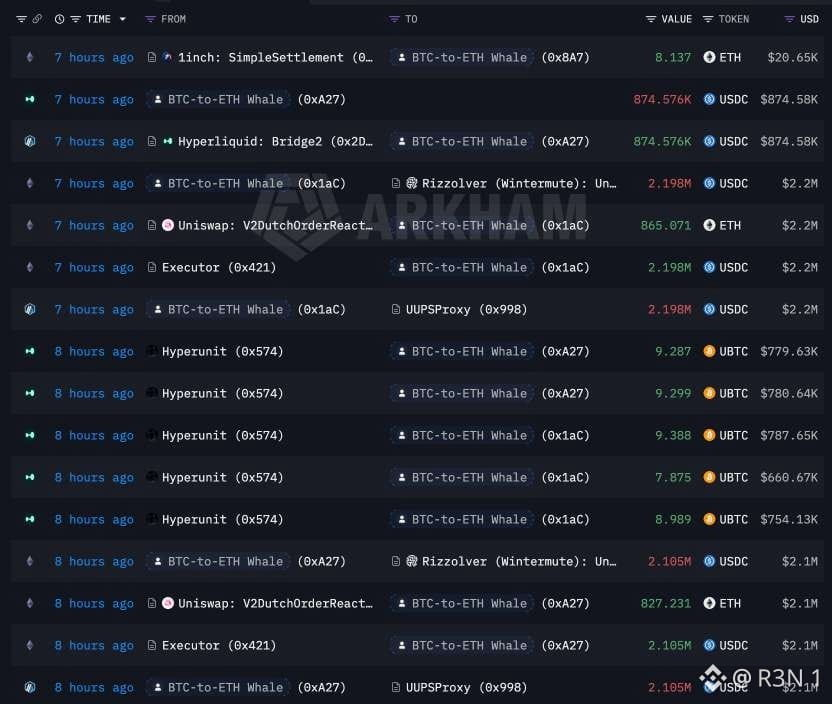
73
·
--
“144M” rəqəmi Flare-ın iyul yeniləməsində də yer alır, lakin orada DeFi-də yerləşdirilmiş FXRP-ni ifadə edir. Buna görə də sizdəki rəqəmin hansına aid olduğunu yoxlayın. Heç bir mənbədə 14,085 sahib rəqəmini tapa bilmədiyim üçün onu “bildirilən” kimi qeyd etdim. Apreldə təklif 150M-i də keçmişdi və paylaşımın əsas mövzusu da bu olmuşdu.
Burada etimad modeli bu mərhələdən daha vacibdir.
Hər bir FXRP yalnız Flare-ın məlumat qatı XRP Ledger-də uyğun XRP ödənişini təsdiqlədikdən sonra yaradılır. XRP isə Flare tərəfindən idarə olunan çoximzalı Core Vault-da saxlanılır. Bir il ərzində Flare təxminən 145M FXRP yaradıldığını, təxminən 130M-nin DeFi-də yerləşdirildiyini — təklifin təxminən 89,5%-ni — və 14,085 sahibin olduğunu bildirir.
Mənim diqqətimi çəkən artım dinamikasıdır. İlk 5M-lik limit dörd saata doldu, yanvara qədər təklif 90M-i keçdi, Flare isə apreldə dövriyyədə 150M-dən çox FXRP olduğunu bildirdi. Təklif təxminən 145M olduğu üçün aprel səviyyəsindən aşağıdır. Deməli, bu, yeni sıçrayışdan çox sürətli artımdan sonrakı durğunluqdur.
İstifadə sahələri realdır. FXRP indi Derive platformasında opsionlar və perpetual müqavilələr, Morpho vault-ları vasitəsilə isə RLUSD borclanması üçün təminat rolunu oynayır. Bundan başqa, təxminən 21M FXRP LayerZero vasitəsilə digər zəncirlərdə yerləşir.
Miqyas barədə açıq danışmaq lazımdır. Mənim hesablamama görə, 145M XRP-nin dövriyyədəki təklifinin təxminən 0,2%-nə bərabərdir. Flare həmçinin bildirir ki, hazırkı emissiya tutumunun təxminən 85%-i istifadə olunur. Buna görə də gələcək artım agentlərin əlavə girov qoymasından asılıdır.
Ehtiyatlı yanaşmalı məqam stimullardır. Flare mükafatları işə salarkən başlanğıcda təklifə limit qoyulmuşdu. Məncə, yüksək yerləşdirmə faizi inam qədər gəlir əldə etmək məqsədilə farminqi də əks etdirə bilər. XRP-ni bükmək, həmçinin yerli aktivin saxlanma modelini Flare-ın verifikasiya və vault dizaynı ilə əvəz edir.
Açıq qalan sual stimullar azaldıqdan sonra nə baş verəcəyidir. Təklif apreldəki zirvəni yenidən keçəcək, yoxsa FXRP XRP ekosisteminin niş bir sahəsi kimi qalacaq?
$XRP #Macro Insights# #BTC Price Analysis# $BTC
“144M” rəqəmi Flare-ın iyul yeniləməsində də yer alır, lakin orada DeFi-də yerləşdirilmiş FXRP-ni ifadə edir. Buna görə də sizdəki rəqəmin hansına aid olduğunu yoxlayın. Heç bir mənbədə 14,085 sahib rəqəmini tapa bilmədiyim üçün onu “bildirilən” kimi qeyd etdim. Apreldə təklif 150M-i də keçmişdi və paylaşımın əsas mövzusu da bu olmuşdu.
Burada etimad modeli bu mərhələdən daha vacibdir.
Hər bir FXRP yalnız Flare-ın məlumat qatı XRP Ledger-də uyğun XRP ödənişini təsdiqlədikdən sonra yaradılır. XRP isə Flare tərəfindən idarə olunan çoximzalı Core Vault-da saxlanılır. Bir il ərzində Flare təxminən 145M FXRP yaradıldığını, təxminən 130M-nin DeFi-də yerləşdirildiyini — təklifin təxminən 89,5%-ni — və 14,085 sahibin olduğunu bildirir.
Mənim diqqətimi çəkən artım dinamikasıdır. İlk 5M-lik limit dörd saata doldu, yanvara qədər təklif 90M-i keçdi, Flare isə apreldə dövriyyədə 150M-dən çox FXRP olduğunu bildirdi. Təklif təxminən 145M olduğu üçün aprel səviyyəsindən aşağıdır. Deməli, bu, yeni sıçrayışdan çox sürətli artımdan sonrakı durğunluqdur.
İstifadə sahələri realdır. FXRP indi Derive platformasında opsionlar və perpetual müqavilələr, Morpho vault-ları vasitəsilə isə RLUSD borclanması üçün təminat rolunu oynayır. Bundan başqa, təxminən 21M FXRP LayerZero vasitəsilə digər zəncirlərdə yerləşir.
Miqyas barədə açıq danışmaq lazımdır. Mənim hesablamama görə, 145M XRP-nin dövriyyədəki təklifinin təxminən 0,2%-nə bərabərdir. Flare həmçinin bildirir ki, hazırkı emissiya tutumunun təxminən 85%-i istifadə olunur. Buna görə də gələcək artım agentlərin əlavə girov qoymasından asılıdır.
Ehtiyatlı yanaşmalı məqam stimullardır. Flare mükafatları işə salarkən başlanğıcda təklifə limit qoyulmuşdu. Məncə, yüksək yerləşdirmə faizi inam qədər gəlir əldə etmək məqsədilə farminqi də əks etdirə bilər. XRP-ni bükmək, həmçinin yerli aktivin saxlanma modelini Flare-ın verifikasiya və vault dizaynı ilə əvəz edir.
Açıq qalan sual stimullar azaldıqdan sonra nə baş verəcəyidir. Təklif apreldəki zirvəni yenidən keçəcək, yoxsa FXRP XRP ekosisteminin niş bir sahəsi kimi qalacaq?
$XRP #Macro Insights# #BTC Price Analysis# $BTC
Burada etimad modeli bu mərhələdən daha vacibdir.
Hər bir FXRP yalnız Flare-ın məlumat qatı XRP Ledger-də uyğun XRP ödənişini təsdiqlədikdən sonra yaradılır. XRP isə Flare tərəfindən idarə olunan çoximzalı Core Vault-da saxlanılır. Bir il ərzində Flare təxminən 145M FXRP yaradıldığını, təxminən 130M-nin DeFi-də yerləşdirildiyini — təklifin təxminən 89,5%-ni — və 14,085 sahibin olduğunu bildirir.
Mənim diqqətimi çəkən artım dinamikasıdır. İlk 5M-lik limit dörd saata doldu, yanvara qədər təklif 90M-i keçdi, Flare isə apreldə dövriyyədə 150M-dən çox FXRP olduğunu bildirdi. Təklif təxminən 145M olduğu üçün aprel səviyyəsindən aşağıdır. Deməli, bu, yeni sıçrayışdan çox sürətli artımdan sonrakı durğunluqdur.
İstifadə sahələri realdır. FXRP indi Derive platformasında opsionlar və perpetual müqavilələr, Morpho vault-ları vasitəsilə isə RLUSD borclanması üçün təminat rolunu oynayır. Bundan başqa, təxminən 21M FXRP LayerZero vasitəsilə digər zəncirlərdə yerləşir.
Miqyas barədə açıq danışmaq lazımdır. Mənim hesablamama görə, 145M XRP-nin dövriyyədəki təklifinin təxminən 0,2%-nə bərabərdir. Flare həmçinin bildirir ki, hazırkı emissiya tutumunun təxminən 85%-i istifadə olunur. Buna görə də gələcək artım agentlərin əlavə girov qoymasından asılıdır.
Ehtiyatlı yanaşmalı məqam stimullardır. Flare mükafatları işə salarkən başlanğıcda təklifə limit qoyulmuşdu. Məncə, yüksək yerləşdirmə faizi inam qədər gəlir əldə etmək məqsədilə farminqi də əks etdirə bilər. XRP-ni bükmək, həmçinin yerli aktivin saxlanma modelini Flare-ın verifikasiya və vault dizaynı ilə əvəz edir.
Açıq qalan sual stimullar azaldıqdan sonra nə baş verəcəyidir. Təklif apreldəki zirvəni yenidən keçəcək, yoxsa FXRP XRP ekosisteminin niş bir sahəsi kimi qalacaq?
$XRP #Macro Insights# #BTC Price Analysis# $BTC

2
Daha çox kontent araşdırmaq üçün daxil olun
Binance Square-də qlobal kriptovalyuta istifadəçilərinə qoşulun
⚡️ Kriptovalyuta haqqında ən son və faydalı məlumatları əldə edin.
💬 Dünyanın ən böyük kriptovalyuta birjası tərəfindən etibar edilir.
👍 Doğrulanmış yaradıcılardan gələn real məlumatları kəşf edin.
E-poçt/Telefon nömrəsi
Trenddə olan mövzular
BinancePick
2.6M baxış
Müzakirə edir: 141,866
#GəlirlərMövsümünə qoşulun: Binance Pick-də gəlirləri proqnozlaşdırın, fikirlərinizi Binance Square-də bölüşün!
Binance Square Official
·401 bəyənmə
·338.5k baxış
EarningsSeason
5M baxış
Müzakirə edir: 24,364
FranklinTempletonFilesForTwoDividendToBitcoinETFs
2,034 baxış
Müzakirə edir: 111