

Iri Denis
746 Paylaşımlar

Iri Denis
Şikayət et
İstifadəçini blokla
Crypto Analyst breaking down charts, trends & narratives. Swing trader | Macro watcher | Pattern hunter Turning volatility into strategy 📊
0 İzlənilir
2.9K+ İzləyicilər
2.3K+ Bəyəndi
Postlar
·
--
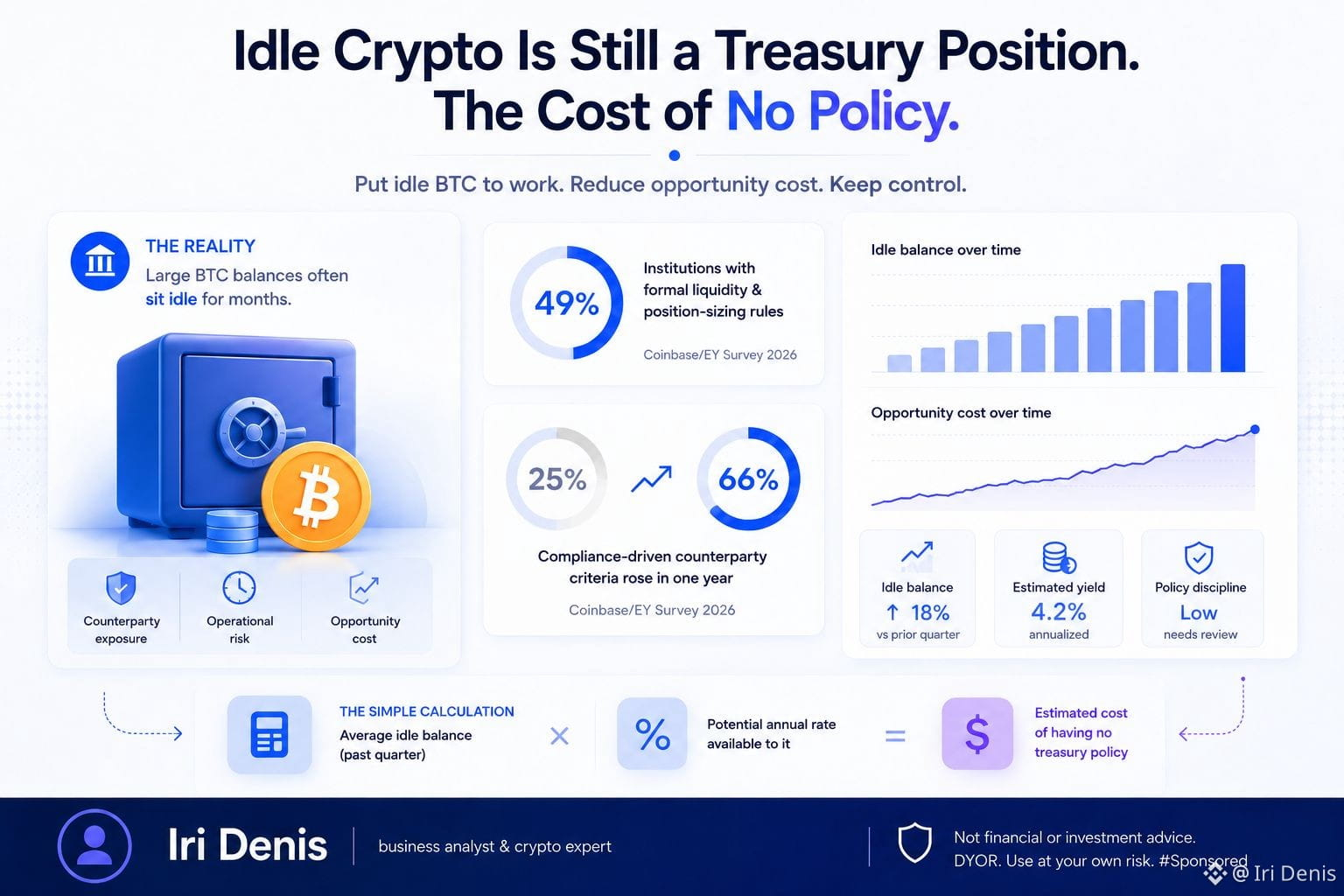
$BTC xəzinənizin nə qədər hissəsi həqiqətən işləyir? Satsett üçün $BTC saxlayan bir fintech qurumu, balansın keçən rüb ərzində nə qədərinin toxunulmadan qaldığını nəzərdən keçirib. Kağız üzərində onu işsiz saxlamaq ən təhlükəsiz seçim kimi görünürdü. 🤏 Ticarət yoxdur, yeni strategiya yoxdur və idarə heyətinə heç bir sual yoxdur. Buna baxmayaraq, şirkət imkan dəyərini qəbul etməklə yanaşı, hələ də tərəfdaş (counterparty) və əməliyyat riski daşıyırdı. Xəzinə komandalarının çoxunun az qiymətləndirdiyi də budur. “Heç bir addım” belə, böyük bir stablecoin qalığı aylarla istifadə edilmədikdə yenə də xəzinə mövqeyi olur. Qərar həm də sənədləşdirilmiş limitlər, tərəfdaş meyarları, tenor və çıxış mexanizmləri baxımından çatışmaya bilər. 📄 Sənaye daha formal intizama doğru gedir. 2026-cı ildə Coinbase/EY sorğusu göstərdi ki, institutların 49%-i likvidlik və pozisiya ölçülməsi (position-sizing) qaydalarını rəsmiləşdirib, halbuki uyğunluqla bağlı tərəfdaş meyarları bir ildə 25%-dən 66%-ya yüksəlib 📈 Ənənəvi maneə odur ki, işsiz kriptanı “işə salmaq” daha çox risk və mürəkkəblik yaradır. Ona görə şirkətlər həmin seçimdən yaranan xərdi hesablamadan balansın hamısını passiv saxlayır. Bu məqamda WhiteBIT Biznes üçün Kripto Kreditləşdirmə bir mümkün variant kimi yoxlamağa dəyər ola bilər. https://institutional.whitebit.com/crypto-lending-for-business?utm_source=coinmarketcap&utm_medium=cryptolandingiri&utm_campaign=post Quraşdırma aşağıdakıları ehtiva edə bilər: 💰 600,000 USDT-dən başlayan fərdi planlar 📈 Çevik faiz dərəcələri 🗓️ 10 günədəkdən illərə qədər şərtlər 🪙 Çoxsaylı dəstəklənən aktivlər 🧾 Əlavə depozit haqqı yoxdur Keçən rübün orta “işsiz” qalığını götürün və ona mövcud olan potensial illik dərəcəni tətbiq edin. Bu rəqəm xəzinə siyasəti olmadan qalmağın təxmini xərcini göstərə bilər. Qeyd: Bu, maliyyə və ya investisiya məsləhəti deyil. Qərar verməzdən əvvəl öz araşdırmanızı edin. Öz riskinizlə istifadə edin. #BTC Price Analysis# #Bitcoin Price Prediction: Bitcoins next move nədir?#
$BTC xəzinənizin nə qədər hissəsi həqiqətən işləyir? Satsett üçün $BTC saxlayan bir fintech qurumu, balansın keçən rüb ərzində nə qədərinin toxunulmadan qaldığını nəzərdən keçirib. Kağız üzərində onu işsiz saxlamaq ən təhlükəsiz seçim kimi görünürdü. 🤏 Ticarət yoxdur, yeni strategiya yoxdur və idarə heyətinə heç bir sual yoxdur. Buna baxmayaraq, şirkət imkan dəyərini qəbul etməklə yanaşı, hələ də tərəfdaş (counterparty) və əməliyyat riski daşıyırdı. Xəzinə komandalarının çoxunun az qiymətləndirdiyi də budur. “Heç bir addım” belə, böyük bir stablecoin qalığı aylarla istifadə edilmədikdə yenə də xəzinə mövqeyi olur. Qərar həm də sənədləşdirilmiş limitlər, tərəfdaş meyarları, tenor və çıxış mexanizmləri baxımından çatışmaya bilər. 📄 Sənaye daha formal intizama doğru gedir. 2026-cı ildə Coinbase/EY sorğusu göstərdi ki, institutların 49%-i likvidlik və pozisiya ölçülməsi (position-sizing) qaydalarını rəsmiləşdirib, halbuki uyğunluqla bağlı tərəfdaş meyarları bir ildə 25%-dən 66%-ya yüksəlib 📈 Ənənəvi maneə odur ki, işsiz kriptanı “işə salmaq” daha çox risk və mürəkkəblik yaradır. Ona görə şirkətlər həmin seçimdən yaranan xərdi hesablamadan balansın hamısını passiv saxlayır. Bu məqamda WhiteBIT Biznes üçün Kripto Kreditləşdirmə bir mümkün variant kimi yoxlamağa dəyər ola bilər. https://institutional.whitebit.com/crypto-lending-for-business?utm_source=coinmarketcap&utm_medium=cryptolandingiri&utm_campaign=post Quraşdırma aşağıdakıları ehtiva edə bilər: 💰 600,000 USDT-dən başlayan fərdi planlar 📈 Çevik faiz dərəcələri 🗓️ 10 günədəkdən illərə qədər şərtlər 🪙 Çoxsaylı dəstəklənən aktivlər 🧾 Əlavə depozit haqqı yoxdur Keçən rübün orta “işsiz” qalığını götürün və ona mövcud olan potensial illik dərəcəni tətbiq edin. Bu rəqəm xəzinə siyasəti olmadan qalmağın təxmini xərcini göstərə bilər. Qeyd: Bu, maliyyə və ya investisiya məsləhəti deyil. Qərar verməzdən əvvəl öz araşdırmanızı edin. Öz riskinizlə istifadə edin. #BTC Price Analysis# #Bitcoin Price Prediction: Bitcoins next move nədir?#
81
·
--
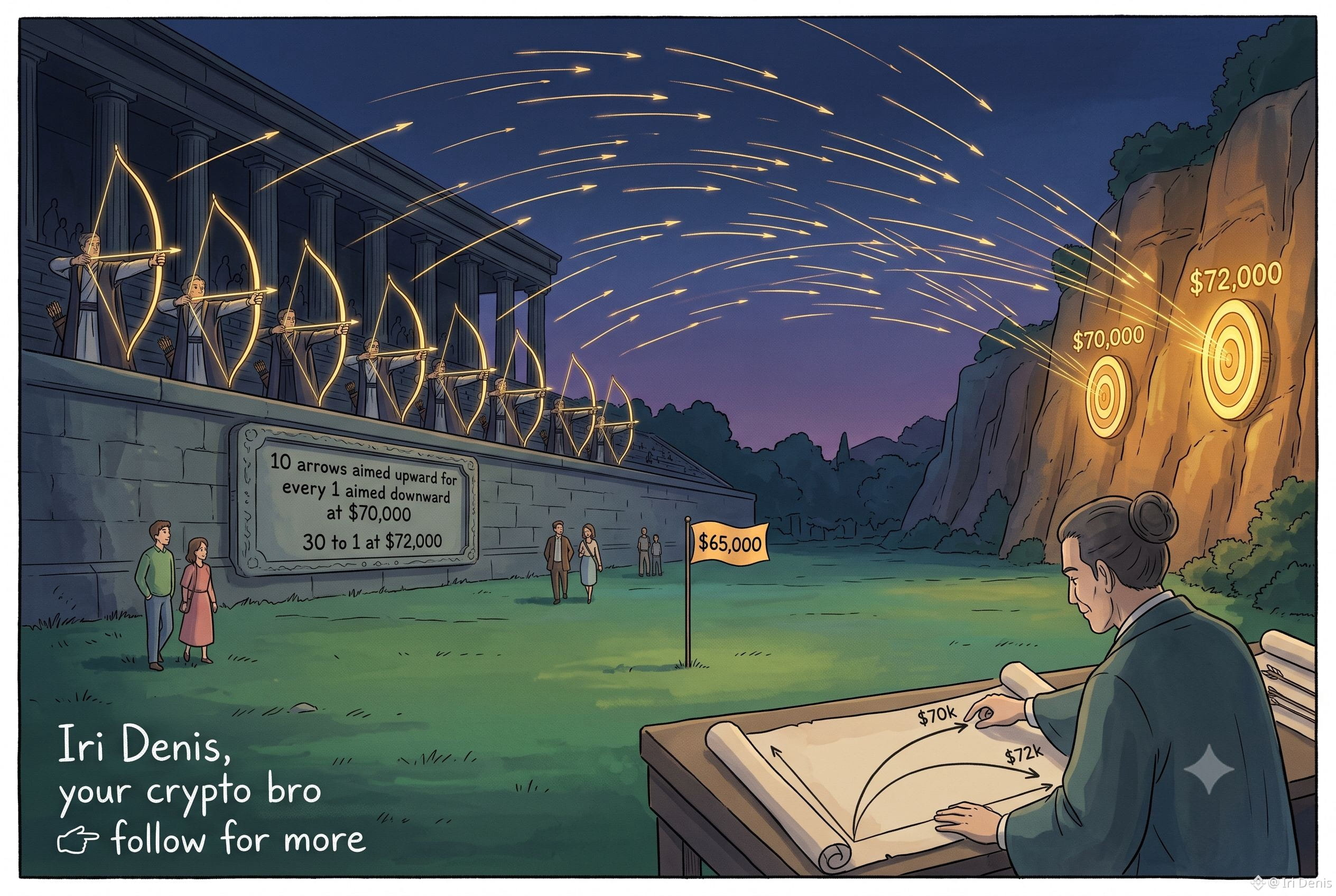
Niyə treyderlər $BTC üzrə cəmi 5 milyard dolları park ediblər və $72,000-ə “yönləndirirlər”. Deribitdə 5 milyard dollarlıq yüksəliş divarı: opsion treyderləri gizlicə nəyə hazırlaşır. Diqqətinizi yönləndirin: $65,000 ətrafında Bitcoin-in səssiz qiymət hərəkəti sizi aldatmasın. Gözlənilməyən tərəfdən, institutional opsion treyderləri $BTC-nin birbaşa $72,000-ə doğru getdiyinə dair böyük — bir neçə milyard dollarlıq — mərc(lər) qoyur. Aparıcı törəmə platforma Deribit-də $70,000 və $72,000 call opsionlarının qiymət səviyyələri ətrafında inanılmaz 5 milyard dollarlıq açıq faiz (open interest) yığımı formalaşıb. Bu opsion quruluşu treyderlərin əhvalını sadə dillə belə göstərir: 📍 Call-ların üstünlüyü: Bu 5 milyard dollarlıq yığm məbləğ Deribit-dəki ümumi $28 milyardlıq Bitcoin opsion open interest-in demək olar ki, 18%-ni təşkil edir. $70,000 səviyyəsində call-lar təxminən 10-dan 1-ə nisbətində put-ları üstələyir, $72,000-də isə call-lar put-ları 30-dan 1-dən də çox üstələyir. 📍 İnstitusional “bull call spread” strategiyaları: Laevitas-dan gələn məlumatlar göstərir ki, bu open interest-in təxminən yarısı peşəkar “bull call spread” strategiyaları ilə formalaşıb — treyderlər $70,000 call alır və $72,000 call satırlar ki, məhz həmin diapazona nəzarətli yüksəlişdən qazansınlar. 📍 Açıq şəkildə yüksək inamlı mərc(lər): Spread strategiyalarına əlavə olaraq, ayrı-ayrı treyderlər xam $70,000 call opsionları üçün öncədən milyonlarla dollar premium ödəyib və bu da qiymətlərin yaxın vaxtda yuxarı itələnəcəyinə güclü inamı göstərir. Spot bazarlar sakit görünə bilər, amma opsion treyderləri hədəflənmiş şəkildə $70,000–$72,000 diapazonuna doğru yüksəliş üçün milyardlarla dollar kapital ayırırlar. İri Denis, kripto qardaşın Follow et — daha çox insight üçün 🚀 #Bitcoin Price Prediction: Bitcoins next move nədir?# #BTC Price Analysis#
Niyə treyderlər $BTC üzrə cəmi 5 milyard dolları park ediblər və $72,000-ə “yönləndirirlər”. Deribitdə 5 milyard dollarlıq yüksəliş divarı: opsion treyderləri gizlicə nəyə hazırlaşır. Diqqətinizi yönləndirin: $65,000 ətrafında Bitcoin-in səssiz qiymət hərəkəti sizi aldatmasın. Gözlənilməyən tərəfdən, institutional opsion treyderləri $BTC-nin birbaşa $72,000-ə doğru getdiyinə dair böyük — bir neçə milyard dollarlıq — mərc(lər) qoyur. Aparıcı törəmə platforma Deribit-də $70,000 və $72,000 call opsionlarının qiymət səviyyələri ətrafında inanılmaz 5 milyard dollarlıq açıq faiz (open interest) yığımı formalaşıb. Bu opsion quruluşu treyderlərin əhvalını sadə dillə belə göstərir: 📍 Call-ların üstünlüyü: Bu 5 milyard dollarlıq yığm məbləğ Deribit-dəki ümumi $28 milyardlıq Bitcoin opsion open interest-in demək olar ki, 18%-ni təşkil edir. $70,000 səviyyəsində call-lar təxminən 10-dan 1-ə nisbətində put-ları üstələyir, $72,000-də isə call-lar put-ları 30-dan 1-dən də çox üstələyir. 📍 İnstitusional “bull call spread” strategiyaları: Laevitas-dan gələn məlumatlar göstərir ki, bu open interest-in təxminən yarısı peşəkar “bull call spread” strategiyaları ilə formalaşıb — treyderlər $70,000 call alır və $72,000 call satırlar ki, məhz həmin diapazona nəzarətli yüksəlişdən qazansınlar. 📍 Açıq şəkildə yüksək inamlı mərc(lər): Spread strategiyalarına əlavə olaraq, ayrı-ayrı treyderlər xam $70,000 call opsionları üçün öncədən milyonlarla dollar premium ödəyib və bu da qiymətlərin yaxın vaxtda yuxarı itələnəcəyinə güclü inamı göstərir. Spot bazarlar sakit görünə bilər, amma opsion treyderləri hədəflənmiş şəkildə $70,000–$72,000 diapazonuna doğru yüksəliş üçün milyardlarla dollar kapital ayırırlar. İri Denis, kripto qardaşın Follow et — daha çox insight üçün 🚀 #Bitcoin Price Prediction: Bitcoins next move nədir?# #BTC Price Analysis#
101
·
--
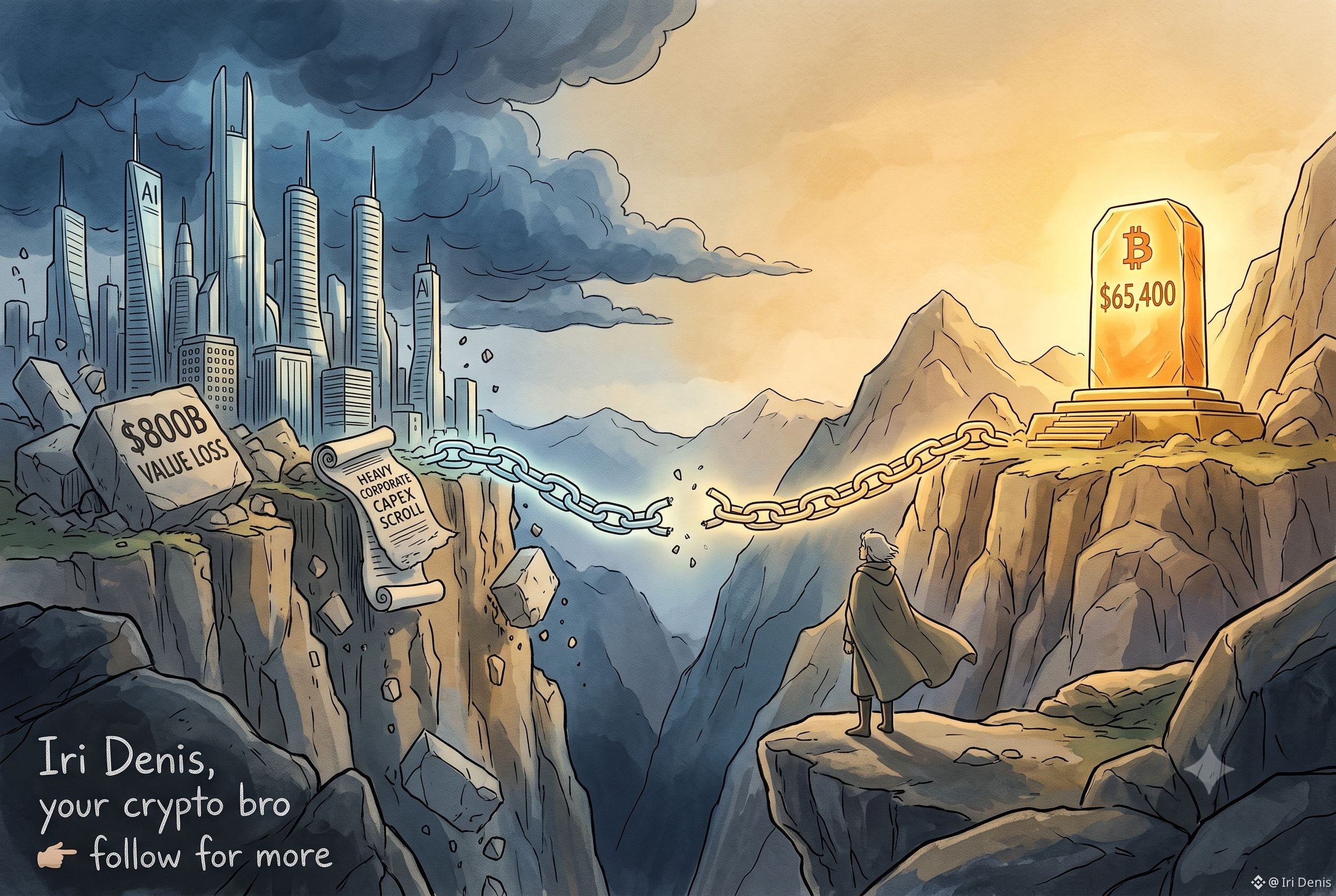
$800 milyardlıq texnologiya selloffu: AI səhmləri ən pis gününü yaşayarkən $BTC necə güclü qaldı. $BTC təxminən $65,400 ətrafında diqqətçəkən sabitlik nümayiş etdirir, birja sessiyasında ABŞ-ın əsas texnologiya səhmlərindən dəyəri təxminən $800 milyard olan hissə itirilərkən praktiki olaraq dəyişməz qalır. Ənənəvi səhmlərdəki bu böyük kəskin satış Big Tech-in AI xərcləri ilə bağlı narahatlıqların nəticəsi idi. Alphabet və Tesla kimi şirkətlər AI infrastrukturuna aqressiv, çox milyard dollarlıq kapital xərcləri planlarını siqnal verərək, korporativ xərclərin qısamüddətli mənfəət gəlirlərini üstələməsi ilə bağlı qorxular doğurdu. Keçən ay ərzində $BTC demək olar ki, AI kapital dövrü üçün birbaşa göstərici kimi ticarət edirdi — çip səhmləri ilə birlikdə yüksəlib, texnologiya əhvalı sarsıldıqda isə düşürdü. Lakin “Möhtəşəm Yeddilik” meqakap texnologiya qrupu 2025-ci ilin əvvəllərindən bəri ən ağır selloffunda 4,8% azaldığı halda, Bitcoin 1%-dən az hərəkətlə öz yerini qorudu. Bu nadir müstəqillik nümayişi rəqəmsal aktivlərin texnologiya səhmlərindən ayrılmağa və müstəqil qlobal aktiv sinfi statusunu yenidən bərpa etməyə başladığına dair ilk real ipucu verir. Bitcoin-in $800 milyardlıq səhmdar bazar sarsıntısı zamanı möhkəm durması, kriptodanın yarımkeçirici və AI səhmləri ilə sıx korrelyasiyasının nəhayət pozula biləcəyini göstərir. İri Denis, kripto bro — daha çox analitika üçün Follow et 🚀 #Bitcoin Price Prediction: What is Bitcoins next move?# #BTC Price Analysis#
$800 milyardlıq texnologiya selloffu: AI səhmləri ən pis gününü yaşayarkən $BTC necə güclü qaldı. $BTC təxminən $65,400 ətrafında diqqətçəkən sabitlik nümayiş etdirir, birja sessiyasında ABŞ-ın əsas texnologiya səhmlərindən dəyəri təxminən $800 milyard olan hissə itirilərkən praktiki olaraq dəyişməz qalır. Ənənəvi səhmlərdəki bu böyük kəskin satış Big Tech-in AI xərcləri ilə bağlı narahatlıqların nəticəsi idi. Alphabet və Tesla kimi şirkətlər AI infrastrukturuna aqressiv, çox milyard dollarlıq kapital xərcləri planlarını siqnal verərək, korporativ xərclərin qısamüddətli mənfəət gəlirlərini üstələməsi ilə bağlı qorxular doğurdu. Keçən ay ərzində $BTC demək olar ki, AI kapital dövrü üçün birbaşa göstərici kimi ticarət edirdi — çip səhmləri ilə birlikdə yüksəlib, texnologiya əhvalı sarsıldıqda isə düşürdü. Lakin “Möhtəşəm Yeddilik” meqakap texnologiya qrupu 2025-ci ilin əvvəllərindən bəri ən ağır selloffunda 4,8% azaldığı halda, Bitcoin 1%-dən az hərəkətlə öz yerini qorudu. Bu nadir müstəqillik nümayişi rəqəmsal aktivlərin texnologiya səhmlərindən ayrılmağa və müstəqil qlobal aktiv sinfi statusunu yenidən bərpa etməyə başladığına dair ilk real ipucu verir. Bitcoin-in $800 milyardlıq səhmdar bazar sarsıntısı zamanı möhkəm durması, kriptodanın yarımkeçirici və AI səhmləri ilə sıx korrelyasiyasının nəhayət pozula biləcəyini göstərir. İri Denis, kripto bro — daha çox analitika üçün Follow et 🚀 #Bitcoin Price Prediction: What is Bitcoins next move?# #BTC Price Analysis#
105
·
--
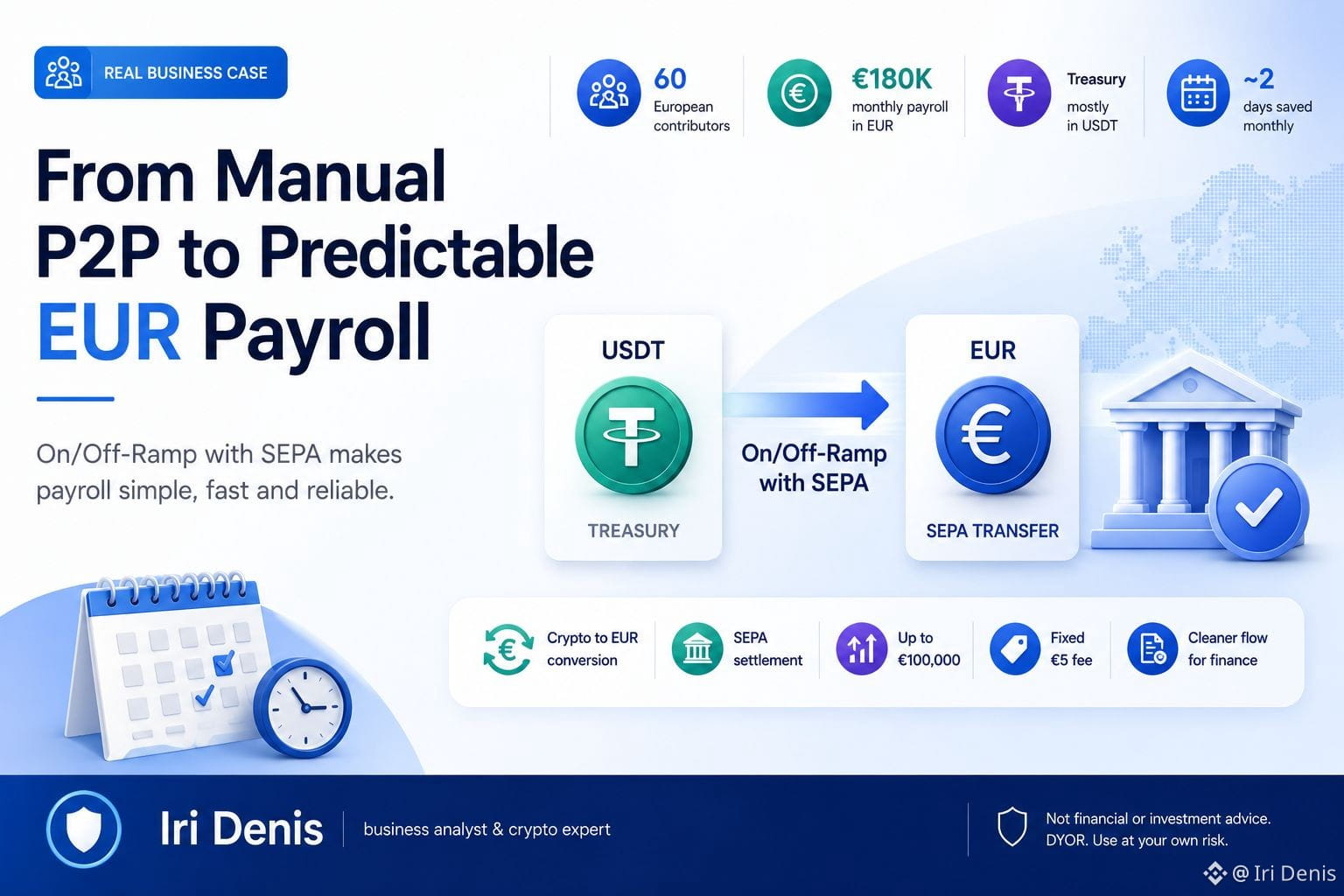
Niyə Kripto layihələri daha yaxşı EUR əməkhaqqı axınlarına ehtiyac duyur 📈 TGE-dən sonrakı bir token layihəsində 60 avropalı iştirakçıya aylıq EUR ödənişləri edilirdi. Xəzinəlikdə BTC$BTC və digər kripto aktivlər var idi, amma əməkhaqqı üçün hər ay normal bank köçürmələri ilə təxminən €180,000 lazım olurdu. Proses qarışıq idi: komanda ödənişləri €15,000-dən aşağı P2P əməliyyatlarına bölüb əl ilə uyğunlaşdırırdı və bir çox aylar qeyri-sabit hesablaşma ilə məşğul olurdu. P2P çevik istifadə ssenariləri üçün uyğundur, amma təkrarlanan əməkhaqqı daha çox proqnozlaşdırıla bilmə tələb edir. COO ayda demək olar ki, iki tam günü əməkhaqqının EUR-a çevrilməsi işlərinə sərf edirdi. Podratçılar ödənişlərin vaxtının niyə dəyişdiyini soruşmağa davam edirdi və üç böyük iştirakçı ödəniş əməliyyatlarının daha etibarlı olmasına bağlayaraq yenilənmə qərarlarını verdilər. Məhz burada on/off-ramp infrastrukturunun dəyərləndirilməsi faydalı ola bilər. Məsələn, SEPA ilə WhiteBIT On/Off-Ramp kripto gəlirlərini müntəzəm olaraq EUR-ə çevirən və vəsaitləri bank kanalları ilə daha proqnozlaşdırıla bilən şəkildə köçürmək istəyən şirkətlər üçün uyğun ola bilər; daha aydın limitlər, komissiyalar və hesablaşma axını ilə. https://institutional.whitebit.com/payments-for-businesses?utm_source=coinmarketcap&utm_medium=onofframpiri&utm_campaign=post Bu cür əməkhaqqı ssenarisində potensial faydalar bunlar ola bilər: 🔄 Kriptodan EUR-ə çevirmə 🏦 SEPA hesablaşması 📊 €100,000-a qədər əməliyyat 💰 Sabit olaraq €5 komissiya 🧾 Maliyyə komandası üçün daha təmiz ödəniş axını €180,000-i çox sayda kiçik əl ilə köçürmələrə bölmək əvəzinə, layihə əməkhaqqını cəmi iki daha böyük əməliyyatla emal edə bilərdi - ümumilikdə €10 sabit komissiya və maliyyə komandası üçün xeyli daha səliqəli struktur. Qeyd: Bu, maliyyə və ya investisiya məsləhəti deyil. Qərar verməzdən əvvəl öz araşdırmanızı edin. #Bitcoin Price Prediction: What is Bitcoins next move?# #BTC Price Analysis# #Sponsored
Niyə Kripto layihələri daha yaxşı EUR əməkhaqqı axınlarına ehtiyac duyur 📈 TGE-dən sonrakı bir token layihəsində 60 avropalı iştirakçıya aylıq EUR ödənişləri edilirdi. Xəzinəlikdə BTC$BTC və digər kripto aktivlər var idi, amma əməkhaqqı üçün hər ay normal bank köçürmələri ilə təxminən €180,000 lazım olurdu. Proses qarışıq idi: komanda ödənişləri €15,000-dən aşağı P2P əməliyyatlarına bölüb əl ilə uyğunlaşdırırdı və bir çox aylar qeyri-sabit hesablaşma ilə məşğul olurdu. P2P çevik istifadə ssenariləri üçün uyğundur, amma təkrarlanan əməkhaqqı daha çox proqnozlaşdırıla bilmə tələb edir. COO ayda demək olar ki, iki tam günü əməkhaqqının EUR-a çevrilməsi işlərinə sərf edirdi. Podratçılar ödənişlərin vaxtının niyə dəyişdiyini soruşmağa davam edirdi və üç böyük iştirakçı ödəniş əməliyyatlarının daha etibarlı olmasına bağlayaraq yenilənmə qərarlarını verdilər. Məhz burada on/off-ramp infrastrukturunun dəyərləndirilməsi faydalı ola bilər. Məsələn, SEPA ilə WhiteBIT On/Off-Ramp kripto gəlirlərini müntəzəm olaraq EUR-ə çevirən və vəsaitləri bank kanalları ilə daha proqnozlaşdırıla bilən şəkildə köçürmək istəyən şirkətlər üçün uyğun ola bilər; daha aydın limitlər, komissiyalar və hesablaşma axını ilə. https://institutional.whitebit.com/payments-for-businesses?utm_source=coinmarketcap&utm_medium=onofframpiri&utm_campaign=post Bu cür əməkhaqqı ssenarisində potensial faydalar bunlar ola bilər: 🔄 Kriptodan EUR-ə çevirmə 🏦 SEPA hesablaşması 📊 €100,000-a qədər əməliyyat 💰 Sabit olaraq €5 komissiya 🧾 Maliyyə komandası üçün daha təmiz ödəniş axını €180,000-i çox sayda kiçik əl ilə köçürmələrə bölmək əvəzinə, layihə əməkhaqqını cəmi iki daha böyük əməliyyatla emal edə bilərdi - ümumilikdə €10 sabit komissiya və maliyyə komandası üçün xeyli daha səliqəli struktur. Qeyd: Bu, maliyyə və ya investisiya məsləhəti deyil. Qərar verməzdən əvvəl öz araşdırmanızı edin. #Bitcoin Price Prediction: What is Bitcoins next move?# #BTC Price Analysis# #Sponsored
94
·
--
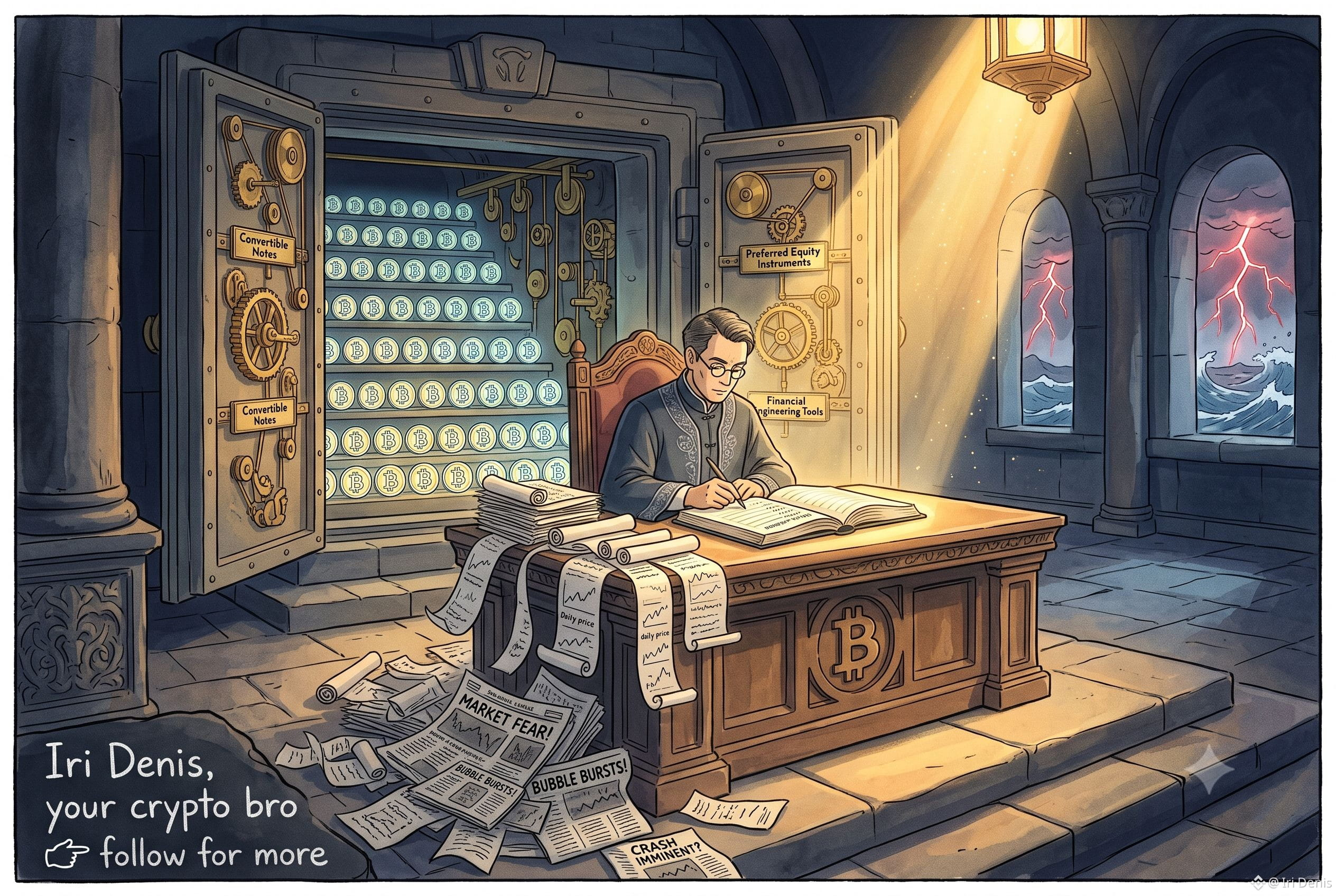
Strategiya qısamüddətli bazar səs-küyü üzərində xalis $BTC artımına necə fokuslandığını göstərir. 📊 Wall Street indi Strategy-nin (əvvəllər MicroStrategy) nəhəng korporativ xəzinəsini necə idarə etdiyinə daha yaxından diqqət yetirir. MSRT-ni ənənəvi səhmdar qiymətləndirmə çərçivələri ilə yox, getdikcə artan şəkildə institusional investorlar Net Bitcoin per Share və mNAV kimi əsas xəzinə göstəricilərinə yönəlir. Strategiyanın əsas məqsədi sadə qalır: xalis Bitcoin ehtiyatlarını davamlı artırmaq və hər adi səhəri dəstəkləyən $BTC dəyərini maksimumlaşdırmaq. Şirkət üstün maliyyə mühəndisliyindən - imtiyazlı səhmdən tutmuş konvertasiya olunan istiqrazlara qədər - istifadə edərək, qısamüddətli qiymət dalğalanmalarından asılı olmayaraq uzunmüddətli yığımı artıran (akkresiv) olmağa çalışır. Hətta kiçik balans vərəqi düzəlişləri və ya dividend xidmətləri başlıqlarda səs-küy yaratsa da, korporativ rəhbərlik uzunmüddətli xəzinə genişlənməsini yenidən vurğulamaqda davam edir. Gündəlik qiymət dəyişmələrinə yox, xalis BTC gəlirinə fokuslanaraq Strategy özünəməxsus şəkildə birincilik mövqeyini - qabaqcıl və leverajlı Bitcoin xəzinə mühərrikini - qoruyur. MSRT-ni qiymətləndirmək üçün ənənəvi səhm metriklərinin kənarına baxmaq lazımdır: real göstərici şirkətin zamanla hər səhmə düşən xalis Bitcoin ehtiyatlarını nə qədər effektiv artırmasıdır. Iri Denis, sən kripto bro Follow daha çox insights üçün 🚀 #Bitcoin Price Prediction: What is Bitcoins next move?# #BTC Price Analysis#
Strategiya qısamüddətli bazar səs-küyü üzərində xalis $BTC artımına necə fokuslandığını göstərir. 📊 Wall Street indi Strategy-nin (əvvəllər MicroStrategy) nəhəng korporativ xəzinəsini necə idarə etdiyinə daha yaxından diqqət yetirir. MSRT-ni ənənəvi səhmdar qiymətləndirmə çərçivələri ilə yox, getdikcə artan şəkildə institusional investorlar Net Bitcoin per Share və mNAV kimi əsas xəzinə göstəricilərinə yönəlir. Strategiyanın əsas məqsədi sadə qalır: xalis Bitcoin ehtiyatlarını davamlı artırmaq və hər adi səhəri dəstəkləyən $BTC dəyərini maksimumlaşdırmaq. Şirkət üstün maliyyə mühəndisliyindən - imtiyazlı səhmdən tutmuş konvertasiya olunan istiqrazlara qədər - istifadə edərək, qısamüddətli qiymət dalğalanmalarından asılı olmayaraq uzunmüddətli yığımı artıran (akkresiv) olmağa çalışır. Hətta kiçik balans vərəqi düzəlişləri və ya dividend xidmətləri başlıqlarda səs-küy yaratsa da, korporativ rəhbərlik uzunmüddətli xəzinə genişlənməsini yenidən vurğulamaqda davam edir. Gündəlik qiymət dəyişmələrinə yox, xalis BTC gəlirinə fokuslanaraq Strategy özünəməxsus şəkildə birincilik mövqeyini - qabaqcıl və leverajlı Bitcoin xəzinə mühərrikini - qoruyur. MSRT-ni qiymətləndirmək üçün ənənəvi səhm metriklərinin kənarına baxmaq lazımdır: real göstərici şirkətin zamanla hər səhmə düşən xalis Bitcoin ehtiyatlarını nə qədər effektiv artırmasıdır. Iri Denis, sən kripto bro Follow daha çox insights üçün 🚀 #Bitcoin Price Prediction: What is Bitcoins next move?# #BTC Price Analysis#
43
·
--
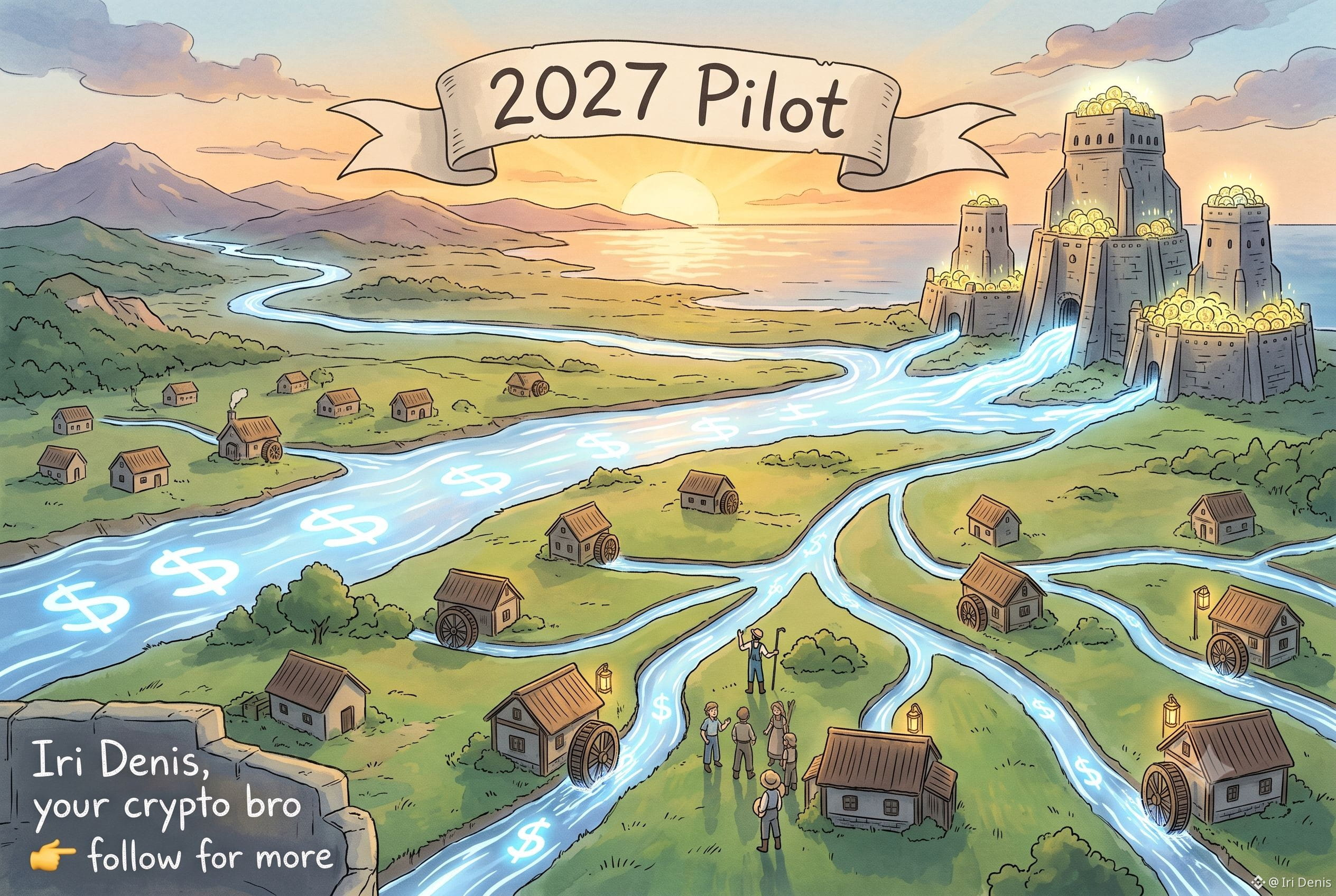
“NENYA Layihəsi” trilyon dollarlıq stabilkoin bazarını orta ölçülü banklar üçün açır. 📊 $BTC kimi böyük aktivlər institusional portfellərdə daimi iz qoyduqca, rəqəmsal dollarları idarə etmək uğrunda yarış sürətlə qızışır. Fintech şirkəti Tassat “NENYA Layihəsi” adlı, daha kiçik regional və orta ölçülü ABŞ banklarına meqa Uoll Strit bankları onları tamamilə bazardan kənarlaşdırmadan əvvəl partlayan stabilkoin bazarından pay götürməyə kömək etmək üçün nəzərdə tutulmuş yeni təşəbbüsünü açıqlayıb. 20230-a qədər sabitkoin sektorunun $4 trilyona qədər çata biləcəyini böyük maliyyə institutlarının verdiyi proqnozlar göstərir—bu isə kiçik banklar üçün ciddi maneədir. Əksər orta ölçülü qurumlarda stabilkoin emitentlərinə xidmət göstərmək və yüksək həcmli nağd ehtiyatları idarə etmək üçün texniki infrastruktura, uyğunluq (compliance) komandalarına və avtomatlaşdırılmış alətlərə çatışmır. NENYA Layihəsi bu problemi həll edərək stabilkoin emitentlərinin nağd depozitlərini və tokenləşdirilmiş aktivlərini regional banklar arasında təhlükəsiz paylaya bilməsi üçün icra mühərriki və bazar yeri yaradır. Bu platforma likvidliyin yalnız iki və ya üç meqa-bankda cəmləşməsinin qarşısını alır, bununla da sistemik bank riskini azaldır və regional borc verənlərə vacib depozitlərə çıxış verir. Erkən 2027-ci il üçün pilot proqramlara hədəflənən Tassat ənənəvi maliyyə sahəsində oyun sahəsini bərabərləşdirməyi qarşısına məqsəd qoyur. Təşəbbüs rəqəmsal dollar likvidliyinin səssizcə köhnə bank infrastrukturu ilə əvəzlənməsi fonunda orta ölçülü icma banklarının geridə qalmamasını təmin edir. İri Denis, sənin kripto brom Follow for more insights 🚀 #Bitcoin Price Prediction: What is Bitcoins next move?# #BTC Price Analysis#
“NENYA Layihəsi” trilyon dollarlıq stabilkoin bazarını orta ölçülü banklar üçün açır. 📊 $BTC kimi böyük aktivlər institusional portfellərdə daimi iz qoyduqca, rəqəmsal dollarları idarə etmək uğrunda yarış sürətlə qızışır. Fintech şirkəti Tassat “NENYA Layihəsi” adlı, daha kiçik regional və orta ölçülü ABŞ banklarına meqa Uoll Strit bankları onları tamamilə bazardan kənarlaşdırmadan əvvəl partlayan stabilkoin bazarından pay götürməyə kömək etmək üçün nəzərdə tutulmuş yeni təşəbbüsünü açıqlayıb. 20230-a qədər sabitkoin sektorunun $4 trilyona qədər çata biləcəyini böyük maliyyə institutlarının verdiyi proqnozlar göstərir—bu isə kiçik banklar üçün ciddi maneədir. Əksər orta ölçülü qurumlarda stabilkoin emitentlərinə xidmət göstərmək və yüksək həcmli nağd ehtiyatları idarə etmək üçün texniki infrastruktura, uyğunluq (compliance) komandalarına və avtomatlaşdırılmış alətlərə çatışmır. NENYA Layihəsi bu problemi həll edərək stabilkoin emitentlərinin nağd depozitlərini və tokenləşdirilmiş aktivlərini regional banklar arasında təhlükəsiz paylaya bilməsi üçün icra mühərriki və bazar yeri yaradır. Bu platforma likvidliyin yalnız iki və ya üç meqa-bankda cəmləşməsinin qarşısını alır, bununla da sistemik bank riskini azaldır və regional borc verənlərə vacib depozitlərə çıxış verir. Erkən 2027-ci il üçün pilot proqramlara hədəflənən Tassat ənənəvi maliyyə sahəsində oyun sahəsini bərabərləşdirməyi qarşısına məqsəd qoyur. Təşəbbüs rəqəmsal dollar likvidliyinin səssizcə köhnə bank infrastrukturu ilə əvəzlənməsi fonunda orta ölçülü icma banklarının geridə qalmamasını təmin edir. İri Denis, sənin kripto brom Follow for more insights 🚀 #Bitcoin Price Prediction: What is Bitcoins next move?# #BTC Price Analysis#
30
·
--
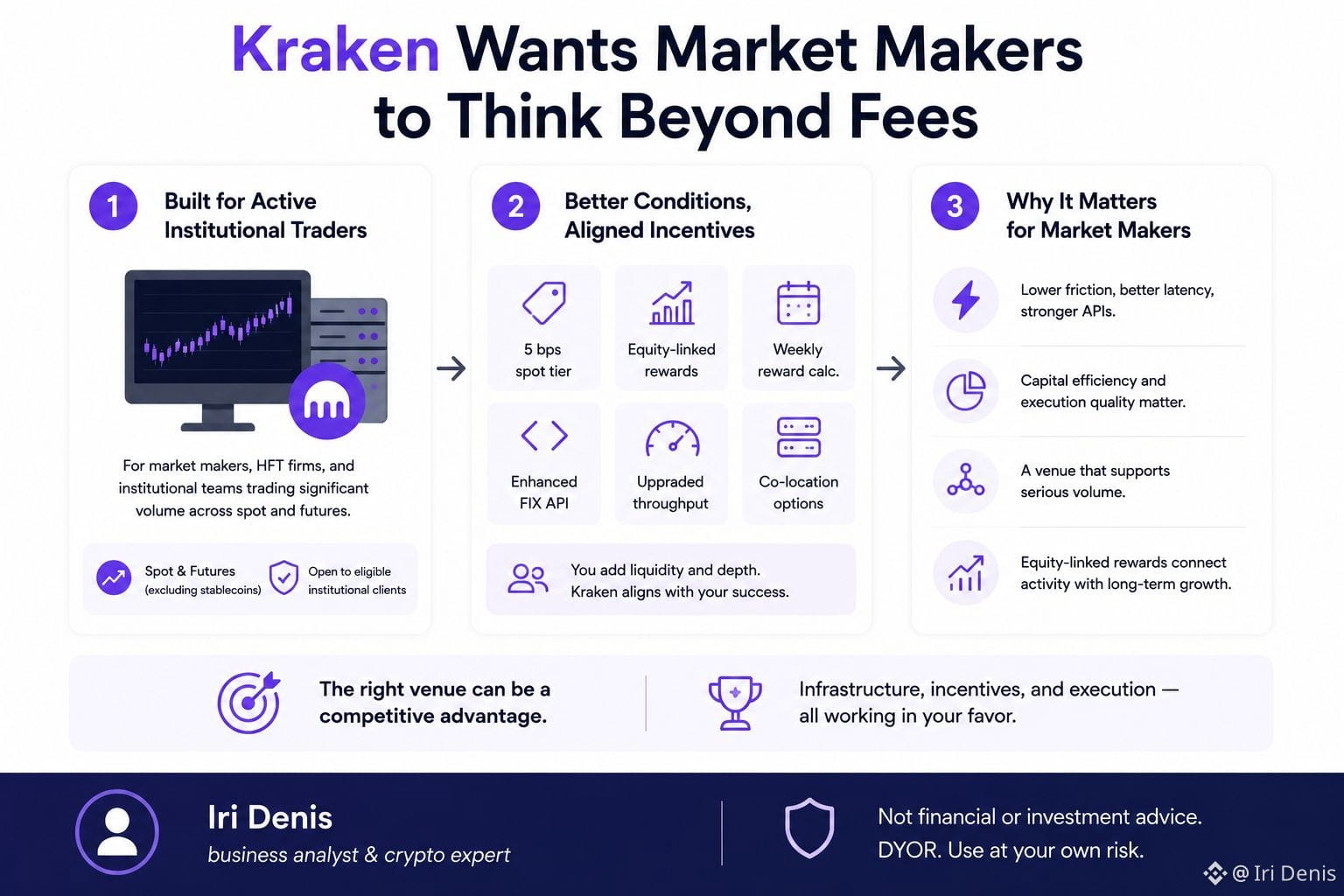
Kraken bazar yaradıcılarının (market maker) komissiyalardan kənara düşünməsini istəyir Əgər siz market maker, HFT şirkəti və ya institusional ticarət komandasıysanız, birja seçimi sifariş verməkdən çox daha artıqdır. Bu, likvidlik əldə etməsinə, gecikməyə (latency), API keyfiyyətinə, komissiya strukturuna, kapital səmərəliliyinə və heç bir sürtünmə olmadan həcmin idarə olunmasına təsir edir. Buna görə Kraken-in Market Participation Program-ı (Bazar iştirakçılığı proqramı) yoxlamağa dəyər ola bilər. https://www.kraken.com/ca/institutions/market-makers?utm_source=coinmarketcap&utm_medium=denis_makingprog&utm_campaign=post Spot və fyuçerslər üzrə əhəmiyyətli həcm ticarət edən uyğun institusional müştərilər üçün nəzərdə tutulmuş proqram, aktiv ticarət tərəfdaşlarının daha yaxşı dərinlik formalaşdırmasına kömək edir, Kraken isə daha əlverişli şərtlər və uyğunlaşdırılmış stimullar təklif edir. Quruluşda 5 bps-lik spot ticarət səviyyəsi, fəaliyyətə əsaslanan səhmlə əlaqəli (equity-linked) mükafatlar, həftəlik hesablamalar, təkmilləşdirilmiş FIX API, artırılmış ötürmə qabiliyyəti və aşağı gecikmə ilə ticarət üçün kolokasiya (co-location) imkanları daxildir. Market maker-lər üçün ticarət mühiti strategiyanın bir hissəsidir. Əgər komanda sürətə, icra keyfiyyətinə və proqnozlaşdırıla bilən infrastrukturaya arxalanırsa, xırda detallar çox tezliklə önəm qazanır. Kraken açıq iştirak, standartlaşdırılmış şərtlər, aydın meyarlar və kripto spot və fyuçerslər üzrə əhatəni vurğulayır; stablecoin cütləri istisna olunur. Ən maraqlı hissə səhmlə əlaqəli mükafat modelidir. Bir çox proqramlar əsasən komissiyalar və rеbeytlərə (geri ödənişlər) fokuslanır, amma Kraken likvidlik töhfəsini birjanın uzunmüddətli artımı ilə əlaqələndirir. Bu, ciddi həcm ticarət edən və infrastruktur, stimullar və icra şəraitlərini diqqətlə müqayisə edən komandalar üçün daha aktual edir. Qeyd: Maliyyə və ya investisiya məsləhəti deyil. Hər hansı qərar verməzdən əvvəl öz araşdırmanızı aparın. #BTC Price Analysis# #Bitcoin Price Prediction: What is Bitcoins next move?# #Sponsored
Kraken bazar yaradıcılarının (market maker) komissiyalardan kənara düşünməsini istəyir Əgər siz market maker, HFT şirkəti və ya institusional ticarət komandasıysanız, birja seçimi sifariş verməkdən çox daha artıqdır. Bu, likvidlik əldə etməsinə, gecikməyə (latency), API keyfiyyətinə, komissiya strukturuna, kapital səmərəliliyinə və heç bir sürtünmə olmadan həcmin idarə olunmasına təsir edir. Buna görə Kraken-in Market Participation Program-ı (Bazar iştirakçılığı proqramı) yoxlamağa dəyər ola bilər. https://www.kraken.com/ca/institutions/market-makers?utm_source=coinmarketcap&utm_medium=denis_makingprog&utm_campaign=post Spot və fyuçerslər üzrə əhəmiyyətli həcm ticarət edən uyğun institusional müştərilər üçün nəzərdə tutulmuş proqram, aktiv ticarət tərəfdaşlarının daha yaxşı dərinlik formalaşdırmasına kömək edir, Kraken isə daha əlverişli şərtlər və uyğunlaşdırılmış stimullar təklif edir. Quruluşda 5 bps-lik spot ticarət səviyyəsi, fəaliyyətə əsaslanan səhmlə əlaqəli (equity-linked) mükafatlar, həftəlik hesablamalar, təkmilləşdirilmiş FIX API, artırılmış ötürmə qabiliyyəti və aşağı gecikmə ilə ticarət üçün kolokasiya (co-location) imkanları daxildir. Market maker-lər üçün ticarət mühiti strategiyanın bir hissəsidir. Əgər komanda sürətə, icra keyfiyyətinə və proqnozlaşdırıla bilən infrastrukturaya arxalanırsa, xırda detallar çox tezliklə önəm qazanır. Kraken açıq iştirak, standartlaşdırılmış şərtlər, aydın meyarlar və kripto spot və fyuçerslər üzrə əhatəni vurğulayır; stablecoin cütləri istisna olunur. Ən maraqlı hissə səhmlə əlaqəli mükafat modelidir. Bir çox proqramlar əsasən komissiyalar və rеbeytlərə (geri ödənişlər) fokuslanır, amma Kraken likvidlik töhfəsini birjanın uzunmüddətli artımı ilə əlaqələndirir. Bu, ciddi həcm ticarət edən və infrastruktur, stimullar və icra şəraitlərini diqqətlə müqayisə edən komandalar üçün daha aktual edir. Qeyd: Maliyyə və ya investisiya məsləhəti deyil. Hər hansı qərar verməzdən əvvəl öz araşdırmanızı aparın. #BTC Price Analysis# #Bitcoin Price Prediction: What is Bitcoins next move?# #Sponsored
50
·
--
Yeni hesabat ABŞ-da Web3-ün məşğulluğa böyük təsirini üzə çıxarır. 🛠️ Çoxlu başlıqlar hələ də qısamüddətli $BTC qiymət dəyişkənliklərinə diqqət yetirir, amma yeni bir hesabat qrafiklərin arxasında daha böyük bir hekayənin açıldığını göstərir. ABŞ kripto sənayesi spekulyativ ticarətdən xeyli uzaqlaşıb və artıq yüksək maaşlı Amerika işləri ilə iqtisadi genişlənmənin əsas mühərrikinə çevrilib. Ən son İqtisadi Təsirin Hesabatına əsasən, kripto sektoru indi proqram təminatının hazırlanması, hüquqi uyğunluq və kiber təhlükəsizlik üzrə on minlərlə birbaşa və dolayı iş yeri yaradır. Bu vəzifələrin maaşları ölkə üzrə orta göstəricilərdən xeyli yüksəkdir; bununla da dünya səviyyəli texniki kadrların saxlanmasına kömək edilir və maliyyə innovasiyası möhkəm şəkildə ABŞ-da kök salır. Təsir bununla bitmir. Daha geniş Web3 ekosistemi yerli iqtisadiyyatlara vergi töhfələri, data mərkəzlərinin inkişafı və vençur investisiyaları vasitəsilə milyardlarla dollar yeridir. Ənənəvi şirkətlər də öz blokçeyn işəqəbullarını artırır və kripto işçi qüvvəsi artımının uzunmüddətli üçün qurulduğunu sübut edir. Web3 rəsmi olaraq spekulyativ bir nişdən müasir məşğulluğun və iqtisadi inkişafın vacib dayağına çevrilib. İri Denis, sənə kripto qardaşım 😄 Daha çox insight üçün izləyin 🚀 #Bitcoin Price Prediction: What is Bitcoins next move?# #BTC Price Analysis#
Yeni hesabat ABŞ-da Web3-ün məşğulluğa böyük təsirini üzə çıxarır. 🛠️ Çoxlu başlıqlar hələ də qısamüddətli $BTC qiymət dəyişkənliklərinə diqqət yetirir, amma yeni bir hesabat qrafiklərin arxasında daha böyük bir hekayənin açıldığını göstərir. ABŞ kripto sənayesi spekulyativ ticarətdən xeyli uzaqlaşıb və artıq yüksək maaşlı Amerika işləri ilə iqtisadi genişlənmənin əsas mühərrikinə çevrilib. Ən son İqtisadi Təsirin Hesabatına əsasən, kripto sektoru indi proqram təminatının hazırlanması, hüquqi uyğunluq və kiber təhlükəsizlik üzrə on minlərlə birbaşa və dolayı iş yeri yaradır. Bu vəzifələrin maaşları ölkə üzrə orta göstəricilərdən xeyli yüksəkdir; bununla da dünya səviyyəli texniki kadrların saxlanmasına kömək edilir və maliyyə innovasiyası möhkəm şəkildə ABŞ-da kök salır. Təsir bununla bitmir. Daha geniş Web3 ekosistemi yerli iqtisadiyyatlara vergi töhfələri, data mərkəzlərinin inkişafı və vençur investisiyaları vasitəsilə milyardlarla dollar yeridir. Ənənəvi şirkətlər də öz blokçeyn işəqəbullarını artırır və kripto işçi qüvvəsi artımının uzunmüddətli üçün qurulduğunu sübut edir. Web3 rəsmi olaraq spekulyativ bir nişdən müasir məşğulluğun və iqtisadi inkişafın vacib dayağına çevrilib. İri Denis, sənə kripto qardaşım 😄 Daha çox insight üçün izləyin 🚀 #Bitcoin Price Prediction: What is Bitcoins next move?# #BTC Price Analysis#

47
·
--
Kripto öncüsü BitMEX niyə daimi olaraq fəaliyyətini dayandırır. Kripto tarixində nəhəng bir fəslin rəsmi şəkildə qapanması baş verir. $BTC törəmə (derivativ) ticarəti çox milyard dollarlıq institutional bazara çevrilsə də, hər şeyin başladığı birja olan BitMEX 2026-cı il sentyabrın 23-də bütün əməliyyatlarını daimi olaraq dayandırır. 2014-cü ildə Arthur Hayes, Benjamin Delo və Samuel Reed tərəfindən qurulan BitMEX, Web3 maliyyəsini əbədi olaraq dəyişdirdi. Platforma perpetual swap (daimi svop) müqaviləsini ixtira etdi və yüksək leverage (yüksək borclanma) ilə ticarətin yolunu açdı; nəticədə rəqəmsal aktivlərin bu gün necə ticarət olunduğu üçün praktiki olaraq “şablonu” yaratdı. Birjanın ana şirkəti, HDR Global Trading, strateji biznes baxışından sonra platformanı bağlamağa qərar verdi. Treyderlər 26 avqust 2026-dan etibarən artıq mövqe aça və ya mövqelərini genişləldə bilməyəcəklər, qalan bütün ticarətlər isə son tarix olan 23 sentyabrda məcburi şəkildə hesablaşılacaq. Bütün müştəri vəsaitləri 100% dəstəklənir və təhlükəsizdir; keçid dövrü boyunca çıxarış (withdrawal) kanalları tam işlək qalacaq. Bununla belə, yekun bağlanma tarixindən sonra fəaliyyətsiz qalan hesablar aylıq texniki xidmət ödənişləri ilə üzləşəcək və bu da istifadəçilər üçün aktivlərini vaxtında çıxarmağı vacib edir. Kriptoda leverage-i dünyaya təqdim edən bu platforma üçün həqiqətən bir dövrün sonunu işarələyir. Əgər BitMEX-də hələ də aktivlərin və ya açıq mövqelərin varsa, avqust ayındakı son tarixdən xeyli əvvəl onları təmizlədiyinizə əmin olun. İri Denis, kripto broIri Denis, kripto bro Daha çox yenilik üçün izləyin 🚀 #Bitcoin Price Prediction: What is Bitcoins next move?# #BTC Price Analysis#
Kripto öncüsü BitMEX niyə daimi olaraq fəaliyyətini dayandırır. Kripto tarixində nəhəng bir fəslin rəsmi şəkildə qapanması baş verir. $BTC törəmə (derivativ) ticarəti çox milyard dollarlıq institutional bazara çevrilsə də, hər şeyin başladığı birja olan BitMEX 2026-cı il sentyabrın 23-də bütün əməliyyatlarını daimi olaraq dayandırır. 2014-cü ildə Arthur Hayes, Benjamin Delo və Samuel Reed tərəfindən qurulan BitMEX, Web3 maliyyəsini əbədi olaraq dəyişdirdi. Platforma perpetual swap (daimi svop) müqaviləsini ixtira etdi və yüksək leverage (yüksək borclanma) ilə ticarətin yolunu açdı; nəticədə rəqəmsal aktivlərin bu gün necə ticarət olunduğu üçün praktiki olaraq “şablonu” yaratdı. Birjanın ana şirkəti, HDR Global Trading, strateji biznes baxışından sonra platformanı bağlamağa qərar verdi. Treyderlər 26 avqust 2026-dan etibarən artıq mövqe aça və ya mövqelərini genişləldə bilməyəcəklər, qalan bütün ticarətlər isə son tarix olan 23 sentyabrda məcburi şəkildə hesablaşılacaq. Bütün müştəri vəsaitləri 100% dəstəklənir və təhlükəsizdir; keçid dövrü boyunca çıxarış (withdrawal) kanalları tam işlək qalacaq. Bununla belə, yekun bağlanma tarixindən sonra fəaliyyətsiz qalan hesablar aylıq texniki xidmət ödənişləri ilə üzləşəcək və bu da istifadəçilər üçün aktivlərini vaxtında çıxarmağı vacib edir. Kriptoda leverage-i dünyaya təqdim edən bu platforma üçün həqiqətən bir dövrün sonunu işarələyir. Əgər BitMEX-də hələ də aktivlərin və ya açıq mövqelərin varsa, avqust ayındakı son tarixdən xeyli əvvəl onları təmizlədiyinizə əmin olun. İri Denis, kripto broIri Denis, kripto bro Daha çox yenilik üçün izləyin 🚀 #Bitcoin Price Prediction: What is Bitcoins next move?# #BTC Price Analysis#

61
·
--
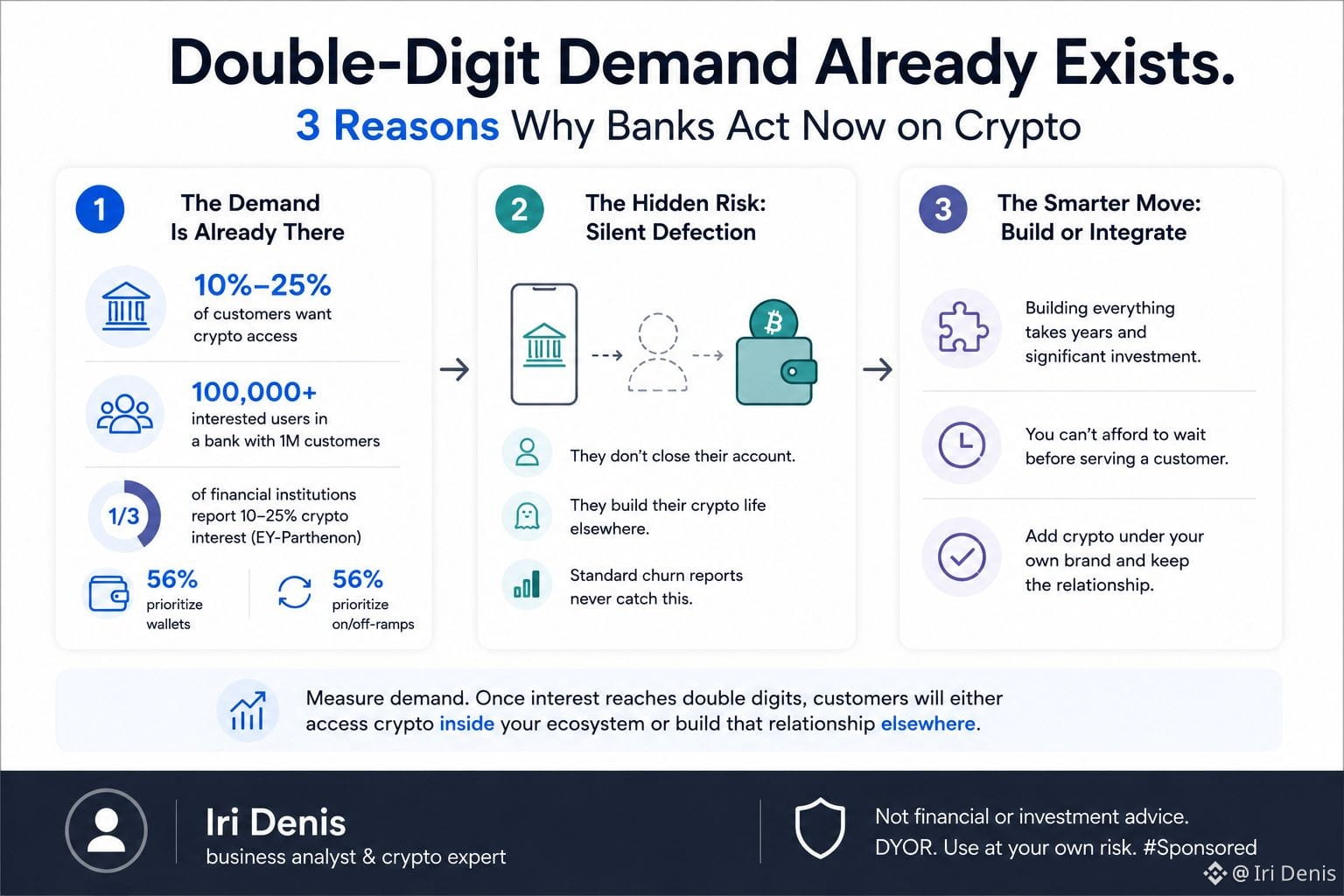
Bank tətbiqindən kripto pul kisəsinə: Müşteri diqqəti hara köçür? 👀 Bir bank müəyyən etdi ki, müştərilərinin 10–25%-i tətbiqin içində $BTC, stablecoin-lər və kripto pul kisələri görmək istəyir 🏦 1M müştərisi olan bir bank üçün bu, artıq başqa yerə baxan 100,000+ insan deməkdir. 📊 EY-Parthenon bunu təsdiqləyir: maliyyə institutlarının üçdə biri müştəriləri arasında 10–25% kripto marağının olduğunu görür və 56%-i artıq pul kisəsi infrastrukturu ilə yanaşı fiat on/off-ramp-larını prioritetləşdirir. 🔄 Risk asanlıqla göz qaçırılır: müştərilər hesabı bağlamırlar — sadəcə başqa yerdə pul kisəsi açır və vəsaiti ora köçürürlər. Standart churn hesabatları bunu heç vaxt tutmur, çünki hesab yenə də aktiv görünür. Bu rəqəmlər nəzərə alındıqda, hər şeyi daxildə qurmaq illər çəkə və tək bir müştəriyə xidmət etməzdən əvvəl ciddi investisiya tələb edə bilər 🧩 Elə buna görə də bank WhiteBIT Crypto-as-a-Service-in daha sürətli yol təklif edib-etmədiyini qiymətləndirə bilər ✅ https://institutional.whitebit.com/crypto-as-a-service?utm_source=coinmarketcap&utm_medium=irideniscaas&utm_campaign=post Kripto infrastrukturunu sıfırdan qurmaq əvəzinə, bank, fintech və ya ödəniş provayderi CaaS-dan istifadə edərək öz brendi altında kripto funksionallığı əlavə edə bilər, o cümlədən: 👛 80+ şəbəkə üzrə 340+ aktiv üçün pul kisələri 🔄 Kripto depozitləri, çıxarışlar, ticarət və konversiya 🛡️ KYC/AML və uyğunluq (compliance) alətləri 🔌 API inteqrasiyası CaaS inkişaf müddətini və infrastruktur xərclərini azalda, eyni zamanda banklara müştəri LTV-ni, orta gəliri və komissiya gəlirini artırmağa kömək edə bilər 📈 İlk addım tələbi ölçməkdir. Marağın iki rəqəmli səviyyəyə çatdığı anda müştərilər ya kriptonu sizin ekosisteminizin içində əldə edəcək, ya da həmin əlaqəni başqa yerdə quracaqlar. Rədd: Bu, maliyyə və ya investisiya məsləhəti deyil. Qərar verməzdən əvvəl öz araşdırmanızı aparın. Öz riskinizlə istifadə edin. #Sponsored #BTC Price Analysis# #Bitcoin Price Prediction: What is Bitcoins next move?#
Bank tətbiqindən kripto pul kisəsinə: Müşteri diqqəti hara köçür? 👀 Bir bank müəyyən etdi ki, müştərilərinin 10–25%-i tətbiqin içində $BTC, stablecoin-lər və kripto pul kisələri görmək istəyir 🏦 1M müştərisi olan bir bank üçün bu, artıq başqa yerə baxan 100,000+ insan deməkdir. 📊 EY-Parthenon bunu təsdiqləyir: maliyyə institutlarının üçdə biri müştəriləri arasında 10–25% kripto marağının olduğunu görür və 56%-i artıq pul kisəsi infrastrukturu ilə yanaşı fiat on/off-ramp-larını prioritetləşdirir. 🔄 Risk asanlıqla göz qaçırılır: müştərilər hesabı bağlamırlar — sadəcə başqa yerdə pul kisəsi açır və vəsaiti ora köçürürlər. Standart churn hesabatları bunu heç vaxt tutmur, çünki hesab yenə də aktiv görünür. Bu rəqəmlər nəzərə alındıqda, hər şeyi daxildə qurmaq illər çəkə və tək bir müştəriyə xidmət etməzdən əvvəl ciddi investisiya tələb edə bilər 🧩 Elə buna görə də bank WhiteBIT Crypto-as-a-Service-in daha sürətli yol təklif edib-etmədiyini qiymətləndirə bilər ✅ https://institutional.whitebit.com/crypto-as-a-service?utm_source=coinmarketcap&utm_medium=irideniscaas&utm_campaign=post Kripto infrastrukturunu sıfırdan qurmaq əvəzinə, bank, fintech və ya ödəniş provayderi CaaS-dan istifadə edərək öz brendi altında kripto funksionallığı əlavə edə bilər, o cümlədən: 👛 80+ şəbəkə üzrə 340+ aktiv üçün pul kisələri 🔄 Kripto depozitləri, çıxarışlar, ticarət və konversiya 🛡️ KYC/AML və uyğunluq (compliance) alətləri 🔌 API inteqrasiyası CaaS inkişaf müddətini və infrastruktur xərclərini azalda, eyni zamanda banklara müştəri LTV-ni, orta gəliri və komissiya gəlirini artırmağa kömək edə bilər 📈 İlk addım tələbi ölçməkdir. Marağın iki rəqəmli səviyyəyə çatdığı anda müştərilər ya kriptonu sizin ekosisteminizin içində əldə edəcək, ya da həmin əlaqəni başqa yerdə quracaqlar. Rədd: Bu, maliyyə və ya investisiya məsləhəti deyil. Qərar verməzdən əvvəl öz araşdırmanızı aparın. Öz riskinizlə istifadə edin. #Sponsored #BTC Price Analysis# #Bitcoin Price Prediction: What is Bitcoins next move?#
71
·
--
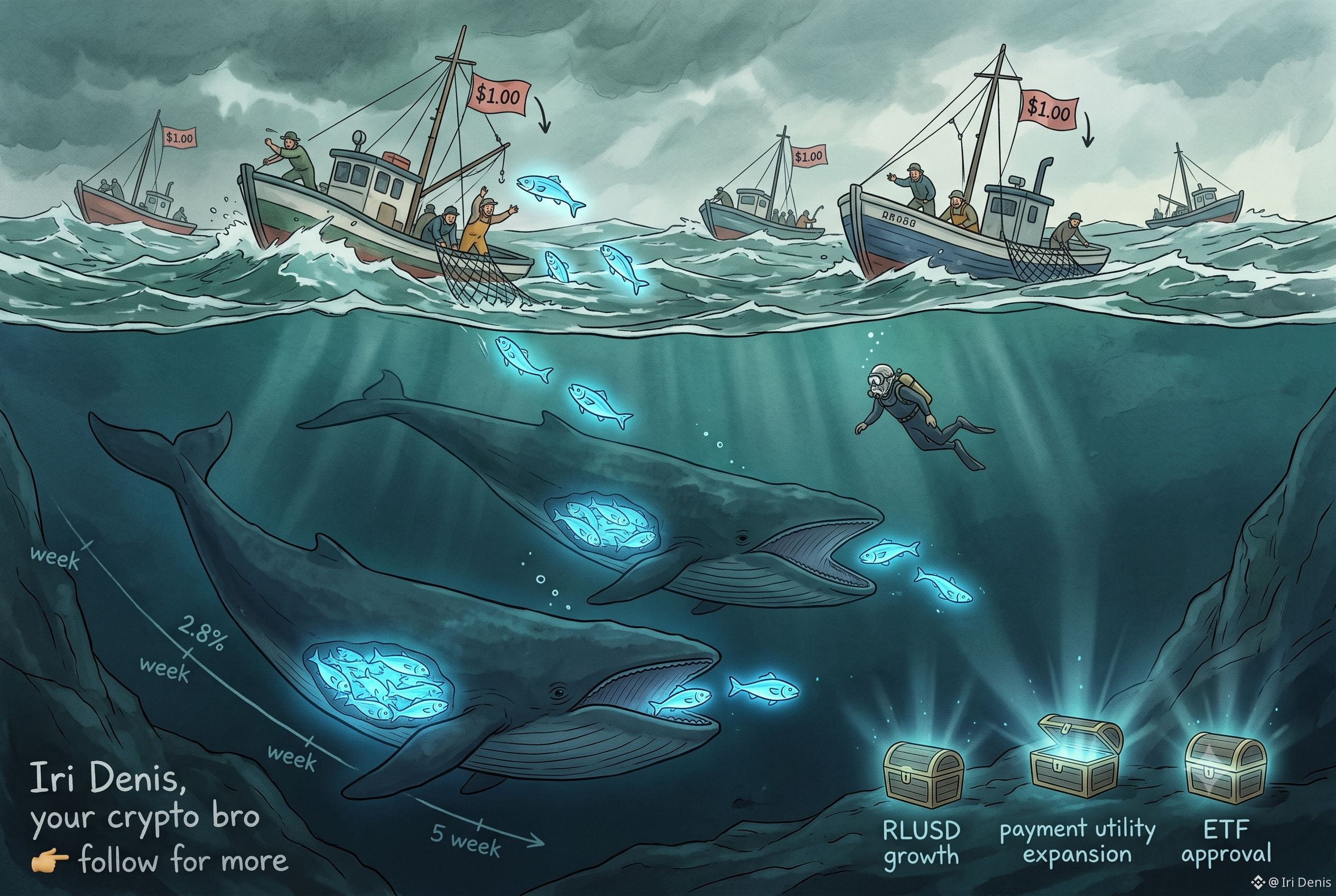
$XRP yığılma divergensiyasının bazar üçün nə demək olduğunu. $BTC konsolidasiya olunmağa davam etdiyi halda, XRP səssizcə güclü bir hərəkətə hazırlaşır — $1.00-dan $1.16-a qədər geri qayıdıb. Santiment-in on-chain məlumatları böyük investorlar ilə pərakəndə (retail) treyderlər arasında kütləvi fərqi göstərir. Sadə dillə arxa planda baş verənlər bunlardır: 📍 Səhra (whale)lar aqressiv şəkildə alır: 100.000-dən 100 milyonadək XRP saxlayan cüzdanların həcmi son beş həftə ərzində 2.8% artıb. 📍 Retail panik satışı edir: Kiçik investorlar həmin tam eyni vaxt aralığında səbirsizlik və bazar yorğunluğu səbəbilə tokenlərinin 5.2%-ni satıblar. 📍 Klassik boğa siqnalı: Tarixən XRP-in qiyməti kiçik treyderlərdən çox böyük pulları izləyir. Retail dəyərdən düşür və whale-lər yüklənirsə, bu çox vaxt böyük bir yüksəlişdən əvvəl lokal dibin formalaşdığını göstərir. 📍 Fundamental faktorlar: Dərin cibləri olan investorlar genişlənən ödəniş imkanları, RLUSD stabilkoininin artımı və gözlənilən ETF təsdiqləri də daxil olmaqla əsas katalizatorların öncəsi yığım edirlər. Retail sarsılır, amma institusional pullar uzunmüddətli hədəflə massive (böyük) mövqelər qurmaq üçün sakit dövrdən istifadə edir. İri Denis, sənin kripto qardaşın Follow daha çox insight üçün 🚀 #Bitcoin Price Prediction: What is Bitcoins next move?# #BTC Price Analysis#
$XRP yığılma divergensiyasının bazar üçün nə demək olduğunu. $BTC konsolidasiya olunmağa davam etdiyi halda, XRP səssizcə güclü bir hərəkətə hazırlaşır — $1.00-dan $1.16-a qədər geri qayıdıb. Santiment-in on-chain məlumatları böyük investorlar ilə pərakəndə (retail) treyderlər arasında kütləvi fərqi göstərir. Sadə dillə arxa planda baş verənlər bunlardır: 📍 Səhra (whale)lar aqressiv şəkildə alır: 100.000-dən 100 milyonadək XRP saxlayan cüzdanların həcmi son beş həftə ərzində 2.8% artıb. 📍 Retail panik satışı edir: Kiçik investorlar həmin tam eyni vaxt aralığında səbirsizlik və bazar yorğunluğu səbəbilə tokenlərinin 5.2%-ni satıblar. 📍 Klassik boğa siqnalı: Tarixən XRP-in qiyməti kiçik treyderlərdən çox böyük pulları izləyir. Retail dəyərdən düşür və whale-lər yüklənirsə, bu çox vaxt böyük bir yüksəlişdən əvvəl lokal dibin formalaşdığını göstərir. 📍 Fundamental faktorlar: Dərin cibləri olan investorlar genişlənən ödəniş imkanları, RLUSD stabilkoininin artımı və gözlənilən ETF təsdiqləri də daxil olmaqla əsas katalizatorların öncəsi yığım edirlər. Retail sarsılır, amma institusional pullar uzunmüddətli hədəflə massive (böyük) mövqelər qurmaq üçün sakit dövrdən istifadə edir. İri Denis, sənin kripto qardaşın Follow daha çox insight üçün 🚀 #Bitcoin Price Prediction: What is Bitcoins next move?# #BTC Price Analysis#
91
·
--
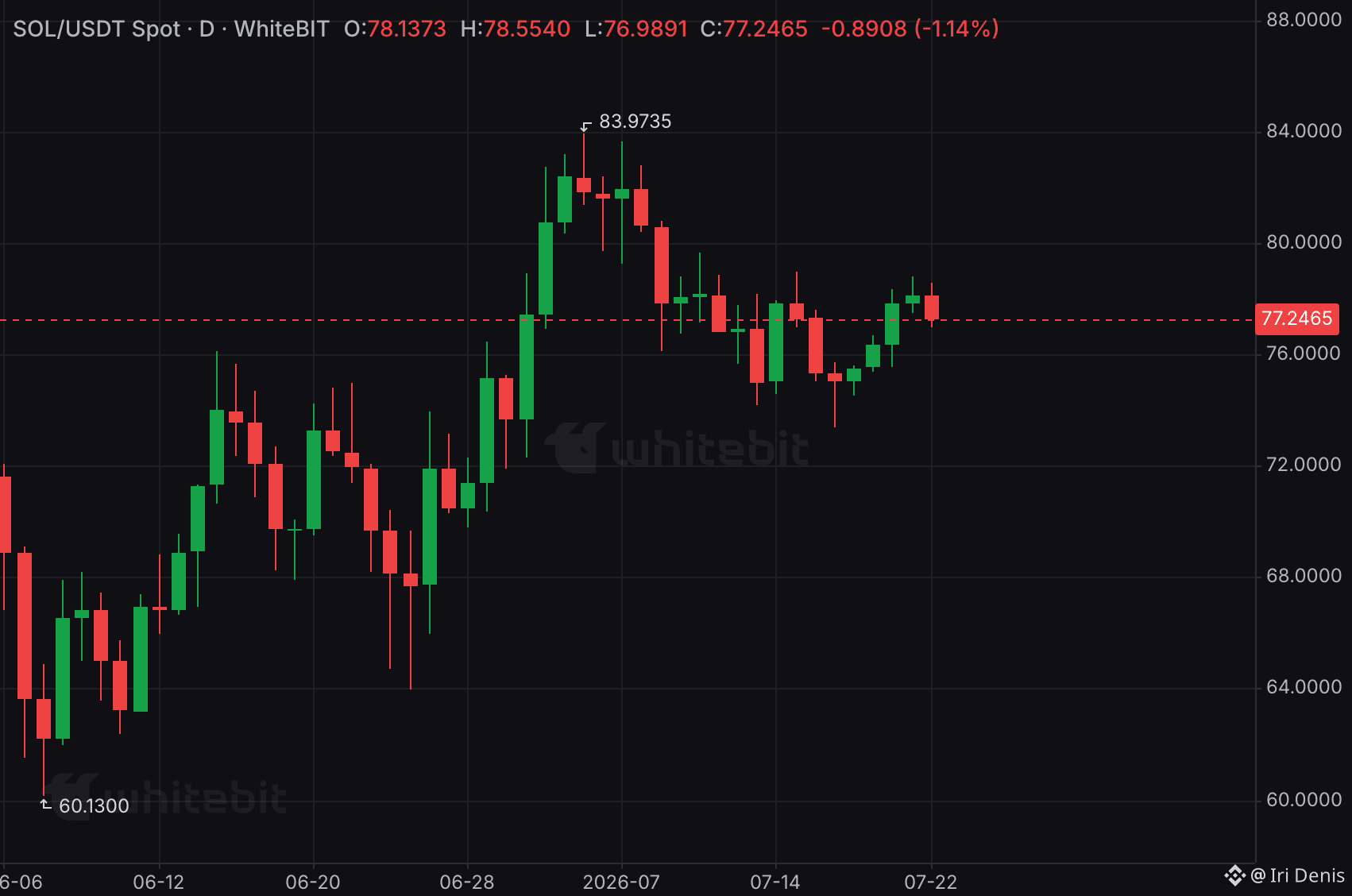
Tarixdən Əlvida Proof of History: $SOL ən böyük yeniləməsi node iqtisadiyyatını necə dəyişir. Solana rəsmi olaraq tarixindəki ən iddialı protokol yenidənqurmalarından biri üçün validatorları hazırlayır: Alpenglow yeniləməsi. Sadəcə səthi funksiyaları yamaq etmək əvəzinə, bu buraxılış Solananın əsas konsensus qatını tamamilə əvəz edir—Proof of History (PoH) və Tower BFT-dən imtina edərək Votor və Rotor adlı iki yeni sistemə keçir. Məqalənin hansı məqamları əhatə etdiyinə və bu texniki dönüşün niyə önəmli olduğuna dərindən baxış: Birincisi, 100x sürət artımı. Tranzaksiyanın yekunlaşması 12,8 saniyədən endirilib inanılmaz dərəcədə sürətli median 100–150 millisekundadək düşür; Visa kimi ənənəvi ödəniş şəbəkələrini geridə qoyur və Web3 oyunlarını və yüksək tezlikli ticarəti həqiqətən anlıq hiss etdirir. İkincisi, şəbəkənin blok həcminin 75%-ni geri qaytarır. Əvvəllər Solananın tutumunun üçdə ikisi (dördüncü üçü) onçeyn validator səsvermə tranzaksiyaları ilə tıxanırdı. Alpenglow səsverməni ofçeynə köçürür, beləliklə də əsl istifadəçi dApp-ləri, DeFi və köçürmələr üçün nəhəng bant genişliyini dərhal azad edir. Üçüncüsü, validator iqtisadiyyatını tamamilə yenidən qurur. Node-un işlətmə xərclərinin 98%-ə qədər azalacağı gözlənilir, minimal gəlirli stake isə təxminən ~4,850 SOL-dan cəmi 450 SOL-a düşür—giriş baryerlərini kəskin şəkildə aşağı salır və mərkəzləşməni azaldaraq daha çox desentralizasiya yaradır. Dördüncüsü, yayım planı artıq işə düşüb. Validatorlar Agave 4.1 buraxılışı vasitəsilə hazırlıq görür, tam əsas şəbəkə aktivləşdirilməsinin gec Q3 və ya Q4 2026-cı ildə baş tutması hədəflənir. Alpenglow sadəcə tədrici yamaq deyil—desentralizasiyanı qurban vermədən Web2 miqyaslı həcmləri idarə etmək üçün $SOL icra mühərricisinin fundamental yenidən qurulmasıdır. İri Denis, kripto qardaşım; daha çox insight üçün izləyin 🚀 #Bitcoin Price Prediction: What is Bitcoins next move?# #BTC Price Analysis#
Tarixdən Əlvida Proof of History: $SOL ən böyük yeniləməsi node iqtisadiyyatını necə dəyişir. Solana rəsmi olaraq tarixindəki ən iddialı protokol yenidənqurmalarından biri üçün validatorları hazırlayır: Alpenglow yeniləməsi. Sadəcə səthi funksiyaları yamaq etmək əvəzinə, bu buraxılış Solananın əsas konsensus qatını tamamilə əvəz edir—Proof of History (PoH) və Tower BFT-dən imtina edərək Votor və Rotor adlı iki yeni sistemə keçir. Məqalənin hansı məqamları əhatə etdiyinə və bu texniki dönüşün niyə önəmli olduğuna dərindən baxış: Birincisi, 100x sürət artımı. Tranzaksiyanın yekunlaşması 12,8 saniyədən endirilib inanılmaz dərəcədə sürətli median 100–150 millisekundadək düşür; Visa kimi ənənəvi ödəniş şəbəkələrini geridə qoyur və Web3 oyunlarını və yüksək tezlikli ticarəti həqiqətən anlıq hiss etdirir. İkincisi, şəbəkənin blok həcminin 75%-ni geri qaytarır. Əvvəllər Solananın tutumunun üçdə ikisi (dördüncü üçü) onçeyn validator səsvermə tranzaksiyaları ilə tıxanırdı. Alpenglow səsverməni ofçeynə köçürür, beləliklə də əsl istifadəçi dApp-ləri, DeFi və köçürmələr üçün nəhəng bant genişliyini dərhal azad edir. Üçüncüsü, validator iqtisadiyyatını tamamilə yenidən qurur. Node-un işlətmə xərclərinin 98%-ə qədər azalacağı gözlənilir, minimal gəlirli stake isə təxminən ~4,850 SOL-dan cəmi 450 SOL-a düşür—giriş baryerlərini kəskin şəkildə aşağı salır və mərkəzləşməni azaldaraq daha çox desentralizasiya yaradır. Dördüncüsü, yayım planı artıq işə düşüb. Validatorlar Agave 4.1 buraxılışı vasitəsilə hazırlıq görür, tam əsas şəbəkə aktivləşdirilməsinin gec Q3 və ya Q4 2026-cı ildə baş tutması hədəflənir. Alpenglow sadəcə tədrici yamaq deyil—desentralizasiyanı qurban vermədən Web2 miqyaslı həcmləri idarə etmək üçün $SOL icra mühərricisinin fundamental yenidən qurulmasıdır. İri Denis, kripto qardaşım; daha çox insight üçün izləyin 🚀 #Bitcoin Price Prediction: What is Bitcoins next move?# #BTC Price Analysis#
49
·
--
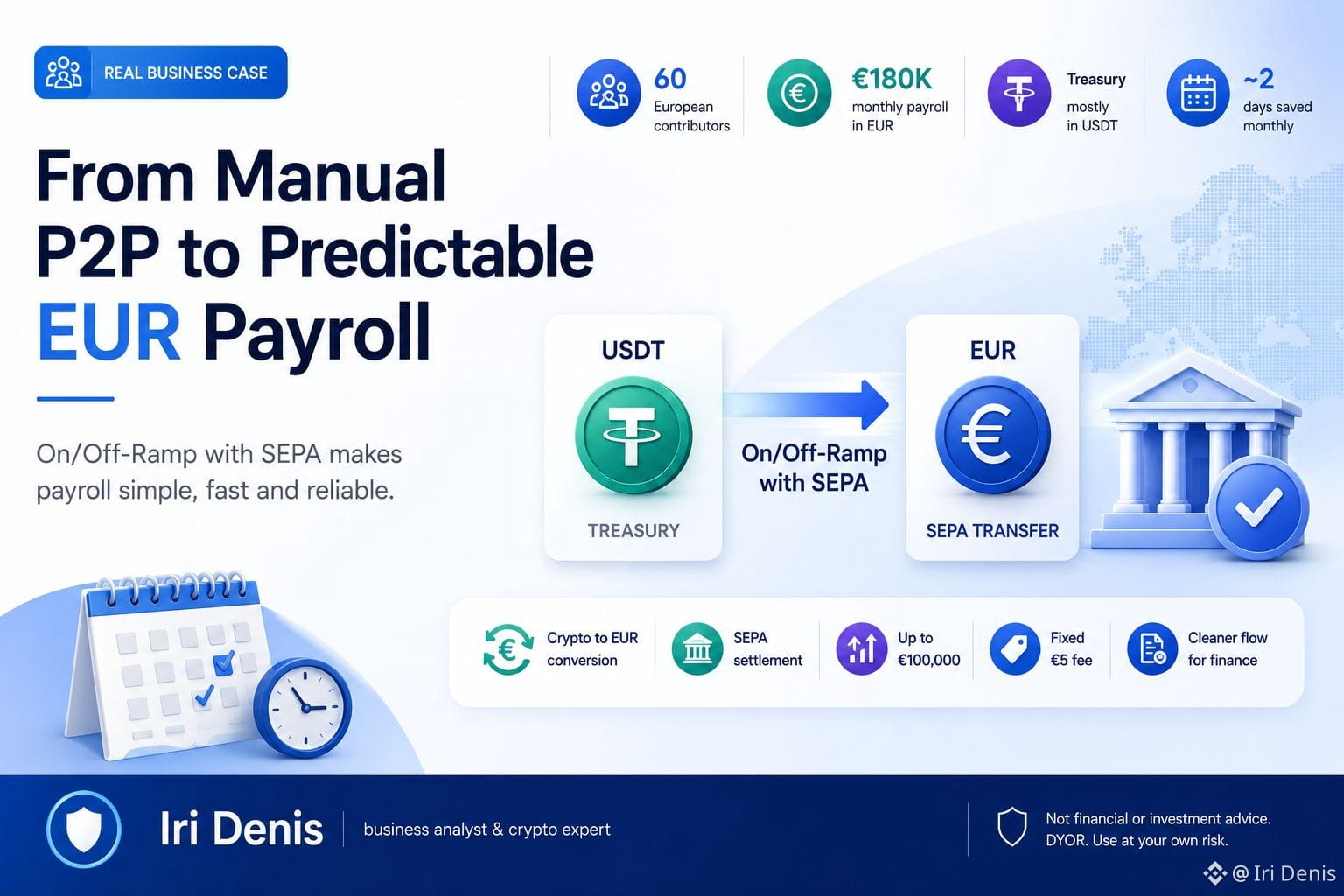
Niyə Kripto Layihələri Daha Yaxşı EUR Əməkhaqqı Axınlarına Ehtiyac Duyur 📈 TGE-dən sonrakı dövrdə token layihəsində 60 avropalı iştirakçı hər ay EUR ödənişləri alırdı. Xəzinədə $BTC və digər kripto aktivlər var idi, amma əməkhaqqı hər ay normal bank köçürmələri ilə təxminən €180,000 tələb edirdi. Proses qarışıq idi: komanda ödənişləri €15,000-dən aşağı olan daha kiçik P2P əməliyyatlarına bölürdü, onları əl ilə uyğunlaşdırırdı və ayların çoxunda qeyri-sabit hesablaşma ilə məşğul olurdu. P2P çevik istifadə ssenariləri üçün uyğundur, amma təkrarlanan əməkhaqqı daha çox proqnozlaşdırıla bilənlik tələb edir. COO ayda demək olar ki, iki tam günü əməkhaqqının EUR-a çevrilməsini idarə etməyə sərf edirdi. Kontraktorlar vaxtın niyə dəyişdiyini tez-tez soruşurdular və üç böyük iştirakçının yenilənmə qərarları daha etibarlı ödəniş əməliyyatlarına bağlanmışdı. Məhz burada on/off-ramp infrastrukturunun qiymətləndirilməsi dəyərli ola bilər. Məsələn, SEPA ilə WhiteBIT On/Off-Ramp kripto gəlirini müntəzəm olaraq EUR-a çevirən və vəsaitləri bank kanalları vasitəsilə daha proqnozlaşdırıla bilən şəkildə köçürmək istəyən şirkətlər üçün uyğun ola bilər; aydın limitlər, komissiyalar və hesablaşma axını ilə. institutional.whitebit.com/pay ... Belə bir əməkhaqqı ssenarisində mümkün faydalar bunlar ola bilər: 🔄 Kriptodan EUR-a çevirmə 🏦 SEPA üzrə hesablaşma 📊 €100,000-a qədər əməliyyatlar 💰 Sabit €5 komissiya 🧾 Maliyyə komandası üçün daha təmiz ödəniş axını €180,000-i çoxsaylı kiçik əl köçürmələrinə bölmək əvəzinə, layihə əməkhaqqını sadəcə iki daha böyük əməliyyatla həyata keçirə bilərdi — ümumilikdə sabit komissiya kimi cəmi €10, və maliyyə komandası üçün daha səliqəli struktur. Qeyd: Bu, maliyyə və ya investisiya məsləhəti deyil. Qərar verməzdən əvvəl öz araşdırmanızı edin. #Sponsored #Bitcoin Price Prediction: Bitcoins next move nədir?# #BTC Price Analysis#
Niyə Kripto Layihələri Daha Yaxşı EUR Əməkhaqqı Axınlarına Ehtiyac Duyur 📈 TGE-dən sonrakı dövrdə token layihəsində 60 avropalı iştirakçı hər ay EUR ödənişləri alırdı. Xəzinədə $BTC və digər kripto aktivlər var idi, amma əməkhaqqı hər ay normal bank köçürmələri ilə təxminən €180,000 tələb edirdi. Proses qarışıq idi: komanda ödənişləri €15,000-dən aşağı olan daha kiçik P2P əməliyyatlarına bölürdü, onları əl ilə uyğunlaşdırırdı və ayların çoxunda qeyri-sabit hesablaşma ilə məşğul olurdu. P2P çevik istifadə ssenariləri üçün uyğundur, amma təkrarlanan əməkhaqqı daha çox proqnozlaşdırıla bilənlik tələb edir. COO ayda demək olar ki, iki tam günü əməkhaqqının EUR-a çevrilməsini idarə etməyə sərf edirdi. Kontraktorlar vaxtın niyə dəyişdiyini tez-tez soruşurdular və üç böyük iştirakçının yenilənmə qərarları daha etibarlı ödəniş əməliyyatlarına bağlanmışdı. Məhz burada on/off-ramp infrastrukturunun qiymətləndirilməsi dəyərli ola bilər. Məsələn, SEPA ilə WhiteBIT On/Off-Ramp kripto gəlirini müntəzəm olaraq EUR-a çevirən və vəsaitləri bank kanalları vasitəsilə daha proqnozlaşdırıla bilən şəkildə köçürmək istəyən şirkətlər üçün uyğun ola bilər; aydın limitlər, komissiyalar və hesablaşma axını ilə. institutional.whitebit.com/pay ... Belə bir əməkhaqqı ssenarisində mümkün faydalar bunlar ola bilər: 🔄 Kriptodan EUR-a çevirmə 🏦 SEPA üzrə hesablaşma 📊 €100,000-a qədər əməliyyatlar 💰 Sabit €5 komissiya 🧾 Maliyyə komandası üçün daha təmiz ödəniş axını €180,000-i çoxsaylı kiçik əl köçürmələrinə bölmək əvəzinə, layihə əməkhaqqını sadəcə iki daha böyük əməliyyatla həyata keçirə bilərdi — ümumilikdə sabit komissiya kimi cəmi €10, və maliyyə komandası üçün daha səliqəli struktur. Qeyd: Bu, maliyyə və ya investisiya məsləhəti deyil. Qərar verməzdən əvvəl öz araşdırmanızı edin. #Sponsored #Bitcoin Price Prediction: Bitcoins next move nədir?# #BTC Price Analysis#
60
·
--
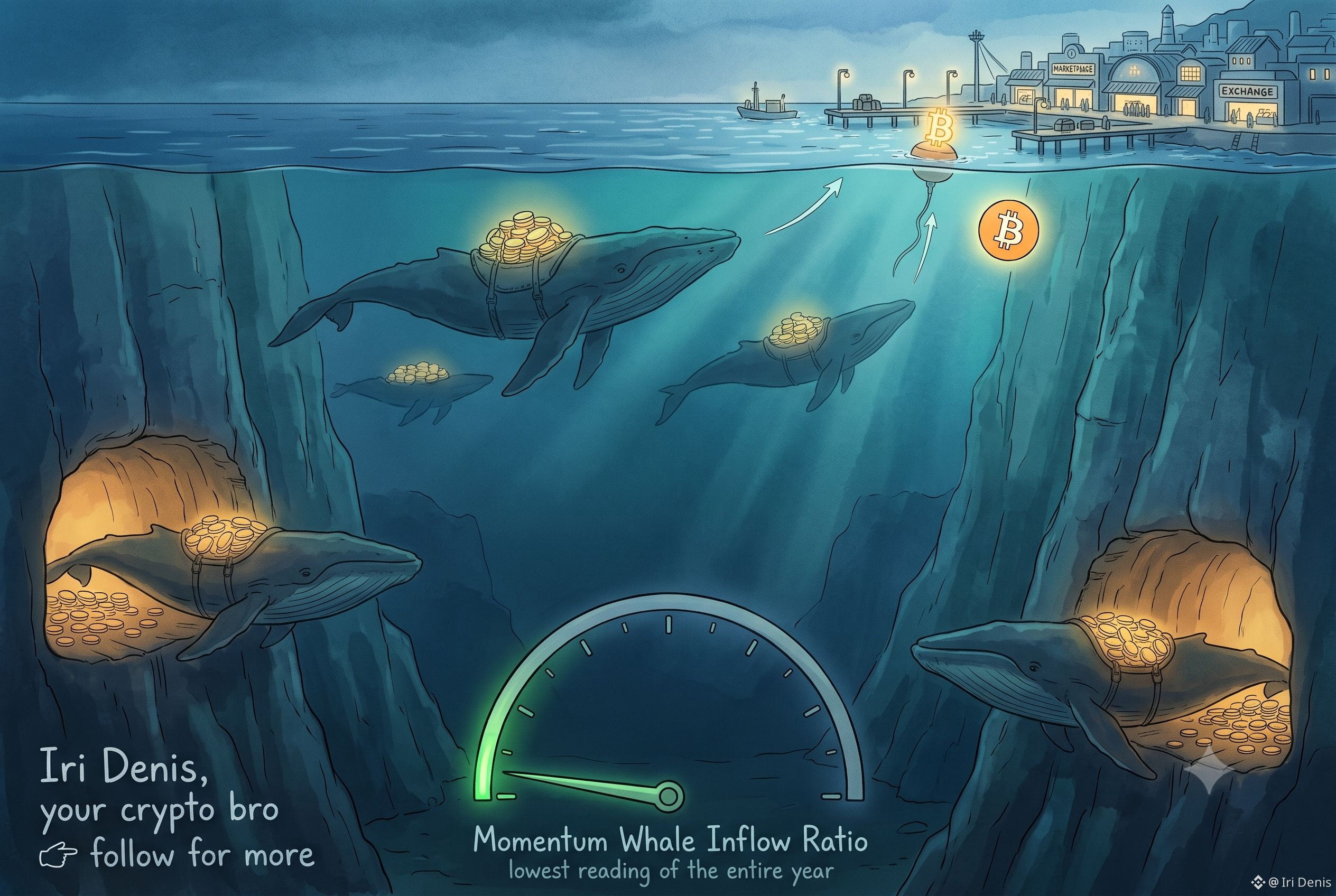
$BTC qiymətinin bərpası üçün bunun nə deməkdir. On-chain məlumatlar, Momentum Whale Inflow Ratio 2026-cı ilin ən aşağı səviyyəsinə çatdığı üçün fil (whale) davranışında böyük dəyişikliyi üzə çıxarır. $BTC $65,900 ətrafında konsolidasiya olarkən, iri sahibkarlar mərkəzləşdirilmiş birjalara token depozitlərini kəskin şəkildə ləngidirlər. Bu, sadə dildə gündəlik treyderlər üçün nə deməkdir? ▪️ Satış təzyiqinin azalması: Fil-lər (whale) birjalara daha az coin göndərdikdə, bazardakı mövcud satış təklifi azalır. Momentum Whale Inflow Ratio-nun mənfi olması ağır sahibkarların dump etmək əvəzinə saxlamağı seçdiyini göstərir və bu, əhəmiyyətli dərəcədə aşağı istiqamətli təzyiqi götürür. ▪️ Bərpa üçün yol açmaq: Fil-lərin satış fəallığı soyuduqca qiyməti yuxarı hərəkət etdirmək üçün çox daha az alış həcmi lazımdır. Birjalardakı təklifin azalması BTC-nin daha yüksək müqavimət hədəflərinə doğru növbəti bərpa addımını etməsi üçün ideal şərait yaradır. Whale-lərin birjalarda satışdan geri çəkilməsi, bazar narahatlığının azalması və Bitcoin-in daha yüksəkə itələməsi üçün daha sağlam mühitin formalaşması barədə klassik siqnaldır. İri Denis, sənə kripto qardaşın Follow et, daha çox insight üçün 🚀 #Bitcoin Price Prediction: What is Bitcoins next move?# #BTC Price Analysis#
$BTC qiymətinin bərpası üçün bunun nə deməkdir. On-chain məlumatlar, Momentum Whale Inflow Ratio 2026-cı ilin ən aşağı səviyyəsinə çatdığı üçün fil (whale) davranışında böyük dəyişikliyi üzə çıxarır. $BTC $65,900 ətrafında konsolidasiya olarkən, iri sahibkarlar mərkəzləşdirilmiş birjalara token depozitlərini kəskin şəkildə ləngidirlər. Bu, sadə dildə gündəlik treyderlər üçün nə deməkdir? ▪️ Satış təzyiqinin azalması: Fil-lər (whale) birjalara daha az coin göndərdikdə, bazardakı mövcud satış təklifi azalır. Momentum Whale Inflow Ratio-nun mənfi olması ağır sahibkarların dump etmək əvəzinə saxlamağı seçdiyini göstərir və bu, əhəmiyyətli dərəcədə aşağı istiqamətli təzyiqi götürür. ▪️ Bərpa üçün yol açmaq: Fil-lərin satış fəallığı soyuduqca qiyməti yuxarı hərəkət etdirmək üçün çox daha az alış həcmi lazımdır. Birjalardakı təklifin azalması BTC-nin daha yüksək müqavimət hədəflərinə doğru növbəti bərpa addımını etməsi üçün ideal şərait yaradır. Whale-lərin birjalarda satışdan geri çəkilməsi, bazar narahatlığının azalması və Bitcoin-in daha yüksəkə itələməsi üçün daha sağlam mühitin formalaşması barədə klassik siqnaldır. İri Denis, sənə kripto qardaşın Follow et, daha çox insight üçün 🚀 #Bitcoin Price Prediction: What is Bitcoins next move?# #BTC Price Analysis#
74
·
--
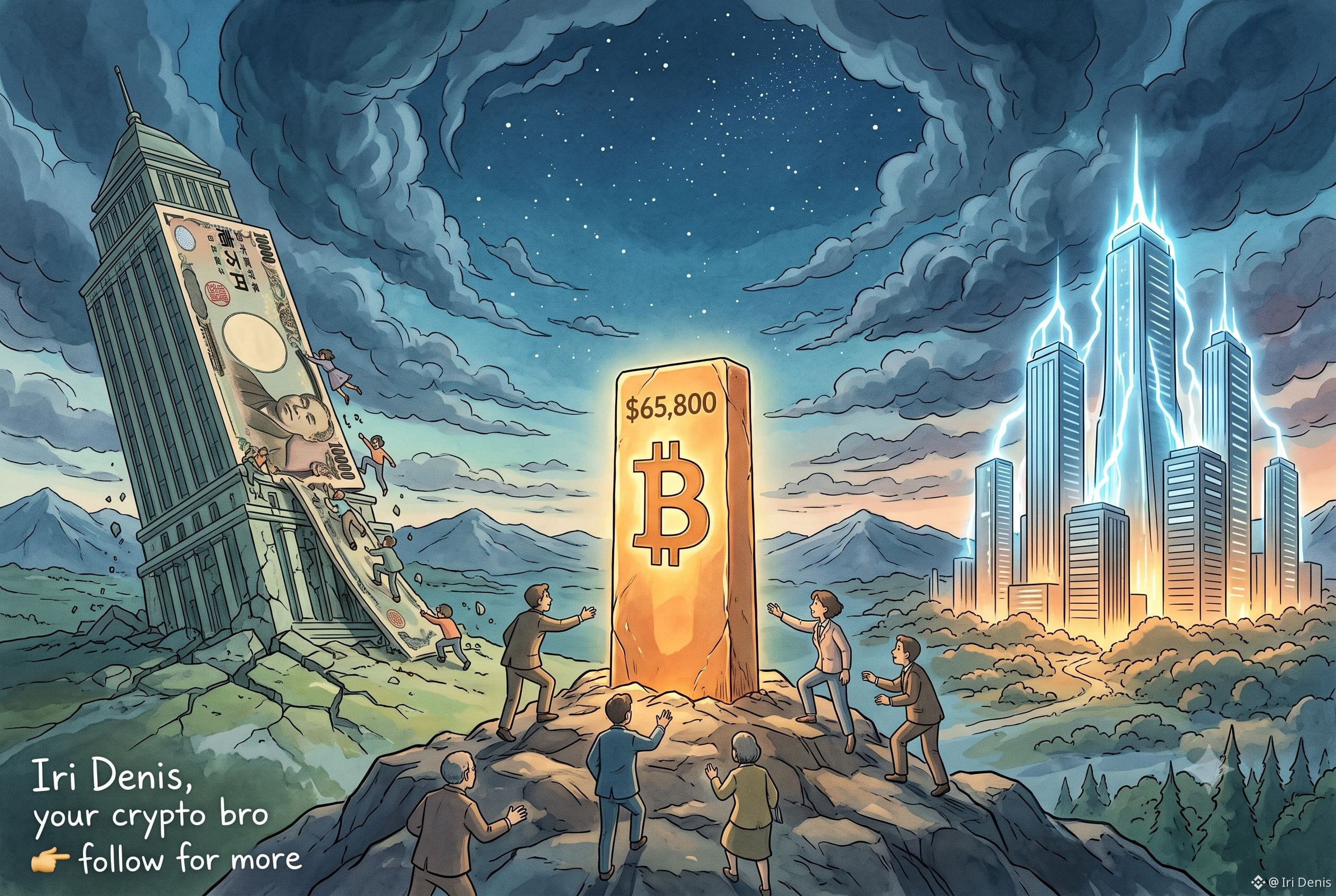
$BTC-nin $65,800-ə qədər kiçik geri çəkilməsi bazar üçün nə deməkdir. Bitcoin yaxınlarda $66,900 səviyyəsinə toxunub, sonra bir qədər geri çəkilərək $65,800 ətrafında konsolidasiya edir. Bu yerli hərəkət isə tamamilə dəli bir makroiqtisadi fonla baş verir: yarımkeçirici səhmləri rallisini genişləndirir, ABŞ Dolları qarşısında isə Yapon Yenisi tarixi 40 illik minimuma düşüb. Sadə dillə desək, bu nə deməkdir gündəlik investorlar üçün? 📍 Zəifləyən milli valyutalar: Yen kimi böyük qlobal valyutalar ciddi dəyər itirəndə investorlar alış gücünü qorumaq üçün nadir, suveren olmayan aktivlərə yönəlirlər. Bu makro təzyiq təbii olaraq diqqəti qlobal hedcinq kimi qəbul edilən $BTC-yə çəkir. 📍 Riskə güclü tələbat: Texnologiya və çip səhmlərində davamlı artım göstərir ki, ənənəvi investorlar hələ də artım aktivlərinə acdır. Texnologiya bazarlarında müsbət sentiment kripto üçün möhkəm bir dib yaradır və $65,800-ə düşüşü sell-off kimi yox, normal bazar “həzm”i kimi göstərir. Yekun nəticə: Valyuta qarşıdurmasının ortasında $66k səviyyəsinə toxunub $65,800 ətrafında möhkəm dayanmaq göstərir ki, geniş bazar hələ də dayanıqlıdır. İri Denis, sənin kripto qardaşın Daha çox insight üçün izləyin 🚀 #Bitcoin Qiymət Proqnozu: Bitcoin-in növbəti addımı nə olacaq?# #BTC Qiymət Analizi#
$BTC-nin $65,800-ə qədər kiçik geri çəkilməsi bazar üçün nə deməkdir. Bitcoin yaxınlarda $66,900 səviyyəsinə toxunub, sonra bir qədər geri çəkilərək $65,800 ətrafında konsolidasiya edir. Bu yerli hərəkət isə tamamilə dəli bir makroiqtisadi fonla baş verir: yarımkeçirici səhmləri rallisini genişləndirir, ABŞ Dolları qarşısında isə Yapon Yenisi tarixi 40 illik minimuma düşüb. Sadə dillə desək, bu nə deməkdir gündəlik investorlar üçün? 📍 Zəifləyən milli valyutalar: Yen kimi böyük qlobal valyutalar ciddi dəyər itirəndə investorlar alış gücünü qorumaq üçün nadir, suveren olmayan aktivlərə yönəlirlər. Bu makro təzyiq təbii olaraq diqqəti qlobal hedcinq kimi qəbul edilən $BTC-yə çəkir. 📍 Riskə güclü tələbat: Texnologiya və çip səhmlərində davamlı artım göstərir ki, ənənəvi investorlar hələ də artım aktivlərinə acdır. Texnologiya bazarlarında müsbət sentiment kripto üçün möhkəm bir dib yaradır və $65,800-ə düşüşü sell-off kimi yox, normal bazar “həzm”i kimi göstərir. Yekun nəticə: Valyuta qarşıdurmasının ortasında $66k səviyyəsinə toxunub $65,800 ətrafında möhkəm dayanmaq göstərir ki, geniş bazar hələ də dayanıqlıdır. İri Denis, sənin kripto qardaşın Daha çox insight üçün izləyin 🚀 #Bitcoin Qiymət Proqnozu: Bitcoin-in növbəti addımı nə olacaq?# #BTC Qiymət Analizi#
84
·
--
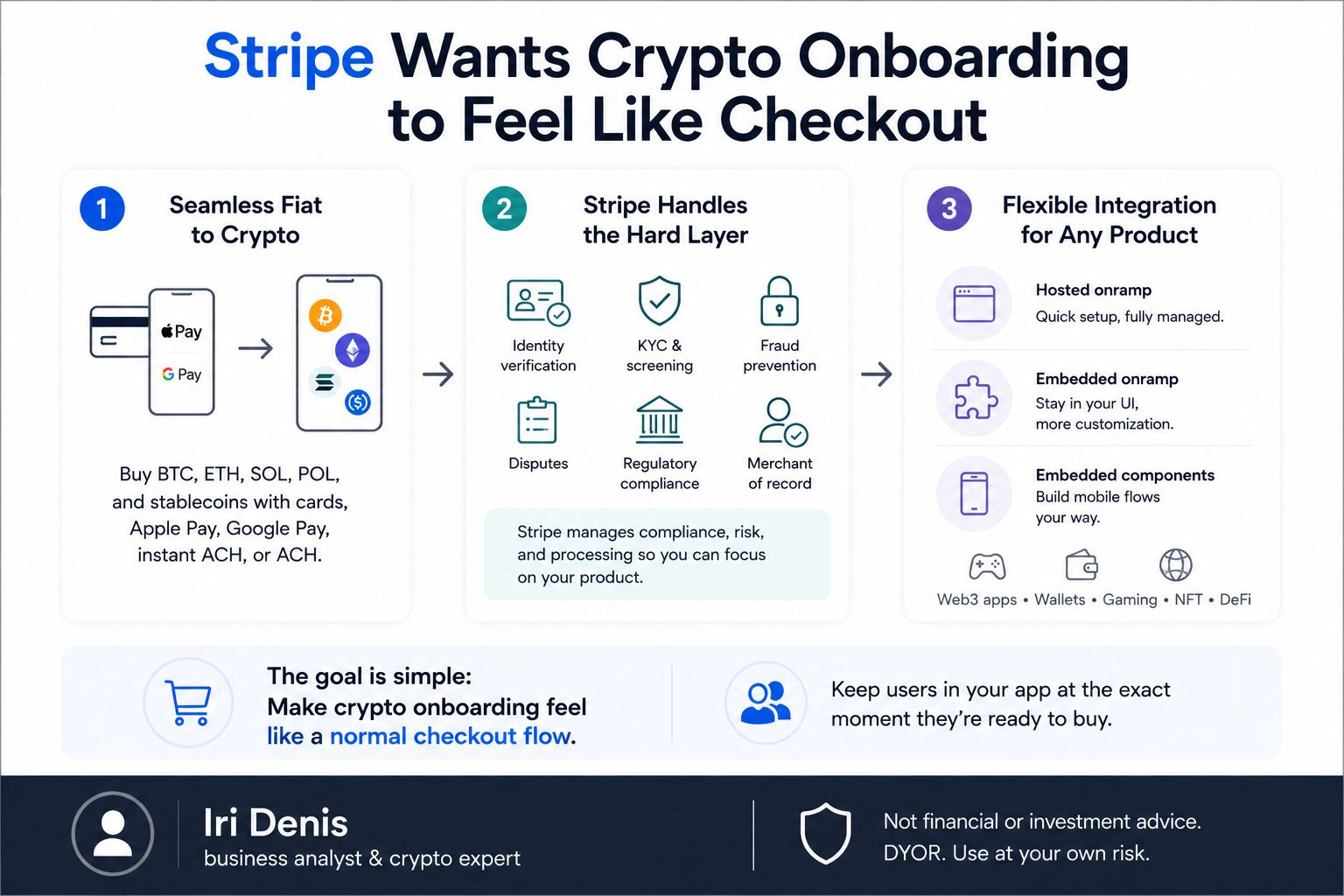
Stripe Kriptovalyuta Onboarding-ın Checkout-a Bənzəməsini İstəyir 📊 $BTC və ya digər kriptovalyutalar üçün ən böyük problemlərdən biri kriptovalyuta pul kisəsi (wallet) deyil. Problem istifadəçinin fiatdan kriptovalyutaya keçmək istədiyi andır və məhsul birdən-birə onları əlavə addımlardan keçirir: yönləndirmələr, uğursuz ödənişlər, KYC sürtünməsi və ya başqa provayderin interfeysi. Buna görə Stripe Crypto On-ramp maraqlıdır. https://stripe.com/crypto-onramp?utm_source=coinmarketcap&utm_medium=denisrampoffon&utm_campaign=post Məhsul platformalara fiatdan kriptovalyutaya alışları birbaşa onların tətbiqi və ya veb-səhifəsi daxilində əlavə etməyə imkan verir. İstifadəçi $BTC , ETH, SOL, POL və ya stablecoinlər kimi aktivləri kartlar, Apple Pay, Google Pay, instant ACH və ya adi ACH kimi tanış ödəniş metodları ilə ala bilər. Əsl faydalı tərəf budur ki, Stripe axının arxasında duran çətin qatın çox hissəsini idarə edir: ödəniş emalı, şəxsiyyətin təsdiqi, KYC, sanksiyaların yoxlanışı, fırıldaqçılığın qarşısının alınması, mübahisələr və tənzimləyici tələblər. Stripe həm də onramp əməliyyatları üçün merchant of record kimi çıxış edir. Web3 tətbiqləri, wallet-lər, oyun platformaları, NFT məhsulları və DeFi interfeysləri üçün bu, onboarding sürtünməsini xeyli azaltmağa bilər. İstifadəçilər cüzdana vəsait əlavə etməyə hazır olduqları dəqiq anda onları kənara yönləndirmək əvəzinə, alış axını məhsul təcrübəsinə daha yaxın qala bilər. Stripe həmçinin müxtəlif inteqrasiya yolları təklif edir: hosted onramp, embedded onramp və mobil üçün embedded komponentlər. Bu, komandaların istifadəçi təcrübəsi üzərində nə qədər nəzarət istədiyindən asılı olaraq çevik olmasına imkan verir. Mənim üçün maraqlı olan hissə bu mövqeləndirmədir. Stripe kriptovalyuta onboarding-ın “kripto-native” hiss etdirməsinə çalışmır. Onu adi checkout axını kimi hiss etdirməyə çalışır. Və ola bilsin ki, ilk kriptovalyuta alışını etməzdən əvvəl bir çox istifadəçinin məhz buna ehtiyacı var. Qeyd: Bu maliyyə və ya investisiya məsləhəti deyil. Qərar verməzdən əvvəl öz araşdırmanızı edin. Öz riskinizlə istifadə edin. #Sponsored #Bitcoin Qiymət Proqnozu: Bitcoins növbəti addımı nə olacaq?# #BTC Qiymət Analizi#
Stripe Kriptovalyuta Onboarding-ın Checkout-a Bənzəməsini İstəyir 📊 $BTC və ya digər kriptovalyutalar üçün ən böyük problemlərdən biri kriptovalyuta pul kisəsi (wallet) deyil. Problem istifadəçinin fiatdan kriptovalyutaya keçmək istədiyi andır və məhsul birdən-birə onları əlavə addımlardan keçirir: yönləndirmələr, uğursuz ödənişlər, KYC sürtünməsi və ya başqa provayderin interfeysi. Buna görə Stripe Crypto On-ramp maraqlıdır. https://stripe.com/crypto-onramp?utm_source=coinmarketcap&utm_medium=denisrampoffon&utm_campaign=post Məhsul platformalara fiatdan kriptovalyutaya alışları birbaşa onların tətbiqi və ya veb-səhifəsi daxilində əlavə etməyə imkan verir. İstifadəçi $BTC , ETH, SOL, POL və ya stablecoinlər kimi aktivləri kartlar, Apple Pay, Google Pay, instant ACH və ya adi ACH kimi tanış ödəniş metodları ilə ala bilər. Əsl faydalı tərəf budur ki, Stripe axının arxasında duran çətin qatın çox hissəsini idarə edir: ödəniş emalı, şəxsiyyətin təsdiqi, KYC, sanksiyaların yoxlanışı, fırıldaqçılığın qarşısının alınması, mübahisələr və tənzimləyici tələblər. Stripe həm də onramp əməliyyatları üçün merchant of record kimi çıxış edir. Web3 tətbiqləri, wallet-lər, oyun platformaları, NFT məhsulları və DeFi interfeysləri üçün bu, onboarding sürtünməsini xeyli azaltmağa bilər. İstifadəçilər cüzdana vəsait əlavə etməyə hazır olduqları dəqiq anda onları kənara yönləndirmək əvəzinə, alış axını məhsul təcrübəsinə daha yaxın qala bilər. Stripe həmçinin müxtəlif inteqrasiya yolları təklif edir: hosted onramp, embedded onramp və mobil üçün embedded komponentlər. Bu, komandaların istifadəçi təcrübəsi üzərində nə qədər nəzarət istədiyindən asılı olaraq çevik olmasına imkan verir. Mənim üçün maraqlı olan hissə bu mövqeləndirmədir. Stripe kriptovalyuta onboarding-ın “kripto-native” hiss etdirməsinə çalışmır. Onu adi checkout axını kimi hiss etdirməyə çalışır. Və ola bilsin ki, ilk kriptovalyuta alışını etməzdən əvvəl bir çox istifadəçinin məhz buna ehtiyacı var. Qeyd: Bu maliyyə və ya investisiya məsləhəti deyil. Qərar verməzdən əvvəl öz araşdırmanızı edin. Öz riskinizlə istifadə edin. #Sponsored #Bitcoin Qiymət Proqnozu: Bitcoins növbəti addımı nə olacaq?# #BTC Qiymət Analizi#
98
·
--
Ripple-in həmtəsisçisi niyə 10 sentdə $XRP satdı. ⚡⚡ Ripple-in CTO-su (keçmiş) David Schwartz, $0.10-da XRP və $1-də Ethereum satdığını etiraf edərək, icma müzakirələrini yenidən alovlandırdı—hətta $BTC kimi aktivlər sonradan böyük qiymətləndirmələrə çatdığı halda. Erkən çıxışlarına dair keçmiş tənqidlərə cavab olaraq Schwartz izah etdi ki, həyat yoldaşı ilə uzun müddətli bir razılaşma ona hər yeni rekord (tarixdə ən yüksək) qiymətdə satışı məcbur edib, çünki o, maliyyə riskini dərin şəkildə sevmir. Bəs bu, gündəlik treyderlər üçün sadə dillə nə deməkdir? 📍 Tamahdan çox risk idarəçiliyi: Bu protokolları quran parlaq mühəndislər belə FOMO (qorxulu fürsəti qaçırmaq) və çox tez satış etmə tələsinə düşə bilər. Schwartz ailəsinin maliyyə sabitliyi və rahatlığı naminə, ən pik qiymətlərin üstündə qalmaqdan daha çox prioritet verdi. 📍 Çıxış planının vacibliyi: Hər yeni zirvədə gəlirin müəyyən faizini satmaq kimi aydın mənfəətə çıxarma strategiyası—emosional qərar vermənin qarşısını alır; hətta bu, əlavə qazancların bir hissəsini qaçırmaq anlamına gəlsə belə. 📍 İncə bazar ipucu: Bəzi XRP sahibləri düşünür ki, Schwartz indi ATH-ə (tarixdə ən yüksək) çatanda mənfəəti götürmə qaydasını gündəmə gətirməsi bazar sürət toplayarkən qazancı “kilidləmək” üçün incə bir xatırlatma ola bilər. Mənfəət götürmək heç vaxt səhv deyil. Ən üst hədəfi tutmasan belə, intizamlı strategiyaya sadiq qalmaq kriptoda uzunmüddətli olaraq qalmağın və qazanmağın yoludur. Iri Denis, sənə kripto qardaşı. Daha çox analiz üçün izləməyi unutma 🚀 #Bitcoin Price Prediction: What is Bitcoins next move?# #BTC Price Analysis#
Ripple-in həmtəsisçisi niyə 10 sentdə $XRP satdı. ⚡⚡ Ripple-in CTO-su (keçmiş) David Schwartz, $0.10-da XRP və $1-də Ethereum satdığını etiraf edərək, icma müzakirələrini yenidən alovlandırdı—hətta $BTC kimi aktivlər sonradan böyük qiymətləndirmələrə çatdığı halda. Erkən çıxışlarına dair keçmiş tənqidlərə cavab olaraq Schwartz izah etdi ki, həyat yoldaşı ilə uzun müddətli bir razılaşma ona hər yeni rekord (tarixdə ən yüksək) qiymətdə satışı məcbur edib, çünki o, maliyyə riskini dərin şəkildə sevmir. Bəs bu, gündəlik treyderlər üçün sadə dillə nə deməkdir? 📍 Tamahdan çox risk idarəçiliyi: Bu protokolları quran parlaq mühəndislər belə FOMO (qorxulu fürsəti qaçırmaq) və çox tez satış etmə tələsinə düşə bilər. Schwartz ailəsinin maliyyə sabitliyi və rahatlığı naminə, ən pik qiymətlərin üstündə qalmaqdan daha çox prioritet verdi. 📍 Çıxış planının vacibliyi: Hər yeni zirvədə gəlirin müəyyən faizini satmaq kimi aydın mənfəətə çıxarma strategiyası—emosional qərar vermənin qarşısını alır; hətta bu, əlavə qazancların bir hissəsini qaçırmaq anlamına gəlsə belə. 📍 İncə bazar ipucu: Bəzi XRP sahibləri düşünür ki, Schwartz indi ATH-ə (tarixdə ən yüksək) çatanda mənfəəti götürmə qaydasını gündəmə gətirməsi bazar sürət toplayarkən qazancı “kilidləmək” üçün incə bir xatırlatma ola bilər. Mənfəət götürmək heç vaxt səhv deyil. Ən üst hədəfi tutmasan belə, intizamlı strategiyaya sadiq qalmaq kriptoda uzunmüddətli olaraq qalmağın və qazanmağın yoludur. Iri Denis, sənə kripto qardaşı. Daha çox analiz üçün izləməyi unutma 🚀 #Bitcoin Price Prediction: What is Bitcoins next move?# #BTC Price Analysis#

77
·
--
Görünməz blockchain: MoneyGram-ın CEO-su niyə hesab edir ki, kripto “bilmədən” ən yaxşı şəkildə işləyir. 👀 Əksəriyyətin gözləri $BTC-nin qiymət hərəkətinə zilləndiyi bir bazarda MoneyGram-ın CEO-su Anthony Soohoo real dünyada kriptodan istifadə ilə bağlı ciddi bir reallıq yoxlaması təqdim etdi. O qeyd etdi ki, blockchain texnologiyası gündəlik müştərilər bunun orada olduğunu belə hiss etmədikdə ən yaxşı işləyir. ⚡ 60 milyon istifadəçini mürəkkəb “seed phrase”lərlə və ya qaz haqları (gas fees) ilə yormaq yerinə MoneyGram Stellar, $SOL və Tempo kimi şəbəkələr üzrə stabilcoin infrastrukturunu görünməz şəkildə, arxa planda işlədir. Ödəniş nəhəngi rəqəmsal aktivlərlə artıq 2 milyard dollardan çox məbləği köçürüb; kriptanı qlobal pul köçürmələri üçün saniyələr içində işləyən 24/7 likvidlik mühərriki kimi qiymətləndirir. Bu “arxa plan” yanaşması sərhədlərarası ödənişlərdə ən böyük problemləri həll edir: həftəsonu hesablaşma gecikmələrini aradan qaldırır və bağlı qalan dövriyyə kapitalını sərbəst buraxır. Bu, utilitinin (funksionallığın) mürəkkəb istifadəçi interfeysləri deyil, backend maliyyə “relsləri” vasitəsilə sürətlə miqyaslandığını göstərir. Əsas nəticə sadədir: kütləvi Web3 qəbulunun həqiqi dönüş nöqtəsi hamını blockchain mexanikalarını öyrənməyə inandırmaq deyil, istifadəçilərin heç vaxt bunun barədə düşünməməsi üçün maliyyə relslərini o qədər sürətlə və görünməz qurmaqdır. Iri Denis, kripto qardaşım Follow for more insights 🚀 #Bitcoin Price Prediction: What is Bitcoins next move?# #BTC Price Analysis#
Görünməz blockchain: MoneyGram-ın CEO-su niyə hesab edir ki, kripto “bilmədən” ən yaxşı şəkildə işləyir. 👀 Əksəriyyətin gözləri $BTC-nin qiymət hərəkətinə zilləndiyi bir bazarda MoneyGram-ın CEO-su Anthony Soohoo real dünyada kriptodan istifadə ilə bağlı ciddi bir reallıq yoxlaması təqdim etdi. O qeyd etdi ki, blockchain texnologiyası gündəlik müştərilər bunun orada olduğunu belə hiss etmədikdə ən yaxşı işləyir. ⚡ 60 milyon istifadəçini mürəkkəb “seed phrase”lərlə və ya qaz haqları (gas fees) ilə yormaq yerinə MoneyGram Stellar, $SOL və Tempo kimi şəbəkələr üzrə stabilcoin infrastrukturunu görünməz şəkildə, arxa planda işlədir. Ödəniş nəhəngi rəqəmsal aktivlərlə artıq 2 milyard dollardan çox məbləği köçürüb; kriptanı qlobal pul köçürmələri üçün saniyələr içində işləyən 24/7 likvidlik mühərriki kimi qiymətləndirir. Bu “arxa plan” yanaşması sərhədlərarası ödənişlərdə ən böyük problemləri həll edir: həftəsonu hesablaşma gecikmələrini aradan qaldırır və bağlı qalan dövriyyə kapitalını sərbəst buraxır. Bu, utilitinin (funksionallığın) mürəkkəb istifadəçi interfeysləri deyil, backend maliyyə “relsləri” vasitəsilə sürətlə miqyaslandığını göstərir. Əsas nəticə sadədir: kütləvi Web3 qəbulunun həqiqi dönüş nöqtəsi hamını blockchain mexanikalarını öyrənməyə inandırmaq deyil, istifadəçilərin heç vaxt bunun barədə düşünməməsi üçün maliyyə relslərini o qədər sürətlə və görünməz qurmaqdır. Iri Denis, kripto qardaşım Follow for more insights 🚀 #Bitcoin Price Prediction: What is Bitcoins next move?# #BTC Price Analysis#

65
·
--
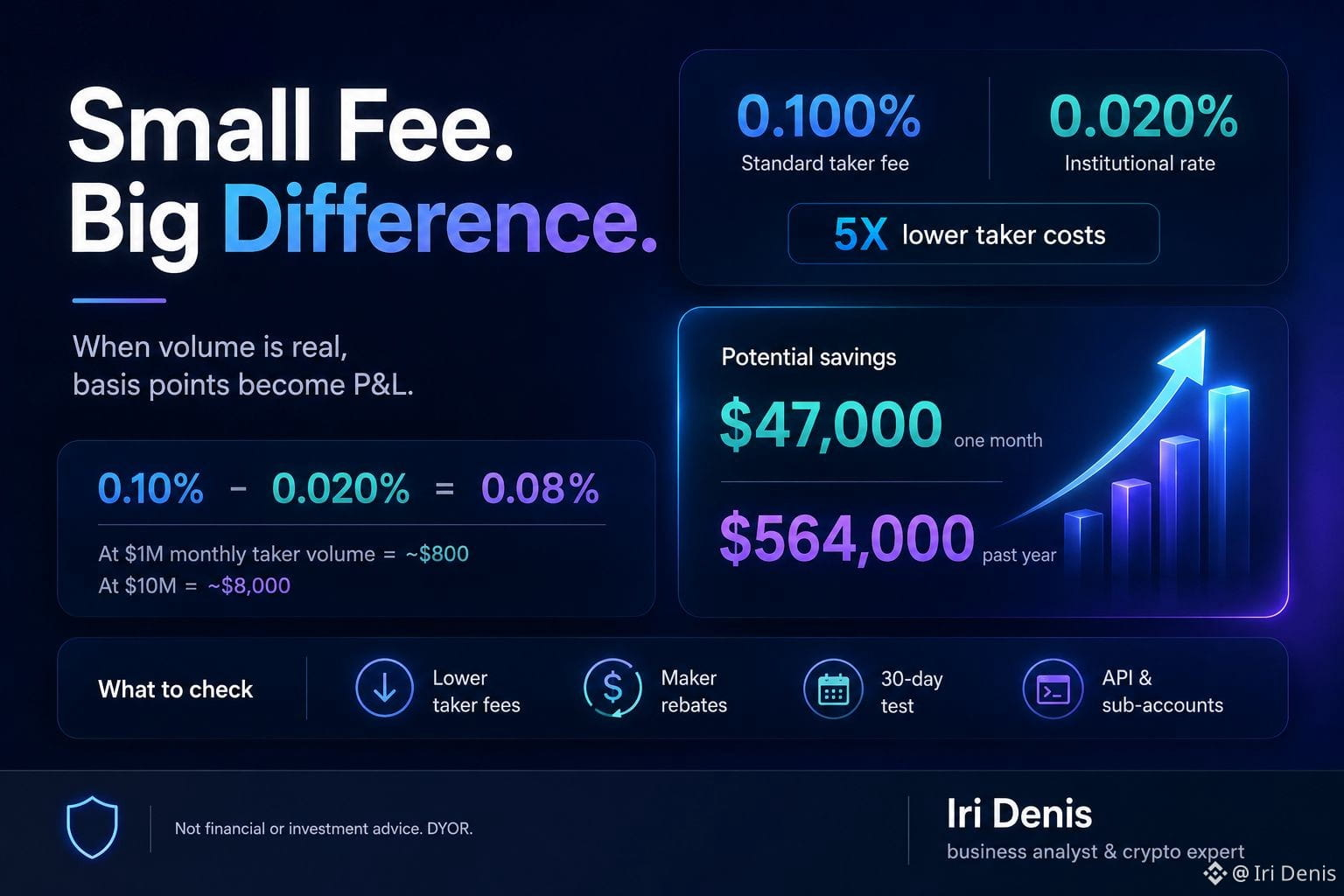
Standart ticarət haqları səssizcə sizə nə qədər baha başa gəlir? $BTC və digər likvid aktivlərlə işləyən bir ticarət şirkəti ötən ay iki rəqəmi müqayisə etdi: standart komissiya (0.1%) və institutional tarif (0.020%). 🤏 Kağız üzərində fərq az görünürdü, amma real həcmdə bu, təxminən aylıq $47,000 qənaətə və ildə ~$564,000-ə bərabər idi. Daha yaxşı şərtlər üçün müraciət elə həmin günortadan edildi ✍ Bir çox peşəkar treyderin nəzərdən qaçırdığı budur: haqlar xırda detal kimi görünür, amma həcm artanda hər basis point real pula çevrilir 💵 0.1% vs. 0.020% təkər (taker) xərclərində 5x azalmadır 📉, aylıq P&L-ə birbaşa təsir edir. Ən yayğın əngəl institutional şərtlərin əldə edilməsinin çətin olması barədə fərziyyədir: uzun proses, yüksək minimumlar, ciddi venue tarixi 🚧 Buna görə treyderlər standart şərtlərdə qalır və hər ay fərqi səssizcə ödəyirlər. 🧮 Riyaziyyat: 0.1% − 0.020% = 0.08%. $1M aylıq həcmdə bu, “gezinmə xərci” olaraq təxminən $800/ay edir. $10M-də isə $8,000. Bu nöqtədə WhiteBIT Market Making Program-ın dəyərli ola biləcəyini yoxlamaq olar—mümkün variantlardan biri kimi. https://institutional.whitebit.com/market-making-program?utm_source=coinmarketcap&utm_medium=denis_makingprog&utm_campaign=post WhiteBIT Market Making Program market-meykerlər, HFT treyderlər, alqoritmik treyderlər və arbitraj komandaları üçün uyğun ola bilər. Quruluş belə elementləri daxil edə bilər: 📈 Maker bonusları -0.012%-ə qədər 📉 Daha aşağı taker haqları 📄 Digər venue-lardan ticarət fəaliyyətinin sübutu 🗓️ 30 günlük sınaq müddəti 🧩 Sub-hesablar 🔌 Strategiyanın idarə edilməsi üçün API girişi Keçən ayın taker həmini 0.08%-ə vurun. Bu rəqəm sizə institutional şərtlərin mövcud olub-olmadığını yoxlamamağın təxmin edilən aylıq xərcidir. Qeyd: Bu, maliyyə və ya investisiya məsləhəti deyil. Qərar verməzdən əvvəl öz araşdırmanızı aparın. #Sponsored #BTC Price Analysis# #Bitcoin Price Prediction: What is Bitcoins next move?#
Standart ticarət haqları səssizcə sizə nə qədər baha başa gəlir? $BTC və digər likvid aktivlərlə işləyən bir ticarət şirkəti ötən ay iki rəqəmi müqayisə etdi: standart komissiya (0.1%) və institutional tarif (0.020%). 🤏 Kağız üzərində fərq az görünürdü, amma real həcmdə bu, təxminən aylıq $47,000 qənaətə və ildə ~$564,000-ə bərabər idi. Daha yaxşı şərtlər üçün müraciət elə həmin günortadan edildi ✍ Bir çox peşəkar treyderin nəzərdən qaçırdığı budur: haqlar xırda detal kimi görünür, amma həcm artanda hər basis point real pula çevrilir 💵 0.1% vs. 0.020% təkər (taker) xərclərində 5x azalmadır 📉, aylıq P&L-ə birbaşa təsir edir. Ən yayğın əngəl institutional şərtlərin əldə edilməsinin çətin olması barədə fərziyyədir: uzun proses, yüksək minimumlar, ciddi venue tarixi 🚧 Buna görə treyderlər standart şərtlərdə qalır və hər ay fərqi səssizcə ödəyirlər. 🧮 Riyaziyyat: 0.1% − 0.020% = 0.08%. $1M aylıq həcmdə bu, “gezinmə xərci” olaraq təxminən $800/ay edir. $10M-də isə $8,000. Bu nöqtədə WhiteBIT Market Making Program-ın dəyərli ola biləcəyini yoxlamaq olar—mümkün variantlardan biri kimi. https://institutional.whitebit.com/market-making-program?utm_source=coinmarketcap&utm_medium=denis_makingprog&utm_campaign=post WhiteBIT Market Making Program market-meykerlər, HFT treyderlər, alqoritmik treyderlər və arbitraj komandaları üçün uyğun ola bilər. Quruluş belə elementləri daxil edə bilər: 📈 Maker bonusları -0.012%-ə qədər 📉 Daha aşağı taker haqları 📄 Digər venue-lardan ticarət fəaliyyətinin sübutu 🗓️ 30 günlük sınaq müddəti 🧩 Sub-hesablar 🔌 Strategiyanın idarə edilməsi üçün API girişi Keçən ayın taker həmini 0.08%-ə vurun. Bu rəqəm sizə institutional şərtlərin mövcud olub-olmadığını yoxlamamağın təxmin edilən aylıq xərcidir. Qeyd: Bu, maliyyə və ya investisiya məsləhəti deyil. Qərar verməzdən əvvəl öz araşdırmanızı aparın. #Sponsored #BTC Price Analysis# #Bitcoin Price Prediction: What is Bitcoins next move?#
43
·
--
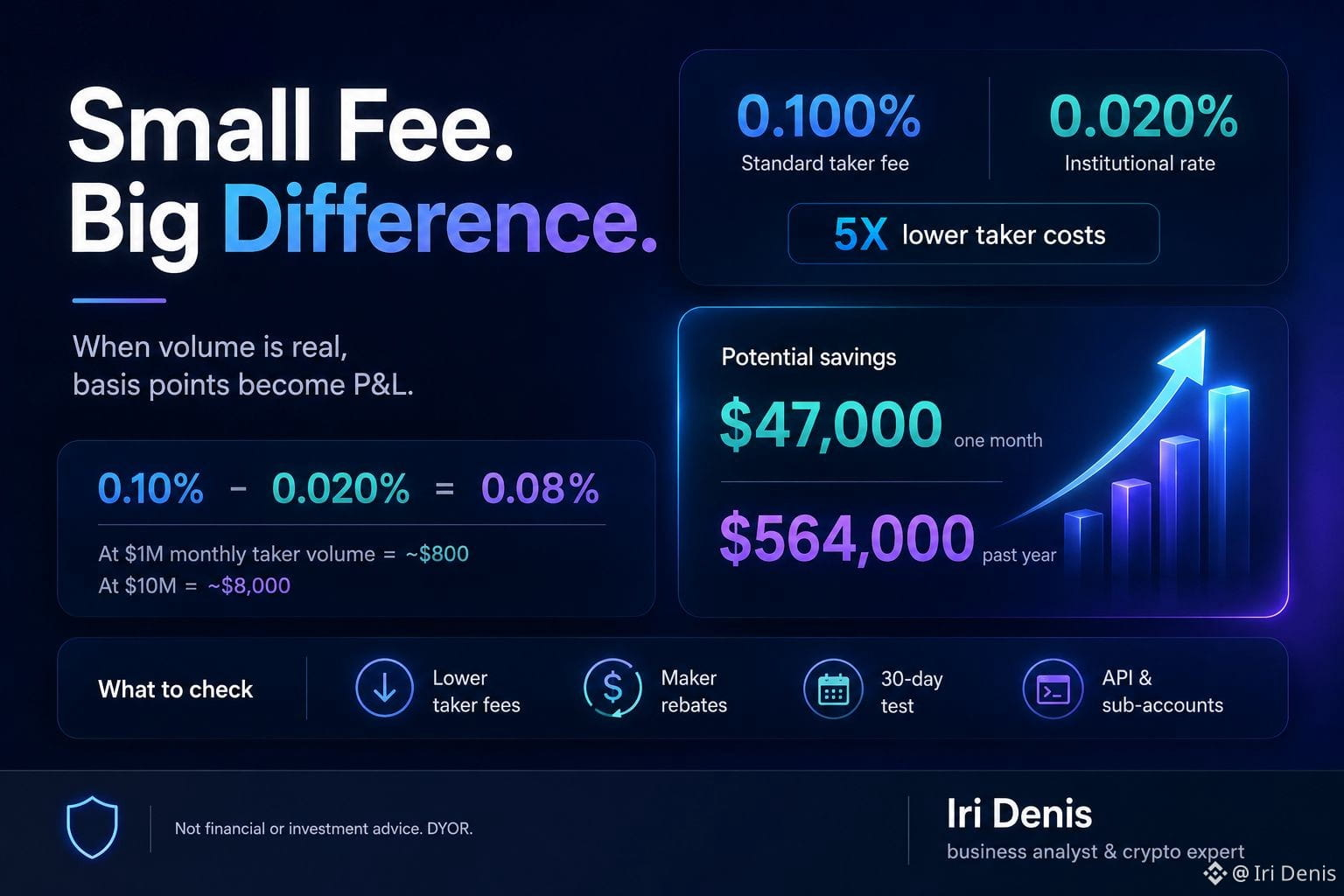
Standart ticarət komissiyaları sizə səssizcə nə qədər baha başa gəlir? $BTC və digər likvid aktivlərlə işləyən bir ticarət şirkəti ötən ay iki rəqəmi müqayisə etdi: standart komissiya (0.1%) və institusional dərəcə (0.020%). 🤏 Kağız üzərində fərq kiçik görünürdü, amma real həcmdə bu, aylıq təxminən $47,000 qənaət və illik ~$564,000 demək idi. Daha yaxşı şərtlər üçün müraciət həmin günün günortasında ✍ Bir çox pro-treyderin nəzərdən qaçırdığı budur: komissiyalar kiçik bir detal kimi görünür, dopingle həcm hər əsas nöqtəni real pula çevirənə qədər 💵 0.1% vs. 0.020% — taker xərclərində 5 dəfə azalma 📉 və bu da aylıq P&L-ə birbaşa təsir edir. Adətən maneə institusional şərtlərin əldə edilməsinin çətin olması fərziyyəsidir: uzun proses, yüksək minimumlar, ciddi venue tarixi 🚧 Buna görə də treyderlər standart şərtlərə qalır və hər ay fərqi səssizcə ödəyirlər. 🧮 Riyaziyyat: 0.1% − 0.020% = 0.08%. Aylıq $1M həcmdə bu, “gecikmənin dəyəri” olaraq təxminən $800/ay deməkdir. $10M-da isə $8.000. Elə bu səbəbdən WhiteBIT Market Making Program-ın yoxlanılması dəyərli ola bilər — mümkün variantlardan biri kimi. https://institutional.whitebit.com/market-making-program?utm_source=coinmarketcap&utm_medium=denis_makingprog&utm_campaign=post WhiteBIT Market Making Program market-meykerlər, HFT treyderlər, alqoritmik treyderlər və arbitraj komandaları üçün uyğun ola bilər. Kurulama aşağıdakıları əhatə edə bilər: 📈 Maker geri ödənişləri -0.012%-ə qədər 📉 Daha aşağı taker komissiyaları 📄 Digər venue-lardan ticarət fəaliyyəti üzrə sübutlar 🗓 30 günlük sınaq dövrü 🧩 Sub-hesablar 🔌 Strategiyanın idarə edilməsi üçün API girişi Keçən ayın taker həcmini 0.08%-ə vurun. Bu rəqəm, institusional şərtlərin sizə mümkün olub-olmadığını yoxlamamağın təxmini aylıq xərci kimi hesablanır. Qeyd: Bu, maliyyə və ya investisiya məsləhəti deyil. Qərar verməzdən əvvəl öz araşdırmanızı aparın. #Ads #Bitcoin Price Prediction: Bitcoins növbəti addımı nə olacaq?# #BTC Price Analysis#
Standart ticarət komissiyaları sizə səssizcə nə qədər baha başa gəlir? $BTC və digər likvid aktivlərlə işləyən bir ticarət şirkəti ötən ay iki rəqəmi müqayisə etdi: standart komissiya (0.1%) və institusional dərəcə (0.020%). 🤏 Kağız üzərində fərq kiçik görünürdü, amma real həcmdə bu, aylıq təxminən $47,000 qənaət və illik ~$564,000 demək idi. Daha yaxşı şərtlər üçün müraciət həmin günün günortasında ✍ Bir çox pro-treyderin nəzərdən qaçırdığı budur: komissiyalar kiçik bir detal kimi görünür, dopingle həcm hər əsas nöqtəni real pula çevirənə qədər 💵 0.1% vs. 0.020% — taker xərclərində 5 dəfə azalma 📉 və bu da aylıq P&L-ə birbaşa təsir edir. Adətən maneə institusional şərtlərin əldə edilməsinin çətin olması fərziyyəsidir: uzun proses, yüksək minimumlar, ciddi venue tarixi 🚧 Buna görə də treyderlər standart şərtlərə qalır və hər ay fərqi səssizcə ödəyirlər. 🧮 Riyaziyyat: 0.1% − 0.020% = 0.08%. Aylıq $1M həcmdə bu, “gecikmənin dəyəri” olaraq təxminən $800/ay deməkdir. $10M-da isə $8.000. Elə bu səbəbdən WhiteBIT Market Making Program-ın yoxlanılması dəyərli ola bilər — mümkün variantlardan biri kimi. https://institutional.whitebit.com/market-making-program?utm_source=coinmarketcap&utm_medium=denis_makingprog&utm_campaign=post WhiteBIT Market Making Program market-meykerlər, HFT treyderlər, alqoritmik treyderlər və arbitraj komandaları üçün uyğun ola bilər. Kurulama aşağıdakıları əhatə edə bilər: 📈 Maker geri ödənişləri -0.012%-ə qədər 📉 Daha aşağı taker komissiyaları 📄 Digər venue-lardan ticarət fəaliyyəti üzrə sübutlar 🗓 30 günlük sınaq dövrü 🧩 Sub-hesablar 🔌 Strategiyanın idarə edilməsi üçün API girişi Keçən ayın taker həcmini 0.08%-ə vurun. Bu rəqəm, institusional şərtlərin sizə mümkün olub-olmadığını yoxlamamağın təxmini aylıq xərci kimi hesablanır. Qeyd: Bu, maliyyə və ya investisiya məsləhəti deyil. Qərar verməzdən əvvəl öz araşdırmanızı aparın. #Ads #Bitcoin Price Prediction: Bitcoins növbəti addımı nə olacaq?# #BTC Price Analysis#
59
Daha çox kontent araşdırmaq üçün daxil olun
Binance Square-də qlobal kriptovalyuta istifadəçilərinə qoşulun
⚡️ Kriptovalyuta haqqında ən son və faydalı məlumatları əldə edin.
💬 Dünyanın ən böyük kriptovalyuta birjası tərəfindən etibar edilir.
👍 Doğrulanmış yaradıcılardan gələn real məlumatları kəşf edin.
E-poçt/Telefon nömrəsi
Trenddə olan mövzular
FedMinutesFocusOnOctoberPause
240,473 baxış
Müzakirə edir: 1,552
🚨 YÜKSƏK TƏHLÜKƏ SİQNALI ‼️ ZƏHMƏT OLMASA, NÖVBƏTİ SAAT ƏRZİNDƏ KOR-KORANƏ TİCARƏT ETMƏYİN 🚨
Dostlar, FOMC protokolu 1 saatdan da az müddətə açıqlanacaq.
Bu gün artıq gördüyümüz volatillikdən sonra, açıqlamadan az əvvəl kiminsə təsadüfi, yüksək kredit çiyni ilə mövqelər açmasını qətiyyən istəmirəm.
Ən kəskin reaksiyanı Qızıl (XAU), Gümüş (XAG), BTC və ETH-də izləyəcəyəm. SOL kimi sikkələr və digər yüksək kredit çiyni ilə ticarət olunan orta və kiçik kapitallaşmalı altkoinlər isə BTC-nin hərəkətini daha da şişirdə bilər.
Bu gecə Qızıl və Gümüş xüsusilə həssasdır, çünki bazar artıq ABŞ dolları və Xəzinə istiqrazlarının gəlirliliyinə reaksiya verir, hər iki metal isə Fed protokolu ərəfəsində ciddi təzyiq altındadır.
Qısaca desək:
📉 Şahin mövqeli Fed protokolu → Dollar/gəlirlilik arta bilər → BTC, kripto, Qızıl və Gümüşə təzyiq göstərə bilər
📈 Göyərçin mövqeli Fed protokolu → Dollar/gəlirlilik azala bilər → BTC, Qızıl, Gümüş və riskli aktivlər kəskin yüksələ bilər.
Və unutmayın: ilk şam tələ ola bilər. Əvvəlcə qiymət arta, dərhal sonra düşə, hər iki istiqamətdə likvidasiyalar baş verə, sonra isə bazarın əsl istiqaməti bəlli ola bilər.
Hələlik mövqelərinizi qoruyun, lazımsız kredit çiynini azaldın və ilk hərəkətin ardınca FOMO ilə qaçmayın.
Bu gecə əvvəlcə $XAU , $XAG və $BTC göstəricilərini izləyəcəyəm. Bunlar bazarın Fed-i necə dəyərləndirdiyini bizə çox tez göstərəcək.
Sizə vaxtında məlumat verəcəyəm.
İzləyin: @Panda Traders və bildirişlərinizi elə indi aktiv edin.
#FedMinutesFocusOnOctoberPause
Panda Traders
·20 bəyənmə
·4.5k baxış
BinanceLaunchesBinanceIntelligence
1.2M baxış
Müzakirə edir: 6,728
EvernorthDelaysNasdaqDebutToOct12
28,981 baxış
Müzakirə edir: 385