
Alpha Scope
104 Paylaşımlar

Alpha Scope
Liquidity doesn’t lie.
Structure wins.
Daily alpha flow.
Açıq ticarət
Daimi treyder
6 il
9 İzlənilir
29 İzləyicilər
106 Bəyəndi
Postlar
Portfel
Hamısı
Sitatlar
Sürətli cədvəl yoxlaması gündəlik rutinimdə.
$HUMA/USDT 24 saatda +21% artdı.
Bu, arxasında real likvidlik olan təmiz bir momentumdur.
Hərəkətlər bu qədər sürətli gəldikdə, bir şeyə diqqət edirəm:
Bu genişlənmədir… yoxsa tükənmə?
Yenidən başlama zonasının üstündə qal → davamlılıq
Momentum itir → kəskin geri dönüş
Əksər ticarətçilər gec reaksiya verir.
Mövqelənmə növbəti mərhələdən əvvəl baş verir.
Mən gözləyirəm. İcra edirəm. Mən təqib etmirəm.
Gündəlik qazananlar, itirənlər və real bazar strukturu üçün izləyin.
#HUMA #Crypto #Altcoins #Trading #TopGainers
$HUMA/USDT 24 saatda +21% artdı.
Bu, arxasında real likvidlik olan təmiz bir momentumdur.
Hərəkətlər bu qədər sürətli gəldikdə, bir şeyə diqqət edirəm:
Bu genişlənmədir… yoxsa tükənmə?
Yenidən başlama zonasının üstündə qal → davamlılıq
Momentum itir → kəskin geri dönüş
Əksər ticarətçilər gec reaksiya verir.
Mövqelənmə növbəti mərhələdən əvvəl baş verir.
Mən gözləyirəm. İcra edirəm. Mən təqib etmirəm.
Gündəlik qazananlar, itirənlər və real bazar strukturu üçün izləyin.
#HUMA #Crypto #Altcoins #Trading #TopGainers


Web3-ün bütün məlumatları eyni cür emal etməsi səbəbindən miqyaslana bilməməsi halında nə olacaq?
Bəzi məlumatlar ictimai olmalıdır, amma bəziləri qorunmaya ehtiyac duyur. Bu tarazlıq, gerçək dünya tətbiqləri on-chain-ə keçdikcə daha da əhəmiyyətli olur.
@MidnightNetwork burada təhlükəsiz və çevik məlumat emalı üçün gizlilik öncüllü infrastruktur araşdırır.
#night $NIGHT
Bəzi məlumatlar ictimai olmalıdır, amma bəziləri qorunmaya ehtiyac duyur. Bu tarazlıq, gerçək dünya tətbiqləri on-chain-ə keçdikcə daha da əhəmiyyətli olur.
@MidnightNetwork burada təhlükəsiz və çevik məlumat emalı üçün gizlilik öncüllü infrastruktur araşdırır.
#night $NIGHT
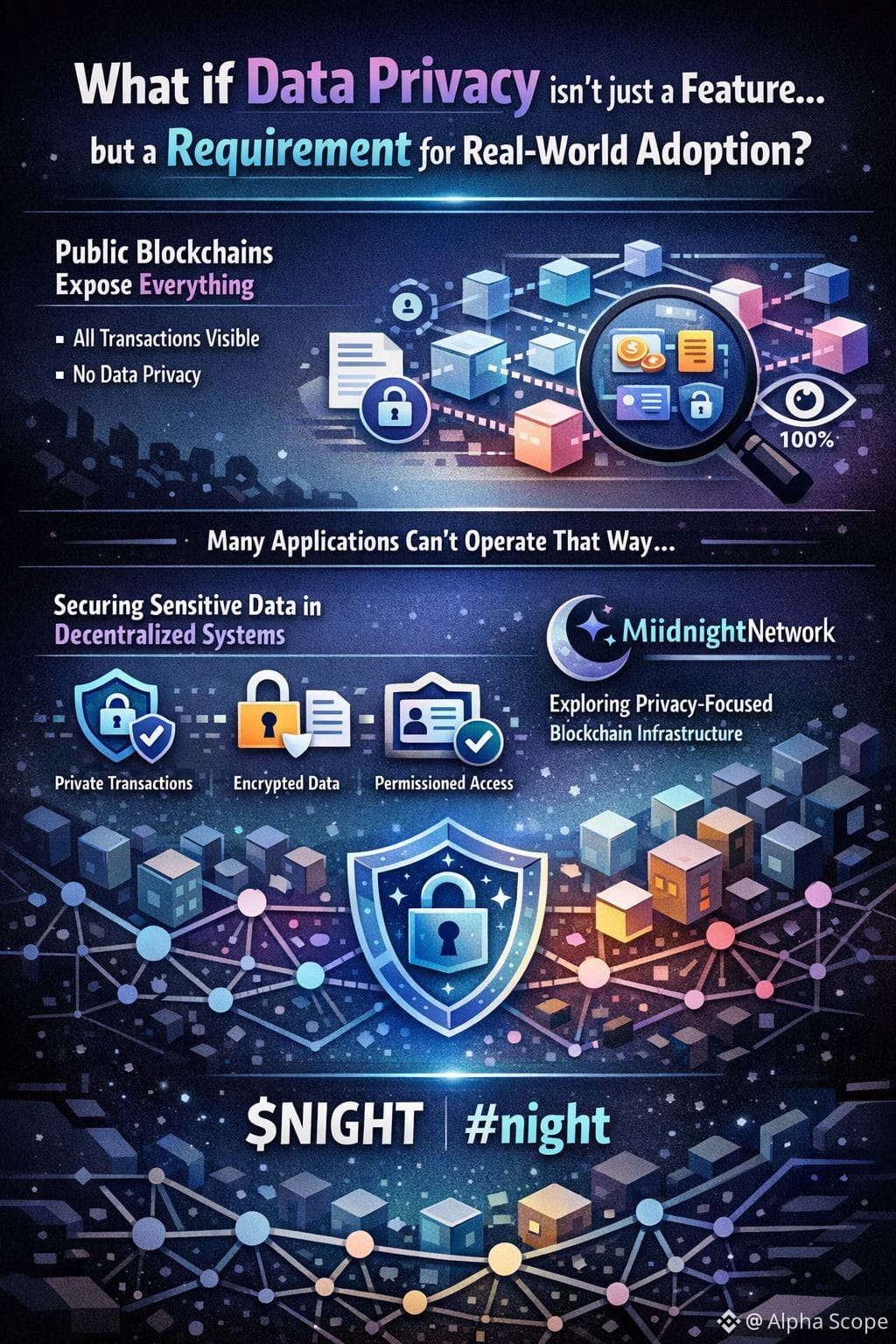
Məlumatın gizliliyi yalnız bir xüsusiyyət olmasa... amma real dünyada qəbul üçün bir tələb olsa nə olar?
İctimai blokçeynlər hər şeyi açığa çıxarır, amma bir çox tətbiq bu cür işləyə bilmir.
Buna görə də @MidnightNetwork kimi infrastruktur mərkəzləşdirilməmiş sistemlərin həssas məlumatları daha təhlükəsiz necə idarə edə biləcəyini araşdırır.
$NIGHT
#night
İctimai blokçeynlər hər şeyi açığa çıxarır, amma bir çox tətbiq bu cür işləyə bilmir.
Buna görə də @MidnightNetwork kimi infrastruktur mərkəzləşdirilməmiş sistemlərin həssas məlumatları daha təhlükəsiz necə idarə edə biləcəyini araşdırır.
$NIGHT
#night


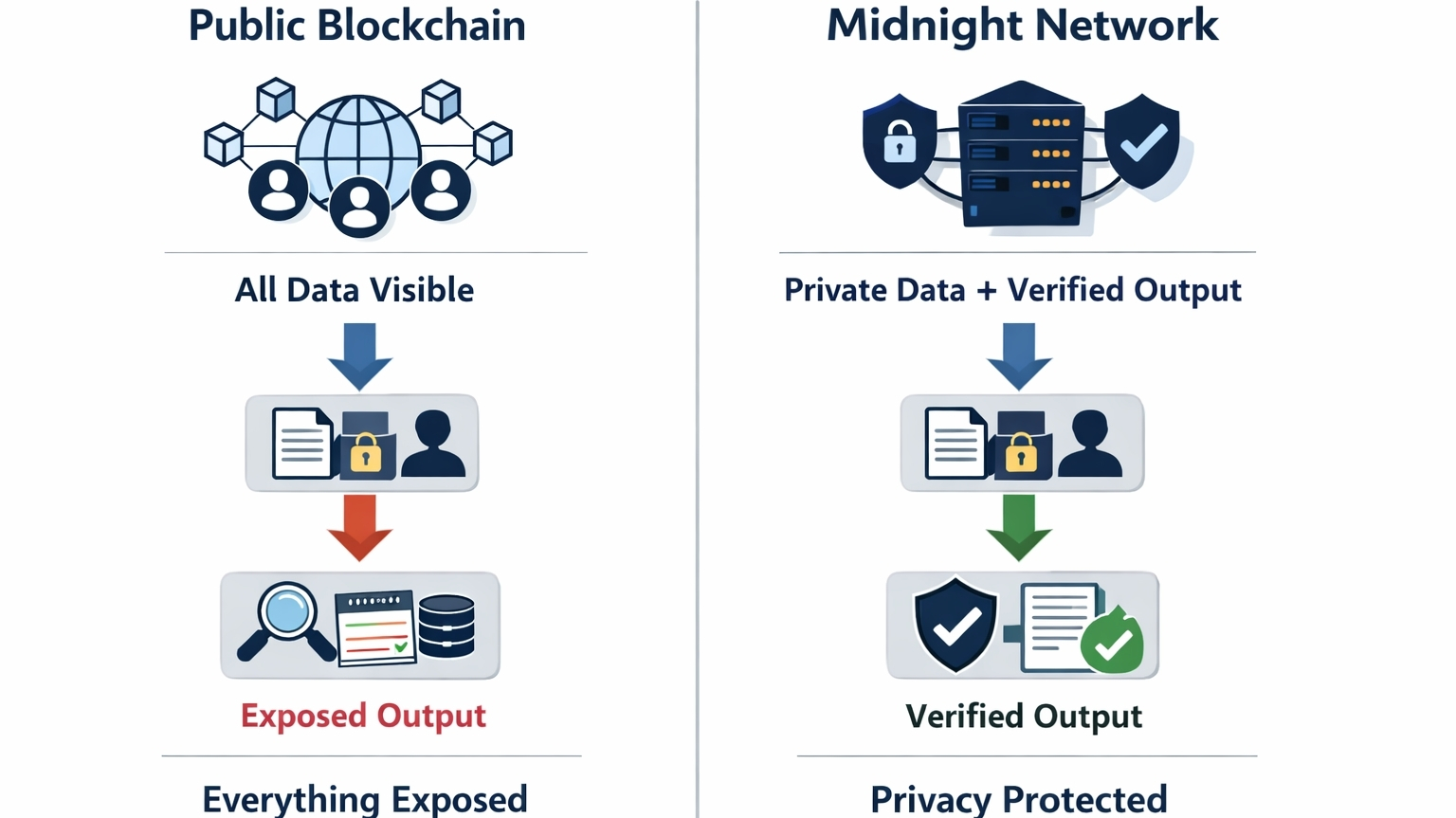
Web3-ün əsl məhdudiyyəti qəbul olma deyil... amma şəxsi məlumatları idarə edə bilməməkdir?
Hər sistem tam şəkildə ictimai mühitdə fəaliyyət göstərə bilmir.
Buna görə də, @MidnightNetwork kimi gizlilik-prioritet infrastruktur, mərkəzləşdirilməmiş tətbiqlərin inkişafı ilə getdikcə daha da əhəmiyyətli olur.
$NIGHT #night
Hər sistem tam şəkildə ictimai mühitdə fəaliyyət göstərə bilmir.
Buna görə də, @MidnightNetwork kimi gizlilik-prioritet infrastruktur, mərkəzləşdirilməmiş tətbiqlərin inkişafı ilə getdikcə daha da əhəmiyyətli olur.
$NIGHT #night
Robotlar kifayət qədər ağıllı olmadıqları üçün deyil, koordinasiya edə bilmədikləri üçün miqyaslanmasalar nə olar...
Avtomatlaşdırma artdıqca, maşınlar arasında zamanlama və kommunikasiya kritik hala gəlir.
Buna görə də, @Fabric Foundation ətrafında infrastruktur müzakirələri robot sistemlərində daha çox əhəmiyyət kəsb etməyə başlayır.
$ROBO #robo
Avtomatlaşdırma artdıqca, maşınlar arasında zamanlama və kommunikasiya kritik hala gəlir.
Buna görə də, @Fabric Foundation ətrafında infrastruktur müzakirələri robot sistemlərində daha çox əhəmiyyət kəsb etməyə başlayır.
$ROBO #robo
Növbəti iqtisadi inkişaf mərhələsi yalnız digital deyil... amma suveren olsa nə olar?
Yaxın Şərq kimi bölgələr digital transformasiyanı sürətləndirərkən, kimlik, məlumat mülkiyyəti və təsdiq edilə bilən sistemləri dəstəkləyən infrastruktur kritik əhəmiyyət kəsb edir.
Bu, @SignOfficial l-nin bu keçidi gücləndirən digital suveren infrastrukturu olaraq mövqeyini tutduğu yerdir.
#signdigitalsovereigninfra $SIGN
Yaxın Şərq kimi bölgələr digital transformasiyanı sürətləndirərkən, kimlik, məlumat mülkiyyəti və təsdiq edilə bilən sistemləri dəstəkləyən infrastruktur kritik əhəmiyyət kəsb edir.
Bu, @SignOfficial l-nin bu keçidi gücləndirən digital suveren infrastrukturu olaraq mövqeyini tutduğu yerdir.
#signdigitalsovereigninfra $SIGN

Blokçeyn qəbulunun miqyası ilə məhdudlaşmadığı, lakin məxfiliklə məhdudlaşdığı halda nə olar?
Hər bir tətbiq tam şəffaf sistemlərdə işləyə bilmir. Həssas məlumatların qorunmasına ehtiyac var.
Buna görə də, məxfilik mərkəzli infrastruktur @MidnightNetwork Web3 müzakirələrinin əsas hissəsinə çevrilir.
$NIGHT #night
Hər bir tətbiq tam şəffaf sistemlərdə işləyə bilmir. Həssas məlumatların qorunmasına ehtiyac var.
Buna görə də, məxfilik mərkəzli infrastruktur @MidnightNetwork Web3 müzakirələrinin əsas hissəsinə çevrilir.
$NIGHT #night
Robototexnika gələcəyinin daha ağıllı maşınlarla deyil... daha ağıllı koordinasiya ilə bağlı olması nədir?
Avtomatlaşma artdıqca, robotların yalnız gücə ehtiyacı yoxdur — onlar həm də uyğunluqda qalmalıdırlar. Ünsiyyət və zamanlama effektivliyi müəyyən etməyə başlayır.
Buna görə də @Fabric Foundation ətrafında infrastruktur müzakirələri göz ardı edilməz hala gəlir.
$ROBO #robo
Avtomatlaşma artdıqca, robotların yalnız gücə ehtiyacı yoxdur — onlar həm də uyğunluqda qalmalıdırlar. Ünsiyyət və zamanlama effektivliyi müəyyən etməyə başlayır.
Buna görə də @Fabric Foundation ətrafında infrastruktur müzakirələri göz ardı edilməz hala gəlir.
$ROBO #robo
Şəffaflığın həmişə düzgün seçim olmaması halında nə olar?
Blokçeynlər açıq olmaq üçün yaradılıb, lakin bir çox real dünya tətbiqləri məxfilik tələb edir.
Bu gərginlik, @MidnightNetwork kimi məxfilik öncüsü infrastrukturun Web3 müzakirəsinin vacib bir hissəsi halına gəlməsinin səbəbidir.
$NIGHT #night
Blokçeynlər açıq olmaq üçün yaradılıb, lakin bir çox real dünya tətbiqləri məxfilik tələb edir.
Bu gərginlik, @MidnightNetwork kimi məxfilik öncüsü infrastrukturun Web3 müzakirəsinin vacib bir hissəsi halına gəlməsinin səbəbidir.
$NIGHT #night
Robotlar zəif olduqları üçün uğursuzluğa uğramırsa, bəs niyə sinxronizasiya olmur?
Avtomatlaşdırma genişləndikcə, maşınlar arasında koordinasiya xammal qabiliyyətindən daha kritik olur. Zamanlama, ünsiyyət və vəzifə axını performansı müəyyən etməyə başlayır.
Buna görə də @Fabric Foundation ətrafında infrastruktur müzakirələri daha aktual olur.
$ROBO #robo
Avtomatlaşdırma genişləndikcə, maşınlar arasında koordinasiya xammal qabiliyyətindən daha kritik olur. Zamanlama, ünsiyyət və vəzifə axını performansı müəyyən etməyə başlayır.
Buna görə də @Fabric Foundation ətrafında infrastruktur müzakirələri daha aktual olur.
$ROBO #robo
Daha çox kontent araşdırmaq üçün daxil olun