
Aiman艾曼_BNB
7.6k Paylaşımlar

Aiman艾曼_BNB
 Square Verified+
Şikayət et
İstifadəçini blokla
Crypto trader | Passionate about blockchain & DeFi | Sharing market insights & strategies | Building long-term value in digital assets.
Açıq ticarət
Daimi treyder
1.3 il
316 İzlənilir
44.0K+ İzləyicilər
22.0K+ Bəyəndi
Postlar
Portfel
Hamısı
Sitatlar
Videolar
Canlı
·
--
get
get


Binance Square Official
·
--
DUSK Canlı Yayım Liderlər Cədvəli yenilənməsi (məlumat 2026-08-26 23:59 UTC tarixinədək).
Qısa xəbərdarlıq: Mükafatlar uyğun iştirakçılara 2026-09-17 tarixinədək paylanacaq. Uyğunluq tələbləri ilə bağlı daha ətraflı məlumat üçün, zəhmət olmasa kampaniya qaydalarına baxın(https://www.binance.com/en/support/announcement/detail/a07227f11c5345e091c8f0118d403806). Təşəkkürlər.
Qısa xəbərdarlıq: Mükafatlar uyğun iştirakçılara 2026-09-17 tarixinədək paylanacaq. Uyğunluq tələbləri ilə bağlı daha ətraflı məlumat üçün, zəhmət olmasa kampaniya qaydalarına baxın(https://www.binance.com/en/support/announcement/detail/a07227f11c5345e091c8f0118d403806). Təşəkkürlər.




141
·
--

Məqalə
Daha Kiçik Dollar Payı Mərkəzi Bankların Bitkoinə Keçdiyini Sübut Etmir$USELESS $BNC $VVV
Mən azalan dollar ehtiyatları ilə bağlı son mübahisəyə baxırdım və bir məqam diqqət çəkir: qlobal ehtiyatların daha kiçik paya düşməsi avtomatik olaraq mərkəzi bankların Bitkoin alması demək deyil. Dəyişən faizlə faktiki investisiya qərarı arasındakı fərq çox asanlıqla nəzərdən qaçırılır.
Nyu York Fed tədqiqatçıları tərəfindən sentyabrın 2-də aparılan təhlildə bildirilib ki, ABŞ dollarının qlobal rəsmi valyuta ehtiyatlarındakı payı 2015-ci ilin sonunda 64%-dən 2025-ci ilin sonunda 56%-ə enib; bu göstərici BVF-nin COFER məlumatlarına əsaslanır.
Daha Kiçik Dollar Payı Mərkəzi Bankların Bitkoinə Keçdiyini Sübut Etmir
$USELESS $BNC $VVV
Mən azalan dollar ehtiyatları ilə bağlı son mübahisəyə baxırdım və bir məqam diqqət çəkir: qlobal ehtiyatların daha kiçik paya düşməsi avtomatik olaraq mərkəzi bankların Bitkoin alması demək deyil. Dəyişən faizlə faktiki investisiya qərarı arasındakı fərq çox asanlıqla nəzərdən qaçırılır.
Nyu York Fed tədqiqatçıları tərəfindən sentyabrın 2-də aparılan təhlildə bildirilib ki, ABŞ dollarının qlobal rəsmi valyuta ehtiyatlarındakı payı 2015-ci ilin sonunda 64%-dən 2025-ci ilin sonunda 56%-ə enib; bu göstərici BVF-nin COFER məlumatlarına əsaslanır.
Mən azalan dollar ehtiyatları ilə bağlı son mübahisəyə baxırdım və bir məqam diqqət çəkir: qlobal ehtiyatların daha kiçik paya düşməsi avtomatik olaraq mərkəzi bankların Bitkoin alması demək deyil. Dəyişən faizlə faktiki investisiya qərarı arasındakı fərq çox asanlıqla nəzərdən qaçırılır.
Nyu York Fed tədqiqatçıları tərəfindən sentyabrın 2-də aparılan təhlildə bildirilib ki, ABŞ dollarının qlobal rəsmi valyuta ehtiyatlarındakı payı 2015-ci ilin sonunda 64%-dən 2025-ci ilin sonunda 56%-ə enib; bu göstərici BVF-nin COFER məlumatlarına əsaslanır.
393
·
--

Məqalə
Tether Pulun Öhdəsindən AI Agentlərin Gəlsin Deyir, Amma Tərtibatçılar Riskə Nəzarət Etməlidir$SOPH $BNC $INJ
Mən Tether-in rəqəmsal ödənişlərə AI agentləri gətirməyə yönəlmiş səylərini yaxından izləyirəm və bir məqam xüsusilə seçilir: AI-a cüzdana giriş vermək onu həmin AI-nin əslində nəyə xərcləyə biləcəyinə qərar vermək deyil. Bu fərq, muxtar maliyyə agentləri daha çox yayıldıqca, ən böyük çətinliklərdən birinə çevrilə bilər.
Tether-in CEO-su Paolo Ardoino daha geniş bir baxışı açıqlayıb: insanlar, maşınlar və AI agentləri istifadəçilərin vəsaitlərinə nəzarəti saxladığı halda, proqramlaşdırıla bilən pulla qarşılıqlı əlaqə qura bilərlər. Tether-in Wallet Development Kit-i (WDK) həmin baxışı dəstəkləmək üçün nəzərdə tutulub, amma onun ən son cüzdan alətləri də inkişaf etdiricilər üçün vacib bir məsuliyyəti önə çıxarır: AI agentinin maliyyə səlahiyyətinin hüdudlarını müəyyən etmək.
Tether Pulun Öhdəsindən AI Agentlərin Gəlsin Deyir, Amma Tərtibatçılar Riskə Nəzarət Etməlidir
$SOPH $BNC $INJ
Mən Tether-in rəqəmsal ödənişlərə AI agentləri gətirməyə yönəlmiş səylərini yaxından izləyirəm və bir məqam xüsusilə seçilir: AI-a cüzdana giriş vermək onu həmin AI-nin əslində nəyə xərcləyə biləcəyinə qərar vermək deyil. Bu fərq, muxtar maliyyə agentləri daha çox yayıldıqca, ən böyük çətinliklərdən birinə çevrilə bilər.
Tether-in CEO-su Paolo Ardoino daha geniş bir baxışı açıqlayıb: insanlar, maşınlar və AI agentləri istifadəçilərin vəsaitlərinə nəzarəti saxladığı halda, proqramlaşdırıla bilən pulla qarşılıqlı əlaqə qura bilərlər. Tether-in Wallet Development Kit-i (WDK) həmin baxışı dəstəkləmək üçün nəzərdə tutulub, amma onun ən son cüzdan alətləri də inkişaf etdiricilər üçün vacib bir məsuliyyəti önə çıxarır: AI agentinin maliyyə səlahiyyətinin hüdudlarını müəyyən etmək.
Mən Tether-in rəqəmsal ödənişlərə AI agentləri gətirməyə yönəlmiş səylərini yaxından izləyirəm və bir məqam xüsusilə seçilir: AI-a cüzdana giriş vermək onu həmin AI-nin əslində nəyə xərcləyə biləcəyinə qərar vermək deyil. Bu fərq, muxtar maliyyə agentləri daha çox yayıldıqca, ən böyük çətinliklərdən birinə çevrilə bilər.
Tether-in CEO-su Paolo Ardoino daha geniş bir baxışı açıqlayıb: insanlar, maşınlar və AI agentləri istifadəçilərin vəsaitlərinə nəzarəti saxladığı halda, proqramlaşdırıla bilən pulla qarşılıqlı əlaqə qura bilərlər. Tether-in Wallet Development Kit-i (WDK) həmin baxışı dəstəkləmək üçün nəzərdə tutulub, amma onun ən son cüzdan alətləri də inkişaf etdiricilər üçün vacib bir məsuliyyəti önə çıxarır: AI agentinin maliyyə səlahiyyətinin hüdudlarını müəyyən etmək.
2
362
·
--

Məqalə
Tərcüməyə bax
Seven-Year-Old Harmony Plans to Abandon Its Blockchain and Move ONE to Ethereum$AKE $WLD $UAI
I’m looking at Harmony’s latest move, and to me, this is no longer just a blockchain migration story. It looks more like a decision to stop defending an independent network that has become increasingly difficult to justify.
Harmony is now proposing to shut down its own blockchain and move ONE to Ethereum, despite rejecting the same idea only weeks earlier. The plan would take a snapshot at the final block and distribute new ONE tokens to the same wallet addresses on Ethereum, while keeping the token’s supply and emissions unchanged.
The timing is important. Harmony recently rolled back its chain after an August exploit involving cross-shard receipts allowed attackers to create tokens without matching debits elsewhere. The project initially estimated around 4 billion ONE had been created, but its later reconstruction put the unauthorized issuance at roughly 3.01 trillion ONE across six transactions.
Harmony completed the rollback on Aug. 21, but the recovery came with a major cost. More than 109,000 regular transactions and 315 staking transactions from the affected shard archive were discarded.
And this wasn’t Harmony’s first major security crisis. In 2022, its Horizon bridge lost nearly $100 million in an attack later attributed by the FBI to North Korea’s Lazarus Group. ONE never fully recovered from the damage, eventually falling around 99% from its peak.
Now Harmony is essentially saying that continuing to operate its own chain is no longer worth the risk.
The most striking part of the proposal is Harmony’s explanation: “The threats posed by state actors and AI agents are too great.”
That statement tells me this is bigger than a simple technical migration. Harmony appears to be changing its entire risk model. Instead of spending resources protecting and maintaining an independent blockchain, it wants Ethereum to become the infrastructure underneath ONE.
But the migration has limitations. The blockchain itself cannot simply be moved to Ethereum. Smart contracts, liquidity pools and multisig safes will not automatically transfer. Harmony is therefore urging users to exit smart contracts before Sept. 10, while validators may begin shutting down the same day.
The proposal also includes a $1.37 million compensation pool for governors and delegators, paid over four quarters under certain conditions. Future ONE emissions could also be redirected toward Harmony’s AI-video initiative rather than being used primarily to support the blockchain.
That makes the recent rollback look very different in hindsight. What initially appeared to be a serious attempt to restore Harmony may have been only a temporary step before the network was eventually retired.
My takeaway is simple: Harmony isn’t just moving ONE to Ethereum. It is abandoning the idea that ONE needs its own blockchain to survive. The token may continue, but the network that gave it its original purpose could soon disappear.
#Ethereum #Harmony #HarmonyOne
Seven-Year-Old Harmony Plans to Abandon Its Blockchain and Move ONE to Ethereum
$AKE $WLD $UAI
I’m looking at Harmony’s latest move, and to me, this is no longer just a blockchain migration story. It looks more like a decision to stop defending an independent network that has become increasingly difficult to justify.
Harmony is now proposing to shut down its own blockchain and move ONE to Ethereum, despite rejecting the same idea only weeks earlier. The plan would take a snapshot at the final block and distribute new ONE tokens to the same wallet addresses on Ethereum, while keeping the token’s supply and emissions unchanged.
The timing is important. Harmony recently rolled back its chain after an August exploit involving cross-shard receipts allowed attackers to create tokens without matching debits elsewhere. The project initially estimated around 4 billion ONE had been created, but its later reconstruction put the unauthorized issuance at roughly 3.01 trillion ONE across six transactions.
Harmony completed the rollback on Aug. 21, but the recovery came with a major cost. More than 109,000 regular transactions and 315 staking transactions from the affected shard archive were discarded.
And this wasn’t Harmony’s first major security crisis. In 2022, its Horizon bridge lost nearly $100 million in an attack later attributed by the FBI to North Korea’s Lazarus Group. ONE never fully recovered from the damage, eventually falling around 99% from its peak.
Now Harmony is essentially saying that continuing to operate its own chain is no longer worth the risk.
The most striking part of the proposal is Harmony’s explanation: “The threats posed by state actors and AI agents are too great.”
That statement tells me this is bigger than a simple technical migration. Harmony appears to be changing its entire risk model. Instead of spending resources protecting and maintaining an independent blockchain, it wants Ethereum to become the infrastructure underneath ONE.
But the migration has limitations. The blockchain itself cannot simply be moved to Ethereum. Smart contracts, liquidity pools and multisig safes will not automatically transfer. Harmony is therefore urging users to exit smart contracts before Sept. 10, while validators may begin shutting down the same day.
The proposal also includes a $1.37 million compensation pool for governors and delegators, paid over four quarters under certain conditions. Future ONE emissions could also be redirected toward Harmony’s AI-video initiative rather than being used primarily to support the blockchain.
That makes the recent rollback look very different in hindsight. What initially appeared to be a serious attempt to restore Harmony may have been only a temporary step before the network was eventually retired.
My takeaway is simple: Harmony isn’t just moving ONE to Ethereum. It is abandoning the idea that ONE needs its own blockchain to survive. The token may continue, but the network that gave it its original purpose could soon disappear.
#Ethereum #Harmony #HarmonyOne
I’m looking at Harmony’s latest move, and to me, this is no longer just a blockchain migration story. It looks more like a decision to stop defending an independent network that has become increasingly difficult to justify.
Harmony is now proposing to shut down its own blockchain and move ONE to Ethereum, despite rejecting the same idea only weeks earlier. The plan would take a snapshot at the final block and distribute new ONE tokens to the same wallet addresses on Ethereum, while keeping the token’s supply and emissions unchanged.
The timing is important. Harmony recently rolled back its chain after an August exploit involving cross-shard receipts allowed attackers to create tokens without matching debits elsewhere. The project initially estimated around 4 billion ONE had been created, but its later reconstruction put the unauthorized issuance at roughly 3.01 trillion ONE across six transactions.
Harmony completed the rollback on Aug. 21, but the recovery came with a major cost. More than 109,000 regular transactions and 315 staking transactions from the affected shard archive were discarded.
And this wasn’t Harmony’s first major security crisis. In 2022, its Horizon bridge lost nearly $100 million in an attack later attributed by the FBI to North Korea’s Lazarus Group. ONE never fully recovered from the damage, eventually falling around 99% from its peak.
Now Harmony is essentially saying that continuing to operate its own chain is no longer worth the risk.
The most striking part of the proposal is Harmony’s explanation: “The threats posed by state actors and AI agents are too great.”
That statement tells me this is bigger than a simple technical migration. Harmony appears to be changing its entire risk model. Instead of spending resources protecting and maintaining an independent blockchain, it wants Ethereum to become the infrastructure underneath ONE.
But the migration has limitations. The blockchain itself cannot simply be moved to Ethereum. Smart contracts, liquidity pools and multisig safes will not automatically transfer. Harmony is therefore urging users to exit smart contracts before Sept. 10, while validators may begin shutting down the same day.
The proposal also includes a $1.37 million compensation pool for governors and delegators, paid over four quarters under certain conditions. Future ONE emissions could also be redirected toward Harmony’s AI-video initiative rather than being used primarily to support the blockchain.
That makes the recent rollback look very different in hindsight. What initially appeared to be a serious attempt to restore Harmony may have been only a temporary step before the network was eventually retired.
My takeaway is simple: Harmony isn’t just moving ONE to Ethereum. It is abandoning the idea that ONE needs its own blockchain to survive. The token may continue, but the network that gave it its original purpose could soon disappear.
#Ethereum #Harmony #HarmonyOne
1
334
·
--
Tərcüməyə bax
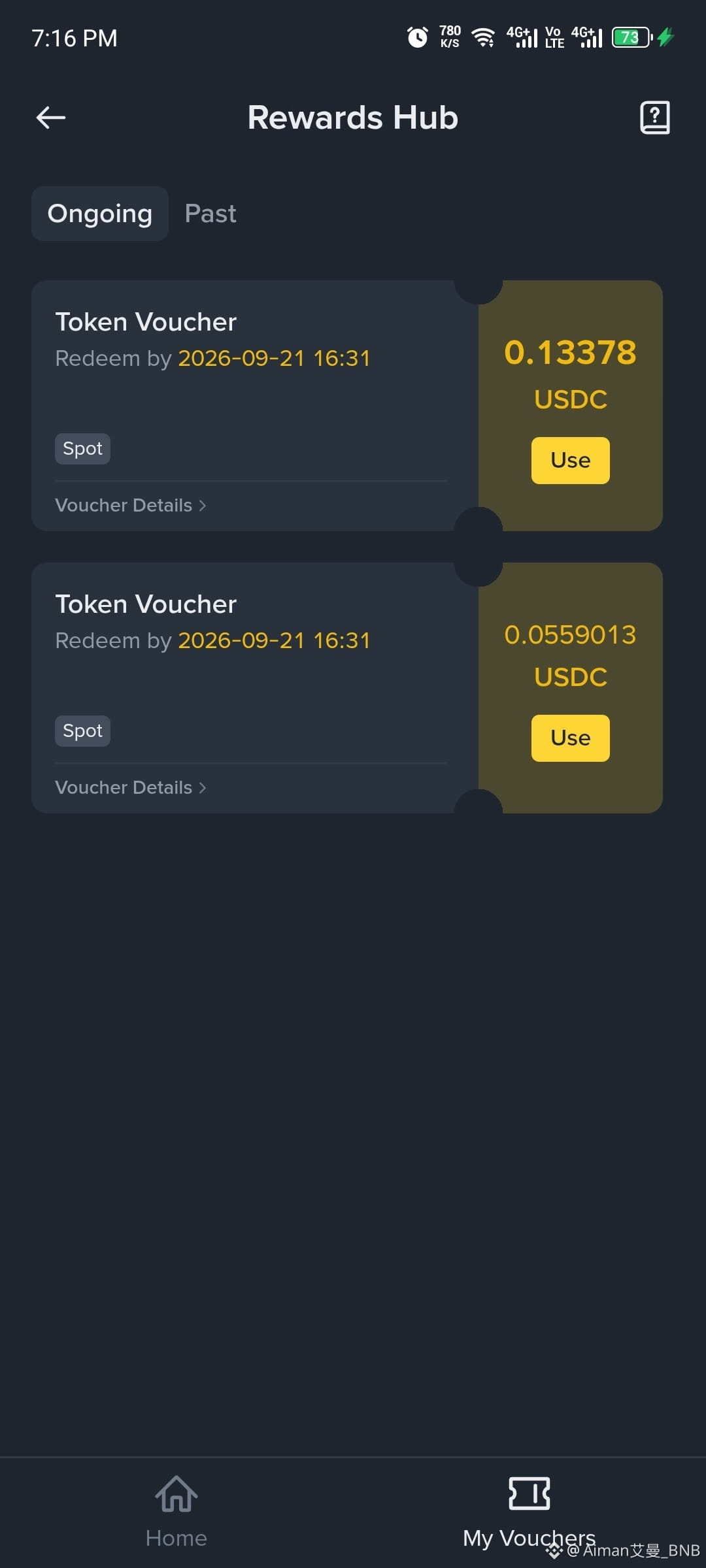
just received these two vouchers by doing one of the simple 1 minute task on#Binance 😁🥰
just received these two vouchers by doing one of the simple 1 minute task on#Binance 😁🥰
90
·
--
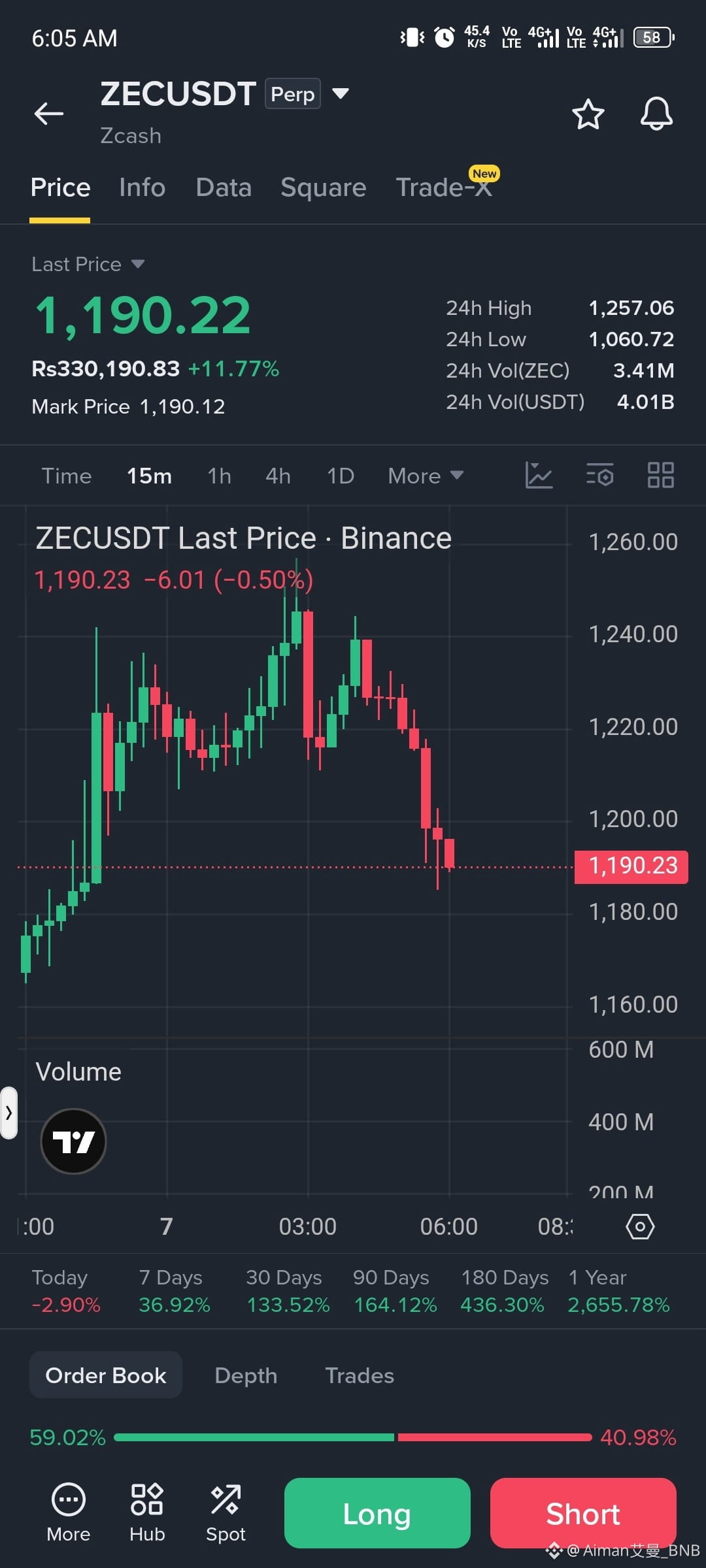
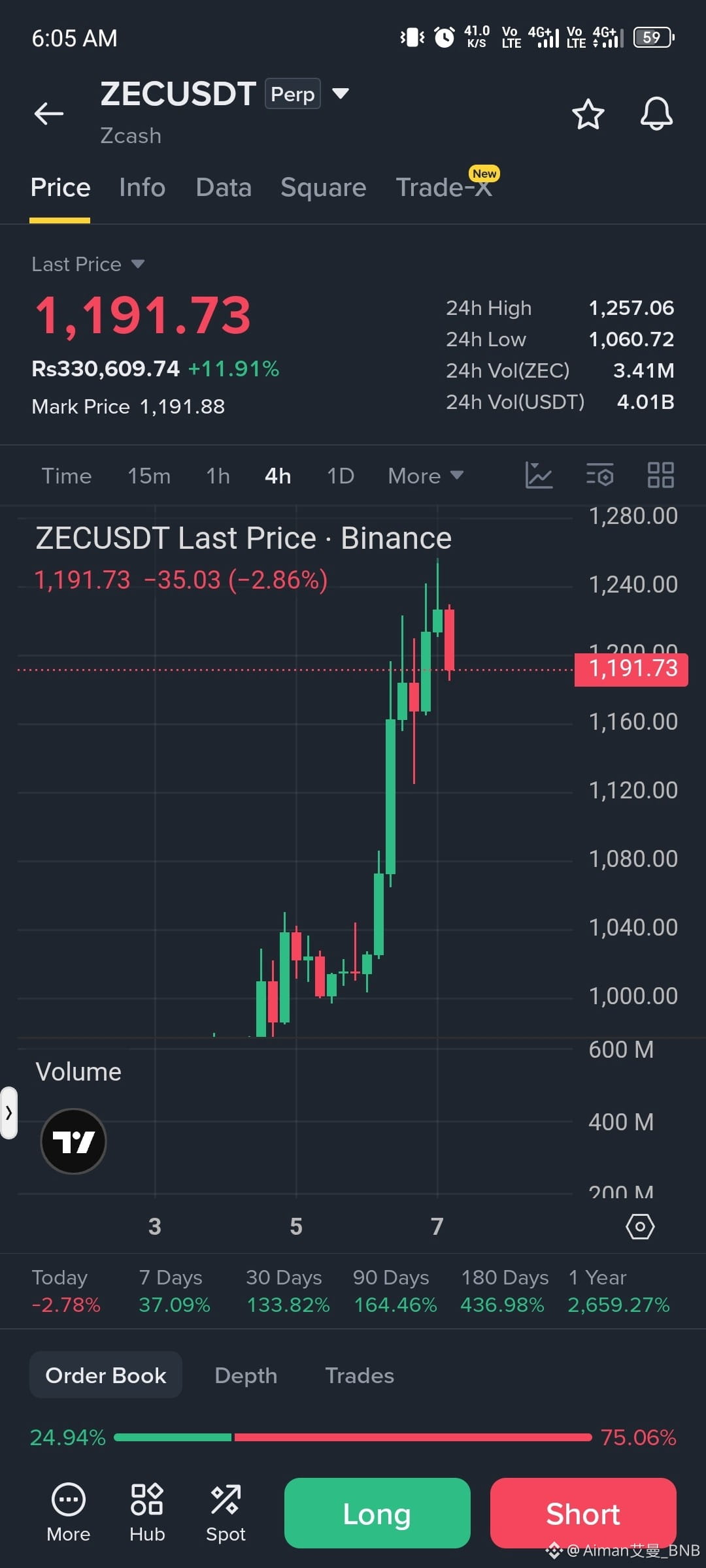
🚨 $ZEC İŞ HARİTƏLİ OLARAQ ÇOX BƏRK ZƏRBƏYƏ ALINACAQ! 📉🔥
Satıcılar nəzarəti ələ keçirib, alıcılar isə gücünü itirir. Satış təzyiqi açıq şəkildə daha güclüdür, bu da bazarın ayı (bearish) tərəfə dönməsini göstərir və ZEC-in bundan sonra aşağı istiqamətdə getməsi ehtimalı yüksəkdir. ⚠️📉
Ticarət Qurulumu SHORT 🔻
Giriş səviyyəsi:1186-1191
Hədəflər 🎯
T1: 1,160
T2: 1,120
T3: 1,080
SL: 1,250
$RAYSOL
{future}(RAYSOLUSDT)
{future}(ZECUSDT)
$TAO
{future}(TAOUSDT)
$
🚨 $ZEC İŞ HARİTƏLİ OLARAQ ÇOX BƏRK ZƏRBƏYƏ ALINACAQ! 📉🔥
Satıcılar nəzarəti ələ keçirib, alıcılar isə gücünü itirir. Satış təzyiqi açıq şəkildə daha güclüdür, bu da bazarın ayı (bearish) tərəfə dönməsini göstərir və ZEC-in bundan sonra aşağı istiqamətdə getməsi ehtimalı yüksəkdir. ⚠️📉
Ticarət Qurulumu SHORT 🔻
Giriş səviyyəsi:1186-1191
Hədəflər 🎯
T1: 1,160
T2: 1,120
T3: 1,080
SL: 1,250
$RAYSOL
$TAO
$
Satıcılar nəzarəti ələ keçirib, alıcılar isə gücünü itirir. Satış təzyiqi açıq şəkildə daha güclüdür, bu da bazarın ayı (bearish) tərəfə dönməsini göstərir və ZEC-in bundan sonra aşağı istiqamətdə getməsi ehtimalı yüksəkdir. ⚠️📉
Ticarət Qurulumu SHORT 🔻
Giriş səviyyəsi:1186-1191
Hədəflər 🎯
T1: 1,160
T2: 1,120
T3: 1,080
SL: 1,250
$RAYSOL
$TAO
$
200
·
--
231
·
--
Məqalə
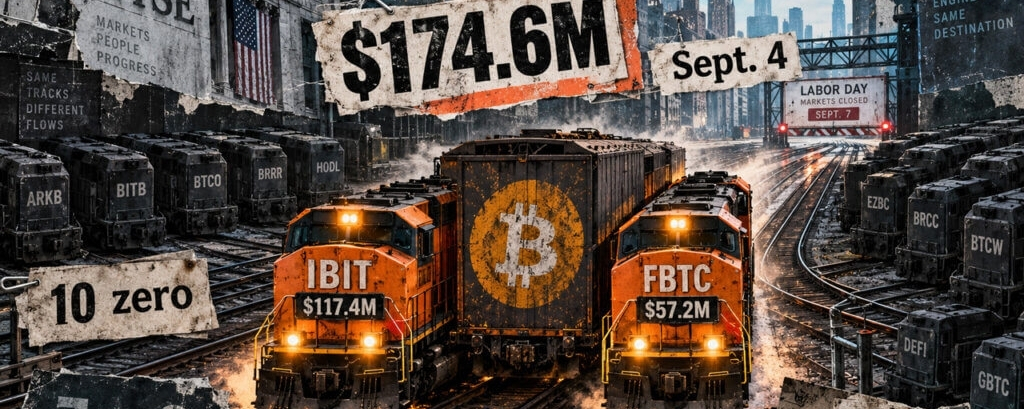
Bitcoin ETF axınları Əmək Günü öncəsi 76% azaldı, yeni tələbi BlackRock və Fidelity önə çəkdi$RAY $ZEC $TAO
Mən ən son Bitcoin ETF axınlarını izləyirəm, çünki başlıq rəqəmi daha zəif görünür, amma detallar daha maraqlı bir hekayə danışır. ABŞ-da spot Bitcoin ETF-ləri cümə günü, 4 sentyabrda 174.6 milyon dollar xalis vəsait axını qeydə aldı; bu, əvvəlki sessiyada qeydə alınan 730.8 milyon dollardan kəskin şəkildə 76.1% azdır.
Mənim diqqətimi çəkən odur ki, cümə günü axınlar nə qədər cəmlənmiş oldu. Yalnız BlackRock-un IBIT-i və Fidelity-nin FBTC-si müsbət axınlar qeydə aldı, yəni izlənən 12 məhsuldan cəmi ikisi qrupa yeni vəsait gətirdi. Bu, cümə axşamından nəzərəçarpan fərqdir, çünki həmin gün yeddi fond müsbət axın göstərmişdi.
Bitcoin ETF axınları Əmək Günü öncəsi 76% azaldı, yeni tələbi BlackRock və Fidelity önə çəkdi
$RAY $ZEC $TAO
Mən ən son Bitcoin ETF axınlarını izləyirəm, çünki başlıq rəqəmi daha zəif görünür, amma detallar daha maraqlı bir hekayə danışır. ABŞ-da spot Bitcoin ETF-ləri cümə günü, 4 sentyabrda 174.6 milyon dollar xalis vəsait axını qeydə aldı; bu, əvvəlki sessiyada qeydə alınan 730.8 milyon dollardan kəskin şəkildə 76.1% azdır.
Mənim diqqətimi çəkən odur ki, cümə günü axınlar nə qədər cəmlənmiş oldu. Yalnız BlackRock-un IBIT-i və Fidelity-nin FBTC-si müsbət axınlar qeydə aldı, yəni izlənən 12 məhsuldan cəmi ikisi qrupa yeni vəsait gətirdi. Bu, cümə axşamından nəzərəçarpan fərqdir, çünki həmin gün yeddi fond müsbət axın göstərmişdi.
Mən ən son Bitcoin ETF axınlarını izləyirəm, çünki başlıq rəqəmi daha zəif görünür, amma detallar daha maraqlı bir hekayə danışır. ABŞ-da spot Bitcoin ETF-ləri cümə günü, 4 sentyabrda 174.6 milyon dollar xalis vəsait axını qeydə aldı; bu, əvvəlki sessiyada qeydə alınan 730.8 milyon dollardan kəskin şəkildə 76.1% azdır.
Mənim diqqətimi çəkən odur ki, cümə günü axınlar nə qədər cəmlənmiş oldu. Yalnız BlackRock-un IBIT-i və Fidelity-nin FBTC-si müsbət axınlar qeydə aldı, yəni izlənən 12 məhsuldan cəmi ikisi qrupa yeni vəsait gətirdi. Bu, cümə axşamından nəzərəçarpan fərqdir, çünki həmin gün yeddi fond müsbət axın göstərmişdi.
1
369
·
--
Doğrulanıb

Məqalə
Üç DeFi Layihəsi Gələcək Arbitrum DAO Proqramlarına Girişi İtirmək Riski Daşıyır$ARB $ZEC $RAYSOL
Mən Arbitrum DAO ilə bağlı vəziyyəti yaxından izləyirəm, çünki bu, sadə bir “vəsaitlərdən sui-istifadə edilib” hekayəsindən daha az və DAO idarəçiliyinin hesabatlılığı nə dərəcədə ciddi şəkildə tətbiq edə bildiyini yoxlayan bir sınaq kimi görünür.
Üç DeFi layihəsi — Good Entry, Limitless və APX Finance — artıq gələcək Arbitrum DAO proqramlarından kənarlaşdırılma riski ilə üz-üzədir, çünki Watchdog Committee onların qrantlardan istifadəsi ilə bağlı yüksək ciddilikdə narahatlıqlar qaldırıb. Komitə layihələrə tapıntılara cavab vermək və problemləri aradan qaldırmaq üçün müvəqqəti olaraq sentyabrın 10-na qədər vaxt verib; əgər onların izahları qənaətbəxş hesab olunmasa, ayrıca Snapshot səsvermələri də mümkün ola bilər.
Üç DeFi Layihəsi Gələcək Arbitrum DAO Proqramlarına Girişi İtirmək Riski Daşıyır
$ARB $ZEC $RAYSOL
Mən Arbitrum DAO ilə bağlı vəziyyəti yaxından izləyirəm, çünki bu, sadə bir “vəsaitlərdən sui-istifadə edilib” hekayəsindən daha az və DAO idarəçiliyinin hesabatlılığı nə dərəcədə ciddi şəkildə tətbiq edə bildiyini yoxlayan bir sınaq kimi görünür.
Üç DeFi layihəsi — Good Entry, Limitless və APX Finance — artıq gələcək Arbitrum DAO proqramlarından kənarlaşdırılma riski ilə üz-üzədir, çünki Watchdog Committee onların qrantlardan istifadəsi ilə bağlı yüksək ciddilikdə narahatlıqlar qaldırıb. Komitə layihələrə tapıntılara cavab vermək və problemləri aradan qaldırmaq üçün müvəqqəti olaraq sentyabrın 10-na qədər vaxt verib; əgər onların izahları qənaətbəxş hesab olunmasa, ayrıca Snapshot səsvermələri də mümkün ola bilər.
Mən Arbitrum DAO ilə bağlı vəziyyəti yaxından izləyirəm, çünki bu, sadə bir “vəsaitlərdən sui-istifadə edilib” hekayəsindən daha az və DAO idarəçiliyinin hesabatlılığı nə dərəcədə ciddi şəkildə tətbiq edə bildiyini yoxlayan bir sınaq kimi görünür.
Üç DeFi layihəsi — Good Entry, Limitless və APX Finance — artıq gələcək Arbitrum DAO proqramlarından kənarlaşdırılma riski ilə üz-üzədir, çünki Watchdog Committee onların qrantlardan istifadəsi ilə bağlı yüksək ciddilikdə narahatlıqlar qaldırıb. Komitə layihələrə tapıntılara cavab vermək və problemləri aradan qaldırmaq üçün müvəqqəti olaraq sentyabrın 10-na qədər vaxt verib; əgər onların izahları qənaətbəxş hesab olunmasa, ayrıca Snapshot səsvermələri də mümkün ola bilər.
1
582
·
--

Məqalə
Tərcüməyə bax
From Power Laws to AI: Why Complex Bitcoin Price Models Keep Memorizing Market Noise$ARB $UNI $FLOCK
I’ve been looking at the growing number of Bitcoin price-prediction models, and one thing stands out to me: many of the most complicated systems still struggle to beat a very simple forecast. Whether the model uses power laws, on-chain data, macro indicators, or artificial intelligence, complexity does not automatically mean better predictions.
Bitcoin has inspired hundreds of forecasting methods. Some models use the halving schedule and scarcity to estimate future value, while others rely on wallet activity, transaction data, or network growth. More advanced systems use machine learning to process market and macroeconomic information.
But all of these models face the same basic competitor: a "naive forecast."
A price forecast can simply assume tomorrow's price will be close to today's price. A return forecast can assume the next return is zero, while a direction forecast can effectively follow a random walk. Surprisingly, sophisticated models often struggle to consistently outperform these basic approaches when tested on new market conditions.
A May 2026 preprint by Carlos Baquero of the University of Porto reached a particularly interesting conclusion. After reviewing Bitcoin forecasting research, the study found that no model had demonstrated durable superiority over an appropriate naive benchmark across multiple market regimes and one- to six-month forecasting horizons.
The review examined hundreds of papers but selected 23 for closer analysis based on factors such as methodology, influence, and genuine out-of-sample testing. The paper is still awaiting peer review, so its conclusions should be treated accordingly. Still, the central message is important: forecasting models need to prove that they can work beyond the historical data used to create them.
The Problem With Complex Models
I think the biggest problem is not necessarily that these models are badly designed. The bigger issue is that Bitcoin's market keeps changing.
A strategy that worked during the retail-driven 2017 cycle faced a very different market in 2021, when derivatives became more important. The arrival of spot Bitcoin ETFs in 2024 created another major channel for capital and price discovery.
This is known as "non-stationarity." In simple terms, the relationship between different variables can change over time.
Bitcoin's liquidity, investors, regulation, market access, and trading infrastructure have all evolved. A model can discover a relationship that looks extremely powerful during one period and then fail when the environment changes.
Research by Francesco Puoti, Fabrizio Pittorino, and Manuel Roveri found something similar. Their study compared 12 statistical, machine-learning, and deep-learning methods across five major cryptocurrencies at one-day, seven-day, and 30-day horizons.
The simpler models consistently performed better than methods including ARIMA, Prophet, random forests, XGBoost, LSTM networks, and N-BEATS.
That doesn't mean artificial intelligence or machine learning is useless for crypto. It means a complicated model only creates an advantage when there is a stable pattern for it to learn. When the underlying signal is weak or temporary, the model can simply "memorize the noise."
And Bitcoin has plenty of data that can make this problem worse. Millions of hourly or minute-level observations may look like an enormous dataset, but many of those observations come from the same market regime. Repeating thousands of observations from a single bull market or liquidity shock doesn't necessarily give a model thousands of independent lessons.
When Backtests Start Looking Like Crystal Balls
Another issue I find important is "backtest overfitting."
Researchers can test different variables, time periods, indicators, lookback windows, and model architectures. Eventually, one version is likely to produce an impressive historical result simply by chance.
That winning model may have discovered something real. But it may also have won what is essentially a "lottery" conducted on historical price data.
David Bailey and his co-authors studied this problem and showed that testing more variations increases the probability of finding an impressive backtest even when the underlying strategy has little genuine predictive power.
This is why a single historical test isn't enough.
Walk-forward testing provides a stronger approach because the model repeatedly learns from past data and then makes predictions on periods it hasn't seen. Even better, researchers can use multiple non-overlapping holdout periods so the model has to survive different conditions, including bull markets, crashes, sideways markets, and changing liquidity.
Information leakage creates another problem. If future information accidentally enters the training process, the model can appear far more accurate than it really is.
Even the performance metric can sometimes create a misleading impression. Bitcoin prices are persistent, so a model that predicts $100,500 when Bitcoin actually moves from $100,000 to $99,500 may have a relatively small price error while still producing the wrong trading signal.
For traders, direction, magnitude, timing, and transaction costs matter much more than simply being close to the eventual price.
The Models That Sound Better Than They Forecast
Some of Bitcoin's most famous valuation models remain popular because they provide simple explanations for a complicated market.
Stock-to-flow argues that scarcity can drive value, with each Bitcoin halving reducing the amount of new supply relative to existing supply.
Metcalfe-style models connect network value with the size or activity of the user base.
Power-law models attempt to describe Bitcoin's long-term price trajectory through a mathematical relationship between price and time.
I don't think these ideas are automatically meaningless. They can provide useful frameworks for understanding Bitcoin's history. The problem begins when historical relationships are treated as reliable future forecasts without enough out-of-sample evidence.
A 2024 peer-reviewed study by Alexander Shelton found that stock-to-flow and Metcalfe-related variables could help explain Bitcoin returns inside the sample, but their predictive power outside the sample was limited or disappeared.
The stock-to-flow relationship becomes especially interesting because Bitcoin's supply ratio increases according to a predetermined schedule, while Bitcoin's price also increased dramatically during much of its history. Two variables moving together through time can create the appearance of a strong economic relationship even when the underlying causal connection is weaker than it looks.
Metcalfe-style models face a similar challenge. Network activity can increase because Bitcoin adoption is growing, but higher prices can also attract more users and activity. Both variables can therefore influence each other.
Why Power Laws Are Different
Power-law models are more complicated to dismiss because their long-term curves have tracked significant parts of Bitcoin's historical journey.
They can be useful as a visual framework for showing whether Bitcoin is trading above or below a long-term trend.
But a high "R-squared" value does not automatically prove that the underlying relationship will continue into the future. A model can fit historical data extremely well and still fail when new observations arrive.
Researchers need to examine whether the results remain stable when the starting date changes, whether alternative mathematical functions perform similarly, and whether the model actually works on future data.
That's where the difference between "describing the past" and "predicting the future" becomes critical.
What a Better Bitcoin Forecast Should Look Like
For me, the most useful standard is actually quite simple.
A forecasting model should show its performance next to a naive benchmark. Researchers should test it across different market regimes, include realistic trading costs, and make the data and code available for independent verification.
They should also disclose how many different versions of the model were tested before presenting the winning result. Without that information, it's difficult to know whether the reported performance represents genuine predictive power or simply the best result from hundreds of experiments.
Most importantly, valuation models should not automatically be presented as precise price forecasts.
Sometimes the most honest conclusion is that "today's price is the best forecast."
That answer isn't exciting. It doesn't provide a huge price target or a specific date for Bitcoin to reach it. But it does something many complicated forecasts fail to do: it forces the model to prove exactly how much additional information it contributes beyond what the market already knows.
And that, in my view, is the real test for any Bitcoin prediction model.
#bitcoin #BTCReaches$80000 #BitcoinETFsBiggestDailyInflowSinceJanuary
From Power Laws to AI: Why Complex Bitcoin Price Models Keep Memorizing Market Noise
$ARB $UNI $FLOCK
I’ve been looking at the growing number of Bitcoin price-prediction models, and one thing stands out to me: many of the most complicated systems still struggle to beat a very simple forecast. Whether the model uses power laws, on-chain data, macro indicators, or artificial intelligence, complexity does not automatically mean better predictions.
Bitcoin has inspired hundreds of forecasting methods. Some models use the halving schedule and scarcity to estimate future value, while others rely on wallet activity, transaction data, or network growth. More advanced systems use machine learning to process market and macroeconomic information.
But all of these models face the same basic competitor: a "naive forecast."
A price forecast can simply assume tomorrow's price will be close to today's price. A return forecast can assume the next return is zero, while a direction forecast can effectively follow a random walk. Surprisingly, sophisticated models often struggle to consistently outperform these basic approaches when tested on new market conditions.
A May 2026 preprint by Carlos Baquero of the University of Porto reached a particularly interesting conclusion. After reviewing Bitcoin forecasting research, the study found that no model had demonstrated durable superiority over an appropriate naive benchmark across multiple market regimes and one- to six-month forecasting horizons.
The review examined hundreds of papers but selected 23 for closer analysis based on factors such as methodology, influence, and genuine out-of-sample testing. The paper is still awaiting peer review, so its conclusions should be treated accordingly. Still, the central message is important: forecasting models need to prove that they can work beyond the historical data used to create them.
The Problem With Complex Models
I think the biggest problem is not necessarily that these models are badly designed. The bigger issue is that Bitcoin's market keeps changing.
A strategy that worked during the retail-driven 2017 cycle faced a very different market in 2021, when derivatives became more important. The arrival of spot Bitcoin ETFs in 2024 created another major channel for capital and price discovery.
This is known as "non-stationarity." In simple terms, the relationship between different variables can change over time.
Bitcoin's liquidity, investors, regulation, market access, and trading infrastructure have all evolved. A model can discover a relationship that looks extremely powerful during one period and then fail when the environment changes.
Research by Francesco Puoti, Fabrizio Pittorino, and Manuel Roveri found something similar. Their study compared 12 statistical, machine-learning, and deep-learning methods across five major cryptocurrencies at one-day, seven-day, and 30-day horizons.
The simpler models consistently performed better than methods including ARIMA, Prophet, random forests, XGBoost, LSTM networks, and N-BEATS.
That doesn't mean artificial intelligence or machine learning is useless for crypto. It means a complicated model only creates an advantage when there is a stable pattern for it to learn. When the underlying signal is weak or temporary, the model can simply "memorize the noise."
And Bitcoin has plenty of data that can make this problem worse. Millions of hourly or minute-level observations may look like an enormous dataset, but many of those observations come from the same market regime. Repeating thousands of observations from a single bull market or liquidity shock doesn't necessarily give a model thousands of independent lessons.
When Backtests Start Looking Like Crystal Balls
Another issue I find important is "backtest overfitting."
Researchers can test different variables, time periods, indicators, lookback windows, and model architectures. Eventually, one version is likely to produce an impressive historical result simply by chance.
That winning model may have discovered something real. But it may also have won what is essentially a "lottery" conducted on historical price data.
David Bailey and his co-authors studied this problem and showed that testing more variations increases the probability of finding an impressive backtest even when the underlying strategy has little genuine predictive power.
This is why a single historical test isn't enough.
Walk-forward testing provides a stronger approach because the model repeatedly learns from past data and then makes predictions on periods it hasn't seen. Even better, researchers can use multiple non-overlapping holdout periods so the model has to survive different conditions, including bull markets, crashes, sideways markets, and changing liquidity.
Information leakage creates another problem. If future information accidentally enters the training process, the model can appear far more accurate than it really is.
Even the performance metric can sometimes create a misleading impression. Bitcoin prices are persistent, so a model that predicts $100,500 when Bitcoin actually moves from $100,000 to $99,500 may have a relatively small price error while still producing the wrong trading signal.
For traders, direction, magnitude, timing, and transaction costs matter much more than simply being close to the eventual price.
The Models That Sound Better Than They Forecast
Some of Bitcoin's most famous valuation models remain popular because they provide simple explanations for a complicated market.
Stock-to-flow argues that scarcity can drive value, with each Bitcoin halving reducing the amount of new supply relative to existing supply.
Metcalfe-style models connect network value with the size or activity of the user base.
Power-law models attempt to describe Bitcoin's long-term price trajectory through a mathematical relationship between price and time.
I don't think these ideas are automatically meaningless. They can provide useful frameworks for understanding Bitcoin's history. The problem begins when historical relationships are treated as reliable future forecasts without enough out-of-sample evidence.
A 2024 peer-reviewed study by Alexander Shelton found that stock-to-flow and Metcalfe-related variables could help explain Bitcoin returns inside the sample, but their predictive power outside the sample was limited or disappeared.
The stock-to-flow relationship becomes especially interesting because Bitcoin's supply ratio increases according to a predetermined schedule, while Bitcoin's price also increased dramatically during much of its history. Two variables moving together through time can create the appearance of a strong economic relationship even when the underlying causal connection is weaker than it looks.
Metcalfe-style models face a similar challenge. Network activity can increase because Bitcoin adoption is growing, but higher prices can also attract more users and activity. Both variables can therefore influence each other.
Why Power Laws Are Different
Power-law models are more complicated to dismiss because their long-term curves have tracked significant parts of Bitcoin's historical journey.
They can be useful as a visual framework for showing whether Bitcoin is trading above or below a long-term trend.
But a high "R-squared" value does not automatically prove that the underlying relationship will continue into the future. A model can fit historical data extremely well and still fail when new observations arrive.
Researchers need to examine whether the results remain stable when the starting date changes, whether alternative mathematical functions perform similarly, and whether the model actually works on future data.
That's where the difference between "describing the past" and "predicting the future" becomes critical.
What a Better Bitcoin Forecast Should Look Like
For me, the most useful standard is actually quite simple.
A forecasting model should show its performance next to a naive benchmark. Researchers should test it across different market regimes, include realistic trading costs, and make the data and code available for independent verification.
They should also disclose how many different versions of the model were tested before presenting the winning result. Without that information, it's difficult to know whether the reported performance represents genuine predictive power or simply the best result from hundreds of experiments.
Most importantly, valuation models should not automatically be presented as precise price forecasts.
Sometimes the most honest conclusion is that "today's price is the best forecast."
That answer isn't exciting. It doesn't provide a huge price target or a specific date for Bitcoin to reach it. But it does something many complicated forecasts fail to do: it forces the model to prove exactly how much additional information it contributes beyond what the market already knows.
And that, in my view, is the real test for any Bitcoin prediction model.
#bitcoin #BTCReaches$80000 #BitcoinETFsBiggestDailyInflowSinceJanuary
I’ve been looking at the growing number of Bitcoin price-prediction models, and one thing stands out to me: many of the most complicated systems still struggle to beat a very simple forecast. Whether the model uses power laws, on-chain data, macro indicators, or artificial intelligence, complexity does not automatically mean better predictions.
Bitcoin has inspired hundreds of forecasting methods. Some models use the halving schedule and scarcity to estimate future value, while others rely on wallet activity, transaction data, or network growth. More advanced systems use machine learning to process market and macroeconomic information.
But all of these models face the same basic competitor: a "naive forecast."
A price forecast can simply assume tomorrow's price will be close to today's price. A return forecast can assume the next return is zero, while a direction forecast can effectively follow a random walk. Surprisingly, sophisticated models often struggle to consistently outperform these basic approaches when tested on new market conditions.
A May 2026 preprint by Carlos Baquero of the University of Porto reached a particularly interesting conclusion. After reviewing Bitcoin forecasting research, the study found that no model had demonstrated durable superiority over an appropriate naive benchmark across multiple market regimes and one- to six-month forecasting horizons.
The review examined hundreds of papers but selected 23 for closer analysis based on factors such as methodology, influence, and genuine out-of-sample testing. The paper is still awaiting peer review, so its conclusions should be treated accordingly. Still, the central message is important: forecasting models need to prove that they can work beyond the historical data used to create them.
The Problem With Complex Models
I think the biggest problem is not necessarily that these models are badly designed. The bigger issue is that Bitcoin's market keeps changing.
A strategy that worked during the retail-driven 2017 cycle faced a very different market in 2021, when derivatives became more important. The arrival of spot Bitcoin ETFs in 2024 created another major channel for capital and price discovery.
This is known as "non-stationarity." In simple terms, the relationship between different variables can change over time.
Bitcoin's liquidity, investors, regulation, market access, and trading infrastructure have all evolved. A model can discover a relationship that looks extremely powerful during one period and then fail when the environment changes.
Research by Francesco Puoti, Fabrizio Pittorino, and Manuel Roveri found something similar. Their study compared 12 statistical, machine-learning, and deep-learning methods across five major cryptocurrencies at one-day, seven-day, and 30-day horizons.
The simpler models consistently performed better than methods including ARIMA, Prophet, random forests, XGBoost, LSTM networks, and N-BEATS.
That doesn't mean artificial intelligence or machine learning is useless for crypto. It means a complicated model only creates an advantage when there is a stable pattern for it to learn. When the underlying signal is weak or temporary, the model can simply "memorize the noise."
And Bitcoin has plenty of data that can make this problem worse. Millions of hourly or minute-level observations may look like an enormous dataset, but many of those observations come from the same market regime. Repeating thousands of observations from a single bull market or liquidity shock doesn't necessarily give a model thousands of independent lessons.
When Backtests Start Looking Like Crystal Balls
Another issue I find important is "backtest overfitting."
Researchers can test different variables, time periods, indicators, lookback windows, and model architectures. Eventually, one version is likely to produce an impressive historical result simply by chance.
That winning model may have discovered something real. But it may also have won what is essentially a "lottery" conducted on historical price data.
David Bailey and his co-authors studied this problem and showed that testing more variations increases the probability of finding an impressive backtest even when the underlying strategy has little genuine predictive power.
This is why a single historical test isn't enough.
Walk-forward testing provides a stronger approach because the model repeatedly learns from past data and then makes predictions on periods it hasn't seen. Even better, researchers can use multiple non-overlapping holdout periods so the model has to survive different conditions, including bull markets, crashes, sideways markets, and changing liquidity.
Information leakage creates another problem. If future information accidentally enters the training process, the model can appear far more accurate than it really is.
Even the performance metric can sometimes create a misleading impression. Bitcoin prices are persistent, so a model that predicts $100,500 when Bitcoin actually moves from $100,000 to $99,500 may have a relatively small price error while still producing the wrong trading signal.
For traders, direction, magnitude, timing, and transaction costs matter much more than simply being close to the eventual price.
The Models That Sound Better Than They Forecast
Some of Bitcoin's most famous valuation models remain popular because they provide simple explanations for a complicated market.
Stock-to-flow argues that scarcity can drive value, with each Bitcoin halving reducing the amount of new supply relative to existing supply.
Metcalfe-style models connect network value with the size or activity of the user base.
Power-law models attempt to describe Bitcoin's long-term price trajectory through a mathematical relationship between price and time.
I don't think these ideas are automatically meaningless. They can provide useful frameworks for understanding Bitcoin's history. The problem begins when historical relationships are treated as reliable future forecasts without enough out-of-sample evidence.
A 2024 peer-reviewed study by Alexander Shelton found that stock-to-flow and Metcalfe-related variables could help explain Bitcoin returns inside the sample, but their predictive power outside the sample was limited or disappeared.
The stock-to-flow relationship becomes especially interesting because Bitcoin's supply ratio increases according to a predetermined schedule, while Bitcoin's price also increased dramatically during much of its history. Two variables moving together through time can create the appearance of a strong economic relationship even when the underlying causal connection is weaker than it looks.
Metcalfe-style models face a similar challenge. Network activity can increase because Bitcoin adoption is growing, but higher prices can also attract more users and activity. Both variables can therefore influence each other.
Why Power Laws Are Different
Power-law models are more complicated to dismiss because their long-term curves have tracked significant parts of Bitcoin's historical journey.
They can be useful as a visual framework for showing whether Bitcoin is trading above or below a long-term trend.
But a high "R-squared" value does not automatically prove that the underlying relationship will continue into the future. A model can fit historical data extremely well and still fail when new observations arrive.
Researchers need to examine whether the results remain stable when the starting date changes, whether alternative mathematical functions perform similarly, and whether the model actually works on future data.
That's where the difference between "describing the past" and "predicting the future" becomes critical.
What a Better Bitcoin Forecast Should Look Like
For me, the most useful standard is actually quite simple.
A forecasting model should show its performance next to a naive benchmark. Researchers should test it across different market regimes, include realistic trading costs, and make the data and code available for independent verification.
They should also disclose how many different versions of the model were tested before presenting the winning result. Without that information, it's difficult to know whether the reported performance represents genuine predictive power or simply the best result from hundreds of experiments.
Most importantly, valuation models should not automatically be presented as precise price forecasts.
Sometimes the most honest conclusion is that "today's price is the best forecast."
That answer isn't exciting. It doesn't provide a huge price target or a specific date for Bitcoin to reach it. But it does something many complicated forecasts fail to do: it forces the model to prove exactly how much additional information it contributes beyond what the market already knows.
And that, in my view, is the real test for any Bitcoin prediction model.
#bitcoin #BTCReaches$80000 #BitcoinETFsBiggestDailyInflowSinceJanuary
1
121
·
--
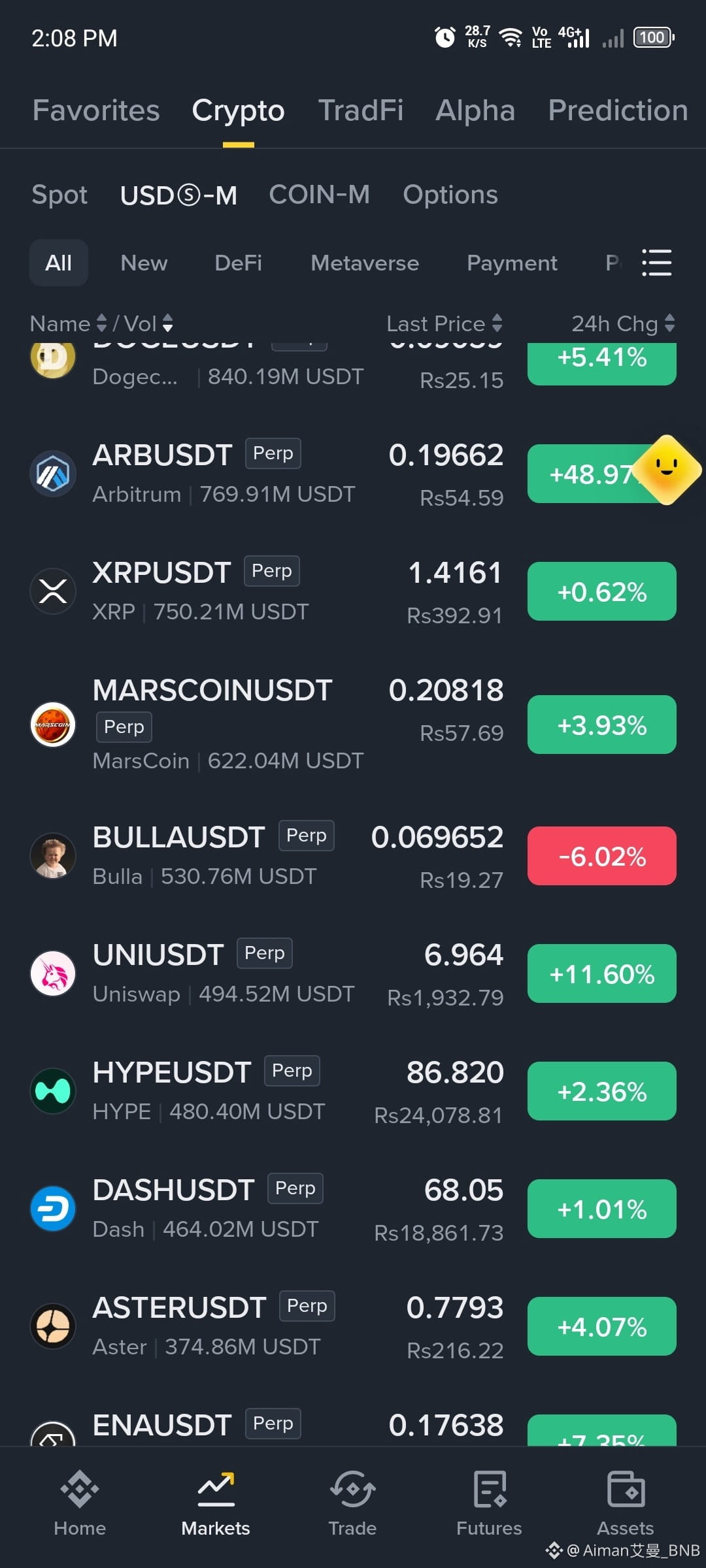
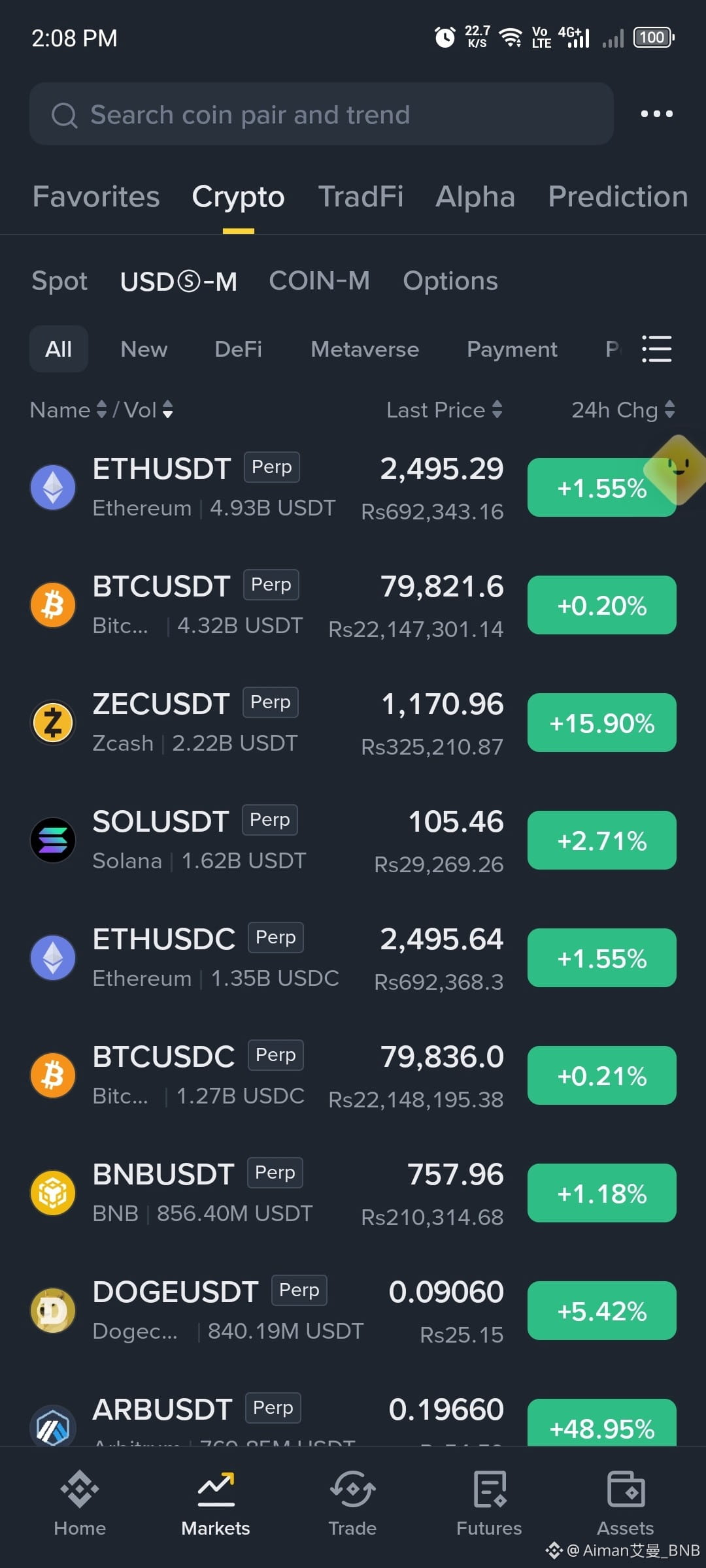
$BULLA günün ən çox qazandıranı olanda bazarın böyük hissəsi qırmızı idi, indi isə bütün bazar yaşıldır və $BULLA qırmızı göstərir 😂
{future}(BULLAUSDT)
#TradingSignals #GreenMarketDays
$BULLA günün ən çox qazandıranı olanda bazarın böyük hissəsi qırmızı idi, indi isə bütün bazar yaşıldır və $BULLA qırmızı göstərir 😂
#TradingSignals #GreenMarketDays
#TradingSignals #GreenMarketDays
2
287
·
--

Məqalə
Köhnə göndəriş qeydləri yenidən üzə çıxarkən Trezor sızması altı dəfə böyüdü$BULLA $MARSCOIN $DASH
Məncə, bu Trezor sızmasının ən narahatedici tərəfi təkcə təsirlənən müştərilərin sayı deyil, həm də köhnə müştəri qeydlərinin guya silinməli olduqları vaxtdan illər sonra hələ də logistika provayderində qalmasıdır. Hardware cüzdan istifadəçiləri üçün bu, göstərir ki, kriptovalyutanı qorumaq təkcə şəxsi açarları təhlükəsiz saxlamaqdan ibarət deyil — alışla bağlı şəxsi məlumatlar da ciddi risklər yarada bilər.
Hardware cüzdan istehsalçısı Trezor, logistika tərəfdaşı ShipMonk-da baş verən məlumat sızmasından təsirlənən müştərilərin sayını artıraraq bildirib ki, əlavə 67,000 ABŞ müştərisinin məlumatları ifşa edilmiş ola bilər.
Köhnə göndəriş qeydləri yenidən üzə çıxarkən Trezor sızması altı dəfə böyüdü
$BULLA $MARSCOIN $DASH
Məncə, bu Trezor sızmasının ən narahatedici tərəfi təkcə təsirlənən müştərilərin sayı deyil, həm də köhnə müştəri qeydlərinin guya silinməli olduqları vaxtdan illər sonra hələ də logistika provayderində qalmasıdır. Hardware cüzdan istifadəçiləri üçün bu, göstərir ki, kriptovalyutanı qorumaq təkcə şəxsi açarları təhlükəsiz saxlamaqdan ibarət deyil — alışla bağlı şəxsi məlumatlar da ciddi risklər yarada bilər.
Hardware cüzdan istehsalçısı Trezor, logistika tərəfdaşı ShipMonk-da baş verən məlumat sızmasından təsirlənən müştərilərin sayını artıraraq bildirib ki, əlavə 67,000 ABŞ müştərisinin məlumatları ifşa edilmiş ola bilər.
Məncə, bu Trezor sızmasının ən narahatedici tərəfi təkcə təsirlənən müştərilərin sayı deyil, həm də köhnə müştəri qeydlərinin guya silinməli olduqları vaxtdan illər sonra hələ də logistika provayderində qalmasıdır. Hardware cüzdan istifadəçiləri üçün bu, göstərir ki, kriptovalyutanı qorumaq təkcə şəxsi açarları təhlükəsiz saxlamaqdan ibarət deyil — alışla bağlı şəxsi məlumatlar da ciddi risklər yarada bilər.
Hardware cüzdan istehsalçısı Trezor, logistika tərəfdaşı ShipMonk-da baş verən məlumat sızmasından təsirlənən müştərilərin sayını artıraraq bildirib ki, əlavə 67,000 ABŞ müştərisinin məlumatları ifşa edilmiş ola bilər.
1
452
·
--

Məqalə
Britaniyalı Investor 2,000 Dollar Dəyərində Bitcoinini İtirdiyini Düşündü, Sonra 4,5 Milyon Dollar Bərpa Etdi$BULLA $DASH $UNI
Mən bu kimi hekayələri erkən Bitcoin bazarının nə qədər fərqli olduğunu xatırladan yaxşı bir nümunə hesab edirəm. Bir vaxtlar nisbətən kiçik görünən 2,000 dollarlıq sərmayə illər sonra həyatı dəyişdirən məbləğə çevrildi, sadəcə ona görə ki, Bitcoin hələ də sonda izlənilib bərpa oluna bilən bir cüzdanda saxlanılırdı.
“Chris” kimi tanınan britaniyalı investor illərlə Bitcoin sərmayəsinin itmiş olduğuna inanırdı. O, Bitcoin-i əvvəlcə 2011-ci ilin dekabrında sonradan Intersango adını alan Birləşmiş Krallıqdakı kriptovalyuta birjası Britcoin vasitəsilə almışdı.
Britaniyalı Investor 2,000 Dollar Dəyərində Bitcoinini İtirdiyini Düşündü, Sonra 4,5 Milyon Dollar Bərpa Etdi
$BULLA $DASH $UNI
Mən bu kimi hekayələri erkən Bitcoin bazarının nə qədər fərqli olduğunu xatırladan yaxşı bir nümunə hesab edirəm. Bir vaxtlar nisbətən kiçik görünən 2,000 dollarlıq sərmayə illər sonra həyatı dəyişdirən məbləğə çevrildi, sadəcə ona görə ki, Bitcoin hələ də sonda izlənilib bərpa oluna bilən bir cüzdanda saxlanılırdı.
“Chris” kimi tanınan britaniyalı investor illərlə Bitcoin sərmayəsinin itmiş olduğuna inanırdı. O, Bitcoin-i əvvəlcə 2011-ci ilin dekabrında sonradan Intersango adını alan Birləşmiş Krallıqdakı kriptovalyuta birjası Britcoin vasitəsilə almışdı.
Mən bu kimi hekayələri erkən Bitcoin bazarının nə qədər fərqli olduğunu xatırladan yaxşı bir nümunə hesab edirəm. Bir vaxtlar nisbətən kiçik görünən 2,000 dollarlıq sərmayə illər sonra həyatı dəyişdirən məbləğə çevrildi, sadəcə ona görə ki, Bitcoin hələ də sonda izlənilib bərpa oluna bilən bir cüzdanda saxlanılırdı.
“Chris” kimi tanınan britaniyalı investor illərlə Bitcoin sərmayəsinin itmiş olduğuna inanırdı. O, Bitcoin-i əvvəlcə 2011-ci ilin dekabrında sonradan Intersango adını alan Birləşmiş Krallıqdakı kriptovalyuta birjası Britcoin vasitəsilə almışdı.
2
418
·
--
Niyə Bitcoin-i saxlamaq hər hərəkəti vaxtlamağa çalışmaqdan daha yaxşı ola bilər$DASH $BULLA $4
Mən Bitcoin-in tarixi performansına baxırdım və bir nümunə aydın şəkildə seçilir: onun ən böyük illik qazancının bəziləri cəmi bir neçə gündə əldə olunub. Bu da hər hərəkəti mükəmməl vaxtlamağa çalışmanı göründüyündən xeyli çətinləşdirir.
Bitcoin 24/7 ticarət olunur, ona görə investorlar xəbərlərə və bazar hərəkətlərinə demək olar ki, istənilən vaxt reaksiya verə bilirlər. Amma tarix göstərir ki, bazardan cəmi bir neçə güclü sessiya zamanı kənarda qalmaq ümumi gəlirlərə ciddi təsir göstərə bilər.
2026-cı ildə Bitcoin təxminən 9% aşağı düşdü. Bu, idarəolunan bir eniş kimi görünə bilər. Amma ən güclü performans göstərən beş gün çıxarılsaydı, zərər təxminən 36%-ə yaxın olardı.
Niyə Bitcoin-i saxlamaq hər hərəkəti vaxtlamağa çalışmaqdan daha yaxşı ola bilər
$DASH $BULLA $4
Mən Bitcoin-in tarixi performansına baxırdım və bir nümunə aydın şəkildə seçilir: onun ən böyük illik qazancının bəziləri cəmi bir neçə gündə əldə olunub. Bu da hər hərəkəti mükəmməl vaxtlamağa çalışmanı göründüyündən xeyli çətinləşdirir.
Bitcoin 24/7 ticarət olunur, ona görə investorlar xəbərlərə və bazar hərəkətlərinə demək olar ki, istənilən vaxt reaksiya verə bilirlər. Amma tarix göstərir ki, bazardan cəmi bir neçə güclü sessiya zamanı kənarda qalmaq ümumi gəlirlərə ciddi təsir göstərə bilər.
2026-cı ildə Bitcoin təxminən 9% aşağı düşdü. Bu, idarəolunan bir eniş kimi görünə bilər. Amma ən güclü performans göstərən beş gün çıxarılsaydı, zərər təxminən 36%-ə yaxın olardı.
Mən Bitcoin-in tarixi performansına baxırdım və bir nümunə aydın şəkildə seçilir: onun ən böyük illik qazancının bəziləri cəmi bir neçə gündə əldə olunub. Bu da hər hərəkəti mükəmməl vaxtlamağa çalışmanı göründüyündən xeyli çətinləşdirir.
Bitcoin 24/7 ticarət olunur, ona görə investorlar xəbərlərə və bazar hərəkətlərinə demək olar ki, istənilən vaxt reaksiya verə bilirlər. Amma tarix göstərir ki, bazardan cəmi bir neçə güclü sessiya zamanı kənarda qalmaq ümumi gəlirlərə ciddi təsir göstərə bilər.
2026-cı ildə Bitcoin təxminən 9% aşağı düşdü. Bu, idarəolunan bir eniş kimi görünə bilər. Amma ən güclü performans göstərən beş gün çıxarılsaydı, zərər təxminən 36%-ə yaxın olardı.
1
364
·
--

Məqalə
XRP Ledger-də Treyderlərin Sayı Azalıb, Amma Ticarətlər Daha Böyükdür və Dəyər Milyardlarla Ölçülür$ZEC $DASH $AKE
Mən XRP Ledger-in son rəqəmlərinə baxıram və bir şey dərhal diqqət çəkir: aktivlik daha çox cəmlənir. Şəbəkədə bir il əvvələ nisbətən daha az aktiv ticarət hesabı var, lakin qalan treyderlər xeyli daha çox XRP hərəkət etdirirlər.
“Daha az aktiv hesab, amma xeyli daha böyük ticarətlər.”
Gündəlik order-book ticarətinin orta həcmi Q2-də təxminən 3.57 milyon XRP olub, bu da bir il əvvəlki göstəricidən 79% çoxdur. Eyni zamanda, həmin ticarətləri başlayan hesabların sayı gündə təxminən 1,100-ə düşüb, keçən il isə bu rəqəm 1,860-dan çox idi.
XRP Ledger-də Treyderlərin Sayı Azalıb, Amma Ticarətlər Daha Böyükdür və Dəyər Milyardlarla Ölçülür
$ZEC $DASH $AKE
Mən XRP Ledger-in son rəqəmlərinə baxıram və bir şey dərhal diqqət çəkir: aktivlik daha çox cəmlənir. Şəbəkədə bir il əvvələ nisbətən daha az aktiv ticarət hesabı var, lakin qalan treyderlər xeyli daha çox XRP hərəkət etdirirlər.
“Daha az aktiv hesab, amma xeyli daha böyük ticarətlər.”
Gündəlik order-book ticarətinin orta həcmi Q2-də təxminən 3.57 milyon XRP olub, bu da bir il əvvəlki göstəricidən 79% çoxdur. Eyni zamanda, həmin ticarətləri başlayan hesabların sayı gündə təxminən 1,100-ə düşüb, keçən il isə bu rəqəm 1,860-dan çox idi.
Mən XRP Ledger-in son rəqəmlərinə baxıram və bir şey dərhal diqqət çəkir: aktivlik daha çox cəmlənir. Şəbəkədə bir il əvvələ nisbətən daha az aktiv ticarət hesabı var, lakin qalan treyderlər xeyli daha çox XRP hərəkət etdirirlər.
“Daha az aktiv hesab, amma xeyli daha böyük ticarətlər.”
Gündəlik order-book ticarətinin orta həcmi Q2-də təxminən 3.57 milyon XRP olub, bu da bir il əvvəlki göstəricidən 79% çoxdur. Eyni zamanda, həmin ticarətləri başlayan hesabların sayı gündə təxminən 1,100-ə düşüb, keçən il isə bu rəqəm 1,860-dan çox idi.
1
403
·
--
iddia et
qırmızı paket
🧧🧧🧧
$SNDK $SOXLB $MARSCOIN
{future}(MARSCOINUSDT)
{spot}(SOXLBUSDT)
{future}(SNDKUSDT)
iddia et
qırmızı paket
🧧🧧🧧
$SNDK $SOXLB $MARSCOIN
qırmızı paket
🧧🧧🧧
$SNDK $SOXLB $MARSCOIN

940
10
51
940

·
--
🎙️ 建设币安广场,持有BNB|昨晚大非农数据一出,市场迅速反应,BTC又回到7万9,大家觉得会在这位置横多久?这来聊聊~

Sonlandı
05 saat 10 dəqiqə 21 san
15.5k
64
73
Daha çox kontent araşdırmaq üçün daxil olun
Binance Square-də qlobal kriptovalyuta istifadəçilərinə qoşulun
⚡️ Kriptovalyuta haqqında ən son və faydalı məlumatları əldə edin.
💬 Dünyanın ən böyük kriptovalyuta birjası tərəfindən etibar edilir.
👍 Doğrulanmış yaradıcılardan gələn real məlumatları kəşf edin.
E-poçt/Telefon nömrəsi
Trenddə olan mövzular
GrayscaleZcashETFTops$500M
833 baxış
Müzakirə edir: 37
$ZEC Oh my god?! $BTC $79K-a demək olar ki, toxunuldu, ZEC ETF aktivləri isə indi $500M-ni keçdi! Yalnız 2 həftədə $70M-dən çox xalis daxilolma — institutlar yenə də tökülür! Privacy (məxfilik) sikkələri də qızışır. Momentum yığılır, əlavə etməyə davam edin!!
Crypto-Yang
·1 bəyənmə
·460 baxış
ChinaAugustCPIRises0.8%YoY
6,266 baxış
Müzakirə edir: 257
USStrikesTargetsNearHormuzAndJask
13,031 baxış
Müzakirə edir: 380