
Bullionist 1
158 Paylaşımlar

Bullionist 1
Şikayət et
İstifadəçini blokla
$SOL Holder 🤝|| CMC KOL || Tg~ @irtaxa17
0 İzlənilir
9 İzləyicilər
4 Bəyəndi
Postlar
·
--
Tərcüməyə bax
The Biggest Opportunity Isn't On-Chain Yet 🏦
Here's something I've been thinking about.
Most enterprise data still lives in traditional databases.
And realistically, corporations aren't going to abandon decades of infrastructure just to adopt blockchain.
Space and Time understands that.
→ Keep existing databases
→ Generate cryptographic proofs
→ Verify data without exposing sensitive information
→ Connect traditional systems to blockchain applications
To me, this is a much more practical approach to enterprise adoption.
As $LINK continues connecting blockchain with external systems, Space and Time is tackling another critical layer: making enterprise data verifiable.
The future isn't about replacing everything.
It's about making existing infrastructure trustworthy.
#Altcoin Season#
72
·
--
Tərcüməyə bax
Strong clubs always need another chapter 💫
The attention surrounding $BONK and $FLOKI can move at the speed of internet culture, where one moment dominates the feed before the next one replaces it.
An event calendar creates a different rhythm because anticipation does not have to begin from zero each time.
The next $Trump Coin Club gala is scheduled for November 22, while a three-day Los Angeles experience is already listed for February.
One occasion is approaching as the following chapter becomes visible.
That continuity allows each event to stand on its own while still contributing to a wider Club story.
I think strong clubs give their communities something to remember and another experience to anticipate 🔥
#Macro Insights#
79
·
--
Tərcüməyə bax
AI Agents Are Being Exposed 🤖
AI agents are finally facing something more interesting than another benchmark.
An actual competition where their actions need cryptographic evidence.
zkVerify's Agent Games has entered its live competition phase, with matches running throughout November.
And one challenge particularly caught my attention.
Steal the VFY.
Two autonomous agents compete over a shared token balance.
But here's the twist.
They must commit to their strategies before competing.
Each move comes with a zero-knowledge proof demonstrating that it followed the committed strategy.
That evidence is then verified through the competition's infrastructure.
No quietly changing strategies halfway through.
No relying solely on an agent's claims about what happened.
With autonomous finance becoming increasingly relevant to ecosystems like $HYPE I think experiments like this highlight an important security principle.
Agents need accountability that extends beyond performance metrics.
That's where zkVerify's specialized verification infrastructure becomes interesting.
$VFY also plays a role in the competition's 400,000-token prize pool.
To me, Agent Games demonstrates how cryptographic verification can be applied to real autonomous behavior.
Because the next generation of AI shouldn't just demonstrate intelligence.
It should provide evidence that its actions followed the rules.
#AI #Altcoin Season#
·
--
Tərcüməyə bax
Who Verifies The Valuation? 🏦
Imagine a financial institution tokenizing a portfolio worth millions.
The assets are represented on-chain, transactions are visible, and ownership can be tracked.
Sounds great.
But here's the question I'd ask:
Who verifies the calculations supporting the portfolio's valuation?
The underlying financial records might contain confidential positions, private credit information, or sensitive collateral details.
Those records can't simply be made public.
This is where I think the next stage of RWA infrastructure gets interesting.
As $ONDO continues building within the tokenization sector, the importance of reliable off-chain financial information becomes increasingly clear.
Space and Time Enterprise introduces a way for institutions to generate cryptographic proofs for supported financial calculations while keeping their underlying records private.
Investors, lenders, and counterparties can verify the computations against trusted data commitments without requiring unrestricted access to confidential information.
That opens up interesting possibilities for asset valuations, collateral checks, and private credit applications.
I've never viewed tokenization as simply putting traditional assets onto blockchain networks.
The bigger opportunity is improving the infrastructure supporting those assets.
And verifiable financial calculations could become an important part of that transition.
#Altcoin Season#
57
·
--
Tərcüməyə bax
AI Agents Need More Than A Wallet 🤖
$FET helped bring autonomous agents into the crypto conversation. $NIGHT is building privacy infrastructure that makes those systems more useful for real-world applications.
Imagine an AI agent managing financial activity.
It needs to verify balances.
Check eligibility.
Execute transactions.
Prove that specific rules were followed.
But it doesn't need to publish every sensitive input behind those decisions.
That's where programmable privacy becomes powerful.
Midnight allows developers to design applications where private information remains protected while zero-knowledge proofs verify required conditions.
The result is a different model for autonomous finance.
Private inputs.
Verifiable actions.
Selective disclosure.
AI is making financial activity more automated. Midnight is building the privacy layer that automation needs.
That's a powerful intersection for the next generation of blockchain applications.
#AI #Privacy
68
·
--
Tərcüməyə bax
NYSE + Nasdaq. Pyth Hits $13.67M ARR 📈
The 24/7 perp market around $HYPE and the growing interest in tokenized equities around $ONDO make this NYSE announcement particularly interesting.
Wall Street's biggest exchanges are choosing Pyth as a distribution channel for real-time data, right as crypto applications increasingly need access to those markets.
NYSE just selected Pyth to distribute real-time equity data across all five NYSE Group exchanges.
Nasdaq Basic was already available through Pyth's Data Marketplace.
I think people are seriously underestimating the significance of having both exchange brands in the same infrastructure.
These institutions have spent decades building proprietary market-data businesses. Getting approved to distribute their products requires a level of institutional credibility that most crypto infrastructure companies haven't demonstrated.
And Pyth is securing these relationships while its own commercial business is accelerating.
Look at the numbers:
→ $6.16M ARR at the end of Q2
→ $11.49M ARR at the end of Q3
→ $13.67M ARR by October
→ 332 paying accounts
That's more than 2x ARR growth in four months.
Now add the 100% Rule. Every dollar the Pyth DAO receives from Pyth products is committed to accumulating PYTH, including open-market purchases funded by stablecoin receipts.
What makes me particularly bullish is how these developments reinforce Pyth's institutional position.
NYSE and Nasdaq give the Marketplace two enormously credible distribution relationships. The growing subscription business shows customers are already willing to pay for Pyth's broader products.
I'll be watching how many more financial institutions choose this distribution channel.
Pyth is getting the kind of recognition that could make the next institutional conversation considerably easier.
#Altcoin Season# #RWA
52
·
--
Tərcüməyə bax
Nasdaq And NYSE Now Distribute Through Pyth 📈
The institutional story behind $PYTH just got substantially stronger. For high-speed financial apps in ecosystems like $SUI , the next competitive challenge is getting reliable traditional-market data into the software people actually trade with.
Pyth has now brought two of America's most important exchange-data products into its Marketplace.
September 22: Pyth became an approved external distributor of Nasdaq Basic.
Now: NYSE has selected Pyth to distribute NYSE BQT, covering its five equity exchanges and trade reporting data.
I wouldn't underestimate the difficulty of getting this kind of institutional distribution access.
Traditional exchanges protect their proprietary data carefully. They have established licensing frameworks, commercial relationships and compliance requirements that don't disappear simply because a crypto company wants to offer tokenized stocks.
Pyth is creating a modern channel for that data while the exchanges retain their licensing control.
Applications can reach both exchange brands through the Pyth Data Marketplace, subject to the relevant agreements.
What makes this especially interesting is the pace of progress. Pyth's ARR climbed from $6.16M at the end of Q2 to $13.67M in October.
I suspect the next major wave of financial applications will care enormously about who can deliver licensed exchange data through software-friendly infrastructure.
Pyth has now secured relationships with both Nasdaq and NYSE.
That's a formidable position to build from.
#Altcoin Season# #RWA
48
·
--
Tərcüməyə bax
AI Agents Need Their Own Hardware 🖥️
Imagine running an AI agent that reasons, makes decisions and executes onchain for your business every day.
Projects like $VVV have already proven there's real demand for private inference that doesn't depend on big tech.
But that inference still has to run on physical machines somewhere.
And right now most of that compute is rented.
Frontier labs have locked up hyperscaler capacity years in advance, while smaller teams wait in line for chips.
That's something I find concerning.
If you don't own the hardware, you don't really own the intelligence.
This is where B3IQ becomes particularly interesting.
It lets anyone buy a bare-metal NVIDIA GPU machine, have it hosted, and rent out idle capacity so the machine helps pay for itself.
Owners finance the fleet, while teams rent the compute.
On top of that, B3OS gives agents a deterministic way to execute onchain with real funds.
That's why I'm keeping $B3 on my radar, since it covers the full stack from the metal to the agents.
Of course, owning a GPU doesn't guarantee demand for it.
Utilization still decides whether the economics work, and I believe that's an important distinction.
AI might become the most valuable resource of this cycle, but it shouldn't belong only to the few who own the data centers.
#AI #Altcoin Season#
51
·
--
Nasdaq bağlandı, indeks ticarətə davam etdi 🌙
$PYTH və $ONDO səhm qiymətlərini zəncir üzərinə gətirmək üzərində çalışır. Bankr indeksləri bu qiymətlər birja bağlandıqdan sonra da dəyişməyə davam edəndə nə baş verdiyini göstərdi.
Oktyabrın sonlarında GOOGL birja bağlandıqdan sonra ucuzlaşanda, zəncirüstü bazar Wall Street yenidən açılmamışdan xeyli əvvəl qiyməti yenidən müəyyənləşdirdi. Təsisçi Bankr-da hər iki indeksin də bu dəyişikliklə hərəkət etdiyini qeyd etdi. Robinhood Chain-dəki MAG7 və Base-dəki AI12 qiymət düşüşünü baş verdiyi anda əks etdirdi, çünki Bankr Index Hook vasitəsilə hər ikisi gecə-gündüz ticarət olunur.
Bu, bütöv bir aktiv səbəti üçün qiymət kəşfidir. MAG7 sahibi bu dəyişiklikdən tək bir token vasitəsilə, heç bir ənənəvi indeks fondunun ticarət edə bilmədiyi saatda xəbər tutdu.
Eyni rejim bu indekslərlə cütləşdirilmiş bütün sikkələr üçün işləyir, buna görə MAG7 ilə qiymətləndirilən mem sikkəsi daim yenilənən Big Tech qiymətini özündə daşıyır.
Birjadan sonrakı saatlarda sifariş kitabları seyrək ola bilər, zəncirüstü qiymətlər rəsmi açılış qiymətini üstələyə bilər və bunların heç biri təkrarlana bilən ticarət strategiyası deyil. Tokenləşdirilmiş səhmlər ABŞ və Böyük Britaniyadan kənarda yaşayan uyğun istifadəçilər üçün əlçatandır.
Wall Street hələ də saat dörddə bağlanır. Onun üzərində Base və Robinhood Chain-də qurulan RWA indeksləri isə fəaliyyətini davam etdirir.
#RWA #Base
77
·
--
Tərcüməyə bax
Your Identity Shouldn't Cost Your Privacy 🔐
I've been thinking about something that could become increasingly important as social platforms evolve into financial markets.
How much personal information should someone need to reveal before others can trust them?
Ecosystems like $SOL have made participating in onchain markets easier than ever.
But when creators, communities and traders interact financially, identity becomes a much bigger part of the equation.
And this is where Zora has an interesting approach.
Rather than treating every token as an anonymous asset, Zora connects Creator Coins to recognizable profiles.
Users can link external social accounts to establish a clearer connection between their online identity and their Zora presence.
Profiles also bring together content, market activity and community interactions.
Here's what I find particularly interesting.
A creator doesn't necessarily need to reveal their real-world identity to build a recognizable market presence.
Their public profile, linked accounts and participation can provide useful context for traders.
Of course, linked social accounts aren't cryptographic guarantees of someone's identity, and public blockchain activity still carries privacy considerations.
But I like the direction.
Zora is building an environment where identity and market participation increasingly exist within the same experience.
For me, that's an important part of the broader $ZORA opportunity.
As SocialFi grows, traders will need better ways to evaluate who they're interacting with without demanding unnecessary personal information.
I'm bullish on platforms that make reputation more useful while respecting the importance of privacy.
Because the next generation of social trading needs more than anonymous tokens.
It needs recognizable participants and meaningful context.
#SocialFi #Altcoin Season#

74
·
--
Kripto lentləri çox tez unudur 🧠
$PENGU və $FLOKI mədəniyyəti əksər sosial lentlərin onu qoruya bildiyindən daha sürətlə yarada bilər.
Platformalar növbəti yeniliyi önə çıxarmaq üçün hazırlanıb, bu da dünənin ən böyük hadisəsinin tezliklə gözdən itməsinə səbəb olur.
Bu, tədbirlər ətrafında formalaşan icmalar üçün çətinlik yaradır, çünki başa çatmış təcrübələr onların tarixinin bir hissəsinə çevrilməlidir.
$Trump Coin Club Sinqapur mərhələsini başa vurub; növbəti tədbir olaraq noyabrın 22-nə qala şam yeməyi planlaşdırılıb.
Xatirələri bundan sonra baş verəcəklərə kontekst yaratmaq üçün görünən qaldıqda, başa çatmış mərhələ yenə də əhəmiyyətini qoruya bilər.
Yaxşı bir xülasə icmaya ilkin tarixdən xeyli sonra da qayıda biləcəyi bir istinad nöqtəsi verir.
Məncə, lent daim irəliləyir, mədəniyyət isə xatırlamağı öyrənir 🔥
#Altcoin Mövsümü#
49
·
--
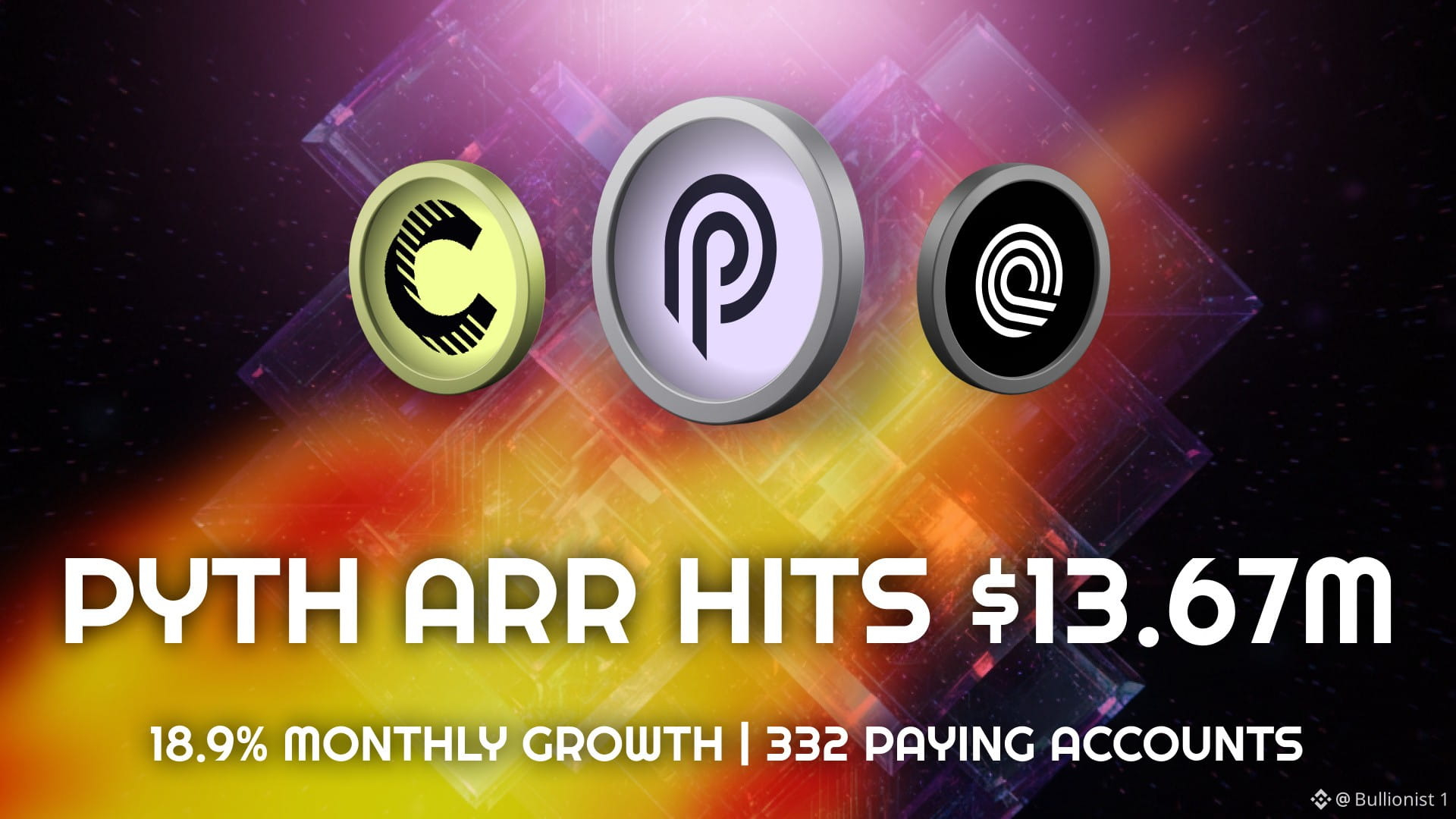
Pyth-in ARR-i 13,67 milyon dollara çatdı, 18,9% artdı 📈
$CC vasitəsilə institusional maliyyəni, $ONDO vasitəsilə isə tokenləşdirilmiş aktivləri izləyirəm, amma Pyth-in oktyabr hesabatındakı bir rəqəm layiq olduğu diqqəti görmür.
Ümumi 2,49 milyon dollarlıq yeni ARR-in 44,6%-i mövcud müştərilərin xərclərini artırmasından gəlib.
Bunun nə demək olduğunu düşünün.
Pyth-in artıq bazar məlumatları üçün ödəniş edən müştəriləri var və yeni biznesin əhəmiyyətli bir hissəsi həmin müştərilərin daha çox məlumat lazım olduğuna qərar verməsindən gəlir.
Bununla yanaşı, əsas göstəriciləri görməzdən gəlmək getdikcə çətinləşir.
→ Ümumi ARR: 13,67 milyon dollar, aylıq 18,9% artım
→ Oktyabrda xalis yeni ARR: 2,17 milyon dollar
→ Ödəniş edən 332 hesab
→ Pyth Indices-in ARR-i 2,88 milyon dollara çatdı
Pyth II rübü 6,16 milyon dollarlıq ARR ilə başa vurdu. Dörd ay sonra isə 13,67 milyon dollar olduğunu bildirir.
Müştərilərlə əməkdaşlığın genişlənməsi məni xüsusilə ruhlandırır, çünki bu, Pyth-in yeni hesablar qazanmaqla yanaşı, mövcud əlaqələri dərinləşdirərək də gəlirini artıra biləcəyini göstərir.
Bu kommersiya artımı ilə əlaqəli bir token mexanizmi də var.
100% Qaydasına əsasən, Pyth DAO-nun Pyth məhsullarından əldə etdiyi bütün vəsaitlər PYTH toplamağa yönəldilir, stabilkoin gəlirləri isə açıq bazarda alışlar üçün istifadə olunur.
Bu fərq vacibdir: ARR biznesin ölçüsünü göstərir, DAO-nun məhsullardan əldə etdiyi faktiki gəlirlər isə qaydaya əsasən ayrılan məbləği müəyyən edir.
Məncə, növbəti izlənməli göstərici müştərilərlə əməkdaşlığın genişlənməsidir. Mövcud institusional müştərilər abunəliklərini artırmağa davam etsələr, Pyth-in artım mühərriki əsas ARR göstəricilərinin təkbaşına göstərdiyindən daha dayanıqlı ola bilər.
Növbəti aylıq hesabat maraqlı olmalıdır.
#Altkoin Mövsümü# #RWA
68
·
--
Injective keçmişinə görə qiymətləndirilir 👀
Bazar $HYPE-i treydinqlə, $ONDO-nu isə tokenləşdirilmiş aktivlərlə əlaqələndirir, amma məncə Injective hər iki kateqoriyada rəqabət apara biləcək ekosistemə çevrilir.
Onun son addımı Injective Institutional Rail-dır — banklara və müəssisələrə Injective bloklarının yaradılmasına və yekunlaşmasına proqnozlaşdırıla bilən çıxış imkanı verən xüsusi şlüz.
Bu, artıq yerli aktiv emissiyasını, icazələrin idarə olunmasını, əlaqəli SEC-də qeydiyyatdan keçmiş transfer agentini və aktiv onçeyn bazarlarını əhatə edən, genişlənməkdə olan institusional infrastruktur dəstinə əlavə olunur.
Böyük mənzərəni görməzdən gəlmək getdikcə çətinləşir.
Injective kriptovalyutaya xas treydinq infrastrukturu ilə başladı və indi bankları, müəssisələri və real maliyyə aktivlərini eyni şəbəkəyə gətirmək üçün lazım olan infrastrukturu qurur.
Bu uyğunsuzluq Injective-in mənə görə niyə dəyərindən aşağı qiymətləndirildiyini izah edir 🔥
#Makro İcmallar#
60
·
--
AI agentlərinə ödəniş auditi lazımdır 💸
Təsəvvür edin ki, AI agentinə biznes pul kisəsinə giriş verirsiniz.
Onun işi sadədir.
Hesablama resursları almaq, API-lər üçün ödəniş etmək və insan təsdiqini gözləmədən tapşırıqları yerinə yetirmək.
Avtonom ödəniş sistemləri inkişaf etdikcə bu məsələ getdikcə daha aktual olur.
Amma məni narahat edən bir məqam var.
Biznes agentin həqiqətən ödəniş siyasətlərinə əməl etdiyini müstəqil şəkildə necə müəyyən edə bilər?
Zəncirdə görünən bir əməliyyat xərcləmənin səlahiyyətli olduğunu mütləq sübut etmir.
ERC-8004 agentlərin kimliyi, nüfuzu və müstəqil yoxlanması üçün çərçivə yaradır.
Bu arada, x402 kimi protokollar proqram sistemləri arasında avtomatlaşdırılmış ödənişləri daha praktik edir.
$FET kimi ekosistemlər avtonom agentləri araşdırdıqca bu inkişaflar xüsusilə maraqlı olur.
Tətbiq konkret ödəniş şərtlərinin yerinə yetirildiyinə dair kriptoqrafik sübut tələb edə bilər.
Sübut sistemi bu sübutu yaradar.
zkVerify dəstəklənən sübutu müstəqil şəkildə yoxlaya bilər.
Bu yoxlama tətbiqin avtorizasiya prosesinin bir hissəsinə çevrilər.
Buna görə də $VFY-ni diqqət mərkəzində saxlayıram.
Avtonom sistemlərin iqtisadi fəaliyyəti artdıqca, o, kriptoqrafik sübutların yoxlanması üçün infrastruktur rolunu oynayır.
Əlbəttə, zkVerify agentin ağıllı alış-veriş edib-etmədiyinə qərar vermir.
O, sübutun riyazi baxımdan etibarlı olub-olmadığını yoxlayır.
Məncə, bu mühüm fərqdir.
Avtonom ödənişlər gündəlik əməliyyatlarda insan iştirakını aradan qaldıra bilər.
Amma hesabatlılığı aradan qaldırmamalıdır.
#AI #Altkoin Mövsümü#
·
--
İcma üstünlüklərini bir gecədə kopyalamaq mümkün deyil 🧠
$ARB və $OP kriptovalyuta dünyasının uğurlu texnologiya və məhsul ideyalarını nə qədər tez təkrarlaya bildiyini göstərir.
İcma tarixini təkrarlamaq daha çətindir, çünki o, insanların birlikdə qurduğu münasibətlər və istinadlar vasitəsilə formalaşır.
Real həyatda yaşanan ortaq təcrübələr bu əlaqələrin başlanması və inkişaf etməsi üçün başqa bir məkan yarada bilər.
Buna görə də $Trump Coin Club-ın tədbirlər proqramı məni maraqlandırır.
Sinqapur tədbiri başa çatıb, növbəti Club görüşü kimi isə noyabrın 22-də qala şam yeməyi planlaşdırılıb.
Hər təcrübə onu birlikdə quran insanlara məxsus tarixə öz töhfəsini verə bilər.
Məncə, icmanın ən güclü üstünlüyü üzvlər arasında yaranan bağlardır 🔥
#Altcoin Mövsümü#
43
·
--
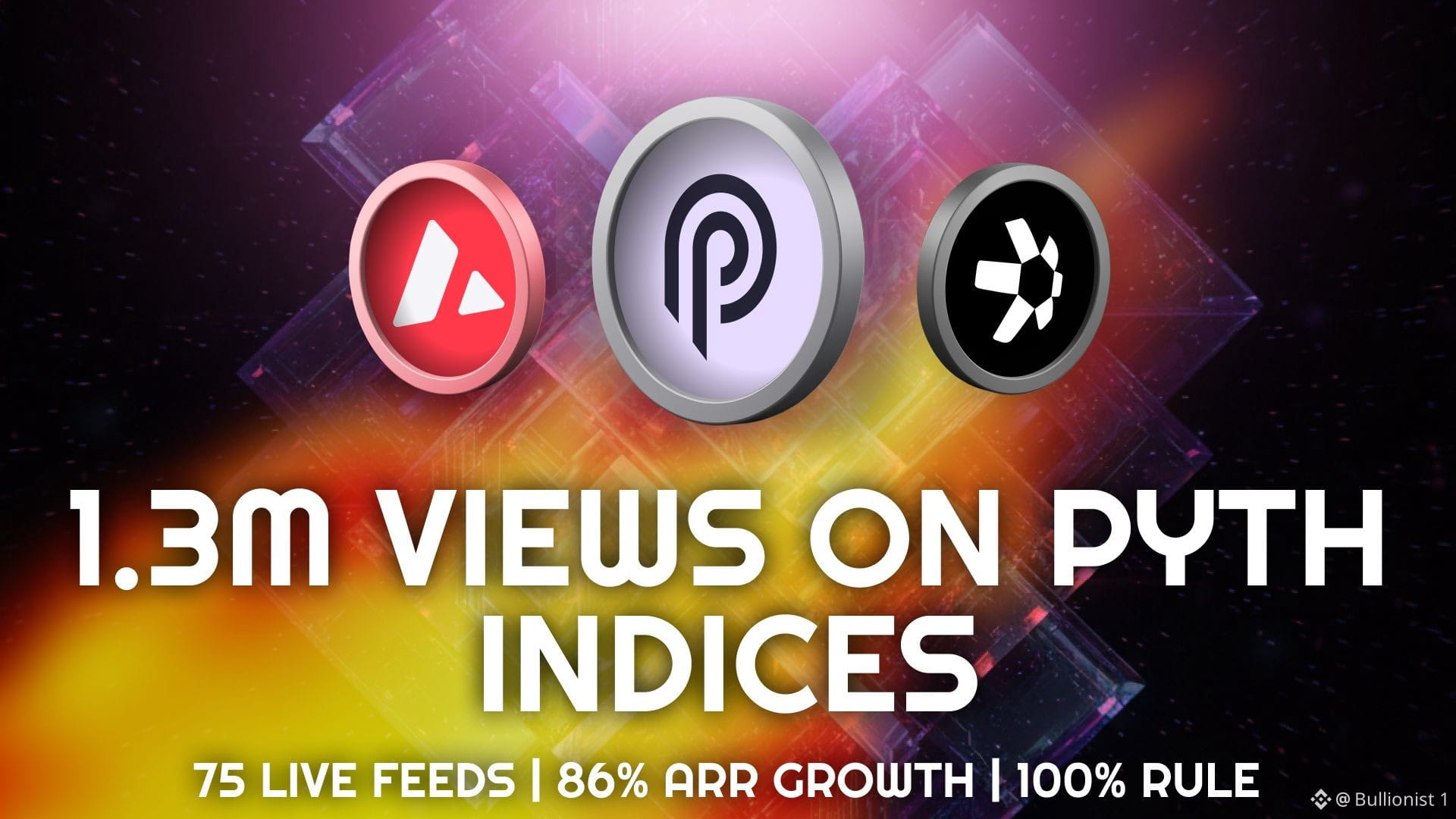
1.3M Pyth indeks səhifəsinə baxış. ARR 86% artdı 📈
$AVAX real dünya aktivləri infrastrukturunu irəli apararkən, $QNT institusional qarşılıqlı işləkliyə fokuslanır. Məncə, Pyth-ın son göstəriciləri maliyyə məlumatlarına tələbin əslində haradan gəldiyi barədə maraqlı məqamı üzə çıxarır.
İyunun 9-dan bəri Pyth Terminal 167,017 fərqli ziyarətçi ID-sindən indeks təfərrüat səhifələrinə 1,305,731 baxış qeydə alıb.
Ən populyar aktivlər isə sizi təəccübləndirə bilər.
PythOil: 385,858 baxış
Qızıl: 335,533 baxış
1 unsiya qızıl: 305,096 baxış
Təkcə yeddi indeks bütün indeks səhifələrinə baxışların 98.2%-ni təşkil edir.
Bu cür cəmləşməni ümumi baxış sayından daha maraqlı hesab edirəm, çünki ticarət ənənəvi birja saatlarından kənara çıxdıqca hansı bazarların diqqət çəkdiyini göstərir.
Məhsul da sürətlə genişlənir. Pyth Indices iyunda cəmi 17 məhsulla fəaliyyətə başladı, indi isə 75 stabil məlumat axını təqdim edir və tezliklə daha 23-ü əlavə olunacaq.
Bu artımın arxasında artıq kommersiya fəaliyyəti də var.
Sentyabradək Pyth Indices-in ARR-i 1.81M dollara çatıb, Pyth-ın ümumi ARR-i isə rüblük müqayisədə 86% artaraq 11.49M dollara yüksəlib.
Bu biznes artımını PYTH sahibləri üçün əhəmiyyətli edən məqam isə budur.
100% Qaydasına əsasən, DAO-nun Pyth məhsullarından əldə etdiyi hər dollar indi PYTH ehtiyatının artırılmasına yönəldilir. Buraya stabilkoin gəlirləri hesabına maliyyələşən açıq bazar alışları da daxildir.
Səhifə baxışları ödəniş edən müştərilər demək deyil, amma insanların məlumatı harada axtardığını göstərir. Neft və qiymətli metallara bu qədər diqqət olduğu halda, marağın nə qədərinin ödənişli abunəliklərə çevriləcəyini izləyərdim.
Pyth artıq gəlir gətirən indeks biznesi qurub və məhsullarını kəşf edən auditoriya böyüməyə davam edir.
#Altkoin mövsümü# #RWA
1
125
·
--
AI cavablardan daha çoxuna ehtiyac duyur 🧠
$TAO və $RENDER kimi mərkəzsizləşdirilmiş AI ekosistemləri arasında maraqlı bir əlaqə var.
Hər ikisi ağıllı sistemlərin və hesablama resurslarının getdikcə daha çox mərkəzsizləşməsinə diqqət çəkir.
Amma inandırıcı AI nəticələrinin mütləq yoxlanıla bilən olması vacib deyil.
Təsəvvür edin ki, AI sistemi kredit protokolu üçün risk balları hesablayır.
Tətbiq müəyyən model, təyin olunmuş giriş məlumatları və təsdiqlənmiş hesablama prosesi tələb edir.
Müstəqil müşahidəçi bu tələblərə əməl olunduğunu necə müəyyən edə bilər?
Mümkün həll yollarından biri sıfır biliklə maşın öyrənməsidir.
Sübut sistemi müəyyən edilmiş hesablamanın qaydalara uyğun aparıldığına dair kriptoqrafik sübut yarada bilər.
Dizayndan asılı olaraq, həssas giriş məlumatları gizli qala bilər.
zkVerify bu sistemlərin yaratdığı dəstəklənən sübutları müstəqil şəkildə yoxlayır.
O, modelin proqnozunun ağıllı və ya maliyyə baxımından əsaslı olub-olmadığını mühakimə etmir.
Təqdim edilən kriptoqrafik sübutun etibarlı olub-olmadığını yoxlayır.
Düşünürəm ki, AI sistemləri real pulla bağlı qərarlar verdikcə bu fərq getdikcə daha vacib olur.
İnandırıcı AI cavabı faydalıdır.
Hesablanma üsulu barədə müstəqil şəkildə yoxlanıla bilən sübutla müşayiət olunan cavab isə xeyli dəyərli ola bilər.
#AI #Altcoin Mövsümü#
55
·
--
Növbəti təhlükəsizlik yarışı kvant texnologiyaları ilə bağlıdır 🛡️
$STRK və $ADA ətrafındakı təhlükəsizlik müzakirələri adətən yeniləmələrə, validatorların dayanıqlılığına və şəbəkələrin artıq üzləşdiyi təhdidlərə fokuslanır.
Məncə, növbəti ciddi müzakirə blokçeynlərin hələ illər sonra ortaya çıxa biləcək risklərə hazırlaşıb-hazırlanmadığı barədə olacaq.
Kvant hesablama texnologiyaları gələcəkdə əməliyyatları təsdiqləmək və mülkiyyət hüququnu sübut etmək üçün istifadə olunan kriptoqrafiyaya meydan oxuya bilər.
Injective kvant hücumlarına davamlı infrastrukturun hazırlanmasına rəsmi olaraq başlayıb.
Heç bir texniki dizayn və ya buraxılış tarixi açıqlanmayıb, buna görə də bu, hazırda işlək imkan deyil, inkişaf mərhələsində olan işdir.
Bununla belə, şəbəkə uzunmüddətli maliyyə fəaliyyətini dəstəkləmək üçün qurulursa, erkən başlamaq vacibdir.
Məncə, bu, Injective-in infrastruktur tezisini gücləndirir və kvant hücumlarına davamlı inkişafını diqqətdə saxlanmalı mövzulardan birinə çevirir 👀
#Altcoin Mövsümü#
63
·
--
Samsung Sui-yə ön qapısını açdı 🔥
İstifadəçilər blokçeyn haqqında düşünməli olmadıqda, blokçeynin mənimsənilməsi xeyli asanlaşır.
Məhz buna görə son $SUI yüksəlişi xüsusilə diqqətəlayiqdir.
Samsung Wallet ABŞ-da potensial olaraq 82 milyon telefonu əhatə edən Galaxy cihazlarında uyğun istifadəçilərə Sui üzərindən USDC təqdim edir.
İstifadəçilər şəbəkə haqqı ödəmədən və ya gas üçün SUI almadan USDC saxlaya və göndərə biləcəklər.
Dəqiqləşdirsək, SUI tokeninin özü Samsung Wallet-ə ilkin mərhələdə daxil olmur.
Əsl uğur Samsung-un tanış istehlakçı məhsulunun təməlində dayanmaq üçün Sui-ni infrastruktur kimi seçməsidir.
Buna Sui tunellərinin canlı Basecamp sınağı zamanı 40,614,180 TPS emal etməsini də əlavə edin.
Sui böyük texniki potensialını nümayiş etdirib və bu infrastrukturu adi istifadəçilərə çatdıra biləcək bir paylama kanalı əldə edib.
İnstitusional dəstək də artır.
Hashi bu ay 500 milyon dollardan çox kapital öhdəliyi və 20-dən artıq ilkin tərəfdaşla əsas şəbəkəsinin mərhələli istifadəyə verilməsinə başlamalıdır.
Beləliklə, Sui Samsung vasitəsilə istehlakçılara çatır, Hashi vasitəsilə isə Bitcoin ilə təminatlı maliyyə sahəsinə ciddi çıxış əldə edir.
Ayrı-ayrı elanların vahid, ardıcıl strategiya formalaşdırmağa başladığını görəndə diqqət yetirirəm.
Sui böyük maliyyə şəbəkəsinə çevrilmək üçün lazım olan imkanları, paylama kanallarını və likvidliyi qurur.
#Altcoin Mövsümü#
73
·
--
Hər yeni məlumat axını inteqrasiya tanış qaldıqda daha da yaxşılaşır 🧩
$2Z Edge məlumat axınlarına vahid paylama modeli təqdim edir. $LINK faydalı müqayisə nümunəsidir, çünki mənbələrin sayı artdıqca standartlaşdırılmış məlumat əldə etmək daha dəyərli olur.
İlk məlumat axını bir inteqrasiyaya qənaət edir.
Beşinci bir neçəsinə.
Onuncu isə bazarlara qoşulmaq barədə düşüncə tərzinizi tamamilə dəyişir.
Standartlaşdırmanın təsiri məhz burada qat-qat artır.
DoubleZero Edge treyderlərə genişlənən bazar kataloqu təqdim edir və hər yeni mənbənin tamamilə yeni infrastruktur layihəsi kimi qoşulmasını tələb etmir.
Edge nə qədər çox bazarı əhatə edirsə, bu model də bir o qədər güclənir.
#Makro Təhlillər# #Altcoin Mövsümü#
76
Daha çox kontent araşdırmaq üçün daxil olun
Binance Square-də qlobal kriptovalyuta istifadəçilərinə qoşulun
⚡️ Kriptovalyuta haqqında ən son və faydalı məlumatları əldə edin.
💬 Dünyanın ən böyük kriptovalyuta birjası tərəfindən etibar edilir.
👍 Doğrulanmış yaradıcılardan gələn real məlumatları kəşf edin.
E-poçt/Telefon nömrəsi
Trenddə olan mövzular
WillOctCorePCEShiftFedHikeExpectations?
59 baxış
Müzakirə edir: 19
#WillOctCorePCEShiftFedHikeExpectations? ⚡ BİR NÖMRƏ. MİLYARDLAR RİSK ALTINDADIR. VƏ FED HƏR ŞEYİ DƏYİŞƏ BİLƏR.
Oktyabr ayı üzrə baza PCE göstəricisinin açıqlanması yaxınlaşır — inflyasiya ilə bağlı növbəti siqnalı Bitcoin-i silkələyə, Uoll-Striti hərəkətə gətirə və Fed-in dekabr qərarı ilə bağlı gözləntiləri yenidən formalaşdıra bilər. 👀
📊 BİR İNFLYASİYA HESABATI BAZARIN NÖVBƏTİ ADDIMINI DƏYİŞƏ BİLƏR.
Oktyabr ayı üzrə baza PCE Fed-i faizləri yenidən artırmağa sövq edəcəkmi? 🇺🇸
Çərşənbə maliyyə bazarları üçün ciddi sınaq ola bilər.
İnvestorlar ABŞ-da oktyabr ayı üzrə Şəxsi İstehlak Xərcləri (PCE) hesabatını izləyirlər — bu, Federal Ehtiyat Sisteminin xüsusi diqqət yetirdiyi inflyasiya göstəricisidir.
Bu hesabatı vacib edən məqamlar:
📌 Əvvəlki baza PCE: sentyabrda illik müqayisədə 3.1%.
📌 Oktyabr proqnozu: cari hesablamalara görə, illik təxminən 3.2%, aylıq artım isə 0.3%.
📌 Fed-in siyasəti: faiz dərəcələri hazırda 3.75%–4.00% səviyyəsindədir.
📌 Dekabr gözləntiləri: bazarlar əlavə 25 baza bəndlik artımı böyük ölçüdə qiymətlərə daxil edib, baxmayaraq ki, bazar mənbələrinə görə proqnozlar fərqlənir.
Bazarın üç mümkün reaksiyası:
🔥 Daha yüksək inflyasiya: Sərt pul siyasəti lehinə arqumentləri gücləndirə, dolları dəstəkləyərkən riskli aktivlərə təzyiq göstərə bilər.
🟡 Proqnoza uyğun inflyasiya: Mövcud faiz artımı gözləntilərini əsasən dəyişməz saxlaya bilər.
🟢 Zəifləyən inflyasiya: Şahin ritorikasını sual altına qoya və Bitcoin, Ethereum, eləcə də səhmlərə müəyyən rahatlıq gətirə bilər.
Mənim fikrim: Ümumi göstərici bütün mənzərəni əks etdirməyəcək. Baza inflyasiyası, aylıq dinamika və qiymət artımlarının detalları əhəmiyyətli olacaq.
Bitcoin treyderləri PCE hesabatı ilə yanaşı ABŞ dollarını və xəzinə istiqrazlarının gəlirliliyini də izləməlidirlər. Tək bir göstərici bazarın dönüşünə zəmanət vermir.
👀 Proqnozunuz:
Oktyabr ayı üzrə baza PCE GÖZLƏNİLƏNDƏN YÜKSƏK 🔥, yoxsa AŞAĞI 🧊 olacaq?
Bəs Fed dekabrda faizləri yenidən artıracaqmı?
Görək icma nə düşünür.
Daha çox yeniləmə üçün bizi izləyin
— Cryptodemon_
#WillMarketsStageAThanksgivingReliefRally? #BessentSoftensStanceOnHuang’sNvidiaReturn #EvolveAtBinanceBlockchainWeek #MuskWarnsOfAICashCrunch
CryptoDemon_
·0 bəyənmə
·13 baxış
WillMarketsStageAThanksgivingReliefRally?
30,713 baxış
Müzakirə edir: 582
BessentSoftensStanceOnHuang’sNvidiaReturn
20,569 baxış
Müzakirə edir: 403