

1inch Network
979 Paylaşımlar

1inch Network
 Square Verified+
Şikayət et
İstifadəçini blokla
1inch is the DeFi ecosystem building financial freedom for everyone.
0 İzlənilir
4.5K+ İzləyicilər
22.4K+ Bəyəndi
Postlar
Hamısı
Videolar
BƏRKİDİLDİ
Doğrulanıb
Məqalə
1inch Aqua paylaşılan likvidlik qatını təqdim edir1inch Aqua DeFi likvidliyini aktivləşdirir. Bir token balansı ilə bir neçə mövqeyi dəstəkləyin və mübadilə olunana qədər aktivlərinizi cüzdanınızda saxlayın.
DeFi likvidliyi işləmir. Əksər tokenlər əksər hovuzlarda çox vaxt heç nə etmir. Siz yenə də riski daşıyırsınız, DeFi-nin qurulmasına səbəb olan mükafatsız. 1inch Aqua bunu həll etmək üçün buradadır.
İndi eyni token balansı ilə aktivlərinizi hovuzda depozit etmədən bir neçə likvidlik mövqeyini dəstəkləyə bilərsiniz, tokenləriniz təhlükəsiz şəkildə cüzdanınızda qalır və hər hansı swap rüsumları JIT hücumlarından qorunur.
1inch Aqua paylaşılan likvidlik qatını təqdim edir
1inch Aqua DeFi likvidliyini aktivləşdirir. Bir token balansı ilə bir neçə mövqeyi dəstəkləyin və mübadilə olunana qədər aktivlərinizi cüzdanınızda saxlayın.
DeFi likvidliyi işləmir. Əksər tokenlər əksər hovuzlarda çox vaxt heç nə etmir. Siz yenə də riski daşıyırsınız, DeFi-nin qurulmasına səbəb olan mükafatsız. 1inch Aqua bunu həll etmək üçün buradadır.
İndi eyni token balansı ilə aktivlərinizi hovuzda depozit etmədən bir neçə likvidlik mövqeyini dəstəkləyə bilərsiniz, tokenləriniz təhlükəsiz şəkildə cüzdanınızda qalır və hər hansı swap rüsumları JIT hücumlarından qorunur.
DeFi likvidliyi işləmir. Əksər tokenlər əksər hovuzlarda çox vaxt heç nə etmir. Siz yenə də riski daşıyırsınız, DeFi-nin qurulmasına səbəb olan mükafatsız. 1inch Aqua bunu həll etmək üçün buradadır.
İndi eyni token balansı ilə aktivlərinizi hovuzda depozit etmədən bir neçə likvidlik mövqeyini dəstəkləyə bilərsiniz, tokenləriniz təhlükəsiz şəkildə cüzdanınızda qalır və hər hansı swap rüsumları JIT hücumlarından qorunur.
1
373
Bir sənayenin likvidlik təmin etmə üsulunu dəyişmək yavaş işdir. DeFi illərdir eyni modeli istifadə edir: tokenləri bir hovuzun içinə yatırmaq və onları orada kilidləmək.
28 iyuldan bəri fəaliyyət göstərən 1inch Aqua hovuzlardan istifadə etmir. Tokenlər provayderin cüzdanlarında qalır, tək bir balans bir neçə mövqeyə dəstək ola bilər və vəsaitlər yalnız bir swap tamamlandıqda hərəkət edir.
Səkkiz həftə ərzində model ümumilikdə 3 milyard ABŞ dolları həcm emal edib.
Rəqəmləri ictimai Dune panelində yoxlayın: https://dune.com/1inch/aqua-public
Bir sənayenin likvidlik təmin etmə üsulunu dəyişmək yavaş işdir. DeFi illərdir eyni modeli istifadə edir: tokenləri bir hovuzun içinə yatırmaq və onları orada kilidləmək.
28 iyuldan bəri fəaliyyət göstərən 1inch Aqua hovuzlardan istifadə etmir. Tokenlər provayderin cüzdanlarında qalır, tək bir balans bir neçə mövqeyə dəstək ola bilər və vəsaitlər yalnız bir swap tamamlandıqda hərəkət edir.
Səkkiz həftə ərzində model ümumilikdə 3 milyard ABŞ dolları həcm emal edib.
Rəqəmləri ictimai Dune panelində yoxlayın: https://dune.com/1inch/aqua-public
28 iyuldan bəri fəaliyyət göstərən 1inch Aqua hovuzlardan istifadə etmir. Tokenlər provayderin cüzdanlarında qalır, tək bir balans bir neçə mövqeyə dəstək ola bilər və vəsaitlər yalnız bir swap tamamlandıqda hərəkət edir.
Səkkiz həftə ərzində model ümumilikdə 3 milyard ABŞ dolları həcm emal edib.
Rəqəmləri ictimai Dune panelində yoxlayın: https://dune.com/1inch/aqua-public
2
417
Doğrulanıb
Məqalə
1inch Aqua sifarişlərini kim doldurur?Siz 1inch Aqua vasitəsilə likvidlik təqdim etdikdə, mövqeyinizdə tokenlərinizə hər hansı bir şey baş verməzdən əvvəl bir qarşı tərəf olmalıdır. Bəs həqiqətən bu svapları kim doldurur?
Siz Aqua platformasında bir mövqe açırsınız, cütlüyünüzü, qiymət aralığınızı və ödənişinizi təyin edirsiniz və tokenləriniz cüzdanınızda qalır. Sonra gözləyirsiniz.
Mövqeyinizin ticarət aktivliyi yaratması üçün qarşı tərəfdə kiminsə həmin likvidliyin əleyhinə svap etməsi lazımdır. Aqua terminologiyasında siz maker (yaradan) tərəfsiniz. Svapı dolduran tərəf isə taker (qəbul edən) tərəfdir.
Hazırda bu takerlər 1inch resolvers-lər tərəfindən yoxlanılır — 1inch resolver onboarding və verifikasiya prosesini tamamlamış müstəqil iştirakçılardır.
1inch Aqua sifarişlərini kim doldurur?
Siz 1inch Aqua vasitəsilə likvidlik təqdim etdikdə, mövqeyinizdə tokenlərinizə hər hansı bir şey baş verməzdən əvvəl bir qarşı tərəf olmalıdır. Bəs həqiqətən bu svapları kim doldurur?
Siz Aqua platformasında bir mövqe açırsınız, cütlüyünüzü, qiymət aralığınızı və ödənişinizi təyin edirsiniz və tokenləriniz cüzdanınızda qalır. Sonra gözləyirsiniz.
Mövqeyinizin ticarət aktivliyi yaratması üçün qarşı tərəfdə kiminsə həmin likvidliyin əleyhinə svap etməsi lazımdır. Aqua terminologiyasında siz maker (yaradan) tərəfsiniz. Svapı dolduran tərəf isə taker (qəbul edən) tərəfdir.
Hazırda bu takerlər 1inch resolvers-lər tərəfindən yoxlanılır — 1inch resolver onboarding və verifikasiya prosesini tamamlamış müstəqil iştirakçılardır.
Siz Aqua platformasında bir mövqe açırsınız, cütlüyünüzü, qiymət aralığınızı və ödənişinizi təyin edirsiniz və tokenləriniz cüzdanınızda qalır. Sonra gözləyirsiniz.
Mövqeyinizin ticarət aktivliyi yaratması üçün qarşı tərəfdə kiminsə həmin likvidliyin əleyhinə svap etməsi lazımdır. Aqua terminologiyasında siz maker (yaradan) tərəfsiniz. Svapı dolduran tərəf isə taker (qəbul edən) tərəfdir.
Hazırda bu takerlər 1inch resolvers-lər tərəfindən yoxlanılır — 1inch resolver onboarding və verifikasiya prosesini tamamlamış müstəqil iştirakçılardır.
2
496
Tokenizasiya edilmiş səhmlər üçün likvidliyin təmin edilməsi 1inch Aqua-da canlıdır.
Robinhood zəncirində USDG seçin, onu tokenizasiya edilmiş Apple ilə cütləşdirin və mövqeyi cüzdanınızdan qurun. Heç bir hovuz depoziti yoxdur, heç bir kilidləmə yoxdur: tokenlər provayderdə qalır və yalnız swap (mübadilə) dolduqda dəyişir. Robinhood zənciri Paylaşılan likvidlikdə artıq Aqua-ya öncüllük edir.
ABŞ-da və digər məhdudlaşdırılmış regionlarda mövcud deyil. Maliyyə məsləhəti deyil.
Tokenizasiya edilmiş səhmlər üçün likvidliyin təmin edilməsi 1inch Aqua-da canlıdır.
Robinhood zəncirində USDG seçin, onu tokenizasiya edilmiş Apple ilə cütləşdirin və mövqeyi cüzdanınızdan qurun. Heç bir hovuz depoziti yoxdur, heç bir kilidləmə yoxdur: tokenlər provayderdə qalır və yalnız swap (mübadilə) dolduqda dəyişir. Robinhood zənciri Paylaşılan likvidlikdə artıq Aqua-ya öncüllük edir.
ABŞ-da və digər məhdudlaşdırılmış regionlarda mövcud deyil. Maliyyə məsləhəti deyil.
Robinhood zəncirində USDG seçin, onu tokenizasiya edilmiş Apple ilə cütləşdirin və mövqeyi cüzdanınızdan qurun. Heç bir hovuz depoziti yoxdur, heç bir kilidləmə yoxdur: tokenlər provayderdə qalır və yalnız swap (mübadilə) dolduqda dəyişir. Robinhood zənciri Paylaşılan likvidlikdə artıq Aqua-ya öncüllük edir.
ABŞ-da və digər məhdudlaşdırılmış regionlarda mövcud deyil. Maliyyə məsləhəti deyil.
1
310
1inch Arc üzərində işə düşüb — stablecoin maliyyəsi üçün Circle-in yeni 1-ci səviyyə (Layer 1) həlli. Siz gas haqqını USDC ilə ödəyirsiniz, finalitet sub-saniyəlikdir və şəbəkə tam EVM-uyğundur.
1inch dApp və ya 1inch Wallet-də swap edin, yaxud bir cross-chain swap ilə keçin — körpü (bridge) yoxdur. Məqsədəsaslı (intent-based) swap-lar MEV qorunması ilə gəlir və gas haqqı tələb etmir. Aqua ilk gündən etibarən likvidlik təminatçılarına açıqdır.
1inch-də yoxlayın: https://1inch.com/
1inch Arc üzərində işə düşüb — stablecoin maliyyəsi üçün Circle-in yeni 1-ci səviyyə (Layer 1) həlli. Siz gas haqqını USDC ilə ödəyirsiniz, finalitet sub-saniyəlikdir və şəbəkə tam EVM-uyğundur.
1inch dApp və ya 1inch Wallet-də swap edin, yaxud bir cross-chain swap ilə keçin — körpü (bridge) yoxdur. Məqsədəsaslı (intent-based) swap-lar MEV qorunması ilə gəlir və gas haqqı tələb etmir. Aqua ilk gündən etibarən likvidlik təminatçılarına açıqdır.
1inch-də yoxlayın: https://1inch.com/
1inch dApp və ya 1inch Wallet-də swap edin, yaxud bir cross-chain swap ilə keçin — körpü (bridge) yoxdur. Məqsədəsaslı (intent-based) swap-lar MEV qorunması ilə gəlir və gas haqqı tələb etmir. Aqua ilk gündən etibarən likvidlik təminatçılarına açıqdır.
1inch-də yoxlayın: https://1inch.com/
1
341
Məqalə
1inch-də RWA limit order-ni necə yaratmaq olar1inch limit order ilə uyğun istifadəçilər dəstəklənən tokenləşdirilmiş aktiv üçün istədikləri məzənnəni təyin edə və sifarişin bazarın onlara gəlməsini gözlətməsinə icazə verə bilərlər.
Real dünya aktivləri (RWA-lar) onçeyndə səhmləri, fondları, kommoditiləri və digər ənənəvi aktivləri bir araya gətirir. Və siz dəstəklənən RWA-ları 1inch-də birbaşa swap edə bilsəniz də, bəzən aktiv müəyyən qiymətə çatanda yalnız almaq və ya satmaq istəyə bilərsiniz. Elə burada 1inch limit order-lər işə düşür.
Niyə RWA-lar üçün limit orderlərdən istifadə edirsiniz?
Limit order hazırkı bazar məzənnəsini qəbul etmək əvəzinə ticarət etmək istədiyiniz qiyməti göstərməyə imkan verir. Əgər sifariş müddəti bitməmiş sizin seçdiyiniz məzənnə ilə doldurula bilsə, doldurula bilər. Əks halda sadəcə müddəti bitir.
1inch-də RWA limit order-ni necə yaratmaq olar
1inch limit order ilə uyğun istifadəçilər dəstəklənən tokenləşdirilmiş aktiv üçün istədikləri məzənnəni təyin edə və sifarişin bazarın onlara gəlməsini gözlətməsinə icazə verə bilərlər.
Real dünya aktivləri (RWA-lar) onçeyndə səhmləri, fondları, kommoditiləri və digər ənənəvi aktivləri bir araya gətirir. Və siz dəstəklənən RWA-ları 1inch-də birbaşa swap edə bilsəniz də, bəzən aktiv müəyyən qiymətə çatanda yalnız almaq və ya satmaq istəyə bilərsiniz. Elə burada 1inch limit order-lər işə düşür.
Niyə RWA-lar üçün limit orderlərdən istifadə edirsiniz?
Limit order hazırkı bazar məzənnəsini qəbul etmək əvəzinə ticarət etmək istədiyiniz qiyməti göstərməyə imkan verir. Əgər sifariş müddəti bitməmiş sizin seçdiyiniz məzənnə ilə doldurula bilsə, doldurula bilər. Əks halda sadəcə müddəti bitir.
Real dünya aktivləri (RWA-lar) onçeyndə səhmləri, fondları, kommoditiləri və digər ənənəvi aktivləri bir araya gətirir. Və siz dəstəklənən RWA-ları 1inch-də birbaşa swap edə bilsəniz də, bəzən aktiv müəyyən qiymətə çatanda yalnız almaq və ya satmaq istəyə bilərsiniz. Elə burada 1inch limit order-lər işə düşür.
Niyə RWA-lar üçün limit orderlərdən istifadə edirsiniz?
Limit order hazırkı bazar məzənnəsini qəbul etmək əvəzinə ticarət etmək istədiyiniz qiyməti göstərməyə imkan verir. Əgər sifariş müddəti bitməmiş sizin seçdiyiniz məzənnə ilə doldurula bilsə, doldurula bilər. Əks halda sadəcə müddəti bitir.
2
341
1inch Aqua bu həftə əvvəlar ümumi həcminə görə $1 mlrd həddinə çatdı — 28 iyul buraxılışından altı həftə sonra.
Bu model hovuzlardan fərqlənir: tokenlər provayderin cüzdanlarında qalır, bir balans bir neçə mövqe üçün əsas ola bilər vəsait yalnız swap tamamlandıqda hərəkət edir.
Rəqəmləri ictimai Dune panelində yoxlayın: https://dune.com/1inch/aqua-public
1inch Aqua bu həftə əvvəlar ümumi həcminə görə $1 mlrd həddinə çatdı — 28 iyul buraxılışından altı həftə sonra.
Bu model hovuzlardan fərqlənir: tokenlər provayderin cüzdanlarında qalır, bir balans bir neçə mövqe üçün əsas ola bilər vəsait yalnız swap tamamlandıqda hərəkət edir.
Rəqəmləri ictimai Dune panelində yoxlayın: https://dune.com/1inch/aqua-public
Bu model hovuzlardan fərqlənir: tokenlər provayderin cüzdanlarında qalır, bir balans bir neçə mövqe üçün əsas ola bilər vəsait yalnız swap tamamlandıqda hərəkət edir.
Rəqəmləri ictimai Dune panelində yoxlayın: https://dune.com/1inch/aqua-public
1
302
1inch HyperEVM-də, Hyperliquid-in EVM şəbəkəsində və DeFi-də ən aktiv ticarət ekosistemlərindən birində işə salınıb.
1inch-in tam çeşidi ilk gündən etibarən mövcuddur: qaz haqqı olmadan və MEV qorunması ilə intent-əsaslı swap-lar, körpüsüz çarpaz-zəncirə giriş, proses boyunca self-kustodial nəzarət və başlanğıcda Aqua.
1inch HyperEVM-də, Hyperliquid-in EVM şəbəkəsində və DeFi-də ən aktiv ticarət ekosistemlərindən birində işə salınıb.
1inch-in tam çeşidi ilk gündən etibarən mövcuddur: qaz haqqı olmadan və MEV qorunması ilə intent-əsaslı swap-lar, körpüsüz çarpaz-zəncirə giriş, proses boyunca self-kustodial nəzarət və başlanğıcda Aqua.
1inch-in tam çeşidi ilk gündən etibarən mövcuddur: qaz haqqı olmadan və MEV qorunması ilə intent-əsaslı swap-lar, körpüsüz çarpaz-zəncirə giriş, proses boyunca self-kustodial nəzarət və başlanğıcda Aqua.
1
231
1inch Monad üzərində artıq aktivdir.
Hər şey eyni anda göndərilir: dApp, 1inch Wallet, 1inch Aqua və bütün 1inch API-ları.
Monad özü 300 ms-lik bloklar, 600 ms-lik yekunlaşma (finality) və sentin fraksiyaları səviyyəsində rüsumlarla işləyir. 1inch qalanını əlavə edir: niyyətə əsaslanan (intent-based) swap-larda siz qaz ödəmirsiniz və MEV qorunması standart olaraq aktivdir. Çoxzəncirli (cross-chain) swap-lar sizi heç bir bridge (körpü) olmadan Monad-a aparır, səlahiyyət (custody) isə bütün yol boyu sizdə qalır. Native USDC Circle CCTP vasitəsilə artıq işləyir.
Yeni zəncirdə ilk addım: qazsız swap və ya cross-chain marşrutu necə?
1inch Monad üzərində artıq aktivdir.
Hər şey eyni anda göndərilir: dApp, 1inch Wallet, 1inch Aqua və bütün 1inch API-ları.
Monad özü 300 ms-lik bloklar, 600 ms-lik yekunlaşma (finality) və sentin fraksiyaları səviyyəsində rüsumlarla işləyir. 1inch qalanını əlavə edir: niyyətə əsaslanan (intent-based) swap-larda siz qaz ödəmirsiniz və MEV qorunması standart olaraq aktivdir. Çoxzəncirli (cross-chain) swap-lar sizi heç bir bridge (körpü) olmadan Monad-a aparır, səlahiyyət (custody) isə bütün yol boyu sizdə qalır. Native USDC Circle CCTP vasitəsilə artıq işləyir.
Yeni zəncirdə ilk addım: qazsız swap və ya cross-chain marşrutu necə?
Hər şey eyni anda göndərilir: dApp, 1inch Wallet, 1inch Aqua və bütün 1inch API-ları.
Monad özü 300 ms-lik bloklar, 600 ms-lik yekunlaşma (finality) və sentin fraksiyaları səviyyəsində rüsumlarla işləyir. 1inch qalanını əlavə edir: niyyətə əsaslanan (intent-based) swap-larda siz qaz ödəmirsiniz və MEV qorunması standart olaraq aktivdir. Çoxzəncirli (cross-chain) swap-lar sizi heç bir bridge (körpü) olmadan Monad-a aparır, səlahiyyət (custody) isə bütün yol boyu sizdə qalır. Native USDC Circle CCTP vasitəsilə artıq işləyir.
Yeni zəncirdə ilk addım: qazsız swap və ya cross-chain marşrutu necə?
2
243
Məqalə
1inch bug bounty report: H1 2026 security findingsBu ilin birinci yarısında altı bug bounty proqramı üzrə minə yaxın hesabat təqdim edilib və bu da zəiflikləri aşkar etməyimizə kömək edib.
İnstitusional səviyyəli DeFi-də etibar qurmaq üçün nə lazımdır? Cavabın böyük hissəsi şəffaflıqdır.
Ənənəvi maliyyə daha da on-çeynlə irəlilədikcə, təhlükəsizlik və etibar qəbulun əsas maneələri kimi qalır. Biz bu çətinliyi Risklərin İdarə Edilməsi üzrə Ağ Sənədin ikinci nəşri, ISO 27001 sertifikatı və SOC 2 (1-ci tip) attestasiyası daxil olmaqla təşəbbüslər vasitəsilə həll etməyə çalışırıq.
1inch bug bounty report: H1 2026 security findings
Bu ilin birinci yarısında altı bug bounty proqramı üzrə minə yaxın hesabat təqdim edilib və bu da zəiflikləri aşkar etməyimizə kömək edib.
İnstitusional səviyyəli DeFi-də etibar qurmaq üçün nə lazımdır? Cavabın böyük hissəsi şəffaflıqdır.
Ənənəvi maliyyə daha da on-çeynlə irəlilədikcə, təhlükəsizlik və etibar qəbulun əsas maneələri kimi qalır. Biz bu çətinliyi Risklərin İdarə Edilməsi üzrə Ağ Sənədin ikinci nəşri, ISO 27001 sertifikatı və SOC 2 (1-ci tip) attestasiyası daxil olmaqla təşəbbüslər vasitəsilə həll etməyə çalışırıq.
İnstitusional səviyyəli DeFi-də etibar qurmaq üçün nə lazımdır? Cavabın böyük hissəsi şəffaflıqdır.
Ənənəvi maliyyə daha da on-çeynlə irəlilədikcə, təhlükəsizlik və etibar qəbulun əsas maneələri kimi qalır. Biz bu çətinliyi Risklərin İdarə Edilməsi üzrə Ağ Sənədin ikinci nəşri, ISO 27001 sertifikatı və SOC 2 (1-ci tip) attestasiyası daxil olmaqla təşəbbüslər vasitəsilə həll etməyə çalışırıq.
1
170
Məqalə
1inch Aqua ilə öz-özünə (self-custodial) likvidlik təminatıLikvidlik təmin etmək ənənəvi olaraq tokenləri bir hovuz və ya vaulta yerləşdirmək və çıxarışa qədər smart kontrakta onları nəzarətdə saxlamaq deməkdir. 1inch Aqua isə öz-özünə (self-custodial) yanaşma tətbiq edir: tokenləriniz şəxsi cüzdanınızda qalır və yalnız bir swap (mübadilə) tamamlandıqda hərəkət edir.
Bəs əvvəlcə tokenlərinizi bir hovuzə təhvil vermədən likvidlik təmin edə bilsəydiniz? Öz-özünə likvidlik təminatı ideyası budur.
1inch Aqua ilə likvidlik təminatçıları Aqua kontraktda tokenləri depozitə qoymur və ya kilidləmirlər. Bunun əvəzinə, LP-nin öz cüzdanında qalan aktivlərə qarşı mövqelər (positions) kotirovka edilir. Tokenlər yalnız swap şərtləri yerinə yetirildikdə hərəkət edir və LP-lərə aktivlərinə nəzarəti saxlayaraq likvidlik təminatında iştirak etmək üçün fərqli bir yol təqdim edir.
1inch Aqua ilə öz-özünə (self-custodial) likvidlik təminatı
Likvidlik təmin etmək ənənəvi olaraq tokenləri bir hovuz və ya vaulta yerləşdirmək və çıxarışa qədər smart kontrakta onları nəzarətdə saxlamaq deməkdir. 1inch Aqua isə öz-özünə (self-custodial) yanaşma tətbiq edir: tokenləriniz şəxsi cüzdanınızda qalır və yalnız bir swap (mübadilə) tamamlandıqda hərəkət edir.
Bəs əvvəlcə tokenlərinizi bir hovuzə təhvil vermədən likvidlik təmin edə bilsəydiniz? Öz-özünə likvidlik təminatı ideyası budur.
1inch Aqua ilə likvidlik təminatçıları Aqua kontraktda tokenləri depozitə qoymur və ya kilidləmirlər. Bunun əvəzinə, LP-nin öz cüzdanında qalan aktivlərə qarşı mövqelər (positions) kotirovka edilir. Tokenlər yalnız swap şərtləri yerinə yetirildikdə hərəkət edir və LP-lərə aktivlərinə nəzarəti saxlayaraq likvidlik təminatında iştirak etmək üçün fərqli bir yol təqdim edir.
Bəs əvvəlcə tokenlərinizi bir hovuzə təhvil vermədən likvidlik təmin edə bilsəydiniz? Öz-özünə likvidlik təminatı ideyası budur.
1inch Aqua ilə likvidlik təminatçıları Aqua kontraktda tokenləri depozitə qoymur və ya kilidləmirlər. Bunun əvəzinə, LP-nin öz cüzdanında qalan aktivlərə qarşı mövqelər (positions) kotirovka edilir. Tokenlər yalnız swap şərtləri yerinə yetirildikdə hərəkət edir və LP-lərə aktivlərinə nəzarəti saxlayaraq likvidlik təminatında iştirak etmək üçün fərqli bir yol təqdim edir.
190
1inch-in Aqua-si swap həcmi üzrə cəmi 500M dolları yeni keçdi.
Aqua paylaşılan likvidlik qatıdır: LP-lər tokenlərini öz cüzdanlarında saxlayır, aktivlər isə yalnız swap doldurulduğu anda hərəkət edir. Heç bir mərhələdə depozit edilmir.
Bu model altında yarım milyard dolların doldurulması miqyasda öz-özünü saxlayan (self-custodial) likvidlik təminatının işlədiyini göstərir.
Canlı https://dune.com/1inch/aqua-public
1inch-in Aqua-si swap həcmi üzrə cəmi 500M dolları yeni keçdi.
Aqua paylaşılan likvidlik qatıdır: LP-lər tokenlərini öz cüzdanlarında saxlayır, aktivlər isə yalnız swap doldurulduğu anda hərəkət edir. Heç bir mərhələdə depozit edilmir.
Bu model altında yarım milyard dolların doldurulması miqyasda öz-özünü saxlayan (self-custodial) likvidlik təminatının işlədiyini göstərir.
Canlı https://dune.com/1inch/aqua-public
Aqua paylaşılan likvidlik qatıdır: LP-lər tokenlərini öz cüzdanlarında saxlayır, aktivlər isə yalnız swap doldurulduğu anda hərəkət edir. Heç bir mərhələdə depozit edilmir.
Bu model altında yarım milyard dolların doldurulması miqyasda öz-özünü saxlayan (self-custodial) likvidlik təminatının işlədiyini göstərir.
Canlı https://dune.com/1inch/aqua-public
3
587
Məqalə
Ağ şapkalı hakerlər DeFi-ni necə qoruyur1inch SEAL Whitehat Safe Harbor Sazişinə qoşulub və ağ şapkalı hakerlərin lazım olduqda effektiv şəkildə müdaxilə etməsinə imkan yaradıb.
DeFi-də hücumlar yavaş-yavaş baş vermir. Onlar real vaxtda açılır. Vəsaitlər dəqiqələr içində hərəkət edir. Və bu dar zaman pəncərəsində itki ilə bərpa arasındakı fərq çox vaxt kimin - və kimin - dərhal hərəkət etməyə hazır və qadir olmasından asılı olur. Həmin “kim” çox vaxt ağ şapkalı hakerdir.
Ağ şapkalar nədir və DeFi-də onların rolu nədir?
Ağ şapkalı hakerlər protokollardakı zəiflikləri aşkar edən təhlükəsizlik tədqiqatçılarıdır - onları istismar etmək üçün yox, zərərin qarşısını almaq üçün.
Ağ şapkalı hakerlər DeFi-ni necə qoruyur
1inch SEAL Whitehat Safe Harbor Sazişinə qoşulub və ağ şapkalı hakerlərin lazım olduqda effektiv şəkildə müdaxilə etməsinə imkan yaradıb.
DeFi-də hücumlar yavaş-yavaş baş vermir. Onlar real vaxtda açılır. Vəsaitlər dəqiqələr içində hərəkət edir. Və bu dar zaman pəncərəsində itki ilə bərpa arasındakı fərq çox vaxt kimin - və kimin - dərhal hərəkət etməyə hazır və qadir olmasından asılı olur. Həmin “kim” çox vaxt ağ şapkalı hakerdir.
Ağ şapkalar nədir və DeFi-də onların rolu nədir?
Ağ şapkalı hakerlər protokollardakı zəiflikləri aşkar edən təhlükəsizlik tədqiqatçılarıdır - onları istismar etmək üçün yox, zərərin qarşısını almaq üçün.
DeFi-də hücumlar yavaş-yavaş baş vermir. Onlar real vaxtda açılır. Vəsaitlər dəqiqələr içində hərəkət edir. Və bu dar zaman pəncərəsində itki ilə bərpa arasındakı fərq çox vaxt kimin - və kimin - dərhal hərəkət etməyə hazır və qadir olmasından asılı olur. Həmin “kim” çox vaxt ağ şapkalı hakerdir.
Ağ şapkalar nədir və DeFi-də onların rolu nədir?
Ağ şapkalı hakerlər protokollardakı zəiflikləri aşkar edən təhlükəsizlik tədqiqatçılarıdır - onları istismar etmək üçün yox, zərərin qarşısını almaq üçün.
2
590
Məqalə
LP-lər üçün risk menecmenti: Hər bir likvidlik provayderi nə bilməlidirLikvidlik provayderləri risk götürərək ödəniş qazanırlar — amma hər risk götürülməyə dəyməz. Likvidlik təminetməsinin real iqtisadiyyatını necə qiymətləndirmək olar və 1inch Aqua risk tənliyinin vacib bir hissəsini necə dəyişir.
Hər bir LP-nin mövqeyi bir güzəştə gedir. Likvidlik təmin etməklə siz əsasən volatilliyi ödənişlər müqabilində satırsınız. Əsas sual həmişə eynidir: Qəbul etdiyiniz risklərə görə ödənişlər sizi nə dərəcədə kompensasiya edir?
Bəzən kompensasiya edir. Çox vaxt etmir. Problem ondadır ki, bir çox LP-lər bunu heç vaxt ölçmür. Ödənişlərin haradan gəldiyini anlamaq və 1inch Aqua-nın dizaynının xarici kontrakta aktivlər yatırmaq və onları kilidləmək riskindən yayınmağa necə kömək etdiyini kapital ayırmazdan əvvəl bilmək vacibdir.
LP-lər üçün risk menecmenti: Hər bir likvidlik provayderi nə bilməlidir
Likvidlik provayderləri risk götürərək ödəniş qazanırlar — amma hər risk götürülməyə dəyməz. Likvidlik təminetməsinin real iqtisadiyyatını necə qiymətləndirmək olar və 1inch Aqua risk tənliyinin vacib bir hissəsini necə dəyişir.
Hər bir LP-nin mövqeyi bir güzəştə gedir. Likvidlik təmin etməklə siz əsasən volatilliyi ödənişlər müqabilində satırsınız. Əsas sual həmişə eynidir: Qəbul etdiyiniz risklərə görə ödənişlər sizi nə dərəcədə kompensasiya edir?
Bəzən kompensasiya edir. Çox vaxt etmir. Problem ondadır ki, bir çox LP-lər bunu heç vaxt ölçmür. Ödənişlərin haradan gəldiyini anlamaq və 1inch Aqua-nın dizaynının xarici kontrakta aktivlər yatırmaq və onları kilidləmək riskindən yayınmağa necə kömək etdiyini kapital ayırmazdan əvvəl bilmək vacibdir.
Hər bir LP-nin mövqeyi bir güzəştə gedir. Likvidlik təmin etməklə siz əsasən volatilliyi ödənişlər müqabilində satırsınız. Əsas sual həmişə eynidir: Qəbul etdiyiniz risklərə görə ödənişlər sizi nə dərəcədə kompensasiya edir?
Bəzən kompensasiya edir. Çox vaxt etmir. Problem ondadır ki, bir çox LP-lər bunu heç vaxt ölçmür. Ödənişlərin haradan gəldiyini anlamaq və 1inch Aqua-nın dizaynının xarici kontrakta aktivlər yatırmaq və onları kilidləmək riskindən yayınmağa necə kömək etdiyini kapital ayırmazdan əvvəl bilmək vacibdir.
1
393
Məqalə
Aqua vs LP vault-ları və likvidlik menecerləriLikvidlik qabiliyyəti DeFi-ni likvidlik idarəçiliyini avtomatlaşdıraraq daha asan etdi. Amma kapital ayrı-ayrı strategiyalarda kilidlənmiş qalır. 1inch Aqua isə fərqli yanaşır: eyni cüzdan balansı bir neçə strategiyanı yenidən dəstəkləməyə imkan verir.
Heç DeFi likvidliyini idarə etməkdən çaşqın hiss etmisiniz? Siz ticarət cütlərini, qiymət aralıqlarını, protokolları və şəbəkələri seçməlisiniz, sonra bazarlar dəyişdikcə mövqelərinizi daim tənzimləməlisiniz. Hətta təcrübəli LP-lər belə, bunların hamısını idarə etməyə xeyli vaxt sərf edə bilər.
Likvidlik vault-ları və menecerlər bu qərarların çoxunu avtomatlaşdırır. 1inch Aqua isə fərqli alternativ təqdim edir: eyni cüzdan balansı eyni anda bir neçə likvidlik mövqeyini dəstəkləyə bilər, tokenləriniz isə swap dolana qədər cüzdanınızda qalır. Kapitalın yalnız təcrid olunmuş mövqelər arasında necə köçürüldüyünü avtomatlaşdırmaq əvəzinə, Aqua bu kapitalın əvvəlcə necə ayrıldığını dəyişir.
Aqua vs LP vault-ları və likvidlik menecerləri
Likvidlik qabiliyyəti DeFi-ni likvidlik idarəçiliyini avtomatlaşdıraraq daha asan etdi. Amma kapital ayrı-ayrı strategiyalarda kilidlənmiş qalır. 1inch Aqua isə fərqli yanaşır: eyni cüzdan balansı bir neçə strategiyanı yenidən dəstəkləməyə imkan verir.
Heç DeFi likvidliyini idarə etməkdən çaşqın hiss etmisiniz? Siz ticarət cütlərini, qiymət aralıqlarını, protokolları və şəbəkələri seçməlisiniz, sonra bazarlar dəyişdikcə mövqelərinizi daim tənzimləməlisiniz. Hətta təcrübəli LP-lər belə, bunların hamısını idarə etməyə xeyli vaxt sərf edə bilər.
Likvidlik vault-ları və menecerlər bu qərarların çoxunu avtomatlaşdırır. 1inch Aqua isə fərqli alternativ təqdim edir: eyni cüzdan balansı eyni anda bir neçə likvidlik mövqeyini dəstəkləyə bilər, tokenləriniz isə swap dolana qədər cüzdanınızda qalır. Kapitalın yalnız təcrid olunmuş mövqelər arasında necə köçürüldüyünü avtomatlaşdırmaq əvəzinə, Aqua bu kapitalın əvvəlcə necə ayrıldığını dəyişir.
Heç DeFi likvidliyini idarə etməkdən çaşqın hiss etmisiniz? Siz ticarət cütlərini, qiymət aralıqlarını, protokolları və şəbəkələri seçməlisiniz, sonra bazarlar dəyişdikcə mövqelərinizi daim tənzimləməlisiniz. Hətta təcrübəli LP-lər belə, bunların hamısını idarə etməyə xeyli vaxt sərf edə bilər.
Likvidlik vault-ları və menecerlər bu qərarların çoxunu avtomatlaşdırır. 1inch Aqua isə fərqli alternativ təqdim edir: eyni cüzdan balansı eyni anda bir neçə likvidlik mövqeyini dəstəkləyə bilər, tokenləriniz isə swap dolana qədər cüzdanınızda qalır. Kapitalın yalnız təcrid olunmuş mövqelər arasında necə köçürüldüyünü avtomatlaşdırmaq əvəzinə, Aqua bu kapitalın əvvəlcə necə ayrıldığını dəyişir.
293
Məqalə
Aqua vs LP hovuzları və likvidlik idarəçiləriLikvidlik hovuzları DeFi-i likvidlik idarəçiliyini avtomatlaşdırmaqla daha asan edib. Amma kapital ayrı-ayrı strategiyalarda kilidlənmiş qalır. 1inch Aqua isə fərqli yanaşır: eyni cüzdan balansı bir neçə strategiyanı dəstəkləyə bilər.
DeFi likvidliyinizi idarə edərkən özünüzü heç vaxt hədsiz dərəcədə yüklənmiş hiss etmisiniz? Siz ticarət cütlərini, qiymət diapazonlarını, protokolları və şəbəkələri seçməlisiniz, sonra bazarlar hərəkət etdikcə mövqeləri daim tənzimləməlisiniz. Hətta təcrübəli LP-lər də bütün bunları idarə etmək üçün xeyli vaxt sərf edə bilər.
Likvidlik hovuzları və idarəçilər bu qərarların çoxunu avtomatlaşdırır. 1inch Aqua isə fərqli bir alternativ təklif edir: eyni cüzdan balansı eyni anda bir neçə likvidlik mövqeyini dəstəkləyə bilər, tokenləriniz isə dəyişmə (swap) dolana qədər cüzdanınızda qalır. Yalnız kapitalın izolyasiya olunmuş mövqelər arasında necə köçürüldüyünü avtomatlaşdırmaq əvəzinə, Aqua ilk növbədə bu kapitalın necə ayrıldığını dəyişir.
Aqua vs LP hovuzları və likvidlik idarəçiləri
Likvidlik hovuzları DeFi-i likvidlik idarəçiliyini avtomatlaşdırmaqla daha asan edib. Amma kapital ayrı-ayrı strategiyalarda kilidlənmiş qalır. 1inch Aqua isə fərqli yanaşır: eyni cüzdan balansı bir neçə strategiyanı dəstəkləyə bilər.
DeFi likvidliyinizi idarə edərkən özünüzü heç vaxt hədsiz dərəcədə yüklənmiş hiss etmisiniz? Siz ticarət cütlərini, qiymət diapazonlarını, protokolları və şəbəkələri seçməlisiniz, sonra bazarlar hərəkət etdikcə mövqeləri daim tənzimləməlisiniz. Hətta təcrübəli LP-lər də bütün bunları idarə etmək üçün xeyli vaxt sərf edə bilər.
Likvidlik hovuzları və idarəçilər bu qərarların çoxunu avtomatlaşdırır. 1inch Aqua isə fərqli bir alternativ təklif edir: eyni cüzdan balansı eyni anda bir neçə likvidlik mövqeyini dəstəkləyə bilər, tokenləriniz isə dəyişmə (swap) dolana qədər cüzdanınızda qalır. Yalnız kapitalın izolyasiya olunmuş mövqelər arasında necə köçürüldüyünü avtomatlaşdırmaq əvəzinə, Aqua ilk növbədə bu kapitalın necə ayrıldığını dəyişir.
DeFi likvidliyinizi idarə edərkən özünüzü heç vaxt hədsiz dərəcədə yüklənmiş hiss etmisiniz? Siz ticarət cütlərini, qiymət diapazonlarını, protokolları və şəbəkələri seçməlisiniz, sonra bazarlar hərəkət etdikcə mövqeləri daim tənzimləməlisiniz. Hətta təcrübəli LP-lər də bütün bunları idarə etmək üçün xeyli vaxt sərf edə bilər.
Likvidlik hovuzları və idarəçilər bu qərarların çoxunu avtomatlaşdırır. 1inch Aqua isə fərqli bir alternativ təklif edir: eyni cüzdan balansı eyni anda bir neçə likvidlik mövqeyini dəstəkləyə bilər, tokenləriniz isə dəyişmə (swap) dolana qədər cüzdanınızda qalır. Yalnız kapitalın izolyasiya olunmuş mövqelər arasında necə köçürüldüyünü avtomatlaşdırmaq əvəzinə, Aqua ilk növbədə bu kapitalın necə ayrıldığını dəyişir.
2
355
Məqalə
Aqua vs LP vaults və likvidlik menecerləriLikvidlik xəzinələri DeFi-ni likvidlik idarəetməsini avtomatlaşdıraraq daha rahat etdi. Amma kapital ayrı-ayrı strategiyalara bağlı qalır. 1inch Aqua isə eyni cüzdan bakışının birdən çox strategiyanı dəstəkləməsinə imkan verərək fərqli yanaşma tətbiq edir.
Heç DeFi likvidliyini idarə etmək sizə həddindən artıq çətin gəlibmi? Siz ticarət cütlərini, qiymət aralıqlarını, protokolları və şəbəkələri seçməlisiniz, sonra bazarlar hərəkət etdikcə mövqeləri daim yenidən tənzimləməlisiniz. Hətta təcrübəli LP-lər də bunu hamısını idarə etməyə ciddi vaxt sərf edə bilər.
Likvidlik xəzinələri və menecerlər həmin qərarların çoxunu avtomatlaşdırır. 1inch Aqua isə fərqli bir alternativ təklif edir: eyni cüzdan bakışı eyni anda birdən çox likvidlik mövqeyini dəstəkləyə bilər, tokenləriniz isə swap dolana qədər cüzdanınızda qalır. Yalnız kapitalın təcrid olunmuş mövqelər arasında necə köçürüldüyünü avtomatlaşdırmaq əvəzinə, Aqua həmin kapitalın ilk növbədə necə ayrıldığını dəyişir.
Aqua vs LP vaults və likvidlik menecerləri
Likvidlik xəzinələri DeFi-ni likvidlik idarəetməsini avtomatlaşdıraraq daha rahat etdi. Amma kapital ayrı-ayrı strategiyalara bağlı qalır. 1inch Aqua isə eyni cüzdan bakışının birdən çox strategiyanı dəstəkləməsinə imkan verərək fərqli yanaşma tətbiq edir.
Heç DeFi likvidliyini idarə etmək sizə həddindən artıq çətin gəlibmi? Siz ticarət cütlərini, qiymət aralıqlarını, protokolları və şəbəkələri seçməlisiniz, sonra bazarlar hərəkət etdikcə mövqeləri daim yenidən tənzimləməlisiniz. Hətta təcrübəli LP-lər də bunu hamısını idarə etməyə ciddi vaxt sərf edə bilər.
Likvidlik xəzinələri və menecerlər həmin qərarların çoxunu avtomatlaşdırır. 1inch Aqua isə fərqli bir alternativ təklif edir: eyni cüzdan bakışı eyni anda birdən çox likvidlik mövqeyini dəstəkləyə bilər, tokenləriniz isə swap dolana qədər cüzdanınızda qalır. Yalnız kapitalın təcrid olunmuş mövqelər arasında necə köçürüldüyünü avtomatlaşdırmaq əvəzinə, Aqua həmin kapitalın ilk növbədə necə ayrıldığını dəyişir.
Heç DeFi likvidliyini idarə etmək sizə həddindən artıq çətin gəlibmi? Siz ticarət cütlərini, qiymət aralıqlarını, protokolları və şəbəkələri seçməlisiniz, sonra bazarlar hərəkət etdikcə mövqeləri daim yenidən tənzimləməlisiniz. Hətta təcrübəli LP-lər də bunu hamısını idarə etməyə ciddi vaxt sərf edə bilər.
Likvidlik xəzinələri və menecerlər həmin qərarların çoxunu avtomatlaşdırır. 1inch Aqua isə fərqli bir alternativ təklif edir: eyni cüzdan bakışı eyni anda birdən çox likvidlik mövqeyini dəstəkləyə bilər, tokenləriniz isə swap dolana qədər cüzdanınızda qalır. Yalnız kapitalın təcrid olunmuş mövqelər arasında necə köçürüldüyünü avtomatlaşdırmaq əvəzinə, Aqua həmin kapitalın ilk növbədə necə ayrıldığını dəyişir.
399
Məqalə
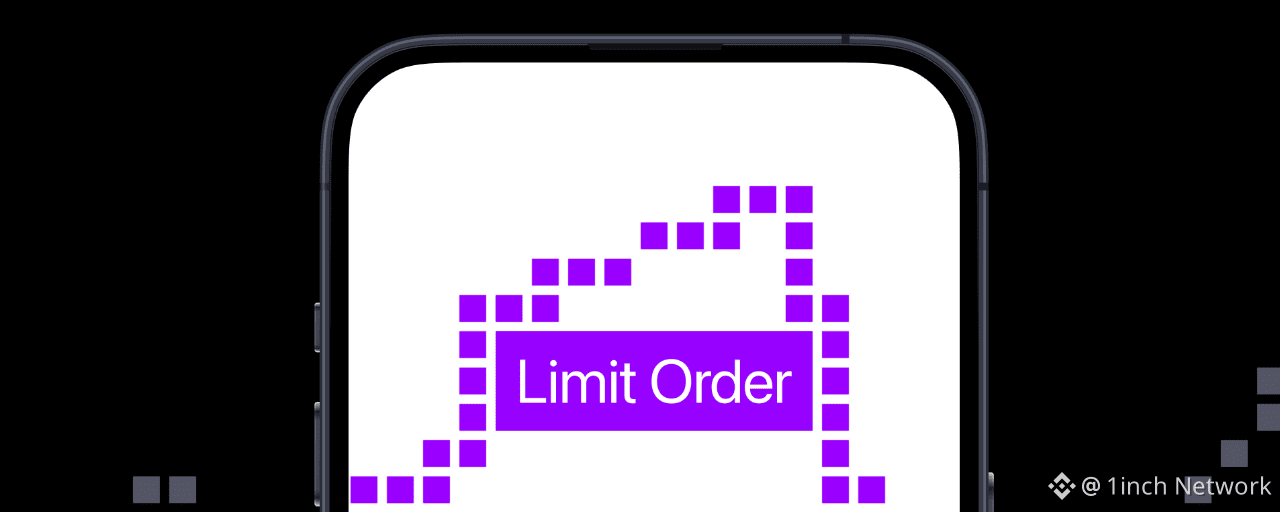
Limit buyruqları indi 1inch Wallet-da mövcuddur1inch Wallet-da limit buyruqları ilə siz swap (mübadilə) üçün hədəf qiyməti təyin edirsiniz və telefonunuzdan tam özəl-kustodiya (self-custody) ilə nəzarəti saxlayırsınız.
Swap indi dərhal ticarət etmək istədikdə sadədir. Bəs qiymət düşəndə yalnız almaq istəsəniz? Yoxsa bazar yüksələrkən yalnız satmaq istəsəniz?
İndiyə qədər siz limit buyruqlarını yalnız 1inch dApp vasitəsilə yerləşdirə bilirdiniz. Bu isə brauzeri açmaq, cüzdanı qoşmaq və əsas wallet təcrübəsinin xaricində ticarətləri idarə etmək demək idi.
İndi limit buyruqları birbaşa 1inch Wallet-a daxil olur. Bu, alətləri dəyişmədən, qeyri-kustodial limit buyruqlarını yerləşdirmək, idarə etmək və icra etmək üçün daha səliqəli bir yol təqdim edir.
Limit buyruqları indi 1inch Wallet-da mövcuddur
1inch Wallet-da limit buyruqları ilə siz swap (mübadilə) üçün hədəf qiyməti təyin edirsiniz və telefonunuzdan tam özəl-kustodiya (self-custody) ilə nəzarəti saxlayırsınız.
Swap indi dərhal ticarət etmək istədikdə sadədir. Bəs qiymət düşəndə yalnız almaq istəsəniz? Yoxsa bazar yüksələrkən yalnız satmaq istəsəniz?
İndiyə qədər siz limit buyruqlarını yalnız 1inch dApp vasitəsilə yerləşdirə bilirdiniz. Bu isə brauzeri açmaq, cüzdanı qoşmaq və əsas wallet təcrübəsinin xaricində ticarətləri idarə etmək demək idi.
İndi limit buyruqları birbaşa 1inch Wallet-a daxil olur. Bu, alətləri dəyişmədən, qeyri-kustodial limit buyruqlarını yerləşdirmək, idarə etmək və icra etmək üçün daha səliqəli bir yol təqdim edir.
Swap indi dərhal ticarət etmək istədikdə sadədir. Bəs qiymət düşəndə yalnız almaq istəsəniz? Yoxsa bazar yüksələrkən yalnız satmaq istəsəniz?
İndiyə qədər siz limit buyruqlarını yalnız 1inch dApp vasitəsilə yerləşdirə bilirdiniz. Bu isə brauzeri açmaq, cüzdanı qoşmaq və əsas wallet təcrübəsinin xaricində ticarətləri idarə etmək demək idi.
İndi limit buyruqları birbaşa 1inch Wallet-a daxil olur. Bu, alətləri dəyişmədən, qeyri-kustodial limit buyruqlarını yerləşdirmək, idarə etmək və icra etmək üçün daha səliqəli bir yol təqdim edir.
1
3
474
Qismən doğrudur
Məqalə
Maple tokenləri artıq 1inch-də ticarət üçün əlçatandırMaple-in syrupUSDC və syrupUSDT tokenləşdirilmiş kreditləşdirmə mövqelərini gündəlik DeFi ticarətinə daha yaxın edir.
Stabilkoinlər faydalıdır. Amma onlar da hərəkətsiz qala bilər. Wallet-də USDC və ya USDT saxlayın və siz dollarla peg olunmuş aktivə sahib olursunuz. Bu sadədir. Lakin institutlararası kredit bazarlarında stabilkoinlər həm də gəlir gətirən kapitala çevrilə bilər. Maple-in ideyası budur.
Maple onlayn (on-chain) kreditləşdirmə platformasıdır. Ticarət şirkətləri Maple vasitəsilə stabilkoinlər borc götürə və BTC və ya ETH kimi kripto aktivləri həddən artıq təminat (overcollateralized) kimi yerləşdirə bilərlər. Kredit verənlər stabilkoinlər təqdim edir və öz mövqelərini təmsil edən tokenlər əldə edirlər.
Maple tokenləri artıq 1inch-də ticarət üçün əlçatandır
Maple-in syrupUSDC və syrupUSDT tokenləşdirilmiş kreditləşdirmə mövqelərini gündəlik DeFi ticarətinə daha yaxın edir.
Stabilkoinlər faydalıdır. Amma onlar da hərəkətsiz qala bilər. Wallet-də USDC və ya USDT saxlayın və siz dollarla peg olunmuş aktivə sahib olursunuz. Bu sadədir. Lakin institutlararası kredit bazarlarında stabilkoinlər həm də gəlir gətirən kapitala çevrilə bilər. Maple-in ideyası budur.
Maple onlayn (on-chain) kreditləşdirmə platformasıdır. Ticarət şirkətləri Maple vasitəsilə stabilkoinlər borc götürə və BTC və ya ETH kimi kripto aktivləri həddən artıq təminat (overcollateralized) kimi yerləşdirə bilərlər. Kredit verənlər stabilkoinlər təqdim edir və öz mövqelərini təmsil edən tokenlər əldə edirlər.
Stabilkoinlər faydalıdır. Amma onlar da hərəkətsiz qala bilər. Wallet-də USDC və ya USDT saxlayın və siz dollarla peg olunmuş aktivə sahib olursunuz. Bu sadədir. Lakin institutlararası kredit bazarlarında stabilkoinlər həm də gəlir gətirən kapitala çevrilə bilər. Maple-in ideyası budur.
Maple onlayn (on-chain) kreditləşdirmə platformasıdır. Ticarət şirkətləri Maple vasitəsilə stabilkoinlər borc götürə və BTC və ya ETH kimi kripto aktivləri həddən artıq təminat (overcollateralized) kimi yerləşdirə bilərlər. Kredit verənlər stabilkoinlər təqdim edir və öz mövqelərini təmsil edən tokenlər əldə edirlər.
399
Doğrulanıb
Məqalə
1inch Robinhood Chain-ə gəlirRobinhood Chain tokenləşdirilmiş real dünya aktivlərini onçeynə gətirir. 1inch onları ticarət etmək üçün daha da asan edir.
RWAları rəvan və səmərəli ticarət etmək üçün hansı şəbəkədən istifadə etməlisiniz? Bir cavab Robinhood Chain-dir — real dünya aktivlərinin ticarəti üçün xüsusi olaraq hazırlanmış Arbitrum əsaslı şəbəkə. 1inch Robinhood Chain-i inteqrasiya edib və sadə bir məqsəd qoyub: tokenləşdirilmiş real dünya aktivlərini 1inch vasitəsilə daha rahat əldə etmək, yönləndirmək və ticarət etmək.
“Robinhood Chain tokenləşdirilmiş real dünya aktivlərini onçeynə gətirir”, deyə 1inch-in həmtəsisçisi Serçej Kunc bildirir. “Bizim rolumuz onları likvid və ticarət edilə bilən etmək üçün infrastruktur təmin etməkdir. ABŞ-ın ən böyük pərakəndə kripto platformalarından biri RWA bazarına daxil olduqca səmərəli rouing, dərin likvidlik və etibarlı icra getdikcə daha vacib olur. Məhz buna görə 1inch illərdir bunu qurur.”
1inch Robinhood Chain-ə gəlir
Robinhood Chain tokenləşdirilmiş real dünya aktivlərini onçeynə gətirir. 1inch onları ticarət etmək üçün daha da asan edir.
RWAları rəvan və səmərəli ticarət etmək üçün hansı şəbəkədən istifadə etməlisiniz? Bir cavab Robinhood Chain-dir — real dünya aktivlərinin ticarəti üçün xüsusi olaraq hazırlanmış Arbitrum əsaslı şəbəkə. 1inch Robinhood Chain-i inteqrasiya edib və sadə bir məqsəd qoyub: tokenləşdirilmiş real dünya aktivlərini 1inch vasitəsilə daha rahat əldə etmək, yönləndirmək və ticarət etmək.
“Robinhood Chain tokenləşdirilmiş real dünya aktivlərini onçeynə gətirir”, deyə 1inch-in həmtəsisçisi Serçej Kunc bildirir. “Bizim rolumuz onları likvid və ticarət edilə bilən etmək üçün infrastruktur təmin etməkdir. ABŞ-ın ən böyük pərakəndə kripto platformalarından biri RWA bazarına daxil olduqca səmərəli rouing, dərin likvidlik və etibarlı icra getdikcə daha vacib olur. Məhz buna görə 1inch illərdir bunu qurur.”
RWAları rəvan və səmərəli ticarət etmək üçün hansı şəbəkədən istifadə etməlisiniz? Bir cavab Robinhood Chain-dir — real dünya aktivlərinin ticarəti üçün xüsusi olaraq hazırlanmış Arbitrum əsaslı şəbəkə. 1inch Robinhood Chain-i inteqrasiya edib və sadə bir məqsəd qoyub: tokenləşdirilmiş real dünya aktivlərini 1inch vasitəsilə daha rahat əldə etmək, yönləndirmək və ticarət etmək.
“Robinhood Chain tokenləşdirilmiş real dünya aktivlərini onçeynə gətirir”, deyə 1inch-in həmtəsisçisi Serçej Kunc bildirir. “Bizim rolumuz onları likvid və ticarət edilə bilən etmək üçün infrastruktur təmin etməkdir. ABŞ-ın ən böyük pərakəndə kripto platformalarından biri RWA bazarına daxil olduqca səmərəli rouing, dərin likvidlik və etibarlı icra getdikcə daha vacib olur. Məhz buna görə 1inch illərdir bunu qurur.”
2
467
Daha çox kontent araşdırmaq üçün daxil olun
Binance Square-də qlobal kriptovalyuta istifadəçilərinə qoşulun
⚡️ Kriptovalyuta haqqında ən son və faydalı məlumatları əldə edin.
💬 Dünyanın ən böyük kriptovalyuta birjası tərəfindən etibar edilir.
👍 Doğrulanmış yaradıcılardan gələn real məlumatları kəşf edin.
E-poçt/Telefon nömrəsi
Trenddə olan mövzular
MetaMaskExitsLidoValidatorsAfterSecurityIncident
22,904 baxış
Müzakirə edir: 511
🚨 METAMASK DƏHŞƏTLİ TƏHLÜKƏSİZLİK İNCİDENTİNDƏN SONRA ETH VALIDATORLARINI ÇIXARMAĞA BAŞLADI.
MetaMask bildirir ki, davam edən təhlükəsizlik insidenti onun infrastrukturunun bir hissəsinə təsir edib və qeyri-qəyyum (non-custodial) staking əməliyyatlarında təsirlənmiş validatorları proaktiv şəkildə çıxarmağa məcbur edib. Şirkət indiyə qədər MetaMask cüzdanlarına qarşı dərhal təhlükə tapmadığını deyir.
Əsas məqam nədir?
Bu validatorlar Lido staking-ə bağlıdır və çıxış prosesi araşdırma davam etdiyi müddətdə müvəqqəti olaraq stakingdən ETH-in çıxarılmasına səbəb ola bilər. Lido ilə bağlı hesabatlarda qeyd olunur ki, tam çıxış, geri çəkilmə (withdrawal) və yenidən qoşulma dövrü təxminən 45 günə qədər çəkə bilər.
Bu o deməkdir ki, bazar iki məsələni ayırmalıdır:
Cüzdan istifadəçilərinə hazırda dərhal risk altında olduqları barədə məlumat verilməyib.
Amma validator infrastrukturu o qədər ciddi olub ki, təcili çıxışı işə salıb.
Ethereum-un ən böyük cüzdan brendlərindən biri ehtiyat tədbiri kimi validatorları geri çəkməyə başlayanda, treyderlər diqqət edir.
Təhlükəsizlik insidentləri bazara təsir etmək üçün mütləq oğurlanmış vəsait tələb etmir.
Bəzən reaksiyanın özü siqnaldır. 👀
$ETH $LDO
#metamaskexitslidovalidatorsaftersecurityincident
KimHotbae
·0 bəyənmə
·2.5k baxış
MicronBeatsEarningsLiftsGuidance
17,120 baxış
Müzakirə edir: 441
CFTCSubmitsTwoEventContractRulesToWhiteHouse
15,014 baxış
Müzakirə edir: 396