
#follow4more
follow4more
2.8M baxış
Müzakirə edir: 8,713
Populyar
Sonuncu

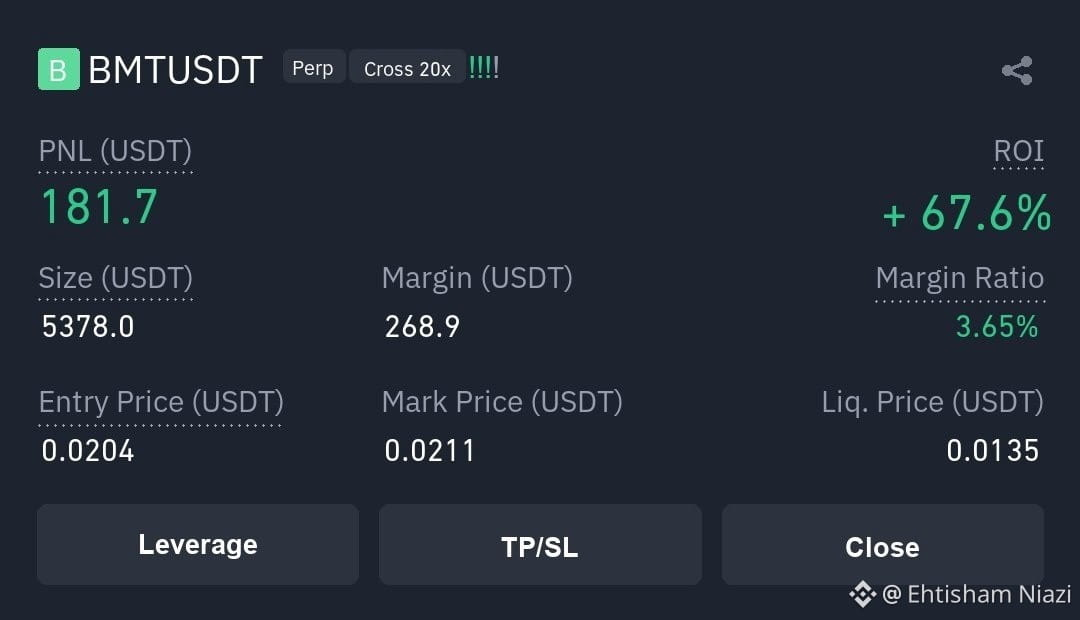
🪙 $BMT /USDT – PULSUZ TİCARƏT NƏTİCƏSİ
🎯 Hədəfin statusu: 1 ✅
💸 Mənfəət: +67%
Pulsuz ticarətlər üçün izləyin #freesignal #Follow4more #SİGNAL #TradingSignals
🪙 $BMT /USDT – PULSUZ TİCARƏT NƏTİCƏSİ
🎯 Hədəfin statusu: 1 ✅
💸 Mənfəət: +67%
Pulsuz ticarətlər üçün izləyin #freesignal #Follow4more #SİGNAL #TradingSignals
🎯 Hədəfin statusu: 1 ✅
💸 Mənfəət: +67%
Pulsuz ticarətlər üçün izləyin #freesignal #Follow4more #SİGNAL #TradingSignals
Ehtisham Niazi
·
--
#BMT /USDT hazırkı bazar qiyməti ilə (Fyuçers)
5-20x kredit çiynindən istifadə edə bilərsiniz.
GİRİŞ: - 0.02068- 0.02016
Hədəflər 👇
1. $0.02110
2. $0.02174
3. $0.02248
Zərəri dayandırma: $0.01950
#freesignals #freetrade #Follow $BMT
5-20x kredit çiynindən istifadə edə bilərsiniz.
GİRİŞ: - 0.02068- 0.02016
Hədəflər 👇
1. $0.02110
2. $0.02174
3. $0.02248
Zərəri dayandırma: $0.01950
#freesignals #freetrade #Follow $BMT
4


·
--
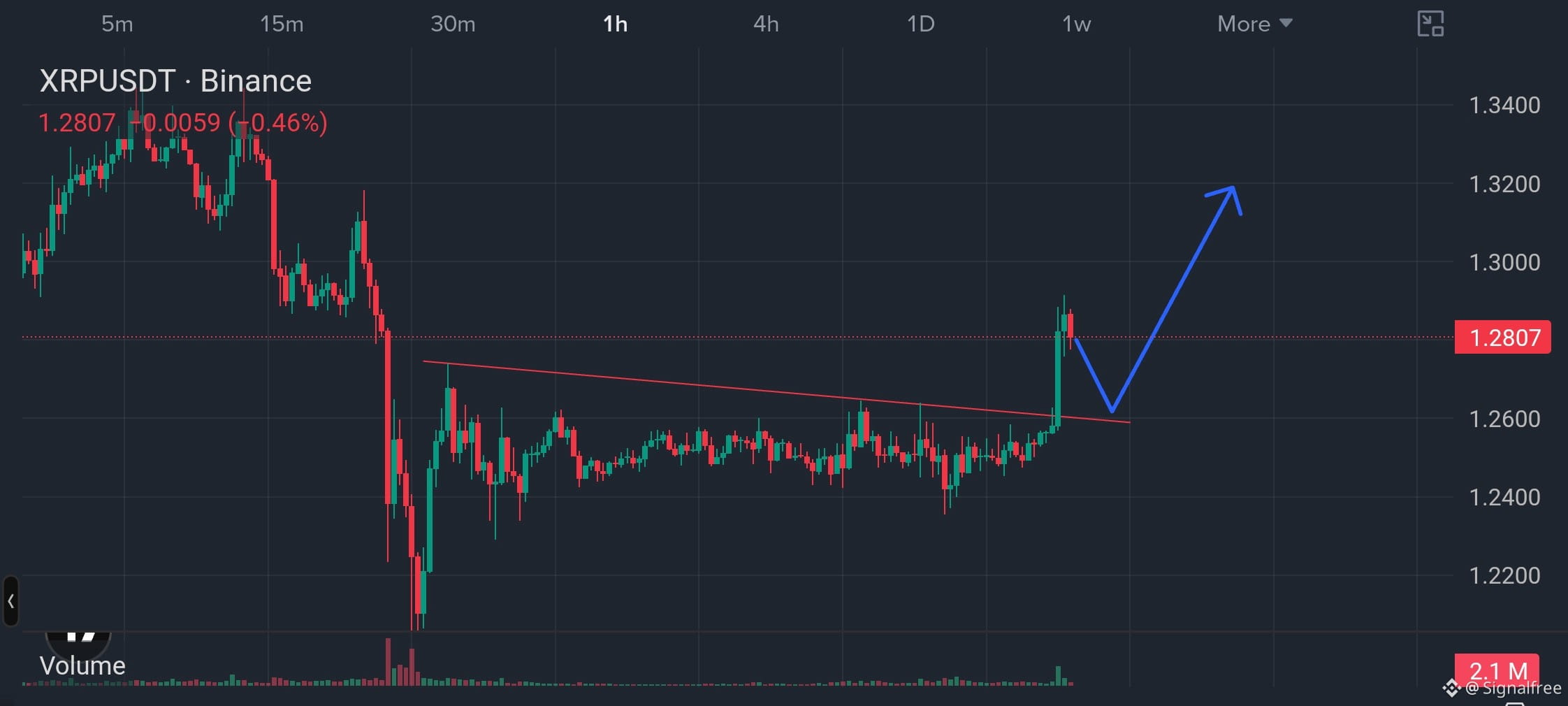
Azalma
105
·
--
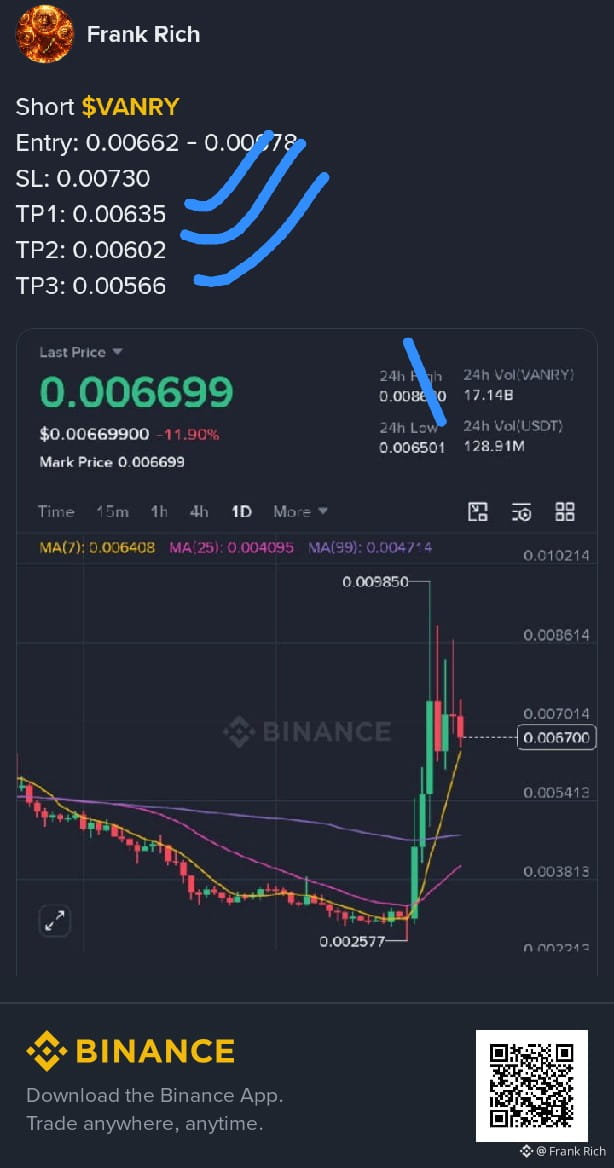
Bütün hədəflərimi vuran izləyicilərimə təbriklər 🎯 hədəfə dəydi 🔥💯 #VANRYUSDT $VANRY #Follow4more
Bütün hədəflərimi vuran izləyicilərimə təbriklər 🎯 hədəfə dəydi 🔥💯 #VANRYUSDT $VANRY #Follow4more
275

Variasiyanı və icra xətalarını izləmək üçün elektron cədvəl formatlı əməliyyat jurnalı?Səliqəli elektron cədvəl formatlı əməliyyat jurnalı obyektiv, əməliyyatdan əvvəlki risk/plan sahələrini standartlaşdırılmış, əməliyyatdan sonrakı teqlər və düsturlarla hesablanan sadə xülasələrlə birləşdirərək variasiyanı icra xətalarından ayırır. Əməliyyat qaydanı pozursa, bu dərhal qeyd olunur — beləliklə, proses səhvlərini filtrləyib əsas strategiyanızın və ATR/risk ölçüləndirməsinin həqiqətən müsbət gözlənilən nəticə verib-vermədiyini görə bilərsiniz.
1. Səliqəli əməliyyat jurnalı üçün əsas sütunlar
Hər bağlanmış əməliyyat üçün bir sətir saxlayın və sütunları soldan sağa məntiqi ardıcıllıqla qruplaşdırın ki, standart Excel/Sheets düsturlarından (SUMIFS, COUNTIFS, AVERAGEIFS) qarışıqlıq yaratmadan istifadə edə biləsiniz:
Variasiyanı və icra xətalarını izləmək üçün elektron cədvəl formatlı əməliyyat jurnalı?
Səliqəli elektron cədvəl formatlı əməliyyat jurnalı obyektiv, əməliyyatdan əvvəlki risk/plan sahələrini standartlaşdırılmış, əməliyyatdan sonrakı teqlər və düsturlarla hesablanan sadə xülasələrlə birləşdirərək variasiyanı icra xətalarından ayırır. Əməliyyat qaydanı pozursa, bu dərhal qeyd olunur — beləliklə, proses səhvlərini filtrləyib əsas strategiyanızın və ATR/risk ölçüləndirməsinin həqiqətən müsbət gözlənilən nəticə verib-vermədiyini görə bilərsiniz.
1. Səliqəli əməliyyat jurnalı üçün əsas sütunlar
Hər bağlanmış əməliyyat üçün bir sətir saxlayın və sütunları soldan sağa məntiqi ardıcıllıqla qruplaşdırın ki, standart Excel/Sheets düsturlarından (SUMIFS, COUNTIFS, AVERAGEIFS) qarışıqlıq yaratmadan istifadə edə biləsiniz:
1. Səliqəli əməliyyat jurnalı üçün əsas sütunlar
Hər bağlanmış əməliyyat üçün bir sətir saxlayın və sütunları soldan sağa məntiqi ardıcıllıqla qruplaşdırın ki, standart Excel/Sheets düsturlarından (SUMIFS, COUNTIFS, AVERAGEIFS) qarışıqlıq yaratmadan istifadə edə biləsiniz:
252
Tərcüməyə bax
Cryptographic techniques do K-IFRS auditors use to verify corporate crypto ownership#southkoreaplanstolet3500listedfirmsbuybitcoin
Under K-IFRS and South Korean financial audit expectations, a public blockchain address only proves that coins sit at an address—it does not prove the company controls the spending authority, nor that control is exclusive. Because private keys are the functional equivalent of bearer control and exposing them destroys asset security, auditors rely on asymmetric cryptography, read-only derivation proofs, and structured multi-party signing rituals rather than ever viewing or taking custody of raw private keys.
1. Challenge-Response Digital Signatures (Nonces)
This is the core cryptographic proof of control over a wallet address:
How it works: The auditor generates a fresh, unpredictable nonce (a random challenge string, often including an audit timestamp, engagement ID, and the specific public wallet address).Signing & verification: A designated signer uses the wallet's private key (via an air-gapped hardware signer or MPC signing device) to sign the challenge message without moving any funds. The auditor verifies the resulting digital signature mathematically against the known public key / wallet address using elliptic curve cryptography (such as ECDSA on Bitcoin/EVM chains or EdDSA on other networks).Why a nonce matters: Without a fresh challenge, a company could replay a previously signed message or rely on a third party who only has stale signing access.
2. Extended Public Keys (xpub / ypub / zpub) & Read-Only Derivation
For hierarchical deterministic (HD) wallets, auditors avoid checking addresses one by one manually:
How it works: The entity shares read-only extended public keys (such as xpub/zpub in Bitcoin or read-only account public keys/view keys where supported) rather than seed phrases or private keys.What it proves: Auditors can deterministically derive the tree of receiving and change addresses controlled by that wallet path and reconcile every on-chain UTXO or account balance against the corporate sub-ledger—reducing the risk of cherry-picking only favorable addresses or omitting change addresses.Key boundary: Extended public keys allow address derivation and balance/transaction inspection, not spending—though auditors still treat extended public keys as sensitive because they can link multiple addresses belonging to the same treasury.
3. Multi-Sig & MPC Threshold Attestation
Institutional treasuries rarely use a single private key. Instead, control is split across multiple signers or key shares using Multi-Signature (m-of-n) smart contracts/scripts or Multi-Party Computation (MPC) threshold signatures:
How it works: Rather than assembling a single private key in memory, key shares remain isolated across separate hardware modules, officers, or custodians. During an audit walkthrough, authorized signers produce a valid threshold signature on the auditor's challenge message while observing segregation-of-duties rules (for example, demonstrating that no single individual holds enough key shares or quorum weight to unilaterally move funds).Exclusive/unencumbered control check: Auditors also check smart contracts, co-signer policies, and custodial agreements to verify that no external party holds co-signing veto power, lien rights, or hidden sweeping privileges that would contradict exclusive corporate control.
4. Merkle Proofs & Cryptographic Reserve / Custody Attestations
When assets sit with a third-party custodian or omnibus/segregated setup, cryptographic proofs pair with independent third-party confirmations:
Merkle-tree inclusion proofs: Used when a custodian aggregates balances across clients and publishes cryptographic proofs showing a specific client's balance leaf is included inside a committed Merkle root tied to verifiable on-chain addresses.Why auditors still pair cryptography with legal/custodial evidence: A signature proves signing capability at a point in time, not legal title, absence of off-chain pledges/loans, or ongoing security after the test. Auditors therefore combine cryptographic signing tests with custodial confirmations, smart-contract/governance inspection, and blockchain transaction tracing.
#cryptouniverseofficial #Bianace #Follow4more
Cryptographic techniques do K-IFRS auditors use to verify corporate crypto ownership
#southkoreaplanstolet3500listedfirmsbuybitcoin
Under K-IFRS and South Korean financial audit expectations, a public blockchain address only proves that coins sit at an address—it does not prove the company controls the spending authority, nor that control is exclusive. Because private keys are the functional equivalent of bearer control and exposing them destroys asset security, auditors rely on asymmetric cryptography, read-only derivation proofs, and structured multi-party signing rituals rather than ever viewing or taking custody of raw private keys.
1. Challenge-Response Digital Signatures (Nonces)
This is the core cryptographic proof of control over a wallet address:
How it works: The auditor generates a fresh, unpredictable nonce (a random challenge string, often including an audit timestamp, engagement ID, and the specific public wallet address).Signing & verification: A designated signer uses the wallet's private key (via an air-gapped hardware signer or MPC signing device) to sign the challenge message without moving any funds. The auditor verifies the resulting digital signature mathematically against the known public key / wallet address using elliptic curve cryptography (such as ECDSA on Bitcoin/EVM chains or EdDSA on other networks).Why a nonce matters: Without a fresh challenge, a company could replay a previously signed message or rely on a third party who only has stale signing access.
2. Extended Public Keys (xpub / ypub / zpub) & Read-Only Derivation
For hierarchical deterministic (HD) wallets, auditors avoid checking addresses one by one manually:
How it works: The entity shares read-only extended public keys (such as xpub/zpub in Bitcoin or read-only account public keys/view keys where supported) rather than seed phrases or private keys.What it proves: Auditors can deterministically derive the tree of receiving and change addresses controlled by that wallet path and reconcile every on-chain UTXO or account balance against the corporate sub-ledger—reducing the risk of cherry-picking only favorable addresses or omitting change addresses.Key boundary: Extended public keys allow address derivation and balance/transaction inspection, not spending—though auditors still treat extended public keys as sensitive because they can link multiple addresses belonging to the same treasury.
3. Multi-Sig & MPC Threshold Attestation
Institutional treasuries rarely use a single private key. Instead, control is split across multiple signers or key shares using Multi-Signature (m-of-n) smart contracts/scripts or Multi-Party Computation (MPC) threshold signatures:
How it works: Rather than assembling a single private key in memory, key shares remain isolated across separate hardware modules, officers, or custodians. During an audit walkthrough, authorized signers produce a valid threshold signature on the auditor's challenge message while observing segregation-of-duties rules (for example, demonstrating that no single individual holds enough key shares or quorum weight to unilaterally move funds).Exclusive/unencumbered control check: Auditors also check smart contracts, co-signer policies, and custodial agreements to verify that no external party holds co-signing veto power, lien rights, or hidden sweeping privileges that would contradict exclusive corporate control.
4. Merkle Proofs & Cryptographic Reserve / Custody Attestations
When assets sit with a third-party custodian or omnibus/segregated setup, cryptographic proofs pair with independent third-party confirmations:
Merkle-tree inclusion proofs: Used when a custodian aggregates balances across clients and publishes cryptographic proofs showing a specific client's balance leaf is included inside a committed Merkle root tied to verifiable on-chain addresses.Why auditors still pair cryptography with legal/custodial evidence: A signature proves signing capability at a point in time, not legal title, absence of off-chain pledges/loans, or ongoing security after the test. Auditors therefore combine cryptographic signing tests with custodial confirmations, smart-contract/governance inspection, and blockchain transaction tracing.
#cryptouniverseofficial #Bianace #Follow4more
1
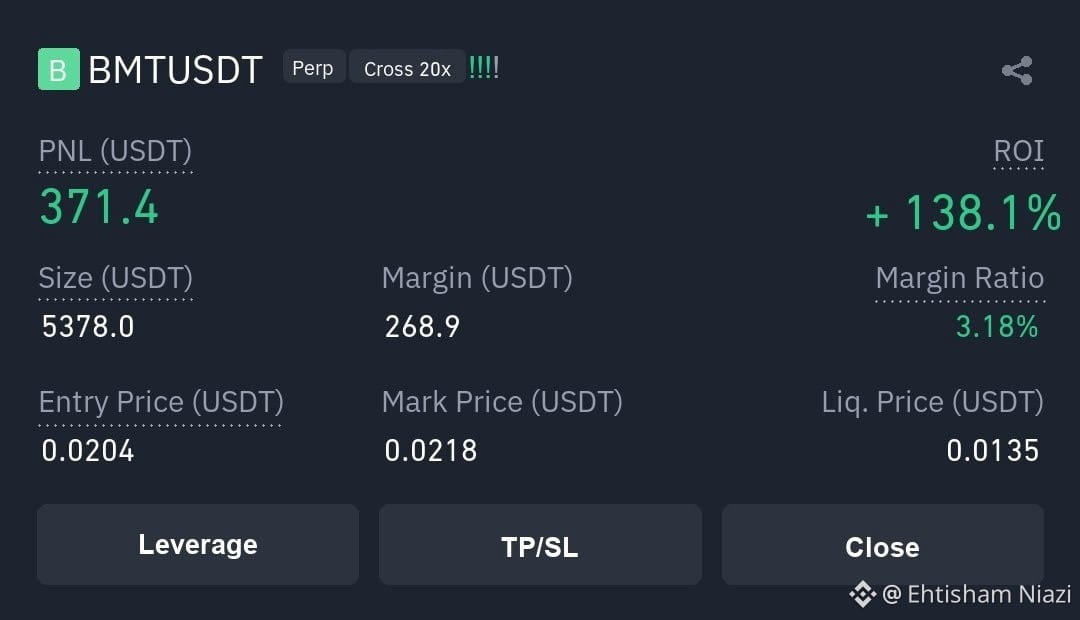
$BMT /USDT –PULSUZ TİCARƏT NƏTİCƏSİ
🎯 Hədəf statusu : 2 ✅
💸 Mənfəət : +138%
#freesignal #Follow4more #trading #Tipme
$BMT /USDT –PULSUZ TİCARƏT NƏTİCƏSİ
🎯 Hədəf statusu : 2 ✅
💸 Mənfəət : +138%
#freesignal #Follow4more #trading #Tipme
🎯 Hədəf statusu : 2 ✅
💸 Mənfəət : +138%
#freesignal #Follow4more #trading #Tipme
Ehtisham Niazi
·
--
#BMT /USDT hazırkı bazar qiyməti ilə (Fyuçers)
5-20x kredit çiynindən istifadə edə bilərsiniz.
GİRİŞ: - 0.02068- 0.02016
Hədəflər 👇
1. $0.02110
2. $0.02174
3. $0.02248
Zərəri dayandırma: $0.01950
#freesignals #freetrade #Follow $BMT
5-20x kredit çiynindən istifadə edə bilərsiniz.
GİRİŞ: - 0.02068- 0.02016
Hədəflər 👇
1. $0.02110
2. $0.02174
3. $0.02248
Zərəri dayandırma: $0.01950
#freesignals #freetrade #Follow $BMT
32
CÜT: MMT/USDT
🟢 İSTİQAMƏT: QISA📈
KREDİT ÇİYNİ: 25X
GİRİŞ ZONASI
0.2530 - 0.2600
MƏNFƏƏT HƏDƏFLƏRİ
🥇TP1: 0.2470
🥈TP2: 0.2400
🥉TP3: 0.2340
🔝TP4: 0.2270
❌ ZƏRƏRİN DAYANDIRILMASI: 0.2710
$MMT
#freesignal #Follow4more #free #TradingSignals
CÜT: MMT/USDT
🟢 İSTİQAMƏT: QISA📈
KREDİT ÇİYNİ: 25X
GİRİŞ ZONASI
0.2530 - 0.2600
MƏNFƏƏT HƏDƏFLƏRİ
🥇TP1: 0.2470
🥈TP2: 0.2400
🥉TP3: 0.2340
🔝TP4: 0.2270
❌ ZƏRƏRİN DAYANDIRILMASI: 0.2710
$MMT
#freesignal #Follow4more #free #TradingSignals
🟢 İSTİQAMƏT: QISA📈
KREDİT ÇİYNİ: 25X
GİRİŞ ZONASI
0.2530 - 0.2600
MƏNFƏƏT HƏDƏFLƏRİ
🥇TP1: 0.2470
🥈TP2: 0.2400
🥉TP3: 0.2340
🔝TP4: 0.2270
❌ ZƏRƏRİN DAYANDIRILMASI: 0.2710
$MMT
#freesignal #Follow4more #free #TradingSignals
232
·
--
Artım
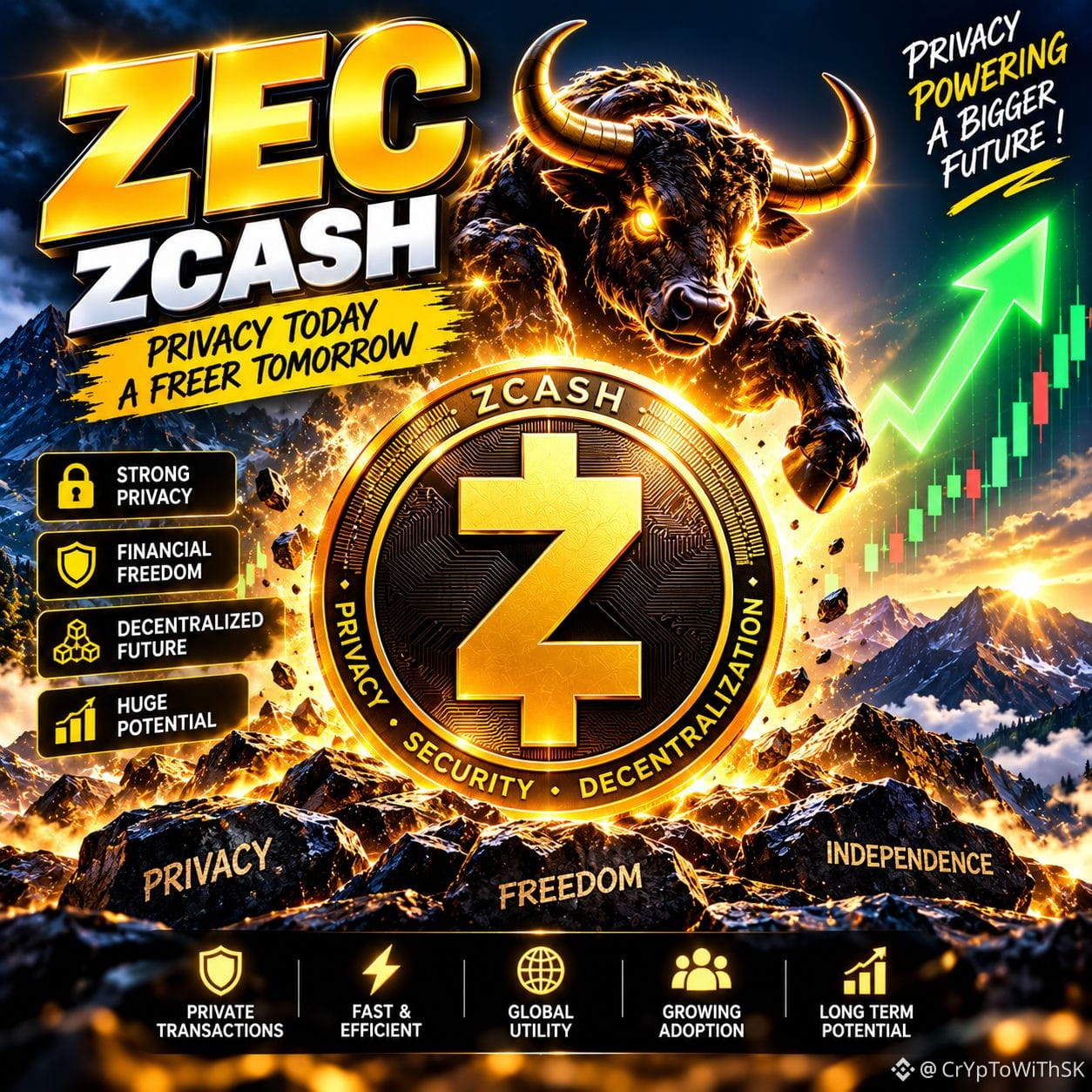
$ZEC Yenidən müsbət istiqamətdə hərəkət edir 🧿✋
Sürətli giriş edin: 950
Mənfəət hədəfi: 975
Zərəri dayandırma: 940
#BTCRemainsUnderPressureAfterHawkishFOMCMinutes
#BuyTheDip
#zec
#CommentToEnter
#Follow4more
{future}(ZECUSDT)
$ZEC Yenidən müsbət istiqamətdə hərəkət edir 🧿✋
Sürətli giriş edin: 950
Mənfəət hədəfi: 975
Zərəri dayandırma: 940
#BTCRemainsUnderPressureAfterHawkishFOMCMinutes
#BuyTheDip
#zec
#CommentToEnter
#Follow4more
Sürətli giriş edin: 950
Mənfəət hədəfi: 975
Zərəri dayandırma: 940
#BTCRemainsUnderPressureAfterHawkishFOMCMinutes
#BuyTheDip
#zec
#CommentToEnter
#Follow4more
1
49

·
--
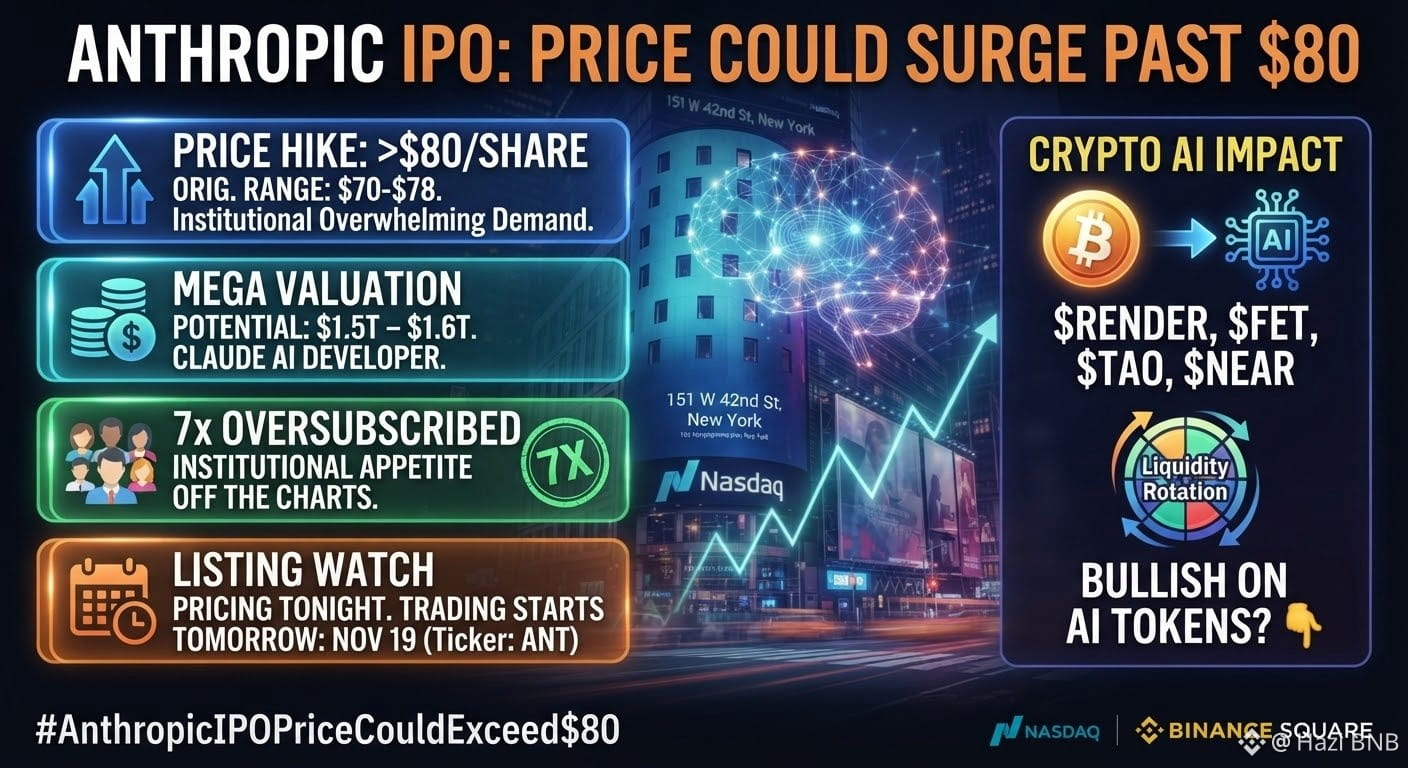
#AnthropicIPOQiyməti80DollarıKeçəBilər
🚨 SON DƏQİQƏ: Anthropic IPO-sunun qiyməti 80 dolları ötə bilər! 🚀🤖
Anthropic-in Nasdaq-da debütünə (tiker: ANT) az qalmış institusional investorların böyük tələbi Wall Street-i silkələyir!
Bilməli olduğunuz məqamlar:
📈 Qiymət artımı gözlənilir: İlkin qiymət 70–78 dollar müəyyən edilsə də, hedc fondlarından gələn böyük sifarişlər IPO-nun yekun qiymətini səhm başına 80 dollardan yuxarı qaldıra bilər.
💰 Nəhəng qiymətləndirmə: Bu addım Claude AI-nin yaradıcısı olan şirkətin dəyərini heyrətamiz 1,5T–1,6T dollara yüksəldə bilər.
🔥 Tələb təklifdən 7 dəfə çoxdur: İnstitusional investorların marağı rekord həddədir, səhmlərin 20%-dək hissəsi pərakəndə investorlar üçün ayrılıb.
📅 Birjaya çıxışı izləyin: Qiymət bu axşam yekunlaşacaq, rəsmi ticarət isə sabah, noyabrın 19-da başlayacaq.
Bu, kripto üçün niyə vacibdir: 🪙
AI sahəsindəki mühüm nailiyyətlər tez-tez AI sektorundakı tokenlərdə ($RENDER ,$FET, $TAO ,$NEAR ) böyük likvidlik axınlarına və əhval-ruhiyyədə kəskin sıçrayışlara səbəb olur. İzləmə siyahınızı diqqətdə saxlayın — AI
{future}(NEARUSDT)
narrativindəki dəyişkənlik artır! ⚡
Bu həftə AI tokenlərinin yüksələcəyini gözləyirsiniz, yoxsa kənarda qalacaqsınız? Fikirlərinizi aşağıda paylaşın! 👇💬
#AnthropicIPOQiyməti80DollarıKeçəBilər #AI #CryptoNews #Follow4more #Anthropic
#AnthropicIPOQiyməti80DollarıKeçəBilər
🚨 SON DƏQİQƏ: Anthropic IPO-sunun qiyməti 80 dolları ötə bilər! 🚀🤖
Anthropic-in Nasdaq-da debütünə (tiker: ANT) az qalmış institusional investorların böyük tələbi Wall Street-i silkələyir!
Bilməli olduğunuz məqamlar:
📈 Qiymət artımı gözlənilir: İlkin qiymət 70–78 dollar müəyyən edilsə də, hedc fondlarından gələn böyük sifarişlər IPO-nun yekun qiymətini səhm başına 80 dollardan yuxarı qaldıra bilər.
💰 Nəhəng qiymətləndirmə: Bu addım Claude AI-nin yaradıcısı olan şirkətin dəyərini heyrətamiz 1,5T–1,6T dollara yüksəldə bilər.
🔥 Tələb təklifdən 7 dəfə çoxdur: İnstitusional investorların marağı rekord həddədir, səhmlərin 20%-dək hissəsi pərakəndə investorlar üçün ayrılıb.
📅 Birjaya çıxışı izləyin: Qiymət bu axşam yekunlaşacaq, rəsmi ticarət isə sabah, noyabrın 19-da başlayacaq.
Bu, kripto üçün niyə vacibdir: 🪙
AI sahəsindəki mühüm nailiyyətlər tez-tez AI sektorundakı tokenlərdə ($RENDER ,$FET, $TAO ,$NEAR ) böyük likvidlik axınlarına və əhval-ruhiyyədə kəskin sıçrayışlara səbəb olur. İzləmə siyahınızı diqqətdə saxlayın — AI
narrativindəki dəyişkənlik artır! ⚡
Bu həftə AI tokenlərinin yüksələcəyini gözləyirsiniz, yoxsa kənarda qalacaqsınız? Fikirlərinizi aşağıda paylaşın! 👇💬
#AnthropicIPOQiyməti80DollarıKeçəBilər #AI #CryptoNews #Follow4more #Anthropic
1.6k
·
--
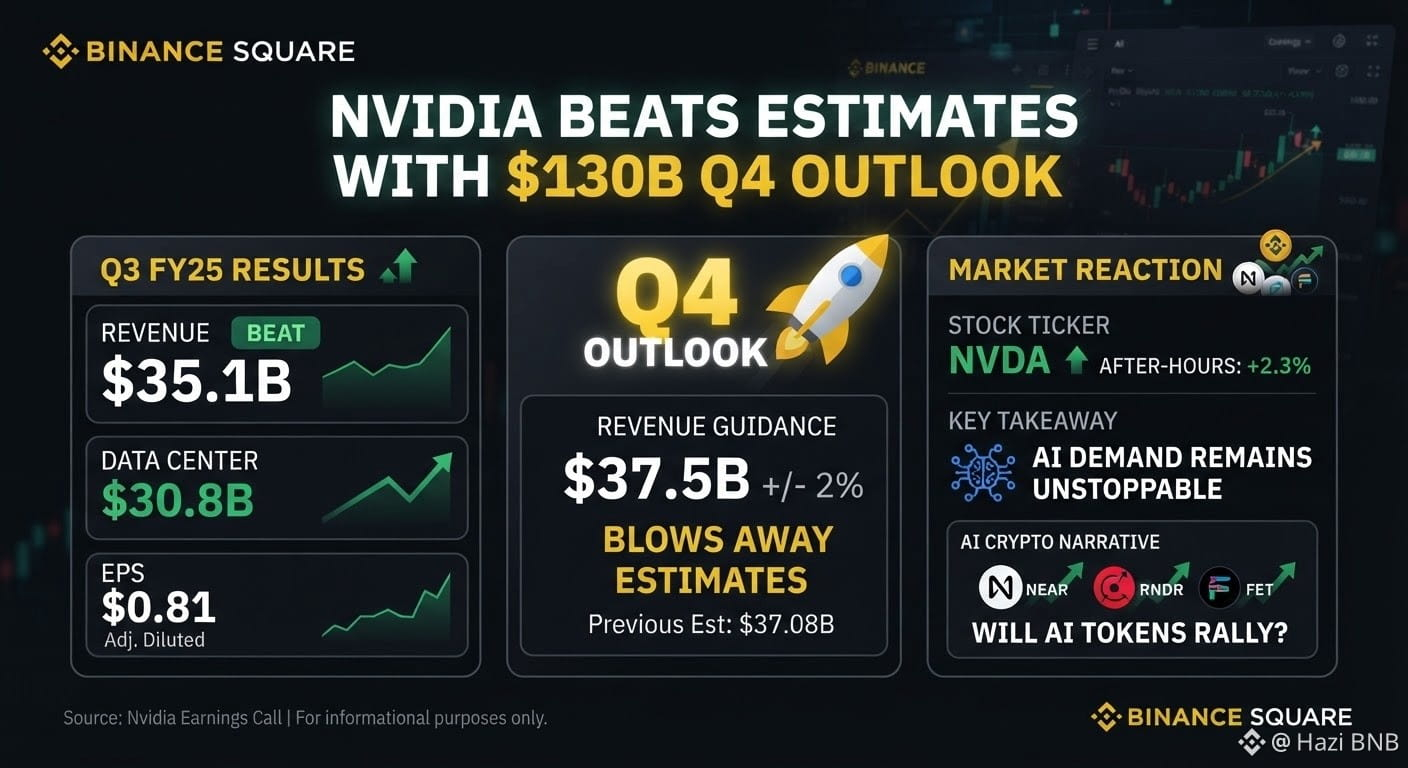
#NvidiaQ4Üçün130MilyardDollarProqnozuİləGözləntiləriAşdı
🔥 NVDA BUNU YENƏ ETDİ! 🔥
📊 Q3 gəliri: 115,8 milyard dollar (Gözləntiləri aşdı!)
🔮 Q4 proqnozu: 130 milyard dollar (Gözləntiləri xeyli aşdı!)
💎 Səhmlərin geri alınması: +150 milyard dollar
Rəhbərlikdəki dəyişikliklərə baxmayaraq, süni intellekt mühərrikini dayandırmaq mümkün deyil.🚀👇
🤖 Süni intellekt sahəsindəki yüksəlişə böyük təkan gəldi! 📈
Nvidia-nın Q3 gəlirləri Wall Street analitiklərinin proqnozlarını xeyli üstələdi və qlobal süni intellekt infrastrukturu xərclərinin hələ də sürətlə artdığını göstərdi:
✅ Q3 gəliri: 115,8 milyard dollar (Gözləntiləri aşdı)
✅ Məlumat mərkəzi satışları: 107,6 milyard dollar (illik müqayisədə +110%)
✅ Q4 proqnozu: 130 milyard dollar
Süni intellekt bulud xidmətləri şirkətlərinin səhmləri bahalaşarkən, kriptotreyderlər bu yüksəliş dalğasının süni intellekt tokenlərinə və $BTC -ə keçib-keçməyəcəyini yaxından izləyirlər 👀
$NVII.ETF $BNB #AI #Web3 #BinanceSquareFamily #Follow4more #BNBLUNCPOOL
239

·
--
Artım

5
1.9k



苏菲亚 Sophia
·
--
Blokçeyn saf qəlbi daşıyır, kripto yaxşılığa xidmət edir, #年年 bir ovuc şəfqətlə dağların qoynuna saf arzuları bəsləməyə yollanır✨💫
Bazarın enib-qalxması adi haldır; kəskin yüksəlişlər və enişlər də təəccüblü deyil. Əsl qıt olan konsensusdur — qiymətlər düşəndə belə, işini arxayınlıqla qurmağa davam edənlərin olmasıdır. Hər il səbir və əzmlə güc toplayır, dəbin arxasınca qaçmır, tələsmirik; görülməli işləri dərindən və hərtərəfli görürük. Bizə aid fürsətlər səs-küyün içindən gəlməyəcək, yalnız hazır olanların əlinə düşəcək. Konsensusu qoruyub, təməl quruculuğunu davam etdirək və çiçəklərin açmasını səbirlə gözləyək💛
@GiggleAcademy @niannianflap777
$BTC $SOL $ETH #BTC☀
#高盛与Millennium各持超12亿美元比特币ETF #Strategy出售209万股MSTR获2.447亿美元 #Anthropic上市倒计时,AI投资热度迎来检验

5
·
--
#Follow4more #شرح #شكوى
Aranızdan kim mənə baş verənləri izah edə bilər? Heç bir qırmızı zərfi aça bilmirəm 🧧🧧🧧 Bunun mənası nədir? Xahiş edirəm, inandırıcı cavab verin 👇👇👇
#Follow4more #شرح #شكوى
Aranızdan kim mənə baş verənləri izah edə bilər? Heç bir qırmızı zərfi aça bilmirəm 🧧🧧🧧 Bunun mənası nədir? Xahiş edirəm, inandırıcı cavab verin 👇👇👇
Aranızdan kim mənə baş verənləri izah edə bilər? Heç bir qırmızı zərfi aça bilmirəm 🧧🧧🧧 Bunun mənası nədir? Xahiş edirəm, inandırıcı cavab verin 👇👇👇

اليسر لتعليم الكريبتو:
العفو اخي الغالي اتشرف بكفي في وقت
7
2
381


·
--
Azalma
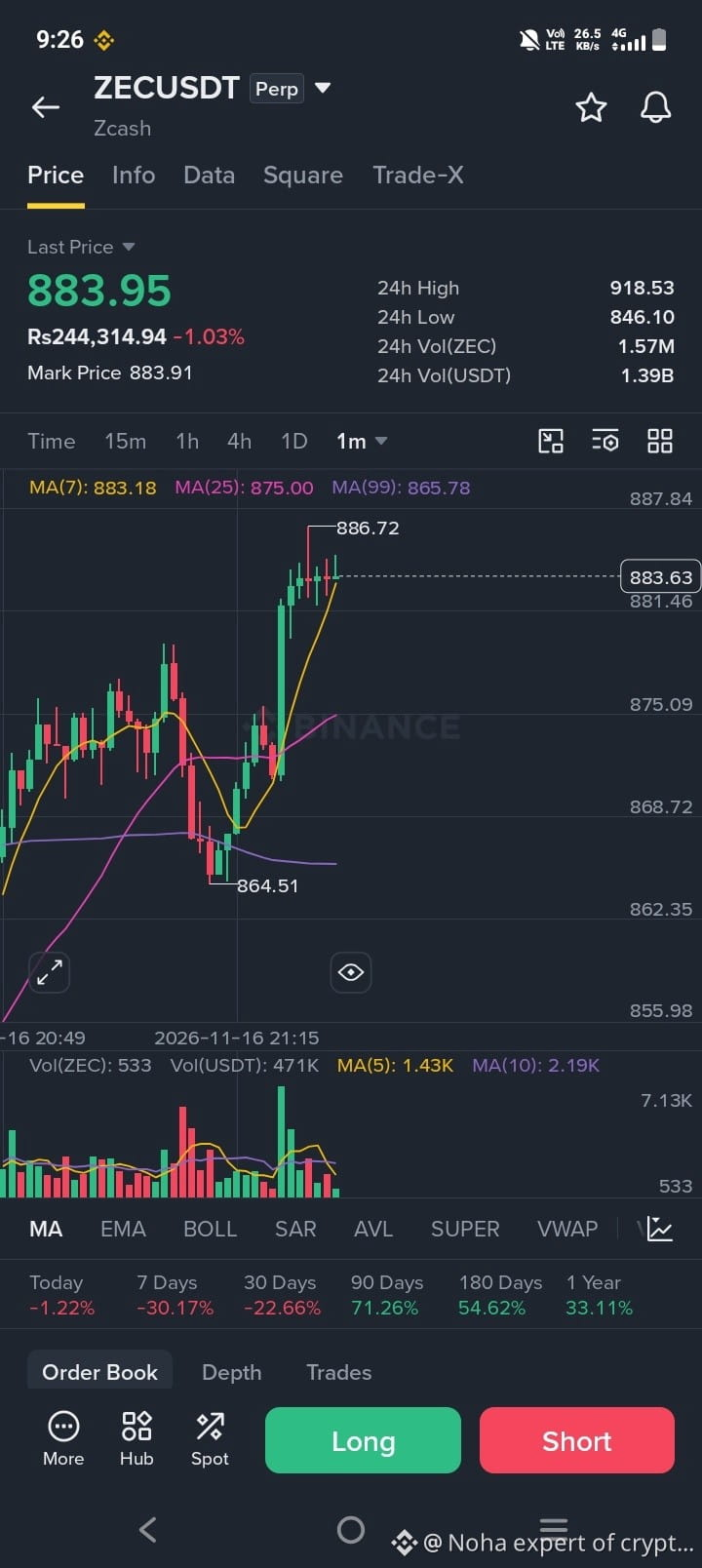
$ZEC
{future}(ZECUSDT)
Burada short aç, 870 və 864-də TP götür
#TradingTales #signals #Write2Earn
#Follow4more #nohaexpertofcrypto
$ZEC
Burada short aç, 870 və 864-də TP götür
#TradingTales #signals #Write2Earn
#Follow4more #nohaexpertofcrypto
Burada short aç, 870 və 864-də TP götür
#TradingTales #signals #Write2Earn
#Follow4more #nohaexpertofcrypto
Trudie Hoefle z5BI:
狗托幸好没听你的
1
401
Daha çox kontent araşdırmaq üçün daxil olun
Binance Square-də qlobal kriptovalyuta istifadəçilərinə qoşulun
⚡️ Kriptovalyuta haqqında ən son və faydalı məlumatları əldə edin.
💬 Dünyanın ən böyük kriptovalyuta birjası tərəfindən etibar edilir.
👍 Doğrulanmış yaradıcılardan gələn real məlumatları kəşf edin.
E-poçt/Telefon nömrəsi
Trenddə olan mövzular
1
#CanBTCReboundAfterFallingBelow60K?
0 baxış
Müzakirə edir: 375
2
#GlobalStocksFaceLongestLosingStreakSince2023
0 baxış
Müzakirə edir: 429
3
#AnthropicPlungesTowardIPOPriceonDay2
0 baxış
Müzakirə edir: 138
4
#GaoTengBitcoinETFListsOnHKEX
0 baxış
Müzakirə edir: 346
5
#TradFiForBeginners
946,825 baxış
Müzakirə edir: 5,724
6
#NvidiaBoardReportedlySplitOverHuang’sReturn
258,674 baxış
Müzakirə edir: 2,528
7
#TetherBurns8BillionUSDTInPast20Days
0 baxış
Müzakirə edir: 137
8
#BitcoinWalletSignatureFlawExploitableWithinSeconds
0 baxış
Müzakirə edir: 66
9
#CanGTA6'sLaunchLiftTTWOShares?
207,868 baxış
Müzakirə edir: 1,779
10
#HongKongProposesSFCLicensingForFourVirtualAssetServices
404 baxış
Müzakirə edir: 35