

Zablon32
145 منشورات

Zablon32
إبلاغ
حظر المُستخدم
فتح تداول
مُتداول بمُعدّل مرتفع
2.6 سنوات
3 تتابع
20 المتابعون
121 إعجاب
منشورات
الحافظة الاستثمارية
الكل
اقتباسات
مقاطع فيديو
·
--
#SpotVSFuturesStrategy
الشراء الفوري (Spot) والعقود الآجلة (Futures) هما استراتيجيتان مختلفتان تُستخدمان في الأسواق المالية، بما في ذلك أسواق العملات الرقمية. يتضمن التداول الفوري شراء أو بيع الأصول مقابل تسليم فوري—أي أنك تمتلك الأصل فعليًا، مثل البيتكوين أو الإيثريوم. وهو أسلوب مباشر ومناسب للمبتدئين والمستثمرين على المدى الطويل. غالبًا ما تشمل استراتيجيات التداول الفوري الاحتفاظ (HODLing)، وتداولات التأرجح (Swing Trading)، أو متوسط التكلفة بالدولار (Dollar-Cost Averaging). في المقابل، يتضمن تداول العقود الآجلة عقودًا لشراء أو بيع أصل بسعر محدد في تاريخ لاحق. أنت لا تمتلك الأصل الأساسي—بدلًا من ذلك، أنت تتكهن باتجاه سعره. تشمل استراتيجيات العقود الآجلة استخدام الرافعة المالية (الاقتراض لزيادة المكاسب المحتملة)، والبيع على المكشوف (الربح عندما تنخفض الأسعار)، والتحوط (حماية الاستثمارات القائمة). توفر العقود الآجلة فرصًا أكبر لتحقيق الأرباح لكنها تحمل مخاطر أعلى، خصوصًا بسبب الرافعة المالية. يُعد التداول الفوري أقل مخاطرة ومناسبًا لبناء محفظة، بينما تكون العقود الآجلة أفضل للمتداولين ذوي الخبرة الذين يسعون لتحقيق الربح من الأسواق الصاعدة والهابطة.
#SpotVSFuturesStrategy
الشراء الفوري (Spot) والعقود الآجلة (Futures) هما استراتيجيتان مختلفتان تُستخدمان في الأسواق المالية، بما في ذلك أسواق العملات الرقمية. يتضمن التداول الفوري شراء أو بيع الأصول مقابل تسليم فوري—أي أنك تمتلك الأصل فعليًا، مثل البيتكوين أو الإيثريوم. وهو أسلوب مباشر ومناسب للمبتدئين والمستثمرين على المدى الطويل. غالبًا ما تشمل استراتيجيات التداول الفوري الاحتفاظ (HODLing)، وتداولات التأرجح (Swing Trading)، أو متوسط التكلفة بالدولار (Dollar-Cost Averaging). في المقابل، يتضمن تداول العقود الآجلة عقودًا لشراء أو بيع أصل بسعر محدد في تاريخ لاحق. أنت لا تمتلك الأصل الأساسي—بدلًا من ذلك، أنت تتكهن باتجاه سعره. تشمل استراتيجيات العقود الآجلة استخدام الرافعة المالية (الاقتراض لزيادة المكاسب المحتملة)، والبيع على المكشوف (الربح عندما تنخفض الأسعار)، والتحوط (حماية الاستثمارات القائمة). توفر العقود الآجلة فرصًا أكبر لتحقيق الأرباح لكنها تحمل مخاطر أعلى، خصوصًا بسبب الرافعة المالية. يُعد التداول الفوري أقل مخاطرة ومناسبًا لبناء محفظة، بينما تكون العقود الآجلة أفضل للمتداولين ذوي الخبرة الذين يسعون لتحقيق الربح من الأسواق الصاعدة والهابطة.
الشراء الفوري (Spot) والعقود الآجلة (Futures) هما استراتيجيتان مختلفتان تُستخدمان في الأسواق المالية، بما في ذلك أسواق العملات الرقمية. يتضمن التداول الفوري شراء أو بيع الأصول مقابل تسليم فوري—أي أنك تمتلك الأصل فعليًا، مثل البيتكوين أو الإيثريوم. وهو أسلوب مباشر ومناسب للمبتدئين والمستثمرين على المدى الطويل. غالبًا ما تشمل استراتيجيات التداول الفوري الاحتفاظ (HODLing)، وتداولات التأرجح (Swing Trading)، أو متوسط التكلفة بالدولار (Dollar-Cost Averaging). في المقابل، يتضمن تداول العقود الآجلة عقودًا لشراء أو بيع أصل بسعر محدد في تاريخ لاحق. أنت لا تمتلك الأصل الأساسي—بدلًا من ذلك، أنت تتكهن باتجاه سعره. تشمل استراتيجيات العقود الآجلة استخدام الرافعة المالية (الاقتراض لزيادة المكاسب المحتملة)، والبيع على المكشوف (الربح عندما تنخفض الأسعار)، والتحوط (حماية الاستثمارات القائمة). توفر العقود الآجلة فرصًا أكبر لتحقيق الأرباح لكنها تحمل مخاطر أعلى، خصوصًا بسبب الرافعة المالية. يُعد التداول الفوري أقل مخاطرة ومناسبًا لبناء محفظة، بينما تكون العقود الآجلة أفضل للمتداولين ذوي الخبرة الذين يسعون لتحقيق الربح من الأسواق الصاعدة والهابطة.
4
·
--
#HODLTradingStrategy
استراتيجية HODL—وهي نسخة مُكتوبة خطأً في الأصل لكلمة “hold” (الإمساك/الاحتفاظ)—هي نهج استثماري طويل الأجل يستخدمه مستثمرو العملات الرقمية الذين يختارون الاحتفاظ بأصولهم بغض النظر عن تقلبات السوق. بدلًا من الاستجابة لتذبذبات الأسعار اليومية، يعتقد الـHODLers بقيمة العملات المشفرة على المدى الطويل وإمكانات نموها، مثل بيتكوين (BTC) أو إيثيريوم (ETH). غالبًا ما تستند هذه الاستراتيجية إلى إيمان قوي بالتقنية، وإمداد محدود، وتبنّيٍ مستقبلي لأصول التشفير. يساعد الـHODLing المستثمرين على تجنّب قرارات التداول العاطفية، مثل البيع الذعري أثناء هبوط السعر، أو الشراء بدافع الخوف من فوات الفرصة (FOMO) عندما يرتفع بشكل حاد. يقوم العديد من الـHODLers بالشراء أثناء الانهيارات السوقية والاحتفاظ لسنوات، منتظرين موجات الصعود الكبرى. ورغم أن هذه الاستراتيجية قد تؤدي إلى عوائد مرتفعة على المدى الطويل، إلا أنها تتطلب أيضًا صبرًا وقدرة قوية على تحمل المخاطر، خصوصًا في سوق العملات الرقمية شديد التذبذب. ولتقليل المخاطر، يقوم بعض الـHODLers بتنويع ممتلكاتهم أو يستخدمون متوسط التكلفة بالدولار للاستثمار بشكل منتظم على مدار الوقت.
#HODLTradingStrategy
استراتيجية HODL—وهي نسخة مُكتوبة خطأً في الأصل لكلمة “hold” (الإمساك/الاحتفاظ)—هي نهج استثماري طويل الأجل يستخدمه مستثمرو العملات الرقمية الذين يختارون الاحتفاظ بأصولهم بغض النظر عن تقلبات السوق. بدلًا من الاستجابة لتذبذبات الأسعار اليومية، يعتقد الـHODLers بقيمة العملات المشفرة على المدى الطويل وإمكانات نموها، مثل بيتكوين (BTC) أو إيثيريوم (ETH). غالبًا ما تستند هذه الاستراتيجية إلى إيمان قوي بالتقنية، وإمداد محدود، وتبنّيٍ مستقبلي لأصول التشفير. يساعد الـHODLing المستثمرين على تجنّب قرارات التداول العاطفية، مثل البيع الذعري أثناء هبوط السعر، أو الشراء بدافع الخوف من فوات الفرصة (FOMO) عندما يرتفع بشكل حاد. يقوم العديد من الـHODLers بالشراء أثناء الانهيارات السوقية والاحتفاظ لسنوات، منتظرين موجات الصعود الكبرى. ورغم أن هذه الاستراتيجية قد تؤدي إلى عوائد مرتفعة على المدى الطويل، إلا أنها تتطلب أيضًا صبرًا وقدرة قوية على تحمل المخاطر، خصوصًا في سوق العملات الرقمية شديد التذبذب. ولتقليل المخاطر، يقوم بعض الـHODLers بتنويع ممتلكاتهم أو يستخدمون متوسط التكلفة بالدولار للاستثمار بشكل منتظم على مدار الوقت.
استراتيجية HODL—وهي نسخة مُكتوبة خطأً في الأصل لكلمة “hold” (الإمساك/الاحتفاظ)—هي نهج استثماري طويل الأجل يستخدمه مستثمرو العملات الرقمية الذين يختارون الاحتفاظ بأصولهم بغض النظر عن تقلبات السوق. بدلًا من الاستجابة لتذبذبات الأسعار اليومية، يعتقد الـHODLers بقيمة العملات المشفرة على المدى الطويل وإمكانات نموها، مثل بيتكوين (BTC) أو إيثيريوم (ETH). غالبًا ما تستند هذه الاستراتيجية إلى إيمان قوي بالتقنية، وإمداد محدود، وتبنّيٍ مستقبلي لأصول التشفير. يساعد الـHODLing المستثمرين على تجنّب قرارات التداول العاطفية، مثل البيع الذعري أثناء هبوط السعر، أو الشراء بدافع الخوف من فوات الفرصة (FOMO) عندما يرتفع بشكل حاد. يقوم العديد من الـHODLers بالشراء أثناء الانهيارات السوقية والاحتفاظ لسنوات، منتظرين موجات الصعود الكبرى. ورغم أن هذه الاستراتيجية قد تؤدي إلى عوائد مرتفعة على المدى الطويل، إلا أنها تتطلب أيضًا صبرًا وقدرة قوية على تحمل المخاطر، خصوصًا في سوق العملات الرقمية شديد التذبذب. ولتقليل المخاطر، يقوم بعض الـHODLers بتنويع ممتلكاتهم أو يستخدمون متوسط التكلفة بالدولار للاستثمار بشكل منتظم على مدار الوقت.
2
3
·
--
#DayTradingStrategy
يتضمن التداول اليومي شراء وبيع الأصول المالية ضمن نفس اليوم لتحقيق أرباح من تحركات الأسعار قصيرة الأجل. يعتمد المتداولون الناجحون داخل اليوم على مجموعة متنوعة من الاستراتيجيات لاتخاذ قرارات سريعة في أسواق سريعة التغير. إحدى الطرق الشائعة هي المضاربة السريعة (Scalping)، حيث يهدف المتداولون إلى تحقيق أرباح من تغيرات سعرية صغيرة من خلال الدخول والخروج من الصفقات خلال دقائق. وهناك أيضًا التداول الزخمي (Momentum Trading)، الذي يركز على الأصول التي تُظهر حركة سعر قوية وحجم تداول مرتفع، وغالبًا ما تكون متأثرة بالأخبار أو بالاختراقات. كما يُعد التداول بالاختراقات شائعًا، حيث يدخل المتداولون في مراكز عندما يخترق السعر مستوى المقاومة للأعلى أو مستوى الدعم للأسفل. تتضمن استراتيجيات الانعكاس تحديد حالات التشبع بالشراء أو البيع الزائد باستخدام مؤشرات فنية مثل RSI أو MACD. غالبًا ما يستخدم المتداولون داخل اليوم أنماط الشموع، والمتوسطات المتحركة، وتحليل حجم التداول لدعم قراراتهم. وبسبب السرعة التي يتسم بها هذا النوع من التداول وما ينطوي عليه من مخاطر، يتطلب التداول اليومي انضباطًا قويًا وإدارة مخاطر وسيطرةً على العواطف، إلى جانب فهم متين لسلوك السوق.
#DayTradingStrategy
يتضمن التداول اليومي شراء وبيع الأصول المالية ضمن نفس اليوم لتحقيق أرباح من تحركات الأسعار قصيرة الأجل. يعتمد المتداولون الناجحون داخل اليوم على مجموعة متنوعة من الاستراتيجيات لاتخاذ قرارات سريعة في أسواق سريعة التغير. إحدى الطرق الشائعة هي المضاربة السريعة (Scalping)، حيث يهدف المتداولون إلى تحقيق أرباح من تغيرات سعرية صغيرة من خلال الدخول والخروج من الصفقات خلال دقائق. وهناك أيضًا التداول الزخمي (Momentum Trading)، الذي يركز على الأصول التي تُظهر حركة سعر قوية وحجم تداول مرتفع، وغالبًا ما تكون متأثرة بالأخبار أو بالاختراقات. كما يُعد التداول بالاختراقات شائعًا، حيث يدخل المتداولون في مراكز عندما يخترق السعر مستوى المقاومة للأعلى أو مستوى الدعم للأسفل. تتضمن استراتيجيات الانعكاس تحديد حالات التشبع بالشراء أو البيع الزائد باستخدام مؤشرات فنية مثل RSI أو MACD. غالبًا ما يستخدم المتداولون داخل اليوم أنماط الشموع، والمتوسطات المتحركة، وتحليل حجم التداول لدعم قراراتهم. وبسبب السرعة التي يتسم بها هذا النوع من التداول وما ينطوي عليه من مخاطر، يتطلب التداول اليومي انضباطًا قويًا وإدارة مخاطر وسيطرةً على العواطف، إلى جانب فهم متين لسلوك السوق.
يتضمن التداول اليومي شراء وبيع الأصول المالية ضمن نفس اليوم لتحقيق أرباح من تحركات الأسعار قصيرة الأجل. يعتمد المتداولون الناجحون داخل اليوم على مجموعة متنوعة من الاستراتيجيات لاتخاذ قرارات سريعة في أسواق سريعة التغير. إحدى الطرق الشائعة هي المضاربة السريعة (Scalping)، حيث يهدف المتداولون إلى تحقيق أرباح من تغيرات سعرية صغيرة من خلال الدخول والخروج من الصفقات خلال دقائق. وهناك أيضًا التداول الزخمي (Momentum Trading)، الذي يركز على الأصول التي تُظهر حركة سعر قوية وحجم تداول مرتفع، وغالبًا ما تكون متأثرة بالأخبار أو بالاختراقات. كما يُعد التداول بالاختراقات شائعًا، حيث يدخل المتداولون في مراكز عندما يخترق السعر مستوى المقاومة للأعلى أو مستوى الدعم للأسفل. تتضمن استراتيجيات الانعكاس تحديد حالات التشبع بالشراء أو البيع الزائد باستخدام مؤشرات فنية مثل RSI أو MACD. غالبًا ما يستخدم المتداولون داخل اليوم أنماط الشموع، والمتوسطات المتحركة، وتحليل حجم التداول لدعم قراراتهم. وبسبب السرعة التي يتسم بها هذا النوع من التداول وما ينطوي عليه من مخاطر، يتطلب التداول اليومي انضباطًا قويًا وإدارة مخاطر وسيطرةً على العواطف، إلى جانب فهم متين لسلوك السوق.
1
1
·
--
#BreakoutTradingStrategy
تُعد استراتيجية الاختراق (Breakout) من أساليب التداول الشائعة المستخدمة في الأسواق التقليدية وكذلك في عالم العملات الرقمية. وتعتمد على تحديد مستويات سعرية محورية—مثل مناطق الدعم والمقاومة—وإدخال صفقة عندما يخترق السعر هذه المستويات مع زيادة ملحوظة في حجم التداول. غالبًا ما يراقب المتداولون أنماط التماسك مثل المثلثات أو المستطيلات أو الأعلام، حيث يتحرك السعر ضمن نطاق ضيق قبل حدوث الاختراق. وعندما يخترق السعر مقاومةً إلى الأعلى، فقد يشير ذلك إلى اتجاه صعودي، مما يدفع للشراء. وإذا اخترق السعر الدعم إلى الأسفل، فقد يدل ذلك على اتجاه هبوطي، ما يؤدي إلى البيع. وعادةً ما يتم تأكيد عمليات الاختراق الناجحة عبر ارتفاع حجم التداول، وهو ما يعكس اهتمامًا قويًا من السوق. وغالبًا ما يضع المتداولون أوامر وقف الخسارة أسفل نقطة الاختراق (للصفقات الطويلة) أو أعلى نقطة الاختراق (للصفقات القصيرة) لإدارة المخاطر. وعلى الرغم من أن استراتيجيات الاختراق قد تلتقط تحركات كبيرة، إلا أن “الاختراقات الكاذبة”—أي عندما يخترق السعر مستوىً ثم ينعكس بسرعة—قد تُوقع المتداولين في فخ، لذا تُعد إدارة المخاطر المناسبة أمرًا ضروريًا.
#BreakoutTradingStrategy
تُعد استراتيجية الاختراق (Breakout) من أساليب التداول الشائعة المستخدمة في الأسواق التقليدية وكذلك في عالم العملات الرقمية. وتعتمد على تحديد مستويات سعرية محورية—مثل مناطق الدعم والمقاومة—وإدخال صفقة عندما يخترق السعر هذه المستويات مع زيادة ملحوظة في حجم التداول. غالبًا ما يراقب المتداولون أنماط التماسك مثل المثلثات أو المستطيلات أو الأعلام، حيث يتحرك السعر ضمن نطاق ضيق قبل حدوث الاختراق. وعندما يخترق السعر مقاومةً إلى الأعلى، فقد يشير ذلك إلى اتجاه صعودي، مما يدفع للشراء. وإذا اخترق السعر الدعم إلى الأسفل، فقد يدل ذلك على اتجاه هبوطي، ما يؤدي إلى البيع. وعادةً ما يتم تأكيد عمليات الاختراق الناجحة عبر ارتفاع حجم التداول، وهو ما يعكس اهتمامًا قويًا من السوق. وغالبًا ما يضع المتداولون أوامر وقف الخسارة أسفل نقطة الاختراق (للصفقات الطويلة) أو أعلى نقطة الاختراق (للصفقات القصيرة) لإدارة المخاطر. وعلى الرغم من أن استراتيجيات الاختراق قد تلتقط تحركات كبيرة، إلا أن “الاختراقات الكاذبة”—أي عندما يخترق السعر مستوىً ثم ينعكس بسرعة—قد تُوقع المتداولين في فخ، لذا تُعد إدارة المخاطر المناسبة أمرًا ضروريًا.
تُعد استراتيجية الاختراق (Breakout) من أساليب التداول الشائعة المستخدمة في الأسواق التقليدية وكذلك في عالم العملات الرقمية. وتعتمد على تحديد مستويات سعرية محورية—مثل مناطق الدعم والمقاومة—وإدخال صفقة عندما يخترق السعر هذه المستويات مع زيادة ملحوظة في حجم التداول. غالبًا ما يراقب المتداولون أنماط التماسك مثل المثلثات أو المستطيلات أو الأعلام، حيث يتحرك السعر ضمن نطاق ضيق قبل حدوث الاختراق. وعندما يخترق السعر مقاومةً إلى الأعلى، فقد يشير ذلك إلى اتجاه صعودي، مما يدفع للشراء. وإذا اخترق السعر الدعم إلى الأسفل، فقد يدل ذلك على اتجاه هبوطي، ما يؤدي إلى البيع. وعادةً ما يتم تأكيد عمليات الاختراق الناجحة عبر ارتفاع حجم التداول، وهو ما يعكس اهتمامًا قويًا من السوق. وغالبًا ما يضع المتداولون أوامر وقف الخسارة أسفل نقطة الاختراق (للصفقات الطويلة) أو أعلى نقطة الاختراق (للصفقات القصيرة) لإدارة المخاطر. وعلى الرغم من أن استراتيجيات الاختراق قد تلتقط تحركات كبيرة، إلا أن “الاختراقات الكاذبة”—أي عندما يخترق السعر مستوىً ثم ينعكس بسرعة—قد تُوقع المتداولين في فخ، لذا تُعد إدارة المخاطر المناسبة أمرًا ضروريًا.
6
·
--
#BreakoutTradingStrategy
تُعد استراتيجية الاختراق (Breakout) إحدى طرق التداول الشائعة في الأسواق التقليدية والكرتو على حد سواء. وتعتمد على تحديد مستويات سعرية محورية—مثل الدعم والمقاومة—والدخول في صفقة عندما يخترق السعر هذه المستويات مع زيادة ملحوظة في حجم التداول. غالبًا ما يراقب المتداولون أنماط التماسك مثل المثلثات أو المستطيلات أو الأعلام، حيث يتحرك السعر ضمن نطاق ضيق قبل حدوث الاختراق. وعندما يخترق السعر مستوى المقاومة إلى الأعلى، فقد يكون ذلك إشارة إلى اتجاه صعودي، مما يدفع لعملية شراء. أما إذا اخترق السعر مستوى الدعم إلى الأسفل، فقد يدل ذلك على اتجاه هبوطي، ما يترتب عليه تنفيذ عملية بيع. تُؤكد الاختراقات الناجحة عادةً بارتفاع حجم التداول، لأنه يعكس اهتمامًا قويًا من السوق. غالبًا ما يضع المتداولون أوامر وقف الخسارة مباشرة أسفل نقطة الاختراق (للصفقات الطويلة) أو أعلى نقطة الاختراق (للصفقات القصيرة) لإدارة المخاطر. ورغم أن استراتيجيات الاختراق قد تلتقط تحركات كبيرة، فإن الاختراقات الكاذبة—عندما يخترق السعر مستوىً ما ثم ينعكس بسرعة—قد تُوقع المتداولين في فخ، لذلك تُعد إدارة المخاطر المناسبة أمرًا ضروريًا.
#BreakoutTradingStrategy
تُعد استراتيجية الاختراق (Breakout) إحدى طرق التداول الشائعة في الأسواق التقليدية والكرتو على حد سواء. وتعتمد على تحديد مستويات سعرية محورية—مثل الدعم والمقاومة—والدخول في صفقة عندما يخترق السعر هذه المستويات مع زيادة ملحوظة في حجم التداول. غالبًا ما يراقب المتداولون أنماط التماسك مثل المثلثات أو المستطيلات أو الأعلام، حيث يتحرك السعر ضمن نطاق ضيق قبل حدوث الاختراق. وعندما يخترق السعر مستوى المقاومة إلى الأعلى، فقد يكون ذلك إشارة إلى اتجاه صعودي، مما يدفع لعملية شراء. أما إذا اخترق السعر مستوى الدعم إلى الأسفل، فقد يدل ذلك على اتجاه هبوطي، ما يترتب عليه تنفيذ عملية بيع. تُؤكد الاختراقات الناجحة عادةً بارتفاع حجم التداول، لأنه يعكس اهتمامًا قويًا من السوق. غالبًا ما يضع المتداولون أوامر وقف الخسارة مباشرة أسفل نقطة الاختراق (للصفقات الطويلة) أو أعلى نقطة الاختراق (للصفقات القصيرة) لإدارة المخاطر. ورغم أن استراتيجيات الاختراق قد تلتقط تحركات كبيرة، فإن الاختراقات الكاذبة—عندما يخترق السعر مستوىً ما ثم ينعكس بسرعة—قد تُوقع المتداولين في فخ، لذلك تُعد إدارة المخاطر المناسبة أمرًا ضروريًا.
تُعد استراتيجية الاختراق (Breakout) إحدى طرق التداول الشائعة في الأسواق التقليدية والكرتو على حد سواء. وتعتمد على تحديد مستويات سعرية محورية—مثل الدعم والمقاومة—والدخول في صفقة عندما يخترق السعر هذه المستويات مع زيادة ملحوظة في حجم التداول. غالبًا ما يراقب المتداولون أنماط التماسك مثل المثلثات أو المستطيلات أو الأعلام، حيث يتحرك السعر ضمن نطاق ضيق قبل حدوث الاختراق. وعندما يخترق السعر مستوى المقاومة إلى الأعلى، فقد يكون ذلك إشارة إلى اتجاه صعودي، مما يدفع لعملية شراء. أما إذا اخترق السعر مستوى الدعم إلى الأسفل، فقد يدل ذلك على اتجاه هبوطي، ما يترتب عليه تنفيذ عملية بيع. تُؤكد الاختراقات الناجحة عادةً بارتفاع حجم التداول، لأنه يعكس اهتمامًا قويًا من السوق. غالبًا ما يضع المتداولون أوامر وقف الخسارة مباشرة أسفل نقطة الاختراق (للصفقات الطويلة) أو أعلى نقطة الاختراق (للصفقات القصيرة) لإدارة المخاطر. ورغم أن استراتيجيات الاختراق قد تلتقط تحركات كبيرة، فإن الاختراقات الكاذبة—عندما يخترق السعر مستوىً ما ثم ينعكس بسرعة—قد تُوقع المتداولين في فخ، لذلك تُعد إدارة المخاطر المناسبة أمرًا ضروريًا.
1
·
--
$BTC
بتكوين (BTC) هي أول وأشهر عملة رقمية مشفّرة في العالم، تم إنشاؤها في عام 2009 بواسطة شخص أو مجموعة مجهولة باستخدام اسم ساتوشي ناكاموتو. وقد أدخلت مفهوم العملة الرقمية اللامركزية، ما يتيح للناس تحويل القيمة عبر الإنترنت دون الاعتماد على البنوك أو الحكومات. تعمل بتكوين على شبكة نظير إلى نظير باستخدام تقنية سلسلة الكتل (بلوك تشين)، حيث يتم تسجيل كل معاملة على دفتر أستاذ عام يمكن التلاعب به، وسهل التحقق. تم تحديد إجمالي المعروض من بتكوين بـ 21 مليونًا فقط، ما يجعلها نادرة وغالبًا ما يُشار إليها باسم “الذهب الرقمي”. وعلى مرّ السنوات، أصبحت BTC مخزن قيمة شائعًا وأصلًا استثماريًا جذابًا لكل من المستثمرين الأفراد والمؤسسات. كما تُستخدم لعمليات الشراء عبر الإنترنت والتحويلات المالية، وتُعد في بعض البلدان تحوطًا ضد التضخم. وعلى الرغم من تقلبات السعر والجدل التنظيمي، لا تزال بتكوين تقود سوق العملات المشفّرة، وتؤثر في تطوير آلاف العملات الرقمية الأخرى، وتشكّل مستقبل التمويل العالمي.
$BTC
بتكوين (BTC) هي أول وأشهر عملة رقمية مشفّرة في العالم، تم إنشاؤها في عام 2009 بواسطة شخص أو مجموعة مجهولة باستخدام اسم ساتوشي ناكاموتو. وقد أدخلت مفهوم العملة الرقمية اللامركزية، ما يتيح للناس تحويل القيمة عبر الإنترنت دون الاعتماد على البنوك أو الحكومات. تعمل بتكوين على شبكة نظير إلى نظير باستخدام تقنية سلسلة الكتل (بلوك تشين)، حيث يتم تسجيل كل معاملة على دفتر أستاذ عام يمكن التلاعب به، وسهل التحقق. تم تحديد إجمالي المعروض من بتكوين بـ 21 مليونًا فقط، ما يجعلها نادرة وغالبًا ما يُشار إليها باسم “الذهب الرقمي”. وعلى مرّ السنوات، أصبحت BTC مخزن قيمة شائعًا وأصلًا استثماريًا جذابًا لكل من المستثمرين الأفراد والمؤسسات. كما تُستخدم لعمليات الشراء عبر الإنترنت والتحويلات المالية، وتُعد في بعض البلدان تحوطًا ضد التضخم. وعلى الرغم من تقلبات السعر والجدل التنظيمي، لا تزال بتكوين تقود سوق العملات المشفّرة، وتؤثر في تطوير آلاف العملات الرقمية الأخرى، وتشكّل مستقبل التمويل العالمي.
بتكوين (BTC) هي أول وأشهر عملة رقمية مشفّرة في العالم، تم إنشاؤها في عام 2009 بواسطة شخص أو مجموعة مجهولة باستخدام اسم ساتوشي ناكاموتو. وقد أدخلت مفهوم العملة الرقمية اللامركزية، ما يتيح للناس تحويل القيمة عبر الإنترنت دون الاعتماد على البنوك أو الحكومات. تعمل بتكوين على شبكة نظير إلى نظير باستخدام تقنية سلسلة الكتل (بلوك تشين)، حيث يتم تسجيل كل معاملة على دفتر أستاذ عام يمكن التلاعب به، وسهل التحقق. تم تحديد إجمالي المعروض من بتكوين بـ 21 مليونًا فقط، ما يجعلها نادرة وغالبًا ما يُشار إليها باسم “الذهب الرقمي”. وعلى مرّ السنوات، أصبحت BTC مخزن قيمة شائعًا وأصلًا استثماريًا جذابًا لكل من المستثمرين الأفراد والمؤسسات. كما تُستخدم لعمليات الشراء عبر الإنترنت والتحويلات المالية، وتُعد في بعض البلدان تحوطًا ضد التضخم. وعلى الرغم من تقلبات السعر والجدل التنظيمي، لا تزال بتكوين تقود سوق العملات المشفّرة، وتؤثر في تطوير آلاف العملات الرقمية الأخرى، وتشكّل مستقبل التمويل العالمي.
3
·
--
#TrumpTariffs
خلال فترة رئاسته، نفّذ دونالد ترامب سلسلة من الرسوم الجمركية ضمن سياسته الاقتصادية «أمريكا أولاً»، بهدف تقليص عجز الولايات المتحدة في التجارة وإحياء التصنيع المحلي. ومن بين أبرز الخطوات فرض رسوم جمركية على السلع الصينية، تستهدف أكثر من 360 مليار دولار من الواردات. جادل ترامب بأن الصين تنخرط في ممارسات تجارية غير عادلة، بما في ذلك سرقة الملكية الفكرية ونقل التكنولوجيا قسرًا. وردّت الصين بفرض رسوم جمركية انتقامية على صادرات الولايات المتحدة، مما أشعل حربًا تجارية أثّرت في الأسواق العالمية. كما فرض ترامب رسومًا على الصلب والألمنيوم من حلفاء مثل كندا والاتحاد الأوروبي، مستندًا إلى مخاوف تتعلق بالأمن القومي. كانت هذه السياسات مثيرة للجدل؛ إذ رأى مؤيدون أنها تحمي الوظائف والصناعات الأمريكية، بينما اعتبر منتقدون أنها أدت إلى ارتفاع الأسعار على المستهلكين وإجهاد العلاقات الدولية. ورغم أن بعض القطاعات استفادت، جاءت الآثار الاقتصادية في المجمل متباينة، وظلت العديد من الرسوم الجمركية سارية حتى بعد مغادرة ترامب منصبه.
#TrumpTariffs
خلال فترة رئاسته، نفّذ دونالد ترامب سلسلة من الرسوم الجمركية ضمن سياسته الاقتصادية «أمريكا أولاً»، بهدف تقليص عجز الولايات المتحدة في التجارة وإحياء التصنيع المحلي. ومن بين أبرز الخطوات فرض رسوم جمركية على السلع الصينية، تستهدف أكثر من 360 مليار دولار من الواردات. جادل ترامب بأن الصين تنخرط في ممارسات تجارية غير عادلة، بما في ذلك سرقة الملكية الفكرية ونقل التكنولوجيا قسرًا. وردّت الصين بفرض رسوم جمركية انتقامية على صادرات الولايات المتحدة، مما أشعل حربًا تجارية أثّرت في الأسواق العالمية. كما فرض ترامب رسومًا على الصلب والألمنيوم من حلفاء مثل كندا والاتحاد الأوروبي، مستندًا إلى مخاوف تتعلق بالأمن القومي. كانت هذه السياسات مثيرة للجدل؛ إذ رأى مؤيدون أنها تحمي الوظائف والصناعات الأمريكية، بينما اعتبر منتقدون أنها أدت إلى ارتفاع الأسعار على المستهلكين وإجهاد العلاقات الدولية. ورغم أن بعض القطاعات استفادت، جاءت الآثار الاقتصادية في المجمل متباينة، وظلت العديد من الرسوم الجمركية سارية حتى بعد مغادرة ترامب منصبه.
خلال فترة رئاسته، نفّذ دونالد ترامب سلسلة من الرسوم الجمركية ضمن سياسته الاقتصادية «أمريكا أولاً»، بهدف تقليص عجز الولايات المتحدة في التجارة وإحياء التصنيع المحلي. ومن بين أبرز الخطوات فرض رسوم جمركية على السلع الصينية، تستهدف أكثر من 360 مليار دولار من الواردات. جادل ترامب بأن الصين تنخرط في ممارسات تجارية غير عادلة، بما في ذلك سرقة الملكية الفكرية ونقل التكنولوجيا قسرًا. وردّت الصين بفرض رسوم جمركية انتقامية على صادرات الولايات المتحدة، مما أشعل حربًا تجارية أثّرت في الأسواق العالمية. كما فرض ترامب رسومًا على الصلب والألمنيوم من حلفاء مثل كندا والاتحاد الأوروبي، مستندًا إلى مخاوف تتعلق بالأمن القومي. كانت هذه السياسات مثيرة للجدل؛ إذ رأى مؤيدون أنها تحمي الوظائف والصناعات الأمريكية، بينما اعتبر منتقدون أنها أدت إلى ارتفاع الأسعار على المستهلكين وإجهاد العلاقات الدولية. ورغم أن بعض القطاعات استفادت، جاءت الآثار الاقتصادية في المجمل متباينة، وظلت العديد من الرسوم الجمركية سارية حتى بعد مغادرة ترامب منصبه.
2
69
·
--
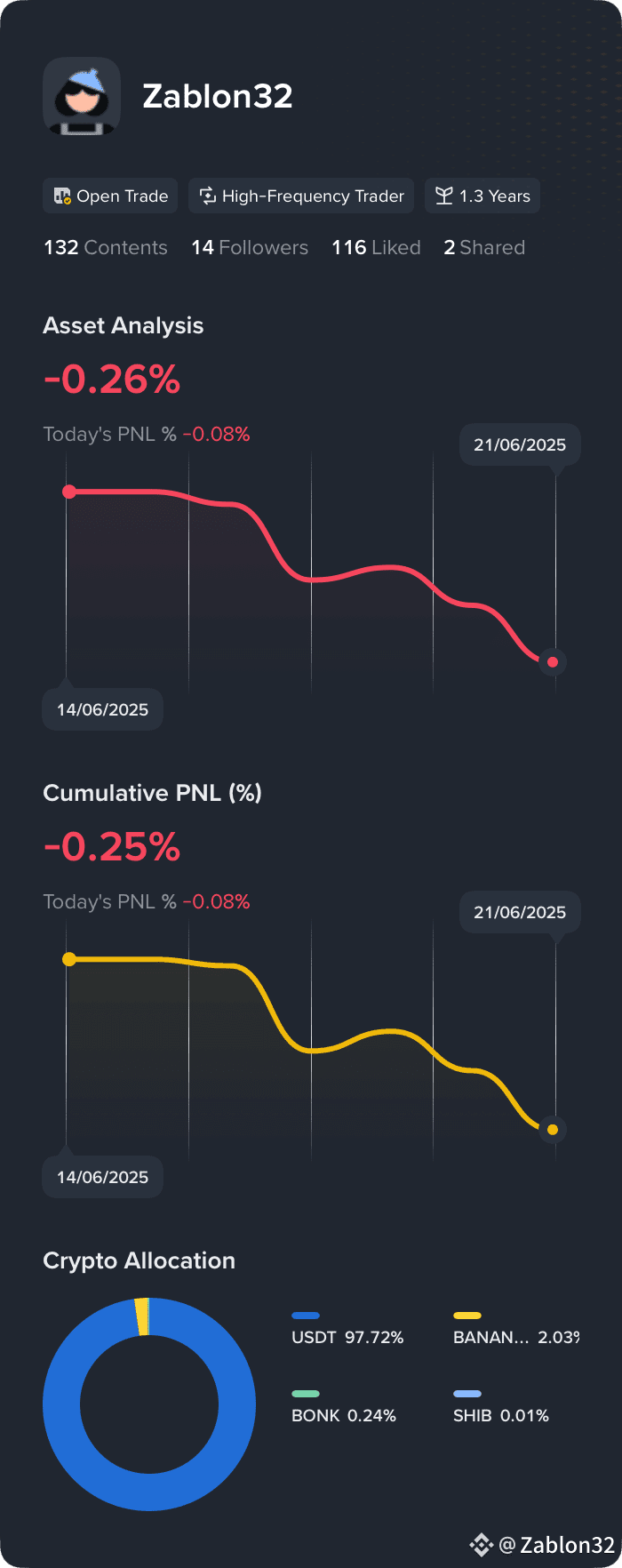
انخفضت محفظتي هذا الأسبوع بنسبة **-0.27%**، مع كون **الربح والخسارة اليوم عند -0.09%**. لقد كان تراجعًا بطيئًا منذ 14 يونيو. يُظهر الرسم البياني هبوطًا بسيطًا منتصف الأسبوع، ثم انخفاضًا أشد حدة قبل اليوم.
استثماراتي تتم بشكل رئيسي في **USDT (97.72%)** للحفاظ على الأمان مؤقتًا. ما زلت أجرب العملات الصغيرة:
* **BANANAS31** – 2.03% من محتفظاتي، حاليًا عند **\$0.005284**، بانخفاض **-6.41%** خلال آخر 24 ساعة. محفوف بالمخاطر، لكنني أراقبه.
* **BONK** – 0.24%، لم يتحرك كثيرًا.
* **SHIB** – مجرد تكديس غبار تقريبًا، بنسبة 0.01%.
أراقب السوق عن كثب. قد أُعيد التدوير قليلًا إذا استمر هذا الاتجاه. لنرَ كيف تنتهي عطلة نهاية الأسبوع.
انخفضت محفظتي هذا الأسبوع بنسبة **-0.27%**، مع كون **الربح والخسارة اليوم عند -0.09%**. لقد كان تراجعًا بطيئًا منذ 14 يونيو. يُظهر الرسم البياني هبوطًا بسيطًا منتصف الأسبوع، ثم انخفاضًا أشد حدة قبل اليوم.
استثماراتي تتم بشكل رئيسي في **USDT (97.72%)** للحفاظ على الأمان مؤقتًا. ما زلت أجرب العملات الصغيرة:
* **BANANAS31** – 2.03% من محتفظاتي، حاليًا عند **\$0.005284**، بانخفاض **-6.41%** خلال آخر 24 ساعة. محفوف بالمخاطر، لكنني أراقبه.
* **BONK** – 0.24%، لم يتحرك كثيرًا.
* **SHIB** – مجرد تكديس غبار تقريبًا، بنسبة 0.01%.
أراقب السوق عن كثب. قد أُعيد التدوير قليلًا إذا استمر هذا الاتجاه. لنرَ كيف تنتهي عطلة نهاية الأسبوع.
استثماراتي تتم بشكل رئيسي في **USDT (97.72%)** للحفاظ على الأمان مؤقتًا. ما زلت أجرب العملات الصغيرة:
* **BANANAS31** – 2.03% من محتفظاتي، حاليًا عند **\$0.005284**، بانخفاض **-6.41%** خلال آخر 24 ساعة. محفوف بالمخاطر، لكنني أراقبه.
* **BONK** – 0.24%، لم يتحرك كثيرًا.
* **SHIB** – مجرد تكديس غبار تقريبًا، بنسبة 0.01%.
أراقب السوق عن كثب. قد أُعيد التدوير قليلًا إذا استمر هذا الاتجاه. لنرَ كيف تنتهي عطلة نهاية الأسبوع.
249
·
--
عملية التداول)
تشير عملية التداول إلى عملية شراء وبيع الأصول المالية—مثل الأسهم، العملات، السلع، أو العملات الرقمية—بهدف تحقيق ربح. ويمكن تنفيذها بواسطة متداولين أفراد أو مستثمرين مؤسسيين أو أنظمة آلية. تبدأ العملية بتحليل السوق، والذي قد يكون تحليلًا فنيًا (باستخدام الرسوم البيانية والأنماط) أو تحليلًا أساسيًا (استنادًا إلى البيانات الاقتصادية والأخبار). وبعد اتخاذ قرار، تُنفَّذ الصفقات عبر منصات مثل البورصات أو الوسطاء الرقميين. يعد التحكم في المخاطر أمرًا جوهريًا، وغالبًا ما يتضمن ذلك استخدام أدوات مثل أوامر وقف الخسارة وتحديد حجم المراكز. يمكن أن تكون عمليات التداول قصيرة الأجل، مثل التداول اليومي أو التداول المتأرجح، أو طويلة الأجل، مثل الاستثمار القيمي. وفي المؤسسات المالية الكبيرة، تدعم عمليات التداول فرقٌ تتولى مهام الامتثال والتسوية والإبلاغ. تلعب التكنولوجيا دورًا حاسمًا في التداول الحديث، إذ تُمكّن من تنفيذ سريع والحصول على بيانات آنية. وتتطلب عملية التداول الناجحة استراتيجيةً وانضباطًا ومراقبةً مستمرةً لظروف السوق.
عملية التداول)
تشير عملية التداول إلى عملية شراء وبيع الأصول المالية—مثل الأسهم، العملات، السلع، أو العملات الرقمية—بهدف تحقيق ربح. ويمكن تنفيذها بواسطة متداولين أفراد أو مستثمرين مؤسسيين أو أنظمة آلية. تبدأ العملية بتحليل السوق، والذي قد يكون تحليلًا فنيًا (باستخدام الرسوم البيانية والأنماط) أو تحليلًا أساسيًا (استنادًا إلى البيانات الاقتصادية والأخبار). وبعد اتخاذ قرار، تُنفَّذ الصفقات عبر منصات مثل البورصات أو الوسطاء الرقميين. يعد التحكم في المخاطر أمرًا جوهريًا، وغالبًا ما يتضمن ذلك استخدام أدوات مثل أوامر وقف الخسارة وتحديد حجم المراكز. يمكن أن تكون عمليات التداول قصيرة الأجل، مثل التداول اليومي أو التداول المتأرجح، أو طويلة الأجل، مثل الاستثمار القيمي. وفي المؤسسات المالية الكبيرة، تدعم عمليات التداول فرقٌ تتولى مهام الامتثال والتسوية والإبلاغ. تلعب التكنولوجيا دورًا حاسمًا في التداول الحديث، إذ تُمكّن من تنفيذ سريع والحصول على بيانات آنية. وتتطلب عملية التداول الناجحة استراتيجيةً وانضباطًا ومراقبةً مستمرةً لظروف السوق.
تشير عملية التداول إلى عملية شراء وبيع الأصول المالية—مثل الأسهم، العملات، السلع، أو العملات الرقمية—بهدف تحقيق ربح. ويمكن تنفيذها بواسطة متداولين أفراد أو مستثمرين مؤسسيين أو أنظمة آلية. تبدأ العملية بتحليل السوق، والذي قد يكون تحليلًا فنيًا (باستخدام الرسوم البيانية والأنماط) أو تحليلًا أساسيًا (استنادًا إلى البيانات الاقتصادية والأخبار). وبعد اتخاذ قرار، تُنفَّذ الصفقات عبر منصات مثل البورصات أو الوسطاء الرقميين. يعد التحكم في المخاطر أمرًا جوهريًا، وغالبًا ما يتضمن ذلك استخدام أدوات مثل أوامر وقف الخسارة وتحديد حجم المراكز. يمكن أن تكون عمليات التداول قصيرة الأجل، مثل التداول اليومي أو التداول المتأرجح، أو طويلة الأجل، مثل الاستثمار القيمي. وفي المؤسسات المالية الكبيرة، تدعم عمليات التداول فرقٌ تتولى مهام الامتثال والتسوية والإبلاغ. تلعب التكنولوجيا دورًا حاسمًا في التداول الحديث، إذ تُمكّن من تنفيذ سريع والحصول على بيانات آنية. وتتطلب عملية التداول الناجحة استراتيجيةً وانضباطًا ومراقبةً مستمرةً لظروف السوق.
2
·
--
#USNationalDebt U.S. الدين القومي للولايات المتحدة
الدين القومي للولايات المتحدة هو إجمالي المبلغ المالي الذي تدين به الحكومة الفيدرالية للدائنين، سواء داخل البلاد أو خارجها. ويتكون من جزأين رئيسيين: الدين العام، الذي تحتفظ به الأفراد والشركات والحكومات الأجنبية، والدين بين الجهات الحكومية، وهو المبلغ الذي تدين به الحكومة لنفسها، بشكل رئيسي إلى صناديق الثقة مثل الضمان الاجتماعي. اعتبارًا من عام 2025، تجاوز الدين القومي 34 تريليون دولار، مدفوعًا بسنوات من العجز في الميزانية حيث تتجاوز نفقات الحكومة إيرادات الضرائب. ومن أبرز المساهمين في ذلك الإنفاق العسكري، وبرامج الرعاية الصحية، وتخفيضات الضرائب، والاستجابات الطارئة مثل تحفيز كوفيد-19. تتم إدارة الدين عبر وزارة الخزانة الأمريكية من خلال بيع سندات الخزانة وغيرها من الأوراق المالية. وفي حين يرى البعض أن تزايد الدين يشكل تهديدًا خطيرًا للاستقرار الاقتصادي، يعتقد آخرون أنه يمكن التحكم فيه إذا استمرت وتيرة نمو الاقتصاد. وتظل هذه القضية محورية في النقاشات المتعلقة بسياسات الحكومة والضرائب والتخطيط المالي للمستقبل.
#USNationalDebt U.S. الدين القومي للولايات المتحدة
الدين القومي للولايات المتحدة هو إجمالي المبلغ المالي الذي تدين به الحكومة الفيدرالية للدائنين، سواء داخل البلاد أو خارجها. ويتكون من جزأين رئيسيين: الدين العام، الذي تحتفظ به الأفراد والشركات والحكومات الأجنبية، والدين بين الجهات الحكومية، وهو المبلغ الذي تدين به الحكومة لنفسها، بشكل رئيسي إلى صناديق الثقة مثل الضمان الاجتماعي. اعتبارًا من عام 2025، تجاوز الدين القومي 34 تريليون دولار، مدفوعًا بسنوات من العجز في الميزانية حيث تتجاوز نفقات الحكومة إيرادات الضرائب. ومن أبرز المساهمين في ذلك الإنفاق العسكري، وبرامج الرعاية الصحية، وتخفيضات الضرائب، والاستجابات الطارئة مثل تحفيز كوفيد-19. تتم إدارة الدين عبر وزارة الخزانة الأمريكية من خلال بيع سندات الخزانة وغيرها من الأوراق المالية. وفي حين يرى البعض أن تزايد الدين يشكل تهديدًا خطيرًا للاستقرار الاقتصادي، يعتقد آخرون أنه يمكن التحكم فيه إذا استمرت وتيرة نمو الاقتصاد. وتظل هذه القضية محورية في النقاشات المتعلقة بسياسات الحكومة والضرائب والتخطيط المالي للمستقبل.
الدين القومي للولايات المتحدة هو إجمالي المبلغ المالي الذي تدين به الحكومة الفيدرالية للدائنين، سواء داخل البلاد أو خارجها. ويتكون من جزأين رئيسيين: الدين العام، الذي تحتفظ به الأفراد والشركات والحكومات الأجنبية، والدين بين الجهات الحكومية، وهو المبلغ الذي تدين به الحكومة لنفسها، بشكل رئيسي إلى صناديق الثقة مثل الضمان الاجتماعي. اعتبارًا من عام 2025، تجاوز الدين القومي 34 تريليون دولار، مدفوعًا بسنوات من العجز في الميزانية حيث تتجاوز نفقات الحكومة إيرادات الضرائب. ومن أبرز المساهمين في ذلك الإنفاق العسكري، وبرامج الرعاية الصحية، وتخفيضات الضرائب، والاستجابات الطارئة مثل تحفيز كوفيد-19. تتم إدارة الدين عبر وزارة الخزانة الأمريكية من خلال بيع سندات الخزانة وغيرها من الأوراق المالية. وفي حين يرى البعض أن تزايد الدين يشكل تهديدًا خطيرًا للاستقرار الاقتصادي، يعتقد آخرون أنه يمكن التحكم فيه إذا استمرت وتيرة نمو الاقتصاد. وتظل هذه القضية محورية في النقاشات المتعلقة بسياسات الحكومة والضرائب والتخطيط المالي للمستقبل.
·
--
عملية التداول
تتضمن عملية التداول شراء وبيع الأصول المالية مثل الأسهم أو العملات أو العملات الرقمية بهدف تحقيق الربح. يمكن للمتداولين العمل بشكل فردي أو كجزء من شركة، باستخدام استراتيجيات مبنية على تحليل السوق أو الأخبار أو الأنماط الفنية. يمكن أن يكون التداول قصير الأجل (مثل التداول اليومي أو التداول المتأرجح) أو طويل الأجل (الاستثمار). تبدأ العمليات بإجراء أبحاث عن السوق، ثم يتم تنفيذ الأوامر عبر منصة تداول. تُعد إدارة المخاطر أمرًا بالغ الأهمية، وغالبًا ما يتم استخدام أدوات مثل أوامر وقف الخسارة للحد من الخسائر المحتملة. وفي بيئة احترافية، تشمل عمليات التداول متابعة اتجاهات السوق، وتنفيذ الصفقات، والحفاظ على سجلات دقيقة. كما تتضمن الالتزام باللوائح المالية وضمان المعاملات الآمنة وفي الوقت المناسب. تلعب التكنولوجيا دورًا رئيسيًا في عمليات التداول الحديثة، حيث يستخدم العديد من المتداولين الخوارزميات أو الروبوتات للسرعة والكفاءة. سواء في الأسواق التقليدية أو الأصول الرقمية، تتطلب عملية التداول الناجحة الانضباط والتحليل واتخاذ قرارات سريعة.
عملية التداول
تتضمن عملية التداول شراء وبيع الأصول المالية مثل الأسهم أو العملات أو العملات الرقمية بهدف تحقيق الربح. يمكن للمتداولين العمل بشكل فردي أو كجزء من شركة، باستخدام استراتيجيات مبنية على تحليل السوق أو الأخبار أو الأنماط الفنية. يمكن أن يكون التداول قصير الأجل (مثل التداول اليومي أو التداول المتأرجح) أو طويل الأجل (الاستثمار). تبدأ العمليات بإجراء أبحاث عن السوق، ثم يتم تنفيذ الأوامر عبر منصة تداول. تُعد إدارة المخاطر أمرًا بالغ الأهمية، وغالبًا ما يتم استخدام أدوات مثل أوامر وقف الخسارة للحد من الخسائر المحتملة. وفي بيئة احترافية، تشمل عمليات التداول متابعة اتجاهات السوق، وتنفيذ الصفقات، والحفاظ على سجلات دقيقة. كما تتضمن الالتزام باللوائح المالية وضمان المعاملات الآمنة وفي الوقت المناسب. تلعب التكنولوجيا دورًا رئيسيًا في عمليات التداول الحديثة، حيث يستخدم العديد من المتداولين الخوارزميات أو الروبوتات للسرعة والكفاءة. سواء في الأسواق التقليدية أو الأصول الرقمية، تتطلب عملية التداول الناجحة الانضباط والتحليل واتخاذ قرارات سريعة.
تتضمن عملية التداول شراء وبيع الأصول المالية مثل الأسهم أو العملات أو العملات الرقمية بهدف تحقيق الربح. يمكن للمتداولين العمل بشكل فردي أو كجزء من شركة، باستخدام استراتيجيات مبنية على تحليل السوق أو الأخبار أو الأنماط الفنية. يمكن أن يكون التداول قصير الأجل (مثل التداول اليومي أو التداول المتأرجح) أو طويل الأجل (الاستثمار). تبدأ العمليات بإجراء أبحاث عن السوق، ثم يتم تنفيذ الأوامر عبر منصة تداول. تُعد إدارة المخاطر أمرًا بالغ الأهمية، وغالبًا ما يتم استخدام أدوات مثل أوامر وقف الخسارة للحد من الخسائر المحتملة. وفي بيئة احترافية، تشمل عمليات التداول متابعة اتجاهات السوق، وتنفيذ الصفقات، والحفاظ على سجلات دقيقة. كما تتضمن الالتزام باللوائح المالية وضمان المعاملات الآمنة وفي الوقت المناسب. تلعب التكنولوجيا دورًا رئيسيًا في عمليات التداول الحديثة، حيث يستخدم العديد من المتداولين الخوارزميات أو الروبوتات للسرعة والكفاءة. سواء في الأسواق التقليدية أو الأصول الرقمية، تتطلب عملية التداول الناجحة الانضباط والتحليل واتخاذ قرارات سريعة.
4
·
--
$BTC بتكوين (BTC) هي عملة رقمية لامركزية تعمل دون سلطة مركزية مثل بنك أو حكومة. تم إنشاؤها في عام 2009 بواسطة شخص أو مجموعة غير معروفة باستخدام اسم ساتوشي ناكاموتو، وتعمل بتكوين على شبكة نظير إلى نظير حيث يمكن للمستخدمين إرسال المدفوعات واستلامها مباشرة. تستخدم تقنية البلوك تشين (سلسلة الكتل)، وهي سجل عام يحتوي على جميع سجلات المعاملات. كما أن المعروض من بتكوين محدود، إذ لا يمكن تعدين سوى 21 مليون عملة كحد أقصى، مما يجعلها مقاومة للتضخم. يستثمر الناس في بتكوين باعتبارها مخزنًا للقيمة أو للتحوط ضد الأنظمة المالية التقليدية. وهي معروفة بتقلبات سعرها، ما يجذب المستثمرين على المدى الطويل والمتداولين على المدى القصير على حد سواء. يمكن تخزين بتكوين في محافظ رقمية وتداولها في منصات تداول العملات المشفرة حول العالم. وعلى مرّ السنين، حظيت باهتمام عالمي، إذ يتم قبولها من قبل بعض الشركات ويعتبرها كثيرون في المجتمع المالي «الذهب الرقمي».
$BTC بتكوين (BTC) هي عملة رقمية لامركزية تعمل دون سلطة مركزية مثل بنك أو حكومة. تم إنشاؤها في عام 2009 بواسطة شخص أو مجموعة غير معروفة باستخدام اسم ساتوشي ناكاموتو، وتعمل بتكوين على شبكة نظير إلى نظير حيث يمكن للمستخدمين إرسال المدفوعات واستلامها مباشرة. تستخدم تقنية البلوك تشين (سلسلة الكتل)، وهي سجل عام يحتوي على جميع سجلات المعاملات. كما أن المعروض من بتكوين محدود، إذ لا يمكن تعدين سوى 21 مليون عملة كحد أقصى، مما يجعلها مقاومة للتضخم. يستثمر الناس في بتكوين باعتبارها مخزنًا للقيمة أو للتحوط ضد الأنظمة المالية التقليدية. وهي معروفة بتقلبات سعرها، ما يجذب المستثمرين على المدى الطويل والمتداولين على المدى القصير على حد سواء. يمكن تخزين بتكوين في محافظ رقمية وتداولها في منصات تداول العملات المشفرة حول العالم. وعلى مرّ السنين، حظيت باهتمام عالمي، إذ يتم قبولها من قبل بعض الشركات ويعتبرها كثيرون في المجتمع المالي «الذهب الرقمي».
7
·
--
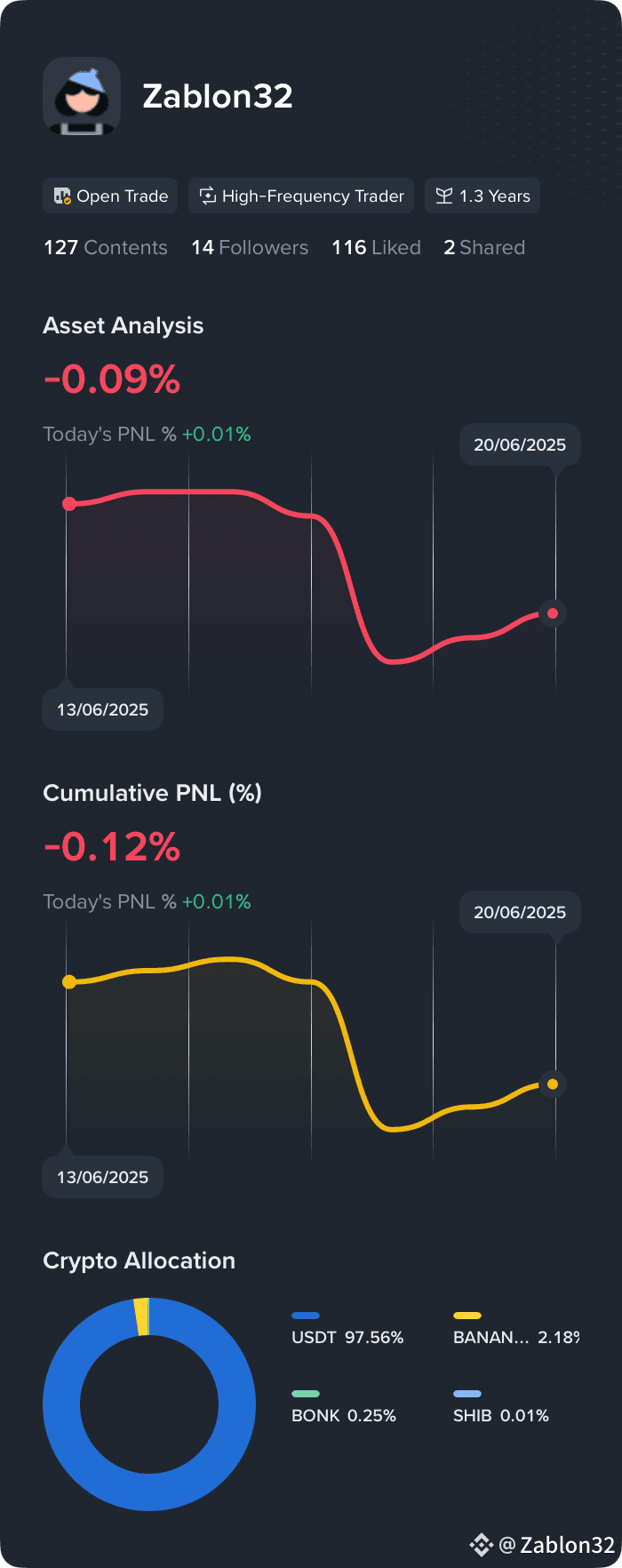
هذه هي محفظة العملات المشفرة الخاصة بي بتاريخ 20 يونيو 2025. أنا الآن في تبويب "المحفظة"، واسم المستخدم الخاص بي هو Zablon32، ولدي 126 منشورًا. صافي الربح والخسارة اليوم +0.01%، مما يعني أنني حققت مكسبًا طفيفًا. يُظهر الرسم البياني لسبعة أيام أن محفظتي ظلت مستقرة لفترة، ثم انخفضت، لكنها بدأت الآن بالتعافي.
معظم محفظتي تتكون من USDT، بنسبة 97.56%. لدي أيضًا 2.18% في BANANAS31، و0.25% في BONK، و0.01% فقط في SHIB. يُظهر الرسم البياني الدائري بوضوح أن USDT يستحوذ على كل شيء تقريبًا.
في قائمة الرموز:
• BANANAS31 مُدرج أولاً.
• سعر BONK هو 0.00001443، وقد ارتفع اليوم بنسبة 1.05%.
• سعر SHIB هو 0.00001178، وقد ارتفع اليوم بنسبة 1.29%.
BONK وSHIB كلاهما في وضع جيد، لذا كان يومهما جيدًا. محفظتي مستقرة في الغالب مع USDT، لكنني أضفت بعض عملات الميم لاختبارها ومعرفة أدائها.
هذه هي محفظة العملات المشفرة الخاصة بي بتاريخ 20 يونيو 2025. أنا الآن في تبويب "المحفظة"، واسم المستخدم الخاص بي هو Zablon32، ولدي 126 منشورًا. صافي الربح والخسارة اليوم +0.01%، مما يعني أنني حققت مكسبًا طفيفًا. يُظهر الرسم البياني لسبعة أيام أن محفظتي ظلت مستقرة لفترة، ثم انخفضت، لكنها بدأت الآن بالتعافي.
معظم محفظتي تتكون من USDT، بنسبة 97.56%. لدي أيضًا 2.18% في BANANAS31، و0.25% في BONK، و0.01% فقط في SHIB. يُظهر الرسم البياني الدائري بوضوح أن USDT يستحوذ على كل شيء تقريبًا.
في قائمة الرموز:
• BANANAS31 مُدرج أولاً.
• سعر BONK هو 0.00001443، وقد ارتفع اليوم بنسبة 1.05%.
• سعر SHIB هو 0.00001178، وقد ارتفع اليوم بنسبة 1.29%.
BONK وSHIB كلاهما في وضع جيد، لذا كان يومهما جيدًا. محفظتي مستقرة في الغالب مع USDT، لكنني أضفت بعض عملات الميم لاختبارها ومعرفة أدائها.
معظم محفظتي تتكون من USDT، بنسبة 97.56%. لدي أيضًا 2.18% في BANANAS31، و0.25% في BONK، و0.01% فقط في SHIB. يُظهر الرسم البياني الدائري بوضوح أن USDT يستحوذ على كل شيء تقريبًا.
في قائمة الرموز:
• BANANAS31 مُدرج أولاً.
• سعر BONK هو 0.00001443، وقد ارتفع اليوم بنسبة 1.05%.
• سعر SHIB هو 0.00001178، وقد ارتفع اليوم بنسبة 1.29%.
BONK وSHIB كلاهما في وضع جيد، لذا كان يومهما جيدًا. محفظتي مستقرة في الغالب مع USDT، لكنني أضفت بعض عملات الميم لاختبارها ومعرفة أدائها.
1
1
420
·
--
#XSuperApp إليك آخر تحديث حول تحول X إلى "تطبيق شامل" (Super‑app):
⸻
🌐 ما هو "التطبيق الشامل"؟
التطبيق الشامل، مثل WeChat في الصين، يجمع بين المراسلة ووسائل التواصل الاجتماعي والمدفوعات والتجارة و"التطبيقات المصغّرة" (Mini‑apps) ضمن منصة واحدة موحّدة  .
⸻
🛠️ ميزات X الجديدة كتطبيق شامل
1. المراسلة + مكالمات صوتية/مرئية
يدعم X الآن رسائل مباشرة (DMs) مع إمكانية الرد بالتمرير السريع (swipe‑to‑reply) وإجراء مكالمات صوتية/مرئية عبر منصات مختلفة—دون الحاجة إلى رقم هاتف .
2. X Money (محفظة رقمية & مدفوعات)
• تطلق "X Money" في الولايات المتحدة كخدمة محفظة رقمية وخدمة دفع نظير‑إلى‑نظير بالتعاون مع Visa .
• سيتمكن المستخدمون من إرسال الأموال، وشراء السلع، وإكرام المبدعين، وفي النهاية استخدام بطاقات الخصم/الائتمان على X .
3. التجارة & التطبيقات المصغّرة
• دمج X ميزات التسوق مثل "Shops" والتجارة عبر البث المباشر (livestream commerce) منذ 2021 .
• تشمل الخطط التوسع أكثر في الألعاب والحجوزات وخدمات أخرى .
4. تكامل الذكاء الاصطناعي (Grok)
• أضاف X Grok، وهو روبوت محادثة يعمل بالذكاء الاصطناعي من xAI، لتمكين ميزات مثل تلخيص المحتوى والبحث وإنشاء المحتوى .
⸻
🚧 التحديات & الانتقادات
• قد لا يعتنق المستخدمون الأمريكيون فكرة تطبيق واحد "لكل شيء" كما في آسيا، حيث تهيمن التطبيقات الشاملة .
• قد تنشأ مشكلات تتعلق بالخصوصية والتعامل مع البيانات والامتثال التنظيمي نتيجة دمج التمويل والمدفوعات.
• يحتاج X إلى كسب ثقة المستخدمين وجذب شركاء من جهات خارجية لبناء منظومة نابضة بالحياة—ليس بالأمر الهين .
⸻
📅 الجدول الزمني & التقدم
• بداية 2025: تم الإعلان عن المحفظة الرقمية (X Money) وشراكة Visa .
• الآن: مساعد الذكاء الاصطناعي Grok ومكالمات الصوت/الفيديو متاحة بالفعل.
• الخطوات التالية: طرح المدفوعات والتجارة والتطبيقات المصغّرة، وربما حتى بطاقة خصم/ائتمان هذا العام .
⸻
✅ ملخص
يتطور X بنشاط خارج نطاق وسائل التواصل الاجتماعي ليصبح "تطبيقًا لكل شيء"—بإضافة المدفوعات والتجارة والمراسلة والذكاء الاصطناعي والمزيد. الرؤية مثيرة للاهتمام، لكن تبنّيها في الأسواق الغربية سيعتمد على الثقة والشراكات والتغلب على العوائق التقنية والتنظيمية.
⸻
#XSuperApp إليك آخر تحديث حول تحول X إلى "تطبيق شامل" (Super‑app):
⸻
🌐 ما هو "التطبيق الشامل"؟
التطبيق الشامل، مثل WeChat في الصين، يجمع بين المراسلة ووسائل التواصل الاجتماعي والمدفوعات والتجارة و"التطبيقات المصغّرة" (Mini‑apps) ضمن منصة واحدة موحّدة  .
⸻
🛠️ ميزات X الجديدة كتطبيق شامل
1. المراسلة + مكالمات صوتية/مرئية
يدعم X الآن رسائل مباشرة (DMs) مع إمكانية الرد بالتمرير السريع (swipe‑to‑reply) وإجراء مكالمات صوتية/مرئية عبر منصات مختلفة—دون الحاجة إلى رقم هاتف .
2. X Money (محفظة رقمية & مدفوعات)
• تطلق "X Money" في الولايات المتحدة كخدمة محفظة رقمية وخدمة دفع نظير‑إلى‑نظير بالتعاون مع Visa .
• سيتمكن المستخدمون من إرسال الأموال، وشراء السلع، وإكرام المبدعين، وفي النهاية استخدام بطاقات الخصم/الائتمان على X .
3. التجارة & التطبيقات المصغّرة
• دمج X ميزات التسوق مثل "Shops" والتجارة عبر البث المباشر (livestream commerce) منذ 2021 .
• تشمل الخطط التوسع أكثر في الألعاب والحجوزات وخدمات أخرى .
4. تكامل الذكاء الاصطناعي (Grok)
• أضاف X Grok، وهو روبوت محادثة يعمل بالذكاء الاصطناعي من xAI، لتمكين ميزات مثل تلخيص المحتوى والبحث وإنشاء المحتوى .
⸻
🚧 التحديات & الانتقادات
• قد لا يعتنق المستخدمون الأمريكيون فكرة تطبيق واحد "لكل شيء" كما في آسيا، حيث تهيمن التطبيقات الشاملة .
• قد تنشأ مشكلات تتعلق بالخصوصية والتعامل مع البيانات والامتثال التنظيمي نتيجة دمج التمويل والمدفوعات.
• يحتاج X إلى كسب ثقة المستخدمين وجذب شركاء من جهات خارجية لبناء منظومة نابضة بالحياة—ليس بالأمر الهين .
⸻
📅 الجدول الزمني & التقدم
• بداية 2025: تم الإعلان عن المحفظة الرقمية (X Money) وشراكة Visa .
• الآن: مساعد الذكاء الاصطناعي Grok ومكالمات الصوت/الفيديو متاحة بالفعل.
• الخطوات التالية: طرح المدفوعات والتجارة والتطبيقات المصغّرة، وربما حتى بطاقة خصم/ائتمان هذا العام .
⸻
✅ ملخص
يتطور X بنشاط خارج نطاق وسائل التواصل الاجتماعي ليصبح "تطبيقًا لكل شيء"—بإضافة المدفوعات والتجارة والمراسلة والذكاء الاصطناعي والمزيد. الرؤية مثيرة للاهتمام، لكن تبنّيها في الأسواق الغربية سيعتمد على الثقة والشراكات والتغلب على العوائق التقنية والتنظيمية.
⸻
⸻
🌐 ما هو "التطبيق الشامل"؟
التطبيق الشامل، مثل WeChat في الصين، يجمع بين المراسلة ووسائل التواصل الاجتماعي والمدفوعات والتجارة و"التطبيقات المصغّرة" (Mini‑apps) ضمن منصة واحدة موحّدة  .
⸻
🛠️ ميزات X الجديدة كتطبيق شامل
1. المراسلة + مكالمات صوتية/مرئية
يدعم X الآن رسائل مباشرة (DMs) مع إمكانية الرد بالتمرير السريع (swipe‑to‑reply) وإجراء مكالمات صوتية/مرئية عبر منصات مختلفة—دون الحاجة إلى رقم هاتف .
2. X Money (محفظة رقمية & مدفوعات)
• تطلق "X Money" في الولايات المتحدة كخدمة محفظة رقمية وخدمة دفع نظير‑إلى‑نظير بالتعاون مع Visa .
• سيتمكن المستخدمون من إرسال الأموال، وشراء السلع، وإكرام المبدعين، وفي النهاية استخدام بطاقات الخصم/الائتمان على X .
3. التجارة & التطبيقات المصغّرة
• دمج X ميزات التسوق مثل "Shops" والتجارة عبر البث المباشر (livestream commerce) منذ 2021 .
• تشمل الخطط التوسع أكثر في الألعاب والحجوزات وخدمات أخرى .
4. تكامل الذكاء الاصطناعي (Grok)
• أضاف X Grok، وهو روبوت محادثة يعمل بالذكاء الاصطناعي من xAI، لتمكين ميزات مثل تلخيص المحتوى والبحث وإنشاء المحتوى .
⸻
🚧 التحديات & الانتقادات
• قد لا يعتنق المستخدمون الأمريكيون فكرة تطبيق واحد "لكل شيء" كما في آسيا، حيث تهيمن التطبيقات الشاملة .
• قد تنشأ مشكلات تتعلق بالخصوصية والتعامل مع البيانات والامتثال التنظيمي نتيجة دمج التمويل والمدفوعات.
• يحتاج X إلى كسب ثقة المستخدمين وجذب شركاء من جهات خارجية لبناء منظومة نابضة بالحياة—ليس بالأمر الهين .
⸻
📅 الجدول الزمني & التقدم
• بداية 2025: تم الإعلان عن المحفظة الرقمية (X Money) وشراكة Visa .
• الآن: مساعد الذكاء الاصطناعي Grok ومكالمات الصوت/الفيديو متاحة بالفعل.
• الخطوات التالية: طرح المدفوعات والتجارة والتطبيقات المصغّرة، وربما حتى بطاقة خصم/ائتمان هذا العام .
⸻
✅ ملخص
يتطور X بنشاط خارج نطاق وسائل التواصل الاجتماعي ليصبح "تطبيقًا لكل شيء"—بإضافة المدفوعات والتجارة والمراسلة والذكاء الاصطناعي والمزيد. الرؤية مثيرة للاهتمام، لكن تبنّيها في الأسواق الغربية سيعتمد على الثقة والشراكات والتغلب على العوائق التقنية والتنظيمية.
⸻
11
·
--
#SwingTradingStrategy استراتيجيات التداول المتأرجح (200 كلمة)
التداول المتأرجح هو استراتيجية تهدف إلى تحقيق مكاسب قصيرة إلى متوسطة الأجل في سهم أو عملة رقمية أو أي أداة مالية أخرى خلال بضعة أيام إلى عدة أسابيع. وعلى عكس التداول اليومي، لا يتطلب مراقبة مستمرة للسوق، ما يجعله شائعًا لدى المتداولين بدوام جزئي. إحدى استراتيجيات التداول المتأرجح الشائعة هي اتباع الاتجاه؛ حيث يدخل المتداولون الصفقات في اتجاه الاتجاه السائد. فعلى سبيل المثال، في اتجاه صاعد يقومون بشراء الهبوطات وبيعها عند مستويات المقاومة.
طريقة أخرى شائعة هي تداول الاختراق، والذي يتضمن الدخول في صفقة عندما يتجاوز السعر مستوى دعم أو مقاومة رئيسيًا، بما يشير إلى احتمال استمرار الزخم. كما يُستخدم تداول الارتداد للخلف أيضًا؛ فهذه الاستراتيجية تبحث عن انعكاس مؤقت داخل اتجاه أكبر، لتوفير نقطة دخول أفضل. غالبًا ما يعتمد المتداولون على مؤشرات التحليل الفني مثل مؤشر القوة النسبية (RSI) والمتوسطات المتحركة وMACD لتأكيد إشارات الدخول والخروج.
تُعد إدارة المخاطر عنصرًا أساسيًا في التداول المتأرجح. عادةً ما يستخدم المتداولون أوامر وقف الخسارة لتقليل الخسائر المحتملة، وأهداف جني الأرباح لتأمين المكاسب. يتطلب تحقيق نجاح مستمر في التداول المتأرجح الانضباط ومهارات تحليل الرسوم البيانية، والاطلاع المستمر على أخبار السوق التي قد تؤثر في تحركات الأسعار. الصبر وتنفيذ الاستراتيجية هما مفتاح الربحية على المدى الطويل.
#SwingTradingStrategy استراتيجيات التداول المتأرجح (200 كلمة)
التداول المتأرجح هو استراتيجية تهدف إلى تحقيق مكاسب قصيرة إلى متوسطة الأجل في سهم أو عملة رقمية أو أي أداة مالية أخرى خلال بضعة أيام إلى عدة أسابيع. وعلى عكس التداول اليومي، لا يتطلب مراقبة مستمرة للسوق، ما يجعله شائعًا لدى المتداولين بدوام جزئي. إحدى استراتيجيات التداول المتأرجح الشائعة هي اتباع الاتجاه؛ حيث يدخل المتداولون الصفقات في اتجاه الاتجاه السائد. فعلى سبيل المثال، في اتجاه صاعد يقومون بشراء الهبوطات وبيعها عند مستويات المقاومة.
طريقة أخرى شائعة هي تداول الاختراق، والذي يتضمن الدخول في صفقة عندما يتجاوز السعر مستوى دعم أو مقاومة رئيسيًا، بما يشير إلى احتمال استمرار الزخم. كما يُستخدم تداول الارتداد للخلف أيضًا؛ فهذه الاستراتيجية تبحث عن انعكاس مؤقت داخل اتجاه أكبر، لتوفير نقطة دخول أفضل. غالبًا ما يعتمد المتداولون على مؤشرات التحليل الفني مثل مؤشر القوة النسبية (RSI) والمتوسطات المتحركة وMACD لتأكيد إشارات الدخول والخروج.
تُعد إدارة المخاطر عنصرًا أساسيًا في التداول المتأرجح. عادةً ما يستخدم المتداولون أوامر وقف الخسارة لتقليل الخسائر المحتملة، وأهداف جني الأرباح لتأمين المكاسب. يتطلب تحقيق نجاح مستمر في التداول المتأرجح الانضباط ومهارات تحليل الرسوم البيانية، والاطلاع المستمر على أخبار السوق التي قد تؤثر في تحركات الأسعار. الصبر وتنفيذ الاستراتيجية هما مفتاح الربحية على المدى الطويل.
التداول المتأرجح هو استراتيجية تهدف إلى تحقيق مكاسب قصيرة إلى متوسطة الأجل في سهم أو عملة رقمية أو أي أداة مالية أخرى خلال بضعة أيام إلى عدة أسابيع. وعلى عكس التداول اليومي، لا يتطلب مراقبة مستمرة للسوق، ما يجعله شائعًا لدى المتداولين بدوام جزئي. إحدى استراتيجيات التداول المتأرجح الشائعة هي اتباع الاتجاه؛ حيث يدخل المتداولون الصفقات في اتجاه الاتجاه السائد. فعلى سبيل المثال، في اتجاه صاعد يقومون بشراء الهبوطات وبيعها عند مستويات المقاومة.
طريقة أخرى شائعة هي تداول الاختراق، والذي يتضمن الدخول في صفقة عندما يتجاوز السعر مستوى دعم أو مقاومة رئيسيًا، بما يشير إلى احتمال استمرار الزخم. كما يُستخدم تداول الارتداد للخلف أيضًا؛ فهذه الاستراتيجية تبحث عن انعكاس مؤقت داخل اتجاه أكبر، لتوفير نقطة دخول أفضل. غالبًا ما يعتمد المتداولون على مؤشرات التحليل الفني مثل مؤشر القوة النسبية (RSI) والمتوسطات المتحركة وMACD لتأكيد إشارات الدخول والخروج.
تُعد إدارة المخاطر عنصرًا أساسيًا في التداول المتأرجح. عادةً ما يستخدم المتداولون أوامر وقف الخسارة لتقليل الخسائر المحتملة، وأهداف جني الأرباح لتأمين المكاسب. يتطلب تحقيق نجاح مستمر في التداول المتأرجح الانضباط ومهارات تحليل الرسوم البيانية، والاطلاع المستمر على أخبار السوق التي قد تؤثر في تحركات الأسعار. الصبر وتنفيذ الاستراتيجية هما مفتاح الربحية على المدى الطويل.
2
·
--
$BTC بتكوين (BTC) هي أول عملة رقمية لا مركزية في العالم، تم إنشاؤها في عام 2009 بواسطة شخصية مجهولة تُعرف باسم ساتوشي ناكاموتو. على عكس العملات التقليدية الصادرة عن الحكومات، تعمل بتكوين على شبكة من نظير إلى نظير مدعومة بتقنية البلوك تشين. وهذه السلسلة عبارة عن سجل عام يسجل جميع المعاملات بشكل آمن وشفاف. تتمتع بتكوين بإمداد محدود—لن يوجد سوى 21 مليون عملة في أي وقت—ما يجعلها أقل عرضة للتضخم. يمكن استخدامها للدفع عبر الإنترنت، أو الاحتفاظ بها كوسيلة لحفظ القيمة، أو تداولها في منصات تبادل العملات المشفرة. مع مرور الوقت، اكتسبت بتكوين اهتمامًا من المستثمرين ومحبي التكنولوجيا والمؤسسات باعتبارها «الذهب الرقمي». يتسم سعرها بتقلبات عالية، يتأثر بالاتجاهات الاقتصادية العالمية، واللوائح التنظيمية، ومعنويات السوق. كما لعبت بتكوين دورًا رئيسيًا في تعزيز الحرية المالية، خصوصًا في الدول التي تعاني من عملات غير مستقرة. ومع ازدياد تحول العالم إلى الرقمنة، تواصل بتكوين تشكيل مستقبل المال والتمويل، رغم استمرار الجدل والتحديات.
$BTC بتكوين (BTC) هي أول عملة رقمية لا مركزية في العالم، تم إنشاؤها في عام 2009 بواسطة شخصية مجهولة تُعرف باسم ساتوشي ناكاموتو. على عكس العملات التقليدية الصادرة عن الحكومات، تعمل بتكوين على شبكة من نظير إلى نظير مدعومة بتقنية البلوك تشين. وهذه السلسلة عبارة عن سجل عام يسجل جميع المعاملات بشكل آمن وشفاف. تتمتع بتكوين بإمداد محدود—لن يوجد سوى 21 مليون عملة في أي وقت—ما يجعلها أقل عرضة للتضخم. يمكن استخدامها للدفع عبر الإنترنت، أو الاحتفاظ بها كوسيلة لحفظ القيمة، أو تداولها في منصات تبادل العملات المشفرة. مع مرور الوقت، اكتسبت بتكوين اهتمامًا من المستثمرين ومحبي التكنولوجيا والمؤسسات باعتبارها «الذهب الرقمي». يتسم سعرها بتقلبات عالية، يتأثر بالاتجاهات الاقتصادية العالمية، واللوائح التنظيمية، ومعنويات السوق. كما لعبت بتكوين دورًا رئيسيًا في تعزيز الحرية المالية، خصوصًا في الدول التي تعاني من عملات غير مستقرة. ومع ازدياد تحول العالم إلى الرقمنة، تواصل بتكوين تشكيل مستقبل المال والتمويل، رغم استمرار الجدل والتحديات.
1
·
--
#FOMCMeeting تُراقَب بشدة اجتماعات اللجنة الفيدرالية للسوق المفتوحة (FOMC)، التي عُقدت في 18 يونيو 2025، من قبل المستثمرين والاقتصاديين. من المتوقع أن يحافظ الاحتياطي الفيدرالي الأمريكي على أسعار الفائدة دون تغيير عند 4.25%–4.50%، إذ يبرد التضخم تدريجيًا ويظل سوق العمل مستقرًا. لكن يتعامل الاحتياطي الفيدرالي بحذر بسبب المخاطر القائمة مثل النزاعات العالمية، والتوترات التجارية، وارتفاع أسعار النفط. كما يركز المستثمرون على “مخطط النقاط” المُحدَّث، والذي قد يُظهر تخفيضات أقل متوقعة لأسعار الفائدة لبقية عام 2025. ومن المرجح أن يؤكد رئيس مجلس الاحتياطي الفيدرالي جيروم باول على اتباع استراتيجية تستند إلى البيانات، مع مقاومة الضغوط السياسية من أجل خفض الفائدة بسرعة. ويتوقع السوق الآن احتمال خفض سعر الفائدة في سبتمبر أو لاحقًا. وسيكون هذا الاجتماع مهمًا في تحديد نبرة بقية العام، خصوصًا إذا ظل التضخم عنيدًا أو زادت المخاطر العالمية. وستوجه تصريحات باول خلال المؤتمر الصحفي توقعات الأسواق المستقبلية.
#FOMCMeeting تُراقَب بشدة اجتماعات اللجنة الفيدرالية للسوق المفتوحة (FOMC)، التي عُقدت في 18 يونيو 2025، من قبل المستثمرين والاقتصاديين. من المتوقع أن يحافظ الاحتياطي الفيدرالي الأمريكي على أسعار الفائدة دون تغيير عند 4.25%–4.50%، إذ يبرد التضخم تدريجيًا ويظل سوق العمل مستقرًا. لكن يتعامل الاحتياطي الفيدرالي بحذر بسبب المخاطر القائمة مثل النزاعات العالمية، والتوترات التجارية، وارتفاع أسعار النفط. كما يركز المستثمرون على “مخطط النقاط” المُحدَّث، والذي قد يُظهر تخفيضات أقل متوقعة لأسعار الفائدة لبقية عام 2025. ومن المرجح أن يؤكد رئيس مجلس الاحتياطي الفيدرالي جيروم باول على اتباع استراتيجية تستند إلى البيانات، مع مقاومة الضغوط السياسية من أجل خفض الفائدة بسرعة. ويتوقع السوق الآن احتمال خفض سعر الفائدة في سبتمبر أو لاحقًا. وسيكون هذا الاجتماع مهمًا في تحديد نبرة بقية العام، خصوصًا إذا ظل التضخم عنيدًا أو زادت المخاطر العالمية. وستوجه تصريحات باول خلال المؤتمر الصحفي توقعات الأسواق المستقبلية.
1
·
--
$BTC بيتكوين (BTC) هي عملة رقمية لامركزية تتيح للمستخدمين إرسال الأموال واستلامها عبر الإنترنت دون الاعتماد على البنوك. تم إنشاؤها في عام 2009 على يد الشخصية الغامضة ساتوشي ناكاموتو، وتعمل بيتكوين بتقنية تُسمى سلسلة الكتل (بلوك تشين)، والتي تسجل جميع المعاملات علنًا وبشكل آمن. لديها إمداد ثابت يبلغ 21 مليون عملة، مما يجعلها مقاومة للتضخم. وغالبًا ما يُنظر إلى بيتكوين باعتبارها “الذهب الرقمي”، إذ تُستخدم للاستثمار وكذلك كوسيلة للدفع. سعرها شديد التقلب، ويتأثر بالأخبار واللوائح والطلب في السوق. وعلى الرغم من المخاطر، لا تزال الأكثر شهرة بين العملات الرقمية عالميًا.
$BTC بيتكوين (BTC) هي عملة رقمية لامركزية تتيح للمستخدمين إرسال الأموال واستلامها عبر الإنترنت دون الاعتماد على البنوك. تم إنشاؤها في عام 2009 على يد الشخصية الغامضة ساتوشي ناكاموتو، وتعمل بيتكوين بتقنية تُسمى سلسلة الكتل (بلوك تشين)، والتي تسجل جميع المعاملات علنًا وبشكل آمن. لديها إمداد ثابت يبلغ 21 مليون عملة، مما يجعلها مقاومة للتضخم. وغالبًا ما يُنظر إلى بيتكوين باعتبارها “الذهب الرقمي”، إذ تُستخدم للاستثمار وكذلك كوسيلة للدفع. سعرها شديد التقلب، ويتأثر بالأخبار واللوائح والطلب في السوق. وعلى الرغم من المخاطر، لا تزال الأكثر شهرة بين العملات الرقمية عالميًا.
4
سجّل الدخول لاستكشاف المزيد من المُحتوى
انضم إلى مُستخدمي العملات الرقمية حول العالم على Binance Square
⚡️ احصل على أحدث المعلومات المفيدة عن العملات الرقمية.
💬 موثوقة من قبل أكبر منصّة لتداول العملات الرقمية في العالم.
👍 اكتشف الرؤى الحقيقية من صنّاع المُحتوى الموثوقين.
البريد الإلكتروني / رقم الهاتف
المواضيع الرائجة
ZcashETFPostsFirstWeeklyOutflow$93.6M
34,814 مشاهدات
99 يقومون بالنقاش
#ZcashETFPostsFirstWeeklyOutflow$93.6M
🚨🚨🚨🚨🚨🚨🚨🚨🚨🚨🚨🚨🚨🚨✅ 🚨 تدفقات ZCASH ETF تتحول إلى السلبية لأول مرة! 📉
$ZEC يشهد تحولًا ملحوظًا في تدفقات الأموال المؤسسية، حيث سجّلت منتجات استثمار الزكاش أول صافي تدفق سلبي أسبوعي منذ إطلاقها في أغسطس.
ووفقًا لبيانات التدفقات، تم سحب حوالي 93.6 مليون دولار من منتجات الزكاش خلال الأسبوع الأخير، بينما تباطأت أيضًا حركة سعر ZEC بشكل ملحوظ.
📊 ماذا حدث؟
• خروج أسبوعي من Zcash ETF: 93.6 مليون دولار
• خروج يوم 30 سبتمبر: 30.25 مليون دولار
• ZCSH كان قد جذب سابقًا نحو 98.2 مليون دولار خلال أسبوع واحد
• ZEC يتداول قرب 1,300 دولار
• القمة الأخيرة: نحو 1,690 دولار
• الانخفاض الأسبوعي: حوالي 17%+
🔍 مستويات يجب مراقبتها
🟢 دعم: 1,280–1,300 دولار
🔴 مقاومة: 1,450–1,500 دولار
السؤال المحوري الآن هو ما إذا كانت منطقة 1,300 دولار يمكنها الصمود وجذب مشتريين جدد.
ستكون التدفقات المؤسسية مهمة أيضًا. قد يشير عودة التدفقات الإيجابية المنتظمة إلى تجدد الثقة، بينما قد تؤدي التدفقات الخارجة المستمرة إلى إبقاء الضغط على $ZEC .
👀 هل الأمر مجرد جني أرباح بعد الارتفاع الكبير الذي حققته ZEC، أم قد نشهد هبوطًا أعمق قبل عودة المشترين؟
شارك رأيك أدناه. 👇
#Zcash #ZEC #ZcashETF #Crypto
#analysis
owhggwiohsjowve
·0 إعجاب
·157 مشاهدات
GreekPoliceBustCryptoScamRingArrest17
74,239 مشاهدات
690 يقومون بالنقاش
BitcoinRejectedAt$87K
121,224 مشاهدات
158 يقومون بالنقاش