

William Henry
19.5k منشورات

William Henry
 تحقُّق Binance Square الإضافي
إبلاغ
حظر المُستخدم
Trader, Crypto Lover • LFG • 2025 Last Marketing. Forex X. @Wi_lliam_12 . X
فتح تداول
مُتداول مُتكرر
2 سنوات
79 تتابع
44.9K+ المتابعون
64.9K+ إعجاب
منشورات
الحافظة الاستثمارية
الكل
اقتباسات
Live
$XAU
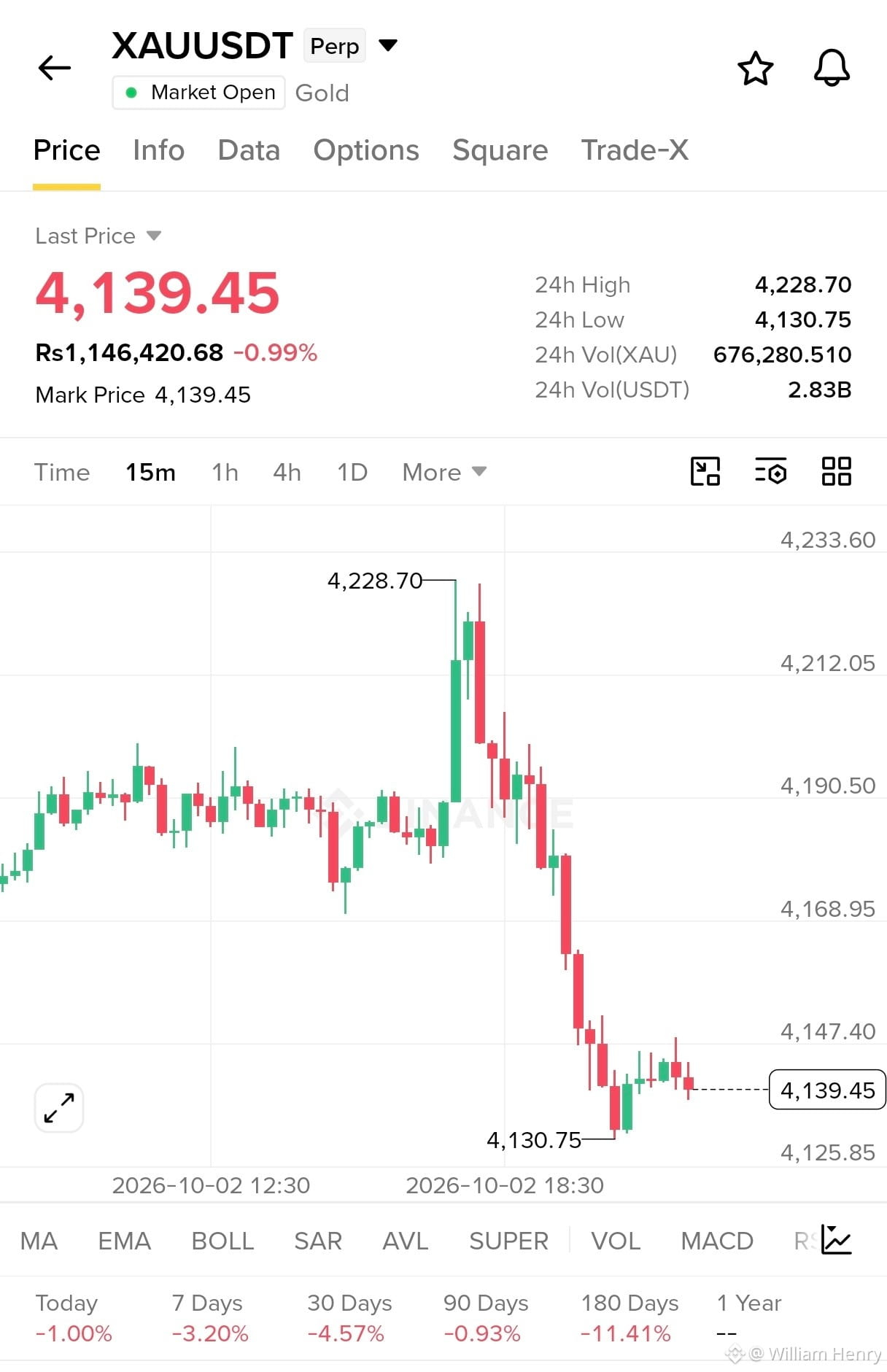
يخضع الذهب لضغط بيع قوي بعد رفض مستوى 4,228.70. كسر السعر تحت 4,168.95 ويقوم الآن بالتذبذب قرب 4,139، مع بقاء البنية قصيرة الأجل هابطة.
إعداد التداول: بيع 4,140–4,145
TP1: 4,130
TP2: 4,125
TP3: 4,110
SL: 4,155
المقاومة: 4,147–4,168
الدعم: 4,130–4,125
لا يزال الزخم ضعيفًا تحت 4,147. يمكن أن يؤدي اختراق واضح عند 4,130.75 إلى تسريع الهبوط.
لنذهب إلى $XAUUSDT — راقب الانهيار.
{future}(XAUUSDT)
$XAU
يخضع الذهب لضغط بيع قوي بعد رفض مستوى 4,228.70. كسر السعر تحت 4,168.95 ويقوم الآن بالتذبذب قرب 4,139، مع بقاء البنية قصيرة الأجل هابطة.
إعداد التداول: بيع 4,140–4,145
TP1: 4,130
TP2: 4,125
TP3: 4,110
SL: 4,155
المقاومة: 4,147–4,168
الدعم: 4,130–4,125
لا يزال الزخم ضعيفًا تحت 4,147. يمكن أن يؤدي اختراق واضح عند 4,130.75 إلى تسريع الهبوط.
لنذهب إلى $XAUUSDT — راقب الانهيار.
يخضع الذهب لضغط بيع قوي بعد رفض مستوى 4,228.70. كسر السعر تحت 4,168.95 ويقوم الآن بالتذبذب قرب 4,139، مع بقاء البنية قصيرة الأجل هابطة.
إعداد التداول: بيع 4,140–4,145
TP1: 4,130
TP2: 4,125
TP3: 4,110
SL: 4,155
المقاومة: 4,147–4,168
الدعم: 4,130–4,125
لا يزال الزخم ضعيفًا تحت 4,147. يمكن أن يؤدي اختراق واضح عند 4,130.75 إلى تسريع الهبوط.
لنذهب إلى $XAUUSDT — راقب الانهيار.

266
·
--
صاعد
$BNB — إعداد تداول 15M
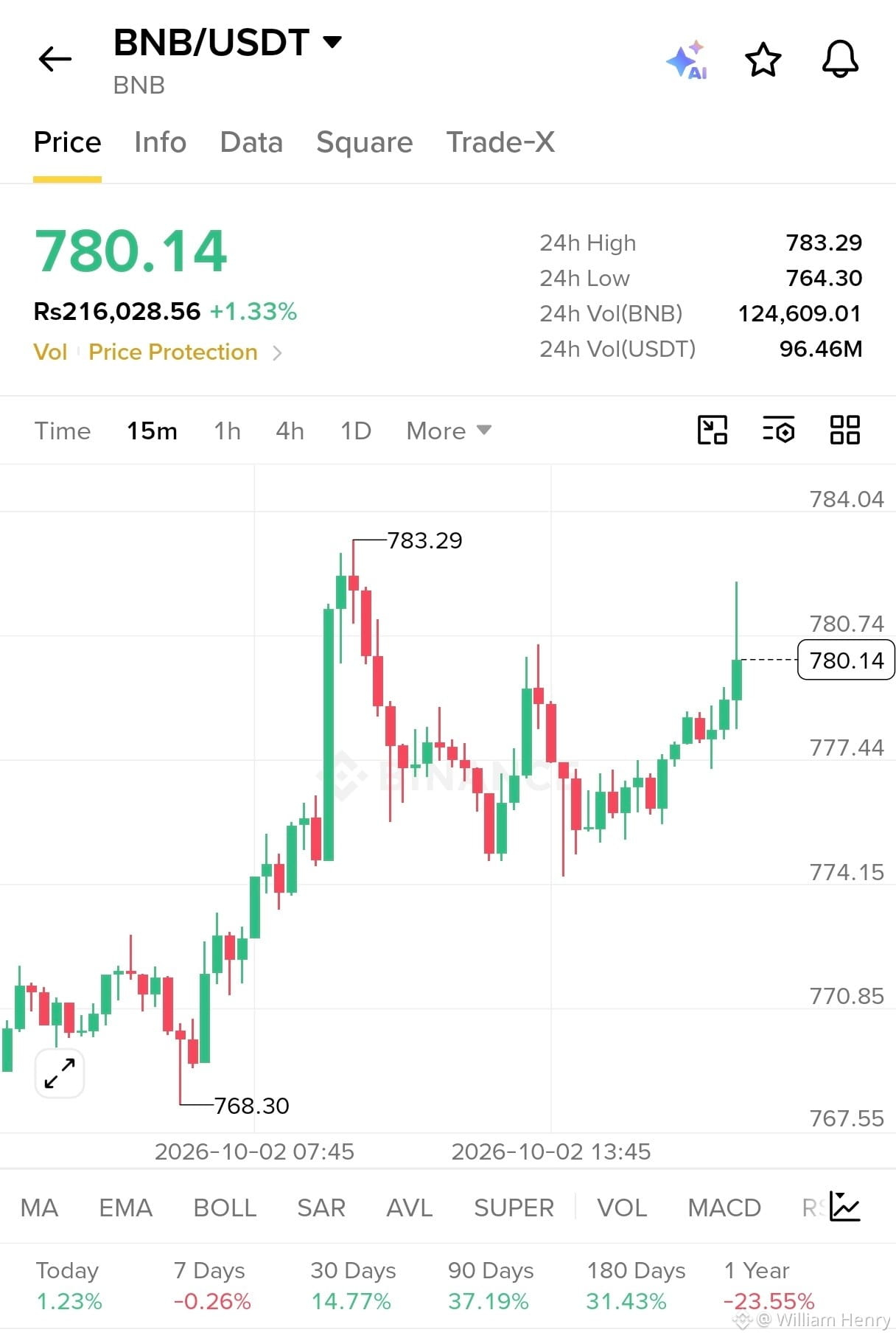
يقوم BNB بالتحرك للأعلى بعد تعافٍ واضح من منطقة 774–775، مع تحوّل الزخم قصير الأجل إلى صعودي. السعر الآن يختبر منطقة مقاومة 780–783.
📈 إعداد التداول: دخول LONG: 779.5–780.5
TP1: 781.8
TP2: 783.3
TP3: 784.5
SL: 777.2
المحفز الرئيسي: إغلاق 15M قوي فوق 783.3 سيؤكد محاولة اختراق.
فقدان 777.4 يضعف الإعداد.
السعر: 780.14 | 24H: +1.33% | أعلى سعر 24H: 783.29
$BNB
{future}(BNBUSDT)
$BNB — إعداد تداول 15M
يقوم BNB بالتحرك للأعلى بعد تعافٍ واضح من منطقة 774–775، مع تحوّل الزخم قصير الأجل إلى صعودي. السعر الآن يختبر منطقة مقاومة 780–783.
📈 إعداد التداول: دخول LONG: 779.5–780.5
TP1: 781.8
TP2: 783.3
TP3: 784.5
SL: 777.2
المحفز الرئيسي: إغلاق 15M قوي فوق 783.3 سيؤكد محاولة اختراق.
فقدان 777.4 يضعف الإعداد.
السعر: 780.14 | 24H: +1.33% | أعلى سعر 24H: 783.29
$BNB
يقوم BNB بالتحرك للأعلى بعد تعافٍ واضح من منطقة 774–775، مع تحوّل الزخم قصير الأجل إلى صعودي. السعر الآن يختبر منطقة مقاومة 780–783.
📈 إعداد التداول: دخول LONG: 779.5–780.5
TP1: 781.8
TP2: 783.3
TP3: 784.5
SL: 777.2
المحفز الرئيسي: إغلاق 15M قوي فوق 783.3 سيؤكد محاولة اختراق.
فقدان 777.4 يضعف الإعداد.
السعر: 780.14 | 24H: +1.33% | أعلى سعر 24H: 783.29
$BNB
159
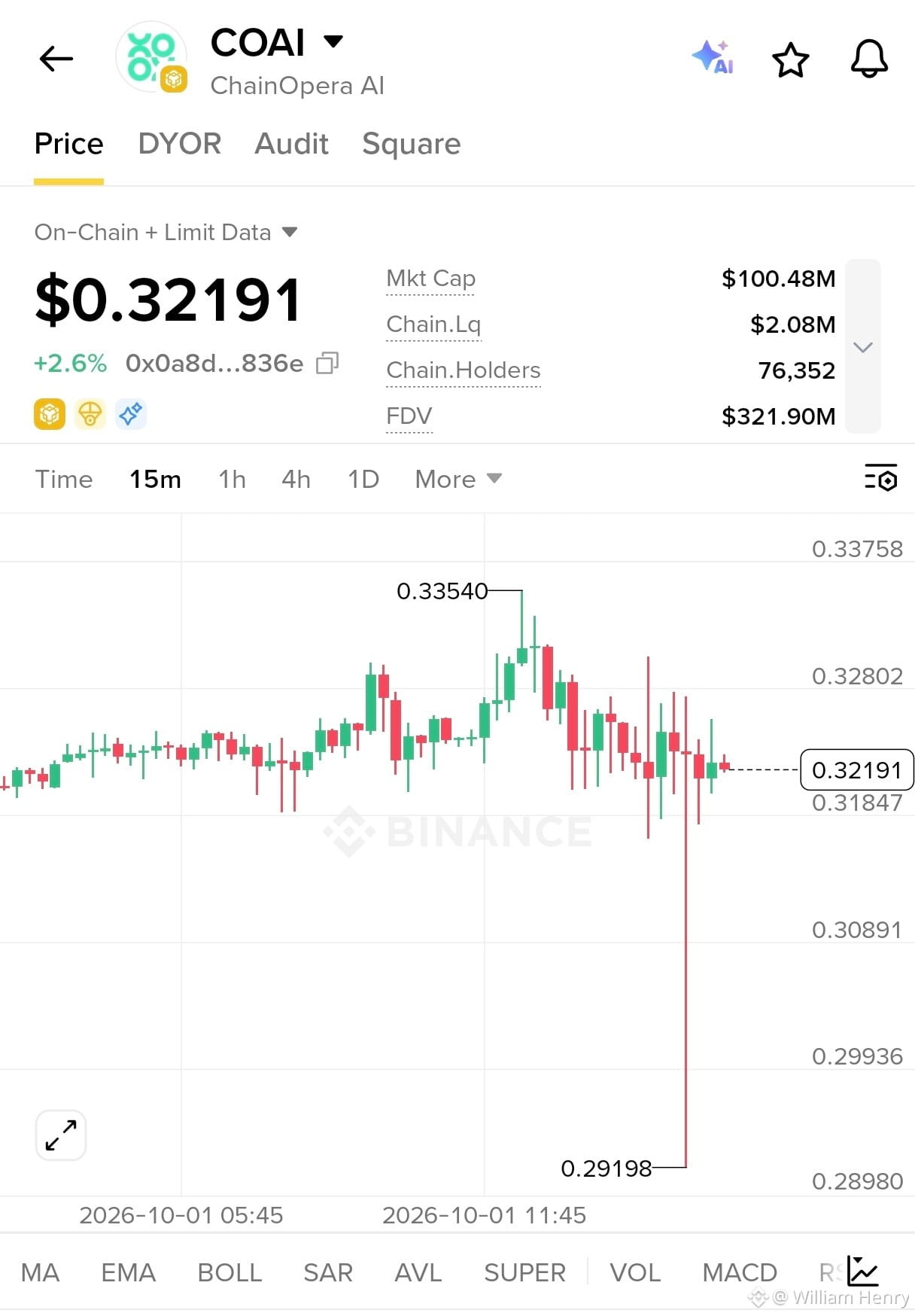
$COAI لفت انتباهي على شارت 15M بعد موجة سيولة حادة هابطة إلى 0.29198، تلتها تعافٍ قوي عاد فوق 0.31847. أنا أراقب كيف يثبت السعر هذا الدعم لأن الرفض يشير إلى أن المشترين ما زالوا يدافعون عن النطاق الأدنى.
التركيب ليس صعوديًا بشكل كامل بعد، لكن استعادة 0.3219 تجعل الصفقة المحتملة مثيرة للاهتمام. اختراق 0.3280 قد يفتح الطريق نحو القمة الأخيرة عند 0.33540.
إعداد الصفقة
الدخول: $0.3200–$0.3225
وقف الخسارة: $0.3140
الأهداف:
الهدف 1: $0.3280
الهدف 2: $0.3320
الهدف 3: $0.3354
الهدف 4: $0.3375
لماذا قد يكون ذلك ممكنًا
الذيل العميق وصولًا إلى 0.29198 يُظهر تجميع سيولة عدواني، بينما عاد السعر بسرعة إلى منطقة التداول السابقة. هذا التعافي هو الإشارة الأساسية التي أراقبها.
إذا حافظ المشترون على 0.3185 واستعادوا 0.3280 مع زخم أقوى، تصبح القمة الأخيرة هي المنطقة التالية المنطقية للاهتمام. يبقى الخطر مضبوطًا تحت مستوى الدعم.
لنذهب ونتداول الآن $COAI
{future}(COAIUSDT)
$COAI لفت انتباهي على شارت 15M بعد موجة سيولة حادة هابطة إلى 0.29198، تلتها تعافٍ قوي عاد فوق 0.31847. أنا أراقب كيف يثبت السعر هذا الدعم لأن الرفض يشير إلى أن المشترين ما زالوا يدافعون عن النطاق الأدنى.
التركيب ليس صعوديًا بشكل كامل بعد، لكن استعادة 0.3219 تجعل الصفقة المحتملة مثيرة للاهتمام. اختراق 0.3280 قد يفتح الطريق نحو القمة الأخيرة عند 0.33540.
إعداد الصفقة
الدخول: $0.3200–$0.3225
وقف الخسارة: $0.3140
الأهداف:
الهدف 1: $0.3280
الهدف 2: $0.3320
الهدف 3: $0.3354
الهدف 4: $0.3375
لماذا قد يكون ذلك ممكنًا
الذيل العميق وصولًا إلى 0.29198 يُظهر تجميع سيولة عدواني، بينما عاد السعر بسرعة إلى منطقة التداول السابقة. هذا التعافي هو الإشارة الأساسية التي أراقبها.
إذا حافظ المشترون على 0.3185 واستعادوا 0.3280 مع زخم أقوى، تصبح القمة الأخيرة هي المنطقة التالية المنطقية للاهتمام. يبقى الخطر مضبوطًا تحت مستوى الدعم.
لنذهب ونتداول الآن $COAI
التركيب ليس صعوديًا بشكل كامل بعد، لكن استعادة 0.3219 تجعل الصفقة المحتملة مثيرة للاهتمام. اختراق 0.3280 قد يفتح الطريق نحو القمة الأخيرة عند 0.33540.
إعداد الصفقة
الدخول: $0.3200–$0.3225
وقف الخسارة: $0.3140
الأهداف:
الهدف 1: $0.3280
الهدف 2: $0.3320
الهدف 3: $0.3354
الهدف 4: $0.3375
لماذا قد يكون ذلك ممكنًا
الذيل العميق وصولًا إلى 0.29198 يُظهر تجميع سيولة عدواني، بينما عاد السعر بسرعة إلى منطقة التداول السابقة. هذا التعافي هو الإشارة الأساسية التي أراقبها.
إذا حافظ المشترون على 0.3185 واستعادوا 0.3280 مع زخم أقوى، تصبح القمة الأخيرة هي المنطقة التالية المنطقية للاهتمام. يبقى الخطر مضبوطًا تحت مستوى الدعم.
لنذهب ونتداول الآن $COAI
1
618
·
--
صاعد
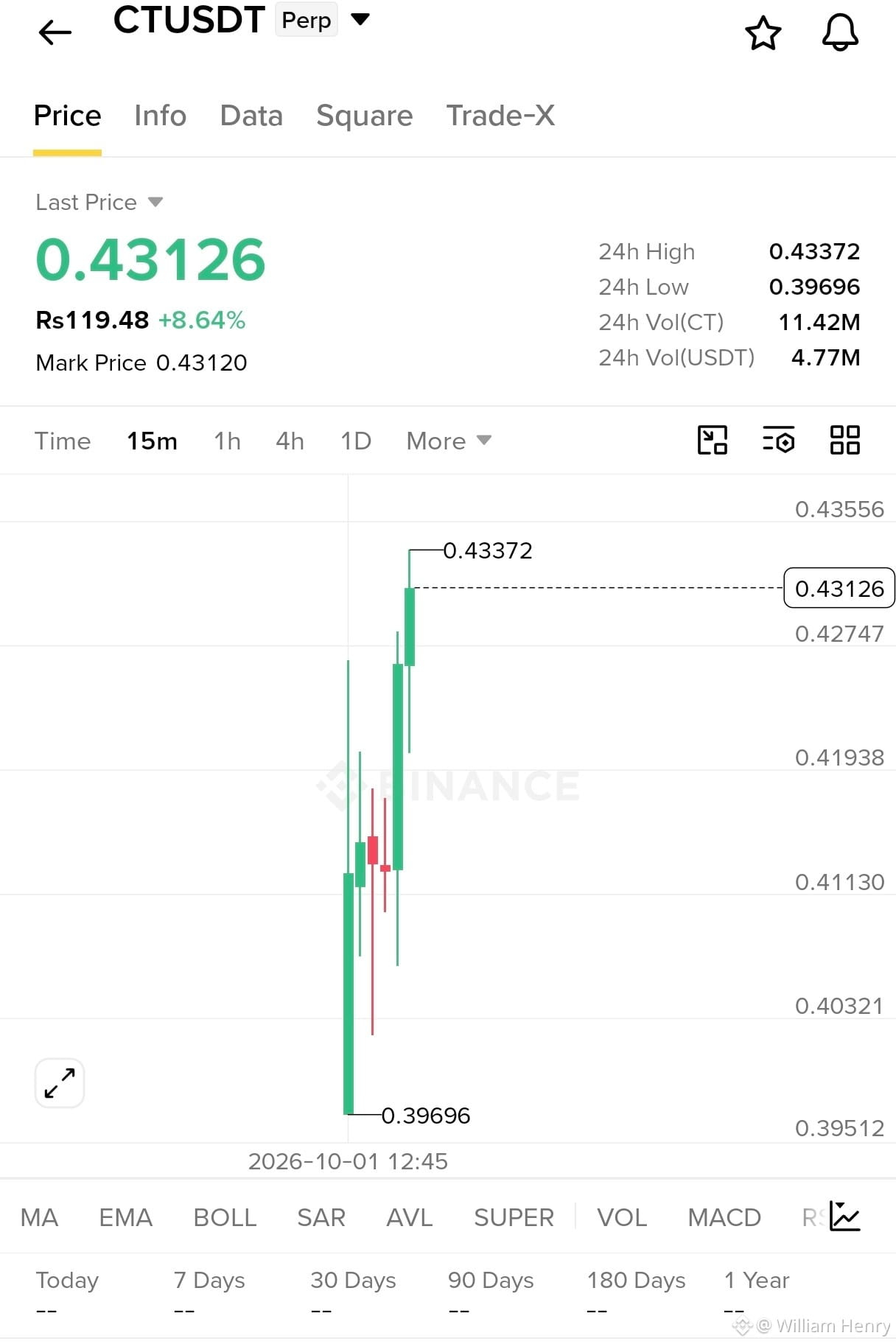
$CT PERP يزداد سخونة بسرعة.
إعداد التداول: شراء (LONG)
الدخول: $0.4270–$0.4310
TP1: $0.4337
TP2: $0.4400
TP3: $0.4500
SL: $0.4190
السعر مرتفع بنسبة 8.64% مع زخم قوي على إطار 15M، بينما تظل أعلى قيمة للجلسة عند $0.43372. راقب منطقة $0.4270 كدعم؛ تثبيت واضح يبقي الإعداد إيجابيًا، بينما كسر أسفل $0.4190 يُبطل الإعداد.
لننطلق — $CT
{future}(CTUSDT)
#MetaMaskExitsLidoValidatorsAfterSecurityIncident
$CT PERP يزداد سخونة بسرعة.
إعداد التداول: شراء (LONG)
الدخول: $0.4270–$0.4310
TP1: $0.4337
TP2: $0.4400
TP3: $0.4500
SL: $0.4190
السعر مرتفع بنسبة 8.64% مع زخم قوي على إطار 15M، بينما تظل أعلى قيمة للجلسة عند $0.43372. راقب منطقة $0.4270 كدعم؛ تثبيت واضح يبقي الإعداد إيجابيًا، بينما كسر أسفل $0.4190 يُبطل الإعداد.
لننطلق — $CT
#MetaMaskExitsLidoValidatorsAfterSecurityIncident
إعداد التداول: شراء (LONG)
الدخول: $0.4270–$0.4310
TP1: $0.4337
TP2: $0.4400
TP3: $0.4500
SL: $0.4190
السعر مرتفع بنسبة 8.64% مع زخم قوي على إطار 15M، بينما تظل أعلى قيمة للجلسة عند $0.43372. راقب منطقة $0.4270 كدعم؛ تثبيت واضح يبقي الإعداد إيجابيًا، بينما كسر أسفل $0.4190 يُبطل الإعداد.
لننطلق — $CT
#MetaMaskExitsLidoValidatorsAfterSecurityIncident
1.4k
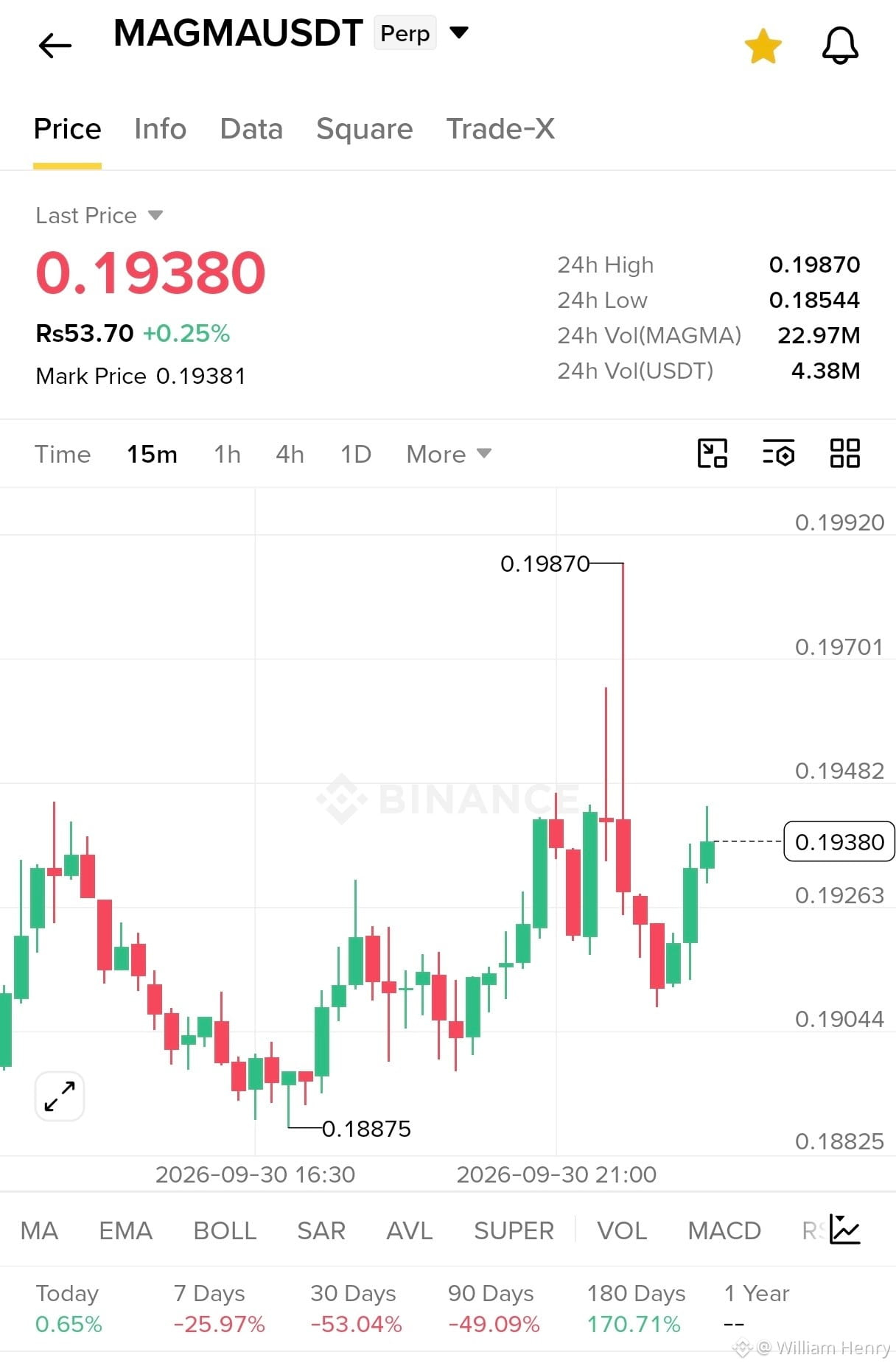
$MAGMA LONG — يتولى الثيران زمام السيطرة
الدخول: $0.1930–$0.1940
TP1: $0.1965
TP2: $0.1987
TP3: $0.2020
SL: $0.1904
$MAGMA يرتد بقوة من الدعم بينما يدفع المشترون السعر مرة أخرى نحو مقاومة $0.1987. قد يؤدي اختراق واضح فوق $0.1987 إلى فتح المجال نحو مستويات أعلى.
هيا بنا $MAGMA
{future}(MAGMAUSDT)
#AltcoinSeasonIndexHoldsAbove60For5Days
$MAGMA LONG — يتولى الثيران زمام السيطرة
الدخول: $0.1930–$0.1940
TP1: $0.1965
TP2: $0.1987
TP3: $0.2020
SL: $0.1904
$MAGMA يرتد بقوة من الدعم بينما يدفع المشترون السعر مرة أخرى نحو مقاومة $0.1987. قد يؤدي اختراق واضح فوق $0.1987 إلى فتح المجال نحو مستويات أعلى.
هيا بنا $MAGMA
#AltcoinSeasonIndexHoldsAbove60For5Days
الدخول: $0.1930–$0.1940
TP1: $0.1965
TP2: $0.1987
TP3: $0.2020
SL: $0.1904
$MAGMA يرتد بقوة من الدعم بينما يدفع المشترون السعر مرة أخرى نحو مقاومة $0.1987. قد يؤدي اختراق واضح فوق $0.1987 إلى فتح المجال نحو مستويات أعلى.
هيا بنا $MAGMA
#AltcoinSeasonIndexHoldsAbove60For5Days
426
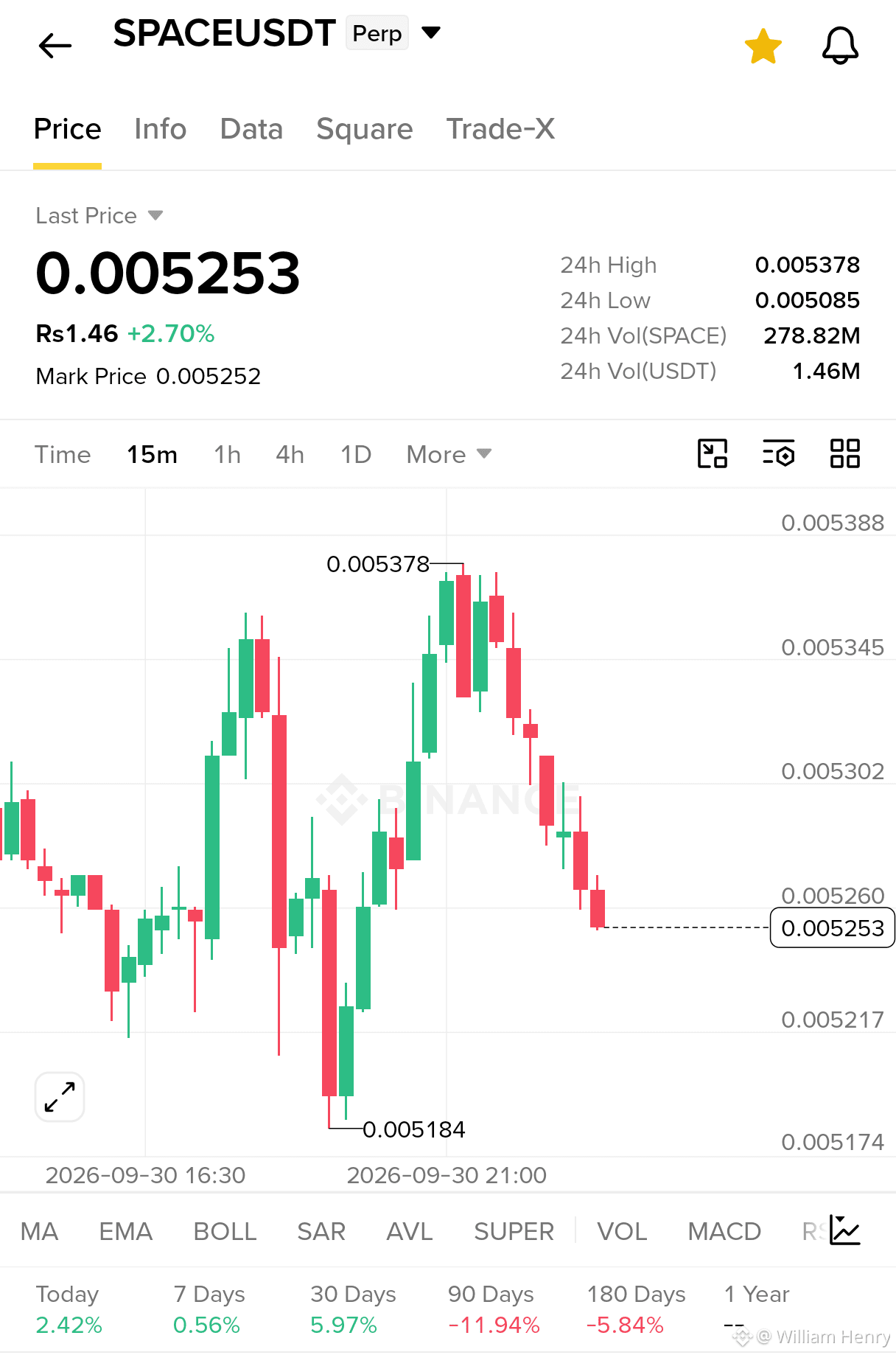
$SPACE يحتفظ بالمنطقة الرئيسية عند 0.00525 بعد رفض 0.005378.
منطقة الشراء: 0.00523–0.00526
TP1: 0.00530
TP2: 0.00535
TP3: 0.00538
إيقاف الخسارة: 0.00518
إعداد 15M يراقب الارتداد من الدعم أو الاختراق فوق 0.00530.
هيا بنا $SPACE
{future}(SPACEUSDT)
$SPACE يحتفظ بالمنطقة الرئيسية عند 0.00525 بعد رفض 0.005378.
منطقة الشراء: 0.00523–0.00526
TP1: 0.00530
TP2: 0.00535
TP3: 0.00538
إيقاف الخسارة: 0.00518
إعداد 15M يراقب الارتداد من الدعم أو الاختراق فوق 0.00530.
هيا بنا $SPACE
منطقة الشراء: 0.00523–0.00526
TP1: 0.00530
TP2: 0.00535
TP3: 0.00538
إيقاف الخسارة: 0.00518
إعداد 15M يراقب الارتداد من الدعم أو الاختراق فوق 0.00530.
هيا بنا $SPACE
455
·
--
صاعد
$BTC تمت استعادتها للتو 85 ألف دولار
عاد البيتكوين فوق منطقة 85 ألف دولار الرئيسية، مع تسارع الزخم بسرعة.
• دفعت عملة BTC مؤخرًا فوق 86 ألف دولار
• مكاسب الربع الثالث تقارب 45%
• تدفقات صناديق الاستثمار المتداولة (Spot ETF) لا تزال قوية
• تدفق 999 مليون دولار إلى صناديق ETF في 21 سبتمبر
• ارتفاع عوائد السندات لا يزال يشكل الخطر الرئيسي على صعيد الاقتصاد الكلي
85 ألف دولار هي ساحة المعركة الآن. الاستمرار النظيف فوقها يحافظ على سردية الاختراق حيّة.
لننطلق $BTC
{future}(BTCUSDT)
$BTC تمت استعادتها للتو 85 ألف دولار
عاد البيتكوين فوق منطقة 85 ألف دولار الرئيسية، مع تسارع الزخم بسرعة.
• دفعت عملة BTC مؤخرًا فوق 86 ألف دولار
• مكاسب الربع الثالث تقارب 45%
• تدفقات صناديق الاستثمار المتداولة (Spot ETF) لا تزال قوية
• تدفق 999 مليون دولار إلى صناديق ETF في 21 سبتمبر
• ارتفاع عوائد السندات لا يزال يشكل الخطر الرئيسي على صعيد الاقتصاد الكلي
85 ألف دولار هي ساحة المعركة الآن. الاستمرار النظيف فوقها يحافظ على سردية الاختراق حيّة.
لننطلق $BTC
عاد البيتكوين فوق منطقة 85 ألف دولار الرئيسية، مع تسارع الزخم بسرعة.
• دفعت عملة BTC مؤخرًا فوق 86 ألف دولار
• مكاسب الربع الثالث تقارب 45%
• تدفقات صناديق الاستثمار المتداولة (Spot ETF) لا تزال قوية
• تدفق 999 مليون دولار إلى صناديق ETF في 21 سبتمبر
• ارتفاع عوائد السندات لا يزال يشكل الخطر الرئيسي على صعيد الاقتصاد الكلي
85 ألف دولار هي ساحة المعركة الآن. الاستمرار النظيف فوقها يحافظ على سردية الاختراق حيّة.
لننطلق $BTC
1
381
·
--
صاعد
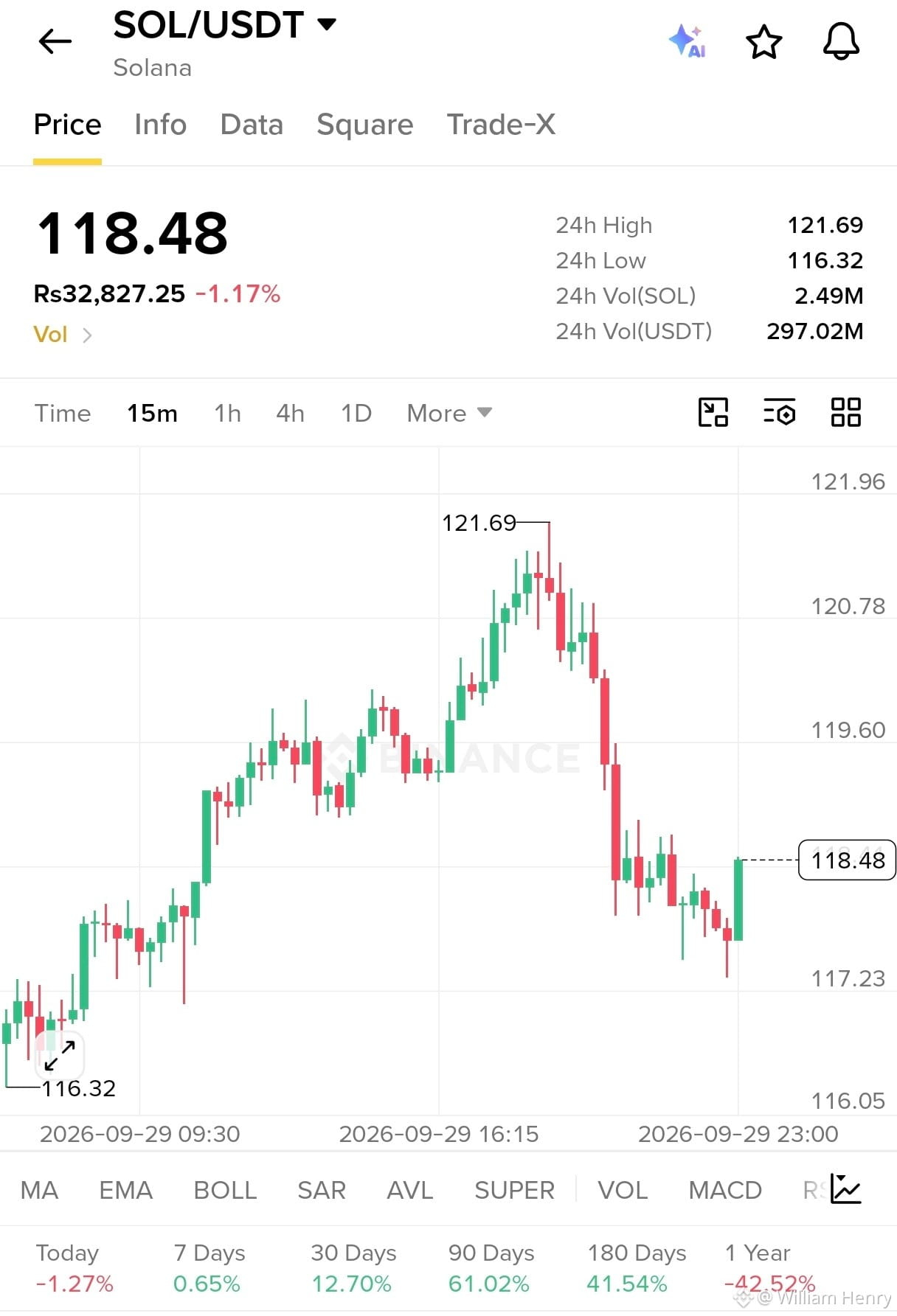
$SOL إعداد طويل — المشترون يردّون بالقتال
الدخول: 118.30$ – 118.60$
TP1: 119.60$
TP2: 120.75$
TP3: 121.70$
SL: 117.20$
ارتدّت SOL للتو من منطقة الطلب 117.2$–117.5$ بعد رفض حاد من 121.69$.
المحرك الرئيسي هو 118.60$:
إغلاق/ثبات نظيف على إطار 15 دقيقة فوقه يمكن أن يفتح الطريق نحو 119.60$ → 120.75$ → 121.70$.
إذا تم كسر 117.20$ بشكل حاسم، فإن هذا الإعداد الطويل يصبح غير صالح.
الزخم يتكوّن من جديد — الآن تابع الاختراق. 🚀
$SOL
{future}(SOLUSDT)
#EarningsSeason
$SOL إعداد طويل — المشترون يردّون بالقتال
الدخول: 118.30$ – 118.60$
TP1: 119.60$
TP2: 120.75$
TP3: 121.70$
SL: 117.20$
ارتدّت SOL للتو من منطقة الطلب 117.2$–117.5$ بعد رفض حاد من 121.69$.
المحرك الرئيسي هو 118.60$:
إغلاق/ثبات نظيف على إطار 15 دقيقة فوقه يمكن أن يفتح الطريق نحو 119.60$ → 120.75$ → 121.70$.
إذا تم كسر 117.20$ بشكل حاسم، فإن هذا الإعداد الطويل يصبح غير صالح.
الزخم يتكوّن من جديد — الآن تابع الاختراق. 🚀
$SOL
#EarningsSeason
الدخول: 118.30$ – 118.60$
TP1: 119.60$
TP2: 120.75$
TP3: 121.70$
SL: 117.20$
ارتدّت SOL للتو من منطقة الطلب 117.2$–117.5$ بعد رفض حاد من 121.69$.
المحرك الرئيسي هو 118.60$:
إغلاق/ثبات نظيف على إطار 15 دقيقة فوقه يمكن أن يفتح الطريق نحو 119.60$ → 120.75$ → 121.70$.
إذا تم كسر 117.20$ بشكل حاسم، فإن هذا الإعداد الطويل يصبح غير صالح.
الزخم يتكوّن من جديد — الآن تابع الاختراق. 🚀
$SOL
#EarningsSeason
1
3
1.6k
·
--
صاعد
$BNB — الإعداد
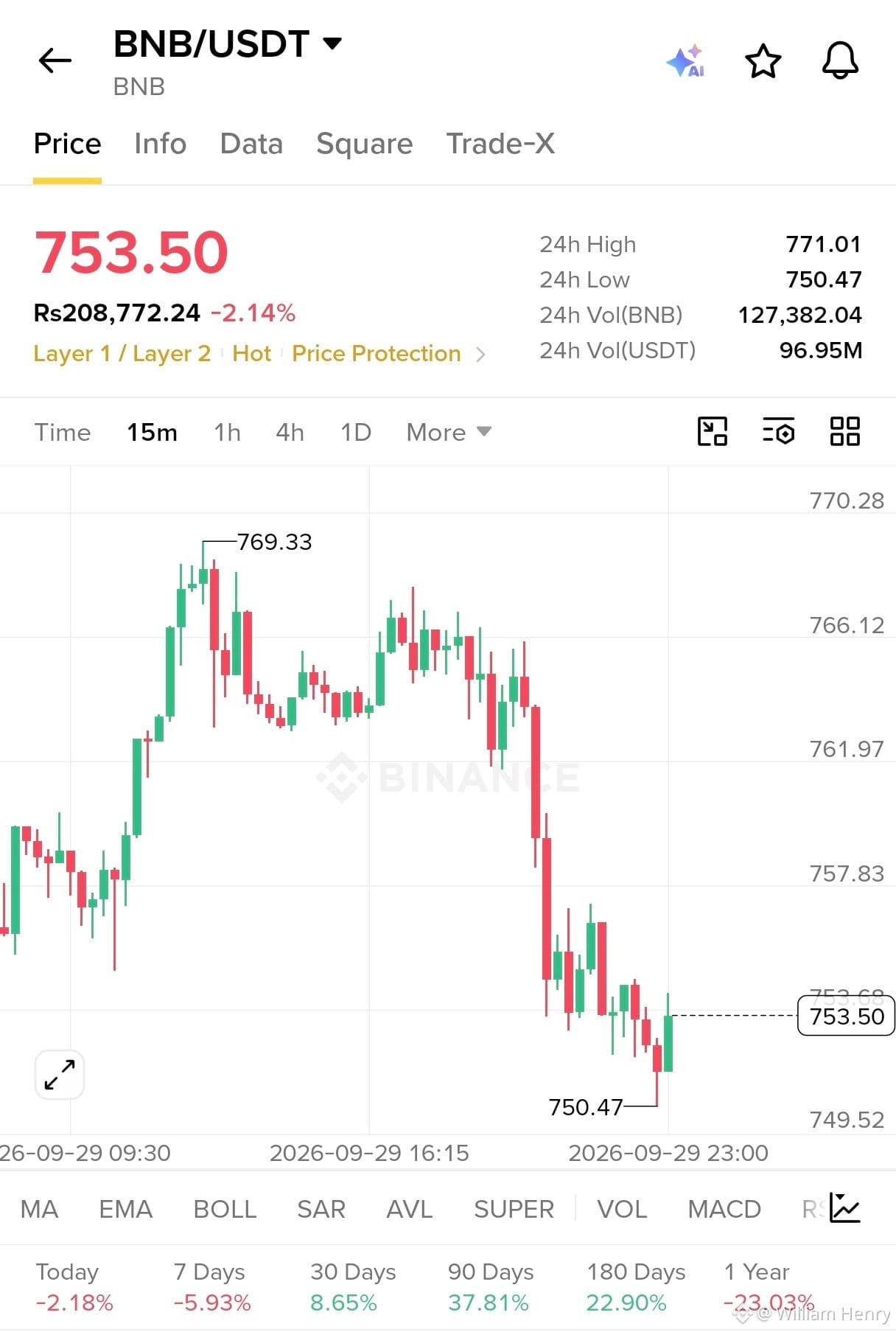
BNB يجلس عند 753.50$، منخفضًا بنسبة 2.14% اليوم، بعد الرفض من 769.33$ والانزلاق إلى أدنى مستوى عند 750.47$.
إعداد التداول:
🟢 شراء (Long) بعد إعادة الاستحواذ: 757.80$
🎯 الهدف 1: 762.00$
🎯 الهدف 2: 766.10$
🎯 الهدف 3: 769.30$
🛑 وقف الخسارة: 750.40$
المحفز: إعادة الاستحواذ عند 757.80$ مع إغلاق 15 دقيقة + حجم تداول.
الإبطال: كسر واضح أسفل 750.47$.
المعركة الرئيسية هي 750–758. أعد الاستحواذ عليها → يمكن أن تعود الزخم إلى منطقة 766–769. أخسر 750$ → ابقَ خارج الصفقة الطويلة.
إعداد فني من الرسم البياني المرفق؛ ليس نصيحة مالية.
$BNB
{future}(BNBUSDT)
#BNB
$BNB — الإعداد
BNB يجلس عند 753.50$، منخفضًا بنسبة 2.14% اليوم، بعد الرفض من 769.33$ والانزلاق إلى أدنى مستوى عند 750.47$.
إعداد التداول:
🟢 شراء (Long) بعد إعادة الاستحواذ: 757.80$
🎯 الهدف 1: 762.00$
🎯 الهدف 2: 766.10$
🎯 الهدف 3: 769.30$
🛑 وقف الخسارة: 750.40$
المحفز: إعادة الاستحواذ عند 757.80$ مع إغلاق 15 دقيقة + حجم تداول.
الإبطال: كسر واضح أسفل 750.47$.
المعركة الرئيسية هي 750–758. أعد الاستحواذ عليها → يمكن أن تعود الزخم إلى منطقة 766–769. أخسر 750$ → ابقَ خارج الصفقة الطويلة.
إعداد فني من الرسم البياني المرفق؛ ليس نصيحة مالية.
$BNB
#BNB
BNB يجلس عند 753.50$، منخفضًا بنسبة 2.14% اليوم، بعد الرفض من 769.33$ والانزلاق إلى أدنى مستوى عند 750.47$.
إعداد التداول:
🟢 شراء (Long) بعد إعادة الاستحواذ: 757.80$
🎯 الهدف 1: 762.00$
🎯 الهدف 2: 766.10$
🎯 الهدف 3: 769.30$
🛑 وقف الخسارة: 750.40$
المحفز: إعادة الاستحواذ عند 757.80$ مع إغلاق 15 دقيقة + حجم تداول.
الإبطال: كسر واضح أسفل 750.47$.
المعركة الرئيسية هي 750–758. أعد الاستحواذ عليها → يمكن أن تعود الزخم إلى منطقة 766–769. أخسر 750$ → ابقَ خارج الصفقة الطويلة.
إعداد فني من الرسم البياني المرفق؛ ليس نصيحة مالية.
$BNB
#BNB
246
·
--
صاعد
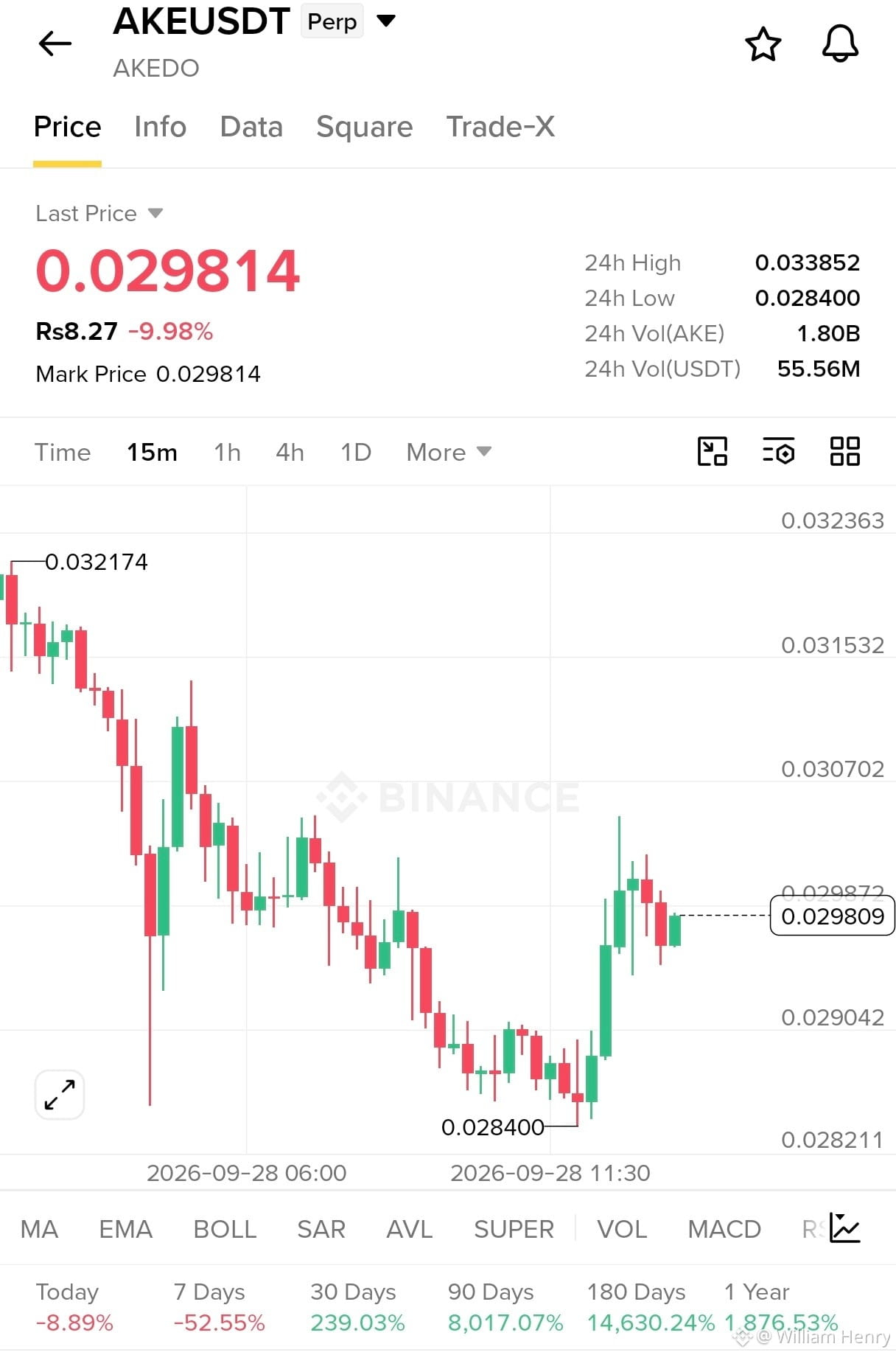
$AKE يُظهر ردة فعل حادة على مخطط 15M بعد أن دفع البائعون السعر إلى 0.028400. أنا أراقب ذلك عن كثب لأن المشترين دافعوا فورًا عن هذا المستوى وأعادوا السعر فوق 0.02904، مما أدى إلى تعافٍ قوي على المدى القصير.
الآن يجري السعر عملية تَجميع حول 0.0298 بعد الحركة الاندفاعية. تقع المقاومة الرئيسية قرب 0.03070، بينما 0.02904 هو أول دعم أريد أن أراه محافظًا عليه. اختراق واضح عبر 0.03070 قد يعيد المناطق الأعلى للسيولة إلى دائرة الاهتمام.
إعداد الصفقة
الدخول: 0.0295–0.0299
إيقاف الخسارة: 0.0283
الأهداف:
الهدف 1: 0.0307
الهدف 2: 0.0315
الهدف 3: 0.0323
الهدف 4: 0.0338
لماذا هذا ممكن
الارتداد من 0.028400 هو السبب الرئيسي وراء اهتمامي. كان للبائعين السيطرة خلال الانخفاض السابق، لكن الشموع الأخيرة تُظهر ضغط شراء قويًا وعدولًا واضحًا عن أدنى مستوى للجلسة.
إذا حافظ $AKE فوق 0.02904 وكسر 0.03070 بزخم، يمكن أن تستمر البنية في التعافي باتجاه مستويات المقاومة التالية.
أُبقي وقف الخسارة تحت آخر موجة سحب سيولة حتى تبقى المخاطرة محددة إذا عاد البائعون للسيطرة.
لنذهب ونتداول الآن $AKE
{future}(AKEUSDT)
#ChinaMayLetAlibabaByteDanceBuyNvidiaChips
$AKE يُظهر ردة فعل حادة على مخطط 15M بعد أن دفع البائعون السعر إلى 0.028400. أنا أراقب ذلك عن كثب لأن المشترين دافعوا فورًا عن هذا المستوى وأعادوا السعر فوق 0.02904، مما أدى إلى تعافٍ قوي على المدى القصير.
الآن يجري السعر عملية تَجميع حول 0.0298 بعد الحركة الاندفاعية. تقع المقاومة الرئيسية قرب 0.03070، بينما 0.02904 هو أول دعم أريد أن أراه محافظًا عليه. اختراق واضح عبر 0.03070 قد يعيد المناطق الأعلى للسيولة إلى دائرة الاهتمام.
إعداد الصفقة
الدخول: 0.0295–0.0299
إيقاف الخسارة: 0.0283
الأهداف:
الهدف 1: 0.0307
الهدف 2: 0.0315
الهدف 3: 0.0323
الهدف 4: 0.0338
لماذا هذا ممكن
الارتداد من 0.028400 هو السبب الرئيسي وراء اهتمامي. كان للبائعين السيطرة خلال الانخفاض السابق، لكن الشموع الأخيرة تُظهر ضغط شراء قويًا وعدولًا واضحًا عن أدنى مستوى للجلسة.
إذا حافظ $AKE فوق 0.02904 وكسر 0.03070 بزخم، يمكن أن تستمر البنية في التعافي باتجاه مستويات المقاومة التالية.
أُبقي وقف الخسارة تحت آخر موجة سحب سيولة حتى تبقى المخاطرة محددة إذا عاد البائعون للسيطرة.
لنذهب ونتداول الآن $AKE
#ChinaMayLetAlibabaByteDanceBuyNvidiaChips
الآن يجري السعر عملية تَجميع حول 0.0298 بعد الحركة الاندفاعية. تقع المقاومة الرئيسية قرب 0.03070، بينما 0.02904 هو أول دعم أريد أن أراه محافظًا عليه. اختراق واضح عبر 0.03070 قد يعيد المناطق الأعلى للسيولة إلى دائرة الاهتمام.
إعداد الصفقة
الدخول: 0.0295–0.0299
إيقاف الخسارة: 0.0283
الأهداف:
الهدف 1: 0.0307
الهدف 2: 0.0315
الهدف 3: 0.0323
الهدف 4: 0.0338
لماذا هذا ممكن
الارتداد من 0.028400 هو السبب الرئيسي وراء اهتمامي. كان للبائعين السيطرة خلال الانخفاض السابق، لكن الشموع الأخيرة تُظهر ضغط شراء قويًا وعدولًا واضحًا عن أدنى مستوى للجلسة.
إذا حافظ $AKE فوق 0.02904 وكسر 0.03070 بزخم، يمكن أن تستمر البنية في التعافي باتجاه مستويات المقاومة التالية.
أُبقي وقف الخسارة تحت آخر موجة سحب سيولة حتى تبقى المخاطرة محددة إذا عاد البائعون للسيطرة.
لنذهب ونتداول الآن $AKE
#ChinaMayLetAlibabaByteDanceBuyNvidiaChips
1
794
تمّ التحقق
$OKLO لقد قام للتو بحركة ضخمة!
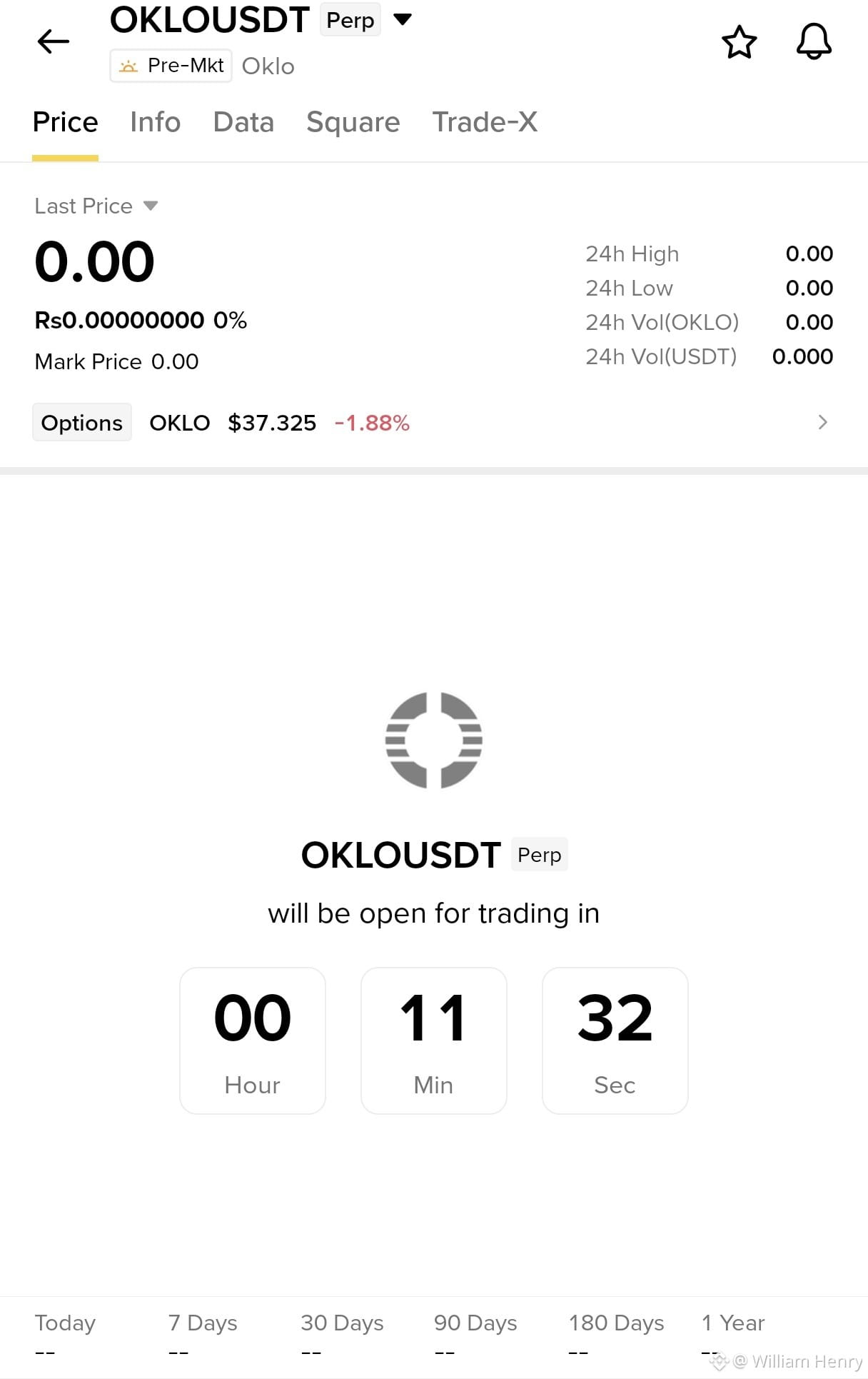
سوق عقود الأبدية $OKLOUSDT على وشك الافتتاح، مع مؤقت يعرض أنه تبقى ~11 دقيقة فقط.
السعر الأساسي $OKLO يبلغ حوالي $37.33، بينما يقوم المتداولون بالتموضع استعدادًا لإطلاق العقد الأبدية.
قد ترتفع التقلبات بسرعة بمجرد بدء التداول — الجميع يترقبون الحركة الافتتاحية.
{future}(OKLOUSDT)
#FedProposesPaymentStablecoinRules
$OKLO لقد قام للتو بحركة ضخمة!
سوق عقود الأبدية $OKLOUSDT على وشك الافتتاح، مع مؤقت يعرض أنه تبقى ~11 دقيقة فقط.
السعر الأساسي $OKLO يبلغ حوالي $37.33، بينما يقوم المتداولون بالتموضع استعدادًا لإطلاق العقد الأبدية.
قد ترتفع التقلبات بسرعة بمجرد بدء التداول — الجميع يترقبون الحركة الافتتاحية.
#FedProposesPaymentStablecoinRules
سوق عقود الأبدية $OKLOUSDT على وشك الافتتاح، مع مؤقت يعرض أنه تبقى ~11 دقيقة فقط.
السعر الأساسي $OKLO يبلغ حوالي $37.33، بينما يقوم المتداولون بالتموضع استعدادًا لإطلاق العقد الأبدية.
قد ترتفع التقلبات بسرعة بمجرد بدء التداول — الجميع يترقبون الحركة الافتتاحية.
#FedProposesPaymentStablecoinRules
2
608
·
--
صاعد
$NEAR /USDT PERP — إعداد طويل
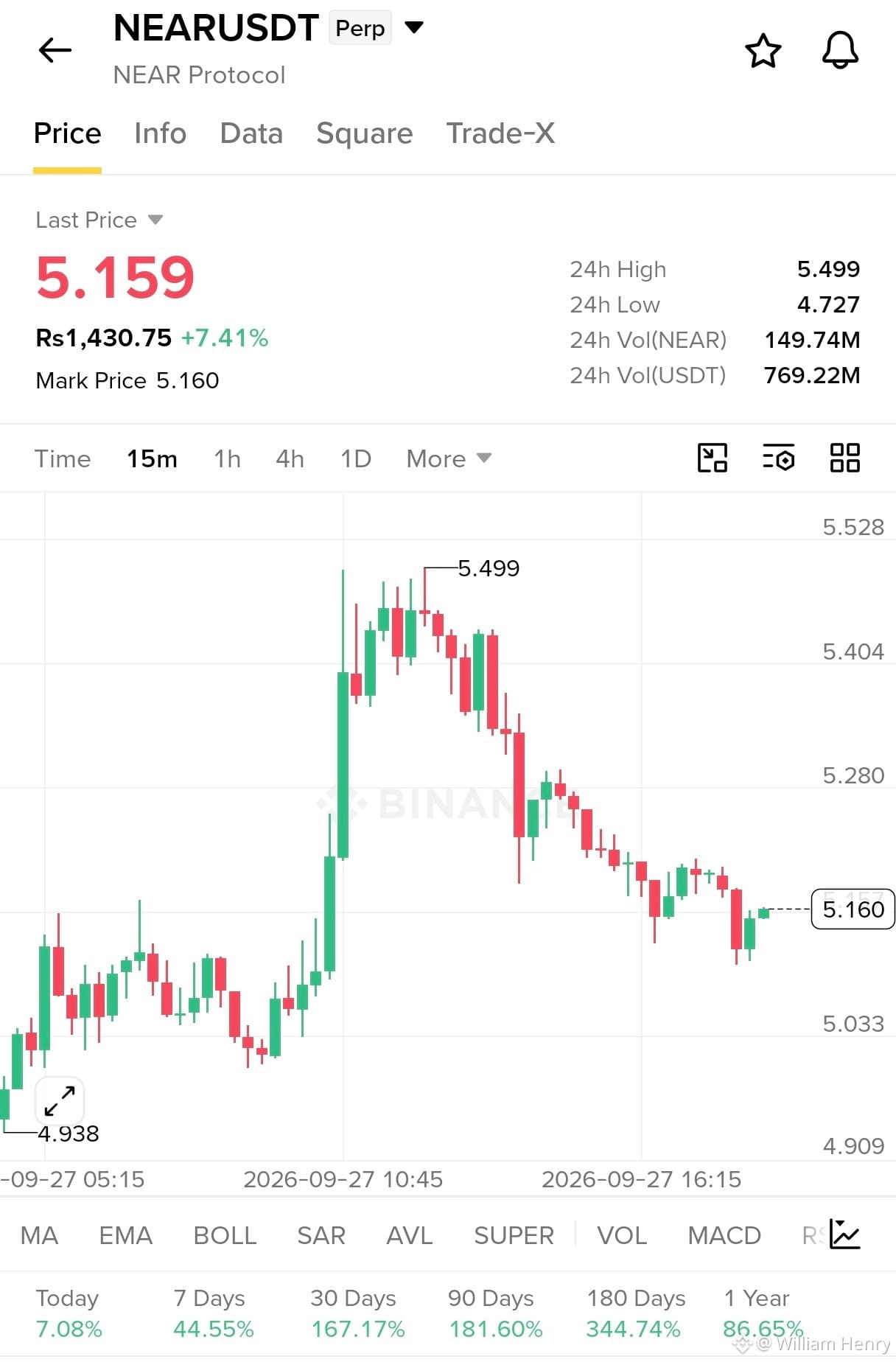
🔥 السعر: 5.159 (+7.41%)
📈 اختراق قوي من 4.94 → 5.50، والآن في مرحلة تجميع.
دخول طويل: 5.14–5.17
🎯 الهدف 1: 5.28
🎯 الهدف 2: 5.40
🎯 الهدف 3: 5.50
🛑 وقف الخسارة: 5.05
⚡ حافظ فوق 5.05 → يبقى الهيكل الصعودي حيًا.
كسر 5.50 → قد تتسارع الزخم.
لننطلق.
{future}(NEARUSDT)
$NEAR /USDT PERP — إعداد طويل
🔥 السعر: 5.159 (+7.41%)
📈 اختراق قوي من 4.94 → 5.50، والآن في مرحلة تجميع.
دخول طويل: 5.14–5.17
🎯 الهدف 1: 5.28
🎯 الهدف 2: 5.40
🎯 الهدف 3: 5.50
🛑 وقف الخسارة: 5.05
⚡ حافظ فوق 5.05 → يبقى الهيكل الصعودي حيًا.
كسر 5.50 → قد تتسارع الزخم.
لننطلق.
🔥 السعر: 5.159 (+7.41%)
📈 اختراق قوي من 4.94 → 5.50، والآن في مرحلة تجميع.
دخول طويل: 5.14–5.17
🎯 الهدف 1: 5.28
🎯 الهدف 2: 5.40
🎯 الهدف 3: 5.50
🛑 وقف الخسارة: 5.05
⚡ حافظ فوق 5.05 → يبقى الهيكل الصعودي حيًا.
كسر 5.50 → قد تتسارع الزخم.
لننطلق.
290
·
--
صاعد
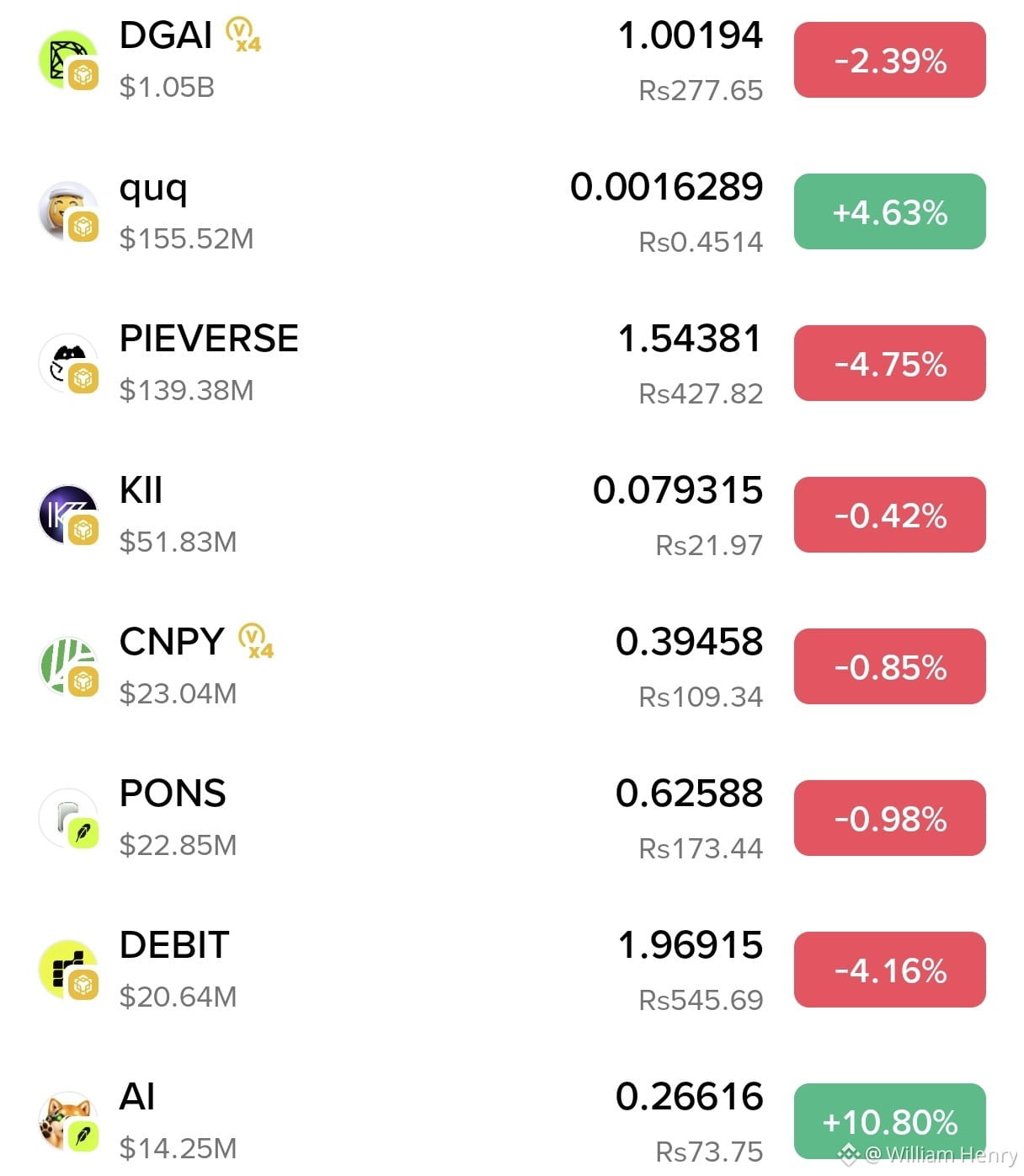
🔥 خريطة حرارة العملات البديلة — رأس المال يدور
الآن الشريط منقسم إلى قسمين:
🟢 $AI — 14.25 مليون دولار | 0.26616 دولار | +10.80%
🟢 $GUQ — 155.52 مليون دولار | 0.0016289 دولار | +4.63%
🔴 $DGAI — 1.05 مليار دولار | 1.00194 دولار | -2.39%
🔴 $PIEVERSE — 139.38 مليون دولار | 1.54381 دولار | -4.75%
🔴 $DEBIT — 20.64 مليون دولار | 1.96915 دولار | -4.16%
🔴 $KII — 51.83 مليون دولار | 0.079315 دولار | -0.42%
🔴 $CNPY — 23.04 مليون دولار | 0.39458 دولار | -0.85%
🔴 $PONS — 22.85 مليون دولار | 0.62588 دولار | -0.98%
الجزء المثير: الذكاء الاصطناعي يتقدم +10.8% بينما عدة ألقاب أكبر تنزف.
هذه علامة واضحة على شهية مخاطرة انتقائية، وليست قوة شاملة.
راقب التحركات ذات رؤوس الأموال الأصغر عن كثب — عندما يبدأ السيولة بالتحول للأسفل عبر منحنى القيمة السوقية، قد تصبح الحركة عنيفة.
🔥 خريطة حرارة العملات البديلة — رأس المال يدور
الآن الشريط منقسم إلى قسمين:
🟢 $AI — 14.25 مليون دولار | 0.26616 دولار | +10.80%
🟢 $GUQ — 155.52 مليون دولار | 0.0016289 دولار | +4.63%
🔴 $DGAI — 1.05 مليار دولار | 1.00194 دولار | -2.39%
🔴 $PIEVERSE — 139.38 مليون دولار | 1.54381 دولار | -4.75%
🔴 $DEBIT — 20.64 مليون دولار | 1.96915 دولار | -4.16%
🔴 $KII — 51.83 مليون دولار | 0.079315 دولار | -0.42%
🔴 $CNPY — 23.04 مليون دولار | 0.39458 دولار | -0.85%
🔴 $PONS — 22.85 مليون دولار | 0.62588 دولار | -0.98%
الجزء المثير: الذكاء الاصطناعي يتقدم +10.8% بينما عدة ألقاب أكبر تنزف.
هذه علامة واضحة على شهية مخاطرة انتقائية، وليست قوة شاملة.
راقب التحركات ذات رؤوس الأموال الأصغر عن كثب — عندما يبدأ السيولة بالتحول للأسفل عبر منحنى القيمة السوقية، قد تصبح الحركة عنيفة.
الآن الشريط منقسم إلى قسمين:
🟢 $AI — 14.25 مليون دولار | 0.26616 دولار | +10.80%
🟢 $GUQ — 155.52 مليون دولار | 0.0016289 دولار | +4.63%
🔴 $DGAI — 1.05 مليار دولار | 1.00194 دولار | -2.39%
🔴 $PIEVERSE — 139.38 مليون دولار | 1.54381 دولار | -4.75%
🔴 $DEBIT — 20.64 مليون دولار | 1.96915 دولار | -4.16%
🔴 $KII — 51.83 مليون دولار | 0.079315 دولار | -0.42%
🔴 $CNPY — 23.04 مليون دولار | 0.39458 دولار | -0.85%
🔴 $PONS — 22.85 مليون دولار | 0.62588 دولار | -0.98%
الجزء المثير: الذكاء الاصطناعي يتقدم +10.8% بينما عدة ألقاب أكبر تنزف.
هذه علامة واضحة على شهية مخاطرة انتقائية، وليست قوة شاملة.
راقب التحركات ذات رؤوس الأموال الأصغر عن كثب — عندما يبدأ السيولة بالتحول للأسفل عبر منحنى القيمة السوقية، قد تصبح الحركة عنيفة.
3
2k
·
--
صاعد
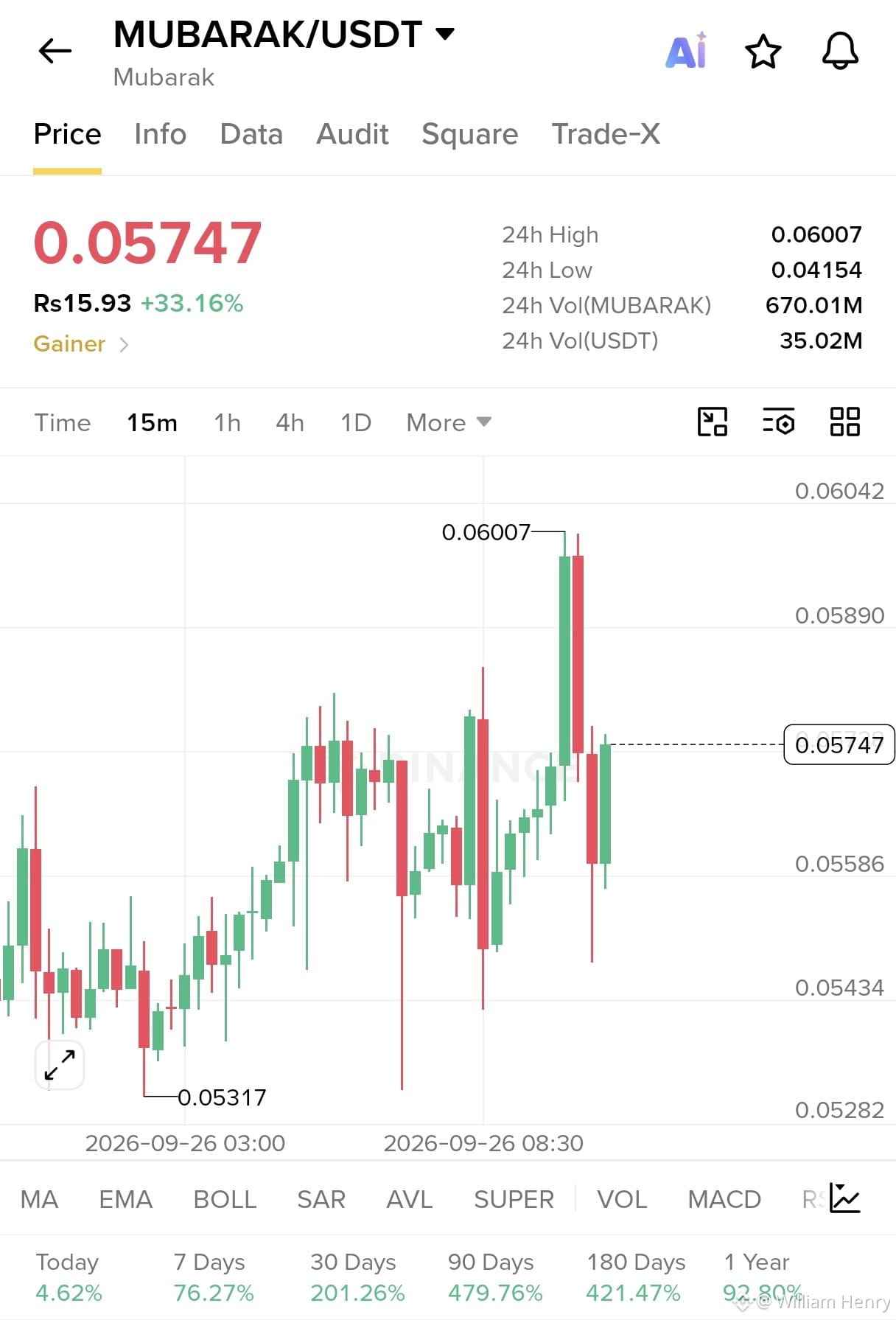
$MUBARAK يتحرك بسرعة — حاليًا حوالي 0.05747 بعد دفعة قوية +33.16%. قفز السعر إلى 0.06007، ثم تراجع وارتد من منطقة 0.05586. ما زال المشترون نشطين، لكن 0.06007 هو مستوى المقاومة الرئيسي الذي يجب مراقبته.
إعداد الصفقة: الدخول: 0.05600–0.05750
SL: 0.05420
TP1: 0.05890
TP2: 0.06007
TP3: 0.06200
اختراق واضح أعلى من 0.06007 قد يجلب زخمًا جديدًا، بينما فقدان 0.05586 قد يضعف الإعداد. أراقب الشموع القادمة لمدة 15 دقيقة للتأكيد.
{future}(MUBARAKUSDT)
#PolymarketBankFailureBetsDrawFDICConcern
$MUBARAK يتحرك بسرعة — حاليًا حوالي 0.05747 بعد دفعة قوية +33.16%. قفز السعر إلى 0.06007، ثم تراجع وارتد من منطقة 0.05586. ما زال المشترون نشطين، لكن 0.06007 هو مستوى المقاومة الرئيسي الذي يجب مراقبته.
إعداد الصفقة: الدخول: 0.05600–0.05750
SL: 0.05420
TP1: 0.05890
TP2: 0.06007
TP3: 0.06200
اختراق واضح أعلى من 0.06007 قد يجلب زخمًا جديدًا، بينما فقدان 0.05586 قد يضعف الإعداد. أراقب الشموع القادمة لمدة 15 دقيقة للتأكيد.
#PolymarketBankFailureBetsDrawFDICConcern
إعداد الصفقة: الدخول: 0.05600–0.05750
SL: 0.05420
TP1: 0.05890
TP2: 0.06007
TP3: 0.06200
اختراق واضح أعلى من 0.06007 قد يجلب زخمًا جديدًا، بينما فقدان 0.05586 قد يضعف الإعداد. أراقب الشموع القادمة لمدة 15 دقيقة للتأكيد.
#PolymarketBankFailureBetsDrawFDICConcern
1
473
·
--
صاعد
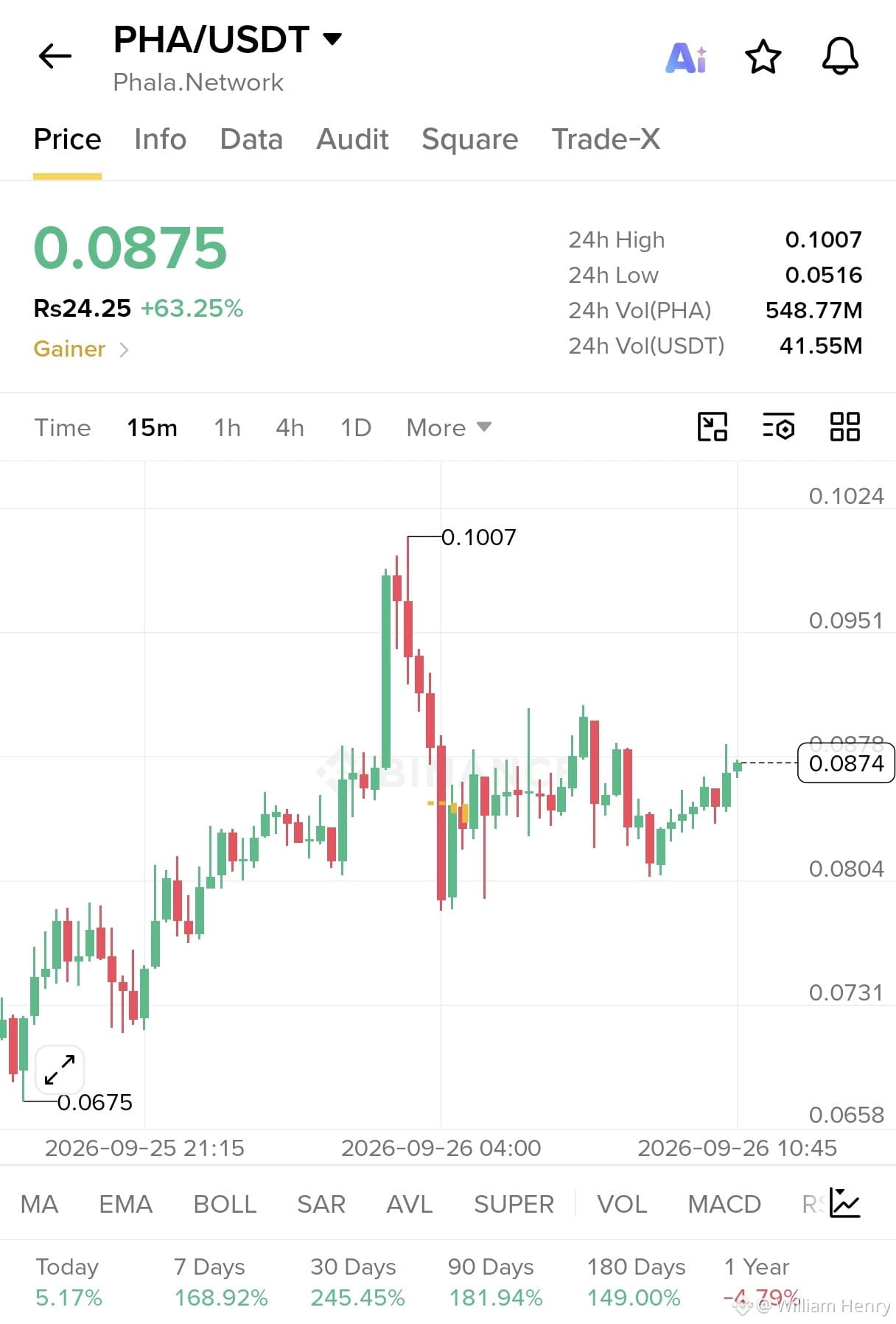
$PHA يتمسّك فوق منطقة 0.0870 بعد تعافٍ قوي من منطقة دعم 0.0804. على مخطط 15M، يدفع المشترون السعر للعودة نحو مقاومة 0.0878، بينما يبقى الزخم نشطًا بعد الاختراق الحاد.
أنا أراقب حدوث اختراق واضح والثبات فوق 0.0878 قبل التفكير في الاستمرار. قد يؤدي الرفض إلى إعادة السعر نحو 0.0840–0.0804.
إعداد الصفقة
الدخول: 0.0865–0.0880
وقف الخسارة: 0.0835
TP1: 0.0915
TP2: 0.0950
TP3: 0.1000
سأنتظر تأكيدًا قرب المقاومة قبل الدخول.
#PHA #Crypto #TradeSetup #TechnicalAnalysis
{future}(PHAUSDT)
$PHA يتمسّك فوق منطقة 0.0870 بعد تعافٍ قوي من منطقة دعم 0.0804. على مخطط 15M، يدفع المشترون السعر للعودة نحو مقاومة 0.0878، بينما يبقى الزخم نشطًا بعد الاختراق الحاد.
أنا أراقب حدوث اختراق واضح والثبات فوق 0.0878 قبل التفكير في الاستمرار. قد يؤدي الرفض إلى إعادة السعر نحو 0.0840–0.0804.
إعداد الصفقة
الدخول: 0.0865–0.0880
وقف الخسارة: 0.0835
TP1: 0.0915
TP2: 0.0950
TP3: 0.1000
سأنتظر تأكيدًا قرب المقاومة قبل الدخول.
#PHA #Crypto #TradeSetup #TechnicalAnalysis
أنا أراقب حدوث اختراق واضح والثبات فوق 0.0878 قبل التفكير في الاستمرار. قد يؤدي الرفض إلى إعادة السعر نحو 0.0840–0.0804.
إعداد الصفقة
الدخول: 0.0865–0.0880
وقف الخسارة: 0.0835
TP1: 0.0915
TP2: 0.0950
TP3: 0.1000
سأنتظر تأكيدًا قرب المقاومة قبل الدخول.
#PHA #Crypto #TradeSetup #TechnicalAnalysis
1
523
·
--
صاعد
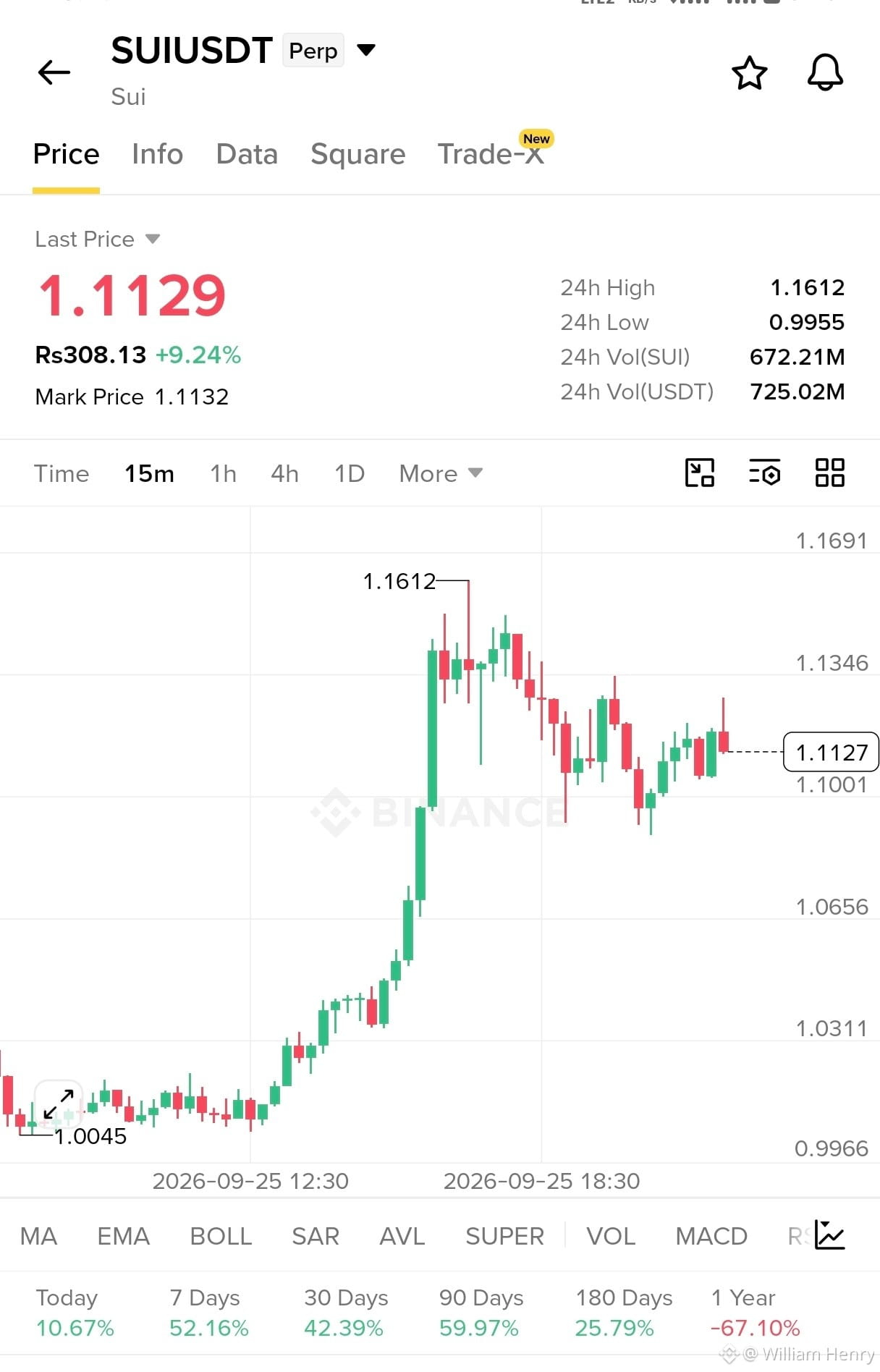
$SUI تبدو قوية
إعداد الصفقة: 1.108 – 1.115
TP1: 1.125
TP2: 1.135
TP3: 1.160
SL: 1.095
التحليل:
SUI تحافظ على مستوى أعلى من منطقة 1.10 بعد اختراق حاد ثم تَجْمُّع/تَوحُّد. المشترون يدافعون عن التراجع، بينما 1.134–1.135 هي المقاومة الرئيسية على المدى القريب. اختراق واضح للأعلى منها قد يفتح الطريق نحو منطقة 1.16.
هيا — تداول المستويات، وادِر المخاطر، واترك $SUI تعمل.
{future}(SUIUSDT)
$SUI تبدو قوية
إعداد الصفقة: 1.108 – 1.115
TP1: 1.125
TP2: 1.135
TP3: 1.160
SL: 1.095
التحليل:
SUI تحافظ على مستوى أعلى من منطقة 1.10 بعد اختراق حاد ثم تَجْمُّع/تَوحُّد. المشترون يدافعون عن التراجع، بينما 1.134–1.135 هي المقاومة الرئيسية على المدى القريب. اختراق واضح للأعلى منها قد يفتح الطريق نحو منطقة 1.16.
هيا — تداول المستويات، وادِر المخاطر، واترك $SUI تعمل.
إعداد الصفقة: 1.108 – 1.115
TP1: 1.125
TP2: 1.135
TP3: 1.160
SL: 1.095
التحليل:
SUI تحافظ على مستوى أعلى من منطقة 1.10 بعد اختراق حاد ثم تَجْمُّع/تَوحُّد. المشترون يدافعون عن التراجع، بينما 1.134–1.135 هي المقاومة الرئيسية على المدى القريب. اختراق واضح للأعلى منها قد يفتح الطريق نحو منطقة 1.16.
هيا — تداول المستويات، وادِر المخاطر، واترك $SUI تعمل.
1
376
·
--
صاعد
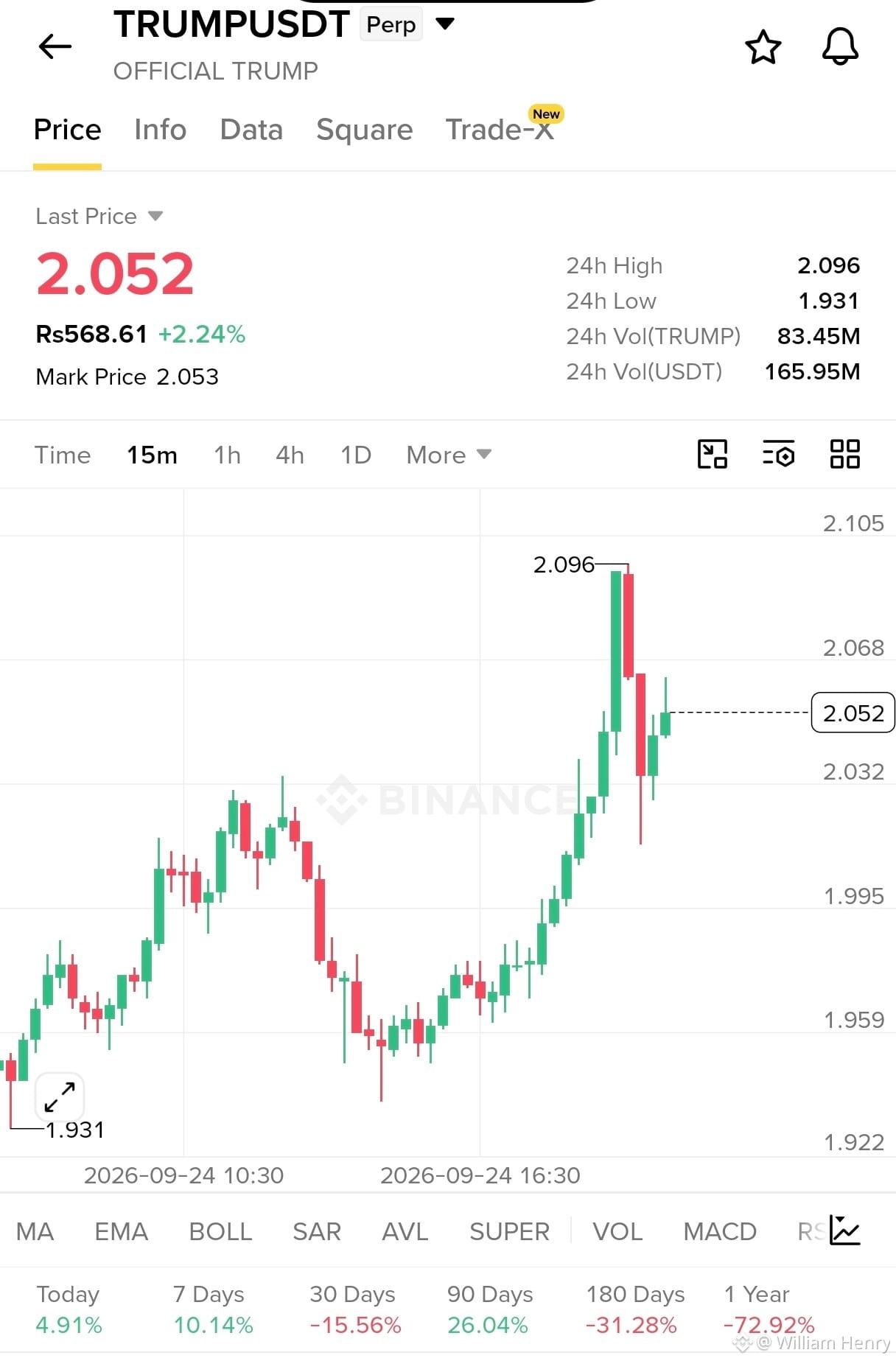
$TRUMP لقد قام بخطوة قوية للتو!
$TRUMP دفع بقوة من منطقة 1.93 ووصل إلى أعلى مستوى خلال 24 ساعة قرب 2.096 قبل أن يتراجع ويستقر حول 2.052.
مع حجم تداول خلال 24 ساعة يبلغ حوالي 83.45M $TRUMP، فإن التقلبات مرتفعة بوضوح. يُظهر الارتداد الأخير زخمًا قويًا، لكن على المتداولين مراقبة مقاومة 2.096 والمنطقة 2.03–2.00 للحركة الاتجاهية القادمة.
الزخم يتصاعد — قد يحدد الاختراق أو الرفض التالي النبرة.
هيا نتداول $TRUMP
{future}(TRUMPUSDT)
#BinanceWillListHyperliquid(HYPE)
$TRUMP لقد قام بخطوة قوية للتو!
$TRUMP دفع بقوة من منطقة 1.93 ووصل إلى أعلى مستوى خلال 24 ساعة قرب 2.096 قبل أن يتراجع ويستقر حول 2.052.
مع حجم تداول خلال 24 ساعة يبلغ حوالي 83.45M $TRUMP ، فإن التقلبات مرتفعة بوضوح. يُظهر الارتداد الأخير زخمًا قويًا، لكن على المتداولين مراقبة مقاومة 2.096 والمنطقة 2.03–2.00 للحركة الاتجاهية القادمة.
الزخم يتصاعد — قد يحدد الاختراق أو الرفض التالي النبرة.
هيا نتداول $TRUMP
#BinanceWillListHyperliquid(HYPE)
$TRUMP دفع بقوة من منطقة 1.93 ووصل إلى أعلى مستوى خلال 24 ساعة قرب 2.096 قبل أن يتراجع ويستقر حول 2.052.
مع حجم تداول خلال 24 ساعة يبلغ حوالي 83.45M $TRUMP ، فإن التقلبات مرتفعة بوضوح. يُظهر الارتداد الأخير زخمًا قويًا، لكن على المتداولين مراقبة مقاومة 2.096 والمنطقة 2.03–2.00 للحركة الاتجاهية القادمة.
الزخم يتصاعد — قد يحدد الاختراق أو الرفض التالي النبرة.
هيا نتداول $TRUMP
#BinanceWillListHyperliquid(HYPE)
1
2
1.1k
·
--
صاعد
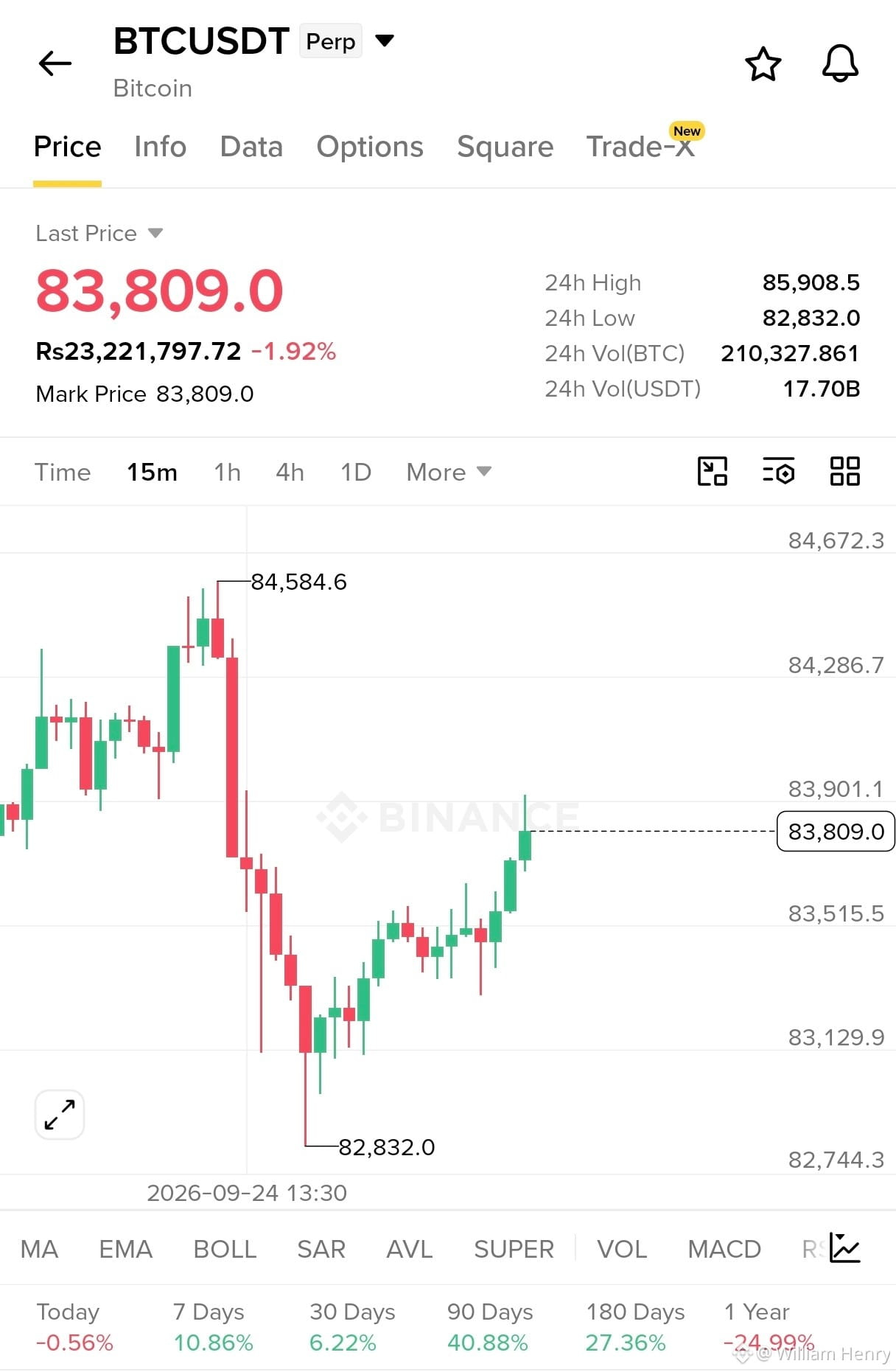
$BTC لقد حقق للتو انتعاشة قوية!
بعد أن انخفض إلى 82,832$، $BTC ارتد بشكل حاد واستعاد منطقة 83,800$.
الارتداد يكتسب زخمًا مع عودة المشترين للانخراط من جديد، لتصبح منطقة 84,000$–84,600$ الآن هي المنطقة الرئيسية التي يجب مراقبتها.
التقلبات تزداد سخونة — فقد يحدد الاختراق القادم نبرة الخطوة التالية.
لنُتداول $BTC
{future}(BTCUSDT)
$BTC لقد حقق للتو انتعاشة قوية!
بعد أن انخفض إلى 82,832$، $BTC ارتد بشكل حاد واستعاد منطقة 83,800$.
الارتداد يكتسب زخمًا مع عودة المشترين للانخراط من جديد، لتصبح منطقة 84,000$–84,600$ الآن هي المنطقة الرئيسية التي يجب مراقبتها.
التقلبات تزداد سخونة — فقد يحدد الاختراق القادم نبرة الخطوة التالية.
لنُتداول $BTC
بعد أن انخفض إلى 82,832$، $BTC ارتد بشكل حاد واستعاد منطقة 83,800$.
الارتداد يكتسب زخمًا مع عودة المشترين للانخراط من جديد، لتصبح منطقة 84,000$–84,600$ الآن هي المنطقة الرئيسية التي يجب مراقبتها.
التقلبات تزداد سخونة — فقد يحدد الاختراق القادم نبرة الخطوة التالية.
لنُتداول $BTC
1
1
800
·
--
صاعد
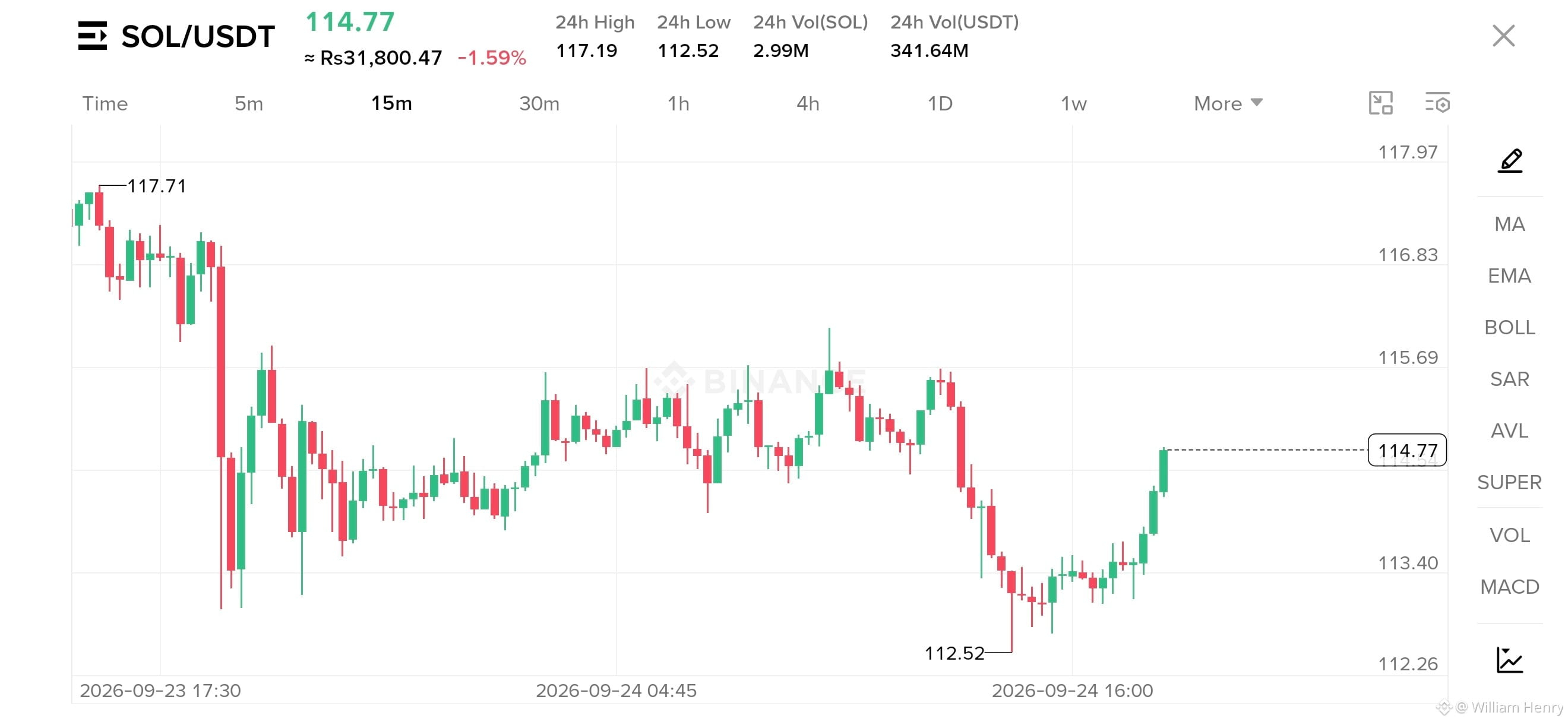
$SOL — ارتداد صاعد في حالة تماسك
إعداد الصفقة
منطقة الشراء: $114.20 – $114.70
TP1: $115.20
TP2: $115.70
TP3: $116.40
إيقاف الخسارة: $113.65
التحليل: لقد ارتدت SOL بقوة من أدنى مستوى عند $112.52 وتدفع الآن للعودة فوق $114.70 على مخطط 15 دقيقة. يضمن الحفاظ على منطقة $114.20–$114.70 بقاء هيكل التعافي قائمًا، بينما يمكن أن يفتح اختراقٌ نظيف فوق $115.20 المجال نحو مستويات المقاومة التالية.
لنُجرِ صفقة مع $SOL
{future}(SOLUSDT)
$SOL — ارتداد صاعد في حالة تماسك
إعداد الصفقة
منطقة الشراء: $114.20 – $114.70
TP1: $115.20
TP2: $115.70
TP3: $116.40
إيقاف الخسارة: $113.65
التحليل: لقد ارتدت SOL بقوة من أدنى مستوى عند $112.52 وتدفع الآن للعودة فوق $114.70 على مخطط 15 دقيقة. يضمن الحفاظ على منطقة $114.20–$114.70 بقاء هيكل التعافي قائمًا، بينما يمكن أن يفتح اختراقٌ نظيف فوق $115.20 المجال نحو مستويات المقاومة التالية.
لنُجرِ صفقة مع $SOL
إعداد الصفقة
منطقة الشراء: $114.20 – $114.70
TP1: $115.20
TP2: $115.70
TP3: $116.40
إيقاف الخسارة: $113.65
التحليل: لقد ارتدت SOL بقوة من أدنى مستوى عند $112.52 وتدفع الآن للعودة فوق $114.70 على مخطط 15 دقيقة. يضمن الحفاظ على منطقة $114.20–$114.70 بقاء هيكل التعافي قائمًا، بينما يمكن أن يفتح اختراقٌ نظيف فوق $115.20 المجال نحو مستويات المقاومة التالية.
لنُجرِ صفقة مع $SOL
4
718
·
--
صاعد
$ETH — الأموال الكبيرة تتحرك
قامت BitMine بشراء بقيمة 75 مليون دولار من $ETH، ما يسلّط اهتمامًا جديدًا على شبكة Ethereum. كما يرى توم لي أن الربع الرابع قد يكون محفّزًا محتملًا لانتفاضة سوقية كبرى.
إذا استمر الشراء المؤسسي في التسارع، فقد تصبح $ETH واحدة من أكبر القصص في الربع.
$ETH عادت إلى دائرة الضوء.
{future}(ETHUSDT)
$ETH — الأموال الكبيرة تتحرك
قامت BitMine بشراء بقيمة 75 مليون دولار من $ETH ، ما يسلّط اهتمامًا جديدًا على شبكة Ethereum. كما يرى توم لي أن الربع الرابع قد يكون محفّزًا محتملًا لانتفاضة سوقية كبرى.
إذا استمر الشراء المؤسسي في التسارع، فقد تصبح $ETH واحدة من أكبر القصص في الربع.
$ETH عادت إلى دائرة الضوء.
قامت BitMine بشراء بقيمة 75 مليون دولار من $ETH ، ما يسلّط اهتمامًا جديدًا على شبكة Ethereum. كما يرى توم لي أن الربع الرابع قد يكون محفّزًا محتملًا لانتفاضة سوقية كبرى.
إذا استمر الشراء المؤسسي في التسارع، فقد تصبح $ETH واحدة من أكبر القصص في الربع.
$ETH عادت إلى دائرة الضوء.


1
328
سجّل الدخول لاستكشاف المزيد من المُحتوى
انضم إلى مُستخدمي العملات الرقمية حول العالم على Binance Square
⚡️ احصل على أحدث المعلومات المفيدة عن العملات الرقمية.
💬 موثوقة من قبل أكبر منصّة لتداول العملات الرقمية في العالم.
👍 اكتشف الرؤى الحقيقية من صنّاع المُحتوى الموثوقين.
البريد الإلكتروني / رقم الهاتف
المواضيع الرائجة
NFPWatch
10.8M مشاهدات
19,023 يقومون بالنقاش
أخبار العملات الرقمية | البيتكوين تقترب من 85 ألف دولار مع تراجع عوائد الخزانة الأميركية قبيل تقرير الوظائف الأميركي غير الزراعي
Binance News
·36 إعجاب
·47.3k مشاهدات
BitcoinFundingRateTriplesTo10%
120,122 مشاهدات
1,019 يقومون بالنقاش
BitcoinSurpasses$86KUp2.99%
36,479 مشاهدات
99 يقومون بالنقاش