Binance Square

S H I Z A

Making Web3 simple. 💡 | Deep dives into $BNB ecosystem & DeFi protocols | Helping you navigate the 2026 bull run with logic, not luck.
مُتداول بمُعدّل مرتفع
3.4 سنوات
90 تتابع
4.0K+ المتابعون
706 إعجاب
53 تمّت مُشاركتها
منشورات
·
--
People say 'crypto is a rug pull' after losing money on some random coin promising 1000x returns. Then they lump Bitcoin and Ethereum in the same category. It's like saying 'all businesses are scams' because you fell for a pyramid scheme. The problem isn't the technology - it's not doing research before investing. #DYOR #CryptoScams #KnowTheDifference
Spent $200 on a course about technical analysis. Spent $0 learning proper risk management. Lost $800 because I didn't set stop losses. The expensive lessons aren't always the paid ones. What's one free resource or principle that's saved you more money than any paid course?
You know that feeling when you check your portfolio every 5 minutes during a pump but suddenly become a long-term investor during a dip? Just caught myself doing this again. The mental gymnastics we do in crypto are honestly impressive.
Feb 25 SENT AI mainnet live amid $TAO deadline pressure; Feb 28 JUP unlocks $53M—dump risk high. Balance AI narrative hype with supply floods. Portfolio hedge: Stake stables. Winners emerge post-vol. Watching closely? #aicrypto #tokenunlocks #RiskManagement {future}(TAOUSDT)
Feb 25 SENT AI mainnet live amid $TAO deadline pressure; Feb 28 JUP unlocks $53M—dump risk high. Balance AI narrative hype with supply floods. Portfolio hedge: Stake stables. Winners emerge post-vol. Watching closely? #aicrypto #tokenunlocks #RiskManagement
Weekly standouts: CHESS surges +18% on exchange volume spike, C98 +16% amid DeFi revival, ENSO +15% with staking hype, ZIL rockets 22% post-upgrade. Majors mixed but alts shine—perfect for swing trades. BTC stabilizing at $70K aids rotation. Ape in or wait for pullback? Drop your picks! #altcoins #GAINERS #BinanceSquare
"MSTR Earnings Feb 5: Saylor's BTC Stack Revealed" MicroStrategy earnings reveal BTC war chest post-dump. Holdings key for $76K defense amid $70K bounce. Saylor's stack-more mantra faces test—expect announcements? Ties to Trump admin crypto pivot. Long MSTR calls heating up. Your prediction on shares? #MSTR #bitcoin #earnings
"MSTR Earnings Feb 5: Saylor's BTC Stack Revealed"

MicroStrategy earnings reveal BTC war chest post-dump. Holdings key for $76K defense amid $70K bounce. Saylor's stack-more mantra faces test—expect announcements? Ties to Trump admin crypto pivot. Long MSTR calls heating up. Your prediction on shares? #MSTR #bitcoin #earnings
Pack your bags: Feb 9 MegaETH testnet launch boosts L2 wars; Feb 11 US CPI could sway Fed cuts; Feb 20 WLFI airdrop eyes $50M BTC dump reversal. Watch EIGEN $10M unlock too. Position early for volatility—$SOL /$ETH pairs hot. Non-farm payrolls Feb 6 already priced in dip. Calendar pinned? #cryptoevents #February2026 #Airdrops {future}(ETHUSDT) {future}(SOLUSDT)
Pack your bags: Feb 9 MegaETH testnet launch boosts L2 wars; Feb 11 US CPI could sway Fed cuts; Feb 20 WLFI airdrop eyes $50M BTC dump reversal. Watch EIGEN $10M unlock too. Position early for volatility—$SOL /$ETH pairs hot. Non-farm payrolls Feb 6 already priced in dip. Calendar pinned? #cryptoevents #February2026 #Airdrops
"Trump Crypto Bill Leaks: Game-Changer for BTC?" Feb 2 leaks: President Trump pushes crypto-friendly bill with CB integration for compliance edge. Pairs with ZAMA privacy listing hype—regulatory green light? BTC sentiment flips as WLFI sells $50M BTC. Bullish for alts if passed. Portfolio shift incoming? Vote yes/no! #TrumpCrypto #Regulation #BTC
"Trump Crypto Bill Leaks: Game-Changer for BTC?"
Feb 2 leaks: President Trump pushes crypto-friendly bill with CB integration for compliance edge. Pairs with ZAMA privacy listing hype—regulatory green light? BTC sentiment flips as WLFI sells $50M BTC. Bullish for alts if passed. Portfolio shift incoming?
Vote yes/no!
#TrumpCrypto #Regulation #BTC
Yes
No
6 يوم (أيام) مُتبقية
The Bitcoin Buzz Big news on the macro front: It looks like the Federal Reserve is leaning heavily toward a 0.50% rate cut this March. Out of the 12 FOMC members, 9 are reportedly on board with the move. Why this matters In plain English? When the Fed cuts rates, borrowing money gets cheaper. This usually sends investors hunting for higher returns in "riskier" spots. Bitcoin usually loves this environment. Stocks and Tech tend to catch a serious tailwind. Basically, the "money printer" is starting to warm up again, which is historically a massive green light for the crypto market. #MarketRally #WhenWillBTCRebound #bitcoin $BTC {future}(BTCUSDT)
The Bitcoin Buzz
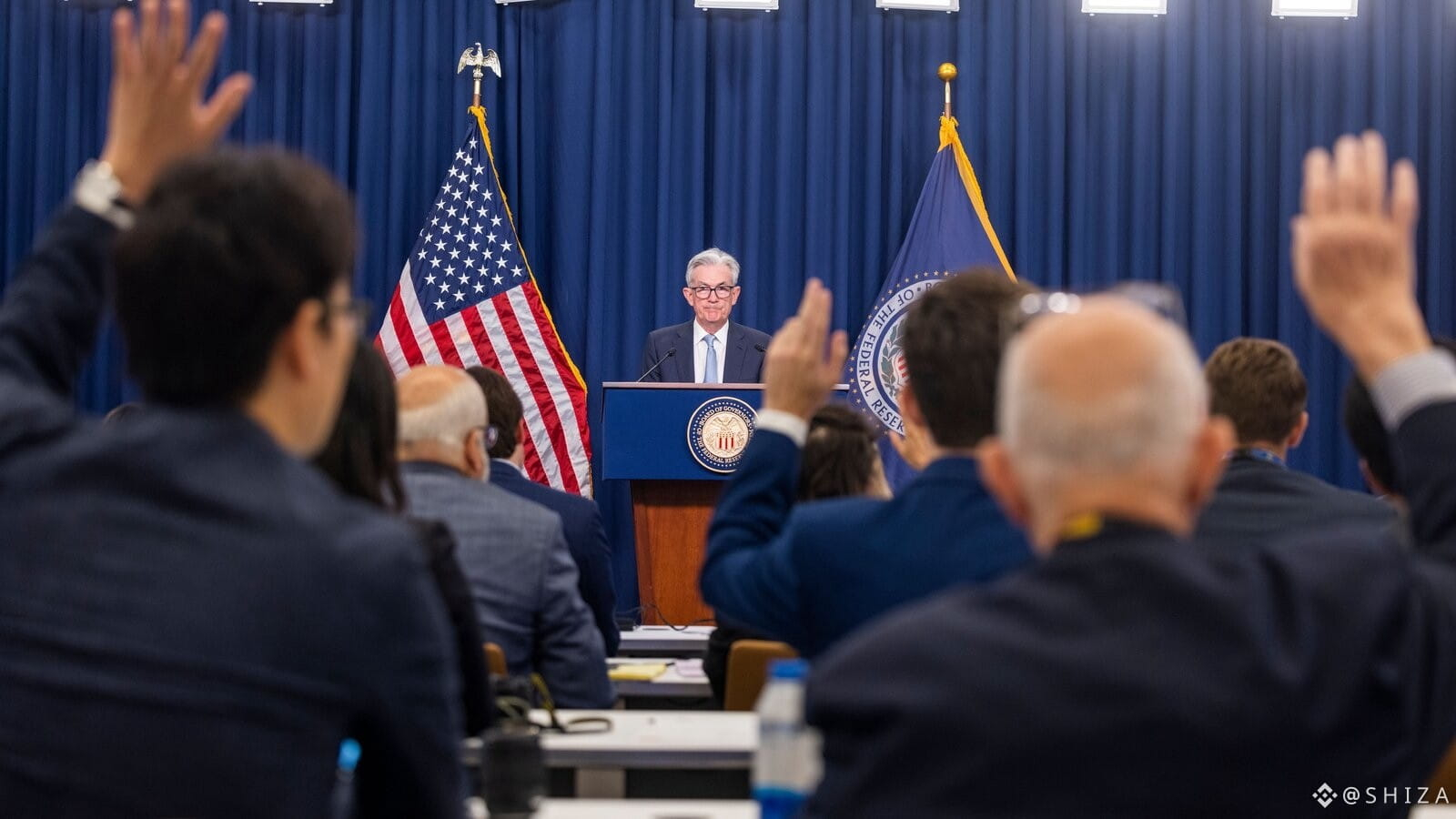
Big news on the macro front: It looks like the Federal Reserve is leaning heavily toward a 0.50% rate cut this March. Out of the 12 FOMC members, 9 are reportedly on board with the move.
Why this matters
In plain English? When the Fed cuts rates, borrowing money gets cheaper. This usually sends investors hunting for higher returns in "riskier" spots.
Bitcoin usually loves this environment.
Stocks and Tech tend to catch a serious tailwind.
Basically, the "money printer" is starting to warm up again, which is historically a massive green light for the crypto market.

#MarketRally #WhenWillBTCRebound #bitcoin $BTC
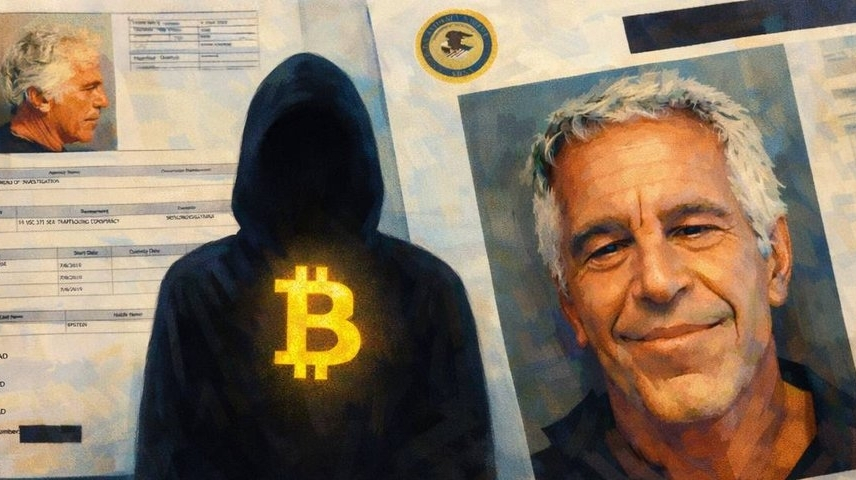
New Epstein Documents Show Convicted Sex Offender Tried to Influence Bitcoin's DirectionRecent revelations expose Jeffrey Epstein's connections to Bitcoin developers The newest release of Jeffrey Epstein documents has uncovered some surprising details about the convicted sex offender's involvement with key figures in Bitcoin's early development. Hidden among millions of newly released pages are emails, business arrangements, and conversations between Epstein and several Bitcoin developers that took place over nearly seven years. Epstein's interest in Bitcoin wasn't exactly a secret. Between 2002 and 2017, he gave MIT $850,000 in total. Of that amount, $525,000 went specifically to the MIT Media Lab's Digital Currency Initiative. When the Bitcoin Foundation went broke in 2015, some of Epstein's money ended up indirectly paying the salaries of Bitcoin Core developers who moved to the MIT Media Lab. Epstein stayed in regular touch with Joichi Ito, a Japanese entrepreneur who ran the MIT Media Lab from 2011 to 2019. Together, their financial support helped make MIT a major center for Bitcoin development work. When Bitcoin Core developers joined the MIT Media Lab, Ito wrote to Epstein: "This is a big win for us." The developers' names come up throughout the emails for different reasons. Just because someone's name appears in these documents doesn't automatically mean they did anything wrong. It's worth noting that all these interactions happened after Epstein's 2008 convictions in Florida for soliciting a prostitute and procuring a child for prostitution. When you look at all these communications together, they paint a picture of Epstein's obsession with Bitcoin and its developers. In many cases, the emails show he tried using his money, influence, and connections to shape the direction of what's now a $1.5 trillion blockchain. Jeremy Rubin Jeremy Rubin first shows up in the Epstein files in June 2014 when he was still an MIT student. Emails between Epstein and his personal assistant Lesley Groff show her trying to set up a phone call between the two. In December 2015, Rubin reached out to Epstein on his own. "I was wondering if you would be interested in financing my continued research in this space, or if there are any projects you'd want to push forward that I might play a role in," Rubin wrote. "I'd also love to learn more from you about how financial markets really work and build some of my own 'exploits' at some point." "Their deal is to pump the currency, it is dangerous." — Jeffrey Epstein Epstein replied with several options for how Rubin could receive funding. "One, you can merely work for me, salary. Two, start a company, hire others, I make an investment (more paperwork). Three, do research. Tax advantages but restricted. I can easily pay your tuition. Or some combo of the above," Epstein wrote. By 2018, their relationship seemed to have grown closer. Emails show they planned in-person meetings in June and made introductions for each other. That same year, Rubin also tried pitching Epstein on crypto investment opportunities, including a potential deal with Layer 1, a Bitcoin mining company. Epstein was skeptical. "Jeremy I am more than happy to fund things but as I am high profile, it can't be questionable ethics," he responded. "Their deal is to pump the currency, it is dangerous." Rubin has since publicly addressed his connection to Epstein. "I'm glad the emails are being released," he said on February 2, adding that he had "some professional engagement" with Epstein that was "never exclusive." "I hope the release of the emails brings us closer to justice for those harmed and a better understanding of the nature of corruption in our society," he said. Gavin Andresen, Wladimir van der Laan and Cory Fields These three Bitcoin Core developers joined MIT Media Lab's Digital Currency Initiative in 2015. Their names appear in an April 2015 email exchange between Ito, who was running the DCI at the time, and Epstein. Ito explained that Andresen, van der Laan, and Fields had been getting paid by the Bitcoin Foundation, a nonprofit that had just gone bankrupt weeks earlier. "The idea is great, the execution as you are now aware has some serious risks." — Jeffrey Epstein "Many organizations scrambled to step into the vacuum created by the foundation and 'take control' of the developers," Ito wrote. "We moved quickly talking to all of the various stakeholders and the three developers decided to join the Media Lab. This is a big win for us." Epstein had actually tried meeting with Andresen much earlier—back in 2011, just months after Andresen took over as lead maintainer of Bitcoin's code from Satoshi Nakamoto, Bitcoin's mysterious creator. "Gavin, I spoke with Jason Calacanis. I would like to speak with you. Call my office in NY. The idea is great, the execution as you are now aware has some serious risks," Epstein wrote to Andresen in June 2011. (Calacanis is a well-known US investor and co-host of The All-In Podcast.) "Jeffrey Epstein will be up at Harvard this Friday June 17th and Saturday June 18th. He would love to meet with you. Might you be around and have some available time?" one of Epstein's assistants asked Andresen a few days later. "No, sorry, I'm busy," Andresen replied. So far, there's no evidence that Wladimir van der Laan or Cory Fields had any direct communication with Epstein or his staff. Andresen has stayed out of the spotlight since he stopped working on Bitcoin in 2016. He hasn't publicly commented on his name appearing in the Epstein files and didn't respond to DL News' request for comment. Amir Taaki Amir Taaki is a significant Bitcoin Core contributor who was one of the first people to join the project after Satoshi Nakamoto left in 2010. "They are crazy open source folks who are radicals, their motivation is more in line with Wikileaks or Wikipedia." — Jason Calacanis Taaki's name first appears in the Epstein files, along with Gavin Andresen's, in a June 2011 email from Calacanis. "I would like to get in touch with the Bitcoin guys," Epstein wrote. "Will dig up their info," Calacanis responded. "So you know, these are folks who are not trying to build a business. They are crazy open source folks who are radicals, their motivation is more in line with Wikileaks or Wikipedia." In July 2011, Epstein emailed Taaki directly. "Amir, the Bitcoin idea is brilliant, but I suggest it has some serious downsides as I'm sure you are aware. If you can find time please call my NY office," he wrote. At that time, Taaki was running Bitcoin Consultancy with co-founder Donald Norman, a group focused on Bitcoin development, consulting, and promotion. In a July 7 email, Taaki suggested setting up a meeting between Epstein and Norman in New York. On February 2, Taaki responded to his name appearing in the Epstein files, saying that he and Norman decided to stop communicating with Epstein after Norman met him and researched the financier's background and the accusations against him. #Epstein #EpsteinBitcoin #BitcoinGoogleSearchesSurge $BTC

New Epstein Documents Show Convicted Sex Offender Tried to Influence Bitcoin's Direction

Recent revelations expose Jeffrey Epstein's connections to Bitcoin developers
The newest release of Jeffrey Epstein documents has uncovered some surprising details about the convicted sex offender's involvement with key figures in Bitcoin's early development.
Hidden among millions of newly released pages are emails, business arrangements, and conversations between Epstein and several Bitcoin developers that took place over nearly seven years.
Epstein's interest in Bitcoin wasn't exactly a secret.
Between 2002 and 2017, he gave MIT $850,000 in total. Of that amount, $525,000 went specifically to the MIT Media Lab's Digital Currency Initiative.
When the Bitcoin Foundation went broke in 2015, some of Epstein's money ended up indirectly paying the salaries of Bitcoin Core developers who moved to the MIT Media Lab.
Epstein stayed in regular touch with Joichi Ito, a Japanese entrepreneur who ran the MIT Media Lab from 2011 to 2019. Together, their financial support helped make MIT a major center for Bitcoin development work.
When Bitcoin Core developers joined the MIT Media Lab, Ito wrote to Epstein: "This is a big win for us."
The developers' names come up throughout the emails for different reasons.
Just because someone's name appears in these documents doesn't automatically mean they did anything wrong.
It's worth noting that all these interactions happened after Epstein's 2008 convictions in Florida for soliciting a prostitute and procuring a child for prostitution.
When you look at all these communications together, they paint a picture of Epstein's obsession with Bitcoin and its developers. In many cases, the emails show he tried using his money, influence, and connections to shape the direction of what's now a $1.5 trillion blockchain.
Jeremy Rubin
Jeremy Rubin first shows up in the Epstein files in June 2014 when he was still an MIT student. Emails between Epstein and his personal assistant Lesley Groff show her trying to set up a phone call between the two.
In December 2015, Rubin reached out to Epstein on his own.
"I was wondering if you would be interested in financing my continued research in this space, or if there are any projects you'd want to push forward that I might play a role in," Rubin wrote. "I'd also love to learn more from you about how financial markets really work and build some of my own 'exploits' at some point."
"Their deal is to pump the currency, it is dangerous." — Jeffrey Epstein
Epstein replied with several options for how Rubin could receive funding.
"One, you can merely work for me, salary. Two, start a company, hire others, I make an investment (more paperwork). Three, do research. Tax advantages but restricted. I can easily pay your tuition. Or some combo of the above," Epstein wrote.
By 2018, their relationship seemed to have grown closer. Emails show they planned in-person meetings in June and made introductions for each other.
That same year, Rubin also tried pitching Epstein on crypto investment opportunities, including a potential deal with Layer 1, a Bitcoin mining company. Epstein was skeptical.
"Jeremy I am more than happy to fund things but as I am high profile, it can't be questionable ethics," he responded. "Their deal is to pump the currency, it is dangerous."
Rubin has since publicly addressed his connection to Epstein.
"I'm glad the emails are being released," he said on February 2, adding that he had "some professional engagement" with Epstein that was "never exclusive."
"I hope the release of the emails brings us closer to justice for those harmed and a better understanding of the nature of corruption in our society," he said.
Gavin Andresen, Wladimir van der Laan and Cory Fields
These three Bitcoin Core developers joined MIT Media Lab's Digital Currency Initiative in 2015.
Their names appear in an April 2015 email exchange between Ito, who was running the DCI at the time, and Epstein.
Ito explained that Andresen, van der Laan, and Fields had been getting paid by the Bitcoin Foundation, a nonprofit that had just gone bankrupt weeks earlier.
"The idea is great, the execution as you are now aware has some serious risks." — Jeffrey Epstein
"Many organizations scrambled to step into the vacuum created by the foundation and 'take control' of the developers," Ito wrote. "We moved quickly talking to all of the various stakeholders and the three developers decided to join the Media Lab. This is a big win for us."
Epstein had actually tried meeting with Andresen much earlier—back in 2011, just months after Andresen took over as lead maintainer of Bitcoin's code from Satoshi Nakamoto, Bitcoin's mysterious creator.
"Gavin, I spoke with Jason Calacanis. I would like to speak with you. Call my office in NY. The idea is great, the execution as you are now aware has some serious risks," Epstein wrote to Andresen in June 2011. (Calacanis is a well-known US investor and co-host of The All-In Podcast.)
"Jeffrey Epstein will be up at Harvard this Friday June 17th and Saturday June 18th. He would love to meet with you. Might you be around and have some available time?" one of Epstein's assistants asked Andresen a few days later.
"No, sorry, I'm busy," Andresen replied.
So far, there's no evidence that Wladimir van der Laan or Cory Fields had any direct communication with Epstein or his staff.
Andresen has stayed out of the spotlight since he stopped working on Bitcoin in 2016. He hasn't publicly commented on his name appearing in the Epstein files and didn't respond to DL News' request for comment.
Amir Taaki
Amir Taaki is a significant Bitcoin Core contributor who was one of the first people to join the project after Satoshi Nakamoto left in 2010.
"They are crazy open source folks who are radicals, their motivation is more in line with Wikileaks or Wikipedia." — Jason Calacanis
Taaki's name first appears in the Epstein files, along with Gavin Andresen's, in a June 2011 email from Calacanis.
"I would like to get in touch with the Bitcoin guys," Epstein wrote.
"Will dig up their info," Calacanis responded. "So you know, these are folks who are not trying to build a business. They are crazy open source folks who are radicals, their motivation is more in line with Wikileaks or Wikipedia."
In July 2011, Epstein emailed Taaki directly.
"Amir, the Bitcoin idea is brilliant, but I suggest it has some serious downsides as I'm sure you are aware. If you can find time please call my NY office," he wrote.
At that time, Taaki was running Bitcoin Consultancy with co-founder Donald Norman, a group focused on Bitcoin development, consulting, and promotion.
In a July 7 email, Taaki suggested setting up a meeting between Epstein and Norman in New York.
On February 2, Taaki responded to his name appearing in the Epstein files, saying that he and Norman decided to stop communicating with Epstein after Norman met him and researched the financier's background and the accusations against him.

#Epstein #EpsteinBitcoin #BitcoinGoogleSearchesSurge

$BTC
🎙️ Everyone Talks About Bull Runs. No One Talks About Survival
background
avatar
إنهاء
04 ساعة 30 دقيقة 24 ثانية
5.1k
23
3
🎙️ Everyone is following everyone join the party 🥳💃❤️‼️
background
avatar
إنهاء
05 ساعة 59 دقيقة 59 ثانية
14.2k
35
9
🎙️ 参与USD1+WLFI交易/存款活动
background
avatar
إنهاء
06 ساعة 00 دقيقة 00 ثانية
19.7k
28
26
🎙️ 🔴 Live Trade Session | Highly Volatile Market
background
avatar
إنهاء
02 ساعة 29 دقيقة 40 ثانية
1.8k
3
0
🎙️ Why Most Traders Lose Right After a Perfect Setup
background
avatar
إنهاء
04 ساعة 10 دقيقة 30 ثانية
5.4k
20
6
🎙️ “Unlocking Potential with USD1 and WLFI
background
avatar
إنهاء
05 ساعة 59 دقيقة 59 ثانية
6k
11
10
Binance Wallet's New Security Hub: Your Crypto's New Best Friend Hey crypto fam!Big news—Binance Wallet just launched our shiny new Security Center. It's basically your one-stop command center for spotting sneaky threats and keeping your digital stash locked down tight. No more stressing over "Is my wallet safe?"—we've got your back.Meet the Hero: Security Scan Think of it as your personal wallet bodyguard. It automatically scans for red flags and gives you straightforward fixes. We've also bundled all your go-to security tools—like backups, verifications, approvals, Secure Auto Sign, and more—right into one easy spot.How It Works (Super Simple) Security Scan digs into four main areas: your wallet setup, assets, approvals, and transaction history. Works whether you're on a keyless Binance Wallet or one you imported with seeds/private keys—all from a single dashboard.It sorts issues by risk level: green for all good, yellow for medium watch-outs, red for "fix this now." Crystal clear.What We Check OutWallet Setup: Did you back it up right? Any sketchy access, weird permissions, or hack attempts?Your Assets: Scans tokens in your wallet or watchlist for anything fishy or high-risk.Approvals: Reviews permissions you've given apps/services—flags the dangerous, overkill, or pointless ones so you can zap 'em with one tap.Transactions: Peeks at your history and blockchain moves to catch fraud risks early, like sending to scam addresses.Alerts That Actually Guide You Spot something off? Boom—instant homepage alert with step-by-step "how to fix it." Example: Shady token approval? We flag it, show it front and center, and let you revoke in one tap. Scans run non-stop in the background too—no manual hassle.Jump In—It's EasyFire up Binance Wallet in your Binance App. Hit Settings > Security Center.Tap "Check Now" for issues and fixes. Sort by priority and act right there. Homepage risk pop-up? Tap to dive straight in. #Binance #security #BinanceWallet
Binance Wallet's New Security Hub: Your Crypto's New Best Friend
Hey crypto fam!Big news—Binance Wallet just launched our shiny new Security Center. It's basically your one-stop command center for spotting sneaky threats and keeping your digital stash locked down tight. No more stressing over "Is my wallet safe?"—we've got your back.Meet the Hero: Security Scan
Think of it as your personal wallet bodyguard. It automatically scans for red flags and gives you straightforward fixes. We've also bundled all your go-to security tools—like backups, verifications, approvals, Secure Auto Sign, and more—right into one easy spot.How It Works (Super Simple)
Security Scan digs into four main areas: your wallet setup, assets, approvals, and transaction history. Works whether you're on a keyless Binance Wallet or one you imported with seeds/private keys—all from a single dashboard.It sorts issues by risk level: green for all good, yellow for medium watch-outs, red for "fix this now." Crystal clear.What We Check OutWallet Setup: Did you back it up right? Any sketchy access, weird permissions, or hack attempts?Your Assets: Scans tokens in your wallet or watchlist for anything fishy or high-risk.Approvals: Reviews permissions you've given apps/services—flags the dangerous, overkill, or pointless ones so you can zap 'em with one tap.Transactions: Peeks at your history and blockchain moves to catch fraud risks early, like sending to scam addresses.Alerts That Actually Guide You
Spot something off? Boom—instant homepage alert with step-by-step "how to fix it." Example: Shady token approval? We flag it, show it front and center, and let you revoke in one tap. Scans run non-stop in the background too—no manual hassle.Jump In—It's EasyFire up Binance Wallet in your Binance App.
Hit Settings > Security Center.Tap
"Check Now" for issues and fixes.
Sort by priority and act right there.
Homepage risk pop-up? Tap to dive straight in.

#Binance #security #BinanceWallet
Who Was Jeffrey Epstein? The BasicsStraight UpJeffrey Epstein wasn't born into money or privilege. He grew up in a regular middle-class family in Brooklyn and was really good at math. That talent got him a gig teaching math in the 1970s, even without a proper degree.Things took off when he networked his way into Bear Stearns, thanks to a connection with CEO Alan Greenberg. He started as a junior guy but quickly moved into options trading, showing this bold, fast style that pulled him into the world of big money and powerful people. He climbed fast, but eventually got let go from the firm under some murky reasons.From there, Epstein started his own money management business, pitching himself as the go-to guy for billionaires needing help with tricky asset recovery and wealth stuff. His clients came mostly by word-of-mouth from the ultra-rich, but no one really knew the full details of what he did.He teamed up closely with Steven Hoffenberg, who later got busted for one of the biggest Ponzi schemes in U.S. history. Epstein dodged any charges there, which raised eyebrows about how he kept slipping through cracks.Epstein really hit the big time with Les Wexner, the Victoria's Secret billionaire. Wexner gave him power of attorney over his finances—insane level of trust—which locked Epstein into the global elite crowd.But dark stuff was happening behind it all. Court docs and victims' stories show Epstein and Ghislaine Maxwell ran a sex-trafficking ring targeting underage girls for years. Maxwell got convicted for recruiting and grooming them.Cops first probed him in the mid-2000s, arrested him in 2005, and he cut a super-controversial plea deal in 2008 that let him skate on federal charges. Everyone now calls it a total justice fail.In 2019, more victims spoke out, leading to his arrest on federal trafficking charges. No bail, stuck in a NYC jail, and he died there on August 10—ruled a suicide, but people still question it hard.Since then, "Epstein files" have been unsealed: testimonies, photos, names from his circle. Lots of big names mentioned, but few charges, sparking endless debate. It's never been about missing evidence—it's about whether the system goes after the powerful.Epstein's story is a brutal reminder of how money and connections can bend justice, and why we can't stop pushing for real accountability. #Epstein #EpsteinDocuments

Who Was Jeffrey Epstein? The Basics

Straight UpJeffrey Epstein wasn't born into money or privilege. He grew up in a regular middle-class family in Brooklyn and was really good at math. That talent got him a gig teaching math in the 1970s, even without a proper degree.Things took off when he networked his way into Bear Stearns, thanks to a connection with CEO Alan Greenberg. He started as a junior guy but quickly moved into options trading, showing this bold, fast style that pulled him into the world of big money and powerful people. He climbed fast, but eventually got let go from the firm under some murky reasons.From there, Epstein started his own money management business, pitching himself as the go-to guy for billionaires needing help with tricky asset recovery and wealth stuff. His clients came mostly by word-of-mouth from the ultra-rich, but no one really knew the full details of what he did.He teamed up closely with Steven Hoffenberg, who later got busted for one of the biggest Ponzi schemes in U.S. history. Epstein dodged any charges there, which raised eyebrows about how he kept slipping through cracks.Epstein really hit the big time with Les Wexner, the Victoria's Secret billionaire. Wexner gave him power of attorney over his finances—insane level of trust—which locked Epstein into the global elite crowd.But dark stuff was happening behind it all. Court docs and victims' stories show Epstein and Ghislaine Maxwell ran a sex-trafficking ring targeting underage girls for years. Maxwell got convicted for recruiting and grooming them.Cops first probed him in the mid-2000s, arrested him in 2005, and he cut a super-controversial plea deal in 2008 that let him skate on federal charges. Everyone now calls it a total justice fail.In 2019, more victims spoke out, leading to his arrest on federal trafficking charges. No bail, stuck in a NYC jail, and he died there on August 10—ruled a suicide, but people still question it hard.Since then, "Epstein files" have been unsealed: testimonies, photos, names from his circle. Lots of big names mentioned, but few charges, sparking endless debate. It's never been about missing evidence—it's about whether the system goes after the powerful.Epstein's story is a brutal reminder of how money and connections can bend justice, and why we can't stop pushing for real accountability.

#Epstein #EpsteinDocuments
Trump Says Tariffs Brought America Back from the Dead—And It's the Hottest Spot to Invest Right NowTrump's "America First" trade vibe is shaking up investors everywhere, making them rethink their portfolios.You know Donald Trump—he doesn't do subtle. Lately, he's been shouting from the rooftops that his tariffs have pulled America out of an economic coma, turning it into the top spot for big investment wins. Hyperbole or spot-on? Markets don't care—they're reacting anyway. So, if tariffs really are sparking a U.S. comeback, how do you cash in?The Tariff Comeback StoryTrump's pitch is simple: For years, cheap overseas labor and loose rules sucked manufacturing jobs out of America. Tariffs? They're like a jolt from a defibrillator, making U.S. factories competitive again.His team loves pointing to job postings in manufacturing, new factories popping up, and companies saying they'll expand here. Critics? They say it just jacks up prices for everyone, invites payback from other countries, and gums up the economy long-term.Markets, though? They chase the hype now and sort it out later. Right now, cash is flowing into bets on American factories firing back up.Where Smart Investors Are LookingThink tariffs could really bring jobs home? Keep an eye on these spots:Manufacturing and heavy industry: Companies making stuff here—like steel, aluminum, tech gear—win big as imports get pricier. Think construction machines, factory robots, and suppliers riding the wave.Infrastructure and building stuff: New plants need concrete, steel, wiring, and workers. Builders, materials firms, and industrial landlords could feast if reshoring takes off.The people side: Need welders and machinists? Staffing agencies, trade schools, and local colleges in factory towns are suddenly hot.Energy plays: Factories guzzle power. Natural gas drillers, utilities near industrial zones, and grid builders (even renewables for green cred) stand to gain.The Flip Side BetsNot sold on the tariff fairy tale? You can still make money betting against it.Imports-heavy retailers and consumer brands are getting hammered by higher costs—some stocks look cheap if tariffs fizzle or companies adapt smartly.Exporters (like farmers) might hurt from retaliation, but if talks smooth things out, they're bargains for patient folks.The Cold Hard RealityTariffs aren't magic. They hit unevenly—steel towns cheer, but carmakers in Detroit grumble about pricier parts. Modern factories use robots, so fewer jobs than the old days. Supply chains don't flip overnight; companies might just pass costs to you at the store.How to Play It SmartIf you're buying the boom, spread out: Mix manufacturers, builders, and energy without going all-in on one thing. Focus on solid companies, not just the story—good management beats policy every time.Watch the clock—policies flip with elections. And remember, by the time headlines scream "victory," the easy gains might be gone. Hunt the hidden angles.Bottom LineIs America truly "back"? History will tell. For now, tariffs are shaking things up, creating real wins (and pitfalls). Don't swallow the hype whole—pick spots where policy gives businesses a real edge, stay skeptical, and dodge the traps. Investing's never as easy as the headlines make it sound. #WarshFedPolicyOutlook #BitcoinDropMarketImpact #TrumpEndsShutdown

Trump Says Tariffs Brought America Back from the Dead—And It's the Hottest Spot to Invest Right Now

Trump's "America First" trade vibe is shaking up investors everywhere, making them rethink their portfolios.You know Donald Trump—he doesn't do subtle. Lately, he's been shouting from the rooftops that his tariffs have pulled America out of an economic coma, turning it into the top spot for big investment wins. Hyperbole or spot-on? Markets don't care—they're reacting anyway. So, if tariffs really are sparking a U.S. comeback, how do you cash in?The Tariff Comeback StoryTrump's pitch is simple: For years, cheap overseas labor and loose rules sucked manufacturing jobs out of America. Tariffs? They're like a jolt from a defibrillator, making U.S. factories competitive again.His team loves pointing to job postings in manufacturing, new factories popping up, and companies saying they'll expand here. Critics? They say it just jacks up prices for everyone, invites payback from other countries, and gums up the economy long-term.Markets, though? They chase the hype now and sort it out later. Right now, cash is flowing into bets on American factories firing back up.Where Smart Investors Are LookingThink tariffs could really bring jobs home? Keep an eye on these spots:Manufacturing and heavy industry: Companies making stuff here—like steel, aluminum, tech gear—win big as imports get pricier. Think construction machines, factory robots, and suppliers riding the wave.Infrastructure and building stuff: New plants need concrete, steel, wiring, and workers. Builders, materials firms, and industrial landlords could feast if reshoring takes off.The people side: Need welders and machinists? Staffing agencies, trade schools, and local colleges in factory towns are suddenly hot.Energy plays: Factories guzzle power. Natural gas drillers, utilities near industrial zones, and grid builders (even renewables for green cred) stand to gain.The Flip Side BetsNot sold on the tariff fairy tale? You can still make money betting against it.Imports-heavy retailers and consumer brands are getting hammered by higher costs—some stocks look cheap if tariffs fizzle or companies adapt smartly.Exporters (like farmers) might hurt from retaliation, but if talks smooth things out, they're bargains for patient folks.The Cold Hard RealityTariffs aren't magic. They hit unevenly—steel towns cheer, but carmakers in Detroit grumble about pricier parts. Modern factories use robots, so fewer jobs than the old days. Supply chains don't flip overnight; companies might just pass costs to you at the store.How to Play It SmartIf you're buying the boom, spread out: Mix manufacturers, builders, and energy without going all-in on one thing. Focus on solid companies, not just the story—good management beats policy every time.Watch the clock—policies flip with elections. And remember, by the time headlines scream "victory," the easy gains might be gone. Hunt the hidden angles.Bottom LineIs America truly "back"? History will tell. For now, tariffs are shaking things up, creating real wins (and pitfalls). Don't swallow the hype whole—pick spots where policy gives businesses a real edge, stay skeptical, and dodge the traps. Investing's never as easy as the headlines make it sound.

#WarshFedPolicyOutlook #BitcoinDropMarketImpact #TrumpEndsShutdown
Trump's Crypto Business Deals Are Creating Big Problems in CongressThere's a bill moving through Congress that the cryptocurrency industry has been pushing for years. But now it's hitting a major snag – and it has everything to do with Donald Trump's family getting deeper into the crypto business. Democrats have been frustrated for a while about Trump's connections to cryptocurrency. But things just got a lot more complicated. News broke that an Abu Dhabi royal family member invested a whopping $500 million in a Trump-connected crypto company called World Liberty Financial. This deal is making Democrats dig in their heels – they're now insisting that any crypto bill must include rules to keep the Trump family's business interests in check. Here's the thing: Republicans need Democratic votes to pass this legislation. So Democrats suddenly have some real bargaining power to push for the ethics rules they've wanted all along. Senator Cory Booker from New Jersey, who actually supports crypto, put it bluntly: "The Trump administration has demonstrated the grossest, most egregious corruption from the White House we have ever seen." Senator Adam Schiff from California agreed, saying the bill needs to treat the president like any other government employee when it comes to ethics rules. This is turning into a real test of whether Democrats and Republicans can actually work together during Trump's presidency. Both sides say they want to pass this bill, but Democrats who've been vocal about their concerns over Trump's crypto deals now have to figure out if they can compromise with a White House that insists there's no conflict of interest. Making things even more complicated: the crypto industry has raised massive amounts of money to support politicians who back their agenda – and oppose those who don't. One crypto super PAC has over $190 million ready to spend on the 2026 midterm elections. That kind of money could pressure Democrats to support the bill even without the ethics provisions they want. The proposed bill would establish clear rules for how crypto trading is regulated in the United States. Industry leaders say this would finally give digital currencies the legitimacy they need to become mainstream. But Democrats are saying: not so fast – not without protections against conflicts of interest. Negotiations have been going on for months, but they've stalled. Republicans have mostly dismissed concerns about Trump family businesses, though some have shown willingness to make a deal on ethics rules if that's what it takes to get Democratic support. Senator Cynthia Lummis, a Republican from Wyoming who supports crypto, called concerns about the Abu Dhabi investment "just another attack on Trump that is pretty baseless." She questioned how separated parents need to be from their adult children's financial decisions. But here's what's got people concerned: The Abu Dhabi deal gave Sheikh Tahnoon bin Zayed Al Nahyan's company a 49% stake in World Liberty Financial for that $500 million – and $187 million of that went to Trump-affiliated entities. A World Liberty spokesperson said Trump wasn't involved in the deal and has no current role with the company. The White House insists Trump only acts in America's best interests and handles his duties ethically. But that hasn't calmed Democrats down. Many see this as categorically different from past Trump business controversies. Even Republican megadonor Ken Griffin raised eyebrows, saying the administration has made choices that have been "very, very enriching" to officials' families, which "calls into question: Is the public interest being served?" One House Democrat has launched an investigation into the deal. Meanwhile, some Republicans are saying Congress has no business writing presidential ethics rules beyond what's in the Constitution. The ethics issue isn't the only problem with the bill – there are also disputes between banks and crypto companies that need resolving. But as the bill moves forward, the Trump family's crypto dealings will likely stay front and center. Senator Elizabeth Warren summed up the frustration: supporters of the crypto bill have been looking the other way on ethics issues, but this latest deal from the UAE "means that crypto supporters now have to overlook an even taller steaming pile of corruption." #WhenWillBTCRebound #Trump's #TrumpCrypto

Trump's Crypto Business Deals Are Creating Big Problems in Congress

There's a bill moving through Congress that the cryptocurrency industry has been pushing for years. But now it's hitting a major snag – and it has everything to do with Donald Trump's family getting deeper into the crypto business.
Democrats have been frustrated for a while about Trump's connections to cryptocurrency. But things just got a lot more complicated. News broke that an Abu Dhabi royal family member invested a whopping $500 million in a Trump-connected crypto company called World Liberty Financial. This deal is making Democrats dig in their heels – they're now insisting that any crypto bill must include rules to keep the Trump family's business interests in check.
Here's the thing: Republicans need Democratic votes to pass this legislation. So Democrats suddenly have some real bargaining power to push for the ethics rules they've wanted all along.
Senator Cory Booker from New Jersey, who actually supports crypto, put it bluntly: "The Trump administration has demonstrated the grossest, most egregious corruption from the White House we have ever seen." Senator Adam Schiff from California agreed, saying the bill needs to treat the president like any other government employee when it comes to ethics rules.
This is turning into a real test of whether Democrats and Republicans can actually work together during Trump's presidency. Both sides say they want to pass this bill, but Democrats who've been vocal about their concerns over Trump's crypto deals now have to figure out if they can compromise with a White House that insists there's no conflict of interest.
Making things even more complicated: the crypto industry has raised massive amounts of money to support politicians who back their agenda – and oppose those who don't. One crypto super PAC has over $190 million ready to spend on the 2026 midterm elections. That kind of money could pressure Democrats to support the bill even without the ethics provisions they want.
The proposed bill would establish clear rules for how crypto trading is regulated in the United States. Industry leaders say this would finally give digital currencies the legitimacy they need to become mainstream. But Democrats are saying: not so fast – not without protections against conflicts of interest.
Negotiations have been going on for months, but they've stalled. Republicans have mostly dismissed concerns about Trump family businesses, though some have shown willingness to make a deal on ethics rules if that's what it takes to get Democratic support.
Senator Cynthia Lummis, a Republican from Wyoming who supports crypto, called concerns about the Abu Dhabi investment "just another attack on Trump that is pretty baseless." She questioned how separated parents need to be from their adult children's financial decisions.
But here's what's got people concerned: The Abu Dhabi deal gave Sheikh Tahnoon bin Zayed Al Nahyan's company a 49% stake in World Liberty Financial for that $500 million – and $187 million of that went to Trump-affiliated entities.
A World Liberty spokesperson said Trump wasn't involved in the deal and has no current role with the company. The White House insists Trump only acts in America's best interests and handles his duties ethically.
But that hasn't calmed Democrats down. Many see this as categorically different from past Trump business controversies. Even Republican megadonor Ken Griffin raised eyebrows, saying the administration has made choices that have been "very, very enriching" to officials' families, which "calls into question: Is the public interest being served?"
One House Democrat has launched an investigation into the deal. Meanwhile, some Republicans are saying Congress has no business writing presidential ethics rules beyond what's in the Constitution.
The ethics issue isn't the only problem with the bill – there are also disputes between banks and crypto companies that need resolving. But as the bill moves forward, the Trump family's crypto dealings will likely stay front and center.
Senator Elizabeth Warren summed up the frustration: supporters of the crypto bill have been looking the other way on ethics issues, but this latest deal from the UAE "means that crypto supporters now have to overlook an even taller steaming pile of corruption."

#WhenWillBTCRebound #Trump's #TrumpCrypto
سجّل الدخول لاستكشاف المزيد من المُحتوى
استكشف أحدث أخبار العملات الرقمية
⚡️ كُن جزءًا من أحدث النقاشات في مجال العملات الرقمية
💬 تفاعل مع صنّاع المُحتوى المُفضّلين لديك
👍 استمتع بالمحتوى الذي يثير اهتمامك
البريد الإلكتروني / رقم الهاتف
خريطة الموقع
تفضيلات ملفات تعريف الارتباط
شروط وأحكام المنصّة