
HeavensGate5Gspeed
43 منشورات

HeavensGate5Gspeed
I'm part of crypto world as its siege
195 تتابع
62 المتابعون
35 إعجاب
منشورات
الكل
اقتباسات
عرض الترجمة
عرض الترجمة
تم حذف محتوى الاقتباس

https-Zarrar
·
--
بيل غيتس: "6% من الانبعاثات العالمية هي من الأبقار. يمكنك إما إصلاح الأبقار لمنعها من فعل ذلك، أو يمكنك صنع اللحم البقري بدون البقرة."
أولاً الناس، والآن الحيوانات؟ إنه حقًا لا يعرف متى يتوقف.
أولاً الناس، والآن الحيوانات؟ إنه حقًا لا يعرف متى يتوقف.

Mohsin_raz_a
·
--
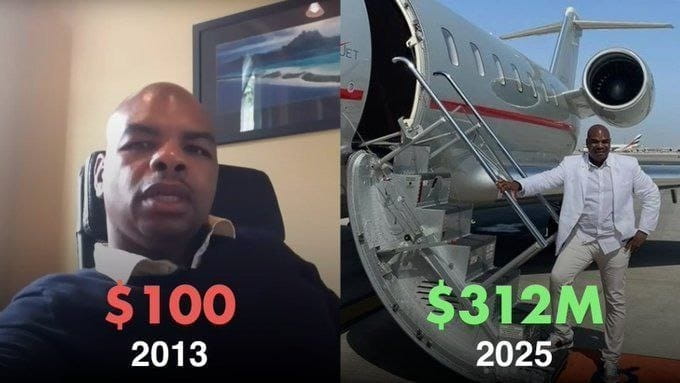
هل يعرف أحد هذا الرجل؟
#holdisgold
#holdisgold

Jessica lane Web3 Strategist Blockchain
·
--
توم لي: "شراء $BTC الآن أشبه بالدخول إلى الإنترنت عام ١٩٩٦. ٩٥٪ من المستثمرين ما زالوا بلا أي تعرض."
توم لي، الخبير الاستثماري المخضرم: 🇺🇸 "إذا كنت تشتري $BTC اليوم، فالوقت لا يزال مبكرًا. ٩٥٪ من المستثمرين لا يملكون أي تعرض لـ $BTC . إذا نظرت إلى المحافظ، مقارنةً بالإنترنت، فنحن عند مستويات عام ١٩٩٦."
توم لي، الخبير الاستثماري المخضرم: 🇺🇸 "إذا كنت تشتري $BTC اليوم، فالوقت لا يزال مبكرًا. ٩٥٪ من المستثمرين لا يملكون أي تعرض لـ $BTC . إذا نظرت إلى المحافظ، مقارنةً بالإنترنت، فنحن عند مستويات عام ١٩٩٦."


Binance Academy
·
--
ما هو الاحتياطي الاستراتيجي للبيتكوين؟
النقاط الرئيسية
الاحتياطي الاستراتيجي للبيتكوين هو وسيلة للحكومات والشركات والمؤسسات لتخزين البيتكوين كجزء من استراتيجيتها المالية.
يعتبر البعض مثل هذا الاحتياطي بمثابة تحوط ضد التضخم. يتمتع البيتكوين بمعروض ثابت، لذا يميل إلى الاحتفاظ بالقوة الشرائية بمرور الوقت.
ورغم وجود المخاطر، بما في ذلك تقلب الأسعار والمخاوف الأمنية، فإن إمكانات البيتكوين كأصل قيم على المدى الطويل تحظى باعتراف أكبر.
مقدمة
وكما تخزن البنوك المركزية الذهب أو العملات الأجنبية، فإن البيتكوين يعتبره كثيرون أصلاً قيماً يمكن الاحتفاظ به للمستقبل. ومع تزايد اعتماد الأصول الرقمية، أصبحت الاحتياطيات الاستراتيجية من البيتكوين وغيرها من العملات المشفرة موضوعاً شائعاً في التمويل وصنع السياسات.
الاحتياطي الاستراتيجي للبيتكوين هو وسيلة للحكومات والشركات والمؤسسات لتخزين البيتكوين كجزء من استراتيجيتها المالية.
يعتبر البعض مثل هذا الاحتياطي بمثابة تحوط ضد التضخم. يتمتع البيتكوين بمعروض ثابت، لذا يميل إلى الاحتفاظ بالقوة الشرائية بمرور الوقت.
ورغم وجود المخاطر، بما في ذلك تقلب الأسعار والمخاوف الأمنية، فإن إمكانات البيتكوين كأصل قيم على المدى الطويل تحظى باعتراف أكبر.
مقدمة
وكما تخزن البنوك المركزية الذهب أو العملات الأجنبية، فإن البيتكوين يعتبره كثيرون أصلاً قيماً يمكن الاحتفاظ به للمستقبل. ومع تزايد اعتماد الأصول الرقمية، أصبحت الاحتياطيات الاستراتيجية من البيتكوين وغيرها من العملات المشفرة موضوعاً شائعاً في التمويل وصنع السياسات.

Binance Academy
·
--
كيفية تداول العملات الرقمية للمبتدئين
النتائج الرئيسية
يتضمن تداول العملات الرقمية شراء وبيع الأصول الرقمية في البورصات بهدف المضاربة على تحركات الأسعار.
لبدء التداول، تحتاج إلى اختيار بورصة موثوقة، إنشاء حسابك والتحقق منه، وفهم المفاهيم الأساسية مثل أزواج التداول وأنواع الأوامر والتداول الفوري (Spot).
تشمل استراتيجيات التداول الشائعة التداول اليومي، والتداول المتأرجح، والتداول السريع (Scalping)، والاحتفاظ على المدى الطويل (HODLing).
تعد إدارة المخاطر، بما في ذلك تحديد حجم المركز وأوامر وقف الخسارة، جزءًا أساسيًا من أي نهج تداول.
مقدمة
يتضمن تداول العملات الرقمية شراء وبيع الأصول الرقمية في البورصات بهدف المضاربة على تحركات الأسعار.
لبدء التداول، تحتاج إلى اختيار بورصة موثوقة، إنشاء حسابك والتحقق منه، وفهم المفاهيم الأساسية مثل أزواج التداول وأنواع الأوامر والتداول الفوري (Spot).
تشمل استراتيجيات التداول الشائعة التداول اليومي، والتداول المتأرجح، والتداول السريع (Scalping)، والاحتفاظ على المدى الطويل (HODLing).
تعد إدارة المخاطر، بما في ذلك تحديد حجم المركز وأوامر وقف الخسارة، جزءًا أساسيًا من أي نهج تداول.
مقدمة
Binance Academy
·
--
ما هو Sky (SKY)؟
أهم النقاط الرئيسية
Sky Protocol هو منصة تمويل لامركزي (DeFi) تطورت من MakerDAO، حيث أدخلت رموزًا مُحسّنة وميزات جديدة ونظام حوكمة أكثر بساطة.
USDS هي عملة مستقرة مدعومة بضمانات (collateral-backed) مرتبطة بشكل مرن بالدولار الأمريكي، وهي النسخة المطورة من DAI.
SKY هي العملة الحوكَمية لبروتوكول Sky، والنسخة المطورة من رمز MKR الخاص بـ MakerDAO، وتُستخدم للحَوْكمة اللامركزية ومكافآت الاستيكينغ.
Sky.money هي بوابة غير خاضعة للوصاية (non-custodial) تتيح لك التداول والادخار واستيكينج SKY وكسب المكافآت مع الحفاظ على التحكم الكامل بأموالك.
Sky Protocol هو منصة تمويل لامركزي (DeFi) تطورت من MakerDAO، حيث أدخلت رموزًا مُحسّنة وميزات جديدة ونظام حوكمة أكثر بساطة.
USDS هي عملة مستقرة مدعومة بضمانات (collateral-backed) مرتبطة بشكل مرن بالدولار الأمريكي، وهي النسخة المطورة من DAI.
SKY هي العملة الحوكَمية لبروتوكول Sky، والنسخة المطورة من رمز MKR الخاص بـ MakerDAO، وتُستخدم للحَوْكمة اللامركزية ومكافآت الاستيكينغ.
Sky.money هي بوابة غير خاضعة للوصاية (non-custodial) تتيح لك التداول والادخار واستيكينج SKY وكسب المكافآت مع الحفاظ على التحكم الكامل بأموالك.
سجّل الدخول لاستكشاف المزيد من المُحتوى