

Nathan Cole
8k منشورات
Nathan Cole
إبلاغ
حظر المُستخدم
Crypto Enthusiast, Investor, KOL & Gem Holder Long term Holder of Memecoin
14 تتابع
15.4K+ المتابعون
4.7K+ إعجاب
منشورات
الكل
اقتباسات
Live
PINNED
·
--
مقالة
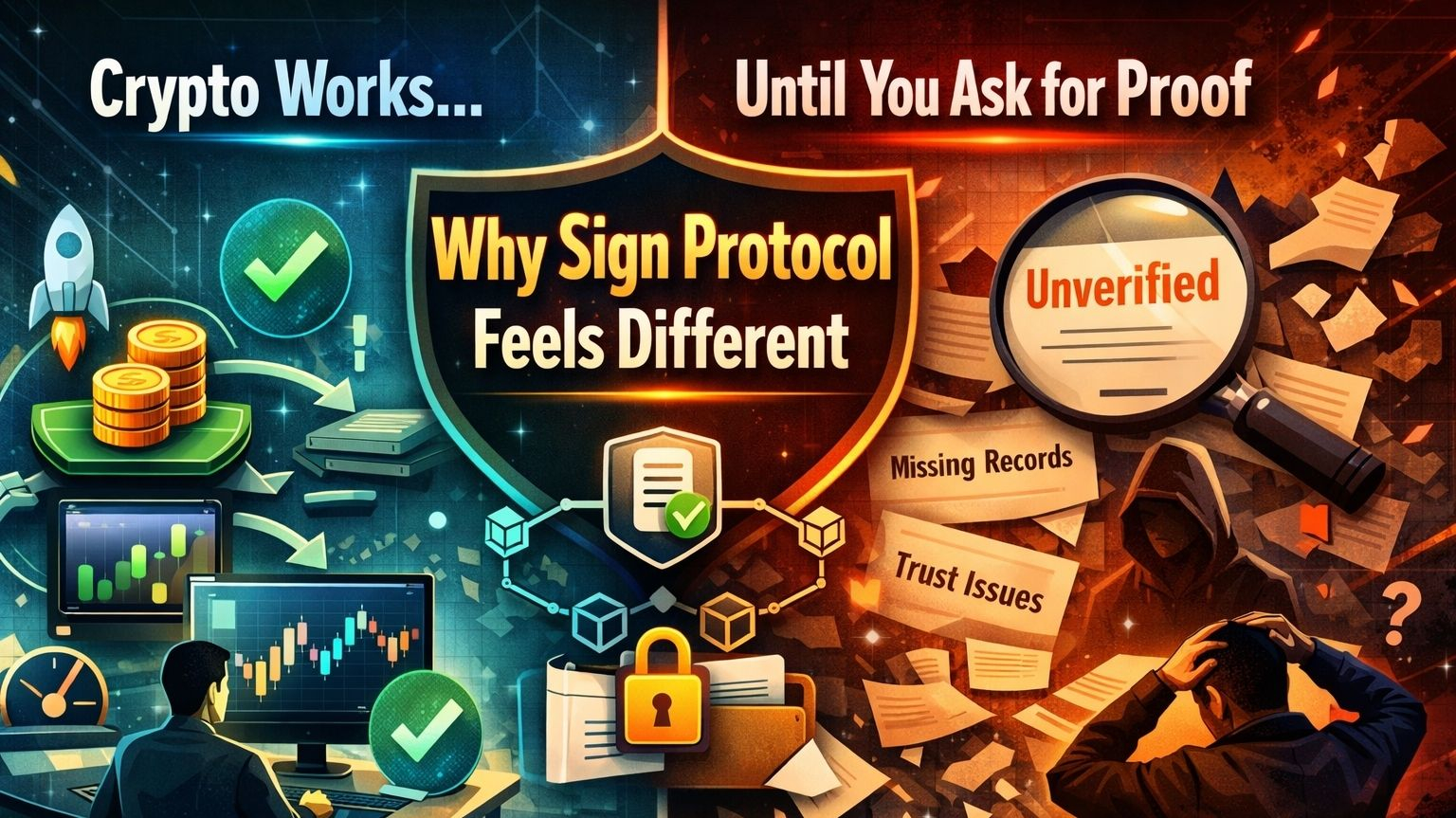
تعمل العملات المشفرة... حتى تطلب الإثبات: لماذا يشعر بروتوكول التوقيع بأنه مختلفهناك شيء ما في بروتوكول التوقيع لا يحاول أن يكسبك على الفور. لا يأتي مغلفًا في عرض بسيط أو جملة نظيفة يمكنك تكرارها دون تفكير. إذا كان هناك شيء، فإن الانطباع الأول هو العكس—يبدو كثيفًا، ربما حتى مرهقًا قليلاً. وعادةً، سيكون ذلك كافيًا للابتعاد. العملات المشفرة مليئة بالمشاريع التي تخفي أفكارًا ضعيفة خلف تعقيدات غير ضرورية.
لكن هذا لا يشعر وكأنه ذلك.
كلما جلست مع ذلك، كلما بدأت تشعر أن تلك التعقيدات مرتبطة بشيء حقيقي. ليس مصطنعًا، وليس زخرفيًا—مجرد انعكاس لمشكلة ليست سهلة الحل. وتلك المشكلة هي الثقة. ليست من النوع السطحي، بل السؤال الأعمق عما إذا كان يمكن إثبات شيء ما لاحقًا، عندما يكون ذلك مهمًا.
تعمل العملات المشفرة... حتى تطلب الإثبات: لماذا يشعر بروتوكول التوقيع بأنه مختلف
هناك شيء ما في بروتوكول التوقيع لا يحاول أن يكسبك على الفور. لا يأتي مغلفًا في عرض بسيط أو جملة نظيفة يمكنك تكرارها دون تفكير. إذا كان هناك شيء، فإن الانطباع الأول هو العكس—يبدو كثيفًا، ربما حتى مرهقًا قليلاً. وعادةً، سيكون ذلك كافيًا للابتعاد. العملات المشفرة مليئة بالمشاريع التي تخفي أفكارًا ضعيفة خلف تعقيدات غير ضرورية.
لكن هذا لا يشعر وكأنه ذلك.
كلما جلست مع ذلك، كلما بدأت تشعر أن تلك التعقيدات مرتبطة بشيء حقيقي. ليس مصطنعًا، وليس زخرفيًا—مجرد انعكاس لمشكلة ليست سهلة الحل. وتلك المشكلة هي الثقة. ليست من النوع السطحي، بل السؤال الأعمق عما إذا كان يمكن إثبات شيء ما لاحقًا، عندما يكون ذلك مهمًا.
لكن هذا لا يشعر وكأنه ذلك.
كلما جلست مع ذلك، كلما بدأت تشعر أن تلك التعقيدات مرتبطة بشيء حقيقي. ليس مصطنعًا، وليس زخرفيًا—مجرد انعكاس لمشكلة ليست سهلة الحل. وتلك المشكلة هي الثقة. ليست من النوع السطحي، بل السؤال الأعمق عما إذا كان يمكن إثبات شيء ما لاحقًا، عندما يكون ذلك مهمًا.
96
8
158
80.2k
·
--
صاعد
تمّ التحقق
في كل مرة يظهر مؤشر CPI، ألاحظ الشيء نفسه. رقم واحد فقط يظهر على الشاشة وفجأة يعرف الجميع بالضبط ماذا سيفعل الاحتياطي الفيدرالي بعد ذلك.
لقد رأيت هذا من قبل، لذلك أحاول ألا أُؤسر بالعنوان.
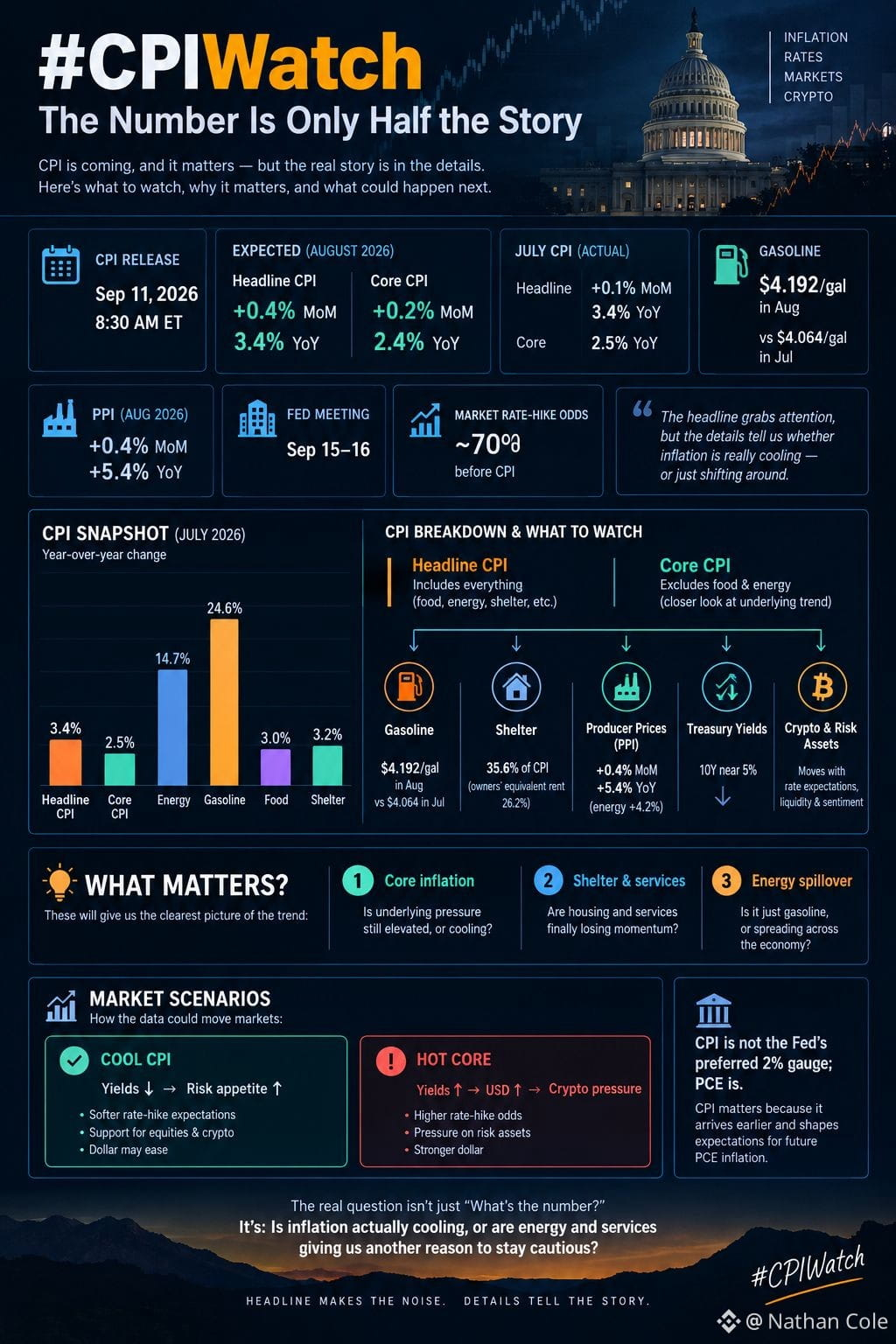
تقرير مؤشر CPI الأمريكي لشهر أغسطس يصل قبل أيام فقط من اجتماع الاحتياطي الفيدرالي في سبتمبر، ما يجعل هذه الجولة أكثر إثارة للاهتمام من المعتاد. القراءة الأخيرة المؤكدة أظهرت أن تضخم العناوين الرئيسية بلغ 3.4% على أساس سنوي في يوليو، بينما كان مؤشر CPI الأساسي 2.5%. كانت الطاقة بالفعل مشكلة تتفاقم، إذ ارتفعت أسعار البنزين بشكل حاد.
الآن تحركت الطاقة إلى أعلى حتى من ذلك. كان أحدث توقع فوري من بنك كليفلاند يشير إلى نمو شهري يقارب 0.36% في تضخم العناوين الرئيسية و0.20% في النمو الأساسي لشهر أغسطس.
هذا الفرق مهم.
إذا كان تضخم العناوين الرئيسية يرتفع أساسًا لأن البنزين مكلف، فأنا لا أقرأه بالطريقة نفسها عندما يحدث تسارع واسع في الخدمات، والسكن، وباقي الأسعار.
لهذا السبب أراقب مؤشر CPI الأساسي والسكن عن كثب أكثر من الرقم الأول الذي ينشره الجميع.
يظل السكن واحدًا من أكبر مكونات سلة CPI، بينما تتحرك أيضًا أسعار المنتجين في اتجاه أعلى. ارتفع مؤشر PPI لشهر أغسطس بنسبة 0.4% على أساس شهري و5.4% سنويًا، مع إضافة أسعار الطاقة مزيدًا من الضغط.
وفي الوقت نفسه، ما زال الاحتياطي الفيدرالي يتعامل مع التضخم فوق هدفه البالغ 2%. في اجتماع يوليو، أبقى المعدلات عند 3.50%–3.75%، بل إن ثلاثة مسؤولين فضلوا بالفعل رفعًا بمقدار 25 نقطة أساس.
لذلك أنا لا أفترض أن قراءة CPI المقبلة تعني تلقائيًا أن الصورة صعودية أو هبوطية.
رقم أساسي منخفض قد يهدئ مخاوف أسعار الفائدة ويساعد الأصول ذات المخاطر.
رقم أساسي مرتفع قد يدفع العوائد والدولار إلى الأعلى ويضغط على العملات المشفرة.
لكن الخطوة الأولى قد لا تكون الخطوة الأخيرة. لقد رأيت الأسواق تبيع الخبر الخاص بالعنوان، ثم تعكس الاتجاه بعد أن يقرأ المتداولون التفاصيل فعليًا.
بالنسبة لي، السؤال الحقيقي بسيط:
هل يتراجع التضخم فعلاً، أم أن الطاقة والخدمات تمنحنا سببًا آخر للبقاء حذرين؟
العنوان سيجلب الضجيج.
التفاصيل ستروي القصة.
#CPIWatch #Inflation #Bitcoin #Macro
$BTC
{spot}(BTCUSDT)
$SOL
{spot}(SOLUSDT)
$ETH
{spot}(ETHUSDT)
في كل مرة يظهر مؤشر CPI، ألاحظ الشيء نفسه. رقم واحد فقط يظهر على الشاشة وفجأة يعرف الجميع بالضبط ماذا سيفعل الاحتياطي الفيدرالي بعد ذلك.
لقد رأيت هذا من قبل، لذلك أحاول ألا أُؤسر بالعنوان.
تقرير مؤشر CPI الأمريكي لشهر أغسطس يصل قبل أيام فقط من اجتماع الاحتياطي الفيدرالي في سبتمبر، ما يجعل هذه الجولة أكثر إثارة للاهتمام من المعتاد. القراءة الأخيرة المؤكدة أظهرت أن تضخم العناوين الرئيسية بلغ 3.4% على أساس سنوي في يوليو، بينما كان مؤشر CPI الأساسي 2.5%. كانت الطاقة بالفعل مشكلة تتفاقم، إذ ارتفعت أسعار البنزين بشكل حاد.
الآن تحركت الطاقة إلى أعلى حتى من ذلك. كان أحدث توقع فوري من بنك كليفلاند يشير إلى نمو شهري يقارب 0.36% في تضخم العناوين الرئيسية و0.20% في النمو الأساسي لشهر أغسطس.
هذا الفرق مهم.
إذا كان تضخم العناوين الرئيسية يرتفع أساسًا لأن البنزين مكلف، فأنا لا أقرأه بالطريقة نفسها عندما يحدث تسارع واسع في الخدمات، والسكن، وباقي الأسعار.
لهذا السبب أراقب مؤشر CPI الأساسي والسكن عن كثب أكثر من الرقم الأول الذي ينشره الجميع.
يظل السكن واحدًا من أكبر مكونات سلة CPI، بينما تتحرك أيضًا أسعار المنتجين في اتجاه أعلى. ارتفع مؤشر PPI لشهر أغسطس بنسبة 0.4% على أساس شهري و5.4% سنويًا، مع إضافة أسعار الطاقة مزيدًا من الضغط.
وفي الوقت نفسه، ما زال الاحتياطي الفيدرالي يتعامل مع التضخم فوق هدفه البالغ 2%. في اجتماع يوليو، أبقى المعدلات عند 3.50%–3.75%، بل إن ثلاثة مسؤولين فضلوا بالفعل رفعًا بمقدار 25 نقطة أساس.
لذلك أنا لا أفترض أن قراءة CPI المقبلة تعني تلقائيًا أن الصورة صعودية أو هبوطية.
رقم أساسي منخفض قد يهدئ مخاوف أسعار الفائدة ويساعد الأصول ذات المخاطر.
رقم أساسي مرتفع قد يدفع العوائد والدولار إلى الأعلى ويضغط على العملات المشفرة.
لكن الخطوة الأولى قد لا تكون الخطوة الأخيرة. لقد رأيت الأسواق تبيع الخبر الخاص بالعنوان، ثم تعكس الاتجاه بعد أن يقرأ المتداولون التفاصيل فعليًا.
بالنسبة لي، السؤال الحقيقي بسيط:
هل يتراجع التضخم فعلاً، أم أن الطاقة والخدمات تمنحنا سببًا آخر للبقاء حذرين؟
العنوان سيجلب الضجيج.
التفاصيل ستروي القصة.
#CPIWatch #Inflation #Bitcoin #Macro
$BTC
$SOL
$ETH
لقد رأيت هذا من قبل، لذلك أحاول ألا أُؤسر بالعنوان.
تقرير مؤشر CPI الأمريكي لشهر أغسطس يصل قبل أيام فقط من اجتماع الاحتياطي الفيدرالي في سبتمبر، ما يجعل هذه الجولة أكثر إثارة للاهتمام من المعتاد. القراءة الأخيرة المؤكدة أظهرت أن تضخم العناوين الرئيسية بلغ 3.4% على أساس سنوي في يوليو، بينما كان مؤشر CPI الأساسي 2.5%. كانت الطاقة بالفعل مشكلة تتفاقم، إذ ارتفعت أسعار البنزين بشكل حاد.
الآن تحركت الطاقة إلى أعلى حتى من ذلك. كان أحدث توقع فوري من بنك كليفلاند يشير إلى نمو شهري يقارب 0.36% في تضخم العناوين الرئيسية و0.20% في النمو الأساسي لشهر أغسطس.
هذا الفرق مهم.
إذا كان تضخم العناوين الرئيسية يرتفع أساسًا لأن البنزين مكلف، فأنا لا أقرأه بالطريقة نفسها عندما يحدث تسارع واسع في الخدمات، والسكن، وباقي الأسعار.
لهذا السبب أراقب مؤشر CPI الأساسي والسكن عن كثب أكثر من الرقم الأول الذي ينشره الجميع.
يظل السكن واحدًا من أكبر مكونات سلة CPI، بينما تتحرك أيضًا أسعار المنتجين في اتجاه أعلى. ارتفع مؤشر PPI لشهر أغسطس بنسبة 0.4% على أساس شهري و5.4% سنويًا، مع إضافة أسعار الطاقة مزيدًا من الضغط.
وفي الوقت نفسه، ما زال الاحتياطي الفيدرالي يتعامل مع التضخم فوق هدفه البالغ 2%. في اجتماع يوليو، أبقى المعدلات عند 3.50%–3.75%، بل إن ثلاثة مسؤولين فضلوا بالفعل رفعًا بمقدار 25 نقطة أساس.
لذلك أنا لا أفترض أن قراءة CPI المقبلة تعني تلقائيًا أن الصورة صعودية أو هبوطية.
رقم أساسي منخفض قد يهدئ مخاوف أسعار الفائدة ويساعد الأصول ذات المخاطر.
رقم أساسي مرتفع قد يدفع العوائد والدولار إلى الأعلى ويضغط على العملات المشفرة.
لكن الخطوة الأولى قد لا تكون الخطوة الأخيرة. لقد رأيت الأسواق تبيع الخبر الخاص بالعنوان، ثم تعكس الاتجاه بعد أن يقرأ المتداولون التفاصيل فعليًا.
بالنسبة لي، السؤال الحقيقي بسيط:
هل يتراجع التضخم فعلاً، أم أن الطاقة والخدمات تمنحنا سببًا آخر للبقاء حذرين؟
العنوان سيجلب الضجيج.
التفاصيل ستروي القصة.
#CPIWatch #Inflation #Bitcoin #Macro
$BTC
$SOL
$ETH
32
18
962
·
--
صاعد
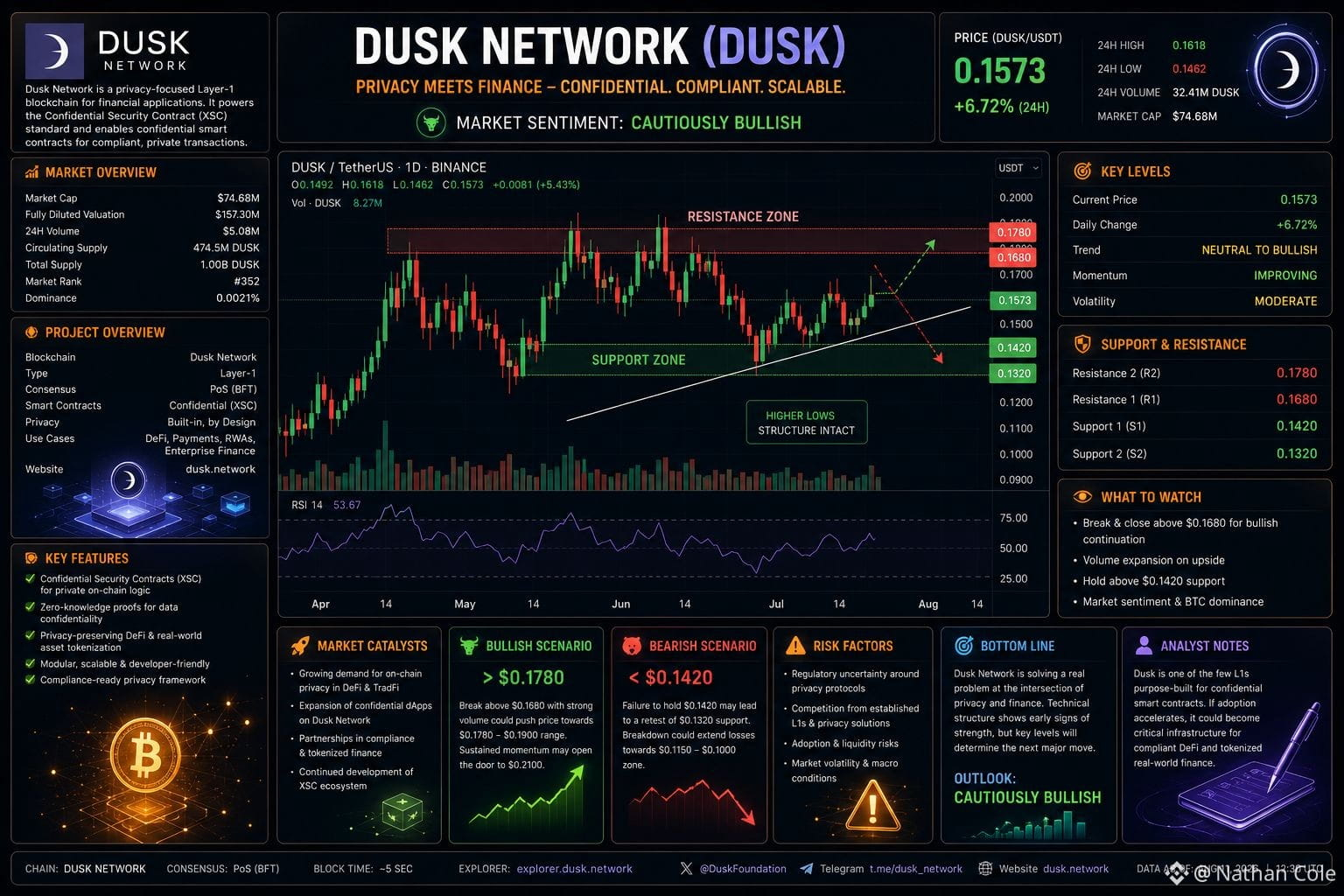
#dusk $DUSK @Dusk_Foundation
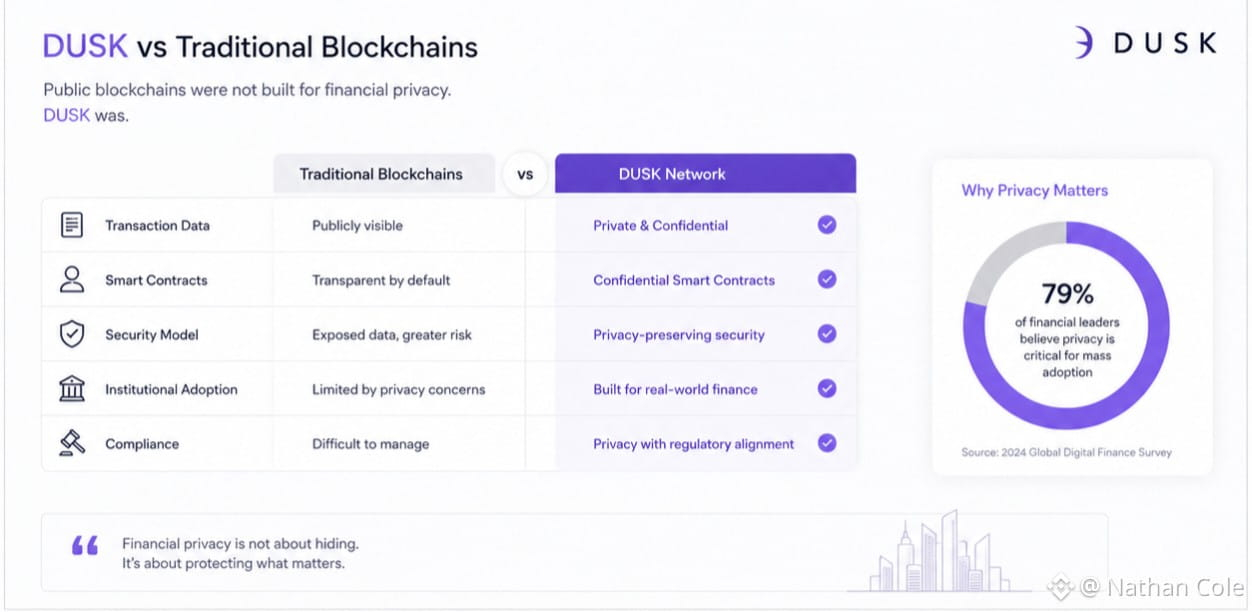
سلاسل الكتل العامة حلّت الشفافية. أما المؤسسات فتحتاج شيئًا أصعب: الخصوصية دون فقد القابلية للتدقيق.
وهنا يحاول @Dusk أن يسلك طريقًا مختلفًا.
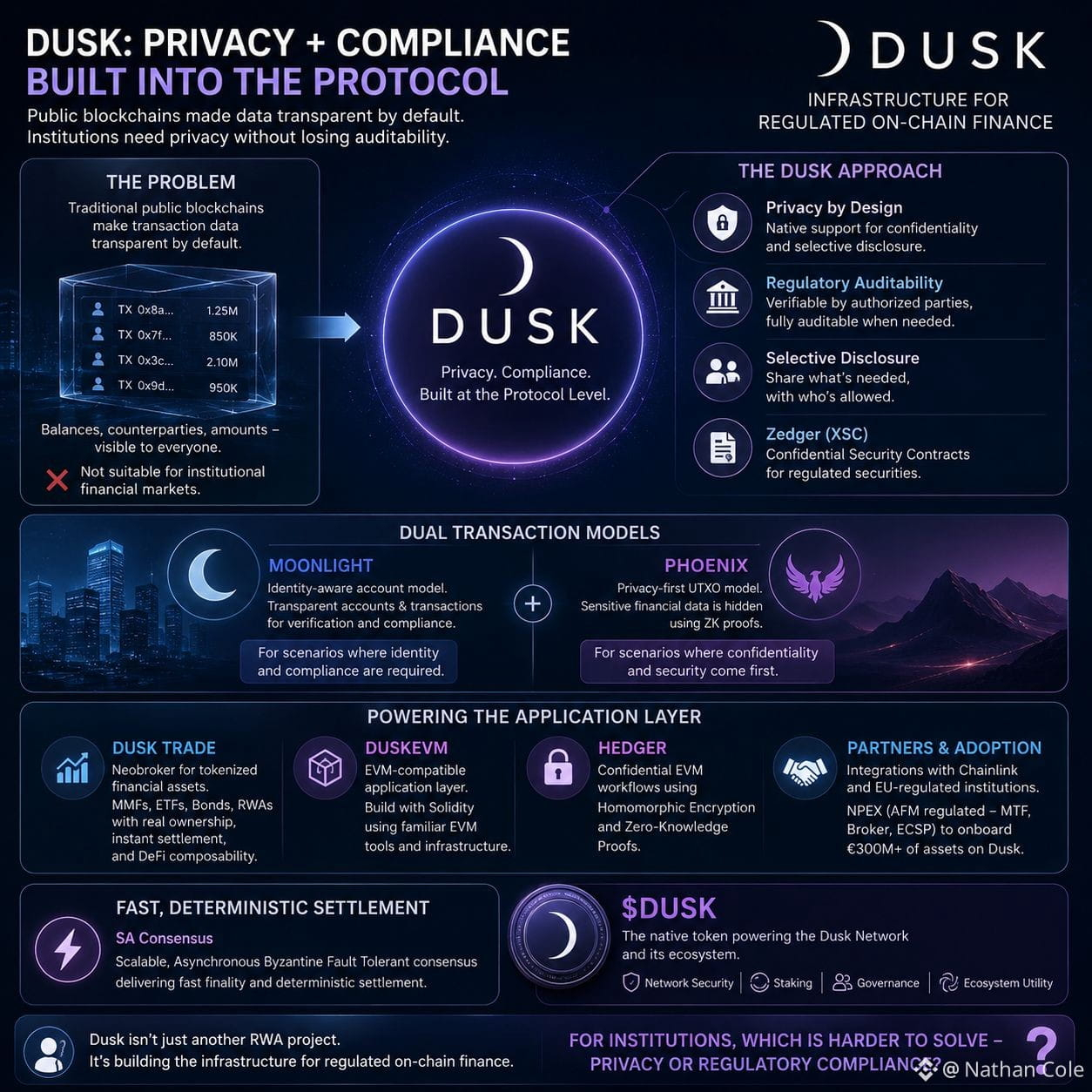
بدلًا من “تثبيت” الامتثال على السطح الخارجي، يقوم Dusk ببنائه داخل البروتوكول: Moonlight للمعاملات المدركة للهوية، وPhoenix للتحويلات السرية، والإفصاح الانتقائي عند احتياج الجهات التنظيمية أو الأطراف المصرّح لها إلى رؤية ما يجري، وZedger/XSC للأوراق المالية الخاضعة للتنظيم.
ثم يمتد المكدس للأعلى: DuskEVM يجلب أدوات Solidity المألوفة، وHedger يتيح سير عمل EVM سريًا، وDusk Trade يستهدف السندات المُمَوَّلة بالرموز tokenized bonds، وصناديق أسواق المال MMFs، وصناديق ETFs، وRWAs، بينما يستهدف إجماع SA تحقيق تسوية سريعة وحتمية.
لقد رأيت الكثير من سرديات “RWA”. الجزء المثير للاهتمام هنا هو أن Dusk تحاول أن تصبح البنية التحتية تحت التمويل الخاضع للتنظيم على السلسلة—not مجرد تطبيق آخر لإعادة ترميز الأصول.
السؤال الحقيقي: بالنسبة للمؤسسات، ما الأصعب في الحل—الخصوصية أم الامتثال التنظيمي؟
#Dusk $DUSK
{spot}(DUSKUSDT)
#dusk $DUSK @Dusk
سلاسل الكتل العامة حلّت الشفافية. أما المؤسسات فتحتاج شيئًا أصعب: الخصوصية دون فقد القابلية للتدقيق.
وهنا يحاول @Dusk أن يسلك طريقًا مختلفًا.
بدلًا من “تثبيت” الامتثال على السطح الخارجي، يقوم Dusk ببنائه داخل البروتوكول: Moonlight للمعاملات المدركة للهوية، وPhoenix للتحويلات السرية، والإفصاح الانتقائي عند احتياج الجهات التنظيمية أو الأطراف المصرّح لها إلى رؤية ما يجري، وZedger/XSC للأوراق المالية الخاضعة للتنظيم.
ثم يمتد المكدس للأعلى: DuskEVM يجلب أدوات Solidity المألوفة، وHedger يتيح سير عمل EVM سريًا، وDusk Trade يستهدف السندات المُمَوَّلة بالرموز tokenized bonds، وصناديق أسواق المال MMFs، وصناديق ETFs، وRWAs، بينما يستهدف إجماع SA تحقيق تسوية سريعة وحتمية.
لقد رأيت الكثير من سرديات “RWA”. الجزء المثير للاهتمام هنا هو أن Dusk تحاول أن تصبح البنية التحتية تحت التمويل الخاضع للتنظيم على السلسلة—not مجرد تطبيق آخر لإعادة ترميز الأصول.
السؤال الحقيقي: بالنسبة للمؤسسات، ما الأصعب في الحل—الخصوصية أم الامتثال التنظيمي؟
#Dusk $DUSK
سلاسل الكتل العامة حلّت الشفافية. أما المؤسسات فتحتاج شيئًا أصعب: الخصوصية دون فقد القابلية للتدقيق.
وهنا يحاول @Dusk أن يسلك طريقًا مختلفًا.
بدلًا من “تثبيت” الامتثال على السطح الخارجي، يقوم Dusk ببنائه داخل البروتوكول: Moonlight للمعاملات المدركة للهوية، وPhoenix للتحويلات السرية، والإفصاح الانتقائي عند احتياج الجهات التنظيمية أو الأطراف المصرّح لها إلى رؤية ما يجري، وZedger/XSC للأوراق المالية الخاضعة للتنظيم.
ثم يمتد المكدس للأعلى: DuskEVM يجلب أدوات Solidity المألوفة، وHedger يتيح سير عمل EVM سريًا، وDusk Trade يستهدف السندات المُمَوَّلة بالرموز tokenized bonds، وصناديق أسواق المال MMFs، وصناديق ETFs، وRWAs، بينما يستهدف إجماع SA تحقيق تسوية سريعة وحتمية.
لقد رأيت الكثير من سرديات “RWA”. الجزء المثير للاهتمام هنا هو أن Dusk تحاول أن تصبح البنية التحتية تحت التمويل الخاضع للتنظيم على السلسلة—not مجرد تطبيق آخر لإعادة ترميز الأصول.
السؤال الحقيقي: بالنسبة للمؤسسات، ما الأصعب في الحل—الخصوصية أم الامتثال التنظيمي؟
#Dusk $DUSK
128
·
--
صاعد
#dusk $DUSK @Dusk_Foundation
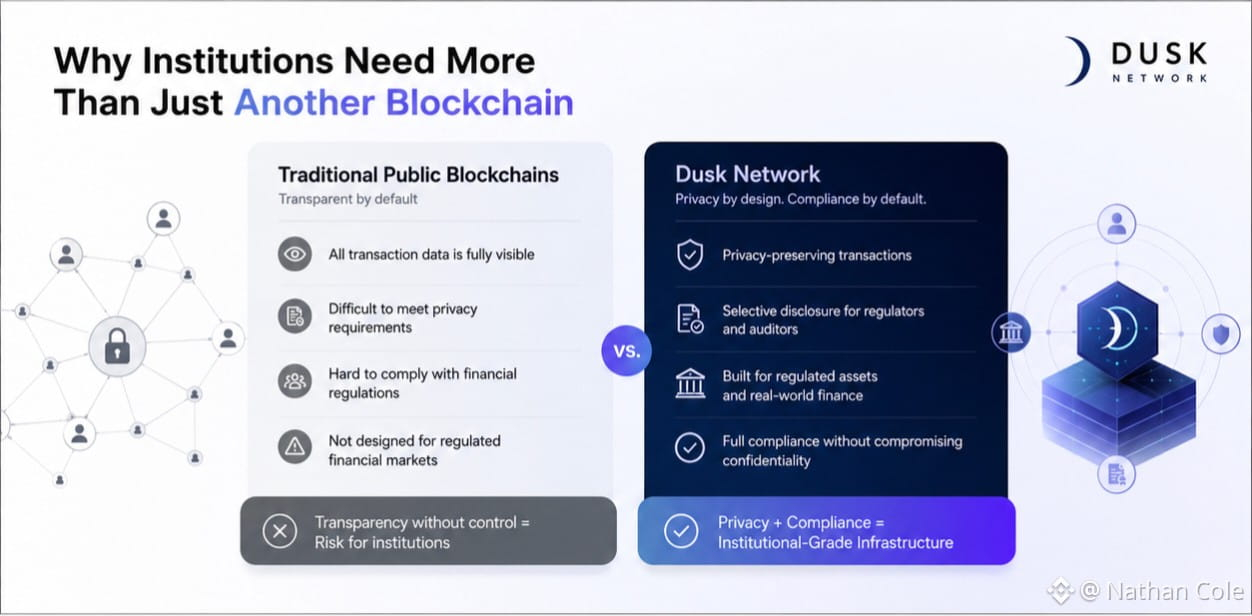
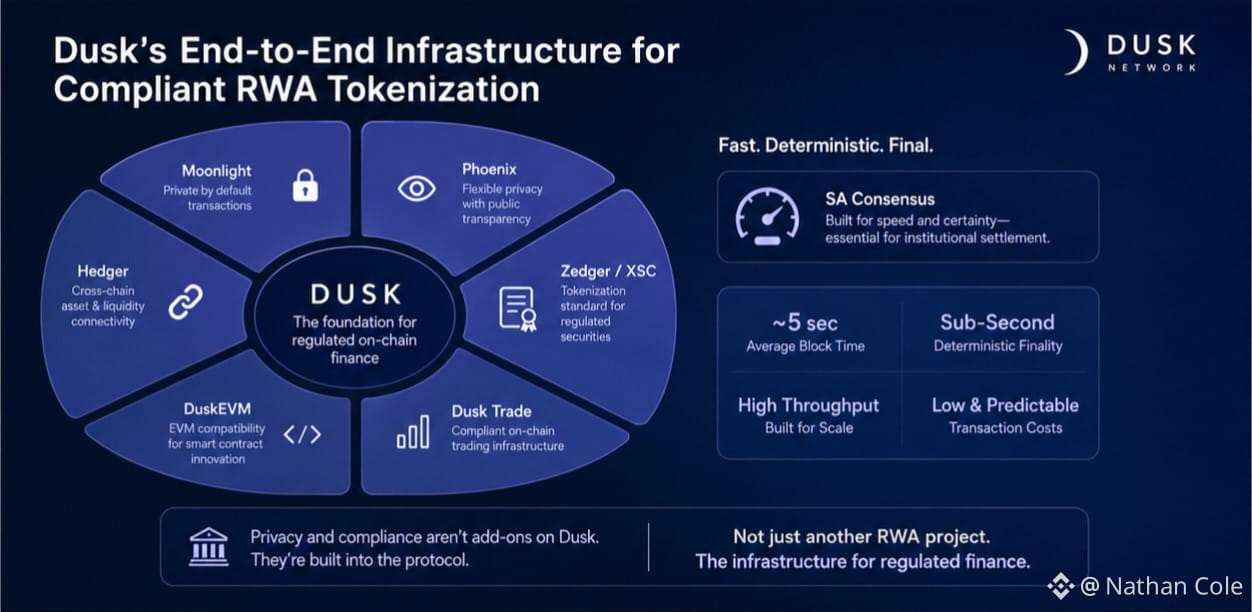
وضعت معظم سلاسل الكتل الشفافية كافتراضي. هذا يعمل مع العملات المشفرة. لكنه يصبح أعقد عندما تكون الأصول ورقة مالية خاضعة للتنظيم.
تحتاج المؤسسات إلى توازن معاكس: خصوصية المعاملات، مع توفر قدر كافٍ من الرؤية للجهات التنظيمية والمدققين.
وهنا يتخذ @Dusk مع $DUSK مسارًا مختلفًا.
بدلًا من إضافة الخصوصية والامتثال لاحقًا إلى سلسلة عامة، تقوم Dusk بتصميمهما داخل البروتوكول نفسه. يدعم Moonlight وPhoenix احتياجات مختلفة للمعاملات/الخصوصية، بينما يتيح الإفصاح الانتقائي للأطراف المخوّلة الكشف عما يهم دون تعريض كل شيء.
ثم تصبح المنظومة أكثر إثارة: Zedger وXSC تستهدف الأوراق المالية الخاضعة للتنظيم، وDusk Trade مبني حول أسواق on-chain المتوافقة، وDuskEVM يفتح أدوات عقود ذكية مألوفة، ويساعد Hedger على ربط الأصول والسيولة عبر منظومة النظام البيئي.
الجزء الذي ما زلت أتابعه عن كثب هو التسوية. صُمم إجماع SA لدى Dusk لتحقيق حسم نهائي سريع وحتمي — وهي نقطة تهم كثيرًا عندما نتحدث عن بنية تحتية مالية حقيقية مقارنةً بتوكن استكشافي آخر.
ما زلت متشككًا تجاه معظم سرديات “RWA”. فالكثير منها مجرد أغلفة فوق سلاسل عامة لم تُصمَّم أصلًا لقيود المؤسسات.
تبدو Dusk وكأنها تحاول حل المشكلة الأساسية بدلًا من الاكتفاء بذلك: الخصوصية والامتثال على مستوى البروتوكول.
السؤال الأصعب هو: بالنسبة للمؤسسات، ما العقبة الأكبر فعليًا — الخصوصية أم الامتثال التنظيمي؟
#Dusk @Dusk_Foundation $DUSK
{spot}(DUSKUSDT)
#dusk $DUSK @Dusk
وضعت معظم سلاسل الكتل الشفافية كافتراضي. هذا يعمل مع العملات المشفرة. لكنه يصبح أعقد عندما تكون الأصول ورقة مالية خاضعة للتنظيم.
تحتاج المؤسسات إلى توازن معاكس: خصوصية المعاملات، مع توفر قدر كافٍ من الرؤية للجهات التنظيمية والمدققين.
وهنا يتخذ @Dusk مع $DUSK مسارًا مختلفًا.
بدلًا من إضافة الخصوصية والامتثال لاحقًا إلى سلسلة عامة، تقوم Dusk بتصميمهما داخل البروتوكول نفسه. يدعم Moonlight وPhoenix احتياجات مختلفة للمعاملات/الخصوصية، بينما يتيح الإفصاح الانتقائي للأطراف المخوّلة الكشف عما يهم دون تعريض كل شيء.
ثم تصبح المنظومة أكثر إثارة: Zedger وXSC تستهدف الأوراق المالية الخاضعة للتنظيم، وDusk Trade مبني حول أسواق on-chain المتوافقة، وDuskEVM يفتح أدوات عقود ذكية مألوفة، ويساعد Hedger على ربط الأصول والسيولة عبر منظومة النظام البيئي.
الجزء الذي ما زلت أتابعه عن كثب هو التسوية. صُمم إجماع SA لدى Dusk لتحقيق حسم نهائي سريع وحتمي — وهي نقطة تهم كثيرًا عندما نتحدث عن بنية تحتية مالية حقيقية مقارنةً بتوكن استكشافي آخر.
ما زلت متشككًا تجاه معظم سرديات “RWA”. فالكثير منها مجرد أغلفة فوق سلاسل عامة لم تُصمَّم أصلًا لقيود المؤسسات.
تبدو Dusk وكأنها تحاول حل المشكلة الأساسية بدلًا من الاكتفاء بذلك: الخصوصية والامتثال على مستوى البروتوكول.
السؤال الأصعب هو: بالنسبة للمؤسسات، ما العقبة الأكبر فعليًا — الخصوصية أم الامتثال التنظيمي؟
#Dusk @Dusk $DUSK
وضعت معظم سلاسل الكتل الشفافية كافتراضي. هذا يعمل مع العملات المشفرة. لكنه يصبح أعقد عندما تكون الأصول ورقة مالية خاضعة للتنظيم.
تحتاج المؤسسات إلى توازن معاكس: خصوصية المعاملات، مع توفر قدر كافٍ من الرؤية للجهات التنظيمية والمدققين.
وهنا يتخذ @Dusk مع $DUSK مسارًا مختلفًا.
بدلًا من إضافة الخصوصية والامتثال لاحقًا إلى سلسلة عامة، تقوم Dusk بتصميمهما داخل البروتوكول نفسه. يدعم Moonlight وPhoenix احتياجات مختلفة للمعاملات/الخصوصية، بينما يتيح الإفصاح الانتقائي للأطراف المخوّلة الكشف عما يهم دون تعريض كل شيء.
ثم تصبح المنظومة أكثر إثارة: Zedger وXSC تستهدف الأوراق المالية الخاضعة للتنظيم، وDusk Trade مبني حول أسواق on-chain المتوافقة، وDuskEVM يفتح أدوات عقود ذكية مألوفة، ويساعد Hedger على ربط الأصول والسيولة عبر منظومة النظام البيئي.
الجزء الذي ما زلت أتابعه عن كثب هو التسوية. صُمم إجماع SA لدى Dusk لتحقيق حسم نهائي سريع وحتمي — وهي نقطة تهم كثيرًا عندما نتحدث عن بنية تحتية مالية حقيقية مقارنةً بتوكن استكشافي آخر.
ما زلت متشككًا تجاه معظم سرديات “RWA”. فالكثير منها مجرد أغلفة فوق سلاسل عامة لم تُصمَّم أصلًا لقيود المؤسسات.
تبدو Dusk وكأنها تحاول حل المشكلة الأساسية بدلًا من الاكتفاء بذلك: الخصوصية والامتثال على مستوى البروتوكول.
السؤال الأصعب هو: بالنسبة للمؤسسات، ما العقبة الأكبر فعليًا — الخصوصية أم الامتثال التنظيمي؟
#Dusk @Dusk $DUSK
113
·
--
صاعد
تمّ التحقق
#dusk $DUSK @Dusk_Foundation
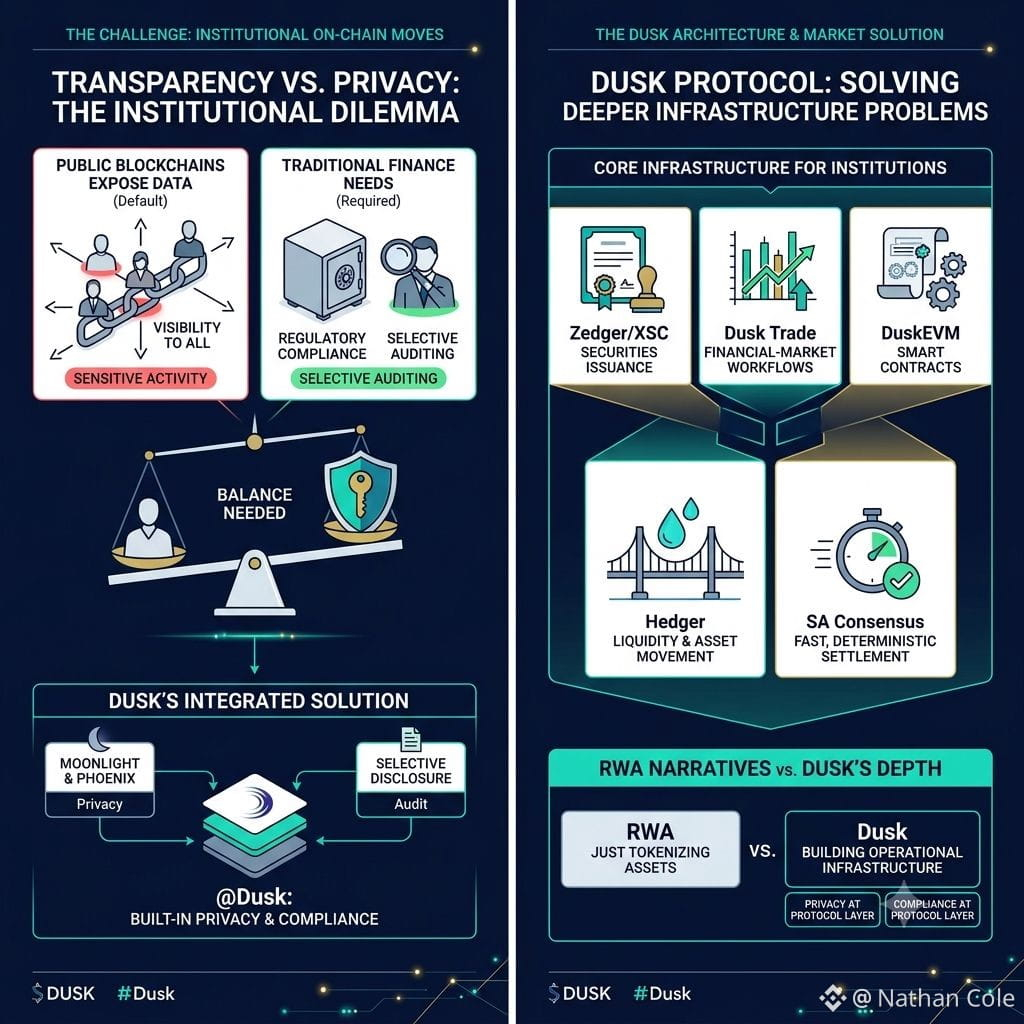
عندما تتحرك الأموال المؤسسية على السلسلة، قد تصبح الشفافية مشكلة.
تعرض سلاسل الكتل العامة بيانات المعاملات افتراضيًا. وتحتاج المالية التقليدية إلى عكس ذلك: خصوصية للنشاطات الحساسة، مع قدر كافٍ من الشفافية للجهات التنظيمية لمراجعة المعاملات.
وهذا هو الجزء المثير للاهتمام في @Dusk.
بدلًا من إضافة الخصوصية والامتثال كطبقات فوق سلسلة حالية، يعمل Dusk على دمجهما داخل البروتوكول نفسه. تجمع معماريته المتمحورة حول الخصوصية بين نماذج معاملات Moonlight وPhoenix مع الإفصاح الانتقائي، بينما يستهدف Zedger/XSC الأوراق المالية الخاضعة للتنظيم، ويجلب Dusk Trade سير عمل الأسواق المالية إلى السلسلة.
ثم هناك DuskEVM للعقود الذكية، وHedger للسيولة ونقل الأصول، وآلية إجماع SA لتسوية سريعة وحتمية.
لقد رأيت العديد من روايات «RWA» تأتي وتذهب. والسؤال الأصعب ليس تحويل أصلٍ إلى رموز—بل بناء البنية التحتية التي تستطيع المؤسسات فعلًا تشغيلها.
لهذا لا أرى Dusk مجرد مشروع آخر ضمن «RWA». بل يحاول حل مشكلة البنية التحتية الأعمق: الخصوصية والامتثال على مستوى البروتوكول.
لكن أي متطلب سيثبت أنه أصعب لاعتماد المؤسسات: الخصوصية أم الامتثال التنظيمي؟
#Dusk $DUSK
{spot}(DUSKUSDT)
#dusk $DUSK @Dusk
عندما تتحرك الأموال المؤسسية على السلسلة، قد تصبح الشفافية مشكلة.
تعرض سلاسل الكتل العامة بيانات المعاملات افتراضيًا. وتحتاج المالية التقليدية إلى عكس ذلك: خصوصية للنشاطات الحساسة، مع قدر كافٍ من الشفافية للجهات التنظيمية لمراجعة المعاملات.
وهذا هو الجزء المثير للاهتمام في @Dusk.
بدلًا من إضافة الخصوصية والامتثال كطبقات فوق سلسلة حالية، يعمل Dusk على دمجهما داخل البروتوكول نفسه. تجمع معماريته المتمحورة حول الخصوصية بين نماذج معاملات Moonlight وPhoenix مع الإفصاح الانتقائي، بينما يستهدف Zedger/XSC الأوراق المالية الخاضعة للتنظيم، ويجلب Dusk Trade سير عمل الأسواق المالية إلى السلسلة.
ثم هناك DuskEVM للعقود الذكية، وHedger للسيولة ونقل الأصول، وآلية إجماع SA لتسوية سريعة وحتمية.
لقد رأيت العديد من روايات «RWA» تأتي وتذهب. والسؤال الأصعب ليس تحويل أصلٍ إلى رموز—بل بناء البنية التحتية التي تستطيع المؤسسات فعلًا تشغيلها.
لهذا لا أرى Dusk مجرد مشروع آخر ضمن «RWA». بل يحاول حل مشكلة البنية التحتية الأعمق: الخصوصية والامتثال على مستوى البروتوكول.
لكن أي متطلب سيثبت أنه أصعب لاعتماد المؤسسات: الخصوصية أم الامتثال التنظيمي؟
#Dusk $DUSK
عندما تتحرك الأموال المؤسسية على السلسلة، قد تصبح الشفافية مشكلة.
تعرض سلاسل الكتل العامة بيانات المعاملات افتراضيًا. وتحتاج المالية التقليدية إلى عكس ذلك: خصوصية للنشاطات الحساسة، مع قدر كافٍ من الشفافية للجهات التنظيمية لمراجعة المعاملات.
وهذا هو الجزء المثير للاهتمام في @Dusk.
بدلًا من إضافة الخصوصية والامتثال كطبقات فوق سلسلة حالية، يعمل Dusk على دمجهما داخل البروتوكول نفسه. تجمع معماريته المتمحورة حول الخصوصية بين نماذج معاملات Moonlight وPhoenix مع الإفصاح الانتقائي، بينما يستهدف Zedger/XSC الأوراق المالية الخاضعة للتنظيم، ويجلب Dusk Trade سير عمل الأسواق المالية إلى السلسلة.
ثم هناك DuskEVM للعقود الذكية، وHedger للسيولة ونقل الأصول، وآلية إجماع SA لتسوية سريعة وحتمية.
لقد رأيت العديد من روايات «RWA» تأتي وتذهب. والسؤال الأصعب ليس تحويل أصلٍ إلى رموز—بل بناء البنية التحتية التي تستطيع المؤسسات فعلًا تشغيلها.
لهذا لا أرى Dusk مجرد مشروع آخر ضمن «RWA». بل يحاول حل مشكلة البنية التحتية الأعمق: الخصوصية والامتثال على مستوى البروتوكول.
لكن أي متطلب سيثبت أنه أصعب لاعتماد المؤسسات: الخصوصية أم الامتثال التنظيمي؟
#Dusk $DUSK
2
1.1k
·
--
صاعد
#termmax @termmax
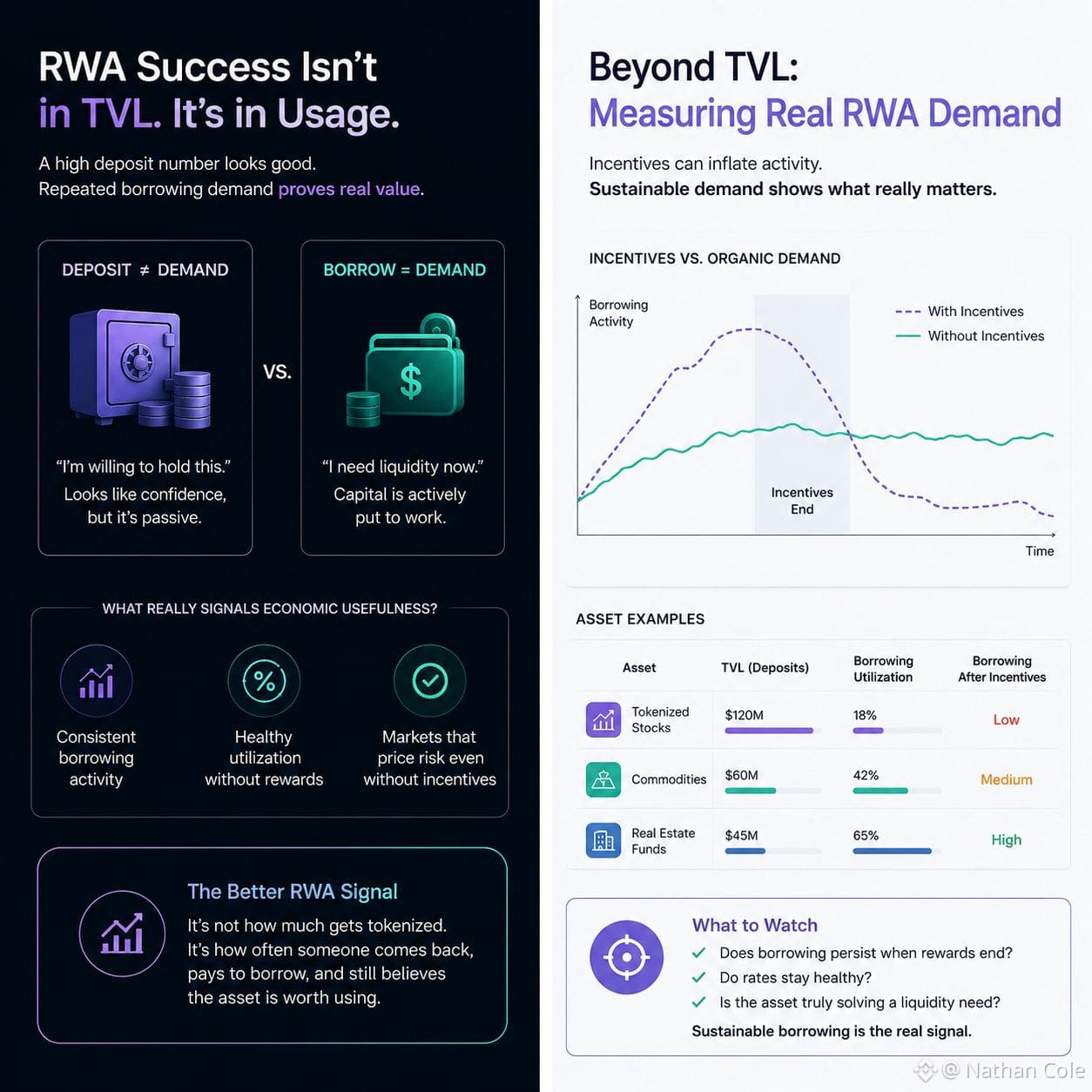
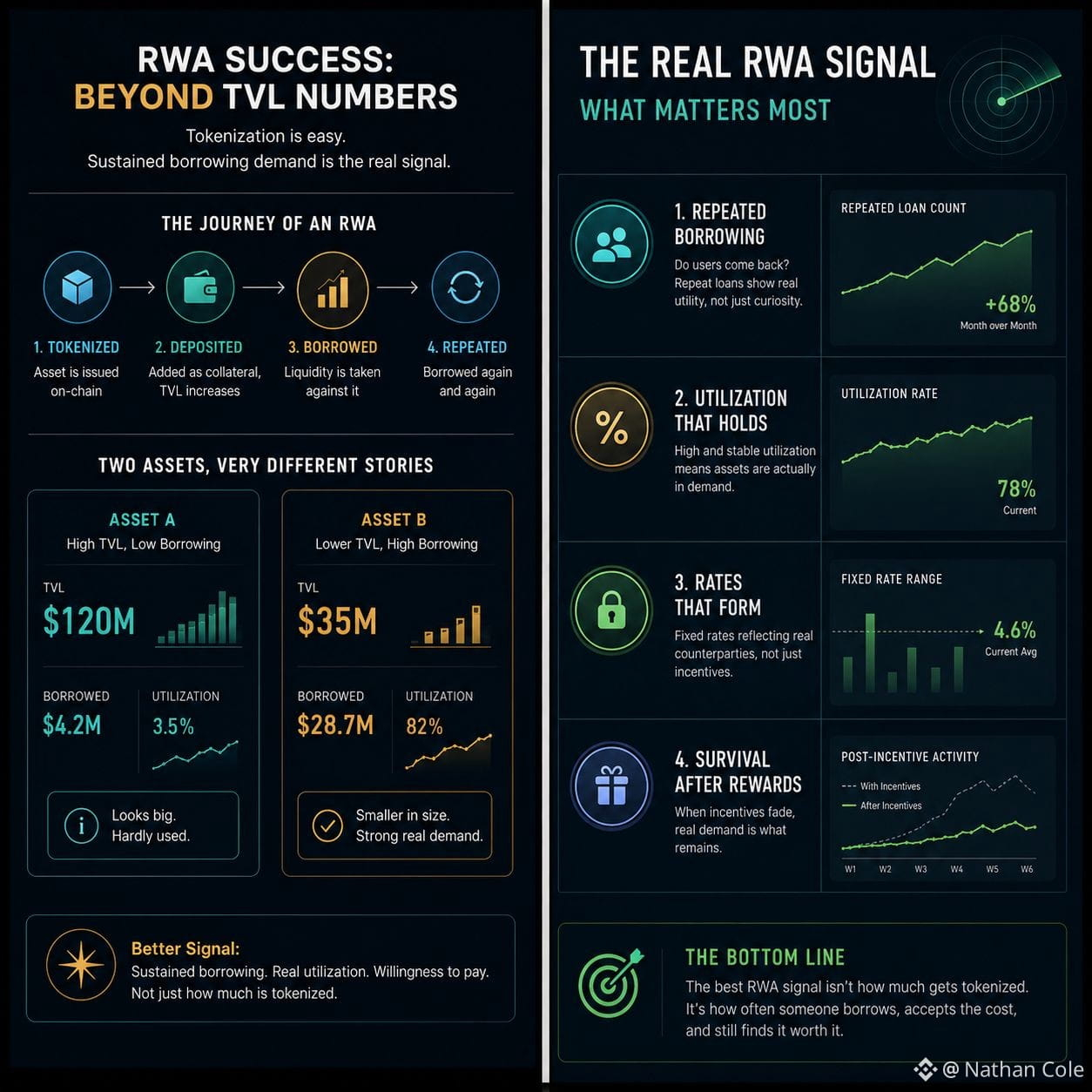
أستمر في ملاحظة مدى سرعة اعتبار العملات المشفرة لاتفاقية RWA “ناجحة” بمجرد أن يتم تحويلها إلى رموز (tokenized)، وإيداعها في مكان ما، ثم البدء في الزيادة على TVL. لقد رأيت ذلك من قبل. تظهر أرقام كبيرة على لوحة معلومات، ويتعامل الجميع معها كدليل، ثم لاحقًا تكتشف أن عددًا قليلاً جدًا من الأشخاص كان في الواقع بحاجة إلى الأصل.
لهذا السبب أنا أراقب جانب الاقتراض مع TermMax. يمكن للأسهم والسلع وغيرها من أصول RWA المحوّلة إلى رموز أن تجلس هناك كضمان، لكن الجزء المثير يبدأ عندما يرغب شخص ما فعليًا في السيولة بدرجة كافية للاقتراض مقابلها بتكلفة ثابتة.
يقول الإيداع، بشكل أساسي: “أنا على استعداد للاحتفاظ بهذا.” أما القرض المتكرر فيقول شيئًا أقرب إلى: “أجد أنه مفيد بما يكفي لوضع رأس المال للعمل من خلاله.”
قد يجذب أصل واحد إيداعات ضخمة ولا يولّد إلا طلبًا بسيطًا على الاقتراض. وقد يمتلك أصل آخر TVL أصغر بكثير لكنه يستمر في توليد قروض بمعدلات تكون الأطراف المقابلة الحقيقية على استعداد لتقبلها. وبالنسبة لي، فهذا يقول الكثير أكثر عن “الجدوى الاقتصادية” الفعلية مقارنةً بلقطة شاشة أخرى لـ TVL.
كما أن الحوافز تجعل القراءة أصعب. إذا كان الناس يُدفع لهم للاقتراض، فقد تبدو الأنشطة صحية حتى عندما لا تكون الحاجة الأساسية موجودة فعليًا.
لذا سأراقب ما يبقى بعد زوال المكافآت. هل تستمر الأصول نفسها في الاقتراض؟ هل يحافظ معدل الاستخدام على مستواه؟ وهل تتكوّن المعدلات الثابتة لا تزال عندما لا تكون الحوافز هي التي تقوم بالأثقال؟
ربما تكون إشارة RWA الأفضل ليست مقدار ما يتم تحويله إلى رموز. ربما هي مدى تكرار عودة شخص ما، وقبوله تكلفة الاقتراض، وما زال يعتقد أن هذا الأصل يستحق استخدامه كضمان.
#termmax @TermMax
أستمر في ملاحظة مدى سرعة اعتبار العملات المشفرة لاتفاقية RWA “ناجحة” بمجرد أن يتم تحويلها إلى رموز (tokenized)، وإيداعها في مكان ما، ثم البدء في الزيادة على TVL. لقد رأيت ذلك من قبل. تظهر أرقام كبيرة على لوحة معلومات، ويتعامل الجميع معها كدليل، ثم لاحقًا تكتشف أن عددًا قليلاً جدًا من الأشخاص كان في الواقع بحاجة إلى الأصل.
لهذا السبب أنا أراقب جانب الاقتراض مع TermMax. يمكن للأسهم والسلع وغيرها من أصول RWA المحوّلة إلى رموز أن تجلس هناك كضمان، لكن الجزء المثير يبدأ عندما يرغب شخص ما فعليًا في السيولة بدرجة كافية للاقتراض مقابلها بتكلفة ثابتة.
يقول الإيداع، بشكل أساسي: “أنا على استعداد للاحتفاظ بهذا.” أما القرض المتكرر فيقول شيئًا أقرب إلى: “أجد أنه مفيد بما يكفي لوضع رأس المال للعمل من خلاله.”
قد يجذب أصل واحد إيداعات ضخمة ولا يولّد إلا طلبًا بسيطًا على الاقتراض. وقد يمتلك أصل آخر TVL أصغر بكثير لكنه يستمر في توليد قروض بمعدلات تكون الأطراف المقابلة الحقيقية على استعداد لتقبلها. وبالنسبة لي، فهذا يقول الكثير أكثر عن “الجدوى الاقتصادية” الفعلية مقارنةً بلقطة شاشة أخرى لـ TVL.
كما أن الحوافز تجعل القراءة أصعب. إذا كان الناس يُدفع لهم للاقتراض، فقد تبدو الأنشطة صحية حتى عندما لا تكون الحاجة الأساسية موجودة فعليًا.
لذا سأراقب ما يبقى بعد زوال المكافآت. هل تستمر الأصول نفسها في الاقتراض؟ هل يحافظ معدل الاستخدام على مستواه؟ وهل تتكوّن المعدلات الثابتة لا تزال عندما لا تكون الحوافز هي التي تقوم بالأثقال؟
ربما تكون إشارة RWA الأفضل ليست مقدار ما يتم تحويله إلى رموز. ربما هي مدى تكرار عودة شخص ما، وقبوله تكلفة الاقتراض، وما زال يعتقد أن هذا الأصل يستحق استخدامه كضمان.
أستمر في ملاحظة مدى سرعة اعتبار العملات المشفرة لاتفاقية RWA “ناجحة” بمجرد أن يتم تحويلها إلى رموز (tokenized)، وإيداعها في مكان ما، ثم البدء في الزيادة على TVL. لقد رأيت ذلك من قبل. تظهر أرقام كبيرة على لوحة معلومات، ويتعامل الجميع معها كدليل، ثم لاحقًا تكتشف أن عددًا قليلاً جدًا من الأشخاص كان في الواقع بحاجة إلى الأصل.
لهذا السبب أنا أراقب جانب الاقتراض مع TermMax. يمكن للأسهم والسلع وغيرها من أصول RWA المحوّلة إلى رموز أن تجلس هناك كضمان، لكن الجزء المثير يبدأ عندما يرغب شخص ما فعليًا في السيولة بدرجة كافية للاقتراض مقابلها بتكلفة ثابتة.
يقول الإيداع، بشكل أساسي: “أنا على استعداد للاحتفاظ بهذا.” أما القرض المتكرر فيقول شيئًا أقرب إلى: “أجد أنه مفيد بما يكفي لوضع رأس المال للعمل من خلاله.”
قد يجذب أصل واحد إيداعات ضخمة ولا يولّد إلا طلبًا بسيطًا على الاقتراض. وقد يمتلك أصل آخر TVL أصغر بكثير لكنه يستمر في توليد قروض بمعدلات تكون الأطراف المقابلة الحقيقية على استعداد لتقبلها. وبالنسبة لي، فهذا يقول الكثير أكثر عن “الجدوى الاقتصادية” الفعلية مقارنةً بلقطة شاشة أخرى لـ TVL.
كما أن الحوافز تجعل القراءة أصعب. إذا كان الناس يُدفع لهم للاقتراض، فقد تبدو الأنشطة صحية حتى عندما لا تكون الحاجة الأساسية موجودة فعليًا.
لذا سأراقب ما يبقى بعد زوال المكافآت. هل تستمر الأصول نفسها في الاقتراض؟ هل يحافظ معدل الاستخدام على مستواه؟ وهل تتكوّن المعدلات الثابتة لا تزال عندما لا تكون الحوافز هي التي تقوم بالأثقال؟
ربما تكون إشارة RWA الأفضل ليست مقدار ما يتم تحويله إلى رموز. ربما هي مدى تكرار عودة شخص ما، وقبوله تكلفة الاقتراض، وما زال يعتقد أن هذا الأصل يستحق استخدامه كضمان.
2
1.2k
·
--
صاعد
#termmax @termmax
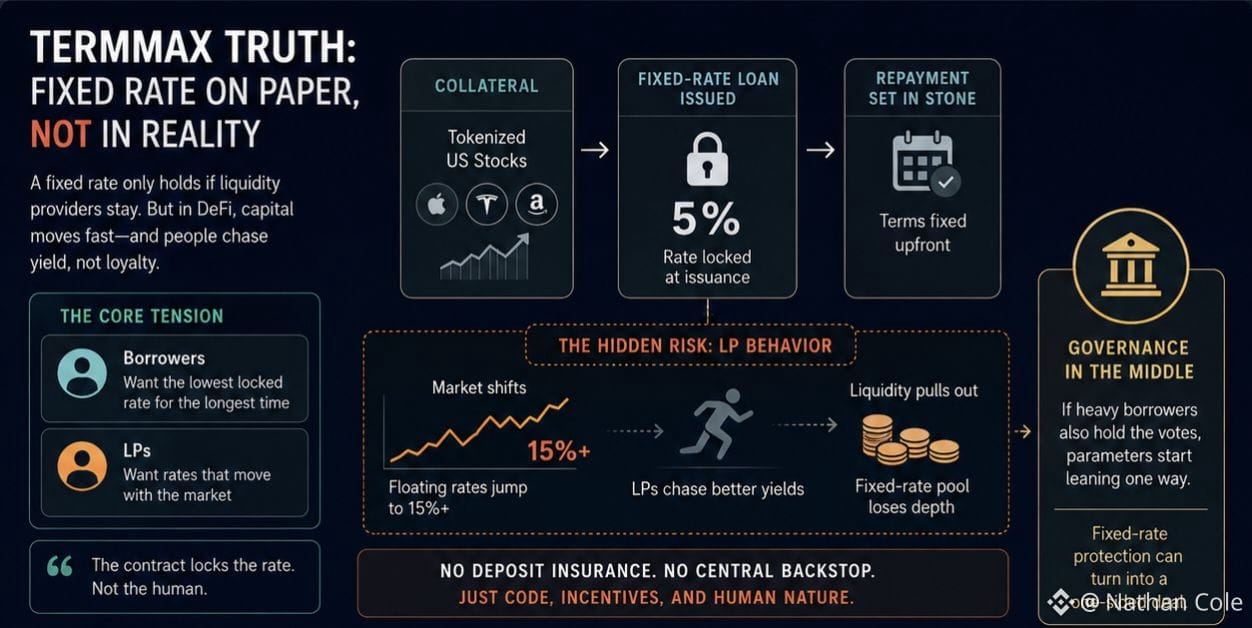
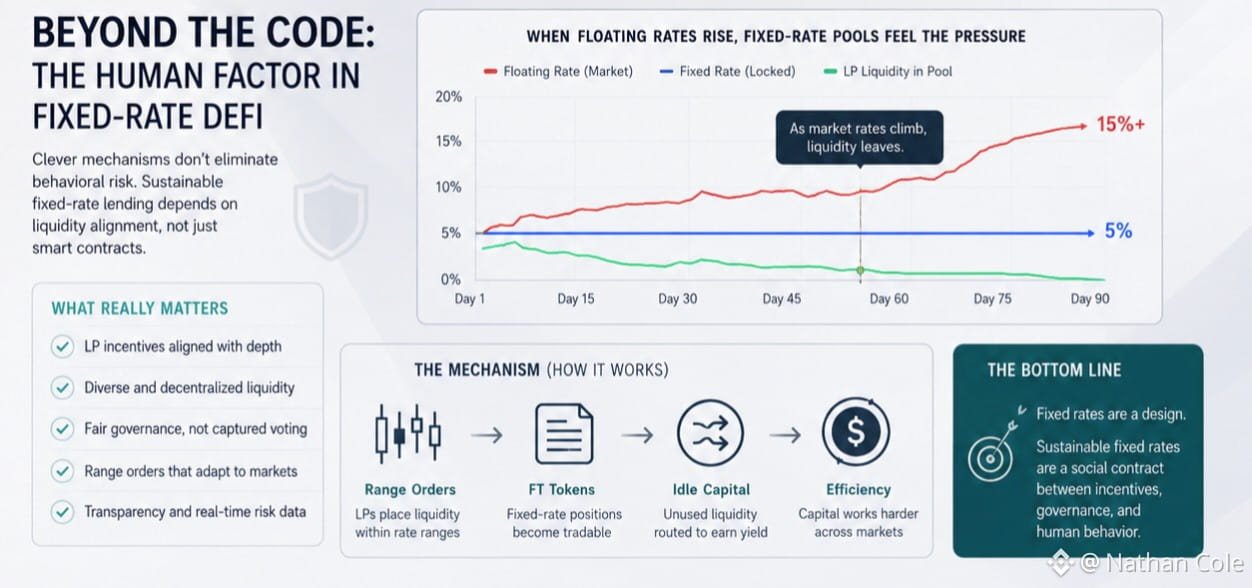
لقد كنت أتحدّق في ذلك الجزء من وثائق TermMax مرة أخرى الليلة. أنت تقوم برهن أسهم أمريكية مُرقمنة (tokenized US stocks)، وتُقفل قرضًا بسعر فائدة ثابت 5% بمجرد إصداره، وتكون سداداته محددة مسبقًا كأنها حقيقة لا تقبل النقاش. يبدو الأمر نظيفًا على الورق. لكن ذلك “الثابت” لا يبقى ثابتًا إلا إذا كان الطرف الآخر مستعدًا فعلًا للجلوس مكتوف الأيدي عند ذلك السعر.
لقد رأيت هذا الفيلم من قبل. المستثمرون (LPs) في التمويل اللامركزي (DeFi) لا يظلون في مكانهم. أموالهم دائمًا تلتقط أي فرصة لرقم أفضل. عندما ترتفع طلبات الاقتراض وتتضاعف الفوائد العائمة إلى 15%، يبدأ من عُلق على 5% في حساب مدى سرعة سحب سيولته. العقد يُقفل السعر، وليس الإنسان. لا يوجد تأمين على الودائع، ولا يوجد دعم من بنك مركزي—فقط عقد ذكي ورجاء هادئ بأن يتصرف الناس كما يتصرفون كمودعين في البنوك بدلًا من كونهم فعليًا “صائدين للعائد”.
الحوكمة تقع بالضبط في قلب هذا التوتر. المقترضون يريدون أقل سعر مقفل لأطول فترة ممكنة. وLPs يريدون أن تتحرك المنحنيات عندما يتحرك السوق. إذا كانت نفس المحافظ التي تقوم بمعظم الاقتراض تمتلك أيضًا الأصوات، فإن المعاملات تبدأ في الميل باتجاه واحد. توقف سعر الفائدة الثابت عن الشعور كحماية ويبدأ بالظهور كصفقة منحازة لطرف واحد.
والآلية نفسها ذكية—أوامر النطاق، وتوكنات FT، ورأس المال غير المستخدم يُوجَّه خارجًا إلى بروتوكولات عائمة. لقد شاهدت عددًا كافيًا من الدورات لأعرف أن التصميم الذكي لا يترجم تلقائيًا إلى تسعير صحيح لِما إذا كان الناس داخل النظام يتصرفون فعلًا كما ينبغي. الوثائق تكتب سعر الفائدة الثابت وكأنه أمر محسوم مسبقًا. وما زلت غير متأكد من أن جانب السيولة قد وافق بالكامل بعد.
#termmax @TermMax
لقد كنت أتحدّق في ذلك الجزء من وثائق TermMax مرة أخرى الليلة. أنت تقوم برهن أسهم أمريكية مُرقمنة (tokenized US stocks)، وتُقفل قرضًا بسعر فائدة ثابت 5% بمجرد إصداره، وتكون سداداته محددة مسبقًا كأنها حقيقة لا تقبل النقاش. يبدو الأمر نظيفًا على الورق. لكن ذلك “الثابت” لا يبقى ثابتًا إلا إذا كان الطرف الآخر مستعدًا فعلًا للجلوس مكتوف الأيدي عند ذلك السعر.
لقد رأيت هذا الفيلم من قبل. المستثمرون (LPs) في التمويل اللامركزي (DeFi) لا يظلون في مكانهم. أموالهم دائمًا تلتقط أي فرصة لرقم أفضل. عندما ترتفع طلبات الاقتراض وتتضاعف الفوائد العائمة إلى 15%، يبدأ من عُلق على 5% في حساب مدى سرعة سحب سيولته. العقد يُقفل السعر، وليس الإنسان. لا يوجد تأمين على الودائع، ولا يوجد دعم من بنك مركزي—فقط عقد ذكي ورجاء هادئ بأن يتصرف الناس كما يتصرفون كمودعين في البنوك بدلًا من كونهم فعليًا “صائدين للعائد”.
الحوكمة تقع بالضبط في قلب هذا التوتر. المقترضون يريدون أقل سعر مقفل لأطول فترة ممكنة. وLPs يريدون أن تتحرك المنحنيات عندما يتحرك السوق. إذا كانت نفس المحافظ التي تقوم بمعظم الاقتراض تمتلك أيضًا الأصوات، فإن المعاملات تبدأ في الميل باتجاه واحد. توقف سعر الفائدة الثابت عن الشعور كحماية ويبدأ بالظهور كصفقة منحازة لطرف واحد.
والآلية نفسها ذكية—أوامر النطاق، وتوكنات FT، ورأس المال غير المستخدم يُوجَّه خارجًا إلى بروتوكولات عائمة. لقد شاهدت عددًا كافيًا من الدورات لأعرف أن التصميم الذكي لا يترجم تلقائيًا إلى تسعير صحيح لِما إذا كان الناس داخل النظام يتصرفون فعلًا كما ينبغي. الوثائق تكتب سعر الفائدة الثابت وكأنه أمر محسوم مسبقًا. وما زلت غير متأكد من أن جانب السيولة قد وافق بالكامل بعد.
لقد كنت أتحدّق في ذلك الجزء من وثائق TermMax مرة أخرى الليلة. أنت تقوم برهن أسهم أمريكية مُرقمنة (tokenized US stocks)، وتُقفل قرضًا بسعر فائدة ثابت 5% بمجرد إصداره، وتكون سداداته محددة مسبقًا كأنها حقيقة لا تقبل النقاش. يبدو الأمر نظيفًا على الورق. لكن ذلك “الثابت” لا يبقى ثابتًا إلا إذا كان الطرف الآخر مستعدًا فعلًا للجلوس مكتوف الأيدي عند ذلك السعر.
لقد رأيت هذا الفيلم من قبل. المستثمرون (LPs) في التمويل اللامركزي (DeFi) لا يظلون في مكانهم. أموالهم دائمًا تلتقط أي فرصة لرقم أفضل. عندما ترتفع طلبات الاقتراض وتتضاعف الفوائد العائمة إلى 15%، يبدأ من عُلق على 5% في حساب مدى سرعة سحب سيولته. العقد يُقفل السعر، وليس الإنسان. لا يوجد تأمين على الودائع، ولا يوجد دعم من بنك مركزي—فقط عقد ذكي ورجاء هادئ بأن يتصرف الناس كما يتصرفون كمودعين في البنوك بدلًا من كونهم فعليًا “صائدين للعائد”.
الحوكمة تقع بالضبط في قلب هذا التوتر. المقترضون يريدون أقل سعر مقفل لأطول فترة ممكنة. وLPs يريدون أن تتحرك المنحنيات عندما يتحرك السوق. إذا كانت نفس المحافظ التي تقوم بمعظم الاقتراض تمتلك أيضًا الأصوات، فإن المعاملات تبدأ في الميل باتجاه واحد. توقف سعر الفائدة الثابت عن الشعور كحماية ويبدأ بالظهور كصفقة منحازة لطرف واحد.
والآلية نفسها ذكية—أوامر النطاق، وتوكنات FT، ورأس المال غير المستخدم يُوجَّه خارجًا إلى بروتوكولات عائمة. لقد شاهدت عددًا كافيًا من الدورات لأعرف أن التصميم الذكي لا يترجم تلقائيًا إلى تسعير صحيح لِما إذا كان الناس داخل النظام يتصرفون فعلًا كما ينبغي. الوثائق تكتب سعر الفائدة الثابت وكأنه أمر محسوم مسبقًا. وما زلت غير متأكد من أن جانب السيولة قد وافق بالكامل بعد.
2
1.7k
·
--
صاعد
#dusk $DUSK @Dusk_Foundation
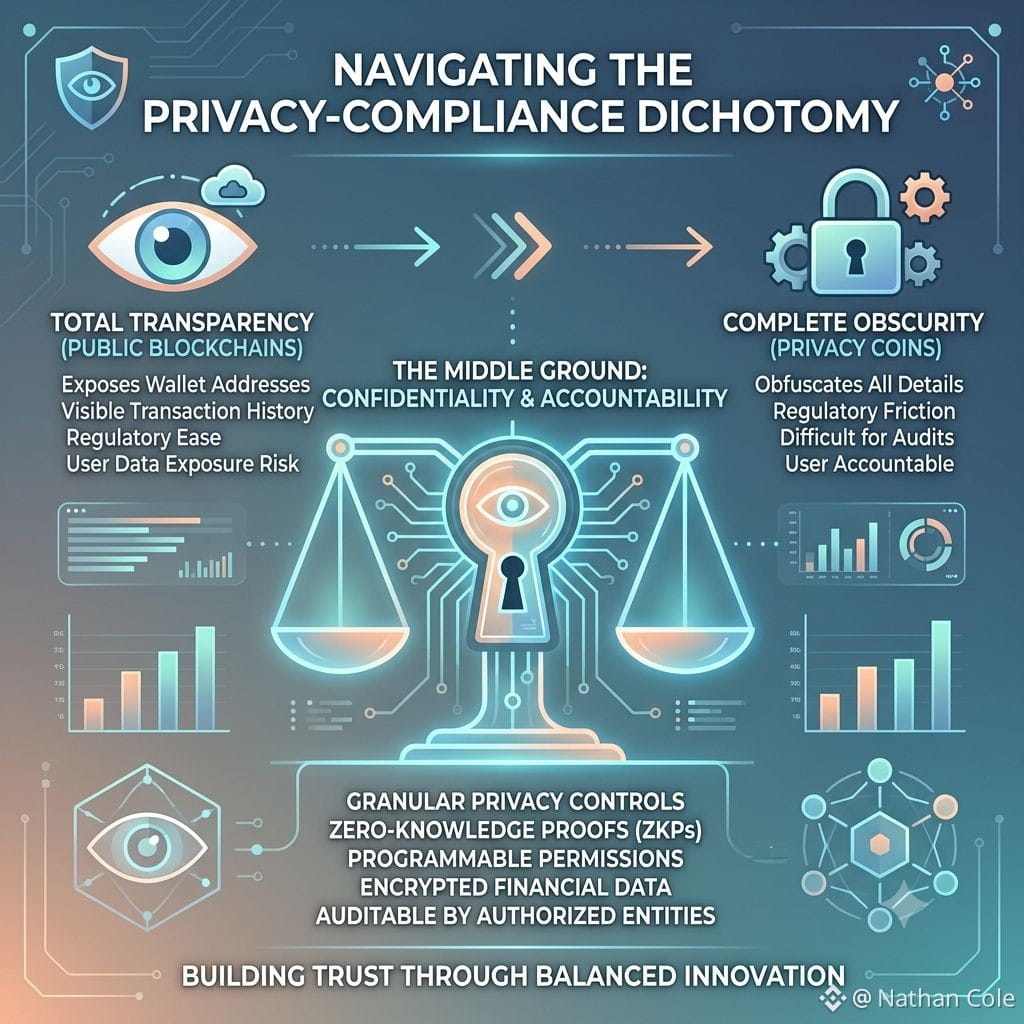
شبكة Dusk والمعنى الحقيقي للخصوصية بالنسبة إلى سلاسل الكتل المالية
لطالما كنتُ في عالم الكريبتو بما يكفي لسماع كلمة “الخصوصية” ملتصقة تقريبًا بكل شيء. في معظم الأحيان تبدو الكلمة جيدة، إلى أن تبدأ في طرح سؤال: ماذا تعني الخصوصية فعلًا عندما تكون هناك أنشطة مالية حقيقية؟
بصراحة، لا أعتقد أن الناس يريدون إخفاء كل شيء بالكامل.
قد ترغب شركةٌ في إبعاد معاملاتها عن الأنظار العامة، بينما يحتاج المنظّمون إلى التحقق من شيء ما. قد يرغب المستخدم في إبقاء التفاصيل المالية خاصة، لكنه في الوقت نفسه يحتاج إلى طريقة لإثبات الملكية أو الشرعية. هذا “المنطقة الوسطى” هي ما يجعل الأمور معقّدة.
وهذا ما يجعل شبكة Dusk مثيرة للاهتمام بالنسبة إليّ. إن تركيزها على التطبيقات المالية، والعقود الذكية السرّية، ومعيار XSC، يبدو مرتبطًا بمشكلة أكثر عملية بكثير من السردية المعتادة عن خصوصية الكريبتو.
لكنني ما زلتُ حذرًا.
رأيتُ كثيرًا من المشاريع تبدو مبهرة على الورق، ثم تواجه صعوبات عندما تصطدم بالمستخدمين الفعليين، واللوائح، والسيولة، وكل الأشياء المملة التي لا يتحدث عنها أحد أثناء الإطلاق.
الخصوصية وحدها ليست كافية. إذا جعلت خصوصية المعلومات الاحتكاك كبيرًا جدًا، فلن يستخدمها الناس. وإذا كان كل شيء شفافًا بالكامل، تصبح الأنشطة المالية غير مريحة، وأحيانًا حتى خطرة. يجب أن يكون هناك توازن.
لستُ متأكدًا بعد ما إذا كانت شبكة Dusk قد وجدت هذا التوازن. ربما تكون قد فعلت ذلك، وربما لم تفعل.
لكن ما أجده مثيرًا للاهتمام هو السؤال الكامن وراء ذلك: هل يمكن للأنظمة المالية أن تمنح الناس سرّية حقيقية دون التخلي تمامًا عن المساءلة؟
يبدو هذا تحديًا أصعب بكثير من مجرد بناء سلسلة بلوكتشين أخرى.
{spot}(DUSKUSDT)
#dusk $DUSK @Dusk
شبكة Dusk والمعنى الحقيقي للخصوصية بالنسبة إلى سلاسل الكتل المالية
لطالما كنتُ في عالم الكريبتو بما يكفي لسماع كلمة “الخصوصية” ملتصقة تقريبًا بكل شيء. في معظم الأحيان تبدو الكلمة جيدة، إلى أن تبدأ في طرح سؤال: ماذا تعني الخصوصية فعلًا عندما تكون هناك أنشطة مالية حقيقية؟
بصراحة، لا أعتقد أن الناس يريدون إخفاء كل شيء بالكامل.
قد ترغب شركةٌ في إبعاد معاملاتها عن الأنظار العامة، بينما يحتاج المنظّمون إلى التحقق من شيء ما. قد يرغب المستخدم في إبقاء التفاصيل المالية خاصة، لكنه في الوقت نفسه يحتاج إلى طريقة لإثبات الملكية أو الشرعية. هذا “المنطقة الوسطى” هي ما يجعل الأمور معقّدة.
وهذا ما يجعل شبكة Dusk مثيرة للاهتمام بالنسبة إليّ. إن تركيزها على التطبيقات المالية، والعقود الذكية السرّية، ومعيار XSC، يبدو مرتبطًا بمشكلة أكثر عملية بكثير من السردية المعتادة عن خصوصية الكريبتو.
لكنني ما زلتُ حذرًا.
رأيتُ كثيرًا من المشاريع تبدو مبهرة على الورق، ثم تواجه صعوبات عندما تصطدم بالمستخدمين الفعليين، واللوائح، والسيولة، وكل الأشياء المملة التي لا يتحدث عنها أحد أثناء الإطلاق.
الخصوصية وحدها ليست كافية. إذا جعلت خصوصية المعلومات الاحتكاك كبيرًا جدًا، فلن يستخدمها الناس. وإذا كان كل شيء شفافًا بالكامل، تصبح الأنشطة المالية غير مريحة، وأحيانًا حتى خطرة. يجب أن يكون هناك توازن.
لستُ متأكدًا بعد ما إذا كانت شبكة Dusk قد وجدت هذا التوازن. ربما تكون قد فعلت ذلك، وربما لم تفعل.
لكن ما أجده مثيرًا للاهتمام هو السؤال الكامن وراء ذلك: هل يمكن للأنظمة المالية أن تمنح الناس سرّية حقيقية دون التخلي تمامًا عن المساءلة؟
يبدو هذا تحديًا أصعب بكثير من مجرد بناء سلسلة بلوكتشين أخرى.
شبكة Dusk والمعنى الحقيقي للخصوصية بالنسبة إلى سلاسل الكتل المالية
لطالما كنتُ في عالم الكريبتو بما يكفي لسماع كلمة “الخصوصية” ملتصقة تقريبًا بكل شيء. في معظم الأحيان تبدو الكلمة جيدة، إلى أن تبدأ في طرح سؤال: ماذا تعني الخصوصية فعلًا عندما تكون هناك أنشطة مالية حقيقية؟
بصراحة، لا أعتقد أن الناس يريدون إخفاء كل شيء بالكامل.
قد ترغب شركةٌ في إبعاد معاملاتها عن الأنظار العامة، بينما يحتاج المنظّمون إلى التحقق من شيء ما. قد يرغب المستخدم في إبقاء التفاصيل المالية خاصة، لكنه في الوقت نفسه يحتاج إلى طريقة لإثبات الملكية أو الشرعية. هذا “المنطقة الوسطى” هي ما يجعل الأمور معقّدة.
وهذا ما يجعل شبكة Dusk مثيرة للاهتمام بالنسبة إليّ. إن تركيزها على التطبيقات المالية، والعقود الذكية السرّية، ومعيار XSC، يبدو مرتبطًا بمشكلة أكثر عملية بكثير من السردية المعتادة عن خصوصية الكريبتو.
لكنني ما زلتُ حذرًا.
رأيتُ كثيرًا من المشاريع تبدو مبهرة على الورق، ثم تواجه صعوبات عندما تصطدم بالمستخدمين الفعليين، واللوائح، والسيولة، وكل الأشياء المملة التي لا يتحدث عنها أحد أثناء الإطلاق.
الخصوصية وحدها ليست كافية. إذا جعلت خصوصية المعلومات الاحتكاك كبيرًا جدًا، فلن يستخدمها الناس. وإذا كان كل شيء شفافًا بالكامل، تصبح الأنشطة المالية غير مريحة، وأحيانًا حتى خطرة. يجب أن يكون هناك توازن.
لستُ متأكدًا بعد ما إذا كانت شبكة Dusk قد وجدت هذا التوازن. ربما تكون قد فعلت ذلك، وربما لم تفعل.
لكن ما أجده مثيرًا للاهتمام هو السؤال الكامن وراء ذلك: هل يمكن للأنظمة المالية أن تمنح الناس سرّية حقيقية دون التخلي تمامًا عن المساءلة؟
يبدو هذا تحديًا أصعب بكثير من مجرد بناء سلسلة بلوكتشين أخرى.
2
4
1.9k
·
--
صاعد
#termmax @termmax
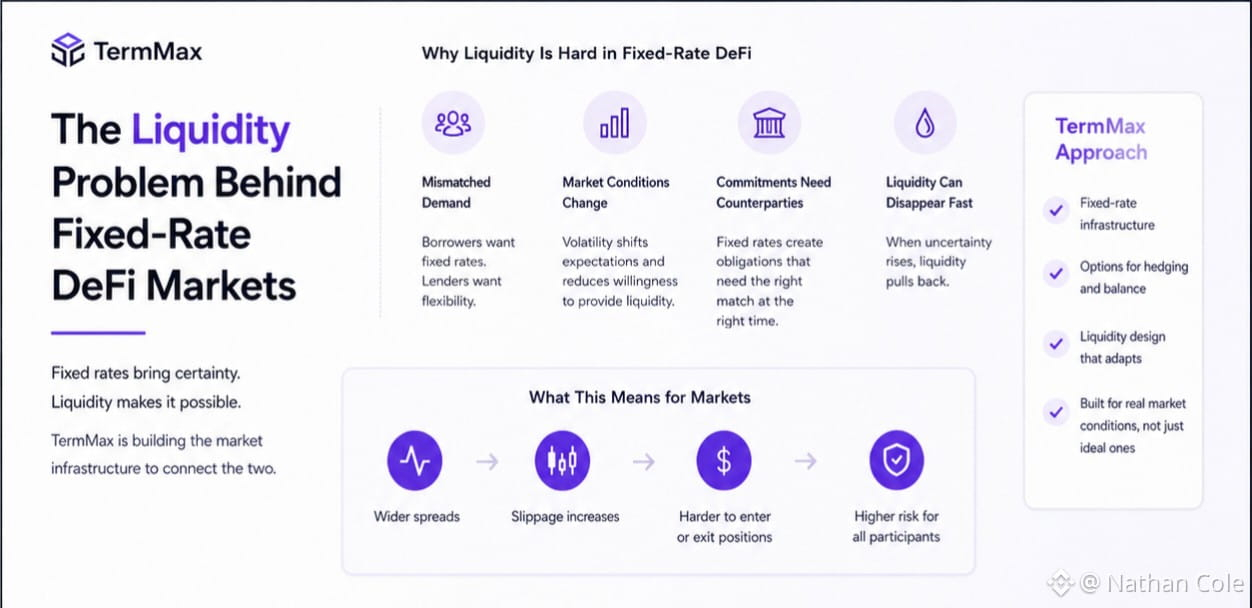
TermMax ومشكلة السيولة وراء أسواق DeFi ذات السعر الثابت
كنت في عالم الكريبتو مدة كافية لأعرف أن الفكرة التي تبدو رائعة قد تشعر بأنها مختلفة تمامًا بمجرد أن يبدأ الناس فعلًا باستخدامها.
يبدو DeFi بسعر ثابت رائعًا بالنسبة لي من الناحية النظرية. أنت تعرف ما الذي تدفعه، وتعرف ما الذي تكسبه، ولا يتعين عليك الاستيقاظ والقلق بشأن انتقال سعر الإقراض بين ليلة وضحاها. لكن عندما أفكر في السيولة، تصبح القصة برمتها أقل بساطة.
وهذا الجزء من TermMax هو ما أظل أفكر فيه.
الأمر شيء هو بناء بروتوكول للاقتراض والإقراض والخيارات بسعر ثابت. والأمر شيء آخر هو الحفاظ على سيولة تلك الأسواق حين لا يكون الجميع يبحثون عن الشيء نفسه في الوقت نفسه.
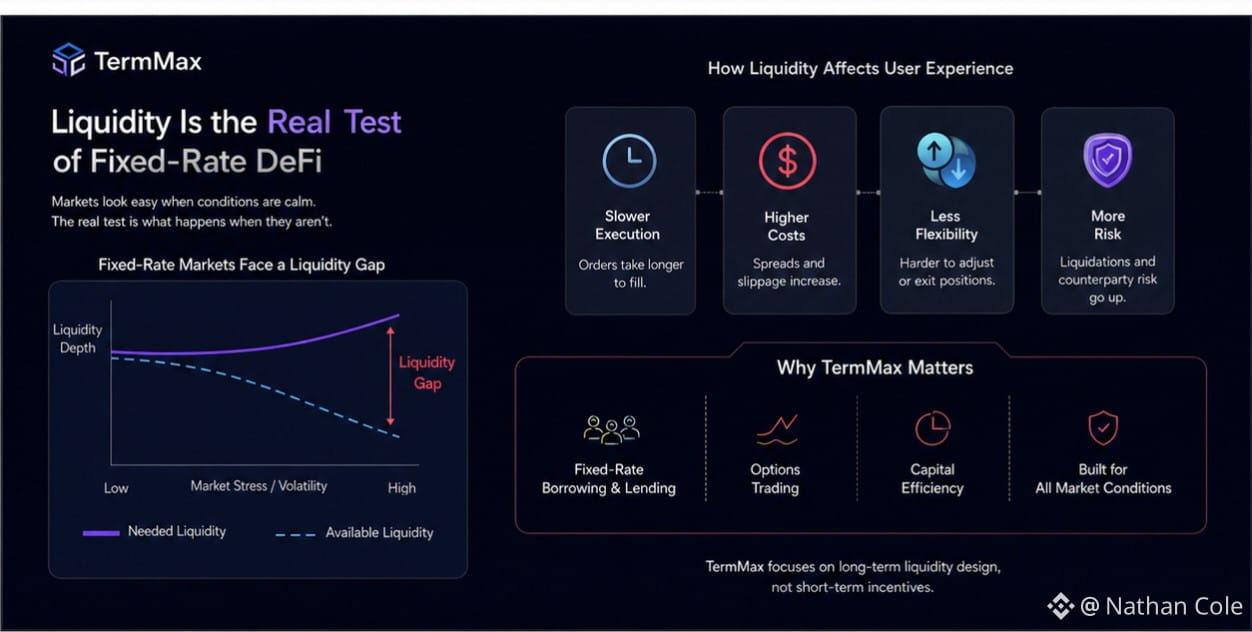
لقد رأيت هذا النمط كثيرًا. عندما تكون الأسواق هادئة، تبدو السيولة سليمة. الجميع مرتاح. لا تبدو الفروقات السعرية مؤلمة. ثم تظهر التقلبات، ويتغير المزاج، وفجأة تكتشف أن السيولة التي بدت دائمة كانت مشروطة للغاية.
هذه هي ترددي تجاه أسواق السعر الثابت عمومًا. اليقين مفيد، لكن ما يزال على شخص ما أن يقدم الطرف الآخر من هذا اليقين. فإذا أراد المقترضون معدلات ثابتة طويلة الأجل بينما يريد المُقرضون المرونة، فإن الفجوة بين تفضيلاتهما لا تختفي لمجرد أن عقدًا ذكيًا يتولى التسوية.
لست أقول إن TermMax لا يمكنه حل جزء من هذه المشكلة. أنا فقط غير مقتنع بعد.
بالنسبة لي، السؤال المثير للاهتمام ليس ما إذا كان DeFi بسعر ثابت يعمل عندما تسير الأمور على ما يرام. ففي تلك الحالة تبدو تقريبًا أي فكرة جيدة.
أريد أن أرى ماذا يحدث عندما تصبح السيولة رقيقة، وتتصاعد التقلبات، ويغادر الجميع فجأة في اللحظة نفسها.
وهذا عادةً هو المكان الذي يبدأ فيه التصميم الحقيقي في الظهور.
#termmax @TermMax
TermMax ومشكلة السيولة وراء أسواق DeFi ذات السعر الثابت
كنت في عالم الكريبتو مدة كافية لأعرف أن الفكرة التي تبدو رائعة قد تشعر بأنها مختلفة تمامًا بمجرد أن يبدأ الناس فعلًا باستخدامها.
يبدو DeFi بسعر ثابت رائعًا بالنسبة لي من الناحية النظرية. أنت تعرف ما الذي تدفعه، وتعرف ما الذي تكسبه، ولا يتعين عليك الاستيقاظ والقلق بشأن انتقال سعر الإقراض بين ليلة وضحاها. لكن عندما أفكر في السيولة، تصبح القصة برمتها أقل بساطة.
وهذا الجزء من TermMax هو ما أظل أفكر فيه.
الأمر شيء هو بناء بروتوكول للاقتراض والإقراض والخيارات بسعر ثابت. والأمر شيء آخر هو الحفاظ على سيولة تلك الأسواق حين لا يكون الجميع يبحثون عن الشيء نفسه في الوقت نفسه.
لقد رأيت هذا النمط كثيرًا. عندما تكون الأسواق هادئة، تبدو السيولة سليمة. الجميع مرتاح. لا تبدو الفروقات السعرية مؤلمة. ثم تظهر التقلبات، ويتغير المزاج، وفجأة تكتشف أن السيولة التي بدت دائمة كانت مشروطة للغاية.
هذه هي ترددي تجاه أسواق السعر الثابت عمومًا. اليقين مفيد، لكن ما يزال على شخص ما أن يقدم الطرف الآخر من هذا اليقين. فإذا أراد المقترضون معدلات ثابتة طويلة الأجل بينما يريد المُقرضون المرونة، فإن الفجوة بين تفضيلاتهما لا تختفي لمجرد أن عقدًا ذكيًا يتولى التسوية.
لست أقول إن TermMax لا يمكنه حل جزء من هذه المشكلة. أنا فقط غير مقتنع بعد.
بالنسبة لي، السؤال المثير للاهتمام ليس ما إذا كان DeFi بسعر ثابت يعمل عندما تسير الأمور على ما يرام. ففي تلك الحالة تبدو تقريبًا أي فكرة جيدة.
أريد أن أرى ماذا يحدث عندما تصبح السيولة رقيقة، وتتصاعد التقلبات، ويغادر الجميع فجأة في اللحظة نفسها.
وهذا عادةً هو المكان الذي يبدأ فيه التصميم الحقيقي في الظهور.
TermMax ومشكلة السيولة وراء أسواق DeFi ذات السعر الثابت
كنت في عالم الكريبتو مدة كافية لأعرف أن الفكرة التي تبدو رائعة قد تشعر بأنها مختلفة تمامًا بمجرد أن يبدأ الناس فعلًا باستخدامها.
يبدو DeFi بسعر ثابت رائعًا بالنسبة لي من الناحية النظرية. أنت تعرف ما الذي تدفعه، وتعرف ما الذي تكسبه، ولا يتعين عليك الاستيقاظ والقلق بشأن انتقال سعر الإقراض بين ليلة وضحاها. لكن عندما أفكر في السيولة، تصبح القصة برمتها أقل بساطة.
وهذا الجزء من TermMax هو ما أظل أفكر فيه.
الأمر شيء هو بناء بروتوكول للاقتراض والإقراض والخيارات بسعر ثابت. والأمر شيء آخر هو الحفاظ على سيولة تلك الأسواق حين لا يكون الجميع يبحثون عن الشيء نفسه في الوقت نفسه.
لقد رأيت هذا النمط كثيرًا. عندما تكون الأسواق هادئة، تبدو السيولة سليمة. الجميع مرتاح. لا تبدو الفروقات السعرية مؤلمة. ثم تظهر التقلبات، ويتغير المزاج، وفجأة تكتشف أن السيولة التي بدت دائمة كانت مشروطة للغاية.
هذه هي ترددي تجاه أسواق السعر الثابت عمومًا. اليقين مفيد، لكن ما يزال على شخص ما أن يقدم الطرف الآخر من هذا اليقين. فإذا أراد المقترضون معدلات ثابتة طويلة الأجل بينما يريد المُقرضون المرونة، فإن الفجوة بين تفضيلاتهما لا تختفي لمجرد أن عقدًا ذكيًا يتولى التسوية.
لست أقول إن TermMax لا يمكنه حل جزء من هذه المشكلة. أنا فقط غير مقتنع بعد.
بالنسبة لي، السؤال المثير للاهتمام ليس ما إذا كان DeFi بسعر ثابت يعمل عندما تسير الأمور على ما يرام. ففي تلك الحالة تبدو تقريبًا أي فكرة جيدة.
أريد أن أرى ماذا يحدث عندما تصبح السيولة رقيقة، وتتصاعد التقلبات، ويغادر الجميع فجأة في اللحظة نفسها.
وهذا عادةً هو المكان الذي يبدأ فيه التصميم الحقيقي في الظهور.
9
6
1.6k
·
--
صاعد
#termmax @termmax
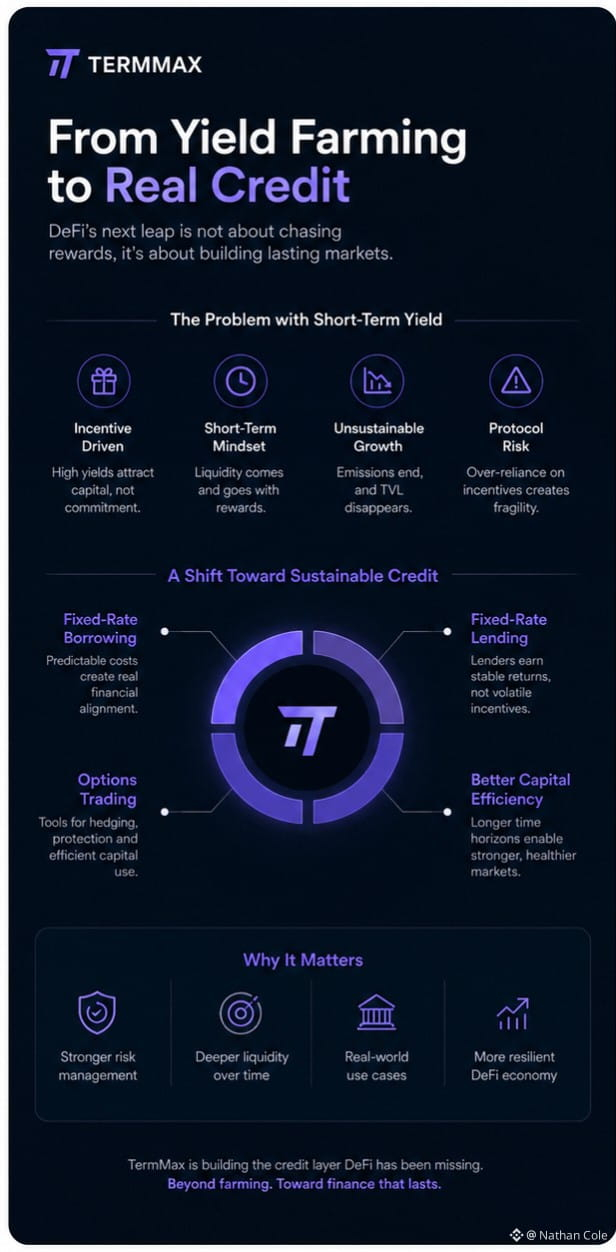
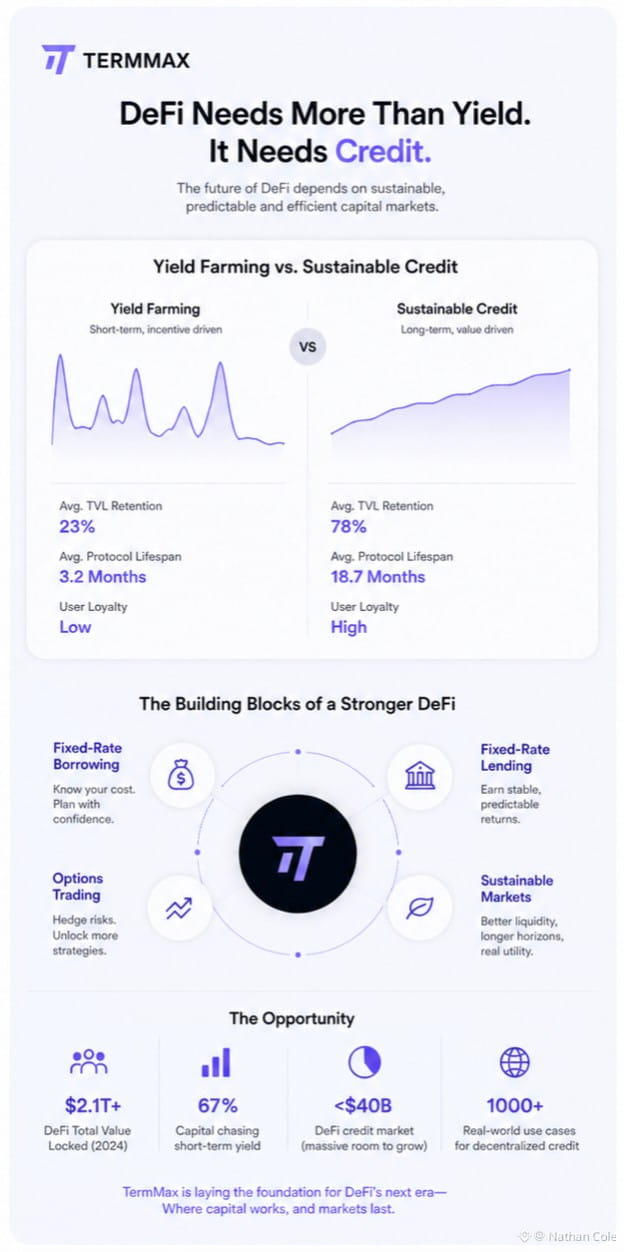
لقد عشت في عالم التمويل اللامركزي (DeFi) مدة كافية لأتعب قليلًا كلما بدأ شخص ما الحديث عن "العائد المستدام".
لقد سمعنا هذه القصة من قبل. يتم افتتاح مزرعة جديدة، تبدو الأرقام مذهلة، يحدث اندفاع سيولة، يشعر الجميع بالسبق، ثم تنضب الحوافز. لقد رأيت هذه الدورة مرات لا تُحصى. وغالبًا ما كان ما بدا كأنه نمو حقيقي مجرد رأس مال يتبع المكافآت.
لهذا السبب تبدو TermMax مثيرة للاهتمام بالنسبة لي، رغم أنني ما زلت حذرًا.
إن الاقتراض والإقراض بسعر ثابت فكرة أقل بريقًا، لكن ربما هذا هو المقصود. الائتمان الحقيقي لا يُبنى على تغيير المكافآت باستمرار. تريد أن تعرف كم تكلف الأموال، وماذا عليك، وما الذي تتحمله فعليًا.
بالطبع، لا يعني ذلك أن المشكلات الأساسية تختفي. يمكن أن تختفي السيولة. قد ينخفض الضمان. يمكن أن تتعقد التسعيرات. ويمكن للخيارات أن تضيف طبقة أخرى من التعقيد عندما تتعرض الأسواق لضغط. لدى DeFi عادة أن يبدو كل شيء بسيطًا تمامًا إلى أن تسوء الأمور.
لست متأكدًا أن TermMax يمكن أن تدفع DeFi فعلًا إلى ما وراء الزراعة بغرض تحقيق عائد قصير الأجل. لا أعتقد أن أحدًا يمكنه معرفة ذلك بعد.
لكنني أعود دائمًا إلى هذه الفكرة.
ربما لا تتمثل المرحلة المفيدة التالية من DeFi في العثور على مكان آخر للزراعة. ربما تتمثل في بناء أسواق يمكن من خلالها الاقتراض ورَسملة رأس المال وتسعيره وإدارته بنوع من الديمومة.
هذا يبدو أكثر إثارة بالنسبة لي من سباق APY آخر.
#termmax @TermMax
لقد عشت في عالم التمويل اللامركزي (DeFi) مدة كافية لأتعب قليلًا كلما بدأ شخص ما الحديث عن "العائد المستدام".
لقد سمعنا هذه القصة من قبل. يتم افتتاح مزرعة جديدة، تبدو الأرقام مذهلة، يحدث اندفاع سيولة، يشعر الجميع بالسبق، ثم تنضب الحوافز. لقد رأيت هذه الدورة مرات لا تُحصى. وغالبًا ما كان ما بدا كأنه نمو حقيقي مجرد رأس مال يتبع المكافآت.
لهذا السبب تبدو TermMax مثيرة للاهتمام بالنسبة لي، رغم أنني ما زلت حذرًا.
إن الاقتراض والإقراض بسعر ثابت فكرة أقل بريقًا، لكن ربما هذا هو المقصود. الائتمان الحقيقي لا يُبنى على تغيير المكافآت باستمرار. تريد أن تعرف كم تكلف الأموال، وماذا عليك، وما الذي تتحمله فعليًا.
بالطبع، لا يعني ذلك أن المشكلات الأساسية تختفي. يمكن أن تختفي السيولة. قد ينخفض الضمان. يمكن أن تتعقد التسعيرات. ويمكن للخيارات أن تضيف طبقة أخرى من التعقيد عندما تتعرض الأسواق لضغط. لدى DeFi عادة أن يبدو كل شيء بسيطًا تمامًا إلى أن تسوء الأمور.
لست متأكدًا أن TermMax يمكن أن تدفع DeFi فعلًا إلى ما وراء الزراعة بغرض تحقيق عائد قصير الأجل. لا أعتقد أن أحدًا يمكنه معرفة ذلك بعد.
لكنني أعود دائمًا إلى هذه الفكرة.
ربما لا تتمثل المرحلة المفيدة التالية من DeFi في العثور على مكان آخر للزراعة. ربما تتمثل في بناء أسواق يمكن من خلالها الاقتراض ورَسملة رأس المال وتسعيره وإدارته بنوع من الديمومة.
هذا يبدو أكثر إثارة بالنسبة لي من سباق APY آخر.
لقد عشت في عالم التمويل اللامركزي (DeFi) مدة كافية لأتعب قليلًا كلما بدأ شخص ما الحديث عن "العائد المستدام".
لقد سمعنا هذه القصة من قبل. يتم افتتاح مزرعة جديدة، تبدو الأرقام مذهلة، يحدث اندفاع سيولة، يشعر الجميع بالسبق، ثم تنضب الحوافز. لقد رأيت هذه الدورة مرات لا تُحصى. وغالبًا ما كان ما بدا كأنه نمو حقيقي مجرد رأس مال يتبع المكافآت.
لهذا السبب تبدو TermMax مثيرة للاهتمام بالنسبة لي، رغم أنني ما زلت حذرًا.
إن الاقتراض والإقراض بسعر ثابت فكرة أقل بريقًا، لكن ربما هذا هو المقصود. الائتمان الحقيقي لا يُبنى على تغيير المكافآت باستمرار. تريد أن تعرف كم تكلف الأموال، وماذا عليك، وما الذي تتحمله فعليًا.
بالطبع، لا يعني ذلك أن المشكلات الأساسية تختفي. يمكن أن تختفي السيولة. قد ينخفض الضمان. يمكن أن تتعقد التسعيرات. ويمكن للخيارات أن تضيف طبقة أخرى من التعقيد عندما تتعرض الأسواق لضغط. لدى DeFi عادة أن يبدو كل شيء بسيطًا تمامًا إلى أن تسوء الأمور.
لست متأكدًا أن TermMax يمكن أن تدفع DeFi فعلًا إلى ما وراء الزراعة بغرض تحقيق عائد قصير الأجل. لا أعتقد أن أحدًا يمكنه معرفة ذلك بعد.
لكنني أعود دائمًا إلى هذه الفكرة.
ربما لا تتمثل المرحلة المفيدة التالية من DeFi في العثور على مكان آخر للزراعة. ربما تتمثل في بناء أسواق يمكن من خلالها الاقتراض ورَسملة رأس المال وتسعيره وإدارته بنوع من الديمومة.
هذا يبدو أكثر إثارة بالنسبة لي من سباق APY آخر.
38
17
2.3k
·
--
صاعد
#dusk $DUSK @Dusk_Foundation
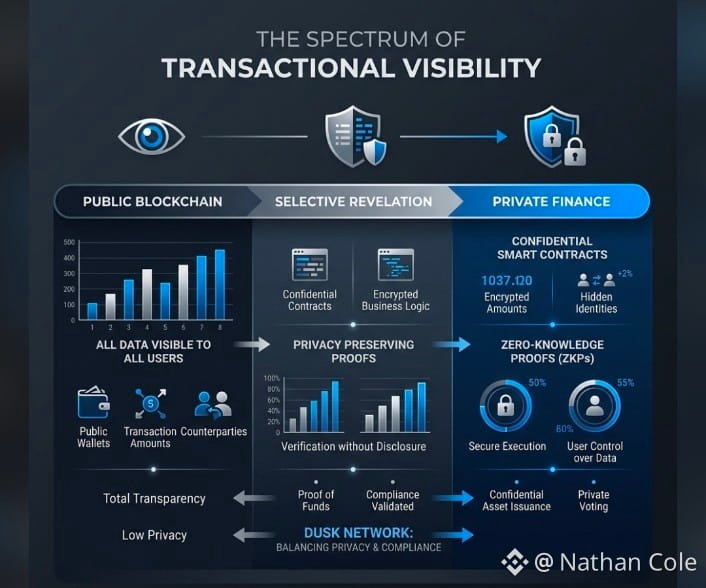
لقد جُلتُ في عالم الكريبتو مدةً كافية لأتوقف عن الانفعال كلما سمعـتُ أحدًا يَذكر “الشفافية” أو “اللامركزية”. تبدو هذه الكلمات رائعة حتى تفكر في معنى ما تقوله فعليًا بالنسبة للنشاط المالي اليومي.
ما الذي يجعلني أتساءل: هل نريد فعلًا أن يرى الجميع كل شيء؟
رصيد المحفظة، ودفعٌ ما، ومعاملة تجارية، وشركة تنقل أموالًا—ليست هذه الأشياء بالضرورة شيئًا خاطئًا، لكن هذا لا يعني أن العالم كله يحتاج إلى مقعد في الصف الأول. رأيت هذا التوتر يظهر مرارًا وتكرارًا، ونادرًا ما تكون له إجابة بسيطة.
لهذا يلفتني Dusk Network. إن تركيزه على الخصوصية للتطبيقات المالية، والعقود الذكية السرّية، ومعيار XSC، يجعلني أشعر أنه مرتبط بمشكلة لا تُعطى الاهتمام الكافي. ربما يمكن للأنظمة المالية أن تكون قابلة للتحقق دون أن يُنشر كل تفصيل للجميع.
لكنني ما زلت حذرًا. الخصوصية ليست سحرًا. قد يحتاج المنظمون إلى رؤية. قد تحتاج الشركات إلى إثباتات. وقد يرغب المستخدمون في التحكم فيما يَكشفونه. إن الوصول إلى التوازن الصحيح أصعب بكثير من مجرد الكتابة عنه.
لا أثق بالكامل بالمشروعات التي تدّعي أنها حَلّت هذه المفاضلات بالفعل.
مع Dusk Network، أنا أكثر اهتمامًا بالسؤال لا بالوعد. ما الذي ينبغي أن يكون عامًا فعليًا، وما الذي يجب أن يبقى خاصًا؟
بعد متابعة الكثير من دورات الكريبتو، أعتقد أن هذا السؤال أهم من سردية لامعة أخرى.
{spot}(DUSKUSDT)
#dusk $DUSK @Dusk
لقد جُلتُ في عالم الكريبتو مدةً كافية لأتوقف عن الانفعال كلما سمعـتُ أحدًا يَذكر “الشفافية” أو “اللامركزية”. تبدو هذه الكلمات رائعة حتى تفكر في معنى ما تقوله فعليًا بالنسبة للنشاط المالي اليومي.
ما الذي يجعلني أتساءل: هل نريد فعلًا أن يرى الجميع كل شيء؟
رصيد المحفظة، ودفعٌ ما، ومعاملة تجارية، وشركة تنقل أموالًا—ليست هذه الأشياء بالضرورة شيئًا خاطئًا، لكن هذا لا يعني أن العالم كله يحتاج إلى مقعد في الصف الأول. رأيت هذا التوتر يظهر مرارًا وتكرارًا، ونادرًا ما تكون له إجابة بسيطة.
لهذا يلفتني Dusk Network. إن تركيزه على الخصوصية للتطبيقات المالية، والعقود الذكية السرّية، ومعيار XSC، يجعلني أشعر أنه مرتبط بمشكلة لا تُعطى الاهتمام الكافي. ربما يمكن للأنظمة المالية أن تكون قابلة للتحقق دون أن يُنشر كل تفصيل للجميع.
لكنني ما زلت حذرًا. الخصوصية ليست سحرًا. قد يحتاج المنظمون إلى رؤية. قد تحتاج الشركات إلى إثباتات. وقد يرغب المستخدمون في التحكم فيما يَكشفونه. إن الوصول إلى التوازن الصحيح أصعب بكثير من مجرد الكتابة عنه.
لا أثق بالكامل بالمشروعات التي تدّعي أنها حَلّت هذه المفاضلات بالفعل.
مع Dusk Network، أنا أكثر اهتمامًا بالسؤال لا بالوعد. ما الذي ينبغي أن يكون عامًا فعليًا، وما الذي يجب أن يبقى خاصًا؟
بعد متابعة الكثير من دورات الكريبتو، أعتقد أن هذا السؤال أهم من سردية لامعة أخرى.
لقد جُلتُ في عالم الكريبتو مدةً كافية لأتوقف عن الانفعال كلما سمعـتُ أحدًا يَذكر “الشفافية” أو “اللامركزية”. تبدو هذه الكلمات رائعة حتى تفكر في معنى ما تقوله فعليًا بالنسبة للنشاط المالي اليومي.
ما الذي يجعلني أتساءل: هل نريد فعلًا أن يرى الجميع كل شيء؟
رصيد المحفظة، ودفعٌ ما، ومعاملة تجارية، وشركة تنقل أموالًا—ليست هذه الأشياء بالضرورة شيئًا خاطئًا، لكن هذا لا يعني أن العالم كله يحتاج إلى مقعد في الصف الأول. رأيت هذا التوتر يظهر مرارًا وتكرارًا، ونادرًا ما تكون له إجابة بسيطة.
لهذا يلفتني Dusk Network. إن تركيزه على الخصوصية للتطبيقات المالية، والعقود الذكية السرّية، ومعيار XSC، يجعلني أشعر أنه مرتبط بمشكلة لا تُعطى الاهتمام الكافي. ربما يمكن للأنظمة المالية أن تكون قابلة للتحقق دون أن يُنشر كل تفصيل للجميع.
لكنني ما زلت حذرًا. الخصوصية ليست سحرًا. قد يحتاج المنظمون إلى رؤية. قد تحتاج الشركات إلى إثباتات. وقد يرغب المستخدمون في التحكم فيما يَكشفونه. إن الوصول إلى التوازن الصحيح أصعب بكثير من مجرد الكتابة عنه.
لا أثق بالكامل بالمشروعات التي تدّعي أنها حَلّت هذه المفاضلات بالفعل.
مع Dusk Network، أنا أكثر اهتمامًا بالسؤال لا بالوعد. ما الذي ينبغي أن يكون عامًا فعليًا، وما الذي يجب أن يبقى خاصًا؟
بعد متابعة الكثير من دورات الكريبتو، أعتقد أن هذا السؤال أهم من سردية لامعة أخرى.
2
2
1.6k
·
--
صاعد
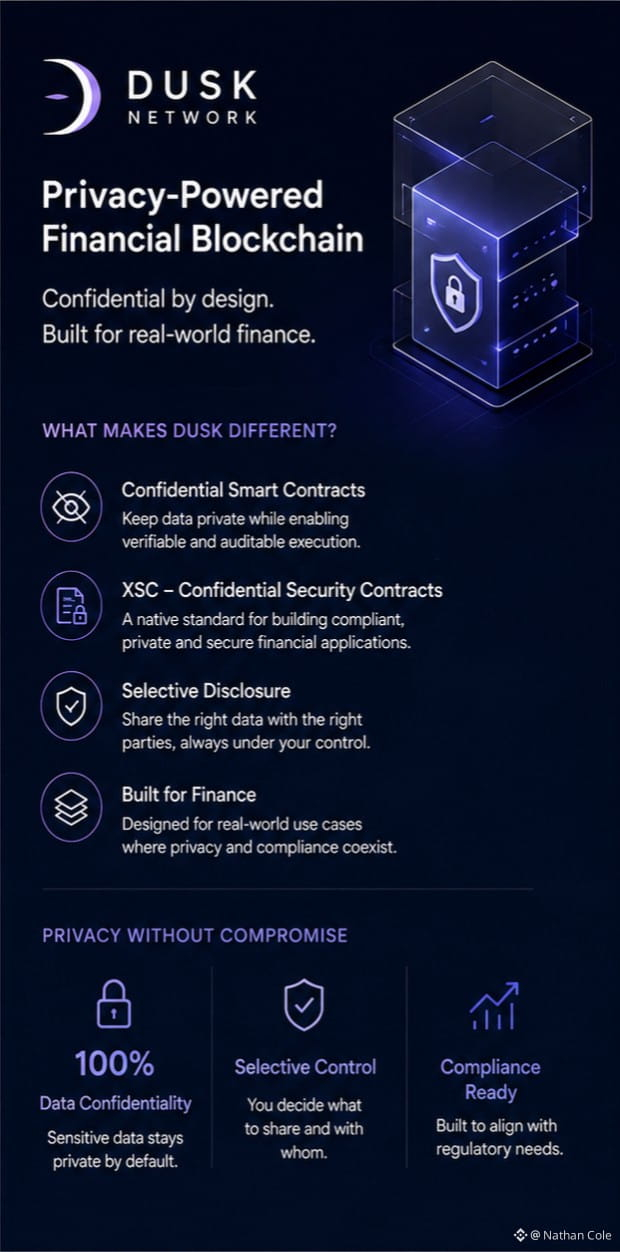
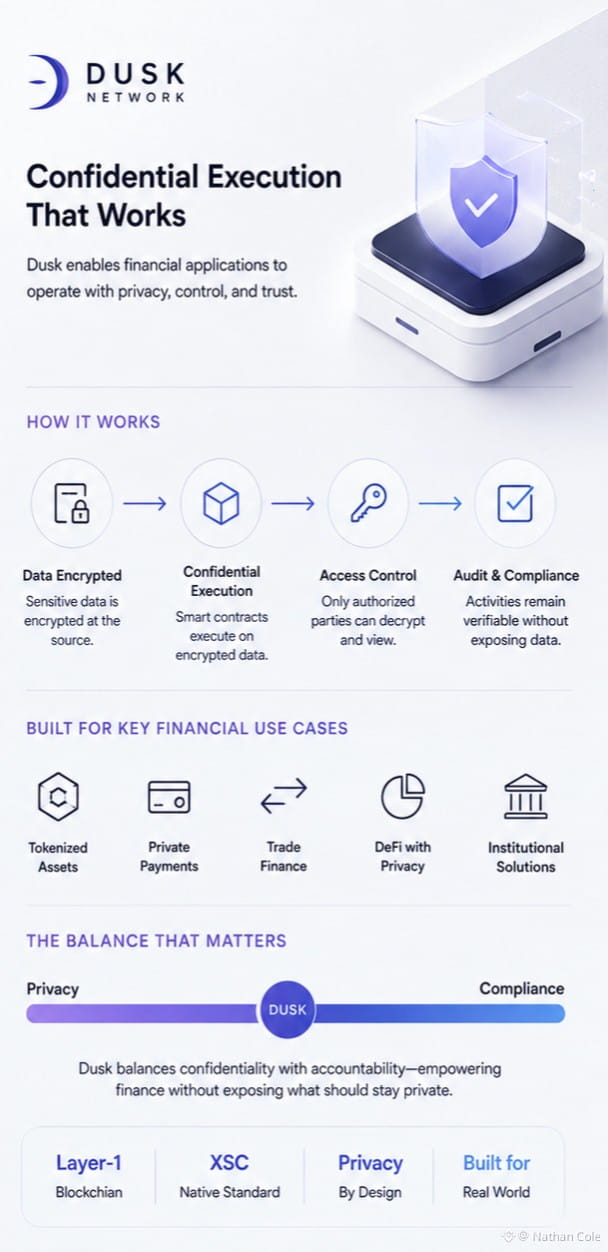
#dusk $DUSK @Dusk_Foundation لقد عشت في عالم العملات الرقمية طويلًا بما يكفي لأعرف أن كلمة “الخصوصية” قد تبدو أكثر إثارة للإعجاب بكثير من المنتج الفعلي الكامن وراءها.
وهذا جزئيًا ما يجعلني أجد Dusk مثيرة للاهتمام، لكنني ما زلت أضبط توقعاتي.
ما يعجبني في فكرة التنفيذ السري بسيط جدًا: النشاط المالي لا يحتاج دائمًا إلى أن يكون علنيًا بالكامل كي يكون قابلاً للتحقق. في العالم الحقيقي، تحتاج الشركات إلى الخصوصية، بينما ما زال يتعين على الجهات التنظيمية والأطراف المقابلة امتلاك المعلومات الصحيحة في الوقت المناسب.
لكن هنا أتوقف وأتعامل بحذر.
لقد رأيت الكثير من المشاريع تحل مشكلة تقنية، ثم تكتشف بهدوء أن المشكلة الأكبر كانت في التبنّي. يمكن للخصوصية حماية المعلومات الحساسة، لكنها لا تُنشئ مستخدمين ولا سيولة ولا ثقة، ولا تُنتج منتجات مالية جيدة بين ليلة وضحاها.
وبصراحة، فإن هذا التوازن مهم. كلما أصبحت التكنولوجيا أكثر تعقيدًا، صار من الأصعب على المستخدمين والمطورين العاديين فهم ما يتعاملون معه فعليًا.
لذا لا أنظر إلى Dusk وأفكر: “هذا هو المستقبل بالتأكيد.”
بل أفكر في ما إذا كان يمكنه أن يجعل تطبيقات البلوك تشين المالية أكثر واقعية دون إضافة طبقة أخرى من التعقيد.
ربما يمكن. وربما لا.
بعد مشاهدة ما يكفي من الدورات، تعلمت أن المشاريع المثيرة للاهتمام ليست دائمًا الأكثر ضجيجًا. أحيانًا تكون هي تلك التي تحاول بهدوء حل مشكلة يواجهها الناس فعلًا.
{spot}(DUSKUSDT)
#dusk $DUSK @Dusk لقد عشت في عالم العملات الرقمية طويلًا بما يكفي لأعرف أن كلمة “الخصوصية” قد تبدو أكثر إثارة للإعجاب بكثير من المنتج الفعلي الكامن وراءها.
وهذا جزئيًا ما يجعلني أجد Dusk مثيرة للاهتمام، لكنني ما زلت أضبط توقعاتي.
ما يعجبني في فكرة التنفيذ السري بسيط جدًا: النشاط المالي لا يحتاج دائمًا إلى أن يكون علنيًا بالكامل كي يكون قابلاً للتحقق. في العالم الحقيقي، تحتاج الشركات إلى الخصوصية، بينما ما زال يتعين على الجهات التنظيمية والأطراف المقابلة امتلاك المعلومات الصحيحة في الوقت المناسب.
لكن هنا أتوقف وأتعامل بحذر.
لقد رأيت الكثير من المشاريع تحل مشكلة تقنية، ثم تكتشف بهدوء أن المشكلة الأكبر كانت في التبنّي. يمكن للخصوصية حماية المعلومات الحساسة، لكنها لا تُنشئ مستخدمين ولا سيولة ولا ثقة، ولا تُنتج منتجات مالية جيدة بين ليلة وضحاها.
وبصراحة، فإن هذا التوازن مهم. كلما أصبحت التكنولوجيا أكثر تعقيدًا، صار من الأصعب على المستخدمين والمطورين العاديين فهم ما يتعاملون معه فعليًا.
لذا لا أنظر إلى Dusk وأفكر: “هذا هو المستقبل بالتأكيد.”
بل أفكر في ما إذا كان يمكنه أن يجعل تطبيقات البلوك تشين المالية أكثر واقعية دون إضافة طبقة أخرى من التعقيد.
ربما يمكن. وربما لا.
بعد مشاهدة ما يكفي من الدورات، تعلمت أن المشاريع المثيرة للاهتمام ليست دائمًا الأكثر ضجيجًا. أحيانًا تكون هي تلك التي تحاول بهدوء حل مشكلة يواجهها الناس فعلًا.
وهذا جزئيًا ما يجعلني أجد Dusk مثيرة للاهتمام، لكنني ما زلت أضبط توقعاتي.
ما يعجبني في فكرة التنفيذ السري بسيط جدًا: النشاط المالي لا يحتاج دائمًا إلى أن يكون علنيًا بالكامل كي يكون قابلاً للتحقق. في العالم الحقيقي، تحتاج الشركات إلى الخصوصية، بينما ما زال يتعين على الجهات التنظيمية والأطراف المقابلة امتلاك المعلومات الصحيحة في الوقت المناسب.
لكن هنا أتوقف وأتعامل بحذر.
لقد رأيت الكثير من المشاريع تحل مشكلة تقنية، ثم تكتشف بهدوء أن المشكلة الأكبر كانت في التبنّي. يمكن للخصوصية حماية المعلومات الحساسة، لكنها لا تُنشئ مستخدمين ولا سيولة ولا ثقة، ولا تُنتج منتجات مالية جيدة بين ليلة وضحاها.
وبصراحة، فإن هذا التوازن مهم. كلما أصبحت التكنولوجيا أكثر تعقيدًا، صار من الأصعب على المستخدمين والمطورين العاديين فهم ما يتعاملون معه فعليًا.
لذا لا أنظر إلى Dusk وأفكر: “هذا هو المستقبل بالتأكيد.”
بل أفكر في ما إذا كان يمكنه أن يجعل تطبيقات البلوك تشين المالية أكثر واقعية دون إضافة طبقة أخرى من التعقيد.
ربما يمكن. وربما لا.
بعد مشاهدة ما يكفي من الدورات، تعلمت أن المشاريع المثيرة للاهتمام ليست دائمًا الأكثر ضجيجًا. أحيانًا تكون هي تلك التي تحاول بهدوء حل مشكلة يواجهها الناس فعلًا.
2
3
727
·
--
صاعد
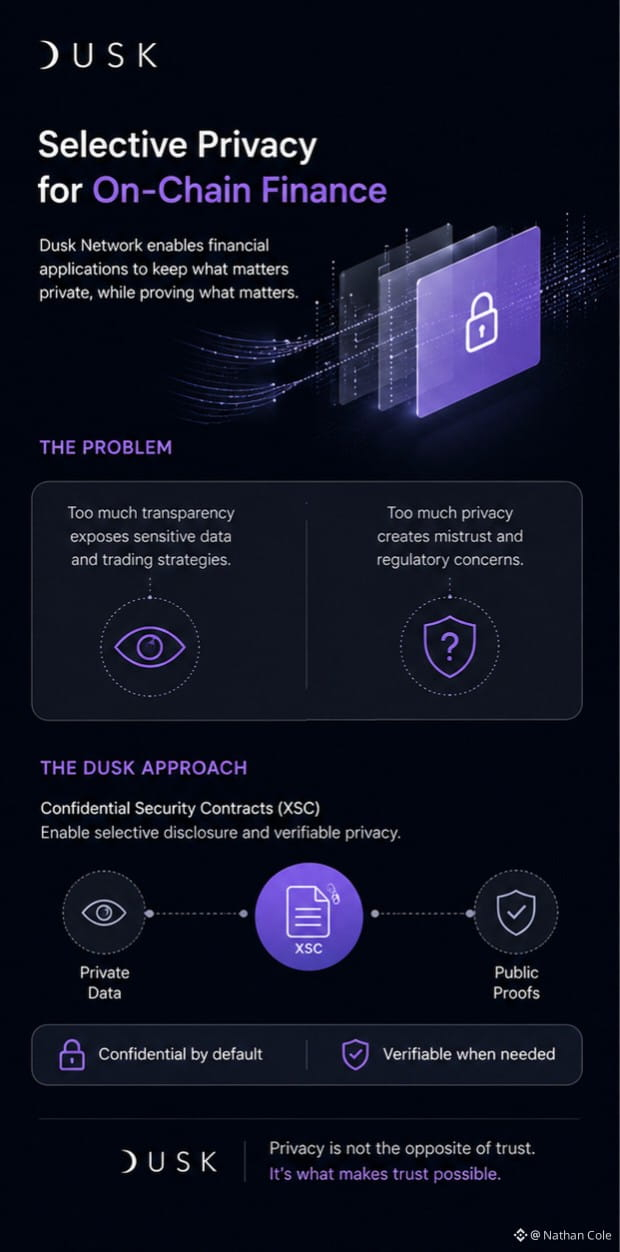
#dusk $DUSK لطالما كنتُ في عالم العملات الرقمية لفترة كافية لألاحظ كم مرة تعود القصة نفسها من جديد مع اختلاف بسيط في “طلاء” المظهر. الخصوصية من ذلك. تبدو رائعة من الناحية النظرية، لكن بمجرد أن تدخل أموال حقيقية وشركات وأنظمة وأشخاص حقيقيون إلى المشهد، تصبح الأمور فوضوية بسرعة كبيرة.
ربما لهذا السبب جعلني ذلك شبكة Dusk Network أتوقف لأفكر أكثر قليلًا.
ما أراه مثيرًا للاهتمام ليس فكرة جعل كل شيء غير مرئي. فهذا سيخلق مجموعة مختلفة تمامًا من المشكلات. الفكرة هي القدرة على إبقاء بعض المعلومات المالية خاصة، مع الاستمرار في إثبات أن الأجزاء المهمة مشروعة بالفعل.
وبصراحة، لا أعتقد أن هذه مشكلة سهلة.
إذا كان كل شيء مرئيًا، فقد تكشف الشركات عن معلومات أكثر مما ينبغي. وإذا كان كل شيء مخفيًا، يصبح بناء الثقة أصعب. على الأرجح أن التموضع المفيد للتمويل المالي عبر السلسلة يجب أن يكون في مكان ما بين هذين الطرفين.
لقد رأيت مشاريع كثيرة تبدو مذهلة من المنظور التقني، ثم تصطدم مباشرة بالأمور “المملة” التي تهم فعلًا — التنظيم، والاعتماد، والحوافز، وما إذا كان بإمكان الناس العاديين استخدام الشيء دون أن يفكروا فيه كل خمس دقائق.
لذا ما زلتُ متحفظًا بشأن Dusk. لستُ مقتنعًا بأن الخصوصية الانتقائية تُحل تلقائيًا المشكلة الأكبر. لكن على الأقل تبدو المشكلة واقعية.
ربما لا يتمثل مستقبل الأمر في الاختيار بين الشفافية والخصوصية.
ربما يتعلق الأمر في النهاية بالتعلم أن الأنظمة المالية تحتاج إلى الاثنين معًا، لكن في لحظات مختلفة.
@Dusk_Foundation #Dusk $DUSK
{spot}(DUSKUSDT)
#dusk $DUSK لطالما كنتُ في عالم العملات الرقمية لفترة كافية لألاحظ كم مرة تعود القصة نفسها من جديد مع اختلاف بسيط في “طلاء” المظهر. الخصوصية من ذلك. تبدو رائعة من الناحية النظرية، لكن بمجرد أن تدخل أموال حقيقية وشركات وأنظمة وأشخاص حقيقيون إلى المشهد، تصبح الأمور فوضوية بسرعة كبيرة.
ربما لهذا السبب جعلني ذلك شبكة Dusk Network أتوقف لأفكر أكثر قليلًا.
ما أراه مثيرًا للاهتمام ليس فكرة جعل كل شيء غير مرئي. فهذا سيخلق مجموعة مختلفة تمامًا من المشكلات. الفكرة هي القدرة على إبقاء بعض المعلومات المالية خاصة، مع الاستمرار في إثبات أن الأجزاء المهمة مشروعة بالفعل.
وبصراحة، لا أعتقد أن هذه مشكلة سهلة.
إذا كان كل شيء مرئيًا، فقد تكشف الشركات عن معلومات أكثر مما ينبغي. وإذا كان كل شيء مخفيًا، يصبح بناء الثقة أصعب. على الأرجح أن التموضع المفيد للتمويل المالي عبر السلسلة يجب أن يكون في مكان ما بين هذين الطرفين.
لقد رأيت مشاريع كثيرة تبدو مذهلة من المنظور التقني، ثم تصطدم مباشرة بالأمور “المملة” التي تهم فعلًا — التنظيم، والاعتماد، والحوافز، وما إذا كان بإمكان الناس العاديين استخدام الشيء دون أن يفكروا فيه كل خمس دقائق.
لذا ما زلتُ متحفظًا بشأن Dusk. لستُ مقتنعًا بأن الخصوصية الانتقائية تُحل تلقائيًا المشكلة الأكبر. لكن على الأقل تبدو المشكلة واقعية.
ربما لا يتمثل مستقبل الأمر في الاختيار بين الشفافية والخصوصية.
ربما يتعلق الأمر في النهاية بالتعلم أن الأنظمة المالية تحتاج إلى الاثنين معًا، لكن في لحظات مختلفة.
@Dusk #Dusk $DUSK
ربما لهذا السبب جعلني ذلك شبكة Dusk Network أتوقف لأفكر أكثر قليلًا.
ما أراه مثيرًا للاهتمام ليس فكرة جعل كل شيء غير مرئي. فهذا سيخلق مجموعة مختلفة تمامًا من المشكلات. الفكرة هي القدرة على إبقاء بعض المعلومات المالية خاصة، مع الاستمرار في إثبات أن الأجزاء المهمة مشروعة بالفعل.
وبصراحة، لا أعتقد أن هذه مشكلة سهلة.
إذا كان كل شيء مرئيًا، فقد تكشف الشركات عن معلومات أكثر مما ينبغي. وإذا كان كل شيء مخفيًا، يصبح بناء الثقة أصعب. على الأرجح أن التموضع المفيد للتمويل المالي عبر السلسلة يجب أن يكون في مكان ما بين هذين الطرفين.
لقد رأيت مشاريع كثيرة تبدو مذهلة من المنظور التقني، ثم تصطدم مباشرة بالأمور “المملة” التي تهم فعلًا — التنظيم، والاعتماد، والحوافز، وما إذا كان بإمكان الناس العاديين استخدام الشيء دون أن يفكروا فيه كل خمس دقائق.
لذا ما زلتُ متحفظًا بشأن Dusk. لستُ مقتنعًا بأن الخصوصية الانتقائية تُحل تلقائيًا المشكلة الأكبر. لكن على الأقل تبدو المشكلة واقعية.
ربما لا يتمثل مستقبل الأمر في الاختيار بين الشفافية والخصوصية.
ربما يتعلق الأمر في النهاية بالتعلم أن الأنظمة المالية تحتاج إلى الاثنين معًا، لكن في لحظات مختلفة.
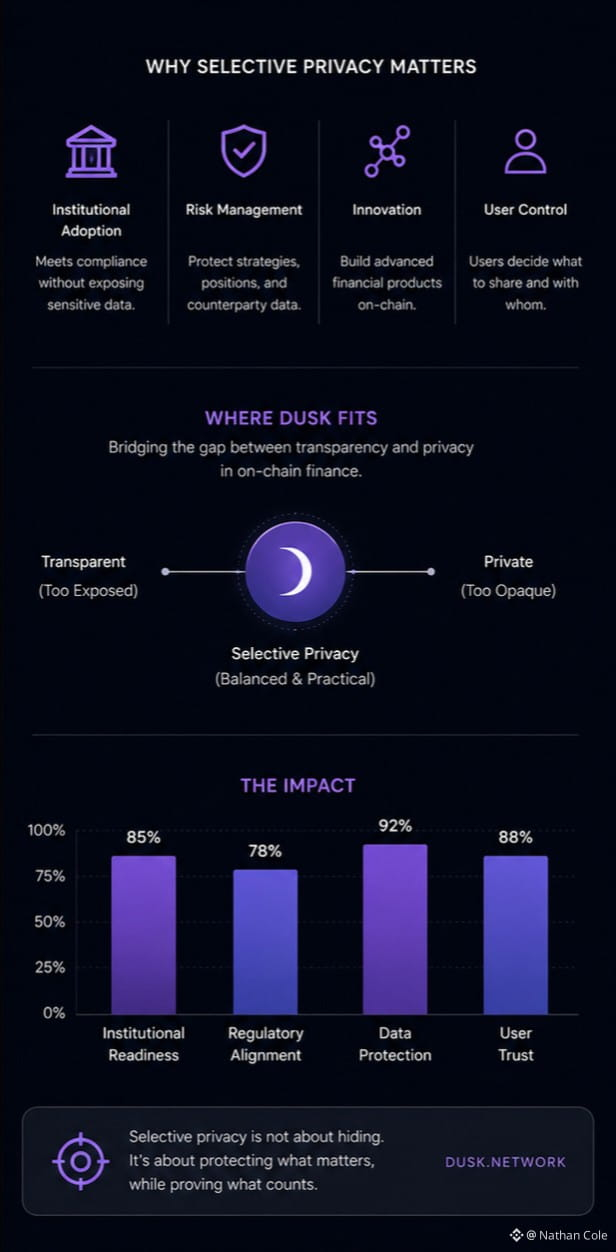
@Dusk #Dusk $DUSK
1
1
334
·
--
صاعد
#dusk $DUSK لقد جُلتُ في عالم العملات المشفرة منذ وقتٍ كافٍ لسماع نفس الأفكار تعود كل بضع سنوات باسمٍ جديد وشعارٍ جديد وضجيجٍ أكبر حولها. الخصوصية واحدة من تلك الأفكار. الجميع يتفق على أنها مهمة، لكن بناء شيء سيستخدمه الناس قصة مختلفة.
وهذا ما يجعل شبكة Dusk تستحق أن أراقبها بنفسي.
الجزء الذي أراه مثيرًا للاهتمام هو أن الخصوصية لا تُعامل كميزة إضافية. تقوم Dusk ببناء طبقة-1 حول التطبيقات المالية، مع عقود ذكية سرّية ومعيارها XSC. هذا منطقي بالنسبة لي. إذا كانت الأنشطة المالية تتحرك فعلًا على السلسلة، فلا أستطيع تخيل أن المؤسسات ستريد أن تبقى كل التفاصيل الحساسة هناك بحيث يراها أي شخص.
لكنني ما زلت حذرًا.
لقد رأيت الكثير من المشاريع ذات التكنولوجيا الجيدة تقع مباشرة في نفس المشكلات المملة: التنظيم، والسيولة، والاعتماد، والتكاملات، وببساطة عدم رغبة الناس في تغيير الطريقة التي يفعلون بها الأمور بالفعل. لا تعني أن السلسلة الذكية المبتكرة ستُحل تلقائيًا هذه المشكلات.
لذا أنا لا أنظر إلى Dusk وأفكر أنها لديها كل شيء محسوم. أنا أكثر فضولًا بشأن ما إذا كانت الفكرة ستصمد أمام الواقع.
ربما تصبح الخصوصية واحدة من الأشياء التي تحتاجها فعليًا سلاسل الكتل المالية. وربما يتحول السوق إلى شيء آخر.
في الوقت الحالي، أنا فقط أراقب. بعد كل هذه الدورات، تعلمت أن المشاريع التي تستحق التذكر غالبًا لا تحتاج إلى أن تصرخ بأعلى صوت.
@Dusk_Foundation #Dusk $DUSK
{spot}(DUSKUSDT)
#dusk $DUSK لقد جُلتُ في عالم العملات المشفرة منذ وقتٍ كافٍ لسماع نفس الأفكار تعود كل بضع سنوات باسمٍ جديد وشعارٍ جديد وضجيجٍ أكبر حولها. الخصوصية واحدة من تلك الأفكار. الجميع يتفق على أنها مهمة، لكن بناء شيء سيستخدمه الناس قصة مختلفة.
وهذا ما يجعل شبكة Dusk تستحق أن أراقبها بنفسي.
الجزء الذي أراه مثيرًا للاهتمام هو أن الخصوصية لا تُعامل كميزة إضافية. تقوم Dusk ببناء طبقة-1 حول التطبيقات المالية، مع عقود ذكية سرّية ومعيارها XSC. هذا منطقي بالنسبة لي. إذا كانت الأنشطة المالية تتحرك فعلًا على السلسلة، فلا أستطيع تخيل أن المؤسسات ستريد أن تبقى كل التفاصيل الحساسة هناك بحيث يراها أي شخص.
لكنني ما زلت حذرًا.
لقد رأيت الكثير من المشاريع ذات التكنولوجيا الجيدة تقع مباشرة في نفس المشكلات المملة: التنظيم، والسيولة، والاعتماد، والتكاملات، وببساطة عدم رغبة الناس في تغيير الطريقة التي يفعلون بها الأمور بالفعل. لا تعني أن السلسلة الذكية المبتكرة ستُحل تلقائيًا هذه المشكلات.
لذا أنا لا أنظر إلى Dusk وأفكر أنها لديها كل شيء محسوم. أنا أكثر فضولًا بشأن ما إذا كانت الفكرة ستصمد أمام الواقع.
ربما تصبح الخصوصية واحدة من الأشياء التي تحتاجها فعليًا سلاسل الكتل المالية. وربما يتحول السوق إلى شيء آخر.
في الوقت الحالي، أنا فقط أراقب. بعد كل هذه الدورات، تعلمت أن المشاريع التي تستحق التذكر غالبًا لا تحتاج إلى أن تصرخ بأعلى صوت.
@Dusk #Dusk $DUSK
وهذا ما يجعل شبكة Dusk تستحق أن أراقبها بنفسي.
الجزء الذي أراه مثيرًا للاهتمام هو أن الخصوصية لا تُعامل كميزة إضافية. تقوم Dusk ببناء طبقة-1 حول التطبيقات المالية، مع عقود ذكية سرّية ومعيارها XSC. هذا منطقي بالنسبة لي. إذا كانت الأنشطة المالية تتحرك فعلًا على السلسلة، فلا أستطيع تخيل أن المؤسسات ستريد أن تبقى كل التفاصيل الحساسة هناك بحيث يراها أي شخص.
لكنني ما زلت حذرًا.
لقد رأيت الكثير من المشاريع ذات التكنولوجيا الجيدة تقع مباشرة في نفس المشكلات المملة: التنظيم، والسيولة، والاعتماد، والتكاملات، وببساطة عدم رغبة الناس في تغيير الطريقة التي يفعلون بها الأمور بالفعل. لا تعني أن السلسلة الذكية المبتكرة ستُحل تلقائيًا هذه المشكلات.
لذا أنا لا أنظر إلى Dusk وأفكر أنها لديها كل شيء محسوم. أنا أكثر فضولًا بشأن ما إذا كانت الفكرة ستصمد أمام الواقع.
ربما تصبح الخصوصية واحدة من الأشياء التي تحتاجها فعليًا سلاسل الكتل المالية. وربما يتحول السوق إلى شيء آخر.
في الوقت الحالي، أنا فقط أراقب. بعد كل هذه الدورات، تعلمت أن المشاريع التي تستحق التذكر غالبًا لا تحتاج إلى أن تصرخ بأعلى صوت.
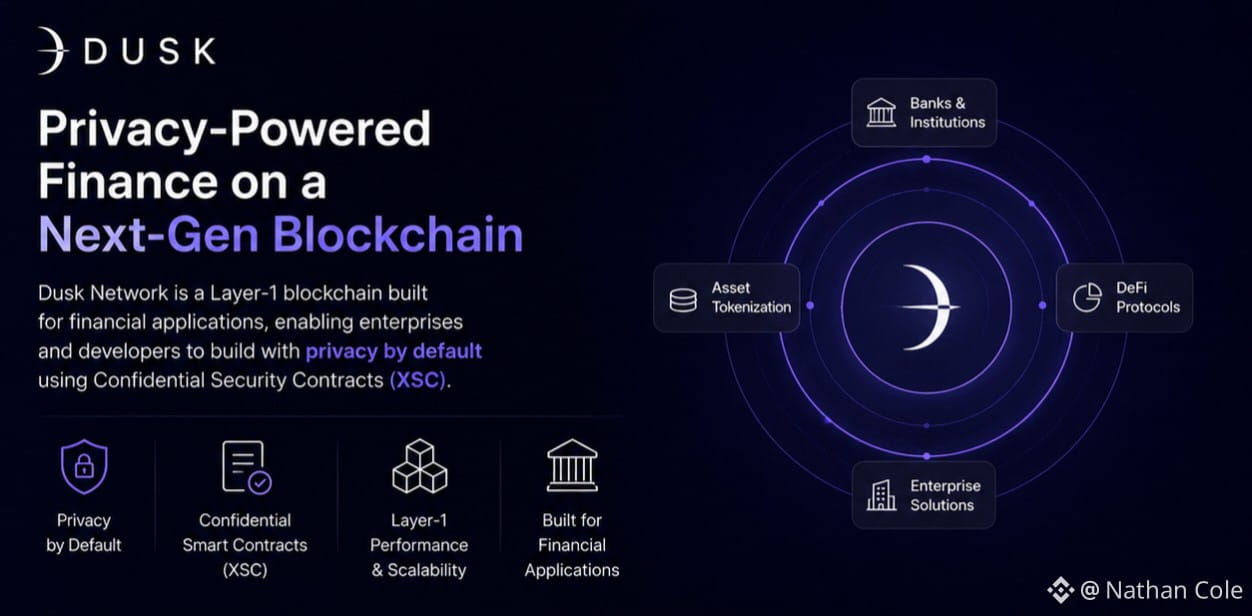
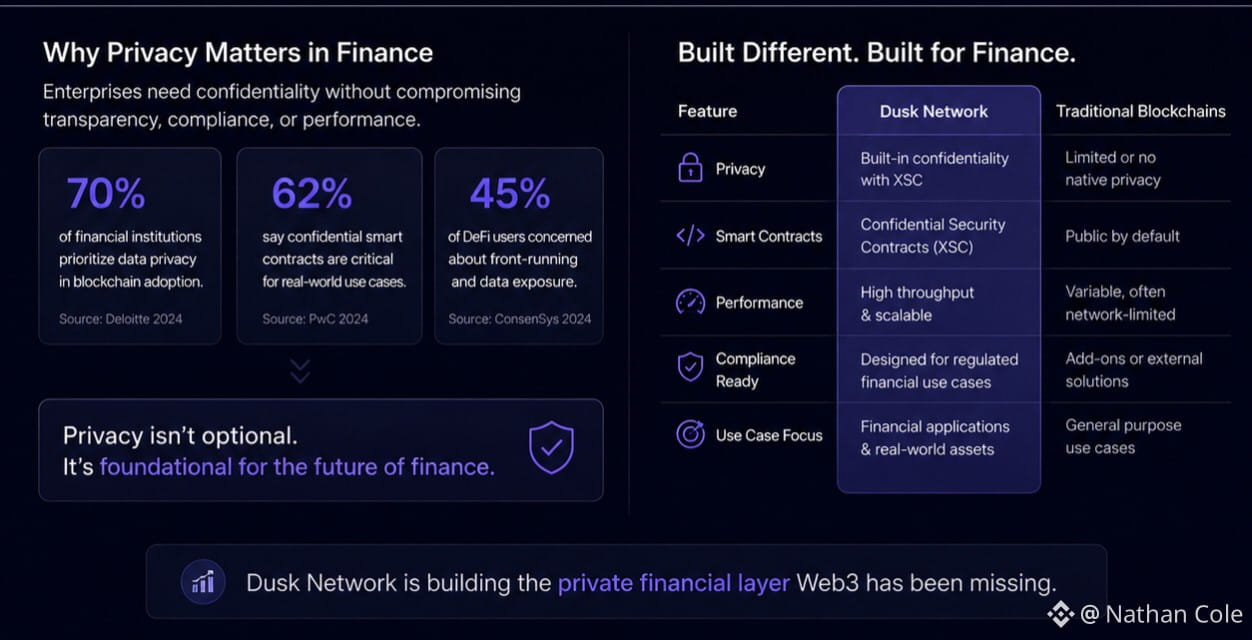
@Dusk #Dusk $DUSK
1
137
·
--
صاعد
#dusk $DUSK لقد مررت على عالم العملات المشفرة مدة كافية لأعرف أن كلمة “الخصوصية” قد تبدو أفضل بكثير من الواقع خلفها. رأيت مشاريع تَعِد بوعود كبيرة، تجذب الانتباه، ثم تختفي عندما يدرك الناس مدى تعقيد المشكلة الفعلية.
وهذا جزئيًا ما جعلني ألتفت إلى Dusk.
فكرة طبقة-1 مبنية حول الخصوصية للتطبيقات المالية تبدو منطقية بالنسبة لي. غالبًا لا ينبغي أن تتطلب معظم الأنشطة المالية أن يرى العالم كله كل تفصيل. تحاول Dusk معالجة ذلك عبر العقود الذكية السرّية ومعيارها لعقد الأمان السرّي.
لكن بصراحة، ما زلت متشككًا.
الخصوصية تبدو سهلة حتى تضع في الصورة أموالًا حقيقية، ومؤسسات، ولوائح، وتدقيقات، ومستخدمين عاديين. عندها يصبح كل شيء فوضويًا. تريد أن تكون المعاملات خاصة، لكن لا يزال هناك من يحتاج إلى التحقق من أن الأمور شرعية. تريد الشفافية عندما يحدث خطأ ما، لكنك لا بالضرورة تريد أن تبقى سجلاتك المالية بالكامل متاحة للعامة إلى الأبد.
رأيت مشاريع عملات مشفرة تحل الجانب التقني وتقلّل تمامًا من تقدير الجانب البشري.
لذا لست جالسًا هنا وأفكر أن Dusk قد حَلَّت كل شيء. لم تحله—على الأقل ليس بعد. ما أجده مثيرًا للاهتمام هو أنها تعمل على مشكلة تبدو أقل رواجًا وأكثر عملية.
ربما لهذا السبب أنا أتابعها.
بعد مراقبة دورات كثيرة جدًا، أصبحت أقل اهتمامًا بالمشاريع التي تصرخ بشأن المستقبل. أفضّل أن أراقب تلك التي تحاول بهدوء إصلاح شيء يزعج الناس فعلًا اليوم.
@Dusk_Foundation #Dusk $DUSK
{spot}(DUSKUSDT)
#dusk $DUSK لقد مررت على عالم العملات المشفرة مدة كافية لأعرف أن كلمة “الخصوصية” قد تبدو أفضل بكثير من الواقع خلفها. رأيت مشاريع تَعِد بوعود كبيرة، تجذب الانتباه، ثم تختفي عندما يدرك الناس مدى تعقيد المشكلة الفعلية.
وهذا جزئيًا ما جعلني ألتفت إلى Dusk.
فكرة طبقة-1 مبنية حول الخصوصية للتطبيقات المالية تبدو منطقية بالنسبة لي. غالبًا لا ينبغي أن تتطلب معظم الأنشطة المالية أن يرى العالم كله كل تفصيل. تحاول Dusk معالجة ذلك عبر العقود الذكية السرّية ومعيارها لعقد الأمان السرّي.
لكن بصراحة، ما زلت متشككًا.
الخصوصية تبدو سهلة حتى تضع في الصورة أموالًا حقيقية، ومؤسسات، ولوائح، وتدقيقات، ومستخدمين عاديين. عندها يصبح كل شيء فوضويًا. تريد أن تكون المعاملات خاصة، لكن لا يزال هناك من يحتاج إلى التحقق من أن الأمور شرعية. تريد الشفافية عندما يحدث خطأ ما، لكنك لا بالضرورة تريد أن تبقى سجلاتك المالية بالكامل متاحة للعامة إلى الأبد.
رأيت مشاريع عملات مشفرة تحل الجانب التقني وتقلّل تمامًا من تقدير الجانب البشري.
لذا لست جالسًا هنا وأفكر أن Dusk قد حَلَّت كل شيء. لم تحله—على الأقل ليس بعد. ما أجده مثيرًا للاهتمام هو أنها تعمل على مشكلة تبدو أقل رواجًا وأكثر عملية.
ربما لهذا السبب أنا أتابعها.
بعد مراقبة دورات كثيرة جدًا، أصبحت أقل اهتمامًا بالمشاريع التي تصرخ بشأن المستقبل. أفضّل أن أراقب تلك التي تحاول بهدوء إصلاح شيء يزعج الناس فعلًا اليوم.
@Dusk #Dusk $DUSK
وهذا جزئيًا ما جعلني ألتفت إلى Dusk.
فكرة طبقة-1 مبنية حول الخصوصية للتطبيقات المالية تبدو منطقية بالنسبة لي. غالبًا لا ينبغي أن تتطلب معظم الأنشطة المالية أن يرى العالم كله كل تفصيل. تحاول Dusk معالجة ذلك عبر العقود الذكية السرّية ومعيارها لعقد الأمان السرّي.
لكن بصراحة، ما زلت متشككًا.
الخصوصية تبدو سهلة حتى تضع في الصورة أموالًا حقيقية، ومؤسسات، ولوائح، وتدقيقات، ومستخدمين عاديين. عندها يصبح كل شيء فوضويًا. تريد أن تكون المعاملات خاصة، لكن لا يزال هناك من يحتاج إلى التحقق من أن الأمور شرعية. تريد الشفافية عندما يحدث خطأ ما، لكنك لا بالضرورة تريد أن تبقى سجلاتك المالية بالكامل متاحة للعامة إلى الأبد.
رأيت مشاريع عملات مشفرة تحل الجانب التقني وتقلّل تمامًا من تقدير الجانب البشري.
لذا لست جالسًا هنا وأفكر أن Dusk قد حَلَّت كل شيء. لم تحله—على الأقل ليس بعد. ما أجده مثيرًا للاهتمام هو أنها تعمل على مشكلة تبدو أقل رواجًا وأكثر عملية.
ربما لهذا السبب أنا أتابعها.
بعد مراقبة دورات كثيرة جدًا، أصبحت أقل اهتمامًا بالمشاريع التي تصرخ بشأن المستقبل. أفضّل أن أراقب تلك التي تحاول بهدوء إصلاح شيء يزعج الناس فعلًا اليوم.
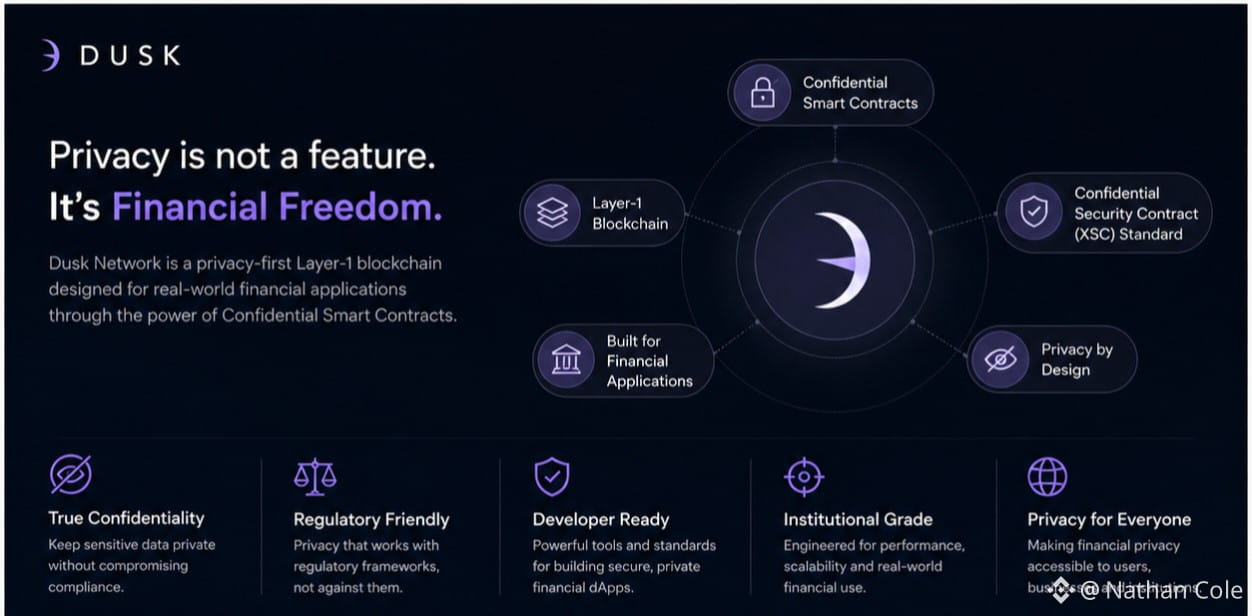
@Dusk #Dusk $DUSK
1
1
117
·
--
صاعد
#dusk $DUSK لقد كنت أراقب عالم العملات المشفرة لسنوات، وبصراحة أصبحت متعبة قليلًا من سماع نفس الكلمات تعود من جديد في كل دورة.
الخصوصية واحدة من تلك الكلمات.
كل بضعة أعوام، يتذكر الجميع فجأة أن النشاط المالي ربما لا ينبغي أن يكون مكشوفًا بالكامل للعالم. ثم تظهر مجموعة من المشاريع، وتطلق وعودًا كبيرة، وفي النهاية تتحرك المحادثة إلى مكان آخر.
يبدو أن Dusk Network مختلف قليلًا بالنسبة لي، لأن المشكلة التي يسعى لملاحقتها ليست مجرد “إخفاء المعاملات”. بل هو يبني طبقة-1 حول التطبيقات المالية، مع عقود ذكية سرّية ومعيار XSC الخاص به.
لكنني ما زلت غير مقتنع تمامًا بمجرد الفكرة.
التمويل فوضوي. أنت تحتاج إلى الخصوصية، لكن أحيانًا تحتاج أيضًا إلى إثبات حدوث شيء ما. الجهات التنظيمية تريد إمكانية الرؤية. المستخدمون يريدون السرّية. الشركات تريد الاثنين معًا، بطريقة ما. وهنا عادةً تتعقّد الأمور.
لقد رأيت مشاريع كثيرة تبدو مبهرة على الورق، ثم تصبح أقل بكثير من ذلك بمجرد ظهور الاحتكاك في الواقع.
لذلك لست أتوقع أن يقوم Dusk بإصلاح خصوصية التمويل بشكل سحري. أنا أكثر اهتمامًا بما إذا كان يمكنه جعل الخصوصية عملية بما يكفي بحيث لا يضطر الناس إلى التفكير في التقنية الكامنة وراءها.
ربما يكون هذا هو الاختبار الأفضل فعلًا.
ليس ما إذا كان Dusk يستطيع خلق سردية تشفيرية جديدة ومثيرة، بل ما إذا كان يستطيع حل مشكلة يعاني منها الناس بالفعل بشكل هادئ.
بعد مشاهدة عدد كافٍ من الدورات، بدأت أقدّر المشاريع التي لا تحتاج إلى الصراخ كثيرًا.
@Dusk_Foundation #Dusk $DUSK
{spot}(DUSKUSDT)
#dusk $DUSK لقد كنت أراقب عالم العملات المشفرة لسنوات، وبصراحة أصبحت متعبة قليلًا من سماع نفس الكلمات تعود من جديد في كل دورة.
الخصوصية واحدة من تلك الكلمات.
كل بضعة أعوام، يتذكر الجميع فجأة أن النشاط المالي ربما لا ينبغي أن يكون مكشوفًا بالكامل للعالم. ثم تظهر مجموعة من المشاريع، وتطلق وعودًا كبيرة، وفي النهاية تتحرك المحادثة إلى مكان آخر.
يبدو أن Dusk Network مختلف قليلًا بالنسبة لي، لأن المشكلة التي يسعى لملاحقتها ليست مجرد “إخفاء المعاملات”. بل هو يبني طبقة-1 حول التطبيقات المالية، مع عقود ذكية سرّية ومعيار XSC الخاص به.
لكنني ما زلت غير مقتنع تمامًا بمجرد الفكرة.
التمويل فوضوي. أنت تحتاج إلى الخصوصية، لكن أحيانًا تحتاج أيضًا إلى إثبات حدوث شيء ما. الجهات التنظيمية تريد إمكانية الرؤية. المستخدمون يريدون السرّية. الشركات تريد الاثنين معًا، بطريقة ما. وهنا عادةً تتعقّد الأمور.
لقد رأيت مشاريع كثيرة تبدو مبهرة على الورق، ثم تصبح أقل بكثير من ذلك بمجرد ظهور الاحتكاك في الواقع.
لذلك لست أتوقع أن يقوم Dusk بإصلاح خصوصية التمويل بشكل سحري. أنا أكثر اهتمامًا بما إذا كان يمكنه جعل الخصوصية عملية بما يكفي بحيث لا يضطر الناس إلى التفكير في التقنية الكامنة وراءها.
ربما يكون هذا هو الاختبار الأفضل فعلًا.
ليس ما إذا كان Dusk يستطيع خلق سردية تشفيرية جديدة ومثيرة، بل ما إذا كان يستطيع حل مشكلة يعاني منها الناس بالفعل بشكل هادئ.
بعد مشاهدة عدد كافٍ من الدورات، بدأت أقدّر المشاريع التي لا تحتاج إلى الصراخ كثيرًا.
@Dusk #Dusk $DUSK
الخصوصية واحدة من تلك الكلمات.
كل بضعة أعوام، يتذكر الجميع فجأة أن النشاط المالي ربما لا ينبغي أن يكون مكشوفًا بالكامل للعالم. ثم تظهر مجموعة من المشاريع، وتطلق وعودًا كبيرة، وفي النهاية تتحرك المحادثة إلى مكان آخر.
يبدو أن Dusk Network مختلف قليلًا بالنسبة لي، لأن المشكلة التي يسعى لملاحقتها ليست مجرد “إخفاء المعاملات”. بل هو يبني طبقة-1 حول التطبيقات المالية، مع عقود ذكية سرّية ومعيار XSC الخاص به.
لكنني ما زلت غير مقتنع تمامًا بمجرد الفكرة.
التمويل فوضوي. أنت تحتاج إلى الخصوصية، لكن أحيانًا تحتاج أيضًا إلى إثبات حدوث شيء ما. الجهات التنظيمية تريد إمكانية الرؤية. المستخدمون يريدون السرّية. الشركات تريد الاثنين معًا، بطريقة ما. وهنا عادةً تتعقّد الأمور.
لقد رأيت مشاريع كثيرة تبدو مبهرة على الورق، ثم تصبح أقل بكثير من ذلك بمجرد ظهور الاحتكاك في الواقع.
لذلك لست أتوقع أن يقوم Dusk بإصلاح خصوصية التمويل بشكل سحري. أنا أكثر اهتمامًا بما إذا كان يمكنه جعل الخصوصية عملية بما يكفي بحيث لا يضطر الناس إلى التفكير في التقنية الكامنة وراءها.
ربما يكون هذا هو الاختبار الأفضل فعلًا.
ليس ما إذا كان Dusk يستطيع خلق سردية تشفيرية جديدة ومثيرة، بل ما إذا كان يستطيع حل مشكلة يعاني منها الناس بالفعل بشكل هادئ.
بعد مشاهدة عدد كافٍ من الدورات، بدأت أقدّر المشاريع التي لا تحتاج إلى الصراخ كثيرًا.
@Dusk #Dusk $DUSK
2
1
136
·
--
صاعد
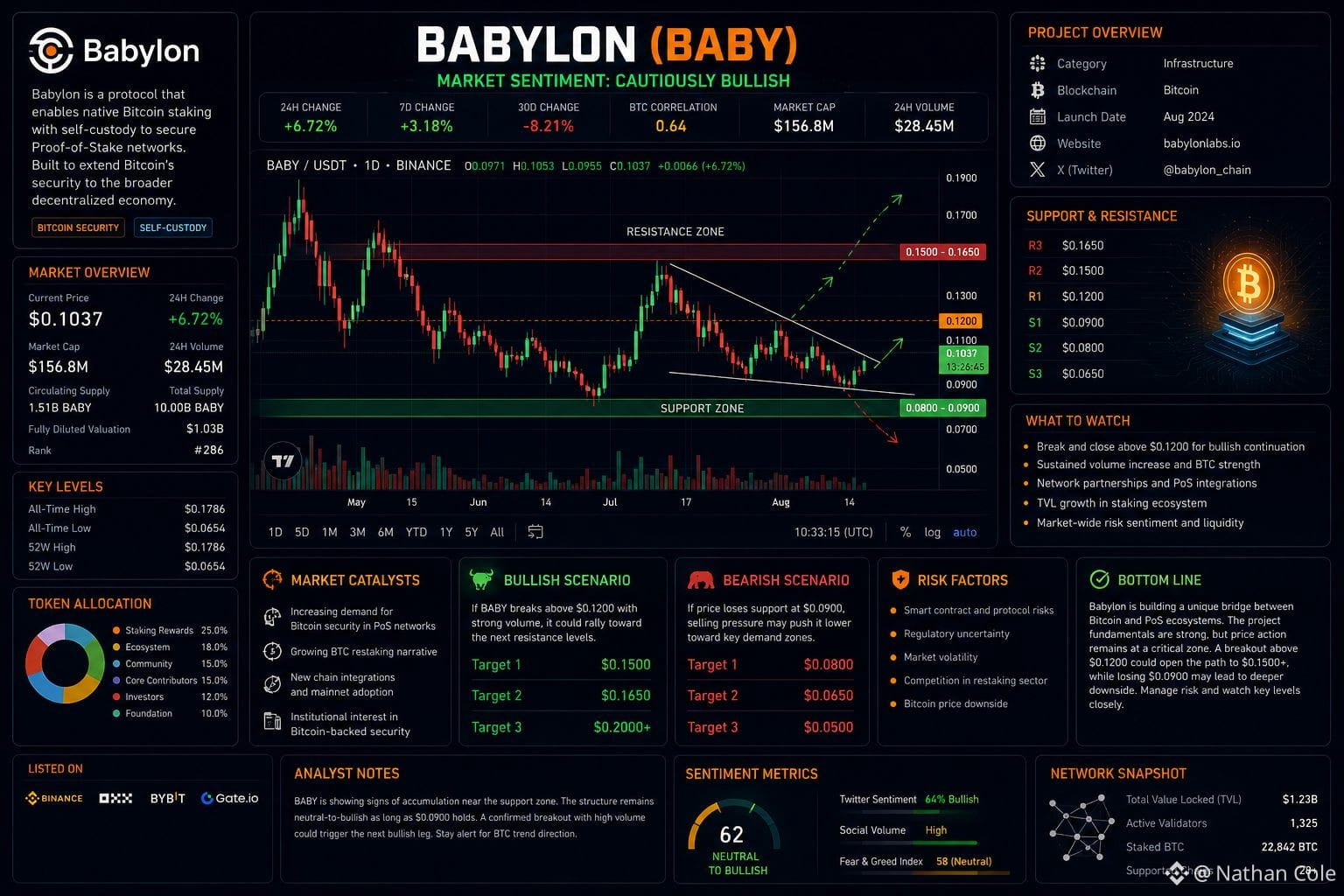
#baby $BABY مؤخرًا، أدركت أن اهتمامي بما يمكن أن تصبح عليه العملات المشفرة أقل بكثير من اهتمامي بما يمكن أن يصمد فعلًا عندما تخفت الإثارة. بعد مشاهدة الكثير من الدورات، رأيت أفكارًا مصقولة تختفي بسرعة شبه مماثلة لسرعة وصولها. لذلك ربما جذبني بابيلون (Babylon)—ليس لأنني أعتقد أنه مضمون النجاح، بل لأنه يطرح سؤالًا لطالما حملته بصمت لسنوات.
لطالما شعرت أن البيتكوين هي الأصل الذي يثق به الناس أكثر، ومع ذلك غالبًا ما تُترك جانبًا بينما تُجرب الشبكات الأحدث كل شيء آخر. فكرة بابيلون المتمثلة في السماح للـ BTC بالمساعدة في تأمين سلاسل PoS دون التخلي عن الحيازة الذاتية تبدو مدروسة. لكنني كنت في الساحة طويلًا بما يكفي لأعرف أن أصعب جزء ليس ابتكار شيء ذكي. بل التأكد من أن الناس ما زالوا يرغبون في استخدامه عندما لا تكون الحوافز هي التي تتكلم بالنيابة عن الجميع.
ربما من هنا تأتي ترددي. للـ Crypto عادةٌ تجعل كل تحسين تقني يبدو كأنه القطعة المفقودة. غالبًا لا يكون الأمر كذلك. التبني الحقيقي عادةً يتحرك ببطء، والناس نادرًا ما يتصرفون بالطريقة التي تتوقعها الأوراق البيضاء.
أنا لا أقول إن بابيلون يغيّر كل شيء. بصراحة، لا أعرف. لكن في ما يتعلق به شيءٌ يبعث على الشعور بالواقعية مقارنةً بالضجيج المعتاد. إنه لا يحاول إعادة اختراع البيتكوين بين ليلة وضحاها. بل يحاول أن يجعل البيتكوين أكثر فائدة قليلًا دون أن يطلب من الحَمَلة التخلي عن ما جعلهم يثقون بها من الأساس.
ربما يكفي هذا لمواصلة المشاهدة. ليس لأنني مقتنع، بل لأنني تعلمت أن الأفكار الأكثر هدوءًا أحيانًا تستحق أطول انتباه.
@babylonlabs_io #Baby $BABY
{spot}(BABYUSDT)
#baby $BABY مؤخرًا، أدركت أن اهتمامي بما يمكن أن تصبح عليه العملات المشفرة أقل بكثير من اهتمامي بما يمكن أن يصمد فعلًا عندما تخفت الإثارة. بعد مشاهدة الكثير من الدورات، رأيت أفكارًا مصقولة تختفي بسرعة شبه مماثلة لسرعة وصولها. لذلك ربما جذبني بابيلون (Babylon)—ليس لأنني أعتقد أنه مضمون النجاح، بل لأنه يطرح سؤالًا لطالما حملته بصمت لسنوات.
لطالما شعرت أن البيتكوين هي الأصل الذي يثق به الناس أكثر، ومع ذلك غالبًا ما تُترك جانبًا بينما تُجرب الشبكات الأحدث كل شيء آخر. فكرة بابيلون المتمثلة في السماح للـ BTC بالمساعدة في تأمين سلاسل PoS دون التخلي عن الحيازة الذاتية تبدو مدروسة. لكنني كنت في الساحة طويلًا بما يكفي لأعرف أن أصعب جزء ليس ابتكار شيء ذكي. بل التأكد من أن الناس ما زالوا يرغبون في استخدامه عندما لا تكون الحوافز هي التي تتكلم بالنيابة عن الجميع.
ربما من هنا تأتي ترددي. للـ Crypto عادةٌ تجعل كل تحسين تقني يبدو كأنه القطعة المفقودة. غالبًا لا يكون الأمر كذلك. التبني الحقيقي عادةً يتحرك ببطء، والناس نادرًا ما يتصرفون بالطريقة التي تتوقعها الأوراق البيضاء.
أنا لا أقول إن بابيلون يغيّر كل شيء. بصراحة، لا أعرف. لكن في ما يتعلق به شيءٌ يبعث على الشعور بالواقعية مقارنةً بالضجيج المعتاد. إنه لا يحاول إعادة اختراع البيتكوين بين ليلة وضحاها. بل يحاول أن يجعل البيتكوين أكثر فائدة قليلًا دون أن يطلب من الحَمَلة التخلي عن ما جعلهم يثقون بها من الأساس.
ربما يكفي هذا لمواصلة المشاهدة. ليس لأنني مقتنع، بل لأنني تعلمت أن الأفكار الأكثر هدوءًا أحيانًا تستحق أطول انتباه.
@BabylonLabs_io #Baby $BABY
لطالما شعرت أن البيتكوين هي الأصل الذي يثق به الناس أكثر، ومع ذلك غالبًا ما تُترك جانبًا بينما تُجرب الشبكات الأحدث كل شيء آخر. فكرة بابيلون المتمثلة في السماح للـ BTC بالمساعدة في تأمين سلاسل PoS دون التخلي عن الحيازة الذاتية تبدو مدروسة. لكنني كنت في الساحة طويلًا بما يكفي لأعرف أن أصعب جزء ليس ابتكار شيء ذكي. بل التأكد من أن الناس ما زالوا يرغبون في استخدامه عندما لا تكون الحوافز هي التي تتكلم بالنيابة عن الجميع.
ربما من هنا تأتي ترددي. للـ Crypto عادةٌ تجعل كل تحسين تقني يبدو كأنه القطعة المفقودة. غالبًا لا يكون الأمر كذلك. التبني الحقيقي عادةً يتحرك ببطء، والناس نادرًا ما يتصرفون بالطريقة التي تتوقعها الأوراق البيضاء.
أنا لا أقول إن بابيلون يغيّر كل شيء. بصراحة، لا أعرف. لكن في ما يتعلق به شيءٌ يبعث على الشعور بالواقعية مقارنةً بالضجيج المعتاد. إنه لا يحاول إعادة اختراع البيتكوين بين ليلة وضحاها. بل يحاول أن يجعل البيتكوين أكثر فائدة قليلًا دون أن يطلب من الحَمَلة التخلي عن ما جعلهم يثقون بها من الأساس.
ربما يكفي هذا لمواصلة المشاهدة. ليس لأنني مقتنع، بل لأنني تعلمت أن الأفكار الأكثر هدوءًا أحيانًا تستحق أطول انتباه.
@BabylonLabs_io #Baby $BABY
3
108
·
--
🎙️ احتمال رفع سعر الفائدة من مجلس الاحتياطي الفيدرالي في سبتمبر يقفز إلى 82%! ارتفاع معدل الفائدة الخالي من المخاطر؛ تصريحات ترامب تواصل ضرب إيران؛ إلى أين ستتجه أسواق العملات الرقمية بعد ذلك؟
إنهاء
03 ساعة 21 دقيقة 10 ثانية
10.9k
31
74
·
--
🎙️ الحفاظ على توازن النظام البيئي، وبناء ساحة بينانس

إنهاء
04 ساعة 58 دقيقة 51 ثانية
12k
29
65
·
--
صاعد
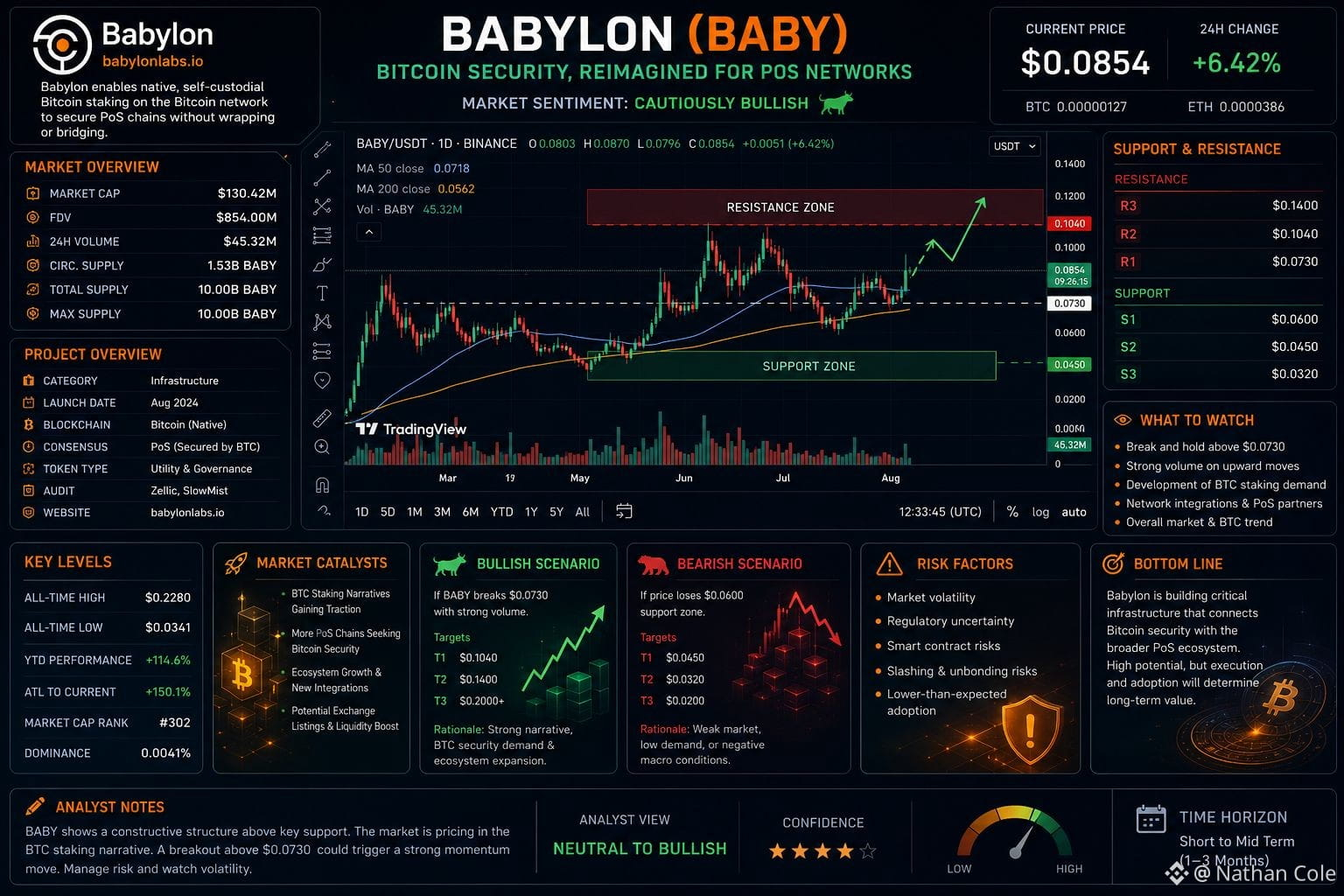
#baby $BABY بعض الأفكار تبقى في رأسي لفترة أطول من غيرها، وبابل كانت واحدة من هذه الأفكار. ليس لأنني أعتقد أنها مضمونة النجاح، بل لأنها تطرح سؤالًا كنت أتساءل عنه منذ وقت طويل. هل يمكن للبيتكوين فعلًا أن تلعب دورًا أكبر دون أن يُطلب من الناس التوقف عن التعامل معها كما لو كانت بيتكوين؟
أنا موجود في هذا المجال منذ فترة كافية لرؤية كل دورة تُنتج طريقة جديدة لـ"إطلاق"/"تفعيل" BTC. بدت معظم تلك الأفكار رائعة حتى بدأ الناس الحقيقيون باستخدامها. حينها ظهرت التنازلات، وأصبحَت المخاطر واضحة، وانتقلت الحماسة بهدوء إلى مكان آخر. لهذا أنا حذر الآن. لا أتحمس لمجرد أن شيئًا ما يبدو ذكيًا.
ما أعتبره مثيرًا للاهتمام في بابل ليس أنها تعد بعائد أكبر أو بسردية جديدة. بل يبدو أنها تحترم حقيقة أن حاملي البيتكوين غالبًا ما يكونون حذرين لسبب. الاحتفاظ بالوصاية/المفاتيح بينما تساهم في تأمين الشبكة يبدو اتجاهًا أكثر تفكيرًا، حتى لو كان لا يزال مصحوبًا بأسئلة دون إجابات.
ربما ستنجح. وربما تكون التضحيات/المقايضات أكبر مما تبدو عليه اليوم. لدى العملات المشفرة طريقة لتجعل الجميع أكثر تواضعًا عندما يثقون بأنفسهم كثيرًا. لقد رأيت ذلك يحدث مرات كافية تجعلني لا أشعر بالحاجة بعد الآن إلى اختيار جانب.
لذلك أنا فقط أراقب. دون توقعات كبيرة، دون تنبؤات درامية. أحيانًا تكون المشاريع التي تستحق الانتباه ليست تلك التي تُحدث أكبر ضجيج. بل تلك التي تحاول بهدوء حل مشكلة قديمة دون التظاهر بأنها سهلة. ربما هذا هو ما يجعل بابل تبقى ضمن نطاق اهتمامي.
@babylonlabs_io #Baby $BABY
{spot}(BABYUSDT)
#baby $BABY بعض الأفكار تبقى في رأسي لفترة أطول من غيرها، وبابل كانت واحدة من هذه الأفكار. ليس لأنني أعتقد أنها مضمونة النجاح، بل لأنها تطرح سؤالًا كنت أتساءل عنه منذ وقت طويل. هل يمكن للبيتكوين فعلًا أن تلعب دورًا أكبر دون أن يُطلب من الناس التوقف عن التعامل معها كما لو كانت بيتكوين؟
أنا موجود في هذا المجال منذ فترة كافية لرؤية كل دورة تُنتج طريقة جديدة لـ"إطلاق"/"تفعيل" BTC. بدت معظم تلك الأفكار رائعة حتى بدأ الناس الحقيقيون باستخدامها. حينها ظهرت التنازلات، وأصبحَت المخاطر واضحة، وانتقلت الحماسة بهدوء إلى مكان آخر. لهذا أنا حذر الآن. لا أتحمس لمجرد أن شيئًا ما يبدو ذكيًا.
ما أعتبره مثيرًا للاهتمام في بابل ليس أنها تعد بعائد أكبر أو بسردية جديدة. بل يبدو أنها تحترم حقيقة أن حاملي البيتكوين غالبًا ما يكونون حذرين لسبب. الاحتفاظ بالوصاية/المفاتيح بينما تساهم في تأمين الشبكة يبدو اتجاهًا أكثر تفكيرًا، حتى لو كان لا يزال مصحوبًا بأسئلة دون إجابات.
ربما ستنجح. وربما تكون التضحيات/المقايضات أكبر مما تبدو عليه اليوم. لدى العملات المشفرة طريقة لتجعل الجميع أكثر تواضعًا عندما يثقون بأنفسهم كثيرًا. لقد رأيت ذلك يحدث مرات كافية تجعلني لا أشعر بالحاجة بعد الآن إلى اختيار جانب.
لذلك أنا فقط أراقب. دون توقعات كبيرة، دون تنبؤات درامية. أحيانًا تكون المشاريع التي تستحق الانتباه ليست تلك التي تُحدث أكبر ضجيج. بل تلك التي تحاول بهدوء حل مشكلة قديمة دون التظاهر بأنها سهلة. ربما هذا هو ما يجعل بابل تبقى ضمن نطاق اهتمامي.
@BabylonLabs_io #Baby $BABY
أنا موجود في هذا المجال منذ فترة كافية لرؤية كل دورة تُنتج طريقة جديدة لـ"إطلاق"/"تفعيل" BTC. بدت معظم تلك الأفكار رائعة حتى بدأ الناس الحقيقيون باستخدامها. حينها ظهرت التنازلات، وأصبحَت المخاطر واضحة، وانتقلت الحماسة بهدوء إلى مكان آخر. لهذا أنا حذر الآن. لا أتحمس لمجرد أن شيئًا ما يبدو ذكيًا.
ما أعتبره مثيرًا للاهتمام في بابل ليس أنها تعد بعائد أكبر أو بسردية جديدة. بل يبدو أنها تحترم حقيقة أن حاملي البيتكوين غالبًا ما يكونون حذرين لسبب. الاحتفاظ بالوصاية/المفاتيح بينما تساهم في تأمين الشبكة يبدو اتجاهًا أكثر تفكيرًا، حتى لو كان لا يزال مصحوبًا بأسئلة دون إجابات.
ربما ستنجح. وربما تكون التضحيات/المقايضات أكبر مما تبدو عليه اليوم. لدى العملات المشفرة طريقة لتجعل الجميع أكثر تواضعًا عندما يثقون بأنفسهم كثيرًا. لقد رأيت ذلك يحدث مرات كافية تجعلني لا أشعر بالحاجة بعد الآن إلى اختيار جانب.
لذلك أنا فقط أراقب. دون توقعات كبيرة، دون تنبؤات درامية. أحيانًا تكون المشاريع التي تستحق الانتباه ليست تلك التي تُحدث أكبر ضجيج. بل تلك التي تحاول بهدوء حل مشكلة قديمة دون التظاهر بأنها سهلة. ربما هذا هو ما يجعل بابل تبقى ضمن نطاق اهتمامي.
@BabylonLabs_io #Baby $BABY
1
184
سجّل الدخول لاستكشاف المزيد من المُحتوى
انضم إلى مُستخدمي العملات الرقمية حول العالم على Binance Square
⚡️ احصل على أحدث المعلومات المفيدة عن العملات الرقمية.
💬 موثوقة من قبل أكبر منصّة لتداول العملات الرقمية في العالم.
👍 اكتشف الرؤى الحقيقية من صنّاع المُحتوى الموثوقين.
البريد الإلكتروني / رقم الهاتف
المواضيع الرائجة
ZcashETFPostsFirstWeeklyOutflow$93.6M
39,444 مشاهدات
129 يقومون بالنقاش
#ZcashETFPostsFirstWeeklyOutflow$93.6M
🚨🚨🚨🚨🚨🚨🚨🚨🚨🚨🚨🚨🚨🚨✅ 🚨 تدفقات ZCASH ETF تتحول إلى السلبية لأول مرة! 📉
$ZEC يشهد تحولًا ملحوظًا في تدفقات الأموال المؤسسية، حيث سجّلت منتجات استثمار الزكاش أول صافي تدفق سلبي أسبوعي منذ إطلاقها في أغسطس.
ووفقًا لبيانات التدفقات، تم سحب حوالي 93.6 مليون دولار من منتجات الزكاش خلال الأسبوع الأخير، بينما تباطأت أيضًا حركة سعر ZEC بشكل ملحوظ.
📊 ماذا حدث؟
• خروج أسبوعي من Zcash ETF: 93.6 مليون دولار
• خروج يوم 30 سبتمبر: 30.25 مليون دولار
• ZCSH كان قد جذب سابقًا نحو 98.2 مليون دولار خلال أسبوع واحد
• ZEC يتداول قرب 1,300 دولار
• القمة الأخيرة: نحو 1,690 دولار
• الانخفاض الأسبوعي: حوالي 17%+
🔍 مستويات يجب مراقبتها
🟢 دعم: 1,280–1,300 دولار
🔴 مقاومة: 1,450–1,500 دولار
السؤال المحوري الآن هو ما إذا كانت منطقة 1,300 دولار يمكنها الصمود وجذب مشتريين جدد.
ستكون التدفقات المؤسسية مهمة أيضًا. قد يشير عودة التدفقات الإيجابية المنتظمة إلى تجدد الثقة، بينما قد تؤدي التدفقات الخارجة المستمرة إلى إبقاء الضغط على $ZEC .
👀 هل الأمر مجرد جني أرباح بعد الارتفاع الكبير الذي حققته ZEC، أم قد نشهد هبوطًا أعمق قبل عودة المشترين؟
شارك رأيك أدناه. 👇
#Zcash #ZEC #ZcashETF #Crypto
#analysis
owhggwiohsjowve
·0 إعجاب
·180 مشاهدات
GreekPoliceBustCryptoScamRingArrest17
93,837 مشاهدات
768 يقومون بالنقاش
BitcoinRejectedAt$87K
130,753 مشاهدات
186 يقومون بالنقاش