

MHS27
فتح تداول

حائز على SPCXB
مُتداول بمُعدّل مرتفع
4 سنوات
1.1K+ تتابع
188 المتابعون
3 إعجاب
منشورات
الحافظة الاستثمارية
الكل
اقتباسات
Live
عرض الترجمة


Neeeno
·
--
The Bridge Builder: Why Falcon Finance is Moving into Sovereign Bills"
When I first saw that @Falcon Finance was moving into sovereign bills, I had a “really?” moment.
Government work isn’t flashy. But over time, it started to feel like the kind of choice that shows you’ve grown up. On December 2, 2025, Falcon announced it would accept tokenized Mexican government bills, CETES, as collateral inside its USDf system. It isn’t a loud marketing stunt. It’s a bridge-building move.
Early DeFi mostly had loops, not bridges. Crypto assets backed loans that created more crypto exposure, and the whole thing worked until the market got scared and everyone tried to exit through the same door. The creativity was real, and so was the fragility. Lately, you can hear the tone shifting. More teams talk about yield that comes from somewhere understandable, not just incentives. That changes what counts as good collateral.
Tokenization sounds mystical, but it’s basically packaging a familiar asset so it can move and settle on a blockchain. The asset itself doesn’t change; the wrapper changes how you can use it. Once you have that wrapper, a short-term government bill can sit in a wallet, be pledged as collateral, and be accounted for automatically. It’s a new interface for parts of the bond market.
The appetite for that interface is visible now. RWA.xyz, a tracker for tokenized real-world assets, put tokenized U.S. Treasuries at about $8.82 billion in total value as of December 29, 2025. That is tiny next to the traditional Treasury market, but it’s large enough to prove a point: plenty of people want boring assets on-chain when the plumbing is reliable.
Falcon’s CETES choice adds a second, subtler idea: the bridge doesn’t have to lead only to U.S. paper. In its announcement, Falcon described CETES as its first non-USD sovereign-yield asset, brought on-chain through Etherfuse’s tokenized structure. Practically, that diversifies the collateral base. Psychologically, it signals the system is trying to behave like a portfolio rather than a single bet. If you’re building a dollar-linked asset in crypto, concentration risk is always waiting in the background.
There’s also a timing story. Higher interest rates made safe bills interesting again. In a low-rate world, DeFi chased incentive-driven returns because there wasn’t much natural yield to compete with. Now, a short-duration government bill can pay enough to matter, and it does it without demanding constant attention. That change has pulled a lot of capital and attention toward real-world collateral.
What’s striking is that this isn’t just a crypto story anymore. On December 15, 2025, J.P. Morgan Asset Management announced a tokenized money market fund, MONY, issued on public Ethereum and invested in U.S. Treasury securities and Treasury-collateralized repos. When a global bank is willing to put a cash-management product on-chain, tokenization stops looking like a niche hobby. The question shifts from “is this real?” to “which parts become normal first?”
Regulation is pushing in the same direction. The GENIUS Act became U.S. law on July 18, 2025, establishing a federal framework for payment stablecoins. Whatever you think of the details, the practical effect is that more institutions can justify experimenting in public, and more protocols feel pressure to show their work: clearer collateral, clearer risk limits, clearer disclosures.
At the same time, the politics are exactly why sovereign bills are a loaded choice. Reuters reported concerns this year that dollar-backed stablecoins could accelerate “dollarization” abroad and weaken local monetary control. Falcon can’t solve that tension, but adding non-U.S. sovereign exposure at least acknowledges that on-chain finance is becoming international in a way that isn’t always comfortable.
The Mexico angle also has a human logic. Falcon’s post highlights Mexico as a major remittance destination, with nearly $65 billion arriving annually and most of it already moving electronically. If you’ve watched friends or family juggle currencies, you know how much mental energy it takes to protect savings while staying liquid. A tokenized local bill that can be used to unlock dollar liquidity is not a meme trade. It’s a practical tool for people living in the in-between.
None of this eliminates risk. Sovereign bills can be safe and still surprise you through currency moves, policy shifts, or plain market stress. Tokenization layers on legal structure, custody, and operational dependencies that users don’t always notice until something breaks. Falcon describes the CETES structure as bankruptcy-remote and backed 1:1 by short-term Mexican government debt, with daily updates to track the underlying exposure. That kind of transparency helps, but trust is earned slowly. And that honesty is what lasting finance needs.
I keep coming back to the bridge-builder metaphor. A bridge isn’t built for thrill seekers. It’s built so crossing becomes boring. Falcon moving into sovereign bills feels like that kind of progress: less adrenaline, more engineering, and a stronger claim that on-chain liquidity can be anchored to assets the real economy already understands.
@Falcon Finance #FalconFinance $FF

عرض الترجمة
Neeeno
·
--
The Bridge Builder: Why Falcon Finance is Moving into Sovereign Bills"
When I first saw that @Falcon Finance was moving into sovereign bills, I had a “really?” moment.
Government work isn’t flashy. But over time, it started to feel like the kind of choice that shows you’ve grown up. On December 2, 2025, Falcon announced it would accept tokenized Mexican government bills, CETES, as collateral inside its USDf system. It isn’t a loud marketing stunt. It’s a bridge-building move.
Early DeFi mostly had loops, not bridges. Crypto assets backed loans that created more crypto exposure, and the whole thing worked until the market got scared and everyone tried to exit through the same door. The creativity was real, and so was the fragility. Lately, you can hear the tone shifting. More teams talk about yield that comes from somewhere understandable, not just incentives. That changes what counts as good collateral.
Tokenization sounds mystical, but it’s basically packaging a familiar asset so it can move and settle on a blockchain. The asset itself doesn’t change; the wrapper changes how you can use it. Once you have that wrapper, a short-term government bill can sit in a wallet, be pledged as collateral, and be accounted for automatically. It’s a new interface for parts of the bond market.
The appetite for that interface is visible now. RWA.xyz, a tracker for tokenized real-world assets, put tokenized U.S. Treasuries at about $8.82 billion in total value as of December 29, 2025. That is tiny next to the traditional Treasury market, but it’s large enough to prove a point: plenty of people want boring assets on-chain when the plumbing is reliable.
Falcon’s CETES choice adds a second, subtler idea: the bridge doesn’t have to lead only to U.S. paper. In its announcement, Falcon described CETES as its first non-USD sovereign-yield asset, brought on-chain through Etherfuse’s tokenized structure. Practically, that diversifies the collateral base. Psychologically, it signals the system is trying to behave like a portfolio rather than a single bet. If you’re building a dollar-linked asset in crypto, concentration risk is always waiting in the background.
There’s also a timing story. Higher interest rates made safe bills interesting again. In a low-rate world, DeFi chased incentive-driven returns because there wasn’t much natural yield to compete with. Now, a short-duration government bill can pay enough to matter, and it does it without demanding constant attention. That change has pulled a lot of capital and attention toward real-world collateral.
What’s striking is that this isn’t just a crypto story anymore. On December 15, 2025, J.P. Morgan Asset Management announced a tokenized money market fund, MONY, issued on public Ethereum and invested in U.S. Treasury securities and Treasury-collateralized repos. When a global bank is willing to put a cash-management product on-chain, tokenization stops looking like a niche hobby. The question shifts from “is this real?” to “which parts become normal first?”
Regulation is pushing in the same direction. The GENIUS Act became U.S. law on July 18, 2025, establishing a federal framework for payment stablecoins. Whatever you think of the details, the practical effect is that more institutions can justify experimenting in public, and more protocols feel pressure to show their work: clearer collateral, clearer risk limits, clearer disclosures.
At the same time, the politics are exactly why sovereign bills are a loaded choice. Reuters reported concerns this year that dollar-backed stablecoins could accelerate “dollarization” abroad and weaken local monetary control. Falcon can’t solve that tension, but adding non-U.S. sovereign exposure at least acknowledges that on-chain finance is becoming international in a way that isn’t always comfortable.
The Mexico angle also has a human logic. Falcon’s post highlights Mexico as a major remittance destination, with nearly $65 billion arriving annually and most of it already moving electronically. If you’ve watched friends or family juggle currencies, you know how much mental energy it takes to protect savings while staying liquid. A tokenized local bill that can be used to unlock dollar liquidity is not a meme trade. It’s a practical tool for people living in the in-between.
None of this eliminates risk. Sovereign bills can be safe and still surprise you through currency moves, policy shifts, or plain market stress. Tokenization layers on legal structure, custody, and operational dependencies that users don’t always notice until something breaks. Falcon describes the CETES structure as bankruptcy-remote and backed 1:1 by short-term Mexican government debt, with daily updates to track the underlying exposure. That kind of transparency helps, but trust is earned slowly. And that honesty is what lasting finance needs.
I keep coming back to the bridge-builder metaphor. A bridge isn’t built for thrill seekers. It’s built so crossing becomes boring. Falcon moving into sovereign bills feels like that kind of progress: less adrenaline, more engineering, and a stronger claim that on-chain liquidity can be anchored to assets the real economy already understands.
@Falcon Finance #FalconFinance $FF
Government work isn’t flashy. But over time, it started to feel like the kind of choice that shows you’ve grown up. On December 2, 2025, Falcon announced it would accept tokenized Mexican government bills, CETES, as collateral inside its USDf system. It isn’t a loud marketing stunt. It’s a bridge-building move.
Early DeFi mostly had loops, not bridges. Crypto assets backed loans that created more crypto exposure, and the whole thing worked until the market got scared and everyone tried to exit through the same door. The creativity was real, and so was the fragility. Lately, you can hear the tone shifting. More teams talk about yield that comes from somewhere understandable, not just incentives. That changes what counts as good collateral.
Tokenization sounds mystical, but it’s basically packaging a familiar asset so it can move and settle on a blockchain. The asset itself doesn’t change; the wrapper changes how you can use it. Once you have that wrapper, a short-term government bill can sit in a wallet, be pledged as collateral, and be accounted for automatically. It’s a new interface for parts of the bond market.
The appetite for that interface is visible now. RWA.xyz, a tracker for tokenized real-world assets, put tokenized U.S. Treasuries at about $8.82 billion in total value as of December 29, 2025. That is tiny next to the traditional Treasury market, but it’s large enough to prove a point: plenty of people want boring assets on-chain when the plumbing is reliable.
Falcon’s CETES choice adds a second, subtler idea: the bridge doesn’t have to lead only to U.S. paper. In its announcement, Falcon described CETES as its first non-USD sovereign-yield asset, brought on-chain through Etherfuse’s tokenized structure. Practically, that diversifies the collateral base. Psychologically, it signals the system is trying to behave like a portfolio rather than a single bet. If you’re building a dollar-linked asset in crypto, concentration risk is always waiting in the background.
There’s also a timing story. Higher interest rates made safe bills interesting again. In a low-rate world, DeFi chased incentive-driven returns because there wasn’t much natural yield to compete with. Now, a short-duration government bill can pay enough to matter, and it does it without demanding constant attention. That change has pulled a lot of capital and attention toward real-world collateral.
What’s striking is that this isn’t just a crypto story anymore. On December 15, 2025, J.P. Morgan Asset Management announced a tokenized money market fund, MONY, issued on public Ethereum and invested in U.S. Treasury securities and Treasury-collateralized repos. When a global bank is willing to put a cash-management product on-chain, tokenization stops looking like a niche hobby. The question shifts from “is this real?” to “which parts become normal first?”
Regulation is pushing in the same direction. The GENIUS Act became U.S. law on July 18, 2025, establishing a federal framework for payment stablecoins. Whatever you think of the details, the practical effect is that more institutions can justify experimenting in public, and more protocols feel pressure to show their work: clearer collateral, clearer risk limits, clearer disclosures.
At the same time, the politics are exactly why sovereign bills are a loaded choice. Reuters reported concerns this year that dollar-backed stablecoins could accelerate “dollarization” abroad and weaken local monetary control. Falcon can’t solve that tension, but adding non-U.S. sovereign exposure at least acknowledges that on-chain finance is becoming international in a way that isn’t always comfortable.
The Mexico angle also has a human logic. Falcon’s post highlights Mexico as a major remittance destination, with nearly $65 billion arriving annually and most of it already moving electronically. If you’ve watched friends or family juggle currencies, you know how much mental energy it takes to protect savings while staying liquid. A tokenized local bill that can be used to unlock dollar liquidity is not a meme trade. It’s a practical tool for people living in the in-between.
None of this eliminates risk. Sovereign bills can be safe and still surprise you through currency moves, policy shifts, or plain market stress. Tokenization layers on legal structure, custody, and operational dependencies that users don’t always notice until something breaks. Falcon describes the CETES structure as bankruptcy-remote and backed 1:1 by short-term Mexican government debt, with daily updates to track the underlying exposure. That kind of transparency helps, but trust is earned slowly. And that honesty is what lasting finance needs.
I keep coming back to the bridge-builder metaphor. A bridge isn’t built for thrill seekers. It’s built so crossing becomes boring. Falcon moving into sovereign bills feels like that kind of progress: less adrenaline, more engineering, and a stronger claim that on-chain liquidity can be anchored to assets the real economy already understands.
@Falcon Finance #FalconFinance $FF
عرض الترجمة

密码大师
·
--
please my friends 🥺🥺$USDC

عرض الترجمة
NTL_cryptonews
·
--
🔥 HÔM NAY: CEO BlackRock Larry Fink giờ đây xem Bitcoin như một "tài sản của nỗi sợ hãi," gọi đây là một sự thay đổi lớn trong quan điểm của ông sau khi trước đó chủ yếu liên kết tiền điện tử với rửa tiền.
$BTC
$ETH
$BTC
$ETH


عرض الترجمة

Spider_BNB1
·
--
🚀 $BTC مكافأة إسقاط!
احصل على حصتك من البيتكوين 💰
كل ما تحتاجه هو:
🌹 اتبع
❤️ أعجبني
💬 علق "btc"
🔁 شارك هذا المنشور
🎁 ثم افتح جيبك الأحمر 👇
احصل على حصتك من البيتكوين 💰
كل ما تحتاجه هو:
🌹 اتبع
❤️ أعجبني
💬 علق "btc"
🔁 شارك هذا المنشور
🎁 ثم افتح جيبك الأحمر 👇

عرض الترجمة
Spider_BNB1
·
--
🚀 $BTC مكافأة إسقاط!
احصل على حصتك من البيتكوين 💰
كل ما تحتاجه هو:
🌹 اتبع
❤️ أعجبني
💬 علق "btc"
🔁 شارك هذا المنشور
🎁 ثم افتح جيبك الأحمر 👇
احصل على حصتك من البيتكوين 💰
كل ما تحتاجه هو:
🌹 اتبع
❤️ أعجبني
💬 علق "btc"
🔁 شارك هذا المنشور
🎁 ثم افتح جيبك الأحمر 👇
عرض الترجمة
Spider_BNB1
·
--
🚀 $BTC مكافأة إسقاط!
احصل على حصتك من البيتكوين 💰
كل ما تحتاجه هو:
🌹 اتبع
❤️ أعجبني
💬 علق "btc"
🔁 شارك هذا المنشور
🎁 ثم افتح جيبك الأحمر 👇
احصل على حصتك من البيتكوين 💰
كل ما تحتاجه هو:
🌹 اتبع
❤️ أعجبني
💬 علق "btc"
🔁 شارك هذا المنشور
🎁 ثم افتح جيبك الأحمر 👇
عرض الترجمة

BullishBanter
·
--
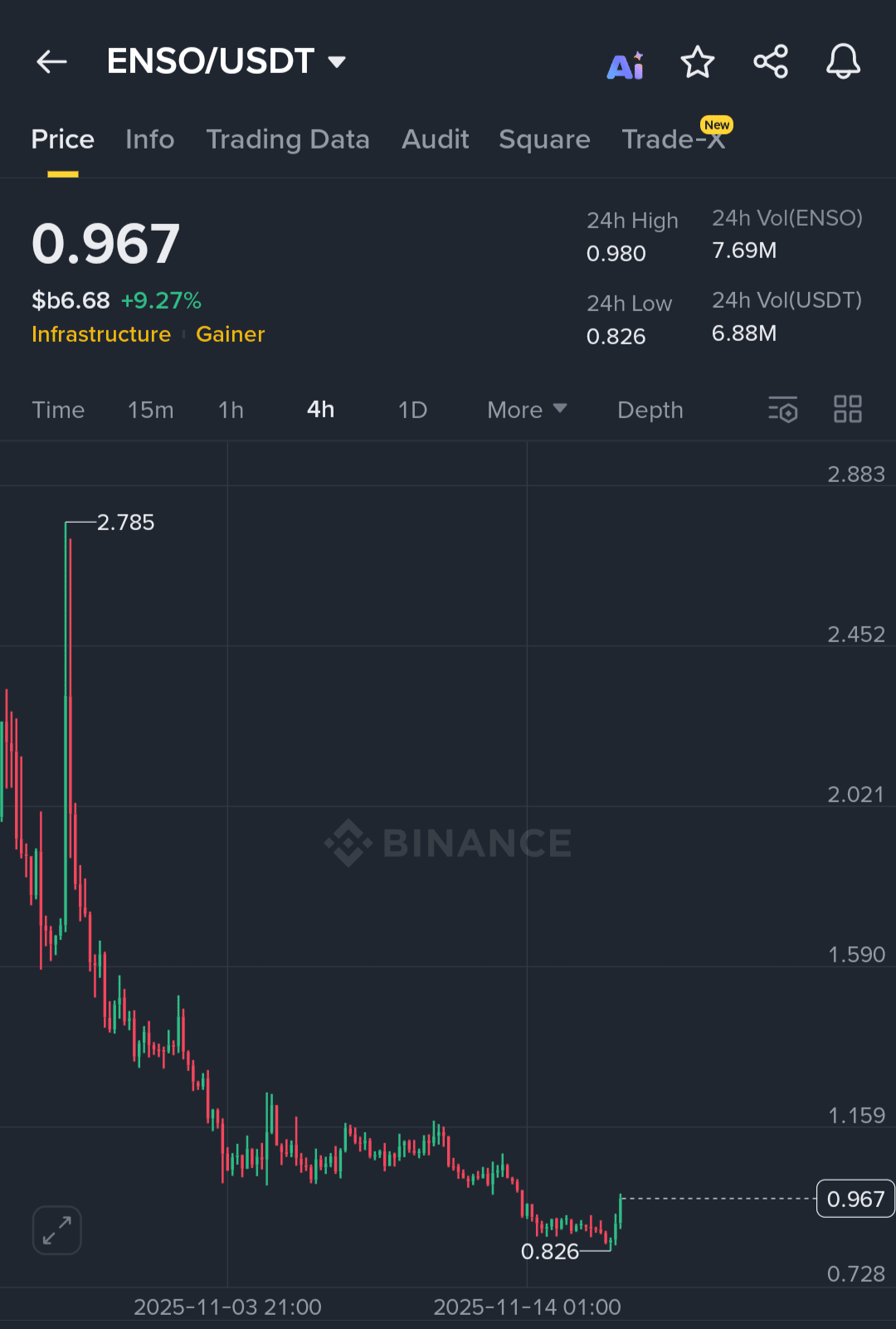
$ENSO اعطِ فرصة أخرى للإمساك بها عند انخفاض ..
حقًا إذا كنتم ترغبون في التقاط الحركة الكبيرة التالية ..
افتحوا مراكز طويلة على #ENSO
إعداد التجارة:
الدخول: $0.82 - $0.97
الهدف 1: $1.59
الهدف 2: $2.02
الهدف 3: $2.45
الهدف 4: $2.88+
وقف الخسارة: $0.75
$ENSO
حقًا إذا كنتم ترغبون في التقاط الحركة الكبيرة التالية ..
افتحوا مراكز طويلة على #ENSO
إعداد التجارة:
الدخول: $0.82 - $0.97
الهدف 1: $1.59
الهدف 2: $2.02
الهدف 3: $2.45
الهدف 4: $2.88+
وقف الخسارة: $0.75
$ENSO

عرض الترجمة
BullishBanter
·
--
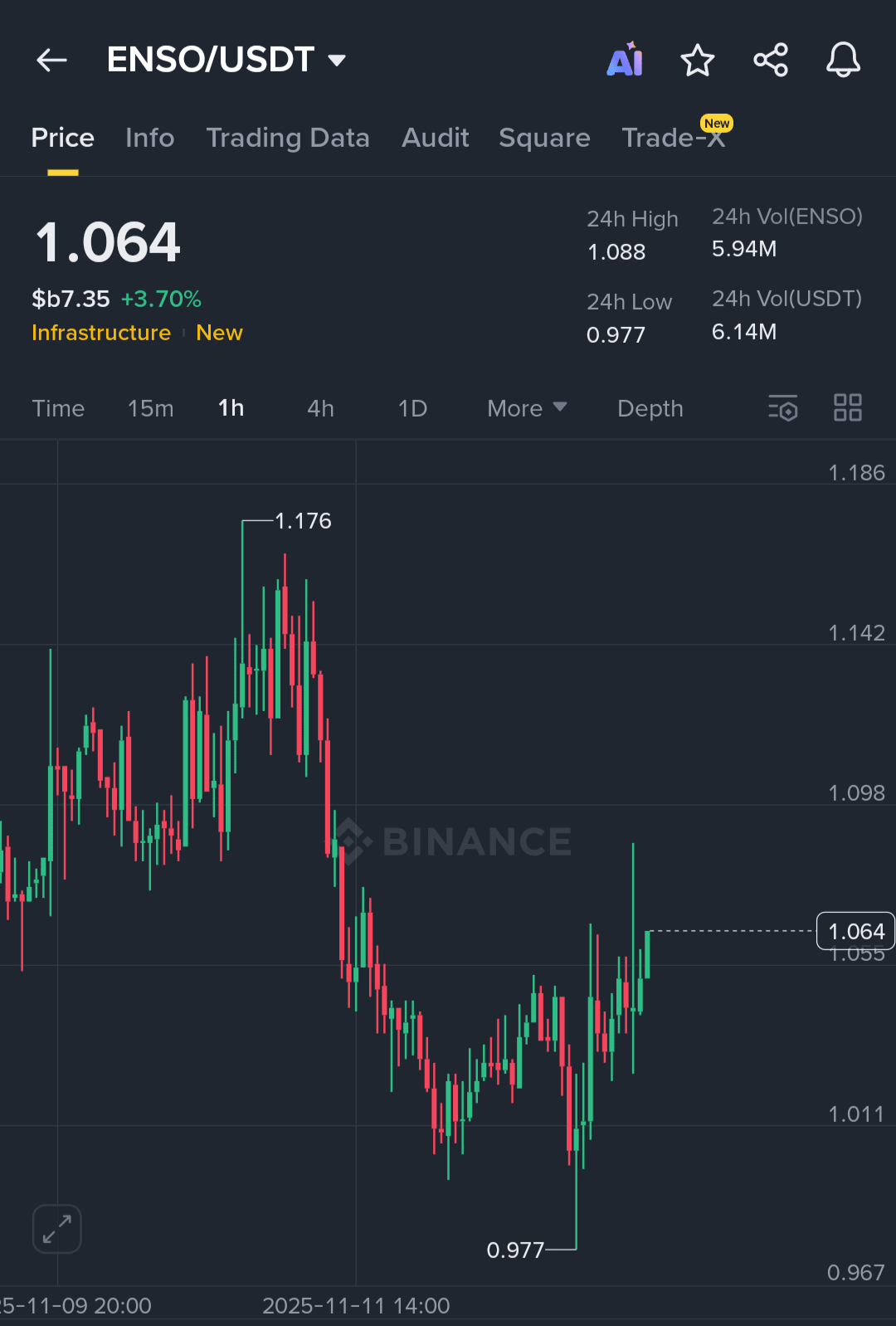
$ENSO اعطِ فرصة أخرى للإمساك بها عند انخفاض . ..
حقًا إذا كنتم ترغبون في استعادة خسائركم السابقة . ..
ثم اشتروا وافتتحوا مراكز طويلة على #ENSO الآن.
إعداد الصفقة:
الدخول $0.98 – $1.05
الهدف 1: $1.28
الهدف 2: $1.55
الهدف 3: $1.90
الهدف 4: $2.40+
وقف الخسارة $0.94
ENSO لمست الحد الأدنى $0.977 وأظهرت ارتدادًا قويًا ونظيفًا مع زخم أخضر قوي. هذا هو نفس النوع من التراكم على المستويات المنخفضة حيث يحقق المشترون الأوائل أعلى الأرباح. يظهر الرسم البياني علامات تعافي واضحة، وENSO يمكن أن تبدأ بسهولة اتجاهًا صاعدًا جديدًا من هنا.
إذا كنتم ترغبون حقًا في استعادة الخسائر السابقة، فإن هذه المنطقة المنخفضة هي أفضل فرصة. إعداد طويل مثالي ذو مكافأة عالية.
$ENSO
عرض الترجمة
تم حذف محتوى الاقتباس
عرض الترجمة
تم حذف محتوى الاقتباس
عرض الترجمة


Hazel Noor
·
--
كيفية كسب 12 إلى 18 دولارًا على Binance كل يوم دون أي استثمار
لا تحتاج إلى مهارات تداول أو أموال كبيرة لكسب المال على Binance. توفر المنصة نفسها طرقاً مجانية لكسب المال إذا كنت نشطاً ومتسقاً. في 20-30 دقيقة يومياً، يمكنك بناء ما يتراوح بين $12 و$18 في اليوم، ليصل إجمالي دخلك إلى ما بين $360 و$540 شهرياً.
الخطوة 1: تعلم واكسب (💰 $4–$6 يومياً)
انضم إلى الدروس القصيرة والاختبارات في Binance. كل حملة تمنحك توكنات مجانية تصل قيمتها إلى $4–$6. يمكن أن تزيد القيمة من أرباحك إذا ارتفعت قيمتها.
الخطوة 2: الإحالات (💰 $5–$6 يومياً)
شارك رابط الإحالة الخاص بك. عندما يقوم الأشخاص بالتسجيل والتداول من خلال رابطك، تكسب جزءًا من رسومهم. مع عدد قليل من التسجيلات النشطة، يمكنك تحقيق أكثر من $5 يومياً.
عرض الترجمة

تم حذف محتوى الاقتباس
عرض الترجمة
تم حذف محتوى الاقتباس
سجّل الدخول لاستكشاف المزيد من المُحتوى