
crypto_kir
64 منشورات

crypto_kir
إبلاغ
حظر المُستخدم
20 تتابع
30 المتابعون
143 إعجاب
منشورات
الكل
اقتباسات
PINNED
·
--
عرض الترجمة
#openledger $OPEN
The future of AI should not be controlled only by centralized companies, and that is why @Openledger is becoming an interesting project in Web3. OpenLedger focuses on decentralized AI infrastructure where contributors, developers, and communities can participate in building AI ecosystems more transparently. As blockchain and AI continue to grow together, projects creating real utility and contributor-driven networks may become very important in the next phase of crypto innovation. Looking forward to seeing how the $OPEN ecosystem evolves over time. #OpenLedger
#openledger $OPEN
The future of AI should not be controlled only by centralized companies, and that is why @OpenLedger is becoming an interesting project in Web3. OpenLedger focuses on decentralized AI infrastructure where contributors, developers, and communities can participate in building AI ecosystems more transparently. As blockchain and AI continue to grow together, projects creating real utility and contributor-driven networks may become very important in the next phase of crypto innovation. Looking forward to seeing how the $OPEN ecosystem evolves over time. #OpenLedger
The future of AI should not be controlled only by centralized companies, and that is why @OpenLedger is becoming an interesting project in Web3. OpenLedger focuses on decentralized AI infrastructure where contributors, developers, and communities can participate in building AI ecosystems more transparently. As blockchain and AI continue to grow together, projects creating real utility and contributor-driven networks may become very important in the next phase of crypto innovation. Looking forward to seeing how the $OPEN ecosystem evolves over time. #OpenLedger
3
72
PINNED
·
--
كيف تربط @OpenLedger بين تقنية البلوكتشين ومستقبل الذكاء الاصطناعييصبح الذكاء الاصطناعي بسرعة واحدة من أهم التقنيات في العالم، لكن النظام البيئي الحالي للذكاء الاصطناعي لا يزال يهيمن عليه شركات مركزية تتحكم في البيانات والبنية التحتية وتطوير النماذج. هذا يثير مخاوف حول الشفافية والملكية ومكافآت المساهمين والوصول. @Openledger تحاول حل بعض هذه التحديات من خلال بناء بنية تحتية للذكاء الاصطناعي لامركزية مدعومة بتقنية البلوكتشين.
الفكرة الرئيسية وراء OpenLedger هي إنشاء نظام بيئي أكثر انفتاحًا حيث يمكن للمساهمين المشاركة بنشاط في تطوير الذكاء الاصطناعي بدلاً من الاعتماد بالكامل على الأنظمة المركزية. تتطلب نماذج الذكاء الاصطناعي كميات هائلة من البيانات والموارد الحاسوبية، ولكن في الأنظمة التقليدية، غالبًا ما يتلقى المساهمون القليل من التقدير أو القيمة لمساهماتهم. تهدف OpenLedger إلى إنشاء شبكة حيث يمكن أن تصبح المشاركة والمساهمات أكثر شفافية وتحفيزًا.
كيف تربط @OpenLedger بين تقنية البلوكتشين ومستقبل الذكاء الاصطناعي
يصبح الذكاء الاصطناعي بسرعة واحدة من أهم التقنيات في العالم، لكن النظام البيئي الحالي للذكاء الاصطناعي لا يزال يهيمن عليه شركات مركزية تتحكم في البيانات والبنية التحتية وتطوير النماذج. هذا يثير مخاوف حول الشفافية والملكية ومكافآت المساهمين والوصول. @OpenLedger تحاول حل بعض هذه التحديات من خلال بناء بنية تحتية للذكاء الاصطناعي لامركزية مدعومة بتقنية البلوكتشين.
الفكرة الرئيسية وراء OpenLedger هي إنشاء نظام بيئي أكثر انفتاحًا حيث يمكن للمساهمين المشاركة بنشاط في تطوير الذكاء الاصطناعي بدلاً من الاعتماد بالكامل على الأنظمة المركزية. تتطلب نماذج الذكاء الاصطناعي كميات هائلة من البيانات والموارد الحاسوبية، ولكن في الأنظمة التقليدية، غالبًا ما يتلقى المساهمون القليل من التقدير أو القيمة لمساهماتهم. تهدف OpenLedger إلى إنشاء شبكة حيث يمكن أن تصبح المشاركة والمساهمات أكثر شفافية وتحفيزًا.
الفكرة الرئيسية وراء OpenLedger هي إنشاء نظام بيئي أكثر انفتاحًا حيث يمكن للمساهمين المشاركة بنشاط في تطوير الذكاء الاصطناعي بدلاً من الاعتماد بالكامل على الأنظمة المركزية. تتطلب نماذج الذكاء الاصطناعي كميات هائلة من البيانات والموارد الحاسوبية، ولكن في الأنظمة التقليدية، غالبًا ما يتلقى المساهمون القليل من التقدير أو القيمة لمساهماتهم. تهدف OpenLedger إلى إنشاء شبكة حيث يمكن أن تصبح المشاركة والمساهمات أكثر شفافية وتحفيزًا.
3
64
·
--
عرض الترجمة
Why OpenLedger Could Become a Key Infrastructure Layer for Decentralized AIWhy @Openledger Could Become a Key Infrastructure Layer for Decentralized AI
Artificial Intelligence is growing at an incredible pace, but most AI systems today are still controlled by centralized companies. Data, computing power, and AI models are often owned by a few large organizations, which creates concerns around transparency, accessibility, and fair rewards for contributors. This is where @Openledger enters the conversation with a vision that combines blockchain technology and decentralized AI infrastructure.
OpenLedger aims to build an ecosystem where AI development becomes more open, transparent, and community-driven. Instead of depending entirely on centralized platforms, OpenLedger focuses on decentralized participation where developers, data providers, and contributors can all play an active role in the network. This concept is important because AI systems rely heavily on quality data and computing resources, yet contributors are rarely rewarded fairly in traditional systems.
One of the most interesting aspects of OpenLedger is the idea of creating value around AI contributions using blockchain technology. With decentralization, contributors can potentially receive transparent incentives while maintaining trust within the ecosystem. This approach could encourage more innovation and broader participation in AI development across the Web3 space.
The $OPEN token is expected to play a significant role within the ecosystem by supporting network activity, participation, and future utility inside the platform. As the AI narrative continues to grow in crypto, projects that focus on real infrastructure rather than hype may attract stronger long-term attention.
Another reason OpenLedger stands out is its positioning within two of the biggest technological trends today: AI and blockchain. AI requires scalable and trustworthy systems, while blockchain provides transparency and decentralized coordination. Combining these technologies could create a future where AI development is more accessible and less dependent on centralized control.
The crypto industry is moving beyond simple speculation and increasingly focusing on utility-driven ecosystems. OpenLedger appears to be building toward that direction by creating infrastructure that supports decentralized AI applications and contributor participation. If adoption of decentralized AI continues to increase, projects like OpenLedger could become highly relevant in the next phase of Web3 innovation.
As always, every crypto project carries risks, and long-term success depends on execution, adoption, and community growth. However, the vision behind @Openledger presents an interesting perspective on how blockchain technology can support the future of AI in a decentralized and transparent way.
$OPEN #OpenLedger
Why OpenLedger Could Become a Key Infrastructure Layer for Decentralized AI
Why @OpenLedger Could Become a Key Infrastructure Layer for Decentralized AI
Artificial Intelligence is growing at an incredible pace, but most AI systems today are still controlled by centralized companies. Data, computing power, and AI models are often owned by a few large organizations, which creates concerns around transparency, accessibility, and fair rewards for contributors. This is where @OpenLedger enters the conversation with a vision that combines blockchain technology and decentralized AI infrastructure.
OpenLedger aims to build an ecosystem where AI development becomes more open, transparent, and community-driven. Instead of depending entirely on centralized platforms, OpenLedger focuses on decentralized participation where developers, data providers, and contributors can all play an active role in the network. This concept is important because AI systems rely heavily on quality data and computing resources, yet contributors are rarely rewarded fairly in traditional systems.
One of the most interesting aspects of OpenLedger is the idea of creating value around AI contributions using blockchain technology. With decentralization, contributors can potentially receive transparent incentives while maintaining trust within the ecosystem. This approach could encourage more innovation and broader participation in AI development across the Web3 space.
The $OPEN token is expected to play a significant role within the ecosystem by supporting network activity, participation, and future utility inside the platform. As the AI narrative continues to grow in crypto, projects that focus on real infrastructure rather than hype may attract stronger long-term attention.
Another reason OpenLedger stands out is its positioning within two of the biggest technological trends today: AI and blockchain. AI requires scalable and trustworthy systems, while blockchain provides transparency and decentralized coordination. Combining these technologies could create a future where AI development is more accessible and less dependent on centralized control.
The crypto industry is moving beyond simple speculation and increasingly focusing on utility-driven ecosystems. OpenLedger appears to be building toward that direction by creating infrastructure that supports decentralized AI applications and contributor participation. If adoption of decentralized AI continues to increase, projects like OpenLedger could become highly relevant in the next phase of Web3 innovation.
As always, every crypto project carries risks, and long-term success depends on execution, adoption, and community growth. However, the vision behind @OpenLedger presents an interesting perspective on how blockchain technology can support the future of AI in a decentralized and transparent way.
$OPEN #OpenLedger
Artificial Intelligence is growing at an incredible pace, but most AI systems today are still controlled by centralized companies. Data, computing power, and AI models are often owned by a few large organizations, which creates concerns around transparency, accessibility, and fair rewards for contributors. This is where @OpenLedger enters the conversation with a vision that combines blockchain technology and decentralized AI infrastructure.
OpenLedger aims to build an ecosystem where AI development becomes more open, transparent, and community-driven. Instead of depending entirely on centralized platforms, OpenLedger focuses on decentralized participation where developers, data providers, and contributors can all play an active role in the network. This concept is important because AI systems rely heavily on quality data and computing resources, yet contributors are rarely rewarded fairly in traditional systems.
One of the most interesting aspects of OpenLedger is the idea of creating value around AI contributions using blockchain technology. With decentralization, contributors can potentially receive transparent incentives while maintaining trust within the ecosystem. This approach could encourage more innovation and broader participation in AI development across the Web3 space.
The $OPEN token is expected to play a significant role within the ecosystem by supporting network activity, participation, and future utility inside the platform. As the AI narrative continues to grow in crypto, projects that focus on real infrastructure rather than hype may attract stronger long-term attention.
Another reason OpenLedger stands out is its positioning within two of the biggest technological trends today: AI and blockchain. AI requires scalable and trustworthy systems, while blockchain provides transparency and decentralized coordination. Combining these technologies could create a future where AI development is more accessible and less dependent on centralized control.
The crypto industry is moving beyond simple speculation and increasingly focusing on utility-driven ecosystems. OpenLedger appears to be building toward that direction by creating infrastructure that supports decentralized AI applications and contributor participation. If adoption of decentralized AI continues to increase, projects like OpenLedger could become highly relevant in the next phase of Web3 innovation.
As always, every crypto project carries risks, and long-term success depends on execution, adoption, and community growth. However, the vision behind @OpenLedger presents an interesting perspective on how blockchain technology can support the future of AI in a decentralized and transparent way.
$OPEN #OpenLedger
3
59
·
--
عرض الترجمة
#openledger $OPEN
@Openledger is building an interesting foundation for decentralized AI by combining blockchain transparency with data contribution incentives. In the future, AI models will need trusted and permissionless data networks, and OpenLedger could play a major role in enabling that ecosystem. The idea of rewarding contributors while supporting AI innovation makes this project worth watching closely. $OPEN #OpenLedger
#openledger $OPEN
@OpenLedger is building an interesting foundation for decentralized AI by combining blockchain transparency with data contribution incentives. In the future, AI models will need trusted and permissionless data networks, and OpenLedger could play a major role in enabling that ecosystem. The idea of rewarding contributors while supporting AI innovation makes this project worth watching closely. $OPEN #OpenLedger
@OpenLedger is building an interesting foundation for decentralized AI by combining blockchain transparency with data contribution incentives. In the future, AI models will need trusted and permissionless data networks, and OpenLedger could play a major role in enabling that ecosystem. The idea of rewarding contributors while supporting AI innovation makes this project worth watching closely. $OPEN #OpenLedger
3
68
·
--
عرض الترجمة
#pixel $PIXEL @pixels
At first, I thought @pixels was just another farming game. Simple loop—play, earn, progress. That’s it. But after spending some time, it started to feel like something more… not just a game anymore.
I went in with basic expectations—earn rewards, move forward. But then I noticed something small: decisions started to matter. Claiming $PIXEL , choosing whether to pay fees or use vPIXEL in-game… these don’t feel like random actions. They feel like small mindset shifts.
And slowly, a pattern shows up. Earlier, it was all about earning. Now it’s about optimizing. People are thinking—where to stake, which pool performs better, what’s the smarter move.
The loop is changing. From grinding… to thinking.
Sometimes it doesn’t feel like a game. It feels like an ecosystem where player behavior decides what grows and what fades. Even something like auto-staking vs manual staking feels different. One is passive, the other feels like participation.
And with the upcoming Ronin Network migration, things might evolve further. Maybe smoother experience, maybe new opportunities—we’ll see.
I’m not fully convinced yet though. When everyone starts optimizing, systems can become predictable. But if competition stays healthy, it could push innovation forward.
Right now, @pixels feels like it’s in transition—from a game… to something bigger.
The real question is—are we just earning rewards, or slowly becoming part of a system we don’t fully see yet?
Maybe this is just the beginning 🚀
#pixel $PIXEL @Pixels
At first, I thought @Pixels was just another farming game. Simple loop—play, earn, progress. That’s it. But after spending some time, it started to feel like something more… not just a game anymore.
I went in with basic expectations—earn rewards, move forward. But then I noticed something small: decisions started to matter. Claiming $PIXEL , choosing whether to pay fees or use vPIXEL in-game… these don’t feel like random actions. They feel like small mindset shifts.
And slowly, a pattern shows up. Earlier, it was all about earning. Now it’s about optimizing. People are thinking—where to stake, which pool performs better, what’s the smarter move.
The loop is changing. From grinding… to thinking.
Sometimes it doesn’t feel like a game. It feels like an ecosystem where player behavior decides what grows and what fades. Even something like auto-staking vs manual staking feels different. One is passive, the other feels like participation.
And with the upcoming Ronin Network migration, things might evolve further. Maybe smoother experience, maybe new opportunities—we’ll see.
I’m not fully convinced yet though. When everyone starts optimizing, systems can become predictable. But if competition stays healthy, it could push innovation forward.
Right now, @Pixels feels like it’s in transition—from a game… to something bigger.
The real question is—are we just earning rewards, or slowly becoming part of a system we don’t fully see yet?
Maybe this is just the beginning 🚀
At first, I thought @Pixels was just another farming game. Simple loop—play, earn, progress. That’s it. But after spending some time, it started to feel like something more… not just a game anymore.
I went in with basic expectations—earn rewards, move forward. But then I noticed something small: decisions started to matter. Claiming $PIXEL , choosing whether to pay fees or use vPIXEL in-game… these don’t feel like random actions. They feel like small mindset shifts.
And slowly, a pattern shows up. Earlier, it was all about earning. Now it’s about optimizing. People are thinking—where to stake, which pool performs better, what’s the smarter move.
The loop is changing. From grinding… to thinking.
Sometimes it doesn’t feel like a game. It feels like an ecosystem where player behavior decides what grows and what fades. Even something like auto-staking vs manual staking feels different. One is passive, the other feels like participation.
And with the upcoming Ronin Network migration, things might evolve further. Maybe smoother experience, maybe new opportunities—we’ll see.
I’m not fully convinced yet though. When everyone starts optimizing, systems can become predictable. But if competition stays healthy, it could push innovation forward.
Right now, @Pixels feels like it’s in transition—from a game… to something bigger.
The real question is—are we just earning rewards, or slowly becoming part of a system we don’t fully see yet?
Maybe this is just the beginning 🚀
3
55
·
--
اللعب لكسب المال كان بسيطًا... بيكسل تدرب بهدوء كيف يقرر الناس 🧠عندما صادفت @Pixels لأول مرة، لم أفكر كثيرًا في الأمر. بدا مألوفًا—دوائر الزراعة، إدارة الموارد، اقتصاد توكن مرتبط بالنشاط. هيكل GameFi الكلاسيكي. تلعب، تكسب، تتقدم.
لكن كلما شاهدت كيف يتفاعل الناس معه فعليًا، أصبح من الصعب أكثر أن أشرح ذلك بهذه البساطة.
لأن ما يحدث هنا لا يشعر وكأنه مجرد لعبة بعد الآن. إنه يبدو كنظام يشكل ببطء كيف يقرر الناس.
على المستوى السطحي، يبدو كل شيء نظيفًا. اراهن لتصويت، مكافآت يومية، حوافز منظمة. تضع رهاناتك بـ $PIXEL، تدعم لعبة، وتتلقى مكافآت بناءً على المشاركة. يبدو ذلك عادلًا، تقريبًا مثل نظام تصويت لامركزي.
اللعب لكسب المال كان بسيطًا... بيكسل تدرب بهدوء كيف يقرر الناس 🧠
عندما صادفت @Pixels لأول مرة، لم أفكر كثيرًا في الأمر. بدا مألوفًا—دوائر الزراعة، إدارة الموارد، اقتصاد توكن مرتبط بالنشاط. هيكل GameFi الكلاسيكي. تلعب، تكسب، تتقدم.
لكن كلما شاهدت كيف يتفاعل الناس معه فعليًا، أصبح من الصعب أكثر أن أشرح ذلك بهذه البساطة.
لأن ما يحدث هنا لا يشعر وكأنه مجرد لعبة بعد الآن. إنه يبدو كنظام يشكل ببطء كيف يقرر الناس.
على المستوى السطحي، يبدو كل شيء نظيفًا. اراهن لتصويت، مكافآت يومية، حوافز منظمة. تضع رهاناتك بـ $PIXEL ، تدعم لعبة، وتتلقى مكافآت بناءً على المشاركة. يبدو ذلك عادلًا، تقريبًا مثل نظام تصويت لامركزي.
لكن كلما شاهدت كيف يتفاعل الناس معه فعليًا، أصبح من الصعب أكثر أن أشرح ذلك بهذه البساطة.
لأن ما يحدث هنا لا يشعر وكأنه مجرد لعبة بعد الآن. إنه يبدو كنظام يشكل ببطء كيف يقرر الناس.
على المستوى السطحي، يبدو كل شيء نظيفًا. اراهن لتصويت، مكافآت يومية، حوافز منظمة. تضع رهاناتك بـ $PIXEL ، تدعم لعبة، وتتلقى مكافآت بناءً على المشاركة. يبدو ذلك عادلًا، تقريبًا مثل نظام تصويت لامركزي.
3
80
·
--
#pixel $PIXEL
كنت أعتقد أن مشروع @Pixels مبني حول التقدم مثل معظم مشاريع GameFi. طحن، ترقية، كسب. هذه هي الحلقة المعتادة. لكن كلما راقبت أكثر، كلما شعرت أن التقدم ليس هو المحرك الأساسي.
ما يبرز هو مدى تكرار اللعبة في تقديم لحظات صغيرة من الاحتكاك. ليست كافية للإحباط، لكنها كافية لجعلك تتوقف. الطاقة تنفد. المؤقتات تبطئ الأمور. المهام تتكرر بما يكفي لتشعر بأنها غير فعالة قليلاً.
وهنا يظهر $PIXEL . ليس كشيء تخطط لاستخدامه—بل كشيء ينتهي بك الأمر باستخدامه.
لا يبدو كهدف. يبدو كاستجابة.
لا تستيقظ pensando “سأستخدم Pixel اليوم.” تصطدم بتأخير، تباطؤ، إزعاج صغير… ثم تقرر. تخطي أو انتظار. هذه هي الحلقة.
وهذا يجعلني أفكر أن السؤال الحقيقي ليس كم عدد اللاعبين الذين ينضمون—ولكن كم مرة يصل اللاعبون إلى تلك النقطة الحاسمة. لأنه إذا استمرت تلك اللحظات في الحدوث بشكل طبيعي، يتكرر الطلب. إذا تلاشت أو شعرت بأنها مفروضة، يتكيف اللاعبون أو يبتعدون.
لذا، أنا لا أراقب الضجيج أو السعر هنا. أنا أراقب السلوك.
هل يواصل اللاعبون اختيار السرعة على الانتظار… أم أنهم يبدأون في تجاهل الاحتكاك تمامًا؟
قد تكون تلك الإجابة أكثر أهمية من أي شيء آخر.
#pixel $PIXEL @pixels
#pixel $PIXEL
كنت أعتقد أن مشروع @Pixels مبني حول التقدم مثل معظم مشاريع GameFi. طحن، ترقية، كسب. هذه هي الحلقة المعتادة. لكن كلما راقبت أكثر، كلما شعرت أن التقدم ليس هو المحرك الأساسي.
ما يبرز هو مدى تكرار اللعبة في تقديم لحظات صغيرة من الاحتكاك. ليست كافية للإحباط، لكنها كافية لجعلك تتوقف. الطاقة تنفد. المؤقتات تبطئ الأمور. المهام تتكرر بما يكفي لتشعر بأنها غير فعالة قليلاً.
وهنا يظهر $PIXEL . ليس كشيء تخطط لاستخدامه—بل كشيء ينتهي بك الأمر باستخدامه.
لا يبدو كهدف. يبدو كاستجابة.
لا تستيقظ pensando “سأستخدم Pixel اليوم.” تصطدم بتأخير، تباطؤ، إزعاج صغير… ثم تقرر. تخطي أو انتظار. هذه هي الحلقة.
وهذا يجعلني أفكر أن السؤال الحقيقي ليس كم عدد اللاعبين الذين ينضمون—ولكن كم مرة يصل اللاعبون إلى تلك النقطة الحاسمة. لأنه إذا استمرت تلك اللحظات في الحدوث بشكل طبيعي، يتكرر الطلب. إذا تلاشت أو شعرت بأنها مفروضة، يتكيف اللاعبون أو يبتعدون.
لذا، أنا لا أراقب الضجيج أو السعر هنا. أنا أراقب السلوك.
هل يواصل اللاعبون اختيار السرعة على الانتظار… أم أنهم يبدأون في تجاهل الاحتكاك تمامًا؟
قد تكون تلك الإجابة أكثر أهمية من أي شيء آخر.
#pixel $PIXEL @Pixels
كنت أعتقد أن مشروع @Pixels مبني حول التقدم مثل معظم مشاريع GameFi. طحن، ترقية، كسب. هذه هي الحلقة المعتادة. لكن كلما راقبت أكثر، كلما شعرت أن التقدم ليس هو المحرك الأساسي.
ما يبرز هو مدى تكرار اللعبة في تقديم لحظات صغيرة من الاحتكاك. ليست كافية للإحباط، لكنها كافية لجعلك تتوقف. الطاقة تنفد. المؤقتات تبطئ الأمور. المهام تتكرر بما يكفي لتشعر بأنها غير فعالة قليلاً.
وهنا يظهر $PIXEL . ليس كشيء تخطط لاستخدامه—بل كشيء ينتهي بك الأمر باستخدامه.
لا يبدو كهدف. يبدو كاستجابة.
لا تستيقظ pensando “سأستخدم Pixel اليوم.” تصطدم بتأخير، تباطؤ، إزعاج صغير… ثم تقرر. تخطي أو انتظار. هذه هي الحلقة.
وهذا يجعلني أفكر أن السؤال الحقيقي ليس كم عدد اللاعبين الذين ينضمون—ولكن كم مرة يصل اللاعبون إلى تلك النقطة الحاسمة. لأنه إذا استمرت تلك اللحظات في الحدوث بشكل طبيعي، يتكرر الطلب. إذا تلاشت أو شعرت بأنها مفروضة، يتكيف اللاعبون أو يبتعدون.
لذا، أنا لا أراقب الضجيج أو السعر هنا. أنا أراقب السلوك.
هل يواصل اللاعبون اختيار السرعة على الانتظار… أم أنهم يبدأون في تجاهل الاحتكاك تمامًا؟
قد تكون تلك الإجابة أكثر أهمية من أي شيء آخر.
#pixel $PIXEL @Pixels
2
42
·
--

مقالة
بيكسلز ليست مجرد لعبة... إنها بهدوء تتعلق بكيف تشعر بالزمن ⏳لم أفكر كثيرًا في @pixels في البداية. بدت مثل كل حلقة GameFi على نمط الزراعة الأخرى—ازرع المحاصيل، انتظر، احصد، كرر. مريحة، متوقعة، لا شيء مفاجئ. لقد رأيت ما يكفي من هذه لأفترض أنني أعرف كيف تعمل وعادةً ما تنتهي.
لكن بعد مشاهدتي الفعلية لكيفية لعب الناس (بما في ذلك نفسي)، كان هناك شيء مختلف قليلاً. ليس واضحًا. فقط... دقيق.
الأمر ليس حقًا متعلقًا بما تكسبه. بل يتعلق بمدة كل شيء.
وذلك يبدو بسيطًا، لكنه يغير كل شيء.
بيكسلز ليست مجرد لعبة... إنها بهدوء تتعلق بكيف تشعر بالزمن ⏳
لم أفكر كثيرًا في @Pixels في البداية. بدت مثل كل حلقة GameFi على نمط الزراعة الأخرى—ازرع المحاصيل، انتظر، احصد، كرر. مريحة، متوقعة، لا شيء مفاجئ. لقد رأيت ما يكفي من هذه لأفترض أنني أعرف كيف تعمل وعادةً ما تنتهي.
لكن بعد مشاهدتي الفعلية لكيفية لعب الناس (بما في ذلك نفسي)، كان هناك شيء مختلف قليلاً. ليس واضحًا. فقط... دقيق.
الأمر ليس حقًا متعلقًا بما تكسبه. بل يتعلق بمدة كل شيء.
وذلك يبدو بسيطًا، لكنه يغير كل شيء.
لكن بعد مشاهدتي الفعلية لكيفية لعب الناس (بما في ذلك نفسي)، كان هناك شيء مختلف قليلاً. ليس واضحًا. فقط... دقيق.
الأمر ليس حقًا متعلقًا بما تكسبه. بل يتعلق بمدة كل شيء.
وذلك يبدو بسيطًا، لكنه يغير كل شيء.
2
63
·
--
عرض الترجمة
#pixel $PIXEL
@pixels is changing the GameFi narrative by introducing Stacked, a smarter reward system that focuses on real player behavior instead of farming. By aligning incentives with engagement, the ecosystem becomes more sustainable over time. With $PIXEL expanding as a cross-game rewards token, this could be a strong step toward long-term Web3 gaming growth. #pixel
#pixel $PIXEL
@Pixels is changing the GameFi narrative by introducing Stacked, a smarter reward system that focuses on real player behavior instead of farming. By aligning incentives with engagement, the ecosystem becomes more sustainable over time. With $PIXEL expanding as a cross-game rewards token, this could be a strong step toward long-term Web3 gaming growth. #pixel
@Pixels is changing the GameFi narrative by introducing Stacked, a smarter reward system that focuses on real player behavior instead of farming. By aligning incentives with engagement, the ecosystem becomes more sustainable over time. With $PIXEL expanding as a cross-game rewards token, this could be a strong step toward long-term Web3 gaming growth. #pixel
2
21
·
--
@Pixels & Stacked: تحويل نشاط اللاعب إلى قيمة حقيقية في GameFiأكبر تحدٍ في GameFi كان دائماً الاستدامة. العديد من المشاريع جذبت المستخدمين بالمكافآت لكنها فشلت في الحفاظ على اقتصادات طويلة الأمد. @pixels تتعامل مع هذا بشكل مختلف من خلال بناء نظام حيث ترتبط المكافآت بالتفاعل الحقيقي بدلاً من النشاط السلبي.
في قلب هذا التطور توجد Stacked، محرك المكافآت الذي يغير طريقة توزيع الحوافز. بدلاً من مكافأة الجميع بالتساوي، يركز على تحديد سلوك اللاعبين المعنيين وتخصيص المكافآت بشكل استراتيجي. هذا يجعل النظام أكثر كفاءة ويقلل من مشكلات مثل زراعة الروبوتات واستنزاف المكافآت.
@Pixels & Stacked: تحويل نشاط اللاعب إلى قيمة حقيقية في GameFi
أكبر تحدٍ في GameFi كان دائماً الاستدامة. العديد من المشاريع جذبت المستخدمين بالمكافآت لكنها فشلت في الحفاظ على اقتصادات طويلة الأمد. @Pixels تتعامل مع هذا بشكل مختلف من خلال بناء نظام حيث ترتبط المكافآت بالتفاعل الحقيقي بدلاً من النشاط السلبي.
في قلب هذا التطور توجد Stacked، محرك المكافآت الذي يغير طريقة توزيع الحوافز. بدلاً من مكافأة الجميع بالتساوي، يركز على تحديد سلوك اللاعبين المعنيين وتخصيص المكافآت بشكل استراتيجي. هذا يجعل النظام أكثر كفاءة ويقلل من مشكلات مثل زراعة الروبوتات واستنزاف المكافآت.
في قلب هذا التطور توجد Stacked، محرك المكافآت الذي يغير طريقة توزيع الحوافز. بدلاً من مكافأة الجميع بالتساوي، يركز على تحديد سلوك اللاعبين المعنيين وتخصيص المكافآت بشكل استراتيجي. هذا يجعل النظام أكثر كفاءة ويقلل من مشكلات مثل زراعة الروبوتات واستنزاف المكافآت.
2
37
·
--
عرض الترجمة
How @Pixels and Stacked Are Redefining GameFi with Real Rewards and Sustainable Economies 🚀The GameFi space has long struggled with one major issue—sustainability. Many play-to-earn models initially attract users with rewards, but over time they collapse due to bot farming, poor reward distribution, and lack of real economic balance. This is exactly the problem that @pixels is solving through its innovative Stacked ecosystem.
Built on Ronin Network, Pixels has evolved from a simple farming game into a fully functional digital economy. But the real breakthrough comes with Stacked App, which acts as a rewarded LiveOps engine designed to optimize how incentives are distributed across players. Instead of blindly giving rewards, Stacked focuses on delivering the right reward to the right player at the right time.
What makes Stacked unique is its AI-driven game economist. This system analyzes player behavior, identifies patterns such as churn or retention gaps, and suggests reward strategies that improve long-term engagement. For example, it can detect when players are likely to stop playing and trigger targeted incentives to retain them. This transforms rewards from a cost into a strategic investment.
Another important aspect is that Stacked is not just a concept—it has already been tested at scale within the Pixels ecosystem. With millions of players and hundreds of millions of rewards processed, the system has proven its ability to support a real, functioning economy. This also contributed significantly to the platform’s revenue, showing that sustainable GameFi is achievable.
The role of $PIXEL is also expanding. It is no longer limited to a single game but is gradually becoming a cross-ecosystem rewards currency. As more games and experiences integrate with Stacked, the demand and utility of $PIXEL are expected to grow, making it a key component of the broader ecosystem.
One of the most powerful ideas behind Stacked is the redirection of traditional gaming marketing budgets. Instead of spending heavily on ads, studios can now allocate those funds directly to players as rewards. This creates a win-win situation—players earn real value, and developers gain measurable engagement and retention.
In conclusion, @pixels is not just building a game but creating infrastructure for the future of Web3 gaming. With Stacked, the focus shifts from short-term hype to long-term sustainability, combining real rewards, intelligent systems, and a growing ecosystem powered by $PIXEL XEL. #pixel 🚀
How @Pixels and Stacked Are Redefining GameFi with Real Rewards and Sustainable Economies 🚀
The GameFi space has long struggled with one major issue—sustainability. Many play-to-earn models initially attract users with rewards, but over time they collapse due to bot farming, poor reward distribution, and lack of real economic balance. This is exactly the problem that @Pixels is solving through its innovative Stacked ecosystem.
Built on Ronin Network, Pixels has evolved from a simple farming game into a fully functional digital economy. But the real breakthrough comes with Stacked App, which acts as a rewarded LiveOps engine designed to optimize how incentives are distributed across players. Instead of blindly giving rewards, Stacked focuses on delivering the right reward to the right player at the right time.
What makes Stacked unique is its AI-driven game economist. This system analyzes player behavior, identifies patterns such as churn or retention gaps, and suggests reward strategies that improve long-term engagement. For example, it can detect when players are likely to stop playing and trigger targeted incentives to retain them. This transforms rewards from a cost into a strategic investment.
Another important aspect is that Stacked is not just a concept—it has already been tested at scale within the Pixels ecosystem. With millions of players and hundreds of millions of rewards processed, the system has proven its ability to support a real, functioning economy. This also contributed significantly to the platform’s revenue, showing that sustainable GameFi is achievable.
The role of $PIXEL is also expanding. It is no longer limited to a single game but is gradually becoming a cross-ecosystem rewards currency. As more games and experiences integrate with Stacked, the demand and utility of $PIXEL are expected to grow, making it a key component of the broader ecosystem.
One of the most powerful ideas behind Stacked is the redirection of traditional gaming marketing budgets. Instead of spending heavily on ads, studios can now allocate those funds directly to players as rewards. This creates a win-win situation—players earn real value, and developers gain measurable engagement and retention.
In conclusion, @Pixels is not just building a game but creating infrastructure for the future of Web3 gaming. With Stacked, the focus shifts from short-term hype to long-term sustainability, combining real rewards, intelligent systems, and a growing ecosystem powered by $PIXEL XEL. #pixel 🚀
Built on Ronin Network, Pixels has evolved from a simple farming game into a fully functional digital economy. But the real breakthrough comes with Stacked App, which acts as a rewarded LiveOps engine designed to optimize how incentives are distributed across players. Instead of blindly giving rewards, Stacked focuses on delivering the right reward to the right player at the right time.
What makes Stacked unique is its AI-driven game economist. This system analyzes player behavior, identifies patterns such as churn or retention gaps, and suggests reward strategies that improve long-term engagement. For example, it can detect when players are likely to stop playing and trigger targeted incentives to retain them. This transforms rewards from a cost into a strategic investment.
Another important aspect is that Stacked is not just a concept—it has already been tested at scale within the Pixels ecosystem. With millions of players and hundreds of millions of rewards processed, the system has proven its ability to support a real, functioning economy. This also contributed significantly to the platform’s revenue, showing that sustainable GameFi is achievable.
The role of $PIXEL is also expanding. It is no longer limited to a single game but is gradually becoming a cross-ecosystem rewards currency. As more games and experiences integrate with Stacked, the demand and utility of $PIXEL are expected to grow, making it a key component of the broader ecosystem.
One of the most powerful ideas behind Stacked is the redirection of traditional gaming marketing budgets. Instead of spending heavily on ads, studios can now allocate those funds directly to players as rewards. This creates a win-win situation—players earn real value, and developers gain measurable engagement and retention.
In conclusion, @Pixels is not just building a game but creating infrastructure for the future of Web3 gaming. With Stacked, the focus shifts from short-term hype to long-term sustainability, combining real rewards, intelligent systems, and a growing ecosystem powered by $PIXEL XEL. #pixel 🚀
2
17
·
--
عرض الترجمة
#pixel $PIXEL
@pixels is redefining GameFi with its Stacked ecosystem, where rewards are smarter and more sustainable. Instead of rewarding spam activity, the system focuses on real player engagement and long-term value. With $PIXEL evolving into a cross-game rewards currency, the ecosystem is growing beyond just one game into a scalable Web3 economy. #pixel
#pixel $PIXEL
@Pixels is redefining GameFi with its Stacked ecosystem, where rewards are smarter and more sustainable. Instead of rewarding spam activity, the system focuses on real player engagement and long-term value. With $PIXEL evolving into a cross-game rewards currency, the ecosystem is growing beyond just one game into a scalable Web3 economy. #pixel
@Pixels is redefining GameFi with its Stacked ecosystem, where rewards are smarter and more sustainable. Instead of rewarding spam activity, the system focuses on real player engagement and long-term value. With $PIXEL evolving into a cross-game rewards currency, the ecosystem is growing beyond just one game into a scalable Web3 economy. #pixel
2
11
·
--
عرض الترجمة
Pixels & $PIXEL: Building a Sustainable Play-to-Earn Economy with Stacked 🚀The evolution of play-to-earn is finally taking a meaningful turn with @pixels , and it’s clear the project is aiming far beyond the typical GameFi model. Built on Ronin Network, Pixels is not just another farming simulator—it’s becoming a full-scale digital economy where player effort directly translates into value.
The recent updates, including Tier 5 expansion, introduce deeper crafting systems, new industries, and more complex resource management. This shows a clear shift toward long-term engagement rather than short-term rewards. What makes this even more interesting is the integration of Stacked App, which allows players to earn additional rewards based on gameplay, progression, and even content creation.
This combination creates a loop where players are incentivized not just to play, but to participate in the ecosystem actively. With $PIXEL acting as a core part of this economy, the project is gradually building a sustainable reward structure rather than relying on hype alone.
As GameFi continues to evolve, @pixels stands out by focusing on utility, scalability, and real player ownership. Definitely a project worth watching closely. #PİXEL 🚀
$PIXEL
Pixels & $PIXEL: Building a Sustainable Play-to-Earn Economy with Stacked 🚀
The evolution of play-to-earn is finally taking a meaningful turn with @Pixels , and it’s clear the project is aiming far beyond the typical GameFi model. Built on Ronin Network, Pixels is not just another farming simulator—it’s becoming a full-scale digital economy where player effort directly translates into value.
The recent updates, including Tier 5 expansion, introduce deeper crafting systems, new industries, and more complex resource management. This shows a clear shift toward long-term engagement rather than short-term rewards. What makes this even more interesting is the integration of Stacked App, which allows players to earn additional rewards based on gameplay, progression, and even content creation.
This combination creates a loop where players are incentivized not just to play, but to participate in the ecosystem actively. With $PIXEL acting as a core part of this economy, the project is gradually building a sustainable reward structure rather than relying on hype alone.
As GameFi continues to evolve, @Pixels stands out by focusing on utility, scalability, and real player ownership. Definitely a project worth watching closely. #PİXEL 🚀
$PIXEL
The recent updates, including Tier 5 expansion, introduce deeper crafting systems, new industries, and more complex resource management. This shows a clear shift toward long-term engagement rather than short-term rewards. What makes this even more interesting is the integration of Stacked App, which allows players to earn additional rewards based on gameplay, progression, and even content creation.
This combination creates a loop where players are incentivized not just to play, but to participate in the ecosystem actively. With $PIXEL acting as a core part of this economy, the project is gradually building a sustainable reward structure rather than relying on hype alone.
As GameFi continues to evolve, @Pixels stands out by focusing on utility, scalability, and real player ownership. Definitely a project worth watching closely. #PİXEL 🚀
$PIXEL
2
14
·
--
عرض الترجمة
Pixels & $PIXEL: Building a Sustainable Play-to-Earn Economy with Stacked 🚀The evolution of play-to-earn is finally taking a meaningful turn with @pixels , and it’s clear the project is aiming far beyond the typical GameFi model. Built on Ronin Network, Pixels is not just another farming simulator—it’s becoming a full-scale digital economy where player effort directly translates into value.
The recent updates, including Tier 5 expansion, introduce deeper crafting systems, new industries, and more complex resource management. This shows a clear shift toward long-term engagement rather than short-term rewards. What makes this even more interesting is the integration of Stacked App, which allows players to earn additional rewards based on gameplay, progression, and even content creation.
This combination creates a loop where players are incentivized not just to play, but to participate in the ecosystem actively. With $PIXEL acting as a core part of this economy, the project is gradually building a sustainable reward structure rather than relying on hype alone.
As GameFi continues to evolve, @pixels stands out by focusing on utility, scalability, and real player ownership. Definitely a project worth watching closely. #PİXEL 🚀
$PIXEL
Pixels & $PIXEL: Building a Sustainable Play-to-Earn Economy with Stacked 🚀
The evolution of play-to-earn is finally taking a meaningful turn with @Pixels , and it’s clear the project is aiming far beyond the typical GameFi model. Built on Ronin Network, Pixels is not just another farming simulator—it’s becoming a full-scale digital economy where player effort directly translates into value.
The recent updates, including Tier 5 expansion, introduce deeper crafting systems, new industries, and more complex resource management. This shows a clear shift toward long-term engagement rather than short-term rewards. What makes this even more interesting is the integration of Stacked App, which allows players to earn additional rewards based on gameplay, progression, and even content creation.
This combination creates a loop where players are incentivized not just to play, but to participate in the ecosystem actively. With $PIXEL acting as a core part of this economy, the project is gradually building a sustainable reward structure rather than relying on hype alone.
As GameFi continues to evolve, @Pixels stands out by focusing on utility, scalability, and real player ownership. Definitely a project worth watching closely. #PİXEL 🚀
$PIXEL
The recent updates, including Tier 5 expansion, introduce deeper crafting systems, new industries, and more complex resource management. This shows a clear shift toward long-term engagement rather than short-term rewards. What makes this even more interesting is the integration of Stacked App, which allows players to earn additional rewards based on gameplay, progression, and even content creation.
This combination creates a loop where players are incentivized not just to play, but to participate in the ecosystem actively. With $PIXEL acting as a core part of this economy, the project is gradually building a sustainable reward structure rather than relying on hype alone.
As GameFi continues to evolve, @Pixels stands out by focusing on utility, scalability, and real player ownership. Definitely a project worth watching closely. #PİXEL 🚀
$PIXEL
1
98
·
--
#pixel $PIXEL
تستمر Pixels على شبكة Ronin في توسيع نظامها البيئي للعب من أجل الكسب مع تحديثات جديدة مثيرة. يقدم التوسع الأخير في المستوى 5 صناعات جديدة وموارد، وأكثر من 100+ وصفة لصنع الأشياء، مما يدفع طريقة اللعب إلى مستوى جديد تمامًا.
مع تطبيق Stacked، يمكن للاعبين الآن كسب مكافآت إضافية من تقدمهم في اللعبة، والمحتوى، والنشاط مع مدفوعات فورية. تظهر هذه النقلة كيف أن Pixels تتحرك إلى ما هو أبعد من مجرد لعبة زراعية إلى اقتصاد كامل على Web3.
مع تزايد الاعتماد، تثبت Pixels أن اللعب من أجل الكسب المستدام ممكن - حيث تجمع بين اللعب الممتع وإمكانية كسب حقيقية. بالتأكيد مشروع يستحق المتابعة في مجال GameFi. 🚀
#pixel $PIXEL
تستمر Pixels على شبكة Ronin في توسيع نظامها البيئي للعب من أجل الكسب مع تحديثات جديدة مثيرة. يقدم التوسع الأخير في المستوى 5 صناعات جديدة وموارد، وأكثر من 100+ وصفة لصنع الأشياء، مما يدفع طريقة اللعب إلى مستوى جديد تمامًا.
مع تطبيق Stacked، يمكن للاعبين الآن كسب مكافآت إضافية من تقدمهم في اللعبة، والمحتوى، والنشاط مع مدفوعات فورية. تظهر هذه النقلة كيف أن Pixels تتحرك إلى ما هو أبعد من مجرد لعبة زراعية إلى اقتصاد كامل على Web3.
مع تزايد الاعتماد، تثبت Pixels أن اللعب من أجل الكسب المستدام ممكن - حيث تجمع بين اللعب الممتع وإمكانية كسب حقيقية. بالتأكيد مشروع يستحق المتابعة في مجال GameFi. 🚀
تستمر Pixels على شبكة Ronin في توسيع نظامها البيئي للعب من أجل الكسب مع تحديثات جديدة مثيرة. يقدم التوسع الأخير في المستوى 5 صناعات جديدة وموارد، وأكثر من 100+ وصفة لصنع الأشياء، مما يدفع طريقة اللعب إلى مستوى جديد تمامًا.
مع تطبيق Stacked، يمكن للاعبين الآن كسب مكافآت إضافية من تقدمهم في اللعبة، والمحتوى، والنشاط مع مدفوعات فورية. تظهر هذه النقلة كيف أن Pixels تتحرك إلى ما هو أبعد من مجرد لعبة زراعية إلى اقتصاد كامل على Web3.
مع تزايد الاعتماد، تثبت Pixels أن اللعب من أجل الكسب المستدام ممكن - حيث تجمع بين اللعب الممتع وإمكانية كسب حقيقية. بالتأكيد مشروع يستحق المتابعة في مجال GameFi. 🚀
1
87
·
--
صاعد
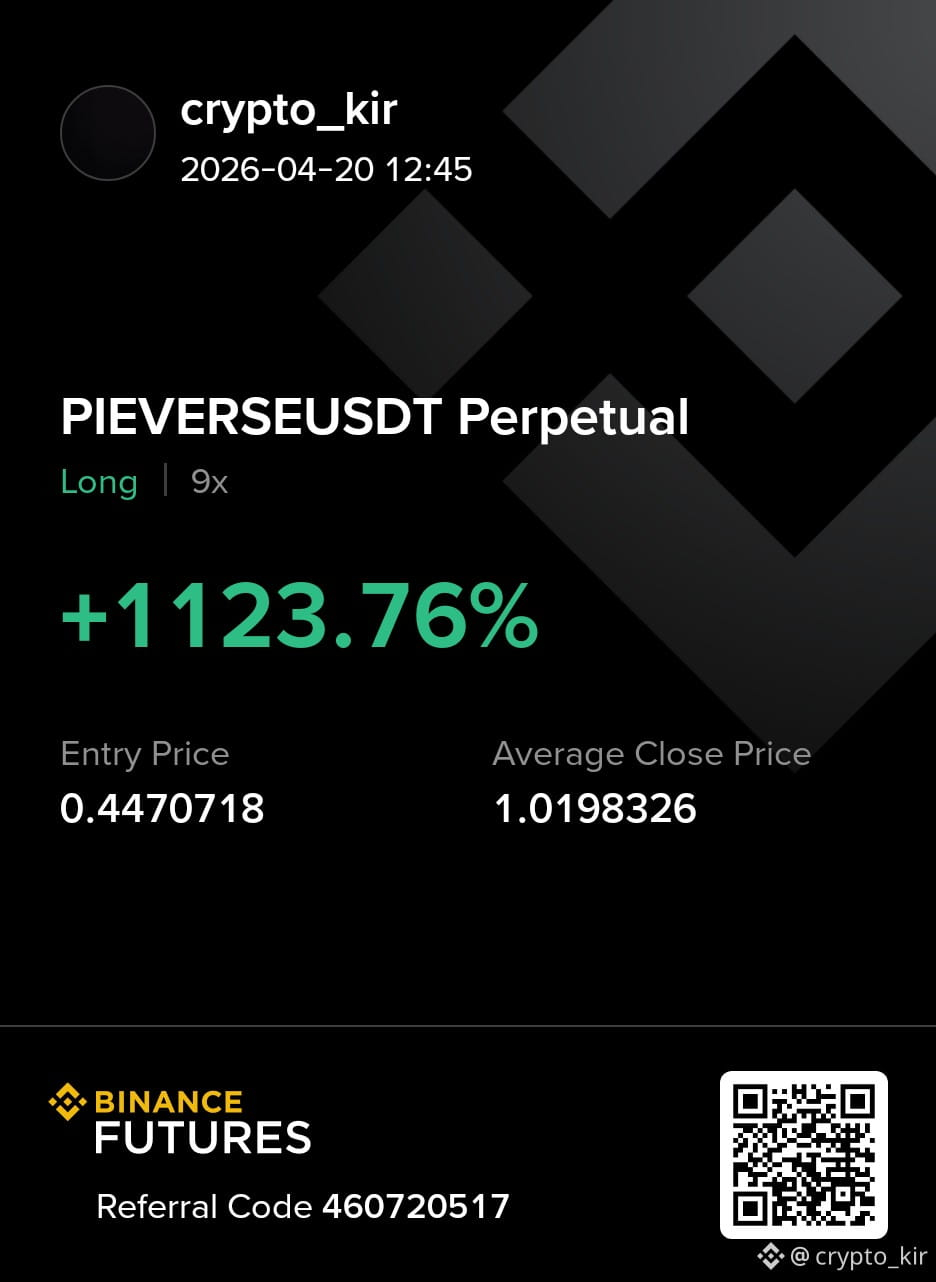
تم القبض على الحركة. تم تأمين المكاسب.
تم إغلاق الصفقة بربح — إلى الصفقة التالية. 🚀
$PIEVERSE
تم القبض على الحركة. تم تأمين المكاسب.
تم إغلاق الصفقة بربح — إلى الصفقة التالية. 🚀
$PIEVERSE
تم إغلاق الصفقة بربح — إلى الصفقة التالية. 🚀
$PIEVERSE
1
282
·
--
[collect red packet](https://app.binance.com/uni-qr/6kA4cMRc?utm_medium=web_share_copy)
اجمع $A2Z 100 المزيد المتبقي
collect red packet
اجمع $A2Z 100 المزيد المتبقي
اجمع $A2Z 100 المزيد المتبقي
1
2
·
--
صاعد
$RVV مشروع جيد، مجرد مسألة وقت.
2026 تتعلق بالتماثل، وليس بالضجيج.
أسترنا نوفا تجمع بعضًا من أقوى المجتمعات والعلامات التجارية في ويب3 شيبا إنو، شيفو، أشخاص خياليون، وسيمون كات، وأكثر ضمن نظام بيئي متزايد.🔥
قدرات مختلفة. رؤية مشتركة واحدة.
المطورون والفنانون والمجتمعات يعملون بتناغم لتشكيل مستقبل الترفيه الرقمي.
إنها مسألة تجميع القوى المناسبة لبناء شيء أكبر من أي علامة تجارية منفردة. 💪
يستمر نمو النظام البيئي لأسترنا نوفا، وفي عام 2026 سننتقل إلى وضع التسارع الكامل. ⚡️
$RVV مشروع جيد، مجرد مسألة وقت.
2026 تتعلق بالتماثل، وليس بالضجيج.
أسترنا نوفا تجمع بعضًا من أقوى المجتمعات والعلامات التجارية في ويب3 شيبا إنو، شيفو، أشخاص خياليون، وسيمون كات، وأكثر ضمن نظام بيئي متزايد.🔥
قدرات مختلفة. رؤية مشتركة واحدة.
المطورون والفنانون والمجتمعات يعملون بتناغم لتشكيل مستقبل الترفيه الرقمي.
إنها مسألة تجميع القوى المناسبة لبناء شيء أكبر من أي علامة تجارية منفردة. 💪
يستمر نمو النظام البيئي لأسترنا نوفا، وفي عام 2026 سننتقل إلى وضع التسارع الكامل. ⚡️
2026 تتعلق بالتماثل، وليس بالضجيج.
أسترنا نوفا تجمع بعضًا من أقوى المجتمعات والعلامات التجارية في ويب3 شيبا إنو، شيفو، أشخاص خياليون، وسيمون كات، وأكثر ضمن نظام بيئي متزايد.🔥
قدرات مختلفة. رؤية مشتركة واحدة.
المطورون والفنانون والمجتمعات يعملون بتناغم لتشكيل مستقبل الترفيه الرقمي.
إنها مسألة تجميع القوى المناسبة لبناء شيء أكبر من أي علامة تجارية منفردة. 💪
يستمر نمو النظام البيئي لأسترنا نوفا، وفي عام 2026 سننتقل إلى وضع التسارع الكامل. ⚡️
2
259
·
--
فتحت صفقة شراء طويلة على Piverse للتو.
🎯 الهدف: 0.63
فتحت صفقة شراء طويلة على Piverse للتو.
🎯 الهدف: 0.63
🎯 الهدف: 0.63
2
6
·
--
صاعد
{future}(RVVUSDT)
$RVV
أسترا نوفا x نيبولاي 🤝
خبر مثير! 🔥 نحن سعداء بالإعلان عن شراكتنا مع نيبولاي، منصة يُبنى فيها الحلول الذكية الاصطناعية ويشتركون فيها المطورون والمستخدمون معًا، ويتقدمون في الابتكار.
تُشكّل نيبولاي مستقبل الذكاء الاصطناعي من خلال سوق لامركزي يمكّن الوكلاء الذكية من التعاون، مما يعزز كفاءة البشر وإنتاجيتهم على نطاق واسع. ⚡️🤖
ننتظر بفارغ الصبر استكشاف كيف تفتح هذه الشراكة آفاقًا جديدة لتجارب قائمة على الوكلاء والأنظمة الذكية الاصطناعية.
ابقَ متابعًا لتحديثات أكثر من أسترا نوفا ونيبولاي 👀
$RVV
أسترا نوفا x نيبولاي 🤝
خبر مثير! 🔥 نحن سعداء بالإعلان عن شراكتنا مع نيبولاي، منصة يُبنى فيها الحلول الذكية الاصطناعية ويشتركون فيها المطورون والمستخدمون معًا، ويتقدمون في الابتكار.
تُشكّل نيبولاي مستقبل الذكاء الاصطناعي من خلال سوق لامركزي يمكّن الوكلاء الذكية من التعاون، مما يعزز كفاءة البشر وإنتاجيتهم على نطاق واسع. ⚡️🤖
ننتظر بفارغ الصبر استكشاف كيف تفتح هذه الشراكة آفاقًا جديدة لتجارب قائمة على الوكلاء والأنظمة الذكية الاصطناعية.
ابقَ متابعًا لتحديثات أكثر من أسترا نوفا ونيبولاي 👀
أسترا نوفا x نيبولاي 🤝
خبر مثير! 🔥 نحن سعداء بالإعلان عن شراكتنا مع نيبولاي، منصة يُبنى فيها الحلول الذكية الاصطناعية ويشتركون فيها المطورون والمستخدمون معًا، ويتقدمون في الابتكار.
تُشكّل نيبولاي مستقبل الذكاء الاصطناعي من خلال سوق لامركزي يمكّن الوكلاء الذكية من التعاون، مما يعزز كفاءة البشر وإنتاجيتهم على نطاق واسع. ⚡️🤖
ننتظر بفارغ الصبر استكشاف كيف تفتح هذه الشراكة آفاقًا جديدة لتجارب قائمة على الوكلاء والأنظمة الذكية الاصطناعية.
ابقَ متابعًا لتحديثات أكثر من أسترا نوفا ونيبولاي 👀
2
335
سجّل الدخول لاستكشاف المزيد من المُحتوى
انضم إلى مُستخدمي العملات الرقمية حول العالم على Binance Square
⚡️ احصل على أحدث المعلومات المفيدة عن العملات الرقمية.
💬 موثوقة من قبل أكبر منصّة لتداول العملات الرقمية في العالم.
👍 اكتشف الرؤى الحقيقية من صنّاع المُحتوى الموثوقين.
البريد الإلكتروني / رقم الهاتف
المواضيع الرائجة
SECReceivesGrayscaleLitecoinTrustETFFiling
44,478 مشاهدات
914 يقومون بالنقاش
خطوة جديدة قد تعيد Litecoin إلى الواجهة!
استلمت هيئة SEC ملف Grayscale المتعلق بتحويل Litecoin Trust إلى ETF وإدراجه على NYSE Arca تحت الرمز LTCN.
هذه ليست موافقة نهائية بعد، لكنها خطوة مهمة نحو فتح باب وصول أسهل للمستثمرين التقليديين والمؤسسات إلى $LTC.
إذا اكتمل المسار التنظيمي، فقد نشهد مرحلة مختلفة في قصة Litecoin.
هل تعتقد أن LTC ETF سيكون المحفز القادم لـ $LTC ؟
#SECReceivesGrayscaleLitecoinTrustETFFiling
yosreia
·1 إعجاب
·186 مشاهدات
ClarityActFacesProceduralVoteSept15
160,982 مشاهدات
1,853 يقومون بالنقاش
US10YearTreasuryYieldNears5%
54,690 مشاهدات
1,000 يقومون بالنقاش