BTC vs Gold at Binance Blockchain Week: One Gold Bar Just Exposed the Truth About Money
The most watched moment of Binance Blockchain Week 2025 wasn’t a keynote or a listing announcement. It was CZ calmly handing Peter Schiff a 1kg gold bar on stage and asking one simple question: “Is this real or fake?” Schiff, the world’s most famous gold advocate, looked at it, turned it over, and admitted: “I don’t know.” No assay kit, no XRF scanner, no magnet test, no acid. Just a man holding $70,000 worth of metal and having zero certainty about its authenticity. In that single moment, CZ didn’t just win a debate. He exposed the core weakness that tokenized gold can never fully fix. Bitcoin doesn’t have this problem. Every satoshi is mathematically verifiable in seconds by anyone, anywhere, with nothing more than an internet connection and a node. No trust required. No equipment needed. No counterparty risk. Portability? Try moving $100 million in gold across borders without triggering customs, insurance, and armed guards. Bitcoin does it with a 12-word seed phrase and a phone. Scarcity? Gold gets mined every single day. Bitcoin’s supply is capped forever at 21 million, with issuance dropping to near-zero after the next halving cycle. Divisibility? You can’t pay for coffee with gold dust. You can send 1 satoshi (or a billion) with the same ease. Durability? Gold can be confiscated, lost at sea, or diluted with tungsten. Bitcoin lives on thousands of nodes worldwide and cannot be destroyed. Tokenized gold promises to solve some of these issues, but it still relies on custodians, audits, and redemption processes. At the end of the day, you’re trusting someone else’s vault. Bitcoin is trustless by design. The crowd in Dubai knew exactly what they were witnessing. The applause wasn’t polite. It was thunderous. Because for the first time, the “digital gold” narrative wasn’t theory. It was demonstrated live, with a physical gold bar as the prop. Peter Schiff walked away with the bar (and a story he’ll never live down). CZ walked away having shown the world, in one minute, why Bitcoin is winning the monetary war that gold has dominated for 5,000 years. History will remember this moment the same way it remembers the Bretton Woods collapse or the first Bitcoin pizza. A turning point disguised as a debate. The question is no longer “Will Bitcoin replace gold?” The question is “How long until the market finally prices it in?” What did that gold bar moment mean to you? Poll: Bitcoin or Gold as the superior store of value in 2030? #BTCvsGold | #BinanceBlockchainWeek | #DigitalGold | #CZ | #PeterSchiff
19K Followers! 🎉 Thank you for all the love, support, and energy you bring every day. This community keeps growing because of YOU. ❤️ Next target: 25K, Let’s push together! 🚀 More giveaways, more BTC vibes, and more good moments on the way. 🙌
Lorenzo Protocol: The Silent RWA Giant That Traditional Finance Is Starting to Notice
Lorenzo Protocol has taken a markedly different path from the typical DeFi yield-chasing projects that dominate headlines, choosing instead to build a quiet but extremely powerful bridge between regulated institutional capital and on-chain execution through its On-Chain Traded Funds (OTFs). While most protocols scream about triple-digit APRs, Lorenzo has spent 2025 methodically onboarding real money from entities that cannot afford headlines, family offices, private banks, and sovereign-adjacent vehicles that require audited transparency, regulatory clarity, and risk controls before allocating even a single dollar. The result is one of the fastest-growing TVL curves in the entire RWA sector that almost no one is talking about yet. The partnership with World Liberty Financial was never about marketing, it was about giving Lorenzo direct access to regulated U.S. Treasury and corporate bond yields that can be streamed on-chain with full legal wrappers. This is not synthetic yield or leveraged farming; this is actual cash flow from instruments that pension funds and insurance companies already hold, now made available to DeFi participants through tokenized exposure. The significance cannot be overstated: for the first time, conservative capital can earn real-world fixed income without leaving the blockchain or taking custody risk. BANK token design reflects the same institutional mindset. The voting-escrow mechanism is one of the most aggressive long-term alignment structures in DeFi — locking periods stretch to four years with linear reward scaling, meaning anyone serious about influence or boosted yields has to commit for the long haul. This has created a holder base that behaves more like a traditional asset manager than a retail trading community, with average lock times already exceeding 18 months. The introduction of stBTC derivatives has been a masterstroke for Bitcoin maximalists who previously had no credible way to earn yield without wrapping, lending to strangers, or selling their coins. Lorenzo now allows BTC holders to maintain full economic exposure while earning institutional-grade returns backed by regulated collateral — solving a problem that has frustrated the Bitcoin community for years. TVL growth has been almost vertical in the second half of 2025, driven not by retail farming but by private allocations that never appear on public leaderboards. Sources close to the protocol suggest several eight-figure commitments from European private banks are in final legal review, with closing expected before year-end. The Financial Abstraction Layer is arguably Lorenzo’s most under-appreciated innovation — it allows capital to be routed into multiple strategies simultaneously (quant, managed futures, volatility, structured products) with a single click, while maintaining individual risk parameters and full transparency. This is the kind of tool that traditional wealth managers have been requesting for years. Regulatory relationships have been cultivated quietly but deliberately, with legal frameworks already in place for major jurisdictions including the EU, Singapore, and key offshore centers. This is not “regulatory-friendly” marketing speak — it is actual licensed entity structures that can withstand scrutiny from the most conservative compliance teams. The pipeline for new OTFs is substantial: credit strategies, volatility harvesting, and alternative risk premia products are all in advanced testing, with launches scheduled for Q1 2026. Each will be backed by audited track records and third-party risk modeling. Risks exist strategy underperformance in extreme markets, regulatory changes, counterparty exposure but Lorenzo mitigates these through overcollateralization, diversification, and insurance fund allocations that are among the most conservative in DeFi. As 2025 ends, Lorenzo Protocol stands at a rare inflection point: a project that has already solved the institutional onboarding problem while flying largely under the radar. When the allocations that are currently in legal review go live, the TVL chart will tell a story the market is not prepared for. Are we witnessing the birth of the first true institutional DeFi primitive? Poll: BANK to become the highest TVL RWA protocol in 2026? @Lorenzo Protocol | #LorenzoProtocol | $BANK
Kite: The Agentic Infrastructure Layer the Market Hasn't Priced In Yet
Kite has been developed with a singular focus on the requirements of autonomous digital coordination, recognizing that the next phase of blockchain applications will be dominated by machine-to-machine interactions rather than human-driven transactions, requiring infrastructure specifically optimized for workloads that general-purpose chains were never designed to handle efficiently at scale. The x402 payment standard represents a breakthrough in cost efficiency for micro-transactions, reducing fees to levels that make continuous agent operation economically viable for the first time, enabling use cases involving thousands of transactions per minute that would be prohibitively expensive on conventional networks. Layered identity architecture provides the necessary security framework for agents to establish verifiable credentials and programmable permissions, solving trust and authorization challenges that have historically constrained autonomous systems in blockchain environments. Standards alignment with emerging protocols ensures that developers can build on Kite while maintaining compatibility with broader ecosystems, facilitating adoption across various sectors without requiring complete paradigm shifts in development practices. Strategic investment from established venture firms reflects confidence in both the technical foundation and the timing of the agentic economy narrative as artificial intelligence capabilities continue to advance rapidly. Early implementations in specialized sectors demonstrate practical functionality ahead of widespread adoption, validating the specialized approach through real-world use cases rather than theoretical promises. Token utility design facilitates a gradual transition from initial ecosystem incentives toward comprehensive fee capture as network activity matures and agent-driven transactions become dominant. Dedicated optimization creates meaningful advantages over general-purpose chains in targeted workloads involving continuous coordination and high-frequency execution. The agentic economy concept remains in its formative stage, presenting significant opportunity for foundational infrastructure providers that address specific technical requirements effectively. Kite's methodical development and clear focus position it well for the transition to machine-driven blockchain applications that are becoming increasingly relevant as 2025 concludes. Do you believe agent-specific infrastructure will be the defining narrative of the next cycle? Poll: Kite to become the leading agent payment layer in 2026? @KITE AI | #KITE | $KITE
Injective Protocol: Institutional Readiness and Performance Edge Defining Its 2025 Trajectory
Injective Protocol has solidified its standing in 2025 as a Layer-1 blockchain engineered exclusively for financial applications, where high throughput, sub-second finality, and native interoperability across major ecosystems enable developers to build products that perform at levels comparable to centralized exchanges while maintaining full decentralization. The platform's architecture has consistently addressed pain points in DeFi scalability, allowing sophisticated derivatives, prediction markets, and tokenized asset offerings to operate with efficiency that attracts professional traders and institutions seeking reliable execution environments. This specialized focus has created a network effect in finance-specific use cases, drawing liquidity and activity that general-purpose chains often struggle to capture in competitive segments. The deflationary tokenomics model continues to operate as a key differentiator, with 60% of protocol fees allocated to on-chain buyback-and-burn auctions that reduce INJ supply based on actual usage rather than inflationary rewards. The November burn exceeding $39.5 million in value was the direct result of sustained trading volumes across perpetual futures and RWA markets, demonstrating a self-sustaining mechanism that aligns growth with scarcity. Full native EVM compatibility has proven transformative, lowering barriers for Ethereum developers and facilitating seamless migration of complex applications that benefit from Injective's superior execution environment. Governance proposals continue to introduce practical enhancements, such as expanded oracle coverage for traditional asset pricing and improved tools for professional trading workflows. Corporate treasury commitments reflect thorough evaluation of the platform's economic alignment and security features by traditional financial entities. Validator partnerships with established institutions strengthen enterprise confidence in network reliability and custody standards. Real-world asset offerings have progressed to generate meaningful volume, contributing to fee creation and ecosystem utility. Specialized focus provides advantages in market segments where general-purpose chains face performance constraints. Resilience during market volatility has been supported by revenue-driven economics offering structural support. Injective's progress as 2025 ends suggests readiness for broader institutional engagement and sustained momentum. Which aspect of Injective's design do you find most compelling for long-term growth? Poll: INJ to reach top-15 market cap in 2026? @Injective | #Injective | $INJ
Yield Guild Games: Revenue Generation and Community Alignment Driving Web3 Gaming Sustainability
Yield Guild Games has demonstrated exceptional adaptability in the Web3 gaming sector by shifting from its initial scholarship model to a revenue-generating publishing operation that distributes real value to token holders, creating a framework capable of enduring beyond hype cycles. The YGG Play Launchpad facilitates structured launches with revenue-sharing agreements that ensure success benefits the ecosystem, as seen in titles generating consistent income streams. Seasonal events on partner chains provide engagement opportunities that translate into treasury contributions and community building. Quest systems reward skill and consistency across titles, creating lasting value for dedicated participants. Global subDAO networks drive adoption in regions where gaming represents meaningful economic participation. Portfolio diversification across genres and chains balances risk while maintaining growth potential. Protocol developments indicate potential for expanded utility in coordination applications. Execution discipline has enabled consistent progress through challenging market conditions. Community governance maintains alignment among stakeholders. Yield Guild Games is positioned for increased activity as the holiday season approaches. How do you evaluate YGG's revenue model for long-term sustainability? Poll: YGG to lead Web3 gaming revenue generation in 2026? @Yield Guild Games | #YGGPlay | $YGG
Falcon Finance has built its yield protocol on principles of resilience and transparency, recognizing that sustainable participation requires robust risk management and verifiable integrity as DeFi matures in late 2025. The overcollateralized structure of USDf provides assurance through reserves consistently exceeding liabilities with real-time attestation. Diversification of collateral through emerging market instruments reduces concentration risks. Yield strategies prioritize capital preservation alongside competitive performance. Global accessibility improvements address practical limitations for international users. Physical redemption options enhance utility for high-value assets.Governance encourages long-term stewardship. RWA integrations focus on liquid and verifiable instruments. Institutional elements support serious capital allocation. Conservative risk management offers stability in uncertain conditions. Falcon's approach aligns with maturing market requirements. How do you assess conservative design in yield protocols? Poll: Falcon to become core DeFi yield infrastructure in 2026? @Falcon Finance | #FalconFinance | $FF
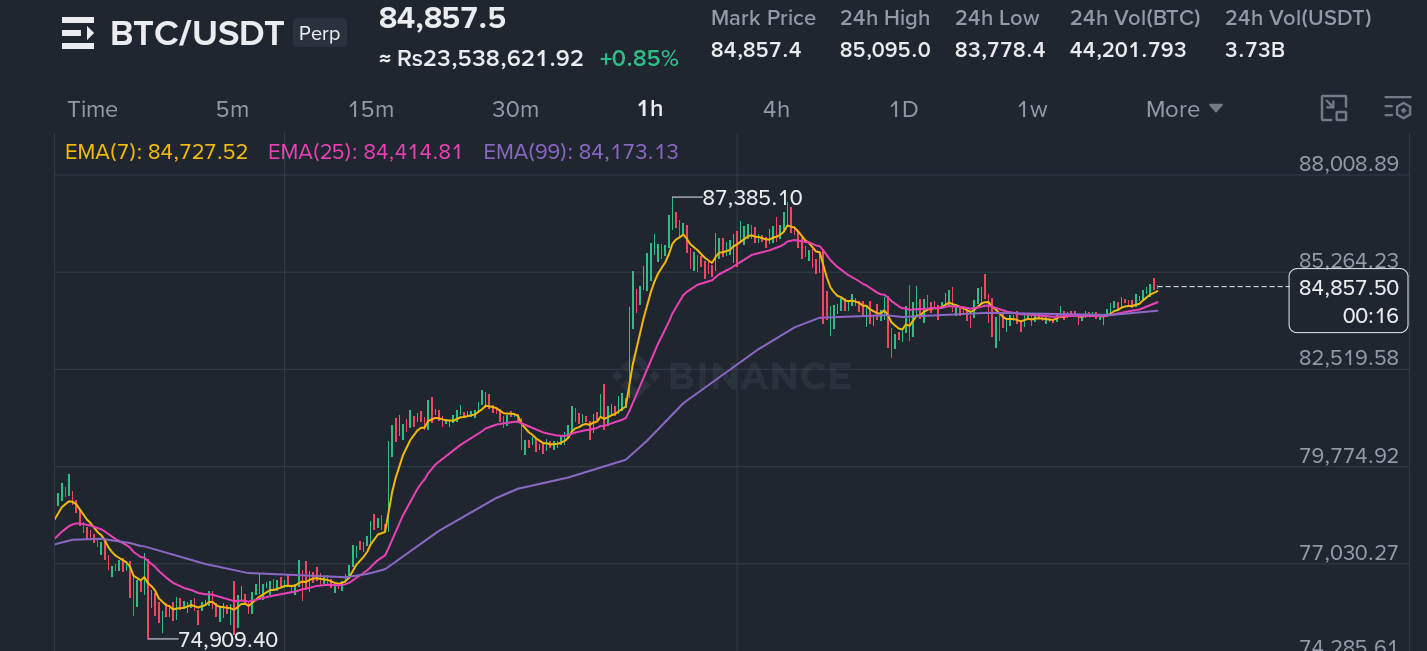
18k followers completed 🙂 thank you for being part of this journey. Your support means a lot. More honest updates, charts and crypto thoughts coming next. #BinanceBlockchainWeek |#BTCVSGOLD | #BTC
Injective Protocol: The Steady Path to Institutional DeFi Dominance as 2025 Comes to a Close
Injective Protocol has followed a disciplined trajectory throughout 2025, establishing itself as a Layer-1 blockchain tailored specifically for advanced financial applications where high performance, low costs, and seamless interoperability are non-negotiable requirements for serious participants. From its early emphasis on derivatives trading primitives, the platform has expanded into a robust ecosystem supporting real-world asset tokenization and institutional-grade products that operate with efficiency rivaling centralized venues. The architecture's use of Tendermint consensus, combined with native bridges to Ethereum, Cosmos, and Solana, has enabled developers to create applications that demand sub-second finality and predictable execution, addressing long-standing limitations in DeFi scalability and user experience. This foundation has attracted a growing number of builders focused on sophisticated use cases that benefit from the platform's specialized design. The deflationary tokenomics model continues to function as a core strength, with 60% of all protocol fees automatically allocated to on-chain buyback-and-burn auctions that reduce INJ supply in direct proportion to network activity. The November burn exceeding $39.5 million in value was the result of sustained trading volumes across perpetual futures, spot markets, and emerging RWA offerings, illustrating a self-sustaining mechanism where growth directly enhances scarcity and holder value. Unlike many projects that depend on inflationary rewards or external incentives, Injective's approach creates genuine alignment between usage and economics, providing structural support during periods of market volatility. Full native EVM compatibility, implemented in recent months, has significantly reduced barriers for Ethereum developers, allowing seamless porting of complex smart contracts and liquidity pools while retaining the platform's superior performance characteristics. This upgrade has triggered a noticeable influx of new deployments, particularly in areas like advanced derivatives and tokenized assets that require low latency and cost efficiency to compete effectively. Governance within Injective has maintained a pragmatic and user-focused orientation, with proposals regularly introducing meaningful enhancements such as expanded oracle coverage for 24/5 traditional asset pricing and improved margin trading capabilities that cater to professional requirements. These developments are not speculative features but targeted improvements that address specific needs in competitive trading environments and institutional workflows. Corporate treasury adoption has provided clear external validation, with Pineapple Financial's methodical commitment reflecting extensive due diligence on network security, economic design, and long-term sustainability. Such allocations from traditional entities indicate a shifting perception of blockchain infrastructure from experimental technology to serious financial tool. Validator decentralization efforts, including partnerships with established institutions like BitGo, continue to strengthen enterprise confidence by addressing custody and reliability concerns that have historically slowed institutional participation in proof-of-stake networks. Real-world asset integration has progressed from experimental stages to meaningful volume generation, adding diverse use cases and contributing substantially to overall fee creation and ecosystem health. The finance-specific nature of Injective's design creates distinct advantages in market segments where general-purpose chains struggle with latency or cost constraints during high-activity periods. Resilience during broader market corrections has been supported by revenue-driven economics that offer structural rather than temporary price support. As 2025 concludes, Injective's trajectory points toward increasing institutional relevance and broader recognition of its specialized capabilities in decentralized finance. Which element of Injective's 2025 progress do you find most significant? Poll: INJ positioned for top-15 market cap status in 2026? @Injective | #Injective | $INJ
Falcon Finance: Resilience and Diversification in On-Chain Yield Generation as Markets Mature
Falcon Finance has constructed a yield protocol that emphasizes durability and transparency above maximum short-term returns, recognizing that sustainable participation in decentralized finance requires robust risk management and verifiable integrity as the sector navigates evolving challenges in late 2025. The overcollateralized structure of USDf, consistently maintained above 103% reserves with real-time attestation, provides a level of assurance that has proven essential following past industry incidents involving stable assets and undercollateralized designs. Diversification of collateral through instruments like tokenized sovereign bills from emerging markets deliberately reduces concentration risks associated with single-jurisdiction exposure, creating a more balanced foundation for stability. Yield strategies within sUSDf vaults employ sophisticated but conservative methodologies that prioritize capital preservation alongside competitive performance, appealing to allocators with varying risk tolerances. Global accessibility through regulated fiat corridors addresses practical limitations that have historically restricted international participation in DeFi protocols, enabling broader user engagement. The inclusion of physical redemption capabilities for assets like gold introduces an additional layer of tangible backing to the overall ecosystem, enhancing utility for high-value holders. Governance mechanisms are structured to encourage long-term stewardship and community alignment rather than transient incentive chasing that can lead to unsustainable growth. Real-world asset integrations are executed with audited precision and focus on liquid, verifiable instruments that support reliable operations. Institutional design elements support adoption by entities with strict compliance and risk requirements, positioning Falcon for serious capital flows. Risk management practices reflect conservative principles that have demonstrated effectiveness in varying market conditions, offering meaningful safeguards for participants. Falcon Finance represents the type of foundational infrastructure that maturing markets increasingly consolidate around for stable yield generation as 2025 concludes. How do you balance resilience and return in yield protocol selection? Poll: Falcon to become core DeFi yield infrastructure in 2026? @Falcon Finance | #FalconFinance | $FF
Yield Guild Games: From Community Guild to Revenue-Generating Publishing Powerhouse in Web3 Gaming
Yield Guild Games has navigated the challenging landscape of blockchain gaming with remarkable adaptability, evolving from its origins as a scholarship-focused organization into a comprehensive publishing operation capable of generating and distributing real revenue to token holders. This transformation reflects a deep understanding of the sector's cyclical nature and a commitment to building mechanisms that can endure beyond hype cycles. The YGG Play Launchpad has established itself as a platform for structured token launches with enforced revenue-sharing agreements, ensuring that success from titles like LOL Land benefits the ecosystem rather than concentrating in private hands. This approach has produced consistent income streams that support treasury operations and token buybacks during periods of vesting pressure. Seasonal events on partner chains continue to provide structured engagement opportunities, with rewards distributed in ways that encourage sustained participation and community building rather than transient speculation. Quest systems have matured into comprehensive reputation frameworks that reward skill, consistency, and contribution across multiple titles, creating lasting value for dedicated players and fostering retention. Global subDAO networks have proven instrumental in driving adoption in regions where blockchain gaming represents meaningful economic participation rather than mere entertainment, building a diverse and resilient user base. Portfolio diversification across genres and chains offers balanced exposure while reducing dependency on any single project or platform, providing downside protection in uncertain conditions. The gradual expansion of the Guild Protocol suggests potential applications that extend beyond gaming coordination, opening new avenues for utility and value creation. Execution discipline has been the defining characteristic, with consistent delivery of revenue-positive outcomes even during difficult market periods that eliminated many competitors. Community governance ensures that decisions reflect collective interests and maintain alignment between players, developers, and token holders a rare feature in the sector. Yield Guild Games stands as one of the few organizations in Web3 gaming with a credible path to long-term sustainability and growth as 2025 ends. How do you evaluate YGG's transition to publishing as a sustainable model? Poll: YGG to lead Web3 gaming revenue in 2026? @Yield Guild Games | #YGGPlay | $YGG
Kite: Specialized Infrastructure Preparing for the Agentic Economy in Blockchain Applications
Kite has been developed with a forward-looking perspective that recognizes the next phase of blockchain applications will increasingly involve autonomous coordination between machines rather than solely human-driven transactions, requiring infrastructure optimized for different workloads than current general-purpose chains. The x402 payment standard addresses the critical challenge of cost efficiency for high-volume micro-transactions, making continuous agent operation economically viable for the first time at scale. Layered identity architecture provides the necessary security framework for programmable agents to operate with verifiable credentials and defined boundaries, solving trust issues in machine-to-machine interactions. Standards alignment ensures that developers can build on Kite without sacrificing compatibility with broader ecosystems, facilitating adoption across various sectors. Strategic investment from established venture firms reflects confidence in both the technical foundation and the timing of the agentic economy narrative as AI capabilities advance. Early implementations in specialized sectors demonstrate practical functionality ahead of widespread adoption, validating the specialized approach. Token utility design facilitates gradual transition from initial incentives toward comprehensive fee capture as network activity matures. Dedicated optimization creates meaningful advantages over general-purpose chains in targeted workloads involving continuous coordination. The agentic economy concept remains in its formative stage, presenting significant opportunity for foundational infrastructure providers that address specific requirements. Kite's methodical development positions it well for the transition to machine-driven blockchain applications that are becoming increasingly relevant as 2025 ends. Do you believe specialized infrastructure is essential for the agentic era? Poll: Kite to become the reference platform for agent payments in 2026? @KITE AI | #KITE | $KITE
Lorenzo Protocol: Tokenizing Institutional Strategies for On-Chain Financial Innovation
Lorenzo Protocol addresses a fundamental gap in decentralized finance by bringing institutional-grade financial engineering on-chain through carefully structured On-Chain Traded Funds that maintain transparency and composability while offering sophisticated exposure to diverse strategies. Collaboration with World Liberty Financial facilitates integration of regulated real yield sources into broader DeFi ecosystems with full on-chain visibility and accessibility. BANK governance features, including voting escrow rewards, encourage committed participation and long-term alignment with protocol success rather than short-term speculation. Bitcoin liquidity tools through staking derivatives offer conservative holders meaningful yield opportunities without introducing custody risks or centralized dependencies. Consistent TVL expansion reflects growing demand for professional-grade products in crypto markets that provide market-neutral exposure amid uncertainty. The Financial Abstraction Layer enables efficient capital allocation across diversified strategies at minimal cost, democratizing access to advanced approaches. Compliance-oriented development positions Lorenzo favorably as regulatory frameworks for tokenization continue to evolve globally and gain clarity. Future expansions indicate movement toward comprehensive on-chain asset management capabilities that bridge traditional and decentralized finance. Strategy execution risks are managed through diversification and transparent methodologies that allow users to understand underlying approaches. Lorenzo effectively combines established financial expertise with blockchain-native advantages to create new possibilities for decentralized markets as 2025 concludes. Are tokenized professional strategies the key to DeFi maturation? Poll: BANK to emerge as a leading RWA token in 2026? @Lorenzo Protocol | #LorenzoProtocol | $BANK
BTC vs Gold Debate at Binance Blockchain Week: Did CZ Just End the Argument for Good?
The Binance Blockchain Week in Dubai on December 3-4, 2025, delivered one of the most anticipated confrontations in crypto history: Binance founder CZ facing off against renowned gold advocate Peter Schiff in a head-to-head debate on Bitcoin versus tokenized gold as the superior store of value. The session quickly escalated when CZ presented Schiff with a 1kg gold bar on stage and asked a simple question: "Is this real gold or fake?" Schiff's honest response "I don't know" without proper testing equipment perfectly illustrated one of Bitcoin's core advantages: instant, trustless verification on the blockchain. Bitcoin's verifiability stands in stark contrast to physical gold, which requires specialized tools for authenticity checks, highlighting a practical limitation that tokenized versions still inherit from their underlying physical backing. Portability represents another clear edge: transferring billions in Bitcoin takes seconds across borders with no physical constraints, while moving equivalent gold value involves logistics, security, and regulatory hurdles. Divisibility further favors Bitcoin satoshis allow micro-transactions impossible with gold bars and the fixed supply cap of 21 million coins creates mathematical scarcity that gold's ongoing mining cannot match. Durability and fungibility also lean toward Bitcoin: digital assets don't degrade, and every bitcoin is identical, whereas gold quality can vary and storage introduces counterparty risk. Tokenized gold attempts to solve some physical limitations but ultimately relies on custodians and audits, reintroducing trust elements that Bitcoin eliminates through decentralization. CZ's arguments resonated strongly with the audience, emphasizing Bitcoin's superior properties as a monetary technology designed for the digital age rather than an adaptation of ancient physical commodities. Schiff maintained that gold's intrinsic value from industrial uses and millennia of history provide stability that Bitcoin lacks, though the live demonstration effectively challenged practical claims. The debate has reignited discussions across crypto communities about Bitcoin's evolution into "digital gold" a narrative gaining institutional traction as adoption matures in 2025. Which side of the BTC vs Gold debate do you find more convincing after the Binance Blockchain Week showdown? Poll: Bitcoin or Gold as the ultimate store of value in 2026? #BinanceBlockchainWeek | #BTCvsGold | #CZ | #PeterSchiff | #Bitcoin
Good after noon my fam, how are you all guys? Hope every one is enjoyed live? 👇 🤝 #BinanceBlockchainWeek 🤝 Now i am thinking for next time so now feel positive vibes for the next time soon for this event. 💛
Kite Blockchain: x402 and Agent-Focused Design Prepare for Mainnet Momentum
Kite Blockchain advances its agentic infrastructure vision on December 05, 2025, with the x402 protocol enabling efficient micro-transactions critical for autonomous operations. Layered identity mechanisms offer robust security for machine-driven interactions. Standards compatibility facilitates developer engagement across ecosystems. Venture support underscores belief in the project's technical and market potential. Use cases in specialized sectors illustrate real-world applicability. Token structure supports gradual transition to full network utility. Dedicated optimization differentiates Kite from broader platforms. Agent economy concepts are attracting increasing interest. Preparation for mainnet reflects methodical development. Kite represents forward-thinking infrastructure for emerging paradigms. What potential do you see in agent-specific blockchains? Poll: Kite to lead in agent payments by 2026? @KITE AI | #KITE | $KITE
Lorenzo Protocol: OTF Developments and RWA Yields Shape Institutional On-Chain Options
Lorenzo Protocol continues to build its asset management capabilities on December 05, 2025, through On-Chain Traded Funds that package diverse strategies for broader access. Collaboration with World Liberty Financial enhances integration of regulated yields. BANK governance features promote committed participation.Bitcoin-derived liquidity tools expand utility for major holders. TVL indicators suggest growing interest in sophisticated products. Abstraction layer supports seamless strategy implementation. Regulatory-conscious approach aids long-term viability.Future expansions point to wider financial product offerings. Risk controls incorporate diversification principles. Lorenzo bridges established strategies with decentralized execution. Lorenzo bridges established strategies with decentralized execution. How do you view the role of tokenized funds in DeFi evolution? Poll: BANK positioned for RWA leadership in 2026? @Lorenzo Protocol | #LorenzoProtocol | $BANK
Yield Guild Games: Ronin Season Events and Publishing Revenue Drive Holiday Momentum
Yield Guild Games heads into December 05, 2025 with active seasonal events on Ronin, including Cambria: Gold Rush Season 3, providing guilds with substantial rewards and in-game resources. The publishing arm's success with titles like LOL Land has generated considerable revenue, supporting treasury operations and token buybacks. Quest redesigns emphasize skill development and cross-title reputation, enhancing long-term player involvement. SubDAO networks facilitate localized growth, particularly in regions where gaming yields tangible benefits. Partnership expansions continue to strengthen ecosystem ties and open new opportunities. Diversified approach across games and chains balances exposure effectively. Protocol developments indicate potential for wider coordination applications. Consistent revenue streams distinguish YGG in a competitive sector. Community focus remains central to decision-making and value distribution. Yield Guild Games appears well-prepared for increased activity during the holiday period. What do you see as YGG's biggest strength right now? Poll: YGG to lead GameFi revenue generation in 2026? @Yield Guild Games | #YGGplay | $YGG
سجّل الدخول لاستكشاف المزيد من المُحتوى
استكشف أحدث أخبار العملات الرقمية
⚡️ كُن جزءًا من أحدث النقاشات في مجال العملات الرقمية