

sikander_ayaz
16 منشورات

sikander_ayaz
إبلاغ
حظر المُستخدم
Follow for news and analysis
فتح تداول

حائز على SOL
مُتداول مُتكرر
1.7 سنوات
16 تتابع
2 المتابعون
1 إعجاب
منشورات
الحافظة الاستثمارية
إذا أردت الهدايا، فقط عليك أن تتابعني، اكتب تم وأرسل معرّف المستخدم الخاص بك
إذا أردت الهدايا، فقط عليك أن تتابعني، اكتب تم وأرسل معرّف المستخدم الخاص بك

Follow for more
من sikander_ayaz
21
·
--
صاعد
يسجل بيتكوين أكبر مكسب أسبوعي منذ مارس 2023، إذ قفز بأكثر من 23%
يسجل بيتكوين أكبر مكسب أسبوعي منذ مارس 2023، إذ قفز بأكثر من 23%
71
#termmax @termmax
إن الأصول الحقيقية أكثر من مجرد وضع الأصول على السلسلة
كنت أظن سابقًا أن الأصول الحقيقية بسيطة جدًا: خذ شيئًا من العالم الحقيقي، وقم بترميزه، وضع سجل الملكية على سلسلة الكتل، ويكون الجزء الصعب قد انتهى إلى حد كبير.
لكن النظر إلى TermMax غيّر هذا التصور بالنسبة لي.
ترميز أصل لا يجعله تلقائيًا سائلًا. يمكن أن يوجد الأصل على السلسلة ومع ذلك يظل من الصعب بيعه أو نقله عندما يحين موعد استحقاق القرض أو عندما يعجز المقترض عن السداد.
لهذا السبب لفتت انتباهي فكرة التسليم المادي. في بعض الهياكل، قد يتمكن المُقرض من استلام الأصل الأساسي مباشرةً بدلًا من الاعتماد بالكامل على سوق ثانوية لبيع الضمانات.
هذا يجعل الإقراض بسعر ثابت أكثر إثارة للاهتمام أيضًا. فالمُقرض لا يفكر فقط في العائد. بل يحتاج أيضًا إلى فهم ما يحدث عندما لا يسدد المقترض، وما هي القيمة الحقيقية للضمان الأساسي، وكيف يمكن التعامل معه.
لذلك أرى الآن TermMax أكثر من مجرد بروتوكول إقراض آخر. إنه يستكشف أيضًا كيف يمكن للإقراض أن يعمل حول الأصول التي لا تتصرف مثل أصول العملات الرقمية العادية.
لا تزال الأصول الحقيقية تواجه تحديًا صعبًا: ربط الملكية على السلسلة بالأصول في العالم الحقيقي، والملكية القانونية، والتسوية، والسيولة الفعلية.
وهذا هو الجانب الذي أريد الاستمرار في متابعته مع تطور TermMax.
#termmax @TermMax
إن الأصول الحقيقية أكثر من مجرد وضع الأصول على السلسلة
كنت أظن سابقًا أن الأصول الحقيقية بسيطة جدًا: خذ شيئًا من العالم الحقيقي، وقم بترميزه، وضع سجل الملكية على سلسلة الكتل، ويكون الجزء الصعب قد انتهى إلى حد كبير.
لكن النظر إلى TermMax غيّر هذا التصور بالنسبة لي.
ترميز أصل لا يجعله تلقائيًا سائلًا. يمكن أن يوجد الأصل على السلسلة ومع ذلك يظل من الصعب بيعه أو نقله عندما يحين موعد استحقاق القرض أو عندما يعجز المقترض عن السداد.
لهذا السبب لفتت انتباهي فكرة التسليم المادي. في بعض الهياكل، قد يتمكن المُقرض من استلام الأصل الأساسي مباشرةً بدلًا من الاعتماد بالكامل على سوق ثانوية لبيع الضمانات.
هذا يجعل الإقراض بسعر ثابت أكثر إثارة للاهتمام أيضًا. فالمُقرض لا يفكر فقط في العائد. بل يحتاج أيضًا إلى فهم ما يحدث عندما لا يسدد المقترض، وما هي القيمة الحقيقية للضمان الأساسي، وكيف يمكن التعامل معه.
لذلك أرى الآن TermMax أكثر من مجرد بروتوكول إقراض آخر. إنه يستكشف أيضًا كيف يمكن للإقراض أن يعمل حول الأصول التي لا تتصرف مثل أصول العملات الرقمية العادية.
لا تزال الأصول الحقيقية تواجه تحديًا صعبًا: ربط الملكية على السلسلة بالأصول في العالم الحقيقي، والملكية القانونية، والتسوية، والسيولة الفعلية.
وهذا هو الجانب الذي أريد الاستمرار في متابعته مع تطور TermMax.
إن الأصول الحقيقية أكثر من مجرد وضع الأصول على السلسلة
كنت أظن سابقًا أن الأصول الحقيقية بسيطة جدًا: خذ شيئًا من العالم الحقيقي، وقم بترميزه، وضع سجل الملكية على سلسلة الكتل، ويكون الجزء الصعب قد انتهى إلى حد كبير.
لكن النظر إلى TermMax غيّر هذا التصور بالنسبة لي.
ترميز أصل لا يجعله تلقائيًا سائلًا. يمكن أن يوجد الأصل على السلسلة ومع ذلك يظل من الصعب بيعه أو نقله عندما يحين موعد استحقاق القرض أو عندما يعجز المقترض عن السداد.
لهذا السبب لفتت انتباهي فكرة التسليم المادي. في بعض الهياكل، قد يتمكن المُقرض من استلام الأصل الأساسي مباشرةً بدلًا من الاعتماد بالكامل على سوق ثانوية لبيع الضمانات.
هذا يجعل الإقراض بسعر ثابت أكثر إثارة للاهتمام أيضًا. فالمُقرض لا يفكر فقط في العائد. بل يحتاج أيضًا إلى فهم ما يحدث عندما لا يسدد المقترض، وما هي القيمة الحقيقية للضمان الأساسي، وكيف يمكن التعامل معه.
لذلك أرى الآن TermMax أكثر من مجرد بروتوكول إقراض آخر. إنه يستكشف أيضًا كيف يمكن للإقراض أن يعمل حول الأصول التي لا تتصرف مثل أصول العملات الرقمية العادية.
لا تزال الأصول الحقيقية تواجه تحديًا صعبًا: ربط الملكية على السلسلة بالأصول في العالم الحقيقي، والملكية القانونية، والتسوية، والسيولة الفعلية.
وهذا هو الجانب الذي أريد الاستمرار في متابعته مع تطور TermMax.
60
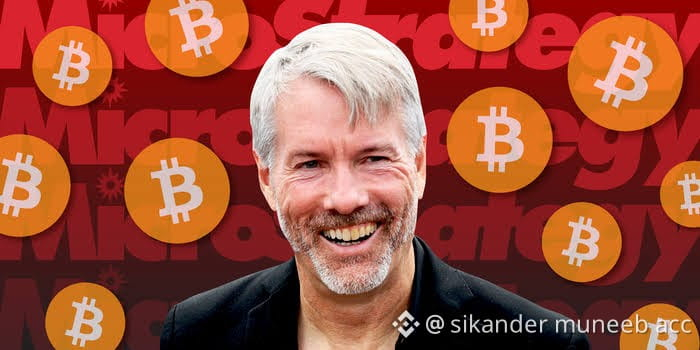
عاجل: أصبحت استراتيجية مايكل سايلور تمتلك الآن ربحًا غير محقق بقيمة 875,000,000 دولار على استثمارها في البيتكوين.
#BTC🔥🔥🔥🔥🔥
عاجل: أصبحت استراتيجية مايكل سايلور تمتلك الآن ربحًا غير محقق بقيمة 875,000,000 دولار على استثمارها في البيتكوين.
#BTC🔥🔥🔥🔥🔥
#BTC🔥🔥🔥🔥🔥
93
·
--
صاعد
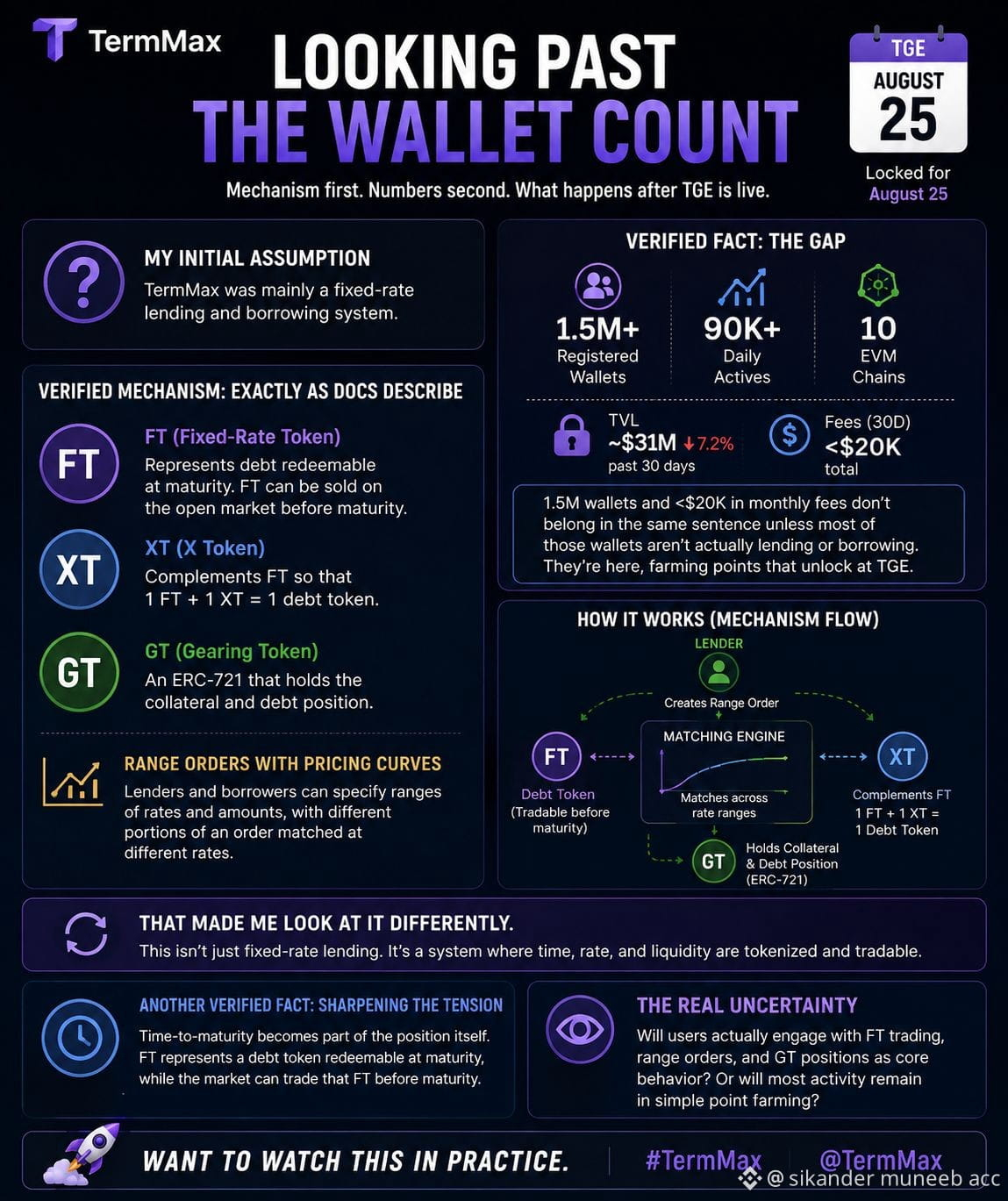
TermMax: النظر بما يتجاوز عدد المحافظ
افتراضي الأول كان أن TermMax هو في الأساس نظام إقراض واقتراض بسعر ثابت. تصف الوثائق آلية مبنية حول ثلاثة رموز: FT (رمز السعر الثابت)، وXT (رمز X)، وGT (رمز الرفع/التحريك). يمثل FT دينًا قابلًا للاسترداد عند الاستحقاق، ويكمل XT FT بحيث إن 1 FT + 1 XT = 1 رمز دين، بينما يكون GT عبارة عن ERC-721 يحتفظ بضمانات الموقف ومركز الدين.
كما يستخدم TermMax أوامر النطاق بمنحنيات تسعير: يمكن للمقرضين وللمقترضين تحديد نطاقات من معدلات وأحجام، بحيث يتم مطابقة أجزاء مختلفة من الأمر عند معدلات مختلفة. يمكن أيضًا بيع FT في السوق المفتوحة قبل الاستحقاق بدلًا من إجبار الحامل على الانتظار حتى الاستحقاق للاسترداد.
جعلني ذلك أنظر إليه بشكل مختلف.
تجعل الآلية وقتًا حتى الاستحقاق جزءًا من الموقف نفسه: يمثل FT رمز دين قابل للاسترداد عند الاستحقاق، بينما يمكن للسوق تداول ذلك الـFT قبل الاستحقاق.
ما أريد أن أراه الآن هو كيف يتصرف المستخدمون فعليًا حول هذه الآليات بمجرد تفعيل الرمز: هل يصبح تداول FT وأوامر النطاق ومراكز GT نشاطًا اعتياديًا على السلسلة، أم أن معظم المشاركة تظل مركزة في أشكال أبسط من التفاعل.
أتعطيك الفرصة لمتابعة ذلك عمليًا.
@termmax #termmax
TermMax: النظر بما يتجاوز عدد المحافظ
افتراضي الأول كان أن TermMax هو في الأساس نظام إقراض واقتراض بسعر ثابت. تصف الوثائق آلية مبنية حول ثلاثة رموز: FT (رمز السعر الثابت)، وXT (رمز X)، وGT (رمز الرفع/التحريك). يمثل FT دينًا قابلًا للاسترداد عند الاستحقاق، ويكمل XT FT بحيث إن 1 FT + 1 XT = 1 رمز دين، بينما يكون GT عبارة عن ERC-721 يحتفظ بضمانات الموقف ومركز الدين.
كما يستخدم TermMax أوامر النطاق بمنحنيات تسعير: يمكن للمقرضين وللمقترضين تحديد نطاقات من معدلات وأحجام، بحيث يتم مطابقة أجزاء مختلفة من الأمر عند معدلات مختلفة. يمكن أيضًا بيع FT في السوق المفتوحة قبل الاستحقاق بدلًا من إجبار الحامل على الانتظار حتى الاستحقاق للاسترداد.
جعلني ذلك أنظر إليه بشكل مختلف.
تجعل الآلية وقتًا حتى الاستحقاق جزءًا من الموقف نفسه: يمثل FT رمز دين قابل للاسترداد عند الاستحقاق، بينما يمكن للسوق تداول ذلك الـFT قبل الاستحقاق.
ما أريد أن أراه الآن هو كيف يتصرف المستخدمون فعليًا حول هذه الآليات بمجرد تفعيل الرمز: هل يصبح تداول FT وأوامر النطاق ومراكز GT نشاطًا اعتياديًا على السلسلة، أم أن معظم المشاركة تظل مركزة في أشكال أبسط من التفاعل.
أتعطيك الفرصة لمتابعة ذلك عمليًا.
@TermMax #termmax
افتراضي الأول كان أن TermMax هو في الأساس نظام إقراض واقتراض بسعر ثابت. تصف الوثائق آلية مبنية حول ثلاثة رموز: FT (رمز السعر الثابت)، وXT (رمز X)، وGT (رمز الرفع/التحريك). يمثل FT دينًا قابلًا للاسترداد عند الاستحقاق، ويكمل XT FT بحيث إن 1 FT + 1 XT = 1 رمز دين، بينما يكون GT عبارة عن ERC-721 يحتفظ بضمانات الموقف ومركز الدين.
كما يستخدم TermMax أوامر النطاق بمنحنيات تسعير: يمكن للمقرضين وللمقترضين تحديد نطاقات من معدلات وأحجام، بحيث يتم مطابقة أجزاء مختلفة من الأمر عند معدلات مختلفة. يمكن أيضًا بيع FT في السوق المفتوحة قبل الاستحقاق بدلًا من إجبار الحامل على الانتظار حتى الاستحقاق للاسترداد.
جعلني ذلك أنظر إليه بشكل مختلف.
تجعل الآلية وقتًا حتى الاستحقاق جزءًا من الموقف نفسه: يمثل FT رمز دين قابل للاسترداد عند الاستحقاق، بينما يمكن للسوق تداول ذلك الـFT قبل الاستحقاق.
ما أريد أن أراه الآن هو كيف يتصرف المستخدمون فعليًا حول هذه الآليات بمجرد تفعيل الرمز: هل يصبح تداول FT وأوامر النطاق ومراكز GT نشاطًا اعتياديًا على السلسلة، أم أن معظم المشاركة تظل مركزة في أشكال أبسط من التفاعل.
أتعطيك الفرصة لمتابعة ذلك عمليًا.
@TermMax #termmax
46
🚨 تحوّل في سياسة التشفير الأميركية؟ 🇺🇸
يُقال إن مناقشات البيت الأبيض حول التشفير اليوم غطّت بعض النقاط الرئيسية:
→ الولايات المتحدة تفكّر في الاستحواذ على كمية كبيرة من عملات BTC وأصول رقمية أخرى
→ ترامب حثّ المشرّعين على المضيّ قدمًا بقانون CLARITY
→ الحفاظ على ريادة الولايات المتحدة في مجال البيتكوين وسلسلة الكتل يظل أولوية
→ يُقال إن Hyperliquid تعمل على التوجّه إلى السوق الأميركية
→ كما أيّد ترامب خفض أسعار الفائدة
إذا تحوّلت هذه الخطوات فعلًا إلى سياسات، فقد تكون الولايات المتحدة تهيّئ نفسها لدور أكبر بكثير في اقتصاد التشفير العالمي.
هل هذه بداية حقبة أميركية أكثر صداقة للتشفير؟ 🇺🇸₿ #USCrypto
🚨 تحوّل في سياسة التشفير الأميركية؟ 🇺🇸
يُقال إن مناقشات البيت الأبيض حول التشفير اليوم غطّت بعض النقاط الرئيسية:
→ الولايات المتحدة تفكّر في الاستحواذ على كمية كبيرة من عملات BTC وأصول رقمية أخرى
→ ترامب حثّ المشرّعين على المضيّ قدمًا بقانون CLARITY
→ الحفاظ على ريادة الولايات المتحدة في مجال البيتكوين وسلسلة الكتل يظل أولوية
→ يُقال إن Hyperliquid تعمل على التوجّه إلى السوق الأميركية
→ كما أيّد ترامب خفض أسعار الفائدة
إذا تحوّلت هذه الخطوات فعلًا إلى سياسات، فقد تكون الولايات المتحدة تهيّئ نفسها لدور أكبر بكثير في اقتصاد التشفير العالمي.
هل هذه بداية حقبة أميركية أكثر صداقة للتشفير؟ 🇺🇸₿ #USCrypto
يُقال إن مناقشات البيت الأبيض حول التشفير اليوم غطّت بعض النقاط الرئيسية:
→ الولايات المتحدة تفكّر في الاستحواذ على كمية كبيرة من عملات BTC وأصول رقمية أخرى
→ ترامب حثّ المشرّعين على المضيّ قدمًا بقانون CLARITY
→ الحفاظ على ريادة الولايات المتحدة في مجال البيتكوين وسلسلة الكتل يظل أولوية
→ يُقال إن Hyperliquid تعمل على التوجّه إلى السوق الأميركية
→ كما أيّد ترامب خفض أسعار الفائدة
إذا تحوّلت هذه الخطوات فعلًا إلى سياسات، فقد تكون الولايات المتحدة تهيّئ نفسها لدور أكبر بكثير في اقتصاد التشفير العالمي.
هل هذه بداية حقبة أميركية أكثر صداقة للتشفير؟ 🇺🇸₿ #USCrypto
61
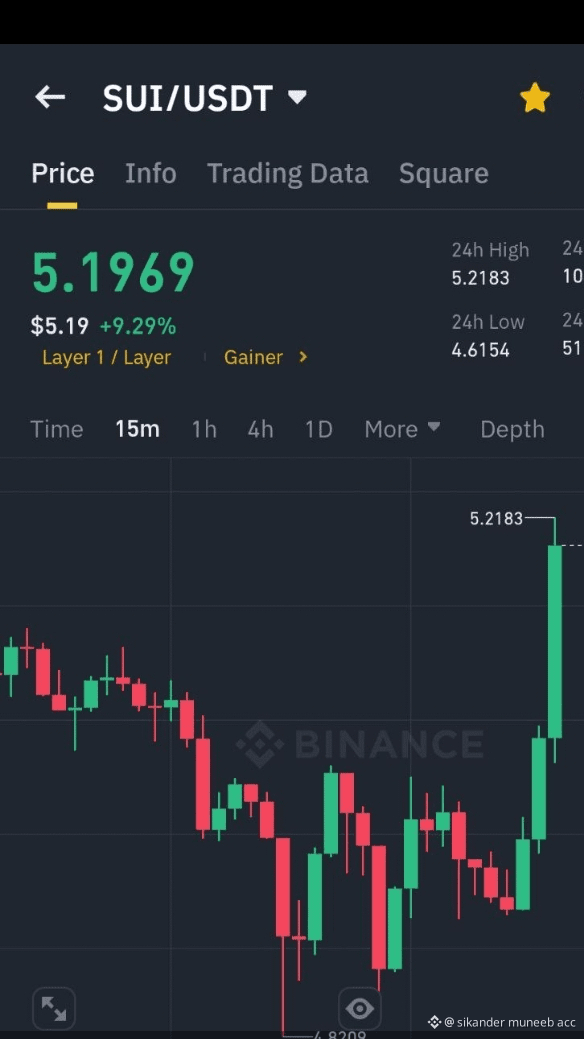
التاريخ 😂؟ ما رأيك، كم تعتقد أن الأمر سيستغرق للوصول إلى هنا $SUI إلى #bullish
التاريخ 😂؟ ما رأيك، كم تعتقد أن الأمر سيستغرق للوصول إلى هنا $SUI إلى #bullish
98
كنت أبحث بشكل أعمق في @TermMax ووجدت جزءًا مثيرًا للاهتمام من تصميمه: يتم استخدام FT وXT وGT مع منحنيات تسعير وفق ترتيب المدى (range-order pricing)، ويمكن لـ FT أن يظل قابلاً للتداول قبل تاريخ الاستحقاق. جعلني ذلك أنظر إليه بشكل مختلف. كما تصبح مدة ما قبل الاستحقاق جزءًا من عملية التسعير. ما زلت متحمسًا لمعرفة كيف تتصرف هذه الآليات في ظروف السوق الفعلية. أريد مشاهدة ذلك عمليًا. #TermMax @termmax
كنت أبحث بشكل أعمق في @TermMax ووجدت جزءًا مثيرًا للاهتمام من تصميمه: يتم استخدام FT وXT وGT مع منحنيات تسعير وفق ترتيب المدى (range-order pricing)، ويمكن لـ FT أن يظل قابلاً للتداول قبل تاريخ الاستحقاق. جعلني ذلك أنظر إليه بشكل مختلف. كما تصبح مدة ما قبل الاستحقاق جزءًا من عملية التسعير. ما زلت متحمسًا لمعرفة كيف تتصرف هذه الآليات في ظروف السوق الفعلية. أريد مشاهدة ذلك عمليًا. #TermMax @TermMax
67
·
--
صاعد
تُتداول سولانا بسعر مخفّض
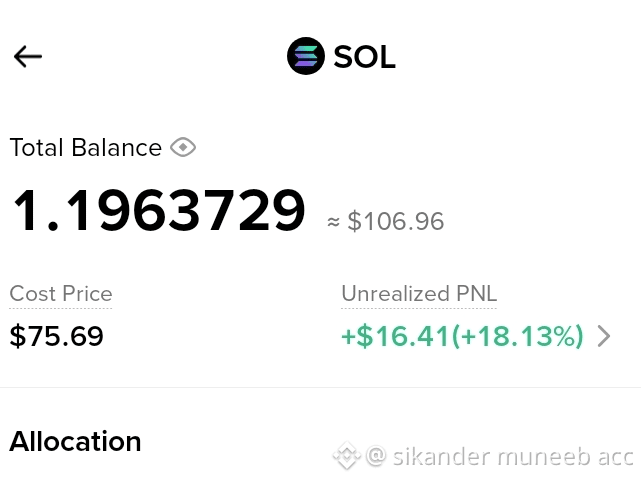
كنت أبحث في سول (SOL) وبرزت حقيقة واحدة: فهي تتداول حول 75 دولارًا، أي أقل بنحو 74% مقارنةً بأعلى سعر لها على الإطلاق عند حوالي 293 دولارًا. هذا ليس أدنى مستوى لها حرفيًا على الإطلاق، لكنه هبوطٌ كبير جدًا. وفي الوقت نفسه، سجّلت سولانا مؤخرًا أكثر من 1B معاملة أسبوعية غير مرتبطة بالتصويت، ما يُظهر أن استخدام الشبكة لم يختفِ.
شخصيًا، أرى أن SOL تبدو كأحد أقوى الأصول ذات القيمة السوقية الكبيرة التي يمكن تجميعها عند هذه المستويات—ليس لأن ذلك مضمونًا أن يدفع السعر للأعلى، بل لأن نسبة المخاطر/العوائد تبدو مثيرة للاهتمام بعد هذا التصحيح العميق.
هل تفضّل شراء SOL الآن قرب 75 دولارًا، أم انتظار دخول بسعر أقل أكثر؟
#SolanaStrong #solanAnalysis #SolanaJourney
تُتداول سولانا بسعر مخفّض
كنت أبحث في سول (SOL) وبرزت حقيقة واحدة: فهي تتداول حول 75 دولارًا، أي أقل بنحو 74% مقارنةً بأعلى سعر لها على الإطلاق عند حوالي 293 دولارًا. هذا ليس أدنى مستوى لها حرفيًا على الإطلاق، لكنه هبوطٌ كبير جدًا. وفي الوقت نفسه، سجّلت سولانا مؤخرًا أكثر من 1B معاملة أسبوعية غير مرتبطة بالتصويت، ما يُظهر أن استخدام الشبكة لم يختفِ.
شخصيًا، أرى أن SOL تبدو كأحد أقوى الأصول ذات القيمة السوقية الكبيرة التي يمكن تجميعها عند هذه المستويات—ليس لأن ذلك مضمونًا أن يدفع السعر للأعلى، بل لأن نسبة المخاطر/العوائد تبدو مثيرة للاهتمام بعد هذا التصحيح العميق.
هل تفضّل شراء SOL الآن قرب 75 دولارًا، أم انتظار دخول بسعر أقل أكثر؟
#SolanaStrong #solanAnalysis #SolanaJourney
كنت أبحث في سول (SOL) وبرزت حقيقة واحدة: فهي تتداول حول 75 دولارًا، أي أقل بنحو 74% مقارنةً بأعلى سعر لها على الإطلاق عند حوالي 293 دولارًا. هذا ليس أدنى مستوى لها حرفيًا على الإطلاق، لكنه هبوطٌ كبير جدًا. وفي الوقت نفسه، سجّلت سولانا مؤخرًا أكثر من 1B معاملة أسبوعية غير مرتبطة بالتصويت، ما يُظهر أن استخدام الشبكة لم يختفِ.
شخصيًا، أرى أن SOL تبدو كأحد أقوى الأصول ذات القيمة السوقية الكبيرة التي يمكن تجميعها عند هذه المستويات—ليس لأن ذلك مضمونًا أن يدفع السعر للأعلى، بل لأن نسبة المخاطر/العوائد تبدو مثيرة للاهتمام بعد هذا التصحيح العميق.
هل تفضّل شراء SOL الآن قرب 75 دولارًا، أم انتظار دخول بسعر أقل أكثر؟
#SolanaStrong #solanAnalysis #SolanaJourney
1
98
·
--
صاعد
كنت أبحث في @TermMax، وتفصيلة واحدة لفتت انتباهي: يمكن تداول FT قبل تاريخ الاستحقاق، بينما يعمل كل من FT وXT وGT ضمن منحنيات تسعير range-order. جعلني ذلك أنظر إليه بطريقة مختلفة. وبما أن أجل الاستحقاق يصبح أيضًا جزءًا من التسعير، فأنا مهتم بمعرفة كيف ستتصرف هذه الآليات فعليًا في ظروف السوق الحقيقية. أريد مراقبة ذلك عمليًا.$#termmax @termmax
كنت أبحث في @TermMax، وتفصيلة واحدة لفتت انتباهي: يمكن تداول FT قبل تاريخ الاستحقاق، بينما يعمل كل من FT وXT وGT ضمن منحنيات تسعير range-order. جعلني ذلك أنظر إليه بطريقة مختلفة. وبما أن أجل الاستحقاق يصبح أيضًا جزءًا من التسعير، فأنا مهتم بمعرفة كيف ستتصرف هذه الآليات فعليًا في ظروف السوق الحقيقية. أريد مراقبة ذلك عمليًا.$#termmax @TermMax
82
ألاحظ باستمرار أن التمويل المُنظّم يحتاج إلى كلٍّ من الخصوصية والمساءلة—لا واحدًا منهما دون الآخر.
تعمل Dusk على بناء طبقة 1 مصممة خصيصًا للأسواق المالية المُنظّمة، مع خصوصية قابلة للبرمجة وإفصاح انتقائي.
التوتر هنا بسيط: تحتاج الأصول المالية إلى السرية، لكن يجب أن يكون للأطراف المصرّح لها رؤية.
هل يمكن للبنية التحتية للبلوك تشين أن تجعل الاثنين يعملان على نطاق واسع؟ @Dusk_Foundation $DUSK #dusk#dusk $DUSK
ألاحظ باستمرار أن التمويل المُنظّم يحتاج إلى كلٍّ من الخصوصية والمساءلة—لا واحدًا منهما دون الآخر.
تعمل Dusk على بناء طبقة 1 مصممة خصيصًا للأسواق المالية المُنظّمة، مع خصوصية قابلة للبرمجة وإفصاح انتقائي.
التوتر هنا بسيط: تحتاج الأصول المالية إلى السرية، لكن يجب أن يكون للأطراف المصرّح لها رؤية.
هل يمكن للبنية التحتية للبلوك تشين أن تجعل الاثنين يعملان على نطاق واسع؟ @Dusk $DUSK #dusk#dusk $DUSK
تعمل Dusk على بناء طبقة 1 مصممة خصيصًا للأسواق المالية المُنظّمة، مع خصوصية قابلة للبرمجة وإفصاح انتقائي.
التوتر هنا بسيط: تحتاج الأصول المالية إلى السرية، لكن يجب أن يكون للأطراف المصرّح لها رؤية.
هل يمكن للبنية التحتية للبلوك تشين أن تجعل الاثنين يعملان على نطاق واسع؟ @Dusk $DUSK #dusk#dusk $DUSK
93
سجّل الدخول لاستكشاف المزيد من المُحتوى
انضم إلى مُستخدمي العملات الرقمية حول العالم على Binance Square
⚡️ احصل على أحدث المعلومات المفيدة عن العملات الرقمية.
💬 موثوقة من قبل أكبر منصّة لتداول العملات الرقمية في العالم.
👍 اكتشف الرؤى الحقيقية من صنّاع المُحتوى الموثوقين.
البريد الإلكتروني / رقم الهاتف
المواضيع الرائجة
DriftHackVictimsBeginClaims
8,950 مشاهدات
145 يقومون بالنقاش
#DriftHackVictimsBeginClaims
بروتوكول El Drift، أبرز بورصة عقود آجلة لامركزية للعقود الدائمة القائمة على Solana، افتتح رسميًا بوابة المطالبات والاستردادات المخصصة لرمز الاسترداد DFX. تهدف هذه الخطوة إلى تعويض المستخدمين المتأثرين بالاختراق الضخم المدمر الذي وقع في 1 أبريل/نيسان، والذي استنزف حوالي 295.4 مليون دولار من المنصة في هجوم نُفِّذ من قبل جهات مرتبطة بكوريا الشمالية. سيتلقى المتضررون رمز DFX مقابل كل USDT من الخسارة المُثبتة في لقطة اليوم (snapshot). ومع ذلك، فإن التخصيص الأولي لصندوق الاسترداد، والذي يبلغ نحو 3.11 مليون USDT، يضع معدل الاسترداد الأولي عند 0.0104 USDT فقط لكل DFX؛ أي إن المستخدمين سيحصلون تقريبًا على سنت واحد مقابل كل دولار فقدوه في هذه المرحلة الأولى. لدى المتضررين حتى 1 يناير/كانون الثاني 2028 للمطالبة برموزهم عبر البوابة الرسمية، وبعد هذا التاريخ سيتم حرق أي جزء من إجمالي إمداد DFX غير المُطالب به بشكل دائم.
فيما يلي تعرض صور حقيقية مرتبطة ببوابات وإعلانات تنبيهات مالية رقمية:
WorldWideWeb The World ARPANET Archie EFF
·1 إعجاب
·257 مشاهدات
SolanaTokenizedStockVolumeTops$4.4BInSeptember
1,609 مشاهدات
22 يقومون بالنقاش
BitcoinSpotETFsDraw$6.34BInflowsInQ3
9,536 مشاهدات
134 يقومون بالنقاش