

S A M R A
5.4k منشورات

S A M R A
إبلاغ
حظر المُستخدم
Follow for Pro Tips 💡 | Content Creator | Learn & Earn with Crypto 🚀

Traders League Badge Beginner
فتح تداول
مُتداول مُتكرر
4.9 سنوات
10 تتابع
5.3K+ المتابعون
23.5K+ إعجاب
1 الشارات
منشورات
الحافظة الاستثمارية
الكل
اقتباسات
مقاطع فيديو
Live
·
--
#Binance مارس سوبر إيردروب: تخصيص 50,000 USDT، أكمل المهام & احصل على نقاط المزرعة https://www.binance.com/activity/trading-competition/march-super-airdrop-V1?ref=353006301
#Binance مارس سوبر إيردروب: تخصيص 50,000 USDT، أكمل المهام & احصل على نقاط المزرعة https://www.binance.com/activity/trading-competition/march-super-airdrop-V1?ref=353006301
1
129
·
--
الإبداع وحده ليس كافيًا: القيمة الحقيقية تأتي مما يستمر في الحركةكنت أرى التوقيعات الإلكترونية كمشكلة تم حلها. انقر، وقع، انتهى - تأكيد مرتب أن كل شيء آمن وشرعي. مثل معظم الناس، وثقت في العملية دون التفكير كثيرًا في ما يكمن تحتها. إذا كانت المنصات الكبرى قد بنتها، فلا بد أنها موثوقة في كل مكان... أليس كذلك؟
مع مرور الوقت، بدأت تلك الفرضية تشعر بأنها سطحية بعض الشيء. ليست خاطئة تمامًا - لكنها غير مكتملة. لأنه بمجرد أن تخرج من منصة واحدة أو منطقة واحدة، تصبح الأمور فوضوية. تختلف الأنظمة القانونية، ولا تتماشى الاختصاصات دائمًا، وما هو ساري في مكان ما قد لا يحمل نفس الوزن في مكان آخر. أداة تعمل بشكل مثالي في العزلة يمكن أن تواجه صعوبة في اللحظة التي يتعين عليها فيها التفاعل مع نظام آخر لا يعترف بها.
الإبداع وحده ليس كافيًا: القيمة الحقيقية تأتي مما يستمر في الحركة
كنت أرى التوقيعات الإلكترونية كمشكلة تم حلها. انقر، وقع، انتهى - تأكيد مرتب أن كل شيء آمن وشرعي. مثل معظم الناس، وثقت في العملية دون التفكير كثيرًا في ما يكمن تحتها. إذا كانت المنصات الكبرى قد بنتها، فلا بد أنها موثوقة في كل مكان... أليس كذلك؟
مع مرور الوقت، بدأت تلك الفرضية تشعر بأنها سطحية بعض الشيء. ليست خاطئة تمامًا - لكنها غير مكتملة. لأنه بمجرد أن تخرج من منصة واحدة أو منطقة واحدة، تصبح الأمور فوضوية. تختلف الأنظمة القانونية، ولا تتماشى الاختصاصات دائمًا، وما هو ساري في مكان ما قد لا يحمل نفس الوزن في مكان آخر. أداة تعمل بشكل مثالي في العزلة يمكن أن تواجه صعوبة في اللحظة التي يتعين عليها فيها التفاعل مع نظام آخر لا يعترف بها.
مع مرور الوقت، بدأت تلك الفرضية تشعر بأنها سطحية بعض الشيء. ليست خاطئة تمامًا - لكنها غير مكتملة. لأنه بمجرد أن تخرج من منصة واحدة أو منطقة واحدة، تصبح الأمور فوضوية. تختلف الأنظمة القانونية، ولا تتماشى الاختصاصات دائمًا، وما هو ساري في مكان ما قد لا يحمل نفس الوزن في مكان آخر. أداة تعمل بشكل مثالي في العزلة يمكن أن تواجه صعوبة في اللحظة التي يتعين عليها فيها التفاعل مع نظام آخر لا يعترف بها.
3
102
·
--
هل شعرت يومًا أن Web3 تتطور بسرعة، ومع ذلك لا يزال هناك شيء أساسي غير موجود تمامًا؟ الأنظمة تصبح أكثر تعقيدًا، لكن الثقة لا تزال تبدو غير مستقرة. الاعتمادات موجودة، لكنها مجزأة. المشاركة تحدث، لكنها ليست دائمًا معترف بها بشكل صحيح. وعلى الرغم من أن القيمة موزعة، إلا أنها لا تصل دائمًا إلى المساهمين المناسبين. مع مرور الوقت، تبدأ هذه الفجوات الصغيرة في خلق مشاكل أكبر.
هنا تبرز @SignOfficial . بدلاً من ملاحقة الضجيج، تركز على الأساس - الاعتمادات القابلة للتحقق والتوزيع المنظم. إنها تنقل الثقة من الافتراض إلى الإثبات. المعلومات ليست فقط مخزنة؛ بل تصبح قابلة للتحقق. الاعتمادات ليست مقفلة في منصة واحدة؛ بل يمكن أن تنتقل عبر الأنظمة البيئية. ويصبح التوزيع أكثر عمدًا، موجهًا بواسطة بيانات موثوقة بدلاً من التخمين.
لقد رأينا بالفعل حالات حيث تم تجاهل المستخدمين الحقيقيين بينما استفادت الحسابات الآلية من تحقق ضعيف. هذا النوع من عدم التوازن يقوض الثقة. من خلال ربط الهوية، والمشاركة، والقيمة بشكل أكثر فعالية، تساعد Sign في إعادة العدالة والدقة إلى المعادلة.
ما يجعل هذا النهج جذابًا هو أنه لا يهدف إلى استبدال الأنظمة الحالية - بل يقويها من خلال إضافة طبقة كانت مفقودة: ثقة موثوقة وقابلة للنقل.
#signdigitalsovereigninfra $SIGN
هل شعرت يومًا أن Web3 تتطور بسرعة، ومع ذلك لا يزال هناك شيء أساسي غير موجود تمامًا؟ الأنظمة تصبح أكثر تعقيدًا، لكن الثقة لا تزال تبدو غير مستقرة. الاعتمادات موجودة، لكنها مجزأة. المشاركة تحدث، لكنها ليست دائمًا معترف بها بشكل صحيح. وعلى الرغم من أن القيمة موزعة، إلا أنها لا تصل دائمًا إلى المساهمين المناسبين. مع مرور الوقت، تبدأ هذه الفجوات الصغيرة في خلق مشاكل أكبر.
هنا تبرز @SignOfficial . بدلاً من ملاحقة الضجيج، تركز على الأساس - الاعتمادات القابلة للتحقق والتوزيع المنظم. إنها تنقل الثقة من الافتراض إلى الإثبات. المعلومات ليست فقط مخزنة؛ بل تصبح قابلة للتحقق. الاعتمادات ليست مقفلة في منصة واحدة؛ بل يمكن أن تنتقل عبر الأنظمة البيئية. ويصبح التوزيع أكثر عمدًا، موجهًا بواسطة بيانات موثوقة بدلاً من التخمين.
لقد رأينا بالفعل حالات حيث تم تجاهل المستخدمين الحقيقيين بينما استفادت الحسابات الآلية من تحقق ضعيف. هذا النوع من عدم التوازن يقوض الثقة. من خلال ربط الهوية، والمشاركة، والقيمة بشكل أكثر فعالية، تساعد Sign في إعادة العدالة والدقة إلى المعادلة.
ما يجعل هذا النهج جذابًا هو أنه لا يهدف إلى استبدال الأنظمة الحالية - بل يقويها من خلال إضافة طبقة كانت مفقودة: ثقة موثوقة وقابلة للنقل.
#signdigitalsovereigninfra $SIGN
هنا تبرز @SignOfficial . بدلاً من ملاحقة الضجيج، تركز على الأساس - الاعتمادات القابلة للتحقق والتوزيع المنظم. إنها تنقل الثقة من الافتراض إلى الإثبات. المعلومات ليست فقط مخزنة؛ بل تصبح قابلة للتحقق. الاعتمادات ليست مقفلة في منصة واحدة؛ بل يمكن أن تنتقل عبر الأنظمة البيئية. ويصبح التوزيع أكثر عمدًا، موجهًا بواسطة بيانات موثوقة بدلاً من التخمين.
لقد رأينا بالفعل حالات حيث تم تجاهل المستخدمين الحقيقيين بينما استفادت الحسابات الآلية من تحقق ضعيف. هذا النوع من عدم التوازن يقوض الثقة. من خلال ربط الهوية، والمشاركة، والقيمة بشكل أكثر فعالية، تساعد Sign في إعادة العدالة والدقة إلى المعادلة.
ما يجعل هذا النهج جذابًا هو أنه لا يهدف إلى استبدال الأنظمة الحالية - بل يقويها من خلال إضافة طبقة كانت مفقودة: ثقة موثوقة وقابلة للنقل.
#signdigitalsovereigninfra $SIGN
1
163
·
--
منتصف الليل: الخصوصية العقلانية والإفصاح الانتقائيمعظم الناس يسمعون “سلسلة الخصوصية” ويعتقدون على الفور أن المعاملات مخفية ودفاتر الأستاذ صندوق أسود.
ذلك عادة ما يكون أول تفكير لي أيضًا.
لكن بعد أن سمعت فريق منتصف الليل يتحدث - في مكان ما بين ضوضاء معرض تجاري ونقاشات الممر في مؤتمر كونسيست في تورونتو - أدركت أنهم يقتربون من الأمر بشكل مختلف.
إنهم لا يقدمونها كعملة خصوصية.
إنهم يسمونها طبقة خصوصية قابلة للبرمجة.
إنها تمييز دقيق - لكنه يغير كل شيء.
التوتر الأساسي واضح إذا كنت قد بنيت في التشفير.
منتصف الليل: الخصوصية العقلانية والإفصاح الانتقائي
معظم الناس يسمعون “سلسلة الخصوصية” ويعتقدون على الفور أن المعاملات مخفية ودفاتر الأستاذ صندوق أسود.
ذلك عادة ما يكون أول تفكير لي أيضًا.
لكن بعد أن سمعت فريق منتصف الليل يتحدث - في مكان ما بين ضوضاء معرض تجاري ونقاشات الممر في مؤتمر كونسيست في تورونتو - أدركت أنهم يقتربون من الأمر بشكل مختلف.
إنهم لا يقدمونها كعملة خصوصية.
إنهم يسمونها طبقة خصوصية قابلة للبرمجة.
إنها تمييز دقيق - لكنه يغير كل شيء.
التوتر الأساسي واضح إذا كنت قد بنيت في التشفير.
ذلك عادة ما يكون أول تفكير لي أيضًا.
لكن بعد أن سمعت فريق منتصف الليل يتحدث - في مكان ما بين ضوضاء معرض تجاري ونقاشات الممر في مؤتمر كونسيست في تورونتو - أدركت أنهم يقتربون من الأمر بشكل مختلف.
إنهم لا يقدمونها كعملة خصوصية.
إنهم يسمونها طبقة خصوصية قابلة للبرمجة.
إنها تمييز دقيق - لكنه يغير كل شيء.
التوتر الأساسي واضح إذا كنت قد بنيت في التشفير.
2
58
·
--
منتصف الليل يقلل من عبء العمل بطريقة أساسية جدًا.
بدلاً من إعادة تنفيذ كل عقدة لكل حساب، يعتمد على الأدلة - لذا تحتاج الشبكة فقط إلى التحقق من النتائج، وليس إعادة إنتاجها. وهذا يعني عبء حسابي أقل، وتكاليف أقل، وعبء أخف بكثير للم validators الذين يقومون بتشغيل العقد.
لقد لاحظت أيضًا كيف أن مؤسسة منتصف الليل وتقنيات الحماية تدفعان هذا الأمر قدمًا بعد توافق 2025، مع تركيز واضح على التطبيقات الواقعية بدلاً من التصميم النظري فقط.
بالنسبة لي، هذه هي الزاوية الحقيقية هنا:
التوسع ليس من خلال القيام بالمزيد - ولكن من خلال القيام بالأقل.
@MidnightNetwork #night $NIGHT
منتصف الليل يقلل من عبء العمل بطريقة أساسية جدًا.
بدلاً من إعادة تنفيذ كل عقدة لكل حساب، يعتمد على الأدلة - لذا تحتاج الشبكة فقط إلى التحقق من النتائج، وليس إعادة إنتاجها. وهذا يعني عبء حسابي أقل، وتكاليف أقل، وعبء أخف بكثير للم validators الذين يقومون بتشغيل العقد.
لقد لاحظت أيضًا كيف أن مؤسسة منتصف الليل وتقنيات الحماية تدفعان هذا الأمر قدمًا بعد توافق 2025، مع تركيز واضح على التطبيقات الواقعية بدلاً من التصميم النظري فقط.
بالنسبة لي، هذه هي الزاوية الحقيقية هنا:
التوسع ليس من خلال القيام بالمزيد - ولكن من خلال القيام بالأقل.
@MidnightNetwork #night $NIGHT
بدلاً من إعادة تنفيذ كل عقدة لكل حساب، يعتمد على الأدلة - لذا تحتاج الشبكة فقط إلى التحقق من النتائج، وليس إعادة إنتاجها. وهذا يعني عبء حسابي أقل، وتكاليف أقل، وعبء أخف بكثير للم validators الذين يقومون بتشغيل العقد.
لقد لاحظت أيضًا كيف أن مؤسسة منتصف الليل وتقنيات الحماية تدفعان هذا الأمر قدمًا بعد توافق 2025، مع تركيز واضح على التطبيقات الواقعية بدلاً من التصميم النظري فقط.
بالنسبة لي، هذه هي الزاوية الحقيقية هنا:
التوسع ليس من خلال القيام بالمزيد - ولكن من خلال القيام بالأقل.
@MidnightNetwork #night $NIGHT
1
114
·
--
هابط
🚨 عاجل:
تقارير تدعي أن الديمقراطيين في مجلس النواب الأمريكي ينقصهم صوتان فقط لعزل ترامب قبل 31 مارس.
ومع ذلك، لم يتم تأكيد ذلك رسميًا، والوضع لا يزال غير واضح.
$TRUMP
{spot}(TRUMPUSDT)
#iOSSecurityUpdate
🚨 عاجل:
تقارير تدعي أن الديمقراطيين في مجلس النواب الأمريكي ينقصهم صوتان فقط لعزل ترامب قبل 31 مارس.
ومع ذلك، لم يتم تأكيد ذلك رسميًا، والوضع لا يزال غير واضح.
$TRUMP
#iOSSecurityUpdate
تقارير تدعي أن الديمقراطيين في مجلس النواب الأمريكي ينقصهم صوتان فقط لعزل ترامب قبل 31 مارس.
ومع ذلك، لم يتم تأكيد ذلك رسميًا، والوضع لا يزال غير واضح.
$TRUMP
#iOSSecurityUpdate
2
67
·
--
هابط
🚨 عاجل:
تشير التقارير إلى أن قرار ترامب بشن الحرب على إيران قد تأثر جزئيًا بالضغط من حلفاء خارجيين.
في الوقت نفسه، تشير المصادر إلى وجود انقسامات داخل إدارته، حيث لم يكن بعض المسؤولين متوافقين تمامًا مع مسار العمل.
بشكل عام، تسلط الحالة الضوء على التعقيد وراء القرار، حيث ساهم كل من التأثير الخارجي والخلافات الداخلية في النتيجة.
$BTC $ETH $XRP
{spot}(XRPUSDT)
{spot}(ETHUSDT)
{spot}(BTCUSDT)
#TrumpConsidersEndingIranConflict
🚨 عاجل:
تشير التقارير إلى أن قرار ترامب بشن الحرب على إيران قد تأثر جزئيًا بالضغط من حلفاء خارجيين.
في الوقت نفسه، تشير المصادر إلى وجود انقسامات داخل إدارته، حيث لم يكن بعض المسؤولين متوافقين تمامًا مع مسار العمل.
بشكل عام، تسلط الحالة الضوء على التعقيد وراء القرار، حيث ساهم كل من التأثير الخارجي والخلافات الداخلية في النتيجة.
$BTC $ETH $XRP
#TrumpConsidersEndingIranConflict
تشير التقارير إلى أن قرار ترامب بشن الحرب على إيران قد تأثر جزئيًا بالضغط من حلفاء خارجيين.
في الوقت نفسه، تشير المصادر إلى وجود انقسامات داخل إدارته، حيث لم يكن بعض المسؤولين متوافقين تمامًا مع مسار العمل.
بشكل عام، تسلط الحالة الضوء على التعقيد وراء القرار، حيث ساهم كل من التأثير الخارجي والخلافات الداخلية في النتيجة.
$BTC $ETH $XRP
#TrumpConsidersEndingIranConflict
2
50
·
--
صاعد
$XRP — طويل
كان الجميع يتوقع المزيد من الاتجاه الهبوطي… لكن $XRP يبدأ في استعادة الزخم....
الدخول: 1.355 – 1.365
SL: 1.335
الأهداف:
TP1: 1.390
TP2: 1.420
TP3: 1.470
{spot}(XRPUSDT)
{future}(XRPUSDT)
بعد الانخفاض الحاد نحو منطقة 1.34، وجدت XRP دعمًا قويًا، ودخل المشترون بسرعة.
#Trump'sCyberStrategy
$XRP — طويل
كان الجميع يتوقع المزيد من الاتجاه الهبوطي… لكن $XRP يبدأ في استعادة الزخم....
الدخول: 1.355 – 1.365
SL: 1.335
الأهداف:
TP1: 1.390
TP2: 1.420
TP3: 1.470
بعد الانخفاض الحاد نحو منطقة 1.34، وجدت XRP دعمًا قويًا، ودخل المشترون بسرعة.
#Trump'sCyberStrategy
كان الجميع يتوقع المزيد من الاتجاه الهبوطي… لكن $XRP يبدأ في استعادة الزخم....
الدخول: 1.355 – 1.365
SL: 1.335
الأهداف:
TP1: 1.390
TP2: 1.420
TP3: 1.470
بعد الانخفاض الحاد نحو منطقة 1.34، وجدت XRP دعمًا قويًا، ودخل المشترون بسرعة.
#Trump'sCyberStrategy
4
213
·
--
ادعاء خطير ينتشر - لكنه لم يتم التحقق منه بعدتنتشر التقارير على الإنترنت بأن الولايات المتحدة ضربت محطة لتحلية المياه العذبة في جزيرة قشم في إيران.
حذر وزير الخارجية الإيراني من أن هناك “عواقب.”
ومع ذلك، لا يوجد حاليًا تحقق مستقل بأن هذه الضربة حدثت بالفعل.
حتى الآن:
❌ لا توجد صور فضائية تؤكد الضرر
❌ لا تأكيد من وزارة الدفاع الأمريكية أو القيادة المركزية الأمريكية
❌ لا تحقق من وسائل الإعلام الدولية الكبرى
في الوقت الحالي، يبدو أن الادعاء originates من وسائل الإعلام المرتبطة بالدولة الإيرانية.
ادعاء خطير ينتشر - لكنه لم يتم التحقق منه بعد
تنتشر التقارير على الإنترنت بأن الولايات المتحدة ضربت محطة لتحلية المياه العذبة في جزيرة قشم في إيران.
حذر وزير الخارجية الإيراني من أن هناك “عواقب.”
ومع ذلك، لا يوجد حاليًا تحقق مستقل بأن هذه الضربة حدثت بالفعل.
حتى الآن:
❌ لا توجد صور فضائية تؤكد الضرر
❌ لا تأكيد من وزارة الدفاع الأمريكية أو القيادة المركزية الأمريكية
❌ لا تحقق من وسائل الإعلام الدولية الكبرى
في الوقت الحالي، يبدو أن الادعاء originates من وسائل الإعلام المرتبطة بالدولة الإيرانية.
حذر وزير الخارجية الإيراني من أن هناك “عواقب.”
ومع ذلك، لا يوجد حاليًا تحقق مستقل بأن هذه الضربة حدثت بالفعل.
حتى الآن:
❌ لا توجد صور فضائية تؤكد الضرر
❌ لا تأكيد من وزارة الدفاع الأمريكية أو القيادة المركزية الأمريكية
❌ لا تحقق من وسائل الإعلام الدولية الكبرى
في الوقت الحالي، يبدو أن الادعاء originates من وسائل الإعلام المرتبطة بالدولة الإيرانية.
3
124
·
--
🚨 أصبحت حالة عدم اليقين العالمية الآن في أعلى مستوى لها على الإطلاق.
هذا العام، ارتفعت حالة عدم اليقين في جميع أنحاء العالم فوق المستويات التي شهدناها خلال COVID، والأزمة المالية العالمية، وحتى فقاعة دوت كوم.
#RFKJr.RunningforUSPresidentin2028 #Trump'sCyberStrategy
🚨 أصبحت حالة عدم اليقين العالمية الآن في أعلى مستوى لها على الإطلاق.
هذا العام، ارتفعت حالة عدم اليقين في جميع أنحاء العالم فوق المستويات التي شهدناها خلال COVID، والأزمة المالية العالمية، وحتى فقاعة دوت كوم.
#RFKJr.RunningforUSPresidentin2028 #Trump'sCyberStrategy
هذا العام، ارتفعت حالة عدم اليقين في جميع أنحاء العالم فوق المستويات التي شهدناها خلال COVID، والأزمة المالية العالمية، وحتى فقاعة دوت كوم.
#RFKJr.RunningforUSPresidentin2028 #Trump'sCyberStrategy
3
71
·
--
هابط
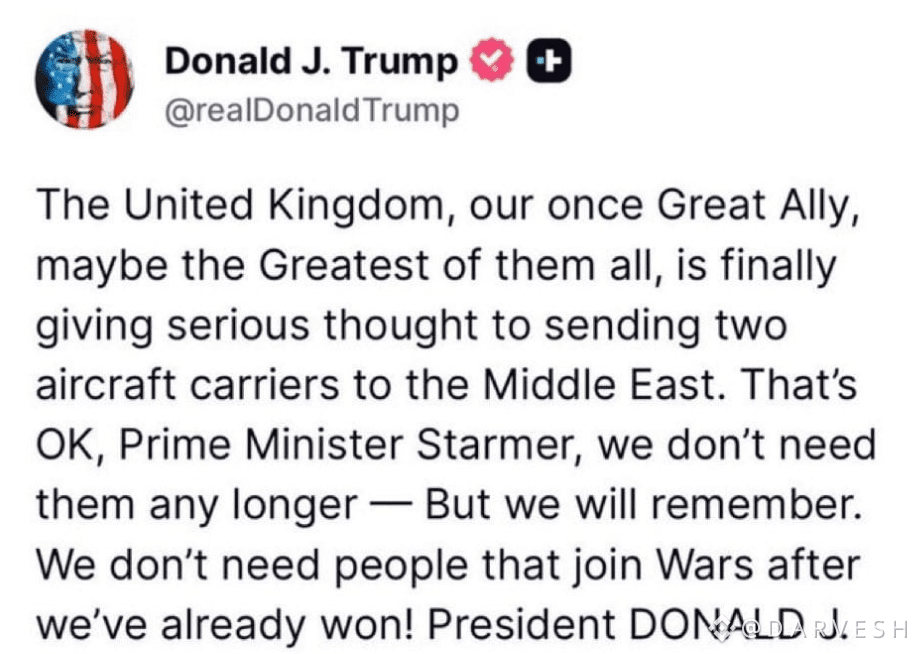
💥 عاجل:
الرئيس دونالد ترامب أشار إلى كير ستارمر، قائلاً:
"لا نحتاج إلى أشخاص ينضمون إلى الحروب بعد أن نكون قد انتصرنا بالفعل."
يبدو أن التعليق هو انتقاد لدور المملكة المتحدة في النزاعات إلى جانب الولايات المتحدة، مما يشير إلى الإحباط من الحلفاء الذين يدخلون العمليات العسكرية لاحقًا في العملية.
لماذا هذا مهم
توترات التحالف: التعليقات مثل هذه يمكن أن تضعف العلاقات بين الحلفاء القدامى مثل الولايات المتحدة والمملكة المتحدة.
رسائل سياسية: التصريحات المُصاغة بهذه الطريقة غالبًا ما تُلقى قبولًا داخليًا من خلال التأكيد على القوة الوطنية والقيادة.
إشارة عالمية: حتى النزاعات البلاغية بين القادة الغربيين يمكن أن تؤثر على الديناميات الدبلوماسية، خاصة خلال التوترات الجيوسياسية المستمرة.
💬 السؤال الكبير الآن:
هل هذه مجرد بلاغة سياسية، أم أنها تشير إلى تحول أعمق في كيفية توقع الولايات المتحدة من الحلفاء المشاركة في النزاعات المستقبلية؟
#Trump'sCyberStrategy
$DOT $ADA $XRP
{spot}(XRPUSDT)
{spot}(ADAUSDT)
{spot}(DOTUSDT)
💥 عاجل:
الرئيس دونالد ترامب أشار إلى كير ستارمر، قائلاً:
"لا نحتاج إلى أشخاص ينضمون إلى الحروب بعد أن نكون قد انتصرنا بالفعل."
يبدو أن التعليق هو انتقاد لدور المملكة المتحدة في النزاعات إلى جانب الولايات المتحدة، مما يشير إلى الإحباط من الحلفاء الذين يدخلون العمليات العسكرية لاحقًا في العملية.
لماذا هذا مهم
توترات التحالف: التعليقات مثل هذه يمكن أن تضعف العلاقات بين الحلفاء القدامى مثل الولايات المتحدة والمملكة المتحدة.
رسائل سياسية: التصريحات المُصاغة بهذه الطريقة غالبًا ما تُلقى قبولًا داخليًا من خلال التأكيد على القوة الوطنية والقيادة.
إشارة عالمية: حتى النزاعات البلاغية بين القادة الغربيين يمكن أن تؤثر على الديناميات الدبلوماسية، خاصة خلال التوترات الجيوسياسية المستمرة.
💬 السؤال الكبير الآن:
هل هذه مجرد بلاغة سياسية، أم أنها تشير إلى تحول أعمق في كيفية توقع الولايات المتحدة من الحلفاء المشاركة في النزاعات المستقبلية؟
#Trump'sCyberStrategy
$DOT $ADA $XRP
الرئيس دونالد ترامب أشار إلى كير ستارمر، قائلاً:
"لا نحتاج إلى أشخاص ينضمون إلى الحروب بعد أن نكون قد انتصرنا بالفعل."
يبدو أن التعليق هو انتقاد لدور المملكة المتحدة في النزاعات إلى جانب الولايات المتحدة، مما يشير إلى الإحباط من الحلفاء الذين يدخلون العمليات العسكرية لاحقًا في العملية.
لماذا هذا مهم
توترات التحالف: التعليقات مثل هذه يمكن أن تضعف العلاقات بين الحلفاء القدامى مثل الولايات المتحدة والمملكة المتحدة.
رسائل سياسية: التصريحات المُصاغة بهذه الطريقة غالبًا ما تُلقى قبولًا داخليًا من خلال التأكيد على القوة الوطنية والقيادة.
إشارة عالمية: حتى النزاعات البلاغية بين القادة الغربيين يمكن أن تؤثر على الديناميات الدبلوماسية، خاصة خلال التوترات الجيوسياسية المستمرة.
💬 السؤال الكبير الآن:
هل هذه مجرد بلاغة سياسية، أم أنها تشير إلى تحول أعمق في كيفية توقع الولايات المتحدة من الحلفاء المشاركة في النزاعات المستقبلية؟
#Trump'sCyberStrategy
$DOT $ADA $XRP
5
1.3k
·
--
تبدأ الأسواق في تسعير تكلفة الصراعالتركيز الآن بشكل أساسي على التطورات العسكرية، ولكن القصة الأكبر التي تتكشف في الأسواق هي التكلفة الاقتصادية للتصعيد.
تحرك النفط بالفعل نحو 100 دولار للبرميل، مع بقاء أسعار الغاز الطبيعي الأوروبية بالقرب من 96 دولارًا. في الوقت نفسه، ارتفعت أسعار الغاز الطبيعي الأوروبي من حوالي 30 يورو إلى 50 يورو لكل ميغاوات في الساعة في غضون أيام.
تشعر الأسواق المالية بالضغط أيضًا. يُقال إن حوالي 3.5 تريليون دولار من القيمة السوقية العالمية قد تم مسحها هذا الأسبوع مع بدء المستثمرين في تسعير المخاطر الجيوسياسية.
تبدأ الأسواق في تسعير تكلفة الصراع
التركيز الآن بشكل أساسي على التطورات العسكرية، ولكن القصة الأكبر التي تتكشف في الأسواق هي التكلفة الاقتصادية للتصعيد.
تحرك النفط بالفعل نحو 100 دولار للبرميل، مع بقاء أسعار الغاز الطبيعي الأوروبية بالقرب من 96 دولارًا. في الوقت نفسه، ارتفعت أسعار الغاز الطبيعي الأوروبي من حوالي 30 يورو إلى 50 يورو لكل ميغاوات في الساعة في غضون أيام.
تشعر الأسواق المالية بالضغط أيضًا. يُقال إن حوالي 3.5 تريليون دولار من القيمة السوقية العالمية قد تم مسحها هذا الأسبوع مع بدء المستثمرين في تسعير المخاطر الجيوسياسية.
تحرك النفط بالفعل نحو 100 دولار للبرميل، مع بقاء أسعار الغاز الطبيعي الأوروبية بالقرب من 96 دولارًا. في الوقت نفسه، ارتفعت أسعار الغاز الطبيعي الأوروبي من حوالي 30 يورو إلى 50 يورو لكل ميغاوات في الساعة في غضون أيام.
تشعر الأسواق المالية بالضغط أيضًا. يُقال إن حوالي 3.5 تريليون دولار من القيمة السوقية العالمية قد تم مسحها هذا الأسبوع مع بدء المستثمرين في تسعير المخاطر الجيوسياسية.
2
210
·
--
استراتيجية ترامب السيبرانية تسمي رسمياً العملات المشفرةتحول كبير: 🚨
لأول مرة في تاريخ الولايات المتحدة، تذكر الاستراتيجية الوطنية للأمن السيبراني بشكل صريح العملات المشفرة و blockchain كتقنيات يجب “حمايتها وتأمينها.” (AInvest)
هذه إشارة سياسية هامة.
في الاستراتيجية التي تم إصدارها حديثًا، يتم وضع الأصول الرقمية بجانب الذكاء الاصطناعي والحوسبة الكمومية كتقنيات ناشئة تنوي الولايات المتحدة حمايتها وتطويرها كجزء من جدول أعمالها الأوسع للأمن السيبراني والقيادة التكنولوجية. (AInvest)
استراتيجية ترامب السيبرانية تسمي رسمياً العملات المشفرة
تحول كبير: 🚨
لأول مرة في تاريخ الولايات المتحدة، تذكر الاستراتيجية الوطنية للأمن السيبراني بشكل صريح العملات المشفرة و blockchain كتقنيات يجب “حمايتها وتأمينها.” (AInvest)
هذه إشارة سياسية هامة.
في الاستراتيجية التي تم إصدارها حديثًا، يتم وضع الأصول الرقمية بجانب الذكاء الاصطناعي والحوسبة الكمومية كتقنيات ناشئة تنوي الولايات المتحدة حمايتها وتطويرها كجزء من جدول أعمالها الأوسع للأمن السيبراني والقيادة التكنولوجية. (AInvest)
لأول مرة في تاريخ الولايات المتحدة، تذكر الاستراتيجية الوطنية للأمن السيبراني بشكل صريح العملات المشفرة و blockchain كتقنيات يجب “حمايتها وتأمينها.” (AInvest)
هذه إشارة سياسية هامة.
في الاستراتيجية التي تم إصدارها حديثًا، يتم وضع الأصول الرقمية بجانب الذكاء الاصطناعي والحوسبة الكمومية كتقنيات ناشئة تنوي الولايات المتحدة حمايتها وتطويرها كجزء من جدول أعمالها الأوسع للأمن السيبراني والقيادة التكنولوجية. (AInvest)
1
28
·
--
التحقق من مخرجات الذكاء الاصطناعي: لماذا تركز شبكة ميرا على الثقة والمساءلةبينما يصبح الذكاء الاصطناعي متأصلاً بشكل أعمق في عمليات اتخاذ القرار، يتحول الحوار بعيدًا عن السرعة والقدرة نحو الدقة والمساءلة.
يمكن لأنظمة الذكاء الاصطناعي معالجة كميات هائلة من المعلومات بسرعات مذهلة - من التحليل المالي إلى البحث الآلي. ولكن السرعة وحدها لا تضمن الموثوقية. لا تزال العديد من نماذج الذكاء الاصطناعي الحديثة تكافح مع الهلوسة، والمخرجات المتحيزة، والمطالبات غير القابلة للتحقق، مما يثير القلق بشأن مدى الثقة التي يجب وضعها في نتائجها.
التحقق من مخرجات الذكاء الاصطناعي: لماذا تركز شبكة ميرا على الثقة والمساءلة
بينما يصبح الذكاء الاصطناعي متأصلاً بشكل أعمق في عمليات اتخاذ القرار، يتحول الحوار بعيدًا عن السرعة والقدرة نحو الدقة والمساءلة.
يمكن لأنظمة الذكاء الاصطناعي معالجة كميات هائلة من المعلومات بسرعات مذهلة - من التحليل المالي إلى البحث الآلي. ولكن السرعة وحدها لا تضمن الموثوقية. لا تزال العديد من نماذج الذكاء الاصطناعي الحديثة تكافح مع الهلوسة، والمخرجات المتحيزة، والمطالبات غير القابلة للتحقق، مما يثير القلق بشأن مدى الثقة التي يجب وضعها في نتائجها.
يمكن لأنظمة الذكاء الاصطناعي معالجة كميات هائلة من المعلومات بسرعات مذهلة - من التحليل المالي إلى البحث الآلي. ولكن السرعة وحدها لا تضمن الموثوقية. لا تزال العديد من نماذج الذكاء الاصطناعي الحديثة تكافح مع الهلوسة، والمخرجات المتحيزة، والمطالبات غير القابلة للتحقق، مما يثير القلق بشأن مدى الثقة التي يجب وضعها في نتائجها.
2
61
·
--
بناء الثقة في الذكاء الاصطناعي: كيف يتحقق شبكة ميرا من الذكاء من خلال الإجماع اللامركزي
مع تزايد دمج الذكاء الاصطناعي في أنظمة اتخاذ القرار، تتحول المحادثة من القدرات البحتة إلى المساءلة. لم يعد الأمر يتعلق بمدى قوة نماذج الذكاء الاصطناعي—بل حول ما إذا كانت مخرجاتها يمكن الوثوق بها.
هنا يقدم شبكة ميرا فكرة مثيرة: بدلاً من الثقة العمياء في أنظمة الذكاء الاصطناعي، يجب التحقق من ادعاءاتها.
تتعامل الشبكة مع هذا من خلال الإجماع اللامركزي. تقوم نماذج ومستقلون متعددون بمراجعة والتحقق من المعلومات قبل قبولها كموثوقة. نظريًا، يمكن أن تقلل هذه العملية المتعددة الطبقات من تأثير المشاكل الشائعة في الذكاء الاصطناعي مثل الهلوسات، والتحيز، والأخطاء غير المضبوطة.
من خلال دمج تقييم الذكاء الاصطناعي مع التحقق التشفيري، تهدف ميرا إلى إنشاء نظام حيث لا يتم إنشاء الذكاء فحسب، بل يتم تدقيقه أيضًا.
لكن حتى مع هذه الحواجز، تبقى عدة أسئلة.
ما مدى مقاومة النظام لتواطؤ المدققين؟
هل ستكون الحوافز الاقتصادية قوية بما يكفي للحفاظ على اللامركزية الحقيقية؟
هل يمكن أن تصبح مخرجات الذكاء الاصطناعي الموثوقة ادعاءات قابلة لإعادة الاستخدام يمكن للأنظمة الأخرى الاعتماد عليها؟
إذا تمكنت ميرا من معالجة هذه التحديات، فقد تمثل خطوة ذات مغزى نحو الذكاء القابل للتحقق—نموذج حيث لا تُعتبر مخرجات الذكاء الاصطناعي موثوقة ببساطة، بل يتم اختبارها وتأكيدها باستمرار من خلال الإجماع المفتوح.
ومع ذلك، يبقى السؤال الأوسع كما هو:
هل سيصبح التحقق اللامركزي العمود الفقري للذكاء الاصطناعي الموثوق، أم سيبقى طبقة تجريبية فوق ذكاء الآلة سريع التطور؟ 🤖⛓️
#mira $MIRA @mira_network
بناء الثقة في الذكاء الاصطناعي: كيف يتحقق شبكة ميرا من الذكاء من خلال الإجماع اللامركزي
مع تزايد دمج الذكاء الاصطناعي في أنظمة اتخاذ القرار، تتحول المحادثة من القدرات البحتة إلى المساءلة. لم يعد الأمر يتعلق بمدى قوة نماذج الذكاء الاصطناعي—بل حول ما إذا كانت مخرجاتها يمكن الوثوق بها.
هنا يقدم شبكة ميرا فكرة مثيرة: بدلاً من الثقة العمياء في أنظمة الذكاء الاصطناعي، يجب التحقق من ادعاءاتها.
تتعامل الشبكة مع هذا من خلال الإجماع اللامركزي. تقوم نماذج ومستقلون متعددون بمراجعة والتحقق من المعلومات قبل قبولها كموثوقة. نظريًا، يمكن أن تقلل هذه العملية المتعددة الطبقات من تأثير المشاكل الشائعة في الذكاء الاصطناعي مثل الهلوسات، والتحيز، والأخطاء غير المضبوطة.
من خلال دمج تقييم الذكاء الاصطناعي مع التحقق التشفيري، تهدف ميرا إلى إنشاء نظام حيث لا يتم إنشاء الذكاء فحسب، بل يتم تدقيقه أيضًا.
لكن حتى مع هذه الحواجز، تبقى عدة أسئلة.
ما مدى مقاومة النظام لتواطؤ المدققين؟
هل ستكون الحوافز الاقتصادية قوية بما يكفي للحفاظ على اللامركزية الحقيقية؟
هل يمكن أن تصبح مخرجات الذكاء الاصطناعي الموثوقة ادعاءات قابلة لإعادة الاستخدام يمكن للأنظمة الأخرى الاعتماد عليها؟
إذا تمكنت ميرا من معالجة هذه التحديات، فقد تمثل خطوة ذات مغزى نحو الذكاء القابل للتحقق—نموذج حيث لا تُعتبر مخرجات الذكاء الاصطناعي موثوقة ببساطة، بل يتم اختبارها وتأكيدها باستمرار من خلال الإجماع المفتوح.
ومع ذلك، يبقى السؤال الأوسع كما هو:
هل سيصبح التحقق اللامركزي العمود الفقري للذكاء الاصطناعي الموثوق، أم سيبقى طبقة تجريبية فوق ذكاء الآلة سريع التطور؟ 🤖⛓️
#mira $MIRA @Mira - Trust Layer of AI
مع تزايد دمج الذكاء الاصطناعي في أنظمة اتخاذ القرار، تتحول المحادثة من القدرات البحتة إلى المساءلة. لم يعد الأمر يتعلق بمدى قوة نماذج الذكاء الاصطناعي—بل حول ما إذا كانت مخرجاتها يمكن الوثوق بها.
هنا يقدم شبكة ميرا فكرة مثيرة: بدلاً من الثقة العمياء في أنظمة الذكاء الاصطناعي، يجب التحقق من ادعاءاتها.
تتعامل الشبكة مع هذا من خلال الإجماع اللامركزي. تقوم نماذج ومستقلون متعددون بمراجعة والتحقق من المعلومات قبل قبولها كموثوقة. نظريًا، يمكن أن تقلل هذه العملية المتعددة الطبقات من تأثير المشاكل الشائعة في الذكاء الاصطناعي مثل الهلوسات، والتحيز، والأخطاء غير المضبوطة.
من خلال دمج تقييم الذكاء الاصطناعي مع التحقق التشفيري، تهدف ميرا إلى إنشاء نظام حيث لا يتم إنشاء الذكاء فحسب، بل يتم تدقيقه أيضًا.
لكن حتى مع هذه الحواجز، تبقى عدة أسئلة.
ما مدى مقاومة النظام لتواطؤ المدققين؟
هل ستكون الحوافز الاقتصادية قوية بما يكفي للحفاظ على اللامركزية الحقيقية؟
هل يمكن أن تصبح مخرجات الذكاء الاصطناعي الموثوقة ادعاءات قابلة لإعادة الاستخدام يمكن للأنظمة الأخرى الاعتماد عليها؟
إذا تمكنت ميرا من معالجة هذه التحديات، فقد تمثل خطوة ذات مغزى نحو الذكاء القابل للتحقق—نموذج حيث لا تُعتبر مخرجات الذكاء الاصطناعي موثوقة ببساطة، بل يتم اختبارها وتأكيدها باستمرار من خلال الإجماع المفتوح.
ومع ذلك، يبقى السؤال الأوسع كما هو:
هل سيصبح التحقق اللامركزي العمود الفقري للذكاء الاصطناعي الموثوق، أم سيبقى طبقة تجريبية فوق ذكاء الآلة سريع التطور؟ 🤖⛓️
#mira $MIRA @Mira - Trust Layer of AI
2
27
·
--
بروتوكول Fabric & ROBO: السعي نحو AGI القابل للتحقق 🤖⛓️
هل من الممكن بناء أساس لـ AGI ليس قويًا فحسب، بل أيضًا قابل للتحقق وموثوق؟ 🤖
يدعي بروتوكول Fabric، المدعوم برمز ROBO، أنه يدفع الاقتصاد الذكي في هذا الاتجاه من خلال تحويل النموذج من الثقة العمياء إلى التحقق اللامركزي.
الفكرة الأساسية بسيطة لكنها طموحة: تسجيل أنشطة الذكاء الاصطناعي والروبوتات على دفتر أستاذ بلوكتشين بحيث يمكن تتبع وتحقق النتائج والأفعال والقرارات. بدلاً من الاعتماد على أنظمة الشركات الغامضة، يقترح Fabric بروتوكولًا مفتوحًا حيث تكون أنشطة الآلات شفافة وقابلة للإثبات تشفيرًا.
من الناحية النظرية، يخلق ذلك طبقة جديدة من المساءلة للأنظمة الذكية.
لكن التحقق وحده لا يحل كل شيء.
حتى لو أكدت الأدلة التشفيرية أن حدثًا ما قد وقع، فإنها لا تجيب تلقائيًا على الأسئلة الأعمق حول الأخلاقيات أو السلامة أو النية. ⚖️ يمكن للآلة أن تتبع منطقًا ضارًا تمامًا - وسيتأكد دفتر الأستاذ ببساطة من أنها فعلت ذلك.
هناك أيضًا مخاطر معروفة في عالم البلوكتشين يجب النظر فيها: تواطؤ المدققين، والاستحواذ على الحوكمة، واستدامة الحوافز الرمزية على المدى الطويل.
لكي ينجح Fabric، ستكون التحديات في تحقيق توازن بين الحوافز الاقتصادية والحوكمة التشاركية - بناء نظام قوي بما يكفي للبقاء بعد دورات الضجيج التي غالبًا ما تهيمن على أسواق الكريبتو.
هذا يثير سؤالًا أكبر:
هل البلوكتشين حقًا هو الطبقة المفقودة من أجل الذكاء الاصطناعي الموثوق، أم أنه سيصبح ببساطة دفتر أستاذ متطور يوثق الأنظمة التي لا نزال نكافح للسيطرة عليها؟
قد يحدد الجواب ما إذا كانت البروتوكولات مثل Fabric ستصبح بنية تحتية أساسية - أم مجرد تجربة طموحة أخرى على حافة تقنيتين تتطوران بسرعة. 🤖⛓️
#robo $ROBO @FabricFND
بروتوكول Fabric & ROBO: السعي نحو AGI القابل للتحقق 🤖⛓️
هل من الممكن بناء أساس لـ AGI ليس قويًا فحسب، بل أيضًا قابل للتحقق وموثوق؟ 🤖
يدعي بروتوكول Fabric، المدعوم برمز ROBO، أنه يدفع الاقتصاد الذكي في هذا الاتجاه من خلال تحويل النموذج من الثقة العمياء إلى التحقق اللامركزي.
الفكرة الأساسية بسيطة لكنها طموحة: تسجيل أنشطة الذكاء الاصطناعي والروبوتات على دفتر أستاذ بلوكتشين بحيث يمكن تتبع وتحقق النتائج والأفعال والقرارات. بدلاً من الاعتماد على أنظمة الشركات الغامضة، يقترح Fabric بروتوكولًا مفتوحًا حيث تكون أنشطة الآلات شفافة وقابلة للإثبات تشفيرًا.
من الناحية النظرية، يخلق ذلك طبقة جديدة من المساءلة للأنظمة الذكية.
لكن التحقق وحده لا يحل كل شيء.
حتى لو أكدت الأدلة التشفيرية أن حدثًا ما قد وقع، فإنها لا تجيب تلقائيًا على الأسئلة الأعمق حول الأخلاقيات أو السلامة أو النية. ⚖️ يمكن للآلة أن تتبع منطقًا ضارًا تمامًا - وسيتأكد دفتر الأستاذ ببساطة من أنها فعلت ذلك.
هناك أيضًا مخاطر معروفة في عالم البلوكتشين يجب النظر فيها: تواطؤ المدققين، والاستحواذ على الحوكمة، واستدامة الحوافز الرمزية على المدى الطويل.
لكي ينجح Fabric، ستكون التحديات في تحقيق توازن بين الحوافز الاقتصادية والحوكمة التشاركية - بناء نظام قوي بما يكفي للبقاء بعد دورات الضجيج التي غالبًا ما تهيمن على أسواق الكريبتو.
هذا يثير سؤالًا أكبر:
هل البلوكتشين حقًا هو الطبقة المفقودة من أجل الذكاء الاصطناعي الموثوق، أم أنه سيصبح ببساطة دفتر أستاذ متطور يوثق الأنظمة التي لا نزال نكافح للسيطرة عليها؟
قد يحدد الجواب ما إذا كانت البروتوكولات مثل Fabric ستصبح بنية تحتية أساسية - أم مجرد تجربة طموحة أخرى على حافة تقنيتين تتطوران بسرعة. 🤖⛓️
#robo $ROBO @Fabric Foundation
هل من الممكن بناء أساس لـ AGI ليس قويًا فحسب، بل أيضًا قابل للتحقق وموثوق؟ 🤖
يدعي بروتوكول Fabric، المدعوم برمز ROBO، أنه يدفع الاقتصاد الذكي في هذا الاتجاه من خلال تحويل النموذج من الثقة العمياء إلى التحقق اللامركزي.
الفكرة الأساسية بسيطة لكنها طموحة: تسجيل أنشطة الذكاء الاصطناعي والروبوتات على دفتر أستاذ بلوكتشين بحيث يمكن تتبع وتحقق النتائج والأفعال والقرارات. بدلاً من الاعتماد على أنظمة الشركات الغامضة، يقترح Fabric بروتوكولًا مفتوحًا حيث تكون أنشطة الآلات شفافة وقابلة للإثبات تشفيرًا.
من الناحية النظرية، يخلق ذلك طبقة جديدة من المساءلة للأنظمة الذكية.
لكن التحقق وحده لا يحل كل شيء.
حتى لو أكدت الأدلة التشفيرية أن حدثًا ما قد وقع، فإنها لا تجيب تلقائيًا على الأسئلة الأعمق حول الأخلاقيات أو السلامة أو النية. ⚖️ يمكن للآلة أن تتبع منطقًا ضارًا تمامًا - وسيتأكد دفتر الأستاذ ببساطة من أنها فعلت ذلك.
هناك أيضًا مخاطر معروفة في عالم البلوكتشين يجب النظر فيها: تواطؤ المدققين، والاستحواذ على الحوكمة، واستدامة الحوافز الرمزية على المدى الطويل.
لكي ينجح Fabric، ستكون التحديات في تحقيق توازن بين الحوافز الاقتصادية والحوكمة التشاركية - بناء نظام قوي بما يكفي للبقاء بعد دورات الضجيج التي غالبًا ما تهيمن على أسواق الكريبتو.
هذا يثير سؤالًا أكبر:
هل البلوكتشين حقًا هو الطبقة المفقودة من أجل الذكاء الاصطناعي الموثوق، أم أنه سيصبح ببساطة دفتر أستاذ متطور يوثق الأنظمة التي لا نزال نكافح للسيطرة عليها؟
قد يحدد الجواب ما إذا كانت البروتوكولات مثل Fabric ستصبح بنية تحتية أساسية - أم مجرد تجربة طموحة أخرى على حافة تقنيتين تتطوران بسرعة. 🤖⛓️
#robo $ROBO @Fabric Foundation
1
57
·
--
التجول في مدينة الآلات: رأيي في بروتوكول Fabric وROBOلقد تعلمت بالطريقة الصعبة أن مقاييس العملات المشفرة يمكن أن تبدو حيوية لفترة طويلة بعد أن تختفي القناعة. لقد شاهدت الرموز تطبع حجمًا كبيرًا، وتتجه عبر الجداول الزمنية، وتملأ تغذيتي بأفكار واثقة - فقط لأدرك لاحقًا أن معظم الانتباه جاء من السياح الذين يمرون.
تلك المشاعر كانت تعود بينما كنت أفكر في بروتوكول Fabric وROBO.
الفكرة وراء Fabric ليست مجرد رمز آخر ملفوف حول سرد عصري. المشروع يحاول بناء سكك تنسيق لما يسميه اقتصاد الروبوتات - بيئة حيث تتفاعل الآلات والبناة والمحققون والمستخدمون من خلال بروتوكول مفتوح بدلاً من مجموعة مغلقة للشركات.
التجول في مدينة الآلات: رأيي في بروتوكول Fabric وROBO
لقد تعلمت بالطريقة الصعبة أن مقاييس العملات المشفرة يمكن أن تبدو حيوية لفترة طويلة بعد أن تختفي القناعة. لقد شاهدت الرموز تطبع حجمًا كبيرًا، وتتجه عبر الجداول الزمنية، وتملأ تغذيتي بأفكار واثقة - فقط لأدرك لاحقًا أن معظم الانتباه جاء من السياح الذين يمرون.
تلك المشاعر كانت تعود بينما كنت أفكر في بروتوكول Fabric وROBO.
الفكرة وراء Fabric ليست مجرد رمز آخر ملفوف حول سرد عصري. المشروع يحاول بناء سكك تنسيق لما يسميه اقتصاد الروبوتات - بيئة حيث تتفاعل الآلات والبناة والمحققون والمستخدمون من خلال بروتوكول مفتوح بدلاً من مجموعة مغلقة للشركات.
تلك المشاعر كانت تعود بينما كنت أفكر في بروتوكول Fabric وROBO.
الفكرة وراء Fabric ليست مجرد رمز آخر ملفوف حول سرد عصري. المشروع يحاول بناء سكك تنسيق لما يسميه اقتصاد الروبوتات - بيئة حيث تتفاعل الآلات والبناة والمحققون والمستخدمون من خلال بروتوكول مفتوح بدلاً من مجموعة مغلقة للشركات.
1
21
·
--
هابط
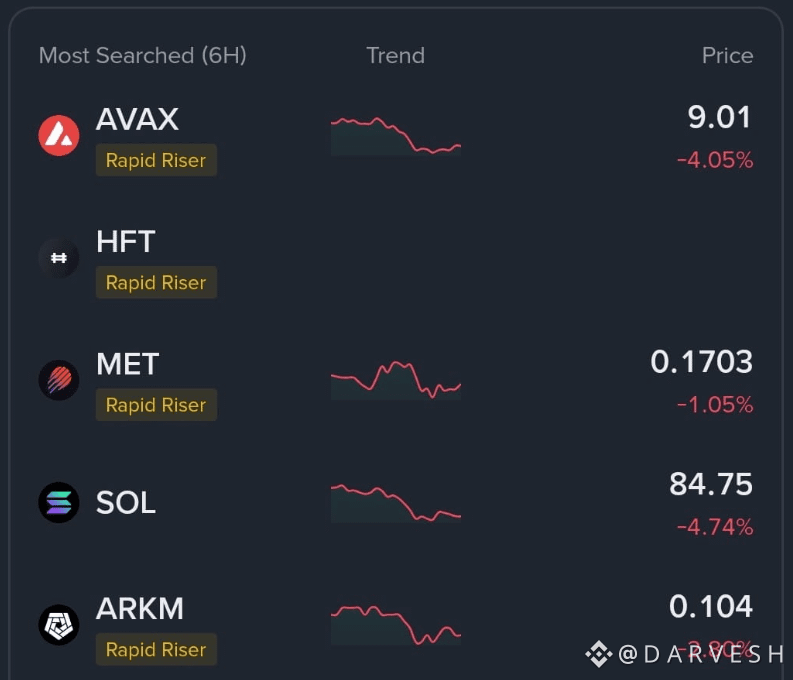
👀 تراجع اتجاه البحث في BINANCE إلى القائمة التالية
الآن، العملات الأكثر بحثًا على Binance هي:
AVAX، HFT، MET، SOL، ARKM
وفي عالم العملات الرقمية، حيث تتدفق الانتباه، غالبًا ما تتبع التقلبات.
إليك ما يجذب عيون المتداولين:
🟢 #AVAX – الاهتمام المؤسسي وتبني الأصول الحقيقية حول Avalanche يزداد قوة.
⚡ $HFT – عملة سريعة الحركة ومنخفضة القيمة كلاسيكية للمتداولين الذين يبحثون عن زخم مفاجئ.
🔄 $MET – تتجه كعاصمة تتدفق إلى نظام Solana البيئي، تلعب دورًا يتجاوز SOL نفسه.
🔹 #SOL – مقياس العملات البديلة الرئيسي؛ عادةً ما يظهر شعور المخاطرة هنا أولاً.
🧠 $ARKM – يكتسب الانتباه بينما يبحث المتداولون عن ذكاء متصل وأدوات تتبع الأموال الذكية.
هذا ليس عشوائيًا. إنها حيث يتجمع انتباه السوق أولاً، وفي عالم العملات الرقمية، غالبًا ما يتحرك الانتباه قبل السعر.
📌 الخطوات التالية
في منشوراتي القادمة، سأقوم بتفصيل التوقعات والتحليل الكامل لهذه العملات.
إذا كنت تريد الغوص العميق الكامل، اضغط إعجاب واترك تعليقًا أدناه.
#JobsDataShock
👀 تراجع اتجاه البحث في BINANCE إلى القائمة التالية
الآن، العملات الأكثر بحثًا على Binance هي:
AVAX، HFT، MET، SOL، ARKM
وفي عالم العملات الرقمية، حيث تتدفق الانتباه، غالبًا ما تتبع التقلبات.
إليك ما يجذب عيون المتداولين:
🟢 #AVAX – الاهتمام المؤسسي وتبني الأصول الحقيقية حول Avalanche يزداد قوة.
⚡ $HFT – عملة سريعة الحركة ومنخفضة القيمة كلاسيكية للمتداولين الذين يبحثون عن زخم مفاجئ.
🔄 $MET – تتجه كعاصمة تتدفق إلى نظام Solana البيئي، تلعب دورًا يتجاوز SOL نفسه.
🔹 #SOL – مقياس العملات البديلة الرئيسي؛ عادةً ما يظهر شعور المخاطرة هنا أولاً.
🧠 $ARKM – يكتسب الانتباه بينما يبحث المتداولون عن ذكاء متصل وأدوات تتبع الأموال الذكية.
هذا ليس عشوائيًا. إنها حيث يتجمع انتباه السوق أولاً، وفي عالم العملات الرقمية، غالبًا ما يتحرك الانتباه قبل السعر.
📌 الخطوات التالية
في منشوراتي القادمة، سأقوم بتفصيل التوقعات والتحليل الكامل لهذه العملات.
إذا كنت تريد الغوص العميق الكامل، اضغط إعجاب واترك تعليقًا أدناه.
#JobsDataShock
الآن، العملات الأكثر بحثًا على Binance هي:
AVAX، HFT، MET، SOL، ARKM
وفي عالم العملات الرقمية، حيث تتدفق الانتباه، غالبًا ما تتبع التقلبات.
إليك ما يجذب عيون المتداولين:
🟢 #AVAX – الاهتمام المؤسسي وتبني الأصول الحقيقية حول Avalanche يزداد قوة.
⚡ $HFT – عملة سريعة الحركة ومنخفضة القيمة كلاسيكية للمتداولين الذين يبحثون عن زخم مفاجئ.
🔄 $MET – تتجه كعاصمة تتدفق إلى نظام Solana البيئي، تلعب دورًا يتجاوز SOL نفسه.
🔹 #SOL – مقياس العملات البديلة الرئيسي؛ عادةً ما يظهر شعور المخاطرة هنا أولاً.
🧠 $ARKM – يكتسب الانتباه بينما يبحث المتداولون عن ذكاء متصل وأدوات تتبع الأموال الذكية.
هذا ليس عشوائيًا. إنها حيث يتجمع انتباه السوق أولاً، وفي عالم العملات الرقمية، غالبًا ما يتحرك الانتباه قبل السعر.
📌 الخطوات التالية
في منشوراتي القادمة، سأقوم بتفصيل التوقعات والتحليل الكامل لهذه العملات.
إذا كنت تريد الغوص العميق الكامل، اضغط إعجاب واترك تعليقًا أدناه.
#JobsDataShock
1
1
54
·
--
صاعد
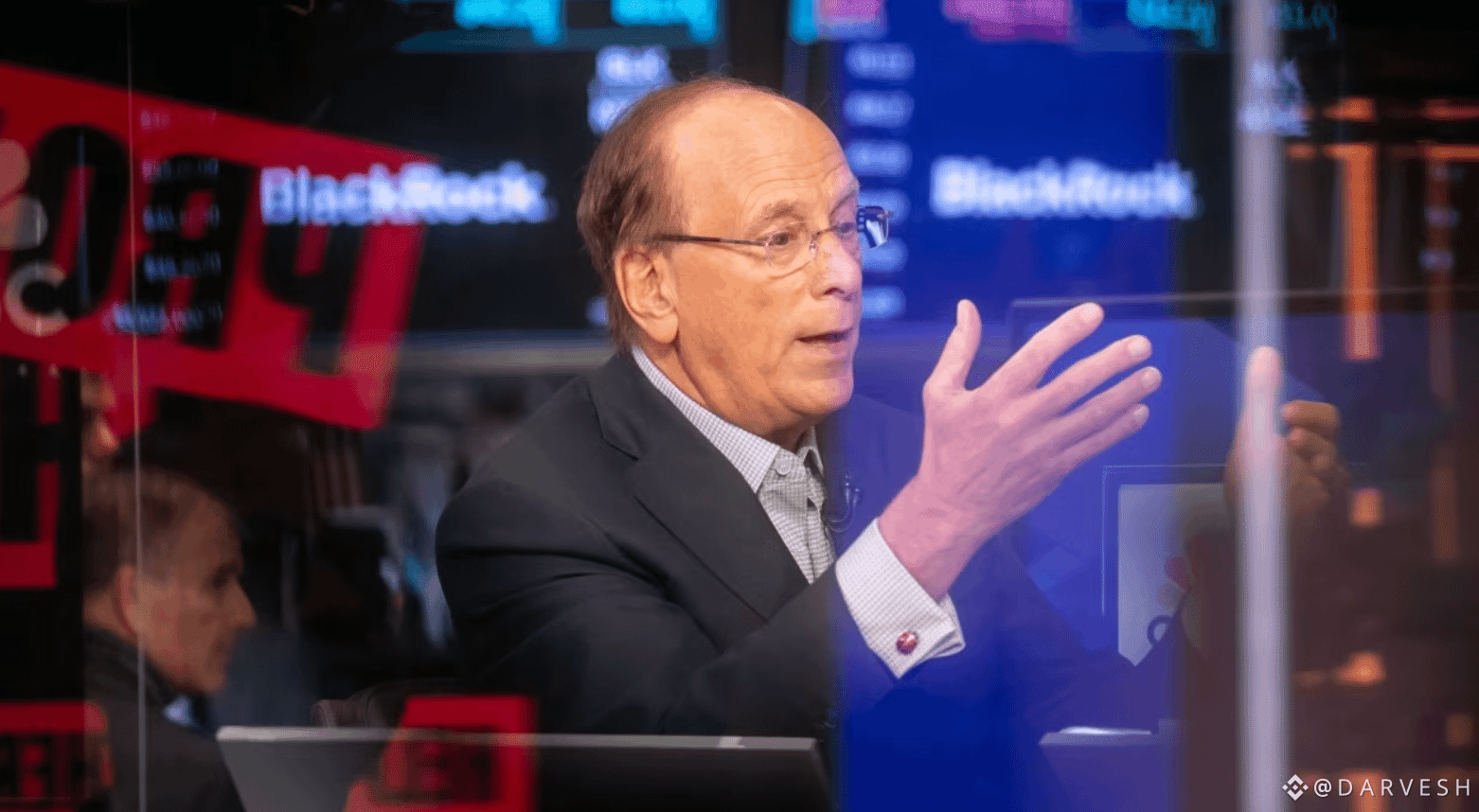
🚨 حدث شيء كبير للتو
أكبر مدير أصول في العالم، بلاك روك، قد حدد سحوبات المستثمرين من أحد صناديق الائتمان الخاصة الرئيسية لديه.
وفقًا للتقارير، حاول المستثمرون سحب حوالي 1.2 مليار دولار من صندوق يدير حوالي 26 مليار دولار من الأصول. بدلاً من السماح بالسحوبات الكاملة، حددت الشركة حدود السحوبات عند 5%، مما يعني أن العديد من المستثمرين لم يتمكنوا من الوصول إلى كل الأموال التي طلبوها.
نتيجة لذلك، لم يتمكن ما يقرب من نصف المستثمرين الذين أرادوا سحب الأموال من القيام بذلك.
وليس هذا يحدث في عزلة.
في نفس الوقت، تواجه بلاكستون - عملاق آخر في الاستثمارات البديلة - ضغط سحب قياسي من أحد صناديقها. تقول التقارير إن الشركة كانت مضطرة لضخ حوالي 400 مليون دولار من رأسمالها الخاص للمساعدة في استقرار السحوبات.
لماذا هذا مهم
تدير كلا الشركتين صناديق ضخمة في سوق الائتمان الخاص الذي تبلغ قيمته 1.8 تريليون دولار، وهو قطاع ينمو بسرعة حيث يقرض المستثمرون الأموال مباشرة للشركات خارج النظام المصرفي التقليدي.
عندما تبدأ الصناديق في هذا المجال بفرض قيود على السحوبات، يثير ذلك تساؤلات حول السيولة:
هل rush المستثمرون للخروج؟
هل يصبح السوق أصعب في التفكيك بسرعة؟
هل يمكن أن يتزايد الضغط في أسواق الائتمان الخاصة؟
لتكون واضحًا، غالبًا ما تحد هذه الصناديق قانونيًا من السحوبات خلال فترات الاسترداد الثقيلة، لذا فإن ذلك لا يعني بالضرورة وجود أزمة.
ولكن عندما يبدأ أكبر اللاعبين في الصناعة في تفعيل تلك الحدود، تميل الأسواق إلى الانتباه.
السؤال الكبير
لقد انفجرت الائتمان الخاص على مدى العقد الماضي حيث بحث المستثمرون عن عوائد أعلى.
الآن السؤال الرئيسي هو:
إذا استمر ضغط السحب في الارتفاع، ماذا سيحدث بعد ذلك في هذا السوق الذي تبلغ قيمته 1.8 تريليون دولار؟
هل هذا مجرد تحكم عادي في السيولة - أم علامة تحذيرية أولى عن ضغط أعمق في الائتمان الخاص؟
👇 ماذا تعتقد أنه سيحدث بعد ذلك؟
#blackRock
$ETH $BTC $BNB
{spot}(BNBUSDT)
{spot}(BTCUSDT)
{spot}(ETHUSDT)
🚨 حدث شيء كبير للتو
أكبر مدير أصول في العالم، بلاك روك، قد حدد سحوبات المستثمرين من أحد صناديق الائتمان الخاصة الرئيسية لديه.
وفقًا للتقارير، حاول المستثمرون سحب حوالي 1.2 مليار دولار من صندوق يدير حوالي 26 مليار دولار من الأصول. بدلاً من السماح بالسحوبات الكاملة، حددت الشركة حدود السحوبات عند 5%، مما يعني أن العديد من المستثمرين لم يتمكنوا من الوصول إلى كل الأموال التي طلبوها.
نتيجة لذلك، لم يتمكن ما يقرب من نصف المستثمرين الذين أرادوا سحب الأموال من القيام بذلك.
وليس هذا يحدث في عزلة.
في نفس الوقت، تواجه بلاكستون - عملاق آخر في الاستثمارات البديلة - ضغط سحب قياسي من أحد صناديقها. تقول التقارير إن الشركة كانت مضطرة لضخ حوالي 400 مليون دولار من رأسمالها الخاص للمساعدة في استقرار السحوبات.
لماذا هذا مهم
تدير كلا الشركتين صناديق ضخمة في سوق الائتمان الخاص الذي تبلغ قيمته 1.8 تريليون دولار، وهو قطاع ينمو بسرعة حيث يقرض المستثمرون الأموال مباشرة للشركات خارج النظام المصرفي التقليدي.
عندما تبدأ الصناديق في هذا المجال بفرض قيود على السحوبات، يثير ذلك تساؤلات حول السيولة:
هل rush المستثمرون للخروج؟
هل يصبح السوق أصعب في التفكيك بسرعة؟
هل يمكن أن يتزايد الضغط في أسواق الائتمان الخاصة؟
لتكون واضحًا، غالبًا ما تحد هذه الصناديق قانونيًا من السحوبات خلال فترات الاسترداد الثقيلة، لذا فإن ذلك لا يعني بالضرورة وجود أزمة.
ولكن عندما يبدأ أكبر اللاعبين في الصناعة في تفعيل تلك الحدود، تميل الأسواق إلى الانتباه.
السؤال الكبير
لقد انفجرت الائتمان الخاص على مدى العقد الماضي حيث بحث المستثمرون عن عوائد أعلى.
الآن السؤال الرئيسي هو:
إذا استمر ضغط السحب في الارتفاع، ماذا سيحدث بعد ذلك في هذا السوق الذي تبلغ قيمته 1.8 تريليون دولار؟
هل هذا مجرد تحكم عادي في السيولة - أم علامة تحذيرية أولى عن ضغط أعمق في الائتمان الخاص؟
👇 ماذا تعتقد أنه سيحدث بعد ذلك؟
#blackRock
$ETH $BTC $BNB
أكبر مدير أصول في العالم، بلاك روك، قد حدد سحوبات المستثمرين من أحد صناديق الائتمان الخاصة الرئيسية لديه.
وفقًا للتقارير، حاول المستثمرون سحب حوالي 1.2 مليار دولار من صندوق يدير حوالي 26 مليار دولار من الأصول. بدلاً من السماح بالسحوبات الكاملة، حددت الشركة حدود السحوبات عند 5%، مما يعني أن العديد من المستثمرين لم يتمكنوا من الوصول إلى كل الأموال التي طلبوها.
نتيجة لذلك، لم يتمكن ما يقرب من نصف المستثمرين الذين أرادوا سحب الأموال من القيام بذلك.
وليس هذا يحدث في عزلة.
في نفس الوقت، تواجه بلاكستون - عملاق آخر في الاستثمارات البديلة - ضغط سحب قياسي من أحد صناديقها. تقول التقارير إن الشركة كانت مضطرة لضخ حوالي 400 مليون دولار من رأسمالها الخاص للمساعدة في استقرار السحوبات.
لماذا هذا مهم
تدير كلا الشركتين صناديق ضخمة في سوق الائتمان الخاص الذي تبلغ قيمته 1.8 تريليون دولار، وهو قطاع ينمو بسرعة حيث يقرض المستثمرون الأموال مباشرة للشركات خارج النظام المصرفي التقليدي.
عندما تبدأ الصناديق في هذا المجال بفرض قيود على السحوبات، يثير ذلك تساؤلات حول السيولة:
هل rush المستثمرون للخروج؟
هل يصبح السوق أصعب في التفكيك بسرعة؟
هل يمكن أن يتزايد الضغط في أسواق الائتمان الخاصة؟
لتكون واضحًا، غالبًا ما تحد هذه الصناديق قانونيًا من السحوبات خلال فترات الاسترداد الثقيلة، لذا فإن ذلك لا يعني بالضرورة وجود أزمة.
ولكن عندما يبدأ أكبر اللاعبين في الصناعة في تفعيل تلك الحدود، تميل الأسواق إلى الانتباه.
السؤال الكبير
لقد انفجرت الائتمان الخاص على مدى العقد الماضي حيث بحث المستثمرون عن عوائد أعلى.
الآن السؤال الرئيسي هو:
إذا استمر ضغط السحب في الارتفاع، ماذا سيحدث بعد ذلك في هذا السوق الذي تبلغ قيمته 1.8 تريليون دولار؟
هل هذا مجرد تحكم عادي في السيولة - أم علامة تحذيرية أولى عن ضغط أعمق في الائتمان الخاص؟
👇 ماذا تعتقد أنه سيحدث بعد ذلك؟
#blackRock
$ETH $BTC $BNB
2
276
سجّل الدخول لاستكشاف المزيد من المُحتوى
انضم إلى مُستخدمي العملات الرقمية حول العالم على Binance Square
⚡️ احصل على أحدث المعلومات المفيدة عن العملات الرقمية.
💬 موثوقة من قبل أكبر منصّة لتداول العملات الرقمية في العالم.
👍 اكتشف الرؤى الحقيقية من صنّاع المُحتوى الموثوقين.
البريد الإلكتروني / رقم الهاتف
المواضيع الرائجة
BinanceLaunchesBinanceIntelligence
240,525 مشاهدات
2,119 يقومون بالنقاش
#BinanceLaunchesBinanceIntelligence
ثورة الذكاء الاصطناعي تصل إلى عالم التداول الرقمي
أعلنت منصة Binance رسمياً عن إطلاق منظومتها الذكية الجديدة Binance Intelligence، في خطوة تمثل نقلة نوعية نحو دمج أدوات الذكاء الاصطناعي الاصطناعي في صلب تجربة التداول اليومية للمستخدمين. تهدف هذه المبادرة إلى سد الفجوة المعرفية في الأسواق المالية وتمكين المتداولين—من المبتدئين إلى المحترفين—من تحليل البيانات وتصميم استراتيجيات التداول بلغة طبيعية ودون الحاجة إلى خبرة برمجية.
الركائز الثلاث لمنظومة Binance Intelligence
تتكون المنظومة الجديدة من ثلاثة منتجات رئيسية صُممت لتغطي كافة احتياجات المستخدمين والمطورين:
Binance AI (مجاني للجميع):
يجمع إشارات السوق المشتتة (الرسوم البيانية، الأخبار، بيانات الأونشين On-Chain، والمؤشرات الاقتصادية) في واجهة واحدة موحدة.
يقدم موجزاً آلياً للسوق (Market Brief) يتحدث كل 4 ساعات بالصوت والنص، يغطي العملات الرقمية والأسواق العالمية.
Binance AI Pro (لبناء الاستراتيجيات):
يتيح للمستخدم كتابة فكرة التداول بلغة بسيطة، ليقوم الذكاء الاصطناعي بتحويلها إلى مسار عمل مرئي (Visual Flowchart).
يوفر ميزة التداول الافتراضي (Paper Trading) لاختبار الاستراتيجيات قبل تنفيذها بأموال حقيقية.
#BinanceLaunchesBinanceIntelligence
#BinanceSquareFamily #AI
Redouanecrypto
·5 إعجاب
·2.7k مشاهدات
BitcoinTargets2026OpenAt$87570
0 مشاهدات
2 يقومون بالنقاش
BitcoinRejectedAt$87KThirdTime
4 مشاهدات
20 يقومون بالنقاش