

Sahil_crypto1
297 منشورات

Sahil_crypto1
إبلاغ
حظر المُستخدم
فتح تداول

حائز على ETH
مُتداول عرضي
2.1 سنوات
24 تتابع
119 المتابعون
455 إعجاب
منشورات
الحافظة الاستثمارية
الكل
Live
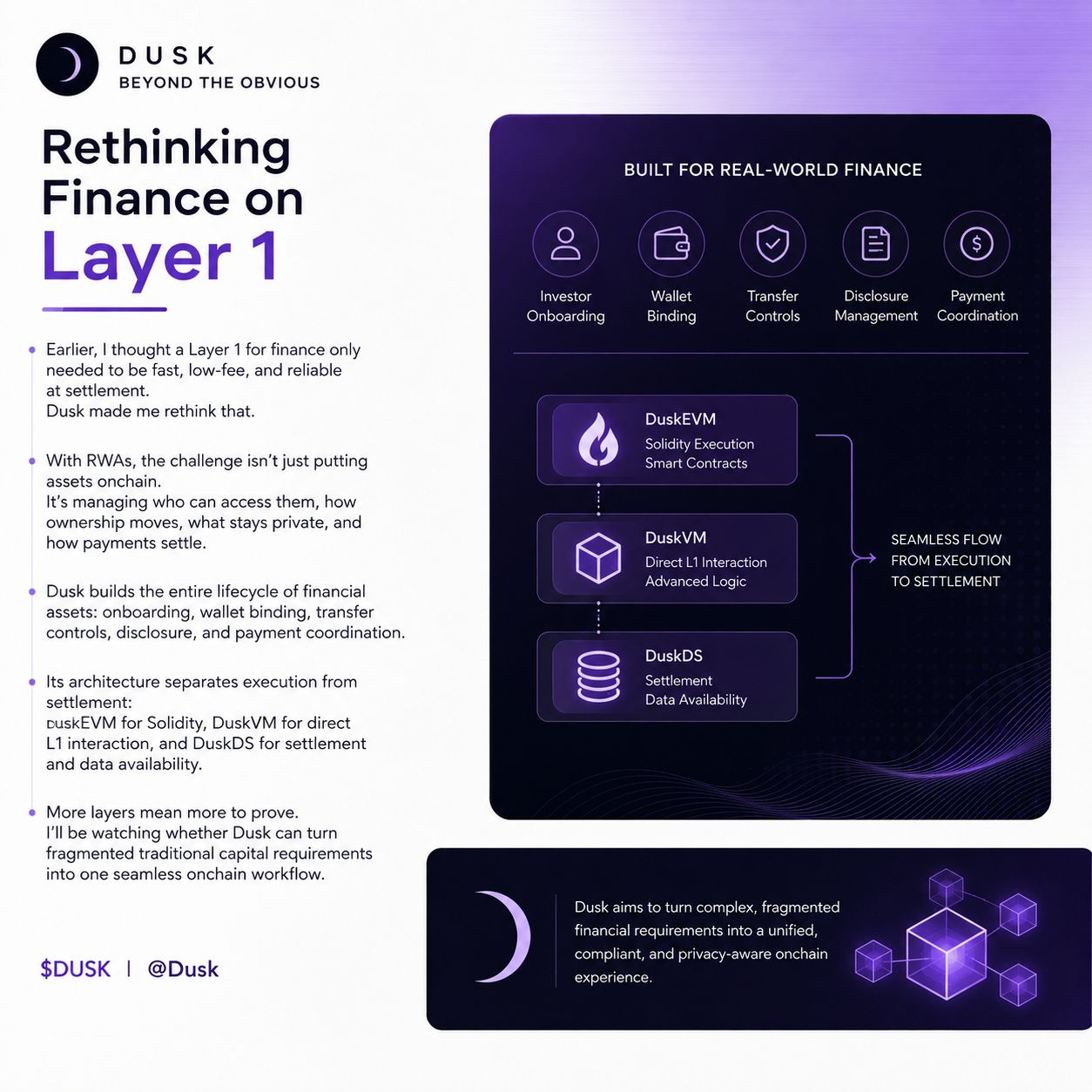
#dusk $DUSK @Dusk_Foundation في السابق كنت أعتقد أن طبقة مالية أولى (Layer 1) تحتاج بشكل أساسي إلى السرعة، ورسوم منخفضة، وتسوية موثوقة. أعادني Dusk إلى التفكير من جديد.
مع الأصول المرمّزة (RWAs)، فإن الجزء الصعب ليس فقط هو وضع الأصول على السلسلة. بل هو إدارة من يمكنه الوصول إليها، وكيف تنتقل الملكية، وما الذي يبقى خاصًا، وكيف تتم تسوية المدفوعات.
لهذا السبب أجد Dusk مثيرًا للاهتمام. تربط بنيته DuskEVM وDuskVM وDuskDS حول التنفيذ والتطبيقات والتسوية وتوافر البيانات.
ما زلت أراقب ما إذا كانت هذه التعقيدات ستترجم إلى تبنٍّ فعلي، لكن السؤال الأكبر يطرح نفسه بشكل مقنع:
هل يمكن لـ Dusk تحويل المتطلبات المالية التقليدية المجزأة إلى سير عمل واحد متكامل على السلسلة؟
$DUSK @Dusk_Foundation
{spot}(DUSKUSDT)
#dusk $DUSK @Dusk في السابق كنت أعتقد أن طبقة مالية أولى (Layer 1) تحتاج بشكل أساسي إلى السرعة، ورسوم منخفضة، وتسوية موثوقة. أعادني Dusk إلى التفكير من جديد.
مع الأصول المرمّزة (RWAs)، فإن الجزء الصعب ليس فقط هو وضع الأصول على السلسلة. بل هو إدارة من يمكنه الوصول إليها، وكيف تنتقل الملكية، وما الذي يبقى خاصًا، وكيف تتم تسوية المدفوعات.
لهذا السبب أجد Dusk مثيرًا للاهتمام. تربط بنيته DuskEVM وDuskVM وDuskDS حول التنفيذ والتطبيقات والتسوية وتوافر البيانات.
ما زلت أراقب ما إذا كانت هذه التعقيدات ستترجم إلى تبنٍّ فعلي، لكن السؤال الأكبر يطرح نفسه بشكل مقنع:
هل يمكن لـ Dusk تحويل المتطلبات المالية التقليدية المجزأة إلى سير عمل واحد متكامل على السلسلة؟
$DUSK @Dusk
مع الأصول المرمّزة (RWAs)، فإن الجزء الصعب ليس فقط هو وضع الأصول على السلسلة. بل هو إدارة من يمكنه الوصول إليها، وكيف تنتقل الملكية، وما الذي يبقى خاصًا، وكيف تتم تسوية المدفوعات.
لهذا السبب أجد Dusk مثيرًا للاهتمام. تربط بنيته DuskEVM وDuskVM وDuskDS حول التنفيذ والتطبيقات والتسوية وتوافر البيانات.
ما زلت أراقب ما إذا كانت هذه التعقيدات ستترجم إلى تبنٍّ فعلي، لكن السؤال الأكبر يطرح نفسه بشكل مقنع:
هل يمكن لـ Dusk تحويل المتطلبات المالية التقليدية المجزأة إلى سير عمل واحد متكامل على السلسلة؟
$DUSK @Dusk
71
$BTC بدأ البيتكوين يبدو مثيرًا للاهتمام مرة أخرى مع تزايد الزخم الصعودي عبر السوق. إذا واصل المشترون الدفاع عن المستويات الحالية وتم تجاوز مستوى المقاومة، فأنا أراقب منطقة 73,000 دولار باعتبارها الهدف التالي المحتمل.
قد تؤدي الحركة باتجاه 73 ألف دولار إلى جذب اهتمام جديد تجاه BTC وربما تعزيز معنويات السوق بشكل عام. بالطبع، يمكن للبيتكوين أن يتحرك بسرعة في كلا الاتجاهين، لذا لا يزال التأكيد وإدارة المخاطر أمرًا مهمًا.
في الوقت الحالي، أراقب حجم التداول والزخم وكيف يتفاعل BTC حول مستويات المقاومة الرئيسية قبل أن أصبح عدوانيًا أكثر من اللازم.
البيتكوين ما زال واحدًا من الرسوم البيانية التي أتابعها عن كثب. 🚀
#Bitcoin #BTC #Crypto $BTC
{spot}(BTCUSDT)
$BTC بدأ البيتكوين يبدو مثيرًا للاهتمام مرة أخرى مع تزايد الزخم الصعودي عبر السوق. إذا واصل المشترون الدفاع عن المستويات الحالية وتم تجاوز مستوى المقاومة، فأنا أراقب منطقة 73,000 دولار باعتبارها الهدف التالي المحتمل.
قد تؤدي الحركة باتجاه 73 ألف دولار إلى جذب اهتمام جديد تجاه BTC وربما تعزيز معنويات السوق بشكل عام. بالطبع، يمكن للبيتكوين أن يتحرك بسرعة في كلا الاتجاهين، لذا لا يزال التأكيد وإدارة المخاطر أمرًا مهمًا.
في الوقت الحالي، أراقب حجم التداول والزخم وكيف يتفاعل BTC حول مستويات المقاومة الرئيسية قبل أن أصبح عدوانيًا أكثر من اللازم.
البيتكوين ما زال واحدًا من الرسوم البيانية التي أتابعها عن كثب. 🚀
#Bitcoin #BTC #Crypto $BTC
قد تؤدي الحركة باتجاه 73 ألف دولار إلى جذب اهتمام جديد تجاه BTC وربما تعزيز معنويات السوق بشكل عام. بالطبع، يمكن للبيتكوين أن يتحرك بسرعة في كلا الاتجاهين، لذا لا يزال التأكيد وإدارة المخاطر أمرًا مهمًا.
في الوقت الحالي، أراقب حجم التداول والزخم وكيف يتفاعل BTC حول مستويات المقاومة الرئيسية قبل أن أصبح عدوانيًا أكثر من اللازم.
البيتكوين ما زال واحدًا من الرسوم البيانية التي أتابعها عن كثب. 🚀
#Bitcoin #BTC #Crypto $BTC
1
71
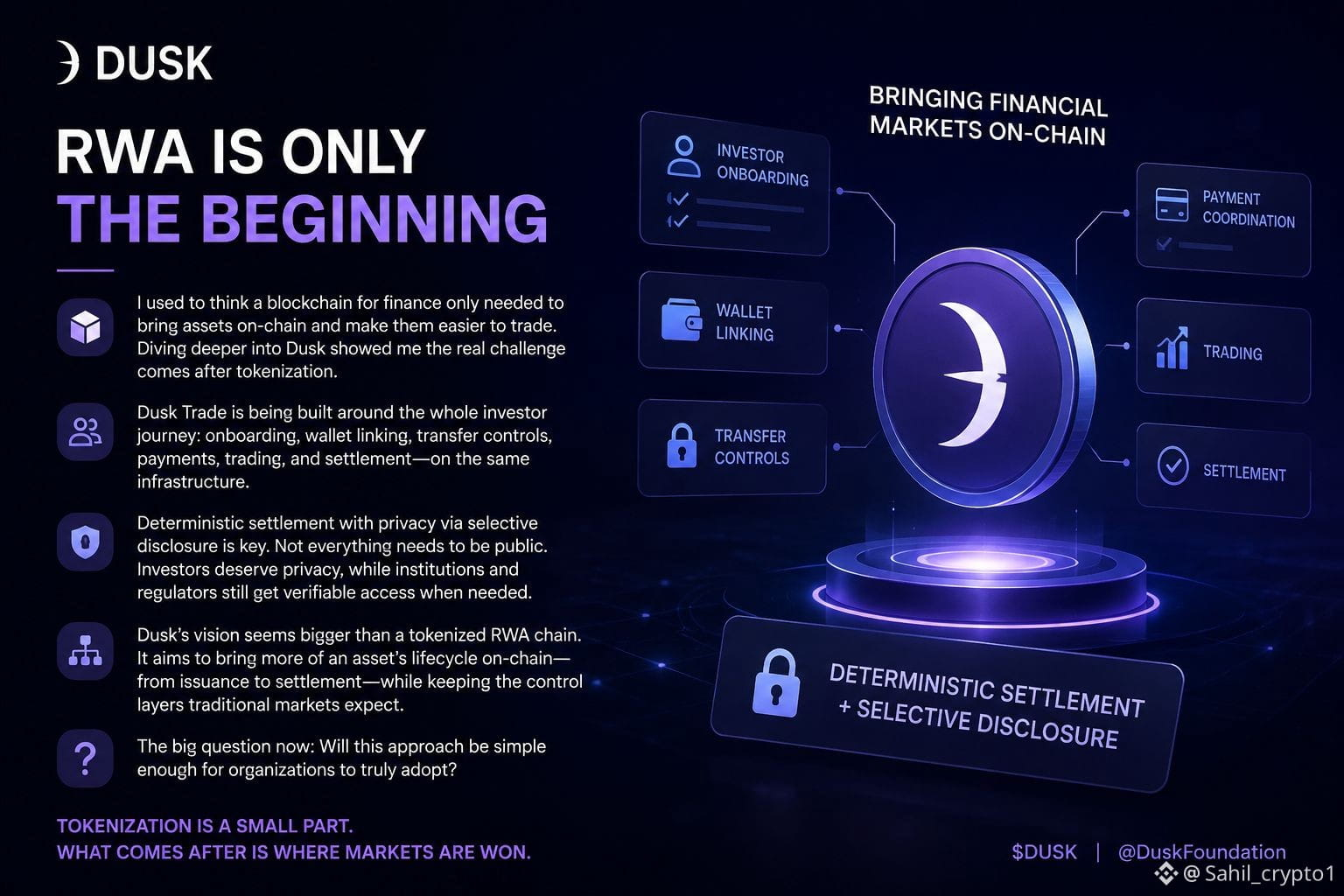
#dusk $DUSK @Dusk_Foundation كنت أعتقد أن بلوك تشين التمويل لا يحتاج إلا إلى القيام بأمرين على نحوٍ جيد: إحضار الأصول الواقعية إلى السلسلة (on-chain) وجعلها أسهل في التداول.
لكن التعمق في Dusk غيّر الطريقة التي أنظر بها إلى سرد الـ RWA.
الترميز (Tokenization) هو البداية فقط. التحدي الأكبر يأتي بعد وجود الأصل على السلسلة: يجب أن تعمل معًا عمليات استقبال المستثمرين، وربط المحافظ، والتحكم في عمليات النقل، وتنسيق المدفوعات، والتداول، والتسوية.
هذا ما يجعل Dusk Trade مثيرة للاهتمام بالنسبة لي. تبدو الطموحات أوسع من مجرد إنشاء سوقٍ آخر للأصول المُرمّزة. يسعى Dusk لبناء بنية تحتية حول المزيد من مراحل دورة حياة الأصل، مع الجمع بين التسوية الحتمية (deterministic) والإفصاح الانتقائي.
كنت أفترض سابقًا أن المزيد من الشفافية في البلوك تشين يعني دائمًا أنه أفضل. لكن الأسواق المالية أظهرت لي لماذا ليس هذا بالضرورة صحيحًا. قد يحتاج المستثمرون إلى الخصوصية، بينما تحتاج المؤسسات والجهات التنظيمية إلى طريقة موثوقة للتحقق من المعلومات عند اللزوم.
لذا بدأت أرى Dusk أقل كـ “سلسلة RWA مُرمّزة” أخرى، وأكثر كمحاولة لإدخال تدفقات العمل المالية التقليدية إلى السلسلة دون إزالة أدوات التحكم التي تعتمد عليها تلك الأسواق.
والسؤال الحقيقي بالنسبة لي الآن ليس ما إذا كانت التكنولوجيا تبدو جيدة.
بل ما إذا كانت المؤسسات ستجد النظام بأكمله بسيطًا بما يكفي لاستخدامه فعليًا.
{spot}(DUSKUSDT)
#dusk $DUSK @Dusk كنت أعتقد أن بلوك تشين التمويل لا يحتاج إلا إلى القيام بأمرين على نحوٍ جيد: إحضار الأصول الواقعية إلى السلسلة (on-chain) وجعلها أسهل في التداول.
لكن التعمق في Dusk غيّر الطريقة التي أنظر بها إلى سرد الـ RWA.
الترميز (Tokenization) هو البداية فقط. التحدي الأكبر يأتي بعد وجود الأصل على السلسلة: يجب أن تعمل معًا عمليات استقبال المستثمرين، وربط المحافظ، والتحكم في عمليات النقل، وتنسيق المدفوعات، والتداول، والتسوية.
هذا ما يجعل Dusk Trade مثيرة للاهتمام بالنسبة لي. تبدو الطموحات أوسع من مجرد إنشاء سوقٍ آخر للأصول المُرمّزة. يسعى Dusk لبناء بنية تحتية حول المزيد من مراحل دورة حياة الأصل، مع الجمع بين التسوية الحتمية (deterministic) والإفصاح الانتقائي.
كنت أفترض سابقًا أن المزيد من الشفافية في البلوك تشين يعني دائمًا أنه أفضل. لكن الأسواق المالية أظهرت لي لماذا ليس هذا بالضرورة صحيحًا. قد يحتاج المستثمرون إلى الخصوصية، بينما تحتاج المؤسسات والجهات التنظيمية إلى طريقة موثوقة للتحقق من المعلومات عند اللزوم.
لذا بدأت أرى Dusk أقل كـ “سلسلة RWA مُرمّزة” أخرى، وأكثر كمحاولة لإدخال تدفقات العمل المالية التقليدية إلى السلسلة دون إزالة أدوات التحكم التي تعتمد عليها تلك الأسواق.
والسؤال الحقيقي بالنسبة لي الآن ليس ما إذا كانت التكنولوجيا تبدو جيدة.
بل ما إذا كانت المؤسسات ستجد النظام بأكمله بسيطًا بما يكفي لاستخدامه فعليًا.
لكن التعمق في Dusk غيّر الطريقة التي أنظر بها إلى سرد الـ RWA.
الترميز (Tokenization) هو البداية فقط. التحدي الأكبر يأتي بعد وجود الأصل على السلسلة: يجب أن تعمل معًا عمليات استقبال المستثمرين، وربط المحافظ، والتحكم في عمليات النقل، وتنسيق المدفوعات، والتداول، والتسوية.
هذا ما يجعل Dusk Trade مثيرة للاهتمام بالنسبة لي. تبدو الطموحات أوسع من مجرد إنشاء سوقٍ آخر للأصول المُرمّزة. يسعى Dusk لبناء بنية تحتية حول المزيد من مراحل دورة حياة الأصل، مع الجمع بين التسوية الحتمية (deterministic) والإفصاح الانتقائي.
كنت أفترض سابقًا أن المزيد من الشفافية في البلوك تشين يعني دائمًا أنه أفضل. لكن الأسواق المالية أظهرت لي لماذا ليس هذا بالضرورة صحيحًا. قد يحتاج المستثمرون إلى الخصوصية، بينما تحتاج المؤسسات والجهات التنظيمية إلى طريقة موثوقة للتحقق من المعلومات عند اللزوم.
لذا بدأت أرى Dusk أقل كـ “سلسلة RWA مُرمّزة” أخرى، وأكثر كمحاولة لإدخال تدفقات العمل المالية التقليدية إلى السلسلة دون إزالة أدوات التحكم التي تعتمد عليها تلك الأسواق.
والسؤال الحقيقي بالنسبة لي الآن ليس ما إذا كانت التكنولوجيا تبدو جيدة.
بل ما إذا كانت المؤسسات ستجد النظام بأكمله بسيطًا بما يكفي لاستخدامه فعليًا.
1
64
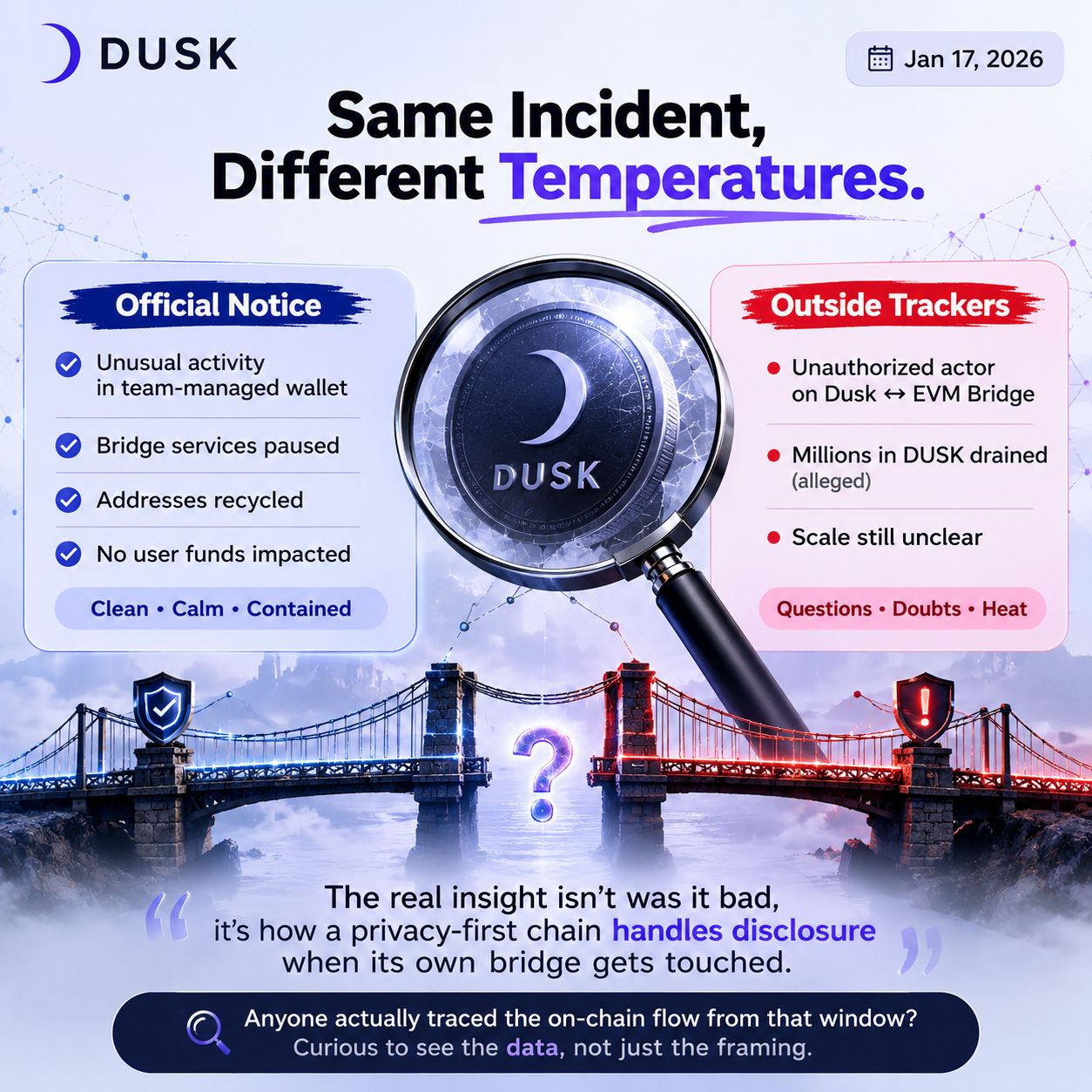
#dusk $DUSK @Dusk_Foundation لقد عدت باستمرار إلى إشعار حادث يناير الخاص بـ Dusk، وكانت صياغته تبرز أكثر من الاستغلال.
رسميًا: نشاط غير معتاد، محفظة مُدارة من قبل فريق، خدمات الجسور متوقفة، عناوين مُعادة الاستخدام، ولا يوجد أموال مستخدمين متأثرة.
لكن خارج نطاق المتتبعات وصف آخرون ملايين تم سحبها من DUSK عبر جسر Dusk إلى EVM.
نفس الحادث، لكن درجات حرارة مختلفة تمامًا.
تلك الفجوة تهم. ليس لأنني أعرف الرقم النهائي—لا أعرف—بل لأن الإفصاح جزء من الأمن أيضًا.
إذا كان هناك من تتبع فعلًا تدفق البيانات على السلسلة من تلك النافذة، فسأكون مهتمًا حقًا برؤية ما وجدته.
{spot}(DUSKUSDT)
#dusk $DUSK @Dusk لقد عدت باستمرار إلى إشعار حادث يناير الخاص بـ Dusk، وكانت صياغته تبرز أكثر من الاستغلال.
رسميًا: نشاط غير معتاد، محفظة مُدارة من قبل فريق، خدمات الجسور متوقفة، عناوين مُعادة الاستخدام، ولا يوجد أموال مستخدمين متأثرة.
لكن خارج نطاق المتتبعات وصف آخرون ملايين تم سحبها من DUSK عبر جسر Dusk إلى EVM.
نفس الحادث، لكن درجات حرارة مختلفة تمامًا.
تلك الفجوة تهم. ليس لأنني أعرف الرقم النهائي—لا أعرف—بل لأن الإفصاح جزء من الأمن أيضًا.
إذا كان هناك من تتبع فعلًا تدفق البيانات على السلسلة من تلك النافذة، فسأكون مهتمًا حقًا برؤية ما وجدته.
رسميًا: نشاط غير معتاد، محفظة مُدارة من قبل فريق، خدمات الجسور متوقفة، عناوين مُعادة الاستخدام، ولا يوجد أموال مستخدمين متأثرة.
لكن خارج نطاق المتتبعات وصف آخرون ملايين تم سحبها من DUSK عبر جسر Dusk إلى EVM.
نفس الحادث، لكن درجات حرارة مختلفة تمامًا.
تلك الفجوة تهم. ليس لأنني أعرف الرقم النهائي—لا أعرف—بل لأن الإفصاح جزء من الأمن أيضًا.
إذا كان هناك من تتبع فعلًا تدفق البيانات على السلسلة من تلك النافذة، فسأكون مهتمًا حقًا برؤية ما وجدته.
1
79
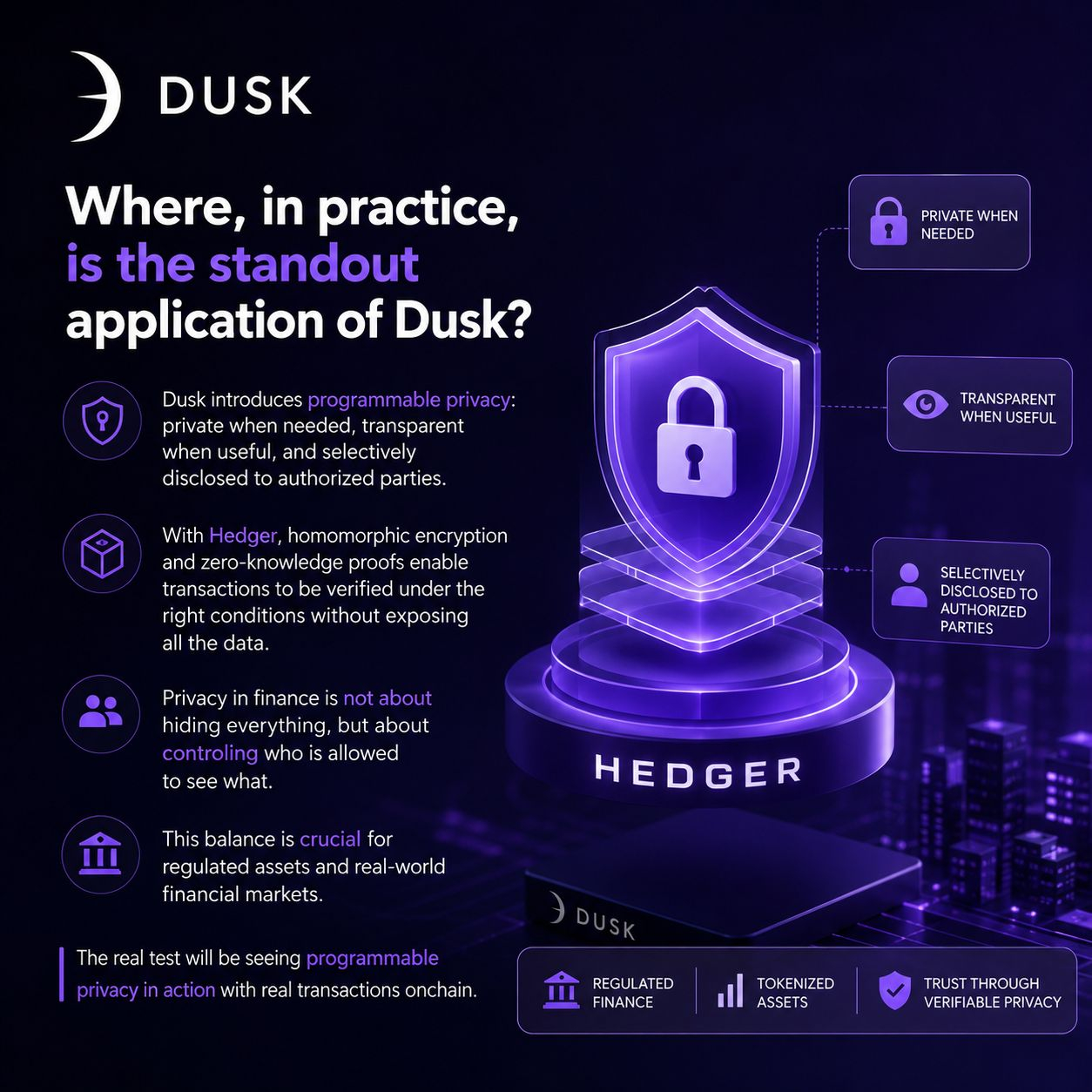
قضيت وقتًا أطول مع Dusk وظلّت سؤالٌ واحد يراودني: أين يصبح نموذج الخصوصية الخاص بها مفيدًا فعليًا؟
كنتُ أُربط الشفافية المالية بالثقة. إذا كان بإمكان الجميع رؤية البيانات، كنت أظن أن التحقق يصبح أسهل. لكن التمويل المنظَّم يغيّر هذه المعادلة.
فكرة Dusk عن الخصوصية القابلة للبرمجة تبدو أكثر عملية: إبقاء المعلومات الحسّاسة خاصة، مع السماح للأطراف المصرّح لها بالتحقق من الأمور التي تهم.
وهنا لفت انتباهي Hedger. التشفير المتماثل والإثباتات صفرية المعرفة ليست مجرّد إخفاء للمعاملات. الفكرة الأكبر هي إنشاء نظام يمكن أن تبقى فيه الأنشطة المالية سرّية، ومع ذلك تكون قابلة للتحقق ضمن الظروف الصحيحة.
وهذا يجعل الخصوصية تبدو أقلّ مثل «إخفاء كل شيء» وأكثر مثل «التحكّم في من يمكنه رؤية ماذا».
بالنسبة للأصول المُرمَّزة والأسواق المُنظَّمة، قد يكون هذا الفارق مهمًا جدًا.
ما زلتُ أراقب عن قرب، رغم ذلك. الاختبار الحقيقي سيكون رؤية كيفية تعامل Dusk مع النشاط المالي الفعلي على السلسلة (onchain)، وليس فقط مدى إقناع بنية النظام كما تبدو على الورق.
#dusk @Dusk_Foundation $DUSK
{spot}(DUSKUSDT)
قضيت وقتًا أطول مع Dusk وظلّت سؤالٌ واحد يراودني: أين يصبح نموذج الخصوصية الخاص بها مفيدًا فعليًا؟
كنتُ أُربط الشفافية المالية بالثقة. إذا كان بإمكان الجميع رؤية البيانات، كنت أظن أن التحقق يصبح أسهل. لكن التمويل المنظَّم يغيّر هذه المعادلة.
فكرة Dusk عن الخصوصية القابلة للبرمجة تبدو أكثر عملية: إبقاء المعلومات الحسّاسة خاصة، مع السماح للأطراف المصرّح لها بالتحقق من الأمور التي تهم.
وهنا لفت انتباهي Hedger. التشفير المتماثل والإثباتات صفرية المعرفة ليست مجرّد إخفاء للمعاملات. الفكرة الأكبر هي إنشاء نظام يمكن أن تبقى فيه الأنشطة المالية سرّية، ومع ذلك تكون قابلة للتحقق ضمن الظروف الصحيحة.
وهذا يجعل الخصوصية تبدو أقلّ مثل «إخفاء كل شيء» وأكثر مثل «التحكّم في من يمكنه رؤية ماذا».
بالنسبة للأصول المُرمَّزة والأسواق المُنظَّمة، قد يكون هذا الفارق مهمًا جدًا.
ما زلتُ أراقب عن قرب، رغم ذلك. الاختبار الحقيقي سيكون رؤية كيفية تعامل Dusk مع النشاط المالي الفعلي على السلسلة (onchain)، وليس فقط مدى إقناع بنية النظام كما تبدو على الورق.
#dusk @Dusk $DUSK
كنتُ أُربط الشفافية المالية بالثقة. إذا كان بإمكان الجميع رؤية البيانات، كنت أظن أن التحقق يصبح أسهل. لكن التمويل المنظَّم يغيّر هذه المعادلة.
فكرة Dusk عن الخصوصية القابلة للبرمجة تبدو أكثر عملية: إبقاء المعلومات الحسّاسة خاصة، مع السماح للأطراف المصرّح لها بالتحقق من الأمور التي تهم.
وهنا لفت انتباهي Hedger. التشفير المتماثل والإثباتات صفرية المعرفة ليست مجرّد إخفاء للمعاملات. الفكرة الأكبر هي إنشاء نظام يمكن أن تبقى فيه الأنشطة المالية سرّية، ومع ذلك تكون قابلة للتحقق ضمن الظروف الصحيحة.
وهذا يجعل الخصوصية تبدو أقلّ مثل «إخفاء كل شيء» وأكثر مثل «التحكّم في من يمكنه رؤية ماذا».
بالنسبة للأصول المُرمَّزة والأسواق المُنظَّمة، قد يكون هذا الفارق مهمًا جدًا.
ما زلتُ أراقب عن قرب، رغم ذلك. الاختبار الحقيقي سيكون رؤية كيفية تعامل Dusk مع النشاط المالي الفعلي على السلسلة (onchain)، وليس فقط مدى إقناع بنية النظام كما تبدو على الورق.
#dusk @Dusk $DUSK
1
76
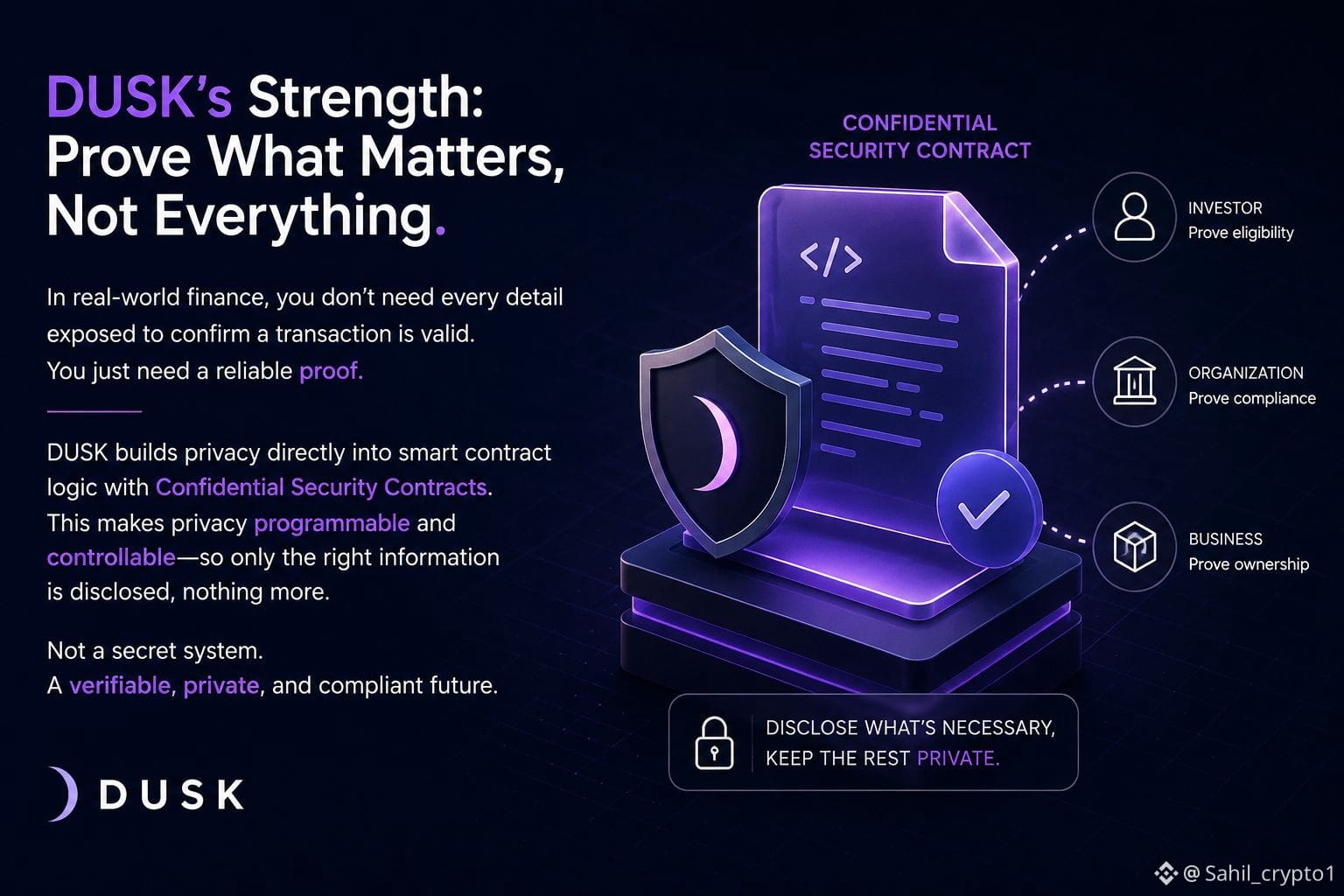
#dusk $DUSK كلما تعمقت أكثر في DUSK، زاد اقتناعي بأن نموذج الخصوصية الخاص بها منطقي للغاية.
المالية في العالم الحقيقي لا تحتاج إلى كشف كل التفاصيل فقط لإثبات أن معاملة ما صالحة. قد يحتاج المستثمر إلى إثبات الأهلية، وقد تحتاج الشركة إلى التحقق من الملكية، وقد تحتاج المؤسسات إلى إظهار الامتثال التنظيمي.
وهنا لفتت DUSK انتباهي. إذ تتعامل مع الخصوصية باعتبارها جزءًا من منطق العقد الذكي، وليس شيئًا يُضاف لاحقًا.
ربما لا تتمثل مستقبل خصوصية البلوك تشين في جعل كل شيء غير مرئي. بل في جعل الإفصاح قابلًا للبرمجة — إثبات ما يلزم إثباته بالضبط مع الحفاظ على المعلومات غير الضرورية ضمن الخصوصية.
وقد يشكل ذلك مسارًا أكثر عملية لجلب النشاط المالي الخاضع للتنظيم إلى السلسلة.@Dusk_Foundation $DUSK
{spot}(DUSKUSDT)
#dusk $DUSK كلما تعمقت أكثر في DUSK، زاد اقتناعي بأن نموذج الخصوصية الخاص بها منطقي للغاية.
المالية في العالم الحقيقي لا تحتاج إلى كشف كل التفاصيل فقط لإثبات أن معاملة ما صالحة. قد يحتاج المستثمر إلى إثبات الأهلية، وقد تحتاج الشركة إلى التحقق من الملكية، وقد تحتاج المؤسسات إلى إظهار الامتثال التنظيمي.
وهنا لفتت DUSK انتباهي. إذ تتعامل مع الخصوصية باعتبارها جزءًا من منطق العقد الذكي، وليس شيئًا يُضاف لاحقًا.
ربما لا تتمثل مستقبل خصوصية البلوك تشين في جعل كل شيء غير مرئي. بل في جعل الإفصاح قابلًا للبرمجة — إثبات ما يلزم إثباته بالضبط مع الحفاظ على المعلومات غير الضرورية ضمن الخصوصية.
وقد يشكل ذلك مسارًا أكثر عملية لجلب النشاط المالي الخاضع للتنظيم إلى السلسلة.@Dusk $DUSK
المالية في العالم الحقيقي لا تحتاج إلى كشف كل التفاصيل فقط لإثبات أن معاملة ما صالحة. قد يحتاج المستثمر إلى إثبات الأهلية، وقد تحتاج الشركة إلى التحقق من الملكية، وقد تحتاج المؤسسات إلى إظهار الامتثال التنظيمي.
وهنا لفتت DUSK انتباهي. إذ تتعامل مع الخصوصية باعتبارها جزءًا من منطق العقد الذكي، وليس شيئًا يُضاف لاحقًا.
ربما لا تتمثل مستقبل خصوصية البلوك تشين في جعل كل شيء غير مرئي. بل في جعل الإفصاح قابلًا للبرمجة — إثبات ما يلزم إثباته بالضبط مع الحفاظ على المعلومات غير الضرورية ضمن الخصوصية.
وقد يشكل ذلك مسارًا أكثر عملية لجلب النشاط المالي الخاضع للتنظيم إلى السلسلة.@Dusk $DUSK
2
75
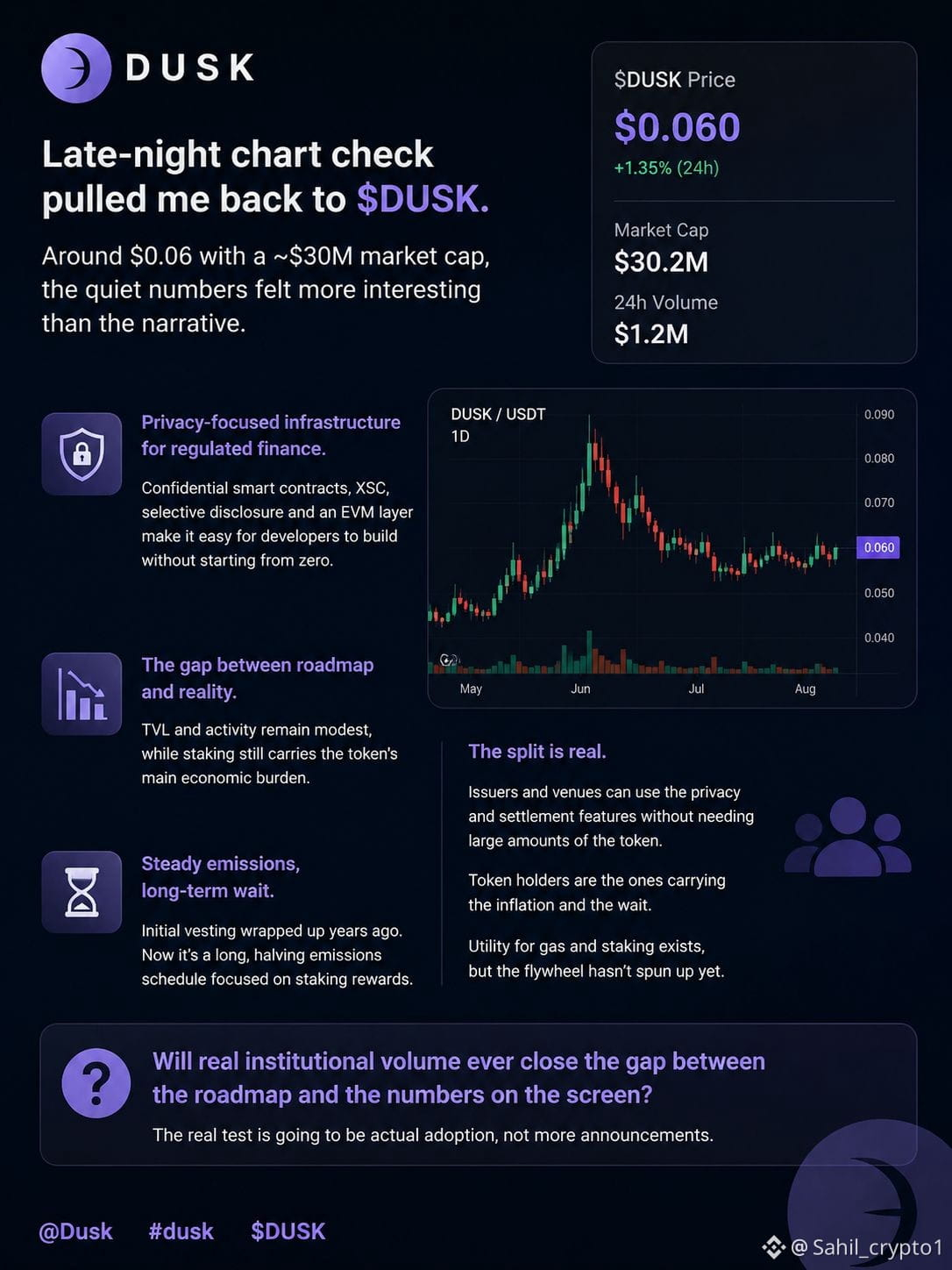
تصفّح مخطط في وقت متأخر من الليل أعادني إلى $DUSK. حوالي $0.06 ومع قيمة سوقية تقارب ~$30M، بدت الأرقام الهادئة أكثر إثارة من السرد.
@Dusk_Foundation يعمل على بناء بنية تحتية تركز على الخصوصية للتمويل المنظّم، بعقود ذكية سرّية، وXSC، والإفصاح الانتقائي، وطبقة EVM.
قصة التقنية تبدو منطقية. ما أراقبه الآن هو الفجوة بين خارطة الطريق والاستخدام الفعلي. لا تزال TVL والنشاط متواضعين، بينما ما زال “الاستيكينغ” يحمل العبء الاقتصادي الرئيسي للرمز.
الحجم المؤسسي الحقيقي هو الجزء الذي يهم. إلى أن يظهر ذلك، $DUSK لا يزال يبدو كقصة تنتظر أن تلحق أرقامها بالحجم.
#dusk $ACE
{spot}(ACEUSDT)
$CYS
{future}(CYSUSDT)
{spot}(DUSKUSDT)
تصفّح مخطط في وقت متأخر من الليل أعادني إلى $DUSK . حوالي $0.06 ومع قيمة سوقية تقارب ~$30M، بدت الأرقام الهادئة أكثر إثارة من السرد.
@Dusk يعمل على بناء بنية تحتية تركز على الخصوصية للتمويل المنظّم، بعقود ذكية سرّية، وXSC، والإفصاح الانتقائي، وطبقة EVM.
قصة التقنية تبدو منطقية. ما أراقبه الآن هو الفجوة بين خارطة الطريق والاستخدام الفعلي. لا تزال TVL والنشاط متواضعين، بينما ما زال “الاستيكينغ” يحمل العبء الاقتصادي الرئيسي للرمز.
الحجم المؤسسي الحقيقي هو الجزء الذي يهم. إلى أن يظهر ذلك، $DUSK لا يزال يبدو كقصة تنتظر أن تلحق أرقامها بالحجم.
#dusk $ACE
$CYS
@Dusk يعمل على بناء بنية تحتية تركز على الخصوصية للتمويل المنظّم، بعقود ذكية سرّية، وXSC، والإفصاح الانتقائي، وطبقة EVM.
قصة التقنية تبدو منطقية. ما أراقبه الآن هو الفجوة بين خارطة الطريق والاستخدام الفعلي. لا تزال TVL والنشاط متواضعين، بينما ما زال “الاستيكينغ” يحمل العبء الاقتصادي الرئيسي للرمز.
الحجم المؤسسي الحقيقي هو الجزء الذي يهم. إلى أن يظهر ذلك، $DUSK لا يزال يبدو كقصة تنتظر أن تلحق أرقامها بالحجم.
#dusk $ACE
$CYS
1
1
81
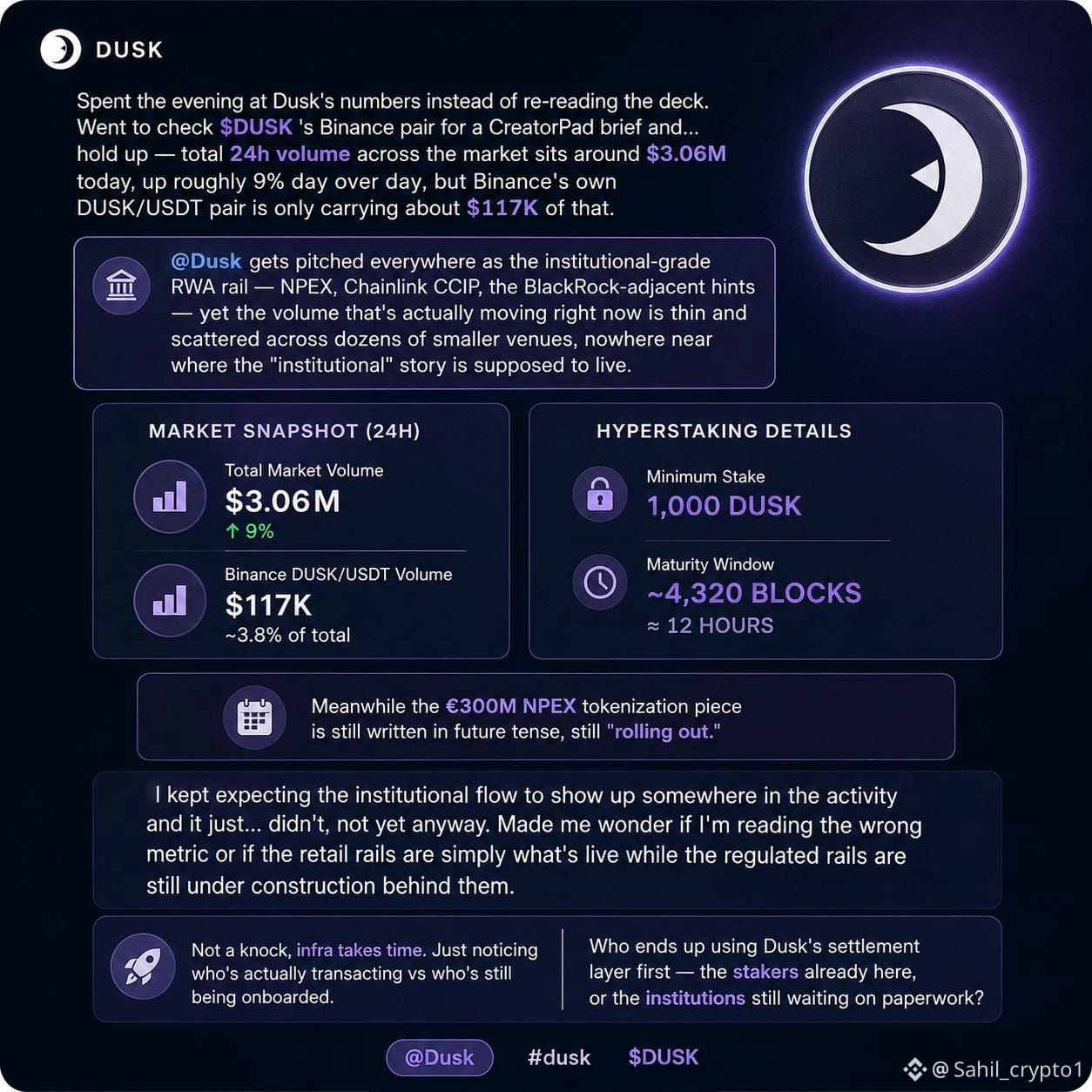
قضيت بعض الوقت في التنقيب عن $DUSK numbers بدلًا من عناوين خارطة الطريق المعتادة.
حجم تداول السوق خلال 24 ساعة يبلغ قرابة 3M دولار، ومع ذلك فإن زوج DUSK/USDT لدى Binance يمثل جزءًا صغيرًا فقط من هذا التدفق. وبالنسبة لمشروع يتموضع حول بنية تحتية مؤسسية لـ RWA، فقد لفتت هذه الفجوة انتباهي.
حتى Hyperstaking يبدو متاحًا جدًا: حد أدنى قدره 1,000 DUSK تقريبًا، وبنافذة استحقاق تقارب 12 ساعة.
لذلك بقي لدي سؤال واحد: هل نشاط Dusk للأفراد هو ببساطة الجزء الذي يعمل اليوم فقط، بينما لا تزال القنوات المؤسسية الأكبر قيد البناء؟
لست متشائمًا — فقط أتابع أين يظهر النشاط الفعلي.
من يصل أولًا: المستثمرون الحاليون أم المؤسسات؟
@Dusk_Foundation #dusk $DUSK
{spot}(DUSKUSDT)
قضيت بعض الوقت في التنقيب عن $DUSK numbers بدلًا من عناوين خارطة الطريق المعتادة.
حجم تداول السوق خلال 24 ساعة يبلغ قرابة 3M دولار، ومع ذلك فإن زوج DUSK/USDT لدى Binance يمثل جزءًا صغيرًا فقط من هذا التدفق. وبالنسبة لمشروع يتموضع حول بنية تحتية مؤسسية لـ RWA، فقد لفتت هذه الفجوة انتباهي.
حتى Hyperstaking يبدو متاحًا جدًا: حد أدنى قدره 1,000 DUSK تقريبًا، وبنافذة استحقاق تقارب 12 ساعة.
لذلك بقي لدي سؤال واحد: هل نشاط Dusk للأفراد هو ببساطة الجزء الذي يعمل اليوم فقط، بينما لا تزال القنوات المؤسسية الأكبر قيد البناء؟
لست متشائمًا — فقط أتابع أين يظهر النشاط الفعلي.
من يصل أولًا: المستثمرون الحاليون أم المؤسسات؟
@Dusk #dusk $DUSK
حجم تداول السوق خلال 24 ساعة يبلغ قرابة 3M دولار، ومع ذلك فإن زوج DUSK/USDT لدى Binance يمثل جزءًا صغيرًا فقط من هذا التدفق. وبالنسبة لمشروع يتموضع حول بنية تحتية مؤسسية لـ RWA، فقد لفتت هذه الفجوة انتباهي.
حتى Hyperstaking يبدو متاحًا جدًا: حد أدنى قدره 1,000 DUSK تقريبًا، وبنافذة استحقاق تقارب 12 ساعة.
لذلك بقي لدي سؤال واحد: هل نشاط Dusk للأفراد هو ببساطة الجزء الذي يعمل اليوم فقط، بينما لا تزال القنوات المؤسسية الأكبر قيد البناء؟
لست متشائمًا — فقط أتابع أين يظهر النشاط الفعلي.
من يصل أولًا: المستثمرون الحاليون أم المؤسسات؟
@Dusk #dusk $DUSK
1
73
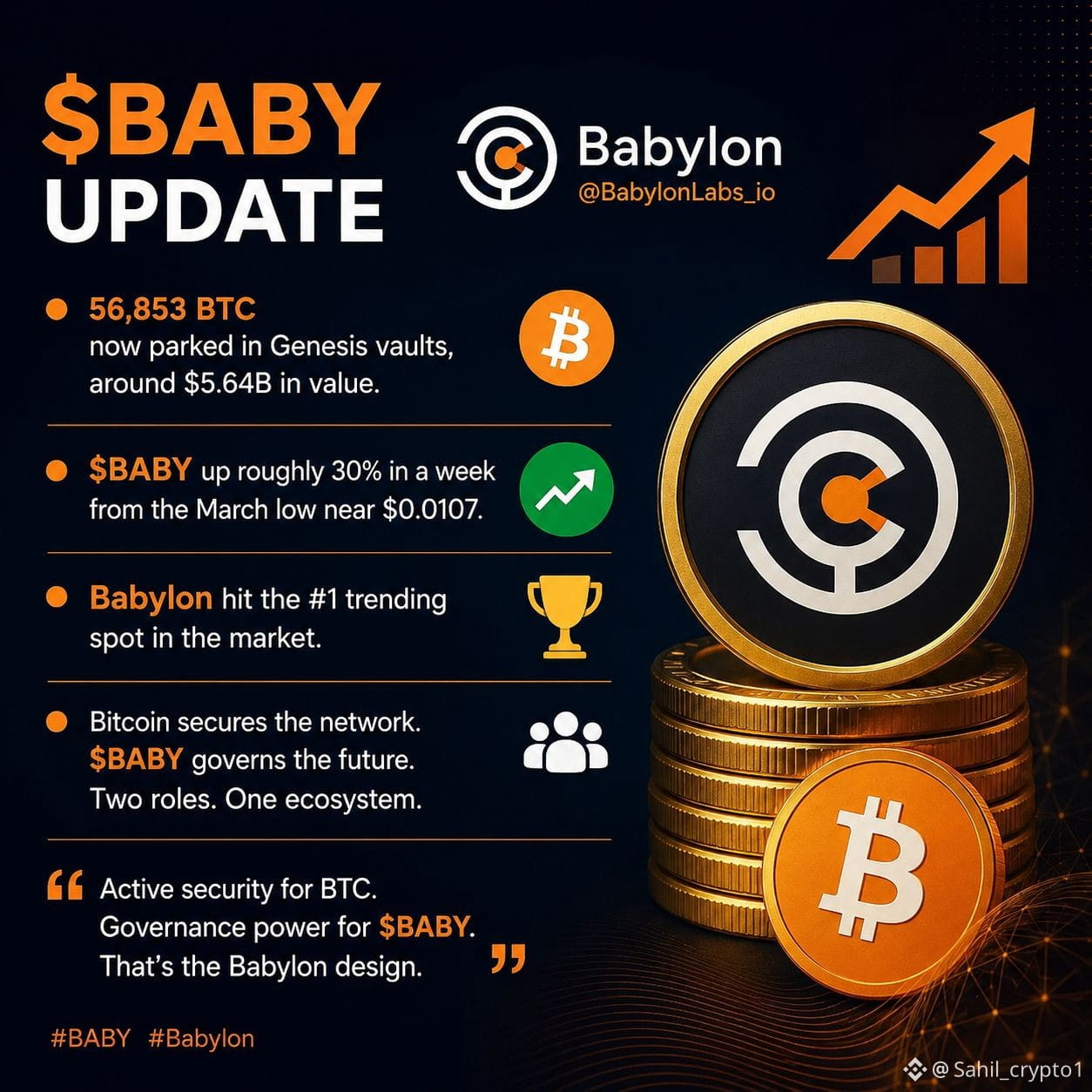
لقد كنت أتابع @babylonlabs_io اليوم، وبرزت حقيقة واحدة خارج نطاق مخططات الأسعار. الآن تم استثمار حوالي 56,853 BTC في خزائن Genesis، بينما $BABY قد تعافى بقوة من أدنى المستويات الأخيرة.
كلما قرأت أكثر، أدركت أكثر أن دور البيتكوين هو الأمان، وليس الحوكمة. يساهم حاملو BTC في تأمين الشبكة وكسب المكافآت، لكن ترقيات البروتوكول وتغييرات المعلمات وقرارات الحوكمة تبقى بيد $BABY الحاملين عبر التفويض.
إنها طريقة مثيرة لفصل المسؤوليات. يوفّر البيتكوين الأمان الاقتصادي، بينما يوفّر BABY قوة اتخاذ القرار. قد يحافظ هذا التصميم على كفاءة الحوكمة، لكنه يعني أيضًا أن الأصل الذي يوفّر الأمان لا يشكّل مستقبل البروتوكول بشكل مباشر.
أتساءل إن كان مقدمو السيولة من BTC سيحصلون يومًا على دور حوكمة أقوى، أو ما إذا كان نموذج الطبقتين هذا مقصودًا أن يبقى دائمًا.
#Baby $BTC
{spot}(BTCUSDT)
{spot}(BABYUSDT)
لقد كنت أتابع @BabylonLabs_io اليوم، وبرزت حقيقة واحدة خارج نطاق مخططات الأسعار. الآن تم استثمار حوالي 56,853 BTC في خزائن Genesis، بينما $BABY قد تعافى بقوة من أدنى المستويات الأخيرة.
كلما قرأت أكثر، أدركت أكثر أن دور البيتكوين هو الأمان، وليس الحوكمة. يساهم حاملو BTC في تأمين الشبكة وكسب المكافآت، لكن ترقيات البروتوكول وتغييرات المعلمات وقرارات الحوكمة تبقى بيد $BABY الحاملين عبر التفويض.
إنها طريقة مثيرة لفصل المسؤوليات. يوفّر البيتكوين الأمان الاقتصادي، بينما يوفّر BABY قوة اتخاذ القرار. قد يحافظ هذا التصميم على كفاءة الحوكمة، لكنه يعني أيضًا أن الأصل الذي يوفّر الأمان لا يشكّل مستقبل البروتوكول بشكل مباشر.
أتساءل إن كان مقدمو السيولة من BTC سيحصلون يومًا على دور حوكمة أقوى، أو ما إذا كان نموذج الطبقتين هذا مقصودًا أن يبقى دائمًا.
#Baby $BTC
كلما قرأت أكثر، أدركت أكثر أن دور البيتكوين هو الأمان، وليس الحوكمة. يساهم حاملو BTC في تأمين الشبكة وكسب المكافآت، لكن ترقيات البروتوكول وتغييرات المعلمات وقرارات الحوكمة تبقى بيد $BABY الحاملين عبر التفويض.
إنها طريقة مثيرة لفصل المسؤوليات. يوفّر البيتكوين الأمان الاقتصادي، بينما يوفّر BABY قوة اتخاذ القرار. قد يحافظ هذا التصميم على كفاءة الحوكمة، لكنه يعني أيضًا أن الأصل الذي يوفّر الأمان لا يشكّل مستقبل البروتوكول بشكل مباشر.
أتساءل إن كان مقدمو السيولة من BTC سيحصلون يومًا على دور حوكمة أقوى، أو ما إذا كان نموذج الطبقتين هذا مقصودًا أن يبقى دائمًا.
#Baby $BTC
2
99
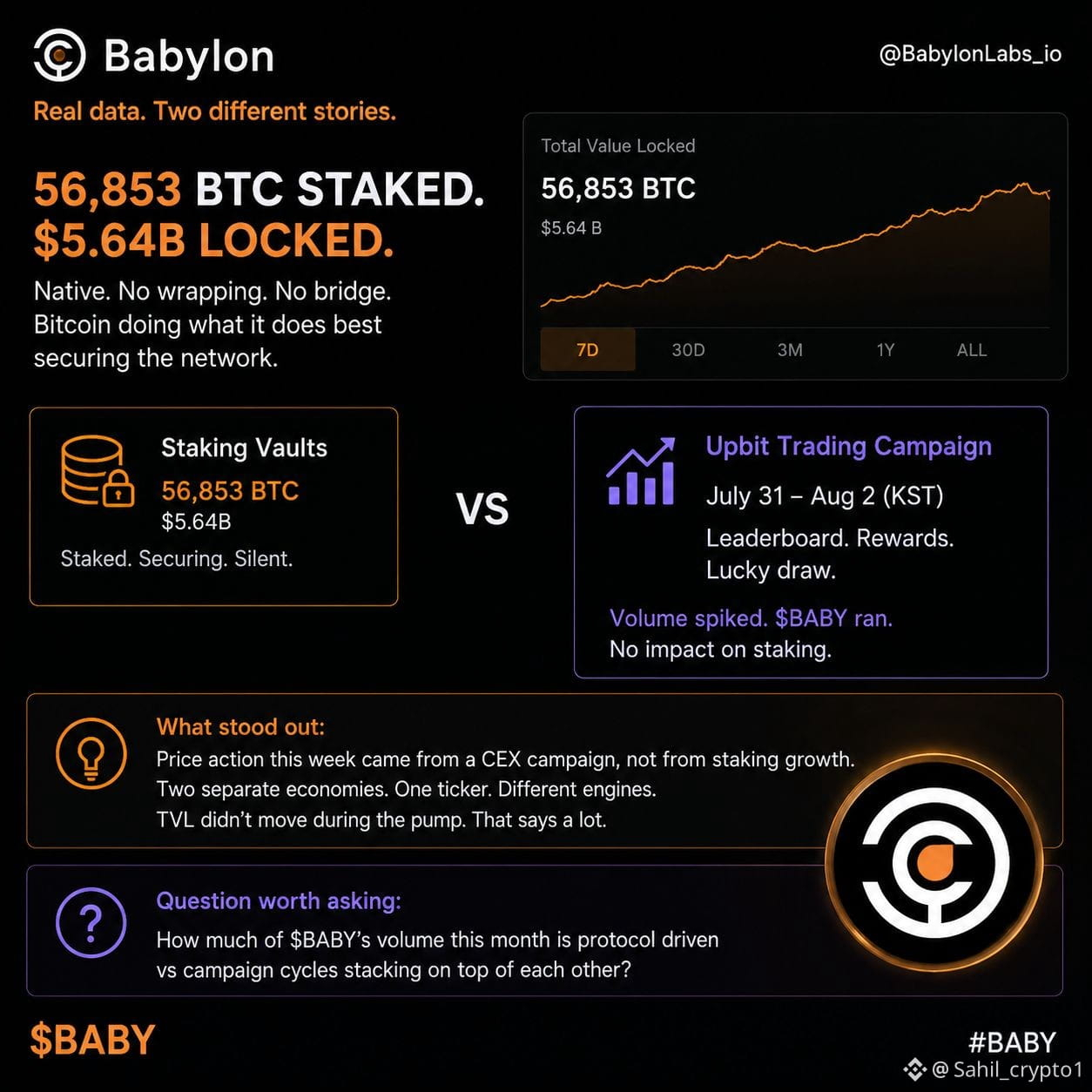
قضيت بعض الوقت في مقارنة ما كان يحدث حول <0>@babylonlabs_io </0> مع ما كان يحدث فعليًا داخل البروتوكول، وكانت المفارقة مثيرة للاهتمام.
من جهة، ظلّ تعدين/تكديس البيتكوين (Staking) ثابتًا بشكل ملحوظ. فقد بقيت أكثر من 56K BTC محبوسة في نظام الـstaking الأصلي لدى Babylon، ما يُظهر أن المشاركين على المدى الطويل لم يكونوا يتعجلون لنقل رأس مالهم.
ومن جهة أخرى، بدا أن معظم حماس هذا الأسبوع جاء من حملة تداول Upbit. فقد دفعت زيادة نشاط التداول، والمنافسة على لوحة الصدارة، وحوافز المكافآت الانتباه نحو $BABY دون تغيير فعلي في نشاط الـstaking على السلسلة.
ذكّرني ذلك بأن زخم السعر واعتماد البروتوكول لا يتحركان دائمًا جنبًا إلى جنب. أحيانًا تتفاعل السوق مع حوافز البورصات بينما تواصل الشبكة الأساسية أداء عملها بهدوء في الخلفية.
قد تكون مراقبة المقياسين جنبًا إلى جنب قادرة على تقديم قصة أكثر اكتمالًا من متابعة السعر وحده.
#BABY $BTC $BABY
{future}(BABYUSDT)
{spot}(BTCUSDT)
قضيت بعض الوقت في مقارنة ما كان يحدث حول <0>@BabylonLabs_io </0> مع ما كان يحدث فعليًا داخل البروتوكول، وكانت المفارقة مثيرة للاهتمام.
من جهة، ظلّ تعدين/تكديس البيتكوين (Staking) ثابتًا بشكل ملحوظ. فقد بقيت أكثر من 56K BTC محبوسة في نظام الـstaking الأصلي لدى Babylon، ما يُظهر أن المشاركين على المدى الطويل لم يكونوا يتعجلون لنقل رأس مالهم.
ومن جهة أخرى، بدا أن معظم حماس هذا الأسبوع جاء من حملة تداول Upbit. فقد دفعت زيادة نشاط التداول، والمنافسة على لوحة الصدارة، وحوافز المكافآت الانتباه نحو $BABY دون تغيير فعلي في نشاط الـstaking على السلسلة.
ذكّرني ذلك بأن زخم السعر واعتماد البروتوكول لا يتحركان دائمًا جنبًا إلى جنب. أحيانًا تتفاعل السوق مع حوافز البورصات بينما تواصل الشبكة الأساسية أداء عملها بهدوء في الخلفية.
قد تكون مراقبة المقياسين جنبًا إلى جنب قادرة على تقديم قصة أكثر اكتمالًا من متابعة السعر وحده.
#BABY $BTC $BABY
من جهة، ظلّ تعدين/تكديس البيتكوين (Staking) ثابتًا بشكل ملحوظ. فقد بقيت أكثر من 56K BTC محبوسة في نظام الـstaking الأصلي لدى Babylon، ما يُظهر أن المشاركين على المدى الطويل لم يكونوا يتعجلون لنقل رأس مالهم.
ومن جهة أخرى، بدا أن معظم حماس هذا الأسبوع جاء من حملة تداول Upbit. فقد دفعت زيادة نشاط التداول، والمنافسة على لوحة الصدارة، وحوافز المكافآت الانتباه نحو $BABY دون تغيير فعلي في نشاط الـstaking على السلسلة.
ذكّرني ذلك بأن زخم السعر واعتماد البروتوكول لا يتحركان دائمًا جنبًا إلى جنب. أحيانًا تتفاعل السوق مع حوافز البورصات بينما تواصل الشبكة الأساسية أداء عملها بهدوء في الخلفية.
قد تكون مراقبة المقياسين جنبًا إلى جنب قادرة على تقديم قصة أكثر اكتمالًا من متابعة السعر وحده.
#BABY $BTC $BABY
5
2
97
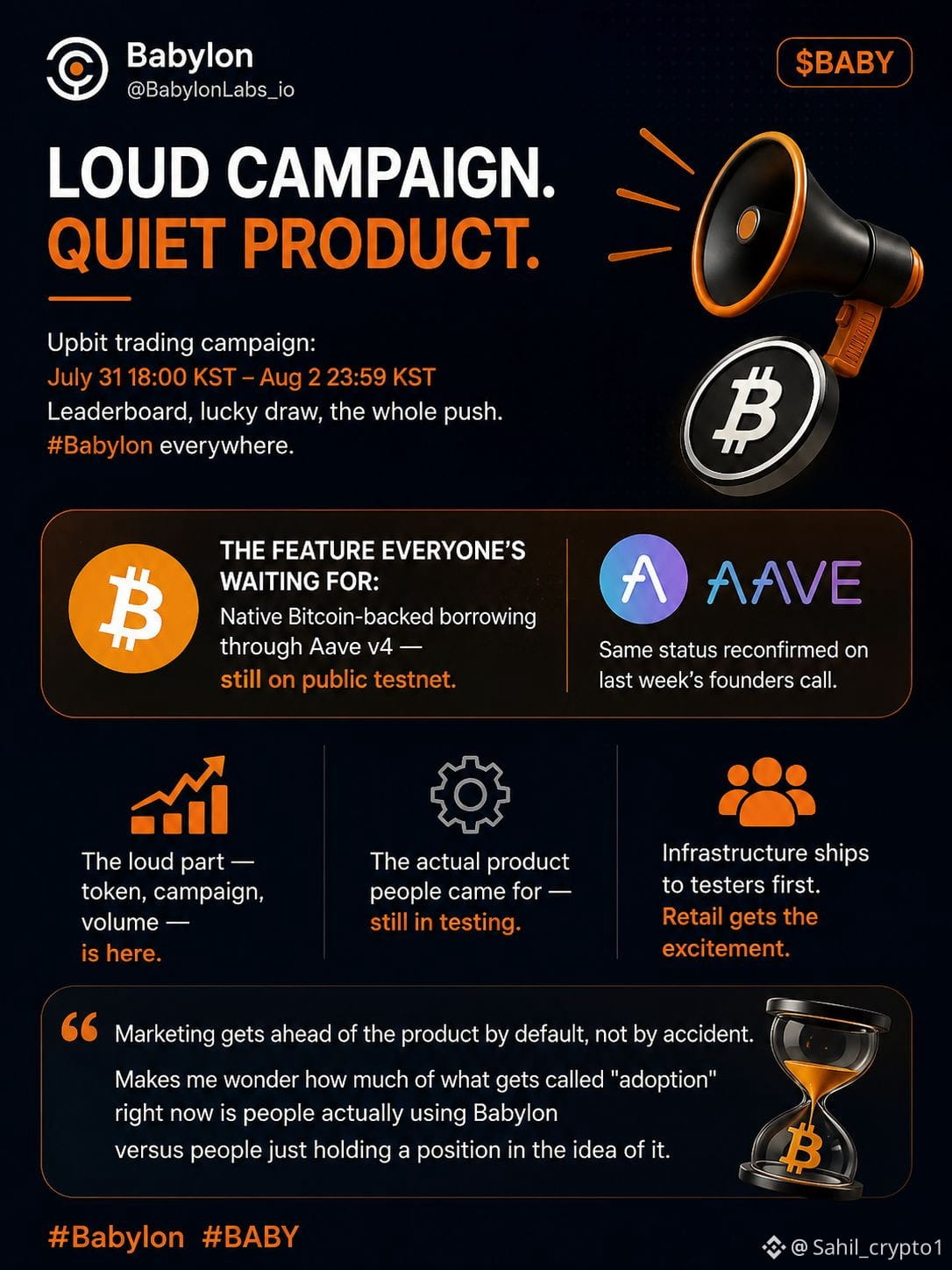
🚨فتحت المخططات لـ $BABY بعد رؤية الضجة الأخيرة حول الحملة @babylonlabs_io وقررت التعمق بدلًا من التوقف عند حركة السعر.
جلبت حملة التداول الكثير من الاهتمام، لكنني كنت أكثر اهتمامًا بالميزة التي يواصل بابيلون تسليط الضوء عليها: استخدام بيتكوين الأصلي كضمان دون التخلي عن الحيازة. بعد التحقق من آخر التحديثات، ما زال تدفق الاقتراض عبر تكامل Aave v4 متاحًا على شبكة الاختبار العامة وليس على الشبكة الرئيسية.
لم يكن ذلك مخيبًا—بل كان تذكيرًا بكيفية تطور مشاريع العملات المشفرة عادةً. غالبًا ما تصل حملات المجتمع، ونشاط البورصات، وتداول التوكنات قبل أن يصل المنتج الرائد إلى المستخدمين اليوميين. يجتمع المطورون لجمع الملاحظات، ومعالجة الحالات الحدّية، وتقوية البنية التحتية بينما يتداول السوق مستقبل الإمكانات.
يخلق ذلك فجوة مثيرة للاهتمام. تعكس الأسعار التوقعات، بينما تعتمد عملية التبني على استخدام المنتج من قبل الناس عندما يصبح متاحًا. هذان الأمران لا يتحركان دائمًا معًا.
سأتابع أقل أرقام الحملات وأكثر لحظة وصول الاقتراض المدعوم ببيتكوين الأصلي إلى بيئة الإنتاج. عندها سنحصل على صورة أوضح حول مقدار الطلب الموجود خارج نطاق الحماس.
#Babylon #BABY $BTC
{spot}(BABYUSDT)
{spot}(BTCUSDT)
🚨فتحت المخططات لـ $BABY بعد رؤية الضجة الأخيرة حول الحملة @BabylonLabs_io وقررت التعمق بدلًا من التوقف عند حركة السعر.
جلبت حملة التداول الكثير من الاهتمام، لكنني كنت أكثر اهتمامًا بالميزة التي يواصل بابيلون تسليط الضوء عليها: استخدام بيتكوين الأصلي كضمان دون التخلي عن الحيازة. بعد التحقق من آخر التحديثات، ما زال تدفق الاقتراض عبر تكامل Aave v4 متاحًا على شبكة الاختبار العامة وليس على الشبكة الرئيسية.
لم يكن ذلك مخيبًا—بل كان تذكيرًا بكيفية تطور مشاريع العملات المشفرة عادةً. غالبًا ما تصل حملات المجتمع، ونشاط البورصات، وتداول التوكنات قبل أن يصل المنتج الرائد إلى المستخدمين اليوميين. يجتمع المطورون لجمع الملاحظات، ومعالجة الحالات الحدّية، وتقوية البنية التحتية بينما يتداول السوق مستقبل الإمكانات.
يخلق ذلك فجوة مثيرة للاهتمام. تعكس الأسعار التوقعات، بينما تعتمد عملية التبني على استخدام المنتج من قبل الناس عندما يصبح متاحًا. هذان الأمران لا يتحركان دائمًا معًا.
سأتابع أقل أرقام الحملات وأكثر لحظة وصول الاقتراض المدعوم ببيتكوين الأصلي إلى بيئة الإنتاج. عندها سنحصل على صورة أوضح حول مقدار الطلب الموجود خارج نطاق الحماس.
#Babylon #BABY $BTC
جلبت حملة التداول الكثير من الاهتمام، لكنني كنت أكثر اهتمامًا بالميزة التي يواصل بابيلون تسليط الضوء عليها: استخدام بيتكوين الأصلي كضمان دون التخلي عن الحيازة. بعد التحقق من آخر التحديثات، ما زال تدفق الاقتراض عبر تكامل Aave v4 متاحًا على شبكة الاختبار العامة وليس على الشبكة الرئيسية.
لم يكن ذلك مخيبًا—بل كان تذكيرًا بكيفية تطور مشاريع العملات المشفرة عادةً. غالبًا ما تصل حملات المجتمع، ونشاط البورصات، وتداول التوكنات قبل أن يصل المنتج الرائد إلى المستخدمين اليوميين. يجتمع المطورون لجمع الملاحظات، ومعالجة الحالات الحدّية، وتقوية البنية التحتية بينما يتداول السوق مستقبل الإمكانات.
يخلق ذلك فجوة مثيرة للاهتمام. تعكس الأسعار التوقعات، بينما تعتمد عملية التبني على استخدام المنتج من قبل الناس عندما يصبح متاحًا. هذان الأمران لا يتحركان دائمًا معًا.
سأتابع أقل أرقام الحملات وأكثر لحظة وصول الاقتراض المدعوم ببيتكوين الأصلي إلى بيئة الإنتاج. عندها سنحصل على صورة أوضح حول مقدار الطلب الموجود خارج نطاق الحماس.
#Babylon #BABY $BTC
2
1
116
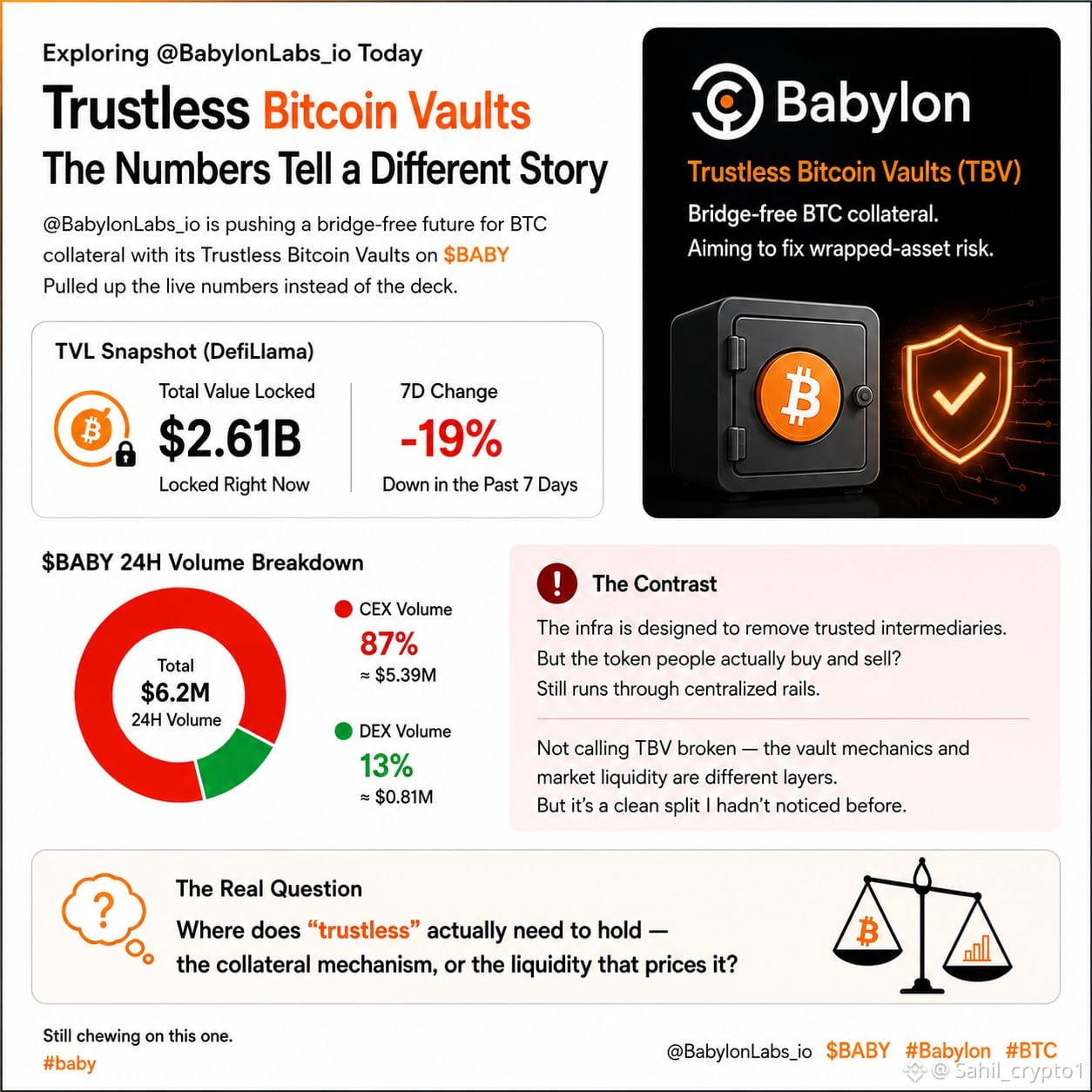
قضيت بعض الوقت في استكشاف @babylonlabs_io today ولا شيء كان يتوقف عن سحبي إلى العودة. يتحدث الجميع عن صناديق بيتكوين «غير قابلة للثقة» لأنها تتيح للـ BTC البقاء أصلية بدلًا من الاعتماد على الأصول المُغطّاة، لكن السوق يروي قصة مختلفة.
يدفع البروتوكول بيتكوين نحو مستقبل بلا جسور، بينما لا يزال أغلب تداول $BABY يحدث عبر منصات مركزية. هذا التباين مثير للاهتمام. البنية التحتية اللامركزية لا تُنتج تلقائيًا سيولة لا مركزية.
جعلني ذلك أدرك أن «غير قابل للثقة» ليس مجرد خانة اختيار واحدة. يمكن تقليل متطلبات الثقة في الضمانات، ومع ذلك قد تعتمد عملية اكتشاف سعر الرمز على تدفقات البورصات التقليدية. ربما هذا هو واقع النظام البيئي اليوم—أو ربما هذه هي التحديّ القادم الذي يتعين على Babylon حله.
من المثير للاهتمام معرفة كيف سيتغير هذا التوازن مع نمو النظام البيئي.
#Baby #Babylon $BTC
{future}(BABYUSDT)
{spot}(BTCUSDT)
قضيت بعض الوقت في استكشاف @BabylonLabs_io today ولا شيء كان يتوقف عن سحبي إلى العودة. يتحدث الجميع عن صناديق بيتكوين «غير قابلة للثقة» لأنها تتيح للـ BTC البقاء أصلية بدلًا من الاعتماد على الأصول المُغطّاة، لكن السوق يروي قصة مختلفة.
يدفع البروتوكول بيتكوين نحو مستقبل بلا جسور، بينما لا يزال أغلب تداول $BABY يحدث عبر منصات مركزية. هذا التباين مثير للاهتمام. البنية التحتية اللامركزية لا تُنتج تلقائيًا سيولة لا مركزية.
جعلني ذلك أدرك أن «غير قابل للثقة» ليس مجرد خانة اختيار واحدة. يمكن تقليل متطلبات الثقة في الضمانات، ومع ذلك قد تعتمد عملية اكتشاف سعر الرمز على تدفقات البورصات التقليدية. ربما هذا هو واقع النظام البيئي اليوم—أو ربما هذه هي التحديّ القادم الذي يتعين على Babylon حله.
من المثير للاهتمام معرفة كيف سيتغير هذا التوازن مع نمو النظام البيئي.
#Baby #Babylon $BTC
يدفع البروتوكول بيتكوين نحو مستقبل بلا جسور، بينما لا يزال أغلب تداول $BABY يحدث عبر منصات مركزية. هذا التباين مثير للاهتمام. البنية التحتية اللامركزية لا تُنتج تلقائيًا سيولة لا مركزية.
جعلني ذلك أدرك أن «غير قابل للثقة» ليس مجرد خانة اختيار واحدة. يمكن تقليل متطلبات الثقة في الضمانات، ومع ذلك قد تعتمد عملية اكتشاف سعر الرمز على تدفقات البورصات التقليدية. ربما هذا هو واقع النظام البيئي اليوم—أو ربما هذه هي التحديّ القادم الذي يتعين على Babylon حله.
من المثير للاهتمام معرفة كيف سيتغير هذا التوازن مع نمو النظام البيئي.
#Baby #Babylon $BTC
2
1
81
قضيت بعض الوقت اليوم في التنقيب داخل <c-1/>documentation المرقم @babylonlabs_io وتفصيل واحد كان يواصل سحبي للوراء. يظلّ البيتكوين المقفل عبر Trustless Vault أصليًا على شبكة البيتكوين بينما يُستخدم كضمان منتج في أماكن أخرى. هذا الجزء يتميز بأناقة تقنية.
ثم تحققت من السوق. $BABY ما زالت تتداول بتقييم متواضع نسبيًا مقارنةً بالمليارات من الدولارات في BTC التي يساعد النظام البيئي في تأمينها. التباين يصعب تجاهله.
يمكن للبنية التحتية أن تعمل تمامًا كما هو مقصود بينما يستغرق السوق وقتًا أطول بكثير ليدرك قيمتها. ومدى تضييق هذه الفجوة غالبًا سيعتمد على التبنّي، وطلب الاقتراض، والنشاط الحقيقي للبروتوكول—وليس فقط على الروايات.
في الوقت الحالي، أراقب الأساسيات أكثر من السعر.
#BABY #Bitcoin $BTC
{spot}(BTCUSDT)
{spot}(BABYUSDT)
قضيت بعض الوقت اليوم في التنقيب داخل <c-1/>documentation المرقم @BabylonLabs_io وتفصيل واحد كان يواصل سحبي للوراء. يظلّ البيتكوين المقفل عبر Trustless Vault أصليًا على شبكة البيتكوين بينما يُستخدم كضمان منتج في أماكن أخرى. هذا الجزء يتميز بأناقة تقنية.
ثم تحققت من السوق. $BABY ما زالت تتداول بتقييم متواضع نسبيًا مقارنةً بالمليارات من الدولارات في BTC التي يساعد النظام البيئي في تأمينها. التباين يصعب تجاهله.
يمكن للبنية التحتية أن تعمل تمامًا كما هو مقصود بينما يستغرق السوق وقتًا أطول بكثير ليدرك قيمتها. ومدى تضييق هذه الفجوة غالبًا سيعتمد على التبنّي، وطلب الاقتراض، والنشاط الحقيقي للبروتوكول—وليس فقط على الروايات.
في الوقت الحالي، أراقب الأساسيات أكثر من السعر.
#BABY #Bitcoin $BTC
ثم تحققت من السوق. $BABY ما زالت تتداول بتقييم متواضع نسبيًا مقارنةً بالمليارات من الدولارات في BTC التي يساعد النظام البيئي في تأمينها. التباين يصعب تجاهله.
يمكن للبنية التحتية أن تعمل تمامًا كما هو مقصود بينما يستغرق السوق وقتًا أطول بكثير ليدرك قيمتها. ومدى تضييق هذه الفجوة غالبًا سيعتمد على التبنّي، وطلب الاقتراض، والنشاط الحقيقي للبروتوكول—وليس فقط على الروايات.
في الوقت الحالي، أراقب الأساسيات أكثر من السعر.
#BABY #Bitcoin $BTC
3
1
112
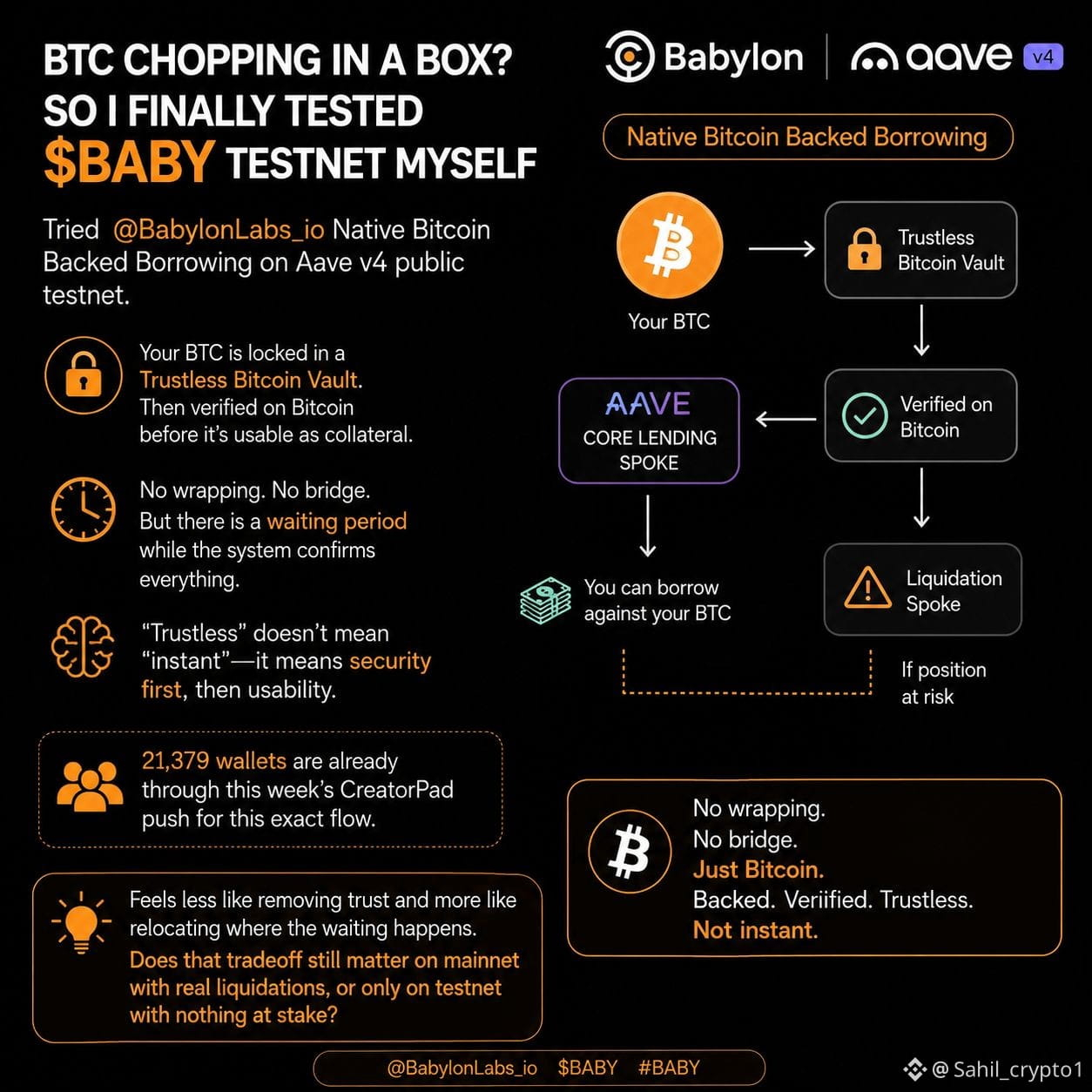
لقد تحرّك سعر البيتكوين بشكل طفيف لعدة أيام، لذا توقفت أخيرًا عن متابعة الرسوم البيانية واختبرت بنفسي تدفق الإقراض المدعوم بالبيتكوين الأصلي من Babylon.
هناك شيء واحد برز: "عديم الثقة" لا يعني "فوري".
يتم قفل بيتكوينك داخل خزنة بيتكوين عديمة الثقة (Trustless)، ثم يتم التحقق منها على شبكة البيتكوين قبل أن تصبح قابلة للاستخدام كضمان. لا يوجد لفّ (wrapping) ولا جسر، لكن لا يزال هناك فترة انتظار بينما يؤكد البروتوكول كل شيء.
هذا التأخير جعلني أفكر. ربما ليست الفكرة هي القضاء على الاحتكاك، بل نقله نحو أمان أقوى.
متشوق لمعرفة كيف سيكون الأمر بمجرد تفعيل سيولة الشبكة الرئيسية (mainnet)، وحدود الاقتراض، والتصفّيات الفعلية (liquidations).
@babylonlabs_io o #BABY $BABY
{spot}(BABYUSDT)
$BTC
{spot}(BTCUSDT)
لقد تحرّك سعر البيتكوين بشكل طفيف لعدة أيام، لذا توقفت أخيرًا عن متابعة الرسوم البيانية واختبرت بنفسي تدفق الإقراض المدعوم بالبيتكوين الأصلي من Babylon.
هناك شيء واحد برز: "عديم الثقة" لا يعني "فوري".
يتم قفل بيتكوينك داخل خزنة بيتكوين عديمة الثقة (Trustless)، ثم يتم التحقق منها على شبكة البيتكوين قبل أن تصبح قابلة للاستخدام كضمان. لا يوجد لفّ (wrapping) ولا جسر، لكن لا يزال هناك فترة انتظار بينما يؤكد البروتوكول كل شيء.
هذا التأخير جعلني أفكر. ربما ليست الفكرة هي القضاء على الاحتكاك، بل نقله نحو أمان أقوى.
متشوق لمعرفة كيف سيكون الأمر بمجرد تفعيل سيولة الشبكة الرئيسية (mainnet)، وحدود الاقتراض، والتصفّيات الفعلية (liquidations).
@BabylonLabs_io o #BABY $BABY
$BTC
هناك شيء واحد برز: "عديم الثقة" لا يعني "فوري".
يتم قفل بيتكوينك داخل خزنة بيتكوين عديمة الثقة (Trustless)، ثم يتم التحقق منها على شبكة البيتكوين قبل أن تصبح قابلة للاستخدام كضمان. لا يوجد لفّ (wrapping) ولا جسر، لكن لا يزال هناك فترة انتظار بينما يؤكد البروتوكول كل شيء.
هذا التأخير جعلني أفكر. ربما ليست الفكرة هي القضاء على الاحتكاك، بل نقله نحو أمان أقوى.
متشوق لمعرفة كيف سيكون الأمر بمجرد تفعيل سيولة الشبكة الرئيسية (mainnet)، وحدود الاقتراض، والتصفّيات الفعلية (liquidations).
@BabylonLabs_io o #BABY $BABY
$BTC
5
1
77
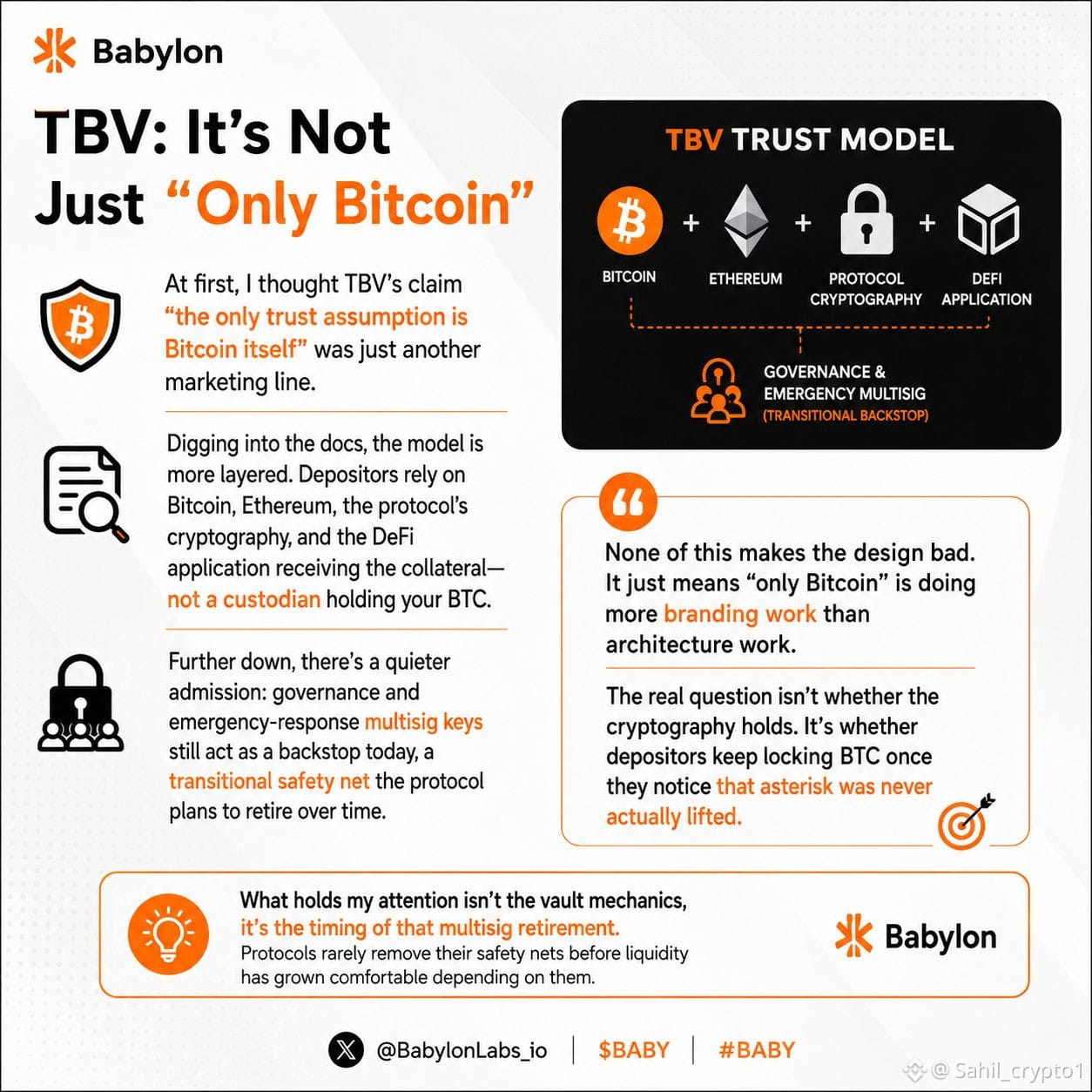
دخلت إلى TBV معتقدًا أن العنوان كان بسيطًا: الثقة في بيتكوين فقط ولا شيء غيره. وبعد قراءة أعمق، يتضح أن النموذج أكثر تعقيدًا. يعتمد المودعون على بيتكوين وإيثيريوم وتشفير البروتوكول والتطبيق اللامركزي (DeFi) في الوجهة—وليس على جهة حفظ. هذا تحوّل ذو دلالة، لكنه ليس القصة كاملة.
الجزئية التي لفتت انتباهي هي الحوكمة وتعدد التوقيعات متعدد الأطراف (multisig) في حالات الطوارئ. تعرض الوثائق ذلك كإجراء حماية مؤقتة سيتم إزالته في نهاية المطاف مع نضج النظام. هذا لا يبدو كأنه خلل بقدر ما يبدو كونه مرحلة مهمة يجب مراقبتها.
بالنسبة لي، فإن أكبر مؤشر لن يكون TVL وحده. بل سيكون اللحظة التي تختفي فيها تلك عناصر التحكم الاحتياطية ويعمل البروتوكول تمامًا كما تقصد له تصميمه على المدى الطويل. عندها فقط سيتم اختبار نموذج الثقة فعليًا.
@babylonlabs_io $BABY #BABY $BTC $ETH
دخلت إلى TBV معتقدًا أن العنوان كان بسيطًا: الثقة في بيتكوين فقط ولا شيء غيره. وبعد قراءة أعمق، يتضح أن النموذج أكثر تعقيدًا. يعتمد المودعون على بيتكوين وإيثيريوم وتشفير البروتوكول والتطبيق اللامركزي (DeFi) في الوجهة—وليس على جهة حفظ. هذا تحوّل ذو دلالة، لكنه ليس القصة كاملة.
الجزئية التي لفتت انتباهي هي الحوكمة وتعدد التوقيعات متعدد الأطراف (multisig) في حالات الطوارئ. تعرض الوثائق ذلك كإجراء حماية مؤقتة سيتم إزالته في نهاية المطاف مع نضج النظام. هذا لا يبدو كأنه خلل بقدر ما يبدو كونه مرحلة مهمة يجب مراقبتها.
بالنسبة لي، فإن أكبر مؤشر لن يكون TVL وحده. بل سيكون اللحظة التي تختفي فيها تلك عناصر التحكم الاحتياطية ويعمل البروتوكول تمامًا كما تقصد له تصميمه على المدى الطويل. عندها فقط سيتم اختبار نموذج الثقة فعليًا.
@BabylonLabs_io $BABY #BABY $BTC $ETH
الجزئية التي لفتت انتباهي هي الحوكمة وتعدد التوقيعات متعدد الأطراف (multisig) في حالات الطوارئ. تعرض الوثائق ذلك كإجراء حماية مؤقتة سيتم إزالته في نهاية المطاف مع نضج النظام. هذا لا يبدو كأنه خلل بقدر ما يبدو كونه مرحلة مهمة يجب مراقبتها.
بالنسبة لي، فإن أكبر مؤشر لن يكون TVL وحده. بل سيكون اللحظة التي تختفي فيها تلك عناصر التحكم الاحتياطية ويعمل البروتوكول تمامًا كما تقصد له تصميمه على المدى الطويل. عندها فقط سيتم اختبار نموذج الثقة فعليًا.
@BabylonLabs_io $BABY #BABY $BTC $ETH
4
1
112
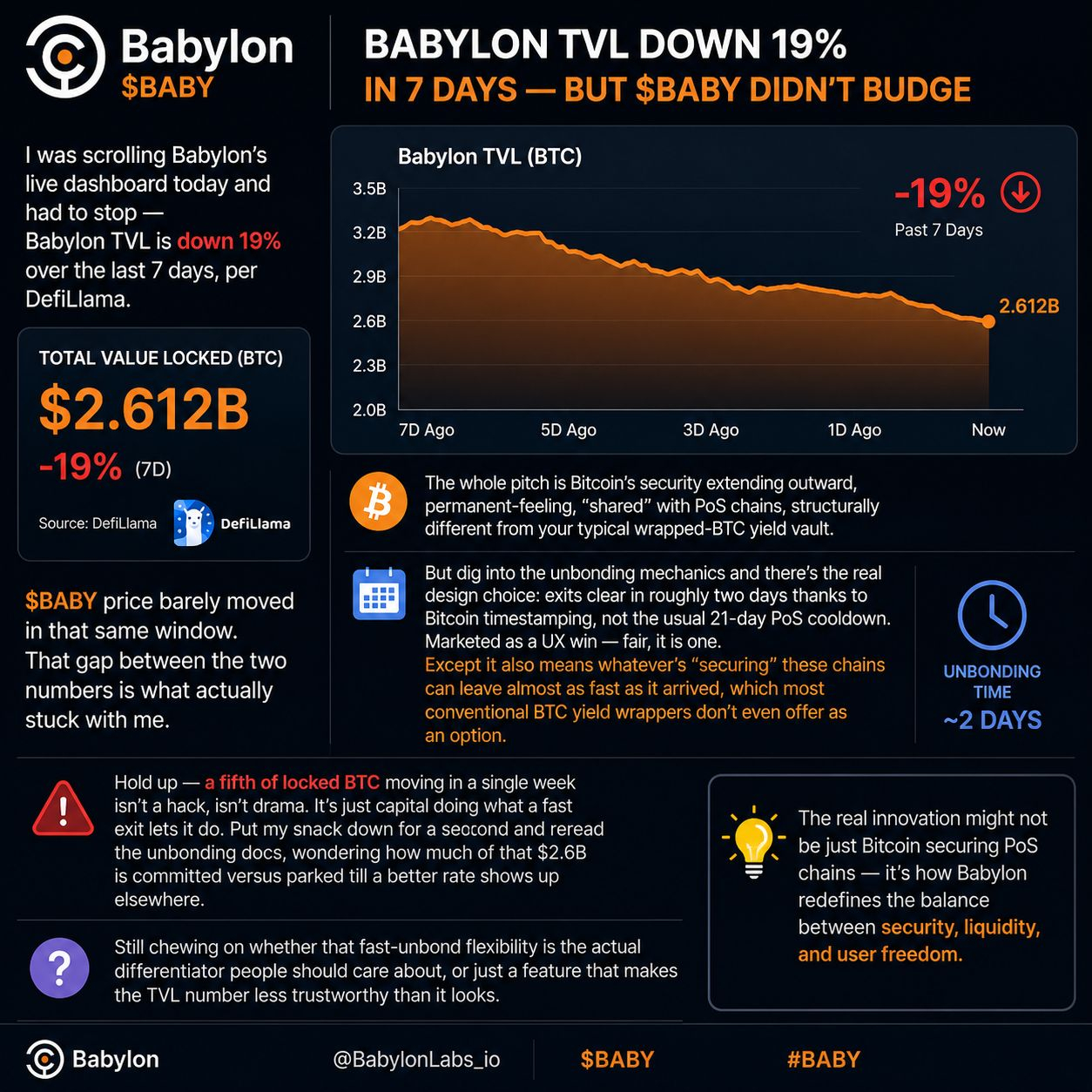
لقد فتحت لوحة تحكم بابل متوقعًا الأرقام المعتادة الثابتة، لكن مقياسًا واحدًا جعلني أتوقف. خلال الأسبوع الماضي، انخفضت قيمة BTC TVL في بابل بشكل حاد بينما $BABY لم تتفاعل بالكاد. يبدو هذا التباين أكثر إثارة للاهتمام من السعر نفسه.
كلما قرأت أكثر، أدركت أن تغييرات بابل السريعة لفكّ الاقفال (unbonding) تجعل تفسير TVL مختلفًا. وبما أن عمليات الخروج تستغرق حوالي يومين بدل فترات الانتظار الطويلة الشائعة في كثير من شبكات PoS، يمكن لرأس المال أن يدور بسرعة أكبر بكثير. هذا أمر رائع للمرونة، لكنه يعني أيضًا أن TVL قد يعكس فرصًا قصيرة الأجل أكثر من قناعة طويلة الأمد.
انخفاض TVL لا يعني تلقائيًا الضعف. أحيانًا يكون الأمر ببساطة هو انتقال السيولة إلى الأماكن التي تبدو فيها العوائد أو الحوافز أفضل. والسؤال الأكبر هو ما إذا كانت أمان بيتكوين سيظل متينًا عندما يملك المشاركون مخرجًا منخفض الاحتكاك إلى هذا الحد.
أبدأ في التفكير بأن الابتكار الحقيقي ليس فقط في تأمين بابل لسلاسل PoS باستخدام بيتكوين—بل في كيفية إعادة بابل تعريف التوازن بين الأمان والسيولة وحرية المستخدم.
@babylonlabs_io #Baby $BABY
{spot}(BABYUSDT)
لقد فتحت لوحة تحكم بابل متوقعًا الأرقام المعتادة الثابتة، لكن مقياسًا واحدًا جعلني أتوقف. خلال الأسبوع الماضي، انخفضت قيمة BTC TVL في بابل بشكل حاد بينما $BABY لم تتفاعل بالكاد. يبدو هذا التباين أكثر إثارة للاهتمام من السعر نفسه.
كلما قرأت أكثر، أدركت أن تغييرات بابل السريعة لفكّ الاقفال (unbonding) تجعل تفسير TVL مختلفًا. وبما أن عمليات الخروج تستغرق حوالي يومين بدل فترات الانتظار الطويلة الشائعة في كثير من شبكات PoS، يمكن لرأس المال أن يدور بسرعة أكبر بكثير. هذا أمر رائع للمرونة، لكنه يعني أيضًا أن TVL قد يعكس فرصًا قصيرة الأجل أكثر من قناعة طويلة الأمد.
انخفاض TVL لا يعني تلقائيًا الضعف. أحيانًا يكون الأمر ببساطة هو انتقال السيولة إلى الأماكن التي تبدو فيها العوائد أو الحوافز أفضل. والسؤال الأكبر هو ما إذا كانت أمان بيتكوين سيظل متينًا عندما يملك المشاركون مخرجًا منخفض الاحتكاك إلى هذا الحد.
أبدأ في التفكير بأن الابتكار الحقيقي ليس فقط في تأمين بابل لسلاسل PoS باستخدام بيتكوين—بل في كيفية إعادة بابل تعريف التوازن بين الأمان والسيولة وحرية المستخدم.
@BabylonLabs_io #Baby $BABY
كلما قرأت أكثر، أدركت أن تغييرات بابل السريعة لفكّ الاقفال (unbonding) تجعل تفسير TVL مختلفًا. وبما أن عمليات الخروج تستغرق حوالي يومين بدل فترات الانتظار الطويلة الشائعة في كثير من شبكات PoS، يمكن لرأس المال أن يدور بسرعة أكبر بكثير. هذا أمر رائع للمرونة، لكنه يعني أيضًا أن TVL قد يعكس فرصًا قصيرة الأجل أكثر من قناعة طويلة الأمد.
انخفاض TVL لا يعني تلقائيًا الضعف. أحيانًا يكون الأمر ببساطة هو انتقال السيولة إلى الأماكن التي تبدو فيها العوائد أو الحوافز أفضل. والسؤال الأكبر هو ما إذا كانت أمان بيتكوين سيظل متينًا عندما يملك المشاركون مخرجًا منخفض الاحتكاك إلى هذا الحد.
أبدأ في التفكير بأن الابتكار الحقيقي ليس فقط في تأمين بابل لسلاسل PoS باستخدام بيتكوين—بل في كيفية إعادة بابل تعريف التوازن بين الأمان والسيولة وحرية المستخدم.
@BabylonLabs_io #Baby $BABY
1
2
84
🚀كنت أطرح على نفسي سؤالًا: ما الذي كانت تعنيه @BabylonLabs_io حقًا؟
في البداية ظننت أنها مجرد نظام استيكينغ آخر. قيمة إجمالية أعلى، مكافآت أكثر، وأرقام أكثر للمقارنة.
ثم قضيت وقتًا داخل المجتمع.
ما لفت انتباهي لم يكن الرسوم البيانية أو حديث السوق. بل كان طريقة حضور الناس مع بعضهم. كانت المحادثات تمتد من البيتكوين إلى الحياة اليومية، من الأسئلة التقنية إلى لحظات عشوائية—بطريقة ما—جعلت الجميع يبتسم.
قد تبدو العملات المشفرة صاخبة. تتحرك الأسعار، ويتبدل المزاج، وتلاحق الجداول الزمنية الاتجاه التالي. لكن مجتمعًا قويًا يمنحك سببًا للبقاء عندما تخفت الإثارة.
هذا ما أراه في Babylon. مكان يتعلم فيه الناس معًا، ويحتفلون بالإنجازات الصغيرة، ويذكرون بعضهم بأن هناك أكثر من ذلك بكثير من مجرد شموع خضراء.
أحيانًا لا تكون أكبر قيمة هي الرمز داخل محفظتك.
بل هي الأشخاص الذين يقفون إلى جانبك خلال كل دورة.
💚 @babylonlabs_io #BABY $BABY $VANRY $DEXE
{future}(DEXEUSDT)
{spot}(VANRYUSDT)
{spot}(BABYUSDT)
🚀كنت أطرح على نفسي سؤالًا: ما الذي كانت تعنيه @BabylonLabs_io حقًا؟
في البداية ظننت أنها مجرد نظام استيكينغ آخر. قيمة إجمالية أعلى، مكافآت أكثر، وأرقام أكثر للمقارنة.
ثم قضيت وقتًا داخل المجتمع.
ما لفت انتباهي لم يكن الرسوم البيانية أو حديث السوق. بل كان طريقة حضور الناس مع بعضهم. كانت المحادثات تمتد من البيتكوين إلى الحياة اليومية، من الأسئلة التقنية إلى لحظات عشوائية—بطريقة ما—جعلت الجميع يبتسم.
قد تبدو العملات المشفرة صاخبة. تتحرك الأسعار، ويتبدل المزاج، وتلاحق الجداول الزمنية الاتجاه التالي. لكن مجتمعًا قويًا يمنحك سببًا للبقاء عندما تخفت الإثارة.
هذا ما أراه في Babylon. مكان يتعلم فيه الناس معًا، ويحتفلون بالإنجازات الصغيرة، ويذكرون بعضهم بأن هناك أكثر من ذلك بكثير من مجرد شموع خضراء.
أحيانًا لا تكون أكبر قيمة هي الرمز داخل محفظتك.
بل هي الأشخاص الذين يقفون إلى جانبك خلال كل دورة.
💚 @BabylonLabs_io #BABY $BABY $VANRY $DEXE
في البداية ظننت أنها مجرد نظام استيكينغ آخر. قيمة إجمالية أعلى، مكافآت أكثر، وأرقام أكثر للمقارنة.
ثم قضيت وقتًا داخل المجتمع.
ما لفت انتباهي لم يكن الرسوم البيانية أو حديث السوق. بل كان طريقة حضور الناس مع بعضهم. كانت المحادثات تمتد من البيتكوين إلى الحياة اليومية، من الأسئلة التقنية إلى لحظات عشوائية—بطريقة ما—جعلت الجميع يبتسم.
قد تبدو العملات المشفرة صاخبة. تتحرك الأسعار، ويتبدل المزاج، وتلاحق الجداول الزمنية الاتجاه التالي. لكن مجتمعًا قويًا يمنحك سببًا للبقاء عندما تخفت الإثارة.
هذا ما أراه في Babylon. مكان يتعلم فيه الناس معًا، ويحتفلون بالإنجازات الصغيرة، ويذكرون بعضهم بأن هناك أكثر من ذلك بكثير من مجرد شموع خضراء.
أحيانًا لا تكون أكبر قيمة هي الرمز داخل محفظتك.
بل هي الأشخاص الذين يقفون إلى جانبك خلال كل دورة.
💚 @BabylonLabs_io #BABY $BABY $VANRY $DEXE
1
2
298
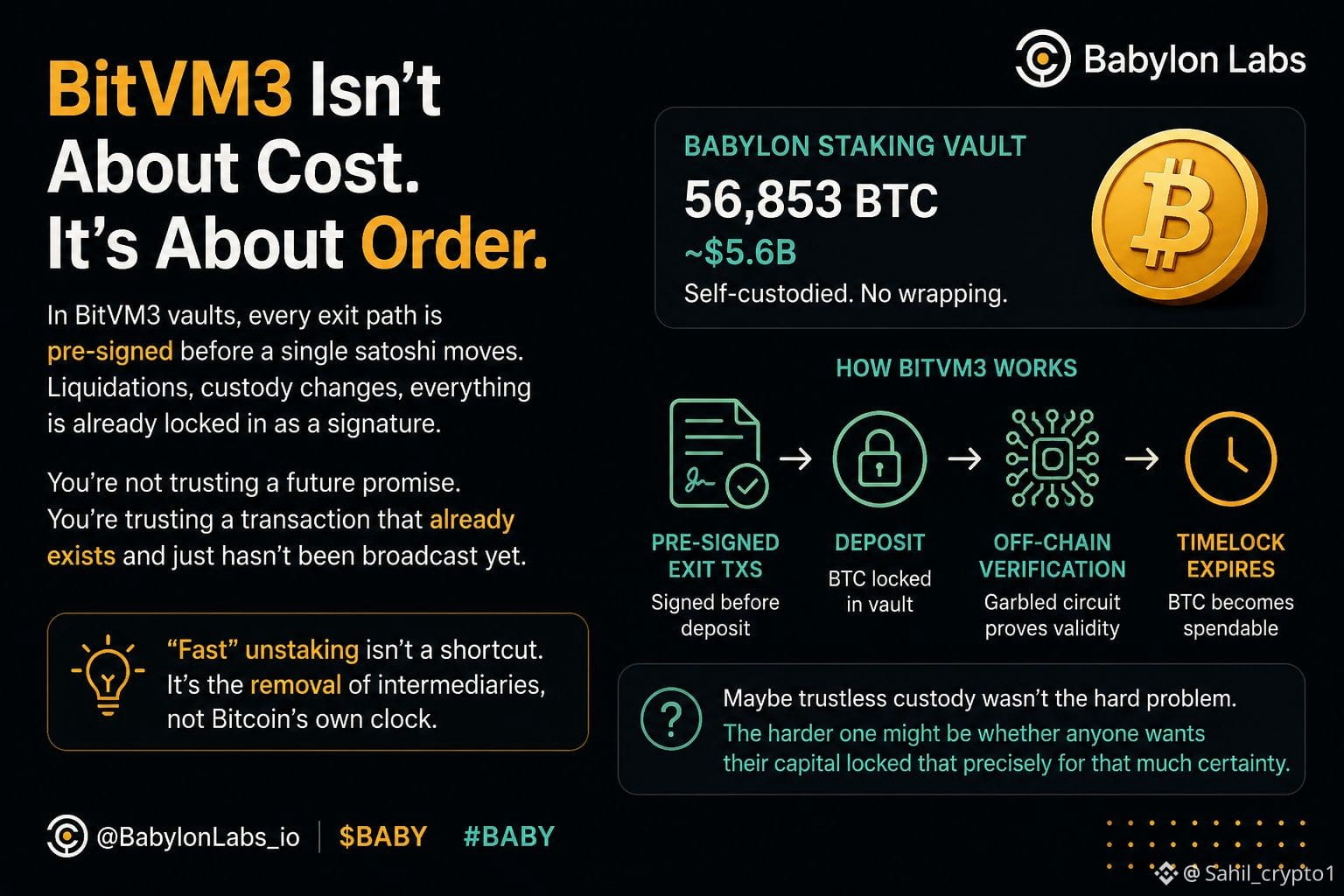
@babylonlabs_io I كنت أعتقد في الأصل أن "الاستيكينغ السريع" في بابيلون يعني أن BTC ستصبح متاحة في وقت أبكر بكثير. بعد إلقاء نظرة أقرب، الجزء المثير للاهتمام ليس فترة الانتظار الأقصر—بل إزالة الثقة غير الضرورية.
ما زالت بابيلون تتبع جدول فك الارتباط الأصلي في بيتكوين. ما يتغير هو ما يحدث بعد ذلك. لا توجد معاملة مطالبة إضافية، أو موافقة من أمين حفظ، أو وسيط مطلوب قبل أن تستعيد السيطرة. بمجرد انتهاء فترة فك الارتباط، تصبح BTC الخاصة بك قابلة للإنفاق مرة أخرى.
هذا التمييز مهم. "السريع" لا يعني تجاوز نموذج أمان بيتكوين. بل يعني إزالة طبقات إضافية يضيفها كثير من مغلفات (wrappers) BTC بعد فك الارتباط. ومع تأمين أكثر من 56,853 BTC في نظام استيكينغ بابيلون، تبدو هذه الاختيارات التصميمية أكثر أهمية من العنوان بحد ذاته.
#baby $BTC $BABY
{future}(BABYUSDT)
{spot}(BTCUSDT)
@BabylonLabs_io I كنت أعتقد في الأصل أن "الاستيكينغ السريع" في بابيلون يعني أن BTC ستصبح متاحة في وقت أبكر بكثير. بعد إلقاء نظرة أقرب، الجزء المثير للاهتمام ليس فترة الانتظار الأقصر—بل إزالة الثقة غير الضرورية.
ما زالت بابيلون تتبع جدول فك الارتباط الأصلي في بيتكوين. ما يتغير هو ما يحدث بعد ذلك. لا توجد معاملة مطالبة إضافية، أو موافقة من أمين حفظ، أو وسيط مطلوب قبل أن تستعيد السيطرة. بمجرد انتهاء فترة فك الارتباط، تصبح BTC الخاصة بك قابلة للإنفاق مرة أخرى.
هذا التمييز مهم. "السريع" لا يعني تجاوز نموذج أمان بيتكوين. بل يعني إزالة طبقات إضافية يضيفها كثير من مغلفات (wrappers) BTC بعد فك الارتباط. ومع تأمين أكثر من 56,853 BTC في نظام استيكينغ بابيلون، تبدو هذه الاختيارات التصميمية أكثر أهمية من العنوان بحد ذاته.
#baby $BTC $BABY
ما زالت بابيلون تتبع جدول فك الارتباط الأصلي في بيتكوين. ما يتغير هو ما يحدث بعد ذلك. لا توجد معاملة مطالبة إضافية، أو موافقة من أمين حفظ، أو وسيط مطلوب قبل أن تستعيد السيطرة. بمجرد انتهاء فترة فك الارتباط، تصبح BTC الخاصة بك قابلة للإنفاق مرة أخرى.
هذا التمييز مهم. "السريع" لا يعني تجاوز نموذج أمان بيتكوين. بل يعني إزالة طبقات إضافية يضيفها كثير من مغلفات (wrappers) BTC بعد فك الارتباط. ومع تأمين أكثر من 56,853 BTC في نظام استيكينغ بابيلون، تبدو هذه الاختيارات التصميمية أكثر أهمية من العنوان بحد ذاته.
#baby $BTC $BABY
4
2
101
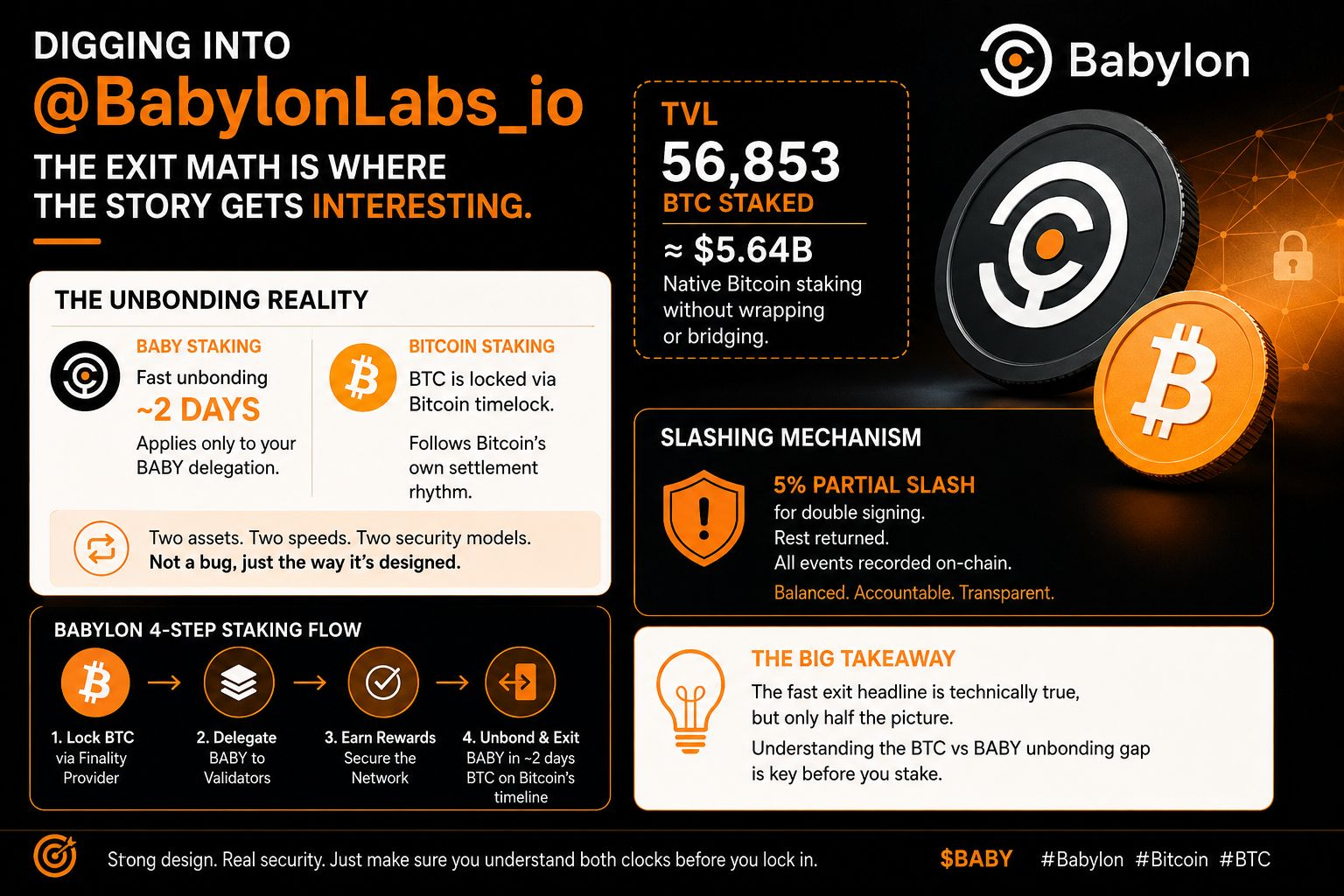
🚀قضيت بعض الوقت في البحث عن @BabylonLabs_io ولاحظت أن هناك تفصيلاً برز أكثر من الأرقام الكبيرة في العناوين.
فقد أثبت بوجود أكثر من 56,853 BTC مُرهَن أن هناك طلباً قوياً على الإقراض/الرهان الأصلي للبيتكوين دون تغليف أو جسور للأصول. لكن الجزء الأكثر إثارة للاهتمام هو طريقة تعامل البروتوكول مع الخروج.
يتيح رهان BABY فك الارتباط بسرعة، حوالي يومين، وهو ما يبدو مبهراً للوهلة الأولى. لكن المشكلة أن ذلك ينطبق فقط على تفويضك لـ BABY. أما الـBTC المُؤمَّنة عبر مهلات البيتكوين الزمنية فتتبع عملية تسوية خاصة بها، تعمل بشكل مستقل عن عصور مدقّقي Babylon.
تلك المفارقة مهمة لأنها تعني أن أصلين يتحركان ضمن نموذجين مختلفين للأمان. ليس الأمر مضلِّلاً، لكنه تمييز مهم قد يغفل عنه كثيرون عند مقارنة تجارب الرهان.
كما قضيت وقتاً في قراءة تصميم الإيقاع (slashing). تؤدي عملية التوقيع المزدوج إلى خصم جزئي بنسبة 5%، مع إرجاع الرصيد المتبقي، وتسجيل كل حدث على السلسلة. تبدو الآلية متوازنة، إذ تُعطي الأولوية للمساءلة دون أن تكون عقابية بشكل مفرط.
لم تكن أهم الخلاصة هي TVL أو الادعاء بشأن فك الارتباط السريع. بل كانت إدراك أن فهم Babylon يعني فهم الفصل بين ضمانات أمان بيتكوين وبين آليات رهان BABY.
وهنا تتضح المقايضات الحقيقية في التصميم.
$BABY #Baby #Bitcoin $BTC @babylonlabs_io
{spot}(BTCUSDT)
{spot}(BABYUSDT)
🚀قضيت بعض الوقت في البحث عن @BabylonLabs_io ولاحظت أن هناك تفصيلاً برز أكثر من الأرقام الكبيرة في العناوين.
فقد أثبت بوجود أكثر من 56,853 BTC مُرهَن أن هناك طلباً قوياً على الإقراض/الرهان الأصلي للبيتكوين دون تغليف أو جسور للأصول. لكن الجزء الأكثر إثارة للاهتمام هو طريقة تعامل البروتوكول مع الخروج.
يتيح رهان BABY فك الارتباط بسرعة، حوالي يومين، وهو ما يبدو مبهراً للوهلة الأولى. لكن المشكلة أن ذلك ينطبق فقط على تفويضك لـ BABY. أما الـBTC المُؤمَّنة عبر مهلات البيتكوين الزمنية فتتبع عملية تسوية خاصة بها، تعمل بشكل مستقل عن عصور مدقّقي Babylon.
تلك المفارقة مهمة لأنها تعني أن أصلين يتحركان ضمن نموذجين مختلفين للأمان. ليس الأمر مضلِّلاً، لكنه تمييز مهم قد يغفل عنه كثيرون عند مقارنة تجارب الرهان.
كما قضيت وقتاً في قراءة تصميم الإيقاع (slashing). تؤدي عملية التوقيع المزدوج إلى خصم جزئي بنسبة 5%، مع إرجاع الرصيد المتبقي، وتسجيل كل حدث على السلسلة. تبدو الآلية متوازنة، إذ تُعطي الأولوية للمساءلة دون أن تكون عقابية بشكل مفرط.
لم تكن أهم الخلاصة هي TVL أو الادعاء بشأن فك الارتباط السريع. بل كانت إدراك أن فهم Babylon يعني فهم الفصل بين ضمانات أمان بيتكوين وبين آليات رهان BABY.
وهنا تتضح المقايضات الحقيقية في التصميم.
$BABY #Baby #Bitcoin $BTC @BabylonLabs_io
فقد أثبت بوجود أكثر من 56,853 BTC مُرهَن أن هناك طلباً قوياً على الإقراض/الرهان الأصلي للبيتكوين دون تغليف أو جسور للأصول. لكن الجزء الأكثر إثارة للاهتمام هو طريقة تعامل البروتوكول مع الخروج.
يتيح رهان BABY فك الارتباط بسرعة، حوالي يومين، وهو ما يبدو مبهراً للوهلة الأولى. لكن المشكلة أن ذلك ينطبق فقط على تفويضك لـ BABY. أما الـBTC المُؤمَّنة عبر مهلات البيتكوين الزمنية فتتبع عملية تسوية خاصة بها، تعمل بشكل مستقل عن عصور مدقّقي Babylon.
تلك المفارقة مهمة لأنها تعني أن أصلين يتحركان ضمن نموذجين مختلفين للأمان. ليس الأمر مضلِّلاً، لكنه تمييز مهم قد يغفل عنه كثيرون عند مقارنة تجارب الرهان.
كما قضيت وقتاً في قراءة تصميم الإيقاع (slashing). تؤدي عملية التوقيع المزدوج إلى خصم جزئي بنسبة 5%، مع إرجاع الرصيد المتبقي، وتسجيل كل حدث على السلسلة. تبدو الآلية متوازنة، إذ تُعطي الأولوية للمساءلة دون أن تكون عقابية بشكل مفرط.
لم تكن أهم الخلاصة هي TVL أو الادعاء بشأن فك الارتباط السريع. بل كانت إدراك أن فهم Babylon يعني فهم الفصل بين ضمانات أمان بيتكوين وبين آليات رهان BABY.
وهنا تتضح المقايضات الحقيقية في التصميم.
$BABY #Baby #Bitcoin $BTC @BabylonLabs_io
2
1
89
سجّل الدخول لاستكشاف المزيد من المُحتوى
انضم إلى مُستخدمي العملات الرقمية حول العالم على Binance Square
⚡️ احصل على أحدث المعلومات المفيدة عن العملات الرقمية.
💬 موثوقة من قبل أكبر منصّة لتداول العملات الرقمية في العالم.
👍 اكتشف الرؤى الحقيقية من صنّاع المُحتوى الموثوقين.
البريد الإلكتروني / رقم الهاتف