

NewbieToNode
4.5k منشورات

NewbieToNode
 تحقُّق Binance Square الإضافي
إبلاغ
حظر المُستخدم
Planting tokens 🌱 Waiting for sun 🌞 Watering with hope 💧 Soft degen vibes only

Traders League Badge Expert
مُتداول مُتكرر
4.5 سنوات
184 تتابع
33.0K+ المتابعون
28.2K+ إعجاب
1 الشارات
منشورات
الكل
اقتباسات
مقاطع فيديو
Live
·
--
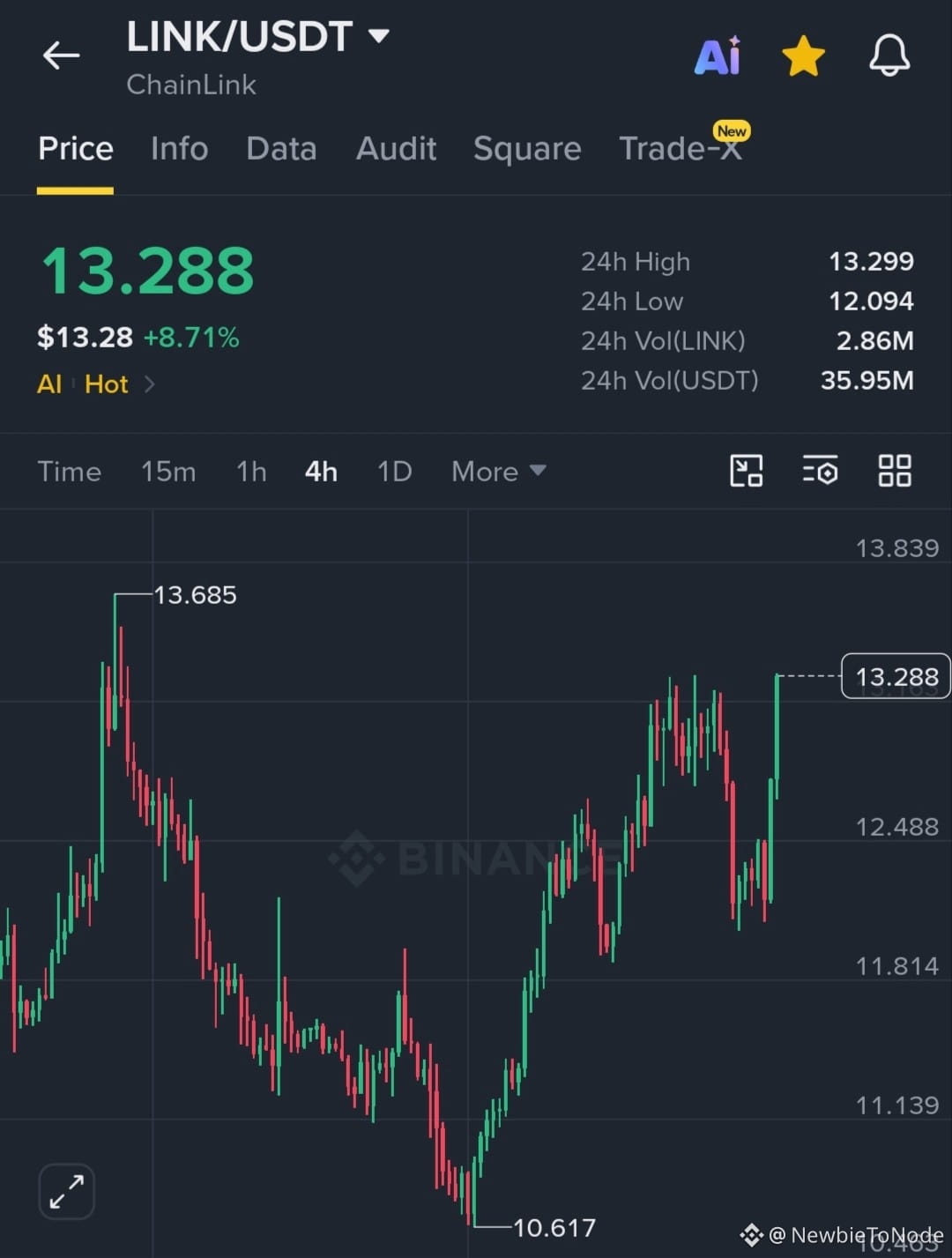
$LINK تمت إعادة السعر إلى نطاق 13.30 دولار تقريبًا، وهنا تبدأ الحركة بالازدياد في التشويق.
التعافي من 10.62 دولار كان واضحًا ومرتبًا إلى حد كبير، لكن السعر الآن يصطدم بنفس المنطقة التي يمكن للبائعين أن يعودوا إلى التدخل عندها. لا أريد أن أسمي ذلك اختراقًا لمجرد أن شمعة واحدة تتحرك بسرعة.
{spot}(LINKUSDT)
ما أود رؤيته هو أن المشترين يثبتون فعليًا فوق 13.30 دولار على إطار 4 ساعات. إذا حدث ذلك، فسيصبح 13.68 هو المستوى التالي الواضح على مخططِي. أما إذا فشل الاختراق، فأنا أكثر اهتمامًا بكيفية تصرّف السعر حول 12.48.
بالنسبة لي، رد الفعل بعد أول محاولة اختراق مهم أكثر من الشمعة الخضراء الحالية.
$LINK تمت إعادة السعر إلى نطاق 13.30 دولار تقريبًا، وهنا تبدأ الحركة بالازدياد في التشويق.
التعافي من 10.62 دولار كان واضحًا ومرتبًا إلى حد كبير، لكن السعر الآن يصطدم بنفس المنطقة التي يمكن للبائعين أن يعودوا إلى التدخل عندها. لا أريد أن أسمي ذلك اختراقًا لمجرد أن شمعة واحدة تتحرك بسرعة.
ما أود رؤيته هو أن المشترين يثبتون فعليًا فوق 13.30 دولار على إطار 4 ساعات. إذا حدث ذلك، فسيصبح 13.68 هو المستوى التالي الواضح على مخططِي. أما إذا فشل الاختراق، فأنا أكثر اهتمامًا بكيفية تصرّف السعر حول 12.48.
بالنسبة لي، رد الفعل بعد أول محاولة اختراق مهم أكثر من الشمعة الخضراء الحالية.
التعافي من 10.62 دولار كان واضحًا ومرتبًا إلى حد كبير، لكن السعر الآن يصطدم بنفس المنطقة التي يمكن للبائعين أن يعودوا إلى التدخل عندها. لا أريد أن أسمي ذلك اختراقًا لمجرد أن شمعة واحدة تتحرك بسرعة.
ما أود رؤيته هو أن المشترين يثبتون فعليًا فوق 13.30 دولار على إطار 4 ساعات. إذا حدث ذلك، فسيصبح 13.68 هو المستوى التالي الواضح على مخططِي. أما إذا فشل الاختراق، فأنا أكثر اهتمامًا بكيفية تصرّف السعر حول 12.48.
بالنسبة لي، رد الفعل بعد أول محاولة اختراق مهم أكثر من الشمعة الخضراء الحالية.
3
682
·
--
1
2
709
·
--
تداول $NEAR 49.9 USDT خلال 30 يوم
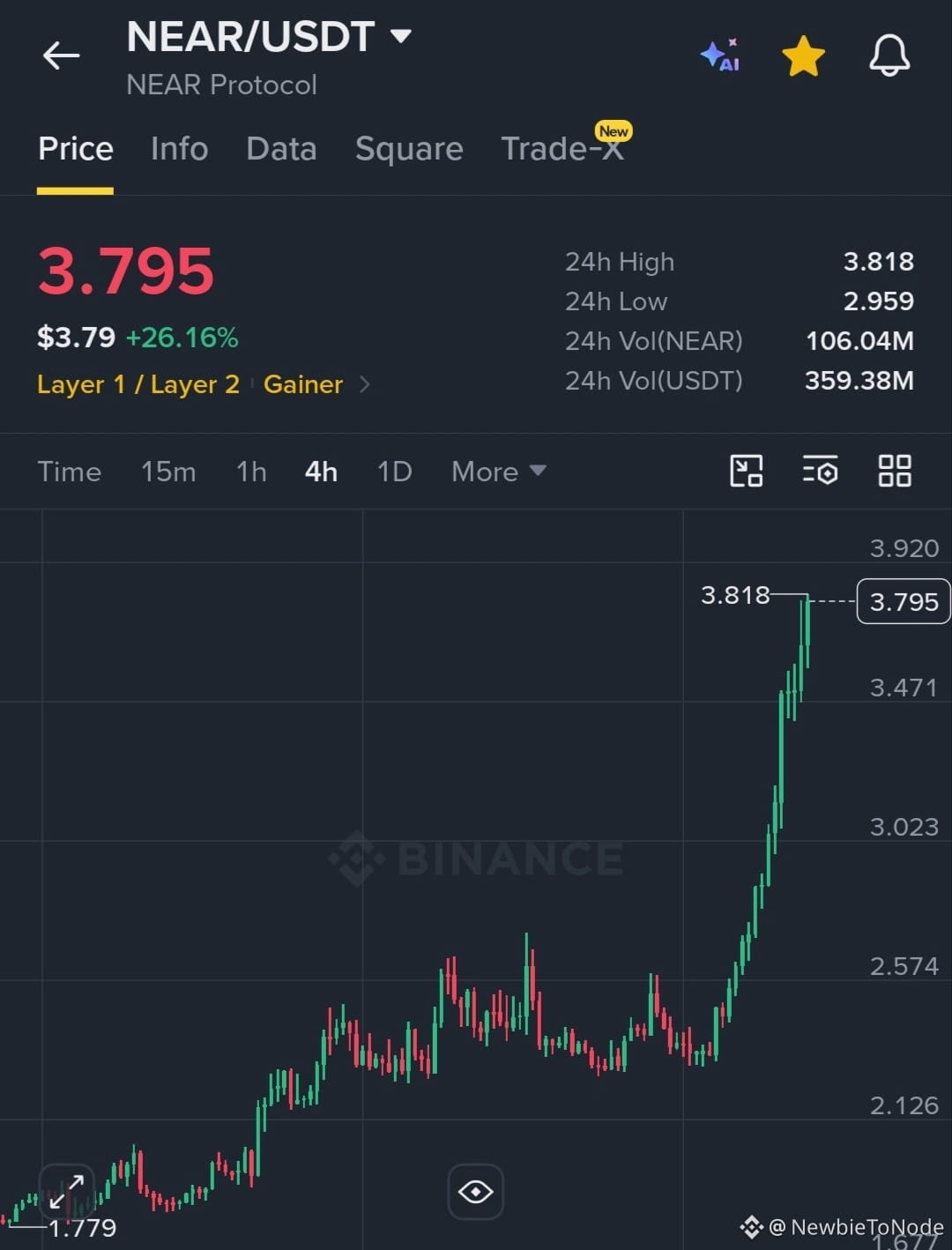
🚨 $NEAR just crossed 3.80$
تتزايد الأمور إثارة.
لقد تجاوزت النوايا السرّية لـ NEAR في الفيديو الخاص بالتزاماته (Confidential Intents) الآن 70 مليون دولار، ما يُفعّل اللقطة الأولى من برنامج حوافز NEAR@3.33. وتضم الدفعة الأولى 333,333 من رموز المعالم (milestone).
لكن هذه هي الجزء الذي أراقبه عن كثب:
تلك المكافآت تكون مُقيّدة حتى يبقى متوسط NEAR لثلاثة أيام من VWAP عند 3.33$ أو أعلى.
NEAR حاليًا يتم تداوله قرابة 3.80$، لذا فإن السوق الآن جالس فوق هذا الحد.
على الرسم البياني، 3.80$ هي المنطقة الفورية التي يجب متابعتها. اختراقٌ نظيف فوق 3.82$ قد يفتح الطريق نحو 4$.
إذا خفّ الزخم، فسأراقب أولًا 3.47$ ثم 3.33$.
لم يعد الأمر مجرد سردية. لقد تم فعليًا الوصول إلى معلم الـ 70 مليون.
والآن السؤال هو ما إذا كان بإمكان NEAR الحفاظ فوق 3.33$.
👀 أراقب هذا عن كثب.
⚠️ ليس نصيحة مالية. افعل بحثك الخاص (DYOR).
#NEAR
🚨 $NEAR just crossed 3.80$
تتزايد الأمور إثارة.
لقد تجاوزت النوايا السرّية لـ NEAR في الفيديو الخاص بالتزاماته (Confidential Intents) الآن 70 مليون دولار، ما يُفعّل اللقطة الأولى من برنامج حوافز NEAR@3.33. وتضم الدفعة الأولى 333,333 من رموز المعالم (milestone).
لكن هذه هي الجزء الذي أراقبه عن كثب:
تلك المكافآت تكون مُقيّدة حتى يبقى متوسط NEAR لثلاثة أيام من VWAP عند 3.33$ أو أعلى.
NEAR حاليًا يتم تداوله قرابة 3.80$، لذا فإن السوق الآن جالس فوق هذا الحد.
على الرسم البياني، 3.80$ هي المنطقة الفورية التي يجب متابعتها. اختراقٌ نظيف فوق 3.82$ قد يفتح الطريق نحو 4$.
إذا خفّ الزخم، فسأراقب أولًا 3.47$ ثم 3.33$.
لم يعد الأمر مجرد سردية. لقد تم فعليًا الوصول إلى معلم الـ 70 مليون.
والآن السؤال هو ما إذا كان بإمكان NEAR الحفاظ فوق 3.33$.
👀 أراقب هذا عن كثب.
⚠️ ليس نصيحة مالية. افعل بحثك الخاص (DYOR).
#NEAR
تتزايد الأمور إثارة.
لقد تجاوزت النوايا السرّية لـ NEAR في الفيديو الخاص بالتزاماته (Confidential Intents) الآن 70 مليون دولار، ما يُفعّل اللقطة الأولى من برنامج حوافز NEAR@3.33. وتضم الدفعة الأولى 333,333 من رموز المعالم (milestone).
لكن هذه هي الجزء الذي أراقبه عن كثب:
تلك المكافآت تكون مُقيّدة حتى يبقى متوسط NEAR لثلاثة أيام من VWAP عند 3.33$ أو أعلى.
NEAR حاليًا يتم تداوله قرابة 3.80$، لذا فإن السوق الآن جالس فوق هذا الحد.
على الرسم البياني، 3.80$ هي المنطقة الفورية التي يجب متابعتها. اختراقٌ نظيف فوق 3.82$ قد يفتح الطريق نحو 4$.
إذا خفّ الزخم، فسأراقب أولًا 3.47$ ثم 3.33$.
لم يعد الأمر مجرد سردية. لقد تم فعليًا الوصول إلى معلم الـ 70 مليون.
والآن السؤال هو ما إذا كان بإمكان NEAR الحفاظ فوق 3.33$.
👀 أراقب هذا عن كثب.
⚠️ ليس نصيحة مالية. افعل بحثك الخاص (DYOR).
#NEAR
1
240
·
--
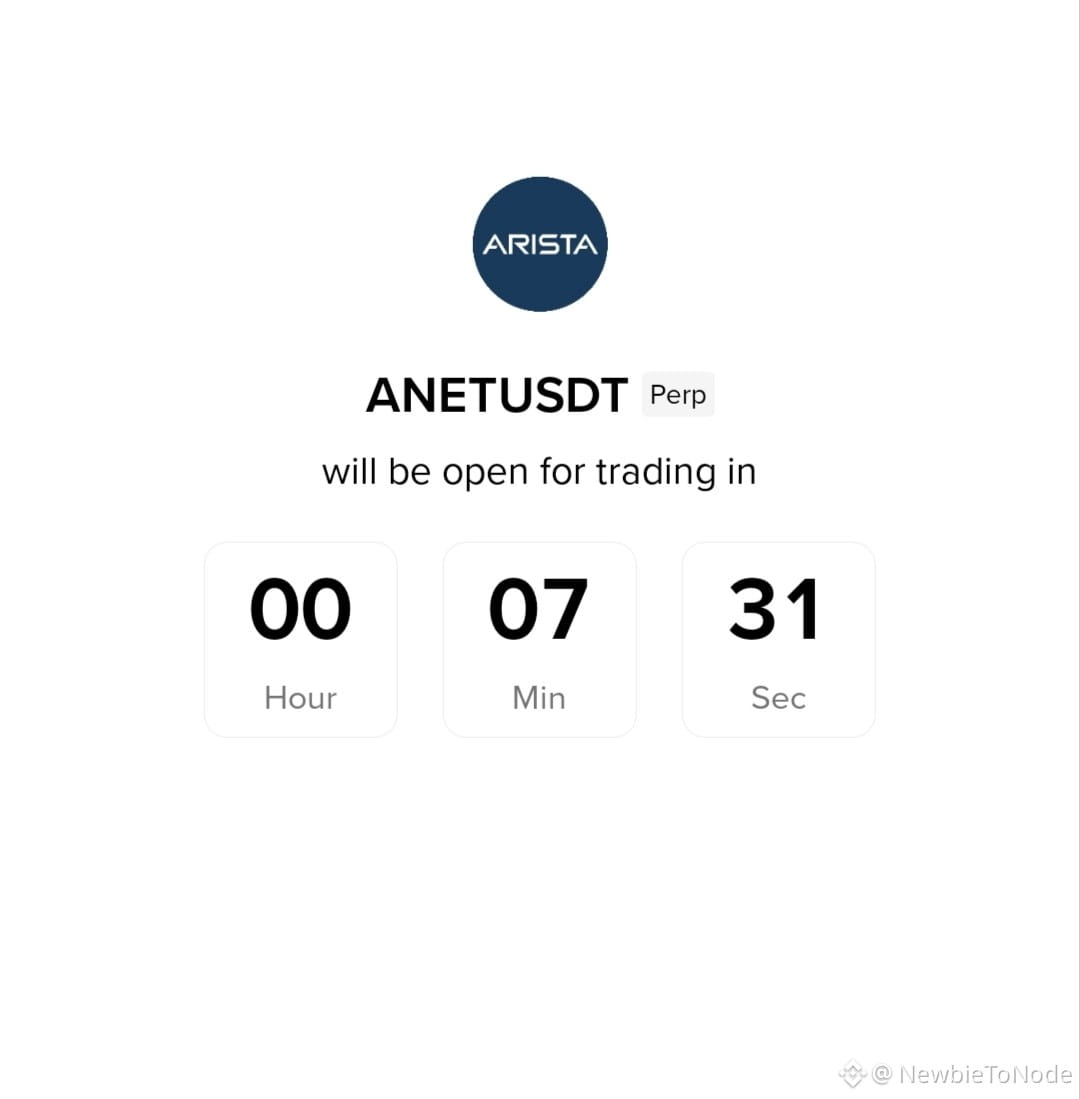
$ANET سيتم طرحه للتداول بعد قليل... أنا أتابع عن كثب
$ANET سيتم طرحه للتداول بعد قليل... أنا أتابع عن كثب
1
422
·
--
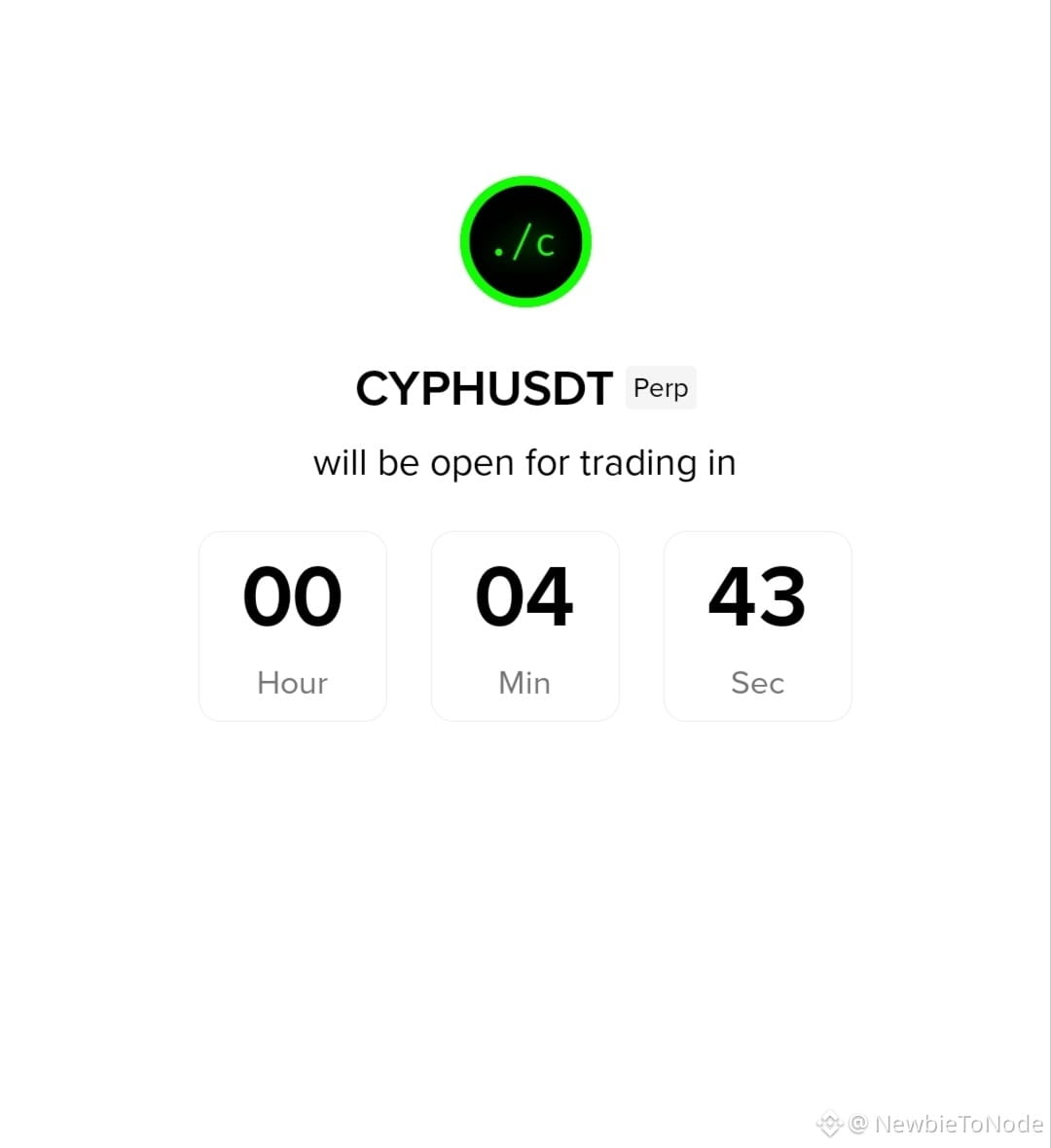
سيتم طرح $CYPH للتداول خلال بضع دقائق...
{future}(CYPHUSDT)
سيتم طرح $CYPH للتداول خلال بضع دقائق...
1
430
·
--
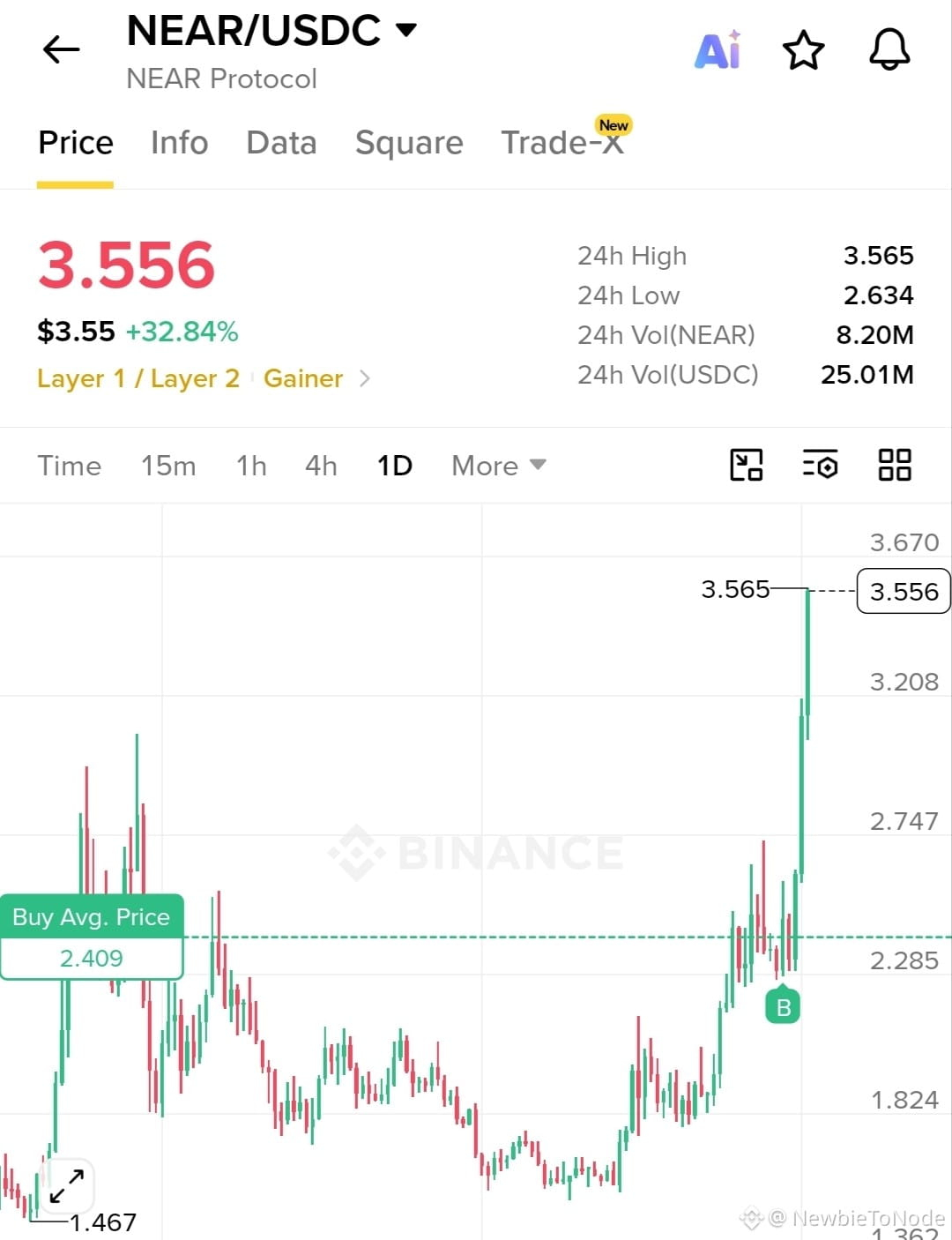
يا شباب، لقد أضفت المزيد $NEAR إلى حقيبتي طويلة الأجل بحوالي 2.40 دولار، وكانت الحركة منذ ذلك الحين مجنونة.
NEAR الآن حوالي 3.55 دولار، أعلى بنحو 48% من دخولي.
كان الرسم البياني يتشكل منذ أسابيع قبل أن ينجح أخيرًا في الاختراق من منطقة 2.30–2.40. بمجرد أن تجاوزت تلك المنطقة، زادت الزخم بشكل كبير.
الآن يبدأ الجزء المثير.
{spot}(NEARUSDT)
3.55–3.67 هي منطقة المقاومة الفورية. إذا تمكنت NEAR من كسرها والاحتفاظ فوقها، فأنا أراقب 4 أولًا، ثم 5.
على الجانب السلبي، 3.20–3.10 هي أول منطقة أحب أن أراها تتماسك. ما دون ذلك، يصبح 2.75 مهمًا، بينما يبقى الدعم الأكبر بالنسبة لي حول 2.40.
لن أبيع حقيبتي طويلة الأجل هنا.
هدفي لا يزال 8 دولارات
هذا ليس توقعًا بأن NEAR سيتحرك مباشرة إلى هناك. أتوقع حدوث العديد من عمليات الجذب/التصحيح على طول الطريق. أنا فقط أحتفظ لأن أطروحتـي تمتد على المدى الأطول.
أضفت حوالي 2.40 دولار. الآن سأسلم للسوق ليُظهر لي ما الذي سيأتي بعد ذلك.
⚠️ ليس نصيحة مالية. هذه موقفي الشخصي ورؤيتي للسوق. DYOR.
يا شباب، لقد أضفت المزيد $NEAR إلى حقيبتي طويلة الأجل بحوالي 2.40 دولار، وكانت الحركة منذ ذلك الحين مجنونة.
NEAR الآن حوالي 3.55 دولار، أعلى بنحو 48% من دخولي.
كان الرسم البياني يتشكل منذ أسابيع قبل أن ينجح أخيرًا في الاختراق من منطقة 2.30–2.40. بمجرد أن تجاوزت تلك المنطقة، زادت الزخم بشكل كبير.
الآن يبدأ الجزء المثير.
3.55–3.67 هي منطقة المقاومة الفورية. إذا تمكنت NEAR من كسرها والاحتفاظ فوقها، فأنا أراقب 4 أولًا، ثم 5.
على الجانب السلبي، 3.20–3.10 هي أول منطقة أحب أن أراها تتماسك. ما دون ذلك، يصبح 2.75 مهمًا، بينما يبقى الدعم الأكبر بالنسبة لي حول 2.40.
لن أبيع حقيبتي طويلة الأجل هنا.
هدفي لا يزال 8 دولارات
هذا ليس توقعًا بأن NEAR سيتحرك مباشرة إلى هناك. أتوقع حدوث العديد من عمليات الجذب/التصحيح على طول الطريق. أنا فقط أحتفظ لأن أطروحتـي تمتد على المدى الأطول.
أضفت حوالي 2.40 دولار. الآن سأسلم للسوق ليُظهر لي ما الذي سيأتي بعد ذلك.
⚠️ ليس نصيحة مالية. هذه موقفي الشخصي ورؤيتي للسوق. DYOR.
NEAR الآن حوالي 3.55 دولار، أعلى بنحو 48% من دخولي.
كان الرسم البياني يتشكل منذ أسابيع قبل أن ينجح أخيرًا في الاختراق من منطقة 2.30–2.40. بمجرد أن تجاوزت تلك المنطقة، زادت الزخم بشكل كبير.
الآن يبدأ الجزء المثير.
3.55–3.67 هي منطقة المقاومة الفورية. إذا تمكنت NEAR من كسرها والاحتفاظ فوقها، فأنا أراقب 4 أولًا، ثم 5.
على الجانب السلبي، 3.20–3.10 هي أول منطقة أحب أن أراها تتماسك. ما دون ذلك، يصبح 2.75 مهمًا، بينما يبقى الدعم الأكبر بالنسبة لي حول 2.40.
لن أبيع حقيبتي طويلة الأجل هنا.
هدفي لا يزال 8 دولارات
هذا ليس توقعًا بأن NEAR سيتحرك مباشرة إلى هناك. أتوقع حدوث العديد من عمليات الجذب/التصحيح على طول الطريق. أنا فقط أحتفظ لأن أطروحتـي تمتد على المدى الأطول.
أضفت حوالي 2.40 دولار. الآن سأسلم للسوق ليُظهر لي ما الذي سيأتي بعد ذلك.
⚠️ ليس نصيحة مالية. هذه موقفي الشخصي ورؤيتي للسوق. DYOR.
2
1.6k
·
--
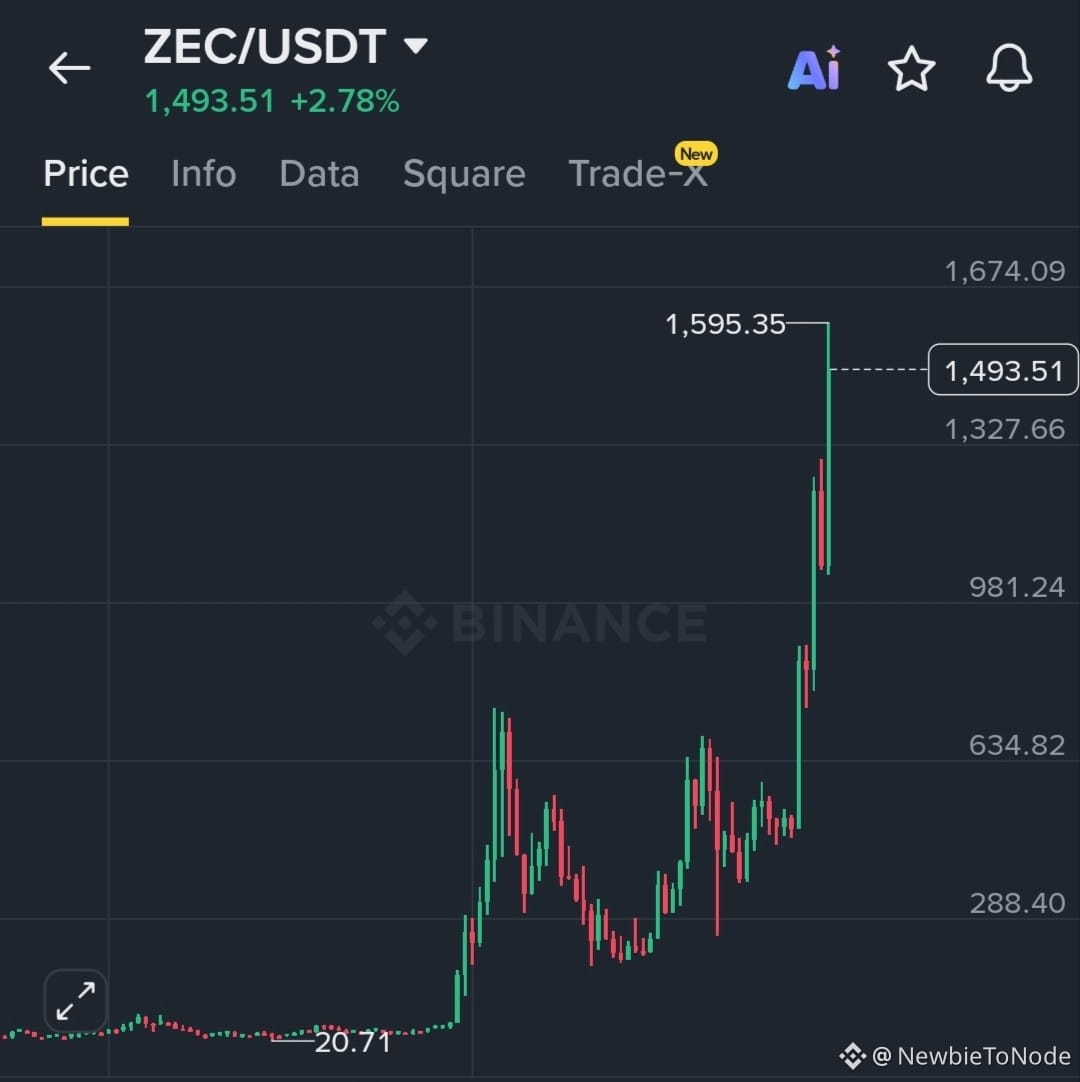
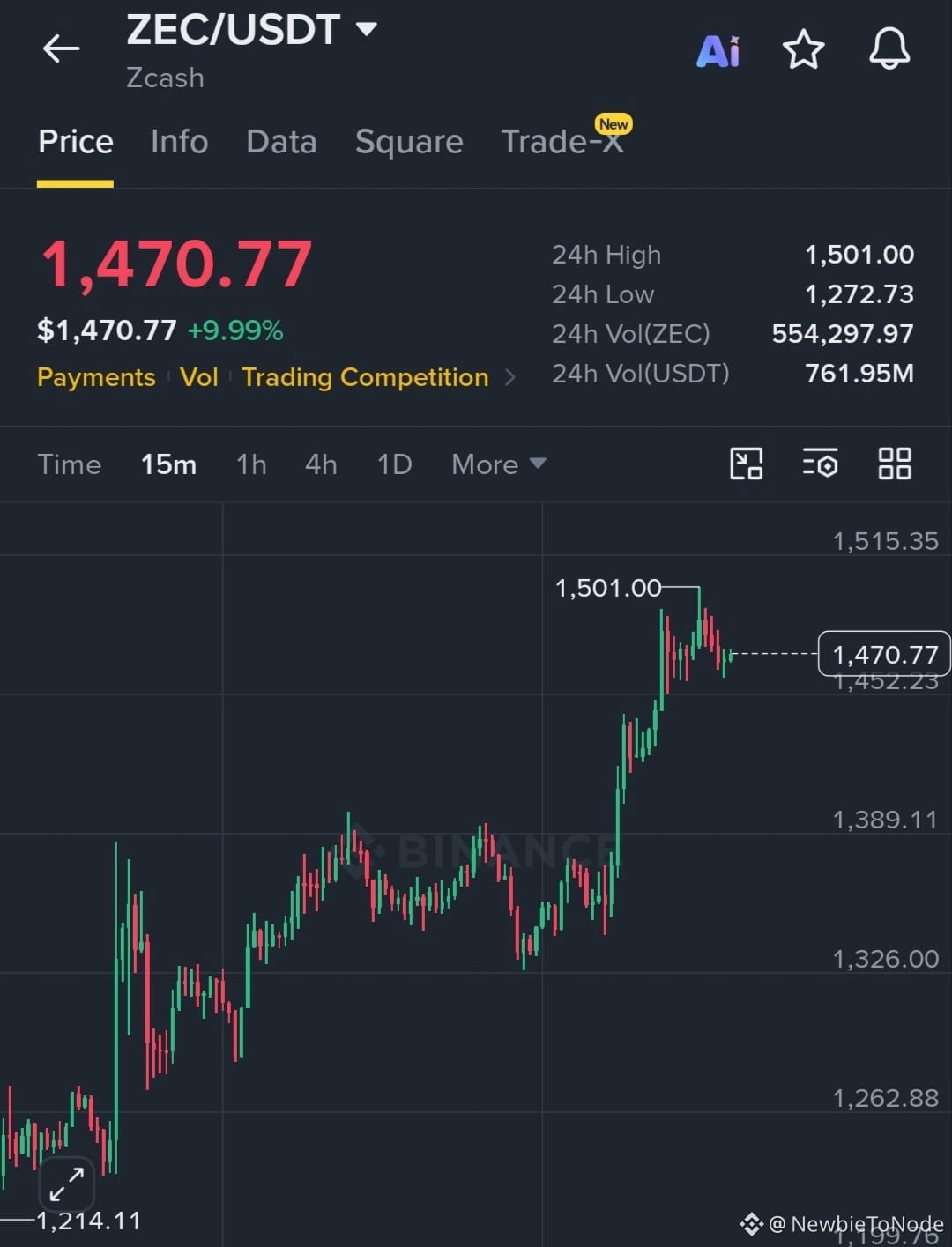
🚨 $ZEC للتو تجاوز 1,500 دولار
إنجاز رئيسي آخر لـ ZEC.
كانت الخطوة عدوانية إلى حد ما، إذ ارتفع السعر من حوالي 1,200 دولار إلى 1,501 دولار مع استمرار الثبات قرب القمم.
ما يلفت انتباهي هو أن الأمر ليس مجرد ذيل سريع. لقد دخل المشترون بالفعل ويدفعون السعر للأعلى.
صوت/سرد الخصوصية يصبح من الصعب تجاهله.
{spot}(ZECUSDT)
الآن أراقب ما إذا كان 1,500 دولار يمكن أن يتحول إلى دعم بدلًا من كونه مجرد مستوى نفسي آخر.
إذا واصل المشترون الدفاع عن هذه المنطقة، فلن يكون من المستغرب رؤية ZEC يكتشف مستويات أعلى.
لكن بعد هذه الحركة القوية، أفضل أن أراقب ردة الفعل بدل ملاحقة الشمعة.
1,500 دولار هو المستوى الذي يجب مراقبته الآن.
⚠️ ليست نصيحة مالية. قم بالبحث بنفسك (DYOR).
🚨 $ZEC للتو تجاوز 1,500 دولار
إنجاز رئيسي آخر لـ ZEC.
كانت الخطوة عدوانية إلى حد ما، إذ ارتفع السعر من حوالي 1,200 دولار إلى 1,501 دولار مع استمرار الثبات قرب القمم.
ما يلفت انتباهي هو أن الأمر ليس مجرد ذيل سريع. لقد دخل المشترون بالفعل ويدفعون السعر للأعلى.
صوت/سرد الخصوصية يصبح من الصعب تجاهله.
الآن أراقب ما إذا كان 1,500 دولار يمكن أن يتحول إلى دعم بدلًا من كونه مجرد مستوى نفسي آخر.
إذا واصل المشترون الدفاع عن هذه المنطقة، فلن يكون من المستغرب رؤية ZEC يكتشف مستويات أعلى.
لكن بعد هذه الحركة القوية، أفضل أن أراقب ردة الفعل بدل ملاحقة الشمعة.
1,500 دولار هو المستوى الذي يجب مراقبته الآن.
⚠️ ليست نصيحة مالية. قم بالبحث بنفسك (DYOR).
إنجاز رئيسي آخر لـ ZEC.
كانت الخطوة عدوانية إلى حد ما، إذ ارتفع السعر من حوالي 1,200 دولار إلى 1,501 دولار مع استمرار الثبات قرب القمم.
ما يلفت انتباهي هو أن الأمر ليس مجرد ذيل سريع. لقد دخل المشترون بالفعل ويدفعون السعر للأعلى.
صوت/سرد الخصوصية يصبح من الصعب تجاهله.
الآن أراقب ما إذا كان 1,500 دولار يمكن أن يتحول إلى دعم بدلًا من كونه مجرد مستوى نفسي آخر.
إذا واصل المشترون الدفاع عن هذه المنطقة، فلن يكون من المستغرب رؤية ZEC يكتشف مستويات أعلى.
لكن بعد هذه الحركة القوية، أفضل أن أراقب ردة الفعل بدل ملاحقة الشمعة.
1,500 دولار هو المستوى الذي يجب مراقبته الآن.
⚠️ ليست نصيحة مالية. قم بالبحث بنفسك (DYOR).
4
3
1.1k
·
--
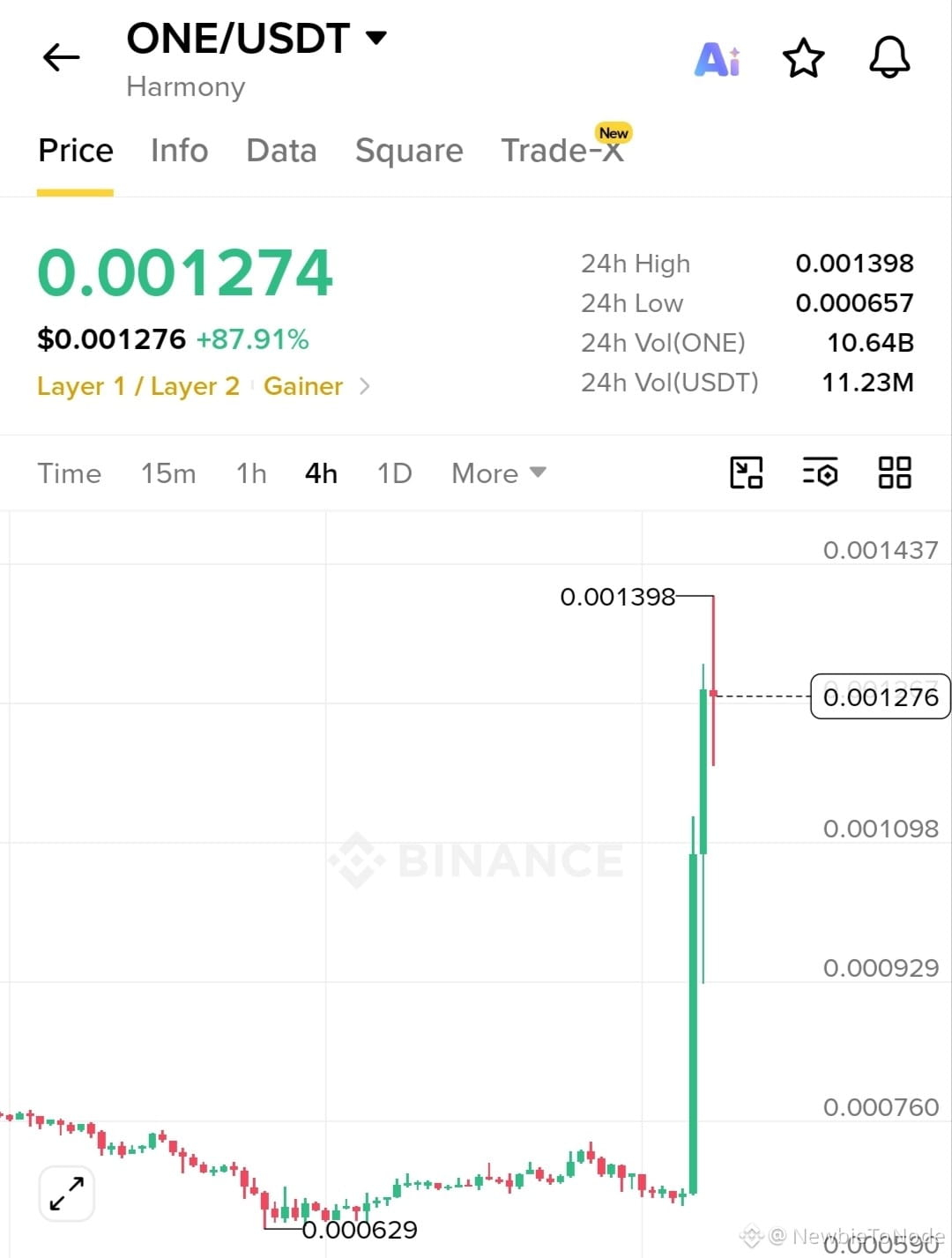
لا أتذكر آخر مرة رأيت فيها $ONE يتحرك بهذا الشكل.
$0.00063 → $0.001398.
وهذا أكثر من تحرك بنسبة 120% من أدنى مستوى قريب، مع تدفق مليارات في الحجم فجأة إلى الرسم البياني.
لكن أول شيء ألاحظه الآن ليس الشمعة الخضراء.
بل هو الرفض عند $0.001398.
{spot}(ONEUSDT)
$ONE يعود بالفعل إلى حوالي $0.00127، لذا أريد أن أعرف ما إذا كان بإمكان المشترين فعلًا الدفاع عن هذا التحرك.
أنا لا ألاحق شمعة رأسية. بل أفضّل أن أرى أين يستقر السعر بعد الموجة الأولى من الحماس.
⚠️ ليس نصيحة مالية. قم بالبحث بنفسك.
لا أتذكر آخر مرة رأيت فيها $ONE يتحرك بهذا الشكل.
$0.00063 → $0.001398.
وهذا أكثر من تحرك بنسبة 120% من أدنى مستوى قريب، مع تدفق مليارات في الحجم فجأة إلى الرسم البياني.
لكن أول شيء ألاحظه الآن ليس الشمعة الخضراء.
بل هو الرفض عند $0.001398.
$ONE يعود بالفعل إلى حوالي $0.00127، لذا أريد أن أعرف ما إذا كان بإمكان المشترين فعلًا الدفاع عن هذا التحرك.
أنا لا ألاحق شمعة رأسية. بل أفضّل أن أرى أين يستقر السعر بعد الموجة الأولى من الحماس.
⚠️ ليس نصيحة مالية. قم بالبحث بنفسك.
$0.00063 → $0.001398.
وهذا أكثر من تحرك بنسبة 120% من أدنى مستوى قريب، مع تدفق مليارات في الحجم فجأة إلى الرسم البياني.
لكن أول شيء ألاحظه الآن ليس الشمعة الخضراء.
بل هو الرفض عند $0.001398.
$ONE يعود بالفعل إلى حوالي $0.00127، لذا أريد أن أعرف ما إذا كان بإمكان المشترين فعلًا الدفاع عن هذا التحرك.
أنا لا ألاحق شمعة رأسية. بل أفضّل أن أرى أين يستقر السعر بعد الموجة الأولى من الحماس.
⚠️ ليس نصيحة مالية. قم بالبحث بنفسك.
1
3
618
·
--
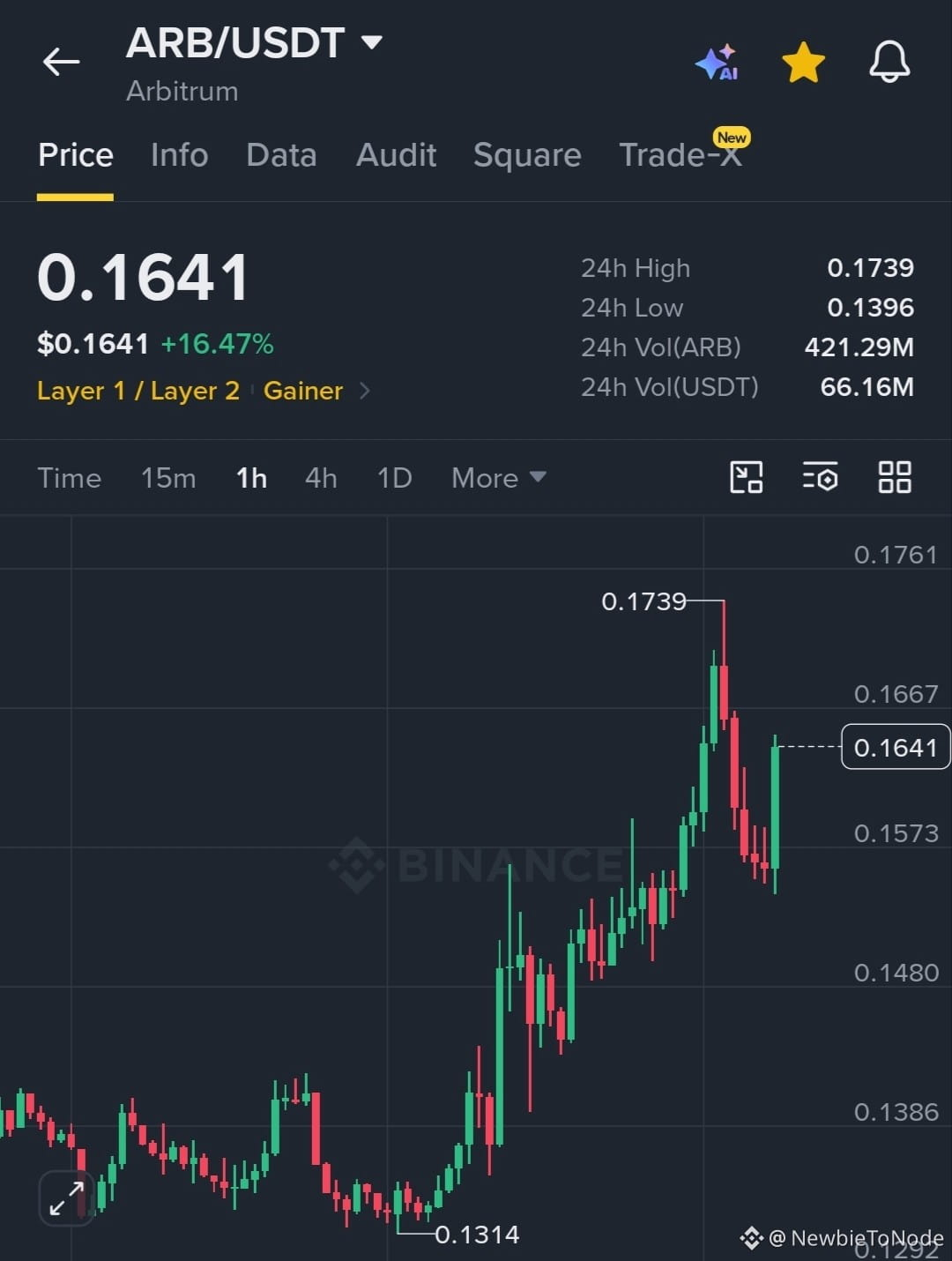
$ARB اتبع الخطة بشكل جيد.
في منشوري الأخير، كنت أراقب $0.141 وقلت إن اختراقًا فوق $0.156 قد يفتح المجال أمام $0.165–$0.17.
وقد حدث ذلك. دفع ARB إلى $0.1739 قبل أن يرتد إلى ما يقرب من $0.153.
الآن عاد إلى حوالي $0.164.
وهذا هو المكان الذي لا أريد المطاردة فيه.
أريد أن أرى كيف يتصرف ARB حول $0.165–$0.167. إذا كان بإمكان المشترين الثبات فوق تلك المنطقة، فإن $0.1739 هو المستوى الواضح الذي يجب مراقبته.
إذا تم رفضه مرة أخرى، فستصبح منطقة $0.156–$0.157 مهمة.
الحركة حصلت بالفعل. الآن اهتمامي أكثر في ما إذا كان المشترون يستطيعون الدفاع عن الاختراق بدلًا من مطاردة الشمعة التالية.
⚠️ ليس نصيحة مالية. قم بالبحث بنفسك (DYOR).
$ARB اتبع الخطة بشكل جيد.
في منشوري الأخير، كنت أراقب $0.141 وقلت إن اختراقًا فوق $0.156 قد يفتح المجال أمام $0.165–$0.17.
وقد حدث ذلك. دفع ARB إلى $0.1739 قبل أن يرتد إلى ما يقرب من $0.153.
الآن عاد إلى حوالي $0.164.
وهذا هو المكان الذي لا أريد المطاردة فيه.
أريد أن أرى كيف يتصرف ARB حول $0.165–$0.167. إذا كان بإمكان المشترين الثبات فوق تلك المنطقة، فإن $0.1739 هو المستوى الواضح الذي يجب مراقبته.
إذا تم رفضه مرة أخرى، فستصبح منطقة $0.156–$0.157 مهمة.
الحركة حصلت بالفعل. الآن اهتمامي أكثر في ما إذا كان المشترون يستطيعون الدفاع عن الاختراق بدلًا من مطاردة الشمعة التالية.
⚠️ ليس نصيحة مالية. قم بالبحث بنفسك (DYOR).
في منشوري الأخير، كنت أراقب $0.141 وقلت إن اختراقًا فوق $0.156 قد يفتح المجال أمام $0.165–$0.17.
وقد حدث ذلك. دفع ARB إلى $0.1739 قبل أن يرتد إلى ما يقرب من $0.153.
الآن عاد إلى حوالي $0.164.
وهذا هو المكان الذي لا أريد المطاردة فيه.
أريد أن أرى كيف يتصرف ARB حول $0.165–$0.167. إذا كان بإمكان المشترين الثبات فوق تلك المنطقة، فإن $0.1739 هو المستوى الواضح الذي يجب مراقبته.
إذا تم رفضه مرة أخرى، فستصبح منطقة $0.156–$0.157 مهمة.
الحركة حصلت بالفعل. الآن اهتمامي أكثر في ما إذا كان المشترون يستطيعون الدفاع عن الاختراق بدلًا من مطاردة الشمعة التالية.
⚠️ ليس نصيحة مالية. قم بالبحث بنفسك (DYOR).
NewbieToNode
·
--
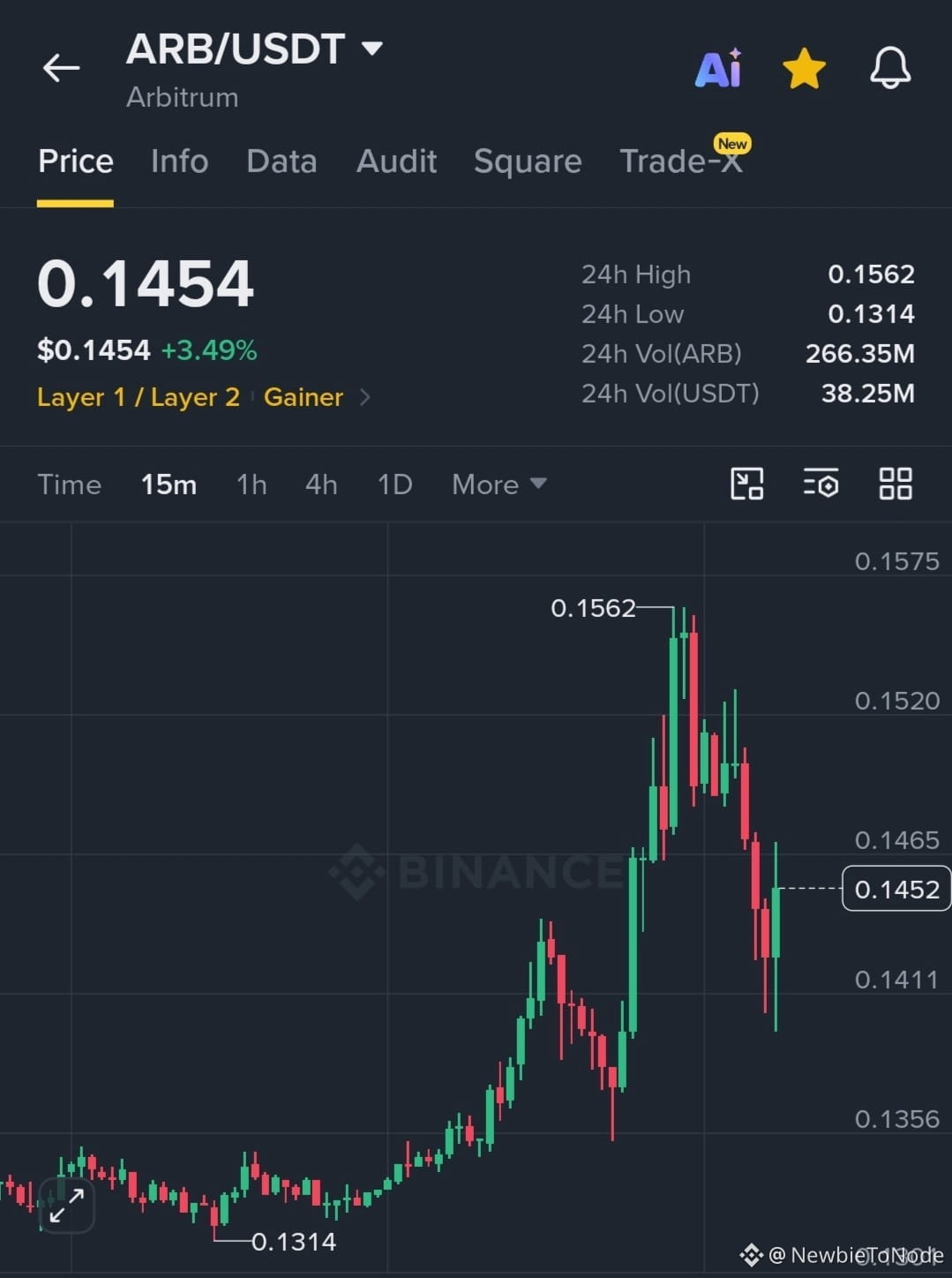
أعجبني ما فعله $ARB ، لكن لا أحب مطاردته هنا.
كانت الحركة من 0.1314 دولار → 0.1562 دولار مدعومة بحجم تداول قوي، ثم بدأ السعر يرد جزءًا مما حدث.
بالنسبة لي، فإن 0.141 دولار هي المستوى المهم على المدى القريب.
احتفظ به → قد يعود 0.152–0.156 إلى دائرة الاهتمام.
اخترق 0.156 → تصبح 0.165–0.17 جذابة للاهتمام.
إذا خسرت 0.141 → سأراقب 0.1355.
ومع فتح يوم 16 سبتمبر، قد يصبح الغد أكثر تقلبًا.
ابقِ على وضع ثابت الآن. اترك المخطط يقرر.
⚠️ ليست نصيحة مالية. قم بالبحث بنفسك.
كانت الحركة من 0.1314 دولار → 0.1562 دولار مدعومة بحجم تداول قوي، ثم بدأ السعر يرد جزءًا مما حدث.
بالنسبة لي، فإن 0.141 دولار هي المستوى المهم على المدى القريب.
احتفظ به → قد يعود 0.152–0.156 إلى دائرة الاهتمام.
اخترق 0.156 → تصبح 0.165–0.17 جذابة للاهتمام.
إذا خسرت 0.141 → سأراقب 0.1355.
ومع فتح يوم 16 سبتمبر، قد يصبح الغد أكثر تقلبًا.
ابقِ على وضع ثابت الآن. اترك المخطط يقرر.
⚠️ ليست نصيحة مالية. قم بالبحث بنفسك.
2
792
·
--
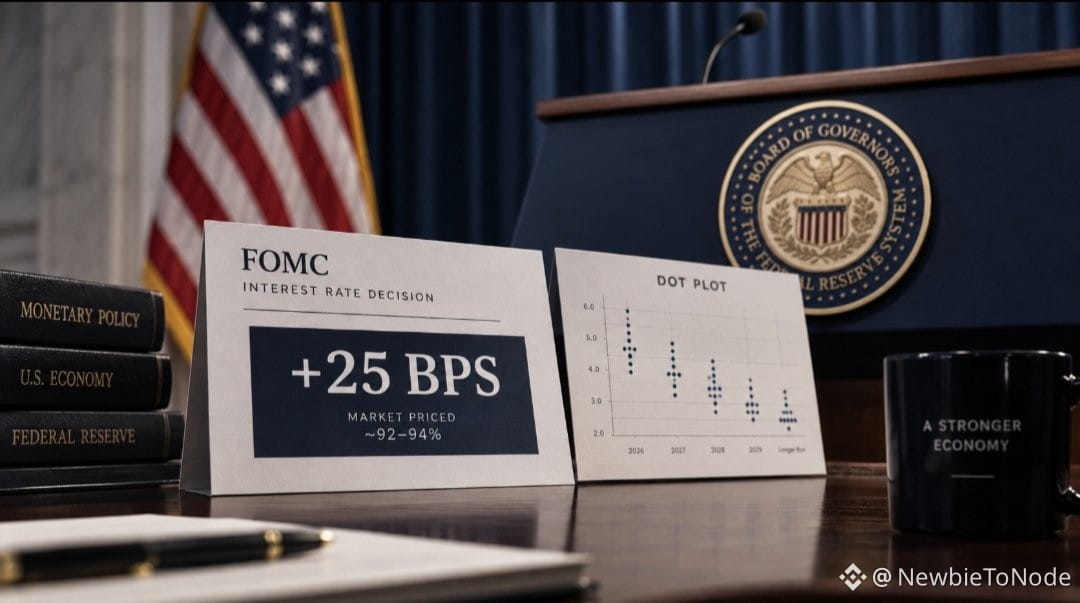
FOMC انتهى. قام الاحتياطي الفيدرالي للتو برفع الفائدة بمقدار 25 نقطة أساس إلى 3.75%–4.00%.
بصراحة، لست مهتمًا كثيرًا بحد ذاتها الـ 25 نقطة أساس، بل بما سيأتي بعد ذلك.
ما زال الاحتياطي الفيدرالي يتعامل مع التضخم الذي يزيد عن هدف 2%، والرسالة المتعلقة بالأسعار المستقبلية تهم أكثر بالنسبة للعملات المشفرة من هنا.
كانت عملة BTC بالفعل تحت ضغط بعد تصويت اليوم السابق على قانون CLARITY، لذا فهذا يحدث في وقت غير مريح للأصول ذات المخاطر.
لست أطالب بانهيار هنا.
أنا أراقب ما الذي ستفعله BTC بعد ذلك، خصوصًا إذا استمرّت العوائد والدولار في الارتفاع.
إذا بدأت BTC تفقد دعومًا مهمة بينما يتصاعد الضغط الكلي، عندها سأصبح أكثر حذرًا.
في الوقت الحالي، أفضّل مراقبة رد الفعل بدلًا من التخمين في أي اتجاه.
#FedRateWatch #BitcoinFalls4%
FOMC انتهى. قام الاحتياطي الفيدرالي للتو برفع الفائدة بمقدار 25 نقطة أساس إلى 3.75%–4.00%.
بصراحة، لست مهتمًا كثيرًا بحد ذاتها الـ 25 نقطة أساس، بل بما سيأتي بعد ذلك.
ما زال الاحتياطي الفيدرالي يتعامل مع التضخم الذي يزيد عن هدف 2%، والرسالة المتعلقة بالأسعار المستقبلية تهم أكثر بالنسبة للعملات المشفرة من هنا.
كانت عملة BTC بالفعل تحت ضغط بعد تصويت اليوم السابق على قانون CLARITY، لذا فهذا يحدث في وقت غير مريح للأصول ذات المخاطر.
لست أطالب بانهيار هنا.
أنا أراقب ما الذي ستفعله BTC بعد ذلك، خصوصًا إذا استمرّت العوائد والدولار في الارتفاع.
إذا بدأت BTC تفقد دعومًا مهمة بينما يتصاعد الضغط الكلي، عندها سأصبح أكثر حذرًا.
في الوقت الحالي، أفضّل مراقبة رد الفعل بدلًا من التخمين في أي اتجاه.
#FedRateWatch #BitcoinFalls4%
بصراحة، لست مهتمًا كثيرًا بحد ذاتها الـ 25 نقطة أساس، بل بما سيأتي بعد ذلك.
ما زال الاحتياطي الفيدرالي يتعامل مع التضخم الذي يزيد عن هدف 2%، والرسالة المتعلقة بالأسعار المستقبلية تهم أكثر بالنسبة للعملات المشفرة من هنا.
كانت عملة BTC بالفعل تحت ضغط بعد تصويت اليوم السابق على قانون CLARITY، لذا فهذا يحدث في وقت غير مريح للأصول ذات المخاطر.
لست أطالب بانهيار هنا.
أنا أراقب ما الذي ستفعله BTC بعد ذلك، خصوصًا إذا استمرّت العوائد والدولار في الارتفاع.
إذا بدأت BTC تفقد دعومًا مهمة بينما يتصاعد الضغط الكلي، عندها سأصبح أكثر حذرًا.
في الوقت الحالي، أفضّل مراقبة رد الفعل بدلًا من التخمين في أي اتجاه.
#FedRateWatch #BitcoinFalls4%
3
5
1.9k
·
--
🚨 اقرأ هذا إذا كنت تستخدم Binance P2P
مشاركة محاولة احتيال عبر P2P واجهتها مؤخرًا لأن العلامات التحذيرية تستحق المعرفة.
كنت أبيع USDT عبر Binance P2P عندما تواصل معي المشتري على واتساب وطلب مني “التحقق من USDT الخاص بي”.
أخبرته أنني لا أعرف كيفية القيام بذلك وطلبت منه إلغاء الطلب.
بدلًا من ذلك، قال إنه لن يستغرق سوى بضع دقائق وأخبرني بتحميل Trust Wallet. بل إنه عرض علي أن يرشدني خلال ذلك في مكالمة.
بدت الأمور مشبوهة، لذلك رفضت.
بعد ذلك حاول إقناعي بالقول: “الجميع يطلب ذلك الآن لأن هناك الكثير من عمليات الاحتيال. إذا بعت لشخص آخر فسيطلبها أيضًا. لقد تغيّرت القواعد”.
بدلًا من اتباع تعليماته، تواصلت مع دعم Binance للعملاء وشرحت كل شيء. أخبروني بعدم القيام بذلك.
بعد ذلك، أرسل المشتري لقطة شاشة للدفع في دردشة Binance وحدد الدفع على أنه “مكتمل”.
لكن اللقطة نفسها كانت تفاصيلها لا تتطابق:
• تاريخ مختلف
• اسم مختلف
• مبلغ مختلف
عرفت أنه مزيف ولم أفرج عن USDT الخاص بي.
انتهى مؤقت الطلب في النهاية. وبما أن هذه كانت المرة الأولى التي أواجه فيها شيئًا كهذا، تواصلت مع دعم Binance مرة أخرى، وشرحت الموقف، وساعدوني في حلّه.
أشارك هذا لأن العلامات التحذيرية جاءت واحدة تلو الأخرى:
واتساب → “التحقق من USDT” → تنزيل محفظة أخرى → ضغط → لقطة شاشة دفع مزيفة
استنتاجي: لا تتبع تعليمات المشتري لمجرد أنه يبدو واثقًا أو يدّعي أن “القواعد قد تغيّرت”.
تحقق بنفسك من الدفع الفعلي. إذا شعرت أن شيئًا ما مشبوه، توقف وتواصل مع الدعم.
بضع دقائق من الحذر قد تحمي أصولك الرقمية. 🛡️
#BinanceP2P #P2PScamAwareness #P2PScamWarning #P2PScam #P2P
🚨 اقرأ هذا إذا كنت تستخدم Binance P2P
مشاركة محاولة احتيال عبر P2P واجهتها مؤخرًا لأن العلامات التحذيرية تستحق المعرفة.
كنت أبيع USDT عبر Binance P2P عندما تواصل معي المشتري على واتساب وطلب مني “التحقق من USDT الخاص بي”.
أخبرته أنني لا أعرف كيفية القيام بذلك وطلبت منه إلغاء الطلب.
بدلًا من ذلك، قال إنه لن يستغرق سوى بضع دقائق وأخبرني بتحميل Trust Wallet. بل إنه عرض علي أن يرشدني خلال ذلك في مكالمة.
بدت الأمور مشبوهة، لذلك رفضت.
بعد ذلك حاول إقناعي بالقول: “الجميع يطلب ذلك الآن لأن هناك الكثير من عمليات الاحتيال. إذا بعت لشخص آخر فسيطلبها أيضًا. لقد تغيّرت القواعد”.
بدلًا من اتباع تعليماته، تواصلت مع دعم Binance للعملاء وشرحت كل شيء. أخبروني بعدم القيام بذلك.
بعد ذلك، أرسل المشتري لقطة شاشة للدفع في دردشة Binance وحدد الدفع على أنه “مكتمل”.
لكن اللقطة نفسها كانت تفاصيلها لا تتطابق:
• تاريخ مختلف
• اسم مختلف
• مبلغ مختلف
عرفت أنه مزيف ولم أفرج عن USDT الخاص بي.
انتهى مؤقت الطلب في النهاية. وبما أن هذه كانت المرة الأولى التي أواجه فيها شيئًا كهذا، تواصلت مع دعم Binance مرة أخرى، وشرحت الموقف، وساعدوني في حلّه.
أشارك هذا لأن العلامات التحذيرية جاءت واحدة تلو الأخرى:
واتساب → “التحقق من USDT” → تنزيل محفظة أخرى → ضغط → لقطة شاشة دفع مزيفة
استنتاجي: لا تتبع تعليمات المشتري لمجرد أنه يبدو واثقًا أو يدّعي أن “القواعد قد تغيّرت”.
تحقق بنفسك من الدفع الفعلي. إذا شعرت أن شيئًا ما مشبوه، توقف وتواصل مع الدعم.
بضع دقائق من الحذر قد تحمي أصولك الرقمية. 🛡️
#BinanceP2P #P2PScamAwareness #P2PScamWarning #P2PScam #P2P
مشاركة محاولة احتيال عبر P2P واجهتها مؤخرًا لأن العلامات التحذيرية تستحق المعرفة.
كنت أبيع USDT عبر Binance P2P عندما تواصل معي المشتري على واتساب وطلب مني “التحقق من USDT الخاص بي”.
أخبرته أنني لا أعرف كيفية القيام بذلك وطلبت منه إلغاء الطلب.
بدلًا من ذلك، قال إنه لن يستغرق سوى بضع دقائق وأخبرني بتحميل Trust Wallet. بل إنه عرض علي أن يرشدني خلال ذلك في مكالمة.
بدت الأمور مشبوهة، لذلك رفضت.
بعد ذلك حاول إقناعي بالقول: “الجميع يطلب ذلك الآن لأن هناك الكثير من عمليات الاحتيال. إذا بعت لشخص آخر فسيطلبها أيضًا. لقد تغيّرت القواعد”.
بدلًا من اتباع تعليماته، تواصلت مع دعم Binance للعملاء وشرحت كل شيء. أخبروني بعدم القيام بذلك.
بعد ذلك، أرسل المشتري لقطة شاشة للدفع في دردشة Binance وحدد الدفع على أنه “مكتمل”.
لكن اللقطة نفسها كانت تفاصيلها لا تتطابق:
• تاريخ مختلف
• اسم مختلف
• مبلغ مختلف
عرفت أنه مزيف ولم أفرج عن USDT الخاص بي.
انتهى مؤقت الطلب في النهاية. وبما أن هذه كانت المرة الأولى التي أواجه فيها شيئًا كهذا، تواصلت مع دعم Binance مرة أخرى، وشرحت الموقف، وساعدوني في حلّه.
أشارك هذا لأن العلامات التحذيرية جاءت واحدة تلو الأخرى:
واتساب → “التحقق من USDT” → تنزيل محفظة أخرى → ضغط → لقطة شاشة دفع مزيفة
استنتاجي: لا تتبع تعليمات المشتري لمجرد أنه يبدو واثقًا أو يدّعي أن “القواعد قد تغيّرت”.
تحقق بنفسك من الدفع الفعلي. إذا شعرت أن شيئًا ما مشبوه، توقف وتواصل مع الدعم.
بضع دقائق من الحذر قد تحمي أصولك الرقمية. 🛡️
#BinanceP2P #P2PScamAwareness #P2PScamWarning #P2PScam #P2P

6
697
·
--
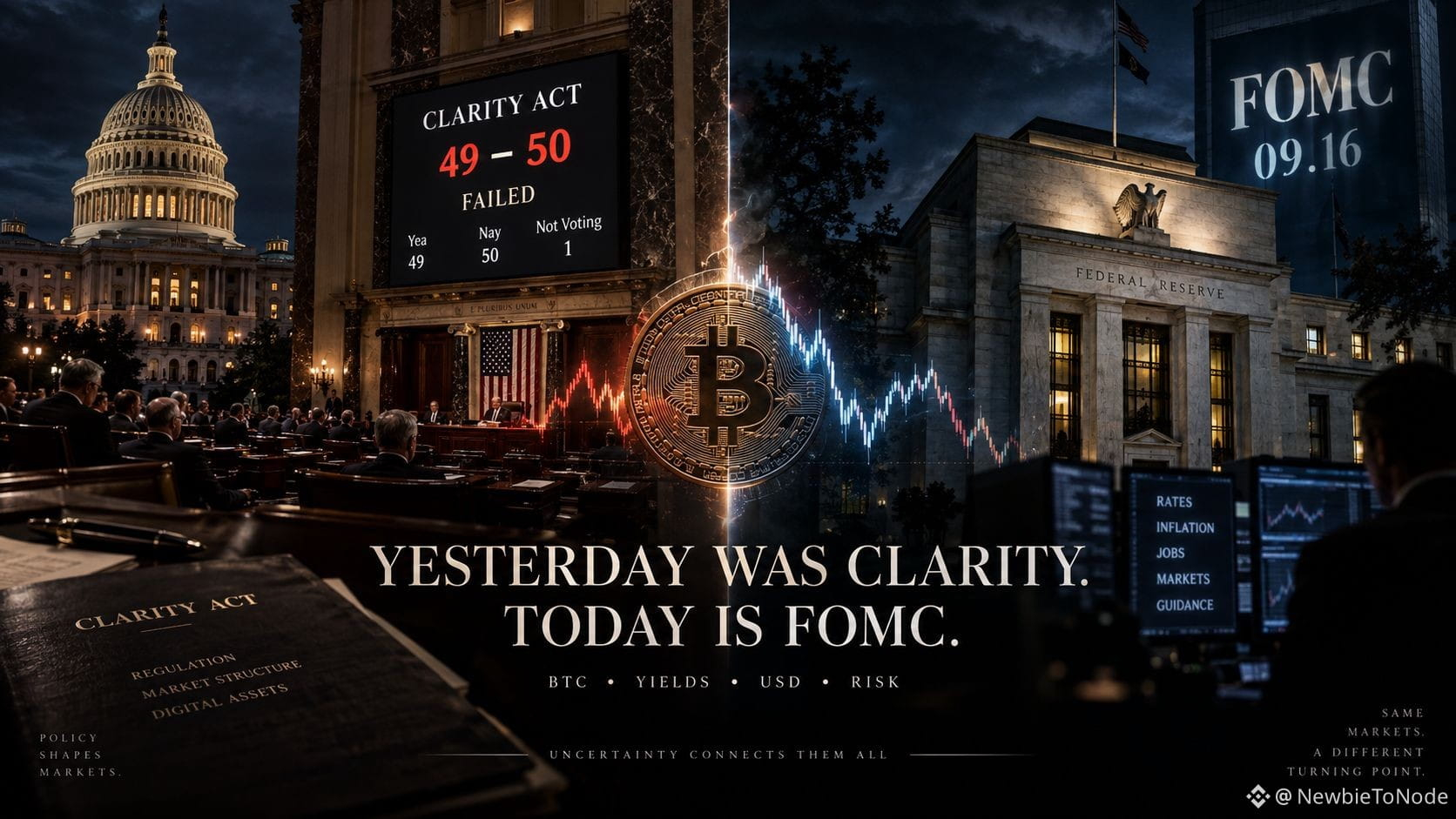
أعطى تصويت قانون CLARITY أمس لسوق العملات المشفرة سببًا آخر لتقليل المخاطر.
كان مجلس الشيوخ بحاجة إلى 60 صوتًا للمضي قدمًا به، لكن انتهت عملية التصويت بنتيجة 49–50. استجاب بيتكوين (BTC) تقريبًا على الفور، وتبعه السوق الأوسع.
الآن تنتقل الأنظار إلى الاحتياطي الفيدرالي.
اليوم هو اجتماع اللجنة الفيدرالية للسوق المفتوحة (FOMC)، وبصراحة أرى أن قرار الفائدة نفسه قد لا يكون الجزء الأكثر إثارة للاهتمام. السوق كان قد قضى أيامًا وهو يتموضع حوله.
ما يهمني هو ما يأتي بعد الإعلان.
هل يَبدو وارش أكثر قلقًا بشأن التضخم؟
هل يترك الاحتياطي الفيدرالي الباب مفتوحًا لسياسة أكثر تقييدًا؟
أم أن السوق يسمع ما يكفي لبدء تسعير مسار أكثر اعتدالًا؟
قد تكون هذه الفروقات أكثر أهمية بالنسبة لبيتكوين (BTC) من قرار سعر الفائدة في العنوان.
أنا أراقب بيتكوين (BTC) والدولار وعوائد سندات الخزانة معًا. إذا دفعت العوائد والدولار للأعلى بعد الإعلان، فقد تظل الأصول ذات المخاطر تحت الضغط. وإذا هدأت الأمور، فقد يحصل بيتكوين على بعض الراحة.
أمس كان صدمة تنظيمية.
واليوم لدينا الاختبار الكلي (الماكرو).
لن أندهش من رؤية تقلبات شديدة حول الإعلان، بما في ذلك حركة في اتجاه ثم حدوث انعكاس.
بالنسبة لي، الصفقة المهمة ليست توقع الشمعة الأولى. بل معرفة إلى أين يستقر بيتكوين (BTC) بعد الضجيج.
#FedRateWatch #USSenateBlocksClarityAct
أعطى تصويت قانون CLARITY أمس لسوق العملات المشفرة سببًا آخر لتقليل المخاطر.
كان مجلس الشيوخ بحاجة إلى 60 صوتًا للمضي قدمًا به، لكن انتهت عملية التصويت بنتيجة 49–50. استجاب بيتكوين (BTC) تقريبًا على الفور، وتبعه السوق الأوسع.
الآن تنتقل الأنظار إلى الاحتياطي الفيدرالي.
اليوم هو اجتماع اللجنة الفيدرالية للسوق المفتوحة (FOMC)، وبصراحة أرى أن قرار الفائدة نفسه قد لا يكون الجزء الأكثر إثارة للاهتمام. السوق كان قد قضى أيامًا وهو يتموضع حوله.
ما يهمني هو ما يأتي بعد الإعلان.
هل يَبدو وارش أكثر قلقًا بشأن التضخم؟
هل يترك الاحتياطي الفيدرالي الباب مفتوحًا لسياسة أكثر تقييدًا؟
أم أن السوق يسمع ما يكفي لبدء تسعير مسار أكثر اعتدالًا؟
قد تكون هذه الفروقات أكثر أهمية بالنسبة لبيتكوين (BTC) من قرار سعر الفائدة في العنوان.
أنا أراقب بيتكوين (BTC) والدولار وعوائد سندات الخزانة معًا. إذا دفعت العوائد والدولار للأعلى بعد الإعلان، فقد تظل الأصول ذات المخاطر تحت الضغط. وإذا هدأت الأمور، فقد يحصل بيتكوين على بعض الراحة.
أمس كان صدمة تنظيمية.
واليوم لدينا الاختبار الكلي (الماكرو).
لن أندهش من رؤية تقلبات شديدة حول الإعلان، بما في ذلك حركة في اتجاه ثم حدوث انعكاس.
بالنسبة لي، الصفقة المهمة ليست توقع الشمعة الأولى. بل معرفة إلى أين يستقر بيتكوين (BTC) بعد الضجيج.
#FedRateWatch #USSenateBlocksClarityAct
كان مجلس الشيوخ بحاجة إلى 60 صوتًا للمضي قدمًا به، لكن انتهت عملية التصويت بنتيجة 49–50. استجاب بيتكوين (BTC) تقريبًا على الفور، وتبعه السوق الأوسع.
الآن تنتقل الأنظار إلى الاحتياطي الفيدرالي.
اليوم هو اجتماع اللجنة الفيدرالية للسوق المفتوحة (FOMC)، وبصراحة أرى أن قرار الفائدة نفسه قد لا يكون الجزء الأكثر إثارة للاهتمام. السوق كان قد قضى أيامًا وهو يتموضع حوله.
ما يهمني هو ما يأتي بعد الإعلان.
هل يَبدو وارش أكثر قلقًا بشأن التضخم؟
هل يترك الاحتياطي الفيدرالي الباب مفتوحًا لسياسة أكثر تقييدًا؟
أم أن السوق يسمع ما يكفي لبدء تسعير مسار أكثر اعتدالًا؟
قد تكون هذه الفروقات أكثر أهمية بالنسبة لبيتكوين (BTC) من قرار سعر الفائدة في العنوان.
أنا أراقب بيتكوين (BTC) والدولار وعوائد سندات الخزانة معًا. إذا دفعت العوائد والدولار للأعلى بعد الإعلان، فقد تظل الأصول ذات المخاطر تحت الضغط. وإذا هدأت الأمور، فقد يحصل بيتكوين على بعض الراحة.
أمس كان صدمة تنظيمية.
واليوم لدينا الاختبار الكلي (الماكرو).
لن أندهش من رؤية تقلبات شديدة حول الإعلان، بما في ذلك حركة في اتجاه ثم حدوث انعكاس.
بالنسبة لي، الصفقة المهمة ليست توقع الشمعة الأولى. بل معرفة إلى أين يستقر بيتكوين (BTC) بعد الضجيج.
#FedRateWatch #USSenateBlocksClarityAct
4
2
985
·
--
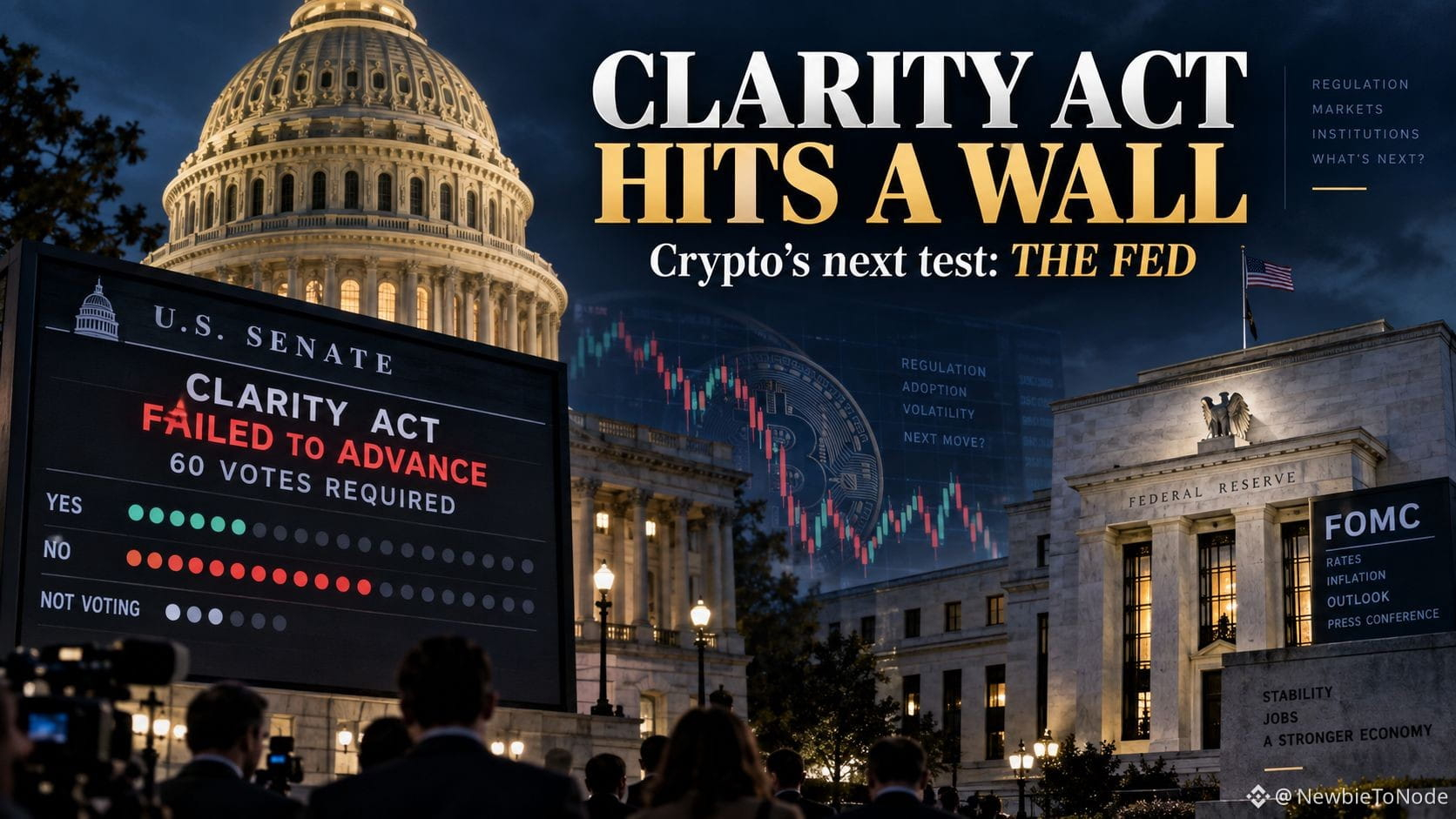
حسنًا، هذا ليس هو النتيجة التي كان يتطلع إليها عشّاق العملات الرقمية.
لم يستطع قانون CLARITY تأمين الأصوات الـ60 المطلوبة للانتقال إلى الأمام في مجلس الشيوخ.
كنت أراقب هذا باعتباره أحد أكبر المحفزات في الأجل القريب للقطاع، لذا فهذا بالتأكيد يغيّر الصورة على المدى القصير.
لكن هناك حدث رئيسي آخر ينتظر غدًا: الاحتياطي الفيدرالي.
أنا أكثر اهتمامًا بكيف يتصرف سعر بيتكوين (BTC) بعد استيعاب المحفزين معًا، أكثر من مطاردة هذا التفاعل الأول.
نافذة تقلبات كبيرة في الطريق.
⚠️ وجهة نظر شخصية، وليست نصيحة مالية. ابحث بنفسك (DYOR).
#CLARITYAct #FedRateWatch #ClarityActOddsHalveOnPolymarket
حسنًا، هذا ليس هو النتيجة التي كان يتطلع إليها عشّاق العملات الرقمية.
لم يستطع قانون CLARITY تأمين الأصوات الـ60 المطلوبة للانتقال إلى الأمام في مجلس الشيوخ.
كنت أراقب هذا باعتباره أحد أكبر المحفزات في الأجل القريب للقطاع، لذا فهذا بالتأكيد يغيّر الصورة على المدى القصير.
لكن هناك حدث رئيسي آخر ينتظر غدًا: الاحتياطي الفيدرالي.
أنا أكثر اهتمامًا بكيف يتصرف سعر بيتكوين (BTC) بعد استيعاب المحفزين معًا، أكثر من مطاردة هذا التفاعل الأول.
نافذة تقلبات كبيرة في الطريق.
⚠️ وجهة نظر شخصية، وليست نصيحة مالية. ابحث بنفسك (DYOR).
#CLARITYAct #FedRateWatch #ClarityActOddsHalveOnPolymarket
لم يستطع قانون CLARITY تأمين الأصوات الـ60 المطلوبة للانتقال إلى الأمام في مجلس الشيوخ.
كنت أراقب هذا باعتباره أحد أكبر المحفزات في الأجل القريب للقطاع، لذا فهذا بالتأكيد يغيّر الصورة على المدى القصير.
لكن هناك حدث رئيسي آخر ينتظر غدًا: الاحتياطي الفيدرالي.
أنا أكثر اهتمامًا بكيف يتصرف سعر بيتكوين (BTC) بعد استيعاب المحفزين معًا، أكثر من مطاردة هذا التفاعل الأول.
نافذة تقلبات كبيرة في الطريق.
⚠️ وجهة نظر شخصية، وليست نصيحة مالية. ابحث بنفسك (DYOR).
#CLARITYAct #FedRateWatch #ClarityActOddsHalveOnPolymarket
1
144
·
--
أعجبني ما فعله $ARB ، لكن لا أحب مطاردته هنا.
كانت الحركة من 0.1314 دولار → 0.1562 دولار مدعومة بحجم تداول قوي، ثم بدأ السعر يرد جزءًا مما حدث.
بالنسبة لي، فإن 0.141 دولار هي المستوى المهم على المدى القريب.
احتفظ به → قد يعود 0.152–0.156 إلى دائرة الاهتمام.
اخترق 0.156 → تصبح 0.165–0.17 جذابة للاهتمام.
إذا خسرت 0.141 → سأراقب 0.1355.
ومع فتح يوم 16 سبتمبر، قد يصبح الغد أكثر تقلبًا.
ابقِ على وضع ثابت الآن. اترك المخطط يقرر.
⚠️ ليست نصيحة مالية. قم بالبحث بنفسك.
{spot}(ARBUSDT)
أعجبني ما فعله $ARB ، لكن لا أحب مطاردته هنا.
كانت الحركة من 0.1314 دولار → 0.1562 دولار مدعومة بحجم تداول قوي، ثم بدأ السعر يرد جزءًا مما حدث.
بالنسبة لي، فإن 0.141 دولار هي المستوى المهم على المدى القريب.
احتفظ به → قد يعود 0.152–0.156 إلى دائرة الاهتمام.
اخترق 0.156 → تصبح 0.165–0.17 جذابة للاهتمام.
إذا خسرت 0.141 → سأراقب 0.1355.
ومع فتح يوم 16 سبتمبر، قد يصبح الغد أكثر تقلبًا.
ابقِ على وضع ثابت الآن. اترك المخطط يقرر.
⚠️ ليست نصيحة مالية. قم بالبحث بنفسك.
كانت الحركة من 0.1314 دولار → 0.1562 دولار مدعومة بحجم تداول قوي، ثم بدأ السعر يرد جزءًا مما حدث.
بالنسبة لي، فإن 0.141 دولار هي المستوى المهم على المدى القريب.
احتفظ به → قد يعود 0.152–0.156 إلى دائرة الاهتمام.
اخترق 0.156 → تصبح 0.165–0.17 جذابة للاهتمام.
إذا خسرت 0.141 → سأراقب 0.1355.
ومع فتح يوم 16 سبتمبر، قد يصبح الغد أكثر تقلبًا.
ابقِ على وضع ثابت الآن. اترك المخطط يقرر.
⚠️ ليست نصيحة مالية. قم بالبحث بنفسك.
1
1
3
1.1k
·
--
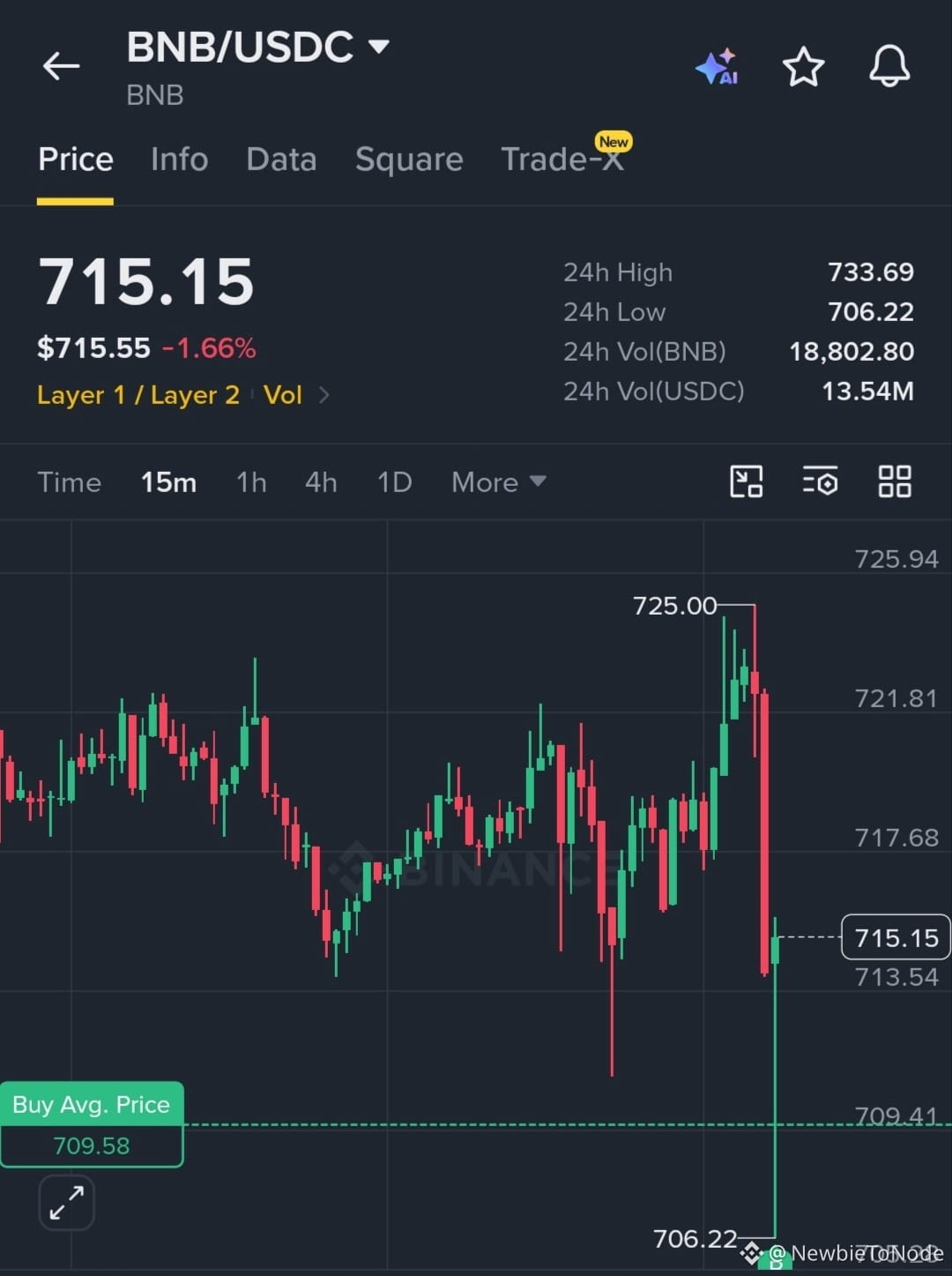
تمت إضافة المزيد $BNB إلى حقيبتي طويلة الأمد...
تمت إضافة المزيد $BNB إلى حقيبتي طويلة الأمد...
2
244
·
--
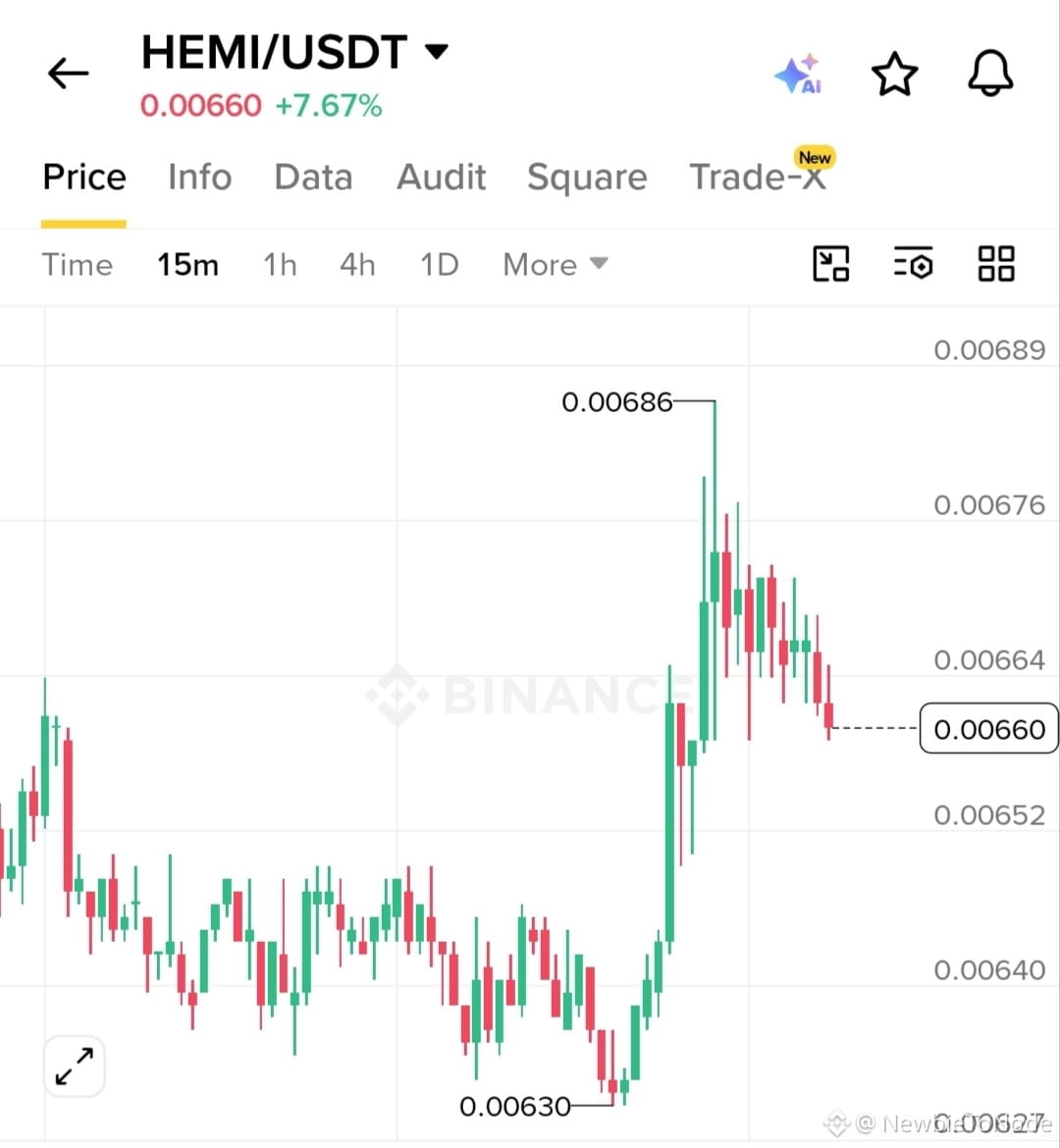
$HEMI يختبر فكرة الاختراق.
$0.00630 → $0.00686 مع ارتفاع حاد في الحجم بشكل جاد.
الآن:
S: $0.00652 / $0.00630
R: $0.00676 / $0.00686
الإمكانات الصعودية إذا تم التأكيد: $0.00720 → $0.00750
الجزء المهم ليس الاندفاع.
بل ما إذا كان HEMI يستطيع الحفاظ على النطاق الأعلى وكسر $0.00686 مع حجم تداول.
أنا خارج (لا أملك) وأراقب.
⚠️ ليس نصيحة مالية. قم بالبحث بنفسك (DYOR).
{spot}(HEMIUSDT)
$HEMI يختبر فكرة الاختراق.
$0.00630 → $0.00686 مع ارتفاع حاد في الحجم بشكل جاد.
الآن:
S: $0.00652 / $0.00630
R: $0.00676 / $0.00686
الإمكانات الصعودية إذا تم التأكيد: $0.00720 → $0.00750
الجزء المهم ليس الاندفاع.
بل ما إذا كان HEMI يستطيع الحفاظ على النطاق الأعلى وكسر $0.00686 مع حجم تداول.
أنا خارج (لا أملك) وأراقب.
⚠️ ليس نصيحة مالية. قم بالبحث بنفسك (DYOR).
$0.00630 → $0.00686 مع ارتفاع حاد في الحجم بشكل جاد.
الآن:
S: $0.00652 / $0.00630
R: $0.00676 / $0.00686
الإمكانات الصعودية إذا تم التأكيد: $0.00720 → $0.00750
الجزء المهم ليس الاندفاع.
بل ما إذا كان HEMI يستطيع الحفاظ على النطاق الأعلى وكسر $0.00686 مع حجم تداول.
أنا خارج (لا أملك) وأراقب.
⚠️ ليس نصيحة مالية. قم بالبحث بنفسك (DYOR).
1
323
·
--
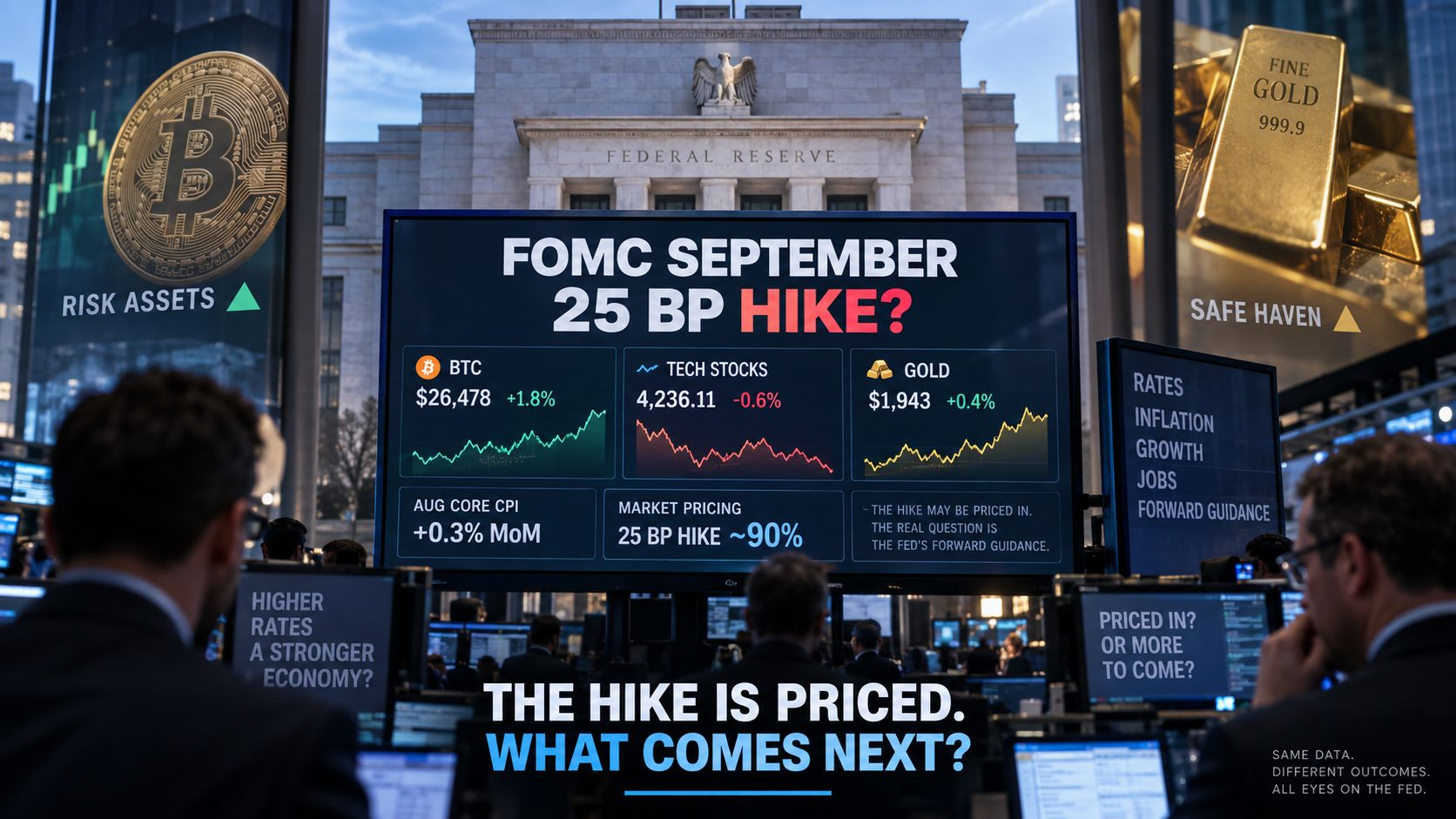
قد لا تكون قرارات الاحتياطي الفيدرالي نفسها أكبر المخاطر هذا الأسبوع.
الأسواق باتت بالفعل تَسعّر بقوة تحرّكًا بمقدار 25 نقطة أساس بعد أن سجل مؤشر أسعار المستهلكين الأساسي لشهر أغسطس ارتفاعًا بنسبة 0.3% على أساس شهري.
هذا يغيّر السؤال بالنسبة لي.
إذا رفع الاحتياطي الفيدرالي الفائدة كما هو متوقع، فقد تكون ردة فعل بيتكوين الأولية ضجيجًا، لكن الإشارة الأهم قد تأتي من اللغة المستخدمة حول الاجتماع القادم.
قد تؤدي زيادة الفائدة مع توجيهات أكثر تشددًا إلى استمرار الضغط على بيتكوين والأسهم التقنية مع دعم الدولار.
أما زيادة الفائدة مع توجيهات أكثر ليونة فقد تنتج رد فعل عكسي، مع بدء الأسواق في تسعير نهاية دورة التشديد.
لذا أنا أراقب البيان ونبرة وورش أكثر من التركيز على خبر 25 نقطة أساس نفسه.
بالنسبة لبيتكوين، أفضل الانتظار لردة الفعل بعد اجتماع اللجنة الفيدرالية للسوق المفتوحة (FOMC) بدلًا من اتخاذ موقف بناءً فقط على الإعلان.
⚠️ ليست نصيحة مالية. هذه وجهة نظري في السوق وليست توصية تداول. قم بإجراء بحثك الخاص (DYOR).
#FedRateWatch
قد لا تكون قرارات الاحتياطي الفيدرالي نفسها أكبر المخاطر هذا الأسبوع.
الأسواق باتت بالفعل تَسعّر بقوة تحرّكًا بمقدار 25 نقطة أساس بعد أن سجل مؤشر أسعار المستهلكين الأساسي لشهر أغسطس ارتفاعًا بنسبة 0.3% على أساس شهري.
هذا يغيّر السؤال بالنسبة لي.
إذا رفع الاحتياطي الفيدرالي الفائدة كما هو متوقع، فقد تكون ردة فعل بيتكوين الأولية ضجيجًا، لكن الإشارة الأهم قد تأتي من اللغة المستخدمة حول الاجتماع القادم.
قد تؤدي زيادة الفائدة مع توجيهات أكثر تشددًا إلى استمرار الضغط على بيتكوين والأسهم التقنية مع دعم الدولار.
أما زيادة الفائدة مع توجيهات أكثر ليونة فقد تنتج رد فعل عكسي، مع بدء الأسواق في تسعير نهاية دورة التشديد.
لذا أنا أراقب البيان ونبرة وورش أكثر من التركيز على خبر 25 نقطة أساس نفسه.
بالنسبة لبيتكوين، أفضل الانتظار لردة الفعل بعد اجتماع اللجنة الفيدرالية للسوق المفتوحة (FOMC) بدلًا من اتخاذ موقف بناءً فقط على الإعلان.
⚠️ ليست نصيحة مالية. هذه وجهة نظري في السوق وليست توصية تداول. قم بإجراء بحثك الخاص (DYOR).
#FedRateWatch
الأسواق باتت بالفعل تَسعّر بقوة تحرّكًا بمقدار 25 نقطة أساس بعد أن سجل مؤشر أسعار المستهلكين الأساسي لشهر أغسطس ارتفاعًا بنسبة 0.3% على أساس شهري.
هذا يغيّر السؤال بالنسبة لي.
إذا رفع الاحتياطي الفيدرالي الفائدة كما هو متوقع، فقد تكون ردة فعل بيتكوين الأولية ضجيجًا، لكن الإشارة الأهم قد تأتي من اللغة المستخدمة حول الاجتماع القادم.
قد تؤدي زيادة الفائدة مع توجيهات أكثر تشددًا إلى استمرار الضغط على بيتكوين والأسهم التقنية مع دعم الدولار.
أما زيادة الفائدة مع توجيهات أكثر ليونة فقد تنتج رد فعل عكسي، مع بدء الأسواق في تسعير نهاية دورة التشديد.
لذا أنا أراقب البيان ونبرة وورش أكثر من التركيز على خبر 25 نقطة أساس نفسه.
بالنسبة لبيتكوين، أفضل الانتظار لردة الفعل بعد اجتماع اللجنة الفيدرالية للسوق المفتوحة (FOMC) بدلًا من اتخاذ موقف بناءً فقط على الإعلان.
⚠️ ليست نصيحة مالية. هذه وجهة نظري في السوق وليست توصية تداول. قم بإجراء بحثك الخاص (DYOR).
#FedRateWatch
1
272
·
--
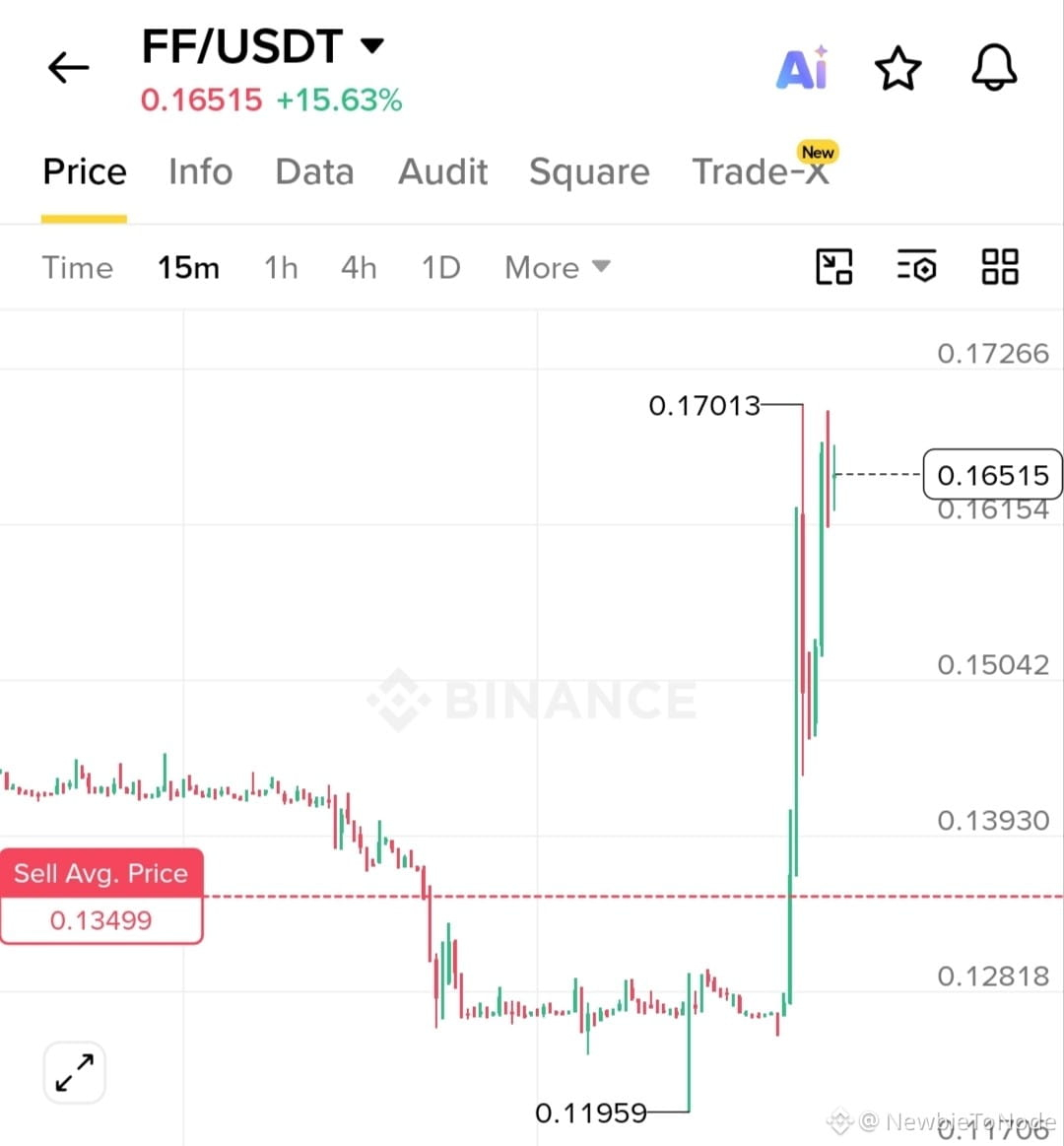
$FF has momentum. السؤال هو: هل يمكنه الثبات؟
$0.12 → $0.17 مع توسّع كبير في حجم التداول.
{spot}(FFUSDT)
🔴 المقاومة: $0.1701–$0.1727
🟢 الدعم: $0.1615 / $0.1504
🎯 الأهداف: $0.18 / $0.19
قد يفتح الاختراق النظيف فوق $0.1701 المرحلة التالية.
أنا حاليًا خارج الصفقة وأراقب.
⚠️ ليست نصيحة مالية. قم بإجراء بحثك الخاص قبل اتخاذ أي قرار.
$FF has momentum. السؤال هو: هل يمكنه الثبات؟
$0.12 → $0.17 مع توسّع كبير في حجم التداول.
🔴 المقاومة: $0.1701–$0.1727
🟢 الدعم: $0.1615 / $0.1504
🎯 الأهداف: $0.18 / $0.19
قد يفتح الاختراق النظيف فوق $0.1701 المرحلة التالية.
أنا حاليًا خارج الصفقة وأراقب.
⚠️ ليست نصيحة مالية. قم بإجراء بحثك الخاص قبل اتخاذ أي قرار.
$0.12 → $0.17 مع توسّع كبير في حجم التداول.
🔴 المقاومة: $0.1701–$0.1727
🟢 الدعم: $0.1615 / $0.1504
🎯 الأهداف: $0.18 / $0.19
قد يفتح الاختراق النظيف فوق $0.1701 المرحلة التالية.
أنا حاليًا خارج الصفقة وأراقب.
⚠️ ليست نصيحة مالية. قم بإجراء بحثك الخاص قبل اتخاذ أي قرار.
1
430
سجّل الدخول لاستكشاف المزيد من المُحتوى
انضم إلى مُستخدمي العملات الرقمية حول العالم على Binance Square
⚡️ احصل على أحدث المعلومات المفيدة عن العملات الرقمية.
💬 موثوقة من قبل أكبر منصّة لتداول العملات الرقمية في العالم.
👍 اكتشف الرؤى الحقيقية من صنّاع المُحتوى الموثوقين.
البريد الإلكتروني / رقم الهاتف
المواضيع الرائجة
FedMinutesFocusOnOctoberPause
66,373 مشاهدات
851 يقومون بالنقاش
#fedminutesfocusonoctoberpause
محضر الفيدرالي على وشك الصدور وهذه هي الخلاصة: لم ينتهِ الاجتماع بعد، لكن الجميع خمّنوا بالفعل «خطواته التالية»! 🤫
يتساءل كثيرون: «لم يتبقَّ سوى نحو 6 ساعات على نشر محضر لجنة السوق المفتوحة الفيدرالية، فكيف حلّلته وسائل الإعلام وكأنها تعرف كل شيء؟». في الواقع، هذا «تسريب مدروس» عبر تصريحات مسؤولي الفيدرالي السابقة. رئيس فرع نيويورك يقول «لا داعي للعجلة»، بينما رئيس فرع دالاس يطالب «بالترغيب والترهيب». وبالاقتران مع تراجع التضخم وضعف سوق العمل، فهمت الأسواق ضمنيًا أن الفيدرالي سيوقف رفع أسعار الفائدة مؤقتًا (pause) في أكتوبر لالتقاط أنفاسه، بدلًا من موقفه المتشدد السابق.
ما الذي ينبغي للمتداولين فعله؟ لا تستسلموا للخوف من فوات الفرصة وتهرعوا أمام القطار. عندما يصدر المحضر الرسمي، قد تؤدي أي مفاجأة إلى تحركات سريعة تمسح الرسم البياني في الاتجاهين. اجلسوا بهدوء واربطوا أحزمة الأمان!
⚠️ هذا ليس نصيحة مالية.
متابعة من فضلكم
$BTC
$ETH
$SOL
#FOMCMinutes #TinFed #TradFiNews #TheoDõiFOMC
Shamika Metting
·2 إعجاب
·395 مشاهدات
BinanceLaunchesBinanceIntelligence
1M مشاهدات
6,116 يقومون بالنقاش
EvernorthDelaysNasdaqDebutToOct12
3,208 مشاهدات
154 يقومون بالنقاش