
Petrex Tips
137 منشورات

Petrex Tips
إبلاغ
حظر المُستخدم
Crypto enthusiasts ||
21 تتابع
73 المتابعون
161 إعجاب
منشورات
الكل
اقتباسات
·
--
صاعد
تُظهر «أعلاف DIA الأساسية» لماذا لا ينبغي تسعير كل أصل اعتمادًا على صفقات السوق وحدها.
بالنسبة لأصول مثل VUSD و sVUSD، يستمد DIA قيمتها من الآليات التي تحدد قيمتها فعليًا بدلًا من الاعتماد على سيولة سوقية ضعيفة.
والفكرة الأوسع بسيطة: مع ازدياد تعقيد التمويل على السلسلة (onchain)، تحتاج بنية البroقرّ (Oracle) إلى فهم كيفية حصول الأصل على قيمته، لا مجرد آخر سعر تم تداوله.
تُظهر «أعلاف DIA الأساسية» لماذا لا ينبغي تسعير كل أصل اعتمادًا على صفقات السوق وحدها.
بالنسبة لأصول مثل VUSD و sVUSD، يستمد DIA قيمتها من الآليات التي تحدد قيمتها فعليًا بدلًا من الاعتماد على سيولة سوقية ضعيفة.
والفكرة الأوسع بسيطة: مع ازدياد تعقيد التمويل على السلسلة (onchain)، تحتاج بنية البroقرّ (Oracle) إلى فهم كيفية حصول الأصل على قيمته، لا مجرد آخر سعر تم تداوله.
بالنسبة لأصول مثل VUSD و sVUSD، يستمد DIA قيمتها من الآليات التي تحدد قيمتها فعليًا بدلًا من الاعتماد على سيولة سوقية ضعيفة.
والفكرة الأوسع بسيطة: مع ازدياد تعقيد التمويل على السلسلة (onchain)، تحتاج بنية البroقرّ (Oracle) إلى فهم كيفية حصول الأصل على قيمته، لا مجرد آخر سعر تم تداوله.
99
·
--
صاعد
لم تكن 10 أكتوبر 2025 مجرد صدمة جمركية، بل كشفت النقطة الأضعف الحقيقية في التمويل اللامركزي (DeFi).
سجّل USDe 0.65 دولار على Binance بينما كان قريبًا من 1 دولار في كل مكان آخر.
لم تكن فجوة 35% بسبب الأساسيات؛ بل بسبب فشل الأوراكل + سيولة رقيقة.
النتيجة: تمت تصفية 19.13 مليار دولار خلال 24 ساعة، وتأثر 1.6 مليون متداول. هذه مشكلة بنيوية وليست حادثة عابرة — ولهذا فإن الأوراكل المصممة لأصول غير سائلة مثل DIA Value الخاصة بـ @DIAdata_org أكثر أهمية مما يعتقده الناس.
لم تكن 10 أكتوبر 2025 مجرد صدمة جمركية، بل كشفت النقطة الأضعف الحقيقية في التمويل اللامركزي (DeFi).
سجّل USDe 0.65 دولار على Binance بينما كان قريبًا من 1 دولار في كل مكان آخر.
لم تكن فجوة 35% بسبب الأساسيات؛ بل بسبب فشل الأوراكل + سيولة رقيقة.
النتيجة: تمت تصفية 19.13 مليار دولار خلال 24 ساعة، وتأثر 1.6 مليون متداول. هذه مشكلة بنيوية وليست حادثة عابرة — ولهذا فإن الأوراكل المصممة لأصول غير سائلة مثل DIA Value الخاصة بـ @DIAdata_org أكثر أهمية مما يعتقده الناس.
سجّل USDe 0.65 دولار على Binance بينما كان قريبًا من 1 دولار في كل مكان آخر.
لم تكن فجوة 35% بسبب الأساسيات؛ بل بسبب فشل الأوراكل + سيولة رقيقة.
النتيجة: تمت تصفية 19.13 مليار دولار خلال 24 ساعة، وتأثر 1.6 مليون متداول. هذه مشكلة بنيوية وليست حادثة عابرة — ولهذا فإن الأوراكل المصممة لأصول غير سائلة مثل DIA Value الخاصة بـ @DIAdata_org أكثر أهمية مما يعتقده الناس.
99
·
--
صاعد
من المخاطر غير المُلتفت إليها: من يتحكم في السعر.
مع وجود أوراكل بسعر ثابت، يمكن لِمتعدّد توقيعات تسيطر عليه الجهة المُصدِرة أن يترك أحد الأصول مسعَّراً بقيمته القديمة حتى بعد وقوع الخسائر.
وهذا يعني أن بروتوكولات التمويل اللامركزي قد تسمح للمستخدمين بالاقتراض مقابل ضمان تبلغ قيمته أقل مما يُبلّغه الأوراكل.
لهذا السبب تبرز أهمية نهج DIA في توفير بيانات شفافة وقابلة للتحقق بشكل مستقل.
لا ينبغي للأوراكل أن يكتفي بالإبلاغ عن السعر.
بل إن السعر نفسه يجب أن يكون موثوقاً.
من المخاطر غير المُلتفت إليها: من يتحكم في السعر.
مع وجود أوراكل بسعر ثابت، يمكن لِمتعدّد توقيعات تسيطر عليه الجهة المُصدِرة أن يترك أحد الأصول مسعَّراً بقيمته القديمة حتى بعد وقوع الخسائر.
وهذا يعني أن بروتوكولات التمويل اللامركزي قد تسمح للمستخدمين بالاقتراض مقابل ضمان تبلغ قيمته أقل مما يُبلّغه الأوراكل.
لهذا السبب تبرز أهمية نهج DIA في توفير بيانات شفافة وقابلة للتحقق بشكل مستقل.
لا ينبغي للأوراكل أن يكتفي بالإبلاغ عن السعر.
بل إن السعر نفسه يجب أن يكون موثوقاً.
مع وجود أوراكل بسعر ثابت، يمكن لِمتعدّد توقيعات تسيطر عليه الجهة المُصدِرة أن يترك أحد الأصول مسعَّراً بقيمته القديمة حتى بعد وقوع الخسائر.
وهذا يعني أن بروتوكولات التمويل اللامركزي قد تسمح للمستخدمين بالاقتراض مقابل ضمان تبلغ قيمته أقل مما يُبلّغه الأوراكل.
لهذا السبب تبرز أهمية نهج DIA في توفير بيانات شفافة وقابلة للتحقق بشكل مستقل.
لا ينبغي للأوراكل أن يكتفي بالإبلاغ عن السعر.
بل إن السعر نفسه يجب أن يكون موثوقاً.
124
·
--
صاعد
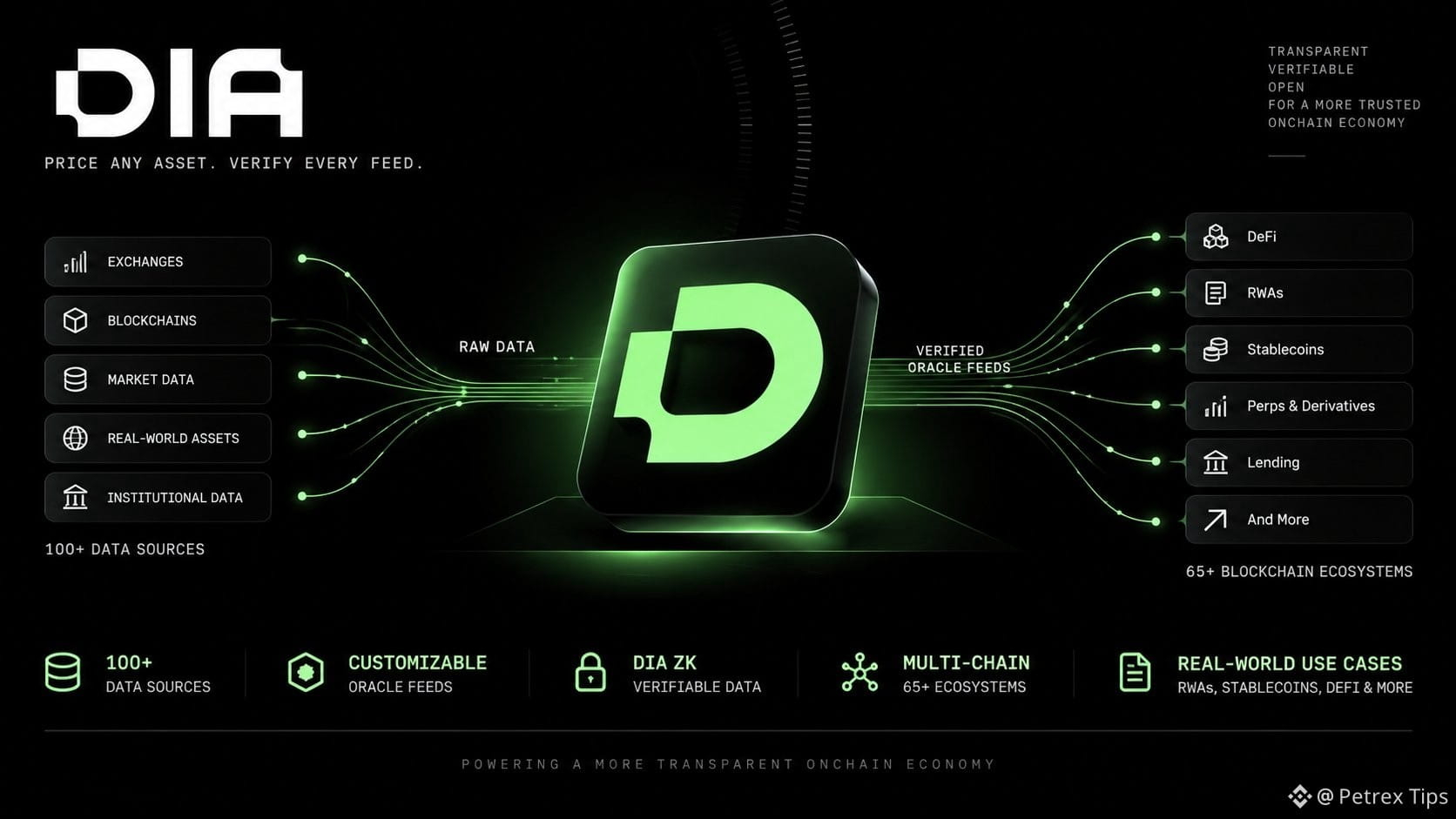
تقوم DIA ببناء طبقة بنية تحتية متعددة السلاسل للبيانات المالية على السلسلة.
تقوم بجمع بيانات السوق من 100+ مصدر، وتحويلها إلى خلاصات أوركل قابلة للتخصيص، ثم توصيلها عبر 65+ بيئة بلوكتشين. تضيف DIA ZK تحققًا تشفيريًا، ما يتيح إثبات البيانات بدلًا من مجرد الوثوق بها.
تتجاوز الفكرة الأكبر تغذية الأسعار: جمع → تحقق → تخصيص → توصيل البيانات على السلسلة، لتوفير البنية التحتية اللازمة لـ DeFi و RWAs و العملات المستقرة والإقراض والـ perps.
تقوم DIA ببناء طبقة بنية تحتية متعددة السلاسل للبيانات المالية على السلسلة.
تقوم بجمع بيانات السوق من 100+ مصدر، وتحويلها إلى خلاصات أوركل قابلة للتخصيص، ثم توصيلها عبر 65+ بيئة بلوكتشين. تضيف DIA ZK تحققًا تشفيريًا، ما يتيح إثبات البيانات بدلًا من مجرد الوثوق بها.
تتجاوز الفكرة الأكبر تغذية الأسعار: جمع → تحقق → تخصيص → توصيل البيانات على السلسلة، لتوفير البنية التحتية اللازمة لـ DeFi و RWAs و العملات المستقرة والإقراض والـ perps.
تقوم بجمع بيانات السوق من 100+ مصدر، وتحويلها إلى خلاصات أوركل قابلة للتخصيص، ثم توصيلها عبر 65+ بيئة بلوكتشين. تضيف DIA ZK تحققًا تشفيريًا، ما يتيح إثبات البيانات بدلًا من مجرد الوثوق بها.
تتجاوز الفكرة الأكبر تغذية الأسعار: جمع → تحقق → تخصيص → توصيل البيانات على السلسلة، لتوفير البنية التحتية اللازمة لـ DeFi و RWAs و العملات المستقرة والإقراض والـ perps.
106
·
--
صاعد
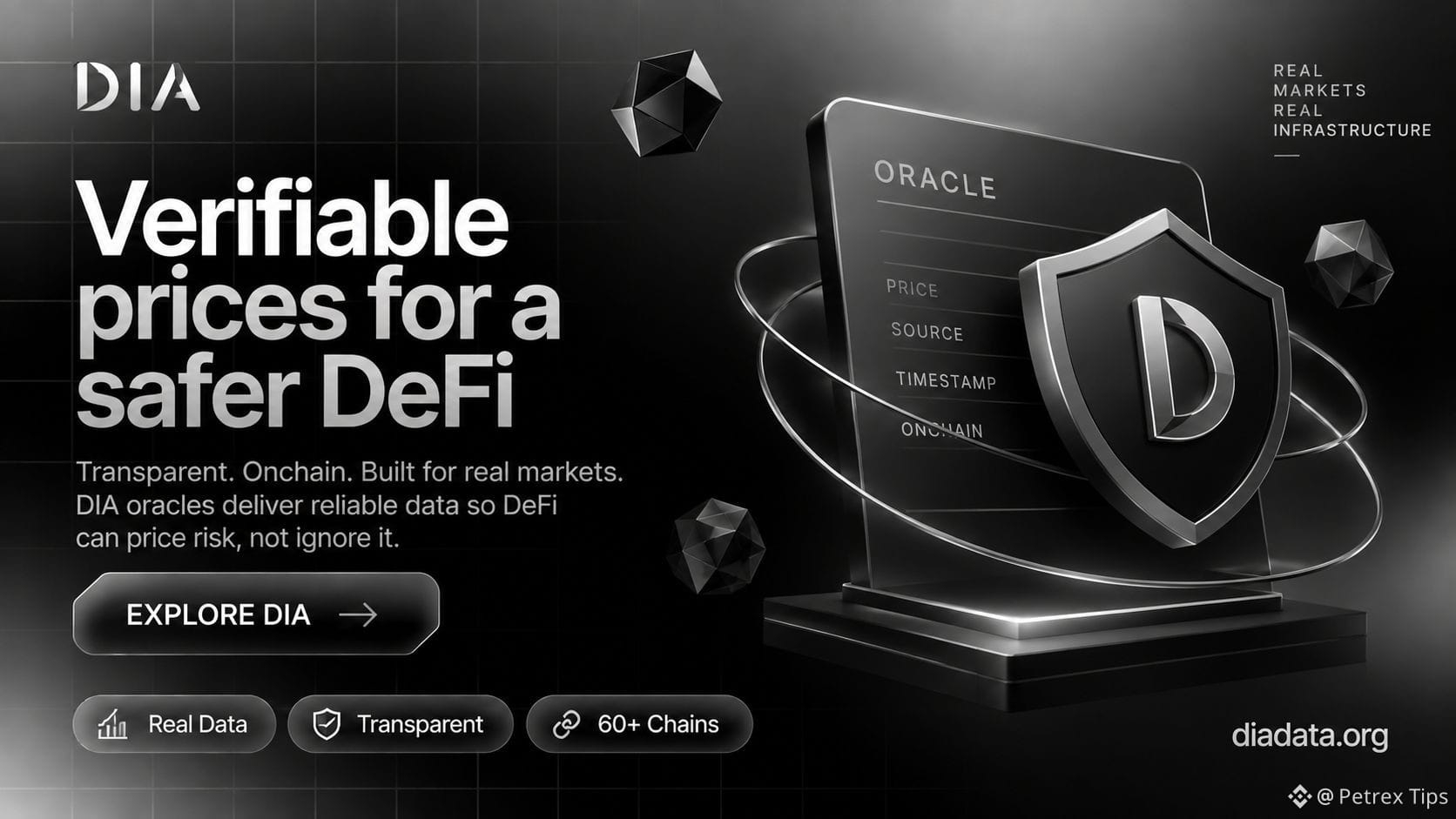
أحد أكبر المخاطر في التمويل اللامركزي (DeFi) ليس مجرد سعر سيئ، بل من يتحكم في ذلك السعر.
مع أوراكل بمعدل ثابت، إذا فشل التوقيع المتعدد الذي يتحكم في موجز الأسعار في التحديث بعد أن يتكبد أصل ما خسائر، فقد تواصل بروتوكولات DeFi التعامل مع الضمانات المتضررة كما لو أن شيئًا لم يحدث. وقد يتيح ذلك الاقتراض مقابل تقييم لم يعد يعكس الواقع.
لهذا السبب يهم تصميم الأوراكل.
تتبع DIA نهجًا مختلفًا: إذ يتم الحصول على البيانات مباشرة، وإرسالها إلى Lasernet، ومعالجتها على السلسلة عبر عقود ذكية شفافة وقابلة للتدقيق بدلًا من الاعتماد على عملية غير شفافة لتحديد السعر. (diadata.org)
وبالنسبة لأسواق الإقراض بشكل خاص، فإن التسعير القابل للتحقق ليس مجرد بنية تحتية أفضل للبيانات، بل هو جزء من طبقة إدارة المخاطر.
#Dia
أحد أكبر المخاطر في التمويل اللامركزي (DeFi) ليس مجرد سعر سيئ، بل من يتحكم في ذلك السعر.
مع أوراكل بمعدل ثابت، إذا فشل التوقيع المتعدد الذي يتحكم في موجز الأسعار في التحديث بعد أن يتكبد أصل ما خسائر، فقد تواصل بروتوكولات DeFi التعامل مع الضمانات المتضررة كما لو أن شيئًا لم يحدث. وقد يتيح ذلك الاقتراض مقابل تقييم لم يعد يعكس الواقع.
لهذا السبب يهم تصميم الأوراكل.
تتبع DIA نهجًا مختلفًا: إذ يتم الحصول على البيانات مباشرة، وإرسالها إلى Lasernet، ومعالجتها على السلسلة عبر عقود ذكية شفافة وقابلة للتدقيق بدلًا من الاعتماد على عملية غير شفافة لتحديد السعر. (diadata.org)
وبالنسبة لأسواق الإقراض بشكل خاص، فإن التسعير القابل للتحقق ليس مجرد بنية تحتية أفضل للبيانات، بل هو جزء من طبقة إدارة المخاطر.
#Dia
مع أوراكل بمعدل ثابت، إذا فشل التوقيع المتعدد الذي يتحكم في موجز الأسعار في التحديث بعد أن يتكبد أصل ما خسائر، فقد تواصل بروتوكولات DeFi التعامل مع الضمانات المتضررة كما لو أن شيئًا لم يحدث. وقد يتيح ذلك الاقتراض مقابل تقييم لم يعد يعكس الواقع.
لهذا السبب يهم تصميم الأوراكل.
تتبع DIA نهجًا مختلفًا: إذ يتم الحصول على البيانات مباشرة، وإرسالها إلى Lasernet، ومعالجتها على السلسلة عبر عقود ذكية شفافة وقابلة للتدقيق بدلًا من الاعتماد على عملية غير شفافة لتحديد السعر. (diadata.org)
وبالنسبة لأسواق الإقراض بشكل خاص، فإن التسعير القابل للتحقق ليس مجرد بنية تحتية أفضل للبيانات، بل هو جزء من طبقة إدارة المخاطر.
#Dia
117
·
--
صاعد
هذه خطوة ذكية لأن البنية التحتية الجيدة ما زالت تعاني من مشكلة في تجربة المطوّر إذا كان دمجها يتطلب التنقيب المستمر في الوثائق.
إن ربط وثائق DIA مع نماذج اللغة الممكّنة بـ MCP يقلل هذا الاحتكاك. يمكن للمطوّرين الانتقال من «كيف يعمل هذا؟» إلى «كيف أطبّق هذا؟» بسرعة أكبر بكثير دون مغادرة سير عملهم مع الذكاء الاصطناعي.
في رأيي، الفرصة الأكبر هي جعل البنية التحتية للأوراكل أكثر أصالةً للذكاء الاصطناعي، بحيث تتمكن وكلاء الذكاء الاصطناعي من فهم الوثائق ومساعدة المطوّرين على البناء فوق بيانات onchain قابلة للتحقق بكفاءة أكبر.
هذه خطوة ذكية لأن البنية التحتية الجيدة ما زالت تعاني من مشكلة في تجربة المطوّر إذا كان دمجها يتطلب التنقيب المستمر في الوثائق.
إن ربط وثائق DIA مع نماذج اللغة الممكّنة بـ MCP يقلل هذا الاحتكاك. يمكن للمطوّرين الانتقال من «كيف يعمل هذا؟» إلى «كيف أطبّق هذا؟» بسرعة أكبر بكثير دون مغادرة سير عملهم مع الذكاء الاصطناعي.
في رأيي، الفرصة الأكبر هي جعل البنية التحتية للأوراكل أكثر أصالةً للذكاء الاصطناعي، بحيث تتمكن وكلاء الذكاء الاصطناعي من فهم الوثائق ومساعدة المطوّرين على البناء فوق بيانات onchain قابلة للتحقق بكفاءة أكبر.
إن ربط وثائق DIA مع نماذج اللغة الممكّنة بـ MCP يقلل هذا الاحتكاك. يمكن للمطوّرين الانتقال من «كيف يعمل هذا؟» إلى «كيف أطبّق هذا؟» بسرعة أكبر بكثير دون مغادرة سير عملهم مع الذكاء الاصطناعي.
في رأيي، الفرصة الأكبر هي جعل البنية التحتية للأوراكل أكثر أصالةً للذكاء الاصطناعي، بحيث تتمكن وكلاء الذكاء الاصطناعي من فهم الوثائق ومساعدة المطوّرين على البناء فوق بيانات onchain قابلة للتحقق بكفاءة أكبر.
123
·
--
صاعد
من الأشياء المدهشة حول تسعير الأوراكل أن سعر السوق ليس دائمًا هو السعر الصحيح.
لدى Vetro أصلين: VUSD و sVUSD، وتستند أسعار DIA إلى ما يحدد قيمتهما فعليًا.
يُدعَم VUSD بسلة من USDC وUSDT وfrxUSD، لذلك تقوم تغذية DIA الأساسية بحساب قيمته من احتياطيات الخزانة مقارنةً بالإمداد، مع وضع سقف عند هدفه البالغ 1 دولار.
أما sVUSD فالأمر مختلف. إنه Vault لعوائد وفق معيار ERC-4626، لذلك تقرأ DIA سعره للسهم مباشرةً من عقد الـ vault باستخدام إجمالي الأصول الأساسية مقارنةً بإجمالي الأسهم. تزداد قيمته مع توزيع العوائد.
لماذا هذا مهم؟
كلا الأصلين يتداولان في أسواق سيولةها منخفضة نسبيًا. قد يؤدي استخدام آخر الصفقات لتحديد قيمتهما إلى سعر لا يعكس بدقة ما يدعمهما. وهذا مهم بشكل خاص بالنسبة لـ sVUSD لأنه يملك فترة انتظار سحب مدتها 7 أيام.
نهج DIA هو في الأساس:
تسعير الأصل بناءً على ما يمنحه قيمته فعليًا، لا فقط بناءً على مكان آخر تداول حدث فيه.
بالنسبة للإقراض اللامركزي والضمانات، هذا يفرق بين تسعير السوق والتسعير الأساسي بشكل مهم.
من الأشياء المدهشة حول تسعير الأوراكل أن سعر السوق ليس دائمًا هو السعر الصحيح.
لدى Vetro أصلين: VUSD و sVUSD، وتستند أسعار DIA إلى ما يحدد قيمتهما فعليًا.
يُدعَم VUSD بسلة من USDC وUSDT وfrxUSD، لذلك تقوم تغذية DIA الأساسية بحساب قيمته من احتياطيات الخزانة مقارنةً بالإمداد، مع وضع سقف عند هدفه البالغ 1 دولار.
أما sVUSD فالأمر مختلف. إنه Vault لعوائد وفق معيار ERC-4626، لذلك تقرأ DIA سعره للسهم مباشرةً من عقد الـ vault باستخدام إجمالي الأصول الأساسية مقارنةً بإجمالي الأسهم. تزداد قيمته مع توزيع العوائد.
لماذا هذا مهم؟
كلا الأصلين يتداولان في أسواق سيولةها منخفضة نسبيًا. قد يؤدي استخدام آخر الصفقات لتحديد قيمتهما إلى سعر لا يعكس بدقة ما يدعمهما. وهذا مهم بشكل خاص بالنسبة لـ sVUSD لأنه يملك فترة انتظار سحب مدتها 7 أيام.
نهج DIA هو في الأساس:
تسعير الأصل بناءً على ما يمنحه قيمته فعليًا، لا فقط بناءً على مكان آخر تداول حدث فيه.
بالنسبة للإقراض اللامركزي والضمانات، هذا يفرق بين تسعير السوق والتسعير الأساسي بشكل مهم.
لدى Vetro أصلين: VUSD و sVUSD، وتستند أسعار DIA إلى ما يحدد قيمتهما فعليًا.
يُدعَم VUSD بسلة من USDC وUSDT وfrxUSD، لذلك تقوم تغذية DIA الأساسية بحساب قيمته من احتياطيات الخزانة مقارنةً بالإمداد، مع وضع سقف عند هدفه البالغ 1 دولار.
أما sVUSD فالأمر مختلف. إنه Vault لعوائد وفق معيار ERC-4626، لذلك تقرأ DIA سعره للسهم مباشرةً من عقد الـ vault باستخدام إجمالي الأصول الأساسية مقارنةً بإجمالي الأسهم. تزداد قيمته مع توزيع العوائد.
لماذا هذا مهم؟
كلا الأصلين يتداولان في أسواق سيولةها منخفضة نسبيًا. قد يؤدي استخدام آخر الصفقات لتحديد قيمتهما إلى سعر لا يعكس بدقة ما يدعمهما. وهذا مهم بشكل خاص بالنسبة لـ sVUSD لأنه يملك فترة انتظار سحب مدتها 7 أيام.
نهج DIA هو في الأساس:
تسعير الأصل بناءً على ما يمنحه قيمته فعليًا، لا فقط بناءً على مكان آخر تداول حدث فيه.
بالنسبة للإقراض اللامركزي والضمانات، هذا يفرق بين تسعير السوق والتسعير الأساسي بشكل مهم.
104
·
--
صاعد
التغريدة قوية بشكل عام، لكن هناك شيء واحد أود تحسينه وهو تحديد التفاصيل بشكل أكبر.
تشرح ما الذي تقدمه DIA لشركات إدارة الأصول المرتبطة بالأصول المُرْفَوعة على الرافعات المالية (RWAs)، لكن لا يتضمن ما يكفي حول سبب صعوبة التحقق من هذه الأصول تحديدًا. على عكس الأصول الرقمية الأصلية في عالم التشفير، فإن قدرًا كبيرًا من معلومات RWAs يأتي من خارج السلسلة (offchain)، وبالتالي فإن وضع هذه البيانات على السلسلة (onchain) لا يجعل المعلومة الأساسية بالضرورة موثوقة.
إضافة مثال ملموس—مثل إثبات صافي قيمة (NAV) لصندوق مُرقمن (tokenized) أو التحقق من أن الاحتياطيات تدعم فعلاً عملة مستقرة (stablecoin)—سيجعل الحجة أكثر واقعية.
كما أن عبارة “الأصول الأفضل تحتاج إلى بيانات أفضل” تبدو جيدة، لكن “الأصول الأفضل” غامضة قليلًا. شيء مثل: “مع انتقال المزيد من الأصول إلى السلسلة، يصبح البُنى التحتية التي تتحقق من بياناتها بنفس أهمية عملية الترميز نفسها” سيعزز الأطروحة الرئيسية بشكل أوضح.
التغريدة قوية بشكل عام، لكن هناك شيء واحد أود تحسينه وهو تحديد التفاصيل بشكل أكبر.
تشرح ما الذي تقدمه DIA لشركات إدارة الأصول المرتبطة بالأصول المُرْفَوعة على الرافعات المالية (RWAs)، لكن لا يتضمن ما يكفي حول سبب صعوبة التحقق من هذه الأصول تحديدًا. على عكس الأصول الرقمية الأصلية في عالم التشفير، فإن قدرًا كبيرًا من معلومات RWAs يأتي من خارج السلسلة (offchain)، وبالتالي فإن وضع هذه البيانات على السلسلة (onchain) لا يجعل المعلومة الأساسية بالضرورة موثوقة.
إضافة مثال ملموس—مثل إثبات صافي قيمة (NAV) لصندوق مُرقمن (tokenized) أو التحقق من أن الاحتياطيات تدعم فعلاً عملة مستقرة (stablecoin)—سيجعل الحجة أكثر واقعية.
كما أن عبارة “الأصول الأفضل تحتاج إلى بيانات أفضل” تبدو جيدة، لكن “الأصول الأفضل” غامضة قليلًا. شيء مثل: “مع انتقال المزيد من الأصول إلى السلسلة، يصبح البُنى التحتية التي تتحقق من بياناتها بنفس أهمية عملية الترميز نفسها” سيعزز الأطروحة الرئيسية بشكل أوضح.
تشرح ما الذي تقدمه DIA لشركات إدارة الأصول المرتبطة بالأصول المُرْفَوعة على الرافعات المالية (RWAs)، لكن لا يتضمن ما يكفي حول سبب صعوبة التحقق من هذه الأصول تحديدًا. على عكس الأصول الرقمية الأصلية في عالم التشفير، فإن قدرًا كبيرًا من معلومات RWAs يأتي من خارج السلسلة (offchain)، وبالتالي فإن وضع هذه البيانات على السلسلة (onchain) لا يجعل المعلومة الأساسية بالضرورة موثوقة.
إضافة مثال ملموس—مثل إثبات صافي قيمة (NAV) لصندوق مُرقمن (tokenized) أو التحقق من أن الاحتياطيات تدعم فعلاً عملة مستقرة (stablecoin)—سيجعل الحجة أكثر واقعية.
كما أن عبارة “الأصول الأفضل تحتاج إلى بيانات أفضل” تبدو جيدة، لكن “الأصول الأفضل” غامضة قليلًا. شيء مثل: “مع انتقال المزيد من الأصول إلى السلسلة، يصبح البُنى التحتية التي تتحقق من بياناتها بنفس أهمية عملية الترميز نفسها” سيعزز الأطروحة الرئيسية بشكل أوضح.
62
·
--
صاعد
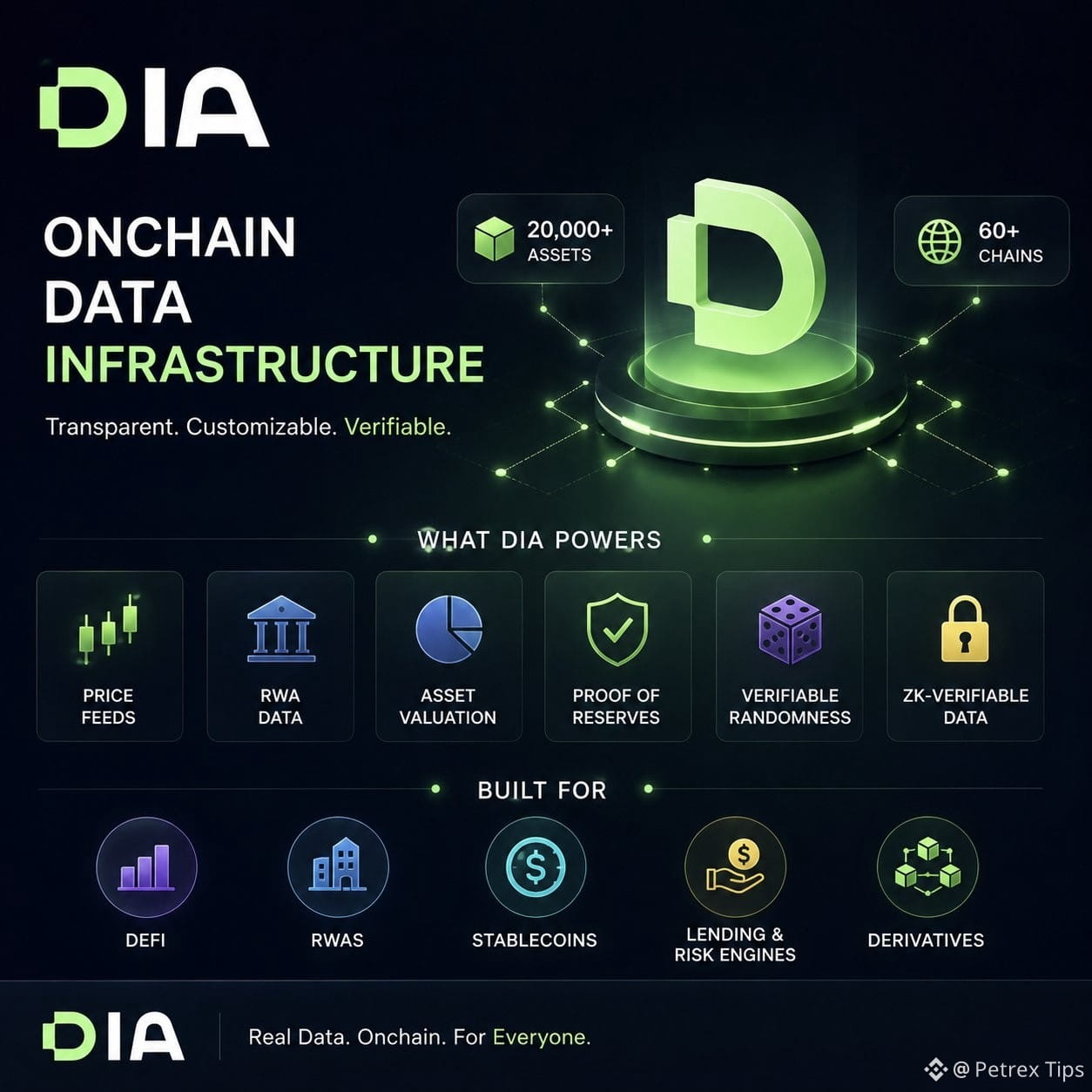
هذه هي الجزء من DIA الذي أعتقد أنه سهل التقليل من قيمته.
فمع توسّع التمويل على السلسلة ليشمل الأصول التي تتجاوز العملات المشفرة إلى أصول العالم الحقيقي (RWAs)، والستابل كوينز، ومنتجات مالية أكثر تعقيدًا، تتزايد معها الحاجة إلى بيانات موثوقة.
الفرصة ليست مجرد تقديم مصدر أسعار آخر.
بل هي التحول إلى بنية بيانات يمكن للتطبيقات البناء عليها وتخصيصها والتحقق منها.
هذه هي الجزء من DIA الذي أعتقد أنه سهل التقليل من قيمته.
فمع توسّع التمويل على السلسلة ليشمل الأصول التي تتجاوز العملات المشفرة إلى أصول العالم الحقيقي (RWAs)، والستابل كوينز، ومنتجات مالية أكثر تعقيدًا، تتزايد معها الحاجة إلى بيانات موثوقة.
الفرصة ليست مجرد تقديم مصدر أسعار آخر.
بل هي التحول إلى بنية بيانات يمكن للتطبيقات البناء عليها وتخصيصها والتحقق منها.
فمع توسّع التمويل على السلسلة ليشمل الأصول التي تتجاوز العملات المشفرة إلى أصول العالم الحقيقي (RWAs)، والستابل كوينز، ومنتجات مالية أكثر تعقيدًا، تتزايد معها الحاجة إلى بيانات موثوقة.
الفرصة ليست مجرد تقديم مصدر أسعار آخر.
بل هي التحول إلى بنية بيانات يمكن للتطبيقات البناء عليها وتخصيصها والتحقق منها.
99
·
--
صاعد
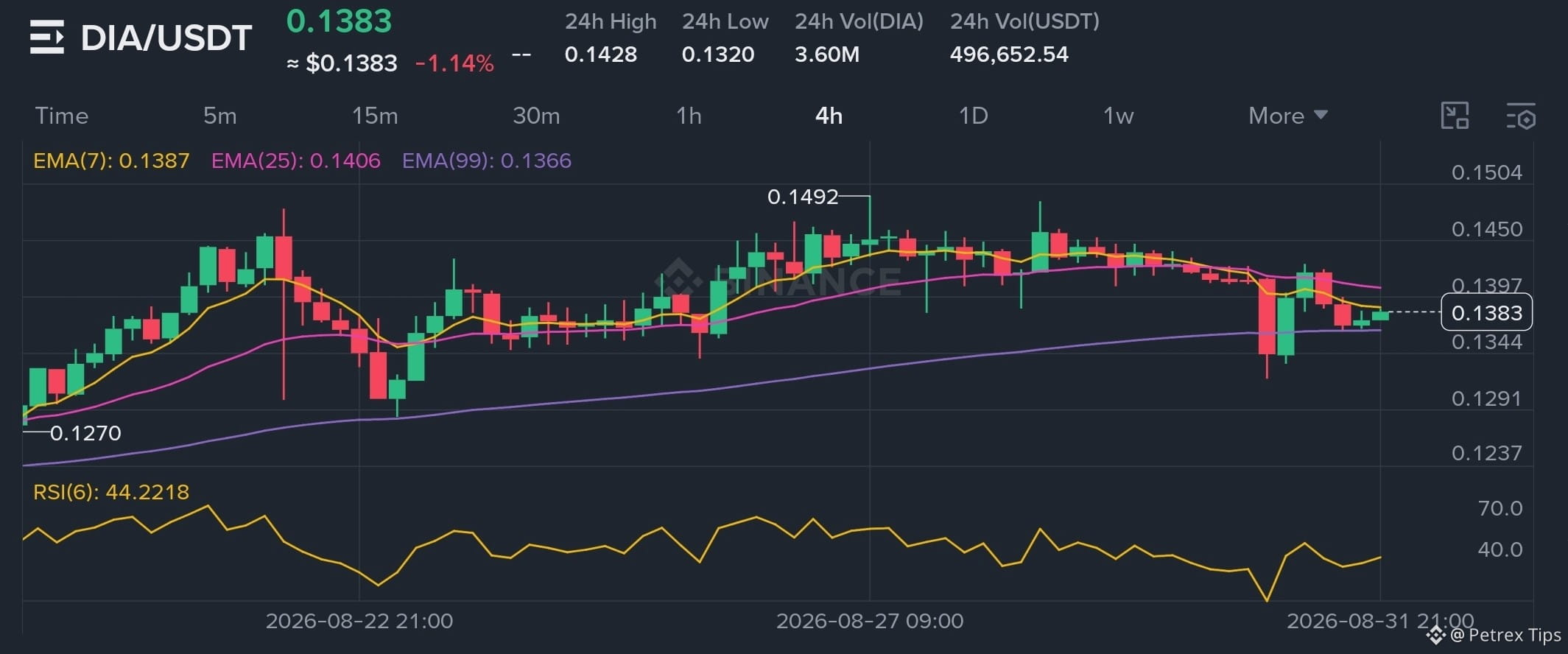
أتساءل عن الاتجاه الذي سيتجه إليه السوق في الربع الأخير من السنة.
أنا أراقب $DIA و $HYPE و $SOL.
إليك تحديثًا سريعًا عن $DIA
يواصل $DIA التداول فوق المتوسطين 21 EMA و50 EMA، ما يحافظ على البنية قصيرة الأجل صعودية.
تقع منطقة الدعم تقريبًا عند $0.134 → $0.128، بينما يقع مستوى المقاومة عند $0.149 → $0.155.
يبلغ مؤشر RSI حوالي 55، ما يشير إلى زخم محايد إلى صعودي.
قد يؤدي اختراقٌ واضح فوق $0.155 إلى فتح المجال للحركة باتجاه $0.20 → $0.24. أما الانخفاض تحت $0.128 فسيضعف الإعداد الحالي.
في الوقت الحالي، ما زال الميل الصعودي قائمًا برأيي.
NAFA
أتساءل عن الاتجاه الذي سيتجه إليه السوق في الربع الأخير من السنة.
أنا أراقب $DIA و $HYPE و $SOL.
إليك تحديثًا سريعًا عن $DIA
يواصل $DIA التداول فوق المتوسطين 21 EMA و50 EMA، ما يحافظ على البنية قصيرة الأجل صعودية.
تقع منطقة الدعم تقريبًا عند $0.134 → $0.128، بينما يقع مستوى المقاومة عند $0.149 → $0.155.
يبلغ مؤشر RSI حوالي 55، ما يشير إلى زخم محايد إلى صعودي.
قد يؤدي اختراقٌ واضح فوق $0.155 إلى فتح المجال للحركة باتجاه $0.20 → $0.24. أما الانخفاض تحت $0.128 فسيضعف الإعداد الحالي.
في الوقت الحالي، ما زال الميل الصعودي قائمًا برأيي.
NAFA
أنا أراقب $DIA و $HYPE و $SOL.
إليك تحديثًا سريعًا عن $DIA
يواصل $DIA التداول فوق المتوسطين 21 EMA و50 EMA، ما يحافظ على البنية قصيرة الأجل صعودية.
تقع منطقة الدعم تقريبًا عند $0.134 → $0.128، بينما يقع مستوى المقاومة عند $0.149 → $0.155.
يبلغ مؤشر RSI حوالي 55، ما يشير إلى زخم محايد إلى صعودي.
قد يؤدي اختراقٌ واضح فوق $0.155 إلى فتح المجال للحركة باتجاه $0.20 → $0.24. أما الانخفاض تحت $0.128 فسيضعف الإعداد الحالي.
في الوقت الحالي، ما زال الميل الصعودي قائمًا برأيي.
NAFA
1
190
·
--
لماذا تعدّ التقييمات الأساسية مهمّة؟
ليس كل أصل لديه سوق سائلة.
قد تمثّل سندات الخزانة المرمّزة أوراقاً حكومية ولكن قد لا يكون لها تقريباً أي تداول ثانوي.
قد تمثّل رموز الصناديق محفظة يتم حساب صافي قيمة الأصول (NAV) فيها بناءً على الحيازات الأساسية.
قد يستمد الرمز السائل للعقود الرهنية قيمته من مقدار ETH القابل للاسترداد عبر بروتوكوله.
في هذه الحالات، فإن النظر إلى آخر صفقة فقط يروي قصة غير مكتملة.
@DIAdata_org تعطي القيمة نظرة عميقة تحت سطح الرمز.
$DIA
لماذا تعدّ التقييمات الأساسية مهمّة؟
ليس كل أصل لديه سوق سائلة.
قد تمثّل سندات الخزانة المرمّزة أوراقاً حكومية ولكن قد لا يكون لها تقريباً أي تداول ثانوي.
قد تمثّل رموز الصناديق محفظة يتم حساب صافي قيمة الأصول (NAV) فيها بناءً على الحيازات الأساسية.
قد يستمد الرمز السائل للعقود الرهنية قيمته من مقدار ETH القابل للاسترداد عبر بروتوكوله.
في هذه الحالات، فإن النظر إلى آخر صفقة فقط يروي قصة غير مكتملة.
@DIAdata_org تعطي القيمة نظرة عميقة تحت سطح الرمز.
$DIA
ليس كل أصل لديه سوق سائلة.
قد تمثّل سندات الخزانة المرمّزة أوراقاً حكومية ولكن قد لا يكون لها تقريباً أي تداول ثانوي.
قد تمثّل رموز الصناديق محفظة يتم حساب صافي قيمة الأصول (NAV) فيها بناءً على الحيازات الأساسية.
قد يستمد الرمز السائل للعقود الرهنية قيمته من مقدار ETH القابل للاسترداد عبر بروتوكوله.
في هذه الحالات، فإن النظر إلى آخر صفقة فقط يروي قصة غير مكتملة.
@DIAdata_org تعطي القيمة نظرة عميقة تحت سطح الرمز.
$DIA
84
·
--
صاعد
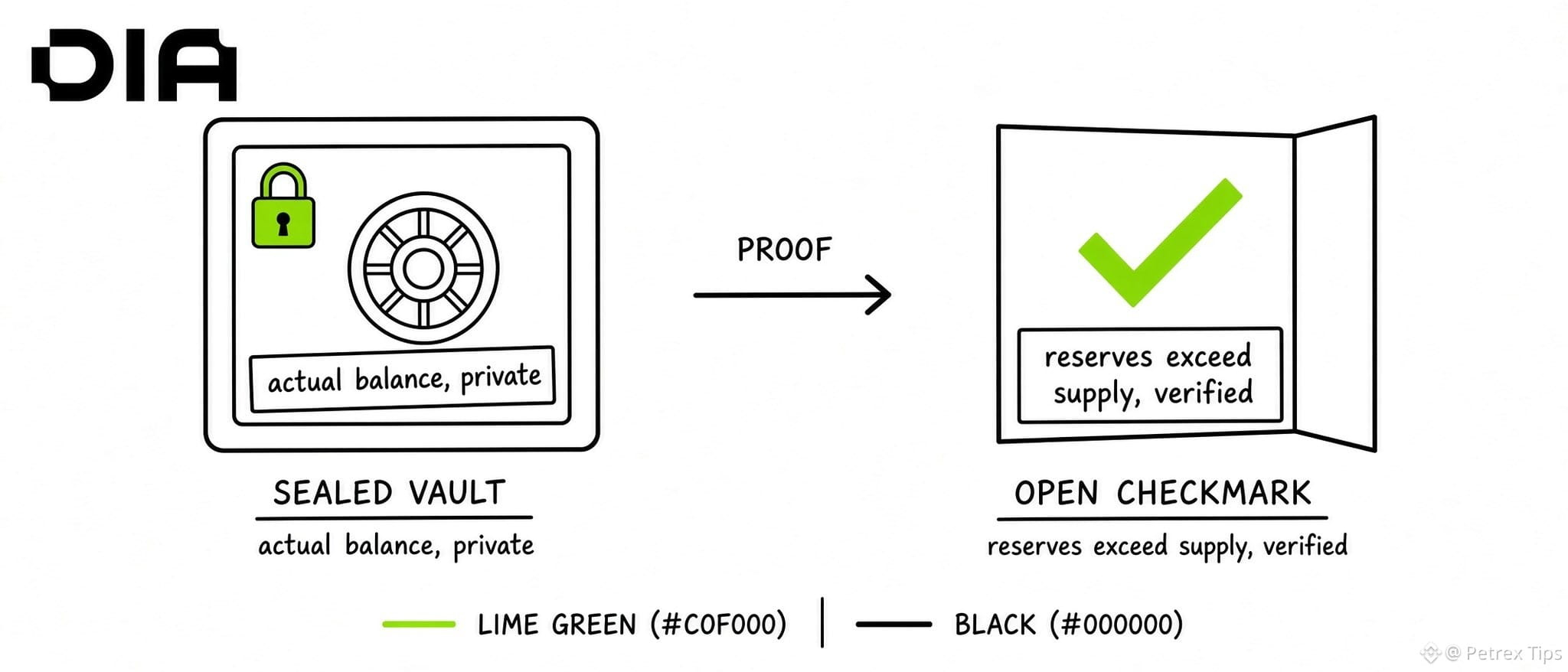
لا يعني إثبات الاحتياطيات بالضرورة الكشف عن كل ما وراءها.
يمكن لـ DIA ZK إثبات ما يهم بالفعل، مثل كون الاحتياطيات أكبر من العرض، دون الكشف عن الأرصدة الأساسية.
يتم التحقق من صحة الإثبات على السلسلة (onchain) بدلاً من الاعتماد فقط على كلمة مقدم تحقق واحد.
بالنسبة للمؤسسات، قد يجعل إثبات الاحتياطيات مع الحفاظ على الخصوصية تبنّي الشفافية أسهل بكثير دون التضحية بالمعلومات المالية الحساسة.#bitcoin
لا يعني إثبات الاحتياطيات بالضرورة الكشف عن كل ما وراءها.
يمكن لـ DIA ZK إثبات ما يهم بالفعل، مثل كون الاحتياطيات أكبر من العرض، دون الكشف عن الأرصدة الأساسية.
يتم التحقق من صحة الإثبات على السلسلة (onchain) بدلاً من الاعتماد فقط على كلمة مقدم تحقق واحد.
بالنسبة للمؤسسات، قد يجعل إثبات الاحتياطيات مع الحفاظ على الخصوصية تبنّي الشفافية أسهل بكثير دون التضحية بالمعلومات المالية الحساسة.#bitcoin
يمكن لـ DIA ZK إثبات ما يهم بالفعل، مثل كون الاحتياطيات أكبر من العرض، دون الكشف عن الأرصدة الأساسية.
يتم التحقق من صحة الإثبات على السلسلة (onchain) بدلاً من الاعتماد فقط على كلمة مقدم تحقق واحد.
بالنسبة للمؤسسات، قد يجعل إثبات الاحتياطيات مع الحفاظ على الخصوصية تبنّي الشفافية أسهل بكثير دون التضحية بالمعلومات المالية الحساسة.#bitcoin
94
·
--
صاعد
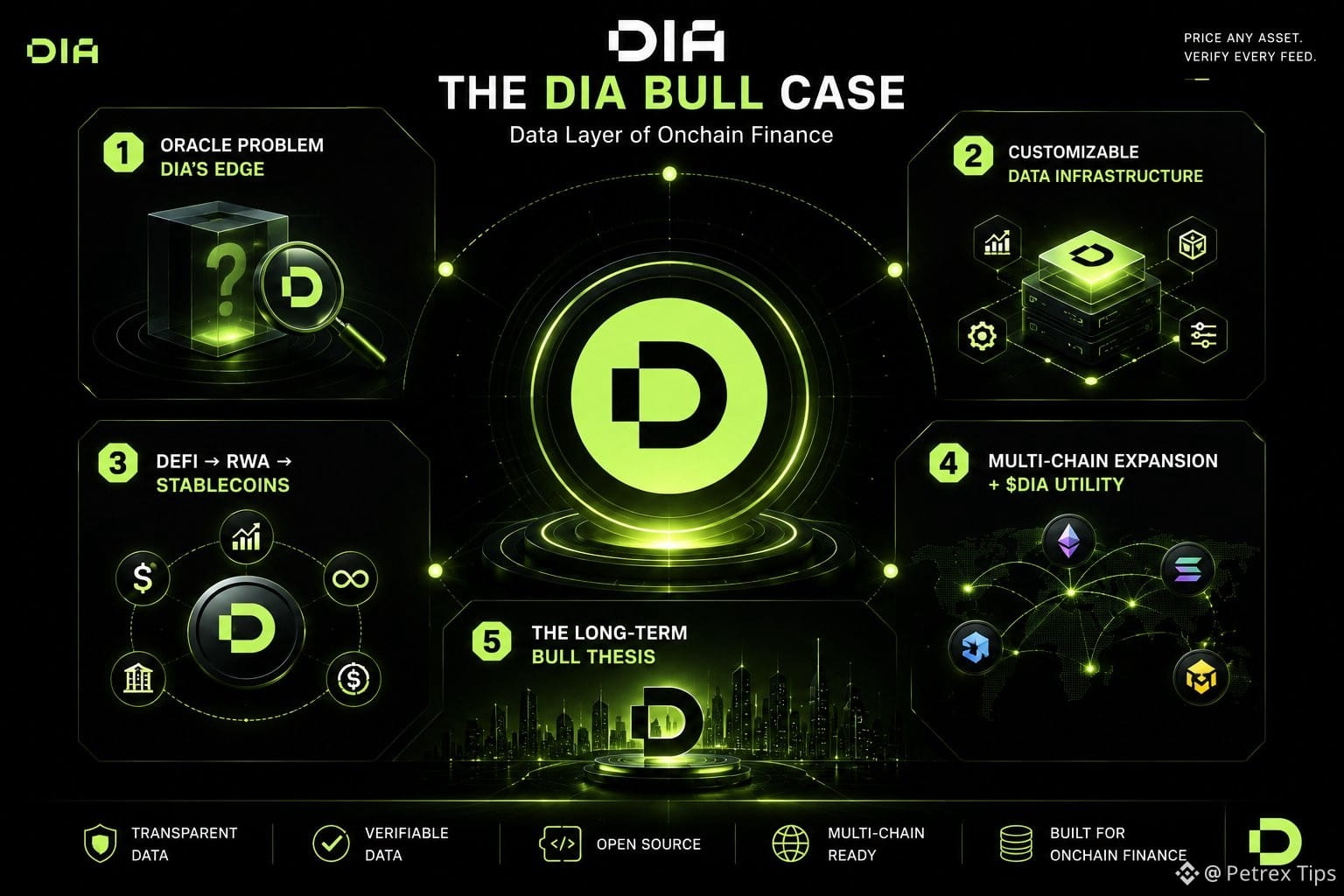
أعتقد أن أقوى جزء في هذا السيناريو هو أنه يتجاوز DIA باعتبارها مجرد مزوّد بيانات سعرية آخر.
الفرصة الأكبر تكمن في أن تصبح طبقة بنية تحتية للبيانات لتمويلٍ على السلسلة (onchain finance). مع توسّع DeFi إلى العملات المستقرة (stablecoins) و«الأصول المرمّزة» (RWAs) والأصول الممثّلة برموز (tokenized assets) ومنتجات مالية أكثر تعقيدًا، فإن نوع البيانات التي تحتاجها هذه التطبيقات يصبح أوسع وأكثر تخصصًا.
وهذا يجعل تركيز DIA على التوريد الشفاف، والبنية التحتية للواجهات المخصّصة (oracle infrastructure) وتسليمها عبر سلاسل متعددة (multichain delivery) مثيرًا للاهتمام بشكل خاص.
إذا استمر نمو التمويل على السلسلة، فلن تكون الحاجة فقط إلى مزيد من البيانات. بل ستكون إلى بيانات يمكن للتطبيقات تتبّعها والتحقق منها وتخصيصها فعليًا وفقًا لمتطلباتها الخاصة.
وهنا أعتقد أن أطروحة DIA تصبح أكبر بكثير من مجرد مزوّدات تغذية الأسعار.
أعتقد أن أقوى جزء في هذا السيناريو هو أنه يتجاوز DIA باعتبارها مجرد مزوّد بيانات سعرية آخر.
الفرصة الأكبر تكمن في أن تصبح طبقة بنية تحتية للبيانات لتمويلٍ على السلسلة (onchain finance). مع توسّع DeFi إلى العملات المستقرة (stablecoins) و«الأصول المرمّزة» (RWAs) والأصول الممثّلة برموز (tokenized assets) ومنتجات مالية أكثر تعقيدًا، فإن نوع البيانات التي تحتاجها هذه التطبيقات يصبح أوسع وأكثر تخصصًا.
وهذا يجعل تركيز DIA على التوريد الشفاف، والبنية التحتية للواجهات المخصّصة (oracle infrastructure) وتسليمها عبر سلاسل متعددة (multichain delivery) مثيرًا للاهتمام بشكل خاص.
إذا استمر نمو التمويل على السلسلة، فلن تكون الحاجة فقط إلى مزيد من البيانات. بل ستكون إلى بيانات يمكن للتطبيقات تتبّعها والتحقق منها وتخصيصها فعليًا وفقًا لمتطلباتها الخاصة.
وهنا أعتقد أن أطروحة DIA تصبح أكبر بكثير من مجرد مزوّدات تغذية الأسعار.
الفرصة الأكبر تكمن في أن تصبح طبقة بنية تحتية للبيانات لتمويلٍ على السلسلة (onchain finance). مع توسّع DeFi إلى العملات المستقرة (stablecoins) و«الأصول المرمّزة» (RWAs) والأصول الممثّلة برموز (tokenized assets) ومنتجات مالية أكثر تعقيدًا، فإن نوع البيانات التي تحتاجها هذه التطبيقات يصبح أوسع وأكثر تخصصًا.
وهذا يجعل تركيز DIA على التوريد الشفاف، والبنية التحتية للواجهات المخصّصة (oracle infrastructure) وتسليمها عبر سلاسل متعددة (multichain delivery) مثيرًا للاهتمام بشكل خاص.
إذا استمر نمو التمويل على السلسلة، فلن تكون الحاجة فقط إلى مزيد من البيانات. بل ستكون إلى بيانات يمكن للتطبيقات تتبّعها والتحقق منها وتخصيصها فعليًا وفقًا لمتطلباتها الخاصة.
وهنا أعتقد أن أطروحة DIA تصبح أكبر بكثير من مجرد مزوّدات تغذية الأسعار.
81
·
--
صاعد
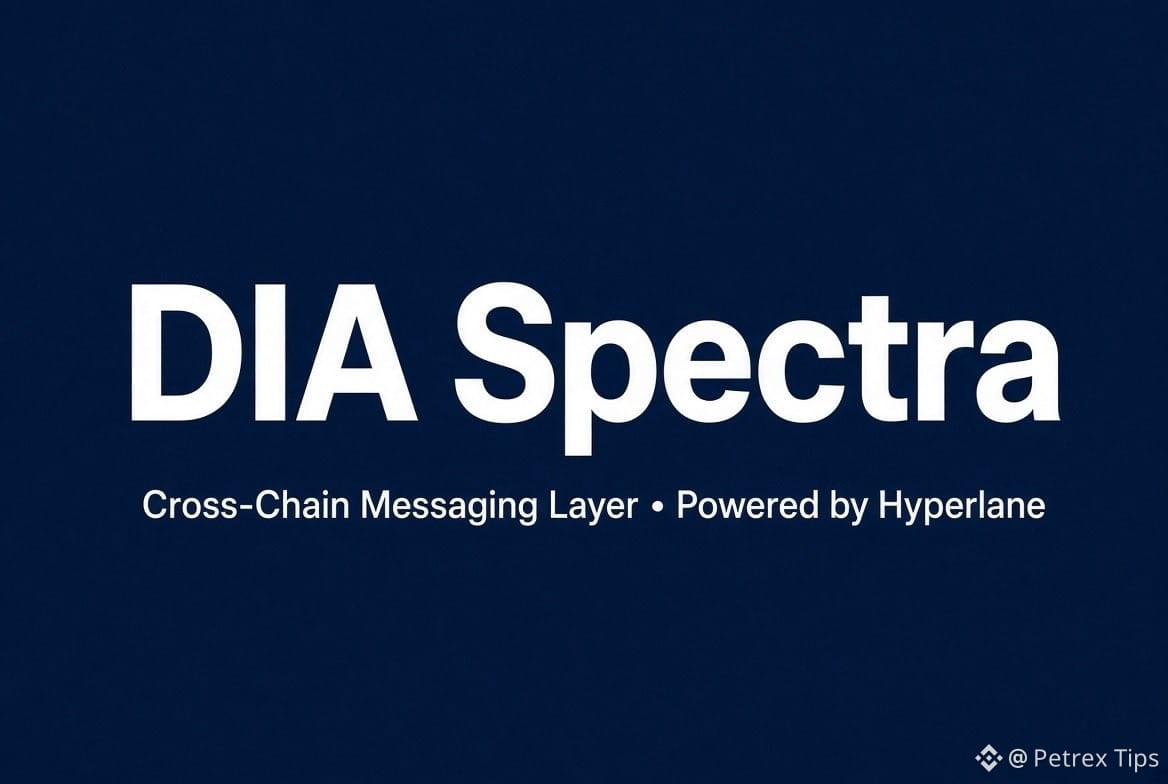
إن تغذية الأسعار لا تفيد كثيرًا كبنية تحتية للأوراكل إذا ظلت على سلسلة واحدة فقط.
بمجرد أن تقوم DIA بحساب تغذية على Lasernet، لا يزال يتعين نقل هذه البيانات إلى الشبكات التي يتم فيها بناء البروتوكولات فعليًا، بما في ذلك Ethereum وBase وArbitrum.
يتولى Spectra التعامل مع عملية التسليم عبر السلاسل.
إن تغذية الأسعار لا تفيد كثيرًا كبنية تحتية للأوراكل إذا ظلت على سلسلة واحدة فقط.
بمجرد أن تقوم DIA بحساب تغذية على Lasernet، لا يزال يتعين نقل هذه البيانات إلى الشبكات التي يتم فيها بناء البروتوكولات فعليًا، بما في ذلك Ethereum وBase وArbitrum.
يتولى Spectra التعامل مع عملية التسليم عبر السلاسل.
بمجرد أن تقوم DIA بحساب تغذية على Lasernet، لا يزال يتعين نقل هذه البيانات إلى الشبكات التي يتم فيها بناء البروتوكولات فعليًا، بما في ذلك Ethereum وBase وArbitrum.
يتولى Spectra التعامل مع عملية التسليم عبر السلاسل.
155
·
--
صاعد
لماذا يعتبر $DIA جديرًا بالاهتمام؟
إليك 5 أسباب:
1. بيانات شفافة
يستمد DIA بياناته من جهات أولية من أكثر من 100 مصدر بدلًا من الاعتماد على موجزات بيانات غامضة.
2. بنية تحتية مصممة للـ DeFi
أسواق الإقراض، والـ perps، والـ stablecoins، والـ vaults، وRWAs والأصول المرمّزة كلها تعتمد على بيانات موثوقة.
3. بنية تحتية متعددة السلاسل
يدعم DIA بالفعل أكثر من 250 تطبيقًا عبر أكثر من 60 شبكة بلوكتشين.
4. أكثر من مجرد مؤشرات أسعار تقليدية
يعمل DIA على التوسع في البيانات الأساسية وProof of Reserves وDIA ZK، مما يوفّر بيانات خارج السلسلة قابلة للتحقق على السلسلة.
5. تبنّي بيئي متزايد
تُظهر عمليات التكامل مع TeQoin وFolks Finance وST0x أن بنية DIA التحتية تتوسع أكثر عبر DeFi والأصول المرمّزة.
والصورة الكبيرة بسيطة:
لا يمكن للـ DeFi أن يتوسع على بيانات غير موثوقة.
يعمل DIA على بناء بنية بيانات قابلة للتحقق تحتها.
لماذا يعتبر $DIA جديرًا بالاهتمام؟
إليك 5 أسباب:
1. بيانات شفافة
يستمد DIA بياناته من جهات أولية من أكثر من 100 مصدر بدلًا من الاعتماد على موجزات بيانات غامضة.
2. بنية تحتية مصممة للـ DeFi
أسواق الإقراض، والـ perps، والـ stablecoins، والـ vaults، وRWAs والأصول المرمّزة كلها تعتمد على بيانات موثوقة.
3. بنية تحتية متعددة السلاسل
يدعم DIA بالفعل أكثر من 250 تطبيقًا عبر أكثر من 60 شبكة بلوكتشين.
4. أكثر من مجرد مؤشرات أسعار تقليدية
يعمل DIA على التوسع في البيانات الأساسية وProof of Reserves وDIA ZK، مما يوفّر بيانات خارج السلسلة قابلة للتحقق على السلسلة.
5. تبنّي بيئي متزايد
تُظهر عمليات التكامل مع TeQoin وFolks Finance وST0x أن بنية DIA التحتية تتوسع أكثر عبر DeFi والأصول المرمّزة.
والصورة الكبيرة بسيطة:
لا يمكن للـ DeFi أن يتوسع على بيانات غير موثوقة.
يعمل DIA على بناء بنية بيانات قابلة للتحقق تحتها.
إليك 5 أسباب:
1. بيانات شفافة
يستمد DIA بياناته من جهات أولية من أكثر من 100 مصدر بدلًا من الاعتماد على موجزات بيانات غامضة.
2. بنية تحتية مصممة للـ DeFi
أسواق الإقراض، والـ perps، والـ stablecoins، والـ vaults، وRWAs والأصول المرمّزة كلها تعتمد على بيانات موثوقة.
3. بنية تحتية متعددة السلاسل
يدعم DIA بالفعل أكثر من 250 تطبيقًا عبر أكثر من 60 شبكة بلوكتشين.
4. أكثر من مجرد مؤشرات أسعار تقليدية
يعمل DIA على التوسع في البيانات الأساسية وProof of Reserves وDIA ZK، مما يوفّر بيانات خارج السلسلة قابلة للتحقق على السلسلة.
5. تبنّي بيئي متزايد
تُظهر عمليات التكامل مع TeQoin وFolks Finance وST0x أن بنية DIA التحتية تتوسع أكثر عبر DeFi والأصول المرمّزة.
والصورة الكبيرة بسيطة:
لا يمكن للـ DeFi أن يتوسع على بيانات غير موثوقة.
يعمل DIA على بناء بنية بيانات قابلة للتحقق تحتها.
93
·
--
صاعد
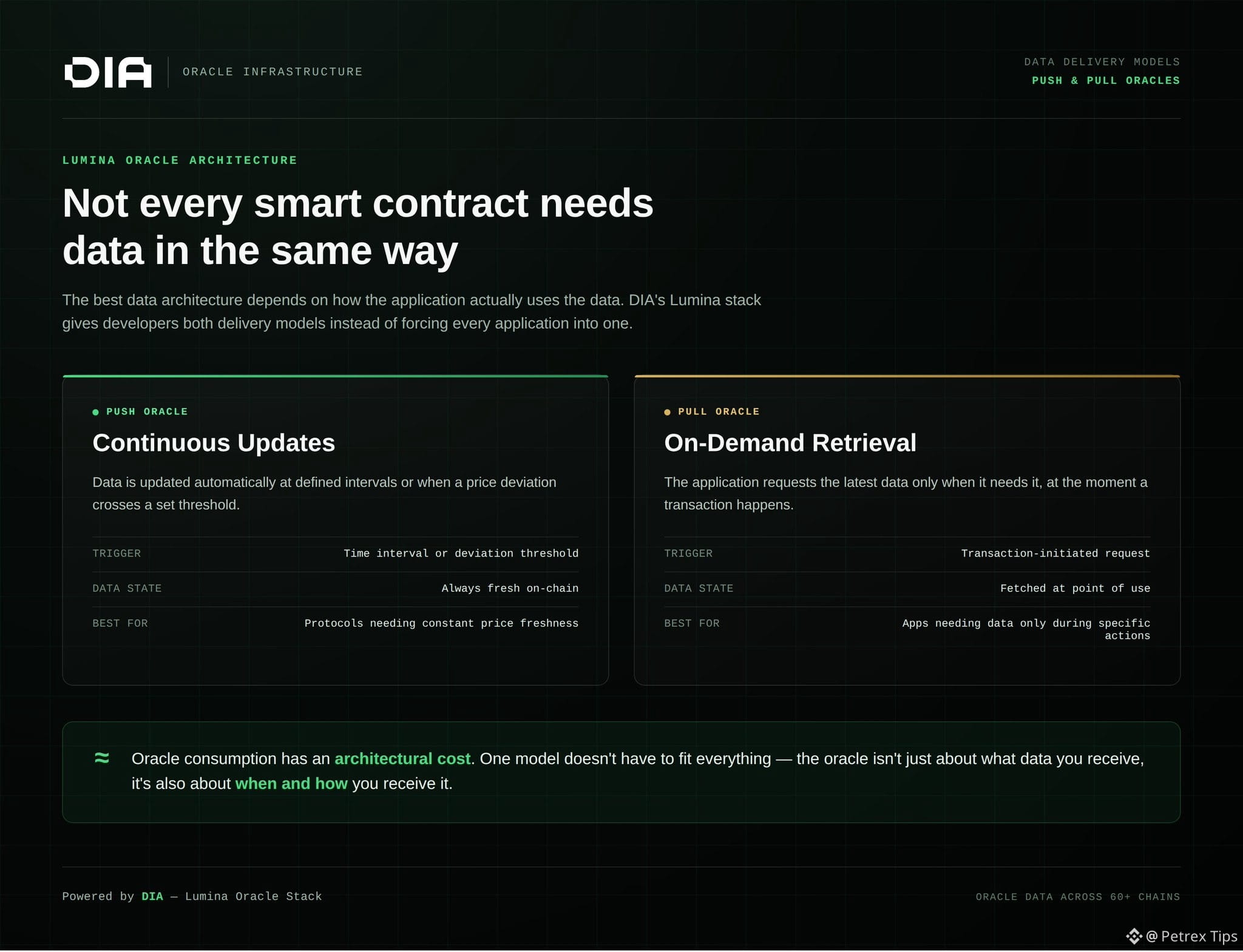
ليس كل تطبيق يحتاج إلى بيانات أوراكل يتم تسليمها بالطريقة نفسها.
يدعم DIA نموذجين:
أوراكل الدفع تقوم بتحديث البيانات تلقائيًا على فترات محددة أو عند الوصول إلى انحراف سعر محدد.
أوراكل السحب لا توفر إلا أحدث البيانات عندما يطلبها تطبيق ما.
تفرق هذه النقطة لأن تسليم البيانات يأتي بتكاليف معمارية. قد تستفيد البروتوكولات التي تحتاج باستمرار إلى أسعار حديثة من تحديثات الدفع، بينما يمكن للتطبيقات التي تحتاج البيانات فقط للمعاملات المحددة استخدام أوراكل السحب.
والفكرة بسيطة: يجب ألا يكون بنية أوراكل واحدة تناسب الجميع.
يمنح مكدس Lumina لدى DIA المطورين مرونة ليس فقط فيما يستخدمونه من بيانات، بل أيضًا متى وكيف تصل هذه البيانات إلى تطبيقاتهم.
ليس كل تطبيق يحتاج إلى بيانات أوراكل يتم تسليمها بالطريقة نفسها.
يدعم DIA نموذجين:
أوراكل الدفع تقوم بتحديث البيانات تلقائيًا على فترات محددة أو عند الوصول إلى انحراف سعر محدد.
أوراكل السحب لا توفر إلا أحدث البيانات عندما يطلبها تطبيق ما.
تفرق هذه النقطة لأن تسليم البيانات يأتي بتكاليف معمارية. قد تستفيد البروتوكولات التي تحتاج باستمرار إلى أسعار حديثة من تحديثات الدفع، بينما يمكن للتطبيقات التي تحتاج البيانات فقط للمعاملات المحددة استخدام أوراكل السحب.
والفكرة بسيطة: يجب ألا يكون بنية أوراكل واحدة تناسب الجميع.
يمنح مكدس Lumina لدى DIA المطورين مرونة ليس فقط فيما يستخدمونه من بيانات، بل أيضًا متى وكيف تصل هذه البيانات إلى تطبيقاتهم.
يدعم DIA نموذجين:
أوراكل الدفع تقوم بتحديث البيانات تلقائيًا على فترات محددة أو عند الوصول إلى انحراف سعر محدد.
أوراكل السحب لا توفر إلا أحدث البيانات عندما يطلبها تطبيق ما.
تفرق هذه النقطة لأن تسليم البيانات يأتي بتكاليف معمارية. قد تستفيد البروتوكولات التي تحتاج باستمرار إلى أسعار حديثة من تحديثات الدفع، بينما يمكن للتطبيقات التي تحتاج البيانات فقط للمعاملات المحددة استخدام أوراكل السحب.
والفكرة بسيطة: يجب ألا يكون بنية أوراكل واحدة تناسب الجميع.
يمنح مكدس Lumina لدى DIA المطورين مرونة ليس فقط فيما يستخدمونه من بيانات، بل أيضًا متى وكيف تصل هذه البيانات إلى تطبيقاتهم.
326
·
--
صاعد
ليست المرحلة التالية من التمويل اللامركزي (DeFi) مجرد إضافة سيولة أكبر.
بل تتعلق أيضًا بتحسين البيانات التي يعمل عليها كل شيء.
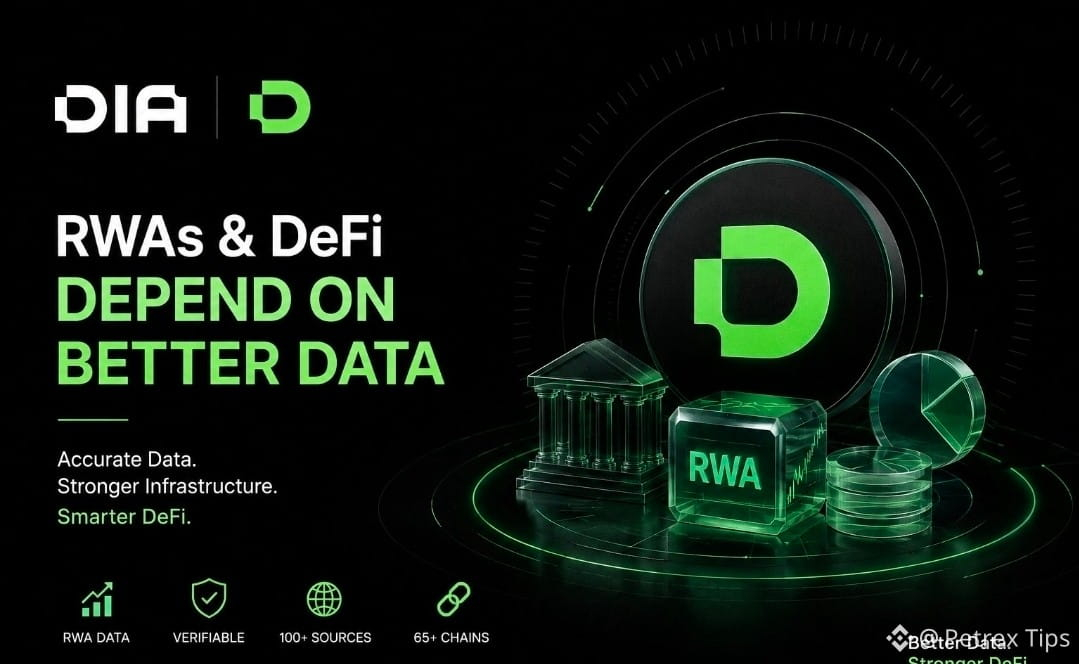
تعتمد أسواق الإقراض والـ stablecoins والعقود الدائمة (perps) والـ vaults والأصول المُمَثَّلة برموز (tokenized assets) جميعها على معلومات خارجية مثل الأسعار وقيم الضمانات وNAVs والاحتياطيات وظروف السوق.
عندما تكون هذه البيانات غير موثوقة، ترث التطبيقات التي تستخدمها المخاطر نفسها.
وهنا يأتي دور @DIAdata_org.
يقوم DIA ببناء بنية تحتية لأوراكل يمكن التحقق منها، تقوم بجلب البيانات مباشرةً أولًا، ثم معالجتها عبر خطوط عمل شفافة، وتسليمها على السلسلة (onchain).
وتستمر طبقة البيانات في التوسع عبر:
• تغذيات أسعار العملات المشفرة (crypto price feeds)
• بيانات الأصول الواقعية (RWA data)
• تغذيات البيانات الأساسية (fundamental feeds)
• إثباتات الاحتياطيات (proof of reserves)
• تسعير القيمة العادلة (fair-value pricing)
• بيانات ZK يمكن التحقق منها (verifiable ZK data)
• العشوائية (randomness)
ومع توسع DeFi ليشمل المزيد من الأصول والسلاسل والأسواق المرتبطة بالعالم الحقيقي، تصبح بنية تحتية للبيانات الموثوقة أكثر أهمية.
لا يزال التنفيذ دون ثقة (trustless execution) يحتاج إلى بيانات موثوقة.
وهذا هو الدور الذي يبنيه DIA.
BTCReaches$80000
ليست المرحلة التالية من التمويل اللامركزي (DeFi) مجرد إضافة سيولة أكبر.
بل تتعلق أيضًا بتحسين البيانات التي يعمل عليها كل شيء.
تعتمد أسواق الإقراض والـ stablecoins والعقود الدائمة (perps) والـ vaults والأصول المُمَثَّلة برموز (tokenized assets) جميعها على معلومات خارجية مثل الأسعار وقيم الضمانات وNAVs والاحتياطيات وظروف السوق.
عندما تكون هذه البيانات غير موثوقة، ترث التطبيقات التي تستخدمها المخاطر نفسها.
وهنا يأتي دور @DIAdata_org.
يقوم DIA ببناء بنية تحتية لأوراكل يمكن التحقق منها، تقوم بجلب البيانات مباشرةً أولًا، ثم معالجتها عبر خطوط عمل شفافة، وتسليمها على السلسلة (onchain).
وتستمر طبقة البيانات في التوسع عبر:
• تغذيات أسعار العملات المشفرة (crypto price feeds)
• بيانات الأصول الواقعية (RWA data)
• تغذيات البيانات الأساسية (fundamental feeds)
• إثباتات الاحتياطيات (proof of reserves)
• تسعير القيمة العادلة (fair-value pricing)
• بيانات ZK يمكن التحقق منها (verifiable ZK data)
• العشوائية (randomness)
ومع توسع DeFi ليشمل المزيد من الأصول والسلاسل والأسواق المرتبطة بالعالم الحقيقي، تصبح بنية تحتية للبيانات الموثوقة أكثر أهمية.
لا يزال التنفيذ دون ثقة (trustless execution) يحتاج إلى بيانات موثوقة.
وهذا هو الدور الذي يبنيه DIA.
BTCReaches$80000
بل تتعلق أيضًا بتحسين البيانات التي يعمل عليها كل شيء.
تعتمد أسواق الإقراض والـ stablecoins والعقود الدائمة (perps) والـ vaults والأصول المُمَثَّلة برموز (tokenized assets) جميعها على معلومات خارجية مثل الأسعار وقيم الضمانات وNAVs والاحتياطيات وظروف السوق.
عندما تكون هذه البيانات غير موثوقة، ترث التطبيقات التي تستخدمها المخاطر نفسها.
وهنا يأتي دور @DIAdata_org.
يقوم DIA ببناء بنية تحتية لأوراكل يمكن التحقق منها، تقوم بجلب البيانات مباشرةً أولًا، ثم معالجتها عبر خطوط عمل شفافة، وتسليمها على السلسلة (onchain).
وتستمر طبقة البيانات في التوسع عبر:
• تغذيات أسعار العملات المشفرة (crypto price feeds)
• بيانات الأصول الواقعية (RWA data)
• تغذيات البيانات الأساسية (fundamental feeds)
• إثباتات الاحتياطيات (proof of reserves)
• تسعير القيمة العادلة (fair-value pricing)
• بيانات ZK يمكن التحقق منها (verifiable ZK data)
• العشوائية (randomness)
ومع توسع DeFi ليشمل المزيد من الأصول والسلاسل والأسواق المرتبطة بالعالم الحقيقي، تصبح بنية تحتية للبيانات الموثوقة أكثر أهمية.
لا يزال التنفيذ دون ثقة (trustless execution) يحتاج إلى بيانات موثوقة.
وهذا هو الدور الذي يبنيه DIA.
BTCReaches$80000
136
·
--
صاعد
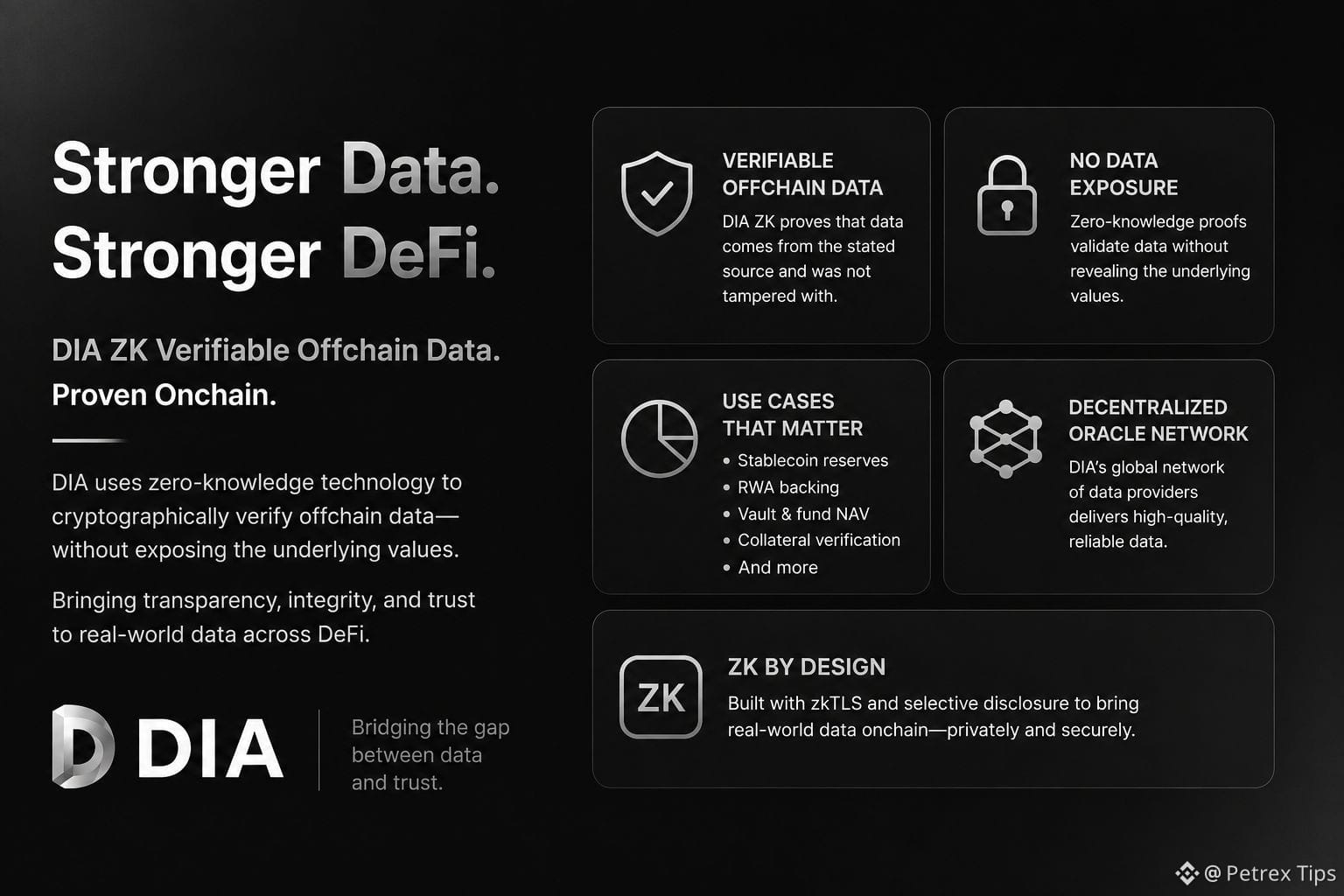
تعيش الكثير من أصول التمويل اللامركزي (DeFi) على السلسلة، لكن المعلومات الداعمة لها لا تعيش هناك.
يمكن أن تكون احتياطيات العملات المستقرة ودعم الأصول الواقعية للعالم الحقيقي (RWA) وصافي قيمة الصناديق (NAV) وضمانات الصناديق (vault collateral) موجودة خارج السلسلة، ما يجعل البروتوكولات معتمدة على معلومات لا يمكنها التحقق منها بشكل مستقل.
@DIAdata_org تم تصميم ZK لسد هذه الفجوة.
باستخدام zkTLS، يمكن لـ DIA ZK إثباتًا تشفيريًا أن البيانات خارج السلسلة جاءت من المصدر المذكور ولم يتم تعديلها قبل وصولها إلى التطبيقات على السلسلة.
يأخذ الإفصاح الانتقائي هذا الأمر إلى أبعد من ذلك عبر السماح للبروتوكولات بالتحقق من شرط دون كشف الأرقام الأساسية.
على سبيل المثال، بدلًا من الكشف عن الرصيد الاحتياطي الدقيق لعملة مستقرة، يمكن للجهة المُصدِرة أن تُثبت ببساطة أن الاحتياطيات تتجاوز العرض. ويمكن تطبيق النموذج نفسه على نسب الضمانات وأرصدة الخزينة وصافي قيمة الأصول (NAV) وحدود السيولة.
وهذا يمنح العملات المستقرة وRWAs والصناديق والقنوات الإقراضية والمشتقات طريقة لاستخدام بيانات خارج السلسلة تكون موثقة المصدر، وتحفظ الخصوصية، ويمكن التحقق منها على السلسلة.
هذه، في جوهرها، هي الفكرة وراء DIA ZK: إثبات ما يهم دون كشف كل شيء.
تعيش الكثير من أصول التمويل اللامركزي (DeFi) على السلسلة، لكن المعلومات الداعمة لها لا تعيش هناك.
يمكن أن تكون احتياطيات العملات المستقرة ودعم الأصول الواقعية للعالم الحقيقي (RWA) وصافي قيمة الصناديق (NAV) وضمانات الصناديق (vault collateral) موجودة خارج السلسلة، ما يجعل البروتوكولات معتمدة على معلومات لا يمكنها التحقق منها بشكل مستقل.
@DIAdata_org تم تصميم ZK لسد هذه الفجوة.
باستخدام zkTLS، يمكن لـ DIA ZK إثباتًا تشفيريًا أن البيانات خارج السلسلة جاءت من المصدر المذكور ولم يتم تعديلها قبل وصولها إلى التطبيقات على السلسلة.
يأخذ الإفصاح الانتقائي هذا الأمر إلى أبعد من ذلك عبر السماح للبروتوكولات بالتحقق من شرط دون كشف الأرقام الأساسية.
على سبيل المثال، بدلًا من الكشف عن الرصيد الاحتياطي الدقيق لعملة مستقرة، يمكن للجهة المُصدِرة أن تُثبت ببساطة أن الاحتياطيات تتجاوز العرض. ويمكن تطبيق النموذج نفسه على نسب الضمانات وأرصدة الخزينة وصافي قيمة الأصول (NAV) وحدود السيولة.
وهذا يمنح العملات المستقرة وRWAs والصناديق والقنوات الإقراضية والمشتقات طريقة لاستخدام بيانات خارج السلسلة تكون موثقة المصدر، وتحفظ الخصوصية، ويمكن التحقق منها على السلسلة.
هذه، في جوهرها، هي الفكرة وراء DIA ZK: إثبات ما يهم دون كشف كل شيء.
يمكن أن تكون احتياطيات العملات المستقرة ودعم الأصول الواقعية للعالم الحقيقي (RWA) وصافي قيمة الصناديق (NAV) وضمانات الصناديق (vault collateral) موجودة خارج السلسلة، ما يجعل البروتوكولات معتمدة على معلومات لا يمكنها التحقق منها بشكل مستقل.
@DIAdata_org تم تصميم ZK لسد هذه الفجوة.
باستخدام zkTLS، يمكن لـ DIA ZK إثباتًا تشفيريًا أن البيانات خارج السلسلة جاءت من المصدر المذكور ولم يتم تعديلها قبل وصولها إلى التطبيقات على السلسلة.
يأخذ الإفصاح الانتقائي هذا الأمر إلى أبعد من ذلك عبر السماح للبروتوكولات بالتحقق من شرط دون كشف الأرقام الأساسية.
على سبيل المثال، بدلًا من الكشف عن الرصيد الاحتياطي الدقيق لعملة مستقرة، يمكن للجهة المُصدِرة أن تُثبت ببساطة أن الاحتياطيات تتجاوز العرض. ويمكن تطبيق النموذج نفسه على نسب الضمانات وأرصدة الخزينة وصافي قيمة الأصول (NAV) وحدود السيولة.
وهذا يمنح العملات المستقرة وRWAs والصناديق والقنوات الإقراضية والمشتقات طريقة لاستخدام بيانات خارج السلسلة تكون موثقة المصدر، وتحفظ الخصوصية، ويمكن التحقق منها على السلسلة.
هذه، في جوهرها، هي الفكرة وراء DIA ZK: إثبات ما يهم دون كشف كل شيء.
1
99
·
--
صاعد
كان السوق حتى الآن هذا الأسبوع متفائلًا للغاية.
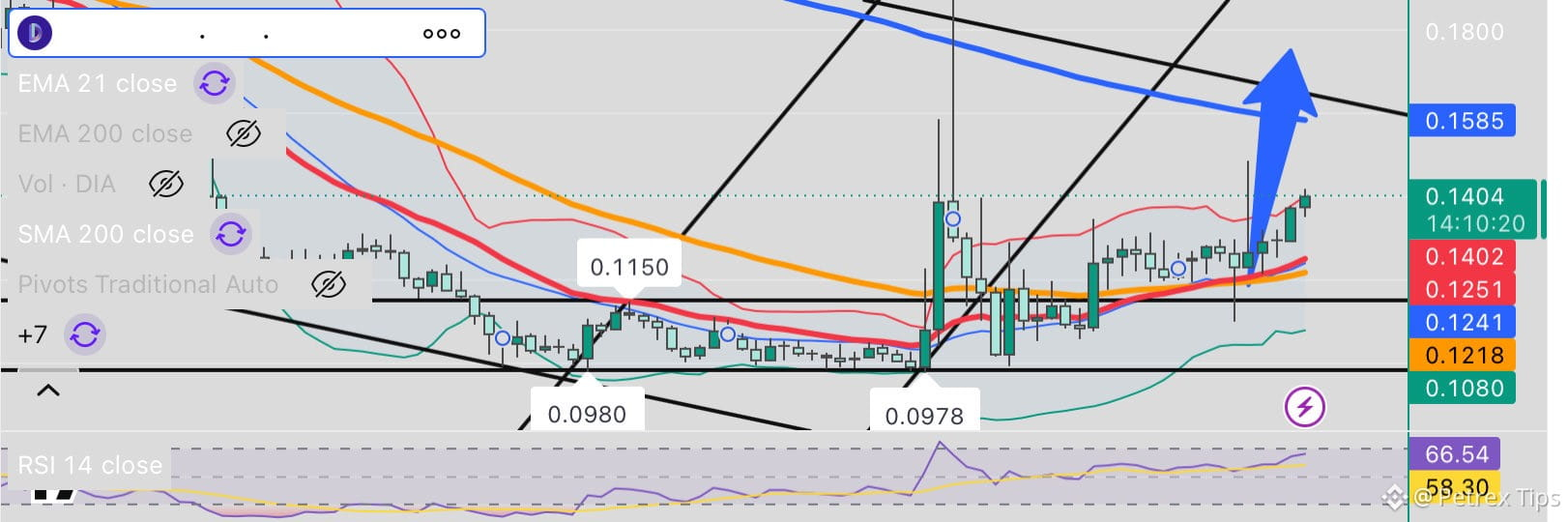
لديّ بعض الرموز على راداري. لقد شهد $DIA و $HYPE ارتفاعًا بأكثر من 40% هذا الأسبوع وما زالا في صعود
لقد انتقل $HYPE بسهولة من 55 دولارًا إلى أكثر من 70 دولارًا، وهناك هدف عند 80 دولارًا في الأفق بسبب مجتمعِه المتفائل وتكاملاته الأخيرة
ثم لدينا $DIA الذي يتزايد بثبات خلال هذا الشهر. وسط السوق السابق المتشائم، كانت مشاعر مجتمع @DIAdata_org دائمًا متفائلة.
يجب أن تشتري DIA اليوم، لكن كالمعتاد، هذا ليس نصيحة مالية.
تداول بحذر 💯
كان السوق حتى الآن هذا الأسبوع متفائلًا للغاية.
لديّ بعض الرموز على راداري. لقد شهد $DIA و $HYPE ارتفاعًا بأكثر من 40% هذا الأسبوع وما زالا في صعود
لقد انتقل $HYPE بسهولة من 55 دولارًا إلى أكثر من 70 دولارًا، وهناك هدف عند 80 دولارًا في الأفق بسبب مجتمعِه المتفائل وتكاملاته الأخيرة
ثم لدينا $DIA الذي يتزايد بثبات خلال هذا الشهر. وسط السوق السابق المتشائم، كانت مشاعر مجتمع @DIAdata_org دائمًا متفائلة.
يجب أن تشتري DIA اليوم، لكن كالمعتاد، هذا ليس نصيحة مالية.
تداول بحذر 💯
لديّ بعض الرموز على راداري. لقد شهد $DIA و $HYPE ارتفاعًا بأكثر من 40% هذا الأسبوع وما زالا في صعود
لقد انتقل $HYPE بسهولة من 55 دولارًا إلى أكثر من 70 دولارًا، وهناك هدف عند 80 دولارًا في الأفق بسبب مجتمعِه المتفائل وتكاملاته الأخيرة
ثم لدينا $DIA الذي يتزايد بثبات خلال هذا الشهر. وسط السوق السابق المتشائم، كانت مشاعر مجتمع @DIAdata_org دائمًا متفائلة.
يجب أن تشتري DIA اليوم، لكن كالمعتاد، هذا ليس نصيحة مالية.
تداول بحذر 💯
224
·
--
صاعد
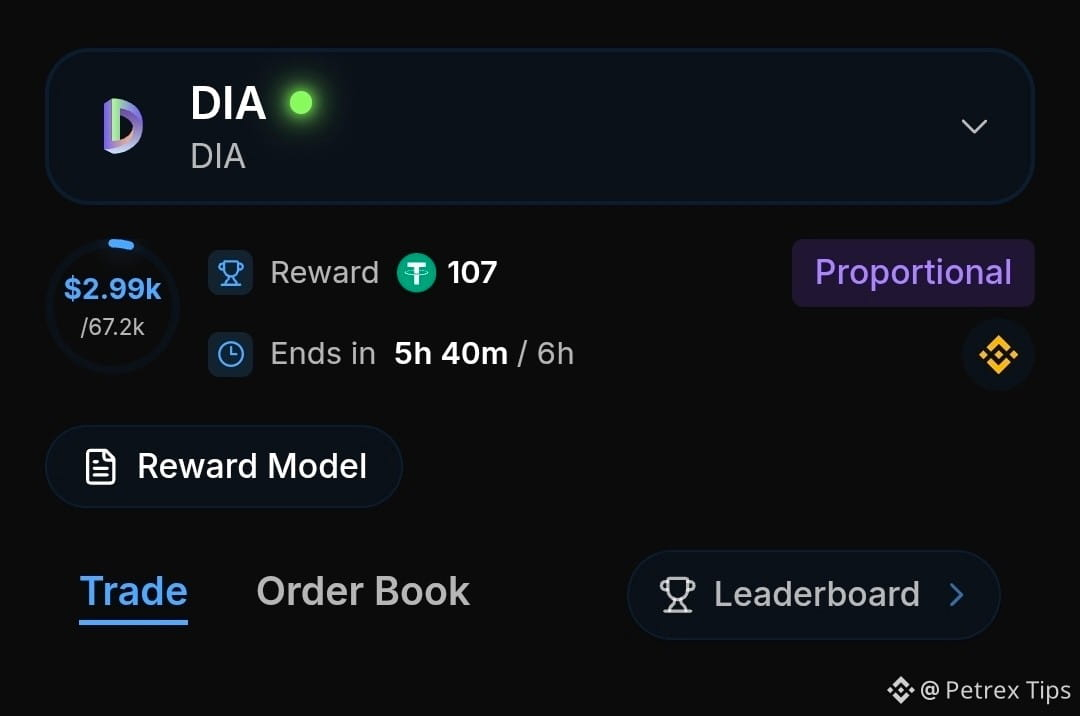
لقد وصلنا رسميًا إلى منتصف مسابقة تداول $DIA على @cedehub!
📊 أكثر من 1,000 متداول مشارك
💸 تم تداول أكثر من 5.16M دولار $DIA
🏆 12,000 دولار قيمة الجوائز
نحن في منتصف الطريق فقط، ولا يزال هناك 12 ألف دولار متبقية من المكافآت للفوز بها
انضم إلى المسابقة👇
لقد وصلنا رسميًا إلى منتصف مسابقة تداول $DIA على @cedehub!
📊 أكثر من 1,000 متداول مشارك
💸 تم تداول أكثر من 5.16M دولار $DIA
🏆 12,000 دولار قيمة الجوائز
نحن في منتصف الطريق فقط، ولا يزال هناك 12 ألف دولار متبقية من المكافآت للفوز بها
انضم إلى المسابقة👇
📊 أكثر من 1,000 متداول مشارك
💸 تم تداول أكثر من 5.16M دولار $DIA
🏆 12,000 دولار قيمة الجوائز
نحن في منتصف الطريق فقط، ولا يزال هناك 12 ألف دولار متبقية من المكافآت للفوز بها
انضم إلى المسابقة👇
98
سجّل الدخول لاستكشاف المزيد من المُحتوى
انضم إلى مُستخدمي العملات الرقمية حول العالم على Binance Square
⚡️ احصل على أحدث المعلومات المفيدة عن العملات الرقمية.
💬 موثوقة من قبل أكبر منصّة لتداول العملات الرقمية في العالم.
👍 اكتشف الرؤى الحقيقية من صنّاع المُحتوى الموثوقين.
البريد الإلكتروني / رقم الهاتف
المواضيع الرائجة
ClarityActFacesProceduralVoteSept15
17,821 مشاهدات
318 يقومون بالنقاش
🇺🇸 15 سبتمبر قد يكون يومًا مهمًا لتنظيم الكريبتو في الولايات المتحدة.
مشروع CLARITY Act يقترب من تصويت إجرائي في مجلس الشيوخ، في خطوة قد تحدد مدى قدرة المشروع على التقدم نحو إقرار إطار أوضح لتنظيم الأصول الرقمية.
الأهمية لا تكمن في التصويت وحده، بل فيما يمثله المشروع للسوق:
• توضيح أدوار SEC وCFTC
• تقليل حالة عدم اليقين التنظيمي
• وضع قواعد أكثر وضوحًا لقطاع الأصول الرقمية
لكن لا أرى أن النتيجة محسومة مسبقًا. عدد الأصوات والدعم السياسي سيكونان العامل الأهم.
📌 بالنسبة لي، 15 سبتمبر يستحق المراقبة أكثر من المضاربة عليه؛ فالخبر قد يؤثر في معنويات السوق، لكن التفاصيل السياسية ستحدد اتجاه القصة.
$BTC $ETH $BNB
#ClarityActFacesProceduralVoteSept15
yosreia
·1 إعجاب
·379 مشاهدات
US2YearYieldRisesTo4.61%
19,980 مشاهدات
398 يقومون بالنقاش
US10YearTreasuryYieldNears5%
10,355 مشاهدات
234 يقومون بالنقاش