
Michael_Leo
23.6k منشورات

Michael_Leo
 تحقُّق Binance Square الإضافي
إبلاغ
حظر المُستخدم
Crypto Trader || BNB || BTC || ETH || Mindset for Crypto || Web3 content Writer || Binanace KoL
فتح تداول
مُتداول مُتكرر
1.7 سنوات
42 تتابع
35.5K+ المتابعون
24.3K+ إعجاب
منشورات
الحافظة الاستثمارية
الكل
اقتباسات
Live
·
--
$BR التوطيد بالقرب من الدعم بعد اندفاع صعودي قوي. يبقى الطلب داعمًا بينما يظل الزخم بقوة لصالح المشترين.
EP 0.3110–0.3190
TP 0.3350 0.3550 0.3800
SL 0.3000
السعر يحافظ على مستوى أعلى من منطقة الدعم القريبة بعد حركة صعودية قوية. منطقة 0.3350 هي المقاومة المهمة التالية، وقد يؤدي الاسترداد الواضح لها إلى موجة توسع جديدة باتجاه الأهداف الأعلى. إن التوطيد الحالي يعد إشارة بناءة طالما أن المشترين يدافعون عن منطقة الطلب. سيؤدي الاختراق فوق المقاومة مع زخم مستمر إلى تعزيز بنية استمرار الاتجاه الصعودي.
هيا بنا $BR
{future}(BRUSDT)
$BR التوطيد بالقرب من الدعم بعد اندفاع صعودي قوي. يبقى الطلب داعمًا بينما يظل الزخم بقوة لصالح المشترين.
EP 0.3110–0.3190
TP 0.3350 0.3550 0.3800
SL 0.3000
السعر يحافظ على مستوى أعلى من منطقة الدعم القريبة بعد حركة صعودية قوية. منطقة 0.3350 هي المقاومة المهمة التالية، وقد يؤدي الاسترداد الواضح لها إلى موجة توسع جديدة باتجاه الأهداف الأعلى. إن التوطيد الحالي يعد إشارة بناءة طالما أن المشترين يدافعون عن منطقة الطلب. سيؤدي الاختراق فوق المقاومة مع زخم مستمر إلى تعزيز بنية استمرار الاتجاه الصعودي.
هيا بنا $BR
EP 0.3110–0.3190
TP 0.3350 0.3550 0.3800
SL 0.3000
السعر يحافظ على مستوى أعلى من منطقة الدعم القريبة بعد حركة صعودية قوية. منطقة 0.3350 هي المقاومة المهمة التالية، وقد يؤدي الاسترداد الواضح لها إلى موجة توسع جديدة باتجاه الأهداف الأعلى. إن التوطيد الحالي يعد إشارة بناءة طالما أن المشترين يدافعون عن منطقة الطلب. سيؤدي الاختراق فوق المقاومة مع زخم مستمر إلى تعزيز بنية استمرار الاتجاه الصعودي.
هيا بنا $BR
101
·
--
$BTW is يجري تجميعًا فوق الطلب بعد اتساع صعودي قوي. يقوم المشترون بالدفاع عن مستوى الدعم، مما يحافظ على الزخم مائلًا بشكل صعودي.
EP 0.6650–0.6820
TP 0.7100 0.7450 0.7900
SL 0.6450
ما زال السعر يتموضع فوق منطقة الدعم الفورية، بينما تعمل 0.7000–0.7100 كمنطقة مقاومة تالية. قد يؤدي الاسترداد والاختراق عبر تلك المنطقة إلى تحفيز موجة صعودية أخرى مع عودة الزخم. يجب أن يظل نطاق الطلب حول نقطة الدخول محميًا حتى تظل الإعدادات صحيحة. تجميع مضبوط تليه عملية اختراق حاسمة سيُرجّح استمرار الحركة نحو الأهداف الأعلى.
لنتحرك $BTW
{future}(BTWUSDT)
$LAB
{future}(LABUSDT)
$BTW is يجري تجميعًا فوق الطلب بعد اتساع صعودي قوي. يقوم المشترون بالدفاع عن مستوى الدعم، مما يحافظ على الزخم مائلًا بشكل صعودي.
EP 0.6650–0.6820
TP 0.7100 0.7450 0.7900
SL 0.6450
ما زال السعر يتموضع فوق منطقة الدعم الفورية، بينما تعمل 0.7000–0.7100 كمنطقة مقاومة تالية. قد يؤدي الاسترداد والاختراق عبر تلك المنطقة إلى تحفيز موجة صعودية أخرى مع عودة الزخم. يجب أن يظل نطاق الطلب حول نقطة الدخول محميًا حتى تظل الإعدادات صحيحة. تجميع مضبوط تليه عملية اختراق حاسمة سيُرجّح استمرار الحركة نحو الأهداف الأعلى.
لنتحرك $BTW
$LAB
EP 0.6650–0.6820
TP 0.7100 0.7450 0.7900
SL 0.6450
ما زال السعر يتموضع فوق منطقة الدعم الفورية، بينما تعمل 0.7000–0.7100 كمنطقة مقاومة تالية. قد يؤدي الاسترداد والاختراق عبر تلك المنطقة إلى تحفيز موجة صعودية أخرى مع عودة الزخم. يجب أن يظل نطاق الطلب حول نقطة الدخول محميًا حتى تظل الإعدادات صحيحة. تجميع مضبوط تليه عملية اختراق حاسمة سيُرجّح استمرار الحركة نحو الأهداف الأعلى.
لنتحرك $BTW
$LAB
208
·
--
🚨 مراقبة مؤشر CPI: هل سترفع الفيدرالية أم ستُبقي الفائدة؟
بصراحة، أعتقد أن قراءة مؤشر CPI القادمة قد تحدد الاتجاه قصير المدى لأصول المخاطر. بيانات الوظائف الأخيرة أظهرت كشوف رواتب أقوى من المتوقع، وهذا يمنح الاحتياطي الفيدرالي سببًا إضافيًا للبقاء حذرًا.
بالنسبة لي، السؤال الأهم ليس فقط ما إذا كان مؤشر CPI سيتفوق أو يتراجع عن التوقعات. أنا أراقب مدى “تمسك” التضخم بمستواه، وما إذا كانت البيانات تمنح الفيدرالي ثقة كافية للاستمرار في إبقاء الفائدة أعلى لفترة أطول.
🔥 إذا جاءت CPI أكثر سخونة:
قد تقوم الأسواق بسرعة بتسعير توقعات خفض الفائدة بشكل أقل. قد يقوى الدولار، وقد ترتفع العوائد، وقد تواجه الأصول عالية بيتا مثل العملات المشفرة وأسهم التكنولوجيا ضغوط بيع. قد يحتفظ البيتكوين أفضل من العملات البديلة الأصغر، لكن التقلب قد يطال كل شيء.
📈 إذا جاءت CPI أهدأ:
قد ينعكس ذلك بتوقعات جديدة لسياسة نقدية أكثر سهولة. قد تتفاعل الأصول الحساسة للسيولة أولًا، وقد يحصل BTC على أقوى طلب مبدئي قبل أن تتجه السيولة لاحقًا إلى الألتكوينز.
ما نهجي؟ لست أحاول التنبؤ بالرقم قبل صدوره. أنا أنتظر رؤية رد فعل السوق بعد الإعلان.
هناك نقطة مهمة كثير من المتداولين ينسونها: البيانات الاقتصادية الجيدة ليست دائمًا جيدة للعملات المشفرة. إذا أجبرت كشوف الرواتب القوية وCPI “المتحفظ” الفيدرالي على البقاء ضمن تشدد نقدي، فقد تعاني أصول المخاطر.
👀 إذن ما رأيك — رفع أم إبقاء؟
#CPIWatch
{future}(ZECUSDT)
{future}(LABUSDT)
{spot}(ETHUSDT)
🚨 مراقبة مؤشر CPI: هل سترفع الفيدرالية أم ستُبقي الفائدة؟
بصراحة، أعتقد أن قراءة مؤشر CPI القادمة قد تحدد الاتجاه قصير المدى لأصول المخاطر. بيانات الوظائف الأخيرة أظهرت كشوف رواتب أقوى من المتوقع، وهذا يمنح الاحتياطي الفيدرالي سببًا إضافيًا للبقاء حذرًا.
بالنسبة لي، السؤال الأهم ليس فقط ما إذا كان مؤشر CPI سيتفوق أو يتراجع عن التوقعات. أنا أراقب مدى “تمسك” التضخم بمستواه، وما إذا كانت البيانات تمنح الفيدرالي ثقة كافية للاستمرار في إبقاء الفائدة أعلى لفترة أطول.
🔥 إذا جاءت CPI أكثر سخونة:
قد تقوم الأسواق بسرعة بتسعير توقعات خفض الفائدة بشكل أقل. قد يقوى الدولار، وقد ترتفع العوائد، وقد تواجه الأصول عالية بيتا مثل العملات المشفرة وأسهم التكنولوجيا ضغوط بيع. قد يحتفظ البيتكوين أفضل من العملات البديلة الأصغر، لكن التقلب قد يطال كل شيء.
📈 إذا جاءت CPI أهدأ:
قد ينعكس ذلك بتوقعات جديدة لسياسة نقدية أكثر سهولة. قد تتفاعل الأصول الحساسة للسيولة أولًا، وقد يحصل BTC على أقوى طلب مبدئي قبل أن تتجه السيولة لاحقًا إلى الألتكوينز.
ما نهجي؟ لست أحاول التنبؤ بالرقم قبل صدوره. أنا أنتظر رؤية رد فعل السوق بعد الإعلان.
هناك نقطة مهمة كثير من المتداولين ينسونها: البيانات الاقتصادية الجيدة ليست دائمًا جيدة للعملات المشفرة. إذا أجبرت كشوف الرواتب القوية وCPI “المتحفظ” الفيدرالي على البقاء ضمن تشدد نقدي، فقد تعاني أصول المخاطر.
👀 إذن ما رأيك — رفع أم إبقاء؟
#CPIWatch
بصراحة، أعتقد أن قراءة مؤشر CPI القادمة قد تحدد الاتجاه قصير المدى لأصول المخاطر. بيانات الوظائف الأخيرة أظهرت كشوف رواتب أقوى من المتوقع، وهذا يمنح الاحتياطي الفيدرالي سببًا إضافيًا للبقاء حذرًا.
بالنسبة لي، السؤال الأهم ليس فقط ما إذا كان مؤشر CPI سيتفوق أو يتراجع عن التوقعات. أنا أراقب مدى “تمسك” التضخم بمستواه، وما إذا كانت البيانات تمنح الفيدرالي ثقة كافية للاستمرار في إبقاء الفائدة أعلى لفترة أطول.
🔥 إذا جاءت CPI أكثر سخونة:
قد تقوم الأسواق بسرعة بتسعير توقعات خفض الفائدة بشكل أقل. قد يقوى الدولار، وقد ترتفع العوائد، وقد تواجه الأصول عالية بيتا مثل العملات المشفرة وأسهم التكنولوجيا ضغوط بيع. قد يحتفظ البيتكوين أفضل من العملات البديلة الأصغر، لكن التقلب قد يطال كل شيء.
📈 إذا جاءت CPI أهدأ:
قد ينعكس ذلك بتوقعات جديدة لسياسة نقدية أكثر سهولة. قد تتفاعل الأصول الحساسة للسيولة أولًا، وقد يحصل BTC على أقوى طلب مبدئي قبل أن تتجه السيولة لاحقًا إلى الألتكوينز.
ما نهجي؟ لست أحاول التنبؤ بالرقم قبل صدوره. أنا أنتظر رؤية رد فعل السوق بعد الإعلان.
هناك نقطة مهمة كثير من المتداولين ينسونها: البيانات الاقتصادية الجيدة ليست دائمًا جيدة للعملات المشفرة. إذا أجبرت كشوف الرواتب القوية وCPI “المتحفظ” الفيدرالي على البقاء ضمن تشدد نقدي، فقد تعاني أصول المخاطر.
👀 إذن ما رأيك — رفع أم إبقاء؟
#CPIWatch

1
175
·
--
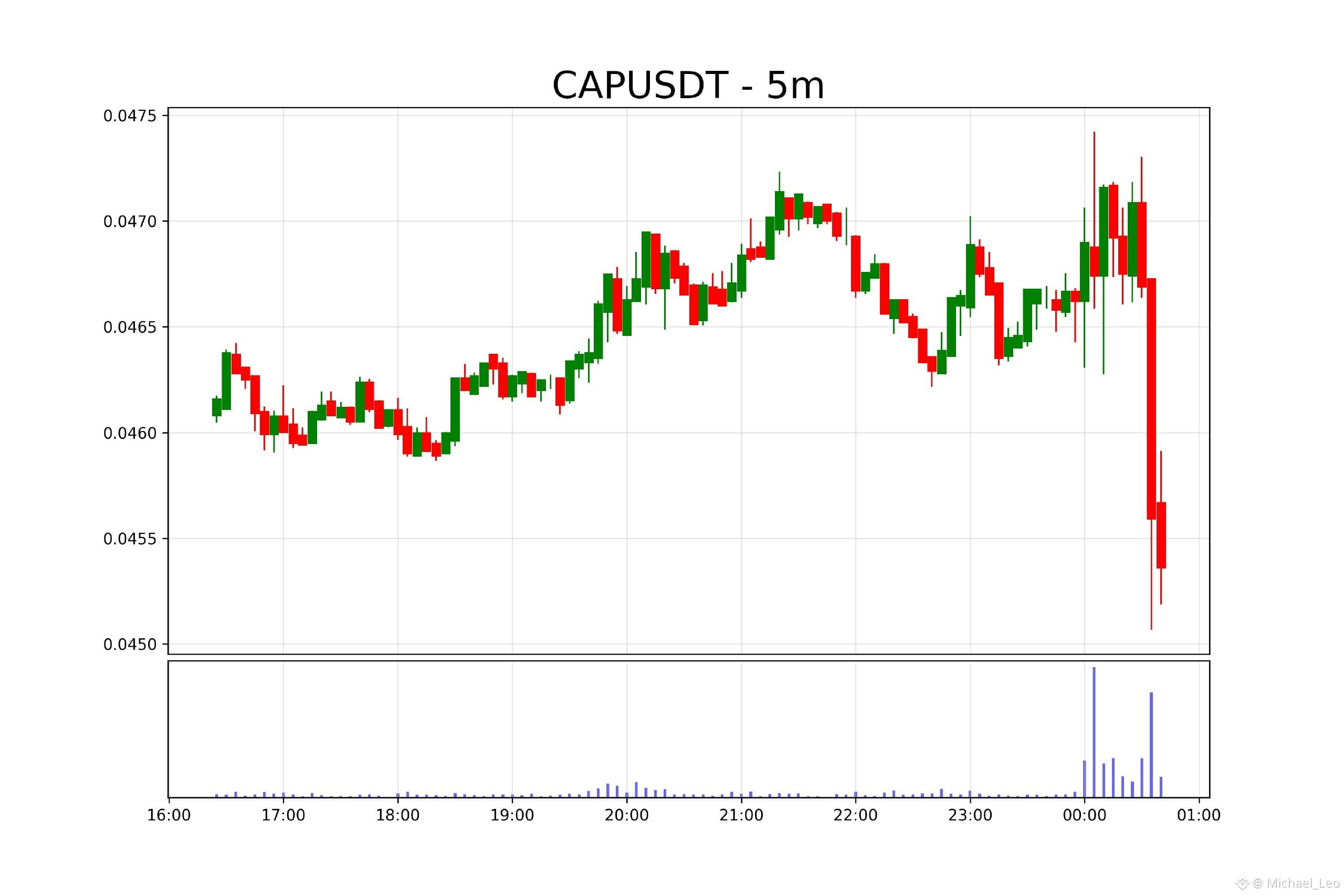
$CAP USDT يواجه تصحيحًا قصير الأجل، هابطًا بنسبة 2.35%، بينما شهدت أحجام التداول ارتفاعًا بنسبة 220.4%. وعلى الرغم من التراجع، لا يزال CAP مرتفعًا بنسبة 9.9% خلال 24 ساعة، ما يدل على أن الزخم الأوسع ما زال إيجابيًا.
السعر: 0.04565 حجم التداول خلال 24 ساعة: 15.43M
يشير ارتفاع حجم التداول إلى مشاركة قوية في السوق. قد يتيح الحفاظ على منطقة الدعم الحالية للمشترين استعادة الزخم، بينما قد يؤدي الاختراق إلى ما دون الدعم إلى مزيد من التماسك/الترسخ. راقب استعادة مستوى المقاومة القريب قبل توقع الخطوة التوسعية التالية.
$CAP USDT يواجه تصحيحًا قصير الأجل، هابطًا بنسبة 2.35%، بينما شهدت أحجام التداول ارتفاعًا بنسبة 220.4%. وعلى الرغم من التراجع، لا يزال CAP مرتفعًا بنسبة 9.9% خلال 24 ساعة، ما يدل على أن الزخم الأوسع ما زال إيجابيًا.
السعر: 0.04565 حجم التداول خلال 24 ساعة: 15.43M
يشير ارتفاع حجم التداول إلى مشاركة قوية في السوق. قد يتيح الحفاظ على منطقة الدعم الحالية للمشترين استعادة الزخم، بينما قد يؤدي الاختراق إلى ما دون الدعم إلى مزيد من التماسك/الترسخ. راقب استعادة مستوى المقاومة القريب قبل توقع الخطوة التوسعية التالية.
السعر: 0.04565 حجم التداول خلال 24 ساعة: 15.43M
يشير ارتفاع حجم التداول إلى مشاركة قوية في السوق. قد يتيح الحفاظ على منطقة الدعم الحالية للمشترين استعادة الزخم، بينما قد يؤدي الاختراق إلى ما دون الدعم إلى مزيد من التماسك/الترسخ. راقب استعادة مستوى المقاومة القريب قبل توقع الخطوة التوسعية التالية.
202
·
--
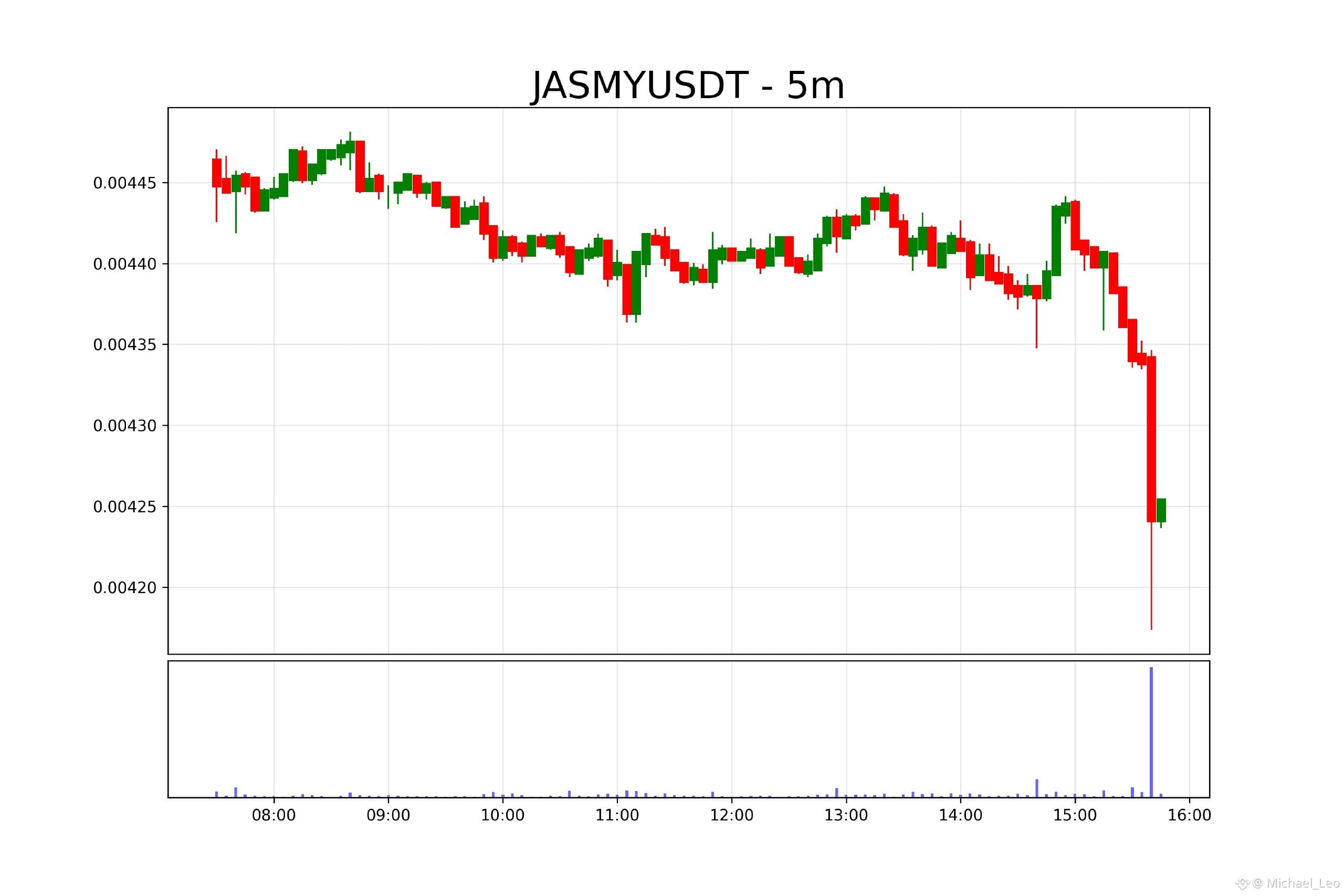
📉 $JASMY USDT تحديث سوق
انخفض السعر بنسبة 2.24% بينما شهدت أحجام التداول ارتفاعًا بنسبة 3027.3% — ارتفاع كبير في النشاط رغم الضعف.
💰 السعر: 0.004243
📊 التغير خلال 24 ساعة: -1.4%
📈 حجم التداول خلال 24 ساعة: 9.09 مليون دولار
يشير ارتفاع حجم التداول مع انخفاض السعر إلى ضغط بيع قوي وتزايد مشاركة المتداولين. راقب رد فعل مستوى الدعم التالي عن كثب.
#jasmy #JASMYUSDT #Crypto #altcoins
📉 $JASMY USDT تحديث سوق
انخفض السعر بنسبة 2.24% بينما شهدت أحجام التداول ارتفاعًا بنسبة 3027.3% — ارتفاع كبير في النشاط رغم الضعف.
💰 السعر: 0.004243
📊 التغير خلال 24 ساعة: -1.4%
📈 حجم التداول خلال 24 ساعة: 9.09 مليون دولار
يشير ارتفاع حجم التداول مع انخفاض السعر إلى ضغط بيع قوي وتزايد مشاركة المتداولين. راقب رد فعل مستوى الدعم التالي عن كثب.
#jasmy #JASMYUSDT #Crypto #altcoins
انخفض السعر بنسبة 2.24% بينما شهدت أحجام التداول ارتفاعًا بنسبة 3027.3% — ارتفاع كبير في النشاط رغم الضعف.
💰 السعر: 0.004243
📊 التغير خلال 24 ساعة: -1.4%
📈 حجم التداول خلال 24 ساعة: 9.09 مليون دولار
يشير ارتفاع حجم التداول مع انخفاض السعر إلى ضغط بيع قوي وتزايد مشاركة المتداولين. راقب رد فعل مستوى الدعم التالي عن كثب.
#jasmy #JASMYUSDT #Crypto #altcoins
184
·
--
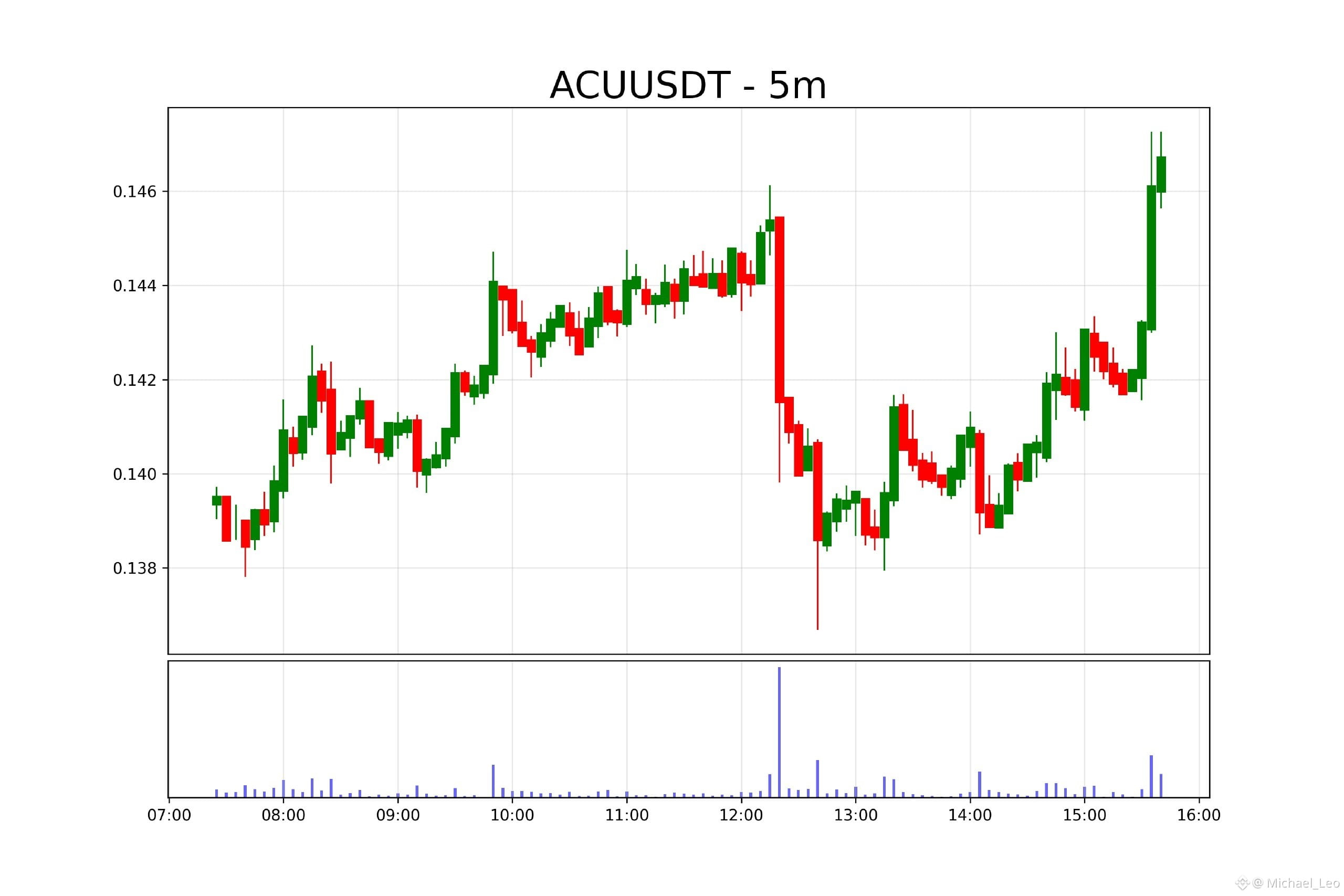
🚀 تحديث سوق $ACU USDT
يُظهر $ACU زخمًا قويًا، بارتفاع قدره 9.8% خلال 24 ساعة، بينما شهدت أحجام التداول قفزة بنسبة 537.9% — علامة واضحة على زيادة نشاط السوق.
السعر: $0.14607
حجم التداول خلال 24 ساعة: $3.40M
الحركة الحالية: +2.0%
إذا استمرت أحجام التداول في دعم هذه الحركة، فقد يبقى ACU محل تركيز لتحقيق المزيد من الارتفاع. راقب مستويات المقاومة الرئيسية وتجنب مطاردة الشموع الممتدة.
#ACU #crypto #altcoins #trading
{future}(ACUUSDT)
🚀 تحديث سوق $ACU USDT
يُظهر $ACU زخمًا قويًا، بارتفاع قدره 9.8% خلال 24 ساعة، بينما شهدت أحجام التداول قفزة بنسبة 537.9% — علامة واضحة على زيادة نشاط السوق.
السعر: $0.14607
حجم التداول خلال 24 ساعة: $3.40M
الحركة الحالية: +2.0%
إذا استمرت أحجام التداول في دعم هذه الحركة، فقد يبقى ACU محل تركيز لتحقيق المزيد من الارتفاع. راقب مستويات المقاومة الرئيسية وتجنب مطاردة الشموع الممتدة.
#ACU #crypto #altcoins #trading
يُظهر $ACU زخمًا قويًا، بارتفاع قدره 9.8% خلال 24 ساعة، بينما شهدت أحجام التداول قفزة بنسبة 537.9% — علامة واضحة على زيادة نشاط السوق.
السعر: $0.14607
حجم التداول خلال 24 ساعة: $3.40M
الحركة الحالية: +2.0%
إذا استمرت أحجام التداول في دعم هذه الحركة، فقد يبقى ACU محل تركيز لتحقيق المزيد من الارتفاع. راقب مستويات المقاومة الرئيسية وتجنب مطاردة الشموع الممتدة.
#ACU #crypto #altcoins #trading
213
·
--
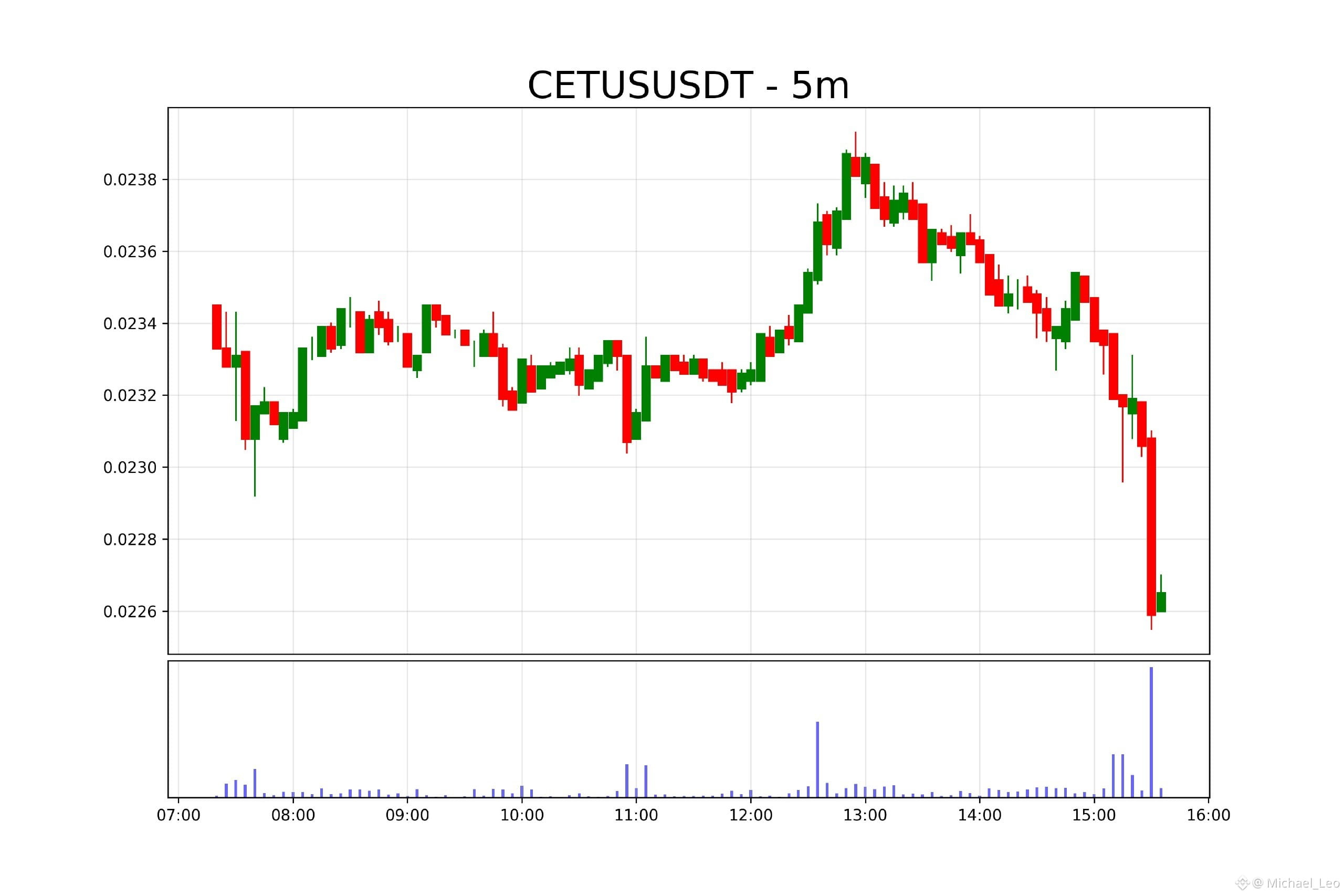
يواجه $CETUS SUSDT تراجعًا بنسبة 2.04% حيث يتداول السعر قرب 0.02261 دولار، لكن الإشارة الحقيقية هي ارتفاع حجم التداول.
حجم التداول خلال 24 ساعة: 1.55 مليون دولار
الحجم: +731.2%
تشير هذه الزيادة الحادة في النشاط إلى مشاركة قوية رغم التراجع. ينبغي على المتداولين مراقبة ما إذا كان بإمكان CETUS استعادة المقاومة القريبة أم إذا كانت أحجام التداول المرتفعة تؤكد المزيد من الضغط الهبوطي.
$CETUS #CETUSUADT #cryptouniverseofficial
يواجه $CETUS SUSDT تراجعًا بنسبة 2.04% حيث يتداول السعر قرب 0.02261 دولار، لكن الإشارة الحقيقية هي ارتفاع حجم التداول.
حجم التداول خلال 24 ساعة: 1.55 مليون دولار
الحجم: +731.2%
تشير هذه الزيادة الحادة في النشاط إلى مشاركة قوية رغم التراجع. ينبغي على المتداولين مراقبة ما إذا كان بإمكان CETUS استعادة المقاومة القريبة أم إذا كانت أحجام التداول المرتفعة تؤكد المزيد من الضغط الهبوطي.
$CETUS #CETUSUADT #cryptouniverseofficial
حجم التداول خلال 24 ساعة: 1.55 مليون دولار
الحجم: +731.2%
تشير هذه الزيادة الحادة في النشاط إلى مشاركة قوية رغم التراجع. ينبغي على المتداولين مراقبة ما إذا كان بإمكان CETUS استعادة المقاومة القريبة أم إذا كانت أحجام التداول المرتفعة تؤكد المزيد من الضغط الهبوطي.
$CETUS #CETUSUADT #cryptouniverseofficial
149
·
--
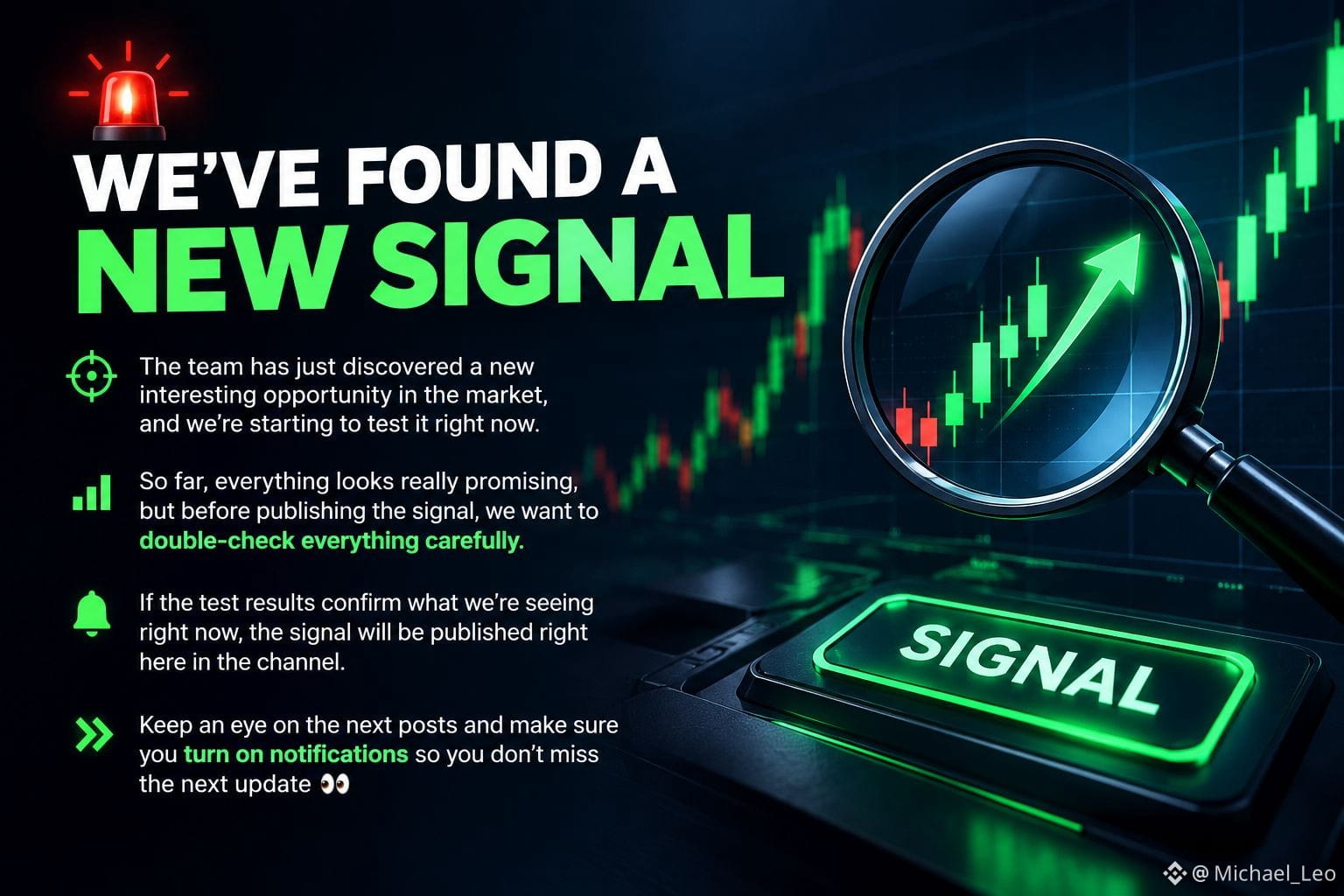
🚨 لقد وجدنا إشارة جديدة
فريقنا للتو اكتشف فرصة جديدة ومثيرة للاهتمام في السوق، ونحن نبدأ في اختبارها الآن
حتى الآن، تبدو كل الأمور واعدة للغاية، ولكن قبل نشر الإشارة، نريد التحقق من كل شيء بعناية مضاعفة
إذا أكدت نتائج الاختبار ما نراه الآن، فسيتم نشر الإشارة هنا في القناة
تابع المنشورات القادمة وتأكد من تفعيل الإشعارات حتى لا تفوت التحديث التالي 👀
#UpdateAlert
🚨 لقد وجدنا إشارة جديدة
فريقنا للتو اكتشف فرصة جديدة ومثيرة للاهتمام في السوق، ونحن نبدأ في اختبارها الآن
حتى الآن، تبدو كل الأمور واعدة للغاية، ولكن قبل نشر الإشارة، نريد التحقق من كل شيء بعناية مضاعفة
إذا أكدت نتائج الاختبار ما نراه الآن، فسيتم نشر الإشارة هنا في القناة
تابع المنشورات القادمة وتأكد من تفعيل الإشعارات حتى لا تفوت التحديث التالي 👀
#UpdateAlert
فريقنا للتو اكتشف فرصة جديدة ومثيرة للاهتمام في السوق، ونحن نبدأ في اختبارها الآن
حتى الآن، تبدو كل الأمور واعدة للغاية، ولكن قبل نشر الإشارة، نريد التحقق من كل شيء بعناية مضاعفة
إذا أكدت نتائج الاختبار ما نراه الآن، فسيتم نشر الإشارة هنا في القناة
تابع المنشورات القادمة وتأكد من تفعيل الإشعارات حتى لا تفوت التحديث التالي 👀
#UpdateAlert
80
·
--
$BULLA $ARB $TUT
تقوم BULLA بالتجميع حول مستوى الدعم 0.0820 بعد حركة زخم قوية للغاية. السعر يحافظ على منطقة الطلب، بينما قد يؤدي الاختراق فوق 0.0850 إلى إطلاق توسع آخر نحو القمة الأخيرة.
نقطة الدخول (EP)
0.0805 – 0.0820
جني الربح (TP)
0.0855
0.0890
0.0920
وقف الخسارة (SL)
0.0775
نصيحة احترافية: انتظر التأكيد حول منطقة الطلب. إغلاق قوي على إطار 15 دقيقة فوق 0.0850 مع حجم تداول سيعزز الإعداد الصعودي.
نقطة الدخول: 0.0805 – 0.0820
BULLA يلتف بالقرب من الدعم — استعادة المقاومة قد تدفع السعر مرة أخرى نحو منطقة 0.0920.
{future}(BULLAUSDT)
#BitcoinEthereumHitMultiMonthHighs #USAugustAvgHourlyEarningsRise3.1%
$BULLA $ARB $TUT
تقوم BULLA بالتجميع حول مستوى الدعم 0.0820 بعد حركة زخم قوية للغاية. السعر يحافظ على منطقة الطلب، بينما قد يؤدي الاختراق فوق 0.0850 إلى إطلاق توسع آخر نحو القمة الأخيرة.
نقطة الدخول (EP)
0.0805 – 0.0820
جني الربح (TP)
0.0855
0.0890
0.0920
وقف الخسارة (SL)
0.0775
نصيحة احترافية: انتظر التأكيد حول منطقة الطلب. إغلاق قوي على إطار 15 دقيقة فوق 0.0850 مع حجم تداول سيعزز الإعداد الصعودي.
نقطة الدخول: 0.0805 – 0.0820
BULLA يلتف بالقرب من الدعم — استعادة المقاومة قد تدفع السعر مرة أخرى نحو منطقة 0.0920.
#BitcoinEthereumHitMultiMonthHighs #USAugustAvgHourlyEarningsRise3.1%
تقوم BULLA بالتجميع حول مستوى الدعم 0.0820 بعد حركة زخم قوية للغاية. السعر يحافظ على منطقة الطلب، بينما قد يؤدي الاختراق فوق 0.0850 إلى إطلاق توسع آخر نحو القمة الأخيرة.
نقطة الدخول (EP)
0.0805 – 0.0820
جني الربح (TP)
0.0855
0.0890
0.0920
وقف الخسارة (SL)
0.0775
نصيحة احترافية: انتظر التأكيد حول منطقة الطلب. إغلاق قوي على إطار 15 دقيقة فوق 0.0850 مع حجم تداول سيعزز الإعداد الصعودي.
نقطة الدخول: 0.0805 – 0.0820
BULLA يلتف بالقرب من الدعم — استعادة المقاومة قد تدفع السعر مرة أخرى نحو منطقة 0.0920.
#BitcoinEthereumHitMultiMonthHighs #USAugustAvgHourlyEarningsRise3.1%
$BULLA
24%
$ARB
12%
$TUT
64%
25 الأصوات • تمّ إغلاق التصويت
790
·
--
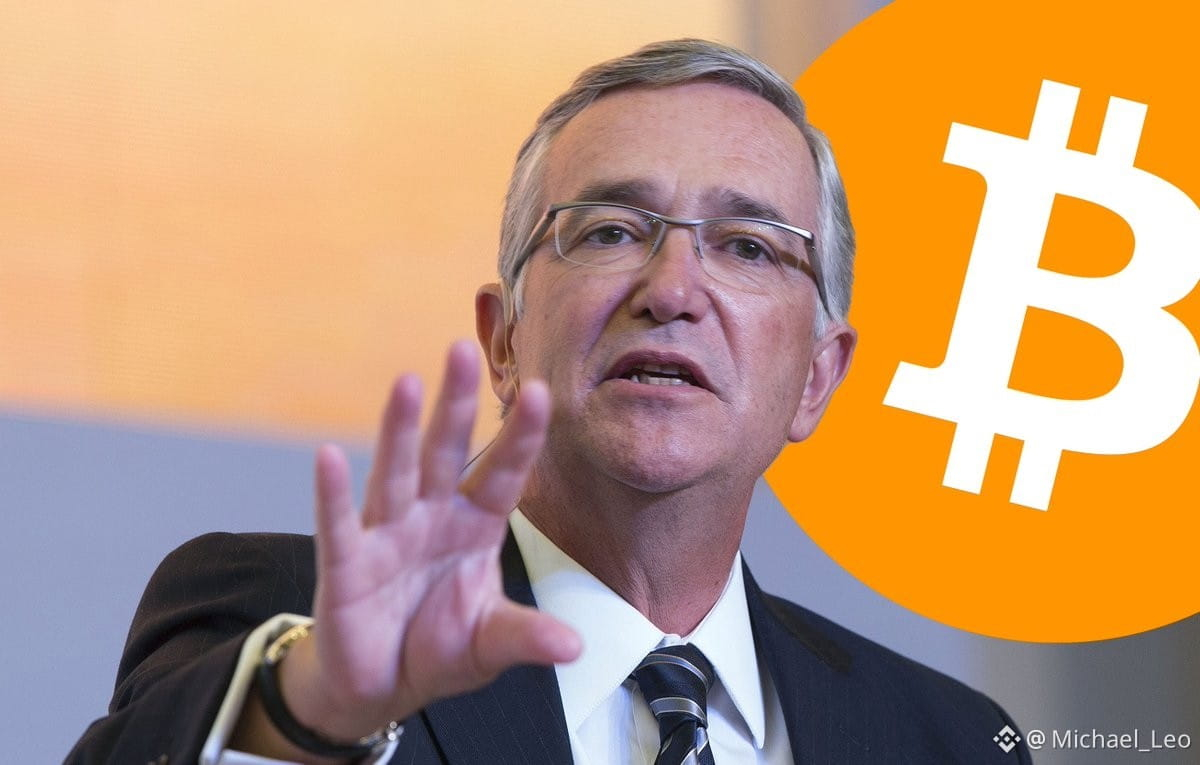
🚨 تحذير: فخ الثيران ينتهي غدًا
حذرتك من أن بيتكوين ستفشل في اختراق 82 ألف دولار وستهبط مجددًا.
كل شيء يسير تمامًا كما توقعت قبل 4 أسابيع.
الخطة بسيطة:
78 ألف دولار → 65 ألف دولار → 57 ألف دولار → 49 ألف دولار
لا تصبح سيولة للخروج.
تذكير سريع:
لقد أعلنت علنًا قاع بيتكوين في 2022 وقمة 126 ألف دولار في 2025.
سيُنشر النداء التالي هنا أولًا.
تابع وفعّل الإشعارات.
🚨 تحذير: فخ الثيران ينتهي غدًا
حذرتك من أن بيتكوين ستفشل في اختراق 82 ألف دولار وستهبط مجددًا.
كل شيء يسير تمامًا كما توقعت قبل 4 أسابيع.
الخطة بسيطة:
78 ألف دولار → 65 ألف دولار → 57 ألف دولار → 49 ألف دولار
لا تصبح سيولة للخروج.
تذكير سريع:
لقد أعلنت علنًا قاع بيتكوين في 2022 وقمة 126 ألف دولار في 2025.
سيُنشر النداء التالي هنا أولًا.
تابع وفعّل الإشعارات.
حذرتك من أن بيتكوين ستفشل في اختراق 82 ألف دولار وستهبط مجددًا.
كل شيء يسير تمامًا كما توقعت قبل 4 أسابيع.
الخطة بسيطة:
78 ألف دولار → 65 ألف دولار → 57 ألف دولار → 49 ألف دولار
لا تصبح سيولة للخروج.
تذكير سريع:
لقد أعلنت علنًا قاع بيتكوين في 2022 وقمة 126 ألف دولار في 2025.
سيُنشر النداء التالي هنا أولًا.
تابع وفعّل الإشعارات.
84
·
--
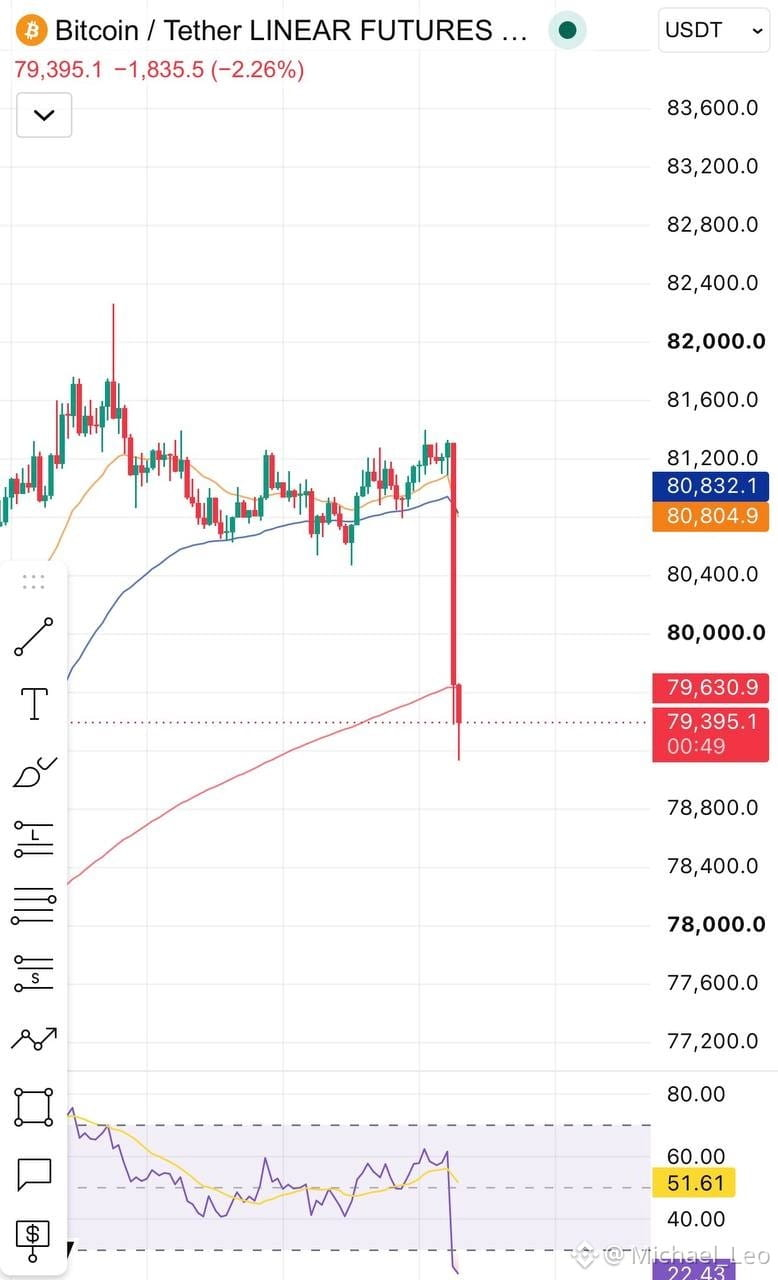
‼️تحديث:
$BTC تلقّى ضربة قوية مباشرة بعد الخبر.
ابقَ هادئًا ولا تدخل بدافع FOMO بعد. لننتظر أولًا ردّ فعل واضحًا من السوق!
‼️تحديث:
$BTC تلقّى ضربة قوية مباشرة بعد الخبر.
ابقَ هادئًا ولا تدخل بدافع FOMO بعد. لننتظر أولًا ردّ فعل واضحًا من السوق!
$BTC تلقّى ضربة قوية مباشرة بعد الخبر.
ابقَ هادئًا ولا تدخل بدافع FOMO بعد. لننتظر أولًا ردّ فعل واضحًا من السوق!
86
·
--
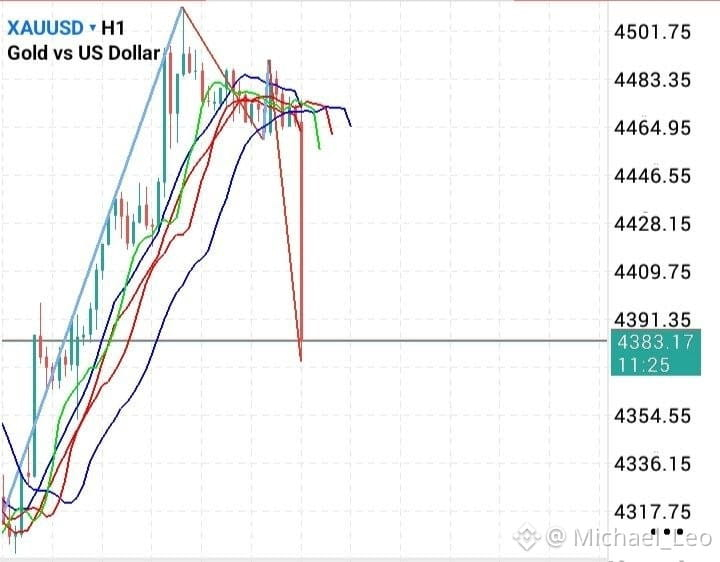
$XAU يتماسك بالقرب من الدعم بعد تصحيح حاد على إطار الساعة الأولى. السعر يختبر منطقة الطلب 4380–4385، بينما تظل 4465–4483 منطقة المقاومة الرئيسية.
EP
4380–4390
TP
4410
4445
4465
SL
4350
السعر يختبر منطقة دعم رئيسية بعد موجة بيع قوية. استعادة قوية فوق 4410 قد تؤكد حركة ارتدادية نحو مقاومة أعلى.
لننطلق $XAU
{future}(XAUUSDT)
$XAU يتماسك بالقرب من الدعم بعد تصحيح حاد على إطار الساعة الأولى. السعر يختبر منطقة الطلب 4380–4385، بينما تظل 4465–4483 منطقة المقاومة الرئيسية.
EP
4380–4390
TP
4410
4445
4465
SL
4350
السعر يختبر منطقة دعم رئيسية بعد موجة بيع قوية. استعادة قوية فوق 4410 قد تؤكد حركة ارتدادية نحو مقاومة أعلى.
لننطلق $XAU
EP
4380–4390
TP
4410
4445
4465
SL
4350
السعر يختبر منطقة دعم رئيسية بعد موجة بيع قوية. استعادة قوية فوق 4410 قد تؤكد حركة ارتدادية نحو مقاومة أعلى.
لننطلق $XAU
210
·
--
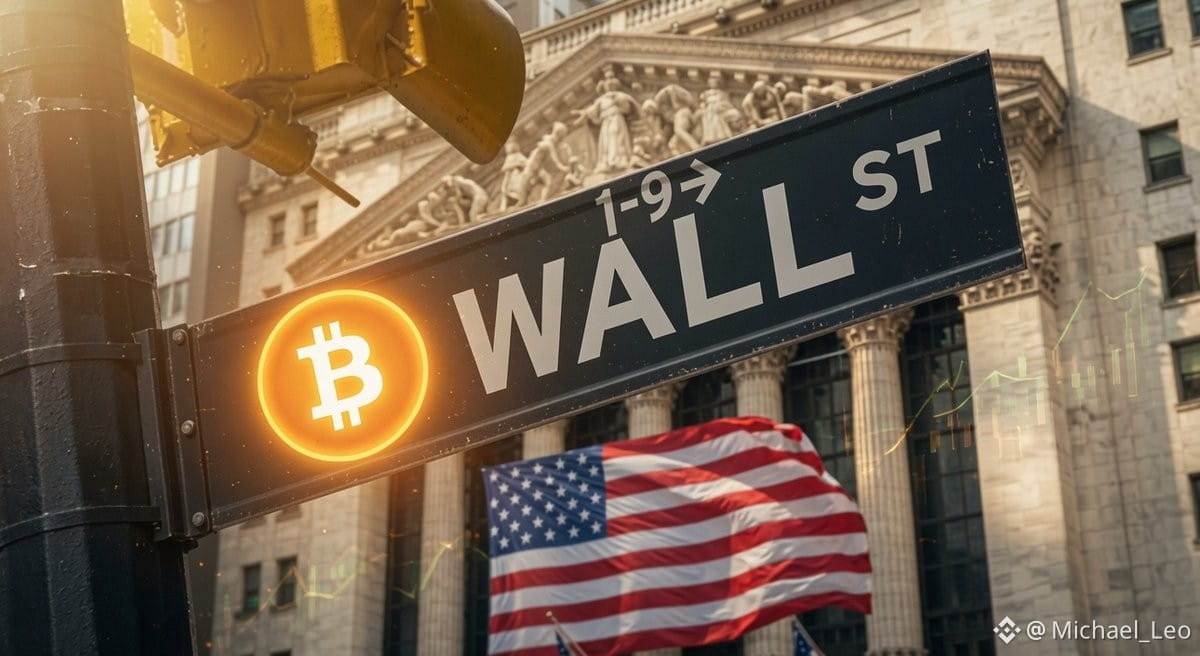
تدفقات صناديق Bitcoin ETF بعد
عاجل: 🇺🇸 سجلت صناديق Bitcoin ETFs الأمريكية تدفقات بقيمة 730 مليون دولار أمس، مسجلةً أقوى يوم منفرد لها منذ تسعة أشهر.
هذه إشارة مهمة إلى تجدد الطلب المؤسسي. إذا استمر ضغط الشراء على صناديق ETF، فقد يوفر ذلك دعماً أقوى لعملة Bitcoin وقد يدفع على الأرجح إلى دوران أوسع للسيولة عبر سوق العملات المشفرة.
لا يزال BTC القائد الرئيسي للسوق. وقد تكون التدفقات المؤسسية المستمرة محفزاً مهماً للحركة الكبرى التالية.
#bitcoin #BTC
تدفقات صناديق Bitcoin ETF بعد
عاجل: 🇺🇸 سجلت صناديق Bitcoin ETFs الأمريكية تدفقات بقيمة 730 مليون دولار أمس، مسجلةً أقوى يوم منفرد لها منذ تسعة أشهر.
هذه إشارة مهمة إلى تجدد الطلب المؤسسي. إذا استمر ضغط الشراء على صناديق ETF، فقد يوفر ذلك دعماً أقوى لعملة Bitcoin وقد يدفع على الأرجح إلى دوران أوسع للسيولة عبر سوق العملات المشفرة.
لا يزال BTC القائد الرئيسي للسوق. وقد تكون التدفقات المؤسسية المستمرة محفزاً مهماً للحركة الكبرى التالية.
#bitcoin #BTC
عاجل: 🇺🇸 سجلت صناديق Bitcoin ETFs الأمريكية تدفقات بقيمة 730 مليون دولار أمس، مسجلةً أقوى يوم منفرد لها منذ تسعة أشهر.
هذه إشارة مهمة إلى تجدد الطلب المؤسسي. إذا استمر ضغط الشراء على صناديق ETF، فقد يوفر ذلك دعماً أقوى لعملة Bitcoin وقد يدفع على الأرجح إلى دوران أوسع للسيولة عبر سوق العملات المشفرة.
لا يزال BTC القائد الرئيسي للسوق. وقد تكون التدفقات المؤسسية المستمرة محفزاً مهماً للحركة الكبرى التالية.
#bitcoin #BTC
146
·
--
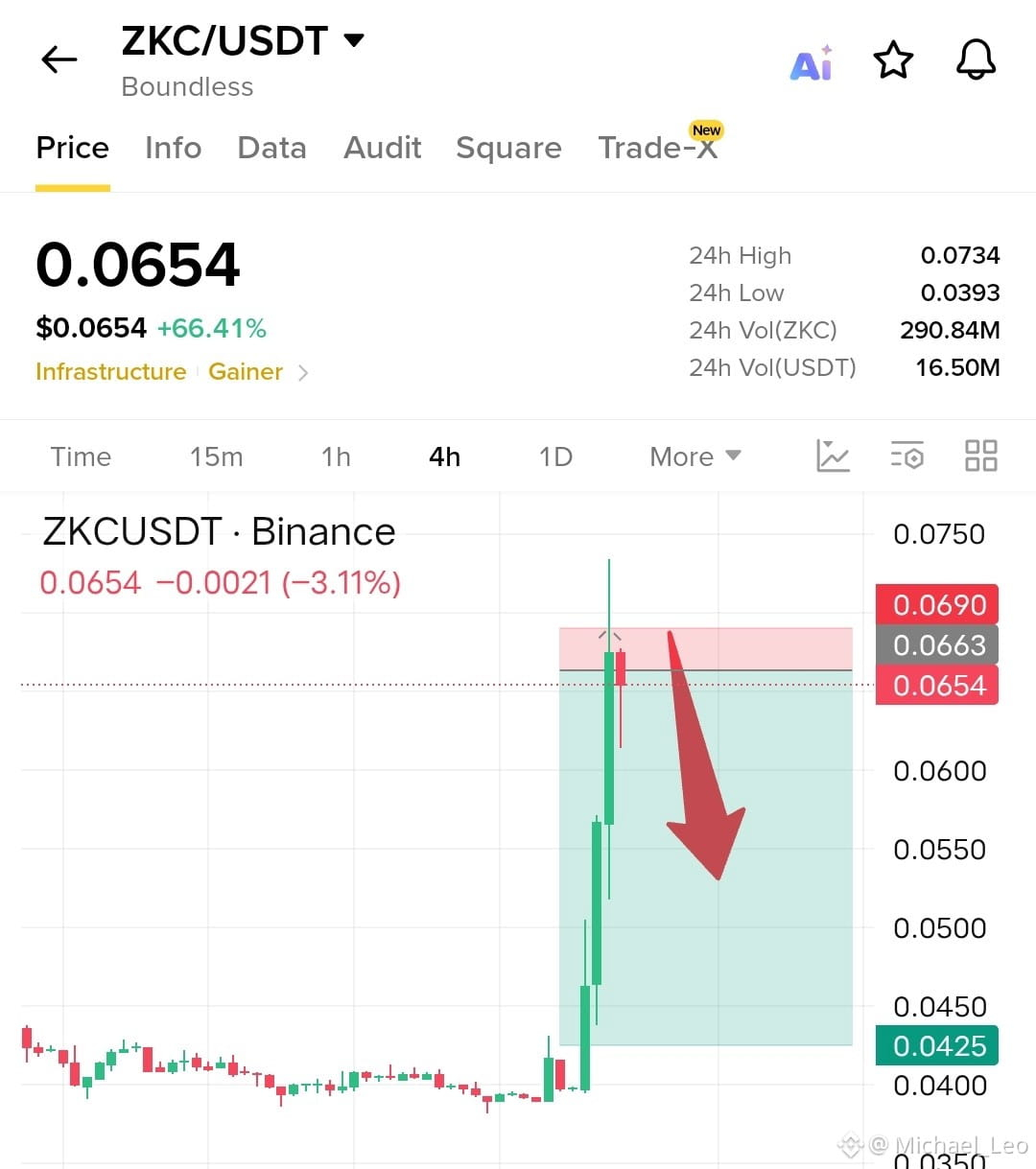
🚨 $ZKC /USDT — إعداد قصير
قامت ZKC بالفعل بحركة كبيرة، لكن السعر يواجه الآن مقاومة قوية حول 0.0663–0.0690. الرفض الظاهر على مخطط 4H يشير إلى أن البائعين قد يتدخلون ويدفعون السعر للأسفل من هذه المنطقة. 📉
🎯 نقطة الدخول (EP): 0.0645 – 0.0663
💰 جني الأرباح (TP):
TP1: 0.0600
TP2: 0.0550
TP3: 0.0500
🛑 وقف الخسارة (SL): 0.0695
💡 نصيحة: لا تلاحق الحركة. انتظر رفضًا واضحًا من منطقة المقاومة قبل الدخول. إذا اخترقت ZKC واحتفظت فوق 0.0690، يصبح هذا الإعداد القصير غير صالح.
يعرض الرسم البياني تصحيحًا محتملًا بعد الضخّ الهائل. أدر مخاطرَك واترك الإعداد يأتي إليك. 🔥📉$ZKC
{spot}(ZKCUSDT)
$LAB
{future}(LABUSDT)
🚨 $ZKC /USDT — إعداد قصير
قامت ZKC بالفعل بحركة كبيرة، لكن السعر يواجه الآن مقاومة قوية حول 0.0663–0.0690. الرفض الظاهر على مخطط 4H يشير إلى أن البائعين قد يتدخلون ويدفعون السعر للأسفل من هذه المنطقة. 📉
🎯 نقطة الدخول (EP): 0.0645 – 0.0663
💰 جني الأرباح (TP):
TP1: 0.0600
TP2: 0.0550
TP3: 0.0500
🛑 وقف الخسارة (SL): 0.0695
💡 نصيحة: لا تلاحق الحركة. انتظر رفضًا واضحًا من منطقة المقاومة قبل الدخول. إذا اخترقت ZKC واحتفظت فوق 0.0690، يصبح هذا الإعداد القصير غير صالح.
يعرض الرسم البياني تصحيحًا محتملًا بعد الضخّ الهائل. أدر مخاطرَك واترك الإعداد يأتي إليك. 🔥📉$ZKC
$LAB
قامت ZKC بالفعل بحركة كبيرة، لكن السعر يواجه الآن مقاومة قوية حول 0.0663–0.0690. الرفض الظاهر على مخطط 4H يشير إلى أن البائعين قد يتدخلون ويدفعون السعر للأسفل من هذه المنطقة. 📉
🎯 نقطة الدخول (EP): 0.0645 – 0.0663
💰 جني الأرباح (TP):
TP1: 0.0600
TP2: 0.0550
TP3: 0.0500
🛑 وقف الخسارة (SL): 0.0695
💡 نصيحة: لا تلاحق الحركة. انتظر رفضًا واضحًا من منطقة المقاومة قبل الدخول. إذا اخترقت ZKC واحتفظت فوق 0.0690، يصبح هذا الإعداد القصير غير صالح.
يعرض الرسم البياني تصحيحًا محتملًا بعد الضخّ الهائل. أدر مخاطرَك واترك الإعداد يأتي إليك. 🔥📉$ZKC
$LAB
115
·
--
🔥 أقل من ساعة واحدة حتى #HODL!
العدّ التنازلي مباشر يا عزيزي. يتم تحميل #gem جديد #Solana #، و#bag جاهز ومقفّل.
• #DEX exposure هي #pumping
• #Trending عمليات دفع جاهزة لـ #moon
• تعاونات تيليجرام و X مباشرة، بدون فزع
• حجم #volume جاد قادم، والقرود جاهزة
هذه هي البداية حيث يبدأ #alpha. التمركز المبكر مهم حتى لا يتم تركك على #curb.
⌛️ الإطلاق: الساعة 6 مساءً بتوقيت UTC
#Solana #MemeLaunch
🔥 أقل من ساعة واحدة حتى #HODL!
العدّ التنازلي مباشر يا عزيزي. يتم تحميل #gem جديد #Solana #، و#bag جاهز ومقفّل.
• #DEX exposure هي #pumping
• #Trending عمليات دفع جاهزة لـ #moon
• تعاونات تيليجرام و X مباشرة، بدون فزع
• حجم #volume جاد قادم، والقرود جاهزة
هذه هي البداية حيث يبدأ #alpha. التمركز المبكر مهم حتى لا يتم تركك على #curb.
⌛️ الإطلاق: الساعة 6 مساءً بتوقيت UTC
#Solana #MemeLaunch
العدّ التنازلي مباشر يا عزيزي. يتم تحميل #gem جديد #Solana #، و#bag جاهز ومقفّل.
• #DEX exposure هي #pumping
• #Trending عمليات دفع جاهزة لـ #moon
• تعاونات تيليجرام و X مباشرة، بدون فزع
• حجم #volume جاد قادم، والقرود جاهزة
هذه هي البداية حيث يبدأ #alpha. التمركز المبكر مهم حتى لا يتم تركك على #curb.
⌛️ الإطلاق: الساعة 6 مساءً بتوقيت UTC
#Solana #MemeLaunch
104
·
--
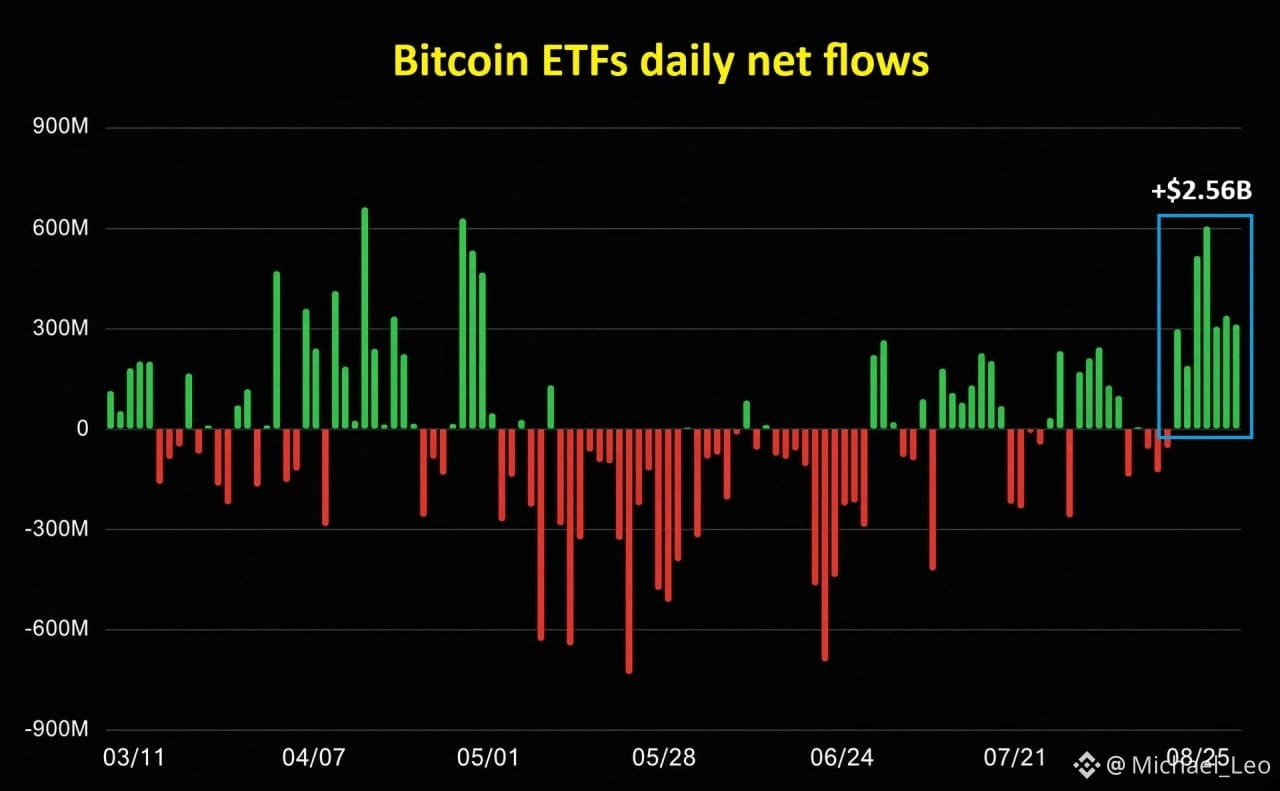
عاجل: 🟠 صناديق بيتكوين المتداولة اشترت 2.56 مليار دولار في 7 أيام 🚀
الطلب المؤسسي الفوري عاد بقوة.
عاجل: 🟠 صناديق بيتكوين المتداولة اشترت 2.56 مليار دولار في 7 أيام 🚀
الطلب المؤسسي الفوري عاد بقوة.
الطلب المؤسسي الفوري عاد بقوة.
140
·
--
🚨 $BOB — تنبيه اختراق
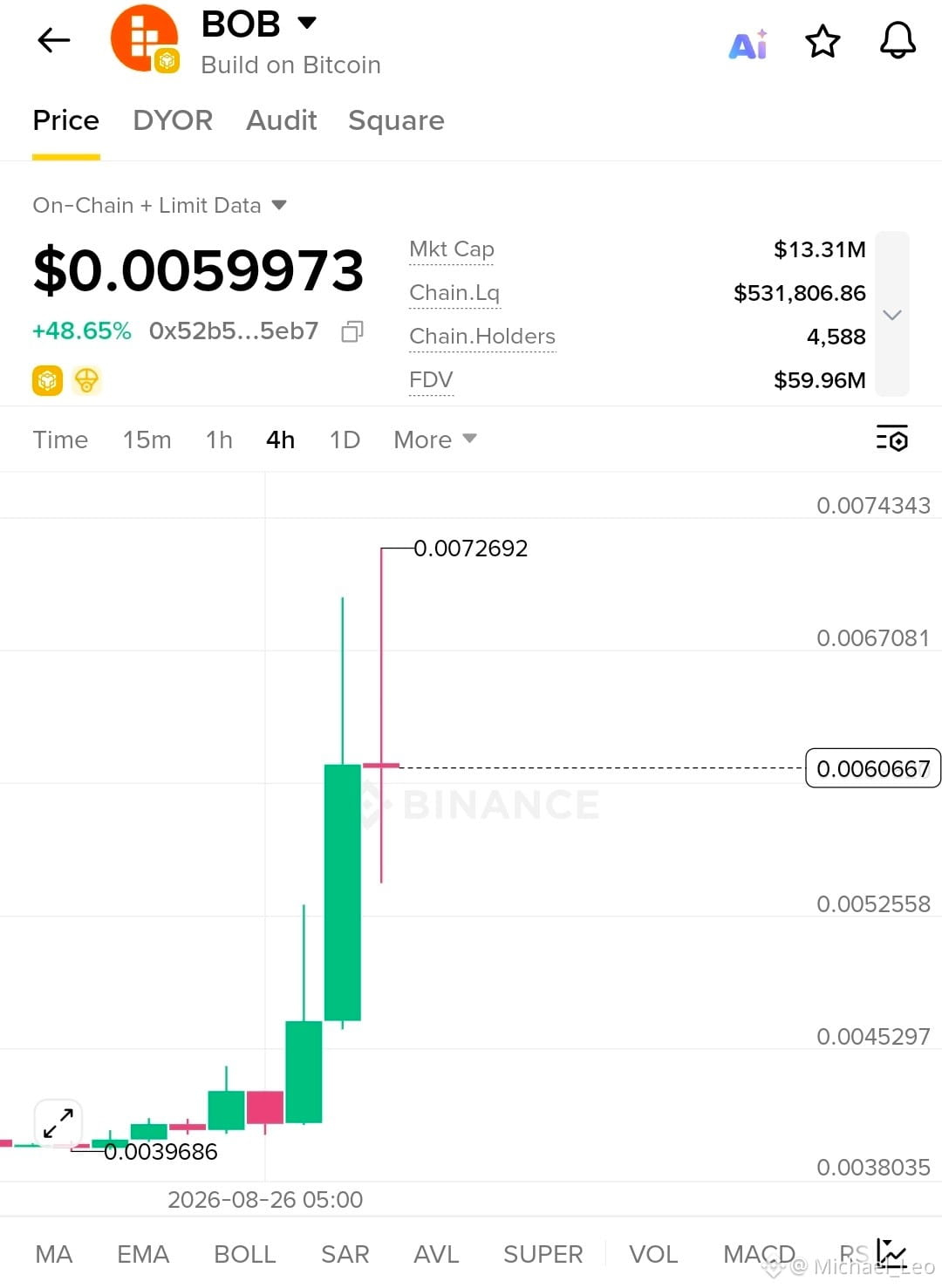
لقد انفجر BOB +48% بزخم عدواني، ليدخل منطقة $0.0060 بعد أن سجّل قمة عالية عند $0.00727.
EP
$0.00570 – $0.00600
TP
$0.00670
$0.00727
$0.00800
SL
$0.00525
نصيحة احترافية: لا تطارد الشمعة الخضراء. راقب تراجعًا ثم تمسّكًا قويًا فوق $0.00570–$0.00600. إذا دافع المشترون عن هذه المنطقة، ستصبح التوسعة التالية باتجاه القمة السابقة مثيرة للاهتمام.
الزخم حار — لكن التأكيد هو الأهم.
لنراقب $BOB عن كثب. 🔥
$BTR
{future}(BTRUSDT)
🚨 $BOB — تنبيه اختراق
لقد انفجر BOB +48% بزخم عدواني، ليدخل منطقة $0.0060 بعد أن سجّل قمة عالية عند $0.00727.
EP
$0.00570 – $0.00600
TP
$0.00670
$0.00727
$0.00800
SL
$0.00525
نصيحة احترافية: لا تطارد الشمعة الخضراء. راقب تراجعًا ثم تمسّكًا قويًا فوق $0.00570–$0.00600. إذا دافع المشترون عن هذه المنطقة، ستصبح التوسعة التالية باتجاه القمة السابقة مثيرة للاهتمام.
الزخم حار — لكن التأكيد هو الأهم.
لنراقب $BOB عن كثب. 🔥
$BTR
لقد انفجر BOB +48% بزخم عدواني، ليدخل منطقة $0.0060 بعد أن سجّل قمة عالية عند $0.00727.
EP
$0.00570 – $0.00600
TP
$0.00670
$0.00727
$0.00800
SL
$0.00525
نصيحة احترافية: لا تطارد الشمعة الخضراء. راقب تراجعًا ثم تمسّكًا قويًا فوق $0.00570–$0.00600. إذا دافع المشترون عن هذه المنطقة، ستصبح التوسعة التالية باتجاه القمة السابقة مثيرة للاهتمام.
الزخم حار — لكن التأكيد هو الأهم.
لنراقب $BOB عن كثب. 🔥
$BTR
188
·
--
🚨 $TMX TRADE SETUP 🚨
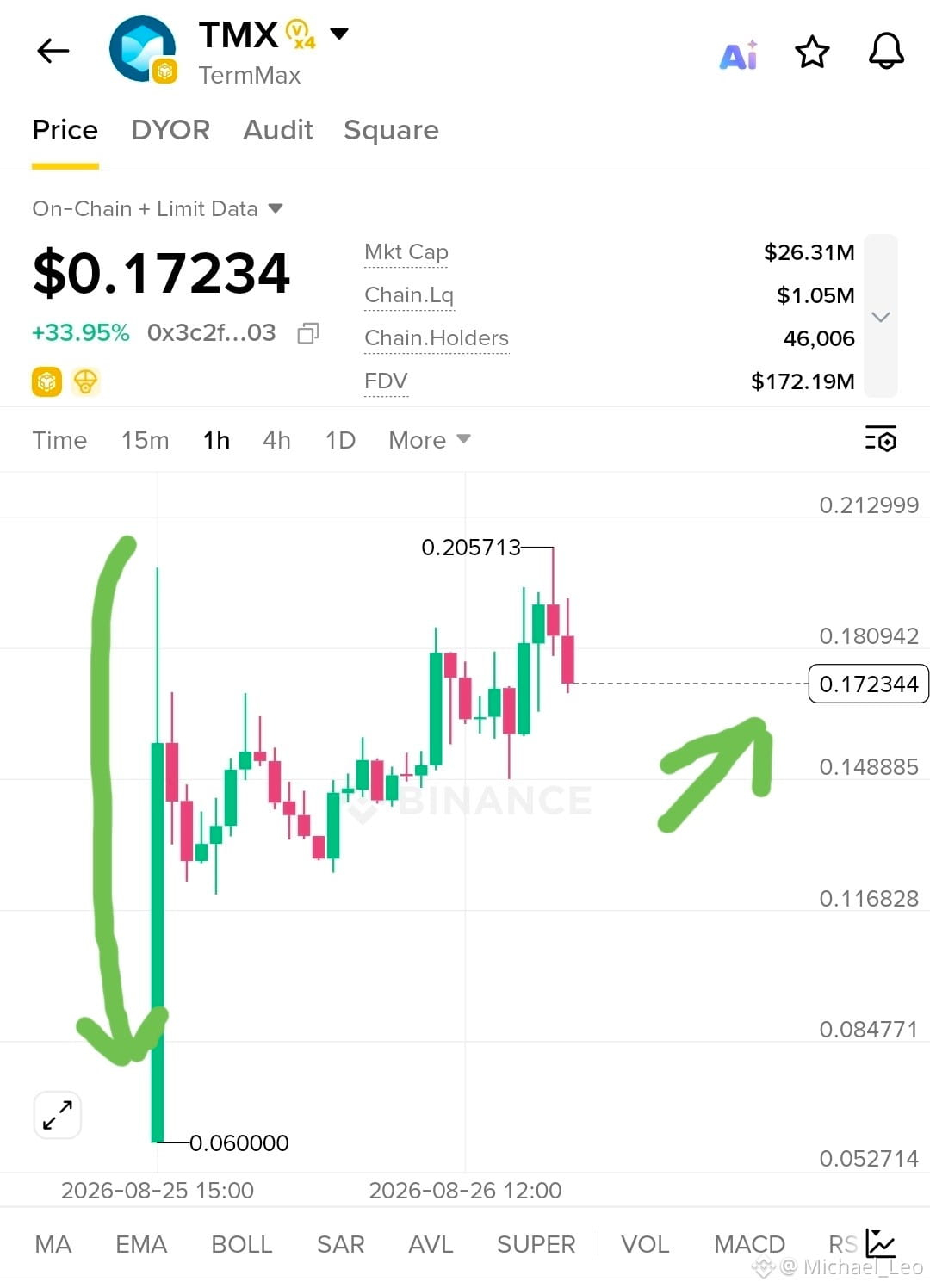
TMX يبرد بعد اختراق قوي، لكن بنية فترة 1H ما تزال صعودية. السعر يتمسك فوق منطقة الاختراق السابقة، مع اعتبار $0.2057 كمستوى مقاومة رئيسي.
🟢 نقطة الدخول (EP): $0.168 – $0.173
🎯 الهدف 1 (TP1): $0.181
🎯 الهدف 2 (TP2): $0.195
🎯 الهدف 3 (TP3): $0.205
🔴 وقف الخسارة (SL): $0.158
⚡ نصيحة احترافية: لا تلاحق الشمعة الخضراء. إعادة اختبار واضحة والثبات حول منطقة EP توفر دخولًا أقوى بكثير.
الزخم ما يزال موجودًا — استعادة $0.181 قد تدفع TMX للتسارع نحو القمة الأخيرة.
#TMX #Crypto #TradeSetup #cryptosignals
{alpha}(560x3c2f61f2e27c865981d2e7aaf6b2cdf823030039)
$BTR
{future}(BTRUSDT)
$DEBIT
{alpha}(560x66661c7229901f568f16bd1551b3ba826f83ce49)
#USIranReportedlyReachCeasefireConsensus
🚨 $TMX TRADE SETUP 🚨
TMX يبرد بعد اختراق قوي، لكن بنية فترة 1H ما تزال صعودية. السعر يتمسك فوق منطقة الاختراق السابقة، مع اعتبار $0.2057 كمستوى مقاومة رئيسي.
🟢 نقطة الدخول (EP): $0.168 – $0.173
🎯 الهدف 1 (TP1): $0.181
🎯 الهدف 2 (TP2): $0.195
🎯 الهدف 3 (TP3): $0.205
🔴 وقف الخسارة (SL): $0.158
⚡ نصيحة احترافية: لا تلاحق الشمعة الخضراء. إعادة اختبار واضحة والثبات حول منطقة EP توفر دخولًا أقوى بكثير.
الزخم ما يزال موجودًا — استعادة $0.181 قد تدفع TMX للتسارع نحو القمة الأخيرة.
#TMX #Crypto #TradeSetup #cryptosignals
$BTR
$DEBIT
#USIranReportedlyReachCeasefireConsensus
TMX يبرد بعد اختراق قوي، لكن بنية فترة 1H ما تزال صعودية. السعر يتمسك فوق منطقة الاختراق السابقة، مع اعتبار $0.2057 كمستوى مقاومة رئيسي.
🟢 نقطة الدخول (EP): $0.168 – $0.173
🎯 الهدف 1 (TP1): $0.181
🎯 الهدف 2 (TP2): $0.195
🎯 الهدف 3 (TP3): $0.205
🔴 وقف الخسارة (SL): $0.158
⚡ نصيحة احترافية: لا تلاحق الشمعة الخضراء. إعادة اختبار واضحة والثبات حول منطقة EP توفر دخولًا أقوى بكثير.
الزخم ما يزال موجودًا — استعادة $0.181 قد تدفع TMX للتسارع نحو القمة الأخيرة.
#TMX #Crypto #TradeSetup #cryptosignals
$BTR
$DEBIT
#USIranReportedlyReachCeasefireConsensus
473
·
--
$DEBIT
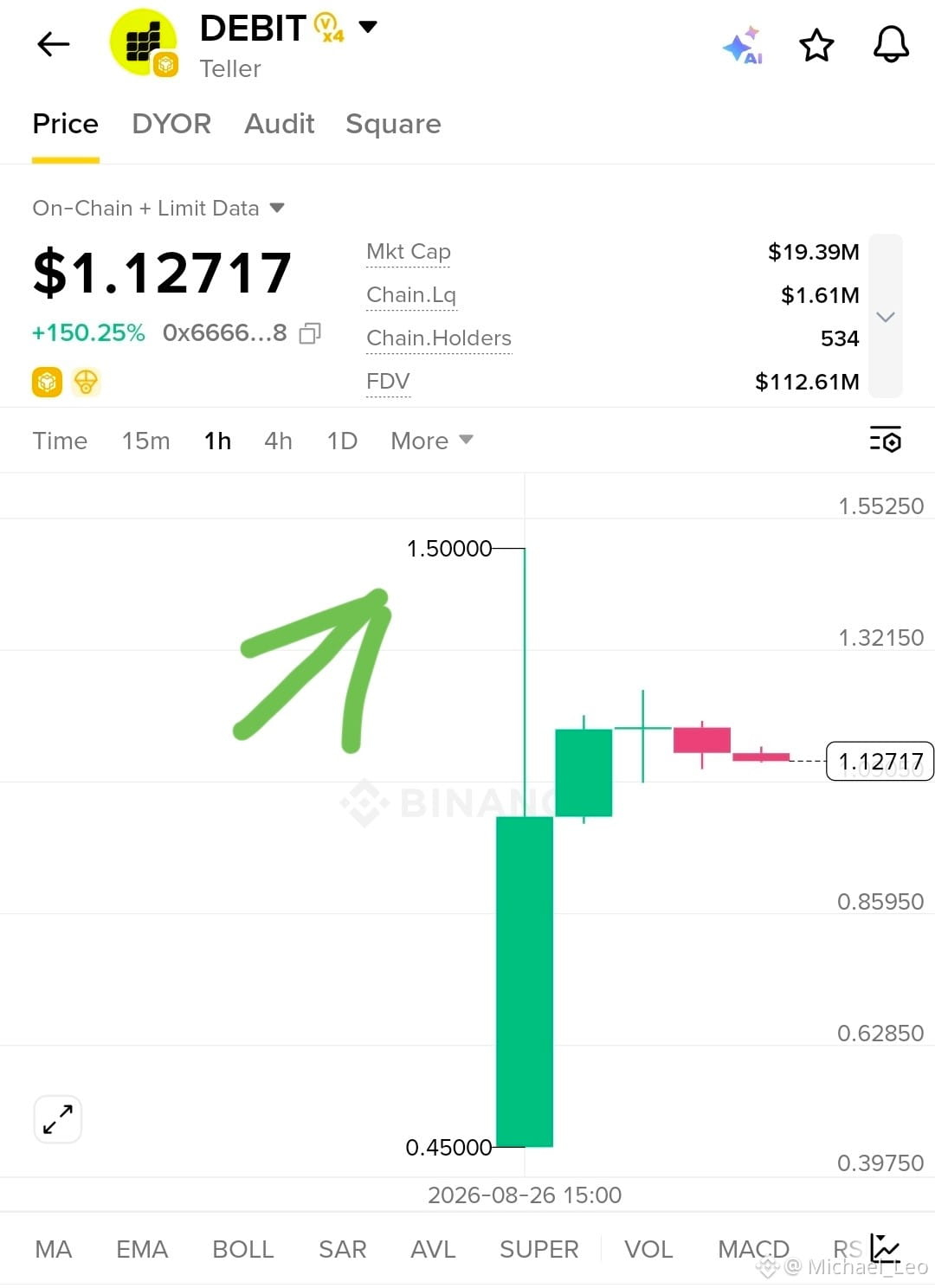
تمتلك DEBIT اختراقًا كبيرًا، إذ صعدت بأكثر من 150% وتقوم الآن بالتجميع حول 1.12$ بعد رفض منطقة 1.50$. يكمن السؤال في ما إذا كان بإمكان المشترين الدفاع عن منطقة الطلب الحالية واستعادة المقاومة القريبة.
EP: 1.05–1.13
TP1: 1.32
TP2: 1.50
TP3: 1.65+
SL: 0.98
نصيحة احترافية: لا تلاحق شمعة الاندفاع عموديًا. انتظر تراجعًا إلى منطقة الدخول وابحث عن تأكيد قبل الدخول. قد يؤدي استرداد قوي فوق 1.32$ إلى فتح الطريق نحو القمة السابقة عند 1.50$.
الزخم قوي، لكن التقلبات شديدة للغاية. أدر مخاطرِك واترك الفرصة تأتي إليك.
$DEBIT
{alpha}(560x66661c7229901f568f16bd1551b3ba826f83ce49)
$BTR
{future}(BTRUSDT)
#USIranReportedlyReachCeasefireConsensus #OpenAIReportedlyCompletesBelModelPretraining
$DEBIT
تمتلك DEBIT اختراقًا كبيرًا، إذ صعدت بأكثر من 150% وتقوم الآن بالتجميع حول 1.12$ بعد رفض منطقة 1.50$. يكمن السؤال في ما إذا كان بإمكان المشترين الدفاع عن منطقة الطلب الحالية واستعادة المقاومة القريبة.
EP: 1.05–1.13
TP1: 1.32
TP2: 1.50
TP3: 1.65+
SL: 0.98
نصيحة احترافية: لا تلاحق شمعة الاندفاع عموديًا. انتظر تراجعًا إلى منطقة الدخول وابحث عن تأكيد قبل الدخول. قد يؤدي استرداد قوي فوق 1.32$ إلى فتح الطريق نحو القمة السابقة عند 1.50$.
الزخم قوي، لكن التقلبات شديدة للغاية. أدر مخاطرِك واترك الفرصة تأتي إليك.
$DEBIT
$BTR
#USIranReportedlyReachCeasefireConsensus #OpenAIReportedlyCompletesBelModelPretraining
تمتلك DEBIT اختراقًا كبيرًا، إذ صعدت بأكثر من 150% وتقوم الآن بالتجميع حول 1.12$ بعد رفض منطقة 1.50$. يكمن السؤال في ما إذا كان بإمكان المشترين الدفاع عن منطقة الطلب الحالية واستعادة المقاومة القريبة.
EP: 1.05–1.13
TP1: 1.32
TP2: 1.50
TP3: 1.65+
SL: 0.98
نصيحة احترافية: لا تلاحق شمعة الاندفاع عموديًا. انتظر تراجعًا إلى منطقة الدخول وابحث عن تأكيد قبل الدخول. قد يؤدي استرداد قوي فوق 1.32$ إلى فتح الطريق نحو القمة السابقة عند 1.50$.
الزخم قوي، لكن التقلبات شديدة للغاية. أدر مخاطرِك واترك الفرصة تأتي إليك.
$DEBIT
$BTR
#USIranReportedlyReachCeasefireConsensus #OpenAIReportedlyCompletesBelModelPretraining
416
·
--
$BTR
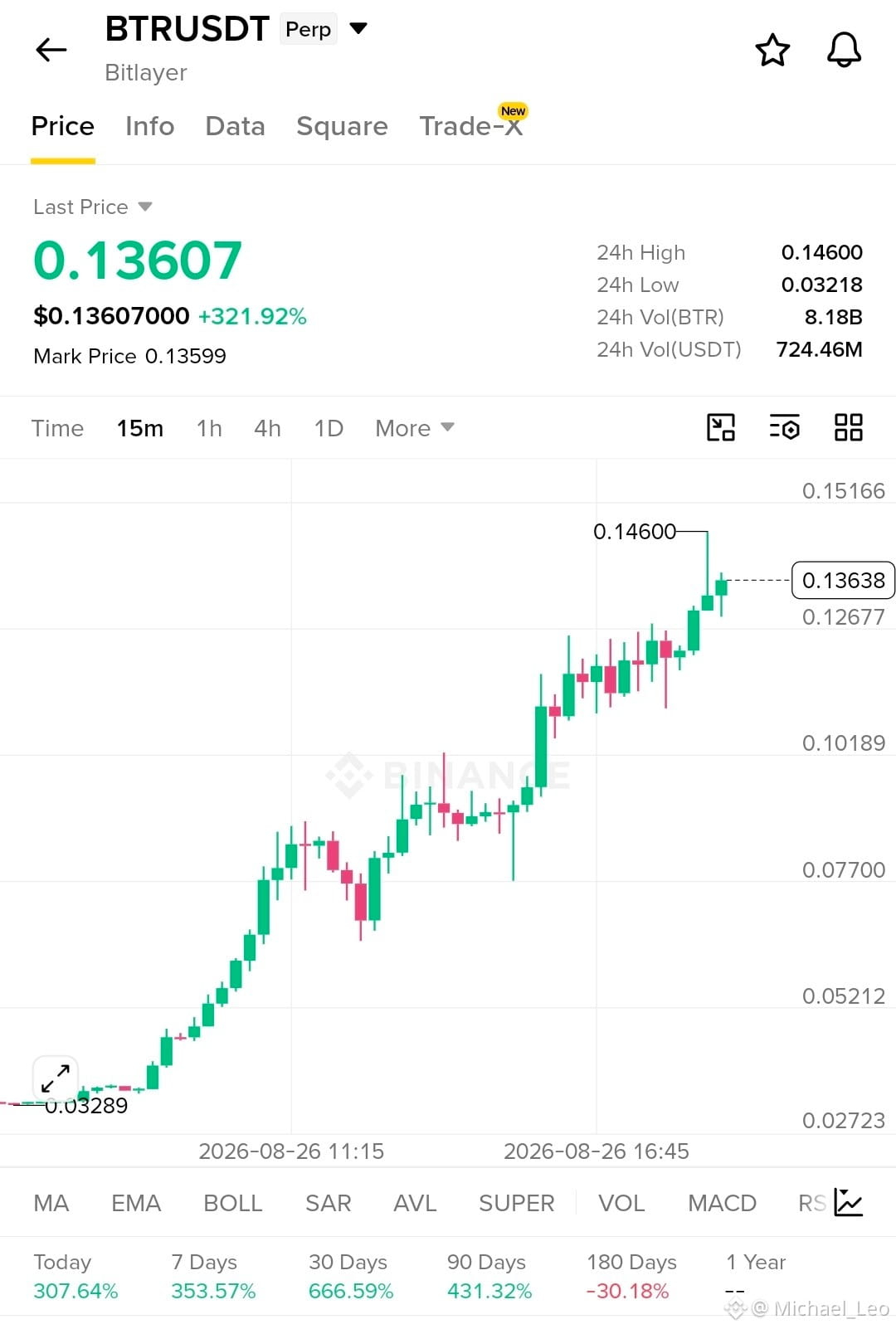
تُظهر BTR زخمًا انفجاريًا، لكن بعد اختراق ضخم، فإن ملاحقة القمة محفوفة بالمخاطر. السعر يتمسك فوق منطقة دعم 0.1267، بينما يقع 0.1460 كمقاومة فورية. إن إعادة اختبار نظيفة لمنطقة الطلب قد توفر إعداد الاستمرار القوي التالي.
EP: 0.1270 – 0.1330
TP1: 0.1460
TP2: 0.1580
TP3: 0.1750
SL: 0.1190
نصيحة احترافية: لا تُطارد FOMO قرب المقاومة. انتظر تراجعًا إلى منطقة EP وابحث عن تأكيد الدعم قبل الدخول.
طالما أن BTR يحافظ على منطقة الدعم 0.1267–0.1270، يظل الزخم صعوديًا ومن الممكن حدوث محاولة اختراق أخرى باتجاه مستويات أعلى.$BTR
{future}(BTRUSDT)
#USIranReportedlyReachCeasefireConsensus #OpenAIReportedlyCompletesBelModelPretraining
$BTR
تُظهر BTR زخمًا انفجاريًا، لكن بعد اختراق ضخم، فإن ملاحقة القمة محفوفة بالمخاطر. السعر يتمسك فوق منطقة دعم 0.1267، بينما يقع 0.1460 كمقاومة فورية. إن إعادة اختبار نظيفة لمنطقة الطلب قد توفر إعداد الاستمرار القوي التالي.
EP: 0.1270 – 0.1330
TP1: 0.1460
TP2: 0.1580
TP3: 0.1750
SL: 0.1190
نصيحة احترافية: لا تُطارد FOMO قرب المقاومة. انتظر تراجعًا إلى منطقة EP وابحث عن تأكيد الدعم قبل الدخول.
طالما أن BTR يحافظ على منطقة الدعم 0.1267–0.1270، يظل الزخم صعوديًا ومن الممكن حدوث محاولة اختراق أخرى باتجاه مستويات أعلى.$BTR
#USIranReportedlyReachCeasefireConsensus #OpenAIReportedlyCompletesBelModelPretraining
تُظهر BTR زخمًا انفجاريًا، لكن بعد اختراق ضخم، فإن ملاحقة القمة محفوفة بالمخاطر. السعر يتمسك فوق منطقة دعم 0.1267، بينما يقع 0.1460 كمقاومة فورية. إن إعادة اختبار نظيفة لمنطقة الطلب قد توفر إعداد الاستمرار القوي التالي.
EP: 0.1270 – 0.1330
TP1: 0.1460
TP2: 0.1580
TP3: 0.1750
SL: 0.1190
نصيحة احترافية: لا تُطارد FOMO قرب المقاومة. انتظر تراجعًا إلى منطقة EP وابحث عن تأكيد الدعم قبل الدخول.
طالما أن BTR يحافظ على منطقة الدعم 0.1267–0.1270، يظل الزخم صعوديًا ومن الممكن حدوث محاولة اختراق أخرى باتجاه مستويات أعلى.$BTR
#USIranReportedlyReachCeasefireConsensus #OpenAIReportedlyCompletesBelModelPretraining
306
سجّل الدخول لاستكشاف المزيد من المُحتوى
انضم إلى مُستخدمي العملات الرقمية حول العالم على Binance Square
⚡️ احصل على أحدث المعلومات المفيدة عن العملات الرقمية.
💬 موثوقة من قبل أكبر منصّة لتداول العملات الرقمية في العالم.
👍 اكتشف الرؤى الحقيقية من صنّاع المُحتوى الموثوقين.
البريد الإلكتروني / رقم الهاتف
المواضيع الرائجة
BitcoinReboundsTo$79K
30,427 مشاهدات
246 يقومون بالنقاش
$TRUMP
$XAU
#BitcoinReboundsTo$79K #FedHikeOddsRiseTo89% #AvalancheIntegratesIntoUAEPassDigitalVault #UKSeeksViewsOnTokenizingGold #AnthropicCEOCallsForAISlowdown النطاق عند gog 79,093
تحذير من فخ الثور: تحديث فوري
+2.66% BTC/SAR
سعر Bitcoin في إطار 5 ساعات وصل إلى 79,093.16 بعد اختراق واضح لنطاق التذبذب، لكن الزخم ما زال هشًا مع بروز مخاطر "فخ الثور" عند مستوى 80,000 النفسي. هذه الحركة تشير لقوة شرائية آنيّة، لكن مؤشرات الإجهاد وإشارات ضعف الاتجاه تفرض الحذر في اتخاذ قرار الدخول الآن.
rami nasr11
·0 إعجاب
·204 مشاهدات
BessentEndorsesFinalClarityActDraft
0 مشاهدات
7 يقومون بالنقاش
ZamaOpens16ConfidentialMorphoVaults
0 مشاهدات
6 يقومون بالنقاش