

N O A A
8.4k منشورات

N O A A
 تحقُّق Binance Square الإضافي
إبلاغ
حظر المُستخدم
Living between charts and chains
161 تتابع
35.9K+ المتابعون
32.4K+ إعجاب
منشورات
الكل
اقتباسات
مقاطع فيديو
Live
·
--
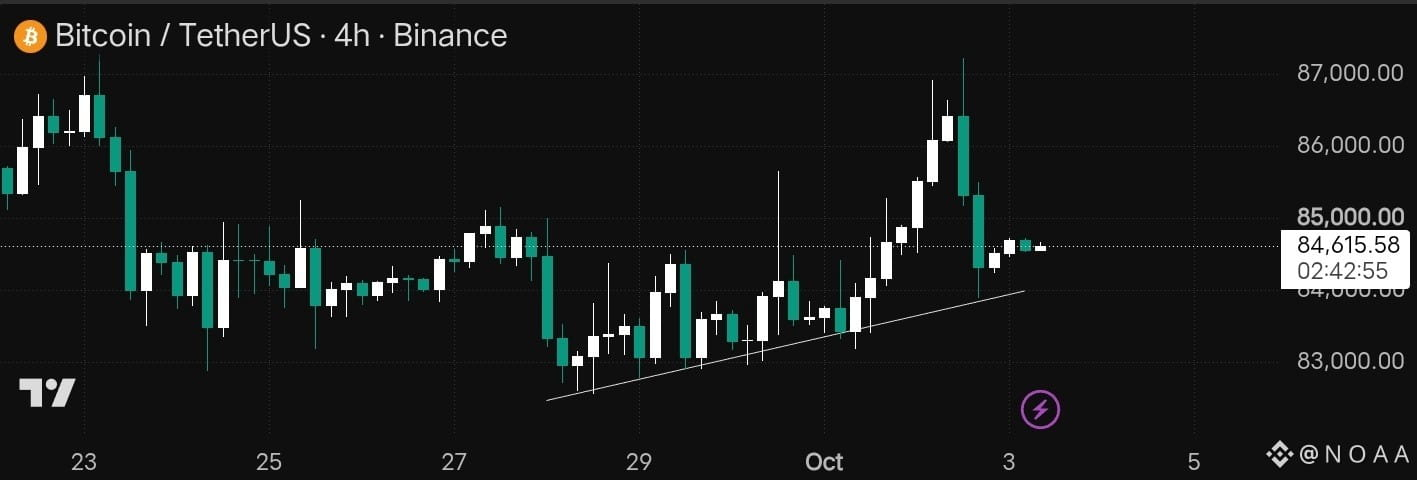
$BTC في حالة تهدّؤ بعد الرفض قرب 87 ألف دولار.
السعر ثابت تقريبًا حول 84.6 ألف دولار، مع استمرار خط الاتجاه الصاعد في تقديم الدعم. 👀
المنطقة الرئيسية الآن هي 84 ألف دولار–84.5 ألف دولار.
أمسِكه → قد تأتي محاولة أخرى باتجاه 86 ألف دولار–87 ألف دولار.
اتركه → قد يصبح الانسحاب الأعمق ممكنًا.
أراقب التفاعل هنا.
$BTC في حالة تهدّؤ بعد الرفض قرب 87 ألف دولار.
السعر ثابت تقريبًا حول 84.6 ألف دولار، مع استمرار خط الاتجاه الصاعد في تقديم الدعم. 👀
المنطقة الرئيسية الآن هي 84 ألف دولار–84.5 ألف دولار.
أمسِكه → قد تأتي محاولة أخرى باتجاه 86 ألف دولار–87 ألف دولار.
اتركه → قد يصبح الانسحاب الأعمق ممكنًا.
أراقب التفاعل هنا.
السعر ثابت تقريبًا حول 84.6 ألف دولار، مع استمرار خط الاتجاه الصاعد في تقديم الدعم. 👀
المنطقة الرئيسية الآن هي 84 ألف دولار–84.5 ألف دولار.
أمسِكه → قد تأتي محاولة أخرى باتجاه 86 ألف دولار–87 ألف دولار.
اتركه → قد يصبح الانسحاب الأعمق ممكنًا.
أراقب التفاعل هنا.
1
135
·
--
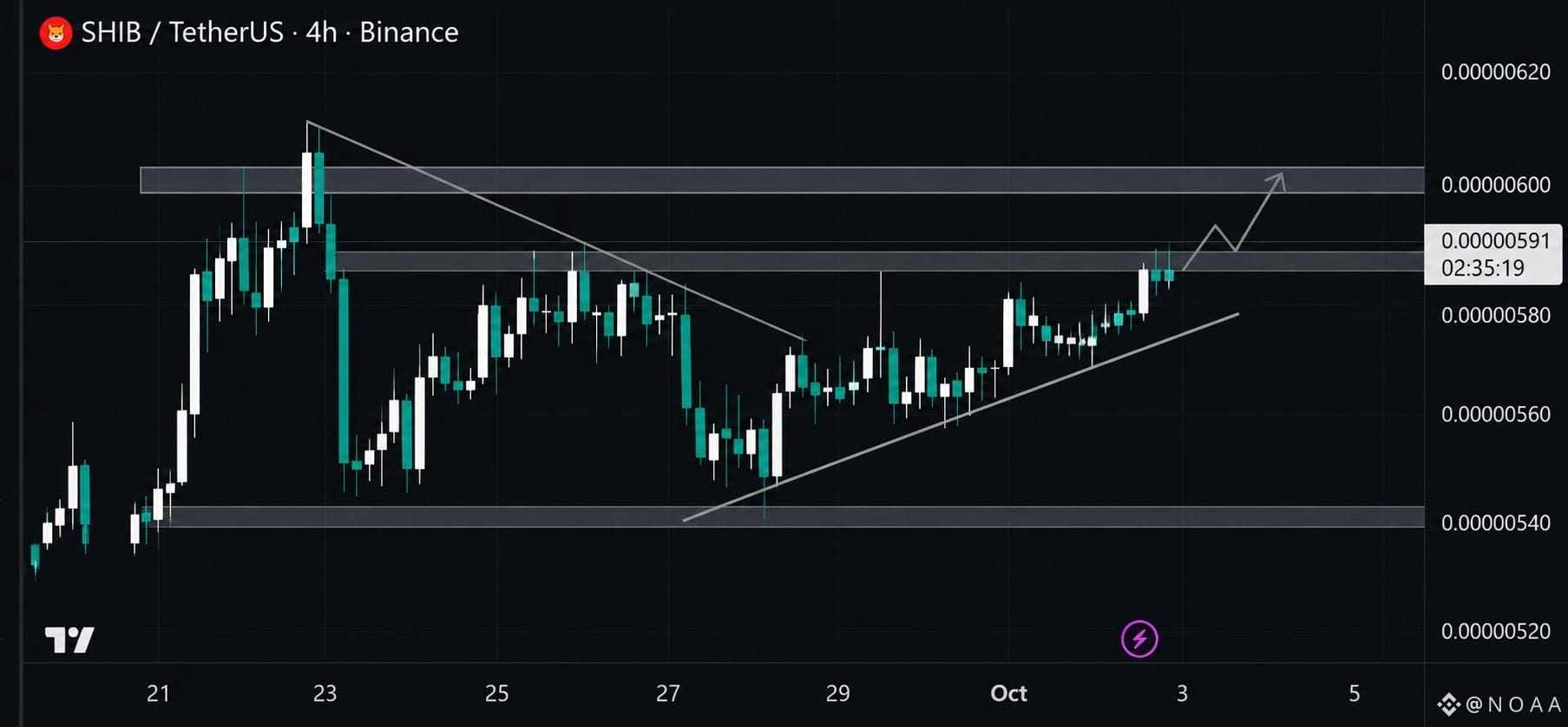
$SHIB يقترب من منطقة اختراق رئيسية.
يواصل السعر احترام خط الاتجاه الصاعد بينما يضغط باتجاه المقاومة الأخيرة.
قد يفتح الاختراق المؤكد فوق 6.0 الطريق نحو 6.2.
طالما أن البنية الصاعدة ما تزال قائمة، يبقى الإعداد إيجابيًا.
{spot}(SHIBUSDT)
$SHIB يقترب من منطقة اختراق رئيسية.
يواصل السعر احترام خط الاتجاه الصاعد بينما يضغط باتجاه المقاومة الأخيرة.
قد يفتح الاختراق المؤكد فوق 6.0 الطريق نحو 6.2.
طالما أن البنية الصاعدة ما تزال قائمة، يبقى الإعداد إيجابيًا.
يواصل السعر احترام خط الاتجاه الصاعد بينما يضغط باتجاه المقاومة الأخيرة.
قد يفتح الاختراق المؤكد فوق 6.0 الطريق نحو 6.2.
طالما أن البنية الصاعدة ما تزال قائمة، يبقى الإعداد إيجابيًا.
153
·
--
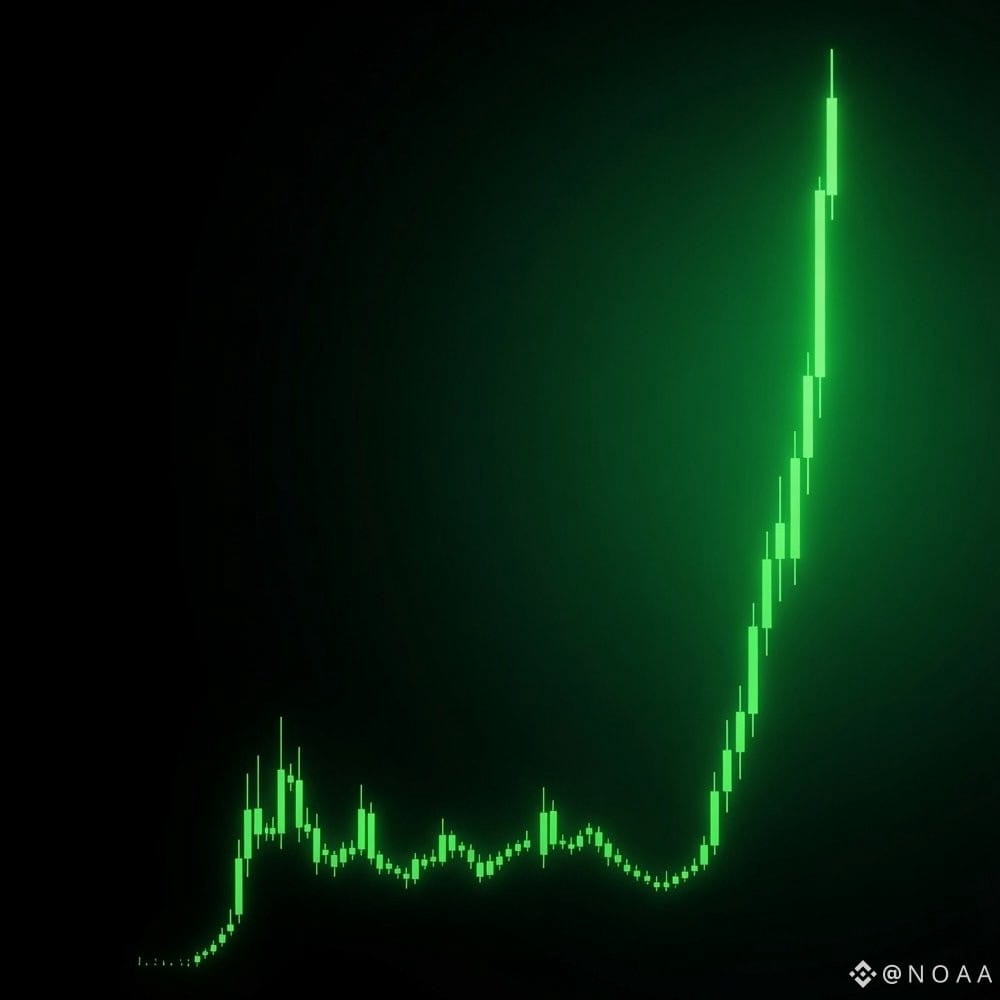
يبدو أن البيتكوين يضخ مرة أخرى، وهناك عدة عوامل وراء هذه الحركة.
أكبر محفّز هو التحول في المشهد الكلي للاقتصاد الأميركي.
جاءت بيانات التضخم الأخيرة ألين من المتوقع، ما خفّض التوقعات بإجراء رفع جديد لسعر الفائدة من جانب بنك الاحتياطي الفيدرالي في أكتوبر، ومنح الأصول عالية المخاطر بعض المساحة للتنفس.
كما تراجعت عوائد سندات الخزانة عن أعلى مستوياتها الأخيرة، وهو ما يساعد في تحسين بيئة السيولة الأوسع.
ثم هناك عامل التموضع.
اختراق البيتكوين مجددًا فوق 85 ألف دولار أدى إلى موجة تصفيات للصفقات القصيرة، حيث تم مسح نحو 102 مليون دولار من مراكز البيع على المكشوف في العملات المشفرة خلال الـ 24 ساعة الماضية.
هذا الشراء الإجباري يضيف كذلك المزيد من الزخم إلى الحركة.
$BTC #BTC #EthereumFoundationLaunchesZkAPIOnMainnet #EvernorthPlansNasdaqListingOct8
{future}(BTCUSDT)
يبدو أن البيتكوين يضخ مرة أخرى، وهناك عدة عوامل وراء هذه الحركة.
أكبر محفّز هو التحول في المشهد الكلي للاقتصاد الأميركي.
جاءت بيانات التضخم الأخيرة ألين من المتوقع، ما خفّض التوقعات بإجراء رفع جديد لسعر الفائدة من جانب بنك الاحتياطي الفيدرالي في أكتوبر، ومنح الأصول عالية المخاطر بعض المساحة للتنفس.
كما تراجعت عوائد سندات الخزانة عن أعلى مستوياتها الأخيرة، وهو ما يساعد في تحسين بيئة السيولة الأوسع.
ثم هناك عامل التموضع.
اختراق البيتكوين مجددًا فوق 85 ألف دولار أدى إلى موجة تصفيات للصفقات القصيرة، حيث تم مسح نحو 102 مليون دولار من مراكز البيع على المكشوف في العملات المشفرة خلال الـ 24 ساعة الماضية.
هذا الشراء الإجباري يضيف كذلك المزيد من الزخم إلى الحركة.
$BTC #BTC #EthereumFoundationLaunchesZkAPIOnMainnet #EvernorthPlansNasdaqListingOct8
أكبر محفّز هو التحول في المشهد الكلي للاقتصاد الأميركي.
جاءت بيانات التضخم الأخيرة ألين من المتوقع، ما خفّض التوقعات بإجراء رفع جديد لسعر الفائدة من جانب بنك الاحتياطي الفيدرالي في أكتوبر، ومنح الأصول عالية المخاطر بعض المساحة للتنفس.
كما تراجعت عوائد سندات الخزانة عن أعلى مستوياتها الأخيرة، وهو ما يساعد في تحسين بيئة السيولة الأوسع.
ثم هناك عامل التموضع.
اختراق البيتكوين مجددًا فوق 85 ألف دولار أدى إلى موجة تصفيات للصفقات القصيرة، حيث تم مسح نحو 102 مليون دولار من مراكز البيع على المكشوف في العملات المشفرة خلال الـ 24 ساعة الماضية.
هذا الشراء الإجباري يضيف كذلك المزيد من الزخم إلى الحركة.
$BTC #BTC #EthereumFoundationLaunchesZkAPIOnMainnet #EvernorthPlansNasdaqListingOct8
1
3
199
·
--
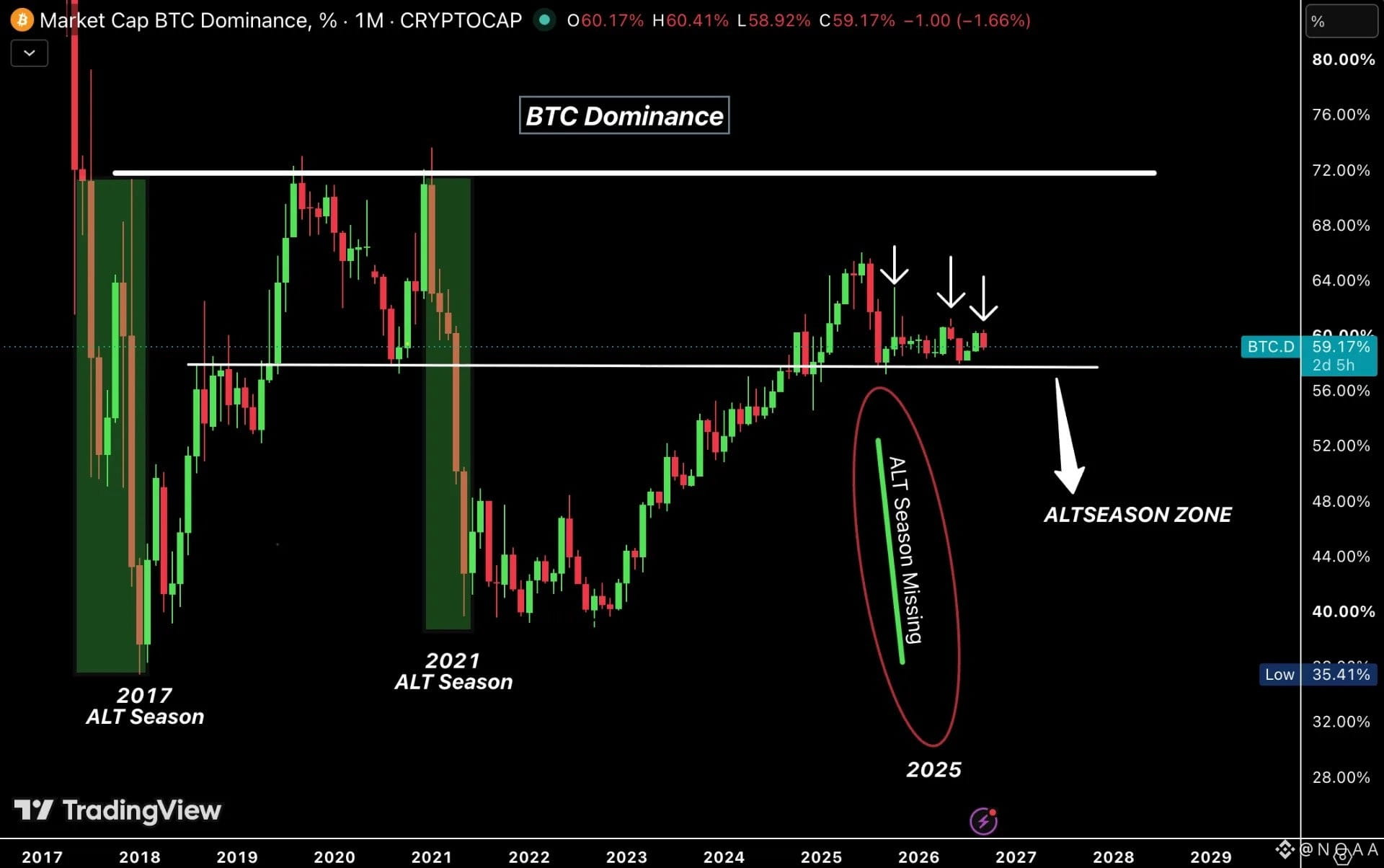
قد تكون هذه هي المرحلة التي تحدد متى يبدأ الألتسيزن الكبير التالي.
كانت سيادة البيتكوين (BTC dominance) تتماسك لأكثر من عام. وبخلاف عامي 2017 و2021، لم نرَ انهيارًا كبيرًا في السيادة في 2025.
الآن BTC.D تُظهر قممًا أدنى، مع اعتبار 57.8% مستوى دعمًا رئيسيًا.
كسر تحت 57.8% → قد يبدأ الألتسيزن أخيرًا.
الثبات فوقه وإعادة استعادته عند 61% → قد يستمر البيتكوين في القيادة بينما تتأخر العملات البديلة.
أي اتجاه برأيك سيحدث لـ BTC.D؟
قد تكون هذه هي المرحلة التي تحدد متى يبدأ الألتسيزن الكبير التالي.
كانت سيادة البيتكوين (BTC dominance) تتماسك لأكثر من عام. وبخلاف عامي 2017 و2021، لم نرَ انهيارًا كبيرًا في السيادة في 2025.
الآن BTC.D تُظهر قممًا أدنى، مع اعتبار 57.8% مستوى دعمًا رئيسيًا.
كسر تحت 57.8% → قد يبدأ الألتسيزن أخيرًا.
الثبات فوقه وإعادة استعادته عند 61% → قد يستمر البيتكوين في القيادة بينما تتأخر العملات البديلة.
أي اتجاه برأيك سيحدث لـ BTC.D؟
كانت سيادة البيتكوين (BTC dominance) تتماسك لأكثر من عام. وبخلاف عامي 2017 و2021، لم نرَ انهيارًا كبيرًا في السيادة في 2025.
الآن BTC.D تُظهر قممًا أدنى، مع اعتبار 57.8% مستوى دعمًا رئيسيًا.
كسر تحت 57.8% → قد يبدأ الألتسيزن أخيرًا.
الثبات فوقه وإعادة استعادته عند 61% → قد يستمر البيتكوين في القيادة بينما تتأخر العملات البديلة.
أي اتجاه برأيك سيحدث لـ BTC.D؟
1
95
·
--
4 ساعات. 30 دقيقة.
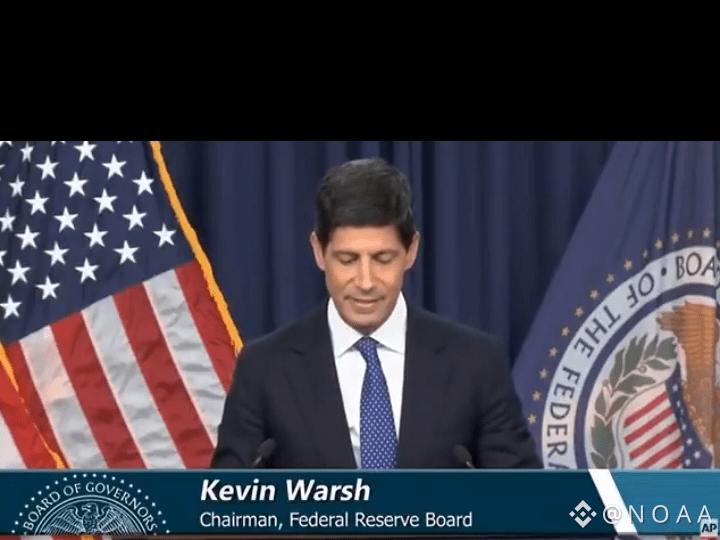
مؤشر التضخم المفضل لدى مجلس الاحتياطي الفيدرالي (الاحتياطي الفيدرالي) على وشك الانخفاض.
من المتوقع أن يسجل مؤشر نفقات الاستهلاك الشخصي باستثناء الغذاء والطاقة (Core PCE) 3.4% سنويًا، مقارنةً بـ 3.3%.
وبما أن قرار الفيدرالي لشهر أكتوبر كان قرارًا شائكًا بالفعل، فقد يهز هذا الرقم السوق.
رقم ساخن = تذبذب قادم. 👀
هل أنت مستعد؟
4 ساعات. 30 دقيقة.
مؤشر التضخم المفضل لدى مجلس الاحتياطي الفيدرالي (الاحتياطي الفيدرالي) على وشك الانخفاض.
من المتوقع أن يسجل مؤشر نفقات الاستهلاك الشخصي باستثناء الغذاء والطاقة (Core PCE) 3.4% سنويًا، مقارنةً بـ 3.3%.
وبما أن قرار الفيدرالي لشهر أكتوبر كان قرارًا شائكًا بالفعل، فقد يهز هذا الرقم السوق.
رقم ساخن = تذبذب قادم. 👀
هل أنت مستعد؟
مؤشر التضخم المفضل لدى مجلس الاحتياطي الفيدرالي (الاحتياطي الفيدرالي) على وشك الانخفاض.
من المتوقع أن يسجل مؤشر نفقات الاستهلاك الشخصي باستثناء الغذاء والطاقة (Core PCE) 3.4% سنويًا، مقارنةً بـ 3.3%.
وبما أن قرار الفيدرالي لشهر أكتوبر كان قرارًا شائكًا بالفعل، فقد يهز هذا الرقم السوق.
رقم ساخن = تذبذب قادم. 👀
هل أنت مستعد؟
1
102
·
--
بعض الأيام ستشعر أنك عالق.
بعض الأيام ستتساءل عن كل شيء.
استمرّ مع ذلك.
لا تحتاج أن تكون الأمور كلها واضحة تمامًا اليوم. كل ما عليك فعله هو أن تتخذ الخطوة التالية.
اظلّ ثابتًا. تحلَّ بالصبر. سيأتي وقتك.
$NVDA.US $AAPL.US $GOOGL.US
بعض الأيام ستشعر أنك عالق.
بعض الأيام ستتساءل عن كل شيء.
استمرّ مع ذلك.
لا تحتاج أن تكون الأمور كلها واضحة تمامًا اليوم. كل ما عليك فعله هو أن تتخذ الخطوة التالية.
اظلّ ثابتًا. تحلَّ بالصبر. سيأتي وقتك.
$NVDA.US $AAPL.US $GOOGL.US
بعض الأيام ستتساءل عن كل شيء.
استمرّ مع ذلك.
لا تحتاج أن تكون الأمور كلها واضحة تمامًا اليوم. كل ما عليك فعله هو أن تتخذ الخطوة التالية.
اظلّ ثابتًا. تحلَّ بالصبر. سيأتي وقتك.
$NVDA.US $AAPL.US $GOOGL.US

AAPLUS+0.72%
NVDAUS-0.80%
GOOGLUS-0.50%
1
164
·
--
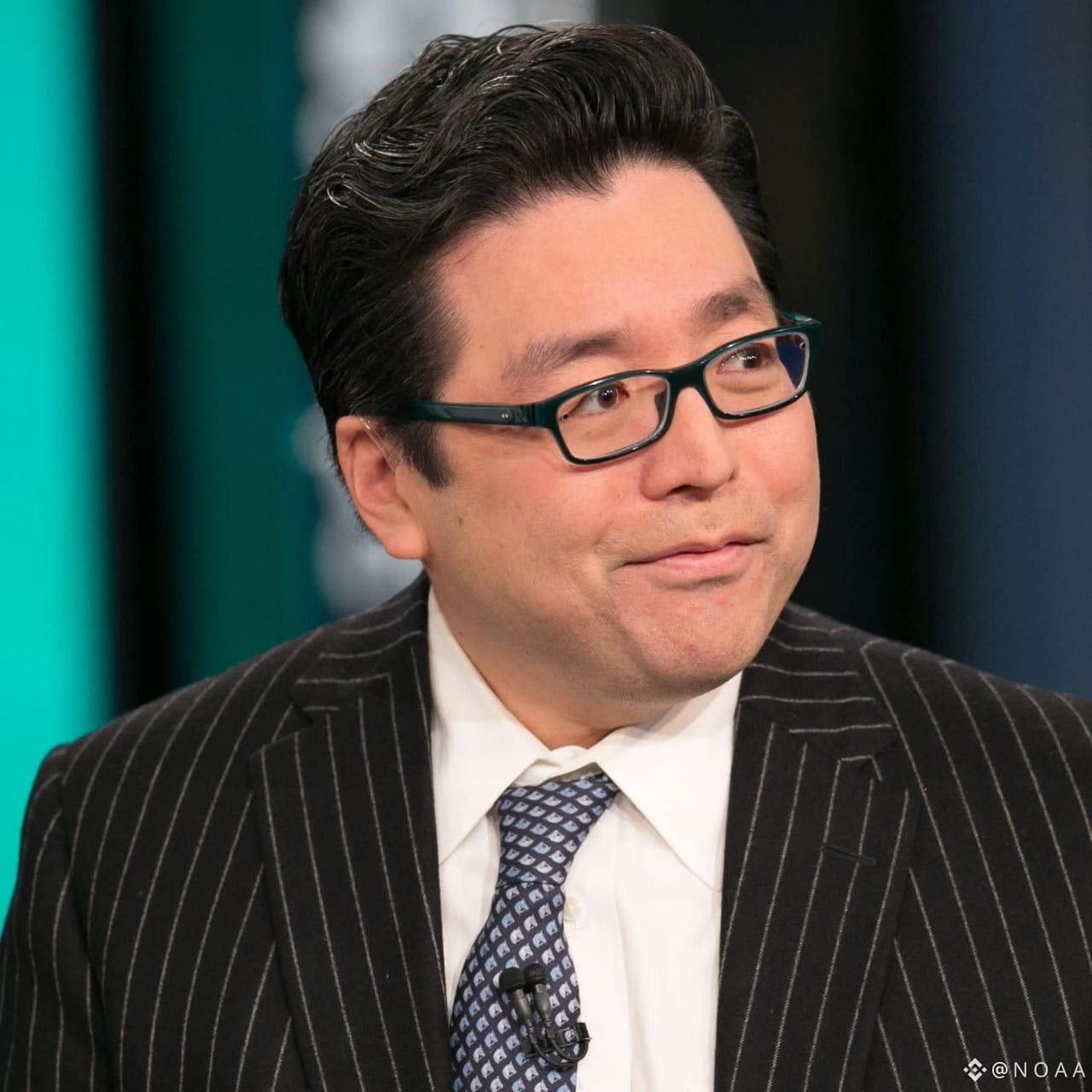
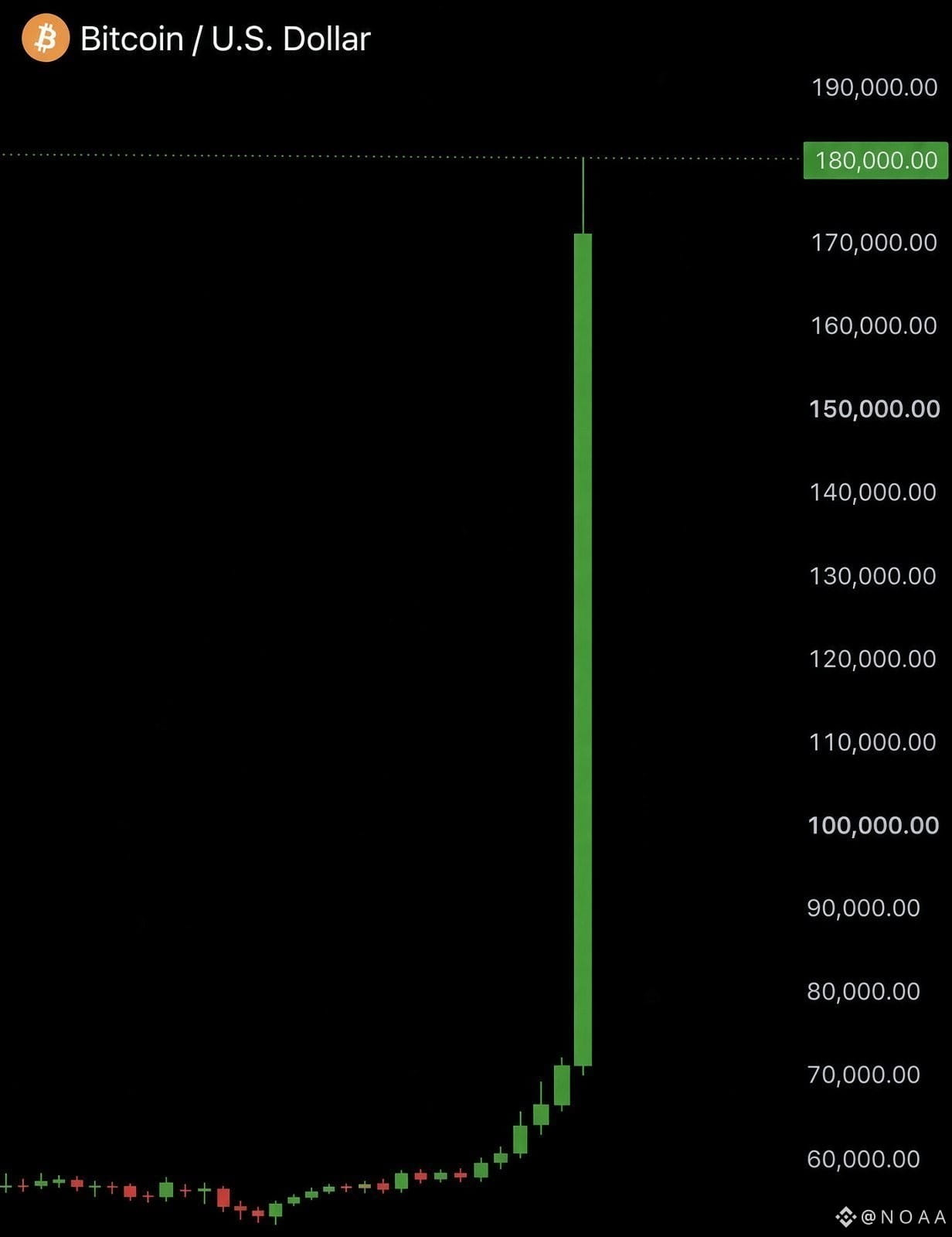
يقول توم لي إن سوق العملات الرقمية الصاعدة بدأ رسميًا — وقد تكون هذه الدورة أكبر من الدورات السابقة. 👀
إذا كان محقًا، فقد نكون فقط في المراحل المبكرة.
هل أنت مستعد لما سيأتي بعد ذلك؟
يقول توم لي إن سوق العملات الرقمية الصاعدة بدأ رسميًا — وقد تكون هذه الدورة أكبر من الدورات السابقة. 👀
إذا كان محقًا، فقد نكون فقط في المراحل المبكرة.
هل أنت مستعد لما سيأتي بعد ذلك؟
إذا كان محقًا، فقد نكون فقط في المراحل المبكرة.
هل أنت مستعد لما سيأتي بعد ذلك؟
140
·
--
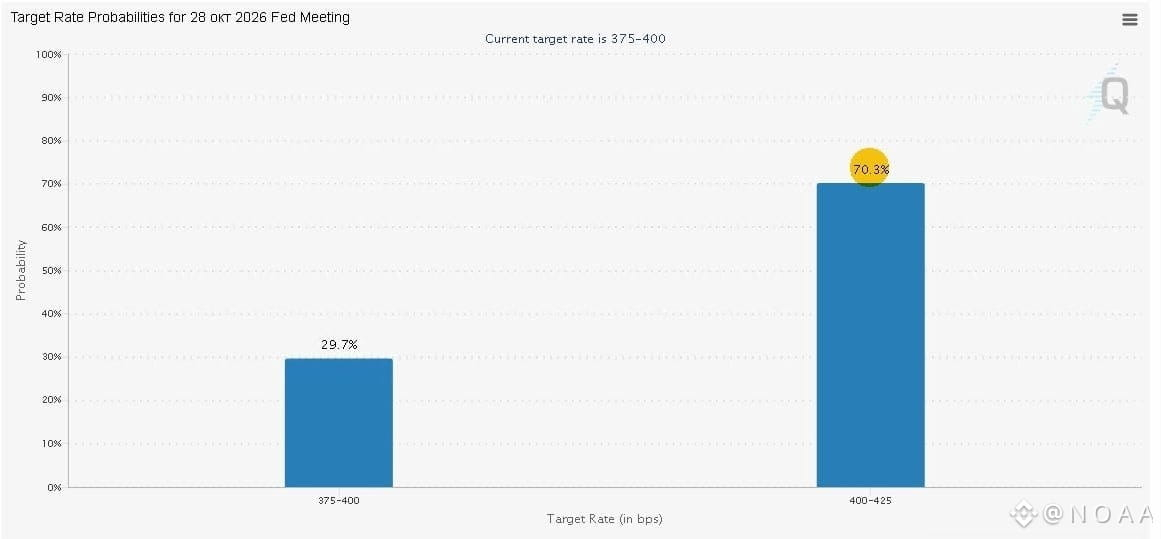
تقوم الأسواق الآن بتسعير احتمالية تتجاوز 70% بحدوث رفع لسعر الفائدة من قِبل الاحتياطي الفيدرالي في اجتماع 28 أكتوبر، وفقًا لأداة CME FedWatch.
ما الذي يجعل هذا الأمر مثيرًا للاهتمام: فقد تجنّب الاحتياطي الفيدرالي تاريخيًا إجراء زيادات في أكتوبر قبل الانتخابات الأمريكية.
وفي هذه المرة، يقوم المتداولون بتسعير سيناريو مختلف للغاية.
تقوم الأسواق الآن بتسعير احتمالية تتجاوز 70% بحدوث رفع لسعر الفائدة من قِبل الاحتياطي الفيدرالي في اجتماع 28 أكتوبر، وفقًا لأداة CME FedWatch.
ما الذي يجعل هذا الأمر مثيرًا للاهتمام: فقد تجنّب الاحتياطي الفيدرالي تاريخيًا إجراء زيادات في أكتوبر قبل الانتخابات الأمريكية.
وفي هذه المرة، يقوم المتداولون بتسعير سيناريو مختلف للغاية.
ما الذي يجعل هذا الأمر مثيرًا للاهتمام: فقد تجنّب الاحتياطي الفيدرالي تاريخيًا إجراء زيادات في أكتوبر قبل الانتخابات الأمريكية.
وفي هذه المرة، يقوم المتداولون بتسعير سيناريو مختلف للغاية.
1
125
·
--
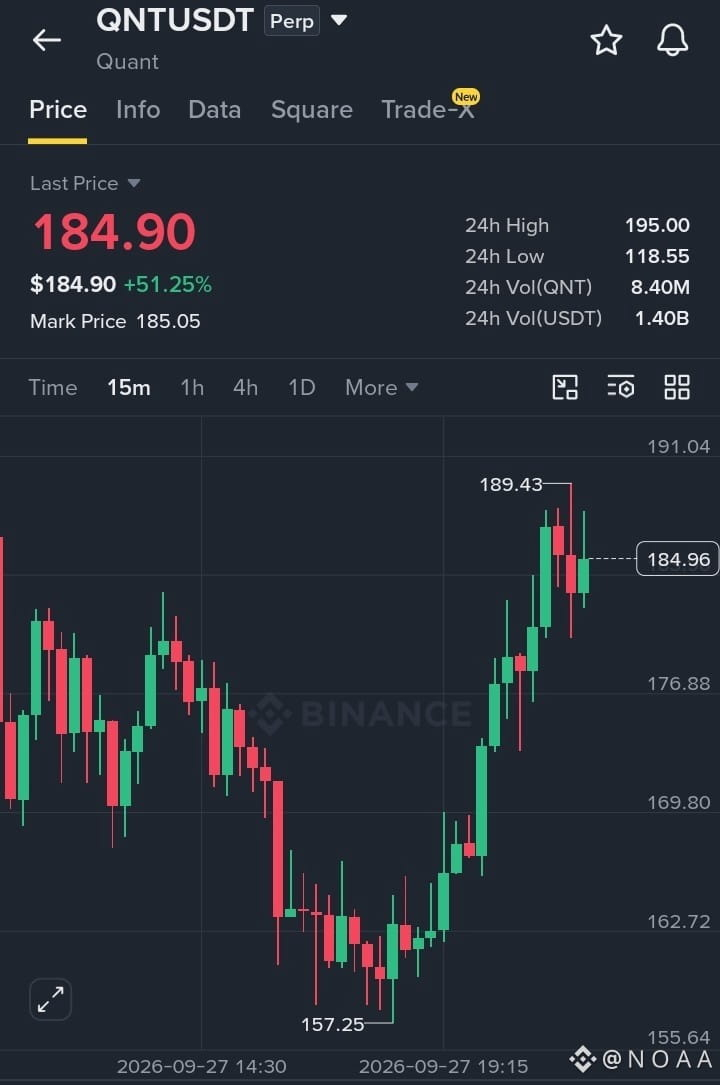
$QNT يُظهر زخمًا قويًا بعد الارتداد من 157.25 دولار.
يتم الآن تداول السعر في نطاق استقرار قليلًا تحت مستوى مقاومة 189.4 دولار.
يمكن أن يؤدي اختراقٌ واضح فوق 189.4 دولار إلى دفع السعر نحو 195 دولار، بينما يبقى مستوى الدعم الرئيسي الذي يجب مراقبته عند 176.8 دولار.
لنرَ كيف ستسير هذه الإعدادات
$QNT يُظهر زخمًا قويًا بعد الارتداد من 157.25 دولار.
يتم الآن تداول السعر في نطاق استقرار قليلًا تحت مستوى مقاومة 189.4 دولار.
يمكن أن يؤدي اختراقٌ واضح فوق 189.4 دولار إلى دفع السعر نحو 195 دولار، بينما يبقى مستوى الدعم الرئيسي الذي يجب مراقبته عند 176.8 دولار.
لنرَ كيف ستسير هذه الإعدادات
يتم الآن تداول السعر في نطاق استقرار قليلًا تحت مستوى مقاومة 189.4 دولار.
يمكن أن يؤدي اختراقٌ واضح فوق 189.4 دولار إلى دفع السعر نحو 195 دولار، بينما يبقى مستوى الدعم الرئيسي الذي يجب مراقبته عند 176.8 دولار.
لنرَ كيف ستسير هذه الإعدادات
2
109
·
--
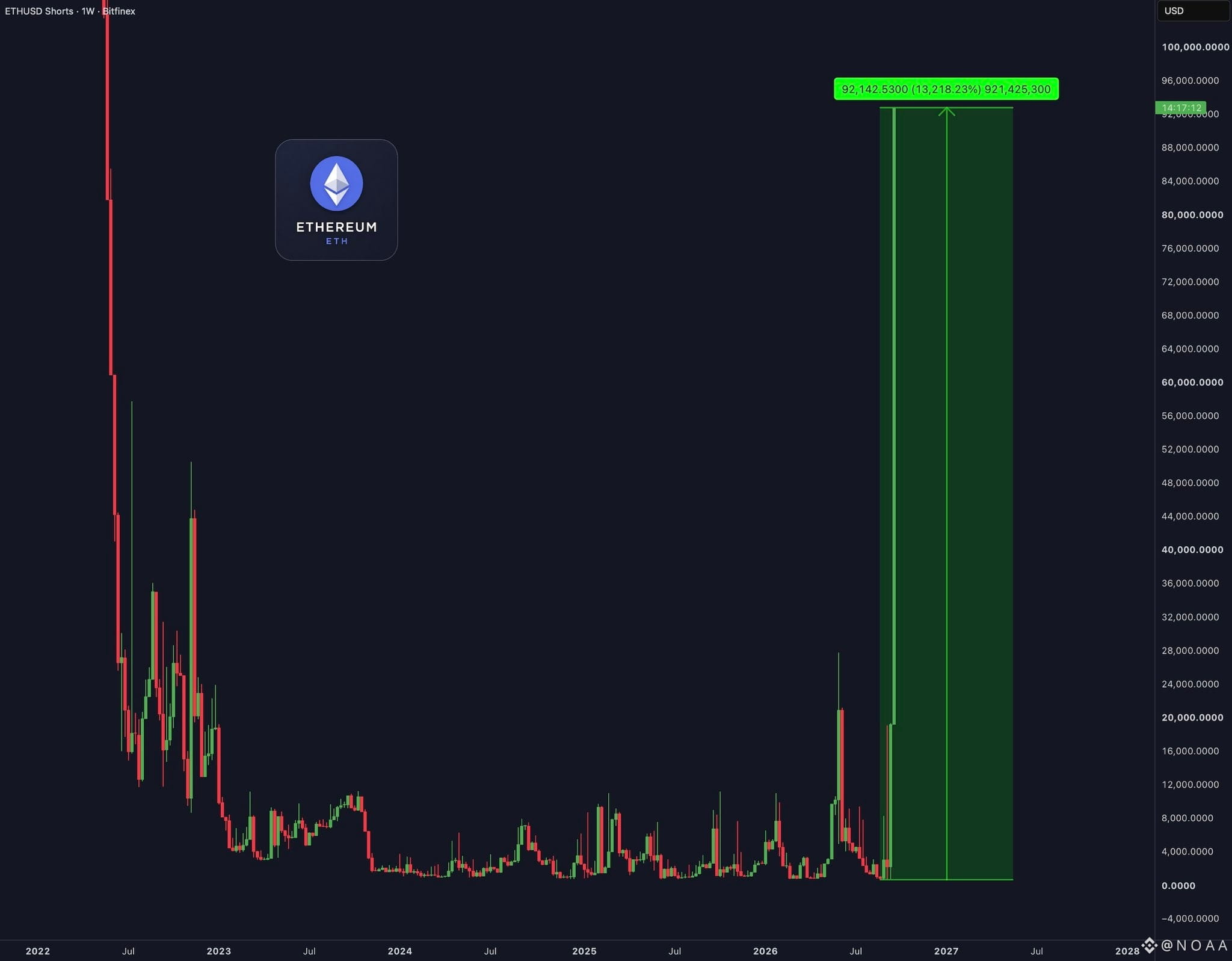
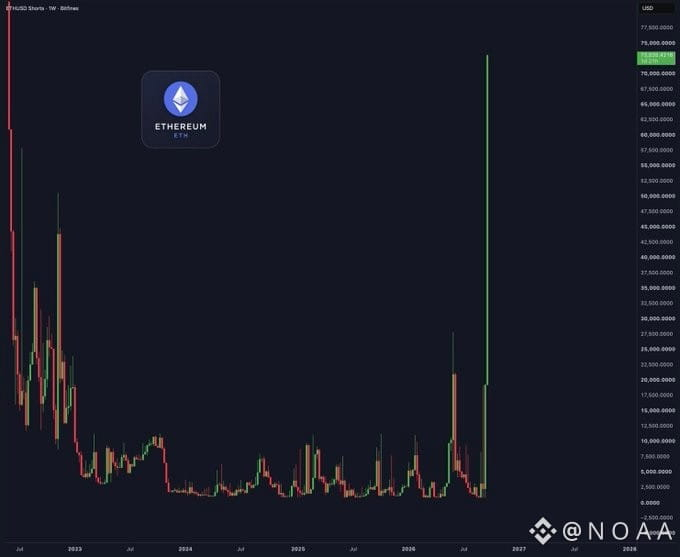
$ETH السراويل القصيرة ارتفعت بأكثر من 13,000% على Bitfinex.
يُعد هذا أحد أكبر مراكز البيع القصير على ETH التي شوهدت في التاريخ القريب.
إذا بدأ السعر بالتحرك عكس اتجاه هذه المراكز القصيرة، فقد تصبح عملية الضغط (short squeeze) شديدة.
$ETH السراويل القصيرة ارتفعت بأكثر من 13,000% على Bitfinex.
يُعد هذا أحد أكبر مراكز البيع القصير على ETH التي شوهدت في التاريخ القريب.
إذا بدأ السعر بالتحرك عكس اتجاه هذه المراكز القصيرة، فقد تصبح عملية الضغط (short squeeze) شديدة.
يُعد هذا أحد أكبر مراكز البيع القصير على ETH التي شوهدت في التاريخ القريب.
إذا بدأ السعر بالتحرك عكس اتجاه هذه المراكز القصيرة، فقد تصبح عملية الضغط (short squeeze) شديدة.
3
149
·
--
حيازة $BTC 0.1 USDT
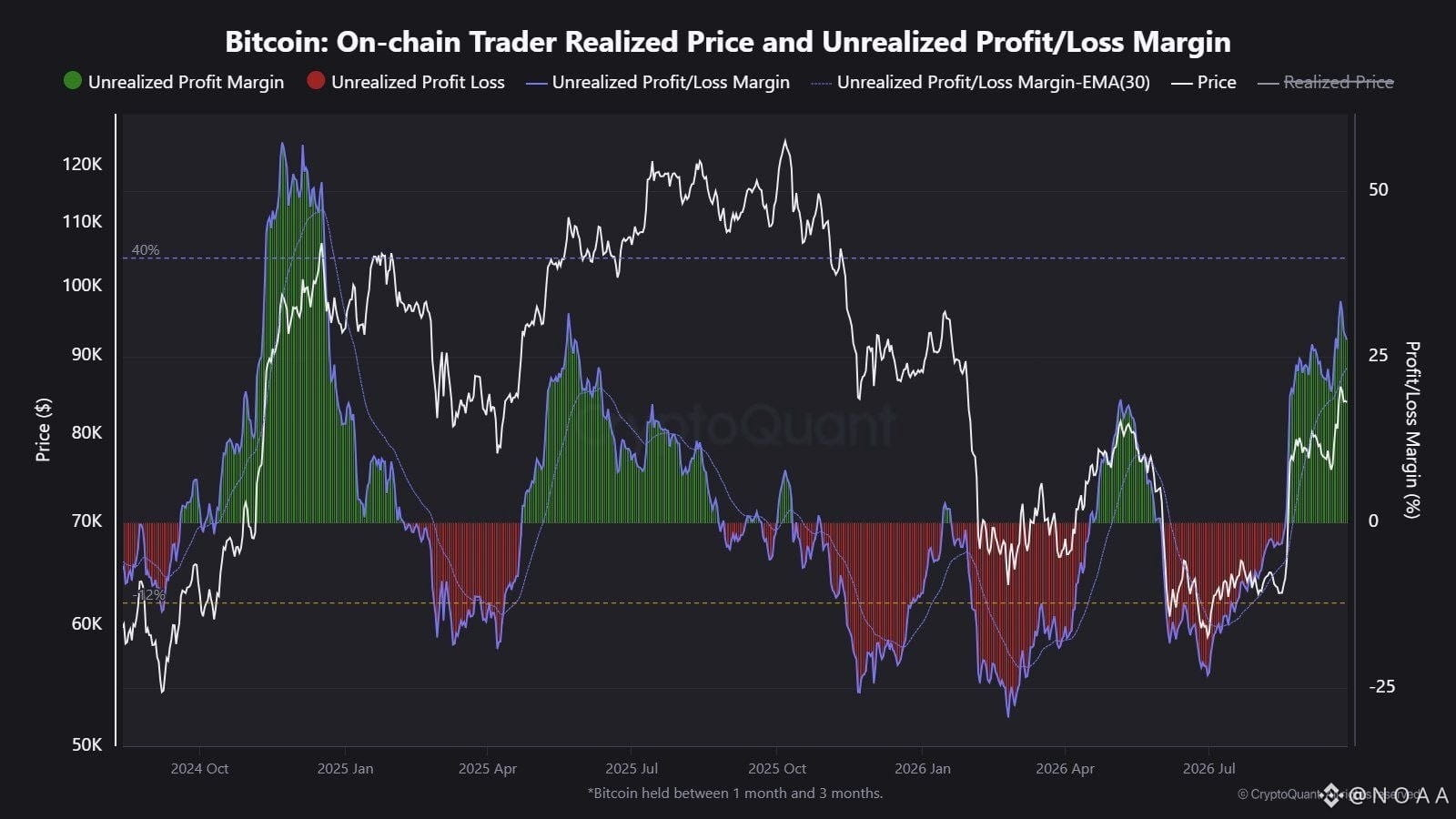
تحول مثير في سوق $BTC 👀
حاملو المدى القصير بدأوا يجنون الأرباح مرة أخرى، بينما يستمر السعر في الثبات فوق السعر المحقق.
الزخم يتشكل بهدوء.
السؤال الأكبر الآن: إلى أي مدى يمكن أن يتطور هذا التحرك قبل أن ترتفع المعنويات بشكل مبالغ فيه؟
{future}(BTCUSDT)
تحول مثير في سوق $BTC 👀
حاملو المدى القصير بدأوا يجنون الأرباح مرة أخرى، بينما يستمر السعر في الثبات فوق السعر المحقق.
الزخم يتشكل بهدوء.
السؤال الأكبر الآن: إلى أي مدى يمكن أن يتطور هذا التحرك قبل أن ترتفع المعنويات بشكل مبالغ فيه؟
حاملو المدى القصير بدأوا يجنون الأرباح مرة أخرى، بينما يستمر السعر في الثبات فوق السعر المحقق.
الزخم يتشكل بهدوء.
السؤال الأكبر الآن: إلى أي مدى يمكن أن يتطور هذا التحرك قبل أن ترتفع المعنويات بشكل مبالغ فيه؟
2
102
·
--
إن أكبر $ETH مركزًا قصيرًا في التاريخ القريب تتراكم
إذا بدأت <b>ETH</b> في الارتفاع، فقد تُجبر هذه المراكز القصيرة على الإغلاق، ما يضيف المزيد من ضغوط الشراء.
هل قد نكون على وشك تمهيد لاندفاع هائل لصفقات الشورت؟
#Ethereum
{future}(ETHUSDT)
إن أكبر $ETH مركزًا قصيرًا في التاريخ القريب تتراكم
إذا بدأت <b>ETH</b> في الارتفاع، فقد تُجبر هذه المراكز القصيرة على الإغلاق، ما يضيف المزيد من ضغوط الشراء.
هل قد نكون على وشك تمهيد لاندفاع هائل لصفقات الشورت؟
#Ethereum
إذا بدأت <b>ETH</b> في الارتفاع، فقد تُجبر هذه المراكز القصيرة على الإغلاق، ما يضيف المزيد من ضغوط الشراء.
هل قد نكون على وشك تمهيد لاندفاع هائل لصفقات الشورت؟
#Ethereum
1
1
106
·
--
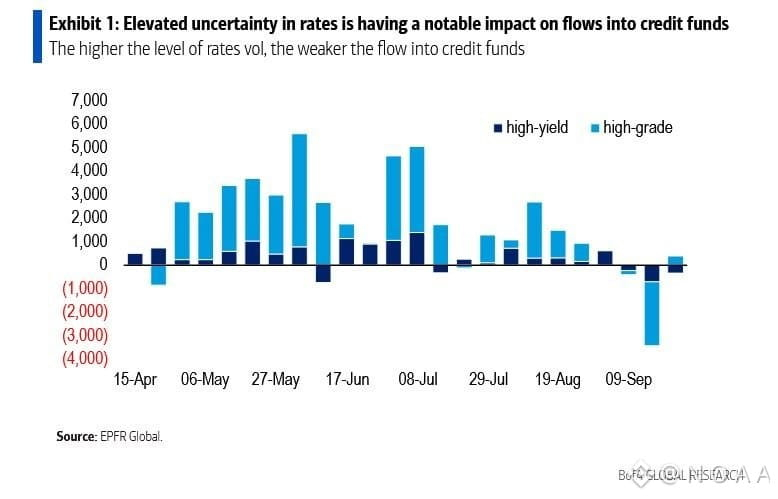
فقط 3.4 مليار دولار غادرت صناديق السندات الأوروبية للشركات خلال أسبوع واحد.
يتوتر المستثمرون مع ارتفاع حالة عدم اليقين بشأن أسعار الفائدة.
الأموال الكبيرة تتحرك.
وعندما يبدأ رأس المال بالتحرك بهذا السرعة، فعادةً ما يكون هناك شيء يتغير تحت السطح.
فقط 3.4 مليار دولار غادرت صناديق السندات الأوروبية للشركات خلال أسبوع واحد.
يتوتر المستثمرون مع ارتفاع حالة عدم اليقين بشأن أسعار الفائدة.
الأموال الكبيرة تتحرك.
وعندما يبدأ رأس المال بالتحرك بهذا السرعة، فعادةً ما يكون هناك شيء يتغير تحت السطح.
يتوتر المستثمرون مع ارتفاع حالة عدم اليقين بشأن أسعار الفائدة.
الأموال الكبيرة تتحرك.
وعندما يبدأ رأس المال بالتحرك بهذا السرعة، فعادةً ما يكون هناك شيء يتغير تحت السطح.
2
118
·
--
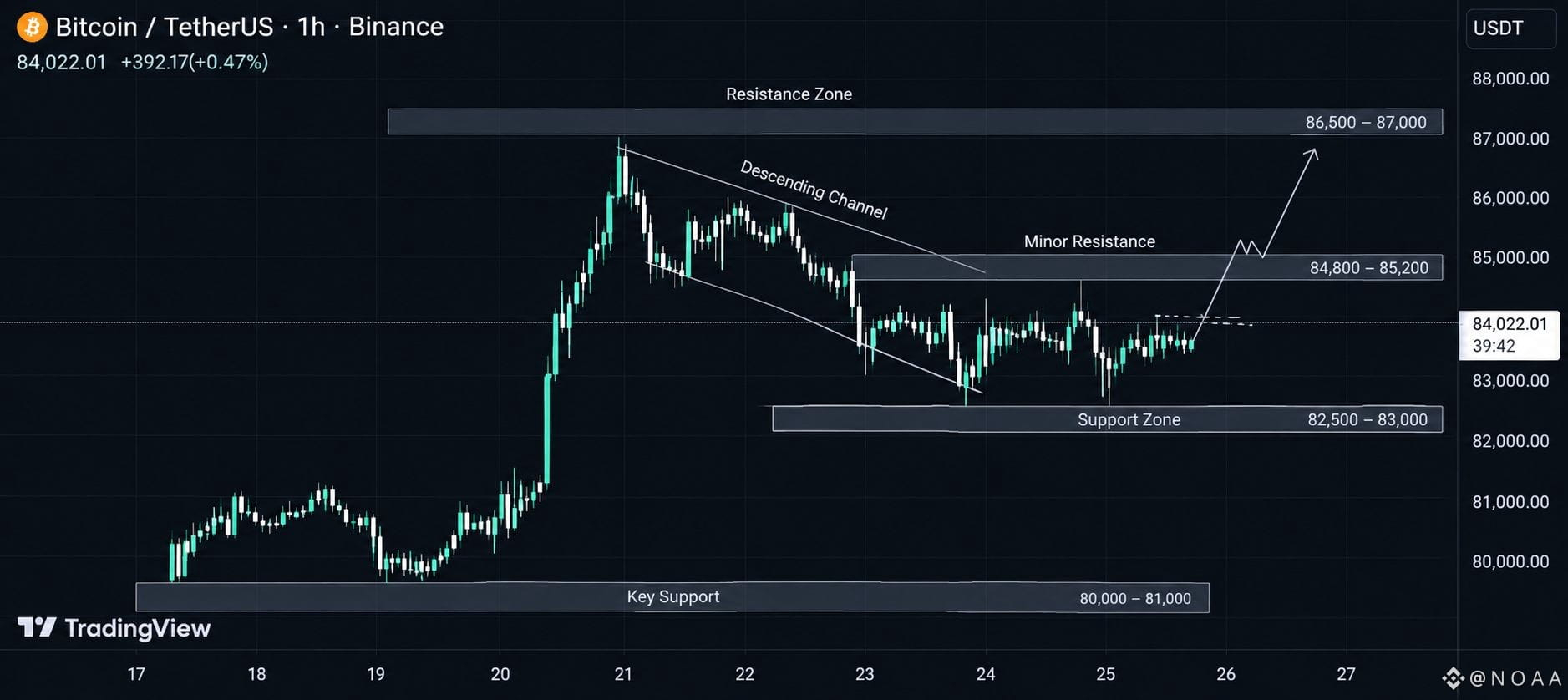
$BTC يتحرك بشكل جانبي بعد الارتفاع الحاد، حيث يتماسك السعر الآن حول 84 ألف دولار.
يتم تشكيل قناة هابطة، بينما يواصل المشترون الدفاع عن منطقة 82.5 ألف–83 ألف دولار.
قد يؤدي الاختراق فوق 84.8 ألف–85.2 ألف دولار إلى وضع 86.5 ألف–87 ألف دولار في دائرة التركيز.
هل سيخترق BTC هذا النطاق؟
$BTC يتحرك بشكل جانبي بعد الارتفاع الحاد، حيث يتماسك السعر الآن حول 84 ألف دولار.
يتم تشكيل قناة هابطة، بينما يواصل المشترون الدفاع عن منطقة 82.5 ألف–83 ألف دولار.
قد يؤدي الاختراق فوق 84.8 ألف–85.2 ألف دولار إلى وضع 86.5 ألف–87 ألف دولار في دائرة التركيز.
هل سيخترق BTC هذا النطاق؟
يتم تشكيل قناة هابطة، بينما يواصل المشترون الدفاع عن منطقة 82.5 ألف–83 ألف دولار.
قد يؤدي الاختراق فوق 84.8 ألف–85.2 ألف دولار إلى وضع 86.5 ألف–87 ألف دولار في دائرة التركيز.
هل سيخترق BTC هذا النطاق؟
1
1
135
·
--
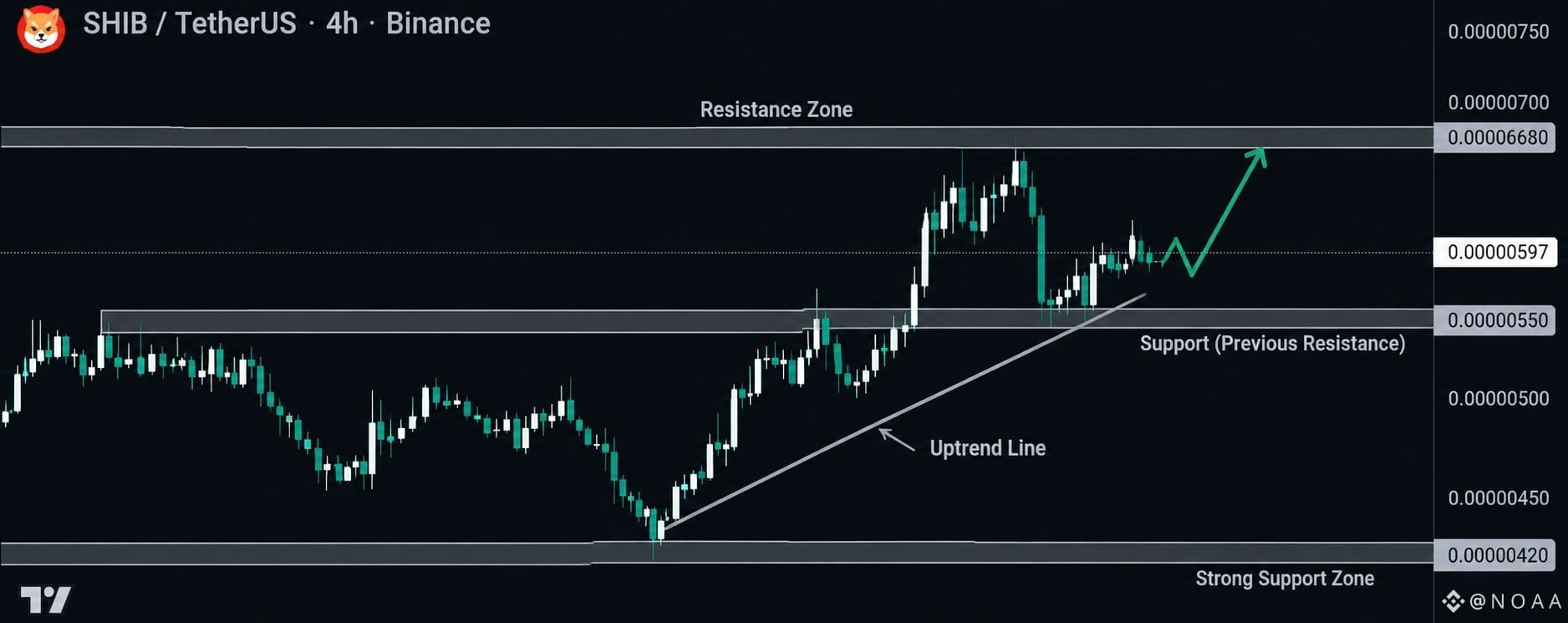
$SHIB يواصل الارتفاع فوق مستوى الدعم الرئيسي بعد اختراق قوي، والبنية ما زالت تبدو صعودية.
يتماسك السعر قرب منطقة الاختراق، وإذا واصل المشترون الدفاع عن هذه المنطقة، فقد تكون هناك إمكانية لدفعٍ أعلى آخر.
المقاومة الرئيسية التالية تقع تقريبًا عند 668.
هل سيكسر $SHIB للأعلى من هنا؟ 👀
{spot}(SHIBUSDT)
$SHIB يواصل الارتفاع فوق مستوى الدعم الرئيسي بعد اختراق قوي، والبنية ما زالت تبدو صعودية.
يتماسك السعر قرب منطقة الاختراق، وإذا واصل المشترون الدفاع عن هذه المنطقة، فقد تكون هناك إمكانية لدفعٍ أعلى آخر.
المقاومة الرئيسية التالية تقع تقريبًا عند 668.
هل سيكسر $SHIB للأعلى من هنا؟ 👀
يتماسك السعر قرب منطقة الاختراق، وإذا واصل المشترون الدفاع عن هذه المنطقة، فقد تكون هناك إمكانية لدفعٍ أعلى آخر.
المقاومة الرئيسية التالية تقع تقريبًا عند 668.
هل سيكسر $SHIB للأعلى من هنا؟ 👀
1
115
·
--
$HYPE متاح أخيرًا على بينانس سبوت 👀
يتم تداول HYPE/USDT وHYPE/USDC وHYPE/TRY الآن.
دفعت الأسعار للأعلى باتجاه 94.90$ بعد الإدراج، لكن البائعين تدخلوا بسرعة كبيرة.
بالنسبة لي، هذه هي المستويات التي يستحق متابعتها:
90.91$ → دعم
93$ → إعادة الاستحواذ
94.90$ → مقاومة
96.15$ → اختراق
100$ → مستوى نفسي
يُضيف إدراج بينانس سيولة أكبر في السبوت، لكن هذا لا يعني تلقائيًا أن السعر يجب أن يرتفع.
أفضل أن تستعيد HYPE المستويات وتمسك بها فعليًا بدلًا من مطاردة أول موجة صعود.
أيضًا، أضافت بينانس وسم Seed Tag، لذا توقّع تقلبات.
ليس نصيحة استثمارية. قم بأبحاثك بنفسك.
#HYPE #Hyperliquid_Whale #Crypto
$HYPE متاح أخيرًا على بينانس سبوت 👀
يتم تداول HYPE/USDT وHYPE/USDC وHYPE/TRY الآن.
دفعت الأسعار للأعلى باتجاه 94.90$ بعد الإدراج، لكن البائعين تدخلوا بسرعة كبيرة.
بالنسبة لي، هذه هي المستويات التي يستحق متابعتها:
90.91$ → دعم
93$ → إعادة الاستحواذ
94.90$ → مقاومة
96.15$ → اختراق
100$ → مستوى نفسي
يُضيف إدراج بينانس سيولة أكبر في السبوت، لكن هذا لا يعني تلقائيًا أن السعر يجب أن يرتفع.
أفضل أن تستعيد HYPE المستويات وتمسك بها فعليًا بدلًا من مطاردة أول موجة صعود.
أيضًا، أضافت بينانس وسم Seed Tag، لذا توقّع تقلبات.
ليس نصيحة استثمارية. قم بأبحاثك بنفسك.
#HYPE #Hyperliquid_Whale #Crypto
يتم تداول HYPE/USDT وHYPE/USDC وHYPE/TRY الآن.
دفعت الأسعار للأعلى باتجاه 94.90$ بعد الإدراج، لكن البائعين تدخلوا بسرعة كبيرة.
بالنسبة لي، هذه هي المستويات التي يستحق متابعتها:
90.91$ → دعم
93$ → إعادة الاستحواذ
94.90$ → مقاومة
96.15$ → اختراق
100$ → مستوى نفسي
يُضيف إدراج بينانس سيولة أكبر في السبوت، لكن هذا لا يعني تلقائيًا أن السعر يجب أن يرتفع.
أفضل أن تستعيد HYPE المستويات وتمسك بها فعليًا بدلًا من مطاردة أول موجة صعود.
أيضًا، أضافت بينانس وسم Seed Tag، لذا توقّع تقلبات.
ليس نصيحة استثمارية. قم بأبحاثك بنفسك.
#HYPE #Hyperliquid_Whale #Crypto

3
5
158
·
--
تمّ التحقق
مقالة
الترقيات الرئيسية التالية لسجل XRPيمتلك سجل XRP مسارين رئيسيين للترقيات قيد التنفيذ، ويقترب أحدهما بالفعل من التفعيل.
بدأ تفويض الوصول V1_1 الخاص بـ PermissionDelegationV1_1 عدًّا تنازليًا لتفعيله لمدة 14 يومًا في 21 سبتمبر، مما يجعل 5 أكتوبر هو تاريخ الإطلاق المحتمل. ويقوم حوالي 29 من أصل 35 مُتحققًا موثوقًا بدعمه.
يتيح الترقّي تقسيم سلطة الحساب إلى أجزاء عبر أذونات محددة. على سبيل المثال، يمكن لحساب عمليات أن يجري مدفوعات دون القدرة على تغيير المفاتيح أو منح وصول إضافي.
يعالج هذا الإصدار أيضًا مشكلة تم العثور عليها في المحاولة السابقة، حيث كانت بعض المعاملات الفاشلة قد تظل تُحمَّل رسومًا. يتحقق الإصلاح في xrpld 3.3.0 من التواقيع قبل فرض الرسوم.
الترقيات الرئيسية التالية لسجل XRP
يمتلك سجل XRP مسارين رئيسيين للترقيات قيد التنفيذ، ويقترب أحدهما بالفعل من التفعيل.
بدأ تفويض الوصول V1_1 الخاص بـ PermissionDelegationV1_1 عدًّا تنازليًا لتفعيله لمدة 14 يومًا في 21 سبتمبر، مما يجعل 5 أكتوبر هو تاريخ الإطلاق المحتمل. ويقوم حوالي 29 من أصل 35 مُتحققًا موثوقًا بدعمه.
يتيح الترقّي تقسيم سلطة الحساب إلى أجزاء عبر أذونات محددة. على سبيل المثال، يمكن لحساب عمليات أن يجري مدفوعات دون القدرة على تغيير المفاتيح أو منح وصول إضافي.
يعالج هذا الإصدار أيضًا مشكلة تم العثور عليها في المحاولة السابقة، حيث كانت بعض المعاملات الفاشلة قد تظل تُحمَّل رسومًا. يتحقق الإصلاح في xrpld 3.3.0 من التواقيع قبل فرض الرسوم.
بدأ تفويض الوصول V1_1 الخاص بـ PermissionDelegationV1_1 عدًّا تنازليًا لتفعيله لمدة 14 يومًا في 21 سبتمبر، مما يجعل 5 أكتوبر هو تاريخ الإطلاق المحتمل. ويقوم حوالي 29 من أصل 35 مُتحققًا موثوقًا بدعمه.
يتيح الترقّي تقسيم سلطة الحساب إلى أجزاء عبر أذونات محددة. على سبيل المثال، يمكن لحساب عمليات أن يجري مدفوعات دون القدرة على تغيير المفاتيح أو منح وصول إضافي.
يعالج هذا الإصدار أيضًا مشكلة تم العثور عليها في المحاولة السابقة، حيث كانت بعض المعاملات الفاشلة قد تظل تُحمَّل رسومًا. يتحقق الإصلاح في xrpld 3.3.0 من التواقيع قبل فرض الرسوم.
1
972
·
--
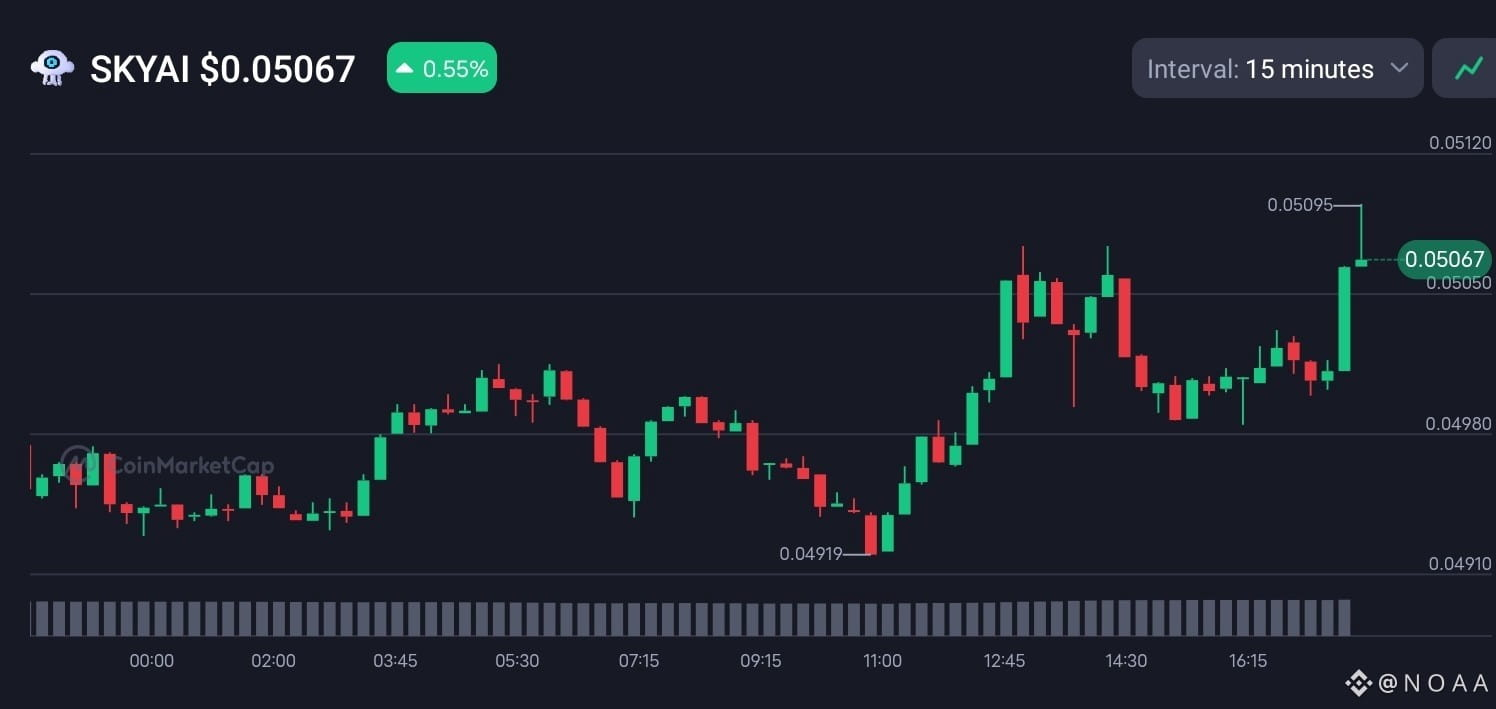
$SKYAI is أصبحت مثيرة للاهتمام 👀
لقد ارتفع السعر للتو فوق منطقة 0.0505 دولار، وهو الآن يتحرك حول 0.05067 دولار.
هذا القمة عند 0.05095 دولار هو المستوى الذي أراقبه بعد ذلك.
هل سيكسر $SKYAI ذلك الأمر بشكل واضح، أم سنحصل على رفض آخر؟ 🤔
أراقب الشموع القادمة.
$SKYAI is أصبحت مثيرة للاهتمام 👀
لقد ارتفع السعر للتو فوق منطقة 0.0505 دولار، وهو الآن يتحرك حول 0.05067 دولار.
هذا القمة عند 0.05095 دولار هو المستوى الذي أراقبه بعد ذلك.
هل سيكسر $SKYAI ذلك الأمر بشكل واضح، أم سنحصل على رفض آخر؟ 🤔
أراقب الشموع القادمة.
لقد ارتفع السعر للتو فوق منطقة 0.0505 دولار، وهو الآن يتحرك حول 0.05067 دولار.
هذا القمة عند 0.05095 دولار هو المستوى الذي أراقبه بعد ذلك.
هل سيكسر $SKYAI ذلك الأمر بشكل واضح، أم سنحصل على رفض آخر؟ 🤔
أراقب الشموع القادمة.
296
·
--
مقالة
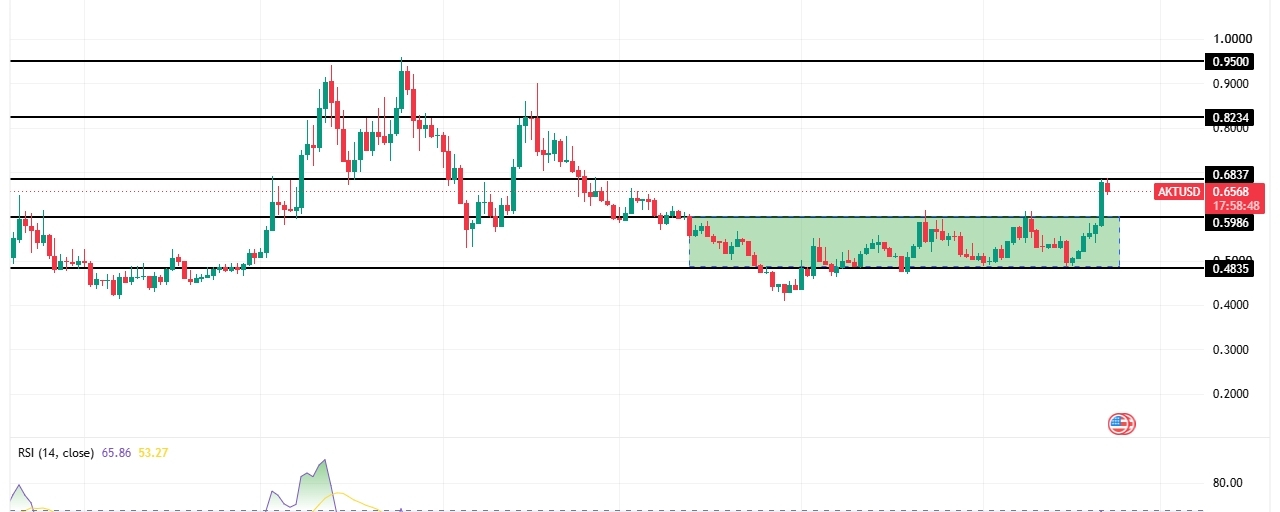
اختراق AKT مع تصاعد زخم التحول نحو قطاع الذكاء الاصطناعيشبكة أكاش $AKT للتو تلقّت طلبًا قويًا.
قفز الرمز بنسبة 14.12%، متجاوزًا نطاقًا يمتد لعدة أسابيع، بينما واصلت الأموال التدفق إلى رموز الذكاء الاصطناعي والحوسبة اللامركزية والتقنيات المرتبطة بالبنية التحتية.
ما يجعل هذه الحركة مثيرة للاهتمام هو أن نشاط التداول لم يظل هادئًا.
ارتفع حجم تداول AKT خلال 24 ساعة بنسبة 189.6% إلى 21.9 مليون دولار، ما يُظهر أن هذه الحركة جاءت مع زيادة ملحوظة في مشاركة السوق.
وهذا يمنح الصعود قدرًا أكبر من المصداقية مقارنةً باختراق منخفض الحجم فحسب.
الحيتان تظهر
اختراق AKT مع تصاعد زخم التحول نحو قطاع الذكاء الاصطناعي
شبكة أكاش $AKT للتو تلقّت طلبًا قويًا.
قفز الرمز بنسبة 14.12%، متجاوزًا نطاقًا يمتد لعدة أسابيع، بينما واصلت الأموال التدفق إلى رموز الذكاء الاصطناعي والحوسبة اللامركزية والتقنيات المرتبطة بالبنية التحتية.
ما يجعل هذه الحركة مثيرة للاهتمام هو أن نشاط التداول لم يظل هادئًا.
ارتفع حجم تداول AKT خلال 24 ساعة بنسبة 189.6% إلى 21.9 مليون دولار، ما يُظهر أن هذه الحركة جاءت مع زيادة ملحوظة في مشاركة السوق.
وهذا يمنح الصعود قدرًا أكبر من المصداقية مقارنةً باختراق منخفض الحجم فحسب.
الحيتان تظهر
قفز الرمز بنسبة 14.12%، متجاوزًا نطاقًا يمتد لعدة أسابيع، بينما واصلت الأموال التدفق إلى رموز الذكاء الاصطناعي والحوسبة اللامركزية والتقنيات المرتبطة بالبنية التحتية.
ما يجعل هذه الحركة مثيرة للاهتمام هو أن نشاط التداول لم يظل هادئًا.
ارتفع حجم تداول AKT خلال 24 ساعة بنسبة 189.6% إلى 21.9 مليون دولار، ما يُظهر أن هذه الحركة جاءت مع زيادة ملحوظة في مشاركة السوق.
وهذا يمنح الصعود قدرًا أكبر من المصداقية مقارنةً باختراق منخفض الحجم فحسب.
الحيتان تظهر
2
2
156
·
--
صاعد
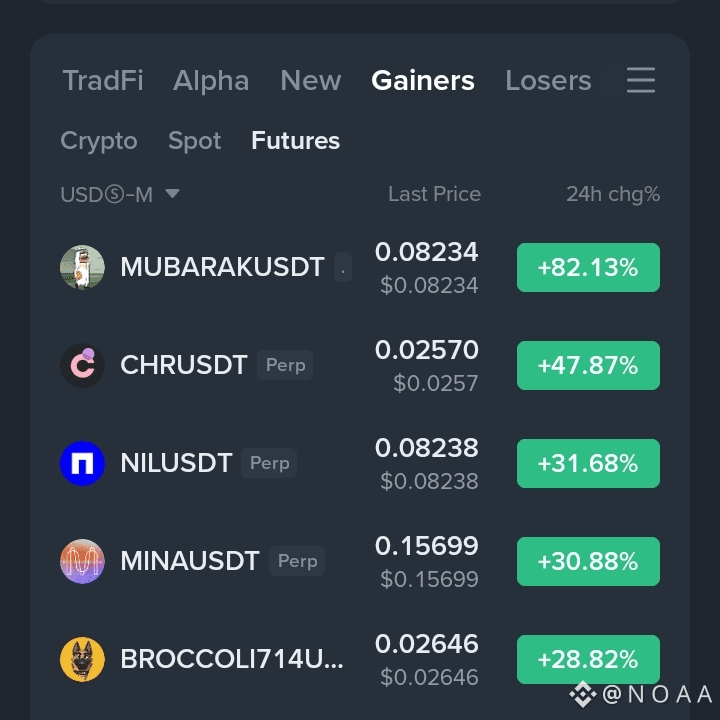
مكاسب بينانس تبدو مجنونة نوعًا ما اليوم 👀
$MUBARAK بزيادة 82% بالتأكيد من الصعب تجاهلها.
$CHR و $NIL و $MINA و $BROCCOLI تتحرك أيضًا.
أي واحد تراقبه فعليًا؟
مكاسب بينانس تبدو مجنونة نوعًا ما اليوم 👀
$MUBARAK بزيادة 82% بالتأكيد من الصعب تجاهلها.
$CHR و $NIL و $MINA و $BROCCOLI تتحرك أيضًا.
أي واحد تراقبه فعليًا؟
$MUBARAK بزيادة 82% بالتأكيد من الصعب تجاهلها.
$CHR و $NIL و $MINA و $BROCCOLI تتحرك أيضًا.
أي واحد تراقبه فعليًا؟
2
301
سجّل الدخول لاستكشاف المزيد من المُحتوى
انضم إلى مُستخدمي العملات الرقمية حول العالم على Binance Square
⚡️ احصل على أحدث المعلومات المفيدة عن العملات الرقمية.
💬 موثوقة من قبل أكبر منصّة لتداول العملات الرقمية في العالم.
👍 اكتشف الرؤى الحقيقية من صنّاع المُحتوى الموثوقين.
البريد الإلكتروني / رقم الهاتف
المواضيع الرائجة
BinanceLaunchesBinanceIntelligence
837,656 مشاهدات
5,183 يقومون بالنقاش
#binancelaunchesbinanceintelligence
🚨 ماذا لو لم تكن معركة منصات التداول الكبرى القادمة حول الرسوم؟ 👀
أقدمت Binance للتو على خطوة أكبر من مجرد إضافة روبوت دردشة آخر يعمل بالذكاء الاصطناعي.
مع Binance Intelligence، يتغلغل الذكاء الاصطناعي أكثر في منصة التداول — من فهم بيانات السوق إلى إنشاء مسارات عمل للتداول. 🤖⚡
والسؤال الحقيقي هو:
من لديه أفضل سيولة؟
أم من لديه طبقة الذكاء الاصطناعي الأذكى؟
إذا تمكن المستخدمون من إجراء الأبحاث واختبار الأفكار وإدارة مسارات عمل التداول من دون التنقل بين أدوات مختلفة، فقد تتحول منصة التداول نفسها إلى مساعد مالي.
وقد يكون ذلك تحولًا أكبر بكثير مما يبدو عليه اليوم.
إذا جذبت Binance Intelligence مزيدًا من المستخدمين والاستراتيجيات ونشاط التداول، فقد تصبح $BNB من الرموز التي تستحق المتابعة. 👀
هل تبني Binance مستقبل التمويل المدعوم بالذكاء الاصطناعي؟
$BNB
#binancelaunchesbinanceintelligence #BinanceAI #CryptoIA #AITrading
Trdingo
·4 إعجاب
·10k مشاهدات
RobinhoodAdds$25MInBitcoinToBalanceSheet
0 مشاهدات
1 يقومون بالنقاش
SP500AndNasdaqHitRecordHighs
77 مشاهدات
31 يقومون بالنقاش