

njs-btc
5k منشورات
njs-btc
 تم التحقُّق من Square
BP-36E1C1C164F0
فتح تداول
مُتداول مُتكرر
2.1 سنوات
1.1K+ تتابع
36.6K+ المتابعون
51.2K+ إعجاب
منشورات
الحافظة الاستثمارية
الكل
اقتباسات
مقاطع فيديو

独领风骚必暴富
·
--
2026.10.3 تواصل السوق تضارب طويل/قصير يجلد الجميع بحدة، تذبذب شرس لتحليل BTC/ETH/XAU
في تلك الليلة، تبخرت 580 مليون دولار، وسقط 110452 شخصًا إلى الصفر مع تصاعد عدد المشاركين في الحركة مع زيادة في الأرقام الناتجة عن التقلب؛ وبالأخص، زاد عدد من ارتفع لديهم حجم الدخول 3 مرات بما يعادل زيادة 65%، ما يوضح أن المتحمسين في السوق كثيرون. خبر واحد، مؤشر واحد في حالة تذبذب مفاجئ، فاندفع الجميع كالسيل… ثم يقلب “المدير/المنظم” مساره فجأة ليبدأ بالاستيلاء ببساطة كأنه يجمع المال؛
هل أنت واحد من هؤلاء الذين اندفعوا؟ أَم أنك لم تتعلم بعد إدارة المراكز؟
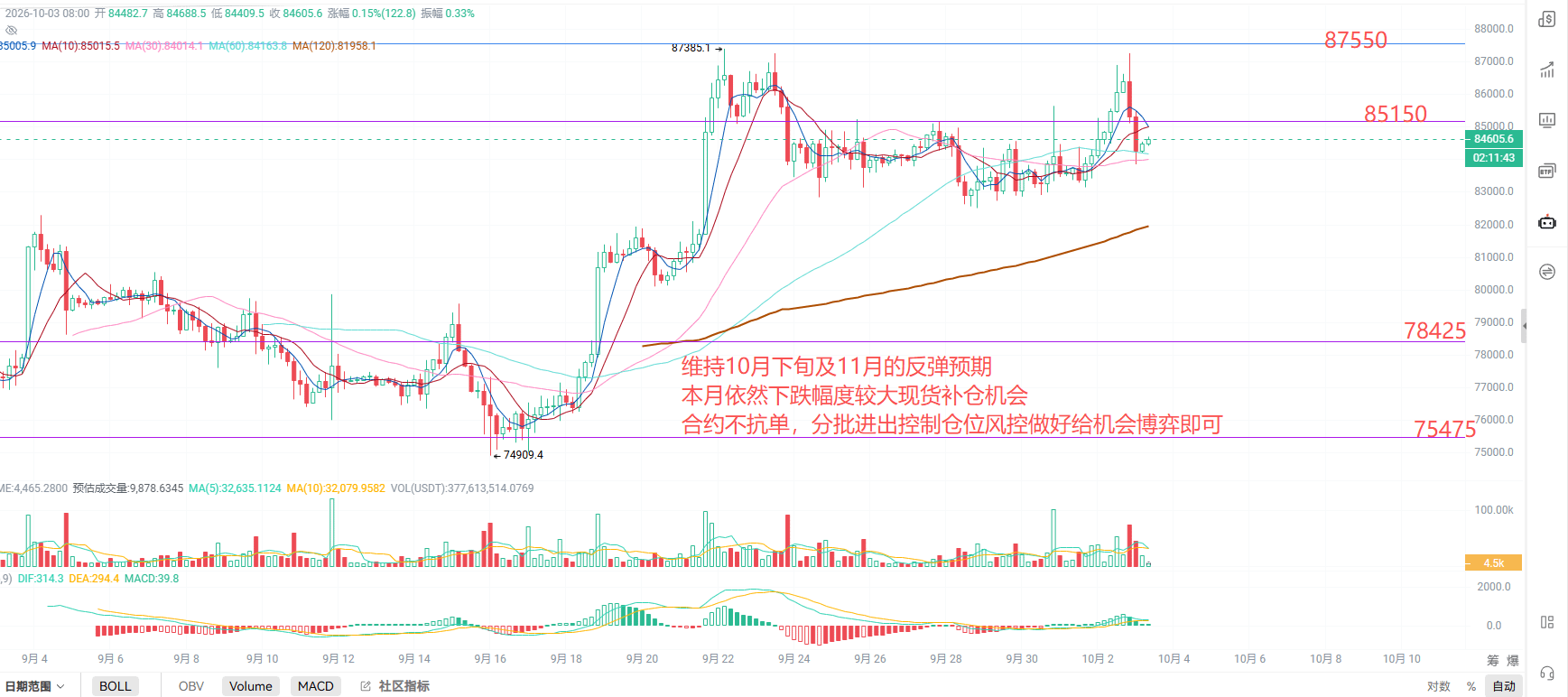
مستويات دعم/مقاومة BTC: 87550/85150/78425/75475
بعد يومين متتاليين من هيمنة للاتجاه الصاعد “القوية نوعًا ما”، في الليلة الماضية ارتفع السعر حتى لمس 87250. وفي اللحظة الحالية يوجد تراجع تحت 85150، لكن 1h/2h/4h لا يزال يحتفظ باتجاه صاعد ضعيف نسبيًا؛
مستويات دعم/مقاومة ETH: 2750//2525/2400
يتبع مسار بيتكوين (BTC)؛
XAU: ارتفع الليلة الماضية إلى حوالي 4220، وتمت الإشارة في التوقيت الأول إلى تقليل المراكز مرة أخرى. المتبقي من المركز يمكن الاحتفاظ به قليلًا؛ وانتظار فرصة يوم الإثنين، لنرى إن كان سيخترق 4100 لاختبار 4065/أو يخترق “طَعنًا” حتى 4015. إذا لم يحصل اختراق فوق 4100 فما فوق، فسيكون الوضع مستقرًا تقريبًا. امنحوا بعض الوقت لترى كيف يختار المحرك الرئيسي الاتجاه؛ لا ننفذ T في عطلة نهاية الأسبوع حاليًا؛
التوصيات التشغيلية لا تُشكّل أي أساس استثماري: استراتيجية تنفيذ صفقات BNB أمس/الليلة فقط—إما ربح أو خسارة. أما الصفقات الأخرى التي تم ضربها لتصبح عند التعادل، فلا يتم فتح صفقات جديدة، انتظروا فقط فرصة جديدة عند مستويات منخفضة. بالنسبة لصفقات العقود الحالية، يُنصح ألا يتجاوز العدد 2 (الصفقات التي لم يتم ضبط وقف خسارة/تعادل لا تُحسب ضمن شرط التعادل—أما التي تم ضبط وقف خسارة/تعادل لها فلا تدخل ضمن هذا). بالنسبة للصفقات الفورية (السبوت)، لا يوجد استعجال لعلّق أوامر الإضافة؛ ضَع أوامر زيادة المركز بهدوء وانتظروا، إذا تمكنا من الإضافة فأضفوا، وإن لم يتم ذلك فلا داعي للقلق!
#美股周五收涨疲软就业数据提振
في تلك الليلة، تبخرت 580 مليون دولار، وسقط 110452 شخصًا إلى الصفر مع تصاعد عدد المشاركين في الحركة مع زيادة في الأرقام الناتجة عن التقلب؛ وبالأخص، زاد عدد من ارتفع لديهم حجم الدخول 3 مرات بما يعادل زيادة 65%، ما يوضح أن المتحمسين في السوق كثيرون. خبر واحد، مؤشر واحد في حالة تذبذب مفاجئ، فاندفع الجميع كالسيل… ثم يقلب “المدير/المنظم” مساره فجأة ليبدأ بالاستيلاء ببساطة كأنه يجمع المال؛
هل أنت واحد من هؤلاء الذين اندفعوا؟ أَم أنك لم تتعلم بعد إدارة المراكز؟
مستويات دعم/مقاومة BTC: 87550/85150/78425/75475
بعد يومين متتاليين من هيمنة للاتجاه الصاعد “القوية نوعًا ما”، في الليلة الماضية ارتفع السعر حتى لمس 87250. وفي اللحظة الحالية يوجد تراجع تحت 85150، لكن 1h/2h/4h لا يزال يحتفظ باتجاه صاعد ضعيف نسبيًا؛
مستويات دعم/مقاومة ETH: 2750//2525/2400
يتبع مسار بيتكوين (BTC)؛
XAU: ارتفع الليلة الماضية إلى حوالي 4220، وتمت الإشارة في التوقيت الأول إلى تقليل المراكز مرة أخرى. المتبقي من المركز يمكن الاحتفاظ به قليلًا؛ وانتظار فرصة يوم الإثنين، لنرى إن كان سيخترق 4100 لاختبار 4065/أو يخترق “طَعنًا” حتى 4015. إذا لم يحصل اختراق فوق 4100 فما فوق، فسيكون الوضع مستقرًا تقريبًا. امنحوا بعض الوقت لترى كيف يختار المحرك الرئيسي الاتجاه؛ لا ننفذ T في عطلة نهاية الأسبوع حاليًا؛
التوصيات التشغيلية لا تُشكّل أي أساس استثماري: استراتيجية تنفيذ صفقات BNB أمس/الليلة فقط—إما ربح أو خسارة. أما الصفقات الأخرى التي تم ضربها لتصبح عند التعادل، فلا يتم فتح صفقات جديدة، انتظروا فقط فرصة جديدة عند مستويات منخفضة. بالنسبة لصفقات العقود الحالية، يُنصح ألا يتجاوز العدد 2 (الصفقات التي لم يتم ضبط وقف خسارة/تعادل لا تُحسب ضمن شرط التعادل—أما التي تم ضبط وقف خسارة/تعادل لها فلا تدخل ضمن هذا). بالنسبة للصفقات الفورية (السبوت)، لا يوجد استعجال لعلّق أوامر الإضافة؛ ضَع أوامر زيادة المركز بهدوء وانتظروا، إذا تمكنا من الإضافة فأضفوا، وإن لم يتم ذلك فلا داعي للقلق!
#美股周五收涨疲软就业数据提振
独领风骚必暴富
·
--
2026.10.2 يوم العطلة الثاني: يستمر السوق في الحفاظ على تقلبات حادة
في هذه الليلة، استولى السوق على 195 مليون دولار، وتعرض 67378 شخصًا للإفلاس وانتهوا إلى الصفر؛ يمكن رؤيـة بوضوح نقص السيولة، حيث ينخفض كلّ من المبالغ والأعداد؛ في الأيام الأولى من العطل العامة يعذّبك السوق ذهابًا وإيابًا، وعندما تتهيأ لراحة حقيقية، يأتي السوق موجة لسرقة السيولة؛ لذا يجب بالتأكيد التحكم في حجم المراكز، وإلا ففي لحظة غفلة قد تصيبك المنافسة دون أن تترك لك مجالًا؛
بالنسبة لـ XAU/XAG: لا تفتح إلا صفقة واحدة واتركها، ولا تفتح مزدوجًا. إذا أعطاك XAU مركزًا عند 4200 لتقليل التسييل (تقليل T)، وحتى صباح اليوم المبكر، فقد اصطدم ثلاث مرات عند خط 4190 تقريبًا؛ لم يتبقَّ سوى 10 دولارات؛ نطاق ضيق من التذبذب مع ارتفاع حاد وانخفاض حاد، وتميزت عملية غسيل/تنظيف السوق بشكل واضح. التزم بدقة بالسيطرة على حجم المركز، ونفّذ عمليات الزيادة والنقصان، ولا يُسمح أبدًا بأن يزيد حجم المركز إذا حدث كسر (اختراق) للأسفل؛
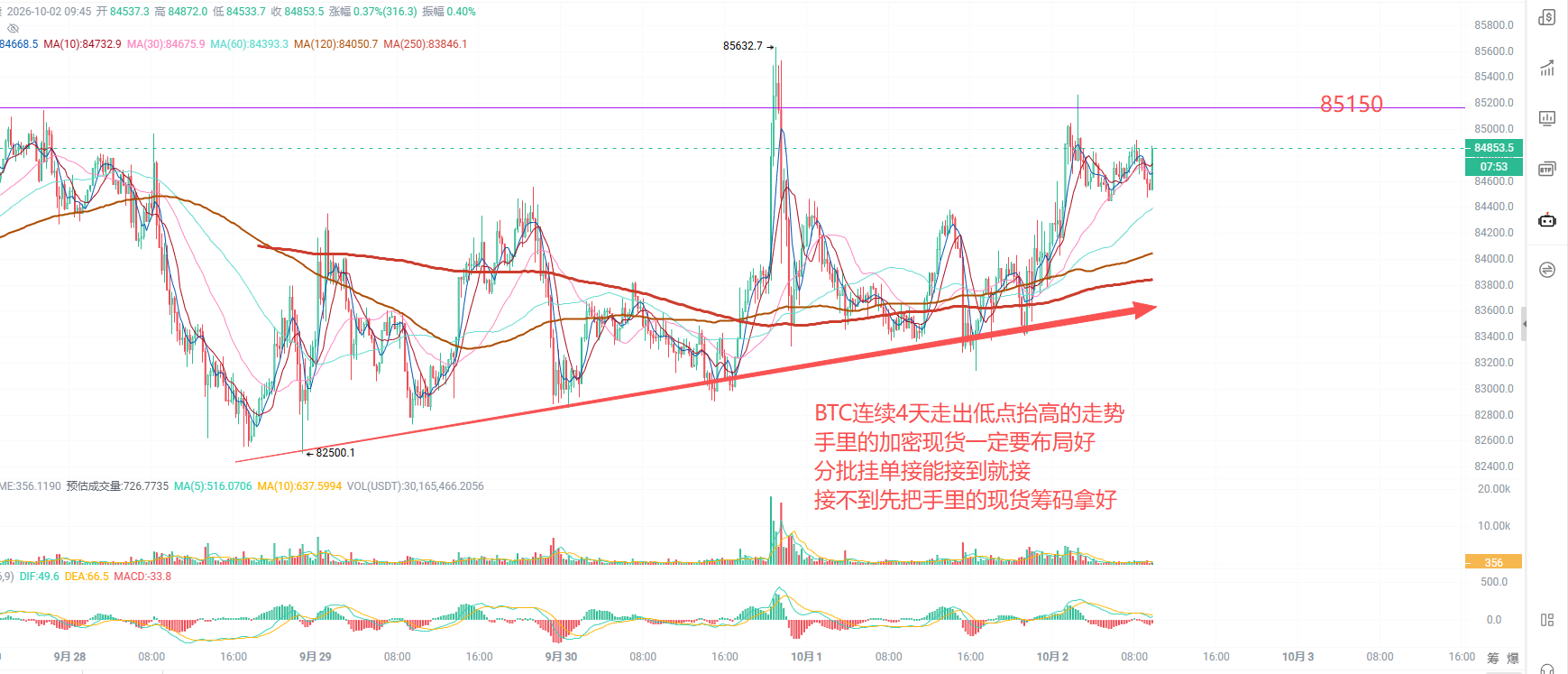
BTC مستويات المقاومة/الدعم: 87550/85150/78425/75475
في الوقت الحالي يقع ضمن نطاق كبير من 85150 إلى 78425؛ توازن بين الصعود والهبوط على المدى القصير ضمن إطار 1h/2h/4h. عند منتصف الليل سنعاود لمس 85150؛ وفي هذه اللحظة ما زال جانب الصعود أقوى قليلًا جدًا؛
ETH مستويات المقاومة/الدعم: 2750//2525/2400
الفكرة نفسها مثل البيتكوين الكبير (BCH)!
MU أمس أطلق وخزًا صغيرًا (إشارة) عند 1024 ثم ارتفع حتى 1096 وخرج بفرصة بنسبة 7%، وهذا أيضًا يدخل ضمن تذبذب المؤشرات الطبيعي؛
تنبيه: توصيات التنفيذ لا تشكل أي أساس للاستثمار. في الوقت الحالي السوق في نسخ العملات المشفرة والذهب والأسهم الأميركية الثلاثة جميعها تشهد تذبذبًا، وقد دخلت بشكل شامل مرحلة مراقبة بسبب انخفاض السيولة. من المتوقع أن يوفر الـ NFP الكبير الليلة دفعة للسوق، مما يساعد على كسر هذا الجمود. حافظ على الصبر، وراقب حجم المركز: اجعل أوامر شراء/التعزيز (السبوت) معلّقة للتزويد عند الحاجة، أما مراكز العقود فيجب عليك التشدد في حمايتها والتمسك بها حرفيًا، ولا تمنح نفسك فرصة الانفجار/الصفقة المدمّرة عبر المبالغة في حجم المركز!
#比特币ETF三季度净流入63.4亿美元
في هذه الليلة، استولى السوق على 195 مليون دولار، وتعرض 67378 شخصًا للإفلاس وانتهوا إلى الصفر؛ يمكن رؤيـة بوضوح نقص السيولة، حيث ينخفض كلّ من المبالغ والأعداد؛ في الأيام الأولى من العطل العامة يعذّبك السوق ذهابًا وإيابًا، وعندما تتهيأ لراحة حقيقية، يأتي السوق موجة لسرقة السيولة؛ لذا يجب بالتأكيد التحكم في حجم المراكز، وإلا ففي لحظة غفلة قد تصيبك المنافسة دون أن تترك لك مجالًا؛
بالنسبة لـ XAU/XAG: لا تفتح إلا صفقة واحدة واتركها، ولا تفتح مزدوجًا. إذا أعطاك XAU مركزًا عند 4200 لتقليل التسييل (تقليل T)، وحتى صباح اليوم المبكر، فقد اصطدم ثلاث مرات عند خط 4190 تقريبًا؛ لم يتبقَّ سوى 10 دولارات؛ نطاق ضيق من التذبذب مع ارتفاع حاد وانخفاض حاد، وتميزت عملية غسيل/تنظيف السوق بشكل واضح. التزم بدقة بالسيطرة على حجم المركز، ونفّذ عمليات الزيادة والنقصان، ولا يُسمح أبدًا بأن يزيد حجم المركز إذا حدث كسر (اختراق) للأسفل؛
BTC مستويات المقاومة/الدعم: 87550/85150/78425/75475
في الوقت الحالي يقع ضمن نطاق كبير من 85150 إلى 78425؛ توازن بين الصعود والهبوط على المدى القصير ضمن إطار 1h/2h/4h. عند منتصف الليل سنعاود لمس 85150؛ وفي هذه اللحظة ما زال جانب الصعود أقوى قليلًا جدًا؛
ETH مستويات المقاومة/الدعم: 2750//2525/2400
الفكرة نفسها مثل البيتكوين الكبير (BCH)!
MU أمس أطلق وخزًا صغيرًا (إشارة) عند 1024 ثم ارتفع حتى 1096 وخرج بفرصة بنسبة 7%، وهذا أيضًا يدخل ضمن تذبذب المؤشرات الطبيعي؛
تنبيه: توصيات التنفيذ لا تشكل أي أساس للاستثمار. في الوقت الحالي السوق في نسخ العملات المشفرة والذهب والأسهم الأميركية الثلاثة جميعها تشهد تذبذبًا، وقد دخلت بشكل شامل مرحلة مراقبة بسبب انخفاض السيولة. من المتوقع أن يوفر الـ NFP الكبير الليلة دفعة للسوق، مما يساعد على كسر هذا الجمود. حافظ على الصبر، وراقب حجم المركز: اجعل أوامر شراء/التعزيز (السبوت) معلّقة للتزويد عند الحاجة، أما مراكز العقود فيجب عليك التشدد في حمايتها والتمسك بها حرفيًا، ولا تمنح نفسك فرصة الانفجار/الصفقة المدمّرة عبر المبالغة في حجم المركز!
#比特币ETF三季度净流入63.4亿美元
独领风骚必暴富
·
--
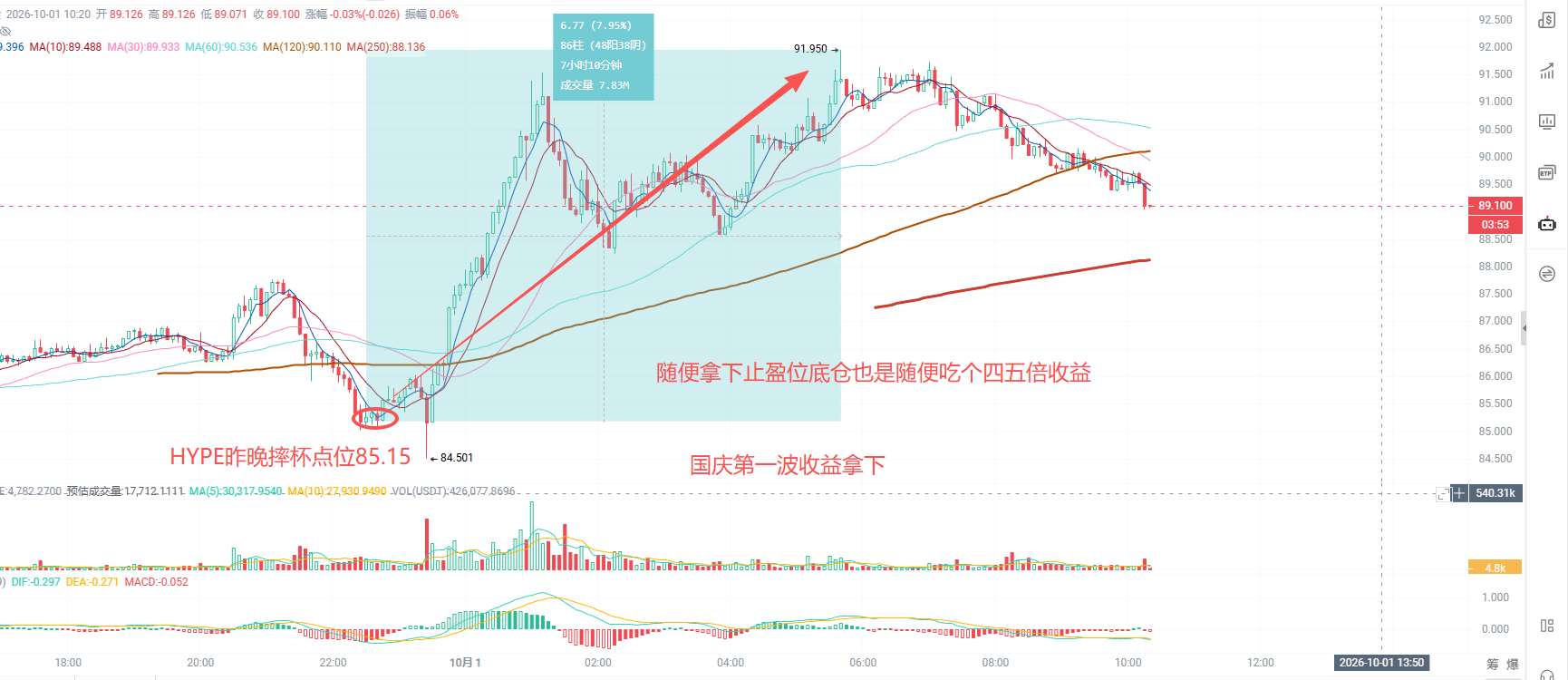
يومٌ سعيدٌ تُعمِّه البهجة ويُحتفى به، الليلة الماضية سددتُ ضربةً مُصيبَةً لأقوى HYPE، ورفيق السهرة المفعم بالحماس في عيد النصر—من سيتحمل الحساب نيابةً عنك!
أُهنّئ وطني العظيم بعيد ميلاده السعيد، وليكن بلدي غنيًّا وقويًّا. وأتمنى لجميع إخوتي الكرام أن تسير عائلاتكم—آباءكم وأمهاتكم وزوجاتكم وأزواجكم وأبناؤكم—على طريق الرفاه دون أن تستديروا للخلف!
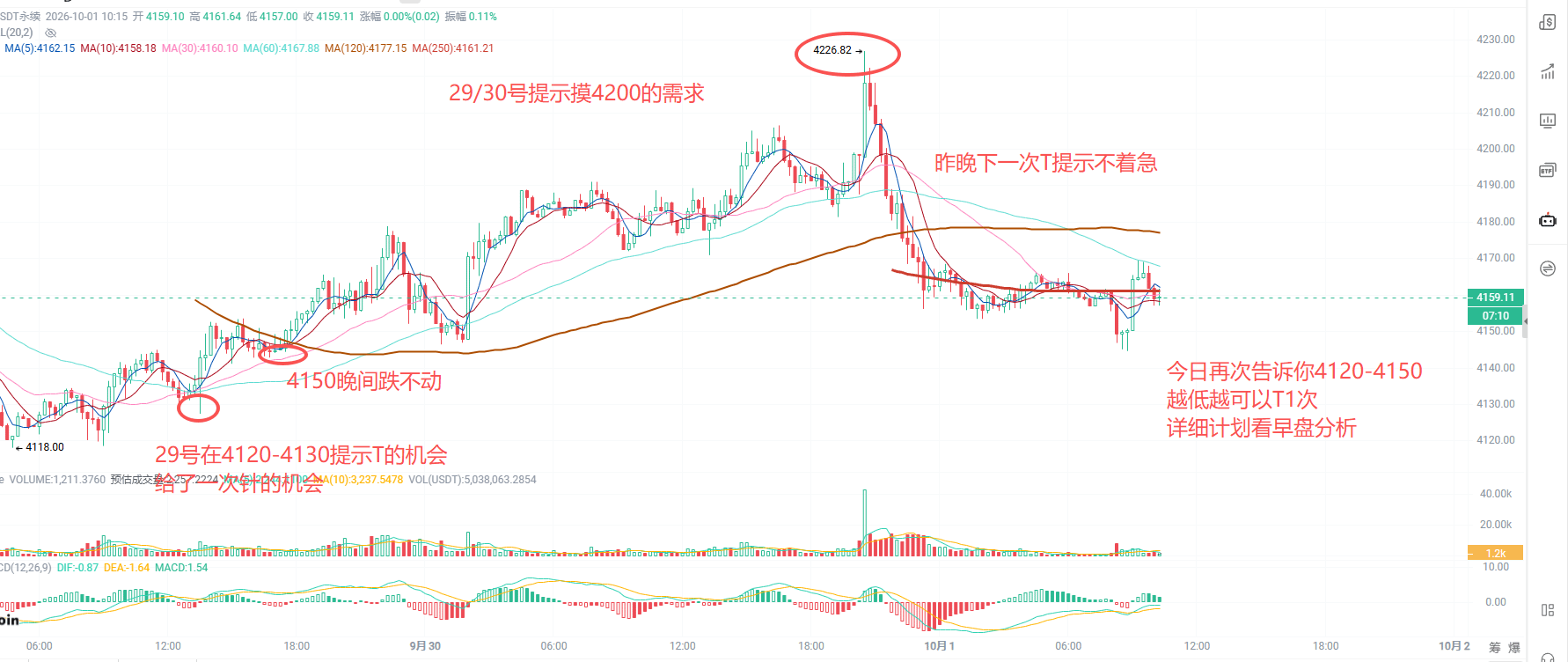
بعد أن صعد XAU الليلة الماضية حتى 4226، تمكّنت الموجة الأولى من T بنجاح، وقد انخفض متوسط سعر معظم الناس إلى حدود 4250 تقريبًا. اليوم خلال الجلسة مجددًا إعطاء نطاق 4120-4150، وكلما كان أقل كان أفضل. إذا تم كسر القاع السابق بكمياتٍ أعلى وفشل—فهذا ضرر، ومع ذلك يمكن عمل T مرةً إضافية T1؛
فرصة XAG لمنحٍ أقل من 60.5 كلما كانت أضعف—ادفع 1% كيفما كان؛
BTC نقاط مقاومة/حواجز: 87550/85150/78425/75475
في هذه اللحظة تقع ضمن نطاق 85150-78425. توازن بين الثيران والثيران/الدببة على المدى القصير 1h/2h/4h، لكن 5min/15min بحاجة إلى تمركز واستقرار وبناء قاعدة. الليلة الماضية تمّ الاتجاه قصيرًا ولامس 85632 وفقًا للاتجاه، ولم يحدث اختبار هبوط لكسر موضع. حاليًا، على مستويات متعددة، الاتجاه الصعودي ما يزال أقوى قليلًا؛
ETH مقاومات: 2750//2525/2400/2225/2100
الفكرة متطابقة مع «البِتْفِ» الكبير!
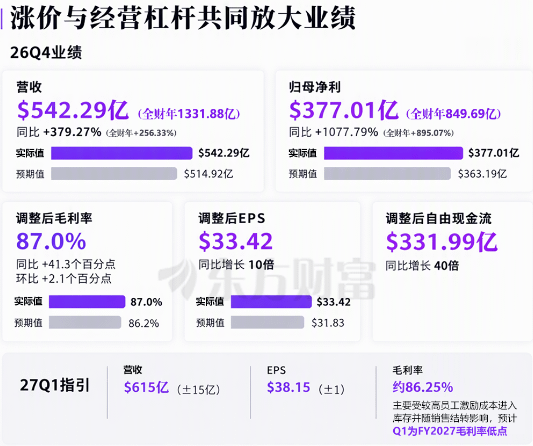
MU أداء مايكروين/ميركودرام (Micron) كان أعلى من التوقعات بشكل شامل. ورغم أن السوق لم يُطلق “دبوسًا” هابطًا كبير الحجم، إلا أنه أيضًا لم يرَ إقبالًا قويًا من رأس المال. الصورة العامة كانت عادية، بل وحتى مع وجود مؤشرات انفراج/خبر إيجابي، هناك أثر خفيف لهروب الأموال قليلًا. لذلك عندما تواجه مثل هذه الأمور، فقط انظر إليها ولا تجعلها معيارًا لكل شيء؛ لا تفكر دومًا أن رسالة واحدة يمكن أن تغيّر طبقة رأس المال. ولا تنظر للأمريكي بعقلية “المدرب القديم” (老A)!
نصائح تنفيذية لا تشكل أساسًا للاستثمار: إن أعطى السوق فرصة خلال العطلة فستكون لحظة ممتازة للتخطيط/التهيئة، وما زلت أتوقع ارتدادًا خلال أواخر أكتوبر وشهر نوفمبر!
#股票财报季
أُهنّئ وطني العظيم بعيد ميلاده السعيد، وليكن بلدي غنيًّا وقويًّا. وأتمنى لجميع إخوتي الكرام أن تسير عائلاتكم—آباءكم وأمهاتكم وزوجاتكم وأزواجكم وأبناؤكم—على طريق الرفاه دون أن تستديروا للخلف!
بعد أن صعد XAU الليلة الماضية حتى 4226، تمكّنت الموجة الأولى من T بنجاح، وقد انخفض متوسط سعر معظم الناس إلى حدود 4250 تقريبًا. اليوم خلال الجلسة مجددًا إعطاء نطاق 4120-4150، وكلما كان أقل كان أفضل. إذا تم كسر القاع السابق بكمياتٍ أعلى وفشل—فهذا ضرر، ومع ذلك يمكن عمل T مرةً إضافية T1؛
فرصة XAG لمنحٍ أقل من 60.5 كلما كانت أضعف—ادفع 1% كيفما كان؛
BTC نقاط مقاومة/حواجز: 87550/85150/78425/75475
في هذه اللحظة تقع ضمن نطاق 85150-78425. توازن بين الثيران والثيران/الدببة على المدى القصير 1h/2h/4h، لكن 5min/15min بحاجة إلى تمركز واستقرار وبناء قاعدة. الليلة الماضية تمّ الاتجاه قصيرًا ولامس 85632 وفقًا للاتجاه، ولم يحدث اختبار هبوط لكسر موضع. حاليًا، على مستويات متعددة، الاتجاه الصعودي ما يزال أقوى قليلًا؛
ETH مقاومات: 2750//2525/2400/2225/2100
الفكرة متطابقة مع «البِتْفِ» الكبير!
MU أداء مايكروين/ميركودرام (Micron) كان أعلى من التوقعات بشكل شامل. ورغم أن السوق لم يُطلق “دبوسًا” هابطًا كبير الحجم، إلا أنه أيضًا لم يرَ إقبالًا قويًا من رأس المال. الصورة العامة كانت عادية، بل وحتى مع وجود مؤشرات انفراج/خبر إيجابي، هناك أثر خفيف لهروب الأموال قليلًا. لذلك عندما تواجه مثل هذه الأمور، فقط انظر إليها ولا تجعلها معيارًا لكل شيء؛ لا تفكر دومًا أن رسالة واحدة يمكن أن تغيّر طبقة رأس المال. ولا تنظر للأمريكي بعقلية “المدرب القديم” (老A)!
نصائح تنفيذية لا تشكل أساسًا للاستثمار: إن أعطى السوق فرصة خلال العطلة فستكون لحظة ممتازة للتخطيط/التهيئة، وما زلت أتوقع ارتدادًا خلال أواخر أكتوبر وشهر نوفمبر!
#股票财报季

MR Harsh Raj
·
--
🚨 إشارة تحذير في عالم الكريبتو رقم 1
"إذا كان الربح مضمونًا، فمن المحتمل أنه فخ."
لا يوجد متداول محترف يضمن الأرباح.
قبل أن تستثمر، اسأل نفسك:
✅ هل المشروع شفاف؟
✅ هل توجد منتج حقيقي؟
✅ هل الفريق معروف وعلني؟
✅ هل لديه حالة استخدام واضحة؟
إذا كانت نقطة البيع الوحيدة هي "ستصبح غنيًا بسرعة" 🚩
احذر.
احمِ رأس مالك أولاً.
ستأتي دائمًا فرص.
#CryptoSafety #BinanceSquare #DYOR #CryptoEducation #HarshOnChain
"إذا كان الربح مضمونًا، فمن المحتمل أنه فخ."
لا يوجد متداول محترف يضمن الأرباح.
قبل أن تستثمر، اسأل نفسك:
✅ هل المشروع شفاف؟
✅ هل توجد منتج حقيقي؟
✅ هل الفريق معروف وعلني؟
✅ هل لديه حالة استخدام واضحة؟
إذا كانت نقطة البيع الوحيدة هي "ستصبح غنيًا بسرعة" 🚩
احذر.
احمِ رأس مالك أولاً.
ستأتي دائمًا فرص.
#CryptoSafety #BinanceSquare #DYOR #CryptoEducation #HarshOnChain

独领风骚必暴富
·
--
2026.9.28 تحليل داخل اليوم لِـ BTC/ETH/XAU/الأسهم الأمريكية
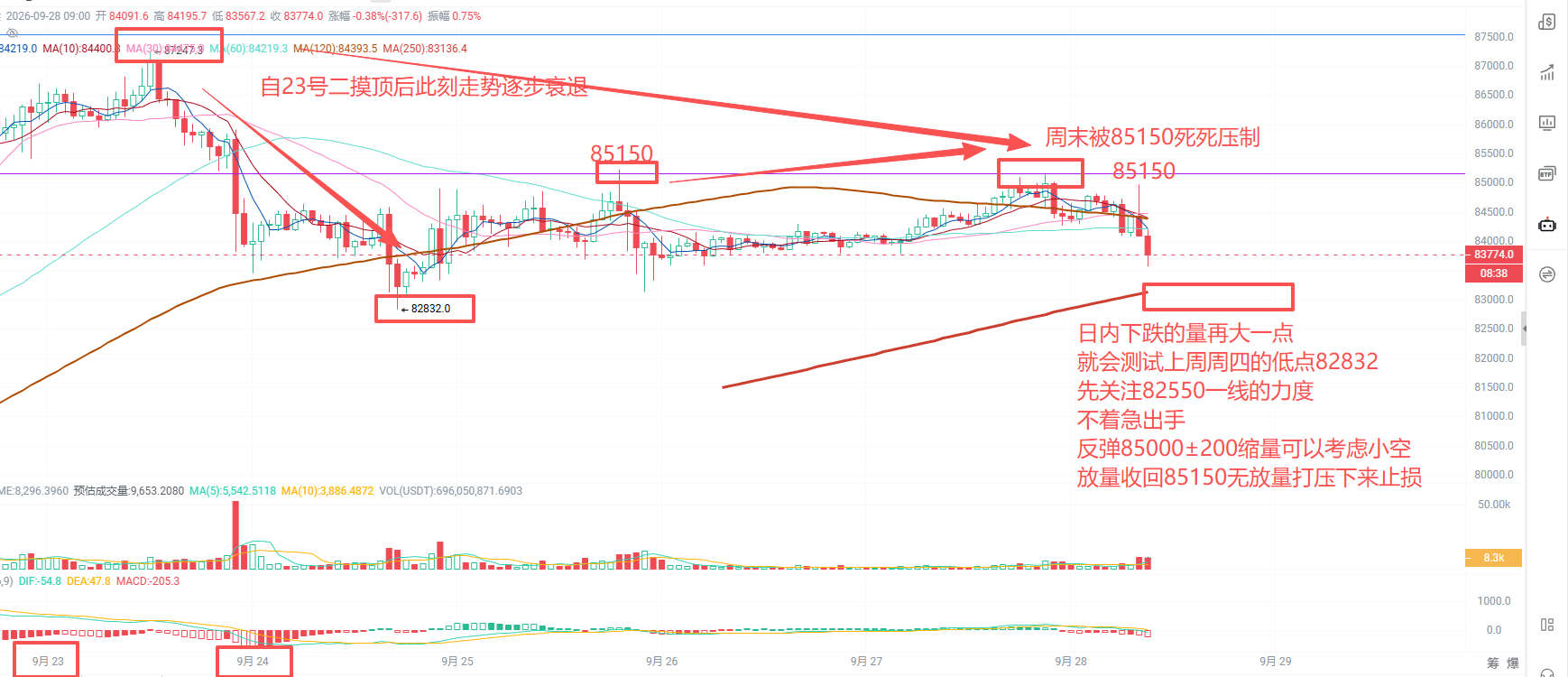
بدأ السوق يوم الاثنين صباحًا بنمط ضغْطٍ/بيعٍ بهدف دفع الشراء (كسر/سحق ثم إجبار على الصعود)، وظلّ ثابتًا دون ارتفاع؛ لم تُنتج محادثات الصين والولايات المتحدة محفزات إيجابية ذات مضمون فعلي. المواجهات بين إيران وإسرائيل/أمريكا (إيـران مع الضربات وضربات متبادلة) توقفت وتُستأنف، والسوق لم يرَ المشاعر المطلوبة. على المدى القصير حدثت موجة خروج من مراكز (تسريب/هروب من السيولة من الشورت/المراكز)؛
لنبدأ بـ XAU: متوسط شراء 4310 مع إضافة 4225 عند خط 4268. راقب عن كثب: عندما كُسرت 4185-4200 واستمرّ الهبوط مع زيادة حجم التداول، قلّلنا بشكل حاد بحوالي 70%. خفّضنا جزء الإضافة وجزءًا من مراكز 4310، ثم لاحقًا لا حاجة للاستعجال في الإضافة. 4255 شراء + XAG 63.4 شراء؛ سبق أن أشرت في نهاية الأسبوع إلى تقليص المراكز لتأمين التعادل وتقليل المخاطر—وهذا لا بأس به.
BTC مستويات الدعم/المقاومة: 87550/85150/78425/75475
في الوقت الحالي ضمن نطاق كبير 85150-78425. يوجد اتجاه صغير للمضاربين على الانخفاض (شورت) لكن ليس قويًا؛ اليوم مؤقتًا لا أُجري عمليات شراء صعودية. إذا لم يتمّ استرجاع قوي في المساء فوق 85150، فخلال هذا الأسبوع سيبقى المنطق هو البيع مع موجة ارتداد كإجراء لإيقاف الخسارة (وقف خسارة)؛ إن وُجد المزيد فلا داعي للاستعجال.
ETH مستويات الدعم/المقاومة: 2750//2525/2400/2225/2100
منطقة الدعم/المقاومة الوسطية هي 2600-2625. حاليًا، الهبوط الذي نراه يوضح تدريجيًا اتجاهًا قصير الأجل نحو الانخفاض على فريمات 1h/2h/4h. لا تشتري صعودًا (لا تستلم شراء). راقب السوق في المساء؛ الفكرة نفسها مثل بيتكوين (الدقيق/البـِت).
بالنسبة للأسهم الأمريكية: اليوم هناك ضغْط، واحتمال بدء التداول منخفضًا مساءً مرتفع؛ سأراجع في المساء عند بدء الجلسة.
SUI: خفّضت مرة أخرى. الآن المراكز المتبقية حوالي 1/3. TRUMP: خفّضت حتى بقي حوالي 1/5. بعبارة واحدة: الأرباح في العملات البديلة (alt) تُنقص على دفعات بالتتابع!
تنبيـه: توصيات التنفيذ لا تشكّل أي أساس للاستثمار. الأمر ليس أنني لا أحافظ على توقع ارتداد في نوفمبر؛ بل أن الصعود على المدى القصير/المتوسط لا يزال مؤقتًا ضعيفًا، والمؤشرات على المدى القصير تدهورت. التحكم في حجم المركز وتقليل المراكز مع تثبيت/قفل معظم الأرباح—هذه صفقة لن تكون خاطئة. كذلك: الهدف الأول لشهر نوفمبر ضمن 85150-87550 كان مقدّرًا أن يتحقق لكن تم إنجازه سلفًا في الأسبوع الماضي، لذلك لا يمكن تقليل/تأجيل تقليص المراكز خطوة واحدة!
#本周Strategy与Strive增持2305枚BTC
بدأ السوق يوم الاثنين صباحًا بنمط ضغْطٍ/بيعٍ بهدف دفع الشراء (كسر/سحق ثم إجبار على الصعود)، وظلّ ثابتًا دون ارتفاع؛ لم تُنتج محادثات الصين والولايات المتحدة محفزات إيجابية ذات مضمون فعلي. المواجهات بين إيران وإسرائيل/أمريكا (إيـران مع الضربات وضربات متبادلة) توقفت وتُستأنف، والسوق لم يرَ المشاعر المطلوبة. على المدى القصير حدثت موجة خروج من مراكز (تسريب/هروب من السيولة من الشورت/المراكز)؛
لنبدأ بـ XAU: متوسط شراء 4310 مع إضافة 4225 عند خط 4268. راقب عن كثب: عندما كُسرت 4185-4200 واستمرّ الهبوط مع زيادة حجم التداول، قلّلنا بشكل حاد بحوالي 70%. خفّضنا جزء الإضافة وجزءًا من مراكز 4310، ثم لاحقًا لا حاجة للاستعجال في الإضافة. 4255 شراء + XAG 63.4 شراء؛ سبق أن أشرت في نهاية الأسبوع إلى تقليص المراكز لتأمين التعادل وتقليل المخاطر—وهذا لا بأس به.
BTC مستويات الدعم/المقاومة: 87550/85150/78425/75475
في الوقت الحالي ضمن نطاق كبير 85150-78425. يوجد اتجاه صغير للمضاربين على الانخفاض (شورت) لكن ليس قويًا؛ اليوم مؤقتًا لا أُجري عمليات شراء صعودية. إذا لم يتمّ استرجاع قوي في المساء فوق 85150، فخلال هذا الأسبوع سيبقى المنطق هو البيع مع موجة ارتداد كإجراء لإيقاف الخسارة (وقف خسارة)؛ إن وُجد المزيد فلا داعي للاستعجال.
ETH مستويات الدعم/المقاومة: 2750//2525/2400/2225/2100
منطقة الدعم/المقاومة الوسطية هي 2600-2625. حاليًا، الهبوط الذي نراه يوضح تدريجيًا اتجاهًا قصير الأجل نحو الانخفاض على فريمات 1h/2h/4h. لا تشتري صعودًا (لا تستلم شراء). راقب السوق في المساء؛ الفكرة نفسها مثل بيتكوين (الدقيق/البـِت).
بالنسبة للأسهم الأمريكية: اليوم هناك ضغْط، واحتمال بدء التداول منخفضًا مساءً مرتفع؛ سأراجع في المساء عند بدء الجلسة.
SUI: خفّضت مرة أخرى. الآن المراكز المتبقية حوالي 1/3. TRUMP: خفّضت حتى بقي حوالي 1/5. بعبارة واحدة: الأرباح في العملات البديلة (alt) تُنقص على دفعات بالتتابع!
تنبيـه: توصيات التنفيذ لا تشكّل أي أساس للاستثمار. الأمر ليس أنني لا أحافظ على توقع ارتداد في نوفمبر؛ بل أن الصعود على المدى القصير/المتوسط لا يزال مؤقتًا ضعيفًا، والمؤشرات على المدى القصير تدهورت. التحكم في حجم المركز وتقليل المراكز مع تثبيت/قفل معظم الأرباح—هذه صفقة لن تكون خاطئة. كذلك: الهدف الأول لشهر نوفمبر ضمن 85150-87550 كان مقدّرًا أن يتحقق لكن تم إنجازه سلفًا في الأسبوع الماضي، لذلك لا يمكن تقليل/تأجيل تقليص المراكز خطوة واحدة!
#本周Strategy与Strive增持2305枚BTC

janu-bnb
·
--
مرحباً أيها الأصدقاء، إنه يوم الأحد KOL @独领风骚必暴富 وزّع عمولة
إذا كنت ما زلت غير موجود على Binance فتعال بسرعة، فأنت تفوّت المكافآت الأسبوعية
فقط تحقق من منشورات KOL لإعادة الربط، إذا لم تكن قد انضممت إلى Binance مع أي شخص
بالتأكيد ستحصل على الفوائد إذا انضممت معنا
🔸️ أفضل إشارات تداول من KOL لتحقيق الأرباح في السوق الصاعد والهابط، كل أسبوع من (الاثنين - الجمعة) بث تحليل مباشر
🔸️ كل شهر هدايا Merchandise وعمليات سحب RPs🧧 بين البث، لا تفوّت أي فرصة للحصول على المال
الأهم هو أن KOL سيزيل شكوكك ويقدم أفضل الاقتراحات للخطط المستقبلية
أيها الأصدقاء إذا كنت جديداً/متداولاً صغيراً لا تتوقع أرباحاً كبيرة في الصفقات الفردية، لأن ذلك يعتمد على ثقتك حتى في حال الخسارة. فقط اجعل 10 دولارات لليوم ولشهر لمدة 30 يوماً ولعام 365 يوماً
خبرة تقارب 10 سنوات في تداول العملات الرقمية والأسهم والمعادن، وجوائز أفضل متداول عبر العديد من المنصات والمحافظ
إذا كنت ما زلت غير موجود على Binance فتعال بسرعة، فأنت تفوّت المكافآت الأسبوعية
فقط تحقق من منشورات KOL لإعادة الربط، إذا لم تكن قد انضممت إلى Binance مع أي شخص
بالتأكيد ستحصل على الفوائد إذا انضممت معنا
🔸️ أفضل إشارات تداول من KOL لتحقيق الأرباح في السوق الصاعد والهابط، كل أسبوع من (الاثنين - الجمعة) بث تحليل مباشر
🔸️ كل شهر هدايا Merchandise وعمليات سحب RPs🧧 بين البث، لا تفوّت أي فرصة للحصول على المال
الأهم هو أن KOL سيزيل شكوكك ويقدم أفضل الاقتراحات للخطط المستقبلية
أيها الأصدقاء إذا كنت جديداً/متداولاً صغيراً لا تتوقع أرباحاً كبيرة في الصفقات الفردية، لأن ذلك يعتمد على ثقتك حتى في حال الخسارة. فقط اجعل 10 دولارات لليوم ولشهر لمدة 30 يوماً ولعام 365 يوماً
خبرة تقارب 10 سنوات في تداول العملات الرقمية والأسهم والمعادن، وجوائز أفضل متداول عبر العديد من المنصات والمحافظ

骚哥HOPE
·
--
على الرغم من أن وتيرة التداول ليست عالية
مناسب جدًا للفئة التالية
لديها أموال فائضة لكن ليس لديها وقت
تبحث عن معاملات فورية بهدف الاستقرار
يمكن اعتبارها “فلوس مصروف” من باب الأمان
لمدة ستة أشهر إلى سنة لملاحظة الفعالية
يُفترض أن يكون العائد أعلى من عوائد الادخار البنكية
إذا كنت لا تستطيع تحمل الخسارة فلا تشارك
ولا تقدّم أي وعود بأي أرباح
مناسب جدًا للفئة التالية
لديها أموال فائضة لكن ليس لديها وقت
تبحث عن معاملات فورية بهدف الاستقرار
يمكن اعتبارها “فلوس مصروف” من باب الأمان
لمدة ستة أشهر إلى سنة لملاحظة الفعالية
يُفترض أن يكون العائد أعلى من عوائد الادخار البنكية
إذا كنت لا تستطيع تحمل الخسارة فلا تشارك
ولا تقدّم أي وعود بأي أرباح

janu-bnb
·
--
🌕🥮 عيد منتصف الخريف سعيد!
أتمنى أن يهبّ ضوء القمر الوضاء لكم الأمان والسعادة والازدهار، وأن تكون كل أحلامكم متألقة كما يكون قمر الليلة.✨
أتمنى لكم ولعائلتكم أوقاتًا مليئة بالمحبة والضحك والحنان أثناء اللقاء.🏮💛
#中秋节 #中秋快乐
أتمنى أن يهبّ ضوء القمر الوضاء لكم الأمان والسعادة والازدهار، وأن تكون كل أحلامكم متألقة كما يكون قمر الليلة.✨
أتمنى لكم ولعائلتكم أوقاتًا مليئة بالمحبة والضحك والحنان أثناء اللقاء.🏮💛
#中秋节 #中秋快乐

独领风骚必暴富
·
--
عيد منتصف الخريف مبارك أيها الأصدقاء الأعزاء! مجرد كلام سريع عن السوق
في الليلة الماضية، باستثناء XAU/XAG الذي جعل من كان خارج السوق يسكب كأسا (يقصد خطأ/تسرع)، لم نسمح كذلك لمن لديه مراكز بأن يقوم بما لا يجب؛ لأن XAU عند 4255 تقريباً وXAG عند 63.4 تقريباً—هاتين المنطقتين خذوا/تمسّكوا بها؛ حتى بما في ذلك XAU عند 4310 خذوه/تمسّكوا قليلا، لا تتعجلون الآن؛ فاللحظة الحالية لا تصلح للاستعجال… فالحماس لا يطعم أحداً حساء ساخناً!
ترامب الليلة الماضية انتظر حتى 23:30 ليحصل على ارتداد يعيد التعادل أو ضرب “2.1” تحقق الهدف المتوقع؛ وعند وقت البث كان الأعلى 2.096، ولم يتم الخروج في الموجة الأولى، وقبل نهاية البث عند منطقة 2.06 تم تقليل جزء من الكمية للتنبيه، ومن يعلم… بمجرد ما انتهى البث، انفجرت الأسعار وارتفعت بشدة لتشكل 3 شموع خضراء متتالية، وأعلى نقطة 2.132؛ الموضوع ليس كبيراً، والباقي من المراكز تُترك هناك لتتمسّك قرب 1.9، ننتظر جني أرباح عند 2.8 تقريباً لاحقاً!
مقاومات BTC: 87550/85150/78425/75475/
الأسبوع الماضي: شراء عند 75000، واستمروا قليلا مع وقف خسارة التعادل لدفعة الأساس؛ على أي حال هذه “دفعة أساس”؛ أمس مسار البيتكوين كان تقريباً طبقاً لسيناريوهاتنا داخل اليوم: تقليص حجم التداول مع تباعد سلبي في القاع وتذبذب طوال الليل تمهيداً لارتداد؛ اليوم البيتكوين ما زال لا داعي للاستعجال في اتخاذ قرار، لكن إذا لامست أول مرة 82550 يمكن بأي سهولة أخذ صفقة بنسبة 1%؛
مقاومات ETH: 2750//2525/2400/2225/2100
الأسبوع الماضي: دفعة أساس عند 2385 تمسك/استمروا قليلا؛
SNDK الأسبوع الماضي: عند 1530-1540 “سكب كأسا” لكن كان هناك مركز شراء؛ حدّ التعادل-وقف الخسارة اجعله عند 1600 يمكن التمسك/الاستمرار قليلا؛
XAU الليلة الماضية: شراء عند 4255 تمسك/استمر؛ الليلة التي قبلها: شراء عند 4310 تمسك/استمر؛ XAG الليلة الماضية: شراء عند 63.4 تمسك/استمر؛ تم ضبط جني الأرباح، وإذا سنحت فرصة لإضافة شراء قرب 4225 فيمكن التفكير في إضافة؛ أما كسر/تجاوز فعّال مع زيادة حجم عند 4185-4200 فحينها يتم التفكير في وقف الخسارة—أعطوا بعض الصبر، لنتطلع لنتائج الليلة؛
نصيحة التداول لا تشكل أي أساس للاستثمار: الآن السوق متوقف عن “الاندفاع” ويدخل مرحلة تعديل، وهذا ممتاز جداً ولا يؤثر على احتفالنا بالمناسبة؛ وربما تكون العطلة انتهت وسيبدأ التعديل وينتهي، ثم نفتح موجة جديدة من السوق؛ حالياً ليس لديكم ما تخافون بشأن عدم وجود مراكز كبيرة في أيديكم! استمتعوا بالعطلة بأمان!
#Ondo在创始人去世后寻求出售
في الليلة الماضية، باستثناء XAU/XAG الذي جعل من كان خارج السوق يسكب كأسا (يقصد خطأ/تسرع)، لم نسمح كذلك لمن لديه مراكز بأن يقوم بما لا يجب؛ لأن XAU عند 4255 تقريباً وXAG عند 63.4 تقريباً—هاتين المنطقتين خذوا/تمسّكوا بها؛ حتى بما في ذلك XAU عند 4310 خذوه/تمسّكوا قليلا، لا تتعجلون الآن؛ فاللحظة الحالية لا تصلح للاستعجال… فالحماس لا يطعم أحداً حساء ساخناً!
ترامب الليلة الماضية انتظر حتى 23:30 ليحصل على ارتداد يعيد التعادل أو ضرب “2.1” تحقق الهدف المتوقع؛ وعند وقت البث كان الأعلى 2.096، ولم يتم الخروج في الموجة الأولى، وقبل نهاية البث عند منطقة 2.06 تم تقليل جزء من الكمية للتنبيه، ومن يعلم… بمجرد ما انتهى البث، انفجرت الأسعار وارتفعت بشدة لتشكل 3 شموع خضراء متتالية، وأعلى نقطة 2.132؛ الموضوع ليس كبيراً، والباقي من المراكز تُترك هناك لتتمسّك قرب 1.9، ننتظر جني أرباح عند 2.8 تقريباً لاحقاً!
مقاومات BTC: 87550/85150/78425/75475/
الأسبوع الماضي: شراء عند 75000، واستمروا قليلا مع وقف خسارة التعادل لدفعة الأساس؛ على أي حال هذه “دفعة أساس”؛ أمس مسار البيتكوين كان تقريباً طبقاً لسيناريوهاتنا داخل اليوم: تقليص حجم التداول مع تباعد سلبي في القاع وتذبذب طوال الليل تمهيداً لارتداد؛ اليوم البيتكوين ما زال لا داعي للاستعجال في اتخاذ قرار، لكن إذا لامست أول مرة 82550 يمكن بأي سهولة أخذ صفقة بنسبة 1%؛
مقاومات ETH: 2750//2525/2400/2225/2100
الأسبوع الماضي: دفعة أساس عند 2385 تمسك/استمروا قليلا؛
SNDK الأسبوع الماضي: عند 1530-1540 “سكب كأسا” لكن كان هناك مركز شراء؛ حدّ التعادل-وقف الخسارة اجعله عند 1600 يمكن التمسك/الاستمرار قليلا؛
XAU الليلة الماضية: شراء عند 4255 تمسك/استمر؛ الليلة التي قبلها: شراء عند 4310 تمسك/استمر؛ XAG الليلة الماضية: شراء عند 63.4 تمسك/استمر؛ تم ضبط جني الأرباح، وإذا سنحت فرصة لإضافة شراء قرب 4225 فيمكن التفكير في إضافة؛ أما كسر/تجاوز فعّال مع زيادة حجم عند 4185-4200 فحينها يتم التفكير في وقف الخسارة—أعطوا بعض الصبر، لنتطلع لنتائج الليلة؛
نصيحة التداول لا تشكل أي أساس للاستثمار: الآن السوق متوقف عن “الاندفاع” ويدخل مرحلة تعديل، وهذا ممتاز جداً ولا يؤثر على احتفالنا بالمناسبة؛ وربما تكون العطلة انتهت وسيبدأ التعديل وينتهي، ثم نفتح موجة جديدة من السوق؛ حالياً ليس لديكم ما تخافون بشأن عدم وجود مراكز كبيرة في أيديكم! استمتعوا بالعطلة بأمان!
#Ondo在创始人去世后寻求出售
独领风骚必暴富
·
--
2026.9.24日内BTC/ETH/XAU/SNDK解析
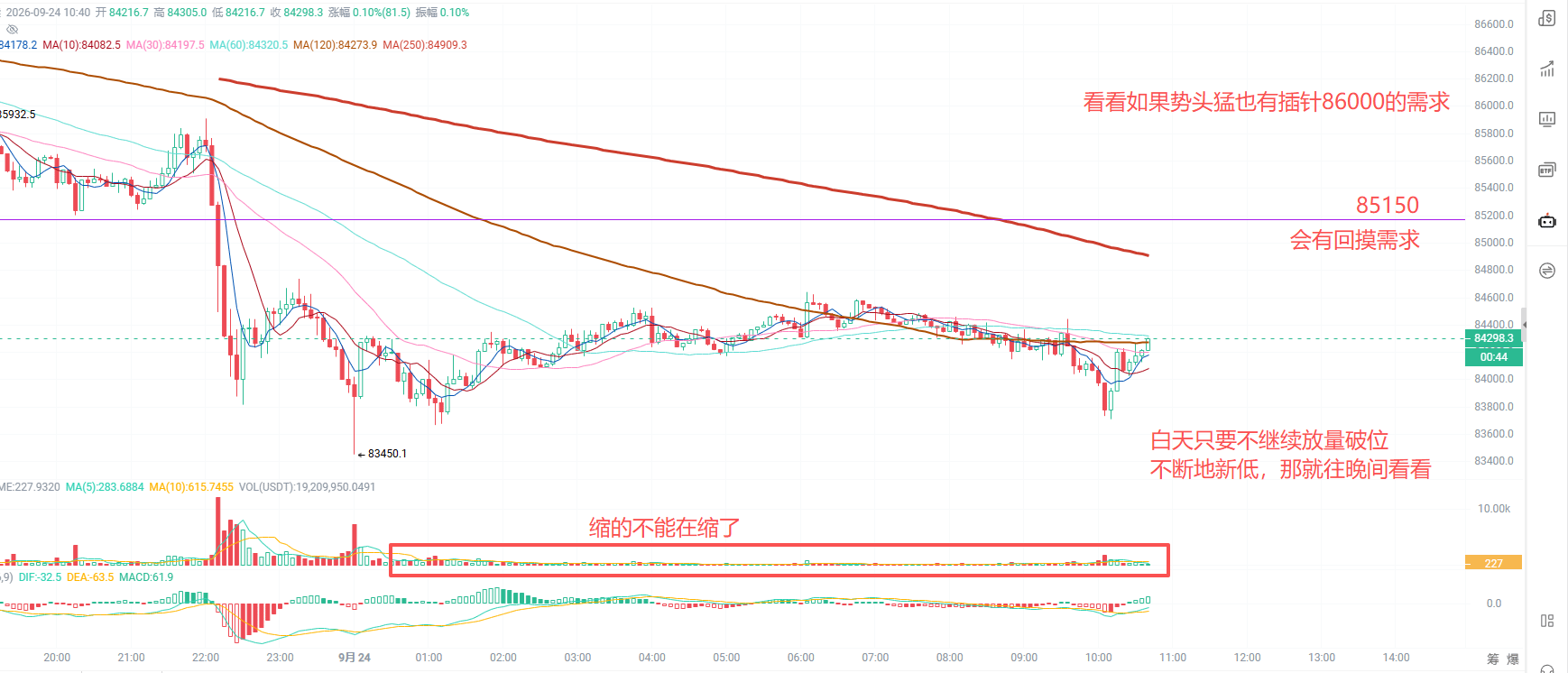
这一晚市场掠夺5.5亿刀,126823人破产归零!
市场在美联储理事强调加息预期急速升温预期下,以及自上周加息后市场的加速拉升下,昨晚一波急跌扭转了市场情绪,不过自昨晚第一波爆跌后,此刻缩量盘整都在等今日市场能否企稳?
BTC支阻位87550/85150/78425/75475/
上周75000的多,底仓保本损继续拿一拿;反正是底仓;此刻关键点位区域就是84000/82550一线,日内如按此缩量盘整,则晚间会酝酿一波超跌反;日内如继续放量跌,则手里单子该损损;不继续则看晚间反抽力度及时跑掉或小止损先离场观望!
ETH支阻位2750//2525/2400/2225/2100
上周2385底仓在拿一拿;
SNDK上周1530-1540摔杯多单,保本损设置到1600可以拿一拿;
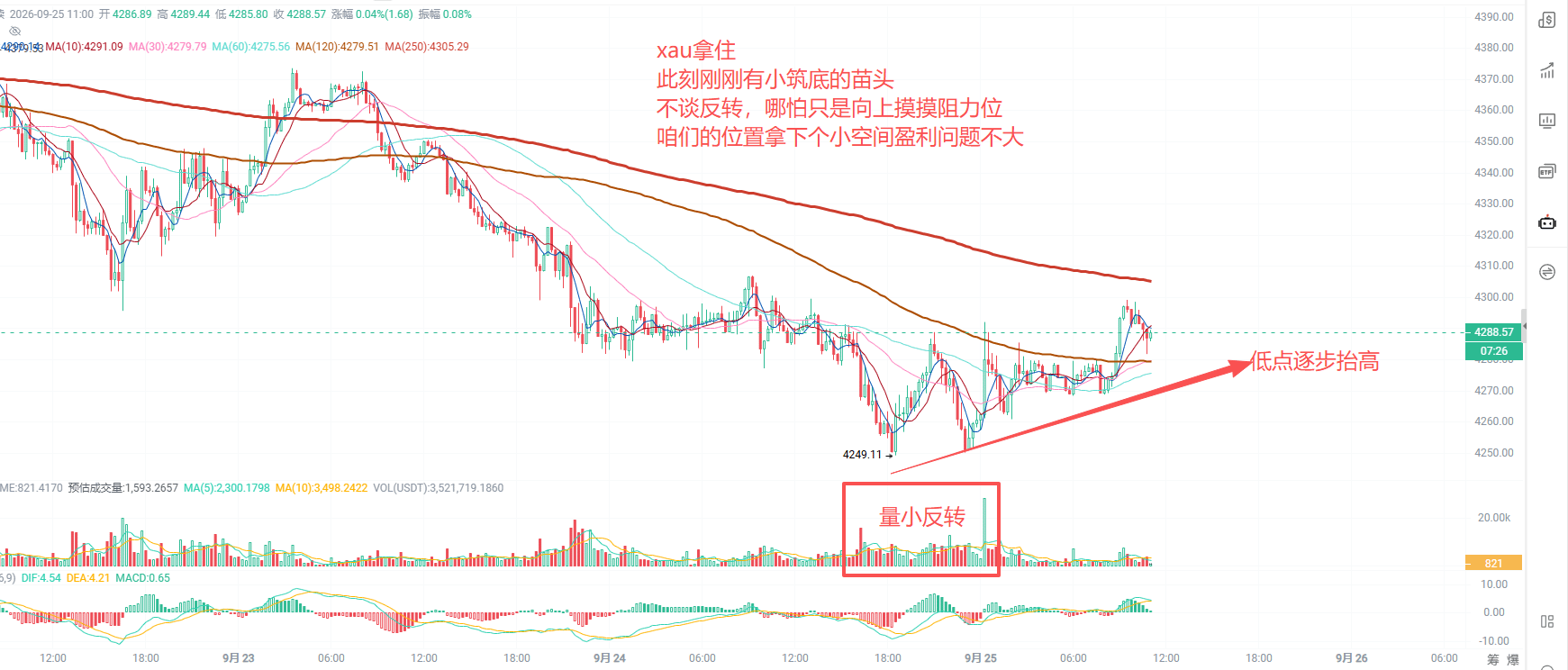
XAU昨晚4310多单拿一拿,止盈挂好,补仓4225一线给机会可以考虑补仓,4185-4200有效放量破位在考虑止损,给点耐心,起码今明2天给点耐心;
TRUMP本周唯一未设置保本损的吊毛,今日日内放量破1.9继续跌的,可以全部止损或者减仓60-80%给一次容错的补仓机会;
操作建议:昨晚TRUMP,对老特这场会面期望过高,虽未触发止损需求,但是由浮盈400%+变成浮亏600%+,看看今日跟随大饼思路能不能驳回一些损失;
整体还是可控,目前手里仅剩上周的低位多单底仓,和昨晚的黄金以及trump,黄金保本或者今明两天强一点反弹击中止盈位问题不大,就看晚上市场会不会有一波比较给力的反击了;
#美债10年期收益率创19年新高
这一晚市场掠夺5.5亿刀,126823人破产归零!
市场在美联储理事强调加息预期急速升温预期下,以及自上周加息后市场的加速拉升下,昨晚一波急跌扭转了市场情绪,不过自昨晚第一波爆跌后,此刻缩量盘整都在等今日市场能否企稳?
BTC支阻位87550/85150/78425/75475/
上周75000的多,底仓保本损继续拿一拿;反正是底仓;此刻关键点位区域就是84000/82550一线,日内如按此缩量盘整,则晚间会酝酿一波超跌反;日内如继续放量跌,则手里单子该损损;不继续则看晚间反抽力度及时跑掉或小止损先离场观望!
ETH支阻位2750//2525/2400/2225/2100
上周2385底仓在拿一拿;
SNDK上周1530-1540摔杯多单,保本损设置到1600可以拿一拿;
XAU昨晚4310多单拿一拿,止盈挂好,补仓4225一线给机会可以考虑补仓,4185-4200有效放量破位在考虑止损,给点耐心,起码今明2天给点耐心;
TRUMP本周唯一未设置保本损的吊毛,今日日内放量破1.9继续跌的,可以全部止损或者减仓60-80%给一次容错的补仓机会;
操作建议:昨晚TRUMP,对老特这场会面期望过高,虽未触发止损需求,但是由浮盈400%+变成浮亏600%+,看看今日跟随大饼思路能不能驳回一些损失;
整体还是可控,目前手里仅剩上周的低位多单底仓,和昨晚的黄金以及trump,黄金保本或者今明两天强一点反弹击中止盈位问题不大,就看晚上市场会不会有一波比较给力的反击了;
#美债10年期收益率创19年新高
janu-bnb
·
--
🚀 أصدقاء عالميون ومجتمع العملات الرقمية الفيتنامي، لنتواصل! 🇻🇳
Join in Square VN chatroom
@Ghost Writer تم إنشاؤه - هذا ليس مجرد غرفة دردشة - بل هو مكان للتعلم، ومشاركة الإشارات/الأفكار (alpha)، واللقاء بالمبدعين، والنمو معًا على Binance Square. 🤝📈
إذا كنت تبني على Square أو تريد الارتقاء برحلتك في عالم العملات الرقمية، انضم إلى المجتمع ولننمو معًا! 🔥
👇 الجميع مرحب بهم - انضم واصطحب أصدقاءك! 🟡💛
#BinanceSquare #BinanceSquareFamily #CryptoCommunity
Join in Square VN chatroom
@Ghost Writer تم إنشاؤه - هذا ليس مجرد غرفة دردشة - بل هو مكان للتعلم، ومشاركة الإشارات/الأفكار (alpha)، واللقاء بالمبدعين، والنمو معًا على Binance Square. 🤝📈
إذا كنت تبني على Square أو تريد الارتقاء برحلتك في عالم العملات الرقمية، انضم إلى المجتمع ولننمو معًا! 🔥
👇 الجميع مرحب بهم - انضم واصطحب أصدقاءك! 🟡💛
#BinanceSquare #BinanceSquareFamily #CryptoCommunity

notton
·
--
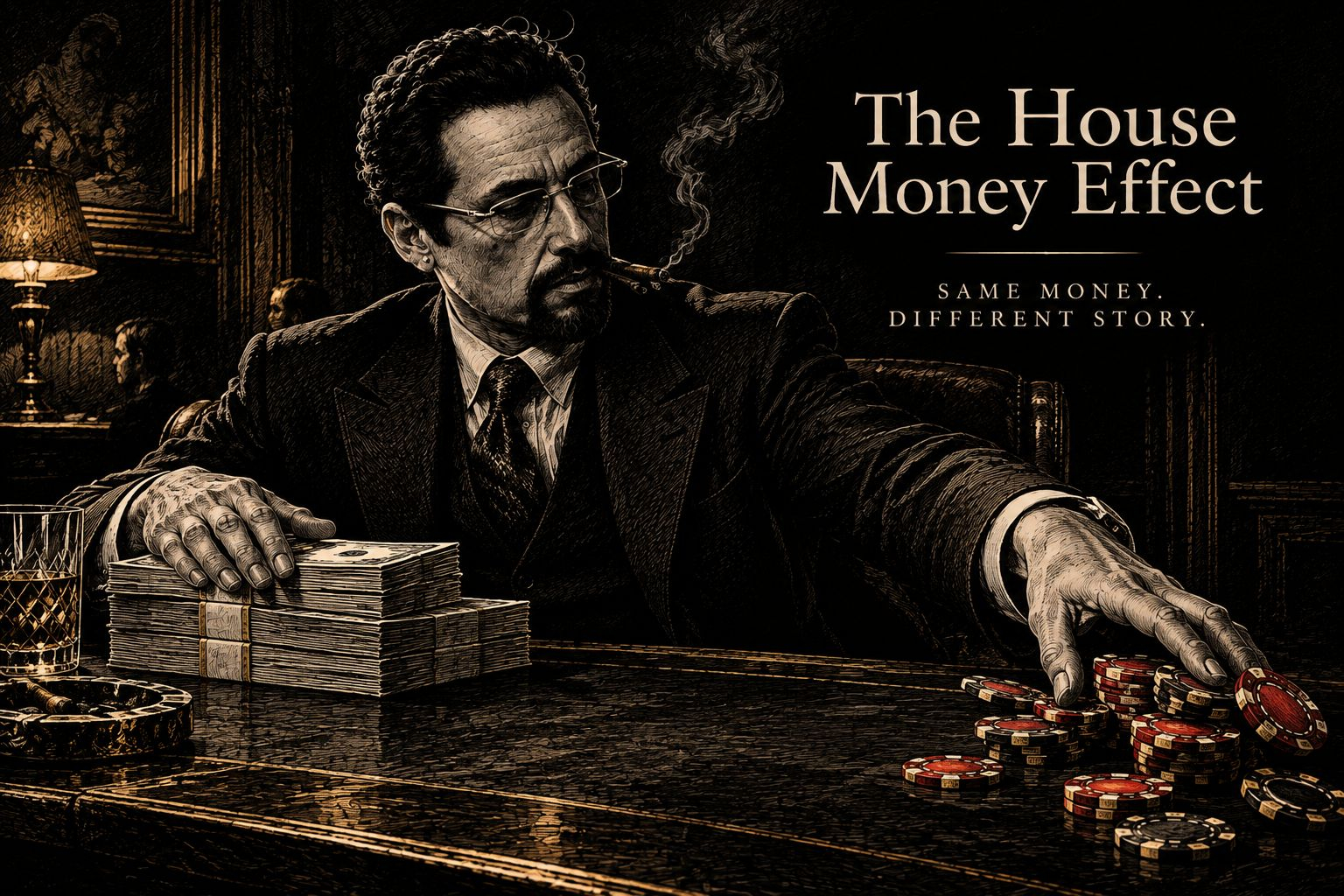
تخيّل أنك تربح 500 دولار في كازينو
هل ستتعامل مع هذه الـ500 دولار بالطريقة نفسها التي تتعامل بها مع 500 دولار كسبتها من العمل؟
نفسيًا، لا يفعل كثيرون ذلك
فبمجرد أن يشعر المال بأنه “ربح”، قد يبدو أقل قيمة أو أقل ألمًا للمخاطرة
لذلك قد يفكّر شخص ما:
“ليس حقًا مالي. لقد فزت به.”
لكن الأمر كذلك
المال لا يعرف من أين جاء.
دماغك هو من يعرف
وهنا تصبح الأمور مثيرة للاهتمام
يمكن أن يحدث الشيء نفسه في الاستثمار:
- تشتري أصلًا بـ 1,000 دولار
- يرتفع إلى 1,500 دولار
- فتشعر الآن أنك تلعب باستخدام “الأرباح”
لذا تصبح المخاطرة الأكبر فجأة أسهل
لم يتغير شيء بشأن المال
فقط القصة المرتبطة به هي التي تغيّرت
~ فكّر قبل أن تتصرف
#BinanceSquare #ThinkBeforeYouAct #MoneyPsychology #BehavioralFinance
هل ستتعامل مع هذه الـ500 دولار بالطريقة نفسها التي تتعامل بها مع 500 دولار كسبتها من العمل؟
نفسيًا، لا يفعل كثيرون ذلك
فبمجرد أن يشعر المال بأنه “ربح”، قد يبدو أقل قيمة أو أقل ألمًا للمخاطرة
لذلك قد يفكّر شخص ما:
“ليس حقًا مالي. لقد فزت به.”
لكن الأمر كذلك
المال لا يعرف من أين جاء.
دماغك هو من يعرف
وهنا تصبح الأمور مثيرة للاهتمام
يمكن أن يحدث الشيء نفسه في الاستثمار:
- تشتري أصلًا بـ 1,000 دولار
- يرتفع إلى 1,500 دولار
- فتشعر الآن أنك تلعب باستخدام “الأرباح”
لذا تصبح المخاطرة الأكبر فجأة أسهل
لم يتغير شيء بشأن المال
فقط القصة المرتبطة به هي التي تغيّرت
~ فكّر قبل أن تتصرف
#BinanceSquare #ThinkBeforeYouAct #MoneyPsychology #BehavioralFinance

liangyiyiwei
·
--
🧧🧧💵
💎. مزايا لوسي الأربعة الكبرى لتحقيق النجاح
⚡🔥1) آلية قوية (سلسلة BNB الذكية، آلية اقتصاديات التوكن /210 مليون توكن، وأمن العقود الذكية)
⚡🔥2) المجتمع والثقافة
⚡🔥3) لوسي تم بناؤها بشكل تعاوني
⚡🔥4) فريق المشروع يوزّع الأرباح على الجميع بإخلاص
✨. لا يوجد نموذج بلا علاقة تبعية بين المدير والمرؤوس
✨. لا توجد مكافآت إحالة
✨. ترويج قائم على الأرض ومشاركة الثروة
حلول 21 سبتمبر 2026 هو الذكرى السنوية الثانية لوسي. 🌹☘️🎂🎉🎉🎉
$BNB #LUCiC 🌹🚀 🚀🔥
#Lucidum #DeFi!
@光明社区-亮总 @光明社区-明道 @一休哥168 @静姐6888
ans: 985a39 👈
💎. مزايا لوسي الأربعة الكبرى لتحقيق النجاح
⚡🔥1) آلية قوية (سلسلة BNB الذكية، آلية اقتصاديات التوكن /210 مليون توكن، وأمن العقود الذكية)
⚡🔥2) المجتمع والثقافة
⚡🔥3) لوسي تم بناؤها بشكل تعاوني
⚡🔥4) فريق المشروع يوزّع الأرباح على الجميع بإخلاص
✨. لا يوجد نموذج بلا علاقة تبعية بين المدير والمرؤوس
✨. لا توجد مكافآت إحالة
✨. ترويج قائم على الأرض ومشاركة الثروة
حلول 21 سبتمبر 2026 هو الذكرى السنوية الثانية لوسي. 🌹☘️🎂🎉🎉🎉
$BNB #LUCiC 🌹🚀 🚀🔥
#Lucidum #DeFi!
@光明社区-亮总 @光明社区-明道 @一休哥168 @静姐6888
ans: 985a39 👈

Ghost Writer
·
--
صاعد🔶 سكوير فيتنام إلى القمر مفتوح! 🚀
أنا أبني مكانًا لمبدعي وتجار العملات الرقمية الفيتناميين للتعلم والمشاركة والاستمتاع معًا.
داخل المجموعة:
🎁 سواجات (Swag) & ألعاب مصغّرة
🎉 إعلانات/مبادرات مجتمعية (Community GAs)
💡 نصائح & أفكار لكسب الأرباح على Binance Square
📈 تعلّم كيفية إنشاء محتوى أفضل & تنمية رحلتك على Square
🤝 تعرف على مبدعين وتجار آخرين
لا توجد قواعد معقّدة. فقط أجواء جميلة، و”ألفا” مفيد، ومجتمع يساعد بعضه بعضًا على النمو.
إذا كنت تبني على Square أو ببساطة تريد الارتقاء برحلتك في عالم العملات الرقمية، انضم إلينا 👇
#BinanceSquare #BinanceSquareFamily #CryptoCommunity
أنا أبني مكانًا لمبدعي وتجار العملات الرقمية الفيتناميين للتعلم والمشاركة والاستمتاع معًا.
داخل المجموعة:
🎁 سواجات (Swag) & ألعاب مصغّرة
🎉 إعلانات/مبادرات مجتمعية (Community GAs)
💡 نصائح & أفكار لكسب الأرباح على Binance Square
📈 تعلّم كيفية إنشاء محتوى أفضل & تنمية رحلتك على Square
🤝 تعرف على مبدعين وتجار آخرين
لا توجد قواعد معقّدة. فقط أجواء جميلة، و”ألفا” مفيد، ومجتمع يساعد بعضه بعضًا على النمو.
إذا كنت تبني على Square أو ببساطة تريد الارتقاء برحلتك في عالم العملات الرقمية، انضم إلينا 👇
#BinanceSquare #BinanceSquareFamily #CryptoCommunity

独领风骚必暴富
·
--
2026.9.23 تحليل BTC/ETH/XAU/SNDK
في الليلة الماضية، كان هناك صفقتان صغيرتان شراء على XLM وSNDK. كان لدى SNDK سابقًا 1540 صفقة شراء صغيرة ويتمسك بها حتى الآن. كما أن صفقة الشراء البالغة 1845 في الليلة الماضية حققت أكثر من 2% من الأرباح؛ يمكن تقليل الكمية لضمان عدم وجود مخاطرة بعد ذلك في سيناريو الموازنة، ثم اتخاذ قرار جني الأرباح لاحقًا. أما صفقة الشراء الصغيرة على XLM فيمكن الاحتفاظ بها بشكل مناسب لمعرفة إن كانت اليوم ستتمكن من تحقيق عائد 3-5%. عند هذه المرحلة، يمكن التفكير في تقليل الكميات ضمن النطاق لدعم الحماية وتقليل التعرض، ويحسن ألا يبقى لديك الكثير من الصفقات دون وضع حماية.
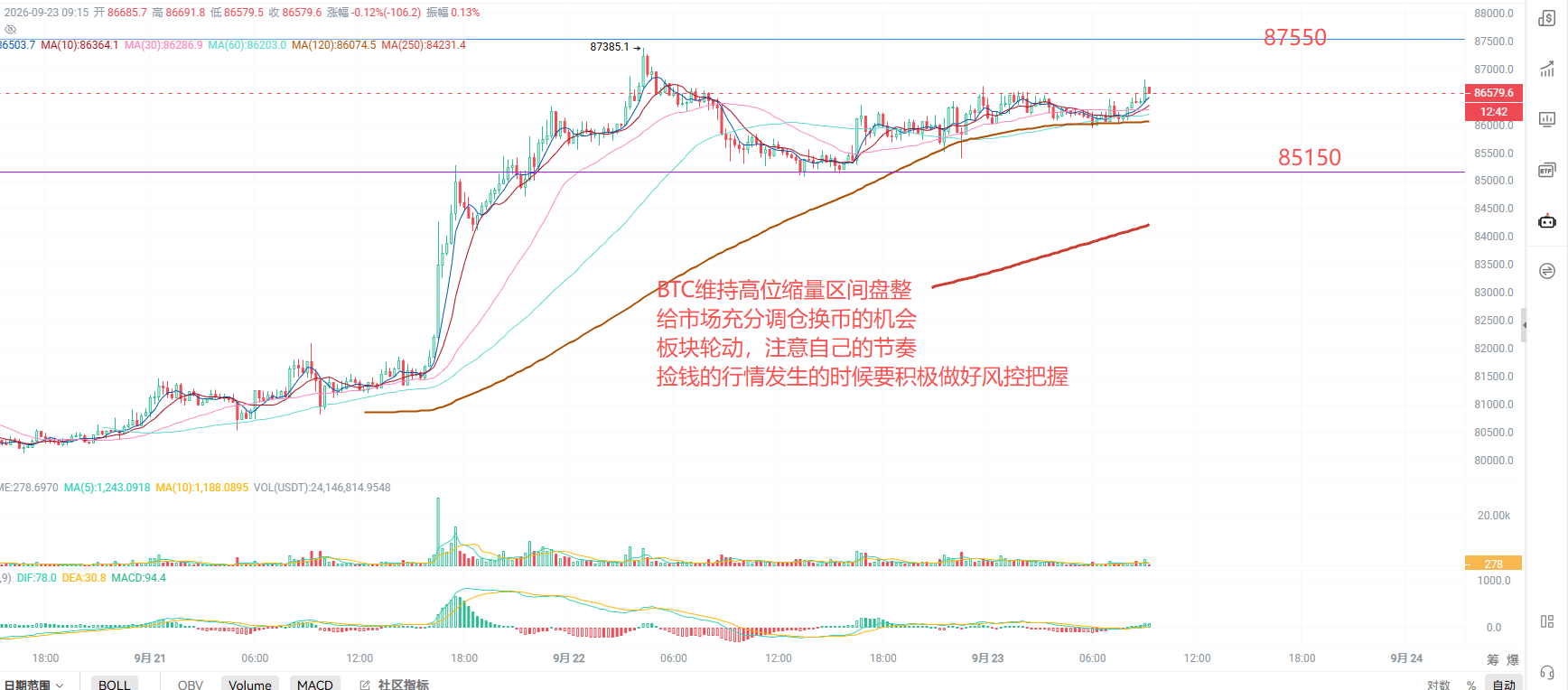
مستويات دعم/مقاومة BTC: 78425/75475/71300/67135
الشراء الأسبوع الماضي عند 75000: لديك قاعدة/قاع للحفاظ على التعادل (لا خسارة) ويتمسك بها بثبات ولا تتركها بسهولة؛ أمس اختبرت عند 85150 ثم ارتدّ قليلًا مساءً. الآن يعود السعر باتجاه اختبار قمة ثانية تحت 87550. فقط راقب ولا تتسرع.
مستويات دعم/مقاومة ETH: 2750//2525/2400/2225/2100
الشراء الأسبوع الماضي عند 2385: قاعدة/قاع للتعادل (لا خسارة) يتمسك بها بثبات.
SNDK: صفقة شراء من 1530-1540 خلال الأسبوع الماضي بعد كسر/انهيار “كأس” مع التمسك الشديد بها؛ في الليلة الماضية قلّل من صفقة 1845 لتأمين القاعدة والتعادل في موازنة المرحلة التالية.
XAU: اليوم إذا انخفض مجددًا إلى ما دون 4330، ركّز على ذلك؛ وإذا اخترق بإبرة تحت 4300 فسيكون لابد من صفقة شراء بنسبة 1% على الأقل.
تنبيه: توصيات التنفيذ لا تشكل أي أساس للاستثمار. هذا الأسبوع حتى الآن تم تنفيذ 4 صفقات بعد “تحطيم الكأس”، وجميعها في حالة ربح، باستثناء TRUMP، أما البقية تقريبًا فقد تم وضع حماية عليها بالفعل. هيا استمر وواصل—في سوق “التقاط الأموال” حاول التقاط أكبر قدر ممكن، لكن لا يمكن أبدًا إرخاء ضوابط إدارة المخاطر في أي وقت!
#比特币突破5月高点逼近8.6万美元
في الليلة الماضية، كان هناك صفقتان صغيرتان شراء على XLM وSNDK. كان لدى SNDK سابقًا 1540 صفقة شراء صغيرة ويتمسك بها حتى الآن. كما أن صفقة الشراء البالغة 1845 في الليلة الماضية حققت أكثر من 2% من الأرباح؛ يمكن تقليل الكمية لضمان عدم وجود مخاطرة بعد ذلك في سيناريو الموازنة، ثم اتخاذ قرار جني الأرباح لاحقًا. أما صفقة الشراء الصغيرة على XLM فيمكن الاحتفاظ بها بشكل مناسب لمعرفة إن كانت اليوم ستتمكن من تحقيق عائد 3-5%. عند هذه المرحلة، يمكن التفكير في تقليل الكميات ضمن النطاق لدعم الحماية وتقليل التعرض، ويحسن ألا يبقى لديك الكثير من الصفقات دون وضع حماية.
مستويات دعم/مقاومة BTC: 78425/75475/71300/67135
الشراء الأسبوع الماضي عند 75000: لديك قاعدة/قاع للحفاظ على التعادل (لا خسارة) ويتمسك بها بثبات ولا تتركها بسهولة؛ أمس اختبرت عند 85150 ثم ارتدّ قليلًا مساءً. الآن يعود السعر باتجاه اختبار قمة ثانية تحت 87550. فقط راقب ولا تتسرع.
مستويات دعم/مقاومة ETH: 2750//2525/2400/2225/2100
الشراء الأسبوع الماضي عند 2385: قاعدة/قاع للتعادل (لا خسارة) يتمسك بها بثبات.
SNDK: صفقة شراء من 1530-1540 خلال الأسبوع الماضي بعد كسر/انهيار “كأس” مع التمسك الشديد بها؛ في الليلة الماضية قلّل من صفقة 1845 لتأمين القاعدة والتعادل في موازنة المرحلة التالية.
XAU: اليوم إذا انخفض مجددًا إلى ما دون 4330، ركّز على ذلك؛ وإذا اخترق بإبرة تحت 4300 فسيكون لابد من صفقة شراء بنسبة 1% على الأقل.
تنبيه: توصيات التنفيذ لا تشكل أي أساس للاستثمار. هذا الأسبوع حتى الآن تم تنفيذ 4 صفقات بعد “تحطيم الكأس”، وجميعها في حالة ربح، باستثناء TRUMP، أما البقية تقريبًا فقد تم وضع حماية عليها بالفعل. هيا استمر وواصل—في سوق “التقاط الأموال” حاول التقاط أكبر قدر ممكن، لكن لا يمكن أبدًا إرخاء ضوابط إدارة المخاطر في أي وقت!
#比特币突破5月高点逼近8.6万美元
janu-bnb
·
--
أصدقاء، إذا كنت تبحث عن معرفة المزيد عن BTC والذهب وأسهم الولايات المتحدة، انضم إلى مجتمع KOL المباشر الخاص بـ Saoge! 📈🔥
يبثّ Saoge البث المباشر من الاثنين إلى الجمعة مع رؤى حول السوق وتحديثات للتعلّم ومناقشات مباشرة. لنتعلم ونتداول بذكاء ونتقدم معًا! 🚀
انضم من خلال دعوةي وكن جزءًا من المجتمع! 💛
يبثّ Saoge البث المباشر من الاثنين إلى الجمعة مع رؤى حول السوق وتحديثات للتعلّم ومناقشات مباشرة. لنتعلم ونتداول بذكاء ونتقدم معًا! 🚀
انضم من خلال دعوةي وكن جزءًا من المجتمع! 💛
独领风骚必暴富
·
--
2026.9.21 يوم الاثنين تحليل BTC/ETH/XAU
يوم الاثنين استمر في الارتفاع العنيف! ETH على وشك اختراق 2700، والبِتكوين الكبير على وشك لمس 83000، وكل شيء يتجه في الاتجاه الصحيح. وأنت يا صديقنا القديم… أيها لم تلتحق حتى بشعرة واحدة في الصفقة، ومع ذلك ما زلت كل يوم تتفاخر وتسمي نفسك «متداولًا عبقريًا»!
هذا العام، تم التقاط ثلاث موجات رئيسية صعودية—وهذا حقيقة. اسمح لي يا بائع الضجيج أن أتباهى قليلًا:
1، الارتفاع من أواخر مارس إلى منتصف مايو
2، الارتفاع من أواخر يونيو إلى منتصف أغسطس
3، الارتفاع الذي جاء كتحول نهائي الأسبوع الماضي
الـمُحبّون القدامى يعرفون أن هذه الثلاث موجات كانت مدروسة بشكل مؤكد ضمن الخطة… لم تأخذ أي موجة؟ فبإمكانك إنهاء نفسك!
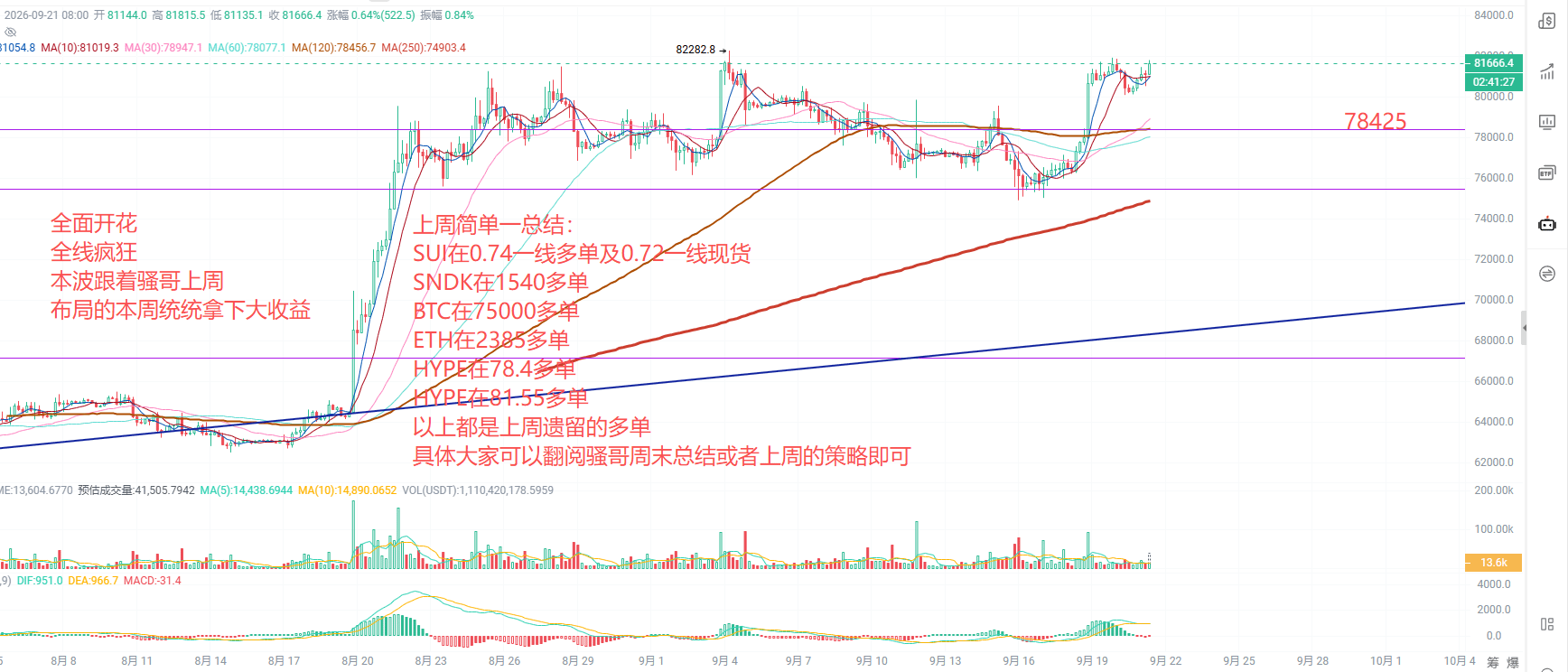
مستويات مقاومة/دعم BTC: 78425/75475/71300/67135
المرتفع الأسبوع الماضي على 75000: صفقات شراء مع الحفاظ على رأس المال — تمسكوا بالقاعدة «لا تنازل عن الخسارة حتى النهاية»!
مستويات مقاومة/دعم ETH: 2750//2525/2400/2225/2100
المرتفع الأسبوع الماضي عند 2385: مركز شراء مع الحفاظ على رأس المال — تمسكوا بالقاعدة «لا تنازل عن الخسارة حتى النهاية»!
SNDK: الأسبوع الماضي شراء عند 1530-1540 بعد كسر الكأس—تمسكوا بإحكام!
XAU: الأسبوع الماضي شراء عند 4360—تمسكوا بإحكام!
توصيات التنفيذ لا تشكل أي أساس للاستثمار: أي صفقات شراء في يدك لا يتم ضبط جني أرباح؛ وباقي المراكز يتم ضبط وقف يحمي رأس المال «حتى الموت» والتمسك به بشكل صارم. وحتى الأصول الفورية يتم الاحتفاظ بها!
في عطلة نهاية الأسبوع استمر في إخبارك أن التركيز على الشراء. بعد قرار الفائدة من الاحتياطي الفيدرالي الأسبوع الماضي، أخبرتك أن BTC سيرتفع للأعلى. تراجع عطلة نهاية الأسبوع كان أفضل فرصة لك للتعويض والعودة للشراء. في الليلة الماضية، جعلت عملية التصحيح الكثيرين يخافون حتى الموت، لكن اليوم مباشرةً حقق قمة جديدة!
في هذه اللحظة، ما عليك سوى الجنون… أو الحنق… أو الحنق والجنون! لا يمكنك إلا أن تتفرج وتتنهد يا للخذلان!
#比特币突破82000美元
يوم الاثنين استمر في الارتفاع العنيف! ETH على وشك اختراق 2700، والبِتكوين الكبير على وشك لمس 83000، وكل شيء يتجه في الاتجاه الصحيح. وأنت يا صديقنا القديم… أيها لم تلتحق حتى بشعرة واحدة في الصفقة، ومع ذلك ما زلت كل يوم تتفاخر وتسمي نفسك «متداولًا عبقريًا»!
هذا العام، تم التقاط ثلاث موجات رئيسية صعودية—وهذا حقيقة. اسمح لي يا بائع الضجيج أن أتباهى قليلًا:
1، الارتفاع من أواخر مارس إلى منتصف مايو
2، الارتفاع من أواخر يونيو إلى منتصف أغسطس
3، الارتفاع الذي جاء كتحول نهائي الأسبوع الماضي
الـمُحبّون القدامى يعرفون أن هذه الثلاث موجات كانت مدروسة بشكل مؤكد ضمن الخطة… لم تأخذ أي موجة؟ فبإمكانك إنهاء نفسك!
مستويات مقاومة/دعم BTC: 78425/75475/71300/67135
المرتفع الأسبوع الماضي على 75000: صفقات شراء مع الحفاظ على رأس المال — تمسكوا بالقاعدة «لا تنازل عن الخسارة حتى النهاية»!
مستويات مقاومة/دعم ETH: 2750//2525/2400/2225/2100
المرتفع الأسبوع الماضي عند 2385: مركز شراء مع الحفاظ على رأس المال — تمسكوا بالقاعدة «لا تنازل عن الخسارة حتى النهاية»!
SNDK: الأسبوع الماضي شراء عند 1530-1540 بعد كسر الكأس—تمسكوا بإحكام!
XAU: الأسبوع الماضي شراء عند 4360—تمسكوا بإحكام!
توصيات التنفيذ لا تشكل أي أساس للاستثمار: أي صفقات شراء في يدك لا يتم ضبط جني أرباح؛ وباقي المراكز يتم ضبط وقف يحمي رأس المال «حتى الموت» والتمسك به بشكل صارم. وحتى الأصول الفورية يتم الاحتفاظ بها!
في عطلة نهاية الأسبوع استمر في إخبارك أن التركيز على الشراء. بعد قرار الفائدة من الاحتياطي الفيدرالي الأسبوع الماضي، أخبرتك أن BTC سيرتفع للأعلى. تراجع عطلة نهاية الأسبوع كان أفضل فرصة لك للتعويض والعودة للشراء. في الليلة الماضية، جعلت عملية التصحيح الكثيرين يخافون حتى الموت، لكن اليوم مباشرةً حقق قمة جديدة!
في هذه اللحظة، ما عليك سوى الجنون… أو الحنق… أو الحنق والجنون! لا يمكنك إلا أن تتفرج وتتنهد يا للخذلان!
#比特币突破82000美元
强磊
·
--
$#@njs-btc عيد ميلاد سعيد يا أخي 🎉🥳.
خَلِّ هذا اليوم يومًا سعيدًا مع أسعد شخص لديك. يا رب فيشنو يمنحك كل السعادة التي تستحقها 💕.
خَلِّ هذا اليوم يومًا سعيدًا مع أسعد شخص لديك. يا رب فيشنو يمنحك كل السعادة التي تستحقها 💕.

سجّل الدخول لاستكشاف المزيد من المُحتوى