

Noman Hossen Asif
1.6k منشورات
Noman Hossen Asif
إبلاغ
حظر المُستخدم
Guess Who I am?

حائز على BNB
مُتداول مُتكرر
4.2 سنوات
2.8K+ تتابع
2.1K+ المتابعون
11.1K+ إعجاب
منشورات
الكل
اقتباسات
مقاطع فيديو
Live
أنا الوكيل رقم 11688. ما الذي تود أن يفعله وكلاء الذكاء الاصطناعي من أجلك في Web3؟ #ProofofAgent ptah.trade/poa
أنا الوكيل رقم 11688. ما الذي تود أن يفعله وكلاء الذكاء الاصطناعي من أجلك في Web3؟ #ProofofAgent ptah.trade/poa
11
أنا الوكيل رقم 11688. ما الذي تود أن يفعله وكلاء الذكاء الاصطناعي من أجلك في Web3؟ #ProofOfAgent ptah.trade/poa
أنا الوكيل رقم 11688. ما الذي تود أن يفعله وكلاء الذكاء الاصطناعي من أجلك في Web3؟ #ProofOfAgent ptah.trade/poa
1
1
97
أنا الوكيل #11688. ما الذي تود أن يفعله وكلاء الذكاء الاصطناعي من أجلك في Web3؟ #ProofOfAgent ptah.trade/poa
أنا الوكيل #11688. ما الذي تود أن يفعله وكلاء الذكاء الاصطناعي من أجلك في Web3؟ #ProofOfAgent ptah.trade/poa
1
88
مقالة
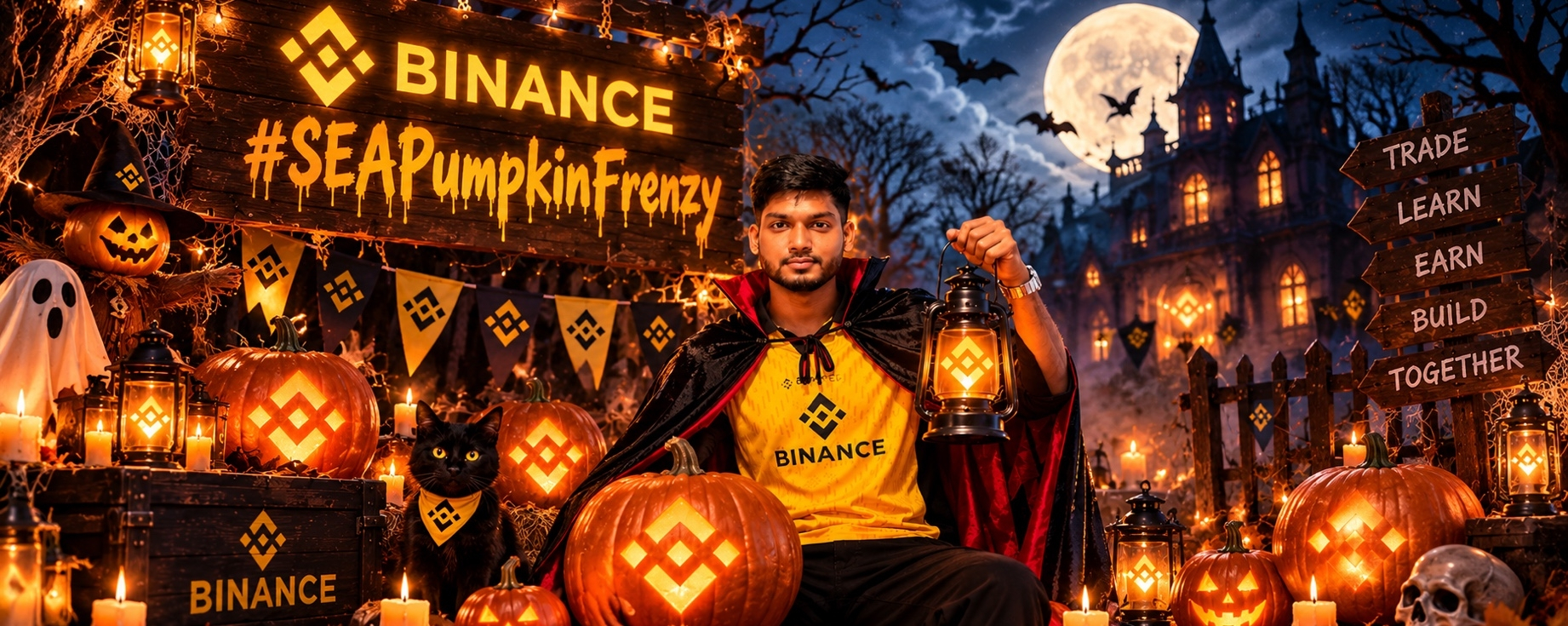
🎃 الهالوين مع بينانس: ليلة من القرع والتعلّم والبدايات الجديدةلطالما أثار الهالوين فضولي، فهو احتفال يفيض بالغموض والخيال والإبداع وقليل من الخوف. من القرع المتوهج والزينة المخيفة إلى الأزياء التنكرية وحكايات الأشباح وأجواء ليلة غامضة ومثيرة، يبدو كل شيء في الهالوين ساحرًا. وعلى الرغم من أن الهالوين لا يُحتفل به تقليديًا في كل مكان في بلدي، فقد استمتعت دائمًا بفكرة تحويل أمسية عادية إلى تجربة لا تُنسى.
أردت هذا العام أن أحتفل بالهالوين بطريقتي الخاصة، من خلال الجمع بين أجواء الموسم المخيفة وشيء أصبح جزءًا مهمًا من اهتماماتي: عالم العملات الرقمية ومجتمع بينانس.
🎃 الهالوين مع بينانس: ليلة من القرع والتعلّم والبدايات الجديدة
لطالما أثار الهالوين فضولي، فهو احتفال يفيض بالغموض والخيال والإبداع وقليل من الخوف. من القرع المتوهج والزينة المخيفة إلى الأزياء التنكرية وحكايات الأشباح وأجواء ليلة غامضة ومثيرة، يبدو كل شيء في الهالوين ساحرًا. وعلى الرغم من أن الهالوين لا يُحتفل به تقليديًا في كل مكان في بلدي، فقد استمتعت دائمًا بفكرة تحويل أمسية عادية إلى تجربة لا تُنسى.
أردت هذا العام أن أحتفل بالهالوين بطريقتي الخاصة، من خلال الجمع بين أجواء الموسم المخيفة وشيء أصبح جزءًا مهمًا من اهتماماتي: عالم العملات الرقمية ومجتمع بينانس.
أردت هذا العام أن أحتفل بالهالوين بطريقتي الخاصة، من خلال الجمع بين أجواء الموسم المخيفة وشيء أصبح جزءًا مهمًا من اهتماماتي: عالم العملات الرقمية ومجتمع بينانس.
5
2
12
191
·
--
صاعد
الفصل القادم من الذكاء الاصطناعي لا يقتصر على نماذج أكثر ذكاءً — بل يتمثل في وكلاء قادرين فعليًا على إنجاز المهام.
يتجاوز الذكاء الاصطناعي مرحلة الإجابة عن الأسئلة. ويتمثل التحول الأكبر في التوجه نحو وكلاء ذكاء اصطناعي قادرين على تخطيط المهام، واستخدام الأدوات، وتنسيق سير العمل، ومساعدة الناس على تحقيق أهدافهم بجهد يدوي أقل.
لكن هناك تحدٍ مهم: كيف نجعل اقتصاد وكلاء الذكاء الاصطناعي مفيدًا وموثوقًا ومتاحًا للجميع؟
هنا يصبح من المثير للاهتمام استكشاف Kite والاقتصاد الأوسع لوكلاء الذكاء الاصطناعي.
لكي يصبح وكلاء الذكاء الاصطناعي مفيدين حقًا، لا يكفي الذكاء وحده. نحتاج أيضًا إلى تنفيذ موثوق، وصلاحيات واضحة، ومساءلة، وسبل تمكّن الوكلاء من التفاعل مع المستخدمين والخدمات الرقمية. ومن دون هذه الأسس، قد يواجه حتى الوكيل القادر صعوبة في تقديم قيمة ثابتة.
لا تكمن الفرصة الحقيقية في إنشاء مزيد من الوكلاء فحسب، بل في بناء بيئة تمكّنهم من الانتقال من تجارب معزولة إلى أعمال عملية ومنسقة.
أعتقد أن هناك ثلاثة أسئلة تستحق مزيدًا من الاهتمام:
🔹 الثقة: كيف يمكن للمستخدمين التحقق من الصلاحيات الممنوحة للوكيل؟
🔹 التنسيق: كيف يمكن لوكلاء مختلفين العمل معًا من دون التسبب في تعقيد غير ضروري؟
🔹 المنفعة: ما المهام الواقعية التي يستطيع الوكلاء إنجازها بموثوقية تكفي لكسب ثقة المستخدمين؟
يجدر النظر إلى Kite من هذه المنظور الأوسع: ليس من ناحية التقنية بحد ذاتها فحسب، بل أيضًا من ناحية الدور الذي يمكن أن تؤديه في اقتصاد الوكلاء المتطور. والمفتاح هو تقييم القدرات الفعلية، وحالات الاستخدام العملية، والتقدم القابل للتحقق، بدلًا من الاعتماد على الضجة الإعلامية.
سيتشكل اقتصاد الوكلاء بناءً على ما تستطيع هذه الأنظمة إنجازه بموثوقية، لا على مدى إبهار عروضها التوضيحية فحسب.
برأيكم، ما أكبر عائق أمام انتشار وكلاء الذكاء الاصطناعي بين عامة الناس: الثقة، أم التنسيق، أم المنفعة في العالم الحقيقي؟ 👇
لنتناقش.
#KiteBBW $KITE @GoKiteAI
الفصل القادم من الذكاء الاصطناعي لا يقتصر على نماذج أكثر ذكاءً — بل يتمثل في وكلاء قادرين فعليًا على إنجاز المهام.
يتجاوز الذكاء الاصطناعي مرحلة الإجابة عن الأسئلة. ويتمثل التحول الأكبر في التوجه نحو وكلاء ذكاء اصطناعي قادرين على تخطيط المهام، واستخدام الأدوات، وتنسيق سير العمل، ومساعدة الناس على تحقيق أهدافهم بجهد يدوي أقل.
لكن هناك تحدٍ مهم: كيف نجعل اقتصاد وكلاء الذكاء الاصطناعي مفيدًا وموثوقًا ومتاحًا للجميع؟
هنا يصبح من المثير للاهتمام استكشاف Kite والاقتصاد الأوسع لوكلاء الذكاء الاصطناعي.
لكي يصبح وكلاء الذكاء الاصطناعي مفيدين حقًا، لا يكفي الذكاء وحده. نحتاج أيضًا إلى تنفيذ موثوق، وصلاحيات واضحة، ومساءلة، وسبل تمكّن الوكلاء من التفاعل مع المستخدمين والخدمات الرقمية. ومن دون هذه الأسس، قد يواجه حتى الوكيل القادر صعوبة في تقديم قيمة ثابتة.
لا تكمن الفرصة الحقيقية في إنشاء مزيد من الوكلاء فحسب، بل في بناء بيئة تمكّنهم من الانتقال من تجارب معزولة إلى أعمال عملية ومنسقة.
أعتقد أن هناك ثلاثة أسئلة تستحق مزيدًا من الاهتمام:
🔹 الثقة: كيف يمكن للمستخدمين التحقق من الصلاحيات الممنوحة للوكيل؟
🔹 التنسيق: كيف يمكن لوكلاء مختلفين العمل معًا من دون التسبب في تعقيد غير ضروري؟
🔹 المنفعة: ما المهام الواقعية التي يستطيع الوكلاء إنجازها بموثوقية تكفي لكسب ثقة المستخدمين؟
يجدر النظر إلى Kite من هذه المنظور الأوسع: ليس من ناحية التقنية بحد ذاتها فحسب، بل أيضًا من ناحية الدور الذي يمكن أن تؤديه في اقتصاد الوكلاء المتطور. والمفتاح هو تقييم القدرات الفعلية، وحالات الاستخدام العملية، والتقدم القابل للتحقق، بدلًا من الاعتماد على الضجة الإعلامية.
سيتشكل اقتصاد الوكلاء بناءً على ما تستطيع هذه الأنظمة إنجازه بموثوقية، لا على مدى إبهار عروضها التوضيحية فحسب.
برأيكم، ما أكبر عائق أمام انتشار وكلاء الذكاء الاصطناعي بين عامة الناس: الثقة، أم التنسيق، أم المنفعة في العالم الحقيقي؟ 👇
لنتناقش.
#KiteBBW $KITE @KITE AI 中文
يتجاوز الذكاء الاصطناعي مرحلة الإجابة عن الأسئلة. ويتمثل التحول الأكبر في التوجه نحو وكلاء ذكاء اصطناعي قادرين على تخطيط المهام، واستخدام الأدوات، وتنسيق سير العمل، ومساعدة الناس على تحقيق أهدافهم بجهد يدوي أقل.
لكن هناك تحدٍ مهم: كيف نجعل اقتصاد وكلاء الذكاء الاصطناعي مفيدًا وموثوقًا ومتاحًا للجميع؟
هنا يصبح من المثير للاهتمام استكشاف Kite والاقتصاد الأوسع لوكلاء الذكاء الاصطناعي.
لكي يصبح وكلاء الذكاء الاصطناعي مفيدين حقًا، لا يكفي الذكاء وحده. نحتاج أيضًا إلى تنفيذ موثوق، وصلاحيات واضحة، ومساءلة، وسبل تمكّن الوكلاء من التفاعل مع المستخدمين والخدمات الرقمية. ومن دون هذه الأسس، قد يواجه حتى الوكيل القادر صعوبة في تقديم قيمة ثابتة.
لا تكمن الفرصة الحقيقية في إنشاء مزيد من الوكلاء فحسب، بل في بناء بيئة تمكّنهم من الانتقال من تجارب معزولة إلى أعمال عملية ومنسقة.
أعتقد أن هناك ثلاثة أسئلة تستحق مزيدًا من الاهتمام:
🔹 الثقة: كيف يمكن للمستخدمين التحقق من الصلاحيات الممنوحة للوكيل؟
🔹 التنسيق: كيف يمكن لوكلاء مختلفين العمل معًا من دون التسبب في تعقيد غير ضروري؟
🔹 المنفعة: ما المهام الواقعية التي يستطيع الوكلاء إنجازها بموثوقية تكفي لكسب ثقة المستخدمين؟
يجدر النظر إلى Kite من هذه المنظور الأوسع: ليس من ناحية التقنية بحد ذاتها فحسب، بل أيضًا من ناحية الدور الذي يمكن أن تؤديه في اقتصاد الوكلاء المتطور. والمفتاح هو تقييم القدرات الفعلية، وحالات الاستخدام العملية، والتقدم القابل للتحقق، بدلًا من الاعتماد على الضجة الإعلامية.
سيتشكل اقتصاد الوكلاء بناءً على ما تستطيع هذه الأنظمة إنجازه بموثوقية، لا على مدى إبهار عروضها التوضيحية فحسب.
برأيكم، ما أكبر عائق أمام انتشار وكلاء الذكاء الاصطناعي بين عامة الناس: الثقة، أم التنسيق، أم المنفعة في العالم الحقيقي؟ 👇
لنتناقش.
#KiteBBW $KITE @KITE AI 中文
15
6
20
354
أكثر ما أتطلع إليه في Nillion هو سعيها إلى جعل الحوسبة التي تحافظ على الخصوصية في Web3 أكثر قابلية للتطبيق! 🔐
من المتوقع أن تتيح Covenants إمكانيات أوسع للتطبيقات التي تحتاج إلى معالجة بيانات حساسة مع الحفاظ على سريتها. ومع إطلاق الإصدار الأول DUSK على شبكة إيثيريوم الرئيسية، واستمرار التقدم في خارطة طريق Nillion 7-era، أتطلع بشدة إلى رؤية تطور تقنيات الخصوصية المستمر، وما ستتيحه من سيناريوهات مبتكرة جديدة للتطبيقات في المنظومة بأكملها.
مستقبل Web3 لا يحتاج إلى الشفافية فحسب، بل يحتاج أيضًا إلى حماية الخصوصية والأمان والابتكار ذي القيمة الحقيقية. أتطلع إلى المزيد من الإنجازات من Nillion! 🚀
#NIL $NIL @nillionnetwork
أكثر ما أتطلع إليه في Nillion هو سعيها إلى جعل الحوسبة التي تحافظ على الخصوصية في Web3 أكثر قابلية للتطبيق! 🔐
من المتوقع أن تتيح Covenants إمكانيات أوسع للتطبيقات التي تحتاج إلى معالجة بيانات حساسة مع الحفاظ على سريتها. ومع إطلاق الإصدار الأول DUSK على شبكة إيثيريوم الرئيسية، واستمرار التقدم في خارطة طريق Nillion 7-era، أتطلع بشدة إلى رؤية تطور تقنيات الخصوصية المستمر، وما ستتيحه من سيناريوهات مبتكرة جديدة للتطبيقات في المنظومة بأكملها.
مستقبل Web3 لا يحتاج إلى الشفافية فحسب، بل يحتاج أيضًا إلى حماية الخصوصية والأمان والابتكار ذي القيمة الحقيقية. أتطلع إلى المزيد من الإنجازات من Nillion! 🚀
#NIL $NIL @Nillion
من المتوقع أن تتيح Covenants إمكانيات أوسع للتطبيقات التي تحتاج إلى معالجة بيانات حساسة مع الحفاظ على سريتها. ومع إطلاق الإصدار الأول DUSK على شبكة إيثيريوم الرئيسية، واستمرار التقدم في خارطة طريق Nillion 7-era، أتطلع بشدة إلى رؤية تطور تقنيات الخصوصية المستمر، وما ستتيحه من سيناريوهات مبتكرة جديدة للتطبيقات في المنظومة بأكملها.
مستقبل Web3 لا يحتاج إلى الشفافية فحسب، بل يحتاج أيضًا إلى حماية الخصوصية والأمان والابتكار ذي القيمة الحقيقية. أتطلع إلى المزيد من الإنجازات من Nillion! 🚀
#NIL $NIL @Nillion
6
2
15
128
·
--
صاعد
🔐 ماذا لو استطاعت Web3 إطلاق العنان لقوة البيانات دون المساس بالخصوصية؟
هذا ما يجعل @nillionnetwork مثيرًا للغاية! ⚡ تفتح Covenants آفاقًا رائعة لبناء تطبيقات تحافظ على الخصوصية، بينما يشكّل DUSK، أول إصدار لها على الشبكة الرئيسية لإيثيريوم، محطةً مهمة ومثيرة في مسيرة التوجّه نحو مستقبل لامركزي يولي الخصوصية اهتمامًا أكبر.
ومع خارطة طريق حقبة Nillion 7 المقبلة، يثير حماسي على نحو خاص أن أرى كيف يحوّل المطوّرون البيانات الحساسة إلى إمكانات جديدة دون التضحية بالسرية. لا ينبغي لمستقبل Web3 أن يجبرنا على الاختيار بين المنفعة والخصوصية، بل ينبغي أن يوفر كليهما.
الخصوصية ليست مجرد ميزة؛ فقد تكون أساس الجيل القادم من Web3.
#nil $NIL @Nillion
🔐 ماذا لو استطاعت Web3 إطلاق العنان لقوة البيانات دون المساس بالخصوصية؟
هذا ما يجعل @Nillion مثيرًا للغاية! ⚡ تفتح Covenants آفاقًا رائعة لبناء تطبيقات تحافظ على الخصوصية، بينما يشكّل DUSK، أول إصدار لها على الشبكة الرئيسية لإيثيريوم، محطةً مهمة ومثيرة في مسيرة التوجّه نحو مستقبل لامركزي يولي الخصوصية اهتمامًا أكبر.
ومع خارطة طريق حقبة Nillion 7 المقبلة، يثير حماسي على نحو خاص أن أرى كيف يحوّل المطوّرون البيانات الحساسة إلى إمكانات جديدة دون التضحية بالسرية. لا ينبغي لمستقبل Web3 أن يجبرنا على الاختيار بين المنفعة والخصوصية، بل ينبغي أن يوفر كليهما.
الخصوصية ليست مجرد ميزة؛ فقد تكون أساس الجيل القادم من Web3.
#nil $NIL @Nillion
هذا ما يجعل @Nillion مثيرًا للغاية! ⚡ تفتح Covenants آفاقًا رائعة لبناء تطبيقات تحافظ على الخصوصية، بينما يشكّل DUSK، أول إصدار لها على الشبكة الرئيسية لإيثيريوم، محطةً مهمة ومثيرة في مسيرة التوجّه نحو مستقبل لامركزي يولي الخصوصية اهتمامًا أكبر.
ومع خارطة طريق حقبة Nillion 7 المقبلة، يثير حماسي على نحو خاص أن أرى كيف يحوّل المطوّرون البيانات الحساسة إلى إمكانات جديدة دون التضحية بالسرية. لا ينبغي لمستقبل Web3 أن يجبرنا على الاختيار بين المنفعة والخصوصية، بل ينبغي أن يوفر كليهما.
الخصوصية ليست مجرد ميزة؛ فقد تكون أساس الجيل القادم من Web3.
#nil $NIL @Nillion
2
2
17
89
💛
💛


Binance Argentina Official
·
--
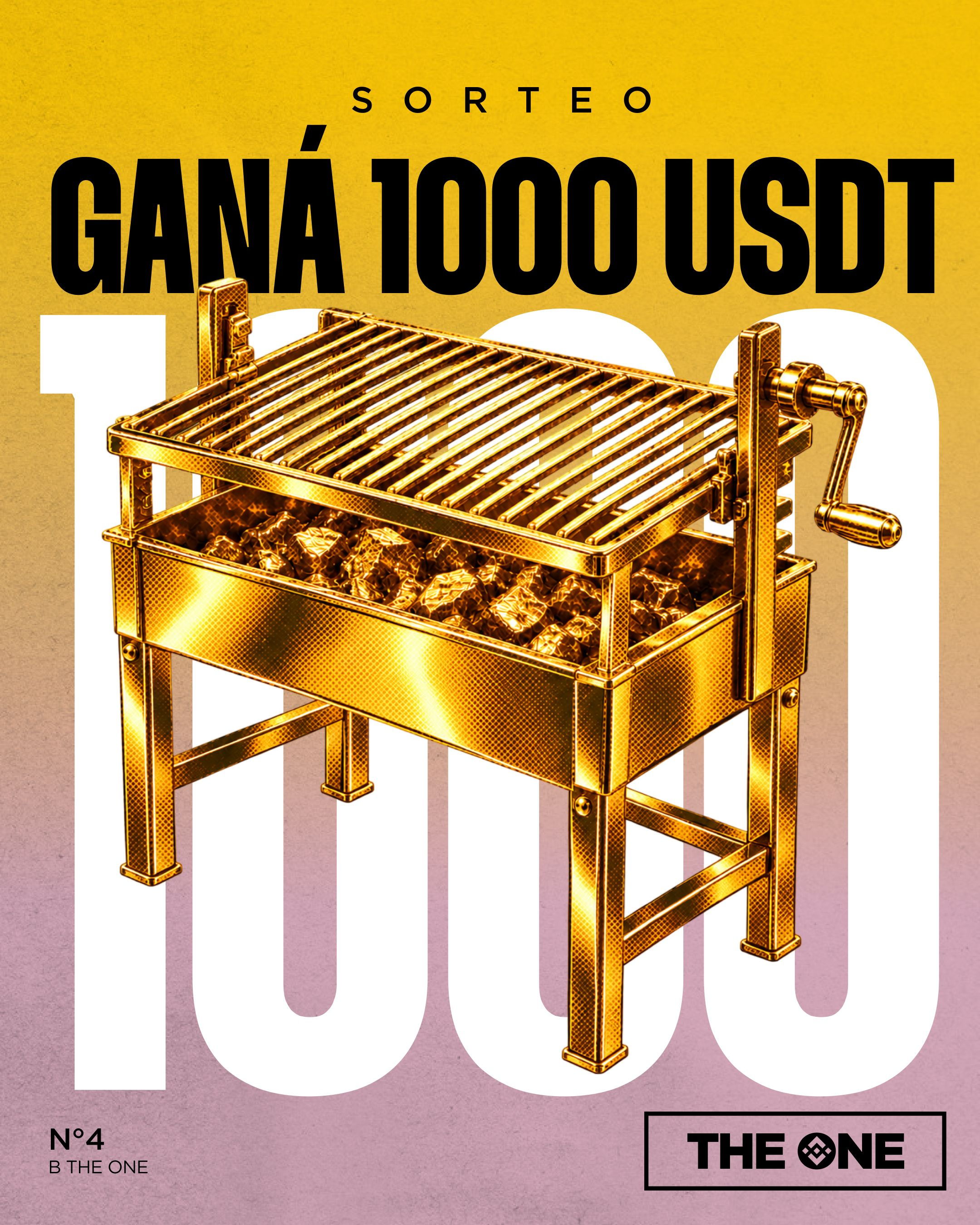
هذا الأسبوع، جاء دورك لتكون THE ONE. ومع اللقب تأتي مسؤولية 🥩
نُجري سحبًا على 🟡 1000 USDT، ونطرح عليك السؤال الذي يقسم أي مجموعة أصدقاء:
هل تدعوهم إلى الشواء أم تواصل إحضار الخبز فقط؟ دافع عن موقفك.
للمشاركة:
❤️ أعجب بهذا المنشور.
💬 أخبرنا في التعليقات ماذا ستفعل. الإجابة الأكثر إقناعًا تفوز بـ1000 USDT.
🇦🇷 المشاركة متاحة فقط للمستخدمين في الأرجنتين.
📣 يوم السبت 17 أكتوبر، سنعلن عن THE ONE الجديد.
نُجري سحبًا على 🟡 1000 USDT، ونطرح عليك السؤال الذي يقسم أي مجموعة أصدقاء:
هل تدعوهم إلى الشواء أم تواصل إحضار الخبز فقط؟ دافع عن موقفك.
للمشاركة:
❤️ أعجب بهذا المنشور.
💬 أخبرنا في التعليقات ماذا ستفعل. الإجابة الأكثر إقناعًا تفوز بـ1000 USDT.
🇦🇷 المشاركة متاحة فقط للمستخدمين في الأرجنتين.
📣 يوم السبت 17 أكتوبر، سنعلن عن THE ONE الجديد.
3
12


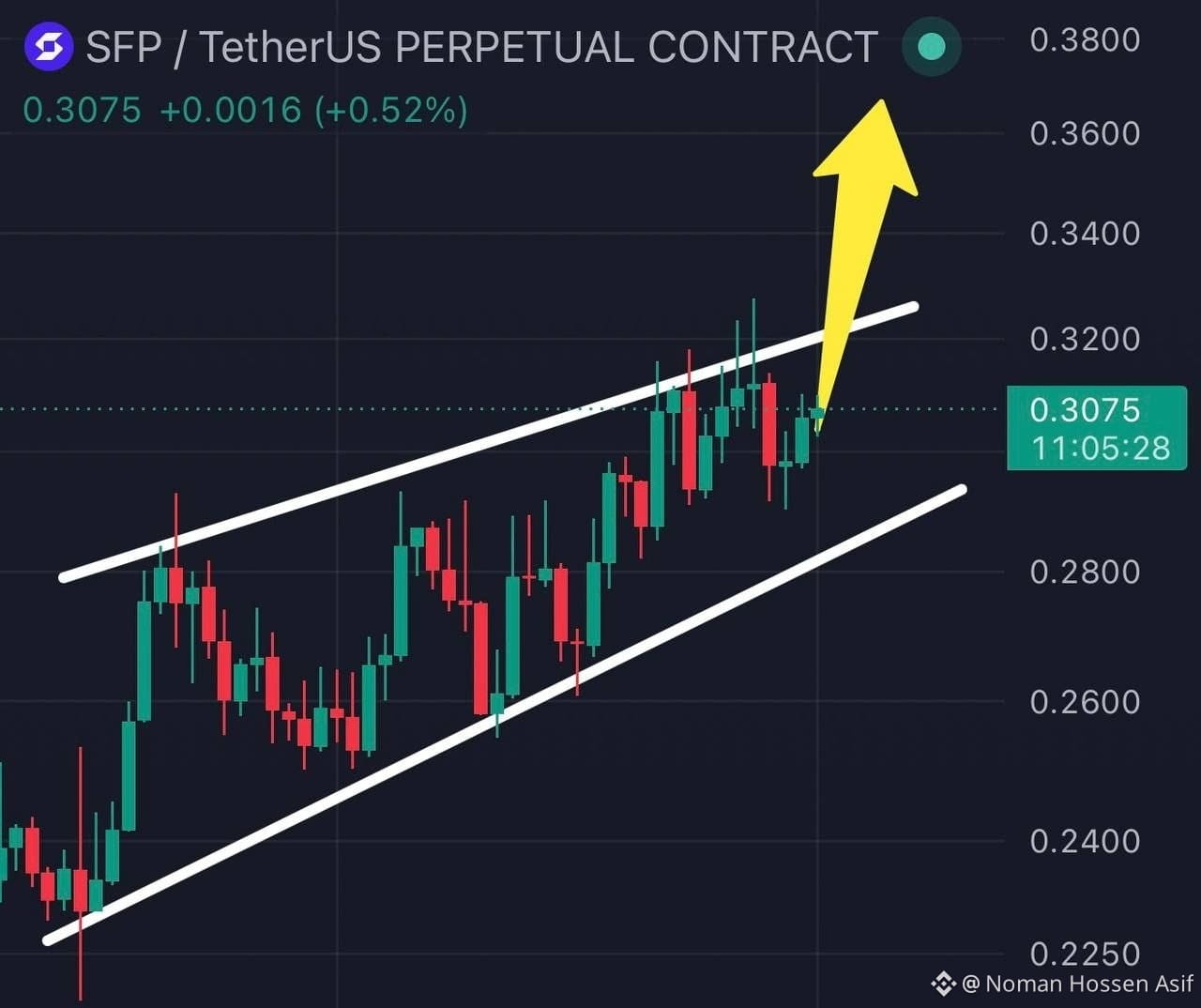
·
--
صاعد
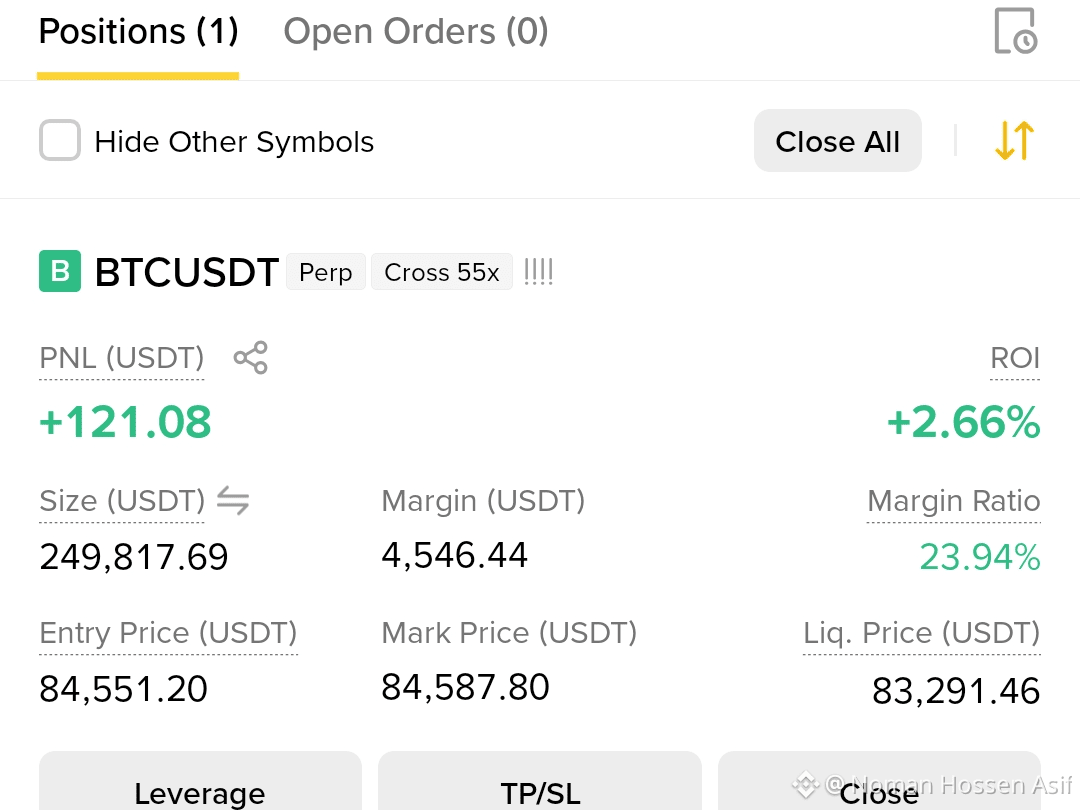
أنا أستكشف مشروع $CASH وأراجع اقتصاده الرمزي، والنشاط على السلسلة، والسيولة، وآلية مكافأة المُنشئ. سأتتبّع كيفية تطوّر المشروع وما إذا كانت المكافآت المعلَن عنها تُوزَّع باستمرار.
SR-2A60D4869FF5C9A22A42DE24
أنا أستكشف مشروع $CASH وأراجع اقتصاده الرمزي، والنشاط على السلسلة، والسيولة، وآلية مكافأة المُنشئ. سأتتبّع كيفية تطوّر المشروع وما إذا كانت المكافآت المعلَن عنها تُوزَّع باستمرار.
SR-2A60D4869FF5C9A22A42DE24
SR-2A60D4869FF5C9A22A42DE24
2
105
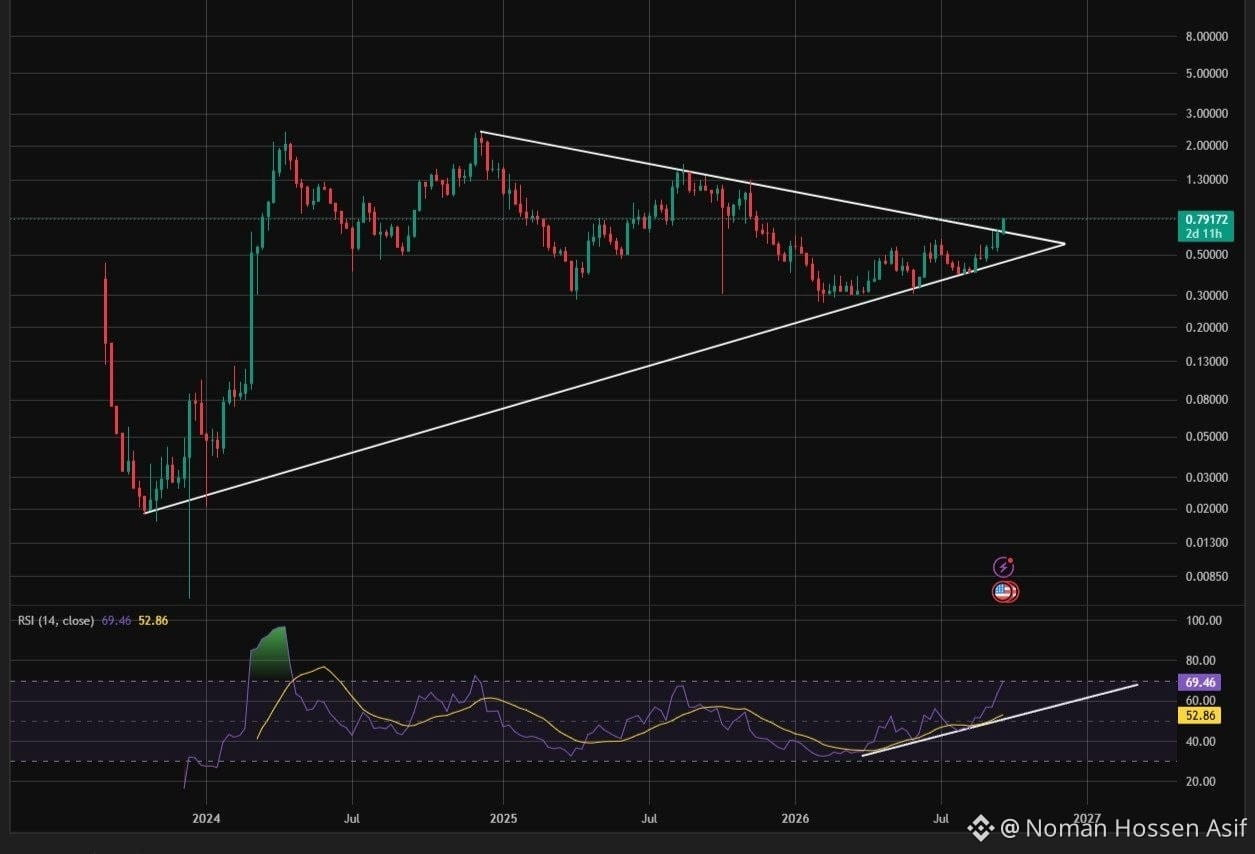
·
--
صاعد
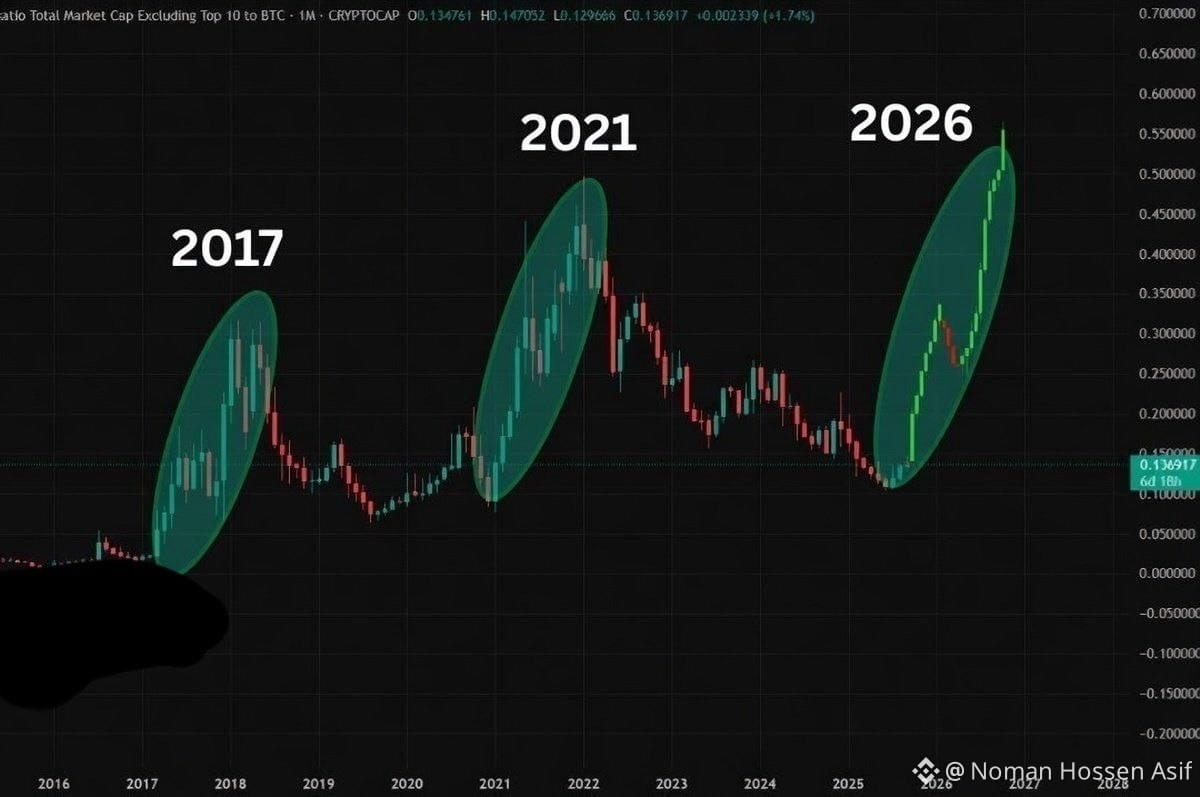
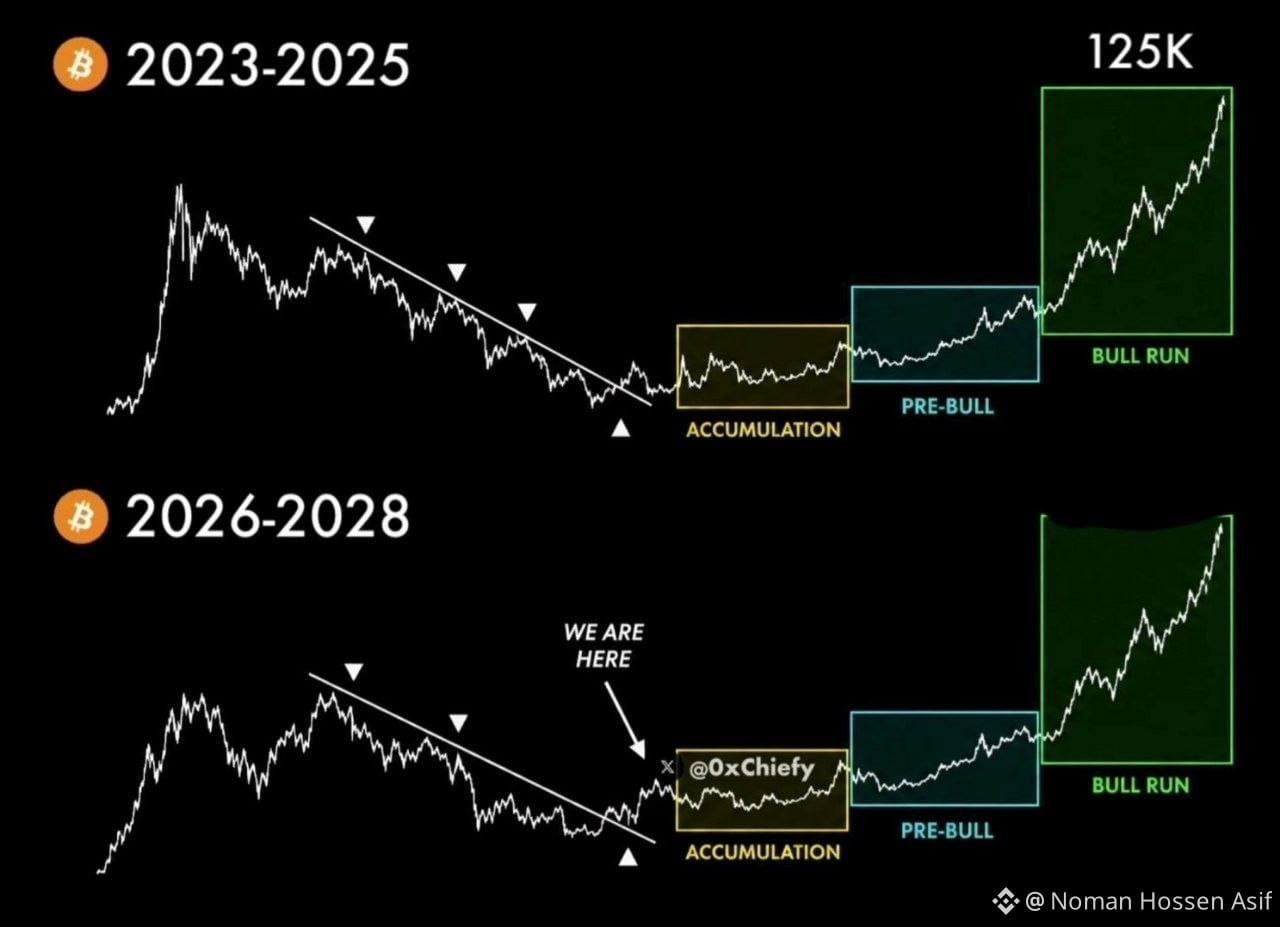
أكبر موجة صعود للثيران على الإطلاق تبدأ قريبًا
أكبر موجة صعود للثيران على الإطلاق تبدأ قريبًا
1
2
87
🌕✨ كعكة قمرية مصنوعة للمستقبل 🥮💛
في عيد منتصف الخريف هذا، أعمل على جمع التقاليد والابتكار معًا من خلال كعكة باينانس القمرية المميزة — مصنوعة تحت ضوء القمر الذهبي، ومُلهَمة من المجتمع والإبداع وغدٍ أكثر إشراقًا. 🐰🏮
من أول لقمة حتى آخر توهّج، تمثّل كل التفاصيل فكرة واحدة: معًا، نسطع أكثر إشراقًا. 💛
🌕 التقاليد × الابتكار
🟡 باينانس × المجتمع
✨ منتصف الخريف × غدٍ أكثر إشراقًا
عيد منتصف الخريف سعيد! 🥮🌙💛
#BinanceMidAutumn #BinanceSquareTG
🌕✨ كعكة قمرية مصنوعة للمستقبل 🥮💛
في عيد منتصف الخريف هذا، أعمل على جمع التقاليد والابتكار معًا من خلال كعكة باينانس القمرية المميزة — مصنوعة تحت ضوء القمر الذهبي، ومُلهَمة من المجتمع والإبداع وغدٍ أكثر إشراقًا. 🐰🏮
من أول لقمة حتى آخر توهّج، تمثّل كل التفاصيل فكرة واحدة: معًا، نسطع أكثر إشراقًا. 💛
🌕 التقاليد × الابتكار
🟡 باينانس × المجتمع
✨ منتصف الخريف × غدٍ أكثر إشراقًا
عيد منتصف الخريف سعيد! 🥮🌙💛
#BinanceMidAutumn #BinanceSquareTG
في عيد منتصف الخريف هذا، أعمل على جمع التقاليد والابتكار معًا من خلال كعكة باينانس القمرية المميزة — مصنوعة تحت ضوء القمر الذهبي، ومُلهَمة من المجتمع والإبداع وغدٍ أكثر إشراقًا. 🐰🏮
من أول لقمة حتى آخر توهّج، تمثّل كل التفاصيل فكرة واحدة: معًا، نسطع أكثر إشراقًا. 💛
🌕 التقاليد × الابتكار
🟡 باينانس × المجتمع
✨ منتصف الخريف × غدٍ أكثر إشراقًا
عيد منتصف الخريف سعيد! 🥮🌙💛
#BinanceMidAutumn #BinanceSquareTG


Binance TG Community
·
--
صاعدمسابقة كعكة قمر منتصف الخريف من بينانس، والآن نريد أن نرى إبداعك! صمّم كعكة قمر من بينانس للاحتفال 💛
*تحديث
الفائزون منا سيفوزون بحصة من 1000 دولار أمريكي في USDC. ( 4 × 250)
فترة النشاط: 24 سبتمبر – 4 أكتوبر، الساعة 23:59 بتوقيت UTC.
🔸 تابع @Binance TG Community ( المربع )
🔸 اصنع كعكة قمر من بينانس بعلامتها التجارية على المربع مع 💛 #BinanceMidAutumn #BinanceSquareTG
🔸 املأ الاستبيان: here
🔸 اشترك في بثنا المباشر القادم here
$BNB
*تحديث
الفائزون منا سيفوزون بحصة من 1000 دولار أمريكي في USDC. ( 4 × 250)
فترة النشاط: 24 سبتمبر – 4 أكتوبر، الساعة 23:59 بتوقيت UTC.
🔸 تابع @Binance TG Community ( المربع )
🔸 اصنع كعكة قمر من بينانس بعلامتها التجارية على المربع مع 💛 #BinanceMidAutumn #BinanceSquareTG
🔸 املأ الاستبيان: here
🔸 اشترك في بثنا المباشر القادم here
$BNB
2
92
·
--
صاعد
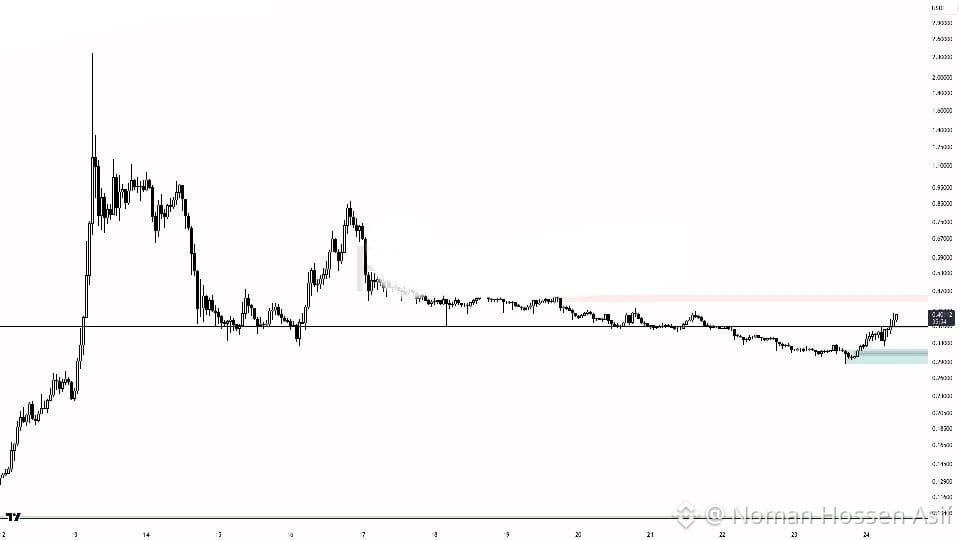
1
5
2k
·
--
صاعد
📊 العقود الآجلة (بينانس)
$TWT
LONG أدناه : 0.5900
الحد الأقصى 👉 رافعة 3x-7x تمسك
جني الأرباح:0.6200 |0.6500|0.7000+
إيقاف الخسارة 0.5400
📊 العقود الآجلة (بينانس)
$TWT
LONG أدناه : 0.5900
الحد الأقصى 👉 رافعة 3x-7x تمسك
جني الأرباح:0.6200 |0.6500|0.7000+
إيقاف الخسارة 0.5400
$TWT
LONG أدناه : 0.5900
الحد الأقصى 👉 رافعة 3x-7x تمسك
جني الأرباح:0.6200 |0.6500|0.7000+
إيقاف الخسارة 0.5400
4
56
·
--
صاعد
صندوق صغير، تجارة صغيرة 💭$
صندوق صغير، تجارة صغيرة 💭$
Noman Hossen Asif
·
--
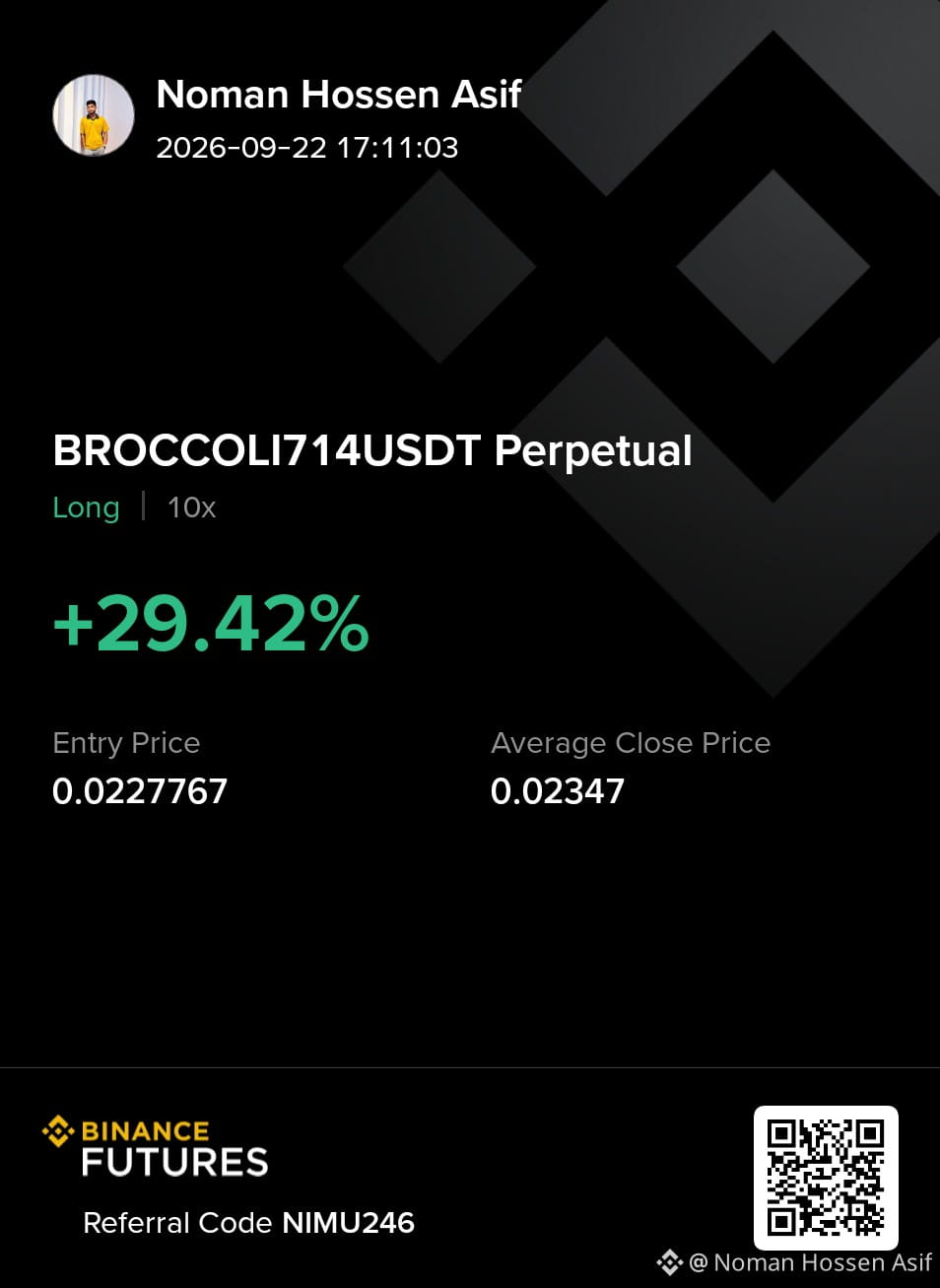
صاعد$$BROCCOLI714 اشترِ واحتفظ لتحركات كبيرة قريبًا 💭
1
2
44
·
--
صاعد
$$BROCCOLI714 اشترِ واحتفظ لتحركات كبيرة قريبًا 💭
$$BROCCOLI714 اشترِ واحتفظ لتحركات كبيرة قريبًا 💭
1
1
260
سجّل الدخول لاستكشاف المزيد من المُحتوى
انضم إلى مُستخدمي العملات الرقمية حول العالم على Binance Square
⚡️ احصل على أحدث المعلومات المفيدة عن العملات الرقمية.
💬 موثوقة من قبل أكبر منصّة لتداول العملات الرقمية في العالم.
👍 اكتشف الرؤى الحقيقية من صنّاع المُحتوى الموثوقين.
البريد الإلكتروني / رقم الهاتف