Binance Square
LIVE

MrRUHUL

image
صانع مُحتوى مُعتمد
News, Memes, Charts, Hopium, Market analysis and Latest crypto updates ! Twitter X: @MrRUHUL77
فتح تداول
مُتداول بمُعدّل مرتفع
3.5 سنوات
157 تتابع
57.0K+ المتابعون
41.2K+ إعجاب
4.0K+ تمّت مُشاركتها
منشورات
الحافظة الاستثمارية
PINNED
·
--
SAFU is always top of mind at Binance. 🎁🎁🎁🎁🎁🎁🎁🎁🧧🧧🧧🧧🧧
SAFU is always top of mind at Binance.

🎁🎁🎁🎁🎁🎁🎁🎁🧧🧧🧧🧧🧧
Walrus Solves a Problem Most Users IgnoreWalrus Fixes the Problem Everyone Overlooks Most people judge blockchains by what’s right in front of them—how fast transactions go through, how much they cost, whether the wallet feels smooth, and maybe if the token price is doing anything exciting. Hardly anyone stops to think about where all that data actually lives, or if it’ll still be around next week, next year, or when their kids are old enough to care. That’s exactly why Walrus exists: because almost everyone misses this, and it’s one of Web3’s biggest blind spots. In the old-school world, you just assume your files will stick around. They’re sitting on servers owned by companies who have to follow the rules, budget for backups, and hire people to keep things running. Web3 isn’t like that. Blockchains are great at tracking who owns what, but honestly, they’re terrible at storing real data. So, the whole scene has ended up leaning on all sorts of shaky off-chain storage, “pinning” services that might not be around tomorrow, and payment schemes that fall apart the second things get tough. Most people don’t even notice—until something important just... disappears. Walrus is built to fix this problem nobody wants to look at: real, rock-solid, decentralized data storage that you can count on, not just another feature to check off a list. The Failure You Don’t See Coming When an NFT image vanishes, or a dApp suddenly forgets its own history, or an AI can’t find its training data, everyone blames the app. But the real failure happened way down at the storage layer. That data was parked somewhere that was never meant to last, never meant to handle serious stress, never built for anyone who might want to poke holes in it. Web3 got used to this. Teams ship fast, figure storage will just handle itself, and move on. But once things get big, this turns into a real risk. Losing data isn’t just annoying—it kills trust, blows up compliance, and ruins the whole long-term promise. Walrus takes a different approach. It assumes data will get lost, get attacked, get ignored. It’s not chasing speed or flash. It’s all about survival. Storage: Not Just an Afterthought Walrus treats storage like a core part of the protocol—something you can’t just bolt on later. It doesn’t hand off the job to someone else. Instead, it bakes guarantees right into the system. Data gets chopped up, spread out, and stored in so many places that it doesn’t matter if someone flakes out or goes rogue. And this actually matters. Decentralization doesn’t mean much if the bottom layer is still centralized or fragile. If your smart contract can’t find its data, it doesn’t matter how “unstoppable” it claims to be. Walrus keeps your data verifiable and gettable, no matter what. You don’t have to trust some storage company’s uptime or hope their business model holds up. The network itself makes sure your data sticks around. Why Nobody Notices—Yet The reason most people ignore this is simple: when storage fails, it takes a while to show up. Problems pop up months or years later, once the original builders are long gone. Early on, everything looks great—demos work, links load, nobody worries. But Web3 isn’t standing still. People start expecting more. Banks want proper audit trails. AI wants stable training sets. Games want worlds that don’t just blink out. The law wants records that can’t just disappear in the night. That’s when “good enough” storage isn’t enough anymore. Walrus is ready for that future. It’s not chasing the latest hype. It’s built for keeping data safe and sound, year after year. Built for Staying Power, Not Hype Walrus doesn’t care about flashy marketing or token buzz. It’s not playing the visibility game. Instead, it focuses on getting the incentives right, so storing data keeps making sense—even when the trends shift, even after the early rewards dry up. That’s huge. A lot of storage projects don’t fail because they’re built wrong. They fail because their economics collapse once the first wave of excitement passes. Walrus is built to last, lining up the interests of people who create data, those who store it, and the network holding it all together. Most users won’t ever talk to Walrus directly. That’s the point. The best infrastructure is the stuff you don’t have to think about. The Long Game Walrus is making a quiet, bold bet: that the future’s most important Web3 systems will care a lot more about reliability than novelty. That keeping your data safe will beat out being first or fastest. That trust comes from the way things are built, not from empty promises. By going after the overlooked, unsexy problem, Walrus is betting that’s where the real value ends up. When apps start breaking because the data’s gone, when compliance isn’t optional, when AI needs to remember, strong storage stops being a “nice to have.” It’s essential. Walrus isn’t waiting for disaster. It’s already getting ready. And in a space where everything else is built to go fast and fade, maybe that’s its biggest contribution.@WalrusProtocol #Walrus $WAL

Walrus Solves a Problem Most Users Ignore

Walrus Fixes the Problem Everyone Overlooks

Most people judge blockchains by what’s right in front of them—how fast transactions go through, how much they cost, whether the wallet feels smooth, and maybe if the token price is doing anything exciting. Hardly anyone stops to think about where all that data actually lives, or if it’ll still be around next week, next year, or when their kids are old enough to care. That’s exactly why Walrus exists: because almost everyone misses this, and it’s one of Web3’s biggest blind spots.

In the old-school world, you just assume your files will stick around. They’re sitting on servers owned by companies who have to follow the rules, budget for backups, and hire people to keep things running. Web3 isn’t like that. Blockchains are great at tracking who owns what, but honestly, they’re terrible at storing real data. So, the whole scene has ended up leaning on all sorts of shaky off-chain storage, “pinning” services that might not be around tomorrow, and payment schemes that fall apart the second things get tough. Most people don’t even notice—until something important just... disappears.

Walrus is built to fix this problem nobody wants to look at: real, rock-solid, decentralized data storage that you can count on, not just another feature to check off a list.

The Failure You Don’t See Coming

When an NFT image vanishes, or a dApp suddenly forgets its own history, or an AI can’t find its training data, everyone blames the app. But the real failure happened way down at the storage layer. That data was parked somewhere that was never meant to last, never meant to handle serious stress, never built for anyone who might want to poke holes in it.

Web3 got used to this. Teams ship fast, figure storage will just handle itself, and move on. But once things get big, this turns into a real risk. Losing data isn’t just annoying—it kills trust, blows up compliance, and ruins the whole long-term promise.

Walrus takes a different approach. It assumes data will get lost, get attacked, get ignored. It’s not chasing speed or flash. It’s all about survival.

Storage: Not Just an Afterthought

Walrus treats storage like a core part of the protocol—something you can’t just bolt on later. It doesn’t hand off the job to someone else. Instead, it bakes guarantees right into the system. Data gets chopped up, spread out, and stored in so many places that it doesn’t matter if someone flakes out or goes rogue.

And this actually matters. Decentralization doesn’t mean much if the bottom layer is still centralized or fragile. If your smart contract can’t find its data, it doesn’t matter how “unstoppable” it claims to be.

Walrus keeps your data verifiable and gettable, no matter what. You don’t have to trust some storage company’s uptime or hope their business model holds up. The network itself makes sure your data sticks around.

Why Nobody Notices—Yet

The reason most people ignore this is simple: when storage fails, it takes a while to show up. Problems pop up months or years later, once the original builders are long gone. Early on, everything looks great—demos work, links load, nobody worries.

But Web3 isn’t standing still. People start expecting more. Banks want proper audit trails. AI wants stable training sets. Games want worlds that don’t just blink out. The law wants records that can’t just disappear in the night.

That’s when “good enough” storage isn’t enough anymore.

Walrus is ready for that future. It’s not chasing the latest hype. It’s built for keeping data safe and sound, year after year.

Built for Staying Power, Not Hype

Walrus doesn’t care about flashy marketing or token buzz. It’s not playing the visibility game. Instead, it focuses on getting the incentives right, so storing data keeps making sense—even when the trends shift, even after the early rewards dry up.

That’s huge. A lot of storage projects don’t fail because they’re built wrong. They fail because their economics collapse once the first wave of excitement passes. Walrus is built to last, lining up the interests of people who create data, those who store it, and the network holding it all together.

Most users won’t ever talk to Walrus directly. That’s the point. The best infrastructure is the stuff you don’t have to think about.

The Long Game

Walrus is making a quiet, bold bet: that the future’s most important Web3 systems will care a lot more about reliability than novelty. That keeping your data safe will beat out being first or fastest. That trust comes from the way things are built, not from empty promises.

By going after the overlooked, unsexy problem, Walrus is betting that’s where the real value ends up. When apps start breaking because the data’s gone, when compliance isn’t optional, when AI needs to remember, strong storage stops being a “nice to have.” It’s essential.

Walrus isn’t waiting for disaster. It’s already getting ready.

And in a space where everything else is built to go fast and fade, maybe that’s its biggest contribution.@Walrus 🦭/acc #Walrus $WAL
🎙️ Crypto Market Rebound Check BTC, ETH, SOL Prices
background
avatar
liveبث مباشر
أنتَ تقوم بالتعليق بشكلٍ سريع جدًا، يُرجى التمهّل وإعادة المُحاولة
red envelope
TIA/USDT
الحدّ/بيع
0%
4
4
Why Plasma XPL Doesn’t Over-Engineer Incentives Plasma XPL steers clear of overly complicated incentives for a reason: it sees economic complexity as a risk down the road, not a shortcut to early growth. A lot of blockchains chase activity with layers of rewards, emissions, multipliers, and flashy games. Sure, these tricks can draw people in fast, but they usually end up twisting user behavior. Suddenly, folks are chasing bonuses instead of actually using the network for what it’s meant to do. Plasma XPL isn’t interested in that game. Here’s the thing—Plasma XPL believes incentives should support the right behaviors, not create artificial ones. If you’re running infrastructure, building apps, or just using the protocol, the value comes from real activity, not made-up rewards. That means the network doesn’t have to lean on constant handouts or tweak incentives every time someone finds a loophole. It avoids the mess of inflation, user churn, or random crashes when the rewards dry up. There’s also the issue of governance. When a project piles on complex rewards, even a small tweak can set off chaos—think economic side effects or angry users. Plasma XPL keeps things simple and transparent. Incentives are straightforward and always tied to the basics of the protocol. That way, developers and regular users don’t have to decode a puzzle just to understand what’s going on. And then there’s sustainability. Networks that throw out a ton of tokens upfront often pay for it later. They lock themselves into decisions that don’t fit once the hype fades or real usage shows up. Plasma XPL holds back on big incentive promises. It keeps its options open, so it can adapt as things change instead of getting stuck with yesterday’s plan. At the end of the day, Plasma XPL treats incentives as core infrastructure, not a marketing gimmick. By skipping all the over-engineered bells and whistles, it focuses on durability, clarity, and real alignment.@Plasma #Plasma $XPL
Why Plasma XPL Doesn’t Over-Engineer Incentives

Plasma XPL steers clear of overly complicated incentives for a reason: it sees economic complexity as a risk down the road, not a shortcut to early growth. A lot of blockchains chase activity with layers of rewards, emissions, multipliers, and flashy games. Sure, these tricks can draw people in fast, but they usually end up twisting user behavior. Suddenly, folks are chasing bonuses instead of actually using the network for what it’s meant to do. Plasma XPL isn’t interested in that game.

Here’s the thing—Plasma XPL believes incentives should support the right behaviors, not create artificial ones. If you’re running infrastructure, building apps, or just using the protocol, the value comes from real activity, not made-up rewards. That means the network doesn’t have to lean on constant handouts or tweak incentives every time someone finds a loophole. It avoids the mess of inflation, user churn, or random crashes when the rewards dry up.

There’s also the issue of governance. When a project piles on complex rewards, even a small tweak can set off chaos—think economic side effects or angry users. Plasma XPL keeps things simple and transparent. Incentives are straightforward and always tied to the basics of the protocol. That way, developers and regular users don’t have to decode a puzzle just to understand what’s going on.

And then there’s sustainability. Networks that throw out a ton of tokens upfront often pay for it later. They lock themselves into decisions that don’t fit once the hype fades or real usage shows up. Plasma XPL holds back on big incentive promises. It keeps its options open, so it can adapt as things change instead of getting stuck with yesterday’s plan.

At the end of the day, Plasma XPL treats incentives as core infrastructure, not a marketing gimmick. By skipping all the over-engineered bells and whistles, it focuses on durability, clarity, and real alignment.@Plasma #Plasma $XPL
Plasma XPL as a Network Designed to Age Gracefully, Not ExplosivelyPlasma XPL: Here for the Long Run Crypto’s obsessed with the next big thing—flashy launches, wild stats, everyone piling in for a quick thrill. If it looks fast and loud, it grabs attention. Plasma XPL? It doesn’t even flinch. This network isn’t chasing headlines or quick wins. It’s built around a simple truth: real value sticks around. Hype fades. What lasts actually matters. Picture Plasma XPL as a living, breathing thing, not just another disposable gadget. Most projects chase growth just for the sake of it, and that’s when cracks start to show. They cut corners, lock themselves into rigid tech, and suddenly can’t adapt when the world shifts. Plasma XPL sidesteps all that. From the beginning, it’s modular. You can swap out or upgrade any piece without pulling the whole thing apart. Upgrades feel like evolution, not chaos. You see this philosophy in how Plasma XPL handles scaling. Other networks try to nail the perfect setup, then scramble when reality throws them off. Plasma XPL expects things to get messy. Users change, laws shift, technology moves fast—sometimes overnight. Instead of rushing out risky, all-or-nothing fixes, Plasma XPL plans for surprises from day one. It’s steady, not frantic. That same approach runs deep in its governance. Loud voices and hype don’t get to steer the ship. Governance here is built like solid infrastructure—steady, thoughtful, and patient. Big changes aren’t rushed. They take time on purpose. Sure, it looks slow in an industry addicted to speed, but you actually get decisions you can trust later on. People want stability, not constant pivots. Now, let’s talk economics. Most projects try to force demand with crazy token rewards. It works—right up until it doesn’t. When the rewards drop off, so does the community. Plasma XPL doesn’t bother with gimmicks. Its economic model stands strong, even when the buzz dies down. Security and participation don’t just vanish with speculation. The network’s built for steady, real-world use, not just quick bursts of excitement. Developers get the same deal. Plasma XPL doesn’t chase trends or swap out tools every few months. It sticks with interfaces you can actually rely on. Old tools don’t disappear overnight. Compatibility and careful phase-outs matter here. Less chaos means devs spend their time building things that last, instead of scrambling to keep up with whatever’s hot right now. Does Plasma XPL ignore growth? Not at all. It just grows as real demand calls for it. The network expands step by step, no wasted effort, no panic if the next hype wave never comes. There’s a whole mindset behind this. Plasma XPL doesn’t act like it needs to be the center of attention. It’s dependable infrastructure—the kind you barely notice until it stops, which it rarely does. That attitude brings everyone together—developers, operators, users—focused on one thing: building something that lasts. In a world packed with projects that flare up and fizzle out, Plasma XPL’s slow-and-steady approach might seem kind of boring. But honestly, that’s the point. The systems that matter most aren’t the loudest. They’re the ones that just work, day in and day out, always getting a little better. If blockchain’s going to last, it’ll be because of networks built to go the distance—not the ones chasing the next headline. Plasma XPL gets it.@Plasma #Plasma $XPL

Plasma XPL as a Network Designed to Age Gracefully, Not Explosively

Plasma XPL: Here for the Long Run

Crypto’s obsessed with the next big thing—flashy launches, wild stats, everyone piling in for a quick thrill. If it looks fast and loud, it grabs attention. Plasma XPL? It doesn’t even flinch. This network isn’t chasing headlines or quick wins. It’s built around a simple truth: real value sticks around. Hype fades. What lasts actually matters.

Picture Plasma XPL as a living, breathing thing, not just another disposable gadget. Most projects chase growth just for the sake of it, and that’s when cracks start to show. They cut corners, lock themselves into rigid tech, and suddenly can’t adapt when the world shifts. Plasma XPL sidesteps all that. From the beginning, it’s modular. You can swap out or upgrade any piece without pulling the whole thing apart. Upgrades feel like evolution, not chaos.

You see this philosophy in how Plasma XPL handles scaling. Other networks try to nail the perfect setup, then scramble when reality throws them off. Plasma XPL expects things to get messy. Users change, laws shift, technology moves fast—sometimes overnight. Instead of rushing out risky, all-or-nothing fixes, Plasma XPL plans for surprises from day one. It’s steady, not frantic.

That same approach runs deep in its governance. Loud voices and hype don’t get to steer the ship. Governance here is built like solid infrastructure—steady, thoughtful, and patient. Big changes aren’t rushed. They take time on purpose. Sure, it looks slow in an industry addicted to speed, but you actually get decisions you can trust later on. People want stability, not constant pivots.

Now, let’s talk economics. Most projects try to force demand with crazy token rewards. It works—right up until it doesn’t. When the rewards drop off, so does the community. Plasma XPL doesn’t bother with gimmicks. Its economic model stands strong, even when the buzz dies down. Security and participation don’t just vanish with speculation. The network’s built for steady, real-world use, not just quick bursts of excitement.

Developers get the same deal. Plasma XPL doesn’t chase trends or swap out tools every few months. It sticks with interfaces you can actually rely on. Old tools don’t disappear overnight. Compatibility and careful phase-outs matter here. Less chaos means devs spend their time building things that last, instead of scrambling to keep up with whatever’s hot right now.

Does Plasma XPL ignore growth? Not at all. It just grows as real demand calls for it. The network expands step by step, no wasted effort, no panic if the next hype wave never comes.

There’s a whole mindset behind this. Plasma XPL doesn’t act like it needs to be the center of attention. It’s dependable infrastructure—the kind you barely notice until it stops, which it rarely does. That attitude brings everyone together—developers, operators, users—focused on one thing: building something that lasts.

In a world packed with projects that flare up and fizzle out, Plasma XPL’s slow-and-steady approach might seem kind of boring. But honestly, that’s the point. The systems that matter most aren’t the loudest. They’re the ones that just work, day in and day out, always getting a little better. If blockchain’s going to last, it’ll be because of networks built to go the distance—not the ones chasing the next headline. Plasma XPL gets it.@Plasma #Plasma $XPL
Why Selective Disclosure Matters to Dusk Selective disclosure isn’t just a feature for Dusk Network—it’s the whole point. Dusk brings together two things people usually think can’t mix in blockchain: privacy and compliance. But here, privacy isn’t about hiding or keeping secrets in the dark. It’s about being precise; you only show what’s needed, to the right person, at the right moment. Nothing more. If you’ve used a regular public blockchain, you know the drill: everything’s out in the open. Every transaction, every balance—permanent, public, totally transparent. That sounds great until you realize banks, companies, and even regular people can’t really work that way if they want to keep sensitive info safe. Dusk gets that. The team built the network around this reality. With selective disclosure, you can prove things—like ownership or compliance—without laying all your data bare. Zero-knowledge proofs make this happen. So a regulator checks the rules are followed, but nobody else gets to snoop. Competitors, hackers, curious strangers: they stay out. Privacy shifts from something that gets in the way to something that actually helps people use blockchain in the real world. Dusk doesn’t buy into the idea that you have to pick between “totally private” or “totally open.” Privacy here is flexible, something you control. When you disclose, it’s because you choose to, not because you have no choice. That fits with laws about only sharing what’s necessary, and it’s not just smart engineering—it’s the right thing to do. In the end, selective disclosure sums up what Dusk stands for. The future of blockchain isn’t about exposing everything. It’s about building trust by showing enough—and knowing when to stop.@Dusk_Foundation #Dusk $DUSK
Why Selective Disclosure Matters to Dusk

Selective disclosure isn’t just a feature for Dusk Network—it’s the whole point. Dusk brings together two things people usually think can’t mix in blockchain: privacy and compliance. But here, privacy isn’t about hiding or keeping secrets in the dark. It’s about being precise; you only show what’s needed, to the right person, at the right moment. Nothing more.

If you’ve used a regular public blockchain, you know the drill: everything’s out in the open. Every transaction, every balance—permanent, public, totally transparent. That sounds great until you realize banks, companies, and even regular people can’t really work that way if they want to keep sensitive info safe. Dusk gets that. The team built the network around this reality.

With selective disclosure, you can prove things—like ownership or compliance—without laying all your data bare. Zero-knowledge proofs make this happen. So a regulator checks the rules are followed, but nobody else gets to snoop. Competitors, hackers, curious strangers: they stay out. Privacy shifts from something that gets in the way to something that actually helps people use blockchain in the real world.

Dusk doesn’t buy into the idea that you have to pick between “totally private” or “totally open.” Privacy here is flexible, something you control. When you disclose, it’s because you choose to, not because you have no choice. That fits with laws about only sharing what’s necessary, and it’s not just smart engineering—it’s the right thing to do.

In the end, selective disclosure sums up what Dusk stands for. The future of blockchain isn’t about exposing everything. It’s about building trust by showing enough—and knowing when to stop.@Dusk #Dusk $DUSK
🎙️ 欢迎来到Hawk中文社区直播间!社区福利:更换白头鹰头像获得8000枚Hawk奖励!同时解锁其他奖励权利!
background
avatar
إنهاء
03 ساعة 40 دقيقة 05 ثانية
8.1k
23
127
Why Dusk Separates Protocol Evolution from Community NoiseWhy Dusk Draws a Line Between Protocol Progress and Community Chatter In most Web3 spaces, protocol development and community talk get tangled up fast. You see it everywhere—hot takes flooding Twitter, debates raging on Discord, wild price swings, influencers jumping in with opinions. All that noise tends to bleed straight into a project’s technical plans. On the surface, it feels open and democratic, but honestly, it’s a recipe for chaos. Short-term thinking takes over, and governance can grind to a halt. Dusk doesn’t play by those rules. Instead, they’re doing something different: keeping protocol development separate from the daily flood of opinions. The goal is simple—stick to strong engineering, stay legally sound, and build long-term trust, especially for institutions and regulated players who can’t risk surprises. Don’t get it twisted—Dusk isn’t ignoring the community. They just understand that not every bit of feedback belongs in the protocol’s bedrock. Protocols Aren’t Social Networks A blockchain protocol is infrastructure, plain and simple. Think about TCP/IP or SSL. Its job isn’t to win friends or go viral—it’s to work, to stay secure, to keep running. Dusk treats its core layer like a precision machine, built on cryptography, consensus, and regulatory rules. These foundations don’t shift just because Twitter is on fire about something. Community chatter usually chases what’s urgent: add new features now, chase hype, pump the token. But real protocol growth? That’s about surviving the long game. If you mix the two, you end up rushing features, doubting key decisions, or watering down the design just to make folks happy for a week. Dusk avoids all that by putting a wall between tech decisions and the daily noise. Institutions Need Stability Dusk is built for privacy-focused financial products—think securities, compliance-first DeFi, serious institutional use. That’s a different league compared to meme chains or wild Web3 experiments. Changing the protocol isn’t just a technical update; it can bring legal and regulatory consequences way beyond the crypto crowd. If every mood swing in the community could steer the protocol, institutions would run the other way. They need things to be predictable—not just the tech, but the whole approach to change. By keeping protocol decisions away from hot takes and snap polls, Dusk makes it clear: changes are careful, researched, audited, and always aware of legal realities. They don’t just react to what’s trending. This is why Dusk can treat privacy as a legal right, not just a talking point. Privacy features aren’t for headlines—they’re built to meet real legal standards. Different Layers, Different Rules Dusk gets that governance isn’t one-size-fits-all. Not every decision should come from the same crowd or follow the same process. The community matters for tools, user experience, and app-level experiments. But when it comes to cryptography, consensus, or compliance? That’s not up for a popularity vote. You see this in how Dusk separates community input from core protocol governance. Protocol changes come from research, clear proposals, and tough reviews. The community experiments and builds on top, where it makes sense. This setup stops loud voices, whales, or speculators from hijacking the whole project. In some ways, Dusk treats core protocol rules like a constitution, not a popularity poll. Noise Blurs the Real Issues Community noise isn’t bad—it’s just raw and messy. Smart ideas get mixed up with rumors, gut reactions, and hype. That’s life in open systems. But letting that chaos steer protocol development? That’s how projects lose their way. By keeping protocol work separate from the noise, Dusk’s engineers and researchers stay focused: performance, security proofs, legal compliance, and real-world adoption. They listen to the community, sure, but they don’t let feelings drown out facts or long-term needs. That’s how Dusk avoids “protocol drift,” where a network slowly loses its purpose by trying to please everyone. Trust Beats Hype A lot of Web3 projects chase engagement like it’s the only thing that matters. Dusk puts trust first. Trust grows when users and institutions know the protocol won’t change on a whim or throw away its principles just for a quick win. By drawing a clear line between protocol progress and all the noise, Dusk sends a message. The community matters, but this isn’t a popularity contest. That’s huge for a network aiming to be the backbone of compliant, privacy-first financial systems.@Dusk_Foundation #Dusk $DUSK

Why Dusk Separates Protocol Evolution from Community Noise

Why Dusk Draws a Line Between Protocol Progress and Community Chatter

In most Web3 spaces, protocol development and community talk get tangled up fast. You see it everywhere—hot takes flooding Twitter, debates raging on Discord, wild price swings, influencers jumping in with opinions. All that noise tends to bleed straight into a project’s technical plans. On the surface, it feels open and democratic, but honestly, it’s a recipe for chaos. Short-term thinking takes over, and governance can grind to a halt. Dusk doesn’t play by those rules. Instead, they’re doing something different: keeping protocol development separate from the daily flood of opinions. The goal is simple—stick to strong engineering, stay legally sound, and build long-term trust, especially for institutions and regulated players who can’t risk surprises.

Don’t get it twisted—Dusk isn’t ignoring the community. They just understand that not every bit of feedback belongs in the protocol’s bedrock.

Protocols Aren’t Social Networks

A blockchain protocol is infrastructure, plain and simple. Think about TCP/IP or SSL. Its job isn’t to win friends or go viral—it’s to work, to stay secure, to keep running. Dusk treats its core layer like a precision machine, built on cryptography, consensus, and regulatory rules. These foundations don’t shift just because Twitter is on fire about something.

Community chatter usually chases what’s urgent: add new features now, chase hype, pump the token. But real protocol growth? That’s about surviving the long game. If you mix the two, you end up rushing features, doubting key decisions, or watering down the design just to make folks happy for a week. Dusk avoids all that by putting a wall between tech decisions and the daily noise.

Institutions Need Stability

Dusk is built for privacy-focused financial products—think securities, compliance-first DeFi, serious institutional use. That’s a different league compared to meme chains or wild Web3 experiments. Changing the protocol isn’t just a technical update; it can bring legal and regulatory consequences way beyond the crypto crowd.

If every mood swing in the community could steer the protocol, institutions would run the other way. They need things to be predictable—not just the tech, but the whole approach to change. By keeping protocol decisions away from hot takes and snap polls, Dusk makes it clear: changes are careful, researched, audited, and always aware of legal realities. They don’t just react to what’s trending.

This is why Dusk can treat privacy as a legal right, not just a talking point. Privacy features aren’t for headlines—they’re built to meet real legal standards.

Different Layers, Different Rules

Dusk gets that governance isn’t one-size-fits-all. Not every decision should come from the same crowd or follow the same process. The community matters for tools, user experience, and app-level experiments. But when it comes to cryptography, consensus, or compliance? That’s not up for a popularity vote.

You see this in how Dusk separates community input from core protocol governance. Protocol changes come from research, clear proposals, and tough reviews. The community experiments and builds on top, where it makes sense. This setup stops loud voices, whales, or speculators from hijacking the whole project.

In some ways, Dusk treats core protocol rules like a constitution, not a popularity poll.

Noise Blurs the Real Issues

Community noise isn’t bad—it’s just raw and messy. Smart ideas get mixed up with rumors, gut reactions, and hype. That’s life in open systems. But letting that chaos steer protocol development? That’s how projects lose their way.

By keeping protocol work separate from the noise, Dusk’s engineers and researchers stay focused: performance, security proofs, legal compliance, and real-world adoption. They listen to the community, sure, but they don’t let feelings drown out facts or long-term needs.

That’s how Dusk avoids “protocol drift,” where a network slowly loses its purpose by trying to please everyone.

Trust Beats Hype

A lot of Web3 projects chase engagement like it’s the only thing that matters. Dusk puts trust first. Trust grows when users and institutions know the protocol won’t change on a whim or throw away its principles just for a quick win.

By drawing a clear line between protocol progress and all the noise, Dusk sends a message. The community matters, but this isn’t a popularity contest. That’s huge for a network aiming to be the backbone of compliant, privacy-first financial systems.@Dusk #Dusk $DUSK
🎙️ 墨迹行情,到底了吗?
background
avatar
إنهاء
05 ساعة 59 دقيقة 59 ثانية
34.9k
69
111
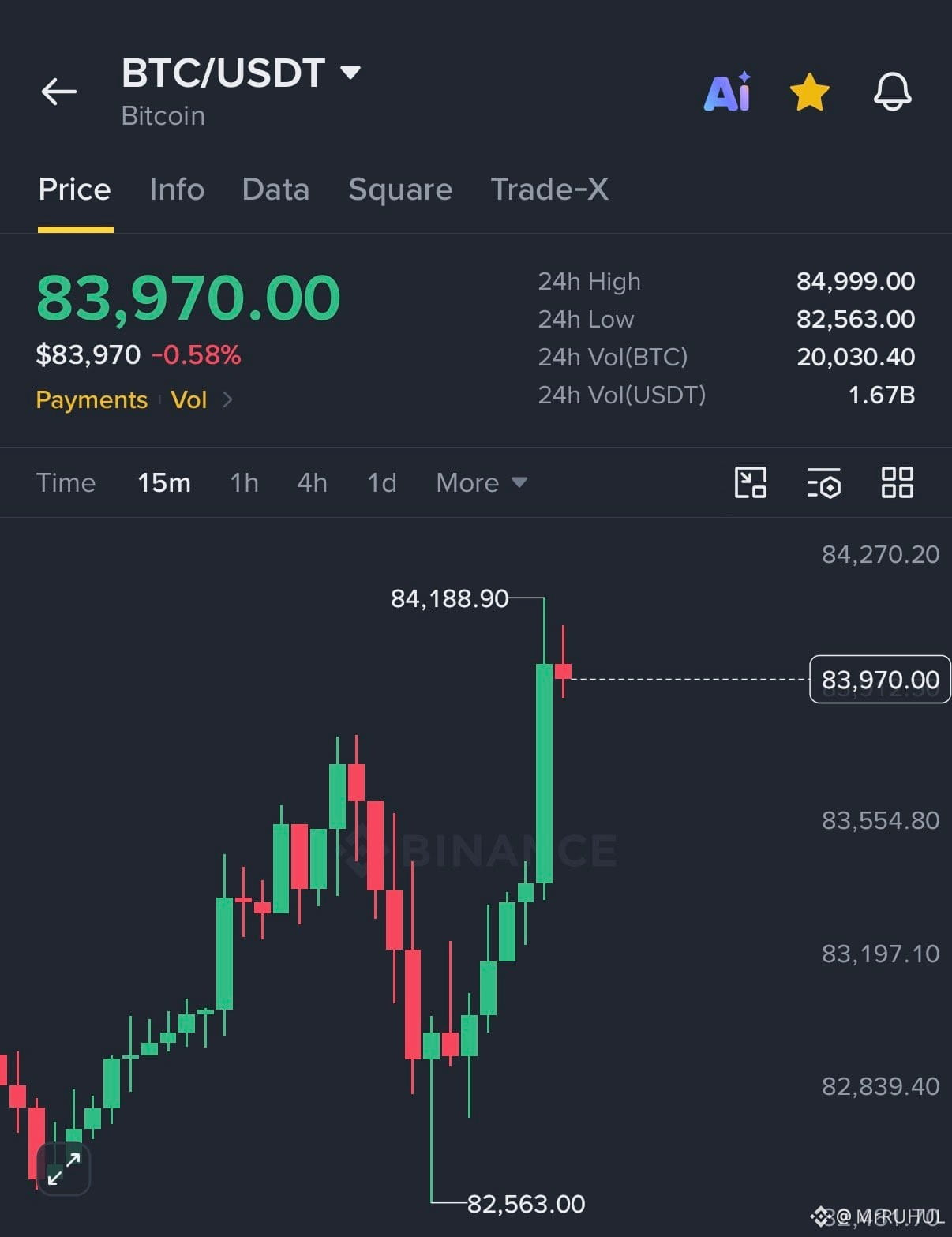
The money rotation from gold into Bitcoin will be insane.$BTC
🎙️ WELCOME TO #LearnWithFatima FAMILY ✌️🤩
background
avatar
إنهاء
02 ساعة 31 دقيقة 32 ثانية
4.4k
17
5
Does money really flow out of gold and into Bitcoin after gold peaks? $BTC Yeah, it’s happened before. Back in August 2020, gold hit $2,075, then slid almost 10% in just four weeks. Bitcoin followed it down—fell about 20%, dropping from $12,000 to $9,800. That spooked a lot of people out of the market, no surprise there. But after that panic, things flipped. Over the next eight months (September 2020 through April 2021), Bitcoin exploded—up 559%, from $9,825 all the way to $64,850. Gold? It sank 15% during the same stretch. A lot of that wild rally in Bitcoin came from capital rotating out of gold and into riskier bets. There was another big signal going on: ISM numbers. When ISM moved above 50% in July 2020, it pointed to economic growth. Today, ISM landed at 52.6%—still well above 50. So the setup now feels a lot like what we saw back in August 2020. Just last week, gold probably topped out around $2,600, then dropped almost 20%. Bitcoin also dipped—down 15% during that same window. With ISM showing a strong economy, gold likely peaking, and Bitcoin already correcting, we’re set up for money to rotate back into riskier assets in the months ahead.
Does money really flow out of gold and into Bitcoin after gold peaks? $BTC

Yeah, it’s happened before.

Back in August 2020, gold hit $2,075, then slid almost 10% in just four weeks. Bitcoin followed it down—fell about 20%, dropping from $12,000 to $9,800. That spooked a lot of people out of the market, no surprise there.

But after that panic, things flipped. Over the next eight months (September 2020 through April 2021), Bitcoin exploded—up 559%, from $9,825 all the way to $64,850. Gold? It sank 15% during the same stretch.

A lot of that wild rally in Bitcoin came from capital rotating out of gold and into riskier bets.

There was another big signal going on: ISM numbers. When ISM moved above 50% in July 2020, it pointed to economic growth. Today, ISM landed at 52.6%—still well above 50. So the setup now feels a lot like what we saw back in August 2020.

Just last week, gold probably topped out around $2,600, then dropped almost 20%. Bitcoin also dipped—down 15% during that same window.

With ISM showing a strong economy, gold likely peaking, and Bitcoin already correcting, we’re set up for money to rotate back into riskier assets in the months ahead.
Vanar Chain’s Role in Web3 PaymentsVanar Chain’s Place in Web3 Payments Web3 payments are shaking up digital finance, moving past old-school banks and card networks to build something way more open—decentralized, programmable payment systems anyone can tap into. At the heart of all this are blockchains built to move money in the real world: fast, cheap, transparent, and reachable from anywhere. Enter Vanar Chain. It’s a new Layer-1 blockchain that’s quietly building the tech and partnerships to become the backbone of Web3 payments. So, what is Vanar Chain? It’s a Layer-1 blockchain, EVM-compatible, and wired for AI from the start. The team baked machine learning into its core, so the chain handles data smarter, automates compliance, and powers up financial logic using AI. It’s not just another chain for moving coins around. They’ve locked in ultra-low, fixed transaction fees—about $0.0005 each—and the network can handle a ton of transactions at once. That’s perfect for apps that need to move money fast and often. The Vanar ecosystem isn’t just about basic transfers, either. It’s ready for tokenized assets, AI-driven smart contracts, and dApps that crunch data and drive all sorts of finance use cases. But here’s where things get really interesting: Vanar’s teamed up with Worldpay, which is a major player in global payment processing. We’re talking $2.3 trillion and tens of billions of transactions every year across 146 countries. By joining forces, Worldpay and Vanar want to blend blockchain tech into everyday payments, so you get Web3 products that actually work with the old financial world, not just against it. Why does this matter? First, Vanar’s tech means payments settle almost instantly and cost next to nothing. That’s a big deal for things like micropayments or retail, where most blockchains just can’t keep up. Combine that with Worldpay’s reach, and you’ve suddenly got blockchain payments snapping right into existing fiat systems. No more big headaches for users and merchants who want to try DeFi but still need to deal with dollars, euros, or yen. They’re also working on stablecoin settlement and hybrid payment tools. So, you can move money between cash and crypto, skipping the middlemen and the big cross-border fees. Plus, since everything runs on blockchain with Worldpay’s compliance smarts layered in, you get better transparency and a lot less fraud. Put it all together, and Vanar’s not just another chain. It’s a bridge, connecting Web3 and traditional finance. Payments feel familiar, but they’re running on something way more powerful under the hood. Now, Vanar’s not stopping at fast transactions. They’re actually putting intelligence on the blockchain itself. The core tech compresses and processes complex data right on-chain, so you don’t have to rely on outside servers. Compliance checks, risk scoring, and dynamic payment rules all run as part of every transaction—no waiting, no off-chain juggling. This makes it easier to spot fraud, follow regulations, and make smart calls in real time, which is exactly what global payment systems need. Vanar’s also making life easier for developers and merchants. They’re building out an ecosystem where it’s actually doable to launch payment tools—thanks to things like smart wallets and account abstraction. For merchants, the selling points are obvious: super-low fees, quick settlements, worldwide reach. If you’re in gaming, entertainment, or any business with tons of small transactions, you finally get a payment solution that doesn’t eat your margins or drive your customers nuts. All in all, Vanar’s push into Web3 payments is part of a much bigger shift—decentralized tech and traditional finance aren’t battling it out anymore. They’re merging, and Vanar Chain is right in the thick of it, building the rails for the next era of digital payments.@Vanar #Vanar $VANRY

Vanar Chain’s Role in Web3 Payments

Vanar Chain’s Place in Web3 Payments
Web3 payments are shaking up digital finance, moving past old-school banks and card networks to build something way more open—decentralized, programmable payment systems anyone can tap into. At the heart of all this are blockchains built to move money in the real world: fast, cheap, transparent, and reachable from anywhere. Enter Vanar Chain. It’s a new Layer-1 blockchain that’s quietly building the tech and partnerships to become the backbone of Web3 payments.

So, what is Vanar Chain? It’s a Layer-1 blockchain, EVM-compatible, and wired for AI from the start. The team baked machine learning into its core, so the chain handles data smarter, automates compliance, and powers up financial logic using AI. It’s not just another chain for moving coins around. They’ve locked in ultra-low, fixed transaction fees—about $0.0005 each—and the network can handle a ton of transactions at once. That’s perfect for apps that need to move money fast and often. The Vanar ecosystem isn’t just about basic transfers, either. It’s ready for tokenized assets, AI-driven smart contracts, and dApps that crunch data and drive all sorts of finance use cases.
But here’s where things get really interesting: Vanar’s teamed up with Worldpay, which is a major player in global payment processing. We’re talking $2.3 trillion and tens of billions of transactions every year across 146 countries. By joining forces, Worldpay and Vanar want to blend blockchain tech into everyday payments, so you get Web3 products that actually work with the old financial world, not just against it.
Why does this matter? First, Vanar’s tech means payments settle almost instantly and cost next to nothing. That’s a big deal for things like micropayments or retail, where most blockchains just can’t keep up. Combine that with Worldpay’s reach, and you’ve suddenly got blockchain payments snapping right into existing fiat systems. No more big headaches for users and merchants who want to try DeFi but still need to deal with dollars, euros, or yen.
They’re also working on stablecoin settlement and hybrid payment tools. So, you can move money between cash and crypto, skipping the middlemen and the big cross-border fees. Plus, since everything runs on blockchain with Worldpay’s compliance smarts layered in, you get better transparency and a lot less fraud.
Put it all together, and Vanar’s not just another chain. It’s a bridge, connecting Web3 and traditional finance. Payments feel familiar, but they’re running on something way more powerful under the hood.
Now, Vanar’s not stopping at fast transactions. They’re actually putting intelligence on the blockchain itself. The core tech compresses and processes complex data right on-chain, so you don’t have to rely on outside servers. Compliance checks, risk scoring, and dynamic payment rules all run as part of every transaction—no waiting, no off-chain juggling. This makes it easier to spot fraud, follow regulations, and make smart calls in real time, which is exactly what global payment systems need.
Vanar’s also making life easier for developers and merchants. They’re building out an ecosystem where it’s actually doable to launch payment tools—thanks to things like smart wallets and account abstraction. For merchants, the selling points are obvious: super-low fees, quick settlements, worldwide reach. If you’re in gaming, entertainment, or any business with tons of small transactions, you finally get a payment solution that doesn’t eat your margins or drive your customers nuts.

All in all, Vanar’s push into Web3 payments is part of a much bigger shift—decentralized tech and traditional finance aren’t battling it out anymore. They’re merging, and Vanar Chain is right in the thick of it, building the rails for the next era of digital payments.@Vanarchain #Vanar $VANRY
Stress-Testing Vanar Chain’s Infrastructure Stress-testing Vanar Chain isn’t about chasing flashy numbers or seeing how much traffic you can blast through it for a minute. It’s about keeping things steady when everything starts to get wild—when the network’s packed, apps get tricky, and users flood in all at once. Vanar’s designed to keep humming along, even when the pressure’s coming in from every angle. When you stress-test the protocol, you’re really watching what happens when all hell breaks loose—like during a game or some virtual world where everyone’s hammering the system with a mess of quick transactions. That’s when any lag, memory pile-ups, or validator clashes show up. Vanar’s focus is on wrapping things up fast and making sure blocks keep rolling out smoothly, so if things slow down, users might notice a little hiccup, but the whole thing doesn’t just fall apart. There’s another angle here—how developers act. Sometimes someone lets a sloppy smart contract through, or an app suddenly explodes in popularity, or people start stacking apps in weird new ways. That can really stretch the system. Vanar gives devs what they need to find those trouble spots early, so they can patch things up before it gets dangerous for everyone. And then there’s the stuff nobody plans for—validators dropping out, networks splitting, hardware just going nuts. Vanar doesn’t just keep an eye on uptime; it cares about how quickly everything bounces back and whether your data’s still safe. Stress-testing isn’t just a box to tick—it’s something Vanar keeps doing, built right into how it gears up for the future. At the end of the day, it’s not about showing off or chasing perfect numbers. What really counts is whether the chain can take a punch and keep moving forward, no matter what gets thrown at it.@Vanar #Vanar $VANRY
Stress-Testing Vanar Chain’s Infrastructure

Stress-testing Vanar Chain isn’t about chasing flashy numbers or seeing how much traffic you can blast through it for a minute. It’s about keeping things steady when everything starts to get wild—when the network’s packed, apps get tricky, and users flood in all at once. Vanar’s designed to keep humming along, even when the pressure’s coming in from every angle.

When you stress-test the protocol, you’re really watching what happens when all hell breaks loose—like during a game or some virtual world where everyone’s hammering the system with a mess of quick transactions. That’s when any lag, memory pile-ups, or validator clashes show up. Vanar’s focus is on wrapping things up fast and making sure blocks keep rolling out smoothly, so if things slow down, users might notice a little hiccup, but the whole thing doesn’t just fall apart.

There’s another angle here—how developers act. Sometimes someone lets a sloppy smart contract through, or an app suddenly explodes in popularity, or people start stacking apps in weird new ways. That can really stretch the system. Vanar gives devs what they need to find those trouble spots early, so they can patch things up before it gets dangerous for everyone.

And then there’s the stuff nobody plans for—validators dropping out, networks splitting, hardware just going nuts. Vanar doesn’t just keep an eye on uptime; it cares about how quickly everything bounces back and whether your data’s still safe. Stress-testing isn’t just a box to tick—it’s something Vanar keeps doing, built right into how it gears up for the future. At the end of the day, it’s not about showing off or chasing perfect numbers. What really counts is whether the chain can take a punch and keep moving forward, no matter what gets thrown at it.@Vanarchain #Vanar $VANRY
Why Walrus Isn’t Meant to Be FlashyWhy Walrus Isn’t Trying to Steal the Spotlight These days, tech feels like a never-ending race for attention. There’s always something new, always a push for the next viral moment. Walrus just isn’t interested in that. It’s not here to be loud, or to chase trends. That’s not a mistake. That’s the design. The team behind Walrus cares about building something that lasts, something strong and solid, not something that’s just pretty on the surface. They’re not chasing hype—they’re building for the long run. Walrus is, at its core, infrastructure. And good infrastructure? It just works. You barely notice it. It doesn’t need to brag. Take a look at Web3. The flashy projects come with big promises, non-stop announcements, and a constant need to stay in the spotlight. That’s fine if your goal is to go viral or catch the eye of retail users. Walrus isn’t chasing that. It wants to be the invisible layer—the thing you don’t see but always rely on. If everyone forgets it exists, that means things are working exactly as they should. Here’s the real idea behind Walrus: things like data persistence, availability, and integrity aren’t features—they’re table stakes. Storage should just work. When it does, nobody talks about it. Nobody throws a party for the power grid staying up; you only notice when it fails. Walrus leans into that. It’s steady, reliable, predictable—and yeah, even a little boring. But in infrastructure, that’s a win. This isn’t just about code, though. It’s a pushback against the “performative decentralization” you see everywhere—projects that talk big about community, governance, and tokens but still keep control tightly locked up. Walrus doesn’t show off decentralization. It builds it in from the ground up. You won’t see a bunch of splashy updates, but what you do get is a foundation you can trust. There’s another reason Walrus keeps things quiet: it’s built to last. Flashy projects come and go with the market. They shine in good times and fade when things get tough. Walrus is built for the long haul. The team knows markets swing, trends die, and apps come and go—but the core data layer needs to stick around. That kind of thinking leads to careful decisions, not chasing after whatever is hot today. Who actually uses Walrus? Developers, protocols, and institutions. Not day-traders looking for a quick hit of adrenaline. These users want stability, predictable costs, and no surprises. They want guarantees, not gimmicks. Flashy protocols make things shaky; quiet ones earn trust. And honestly, there’s a practical side too. Being flashy is expensive. You pay for marketing, incentives, and all sorts of promotions just to stay noticed. Walrus skips that. It grows because it’s useful. Growth is a little slower, a lot less dramatic, but once people start using Walrus, they tend to stick around. It just keeps delivering. Don’t mistake the lack of flash for a lack of ambition. Walrus wants to be something people just assume is there—like cloud storage for Web2. That takes time. To become the default, you have to be reliable, not exciting. Step back for a second. Walrus is part of a bigger shift: Web3 is growing up. Early on, projects needed flash to get noticed. But as things mature, trust matters more. Walrus is focused on getting things right, not getting attention. That’s what real infrastructure does. Here’s the truth: flash grabs eyes, but it doesn’t last. Walrus is betting on being invisible, on uptime, on being the thing people rely on—not the thing they tweet about. That’s the real move. If Web3 wants to support real economies and systems that last, it needs less noise and more stability. Walrus is built for that future—the steady one, not the showy one.@WalrusProtocol #Walrus $WAL

Why Walrus Isn’t Meant to Be Flashy

Why Walrus Isn’t Trying to Steal the Spotlight

These days, tech feels like a never-ending race for attention. There’s always something new, always a push for the next viral moment. Walrus just isn’t interested in that. It’s not here to be loud, or to chase trends. That’s not a mistake. That’s the design. The team behind Walrus cares about building something that lasts, something strong and solid, not something that’s just pretty on the surface. They’re not chasing hype—they’re building for the long run.

Walrus is, at its core, infrastructure. And good infrastructure? It just works. You barely notice it. It doesn’t need to brag.

Take a look at Web3. The flashy projects come with big promises, non-stop announcements, and a constant need to stay in the spotlight. That’s fine if your goal is to go viral or catch the eye of retail users. Walrus isn’t chasing that. It wants to be the invisible layer—the thing you don’t see but always rely on. If everyone forgets it exists, that means things are working exactly as they should.

Here’s the real idea behind Walrus: things like data persistence, availability, and integrity aren’t features—they’re table stakes. Storage should just work. When it does, nobody talks about it. Nobody throws a party for the power grid staying up; you only notice when it fails. Walrus leans into that. It’s steady, reliable, predictable—and yeah, even a little boring. But in infrastructure, that’s a win.

This isn’t just about code, though. It’s a pushback against the “performative decentralization” you see everywhere—projects that talk big about community, governance, and tokens but still keep control tightly locked up. Walrus doesn’t show off decentralization. It builds it in from the ground up. You won’t see a bunch of splashy updates, but what you do get is a foundation you can trust.

There’s another reason Walrus keeps things quiet: it’s built to last. Flashy projects come and go with the market. They shine in good times and fade when things get tough. Walrus is built for the long haul. The team knows markets swing, trends die, and apps come and go—but the core data layer needs to stick around. That kind of thinking leads to careful decisions, not chasing after whatever is hot today.

Who actually uses Walrus? Developers, protocols, and institutions. Not day-traders looking for a quick hit of adrenaline. These users want stability, predictable costs, and no surprises. They want guarantees, not gimmicks. Flashy protocols make things shaky; quiet ones earn trust.

And honestly, there’s a practical side too. Being flashy is expensive. You pay for marketing, incentives, and all sorts of promotions just to stay noticed. Walrus skips that. It grows because it’s useful. Growth is a little slower, a lot less dramatic, but once people start using Walrus, they tend to stick around. It just keeps delivering.

Don’t mistake the lack of flash for a lack of ambition. Walrus wants to be something people just assume is there—like cloud storage for Web2. That takes time. To become the default, you have to be reliable, not exciting.

Step back for a second. Walrus is part of a bigger shift: Web3 is growing up. Early on, projects needed flash to get noticed. But as things mature, trust matters more. Walrus is focused on getting things right, not getting attention. That’s what real infrastructure does.

Here’s the truth: flash grabs eyes, but it doesn’t last. Walrus is betting on being invisible, on uptime, on being the thing people rely on—not the thing they tweet about. That’s the real move.

If Web3 wants to support real economies and systems that last, it needs less noise and more stability. Walrus is built for that future—the steady one, not the showy one.@Walrus 🦭/acc #Walrus $WAL
Walrus as Digital Infrastructure Walrus isn’t really a product. It’s more like digital infrastructure—steady, almost invisible, but holding everything up behind the scenes. In Web3, people usually focus on flashy stuff: tokens, apps, the execution layers. But Walrus sits underneath all that. It’s about reliable, provable data storage, the kind everyone depends on but nobody really talks about. Walrus puts data first. It’s not chasing speed or hype. What matters here is keeping data safe, intact, and flexible enough to build on. You won’t always notice it if you’re just a regular user, but if you’re a developer or building a protocol, you care a lot about your data sticking around and staying trustworthy—especially long-term. Think NFTs, AI datasets, voting records, blockchain histories—all of them need storage that doesn’t fall apart when markets get shaky. One thing that sets Walrus apart: it doesn’t pick sides. It doesn’t try to outdo blockchains or replace them. It just works alongside, offering a neutral storage layer that fits into lots of different ecosystems at once. Because of that, Walrus can grow with Web3 as a whole, not just with one project or network. Great infrastructure only gets attention when it breaks. Walrus is built to avoid that—stable, reliable, maybe even boring (in a good way). And honestly, that low profile? It might end up being its biggest strength.@WalrusProtocol #Walrus $WAL
Walrus as Digital Infrastructure

Walrus isn’t really a product. It’s more like digital infrastructure—steady, almost invisible, but holding everything up behind the scenes. In Web3, people usually focus on flashy stuff: tokens, apps, the execution layers. But Walrus sits underneath all that. It’s about reliable, provable data storage, the kind everyone depends on but nobody really talks about.

Walrus puts data first. It’s not chasing speed or hype. What matters here is keeping data safe, intact, and flexible enough to build on. You won’t always notice it if you’re just a regular user, but if you’re a developer or building a protocol, you care a lot about your data sticking around and staying trustworthy—especially long-term. Think NFTs, AI datasets, voting records, blockchain histories—all of them need storage that doesn’t fall apart when markets get shaky.

One thing that sets Walrus apart: it doesn’t pick sides. It doesn’t try to outdo blockchains or replace them. It just works alongside, offering a neutral storage layer that fits into lots of different ecosystems at once. Because of that, Walrus can grow with Web3 as a whole, not just with one project or network.

Great infrastructure only gets attention when it breaks. Walrus is built to avoid that—stable, reliable, maybe even boring (in a good way). And honestly, that low profile? It might end up being its biggest strength.@Walrus 🦭/acc #Walrus $WAL
🎙️ Crypto Talk Welcome Everyone 🤗🤗
background
avatar
إنهاء
03 ساعة 09 دقيقة 08 ثانية
2.4k
TIA/USDT
الحدّ/بيع
0%
10
3
Why Plasma XPL’s Economics Favor Stability Over SpeculationWhy Plasma XPL Picks Stability Over Hype Crypto’s full of projects desperate for attention—fast money, flash-in-the-pan tokens, and nonstop hype. Plasma XPL? It’s just not interested. The team designed its economics to stick around for the long run. They want something that works, something steady, not just another spike on a chart. No random incentives, no surprise pumps. That’s all on purpose. They’re convinced that infrastructure chains only win if they power real use for years, not by pulling in speculators for a weekend and then fading out. Here’s what it all comes down to: If a network chases volatility instead of stability, it falls apart. Simple as that. Infrastructure First. The Token’s Just the Plumbing. Most speculative projects treat their token like it’s the headliner. High emissions, flashy staking rewards, endless liquidity mining—they’ll do anything to pull in fresh cash. It works, sure, but only for a while. Before long, you end up with a mess: the token price runs the show, and actual utility is just an afterthought. Plasma XPL flips that script. The network itself is the real product here. The token? It’s just the way you coordinate and settle up. It’s not some casino chip. Real value comes from people actually using the chain—moving assets, building apps, plugging into other systems. No smoke and mirrors, no fancy financial tricks. That’s a big deal. Infrastructure only matters if it’s reliable. Developers, businesses, anyone planning for the future—they need stable costs and incentives they can actually count on. Plasma XPL gets that, so they steer clear of anything that pumps up demand just for the sake of it. Careful Control of Token Supply Nothing stokes speculation like a flood of new tokens. Big emissions mean people dump rewards, mercenary capital pours in, and everything gets chaotic. Plasma XPL takes it slower and keeps things tight. Here, emissions have a purpose. They go to people actually doing the work—validators, node operators, builders. Not just folks gaming the system for passive yield. Everyone’s paid in a way that lines up with the network’s health, not whatever the price is doing this week. This kind of discipline keeps things calm. If folks don’t have to sell off rewards just to make ends meet, the token doesn’t get hit with panic sell-offs. Over time, that means price follows real adoption—not some emissions calendar. Value Comes from Real Fees, Not Hype Most speculative tokens are all about selling a dream. There’s rarely any actual cash flow behind them. Plasma XPL goes the other way. Value here is tied to actual network activity—transaction fees, execution costs, usage-based payments. All of it feeds the system. That brings real stability. When usage grows, token demand rises naturally. If things slow down, so does demand, but nothing breaks. There’s no desperate chase for infinite growth or wild rewards. By rooting value in real network throughput, Plasma XPL dodges the boom-and-bust cycles that eat up speculation-driven chains. Fees show real economic activity—not just a story made up to drive scarcity. Validator Rewards That Actually Make Sense Validator incentives can get out of hand fast. If you keep ratcheting up yields, you attract people who only care about their next payday, and they’ll bail the second rewards drop. Plasma XPL avoids that circus. Here, validator rewards are about sustainability. The network pays out predictably, rewards operators who stick around, and values people who keep things running. That keeps the opportunists at bay and makes the whole system safer. Users win, too. When validators act predictably, everything just works better—more trust, fewer nasty surprises, a solid base for growth that actually lasts. Cutting Out Reflexivity and Speculation Games Speculative models create this feedback loop—price jumps, more people pile in, price jumps again, and then the whole thing crashes. Plasma XPL breaks that loop on purpose. No rewards tied to price swings. No rebasing, no leveraged staking, no wild governance handouts. Just real utility and genuine contributions. So, short-term traders probably won’t care. But builders, integrators, and people who want something predictable—they’ll stick around. The network’s built for them. Playing for the Long Haul The most important thing about Plasma XPL’s economics? It’s an attitude. The network assumes real adoption takes time. It’s not chasing viral moments or quick wins. It’s building for the people who’ll still be here years from now—the ones who care about what actually works.@Plasma #Plasma $XPL

Why Plasma XPL’s Economics Favor Stability Over Speculation

Why Plasma XPL Picks Stability Over Hype

Crypto’s full of projects desperate for attention—fast money, flash-in-the-pan tokens, and nonstop hype. Plasma XPL? It’s just not interested. The team designed its economics to stick around for the long run. They want something that works, something steady, not just another spike on a chart. No random incentives, no surprise pumps. That’s all on purpose. They’re convinced that infrastructure chains only win if they power real use for years, not by pulling in speculators for a weekend and then fading out.

Here’s what it all comes down to: If a network chases volatility instead of stability, it falls apart. Simple as that.

Infrastructure First. The Token’s Just the Plumbing.

Most speculative projects treat their token like it’s the headliner. High emissions, flashy staking rewards, endless liquidity mining—they’ll do anything to pull in fresh cash. It works, sure, but only for a while. Before long, you end up with a mess: the token price runs the show, and actual utility is just an afterthought.

Plasma XPL flips that script. The network itself is the real product here. The token? It’s just the way you coordinate and settle up. It’s not some casino chip. Real value comes from people actually using the chain—moving assets, building apps, plugging into other systems. No smoke and mirrors, no fancy financial tricks.

That’s a big deal. Infrastructure only matters if it’s reliable. Developers, businesses, anyone planning for the future—they need stable costs and incentives they can actually count on. Plasma XPL gets that, so they steer clear of anything that pumps up demand just for the sake of it.

Careful Control of Token Supply

Nothing stokes speculation like a flood of new tokens. Big emissions mean people dump rewards, mercenary capital pours in, and everything gets chaotic. Plasma XPL takes it slower and keeps things tight.

Here, emissions have a purpose. They go to people actually doing the work—validators, node operators, builders. Not just folks gaming the system for passive yield. Everyone’s paid in a way that lines up with the network’s health, not whatever the price is doing this week.

This kind of discipline keeps things calm. If folks don’t have to sell off rewards just to make ends meet, the token doesn’t get hit with panic sell-offs. Over time, that means price follows real adoption—not some emissions calendar.

Value Comes from Real Fees, Not Hype

Most speculative tokens are all about selling a dream. There’s rarely any actual cash flow behind them. Plasma XPL goes the other way. Value here is tied to actual network activity—transaction fees, execution costs, usage-based payments. All of it feeds the system.

That brings real stability. When usage grows, token demand rises naturally. If things slow down, so does demand, but nothing breaks. There’s no desperate chase for infinite growth or wild rewards.

By rooting value in real network throughput, Plasma XPL dodges the boom-and-bust cycles that eat up speculation-driven chains. Fees show real economic activity—not just a story made up to drive scarcity.

Validator Rewards That Actually Make Sense

Validator incentives can get out of hand fast. If you keep ratcheting up yields, you attract people who only care about their next payday, and they’ll bail the second rewards drop. Plasma XPL avoids that circus.

Here, validator rewards are about sustainability. The network pays out predictably, rewards operators who stick around, and values people who keep things running. That keeps the opportunists at bay and makes the whole system safer.

Users win, too. When validators act predictably, everything just works better—more trust, fewer nasty surprises, a solid base for growth that actually lasts.

Cutting Out Reflexivity and Speculation Games

Speculative models create this feedback loop—price jumps, more people pile in, price jumps again, and then the whole thing crashes. Plasma XPL breaks that loop on purpose.

No rewards tied to price swings. No rebasing, no leveraged staking, no wild governance handouts. Just real utility and genuine contributions.

So, short-term traders probably won’t care. But builders, integrators, and people who want something predictable—they’ll stick around. The network’s built for them.

Playing for the Long Haul

The most important thing about Plasma XPL’s economics? It’s an attitude. The network assumes real adoption takes time. It’s not chasing viral moments or quick wins. It’s building for the people who’ll still be here years from now—the ones who care about what actually works.@Plasma #Plasma $XPL
Plasma XPL’s Architectural Trade-Offs: What It Optimizes Against Plasma (XPL) doesn’t try to be everything at once. Instead, it zeroes in on what stablecoins actually need: speed, low fees, and solid security for global payments. The whole project really comes down to three main trade-offs. First, there’s throughput and finality versus chain complexity. Plasma isn’t aiming to be a jack-of-all-trades. It runs on a custom Byzantine fault-tolerant consensus—PlasmaBFT, which takes some cues from Fast HotStuff—to lock in sub-second finality and blast through thousands of transactions per second. It’s built for moving stablecoins fast, not juggling every wild smart contract out there. So you get blazing-fast payments, but you trade away some flexibility you’d find on bigger, more open platforms. Next, there’s security anchoring versus native decentralization. Plasma doesn’t just lean on its own security. It anchors everything to the Bitcoin blockchain using a trust-minimized bridge. That means it gives up some native decentralization, but in return, it gets to piggyback off Bitcoin’s proven security. Stablecoin settlements become much tougher to mess with—even if the network gets huge. Finally, there’s the zero-fee user experience versus native token dependence. Plasma’s paymaster system lets people send USDT without worrying about gas fees, and they can cover costs with USDT or BTC. That’s a big deal for new users. But to pull this off, the protocol has to handle all the fee abstraction and economic sponsorship behind the scenes. It’s more complex under the hood, but a lot friendlier up front. So, Plasma makes stablecoin transfers faster and cheaper, while still holding onto top-tier performance and security. The trade-off? You lose some of the flexibility you’d get with other chains, and the way fees are handled feels a bit more old-school. Still, for what it does, it does it well.@Plasma #Plasma $XPL
Plasma XPL’s Architectural Trade-Offs: What It Optimizes Against

Plasma (XPL) doesn’t try to be everything at once. Instead, it zeroes in on what stablecoins actually need: speed, low fees, and solid security for global payments. The whole project really comes down to three main trade-offs.

First, there’s throughput and finality versus chain complexity. Plasma isn’t aiming to be a jack-of-all-trades. It runs on a custom Byzantine fault-tolerant consensus—PlasmaBFT, which takes some cues from Fast HotStuff—to lock in sub-second finality and blast through thousands of transactions per second. It’s built for moving stablecoins fast, not juggling every wild smart contract out there. So you get blazing-fast payments, but you trade away some flexibility you’d find on bigger, more open platforms.

Next, there’s security anchoring versus native decentralization. Plasma doesn’t just lean on its own security. It anchors everything to the Bitcoin blockchain using a trust-minimized bridge. That means it gives up some native decentralization, but in return, it gets to piggyback off Bitcoin’s proven security. Stablecoin settlements become much tougher to mess with—even if the network gets huge.

Finally, there’s the zero-fee user experience versus native token dependence. Plasma’s paymaster system lets people send USDT without worrying about gas fees, and they can cover costs with USDT or BTC. That’s a big deal for new users. But to pull this off, the protocol has to handle all the fee abstraction and economic sponsorship behind the scenes. It’s more complex under the hood, but a lot friendlier up front.

So, Plasma makes stablecoin transfers faster and cheaper, while still holding onto top-tier performance and security. The trade-off? You lose some of the flexibility you’d get with other chains, and the way fees are handled feels a bit more old-school. Still, for what it does, it does it well.@Plasma #Plasma $XPL
Why Dusk’s Privacy Model Actually Works for Courts, Not Just Cypherpunks Most so-called privacy blockchains? They’re built for cypherpunks—people who want total anonymity, zero accountability, and as little outside oversight as possible. Dusk Network doesn’t play that game. Instead, its privacy model is designed for the real world, where courts and regulators actually matter. Here’s the thing: Dusk uses selective disclosure at its core. Your transactions stay private by default, but when the law steps in—say, a court, an auditor, or a regulator—those parties can check what they need to check. Not because there’s some secret backdoor, but because of how the cryptography works. With zero-knowledge proofs, you can prove what’s needed without showing all your cards. You keep your privacy, but you also meet legal standards. Why does this approach matter? Because finance in the real world doesn’t happen in a vacuum. Courts want evidence. Regulators demand audit trails. If your privacy tech can’t deliver that, forget about using it for regulated assets—securities, bonds, institutional DeFi, you name it. Dusk gets that. Instead of pretending the law doesn’t exist, it builds privacy to fit inside those legal lines. So, Dusk isn’t obsessed with hiding everything. It treats privacy as a legal right, but not an excuse to dodge accountability. That’s why real institutions—ones that need confidentiality without crossing legal boundaries—actually pay attention to Dusk. Bottom line: Dusk isn’t about outrunning the law. It’s building a kind of privacy that courts and regulators can actually work with. That’s a big deal.@Dusk_Foundation #Dusk $DUSK
Why Dusk’s Privacy Model Actually Works for Courts, Not Just Cypherpunks

Most so-called privacy blockchains? They’re built for cypherpunks—people who want total anonymity, zero accountability, and as little outside oversight as possible. Dusk Network doesn’t play that game. Instead, its privacy model is designed for the real world, where courts and regulators actually matter.

Here’s the thing: Dusk uses selective disclosure at its core. Your transactions stay private by default, but when the law steps in—say, a court, an auditor, or a regulator—those parties can check what they need to check. Not because there’s some secret backdoor, but because of how the cryptography works. With zero-knowledge proofs, you can prove what’s needed without showing all your cards. You keep your privacy, but you also meet legal standards.

Why does this approach matter? Because finance in the real world doesn’t happen in a vacuum. Courts want evidence. Regulators demand audit trails. If your privacy tech can’t deliver that, forget about using it for regulated assets—securities, bonds, institutional DeFi, you name it. Dusk gets that. Instead of pretending the law doesn’t exist, it builds privacy to fit inside those legal lines.

So, Dusk isn’t obsessed with hiding everything. It treats privacy as a legal right, but not an excuse to dodge accountability. That’s why real institutions—ones that need confidentiality without crossing legal boundaries—actually pay attention to Dusk.

Bottom line: Dusk isn’t about outrunning the law. It’s building a kind of privacy that courts and regulators can actually work with. That’s a big deal.@Dusk #Dusk $DUSK
سجّل الدخول لاستكشاف المزيد من المُحتوى
استكشف أحدث أخبار العملات الرقمية
⚡️ كُن جزءًا من أحدث النقاشات في مجال العملات الرقمية
💬 تفاعل مع صنّاع المُحتوى المُفضّلين لديك
👍 استمتع بالمحتوى الذي يثير اهتمامك
البريد الإلكتروني / رقم الهاتف
خريطة الموقع
تفضيلات ملفات تعريف الارتباط
شروط وأحكام المنصّة