
H A S S A A N
11.1k منشورات
H A S S A A N
إبلاغ
حظر المُستخدم
Hold dreams, take risks.
فتح تداول
مُتداول مُتكرر
2.3 سنوات
104 تتابع
19.3K+ المتابعون
82.7K+ إعجاب
منشورات
الحافظة الاستثمارية
الكل
اقتباسات
مقاطع فيديو
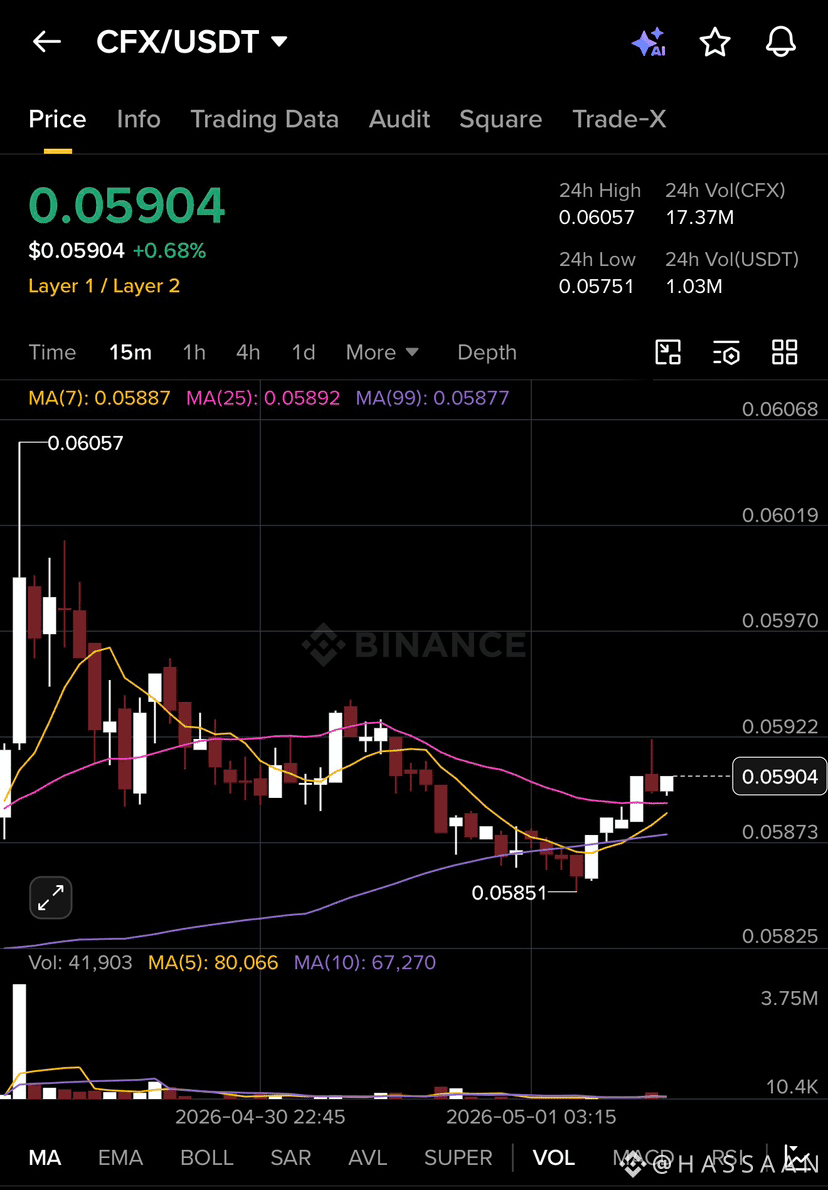
$CFX بدأت تتحرك لأعلى.
السعر يتحرك لأعلى خطوة بخطوة، محافظًا على قوته في الانخفاضات.
يبدو أن المزيد من المشترين يدخلون مع زيادة الحجم.
يبدو أن هناك شيئًا أكبر قد يتم بناؤه هنا.
$CFX بدأت تتحرك لأعلى.
السعر يتحرك لأعلى خطوة بخطوة، محافظًا على قوته في الانخفاضات.
يبدو أن المزيد من المشترين يدخلون مع زيادة الحجم.
يبدو أن هناك شيئًا أكبر قد يتم بناؤه هنا.
السعر يتحرك لأعلى خطوة بخطوة، محافظًا على قوته في الانخفاضات.
يبدو أن المزيد من المشترين يدخلون مع زيادة الحجم.
يبدو أن هناك شيئًا أكبر قد يتم بناؤه هنا.
1
774
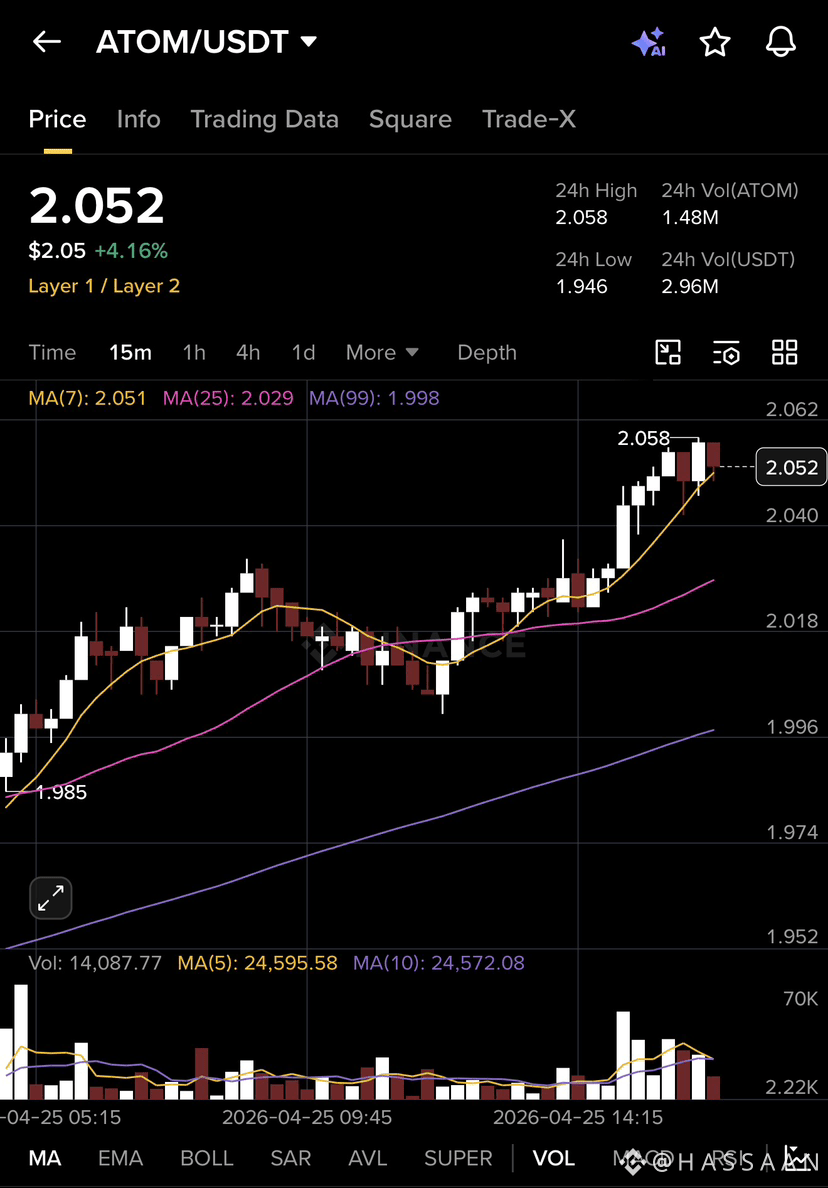
$ATOM تتحرك بشكل جيد إلى الأعلى.
السعر مستمر في الارتفاع بقوة ثابتة.
حجم التداول في تزايد مع دخول المزيد من المشترين.
يبدو أنها قد تستمر في الارتفاع.
$ATOM تتحرك بشكل جيد إلى الأعلى.
السعر مستمر في الارتفاع بقوة ثابتة.
حجم التداول في تزايد مع دخول المزيد من المشترين.
يبدو أنها قد تستمر في الارتفاع.
السعر مستمر في الارتفاع بقوة ثابتة.
حجم التداول في تزايد مع دخول المزيد من المشترين.
يبدو أنها قد تستمر في الارتفاع.
656
·
--
صاعد
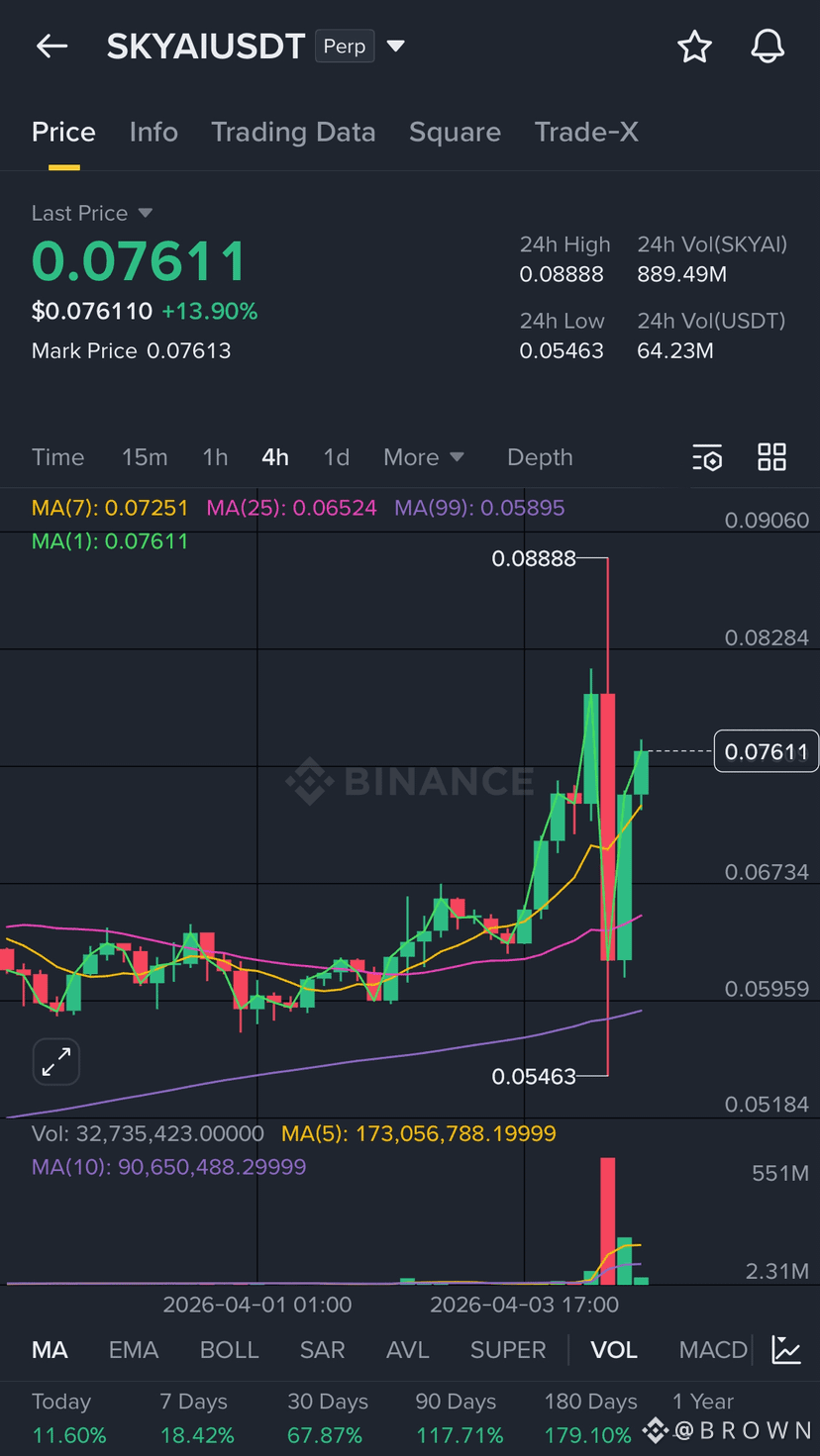
$SKYAI – تلاشي الزخم عند المقاومة، تشكيل إعداد قصير
رفض نظيف بعد الارتفاع، فتيل علوي طويل + حجم بيع كبير يظهر دخول العرض. السعر يكافح لاستعادة القمم.
خطة التداول قصيرة $SKYAI (حد أقصى 10x)
الدخول: 0.0735 – 0.0780
SL: 0.082
TP: 0.0680
TP: 0.0625
TP: 0.0570
تحرك سريع للأعلى، استمرار ضعيف، استنفاد كلاسيكي. إذا لم يتمكن من الثبات فوق النطاق المتوسط، من المحتمل أن يتم الوصول إلى السيولة السلبية التالية.
تداول $SKYAI هنا 👇
$SKYAI – تلاشي الزخم عند المقاومة، تشكيل إعداد قصير
رفض نظيف بعد الارتفاع، فتيل علوي طويل + حجم بيع كبير يظهر دخول العرض. السعر يكافح لاستعادة القمم.
خطة التداول قصيرة $SKYAI (حد أقصى 10x)
الدخول: 0.0735 – 0.0780
SL: 0.082
TP: 0.0680
TP: 0.0625
TP: 0.0570
تحرك سريع للأعلى، استمرار ضعيف، استنفاد كلاسيكي. إذا لم يتمكن من الثبات فوق النطاق المتوسط، من المحتمل أن يتم الوصول إلى السيولة السلبية التالية.
تداول $SKYAI هنا 👇
رفض نظيف بعد الارتفاع، فتيل علوي طويل + حجم بيع كبير يظهر دخول العرض. السعر يكافح لاستعادة القمم.
خطة التداول قصيرة $SKYAI (حد أقصى 10x)
الدخول: 0.0735 – 0.0780
SL: 0.082
TP: 0.0680
TP: 0.0625
TP: 0.0570
تحرك سريع للأعلى، استمرار ضعيف، استنفاد كلاسيكي. إذا لم يتمكن من الثبات فوق النطاق المتوسط، من المحتمل أن يتم الوصول إلى السيولة السلبية التالية.
تداول $SKYAI هنا 👇
1
230
🚨 يبدو أنه نقطة تحول.
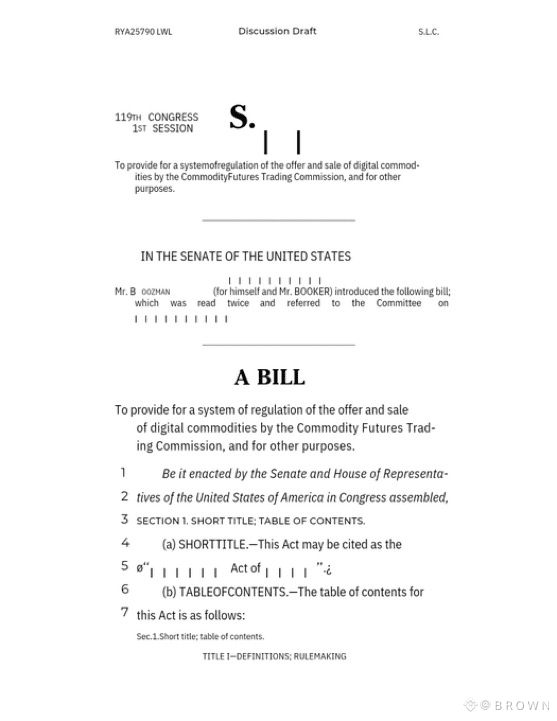
من المتوقع أن يتم إغلاق قانون CLARITY خلال ساعات.
سنوات من عدم اليقين… قد يتم استبدالها بقواعد واضحة بين عشية وضحاها.
إذا نجح هذا، فليس مجرد أخبار — إنه بنية تحتية للمرحلة التالية.
الأسواق لا تنتظر الوضوح.
إنها تعيد تسعير اللحظة التي تصل فيها.
ابق مستعدًا.
🚨 يبدو أنه نقطة تحول.
من المتوقع أن يتم إغلاق قانون CLARITY خلال ساعات.
سنوات من عدم اليقين… قد يتم استبدالها بقواعد واضحة بين عشية وضحاها.
إذا نجح هذا، فليس مجرد أخبار — إنه بنية تحتية للمرحلة التالية.
الأسواق لا تنتظر الوضوح.
إنها تعيد تسعير اللحظة التي تصل فيها.
ابق مستعدًا.
من المتوقع أن يتم إغلاق قانون CLARITY خلال ساعات.
سنوات من عدم اليقين… قد يتم استبدالها بقواعد واضحة بين عشية وضحاها.
إذا نجح هذا، فليس مجرد أخبار — إنه بنية تحتية للمرحلة التالية.
الأسواق لا تنتظر الوضوح.
إنها تعيد تسعير اللحظة التي تصل فيها.
ابق مستعدًا.
1
2
359
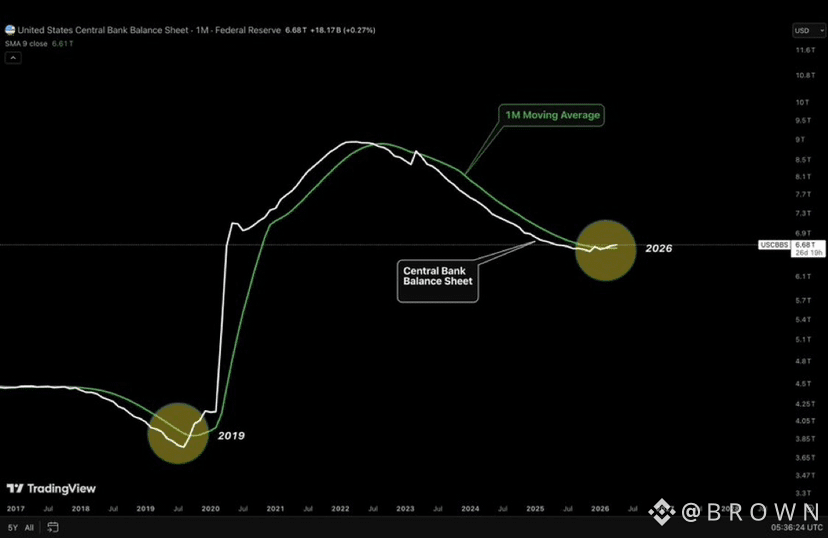
سيعود السيولة قريبًا!!
في عام 2019، بدأت الاحتياطي الفيدرالي في توسيع ميزانيتها العمومية وضخ الأموال في النظام. أحبته الأسواق.
منذ انتهاء QT في ديسمبر 2025، ضخ الاحتياطي الفيدرالي بالفعل 160 مليار دولار.
المزيد من الأموال في النظام يعني المزيد من الاحتياطيات في البنوك. المزيد من الاحتياطيات يعني المزيد من الأموال تتدفق إلى الأسواق. ومن الناحية التاريخية، كان ذلك جيدًا جدًا للأسهم والعملات الرقمية.
سيعود السيولة قريبًا!!
في عام 2019، بدأت الاحتياطي الفيدرالي في توسيع ميزانيتها العمومية وضخ الأموال في النظام. أحبته الأسواق.
منذ انتهاء QT في ديسمبر 2025، ضخ الاحتياطي الفيدرالي بالفعل 160 مليار دولار.
المزيد من الأموال في النظام يعني المزيد من الاحتياطيات في البنوك. المزيد من الاحتياطيات يعني المزيد من الأموال تتدفق إلى الأسواق. ومن الناحية التاريخية، كان ذلك جيدًا جدًا للأسهم والعملات الرقمية.
في عام 2019، بدأت الاحتياطي الفيدرالي في توسيع ميزانيتها العمومية وضخ الأموال في النظام. أحبته الأسواق.
منذ انتهاء QT في ديسمبر 2025، ضخ الاحتياطي الفيدرالي بالفعل 160 مليار دولار.
المزيد من الأموال في النظام يعني المزيد من الاحتياطيات في البنوك. المزيد من الاحتياطيات يعني المزيد من الأموال تتدفق إلى الأسواق. ومن الناحية التاريخية، كان ذلك جيدًا جدًا للأسهم والعملات الرقمية.
3
402
🔥 تحديث:
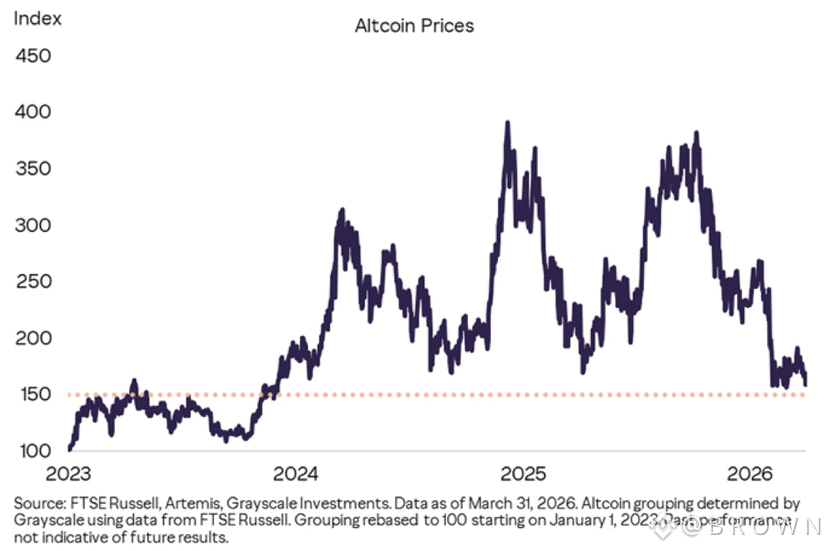
تقدم العملات البديلة الرائدة بما في ذلك $ETH و $SOL و $LINK و $SUI و $AVAX نقطة دخول مغرية حيث تتداول بالقرب من أدنى مستوياتها في عدة سنوات، وفقًا لـ Grayscale.
🔥 تحديث:
تقدم العملات البديلة الرائدة بما في ذلك $ETH و $SOL و $LINK و $SUI و $AVAX نقطة دخول مغرية حيث تتداول بالقرب من أدنى مستوياتها في عدة سنوات، وفقًا لـ Grayscale.
تقدم العملات البديلة الرائدة بما في ذلك $ETH و $SOL و $LINK و $SUI و $AVAX نقطة دخول مغرية حيث تتداول بالقرب من أدنى مستوياتها في عدة سنوات، وفقًا لـ Grayscale.
3
419
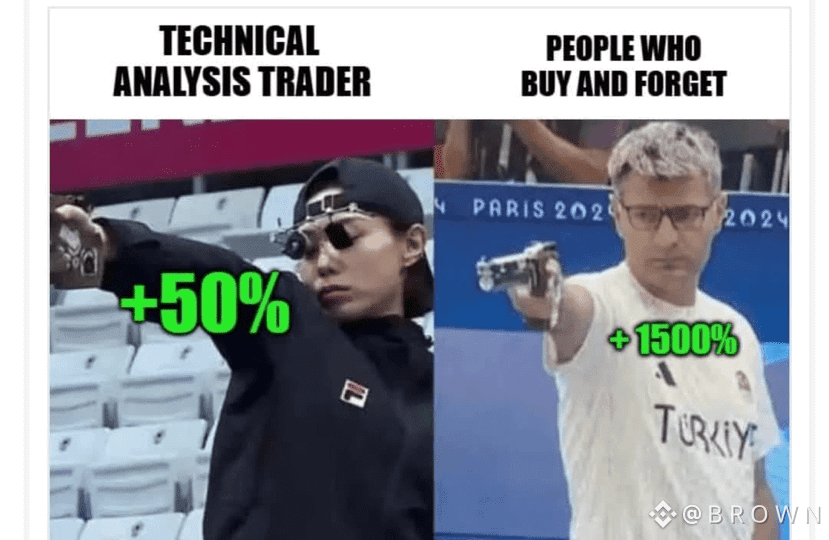
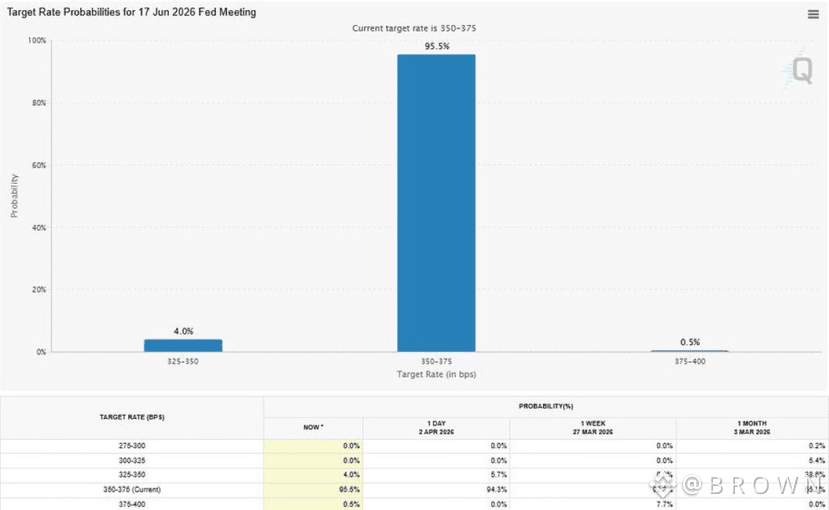
بيانات الرواتب غير الزراعية القوية دفعت توقعات الاحتفاظ من قبل الاحتياطي الفيدرالي إلى مستويات أعلى.
الأسواق الآن تسعر فرصة بنسبة 95.5% بأن الاحتياطي الفيدرالي سيبقي على أسعار الفائدة دون تغيير.
تستمر تخفيضات الأسعار في الدفع بعيدًا.
بيانات الرواتب غير الزراعية القوية دفعت توقعات الاحتفاظ من قبل الاحتياطي الفيدرالي إلى مستويات أعلى.
الأسواق الآن تسعر فرصة بنسبة 95.5% بأن الاحتياطي الفيدرالي سيبقي على أسعار الفائدة دون تغيير.
تستمر تخفيضات الأسعار في الدفع بعيدًا.
الأسواق الآن تسعر فرصة بنسبة 95.5% بأن الاحتياطي الفيدرالي سيبقي على أسعار الفائدة دون تغيير.
تستمر تخفيضات الأسعار في الدفع بعيدًا.
10
282
الأصول المدعومة بالأموال لا تزال واحدة من القطاعات القليلة التي تظهر نشاطًا حقيقيًا في الوقت الحالي.
تبلغ قيمة الأصول المرمزة حوالي 26.7 مليار دولار، مع تقدم الخزائن الأمريكية في التدفق. بينما يتباطأ معظم السوق، لا يزال رأس المال يتجه نحو الأصول الحقيقية على السلسلة.
عرض محدث:
→ قيمة الأصول الموزعة: ~$26.71 مليار (+2.31% خلال 30 يومًا)
→ قيمة الأصول الممثلة: ~$345.07 مليار
هذا ليس مدفوعًا بالروايات — إنه رأس المال الذي يسعى إلى الاستقرار والعائد.
$ONDO $CFG
الأصول المدعومة بالأموال لا تزال واحدة من القطاعات القليلة التي تظهر نشاطًا حقيقيًا في الوقت الحالي.
تبلغ قيمة الأصول المرمزة حوالي 26.7 مليار دولار، مع تقدم الخزائن الأمريكية في التدفق. بينما يتباطأ معظم السوق، لا يزال رأس المال يتجه نحو الأصول الحقيقية على السلسلة.
عرض محدث:
→ قيمة الأصول الموزعة: ~$26.71 مليار (+2.31% خلال 30 يومًا)
→ قيمة الأصول الممثلة: ~$345.07 مليار
هذا ليس مدفوعًا بالروايات — إنه رأس المال الذي يسعى إلى الاستقرار والعائد.
$ONDO $CFG
تبلغ قيمة الأصول المرمزة حوالي 26.7 مليار دولار، مع تقدم الخزائن الأمريكية في التدفق. بينما يتباطأ معظم السوق، لا يزال رأس المال يتجه نحو الأصول الحقيقية على السلسلة.
عرض محدث:
→ قيمة الأصول الموزعة: ~$26.71 مليار (+2.31% خلال 30 يومًا)
→ قيمة الأصول الممثلة: ~$345.07 مليار
هذا ليس مدفوعًا بالروايات — إنه رأس المال الذي يسعى إلى الاستقرار والعائد.
$ONDO $CFG
Has the season started?
33%
Or is it too early?
67%
3 الأصوات • تمّ إغلاق التصويت
10
718

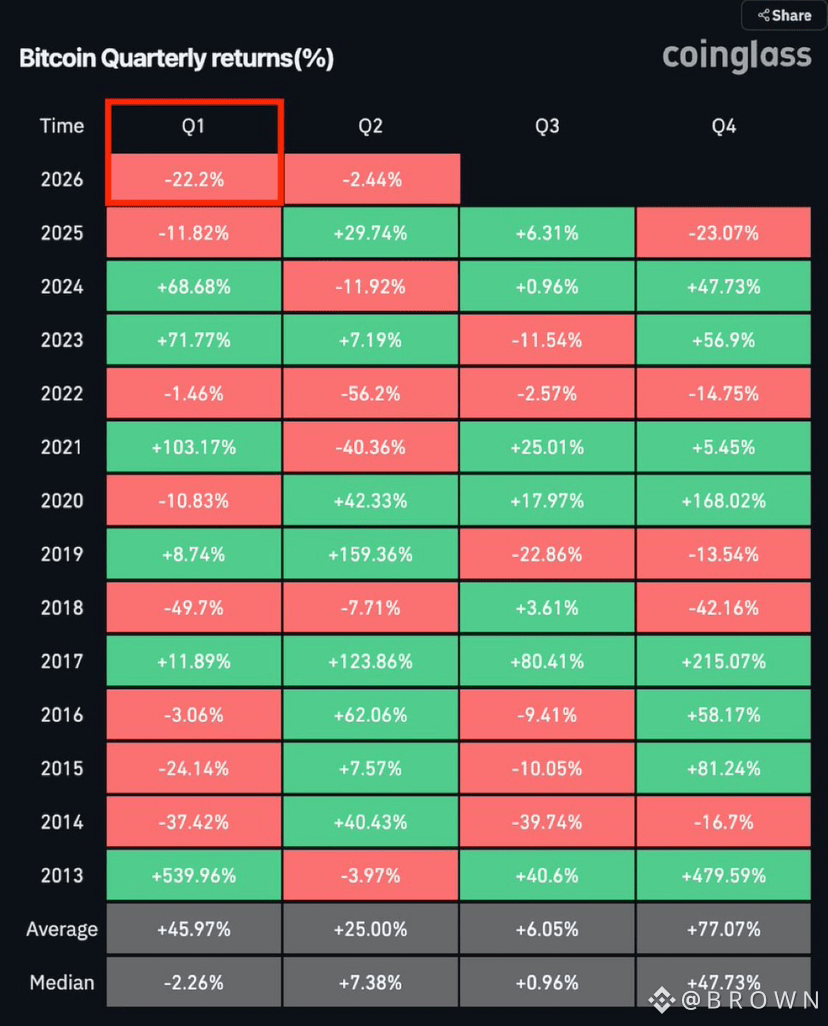
بيتكوين انتهت لتوها من أسوأ ربع أول لها في 8 سنوات.
8 سنوات.
بيتكوين انتهت لتوها من أسوأ ربع أول لها في 8 سنوات.
8 سنوات.
8 سنوات.
7
203
🚨عاجل🚨
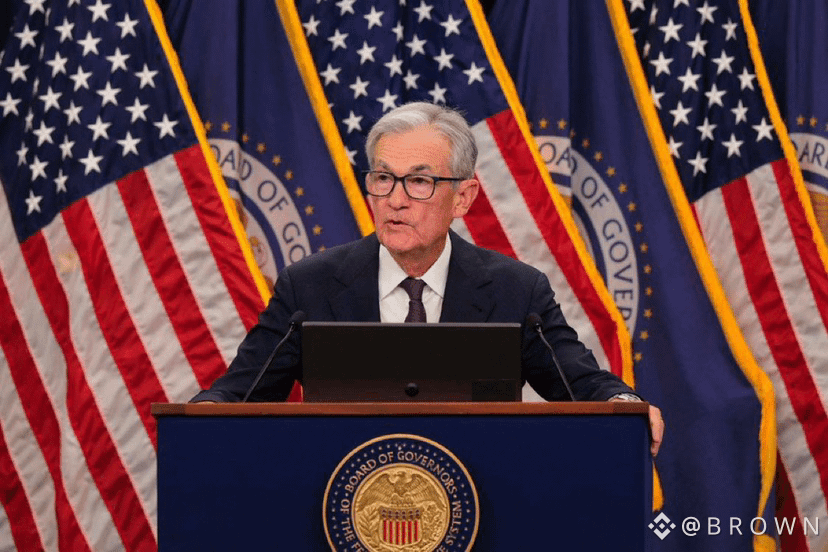
🇺🇸 معدل البطالة في الولايات المتحدة جاء عند 4.3%
التوقعات: 4.4%
🚨عاجل🚨
🇺🇸 معدل البطالة في الولايات المتحدة جاء عند 4.3%
التوقعات: 4.4%
🇺🇸 معدل البطالة في الولايات المتحدة جاء عند 4.3%
التوقعات: 4.4%
10
273
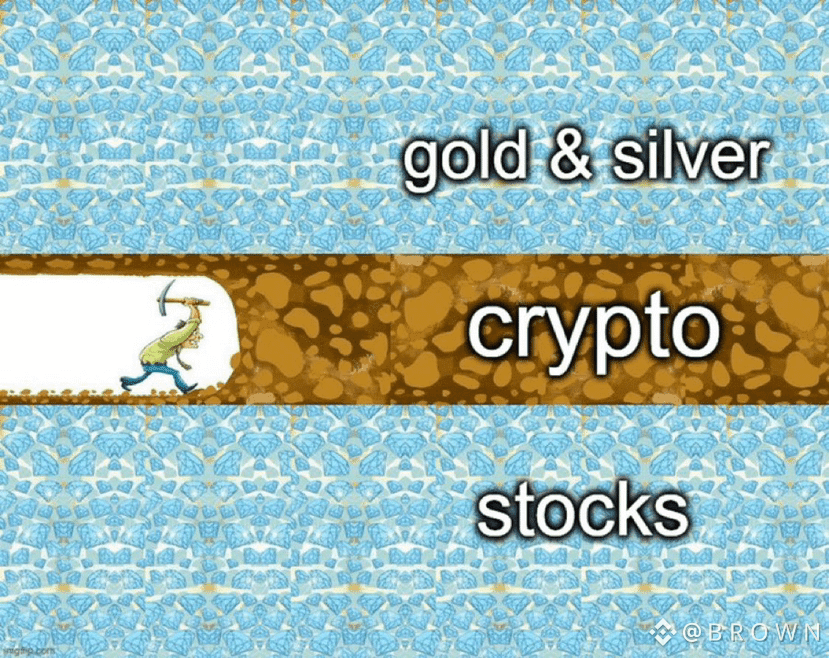
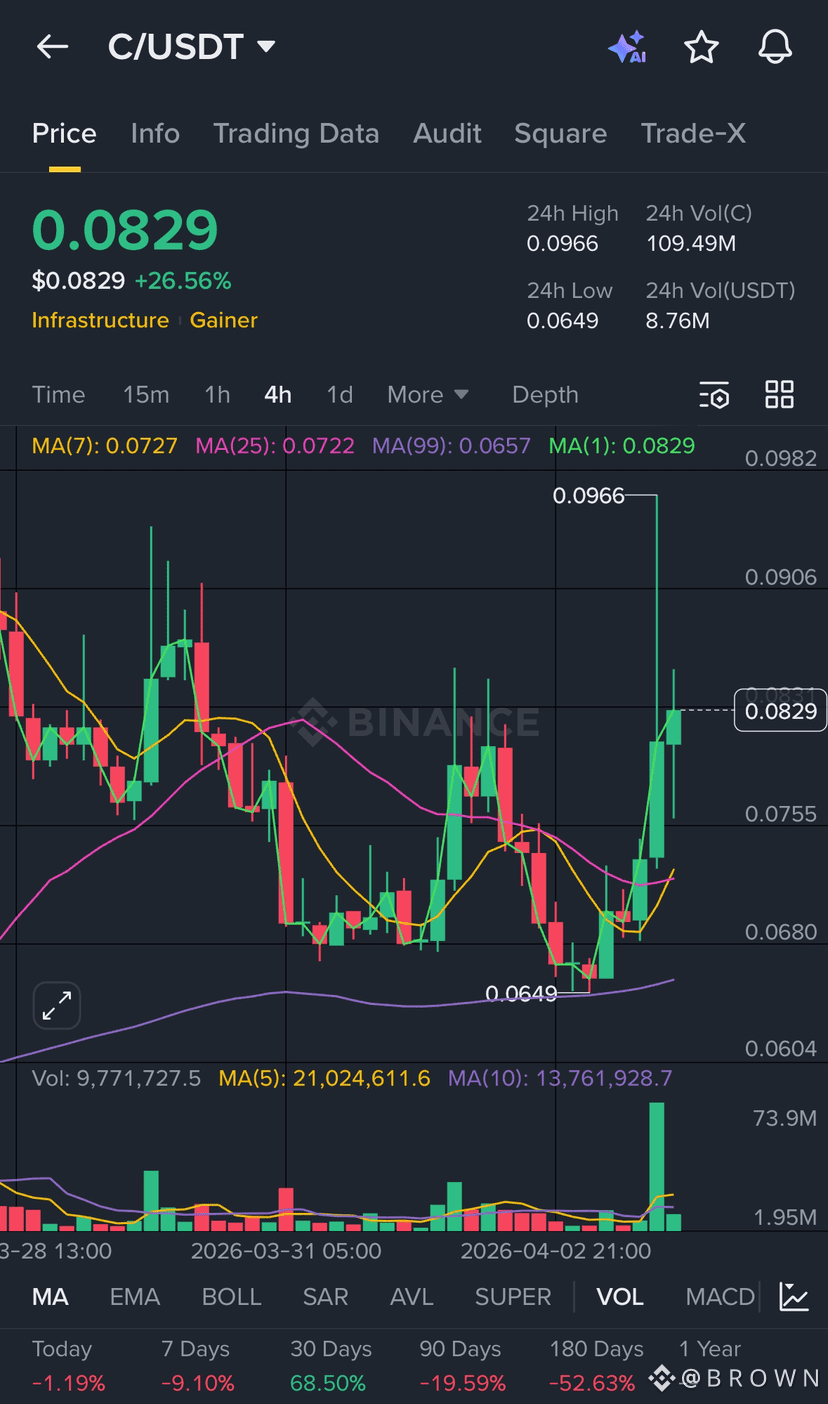
$C رد فعل قوي من القيعان وزخم يتزايد بسرعة.
انتعاش نظيف من منطقة 0.065 والآن يدفع مرة أخرى إلى 0.08+ مع زيادة في الحجم. تلك الحركة تظهر أن المشترين نشطون مرة أخرى.
أنا لا ألاحق هذه الطفرة، ولكن إذا استمر فوق الدعم، فقد يتطور هذا إلى استمرار قوي.
يبدو أن القوة المبكرة تعود!!
🤟🏻❤️🔥
{spot}(CUSDT)
$C رد فعل قوي من القيعان وزخم يتزايد بسرعة.
انتعاش نظيف من منطقة 0.065 والآن يدفع مرة أخرى إلى 0.08+ مع زيادة في الحجم. تلك الحركة تظهر أن المشترين نشطون مرة أخرى.
أنا لا ألاحق هذه الطفرة، ولكن إذا استمر فوق الدعم، فقد يتطور هذا إلى استمرار قوي.
يبدو أن القوة المبكرة تعود!!
🤟🏻❤️🔥
انتعاش نظيف من منطقة 0.065 والآن يدفع مرة أخرى إلى 0.08+ مع زيادة في الحجم. تلك الحركة تظهر أن المشترين نشطون مرة أخرى.
أنا لا ألاحق هذه الطفرة، ولكن إذا استمر فوق الدعم، فقد يتطور هذا إلى استمرار قوي.
يبدو أن القوة المبكرة تعود!!
🤟🏻❤️🔥
7
158
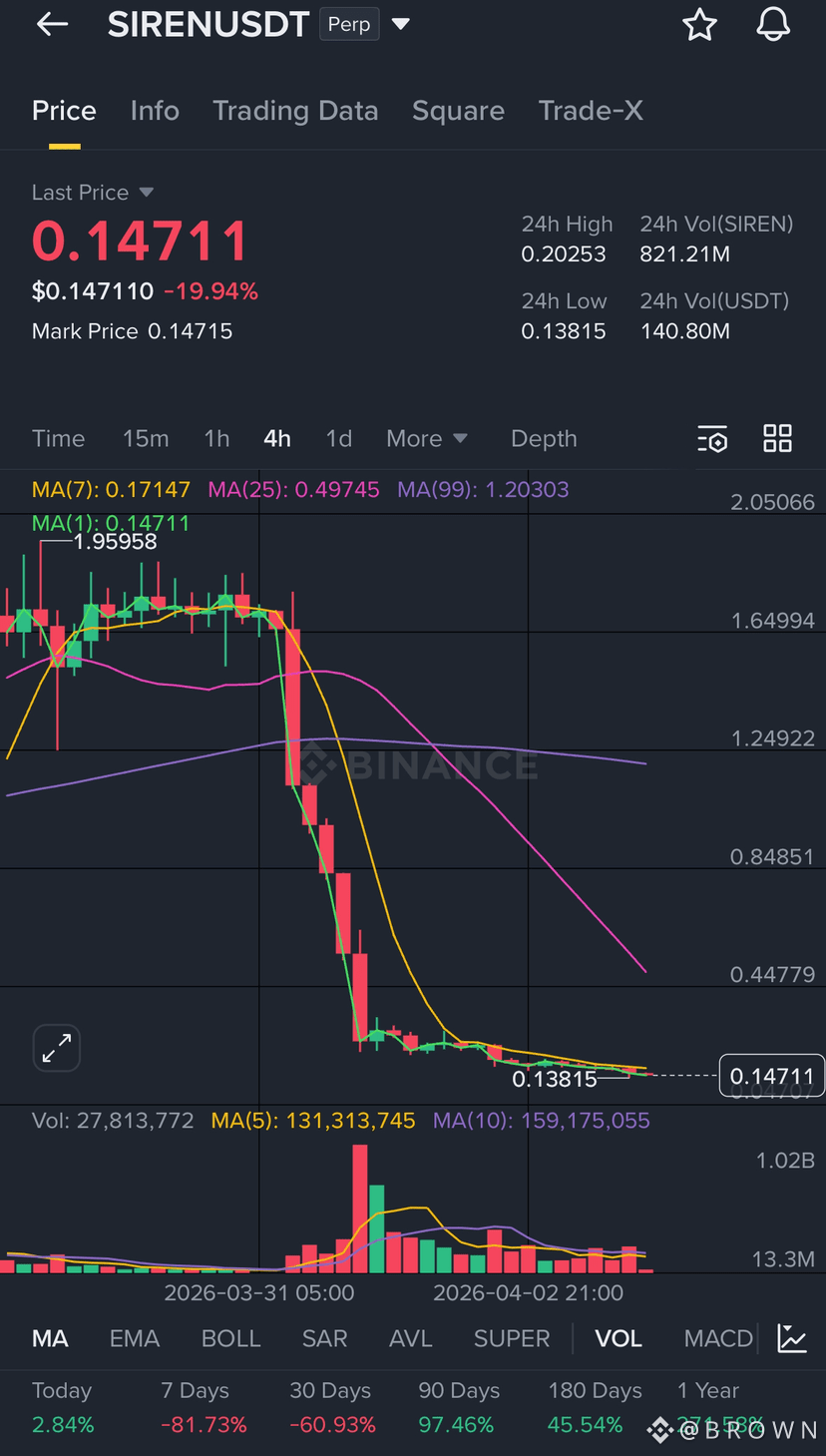
$SIREN بدأت في التباطؤ بعد تلك الانخفاضات الحادة.
السعر يستقر بالقرب من القيعان، ويمكنك أن ترى ضغط البيع يتراجع قليلاً. ليس قويًا بعد، لكن هذا عادةً كيف تبدأ القواعد المبكرة.
أنا لا أقفز في السوق، لكنني أراقب عن كثب لأي تغيير في الزخم.
إذا استمر هذا وتطور، قد نشهد انتعاشًا جيدًا 👀
🚨🤌🏻
{future}(SIRENUSDT)
$SIREN بدأت في التباطؤ بعد تلك الانخفاضات الحادة.
السعر يستقر بالقرب من القيعان، ويمكنك أن ترى ضغط البيع يتراجع قليلاً. ليس قويًا بعد، لكن هذا عادةً كيف تبدأ القواعد المبكرة.
أنا لا أقفز في السوق، لكنني أراقب عن كثب لأي تغيير في الزخم.
إذا استمر هذا وتطور، قد نشهد انتعاشًا جيدًا 👀
🚨🤌🏻
السعر يستقر بالقرب من القيعان، ويمكنك أن ترى ضغط البيع يتراجع قليلاً. ليس قويًا بعد، لكن هذا عادةً كيف تبدأ القواعد المبكرة.
أنا لا أقفز في السوق، لكنني أراقب عن كثب لأي تغيير في الزخم.
إذا استمر هذا وتطور، قد نشهد انتعاشًا جيدًا 👀
🚨🤌🏻
2
6
506
·
--
صاعد
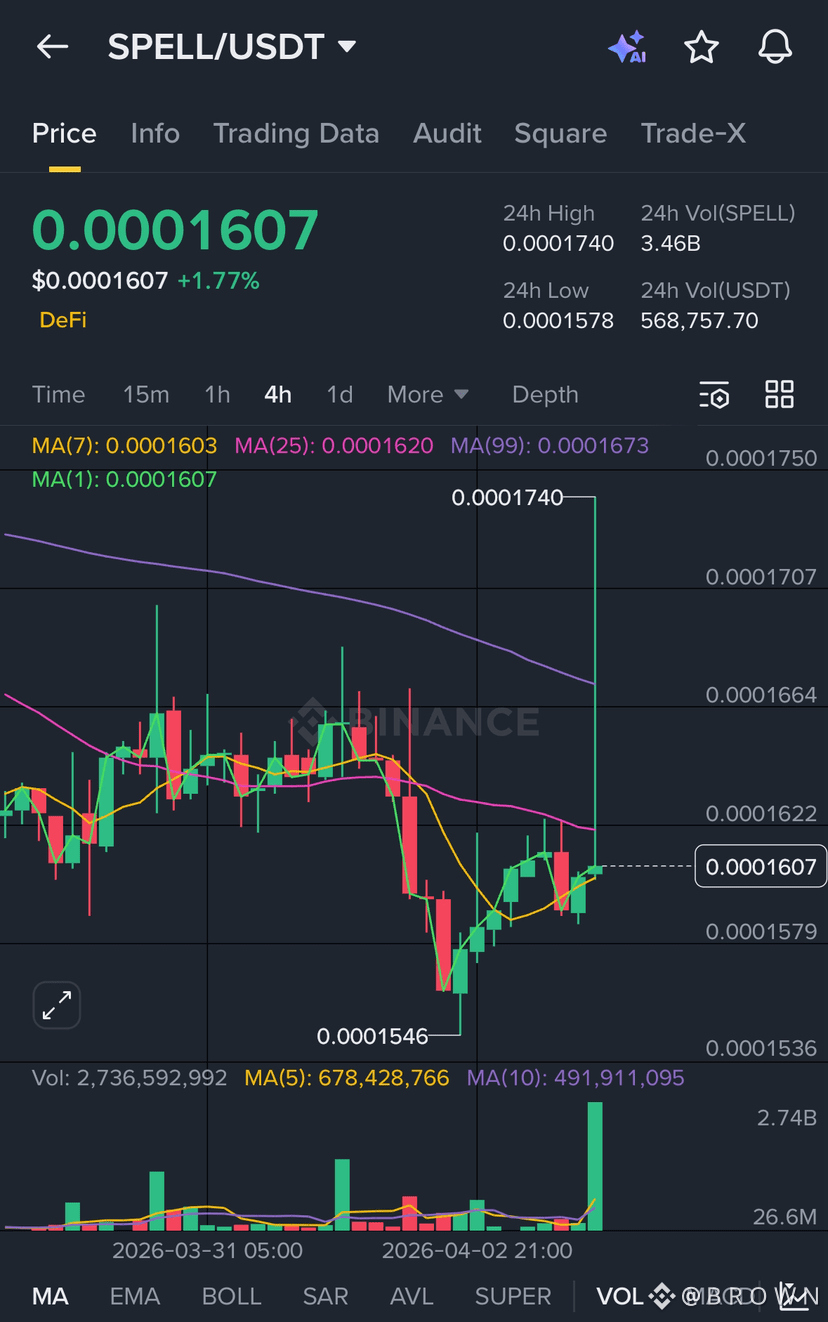
$SPELL تُظهر علامات الحياة بعد تلك الانخفاض، ولكن لا تزال بحاجة إلى تأكيد.
ارتداد جميل من منطقة 0.000154، والبدء في استعادة الهيكل قصير الأجل. الزيادة في الحجم مثيرة للاهتمام، ولكن السعر لا يزال تحت المقاومة.
بالنسبة لي، هذا هو الانتظار لكسر نظيف قبل أن أشعر بالثقة.
العلامات المبكرة موجودة، ولكنها ليست كاملة بعد
✨🧞♂️
{spot}(SPELLUSDT)
$SPELL تُظهر علامات الحياة بعد تلك الانخفاض، ولكن لا تزال بحاجة إلى تأكيد.
ارتداد جميل من منطقة 0.000154، والبدء في استعادة الهيكل قصير الأجل. الزيادة في الحجم مثيرة للاهتمام، ولكن السعر لا يزال تحت المقاومة.
بالنسبة لي، هذا هو الانتظار لكسر نظيف قبل أن أشعر بالثقة.
العلامات المبكرة موجودة، ولكنها ليست كاملة بعد
✨🧞♂️
ارتداد جميل من منطقة 0.000154، والبدء في استعادة الهيكل قصير الأجل. الزيادة في الحجم مثيرة للاهتمام، ولكن السعر لا يزال تحت المقاومة.
بالنسبة لي، هذا هو الانتظار لكسر نظيف قبل أن أشعر بالثقة.
العلامات المبكرة موجودة، ولكنها ليست كاملة بعد
✨🧞♂️
6
249
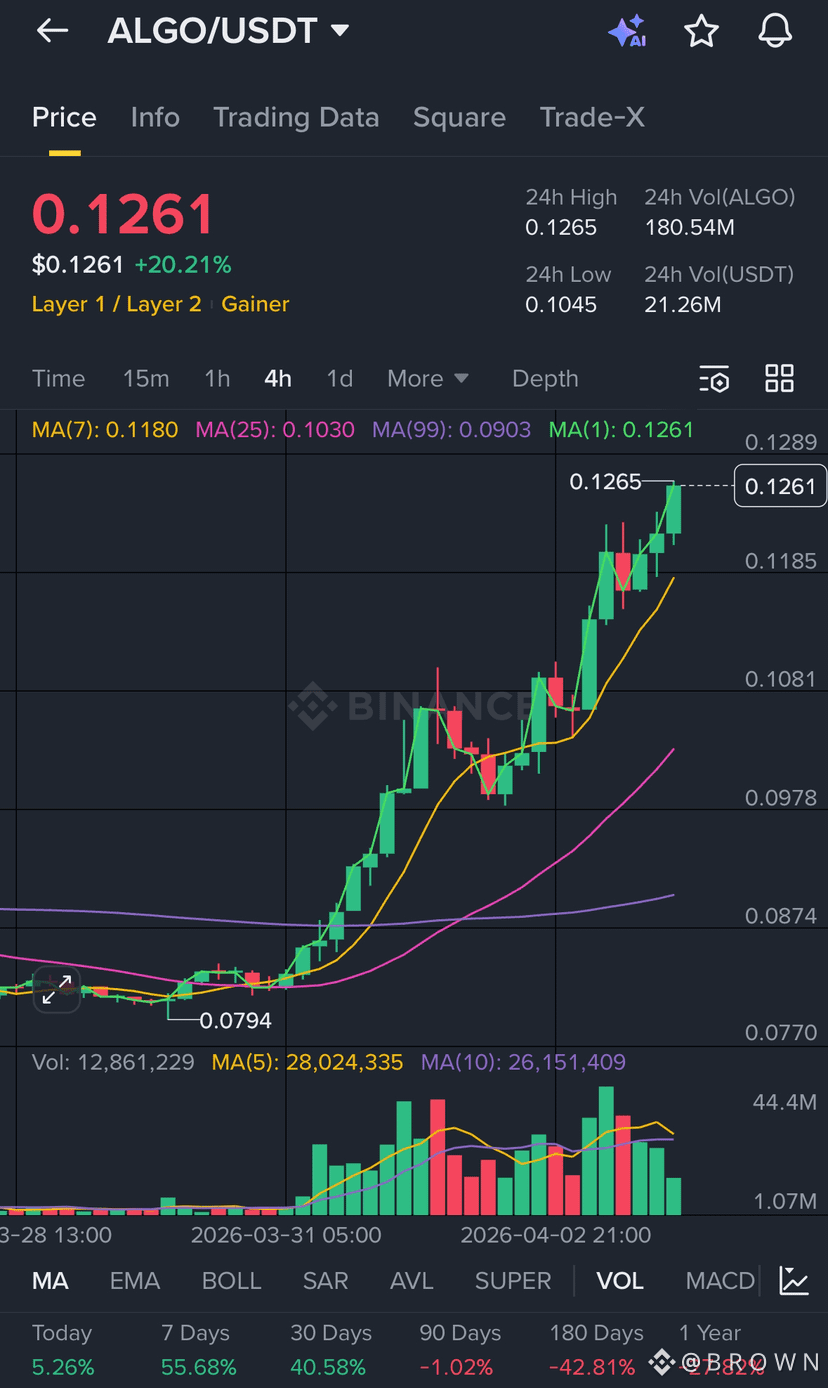
$ALGO توجه نظيف، زخم قوي ولا توجد علامات على التباطؤ حتى الآن.
اختراق جميل من منطقة 0.08 والآن يدفع نحو قمم جديدة حول 0.126. الهيكل قوي، قمم أعلى، قيعان أعلى، المشترين في السيطرة الكاملة.
لا أتابع هذا التمديد، الانخفاضات إلى الدعم هي حيث أهتم.
طالما أنه يحتفظ بذلك، يمكن أن يستمر في الاتجاه نحو الأعلى 👀
{spot}(ALGOUSDT)
$ALGO توجه نظيف، زخم قوي ولا توجد علامات على التباطؤ حتى الآن.
اختراق جميل من منطقة 0.08 والآن يدفع نحو قمم جديدة حول 0.126. الهيكل قوي، قمم أعلى، قيعان أعلى، المشترين في السيطرة الكاملة.
لا أتابع هذا التمديد، الانخفاضات إلى الدعم هي حيث أهتم.
طالما أنه يحتفظ بذلك، يمكن أن يستمر في الاتجاه نحو الأعلى 👀
اختراق جميل من منطقة 0.08 والآن يدفع نحو قمم جديدة حول 0.126. الهيكل قوي، قمم أعلى، قيعان أعلى، المشترين في السيطرة الكاملة.
لا أتابع هذا التمديد، الانخفاضات إلى الدعم هي حيث أهتم.
طالما أنه يحتفظ بذلك، يمكن أن يستمر في الاتجاه نحو الأعلى 👀
6
214
·
--
صاعد
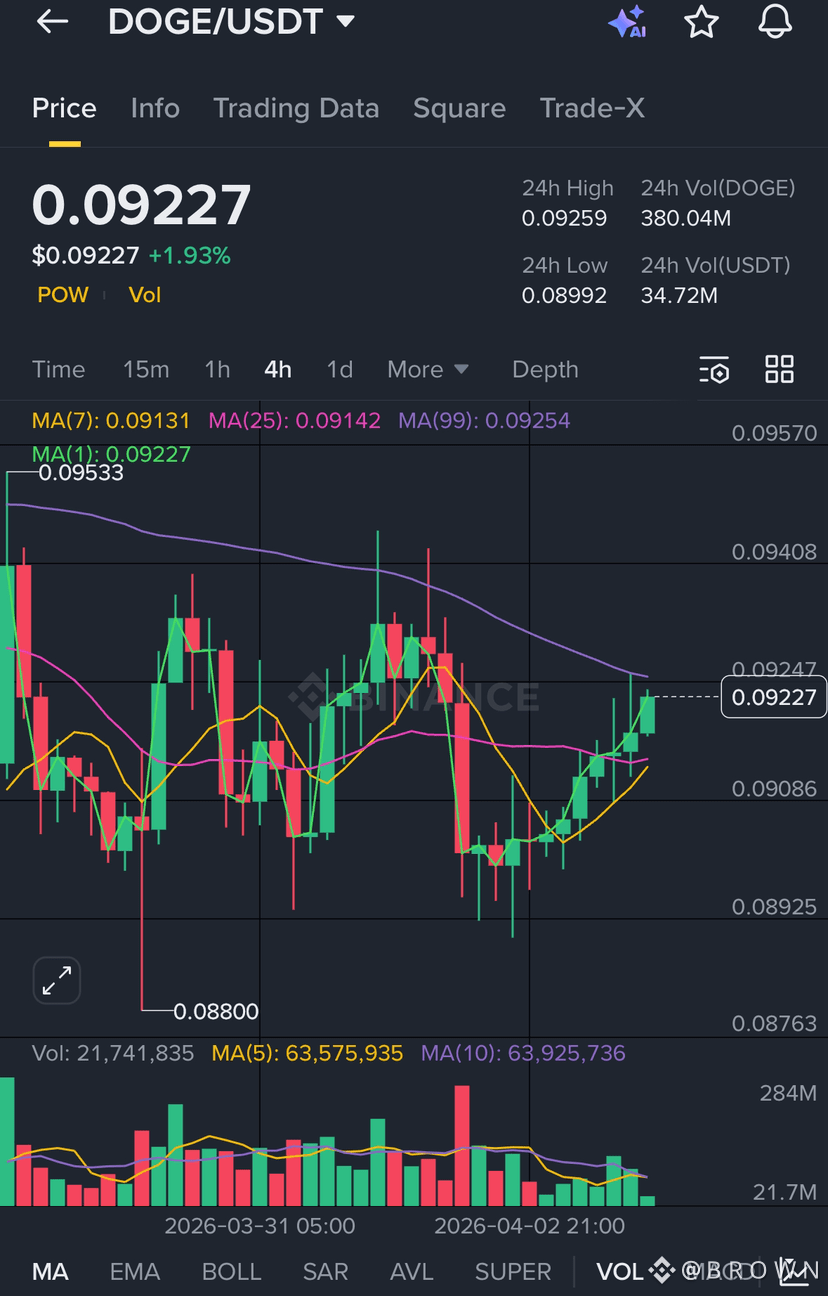
$DOGE بدأت تتقلب هنا بعد أن حافظت على منطقة 0.088 بشكل جيد.
تقدم بطيء مرة أخرى فوق 0.092، ويمكنك رؤية الزخم يتشكل مع ارتفاع القيعان. لا شيء متفجر حتى الآن، لكن الهيكل يتحسن.
ما زلت أعتبر هذا نطاقًا حتى نحصل على كسر نظيف فوق المقاومة.
الصبر هنا، لكنها بدأت تبدو أفضل 👀
🐕🐕
{spot}(DOGEUSDT)
$DOGE بدأت تتقلب هنا بعد أن حافظت على منطقة 0.088 بشكل جيد.
تقدم بطيء مرة أخرى فوق 0.092، ويمكنك رؤية الزخم يتشكل مع ارتفاع القيعان. لا شيء متفجر حتى الآن، لكن الهيكل يتحسن.
ما زلت أعتبر هذا نطاقًا حتى نحصل على كسر نظيف فوق المقاومة.
الصبر هنا، لكنها بدأت تبدو أفضل 👀
🐕🐕
تقدم بطيء مرة أخرى فوق 0.092، ويمكنك رؤية الزخم يتشكل مع ارتفاع القيعان. لا شيء متفجر حتى الآن، لكن الهيكل يتحسن.
ما زلت أعتبر هذا نطاقًا حتى نحصل على كسر نظيف فوق المقاومة.
الصبر هنا، لكنها بدأت تبدو أفضل 👀
🐕🐕
5
169
·
--
هابط
استيقظت، فتحت الرسم البياني... ونعم، كانت ضربة مختلفة.
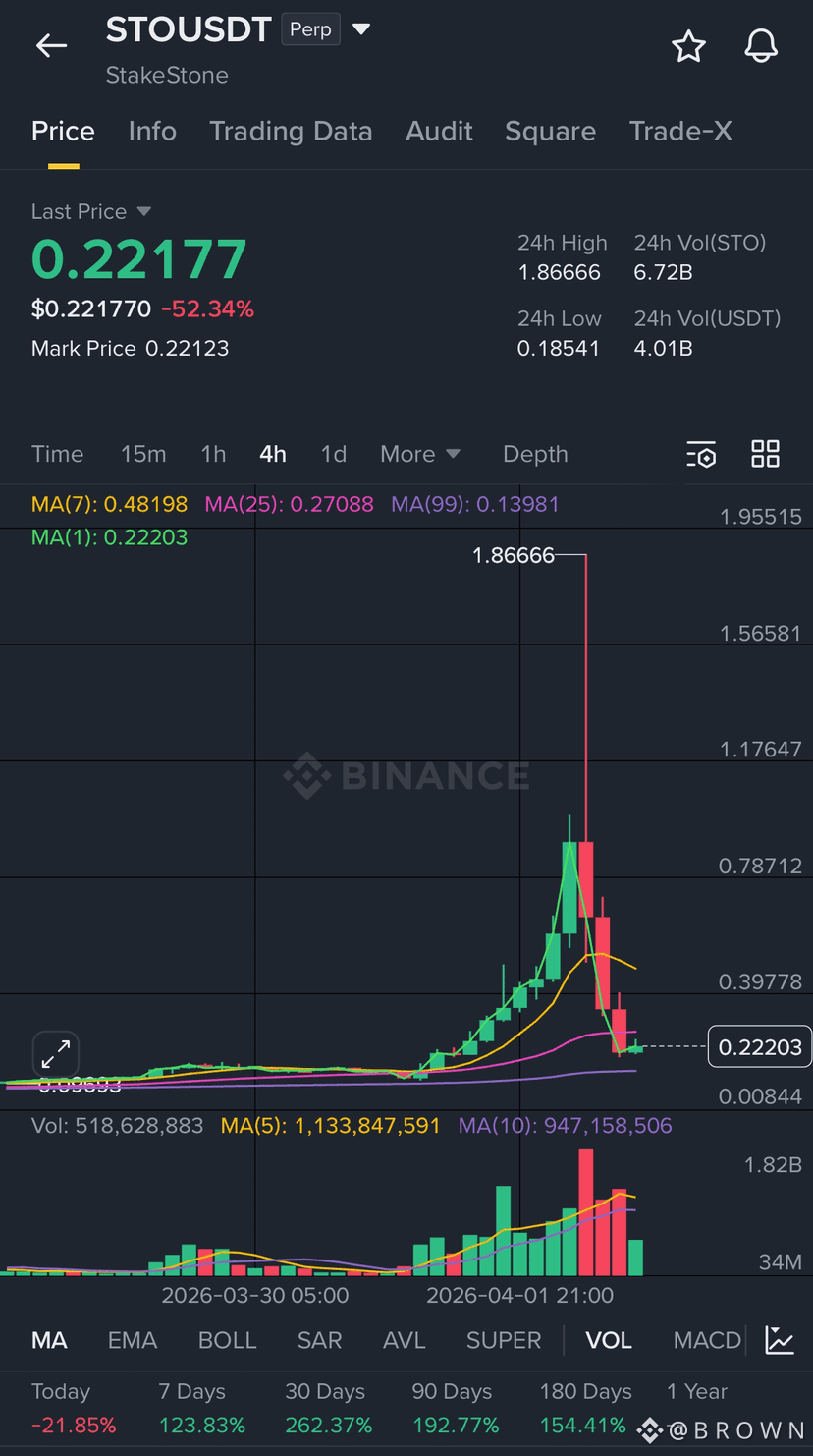
$STO الجلوس حول 0.22 دولار بعد تلك الهبوط...
-50% حركة، مباشرة إلى الأسفل.
لا وقت للتفكير المفرط، أنا في خسارة.
لكن هذه هي الجانب الحقيقي من التداول.
ضخ سريع، تصحيحات أسرع.
شيء واحد في ذهني:
👉 ابقَ مركزًا.
لا ذعر، لا مطاردة.
تلك الخسارة؟
لن أغلقها بهذه الطريقة.
👉 نحن نعدل
👉 نحن ننفذ
👉 نحن نستعيدها بشكل صحيح
اليوم ليس عن المشاعر.
إنه عن الانضباط والإعدادات النظيفة.
لقد تم القبض علينا في الحركة،
الآن نتحرك بشكل أذكى. 💰
$STO
{spot}(STOUSDT)
استيقظت، فتحت الرسم البياني... ونعم، كانت ضربة مختلفة.
$STO الجلوس حول 0.22 دولار بعد تلك الهبوط...
-50% حركة، مباشرة إلى الأسفل.
لا وقت للتفكير المفرط، أنا في خسارة.
لكن هذه هي الجانب الحقيقي من التداول.
ضخ سريع، تصحيحات أسرع.
شيء واحد في ذهني:
👉 ابقَ مركزًا.
لا ذعر، لا مطاردة.
تلك الخسارة؟
لن أغلقها بهذه الطريقة.
👉 نحن نعدل
👉 نحن ننفذ
👉 نحن نستعيدها بشكل صحيح
اليوم ليس عن المشاعر.
إنه عن الانضباط والإعدادات النظيفة.
لقد تم القبض علينا في الحركة،
الآن نتحرك بشكل أذكى. 💰
$STO
$STO الجلوس حول 0.22 دولار بعد تلك الهبوط...
-50% حركة، مباشرة إلى الأسفل.
لا وقت للتفكير المفرط، أنا في خسارة.
لكن هذه هي الجانب الحقيقي من التداول.
ضخ سريع، تصحيحات أسرع.
شيء واحد في ذهني:
👉 ابقَ مركزًا.
لا ذعر، لا مطاردة.
تلك الخسارة؟
لن أغلقها بهذه الطريقة.
👉 نحن نعدل
👉 نحن ننفذ
👉 نحن نستعيدها بشكل صحيح
اليوم ليس عن المشاعر.
إنه عن الانضباط والإعدادات النظيفة.
لقد تم القبض علينا في الحركة،
الآن نتحرك بشكل أذكى. 💰
$STO
2
1
14
643
·
--
هابط
🚨 يوم آخر أحمر في الأسواق
تم مسح تريليونات اليوم في الأسهم والعملات المشفرة.
النفط ينخفض بشدة.
كل هذا يتبع إعلان ترامب أن عملية الغضب الملحمي ستستمر لمدة 2-3 أسابيع أخرى.
من المحتمل أن القاع ليس هنا.
يجب أن نرى دفعة أخرى نحو الانخفاض للعملات المشفرة.
$40,000-$50,000 ستكون فرصة شراء مذهلة إذا انتهى بنا المطاف هناك.
🚨 يوم آخر أحمر في الأسواق
تم مسح تريليونات اليوم في الأسهم والعملات المشفرة.
النفط ينخفض بشدة.
كل هذا يتبع إعلان ترامب أن عملية الغضب الملحمي ستستمر لمدة 2-3 أسابيع أخرى.
من المحتمل أن القاع ليس هنا.
يجب أن نرى دفعة أخرى نحو الانخفاض للعملات المشفرة.
$40,000-$50,000 ستكون فرصة شراء مذهلة إذا انتهى بنا المطاف هناك.
تم مسح تريليونات اليوم في الأسهم والعملات المشفرة.
النفط ينخفض بشدة.
كل هذا يتبع إعلان ترامب أن عملية الغضب الملحمي ستستمر لمدة 2-3 أسابيع أخرى.
من المحتمل أن القاع ليس هنا.
يجب أن نرى دفعة أخرى نحو الانخفاض للعملات المشفرة.
$40,000-$50,000 ستكون فرصة شراء مذهلة إذا انتهى بنا المطاف هناك.

1
13
1.8k
سجّل الدخول لاستكشاف المزيد من المُحتوى
انضم إلى مُستخدمي العملات الرقمية حول العالم على Binance Square
⚡️ احصل على أحدث المعلومات المفيدة عن العملات الرقمية.
💬 موثوقة من قبل أكبر منصّة لتداول العملات الرقمية في العالم.
👍 اكتشف الرؤى الحقيقية من صنّاع المُحتوى الموثوقين.
البريد الإلكتروني / رقم الهاتف
المواضيع الرائجة
ClarityActFacesProceduralVoteSept15
23,481 مشاهدات
392 يقومون بالنقاش
🇺🇸 15 سبتمبر قد يكون يومًا مهمًا لتنظيم الكريبتو في الولايات المتحدة.
مشروع CLARITY Act يقترب من تصويت إجرائي في مجلس الشيوخ، في خطوة قد تحدد مدى قدرة المشروع على التقدم نحو إقرار إطار أوضح لتنظيم الأصول الرقمية.
الأهمية لا تكمن في التصويت وحده، بل فيما يمثله المشروع للسوق:
• توضيح أدوار SEC وCFTC
• تقليل حالة عدم اليقين التنظيمي
• وضع قواعد أكثر وضوحًا لقطاع الأصول الرقمية
لكن لا أرى أن النتيجة محسومة مسبقًا. عدد الأصوات والدعم السياسي سيكونان العامل الأهم.
📌 بالنسبة لي، 15 سبتمبر يستحق المراقبة أكثر من المضاربة عليه؛ فالخبر قد يؤثر في معنويات السوق، لكن التفاصيل السياسية ستحدد اتجاه القصة.
$BTC $ETH $BNB
#ClarityActFacesProceduralVoteSept15
yosreia
·2 إعجاب
·432 مشاهدات
US2YearYieldRisesTo4.61%
23,226 مشاهدات
465 يقومون بالنقاش
US10YearTreasuryYieldNears5%
11,476 مشاهدات
261 يقومون بالنقاش