

MAYA_
41k منشورات

MAYA_
 تحقُّق Binance Square الإضافي
إبلاغ
حظر المُستخدم
Alhamdulillah always and forever.
مُتداول مُتكرر
4 سنوات
1.1K+ تتابع
47.0K+ المتابعون
203.1K+ إعجاب
منشورات
الكل
اقتباسات
مقاطع فيديو
Live
PINNED
·
--
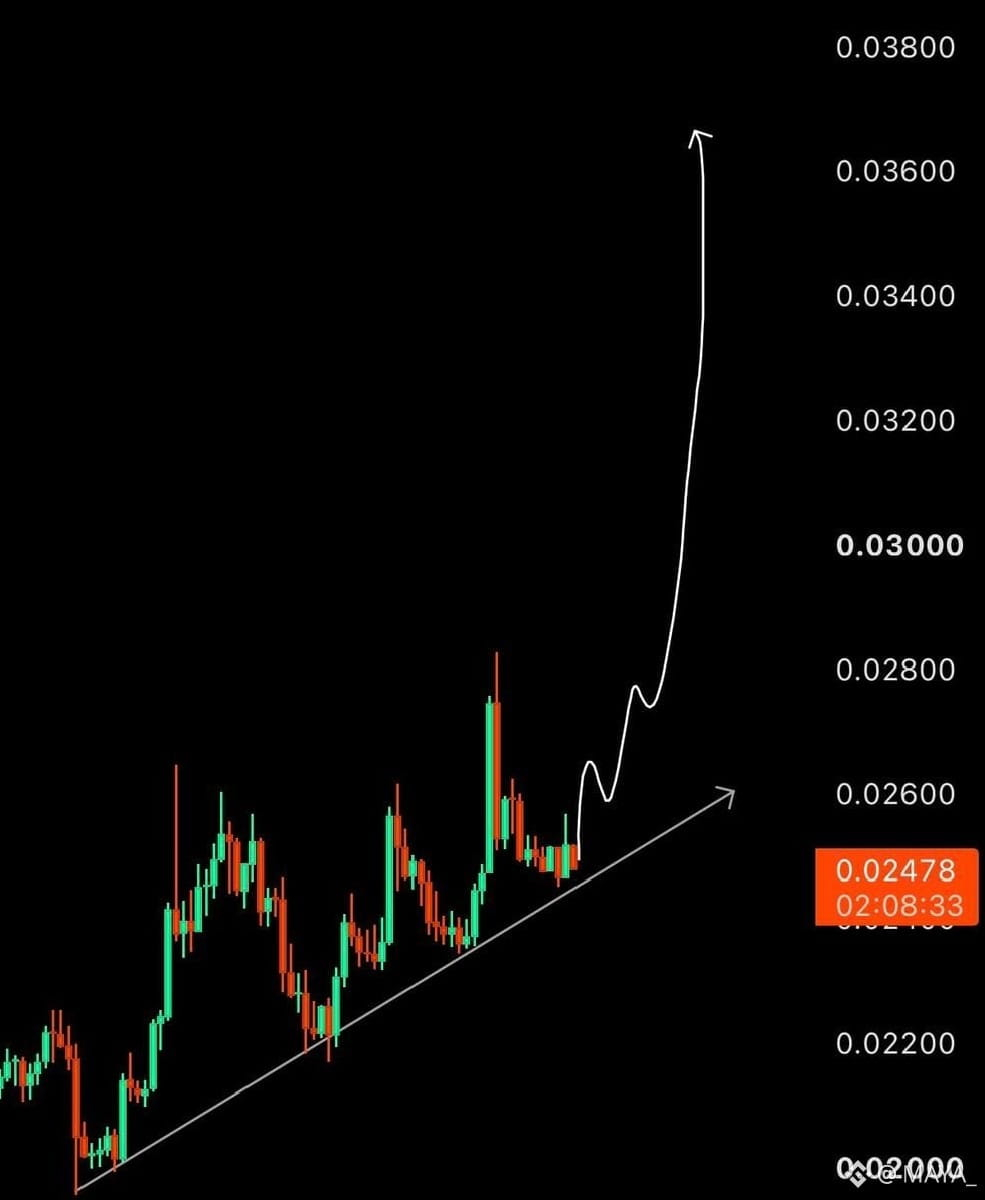
$SPK يحافظ على موقعه فوق خط اتجاه صاعد، والبنية أصبحت أكثر إثارة. السعر حول 0.02478$، مع 0.0260$ كأقرب مستوى يجب مراقبته. إذا انطلق الزخم وكُسِر مستوى المقاومة، فقد نشهد حركة قوية إلى الأعلى. إعداد «الشمعة الإلهية» جدير بالمراقبة، لكن لا شيء مضمون.
{future}(SPKUSDT)
$NVDAB
{spot}(NVDABUSDT)
$NVDA.US
{stock_us}(NVDA.US)
$SPK يحافظ على موقعه فوق خط اتجاه صاعد، والبنية أصبحت أكثر إثارة. السعر حول 0.02478$، مع 0.0260$ كأقرب مستوى يجب مراقبته. إذا انطلق الزخم وكُسِر مستوى المقاومة، فقد نشهد حركة قوية إلى الأعلى. إعداد «الشمعة الإلهية» جدير بالمراقبة، لكن لا شيء مضمون.
$NVDAB
$NVDA.US
$NVDAB
$NVDA.US
2
279
·
--

مقالة
هل سيستمر $BTC في التحرك داخل النطاق أم أن حركة أخرى باتجاه $86K قادمة؟أعني.....
لقد لاحظت أن البيتكوين يدفع مجددًا نحو أعلى النطاق. السؤال الآن هو: هل يمكن للمشترين فعلاً دفع السعر للأعلى من هنا، أم أن هذه الحركة ستؤدي في النهاية إلى رفض آخر؟
لا أريد أن ألتزم بسيناريو محدد بعد، لأن هناك فرصًا—ومخاطر الوقوع في الخطأ—في كلا الاتجاهين.
لنلقِ نظرة على السيناريو الأول.
إذا واجه البيتكوين رفضًا بالقرب من أعلى النطاق الحالية، فقد يسحب السعر للوراء باتجاه أدنى يوم الجمعة. ومع ذلك، بافتراض حدوث كسر فوري هناك فلن يكون الأمر صحيحًا. إن تجاوز أدنى يوم الجمعة ثم استرداده بسرعة يمكن أن يغيّر الموقف بالكامل.
هل سيستمر $BTC في التحرك داخل النطاق أم أن حركة أخرى باتجاه $86K قادمة؟
أعني.....
لقد لاحظت أن البيتكوين يدفع مجددًا نحو أعلى النطاق. السؤال الآن هو: هل يمكن للمشترين فعلاً دفع السعر للأعلى من هنا، أم أن هذه الحركة ستؤدي في النهاية إلى رفض آخر؟
لا أريد أن ألتزم بسيناريو محدد بعد، لأن هناك فرصًا—ومخاطر الوقوع في الخطأ—في كلا الاتجاهين.
لنلقِ نظرة على السيناريو الأول.
إذا واجه البيتكوين رفضًا بالقرب من أعلى النطاق الحالية، فقد يسحب السعر للوراء باتجاه أدنى يوم الجمعة. ومع ذلك، بافتراض حدوث كسر فوري هناك فلن يكون الأمر صحيحًا. إن تجاوز أدنى يوم الجمعة ثم استرداده بسرعة يمكن أن يغيّر الموقف بالكامل.
لقد لاحظت أن البيتكوين يدفع مجددًا نحو أعلى النطاق. السؤال الآن هو: هل يمكن للمشترين فعلاً دفع السعر للأعلى من هنا، أم أن هذه الحركة ستؤدي في النهاية إلى رفض آخر؟
لا أريد أن ألتزم بسيناريو محدد بعد، لأن هناك فرصًا—ومخاطر الوقوع في الخطأ—في كلا الاتجاهين.
لنلقِ نظرة على السيناريو الأول.
إذا واجه البيتكوين رفضًا بالقرب من أعلى النطاق الحالية، فقد يسحب السعر للوراء باتجاه أدنى يوم الجمعة. ومع ذلك، بافتراض حدوث كسر فوري هناك فلن يكون الأمر صحيحًا. إن تجاوز أدنى يوم الجمعة ثم استرداده بسرعة يمكن أن يغيّر الموقف بالكامل.
3
465
·
--
لا يسمح التفكير الصغير للناس بالنمو. والأمر نفسه في التداول. من يفكر فقط في ربح 2-3% غالبًا يفوّت التحركات الكبيرة. والشيء المضحك هو أنهم يستطيعون تحمّل خسارة 30-50%، لكنهم لا يستطيعون حتى تحمّل ربح 2%. اجعل الهدف كبيرًا، لكن لا تنسَ إدارة المخاطر.
#EthereumValidatorExitQueueJumps392%
#SECHaltsCryptoETFReviewsAmidFundingLapse
#GreekPoliceBustCryptoScamRingArrest17
#FedOctoberRateHikeOddsFallTo17%
لا يسمح التفكير الصغير للناس بالنمو. والأمر نفسه في التداول. من يفكر فقط في ربح 2-3% غالبًا يفوّت التحركات الكبيرة. والشيء المضحك هو أنهم يستطيعون تحمّل خسارة 30-50%، لكنهم لا يستطيعون حتى تحمّل ربح 2%. اجعل الهدف كبيرًا، لكن لا تنسَ إدارة المخاطر.
#EthereumValidatorExitQueueJumps392%
#SECHaltsCryptoETFReviewsAmidFundingLapse
#GreekPoliceBustCryptoScamRingArrest17
#FedOctoberRateHikeOddsFallTo17%
#EthereumValidatorExitQueueJumps392%
#SECHaltsCryptoETFReviewsAmidFundingLapse
#GreekPoliceBustCryptoScamRingArrest17
#FedOctoberRateHikeOddsFallTo17%
5
658
·
--
أعتقد أن بإمكان Binance Intelligence جعل أبحاث العملات الرقمية أكثر بساطة من خلال مساعدة المستخدمين على فهم بيانات السوق، واكتشاف رؤى مفيدة، واتخاذ قرارات أكثر استنارة. حسناً، ستعتمد القيمة الحقيقية على مدى دقتها وشفافيتها وكونها مفيدة في التداول في العالم الواقعي. أتطلع إلى رؤية ما تقوم ببنائه Binance 💛 @Binance_Square_Official
أعتقد أن بإمكان Binance Intelligence جعل أبحاث العملات الرقمية أكثر بساطة من خلال مساعدة المستخدمين على فهم بيانات السوق، واكتشاف رؤى مفيدة، واتخاذ قرارات أكثر استنارة. حسناً، ستعتمد القيمة الحقيقية على مدى دقتها وشفافيتها وكونها مفيدة في التداول في العالم الواقعي. أتطلع إلى رؤية ما تقوم ببنائه Binance 💛 @Binance Square Official


Binance Square Official
·
--
[معاينة] Binance Intelligence: فعالية إطلاق المنتج | هبة بقيمة 5,000 دولار أمريكي من USDC
5 أكتوبر 12:00 · قامَ 30.3k بالاشتراك
5
286
·
--
أعتقد أن بإمكان Binance Intelligence أن يجعل أبحاث العملات الرقمية أسهل من خلال مساعدة المستخدمين على فهم بيانات السوق، واكتشاف رؤى مفيدة، واتخاذ قرارات أكثر استنارة. حسنًا، ستعتمد القيمة الحقيقية على مدى دقتها وشفافيتها ومدى فائدتها في التداول في العالم الحقيقي. أتطلع إلى رؤية ما الذي تبنيه Binance 💛 @Binance_Square_Official
أعتقد أن بإمكان Binance Intelligence أن يجعل أبحاث العملات الرقمية أسهل من خلال مساعدة المستخدمين على فهم بيانات السوق، واكتشاف رؤى مفيدة، واتخاذ قرارات أكثر استنارة. حسنًا، ستعتمد القيمة الحقيقية على مدى دقتها وشفافيتها ومدى فائدتها في التداول في العالم الحقيقي. أتطلع إلى رؤية ما الذي تبنيه Binance 💛 @Binance Square Official
Binance Square Official
·
--
تقديم طبقة جديدة من الذكاء لكل ما يتعلق بالتمويل.
انضم إلى البث المباشر لإطلاق Binance Intelligence للحصول على نظرة مبكرة لما كنا نعمل على بنائه.
🗓 5 أكتوبر | 12:00 بالتوقيت العالمي
📍 Binance Square الرسمي
أعد نشر هذه المنشور ووسم @Binance Square Official لمشاركة رؤيتك لـ Binance Intelligence، لتكون ضمن فرصة اختيارك من بين 5 فائزين سيحصلون على مكافأة بقيمة 20 USDC.
انضم إلى البث المباشر لإطلاق Binance Intelligence للحصول على نظرة مبكرة لما كنا نعمل على بنائه.
🗓 5 أكتوبر | 12:00 بالتوقيت العالمي
📍 Binance Square الرسمي
أعد نشر هذه المنشور ووسم @Binance Square Official لمشاركة رؤيتك لـ Binance Intelligence، لتكون ضمن فرصة اختيارك من بين 5 فائزين سيحصلون على مكافأة بقيمة 20 USDC.
3
403
·
--
#NEARUpdate
🚨 تحديث: نوايا NEAR 👇🙋♀️
تقول نوايا NEAR إن المبلغ الكامل البالغ 3.8 مليون دولار الذي سُرق في اختراق منفصل قد تم استرداده، وأن التحقيق أُغلق الآن. إن استعادة المبلغ بالكامل تطورٌ مهم بالتأكيد. لكن الحادث ما زال يطرح سؤالًا يستحق التفكير: ما الذي حدث خطأ في المقام الأول؟ وما الذي تغيّر لمنع حدوث شيء مماثل مرة أخرى؟ الخبر عن الاسترداد جيد، لكن الأمن مهم أيضًا.
#NEARUpdate
🚨 تحديث: نوايا NEAR 👇🙋♀️
تقول نوايا NEAR إن المبلغ الكامل البالغ 3.8 مليون دولار الذي سُرق في اختراق منفصل قد تم استرداده، وأن التحقيق أُغلق الآن. إن استعادة المبلغ بالكامل تطورٌ مهم بالتأكيد. لكن الحادث ما زال يطرح سؤالًا يستحق التفكير: ما الذي حدث خطأ في المقام الأول؟ وما الذي تغيّر لمنع حدوث شيء مماثل مرة أخرى؟ الخبر عن الاسترداد جيد، لكن الأمن مهم أيضًا.
🚨 تحديث: نوايا NEAR 👇🙋♀️
تقول نوايا NEAR إن المبلغ الكامل البالغ 3.8 مليون دولار الذي سُرق في اختراق منفصل قد تم استرداده، وأن التحقيق أُغلق الآن. إن استعادة المبلغ بالكامل تطورٌ مهم بالتأكيد. لكن الحادث ما زال يطرح سؤالًا يستحق التفكير: ما الذي حدث خطأ في المقام الأول؟ وما الذي تغيّر لمنع حدوث شيء مماثل مرة أخرى؟ الخبر عن الاسترداد جيد، لكن الأمن مهم أيضًا.
4
335
·
--
هابط
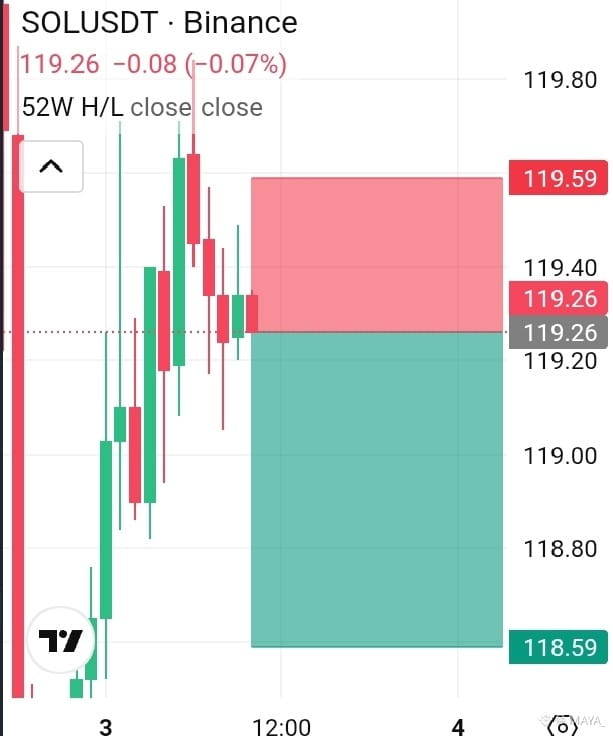
$SOL SHORT 🔴
قد يفكر أصحاب عقلية المخاطرة في دخول قصير عند 119.26 بهامش ضيق بنسبة 1%، بشرط أن يستمر مستوى 119.59. وبدلًا من ذلك، فإن الاختراق عند 118.59 سيؤكد مركزًا قصيرًا رئيسيًا أو حاسمًا.
إذا كسر السعر مستوى 119.59 إلى الأعلى، فقد يفكر المتداولون المحافظون في الدخول في صفقات شراء جديدة. صدّق كلماتي—SOL مهيأ لانخفاض حاد؛ السوق حاليًا تحت سيطرة الجهات الكبرى، والاتجاه هو أفضل صديق لنا.
$SOL SHORT 🔴
قد يفكر أصحاب عقلية المخاطرة في دخول قصير عند 119.26 بهامش ضيق بنسبة 1%، بشرط أن يستمر مستوى 119.59. وبدلًا من ذلك، فإن الاختراق عند 118.59 سيؤكد مركزًا قصيرًا رئيسيًا أو حاسمًا.
إذا كسر السعر مستوى 119.59 إلى الأعلى، فقد يفكر المتداولون المحافظون في الدخول في صفقات شراء جديدة. صدّق كلماتي—SOL مهيأ لانخفاض حاد؛ السوق حاليًا تحت سيطرة الجهات الكبرى، والاتجاه هو أفضل صديق لنا.
قد يفكر أصحاب عقلية المخاطرة في دخول قصير عند 119.26 بهامش ضيق بنسبة 1%، بشرط أن يستمر مستوى 119.59. وبدلًا من ذلك، فإن الاختراق عند 118.59 سيؤكد مركزًا قصيرًا رئيسيًا أو حاسمًا.
إذا كسر السعر مستوى 119.59 إلى الأعلى، فقد يفكر المتداولون المحافظون في الدخول في صفقات شراء جديدة. صدّق كلماتي—SOL مهيأ لانخفاض حاد؛ السوق حاليًا تحت سيطرة الجهات الكبرى، والاتجاه هو أفضل صديق لنا.
3
308
·
--
#BTC
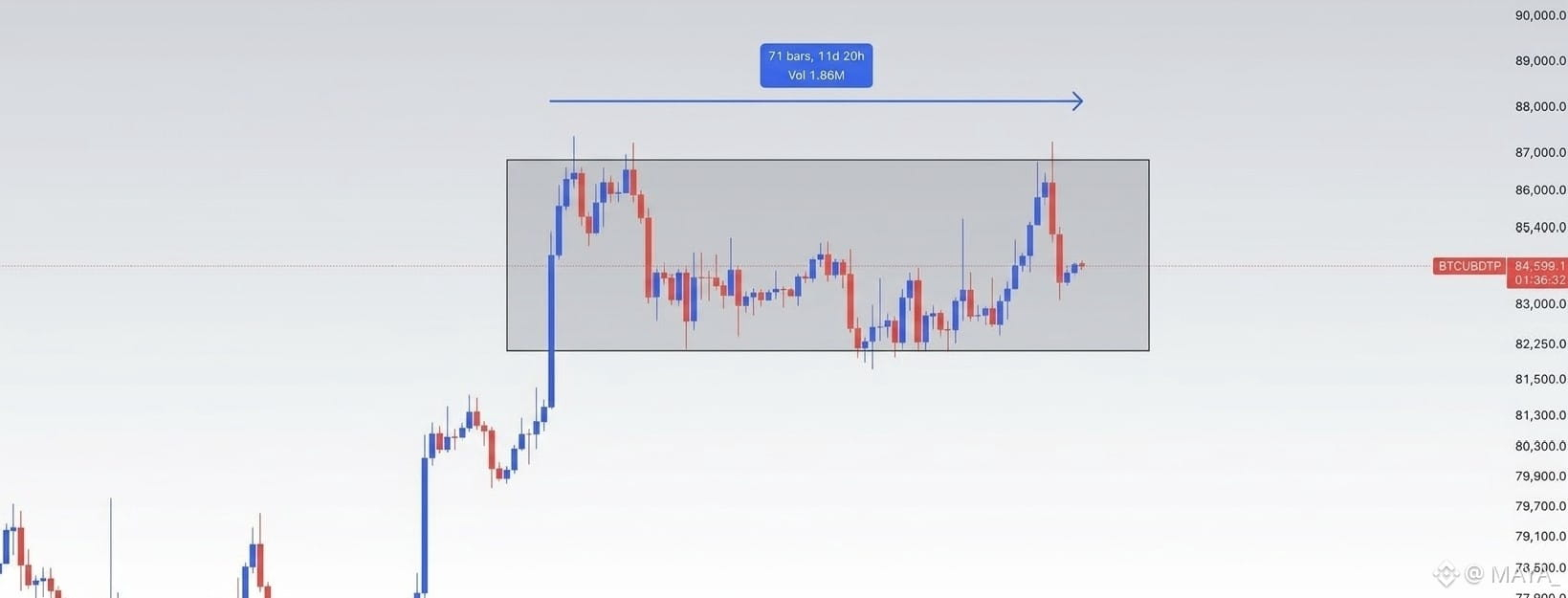
$BTC عالق في نفس المنطقة منذ 11 يومًا و20 ساعة الآن. وعلى الرغم من عدة محاولات للارتفاع للأعلى، إلا أن السعر لم يُظهر بعد اتجاهًا واضحًا. كلما طال استمرار هذا النطاق، زادت أهمية الاختراق في النهاية.
#BTC
$BTC عالق في نفس المنطقة منذ 11 يومًا و20 ساعة الآن. وعلى الرغم من عدة محاولات للارتفاع للأعلى، إلا أن السعر لم يُظهر بعد اتجاهًا واضحًا. كلما طال استمرار هذا النطاق، زادت أهمية الاختراق في النهاية.
$BTC عالق في نفس المنطقة منذ 11 يومًا و20 ساعة الآن. وعلى الرغم من عدة محاولات للارتفاع للأعلى، إلا أن السعر لم يُظهر بعد اتجاهًا واضحًا. كلما طال استمرار هذا النطاق، زادت أهمية الاختراق في النهاية.
6
250
·
--

مقالة
هل اختَرَقَت بيتكوين فعلًا نطاقها؟هناك فكرة تظل تراودني: هل كان لدى البيتكوين فعلًا نية للخروج من النطاق، أم أنه مجرد جذب مشتري الاختراق قبل أن يعكس مساره؟
لقد ارتفع البيتكوين بنحو 5% منذ بداية الشهر. وفي ذلك الوقت، بدا التحرك مقنعًا جدًا. اختراقٌ فوق قمم النطاق، وتدفّق المشترين، وبناء الزخم—كل ذلك يوحي بأن الاختراق قد يكون أخيرًا على الأبواب.
ولكن بعد ذلك حدثت فجأة عمليات بيع حادة وعدوانية.
وهنا تصبح الأمور مثيرة للاهتمام.
كثيرون ممن اشتروا مراكز شراء مطوّلة بعد مشاهدة الاختراق ربما افترضوا أن الإبقاء فوق قمم النطاق سيفعّل استمرارًا. لكن السوق لم يسلك ذلك الطريق. فقد انزلق السعر مجددًا تحت قمم النطاق، ما وضع المراكز التي دخلت متأخرًا تحت ضغط.
هل اختَرَقَت بيتكوين فعلًا نطاقها؟
هناك فكرة تظل تراودني: هل كان لدى البيتكوين فعلًا نية للخروج من النطاق، أم أنه مجرد جذب مشتري الاختراق قبل أن يعكس مساره؟
لقد ارتفع البيتكوين بنحو 5% منذ بداية الشهر. وفي ذلك الوقت، بدا التحرك مقنعًا جدًا. اختراقٌ فوق قمم النطاق، وتدفّق المشترين، وبناء الزخم—كل ذلك يوحي بأن الاختراق قد يكون أخيرًا على الأبواب.
ولكن بعد ذلك حدثت فجأة عمليات بيع حادة وعدوانية.
وهنا تصبح الأمور مثيرة للاهتمام.
كثيرون ممن اشتروا مراكز شراء مطوّلة بعد مشاهدة الاختراق ربما افترضوا أن الإبقاء فوق قمم النطاق سيفعّل استمرارًا. لكن السوق لم يسلك ذلك الطريق. فقد انزلق السعر مجددًا تحت قمم النطاق، ما وضع المراكز التي دخلت متأخرًا تحت ضغط.
لقد ارتفع البيتكوين بنحو 5% منذ بداية الشهر. وفي ذلك الوقت، بدا التحرك مقنعًا جدًا. اختراقٌ فوق قمم النطاق، وتدفّق المشترين، وبناء الزخم—كل ذلك يوحي بأن الاختراق قد يكون أخيرًا على الأبواب.
ولكن بعد ذلك حدثت فجأة عمليات بيع حادة وعدوانية.
وهنا تصبح الأمور مثيرة للاهتمام.
كثيرون ممن اشتروا مراكز شراء مطوّلة بعد مشاهدة الاختراق ربما افترضوا أن الإبقاء فوق قمم النطاق سيفعّل استمرارًا. لكن السوق لم يسلك ذلك الطريق. فقد انزلق السعر مجددًا تحت قمم النطاق، ما وضع المراكز التي دخلت متأخرًا تحت ضغط.
1
5
327
·
--
تقول «الهيئة» إن المزيد من المقترحات التنظيمية المتعلقة بالعملات المشفرة قادمة.
قد تكون هذه تطورًا مهمًا للسوق. قد تجلب المقترحات الجديدة مزيدًا من الوضوح حول كيفية تنظيم الأصول المشفرة والمنصات ذات الصلة في الولايات المتحدة.
والآن، التفاصيل مهمة.
$AAPLB $GOOGL.US
تقول «الهيئة» إن المزيد من المقترحات التنظيمية المتعلقة بالعملات المشفرة قادمة.
قد تكون هذه تطورًا مهمًا للسوق. قد تجلب المقترحات الجديدة مزيدًا من الوضوح حول كيفية تنظيم الأصول المشفرة والمنصات ذات الصلة في الولايات المتحدة.
والآن، التفاصيل مهمة.
$AAPLB $GOOGL.US
قد تكون هذه تطورًا مهمًا للسوق. قد تجلب المقترحات الجديدة مزيدًا من الوضوح حول كيفية تنظيم الأصول المشفرة والمنصات ذات الصلة في الولايات المتحدة.
والآن، التفاصيل مهمة.
$AAPLB $GOOGL.US
9
909
·
--
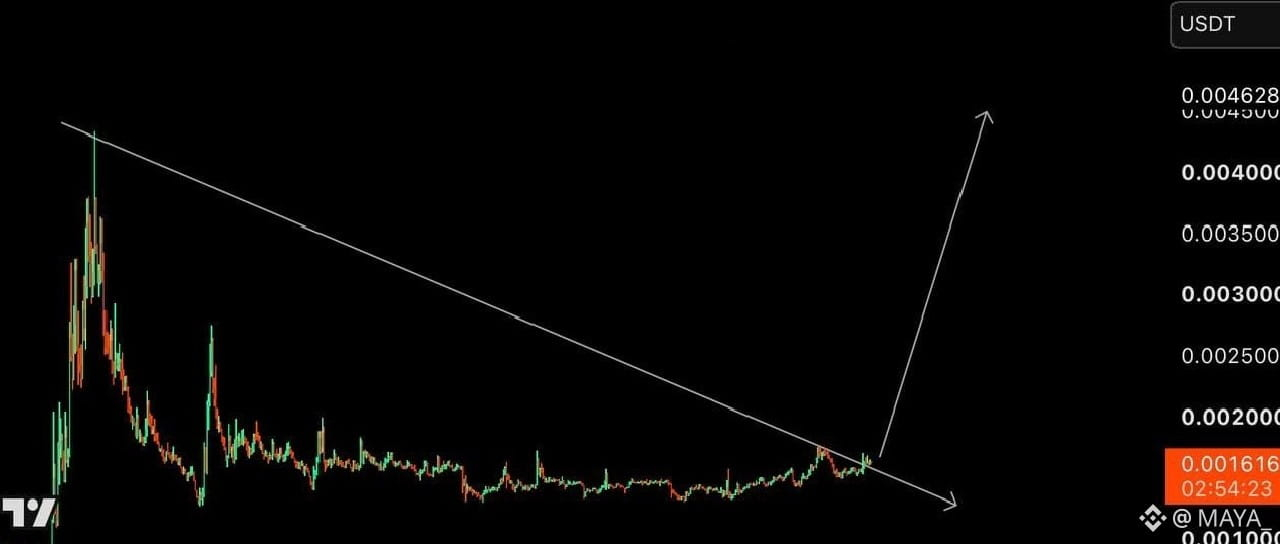
$TLM BREAKOUT🟢
شراء SPOT / FUTURE 🟢
{future}(TLMUSDT)
TLM أخيرًا يدفع للأعلى فوق خط الاتجاه الهابط على مخطط 4H. يبدو الاختراق مثيرًا للاهتمام، لكني ما زلت أود رؤية بعض التأكيد والقبول فوق المستوى. إذا استمر الزخم، فإن المنطقة التالية على المخطط تقترب من $0.0045.
$TLM BREAKOUT🟢
شراء SPOT / FUTURE 🟢
TLM أخيرًا يدفع للأعلى فوق خط الاتجاه الهابط على مخطط 4H. يبدو الاختراق مثيرًا للاهتمام، لكني ما زلت أود رؤية بعض التأكيد والقبول فوق المستوى. إذا استمر الزخم، فإن المنطقة التالية على المخطط تقترب من $0.0045.
شراء SPOT / FUTURE 🟢
TLM أخيرًا يدفع للأعلى فوق خط الاتجاه الهابط على مخطط 4H. يبدو الاختراق مثيرًا للاهتمام، لكني ما زلت أود رؤية بعض التأكيد والقبول فوق المستوى. إذا استمر الزخم، فإن المنطقة التالية على المخطط تقترب من $0.0045.
6
903
·
--
$RECALL أعطني شمعة ذهبية
صفقة سريعة 🟢
الهدف : 0.06+ 🟢🚀
{alpha}(84530x1f16e03c1a5908818f47f6ee7bb16690b40d0671)
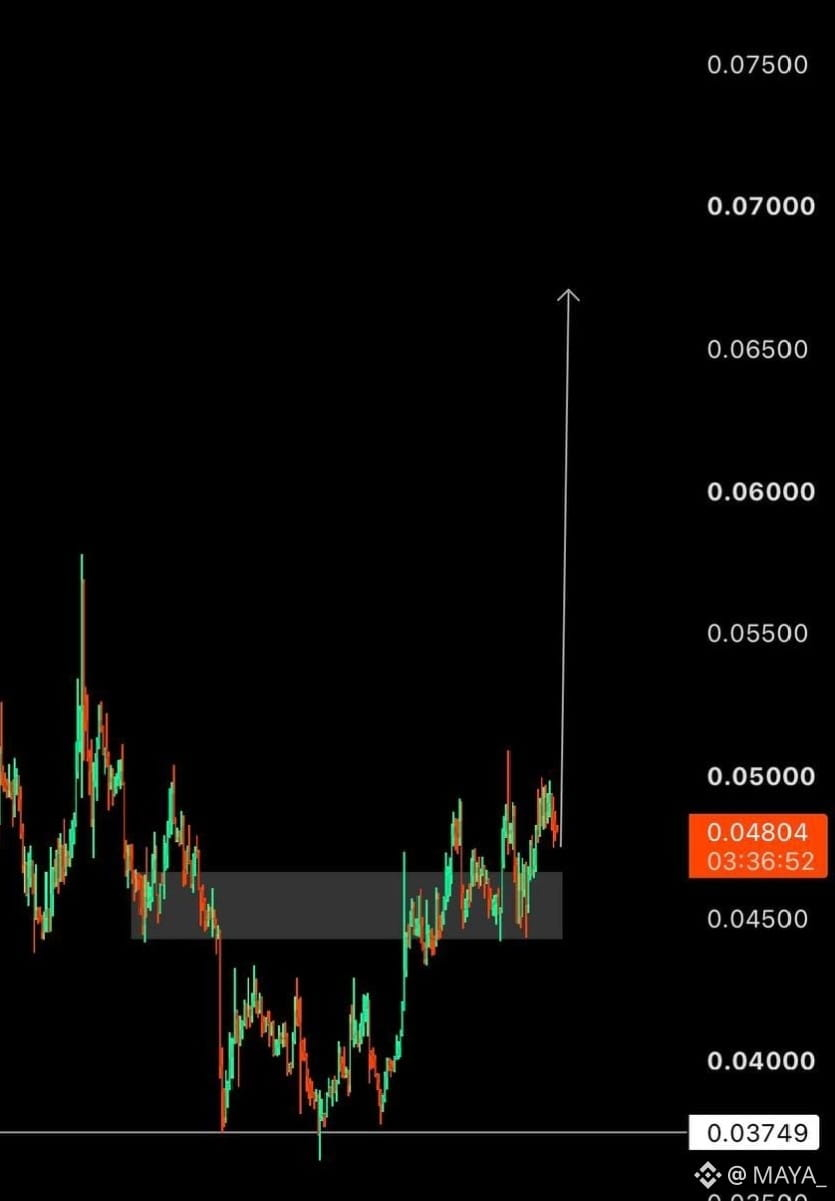
$RECALL يحتفظ بمنطقة $0.045–$0.048 بشكل جيد، والسعر الآن يدفع باتجاه الحد العلوي من النطاق. إذا تمكن المشترون من الحفاظ على هذا الهيكل، فأنا أراقب الحركة باتجاه $0.060 أولاً، حيث يُظهر الرسم البياني مساحة صعود أكبر حول $0.068. ما زلت أراقب كيفية تفاعل السعر هنا.
$RECALL أعطني شمعة ذهبية
صفقة سريعة 🟢
الهدف : 0.06+ 🟢🚀
$RECALL يحتفظ بمنطقة $0.045–$0.048 بشكل جيد، والسعر الآن يدفع باتجاه الحد العلوي من النطاق. إذا تمكن المشترون من الحفاظ على هذا الهيكل، فأنا أراقب الحركة باتجاه $0.060 أولاً، حيث يُظهر الرسم البياني مساحة صعود أكبر حول $0.068. ما زلت أراقب كيفية تفاعل السعر هنا.
صفقة سريعة 🟢
الهدف : 0.06+ 🟢🚀
$RECALL يحتفظ بمنطقة $0.045–$0.048 بشكل جيد، والسعر الآن يدفع باتجاه الحد العلوي من النطاق. إذا تمكن المشترون من الحفاظ على هذا الهيكل، فأنا أراقب الحركة باتجاه $0.060 أولاً، حيث يُظهر الرسم البياني مساحة صعود أكبر حول $0.068. ما زلت أراقب كيفية تفاعل السعر هنا.
4
235
·
--
تمّ التحقق
الشيء الذي لفت انتباهي هو أن سيتي جروب قد قامت مرة أخرى برفع هدفها السعري لمدة 12 شهرًا للبيتكوين. فقد زادت الرقم من 82,000 دولار السابق إلى 113,000 دولار. كما تم رفع التوقع لسعر الإيثيريوم إلى 3,028 دولار.
ما أراه مثيرًا للاهتمام هو أنهم يعزون هذا التحول إلى عوامل مثل الطلب المؤسسي، والتدفقات الداخلة إلى صناديق بيتكوين المتداولة في البورصة (ETFs)، وتعافي سوق العملات الرقمية. ومع ذلك، من المهم أن نضع في الاعتبار أن رقم 113,000 دولار ليس نتيجة مضمونة؛ بل هو مجرد تقدير سيتي جروب الحالي للسوق.
باختصار، رغم أن الهدف قد تم رفعه بالفعل، يبقى السؤال الأهم: كيف سيتصرف السوق فعليًا؟
الشيء الذي لفت انتباهي هو أن سيتي جروب قد قامت مرة أخرى برفع هدفها السعري لمدة 12 شهرًا للبيتكوين. فقد زادت الرقم من 82,000 دولار السابق إلى 113,000 دولار. كما تم رفع التوقع لسعر الإيثيريوم إلى 3,028 دولار.
ما أراه مثيرًا للاهتمام هو أنهم يعزون هذا التحول إلى عوامل مثل الطلب المؤسسي، والتدفقات الداخلة إلى صناديق بيتكوين المتداولة في البورصة (ETFs)، وتعافي سوق العملات الرقمية. ومع ذلك، من المهم أن نضع في الاعتبار أن رقم 113,000 دولار ليس نتيجة مضمونة؛ بل هو مجرد تقدير سيتي جروب الحالي للسوق.
باختصار، رغم أن الهدف قد تم رفعه بالفعل، يبقى السؤال الأهم: كيف سيتصرف السوق فعليًا؟
ما أراه مثيرًا للاهتمام هو أنهم يعزون هذا التحول إلى عوامل مثل الطلب المؤسسي، والتدفقات الداخلة إلى صناديق بيتكوين المتداولة في البورصة (ETFs)، وتعافي سوق العملات الرقمية. ومع ذلك، من المهم أن نضع في الاعتبار أن رقم 113,000 دولار ليس نتيجة مضمونة؛ بل هو مجرد تقدير سيتي جروب الحالي للسوق.
باختصار، رغم أن الهدف قد تم رفعه بالفعل، يبقى السؤال الأهم: كيف سيتصرف السوق فعليًا؟
1.6k
48
133
1.6k
·
--
نعم، لقد أدخل الجمهوريون في مجلس الشيوخ الأمريكي بالفعل مشروع قانون جديد للضرائب على العملات المشفرة، أُطلق عليه اسم قانون ADAPT. وقدّمه السيناتور ستيف داينز.
يدعو مشروع القانون إلى إجراء عدة تغييرات رئيسية — مثل منح إعفاءات ضريبية للمشتريات التي تتم باستخدام العملات المستقرة، ومنح إعفاءات ضريبية لرسوم الشبكات التي تقل عن 10، ووضع قواعد ضريبية واضحة لدخل التعدين والـ staking. لكن من المهم التذكير بأن هذا مجرد مشروع قانون مقترح. ولكي يصبح قانونًا، يجب أن يمرّ بمجلسي الشيوخ والنواب وأن يُوقَّع من الرئيس.
$NVDAB $AAPLB $NVDA.US
نعم، لقد أدخل الجمهوريون في مجلس الشيوخ الأمريكي بالفعل مشروع قانون جديد للضرائب على العملات المشفرة، أُطلق عليه اسم قانون ADAPT. وقدّمه السيناتور ستيف داينز.
يدعو مشروع القانون إلى إجراء عدة تغييرات رئيسية — مثل منح إعفاءات ضريبية للمشتريات التي تتم باستخدام العملات المستقرة، ومنح إعفاءات ضريبية لرسوم الشبكات التي تقل عن 10، ووضع قواعد ضريبية واضحة لدخل التعدين والـ staking. لكن من المهم التذكير بأن هذا مجرد مشروع قانون مقترح. ولكي يصبح قانونًا، يجب أن يمرّ بمجلسي الشيوخ والنواب وأن يُوقَّع من الرئيس.
$NVDAB $AAPLB $NVDA.US
يدعو مشروع القانون إلى إجراء عدة تغييرات رئيسية — مثل منح إعفاءات ضريبية للمشتريات التي تتم باستخدام العملات المستقرة، ومنح إعفاءات ضريبية لرسوم الشبكات التي تقل عن 10، ووضع قواعد ضريبية واضحة لدخل التعدين والـ staking. لكن من المهم التذكير بأن هذا مجرد مشروع قانون مقترح. ولكي يصبح قانونًا، يجب أن يمرّ بمجلسي الشيوخ والنواب وأن يُوقَّع من الرئيس.
$NVDAB $AAPLB $NVDA.US
2
284
·
--
$AVAX 🟢🟢
{future}(AVAXUSDT)
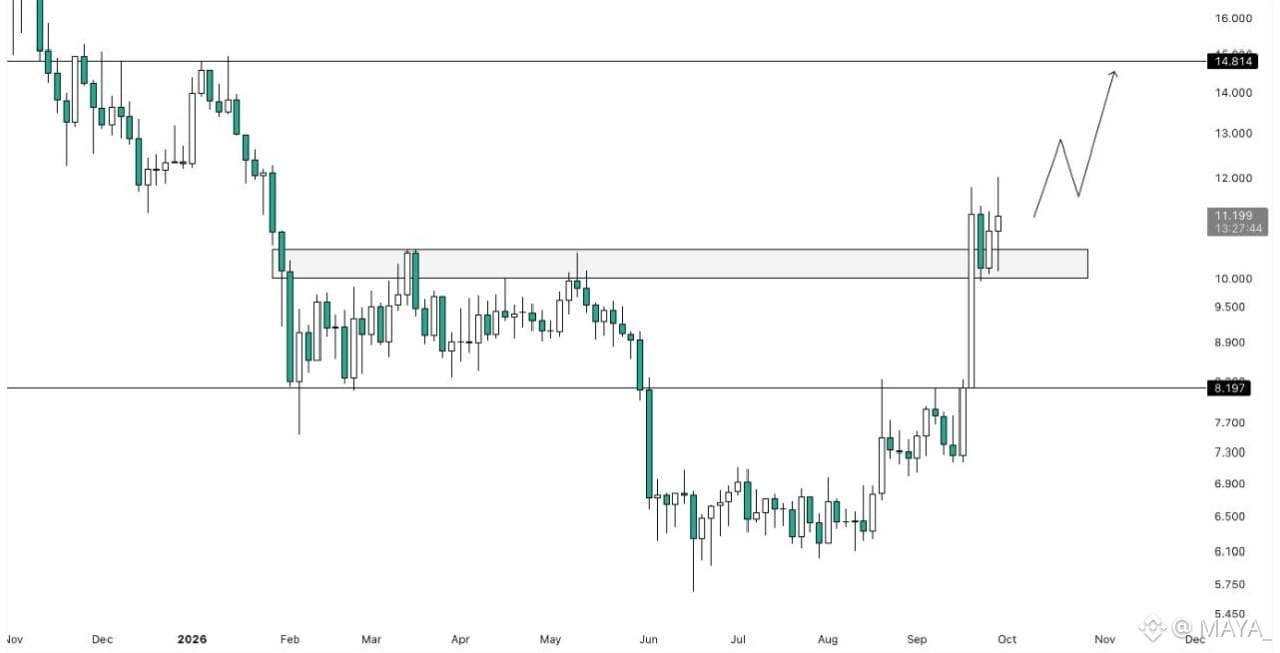
يبدو أن AVAX بدأ يثير اهتمامًا أكبر على الإطار الزمني الأعلى.
ما لفت انتباهي هو أن البنية الهبوطية تم بالفعل إبطالها، كما أن السعر نجح أيضًا في استعادة مستوى مقاومة مهم. لقد اخترقنا قمم نطاق تجميع استمر قرابة 4 أشهر، ثم عدنا لإعادة اختبار تلك المنطقة، والآن يرتد السعر منها.
لذلك، بالنسبة لي، الخطوة التالية التي يجب مراقبتها بسيطة: هل يمكن لـ AVAX أن يظل فوق المنطقة الرمادية ويبني قبولًا هناك؟
إذا حدث ذلك، أعتقد أن البنية ستفتح الباب أمام حركة باتجاه 14.8$. ومع ذلك، فأنا أفضل رؤية هذا التأكيد أولًا بدلًا من التقدم على الحركة.
$AVAX 🟢🟢
يبدو أن AVAX بدأ يثير اهتمامًا أكبر على الإطار الزمني الأعلى.
ما لفت انتباهي هو أن البنية الهبوطية تم بالفعل إبطالها، كما أن السعر نجح أيضًا في استعادة مستوى مقاومة مهم. لقد اخترقنا قمم نطاق تجميع استمر قرابة 4 أشهر، ثم عدنا لإعادة اختبار تلك المنطقة، والآن يرتد السعر منها.
لذلك، بالنسبة لي، الخطوة التالية التي يجب مراقبتها بسيطة: هل يمكن لـ AVAX أن يظل فوق المنطقة الرمادية ويبني قبولًا هناك؟
إذا حدث ذلك، أعتقد أن البنية ستفتح الباب أمام حركة باتجاه 14.8$. ومع ذلك، فأنا أفضل رؤية هذا التأكيد أولًا بدلًا من التقدم على الحركة.
يبدو أن AVAX بدأ يثير اهتمامًا أكبر على الإطار الزمني الأعلى.
ما لفت انتباهي هو أن البنية الهبوطية تم بالفعل إبطالها، كما أن السعر نجح أيضًا في استعادة مستوى مقاومة مهم. لقد اخترقنا قمم نطاق تجميع استمر قرابة 4 أشهر، ثم عدنا لإعادة اختبار تلك المنطقة، والآن يرتد السعر منها.
لذلك، بالنسبة لي، الخطوة التالية التي يجب مراقبتها بسيطة: هل يمكن لـ AVAX أن يظل فوق المنطقة الرمادية ويبني قبولًا هناك؟
إذا حدث ذلك، أعتقد أن البنية ستفتح الباب أمام حركة باتجاه 14.8$. ومع ذلك، فأنا أفضل رؤية هذا التأكيد أولًا بدلًا من التقدم على الحركة.
4
542
·
--
#BTC 👇👇👇
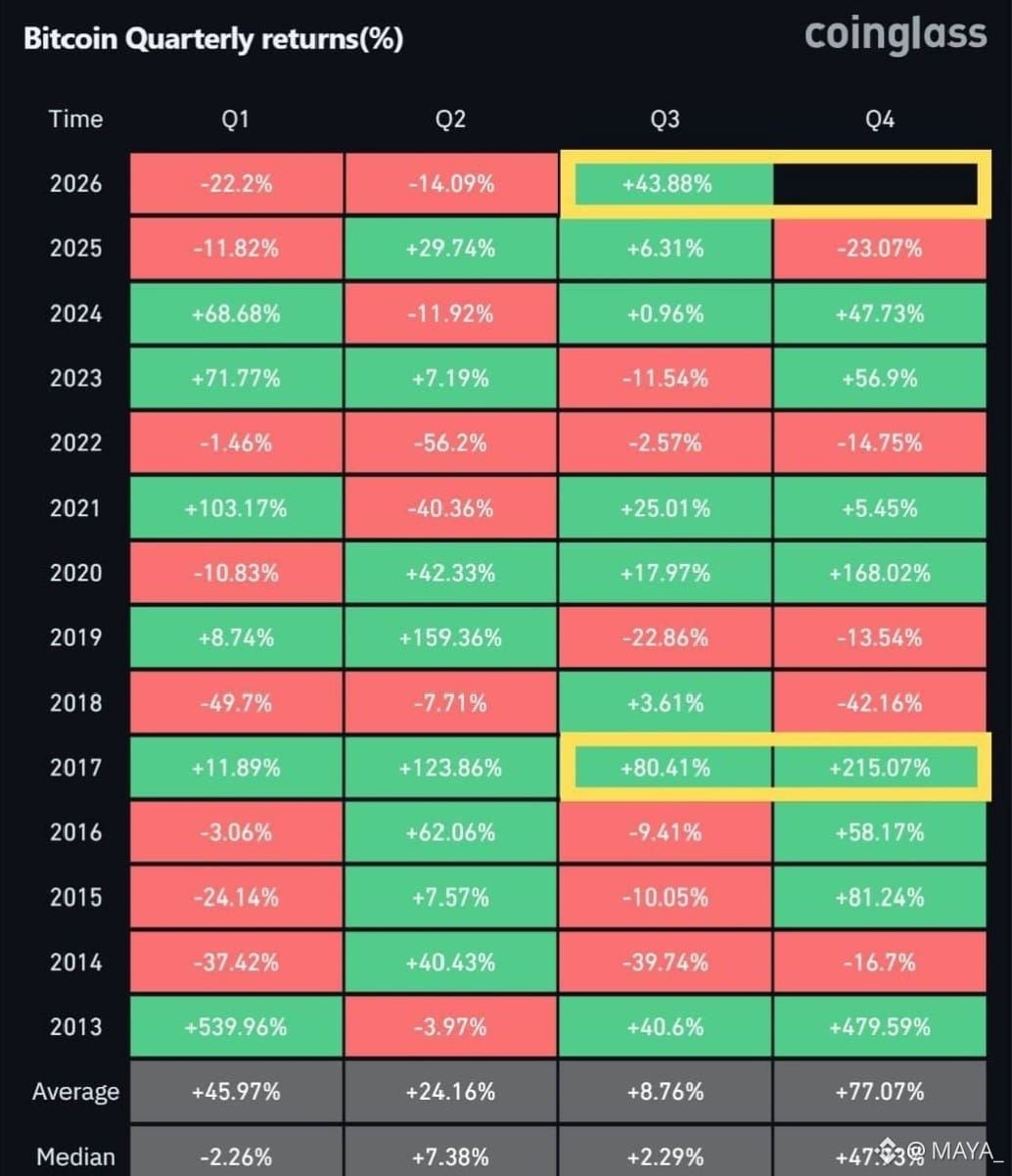
لفت انتباهي شيء عن أداء بيتكوين في الربع الثالث.
يُقال إنه يتشكل ليكون ثاني أقوى ربع ثالث في تاريخ بيتكوين. آخر مرة رأينا فيها ربعًا ثالثًا بهذه القوة كانت في 2017، وما حدث بعد ذلك واضح أنه من الصعب تجاهله. لقد شهد الربع الرابع بعد ذلك موجة صعود هائلة. لكنني لا أريد أن أتعامل مع التاريخ باعتباره ضمانًا. الأسواق تحب أن “تُقَفّي” إيقاعًا، لكنها ليست دائمًا تعيد السيناريو.
ومع ذلك، تاريخيًا كان الربع الرابع من أقوى أرباع بيتكوين، ومع وجود مثل هذا الربع الثالث خلفنا، فأنا بالتأكيد أراقب عن كثب لمعرفة ما إذا كان النمط الموسمي سيظهر مرة أخرى.
$NVDA.US
{stock_us}(NVDA.US)
$AAPL.US
{stock_us}(AAPL.US)
$BTC
{future}(BTCUSDT)
#BTC 👇👇👇
لفت انتباهي شيء عن أداء بيتكوين في الربع الثالث.
يُقال إنه يتشكل ليكون ثاني أقوى ربع ثالث في تاريخ بيتكوين. آخر مرة رأينا فيها ربعًا ثالثًا بهذه القوة كانت في 2017، وما حدث بعد ذلك واضح أنه من الصعب تجاهله. لقد شهد الربع الرابع بعد ذلك موجة صعود هائلة. لكنني لا أريد أن أتعامل مع التاريخ باعتباره ضمانًا. الأسواق تحب أن “تُقَفّي” إيقاعًا، لكنها ليست دائمًا تعيد السيناريو.
ومع ذلك، تاريخيًا كان الربع الرابع من أقوى أرباع بيتكوين، ومع وجود مثل هذا الربع الثالث خلفنا، فأنا بالتأكيد أراقب عن كثب لمعرفة ما إذا كان النمط الموسمي سيظهر مرة أخرى.
$NVDA.US
$AAPL.US
$BTC
لفت انتباهي شيء عن أداء بيتكوين في الربع الثالث.
يُقال إنه يتشكل ليكون ثاني أقوى ربع ثالث في تاريخ بيتكوين. آخر مرة رأينا فيها ربعًا ثالثًا بهذه القوة كانت في 2017، وما حدث بعد ذلك واضح أنه من الصعب تجاهله. لقد شهد الربع الرابع بعد ذلك موجة صعود هائلة. لكنني لا أريد أن أتعامل مع التاريخ باعتباره ضمانًا. الأسواق تحب أن “تُقَفّي” إيقاعًا، لكنها ليست دائمًا تعيد السيناريو.
ومع ذلك، تاريخيًا كان الربع الرابع من أقوى أرباع بيتكوين، ومع وجود مثل هذا الربع الثالث خلفنا، فأنا بالتأكيد أراقب عن كثب لمعرفة ما إذا كان النمط الموسمي سيظهر مرة أخرى.
$NVDA.US
$AAPL.US
$BTC
3
219
·
--
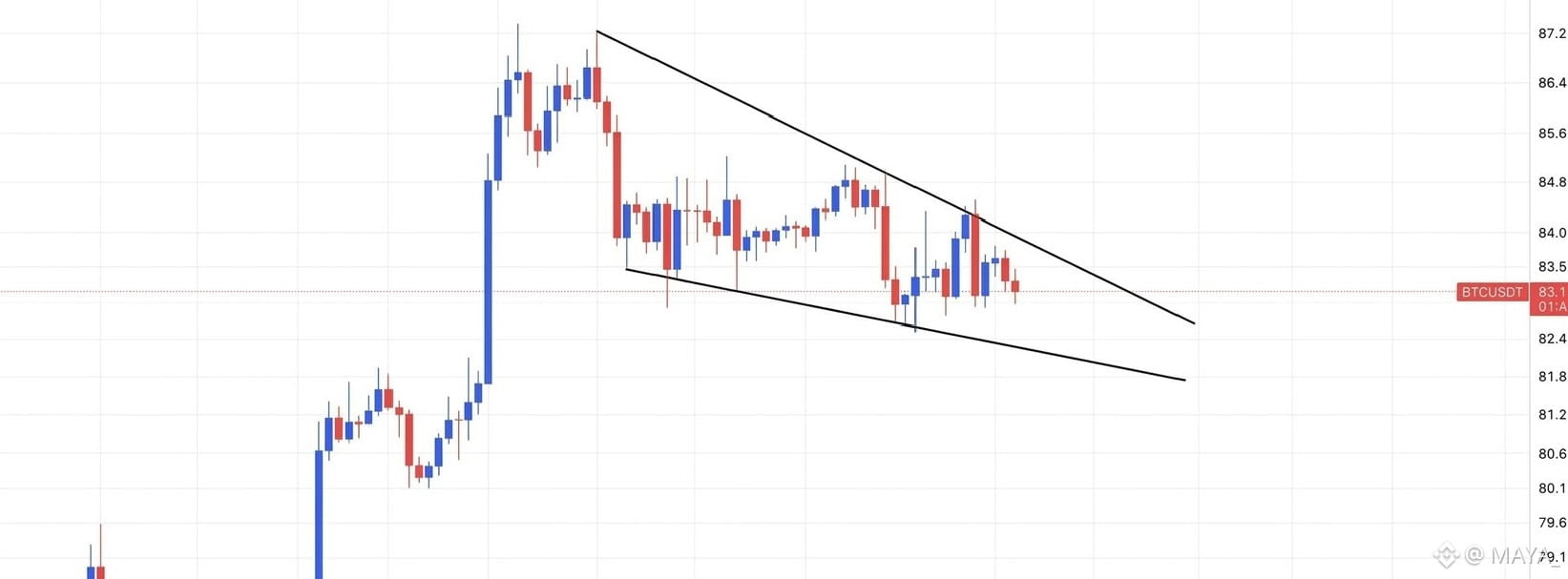
$BTC 100k قريبًا 🟢
$BTC FALLING WEDGE WATCH🟢🟢
يتداول سعر BTC داخل وتد هابط، وبصراحة فإن هذا السيناريو يصبح أكثر إثارة للاهتمام.
السيناريو الصعودي بسيط نسبيًا: إذا اخترق السعر أعلى الوتد ثم أعاد اختبار منطقة الاختراق بنجاح، فقد يفتح ذلك الباب أمام حركة أقوى بكثير إلى الأعلى.
الآن كل ما نحتاجه هو تأكيد.
$BTC 100k قريبًا 🟢
$BTC FALLING WEDGE WATCH🟢🟢
يتداول سعر BTC داخل وتد هابط، وبصراحة فإن هذا السيناريو يصبح أكثر إثارة للاهتمام.
السيناريو الصعودي بسيط نسبيًا: إذا اخترق السعر أعلى الوتد ثم أعاد اختبار منطقة الاختراق بنجاح، فقد يفتح ذلك الباب أمام حركة أقوى بكثير إلى الأعلى.
الآن كل ما نحتاجه هو تأكيد.
$BTC FALLING WEDGE WATCH🟢🟢
يتداول سعر BTC داخل وتد هابط، وبصراحة فإن هذا السيناريو يصبح أكثر إثارة للاهتمام.
السيناريو الصعودي بسيط نسبيًا: إذا اخترق السعر أعلى الوتد ثم أعاد اختبار منطقة الاختراق بنجاح، فقد يفتح ذلك الباب أمام حركة أقوى بكثير إلى الأعلى.
الآن كل ما نحتاجه هو تأكيد.
1.3k
31
111
1.3k
سجّل الدخول لاستكشاف المزيد من المُحتوى
انضم إلى مُستخدمي العملات الرقمية حول العالم على Binance Square
⚡️ احصل على أحدث المعلومات المفيدة عن العملات الرقمية.
💬 موثوقة من قبل أكبر منصّة لتداول العملات الرقمية في العالم.
👍 اكتشف الرؤى الحقيقية من صنّاع المُحتوى الموثوقين.
البريد الإلكتروني / رقم الهاتف
المواضيع الرائجة
DriftHackVictimsBeginClaims
39,991 مشاهدات
537 يقومون بالنقاش
🚨 عاجل | بدء تعويضات ضحايا اختراق بروتوكول Drift! 💸🔐
أعلن بروتوكول Drift، أبرز بورصة عقود آجلة لامركزية على شبكة Solana، عن الافتتاح الرسمي لبوابة المطالبات والاستردادات المخصصة لرمز DFX، لتعويض المستخدمين المتأثرين بالاختراق الضخم الذي وقع في 1 أبريل/نيسان.
أبرز تفاصيل خطة الاسترداد الحالية:
• حجم الخسائر الأصلية: الهجوم الذي نُفِّذ من قِبل جهات مرتبطة بكوريا الشمالية كان قد استنزف حوالي 295.4 مليون دولار.
• آلية التعويض: سيتلقى المتضررون رمز DFX مقابل كل USDT من الخسارة المثبتة في لقطة اليوم (snapshot).
• معدل الاسترداد الأولي: يبلغ التخصيص الأولي لصندوق الاسترداد نحو 3.11 مليون USDT، مما يضع معدل الاسترداد الأولي عند 0.0104 USDT فقط لكل DFX (أي أن المستخدمين سيحصلون تقريبًا على سنت واحد مقابل كل دولار في هذه المرحلة الأولى).
• المهلة الزمنية: لدى المتضررين حتى 1 يناير/كانون الثاني 2028 للمطالبة برموزهم عبر البوابة الرسمية، وبعد هذا التاريخ سيتم حرق أي جزء غير مطالب به من إجمالي إمداد DFX بشكل دائم.
#DriftHackVictimsBeginClaims
$DRIFT
الكريبتو بالمختصر
·1 إعجاب
·111 مشاهدات
SolanaTokenizedStockVolumeTops$4.4BInSeptember
5,935 مشاهدات
64 يقومون بالنقاش
BitcoinSpotETFsDraw$6.34BInflowsInQ3
18,677 مشاهدات
180 يقومون بالنقاش