
Maximo_PaMont
1.6k منشورات

Maximo_PaMont
إبلاغ
حظر المُستخدم
فتح تداول
مُتداول مُتكرر
1.7 سنوات
1.9K+ تتابع
228 المتابعون
97 إعجاب
منشورات
الحافظة الاستثمارية
الكل
اقتباسات
PINNED
مقالة
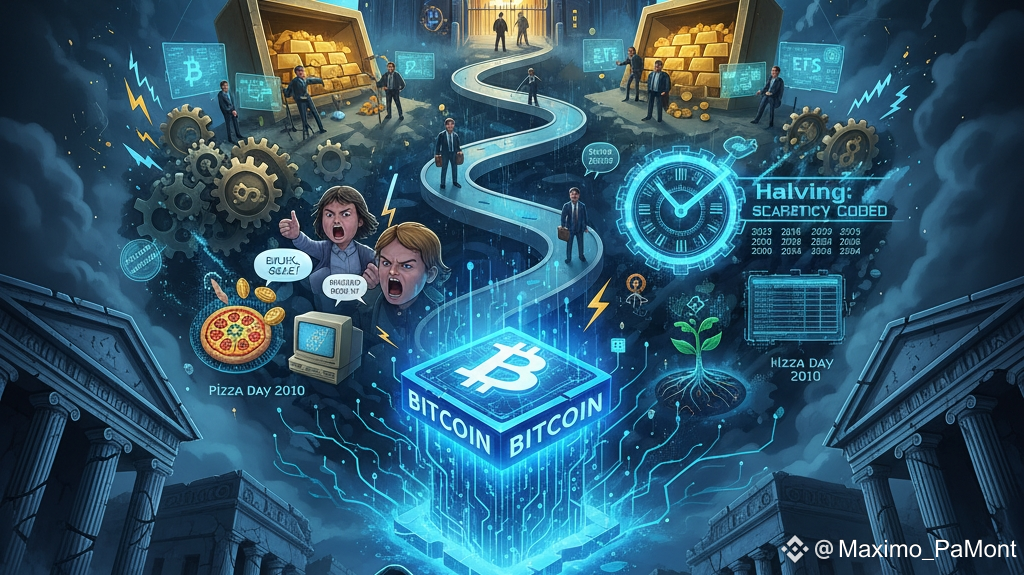
بداية الحرية: تاريخ إنساني للبيتكوينقصة البيتكوين ليست مجرد كود وأسعار؛ إنها أسطورة حديثة ولدت من خيبة الأمل، تغذيها رغبة إنسانية عميقة في الاستقلال، وتحافظ عليها ثقة جماعية في الرياضيات على حساب البشر. تاريخها هو ملحمة درامية تمتد عبر عقود، تشمل انهياراً مالياً، وشخصيات غامضة، وحروب فلسفية، وأكبر اندفاع للذهب الرقمي شهدته البشرية.
الفصل 1: ما قبل التاريخ وحلم السيبر بانك (1990 - 2008)
لم يظهر البيتكوين في فراغ. أسلافه الفلسفيون كانوا مجتمعاً من علماء التشفير، وعلماء الكمبيوتر، والنشطاء المعروفين باسم السيبر بانك. في التسعينيات، كان هؤلاء المفكرون مدركين تماماً لقوة الإنترنت المتزايدة وتوقعوا مستقبلاً حيث يمكن للحكومات والشركات تتبع كل جانب من جوانب الحياة بسهولة، وخاصة أموالنا.
بداية الحرية: تاريخ إنساني للبيتكوين
قصة البيتكوين ليست مجرد كود وأسعار؛ إنها أسطورة حديثة ولدت من خيبة الأمل، تغذيها رغبة إنسانية عميقة في الاستقلال، وتحافظ عليها ثقة جماعية في الرياضيات على حساب البشر. تاريخها هو ملحمة درامية تمتد عبر عقود، تشمل انهياراً مالياً، وشخصيات غامضة، وحروب فلسفية، وأكبر اندفاع للذهب الرقمي شهدته البشرية.
الفصل 1: ما قبل التاريخ وحلم السيبر بانك (1990 - 2008)
لم يظهر البيتكوين في فراغ. أسلافه الفلسفيون كانوا مجتمعاً من علماء التشفير، وعلماء الكمبيوتر، والنشطاء المعروفين باسم السيبر بانك. في التسعينيات، كان هؤلاء المفكرون مدركين تماماً لقوة الإنترنت المتزايدة وتوقعوا مستقبلاً حيث يمكن للحكومات والشركات تتبع كل جانب من جوانب الحياة بسهولة، وخاصة أموالنا.
الفصل 1: ما قبل التاريخ وحلم السيبر بانك (1990 - 2008)
لم يظهر البيتكوين في فراغ. أسلافه الفلسفيون كانوا مجتمعاً من علماء التشفير، وعلماء الكمبيوتر، والنشطاء المعروفين باسم السيبر بانك. في التسعينيات، كان هؤلاء المفكرون مدركين تماماً لقوة الإنترنت المتزايدة وتوقعوا مستقبلاً حيث يمكن للحكومات والشركات تتبع كل جانب من جوانب الحياة بسهولة، وخاصة أموالنا.
2
43
https://www.binance.info/en/futures/ref/1049044121
صفقة قصيرة صغيرة عند $SOL
tp 76.29
https://www.binance.info/en/futures/ref/1049044121
صفقة قصيرة صغيرة عند $SOL
tp 76.29
صفقة قصيرة صغيرة عند $SOL
tp 76.29
1
109

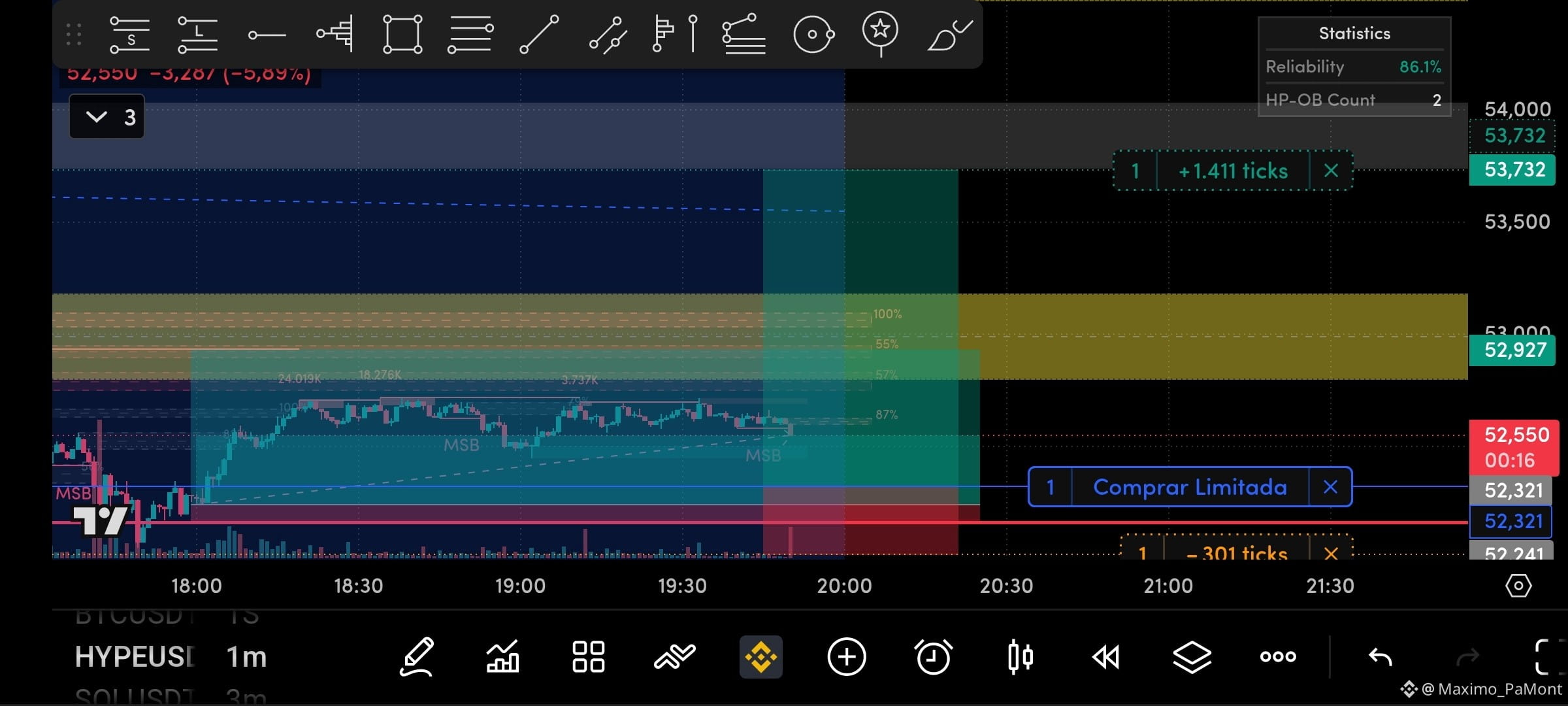
دخول محتمل في لانغ للرقم $HYPE
{future}(HYPEUSDT)
نقاط الاهتمام على الرسم البياني، خذ الأرباح عندما يفضلون، ولا يقتربون من وقف الخسارة. انتبه، لانغ مع رأس مال معرض لمخاطر منخفض جدًا لأنه عكس الاتجاه.
دخول محتمل في لانغ للرقم $HYPE
نقاط الاهتمام على الرسم البياني، خذ الأرباح عندما يفضلون، ولا يقتربون من وقف الخسارة. انتبه، لانغ مع رأس مال معرض لمخاطر منخفض جدًا لأنه عكس الاتجاه.
نقاط الاهتمام على الرسم البياني، خذ الأرباح عندما يفضلون، ولا يقتربون من وقف الخسارة. انتبه، لانغ مع رأس مال معرض لمخاطر منخفض جدًا لأنه عكس الاتجاه.
2
2
221
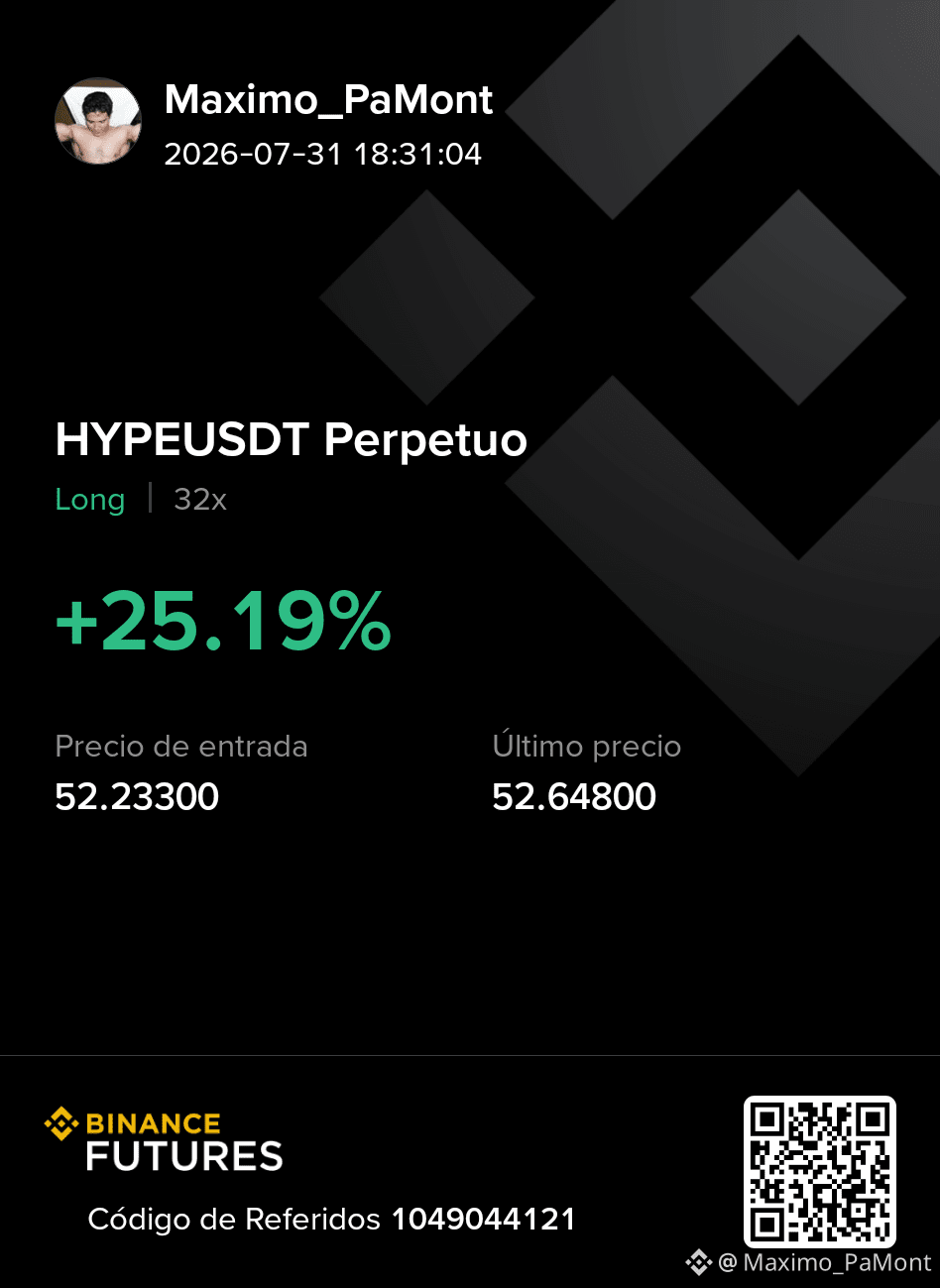
آخر سكالبينغ بنجاح في $HYPE
منطقة محمية وتم أخذ الأرباح. منتظر أن يصل إلى TP بالكامل عند 52.927.
الآن أستعد للصفقة القصيرة (short) بين 54.48 و 55.10
آخر سكالبينغ بنجاح في $HYPE
منطقة محمية وتم أخذ الأرباح. منتظر أن يصل إلى TP بالكامل عند 52.927.
الآن أستعد للصفقة القصيرة (short) بين 54.48 و 55.10
منطقة محمية وتم أخذ الأرباح. منتظر أن يصل إلى TP بالكامل عند 52.927.
الآن أستعد للصفقة القصيرة (short) بين 54.48 و 55.10
1
3
1.7k
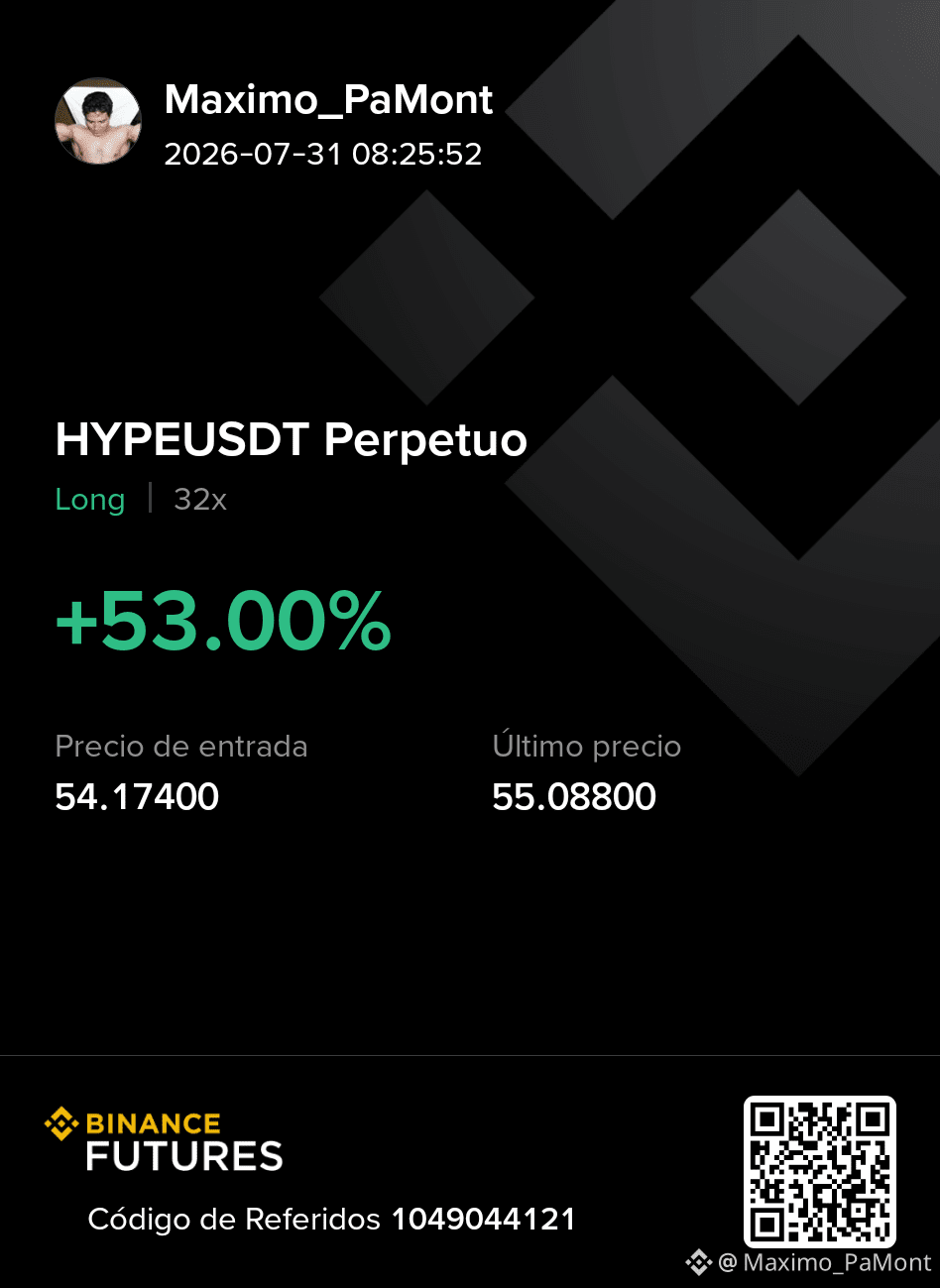
$HYPE تم الوصول إلى tp1، مع تحريك وقف الخسارة إلى نقطة التعادل
$HYPE تم الوصول إلى tp1، مع تحريك وقف الخسارة إلى نقطة التعادل
1
713
#BinanceTurns9 Binance يحتفل بمرور 9 سنوات: من أجلك
من فضلك، كل ما يلزم هو نقرة واحدة فقط، شكرًا لمساعدتك
$BNB
$BTC
#BinanceTurns9 Binance يحتفل بمرور 9 سنوات: من أجلك
من فضلك، كل ما يلزم هو نقرة واحدة فقط، شكرًا لمساعدتك
$BNB
$BTC
من فضلك، كل ما يلزم هو نقرة واحدة فقط، شكرًا لمساعدتك
$BNB
$BTC
1
#BinancePickAndWin
لا تفوّت الفرصة للمشاركة في حملة بينانس، من خلال التنبؤ بالنتائج يمكنك الفوز بجوائز مذهلة. ماذا تنتظر للمشاركة؟ هيا!!
$BNB
$BTC
#BinancePickAndWin
لا تفوّت الفرصة للمشاركة في حملة بينانس، من خلال التنبؤ بالنتائج يمكنك الفوز بجوائز مذهلة. ماذا تنتظر للمشاركة؟ هيا!!
$BNB
$BTC
لا تفوّت الفرصة للمشاركة في حملة بينانس، من خلال التنبؤ بالنتائج يمكنك الفوز بجوائز مذهلة. ماذا تنتظر للمشاركة؟ هيا!!
$BNB
$BTC
1
98
رفض واحد يدعم والآن يرتفع إلى أعلى مستوى.
$UNI
$BTC
رفض واحد يدعم والآن يرتفع إلى أعلى مستوى.
$UNI
$BTC
$UNI
$BTC
83
#BinancePickAndWin
لا تفوّت فرصة الفوز بجوائز رائعة على بينانس، كل ما عليك فعله هو التنبؤ بالنتائج والانتظار—مهام بسيطة ومكافآت كبيرة.
لا تدع الفرصة تفلت منك وشارك الآن
#BinancePickAndWin
لا تفوّت فرصة الفوز بجوائز رائعة على بينانس، كل ما عليك فعله هو التنبؤ بالنتائج والانتظار—مهام بسيطة ومكافآت كبيرة.
لا تدع الفرصة تفلت منك وشارك الآن
لا تفوّت فرصة الفوز بجوائز رائعة على بينانس، كل ما عليك فعله هو التنبؤ بالنتائج والانتظار—مهام بسيطة ومكافآت كبيرة.
لا تدع الفرصة تفلت منك وشارك الآن
77
نترقب أن يعود لإعادة اختبار مقاومة قديمة على إطار 4H
$HYPE
$BTC
نترقب أن يعود لإعادة اختبار مقاومة قديمة على إطار 4H
$HYPE
$BTC
$HYPE
$BTC
1
674
$OPN جربت المقاومة، وأرى أنها تكسرها😎
$OPN جربت المقاومة، وأرى أنها تكسرها😎
130
$LUNC في منطقة شراء، ماذا ستفعل؟
$BTC
$ETH
$LUNC في منطقة شراء، ماذا ستفعل؟
$BTC
$ETH
$BTC
$ETH
1
175
خليك مركز على $LUNC 🧐
$BTC
$BNB
خليك مركز على $LUNC 🧐
$BTC
$BNB
$BTC
$BNB
160
طويل عند $XRP
المخاطرة 1:2
دخلت متأخر لكن سنرى ماذا سيحدث🤞
$BTC
$BNB
طويل عند $XRP
المخاطرة 1:2
دخلت متأخر لكن سنرى ماذا سيحدث🤞
$BTC
$BNB
المخاطرة 1:2
دخلت متأخر لكن سنرى ماذا سيحدث🤞
$BTC
$BNB
1
185
سجّل الدخول لاستكشاف المزيد من المُحتوى
انضم إلى مُستخدمي العملات الرقمية حول العالم على Binance Square
⚡️ احصل على أحدث المعلومات المفيدة عن العملات الرقمية.
💬 موثوقة من قبل أكبر منصّة لتداول العملات الرقمية في العالم.
👍 اكتشف الرؤى الحقيقية من صنّاع المُحتوى الموثوقين.
البريد الإلكتروني / رقم الهاتف
المواضيع الرائجة
BitcoinSpotETFsNetInflow$159M
0 مشاهدات
21 يقومون بالنقاش
يبدو أن مبيعات صندوق ETF الثقيلة بدأت أخيرًا بالهدوء بعد جلستين صعبتين. 👀
💰 $BTC : تدفقات واردة +159 مليون دولار
📊 صناديق Crypto ETFs: +119 مليون دولار إجماليًا
🔻 $ETH : تدفقات خارجة -39 مليون دولار
🔥 $HYPE : تدفقات واردة +4.3 مليون دولار
بعد التقلبات الأخيرة، بدأت تدفقات صناديق ETF تبدو أكثر هدوءًا مع اقتراب نهاية الأسبوع.
👀 يستحق المتابعة ما إذا استمر هذا الاستقرار.
saqlain5972
·0 إعجاب
·121 مشاهدات
HKMAPlansWholesaleCBDCByYearEnd
2,730 مشاهدات
202 يقومون بالنقاش
NEARSurges26%Past$3.45
7,627 مشاهدات
92 يقومون بالنقاش