

Mavis Evan
31.6k منشورات

Mavis Evan
 تحقُّق Binance Square الإضافي
إبلاغ
حظر المُستخدم
Dream_1M Followers 🧠 Read the market, not the noise💧Liquidity shows intent 📊 Discipline turns analysis into profit X__Mavis054
54 تتابع
52.4K+ المتابعون
68.6K+ إعجاب
منشورات
الكل
اقتباسات
مقاطع فيديو
Live
·
--
تمّ التحقق
هل يمكن لـ Haedal Vault أن يُحسّن أسواق الإقراض على Sui؟
أطلقت Haedal للتو Lending Vault على Sui، والجزء المثير للاهتمام ليس مجرد أنها إضافة إلى منتج إقراض آخر.
الفكرة بسيطة للغاية:
deposit once، ودع الـ vault ينقّل سيولتك عبر عدة أسواق إقراض.
بدلاً من فتح بروتوكولات مختلفة، ومقارنة الأسعار، ونقل الأموال يدوياً، والمطالبة بالمكافآت بشكل متكرر، تم تصميم Haedal Lending Vault الجديد ليُنجز هذه العملية تلقائياً.
ما لفت انتباهي هو التخصيص الديناميكي.
قد تتغير شروط الإقراض. وتتغير السيولة. وتتغير الحوافز. لذا بدلاً من ترك رأس المال متوقفاً في منصة واحدة، يمكن للـ vault تعديل تخصيصه عبر أسواق الإقراض المدعومة على Sui.
تقول Haedal إن الـ vault يتصل حالياً بأسواق تشمل NAVI وCurrent وSuilend وScallop وAlphaFi، مع توفر محافظ SUI وUSDC وhaSUI.
كما يتم إعادة استثمار المكافآت تلقائياً، بحيث لا يحتاج المستخدمون إلى العودة باستمرار للمطالبة بها يدوياً وتكوين العوائد.
وهذا هو جوهر هذه الإطلاق:
إيداع واحد → عدة أسواق إقراض → تخصيص تلقائي → تكوين عوائد تلقائي.
تقوم Haedal عملياً بتحويل عدة مراكز إقراض إلى تجربة واحدة أبسط.
$HAEDAL #Haedal @HaedalProtocol
ليس نصيحة مالية.
{spot}(HAEDALUSDT)
هل يمكن لـ Haedal Vault أن يُحسّن أسواق الإقراض على Sui؟
أطلقت Haedal للتو Lending Vault على Sui، والجزء المثير للاهتمام ليس مجرد أنها إضافة إلى منتج إقراض آخر.
الفكرة بسيطة للغاية:
deposit once، ودع الـ vault ينقّل سيولتك عبر عدة أسواق إقراض.
بدلاً من فتح بروتوكولات مختلفة، ومقارنة الأسعار، ونقل الأموال يدوياً، والمطالبة بالمكافآت بشكل متكرر، تم تصميم Haedal Lending Vault الجديد ليُنجز هذه العملية تلقائياً.
ما لفت انتباهي هو التخصيص الديناميكي.
قد تتغير شروط الإقراض. وتتغير السيولة. وتتغير الحوافز. لذا بدلاً من ترك رأس المال متوقفاً في منصة واحدة، يمكن للـ vault تعديل تخصيصه عبر أسواق الإقراض المدعومة على Sui.
تقول Haedal إن الـ vault يتصل حالياً بأسواق تشمل NAVI وCurrent وSuilend وScallop وAlphaFi، مع توفر محافظ SUI وUSDC وhaSUI.
كما يتم إعادة استثمار المكافآت تلقائياً، بحيث لا يحتاج المستخدمون إلى العودة باستمرار للمطالبة بها يدوياً وتكوين العوائد.
وهذا هو جوهر هذه الإطلاق:
إيداع واحد → عدة أسواق إقراض → تخصيص تلقائي → تكوين عوائد تلقائي.
تقوم Haedal عملياً بتحويل عدة مراكز إقراض إلى تجربة واحدة أبسط.
$HAEDAL #Haedal @Haedal Protocol
ليس نصيحة مالية.
أطلقت Haedal للتو Lending Vault على Sui، والجزء المثير للاهتمام ليس مجرد أنها إضافة إلى منتج إقراض آخر.
الفكرة بسيطة للغاية:
deposit once، ودع الـ vault ينقّل سيولتك عبر عدة أسواق إقراض.
بدلاً من فتح بروتوكولات مختلفة، ومقارنة الأسعار، ونقل الأموال يدوياً، والمطالبة بالمكافآت بشكل متكرر، تم تصميم Haedal Lending Vault الجديد ليُنجز هذه العملية تلقائياً.
ما لفت انتباهي هو التخصيص الديناميكي.
قد تتغير شروط الإقراض. وتتغير السيولة. وتتغير الحوافز. لذا بدلاً من ترك رأس المال متوقفاً في منصة واحدة، يمكن للـ vault تعديل تخصيصه عبر أسواق الإقراض المدعومة على Sui.
تقول Haedal إن الـ vault يتصل حالياً بأسواق تشمل NAVI وCurrent وSuilend وScallop وAlphaFi، مع توفر محافظ SUI وUSDC وhaSUI.
كما يتم إعادة استثمار المكافآت تلقائياً، بحيث لا يحتاج المستخدمون إلى العودة باستمرار للمطالبة بها يدوياً وتكوين العوائد.
وهذا هو جوهر هذه الإطلاق:
إيداع واحد → عدة أسواق إقراض → تخصيص تلقائي → تكوين عوائد تلقائي.
تقوم Haedal عملياً بتحويل عدة مراكز إقراض إلى تجربة واحدة أبسط.
$HAEDAL #Haedal @Haedal Protocol
ليس نصيحة مالية.

23
26
916
·
--
سيستخدم THE ONE مبلغ 500 USDT كبداية لورشة عمل محلية للتثقيف في مجال العملات الرقمية! إن مشاركة المعرفة هي أفضل طريقة لدعم مجتمعنا على النمو، وفهم Web3، وتحقيق الحرية المالية معًا. لنبنِ المستقبل! #BTHEONE
سيستخدم THE ONE مبلغ 500 USDT كبداية لورشة عمل محلية للتثقيف في مجال العملات الرقمية! إن مشاركة المعرفة هي أفضل طريقة لدعم مجتمعنا على النمو، وفهم Web3، وتحقيق الحرية المالية معًا. لنبنِ المستقبل! #BTHEONE


Binance Argentina Official
·
--
🟡 500 USDT. فائز واحد. هل ستكون THE ONE؟ 👀
كيف تشارك؟ 👇
❤️ اعمل لايك لهذه المنشور.
💬 ماذا سيفعل THE ONE بالـ 500 USDT؟ اكتب ردك في التعليقات.
😉 والأمر سهل! أنت الآن تشارك في 500 USDT.⚡
📣 سنعلن اسم الفائز يوم الجمعة 25 سبتمبر
تطبق الشروط Términos y Condiciones.
كيف تشارك؟ 👇
❤️ اعمل لايك لهذه المنشور.
💬 ماذا سيفعل THE ONE بالـ 500 USDT؟ اكتب ردك في التعليقات.
😉 والأمر سهل! أنت الآن تشارك في 500 USDT.⚡
📣 سنعلن اسم الفائز يوم الجمعة 25 سبتمبر
تطبق الشروط Términos y Condiciones.
2
504
·
--
تداول $BTC 2.8K USDT خلال 30 يوم
استراتيجية مايكل سايلور هي شراء البيتكوين مرة أخرى.
اشترت الاستراتيجية 950 بيتكوين (BTC) مقابل حوالي 75.7 مليون دولار، بسعر متوسط يبلغ 79,670 دولارًا لكل بيتكوين.
ويأتي هذا الشراء ليصل إجمالي حيازات الاستراتيجية من البيتكوين إلى 846,000 BTC، تم الحصول عليها مقابل نحو 63.8 مليار دولار بتكلفة متوسطة قدرها 75,416 دولارًا لكل BTC.
ما الذي يلفت الانتباه:
• تمت إضافة 950 BTC
• تم إنفاق حوالي 75.7 مليون دولار
• أصبحت الحيازة 846,000 BTC الآن
• متوسط التكلفة: حوالي 75,416 دولارًا/BTC
• تم تمويل عملية الشراء باستخدام النقد بالدولار الأمريكي الموجود مسبقًا
سايلور ما زال يواصل التكديس.
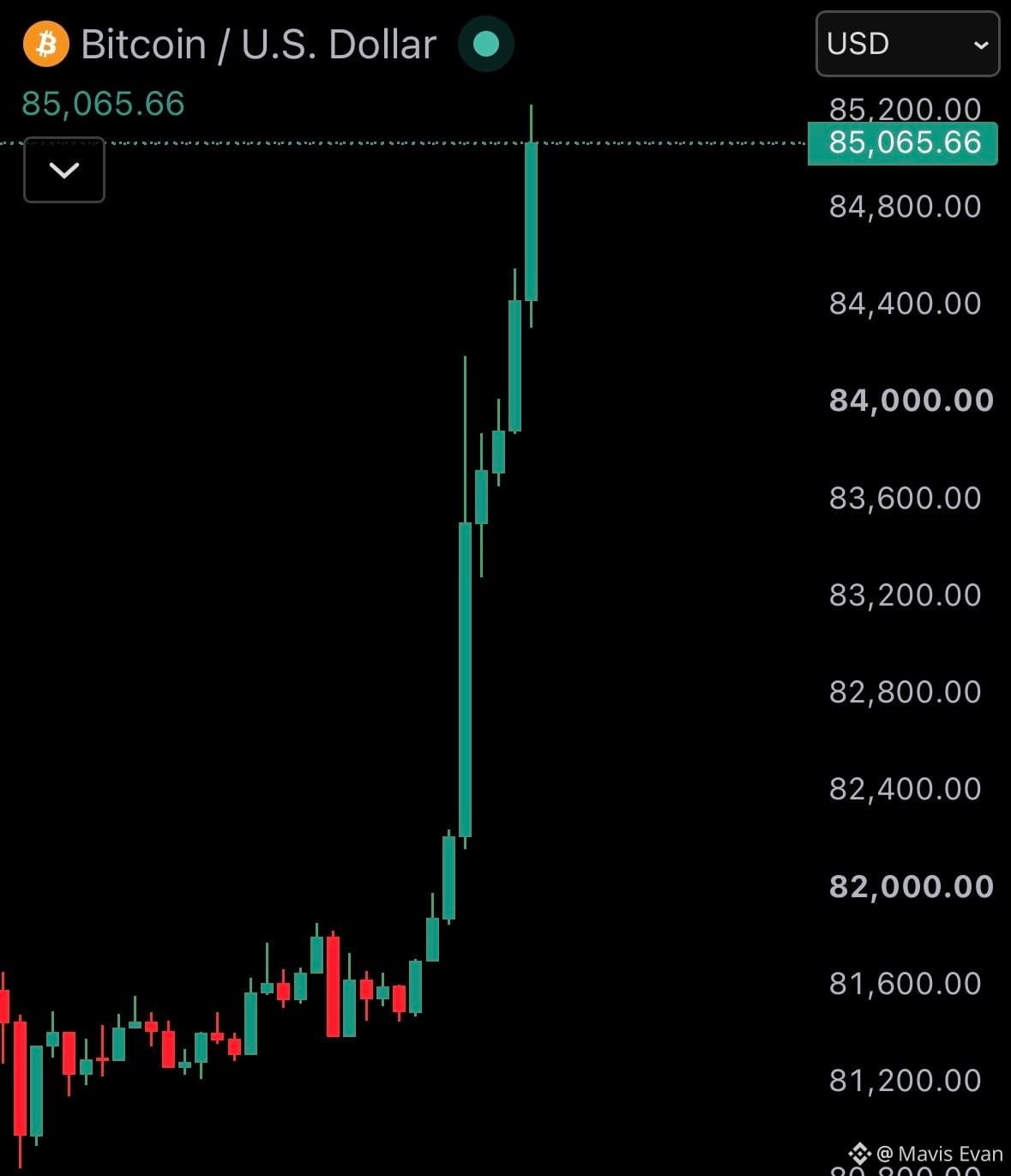
في الوقت الذي يدفع فيه البيتكوين للارتداد فوق 85 ألف دولار، تواصل الاستراتيجية إضافة المزيد من البيتكوين إلى ميزانيتها.
قصة التراكم المؤسسي ما زالت حية جدًا.
$BTC $MSTRB #Bitcoin #Crypto
استراتيجية مايكل سايلور هي شراء البيتكوين مرة أخرى.
اشترت الاستراتيجية 950 بيتكوين (BTC) مقابل حوالي 75.7 مليون دولار، بسعر متوسط يبلغ 79,670 دولارًا لكل بيتكوين.
ويأتي هذا الشراء ليصل إجمالي حيازات الاستراتيجية من البيتكوين إلى 846,000 BTC، تم الحصول عليها مقابل نحو 63.8 مليار دولار بتكلفة متوسطة قدرها 75,416 دولارًا لكل BTC.
ما الذي يلفت الانتباه:
• تمت إضافة 950 BTC
• تم إنفاق حوالي 75.7 مليون دولار
• أصبحت الحيازة 846,000 BTC الآن
• متوسط التكلفة: حوالي 75,416 دولارًا/BTC
• تم تمويل عملية الشراء باستخدام النقد بالدولار الأمريكي الموجود مسبقًا
سايلور ما زال يواصل التكديس.
في الوقت الذي يدفع فيه البيتكوين للارتداد فوق 85 ألف دولار، تواصل الاستراتيجية إضافة المزيد من البيتكوين إلى ميزانيتها.
قصة التراكم المؤسسي ما زالت حية جدًا.
$BTC $MSTRB #Bitcoin #Crypto
اشترت الاستراتيجية 950 بيتكوين (BTC) مقابل حوالي 75.7 مليون دولار، بسعر متوسط يبلغ 79,670 دولارًا لكل بيتكوين.
ويأتي هذا الشراء ليصل إجمالي حيازات الاستراتيجية من البيتكوين إلى 846,000 BTC، تم الحصول عليها مقابل نحو 63.8 مليار دولار بتكلفة متوسطة قدرها 75,416 دولارًا لكل BTC.
ما الذي يلفت الانتباه:
• تمت إضافة 950 BTC
• تم إنفاق حوالي 75.7 مليون دولار
• أصبحت الحيازة 846,000 BTC الآن
• متوسط التكلفة: حوالي 75,416 دولارًا/BTC
• تم تمويل عملية الشراء باستخدام النقد بالدولار الأمريكي الموجود مسبقًا
سايلور ما زال يواصل التكديس.
في الوقت الذي يدفع فيه البيتكوين للارتداد فوق 85 ألف دولار، تواصل الاستراتيجية إضافة المزيد من البيتكوين إلى ميزانيتها.
قصة التراكم المؤسسي ما زالت حية جدًا.
$BTC $MSTRB #Bitcoin #Crypto

1
258
·
--
صاعد
تداول $BTC 2.8K USDT خلال 30 يوم
عاجل: تشتري «استراتيجية» مايكل سايلور 950 بيتكوين بقيمة 80 مليون دولار.
#NEARRisesNearly80%InAWeek $BTC
عاجل: تشتري «استراتيجية» مايكل سايلور 950 بيتكوين بقيمة 80 مليون دولار.
#NEARRisesNearly80%InAWeek $BTC
#NEARRisesNearly80%InAWeek $BTC
136
·
--
صاعد
تداول $BTC 2.8K USDT خلال 30 يوم
ارتفع سعر البيتكوين بنسبة 17.5% هذا الشهر، رغم فشل الكونغرس في تمرير قانون Crypto Clarity.
في 15 سبتمبر، فشلت جلسة مجلس الشيوخ في المضيّ قدماً بالمشروع.
ثم تحرّكت الجهات التنظيمية بسرعة:
17 سبتمبر: وافقت هيئة الأوراق المالية والبورصات (SEC) على تداول سلاسل محدودة على السلسلة للأوراق المالية المُمثّلة برموز تحت إعفاء مؤقت.
17 سبتمبر: سمحت هيئة تداول السلع الآجلة (CFTC) للمطوّرين ببناء برمجيات مشتقات سلبية دون التسجيل كوسطاء، بما في ذلك لأسواق العملات المشفرة.
18 سبتمبر: قدّمت هيئة تداول السلع الآجلة (CFTC) بدءاً لإصدار قواعد جديدة للمعاملات والأسواق الخاصة بالعملات المشفرة.
$BTC
{future}(BTCUSDT)
ارتفع سعر البيتكوين بنسبة 17.5% هذا الشهر، رغم فشل الكونغرس في تمرير قانون Crypto Clarity.
في 15 سبتمبر، فشلت جلسة مجلس الشيوخ في المضيّ قدماً بالمشروع.
ثم تحرّكت الجهات التنظيمية بسرعة:
17 سبتمبر: وافقت هيئة الأوراق المالية والبورصات (SEC) على تداول سلاسل محدودة على السلسلة للأوراق المالية المُمثّلة برموز تحت إعفاء مؤقت.
17 سبتمبر: سمحت هيئة تداول السلع الآجلة (CFTC) للمطوّرين ببناء برمجيات مشتقات سلبية دون التسجيل كوسطاء، بما في ذلك لأسواق العملات المشفرة.
18 سبتمبر: قدّمت هيئة تداول السلع الآجلة (CFTC) بدءاً لإصدار قواعد جديدة للمعاملات والأسواق الخاصة بالعملات المشفرة.
$BTC
في 15 سبتمبر، فشلت جلسة مجلس الشيوخ في المضيّ قدماً بالمشروع.
ثم تحرّكت الجهات التنظيمية بسرعة:
17 سبتمبر: وافقت هيئة الأوراق المالية والبورصات (SEC) على تداول سلاسل محدودة على السلسلة للأوراق المالية المُمثّلة برموز تحت إعفاء مؤقت.
17 سبتمبر: سمحت هيئة تداول السلع الآجلة (CFTC) للمطوّرين ببناء برمجيات مشتقات سلبية دون التسجيل كوسطاء، بما في ذلك لأسواق العملات المشفرة.
18 سبتمبر: قدّمت هيئة تداول السلع الآجلة (CFTC) بدءاً لإصدار قواعد جديدة للمعاملات والأسواق الخاصة بالعملات المشفرة.
$BTC
191
·
--
هل سيتسبب مؤشر أسعار المستهلكين في رفع الفائدة؟
هنا تصبح الأمور أكثر إثارة للاهتمام.
أحدث أرقام مؤشر أسعار المستهلكين لم تكن بالضبط ما كان السوق يرغب في رؤيته، لكنني لا أعتقد أن القصة بهذه البساطة: «مؤشر أسعار مرتفع = رفع فائدة مضمون».
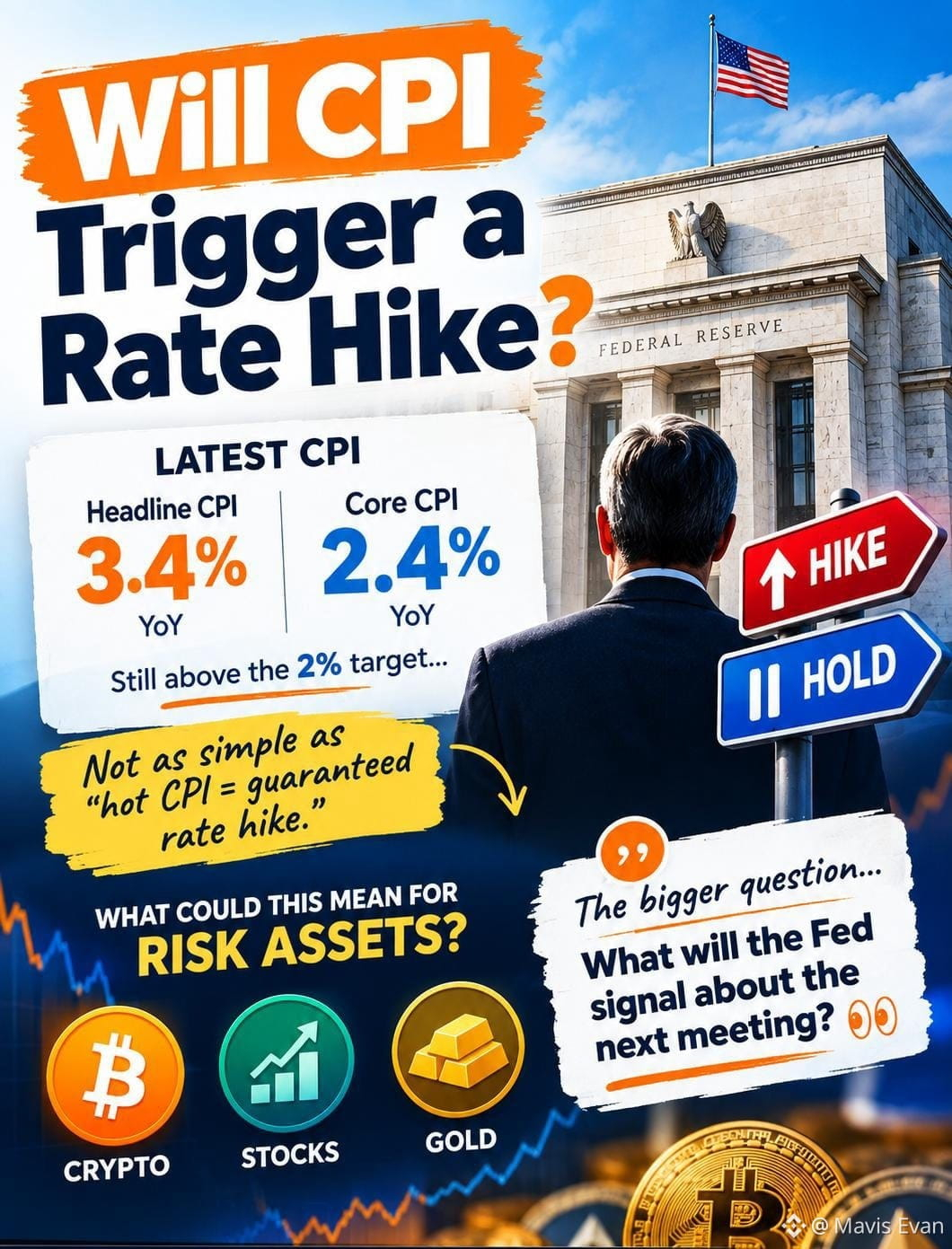
وصل مؤشر أسعار المستهلكين الرئيسي إلى 3.4% سنويًا، بينما بلغ مؤشر أسعار المستهلكين الأساسي 2.4%.
نعم، ما زالت التضخمات أعلى من هدف الاحتياطي الفيدرالي البالغ 2%، لكن بعض الضغط الأخير يأتي من أسعار الطاقة، في حين تظل أجزاء من تضخم السلع الأساسية منخفضة نسبيًا.
رويترز +1
وهذا هو السبب في أنني أراقب رد فعل الاحتياطي الفيدرالي عن كثب.
أظهر سوق العمل بعض المرونة، لكن الاحتياطي الفيدرالي يجب أيضًا أن يأخذ في الاعتبار كيف تؤثر الفوائد المرتفعة على المستهلكين والشركات والنمو.
رأيي؟
أنا لست متشائمًا بشكل أعمى هنا.
إذا أبقى الاحتياطي الفيدرالي على الفائدة، فقد يفسرها السوق على أنها إشارة إلى أن صناع السياسات ما زالوا يعتقدون أن التضخم يمكن أن يبرد دون خطوة أكثر تشددًا.
قد يؤدي ذلك إلى رد فعل قوي عبر الأصول ذات المخاطر.
قد تصبح العملات الرقمية والأسهم والذهب كلها مثيرة للاهتمام، اعتمادًا على نبرة الاحتياطي الفيدرالي.
بالنسبة لي، السؤال الأكبر ليس فقط: «رفع أم إبقاء؟»
بل هو:
ماذا سيُلمّح إليه الاحتياطي الفيدرالي بشأن الاجتماع القادم؟
#CPIWatch #Bitcoin #Crypto #Fed #Inflation
هل سيتسبب مؤشر أسعار المستهلكين في رفع الفائدة؟
هنا تصبح الأمور أكثر إثارة للاهتمام.
أحدث أرقام مؤشر أسعار المستهلكين لم تكن بالضبط ما كان السوق يرغب في رؤيته، لكنني لا أعتقد أن القصة بهذه البساطة: «مؤشر أسعار مرتفع = رفع فائدة مضمون».
وصل مؤشر أسعار المستهلكين الرئيسي إلى 3.4% سنويًا، بينما بلغ مؤشر أسعار المستهلكين الأساسي 2.4%.
نعم، ما زالت التضخمات أعلى من هدف الاحتياطي الفيدرالي البالغ 2%، لكن بعض الضغط الأخير يأتي من أسعار الطاقة، في حين تظل أجزاء من تضخم السلع الأساسية منخفضة نسبيًا.
رويترز +1
وهذا هو السبب في أنني أراقب رد فعل الاحتياطي الفيدرالي عن كثب.
أظهر سوق العمل بعض المرونة، لكن الاحتياطي الفيدرالي يجب أيضًا أن يأخذ في الاعتبار كيف تؤثر الفوائد المرتفعة على المستهلكين والشركات والنمو.
رأيي؟
أنا لست متشائمًا بشكل أعمى هنا.
إذا أبقى الاحتياطي الفيدرالي على الفائدة، فقد يفسرها السوق على أنها إشارة إلى أن صناع السياسات ما زالوا يعتقدون أن التضخم يمكن أن يبرد دون خطوة أكثر تشددًا.
قد يؤدي ذلك إلى رد فعل قوي عبر الأصول ذات المخاطر.
قد تصبح العملات الرقمية والأسهم والذهب كلها مثيرة للاهتمام، اعتمادًا على نبرة الاحتياطي الفيدرالي.
بالنسبة لي، السؤال الأكبر ليس فقط: «رفع أم إبقاء؟»
بل هو:
ماذا سيُلمّح إليه الاحتياطي الفيدرالي بشأن الاجتماع القادم؟
#CPIWatch #Bitcoin #Crypto #Fed #Inflation
هنا تصبح الأمور أكثر إثارة للاهتمام.
أحدث أرقام مؤشر أسعار المستهلكين لم تكن بالضبط ما كان السوق يرغب في رؤيته، لكنني لا أعتقد أن القصة بهذه البساطة: «مؤشر أسعار مرتفع = رفع فائدة مضمون».
وصل مؤشر أسعار المستهلكين الرئيسي إلى 3.4% سنويًا، بينما بلغ مؤشر أسعار المستهلكين الأساسي 2.4%.
نعم، ما زالت التضخمات أعلى من هدف الاحتياطي الفيدرالي البالغ 2%، لكن بعض الضغط الأخير يأتي من أسعار الطاقة، في حين تظل أجزاء من تضخم السلع الأساسية منخفضة نسبيًا.
رويترز +1
وهذا هو السبب في أنني أراقب رد فعل الاحتياطي الفيدرالي عن كثب.
أظهر سوق العمل بعض المرونة، لكن الاحتياطي الفيدرالي يجب أيضًا أن يأخذ في الاعتبار كيف تؤثر الفوائد المرتفعة على المستهلكين والشركات والنمو.
رأيي؟
أنا لست متشائمًا بشكل أعمى هنا.
إذا أبقى الاحتياطي الفيدرالي على الفائدة، فقد يفسرها السوق على أنها إشارة إلى أن صناع السياسات ما زالوا يعتقدون أن التضخم يمكن أن يبرد دون خطوة أكثر تشددًا.
قد يؤدي ذلك إلى رد فعل قوي عبر الأصول ذات المخاطر.
قد تصبح العملات الرقمية والأسهم والذهب كلها مثيرة للاهتمام، اعتمادًا على نبرة الاحتياطي الفيدرالي.
بالنسبة لي، السؤال الأكبر ليس فقط: «رفع أم إبقاء؟»
بل هو:
ماذا سيُلمّح إليه الاحتياطي الفيدرالي بشأن الاجتماع القادم؟
#CPIWatch #Bitcoin #Crypto #Fed #Inflation
1
615
·
--
$ETH , $BTC , $BNB و $ZEC تعرضان الآن نفس نمط السعر.
اندفاع قوي للأعلى → مسح للسيولة → رفض → تراجع.
الجزء المثير للاهتمام هو أن الرسوم البيانية الأربعة تطبع بنيةً متشابهة جدًا على إطار 1H.
هذا لا يعني تلقائيًا حدوث هبوط.
بل يعني أن السوق يختبر ما إذا كانت مستويات الاختراق تلك يمكن أن تبقى صامدة بعد أول حركة عدوانية.
إذا دافع المشترون عن التراجع، فقد تأتي موجة صعود أخرى بسرعة.
إذا انكسر الدعم، فقد تتحول تلك القفزة كاملة إلى عملية سحب سيولة.
أنا أتابع ردة الفعل بعد التراجع، لا ألاحق الشمعة.
$BTC
$ETH
$BNB
$ZEC
نفس الإعداد. عملات مختلفة.
#CPIWatch #BNBTops730USDT
$ETH , $BTC , $BNB و $ZEC تعرضان الآن نفس نمط السعر.
اندفاع قوي للأعلى → مسح للسيولة → رفض → تراجع.
الجزء المثير للاهتمام هو أن الرسوم البيانية الأربعة تطبع بنيةً متشابهة جدًا على إطار 1H.
هذا لا يعني تلقائيًا حدوث هبوط.
بل يعني أن السوق يختبر ما إذا كانت مستويات الاختراق تلك يمكن أن تبقى صامدة بعد أول حركة عدوانية.
إذا دافع المشترون عن التراجع، فقد تأتي موجة صعود أخرى بسرعة.
إذا انكسر الدعم، فقد تتحول تلك القفزة كاملة إلى عملية سحب سيولة.
أنا أتابع ردة الفعل بعد التراجع، لا ألاحق الشمعة.
$BTC
$ETH
$BNB
$ZEC
نفس الإعداد. عملات مختلفة.
#CPIWatch #BNBTops730USDT
اندفاع قوي للأعلى → مسح للسيولة → رفض → تراجع.
الجزء المثير للاهتمام هو أن الرسوم البيانية الأربعة تطبع بنيةً متشابهة جدًا على إطار 1H.
هذا لا يعني تلقائيًا حدوث هبوط.
بل يعني أن السوق يختبر ما إذا كانت مستويات الاختراق تلك يمكن أن تبقى صامدة بعد أول حركة عدوانية.
إذا دافع المشترون عن التراجع، فقد تأتي موجة صعود أخرى بسرعة.
إذا انكسر الدعم، فقد تتحول تلك القفزة كاملة إلى عملية سحب سيولة.
أنا أتابع ردة الفعل بعد التراجع، لا ألاحق الشمعة.
$BTC
$ETH
$BNB
$ZEC
نفس الإعداد. عملات مختلفة.
#CPIWatch #BNBTops730USDT


2
5
1.3k
·
--
صاعد
تداول $ZEC 96.7 USDT خلال 30 يوم
$ZEC LONG
تُظهر ZEC زخمًا قويًا بعد اختراقها نطاق التجميع السابق. السعر الآن يتمركز حول 1,090$، لذا فإن هذه المنطقة مهمة.
الدخول: 1,090$–1,110$
SL: 775$
TP1: 1,400$
TP2: 1,600$
TP3: 2,000$
TP4: 2,400+$
إذا استمرت ZEC في الثبات فوق 1,090$، فقد تصبح الخطوة التالية للأعلى أكثر حدة.
يبقى السيناريو صاعدًا طالما أن دعامة الدعم الرئيسية مستمرة.
أدر مخاطر. لا تطارد الشموع الخضراء. 📈
#zec #zcash #crypto #Trading #Altcoins
$ZEC
{future}(ZECUSDT)
$ZEC LONG
تُظهر ZEC زخمًا قويًا بعد اختراقها نطاق التجميع السابق. السعر الآن يتمركز حول 1,090$، لذا فإن هذه المنطقة مهمة.
الدخول: 1,090$–1,110$
SL: 775$
TP1: 1,400$
TP2: 1,600$
TP3: 2,000$
TP4: 2,400+$
إذا استمرت ZEC في الثبات فوق 1,090$، فقد تصبح الخطوة التالية للأعلى أكثر حدة.
يبقى السيناريو صاعدًا طالما أن دعامة الدعم الرئيسية مستمرة.
أدر مخاطر. لا تطارد الشموع الخضراء. 📈
#zec #zcash #crypto #Trading #Altcoins
$ZEC
تُظهر ZEC زخمًا قويًا بعد اختراقها نطاق التجميع السابق. السعر الآن يتمركز حول 1,090$، لذا فإن هذه المنطقة مهمة.
الدخول: 1,090$–1,110$
SL: 775$
TP1: 1,400$
TP2: 1,600$
TP3: 2,000$
TP4: 2,400+$
إذا استمرت ZEC في الثبات فوق 1,090$، فقد تصبح الخطوة التالية للأعلى أكثر حدة.
يبقى السيناريو صاعدًا طالما أن دعامة الدعم الرئيسية مستمرة.
أدر مخاطر. لا تطارد الشموع الخضراء. 📈
#zec #zcash #crypto #Trading #Altcoins
$ZEC

3
559
·
--
صاعد
شراء $ETH 662.9 USDT
$ETH LONG
يقوم <span>ETH</span> بالحفاظ على منطقة 2,460 دولار بعد حركة صعود قوية. لا تزال البنية اليومية تبدو صعودية طالما أن مستوى الدعم المحدد ما زال قائمًا.
الدخول: 2,460–2,470 دولار
وقف الخسارة: 2,310 دولار
الهدف 1: 2,600 دولار
الهدف 2: 2,800 دولار
الهدف 3: 3,000 دولار
الهدف 4: 3,200+ دولار
إذا استعاد <span>ETH</span> 2,600 دولار بقوة، أتوقع تسارع الزخم.
إبطال الفكرة: الإغلاق اليومي تحت 2,310 دولار.
نفّذ الصفقة حسب الإعداد وادِر المخاطر.
#ETH #Ethereum #ETHUSDT #crypto #Trading
$ETH
$ETH LONG
يقوم <span>ETH</span> بالحفاظ على منطقة 2,460 دولار بعد حركة صعود قوية. لا تزال البنية اليومية تبدو صعودية طالما أن مستوى الدعم المحدد ما زال قائمًا.
الدخول: 2,460–2,470 دولار
وقف الخسارة: 2,310 دولار
الهدف 1: 2,600 دولار
الهدف 2: 2,800 دولار
الهدف 3: 3,000 دولار
الهدف 4: 3,200+ دولار
إذا استعاد <span>ETH</span> 2,600 دولار بقوة، أتوقع تسارع الزخم.
إبطال الفكرة: الإغلاق اليومي تحت 2,310 دولار.
نفّذ الصفقة حسب الإعداد وادِر المخاطر.
#ETH #Ethereum #ETHUSDT #crypto #Trading
$ETH
يقوم <span>ETH</span> بالحفاظ على منطقة 2,460 دولار بعد حركة صعود قوية. لا تزال البنية اليومية تبدو صعودية طالما أن مستوى الدعم المحدد ما زال قائمًا.
الدخول: 2,460–2,470 دولار
وقف الخسارة: 2,310 دولار
الهدف 1: 2,600 دولار
الهدف 2: 2,800 دولار
الهدف 3: 3,000 دولار
الهدف 4: 3,200+ دولار
إذا استعاد <span>ETH</span> 2,600 دولار بقوة، أتوقع تسارع الزخم.
إبطال الفكرة: الإغلاق اليومي تحت 2,310 دولار.
نفّذ الصفقة حسب الإعداد وادِر المخاطر.
#ETH #Ethereum #ETHUSDT #crypto #Trading
$ETH

6
1.2k
·
--
صاعد
$BTC LONG
يُمسك البيتكوين منطقة الدعم الرئيسية حول $72.7K–$77K، ويبدو أن البنية بدأت تصبح مثيرة للاهتمام.
إذا واصل BTC الدفاع عن هذه المنطقة وكسر فوق المقاومة الأخيرة، فقد تستهدف الحركة التالية الكبرى:
TP1: $84K
TP2: $92K
TP3: $100K
TP4: $105.6K
الإلغاء: تحت $72.7K
أنا أراقب هذا الإعداد عن كثب. اختراقٌ واضح واحد قد يدفع BTC إلى أعلى بكثير.
#BTC #Bitcoin #crypto #Trading
{future}(BTCUSDT)
$BTC LONG
يُمسك البيتكوين منطقة الدعم الرئيسية حول $72.7K–$77K، ويبدو أن البنية بدأت تصبح مثيرة للاهتمام.
إذا واصل BTC الدفاع عن هذه المنطقة وكسر فوق المقاومة الأخيرة، فقد تستهدف الحركة التالية الكبرى:
TP1: $84K
TP2: $92K
TP3: $100K
TP4: $105.6K
الإلغاء: تحت $72.7K
أنا أراقب هذا الإعداد عن كثب. اختراقٌ واضح واحد قد يدفع BTC إلى أعلى بكثير.
#BTC #Bitcoin #crypto #Trading
يُمسك البيتكوين منطقة الدعم الرئيسية حول $72.7K–$77K، ويبدو أن البنية بدأت تصبح مثيرة للاهتمام.
إذا واصل BTC الدفاع عن هذه المنطقة وكسر فوق المقاومة الأخيرة، فقد تستهدف الحركة التالية الكبرى:
TP1: $84K
TP2: $92K
TP3: $100K
TP4: $105.6K
الإلغاء: تحت $72.7K
أنا أراقب هذا الإعداد عن كثب. اختراقٌ واضح واحد قد يدفع BTC إلى أعلى بكثير.
#BTC #Bitcoin #crypto #Trading

4
913
·
--
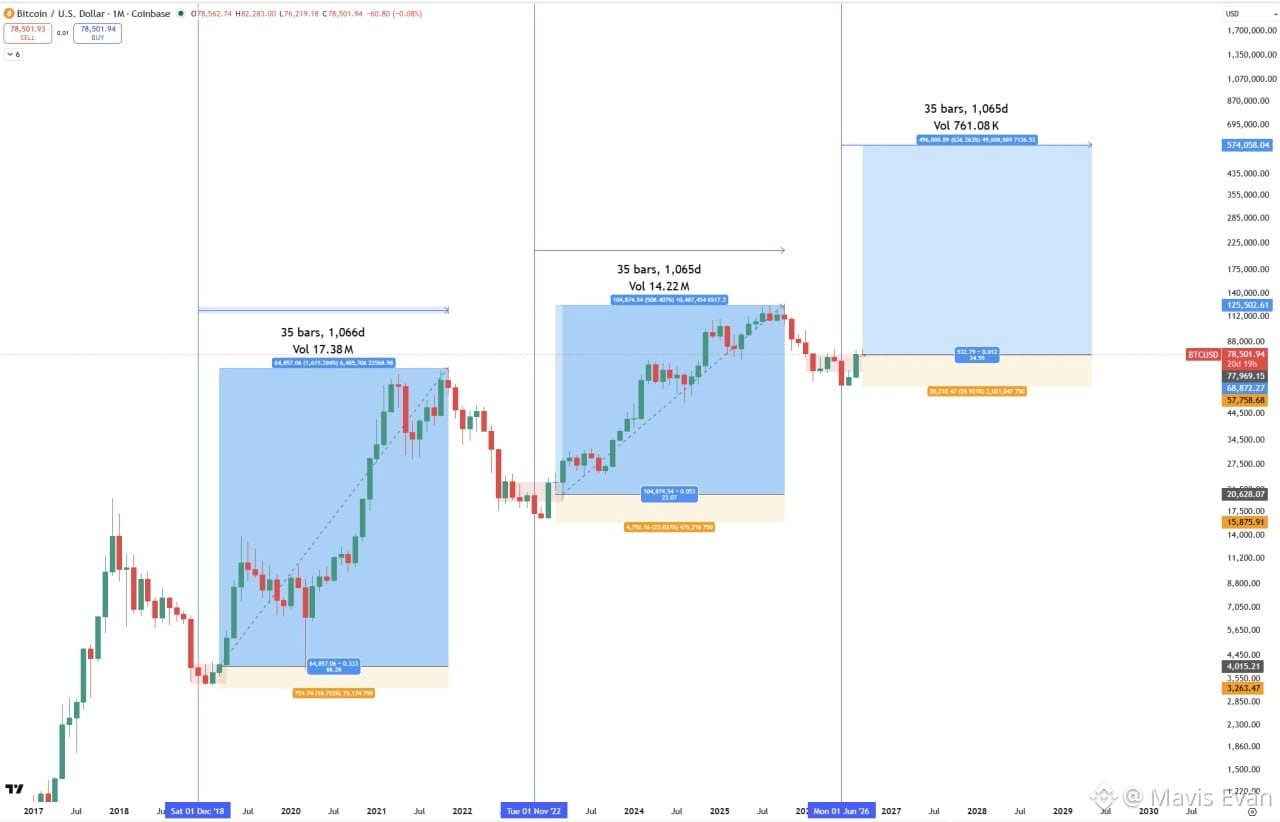
بيتكوين: ربما ندخل دورة صعود (بول رن) جديدة لمدة 1,000 يوم
انظر إلى البنية، لا إلى الضجيج.
يُظهر هذا الرسم البياني شيئًا مثيرًا للاهتمام.
استمرت أرجل كبرى سابقة لأسواق البيتكوين الصاعدة تقريبًا 1,065 يومًا.
🔹 2018 → 2021
🔹 2022 → 2025
🔹 والاسقاط الحالي يتبع بنية زمنية مشابهة.
النمط على الرسم البياني يكاد يقول:
35 شريطًا شهريًا ≈ 1,065 يومًا.
إذا تَكرّر التاريخ مرة أخرى، فقد يكون لهذا الدورة مسار أطول بكثير مما يتوقعه معظم الناس.
والصعود المتوقع عدواني.
🎯 الهدف المحتمل: ~$574,000 بيتكوين
لكن هذا لا يعني أن البيتكوين مضمونة الوصول إلى 574 ألف دولار.
الأسواق لا تتحرك فقط لأن مخططًا يقول ذلك.
لكن الجزء المثير للاهتمام هو تماثل الزمن.
قد لا نكون أمام اندفاعة قصيرة لمدة 3–6 أشهر.
قد نكون أمام مرحلة توسع تمتد لسنوات، حيث تُقنع كل موجة هبوط مصغّرة الناس بأن السوق الصاعد انتهى، فقط لكي تستمر BTC في مواصلة الصعود التدريجي.
أكبر خطأ سيكون افتراض:
"$BTC لقد صعدت الجنيّة عبر بالفعل، لذلك انتهت الدورة."
ربما لا.
إذا استمر هذا التوقيت التاريخي، فقد تصبح 2026–2029 هي الاختبار الحقيقي للصبر.
78 ألف دولار اليوم قد تبدو مختلفة جدًا عن 78 ألف دولار بعد ثلاث سنوات.
1000+ يوم من بنية صعودية.
هذه هي الأطروحة.
الآن راقب البنية.
ليس المشاعر.
#Bitcoin #BTC #Crypto #BullMarket #BTCUSD
بيتكوين: ربما ندخل دورة صعود (بول رن) جديدة لمدة 1,000 يوم
انظر إلى البنية، لا إلى الضجيج.
يُظهر هذا الرسم البياني شيئًا مثيرًا للاهتمام.
استمرت أرجل كبرى سابقة لأسواق البيتكوين الصاعدة تقريبًا 1,065 يومًا.
🔹 2018 → 2021
🔹 2022 → 2025
🔹 والاسقاط الحالي يتبع بنية زمنية مشابهة.
النمط على الرسم البياني يكاد يقول:
35 شريطًا شهريًا ≈ 1,065 يومًا.
إذا تَكرّر التاريخ مرة أخرى، فقد يكون لهذا الدورة مسار أطول بكثير مما يتوقعه معظم الناس.
والصعود المتوقع عدواني.
🎯 الهدف المحتمل: ~$574,000 بيتكوين
لكن هذا لا يعني أن البيتكوين مضمونة الوصول إلى 574 ألف دولار.
الأسواق لا تتحرك فقط لأن مخططًا يقول ذلك.
لكن الجزء المثير للاهتمام هو تماثل الزمن.
قد لا نكون أمام اندفاعة قصيرة لمدة 3–6 أشهر.
قد نكون أمام مرحلة توسع تمتد لسنوات، حيث تُقنع كل موجة هبوط مصغّرة الناس بأن السوق الصاعد انتهى، فقط لكي تستمر BTC في مواصلة الصعود التدريجي.
أكبر خطأ سيكون افتراض:
"$BTC لقد صعدت الجنيّة عبر بالفعل، لذلك انتهت الدورة."
ربما لا.
إذا استمر هذا التوقيت التاريخي، فقد تصبح 2026–2029 هي الاختبار الحقيقي للصبر.
78 ألف دولار اليوم قد تبدو مختلفة جدًا عن 78 ألف دولار بعد ثلاث سنوات.
1000+ يوم من بنية صعودية.
هذه هي الأطروحة.
الآن راقب البنية.
ليس المشاعر.
#Bitcoin #BTC #Crypto #BullMarket #BTCUSD
انظر إلى البنية، لا إلى الضجيج.
يُظهر هذا الرسم البياني شيئًا مثيرًا للاهتمام.
استمرت أرجل كبرى سابقة لأسواق البيتكوين الصاعدة تقريبًا 1,065 يومًا.
🔹 2018 → 2021
🔹 2022 → 2025
🔹 والاسقاط الحالي يتبع بنية زمنية مشابهة.
النمط على الرسم البياني يكاد يقول:
35 شريطًا شهريًا ≈ 1,065 يومًا.
إذا تَكرّر التاريخ مرة أخرى، فقد يكون لهذا الدورة مسار أطول بكثير مما يتوقعه معظم الناس.
والصعود المتوقع عدواني.
🎯 الهدف المحتمل: ~$574,000 بيتكوين
لكن هذا لا يعني أن البيتكوين مضمونة الوصول إلى 574 ألف دولار.
الأسواق لا تتحرك فقط لأن مخططًا يقول ذلك.
لكن الجزء المثير للاهتمام هو تماثل الزمن.
قد لا نكون أمام اندفاعة قصيرة لمدة 3–6 أشهر.
قد نكون أمام مرحلة توسع تمتد لسنوات، حيث تُقنع كل موجة هبوط مصغّرة الناس بأن السوق الصاعد انتهى، فقط لكي تستمر BTC في مواصلة الصعود التدريجي.
أكبر خطأ سيكون افتراض:
"$BTC لقد صعدت الجنيّة عبر بالفعل، لذلك انتهت الدورة."
ربما لا.
إذا استمر هذا التوقيت التاريخي، فقد تصبح 2026–2029 هي الاختبار الحقيقي للصبر.
78 ألف دولار اليوم قد تبدو مختلفة جدًا عن 78 ألف دولار بعد ثلاث سنوات.
1000+ يوم من بنية صعودية.
هذه هي الأطروحة.
الآن راقب البنية.
ليس المشاعر.
#Bitcoin #BTC #Crypto #BullMarket #BTCUSD
2
3
1.2k
·
--
تداول $ZEC 96.7 USDT خلال 30 يوم
$ZEC أضف المزيد من الطول
إذا كنت تنتظر التحرك، فقد لا يتبقى لديك وقت طويل.
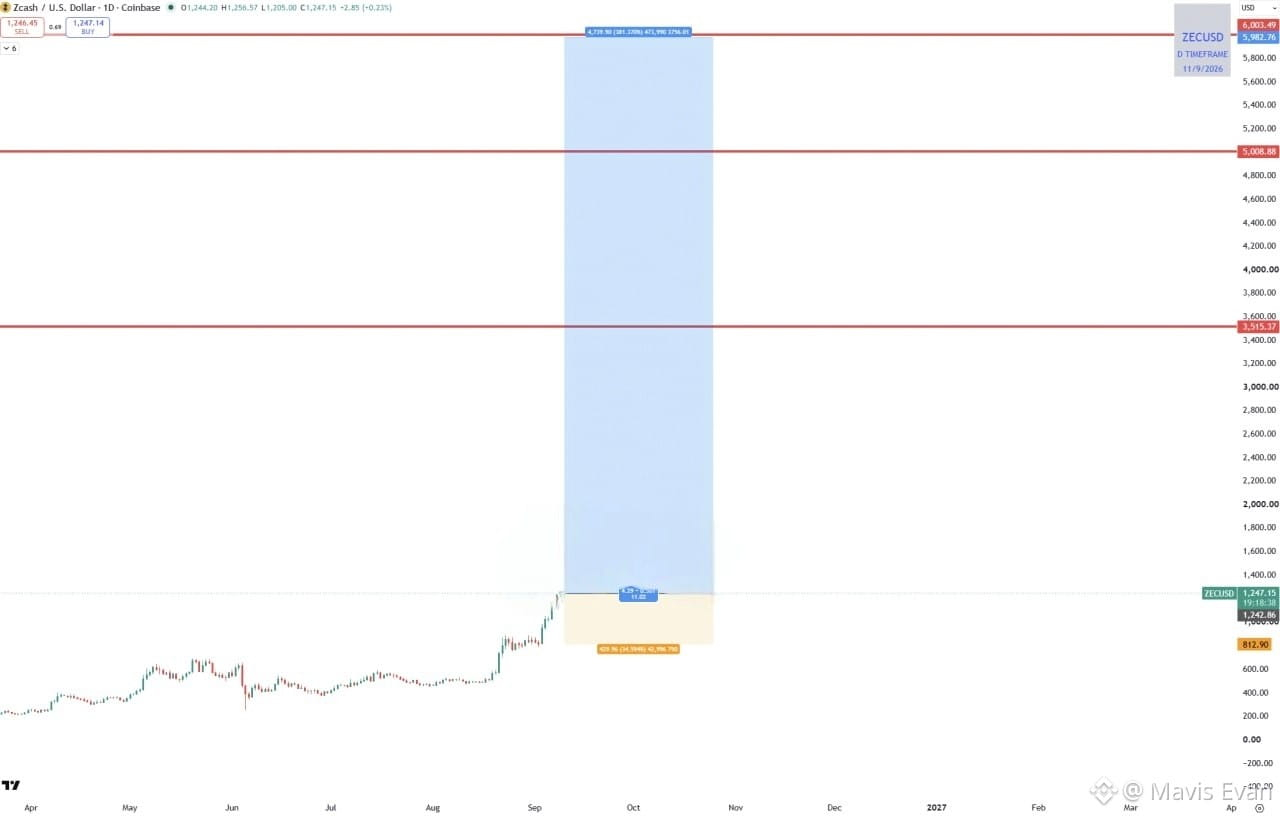
يُظهر الرسم البياني إمكانات صعودية قوية جدًا، مع أهداف أكبر تقع بعيدًا فوق المستويات الحالية.
تحيز صعودي طويل ZEC 🎯 TP1: $3,515 🎯 TP2: $5,008 🚀 هدف استثنائي: $5,982+
هذه ليست إشارة لمطاردة الشموع بشكل أعمى. أدر مخاطرِك وحدد حجم مركزك بشكل صحيح، واترك الإعداد يعمل.
ZEC يستيقظ.
DYOR. ليس نصيحة مالية.
$ZEC
{future}(ZECUSDT)
$ZEC أضف المزيد من الطول
إذا كنت تنتظر التحرك، فقد لا يتبقى لديك وقت طويل.
يُظهر الرسم البياني إمكانات صعودية قوية جدًا، مع أهداف أكبر تقع بعيدًا فوق المستويات الحالية.
تحيز صعودي طويل ZEC 🎯 TP1: $3,515 🎯 TP2: $5,008 🚀 هدف استثنائي: $5,982+
هذه ليست إشارة لمطاردة الشموع بشكل أعمى. أدر مخاطرِك وحدد حجم مركزك بشكل صحيح، واترك الإعداد يعمل.
ZEC يستيقظ.
DYOR. ليس نصيحة مالية.
$ZEC
إذا كنت تنتظر التحرك، فقد لا يتبقى لديك وقت طويل.
يُظهر الرسم البياني إمكانات صعودية قوية جدًا، مع أهداف أكبر تقع بعيدًا فوق المستويات الحالية.
تحيز صعودي طويل ZEC 🎯 TP1: $3,515 🎯 TP2: $5,008 🚀 هدف استثنائي: $5,982+
هذه ليست إشارة لمطاردة الشموع بشكل أعمى. أدر مخاطرِك وحدد حجم مركزك بشكل صحيح، واترك الإعداد يعمل.
ZEC يستيقظ.
DYOR. ليس نصيحة مالية.
$ZEC
2
5
1.4k
·
--
صاعد
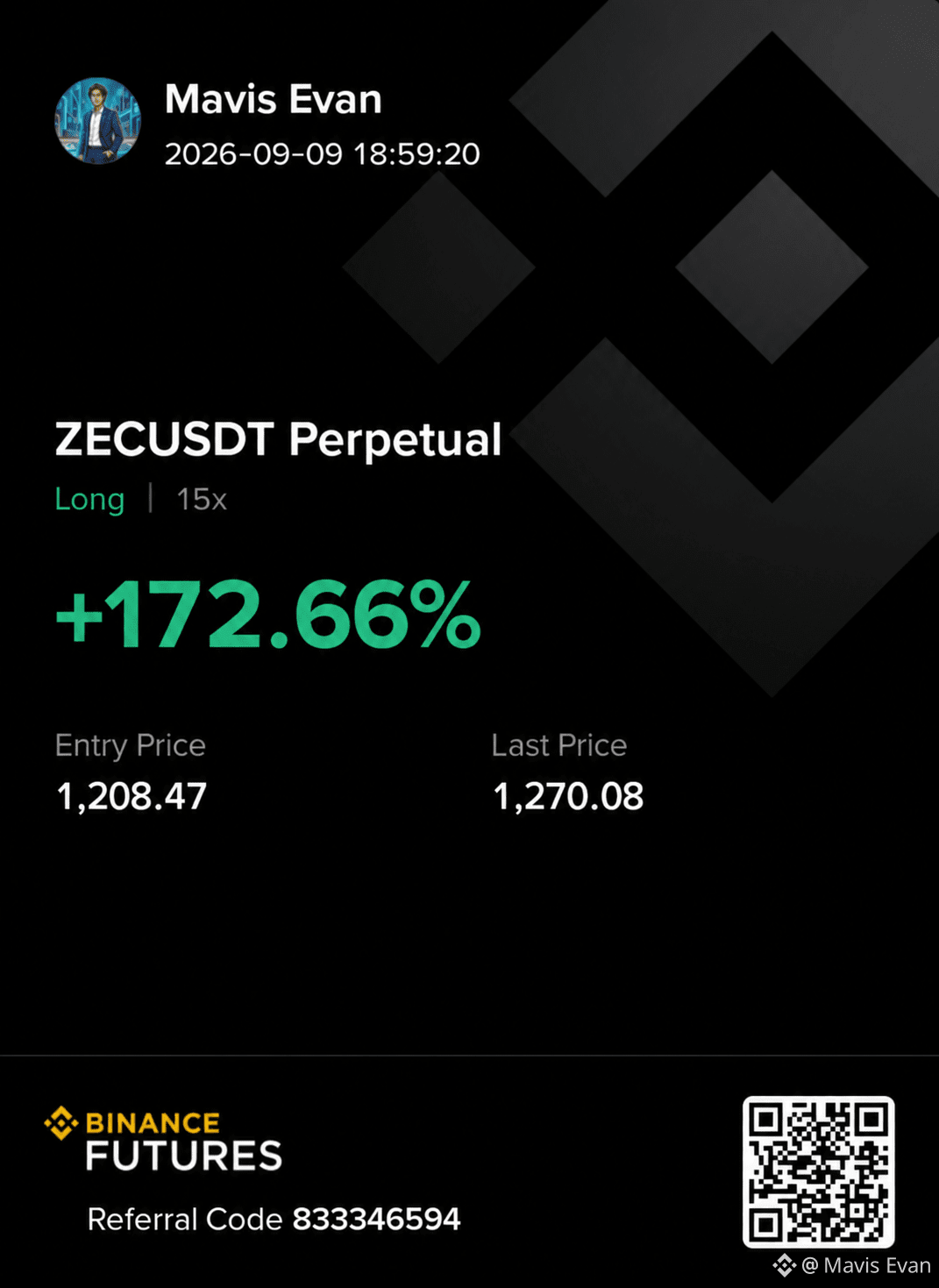
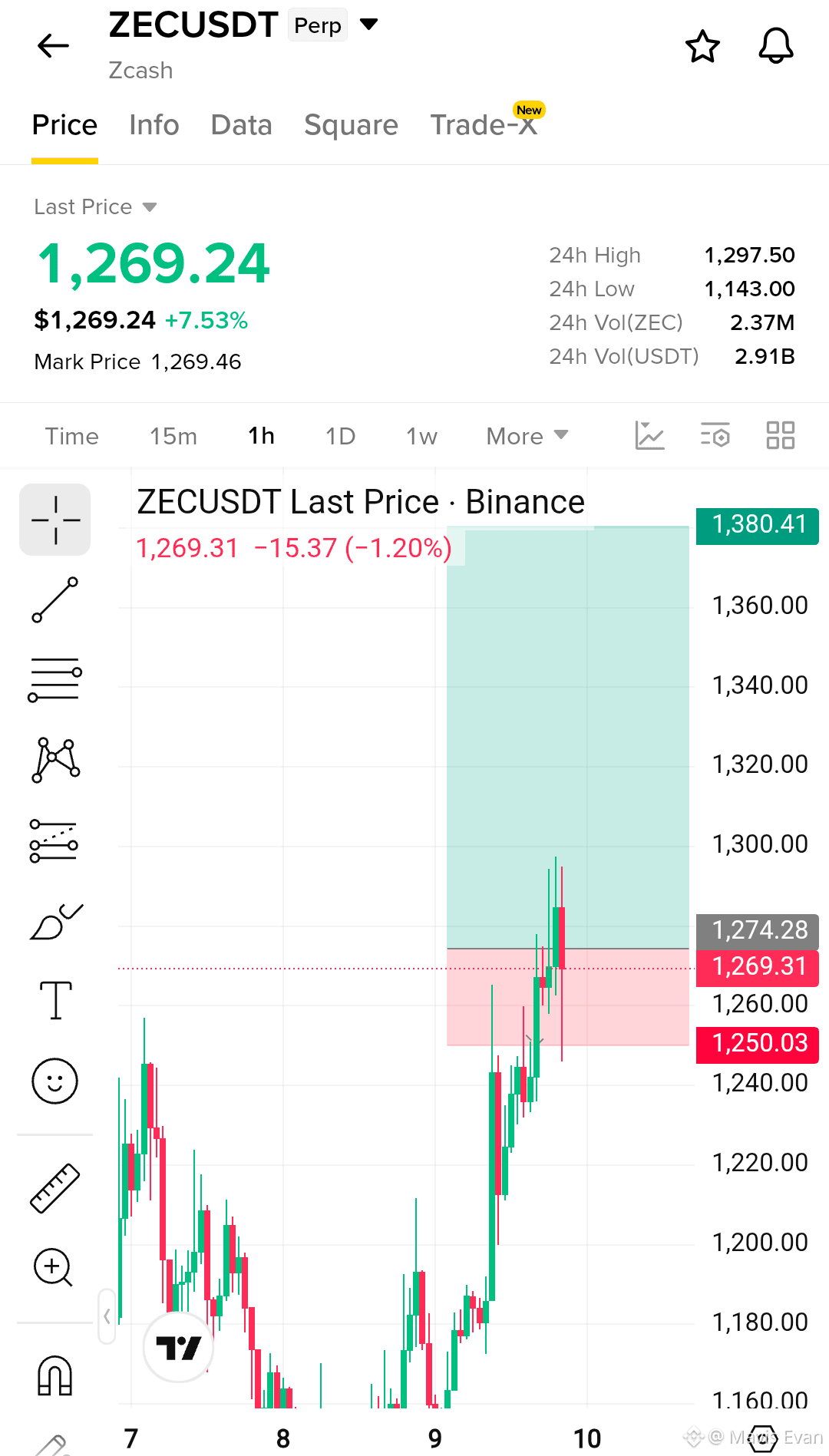
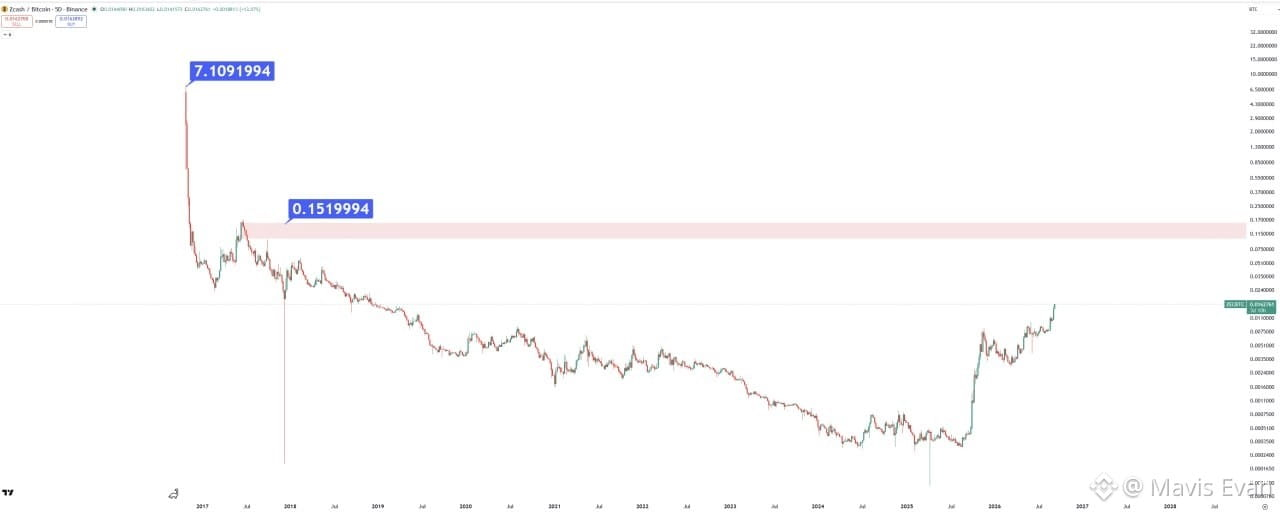
$ZEC | الإعداد طويل الأمد بدأ يصبح مثيرًا للاهتمام
لقد مرّ ZEC بدورة عنيفة، لكن الرسم البياني يُظهر شيئًا يستحق المتابعة.
منطقة المقاومة التاريخية الرئيسية تقع حول 0.1 BTC لكل ZEC. إذا تمكن ZEC من استعادة تلك المنطقة والاحتفاظ بها، ستصبح قصة الصعود أكثر إثارة.
🎯 TP1: 1 ZEC = 0.1 BTC
🚀 TP2: 1 ZEC = 7 BTC
هذه ليست أهدافًا قصيرة المدى. إنها مستويات طويلة الأمد عالية القناعة مبنية على الرسم البياني المُقوّم بالـ BTC.
التحرك إلى 7 BTC سيكون ضخمًا للغاية، لذا اعتبره سيناريو “الانطلاق نحو القمر” وليس نتيجة مضمونة.
لا يحتاج ZEC إلى التحرك اليوم.
فقط عليه أن يستمر في البناء. 🛡️📈
#zcash #Crypto #BTC #Altcoins #cryptotrading
$ZEC
$ZEC | الإعداد طويل الأمد بدأ يصبح مثيرًا للاهتمام
لقد مرّ ZEC بدورة عنيفة، لكن الرسم البياني يُظهر شيئًا يستحق المتابعة.
منطقة المقاومة التاريخية الرئيسية تقع حول 0.1 BTC لكل ZEC. إذا تمكن ZEC من استعادة تلك المنطقة والاحتفاظ بها، ستصبح قصة الصعود أكثر إثارة.
🎯 TP1: 1 ZEC = 0.1 BTC
🚀 TP2: 1 ZEC = 7 BTC
هذه ليست أهدافًا قصيرة المدى. إنها مستويات طويلة الأمد عالية القناعة مبنية على الرسم البياني المُقوّم بالـ BTC.
التحرك إلى 7 BTC سيكون ضخمًا للغاية، لذا اعتبره سيناريو “الانطلاق نحو القمر” وليس نتيجة مضمونة.
لا يحتاج ZEC إلى التحرك اليوم.
فقط عليه أن يستمر في البناء. 🛡️📈
#zcash #Crypto #BTC #Altcoins #cryptotrading
$ZEC
لقد مرّ ZEC بدورة عنيفة، لكن الرسم البياني يُظهر شيئًا يستحق المتابعة.
منطقة المقاومة التاريخية الرئيسية تقع حول 0.1 BTC لكل ZEC. إذا تمكن ZEC من استعادة تلك المنطقة والاحتفاظ بها، ستصبح قصة الصعود أكثر إثارة.
🎯 TP1: 1 ZEC = 0.1 BTC
🚀 TP2: 1 ZEC = 7 BTC
هذه ليست أهدافًا قصيرة المدى. إنها مستويات طويلة الأمد عالية القناعة مبنية على الرسم البياني المُقوّم بالـ BTC.
التحرك إلى 7 BTC سيكون ضخمًا للغاية، لذا اعتبره سيناريو “الانطلاق نحو القمر” وليس نتيجة مضمونة.
لا يحتاج ZEC إلى التحرك اليوم.
فقط عليه أن يستمر في البناء. 🛡️📈
#zcash #Crypto #BTC #Altcoins #cryptotrading
$ZEC
2
844
·
--
صاعد
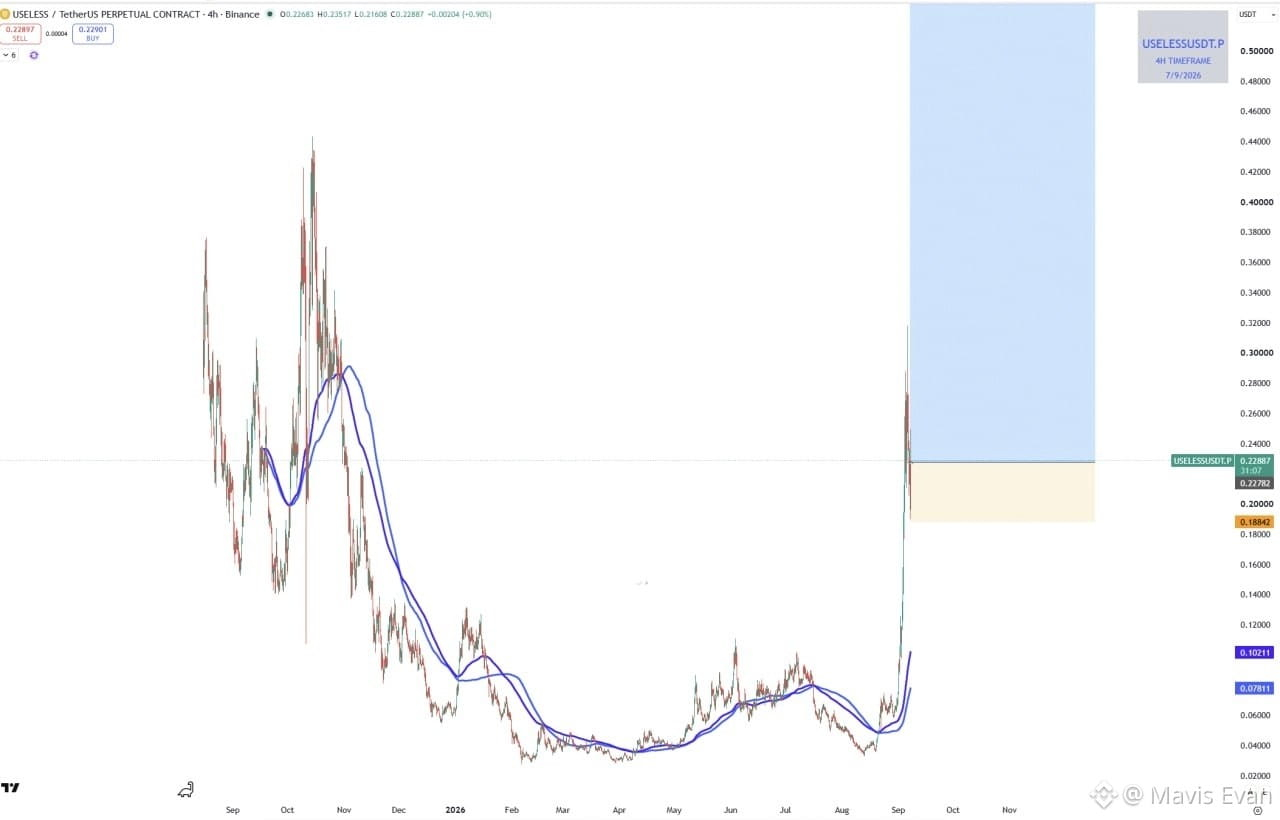
🚀 $USELESS — أضف المزيد
الاثنين يعمل لصالح $USELESS فقط. يوضح الرسم البياني زخمًا قويًا بعد اختراق ضخم، مع بقاء السعر ثابتًا بشكل جيد فوق النطاق السابق.
الإعداد: 🟢 الاتجاه: صاعد 💰 الحالي: ~$0.2288 📌 منطقة الإضافة: $0.22 – $0.20 🎯 الهدف 1: $0.25 🎯 الهدف 2: $0.28 🎯 الهدف 3: $0.32+ 🛑 الإبطال: تحت $0.188
الحركة قوية بالفعل، لذا لا تطارد الشموع الخضراء. إذا أعطى السعر تصحيحًا نظيفًا إلى منطقة الإضافة، عندها سأبحث عن بناء المزيد.
الاثنين ينتمي إلى $USELESS. 🔥
$USELESS
{future}(USELESSUSDT)
🚀 $USELESS — أضف المزيد
الاثنين يعمل لصالح $USELESS فقط. يوضح الرسم البياني زخمًا قويًا بعد اختراق ضخم، مع بقاء السعر ثابتًا بشكل جيد فوق النطاق السابق.
الإعداد: 🟢 الاتجاه: صاعد 💰 الحالي: ~$0.2288 📌 منطقة الإضافة: $0.22 – $0.20 🎯 الهدف 1: $0.25 🎯 الهدف 2: $0.28 🎯 الهدف 3: $0.32+ 🛑 الإبطال: تحت $0.188
الحركة قوية بالفعل، لذا لا تطارد الشموع الخضراء. إذا أعطى السعر تصحيحًا نظيفًا إلى منطقة الإضافة، عندها سأبحث عن بناء المزيد.
الاثنين ينتمي إلى $USELESS . 🔥
$USELESS
الاثنين يعمل لصالح $USELESS فقط. يوضح الرسم البياني زخمًا قويًا بعد اختراق ضخم، مع بقاء السعر ثابتًا بشكل جيد فوق النطاق السابق.
الإعداد: 🟢 الاتجاه: صاعد 💰 الحالي: ~$0.2288 📌 منطقة الإضافة: $0.22 – $0.20 🎯 الهدف 1: $0.25 🎯 الهدف 2: $0.28 🎯 الهدف 3: $0.32+ 🛑 الإبطال: تحت $0.188
الحركة قوية بالفعل، لذا لا تطارد الشموع الخضراء. إذا أعطى السعر تصحيحًا نظيفًا إلى منطقة الإضافة، عندها سأبحث عن بناء المزيد.
الاثنين ينتمي إلى $USELESS . 🔥
$USELESS
1
5
612
·
--
هابط
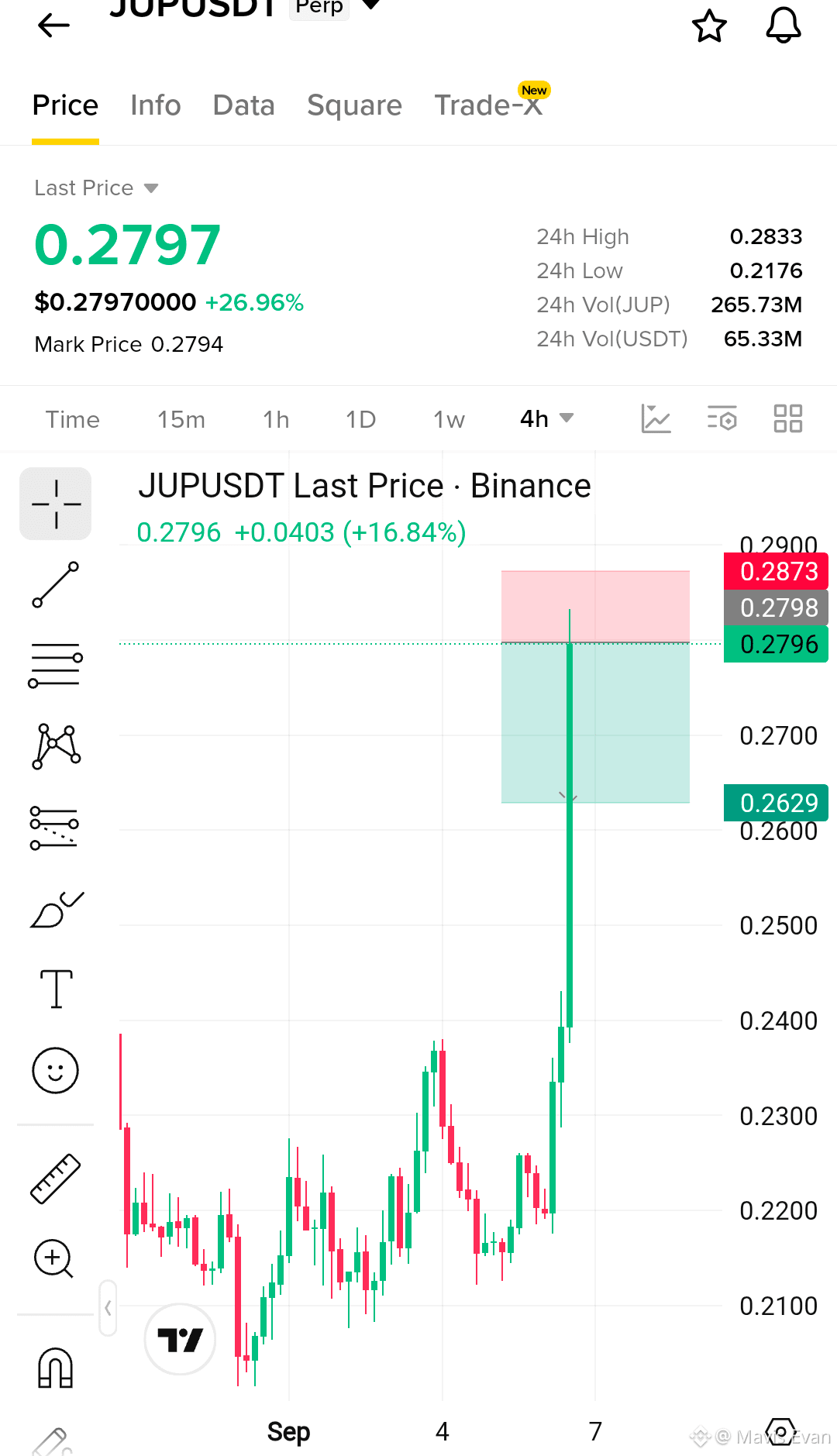
$JUP /USDT SHORT
أبحث عن صفقة بيع من سعر السوق الحالي.
الدخول: السوق
جني الأرباح: 0.27
الرافعة المالية: 35x
الإعداد بسيط: زخم هبوطي مع 0.27 كهدف رئيسي للهبوط.
⚠️ الرافعة المالية 35x عدوانية، لذا حافظ على حجم الصفقة صغيرًا وأدر خطر التصفية بعناية.
DYOR. تداول الإعداد، لا العاطفة.
$JUP /USDT SHORT
أبحث عن صفقة بيع من سعر السوق الحالي.
الدخول: السوق
جني الأرباح: 0.27
الرافعة المالية: 35x
الإعداد بسيط: زخم هبوطي مع 0.27 كهدف رئيسي للهبوط.
⚠️ الرافعة المالية 35x عدوانية، لذا حافظ على حجم الصفقة صغيرًا وأدر خطر التصفية بعناية.
DYOR. تداول الإعداد، لا العاطفة.
أبحث عن صفقة بيع من سعر السوق الحالي.
الدخول: السوق
جني الأرباح: 0.27
الرافعة المالية: 35x
الإعداد بسيط: زخم هبوطي مع 0.27 كهدف رئيسي للهبوط.
⚠️ الرافعة المالية 35x عدوانية، لذا حافظ على حجم الصفقة صغيرًا وأدر خطر التصفية بعناية.
DYOR. تداول الإعداد، لا العاطفة.
5
275
·
--
صاعد
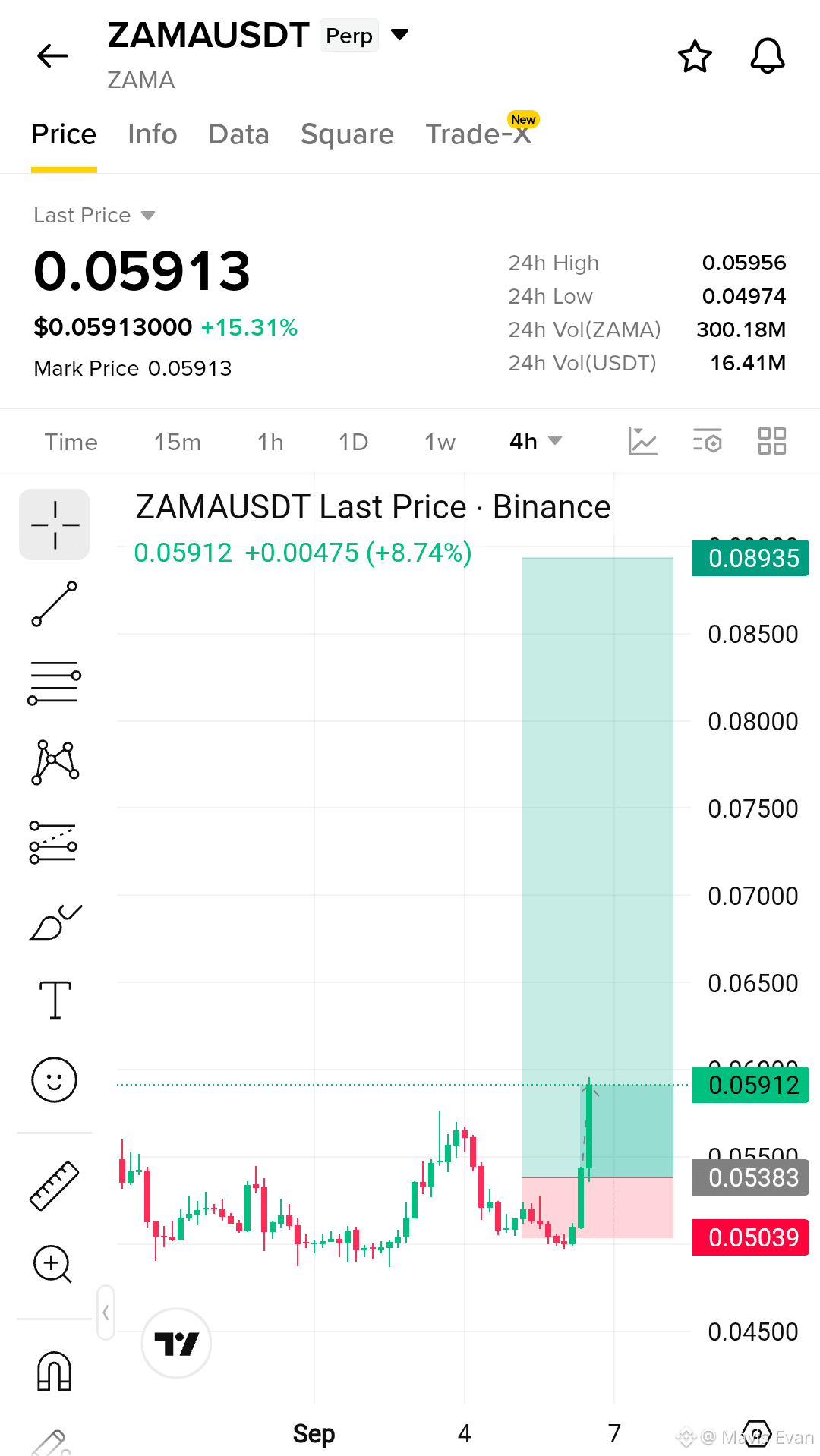
$ZAMA صاعد
في قطاع الخصوصية،
إذا كان $ZEC هو بيتكوين الخصوصية، فإن #ZAMA هو إيثريوم الخصوصية
$ZAMA صاعد
في قطاع الخصوصية،
إذا كان $ZEC هو بيتكوين الخصوصية، فإن #ZAMA هو إيثريوم الخصوصية
في قطاع الخصوصية،
إذا كان $ZEC هو بيتكوين الخصوصية، فإن #ZAMA هو إيثريوم الخصوصية
Mavis Evan
·
--
صاعد$ZAMA /USDT — إعداد صعودي
تُظهر ZAMA بنية صعودية قوية على الرسم البياني اليومي بعد اختراق خط الاتجاه الهابط. يتم الآن تماسك السعر حول منطقة الاختراق، والتي قد تعمل كمستوى دعم إذا تدخل المشترون.
الدخول: $0.0552
جني الأرباح: $2.06
وقف الخسارة: $0.0392
إن الصمود الناجح فوق منطقة $0.055 قد يفتح الباب أمام حركة استمرار أكبر بكثير. النقطة الأساسية هي منطقة الاختراق: إذا فقد السعر مستوى الإبطال عند $0.0392، فلن يعود الإعداد الصعودي صالحًا.
تُظهر ZAMA بنية صعودية قوية على الرسم البياني اليومي بعد اختراق خط الاتجاه الهابط. يتم الآن تماسك السعر حول منطقة الاختراق، والتي قد تعمل كمستوى دعم إذا تدخل المشترون.
الدخول: $0.0552
جني الأرباح: $2.06
وقف الخسارة: $0.0392
إن الصمود الناجح فوق منطقة $0.055 قد يفتح الباب أمام حركة استمرار أكبر بكثير. النقطة الأساسية هي منطقة الاختراق: إذا فقد السعر مستوى الإبطال عند $0.0392، فلن يعود الإعداد الصعودي صالحًا.
6
673
·
--
صاعد
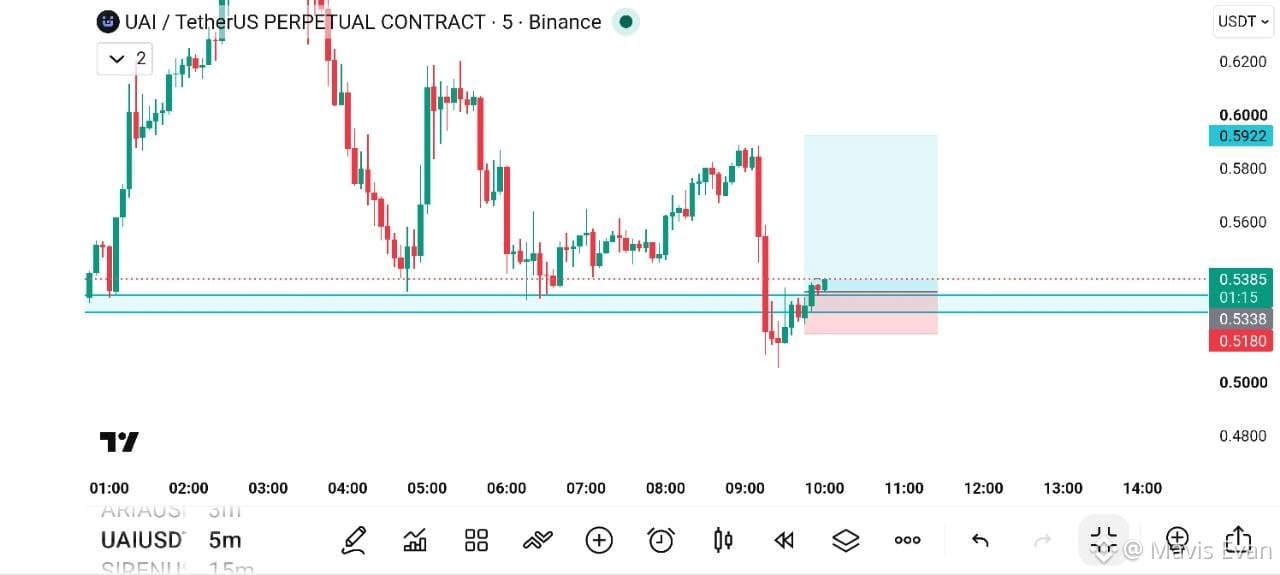
$UAI /USDT إعداد شراء طويل
تعرض UAI لتراجع حاد إلى منطقة الدعم عند $0.5180 وهو الآن يرتد صعودًا نحو منطقة $0.538. بدأ المشترون يستعيدون مستوى الكسر.
الدخول: $0.5338–$0.5385
TP1: $0.5600
TP2: $0.5800
TP3: $0.5922
SL: $0.5180
الإعداد: شراء طويل عند استعادة السعر والثبات فوق $0.5338. إذا استمر الزخم، فستكون المقاومة التالية حول $0.56–$0.59.
حافظ على إدارة المخاطر. الإلغاء أسفل $0.5180. قم ببحثك الخاص.
$UAI
{future}(UAIUSDT)
$UAI /USDT إعداد شراء طويل
تعرض UAI لتراجع حاد إلى منطقة الدعم عند $0.5180 وهو الآن يرتد صعودًا نحو منطقة $0.538. بدأ المشترون يستعيدون مستوى الكسر.
الدخول: $0.5338–$0.5385
TP1: $0.5600
TP2: $0.5800
TP3: $0.5922
SL: $0.5180
الإعداد: شراء طويل عند استعادة السعر والثبات فوق $0.5338. إذا استمر الزخم، فستكون المقاومة التالية حول $0.56–$0.59.
حافظ على إدارة المخاطر. الإلغاء أسفل $0.5180. قم ببحثك الخاص.
$UAI
تعرض UAI لتراجع حاد إلى منطقة الدعم عند $0.5180 وهو الآن يرتد صعودًا نحو منطقة $0.538. بدأ المشترون يستعيدون مستوى الكسر.
الدخول: $0.5338–$0.5385
TP1: $0.5600
TP2: $0.5800
TP3: $0.5922
SL: $0.5180
الإعداد: شراء طويل عند استعادة السعر والثبات فوق $0.5338. إذا استمر الزخم، فستكون المقاومة التالية حول $0.56–$0.59.
حافظ على إدارة المخاطر. الإلغاء أسفل $0.5180. قم ببحثك الخاص.
$UAI
6
421
·
--
صاعد
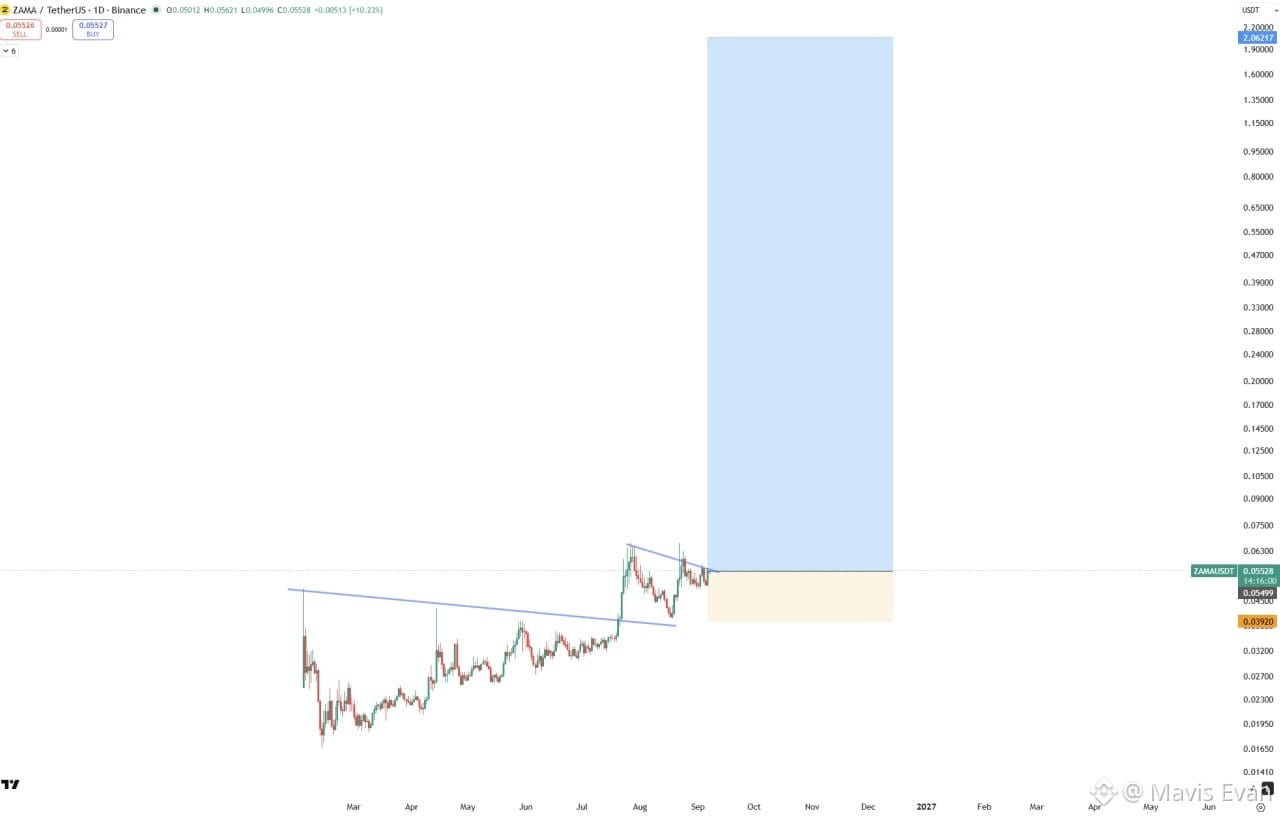
$ZAMA /USDT — إعداد صعودي
تُظهر ZAMA بنية صعودية قوية على الرسم البياني اليومي بعد اختراق خط الاتجاه الهابط. يتم الآن تماسك السعر حول منطقة الاختراق، والتي قد تعمل كمستوى دعم إذا تدخل المشترون.
الدخول: $0.0552
جني الأرباح: $2.06
وقف الخسارة: $0.0392
إن الصمود الناجح فوق منطقة $0.055 قد يفتح الباب أمام حركة استمرار أكبر بكثير. النقطة الأساسية هي منطقة الاختراق: إذا فقد السعر مستوى الإبطال عند $0.0392، فلن يعود الإعداد الصعودي صالحًا.
{future}(ZAMAUSDT)
$ZAMA /USDT — إعداد صعودي
تُظهر ZAMA بنية صعودية قوية على الرسم البياني اليومي بعد اختراق خط الاتجاه الهابط. يتم الآن تماسك السعر حول منطقة الاختراق، والتي قد تعمل كمستوى دعم إذا تدخل المشترون.
الدخول: $0.0552
جني الأرباح: $2.06
وقف الخسارة: $0.0392
إن الصمود الناجح فوق منطقة $0.055 قد يفتح الباب أمام حركة استمرار أكبر بكثير. النقطة الأساسية هي منطقة الاختراق: إذا فقد السعر مستوى الإبطال عند $0.0392، فلن يعود الإعداد الصعودي صالحًا.
تُظهر ZAMA بنية صعودية قوية على الرسم البياني اليومي بعد اختراق خط الاتجاه الهابط. يتم الآن تماسك السعر حول منطقة الاختراق، والتي قد تعمل كمستوى دعم إذا تدخل المشترون.
الدخول: $0.0552
جني الأرباح: $2.06
وقف الخسارة: $0.0392
إن الصمود الناجح فوق منطقة $0.055 قد يفتح الباب أمام حركة استمرار أكبر بكثير. النقطة الأساسية هي منطقة الاختراق: إذا فقد السعر مستوى الإبطال عند $0.0392، فلن يعود الإعداد الصعودي صالحًا.
2
5
610
·
--
هابط
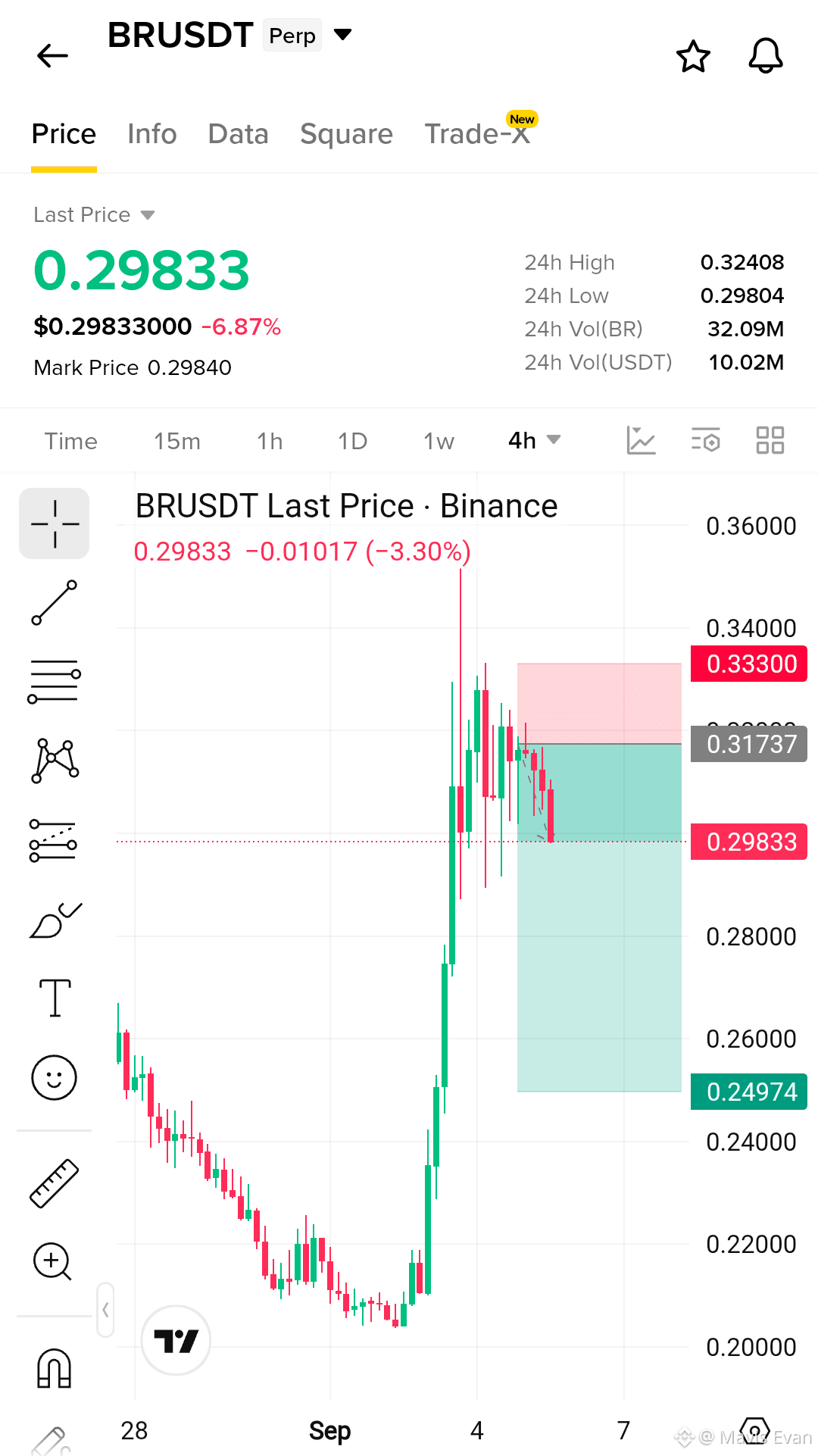
$BR USDT إعداد بيع
يُظهر BR ضعفًا بعد الارتفاع الحاد الأخير، مع سيطرة البائعين حول منطقة 0.31–0.32.
الدخول: السعر الحالي / 0.298–0.305
جني الربح: 0.245
وقف الخسارة: 0.321
الفكرة بسيطة: إذا ظل BR أدنى من منطقة المقاومة 0.32، فإن استمرار الهبوط نحو 0.275 يظل واردًا.
حافظ على رافعة مالية معقولة وأدر المخاطر. لا تطارد الحركة إذا بدأ السعر في استعادة 0.321.
$BR
{future}(BRUSDT)
$BR USDT إعداد بيع
يُظهر BR ضعفًا بعد الارتفاع الحاد الأخير، مع سيطرة البائعين حول منطقة 0.31–0.32.
الدخول: السعر الحالي / 0.298–0.305
جني الربح: 0.245
وقف الخسارة: 0.321
الفكرة بسيطة: إذا ظل BR أدنى من منطقة المقاومة 0.32، فإن استمرار الهبوط نحو 0.275 يظل واردًا.
حافظ على رافعة مالية معقولة وأدر المخاطر. لا تطارد الحركة إذا بدأ السعر في استعادة 0.321.
$BR
يُظهر BR ضعفًا بعد الارتفاع الحاد الأخير، مع سيطرة البائعين حول منطقة 0.31–0.32.
الدخول: السعر الحالي / 0.298–0.305
جني الربح: 0.245
وقف الخسارة: 0.321
الفكرة بسيطة: إذا ظل BR أدنى من منطقة المقاومة 0.32، فإن استمرار الهبوط نحو 0.275 يظل واردًا.
حافظ على رافعة مالية معقولة وأدر المخاطر. لا تطارد الحركة إذا بدأ السعر في استعادة 0.321.
$BR
4
232
·
--
هابط
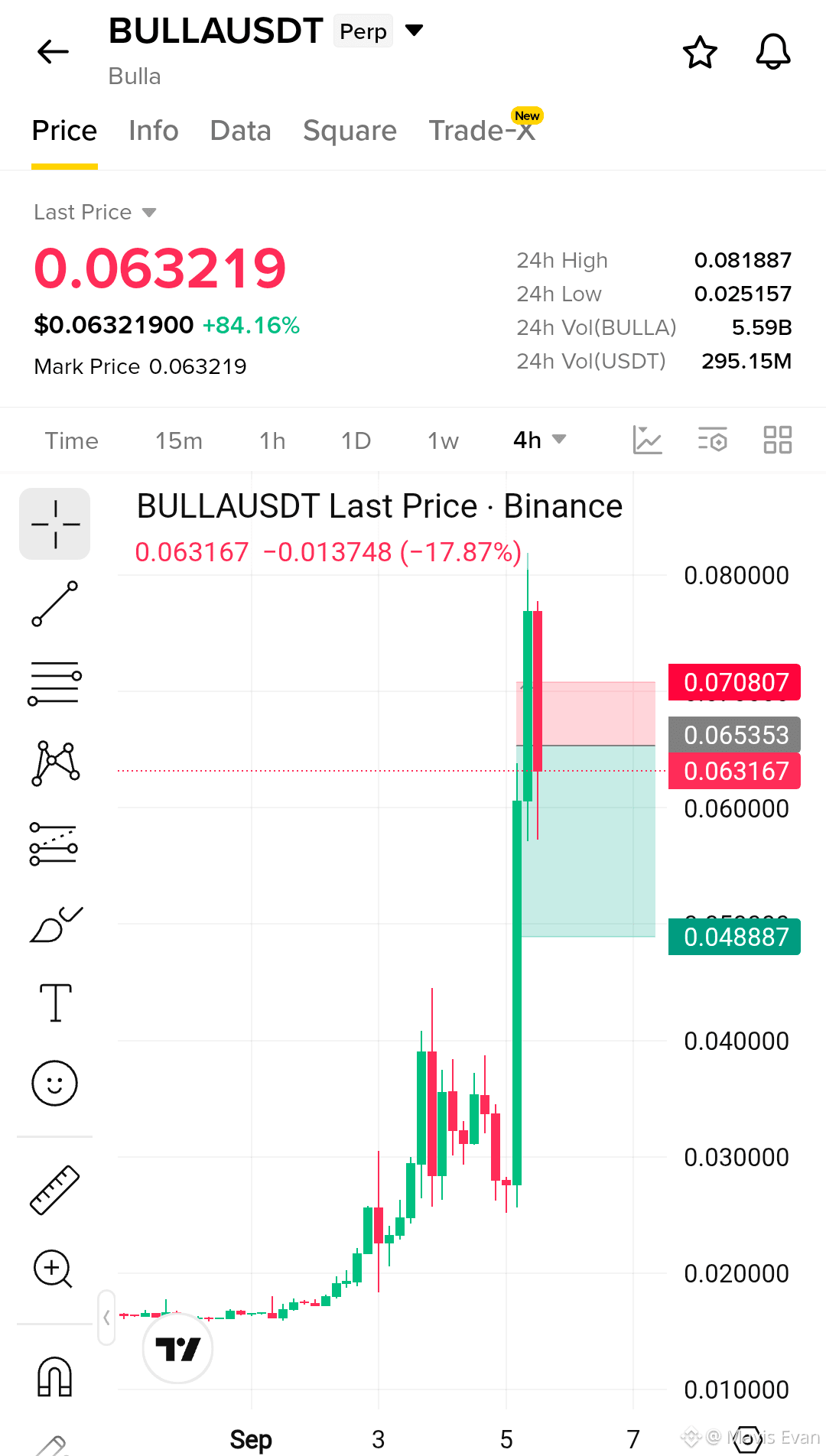
$BULLA /USDT — صفقة بيع
يُظهر BULLA فرصة بيع محتملة من منطقة الدخول 0.06122–0.06200.
الفكرة هي البيع عند هذه المنطقة والبحث عن حركة هبوطية تدريجية. حافظ على وقف خسارة قريب عند 0.06443 وتجنب ملاحقة السعر بعد بدء الحركة.
الدخول: 0.06122–0.06200
وقف الخسارة: 0.06443
جني الأرباح:
1. 0.059565
2. 0.058228
3. 0.05565
4. 0.05345
5. 0.04977
الرافعة المالية: 10X
تداول الخطة، لا الضجيج. أدر مخاطرك واحمِ رأس مالك. DYOR.
$BULLA
{future}(BULLAUSDT)
$BULLA /USDT — صفقة بيع
يُظهر BULLA فرصة بيع محتملة من منطقة الدخول 0.06122–0.06200.
الفكرة هي البيع عند هذه المنطقة والبحث عن حركة هبوطية تدريجية. حافظ على وقف خسارة قريب عند 0.06443 وتجنب ملاحقة السعر بعد بدء الحركة.
الدخول: 0.06122–0.06200
وقف الخسارة: 0.06443
جني الأرباح:
1. 0.059565
2. 0.058228
3. 0.05565
4. 0.05345
5. 0.04977
الرافعة المالية: 10X
تداول الخطة، لا الضجيج. أدر مخاطرك واحمِ رأس مالك. DYOR.
$BULLA
يُظهر BULLA فرصة بيع محتملة من منطقة الدخول 0.06122–0.06200.
الفكرة هي البيع عند هذه المنطقة والبحث عن حركة هبوطية تدريجية. حافظ على وقف خسارة قريب عند 0.06443 وتجنب ملاحقة السعر بعد بدء الحركة.
الدخول: 0.06122–0.06200
وقف الخسارة: 0.06443
جني الأرباح:
1. 0.059565
2. 0.058228
3. 0.05565
4. 0.05345
5. 0.04977
الرافعة المالية: 10X
تداول الخطة، لا الضجيج. أدر مخاطرك واحمِ رأس مالك. DYOR.
$BULLA
3
236
سجّل الدخول لاستكشاف المزيد من المُحتوى
انضم إلى مُستخدمي العملات الرقمية حول العالم على Binance Square
⚡️ احصل على أحدث المعلومات المفيدة عن العملات الرقمية.
💬 موثوقة من قبل أكبر منصّة لتداول العملات الرقمية في العالم.
👍 اكتشف الرؤى الحقيقية من صنّاع المُحتوى الموثوقين.
البريد الإلكتروني / رقم الهاتف
المواضيع الرائجة
ZcashETFPostsFirstWeeklyOutflow$93.6M
33,809 مشاهدات
97 يقومون بالنقاش
#ZcashETFPostsFirstWeeklyOutflow$93.6M
🚨🚨🚨🚨🚨🚨🚨🚨🚨🚨🚨🚨🚨🚨✅ 🚨 تدفقات ZCASH ETF تتحول إلى السلبية لأول مرة! 📉
$ZEC يشهد تحولًا ملحوظًا في تدفقات الأموال المؤسسية، حيث سجّلت منتجات استثمار الزكاش أول صافي تدفق سلبي أسبوعي منذ إطلاقها في أغسطس.
ووفقًا لبيانات التدفقات، تم سحب حوالي 93.6 مليون دولار من منتجات الزكاش خلال الأسبوع الأخير، بينما تباطأت أيضًا حركة سعر ZEC بشكل ملحوظ.
📊 ماذا حدث؟
• خروج أسبوعي من Zcash ETF: 93.6 مليون دولار
• خروج يوم 30 سبتمبر: 30.25 مليون دولار
• ZCSH كان قد جذب سابقًا نحو 98.2 مليون دولار خلال أسبوع واحد
• ZEC يتداول قرب 1,300 دولار
• القمة الأخيرة: نحو 1,690 دولار
• الانخفاض الأسبوعي: حوالي 17%+
🔍 مستويات يجب مراقبتها
🟢 دعم: 1,280–1,300 دولار
🔴 مقاومة: 1,450–1,500 دولار
السؤال المحوري الآن هو ما إذا كانت منطقة 1,300 دولار يمكنها الصمود وجذب مشتريين جدد.
ستكون التدفقات المؤسسية مهمة أيضًا. قد يشير عودة التدفقات الإيجابية المنتظمة إلى تجدد الثقة، بينما قد تؤدي التدفقات الخارجة المستمرة إلى إبقاء الضغط على $ZEC .
👀 هل الأمر مجرد جني أرباح بعد الارتفاع الكبير الذي حققته ZEC، أم قد نشهد هبوطًا أعمق قبل عودة المشترين؟
شارك رأيك أدناه. 👇
#Zcash #ZEC #ZcashETF #Crypto
#analysis
owhggwiohsjowve
·0 إعجاب
·152 مشاهدات
GreekPoliceBustCryptoScamRingArrest17
67,790 مشاهدات
665 يقومون بالنقاش
BitcoinRejectedAt$87K
117,900 مشاهدات
155 يقومون بالنقاش