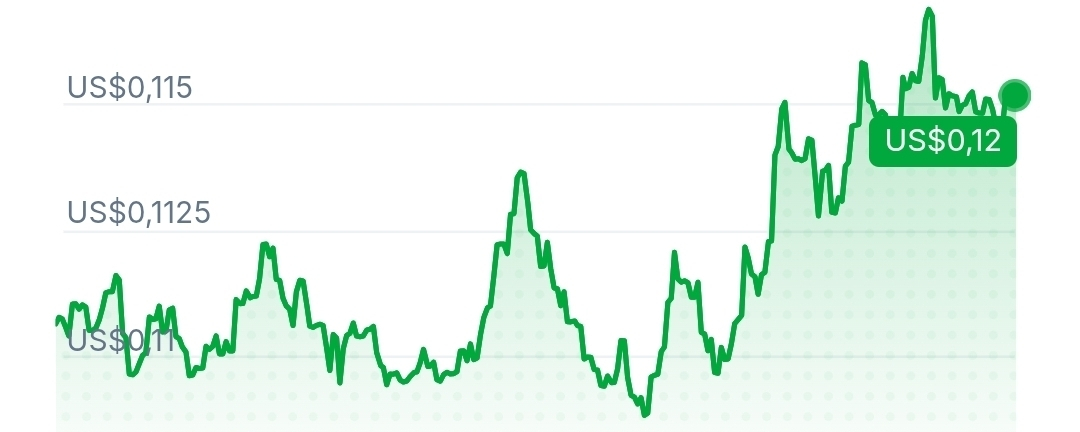
Technically, $VANRY is currently in a consolidation phase, trading around $0.007 to $0.010 after a volatile January. Despite the sideways price action, its status as a core member of the NVIDIA Inception Program remains its biggest "alpha." This partnership provides Vanar developers with direct access to CUDA and TensorRT tools, allowing for sub-second AI inference that is natively verified on the Vanar blockchain.
Vanar is aggressively rebranding as the "default AI infrastructure for Web3 finance," or PayFi. By integrating AI directly into the settlement layer, the chain is attracting high-profile partners like Worldpay and Emirates Digital Wallet. The goal is to facilitate "intelligent payments" where the blockchain automatically handles compliance and fraud detection via the Kayon layer during the transaction itself.
One of Vanar’s biggest technical edges in 2026 is its myNeutron layer. Unlike other blockchains where AI agents "forget" context once a session ends, Vanar achieves a 500:1 data compression ratio to store persistent semantic memory on-chain. This allows AI agents to have long-term "memory" and "reasoning" capabilities without the massive gas costs usually associated with storing large datasets on-chain.
Starting this month (Q1 2026), Vanar is shifting the utility of $VANRY . Access to the network's most advanced AI features—specifically the Kayon Reasoning Engine and Neutron Semantic Memory—now requires a token-based subscription. This moves the token from being just "gas" to a "SaaS-style" utility, creating a consistent on-chain demand loop as developers and AI agents utilize the stack for real-time decision-making.
If you are an active part of the ecosystem, tomorrow, February 4, is a major deadline. Vanar is currently finalizing the "Phase 1" snapshot for its core community incentives. This phase is designed to identify and lock in early supporters before the network transitions into its next major growth stage. Participation in this snapshot is expected to influence future rewards and access to the upcoming AI Subscription Model.
In a major win for the community, the XPLA/CONX ecosystem successfully passed a governance vote (Proposal #105) to support holders affected by the FTX collapse. Approximately 19.6 million tokens are being moved to a dedicated reserve wallet to make affected investors whole. This transparent, DAO-led recovery process has set a new standard for community trust in 2026, contrasting sharply with other projects that abandoned their FTX-impacted users.
Meanwhile, the Plasma ($XPL ) network—the "stablecoin-first" L1—achieved a massive technical milestone on January 23, 2026, by integrating with NEAR Intents. This allows Plasma's native USDT0 to be swapped across 25+ different blockchains with institutional-grade liquidity. It effectively turns the $XPL Plasma network into a global "stablecoin router," capable of handling massive cross-chain volume with its signature zero-fee UX.
The XPLA/CONX and Aethir partnership has officially entered its first funding cycle this month. The $10 million grant program is now actively distributing funds (ranging from $10k to $500k) to AAA game studios. These grants are unique because they provide a mix of $ATH compute credits for AI-heavy gaming and $XPL /CONX tokens for on-chain infrastructure, specifically targeting "agentic" games where NPCs are powered by live AI models.
Investors in Plasma ($XPL ) are currently navigating a "value zone" as the price consolidates around $0.10. The market is keeping a close watch on the July 28, 2026, unlock, where roughly 2.5 billion tokens (25% of total supply) belonging to the team and early investors will hit the market. To counter this, the foundation is aggressively pushing the Plasma One neobank rollout, hoping that real-world utility and fee-burns will absorb the incoming supply.
On February 27, 2026, the network will see another scheduled unlock of approximately 1.5% of the supply (7.5M tokens for the Foundation and 10M for Incentives). To balance this incoming supply, the community is actively discussing a "Storage Burn" proposal. The idea is to permanently burn a portion of the $WAL used to pay for long-term storage, potentially creating a deflationary pressure that scales with the network’s actual usage.
والروس لم يعد يعمل في فراغ. يتم الآن دمجه في مجموعة سوي الأوسع، جنبًا إلى جنب مع مشاريع مثل سييل (لإدارة الأسرار) وديب بوك (للسيولة). هذه "التآزر" يسمح للمطورين ببناء تطبيقات تستخدم والروس للبيانات، وسييل للخصوصية، وديب بوك للتداول - كل ذلك ضمن بيئة واحدة متماسكة. هذه البنية التحتية "المربوطة والقابلة للتشغيل" هي سبب رئيسي لماذا تواصل جراي سكيل الحفاظ على صندوق WAL الخاص بها.
Following the finalization of the Tusky migration on January 19, the network has reported a noticeable uptick in data retrieval efficiency. By cleaning up legacy asset structures and upgrading the protocol layers, Walrus has reduced the latency for "blob" retrieval, making it the most viable decentralized storage option for Sui’s high-speed gaming and social dApps.
بعد أسبوع صعب شهد انخفاض الرموز بنسبة تقارب 28%، $WAL hit مؤشر القوة النسبية "المبالغ فيه" (RSI) بقيمة 13.51. اعتبارًا من اليوم، السعر يشهد تعافيًا متواضعًا، يتداول حول 0.095$. المتداولون يراقبون مستوى 0.113$ (SMA لمدة 7 أيام) كالمقاومة الرئيسية التي يجب كسرها من أجل انتعاش قصير الأجل مستدام. تعزى هذه التقلبات في الغالب إلى انتهاء حملات "CreatorPad" في يناير، التي أصدرت مكافآت جديدة إلى السوق.
فوز تقني كبير للربع الأول من 2026 هو الشراكة مع Myriad، سوق التنبؤ اللامركزية. لقد غيرت Myriad هيكلها لتخزين جميع بيانات السوق - بما في ذلك ملفات الصور الكبيرة - مباشرة على Walrus. هذه الخطوة تحول Walrus من أداة تخزين بسيطة "blob" إلى مصدر حاسم للحقيقة لبيانات التنبؤ القابلة للتدقيق والمحمية من التلاعب، مما يثبت فائدتها في قطاع "البيانات القابلة للتحقق" المتزايد.
Despite recent price volatility—where $DUSK saw a sharp 200% rally followed by a correction—on-chain data reveals a massive Whale Divergence. While smaller retail wallets have been taking profits, the "Top-100" addresses (mega whales) have increased their holdings by 13.88% since the start of the year. This suggests that while the market is treating $DUSK as a "privacy coin" trade, institutional-grade holders are treating it as a core infrastructure play for the 2026 RWA boom.
لقد دمجت Dusk رسميًا بروتوكول التفاعل عبر السلاسل (CCIP) من Chainlink. هذه خطوة استراتيجية كبرى لعام 2026. إدراكًا أن الأصول الواقعية (RWAs) لا يمكن أن توجد في فراغ، يسمح هذا الدمج لأصل منظم تم إصداره على Dusk بأن يتم تسويته أو نقله إلى سلاسل EVM الأخرى مثل Ethereum أو Avalanche دون فقدان "غطاء الامتثال" الخاص به. إنه يحول Dusk فعليًا إلى "الخزنة الآمنة" حيث يتم إصدار الأصول، مع السماح لها بالوصول إلى السيولة الأوسع في عالم DeFi.
In late January, the Hedger privacy tool entered its Alpha release. This is the technical "secret sauce" that allows Dusk to handle confidential transactions while remaining compliant. Using zero-knowledge proofs (ZKPs), Hedger enables a "selective disclosure" feature. For the first time, an institution can keep a transaction amount private from the public while automatically providing a "compliance proof" to a regulator, solving the primary hurdle for institutional DLT adoption.
تطبيق المشروع الرائد، DuskTrade، انتقل رسميًا إلى مرحلته "الانطلاق" بالتعاون مع البورصة الهولندية NPEX. هذا ليس مجرد تجربة؛ بل هو مكان تداول مرخص للأوراق المالية المرمزة. هناك حاليًا خط أنابيب يتجاوز قيمته 300 مليون يورو من الأصول (بما في ذلك السندات corporates والأسهم الخاصة) المقرر إصدارها. هذا يضع Dusk كواحد من القلائل التي تستضيف في الواقع أصولًا "مملة" ولكن ذات قيمة عالية تحت إطار MiCA للاتحاد الأوروبي. #dusk @Dusk $DUSK
The Dusk mainnet, which launched on January 7, 2026, has successfully processed over 2.8 million transactions without a single emergency patch or downtime. With the network stable, the focus has shifted to Hyperstaking, a new incentive layer designed to reward early validators and delegators. Currently, about 12% of the total supply (120 million DUSK) is staked, and while the APY is stabilizing, the "Hyperstaking" phase is offering temporary yield boosts to ensure the network remains decentralized during its initial RWA onboarding.