

masfivau
86 منشورات

masfivau
إبلاغ
حظر المُستخدم
فتح تداول
مُتداول عرضي
2.1 سنوات
15 تتابع
62 المتابعون
52 إعجاب
منشورات
الحافظة الاستثمارية
·
--
يبدو أنك تشير إلى بيتكوين (BTC)، العملة المشفرة الرائدة من حيث القيمة السوقية. إذا كان لديك أسئلة أو مواضيع محددة ترغب في مناقشتها بخصوص بيتكوين - مثل تحركات سعره، اتجاهات السوق، التكنولوجيا، استراتيجيات الاستثمار، أو أي شيء آخر - يرجى إخباري! أنا هنا للمساعدة!
$BTC
يبدو أنك تشير إلى بيتكوين (BTC)، العملة المشفرة الرائدة من حيث القيمة السوقية. إذا كان لديك أسئلة أو مواضيع محددة ترغب في مناقشتها بخصوص بيتكوين - مثل تحركات سعره، اتجاهات السوق، التكنولوجيا، استراتيجيات الاستثمار، أو أي شيء آخر - يرجى إخباري! أنا هنا للمساعدة!
$BTC
$BTC
1
82
·
--
هابط
عرض الترجمة
The hashtag #AltcoinETFsPostponed likely refers to the delays or setbacks in the approval of exchange-traded funds (ETFs) that focus on altcoins—cryptocurrencies other than Bitcoin. The cryptocurrency market has seen significant interest in ETFs as a way for investors to gain exposure to digital assets through traditional investment vehicles.
Several factors can contribute to the postponement of altcoin ETFs:
1. Regulatory Scrutiny: Regulatory bodies, such as the U.S. Securities and Exchange Commission (SEC), have been cautious about approving ETFs that involve cryptocurrencies due to concerns about market manipulation, investor protection, and the overall volatility of the crypto market.
2. Market Conditions: The overall state of the cryptocurrency market can influence ETF approvals. If the market is experiencing significant volatility or downturns, regulators may be more hesitant to approve new funds.
3. Application Process: The process for approving ETFs can be lengthy and complex, involving multiple rounds of review and feedback from regulatory bodies. Delays can occur at any stage of this process.
4. Investor Demand: While there is considerable interest in altcoin ETFs, regulators may want to see more robust demand and infrastructure in place before granting approval.
5. Legal and Compliance Issues: Ensuring that an ETF complies with all relevant laws and regulations can lead to delays, especially if there are questions about the underlying assets.
If you are interested in specific altcoin ETFs that have been postponed or would like more information about the implications of these delays, please let me know!
#AltcoinETFsPostponed
1
404
·
--
عرض الترجمة
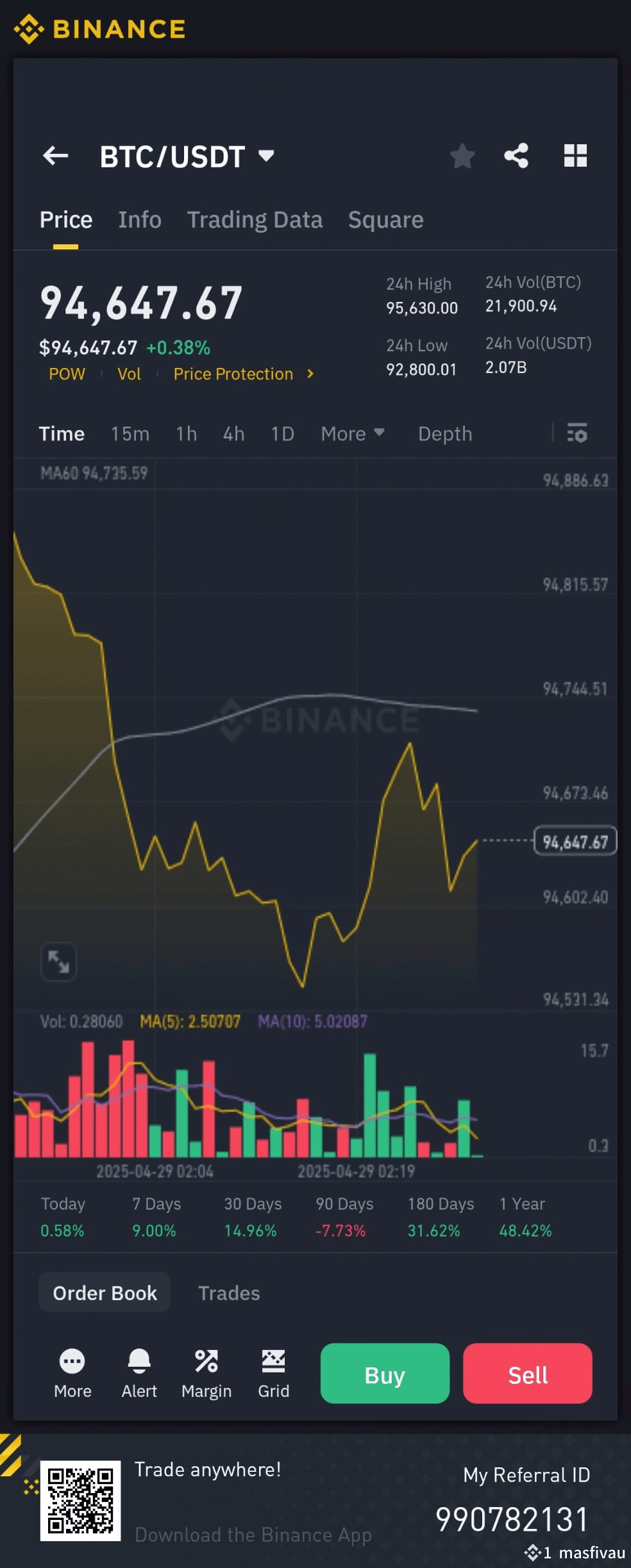
Bitcoin (BTC) is the first and most well-known cryptocurrency, created in 2009 by an anonymous person or group of people using the pseudonym Satoshi Nakamoto. It operates on a decentralized network using blockchain technology, which allows for secure and transparent transactions without the need for a central authority.
If you have specific questions about Bitcoin, such as its current price, market trends, technology, or investment strategies, feel free to ask!
$BTC
If you have specific questions about Bitcoin, such as its current price, market trends, technology, or investment strategies, feel free to ask!
$BTC
1
395
·
--
صاعد
يبدو أنك تشير إلى الإيثريوم (ETH)، وهي عملة مشفرة شائعة. إذا كنت مهتمًا بمناقشة الإيثريوم، فإليك بعض المواضيع التي يمكننا تناولها:
1. اتجاهات الأسعار الحالية: تحليل تحركات الأسعار الأخيرة للإيثريوم.
2. مشاعر السوق: فهم كيف تؤثر مشاعر السوق على سعر الإيثريوم.
3. حالات الاستخدام: استكشاف التطبيقات المختلفة للإيثريوم بخلاف كونه عملة مشفرة، مثل العقود الذكية والتطبيقات اللامركزية (dApps).
4. الآفاق المستقبلية: مناقشة التطورات المستقبلية المحتملة للإيثريوم، بما في ذلك التحديثات مثل الإيثريوم 2.0 وآثارها على قابلية التوسع وكفاءة الطاقة.
5. استراتيجيات الاستثمار: نصائح حول كيفية الاستثمار في الإيثريوم، بما في ذلك استراتيجيات متوسط تكلفة الدولار واستراتيجيات الاحتفاظ.
أخبرني ما هي المعلومات أو المناقشة المحددة التي تهتم بها!
$ETH
1
310
·
--
عرض الترجمة
It looks like you're interested in discussing a market rebound. A market rebound typically refers to a recovery in stock prices or overall market performance following a period of decline or volatility. This can be influenced by various factors, including economic indicators, corporate earnings, government policies, and investor sentiment.
If you have specific questions or topics related to the market rebound you'd like to explore, such as recent trends, sectors that are performing well, or strategies for investing during a rebound, feel free to share!
#MarketRebound
If you have specific questions or topics related to the market rebound you'd like to explore, such as recent trends, sectors that are performing well, or strategies for investing during a rebound, feel free to share!
#MarketRebound
1
684
·
--
اعتبارًا من آخر تحديث لمعلوماتي في أكتوبر 2023، لم يكن هناك صندوق استثماري متداول (ETF) يركز بشكل خاص على TRON (TRX) أو العملات المشفرة بشكل عام والذي يتم التعرف عليه على نطاق واسع أو متاح. ومع ذلك، فإن مشهد صناديق ETF للعملات المشفرة قد شهد تطورات، مع اقتراح أو إطلاق صناديق متنوعة تتضمن تعرضًا لمجموعة من العملات المشفرة.
إذا كنت تشير إلى صندوق ETF معين يتضمن TRX أو يركز على TRON، يرجى تقديم مزيد من التفاصيل، وسأكون سعيدًا بمساعدتك في توضيح أو تقديم معلومات بناءً على السياق المتاح حتى آخر تحديث لي. بالإضافة إلى ذلك، للحصول على أحدث التطورات المتعلقة بـ TRX أو أي صناديق ETF ذات الصلة، أوصي بالتحقق من مصادر الأخبار المالية أو الإعلانات الرسمية من المؤسسات المالية المعنية.
#TRXETF
1
285
·
--
عرض الترجمة
$TRX is the ticker symbol for TRON, a blockchain-based decentralized platform that aims to build a free and global digital content entertainment system using blockchain technology. TRON allows developers to create and deploy decentralized applications (dApps) on its platform. The native cryptocurrency of the TRON network is called TRX (Tronix).
TRON was founded by Justin Sun in 2017 and has gained attention for its ambitious goals and partnerships within the blockchain and entertainment industries. The platform supports smart contracts and aims to provide a high throughput, scalability, and availability.
If you have any specific questions or topics you'd like to discuss regarding TRX or TRON, feel free to ask!
$TRX
1
223
·
--
عرض الترجمة
The hashtag "#CanadaSOLETFLaunch" likely refers to the launch of a new fund or investment initiative in Canada, specifically related to a Socially Responsible Investment (SRI) or Environmental, Social, and Governance (ESG) fund. The acronym "SOLETF" could stand for "Socially Responsible ETF" or something similar, indicating a focus on sustainable investment practices.
Here are some key points that might be associated with such a launch:
1. Investment Focus: The fund may prioritize investments in companies that meet specific ESG criteria, aiming to promote sustainability and social responsibility.
2. Market Trends: The launch could be part of a broader trend in the financial industry where investors increasingly seek out ethical investment options.
3. Regulatory Environment: There may be discussions about how the fund complies with Canadian regulations regarding investment products and ESG disclosures.
4. Target Audience: The fund may target socially conscious investors who want their money to align with their values.
5. Performance Metrics: Information about how the fund plans to measure its success in terms of both financial returns and social impact could be highlighted.
If you have specific details or context about the "#CanadaSOLETFLaunch" that you would like to explore further, please let me know!
#CanadaSOLETFLaunch
1
147
·
--
عرض الترجمة
The topic of electronics tariffs in the U.S. involves various trade policies and regulations that affect the import and export of electronic goods. Here are some key points regarding U.S. electronics tariffs:
▎Overview of Electronics Tariffs
1. Purpose of Tariffs: Tariffs are taxes imposed on imported goods. They are used to protect domestic industries, generate revenue for the government, and influence trade balances.
2. Categories of Electronics: Electronics tariffs can apply to a wide range of products, including smartphones, laptops, televisions, semiconductors, and other consumer electronics.
3. Trade Relations: Tariffs on electronics have been influenced by trade relations, particularly with countries like China. The U.S. has implemented tariffs on various electronics as part of broader trade negotiations and disputes.
4. Section 301 Tariffs: In 2018, the U.S. imposed tariffs on a wide range of Chinese imports under Section 301 of the Trade Act of 1974, citing unfair trade practices and intellectual property theft. Many electronics were included in these tariffs.
5. Impact on Prices: Tariffs can lead to higher prices for consumers as importers may pass on the additional costs to customers. This can affect the overall market for electronics in the U.S.
6. Exemptions and Exclusions: Some products may be exempt from tariffs based on requests from manufacturers or importers. There have been processes in place for companies to apply for exclusions on specific items.
7. Global Supply Chains: The imposition of tariffs has had significant implications for global supply chains, prompting companies to reconsider their manufacturing and sourcing strategies.
8. Legislative Changes: Tariff policies can change with new administrations or shifts in trade policy, so it's important for businesses and consumers to stay informed about current regulations.
#USElectronicsTariffs
1
344
·
--
عرض الترجمة
It looks like you're referencing Bitcoin (BTC) and its potential rebound in price. Cryptocurrency markets can be quite volatile, and many traders and investors often look for signs of a rebound after a downturn.
If you're looking for insights or analysis on Bitcoin's current trends, market sentiment, or technical indicators, please let me know! I can provide general information or discuss strategies related to cryptocurrency trading.
#BTCRebound
If you're looking for insights or analysis on Bitcoin's current trends, market sentiment, or technical indicators, please let me know! I can provide general information or discuss strategies related to cryptocurrency trading.
#BTCRebound
2
2
1
153
·
--
عرض الترجمة
The term "#TariffsPause" likely refers to a situation where a government decides to temporarily halt or delay the implementation of tariffs on certain goods or services. Tariffs are taxes imposed on imported goods, and changes in tariff policies can have significant implications for international trade, domestic industries, and consumer prices.
▎Context and Implications of a Tariffs Pause
1. Economic Stability: A pause in tariffs can signal an effort to stabilize economic relations between countries, particularly during times of trade tensions or negotiations.
2. Impact on Prices: Delaying tariffs can help keep prices stable for consumers, as tariffs often lead to increased costs for imported goods, which can be passed on to consumers.
3. Business Sentiment: A pause may improve sentiment among businesses that rely on imports or exports, as it reduces uncertainty regarding future costs and pricing strategies.
4. Trade Negotiations: A pause in tariffs can be a strategic move in ongoing trade negotiations, serving as a gesture of goodwill to foster dialogue and reach agreements.
5. Sector-Specific Effects: Different industries may react differently to tariff pauses. For example, sectors heavily reliant on imported materials may benefit from reduced costs, while domestic producers facing foreign competition might express concerns.
6. Market Reactions: Financial markets often react to news about tariffs and trade policies. A pause might lead to positive market sentiment, especially if investors perceive it as a step towards resolving trade disputes.
▎How to Stay Updated
To stay informed about developments related to tariffs and their potential pauses:
• Follow Economic News: Keep an eye on reputable news outlets that cover economic and trade issues.
• Government Announcements: Monitor statements from government officials or trade representatives regarding tariff policies.
• Market Analysis: Financial analysts often provide insights into how tariff changes impact specific sectors and the overall economy.
#TariffsPause
1
310
·
--
عرض الترجمة
The term "#MarketRebound" typically refers to a situation where financial markets, such as stocks, cryptocurrencies, or commodities, experience a recovery after a period of decline or bearish sentiment. This rebound can be driven by various factors, including:
▎Factors Contributing to a Market Rebound
1. Positive Economic Data: Reports indicating stronger-than-expected economic growth, employment rates, or consumer spending can boost investor confidence.
2. Monetary Policy Changes: Actions by central banks, such as lowering interest rates or implementing quantitative easing, can stimulate market activity and encourage investment.
3. Corporate Earnings Reports: Better-than-expected earnings from major companies can lift market sentiment and lead to a rebound in stock prices.
4. Geopolitical Stability: Reductions in geopolitical tensions or resolutions to conflicts can lead to increased investor confidence.
5. Market Sentiment: A shift in investor sentiment from fear to optimism can trigger buying activity, leading to a rebound.
6. Technical Indicators: Traders often look for technical signals (like support levels) that suggest a potential reversal in market trends.
7. Government Stimulus: Fiscal policies, such as stimulus packages or infrastructure spending, can provide a boost to the economy and markets.
▎Implications of a Market Rebound
• Investor Strategies: A rebound may prompt investors to adjust their strategies, either by increasing their exposure to equities or by reallocating funds based on new market conditions.
• Market Volatility: Rebounds can be accompanied by volatility as traders react to news and changing sentiments.
• Sector Performance: Different sectors may respond differently to a rebound, with some outperforming others based on economic conditions and investor interest.
▎How to Stay Informed
To track a market rebound effectively, consider the following:
• Financial News: Follow reputable financial news sources for updates on economic indicators and market analysis.
#MarketRebound
1
368
·
--
عرض الترجمة
Diversifying your assets is a fundamental investment strategy aimed at reducing risk and enhancing returns by spreading investments across various asset classes, sectors, or geographic regions. Here’s a comprehensive overview of why diversification is important and how to effectively diversify your assets:
▎Why Diversify Your Assets?
1. Risk Reduction: By holding a variety of investments, you reduce the impact of poor performance in any single asset. If one investment declines, others may perform well, balancing your overall portfolio.
2. Smoother Returns: Diversification can lead to more stable returns over time. Different assets often react differently to market conditions; for instance, when stocks are down, bonds may perform better.
3. Access to Different Opportunities: Diversifying allows you to capitalize on various market opportunities across different sectors and regions, potentially enhancing your overall returns.
4. Inflation Protection: Different asset classes respond differently to inflation. For example, real estate and commodities often perform well during inflationary periods.
5. Long-Term Growth: A well-diversified portfolio can help investors achieve long-term growth while managing risk, making it easier to stick to investment plans even during market volatility.
▎How to Diversify Your Assets
1. Asset Classes:
• Stocks: Invest in a mix of large-cap, mid-cap, and small-cap stocks across various sectors (technology, healthcare, finance, etc.).
• Bonds: Include government bonds, corporate bonds, and municipal bonds with varying maturities and credit qualities.
• Real Estate: Consider direct real estate investments or real estate investment trusts (REITs) for exposure to the property market.
• Commodities: Invest in physical commodities (like gold or silver) or commodity-focused funds to hedge against inflation.
• Cash/Cash Equivalents: Maintain a portion in cash or cash equivalents (like money market accounts) for liquidity and safety.
#DiversifyYourAssets
2
231
·
--
عرض الترجمة
Stop-loss strategies are essential tools in trading and investing that help manage risk by automatically closing a position when it reaches a certain price level. Implementing effective stop-loss strategies can protect your capital and minimize potential losses. Here are some common stop-loss strategies:
▎1. Fixed Stop-Loss
This strategy involves setting a stop-loss at a predetermined price level based on a fixed amount of loss you're willing to accept. For example, if you buy a stock at $100 and set a fixed stop-loss at $95, you’re willing to risk $5 per share.
▎2. Percentage-Based Stop-Loss
In this approach, the stop-loss is set at a specific percentage below the entry price. For instance, if you enter a trade at $100 and set a stop-loss at 5%, your stop-loss would be at $95. This method allows for flexibility based on the volatility of the asset.
▎3. Volatility-Based Stop-Loss
This strategy uses the asset's volatility to determine the stop-loss level. Traders often use indicators like the Average True Range (ATR) to set stop-loss levels. For example, if the ATR is $2, you might set your stop-loss at 1.5 times the ATR below your entry price.
▎4. Support and Resistance Levels
Traders often place stop-loss orders just below support levels for long positions or just above resistance levels for short positions. This strategy relies on technical analysis to identify key price levels where the asset is likely to reverse.
▎5. Trailing Stop-Loss
A trailing stop-loss moves with the market price. It allows you to lock in profits while still giving the trade room to move in your favor. For example, if you set a trailing stop-loss of $2, it will adjust upward as the price rises, but it will remain fixed if the price falls.
▎6. Time-Based Stop-Loss
This strategy involves closing a position after a specific period, regardless of the price movement. It can be useful in trend-following strategies or when you want to limit exposure during uncertain market conditions.
#StopLossStrategies
2
361
·
--
بيتكوين (BTC) هي عملة رقمية لامركزية تم إنشاؤها في عام 2009 بواسطة شخص مجهول أو مجموعة من الأشخاص باستخدام الاسم المستعار ساتوشي ناكاموتو. تسمح بإجراء معاملات من نظير إلى نظير عبر الإنترنت دون الحاجة إلى سلطة مركزية أو وسيط، مثل البنك.
إليك بعض الميزات الرئيسية للبيتكوين:
1. اللامركزية: تعمل بيتكوين على شبكة لامركزية من أجهزة الكمبيوتر (العُقد) التي تتحقق من المعاملات وتسجيلها على دفتر أستاذ عام يسمى سلسلة الكتل.
2. العرض المحدود: سيكون هناك 21 مليون بيتكوين فقط في الوجود، مما يخلق ندرة ويهدف إلى منع التضخم.
3. الأمان: يتم تأمين المعاملات من خلال التشفير، والطبيعة اللامركزية للشبكة تجعلها مقاومة للرقابة والغش.
4. عدم الكشف عن الهوية: بينما يتم تسجيل معاملات البيتكوين على دفتر أستاذ عام، فإن هويات المستخدمين هي مستعارة، مما يعني أن العناوين لا تكشف مباشرة عن هوية المستخدم.
5. التقلب: يمكن أن يكون سعر البيتكوين متقلبًا للغاية، متأثرًا بعوامل مثل الطلب في السوق، والأخبار التنظيمية، والتطورات التكنولوجية، والاتجاهات الاقتصادية الكلية.
لقد اكتسبت البيتكوين شعبية كبيرة كعملة رقمية وأصل استثماري، وغالبًا ما يشار إليها باسم "الذهب الرقمي." إذا كان لديك أسئلة محددة حول البيتكوين أو تريد معرفة المزيد عن حالتها الحالية، فلا تتردد في السؤال!
$BTC
1
232
·
--
عرض الترجمة
Ethereum (ETH) is a decentralized blockchain platform that enables the creation of smart contracts and decentralized applications (dApps). It features its own cryptocurrency, Ether (ETH), which is used to facilitate transactions on the network and pay for computational services.
Here are some key points about Ethereum:
1. Smart Contracts: Ethereum allows developers to create self-executing contracts with the terms of the agreement directly written into code. This eliminates the need for intermediaries.
2. Decentralized Applications (dApps): Developers can build dApps on the Ethereum platform, which run on a peer-to-peer network rather than being hosted on centralized servers.
3. Ethereum 2.0: Ethereum has been transitioning from a proof-of-work (PoW) consensus mechanism to proof-of-stake (PoS) with the Ethereum 2.0 upgrade. This aims to improve scalability, security, and energy efficiency.
4. DeFi and NFTs: Ethereum is a major platform for decentralized finance (DeFi) applications and non-fungible tokens (NFTs), enabling new financial systems and digital ownership models.
5. Gas Fees: Transactions on the Ethereum network require gas fees, which are paid in ETH. These fees can vary based on network demand.
If you have specific questions about Ethereum or need information on a particular aspect, feel free to ask!
$ETH
1
177
·
--
يبدو أنك تشير إلى البيتكوين (BTC). كيف يمكنني مساعدتك في ذلك؟ هل تبحث عن معلومات حول سعره، اتجاهات السوق، التكنولوجيا، أو شيء آخر؟
$BTC
يبدو أنك تشير إلى البيتكوين (BTC). كيف يمكنني مساعدتك في ذلك؟ هل تبحث عن معلومات حول سعره، اتجاهات السوق، التكنولوجيا، أو شيء آخر؟
$BTC
$BTC
1
286
·
--
عرض الترجمة
BNBBNB Coin Overview
BNB (Binance Coin) is the native cryptocurrency of the Binance ecosystem, initially launched in 2017 as an ERC-20 token on the Ethereum blockchain. It has since transitioned to its own blockchain, Binance Chain, and later to Binance Smart Chain (BSC), which supports smart contracts and decentralized applications (dApps).
▎Key Features of BNB
1. Utility Token: BNB is primarily used to pay for trading fees on the Binance exchange at a discounted rate. This incentivizes users to hold and use BNB.
2. Token Burns: Binance periodically conducts token burns, where a portion of BNB is permanently removed from circulation. This deflationary mechanism is designed to increase scarcity and potentially enhance value over time.
3. Diverse Use Cases: Beyond trading fees, BNB can be used for various purposes within the Binance ecosystem, including:
• Participating in token sales on Binance Launchpad.
• Paying for transaction fees on Binance Smart Chain.
• Staking for rewards in various DeFi projects.
• Making purchases at select merchants that accept BNB.
4. DeFi and NFT Support: BNB has become integral to many DeFi platforms and NFT marketplaces built on Binance Smart Chain, allowing users to engage in yield farming, liquidity provision, and NFT trading.
▎Recent Developments
1. Expansion of Use Cases: The Binance ecosystem continues to grow, with new partnerships and integrations that expand the utility of BNB across different sectors, including gaming, finance, and more.
2. Binance Smart Chain Growth: The rise of decentralized finance (DeFi) and non-fungible tokens (NFTs) on Binance Smart Chain has significantly increased the demand for BNB, as users need it for transaction fees and staking.
3. Regulatory Developments: As with many cryptocurrencies, BNB has faced scrutiny from regulators in various jurisdictions. Keeping an eye on regulatory news is crucial for understanding potential impacts on BNB's value and usage.
4. Community Engagement: Binance actively engages its community through initiatives like voting on new features or projects and hosting educational events to promote the use of BNB.
▎Conclusion
BNB Coin has established itself as a versatile cryptocurrency with a broad range of applications within the Binance ecosystem and beyond. Its ongoing development and integration into new projects make it a significant player in the cryptocurrency market. As always, potential investors should conduct thorough research and consider market conditions before investing in cryptocurrencies.
If you have specific aspects you'd like to explore further or need updates on recent events involving BNB, feel free to ask!
$BNB
BNB
BNB Coin Overview
BNB (Binance Coin) is the native cryptocurrency of the Binance ecosystem, initially launched in 2017 as an ERC-20 token on the Ethereum blockchain. It has since transitioned to its own blockchain, Binance Chain, and later to Binance Smart Chain (BSC), which supports smart contracts and decentralized applications (dApps).
▎Key Features of BNB
1. Utility Token: BNB is primarily used to pay for trading fees on the Binance exchange at a discounted rate. This incentivizes users to hold and use BNB.
2. Token Burns: Binance periodically conducts token burns, where a portion of BNB is permanently removed from circulation. This deflationary mechanism is designed to increase scarcity and potentially enhance value over time.
3. Diverse Use Cases: Beyond trading fees, BNB can be used for various purposes within the Binance ecosystem, including:
• Participating in token sales on Binance Launchpad.
• Paying for transaction fees on Binance Smart Chain.
• Staking for rewards in various DeFi projects.
• Making purchases at select merchants that accept BNB.
4. DeFi and NFT Support: BNB has become integral to many DeFi platforms and NFT marketplaces built on Binance Smart Chain, allowing users to engage in yield farming, liquidity provision, and NFT trading.
▎Recent Developments
1. Expansion of Use Cases: The Binance ecosystem continues to grow, with new partnerships and integrations that expand the utility of BNB across different sectors, including gaming, finance, and more.
2. Binance Smart Chain Growth: The rise of decentralized finance (DeFi) and non-fungible tokens (NFTs) on Binance Smart Chain has significantly increased the demand for BNB, as users need it for transaction fees and staking.
3. Regulatory Developments: As with many cryptocurrencies, BNB has faced scrutiny from regulators in various jurisdictions. Keeping an eye on regulatory news is crucial for understanding potential impacts on BNB's value and usage.
4. Community Engagement: Binance actively engages its community through initiatives like voting on new features or projects and hosting educational events to promote the use of BNB.
▎Conclusion
BNB Coin has established itself as a versatile cryptocurrency with a broad range of applications within the Binance ecosystem and beyond. Its ongoing development and integration into new projects make it a significant player in the cryptocurrency market. As always, potential investors should conduct thorough research and consider market conditions before investing in cryptocurrencies.
If you have specific aspects you'd like to explore further or need updates on recent events involving BNB, feel free to ask!
$BNB
1
131
·
--
عرض الترجمة
BNB, or Binance Coin, is the native cryptocurrency of the Binance exchange, one of the largest cryptocurrency exchanges in the world. Originally created as a utility token to pay for trading fees on the Binance platform, BNB has evolved over time and is now used for various purposes within the Binance ecosystem and beyond.
▎Key Points About BNB:
1. Utility: BNB can be used to pay for trading fees on Binance at a discounted rate. It is also accepted for transaction fees on Binance Smart Chain (BSC) and for various services within the Binance ecosystem.
2. Binance Smart Chain: BNB is the native asset of Binance Smart Chain, a blockchain platform that enables developers to build decentralized applications (dApps) and issue tokens.
3. Token Burn: Binance periodically conducts token burns, where a portion of BNB is permanently removed from circulation. This is intended to reduce supply and potentially increase the value of the remaining tokens.
4. Use Cases: Beyond trading fee discounts, BNB can be used for various purposes, including participating in token sales on Binance Launchpad, making payments, and more.
5. Market Performance: Like other cryptocurrencies, BNB's price can be highly volatile and influenced by market trends, regulatory news, and developments within the Binance ecosystem.
6. Investment Considerations: As with any cryptocurrency investment, it's essential to conduct thorough research and consider the risks involved before investing in BNB or any other digital asset.
If you have specific questions about BNB, its use cases, or its current market status, feel free to ask!
$BNB
1
210
·
--
عرض الترجمة
It seems like you're referencing a trading strategy or a social trading concept where individuals might follow the trades of a successful trader or "lead trader." This approach can be beneficial for those who may not have the time or expertise to analyze the markets themselves.
If you have specific questions about trading strategies, social trading platforms, or anything related to following a lead trader, feel free to ask!
#FollowTheLeadTrader
If you have specific questions about trading strategies, social trading platforms, or anything related to following a lead trader, feel free to ask!
#FollowTheLeadTrader
1
245
سجّل الدخول لاستكشاف المزيد من المُحتوى
انضم إلى مُستخدمي العملات الرقمية حول العالم على Binance Square
⚡️ احصل على أحدث المعلومات المفيدة عن العملات الرقمية.
💬 موثوقة من قبل أكبر منصّة لتداول العملات الرقمية في العالم.
👍 اكتشف الرؤى الحقيقية من صنّاع المُحتوى الموثوقين.
البريد الإلكتروني / رقم الهاتف
المواضيع الرائجة
BinancePick
2.7M مشاهدات
143,588 يقومون بالنقاش
انضم إلى #موسم_الأرباح: توقّع الأرباح على Binance Pick وشاركنا رأيك على Binance Square!
Binance Square Official
·402 إعجاب
·339.1k مشاهدات
EarningsSeason
5M مشاهدات
24,628 يقومون بالنقاش
SouthKoreaReportedlyWeighsFourthCryptoTaxDelay
1,790 مشاهدات
100 يقومون بالنقاش